
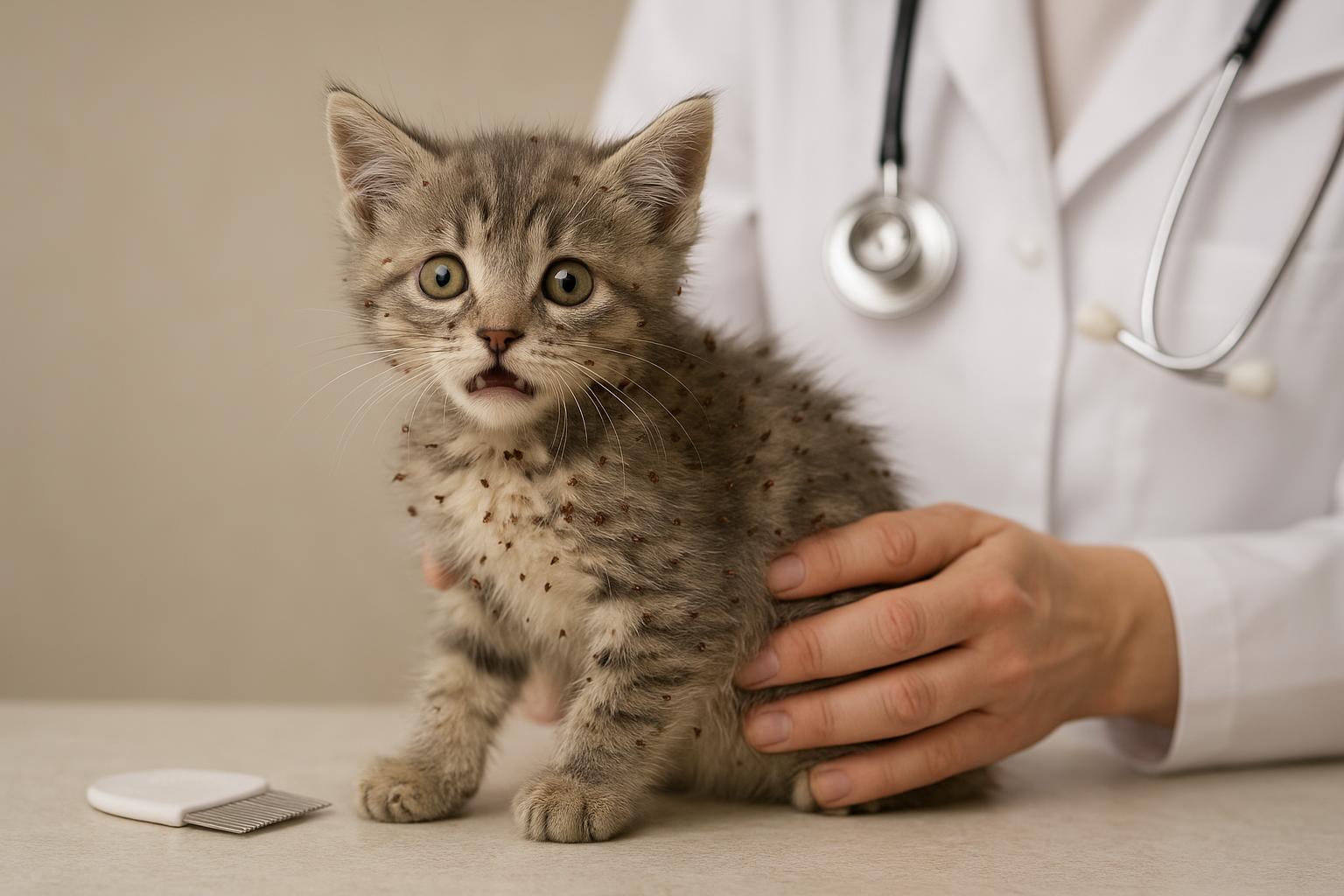
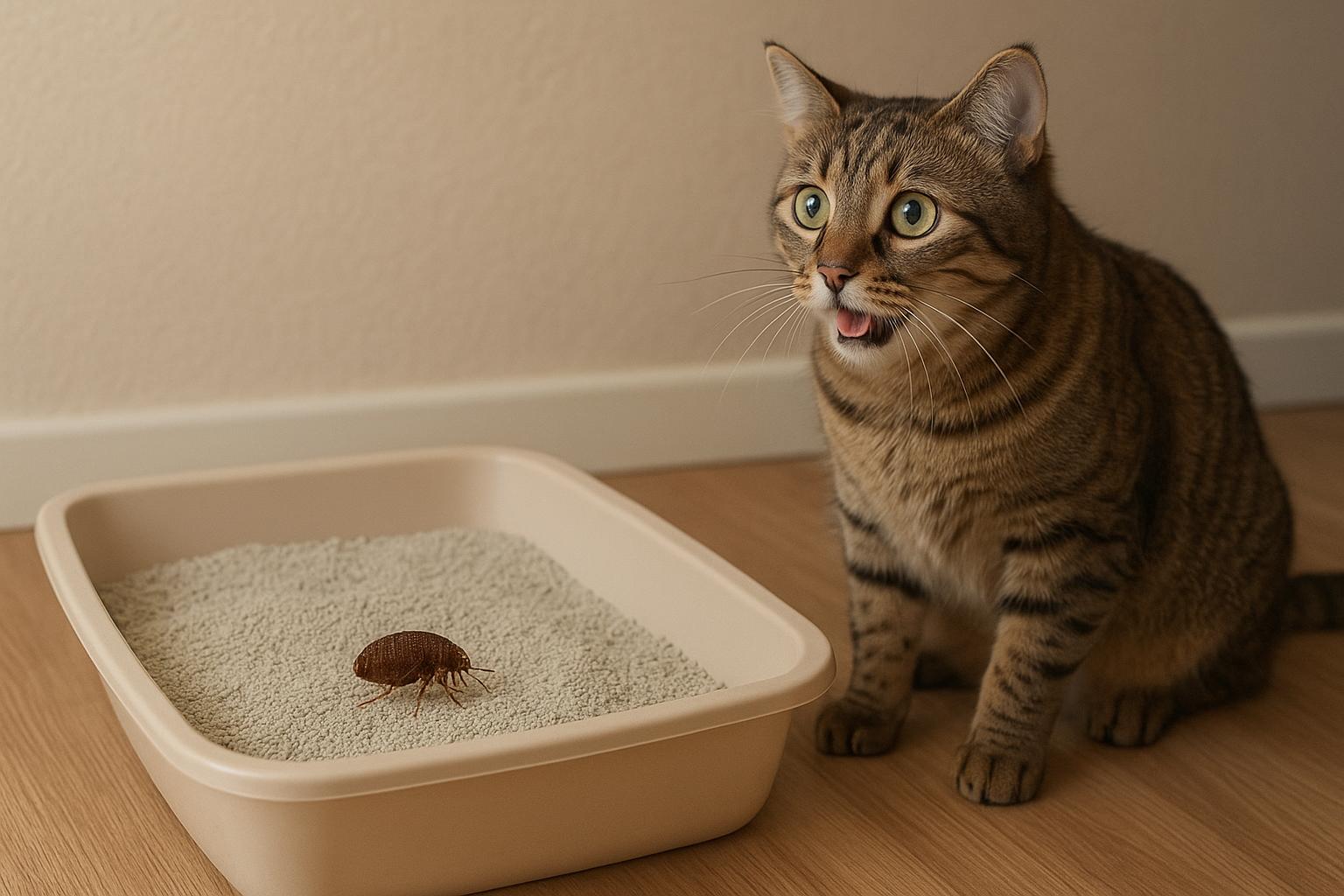
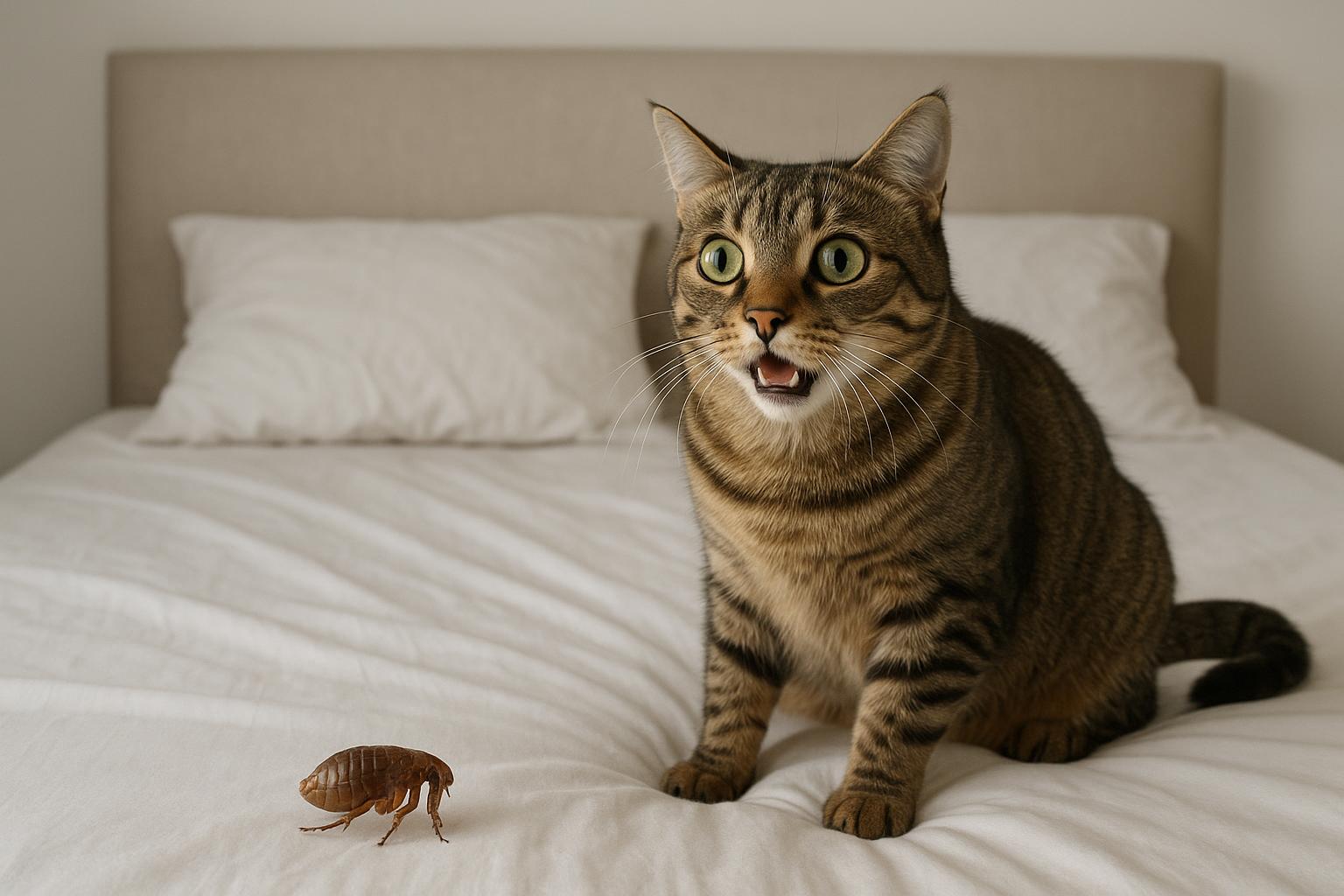
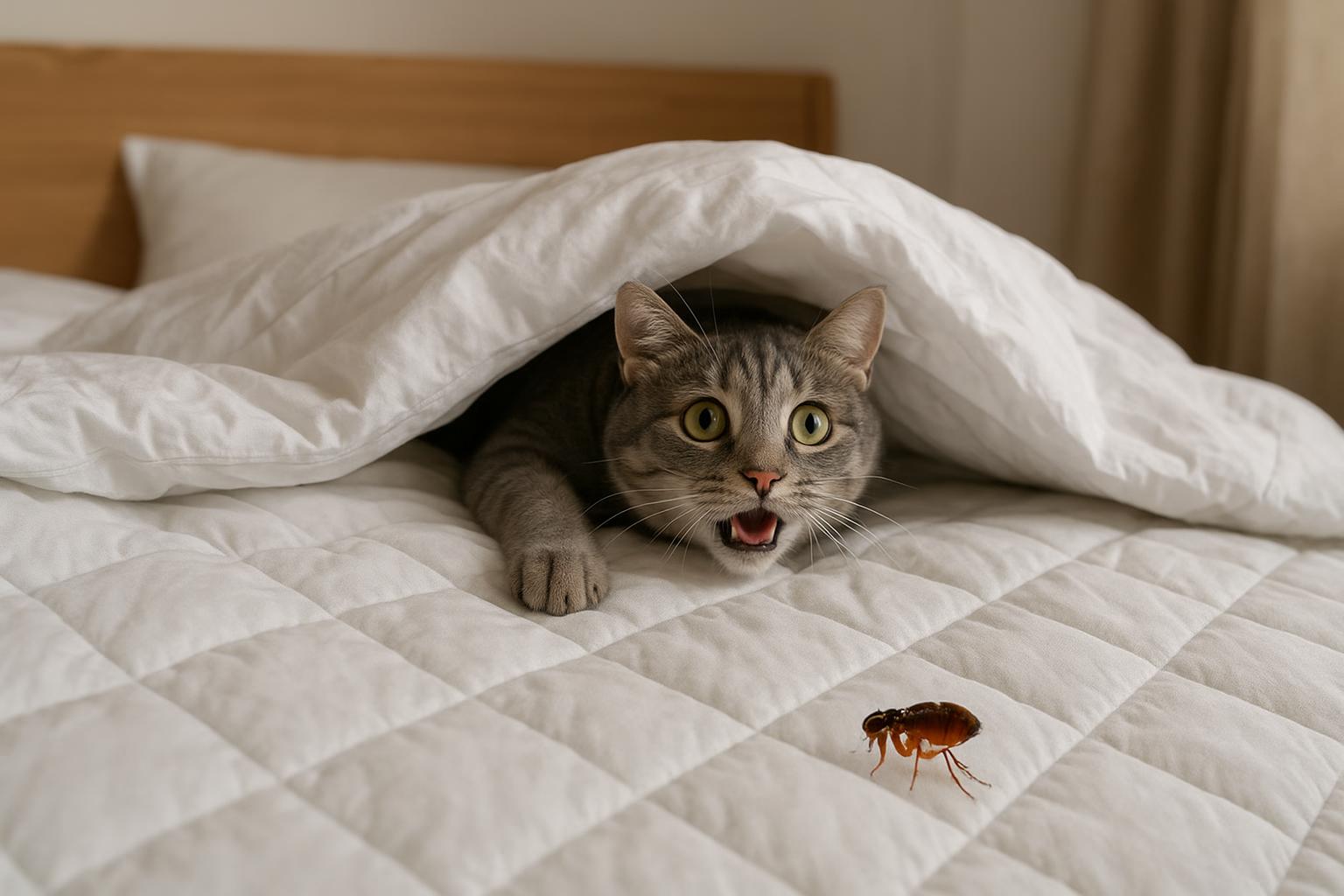
You just noticed tiny black pepper-specks crawling through your kitten’s fur, and your heart did that dramatic flip only pet parents know. Breathe. This is common, fixable, and very embarrassing for the flea. The key is acting quickly and smartly — and yes, sometimes that means you need to see a professional. For urgent flea concerns, see vet fleas early rather than later; kittens can decompensate quickly from heavy infestations.
## When To See Vet Fleas: Signs That Demand Attention
Kittens tolerate less blood loss and stress than adult cats. If you spot any of the following, see vet fleas without delay:
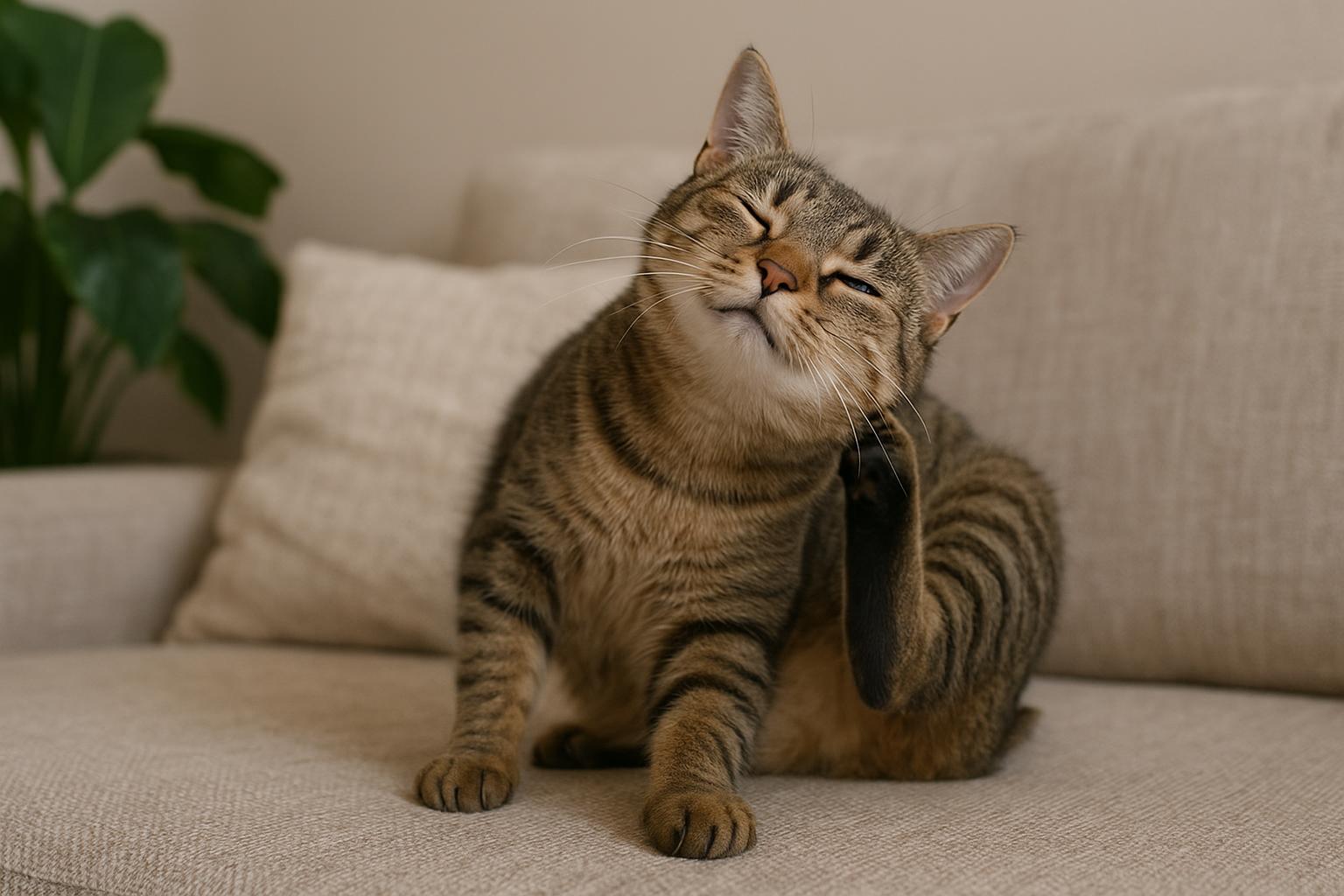
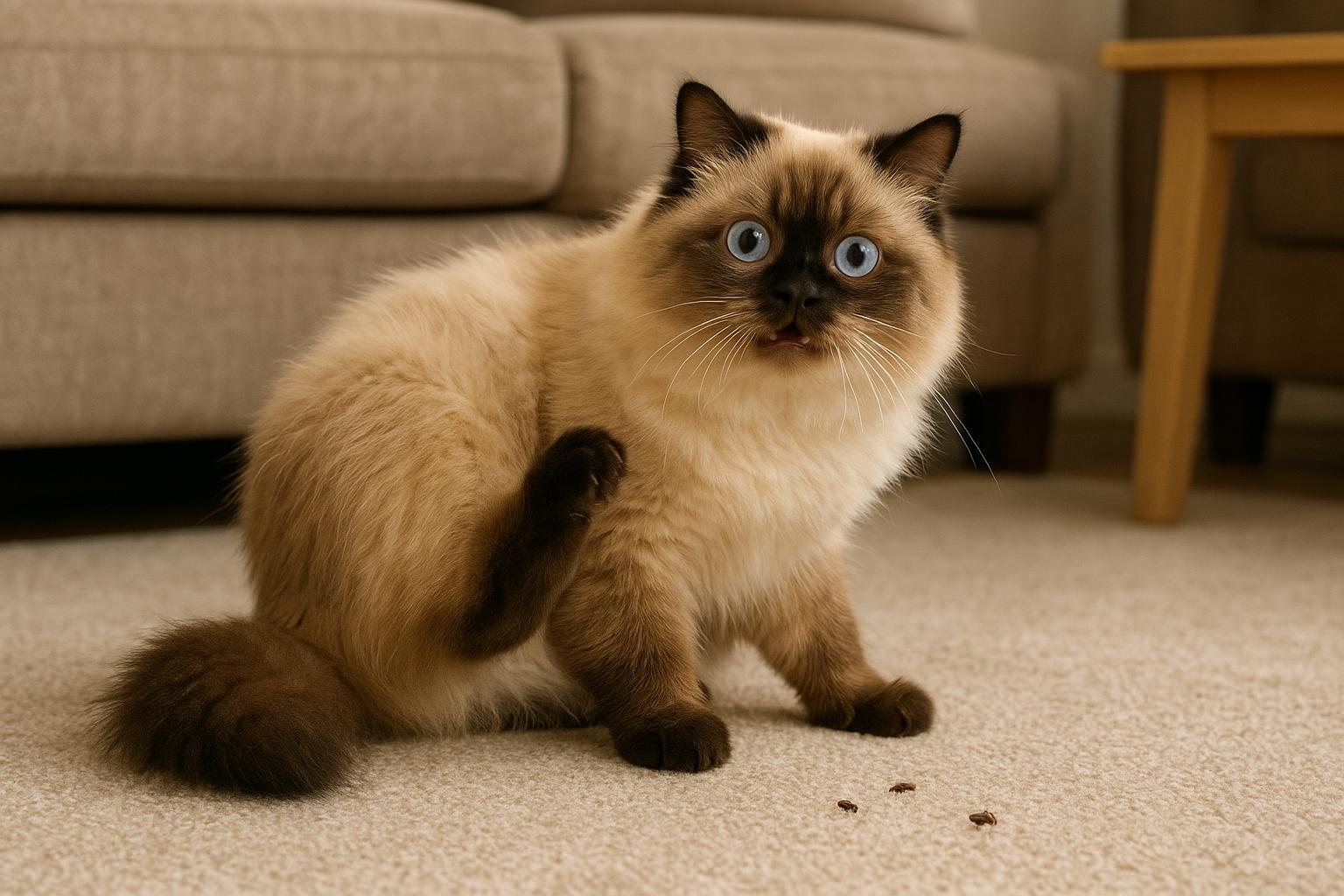
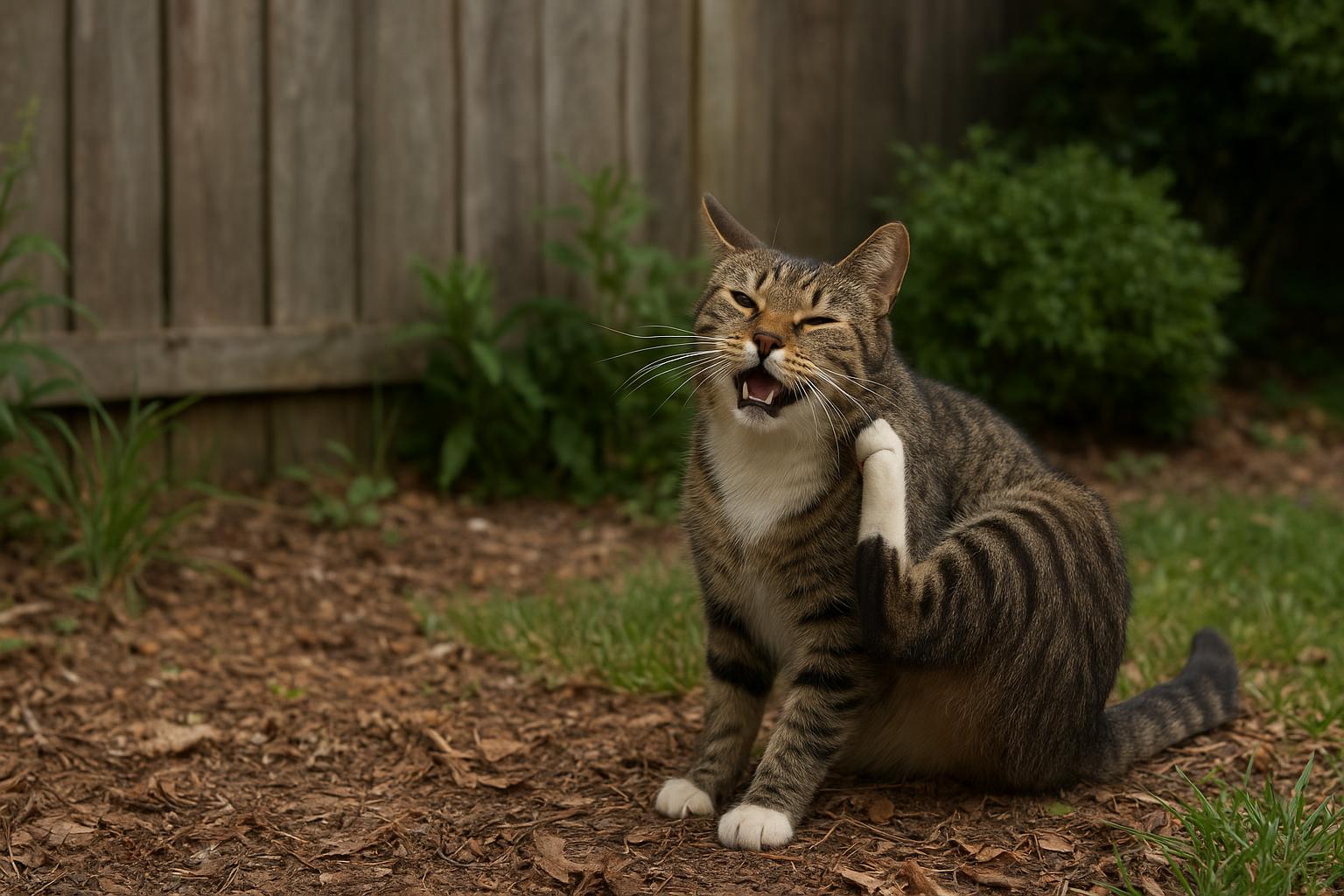
– Persistent or severe scratching that creates hair loss or open sores.
– Pale gums, weakness, rapid breathing, or lethargy (signs of anemia).
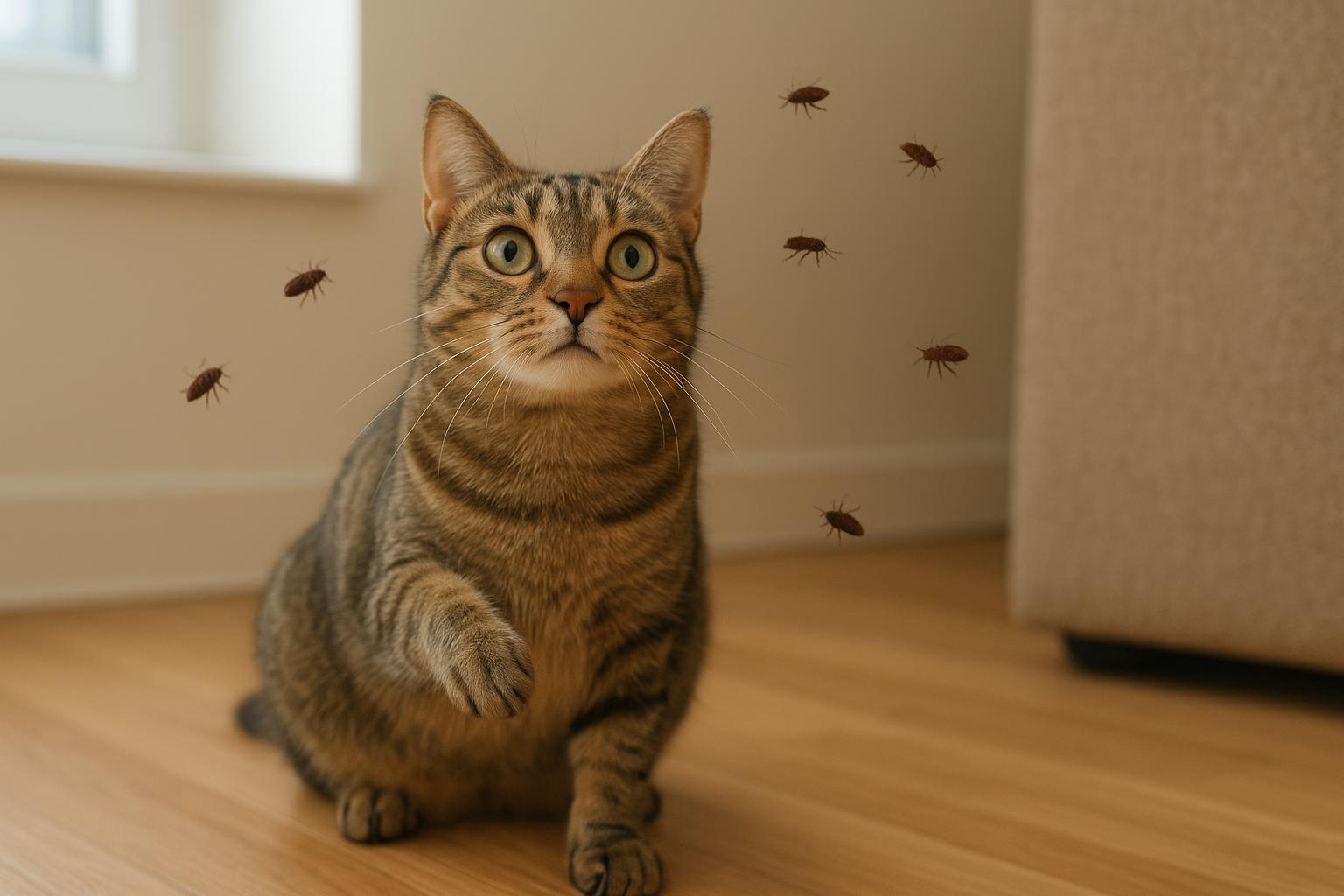
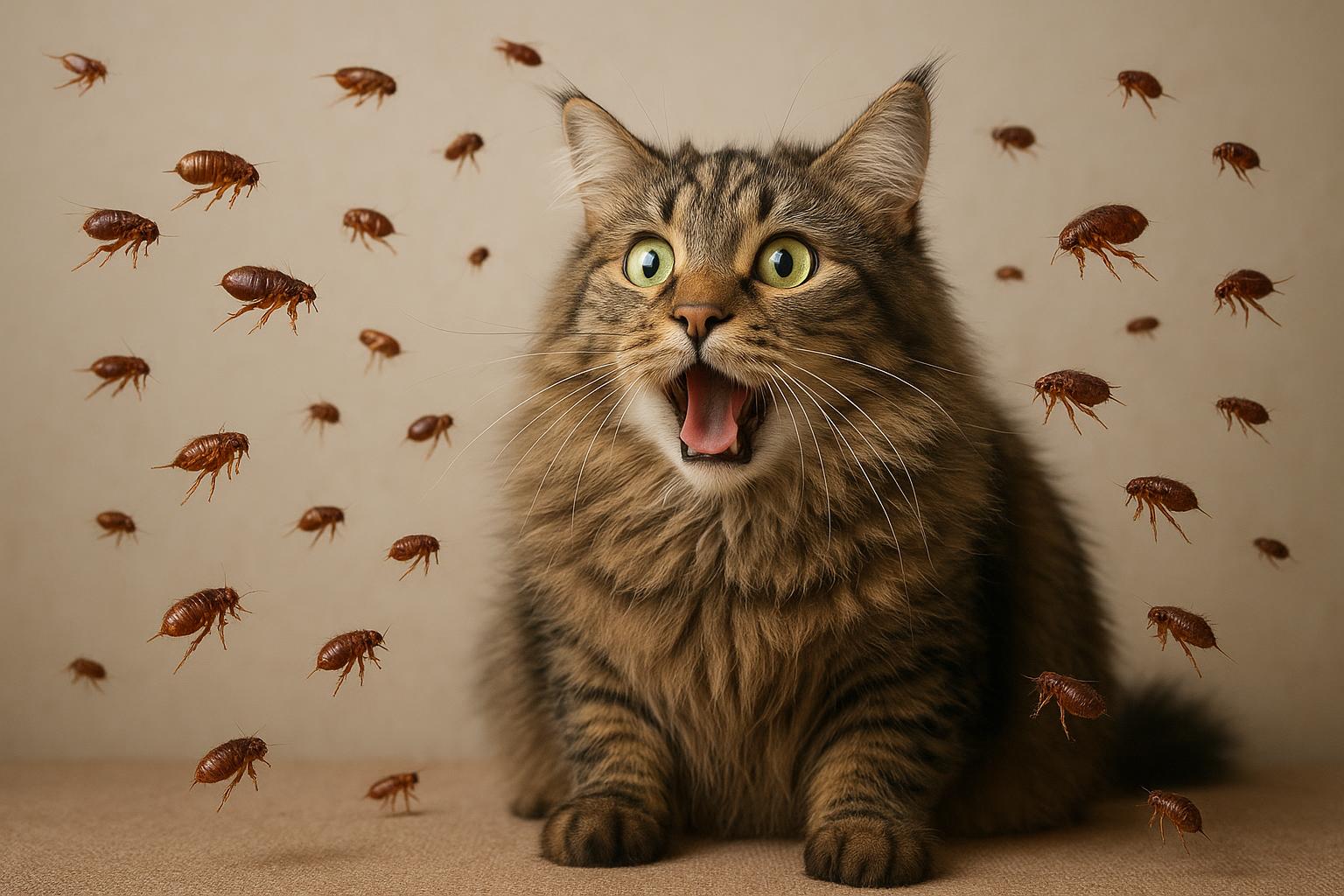
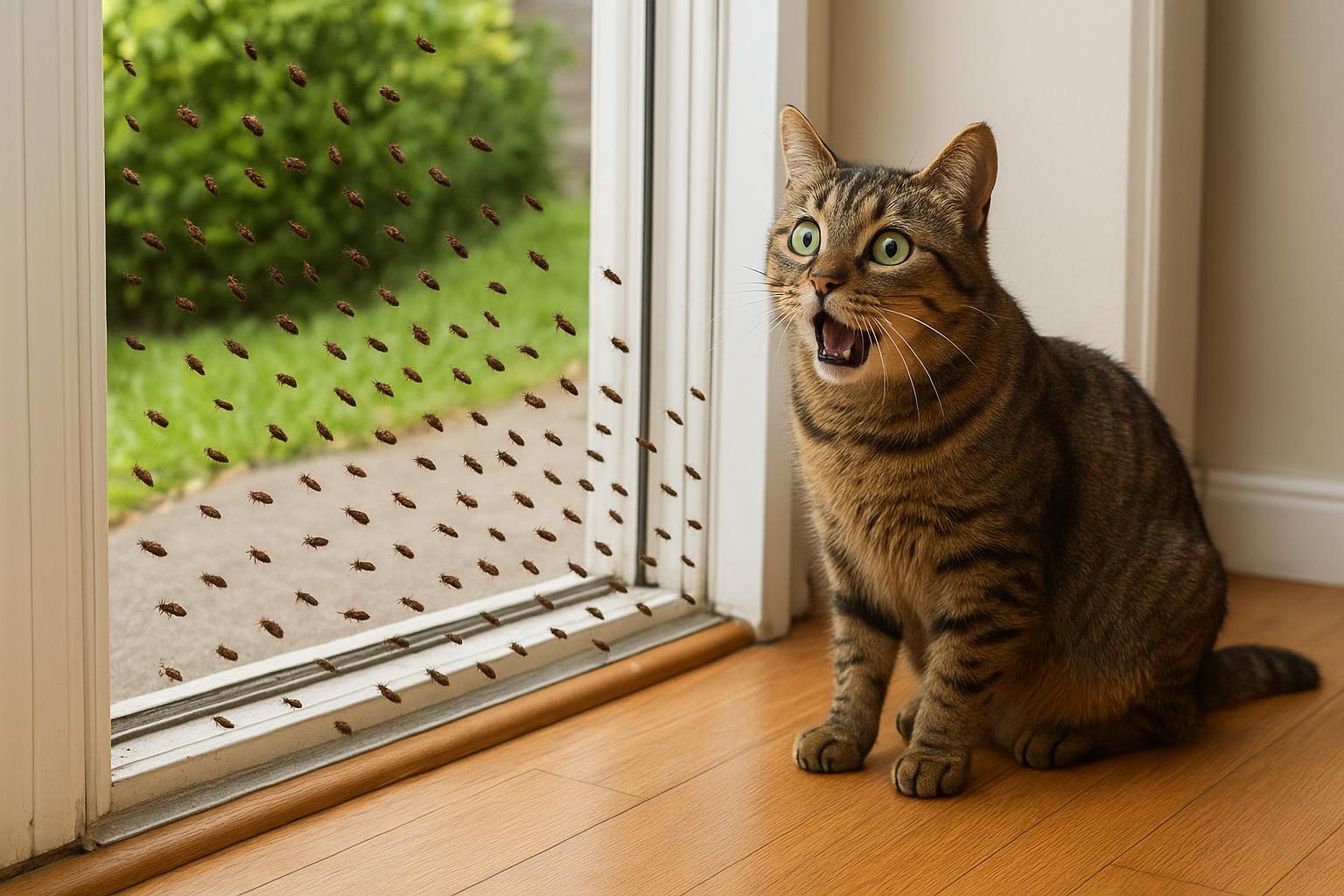
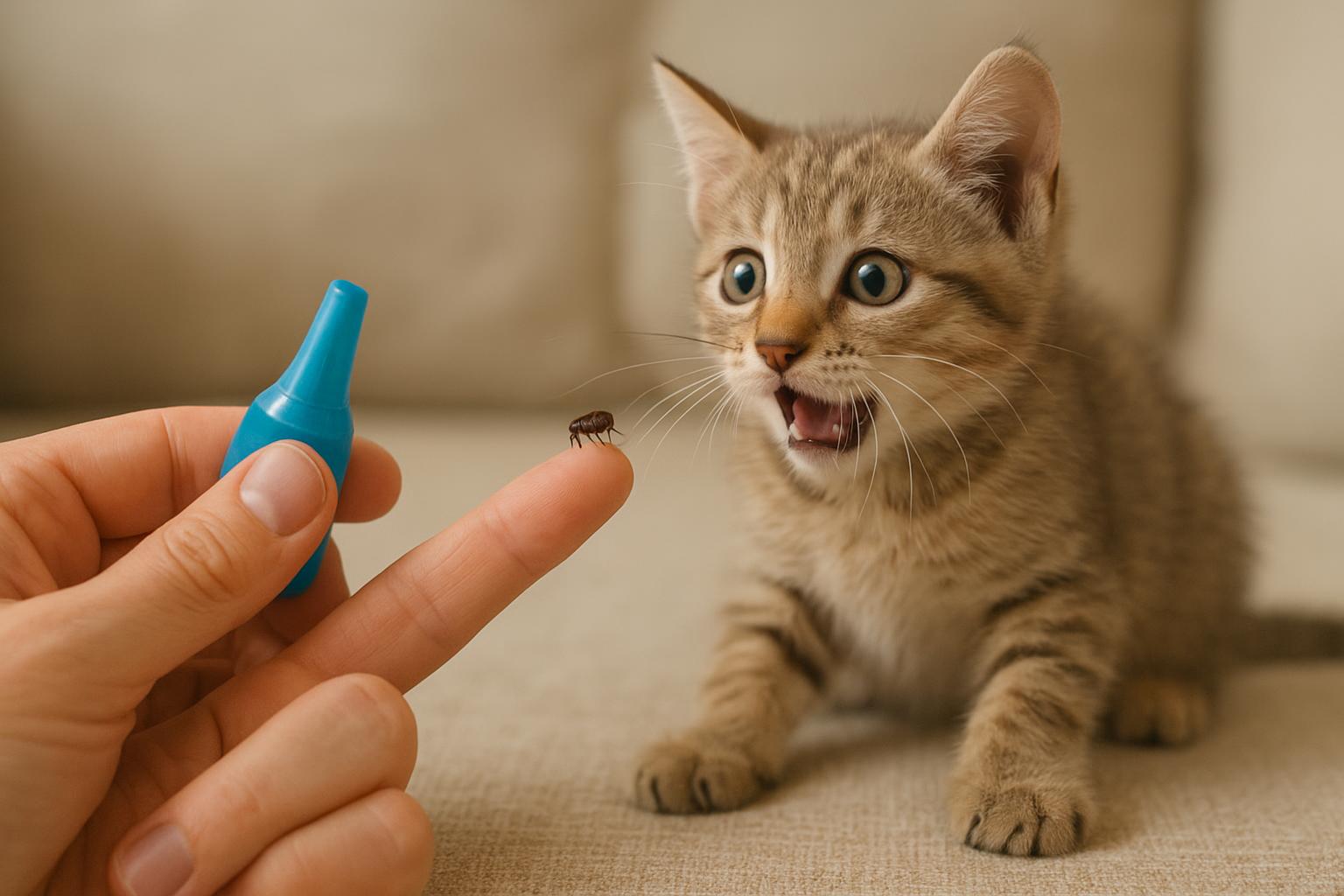
– Visible live fleas, especially if it seems like there are dozens.
– Blood in the stool or on the bedding.
– Very young kittens (under 8–12 weeks), underweight kittens, or those who are not nursing/eating well.
Timing matters. A light infestation can often be handled at home with careful combing and environmental cleaning, but when eggs and heavy flea loads create symptoms, see vet fleas immediately so a professional can assess for anemia and prescribe safe, age-appropriate treatment.
### What Fleas Do To Kittens
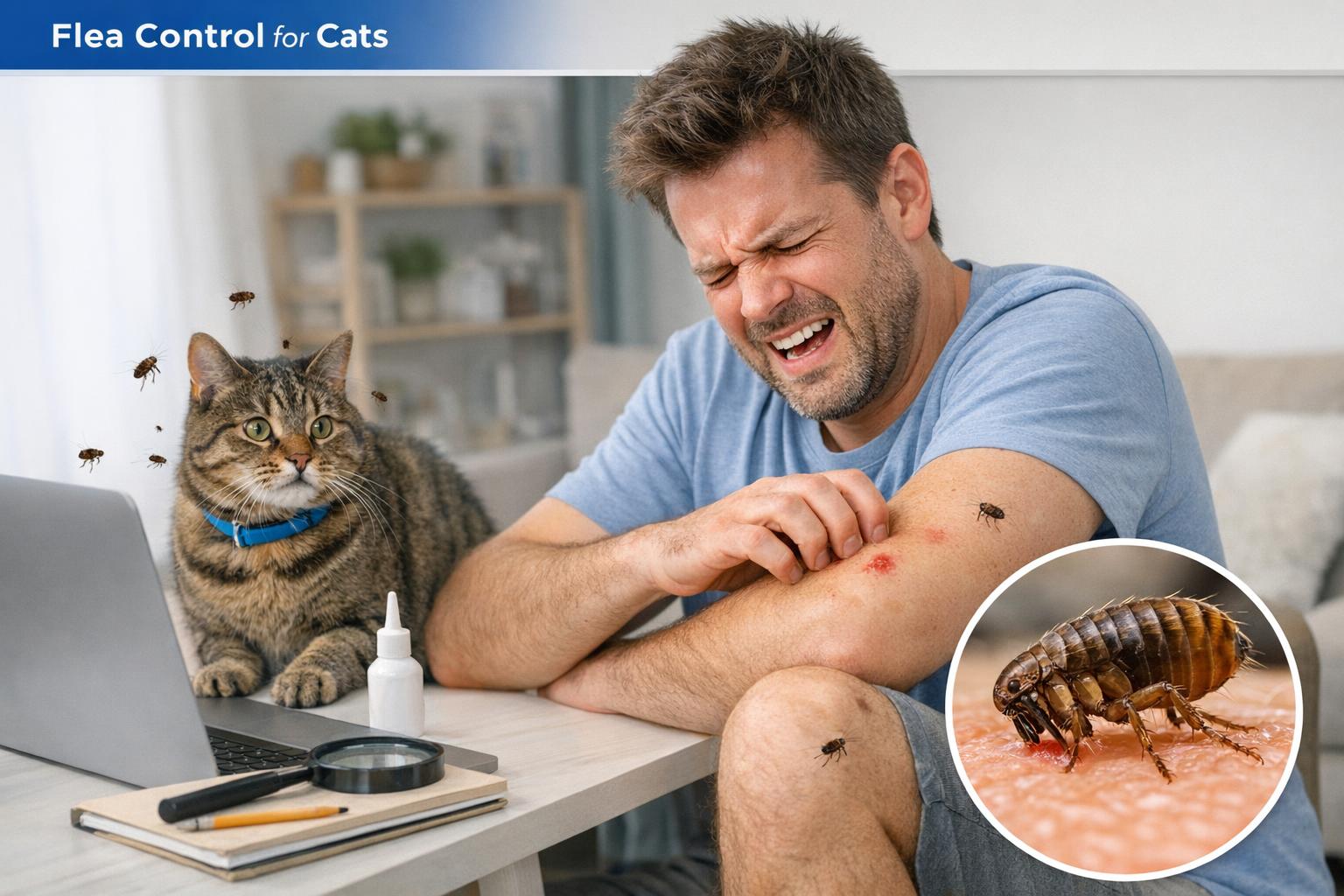
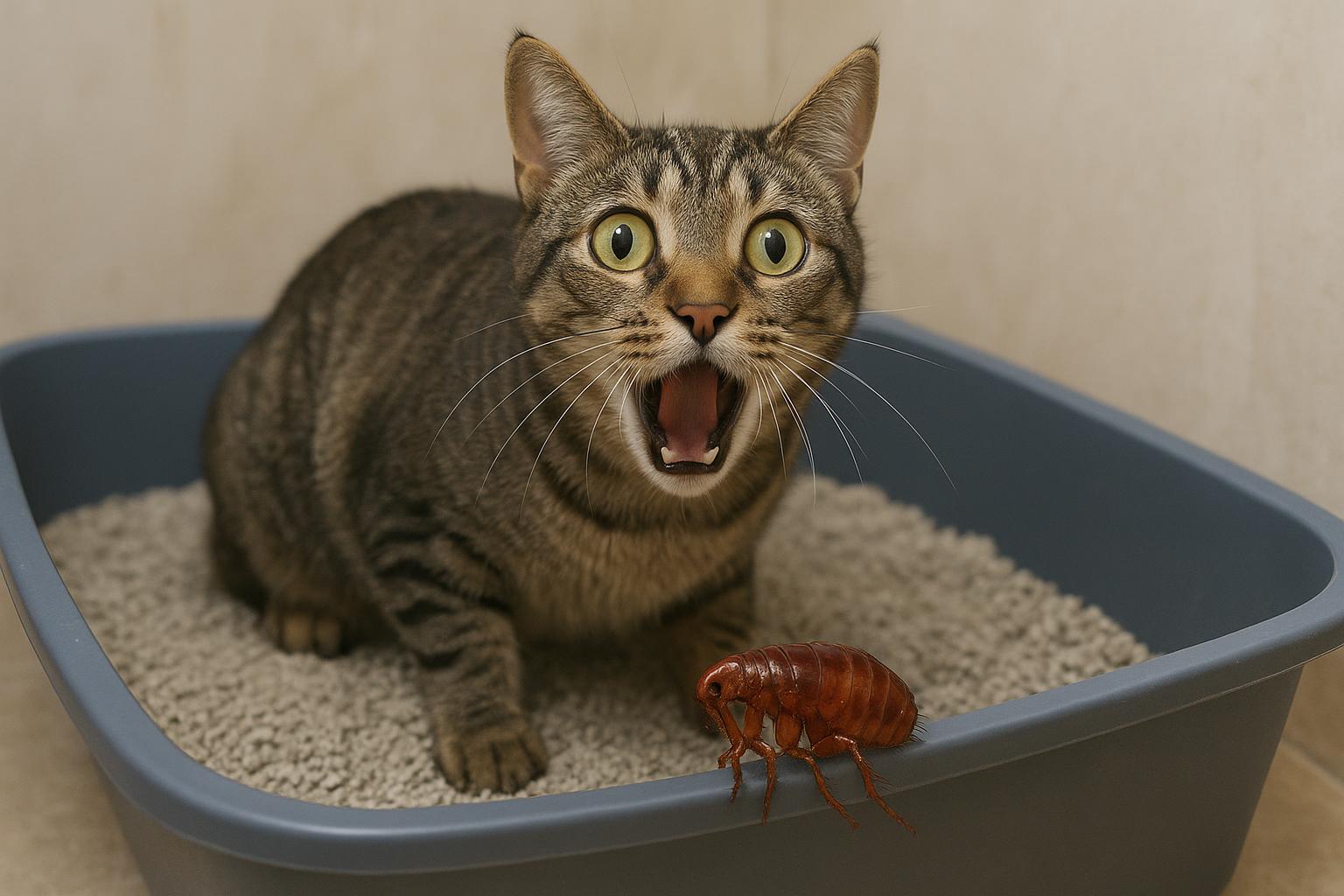
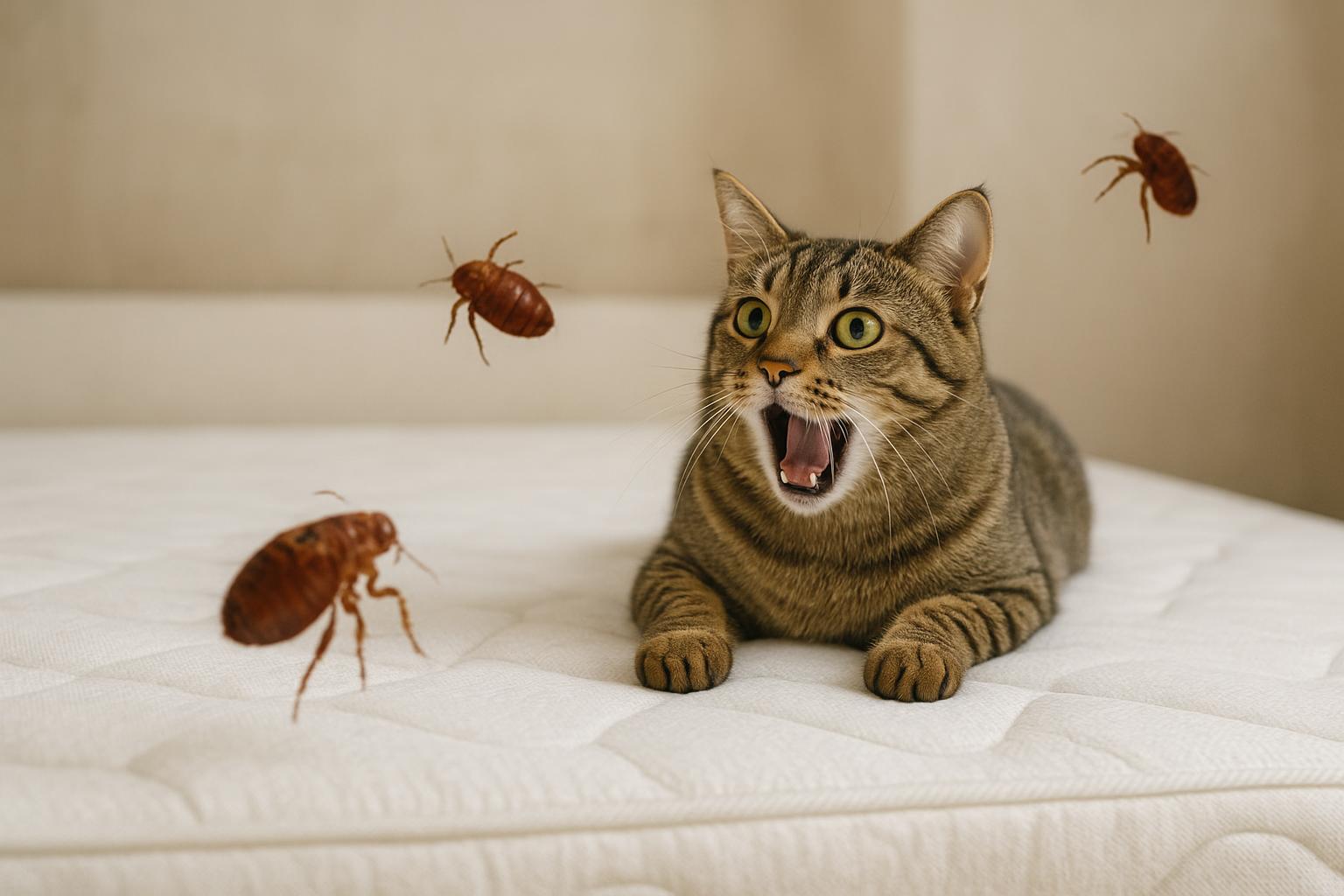
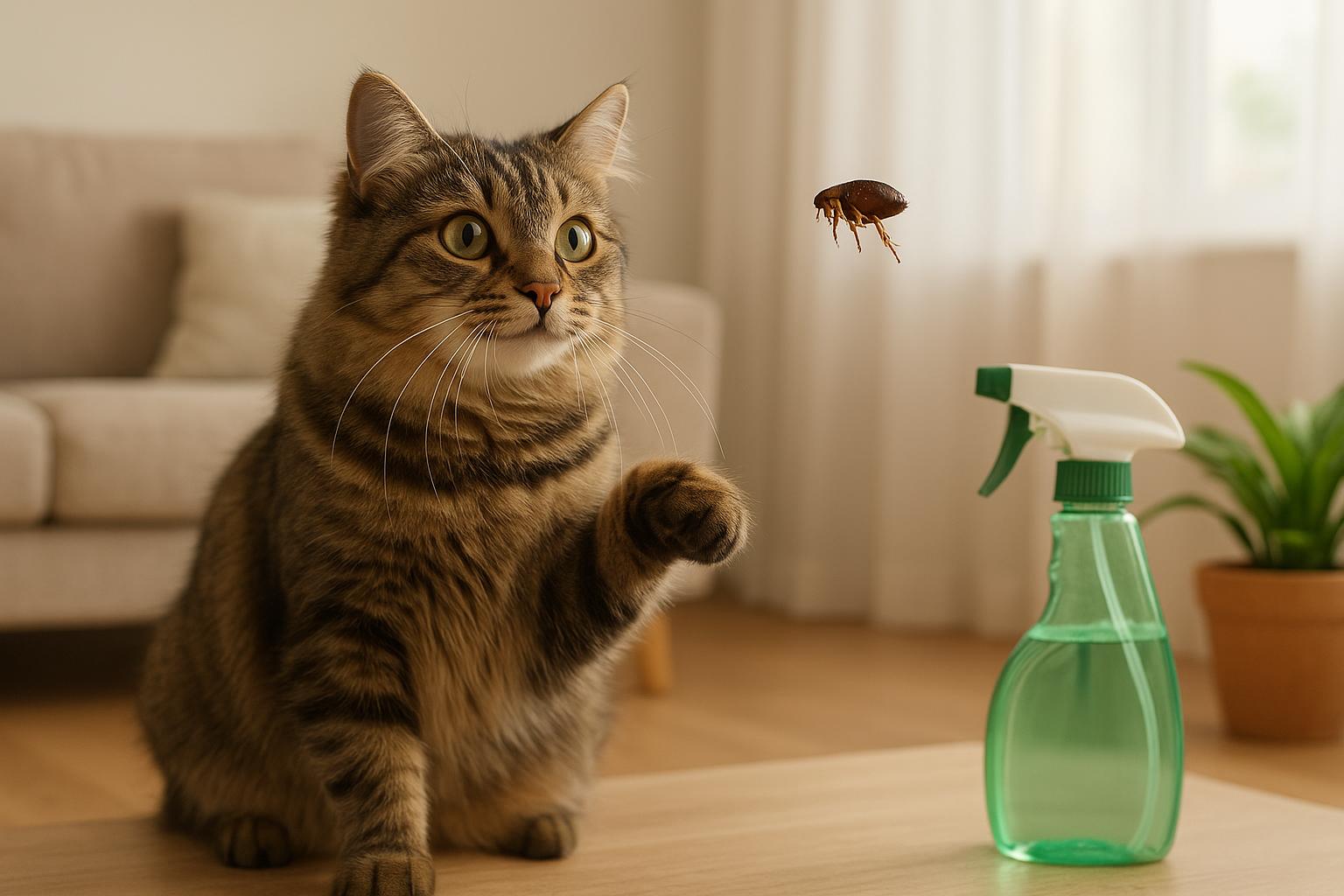
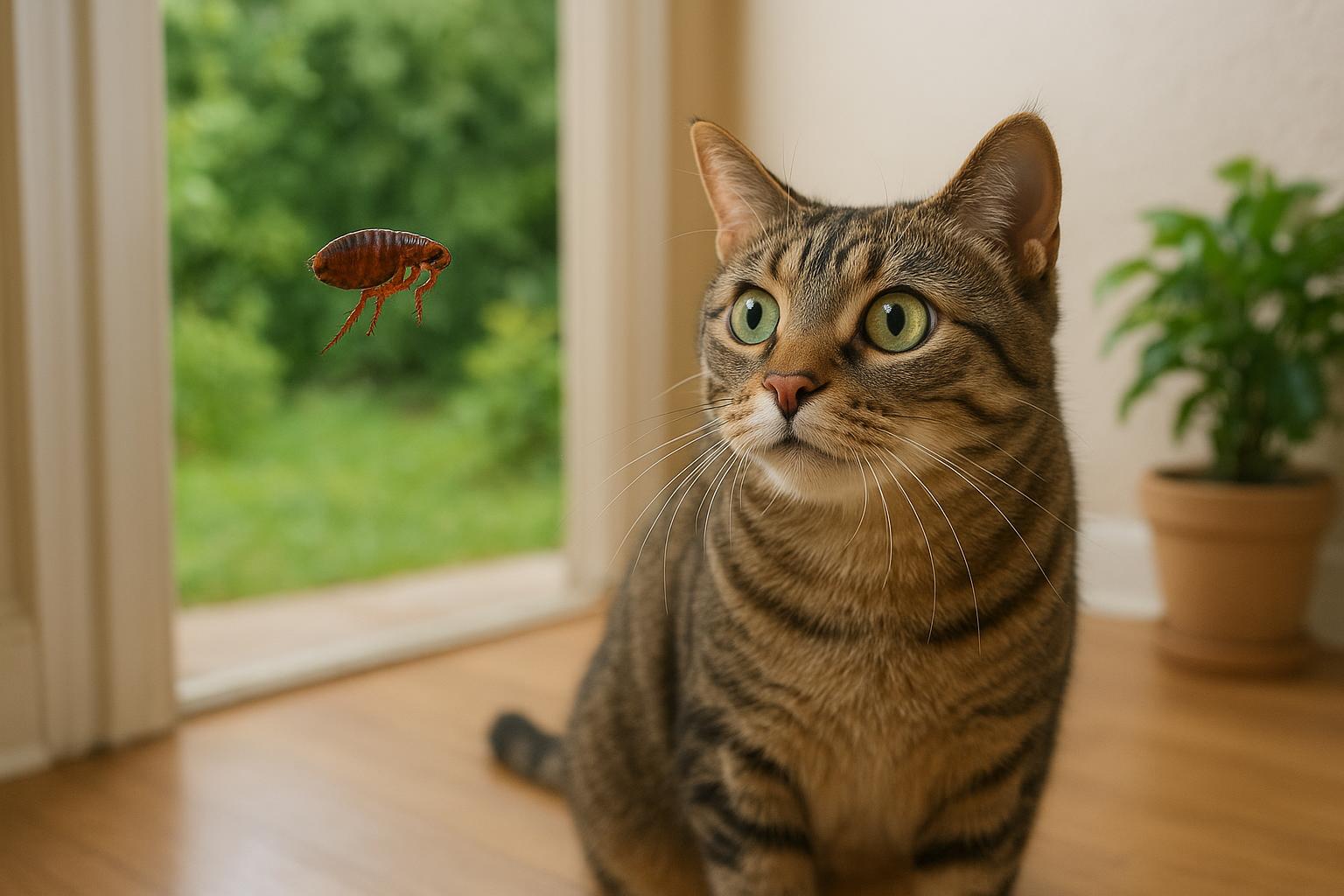
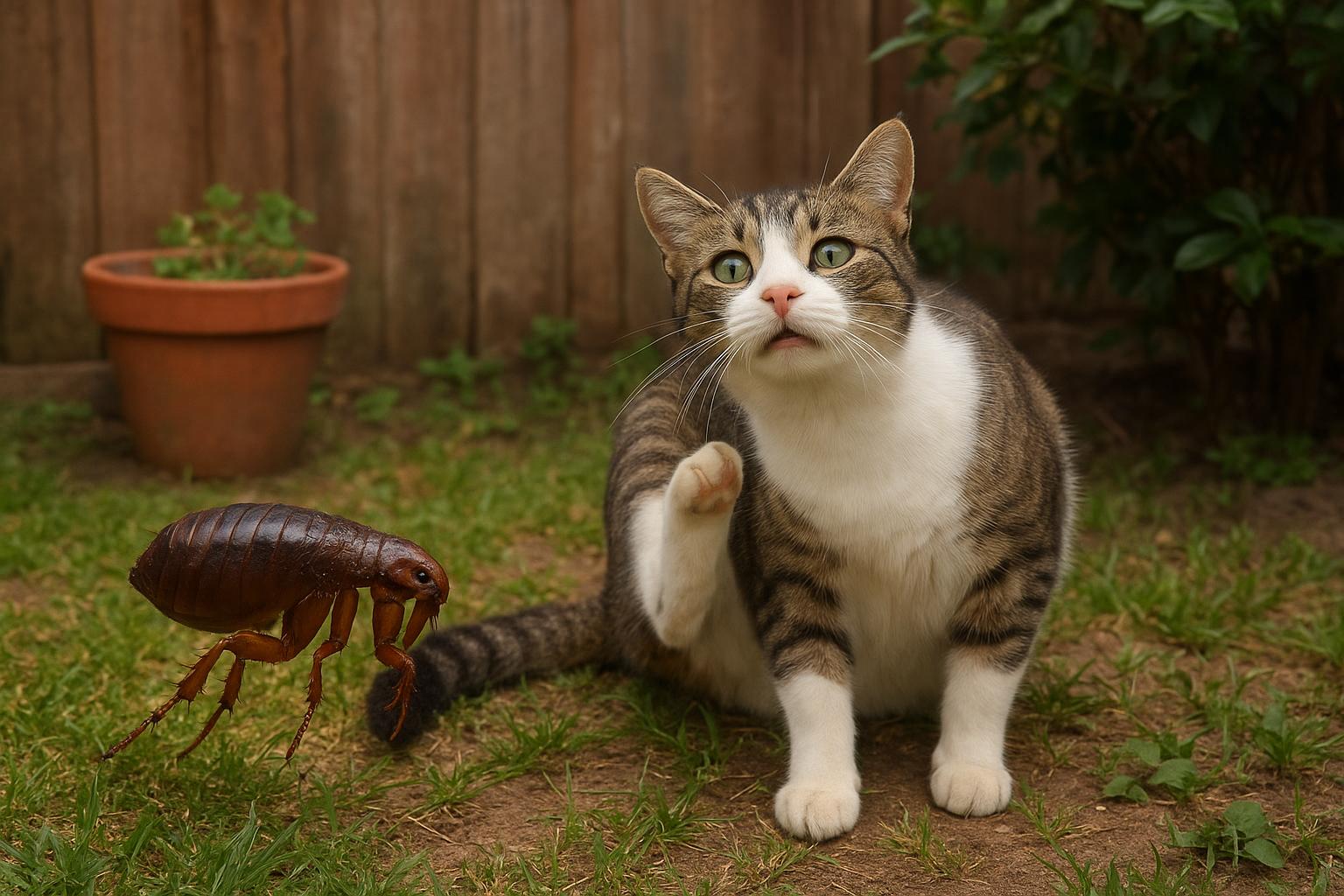
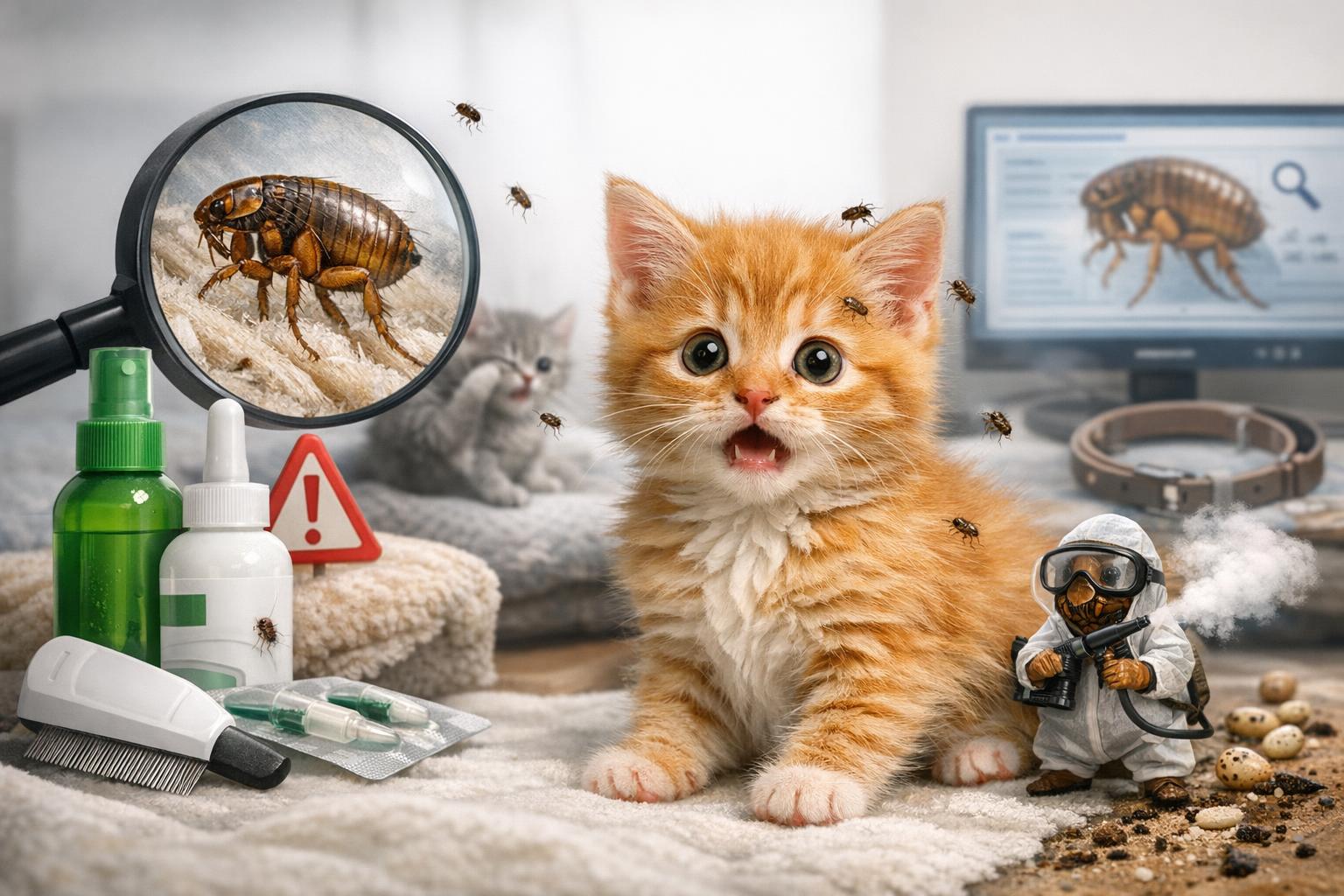
Fleas are tiny but mighty. They feed on blood and reproduce fast: the average cat flea can lay dozens of eggs a day. For a kitten, the consequences include:
– Skin irritation and secondary infection from scratching.
– Allergic reactions (flea allergy dermatitis) from flea saliva.
– Heavy infestations causing anemia, especially in young or small kittens.
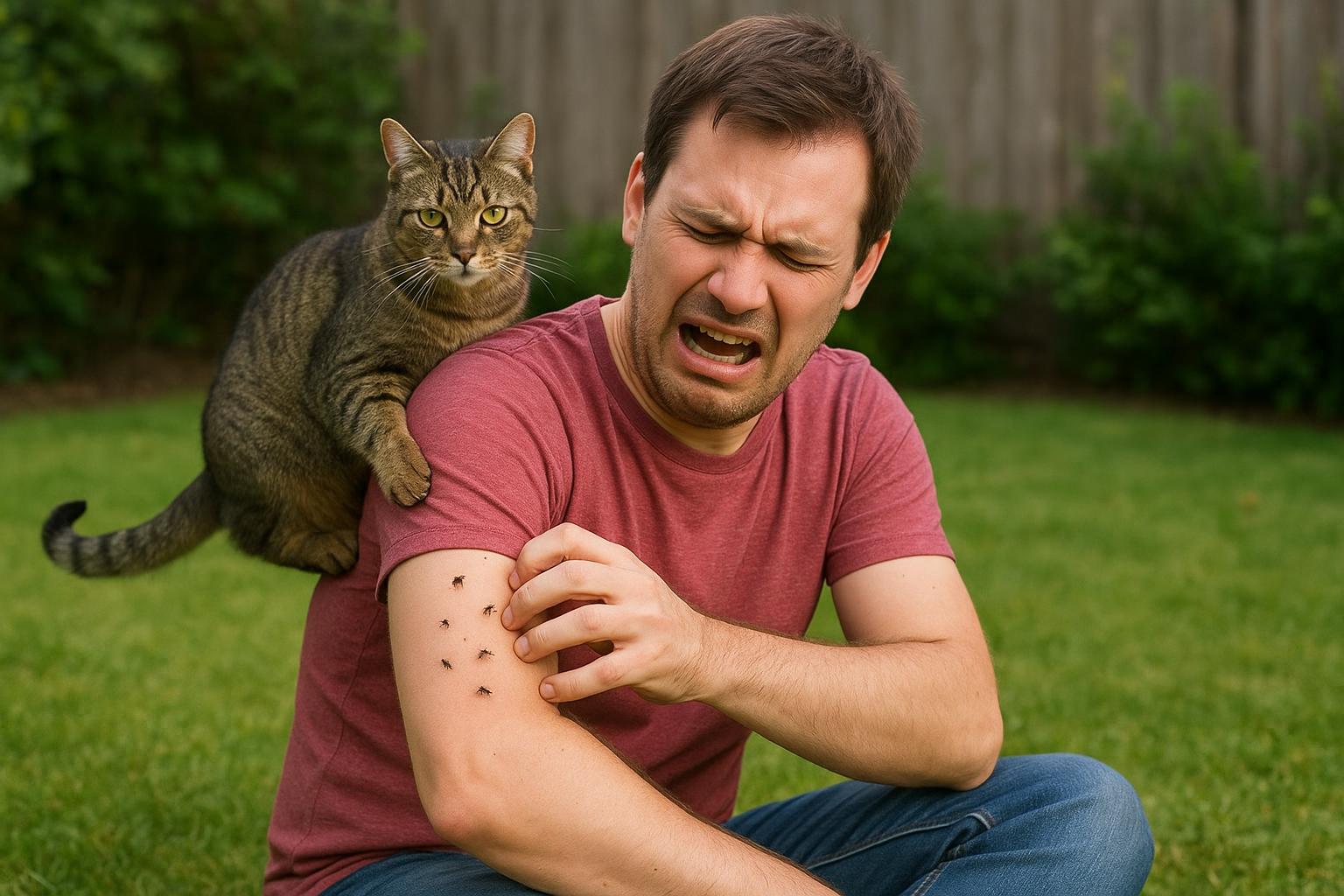
– Transmission of tapeworms (via ingesting infected fleas) and the potential for other pathogens.
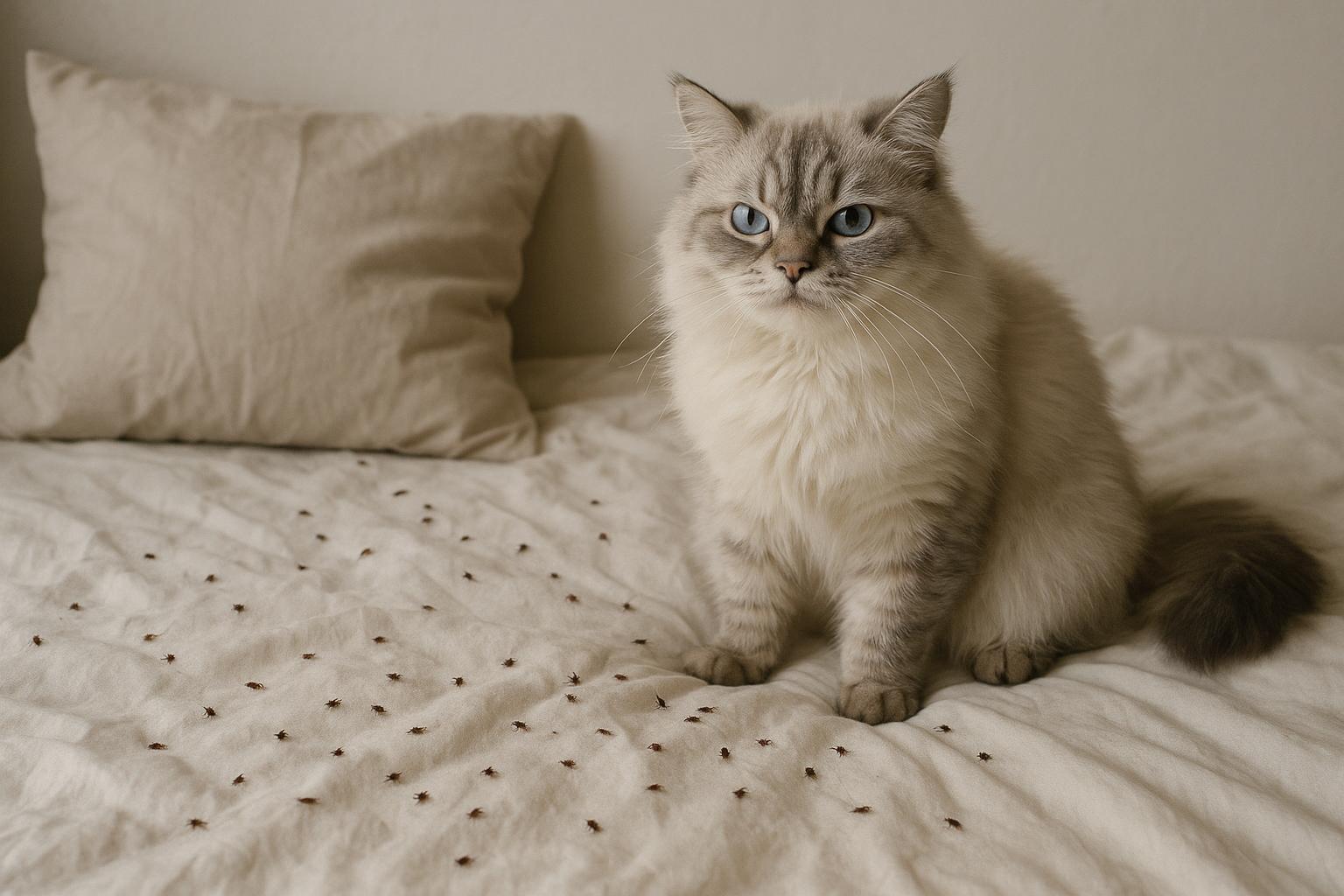
Knowing the lifecycle helps: eggs fall into bedding and carpets, larvae hide in crevices, pupae wait for the right moment, and adults jump on the host — then the cycle starts again. That’s why treating both the kitten and the environment is essential.
### How To Check Your Kitten For Fleas
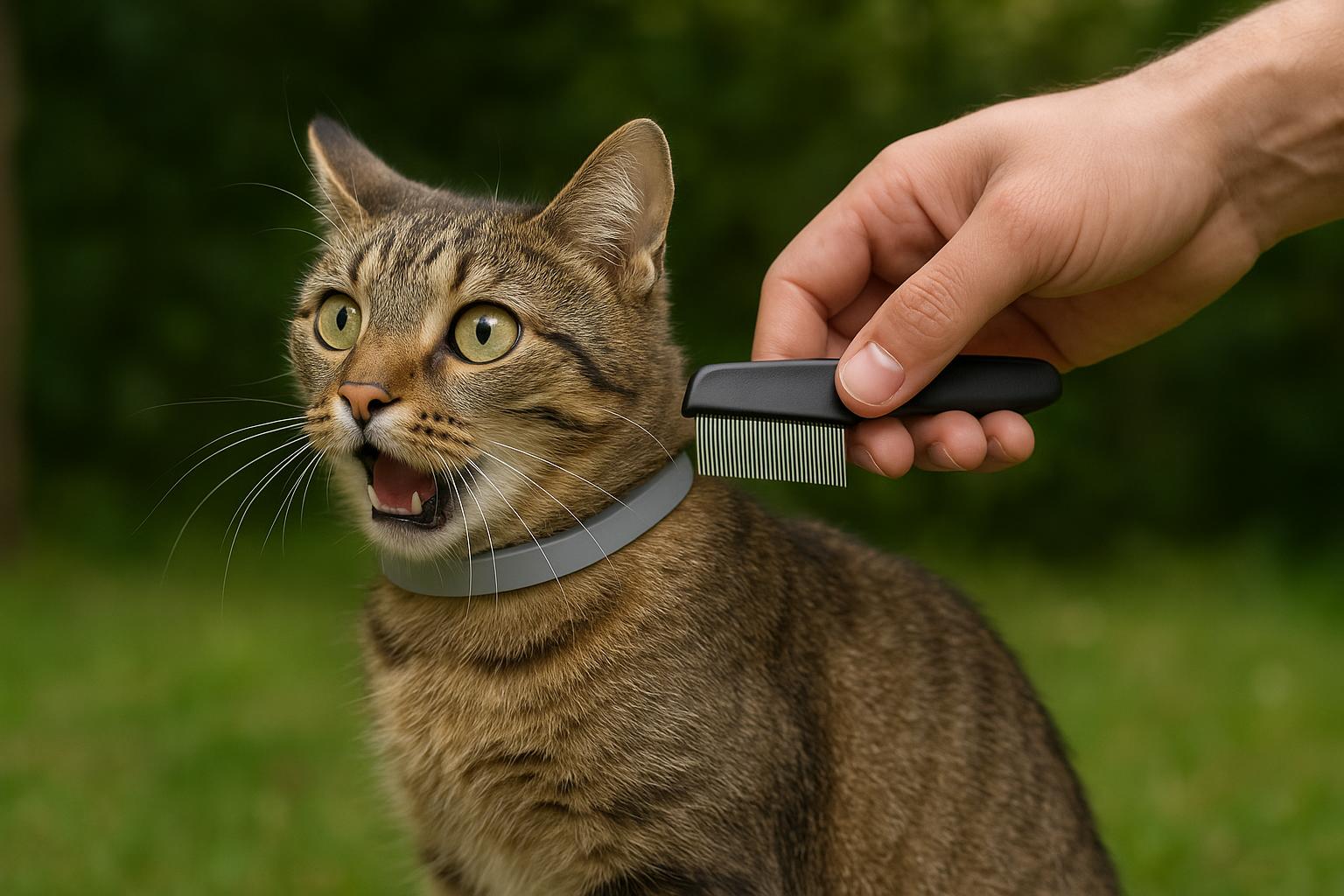
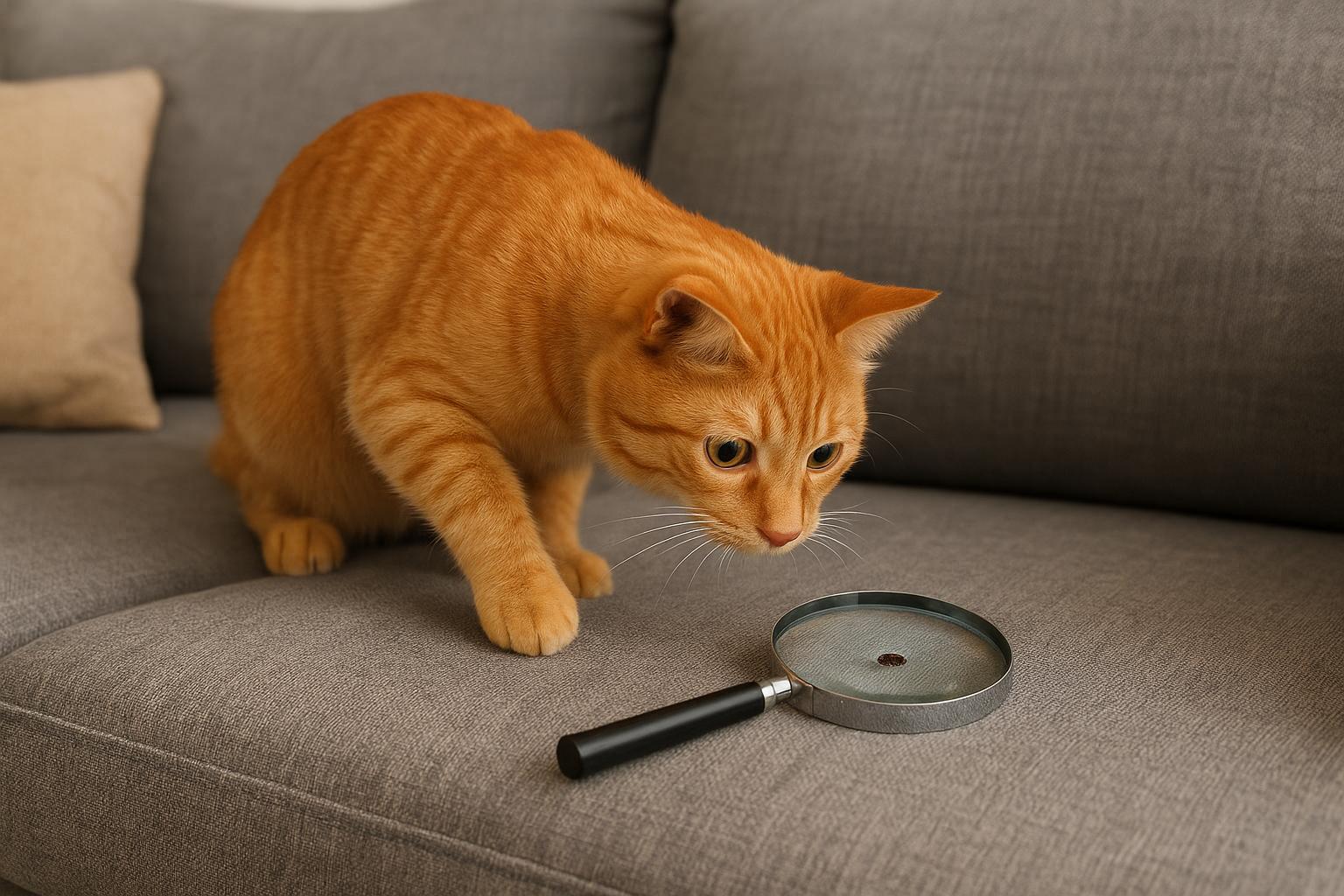
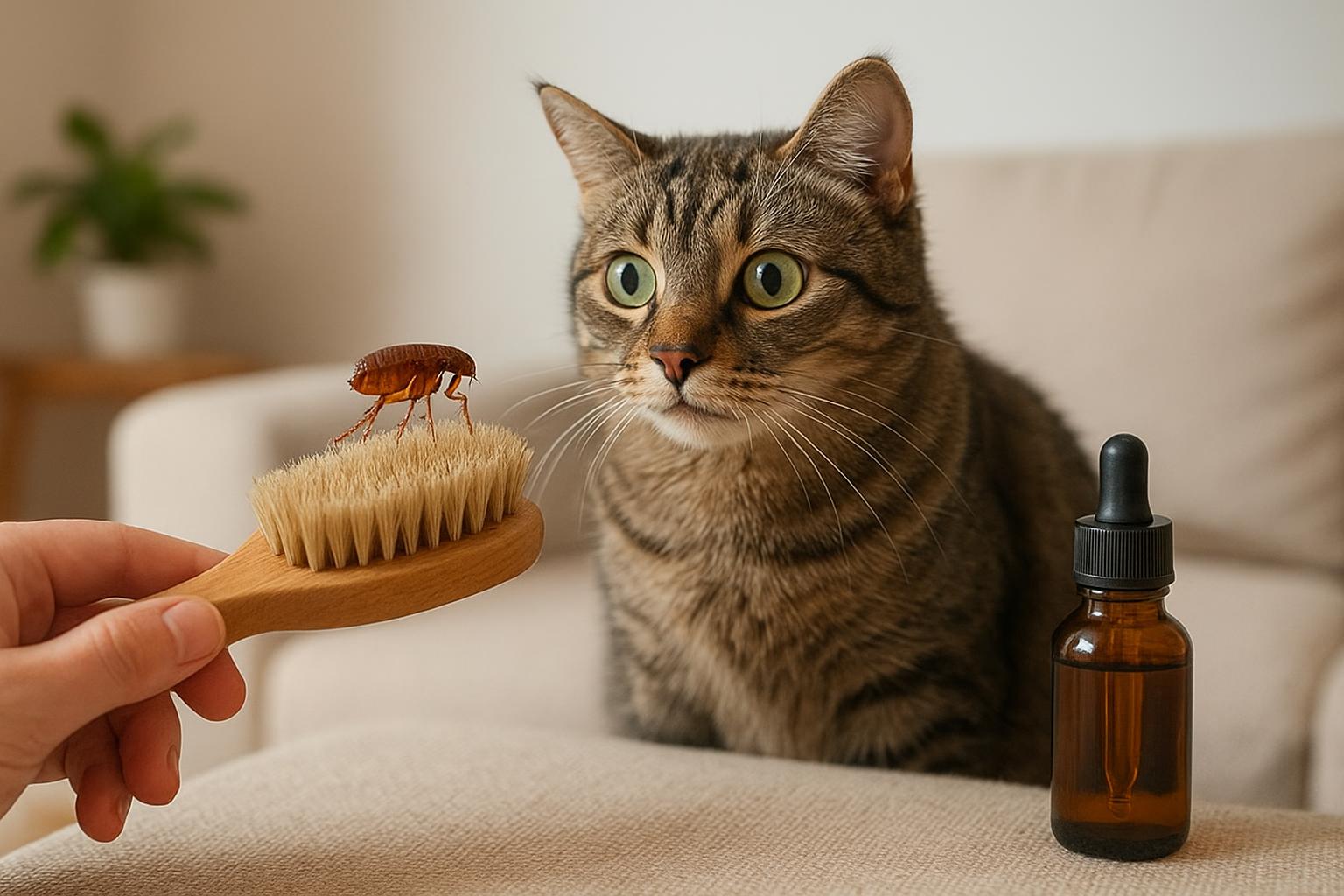
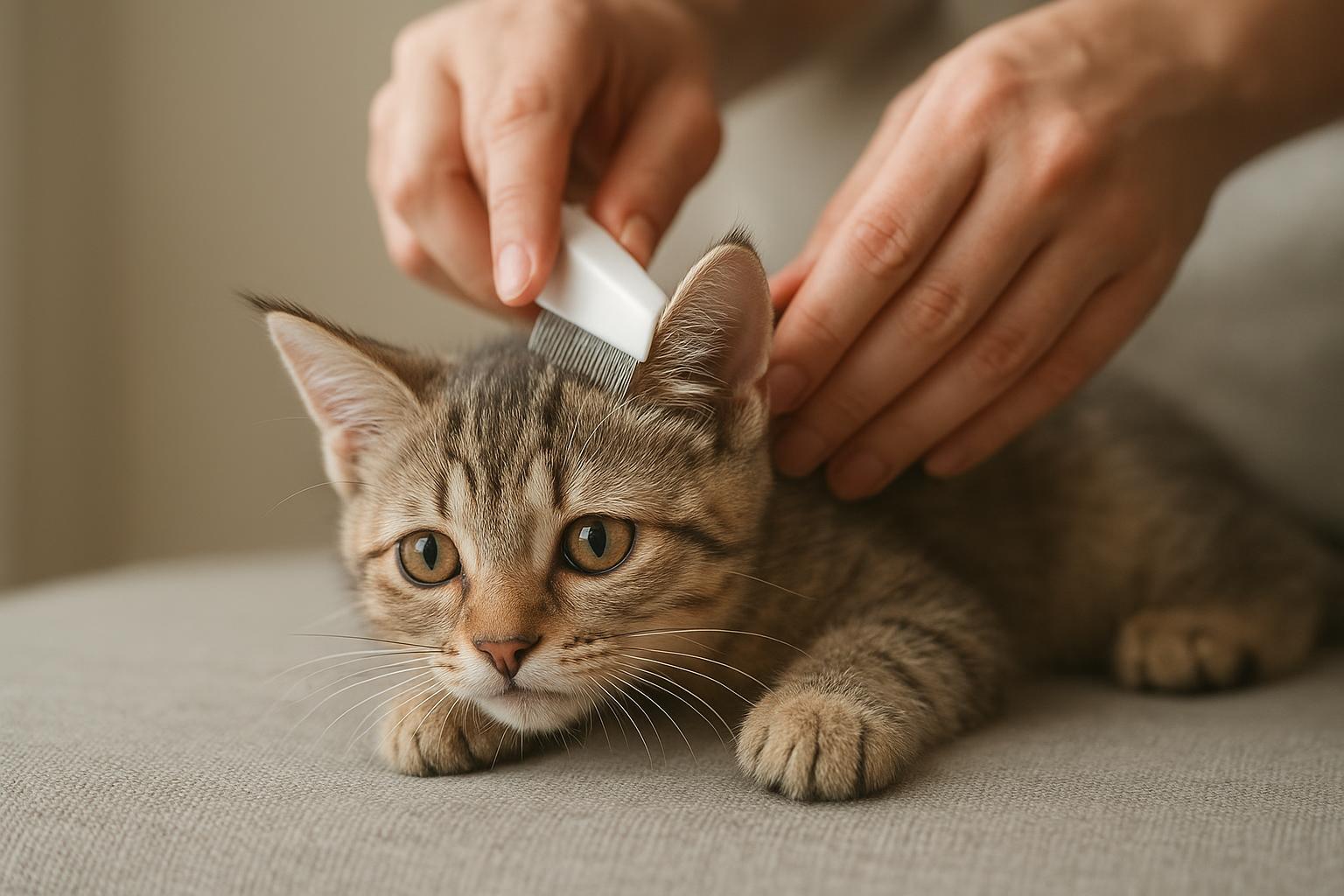
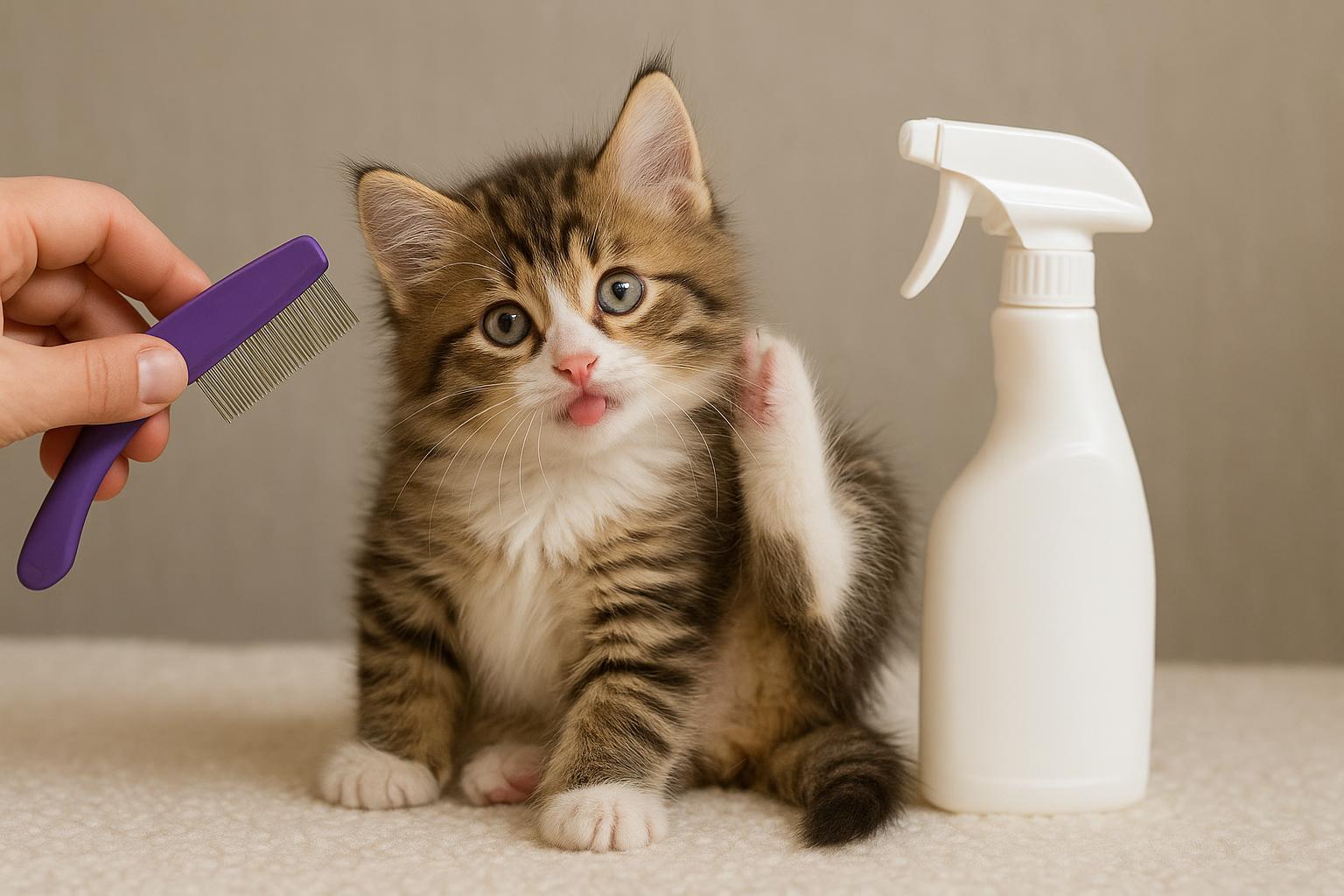
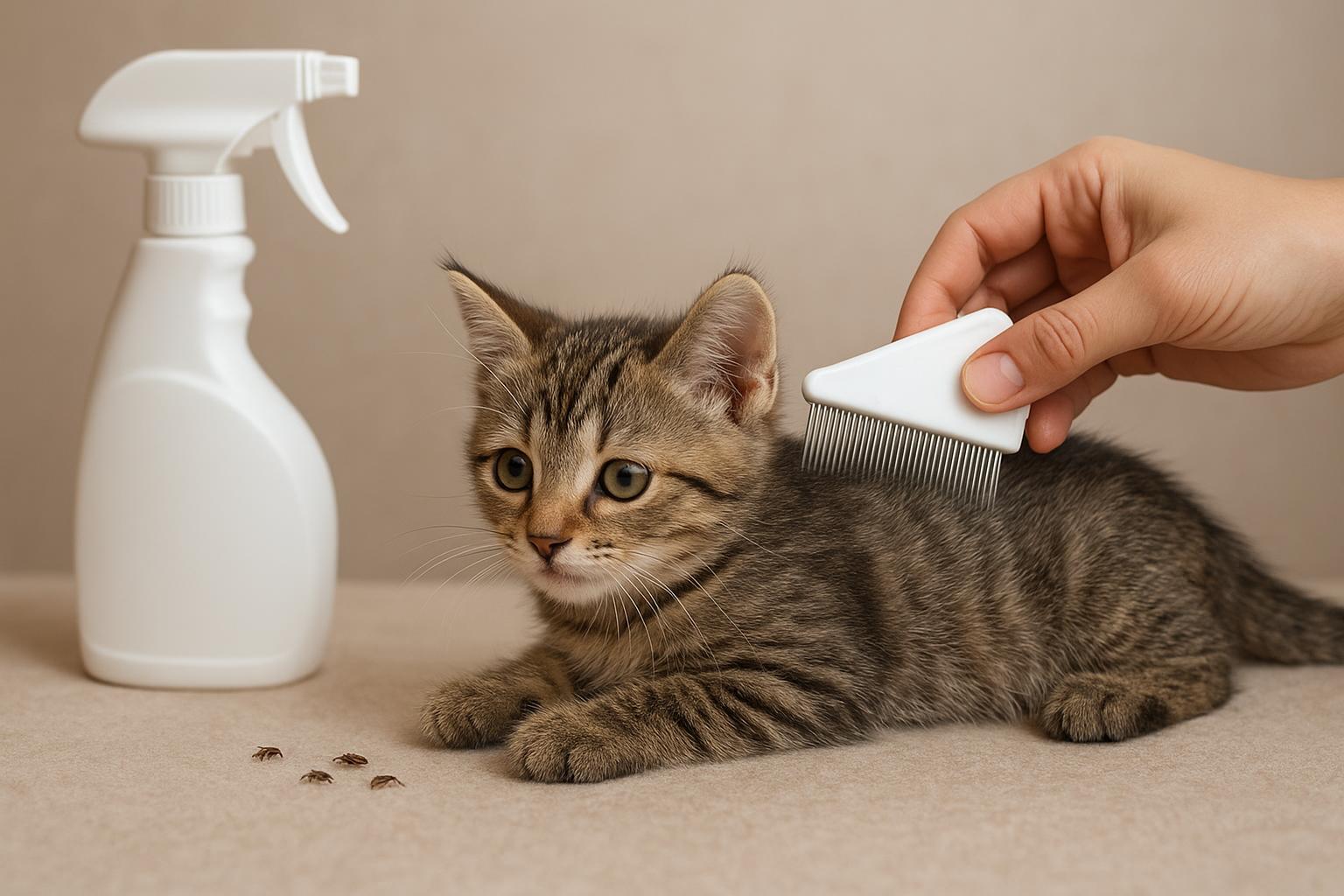
Gently part the fur and look for dark specks and moving dots. A simple test: place suspected “dirt” on a wet paper towel — if it turns reddish (digested blood), that’s flea dirt. Use a fine-toothed flea comb over a white paper towel to catch evidence. If the kitten is itchy, losing hair, or pale, don’t hesitate to see vet fleas — especially for kittens under 12 weeks or those who seem unwell.
## 2 Remedies: Home Care And Veterinary Treatment
When you find fleas, there are two complementary paths: immediate home care for comfort and environmental control, and veterinary-directed prescription treatments to safely eradicate fleas and protect health.
### Remedy 1: Immediate Home Care For Comfort
This is the short-term, urgent response you can do tonight to reduce irritation and remove adult fleas. Note: If the kitten is very young (under 8 weeks), extremely weak, or shows signs of anemia, skip home remedies and see vet fleas immediately.
#### Materials Needed For Home Care
– A soft, fine-toothed flea comb
– Warm water and a basin
– Puppy- or kitten-safe mild soap (if bathing is appropriate) — use only products labeled safe for kittens of the specific age
– Clean towels
– Bedding you can wash in hot water
– Temporary safe warming area (if kitten is chilled)
Step-by-Step Home Care (Formal Instructions)
1. Prepare the space. Choose a warm, quiet room and lay out a white towel or paper for combing. Wash any bedding in hot water and dry on high heat.
2. Comb first. Hold the kitten gently. Use the flea comb from head to tail, combing in sections. Wipe the comb on the white towel to check for flea dirt or live fleas.
3. Remove fleas manually. If you capture live fleas on the comb, drown them in soapy water. Do not crush them on the kitten’s skin.
4. Bathing (only if appropriate and if the kitten tolerates it). Use a kitten-safe soap sparingly. Keep the kitten warm, use lukewarm water, wet coat thoroughly, apply soap briefly, rinse completely, and dry immediately with towels and gentle warmth. Bathing can help remove many fleas but can stress a young kitten and make it cold—only bathe if the kitten is healthy enough and under controlled conditions.
5. Comfort and monitor. After combing/bathing, dry and warm the kitten. Re-check every 12–24 hours. For persistent itching, worsening condition, or any signs of anemia, see vet fleas right away.
Home care reduces immediate adult flea load and soothes the kitten, but it is not a complete cure. Environmental cleanup and veterinary prescription treatment are usually required to break the flea lifecycle.
### Remedy 2: Veterinary-Directed Prescription Treatments
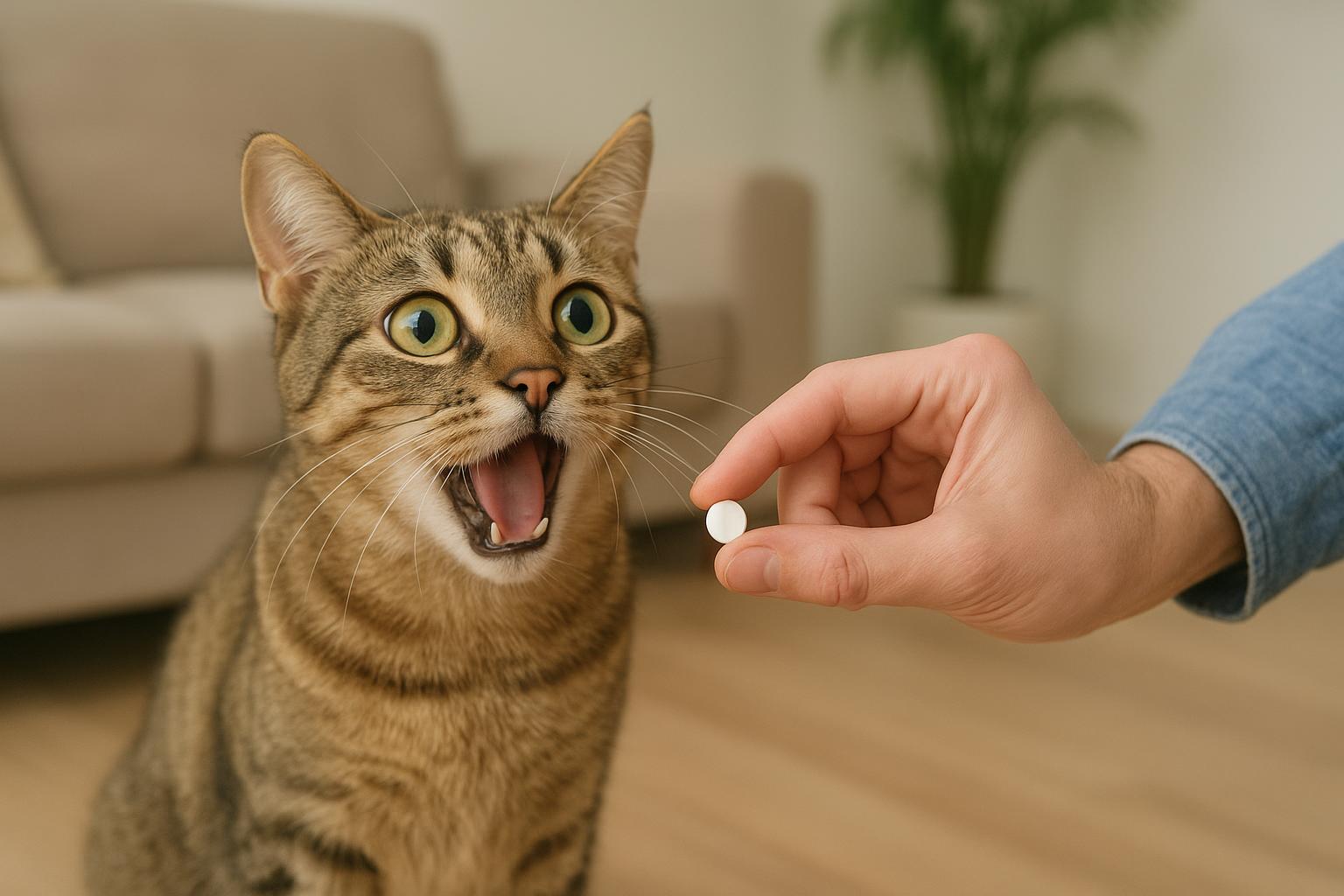
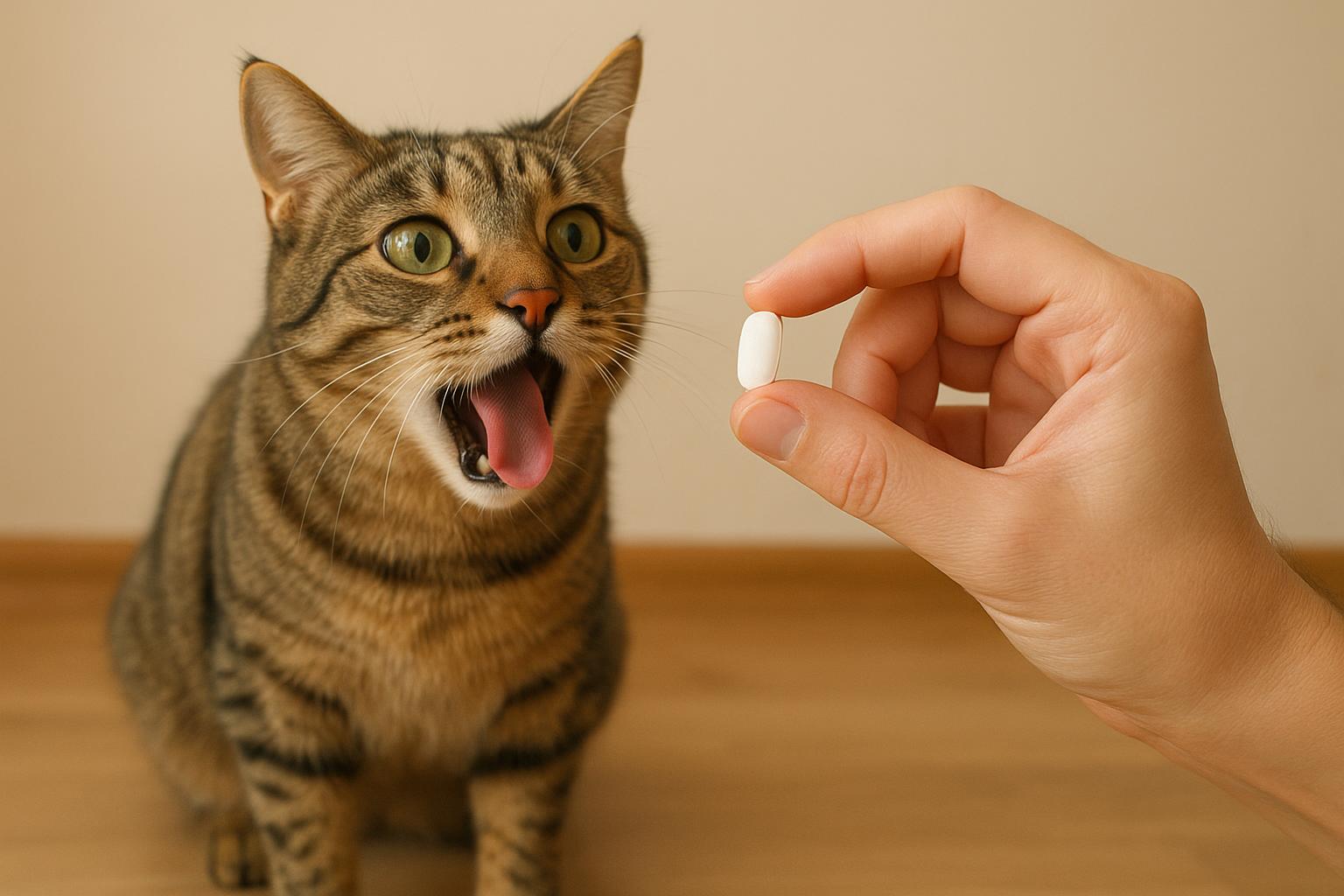
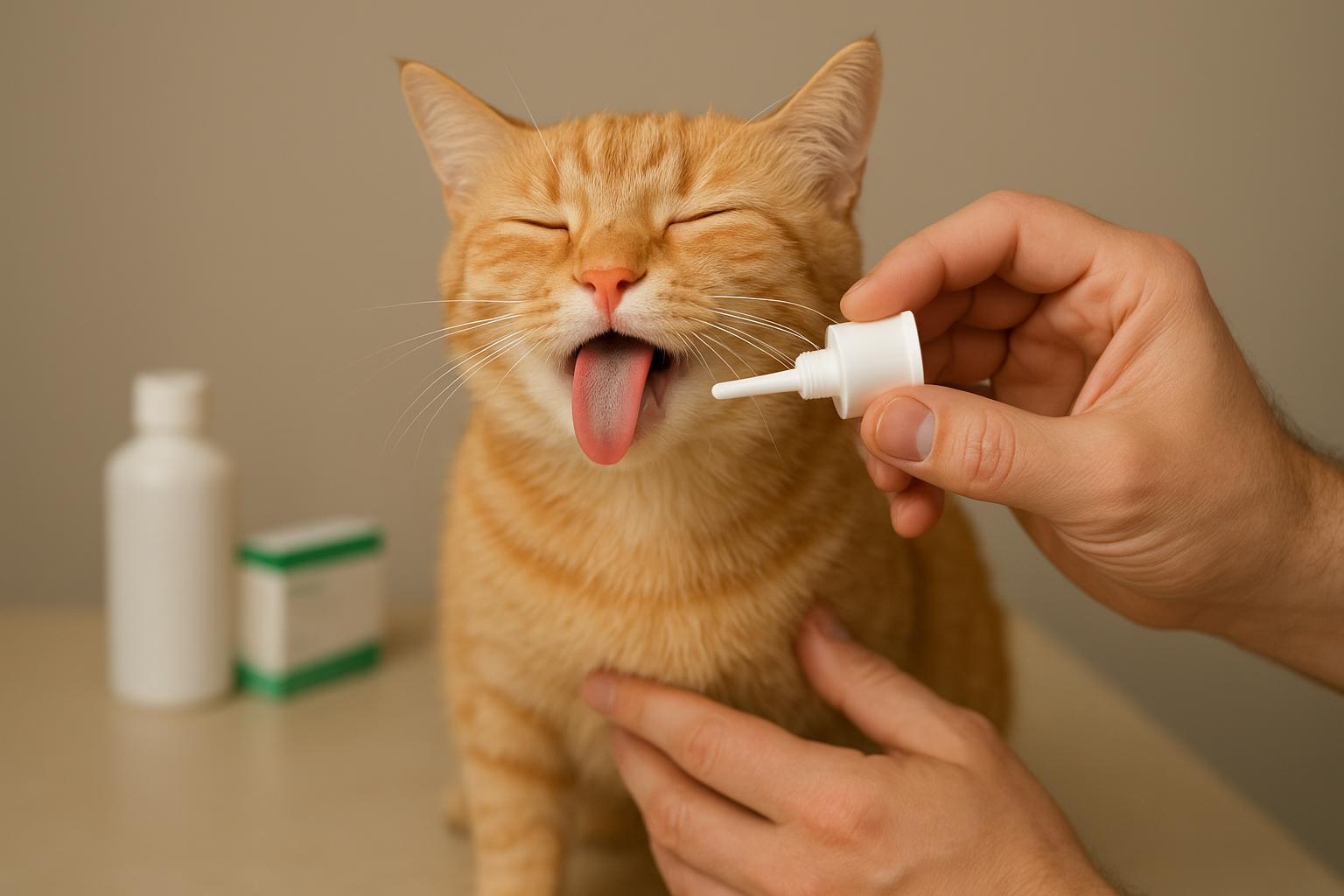
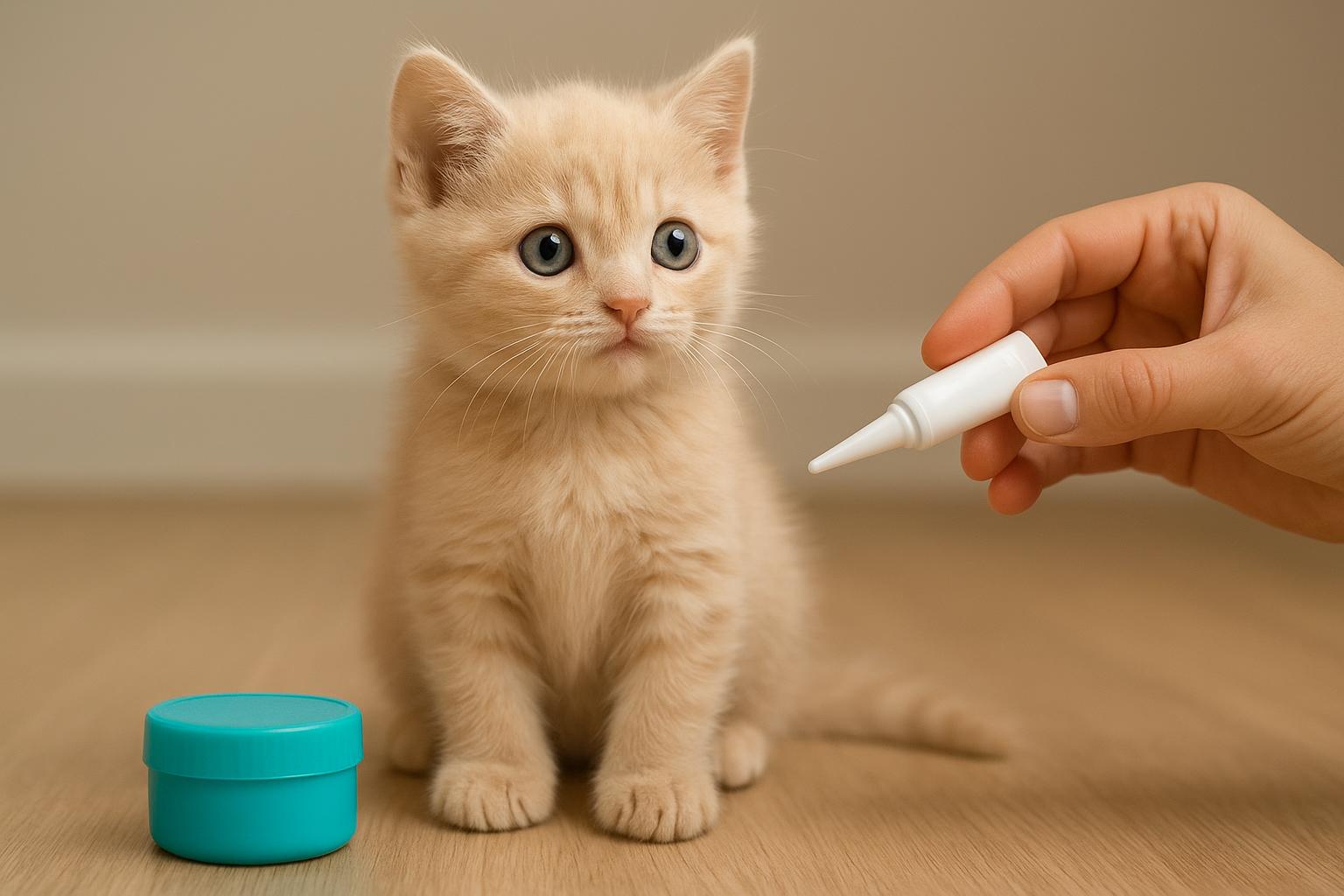
For a thorough, safe, and effective approach — especially important for kittens — a veterinarian will advise on medication based on the kitten’s age and weight. Many over-the-counter products for adult pets are unsafe for kittens. For this reason, consult a veterinarian and see vet fleas before starting systemic or topical insecticides on very young animals.
#### Materials And Prep For Veterinary/Environmental Control
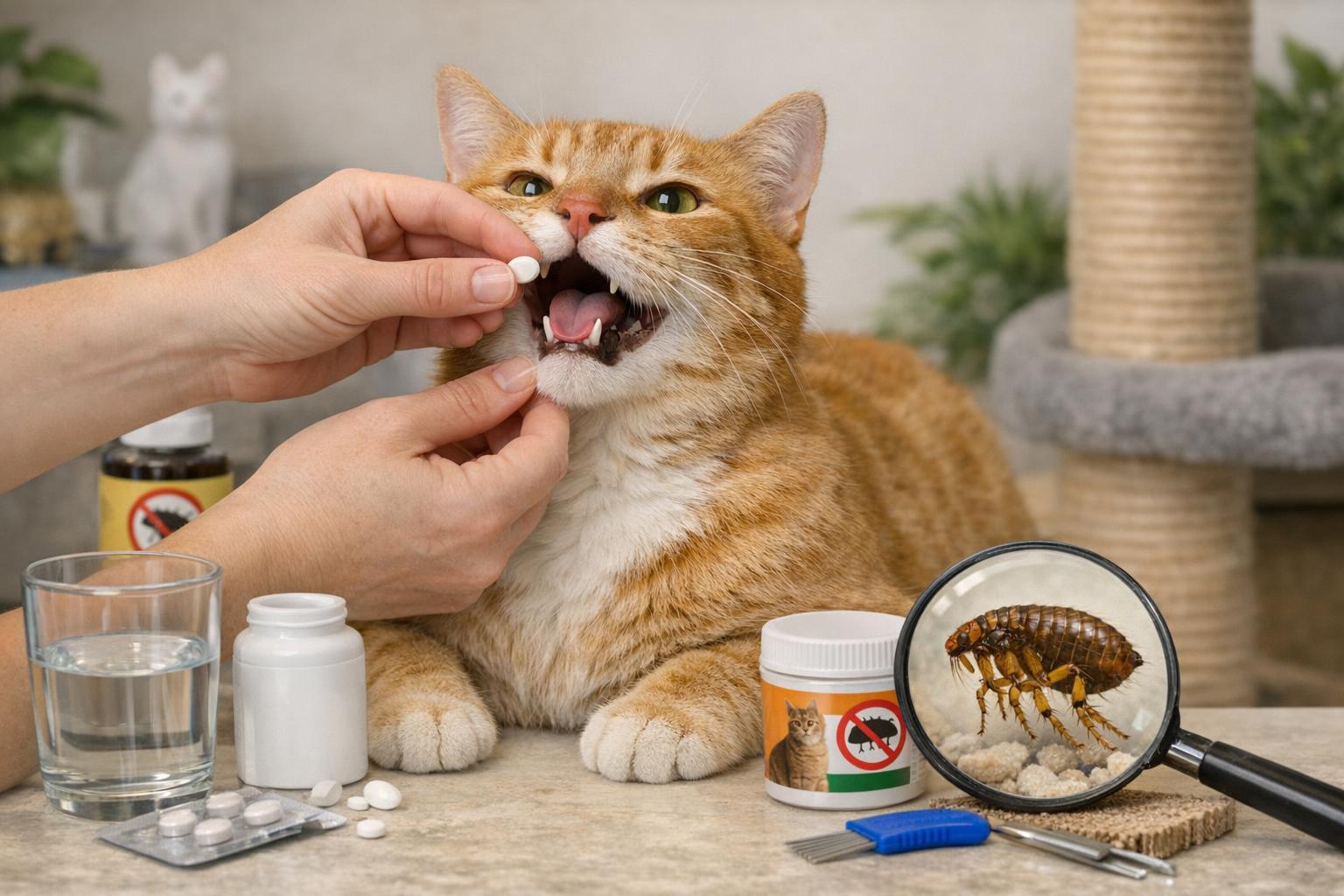
– Vet-prescribed topical or oral flea medication (age- and weight-appropriate)
– Insect growth regulator (IGR) products for the environment (pyriproxyfen or methoprene) — used according to label and safety guidance
– Vacuum cleaner with good suction and a disposable bag or sealed canister
– Washable bedding and hot-water washing facilities
– Enclosed flea treatment products for outdoor areas if necessary (follow label instructions)
Formal Steps For Veterinary Treatment And Home Integration
1. Veterinary Assessment: Bring the kitten to the vet. The vet will check for anemia (pale gums, lethargy), skin infections, and overall health, and will recommend safe flea products. If the kitten is too young for certain products, the vet will give alternatives or supportive care.
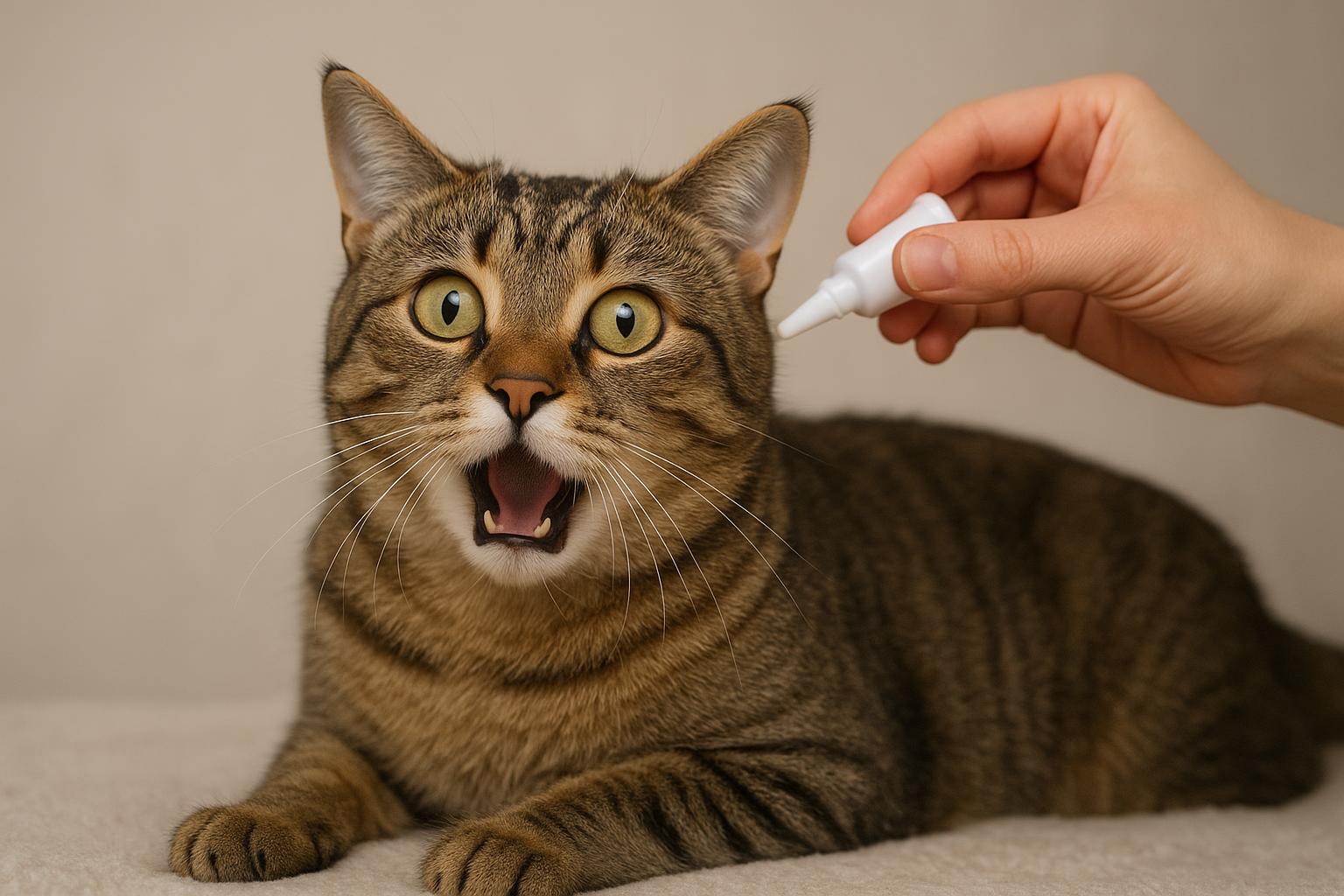
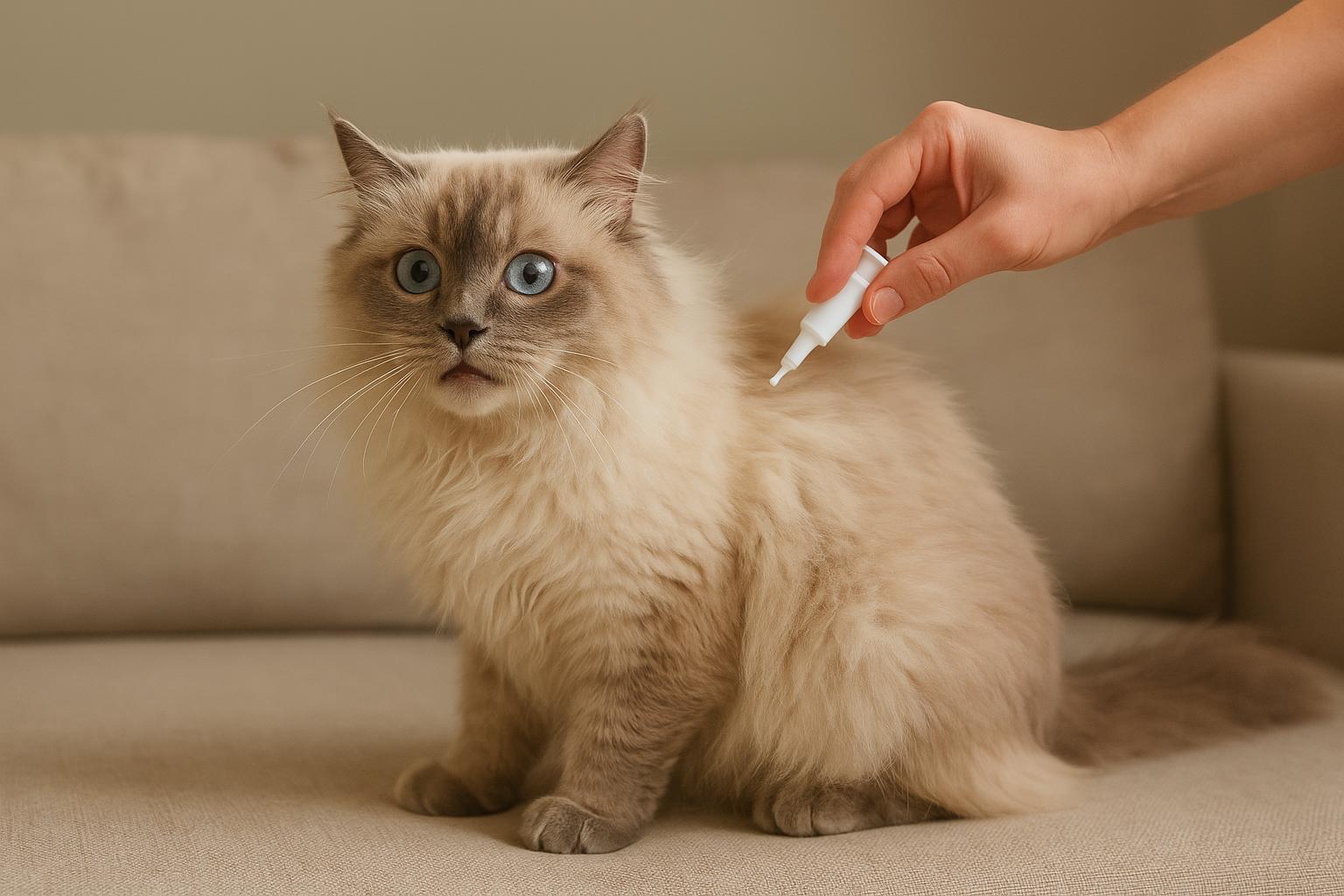
2. Follow Prescription Instructions Precisely: Apply topical treatments on a clean, dry skin spot at the nape of the neck as directed, or administer oral products exactly per weight. Dosing errors are dangerous.
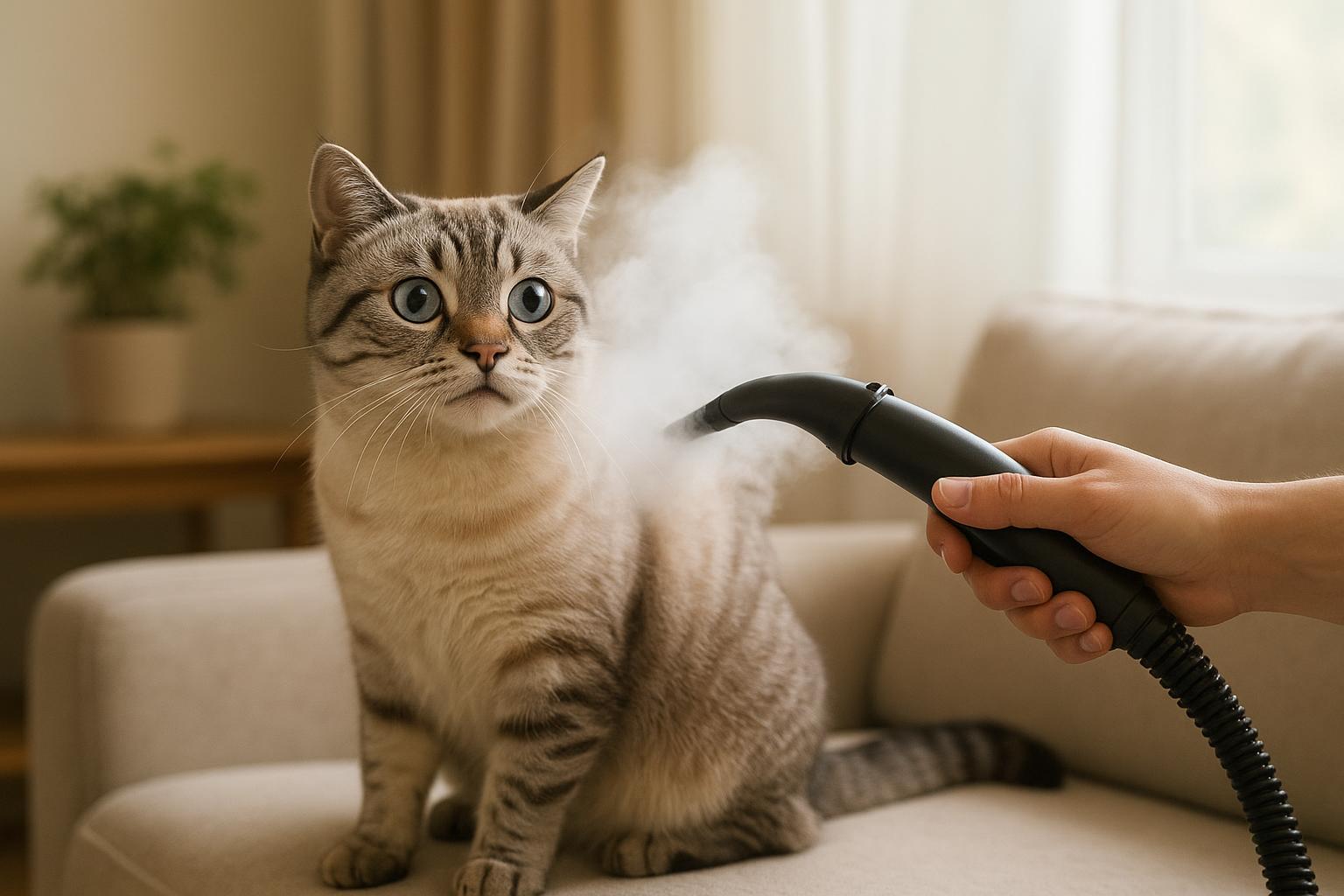
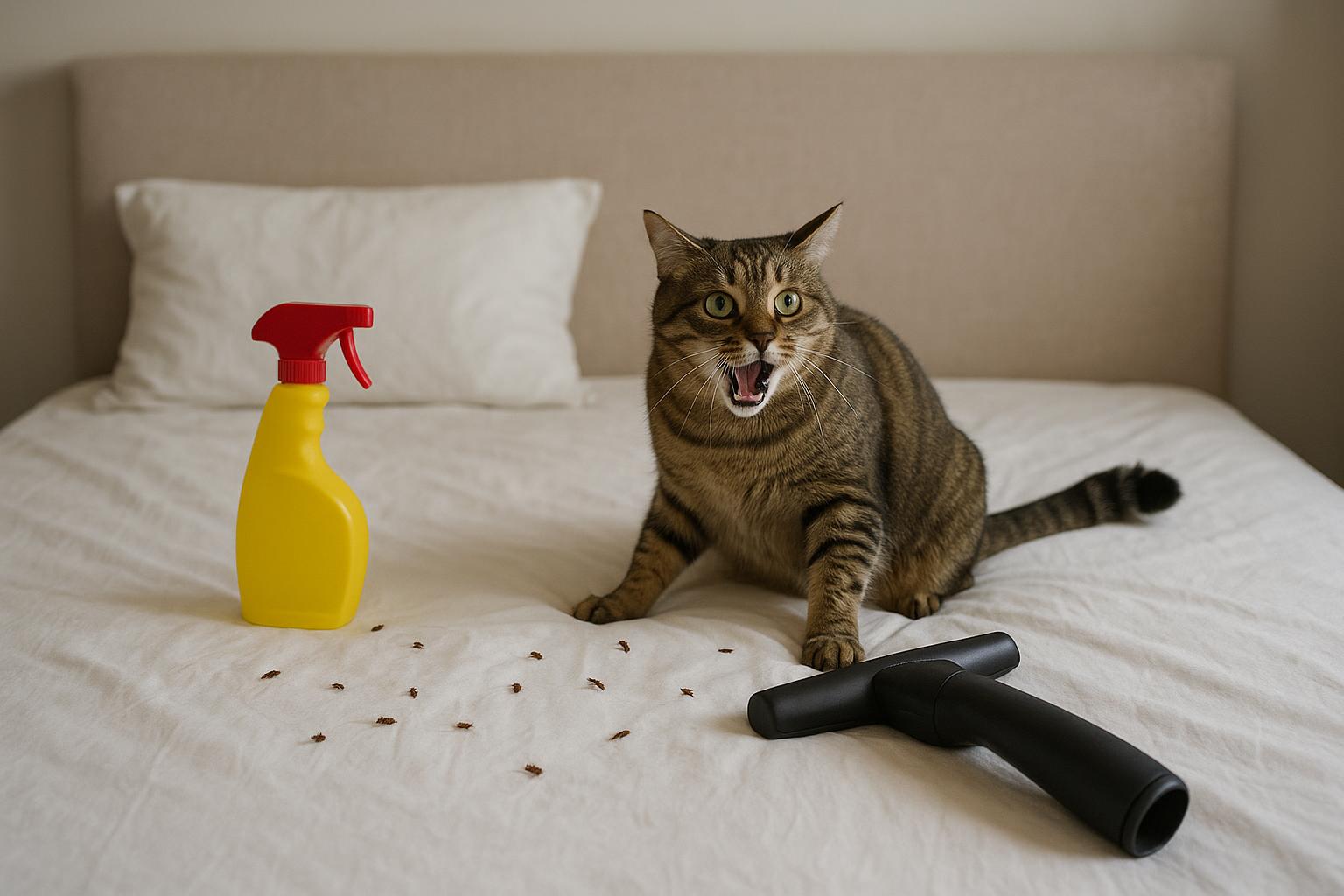
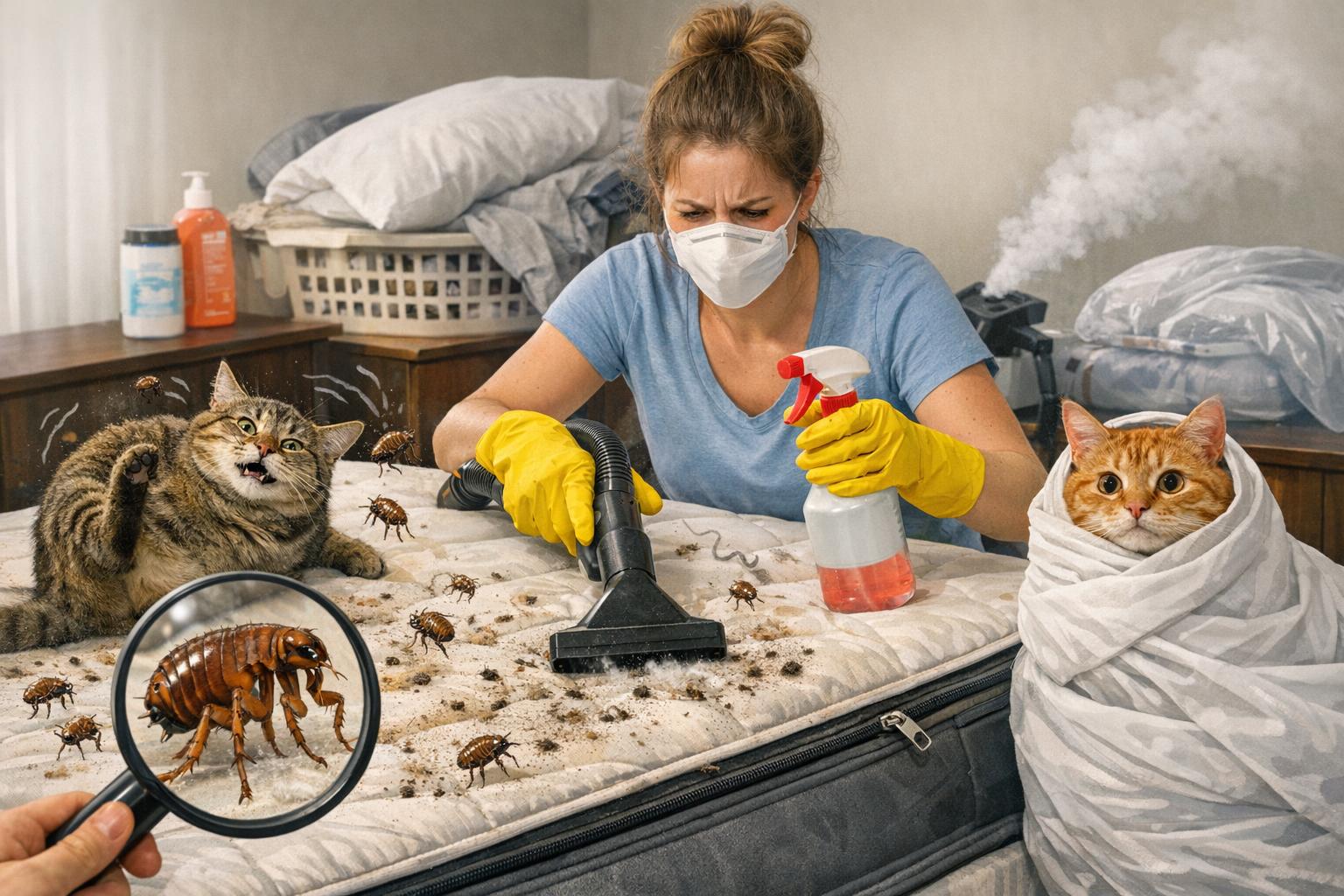
3. Treat the Household: Vacuum carpets, upholstery, and cracks daily for at least two weeks; empty vacuum contents into sealed bags. Wash all bedding and fabric the kitten contacts in hot water and dry on high heat.
4. Use IGRs Where Appropriate: For heavy home infestations, an IGR product disrupts egg and larval development. Use according to label instructions and avoid applying IGRs to the kitten directly unless specifically prescribed by your vet.
5. Recheck and Prevent: Return to the vet for follow-up if fleas persist or the kitten’s health fails to improve. Maintain a vet-recommended monthly flea prevention schedule once the kitten reaches the appropriate age and weight.
If you’re unsure whether a product is appropriate for your kitten’s age, weight, or health status, see vet fleas before applying anything. When it comes to chemical treatments, professional guidance minimizes risk and maximizes success.
### Combating The Home Reservoir
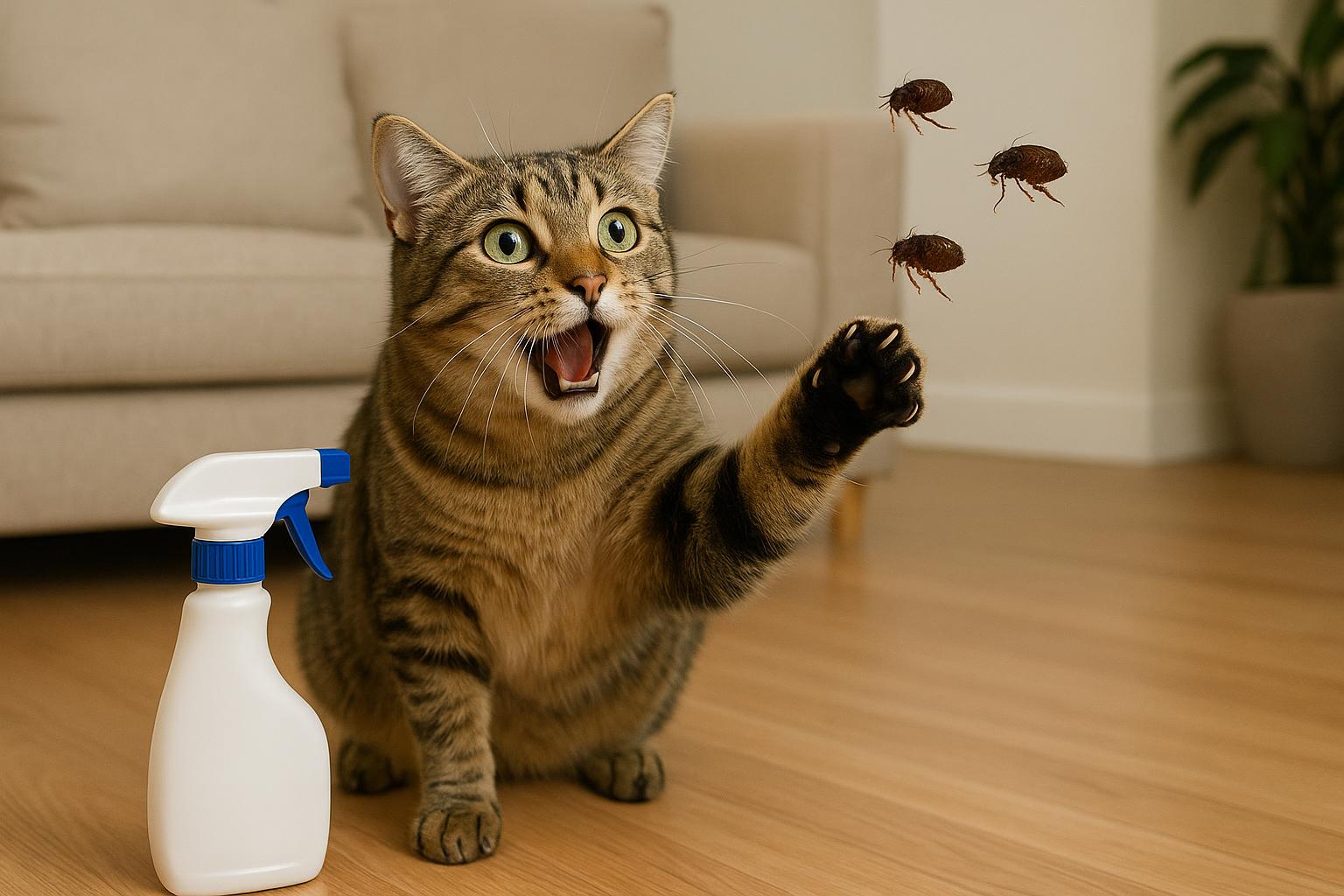
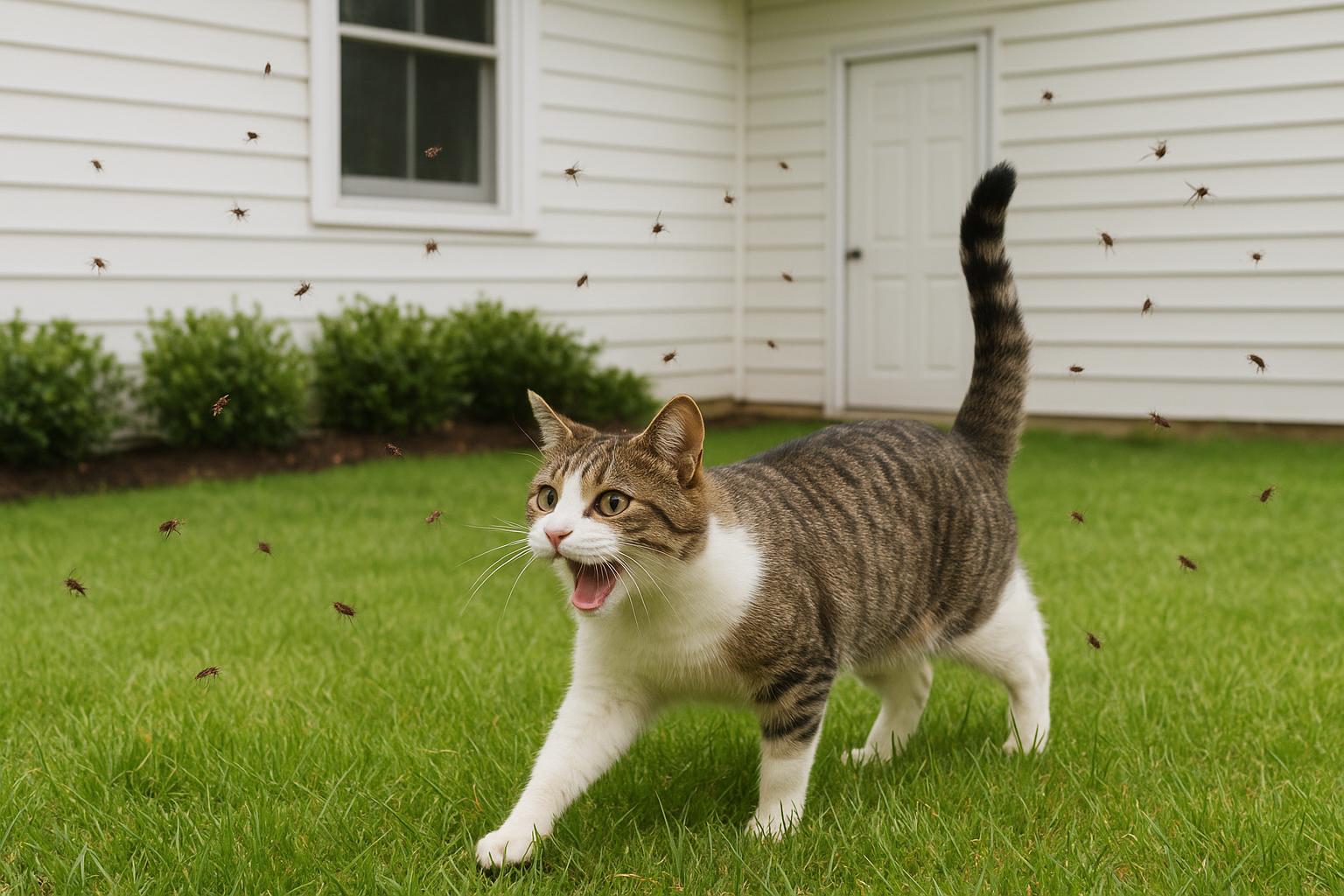
Breaking the flea cycle requires attention to the environment, not just the kitten. Vacuum daily, launder bedding, and treat carpets and cracks when suggested by the vet. Outdoor pets or wildlife can reintroduce fleas, so consider perimeter treatments or limiting outdoor access while you clear the indoor infestation. If you’re comfortable with DIY environmental methods, use vet-approved products and follow safety instructions meticulously.
### When Emergency Veterinary Care Is Needed
Immediate veterinary care is essential if the kitten:
– Is extremely lethargic, weak, or has fainting episodes.
– Shows very pale gums or fast breathing.
– Stops nursing or refuses food.
– Has open, infected skin lesions from scratching.
In these situations you must see vet fleas as an emergency — kittens can deteriorate quickly. The vet may provide fluids, blood transfusions in severe anemia, antibiotics for secondary infections, and age-appropriate flea control.
A flea crisis can be stressful, but with calm action, accurate assessment, and the right combination of home care and veterinary treatments, most kittens recover fully. Remember: when in doubt, the safest next step is to see vet fleas sooner than later — your little hunter of toy mice will thank you (in purrs, and maybe a few forgiveness bites).
Leave a Reply