
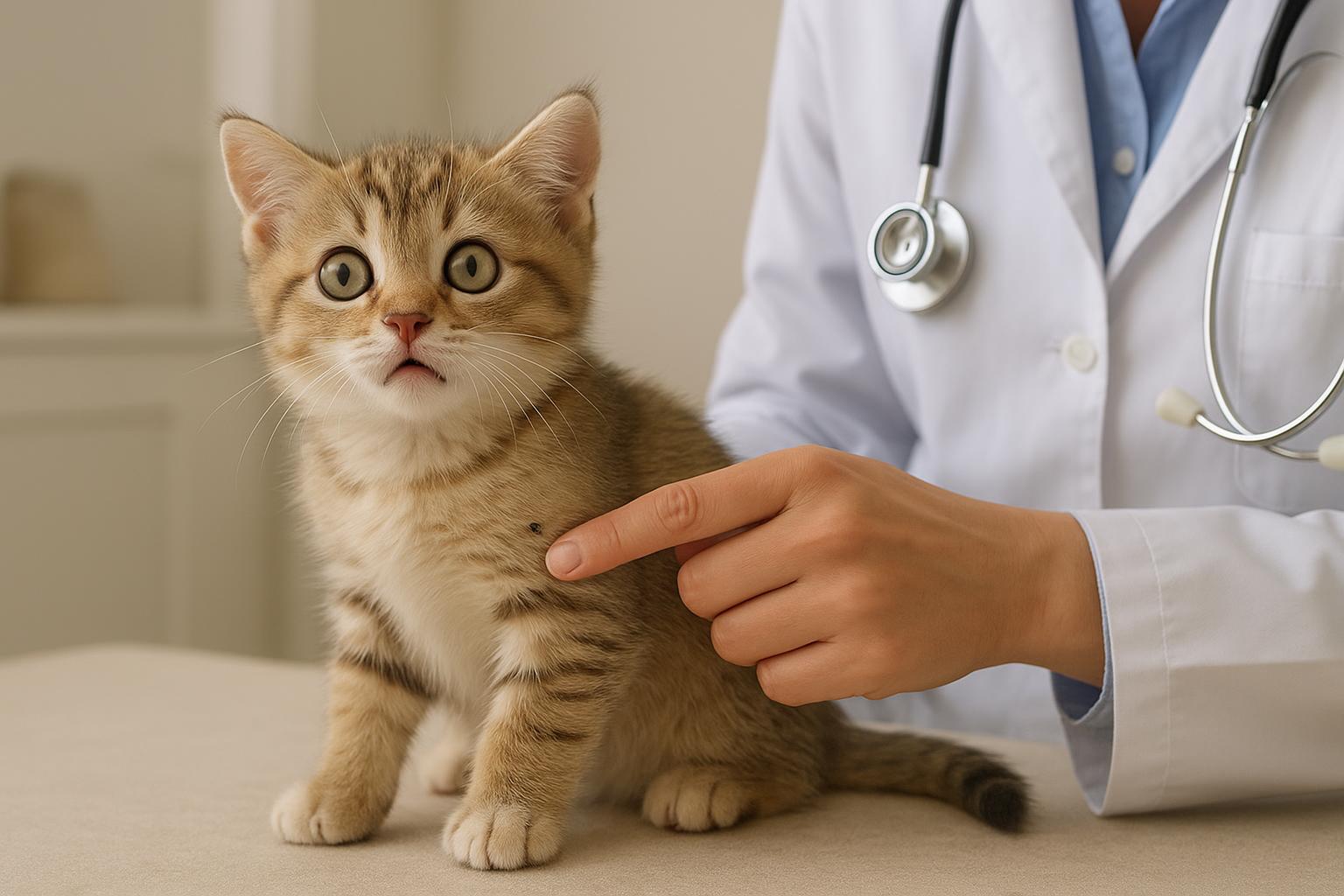
Kittens and fleas: a classic tiny soap opera. You bring home a fluff ball, and before you know it there’s a dramatic subplot involving tiny hopping villains and frantic combing. This article helps you decide when it’s time to move from calm home care to a professional call — yes, that “vet visit” — and what to expect when you get there.
## When To Schedule A Vet Visit For Fleas In Your Kitten
Kittens are fragile, and fleas aren’t just annoying—they can be dangerous. Schedule a vet visit promptly if you notice any of the following: a very young kitten (under 8 weeks), heavy flea load, weakness or pale gums, poor weight gain, persistent scratching or open sores, or if the kitten has other health problems. In many cases, a same-day or within-24-hours appointment is appropriate for severe infestations or signs of anemia. For mild infestations in otherwise healthy older kittens, a vet visit within a few days for diagnosis and safe treatment is reasonable.
### Signs That Mean A Quicker Vet Visit
– Rapid breathing, lethargy, collapse, or fainting.
– Pale gums (a sign of anemia).
– Visible blood on the fur or constant, frantic scratching.
– Kittens not eating, not gaining weight, or being unusually weak.
If you see any of these, treat it like a high-priority medical need and call your clinic right away to request urgent care.
### Signs That Warrant A Routine Vet Visit
– Light flea presence with normal behavior and appetite.
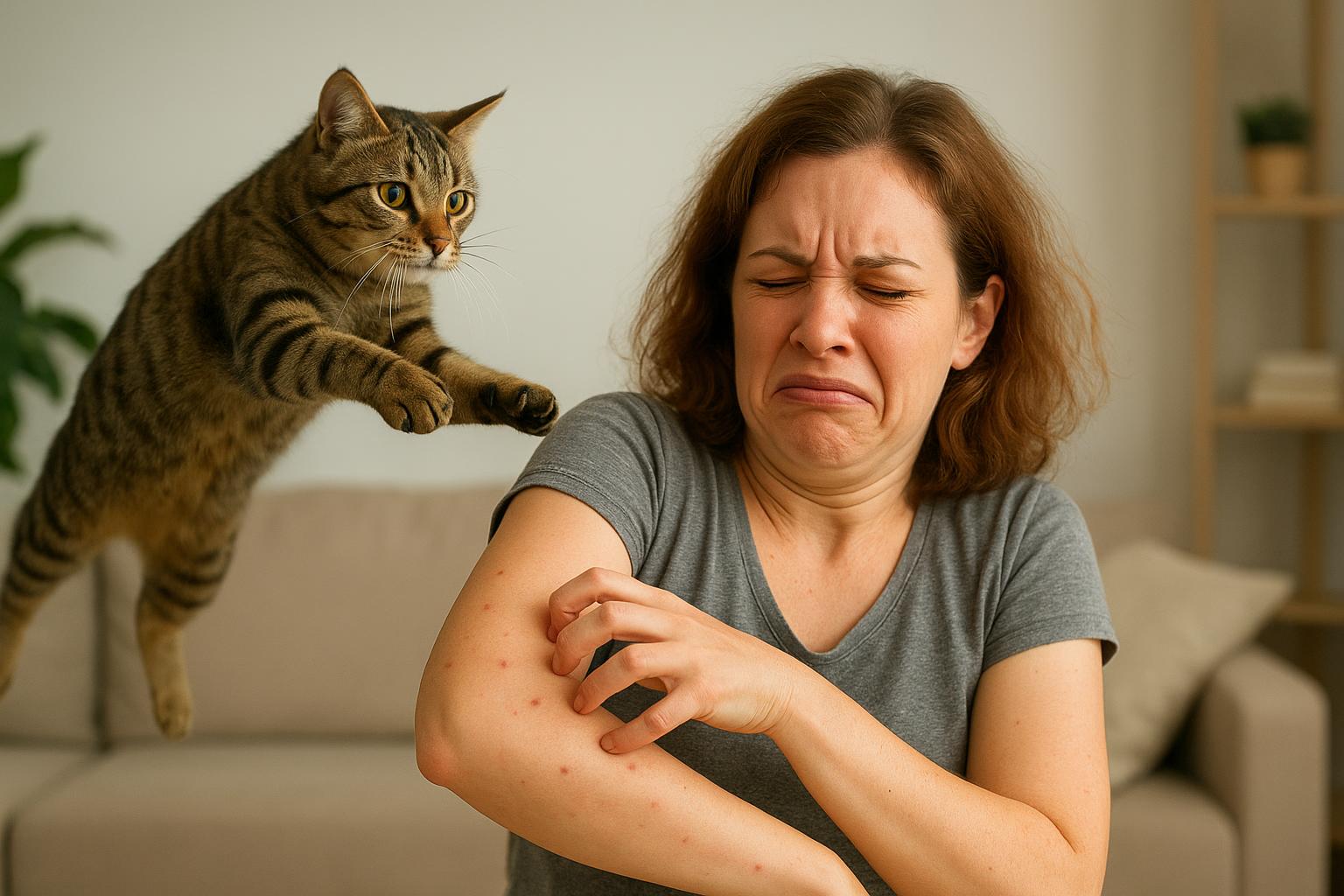
– Mild skin irritation or a few scabs from scratching.
– You need professional treatment options or a prescription flea medication.
These situations usually require a scheduled appointment so the vet can examine the kitten and recommend age-appropriate, safe products.
## How To Tell If Your Kitten Has Fleas
Fleas can be sneaky little ninjas, but they leave tracks.
### Visual Clues
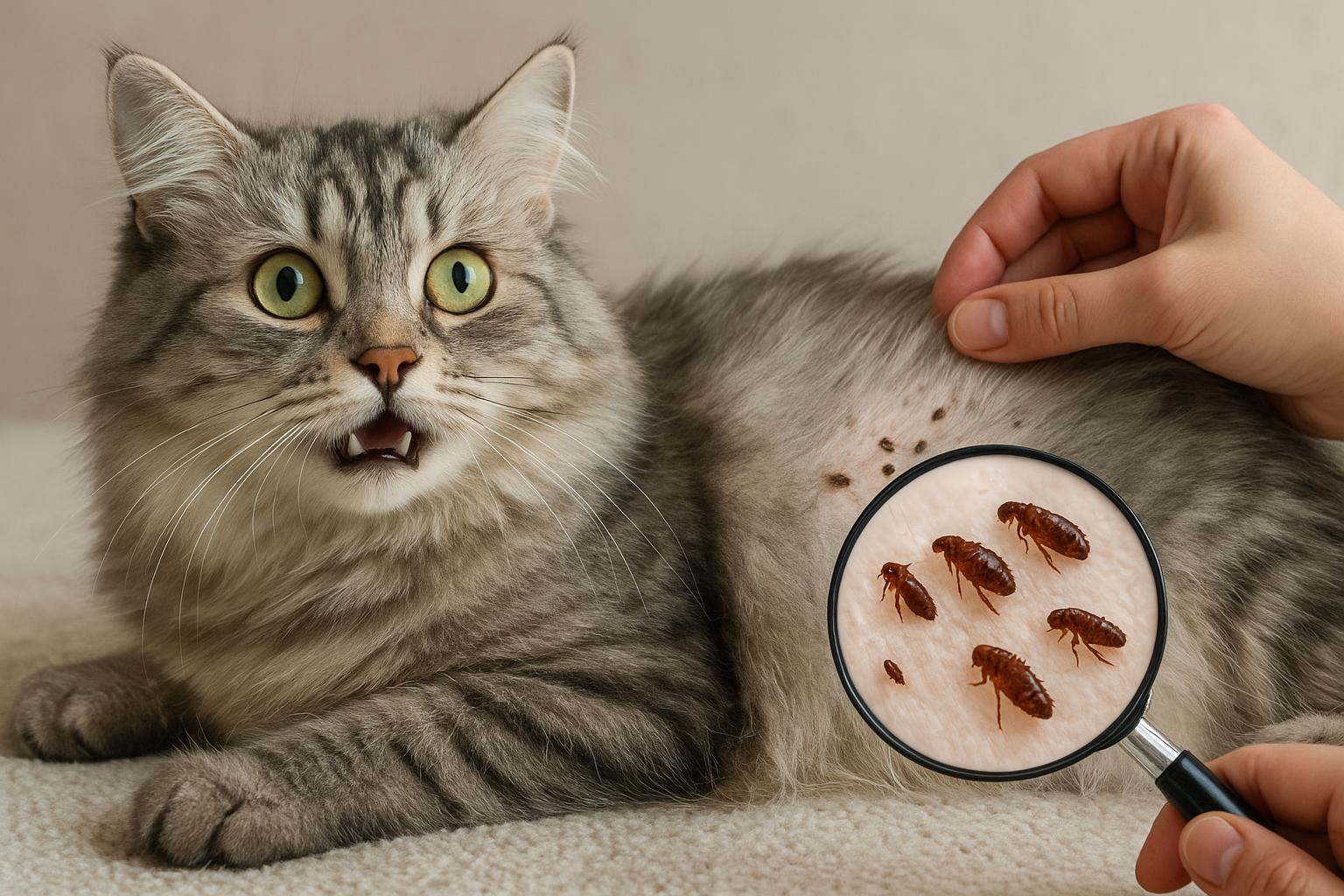
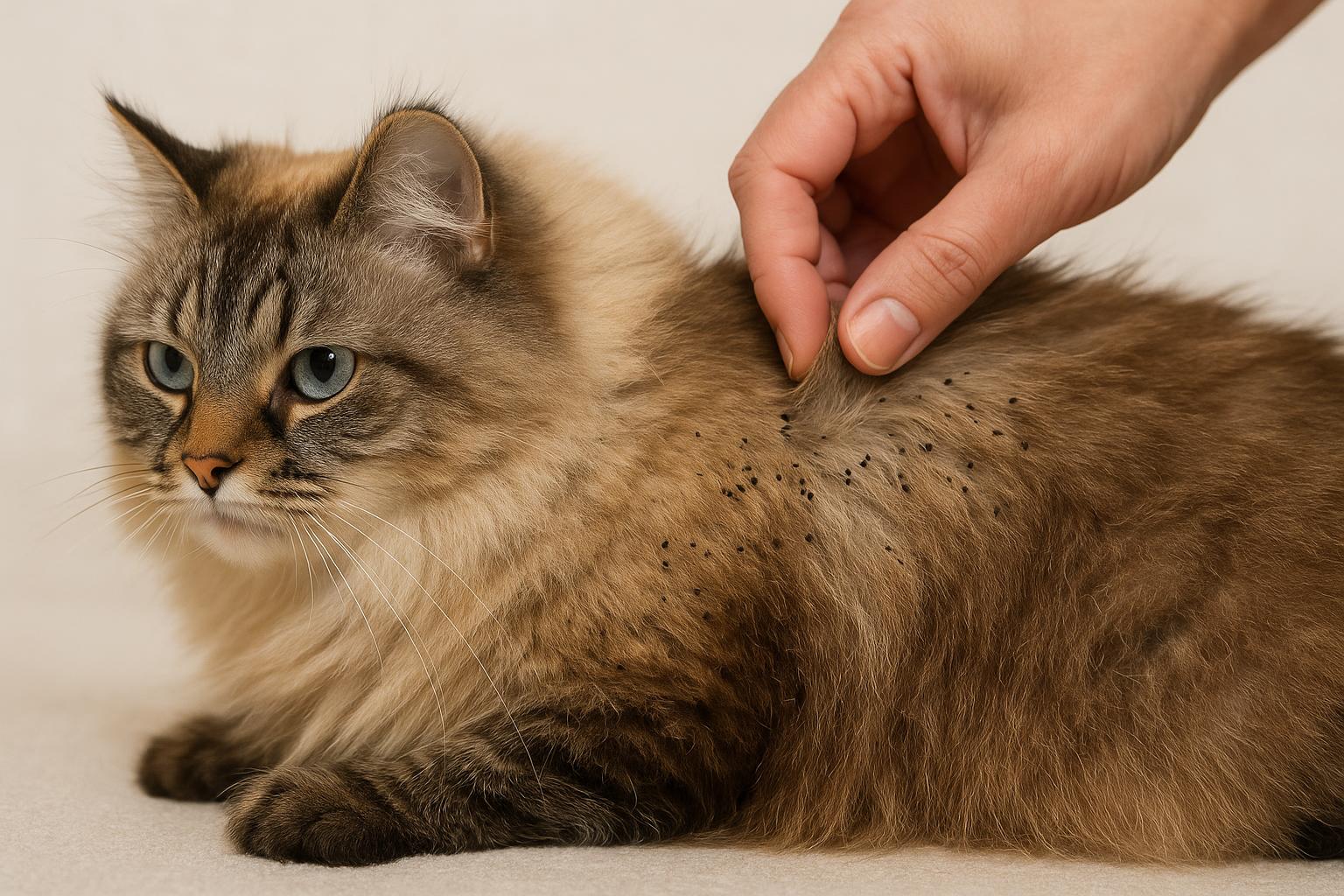
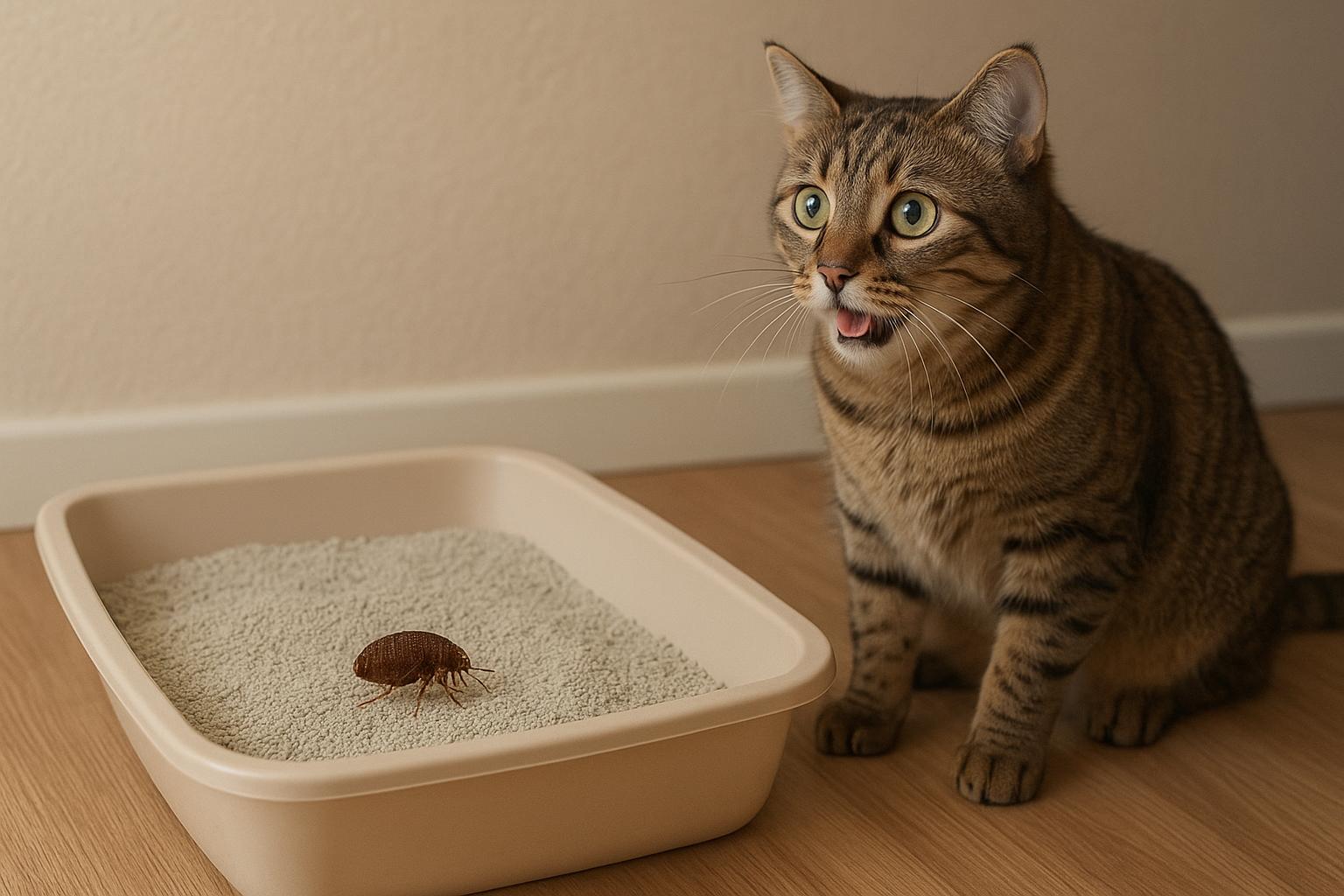
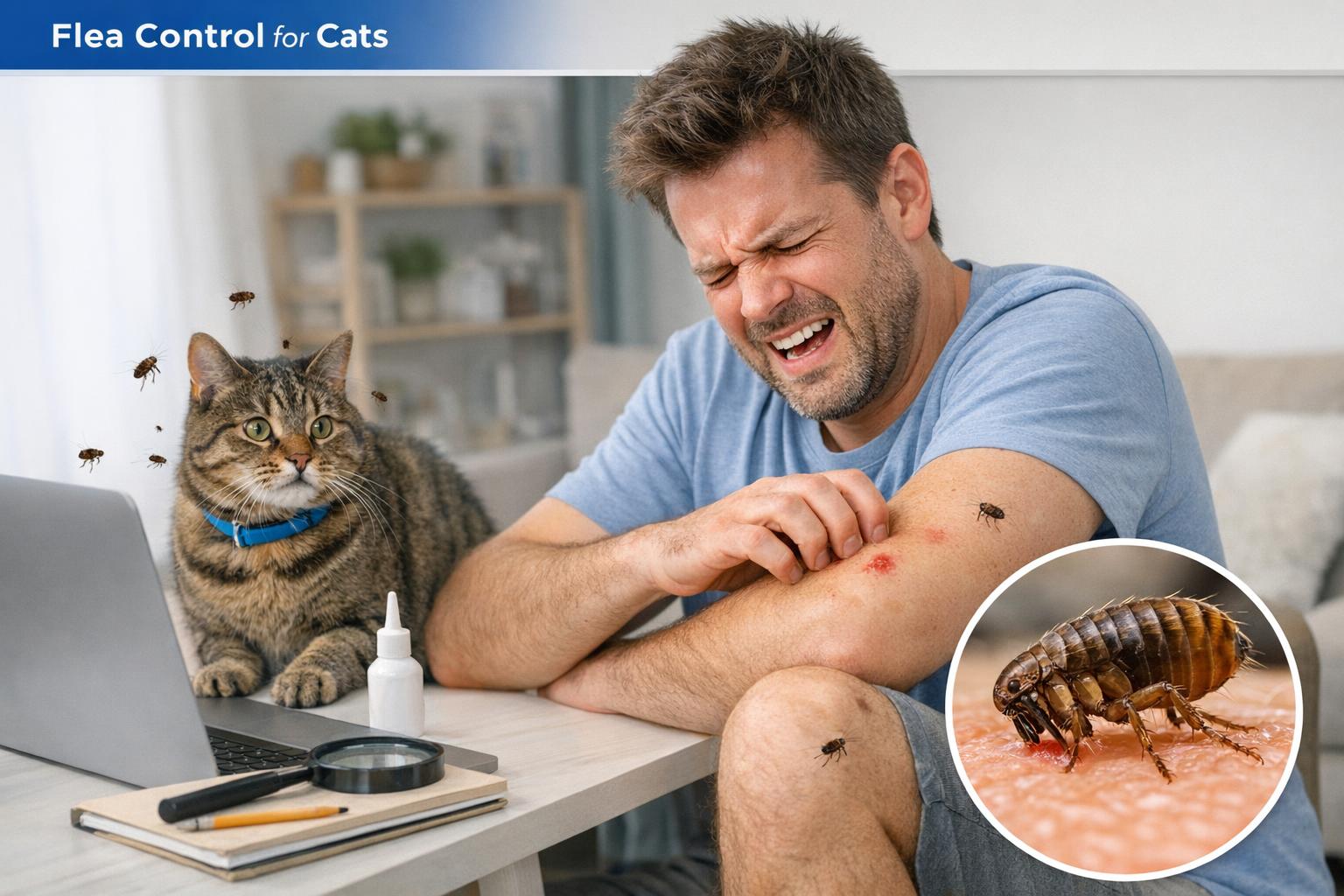
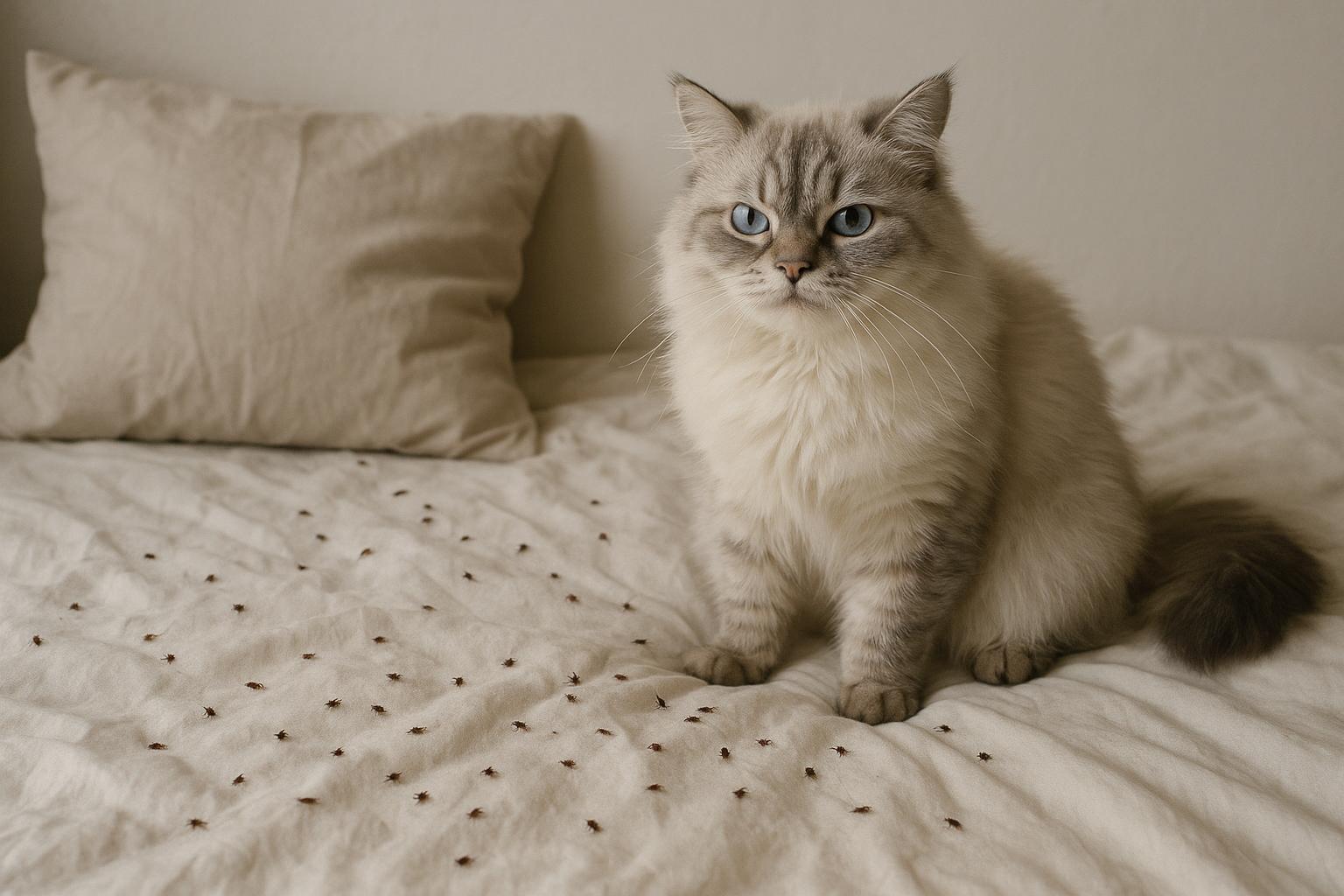
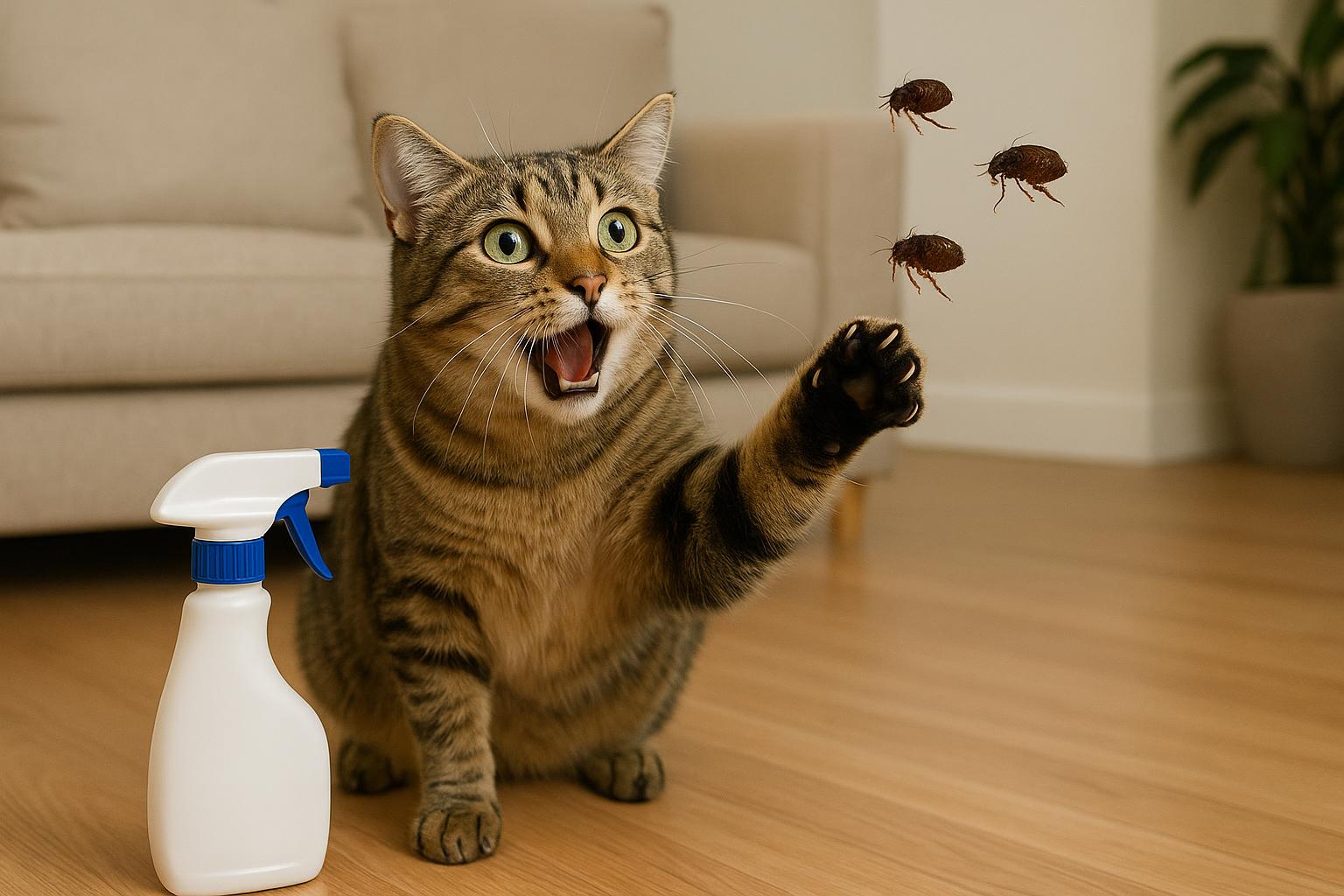
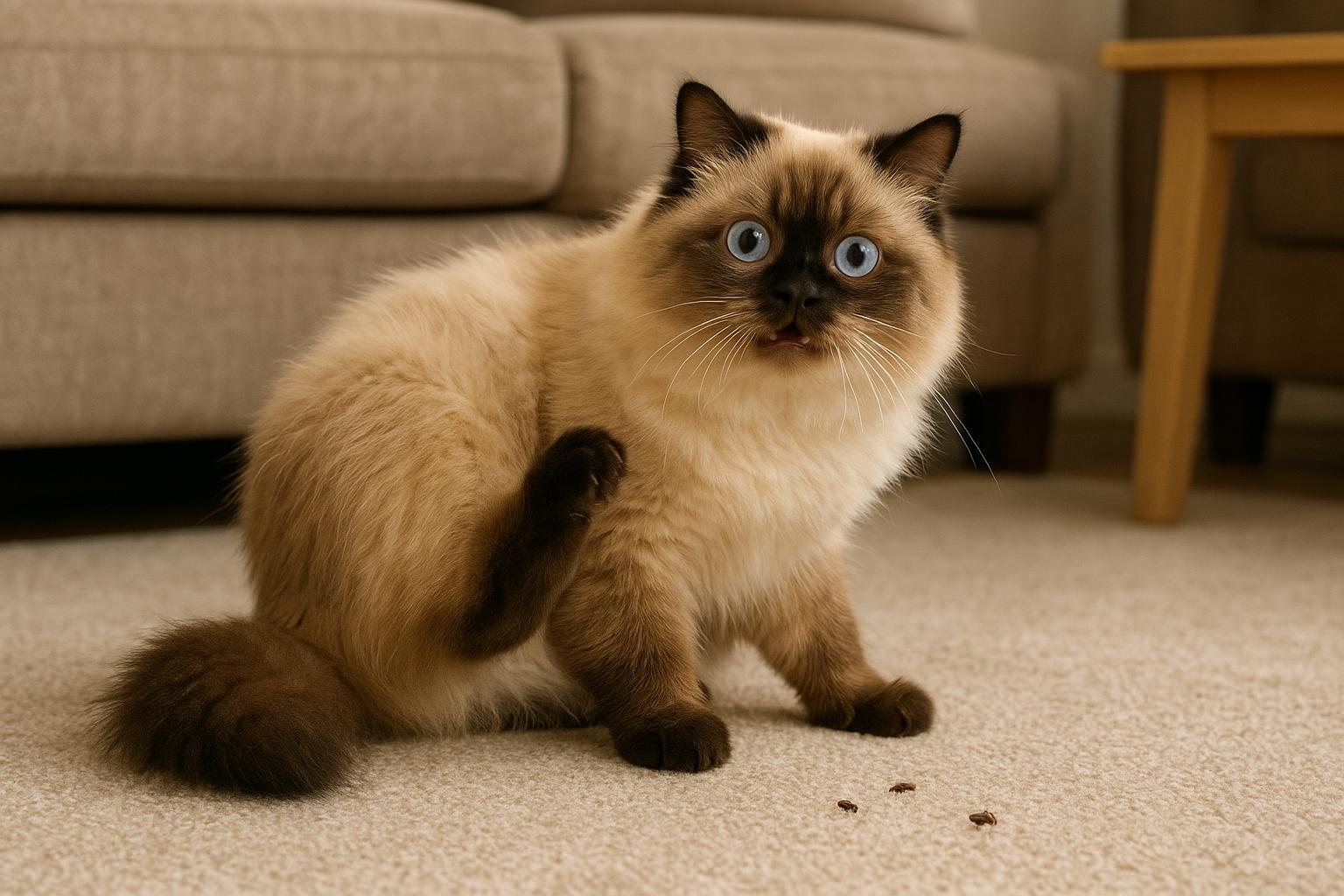
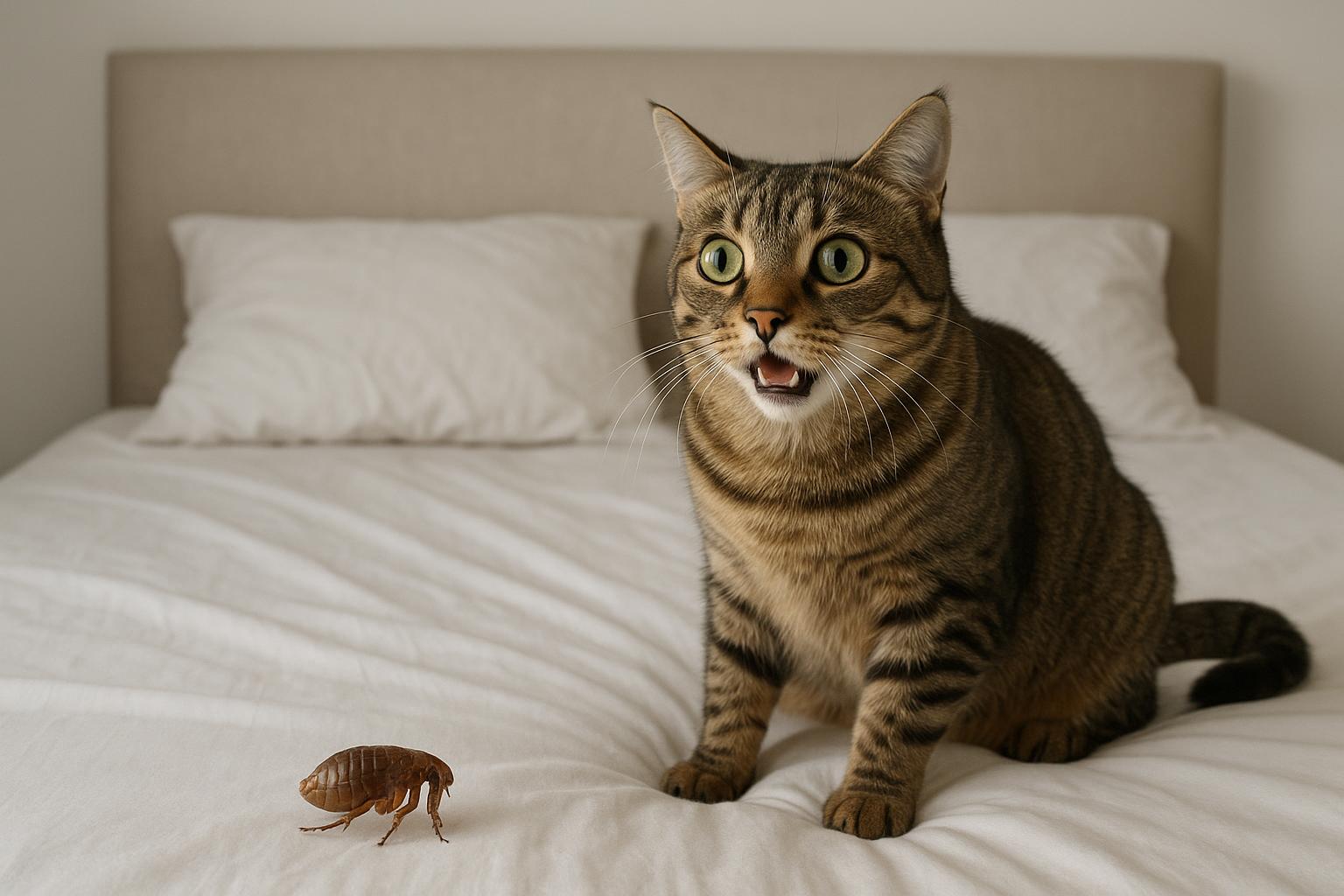
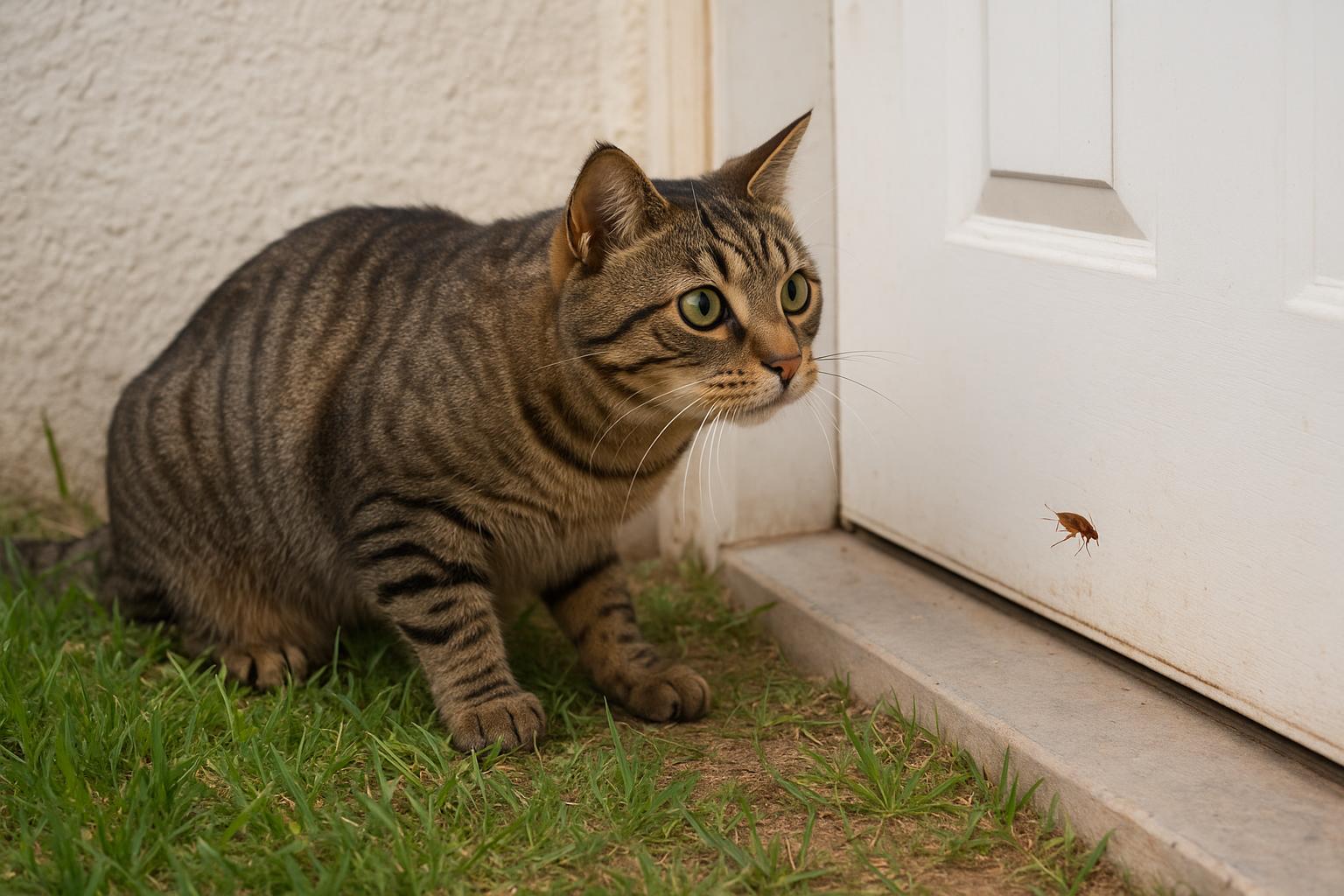
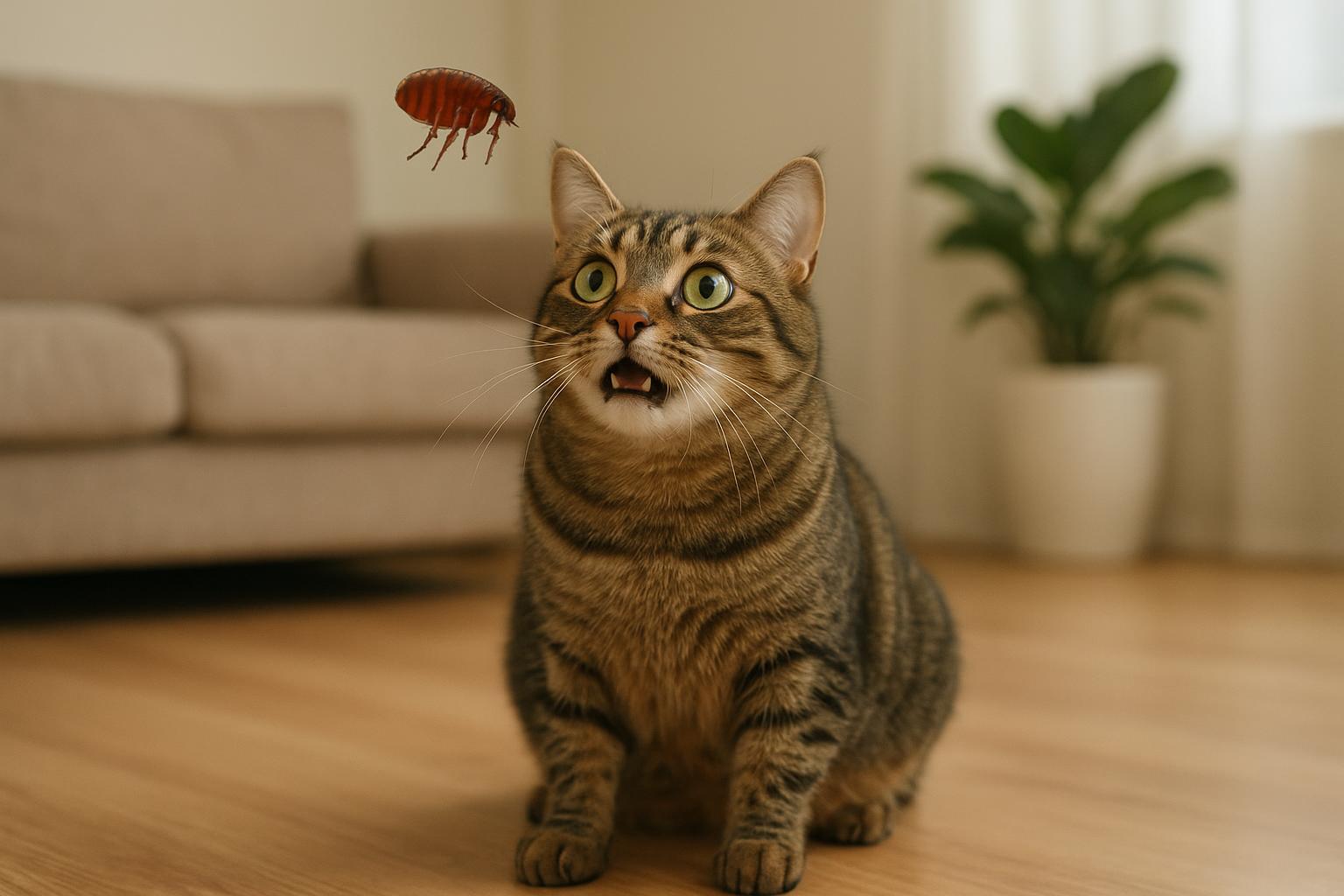
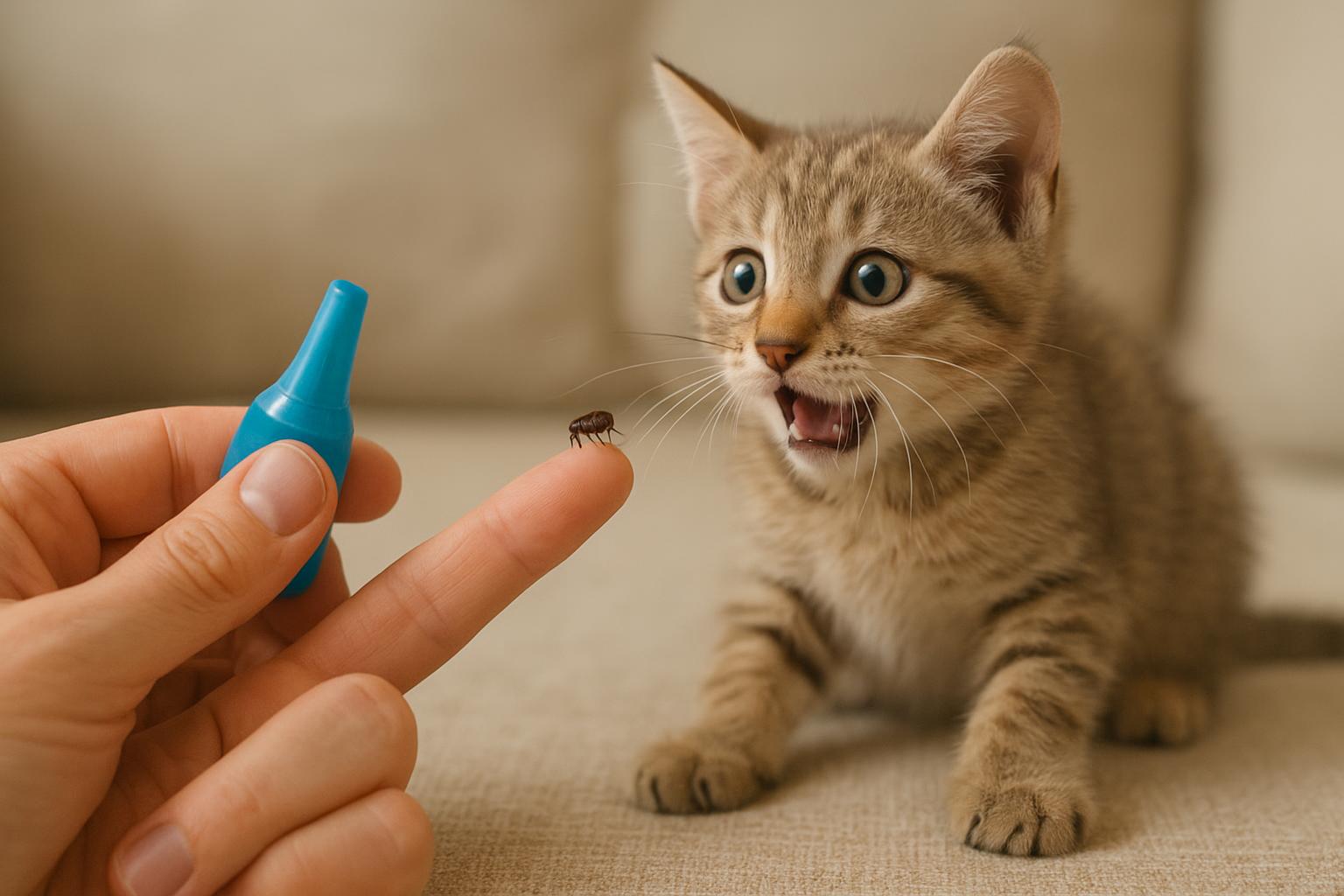
You might see fleas themselves—tiny, fast-moving dark specks that hop when disturbed. Flea dirt (which looks like pepper but turns reddish-brown if placed on wet tissue) is another giveaway. Look around the base of the tail, neck, and belly.
### Behavioral Clues
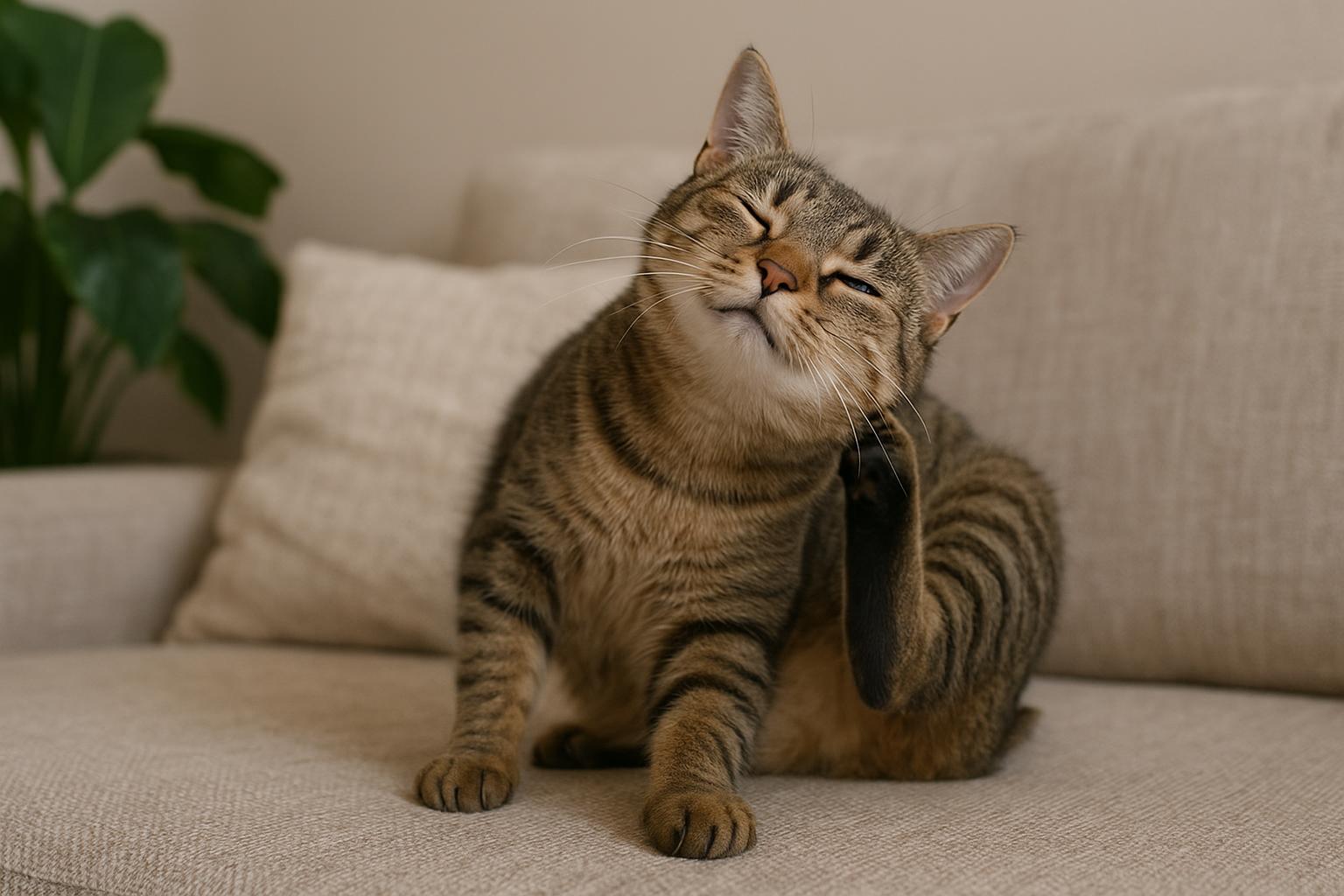
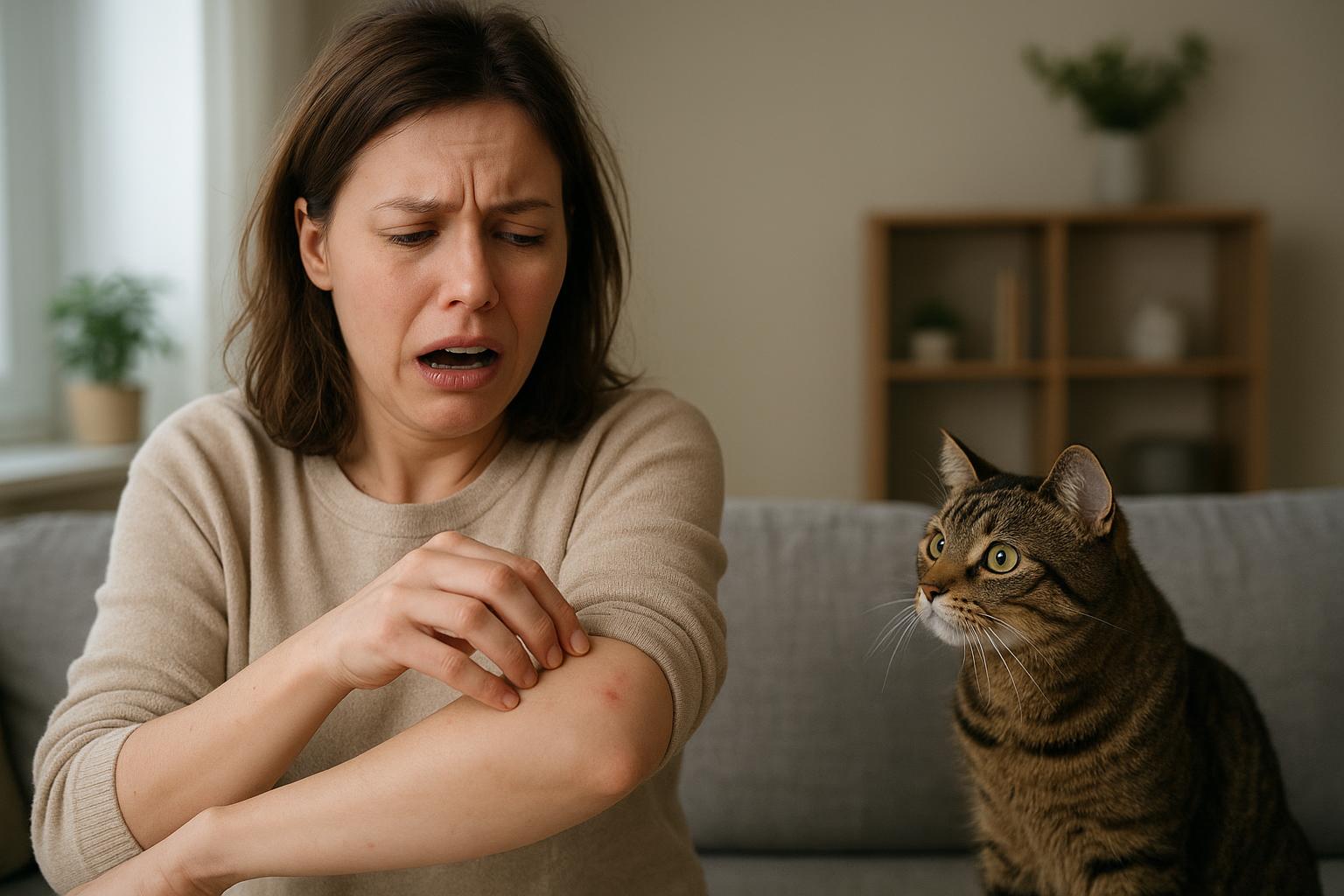
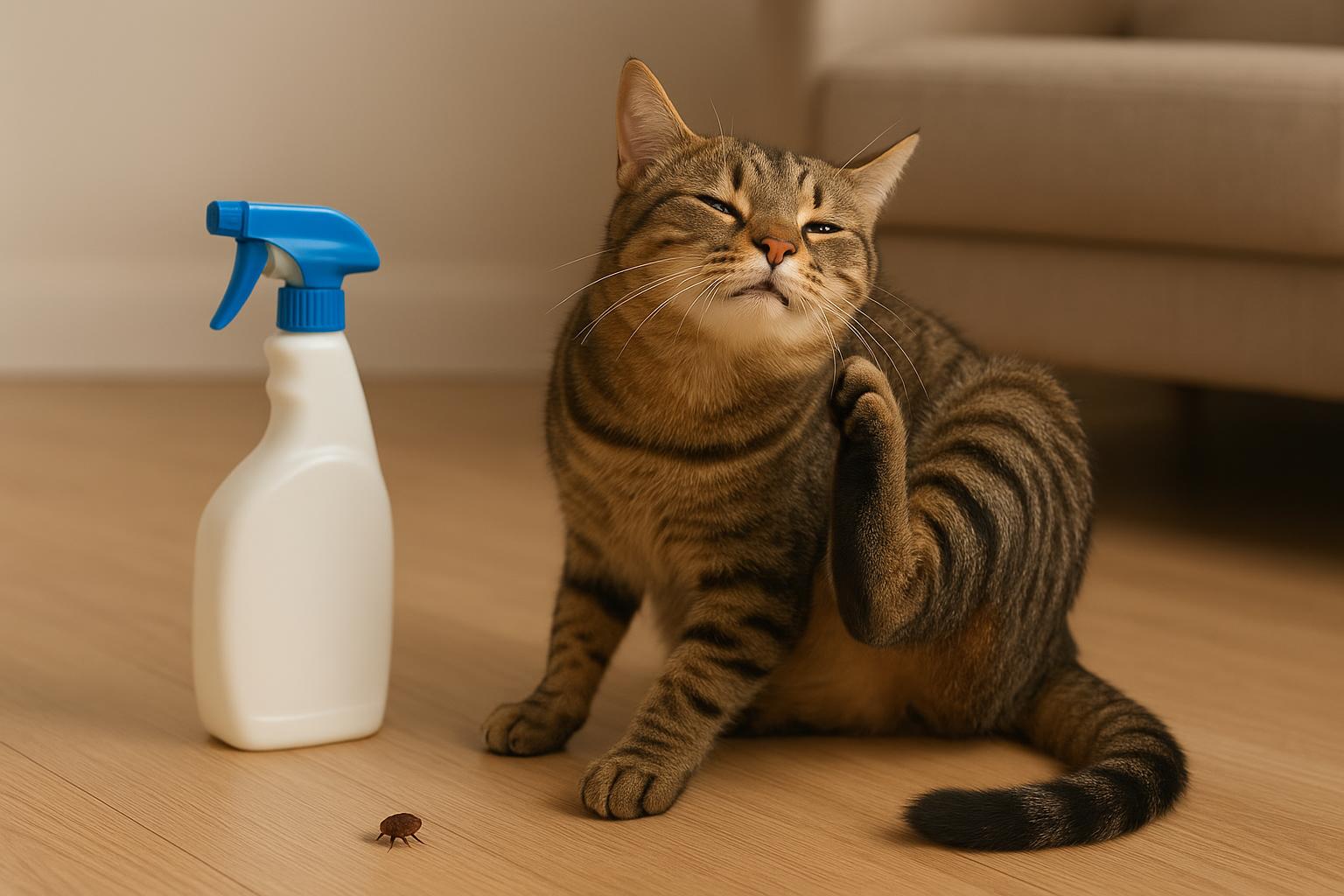
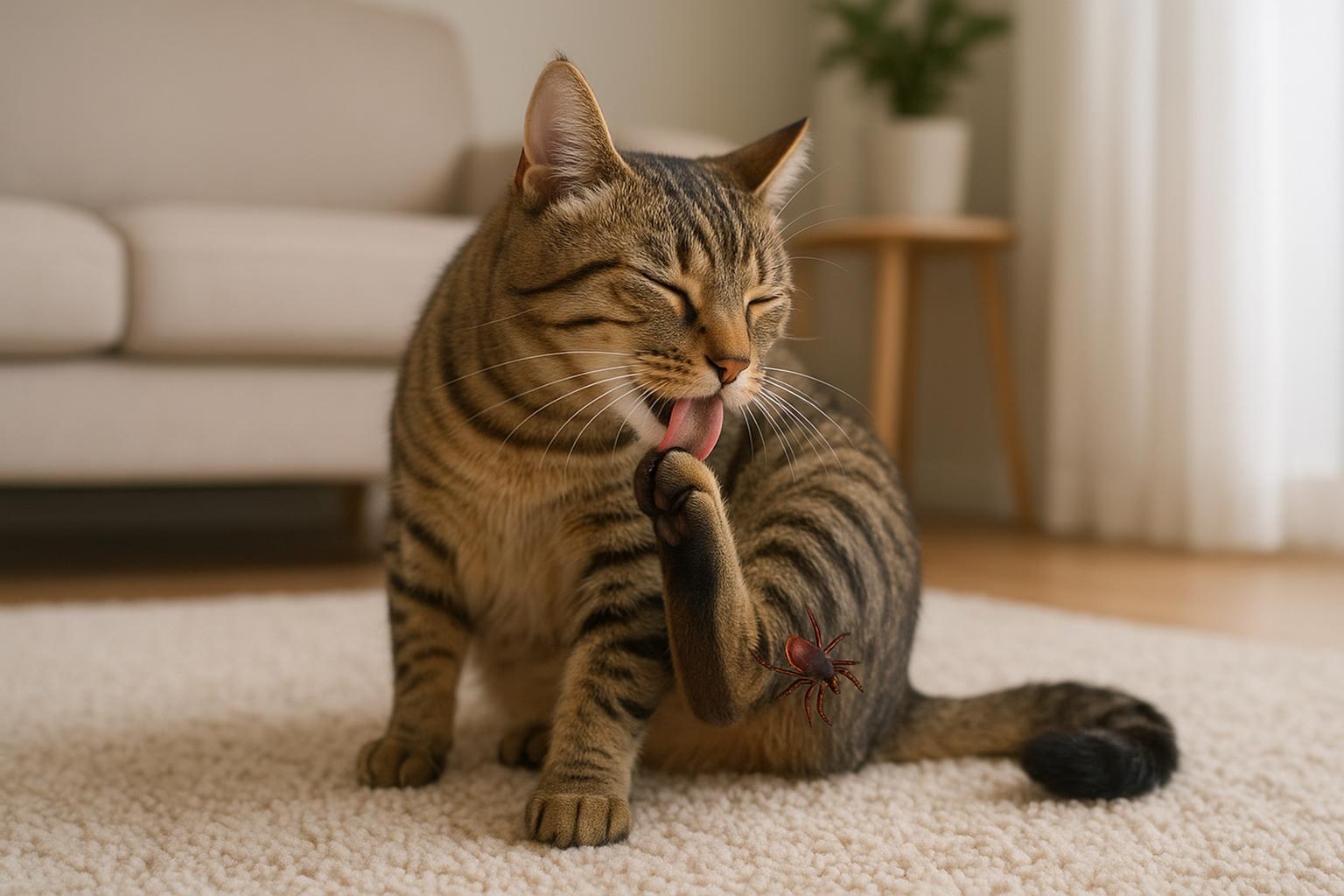
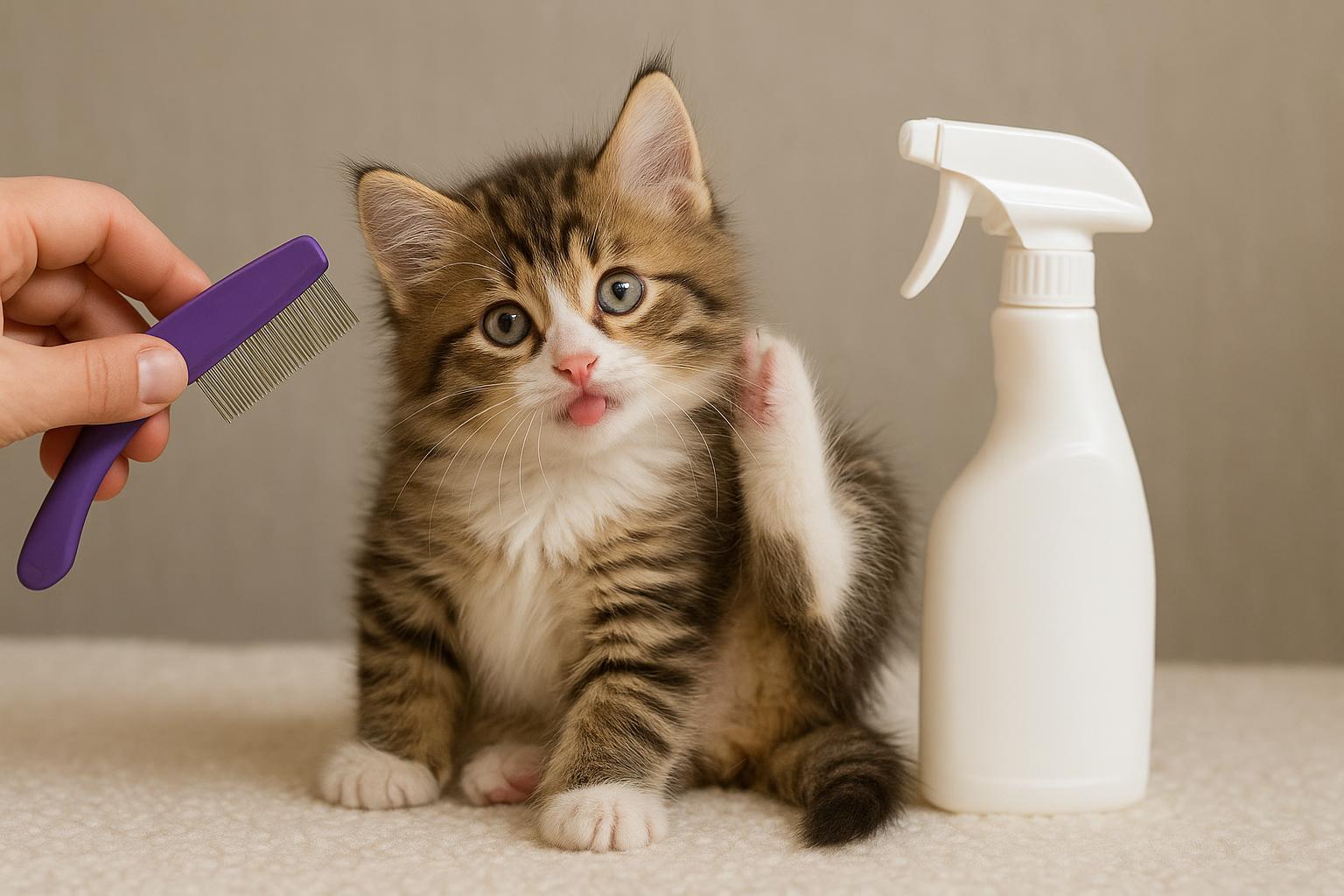
Excessive scratching, biting, or licking; restlessness; and frequent grooming are common. Kittens may be more irritable or less playful if they’re uncomfortable.
### Health Clues
Anemia from heavy infestations is a real concern in kittens. Signs include pale gums, weakness, and decreased activity. If you suspect anemia, schedule a vet visit immediately.
## What To Expect At The Vet Visit
When you bring your kitten in for a vet visit, expect a calm, methodical approach.
### Examination And Diagnosis
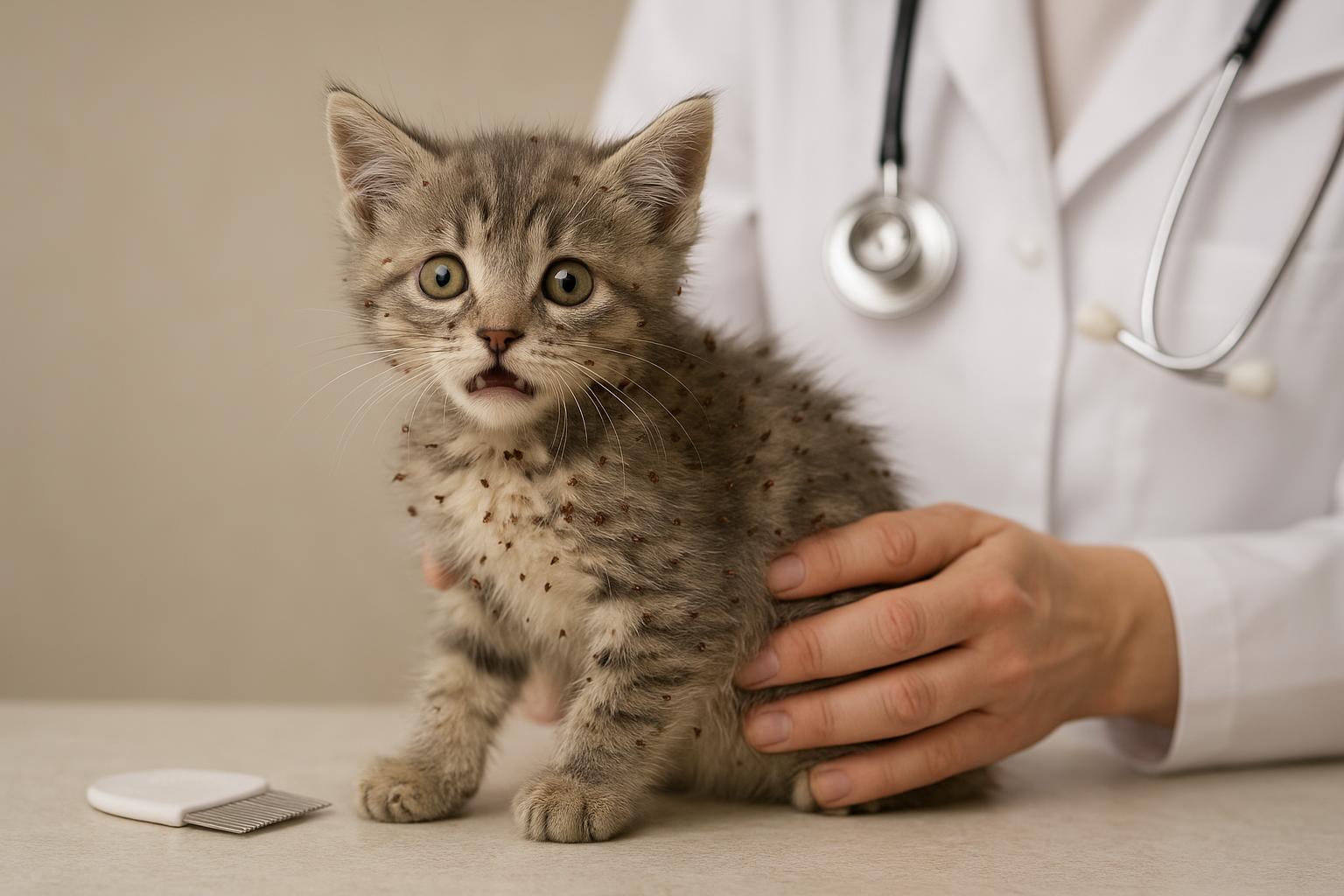
The veterinarian will perform a full physical exam, check for fleas or flea dirt, assess skin condition, and examine mucous membranes (gums) for anemia. They may weigh the kitten to determine safe dosing for any medications.
### Diagnostic Tests
If anemia is suspected, a simple blood test may be run to measure packed cell volume (PCV) or hematocrit. Skin scrapings might be taken if other parasites or infections are suspected.
### Treatment Plan
The vet will recommend a safe, age- and weight-appropriate treatment plan. That might include immediate-acting oral medication to kill adult fleas, topical preventives for monthly control, supportive care for anemia (fluids or even a blood transfusion in extreme cases), or antibiotics if there’s a secondary skin infection.
## Remedy 1: Home Cleaning And Supportive Care (Non-Chemical)
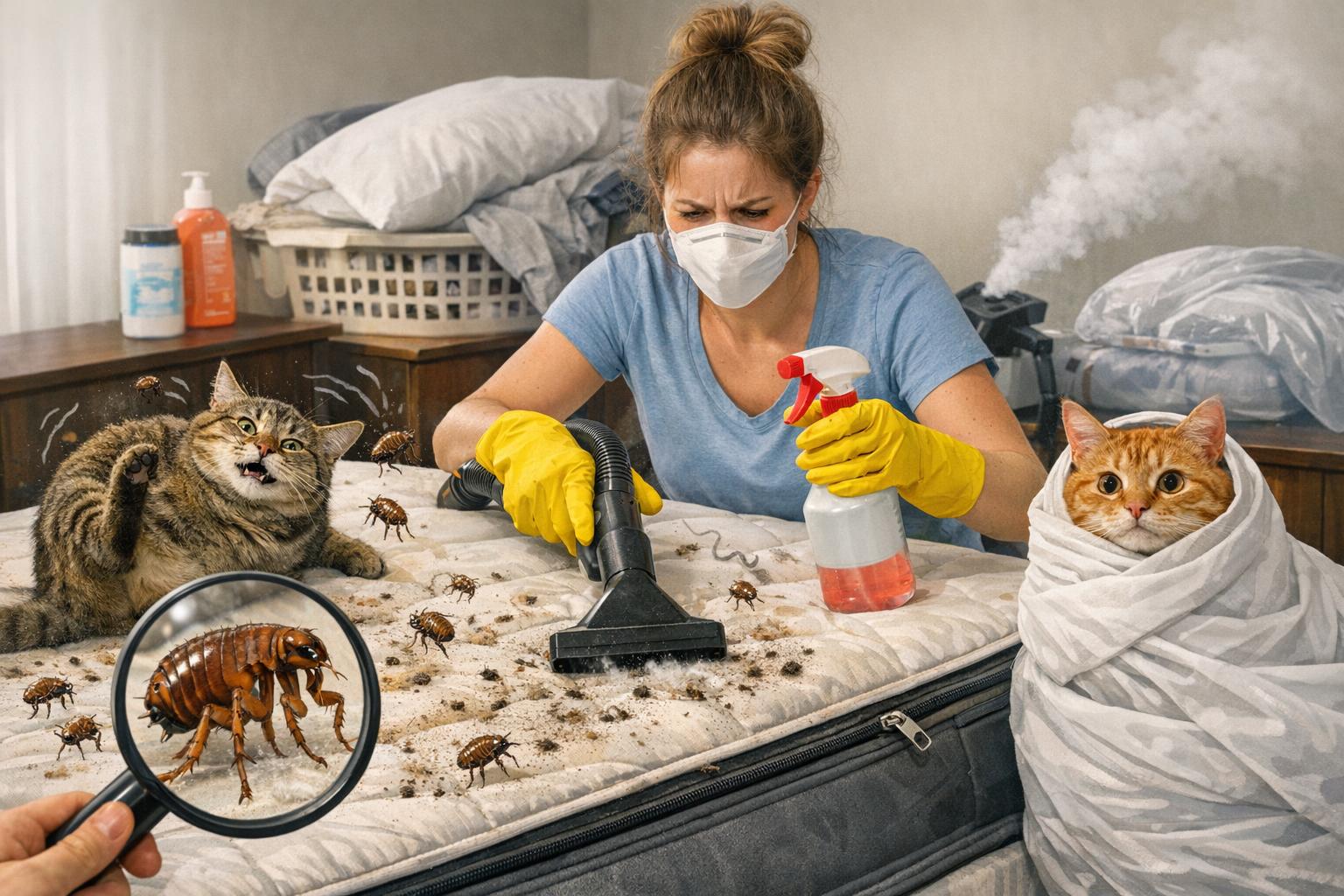
This remedy focuses on environmental control and non-pharmaceutical steps you can take while arranging a vet visit. It’s safe and often essential, but it’s not a substitute for professional treatment in serious cases.
#### Materials Required
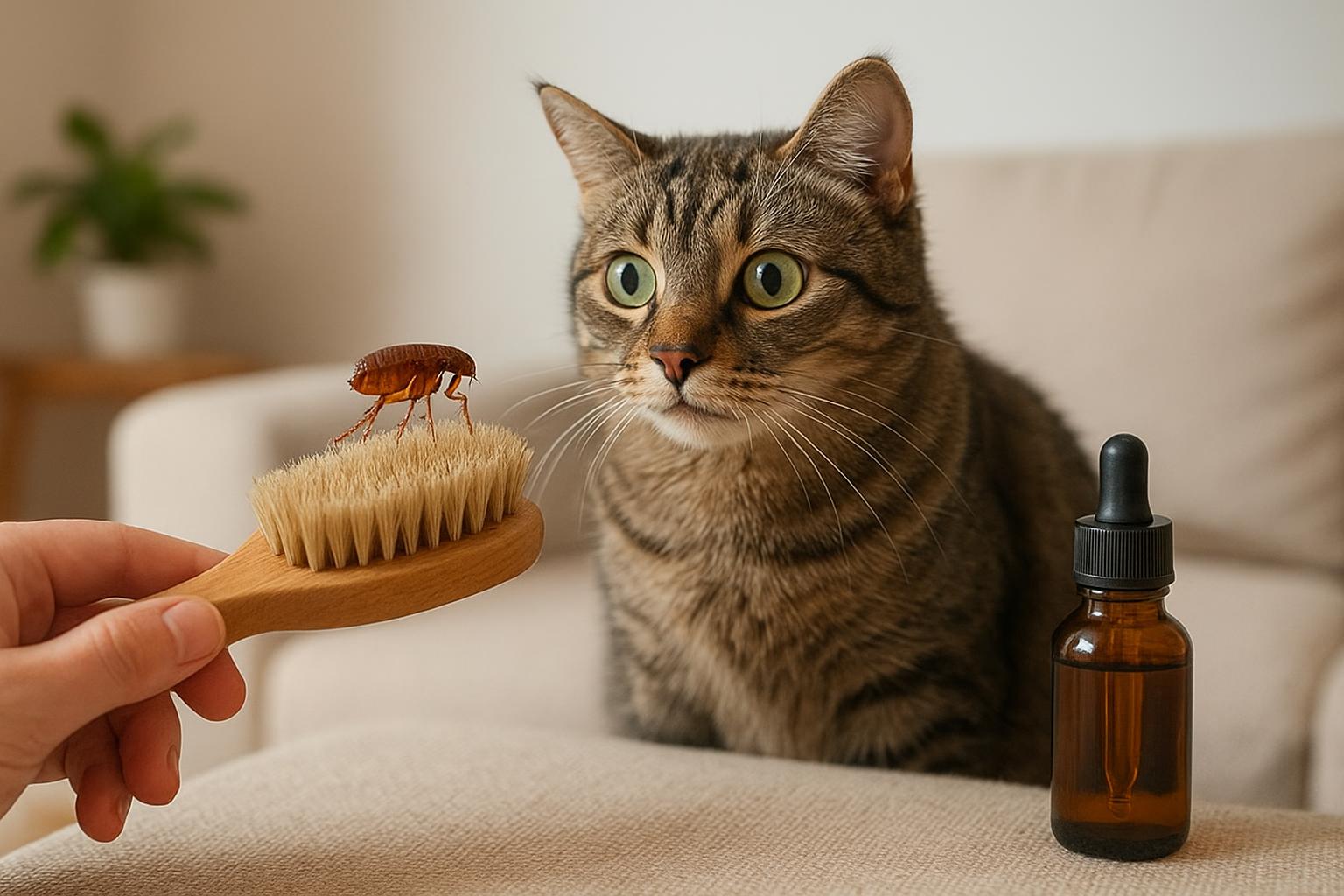
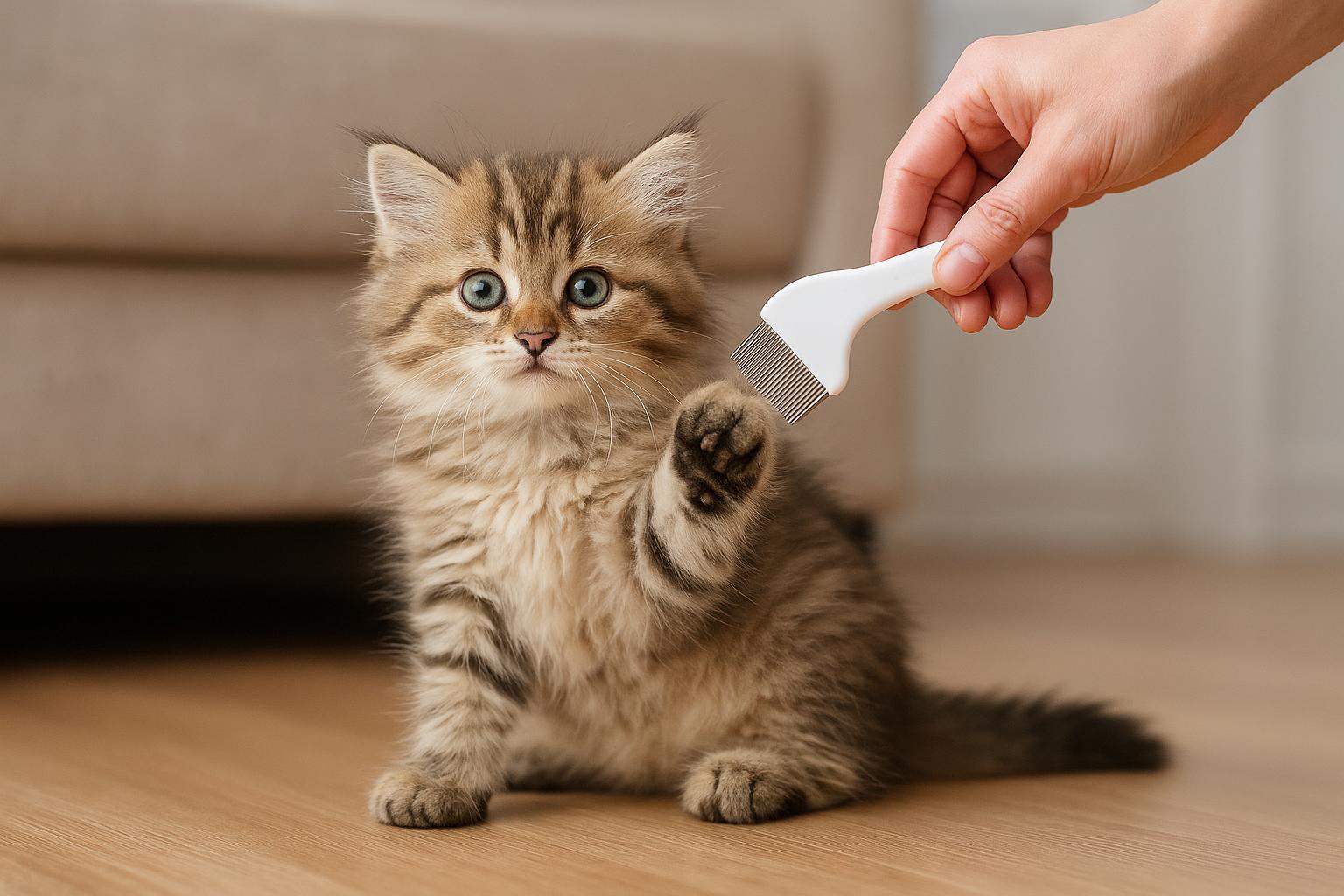
1. Stiff-bristled flea comb.
2. Mild kitten-safe shampoo (check with your vet before bathing very young kittens).
3. Warm water and soft towels.
4. Vacuum cleaner with attachments.
5. Laundry detergent and hot-water access for bedding.
6. Sealed trash bag or container for disposing vacuum bags/debris.
#### Step-By-Step Application
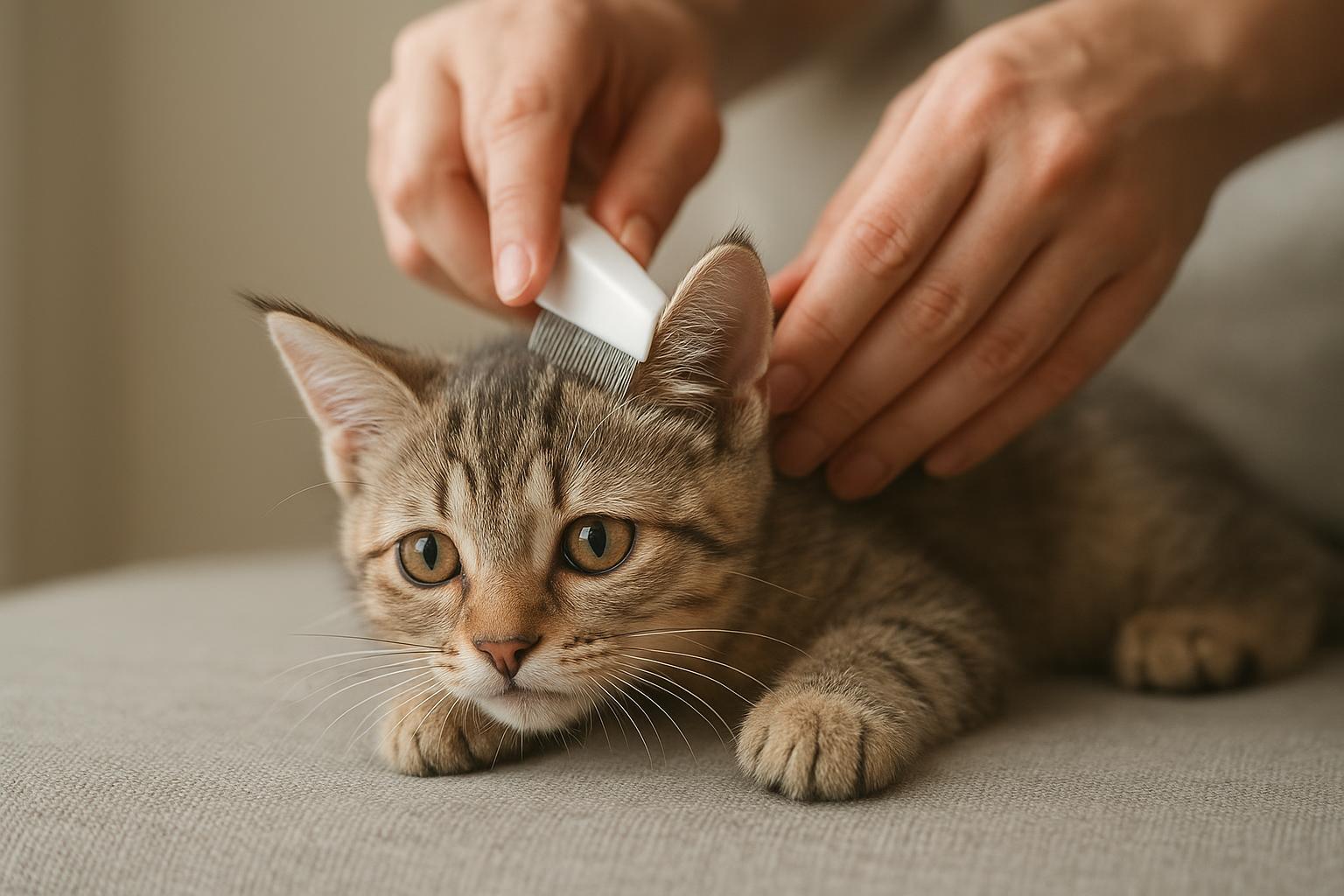
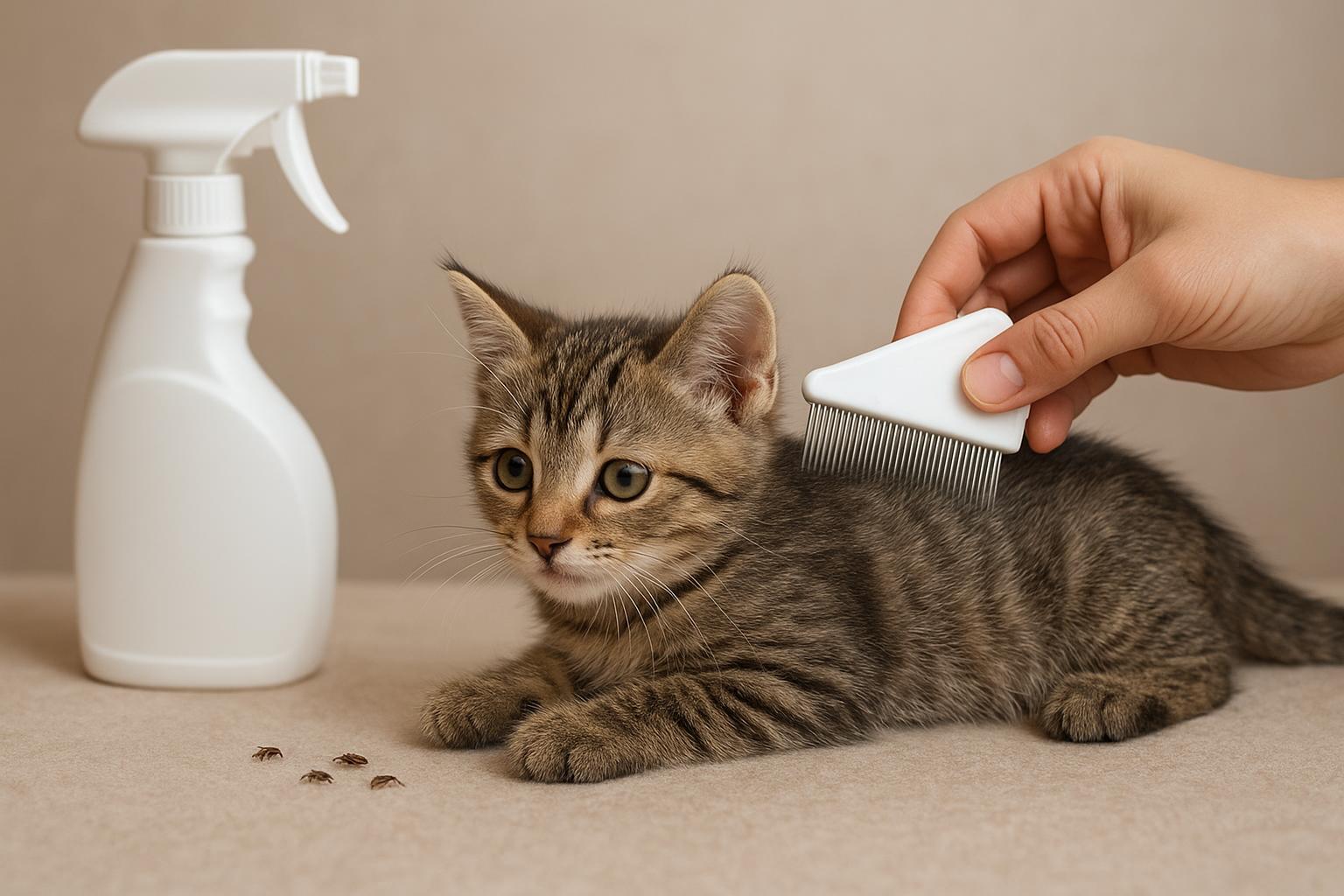
1. Comb the Kitten: Use the flea comb daily over a white towel. Drown any captured fleas in soapy water to prevent them from escaping.
2. Bathing (If Appropriate): For kittens old enough and healthy, a gentle bath with kitten-safe shampoo can remove fleas. Rinse thoroughly and dry completely. Always check with your vet before bathing very young or ill kittens.
3. Clean Bedding And Fabrics: Wash all bedding, blankets, and soft toys in the hottest water safe for the fabric. Dry on high heat to kill eggs and larvae.
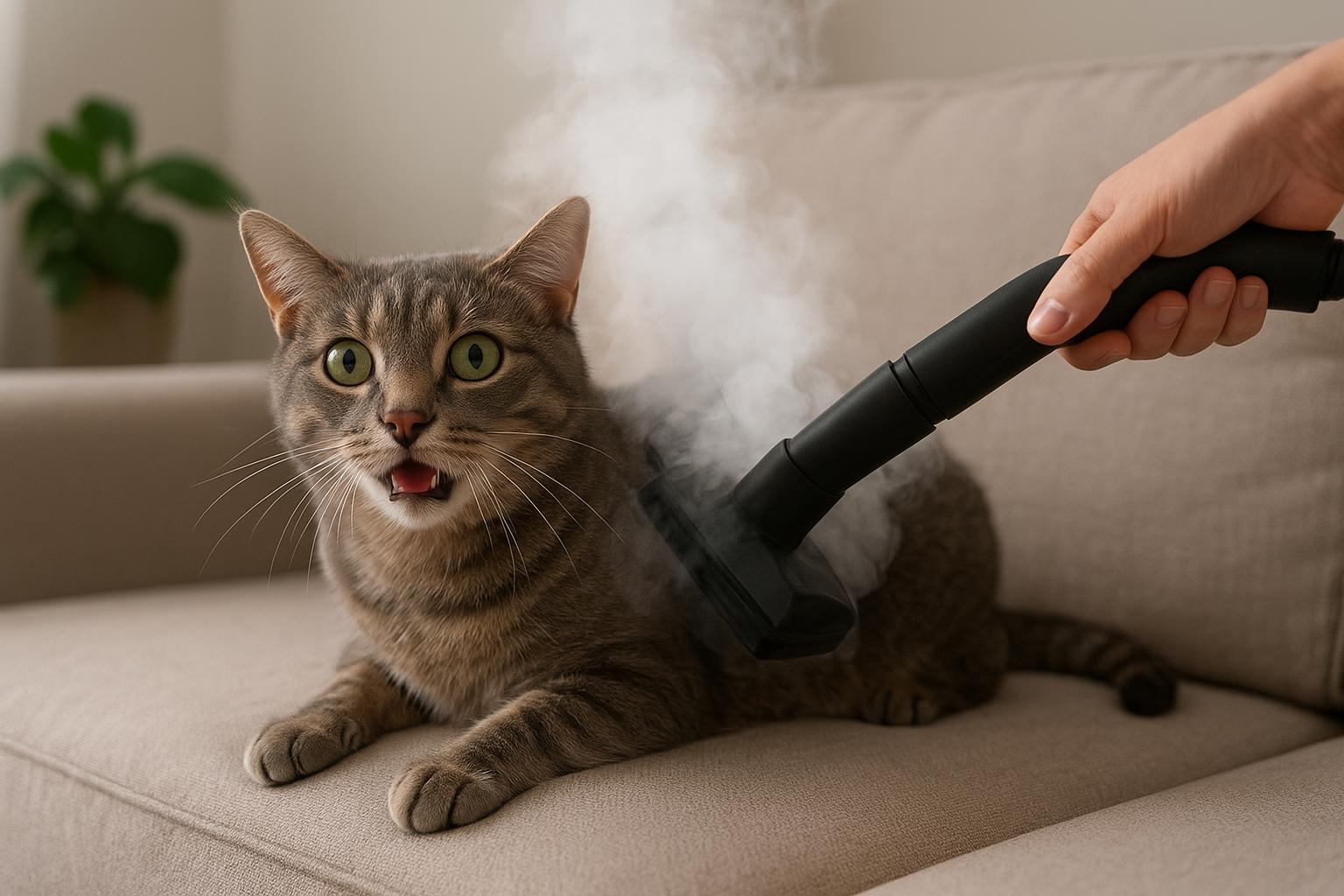
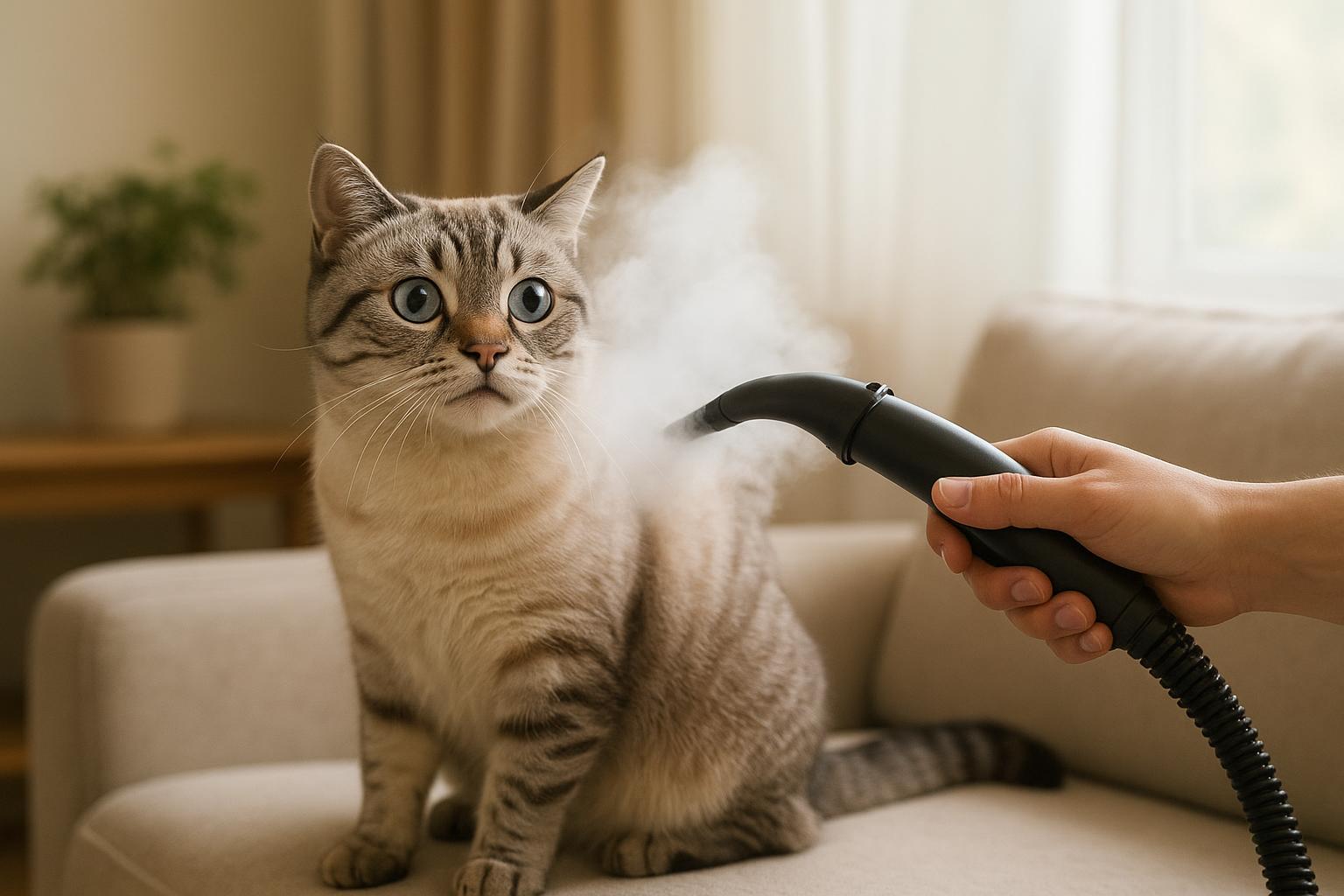
4. Vacuum Thoroughly: Vacuum floors, furniture, cracks, and baseboards. Pay special attention to areas your kitten frequents. Dispose of the vacuum bag or contents in a sealed trash bag immediately.
5. Isolate The Kitten (Temporarily): If you have other pets, keep the affected kitten separated until treatment is underway to reduce spread.
Note: Environmental measures reduce the flea population but do not reliably eliminate an infestation. For active infestations or young kittens, a professional-approved product will often be necessary. When in doubt, schedule that vet visit.
## Remedy 2: Vet-Approved Treatments For Kittens
When a vet visit confirms fleas, a veterinary-approved treatment plan is safest and most effective. Many over-the-counter products are not appropriate for kittens and can be dangerous. Below are common professional options and how they are applied—follow your vet’s exact instructions for dosing and frequency.
#### Materials Required
1. Prescription or vet-recommended topical spot-on medication (e.g., products based on selamectin, imidacloprid + moxidectin, depending on local approvals).
2. Oral fast-acting flea tablet (nitenpyram) for immediate adult flea kill in some cases.
3. Monthly preventive product as recommended by your vet.
4. Weighing scale (clinic will use to determine dose).
5. Follow-up appointment scheduling.
#### Step-By-Step Application
1. Examination And Prescription: The vet assesses the kitten’s age and weight and prescribes the correct product. Many topical and oral products have minimum age/weight requirements.
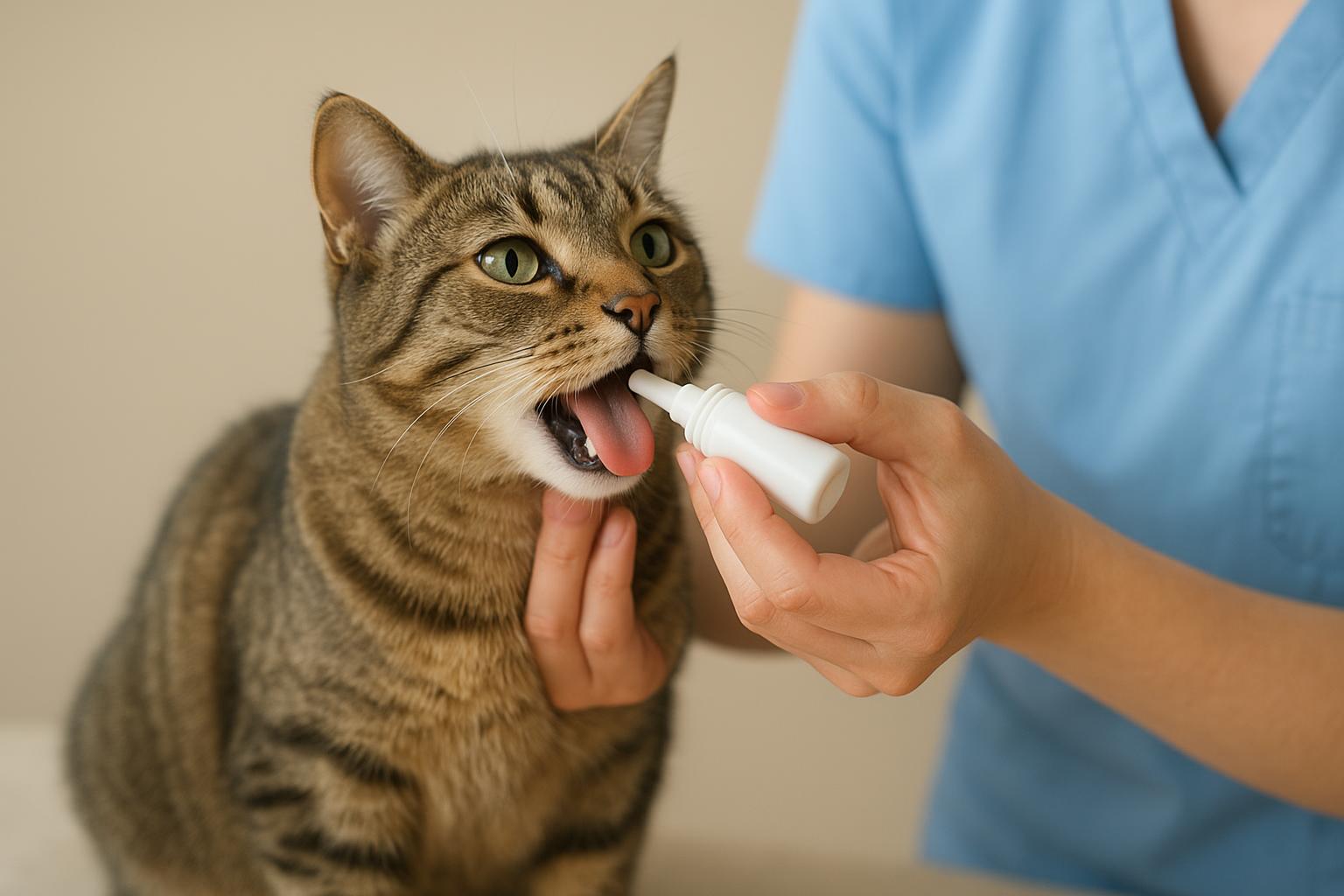
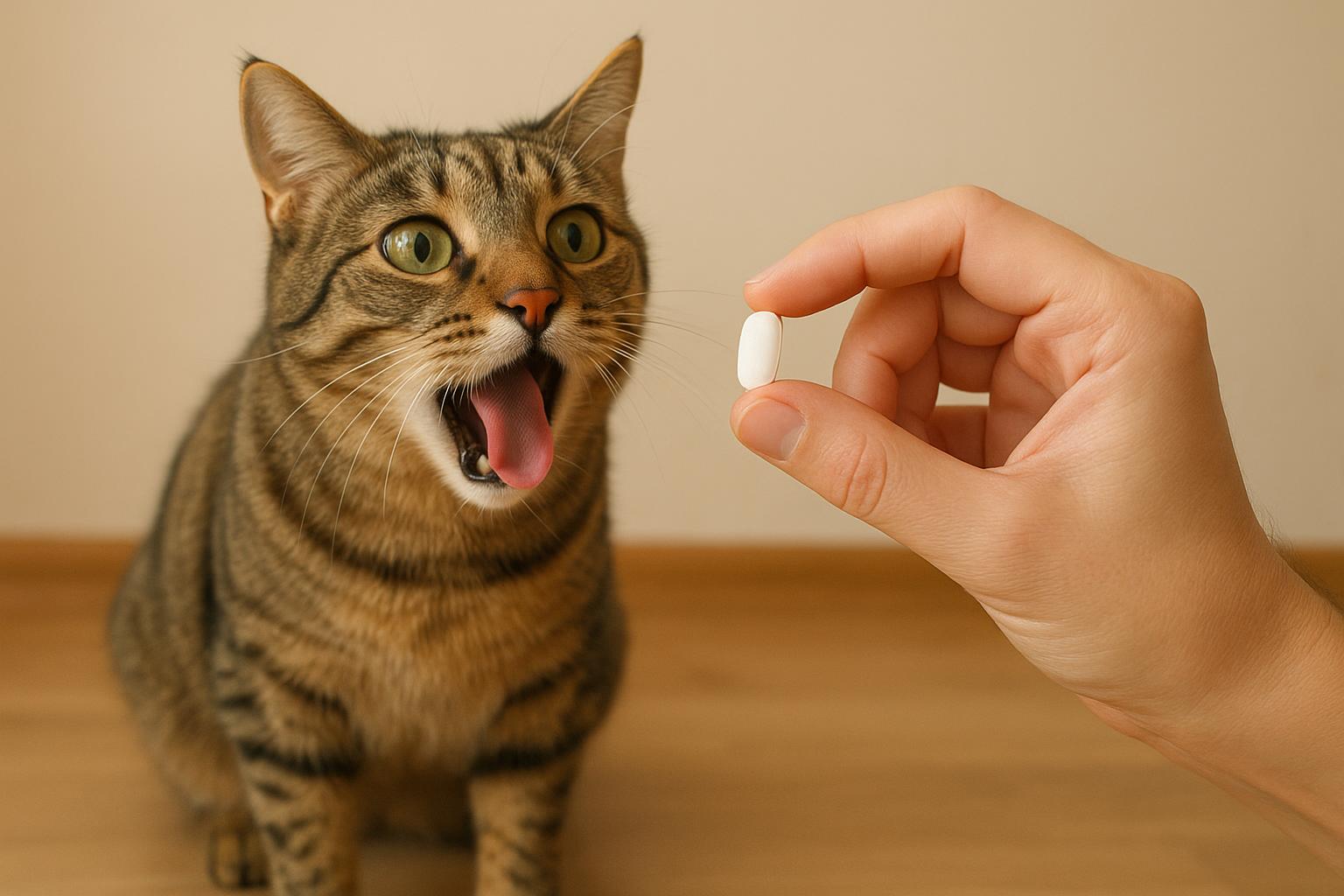
2. Immediate Adulticide (If Required): In heavy infestations, the vet may give a single dose of nitenpyram orally to kill adult fleas within hours. This provides quick relief while longer-acting prevention starts to work.
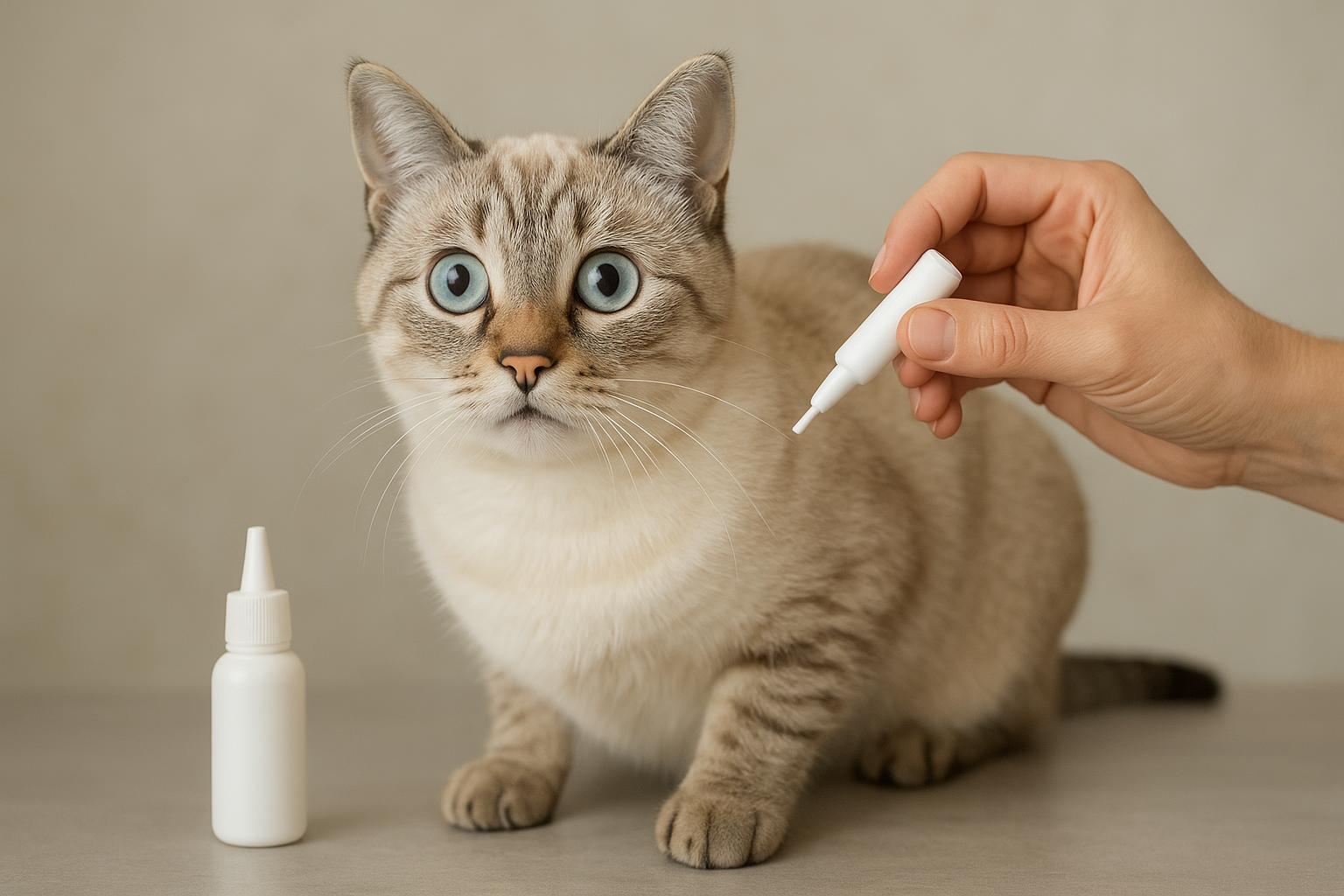
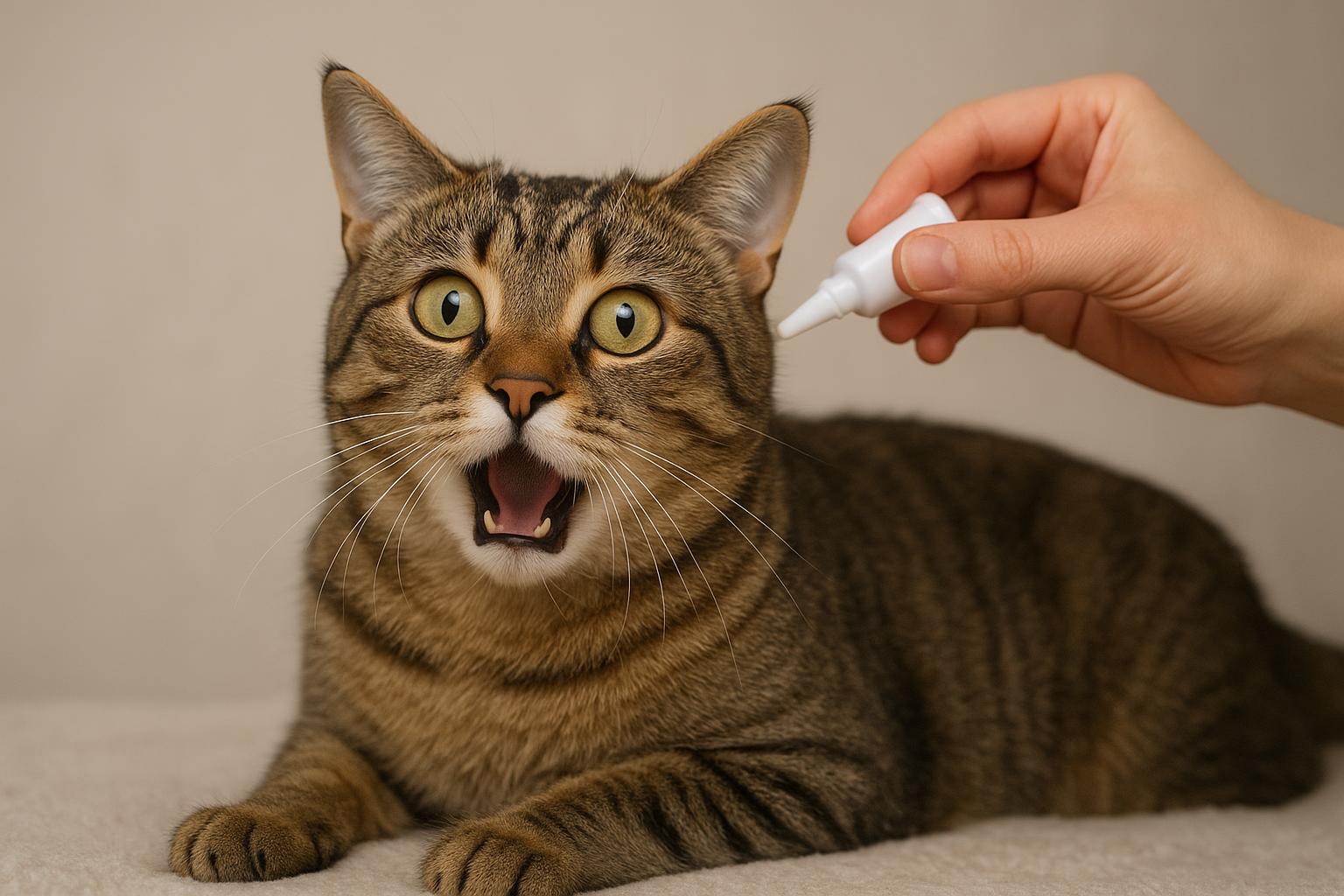
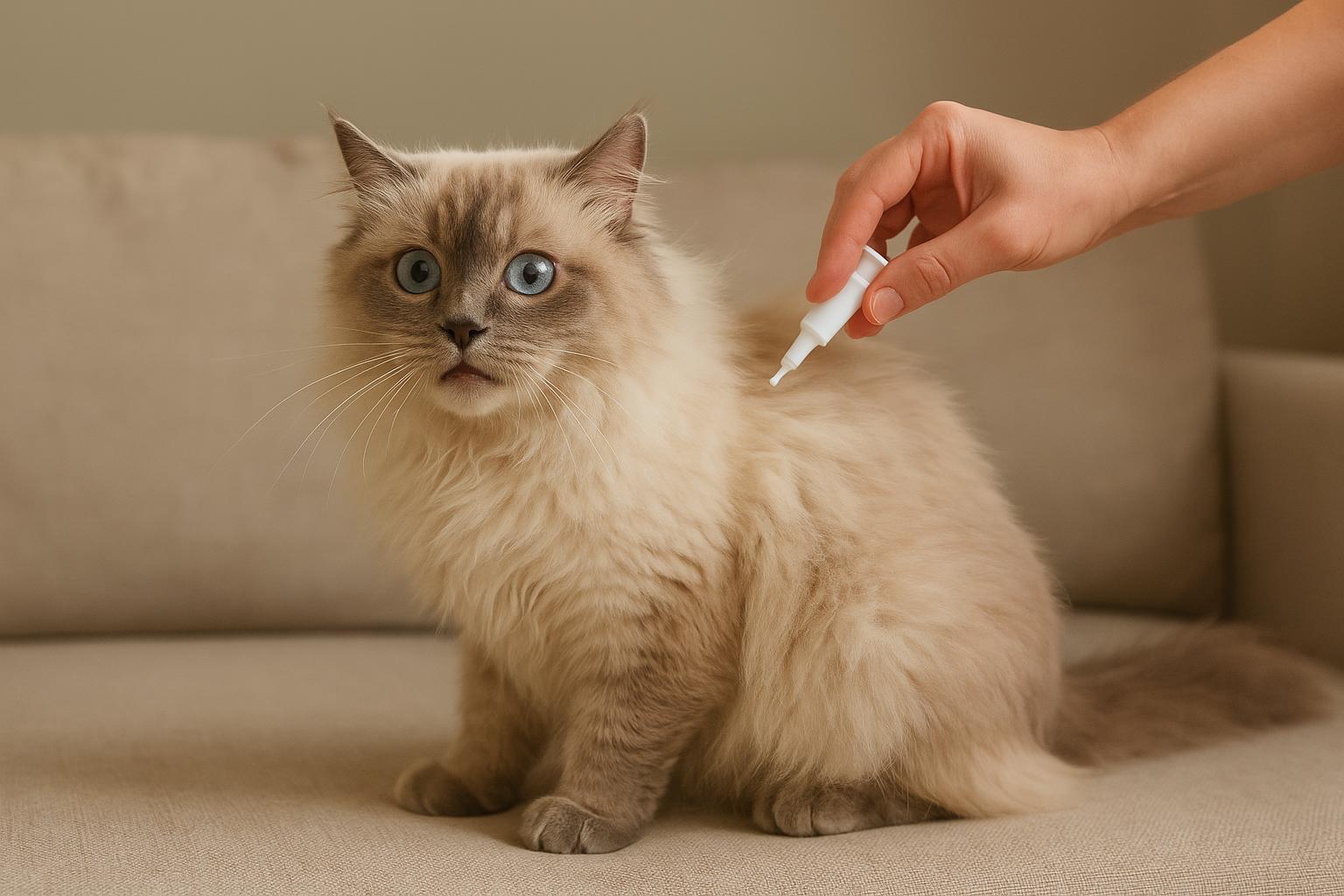
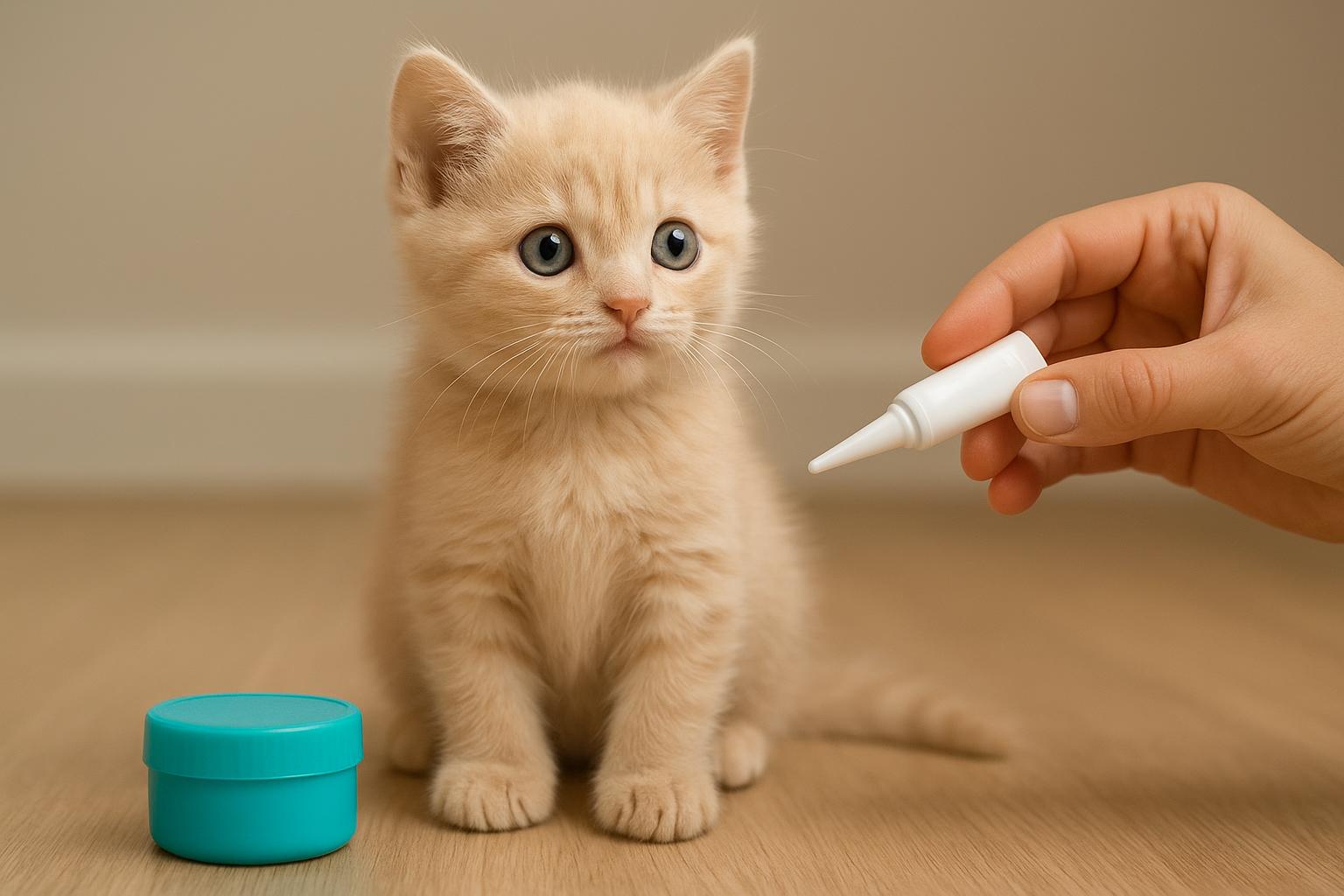
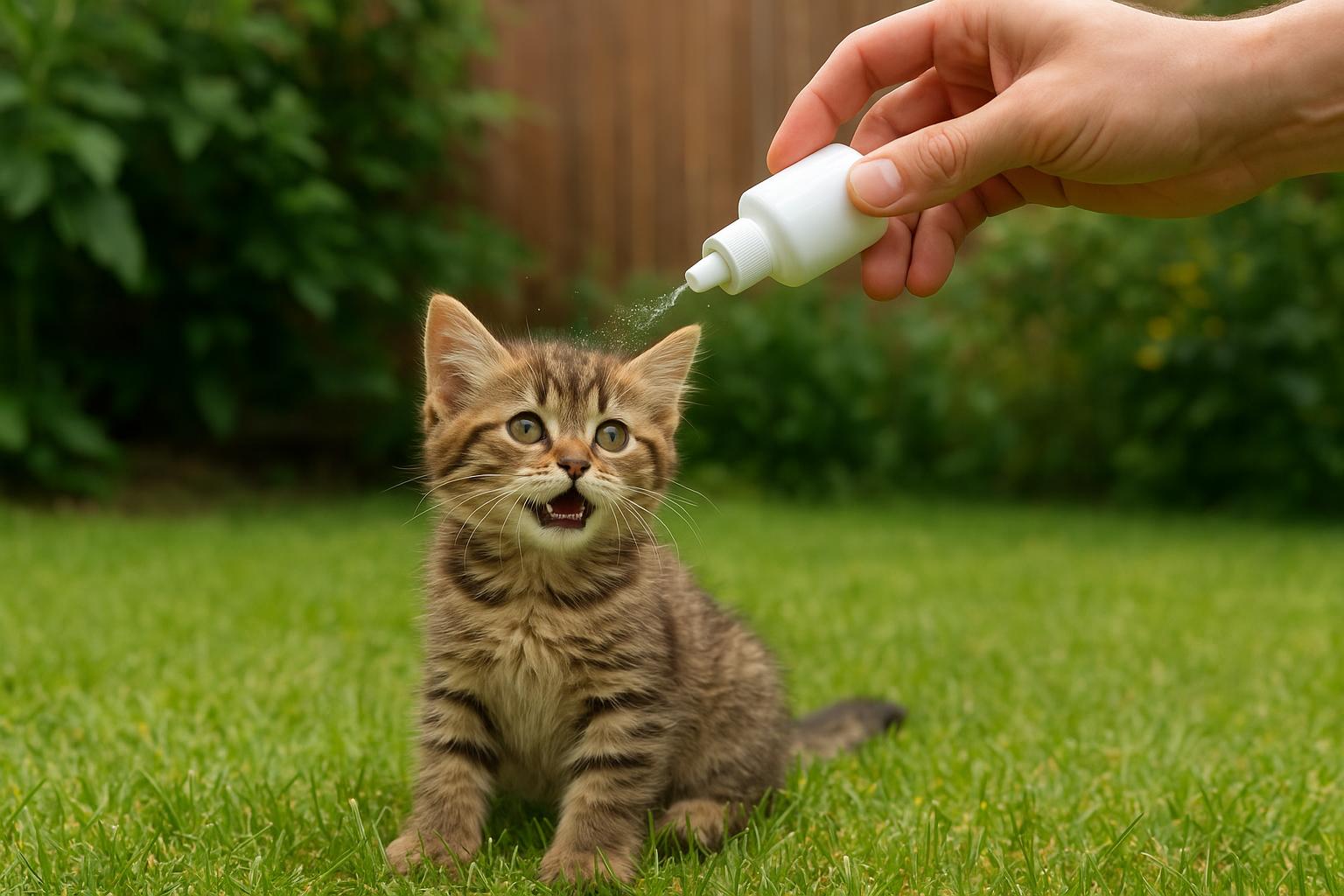
3. Apply Topical Treatment Correctly: If a spot-on product is prescribed, the vet or trained tech may apply it during the visit. The product is placed on the skin at the base of the neck (between the shoulder blades) and must be applied to intact skin—not the fur.
4. Start Monthly Prevention: Most vets will recommend a monthly preventive product to break the flea life cycle. Mark your calendar or set reminders for re-dosing.
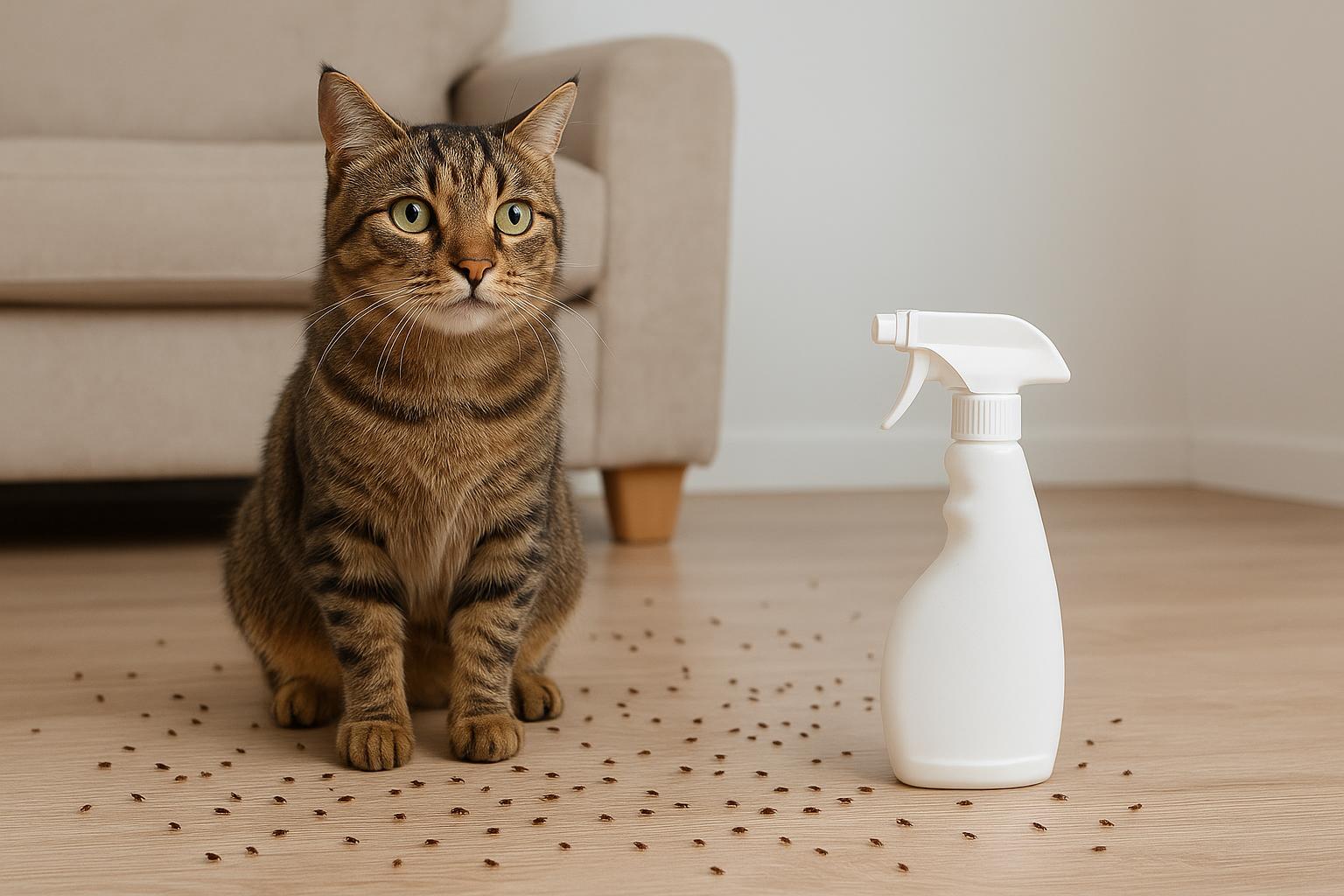
5. Environmental Control Coordination: Your vet will advise on whether additional environmental insecticides or professional pest control are needed, and which products are safe to use around kittens.
6. Follow-Up And Monitoring: Return visits or phone check-ins help ensure the kitten responds well and gains weight. Report any adverse reactions immediately.
## When To Skip The Home Remedies And Call The Clinic
If the kitten is under 8 weeks, looks anemic, is extremely flea-covered, or shows systemic signs (fever, collapse, refusal to eat), don’t wait through home remedies. Call your vet and request an immediate appointment. A quick vet visit can be lifesaving in severe cases.
### Preparing For Your Vet Visit
Bring the kitten’s weight estimate (if known), mention any other pets in the home, and note when you first saw fleas. If you’ve already used any products, tell the staff — some household treatments can interact with veterinary meds. Expect the clinic to ask about age, vaccination status, and recent outdoor exposure.
## Follow-Up Care After The Vet Visit
After treatment, continue environmental cleaning, monitor your kitten’s behavior and appetite, and watch for adverse reactions to medications (excessive drooling, vomiting, lethargy, or skin irritation). If anything unusual appears, call back for advice or a reassessment; sometimes a follow-up vet visit is scheduled to check progress and adjust care.
You don’t need to be a paranoid pet parent, but you also don’t want to be the one who laughed off a flea until the kitten lost weight. When in doubt, make the call — that vet visit you schedule today could be the peace-of-mind and protection your kitten needs.
Leave a Reply