
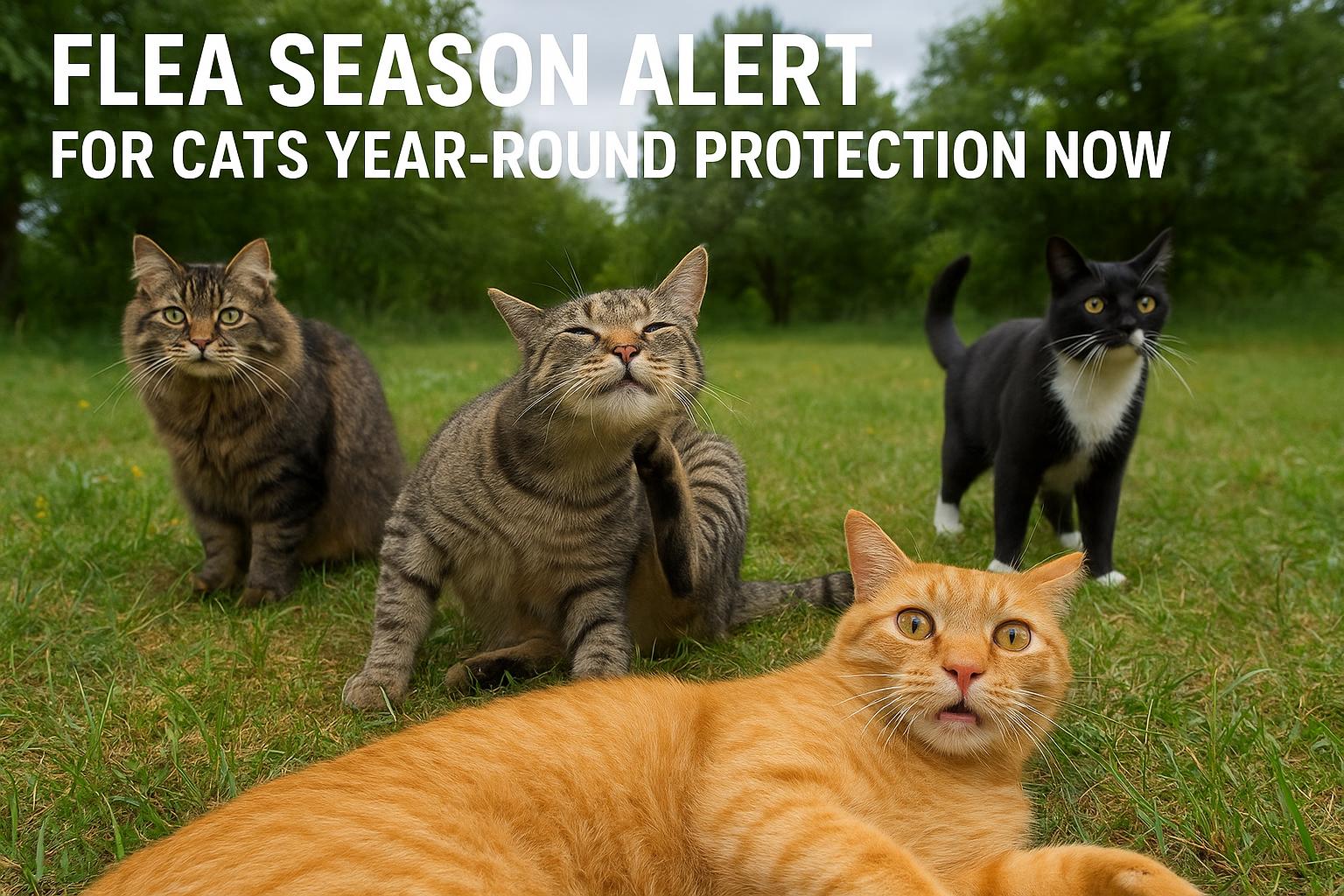
Flea Season Alert For Cats Year Round Protection Now
## Flea Season: Why Year-Round Protection Matters
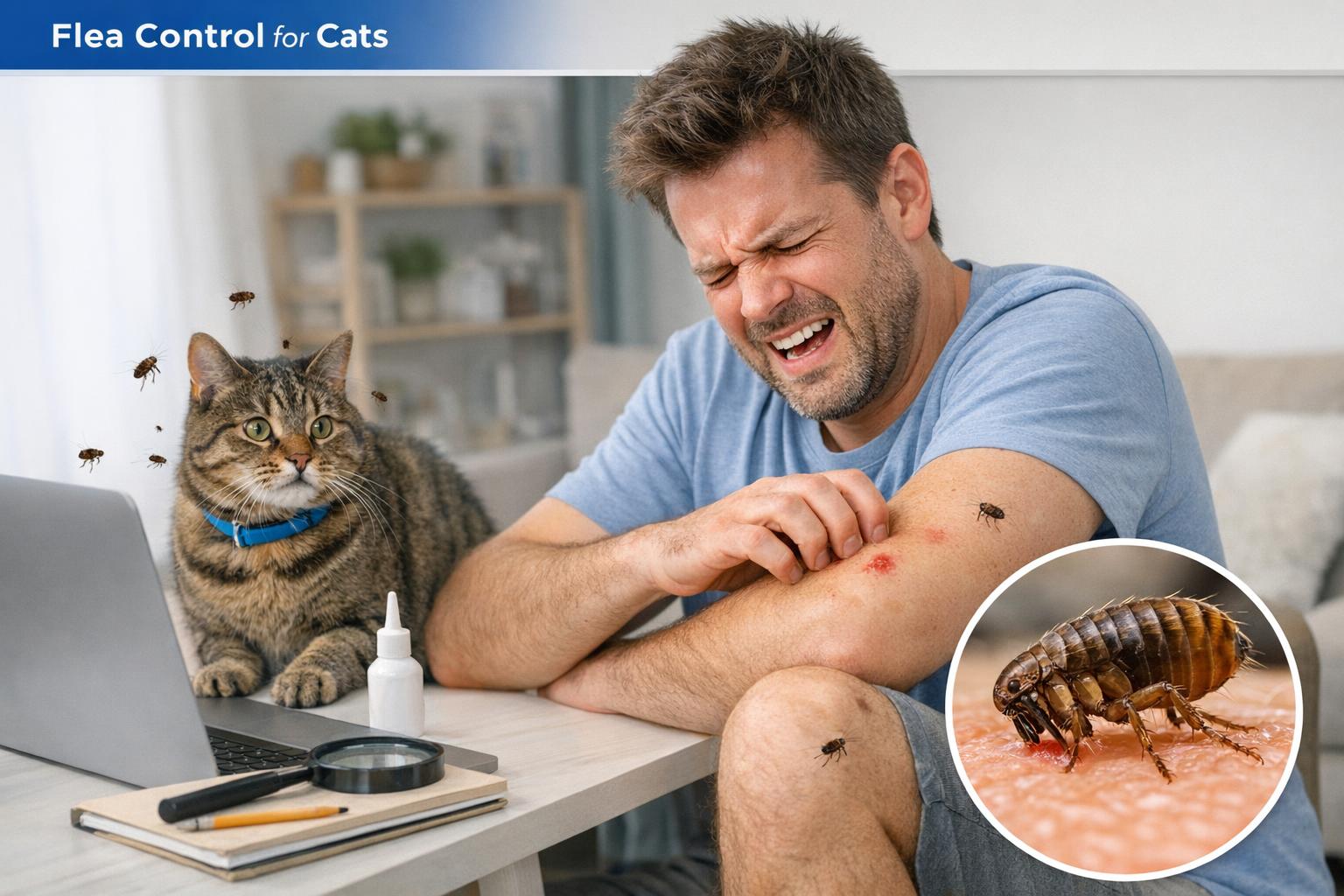
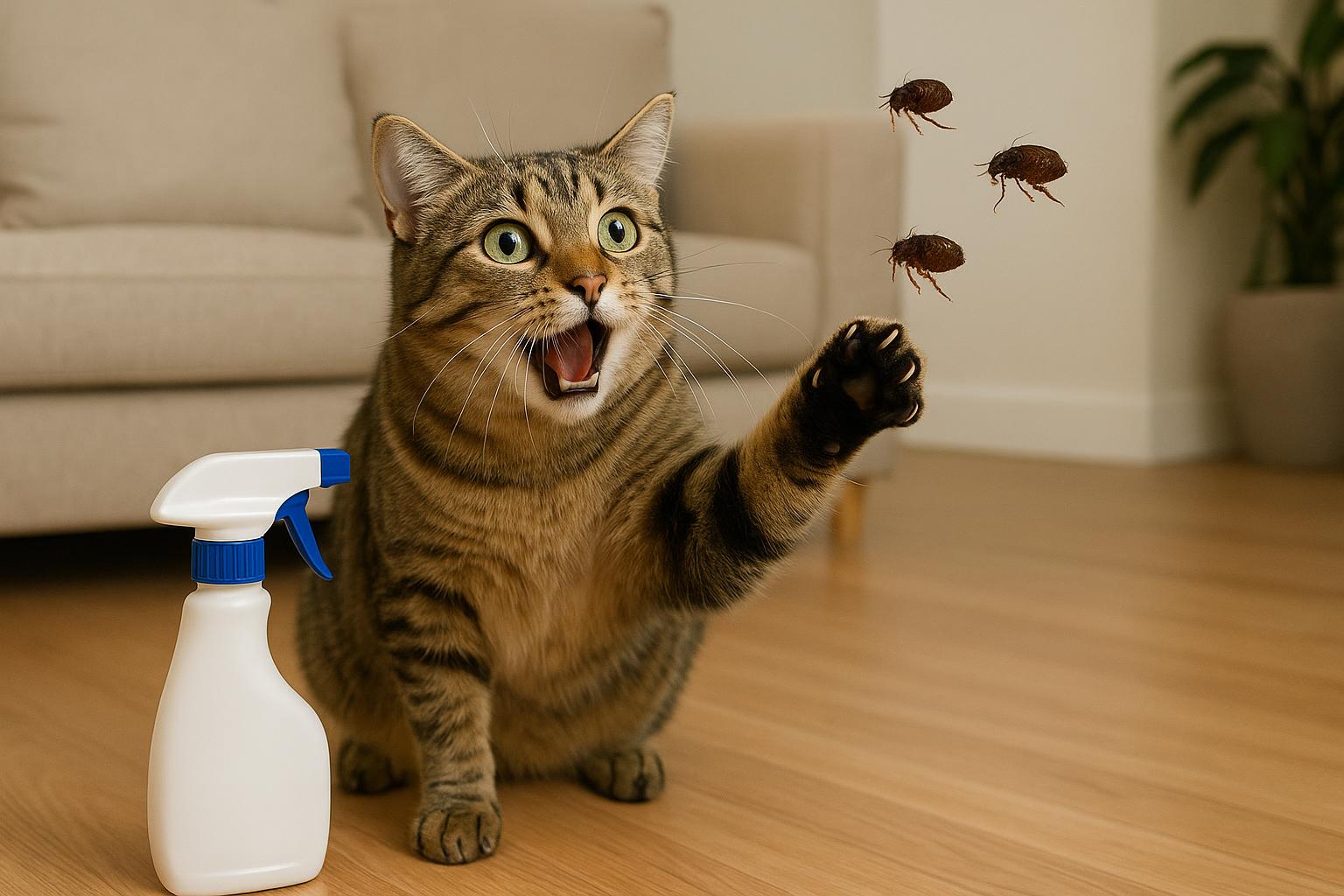
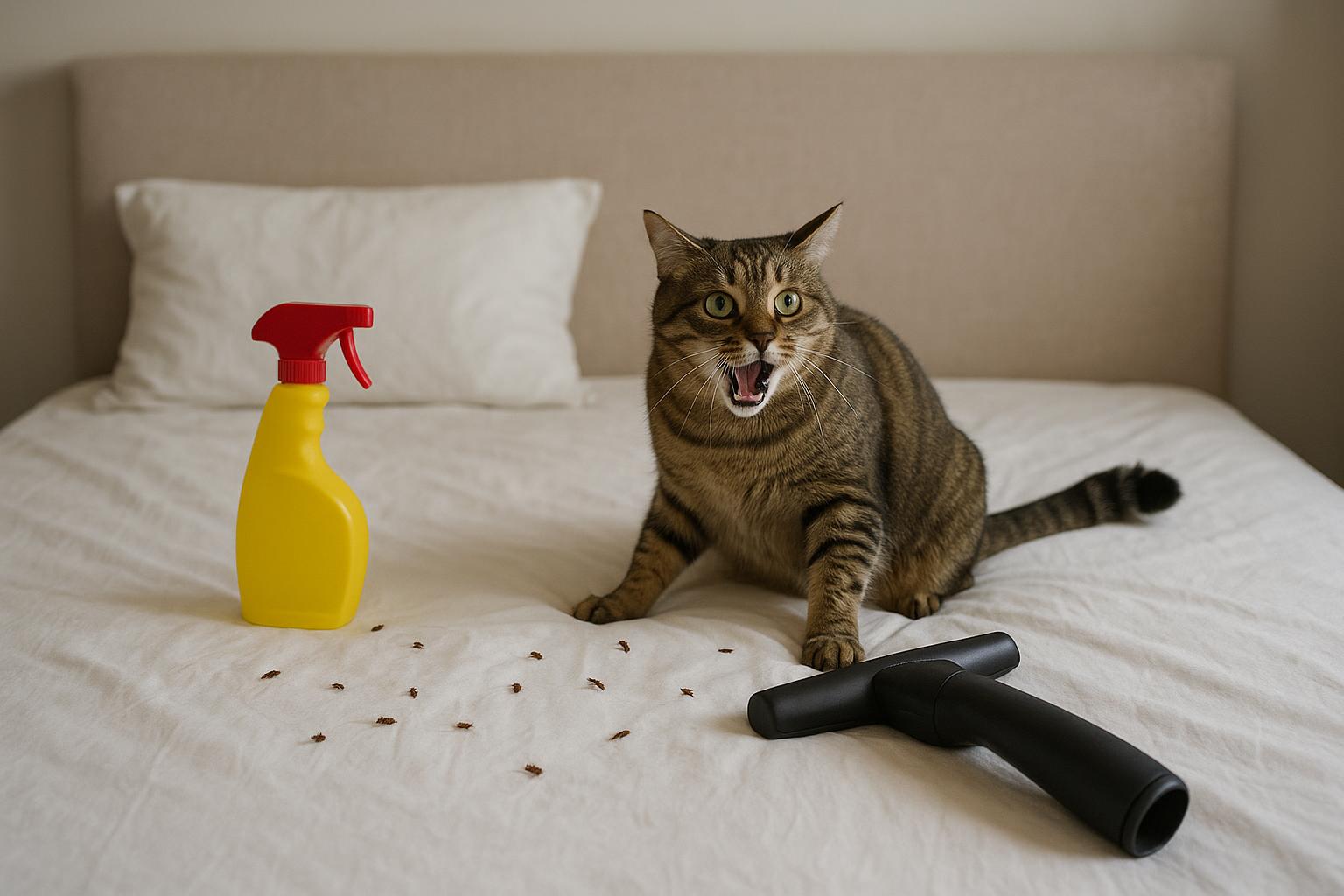
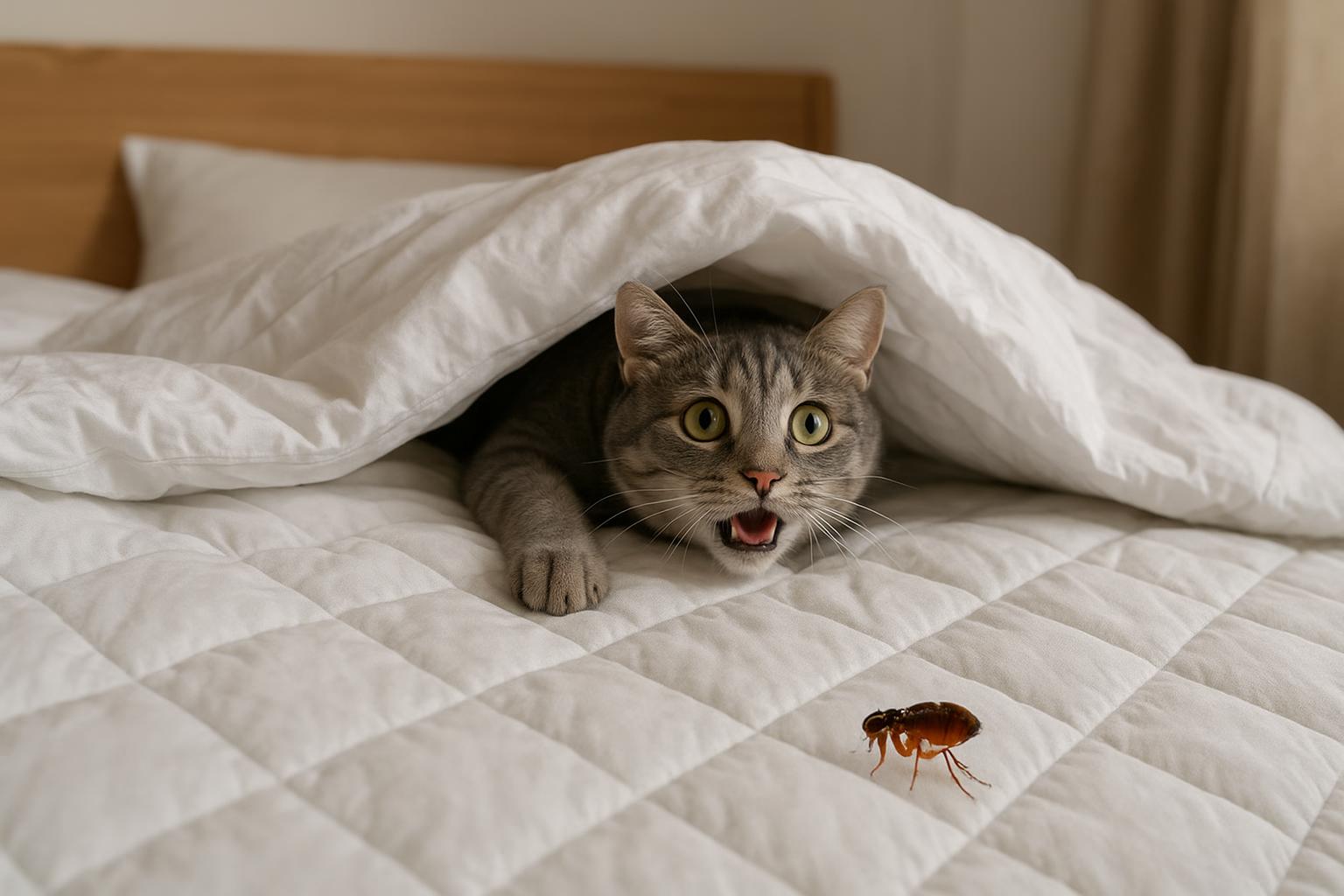
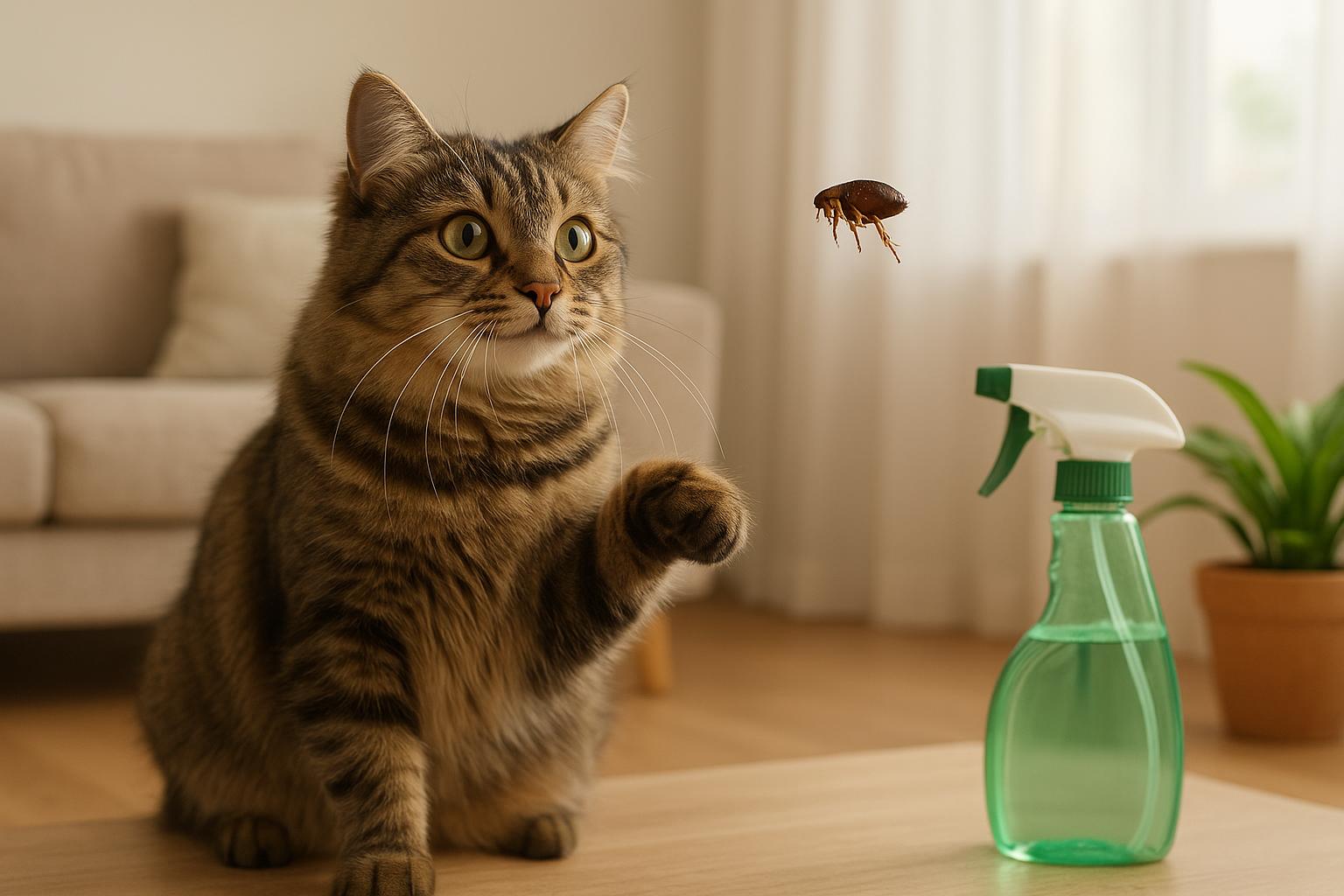
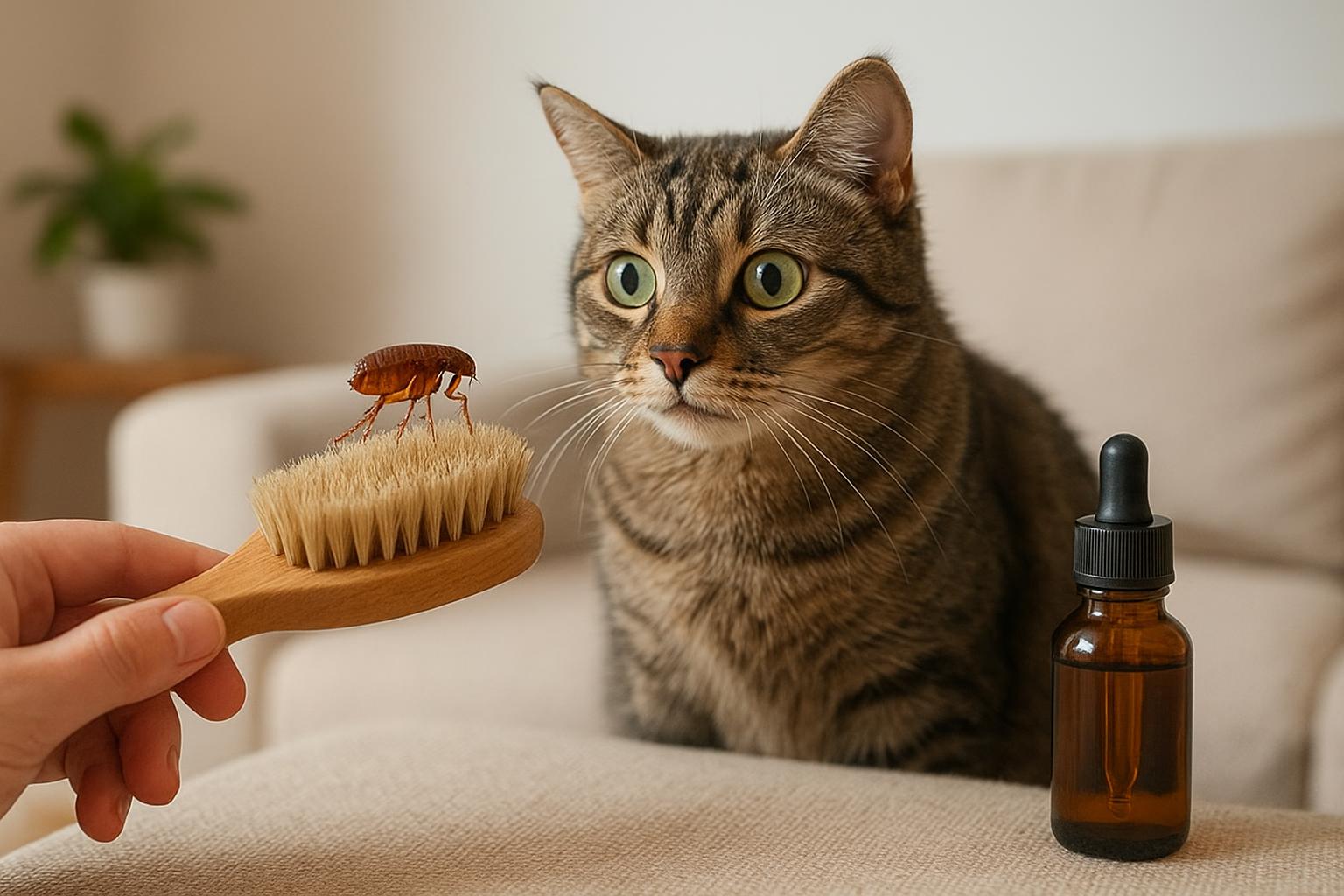
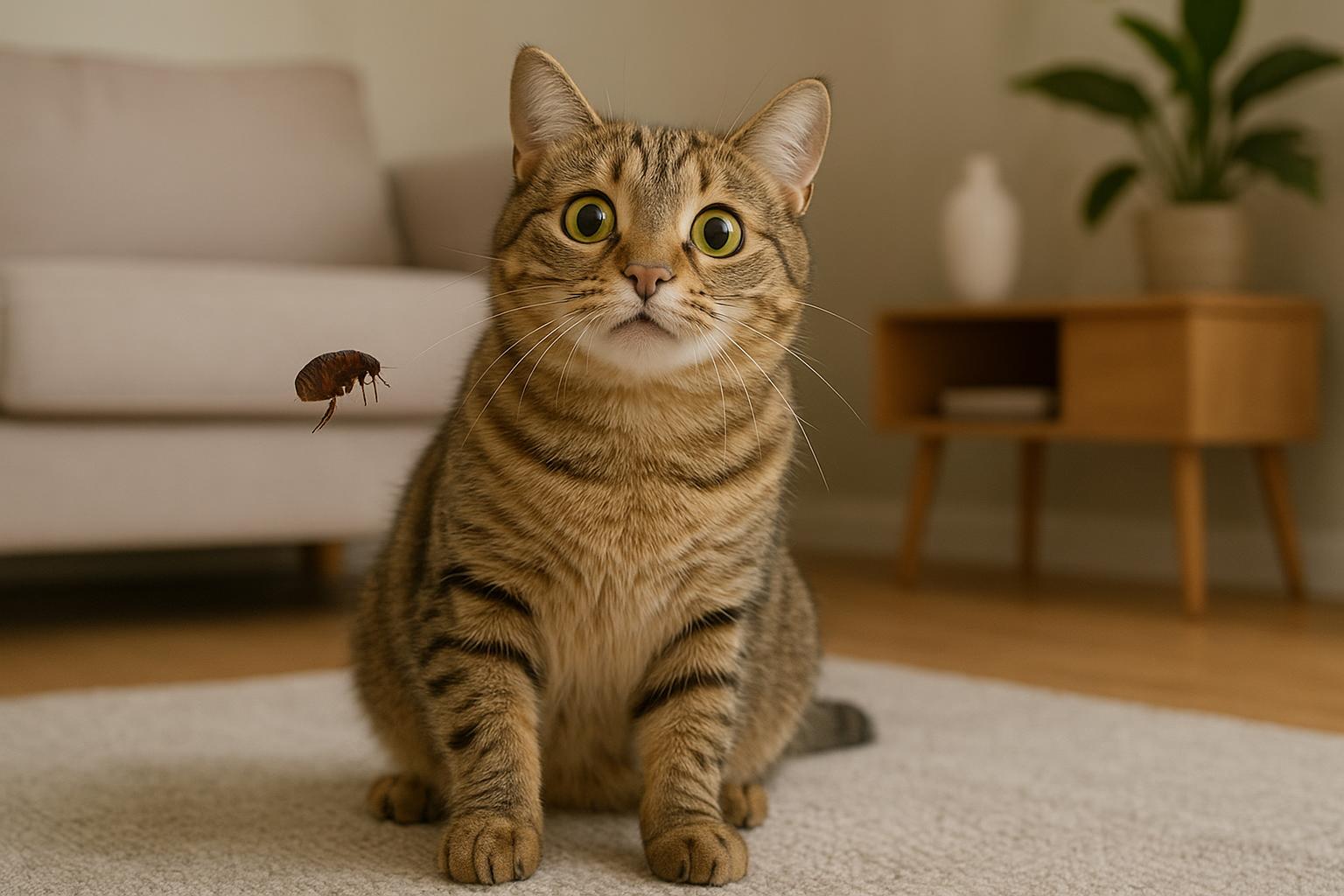
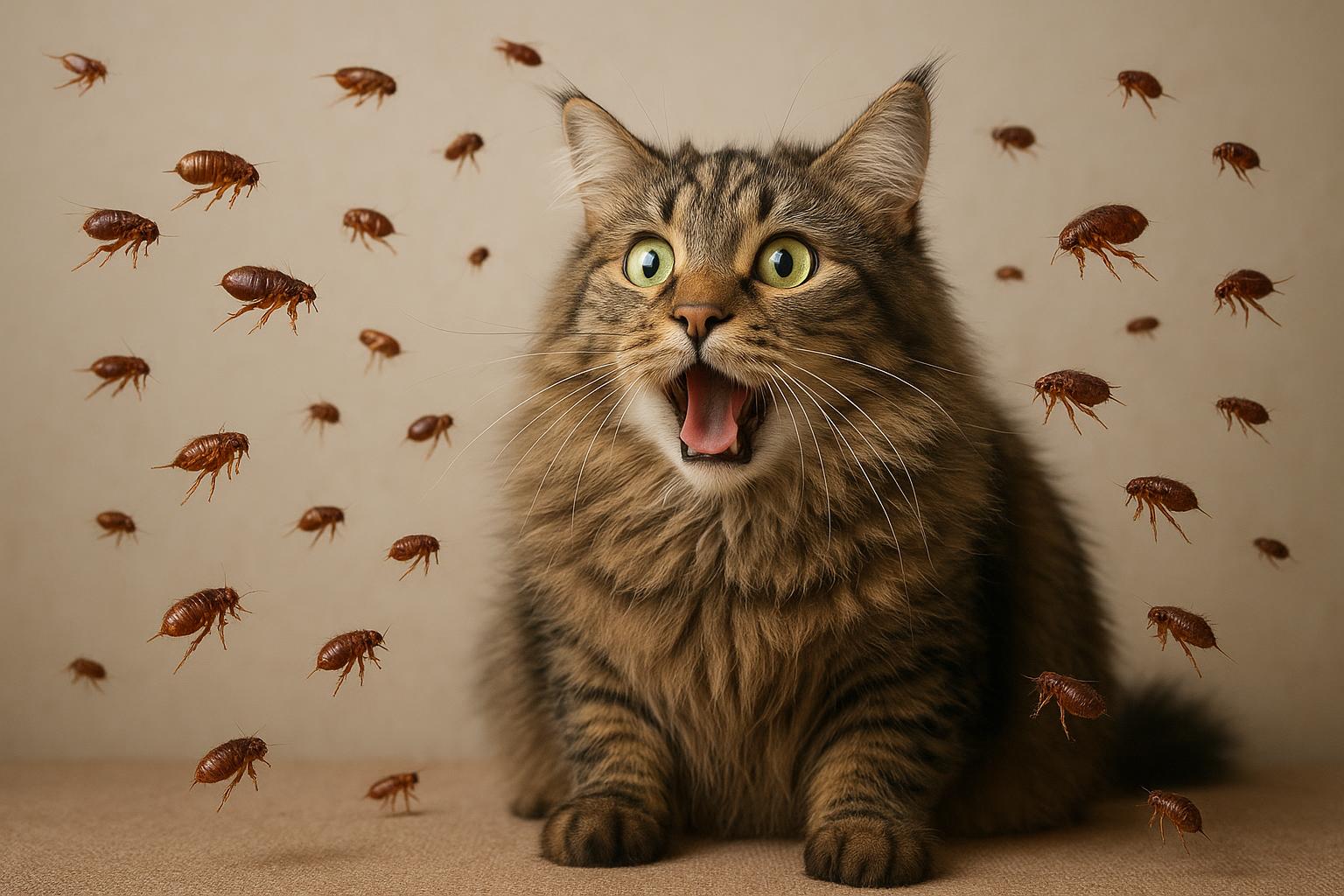
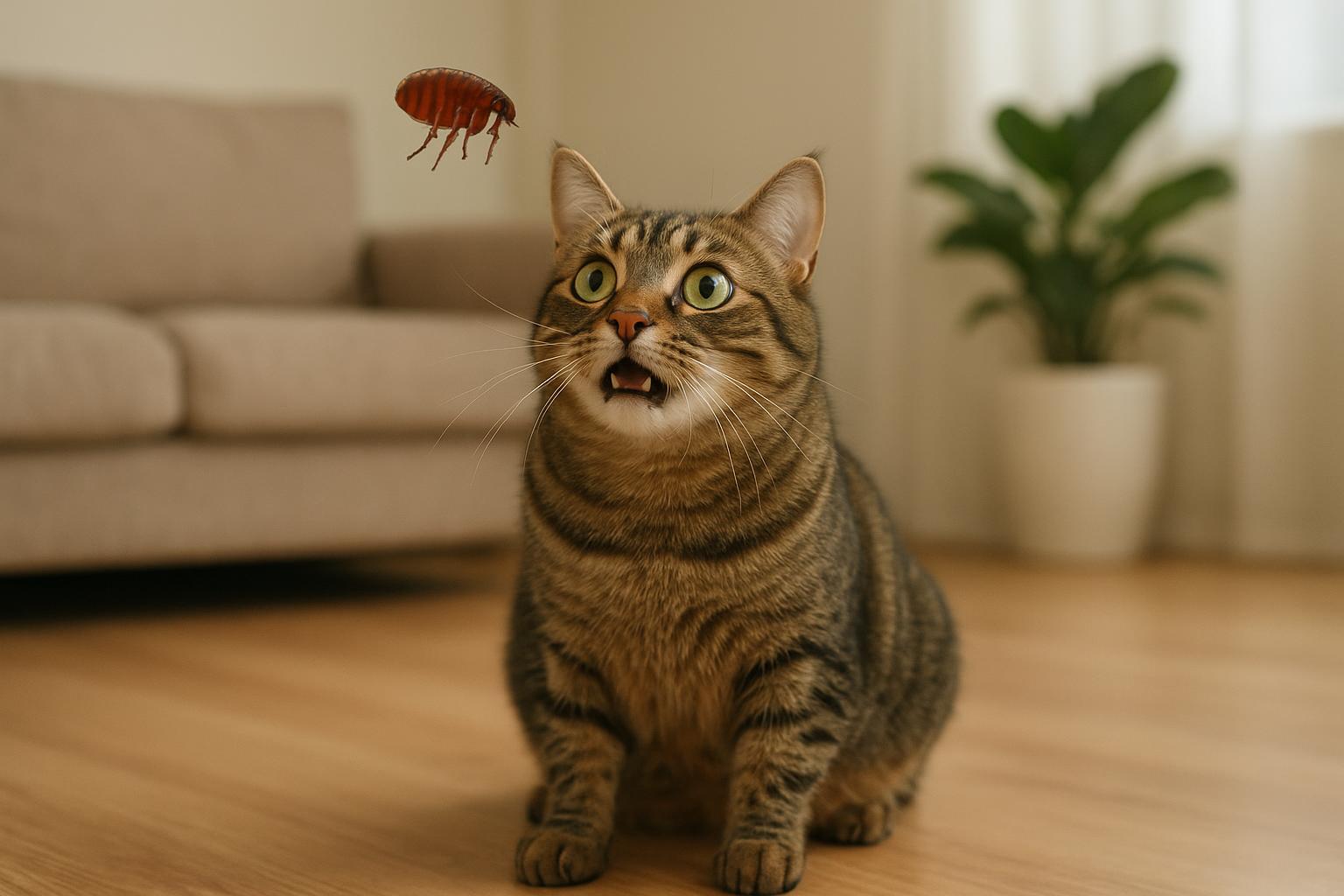
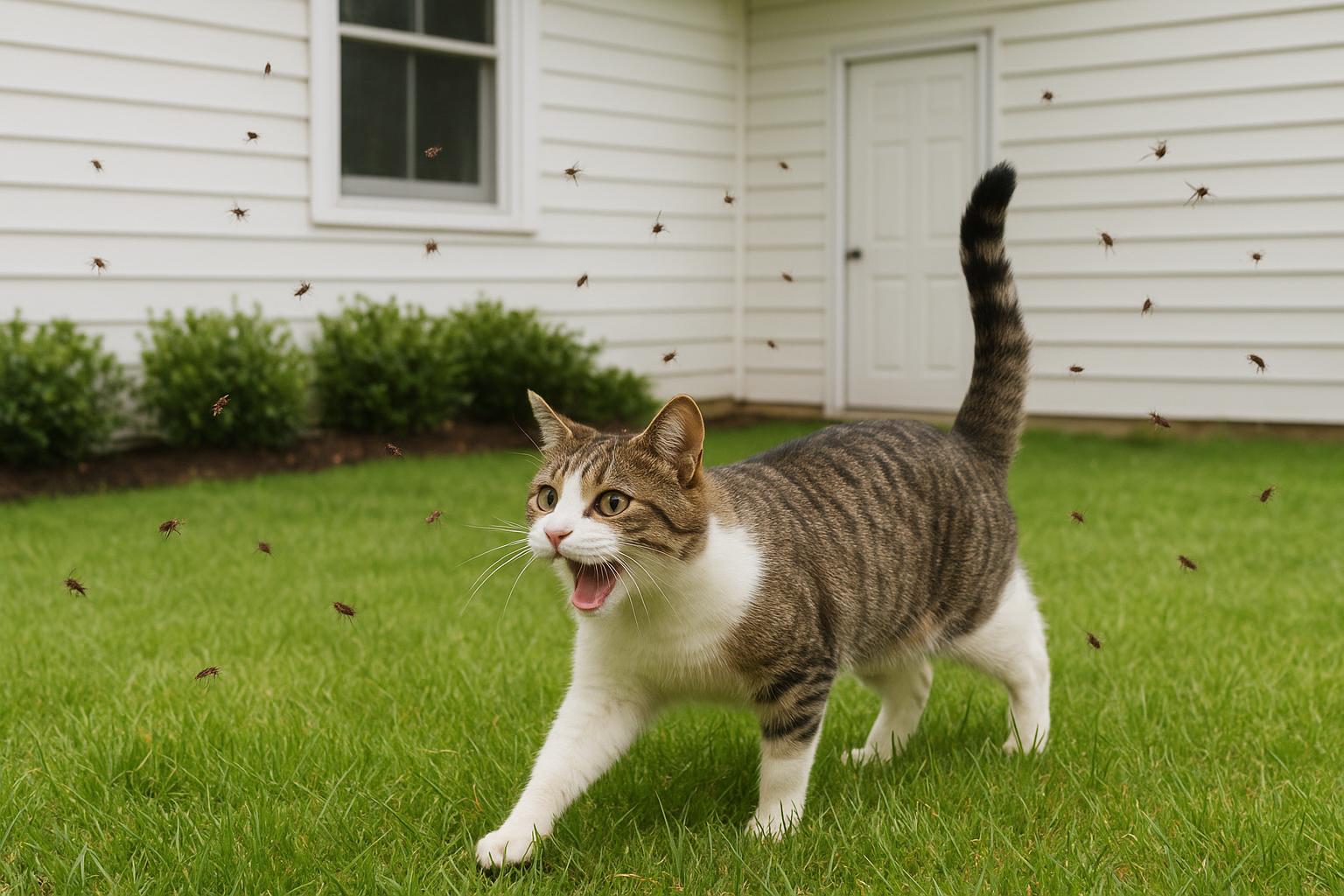
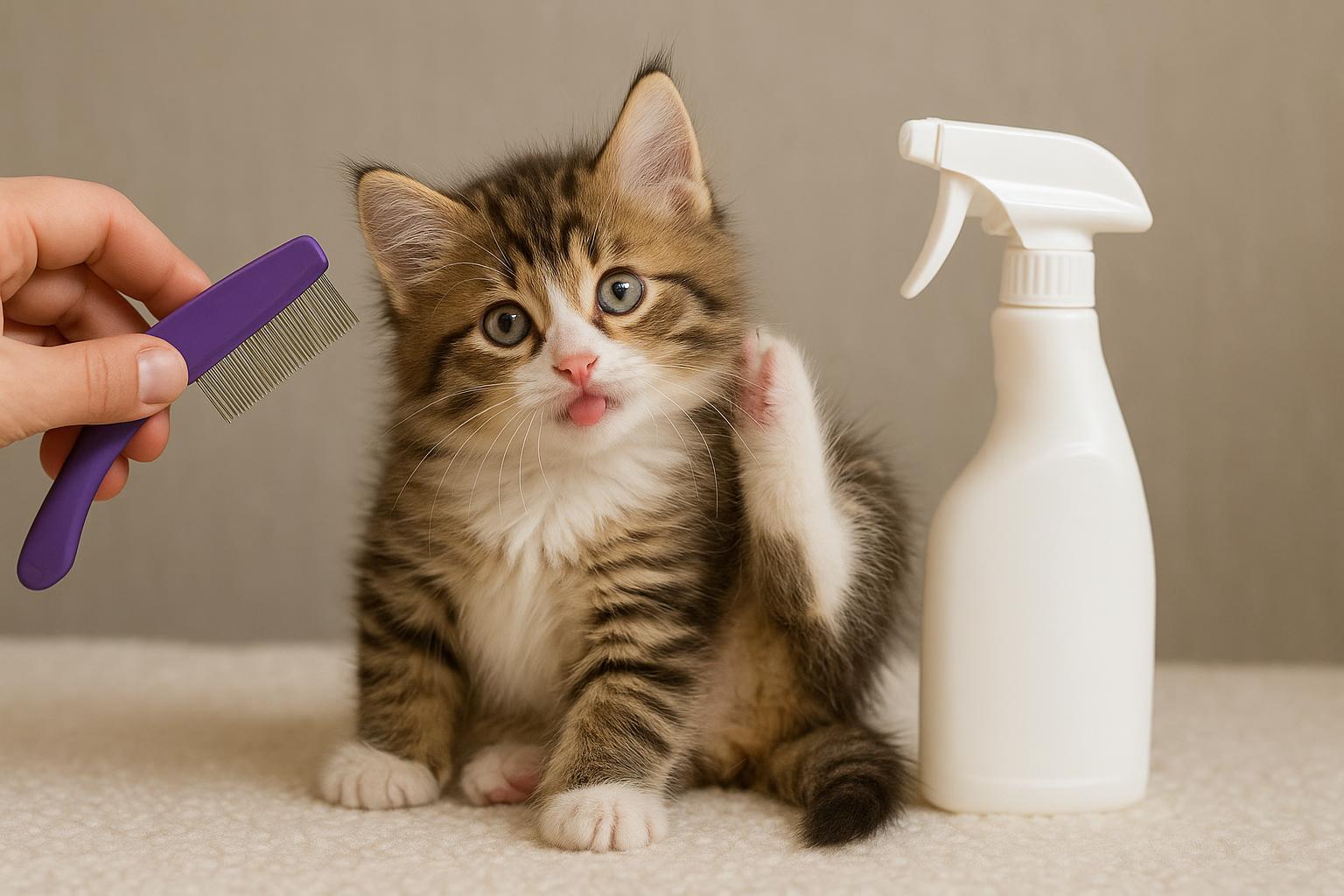
Whether you live in a snowy nook or a perpetually sunny yard, those tiny vampires called fleas don’t always respect the calendar. Flea season has stretched into something of an all-year affair in many regions thanks to milder winters, heated homes, and cozy indoor-outdoor lifestyles for cats. If you’ve ever seen your cat doing the folding-and-kicking dance, you know the itch is real — and so is the risk. Left unchecked, fleas can cause skin irritation, secondary infections, and anemia in kittens or elderly cats, and they can carry tapeworms and other pathogens that affect people.
## How Fleas Thrive In Modern Yards And Homes
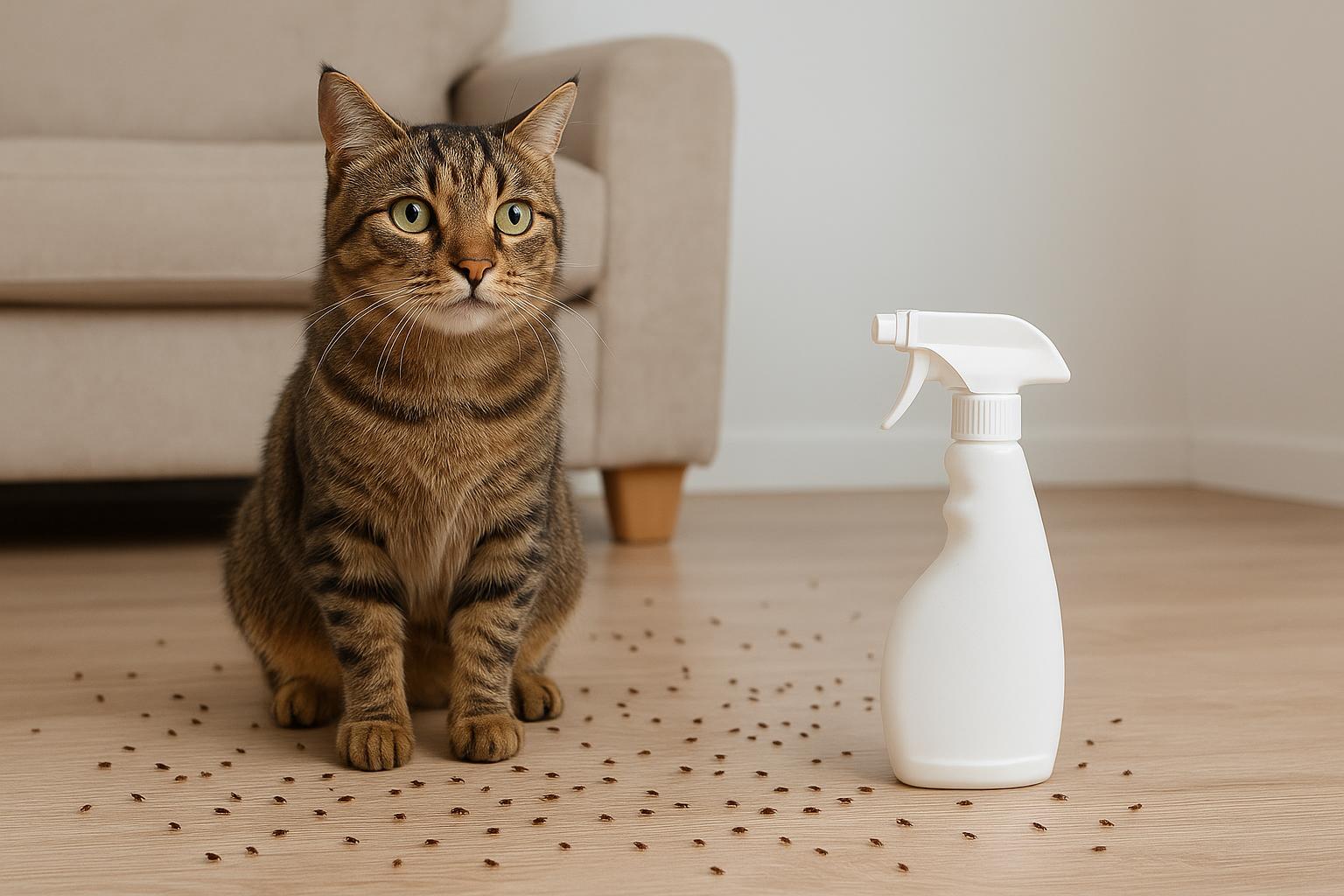
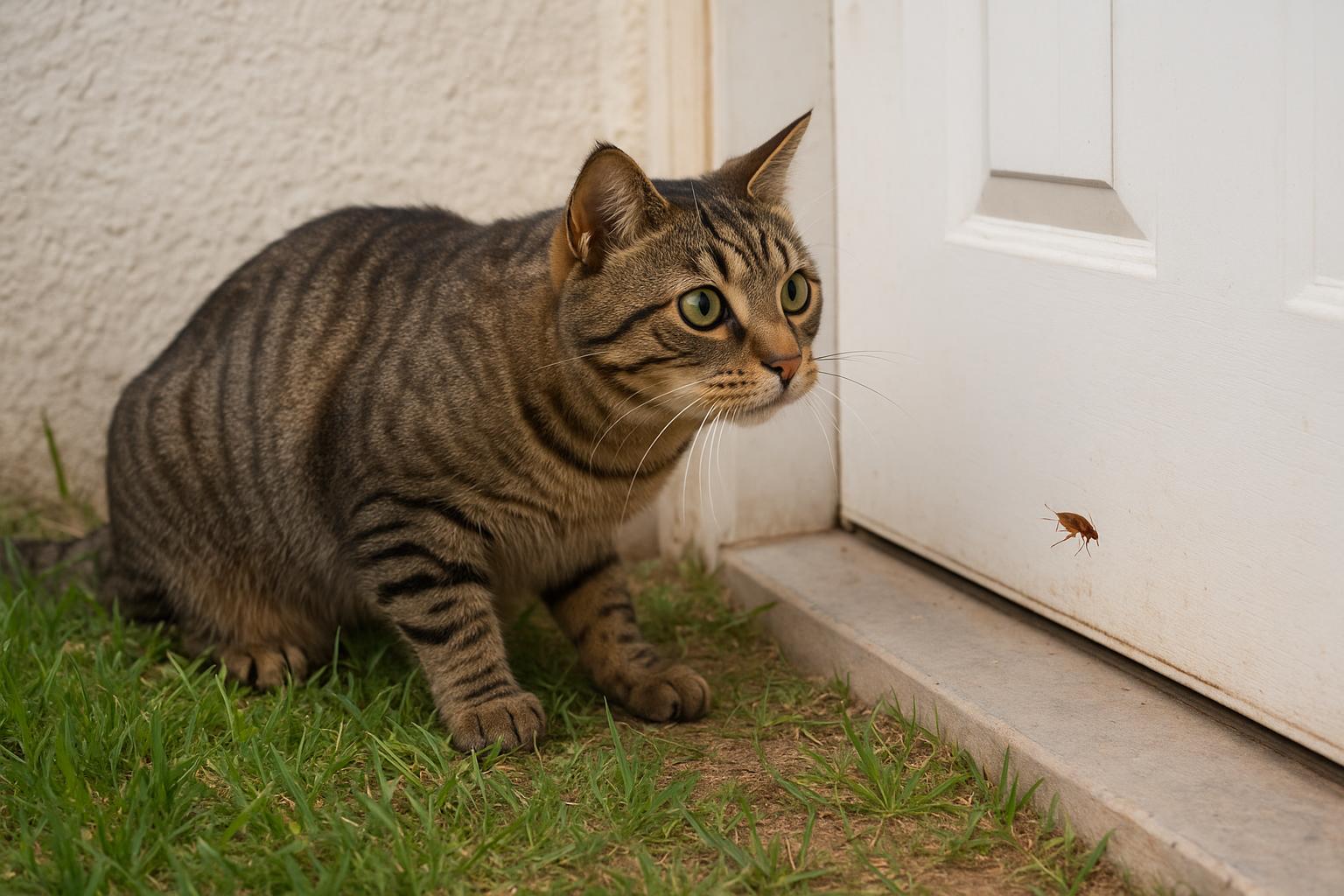
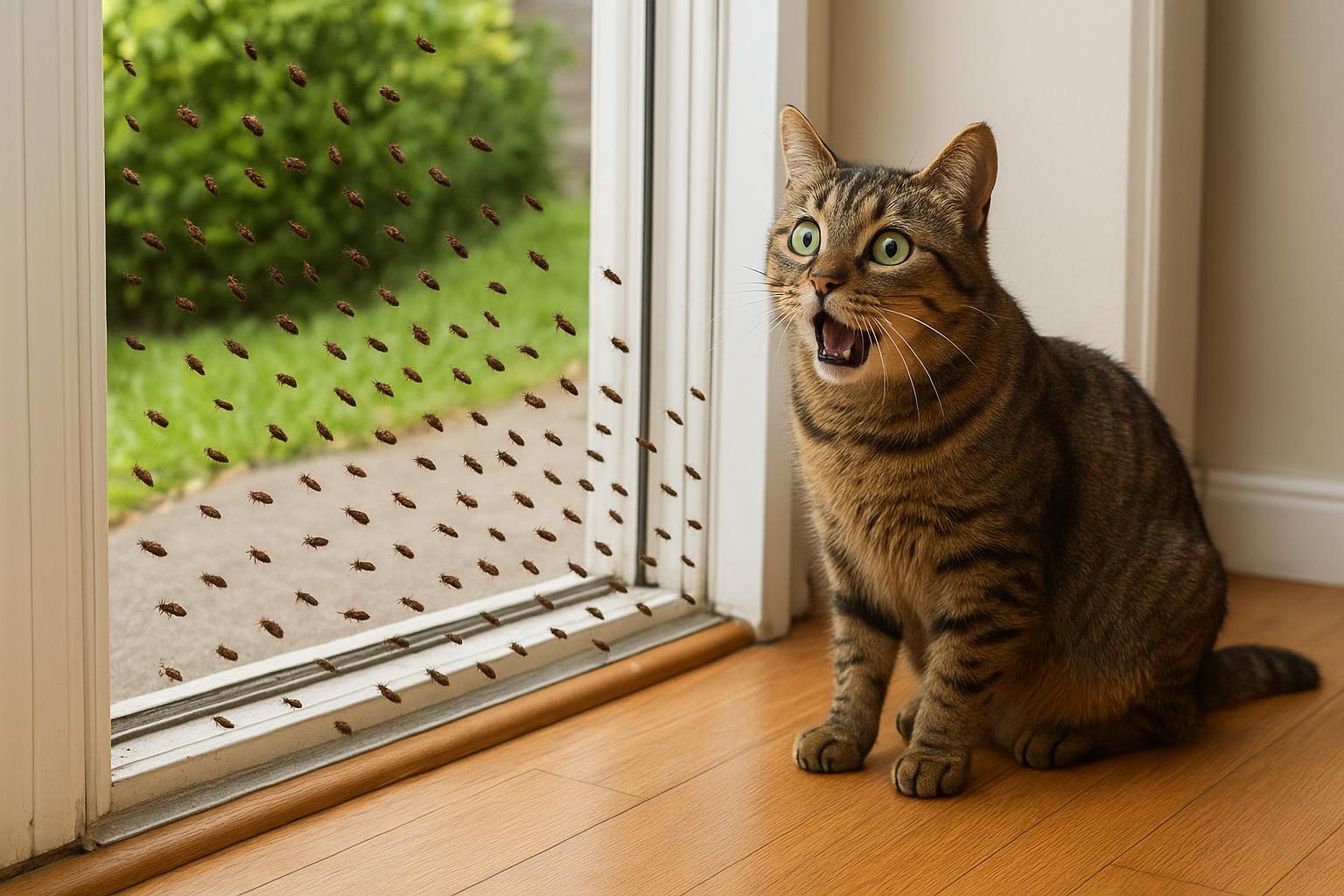
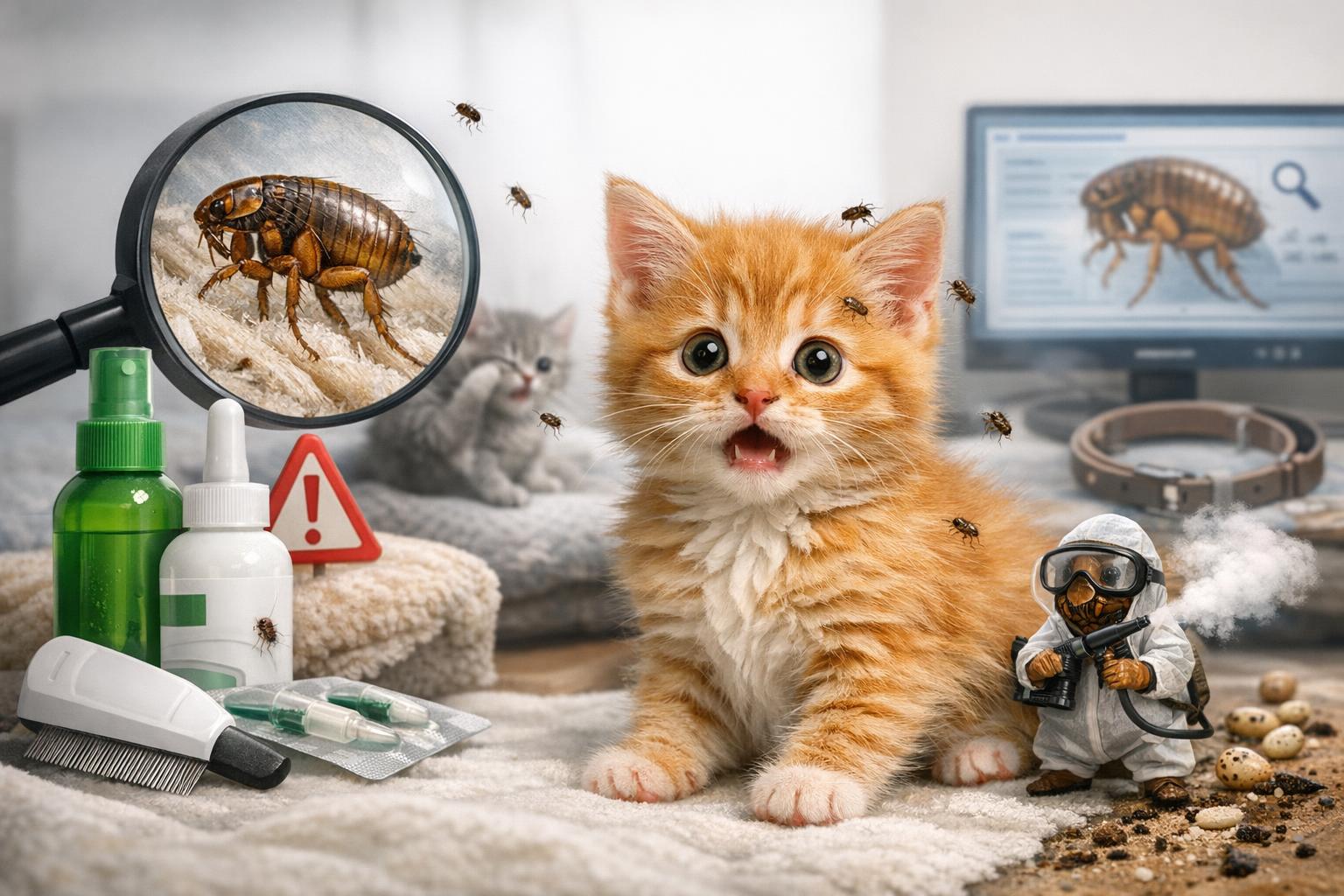
Fleas are small but highly adapted. A few biological facts to keep handy (don’t worry, I’ll spare you evolutionary dissertations): fleas lay eggs on the host, but the eggs fall into carpets, bedding, soil, and grass. Those eggs become larvae, pupae, then adults — and pupae can remain dormant until conditions are favorable. That means a warm house or a sunny garage can be an incubator. So while we traditionally think of “flea season” as spring and summer, indoor heating, microclimates, and wildlife reservoirs (raccoons, rodents, feral cats) stretch the threat year round.
### Signs Your Cat Might Be In Trouble
– Persistent scratching, grooming, or hair loss
– Red, irritated skin; crusts or scabs
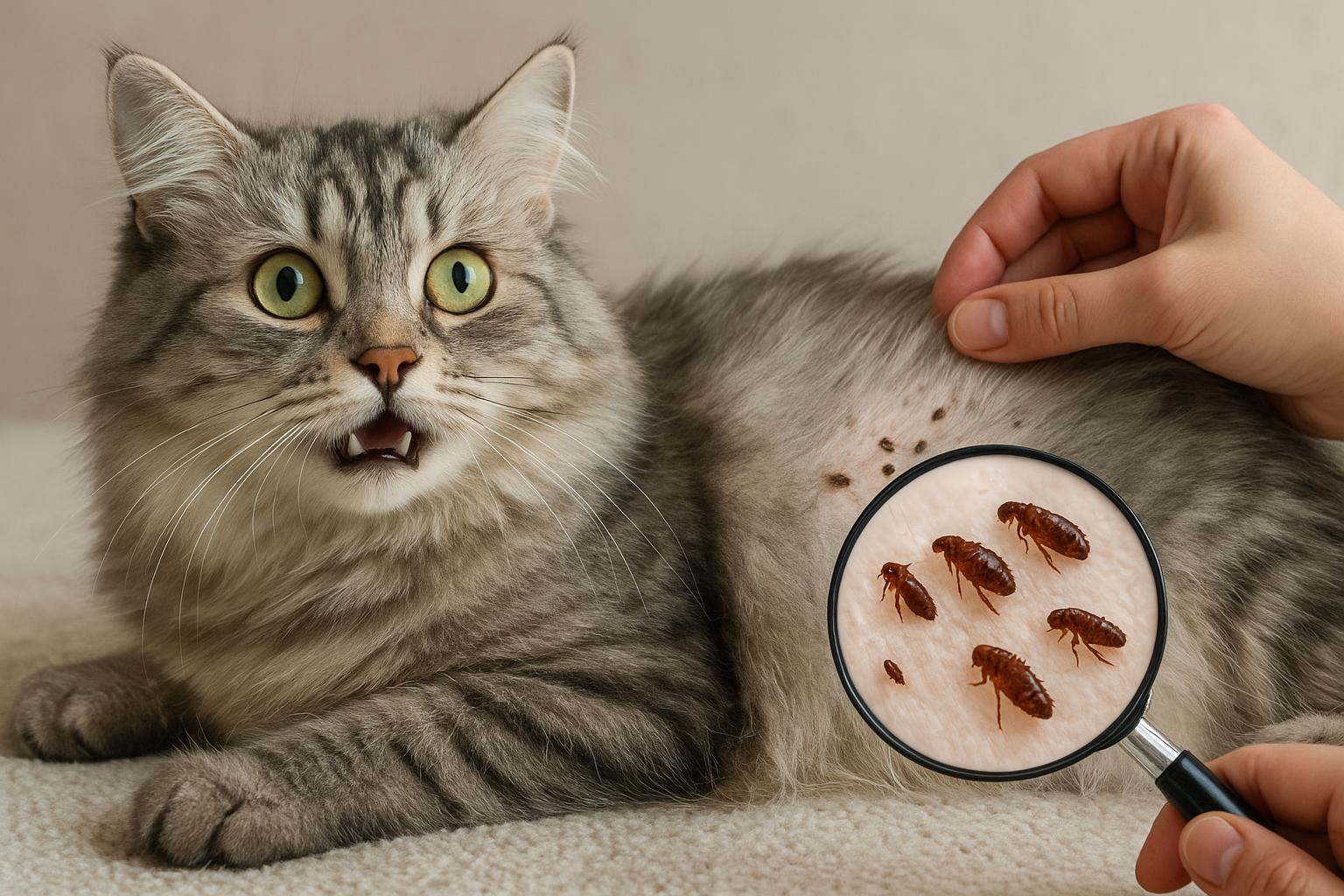
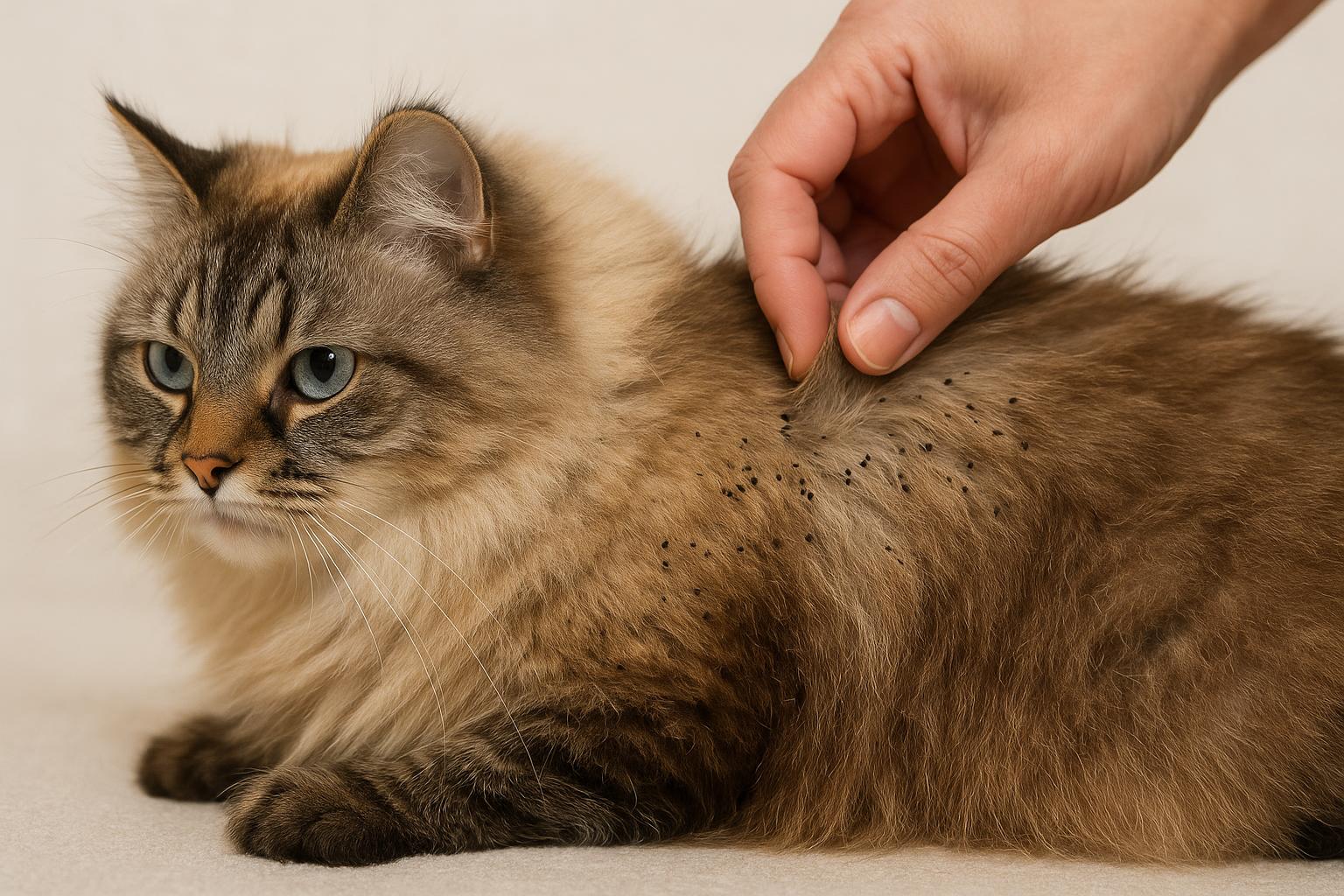
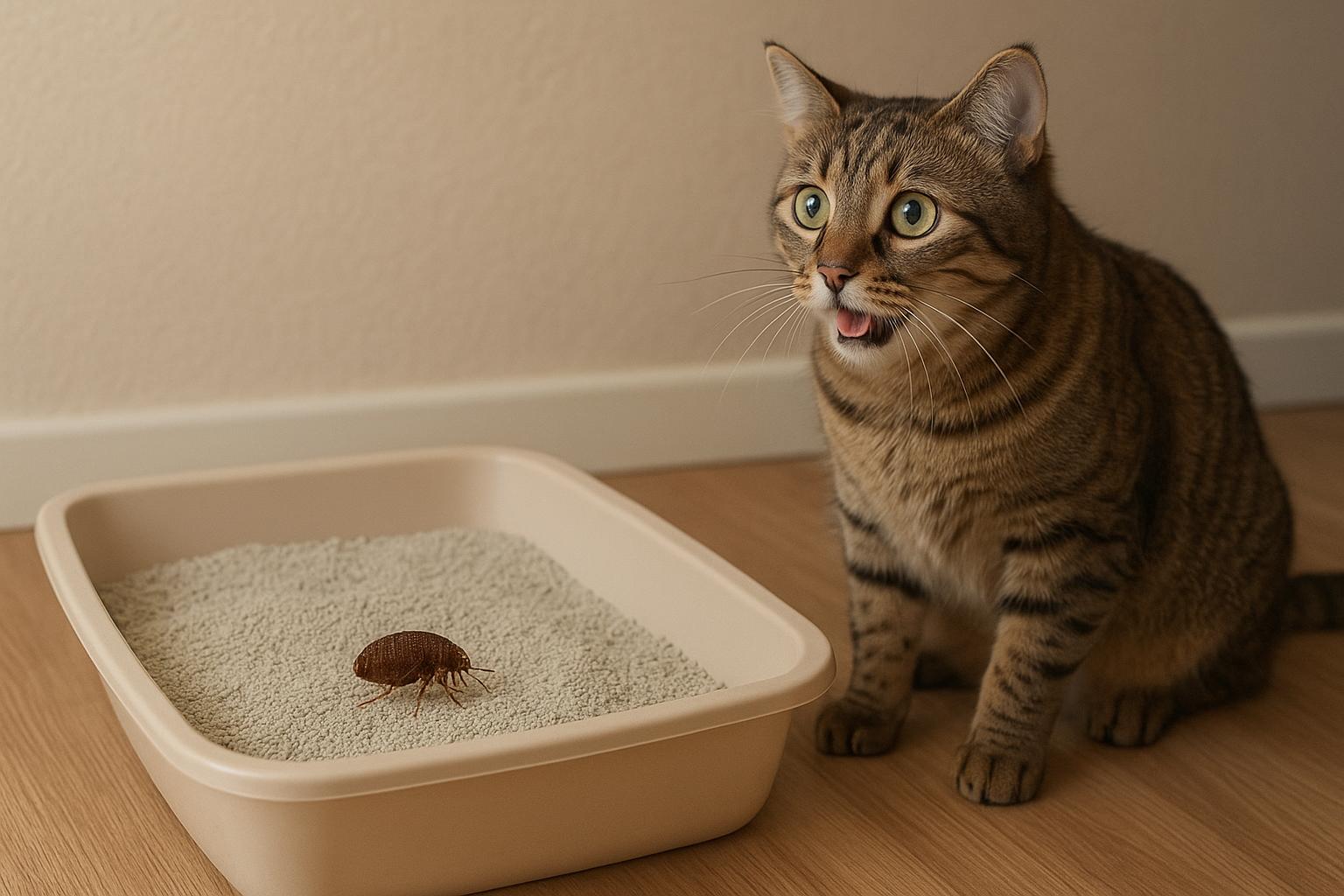
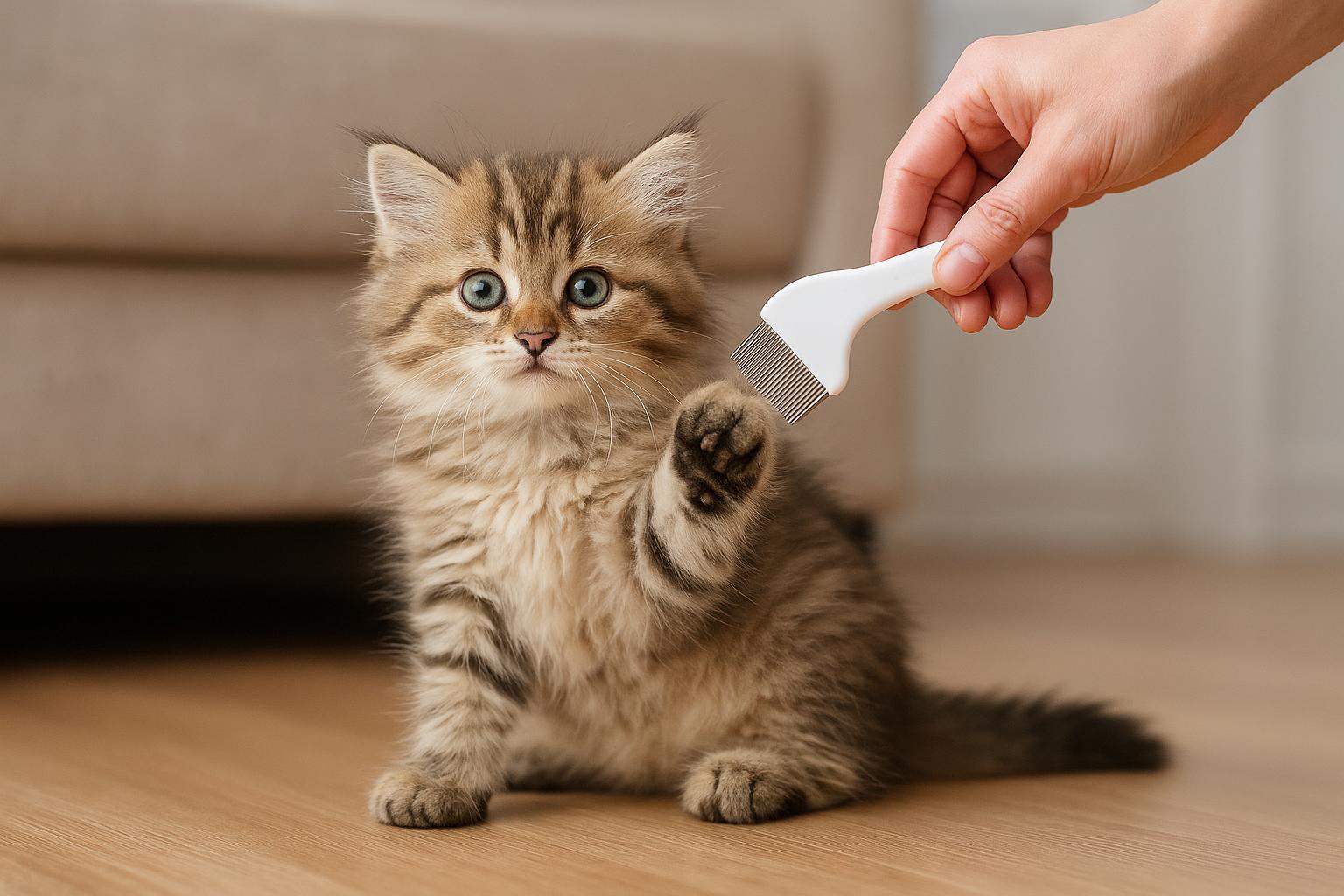
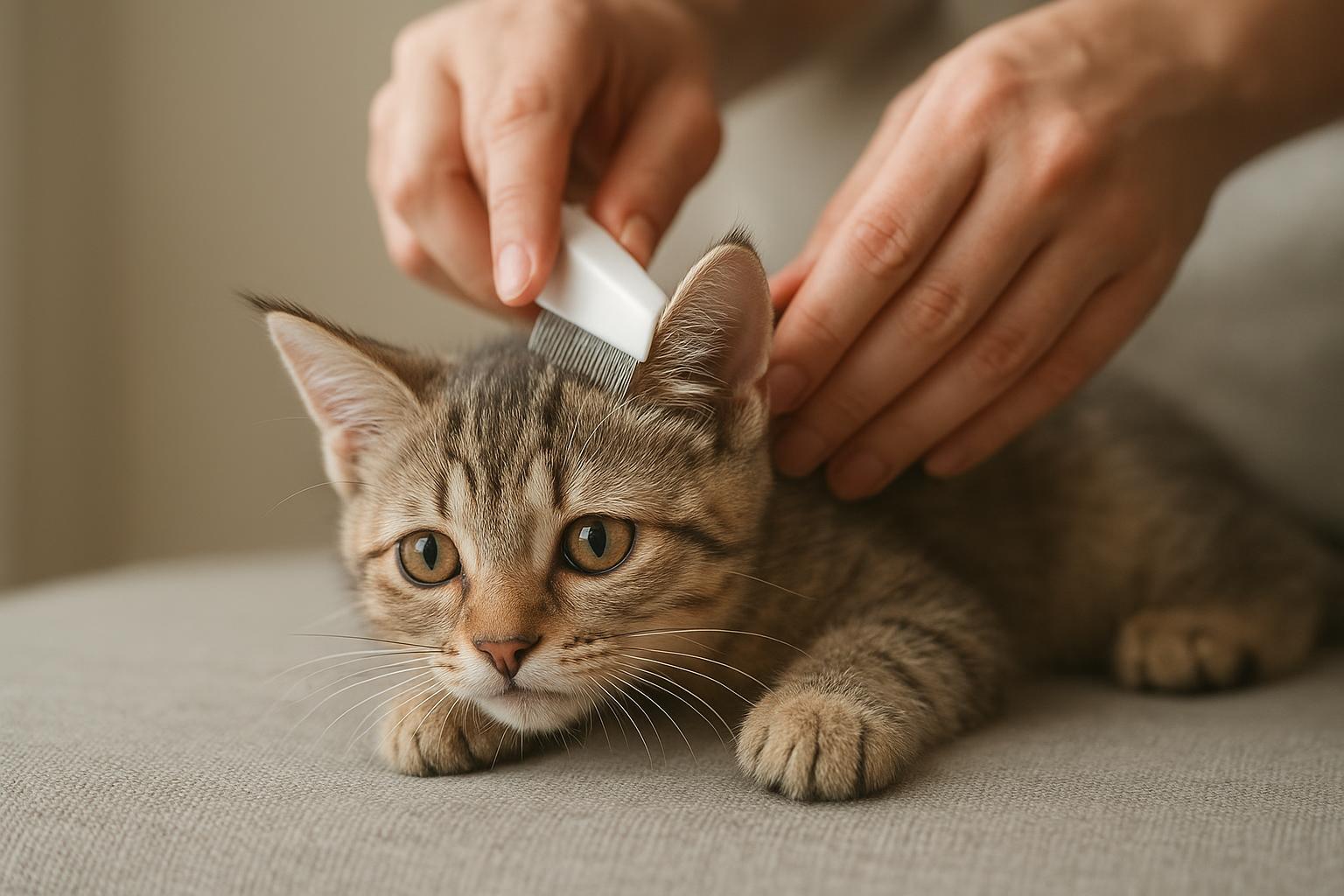
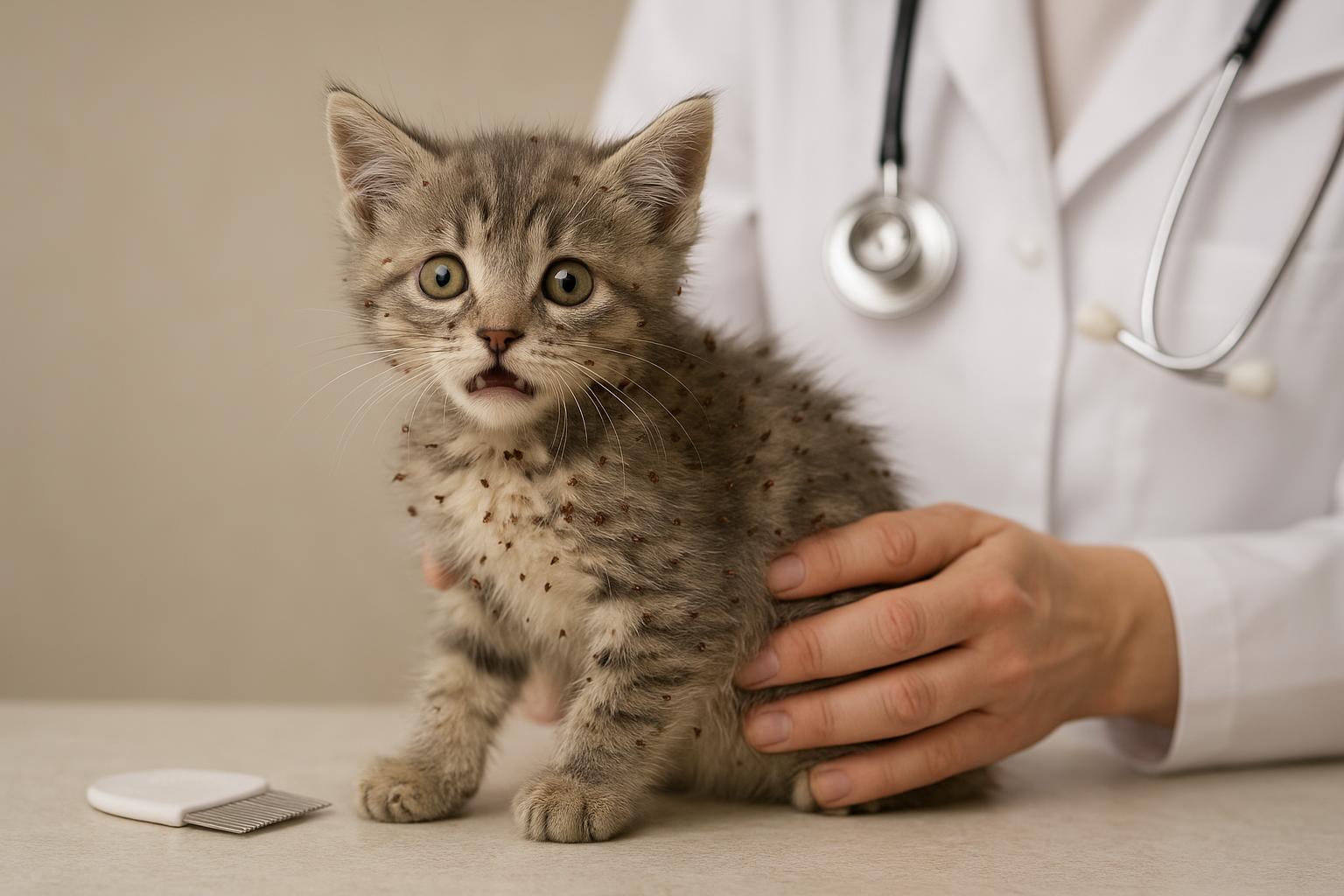
– Visible fleas or flea dirt (small black specs that turn reddish-brown on a damp paper towel)
– Pale gums (in severe infestations or anemia)
– Sudden restlessness or changes in behavior
### Why Waiting Is Risky
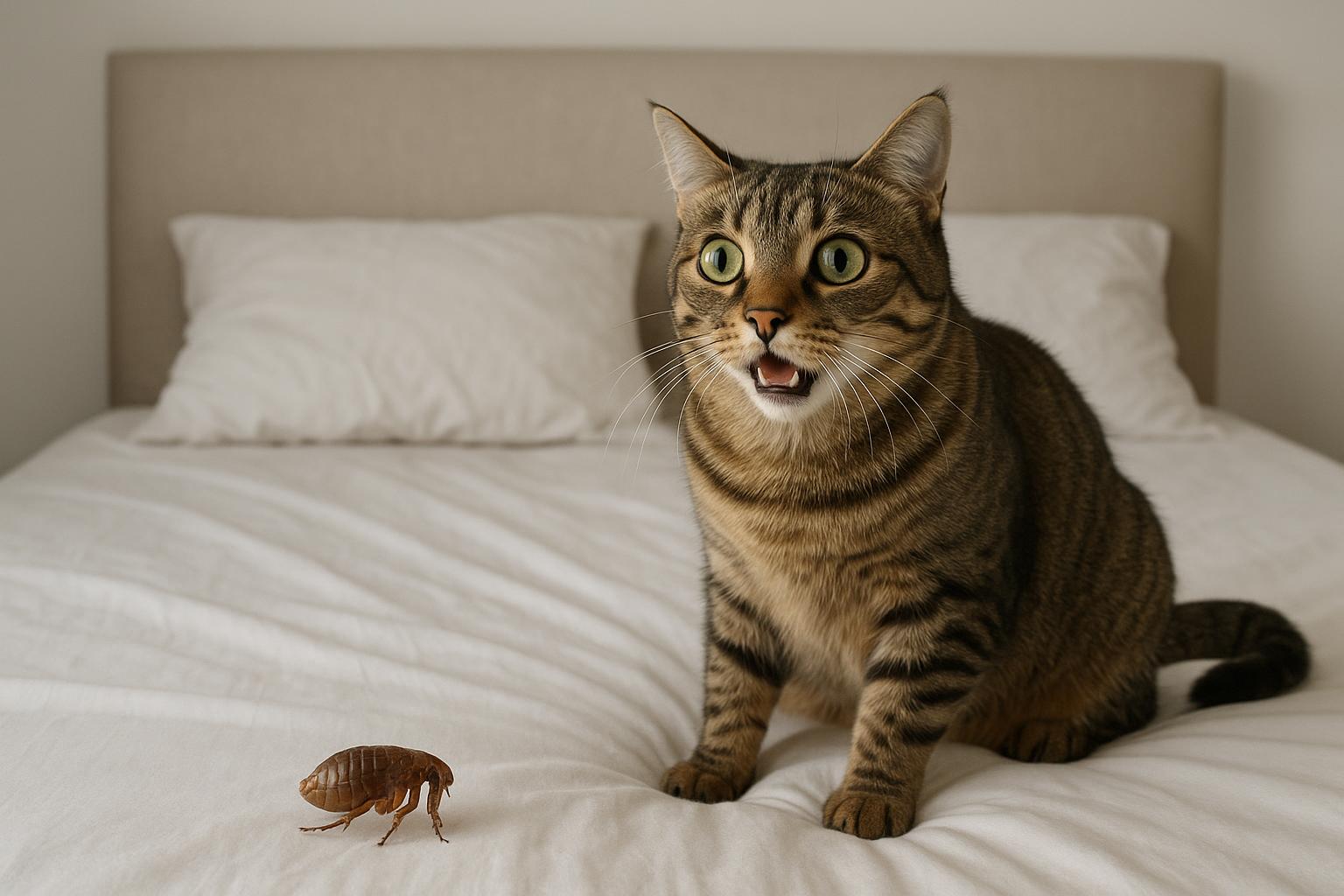
A single flea can lay dozens of eggs a day. Infestations multiply quickly and become expensive and labor-intensive to control. Moreover, some cats are allergic to flea saliva and can develop flea allergy dermatitis, which requires veterinary management beyond simple flea control.
## ### Remedy 1: Veterinary-Approved Year-Round Preventive (Formal Guidance)
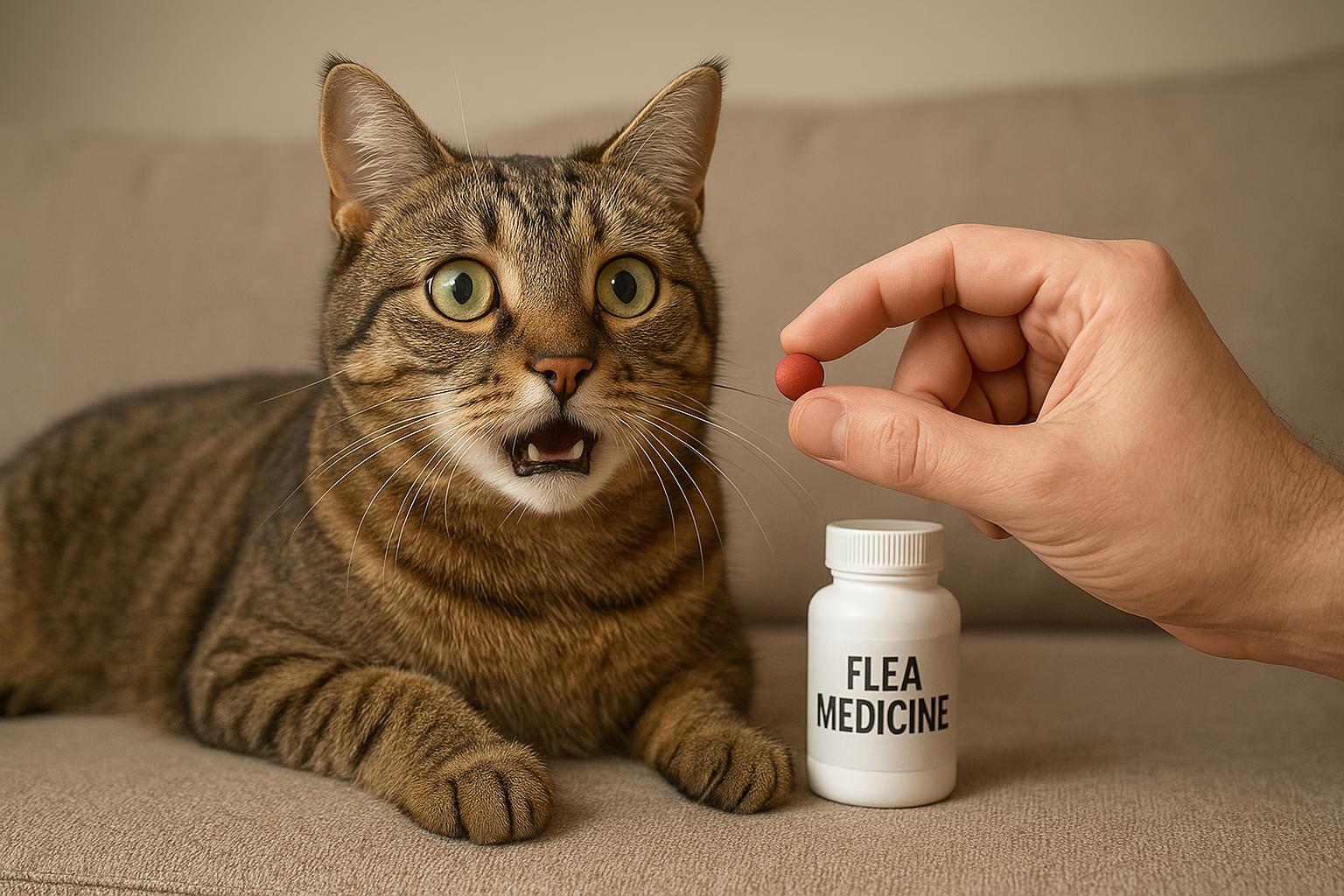
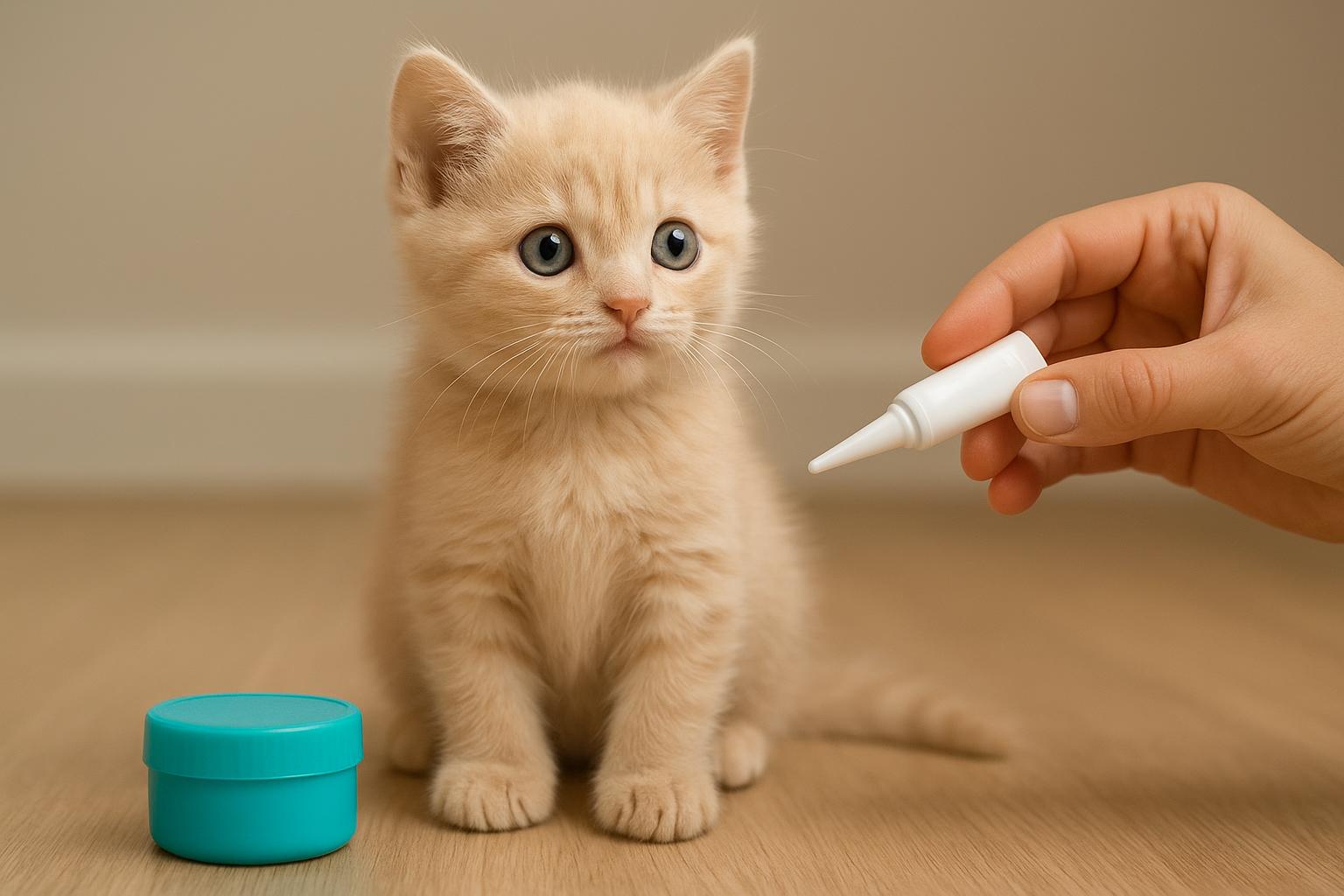
When it comes to protecting your cat, the most reliable option is a veterinary-approved year-round preventive. These products are formulated to kill adult fleas, interrupt the life cycle, and in many cases protect against ticks and internal parasites. Use of prescription or over-the-counter treatments should be guided by a veterinarian based on your cat’s weight, age, health status, and lifestyle.
#### Ingredients / Required Materials
– Veterinarian-prescribed topical or oral flea preventative suitable for cats (examples include prescription topical spot-on medications or oral monthly chewables formulated for felines)
– Accurate cat weight measurement (scale or vet visit)
– A quiet, comfortable space to apply topical treatments or administer oral medication
– Veterinary contact information for handling adverse reactions
#### Step-By-Step Administration (Topical Spot-On)
1. Confirm the correct product and dosage with your veterinarian based on your cat’s weight and health history.
2. Gently restrain your cat in a calm environment. Have treats or a second person available if needed.
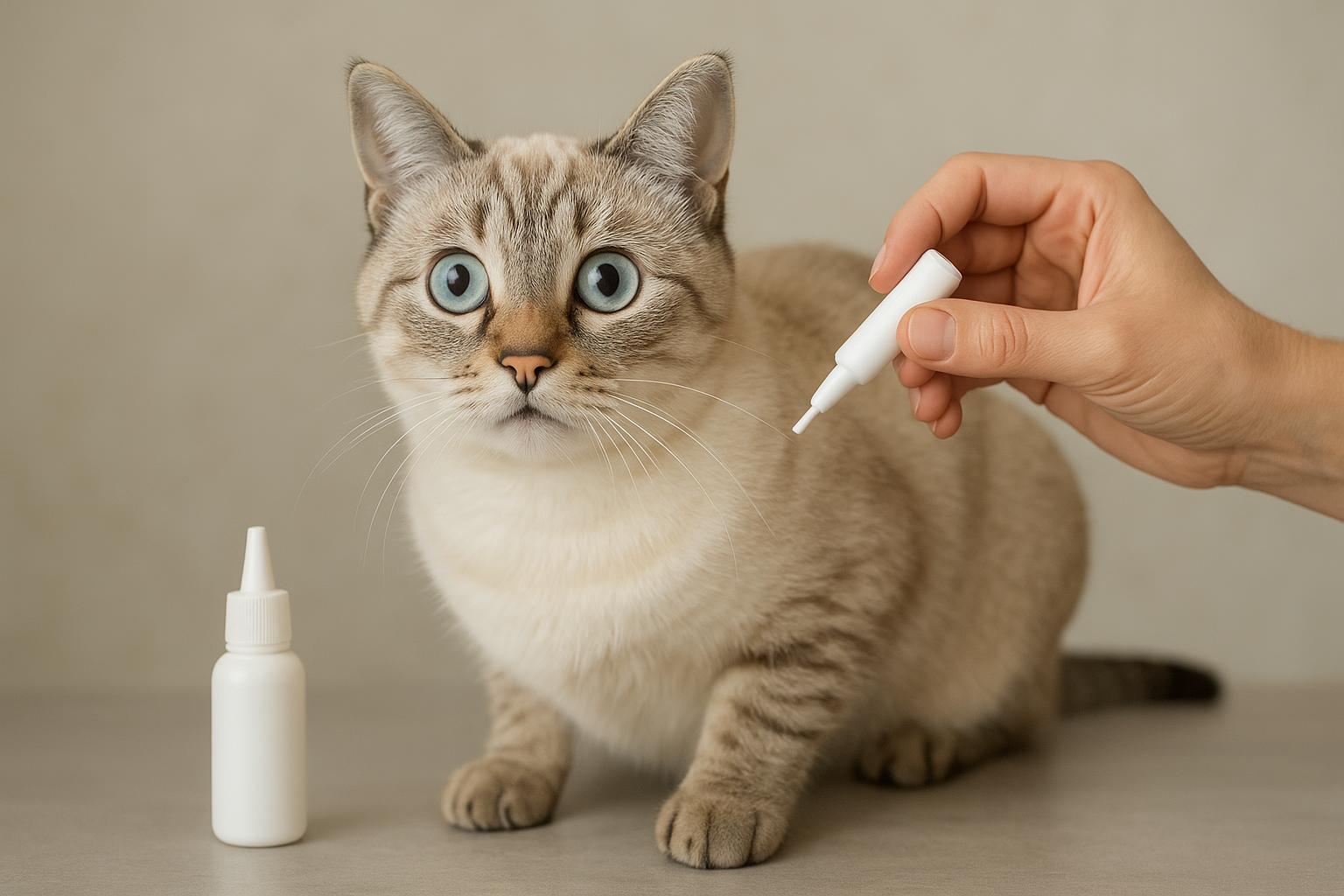
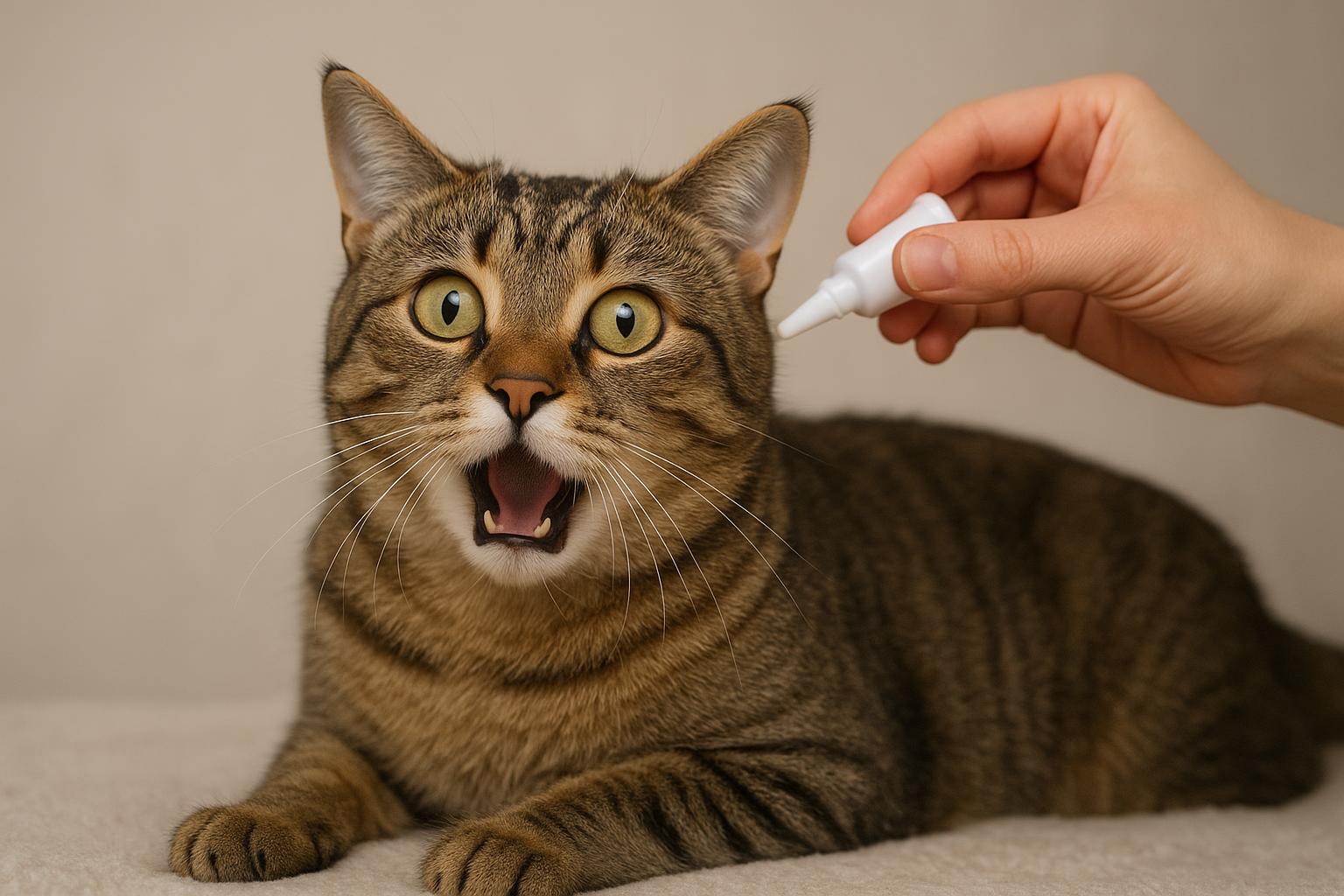
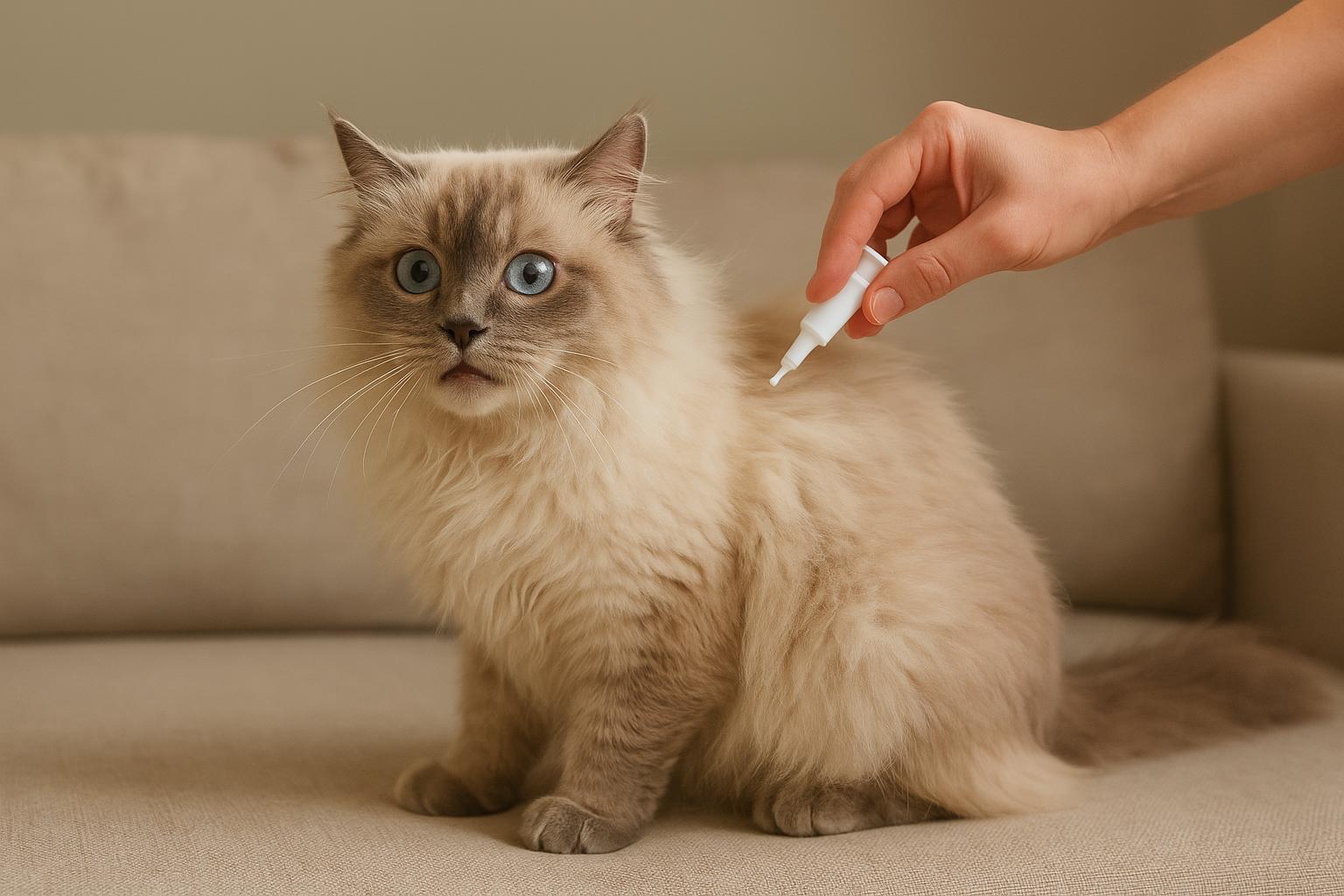
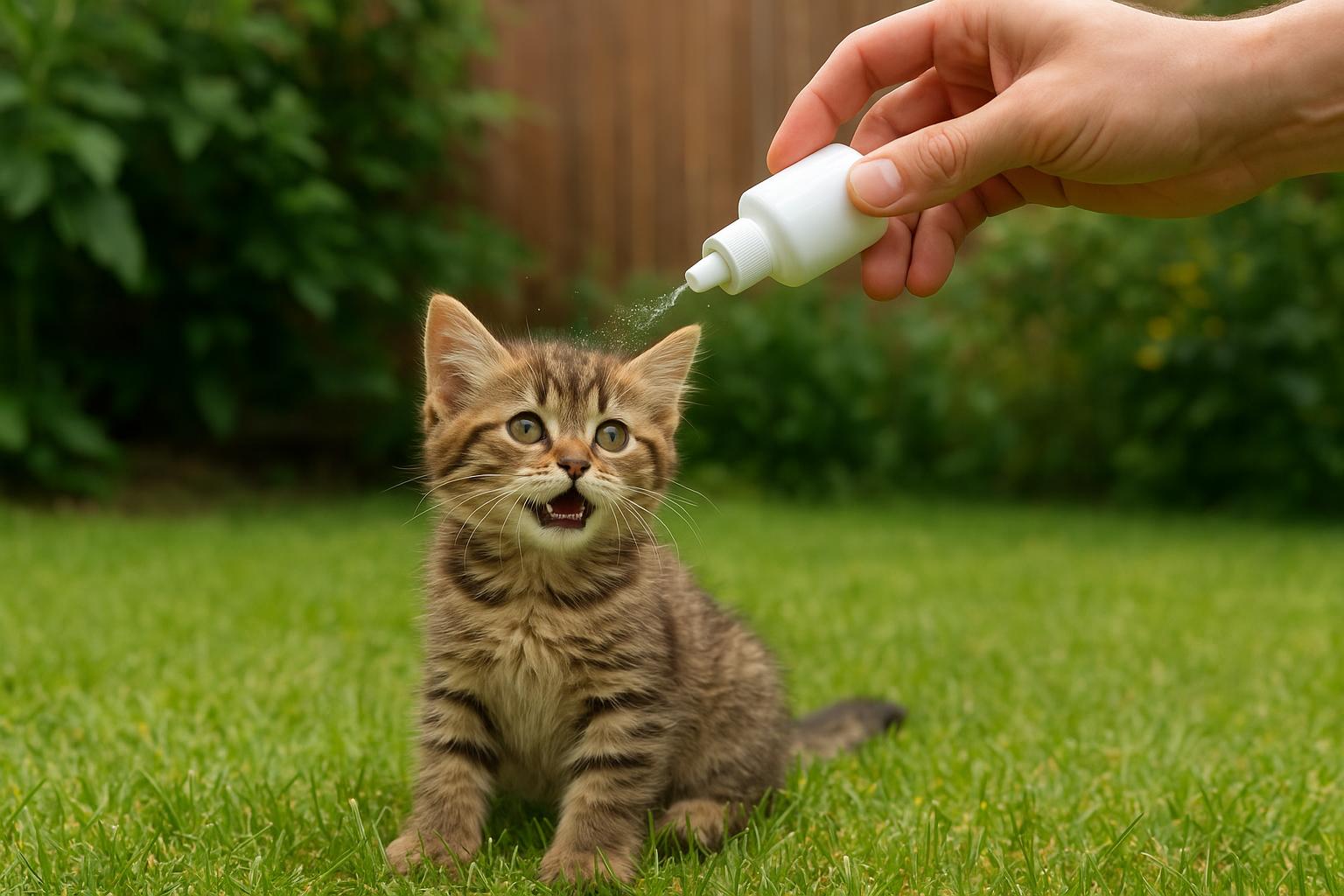
3. Part the fur at the base of the cat’s skull until the skin is visible.
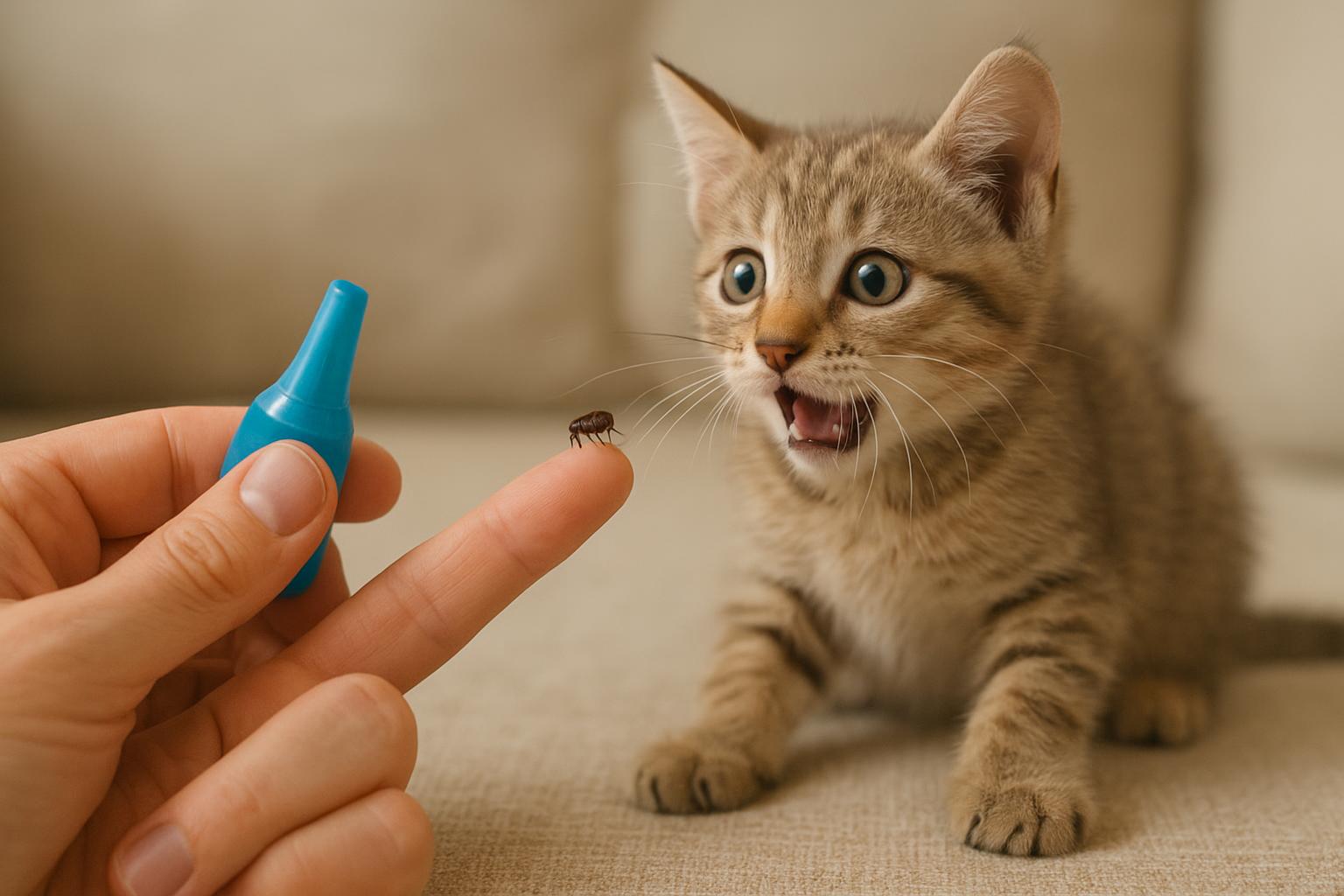
4. Place the tip of the applicator directly on skin and squeeze the entire contents onto a single spot.
5. Prevent cats from grooming each other until the area dries (typically a few hours).
6. Record the date of application and set reminders for the next dose per product instructions.
#### Step-By-Step Administration (Oral Medication)
1. Confirm product and dosage with your veterinarian.
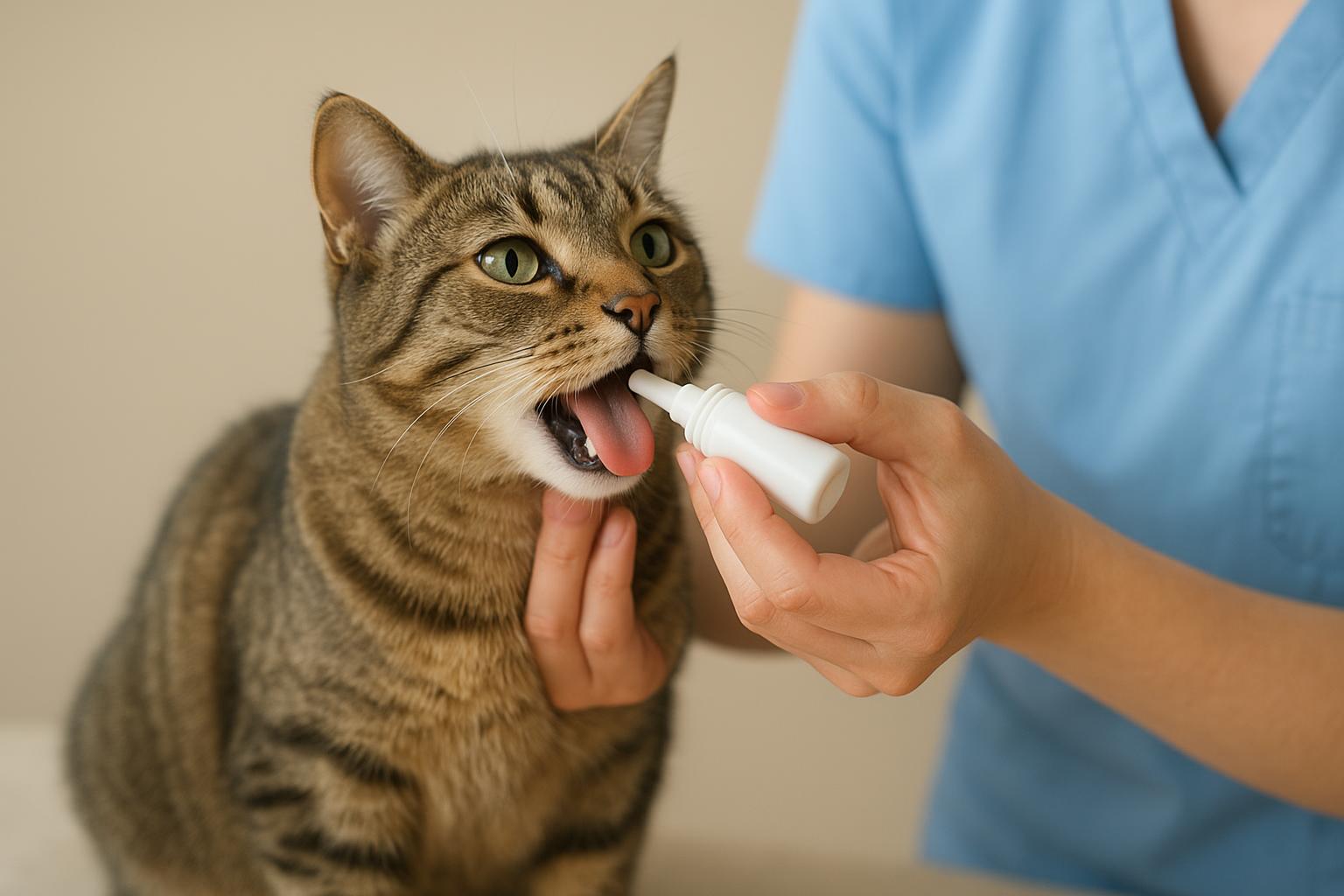
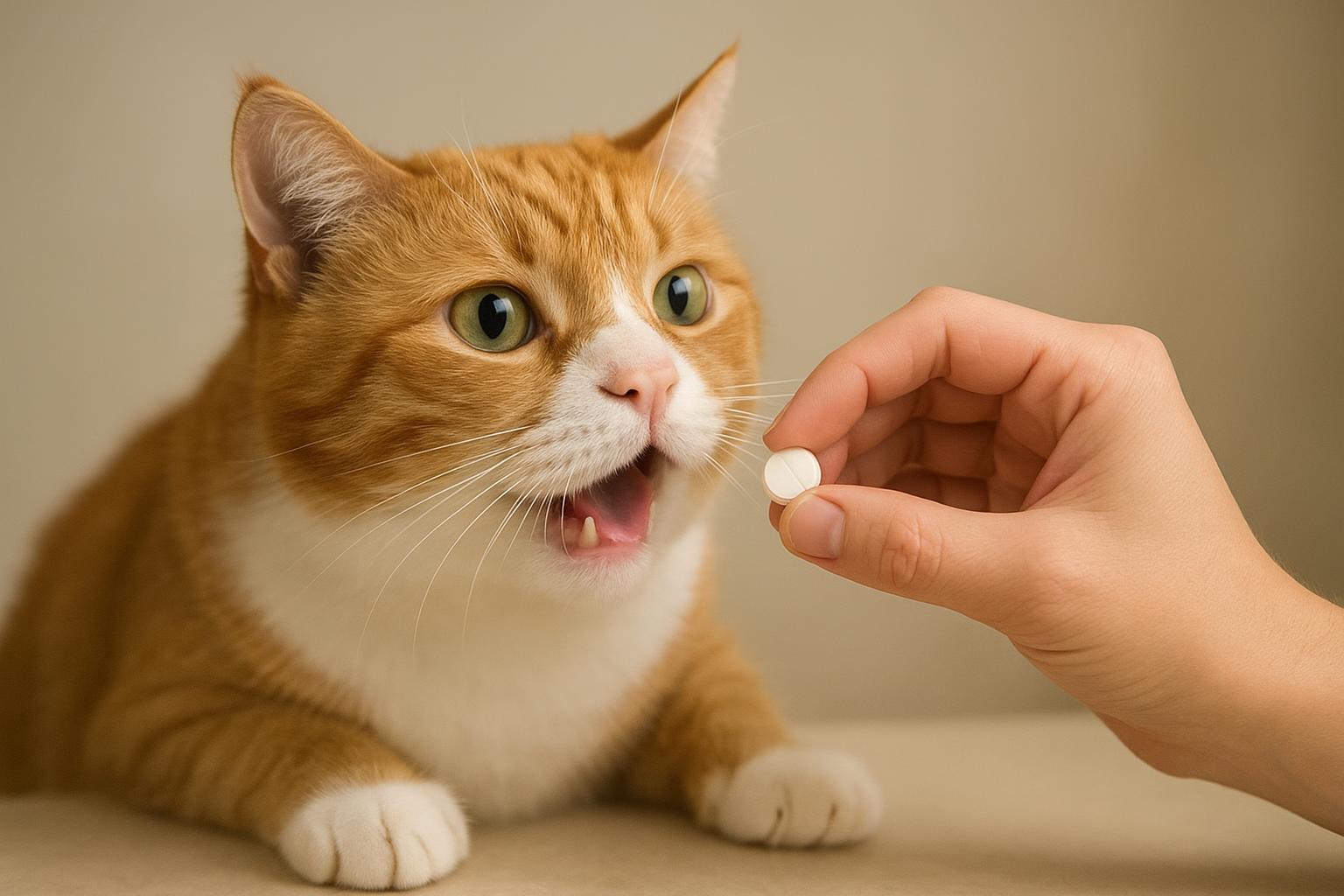
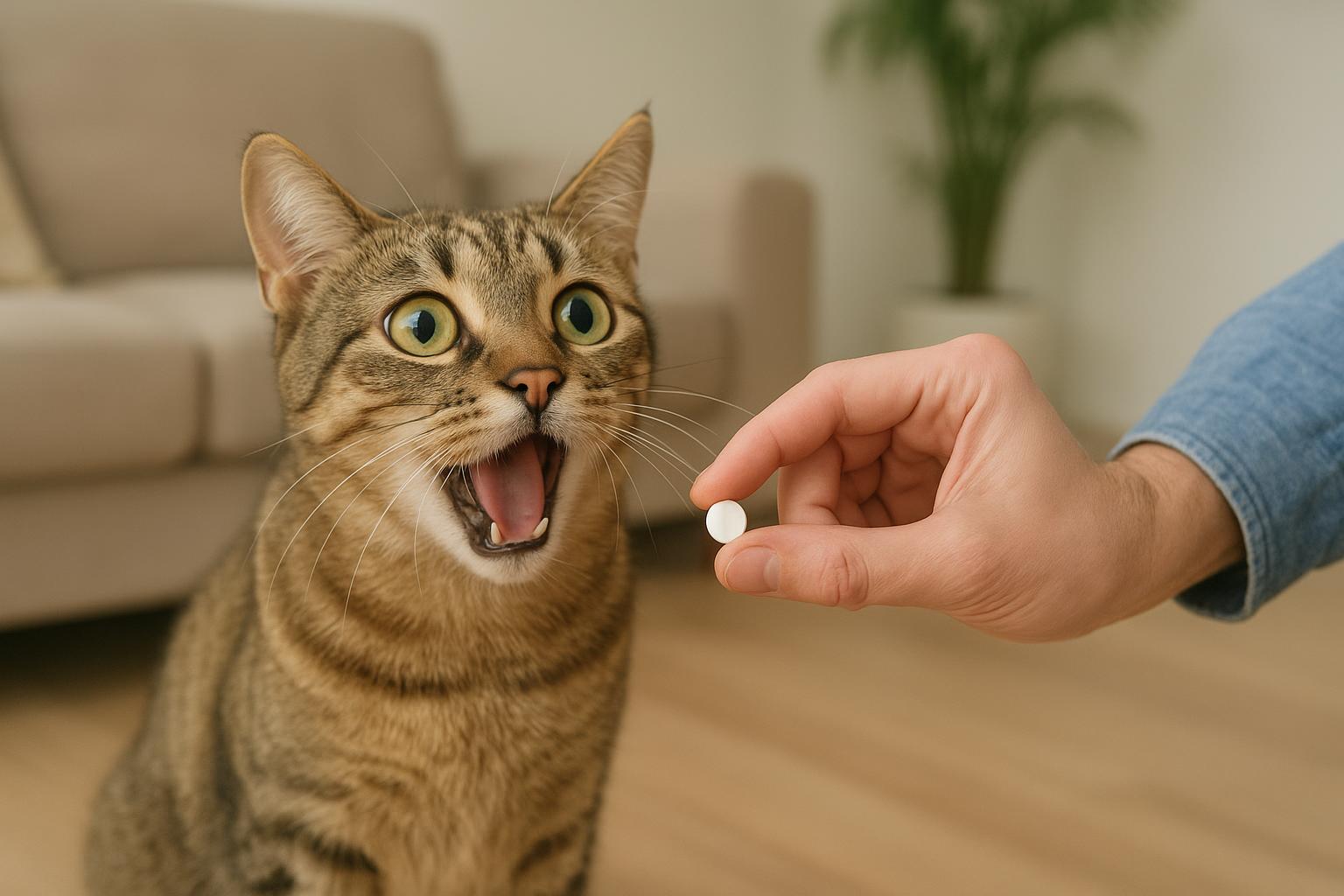
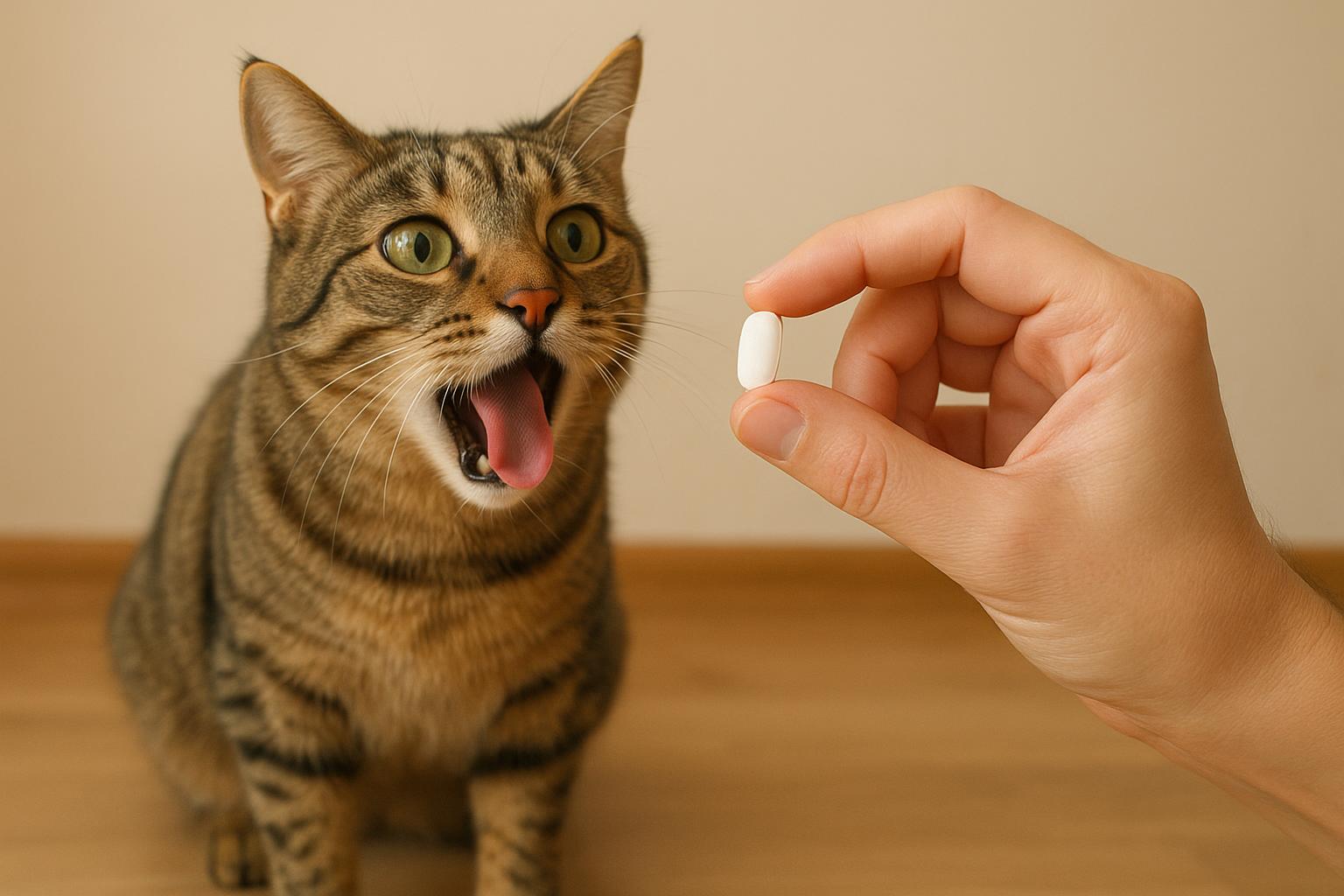
2. Administer according to label: some tablets can be hidden in food; others are given directly.
3. Ensure the full dose is swallowed and monitor for any immediate adverse effects for at least an hour.
4. Continue monthly administration as directed.
Safety Notes: Monitor for vomiting, lethargy, excessive salivation, or skin reactions. Immediate veterinary attention is required for severe signs. Do not use dog flea products on cats; many are toxic to felines.
## ### Remedy 2: DIY Home And Yard Treatment (Numbered, Formal Instructions)
If you prefer an integrated approach along with veterinary prevention, targeted home and yard treatments reduce environmental reservoirs that allow flea season to persist.
#### Materials
– High-efficiency vacuum with disposable bag or canister you can empty outside
– Hot-water laundry access and pet-safe dryer cycles
– Environmental insect growth regulator (IGR) spray labeled safe for indoor use around pets (pyriproxyfen or methoprene based)
– Outdoor yard treatment labeled for flea control and safe for pets (select products appropriate for your zone and follow label)
– Stiff brush for bedding and cat furniture
– Gloves and eye protection when applying sprays
#### Indoor Step-By-Step Application
1. Remove all bedding, rugs, and removable cat furniture covers. Wash in hot water and dry on high heat.
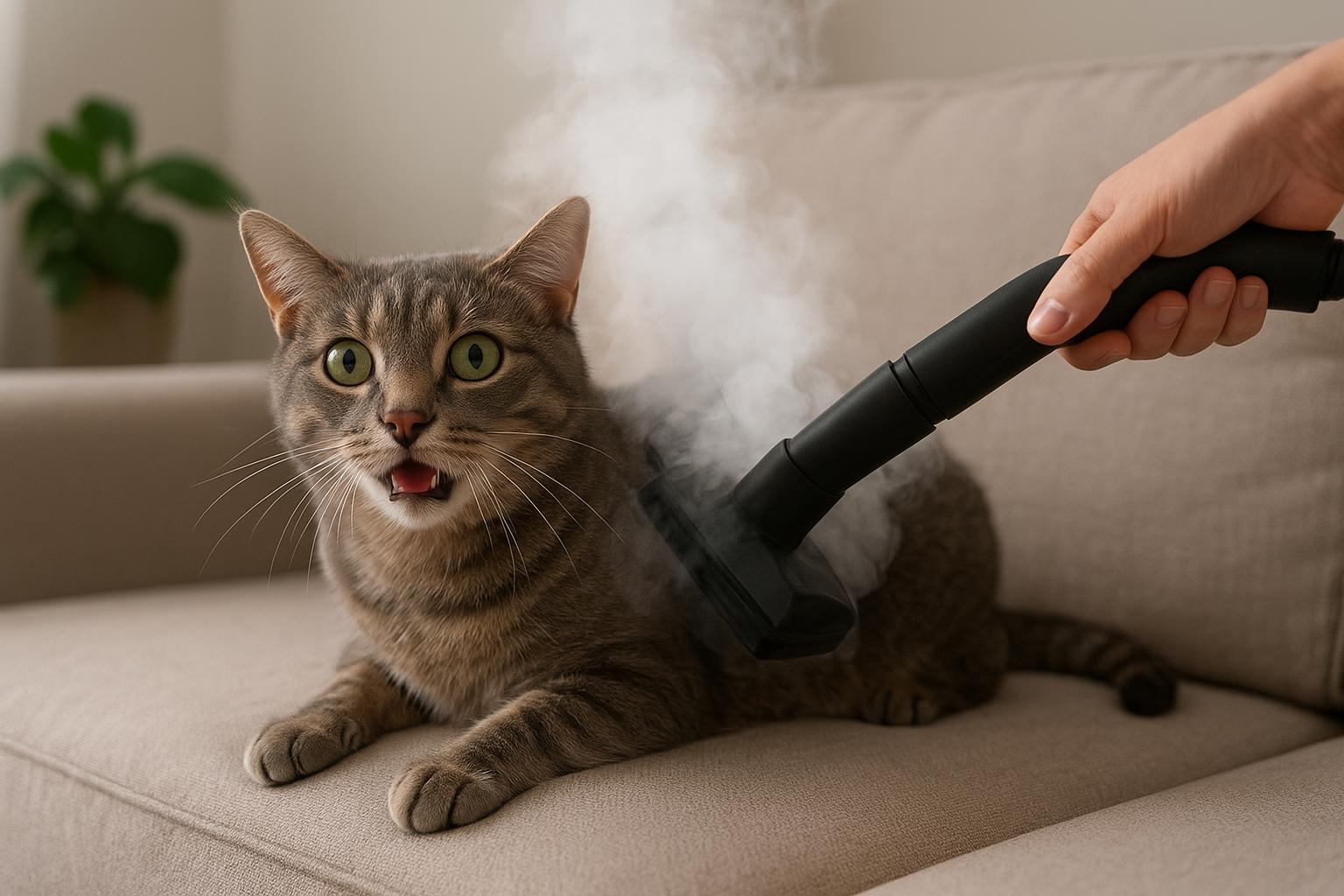
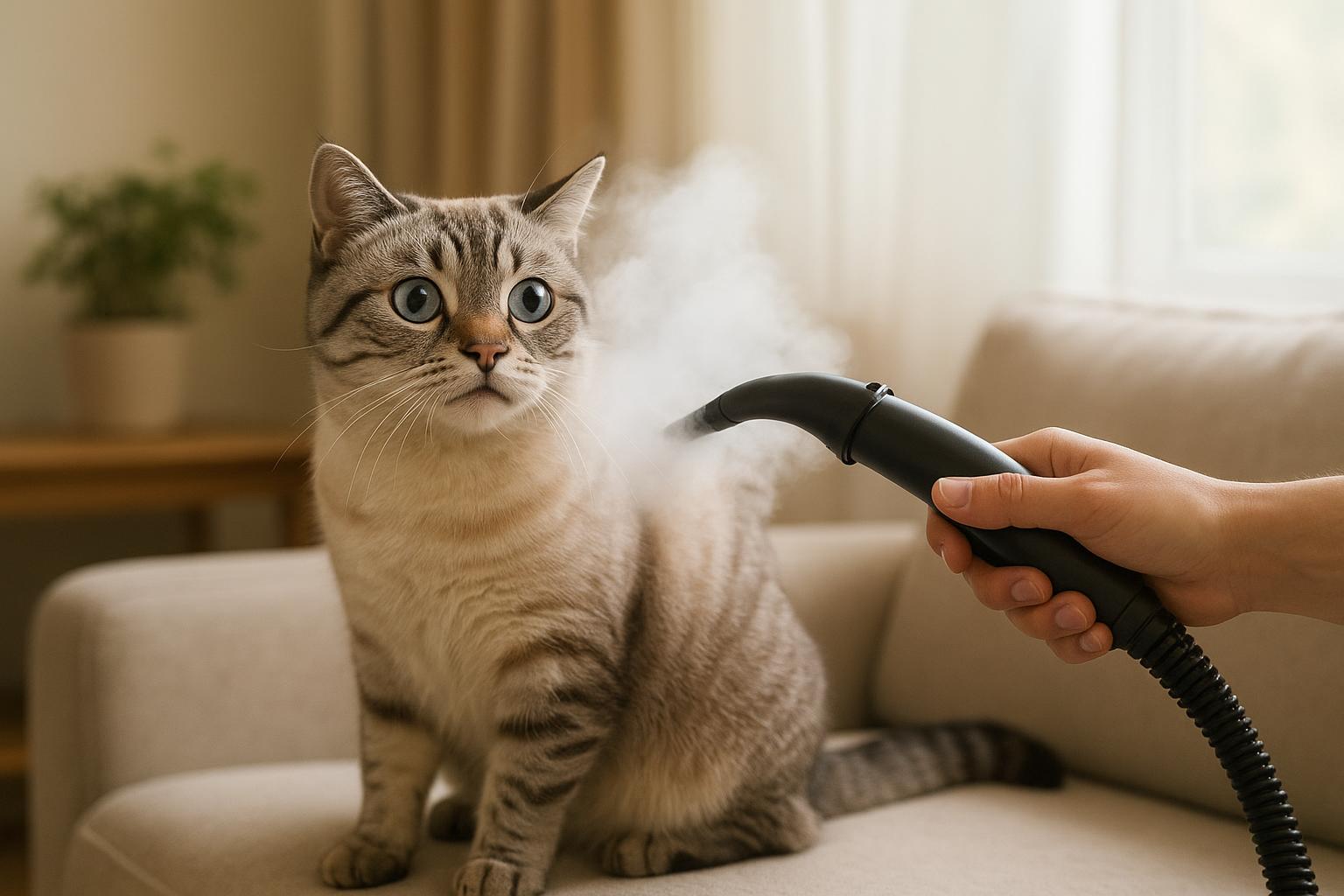
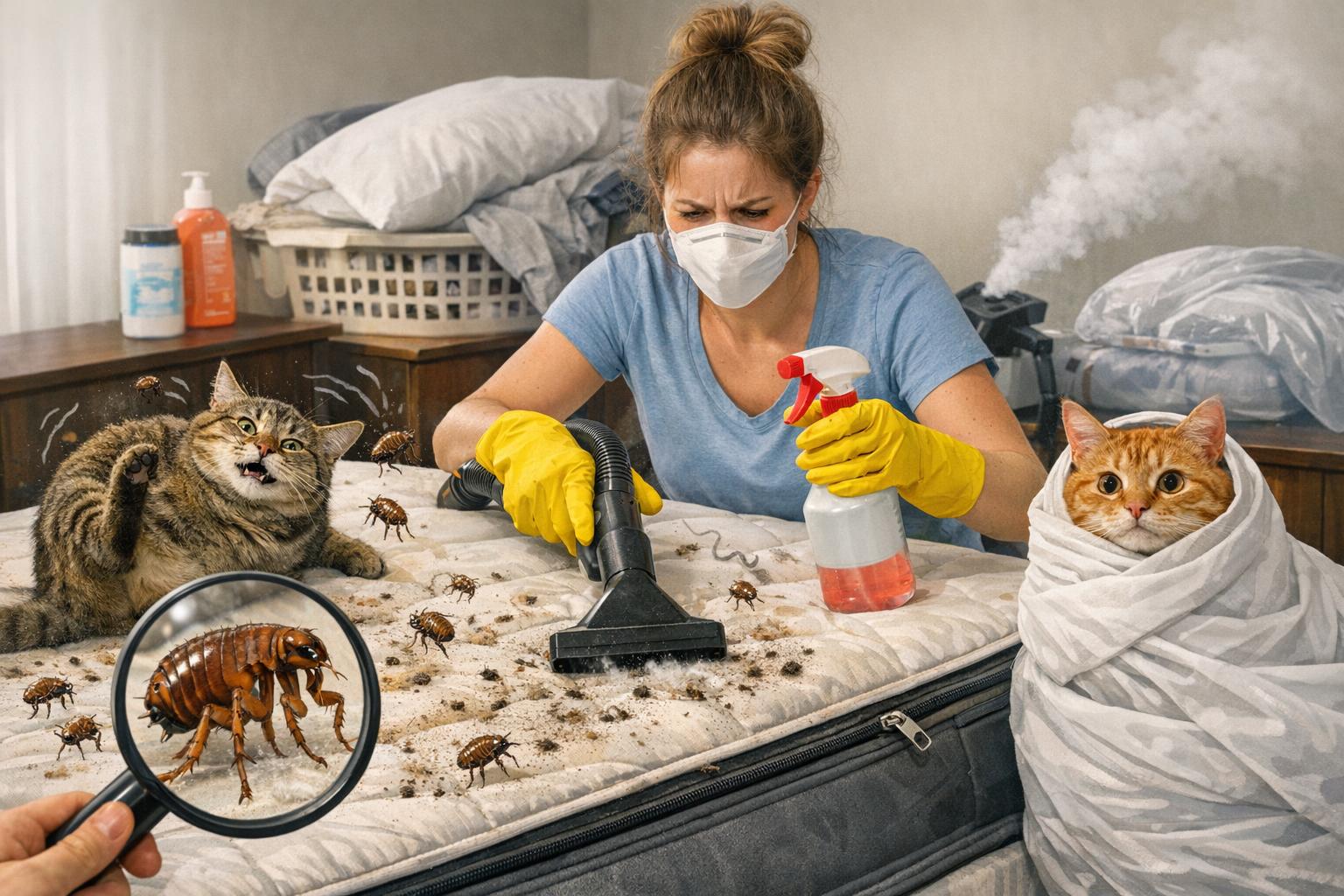
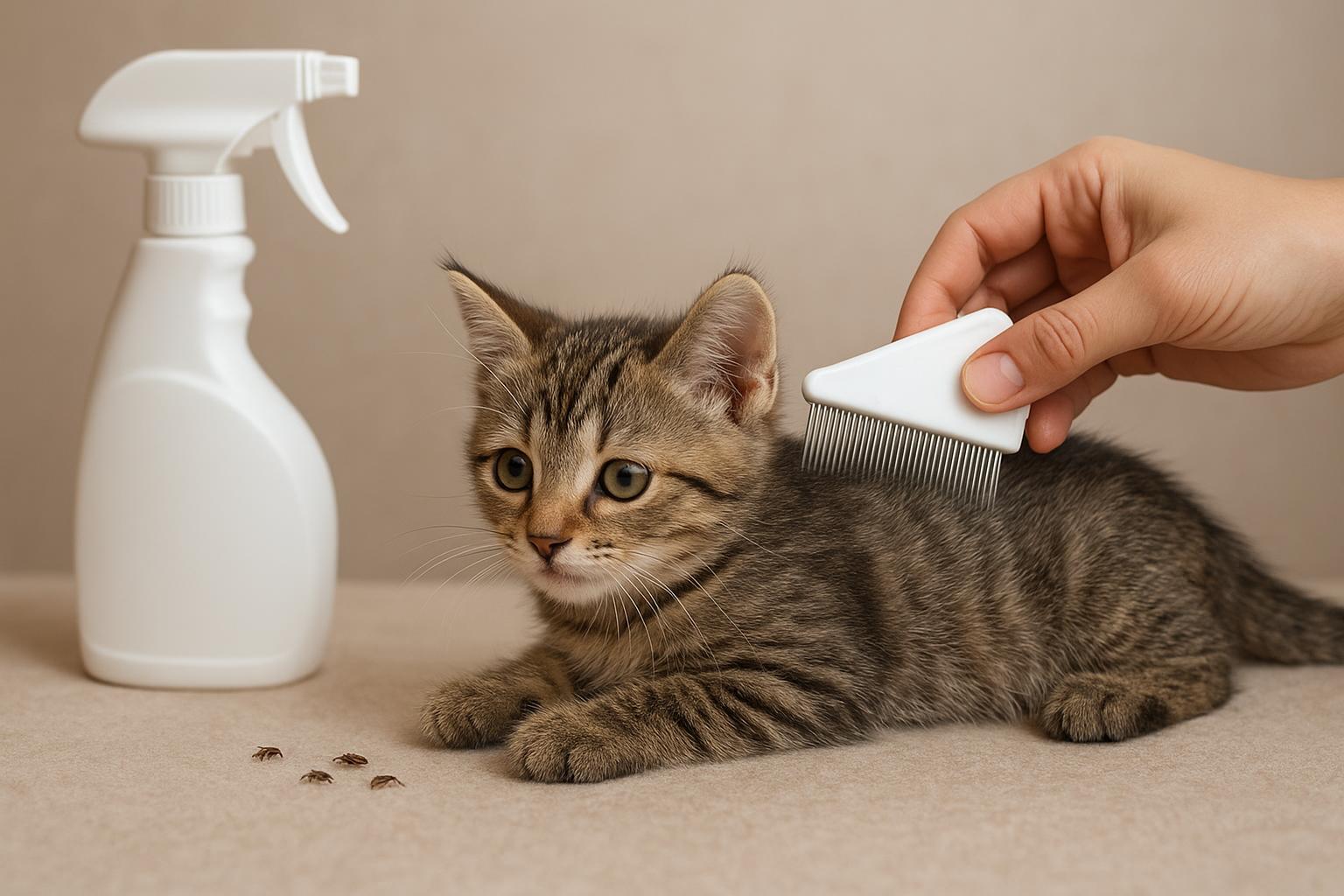
2. Vacuum thoroughly including carpets, baseboards, upholstery, and under furniture. Dispose of vacuum bag or empty canister contents into a sealed bag and place it in outdoor trash immediately.
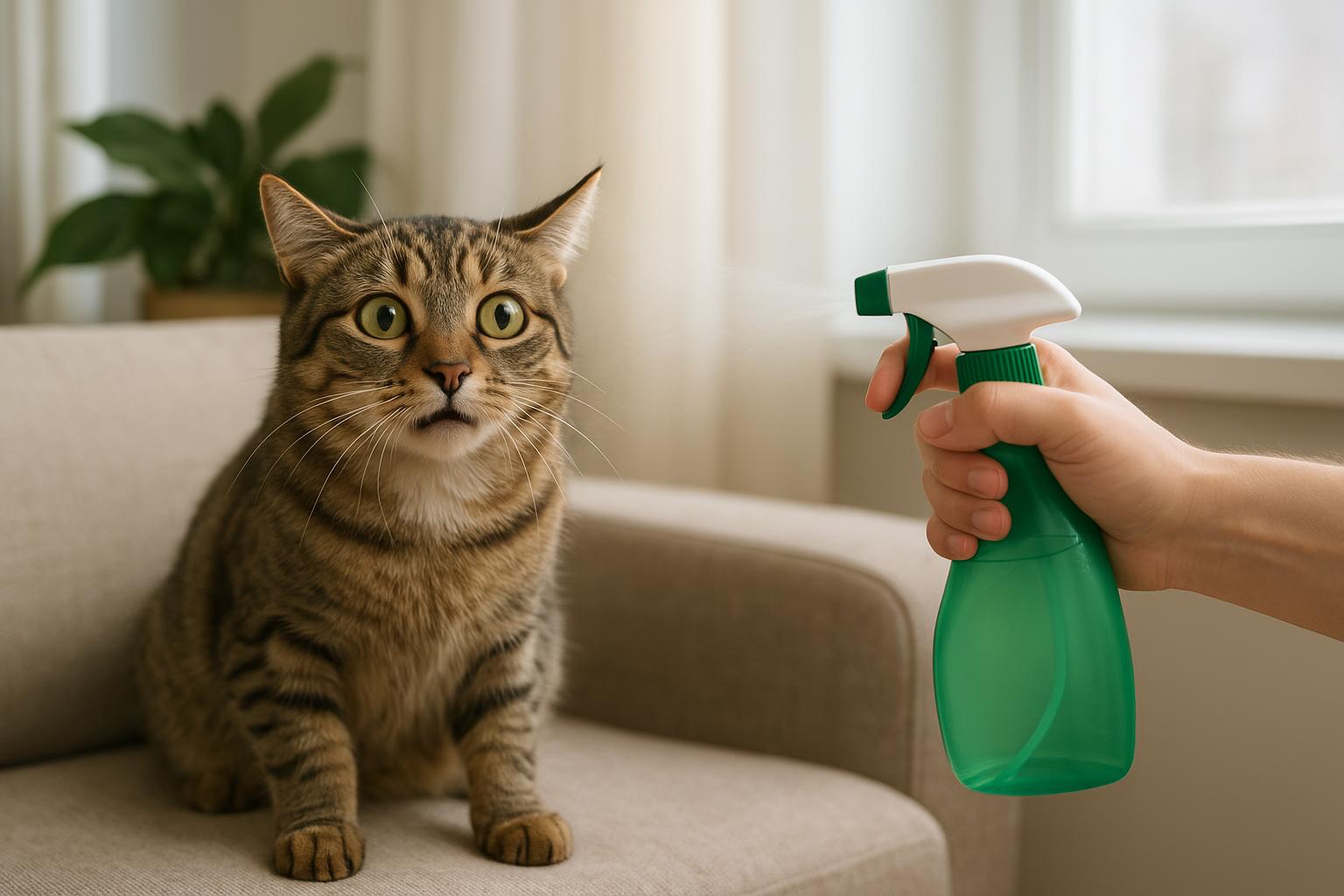
3. Apply an IGR spray according to label instructions to areas where eggs and larvae are likely (carpets, cat beds, baseboards). Ensure product is approved for use around cats and follow safety intervals before re-entry.
4. Repeat vacuuming every 2-3 days for two weeks to remove eggs and larvae as they hatch.
5. Continue veterinary-approved preventives for pets to stop reinfestation.
#### Outdoor Yard Step-By-Step Application
1. Rake and remove debris where wildlife can nest; mow grass and trim shrubs to reduce flea habitat.
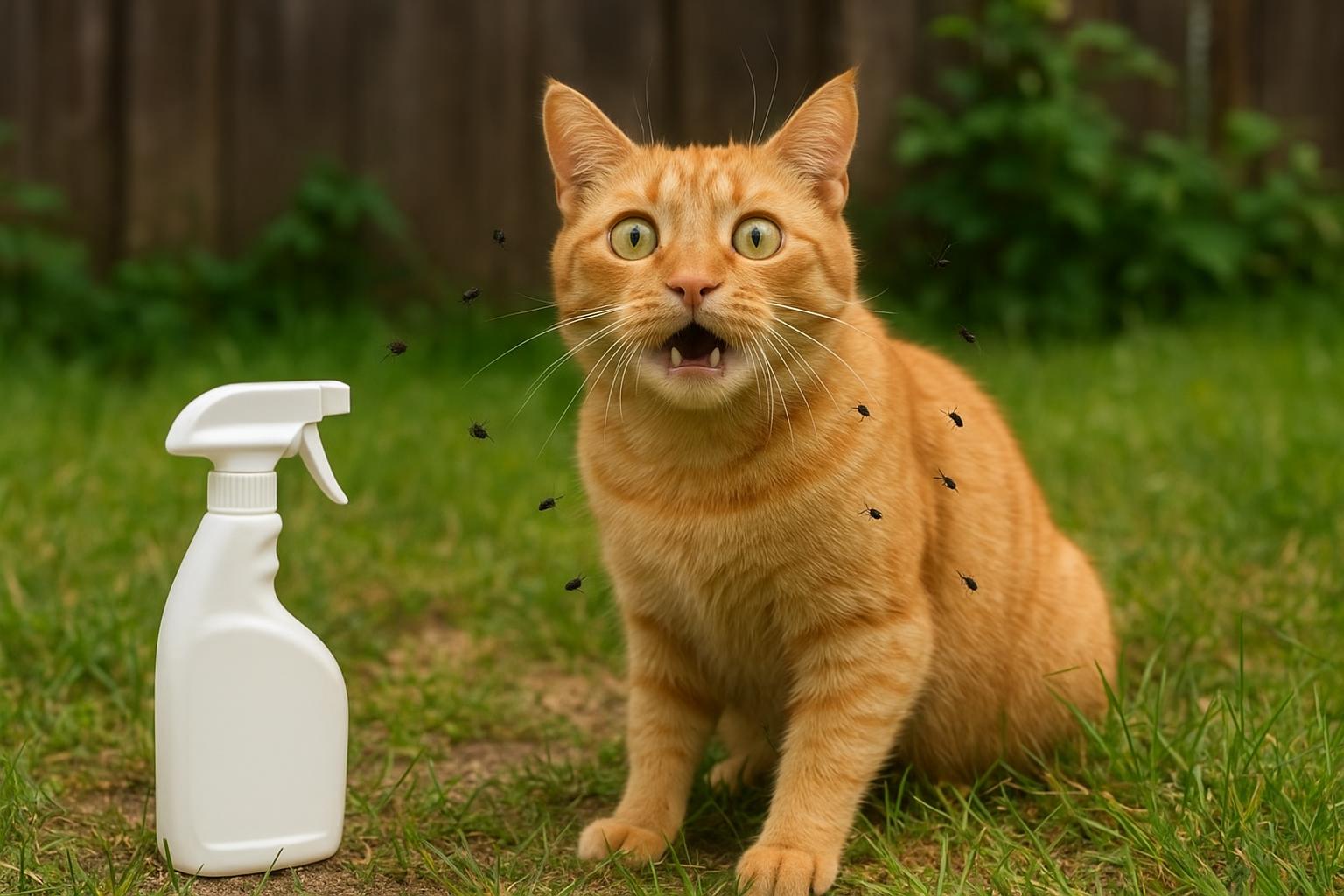
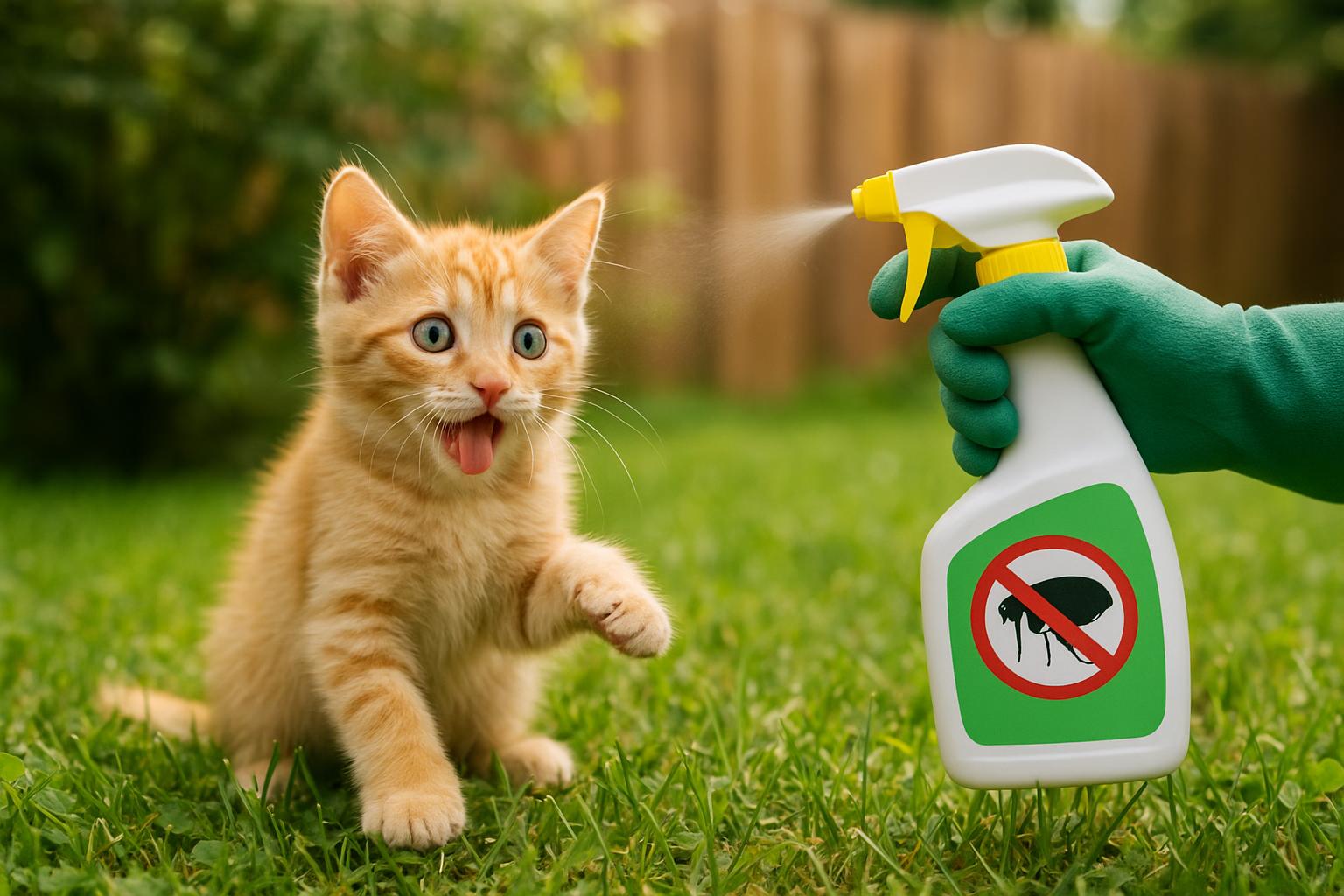
2. Apply a pet-safe yard flea product according to manufacturer’s directions, focusing on shaded, cool, and moist areas where fleas and their hosts hide.
3. Consider treating areas frequented by wildlife (under decks, mulch beds) and seal spaces where feral animals may den.
4. Repeat applications as directed on the product label, typically at intervals recommended for your climate and product potency.
### Integrated Treatment Considerations
Combining veterinary preventives with environmental control is the most effective strategy. Addressing only adult fleas on your cat without treating the environment allows the flea life cycle to continue.
## Cats, People, And The Household: Safety Protocols
Flea control is a household affair. When using chemicals, always read labels and use pet-specific products. Keep children and other pets away during application. If you have multiple pets, treat them concurrently under veterinary advice, because untreated animals can serve as reservoirs.
### When To See The Vet Immediately
– Kittens under 8 weeks with a suspected heavy infestation
– Signs of anemia (pale gums, weakness)
– Severe skin infection, large areas of hair loss, or open sores
– Any adverse reaction after application of a product (vomiting, difficulty breathing, swelling)
## Preventive Habits That Make A Big Difference
A few consistent habits can reduce how hard flea season hits your household:
– Maintain year-round monthly prevention as advised by your vet.
– Regularly wash cat bedding and vacuum living spaces.
– Keep your yard tidy and discourage wildlife from making themselves at home.
– Check cats periodically for fleas or flea dirt, especially after outdoor excursions.
– Limit contact with feral animals or stray pets that can carry fleas.
## Understanding The Costs And Benefits
Investing in year-round prevention reduces long-term stress and expense. Treating a severe home infestation, plus veterinary bills for secondary infections or anemia, quickly outweighs monthly preventive costs. Think of prevention like insurance for comfort, health, and peace of mind — plus fewer midnight zoomies from itchy cats.
## Myths, Bites, And A Little Humor
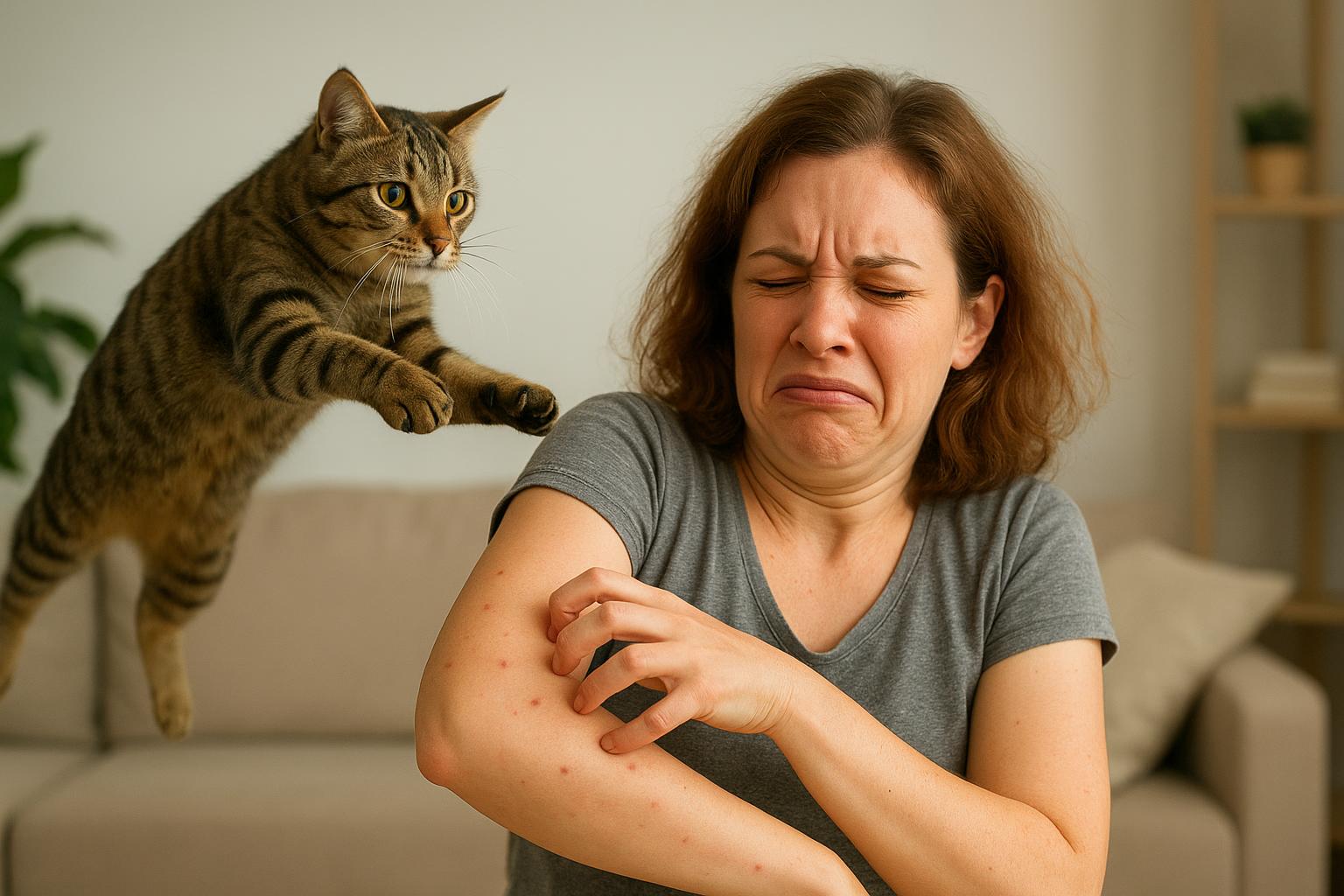
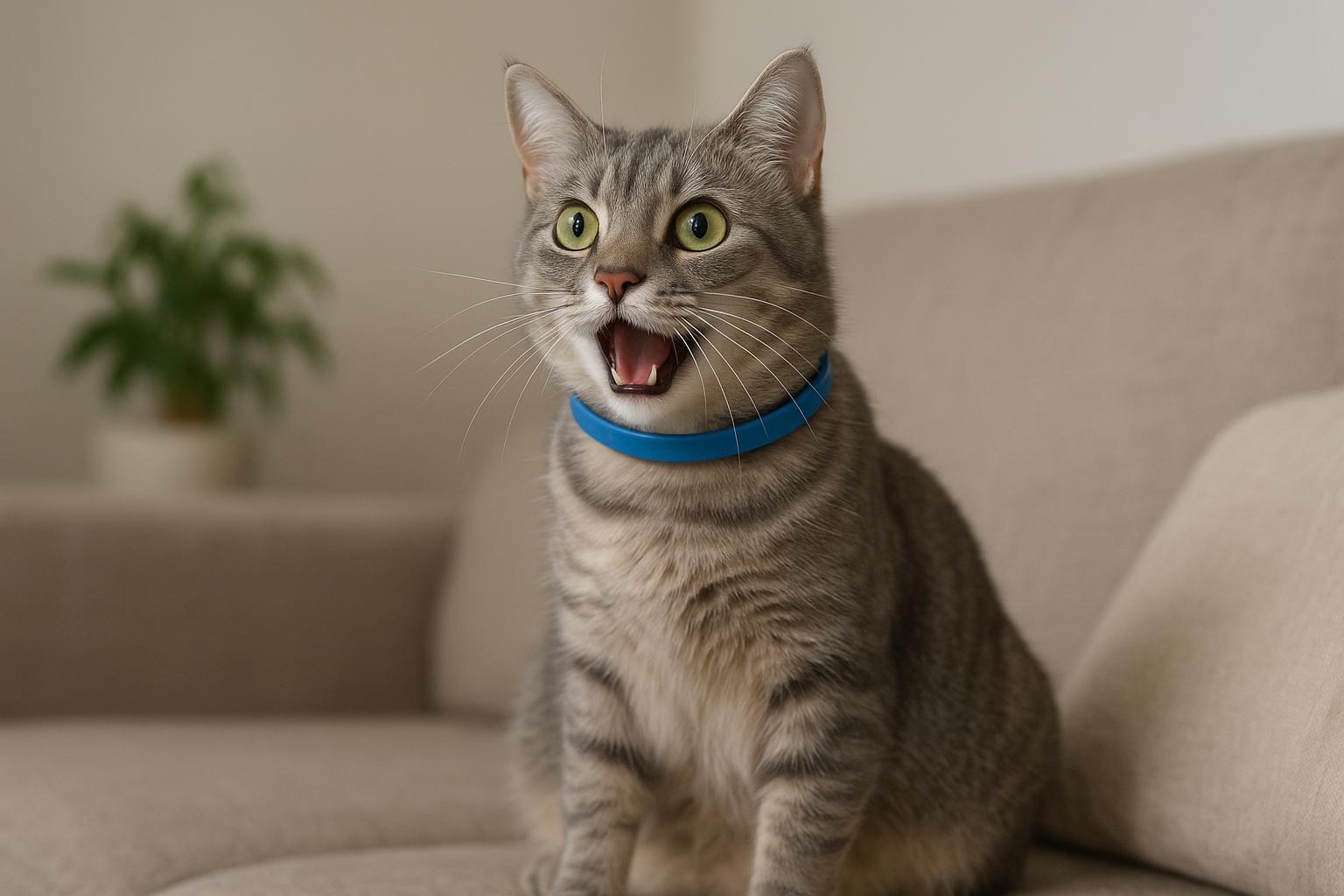
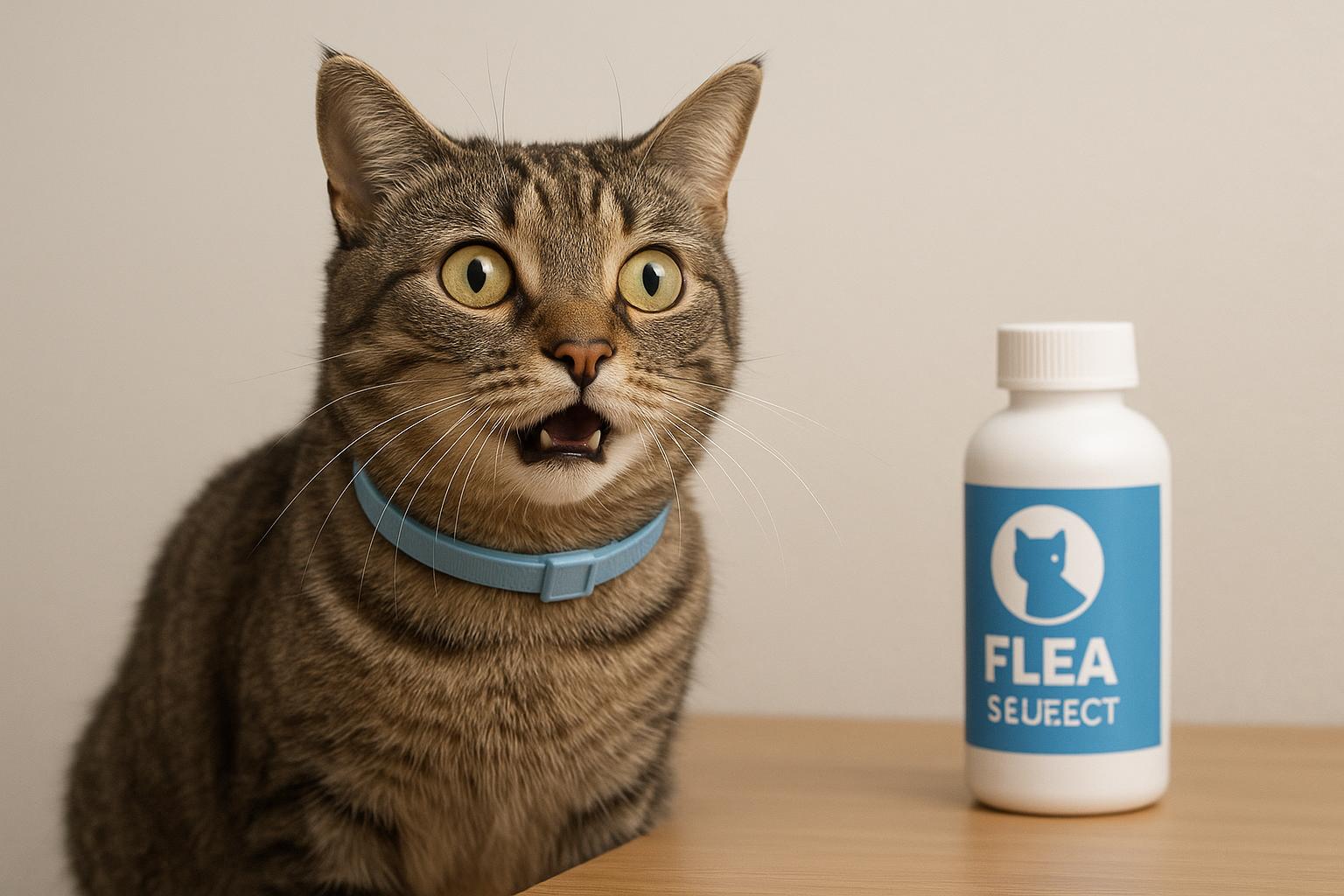
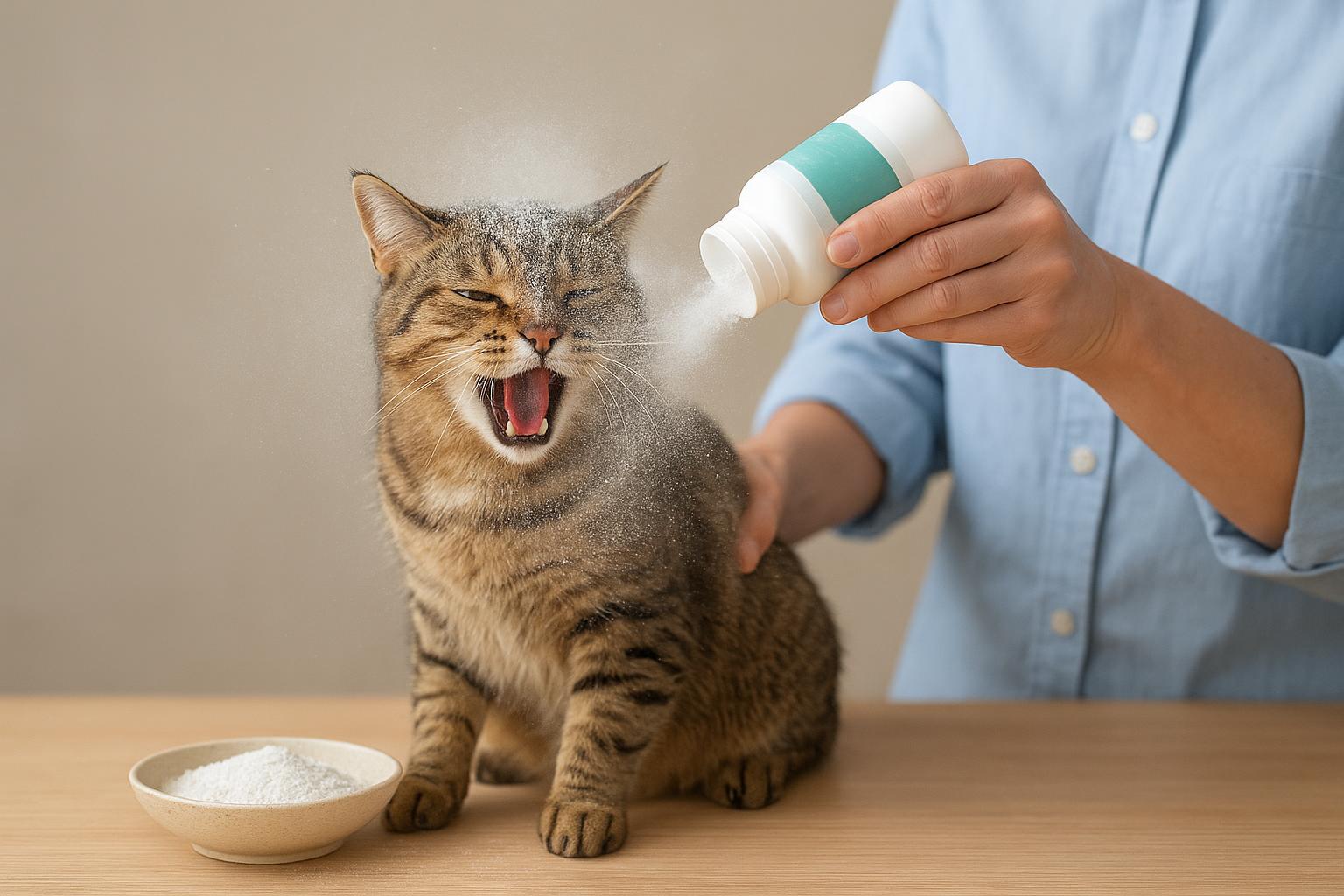
Yes, fleas prefer animals, but some will nibble people. No, your cat is not being melodramatic when they scratch — their tiny therapist is just a striped parasite. And no, putting a flea collar from the dollar store on Fido won’t magically protect the whole house; effectiveness varies widely, and proper products matter.
## Resources For Responsible Flea Management
Keep your veterinarian as your primary resource. Extension services, local animal control, and reputable pet-health websites can provide region-specific guidance. When in doubt, rely on professionals rather than experimenting with off-label or homemade substances that can be harmful to cats.
## When Prevention Isn’t Working: Escalation Steps
If you’re on a consistent prevention plan and still seeing fleas, document dates of treatment, proof of products used, and any environmental measures taken. Bring this information to your veterinarian so they can recommend alternative products, investigate resistance issues, or explore additional diagnostics (skin tests, bloodwork) if your pet is reacting excessively.
## Final Practical Tips For A Flea-Smart Home
Keep a calendar for monthly preventives, store products safely out of reach, and don’t forget to treat all pets in the household. Flea season might be a recurring headline in our lives, but with consistent, veterinary-guided measures and smart environmental actions, you can keep your cat comfortable and your home pest-free all year.






Leave a Reply