
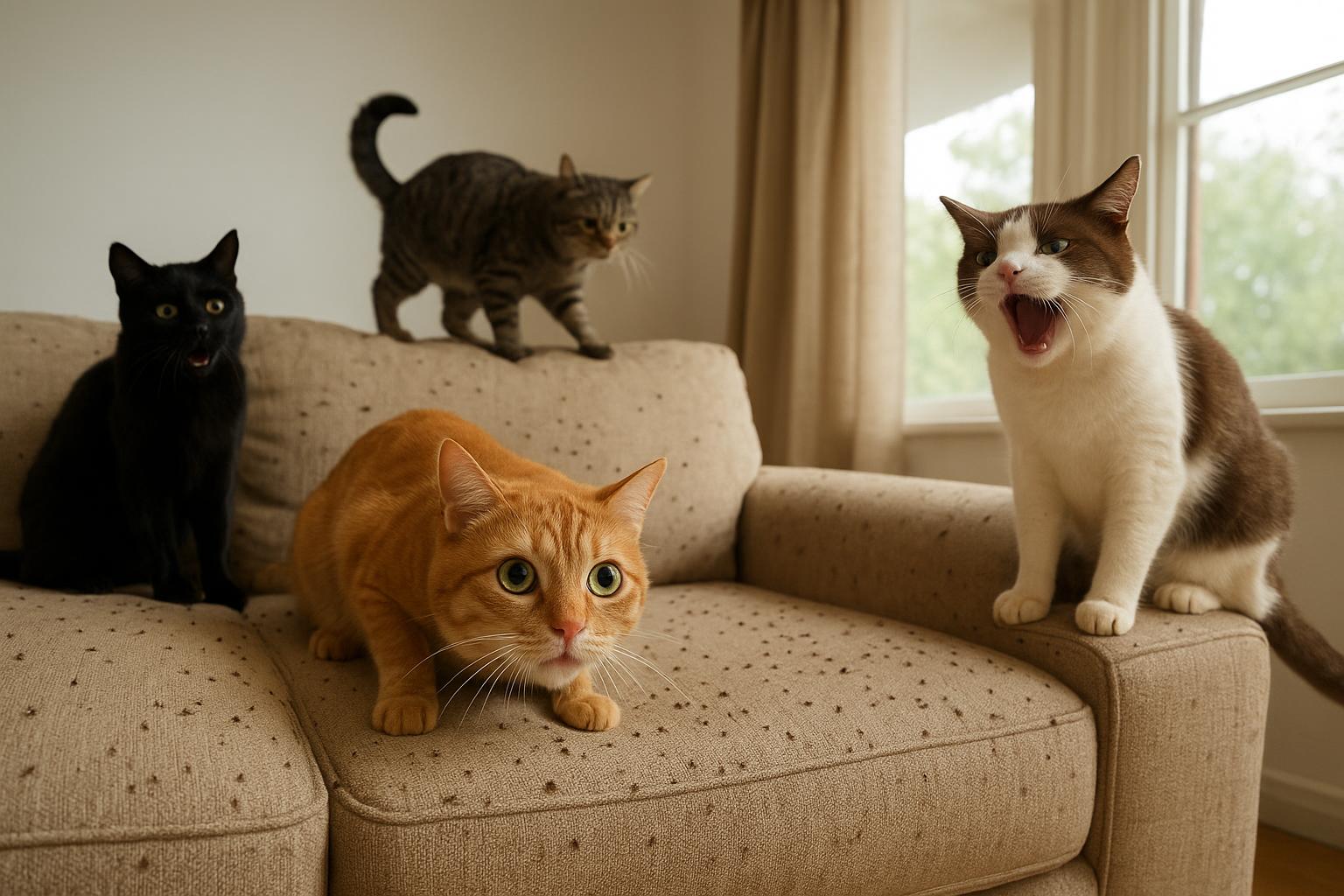
## How To Spot Couch Fleas In Your Sofa
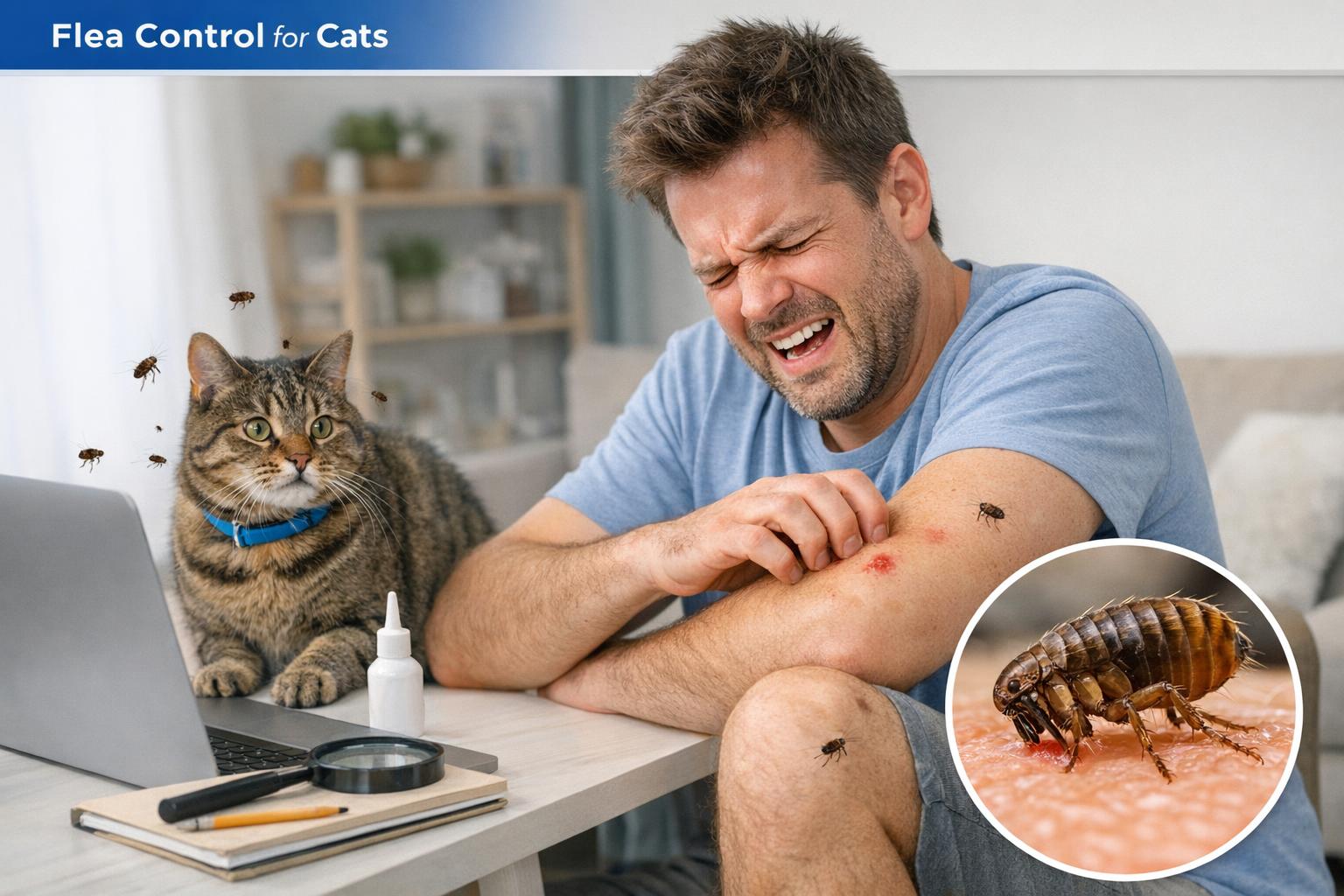
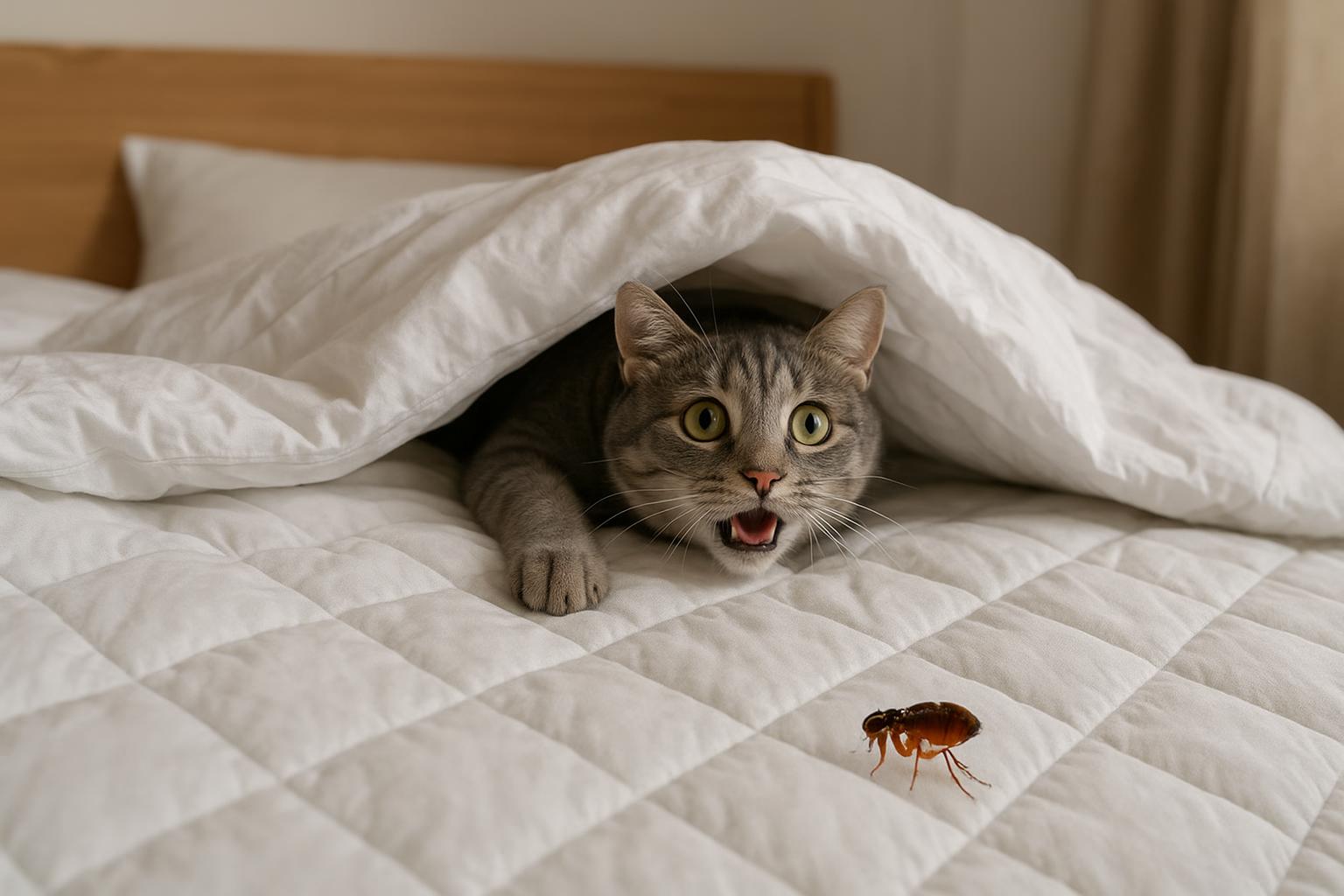
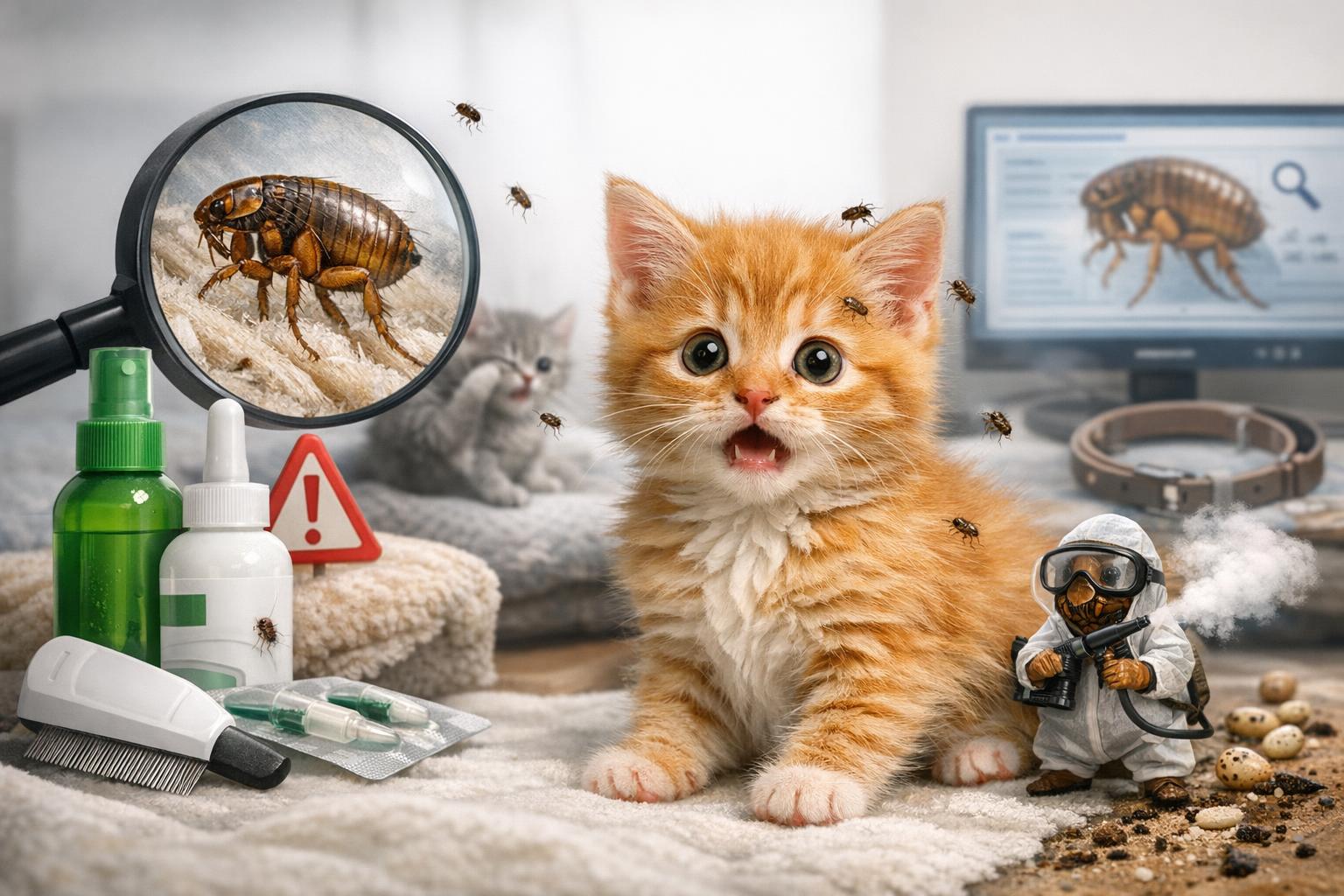
If you’ve ever felt tiny pinpricks while lounging or noticed your pet frantically scratching after a nap on the couch, you might be hosting more than just crumbs. Couch fleas are the sneaky kind of pest that love fabric furniture, and they can turn cozy evenings into an itchy ordeal. They’re tiny, fast, and fond of hiding in seams, under cushions, and in the sofa’s skeleton. Detecting them early saves time, money, and dignity.
Look for these signs:
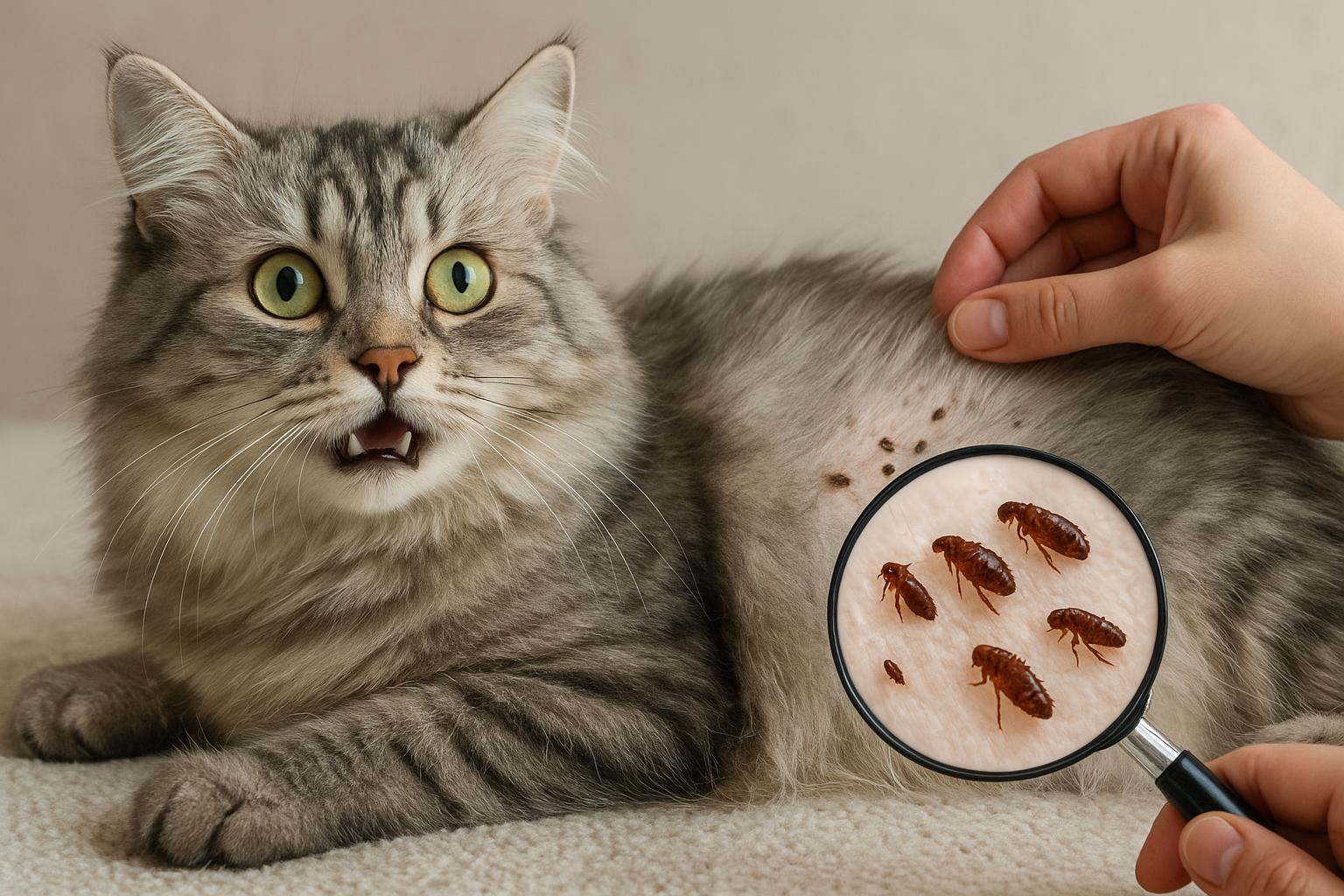
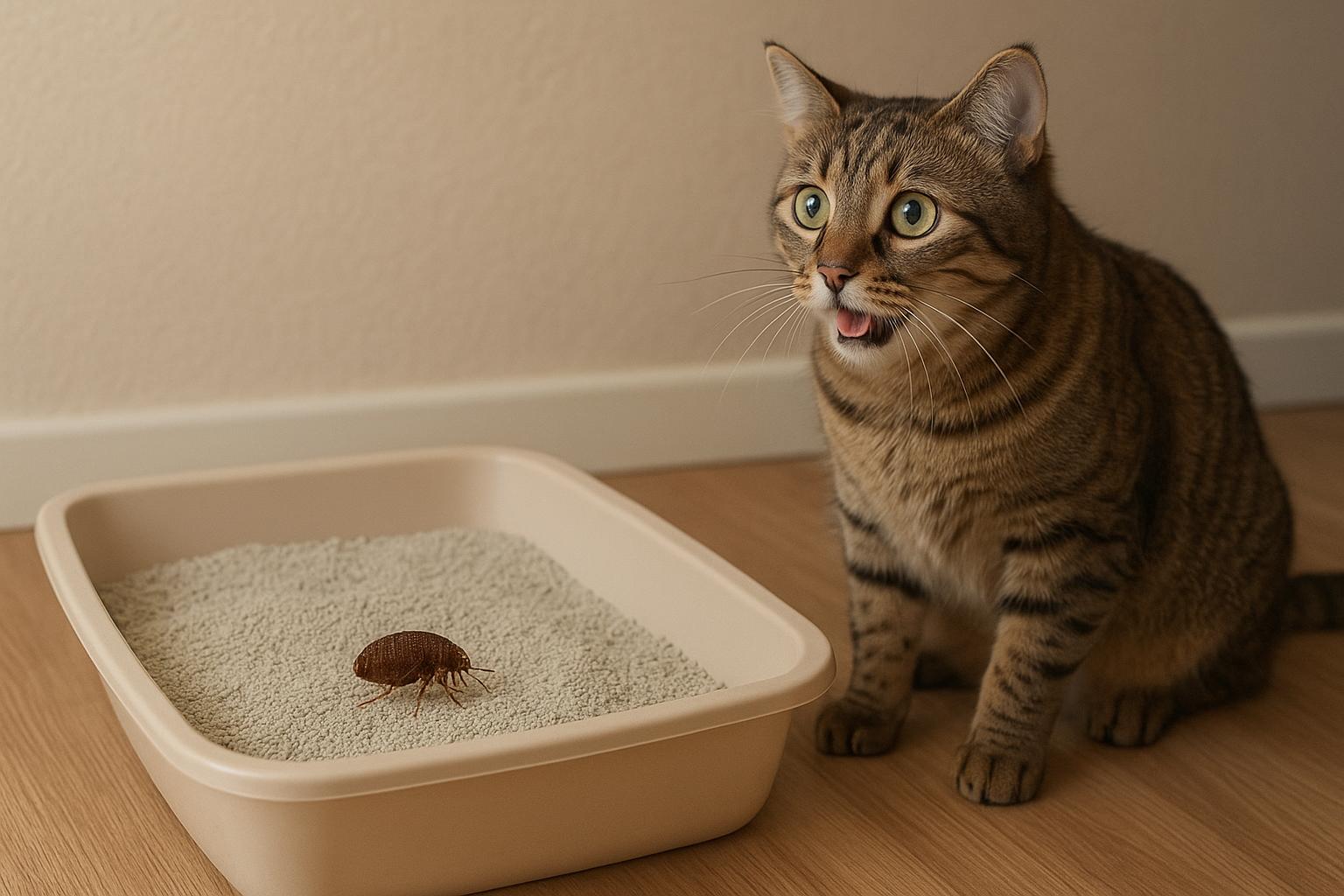
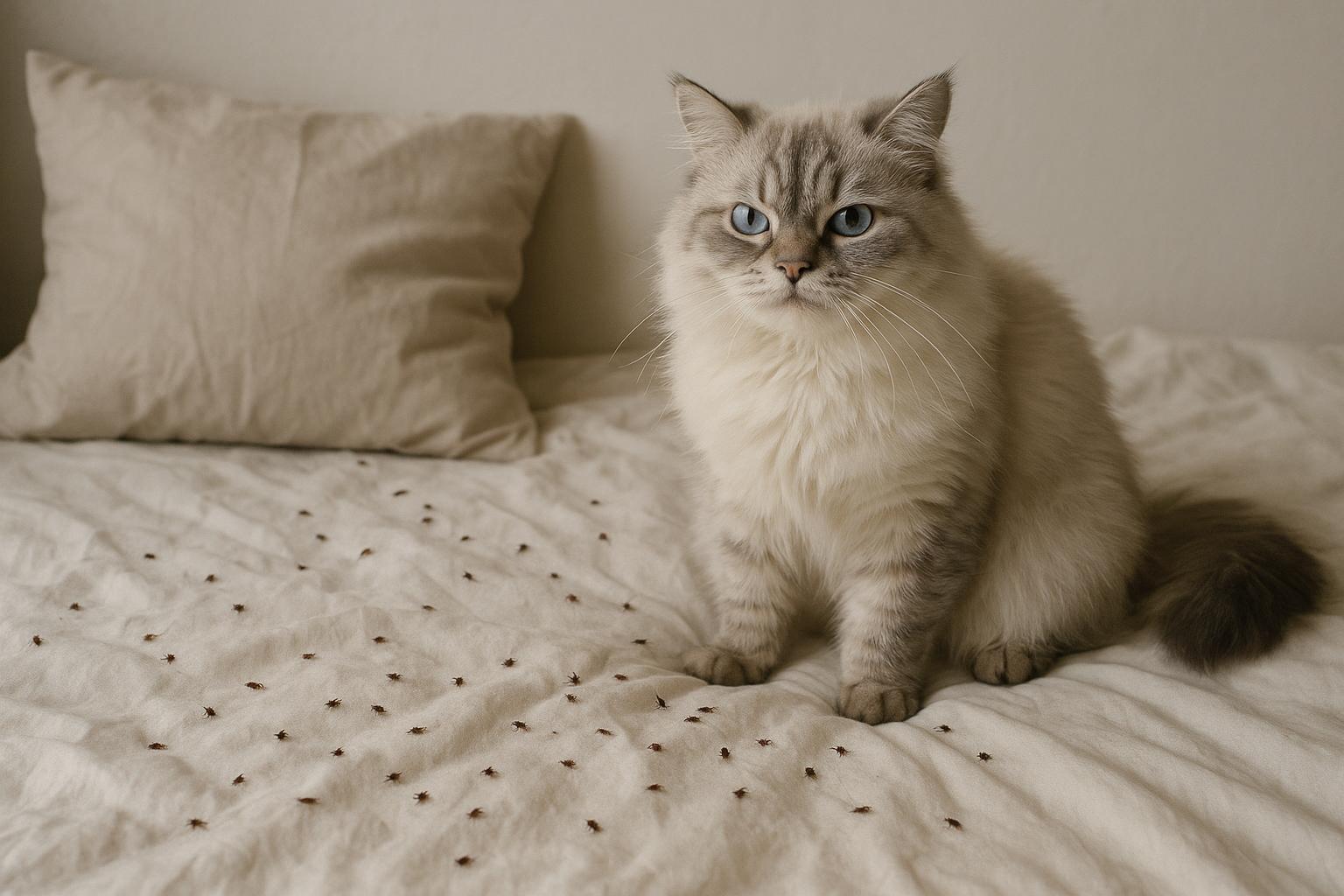
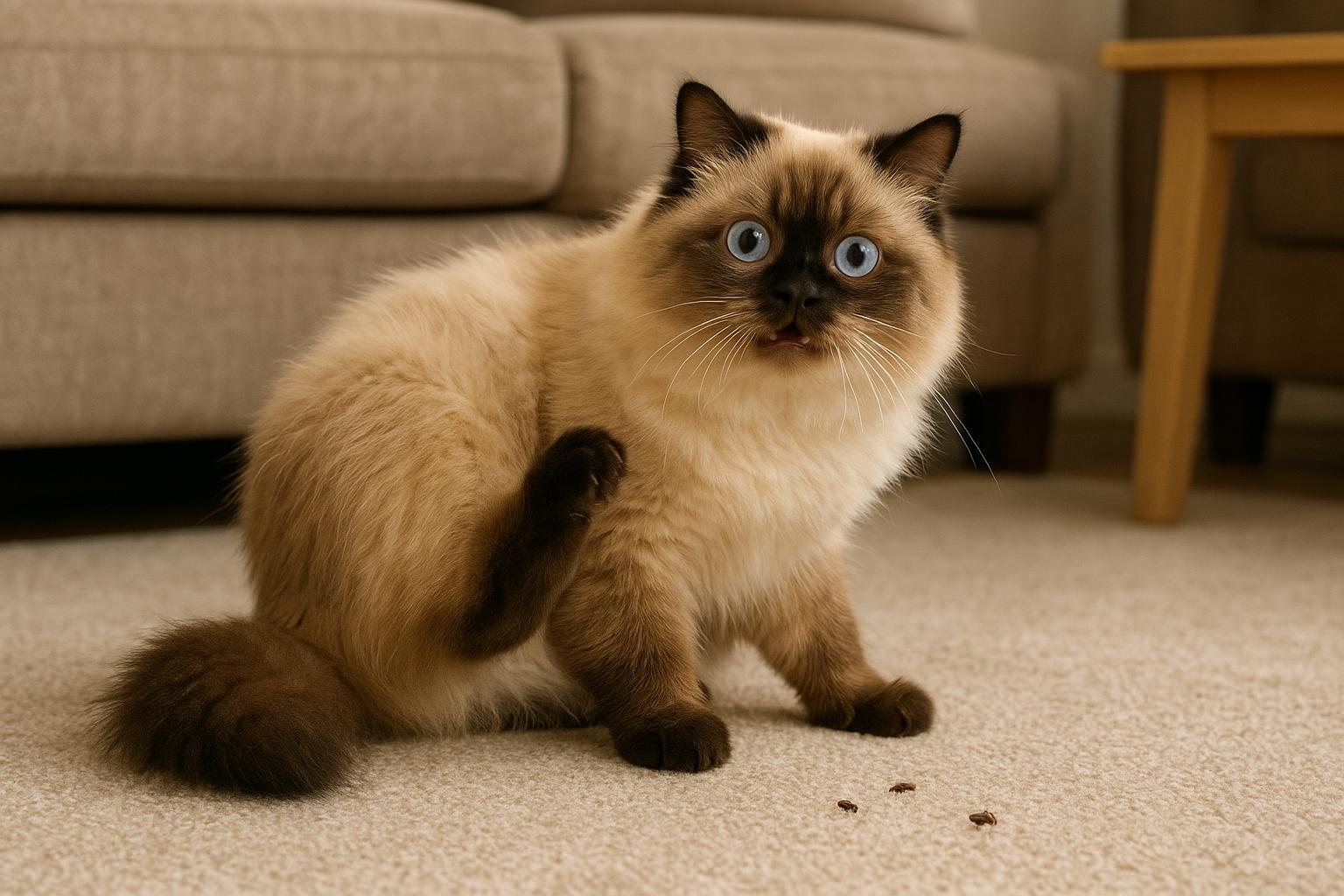
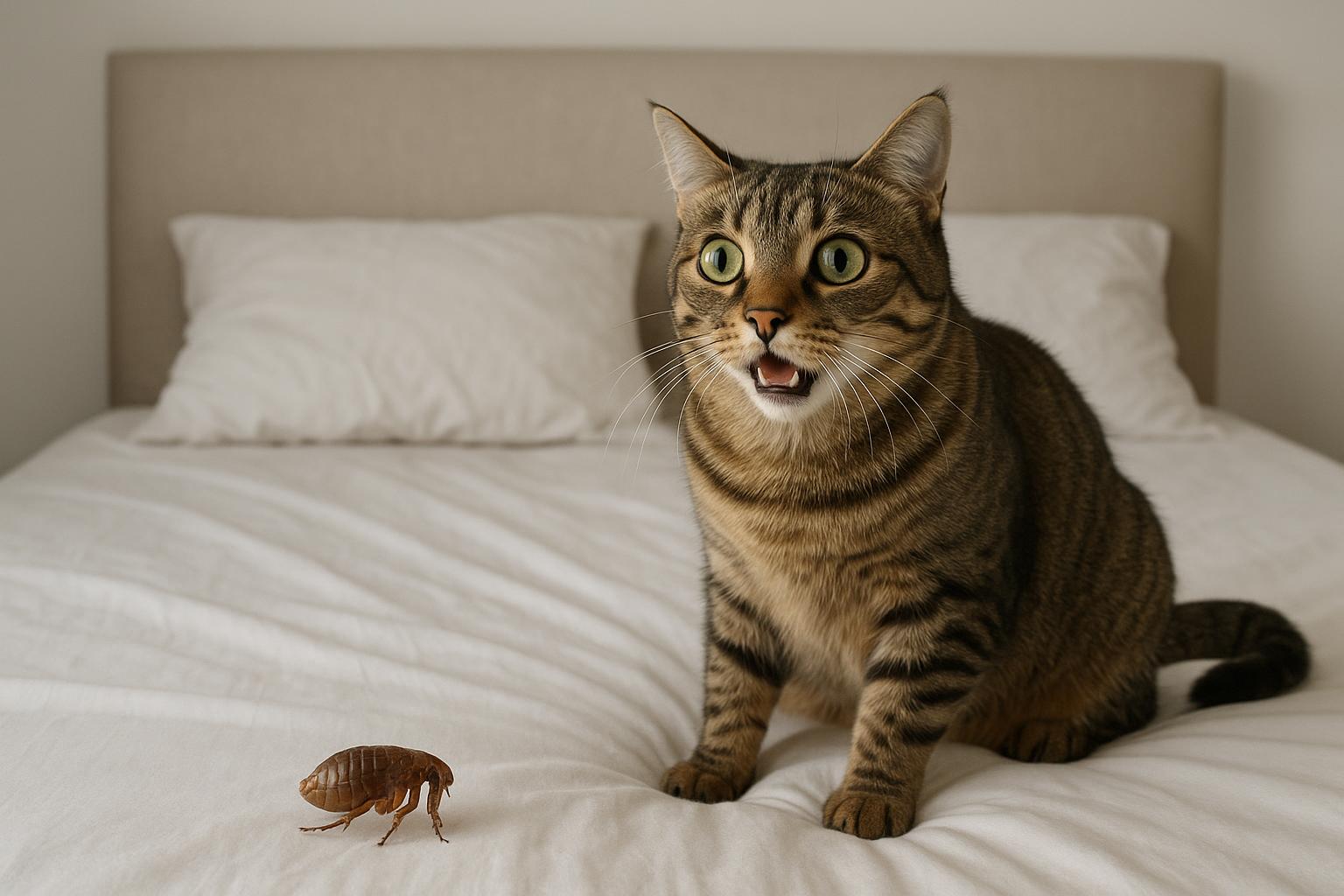
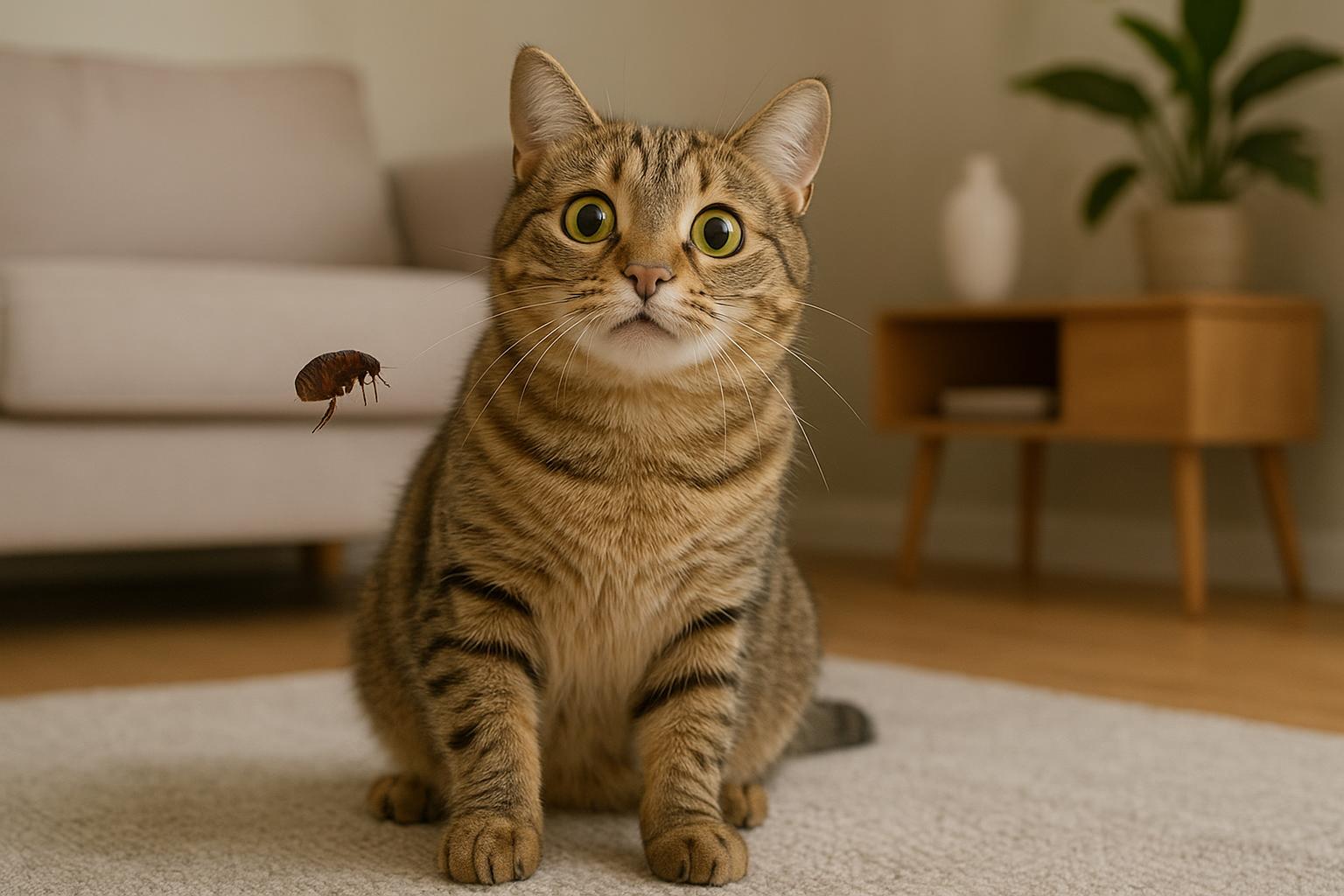
– Tiny dark specks that move when disturbed (adult fleas).
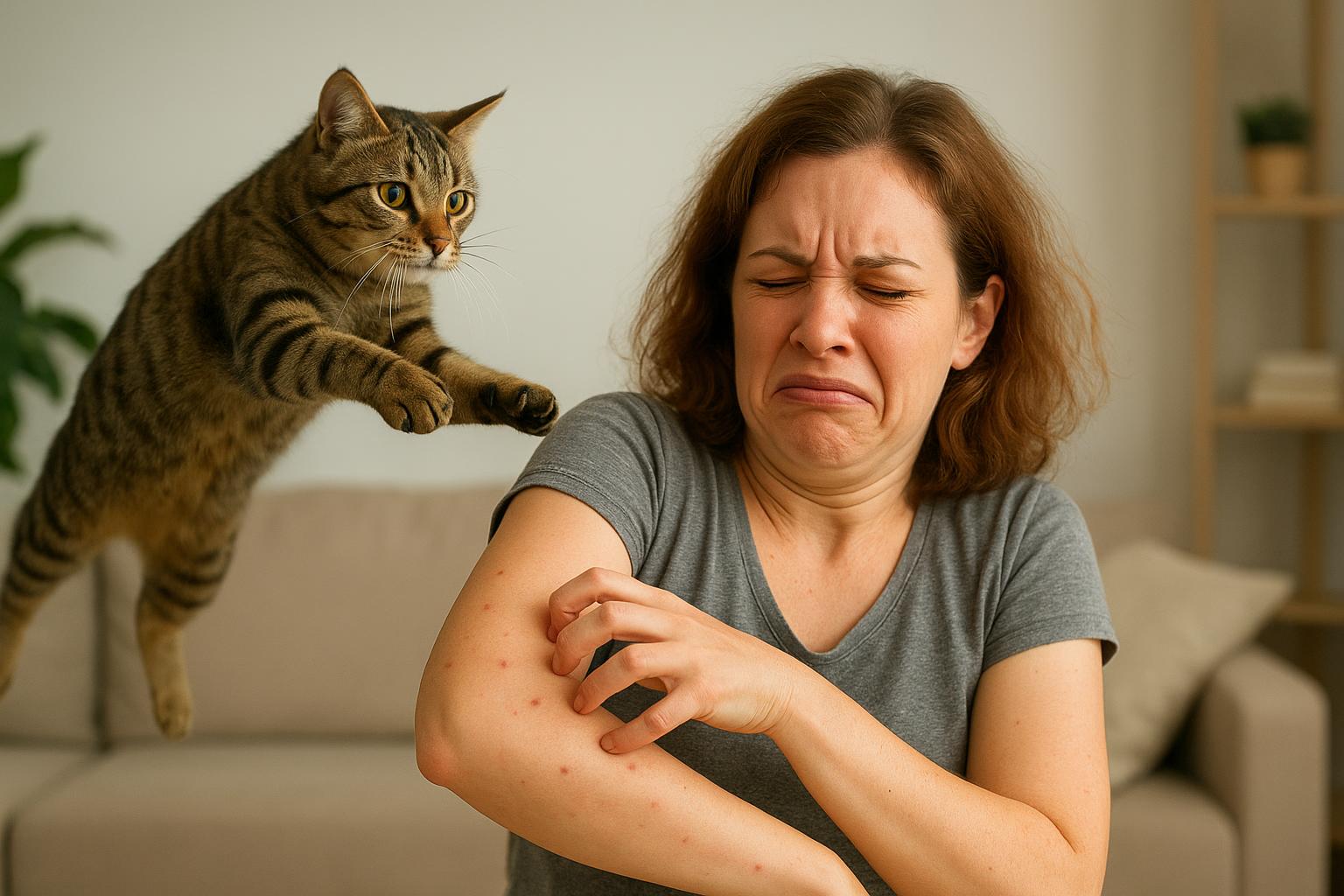
– Small red bites on people or pets, often in clusters.
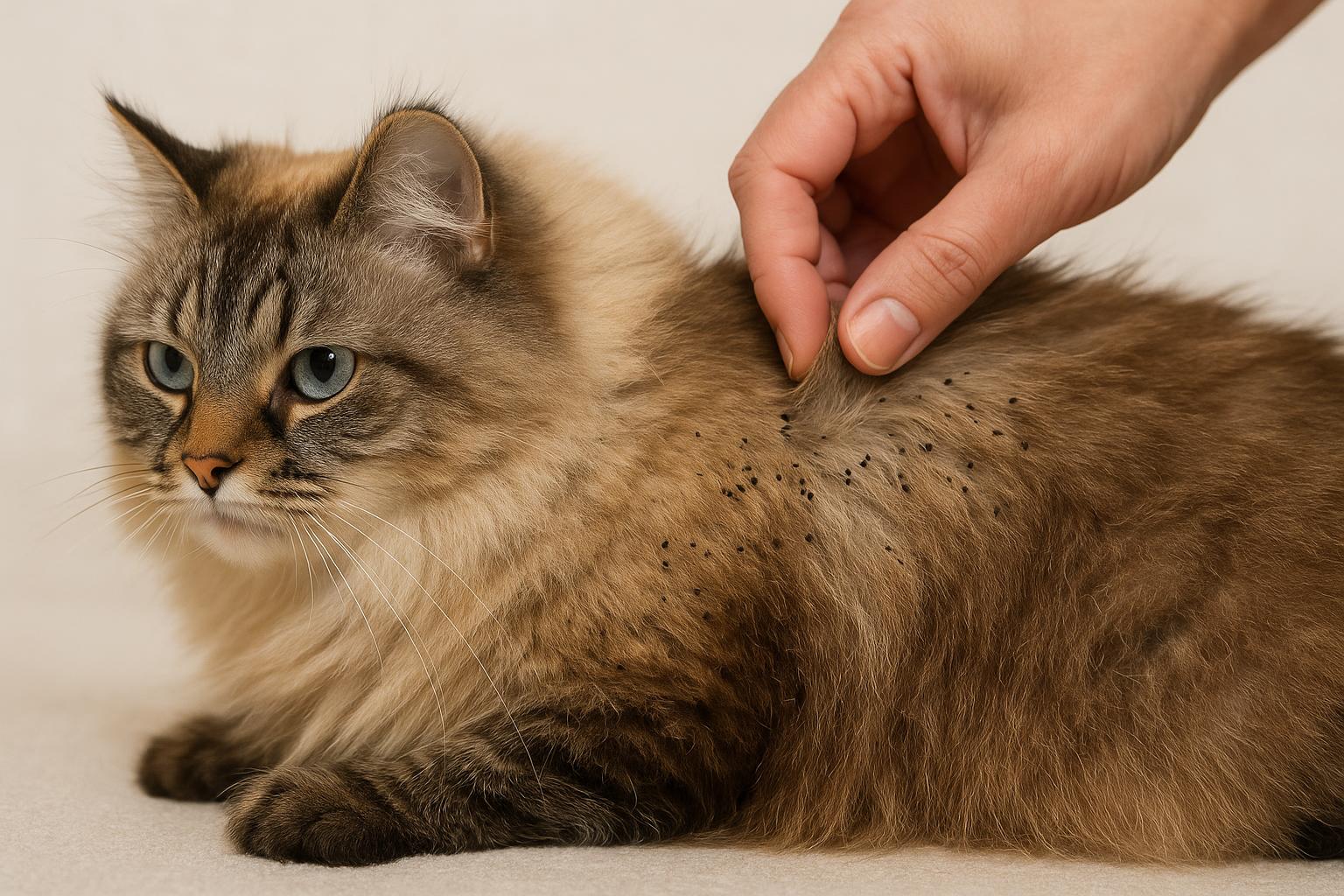
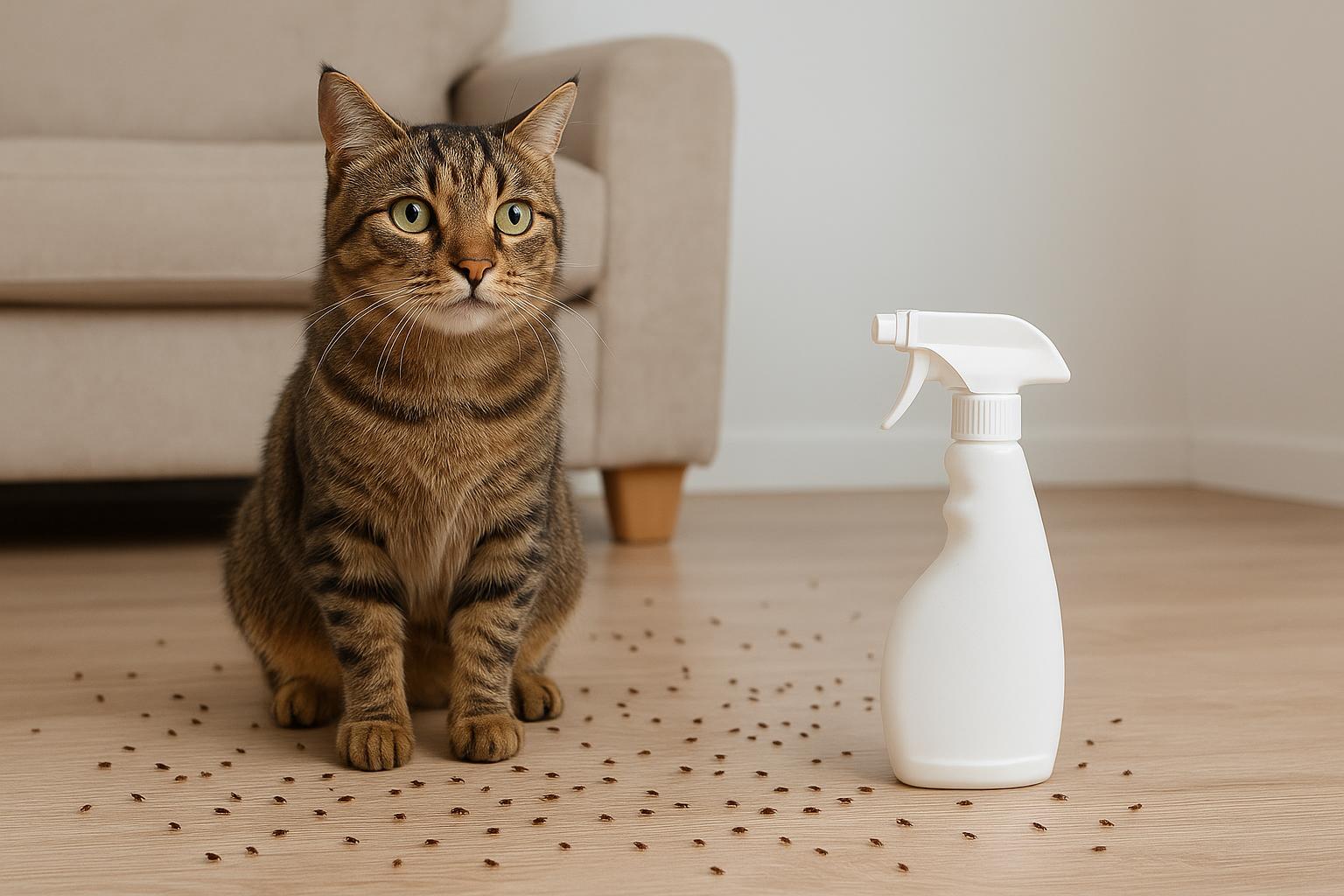
– Flea dirt — little black flecks that look like pepper. Place some on a damp paper towel; if it turns reddish-brown, it’s flea feces (dried blood).
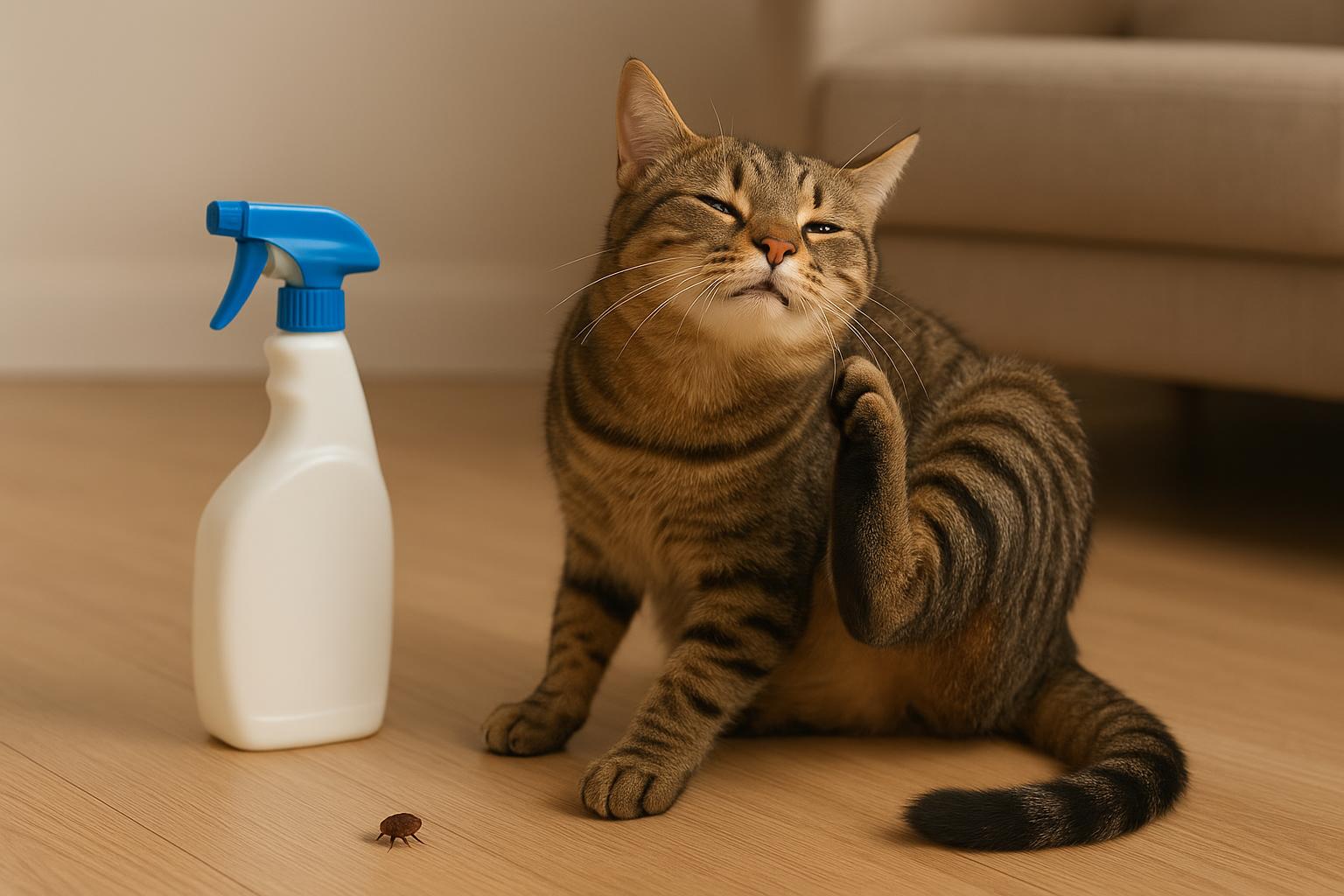
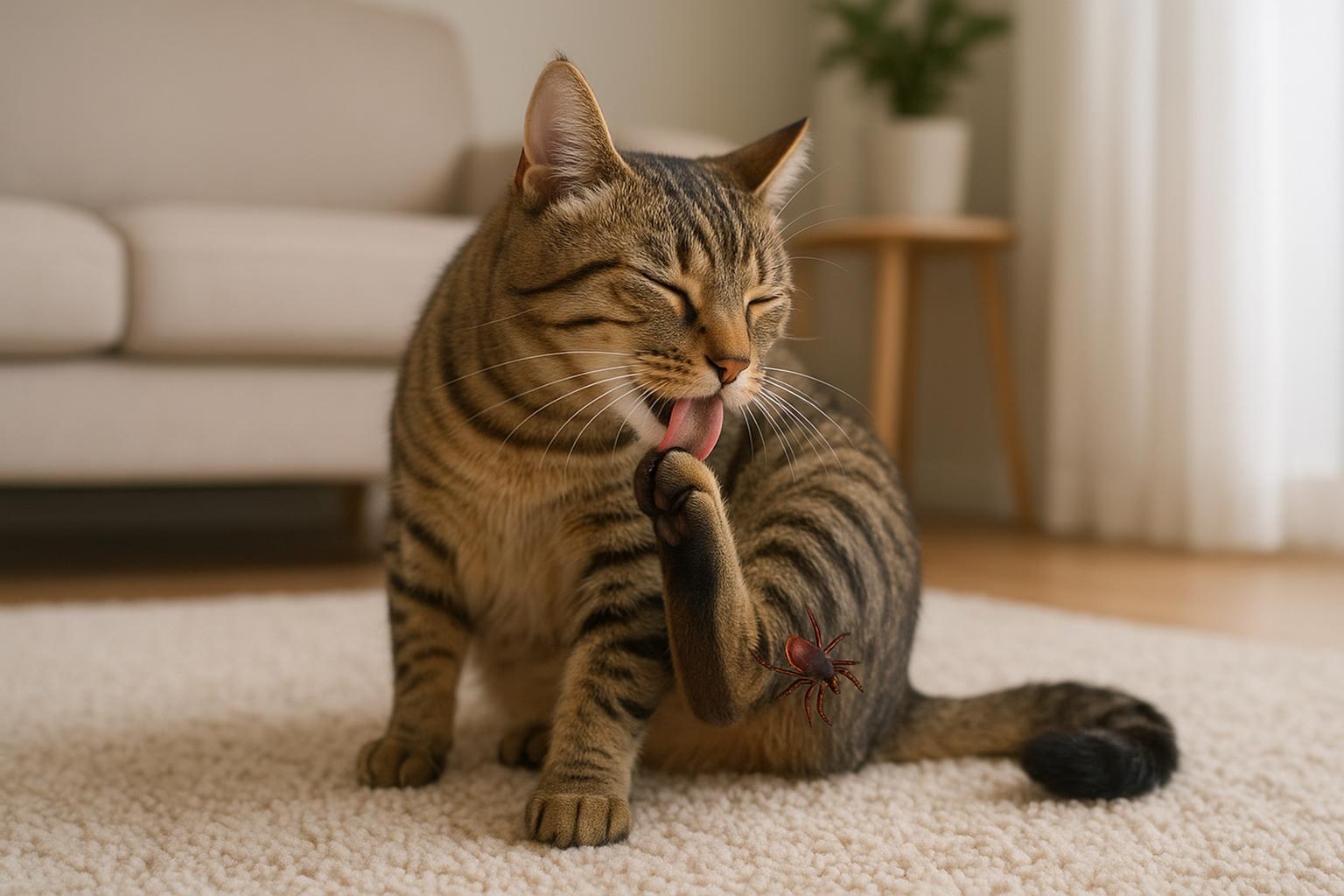
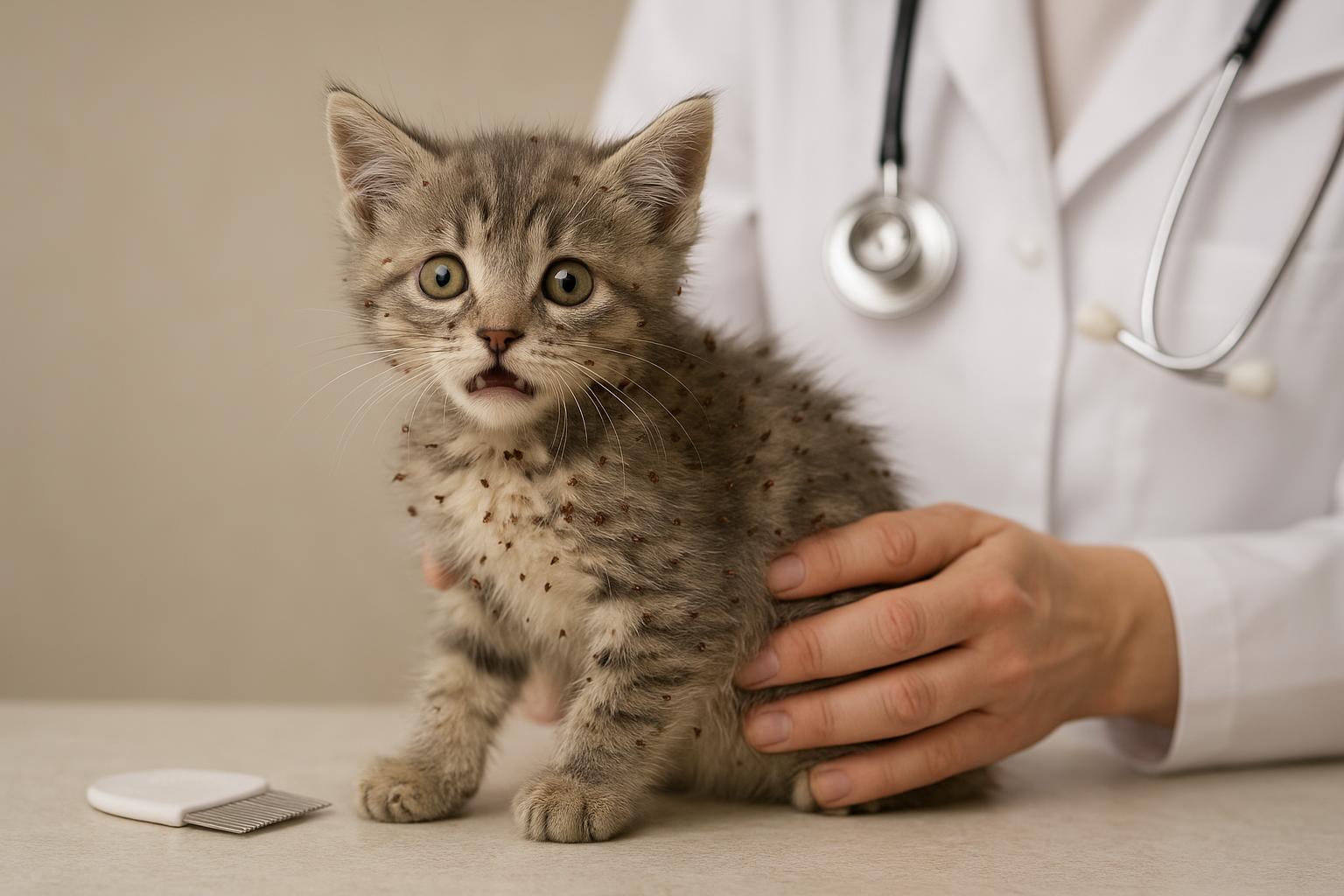
– Pets scratching, licking, or showing hair loss or irritated skin around hips and tail.
If you think your couch has couch fleas, don’t panic. There are practical steps to take, and you can usually manage the problem without calling in a full-scale exorcism squad.
## Why Couch Fleas Like Sofas
Fleas prefer warm, dark, and sheltered places — exactly what sofas provide. The fabric traps body heat, seams and crevices offer hiding spots, and pets provide regular meals. Fleas also lay eggs on a host, but the eggs fall off into the surrounding environment, leading to a life cycle that continues in the couch stuffing if not interrupted.
A quick note about life stages: eggs, larvae, pupae, then adults. The pupal stage can sit dormant for months, waiting for vibration or carbon dioxide from a host. That’s why a seemingly clean sofa can suddenly erupt with flea adults weeks after you thought the problem was solved.
## 1. Natural Nonchemical Treatment For Couch Fleas
This remedy focuses on physical removal and environmental control. It’s a good first-line strategy, especially for households with small children, pregnant people, or pets who may be sensitive to chemicals.
Materials Required
– High-suction vacuum cleaner with crevice and upholstery tools
– Stiff brush or upholstery brush
– Laundry supplies (hot water, detergent)
– Baking soda and salt (optional)
– Enzyme or pet-safe upholstery cleaner
– Protective gloves and a mask
Step-By-Step Creation And Application
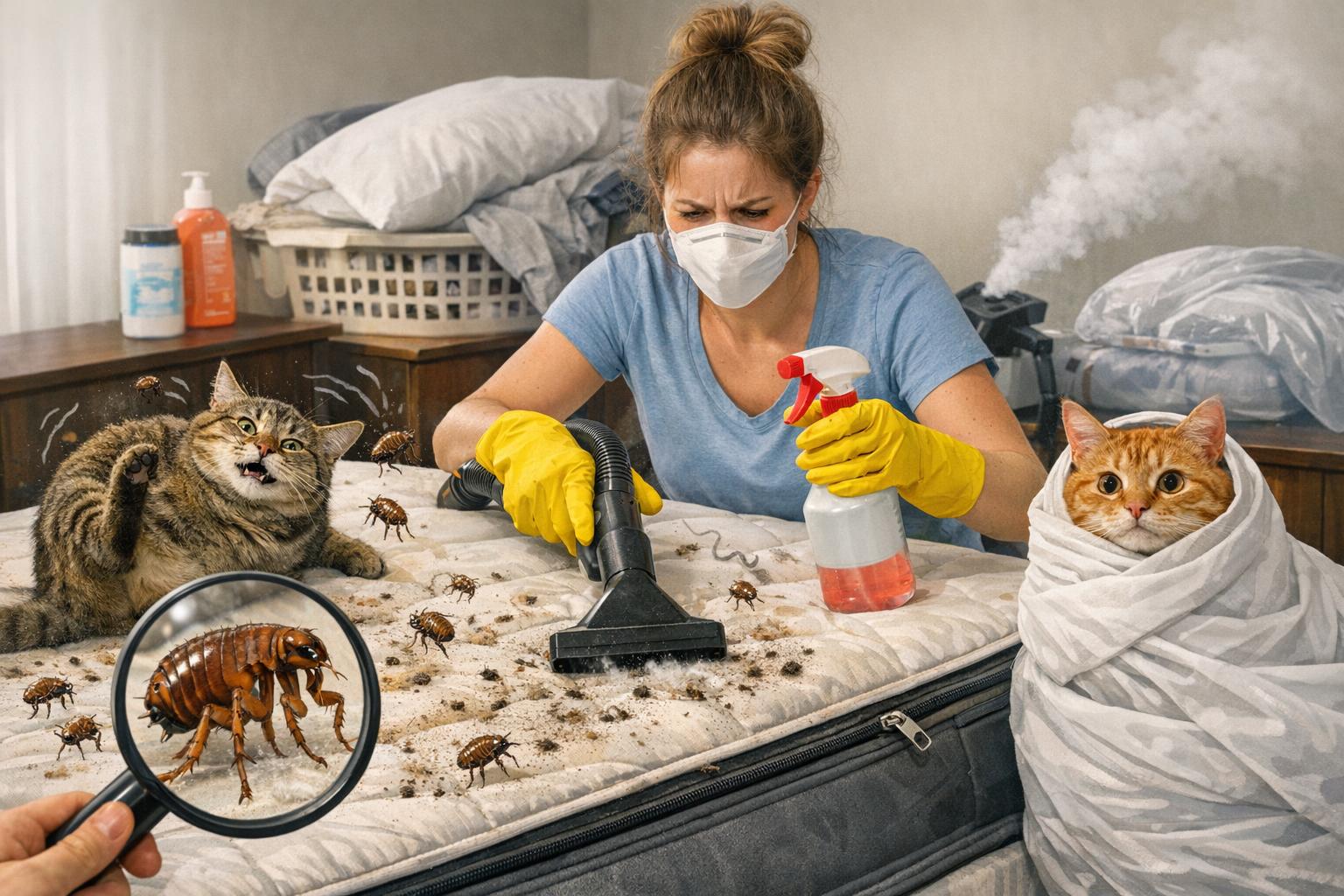
1. Prepare The Area: Remove all loose items, throws, and cushions. Wear gloves and a mask if you’re sensitive to dust.
2. Strip And Wash Removables: Wash cushion covers, slipcovers, pet bedding, and any removable fabric at the hottest temperature the fabric allows. Dry on high heat if safe for the fabric — heat helps kill eggs and larvae.
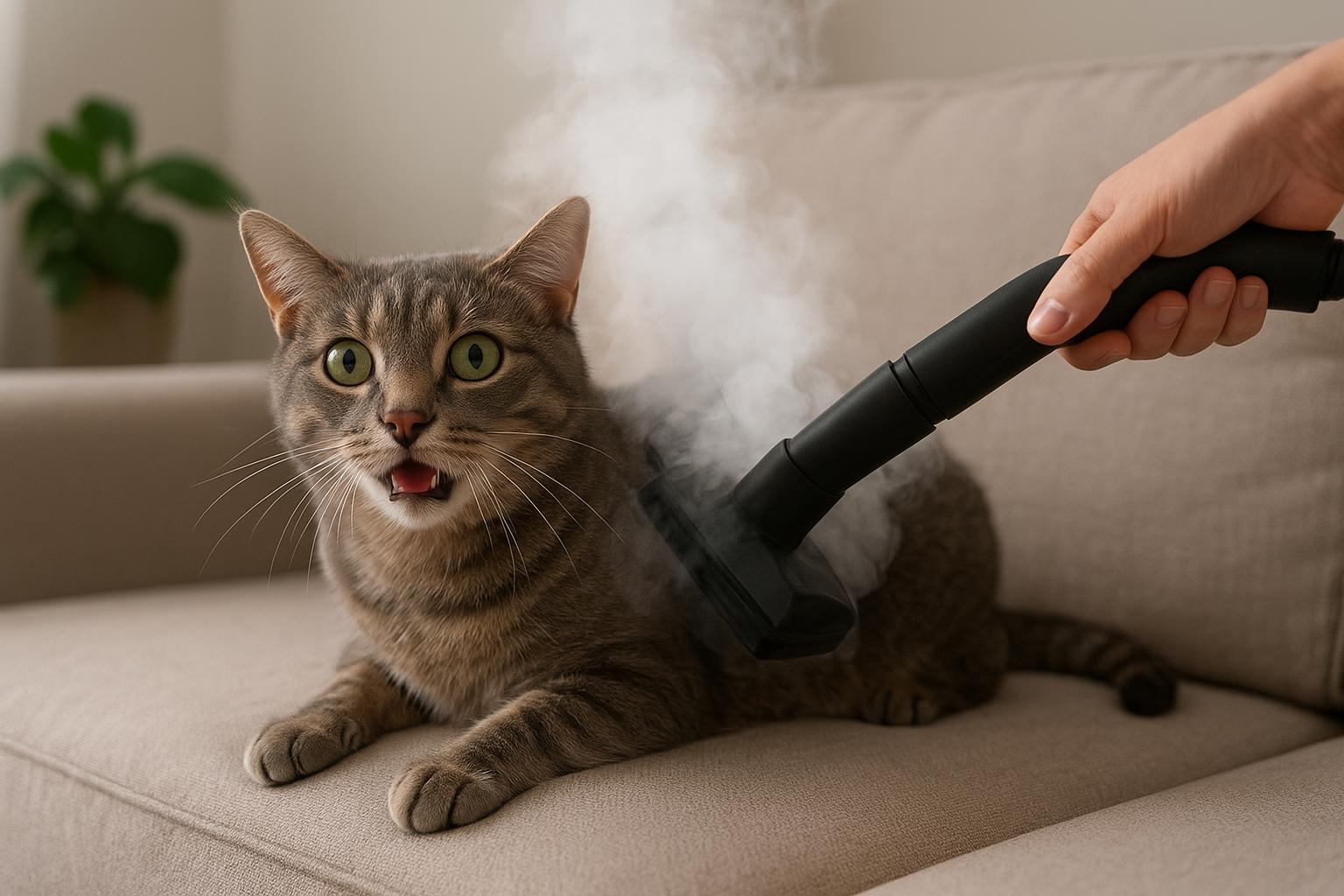
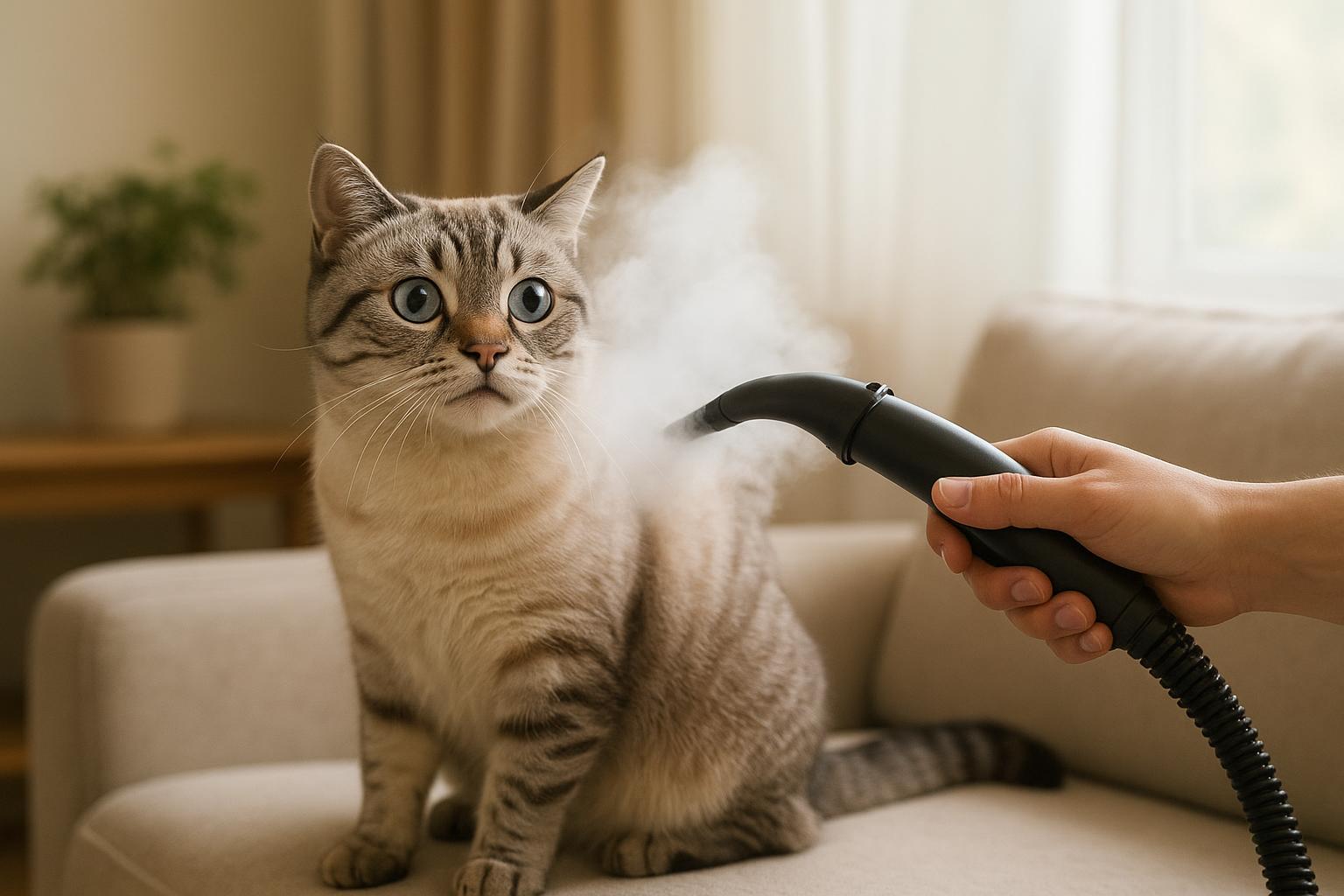
3. Vacuum Thoroughly: Use the crevice tool and upholstery attachment. Vacuum every seam, under cushions, along the frame, and the underside of the couch. Vacuum canister bags or filters should be emptied into a sealed bag and taken outside immediately to prevent reinfestation.
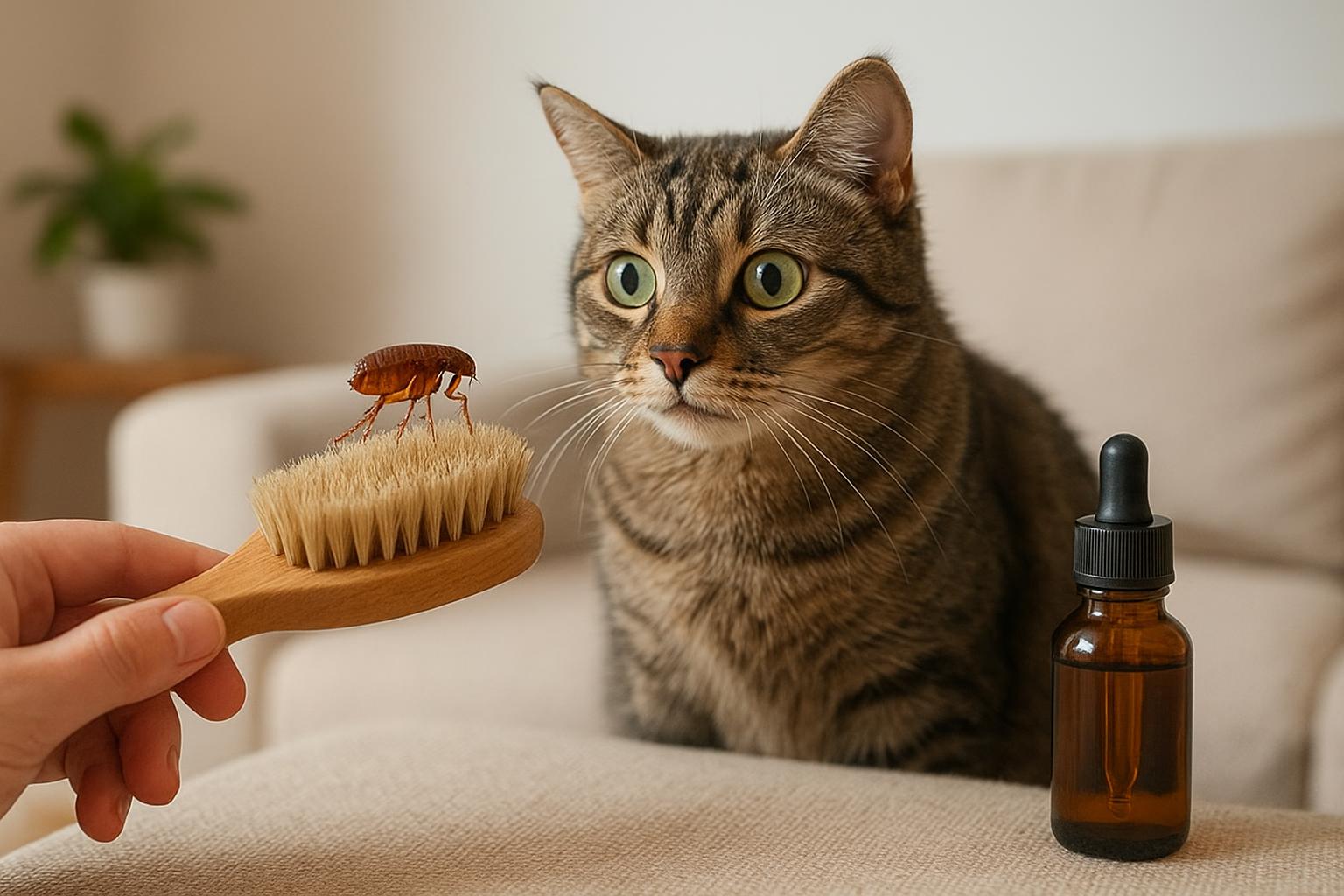
4. Brush And Agitate Fabric: For stubborn areas, run a stiff brush over seams and tufting while vacuuming to dislodge eggs and larvae.
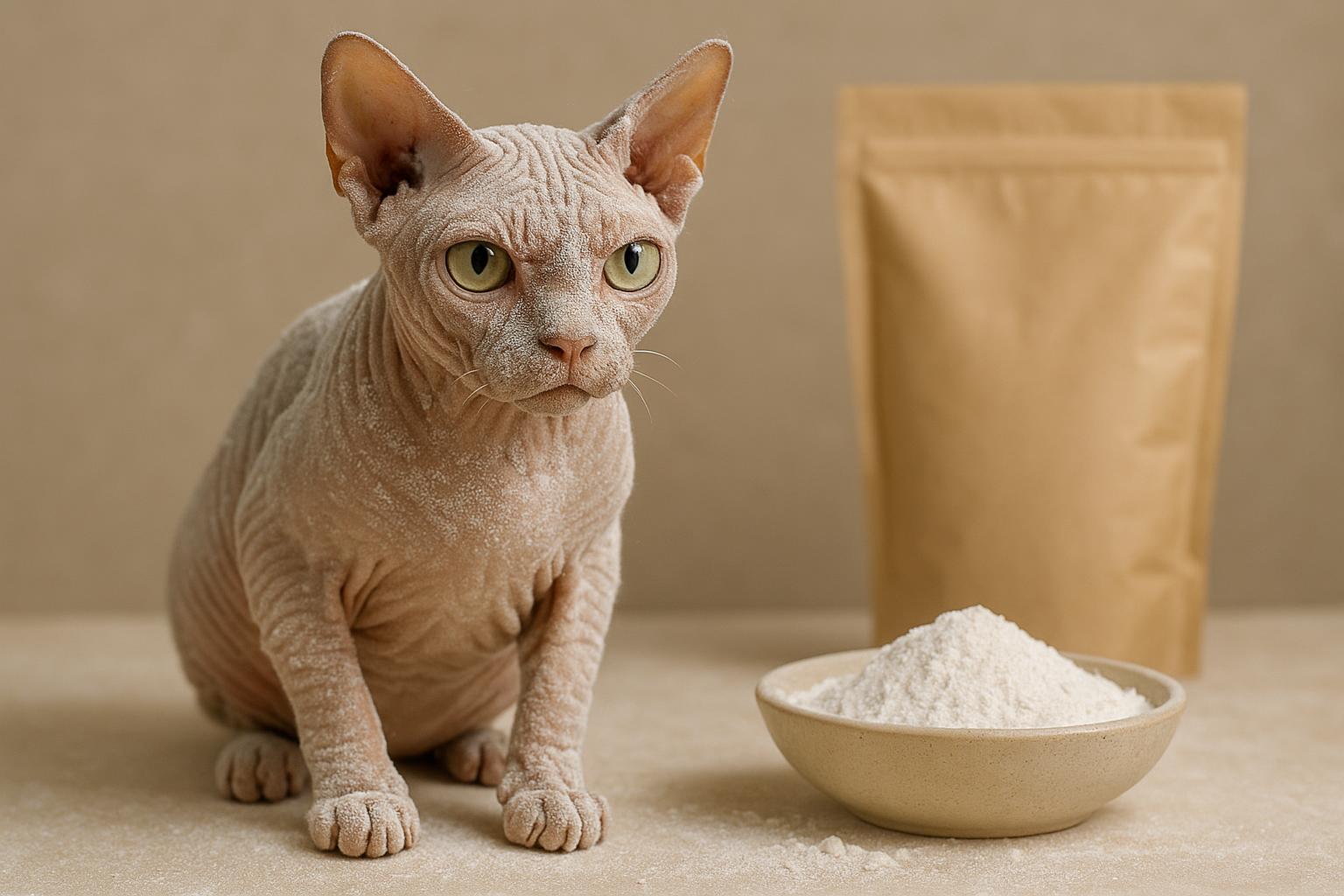
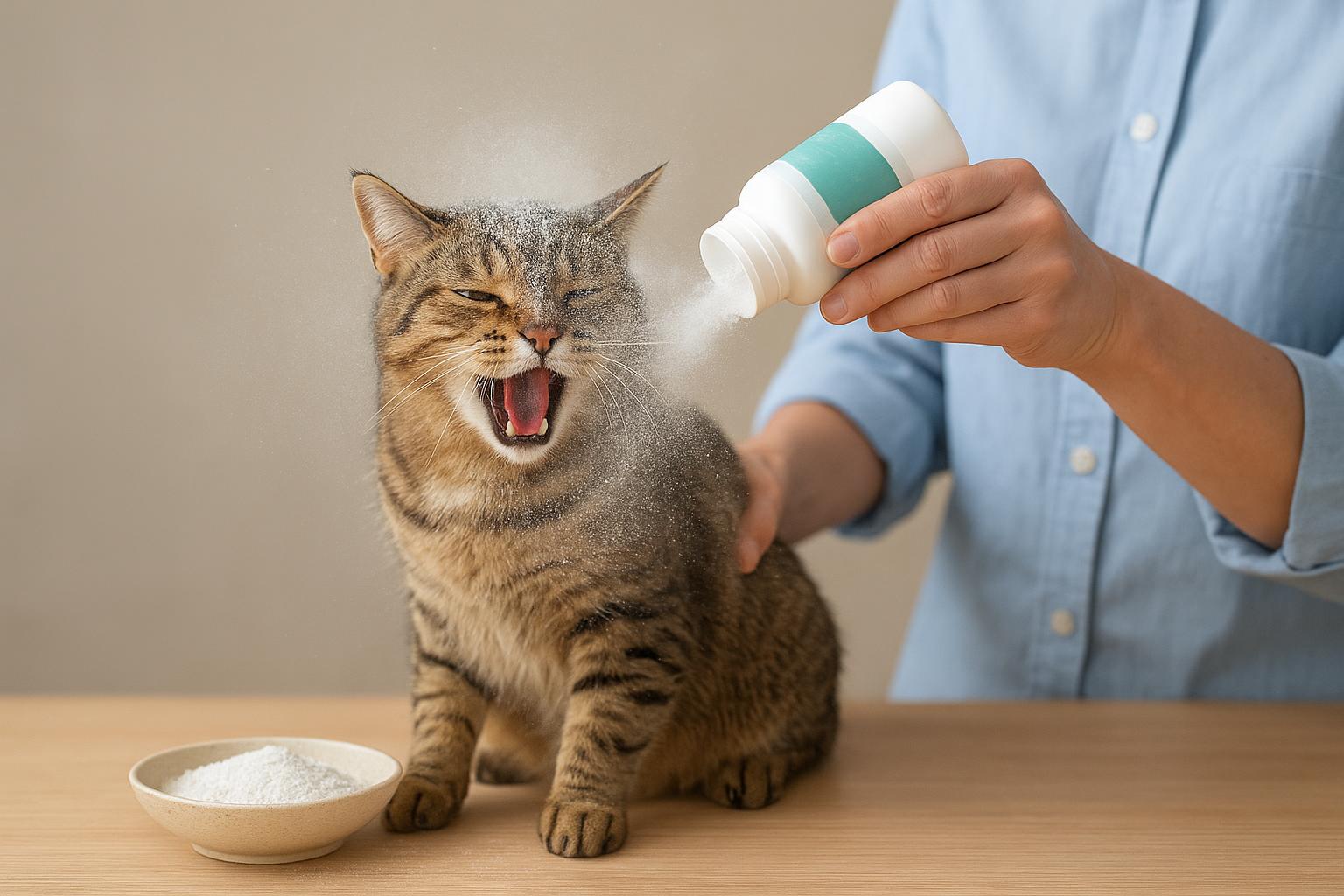
5. Optional Desiccant Treatment: Lightly sprinkle a mixture of baking soda and fine salt into the seams and fabric. Let sit for 12–24 hours (it helps dehydrate larvae), then vacuum thoroughly.
6. Spot Clean: Use an enzyme or pet-safe upholstery cleaner on stains where flea dirt is present. This removes residues that attract more fleas.
7. Repeat: Repeat vacuuming every 2–3 days for three weeks to interrupt the flea life cycle. Targeting multiple life stages is key.
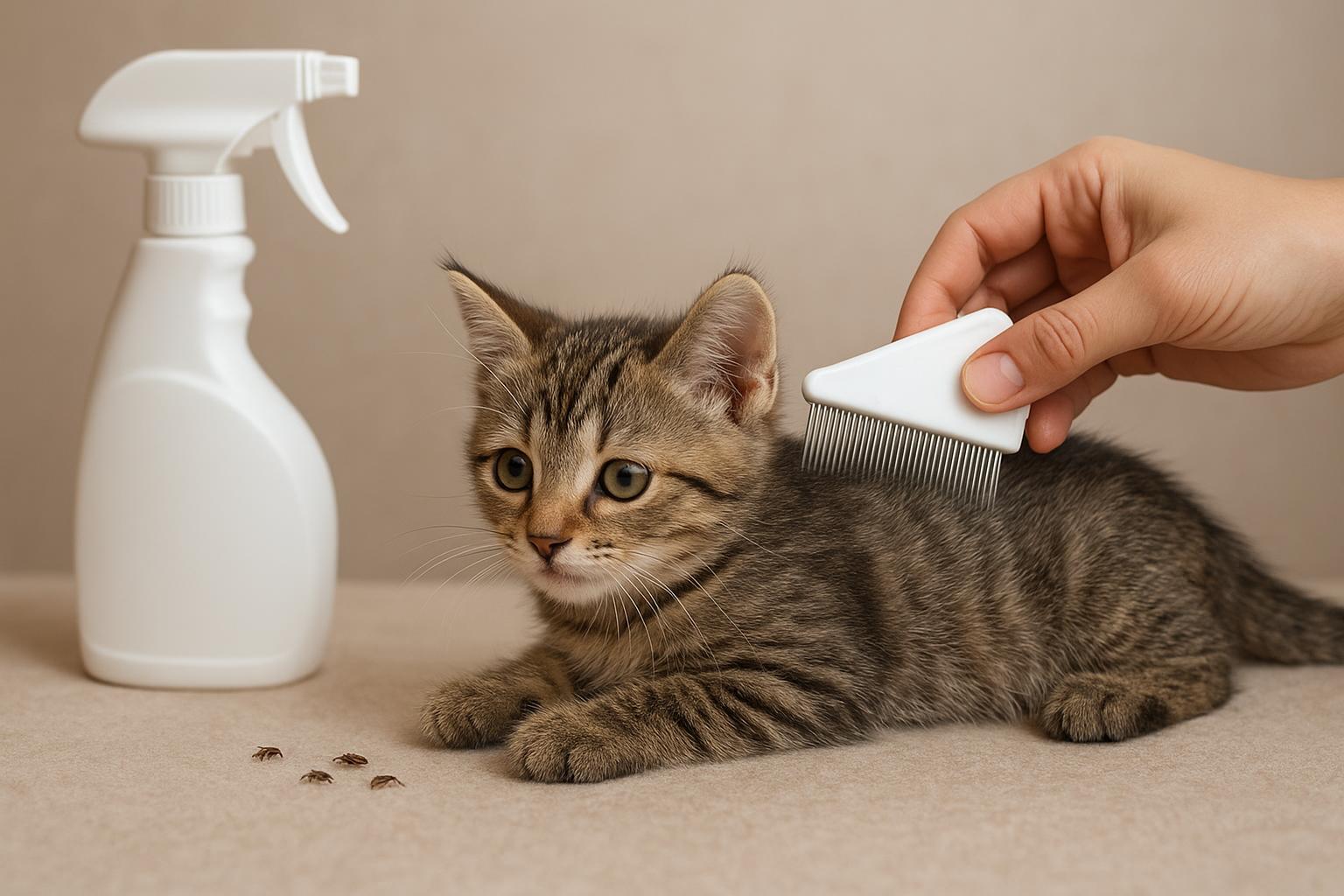
8. Treat Pets Simultaneously: Natural couch treatments won’t help if infected pets are reintroducing fleas. Consult your vet for safe flea control for animals.
This method is effective for light infestations and as a complement to other treatments. It’s low-risk, but it requires diligence and repetition.
## 2. Professional Chemical Treatment For Couch Fleas
For moderate to heavy infestations, a targeted chemical approach often produces faster results. Use this route judiciously: read labels, follow safety directions, and keep vulnerable household members away during application.
Materials Required
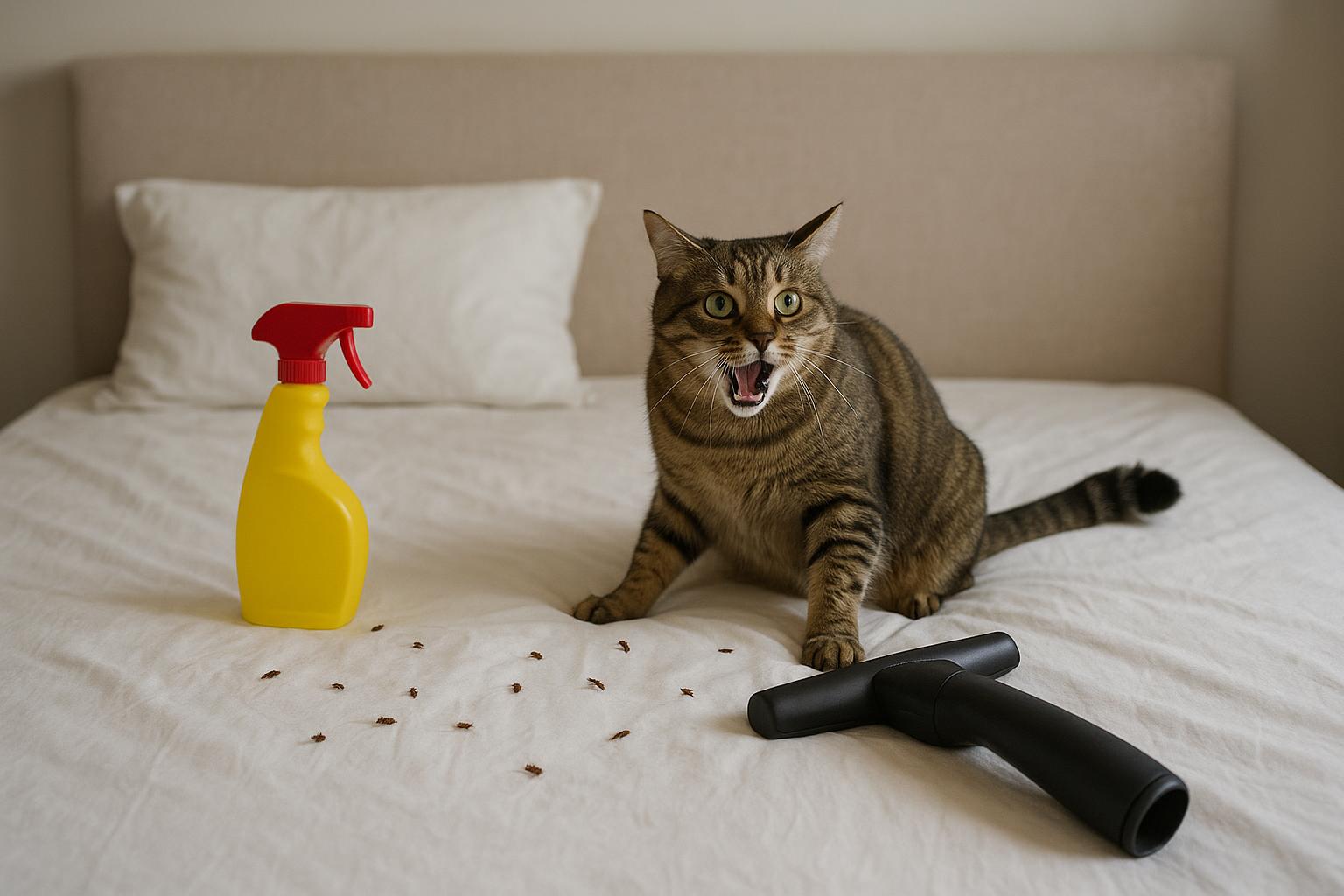
– EPA-registered indoor flea spray labeled for upholstery (containing an insect growth regulator (IGR) such as methoprene or pyriproxyfen and an adulticide like permethrin or imidacloprid)
– Personal protective equipment (gloves, mask, eye protection)
– Plastic sheeting or trash bags (for moving items)
– Vacuum cleaner
– Bucket and cloths for spot wiping where labeled safe
Step-By-Step Creation And Application
1. Choose The Right Product: Select an EPA-approved product specifically labeled for use on upholstery. Products with an IGR prevent eggs and larvae from maturing and are critical for long-term control.
2. Read And Prepare: Read the label completely. Remove pets, plants, and unprotected food from the room. Ventilate the room if the label allows.
3. Pre-Clean: Vacuum the sofa thoroughly as per the natural method to remove as many adults, eggs, and larvae as possible — chemicals work better when populations are reduced first.
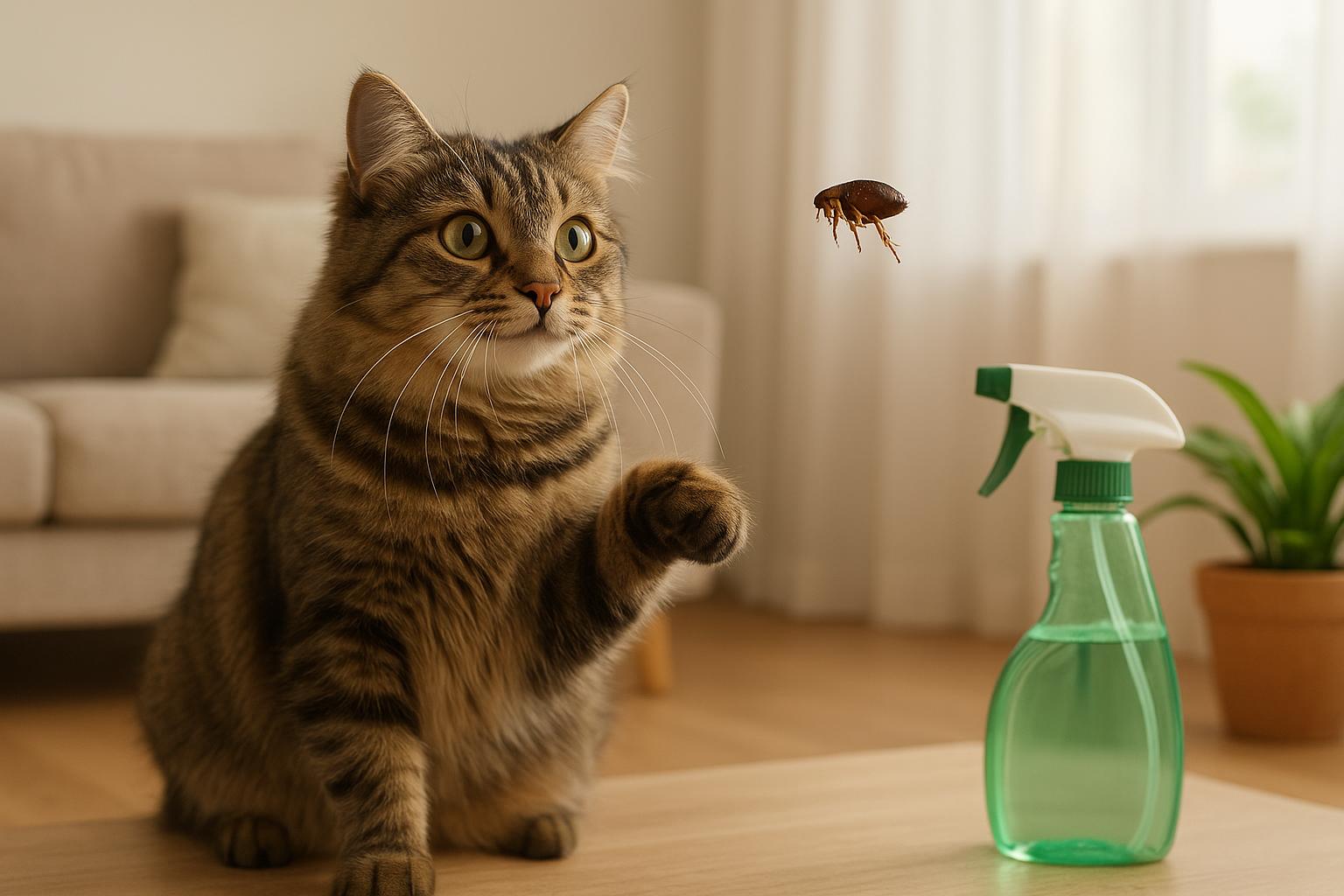
4. Apply The Spray: Following label instructions, apply the product evenly to the upholstery, seams, and cushion undersides. Maintain the recommended distance and coverage rate. Do not saturate to the point of runoff.
5. Allow Required Dwell Time: Let the product dry and remain undisturbed for the time specified. Some products require reentry times; observe these strictly.
6. Treat Surrounding Areas: Fleas can live in carpeting, baseboards, and pet sleeping areas. Apply treatments where labeled and necessary.
7. Repeat As Directed: Many chemical protocols require a follow-up application in 7–14 days to catch hatching eggs and surviving larvae.
8. Post-Treatment Care: Wash any fabrics that were not treated and re-vacuum after the recommended period. Keep pets off treated furniture until deemed safe by the product label or your veterinarian.
When used correctly, chemical treatments can be highly effective. Always prioritize products labeled for indoor use on upholstery and consult a pest management professional if you’re unsure.
### When To Call A Professional Exterminator
If you’ve tried both natural and labeled chemical approaches and couch fleas persist, or if the infestation covers multiple rooms, a licensed exterminator can assess the whole-house infestation and provide integrated pest management. Professionals have access to treatments and equipment not available to consumers and can tailor a plan for severe infestations.
## How To Prevent Couch Fleas Returning
Prevention keeps the problem from rebooting. Once you’ve tackled a couch fleas issue, adopt these habits to minimize relapse:
– Keep pets on a regular flea prevention program advised by your vet.
– Vacuum high-traffic areas and furniture weekly; empty the bag or canister outdoors.
– Wash pet bedding and removable couch covers regularly.
– Limit wildlife access to your home (rodents and opossums can bring fleas inside).
– Consider a vacuum-and-heat protocol after guests with pets visit.
#### Vacuuming Tips For Effectiveness
– Go slow. Vacuuming slowly increases the chance of sucking up eggs and larvae.
– Use attachments. Crevice and upholstery tools reach where fleas hide.
– Dispose of vacuum contents promptly in a sealed outdoor trash bag.
### Monitoring And Follow-Up
Set calendar reminders to inspect and vacuum every few days for at least six weeks after treatment. Use sticky flea traps near the sofa to monitor adult activity; they’re inexpensive and can indicate whether any adults remain.
## Safe Practice Notes For Households With Children And Pets
– Never use outdoor or agricultural insecticides indoors on furniture.
– Do not combine products unless labels explicitly allow it.
– If using chemical treatments, remove pets and children from treated rooms until products have fully dried and re-entry times have passed.
– If anyone experiences adverse health symptoms after a treatment, contact your local poison control and seek medical advice.
If you find yourself suspecting couch fleas again months later, start with a careful inspection and vacuuming. Often, early intervention prevents the need for stronger measures. Remember: patience and persistence beat tiny leapers more often than frantic spraying.



Leave a Reply