
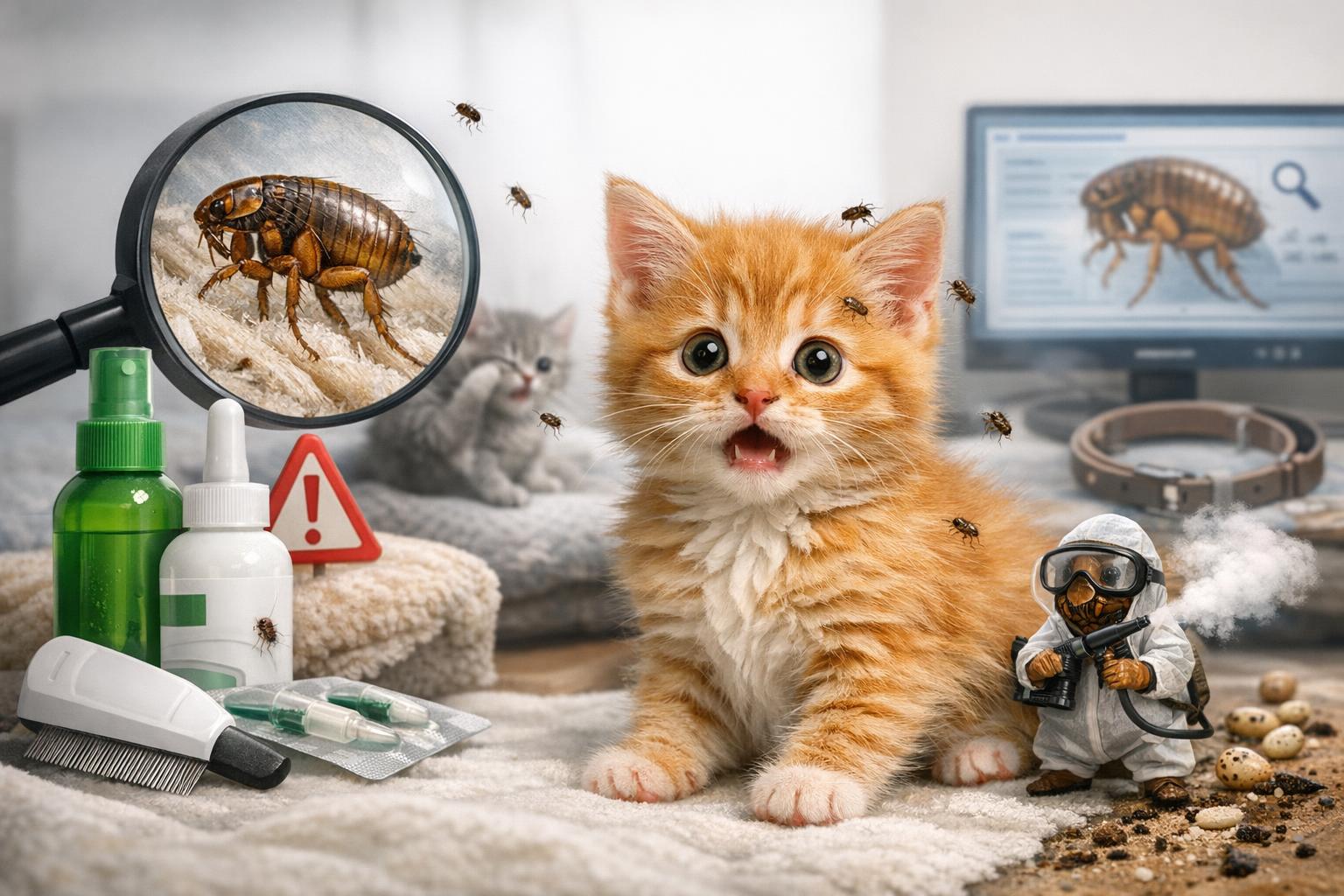
Fleas can take a small problem and turn it into an emergency for young kittens. A few bites may be itchy and annoying, but heavy infestations steal blood, sap strength, and change a playful kitten into one that barely moves. Recognizing that risk early is what keeps a kitten alive.
## Understanding Flea-Caused Anemia Risk In Kittens
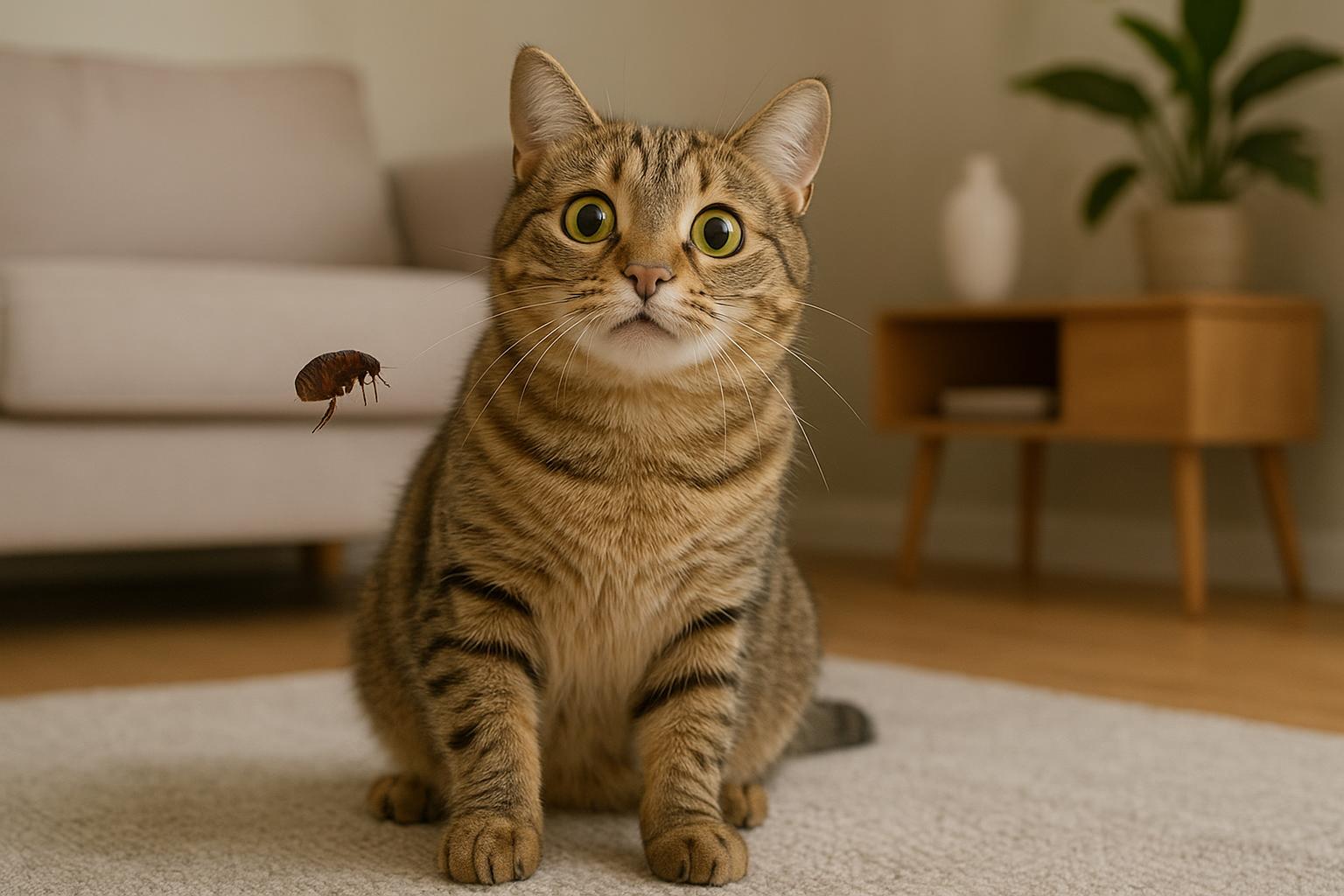
Flea-caused anemia risk in kittens is about blood loss over time. Each flea feeds repeatedly. One flea on a robust adult cat is a nuisance; dozens on a tiny kitten are a different story. Kittens have small blood volumes to begin with, and they can’t tolerate the same percentage of loss an adult would shrug off.
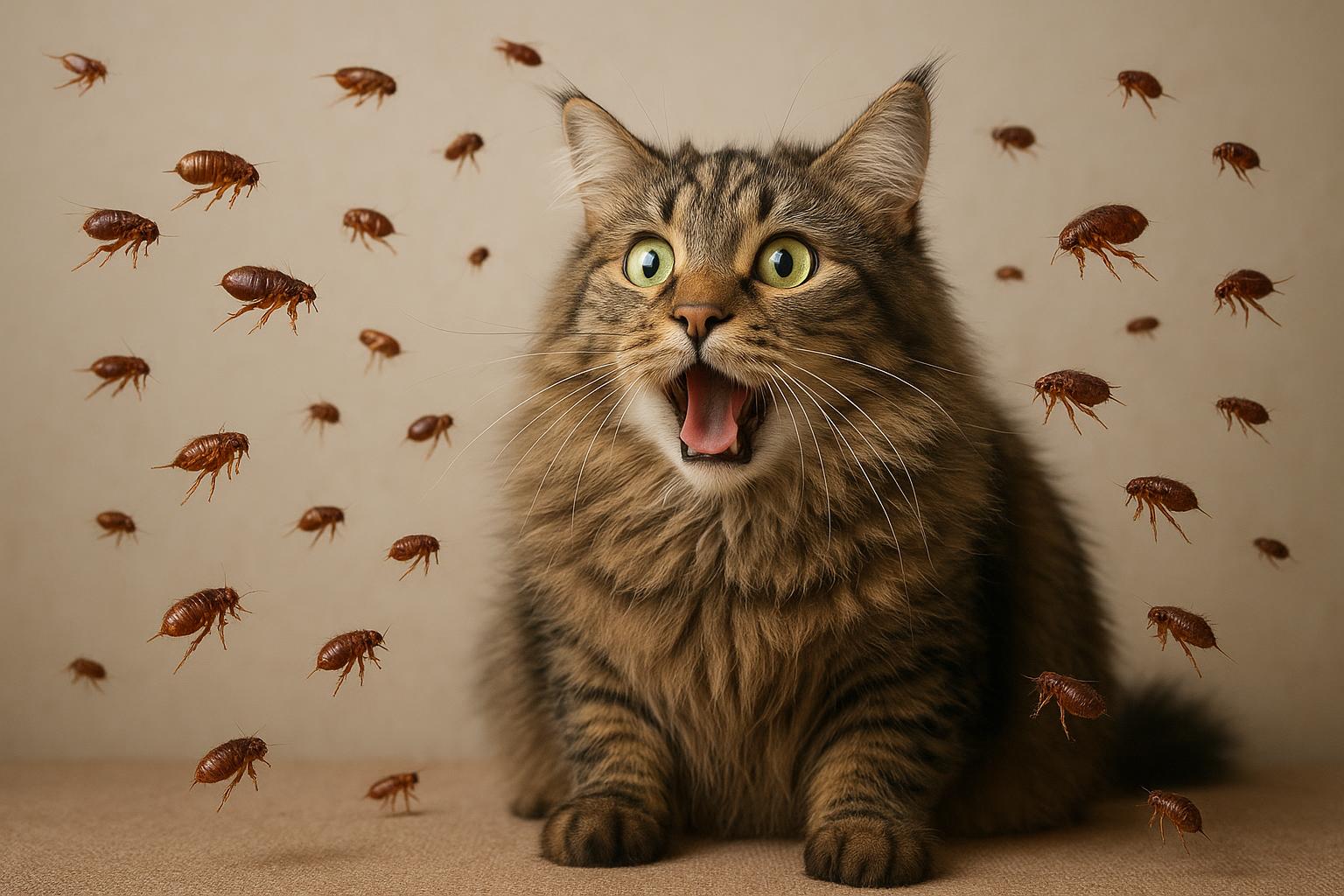
This is not a rare theoretical danger. Shelters and rescues see cases every season: litters found on the street brought in listless, with pale gums and cold bodies. The most common parasite present is kitten fleas, carried from the mother or the environment. When fleas multiply, the anemia risk climbs fast.
## How Fleas Cause Blood Loss
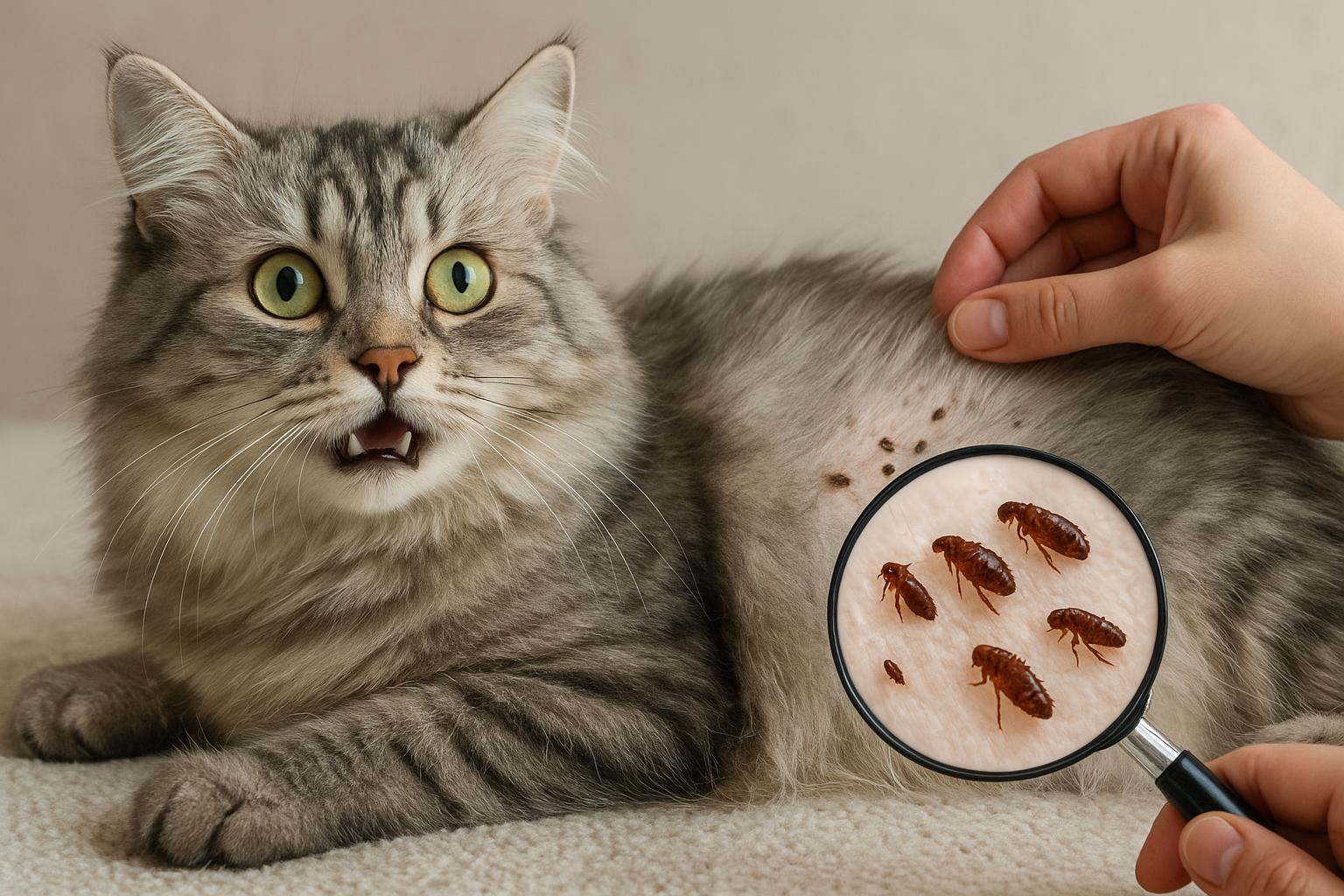
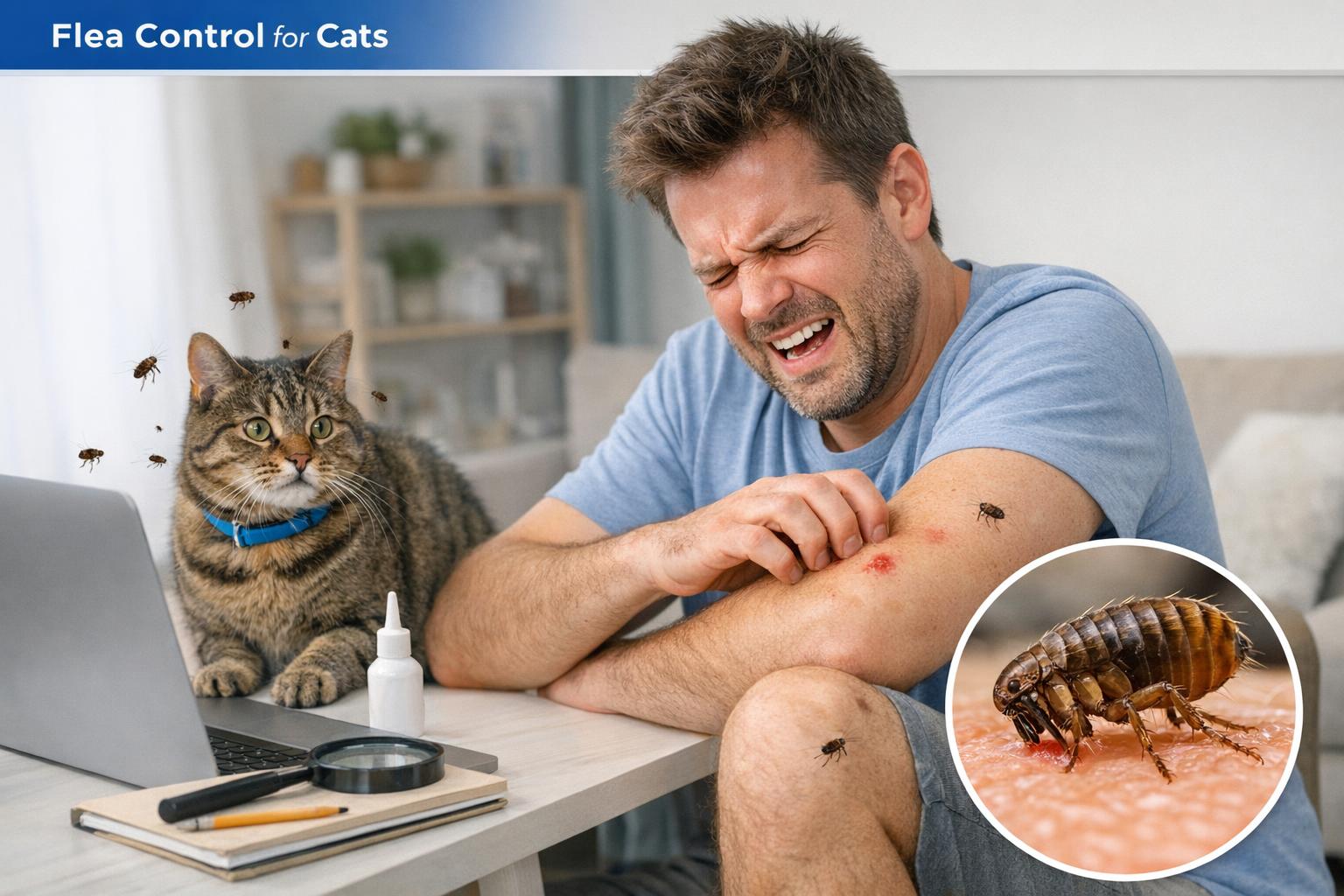
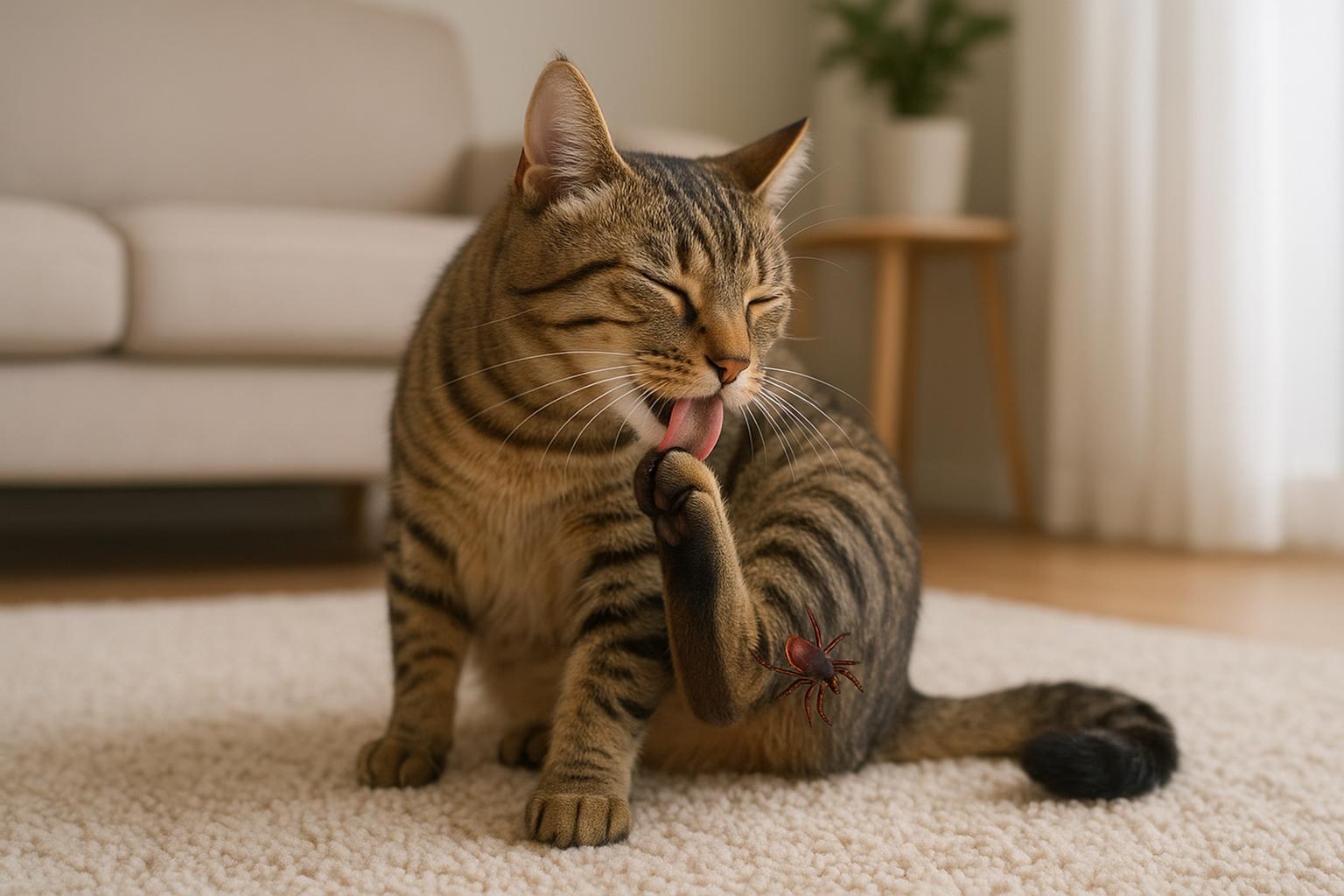
Fleas puncture skin, inject saliva, and drink blood. They are efficient. A heavy flea burden can cause chronic bleeding from many tiny sites. Beyond direct blood loss, the flea saliva provokes inflammation and sometimes allergic reactions, which can make a kitten scratch raw spots and lose more blood secondarily.
Fleas also transmit other parasites and pathogens that worsen a kitten’s condition. Hookworms, for example, can cause their own type of blood loss. When you see a sick kitten, you have to consider more than just the visible fleas: combined effects increase the overall anemia risk.
### Signs That Blood Loss Is Happening
Look for these physical clues:
– Pale or white gums and inner eyelids.
– Rapid breathing or a racing heart when the kitten is handled.
– Weakness, floppiness, and an unwillingness to play.
– Reduced appetite or not nursing.
– Cool extremities and low body temperature.
Behavior matters too. A kitten that used to be alert and now hides or sleeps all the time is showing a red flag. In mild cases the kitten will still behave normally between bouts of sleep; in worse cases activity is minimal.
### Why Young Age Matters
Very young kittens make the problem worse. Newborns and animals under about eight weeks have lower reserves and immature immune and circulatory systems. A small number of fleas, multiplied on the mother and the nest, can push them into a dangerous state more quickly than with older, heavier kittens.
## Recognizing Signs Early
The difference between catching anemia early and missing it is often a couple of days. Owners and fosters should be checking kittens daily during the flea season.
#### Checking Gums And Eyes
Look under the upper lip or lift the eyelid gently. Healthy kittens have pink gums. Pale, bluish, or gray gums mean less oxygen in the blood and possible anemia. Note the color in a photo so you can track any change.
#### Tracking Weight And Activity
Weigh kittens every day if you can. Small losses or a failure to gain are early indicators that something is wrong. Record times when the kitten feeds and how vigorous it is afterward. These are the small measurements that show trouble before collapse.
## When To See A Vet
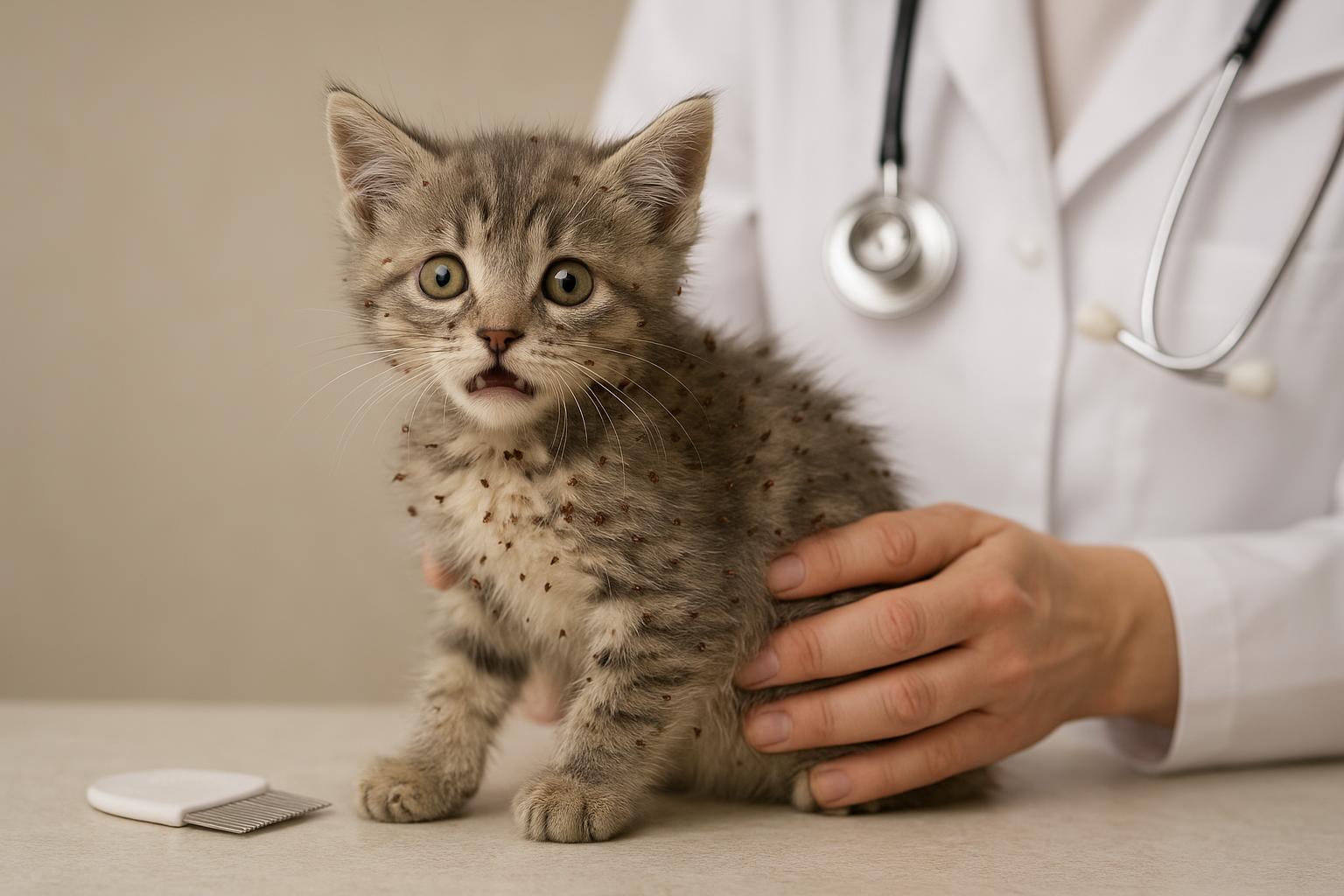
If you notice pale gums, collapse, uncontrolled bleeding, or that a kitten will not eat, get veterinary care immediately. A vet will check packed cell volume or hematocrit, which tells how many red blood cells are present. Severe anemia may need a blood transfusion or IV fluids and oxygen support.
Veterinary care also identifies concurrent problems. Kittens with fleas often have intestinal parasites, low blood sugar, or infections. Treating anemia without addressing dehydration, hypoglycemia, or parasites leaves a kitten at risk.
### Safe Flea Treatments For Young Kittens
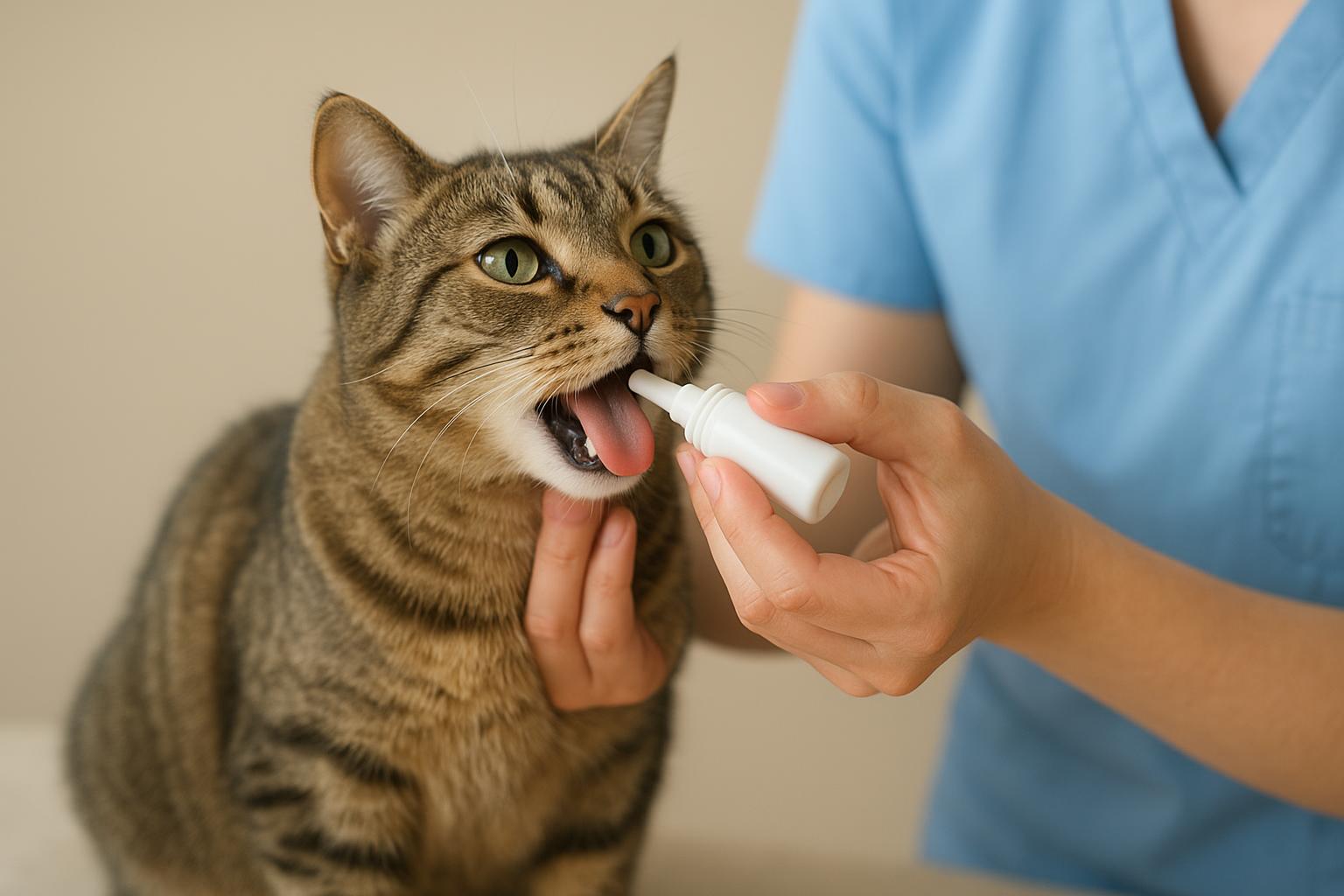
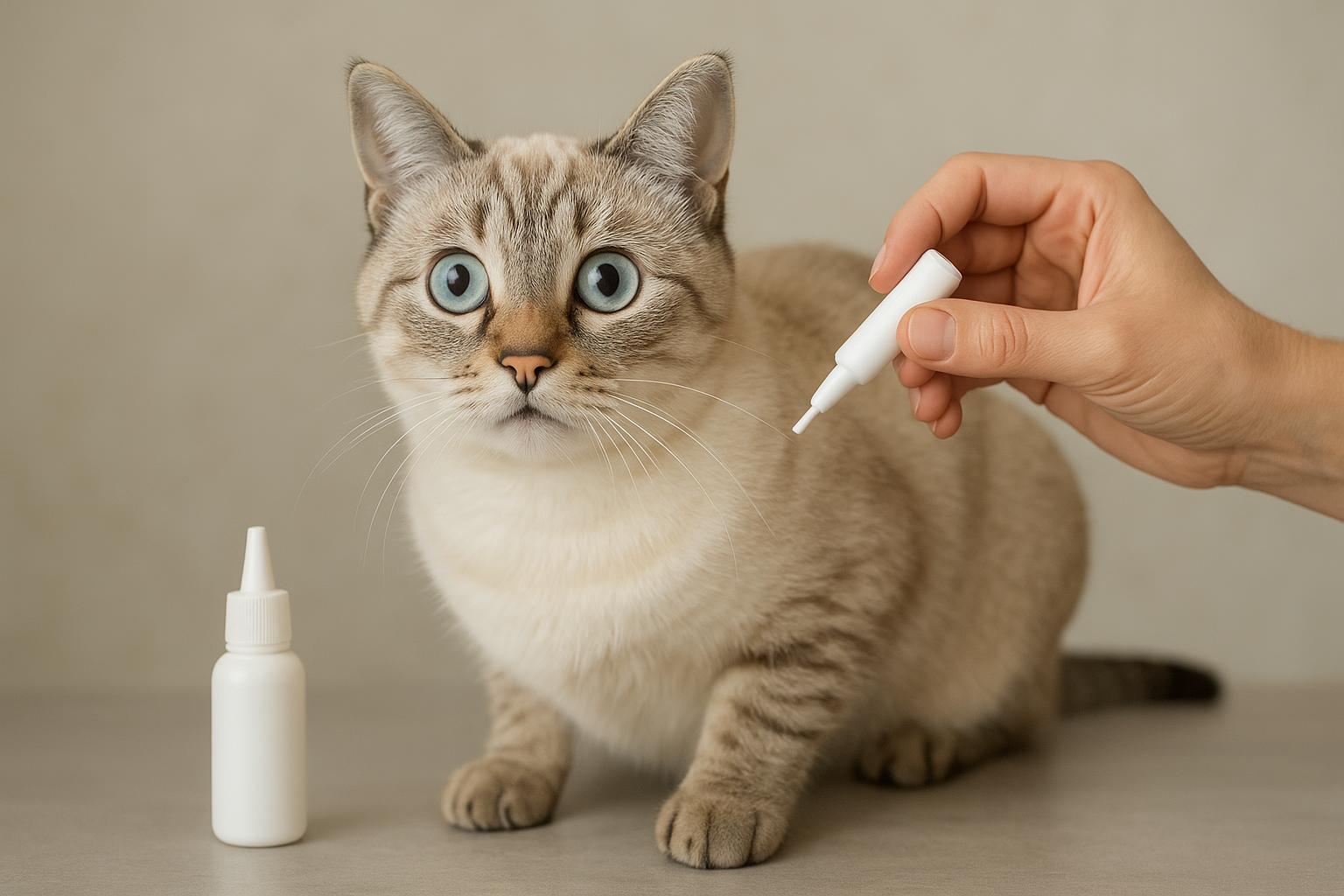
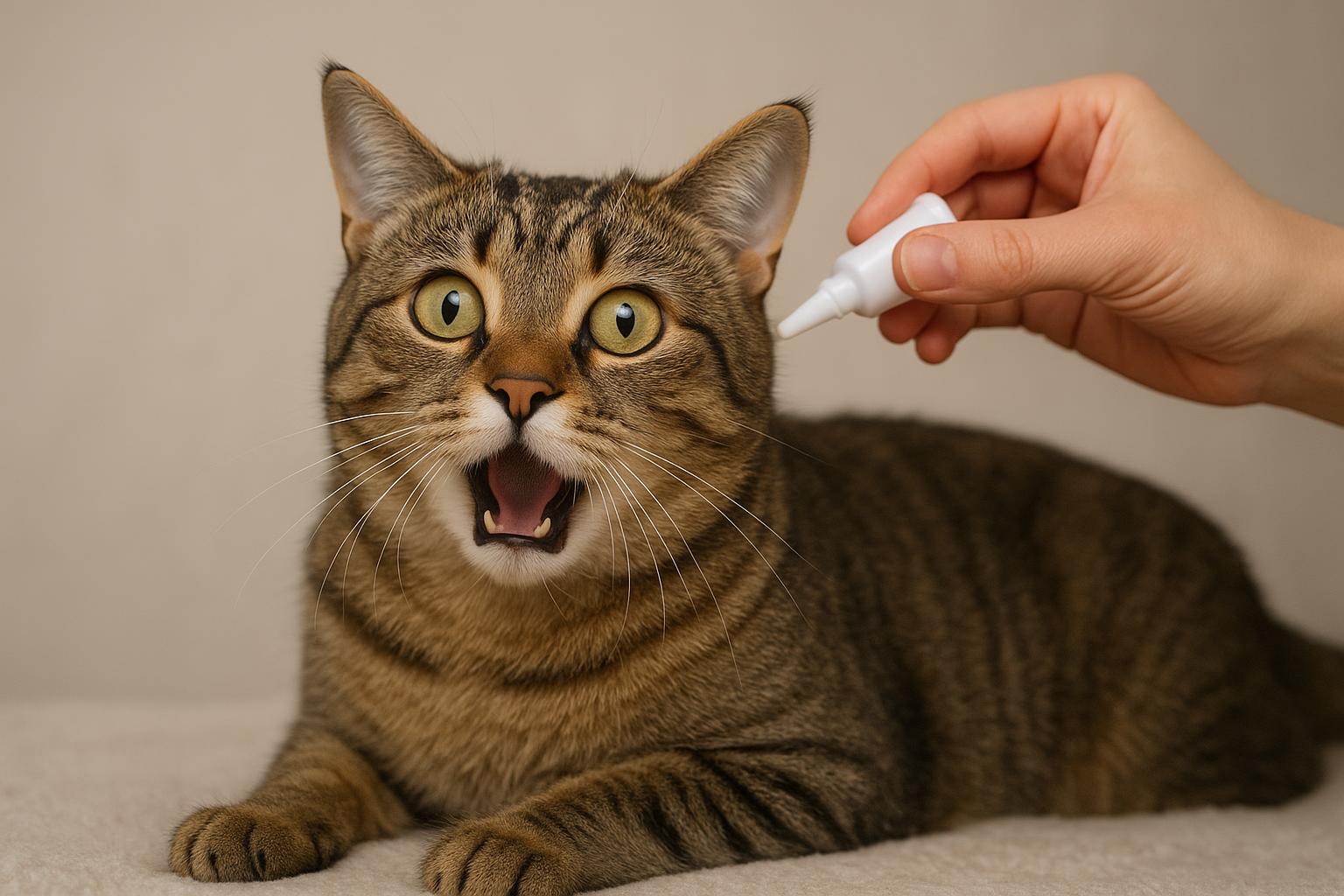
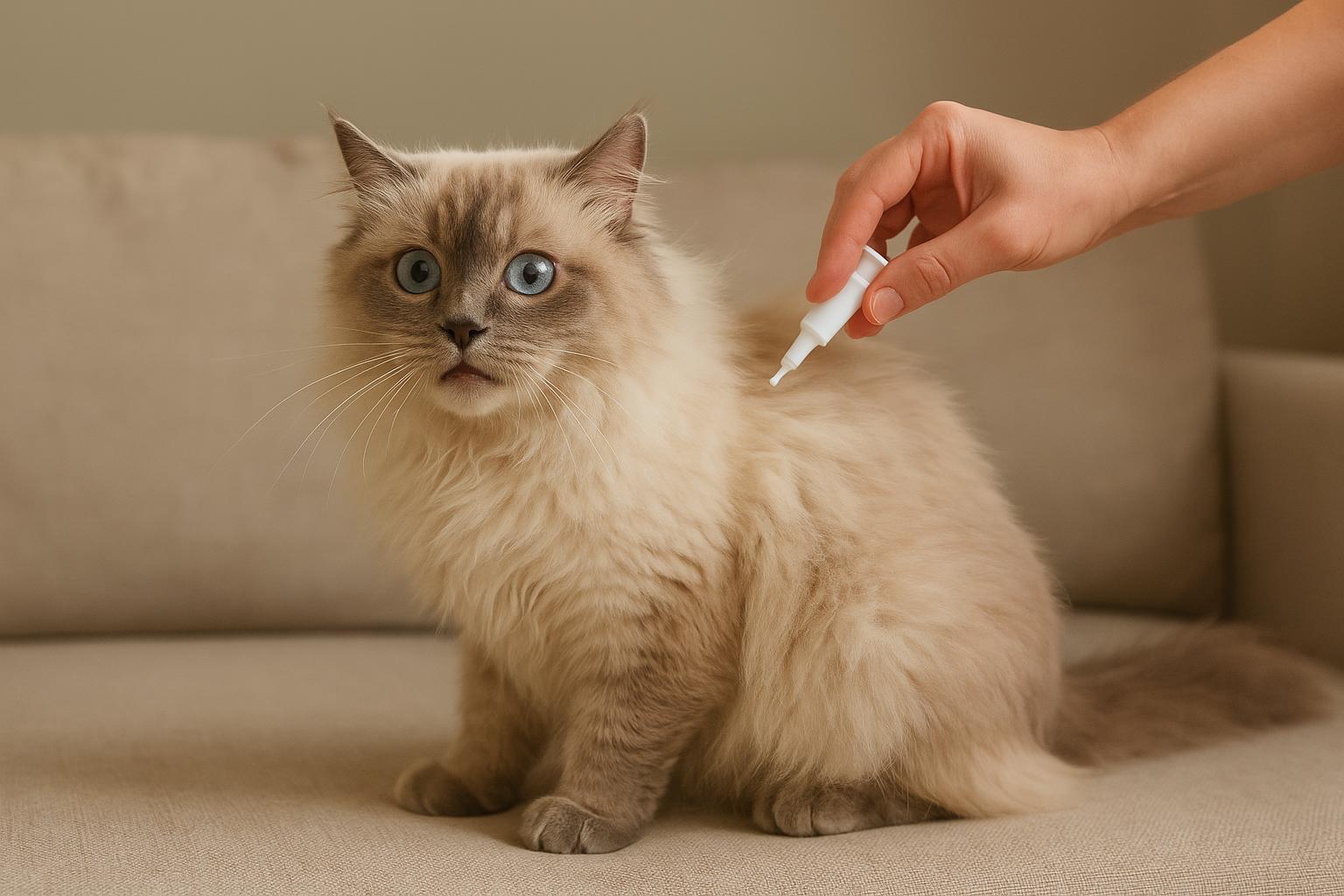
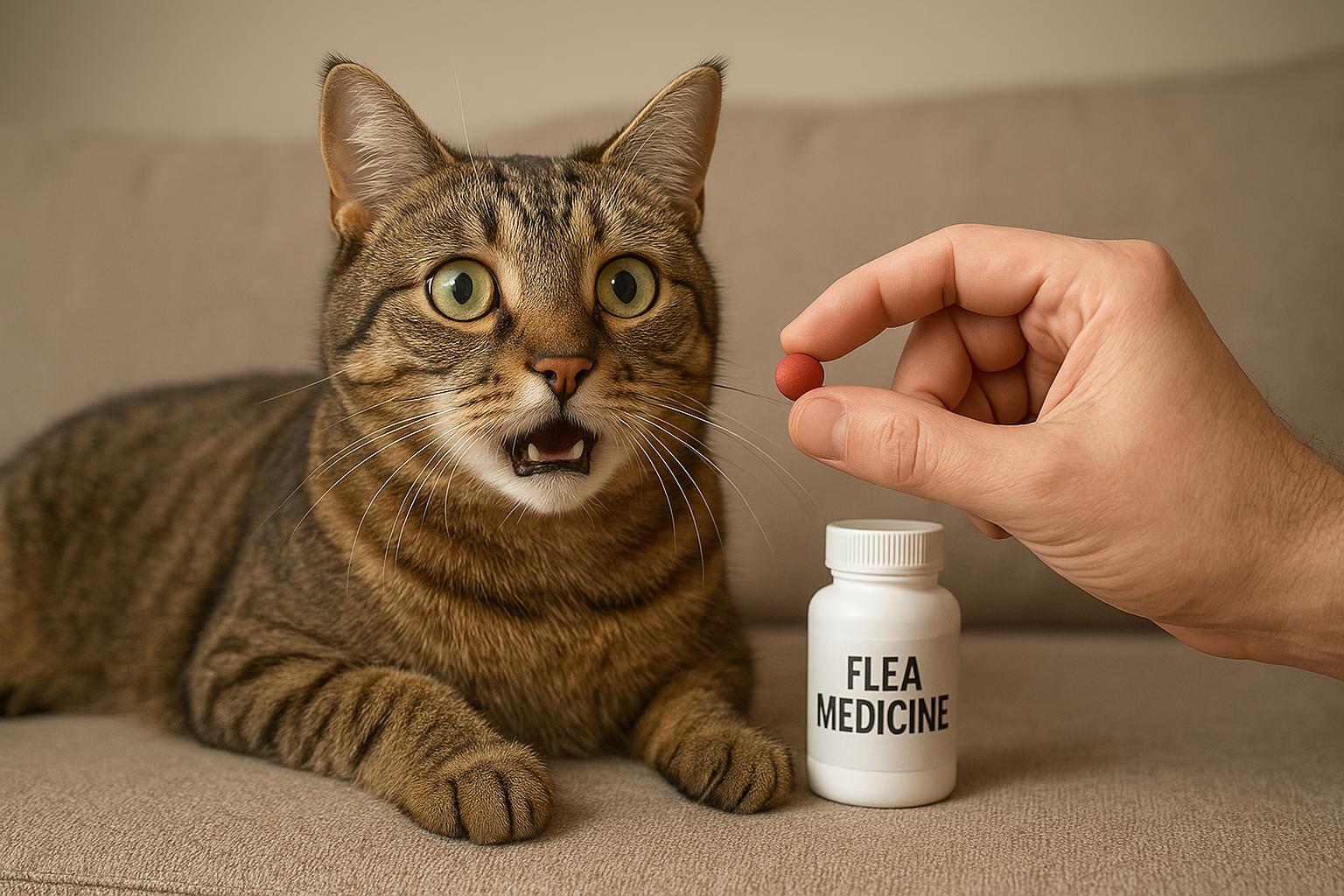
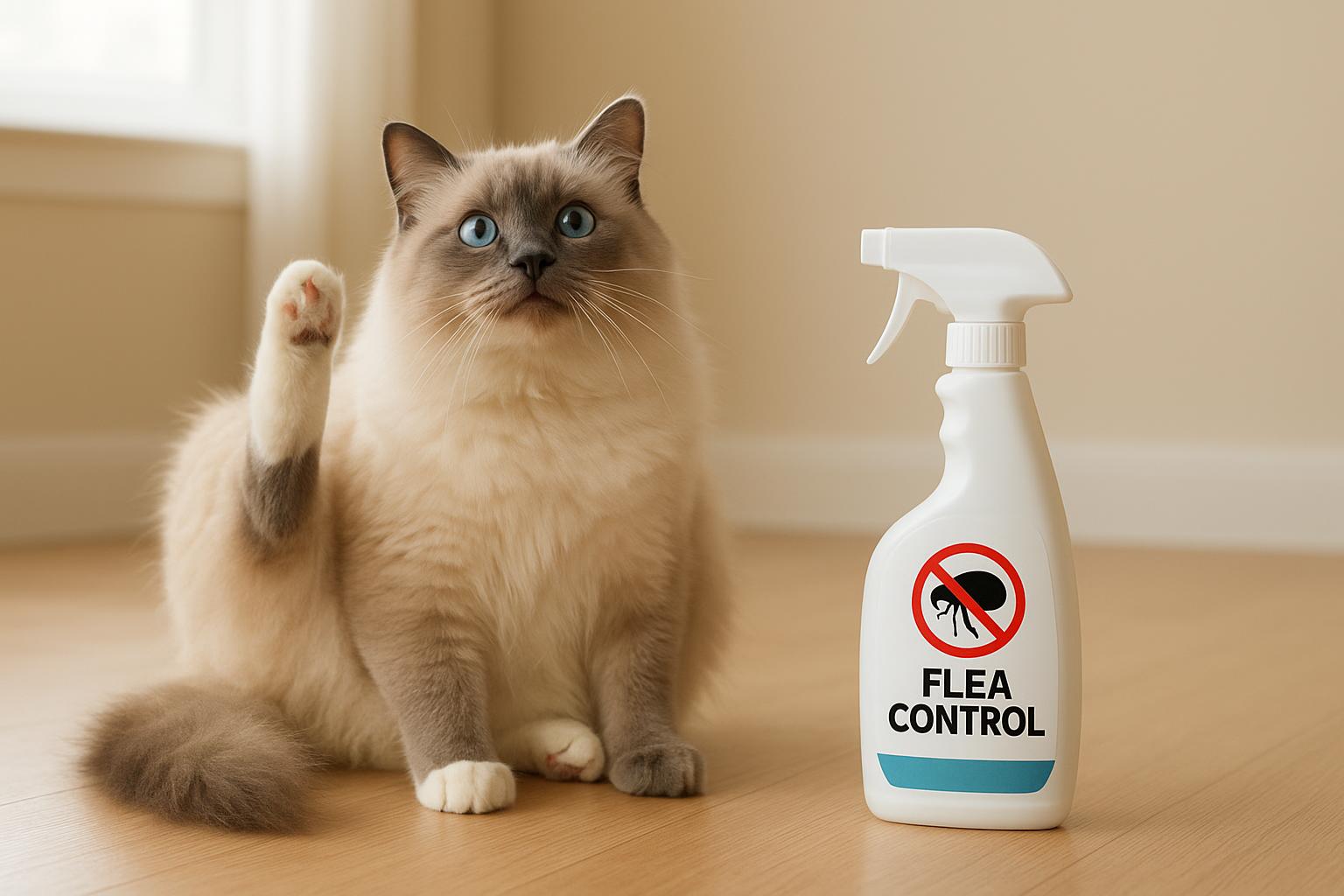
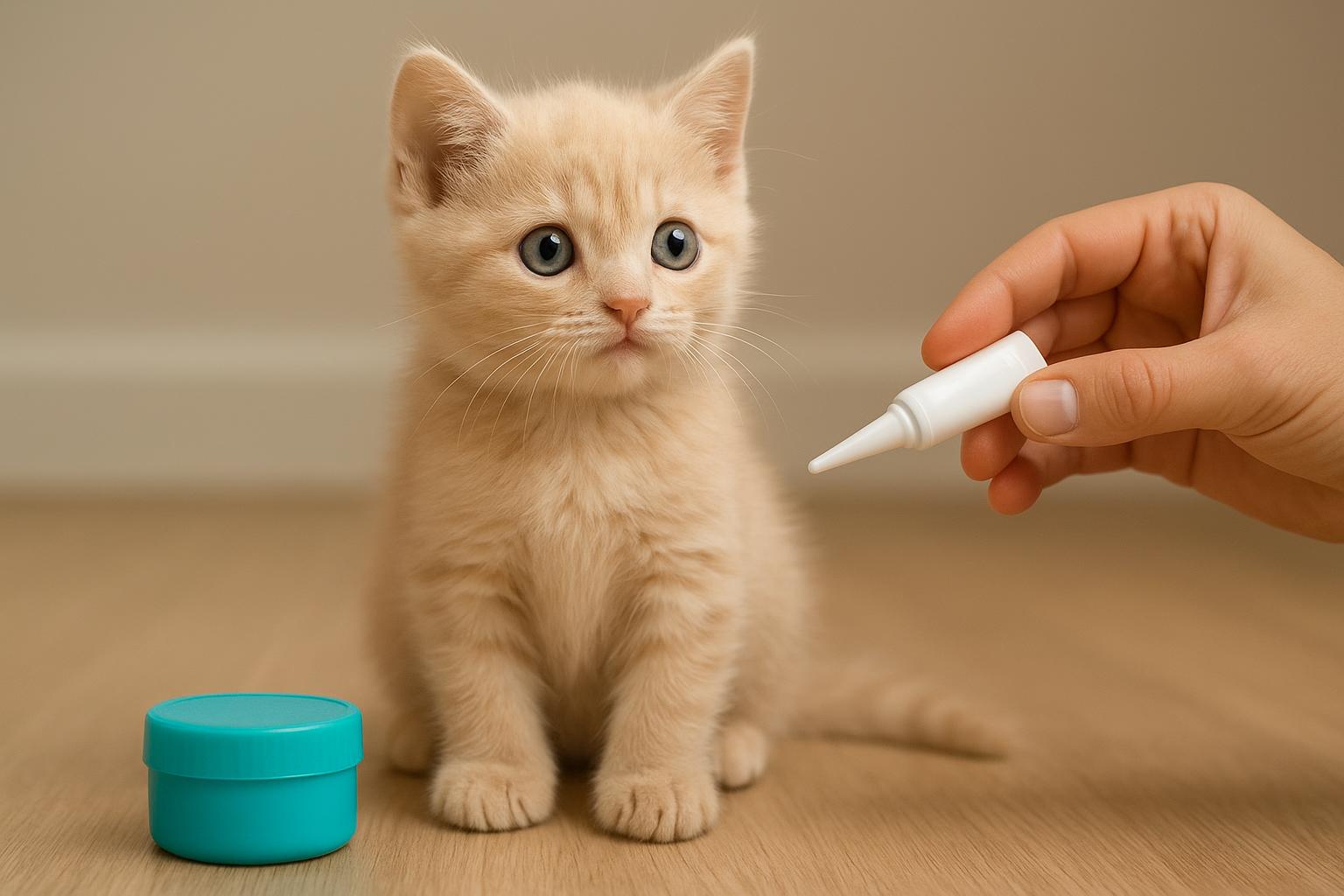
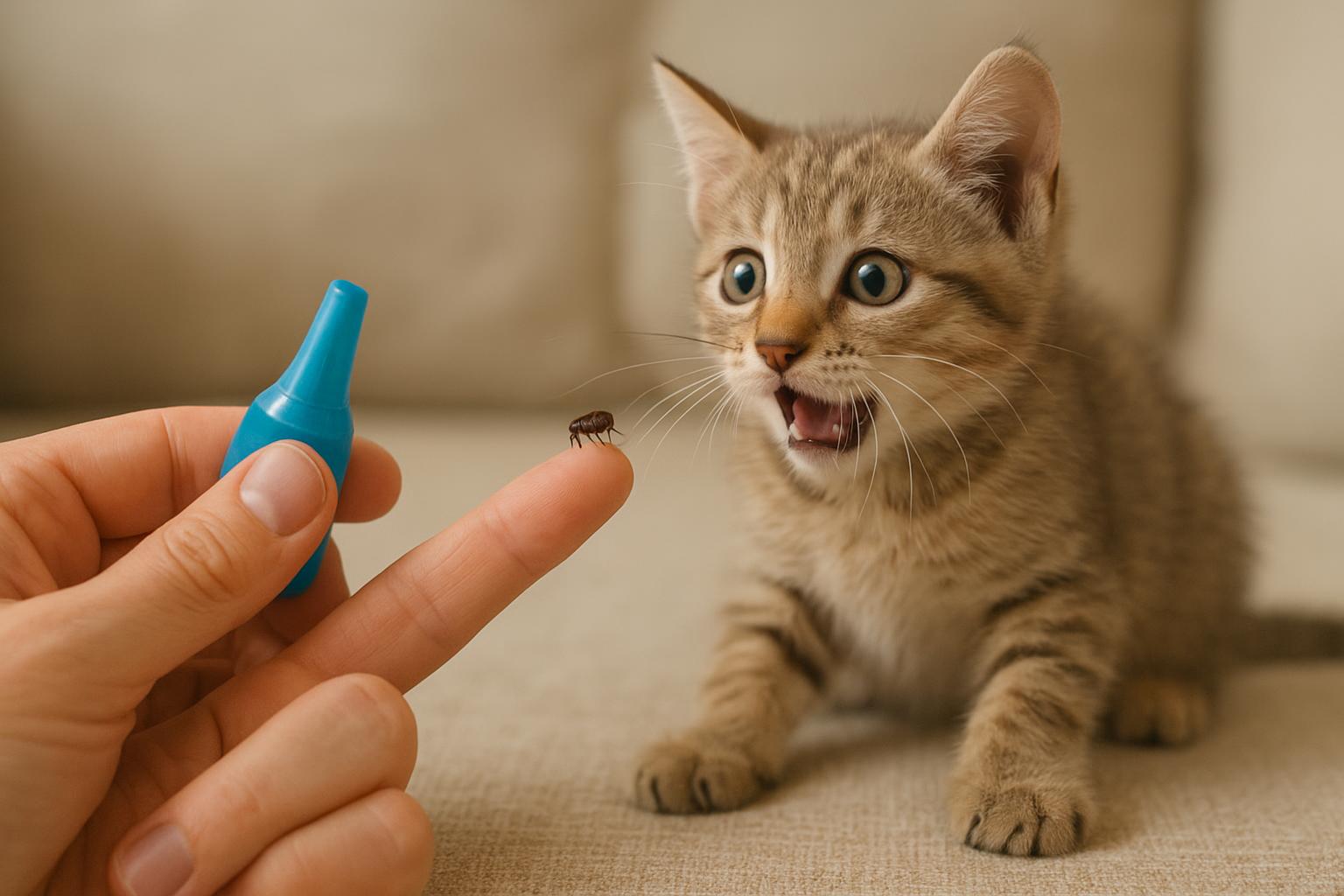
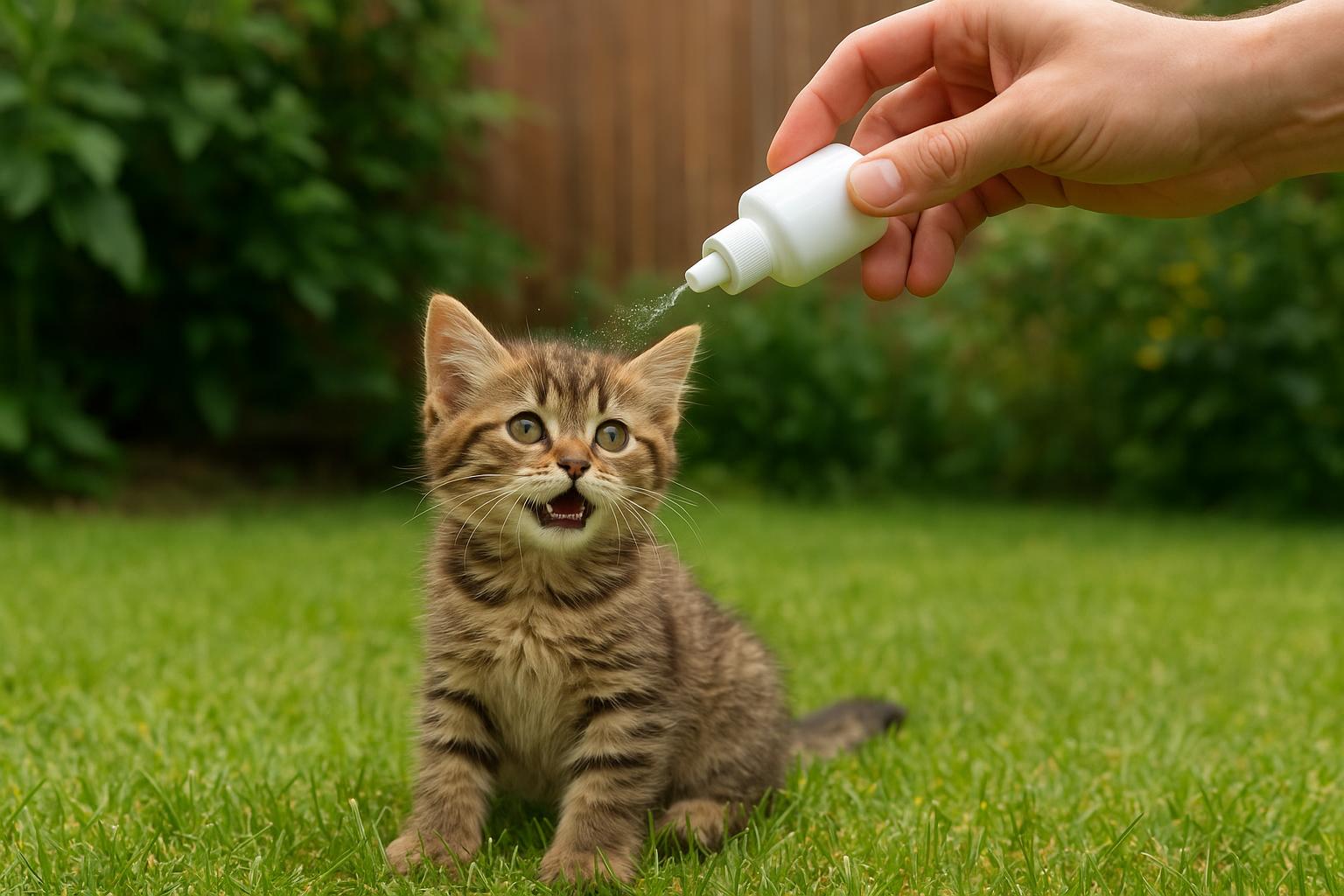
Some over-the-counter flea products made for adult pets are toxic to kittens. Do not use products meant for dogs on a cat, and avoid topical items not approved for the kitten’s age and weight. The safest course is to get a recommendation from your vet before applying any chemical treatment.
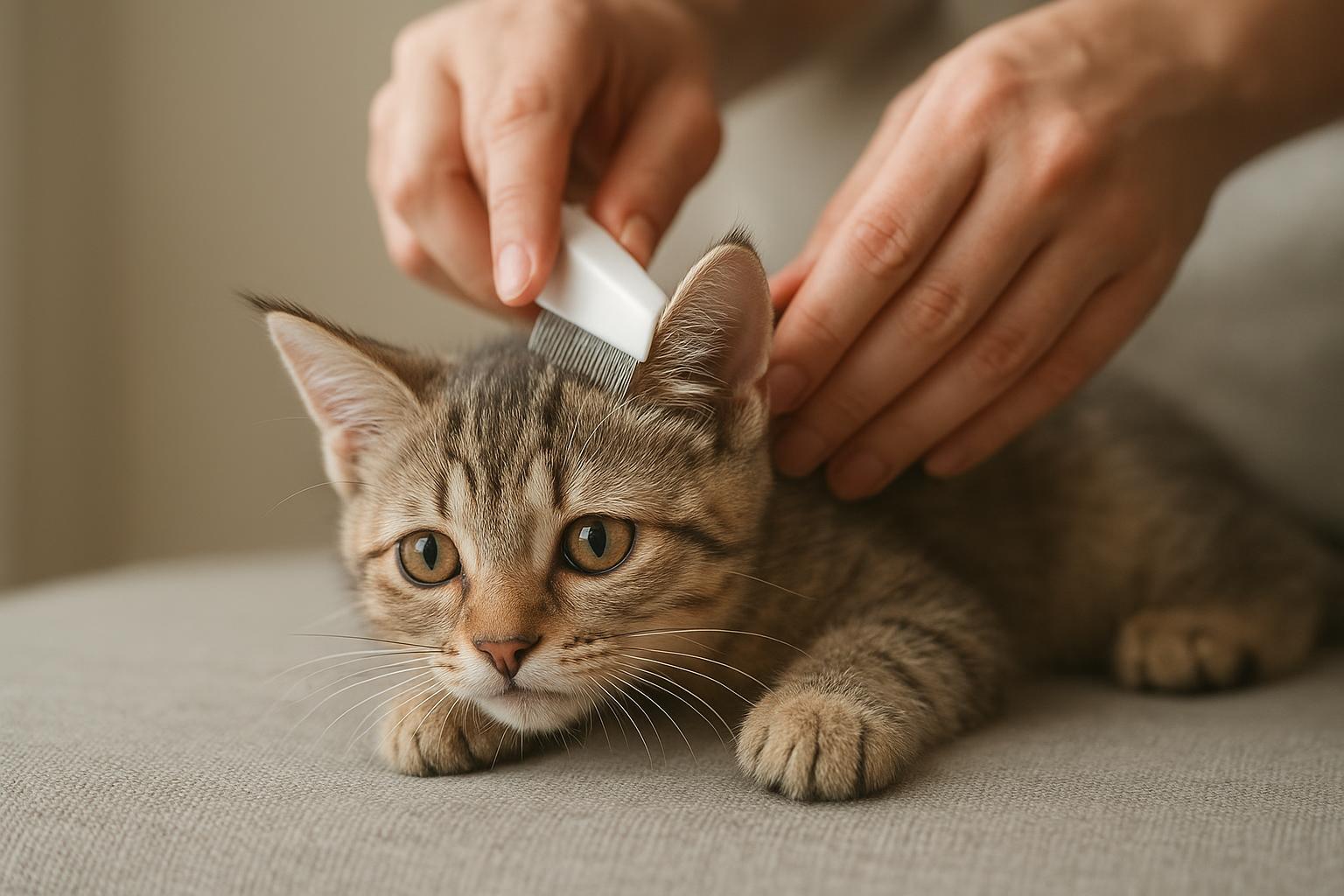
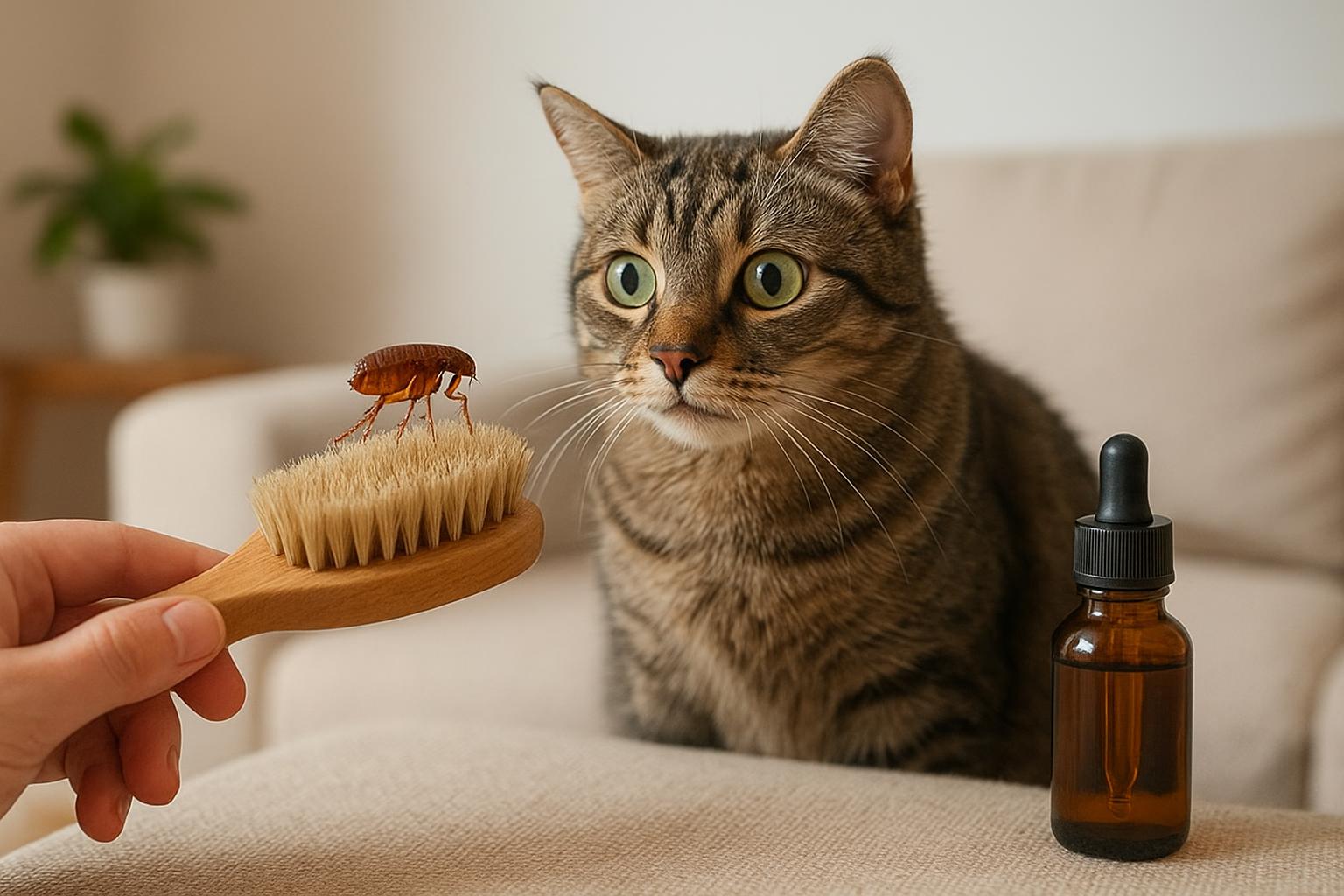
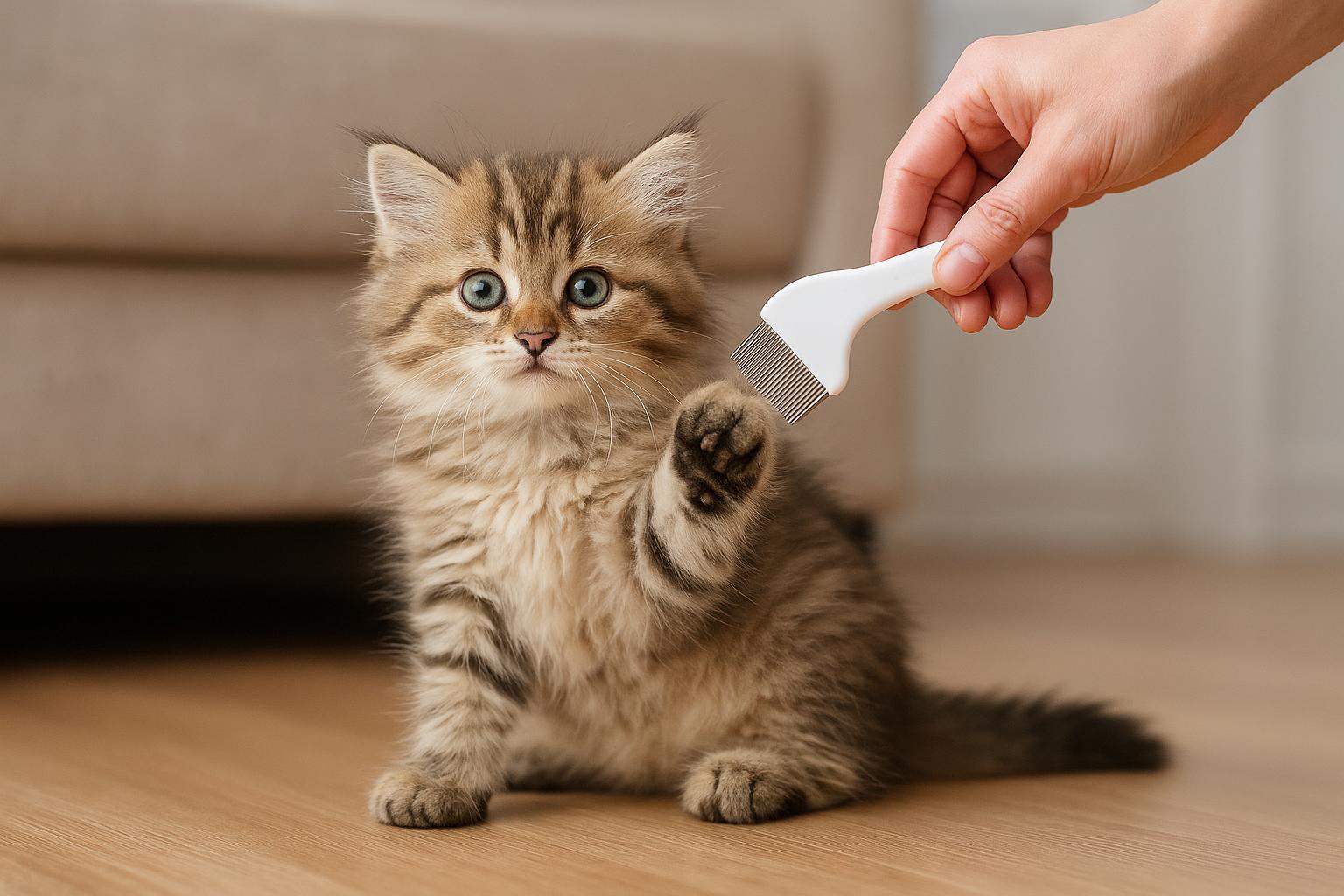
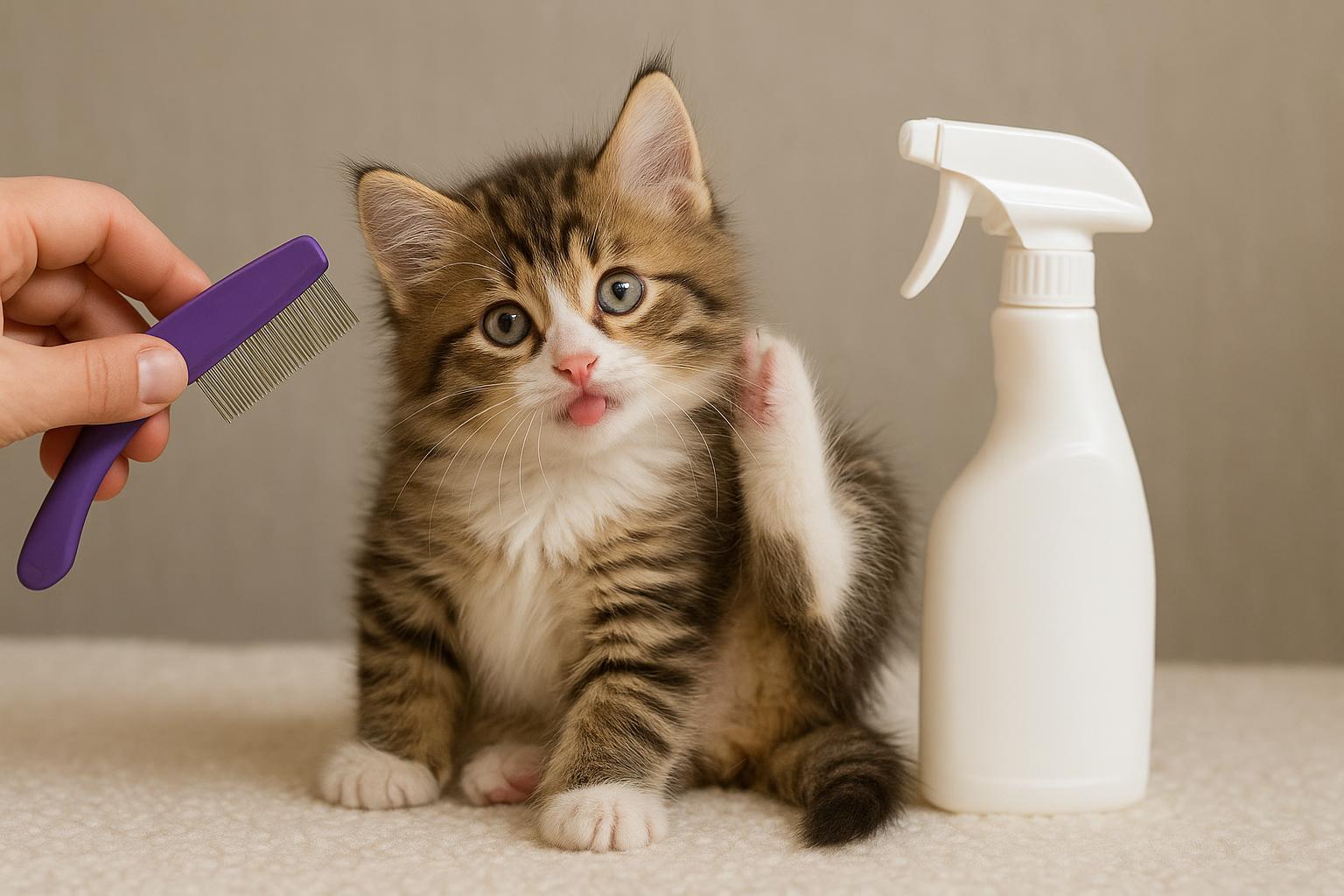
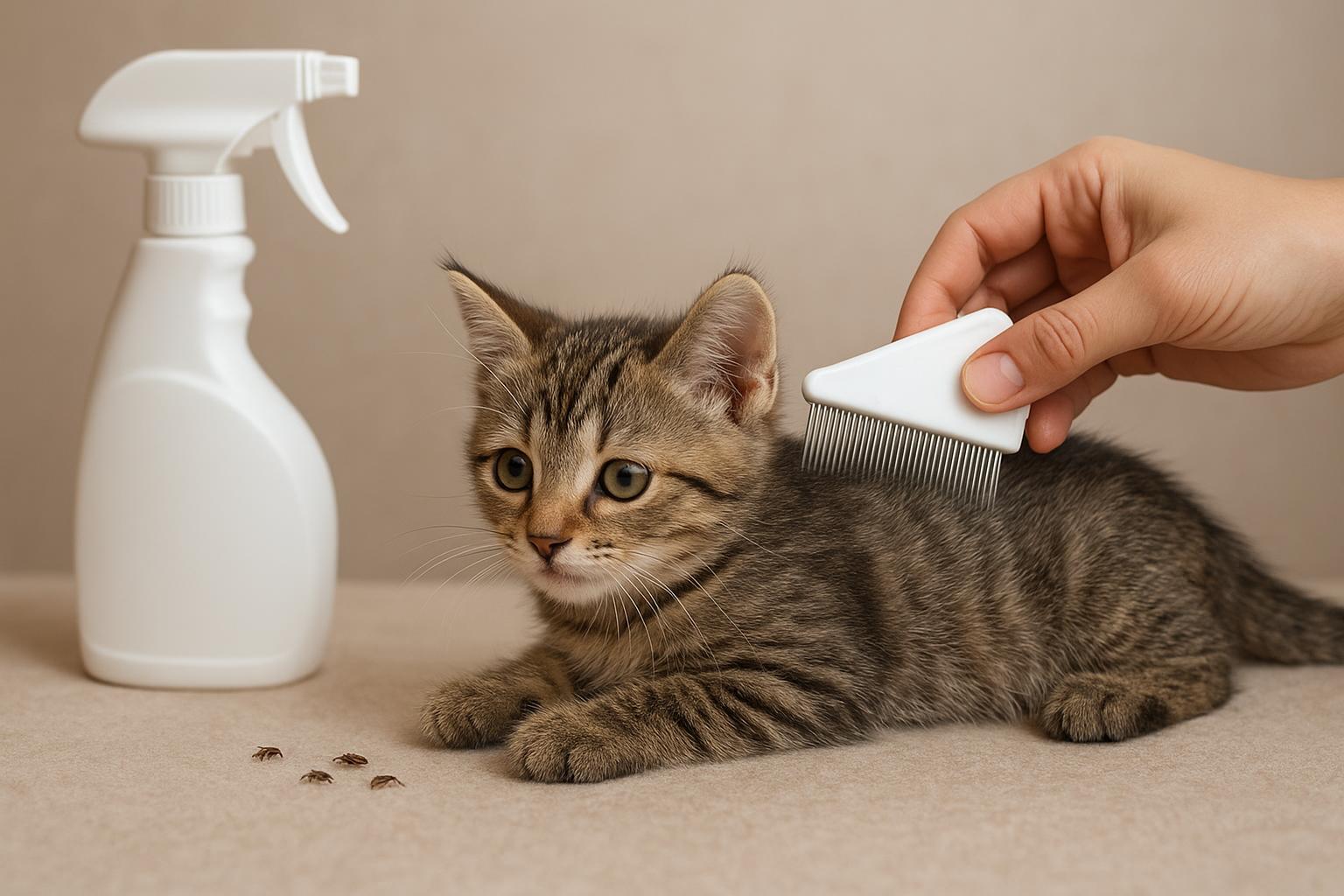
For many kittens the first step is mechanical removal: a flea comb moves fleas off the fur into water. Bathing very young kittens is risky if they cannot maintain body heat, so do it carefully and keep them warm. In low-infestation cases, combing and environmental cleaning may be enough while the vet prescribes an age-appropriate medication.
## Treatment Options At The Clinic
When a kitten is anemic from fleas, treatment has two simultaneous goals: restore blood volume and eliminate the fleas plus any other parasites.
Restoration can include warmed IV fluids and, in severe cases, blood transfusion. Supportive care often includes warming, supplemental feeding or tube feeding, and medication for parasites. Iron supplementation might be used when appropriate, but correcting the underlying cause comes first.
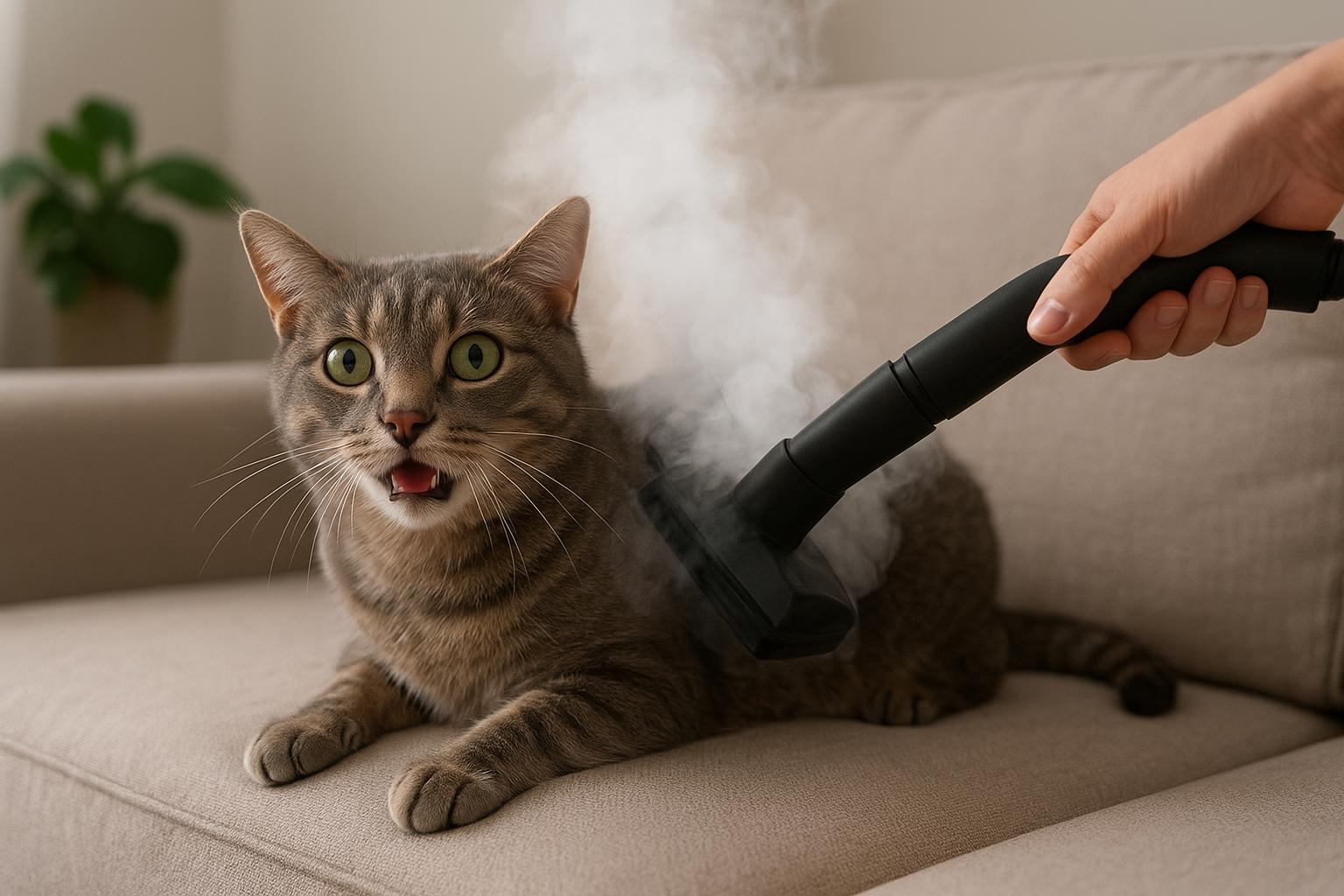
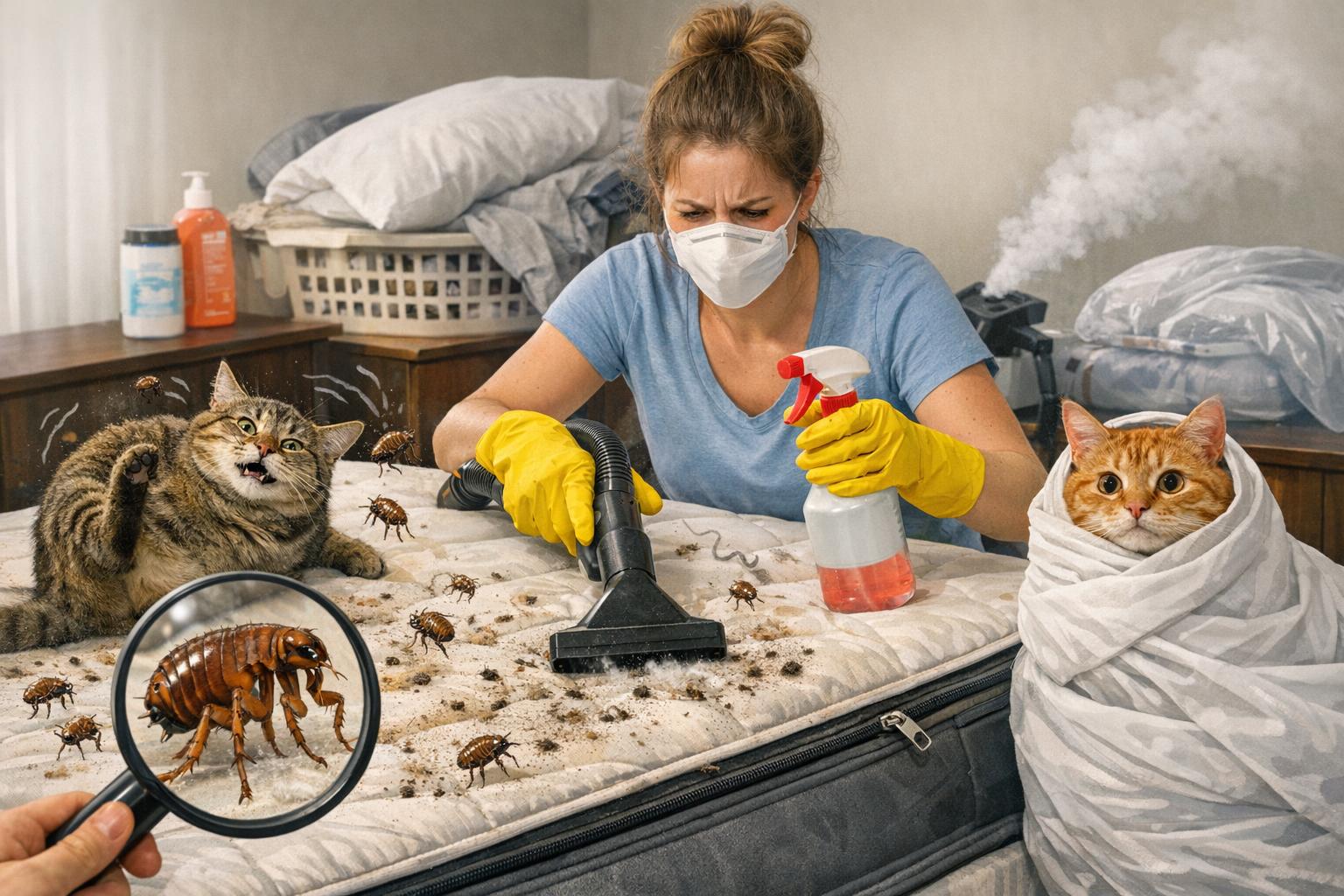
For the fleas, veterinarians will choose products rated safe for the kitten’s age and weight. They will also treat the mother and the environment to prevent reinfestation. Environmental control includes washing bedding, vacuuming thoroughly, and treating other pets in the household with vet-approved preventatives.
### Monitoring After Treatment
A treated kitten needs daily checks. Watch gum color, breathing, energy level, and weight. It can be easy to feel good about an obvious drop in fleas and assume everything is resolved. But anemia recovery takes time, and relapses happen if the environment remains infested.
## Preventing Flea Problems
Prevention starts with the adult cat and the home. Treat mothers for fleas before and during nursing as advised by your veterinarian. Keep living spaces clean and wash bedding frequently. Vacuum carpets, furniture, and car seats where stray kittens might have ridden.
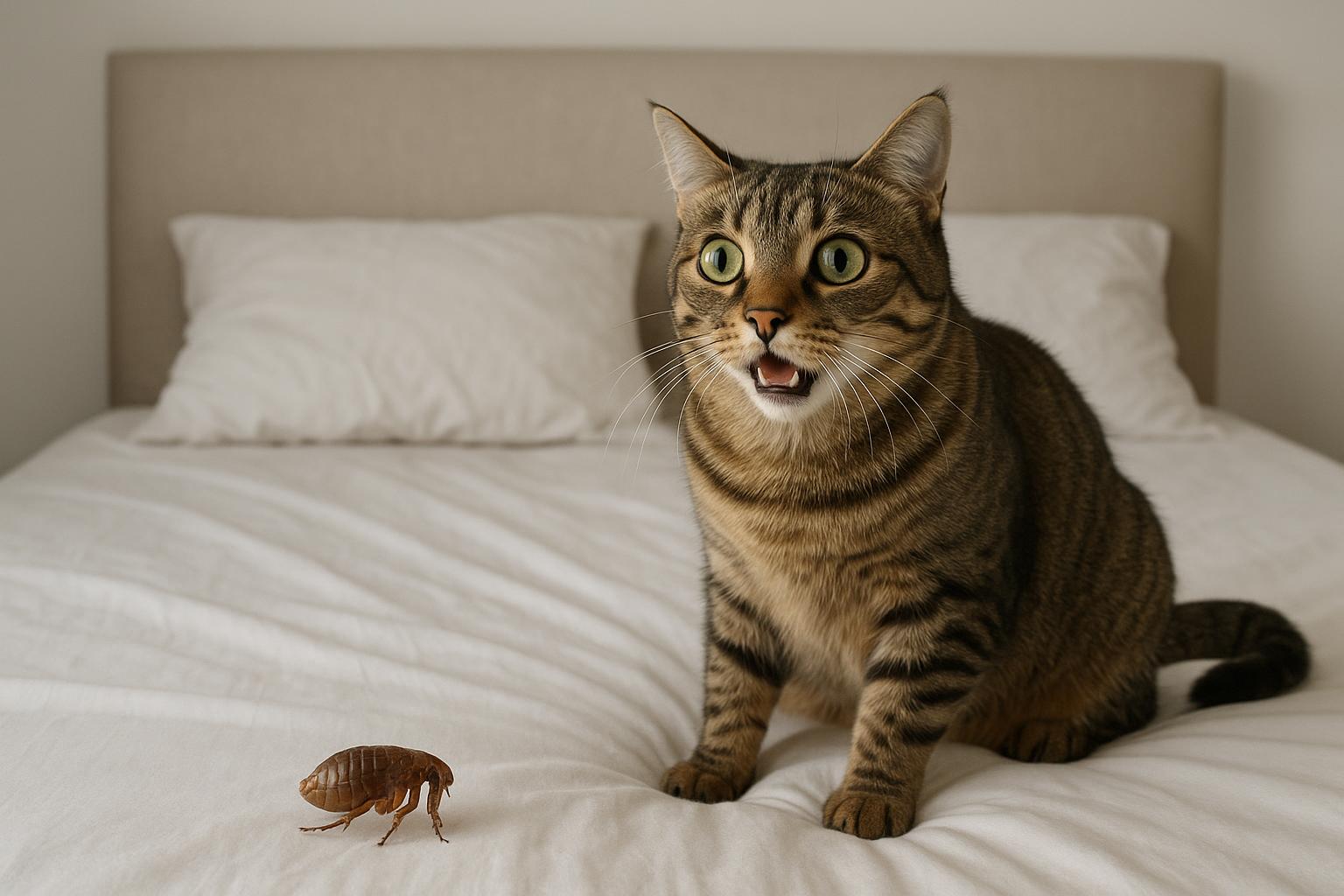
If you adopt or rescue kittens, isolate them from the main house population until they are checked and treated. That prevents kitten fleas from spreading to adult pets and reduces the overall anemia risk in the household.
### Household Steps That Work
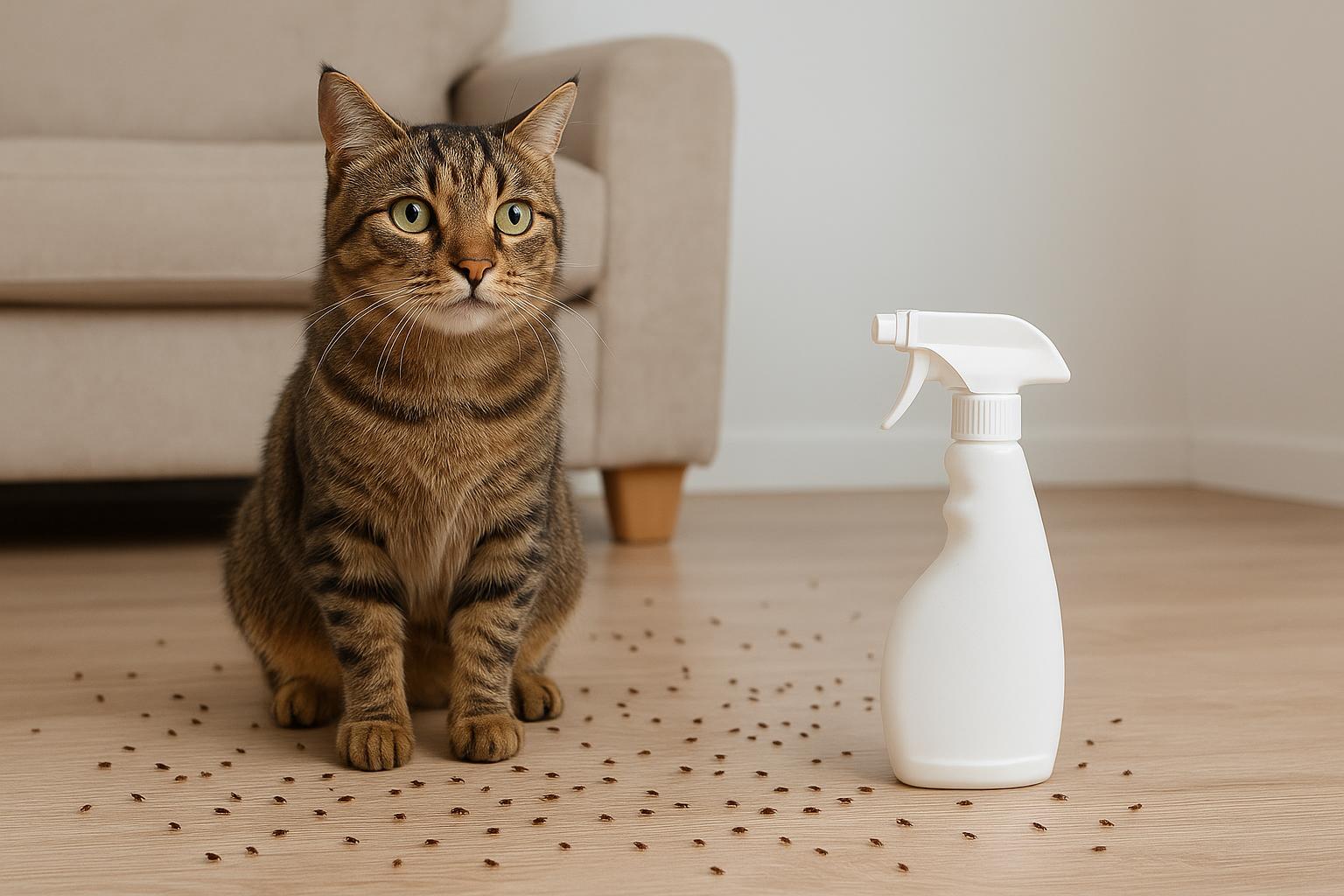
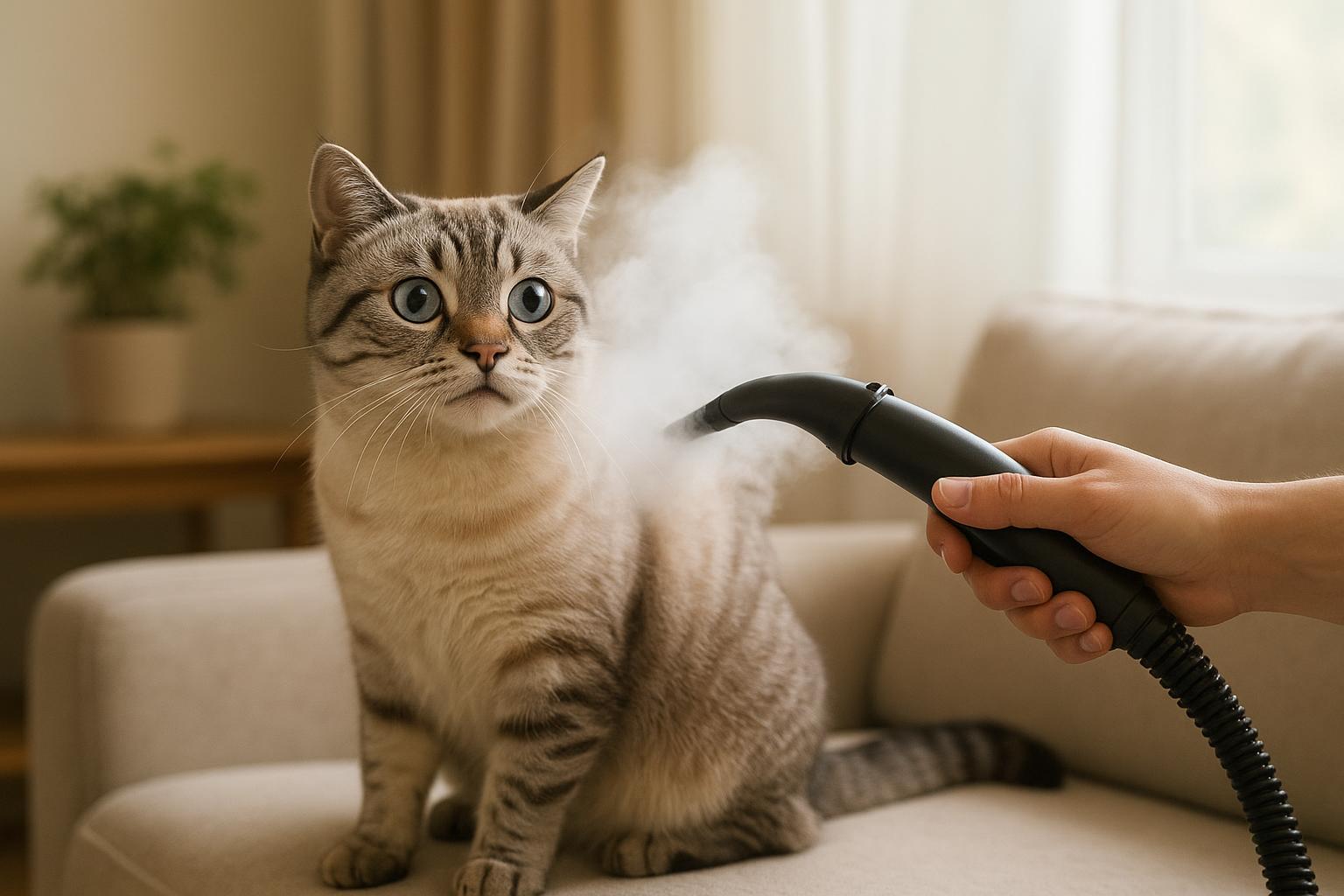
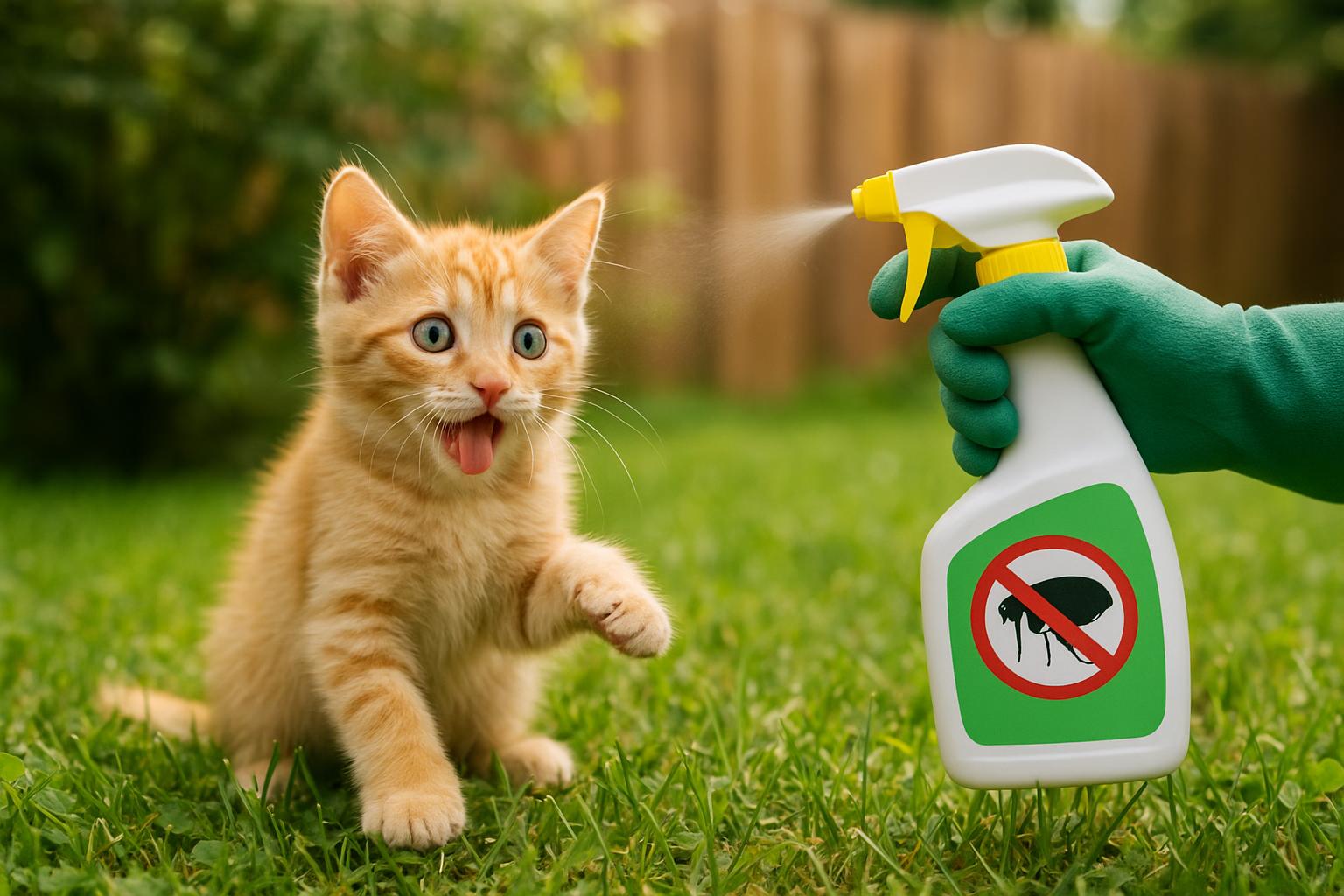
Treat all pets in the home according to their ages and species. Fleas can live in carpets and furniture for months. Frequent vacuuming and heat cleaning of fabrics reduce egg and larva survival. Treating the environment chemically is sometimes necessary, but always follow label instructions and consider professional pest control if the infestation is large.
## What To Do If You Find Fleas Right Now
First, don’t panic. Act. Place the kitten somewhere warm and remove as many fleas as you can with a fine-toothed flea comb. Dip the comb in soapy water to drown the fleas. Check the kitten’s gums and note their color. If the kitten seems lethargic, has trouble breathing, or won’t eat, transport it to a vet immediately.
Do not apply adult flea products without veterinary approval. Some of those products can be harmful to kittens. Call your clinic and describe the kitten’s age, weight, and symptoms so they can advise whether an in-clinic visit is urgent or if you can manage initial steps at home.
If the vet recommends waiting for treatment, keep the kitten warm, offer small frequent feedings, and monitor weight and gum color. If you recieve any sign that the condition is worsening, go back to the clinic quickly. If signs are sevre, emergency intervention is necessary.
A single flea can be trivial, but multiple fleas are not. Treat the environment, treat other animals, and get the kitten checked. A few minutes of careful observation and the right actions can prevent a small pest problem from becoming a life-threatening situation.







Leave a Reply