
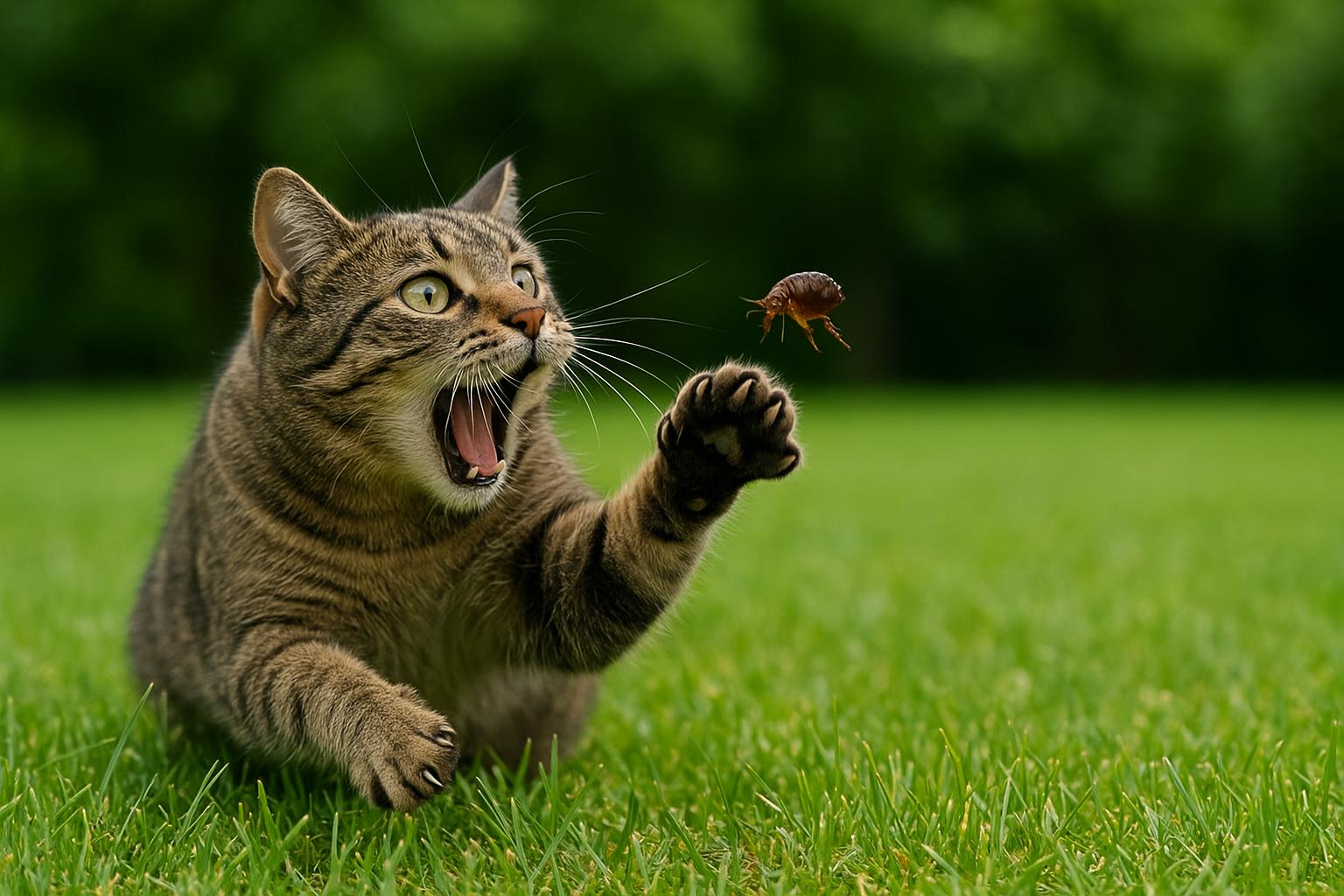
Hey there — if you love barbecue afternoons, barefoot grass naps, or simply watching your dog zoom across the yard, the idea of a sneaky little flea in lawn soil is enough to make anyone itch. This article walks through how to spot, treat, and prevent flea activity in outdoor areas with practical, backyard-friendly strategies. Expect a relaxed tone up top and straightforward, more formal steps when it’s time to remediate (the serious part of our backyard drama).
## Flea In Lawn: Signs And Risks
### Why Lawns Become Flea Hotspots
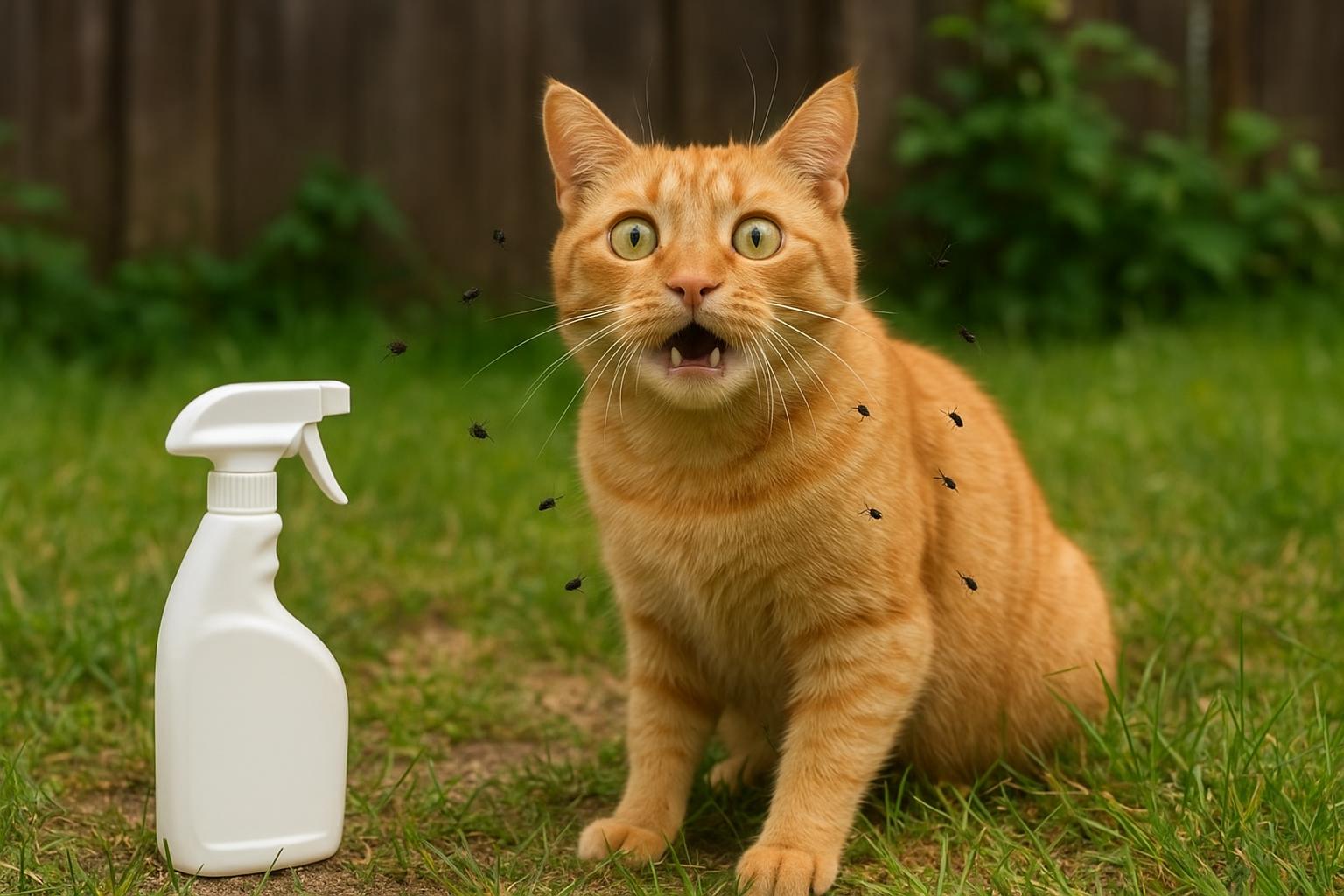
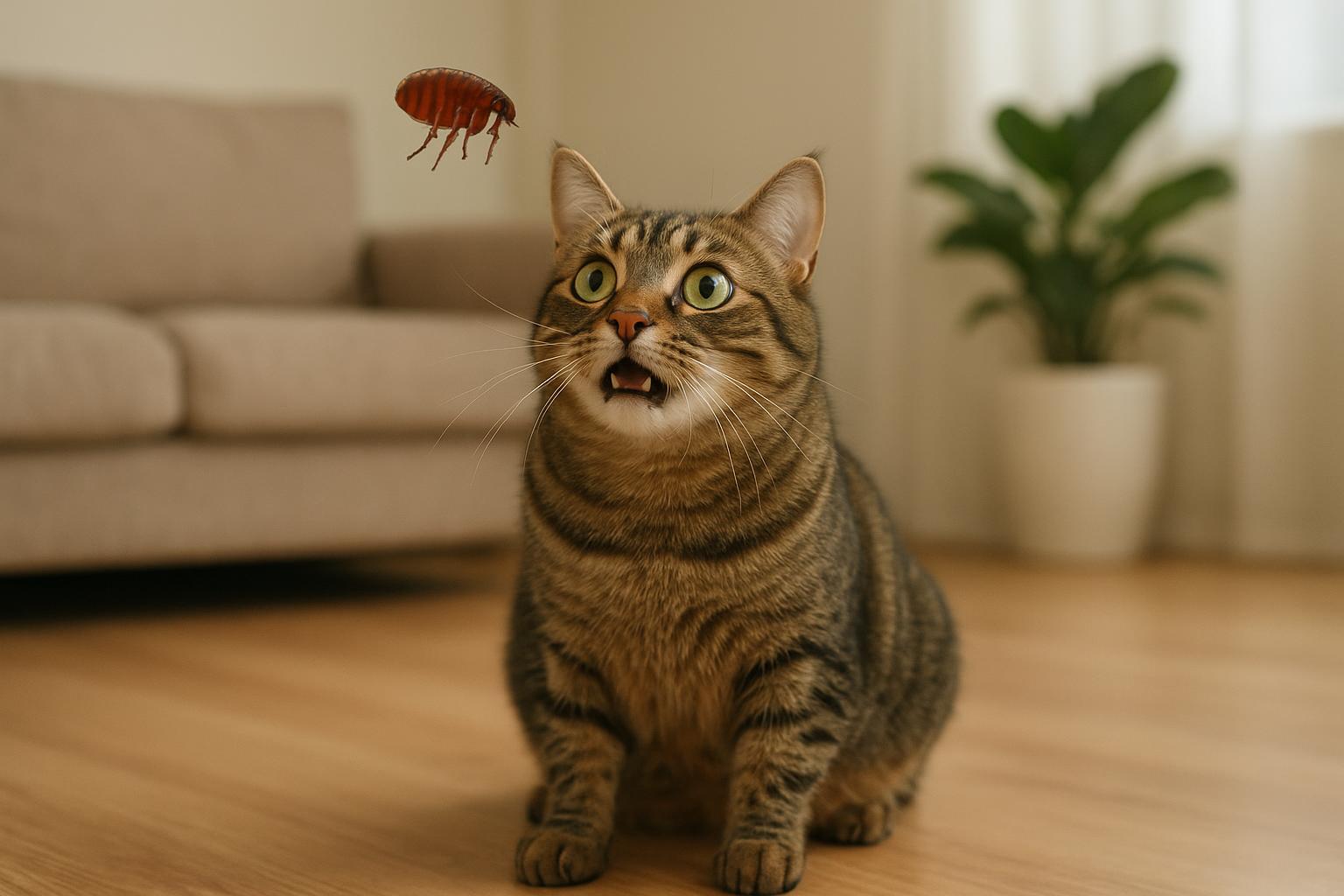
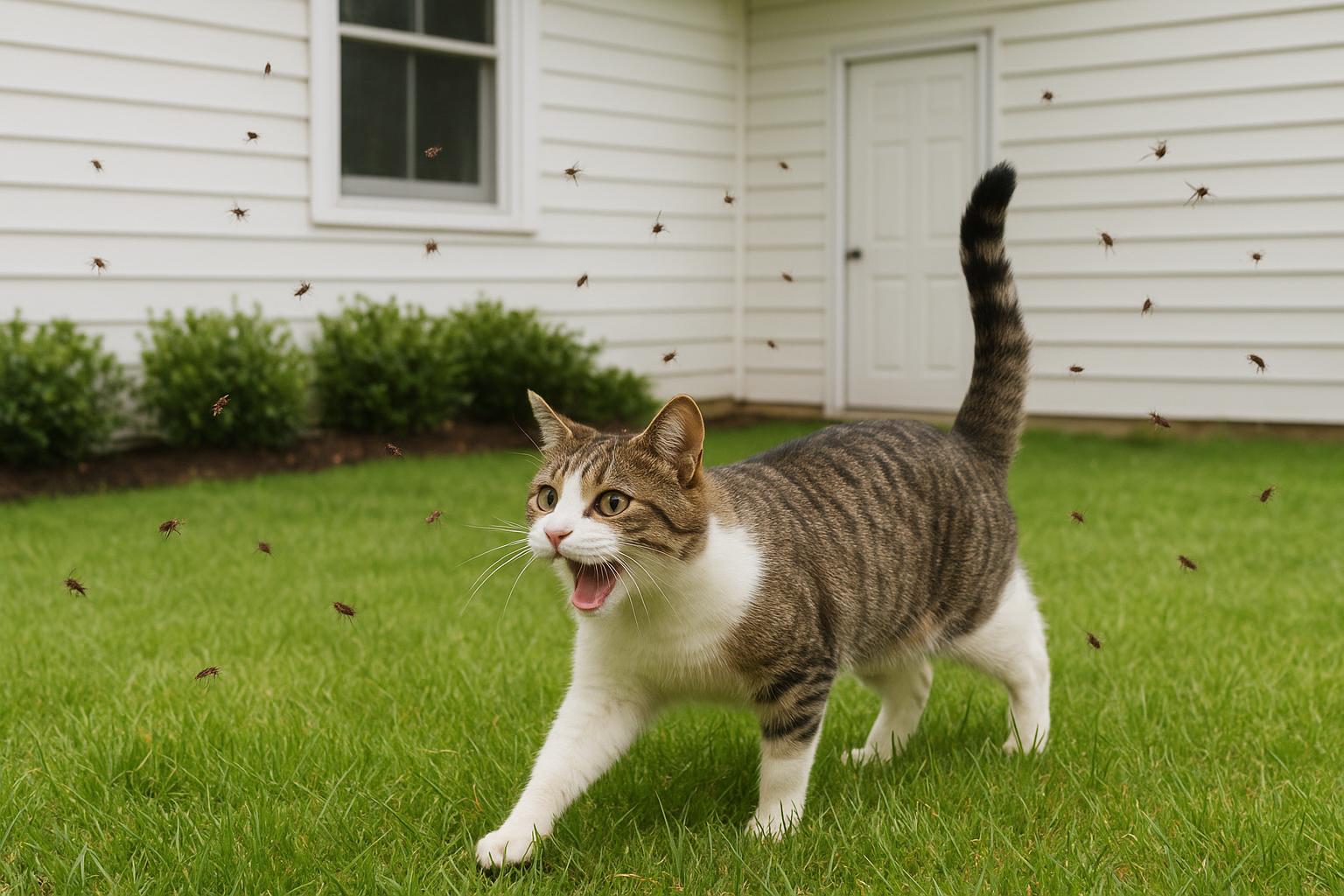
Fleas don’t live in your grass because it’s fashionable; they choose yard microclimates that suit their lifecycle. Shaded, moist areas with high organic debris, tall grass, and regular host traffic (pets, wildlife) create ideal sites for a flea in lawn populations to establish. The eggs and larvae prefer cooler, humid microenvironments, while adults thrive where hosts pass by frequently.
### Health And Comfort Risks For Pets And People
A flea in lawn situation is more than an annoyance. Fleas carry pathogens and can transmit tapeworms to pets, cause allergic dermatitis, and in certain regions spread serious diseases. For families with children, pregnant people, or immunocompromised members, reducing outdoor exposure to fleas becomes a public health consideration as well as a comfort issue.
## How To Inspect Your Yard For Flea Activity
### When And Where To Look
Inspect your yard in the early morning or late afternoon when temperatures are cooler. Check shaded lawn edges, under decks, near pet resting spots, and along animal trails. Flea activity often concentrates where pets nap or where wildlife burrows.
### Simple Tests To Confirm Presence
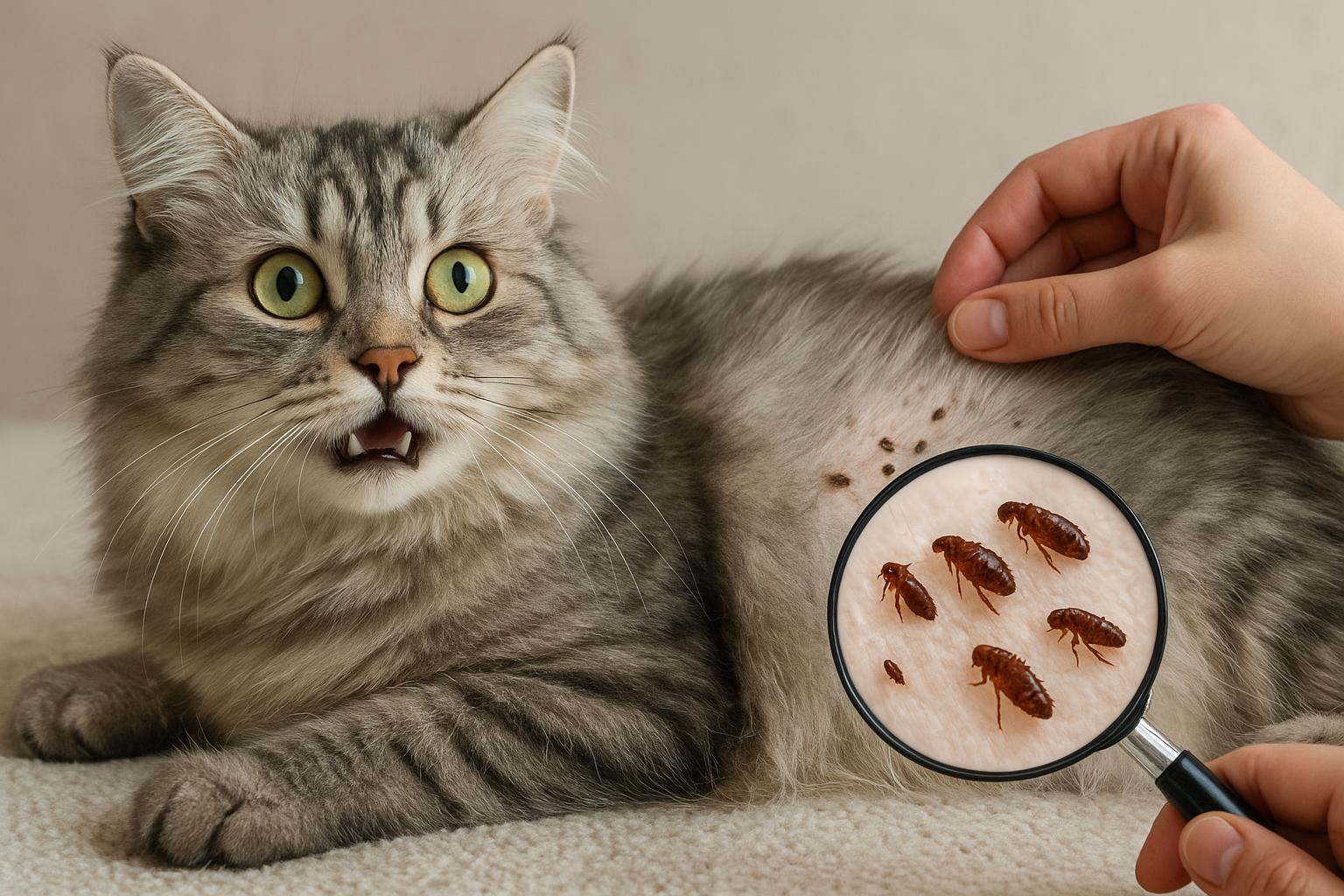
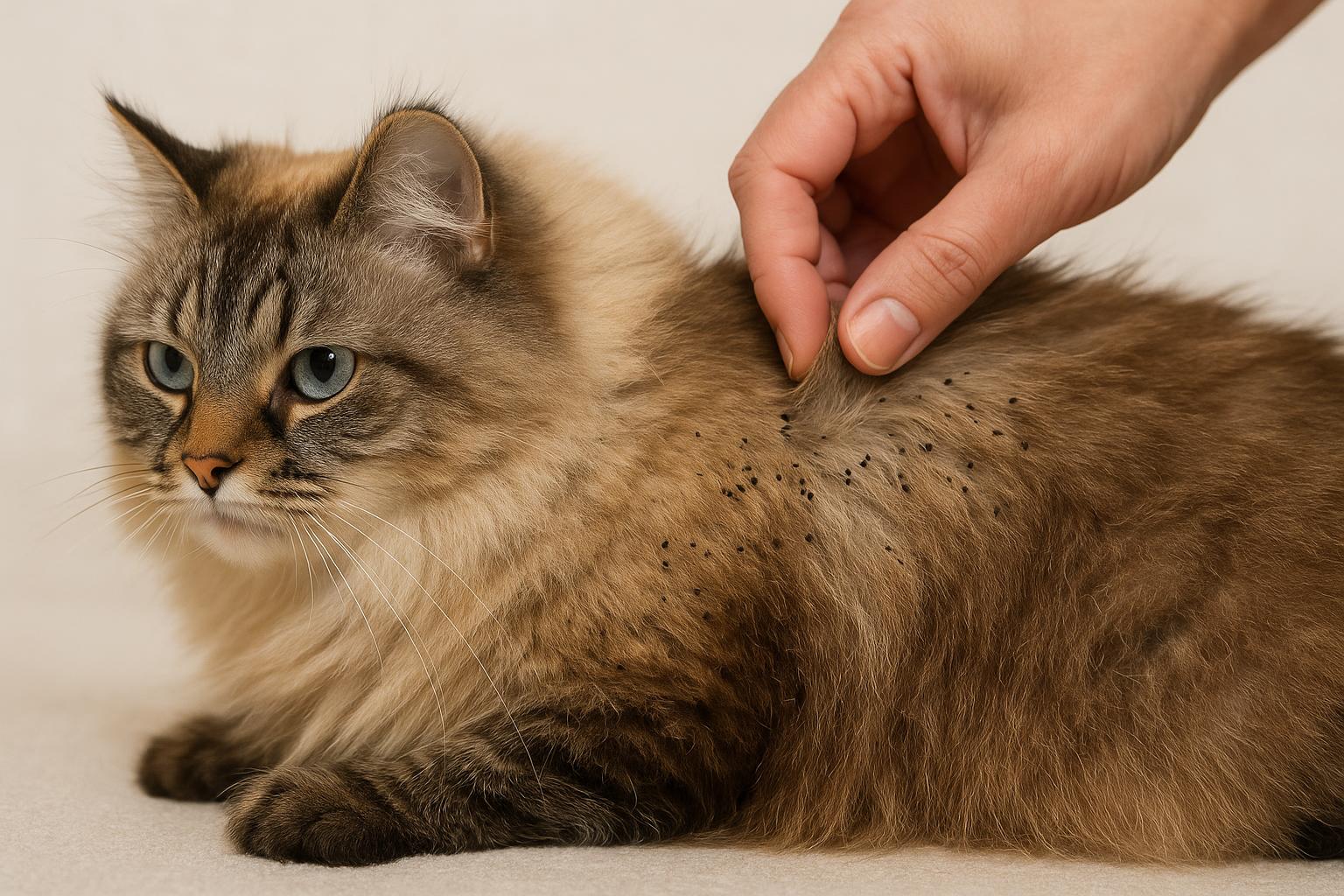
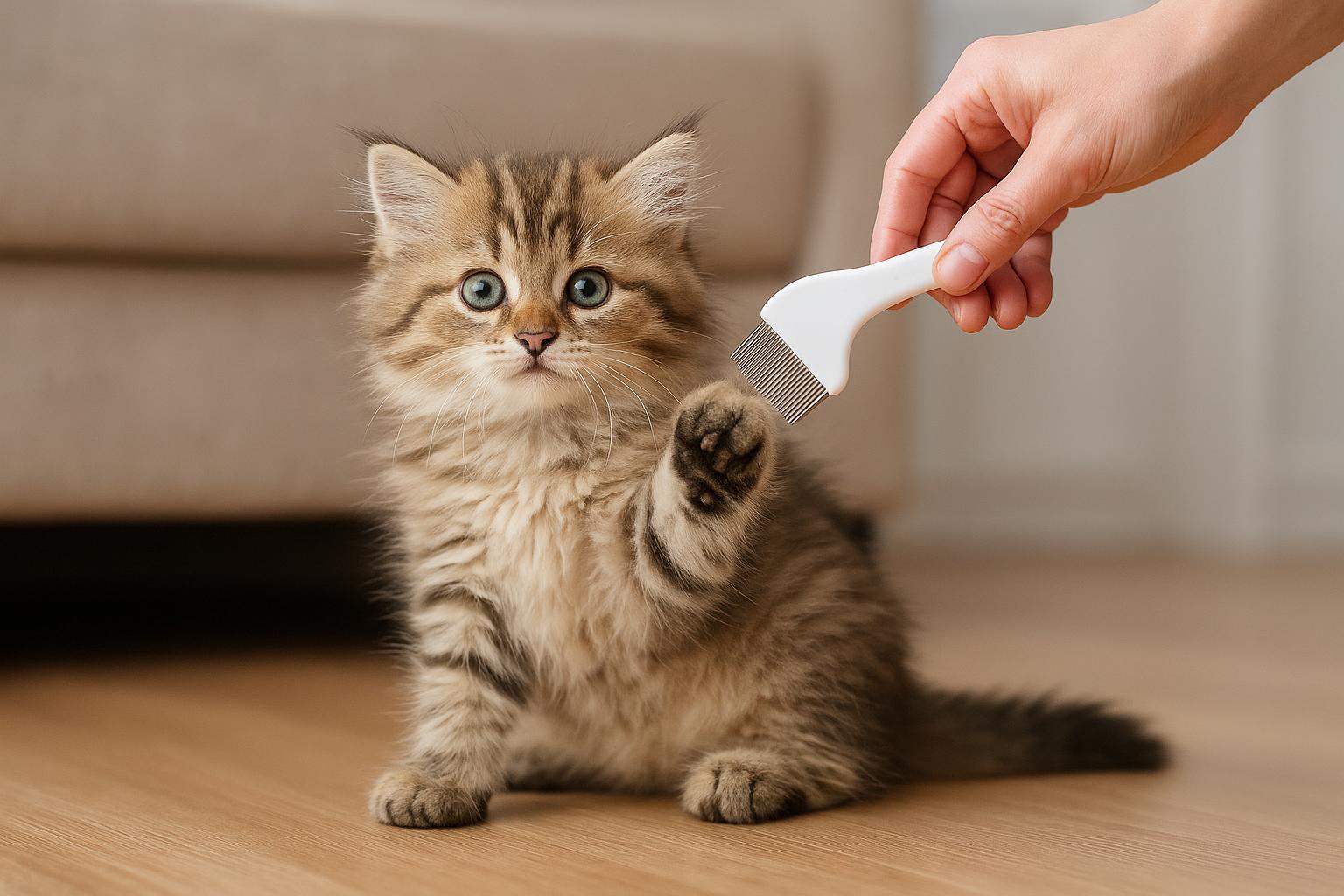
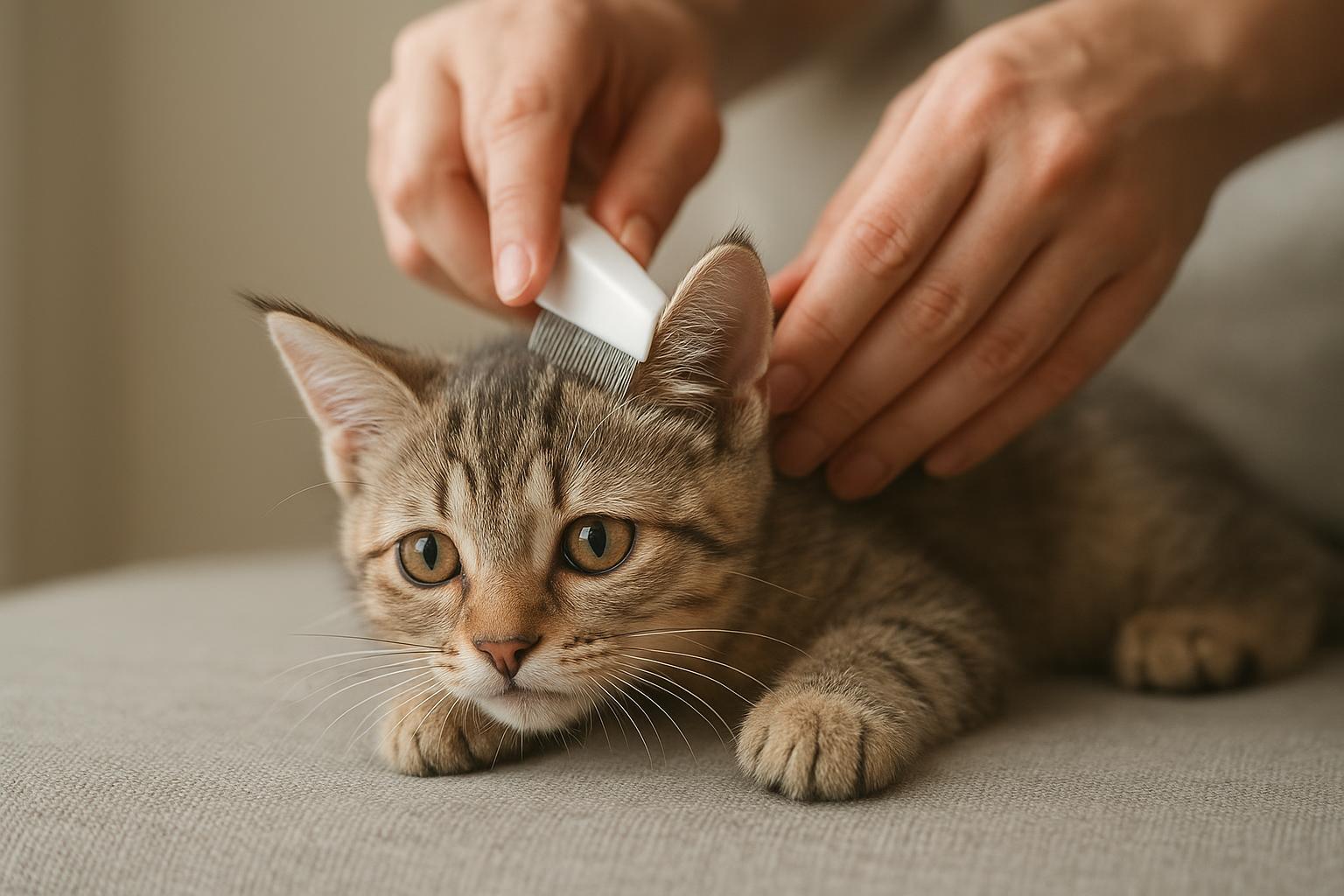
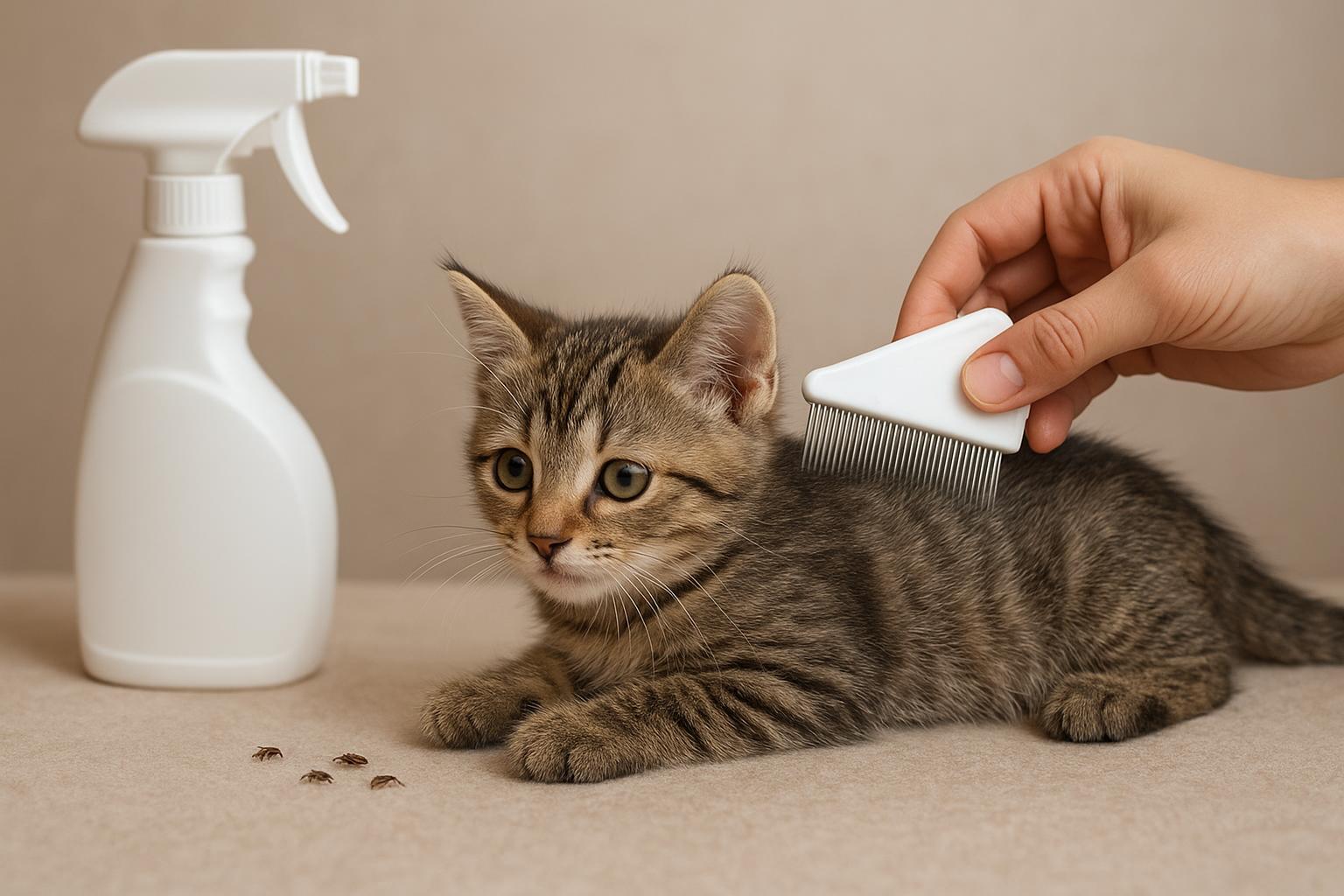
Walk slowly through suspected areas and watch for small jumping insects on low vegetation. For a more practical test: place a light-colored cloth or paper on the grass where pets rest, then rub the area gently and check for small dark specs that move or jump. You can also comb a pet over white paper after outdoor time; active fleas or flea dirt (tiny black specks) are clear signs of a flea in lawn problem.
## Remedy 1: Diatomaceous Earth (D.E.) — Low-Toxicity Mechanical Control
### Materials And Safety
– Food-grade diatomaceous earth (1–2 bags depending on lawn size)
– A mask and gloves
– Handheld or battery-powered spreader (optional)
– Broom or leaf blower for fine-tuning
### Step-By-Step Application (Creation And Use)
1. Wear a dust mask and gloves to avoid inhaling fine D.E. particles. Use goggles if windy.
2. Dry conditions are essential. Choose a day without rain in the forecast for at least 24–48 hours.
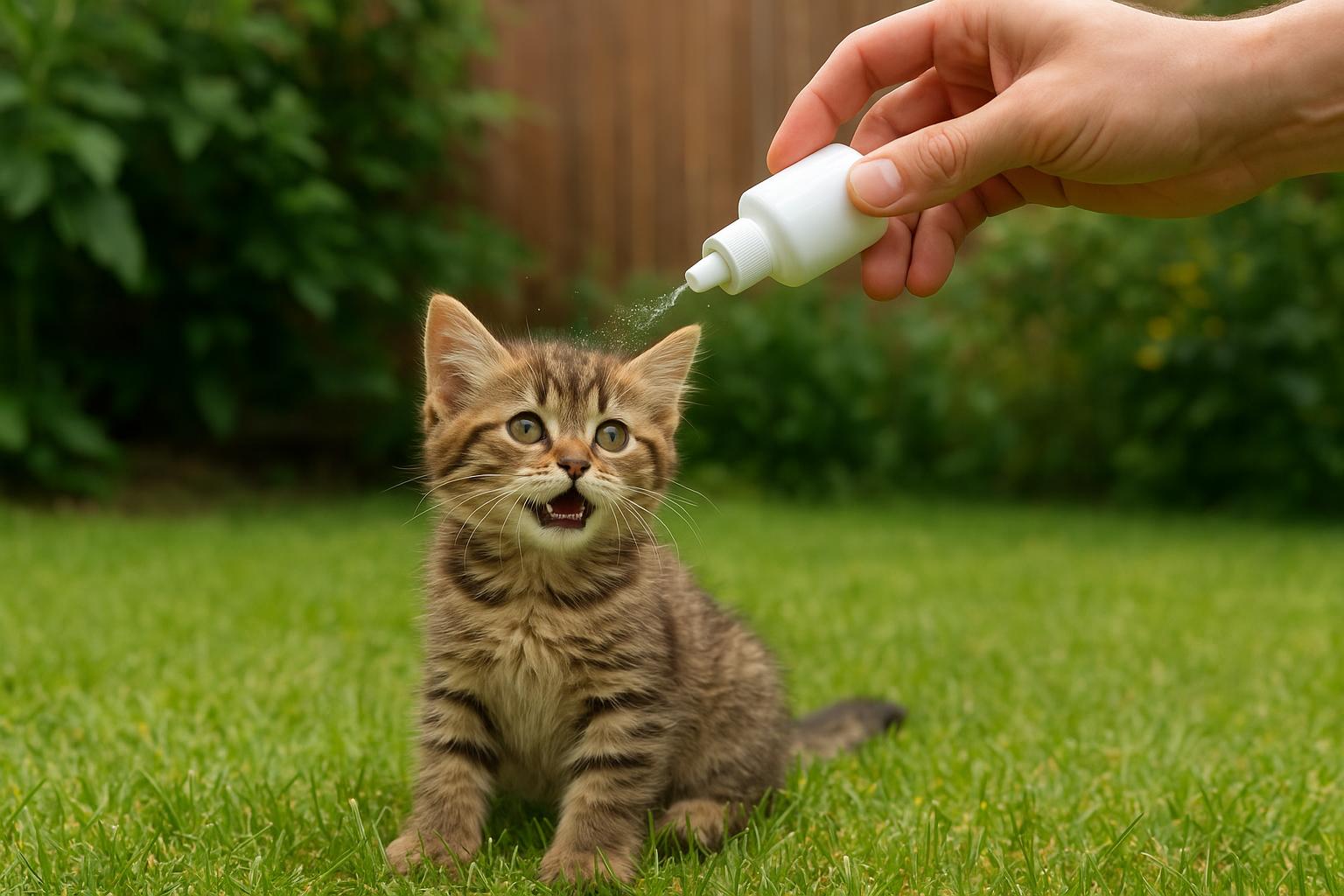
3. Lightly spread food-grade diatomaceous earth over targeted areas — under shrubs, along fence line, and in shady patches where a flea in lawn presence is suspected. A thin, even dusting is sufficient; overapplication is wasteful and dusty.
4. For a uniform application, use a handheld spreader or sprinkle from a container while walking methodically.
5. After application, allow D.E. to sit for several days to a week. The powder abrades exoskeletons and desiccates fleas and larvae when they come into contact.
6. Reapply after heavy rainfall or once every 2–4 weeks during high flea pressure periods.
7. Reevaluate flea activity weekly using the cloth/paper test. If activity persists, combine D.E. with other controls listed below.
Note: D.E. works mechanically and is safe for many yard uses, but avoid inhalation and keep pets off freshly dusted areas until it settles.
## Remedy 2: Landscape And Cultural Changes To Reduce Habitat
### Materials And Tools
– Sturdy pruning shears and rake
– Lawn mower with adjustable cutting height
– Mulch (if replacing dense ground cover)
– Native, low-shade plants for sunny borders
– Compost bin or debris disposal plan
### Step-By-Step Habitat Modification
1. Mow regularly and maintain grass at a moderate height (about 2.5–3 inches). Shorter turf warms quickly and discourages flea larvae, while excessively tall grass preserves humidity.
2. Rake up leaf litter and thatch build-up where eggs and larvae hide. Remove or thin dense ground covers that stay moist and shaded.
3. Replace thick mulch or dense shrubbery near pet areas with open, sunny borders; consider gravel or low-growing, sun-loving plantings in high-traffic zones.
4. Create defined pathways to concentrate wear and reduce random host traffic through shady microclimates.
5. Install barriers or fencing to limit wildlife such as rodents and raccoons that serve as flea carriers.
6. Improve drainage where water pools; reroute irrigation or add soil amendments to reduce persistent damp patches attractive to flea larvae.
7. Combine these changes with regular pet parasite control to reduce the hosts that sustain a flea in lawn population.
This remedy focuses on long-term prevention by removing the environmental conditions fleas need to complete their lifecycle.
## Remedy 3: Targeted Insecticides And Professional Options
### Materials And Safety Considerations
– EPA-registered adulticide/insect growth regulator (IGR) labeled for outdoor residential lawns
– Application equipment (pump sprayer, hose-end sprayer) according to label
– Personal protective equipment (PPE): gloves, long sleeves, eye protection, mask as directed
– Access to a licensed pest management professional if using restricted products
### Step-By-Step Chemical Control (Follow Label Directions Exactly)
1. Identify an EPA-registered product that lists lawns and fleas on the label. Look for combined adulticide + IGR formulations; the adulticide knocks down current adults while the IGR interrupts egg/larval development.
2. Calculate the square footage of the treatment area to mix the product at the correct rate. Over-application is illegal and unsafe; under-application reduces efficacy.
3. Put on PPE as specified by the product label.
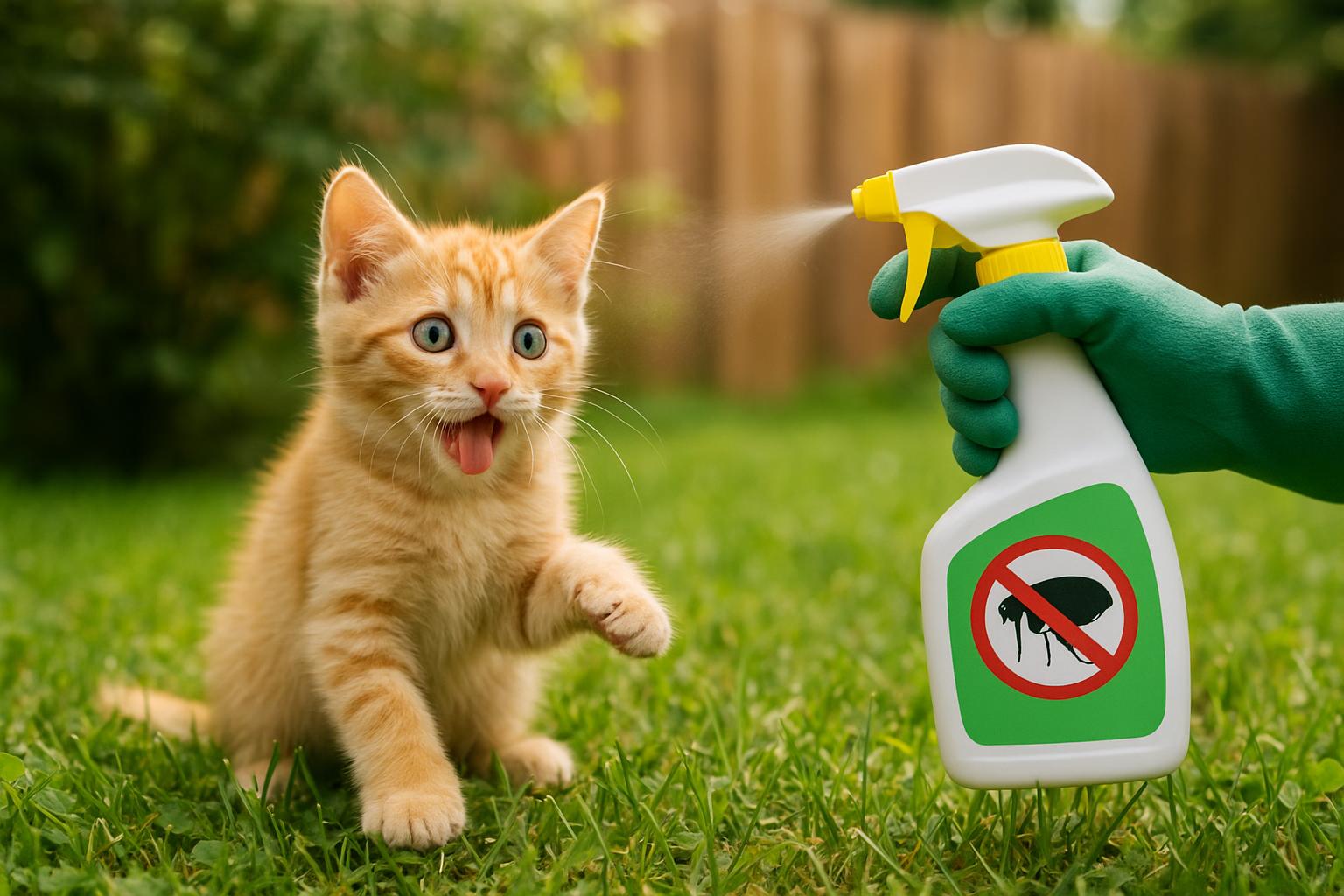
4. Apply evenly according to the manufacturer’s directions. Focus on the edges of lawns, shaded areas, under decks, and around pet rest zones where flea in lawn activity is likely concentrated.
5. Keep people and pets off treated areas until the product dries or for the timeframe specified by the label.
6. For severe infestations or if you’re uncomfortable handling pesticides, hire a licensed pest professional. They can use more targeted tools (granules, barrier treatments) and apply them in a manner that complies with local regulations.
7. Follow up with weekly monitoring. If fleas persist after proper application and appropriate time for effect, consult a professional for a reassessment and possible integrated approach.
When using chemical options, always prioritize products approved for the specific context (lawn, near play areas) and adhere strictly to safety directions.
## Preventing Reinfestation And Long-Term Management
### Pet Care Practices That Complement Yard Work
Pets are often the main bridge between a flea in lawn reservoir and your household. Keep pets on year-round flea prevention recommended by a veterinarian. Regularly groom and inspect animals, wash bedding frequently, and confine outdoor pet rest areas to sunny, low-debris spots.
### Monitoring, Timing, And Integrated Strategies
Check the yard monthly during warm seasons using the cloth/paper method. Combine cultural controls (landscape adjustments), mechanical controls (D.E.), and, when necessary, targeted insecticides for an integrated pest management plan. Timing treatments for late spring and mid-summer often suppress peak flea population surges.
### When To Call In Wildlife Or Pest Professionals
If wildlife (burrows, repeated animal traffic) is a consistent source of fleas, consider humane wildlife exclusion or relocation by trained professionals. For persistent infestations despite homeowner efforts, a licensed pest control operator can provide targeted solutions and help identify hidden breeding sites.
A flea in lawn challenge is manageable with a mix of observation, habitat modification, pet care, and targeted treatments. Start with the least toxic options and escalate methodically while monitoring results; that way your yard stays enjoyable and your family and pets stay itch-free.










Leave a Reply