
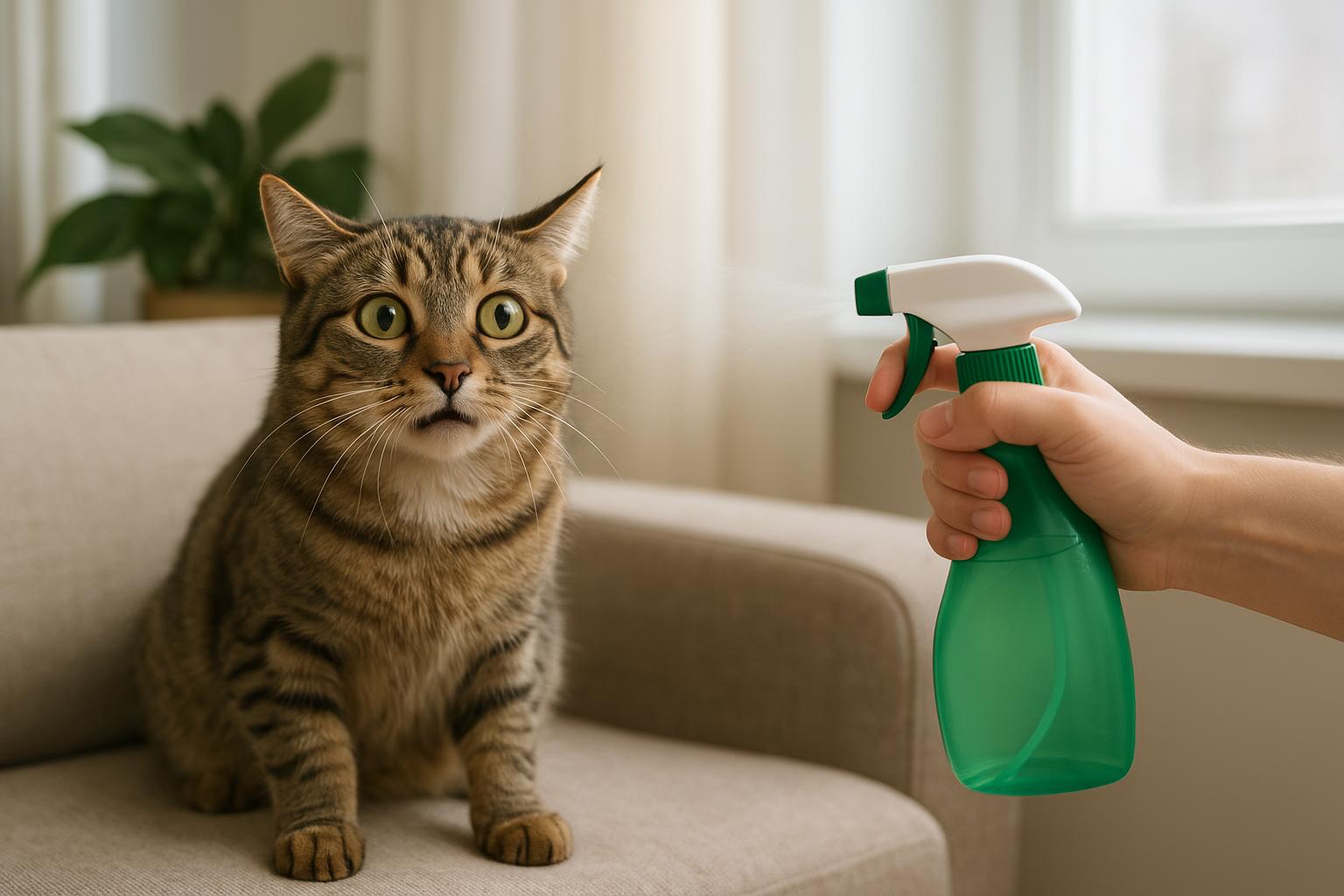
I know—fleas are tiny, determined, and have zero respect for personal space. If you’re trying to manage them without harsh chemicals, you’ve likely Googled everything under the sun and landed here. This article will walk through what works, what doesn’t, and two practical, veterinarian-friendly remedies you can make at home. I’ll keep things friendly and low-drama, but when we get to the recipes, I’ll be direct and precise.
## No Option Fits Criteria Natural Repellents Flea Spray
### Why “Natural” Is Not A Magic Word
When people say “natural repellents,” they often expect miracles: instant flea-free carpets and pets that suddenly glow with happiness. Reality check: “natural” simply means the product’s active ingredients come from natural sources—not that they’re automatically safer or more effective than synthetics. Some natural compounds are potent and can irritate pets or stain fabrics; others are gentle but require repetition to be useful. The goal here is to use informed, practical approaches so you get meaningful results without unnecessary risk.
### What Counts As Natural Repellents
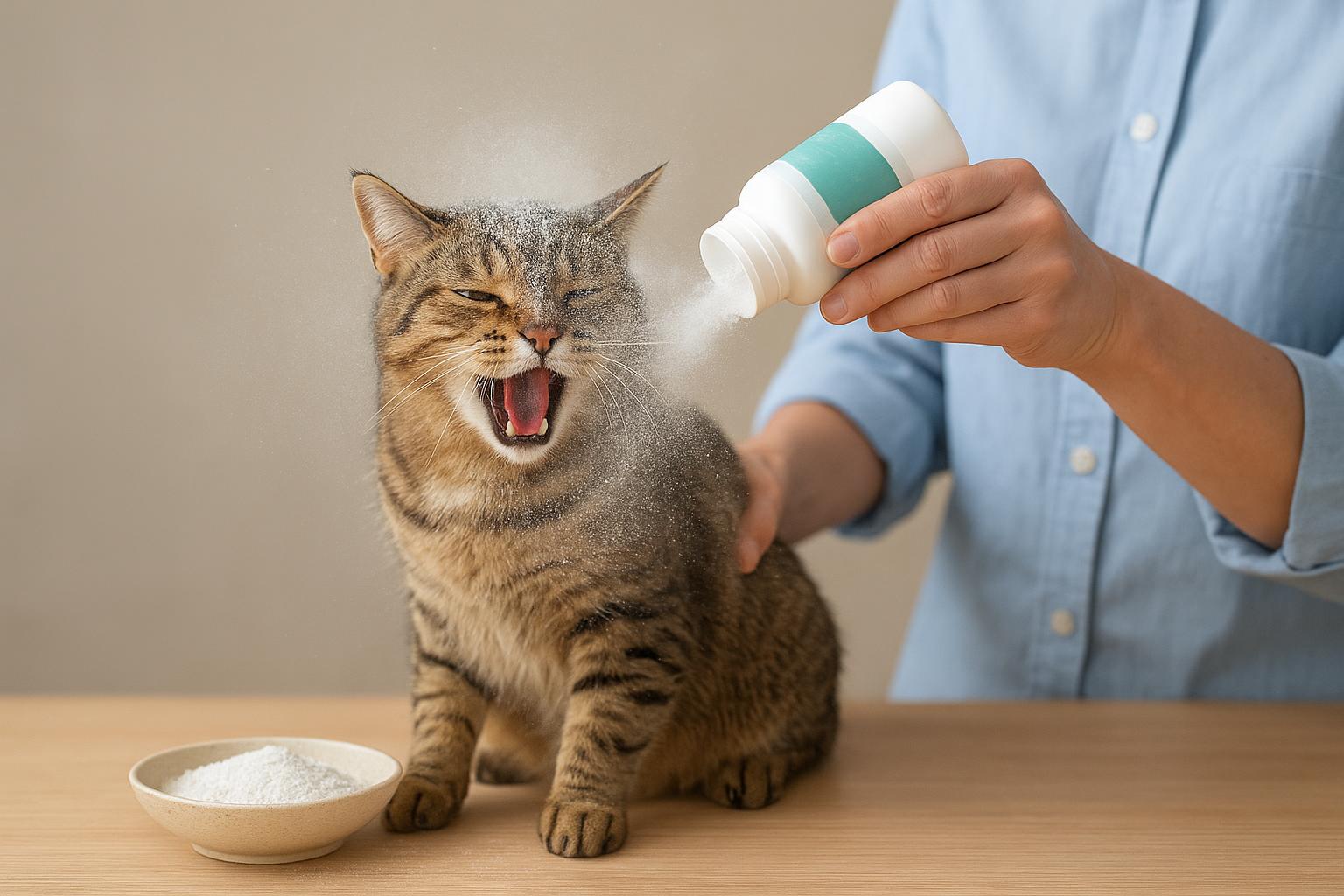
Natural repellents include plant essential oils (used correctly), herbal extracts, botanical soaps, diatomaceous earth (food grade), and some household items like apple cider vinegar. These tools typically deter fleas rather than instantly kill every life stage. Used as part of an integrated plan—pet treatment, home cleaning, and yard management—they can be effective.
## Natural Repellents: How They Work
### Modes Of Action
– Olfactory Deterrence: Many natural repellents (like certain essential oils) interfere with flea sensory receptors, making hosts less attractive.
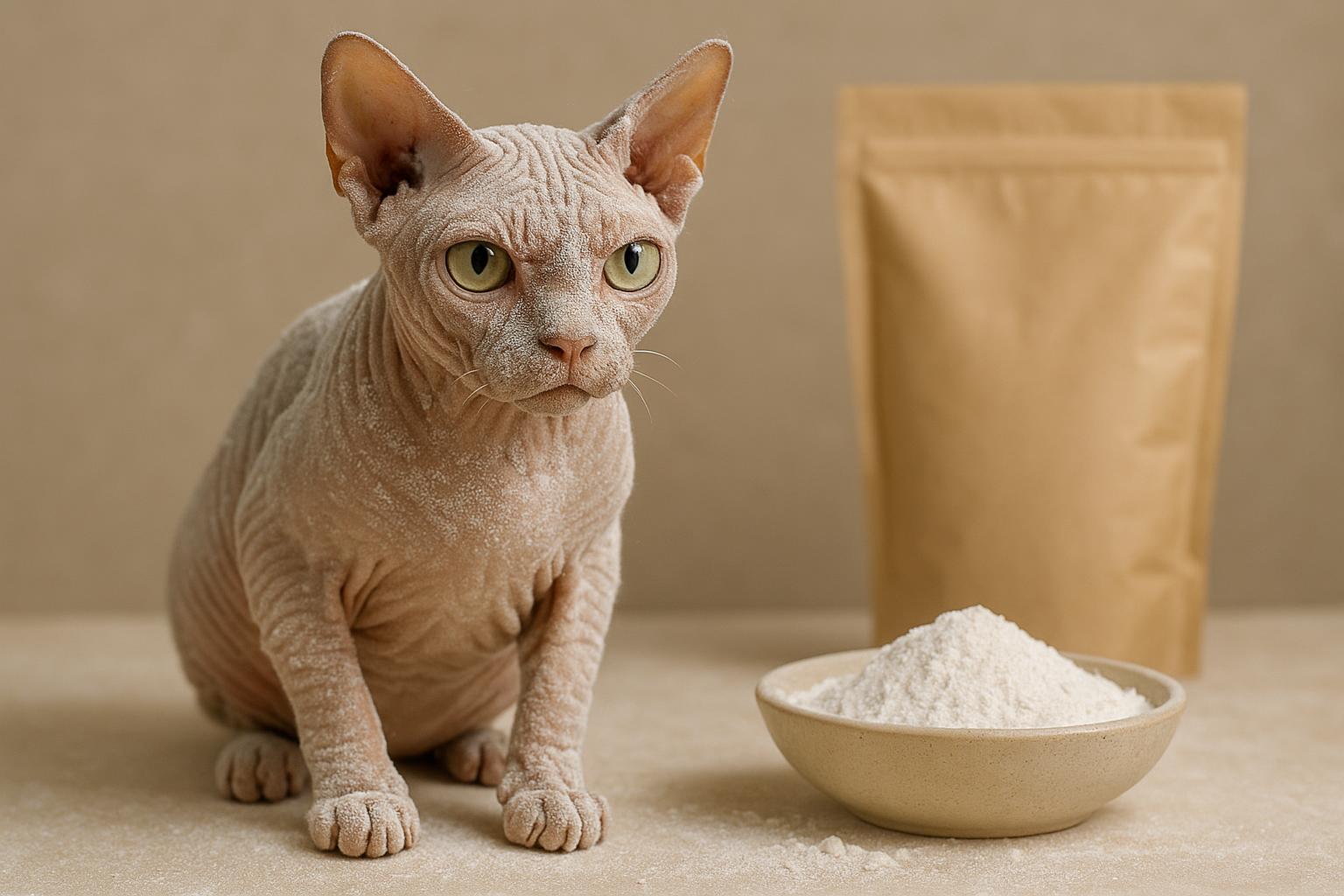
– Desiccation: Substances such as food-grade diatomaceous earth physically abrade the exoskeleton of fleas and dehydrate larvae and adults.
– Repellency: Some formulations create an environment fleas avoid—this is common with cedar or certain herbal sprays.
– Growth Disruption: A few natural compounds can interfere with flea development, though these are less commonly available than synthetic insect growth regulators.
### Science And Expectations
Expect incremental improvements. Natural repellents often work best as preventive measures or as part of a broader routine that includes vacuuming, washing bedding, and treating the yard. If an infestation is heavy, consult a veterinarian—natural options can reduce flea pressure but may not resolve severe cases alone.
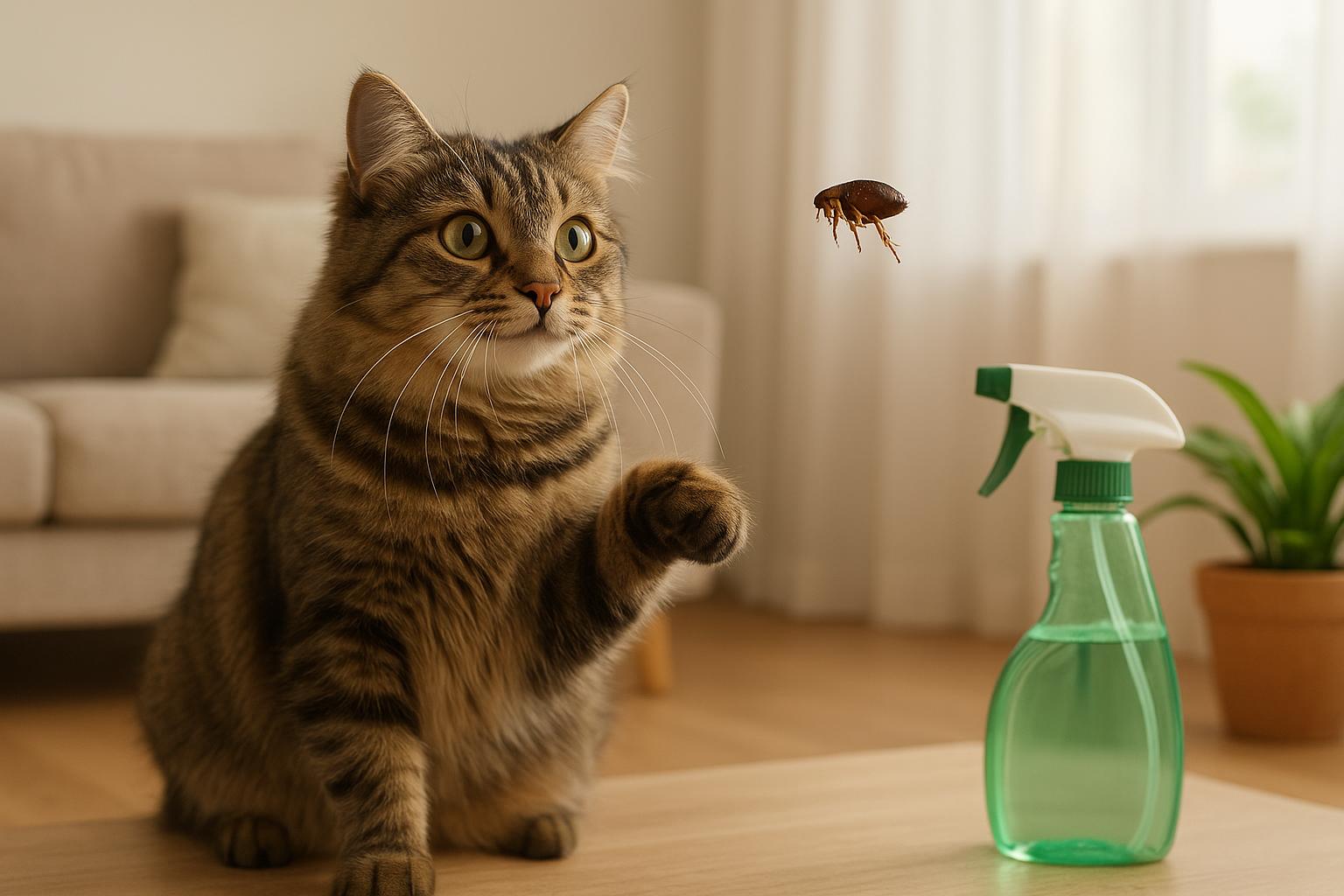
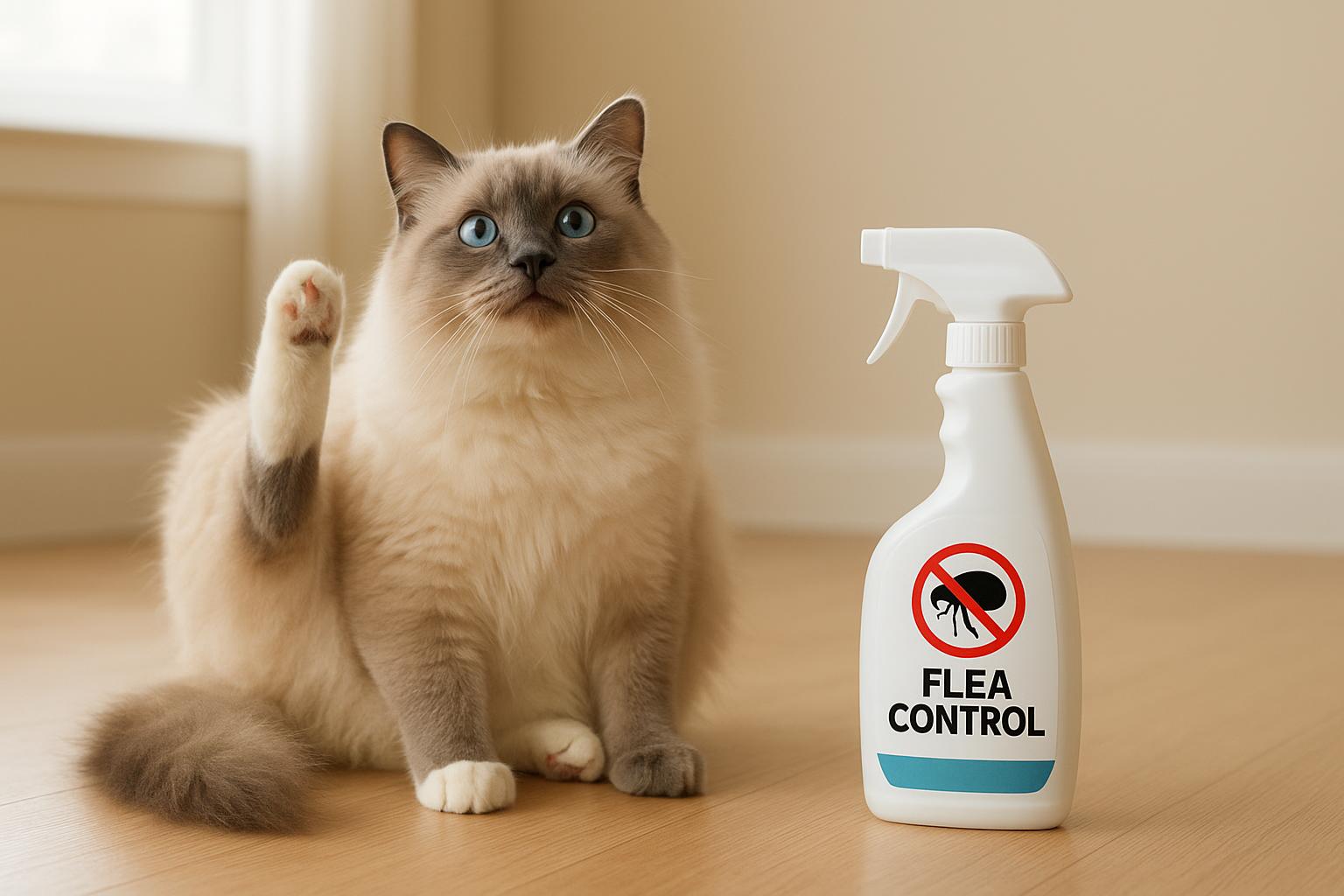
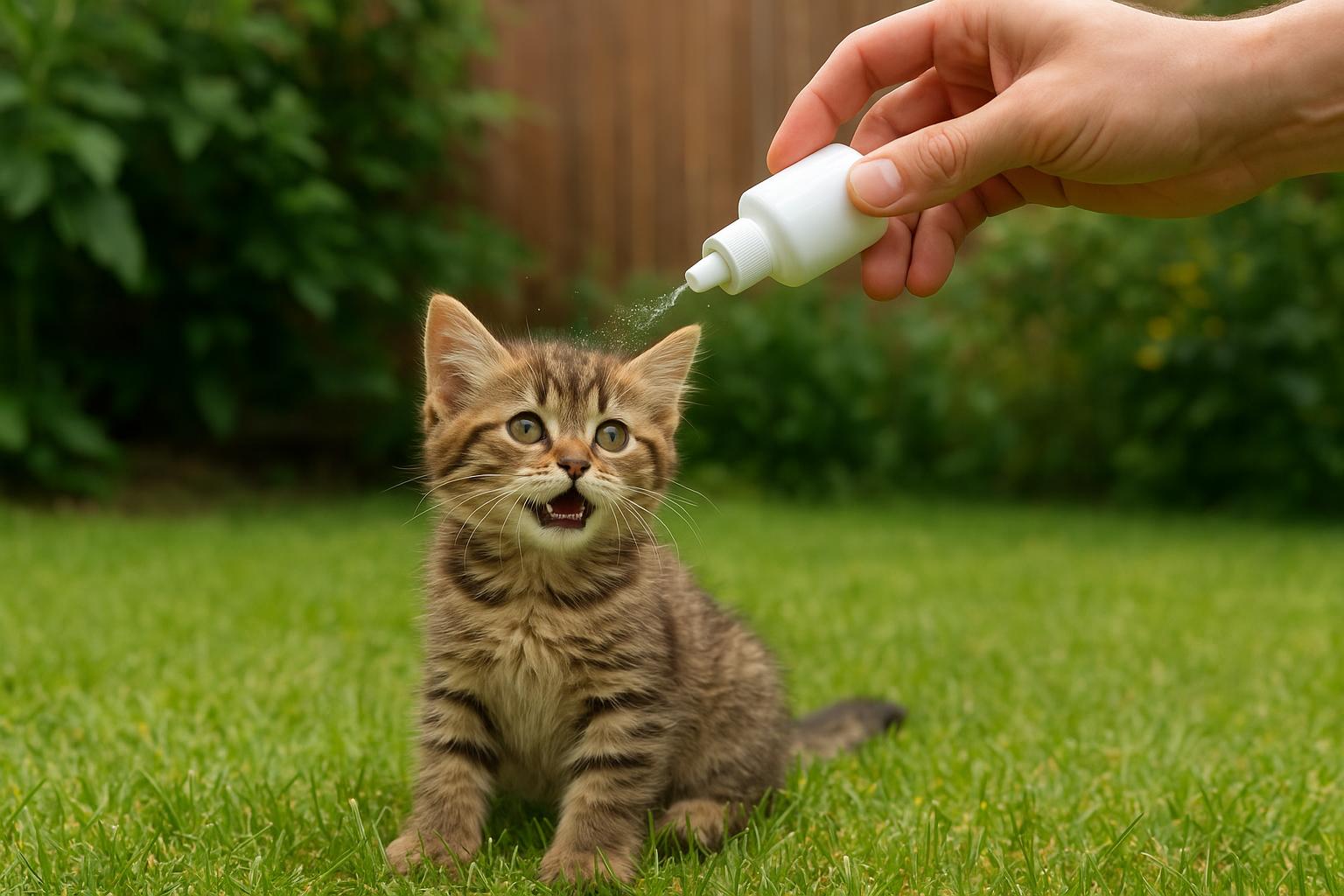
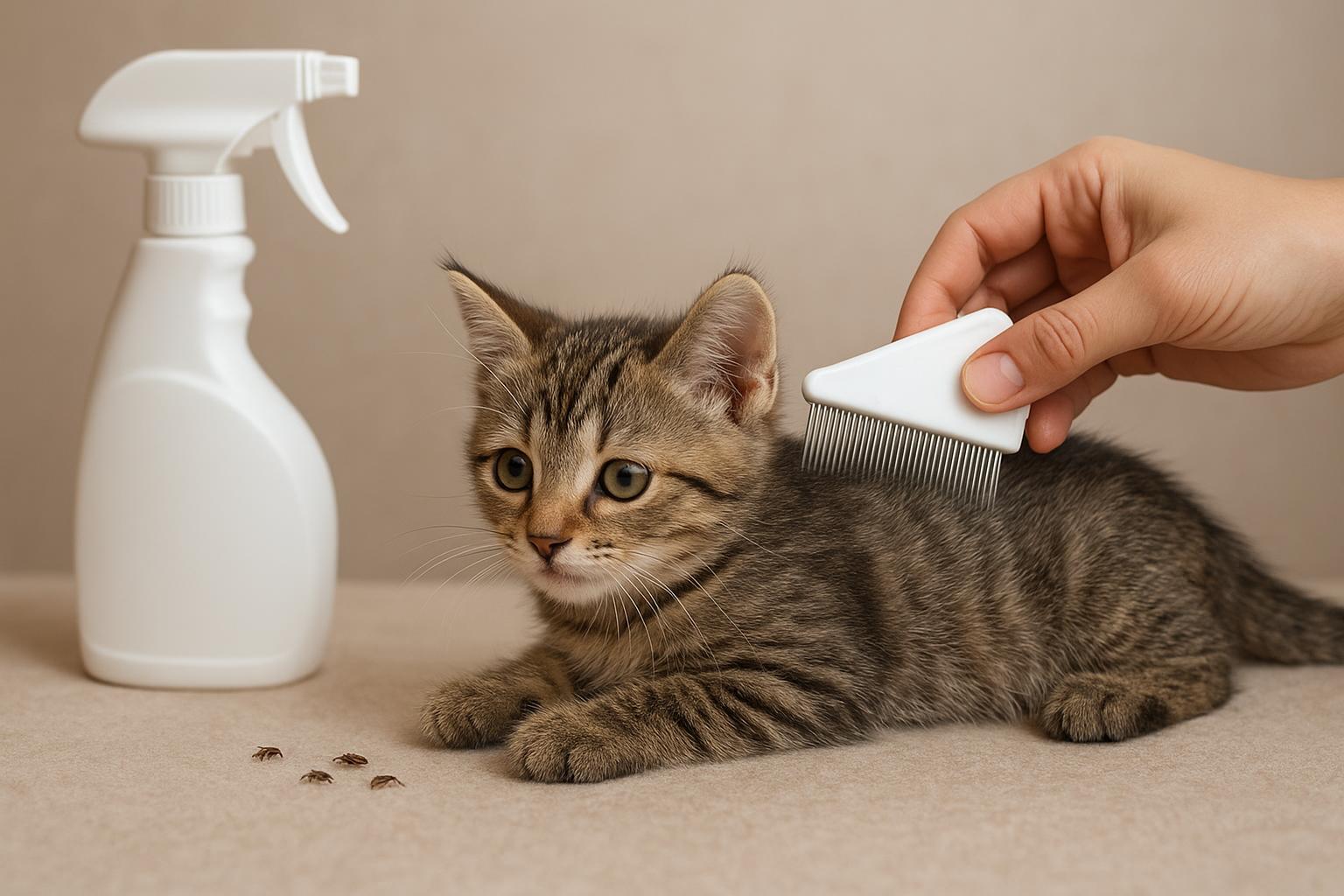
## 1. Natural Flea Spray For Pets
### Ingredients Or Required Materials
– 16 oz (475 ml) spray bottle (glass or PET plastic)
– 12 oz (350 ml) distilled or boiled-and-cooled water
– 4 oz (125 ml) apple cider vinegar
– 1 tablespoon vegetable glycerin (optional, helps disperse oils)
– 10 drops lavender essential oil (lavandula angustifolia)
– 10 drops cedarwood essential oil (cedrus atlantica)
– 5 drops neem oil (neem is optional; it can be helpful against parasites)
– Funnel and measuring tools
### Creation And Application (Step-By-Step)
1. Clean and label the spray bottle. Always label what’s inside and date it.
2. Add distilled water and apple cider vinegar to the bottle through the funnel.
3. Add vegetable glycerin if using—this helps keep the oils mixed briefly and can moisturize the coat.
4. Add the essential oils and neem oil. Tightly close the bottle and shake gently to blend.
5. Test on a small patch of your pet’s coat: spray once from about 12 inches away onto fur on the shoulder area. Wait 24 hours and watch for redness, itching, drooling, or lethargy. If any reaction occurs, discontinue use immediately and rinse the area with mild soap and water, then consult your vet.
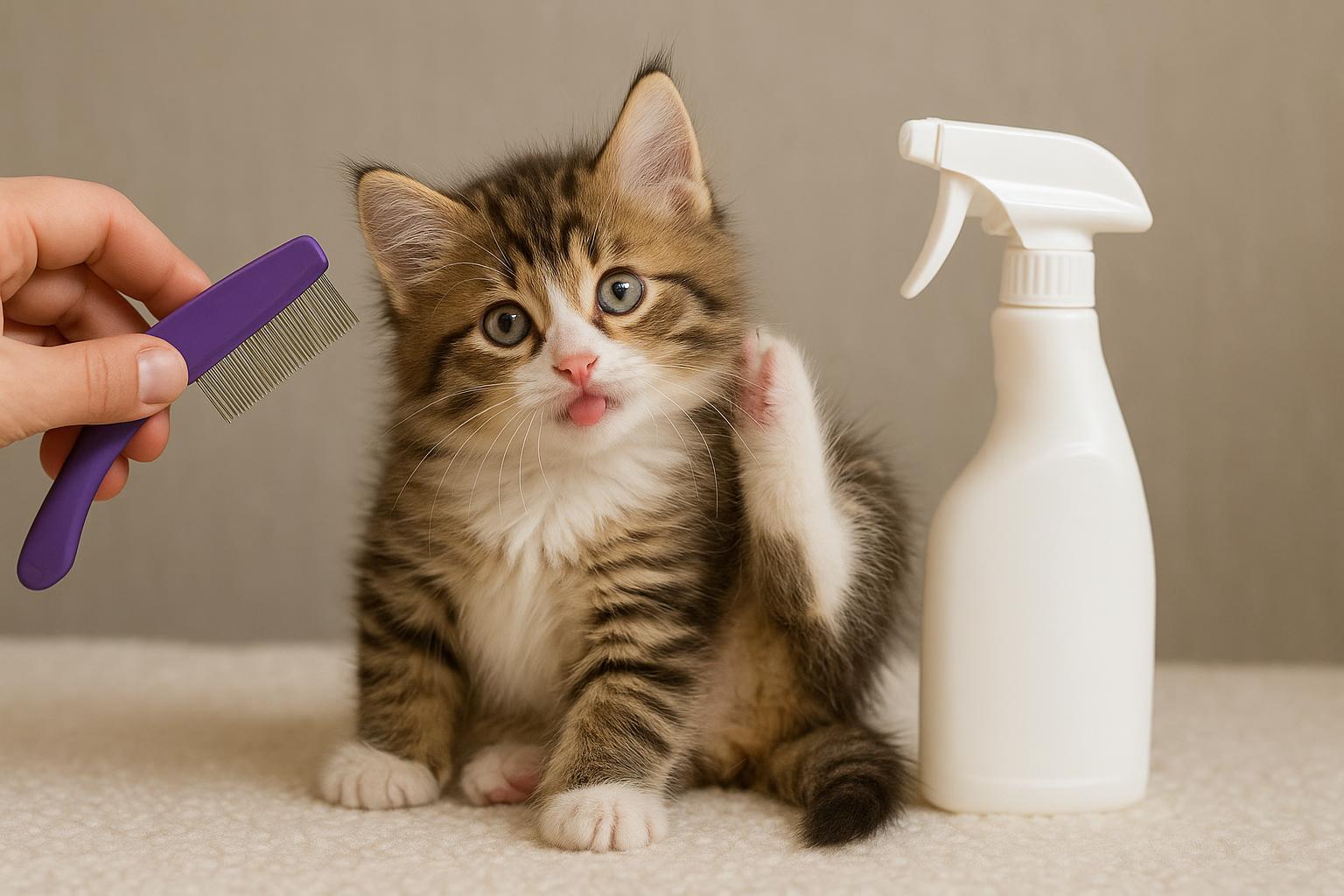
6. For application: hold the bottle 8–12 inches from the animal and mist the coat lightly. Avoid the face, eyes, nose, genitals, and any open wounds. Rub the product into the fur with your hand to reach the skin.
7. Reapply every 3–5 days during flea season or after significant exposure to flea-prone environments. Increase frequency only if no irritation is observed and under veterinary guidance.
### Safety And Notes (Formal)
– Essential oils are concentrated chemicals; correct dilution is critical. The above recipe yields a generally safe, low-concentration spray for adult dogs and cats, but cats are more sensitive—use caution and reduce essential oils by half for felines or consult your veterinarian.
– Never use tea tree oil on cats; it is toxic to them.
– If your pet is on medication or pregnant, get veterinary approval before using any homemade repellent.
– Store in a cool, dark place; discard after 6–8 weeks. Shake before each use.
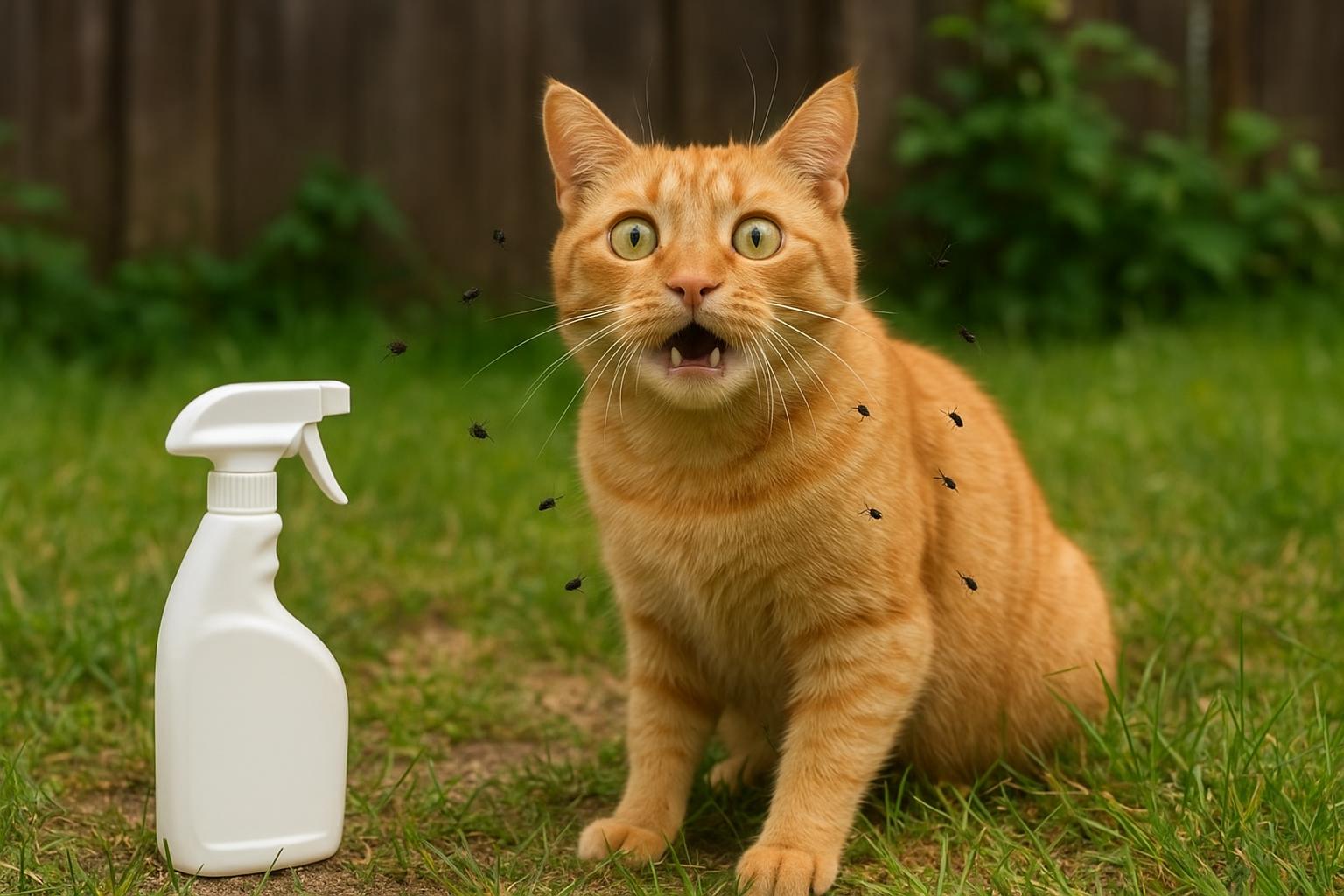
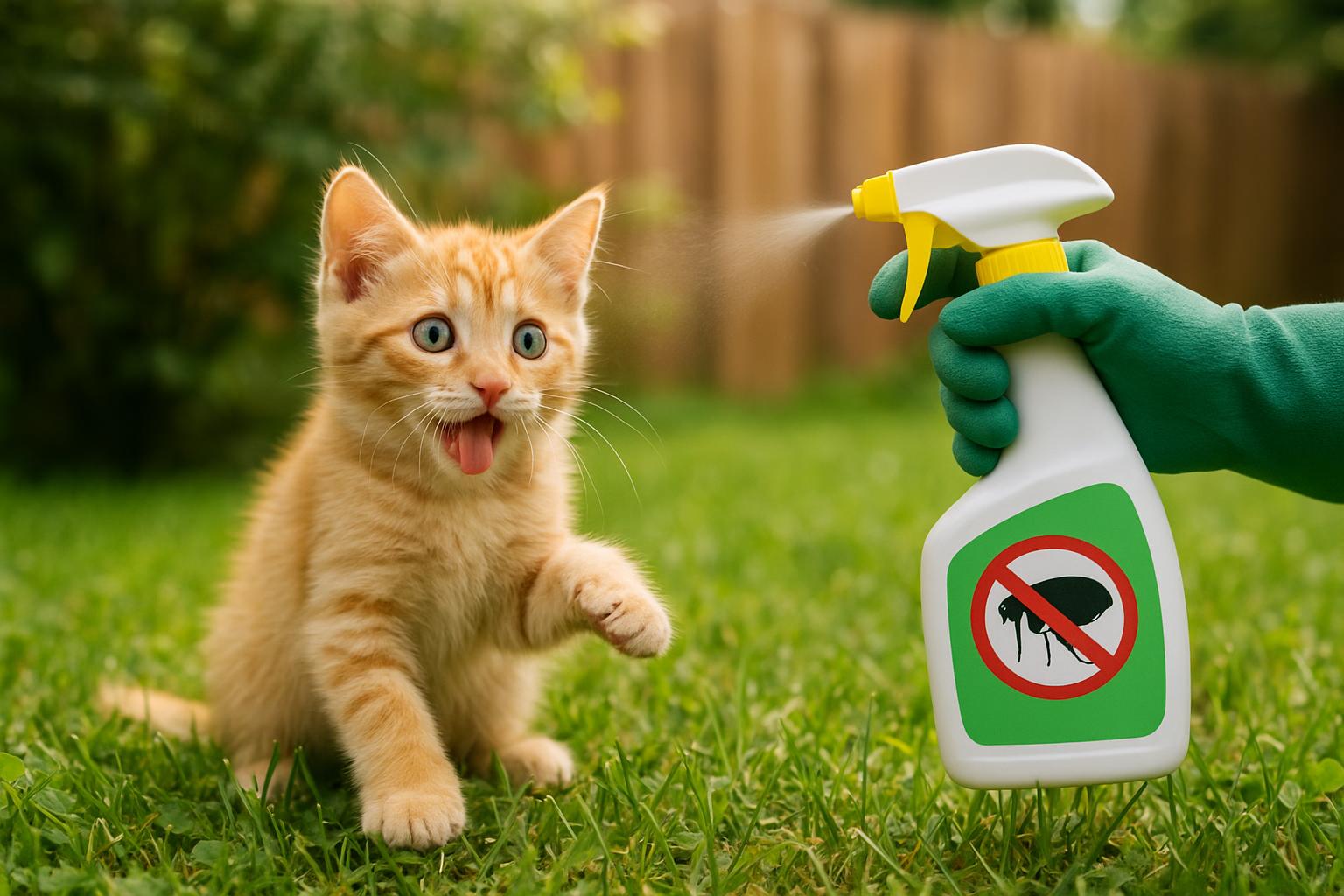
## 2. Natural Yard Spray To Repel Fleas
### Ingredients Or Required Materials
– 1 gallon (3.8 L) garden sprayer or pump sprayer
– 1 quart (1 L) water
– 1 cup white vinegar
– 1 cup lemon juice (fresh or bottled)
– 2 tablespoons liquid castile soap
– 20 drops geranium essential oil (pelargonium graveolens)
– 20 drops rosemary essential oil
– Gloves and eye protection
### Creation And Application (Step-By-Step)
1. Wear gloves and eye protection while preparing the spray to prevent accidental splashes.
2. Combine water, white vinegar, and lemon juice in the sprayer tank.
3. Add liquid castile soap to help the mixture adhere to foliage.
4. Add the essential oils and secure the sprayer lid. Gently roll the sprayer to combine ingredients—avoid shaking vigorously.
5. Test on a small patch of lawn or plants to ensure no phytotoxicity (plant damage) appears after 24–48 hours. Some plants are sensitive to citrus or certain oils.
6. Apply to shaded, moist areas where fleas and ticks hide: under shrubs, along foundation edges, in tall grass, and on leaf litter. Avoid spraying flowering plants that attract pollinators immediately; spray in the evening when bees are less active.
7. Reapply weekly, or after heavy rain. Use as part of your yard care routine along with mowing, clearing debris, and discouraging wildlife hosts.
### Safety And Usage Considerations
– This yard spray is a repellent and mild deterrent—not a replacement for targeted pest control in severe infestations.
– Avoid overuse of essential oils outdoors; they can stress some plants and, if used improperly, affect wildlife.
– The use of food-grade diatomaceous earth in dry areas like dog houses and shaded walkways can complement this spray—apply on dry days and avoid windy conditions.
### When Natural Repellents Aren’t Enough
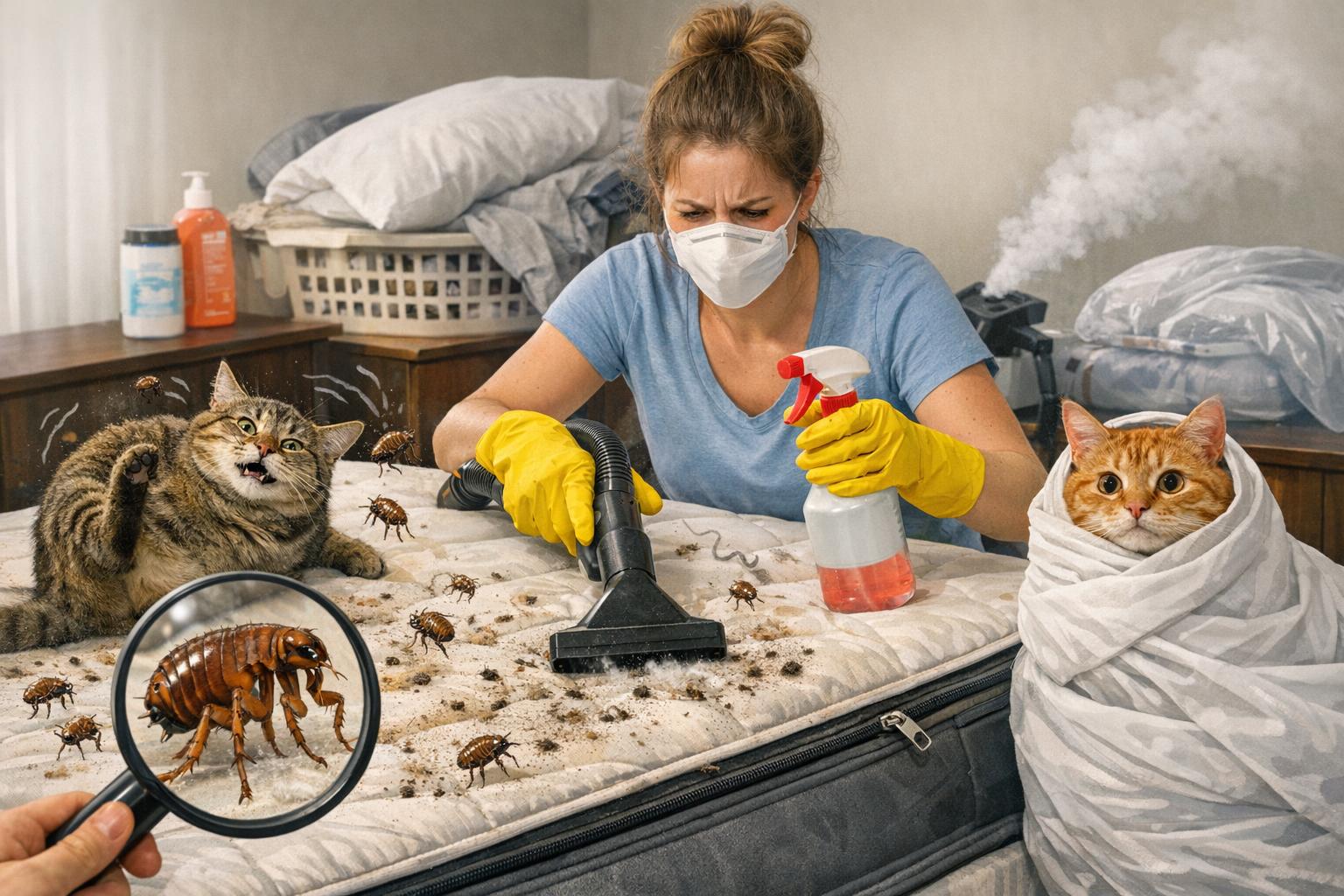
Sometimes, despite consistent use of natural repellents, fleas persist. That’s often a sign of an established life cycle in the environment—eggs, larvae, and pupae tucked into carpets or soil. In those cases:
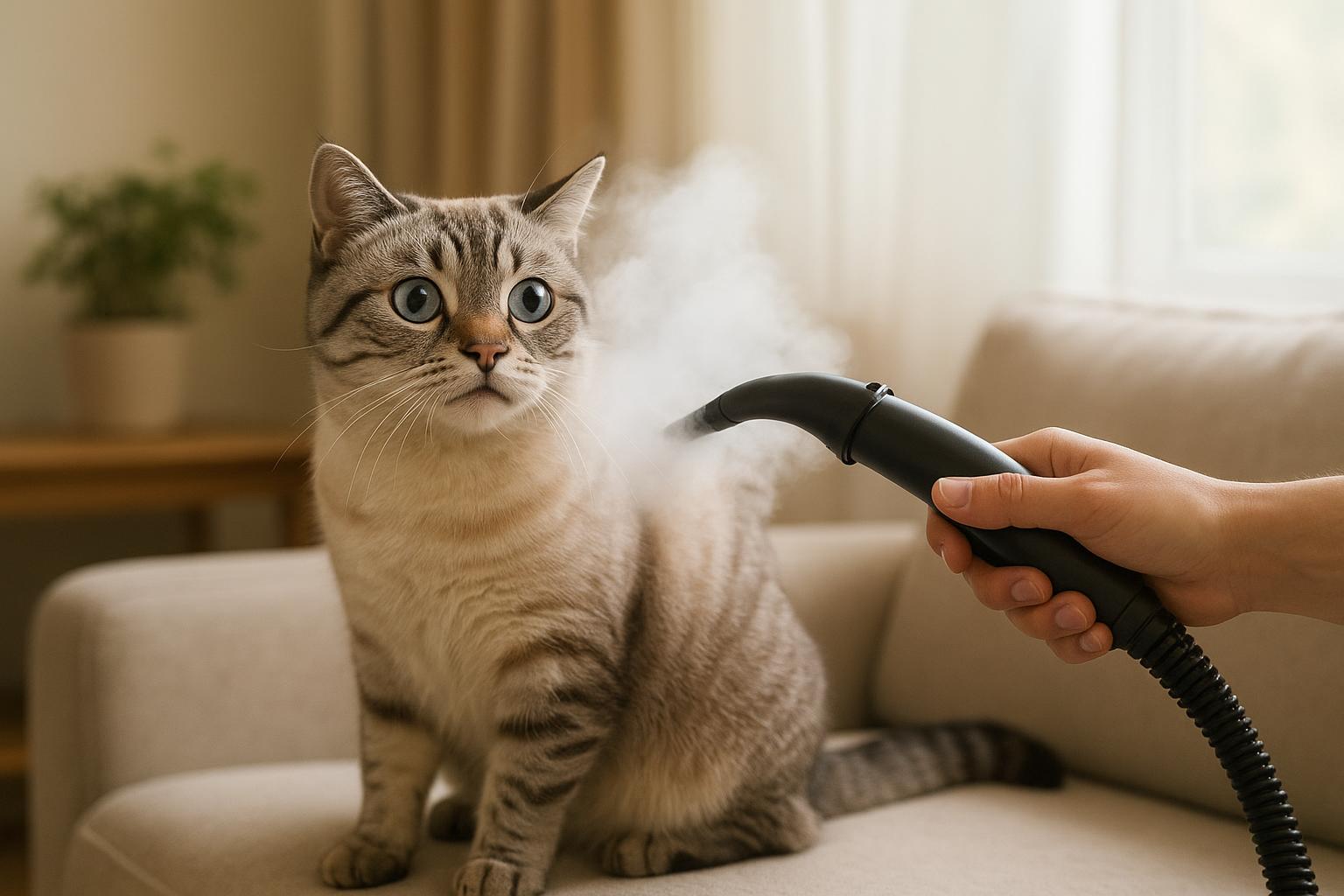
– Deep cleaning (steam cleaning carpets, washing bedding at high heat) helps interrupt the cycle.
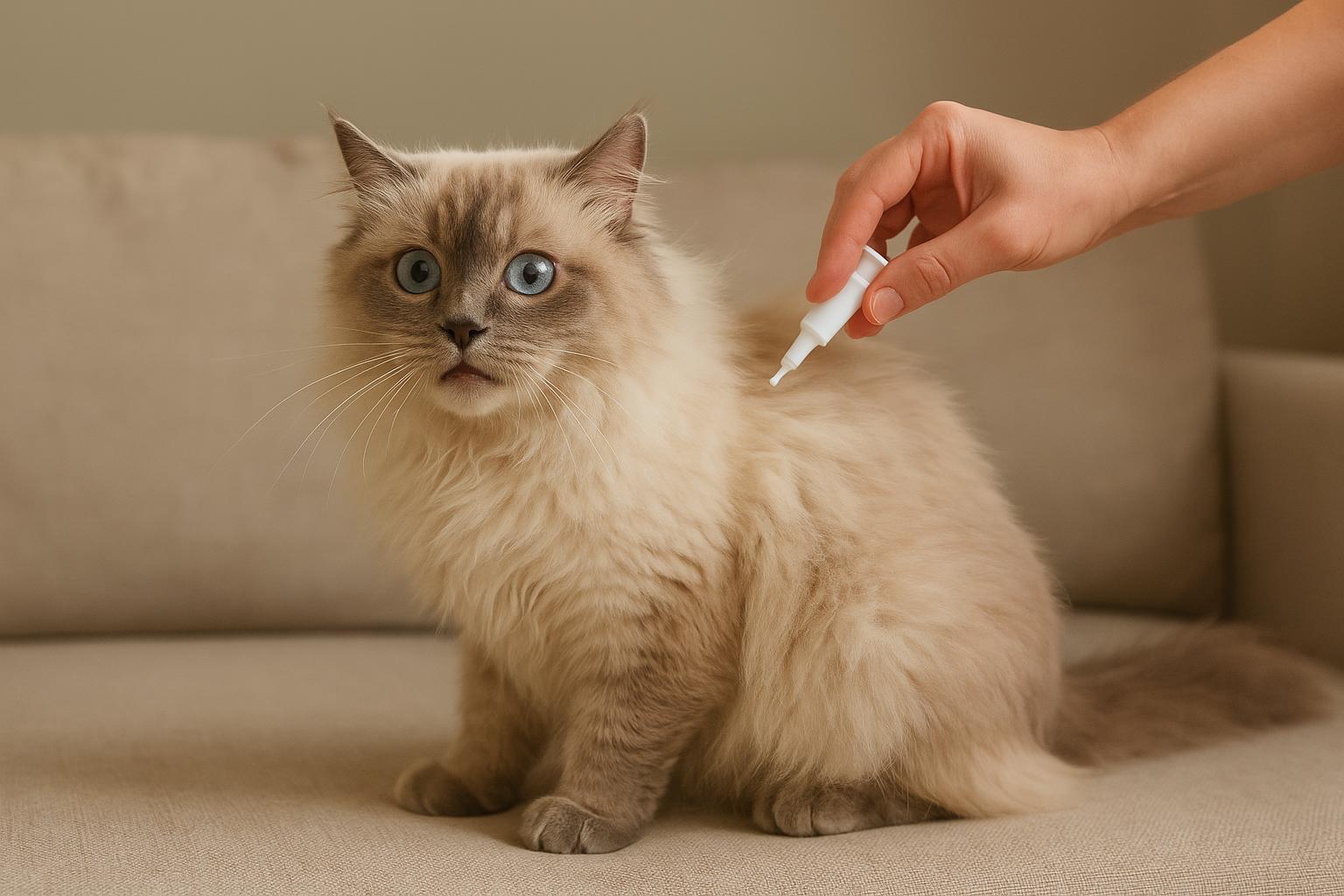
– Consider combining natural measures with veterinary-approved spot-on treatments or oral medications that target all life stages; this combined approach is often the fastest route to relief.
### Troubleshooting And FAQs
#### Can I Use These Sprays On Kittens Or Puppies?
Young animals have more sensitive skin and immature metabolisms. For kittens and puppies under 12 weeks, check with a veterinarian before using any essential oil-based product. You can often use diluted apple cider vinegar rinses under vet guidance but avoid oils unless instructed.
#### Do Natural Repellents Kill Flea Eggs?
Most natural repellents deter adult fleas or desiccate adults/larvae. They’re generally less effective at directly killing eggs. Interrupting the life cycle requires a coordinated approach: cleaning, vacuuming, treating pets, and environmental measures.
#### How Often Should I Treat The Yard?
Weekly during high flea season, and after heavy rain. Combine with habitat modification—remove leaf litter, keep grass short, and discourage rodent activity.
Keep in mind that “natural repellents” are tools in your toolbox—they work best when paired with good hygiene, preventive pet care, and common-sense yard management. Use them responsibly, read labels, test patches, and consult your veterinarian when in doubt.







Leave a Reply