
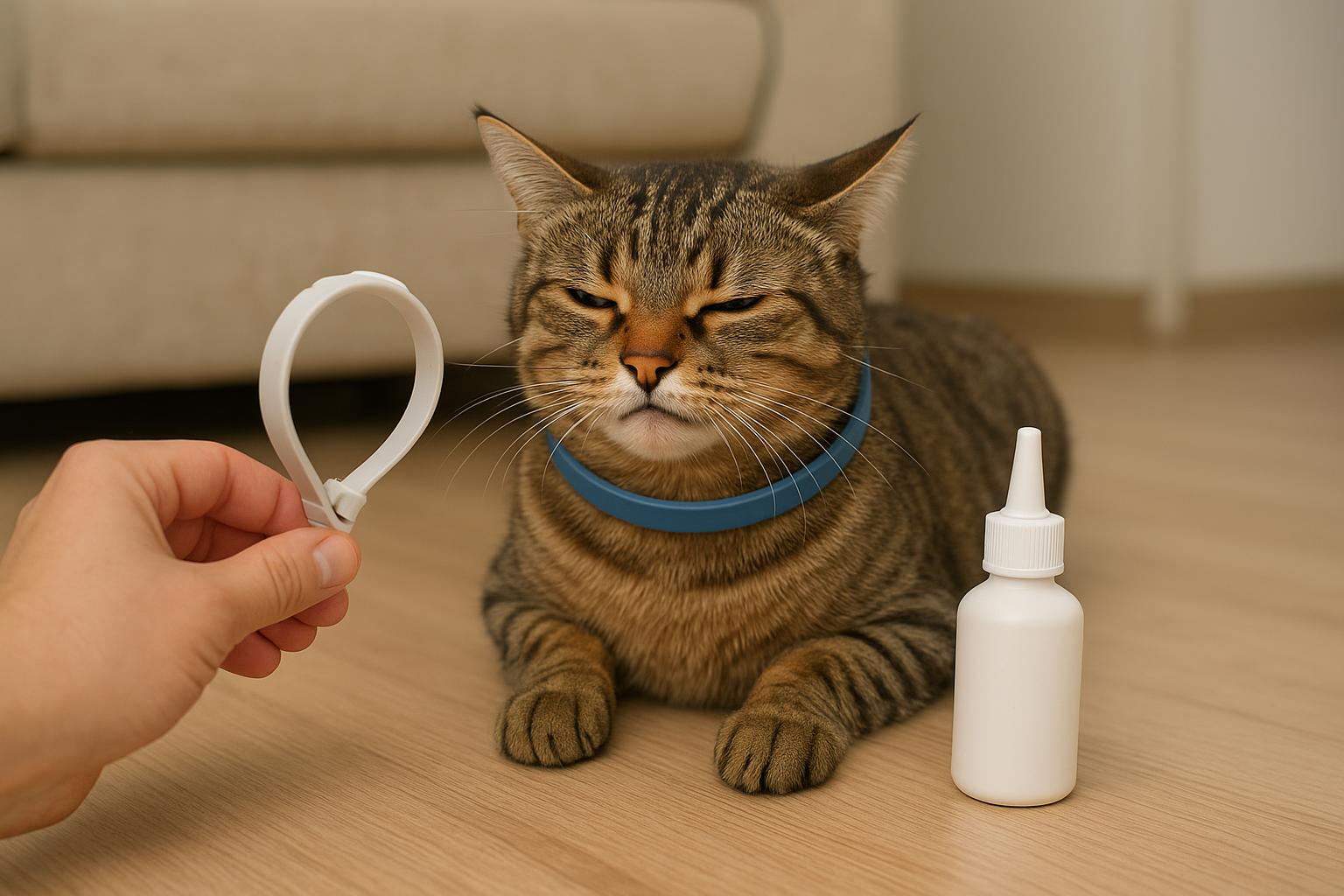
You came for answers about flea collars and stayed for the backyard wildlife gossip. Fair enough — grab a cup of tea (or a tennis ball for the dog) and let’s wade into the flea fray with calm eyes and slightly mussed fur.
## Flea Collar Debate: Do Flea Collars Really Work?
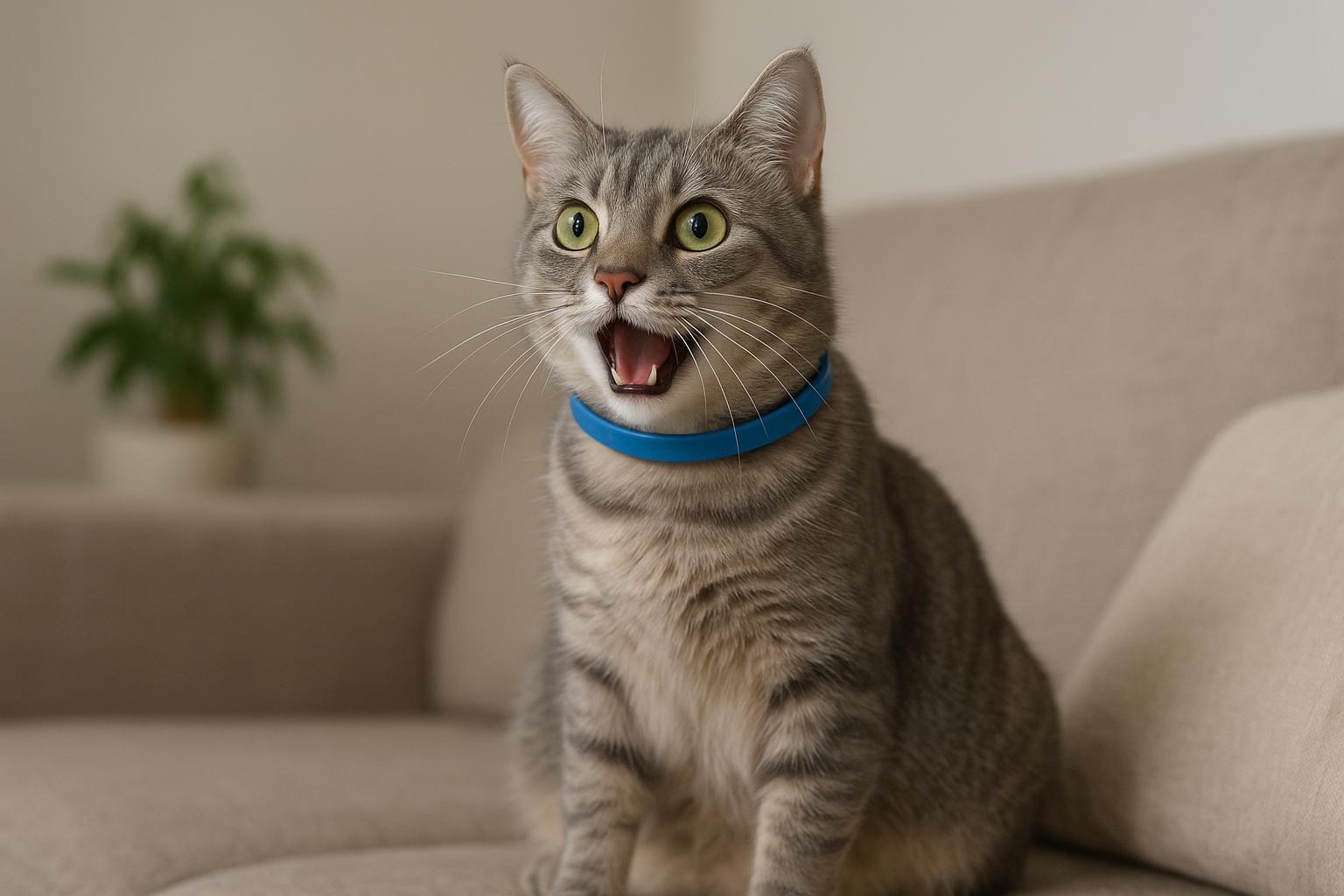
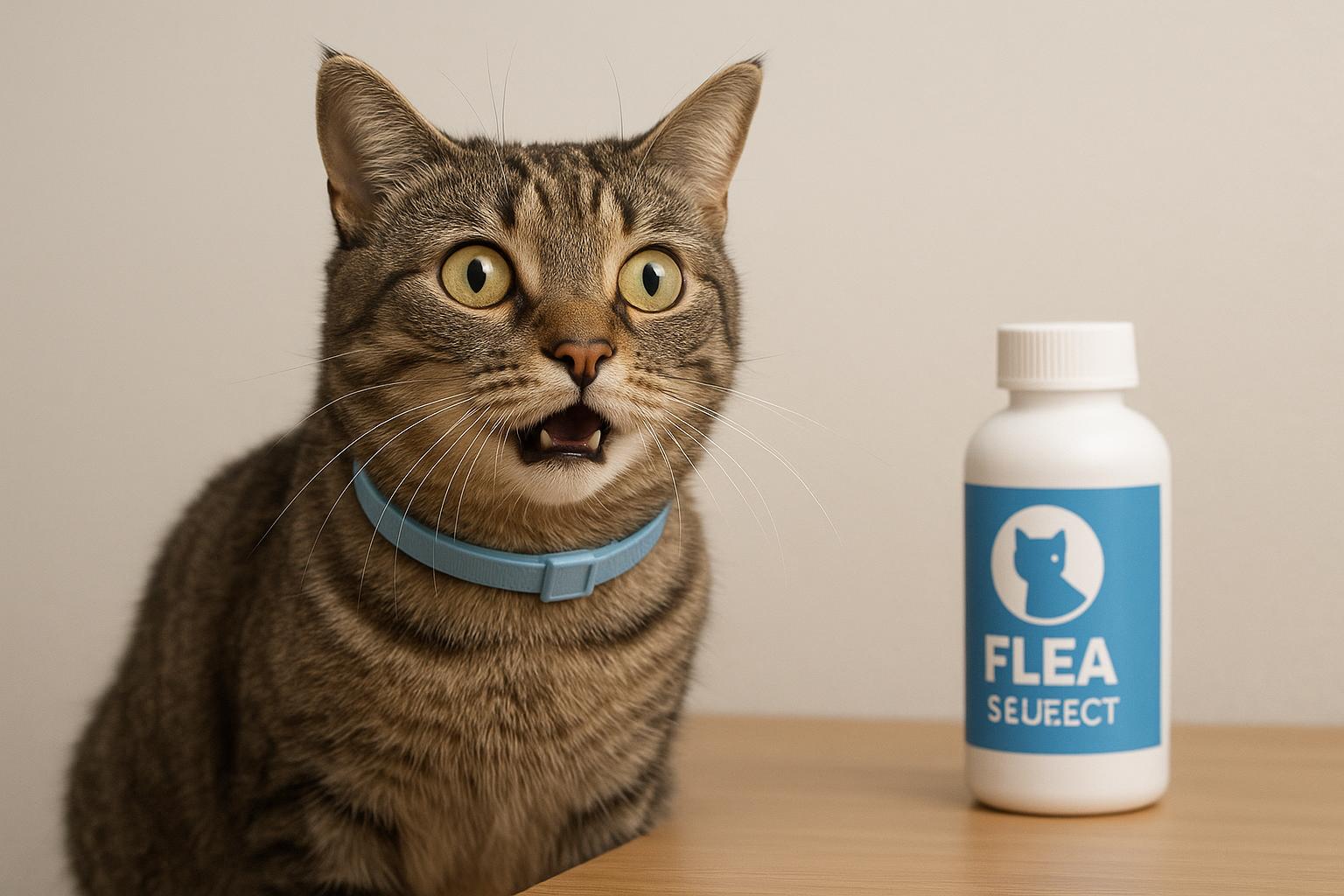
The flea collar debate has been buzzing for decades. On one end, you’ve got people swearing by the magic of a tiny band that keeps Fido flea-free for months. On the other, there are owners who say collars were useless or caused problems. The reality sits somewhere in the middle: collars can be effective, but their performance depends on the product, the parasite load, pet behavior, and nearby environmental conditions. The flea collar debate is not about a binary “works/doesn’t work”; it’s about matching tools to needs.
### How Modern Flea Collars Work
Flea collars today usually fall into three functional groups:
– Insecticide-release collars that dispense chemicals like imidacloprid, flumethrin, or deltamethrin across the pet’s fur and skin.
– Repellent-containing collars that deter fleas and ticks without necessarily killing them instantly.
– Silicone-based or herbal collars that claim to repel parasites using oils or scents (generally lower efficacy in heavy infestations).
These collars release active ingredients slowly so the chemical spreads over the pet’s skin and coat. That’s why fit and proper placement matter: a collar that’s too loose may not distribute chemicals evenly, and a collar that’s too tight can irritate the neck.
### Efficacy And Limitations
The flea collar debate often centers on expectations. Collars can:
– Kill or repel fleas on the pet effectively for weeks to months (depending on the product and active ingredient).
– Reduce tick attachment and flea bites, lowering the chance of disease transmission.
But collars are limited by:
– Heavy infestations in the home or yard — collars only protect the animal wearing them; they don’t treat the environment.
– Age, weight, and species differences — some collars are formulated for dogs only and can be toxic to cats.
– Resistance — fleas in some regions show reduced susceptibility to certain insecticides.
The flea collar debate gets tricky when people assume collars alone will solve an environmental infestation. Think of collars as one tool in an integrated pest-management approach, not a miracle cure.
### Safety Concerns And Who Should Be Careful
Safety is a key part of the flea collar debate. Historically, some collars used organophosphates and other compounds that could cause adverse effects. Modern products are much safer, but risks remain:
– Skin irritation at the contact site.
– Systemic effects in sensitive animals (rare, but possible).
– Toxicity in cats exposed to dog-specific collars with pyrethroids.
Always read labels. If your pet shows drooling, vomiting, lethargy, tremors, or any unusual behavior after collar use, remove the collar and contact a veterinarian.
### When To Choose A Collar Versus Other Treatments
If you want continuous, low-maintenance protection for a primarily outdoor dog with moderate flea risk, a collar can be an excellent option. If your home has a heavy infestation — or you have multiple animals, including cats — pair the collar with environmental treatment and vet-recommended systemic options for best results.
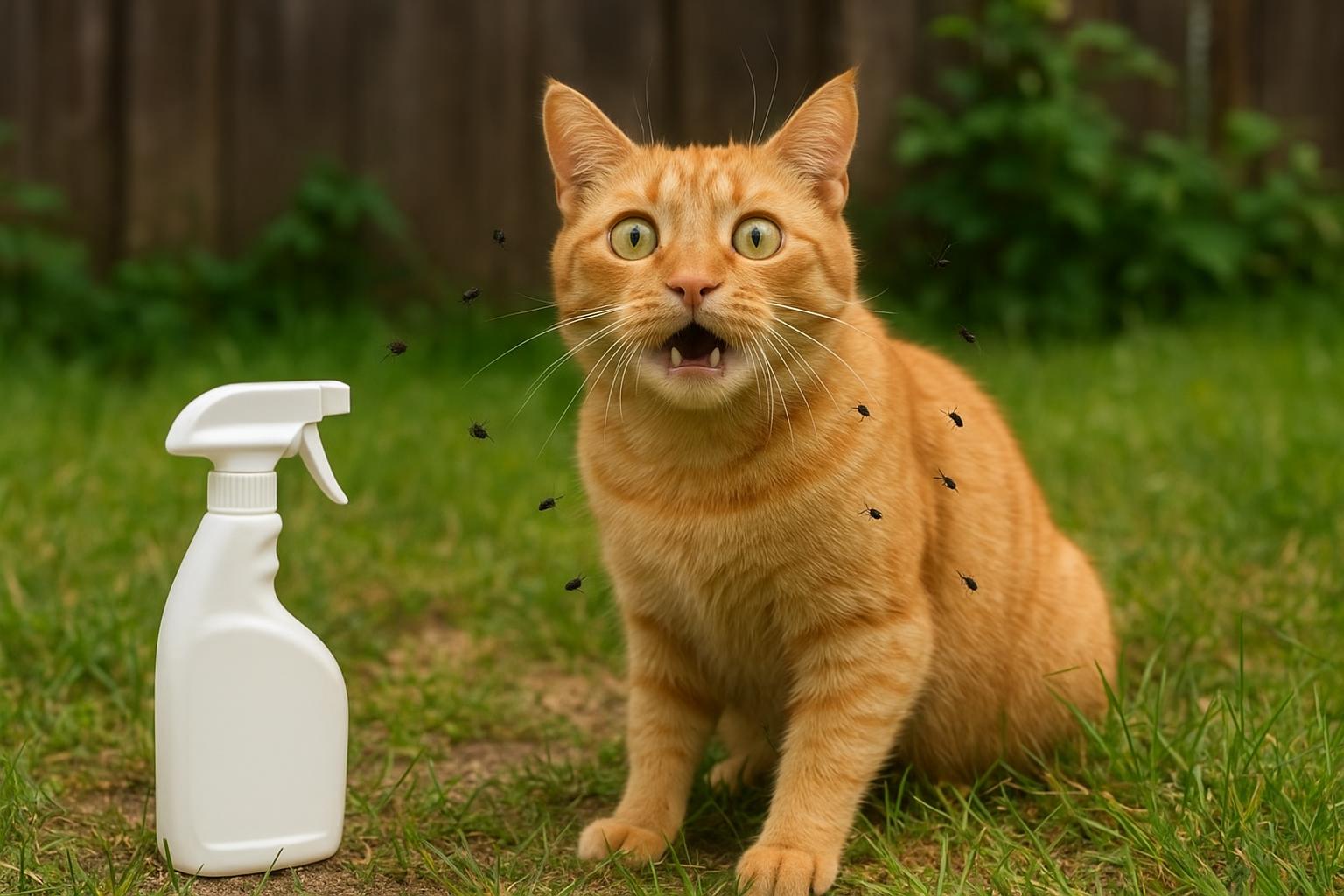
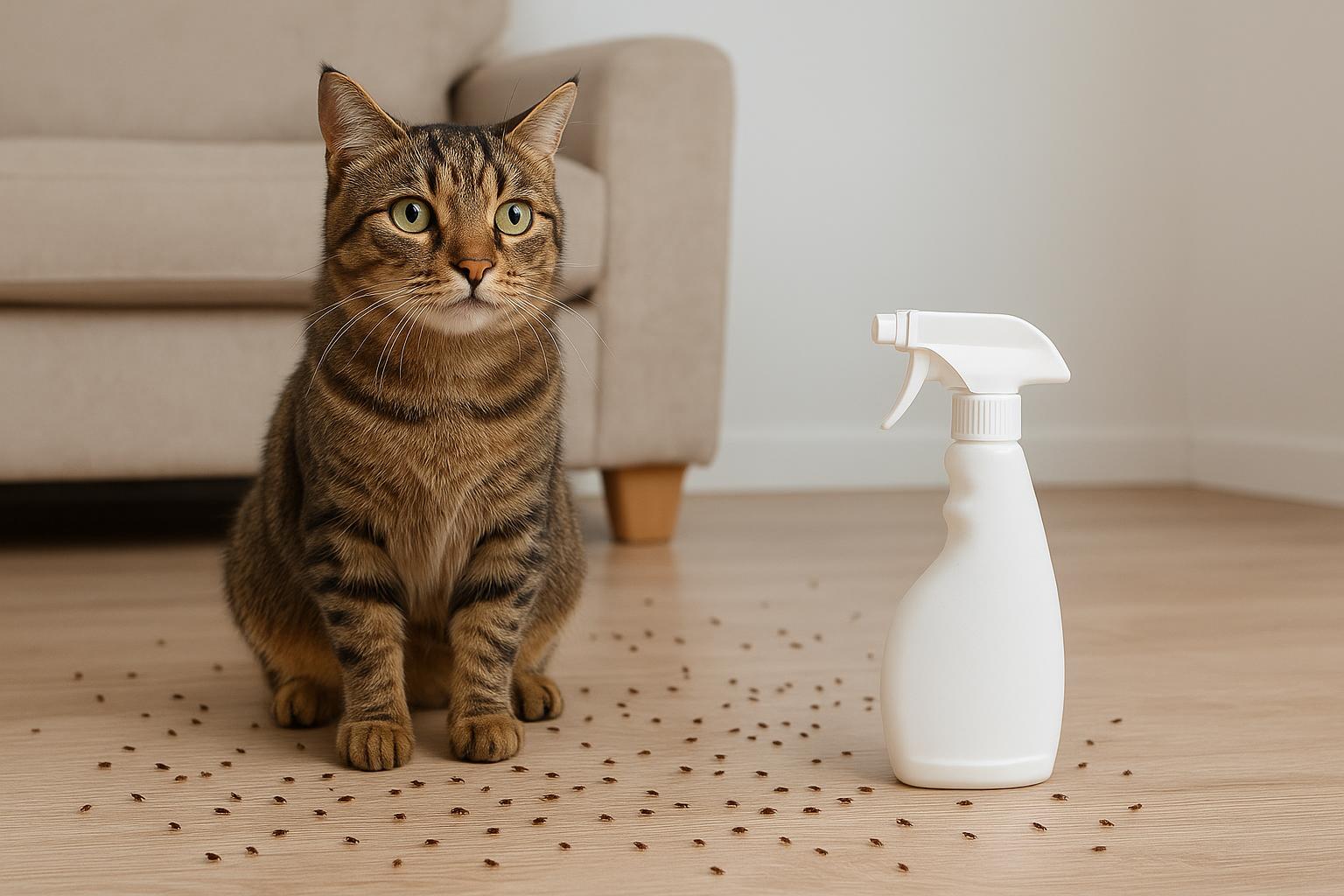
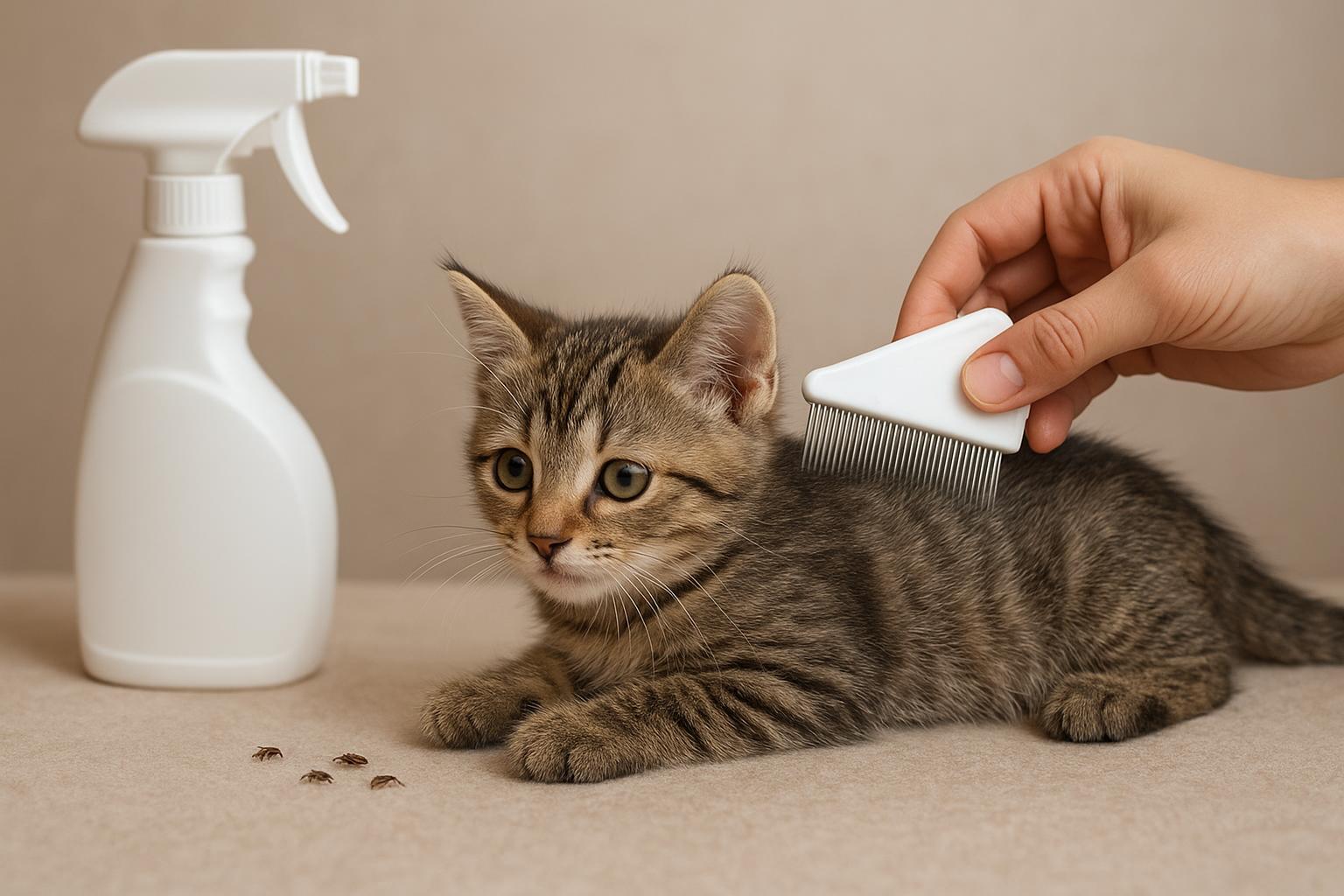
## Remedy 1: DIY Natural Flea Spray For Light Infestations
Formal Note: This is a home remedy suitable for mild, preventative scenarios. It is not a substitute for veterinarian-prescribed treatments in moderate to severe infestations or for animals showing signs of flea-borne illness.
Ingredients / Required Materials:
– 2 cups water
– 1 cup apple cider vinegar (brings pH down and repels fleas)
– 1/2 cup witch hazel or rubbing alcohol (optional, helps dissolve oils)
– 10 drops lavender essential oil (do not use on cats unless vet-approved)
– 10 drops cedarwood essential oil (avoid on cats without vet OK)
– Clean spray bottle (glass preferred)
Step-By-Step Creation:
1. Combine the water and apple cider vinegar in the spray bottle.
2. Add witch hazel if using; tighten cap and shake to mix.
3. Add essential oils, then shake for 10–15 seconds until combined.
4. Label the bottle with contents and date.
Application:
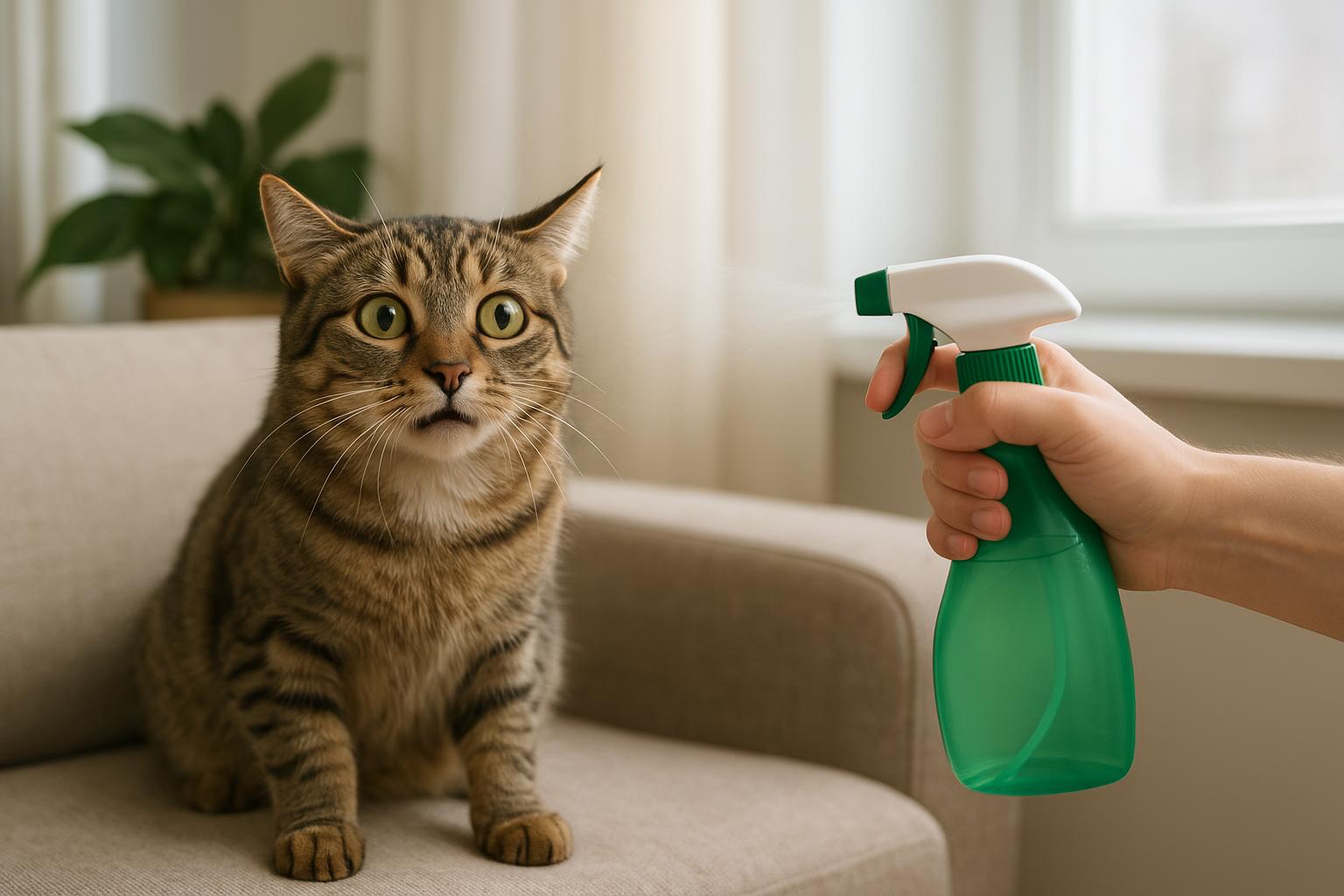
1. Lightly mist your dog’s coat from a safe distance, avoiding eyes, nose, mouth, and any open wounds. Do not saturate the fur.
2. Rub through with your hands (gloved if you prefer) for even distribution.
3. Repeat every 2–3 days during high-risk periods. Do not use on puppies under eight weeks or on animals with sensitive skin unless approved by a vet.
Caution: Essential oils can be toxic to cats and to some dogs at high concentrations. Consult your veterinarian before using on multi-pet households.
## Remedy 2: Home Environmental Treatment (Numbered Remedy)
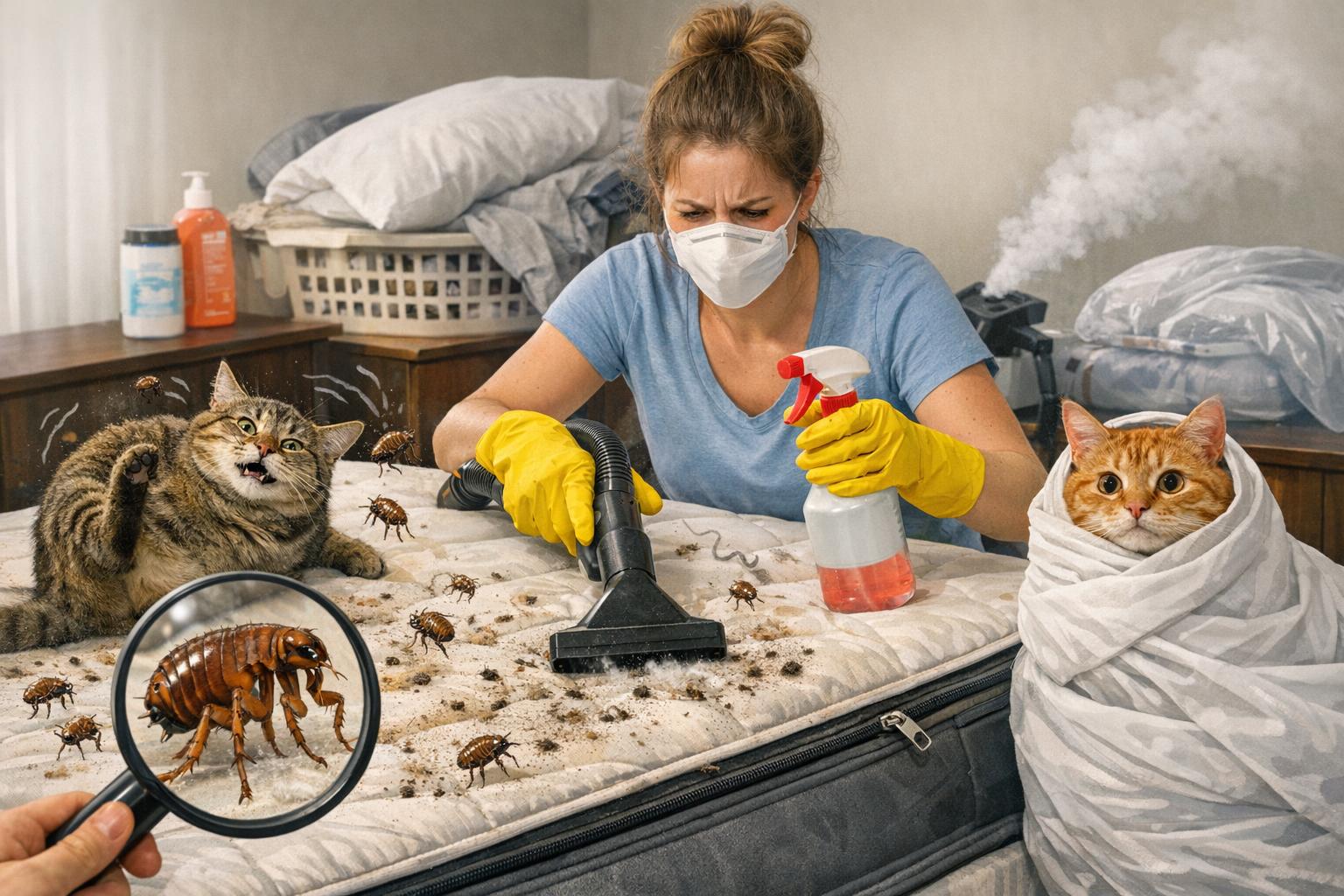
This remedy is numbered because the flea collar debate often misses the environmental piece: treating your pet without addressing home and yard is like grilling burgers without buns — possible but messy.
Materials:
– Vacuum with a crevice tool
– Steam cleaner (for carpets and upholstery) — optional but highly effective
– Diatomaceous earth (food-grade) or an insect growth regulator (IGR) labeled for indoor use
– Stiff broom or brush
– Protective gloves and dust mask if using powders
Step-By-Step Creation And Application:
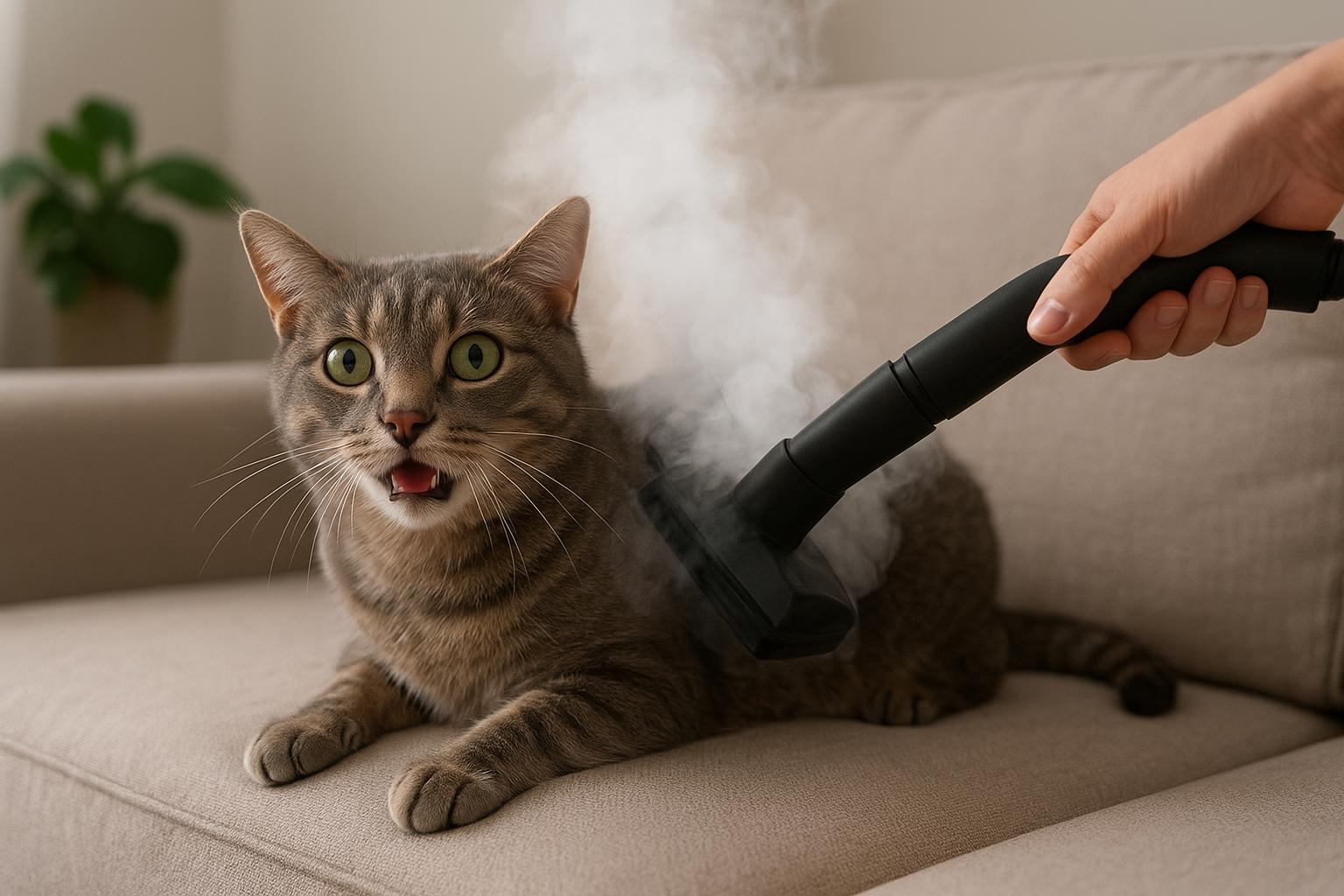
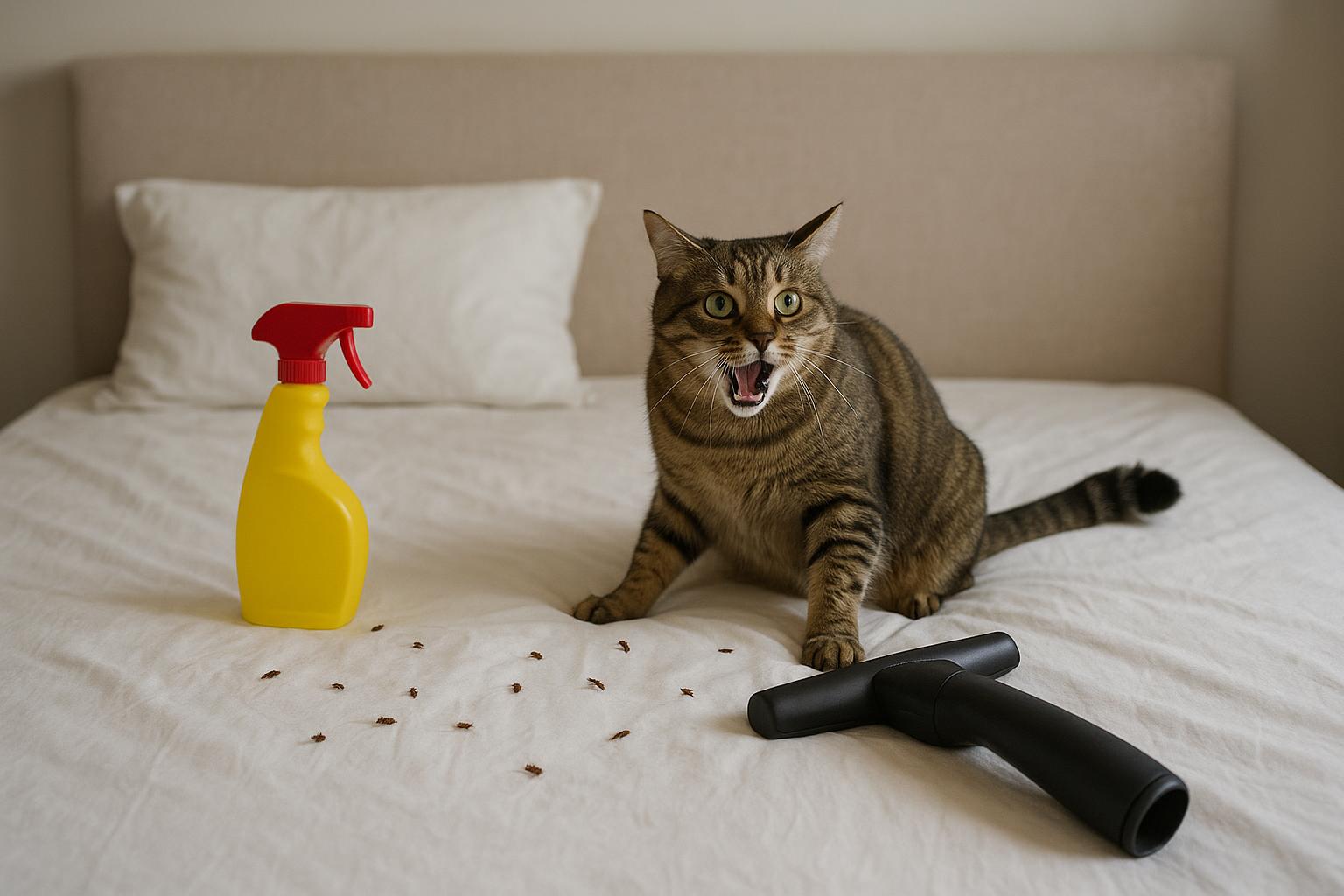
1. Vacuum thoroughly: Start with floors, carpets, furniture crevices, and pet bedding. Move furniture where possible. Empty the vacuum canister or change the bag outside to prevent re-infestation.
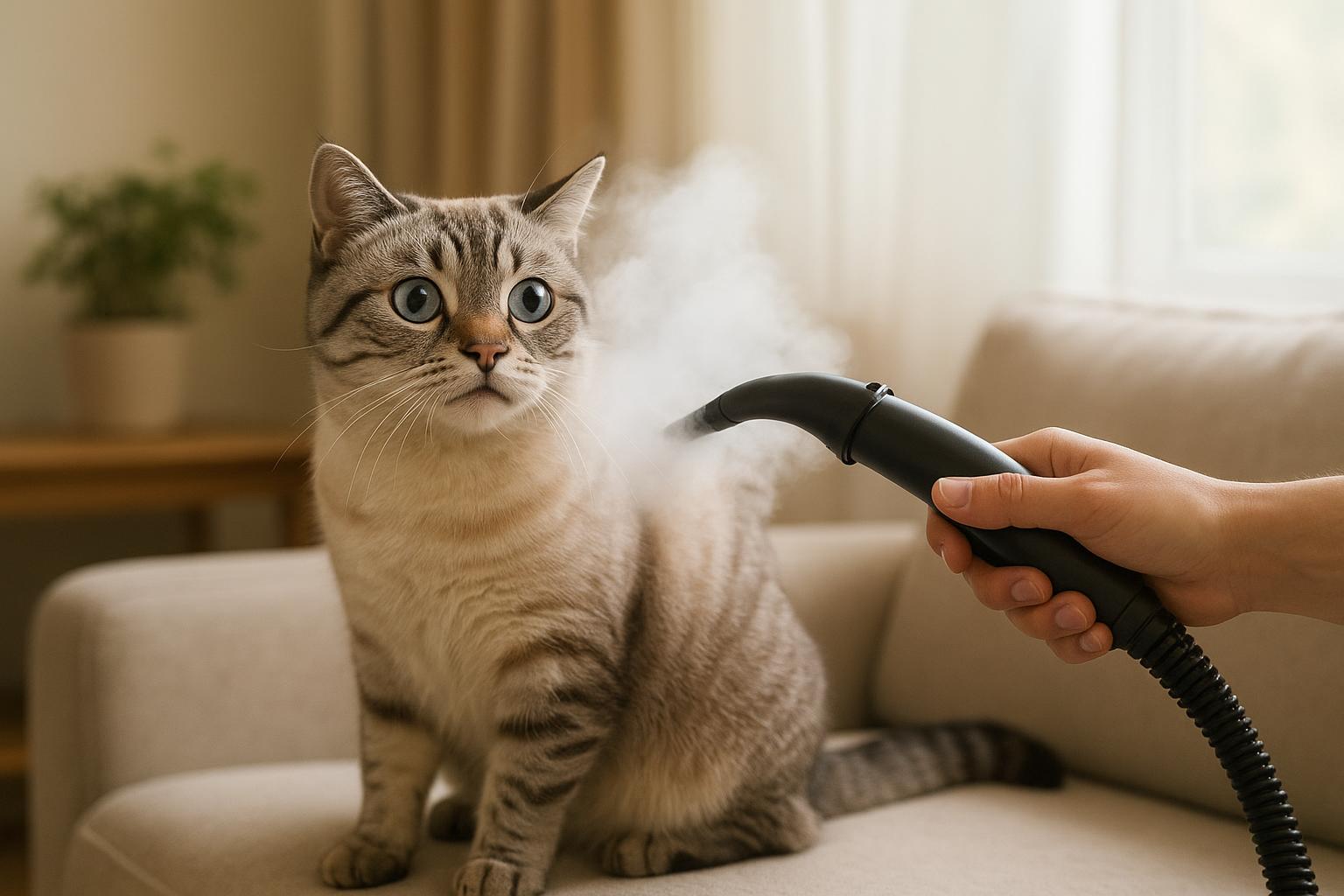
2. Steam clean carpets and upholstery where fleas are obvious: steam kills eggs, larvae, and adults on contact.
3. Apply diatomaceous earth lightly to carpets and baseboards: sprinkle a thin layer, let sit for 24–48 hours, then vacuum thoroughly. Food-grade diatomaceous earth is safe when used according to label instructions.
4. If using an IGR spray, follow the manufacturer’s directions precisely. IGRs prevent eggs and larvae from maturing and are especially helpful in severe infestations.
5. Wash pet bedding and linens in hot water and dry on high heat for at least 30 minutes.
6. Repeat vacuuming and targeted treatments weekly for 6–8 weeks to break the flea life cycle.
Formality Note: Use of pesticides or IGRs should follow label instructions and local regulations. When in doubt, consult a pest-management professional.
### Comparing Collars To Alternative Treatments
The flea collar debate frequently compares collars to spot-on topicals, oral medications, and environmental treatments. Here’s a concise view:
– Collars: low maintenance, long-lasting, variable efficacy depending on active ingredient and exposure.
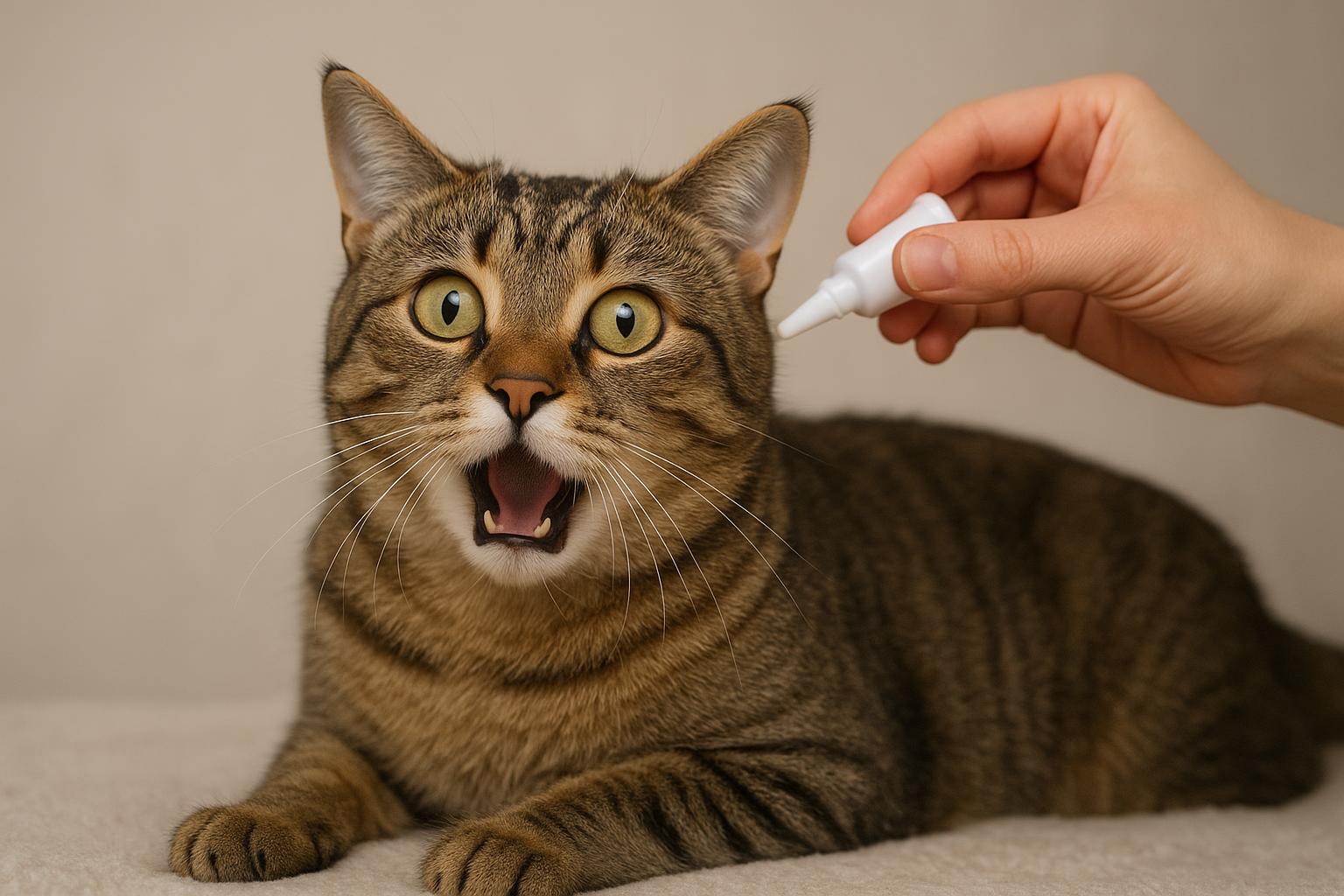
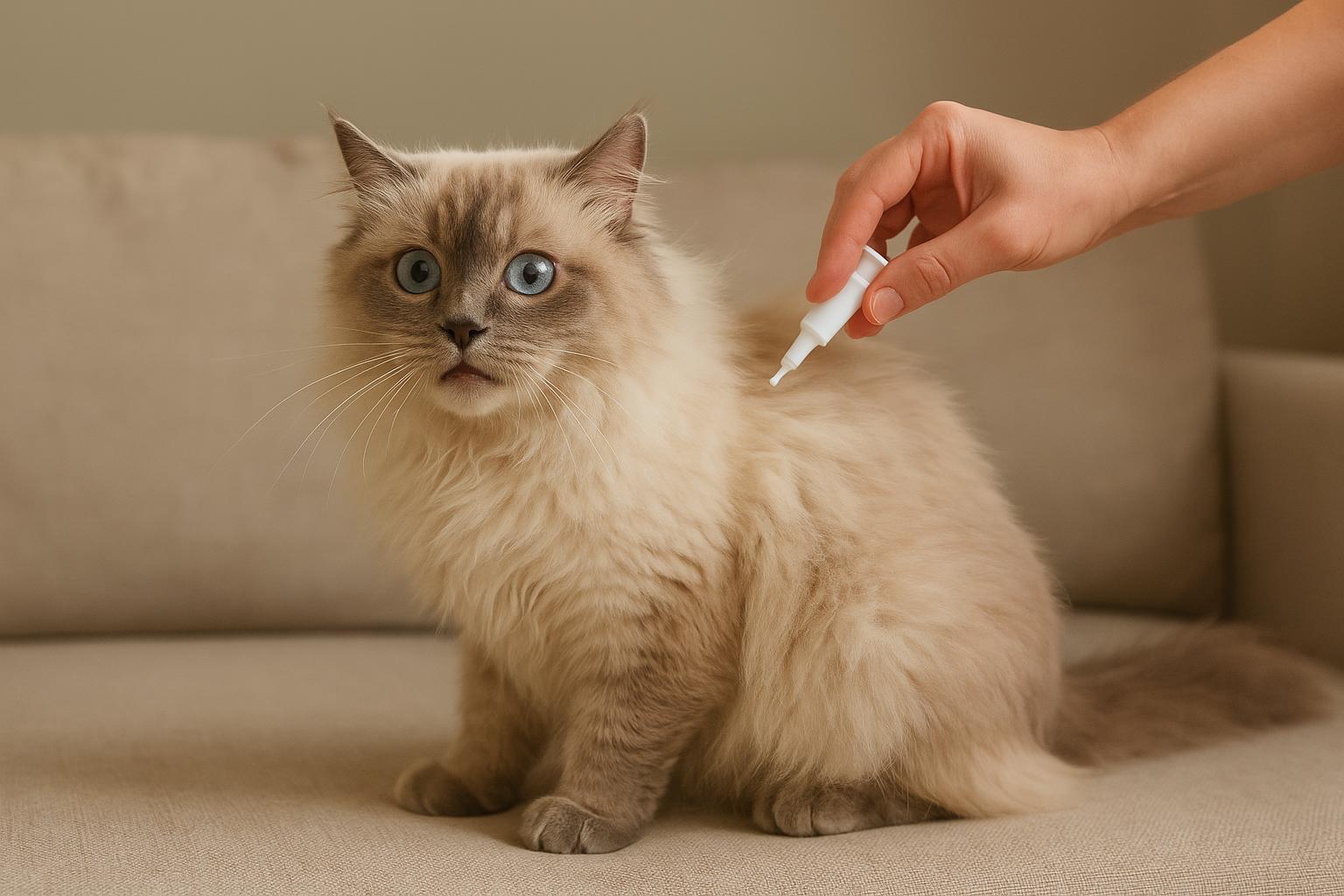
– Spot-on topical treatments: highly effective for many parasites, require monthly reapplication, can be washed off or reduced by bathing.
– Oral medications: systemic and very effective against fleas/ticks; require vet prescription for dosing and safety.
– Environmental control: critical for heavy infestations; addresses eggs and larvae that on-animal treatments won’t reach.
### Special Considerations For Cats And Multi-Pet Households
In the context of the flea collar debate, never assume what’s safe for dogs is safe for cats. Pyrethroids and certain other chemicals are toxic to cats. Use products specifically labeled for each species and consult a veterinarian before mixing treatments across pets.
### Signs Your Strategy Needs A Reset
If you’ve used a collar and still see adult fleas, consider:
– Checking collar fit and expiration date.
– Reviewing whether the product is intended for your species and weight class.
– Assessing the environment for eggs/larvae that require treatment.
– Consulting a veterinarian for a systemic option or combined approach.
The flea collar debate won’t die down anytime soon, and that’s okay. It reflects real diversity in products, pet needs, and household situations. Use reliable labels, be mindful of safety, and treat the pet and the environment together when necessary — that’s a plan that most fleas find sadly unromantic.
### Vet Guidance And When To Seek Professional Help
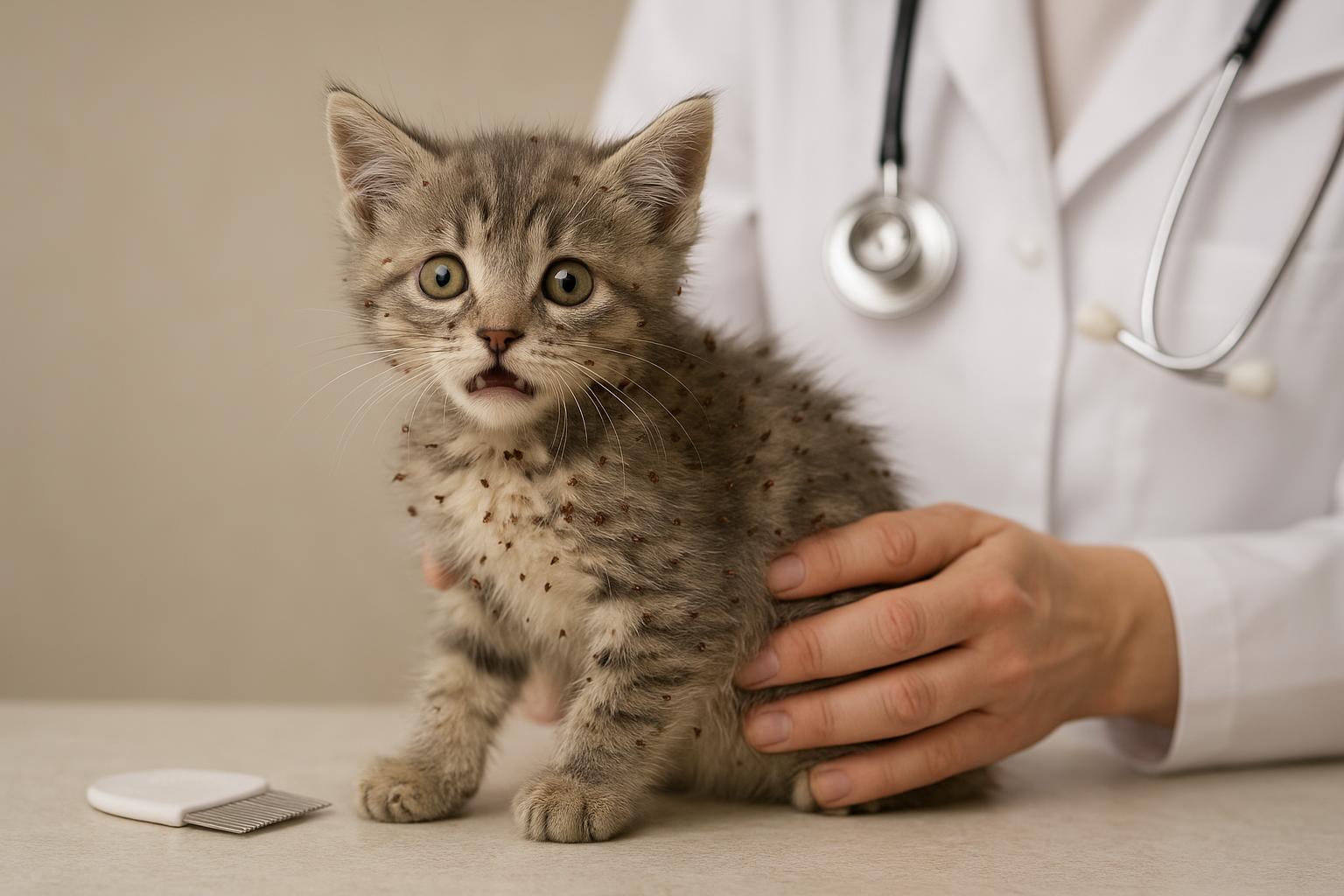
If you encounter persistent fleas despite diligent use of collars, sprays, and environmental control, contact a veterinarian. They can:
– Prescribe systemic oral treatments.
– Check for flea-borne illnesses like Bartonellosis or tapeworms.
– Offer tailored plans if you have young, elderly, or immunocompromised pets.
And yes — if you’d rather outsource the whole mess, professional pest control and veterinary flea programs exist for good reasons. They’re the adulting version of getting someone else to clean the chicken coop.
Now go check your pet’s collar fit, maybe vacuum a cushion, and keep an eye on any suspicious jumping micro-monsters. The flea collar debate continues, but informed choices make it a manageable one.







Leave a Reply