
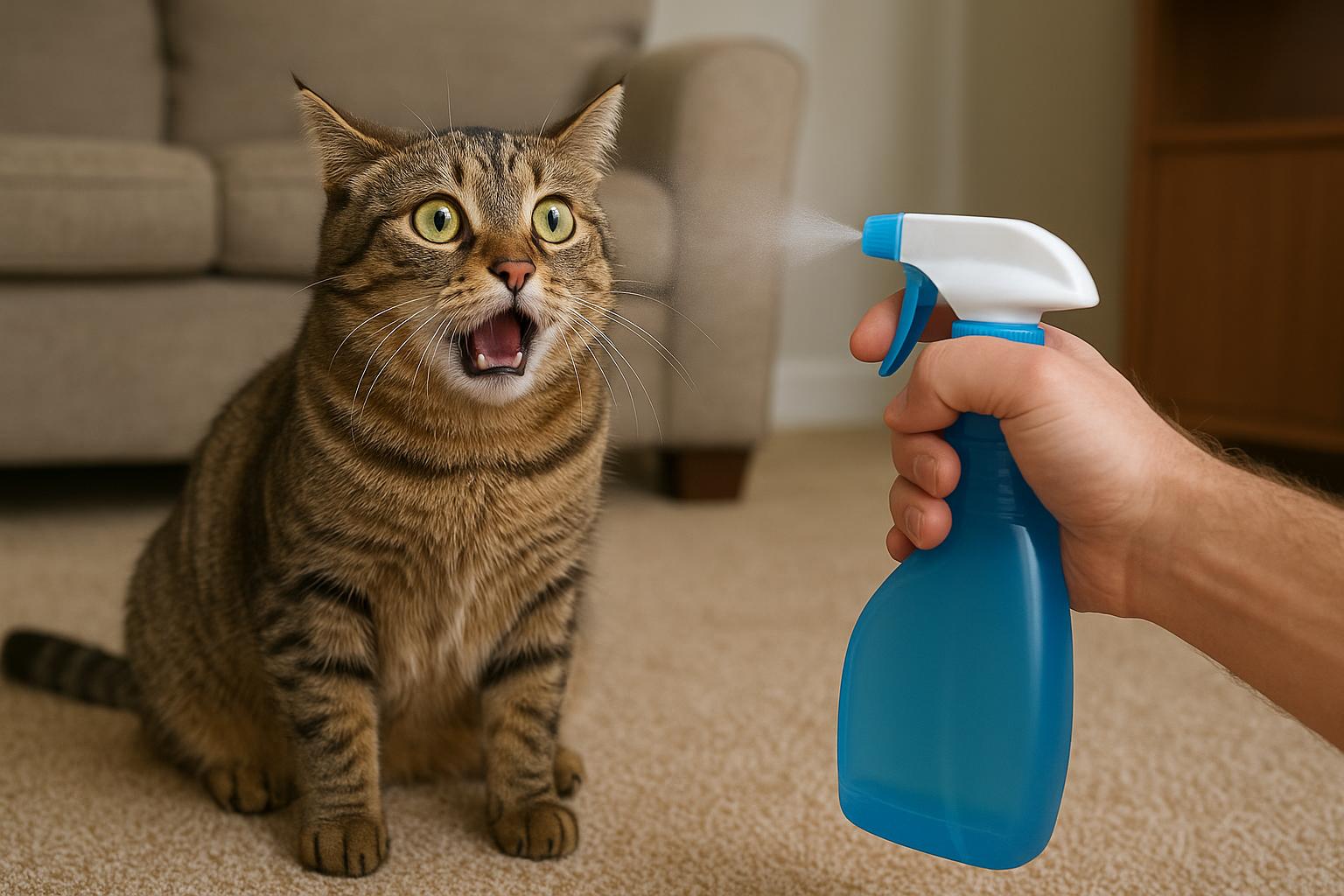
You walked in, your cat greeted you like royalty, and somewhere between the couch cushions and that suspiciously crunchy area of carpet, the tiny tyrants came calling. Fleas are common, stubborn, and sneaky — but you’re not helpless. This relaxed guide is for cat owners who want practical, honest, and slightly witty help for indoor flea treatment without making the cat feel like it’s in a chemistry lab.
## Indoor Flea Treatment: Action Plan For Cat Owners
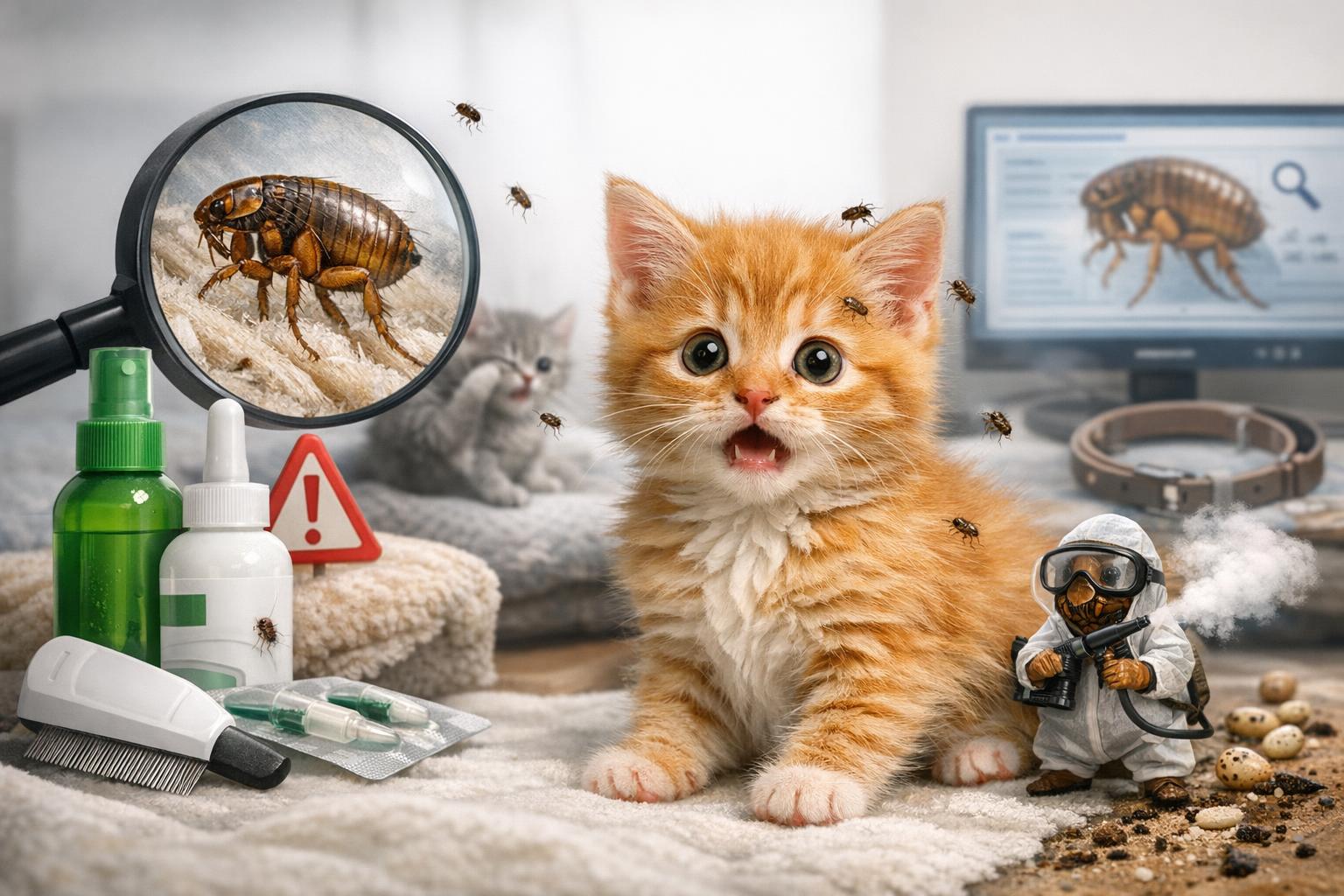
If you want results, treat the cat and the castle. An effective indoor flea treatment program simultaneously targets adult fleas on your cat, the eggs and larvae in your home, and prevents reinfestation. The key is consistency: treat the animal on schedule, clean the environment regularly, and use products or remedies that are safe for cats and effective against the flea life cycle.
### Recognize The Problem Early
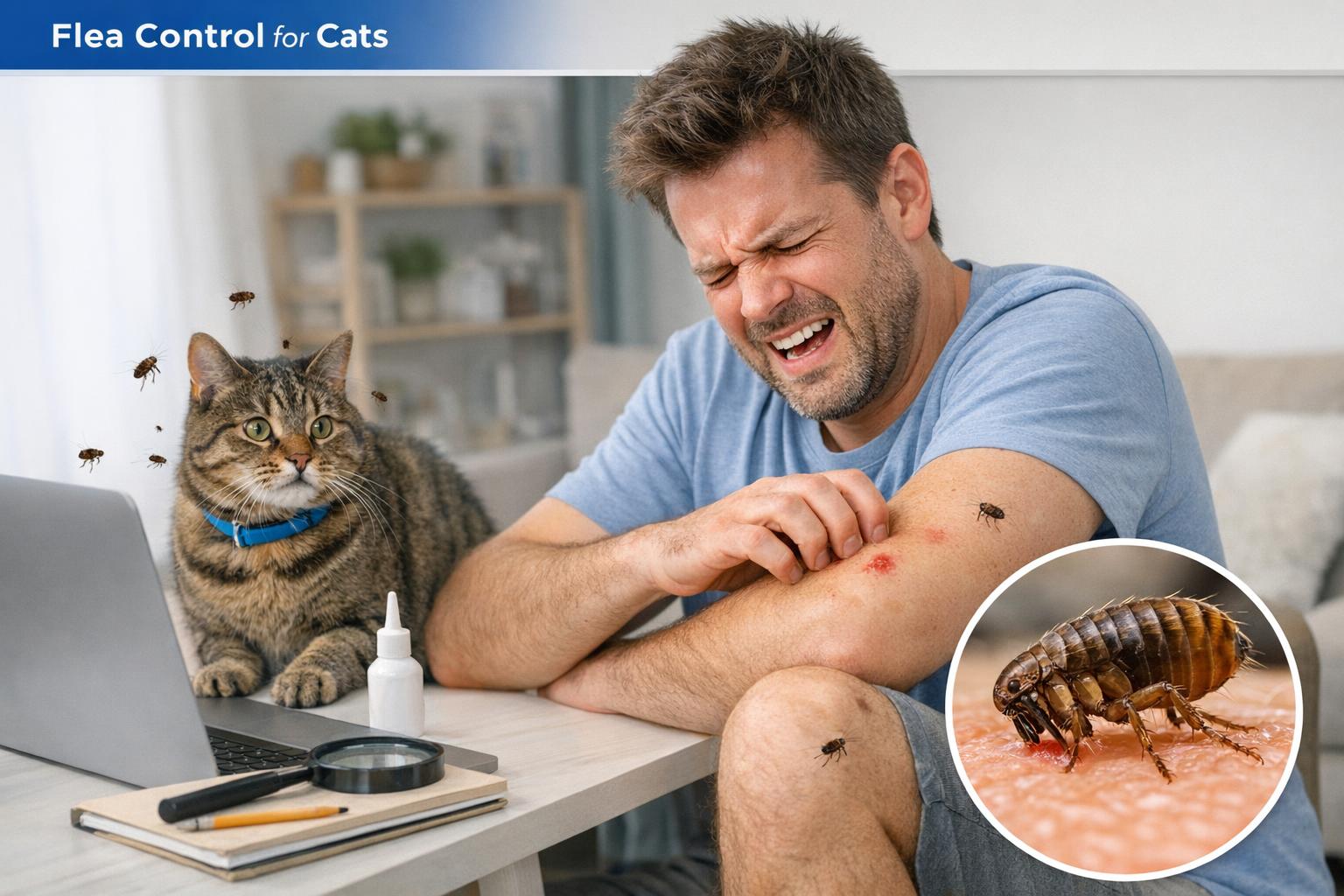
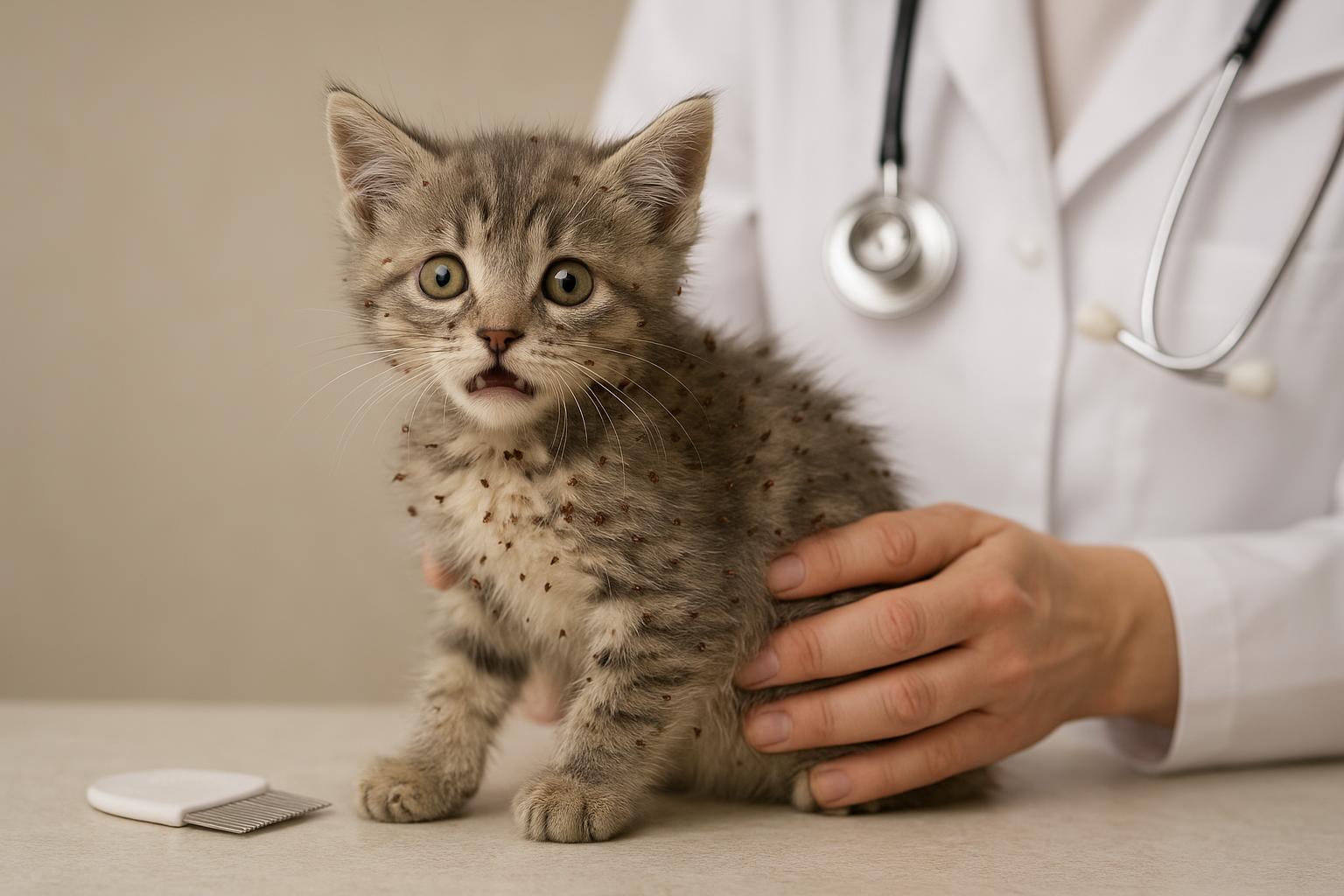
Fleas are tiny but leave big clues. Look for:
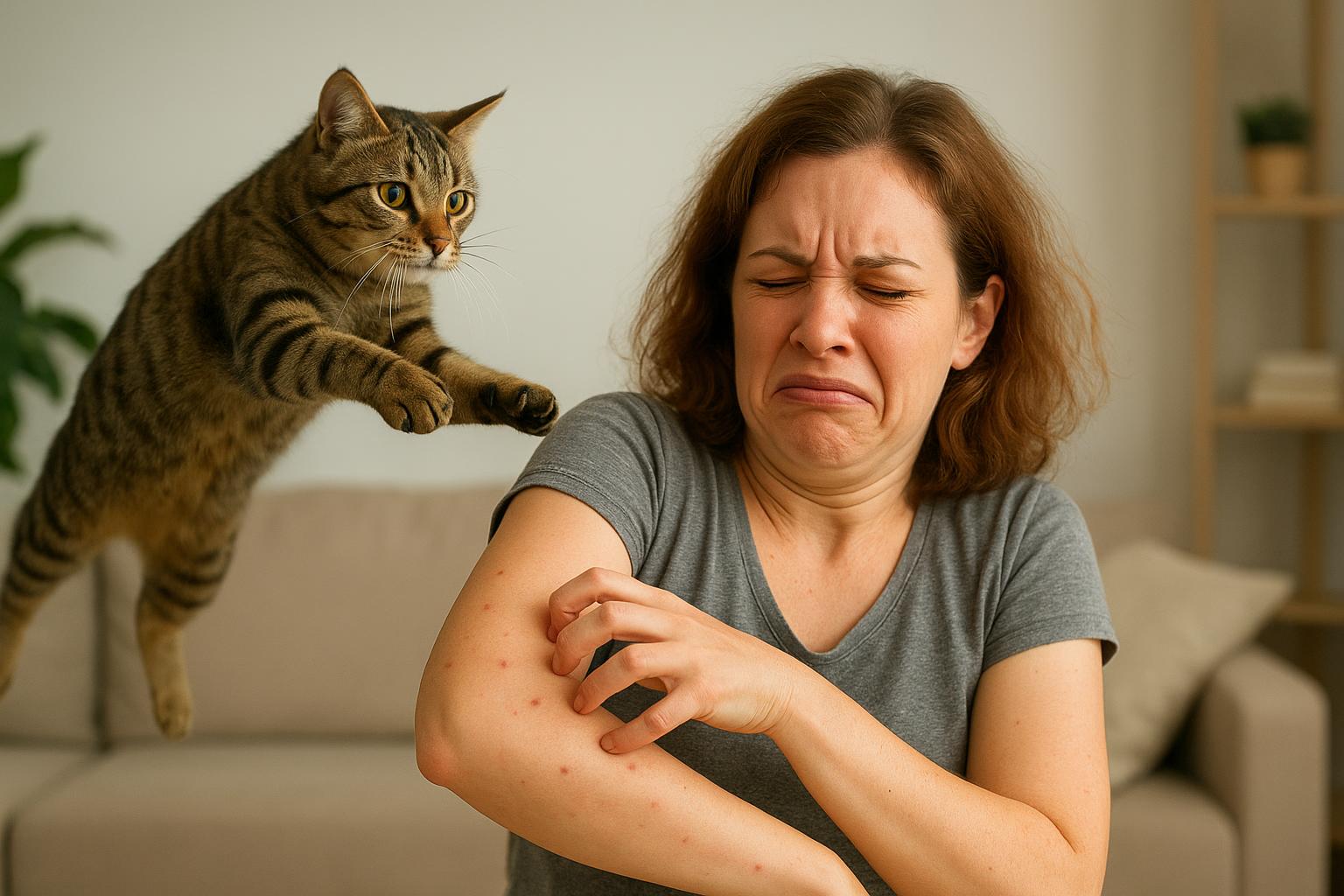
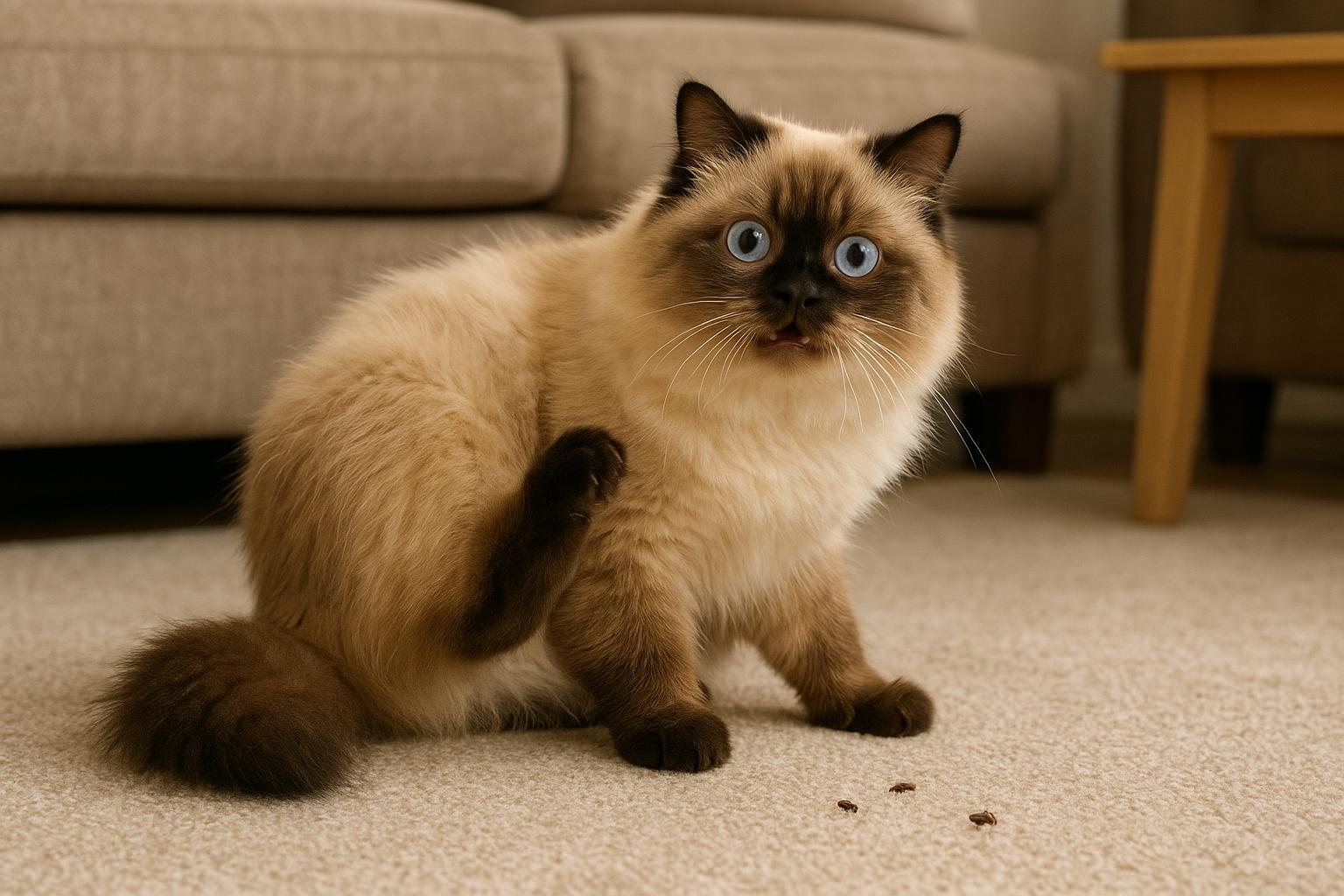
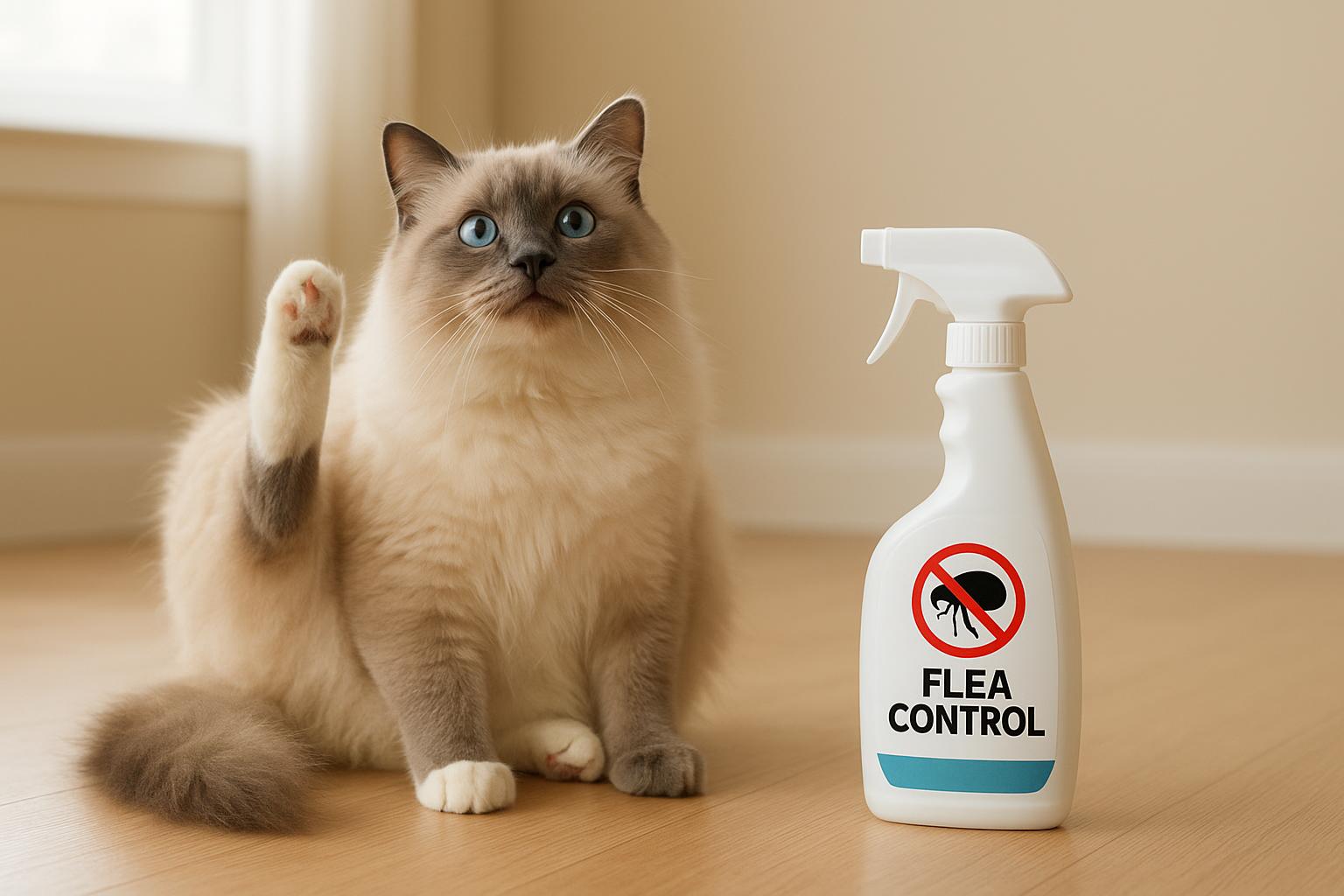
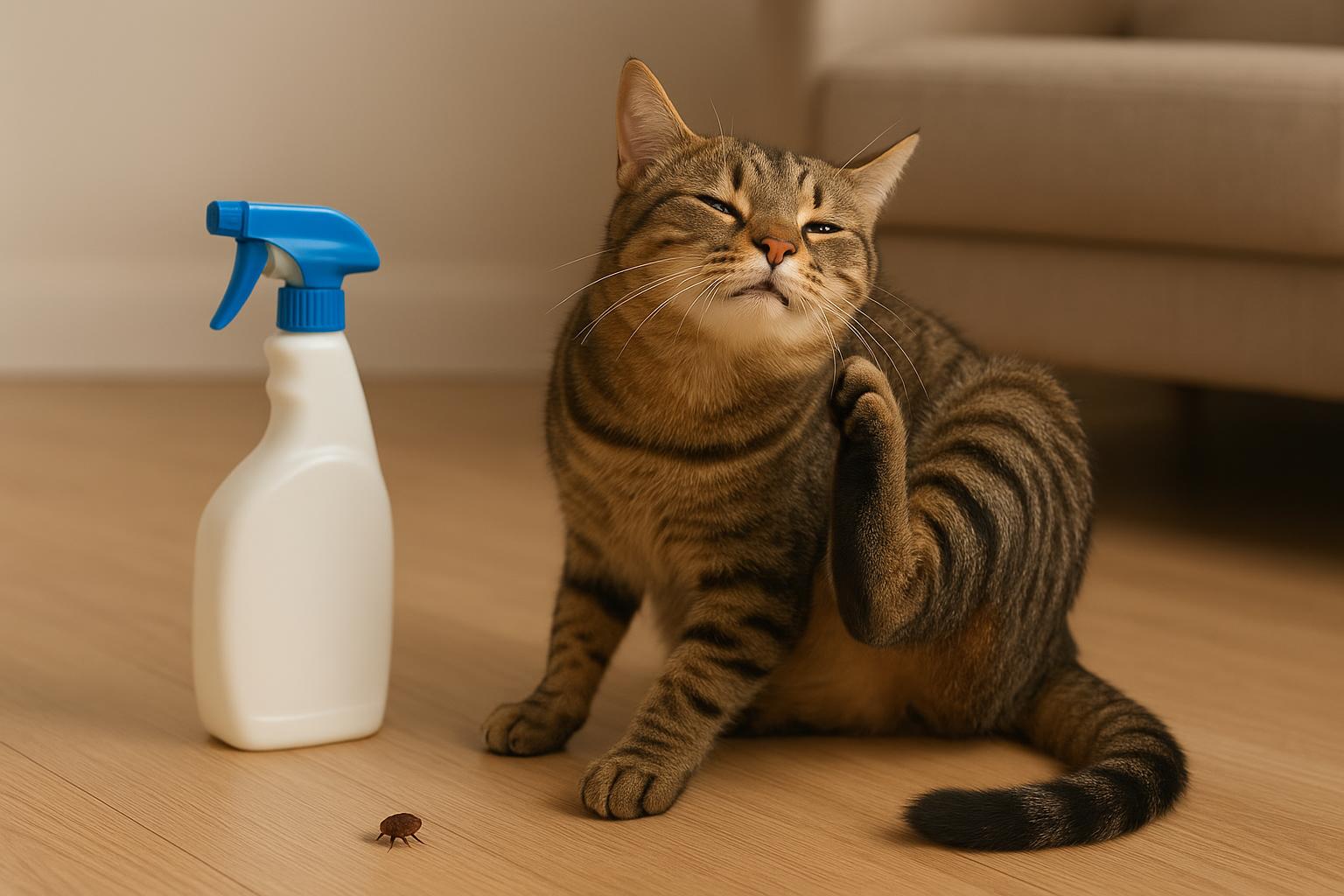
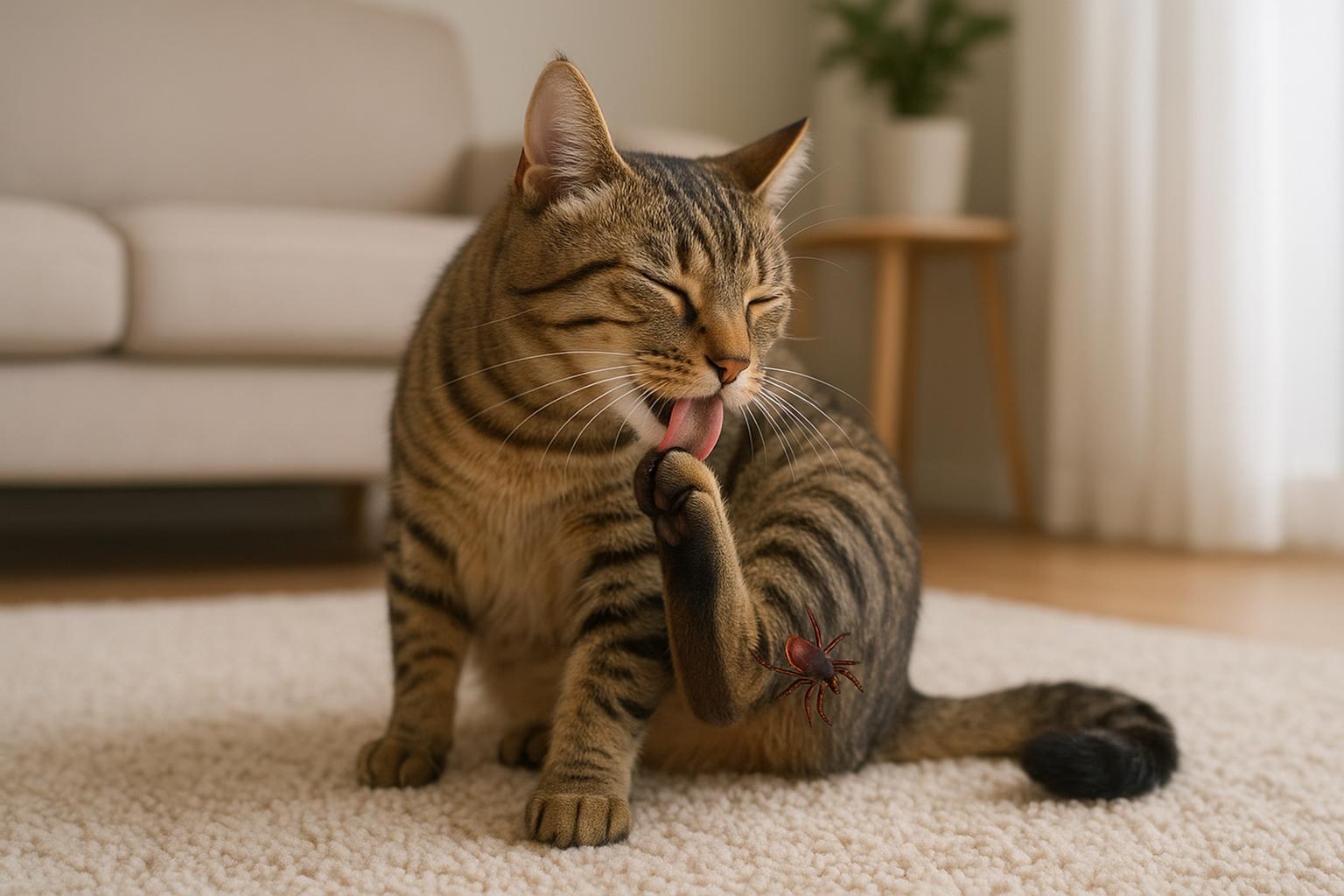
– Frequent scratching, biting, or licking, especially around the neck, base of the tail, and belly.
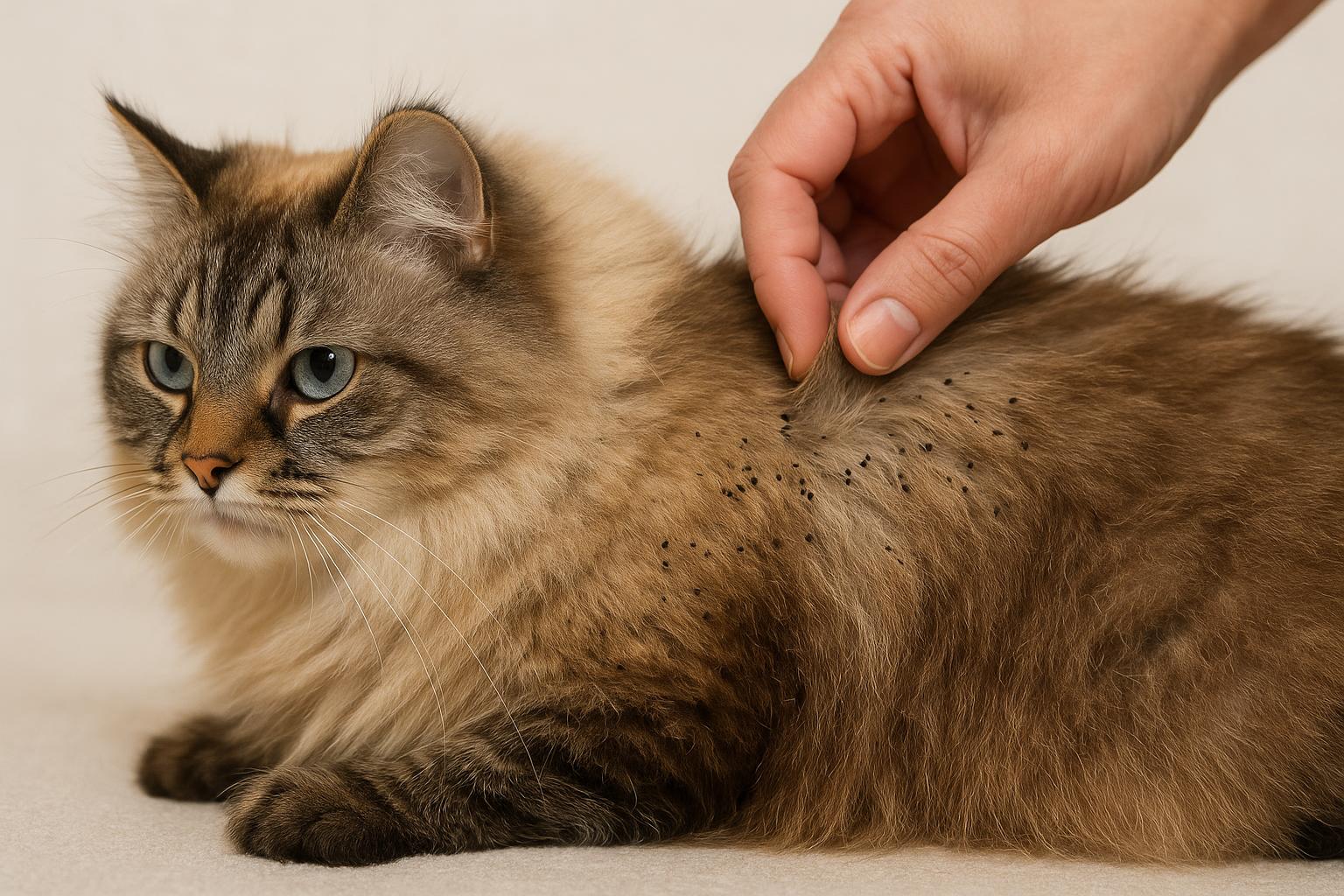
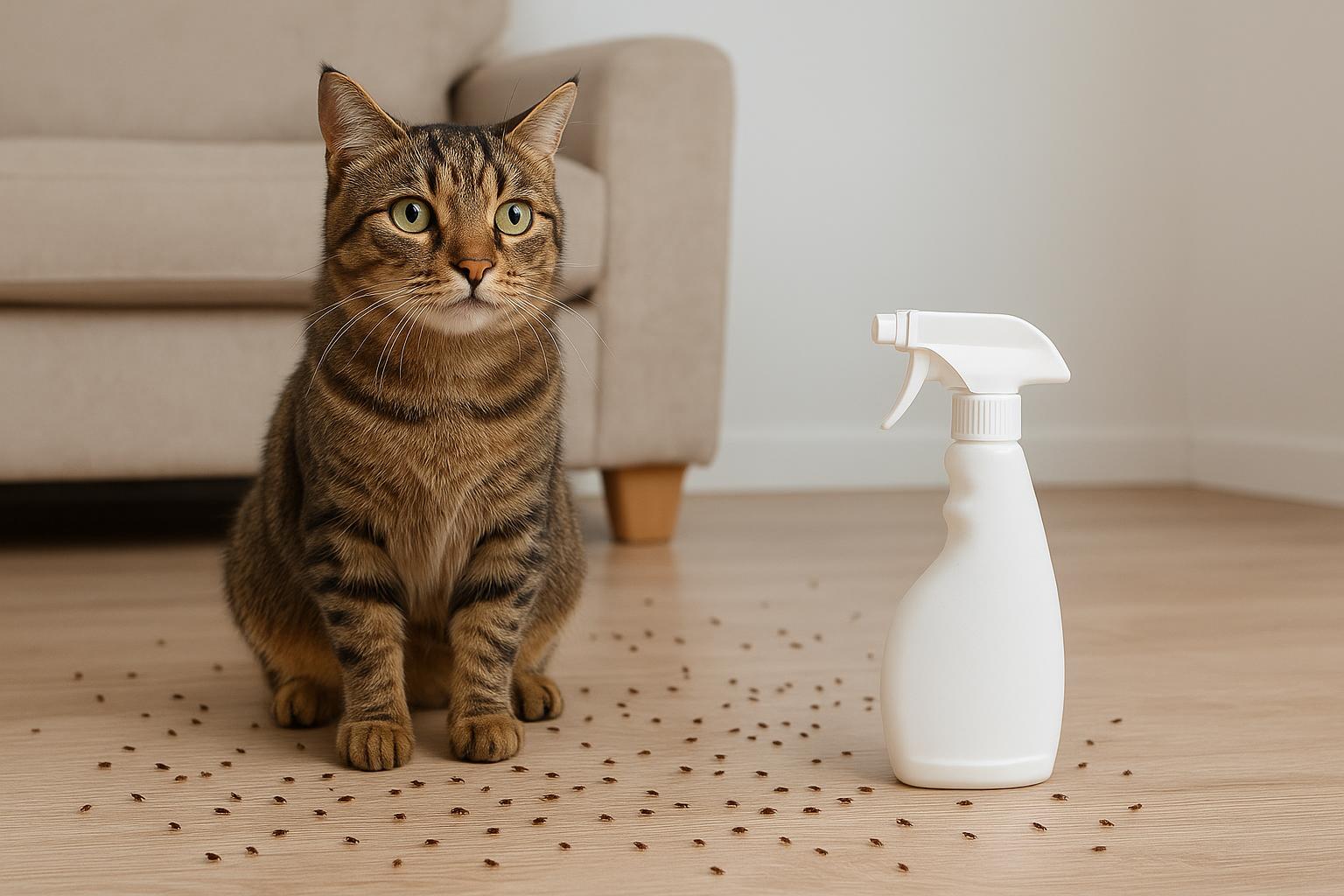
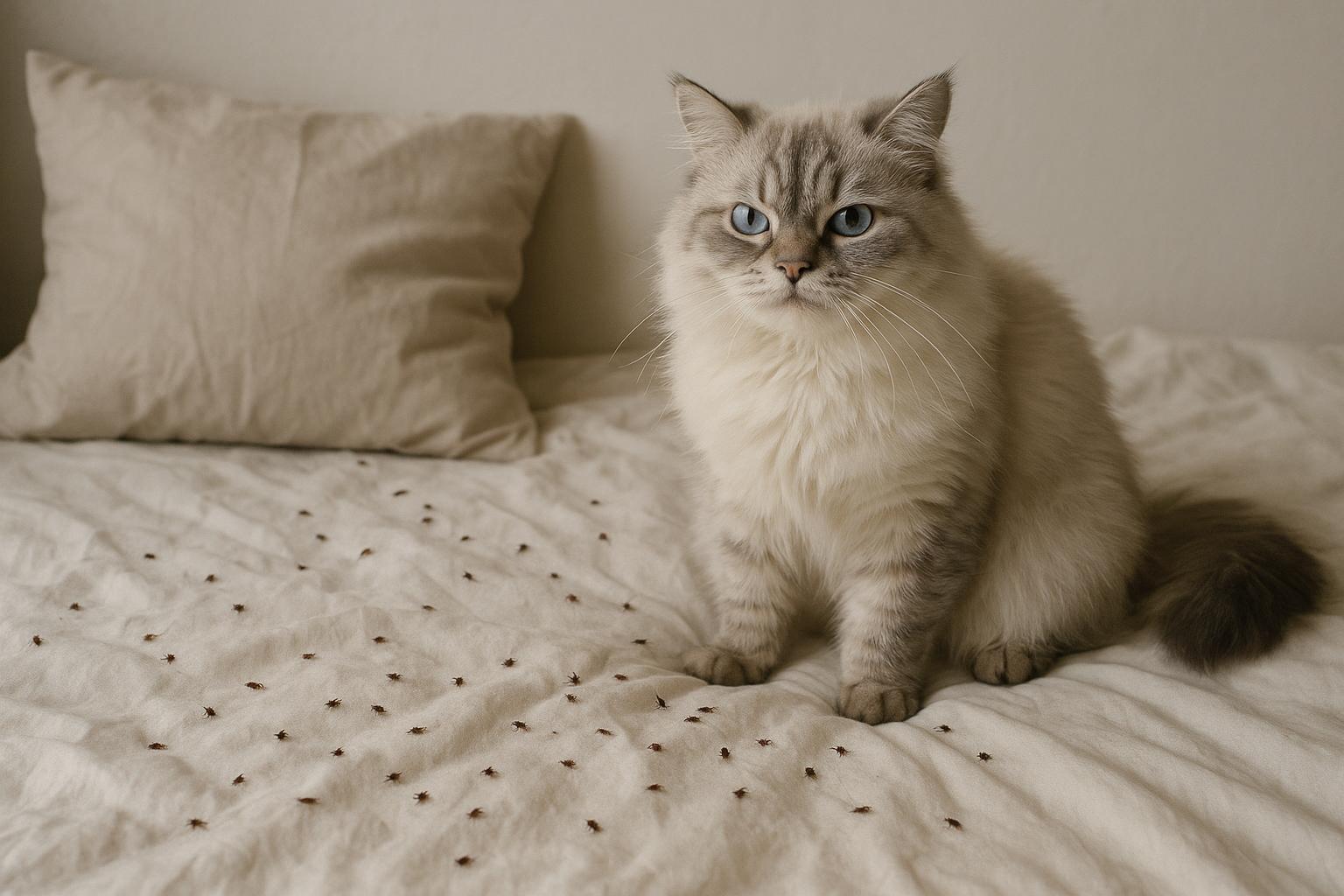
– Small black specks (flea dirt) on the skin or bedding that turn red when moistened.
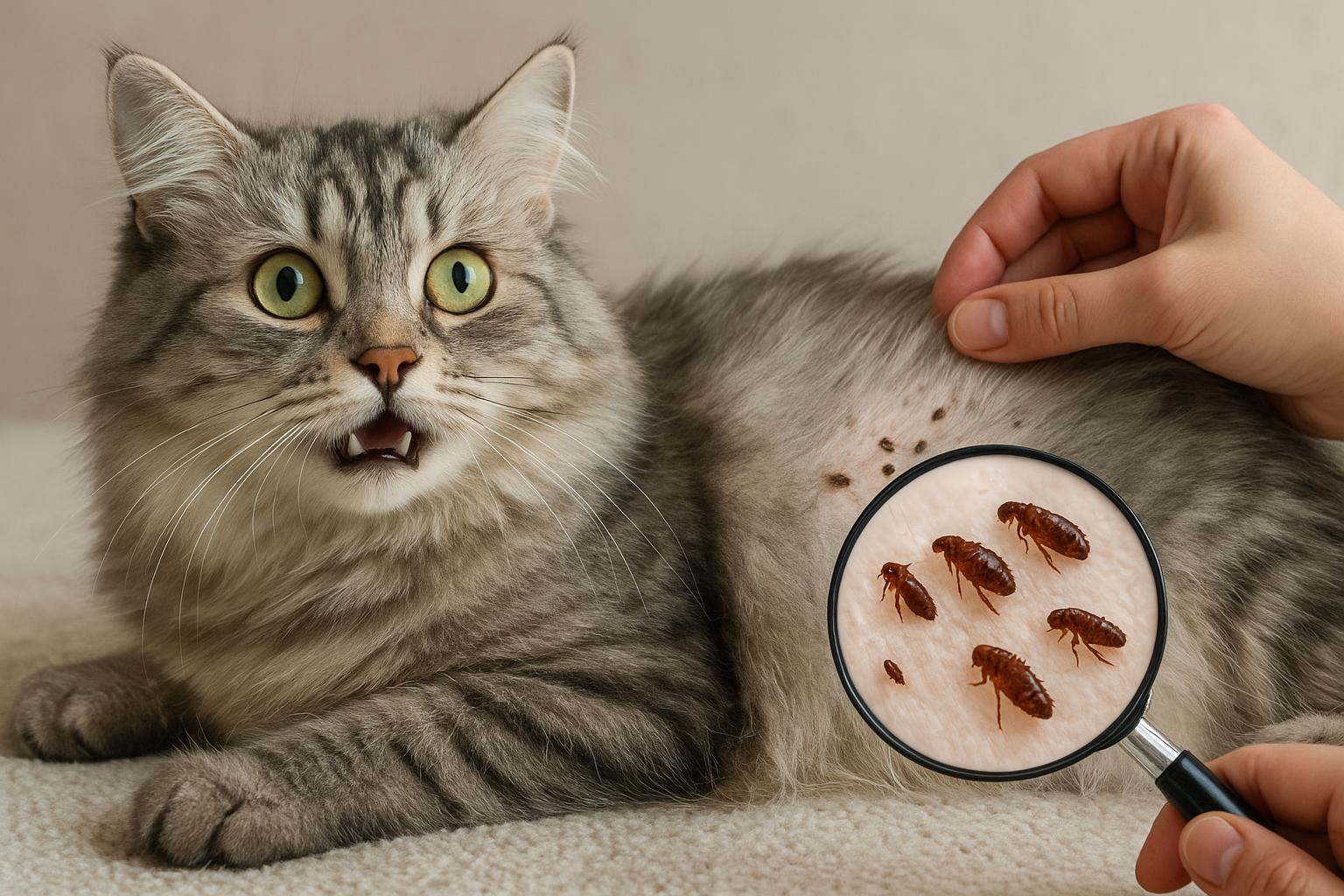
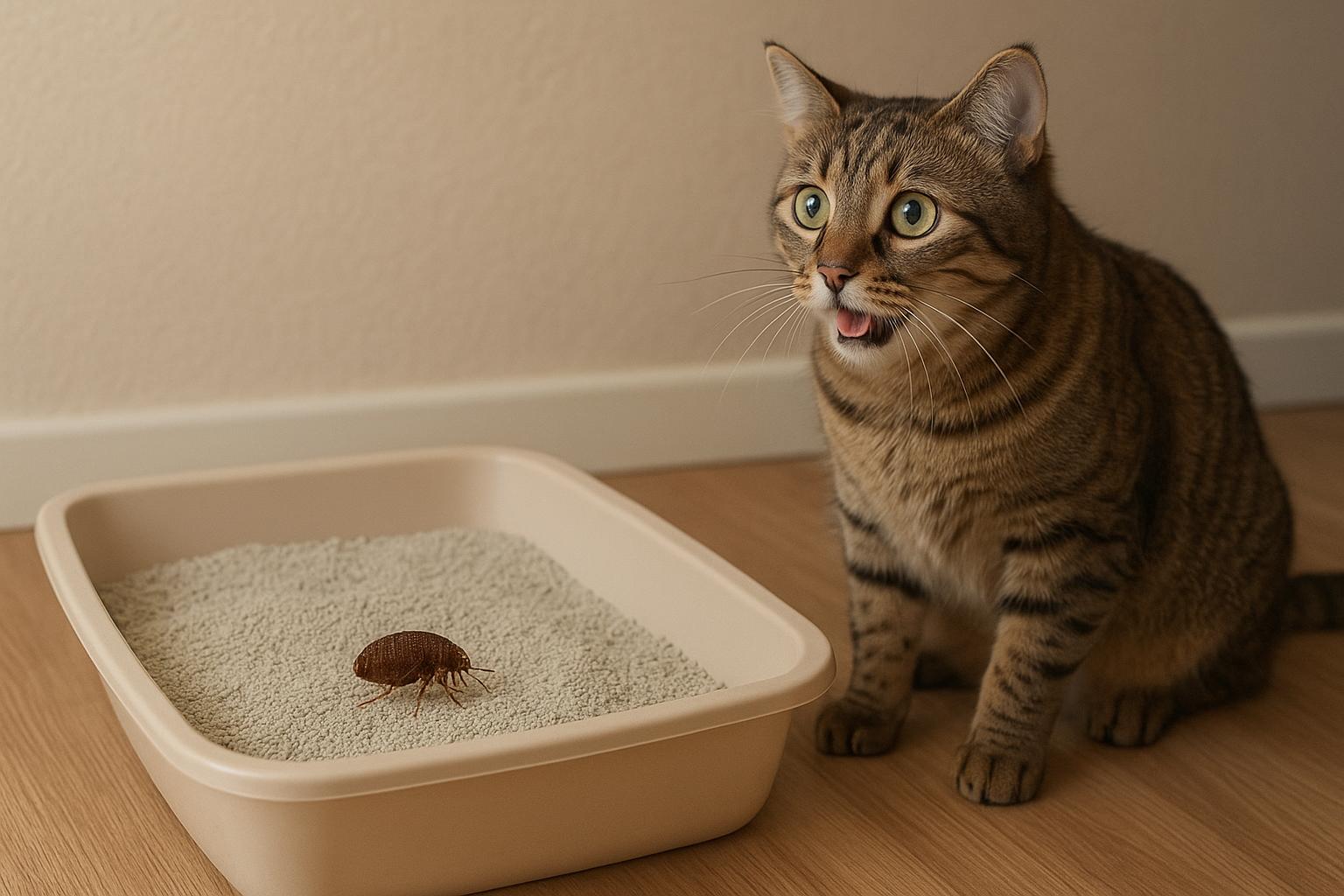
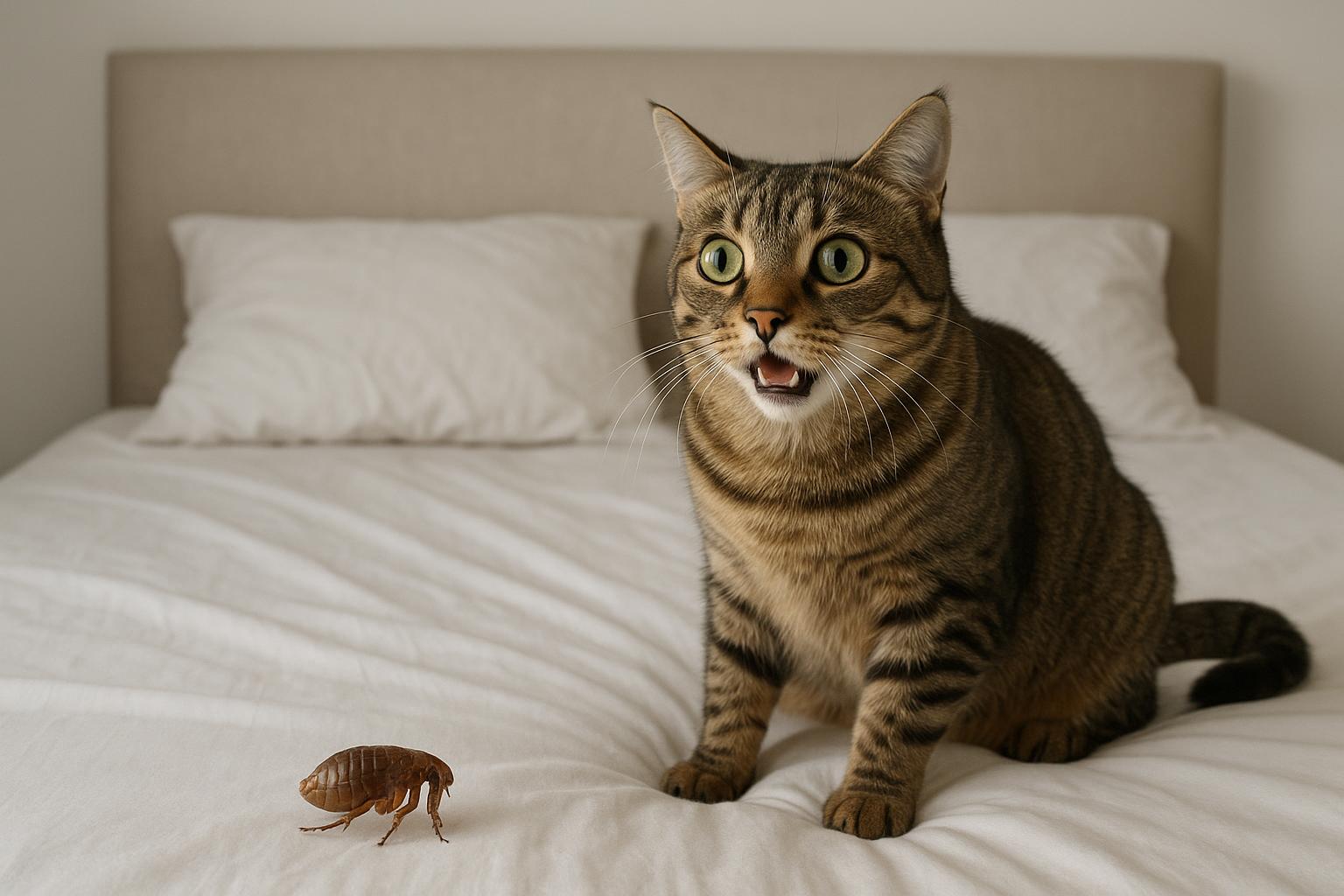
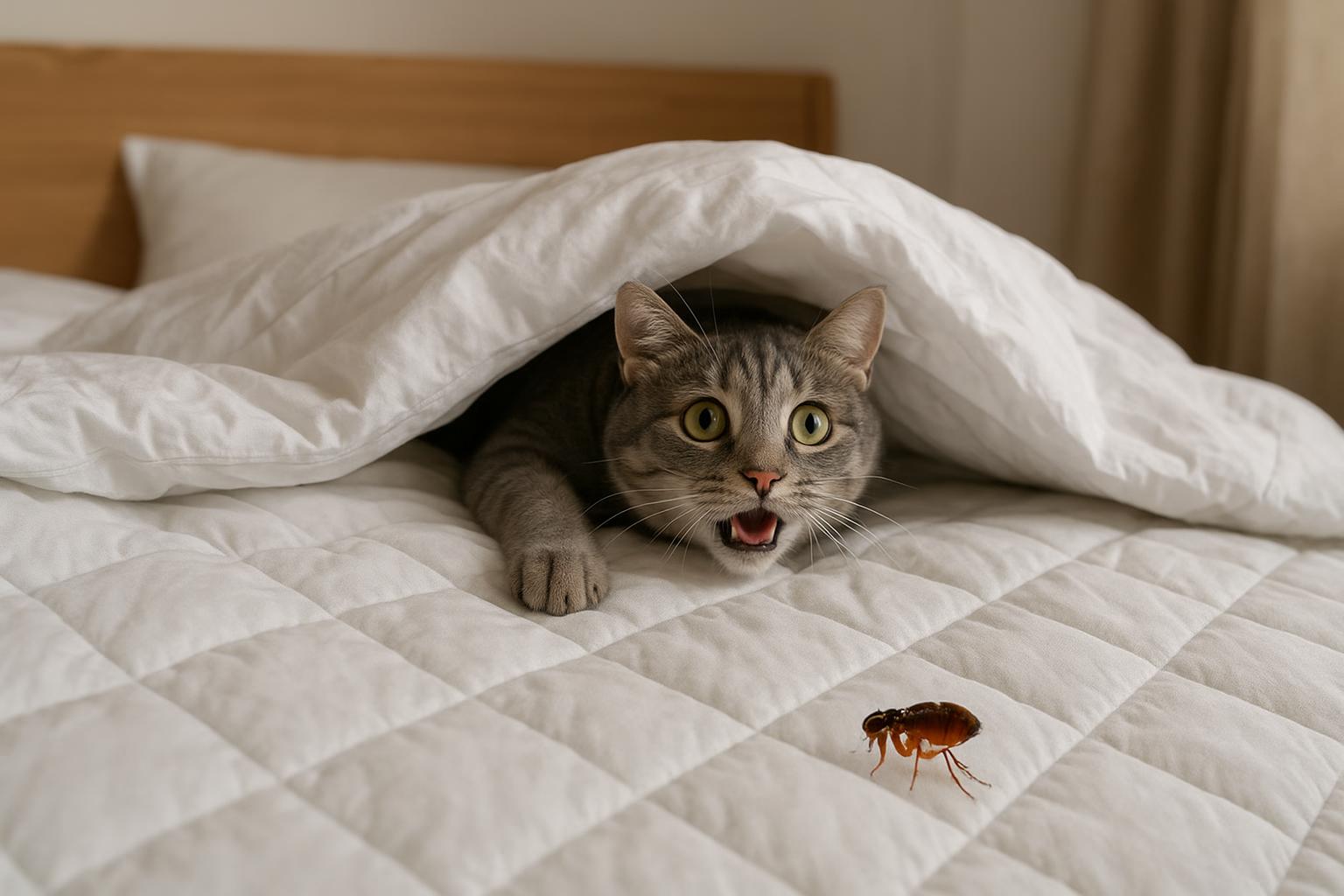
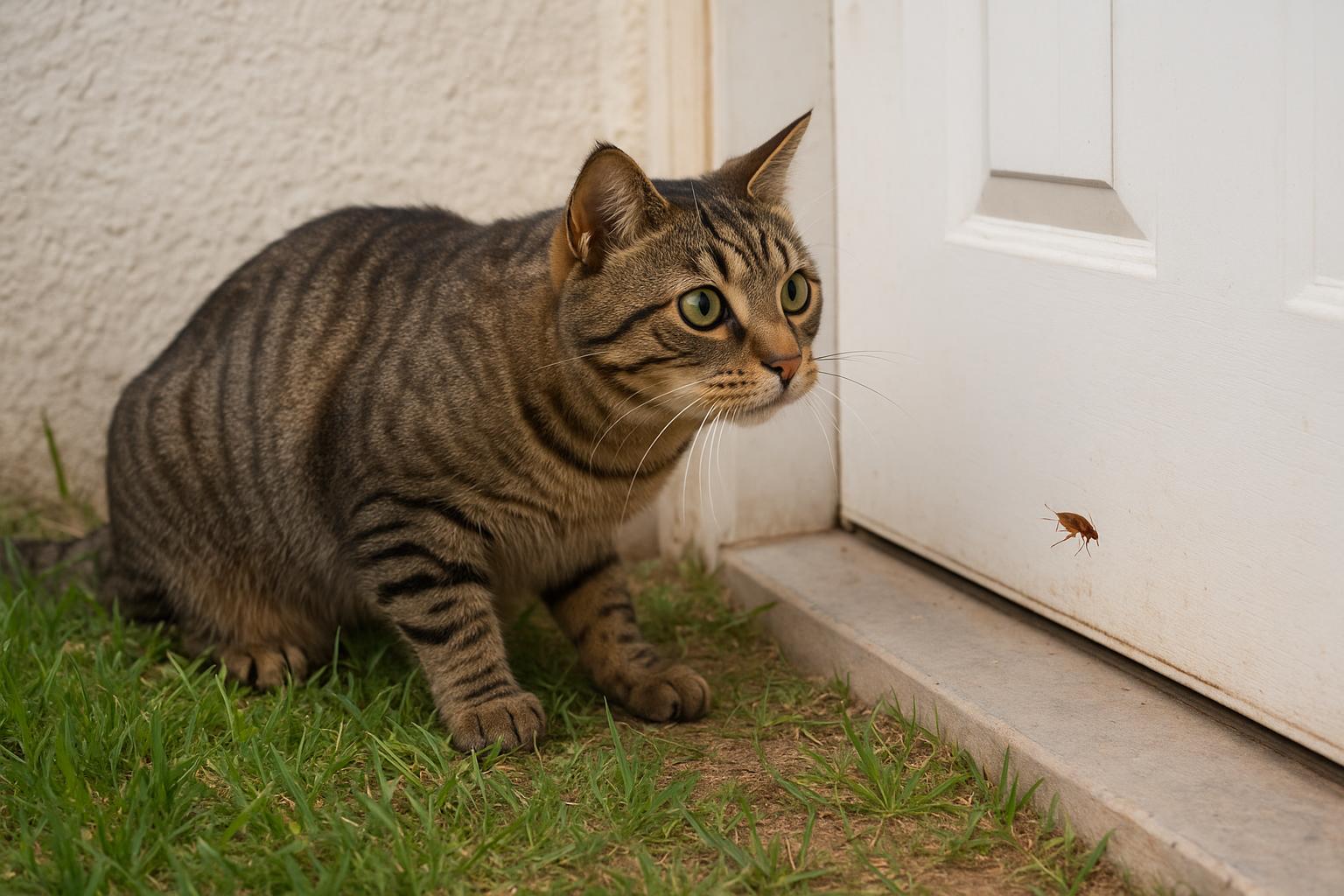
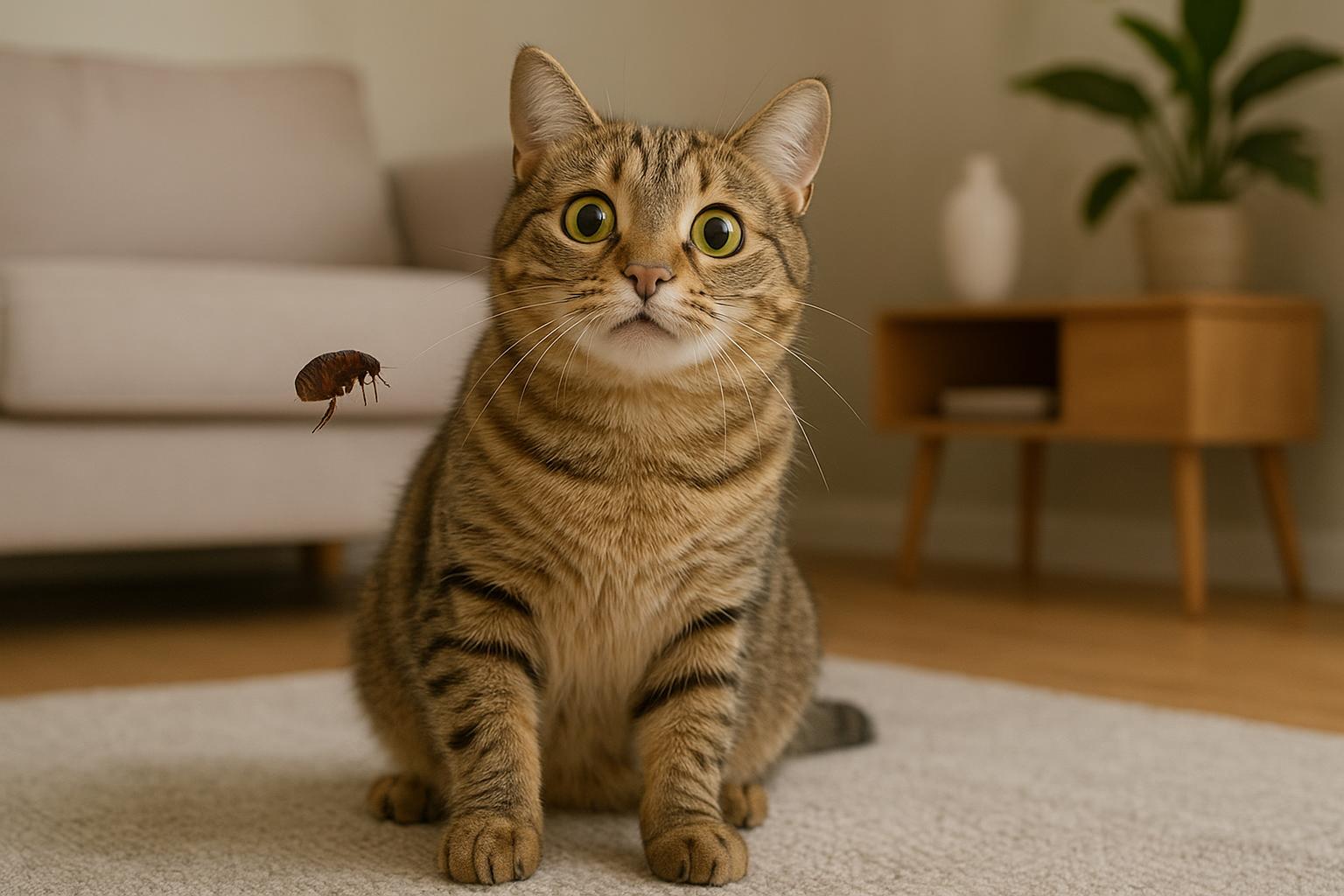
– Visible tiny brownish insects moving through the fur.
Kittens, elderly cats, or those with allergies can develop severe reactions quickly. Early recognition shortens the time and effort required for effective indoor flea treatment.
### Safety First: Cat-Friendly Considerations
Cats are not small dogs — many products safe for dogs are toxic to cats. Always:
– Read labels for feline approval.
– Consult your veterinarian before giving oral medications or mixing topical products.
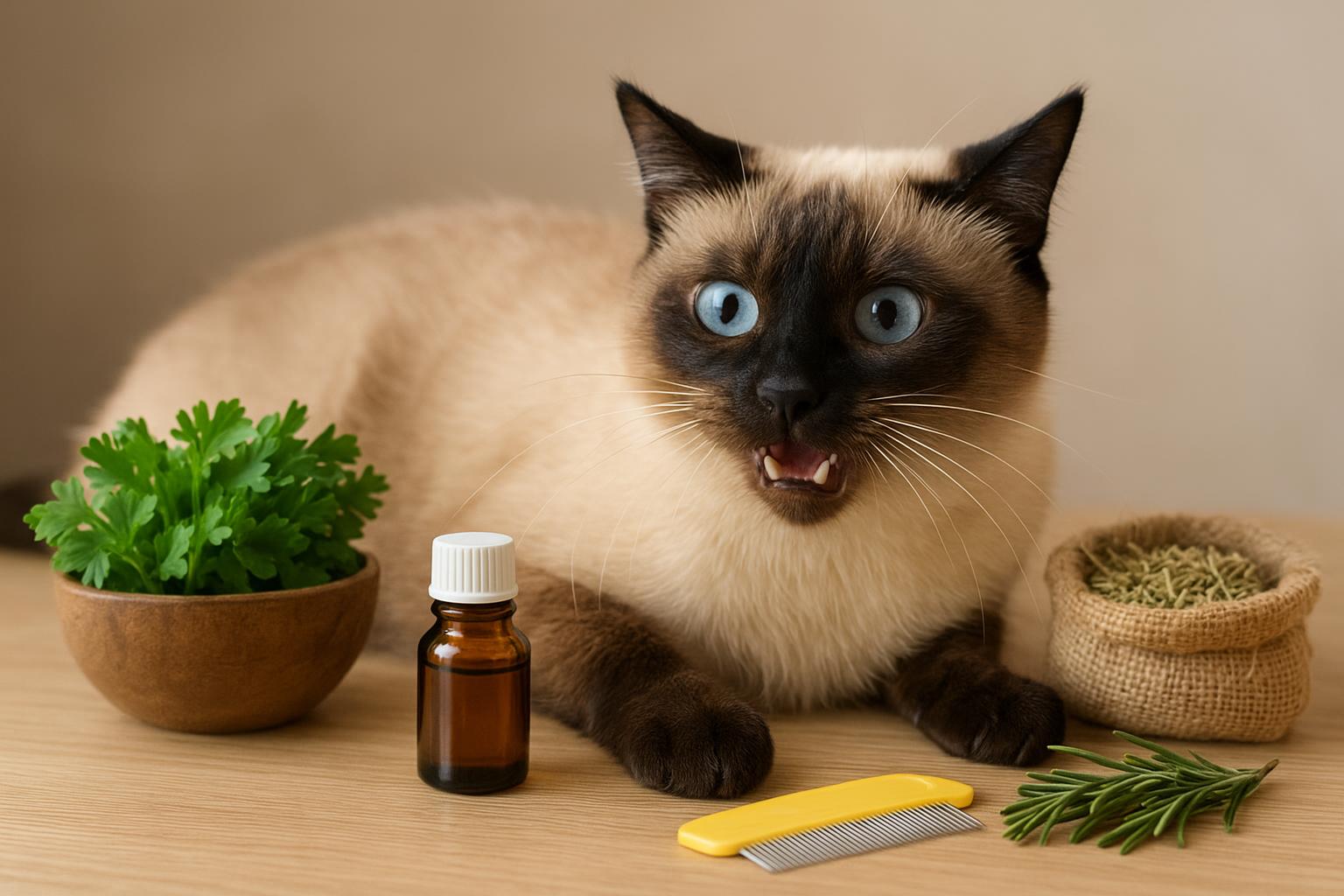
– Avoid essential oils like tea tree or concentrated peppermint on cats; they can be dangerous.
Safety is part of efficacy: a flea-free cat who’s healthy is the whole point.
## 1. Environmental Deep-Clean Remedy (Indoor Flea Treatment)
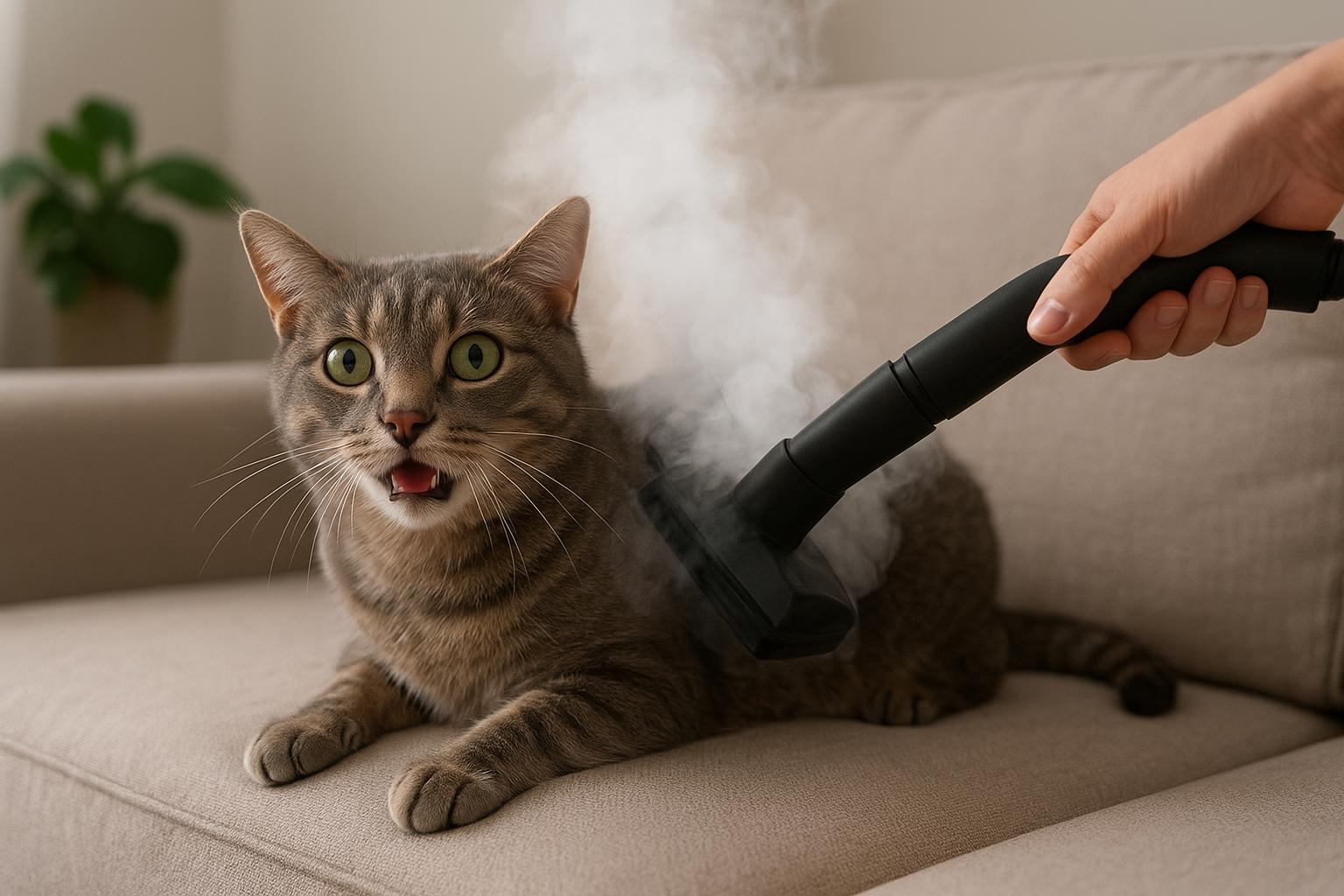
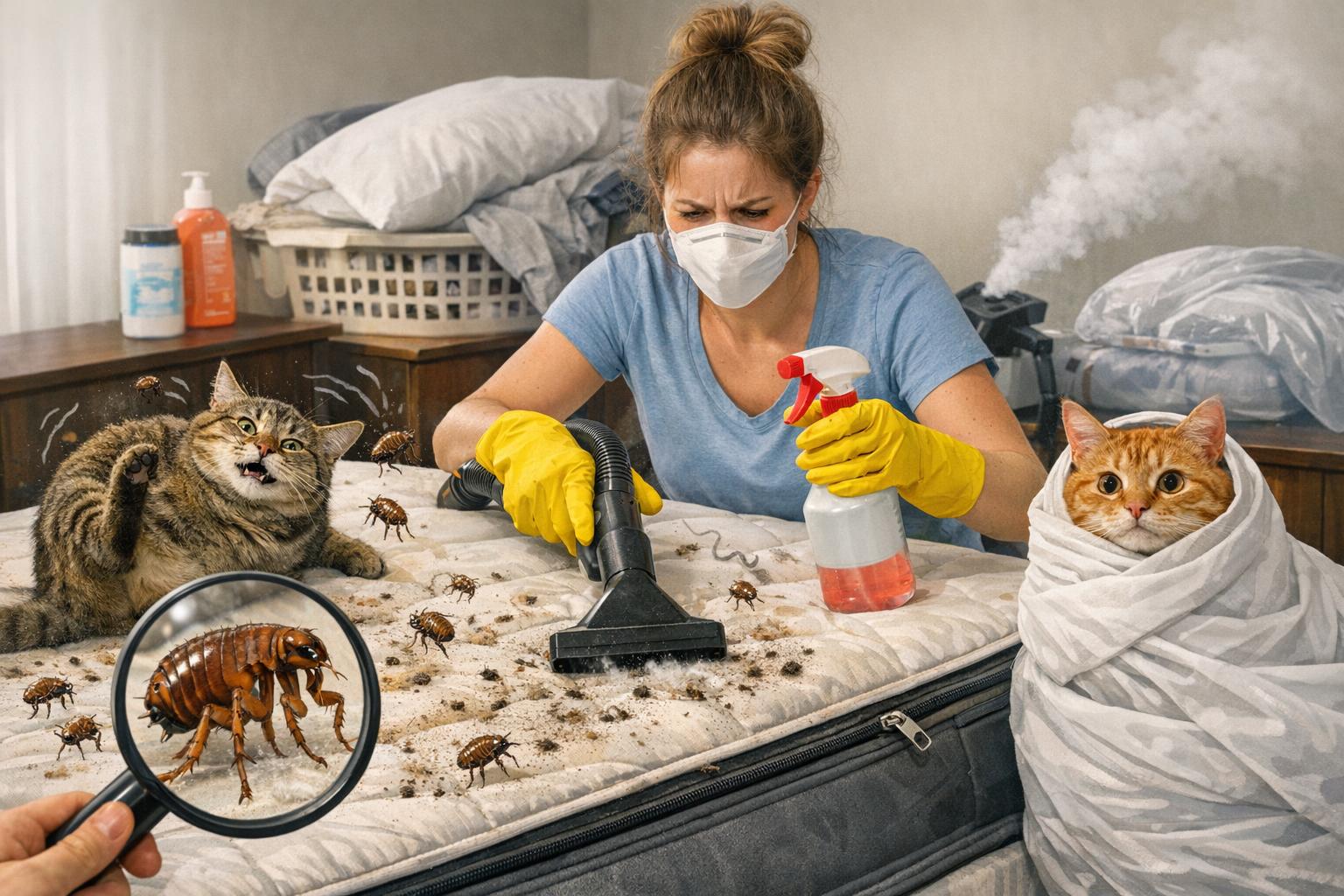
A methodical, home-based environmental treatment removes eggs, larvae, and pupae that hide in carpets, upholstery, and cracks. This is the backbone of most successful indoor flea treatment plans.
#### Materials Required
– High-powered vacuum with attachments
– Sealable trash bags
– Hot-water-capable washing machine and dryer
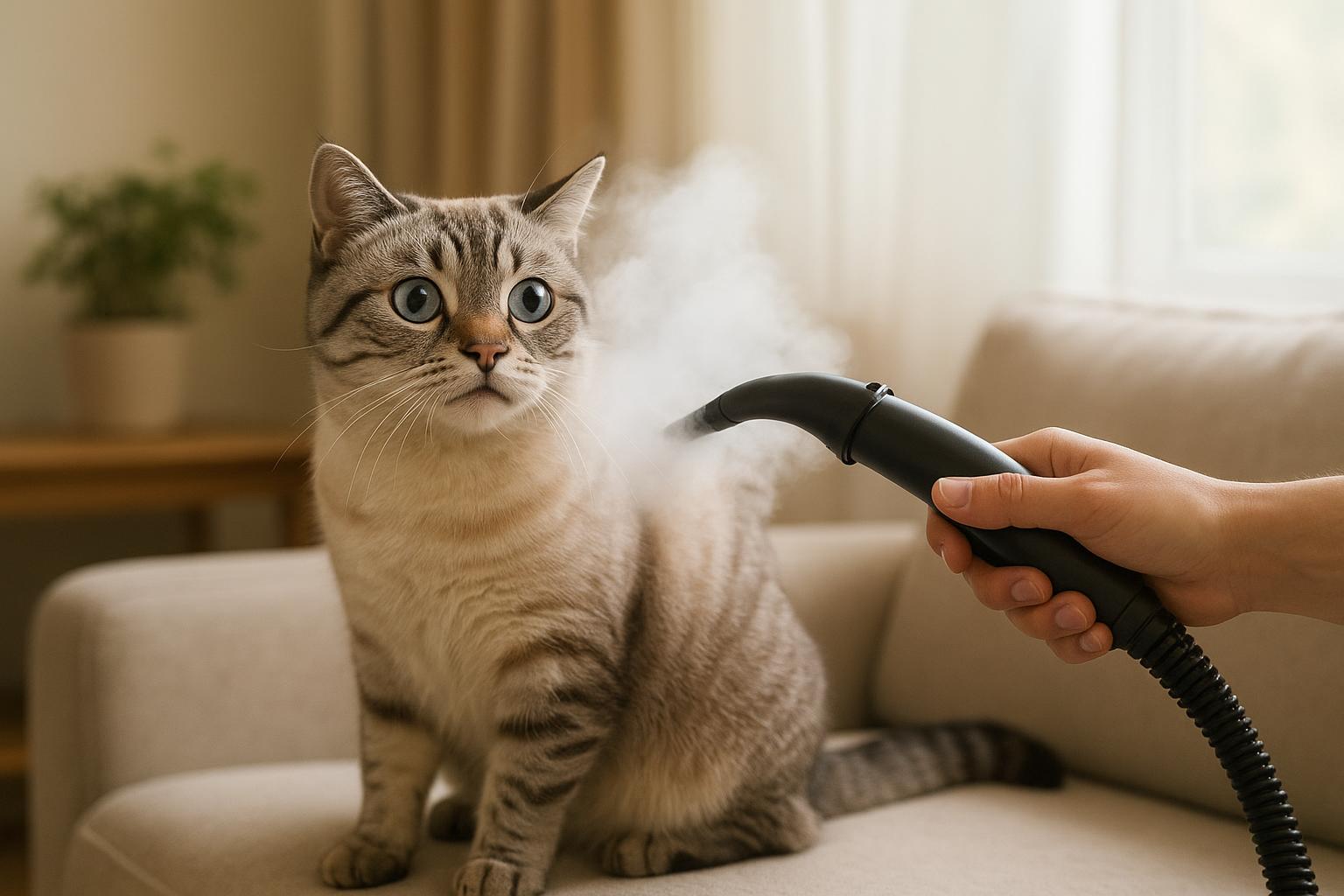
– Carpet steam cleaner (optional, recommended for heavy infestations)
– Insect growth regulator (IGR) spray labeled for indoor use and safe around pets (e.g., methoprene or pyriproxyfen)
– Protective gloves and mask (for handling sprays and heavy dust)
#### Step-By-Step Creation And Application
1. Prepare: Remove pets and cover fish tanks. Put pet bedding and washable items into sealed bags before moving them to the laundry area.
2. Wash Bedding: Launder all pet bedding, human bedding that the cat frequents, and any removable cushion covers in the hottest water safe for fabric and dry on high heat for at least 30 minutes.
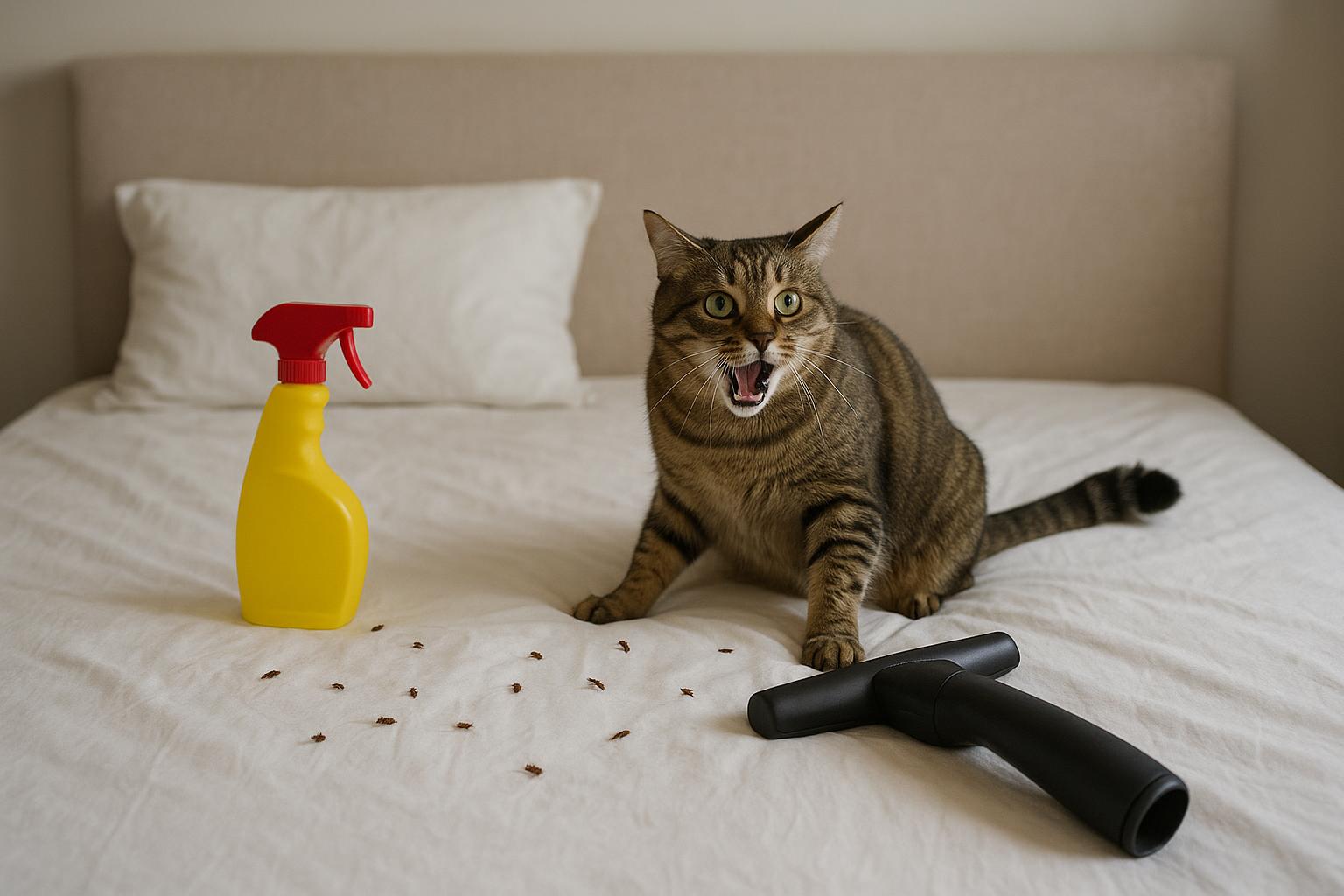
3. Vacuum Thoroughly: Vacuum all floors, rugs, upholstery, baseboards, and cracks in floors for at least 10–15 minutes in each room. Use attachments to get into cushions and under furniture. After vacuuming, seal the vacuum bag or empty the canister contents into a trash bag and remove it from the house immediately.
4. Apply IGR: Follow label instructions and apply an IGR spray to carpets, upholstered furniture, and baseboards. IGRs do not kill adult fleas immediately but prevent eggs and larvae from maturing, breaking the life cycle. Allow the area to dry completely before reintroducing pets.
5. Repeat: Repeat vacuuming daily for two weeks and apply IGR per product guidelines (often every 30–90 days for severe infestations). Continue washing pet bedding weekly until you’re sure the infestation is controlled.
## 2. Targeted Cat Treatments (Topical And Oral Options)
Treating the animal is non-negotiable. This section reviews safe, effective veterinary-grade options and the proper way to use them.
#### Materials Required
– Prescription or over-the-counter flea medication labeled for cats (spot-on treatments like fipronil, selamectin, imidacloprid + moxidectin; or oral treatments prescribed by your vet)
– Flea comb
– Veterinary consultation access
#### Step-By-Step Creation And Application
1. Consult Your Veterinarian: Discuss the cat’s weight, age, health history, indoor/outdoor status, and any previous reactions to flea products. Your vet will recommend the safest and most effective product.
2. Select The Correct Dose: Use the product formulated for cats and for your cat’s weight. Do not use dog products on cats.
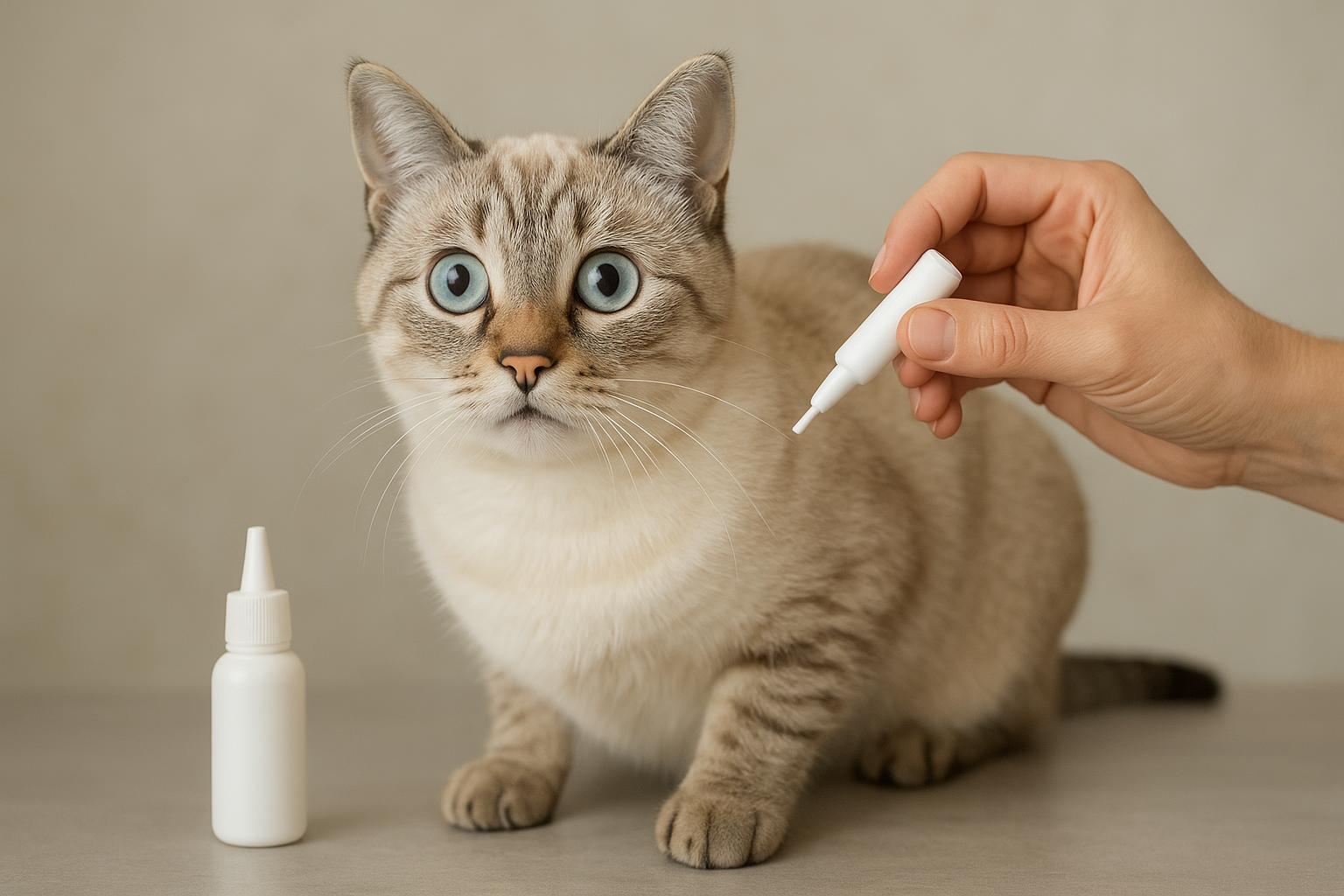
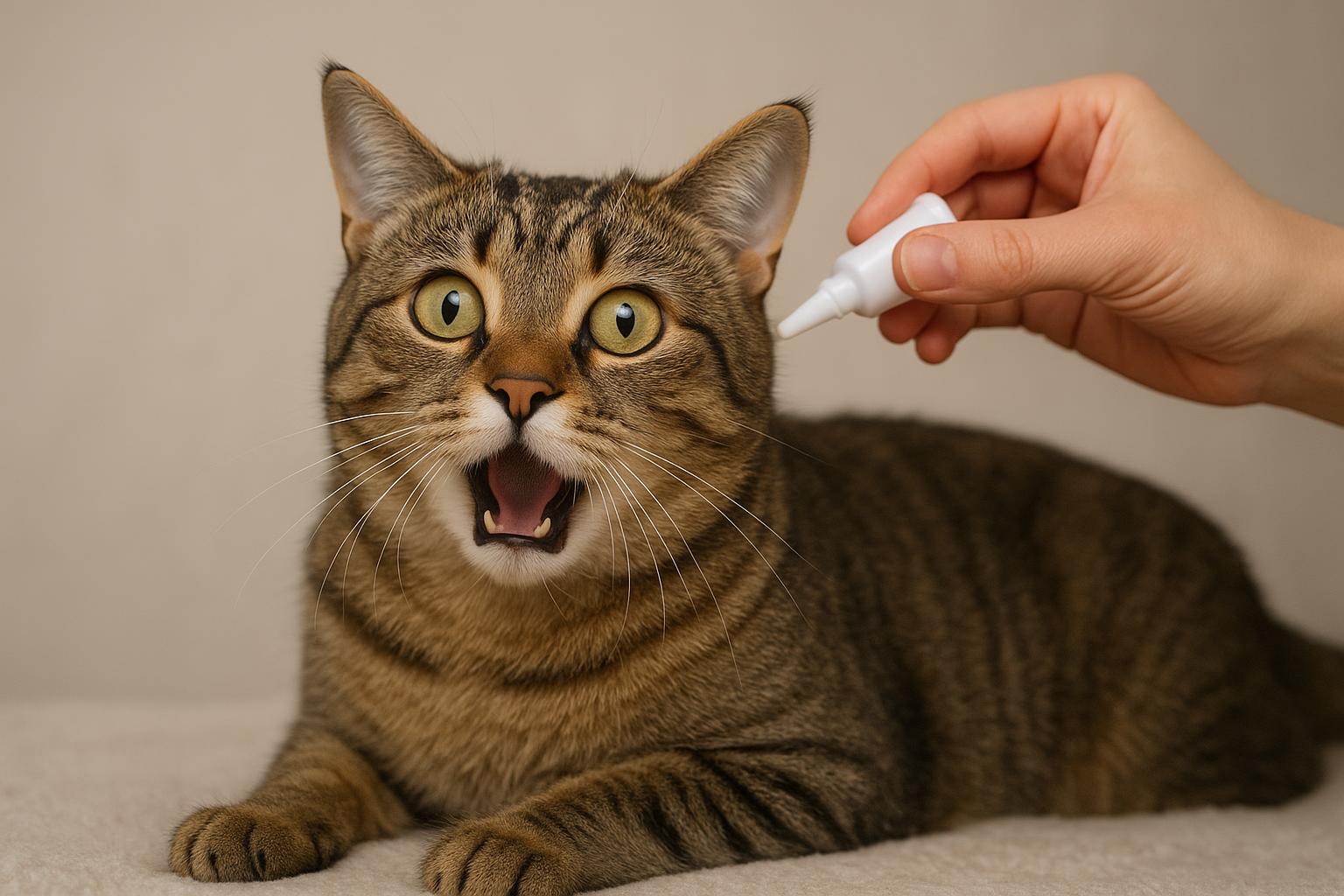
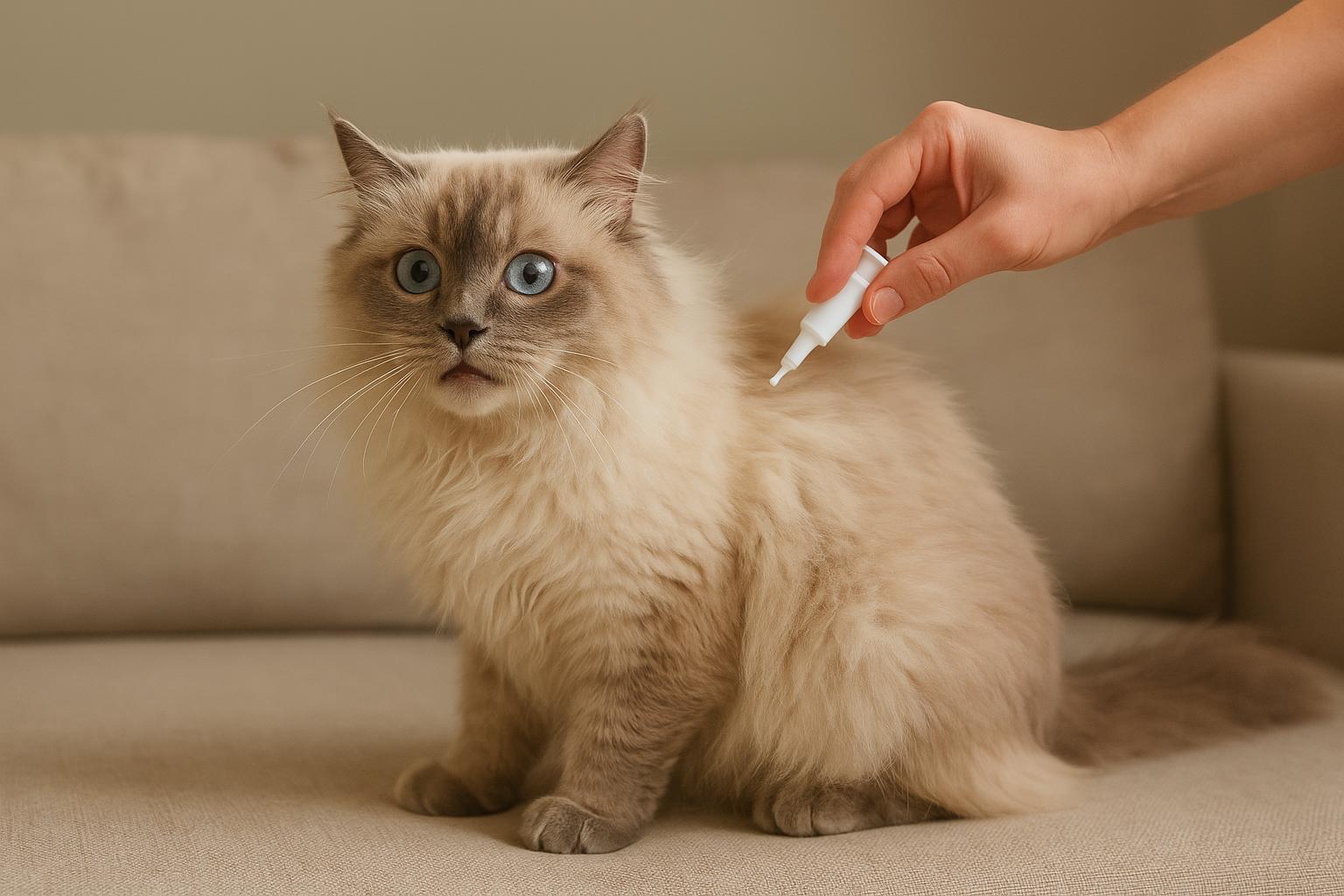
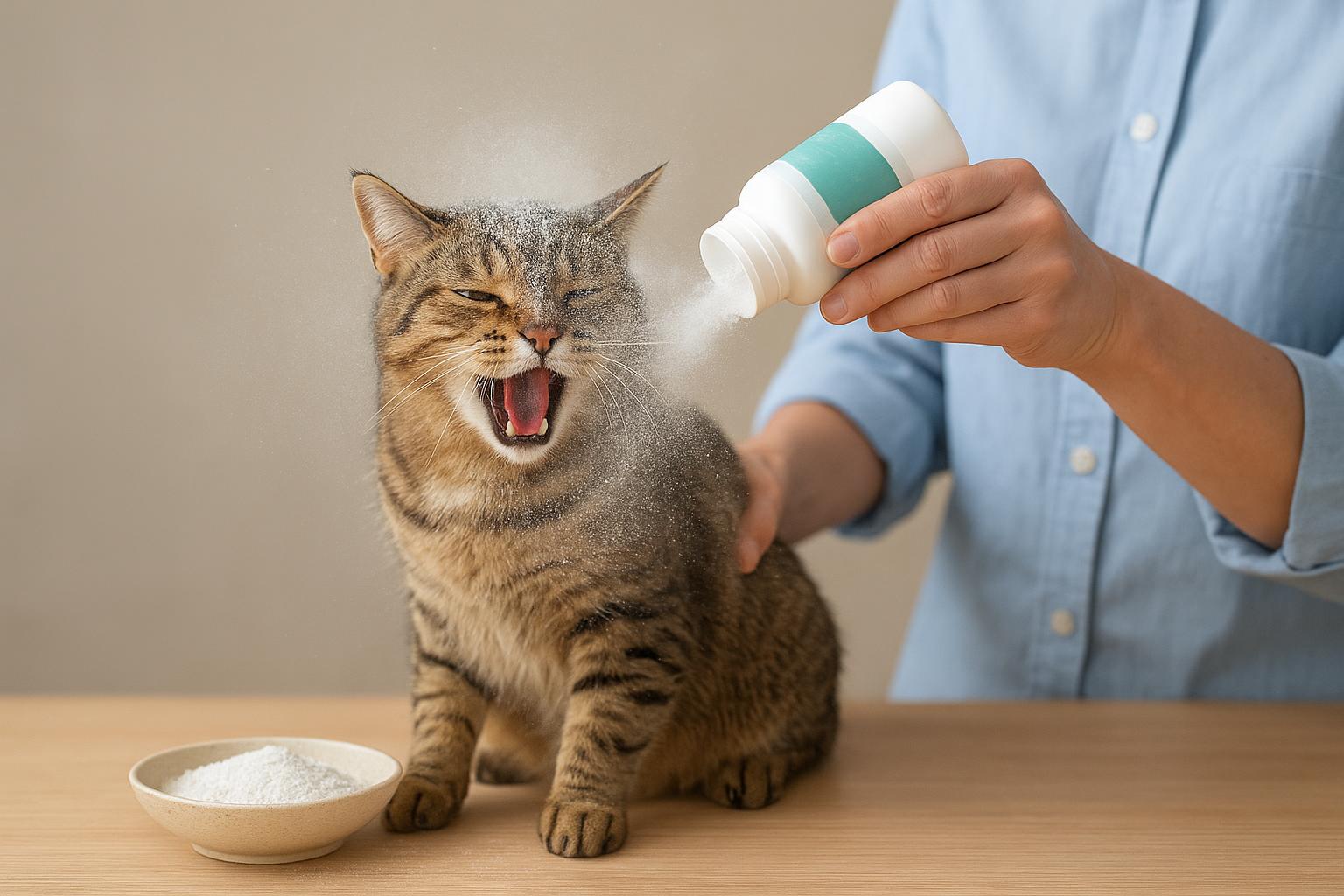
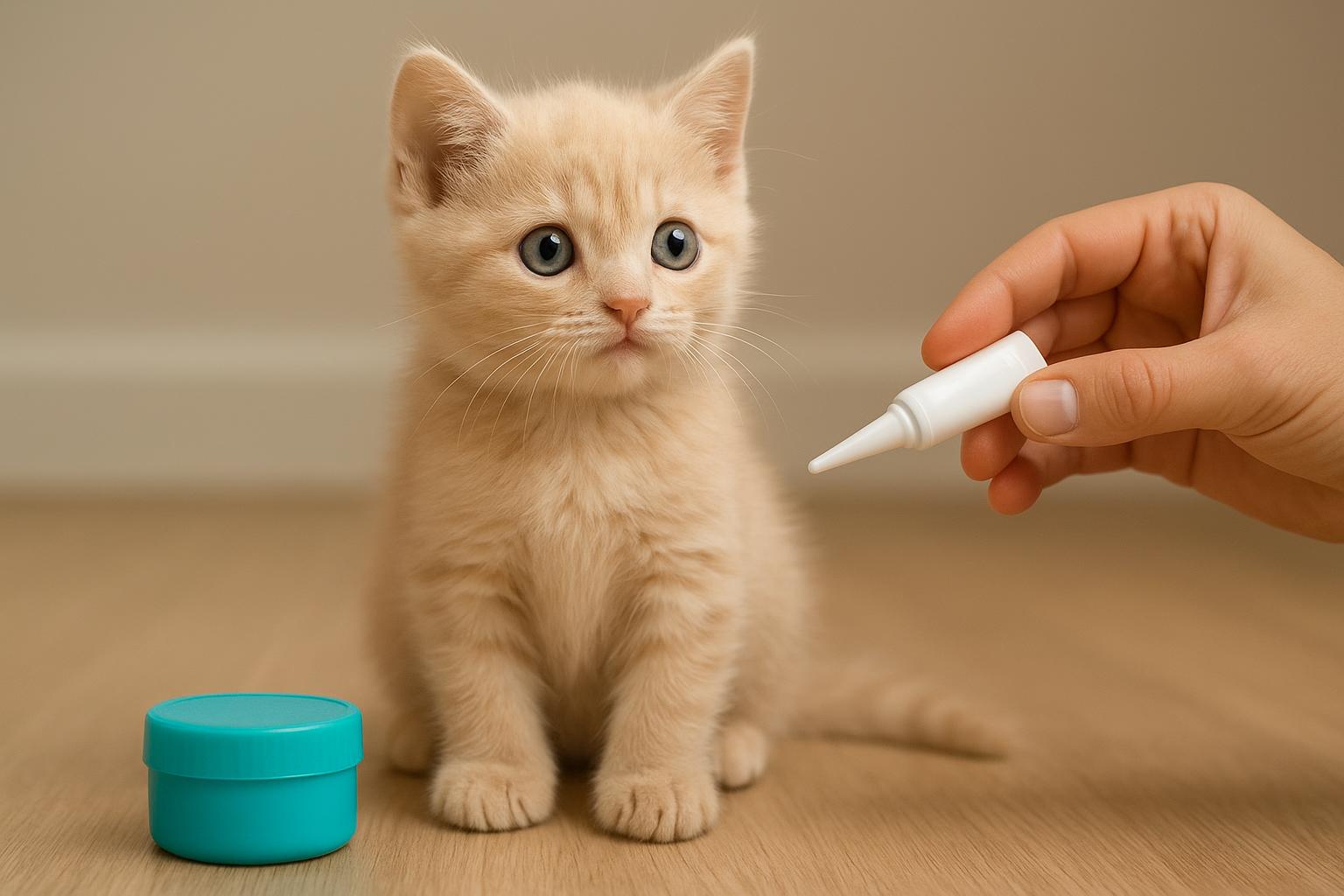
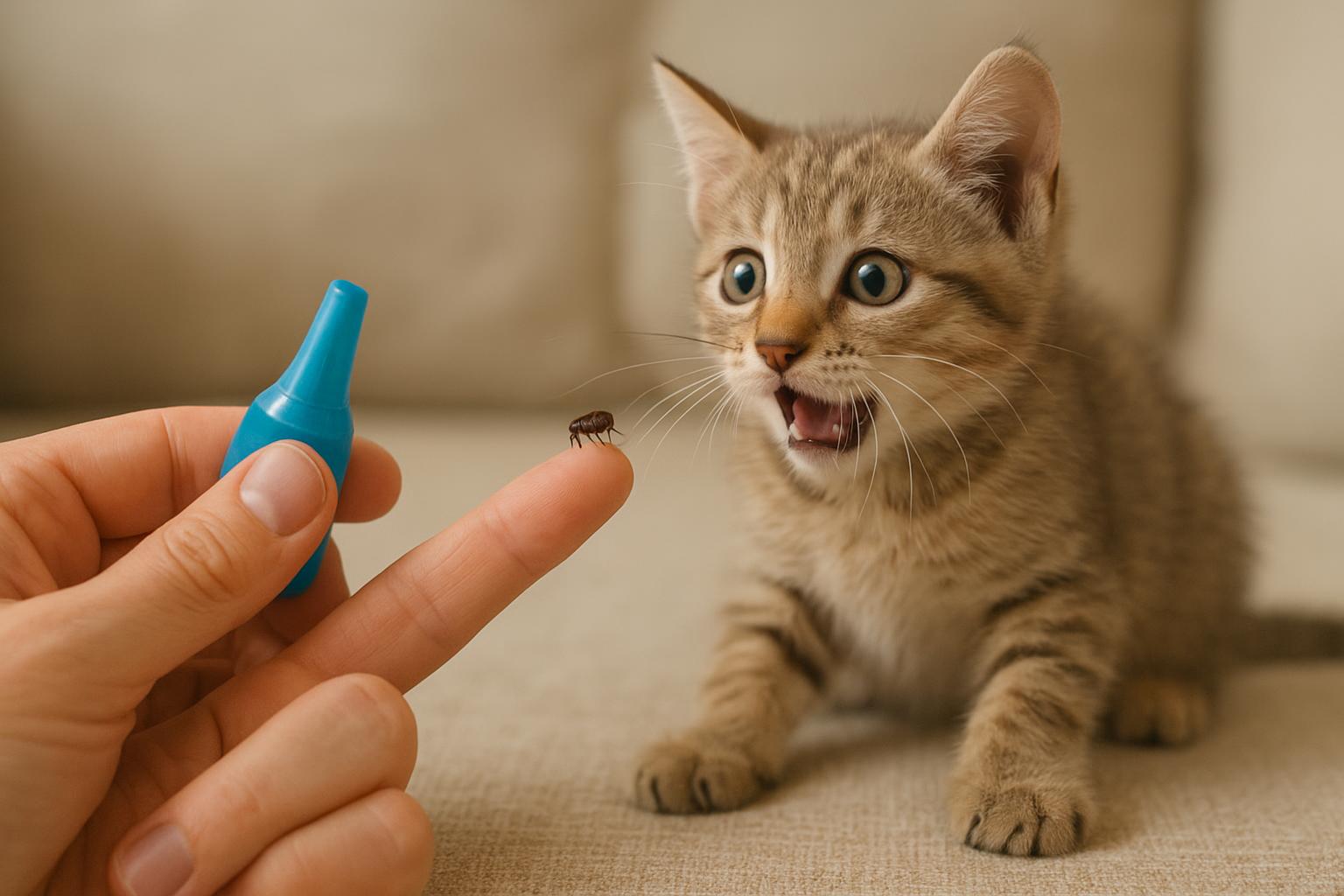
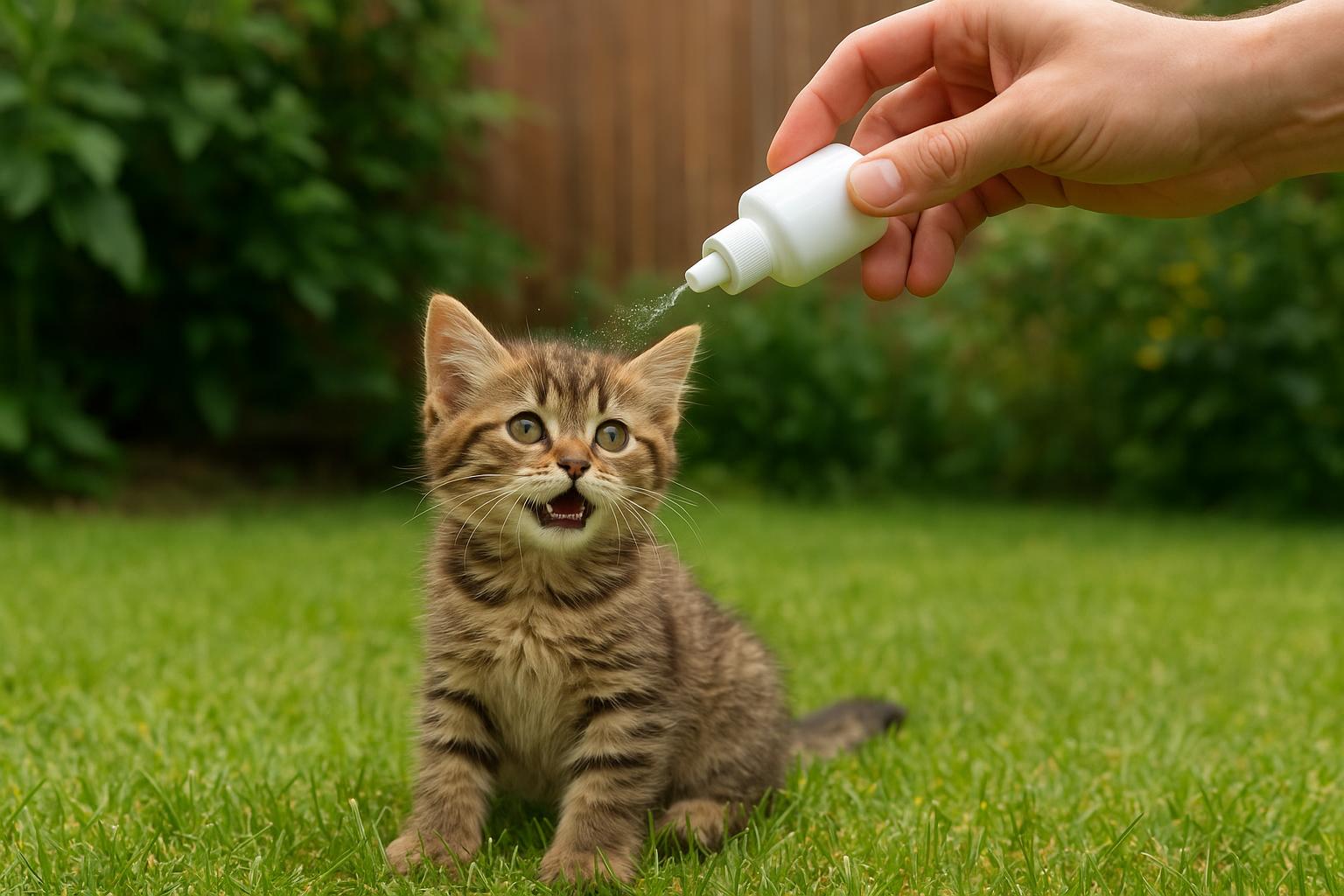
3. Apply Topical Spot-On Correctly: Part the fur at the base of the neck until the skin shows. Place the applicator tip directly on the skin and squeeze the full dose in a single spot. Do not bathe the cat for 24–48 hours after application unless product instructions indicate otherwise.
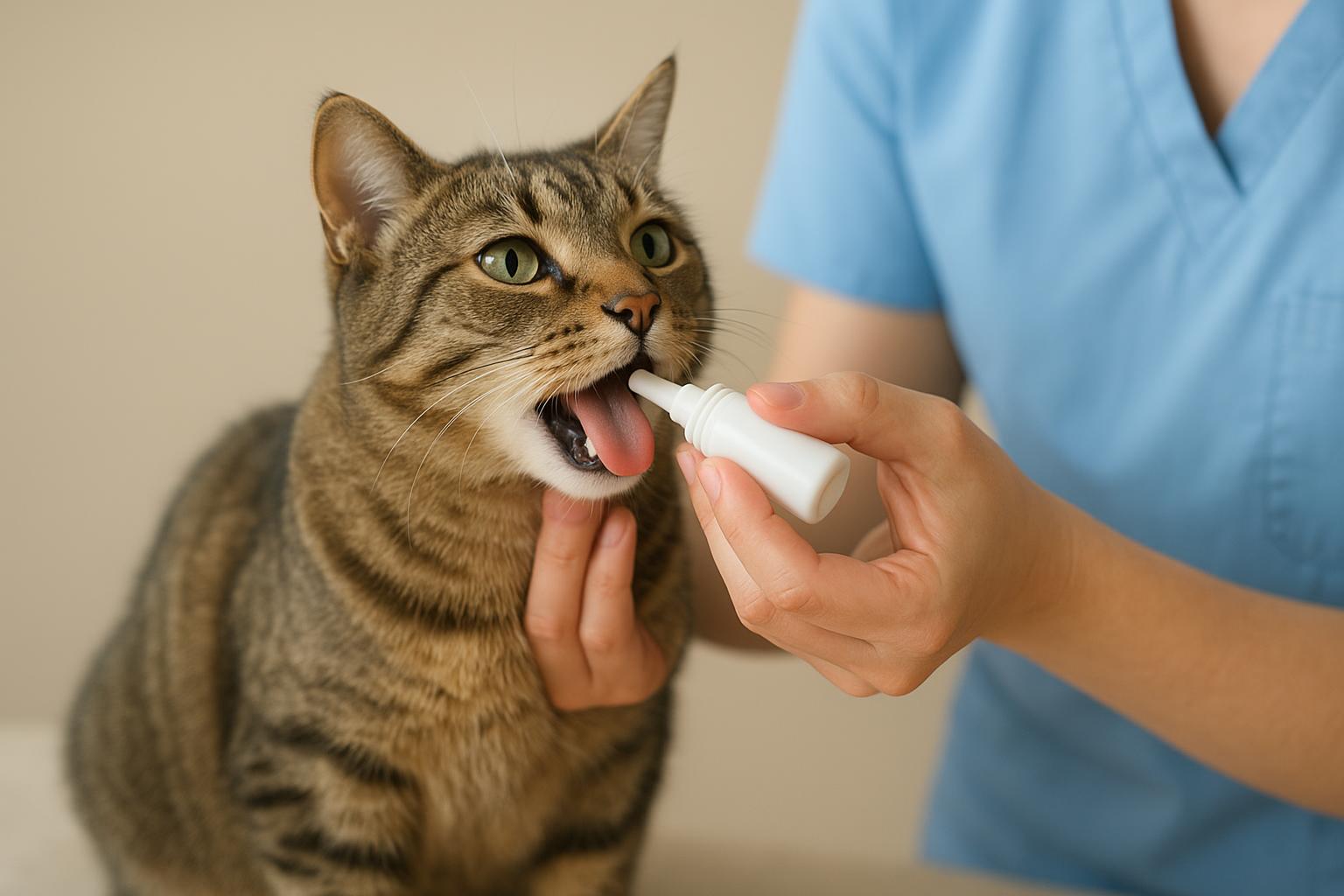
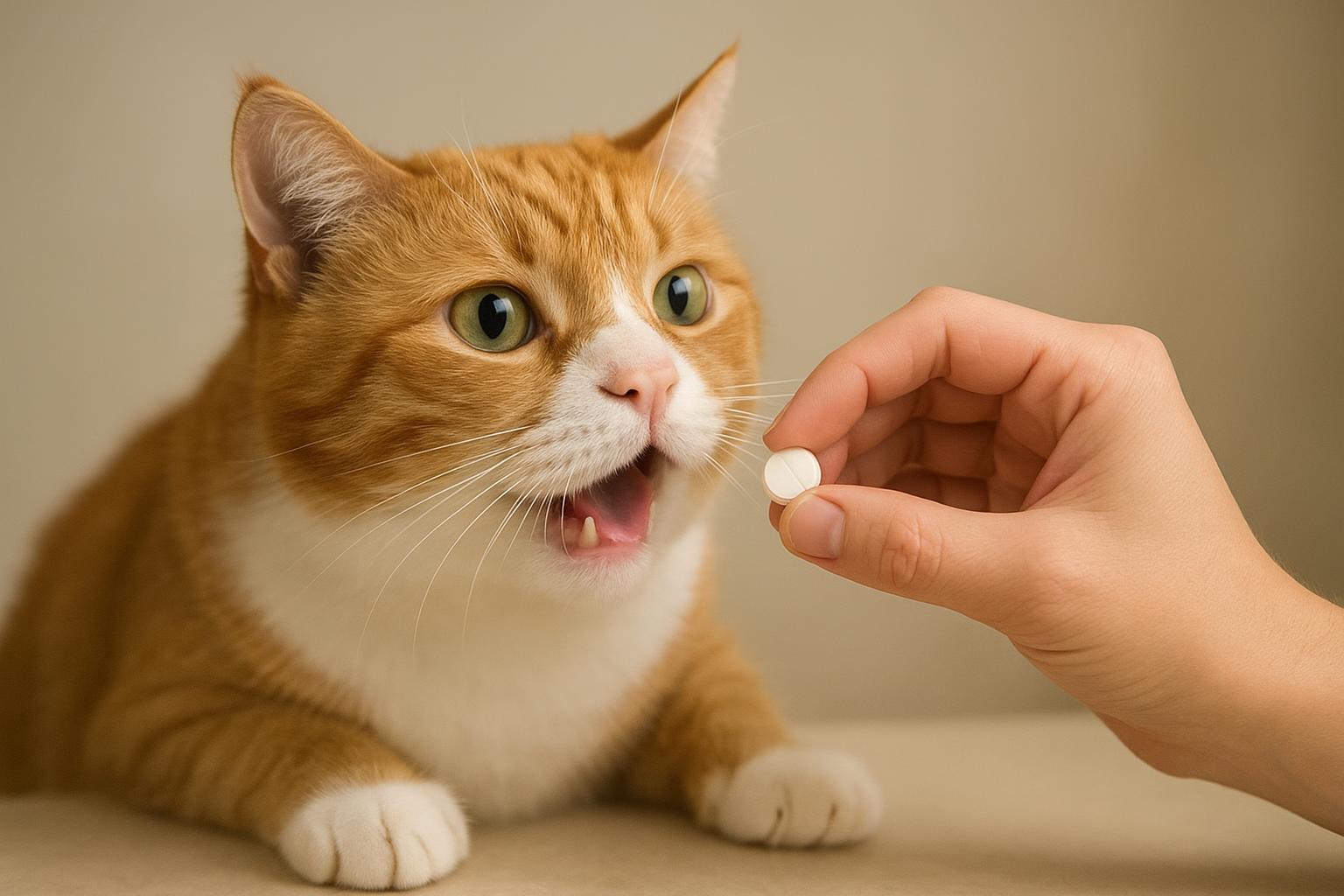
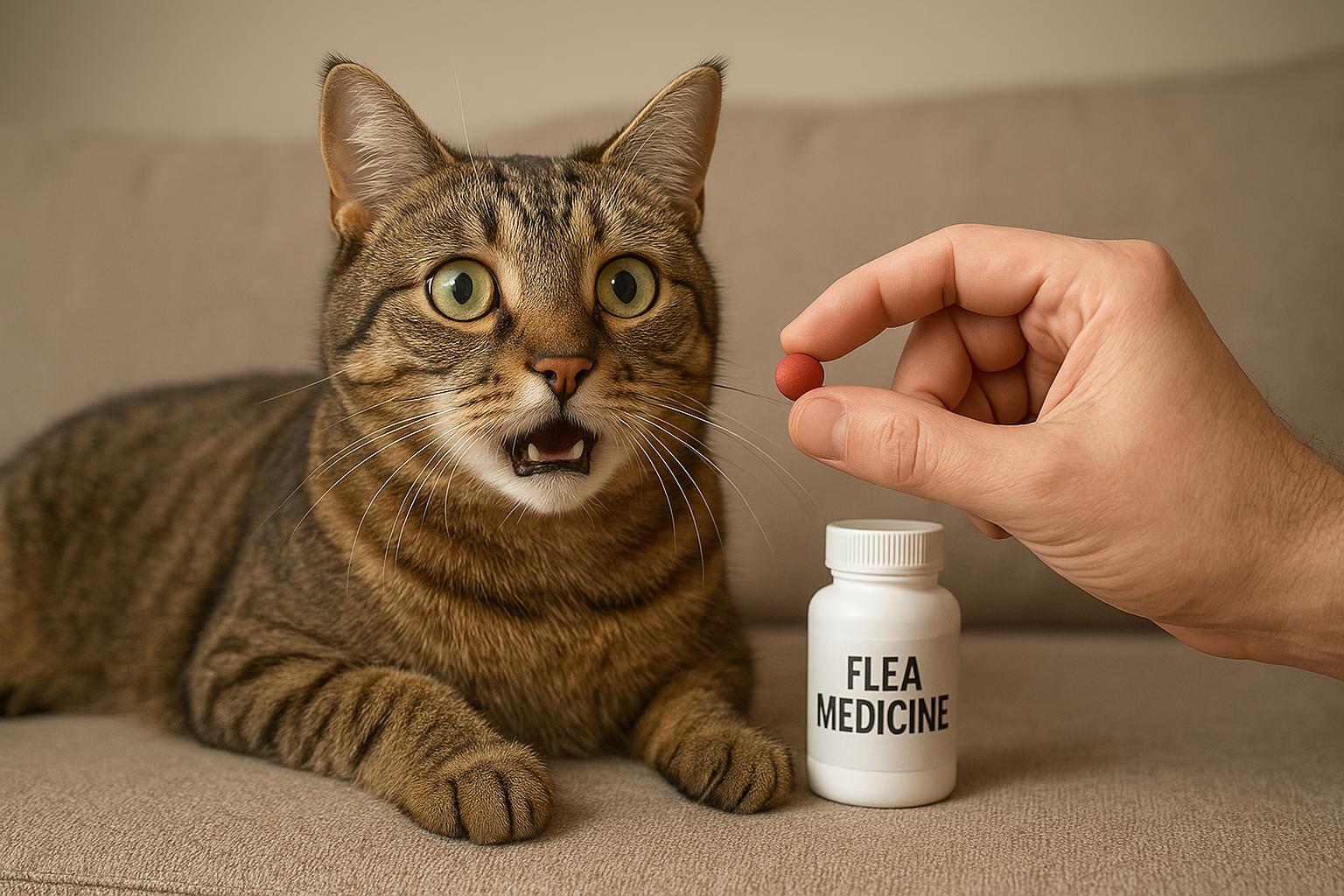
4. Administer Oral Products Safely: If opting for oral medications, follow feeding and dosing instructions. Some oral medications require administration with food; others do not. Monitor your cat for any adverse signs for 24–72 hours after the first dose.
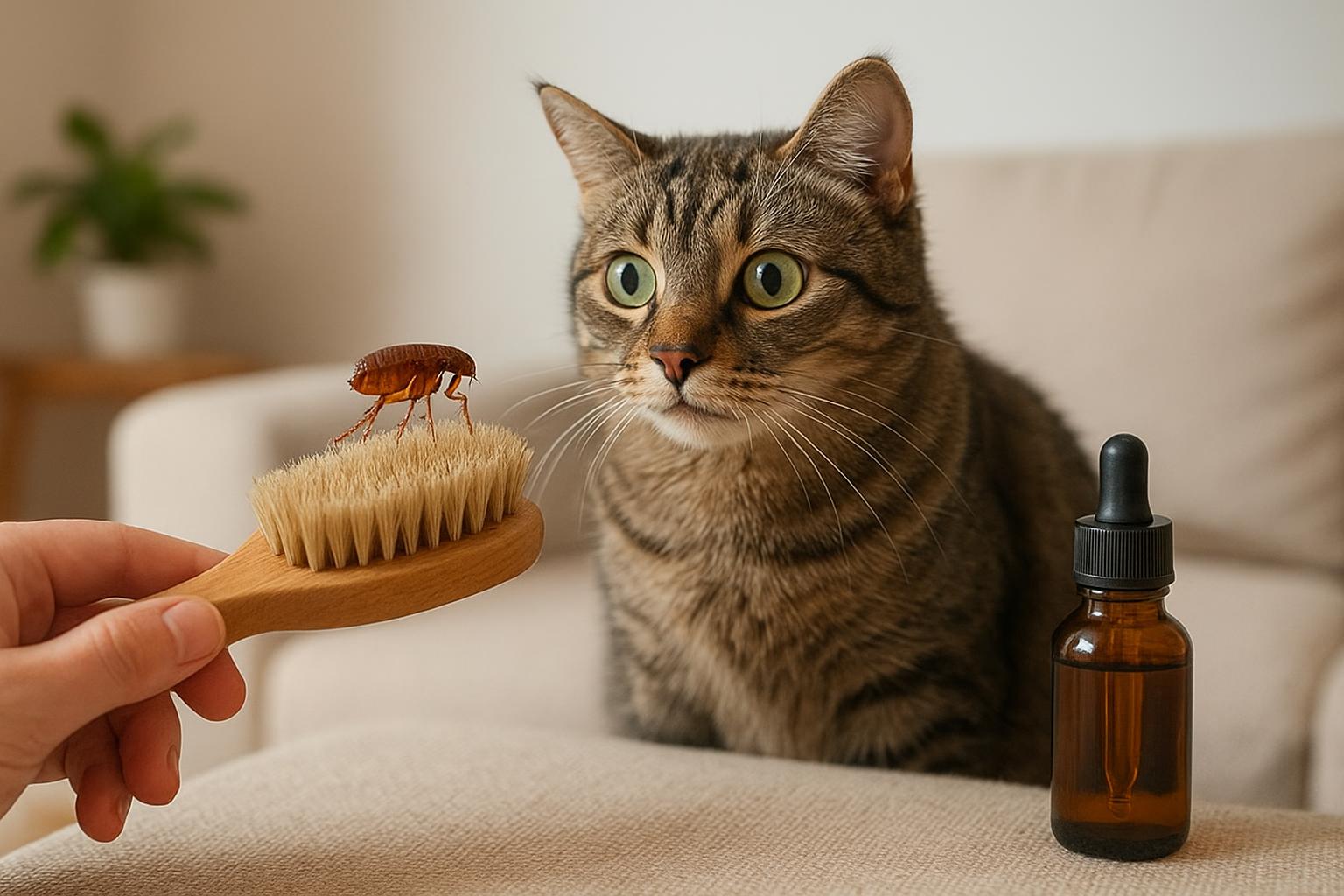
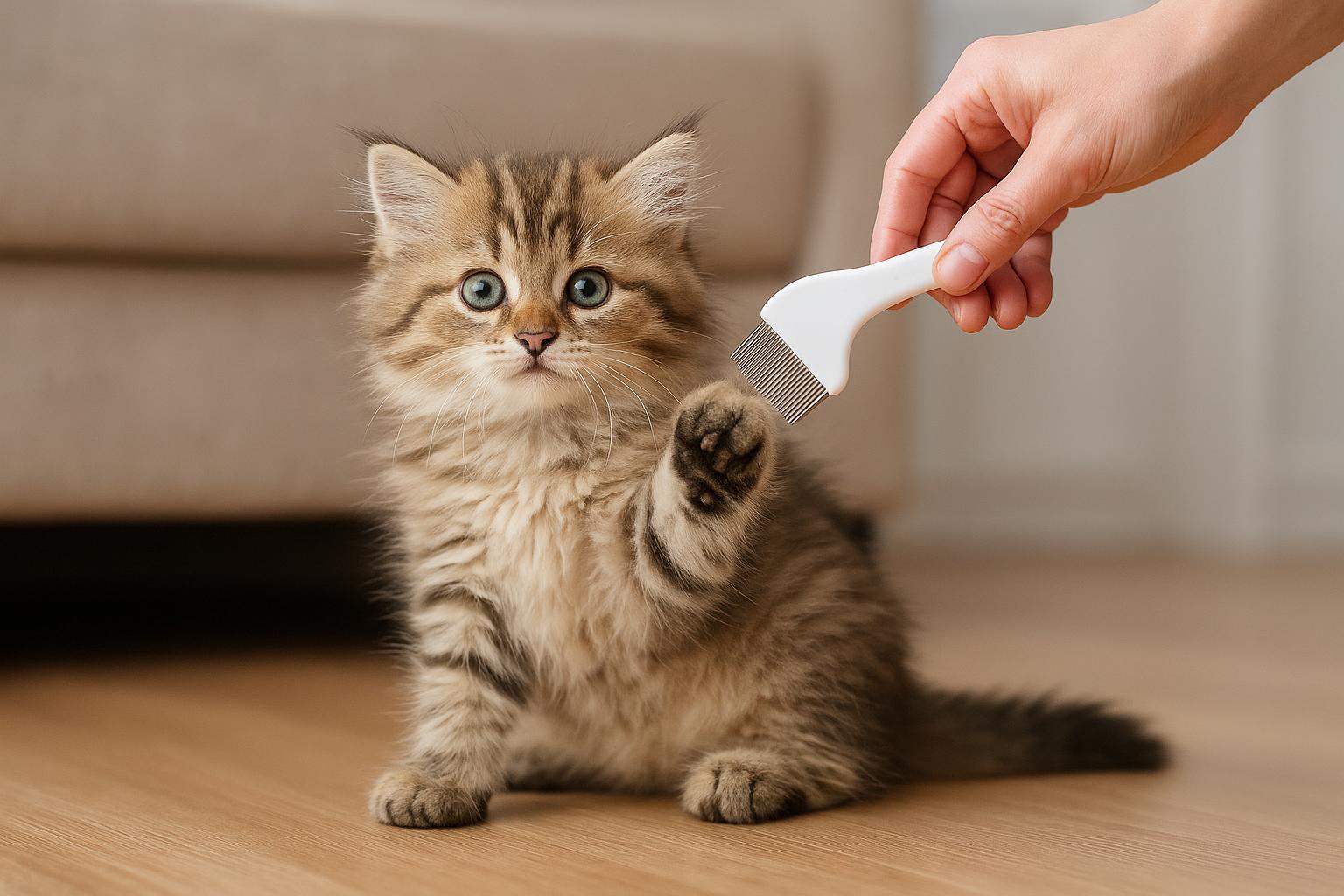
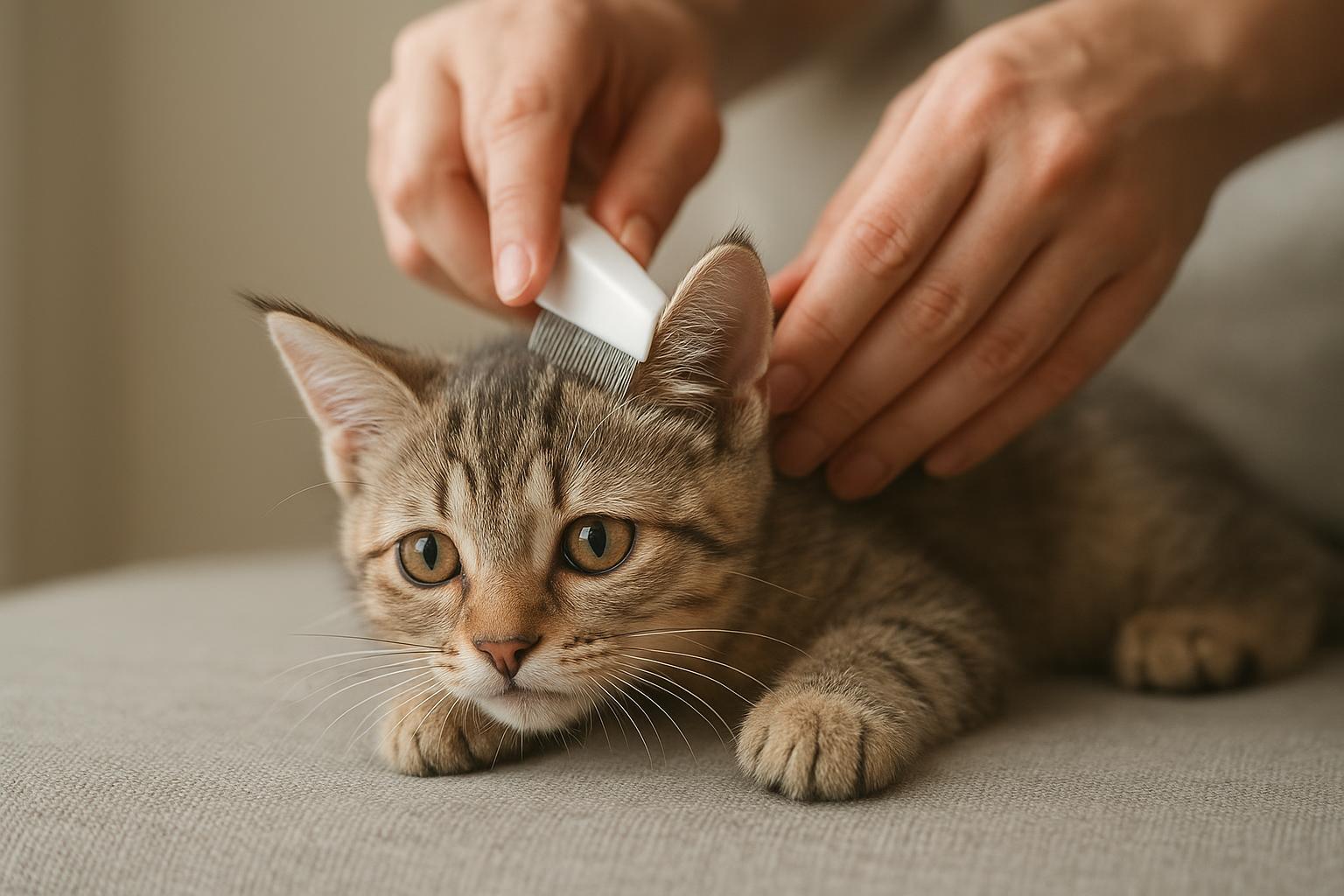
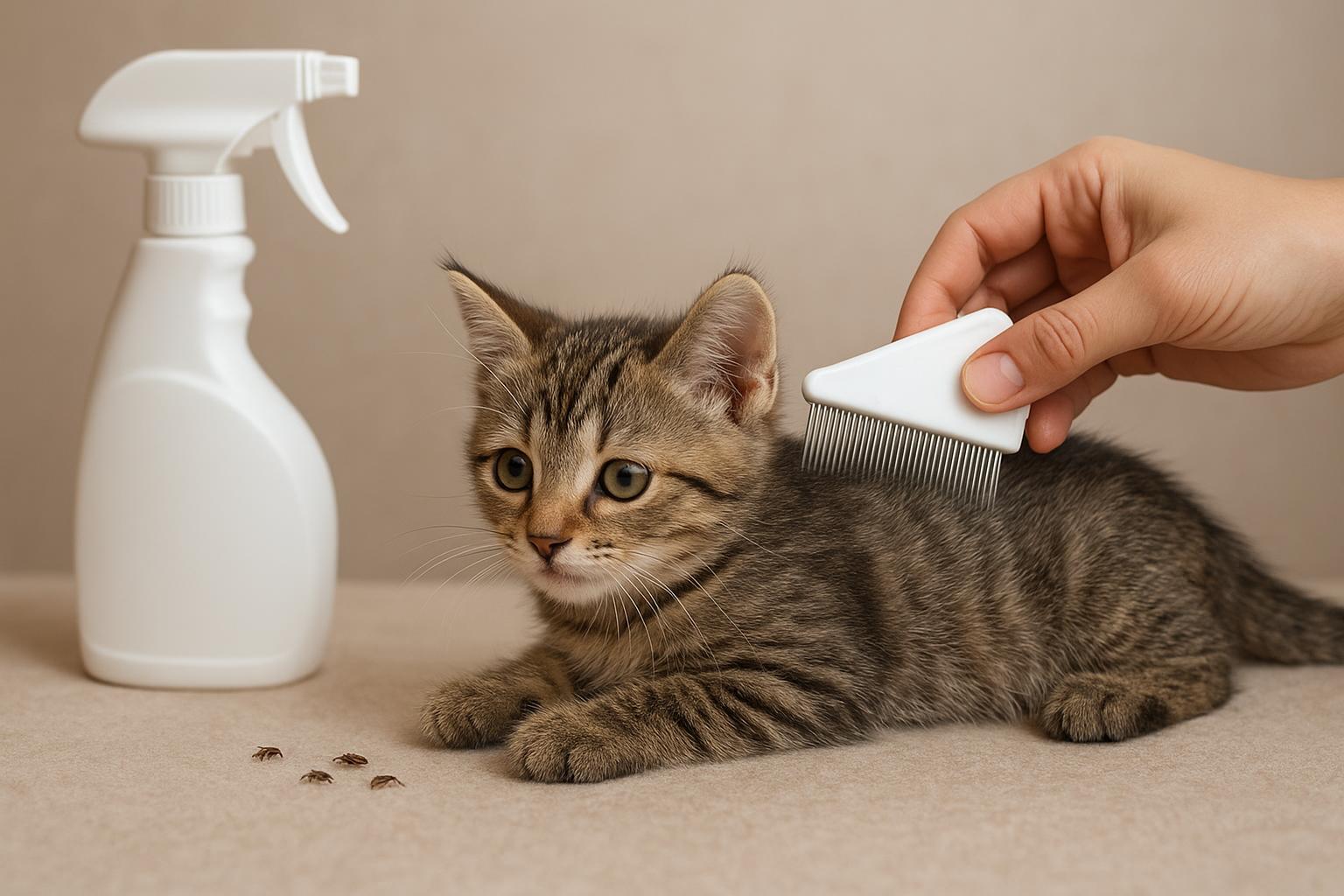
5. Use A Flea Comb As Adjunct: Comb daily to remove adults and flea dirt and dip the comb in soapy water to kill captured fleas.
Note: Topical and oral products differ in onset of action, duration, and what life stages they affect. Combining environmental controls with veterinary-recommended on-animal products provides the best outcome.
## 3. Natural Spray And Trap Method
For owners seeking low-toxin supplemental options, this remedy uses targeted, non-toxic tactics. It’s supportive rather than a sole treatment for heavy infestations.
#### Materials Required
– Spray bottle
– Warm water
– Mild dish soap (unscented)
– A few tablespoons of white vinegar (optional, safe in low concentrations)
– Shallow bowls or small trays
– Dish soap and water for flea traps
– Nighttime lamp or low-watt bulb (for traps)
#### Step-By-Step Creation And Application
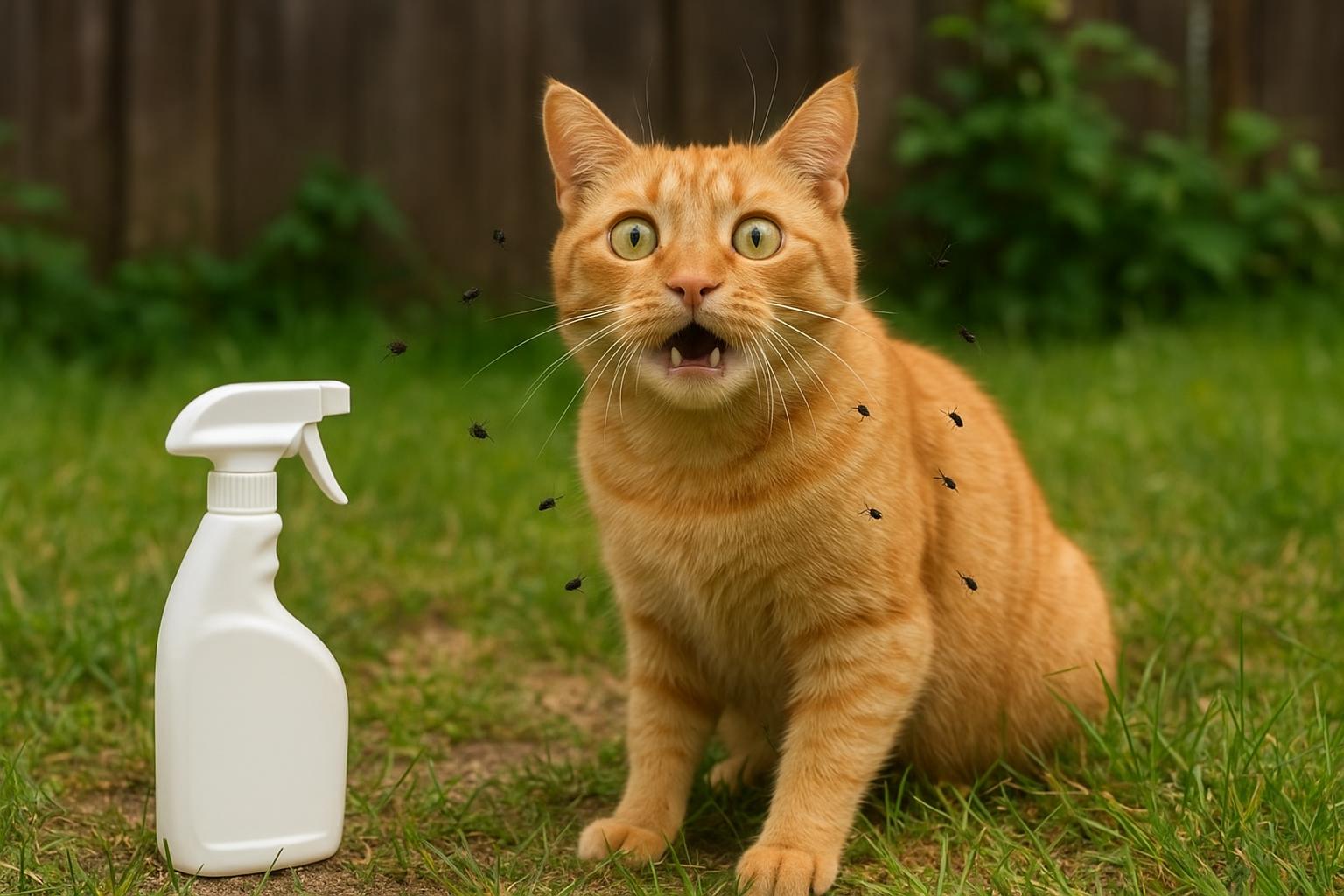
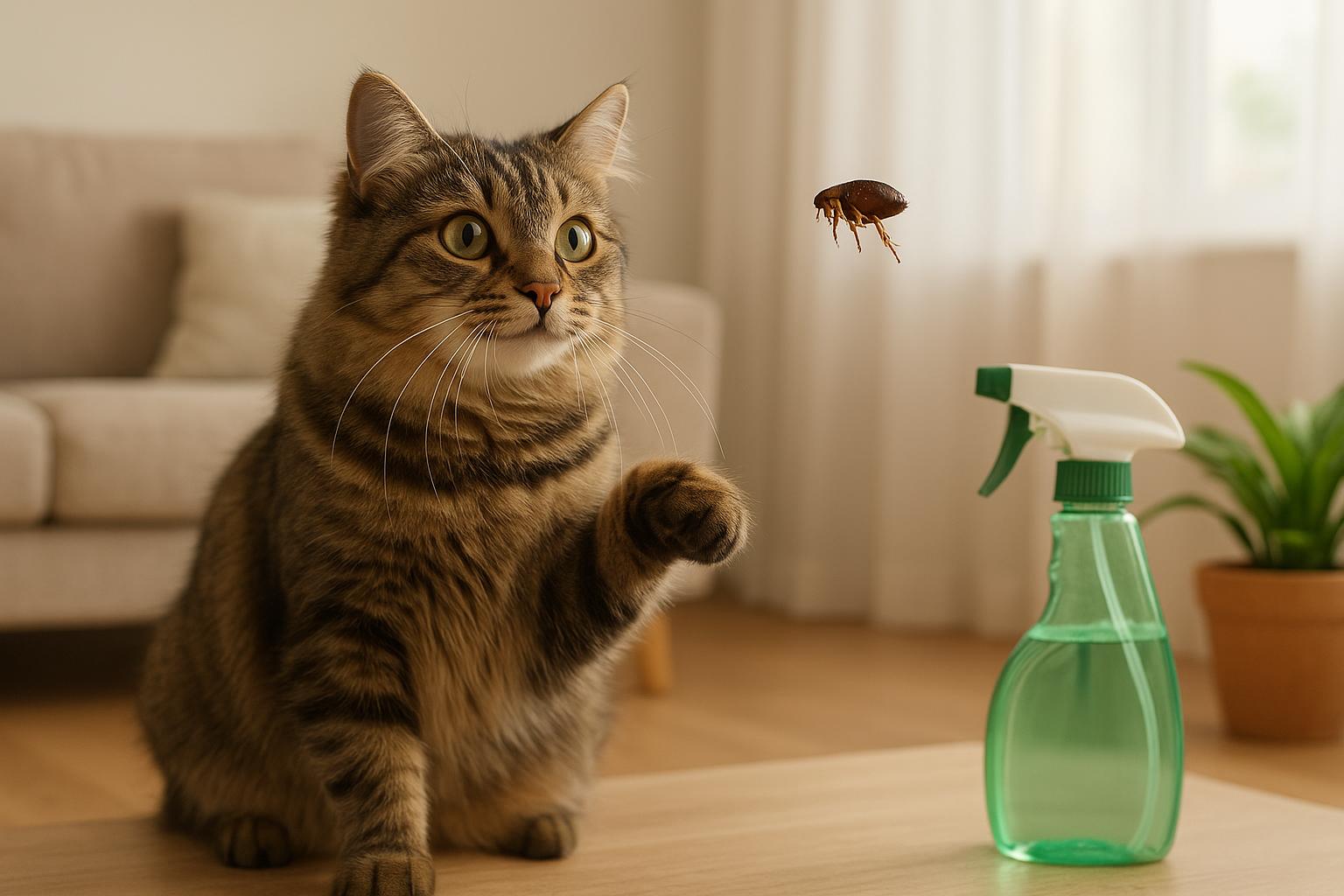
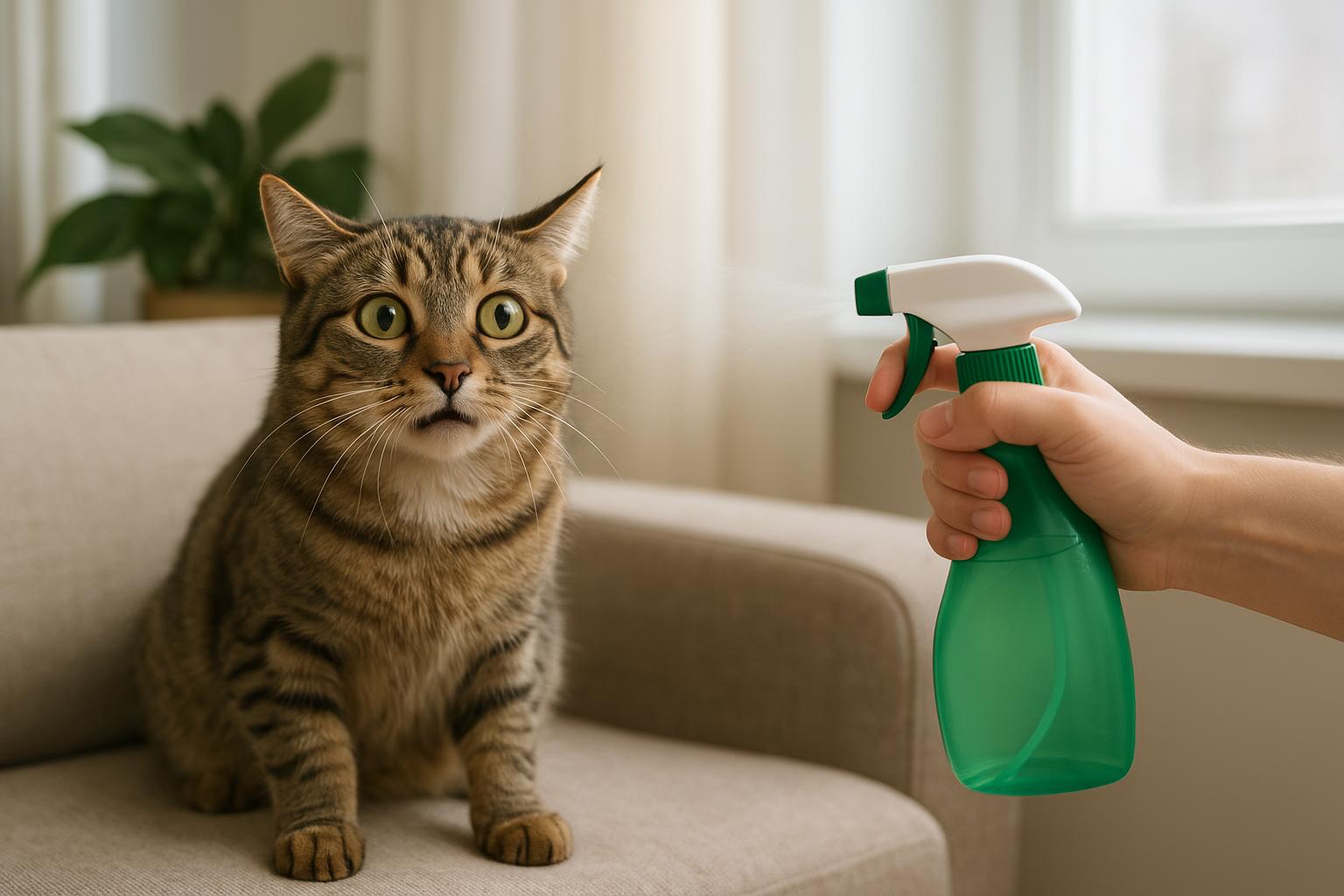
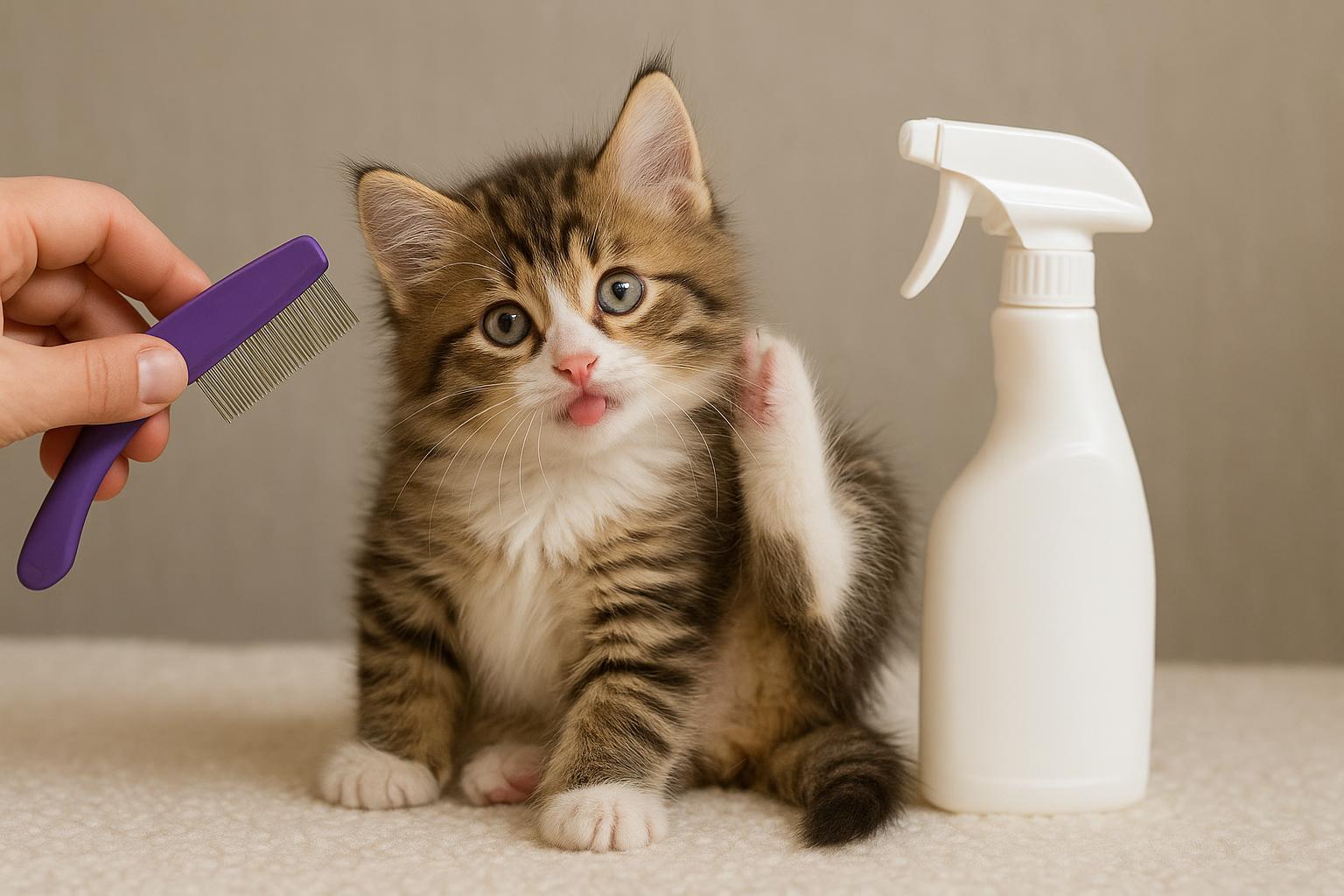
1. Make The Spray: In a spray bottle mix 16 ounces of warm water, 1 teaspoon of mild dish soap, and 2 tablespoons of white vinegar. Shake gently to combine. Label the bottle.
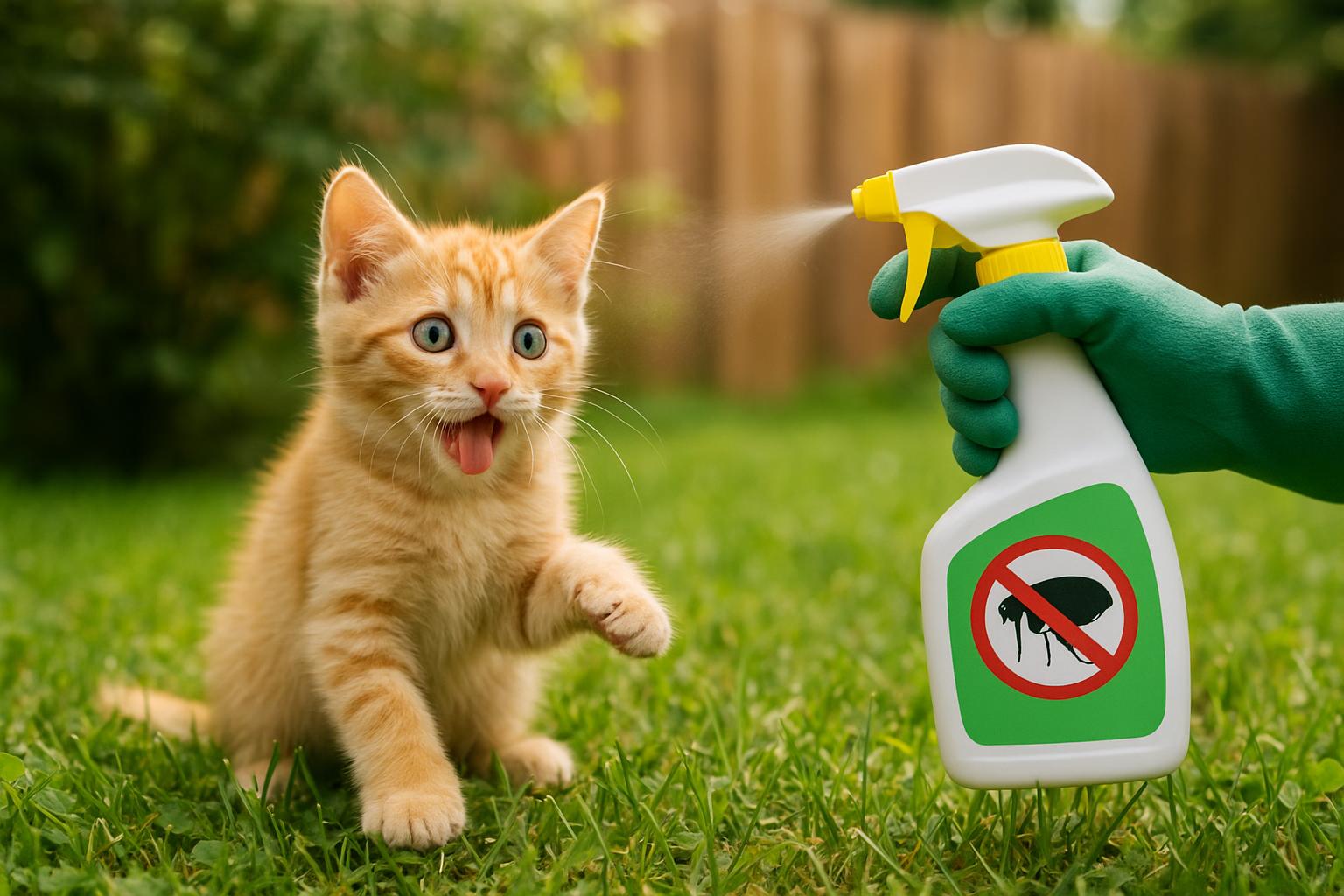
2. Apply As A Spot Treatment: Lightly mist areas cats frequent — baseboards, carpet edges, and pet bedding — avoiding direct spraying on the cat. Do not use on cats; this is for environment only.
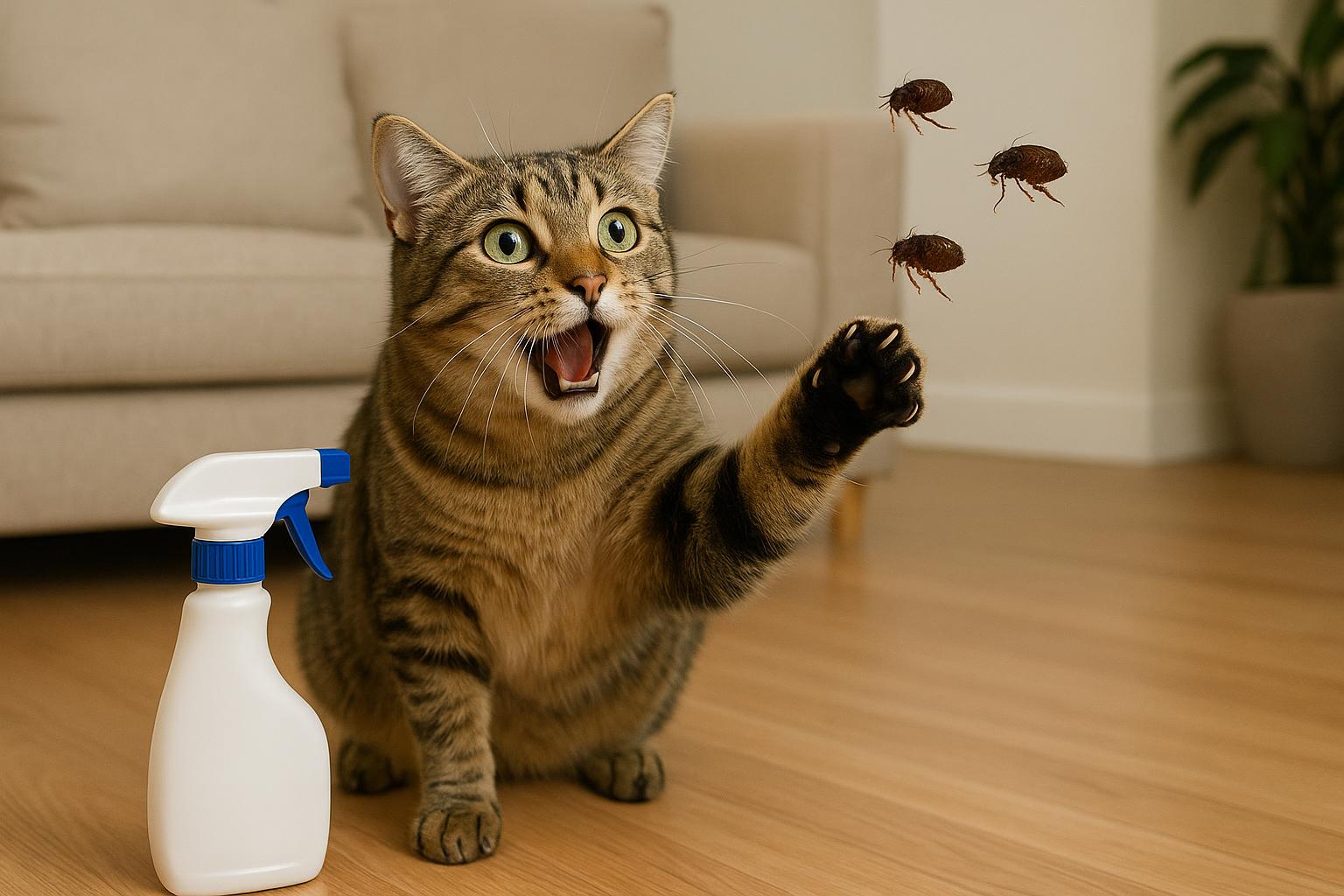
3. Set Flea Traps: Fill shallow bowls with warm soapy water and place them under small lamps at night near carpeted areas. The lamp attracts fleas; they jump toward the heat and fall into the soapy water and drown.
4. Use Consistently: Use the spray once or twice weekly and change traps nightly until flea counts decline. Combine with vacuuming and on-animal treatments for effectiveness.
This natural method helps catch adults and reduce pressure on chemical treatments, but it is rarely sufficient as a standalone indoor flea treatment for moderate to severe infestations.
### When To Call A Professional Exterminator
If fleas persist after a coordinated 4–6 week program of on-cat treatments, environmental cleaning, and targeted sprays, call a licensed pest control professional experienced with pet-safe protocols. Professionals can apply residual treatments that penetrate carpets and subflooring where pupae hide — places home cleaning may miss. Ensure the technician knows you have cats so they select cat-safe products and advise on reentry times.
### Preventing Reinfestation: Routine And Record Keeping
Consistent small habits keep fleas at bay. Maintain a schedule:
– Monthly vet-approved flea prevention administered on time.
– Weekly washing of pet bedding and vacuuming of high-traffic areas.
– Record dates of treatments and cleaning to spot patterns.
– Inspect guests’ shoes and used furniture before bringing them indoors.
Good record-keeping enables you and your vet to identify when a different product or approach is needed.
A well-run indoor flea treatment plan blends science, habit, and a little patience. You’ll reduce the number of surprise jumpers, keep your feline friend comfortable, and avoid the need for frantic midnight Googling that always ends in weird forums.



Leave a Reply