
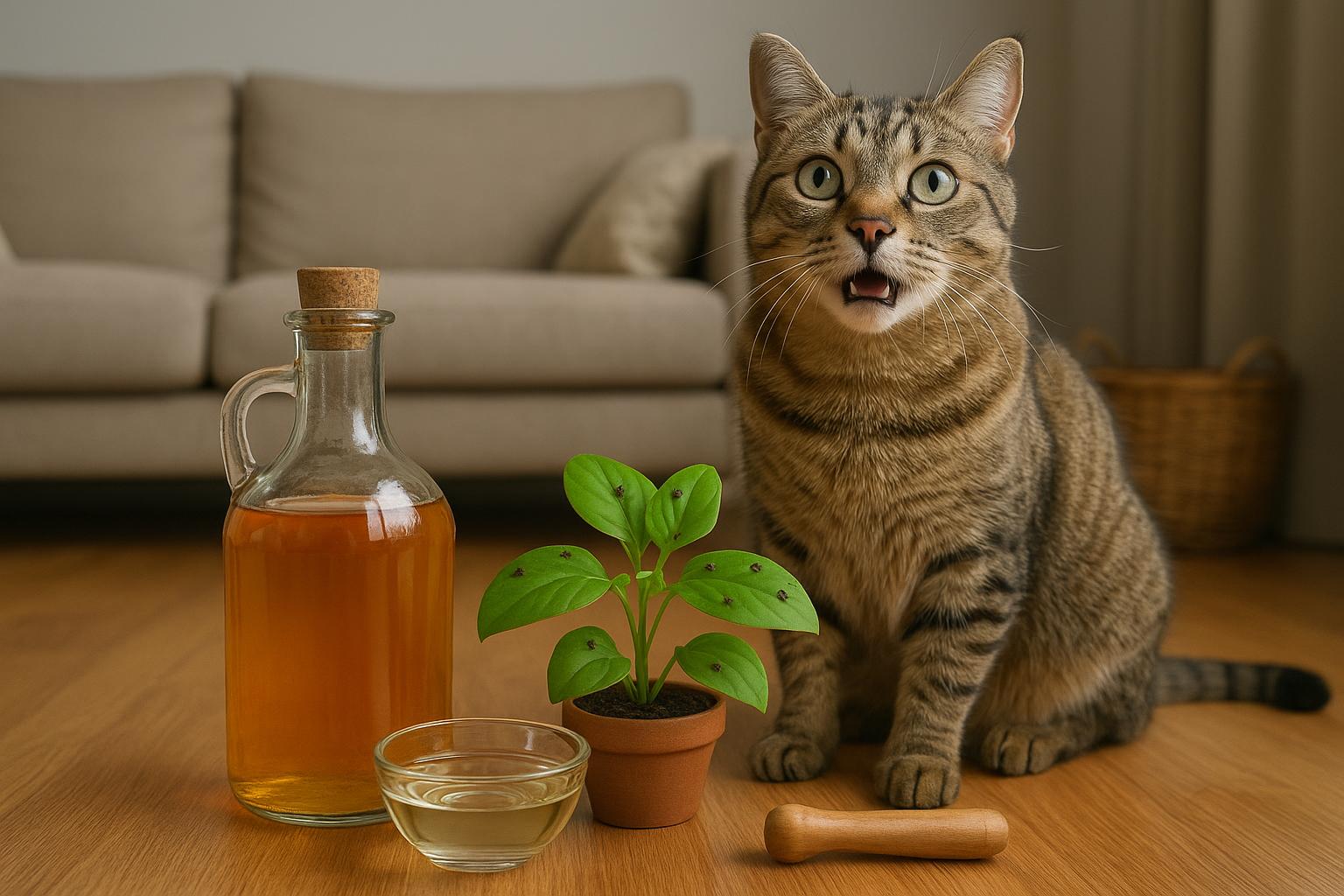
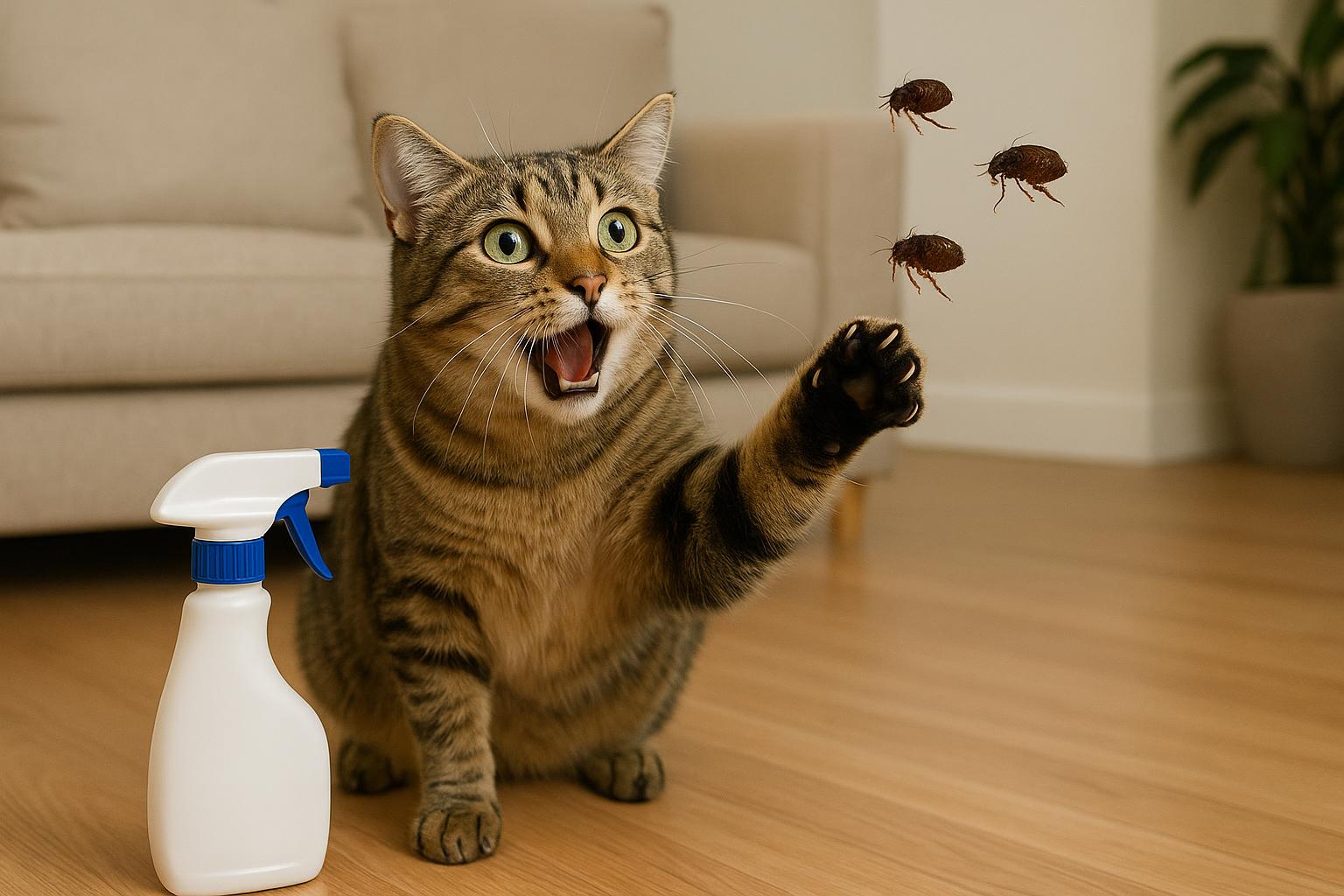
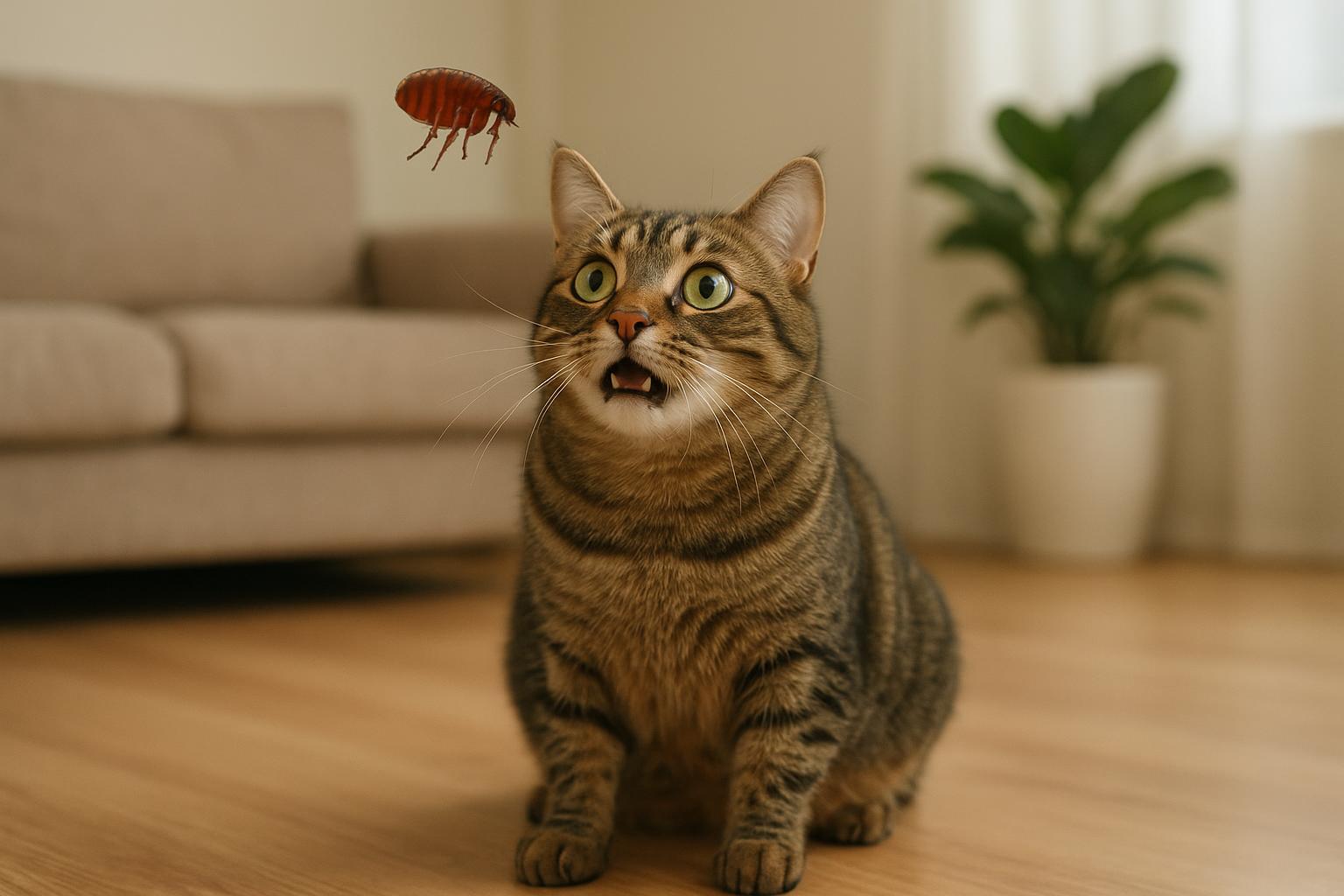
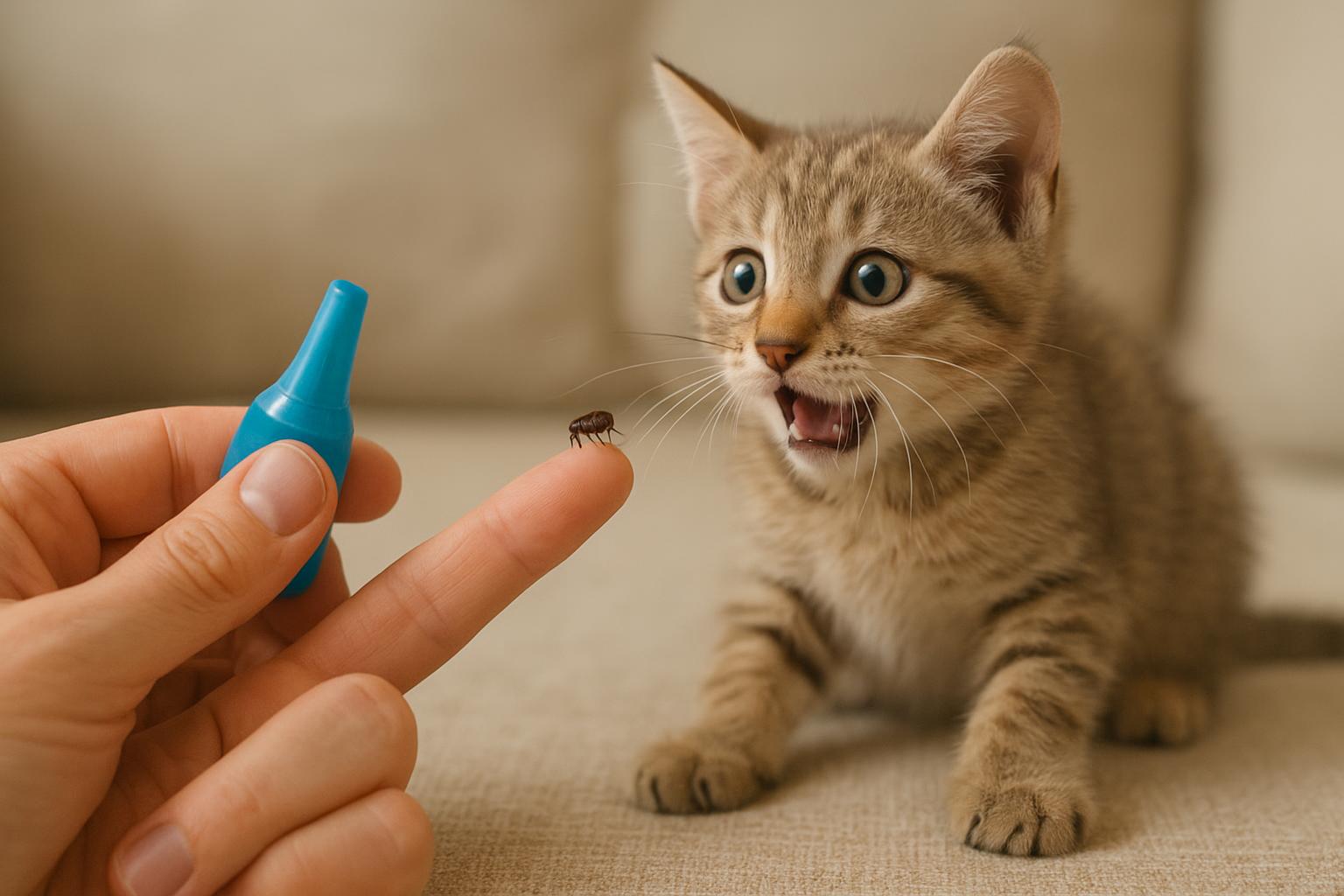
We all love a purring cat that snoozes like royalty, but when those royal paws bring home tiny, hopping freeloaders, that purr can turn to a frantic scratch. Enter a folk remedy getting fresh attention: flea vinegar. This article walks through what it is, why people are talking about it, and how you can safely make and use a vinegar-based approach as part of a responsible flea control plan for cats.
## Flea Vinegar: What It Is And Why It Works
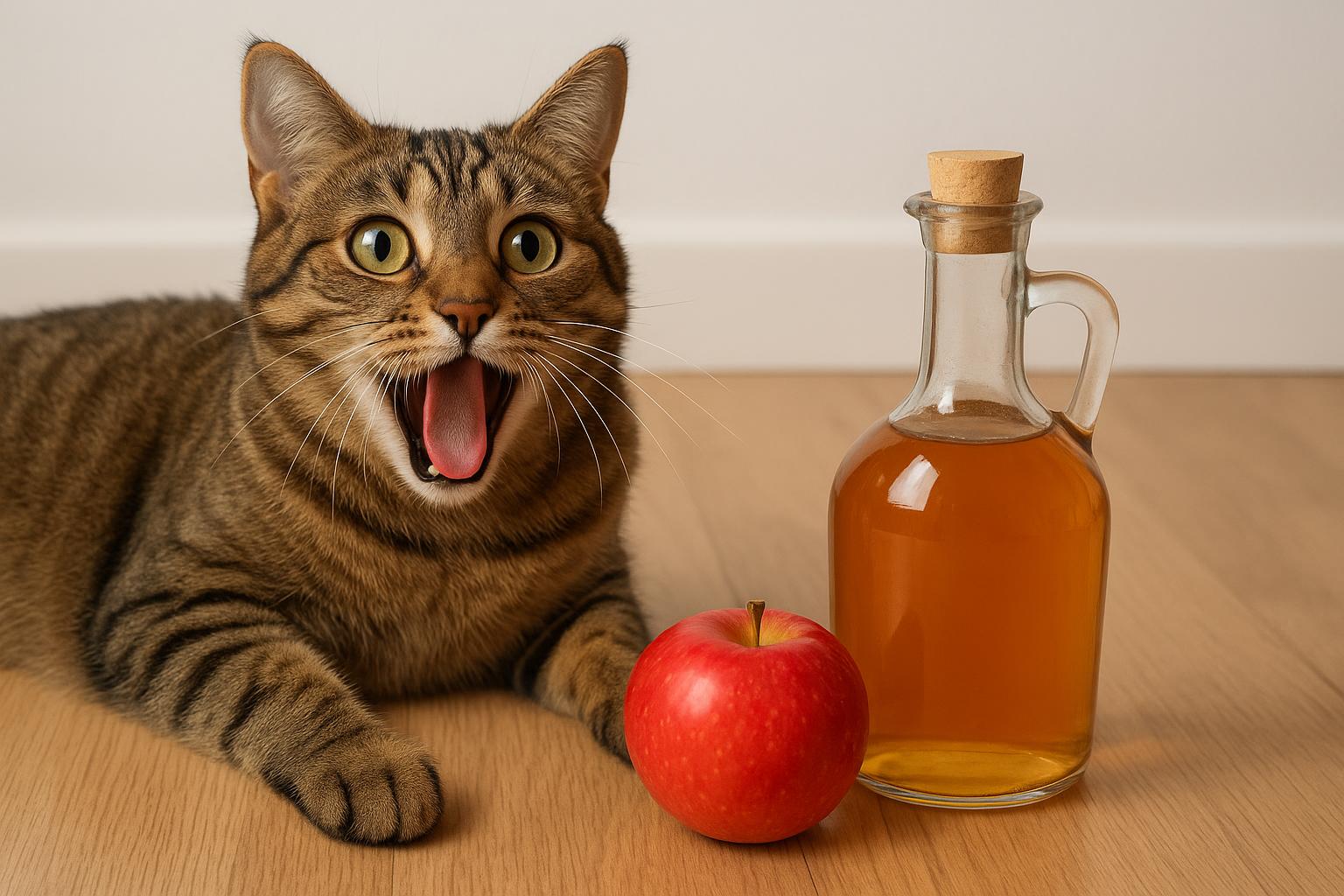
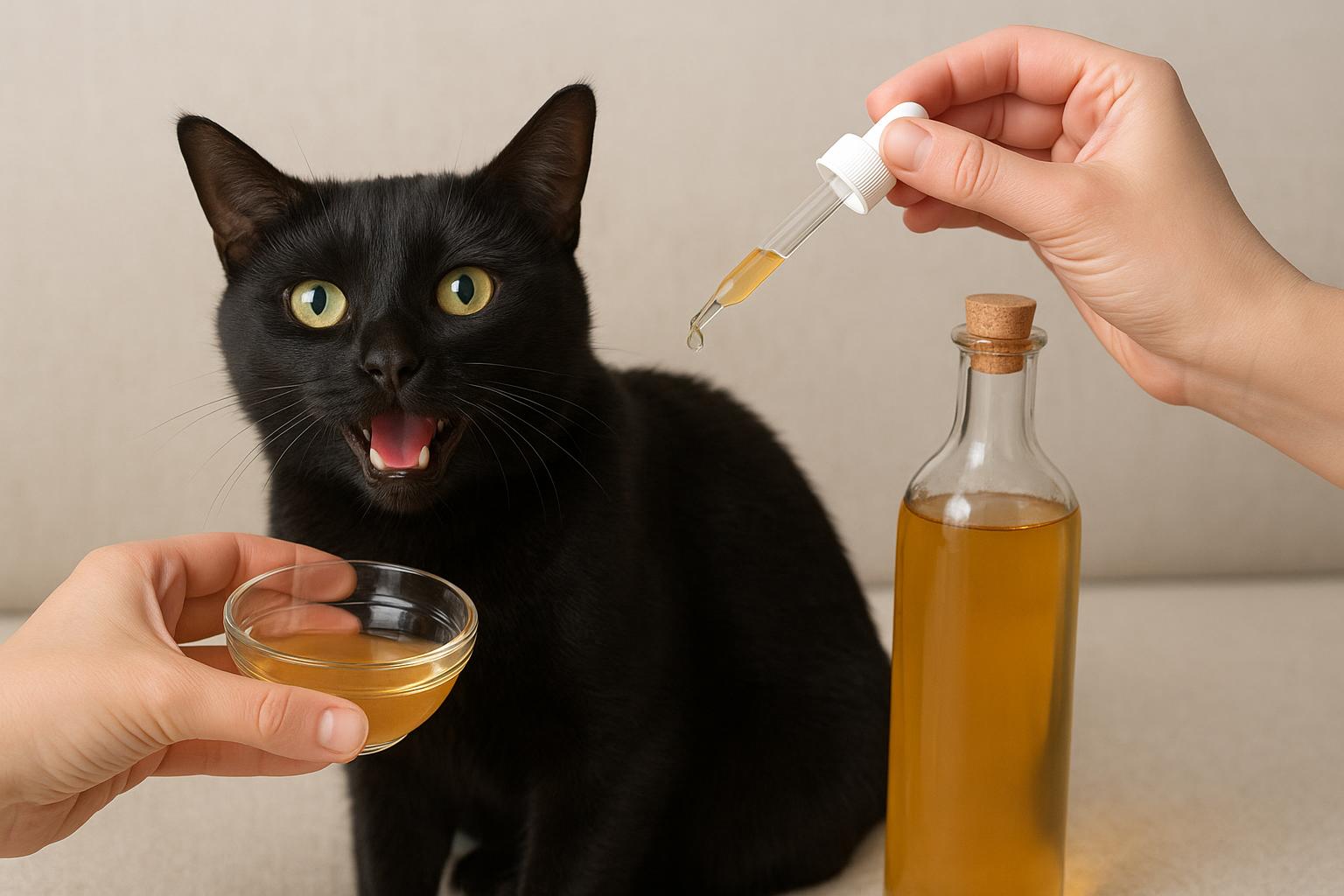
If you’ve heard the term flea vinegar, you’re not imagining a potion brewed in a cauldron. At its core, flea vinegar is a diluted acetic-acid–based solution often combined with other natural ingredients (such as essential oils or herbs) that people apply to a cat’s coat or environment to deter fleas. The idea is simple: vinegar alters the scent and surface conditions that fleas find attractive, and certain additives can offer repellent or desiccating effects.
Scientifically, vinegar’s acidity can make the environment less hospitable for some invertebrates. However, vinegar is not an insecticide in the modern sense, and its performance varies. That’s why flea vinegar is best framed as a supportive, preventive tool rather than a standalone cure for heavy infestations.
### How Effective Is It Compared To Conventional Treatments?
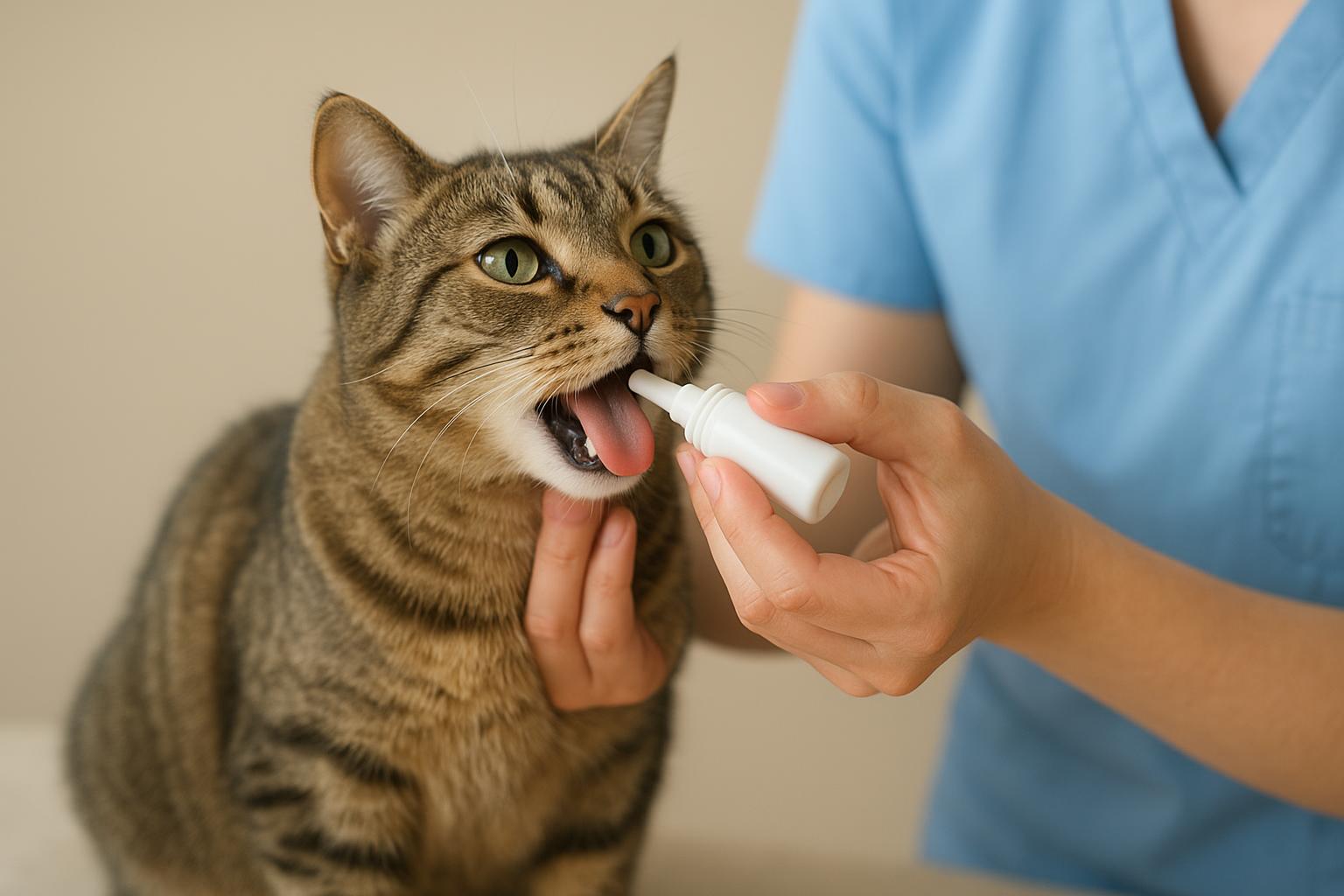
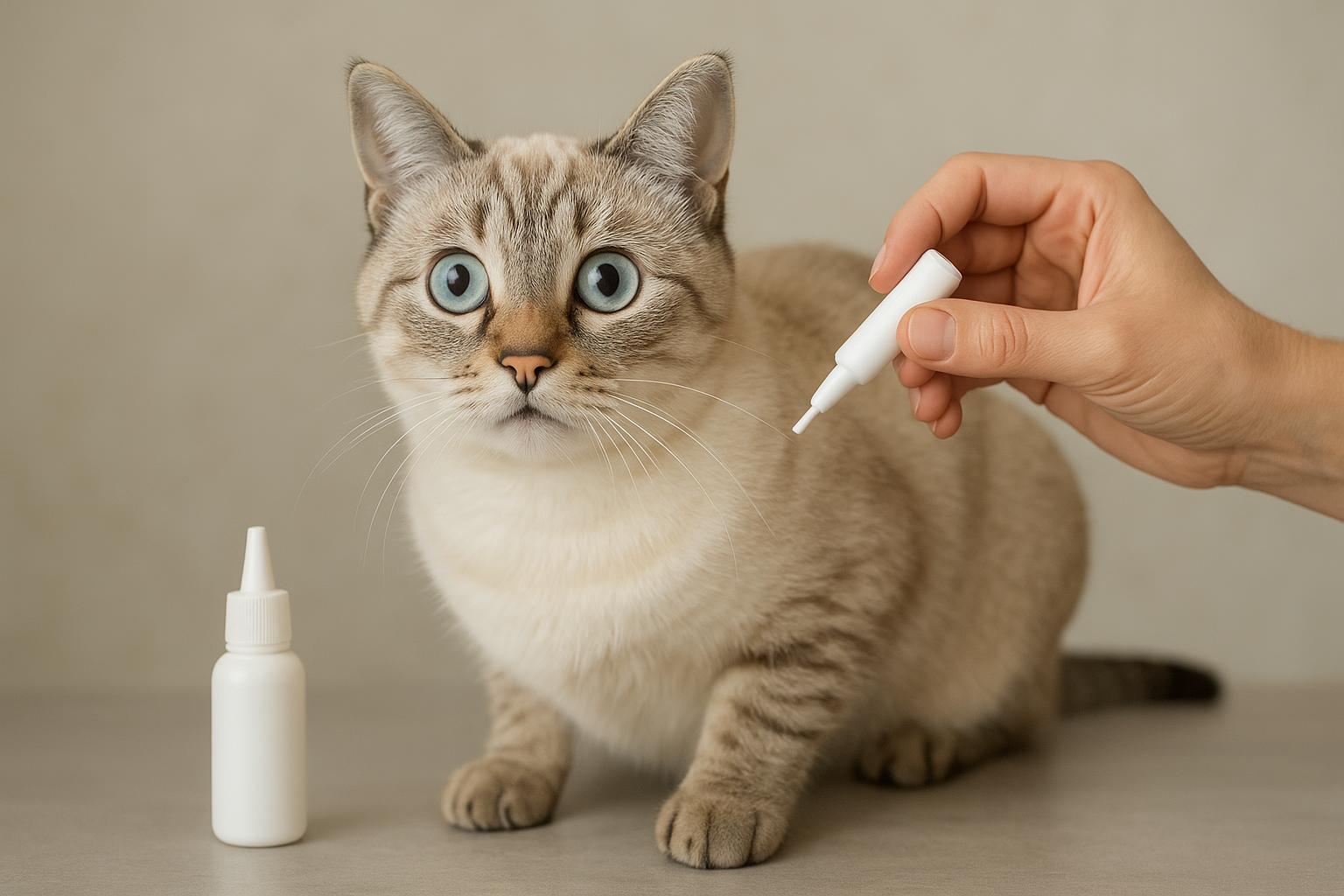
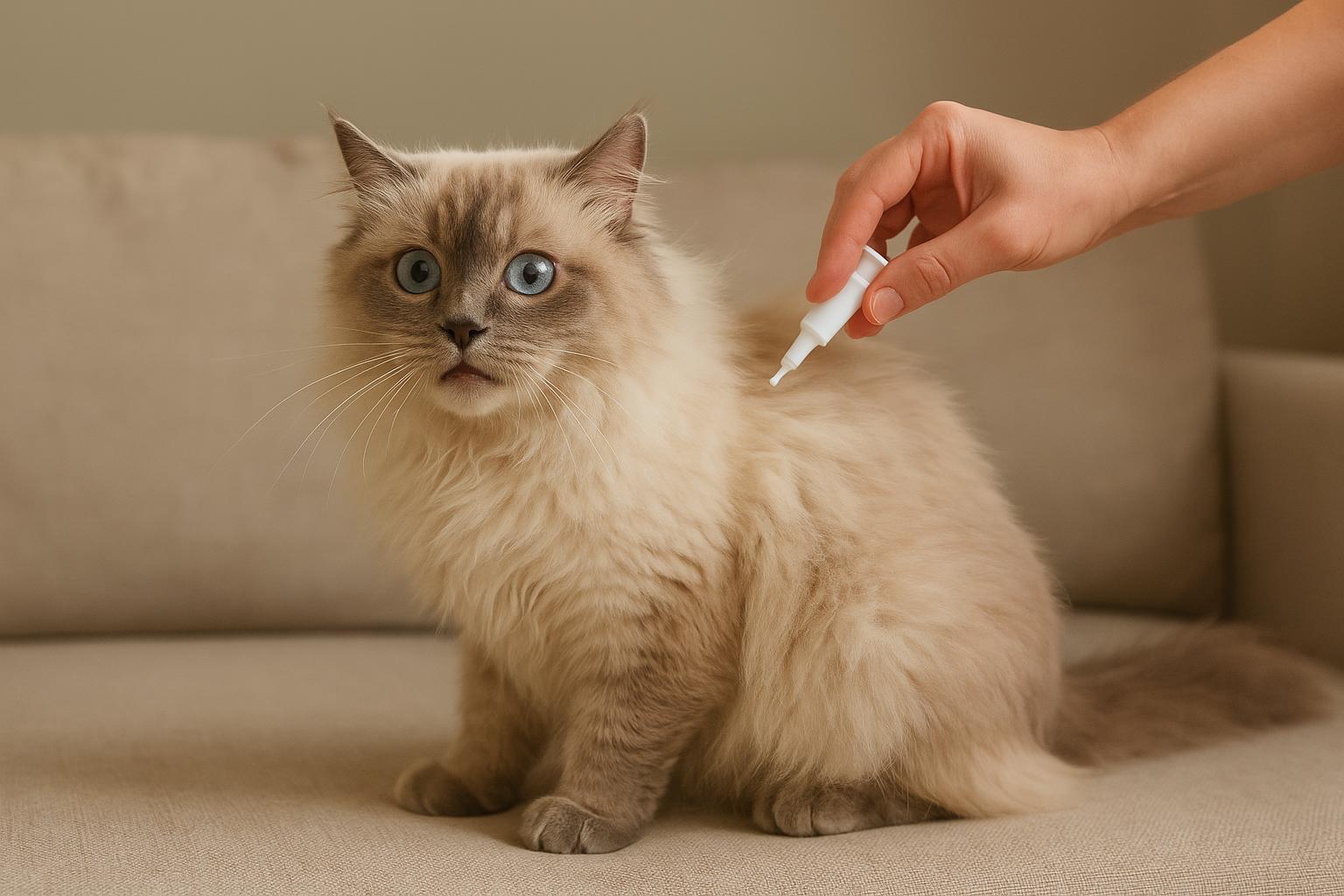
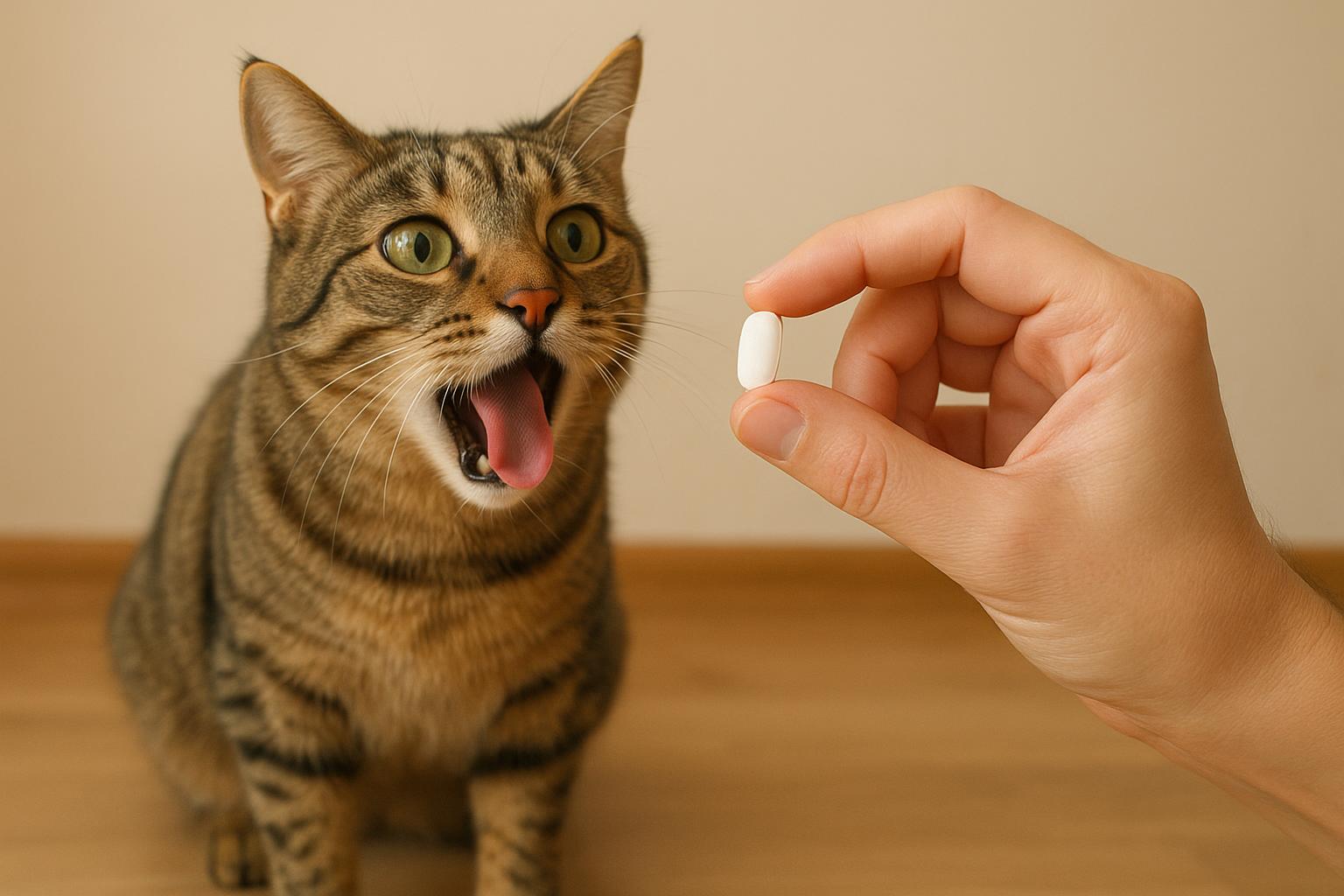
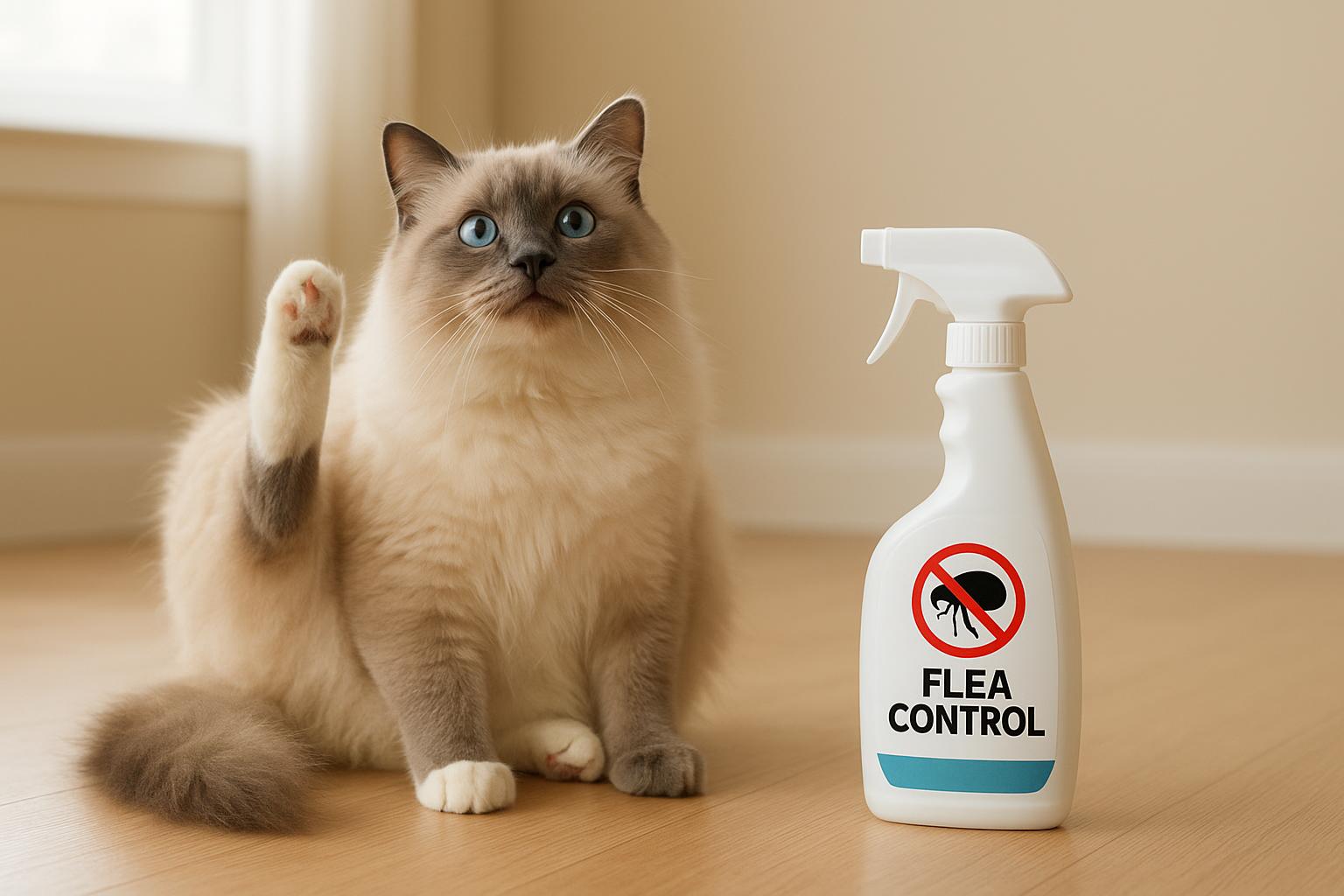
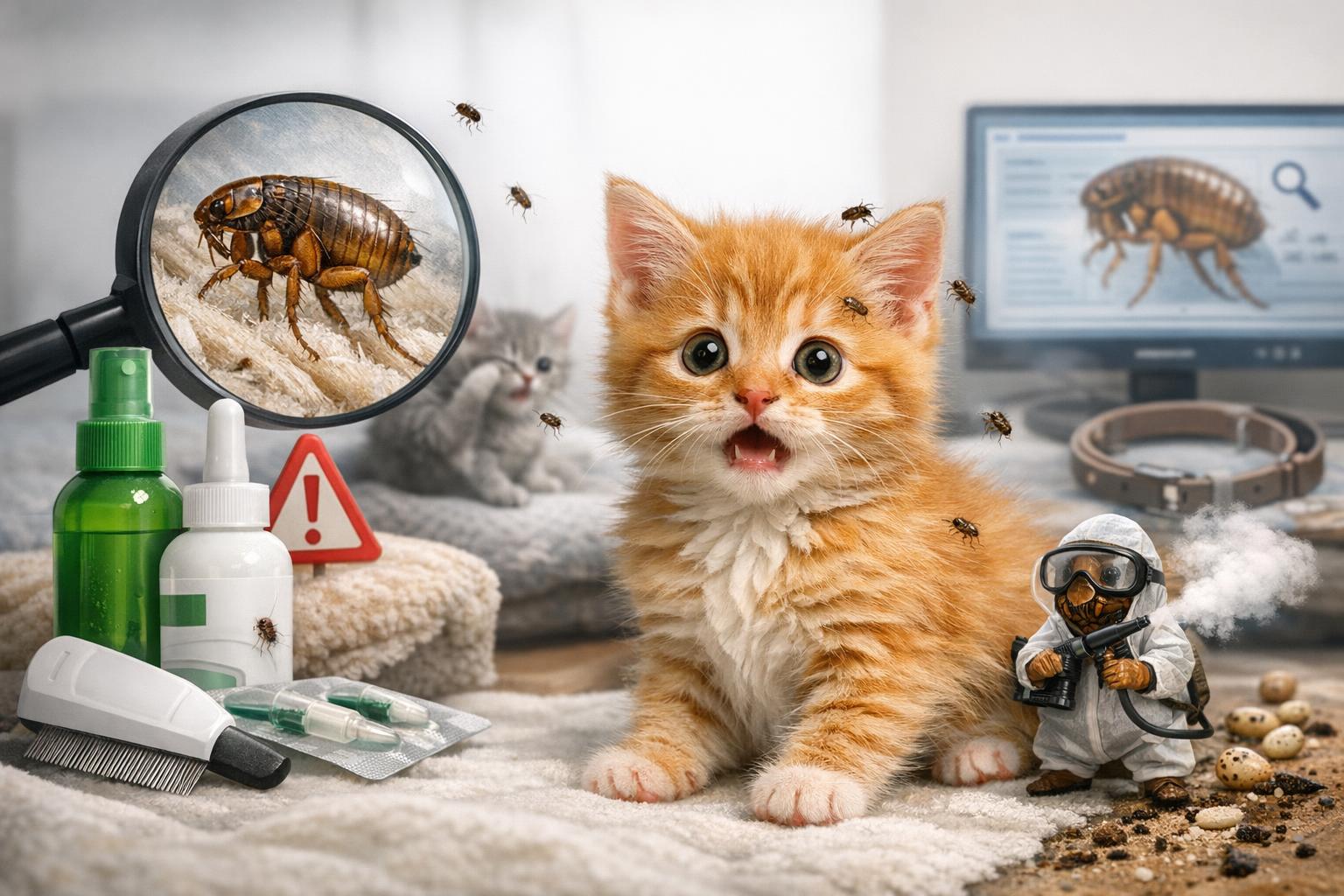
The best flea control on a cat with an established infestation remains veterinarian-recommended products like topical spot treatments, oral medications, or environmental insect growth regulators. Flea vinegar can reduce nuisance levels and help prevent new bites, but it does not reliably kill flea eggs or interrupt a severe life cycle in the home. Use it as part of an integrated approach, not as the only line of defense.
### Who Tends To Use It And Why
People drawn to flea vinegar are often seeking lower-toxicity options, have cats sensitive to conventional products, or want an extra layer of odor control between vet treatments. It’s especially popular in households that prefer natural, DIY methods and that remain vigilant about environmental cleaning and vet care.
## Signs Your Cat May Benefit From Natural Control
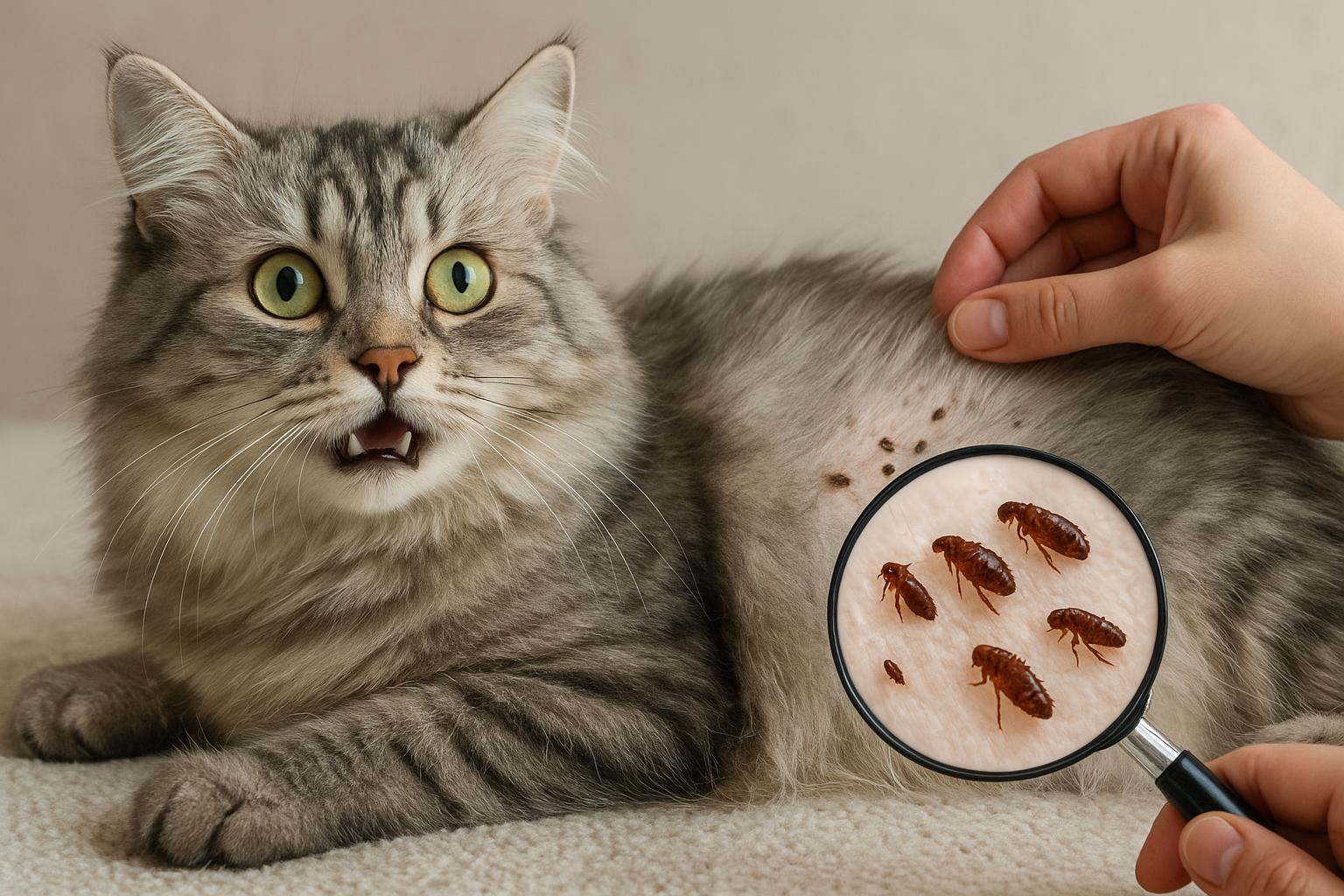
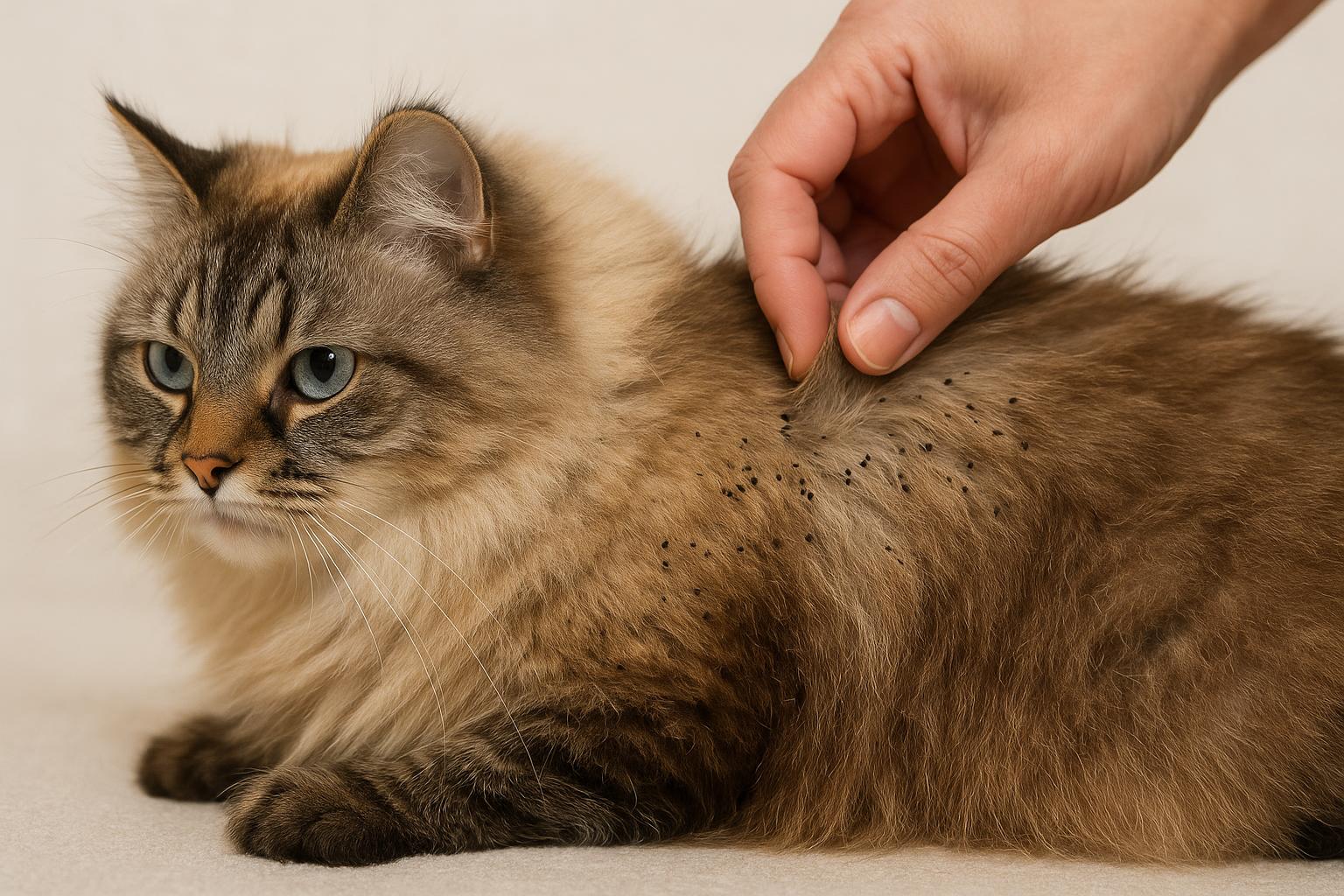
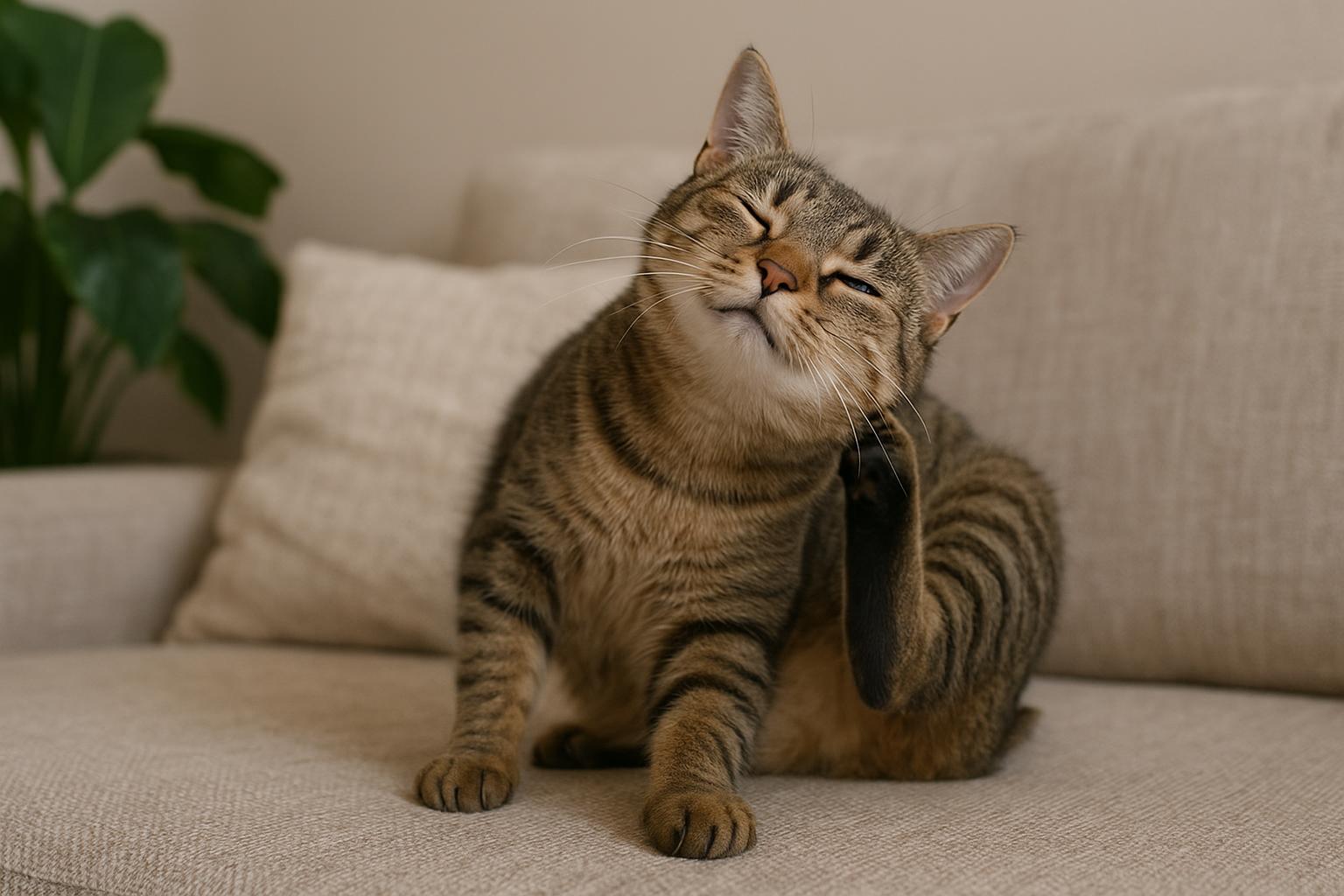
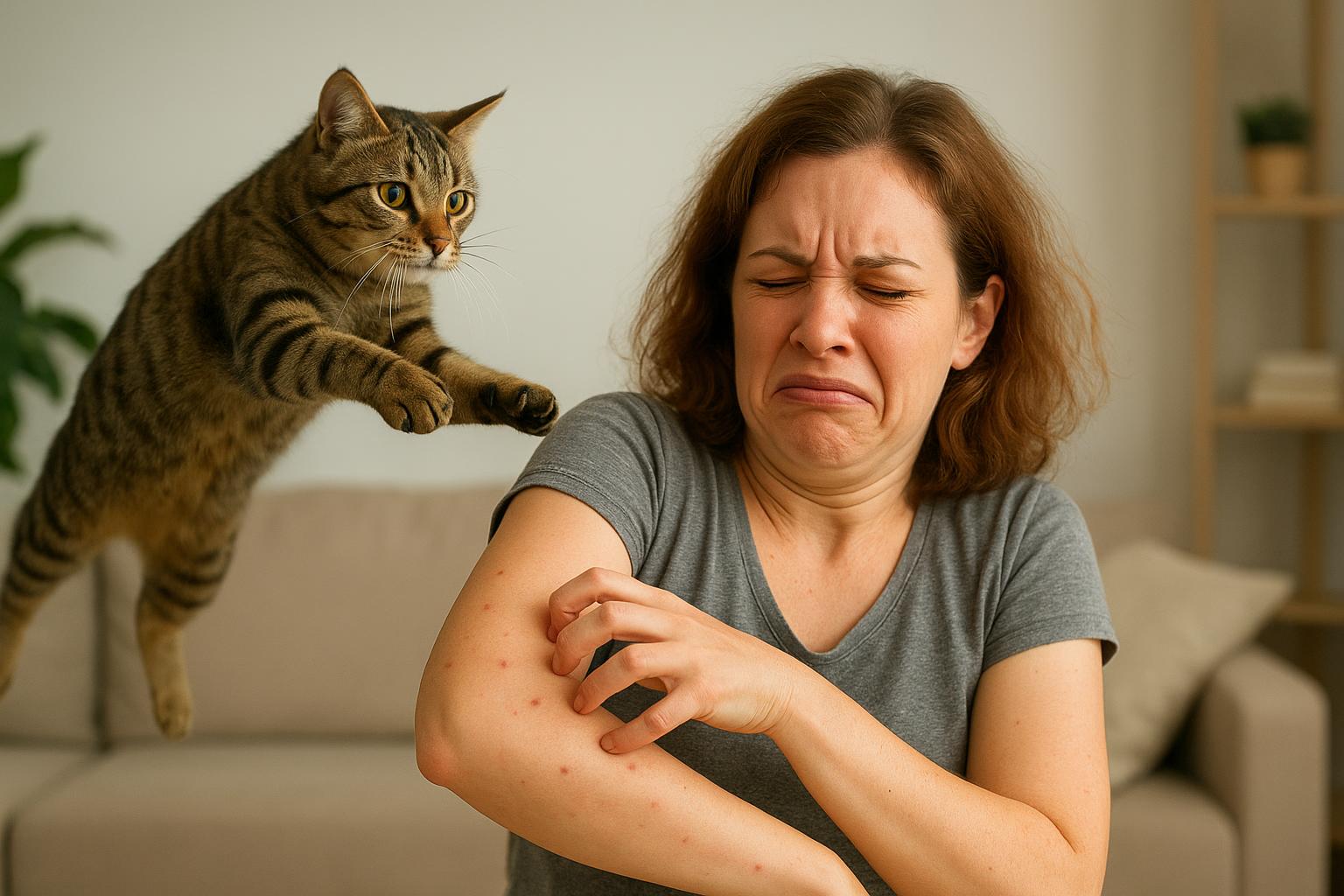
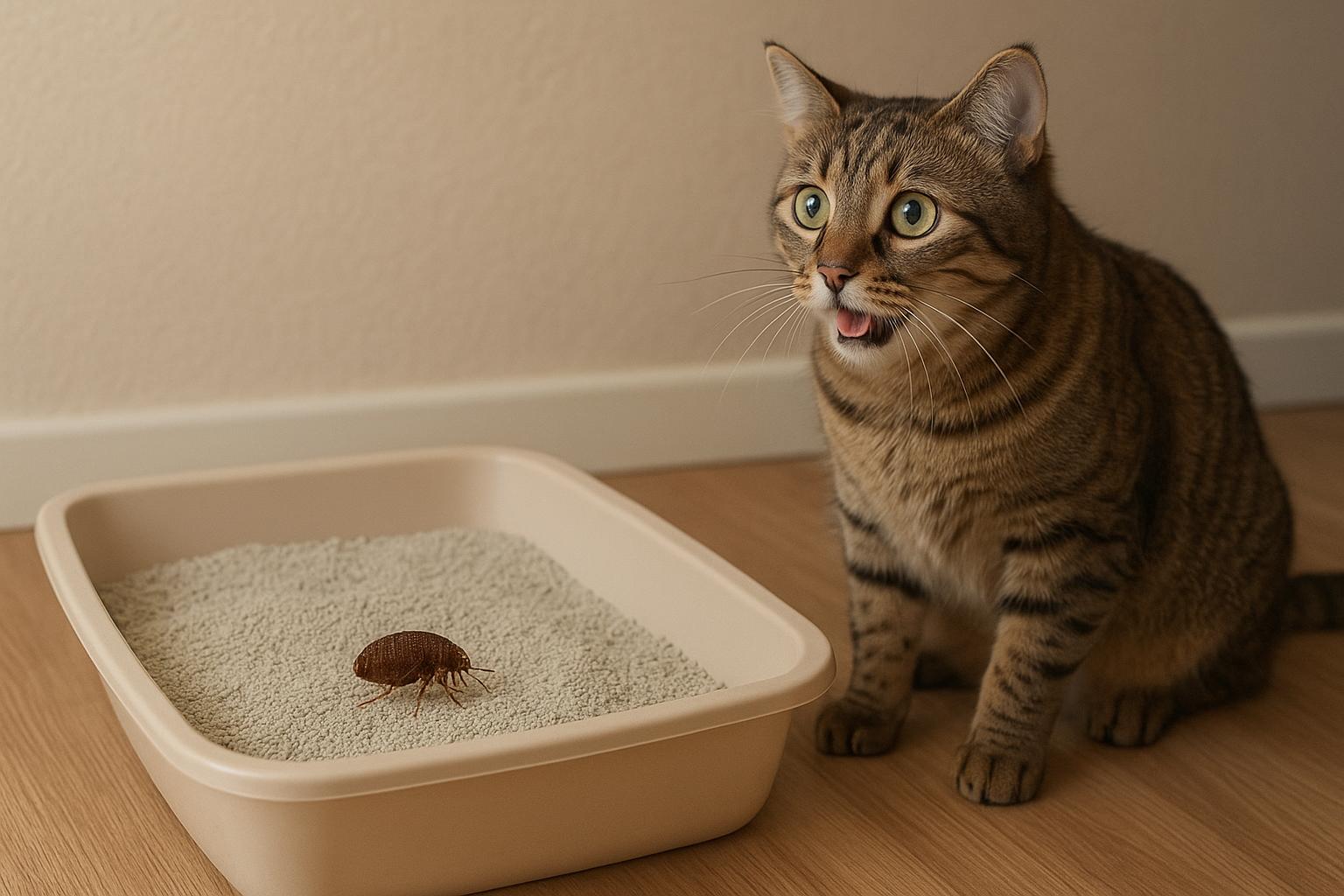
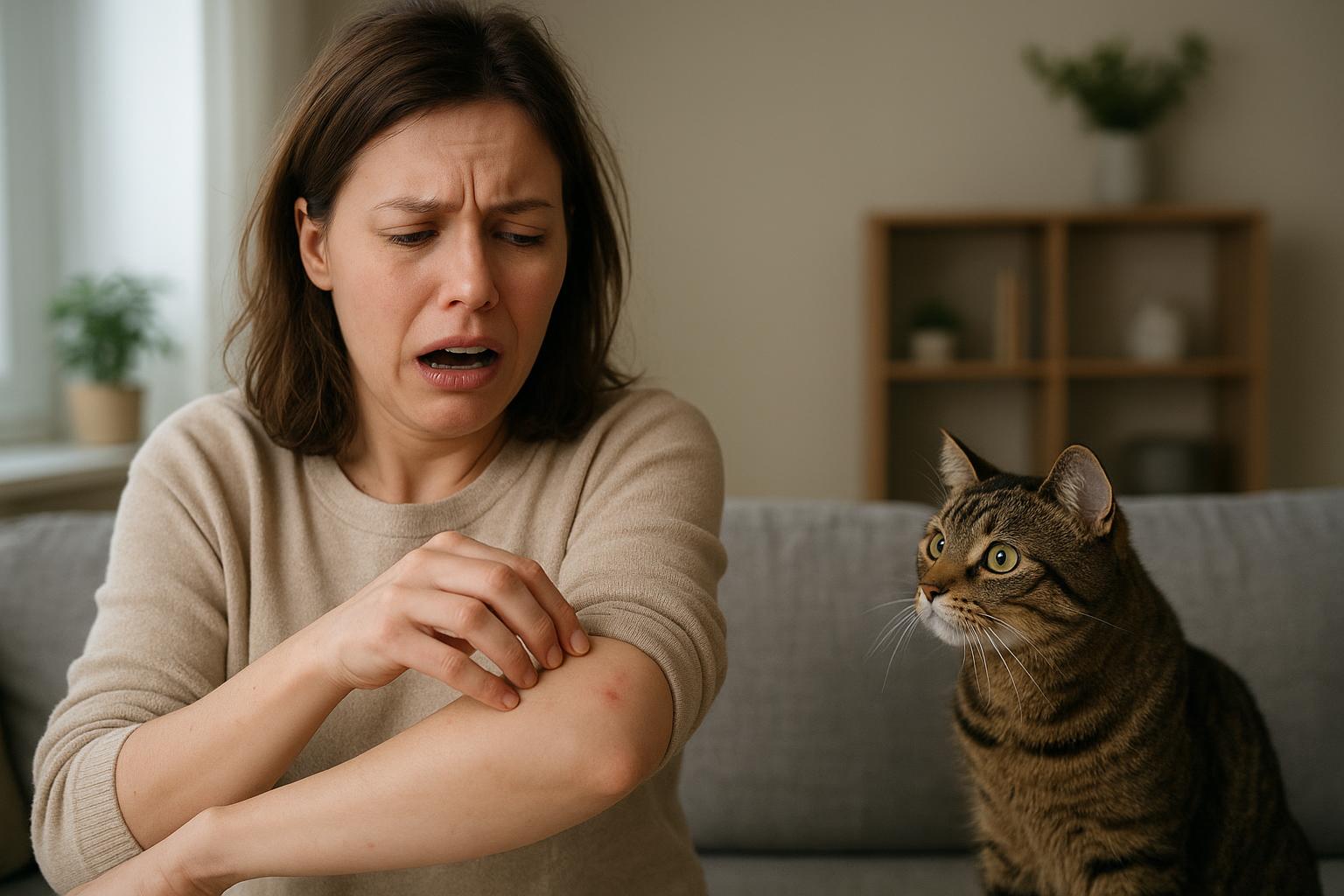
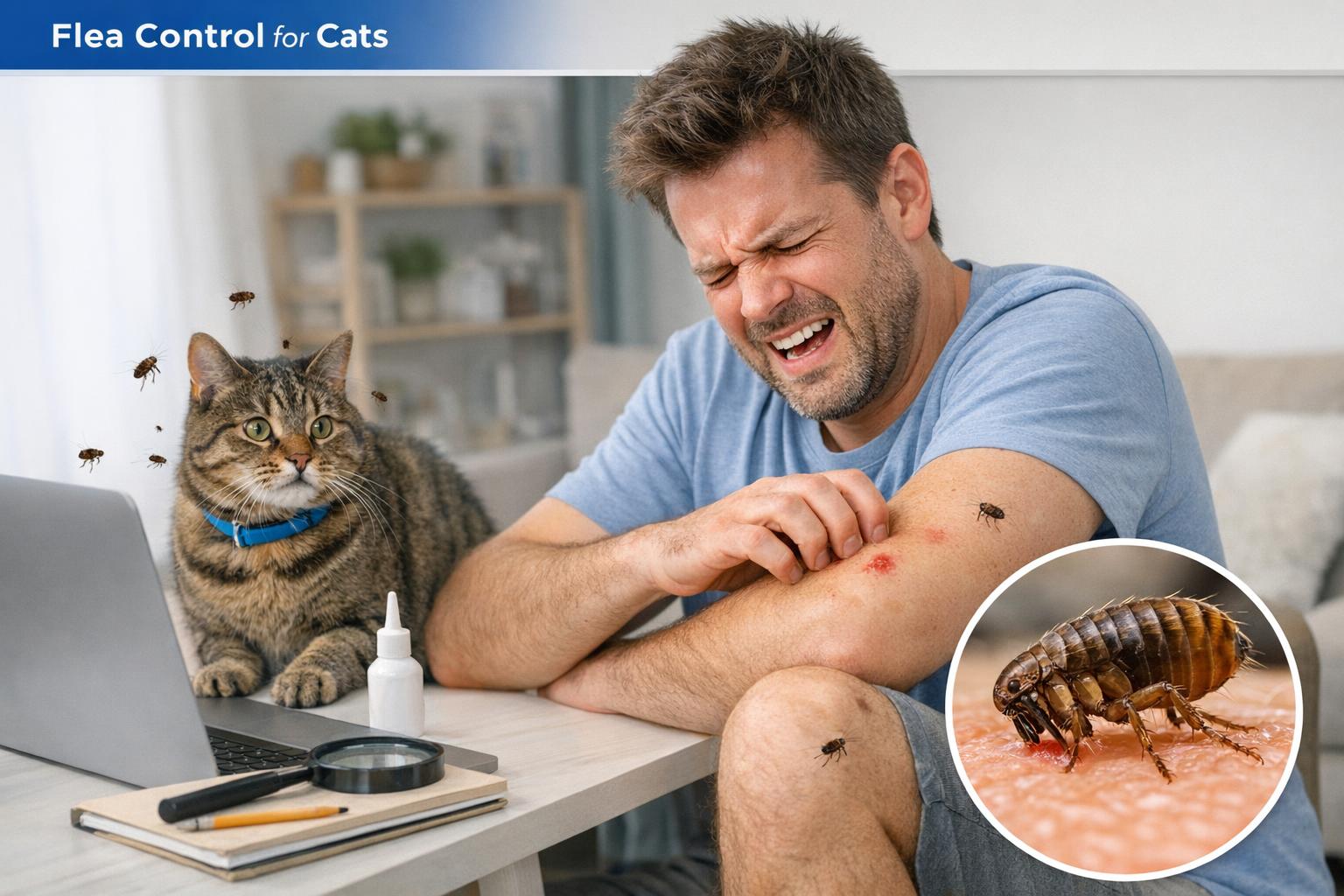
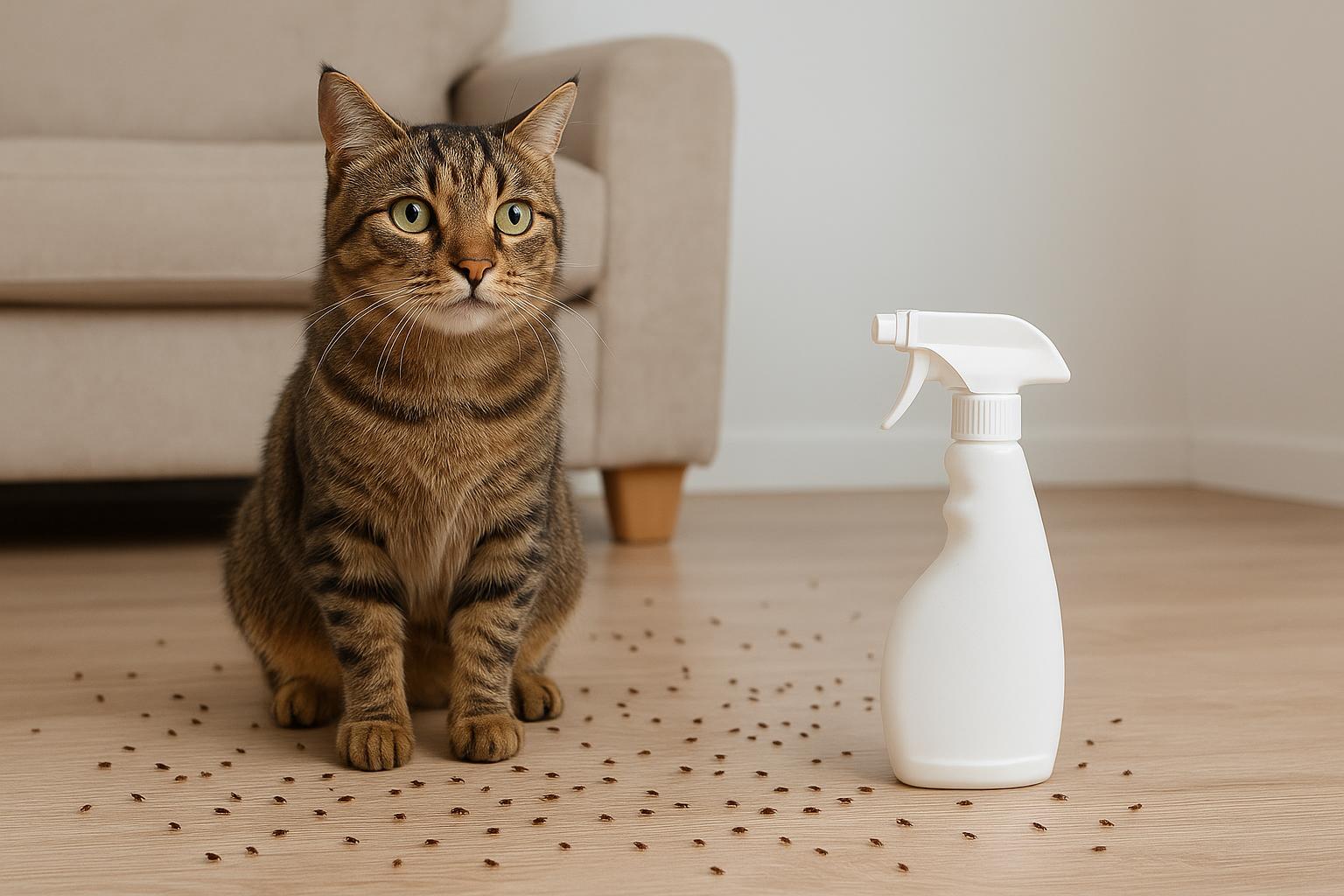
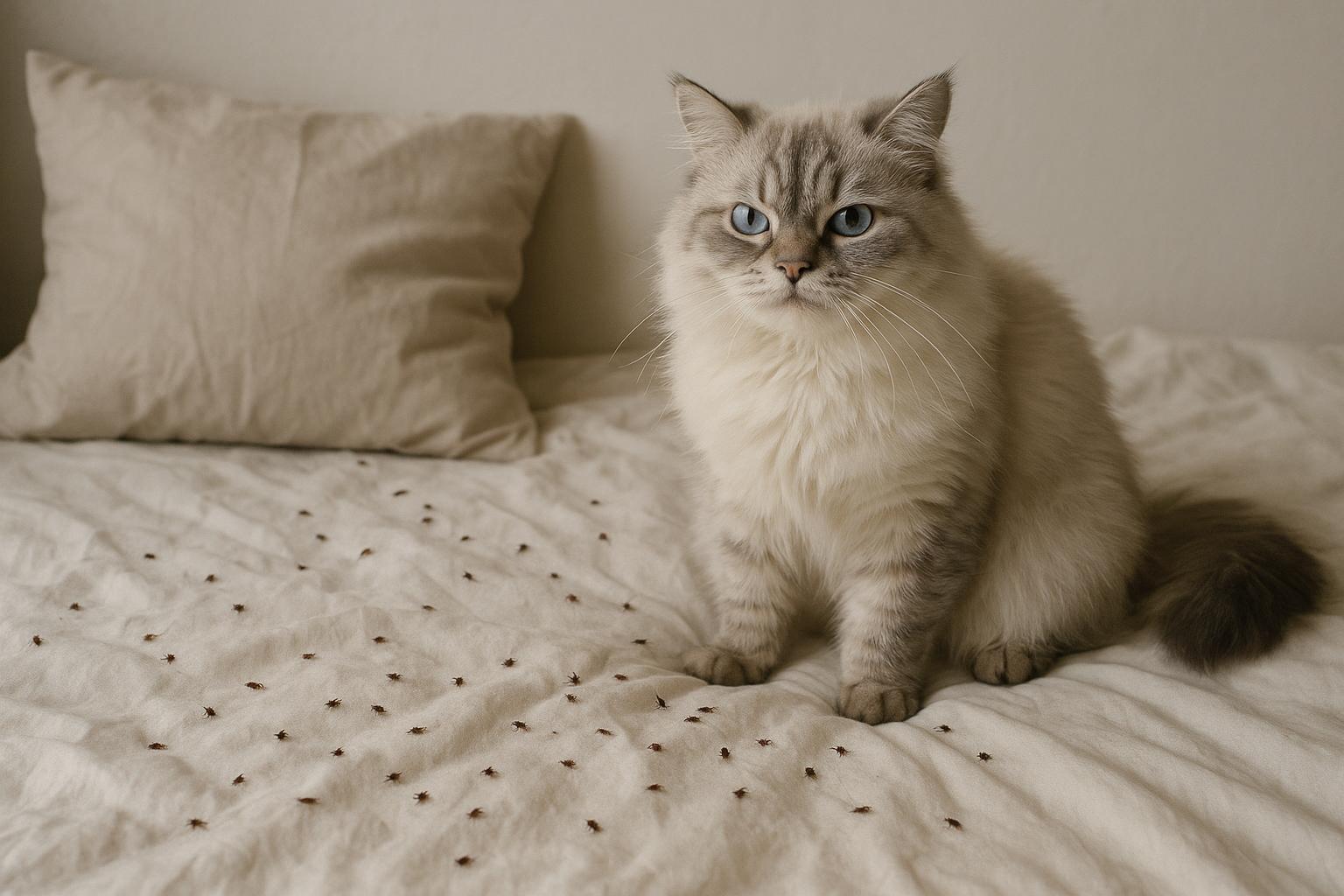
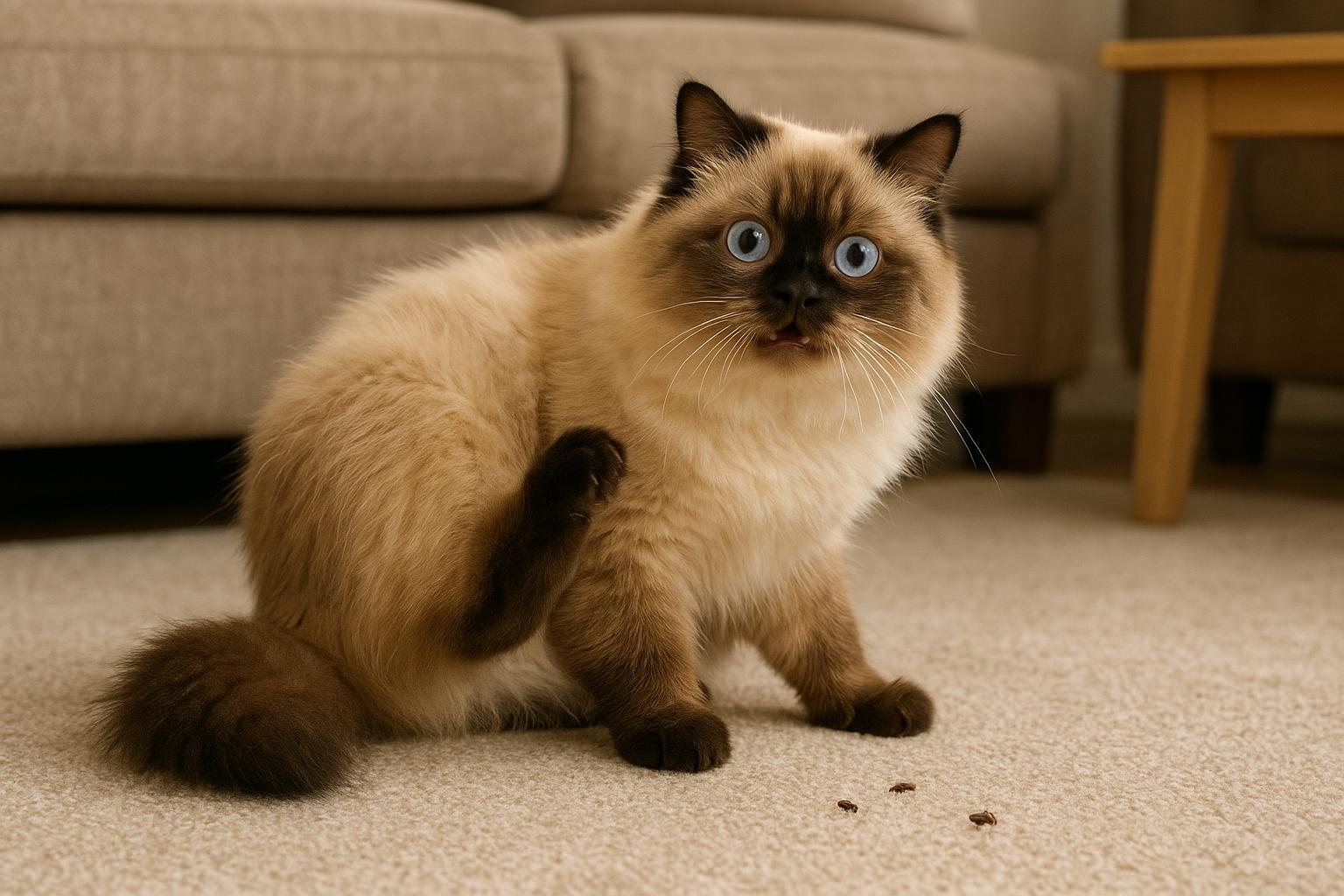
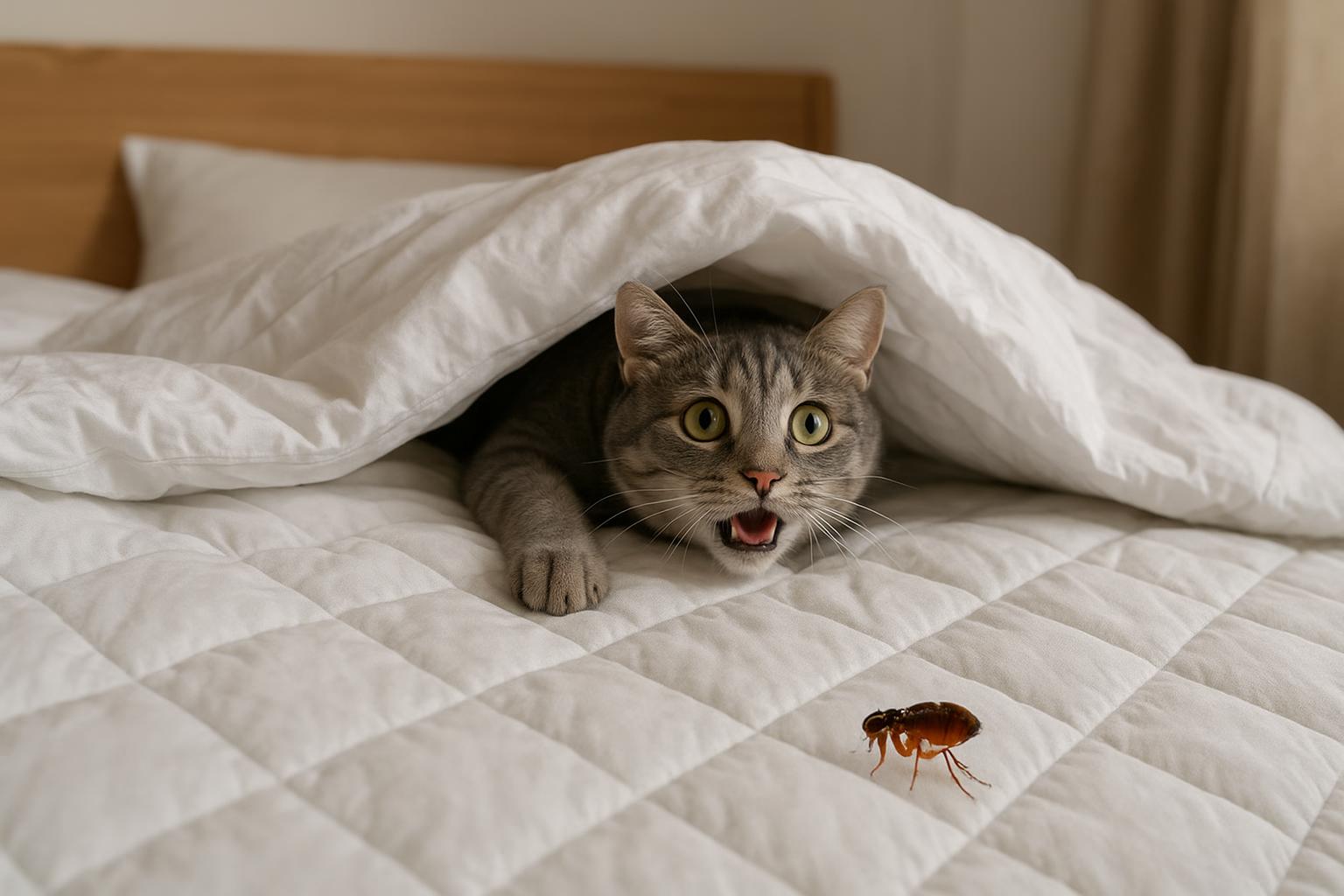
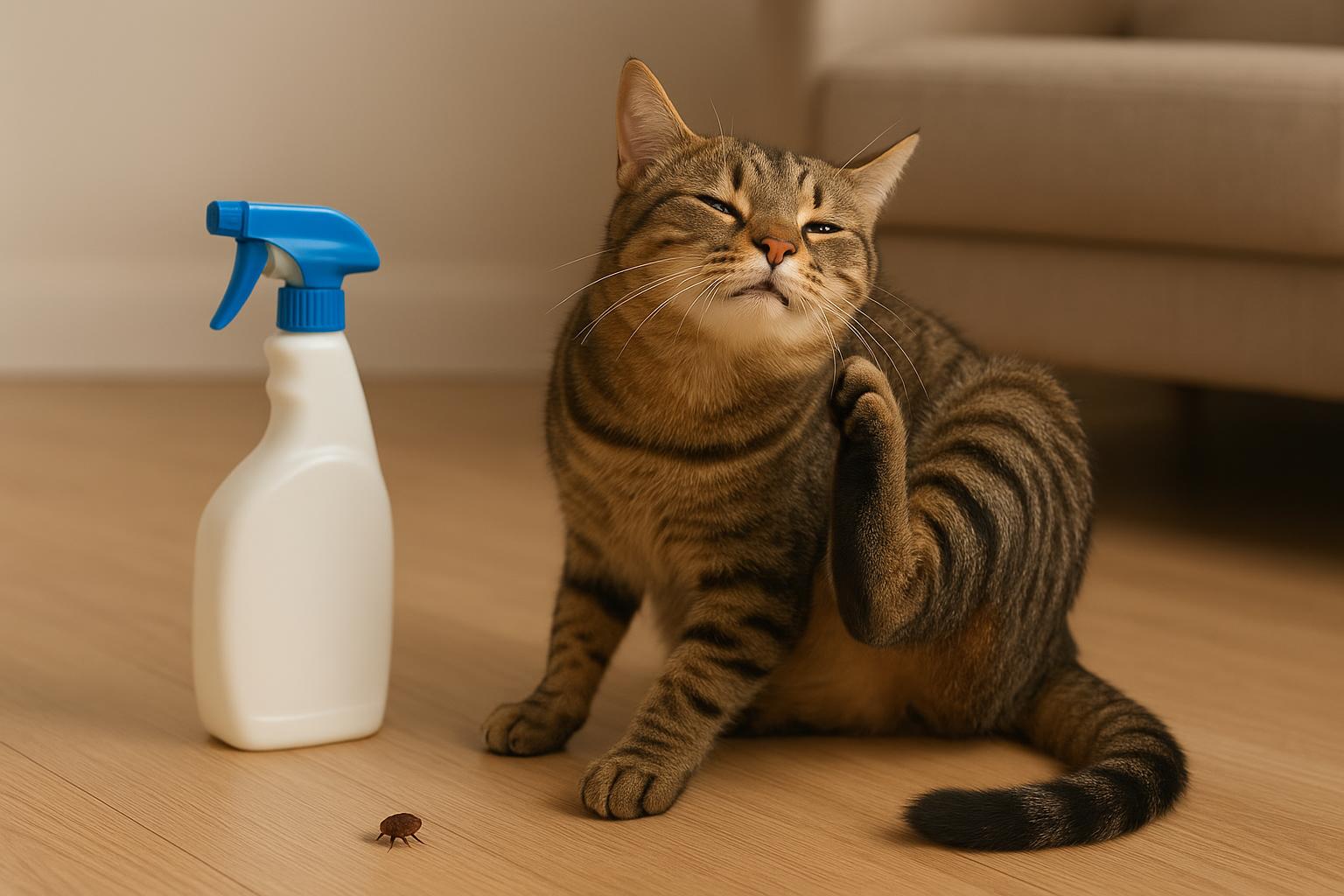
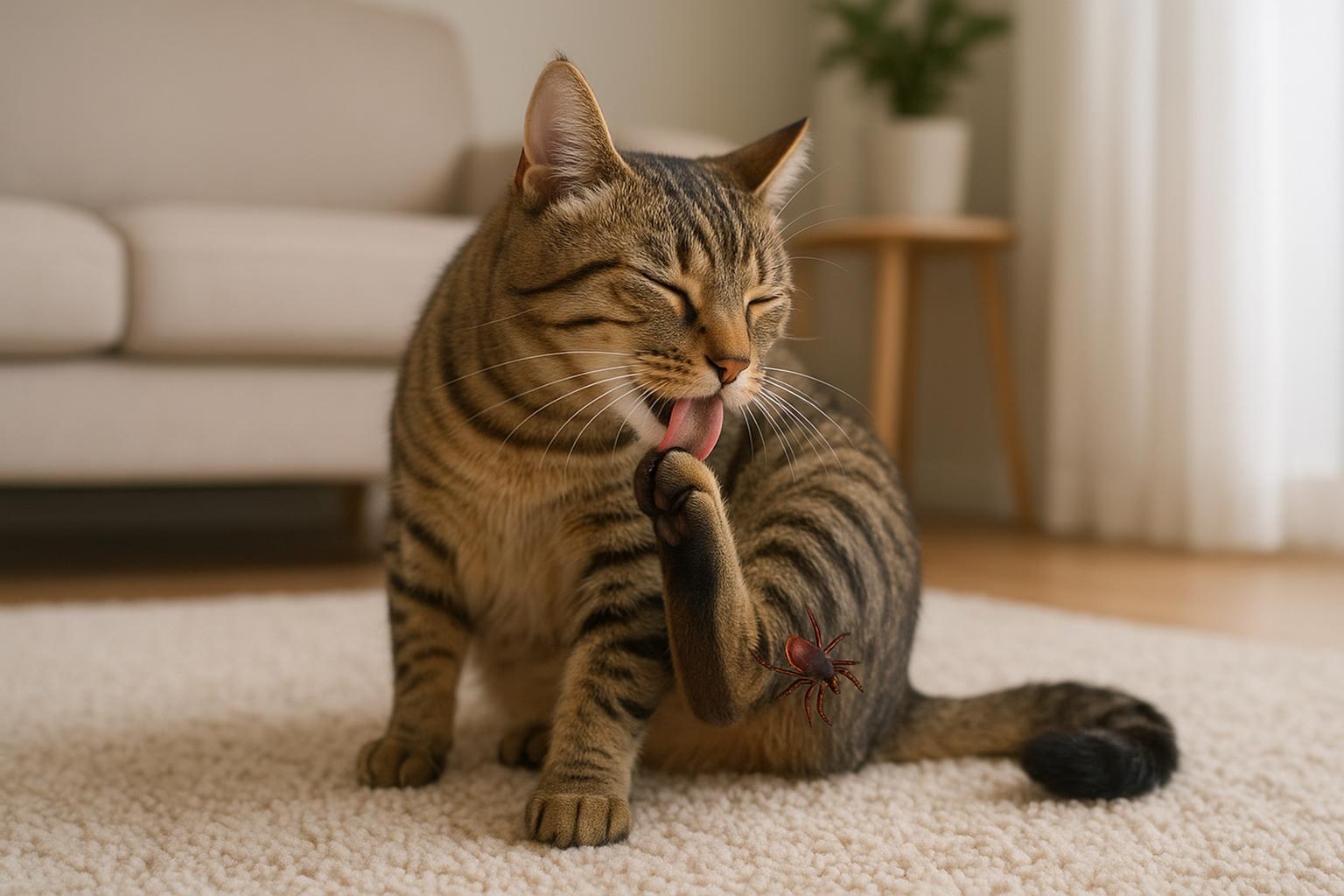
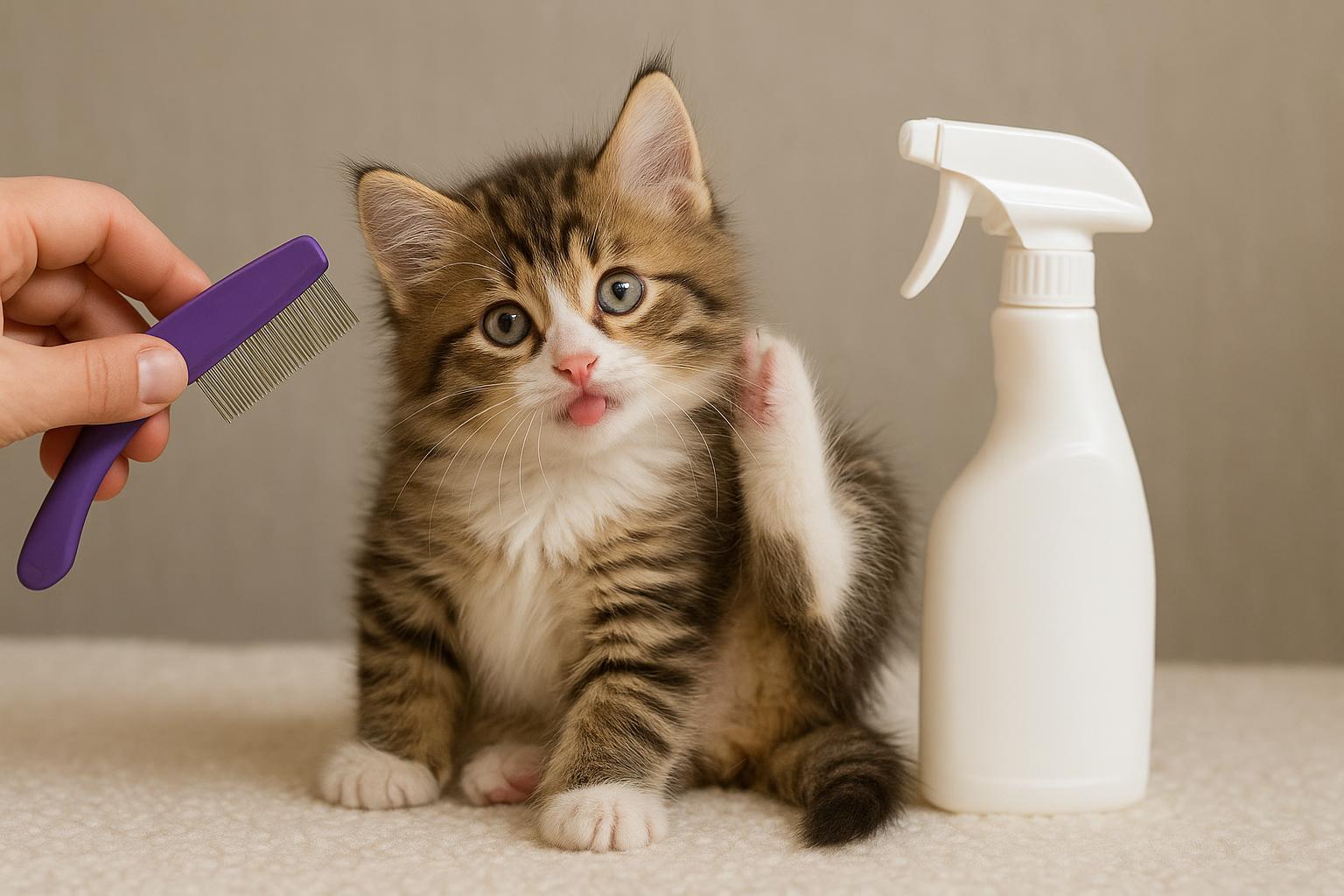
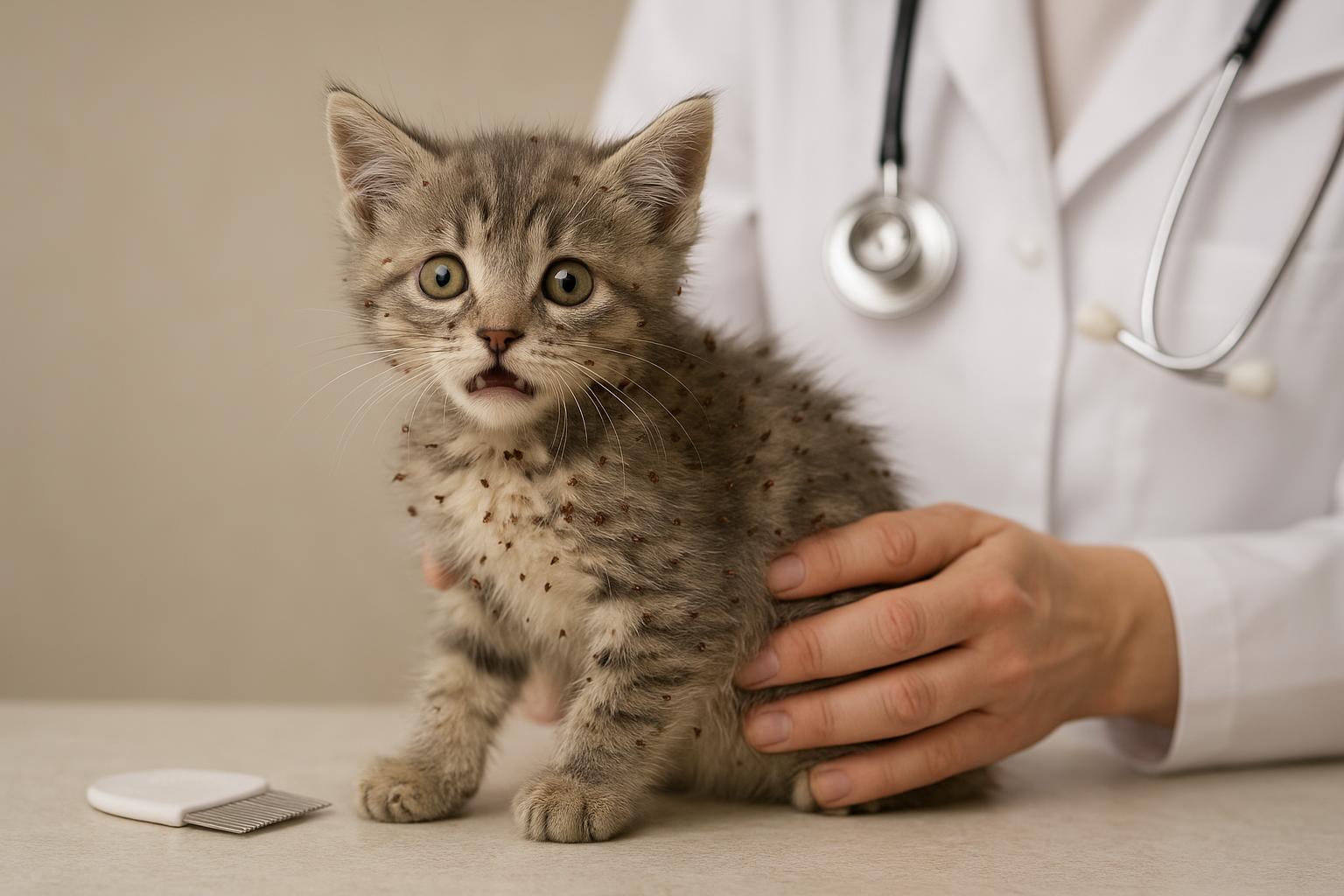
Cats show fleas in a few telltale ways: frantic scratching, hair thinning, small red bumps or scabs, and visible fleas or flea dirt (tiny black specs that are actually digested blood). If you notice these signs, don’t wait. Severe infestations can cause anemia in kittens and elderly cats. Flea vinegar can be used to soothe mild irritation and add repellent effect, but veterinary assessment is advised before beginning any home regimen.
### When To Skip DIY And See A Vet
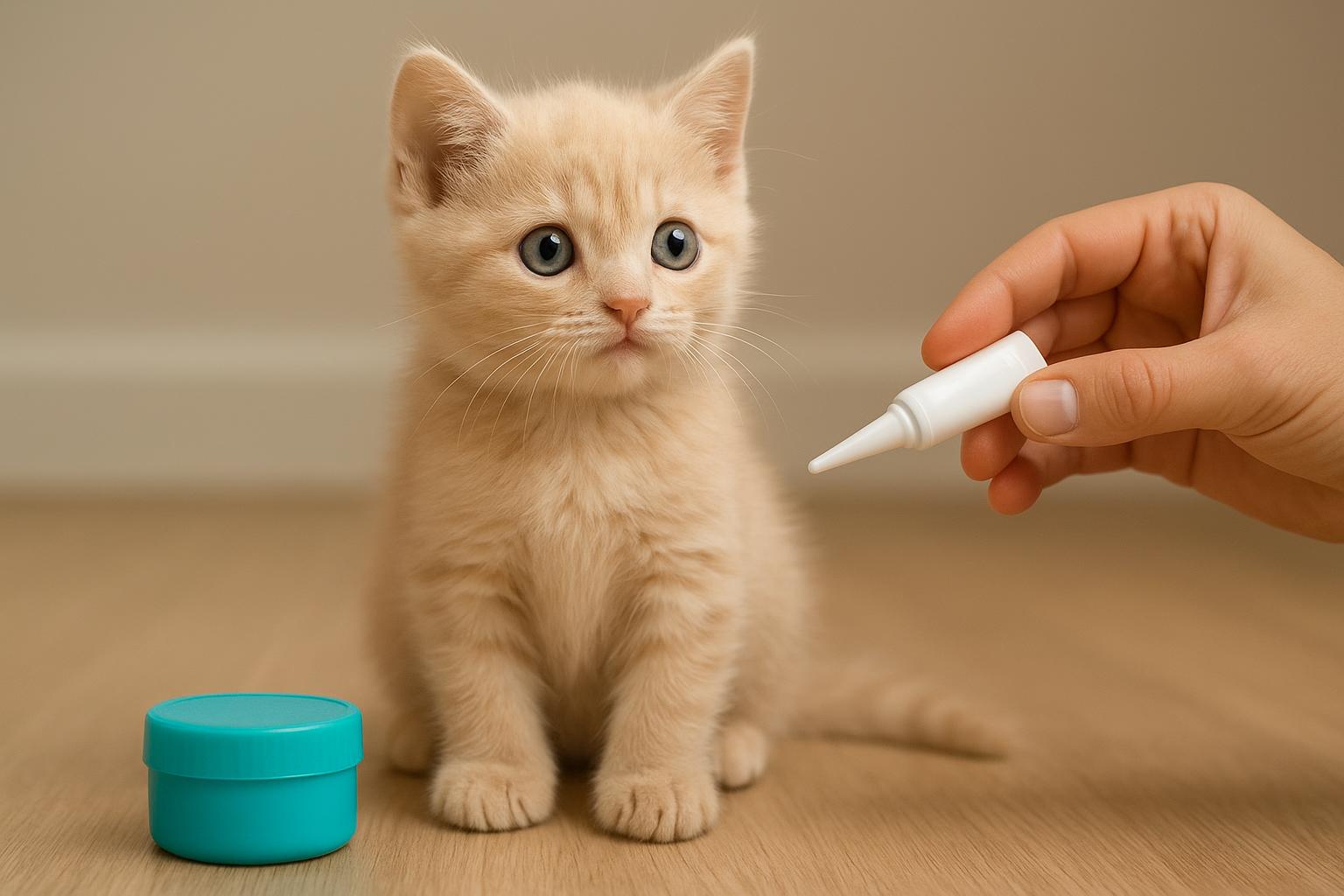
If your cat is a kitten under 8 weeks old, is visibly anemic, has open wounds, or has underlying health issues like skin disease, do not treat with home remedies before consulting a veterinarian. Kittens and fragile cats require professional flea control to avoid complications.
## Preparing A Flea Vinegar Remedy (Step-By-Step)
Below is a single, carefully structured remedy for a vinegar-based topical spray intended as an adjunct flea deterrent. Follow the instructions precisely. The tone here is formal because small mistakes with concentrations or application can irritate your cat’s skin.
### Ingredients And Materials
– 1 cup (240 ml) distilled white vinegar or apple cider vinegar (diluted as specified below)
– 3 cups (720 ml) distilled water (to ensure purity)
– 1 teaspoon (5 ml) glycerin (optional; mild skin conditioner)
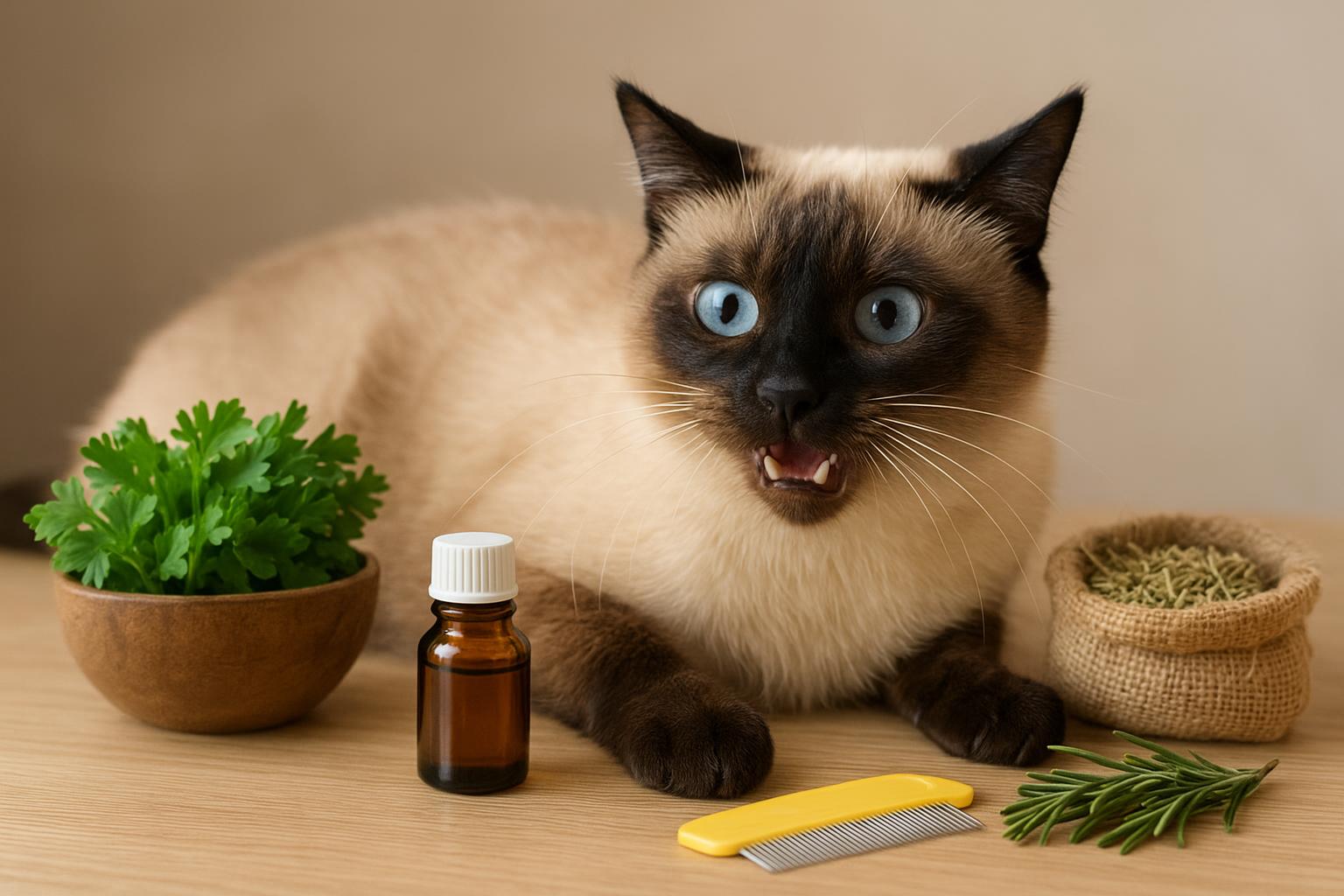
– 5–7 drops of plain lavender essential oil OR 3–5 sprigs of fresh rosemary (do NOT use tea tree or pennyroyal oils; they are toxic to cats)
– A clean 16-ounce (500 ml) spray bottle, labeled
– Small funnel and measuring spoons/cup
– Cotton towel for drying and observation
Note on safety: Essential oils can be hazardous to cats if misused. Use only one of the safe options listed, at the low end of the concentration range, and observe your cat for adverse reactions. If in doubt, omit essential oils and rely on vinegar alone.
#### Creation Procedure (Mixing Instructions)
1. Sanitize the spray bottle and funnel with hot, soapy water; rinse thoroughly.
2. Pour 3 cups distilled water into a clean mixing container.
3. Add 1 cup vinegar to the water for a final dilution of approximately 25% vinegar to 75% water. This dilution balances efficacy with safety; do NOT use undiluted vinegar on skin.
4. Stir in glycerin if using. Glycerin can help reduce drying of the coat.
5. If using lavender essential oil, add 5 drops maximum. If using rosemary, bruise the sprigs lightly and steep them in the mixture for 1–2 hours before straining. Do not combine essential oils and herb steeping for this formula.
6. Funnel the mixture into the spray bottle and label clearly with contents and date. Store in a cool, dark place for up to 2 weeks; discard if it smells off or becomes cloudy.
#### Application: How To Use Flea Vinegar Safely
1. Perform a patch test: Spray a small amount on an inconspicuous area of your cat’s fur (e.g., lower back), wait 24 hours, and watch for irritation or unusual behavior (excessive licking, swelling, redness).
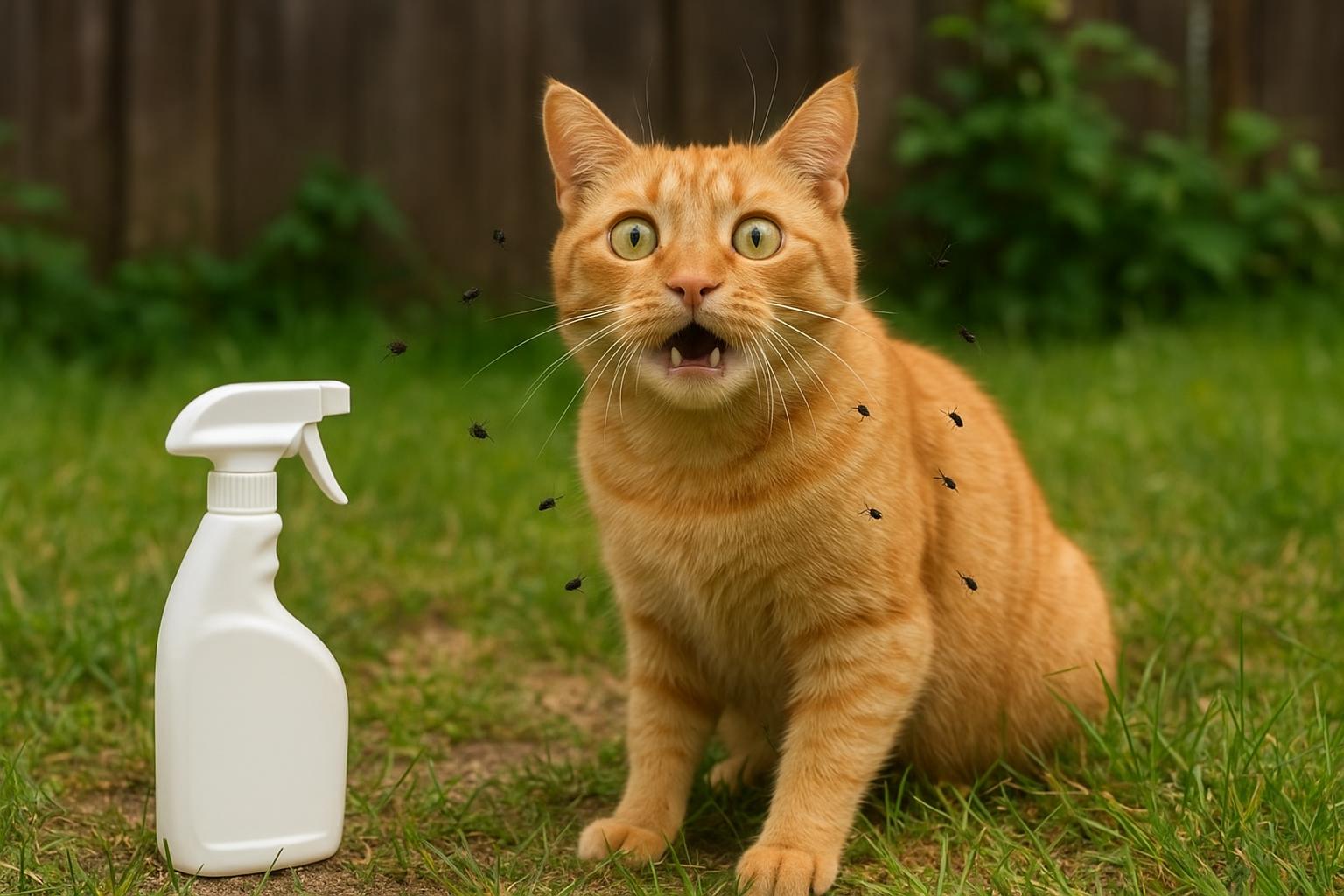
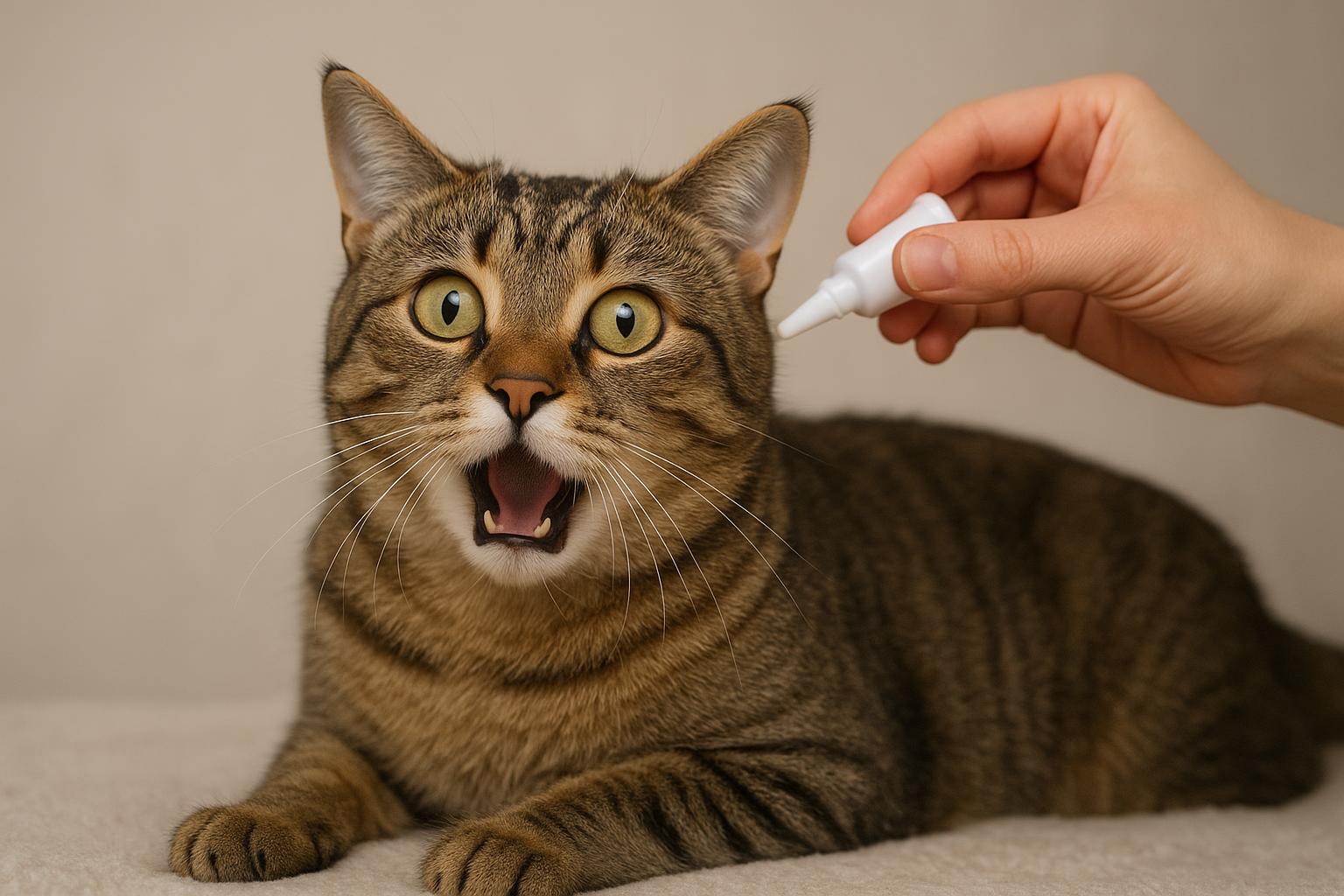
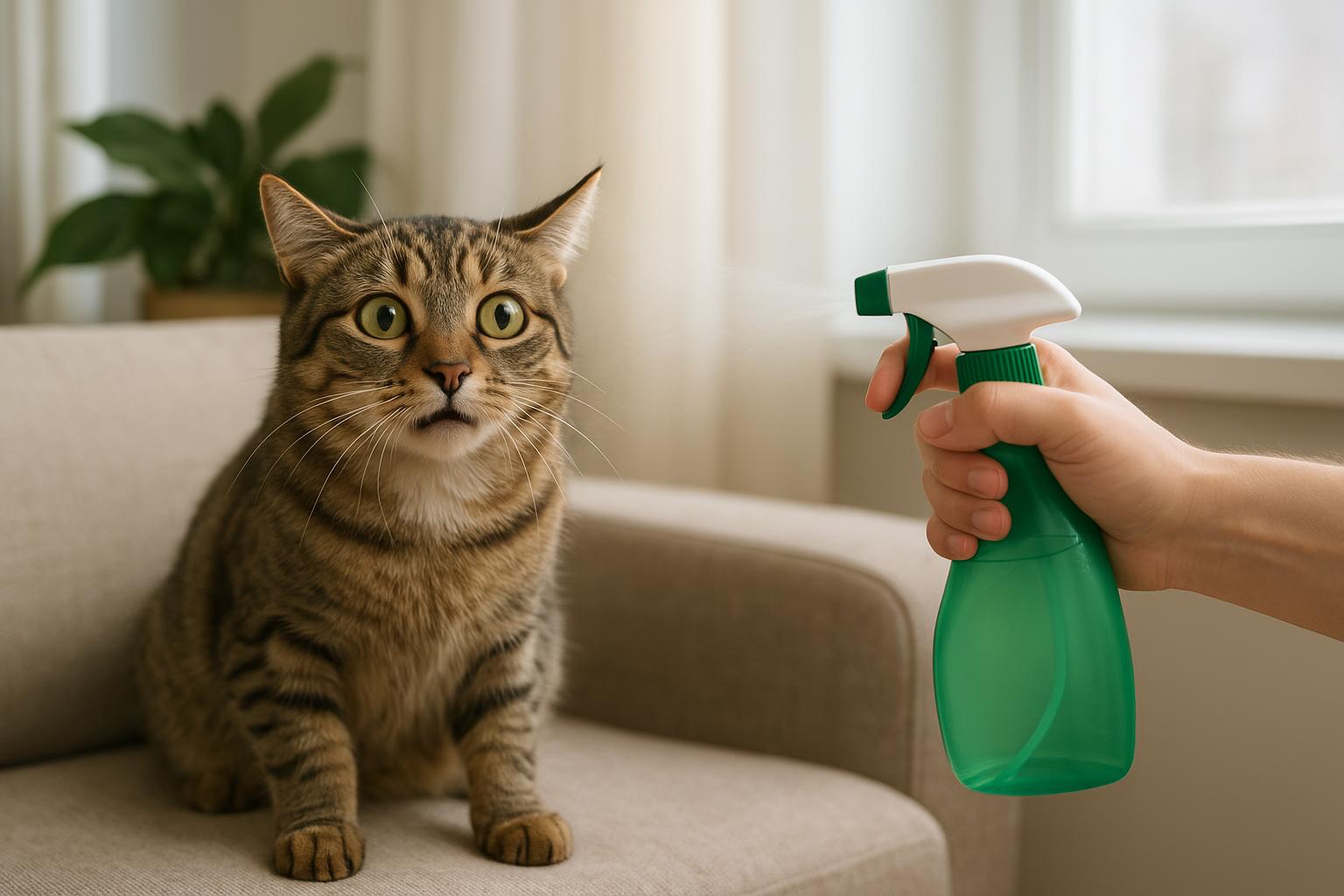
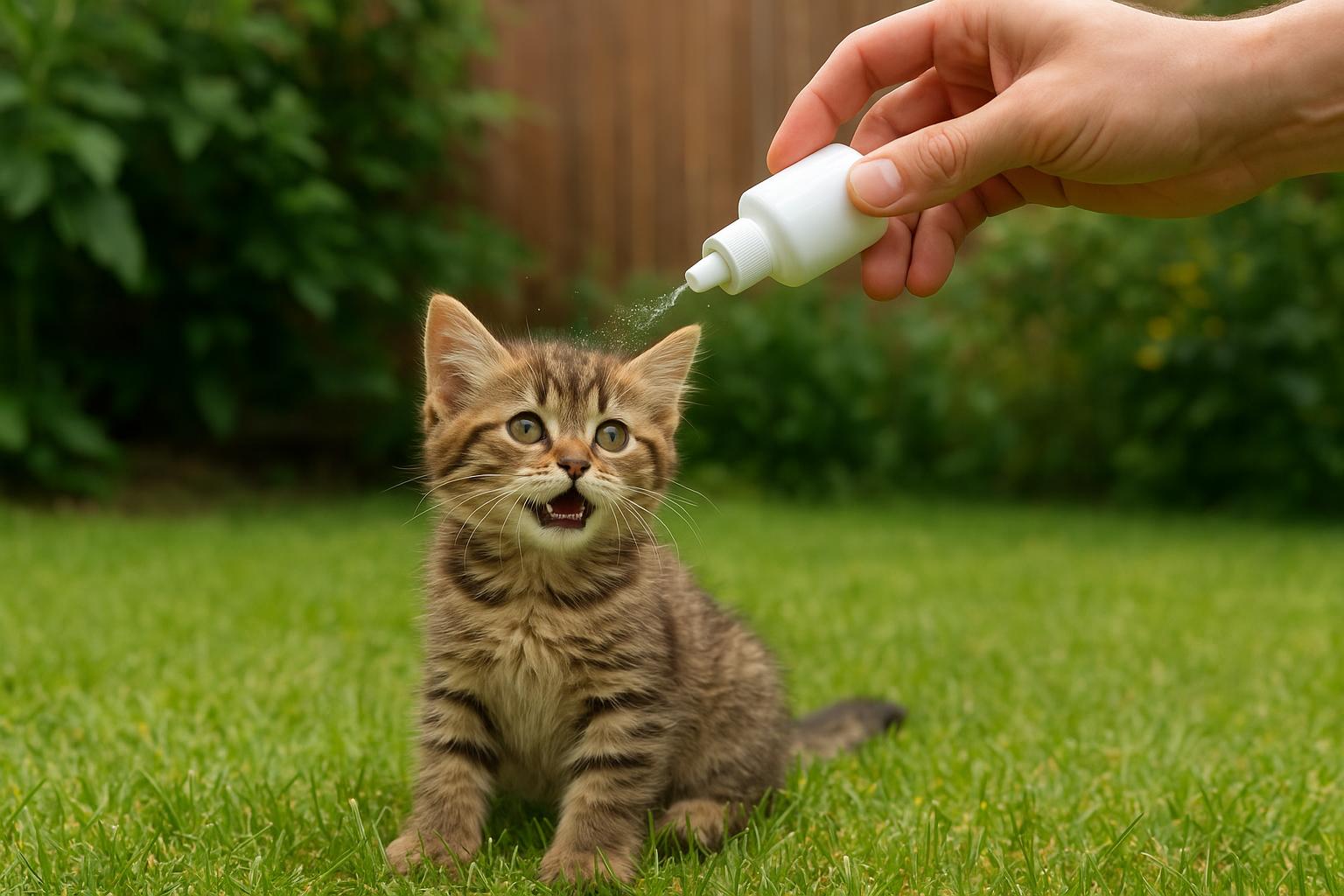
2. If the patch test is tolerated, lightly mist the coat from a distance of 6–8 inches, avoiding the eyes, nose, mouth, and any open wounds. Do not saturate—lightly dampening the fur is sufficient.
3. Gently run your hands through the fur to distribute the mist and smooth the coat. Avoid rubbing vigorously.
4. Apply once every 48–72 hours as a maintenance measure, or after outdoor exposure where fleas are likely. Increase application frequency only under veterinary guidance.
5. If you observe any sign of irritation or if your cat licks excessively after application, discontinue use immediately and consult your veterinarian.
### Why These Concentrations Matter
The 25% vinegar dilution is chosen to reduce the risk of skin irritation while maintaining a detectable scent that may be off-putting to fleas. Essential oils are added sparingly and only from species with a safer profile for feline exposure; incorrect oils or higher concentrations can cause toxicity.
## Application Tips And Storage
#### Application Tips
– Use outdoors or in a well-ventilated room to avoid creating a strong indoor vinegar smell.
– Never use on wet skin or immediately after bathing; wait until coat is dry.
– If your cat grooms obsessively after spraying, distract them with play or treats for a few minutes to allow some evaporation.
– Avoid simultaneous use with vet-prescribed spot-on treatments unless cleared by your vet—some interactions can reduce effectiveness or increase irritation.
#### Storage
– Label the bottle with “For Cat Use—25% Vinegar.” Store away from children and pets.
– Discard any unused solution after 14 days.
## Safety, When To Avoid, And Vet Guidance
Flea vinegar is not appropriate for all cats. Avoid use on kittens under 8 weeks, cats with dermatitis or open sores, and any animal with a history of sensitivity to topical agents. Monitor indoor pets after treatment; if any signs of respiratory distress, vomiting, drooling, incoordination, or collapse occur, seek emergency veterinary care.
### Interaction With Other Products
Some flea medications are oil-based; combining them with even a mild vinegar mist could alter absorption or cause skin irritation. Always disclose any home treatments to your veterinarian so they can advise on safe scheduling and combinations.
## Home Care, Environment And Ongoing Prevention
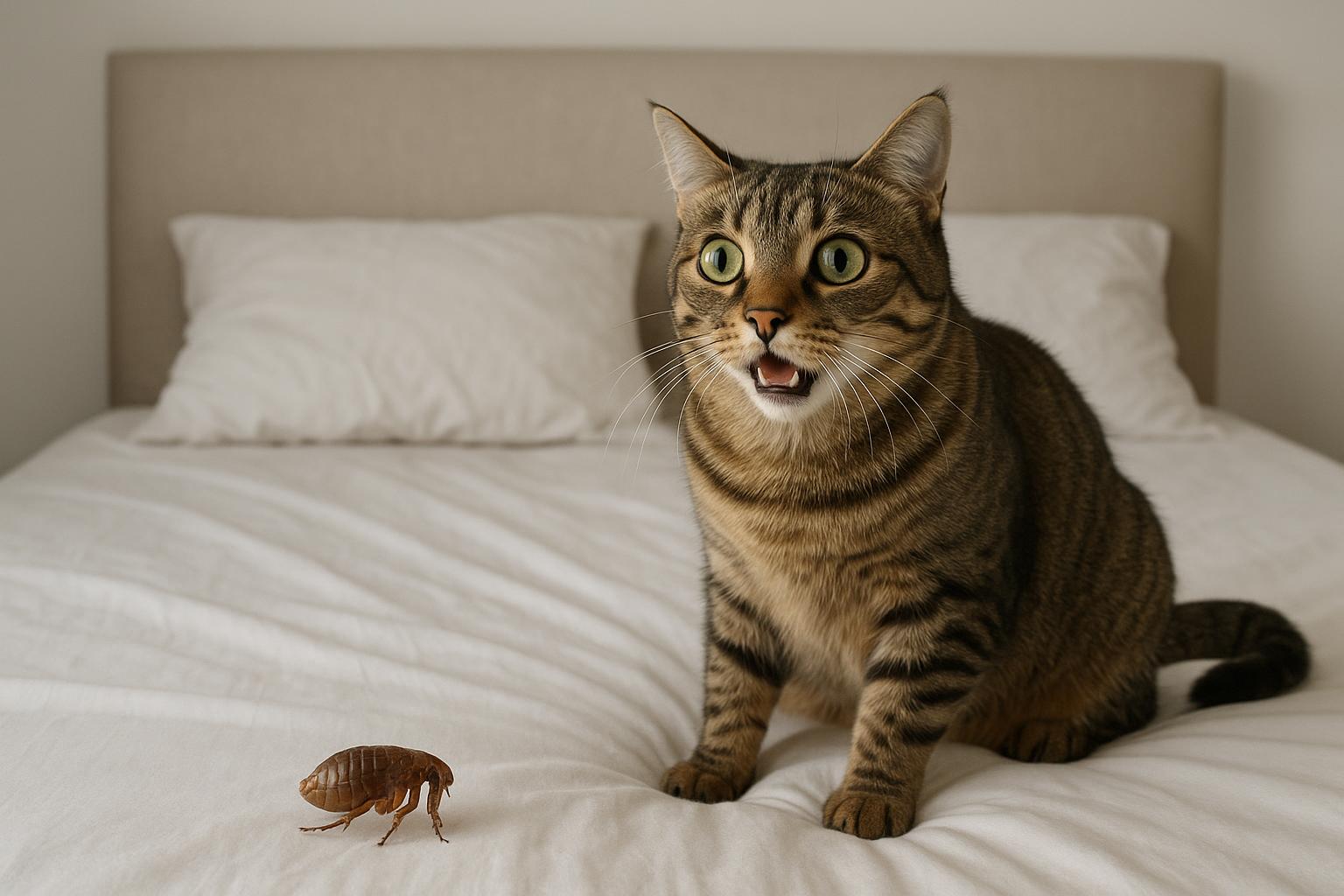
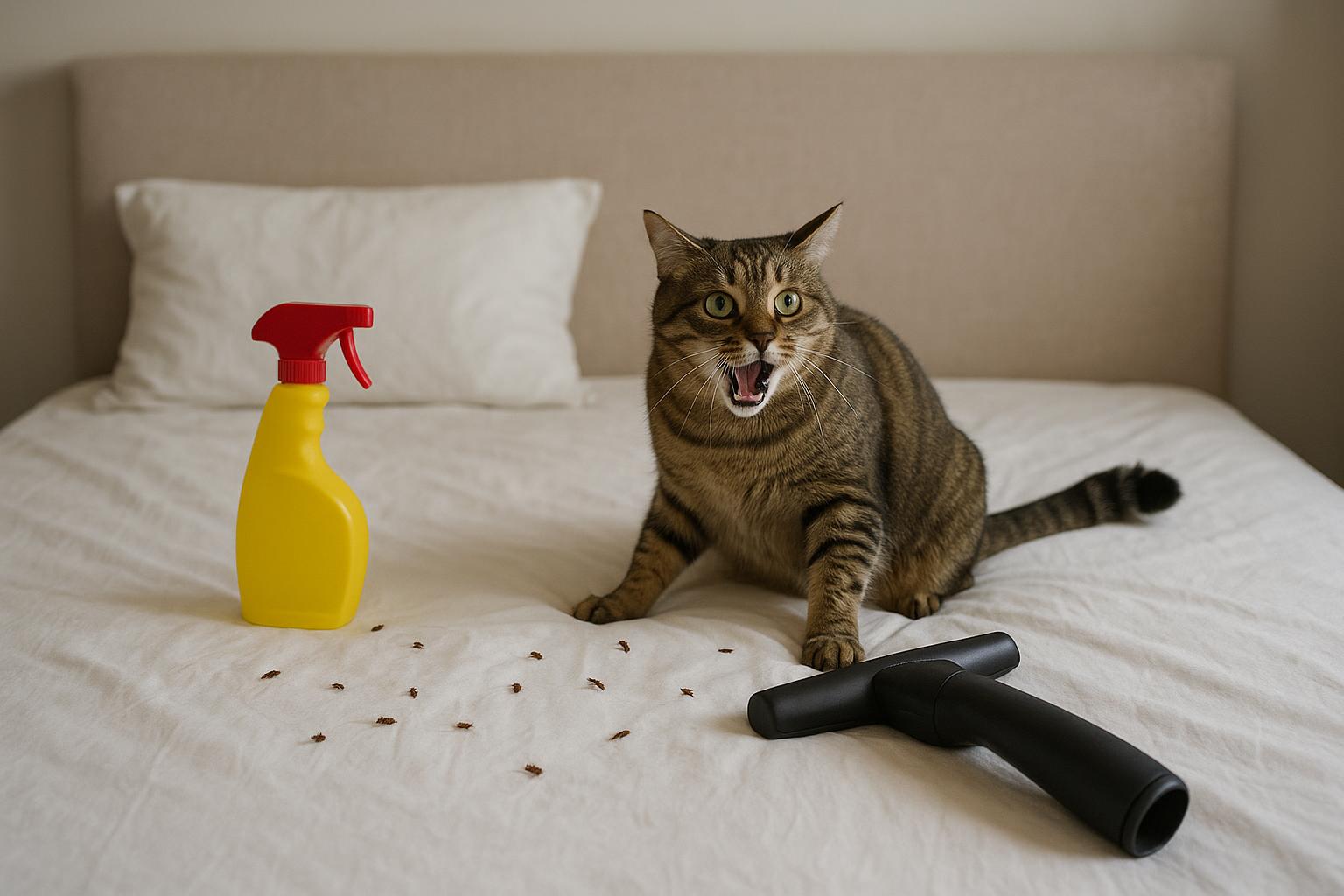
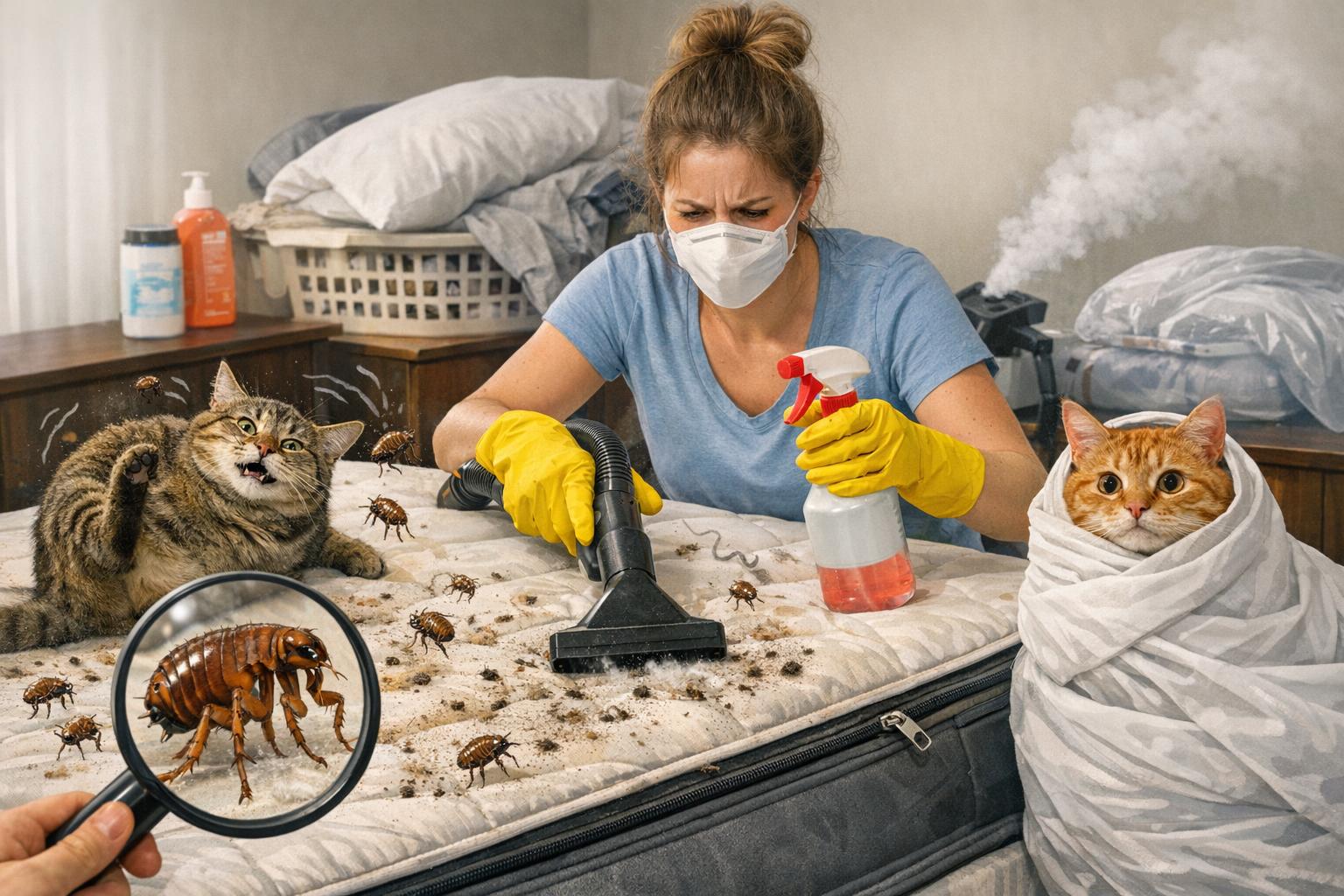
Using flea vinegar on your cat is only one element of control. Fleas spend much of their life cycle off the host, so treat the environment:
– Wash bedding, blankets, and cushions on hot cycle weekly until the infestation is under control.
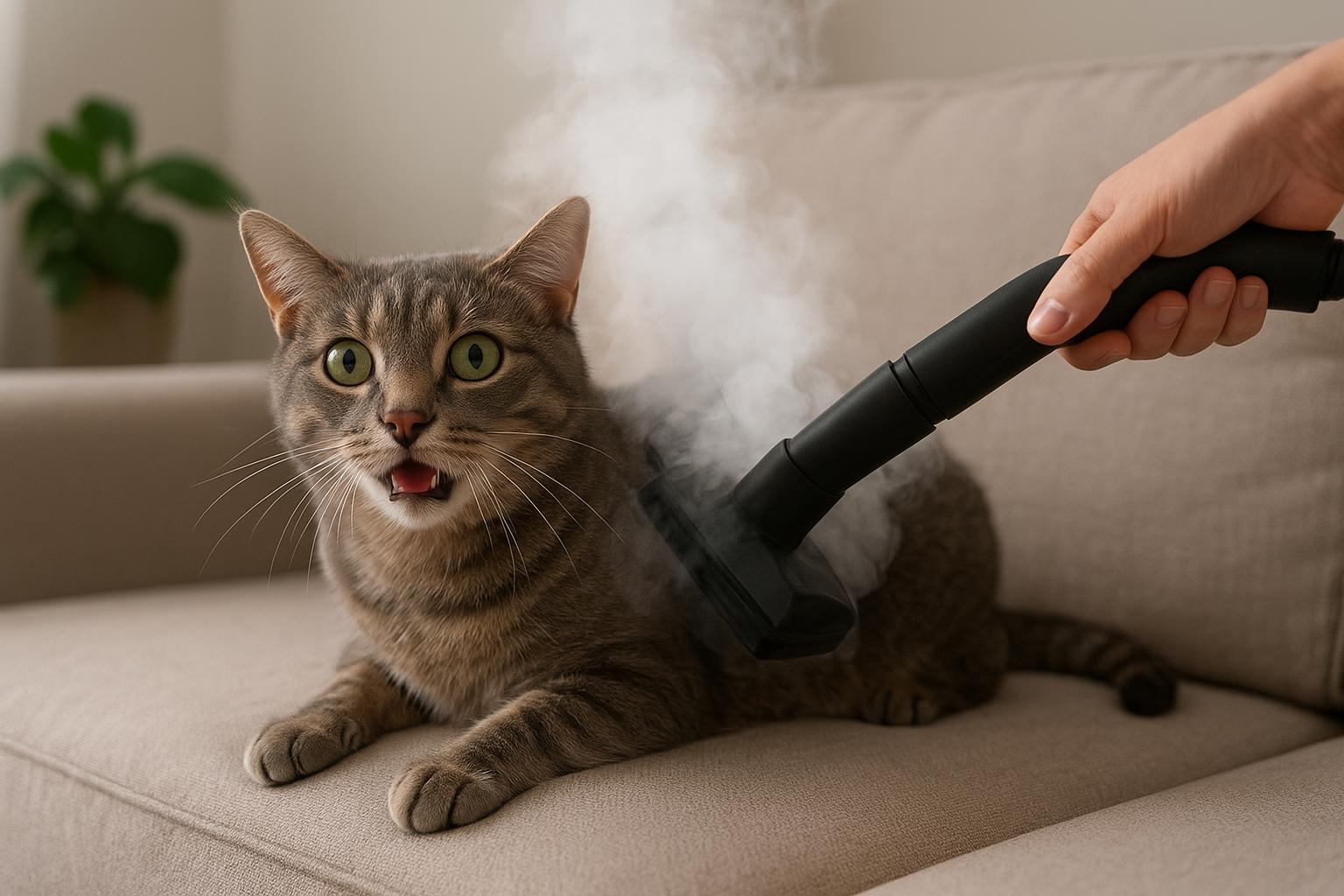
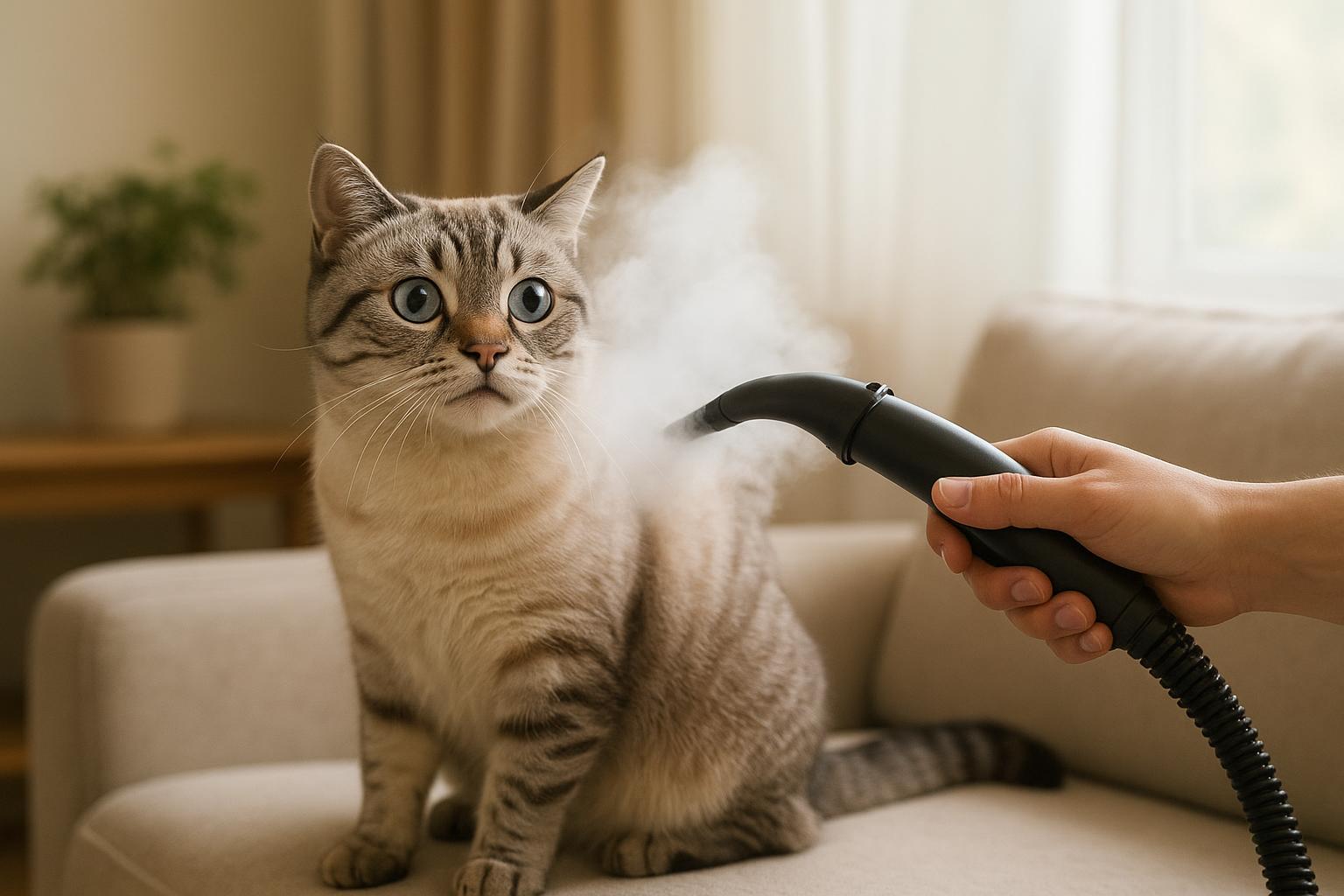
– Vacuum carpets, rugs, and furniture thoroughly; dispose of vacuum contents promptly.
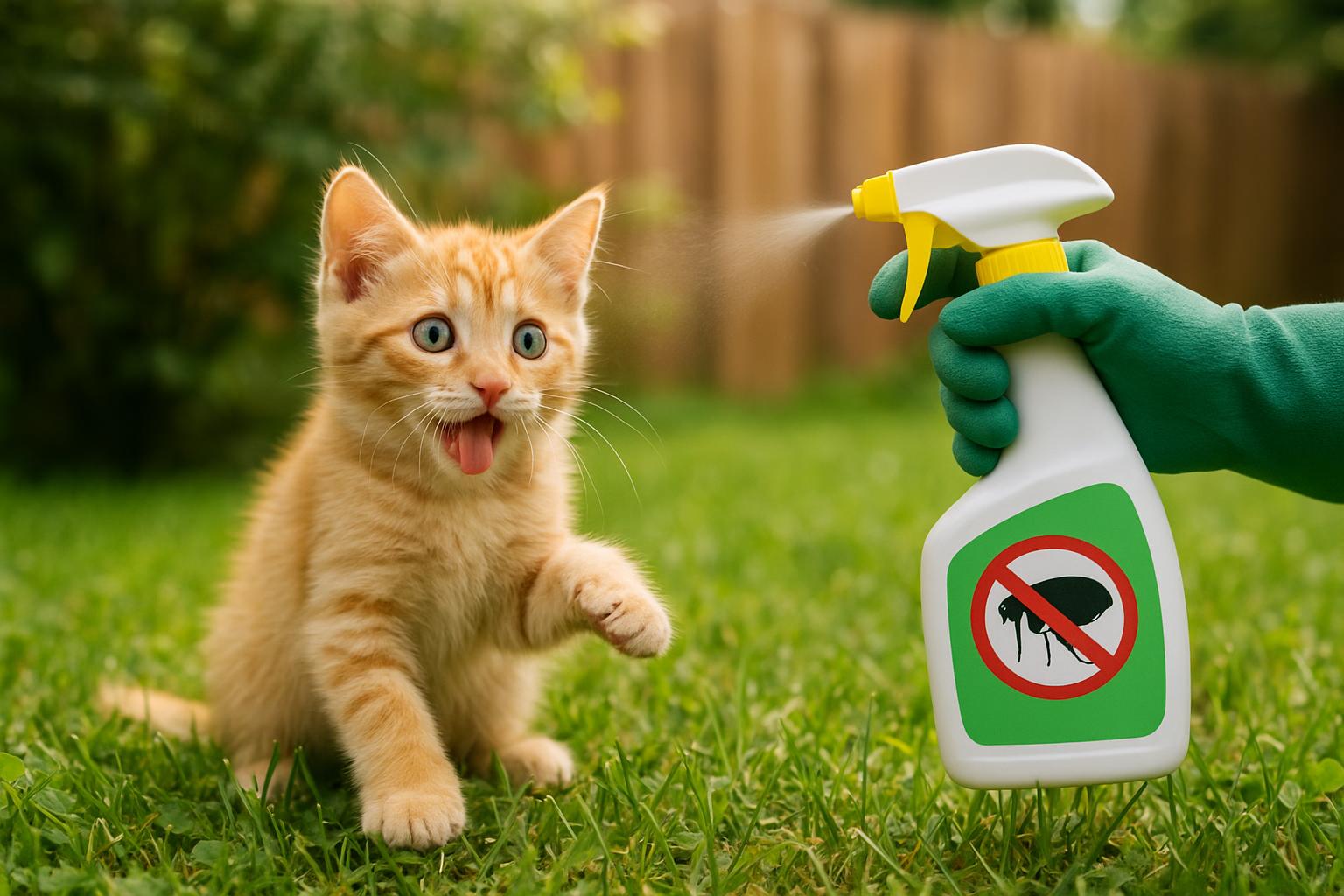
– Consider an environmental insect growth regulator (IGR) or a professional pest control service for severe infestations.
– Keep outdoor areas trimmed, and discourage stray animals that could reintroduce fleas.
### Lifestyle Practices That Help
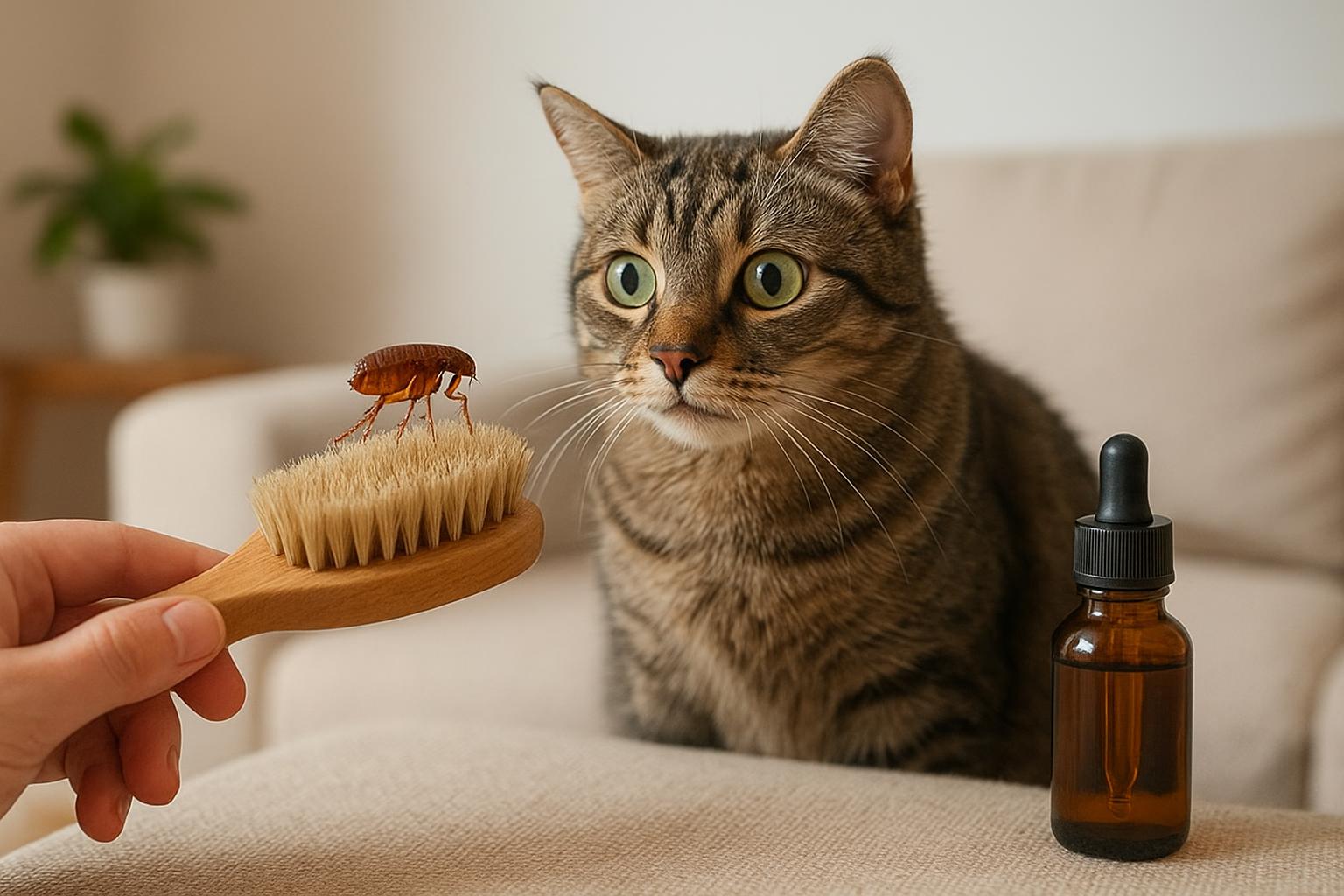
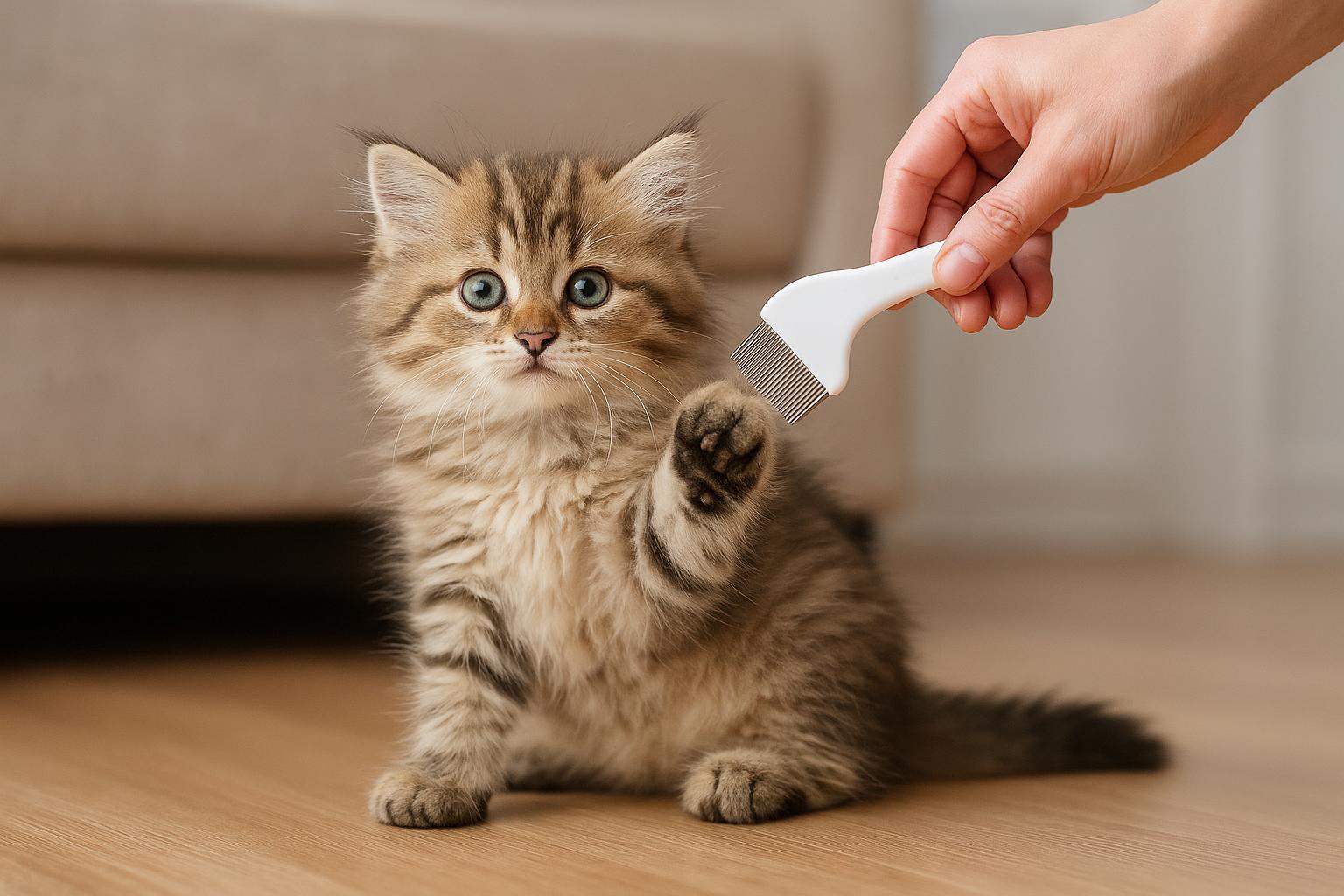
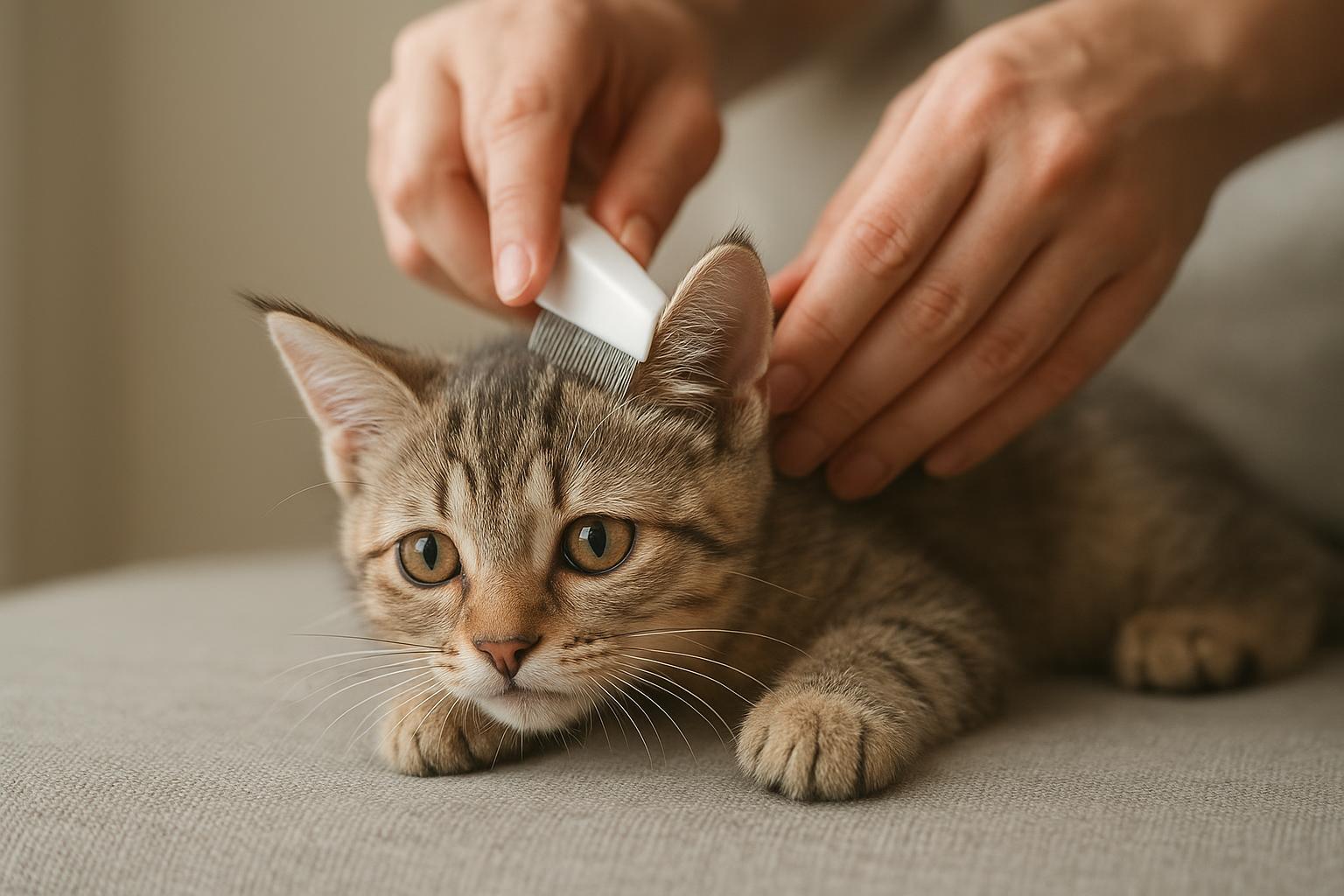
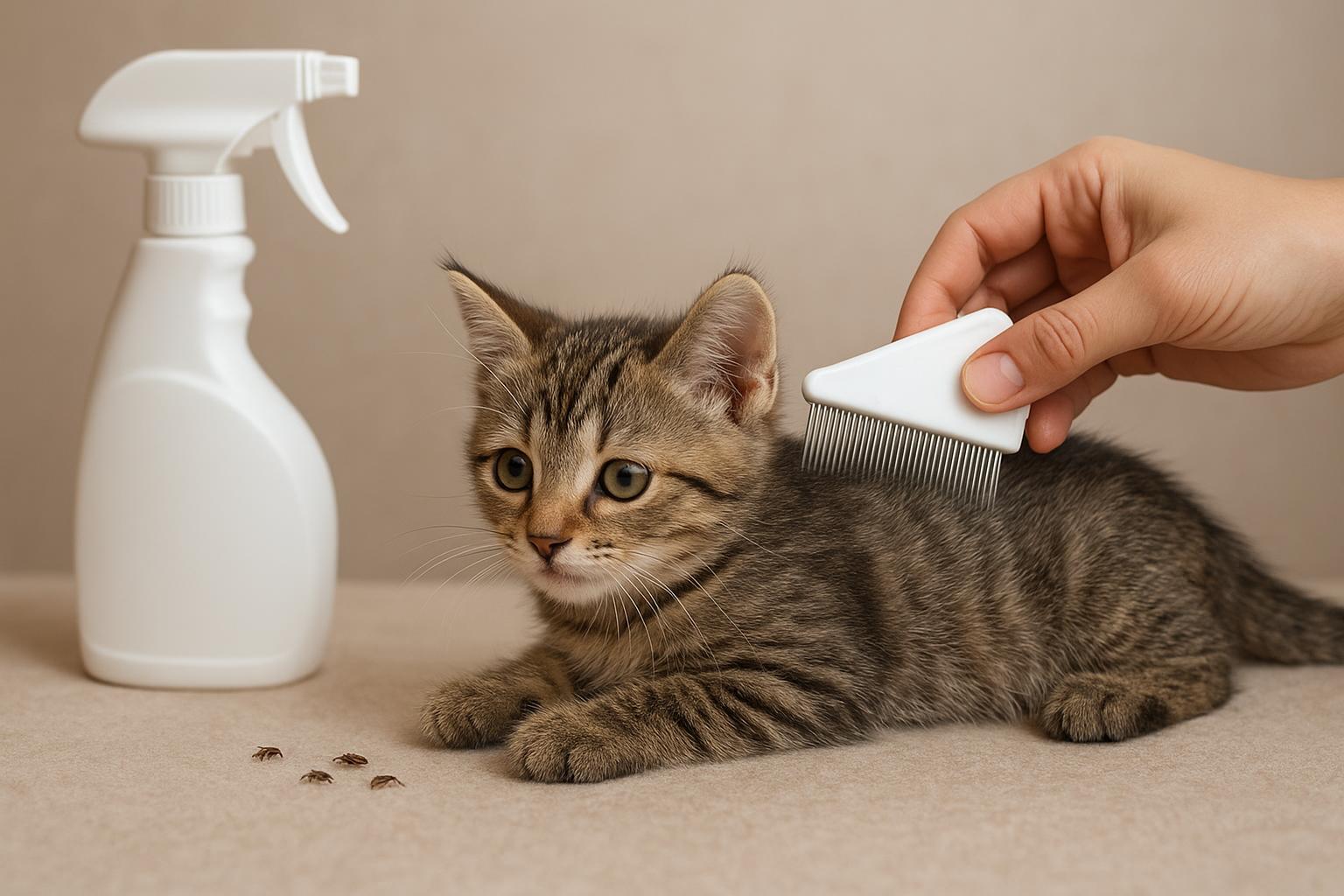
Regular grooming with a fine-toothed flea comb remains one of the easiest ways to detect and remove fleas. If you find fleas on the comb, dip them in soapy water or alcohol to kill them. Maintain routine vet-recommended flea prevention for continuous protection.
Enjoy the process of caring for your cat—some DIY projects are comforting, and flea vinegar can be a useful, low-toxility tool when used responsibly and in combination with proven veterinary interventions.
Leave a Reply