
## When To See A Vet For Fleas For Your Kitten
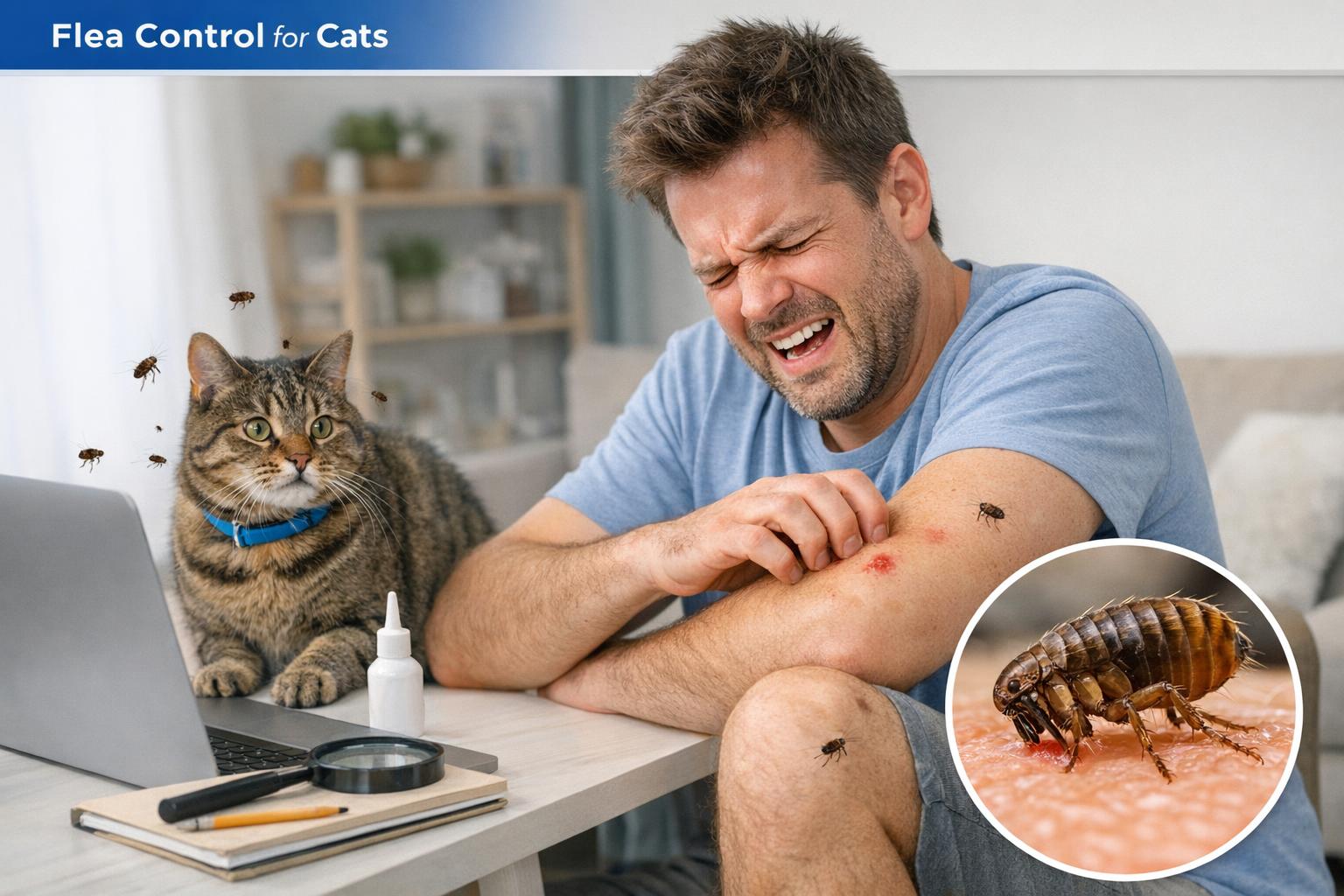
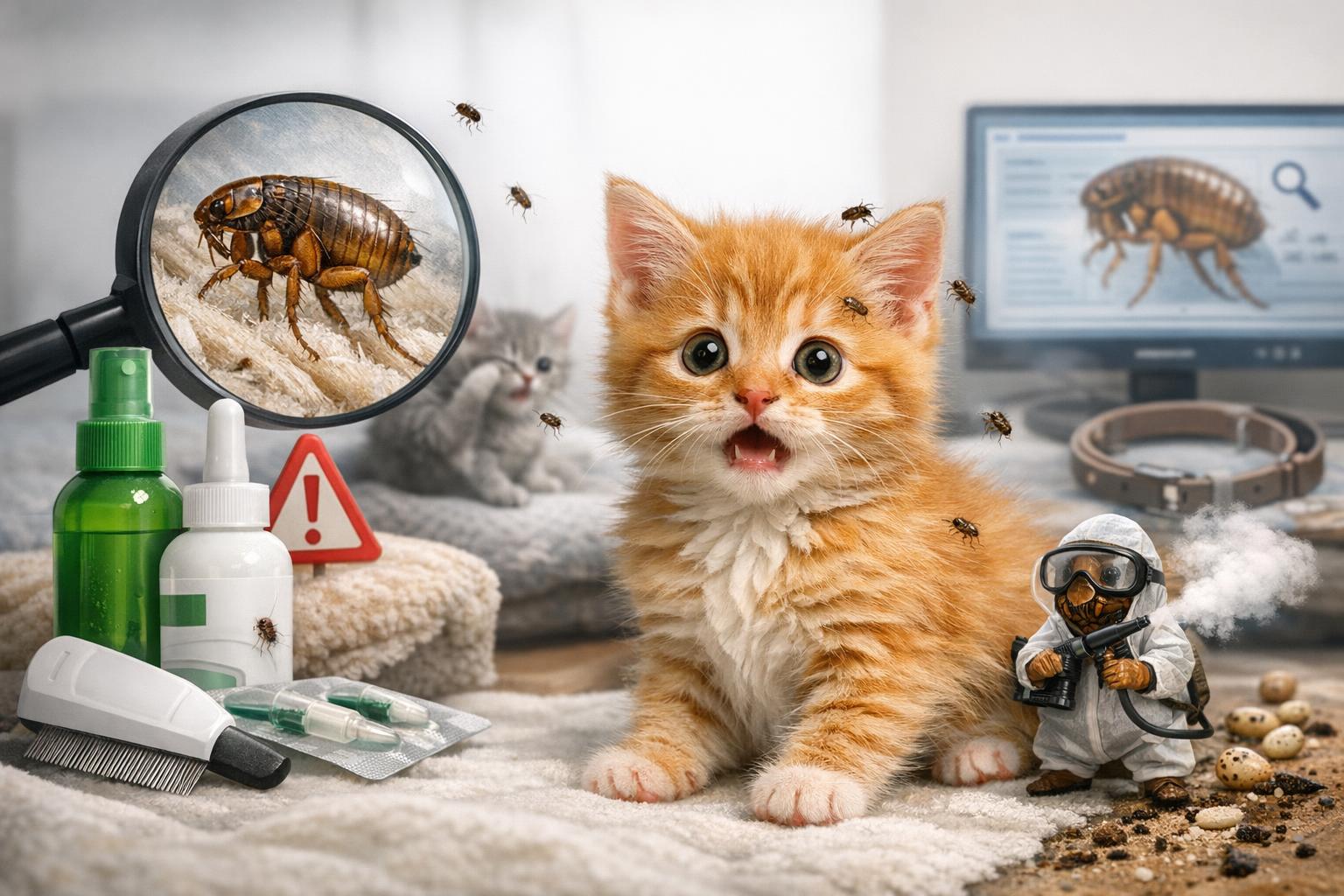
Kittens are irresistibly cute and often vaguely covered in fur that acts like a welcome mat for things they shouldn’t be inviting over—fleas included. Knowing when to call a vet for fleas can make the difference between a quick, itchy irritation and a serious health problem. This guide will help you spot trouble, take safe immediate action, and understand what a veterinary visit will likely involve.
### Recognizing The Red Flags
Fleas are annoying, but in kittens they’re more than a nuisance. Look for:
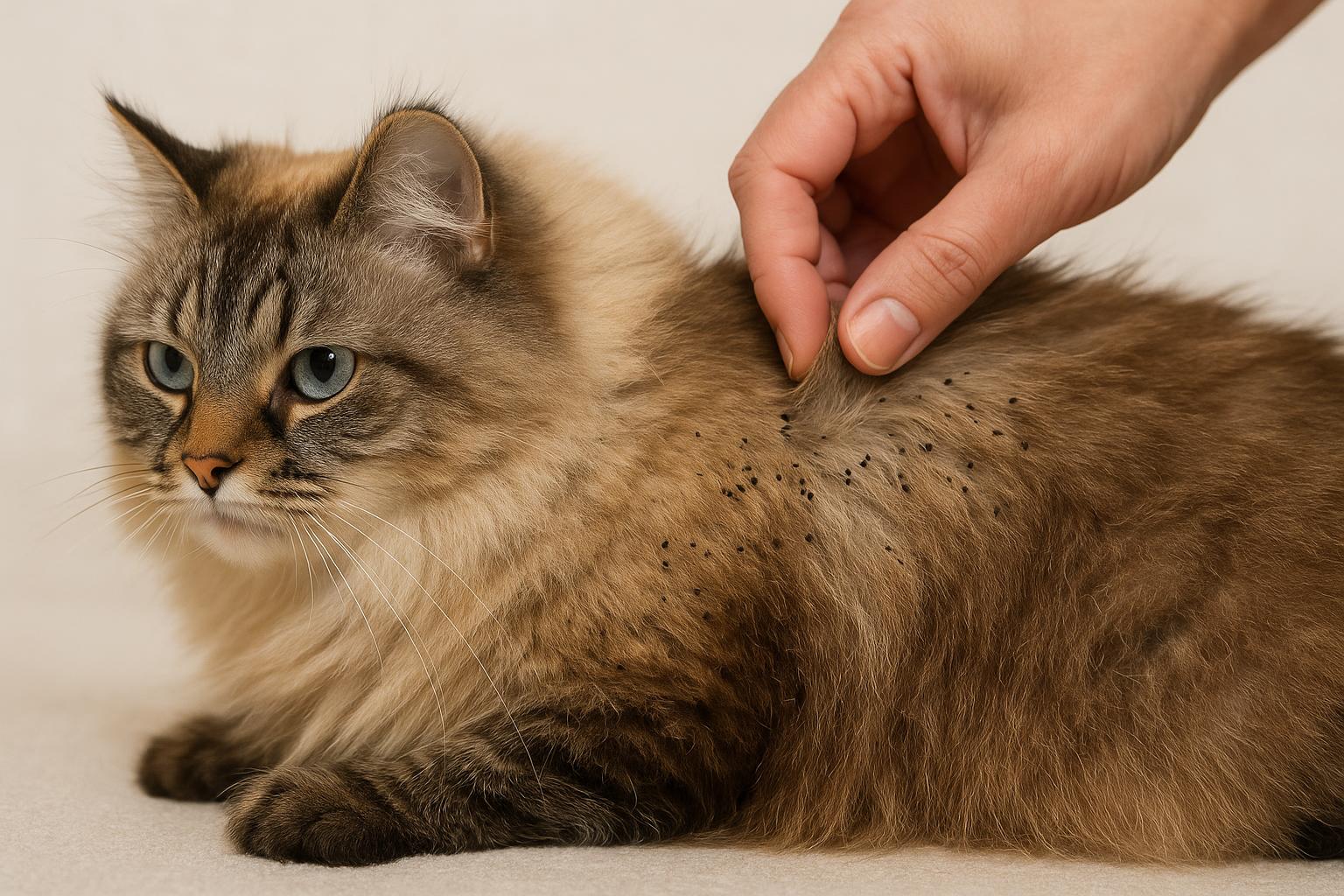
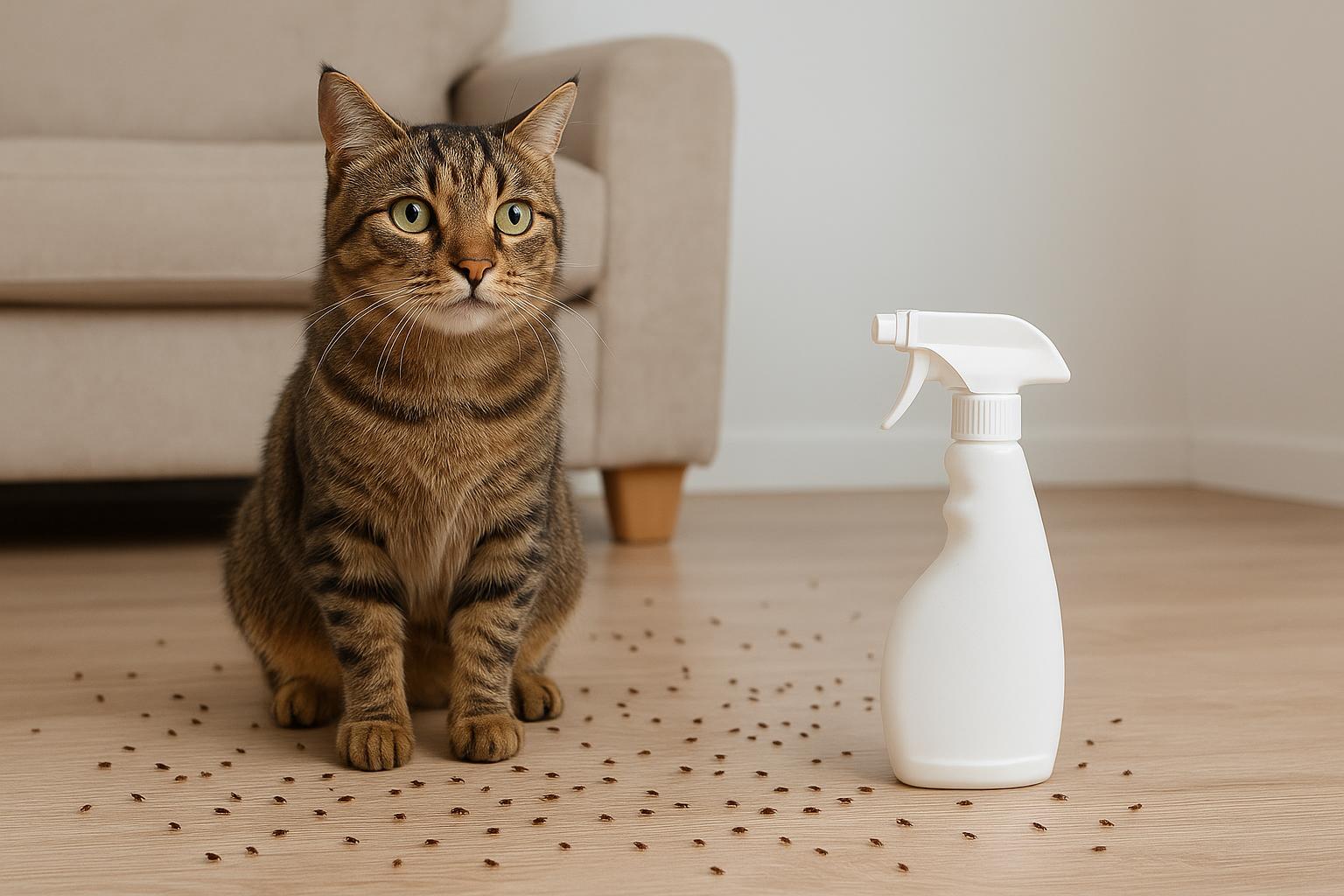
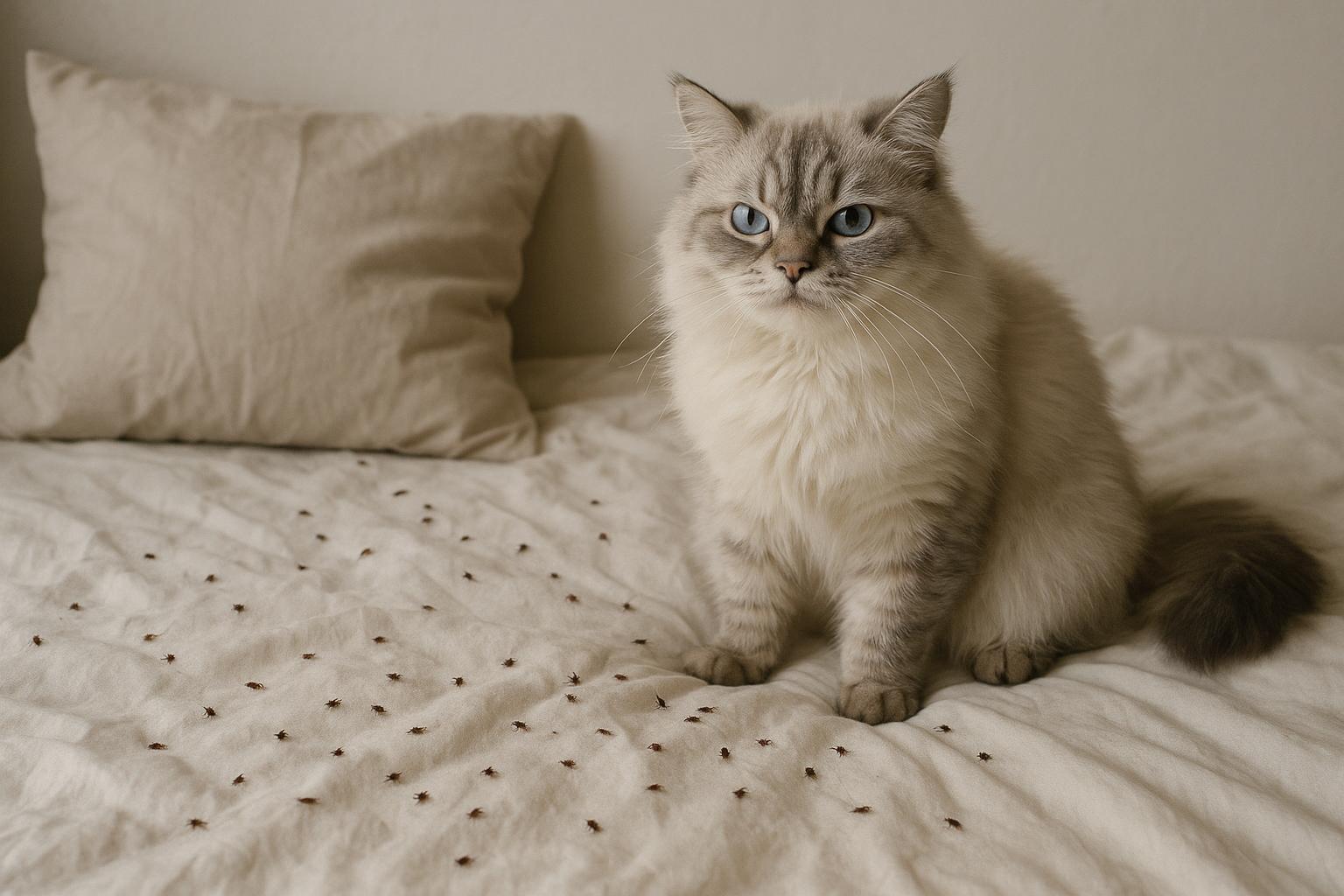
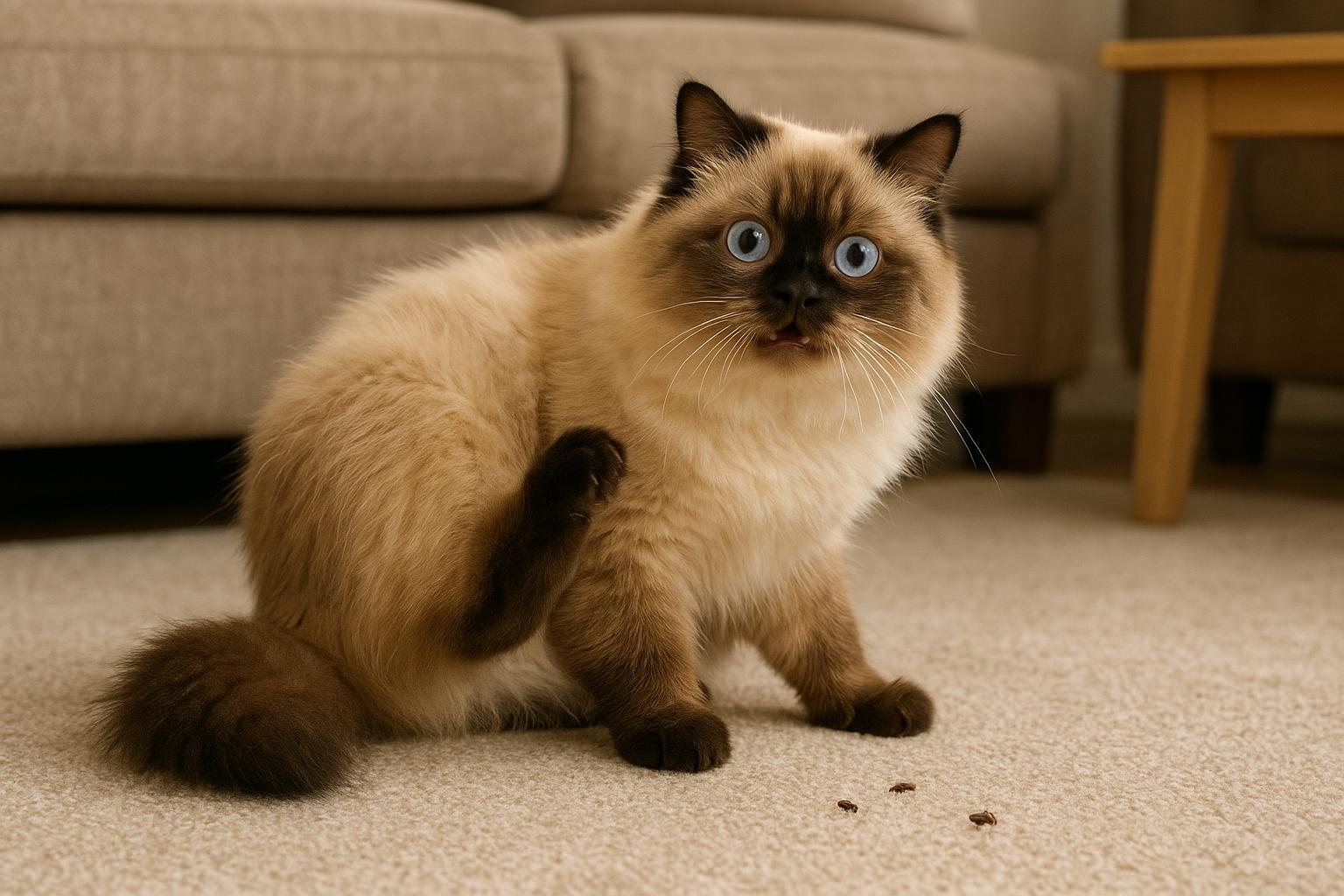
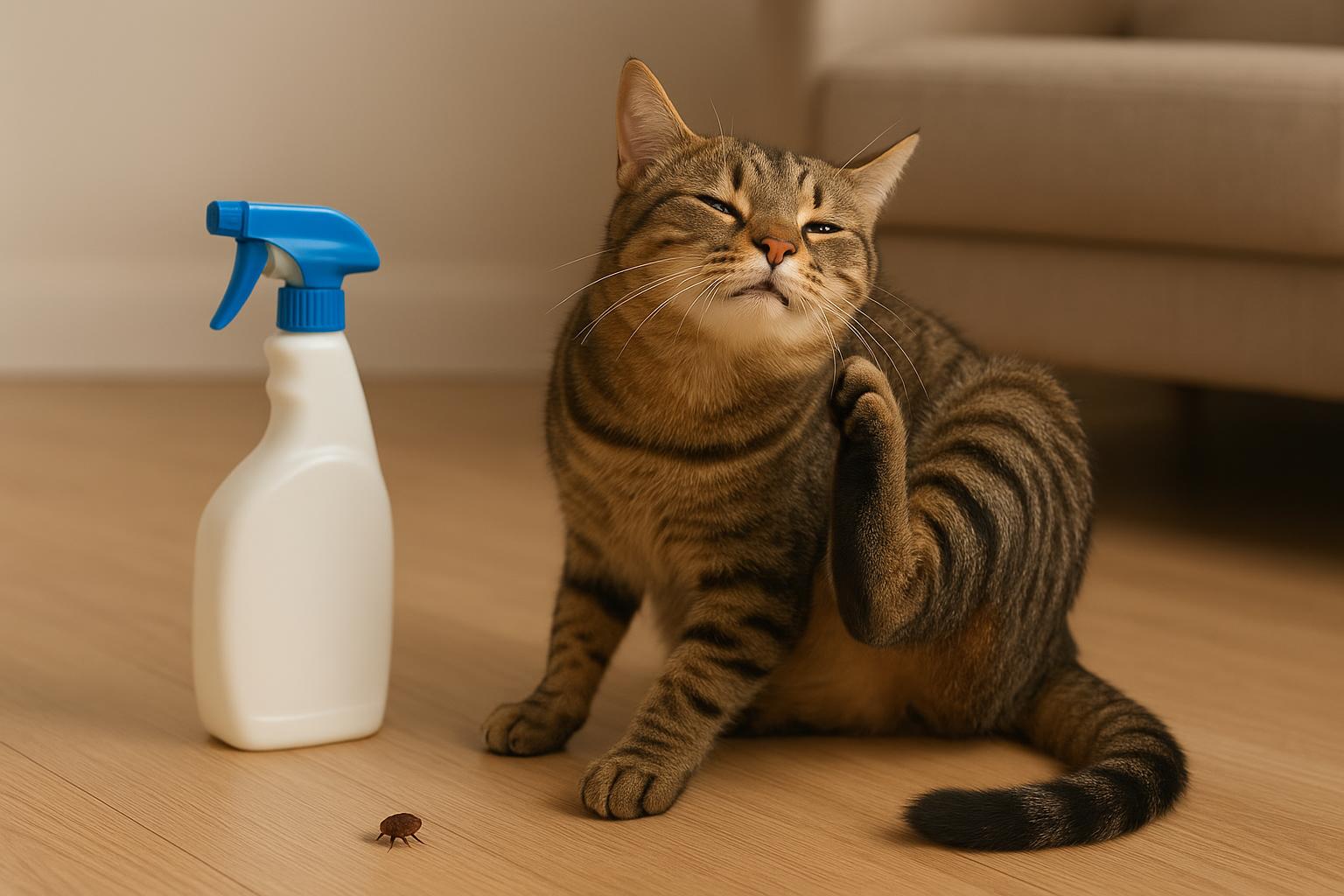
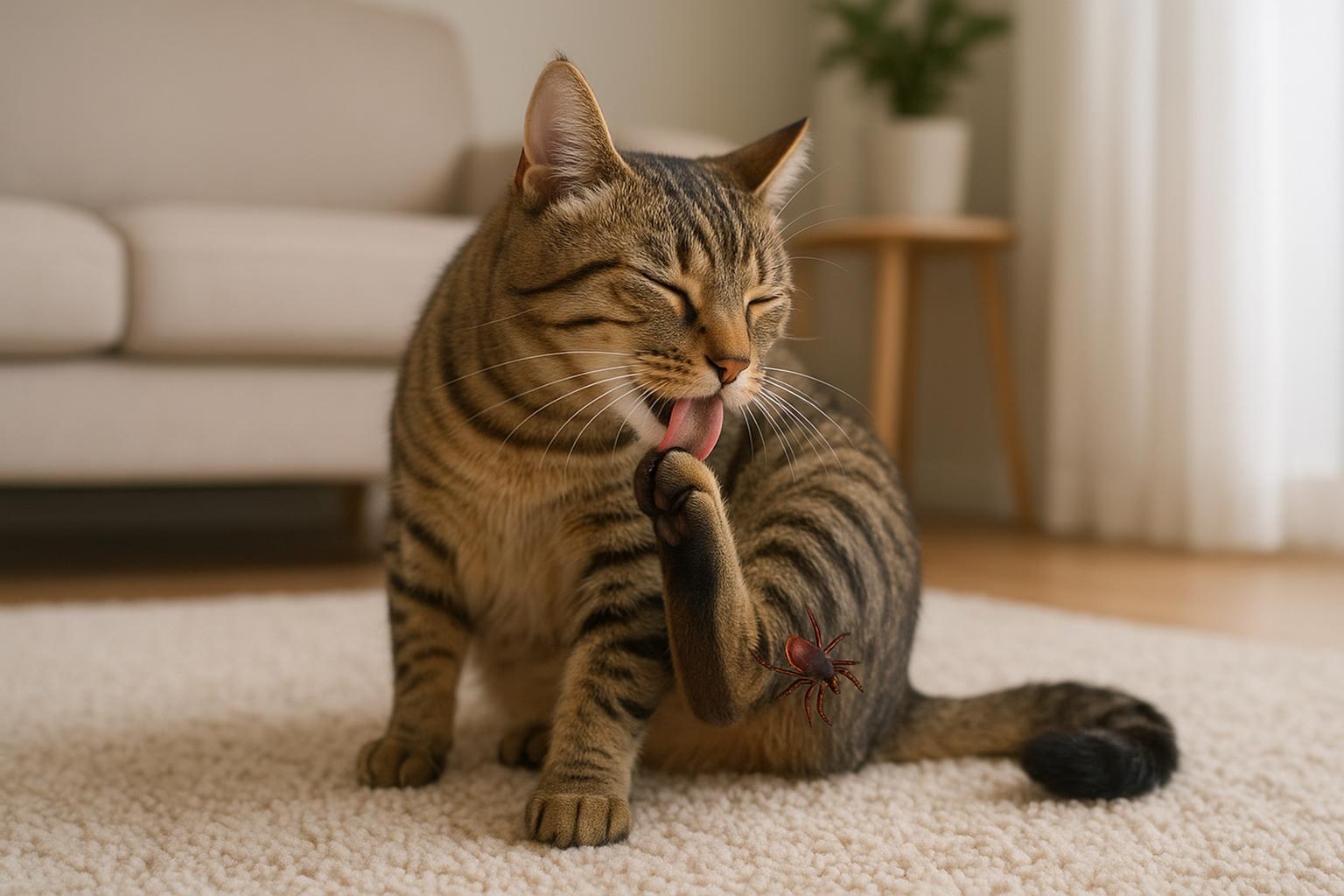
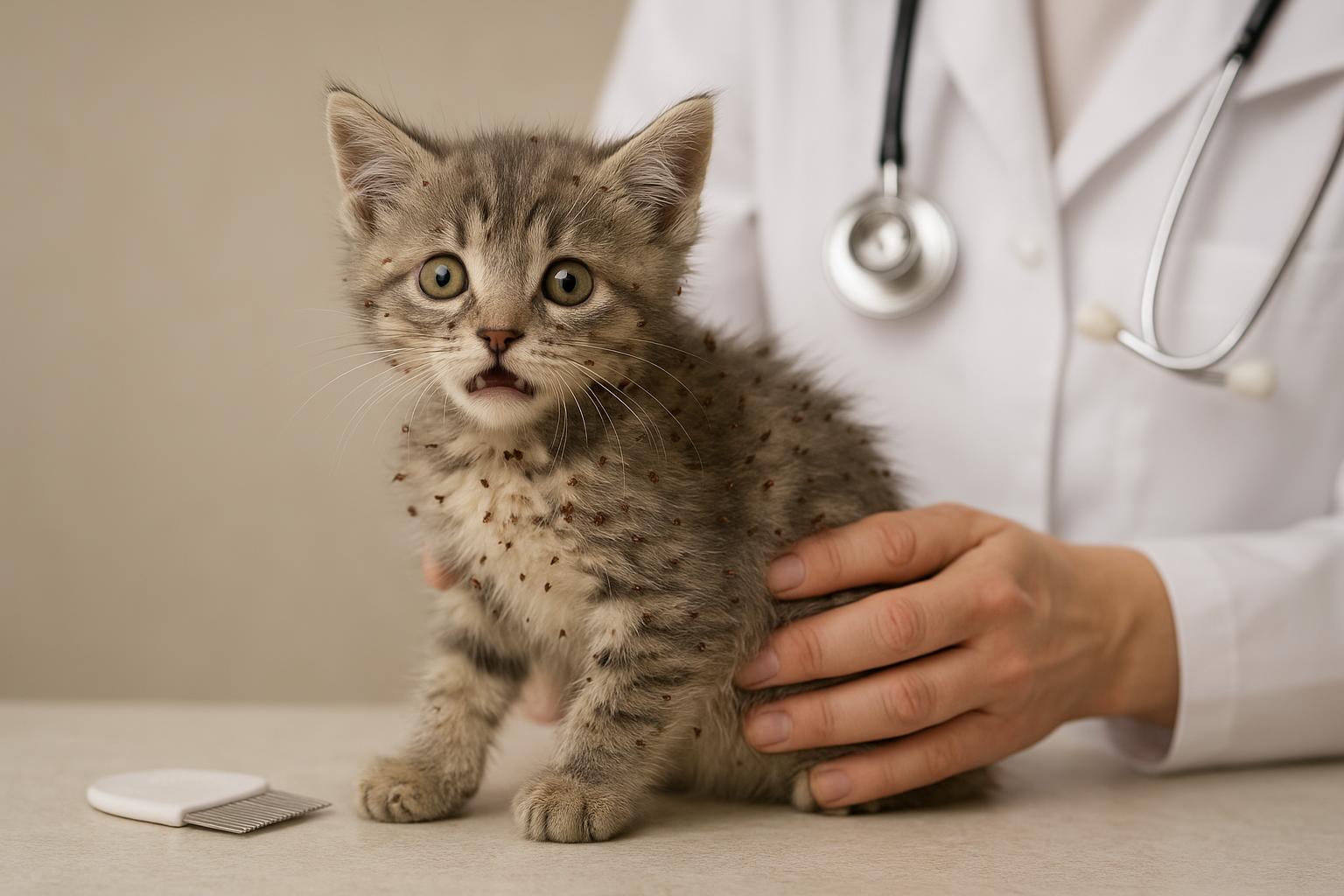
– Persistent scratching, hair loss, or visible flea dirt (small black specks).
– Pale gums, weakness, or rapid breathing—signs of anemia in severe infestations.
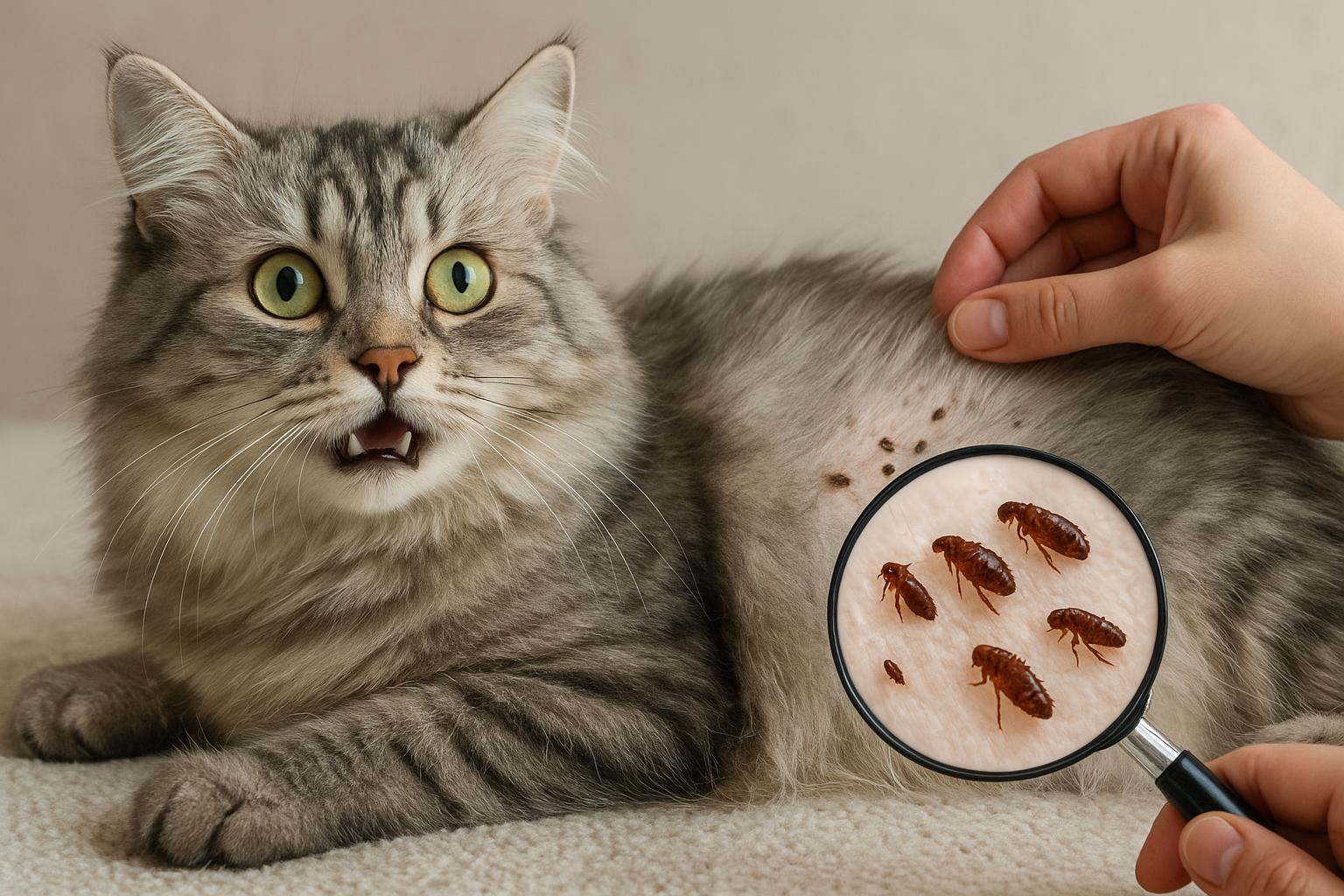
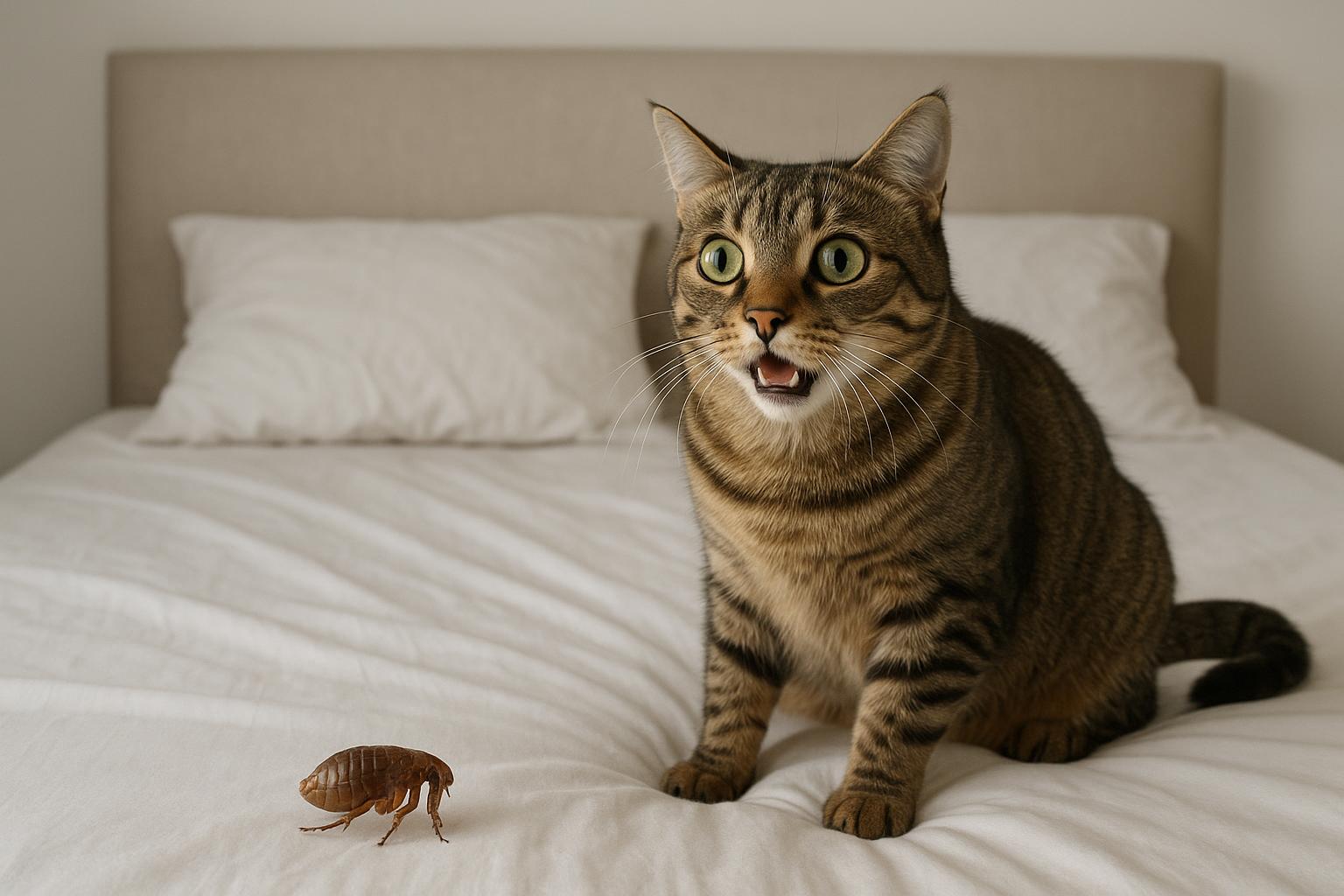
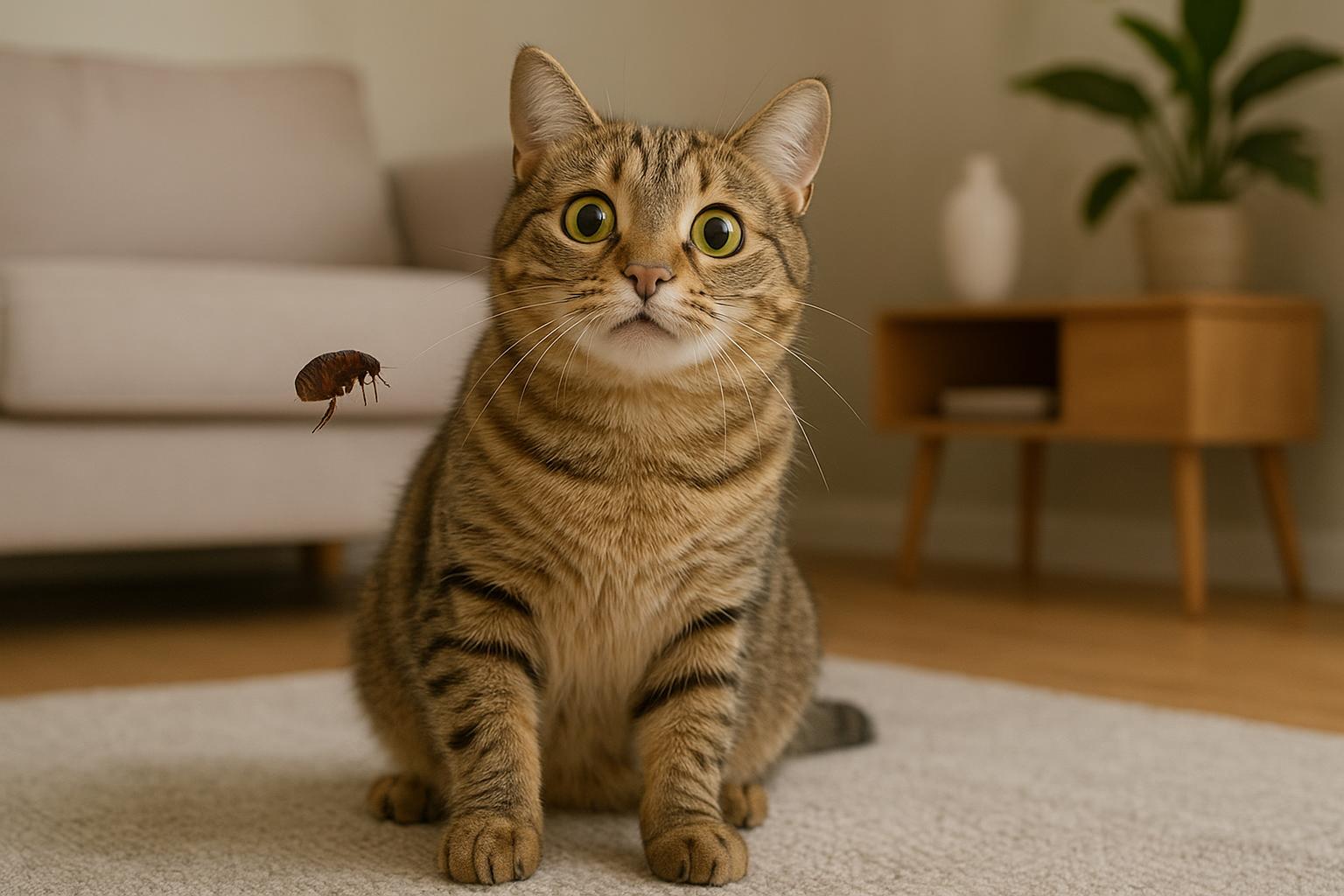
– Tiny dark mobile dots (actual fleas) or skin sores from constant chewing.
– Very young kittens, under 8 weeks, or those who are underweight or ill.
If you see any of those red flags, don’t hesitate to contact a vet for fleas advice right away. Kittens can dehydrate or become anemic fast; what looks like a mild problem in an adult can escalate in a kitten.
### Why Speed Matters
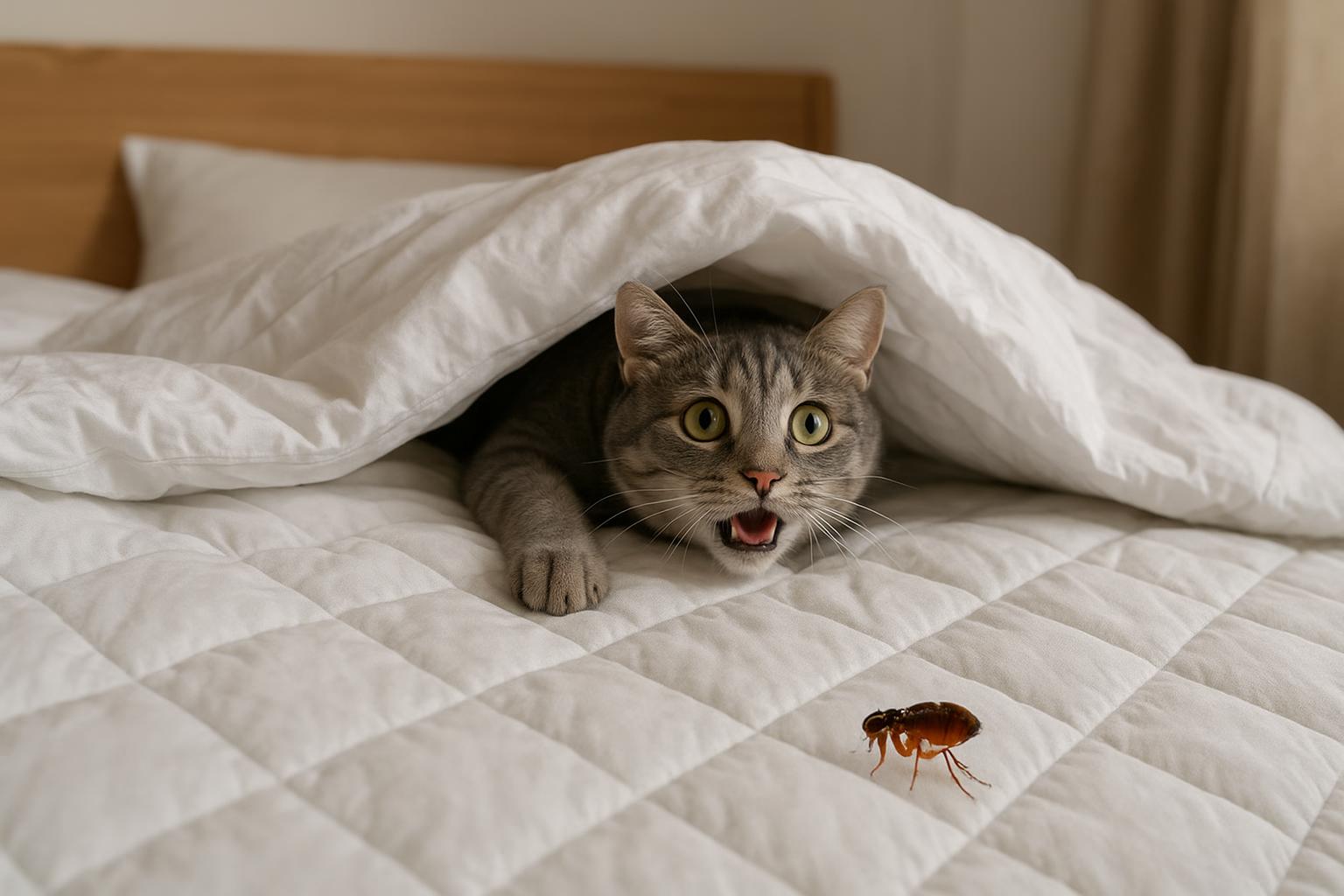
Fleas multiply quickly, and a single adult flea can lay dozens of eggs per day. Those eggs fall into the environment, hatch, and in warm conditions you can have a full-blown infestation in days. Beyond the itching, fleas transmit tapeworms and can cause severe blood loss in small kittens. That’s why the vet for fleas discussion is often urgent.
#### When It’s An Emergency
If your kitten is lethargic, has pale gums, is vomiting, having trouble breathing, or is refusing fluids, seek immediate veterinary attention. These can be signs of severe anemia, dehydration, or an allergic reaction—conditions that require prompt medical treatment.
## How A Vet For Fleas Can Help
A veterinarian does more than hand you a bottle of medicine. A proper vet for fleas will:
– Assess the kitten’s age, weight, and health status to choose safe, effective treatment.
– Check for secondary problems like tapeworms, skin infections, or anemia.
– Provide prescription-strength products that are labeled safe for kittens and appropriate for local parasite risks.
– Explain environmental control—because treating the kitten without treating the house is like bailing out a leaky boat while dumping the water back on the floor.
### What Treatments A Vet May Recommend
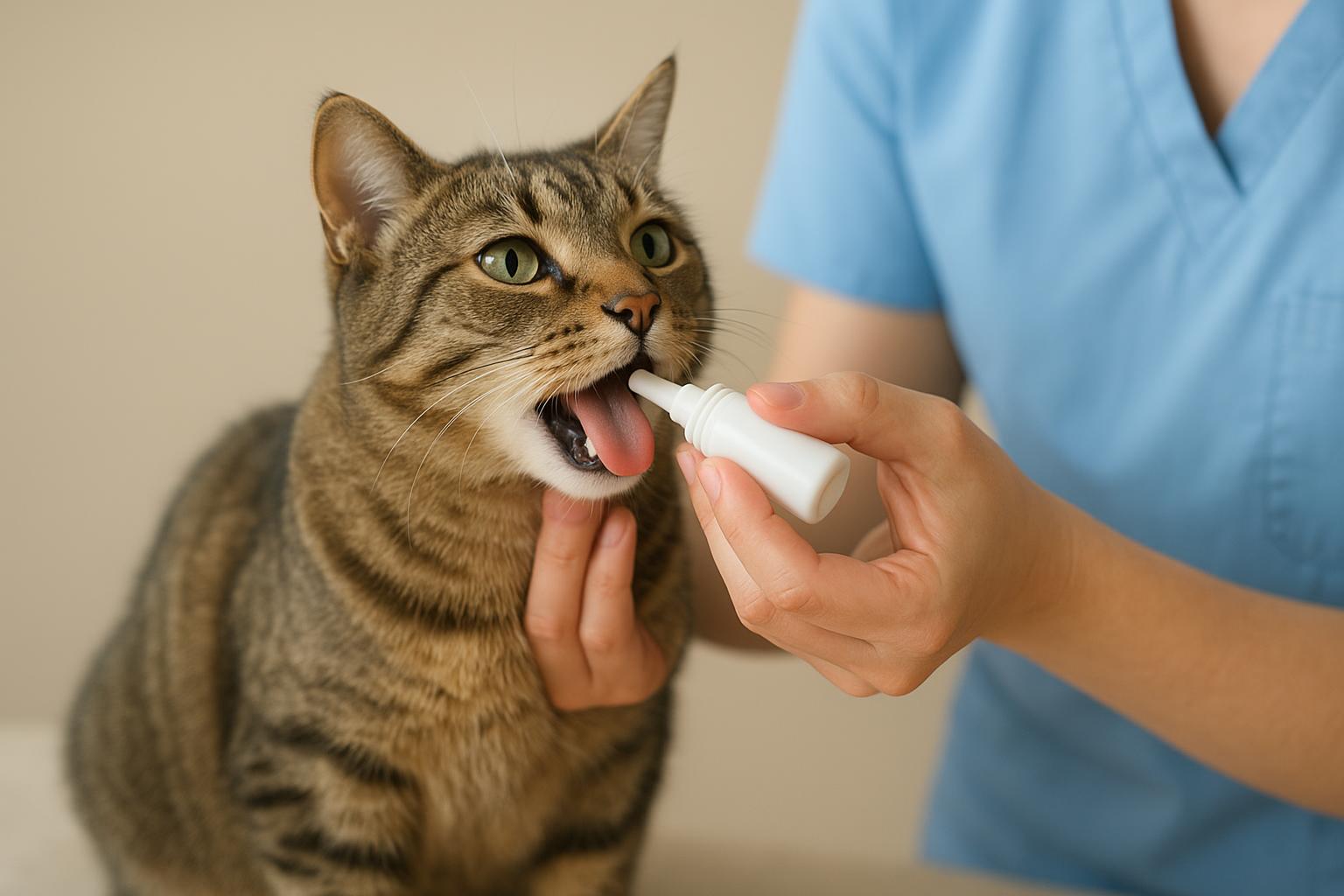
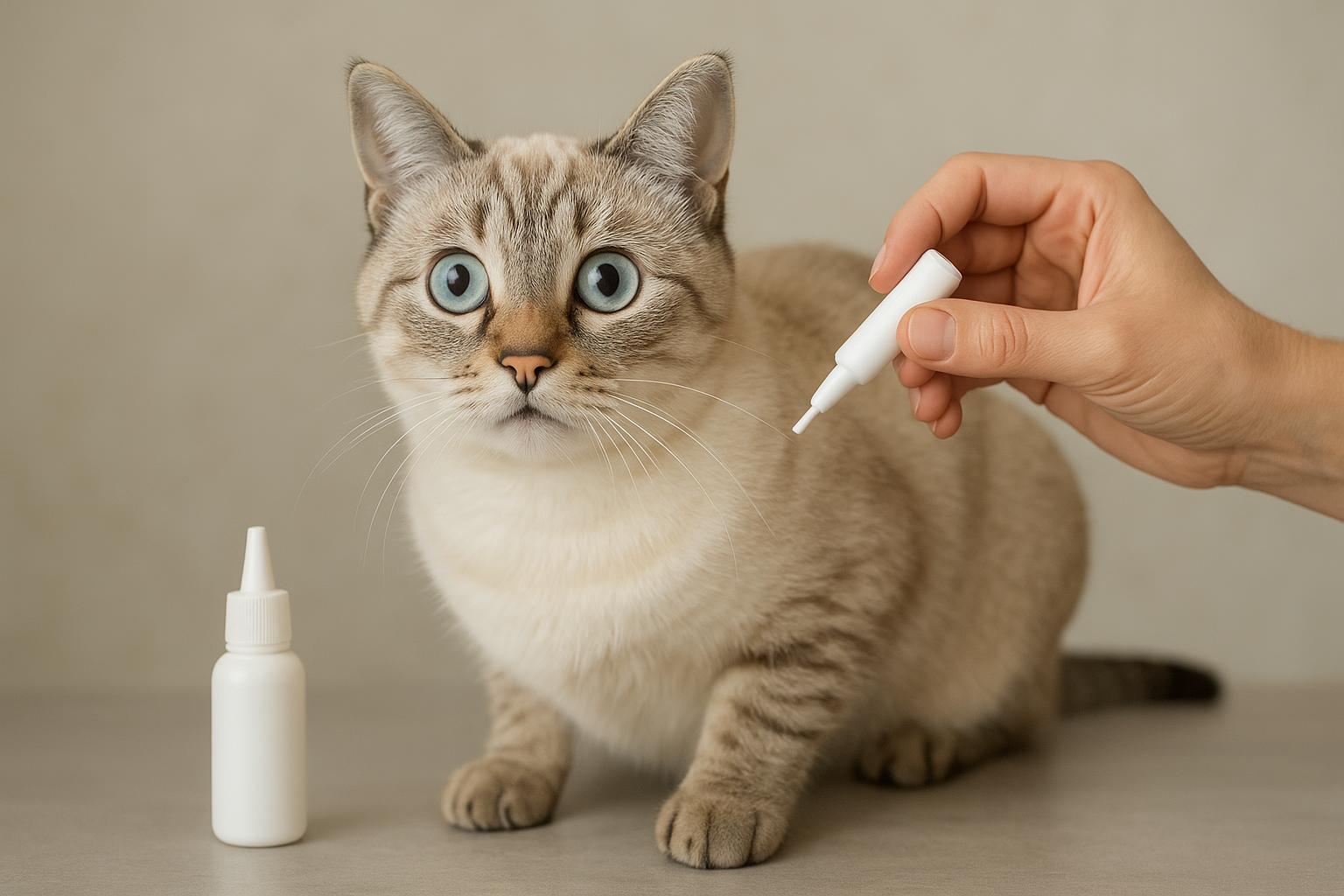
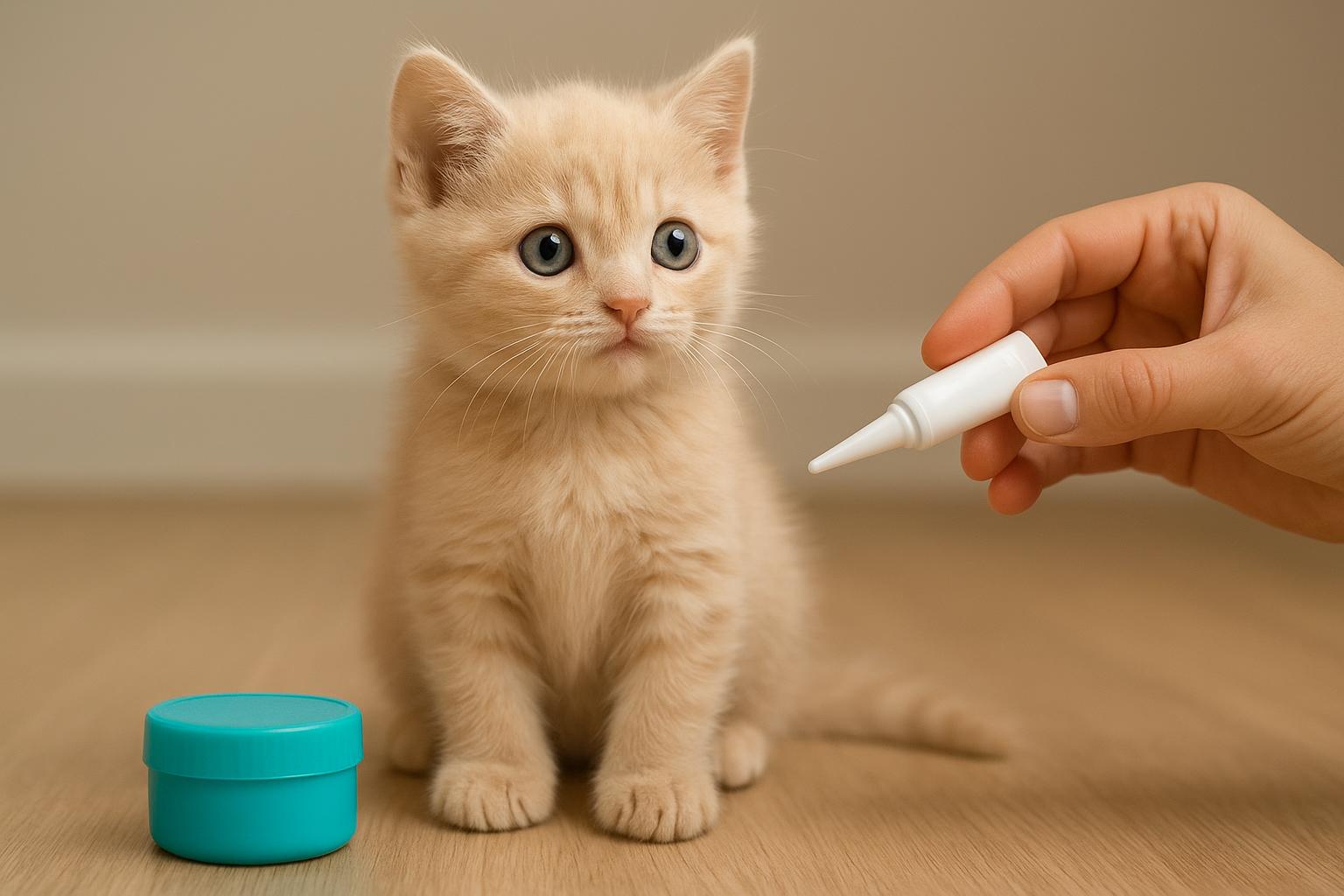
Vets can prescribe products such as topical or oral agents that are safe for kittens of certain ages and weights. They may also administer supportive care—fluids, blood transfusion in extreme cases, or treatments for secondary infections. Always follow your vet’s instructions; many over-the-counter products safe for adult dogs are dangerous for kittens.
### 1. Home Flea Removal And Support (Immediate, Safe Steps)
This remedy is for immediate relief while you arrange veterinary care. It’s suitable for kittens who are not acutely ill but need help reducing flea numbers.
Materials/Ingredients:
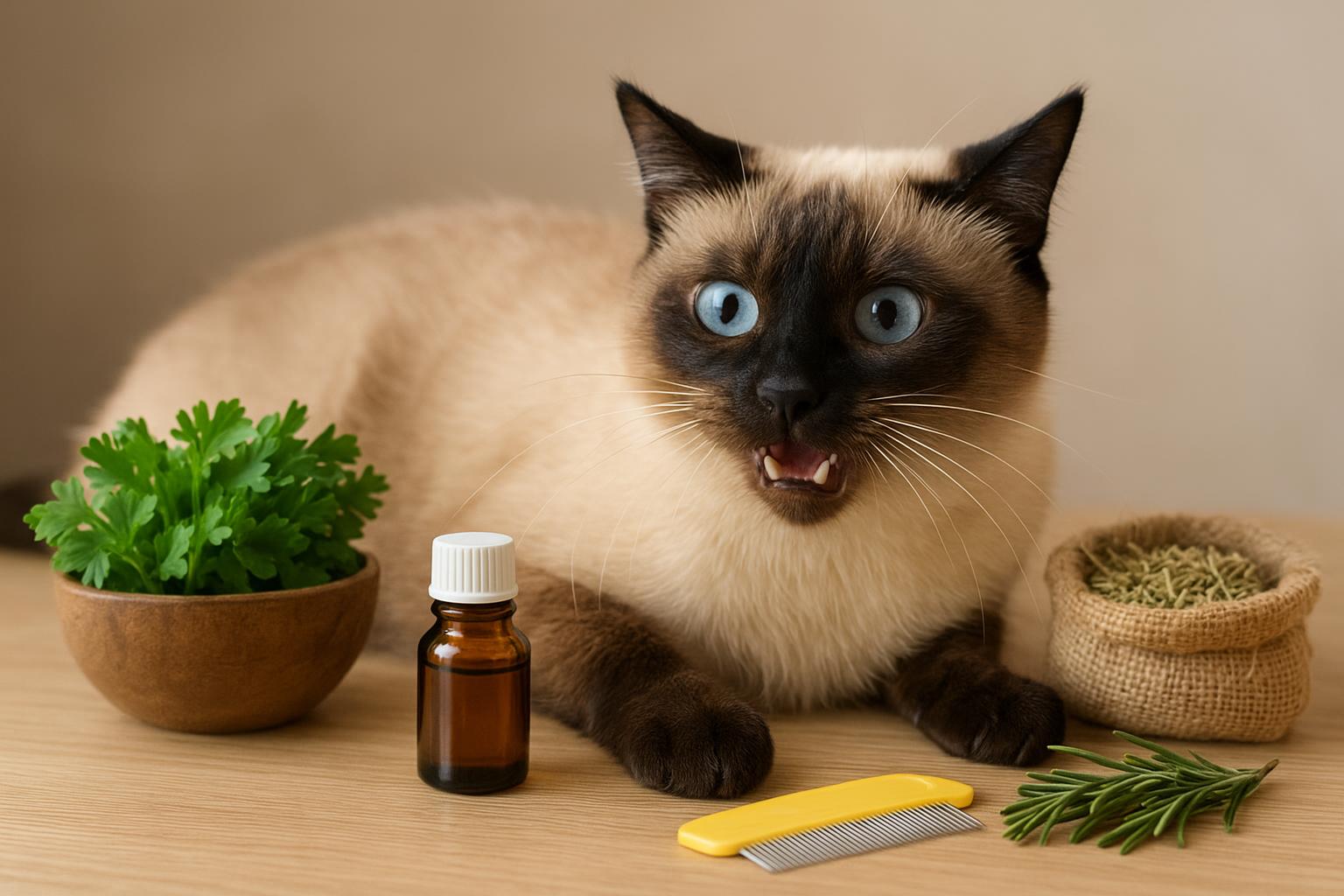
– Fine-toothed flea comb
– A shallow bowl of warm soapy water (dish soap is fine)
– Soft towel
– Clean, warm space for drying and resting
– Gloves (optional)
Step-by-Step Creation and Application:
1. Prepare: Fill a shallow bowl with warm water and a drop of gentle dish soap. This kills fleas on contact.
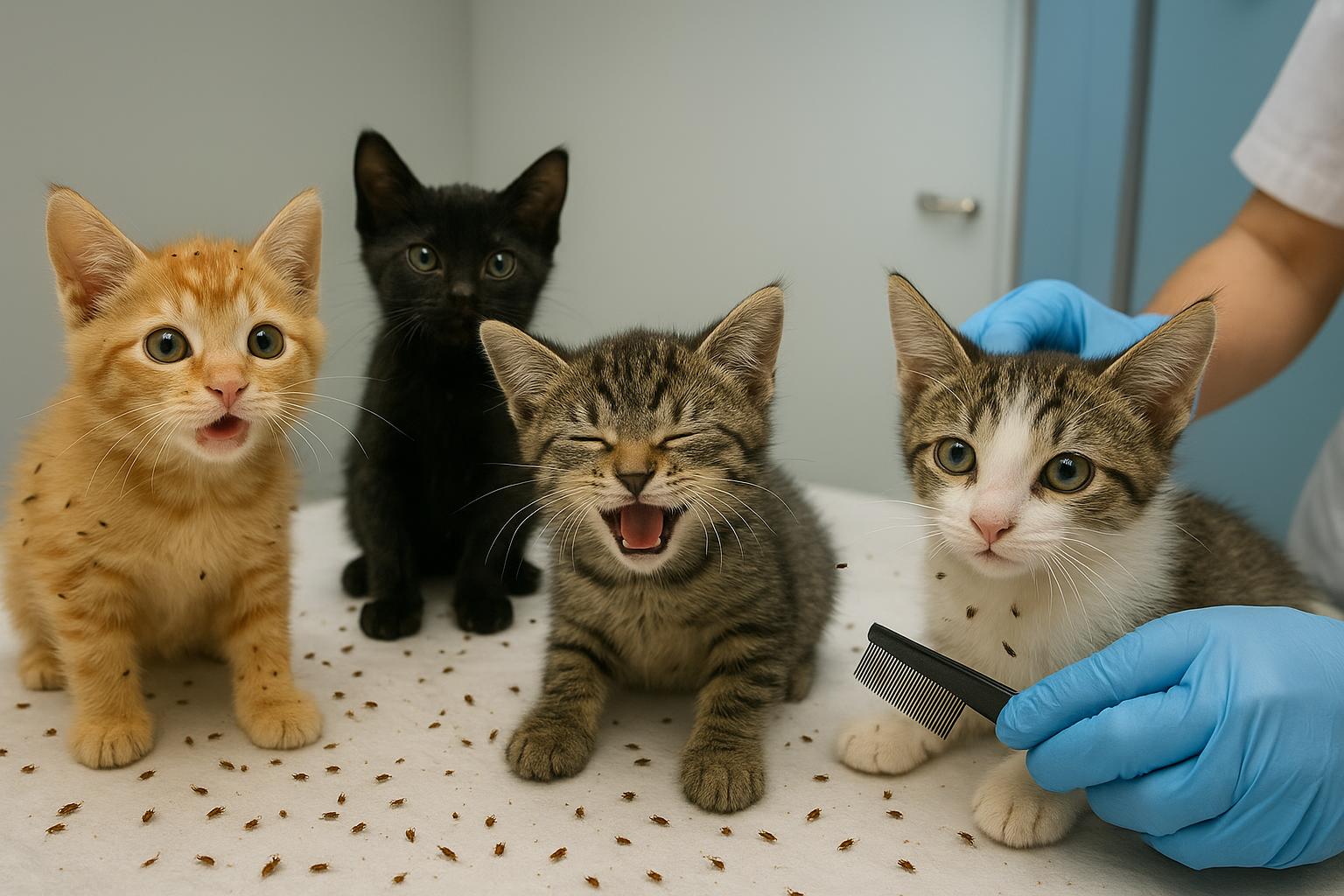
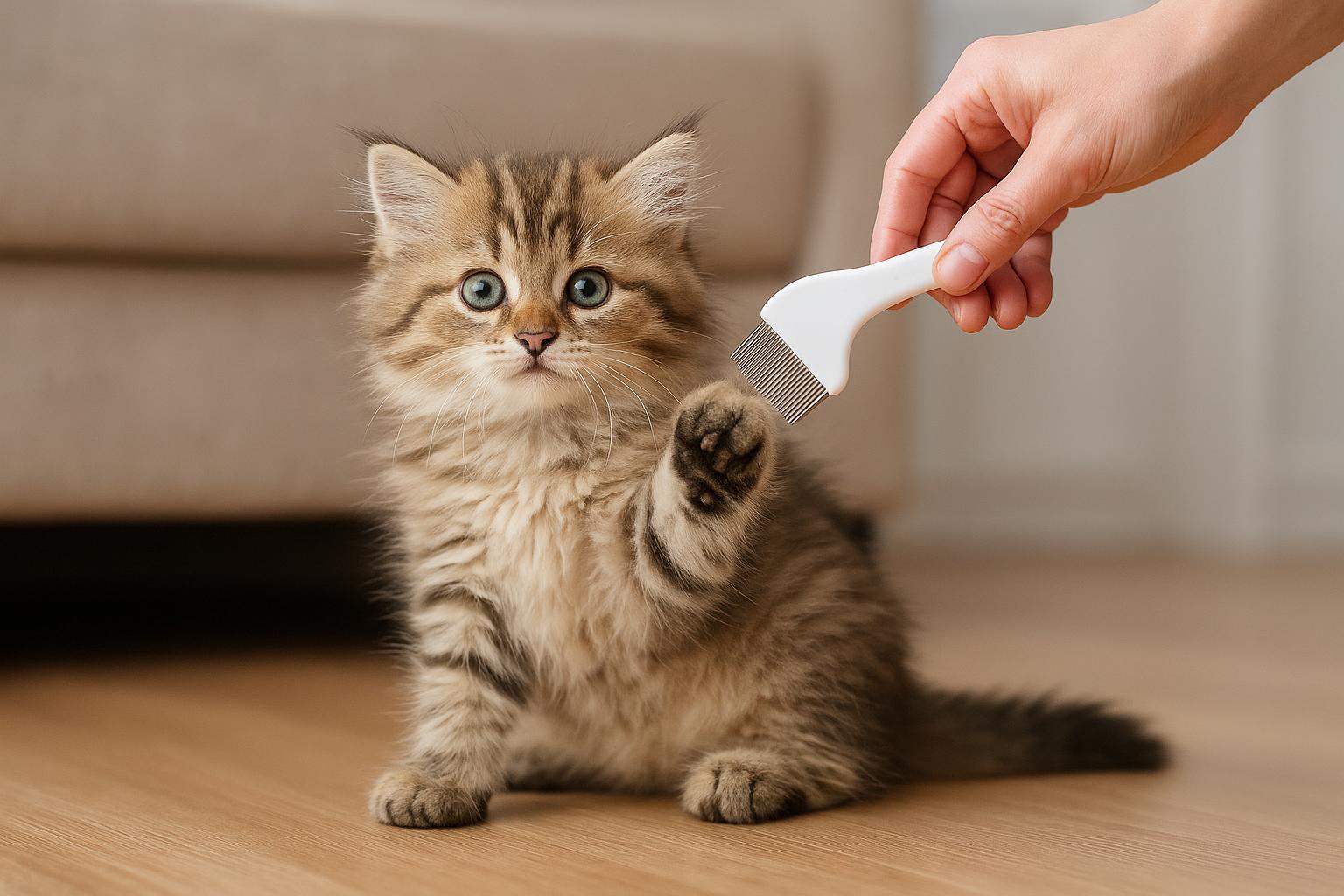
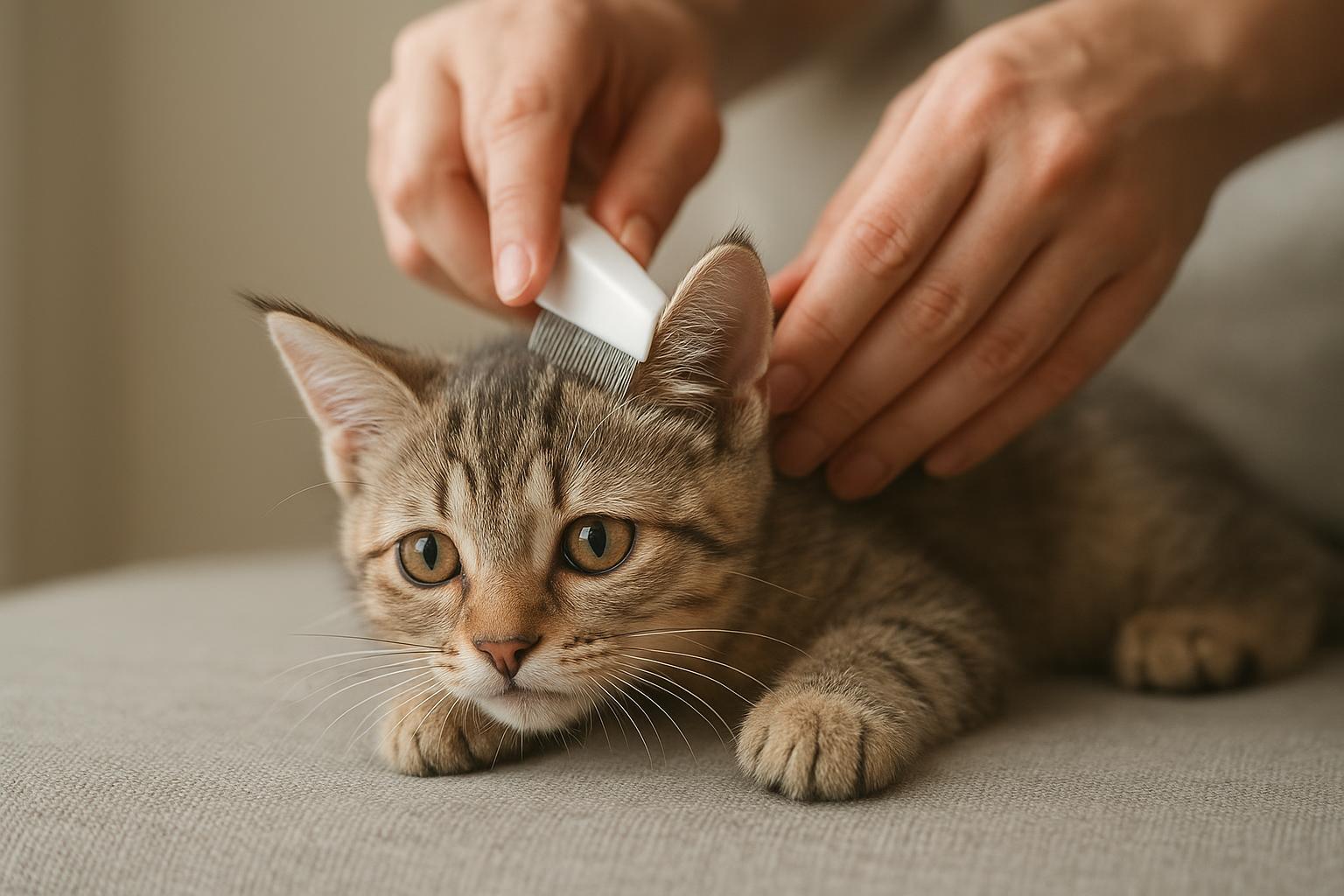
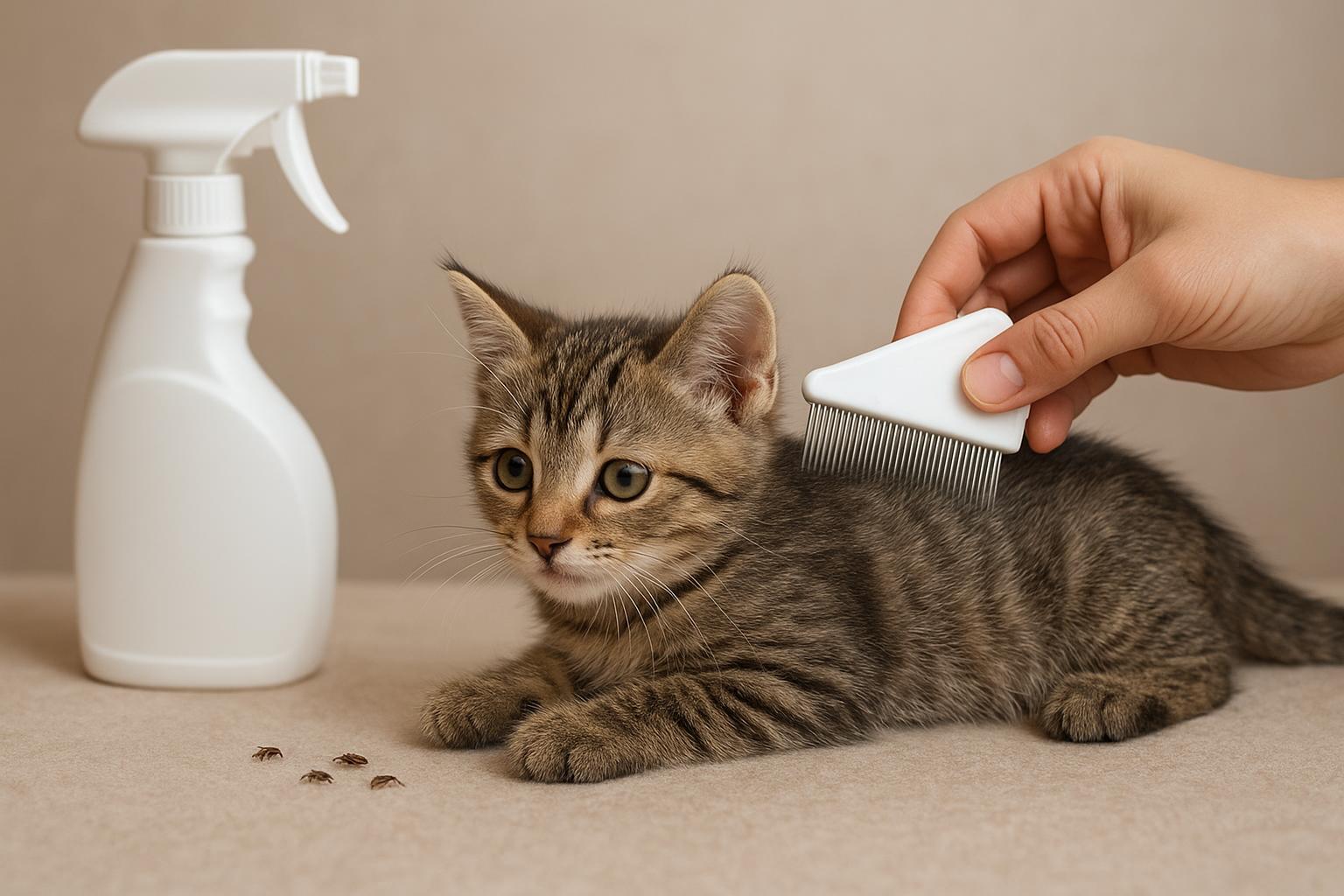
2. Comb: Hold the kitten gently. Use the flea comb, working from head to tail in short strokes. Pay attention to the neck and base of the tail where fleas like to hang out.
3. Dip: After each pass, immediately dip the comb into the soapy water to drown any fleas. Repeat until you see no more fleas or flea dirt.
4. Bathing (optional, only if the kitten is old enough and tolerant): If the kitten tolerates it and is at least 8 weeks old (check with your vet), you can give a brief lukewarm bath using a mild kitten-safe shampoo. Rinse thoroughly and dry quickly to prevent chilling.
5. Rest and Monitor: Keep the kitten warm and watch for signs of ongoing distress. If you find dozens of fleas or the kitten seems weak, contact a vet for fleas immediately.
This method reduces the immediate flea burden safely without using chemicals that could harm a small kitten. It does not replace veterinary-prescribed treatments.
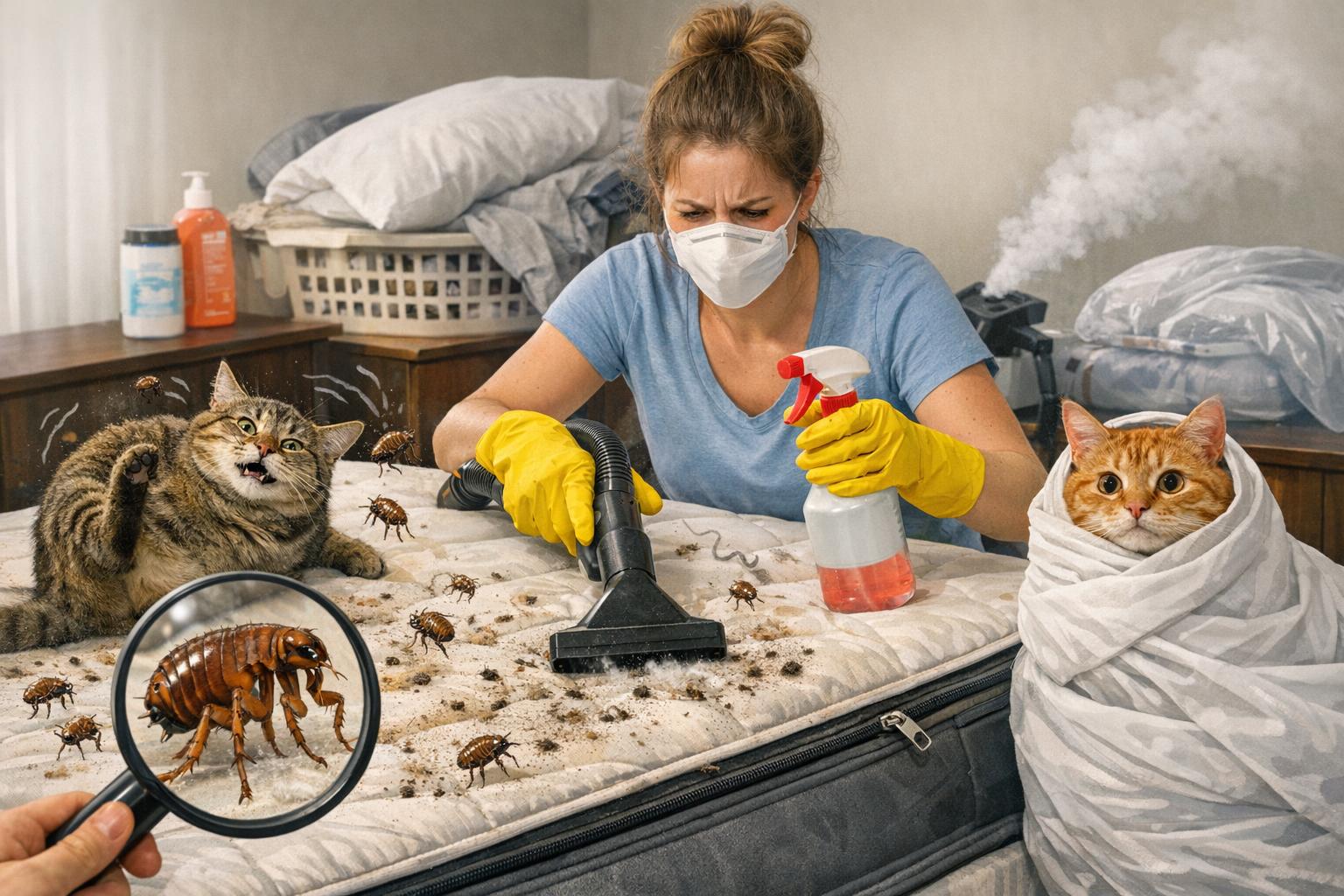
### 2. Environmental Control And Household Steps
Treating the kitten is only half the battle. Flea eggs and larvae live in carpets, bedding, and cracks.
Materials/Ingredients:
– Vacuum cleaner with attachments
– Hot water and detergent for washing bedding
– Sealed trash bags
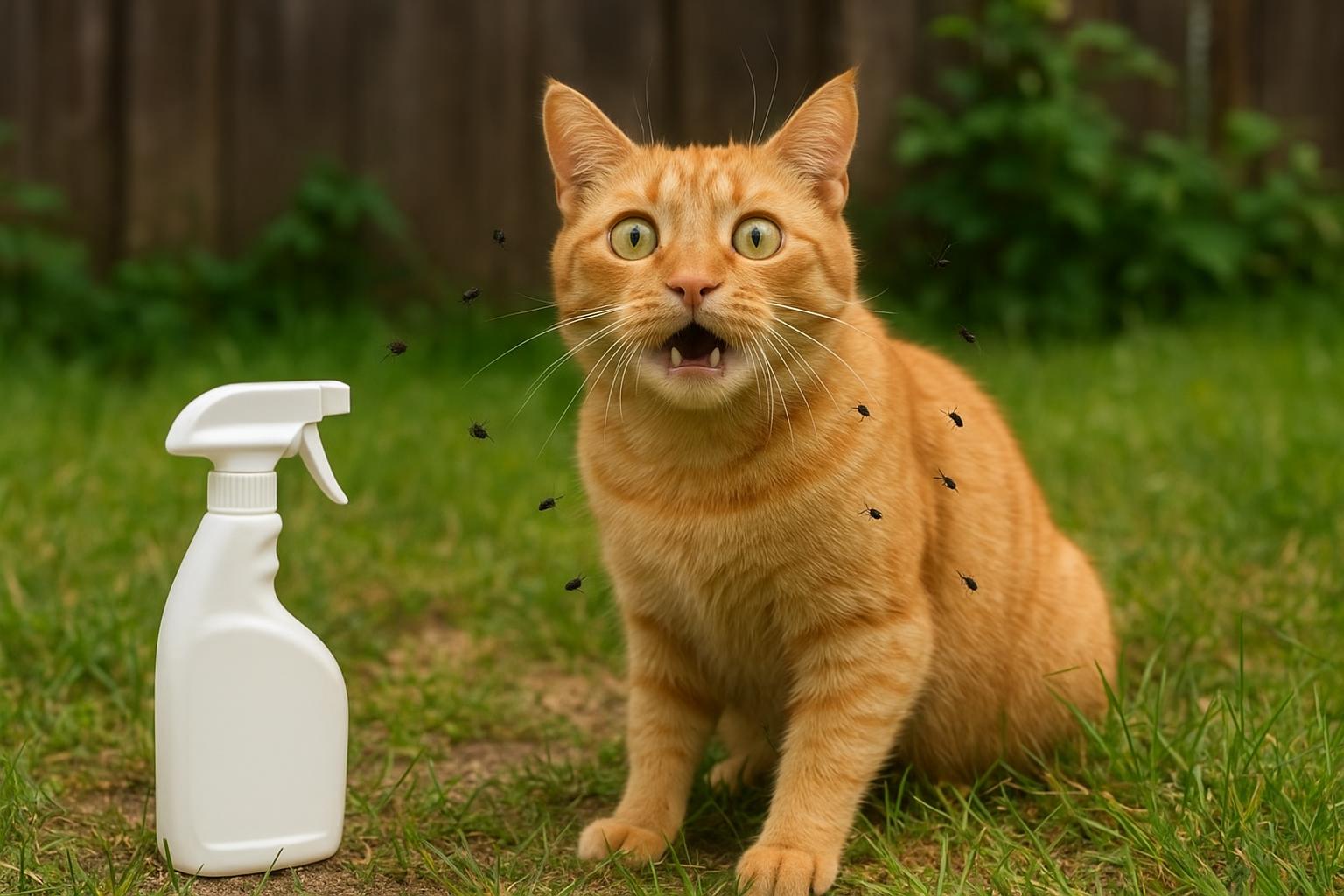
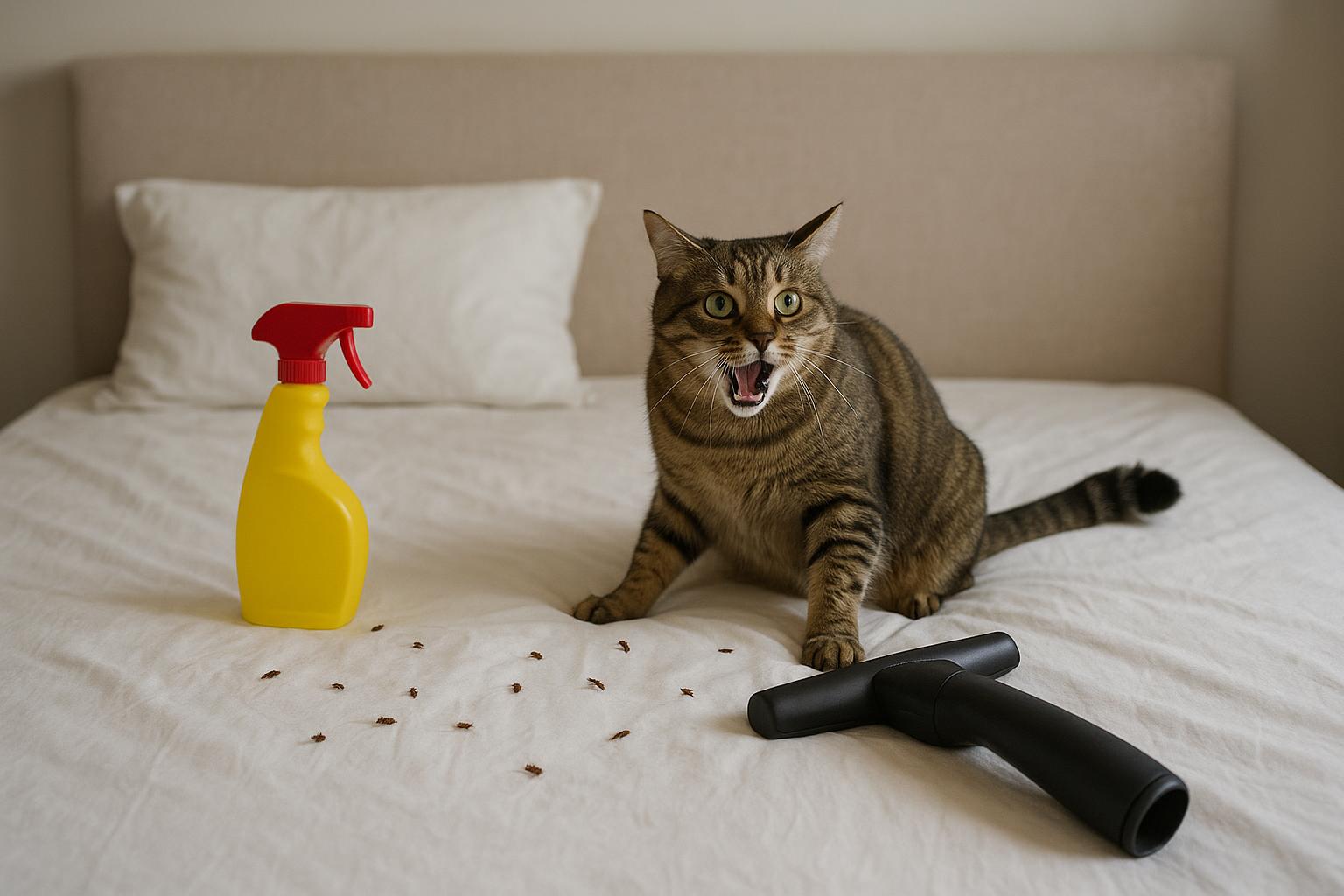
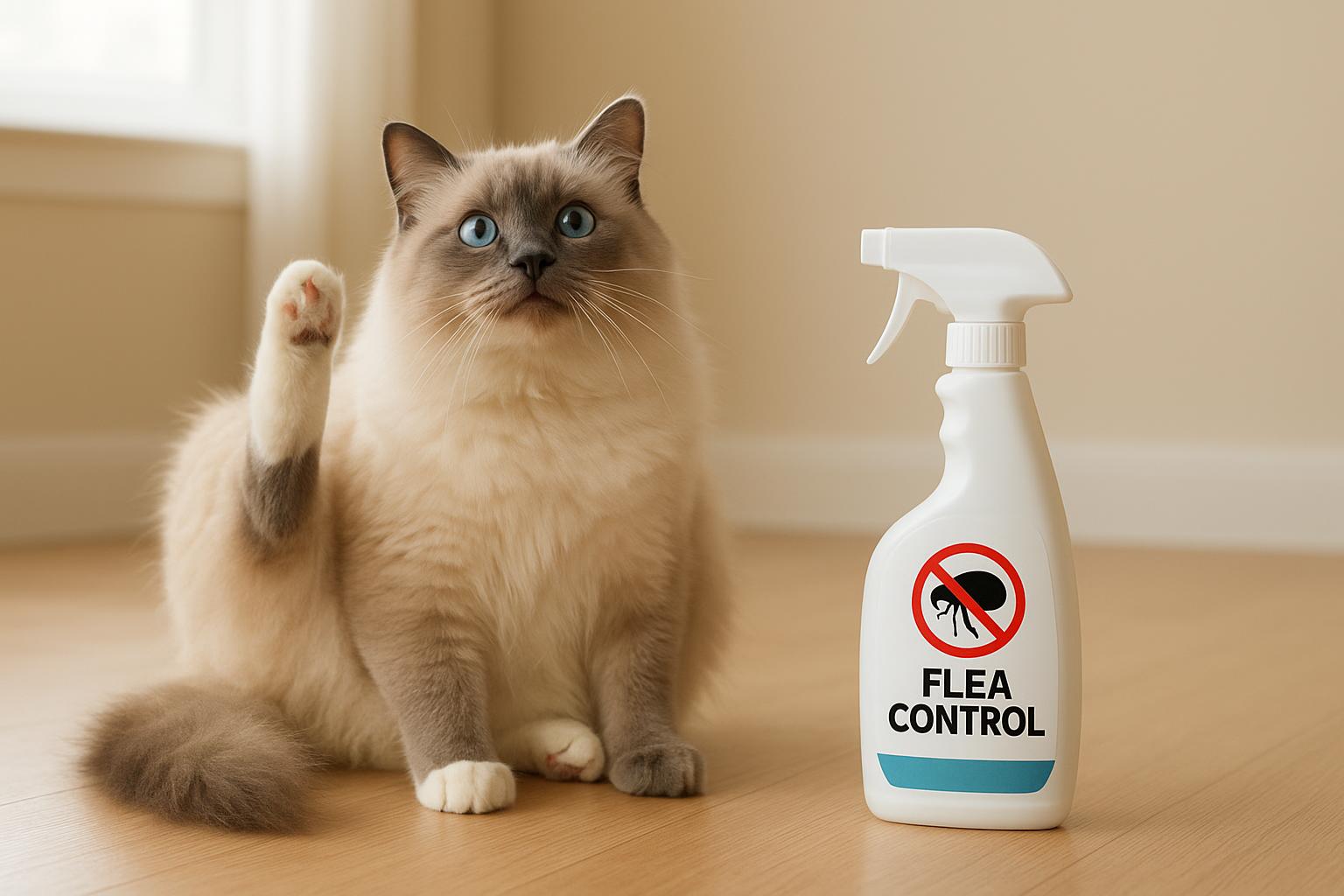
– Optional: Insect growth regulator (IGR) or household flea spray (use only products labeled for homes with pets and follow label exactly)
Step-by-Step Creation and Application:
1. Wash Bedding: Remove all bedding, blankets, and soft toys the kitten has used. Wash in the hottest water the fabric allows and dry on high heat to kill fleas, eggs, and larvae.
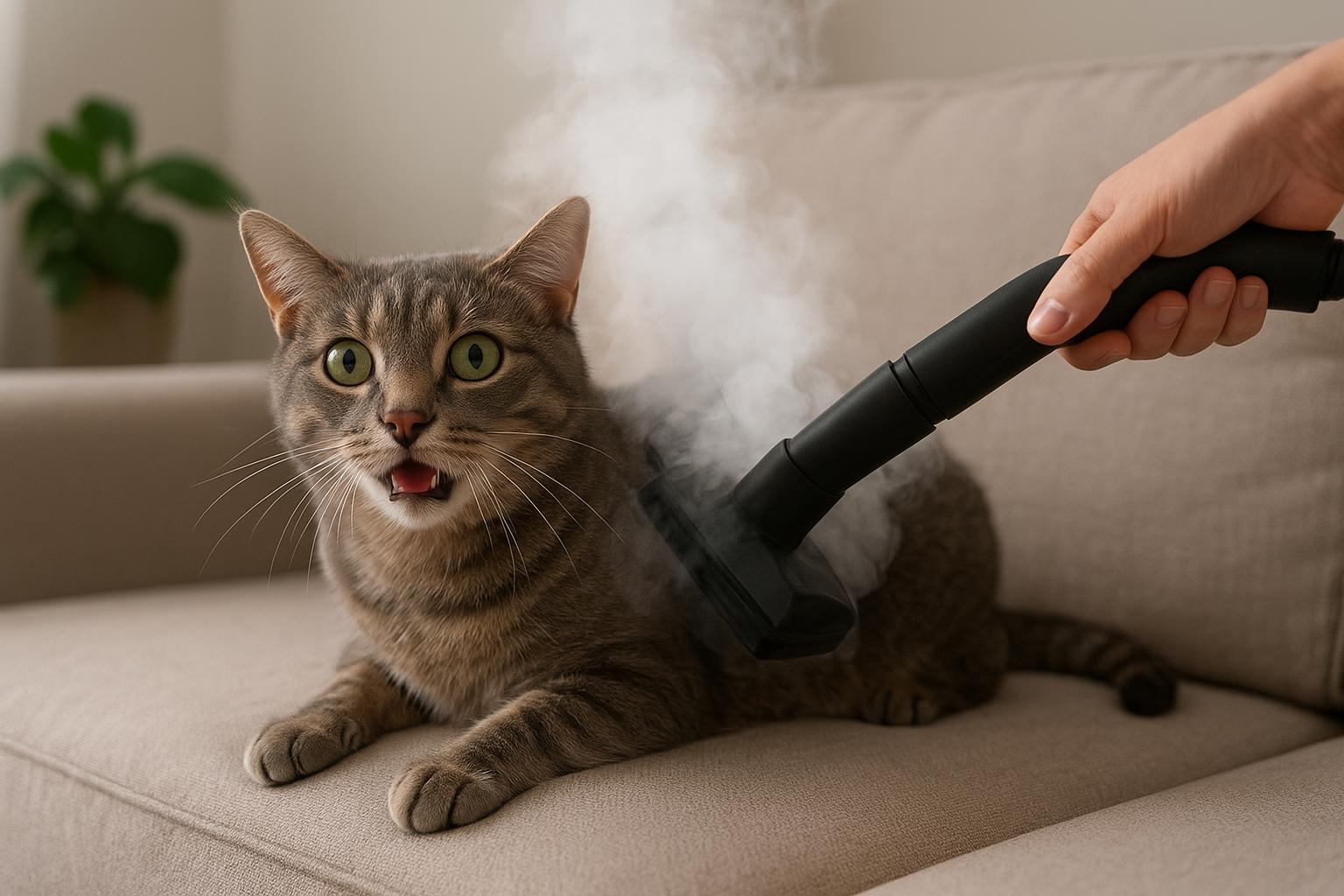
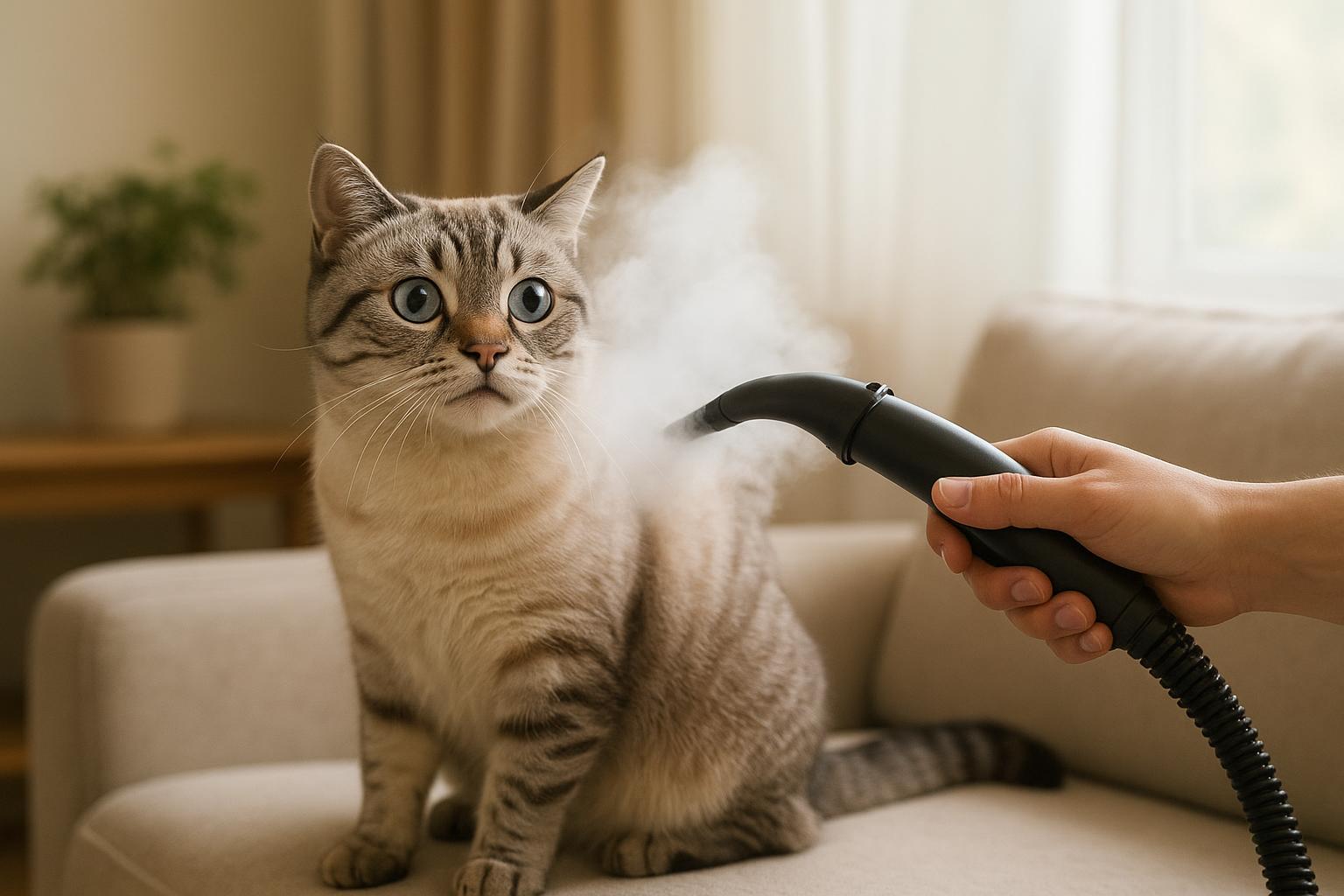
2. Vacuum Thoroughly: Vacuum carpets, rugs, furniture, and cracks. Empty the vacuum into a sealed bag and discard it outdoors to prevent reinfestation.
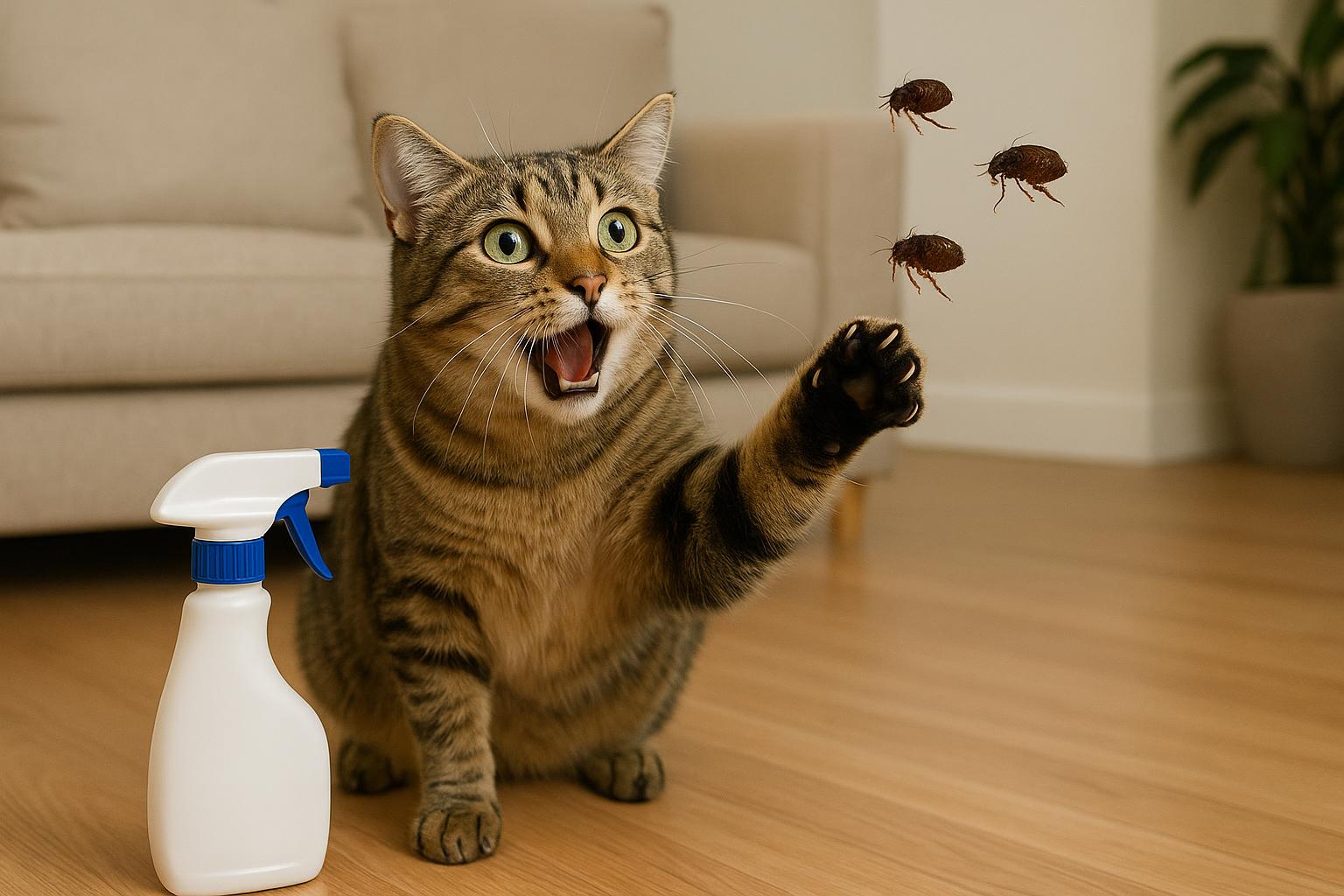
3. Treat Carpets And Cracks: If recommended by your vet, apply a household product containing an insect growth regulator to prevent eggs from developing. Always use products labeled safe for homes with pets and follow safety instructions—if in doubt, consult your vet for fleas-specific household recommendations.
4. Repeat: Vacuum and wash regularly for several weeks; flea life cycles mean follow-up is essential.
5. Keep New Soft Items Isolated: Newly introduced bedding can pick up eggs; launder and inspect before reusing.
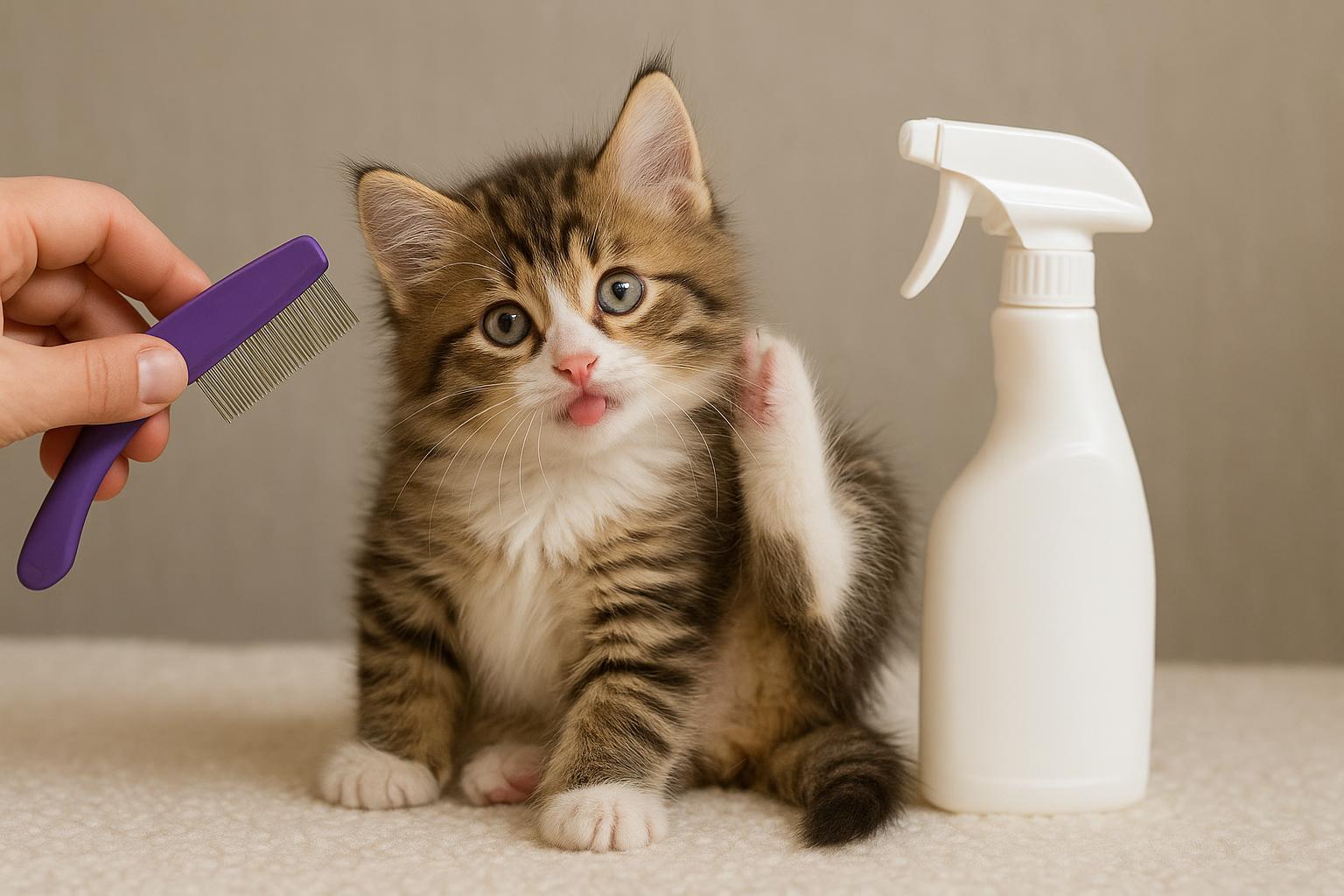
Use caution with chemical sprays around small kittens—some products are not safe for young animals. When in doubt, ask your vet for fleas-safe environmental products.
#### When To Use Over-The-Counter Products
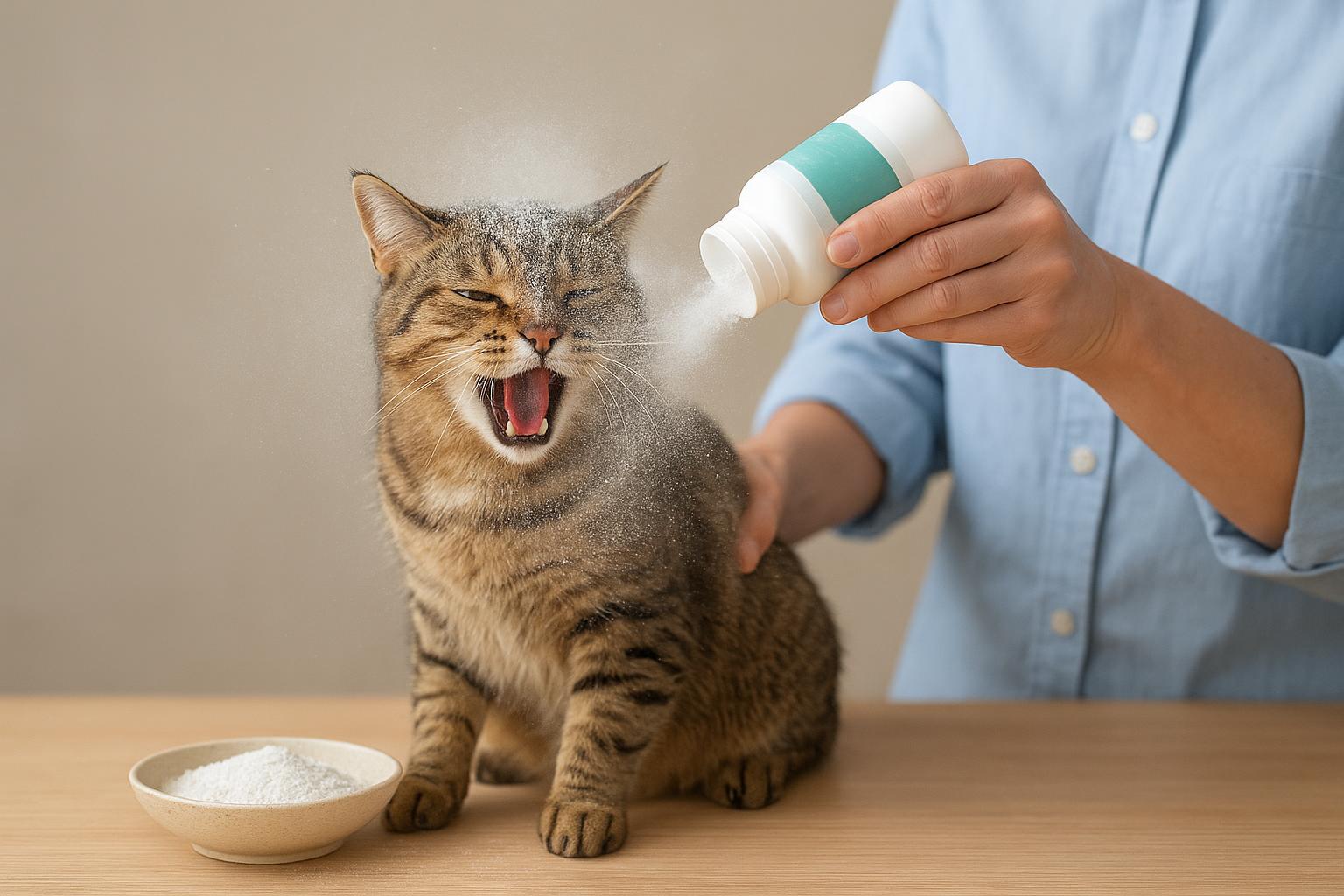
Many OTC flea treatments are formulated for adult animals and can be toxic to kittens. Never use dog-only topical products on cats. A vet for fleas will tell you which products are safe for a kitten’s specific age and weight. If someone suggests a “natural” oil or human shampoo, check with your vet—it’s better to be cautious.
### Signs Your Home Efforts Aren’t Enough
If your kitten continues to scratch, develops sores, loses weight, or shows signs mentioned earlier after home measures, it’s time to see a vet for fleas. Persistent infestations often require prescription treatments plus environmental control handled consistently.
### How To Prepare For The Vet Visit
Bring to the appointment:
– The kitten’s age and approximate weight.
– A sample photo of the fleas/flea dirt if possible.
– Any treatments you’ve already tried and their timing.
– Bedding or a small container with captured fleas if you’ve collected any.
Expect the vet for fleas to examine the kitten, possibly run simple blood tests (if anemia is suspected), and prescribe an age-appropriate flea medication and supportive care plan. They’ll also give you a home-and-household treatment timetable.
#### Cost And Follow-Up
Treatment cost varies by clinic, tests needed, and medications. Ask the clinic staff about payment options. Plan follow-up checks if the kitten was anemic or required supportive care. A final vet for fleas appointment may include deworming for tapeworms, which are often transmitted by fleas.
### Preventing Future Infestations
Once treated, keep a regular parasite prevention plan appropriate for your kitten’s age and lifestyle—your vet for fleas will recommend safe preventive products. Regular grooming, limiting exposure to wildlife and stray animals, and maintaining clean bedding and carpets will reduce the chance of a repeat invasion.
### A Word On Wildlife And Outdoor Kittens
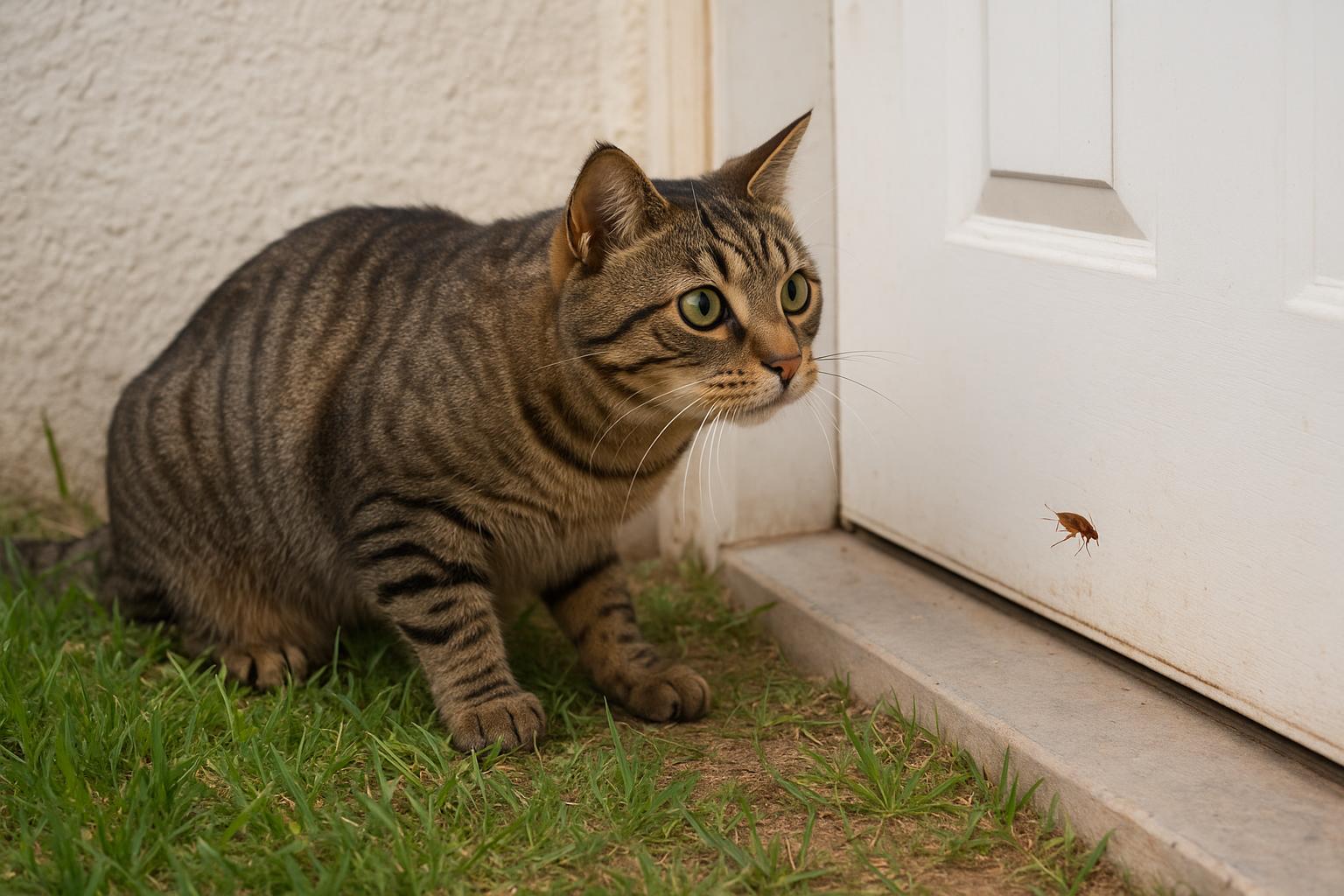
If your kitten spends time outdoors or came from an outdoor environment, wildlife can be a reservoir for fleas. Bringing a kitten indoors and treating both pet and environment, with guidance from your vet for fleas, will protect both the kitten and your household.
Be proactive, not panicked. Fleas are common, treatable, and preventable, especially with timely veterinary care. If you’re ever unsure, pick up the phone and ask a vet for fleas about your kitten’s situation—better safe (and slightly less itchy) than sorry.



Leave a Reply