
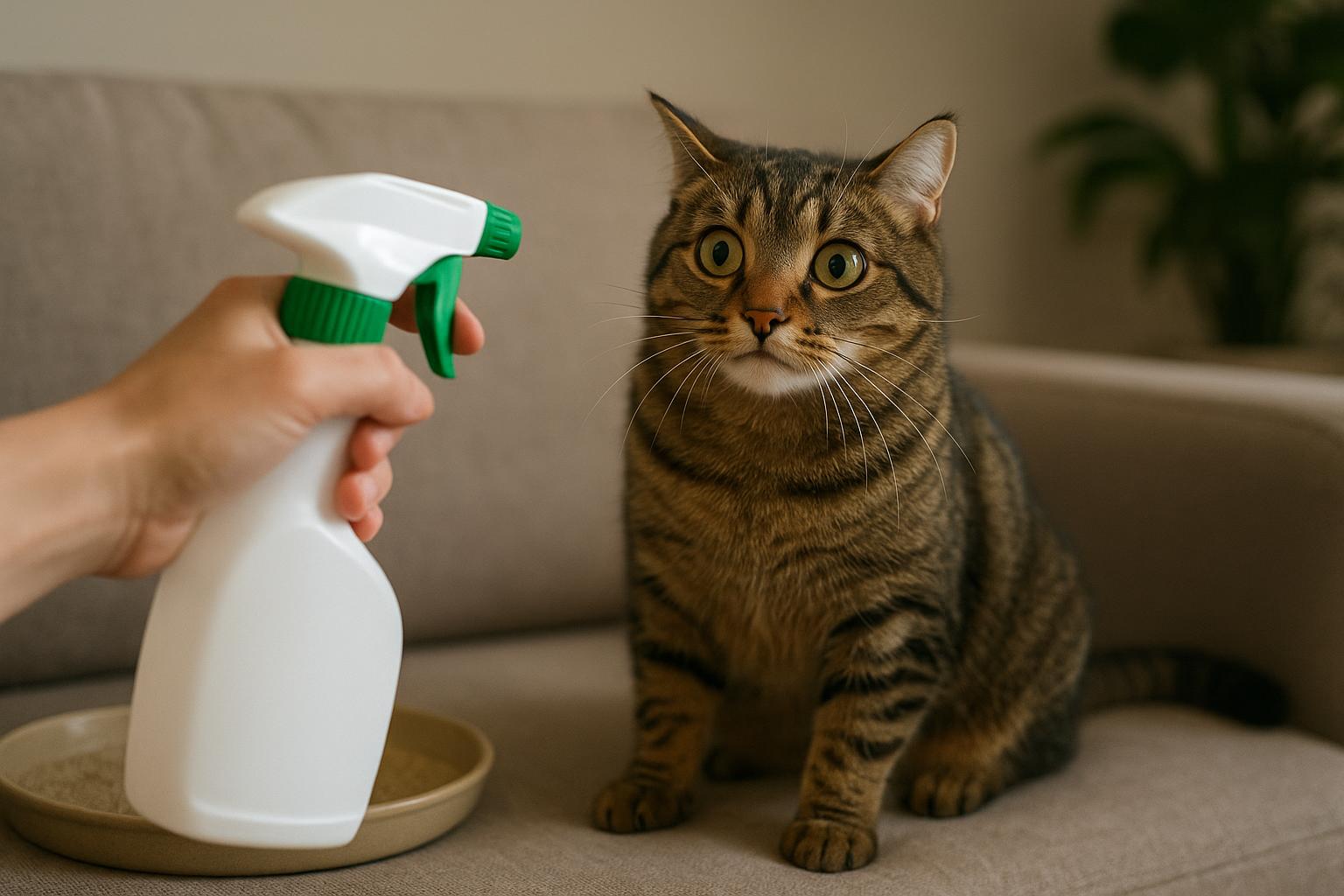
The terror of a single flea bite can explode into a household catastrophe overnight — itchy, restless cats, scratch marks on furniture, and the silent army of eggs hatching in carpets. This article is your pulse-quickening yet scientifically steady manual: a sensational warning with calm, professional fixes so you can act fast and smart.
## Why Fleas Are A Nightmare For Indoor Cats
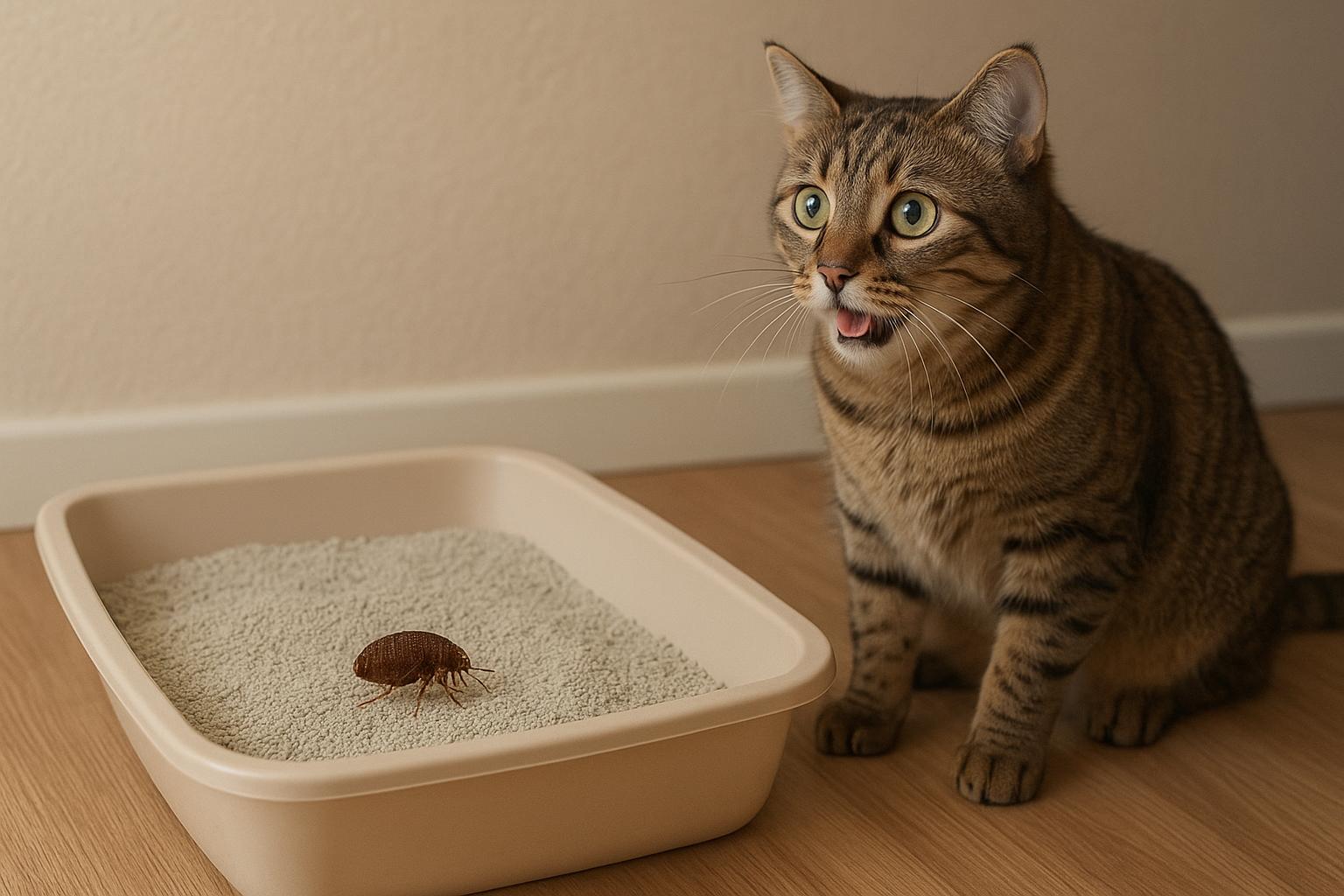
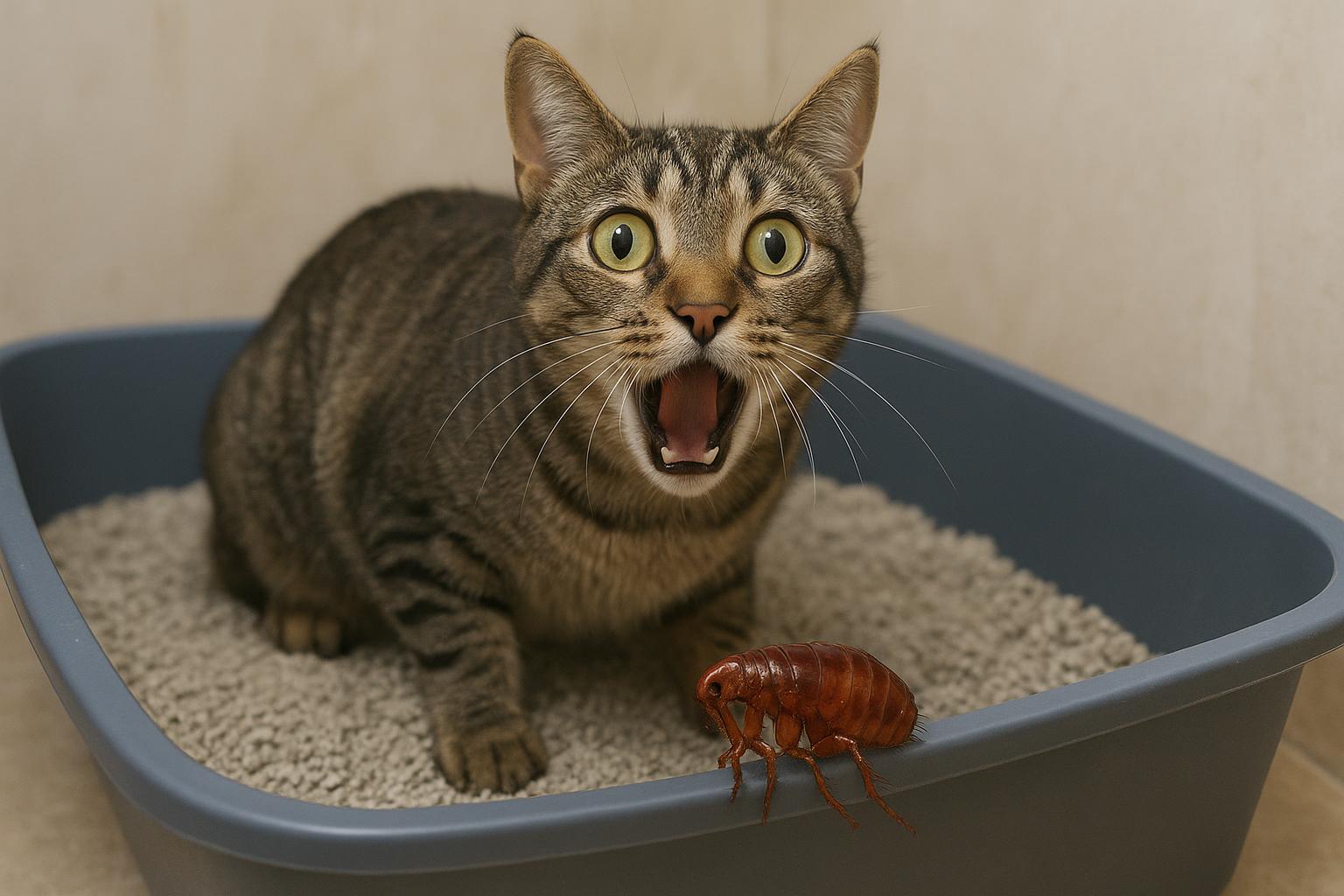
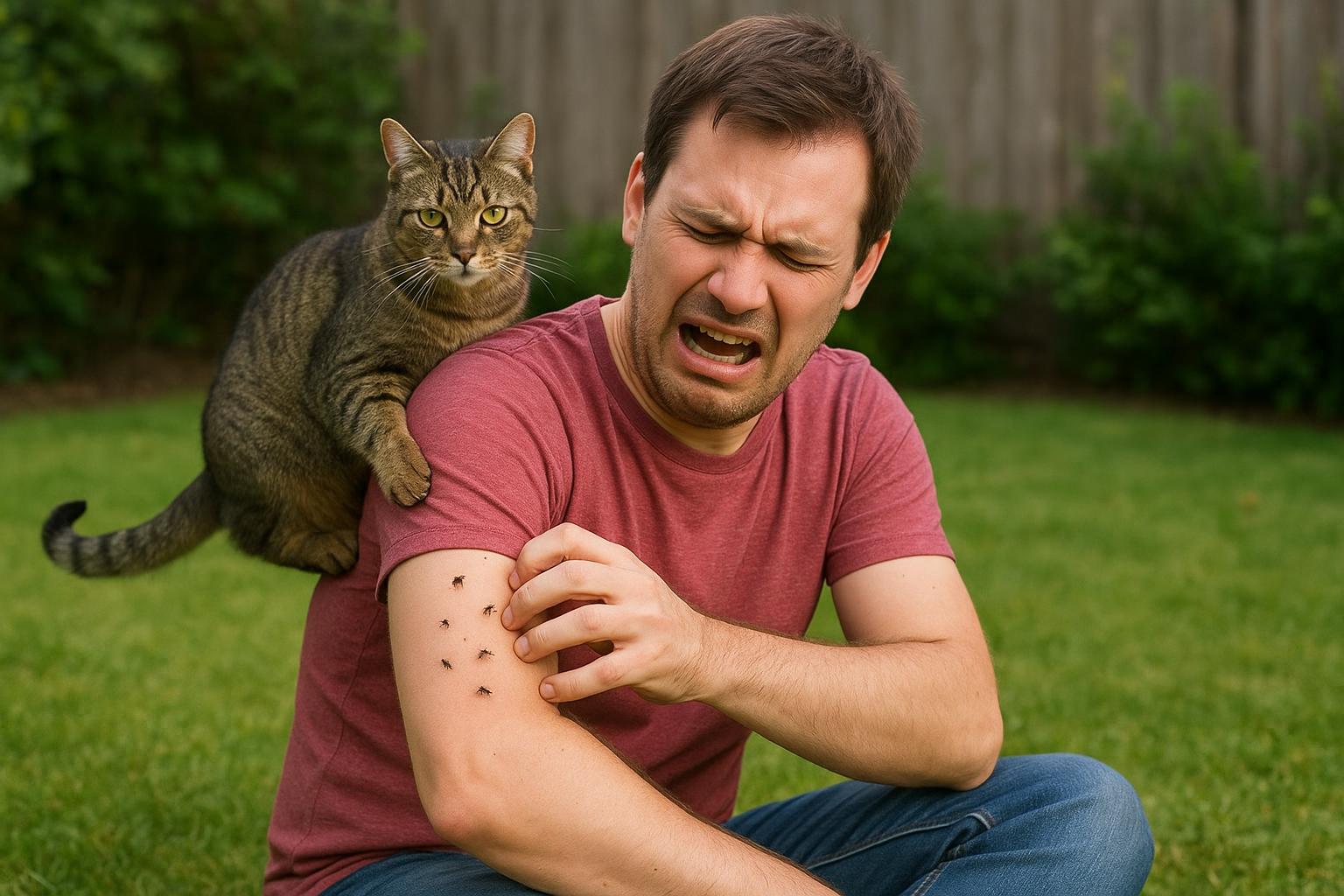
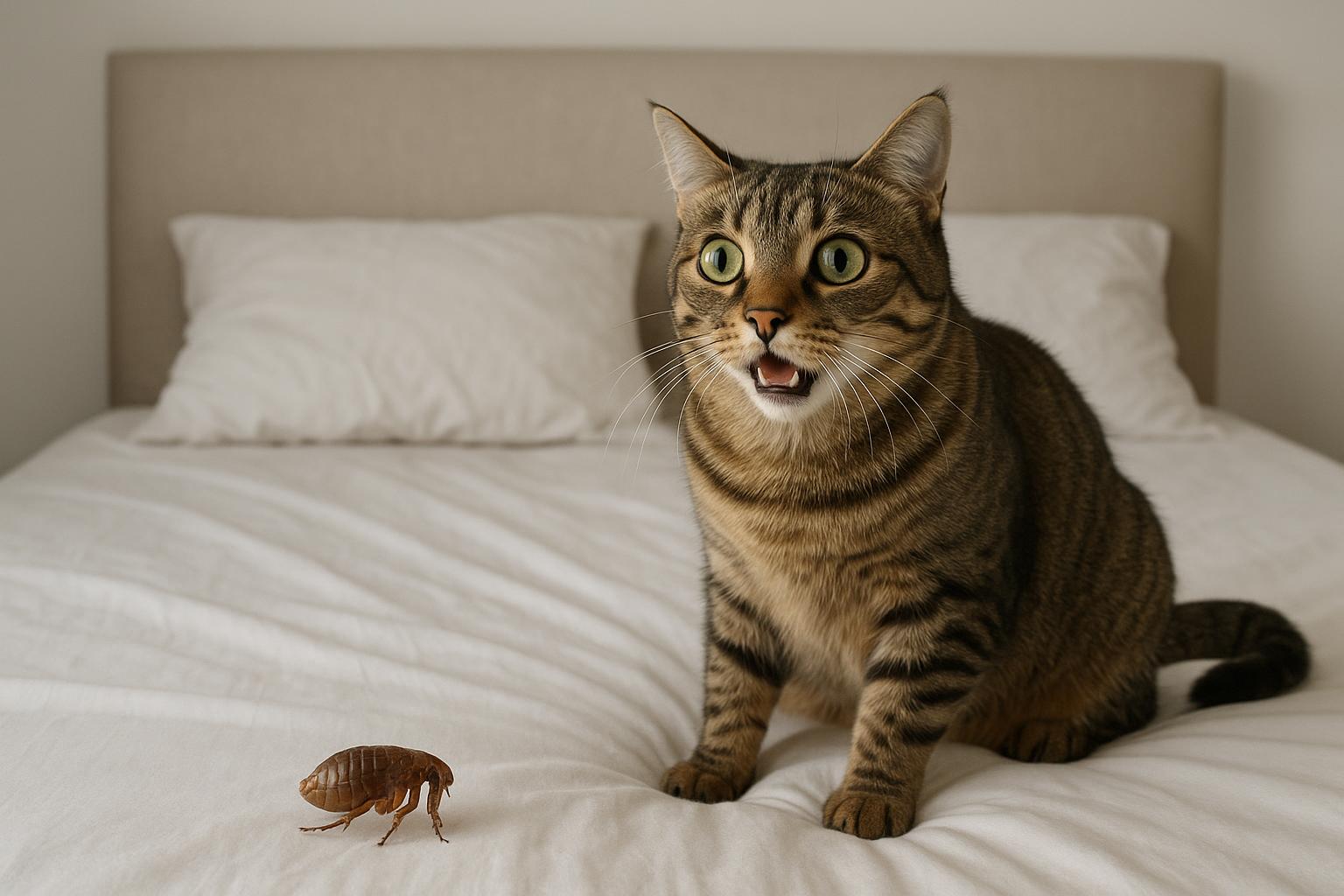
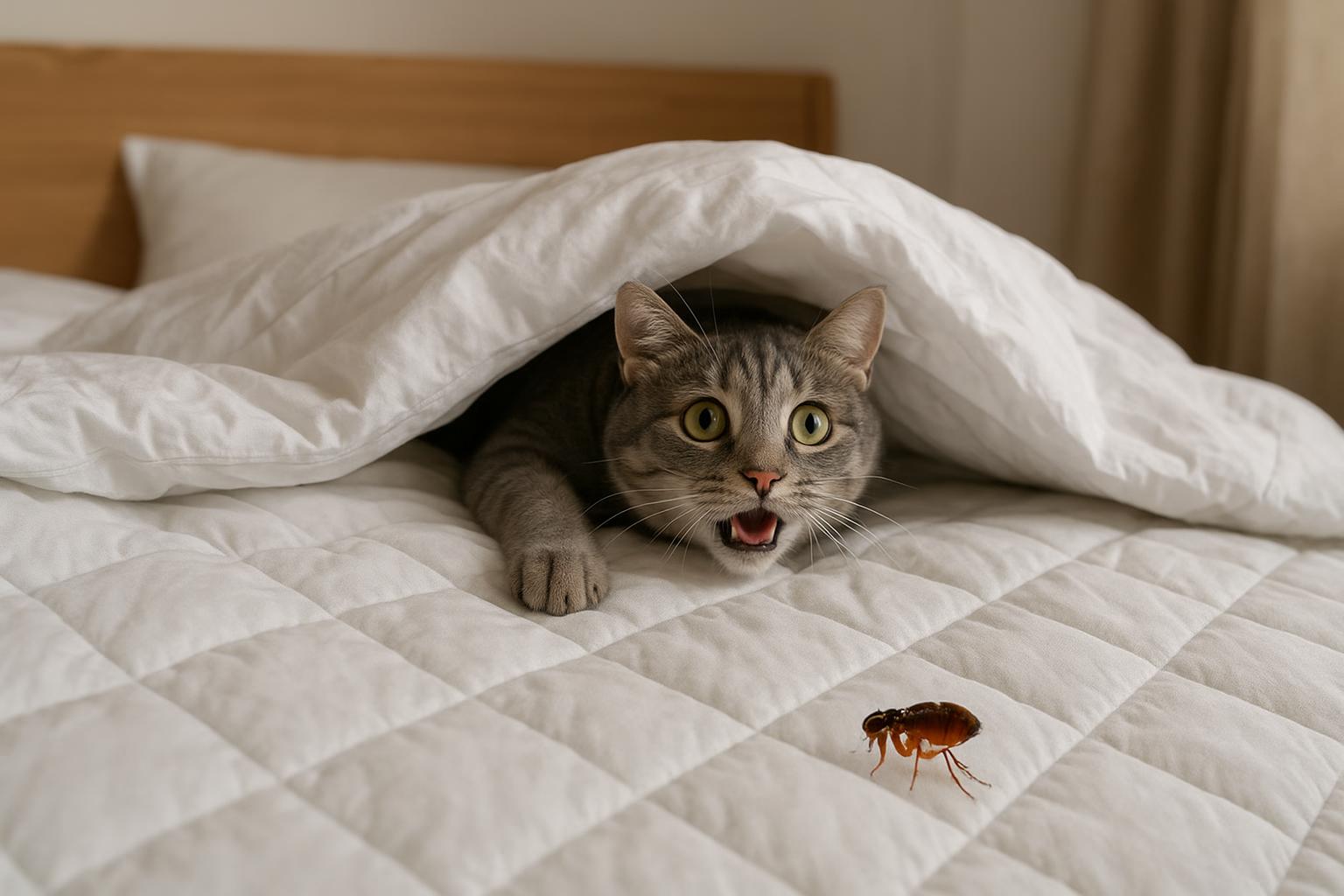
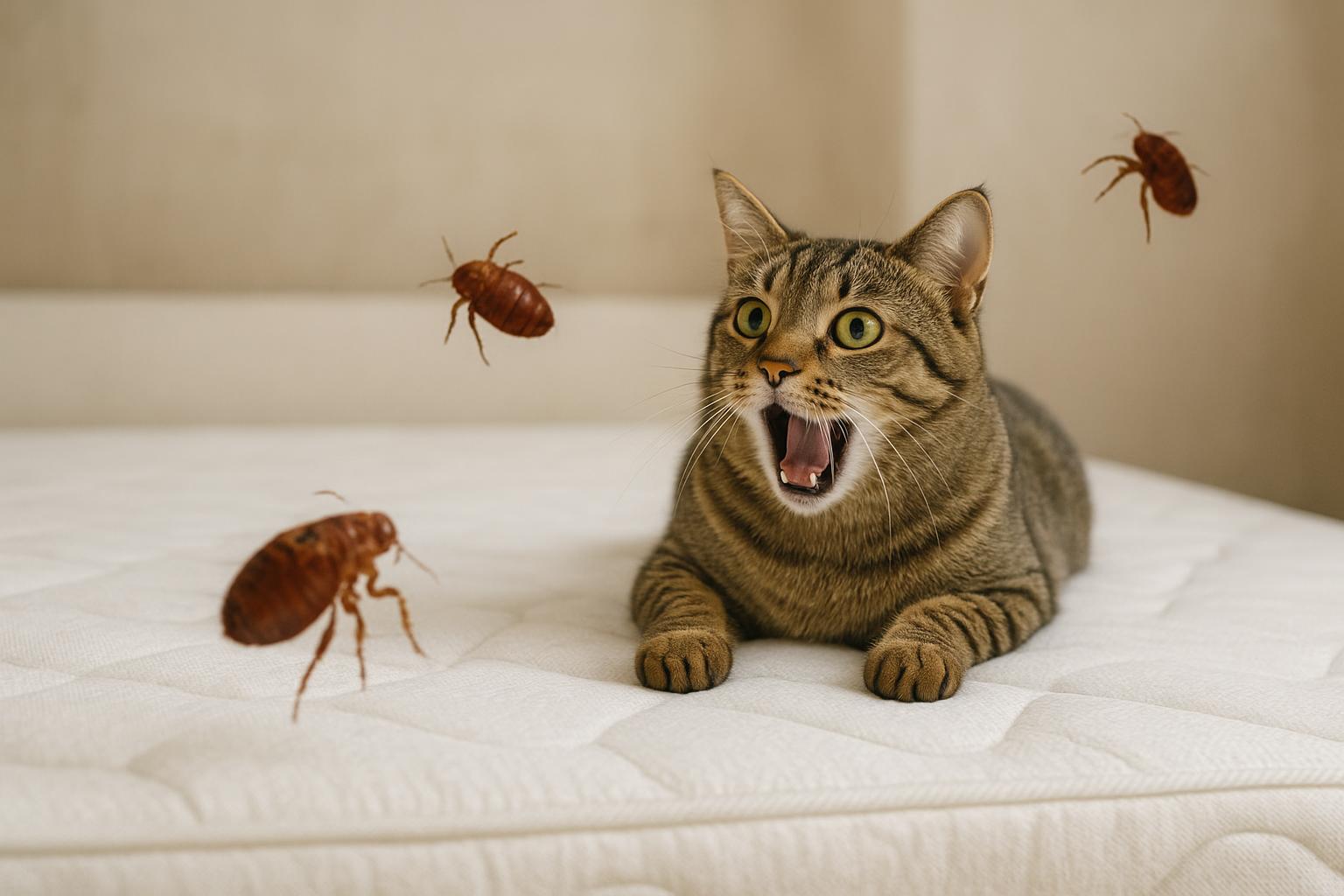
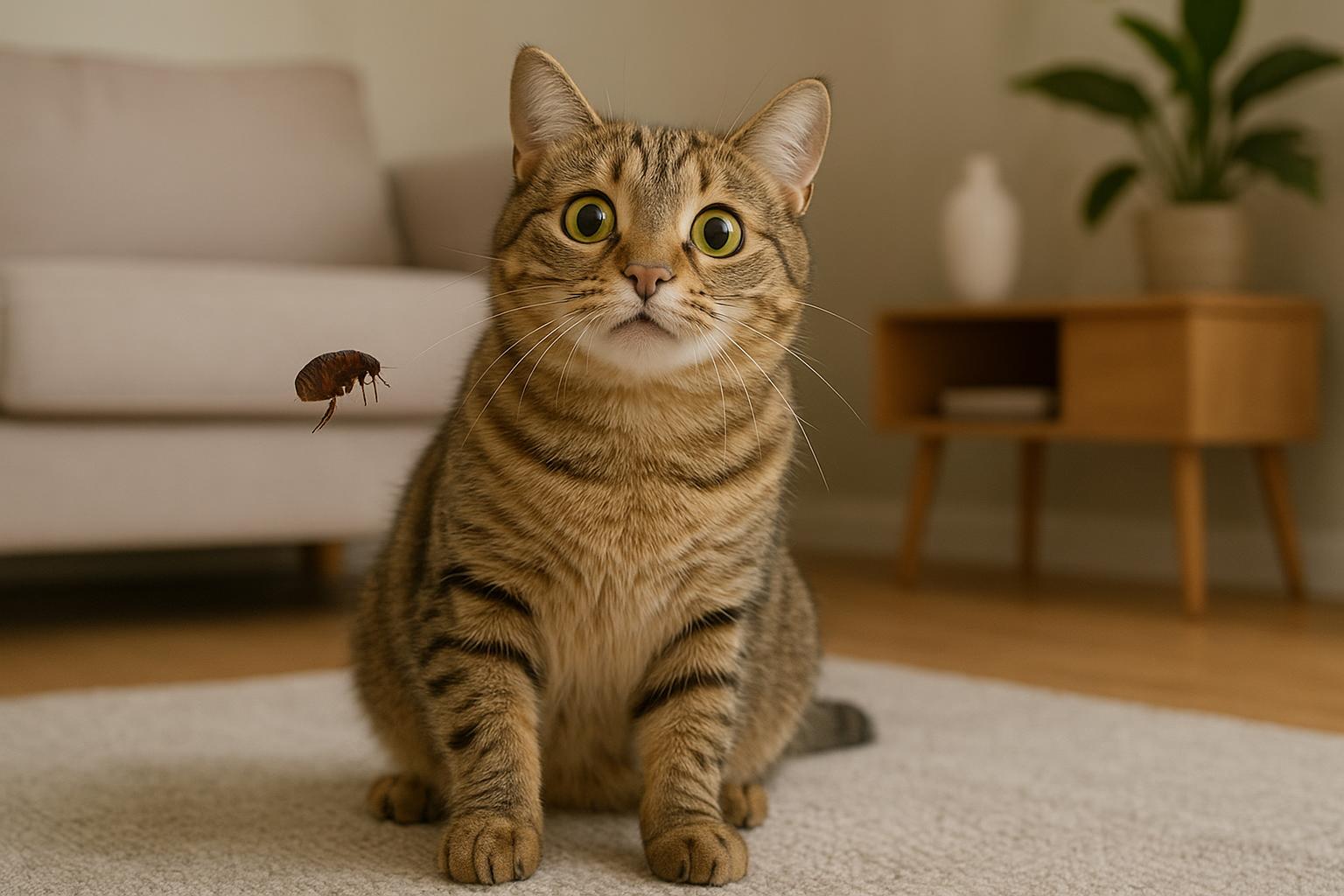
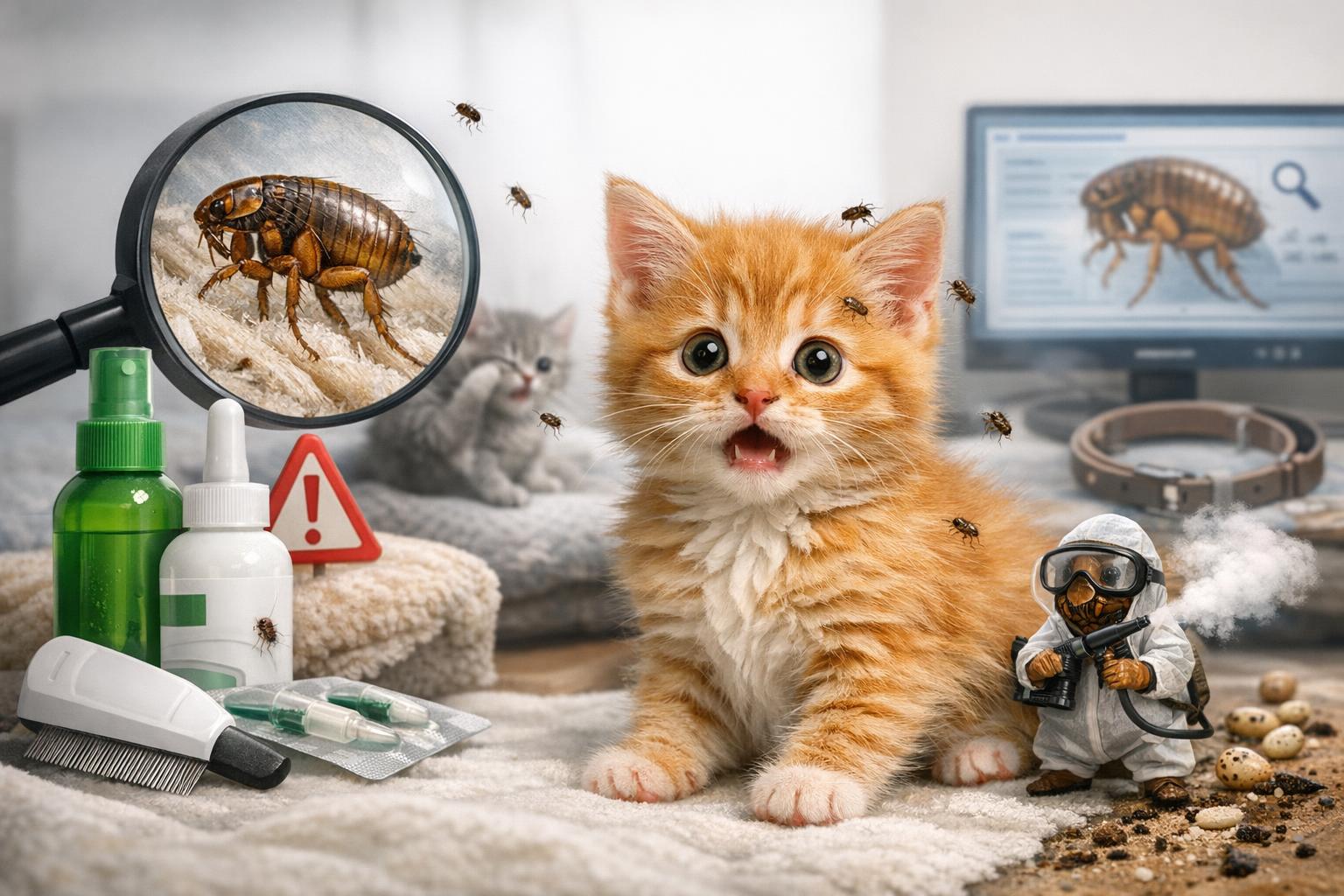
Fleas are tiny, ruthless parasites that thrive on heat, humidity, and the soft padding of a warm home. They don’t care whether your cat prowls an alley or naps on the windowsill — an indoor-only cat can still become a host through a visitor, a secondhand pillow, or a single hitchhiking flea. The right panic now can become the wrong response later. Instead, arm yourself with knowledge from an indoor cat flea prevention guide that treats urgency and accuracy with equal ferocity.
## Indoor Cat Flea Prevention Guide: What You Need To Know
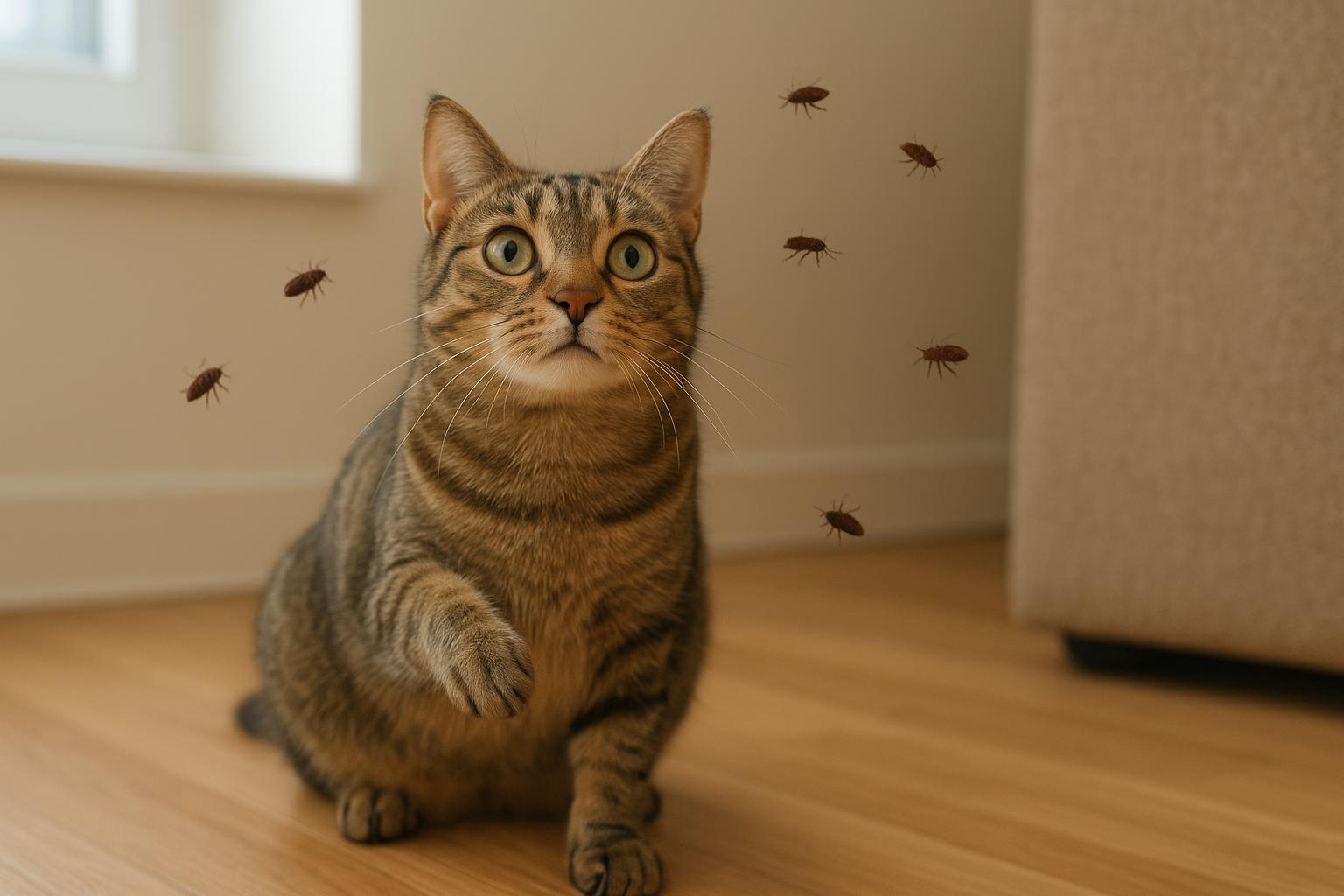
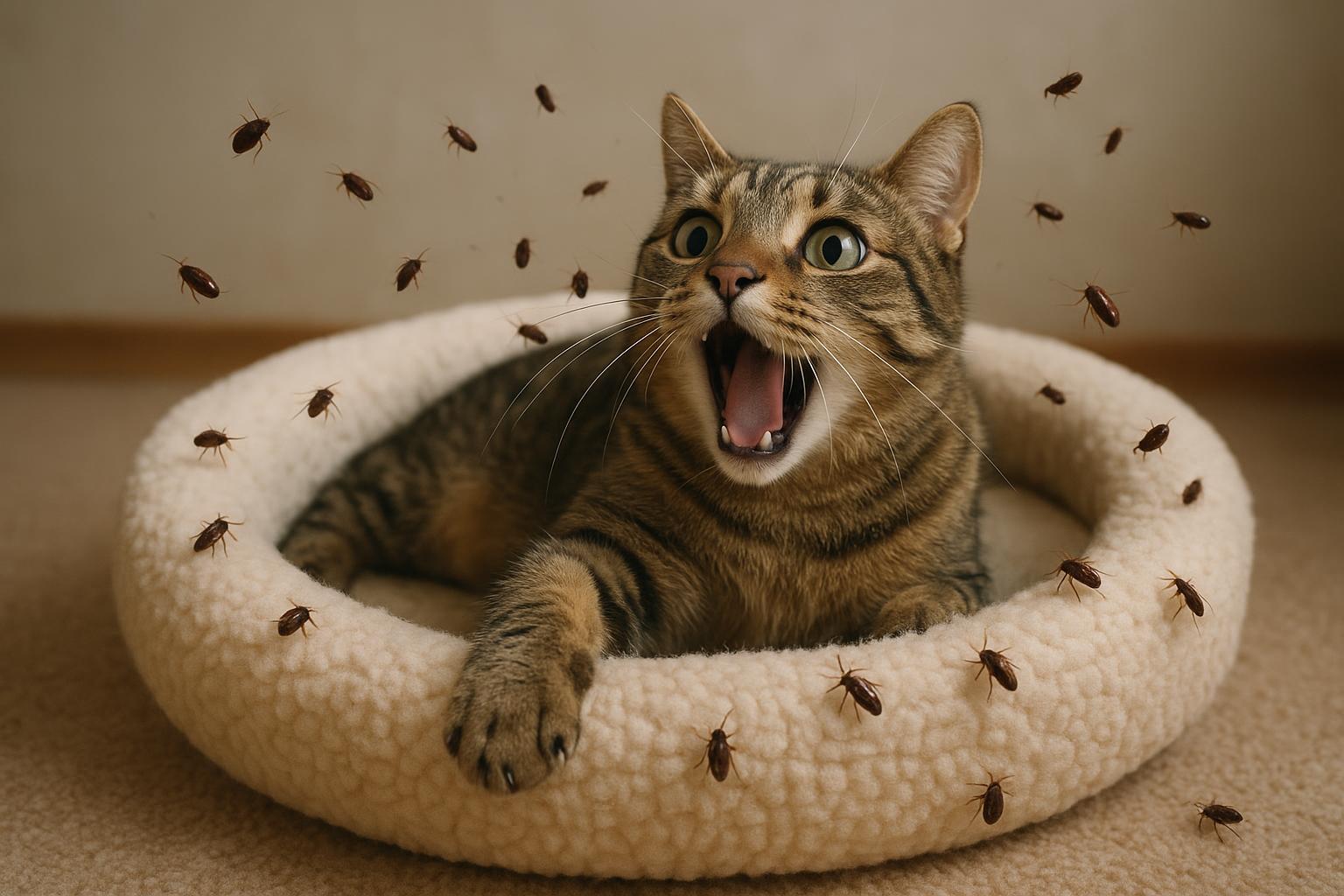
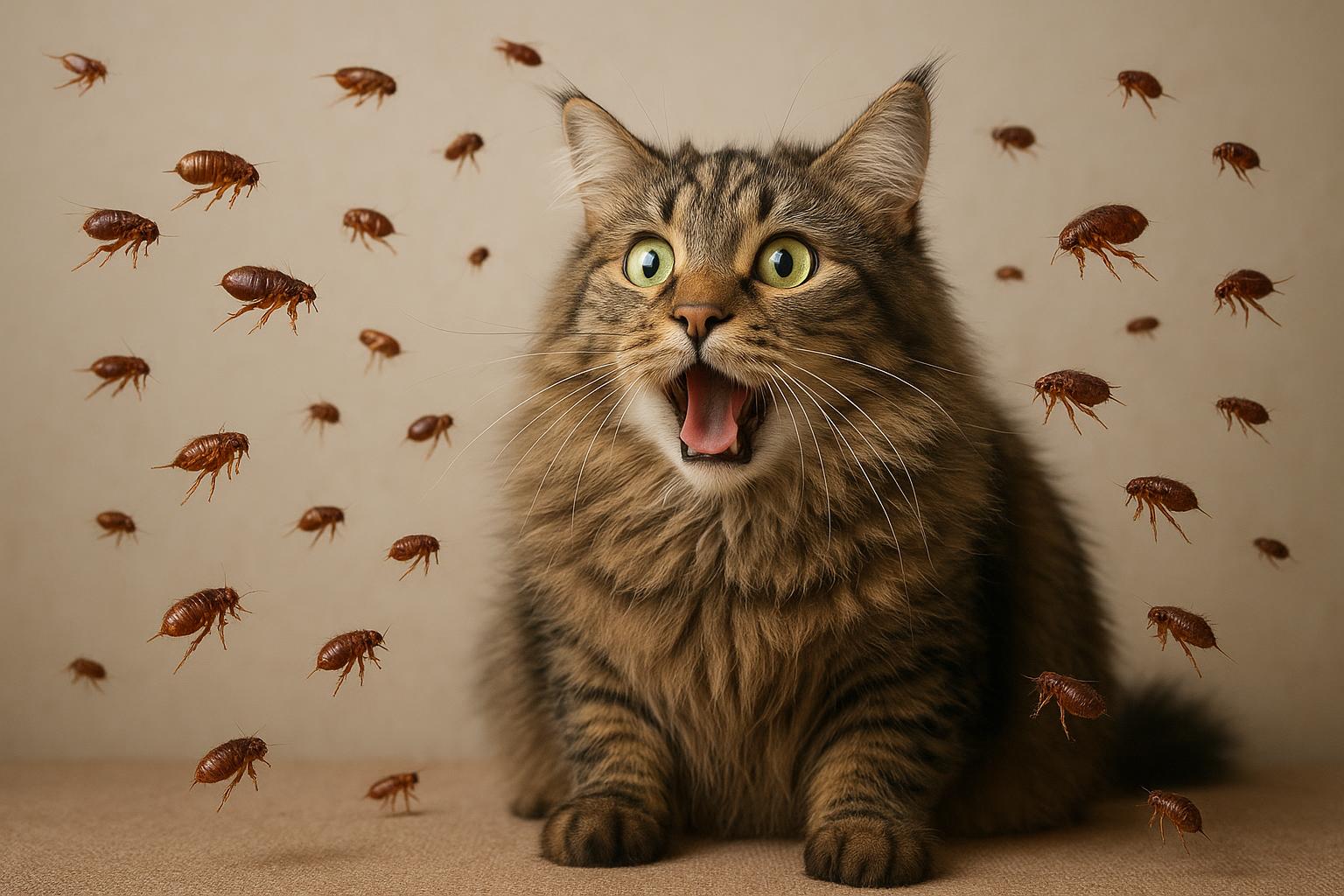
This indoor cat flea prevention guide is built to stop infestations before they root. Fleas reproduce explosively: one female can lay up to 50 eggs per day, and those eggs lodge in carpets, bedding, and the tiny crevices of your home. You must address cats, the environment, and the tiny life stages (eggs, larvae, pupae, adults) to break the cycle. Use this guide to learn prevention tactics, pet flea care essentials, and practical flea safety tips so your home doesn’t become a breeding ground.
## Essential Signs And Fast Detection
Fleas aren’t always obvious. Look for:
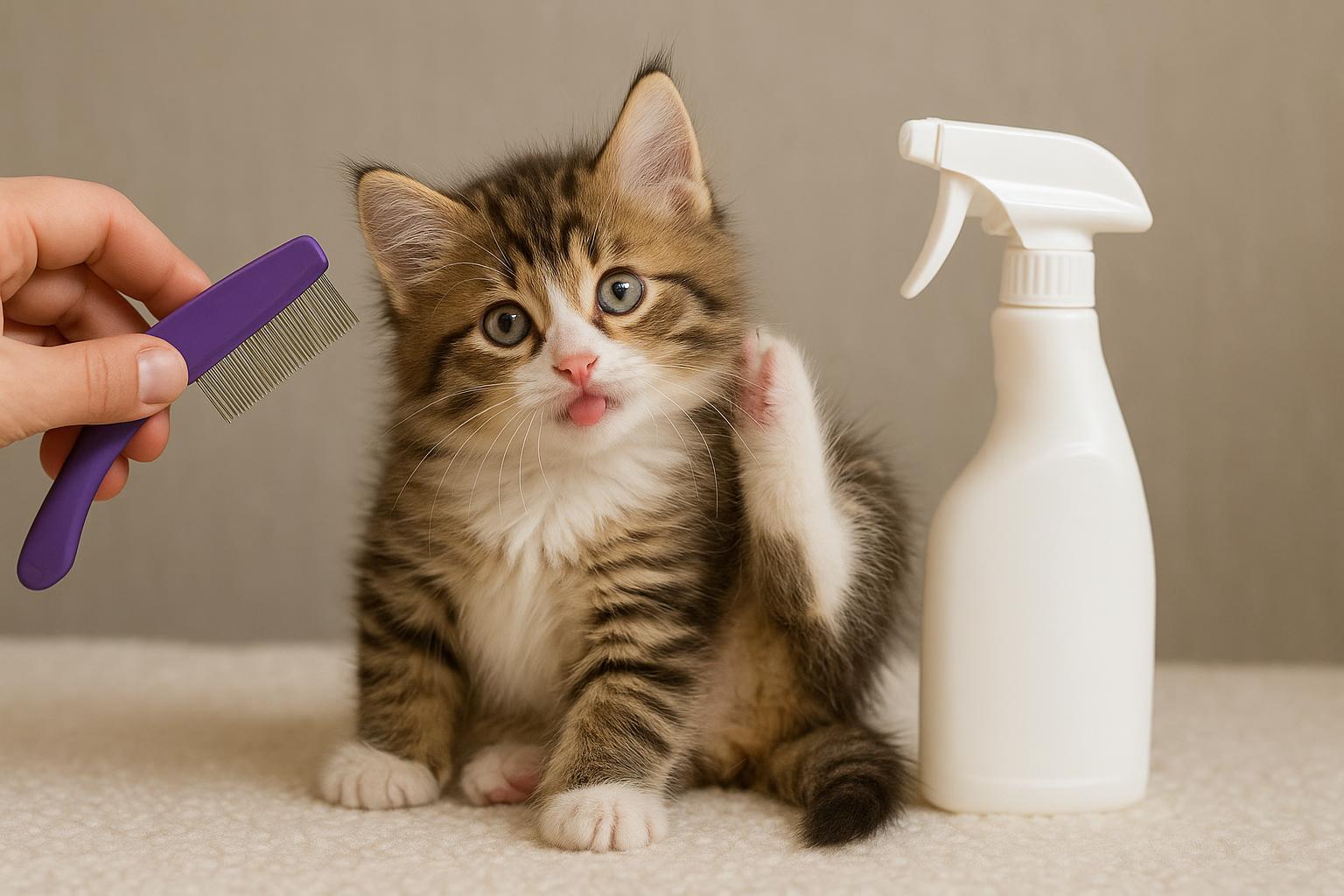
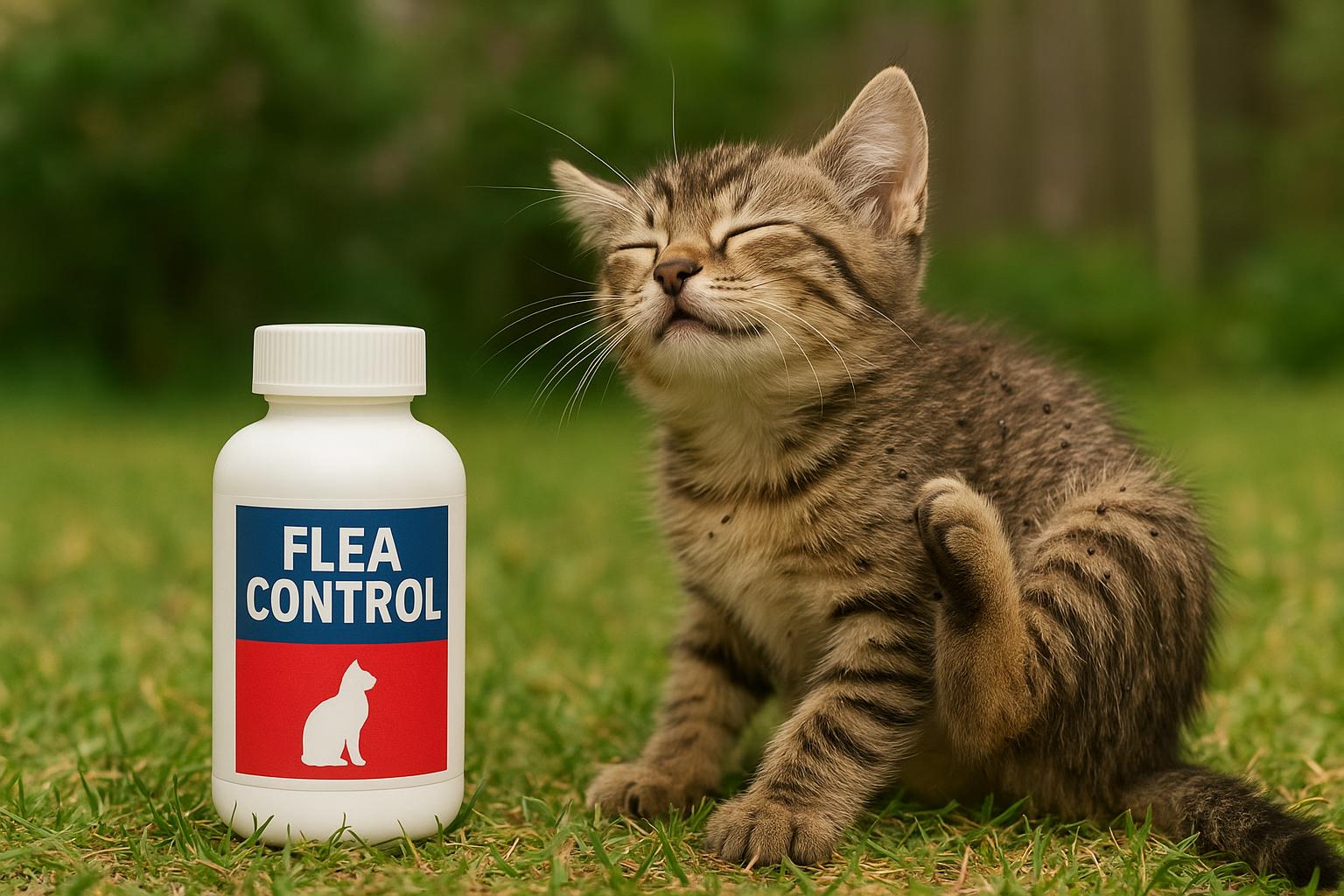
– Excessive scratching or licking, especially at the base of the tail and behind the neck.
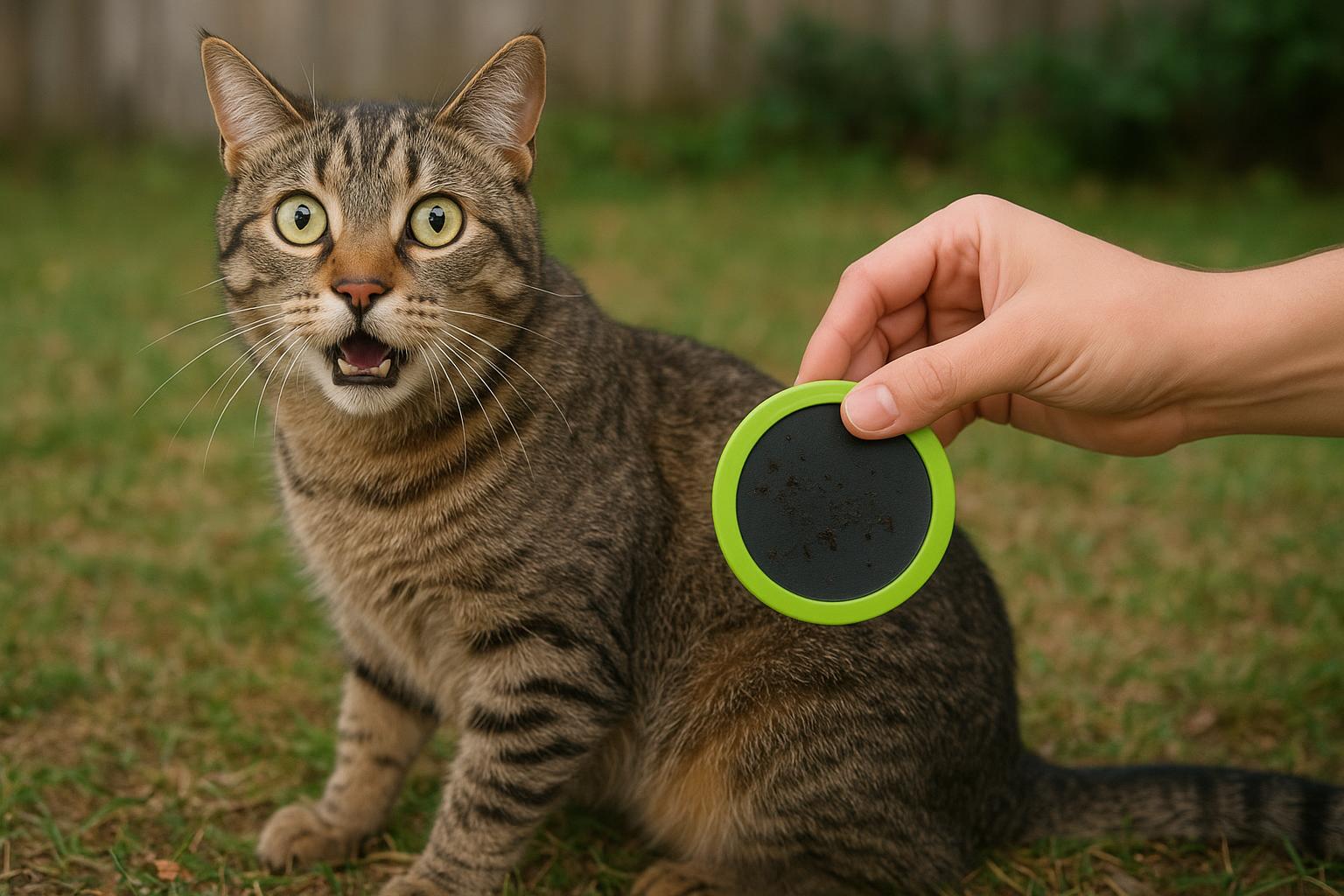
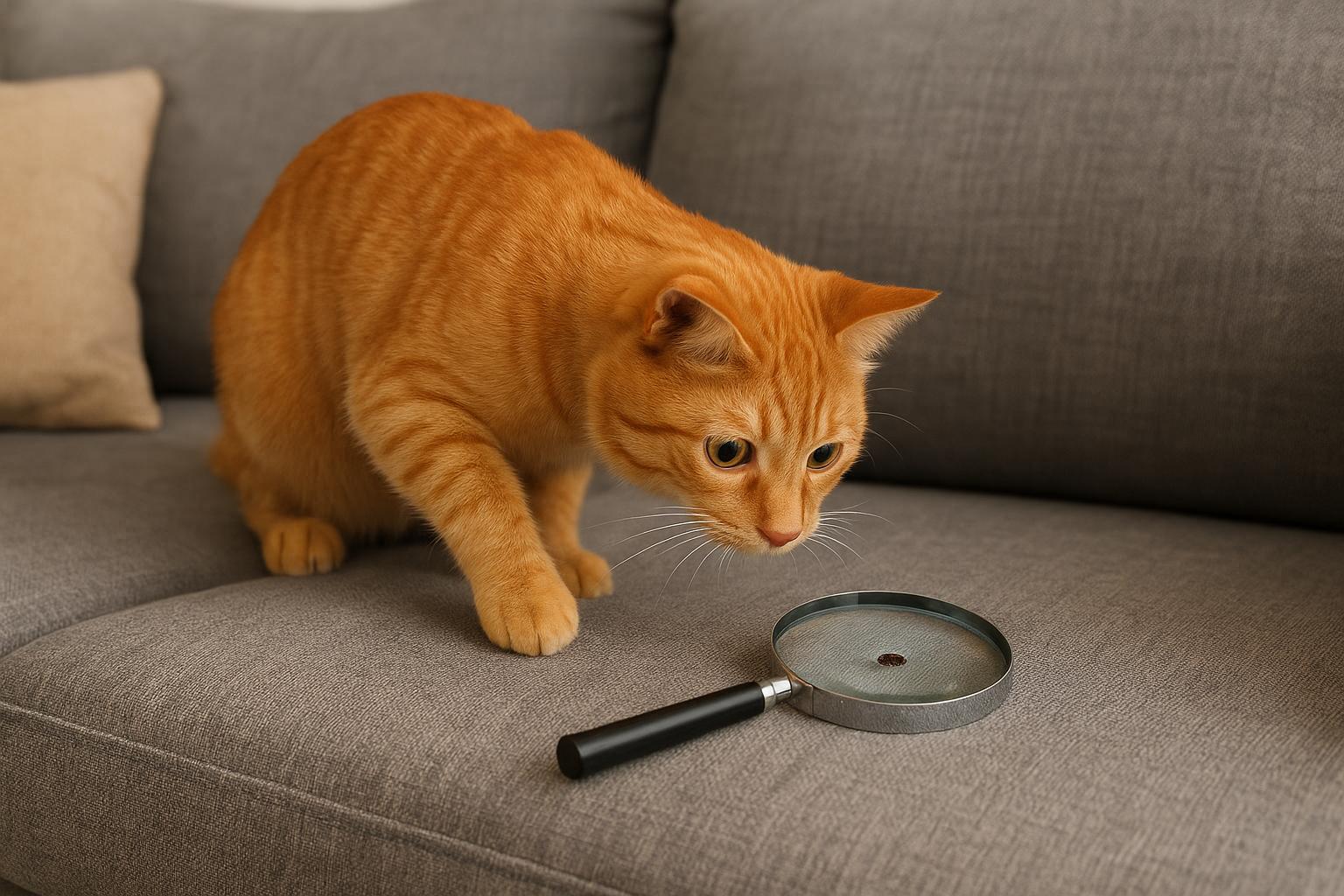
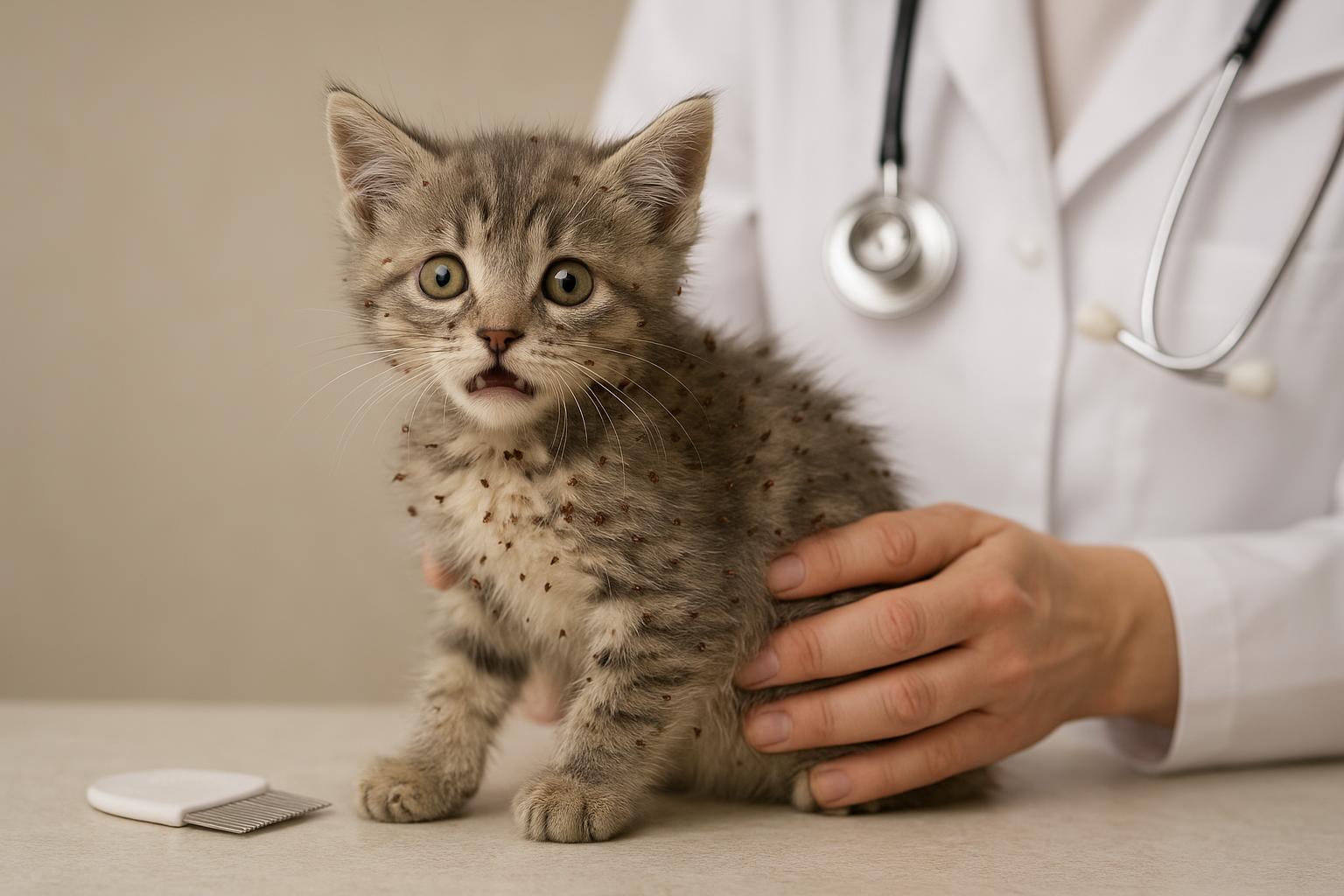
– Small black specks (flea dirt) on fur or bedding — wet the specks; if they turn reddish-brown, it’s digested blood.
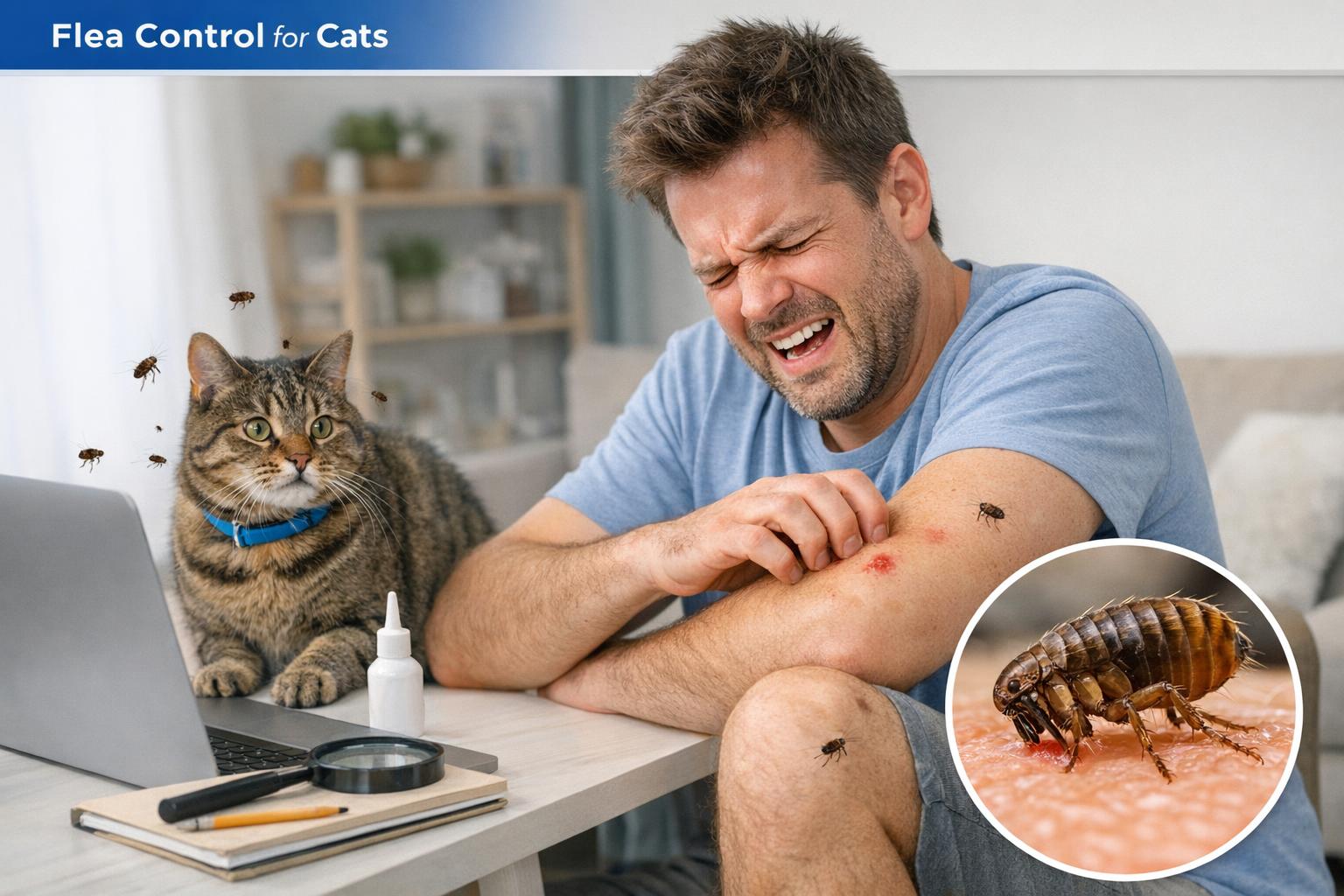
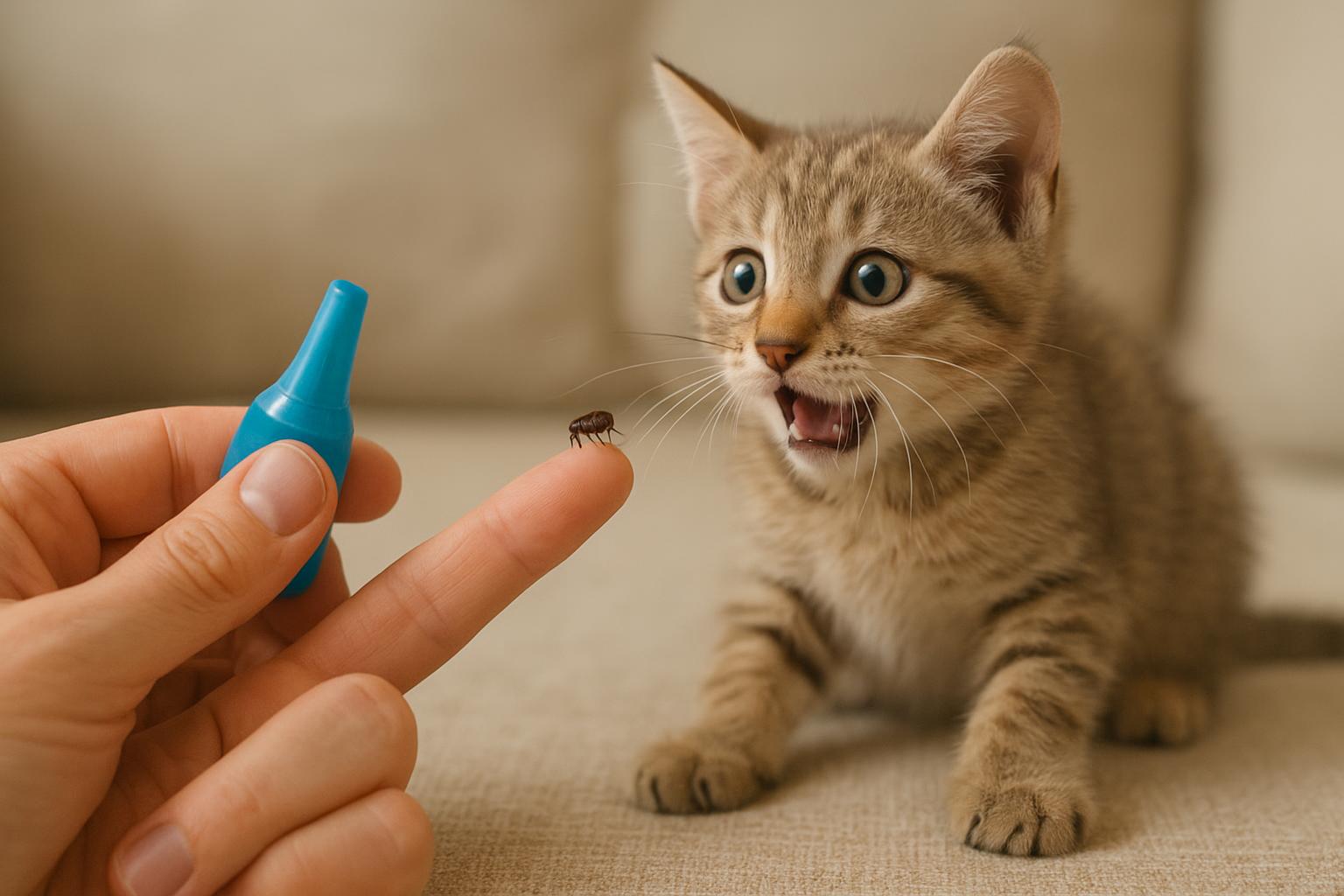
– Tiny moving dots on the skin or in the fur.
Act within 24–48 hours if you detect any of these signs. This is a battle where timing decides the winner.
## Core Principles Of Pet Flea Care
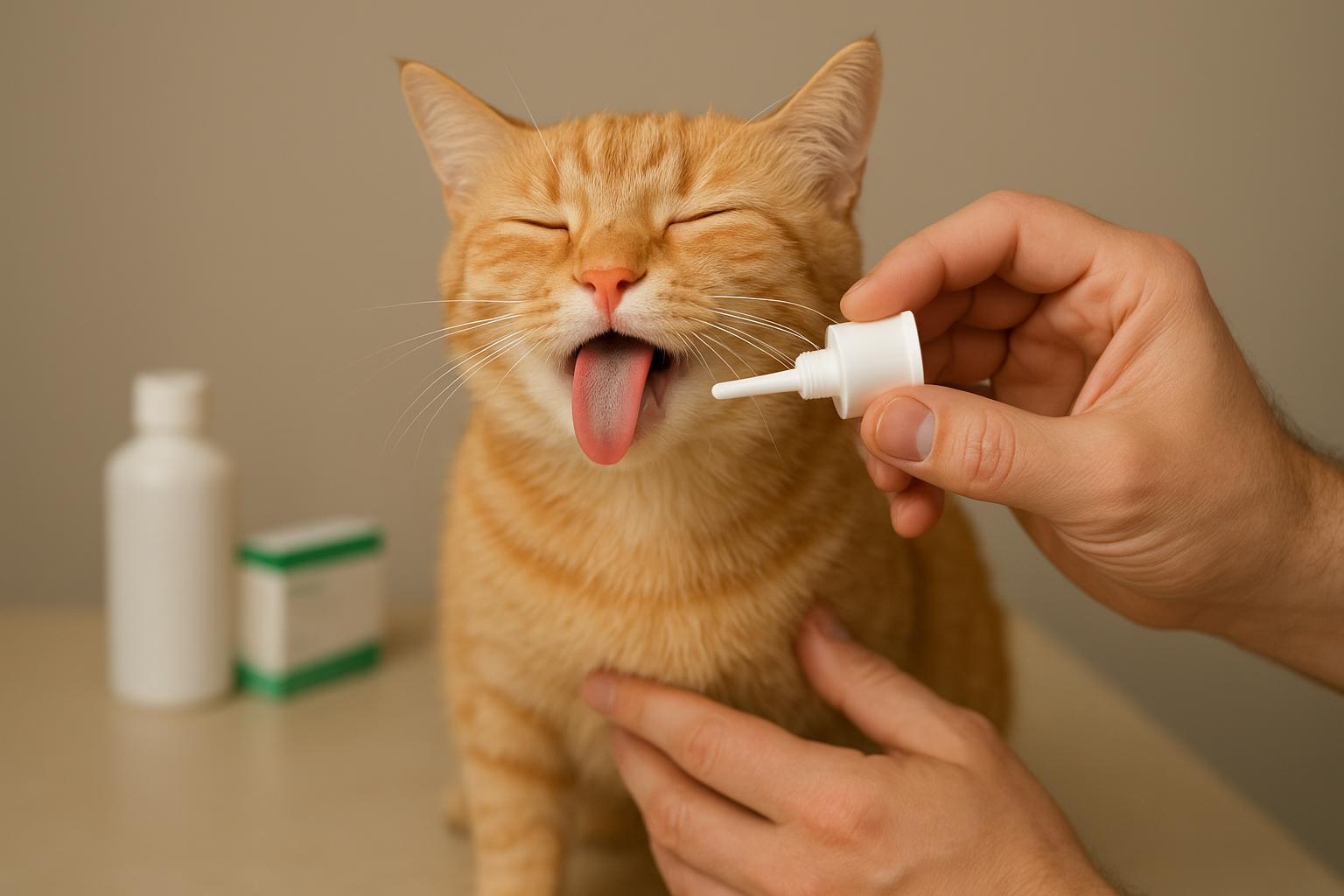
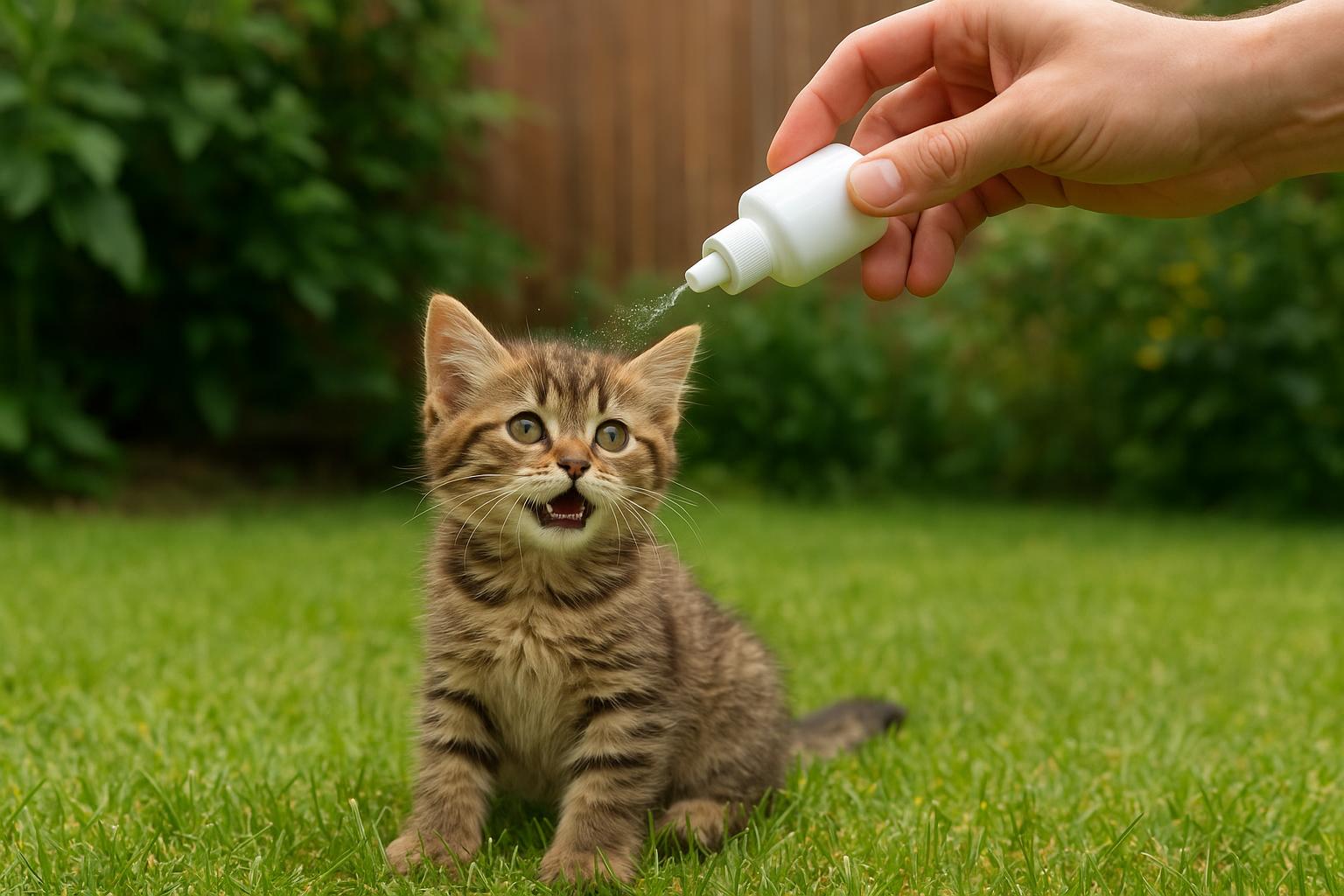
Pet flea care must be rigorous and consistent. Use veterinarian-approved flea preventatives year-round if your area has any seasonal flea activity. Grooming, frequent inspection, and proper washing of bedding are non-negotiable. Combining chemical prevention with environmental control and natural support gives you a layered defense that maximizes safety and minimizes resistance.
## Proven Home And Environmental Controls
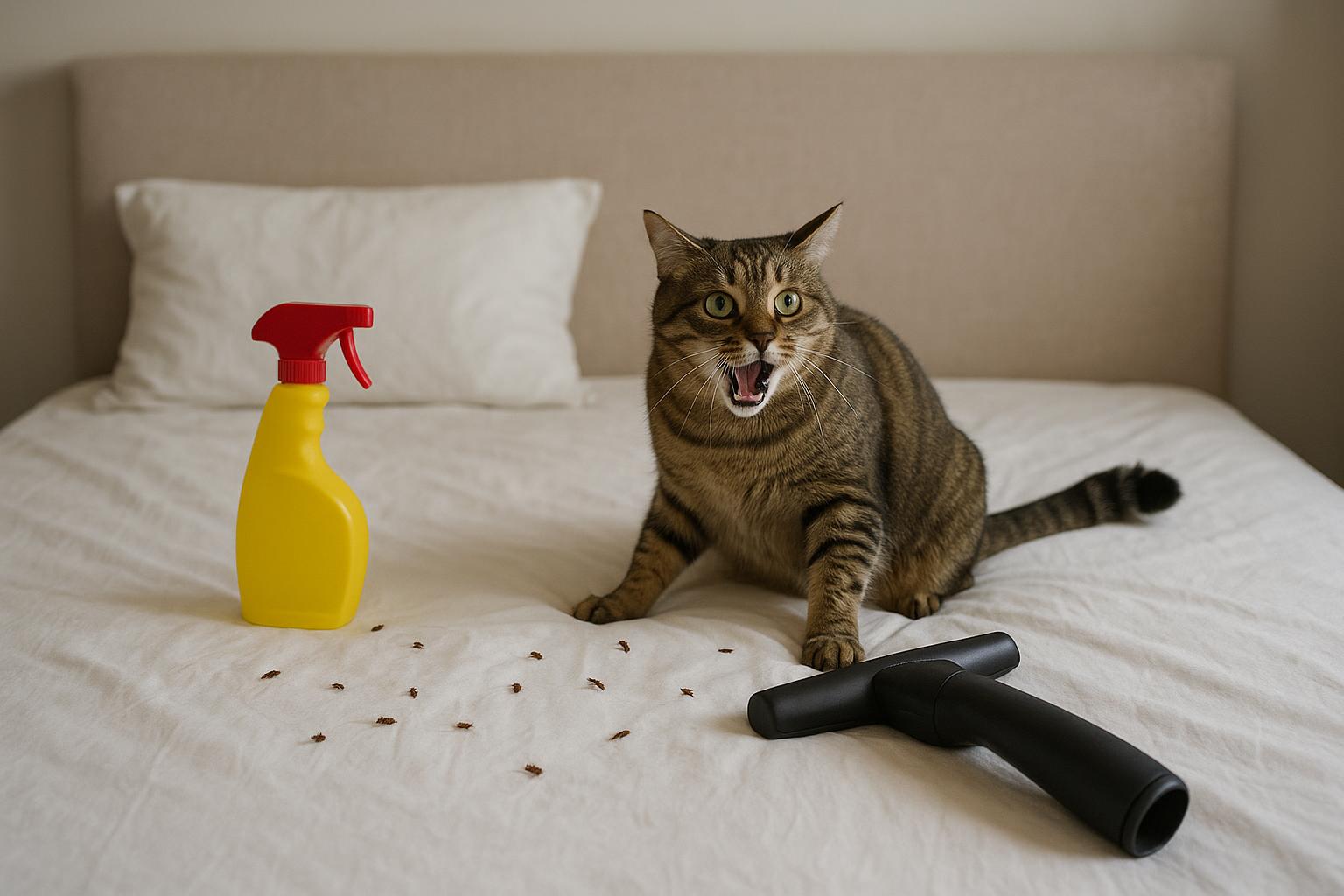
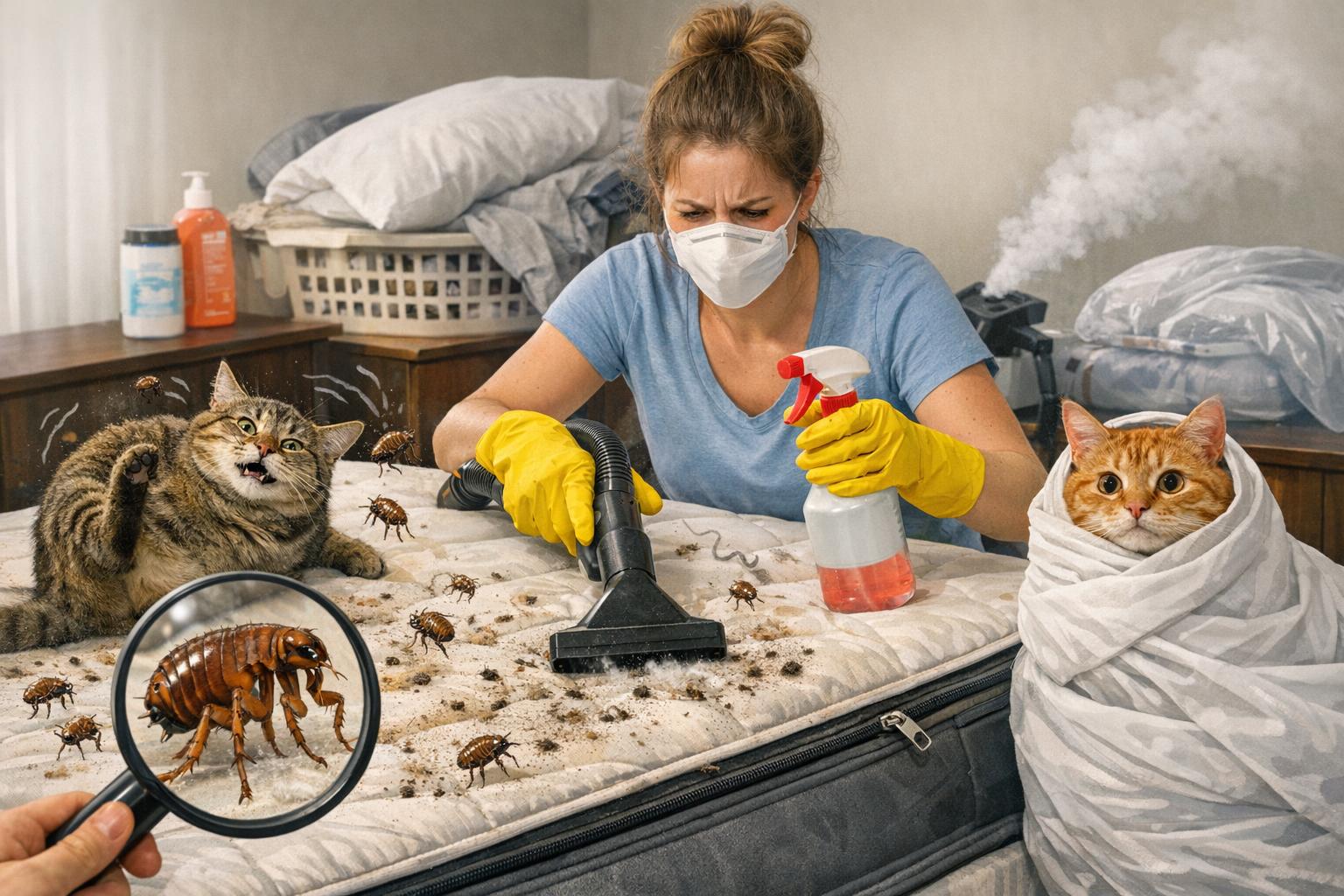
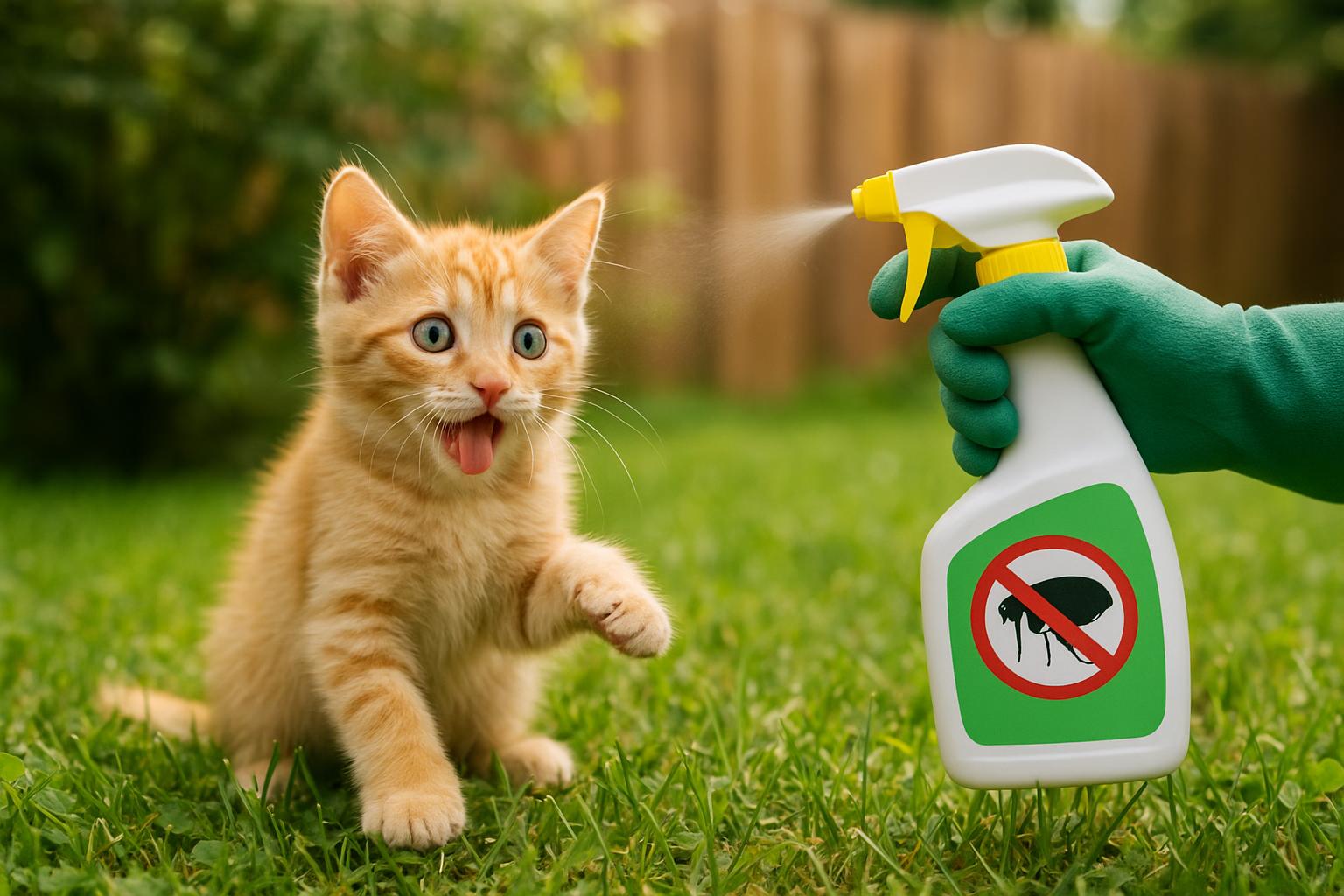
An indoor cat flea prevention guide isn’t complete without environmental action. Vacuum carpets, upholstery, and behind baseboards at least twice weekly during a suspected infestation. Wash all linens and cat bedding in hot water weekly. Steam-clean carpets and upholstery when possible; the heat kills eggs and larvae. Treat cracks and crevices in floors and furniture. These steps are the backbone of long-term control, and they protect both your pet and your household surfaces.
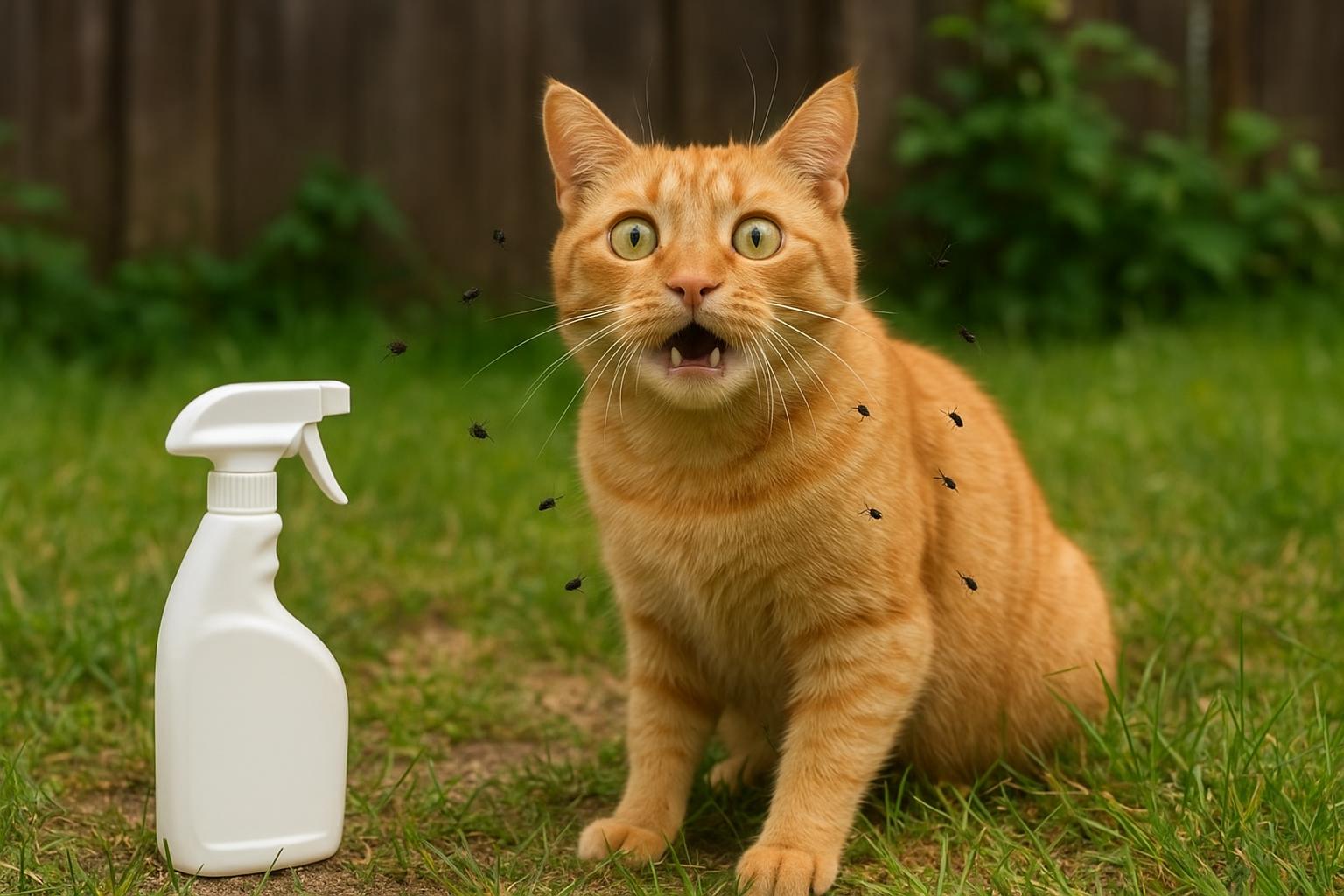
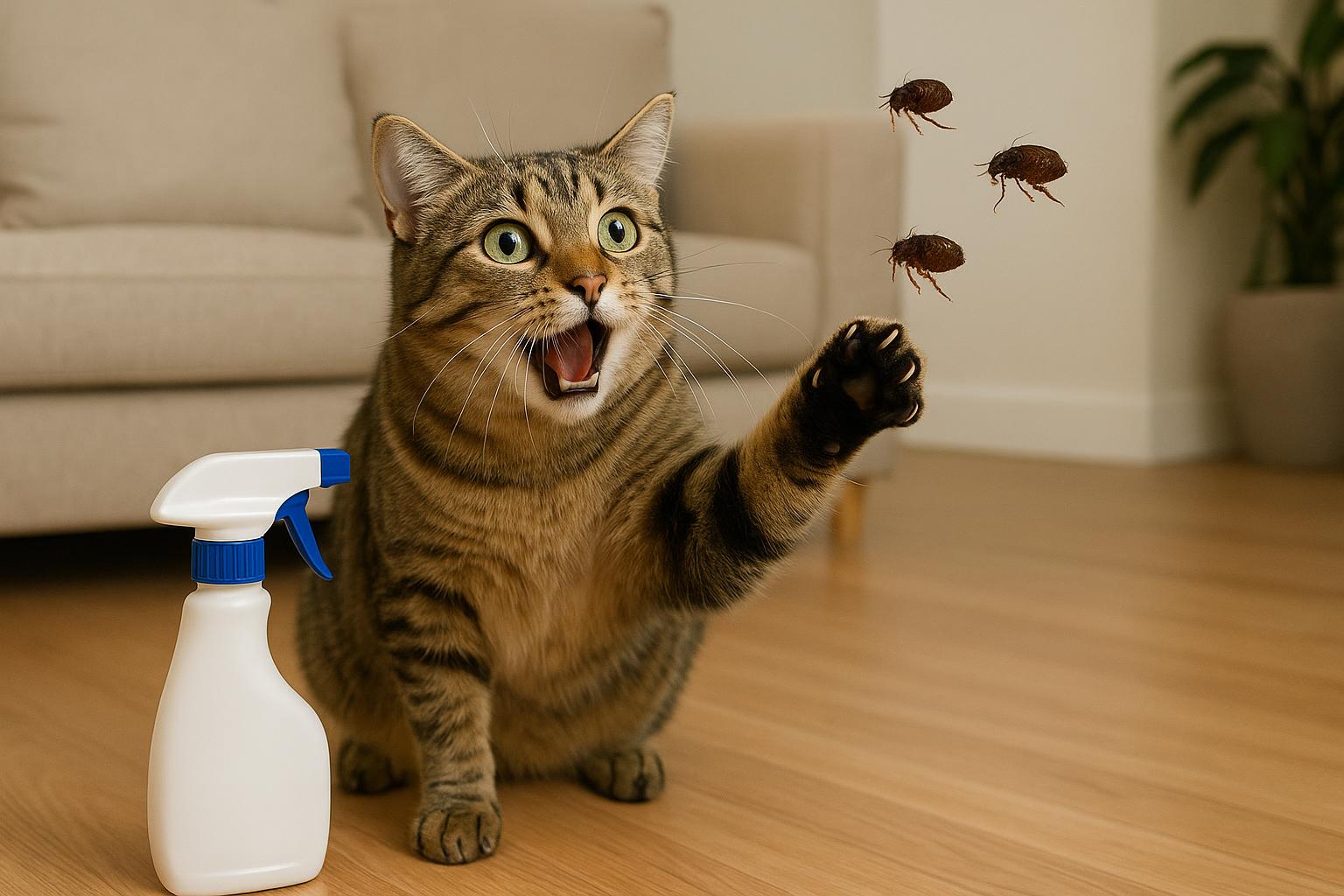
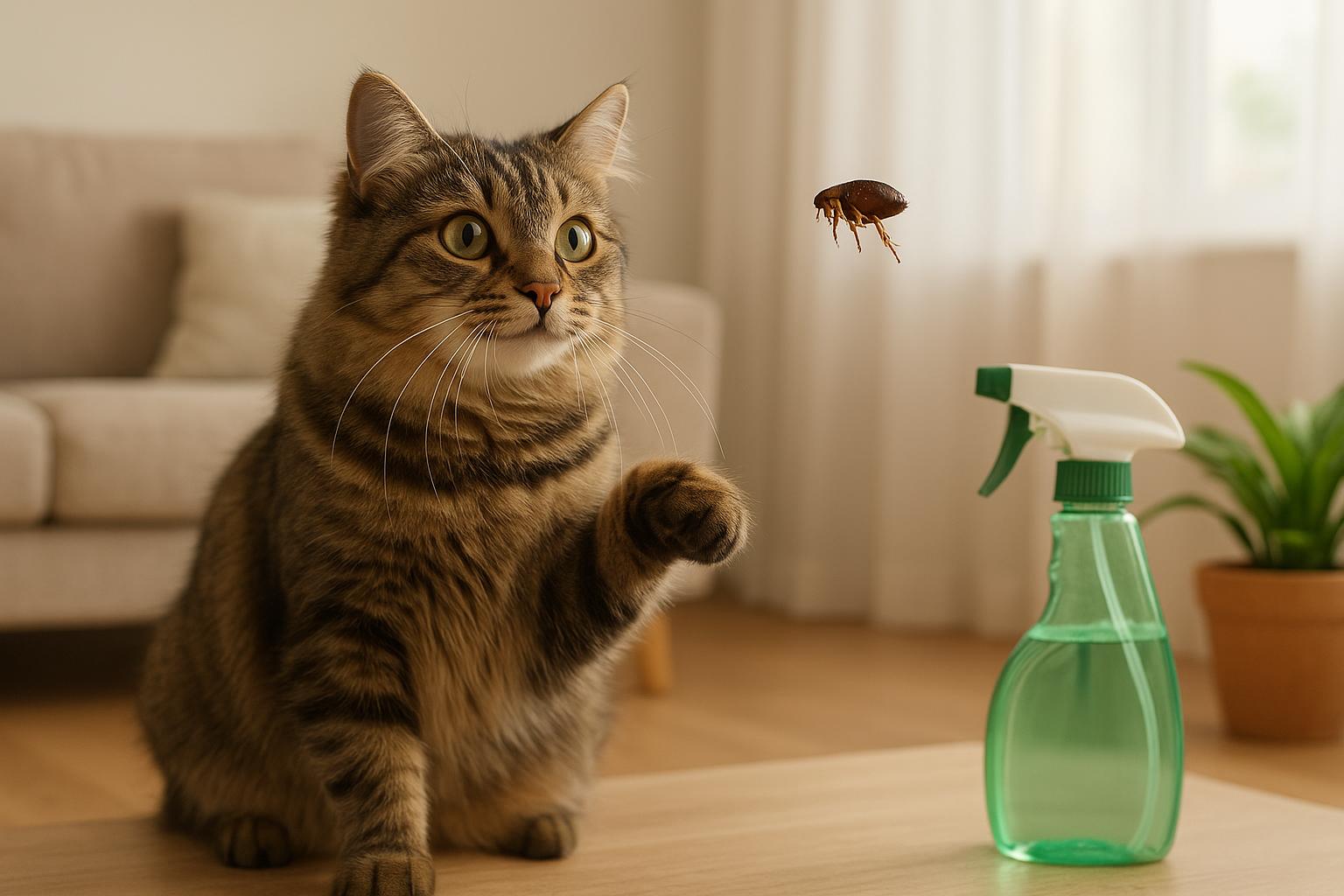
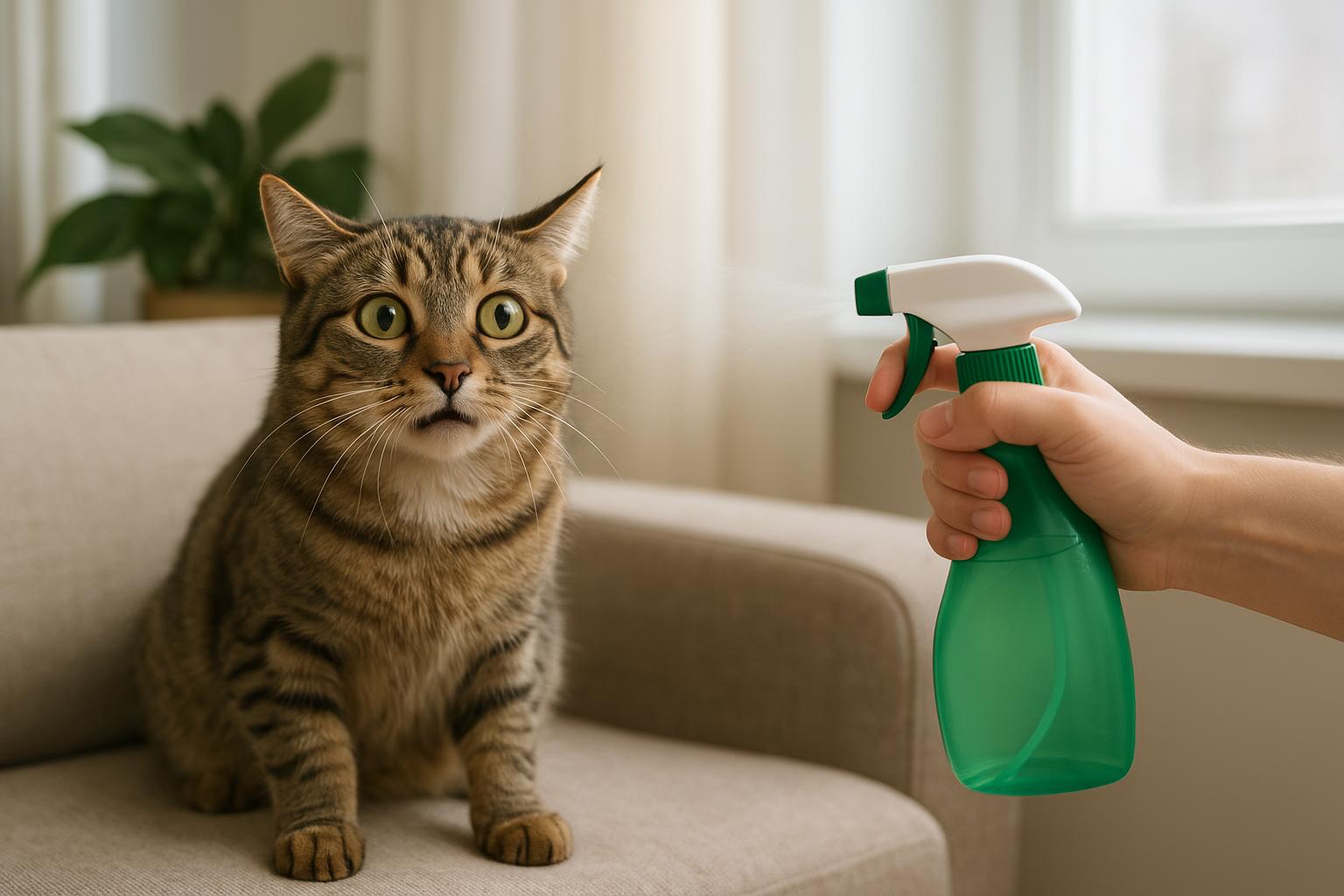
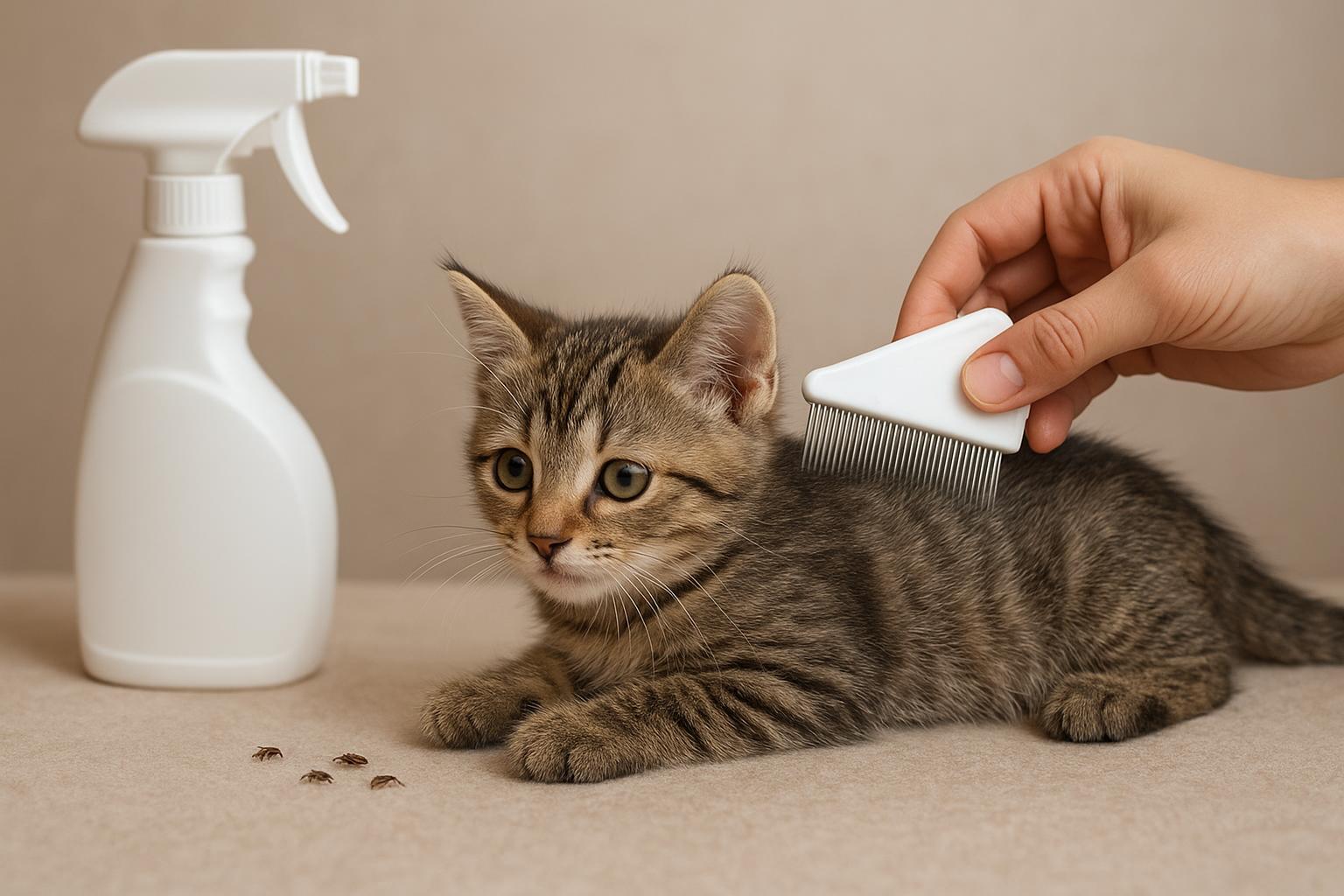
## 1. DIY Apple Cider Vinegar Flea Spray (Remedy)
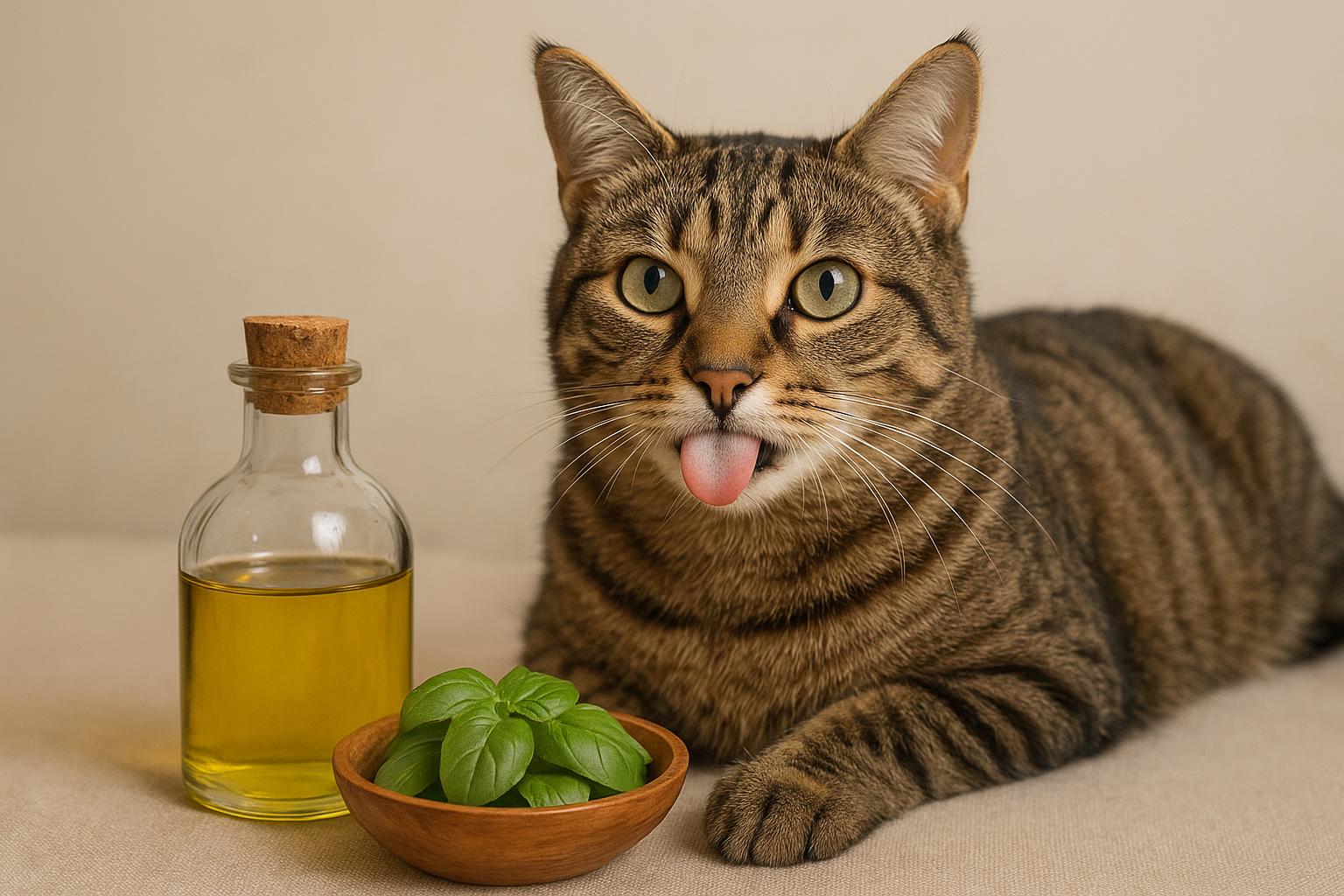
This remedy is supportive — not a primary flea killer. Use it to repel fleas and soothe irritated skin when used cautiously. Always consult your vet before applying any homemade spray to kittens, pregnant cats, or cats with skin issues.
#### Ingredients And Materials
– 1 cup water (filtered)
– 1/4 cup raw apple cider vinegar (with the “mother”)
– 1 teaspoon vegetable glycerin (optional, for skin soothing)
– Spray bottle (glass or high-quality plastic)
– Fine mesh strainer or cheesecloth
#### Preparation And Application Steps
1. Combine water and apple cider vinegar in the spray bottle. Add glycerin if using.
2. Shake gently to mix; strain before first use if the vinegar has sediment.
3. Test a small patch on your cat’s flank: spray onto your hand and then rub briefly at a small area of fur. Wait 24 hours for any reaction.
4. If no reaction, lightly mist your cat’s coat from a distance (avoid eyes, nose, mouth, and open wounds). Rub through fur with your hands to ensure light coverage.
5. Apply once daily as a repellent, reduced to 2–3 times weekly for maintenance. Stop if irritation occurs.
Note: This is a repellent and calming spray. It does not kill fleas reliably and should be combined with veterinary flea treatments as part of complete pet flea care.
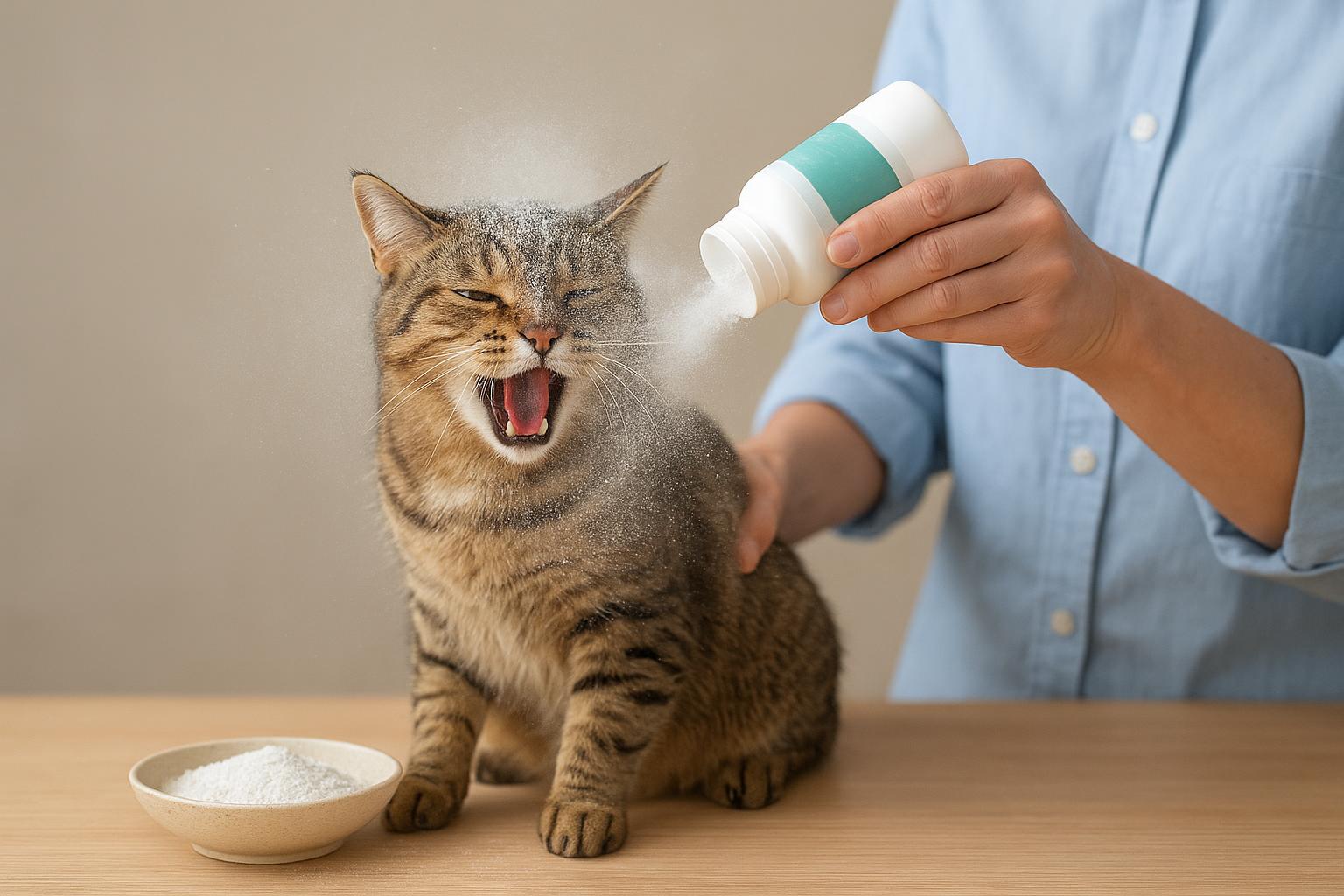
## 2. Diatomaceous Earth Environmental Dusting (Remedy)
Diatomaceous earth (food grade) abrades and dehydrates fleas in juvenile stages. It’s harsh on tiny insects but safe for humans and pets when used correctly and sparingly.
#### Materials Required
– Food-grade diatomaceous earth (DE)
– Dust mask and gloves
– Broom or brush and vacuum
– Stiff brush for mattresses and upholstery
#### Creation And Application Steps
1. Put on a mask and gloves to avoid inhaling dust.
2. Lightly sprinkle DE over carpets, along baseboards, under furniture, and in pet resting areas. Use just enough to make a thin dusting.
3. Work it into carpets and fabric with a stiff brush to reach larvae and pupae.
4. Leave DE undisturbed for 48–72 hours, then vacuum thoroughly. Dispose of vacuum bag or empty canister contents into a sealed trash bag outside your home.
5. Repeat every 7–10 days for 3–4 applications in an active infestation, then reduce frequency for maintenance.
Safety: Use food-grade DE only. Keep DE away from your cat’s face and breathing zone. Consult the vet if your cat has respiratory issues.
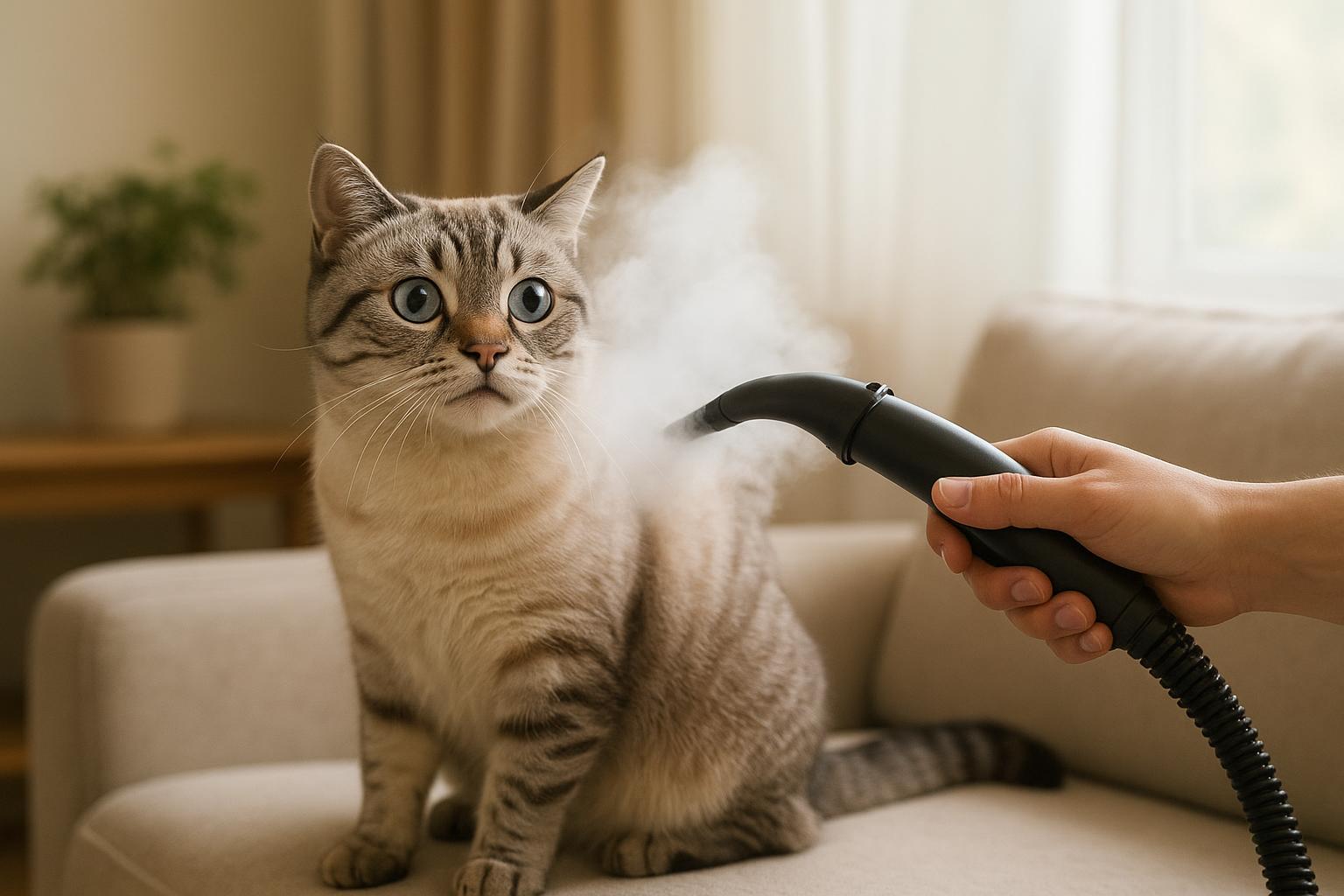
## 3. Steam Cleaning And Heat Treatment (Remedy)
Heat kills all flea stages reliably. Steam cleaning is a non-chemical, formal approach for severe infestations.
#### Materials And Tools
– High-temperature steam cleaner (commercial or home unit)
– Hot wash capability on laundry machine
– Protective gloves
#### Step-By-Step Protocol
1. Launder all bedding, rugs, and removable cushions in the hottest water the fabric allows; use the dryer on high heat for at least 30 minutes.
2. Steam-clean carpets, upholstery, and pet beds systematically. Move furniture to clean under and behind pieces.
3. Pay special attention to edges of rooms, pet nap spots, and areas your cat frequents.
4. Repeat steam cleaning every 7–10 days until flea activity stops, then maintain monthly during high-risk seasons.
Formal Note: This method is effective because heat disrupts the flea life cycle without chemical exposure, aligning with strong flea safety tips for indoor cats.
## Vet-Recommended Chemical Preventatives And Safety
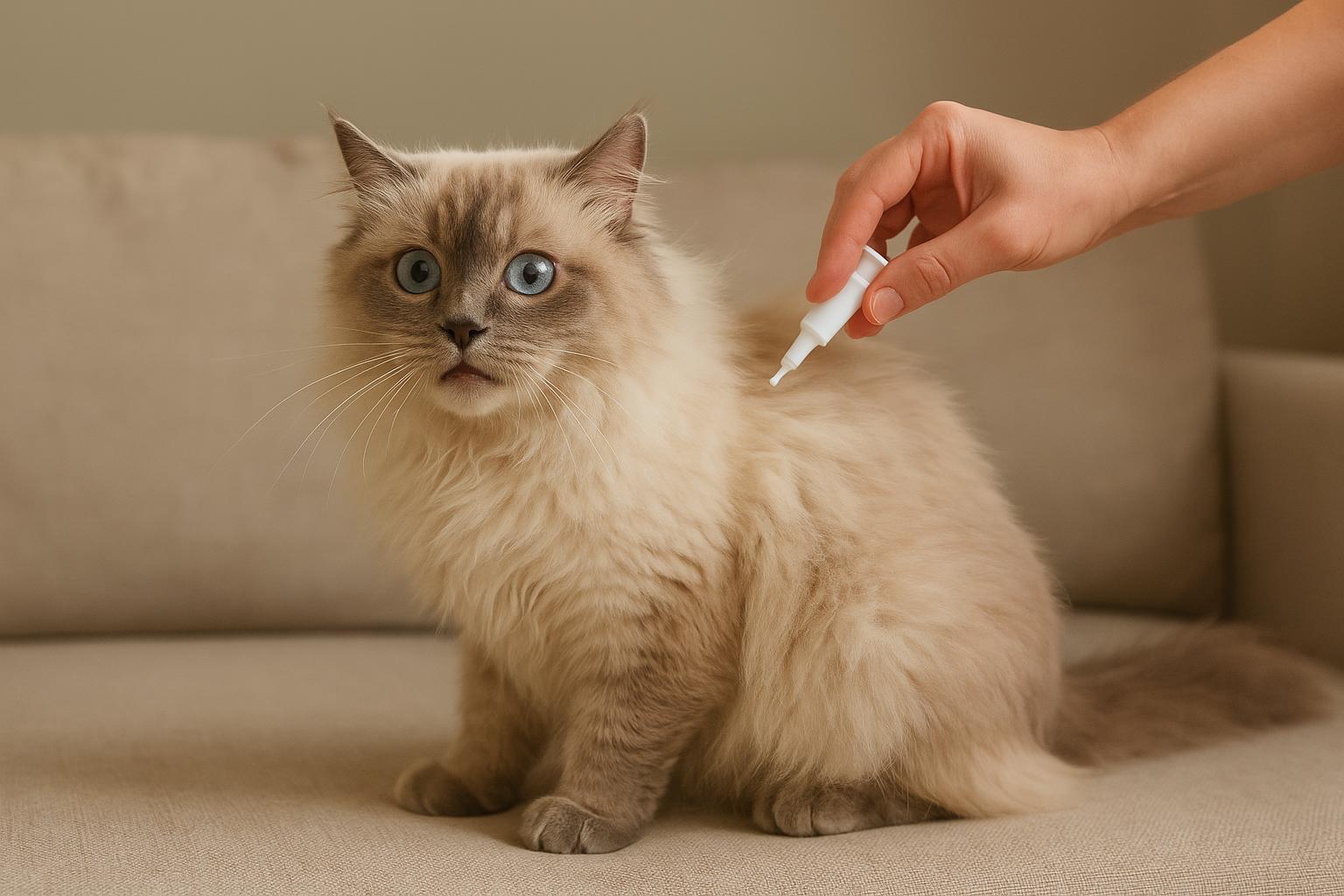
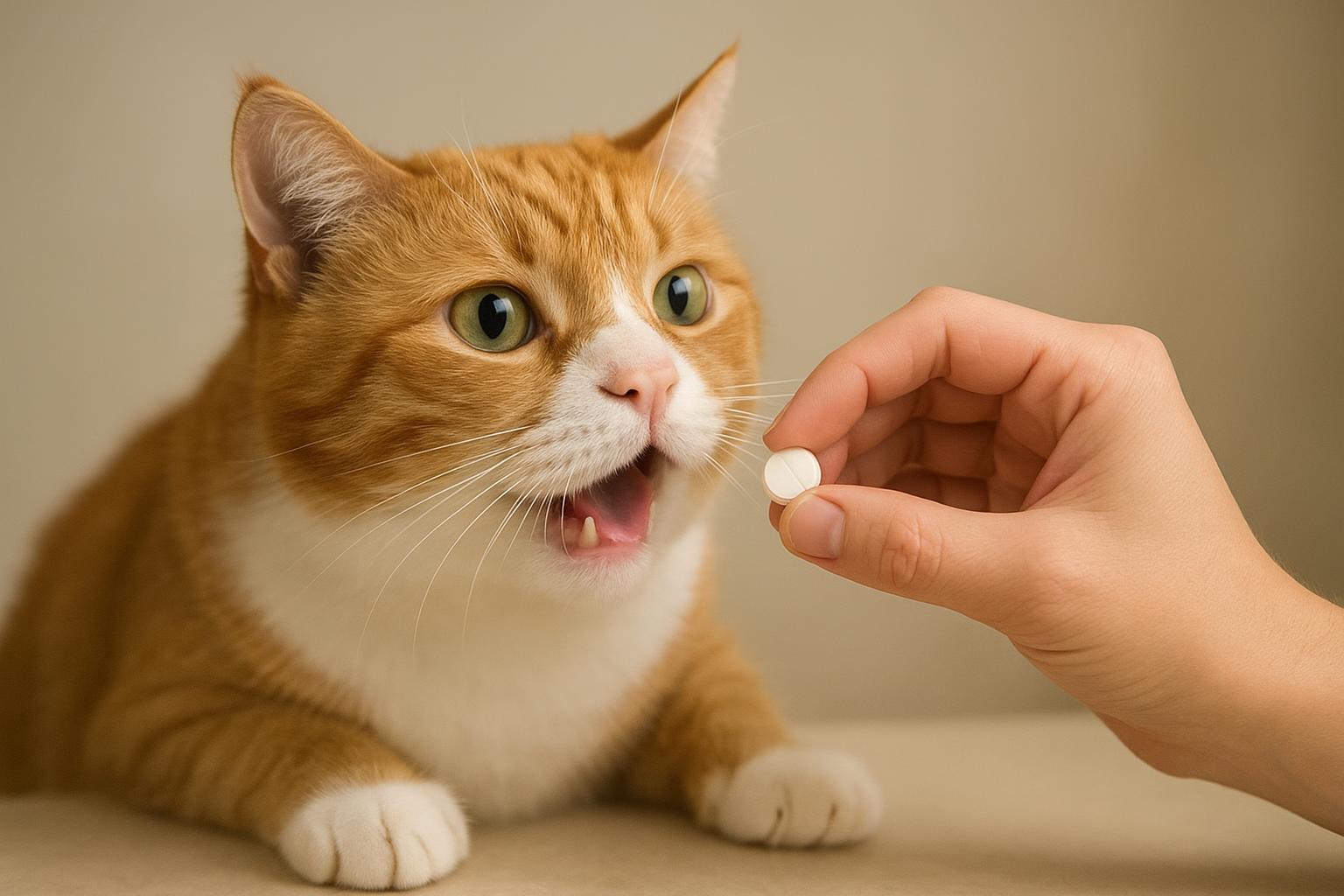
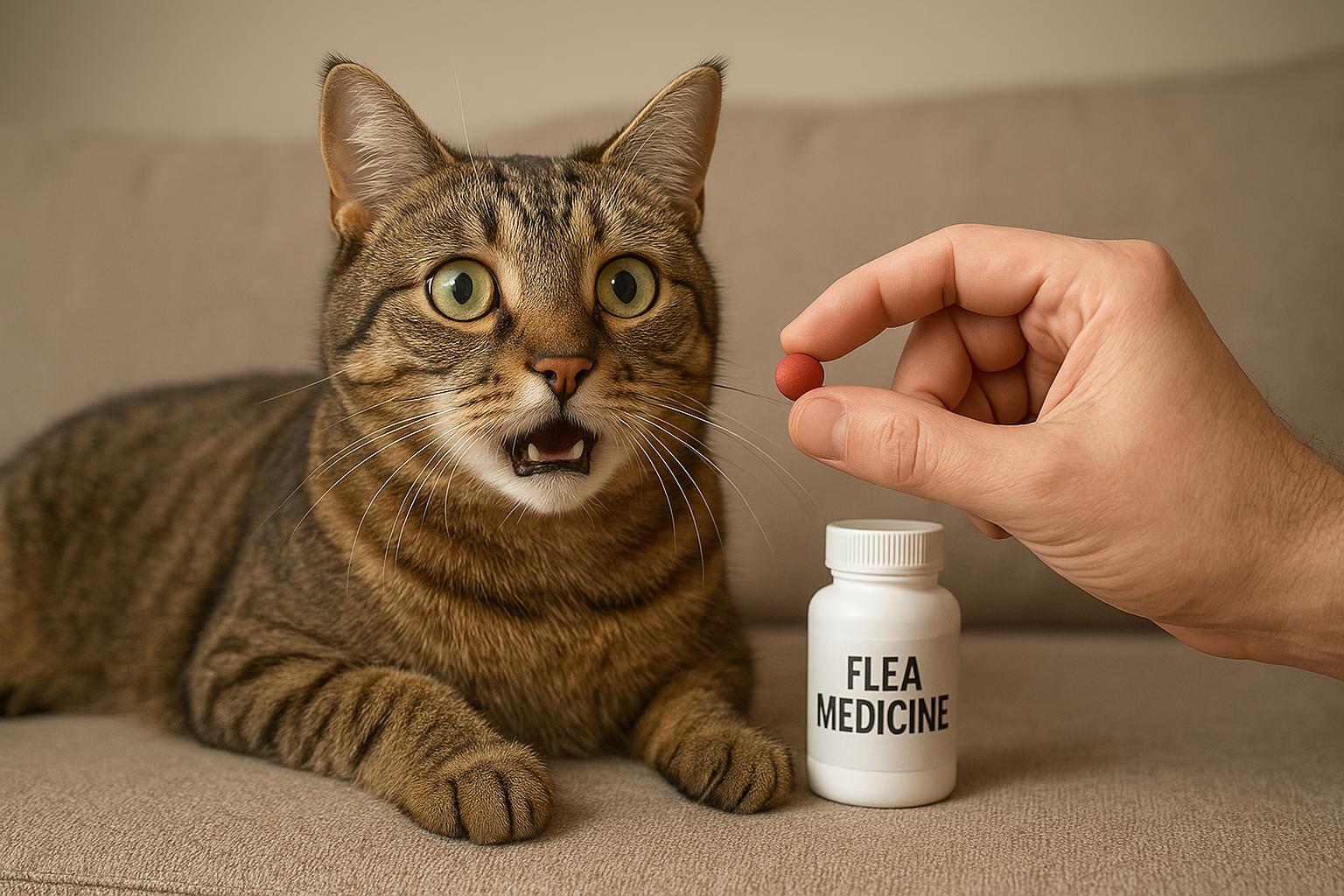
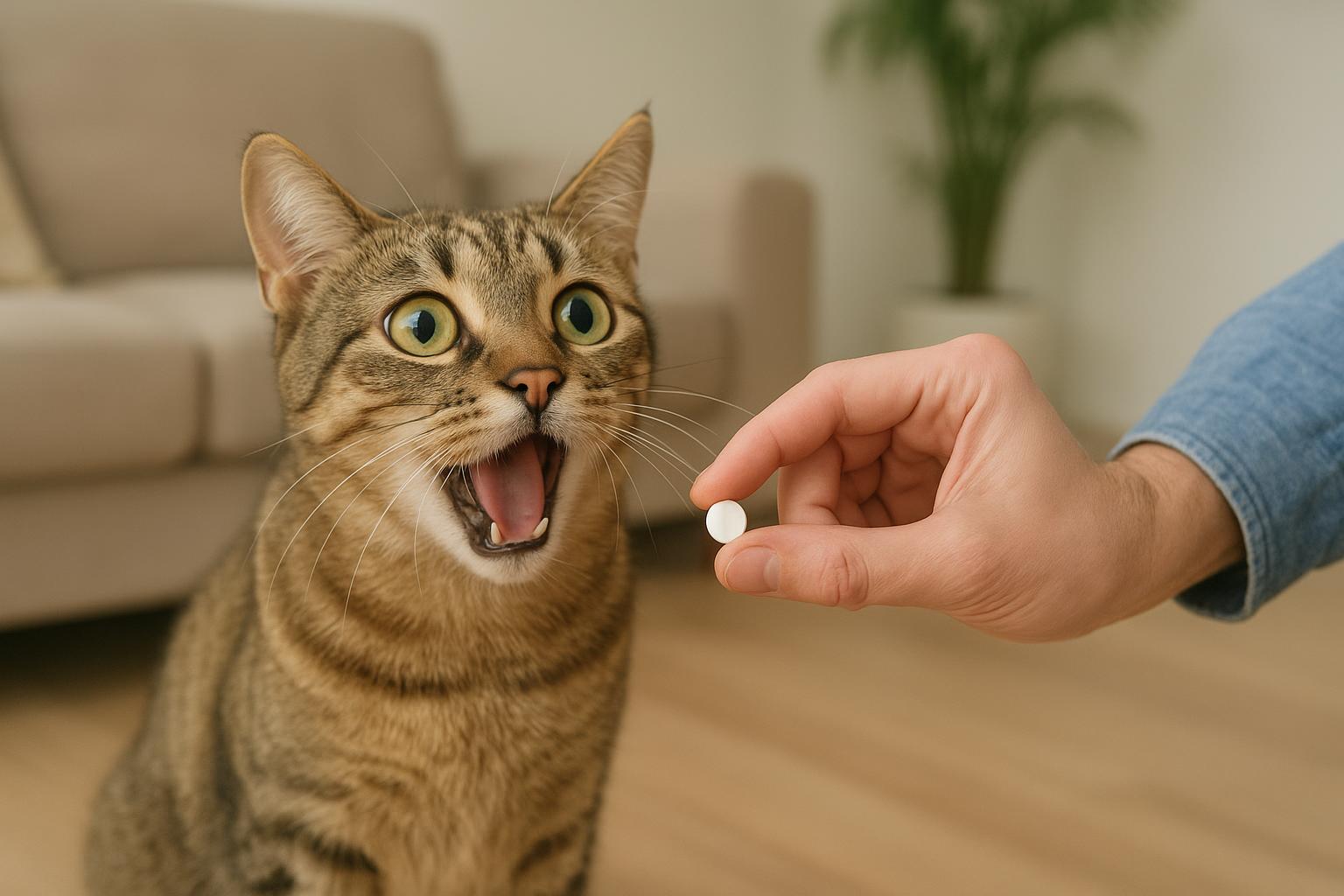
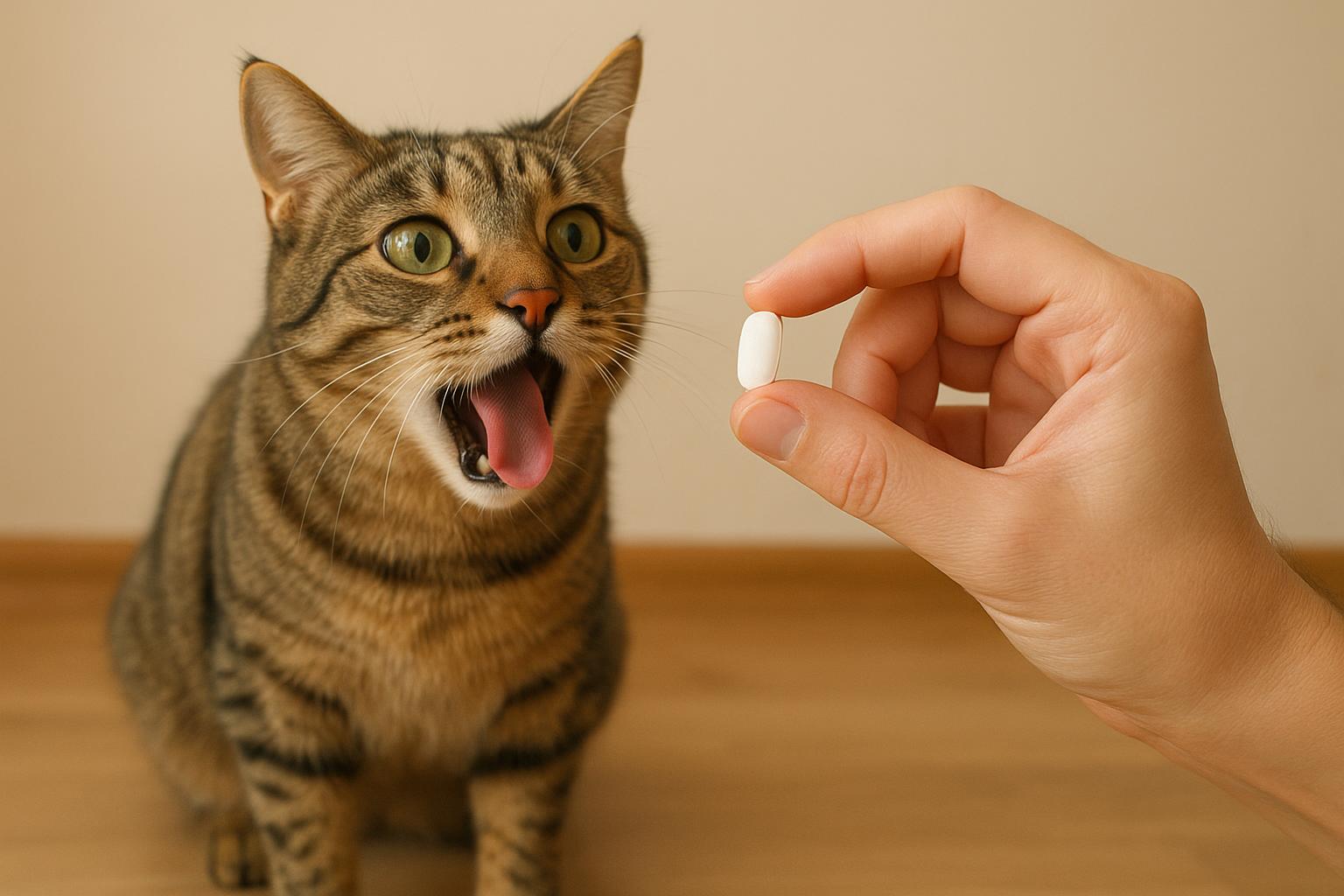
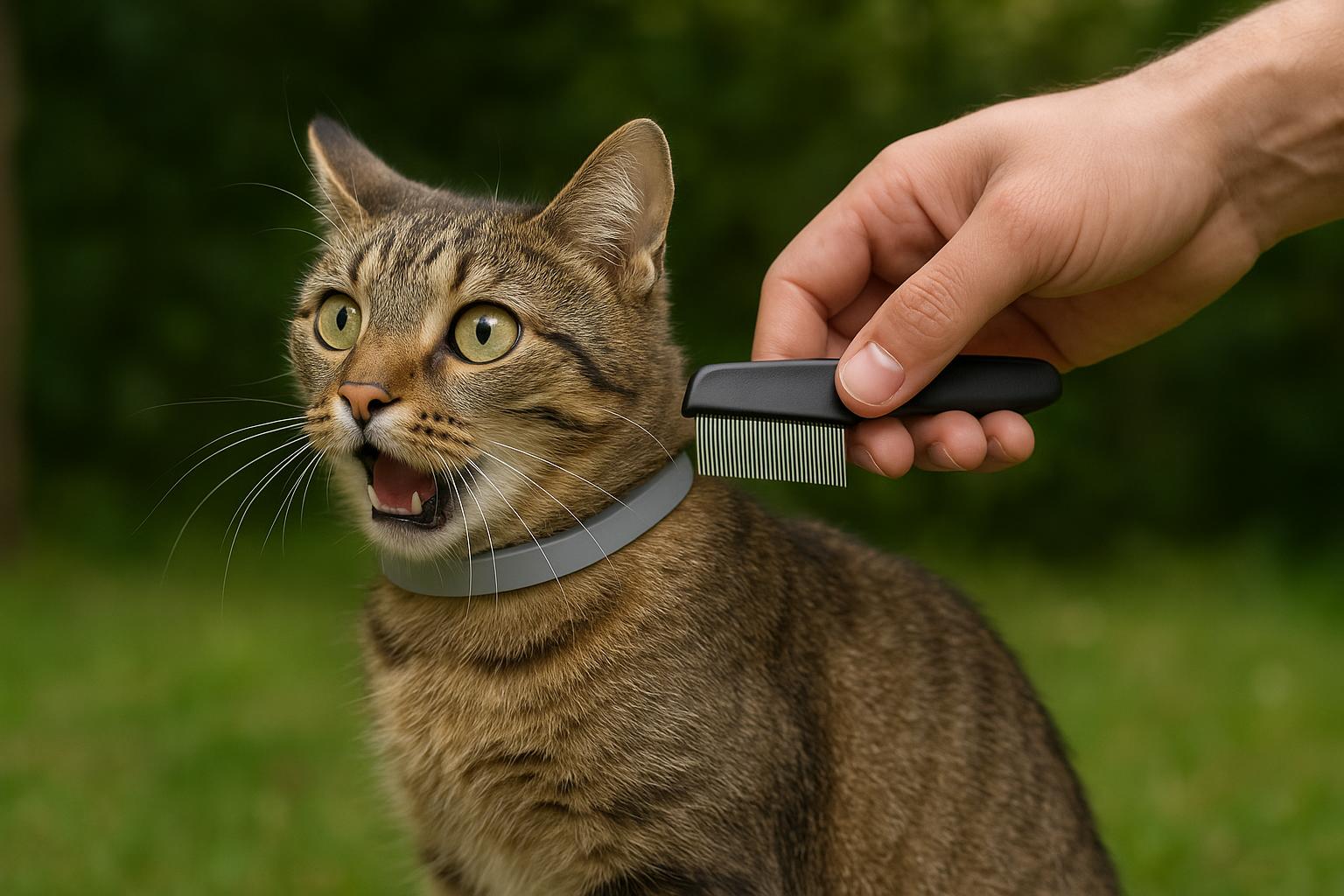
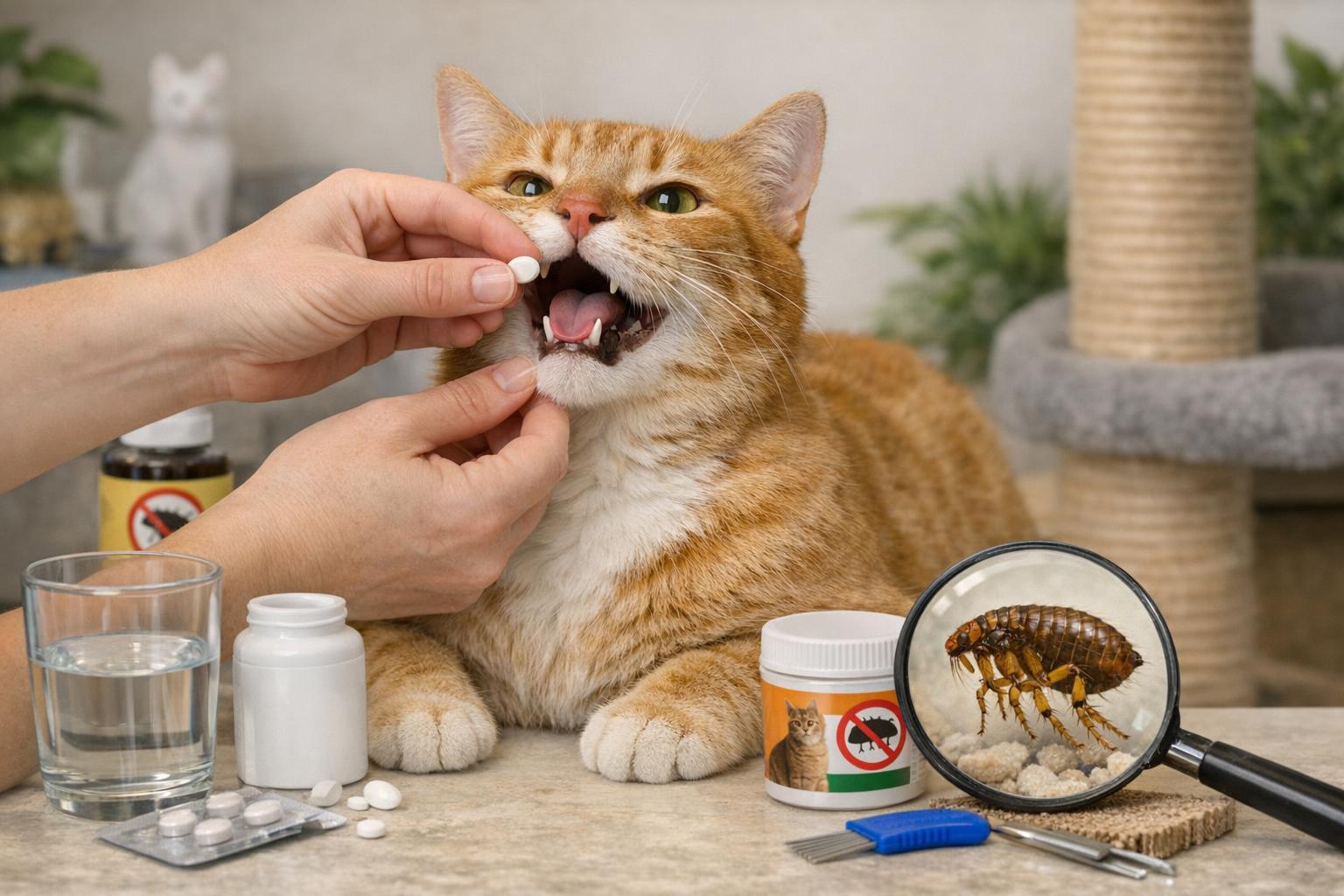
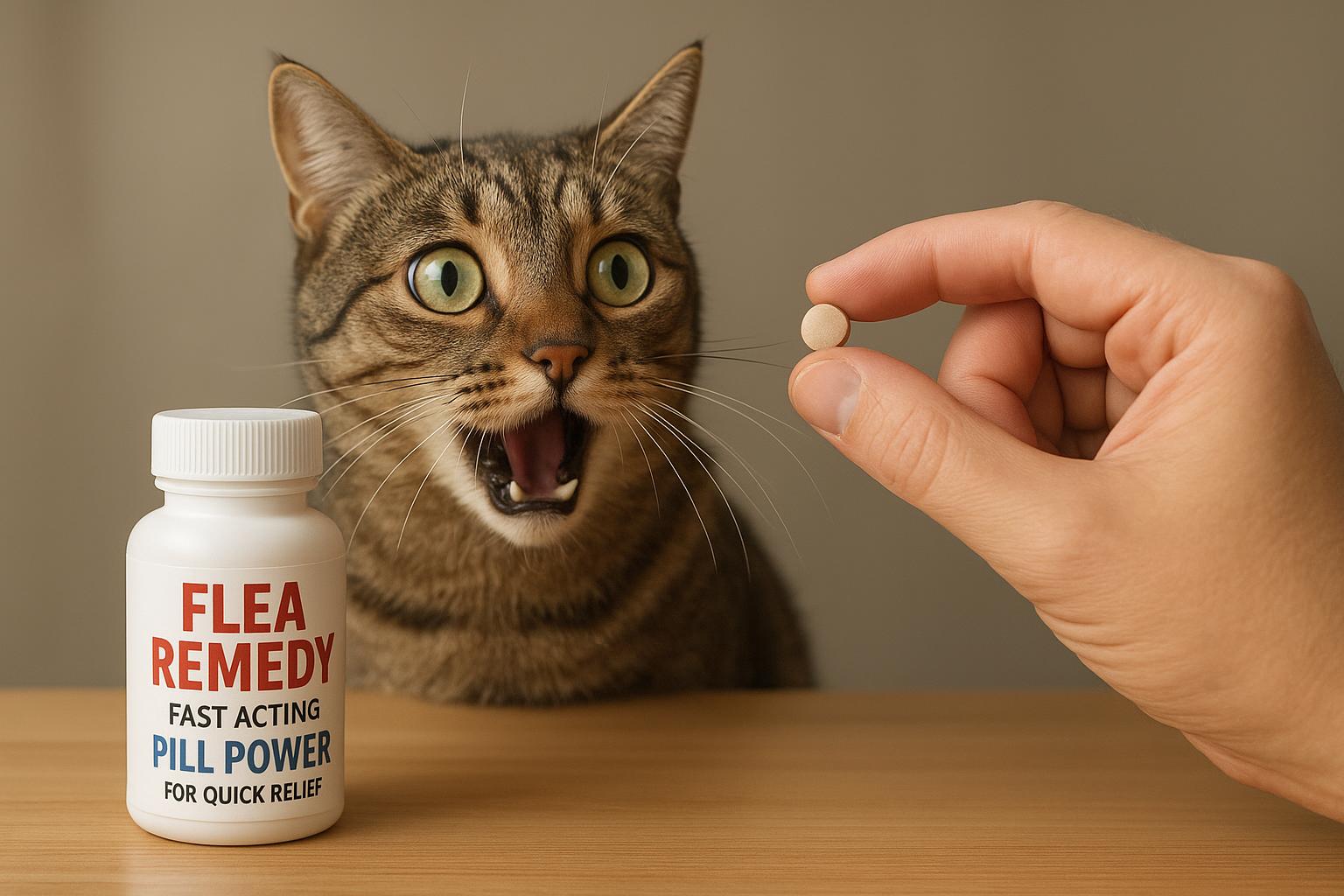
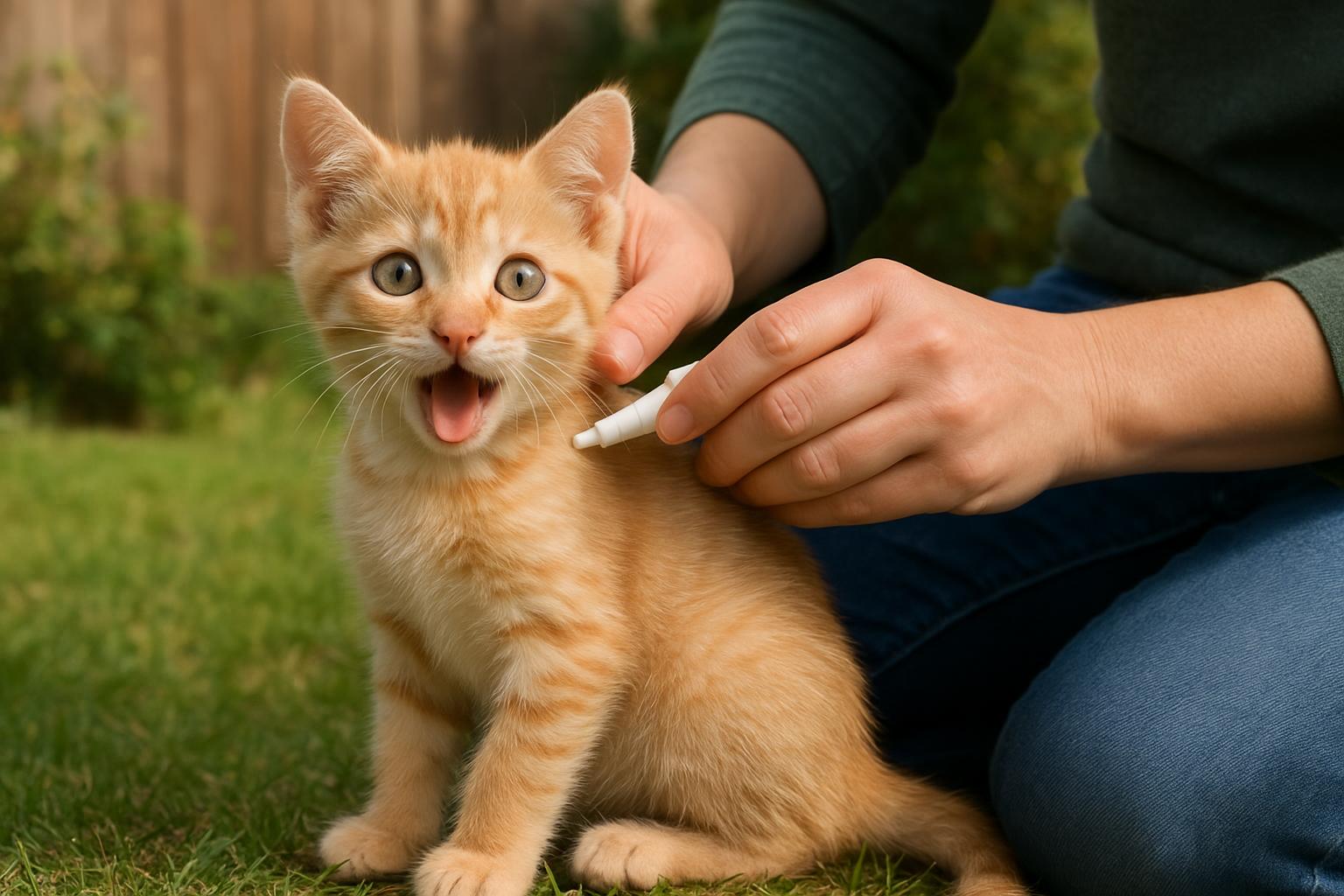
When infestations threaten health (anemia, dermatitis, tapeworms), assertive veterinary treatment is mandatory. Spot-on treatments, oral tablets, and collars have proven efficacy — but must be selected with your cat’s age, weight, and health in mind. Read labels, follow dosing schedules, and coordinate with your veterinarian to avoid drug interactions, particularly if you have multiple pets.
## Practical Flea Safety Tips For Every Household
Flea safety tips are simple but non-negotiable:
– Check all guests’ clothing and luggage if fleas are present in your home.
– Quarantine new animals and inspect them before integration.
– Keep outdoor access screened and inspect entry points for wild animal intrusions.
– Maintain year-round prevention even if fleas seem absent; eggs can hide for months.
Repeat and enforce routine cleaning, grooming, and inspections — a small daily habit prevents an explosive infestation later.
## How To Combine Strategies For Maximum Impact
This indoor cat flea prevention guide emphasizes integrated pest management: combine veterinary preventatives, environmental sanitation, thermal control, and selective natural aids. That layered strategy gives you redundancy so a single missed step won’t doom your household. Track treatments, document dates, and coordinate multiple interventions so they complement, rather than counteract, each other.
## When To Seek Urgent Veterinary Care
Seek immediate veterinary attention if your cat shows signs of severe skin infection, hair loss over large patches, pale gums, lethargy, or if kittens are affected. Fleas can sink an already vulnerable kitten or immuno-compromised cat quickly — rapid professional intervention combines safety and efficacy and is part of responsible pet flea care.
## Keeping Vigilance Without Paranoia
This indoor cat flea prevention guide arms you with sensational urgency and sober, evidence-based remedies. Follow the steps, respect flea safety tips, and practice routine pet flea care. Your indoor sanctuary can remain flea-free without constant panic — just decisive, informed action.







Leave a Reply