
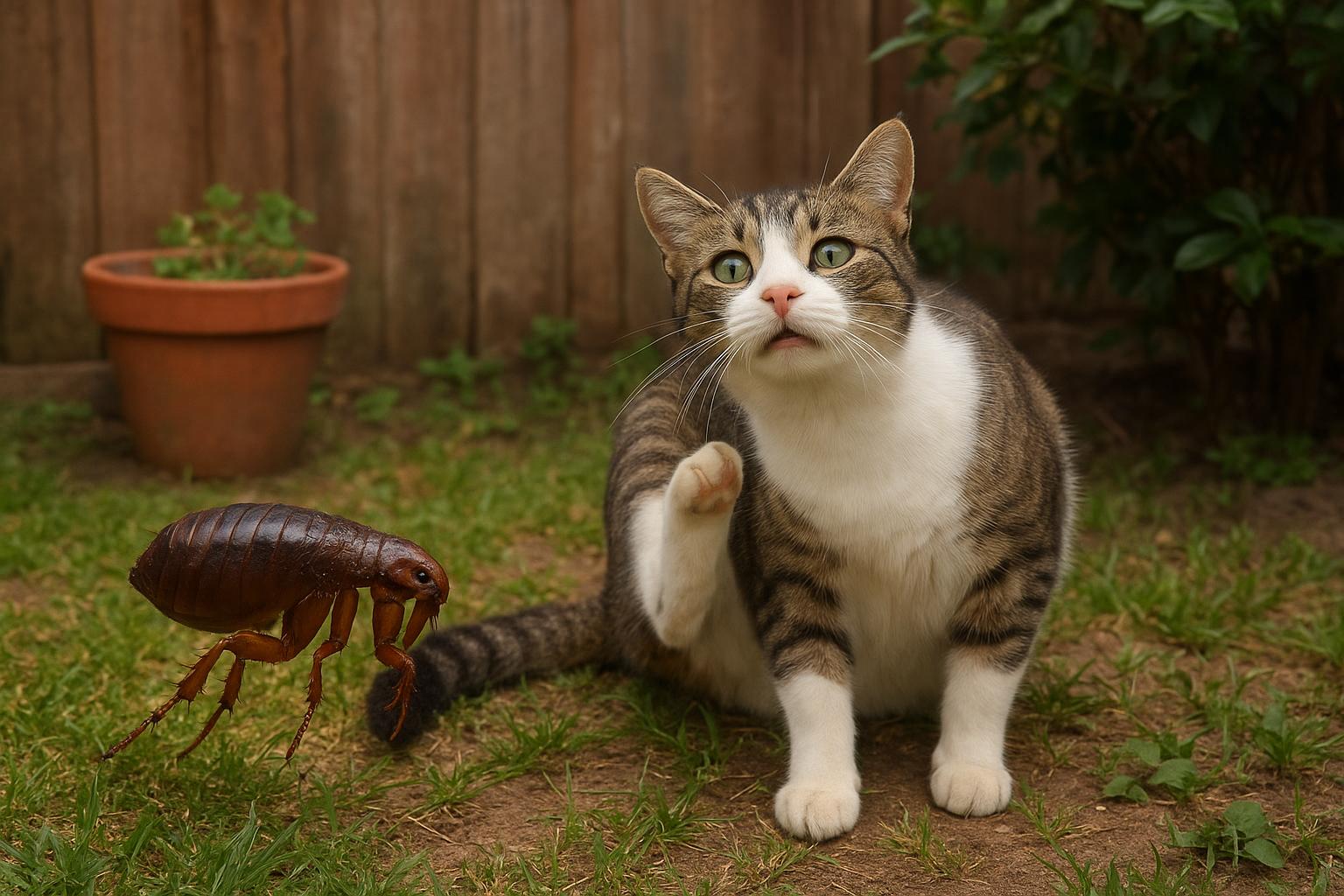
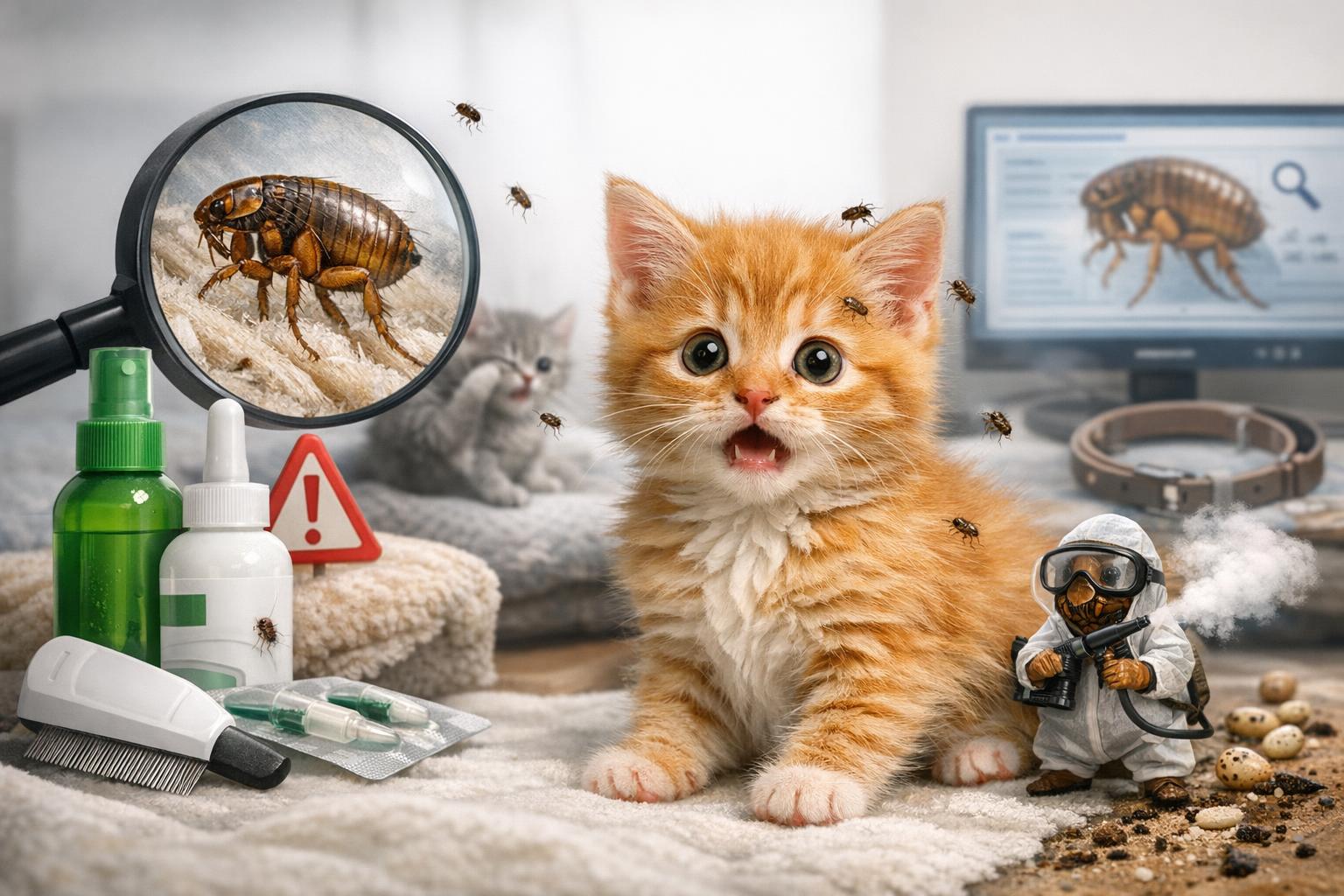
Fleas are tiny, persistent pests that exploit animal movement, moist microclimates and human activity to move from outdoor spaces into living rooms. Understanding common outdoor entry clues helps you intercept them before an infestation takes hold. Below are the main ways fleas transfer from yard to home, how to spot yard flea activity and two practical, formal remedies—one for the yard and one for inside the house—complete with materials and step-by-step application.
## How Fleas Get Into Homes From Yard: Main Entry Routes
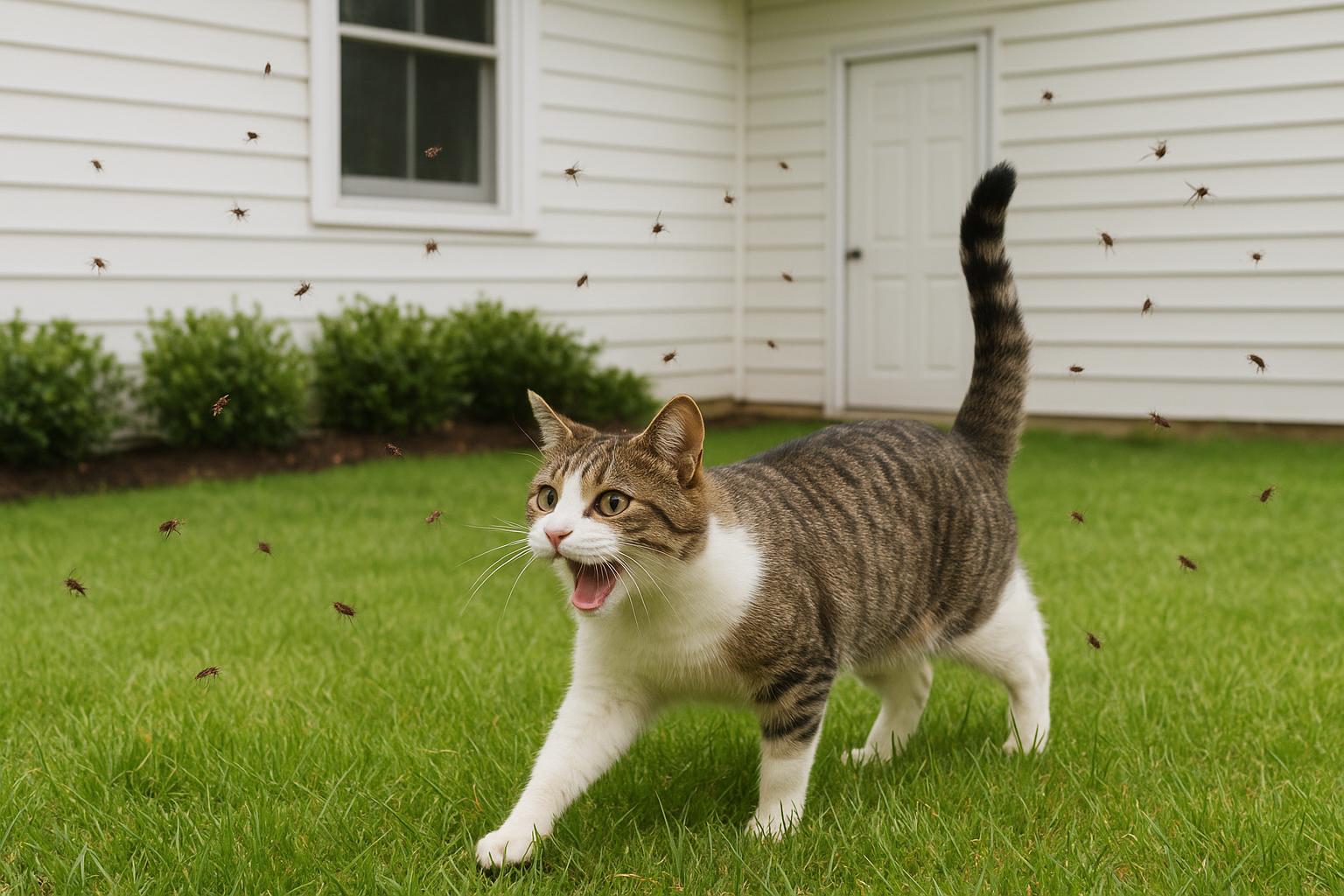
When asking how fleas get into homes from yard, it’s important to think like a flea: they favor warm, humid microhabitats with ample blood hosts nearby. Fleas themselves cannot jump from distant places into your home without a carrier. The primary entry routes are carried by hosts (pets, wildlife, rodents), transferred on clothing or items (furniture, yard gear), or concentrated in shaded, moist yard areas where pupae await a trigger to emerge.
Fleas go through egg, larva, pupa and adult stages. Eggs and larvae often stay in the environment — in tall grass, under decks or within animal bedding — where they develop. Pupae can remain dormant for months and hatch when vibrations, carbon dioxide or heat signal a hospitable host is present. That dormant resilience makes yard flea entry especially tricky: a seemingly clean lawn can still harbor pupae that will emerge once pets come inside.
### Animal Hosts And Pet Transport
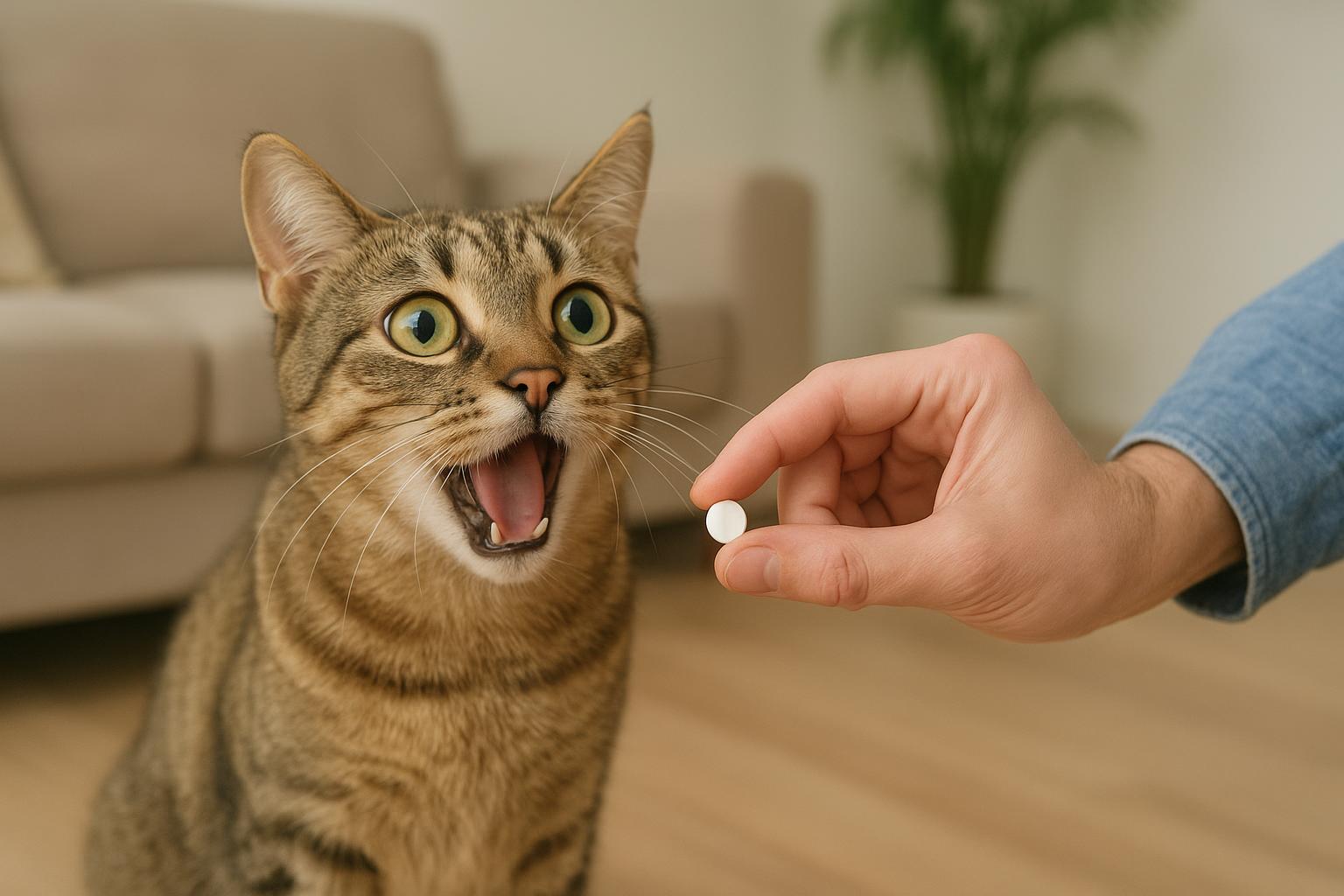
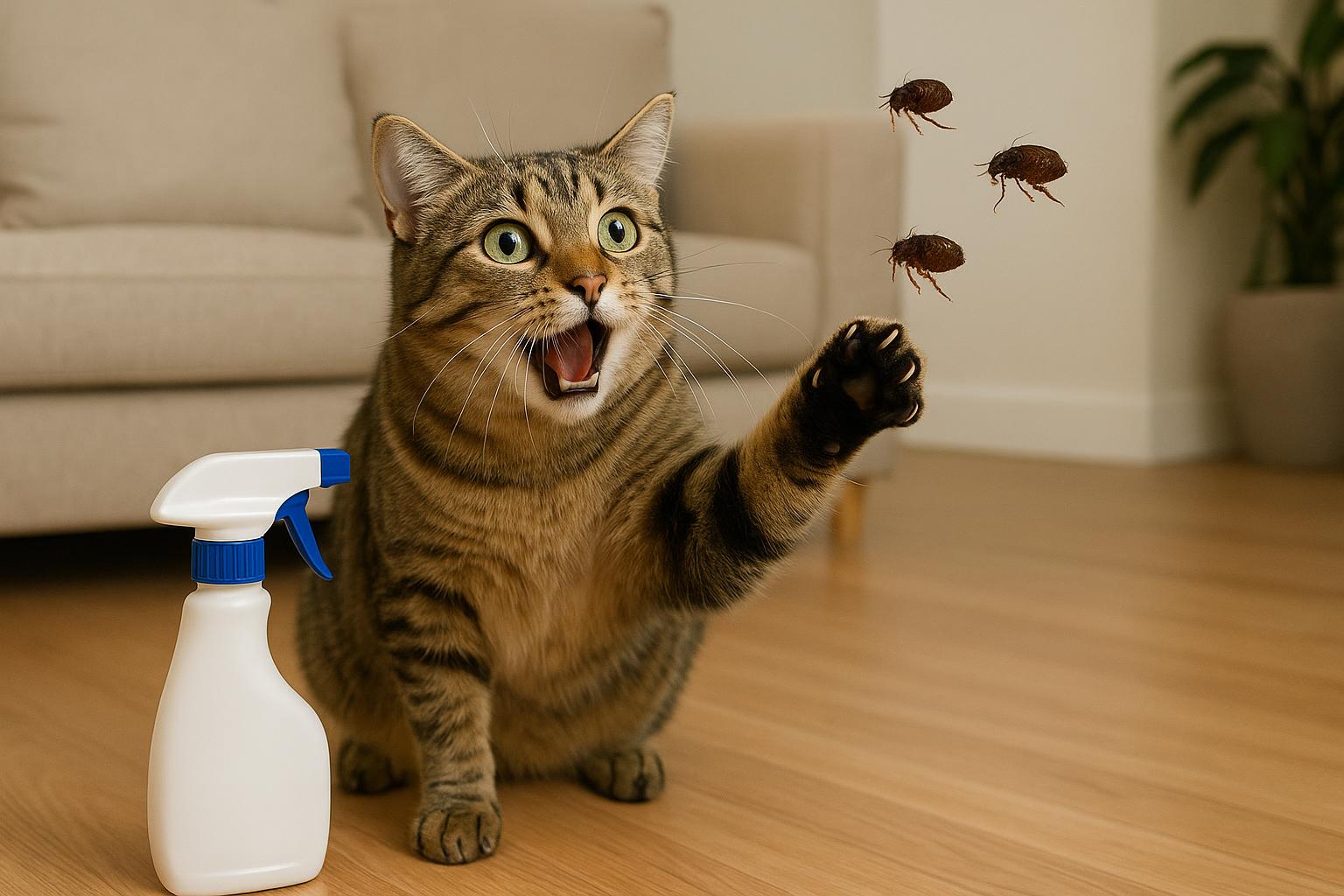
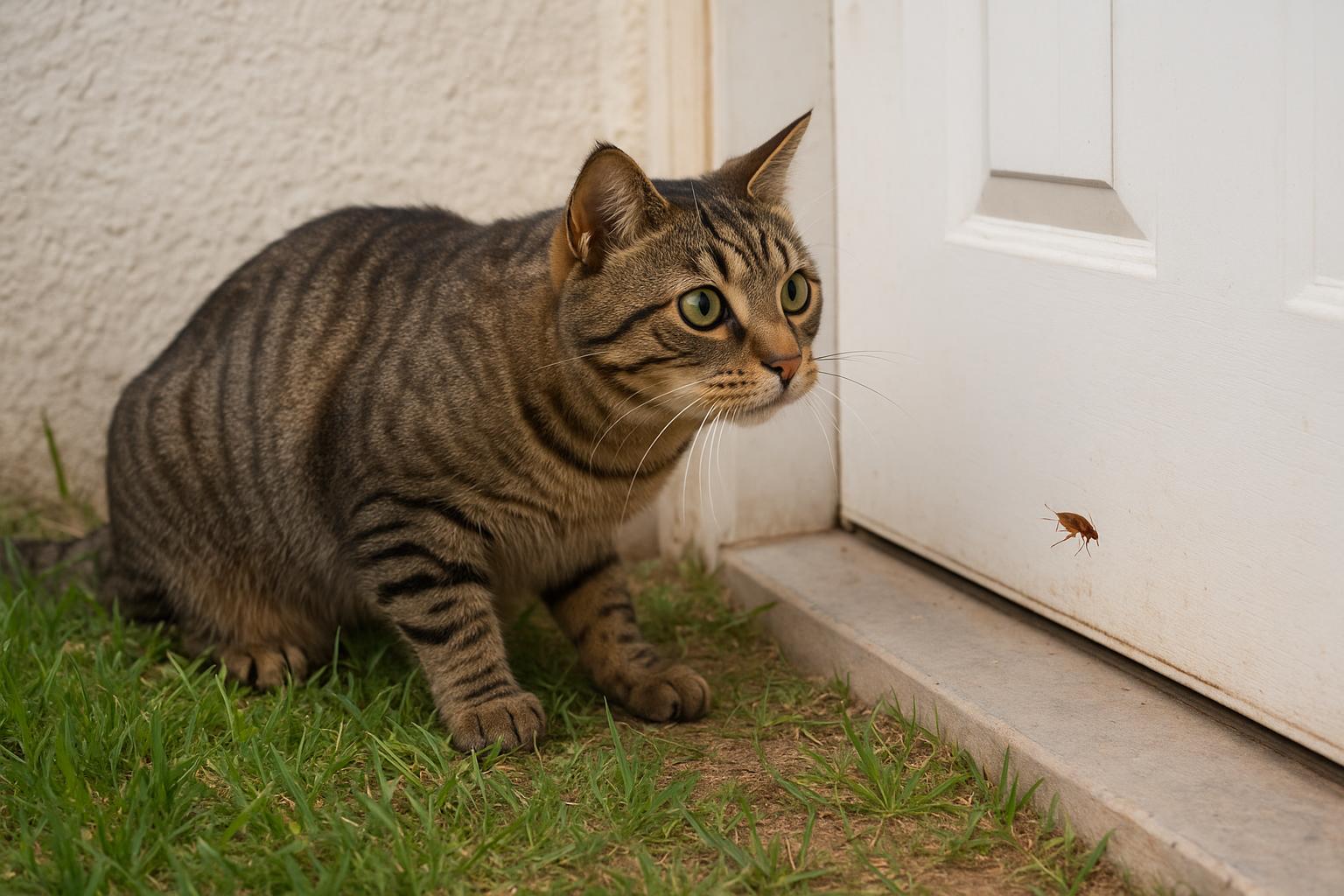
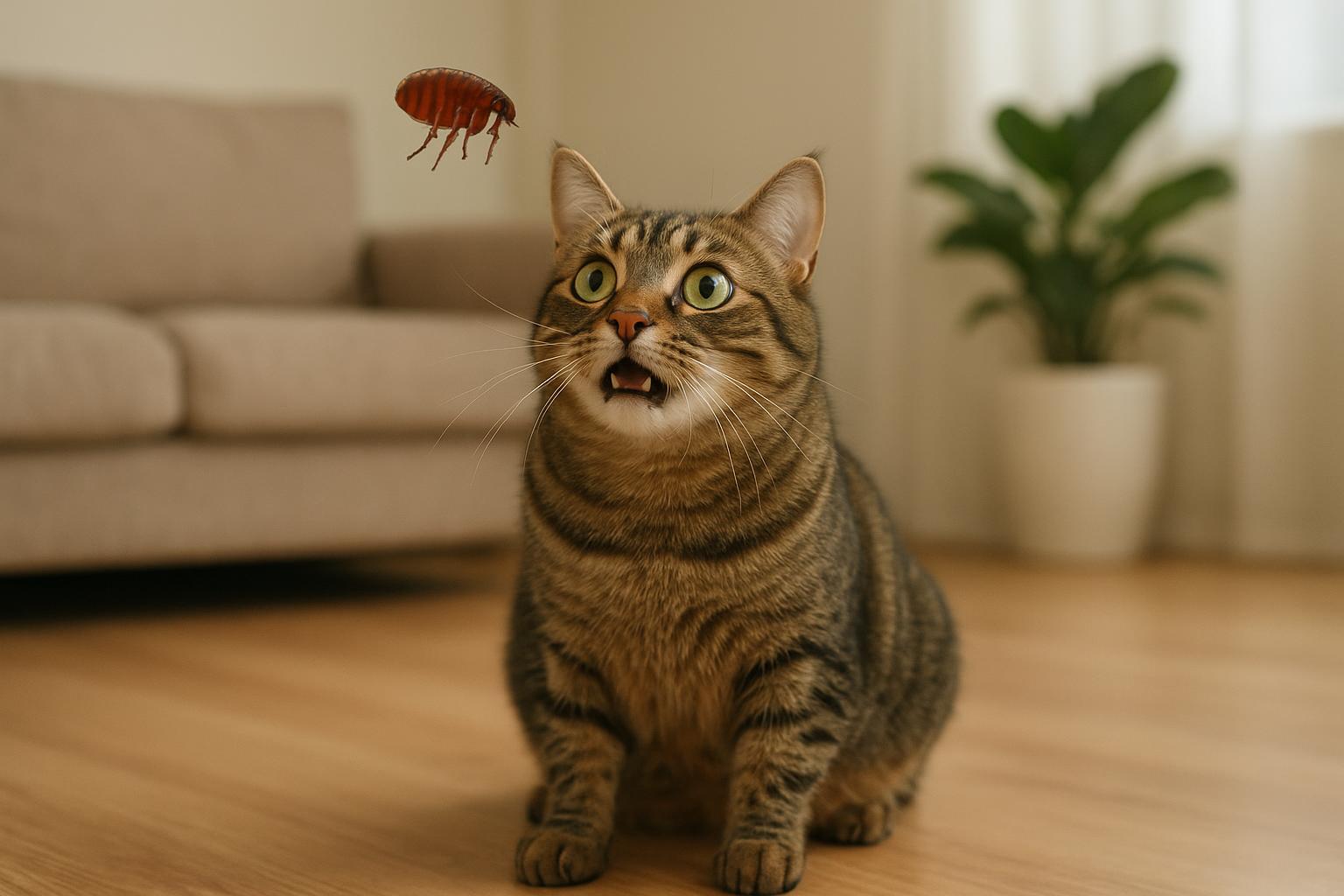
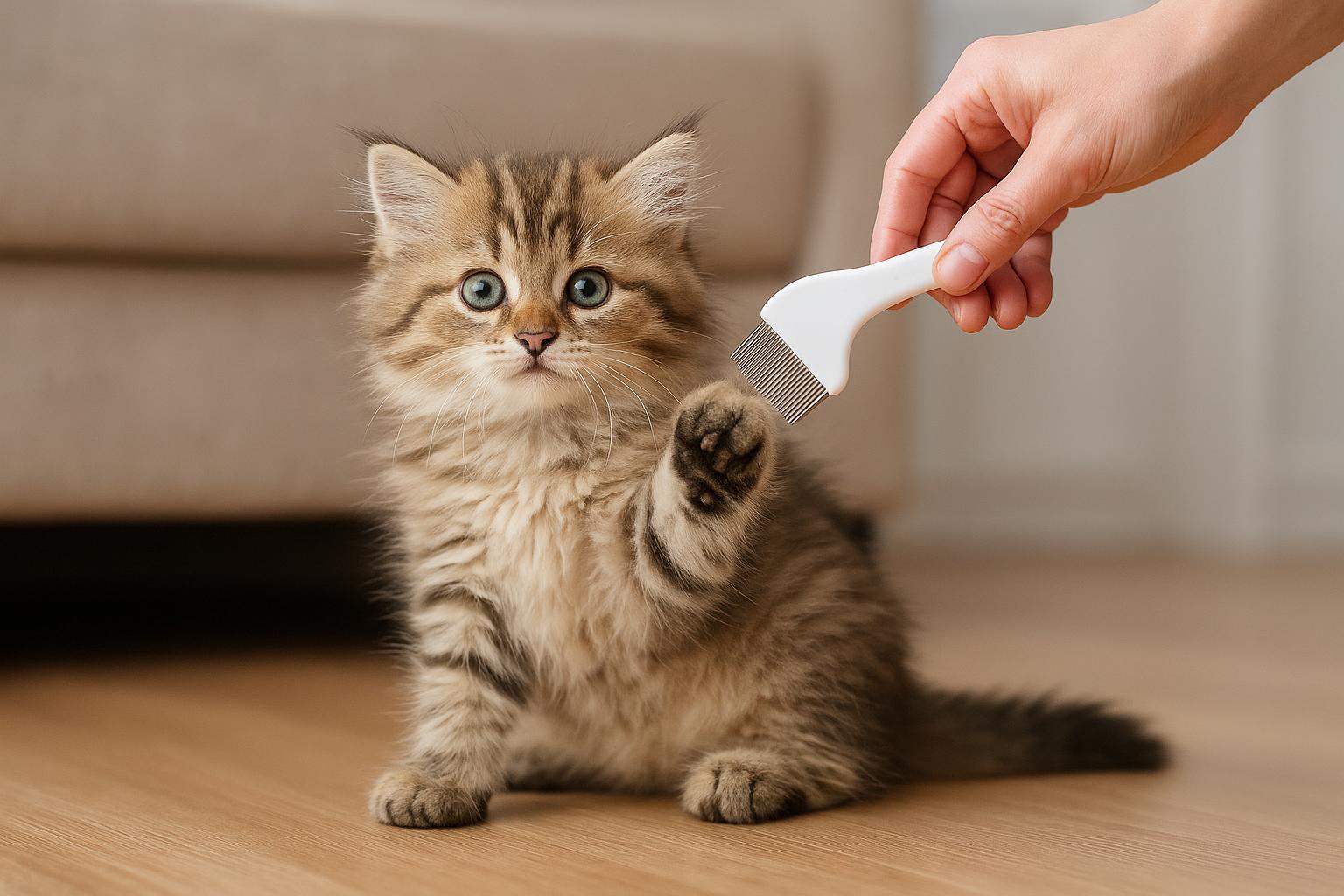
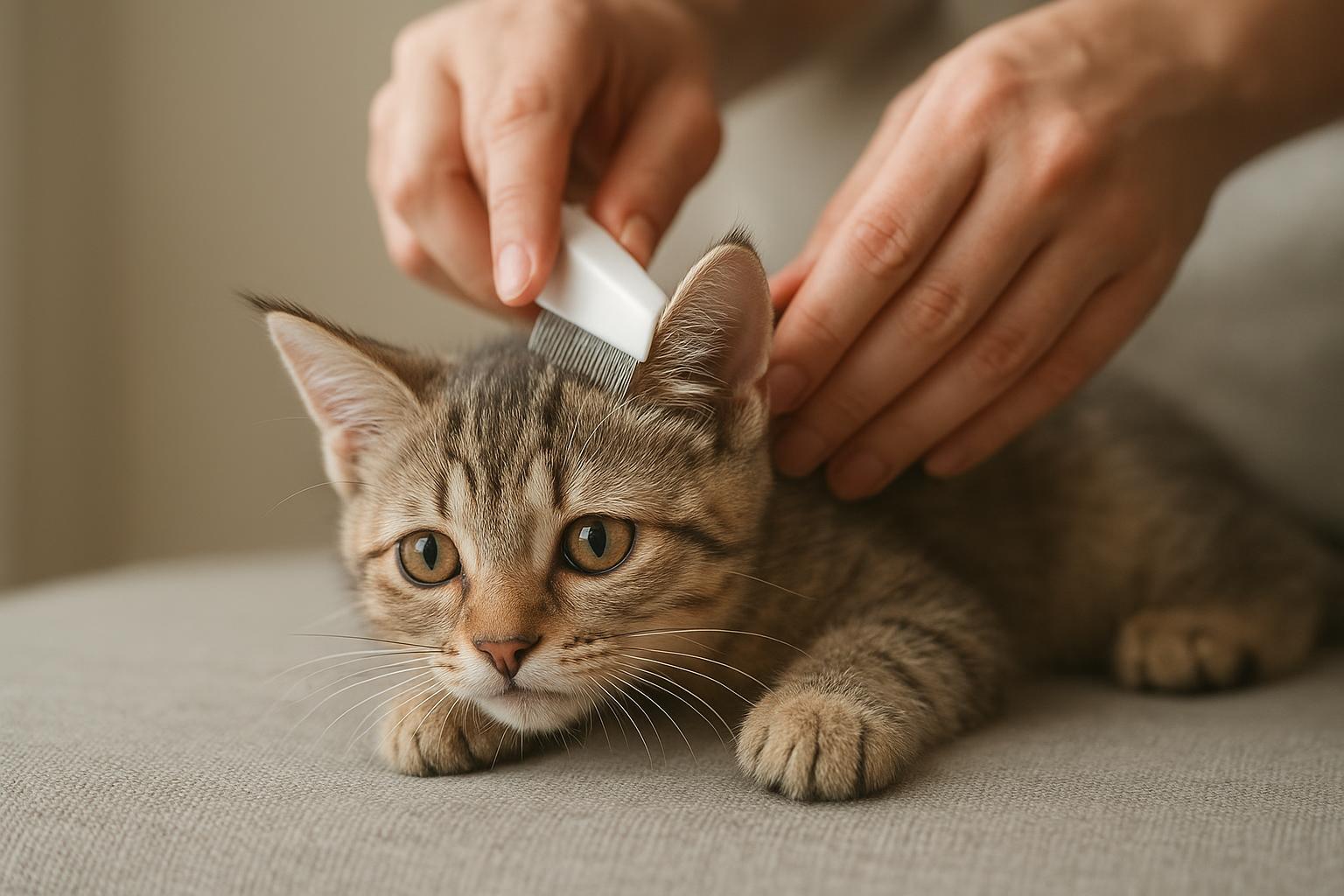
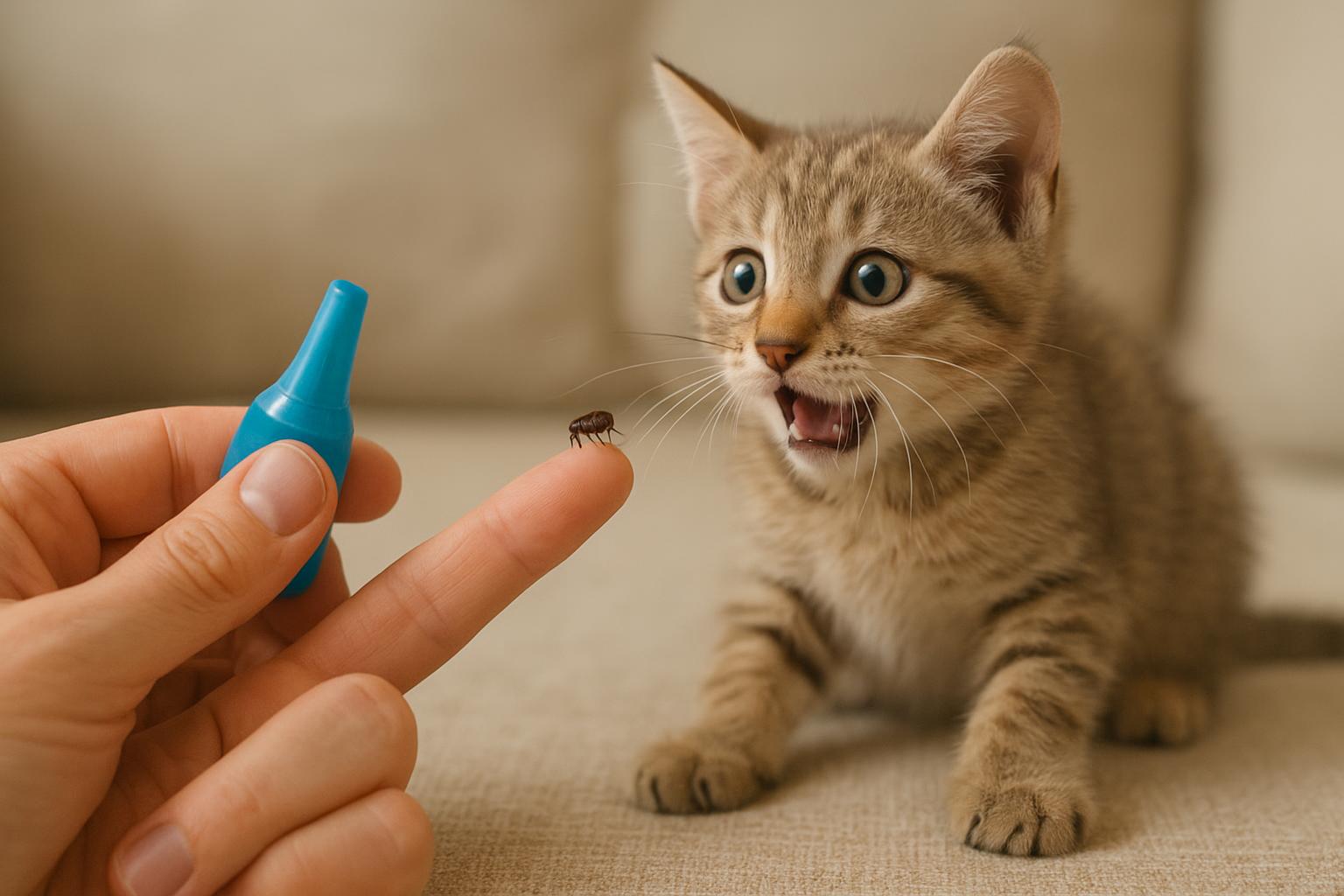
The most common way fleas reach interior spaces is on your pet. Dogs and cats young or old pick up fleas during walks, at dog parks, in a neighbor’s yard or from wildlife corridors. Once on a pet, adult fleas move quickly into carpets, bedding and upholstery where they feed, mate and lay eggs. Regular grooming and flea comb checks are essential to catch them early.
### Wildlife, Rodents And Stray Animals
Wild animals — raccoons, opossums, feral cats, rodents and even ground-feeding birds — create wildlife trails through yards. These animals carry fleas and drop eggs in the places they rest or pass. If your property connects to wooded edges, compost piles or overgrown hedges, you increase the chance of wildlife-mediated yard flea entry.
### Human Activity And Transported Items
Flea eggs, larvae or pupae can hitch a ride on used rugs, secondhand furniture, potted plants, or even on shoes and clothing. Yard projects like bringing in a pallet, moving soil or placing outdoor cushions can inadvertently introduce flea-laden materials near entrances, increasing the chance that emerging adults will move indoors.
## Yard Entry Clues And Signs To Look For
Knowing what to look for can reveal how fleas get into homes from yard and focus your control efforts.
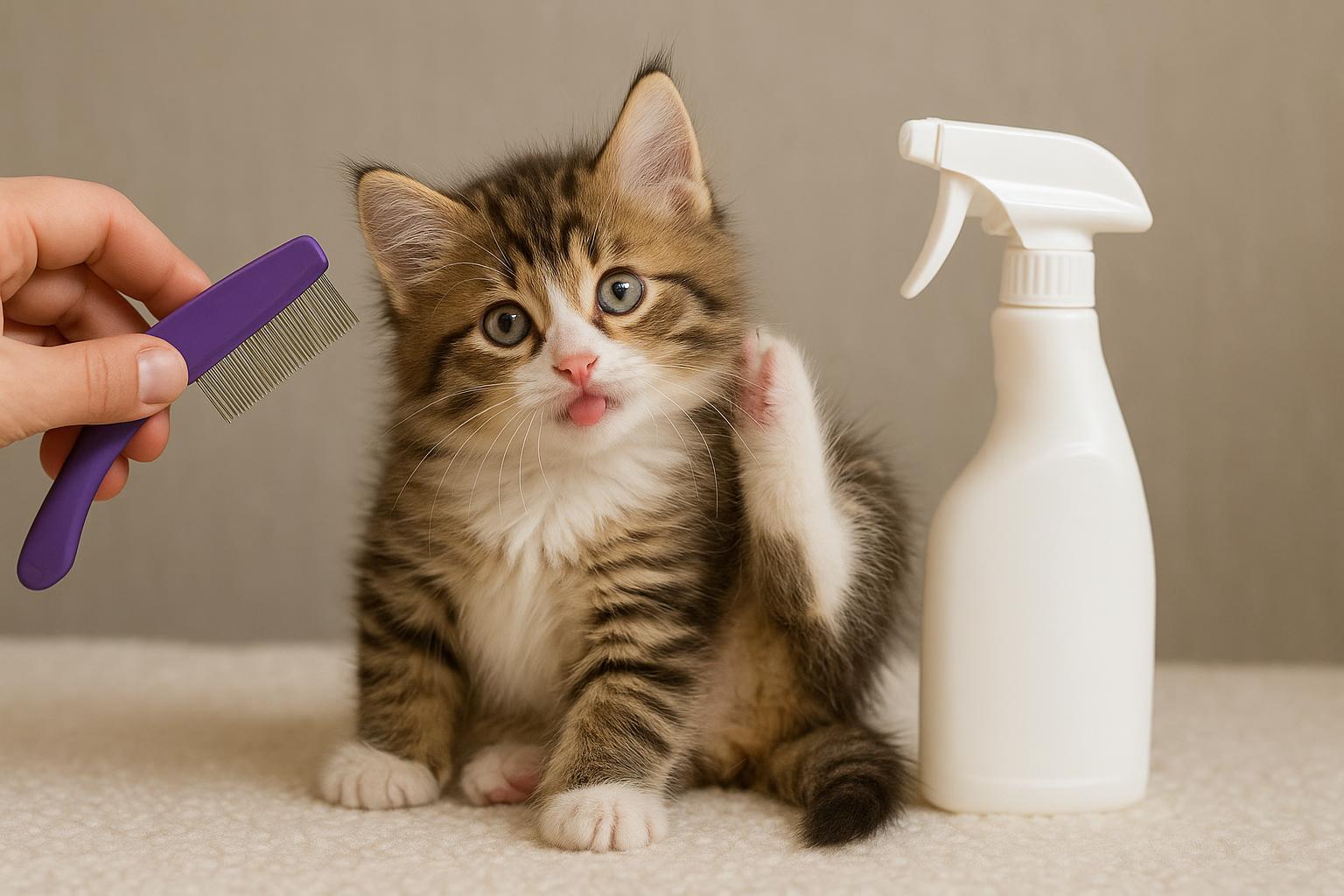
– Pets Scratching Intensely: Intensified scratching, biting at the skin or sudden restlessness after being in the yard is a top sign of recent exposure.
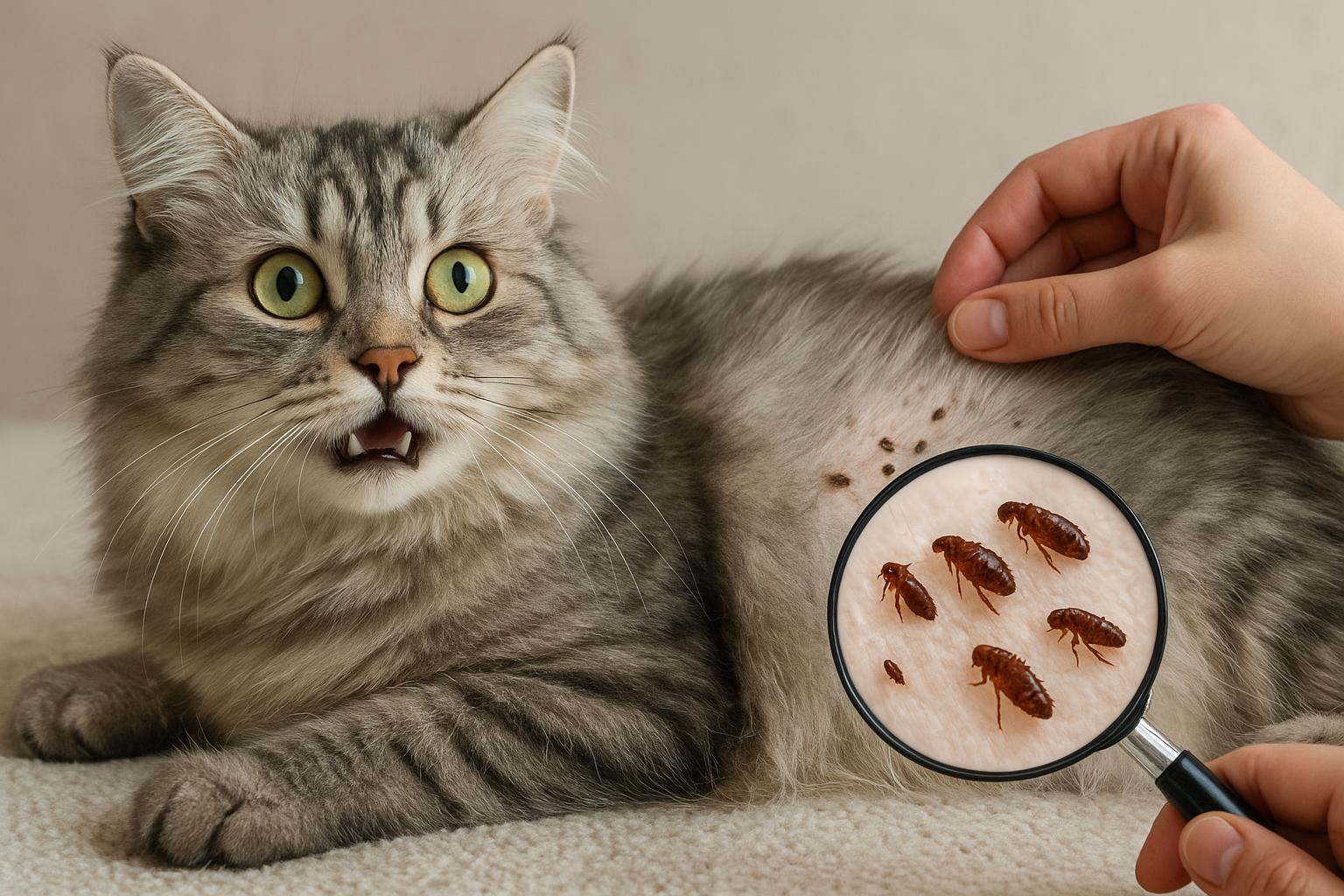
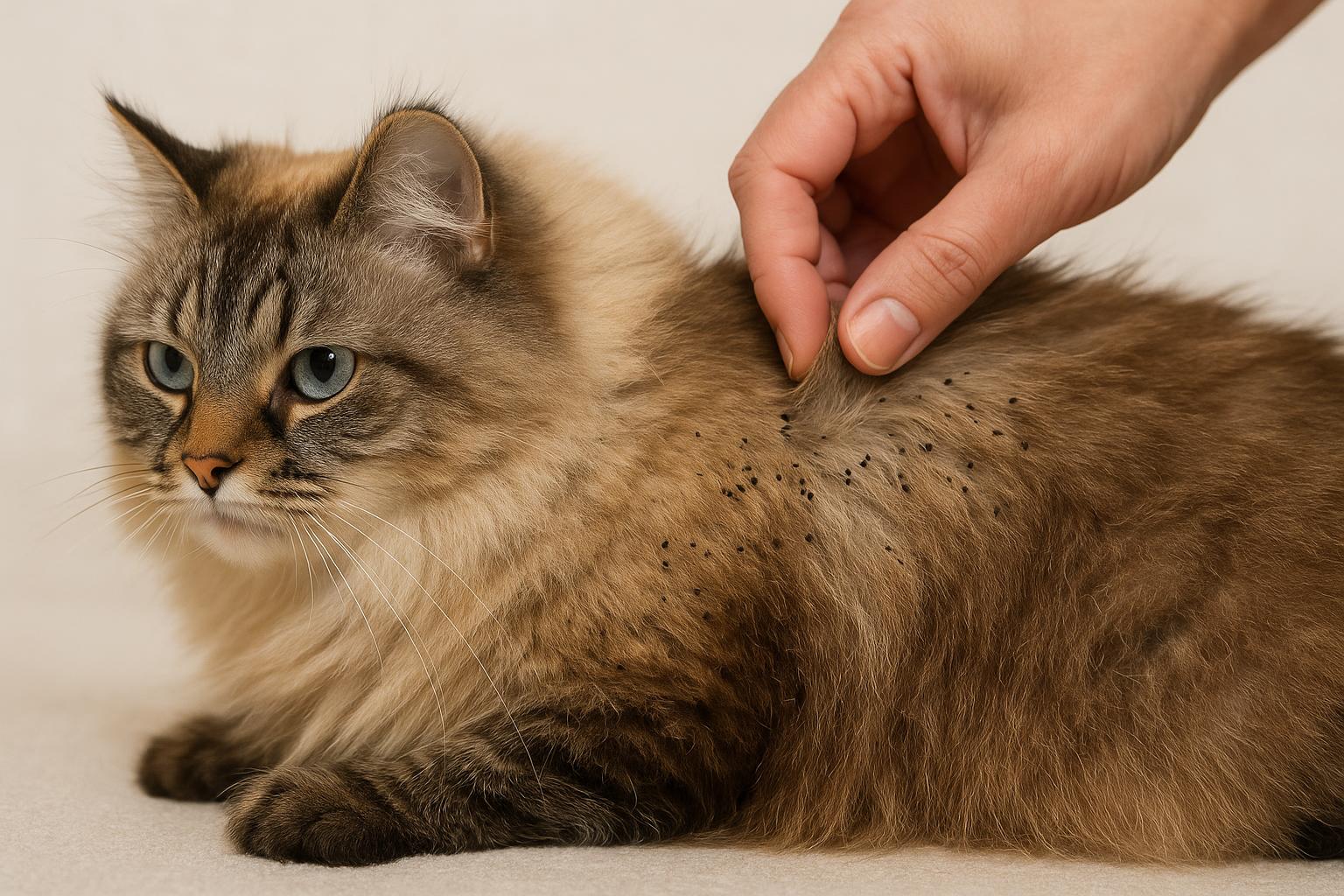
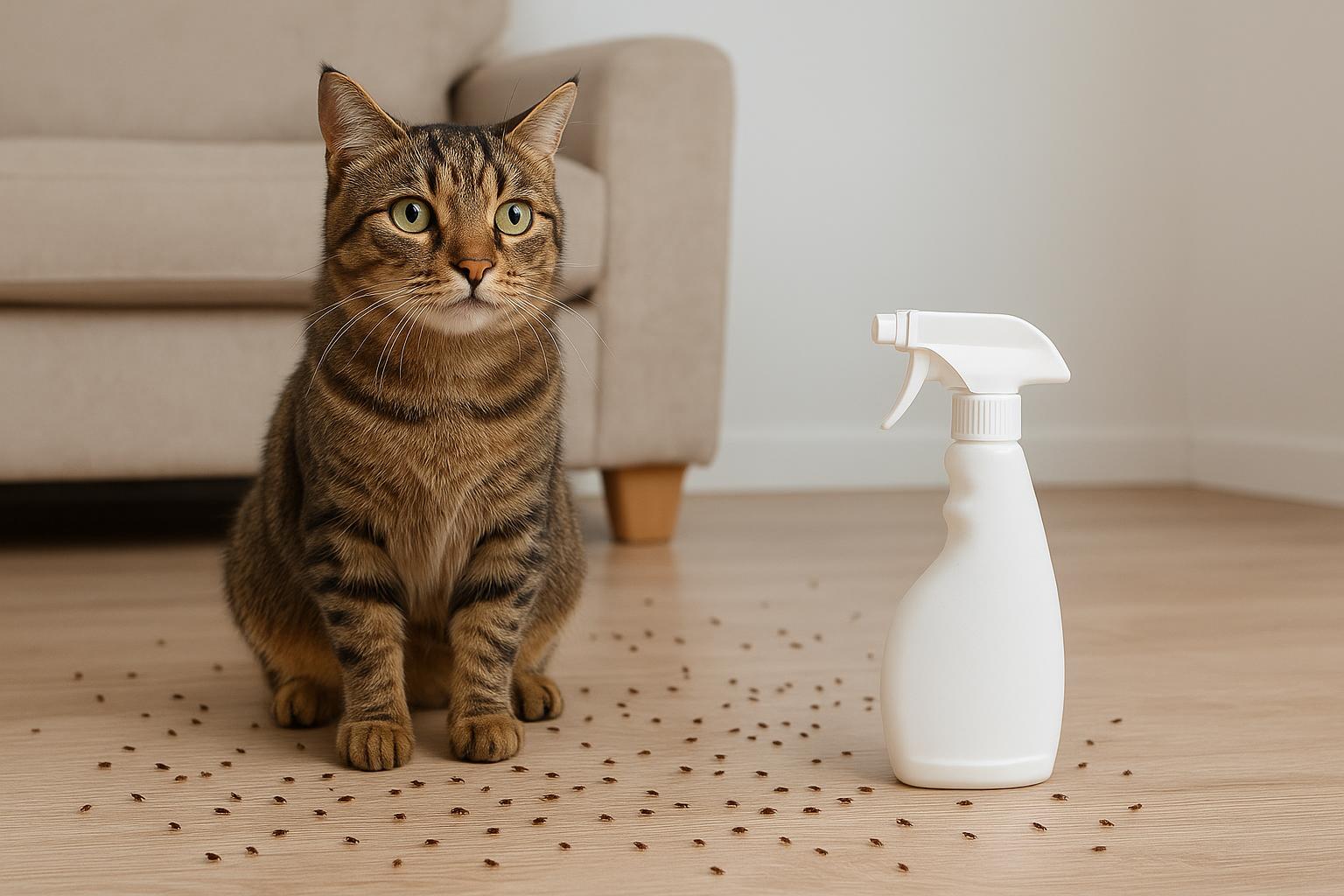
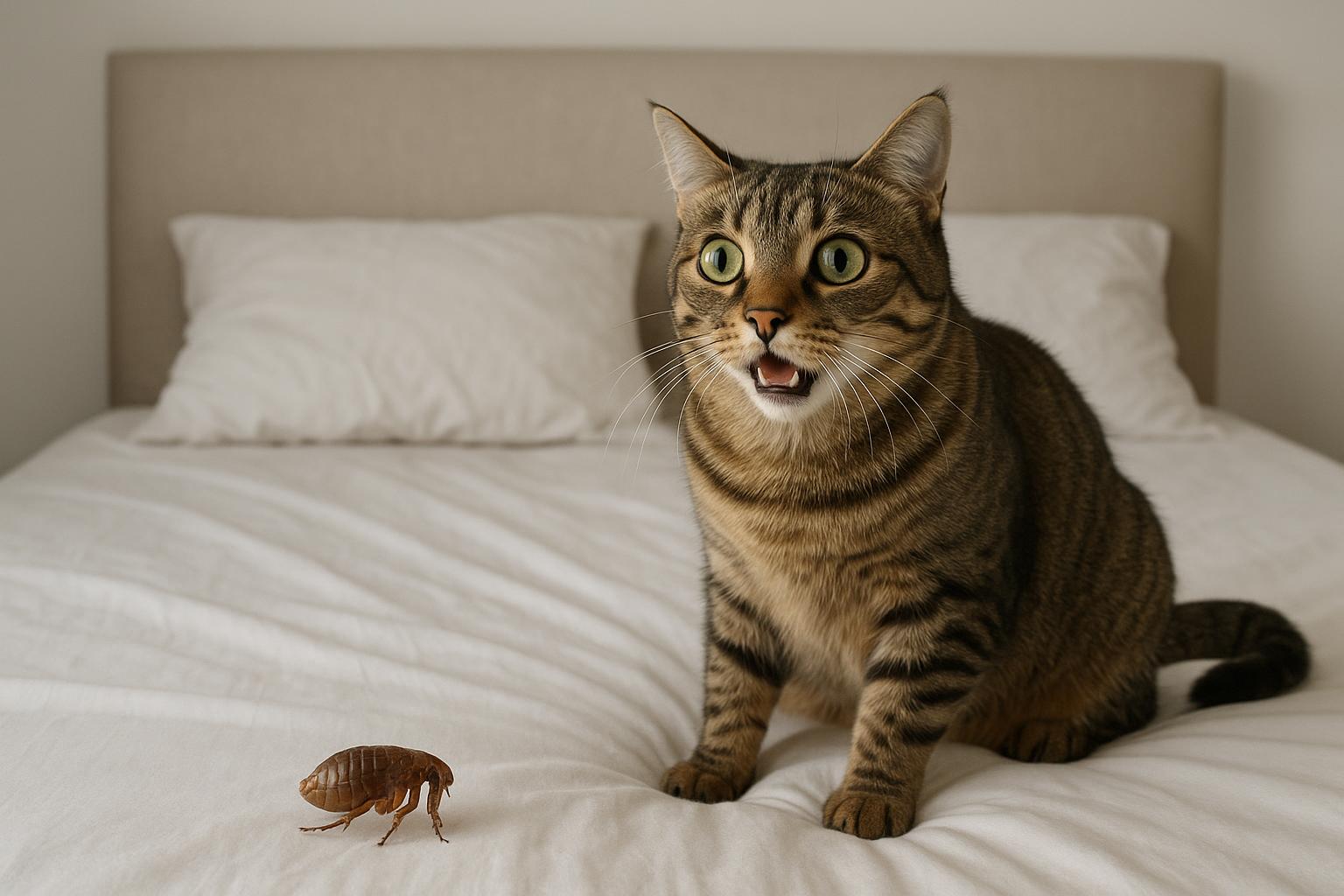
– Flea Dirt and Visible Fleas: Small black specks (flea feces) on pet fur or bedding that turn reddish when moistened indicate flea blood meals. Adult fleas are fast but visible on short-haired pets.
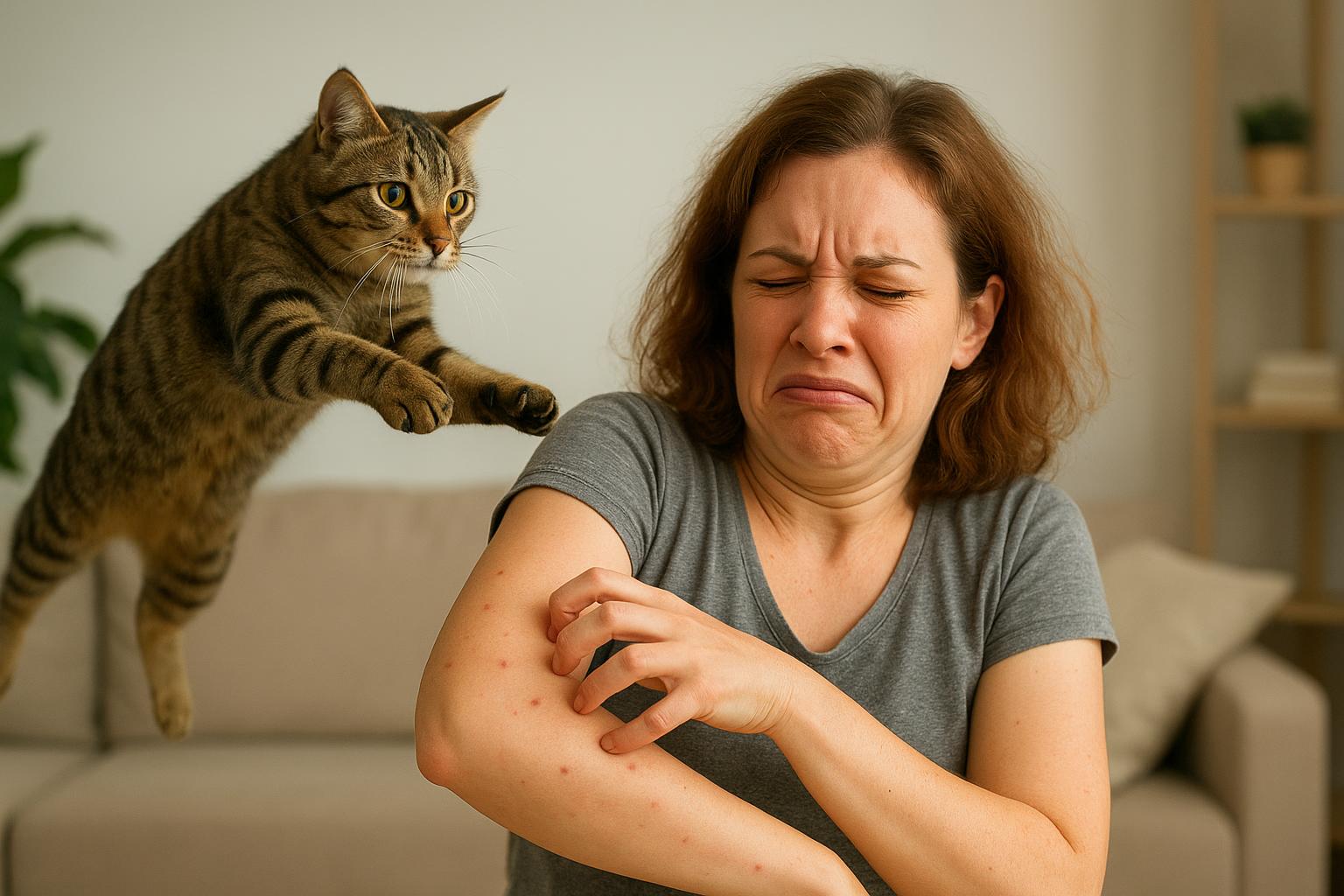
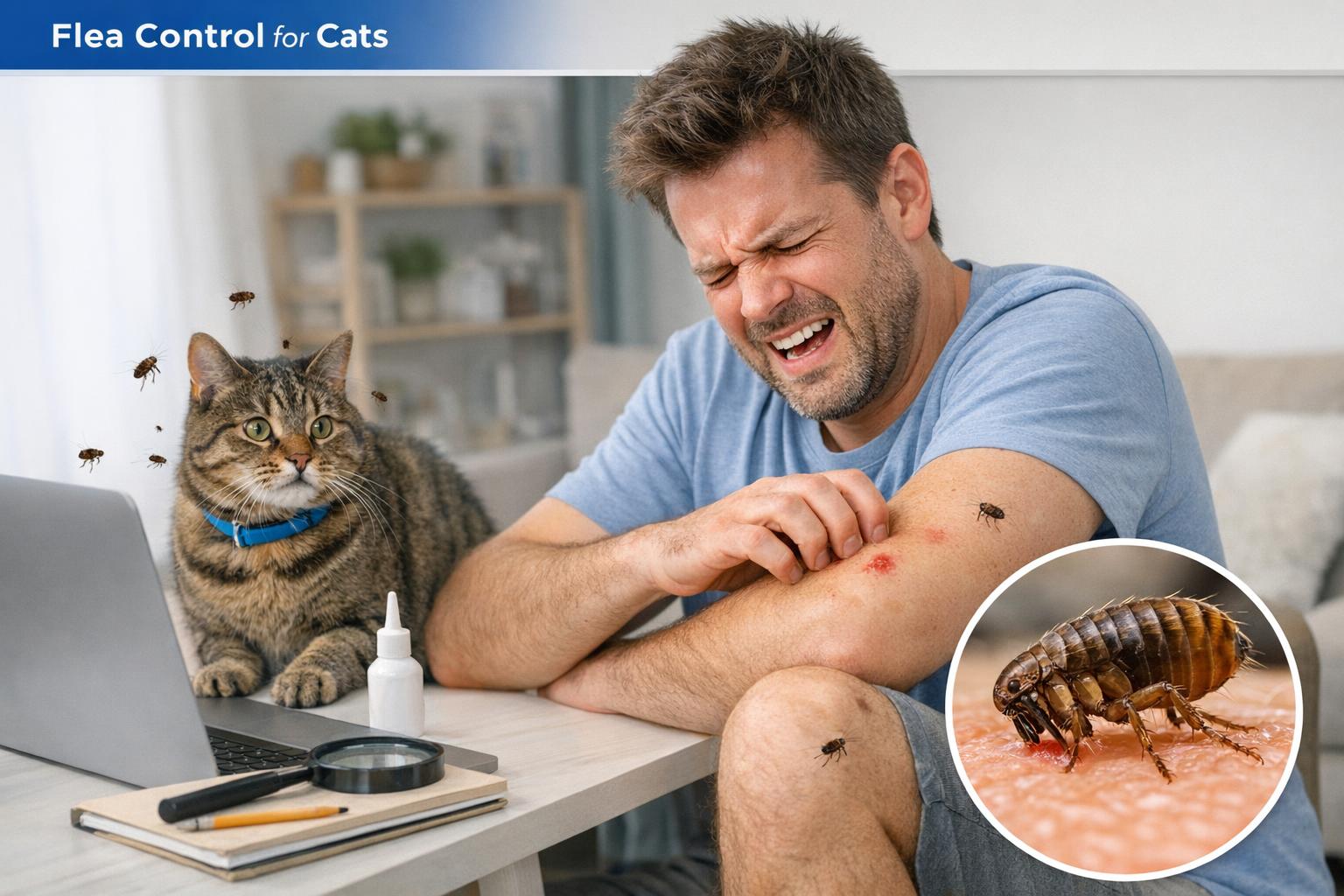
– Concentrated Bites on Family Members: Clusters of small, itchy bites on lower legs after outdoor time suggest yard-origin flea activity.
– Shaded, Moist Hotspots: Check under dense shrubs, along fence lines, under porches and in leaf litter where eggs and larvae accumulate.
– Animal Tracks or Resting Sites: Obvious wildlife trails, burrows, or favored resting spots near the house indicate likely sources of yard flea entry.
### Inspecting Your Yard For Fleas
A structured inspection reduces guesswork. Walk your yard during warm hours and inspect these target areas:
– Along fence lines and hedges where wildlife travel.
– Under porches, decks, and wood piles.
– Around compost, bird feeders, and pet feeding areas.
– In shaded lawn depressions, thick mulch and under ornamental grasses.
#### Tools And Materials For Yard Inspection
– Flashlight for underside of decks and dense shrubs
– Sticky tape or white cloth to drag across grass to detect adults
– Gloves and a small trowel to check soil and leaf litter
– Camera or phone to document hotspots
## Remedy 1: Natural Yard Treatment For Yard Flea Entry
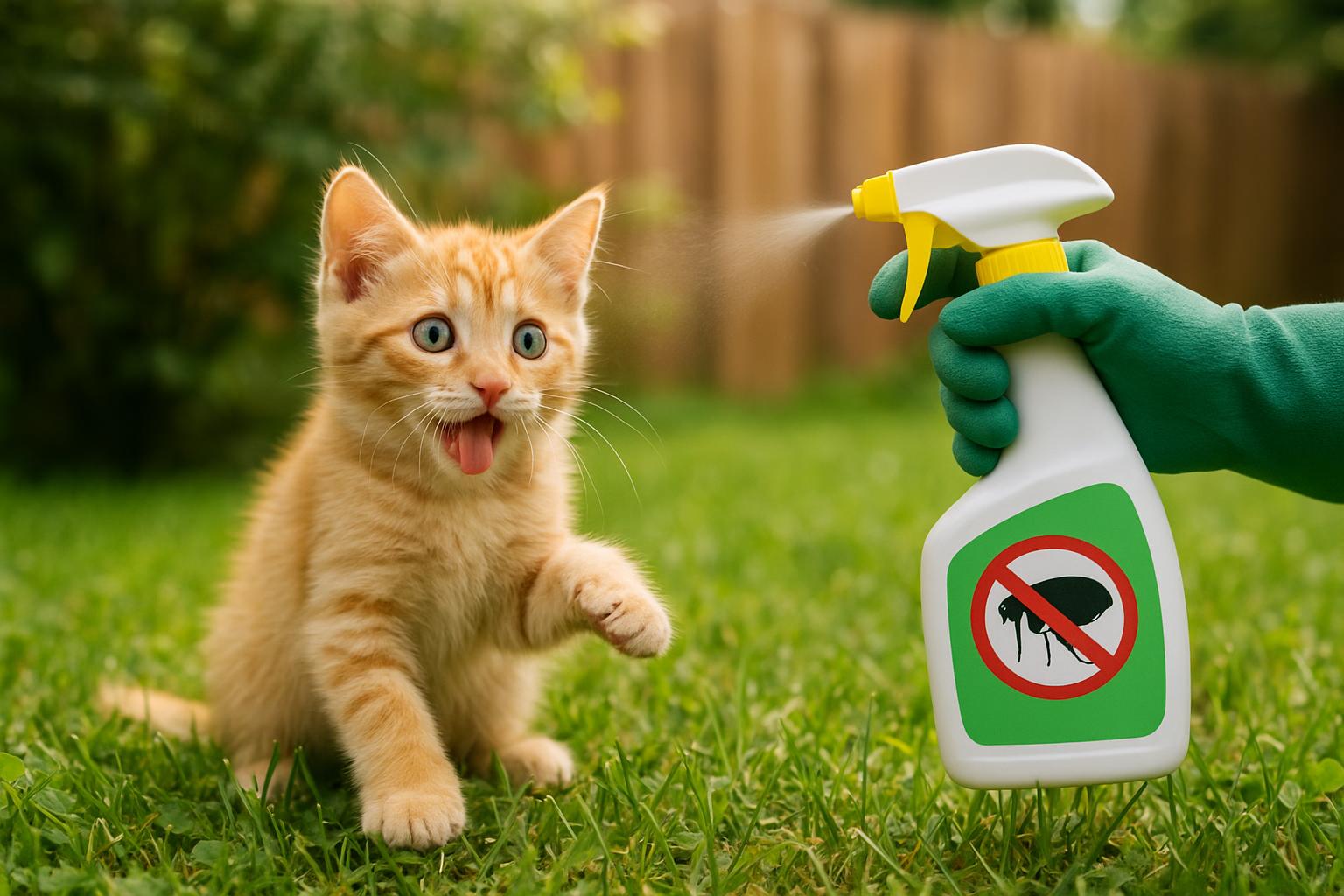
This first remedy focuses on reducing flea habitat and targeting immature flea stages in the yard using two natural approaches: beneficial nematodes and diatomaceous earth (DE). These are complementary: nematodes work against larvae and pupae in moist soils, DE desiccates adults and larvae on exposed surfaces.
Materials / Ingredients
– Beneficial nematodes (Steinernema feltiae) — live, refrigerated
– Diatomaceous earth (food grade)
– Garden sprayer (for nematodes) and handheld shaker (for DE)
– Water source and hose
– Protective gloves, mask and eye protection
– Stiff broom or leaf blower
– Pet-safe area signs (optional)
Step-By-Step Application
1. Prepare The Yard: Remove debris, rake leaf litter, trim low-hanging branches and thin dense groundcover to reduce shady microclimates. Sweep under porches and move fabrics away from the ground.
2. Choose Timing: Apply nematodes during a cool, moist period (early morning or evening) with soil temperatures between 50–90°F. Avoid sunny, hot periods. Apply DE on dry, calm days.
3. Apply Beneficial Nematodes:
a. Mix nematodes with water per manufacturer instructions; keep mixture shaded and aerated during application.
b. Use a garden sprayer and uniformly apply to suspected hotspot areas (under shrubs, near foundations, along fence lines).
c. Water the treated areas lightly immediately after application to wash nematodes into the soil.
d. Repeat application in 2–4 weeks for best control over multiple flea generations.
4. Apply Diatomaceous Earth:
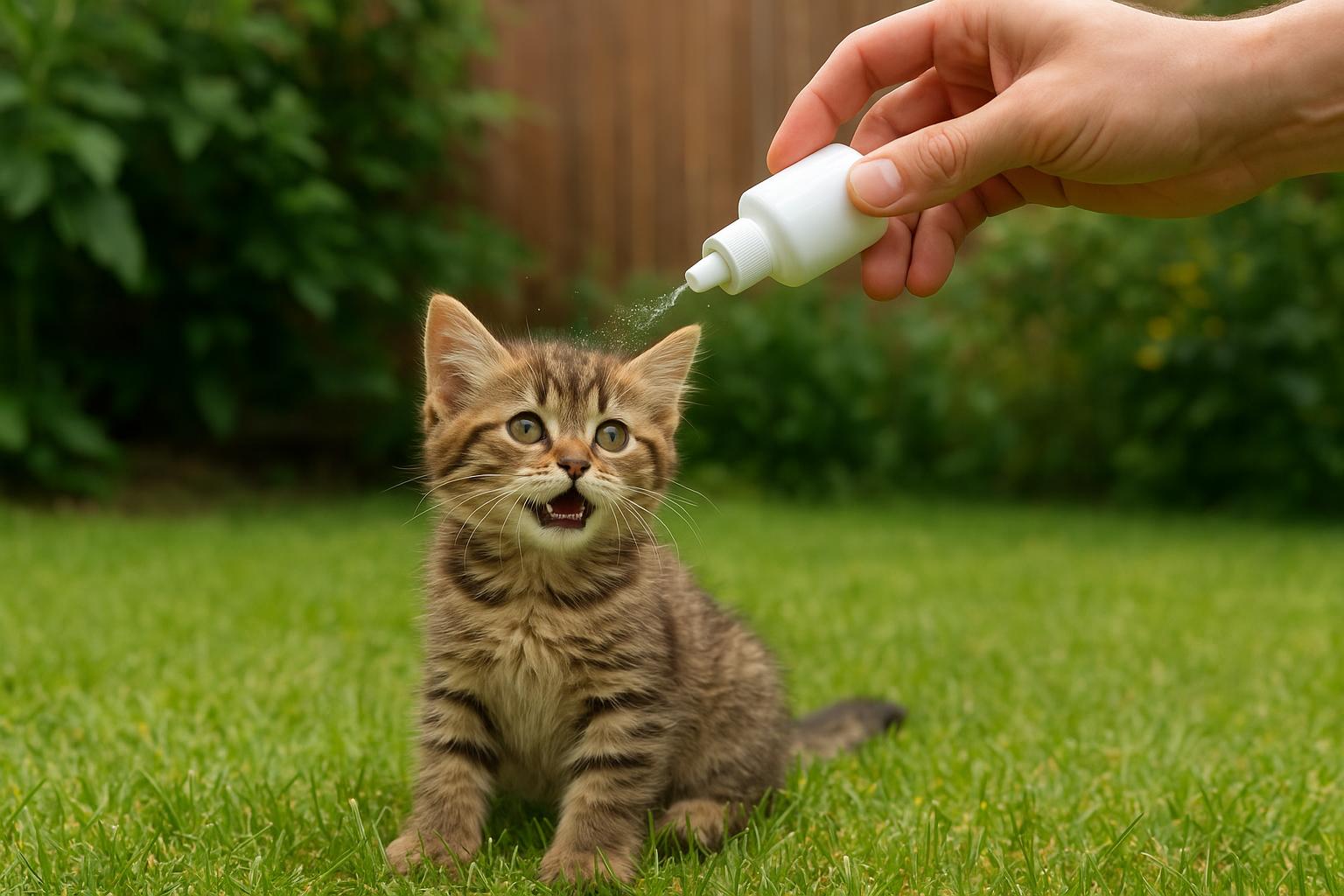
a. Using a shaker, lightly dust DE along grass edges, under porches, in mulch and along animal pathways.
b. Avoid heavy clumping; a thin, even layer is effective.
c. Reapply after heavy rain or irrigation when the DE has become wet and lost effectiveness.
5. Monitor And Maintain: Reinspect weekly for signs of flea life. Keep grass short (2–3 inches), remove excess mulch away from the foundation, and seal gaps that allow wildlife close to the house.
Use these treatments in conjunction: nematodes reduce the underground reservoir, DE controls exposed life stages. When applied correctly, these natural measures reduce the chance of yard flea entry.
## Remedy 2: Indoor Flea Control To Block Yard-To-Home Transfer
This second remedy addresses how fleas get into homes from yard by eliminating hitchhiking fleas and preventing pupae in the home from emerging.
Materials / Ingredients
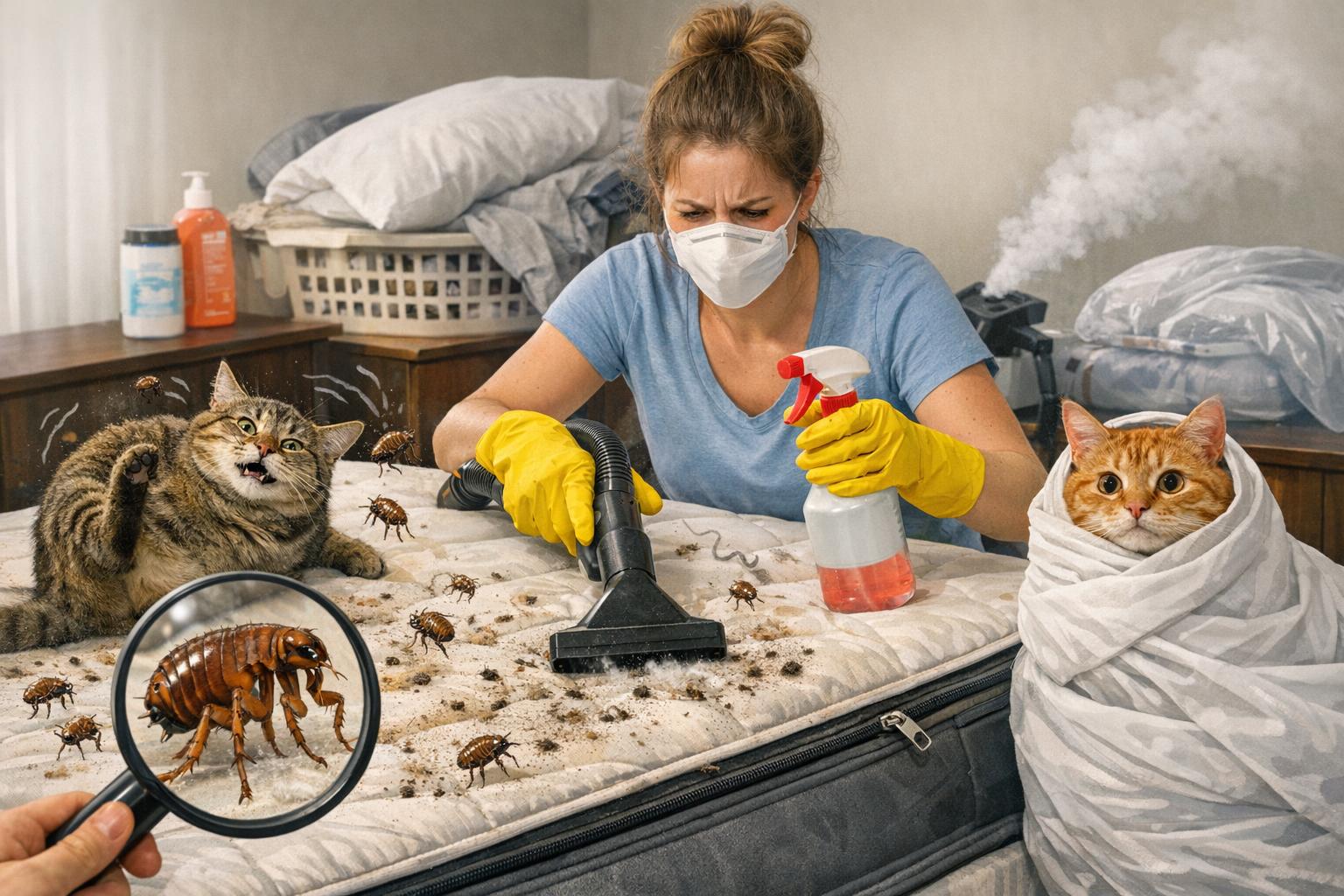
– High-suction vacuum cleaner with attachments
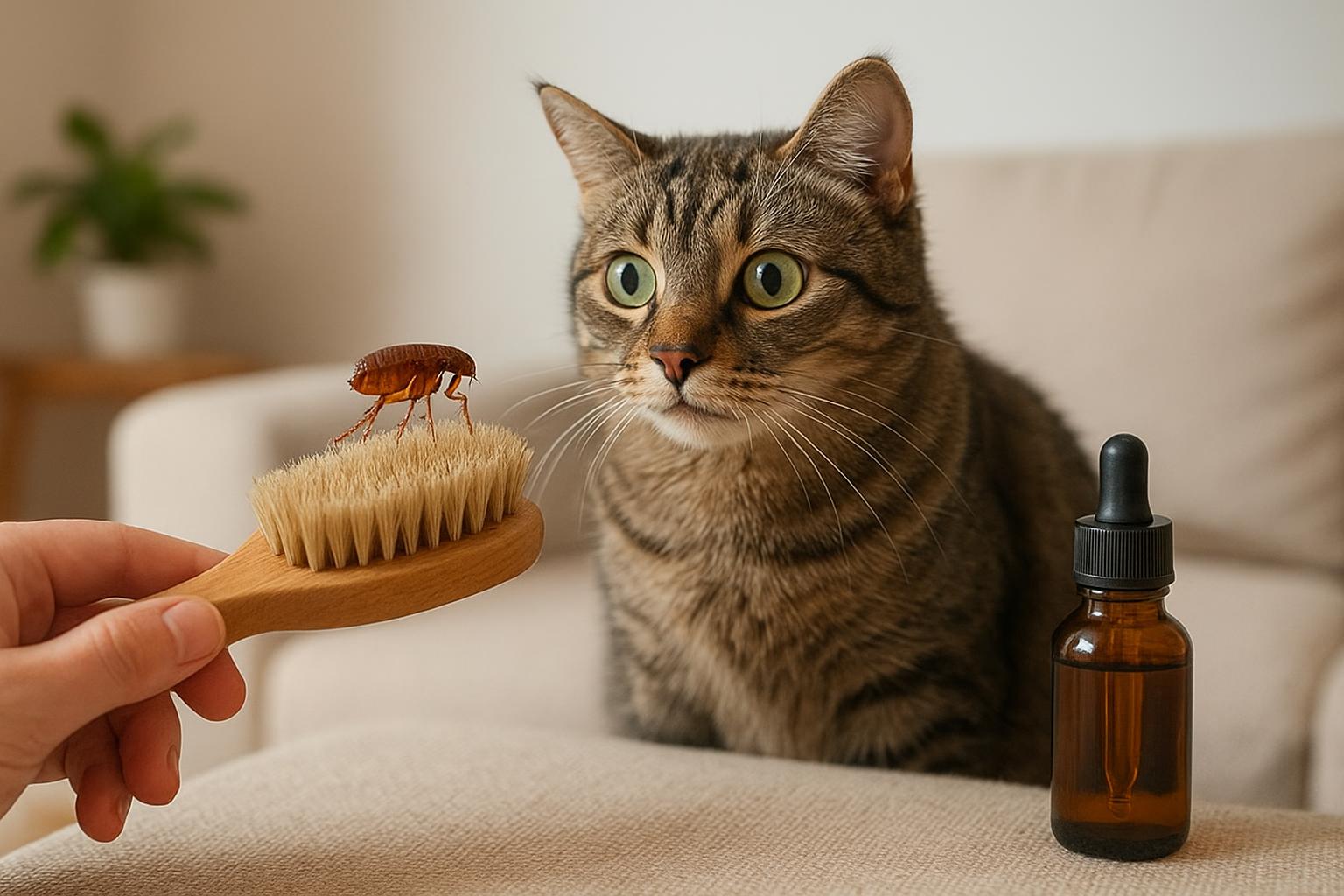
– Flea comb for pets
– Laundry detergent and hot water (for bedding and soft materials)
– Pyrethrin-free indoor spray (natural essential oil formulations) or veterinary-approved indoor products (use with caution; consult vet)
– Sticky flea traps or light-based flea traps
– Boric acid or food-grade diatomaceous earth (optional) for carpeting (use carefully around pets and children)
– Rubber gloves and disposable bags
Step-By-Step Application
1. Remove Pets Temporarily: Keep pets outside of treatment areas while you work and until floors are dry or products are settled.
2. Intensive Vacuuming:
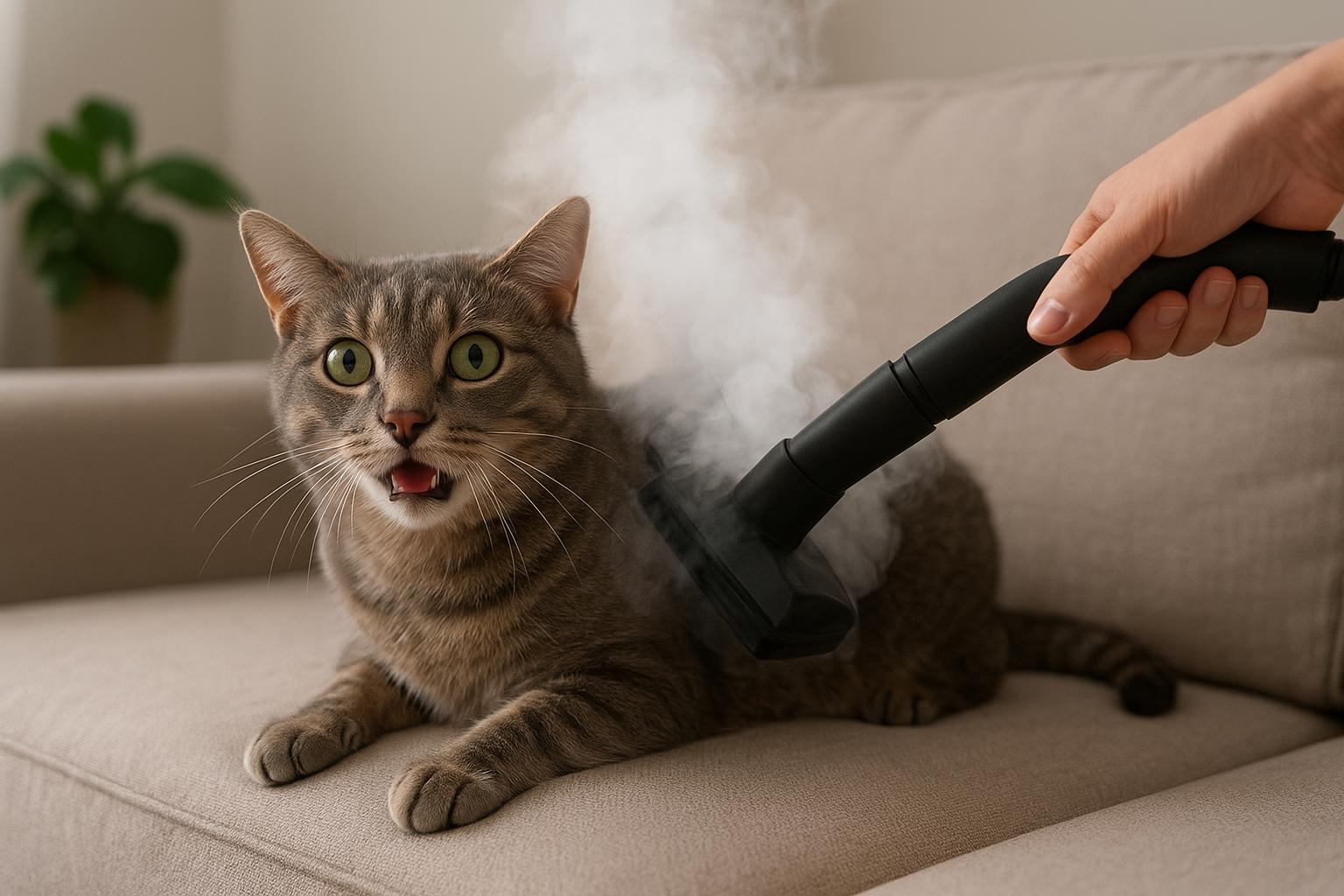
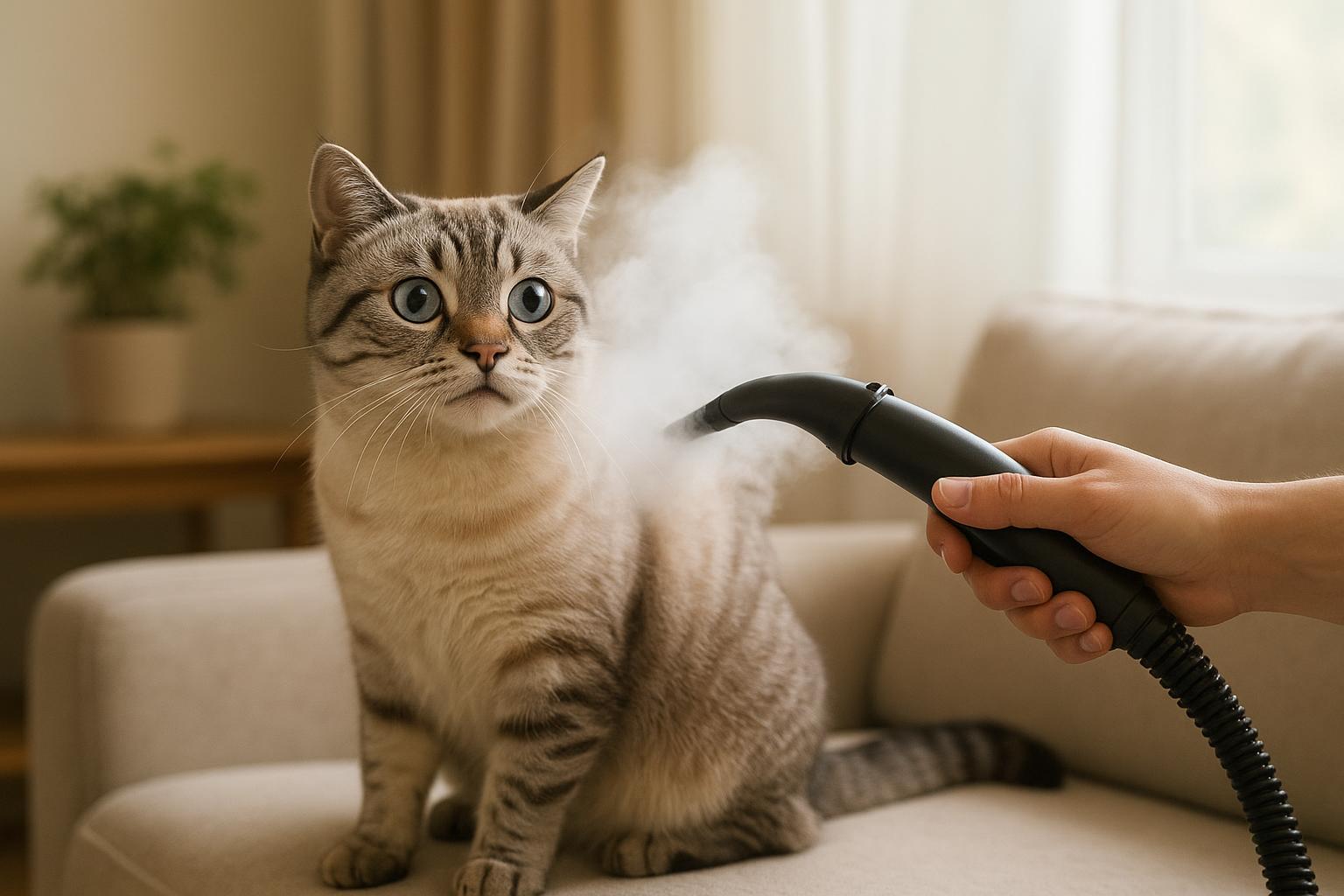
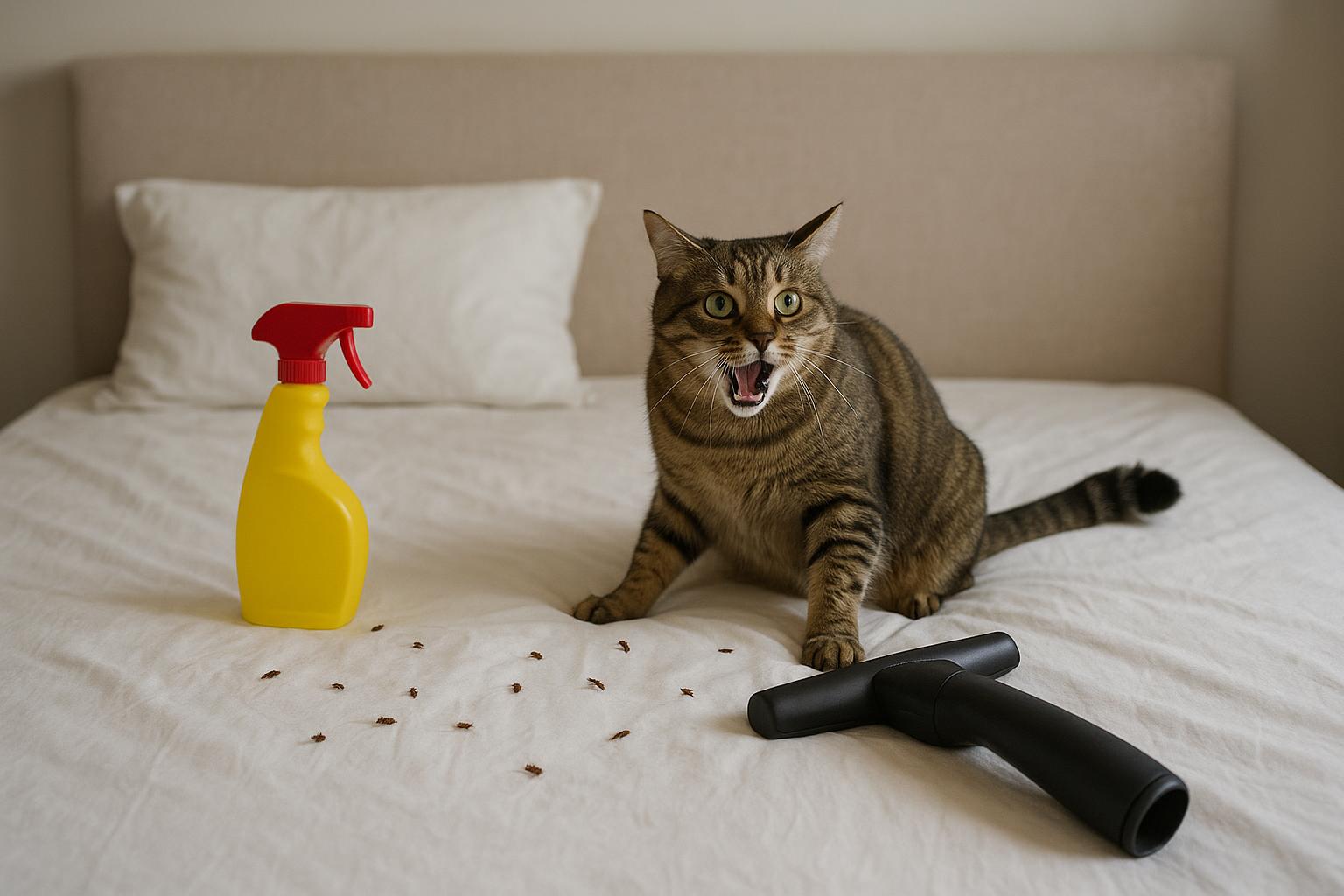
a. Vacuum all carpets, rugs, upholstery, and crevices thoroughly. Pay special attention to edges, under furniture and along baseboards.
b. Use attachments to get under cushions and sofas.
c. Immediately seal vacuum bag or empty canister contents into a plastic bag and discard outdoors.
d. Repeat vacuuming every 2–3 days for at least two weeks to interrupt the flea life cycle.
3. Wash Soft Materials:
a. Launder pet bedding, human bedding, throw blankets and removable cushion covers in hot water (at least 130°F) and dry on high heat.
b. Items that can’t be washed can be sealed in plastic for several weeks or placed in direct sunlight to heat.
4. Mechanical Removal From Pets:
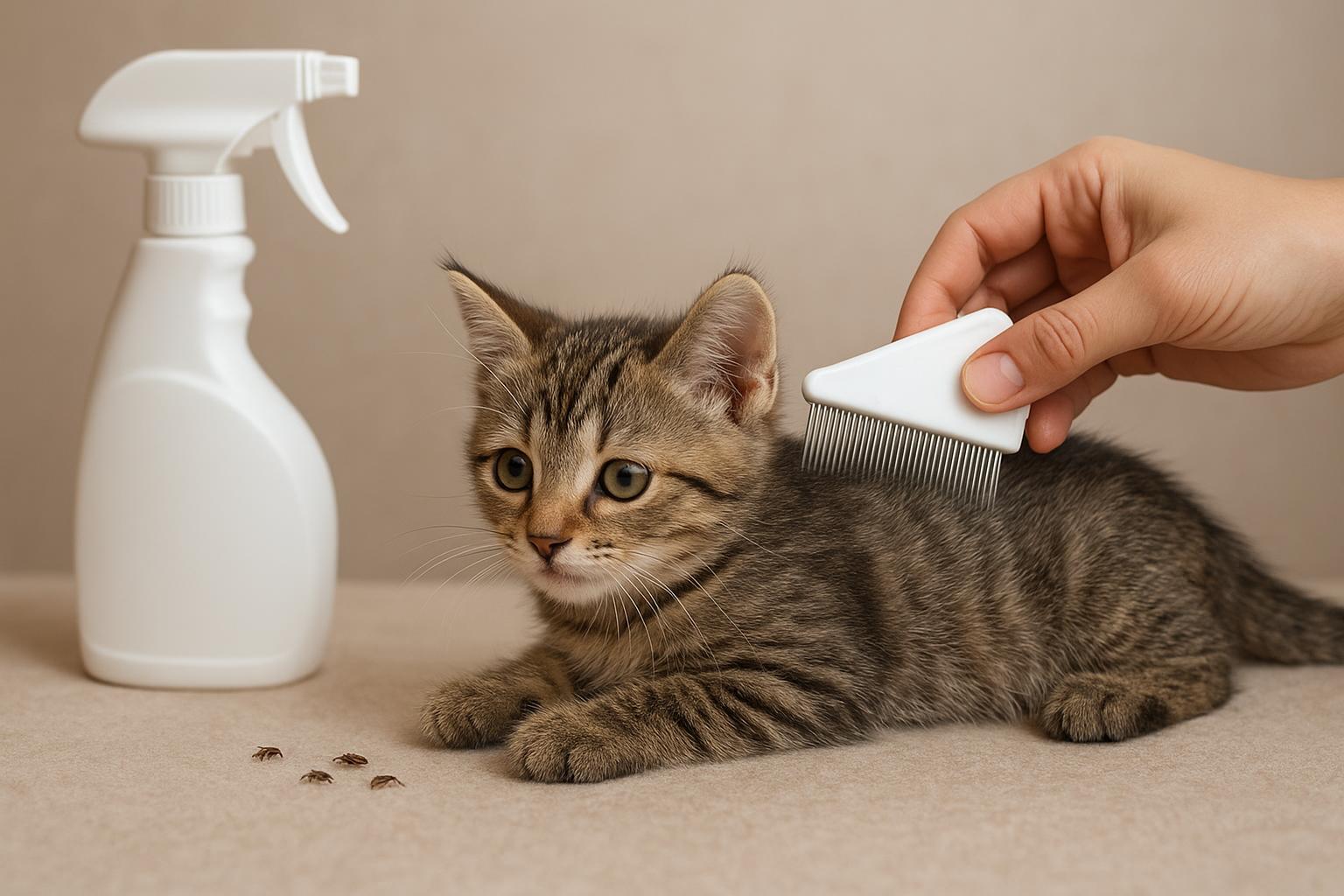
a. Use a fine-toothed flea comb over a white towel. Dip the comb in soapy water after each pass to drown captured fleas.
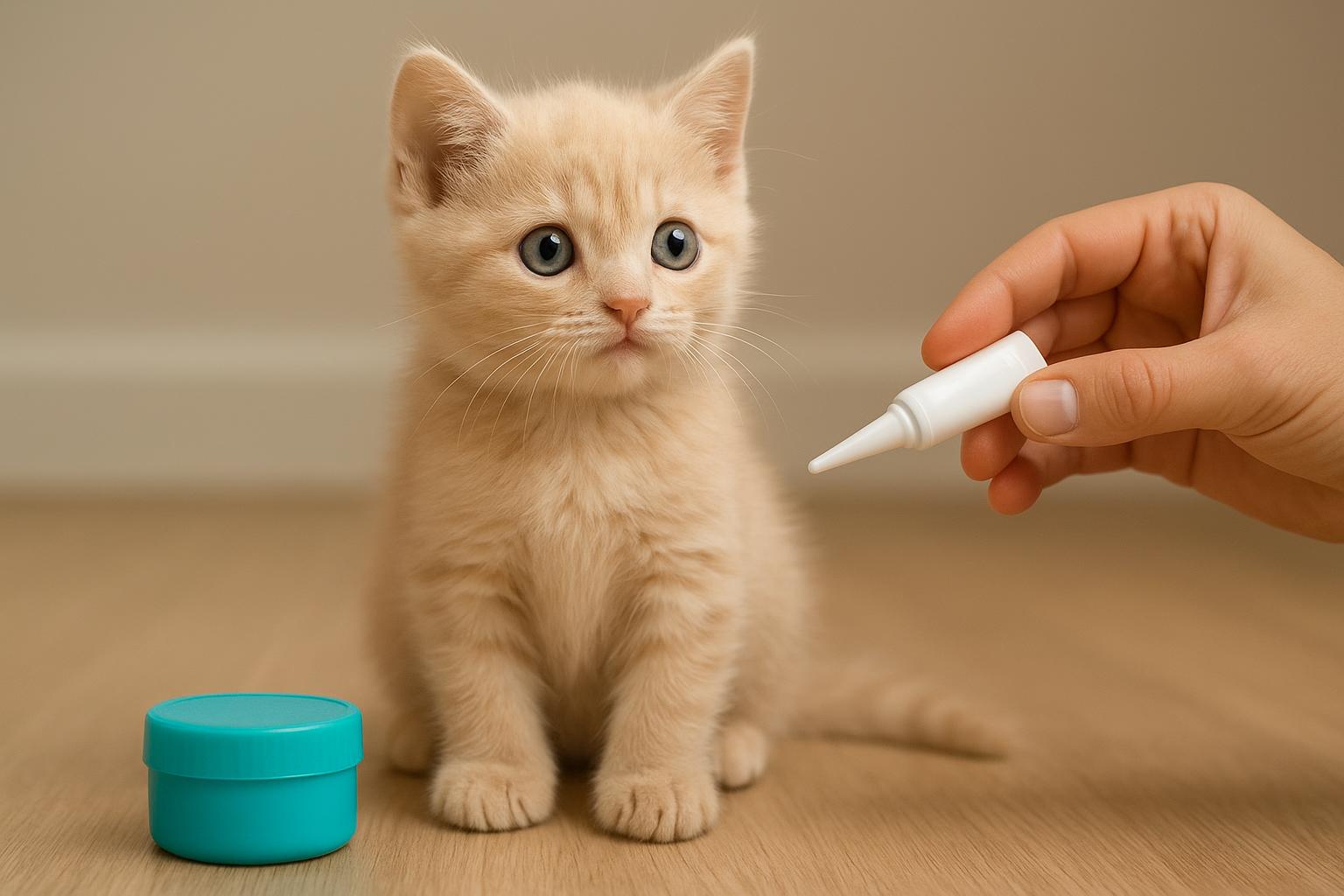
b. For an immediate knockdown, a short bath using a mild dish soap can remove and kill many adult fleas; rinse thoroughly and dry. This is a temporary measure—consult a veterinarian for long-term flea control options.
5. Targeted Indoor Treatments:
a. Place sticky traps in low-light areas to capture adults.
b. If choosing to use powders (boric acid or DE), apply lightly to carpets and work into fibers with a brush, then vacuum after 48 hours. Keep pets and children away during treatment.
c. Consider a professional-grade knot or fogging service for heavy infestations, following all safety instructions and disclosing pet presence.
6. Ongoing Prevention:
a. Maintain a strict daily pet inspection routine after outdoor activity.
b. Install door sweeps and screens, and reduce open access points where small animals frequent the threshold.
### Maintenance And Preventative Yard Entry Strategies
To reduce future yard entry, combine environmental and behavioral practices: keep pets on preventative flea control recommended by a veterinarian, maintain short grass and trimmed edges, install gravel or hardscaping buffers near foundations, remove brush piles, secure trash and compost bins, and discourage wildlife by blocking denning spots. Use native, sun-loving groundcover instead of dense mulch close to the house to reduce favored flea habitat. For immediate checks after outdoor time, consider a quick flea-comb routine for pets and an inspection of shoes and outdoor gear before bringing them indoors.
By recognizing the common pathways and environmental clues and applying the formal remedies above, you can dramatically reduce how fleas get into homes from yard and protect both pets and people from cyclical infestations.













Leave a Reply