
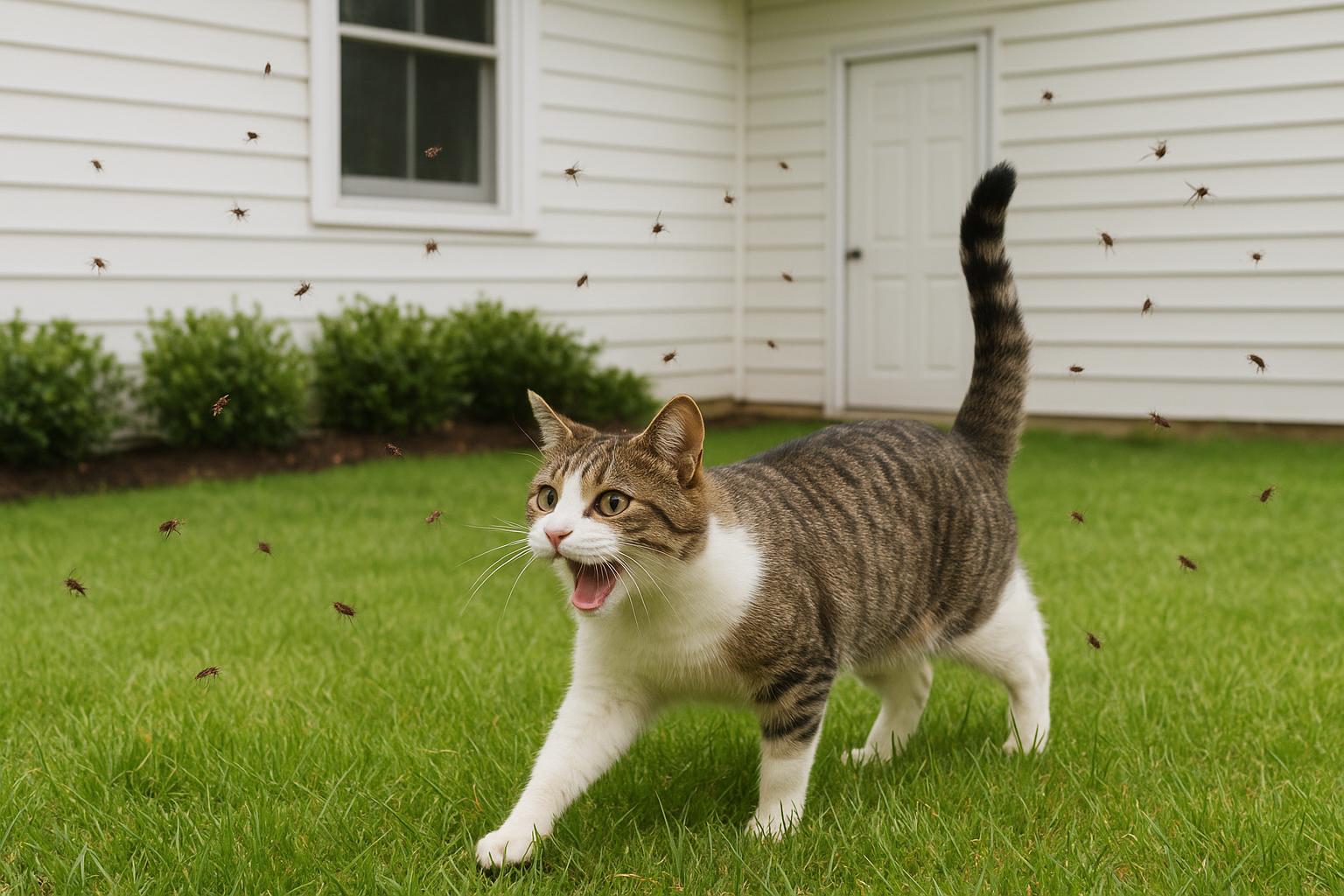
On a warm porch, a dog chases fireflies while the family laughs — and unseen in the grass, a tiny jumper waits. Fleas are masters of stealth, and for many pet owners the question is as prickly as the bites they leave: can fleas bite humans, and when should you worry?
## Can Fleas Bite Humans: What Pet Owners Should Know
Fleas are opportunistic feeders that prefer furry hosts, but the reality of can fleas bite humans is straightforward: yes, they can and do bite people under certain circumstances. Understanding why fleas sometimes leap from pets to skin, how to recognize their marks, and what to do about them helps protect both the household and the bond between people and their pets.
### How Fleas Feed And Transfer To People
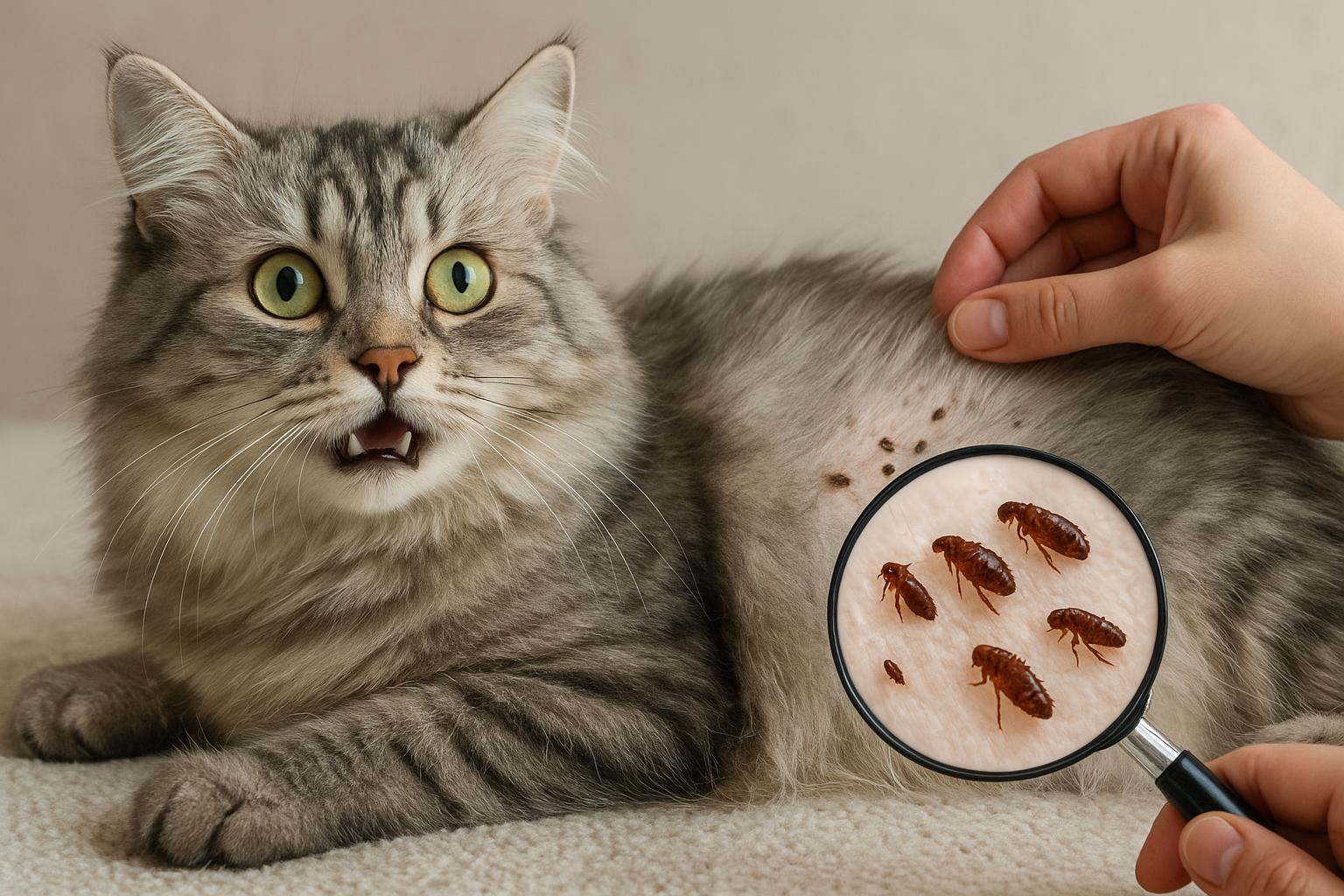
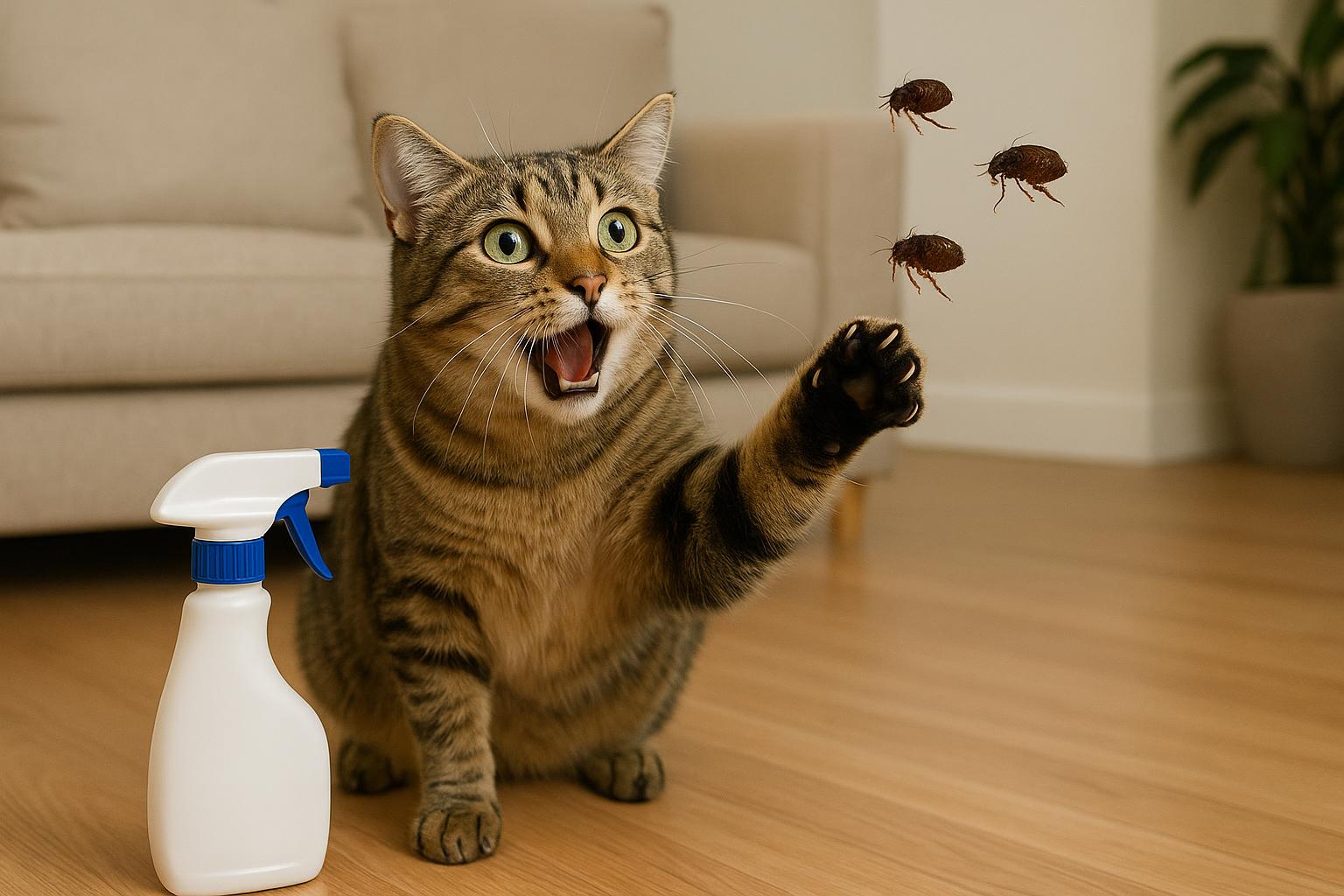
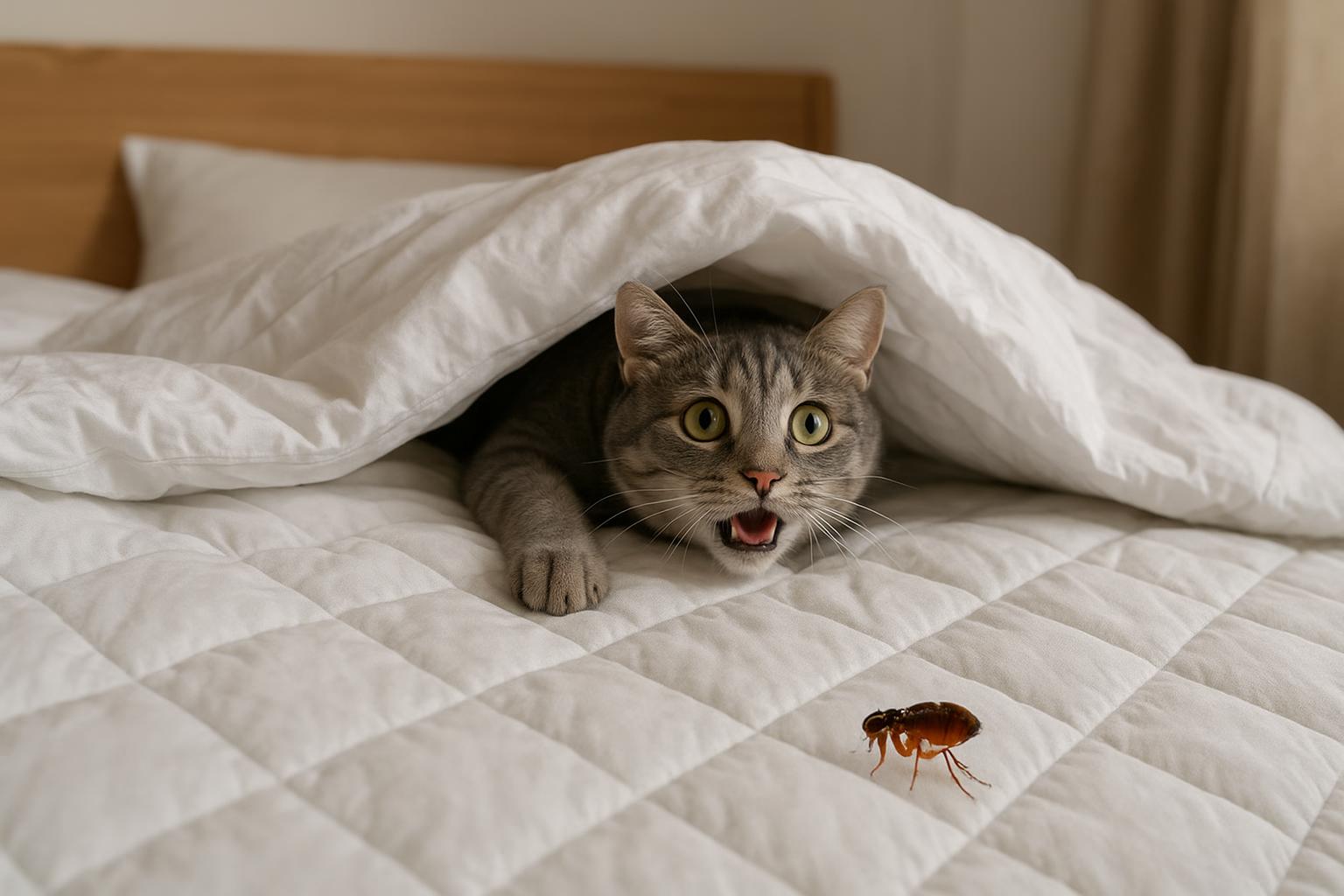
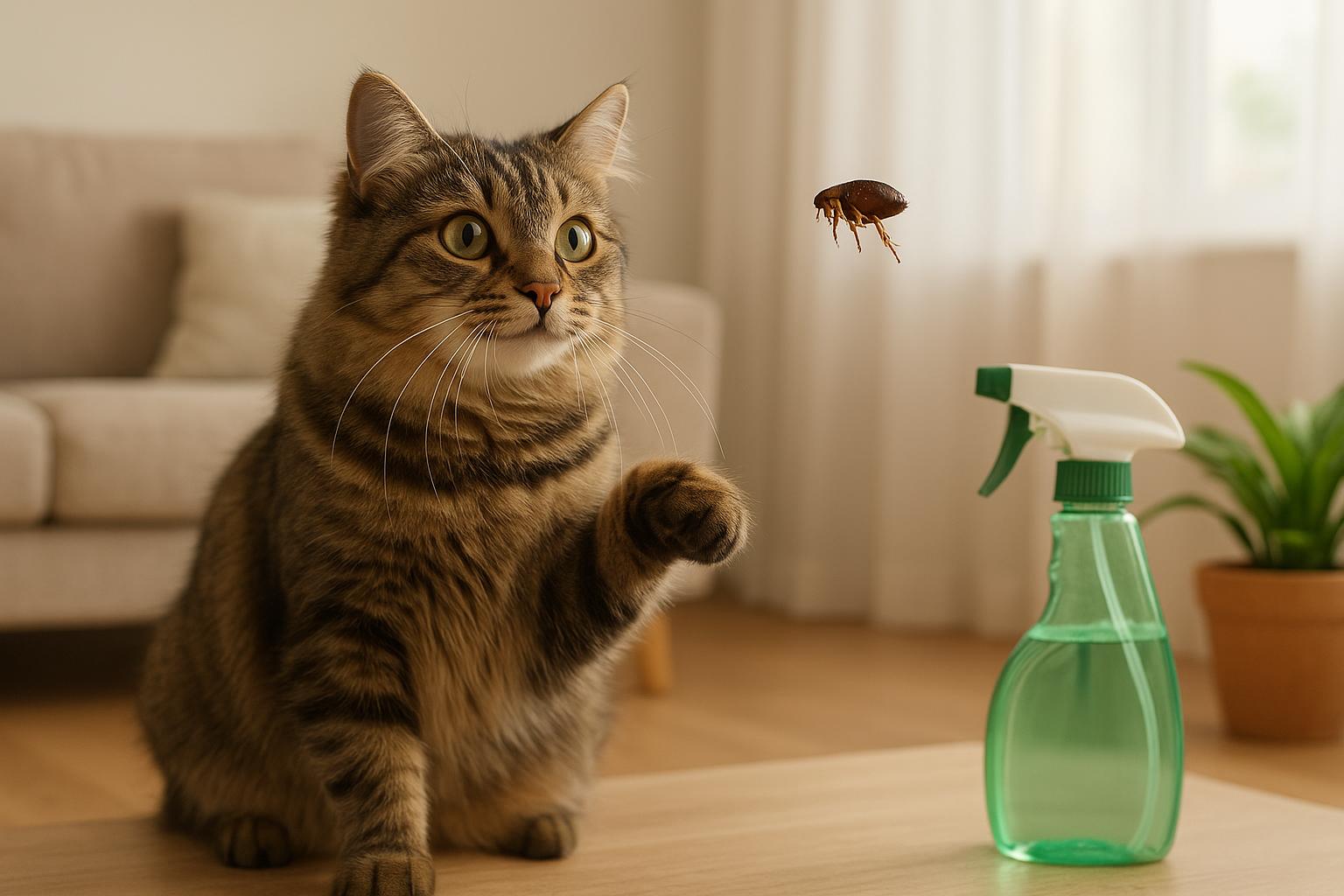
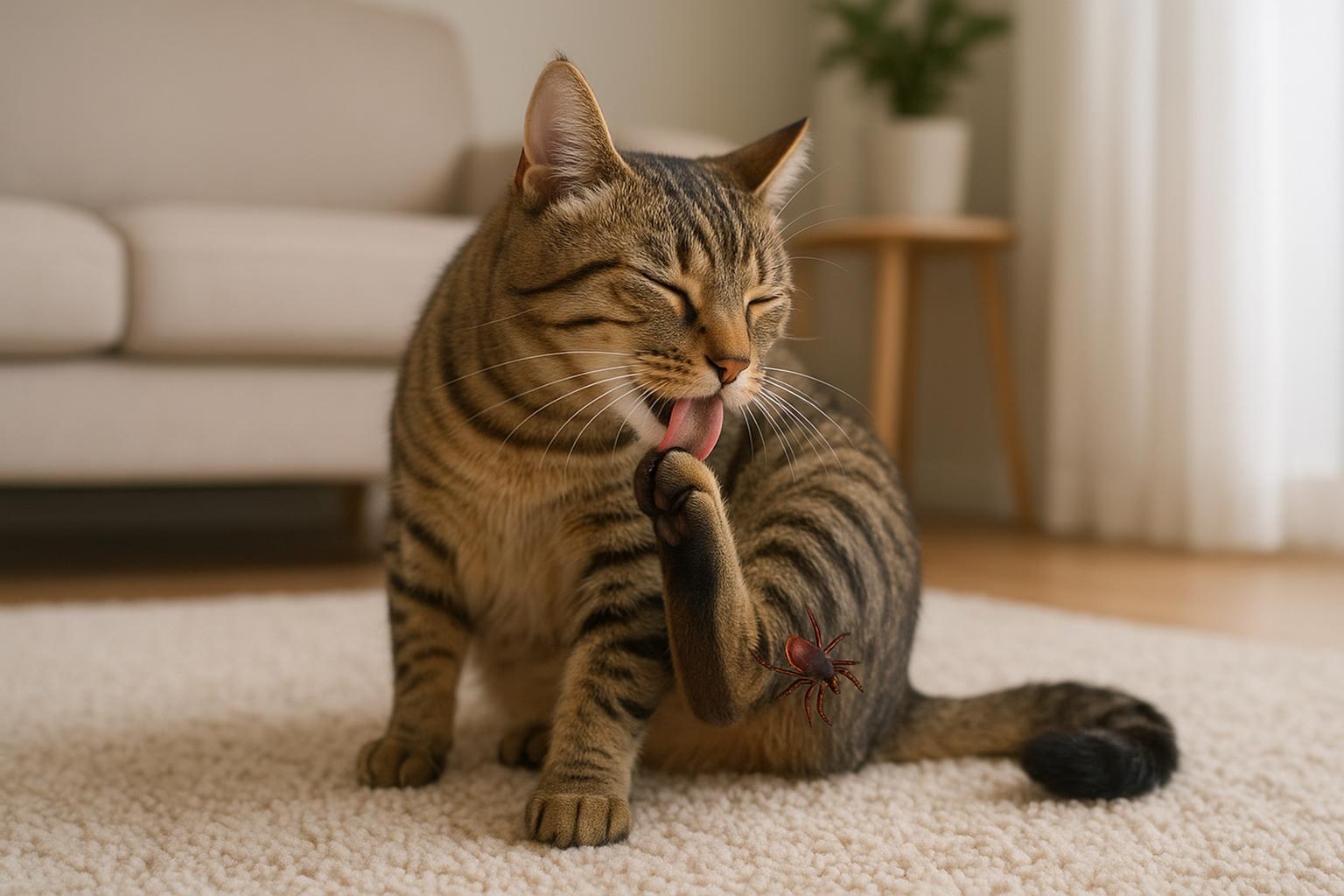
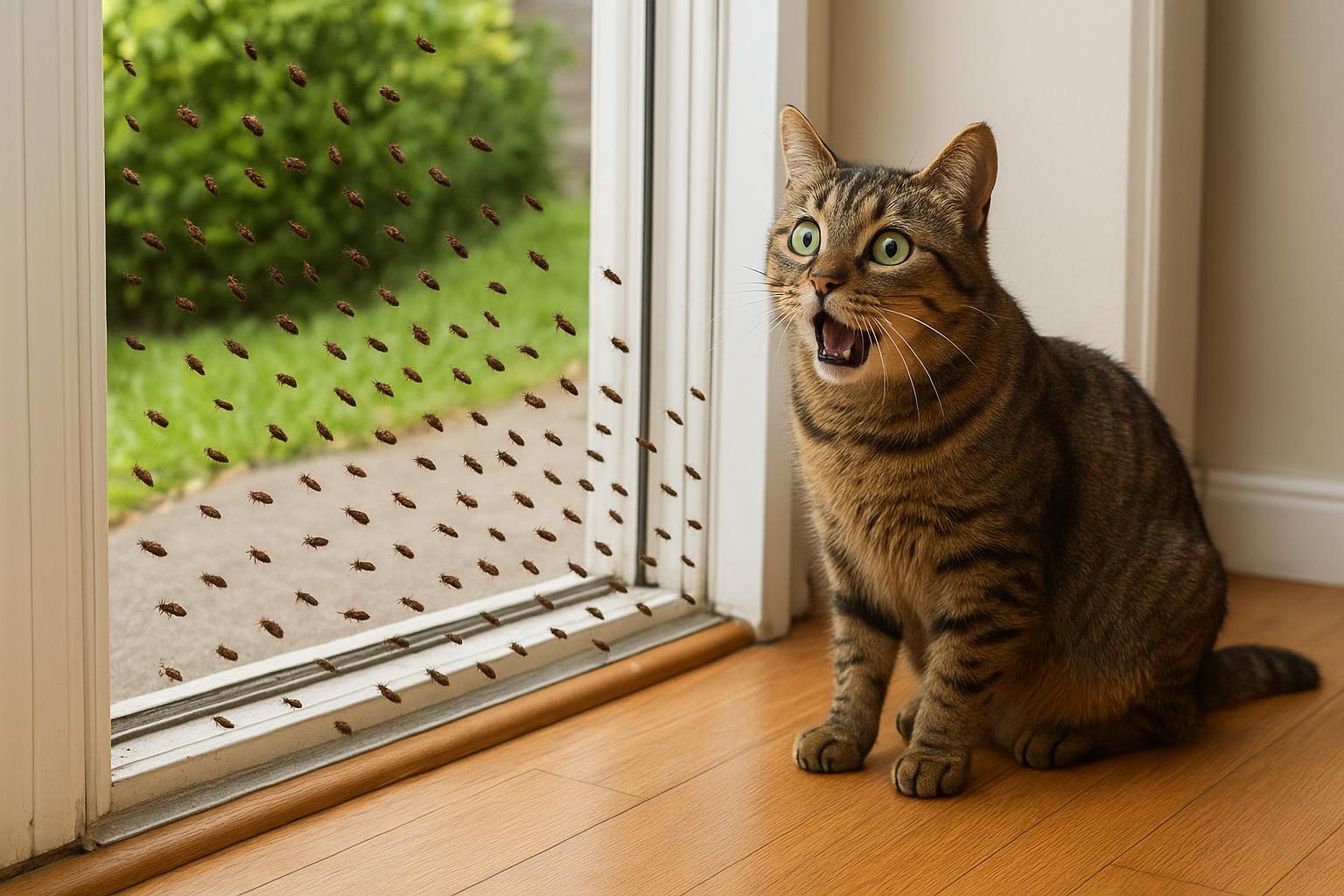
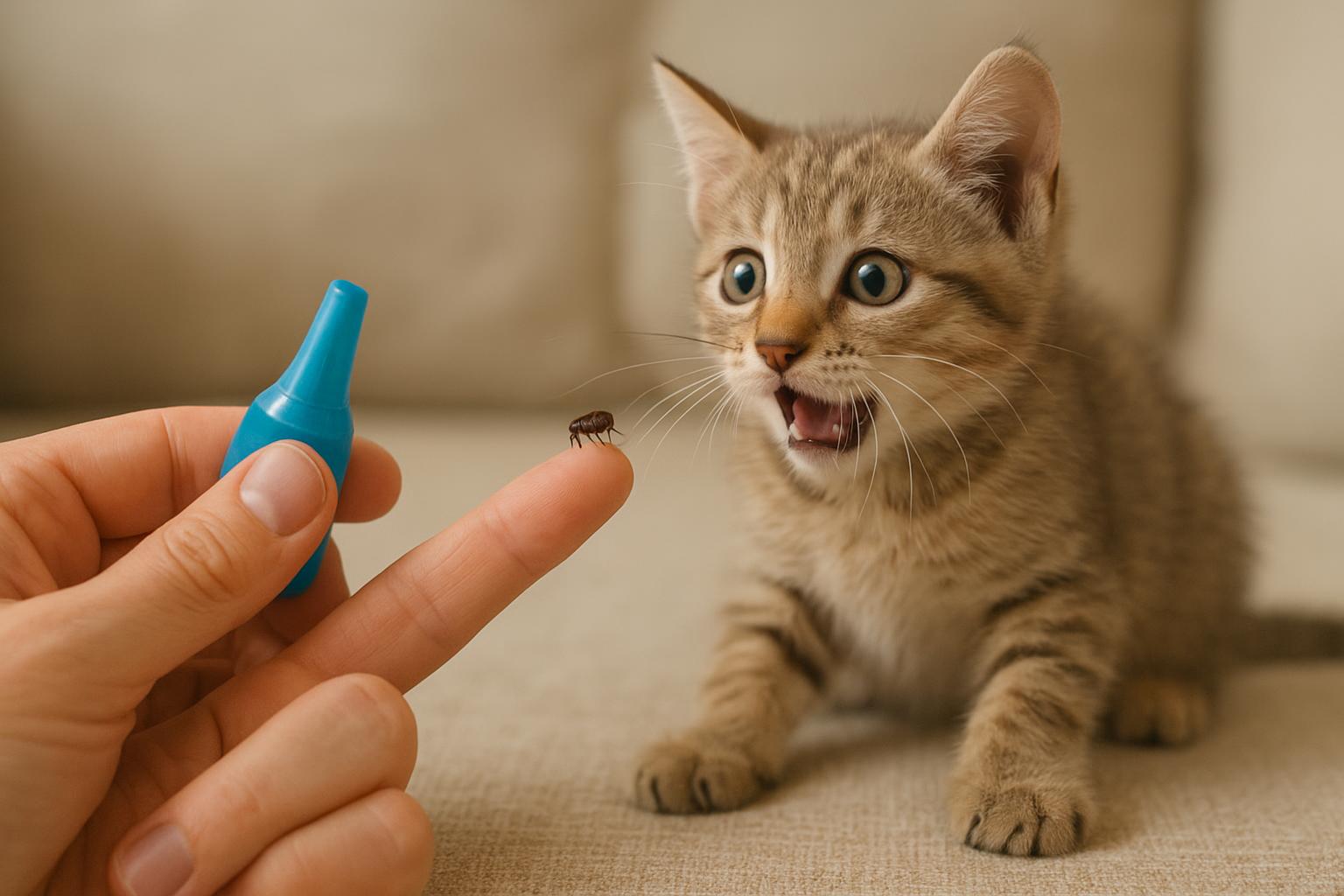
Fleas are small, wingless insects adapted to pierce skin and sip blood. Their bodies are flattened laterally and their legs are built for jumping. When flea populations build on a pet, increased flea pressure raises the chance of human contact. In situations where pets are treated and well-protected, flea bites to people are rare. But if a pet is untreated or if the environment is infested, the odds grow.
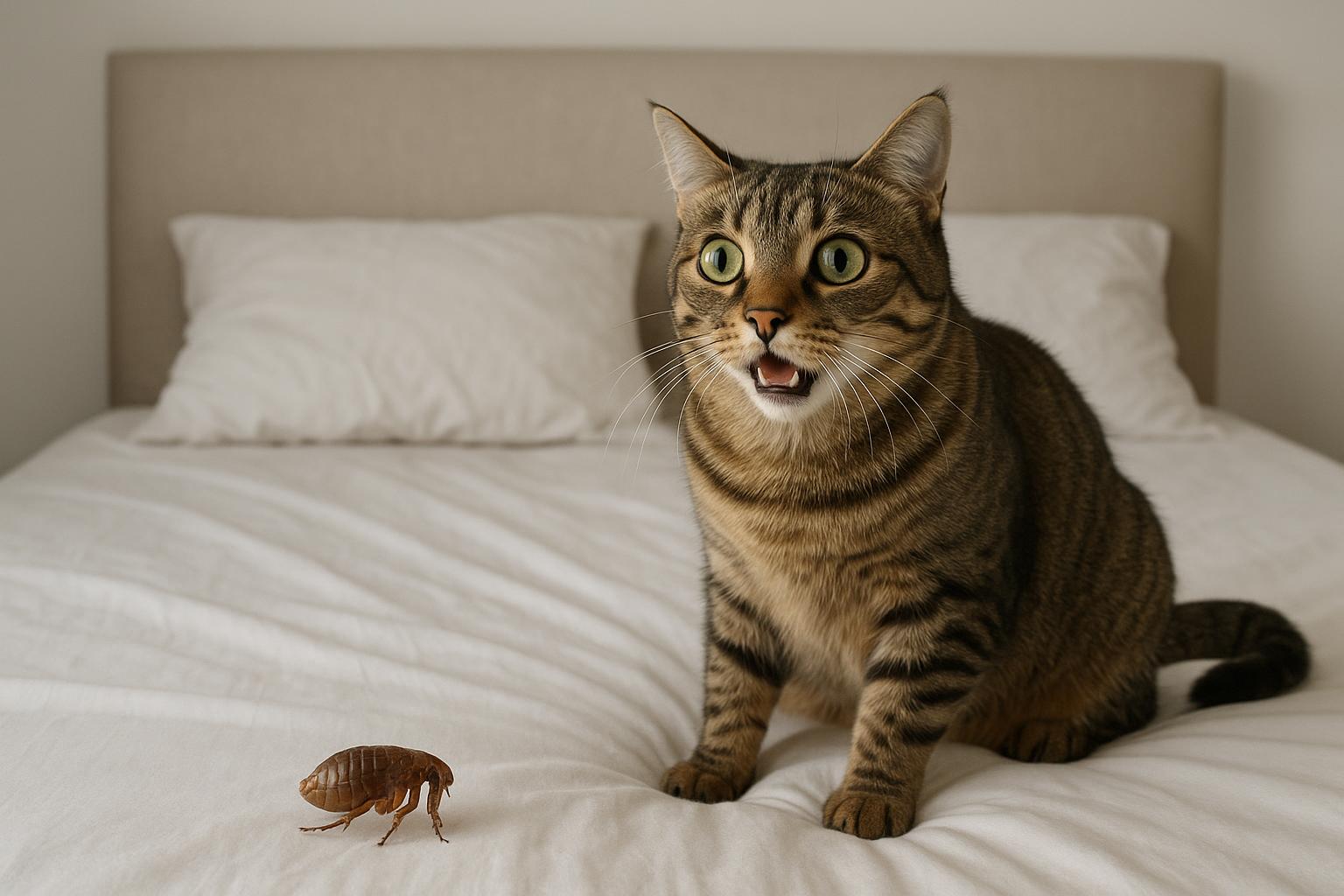
Flea behavior depends on the species. Cat fleas are the most common species in domestic settings and will bite dogs and humans if given the chance. Bites often occur in areas with less hair or where clothing is loose, and repeated exposure can sensitize people, causing stronger reactions over time. The link between pets and people — human contact — is the main bridge for fleas to cross from animal to human hosts.
### Signs That Fleas Have Bitten You
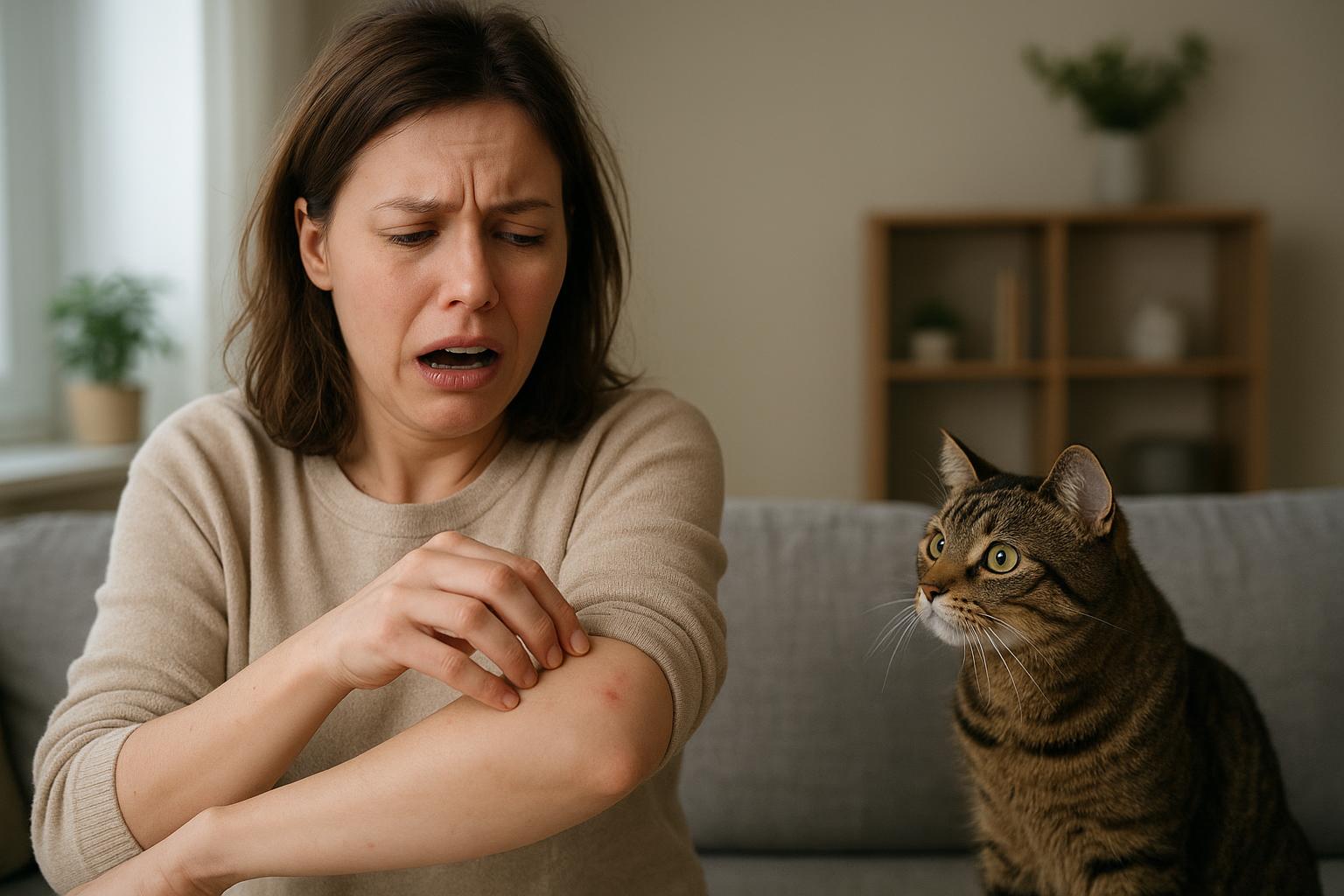
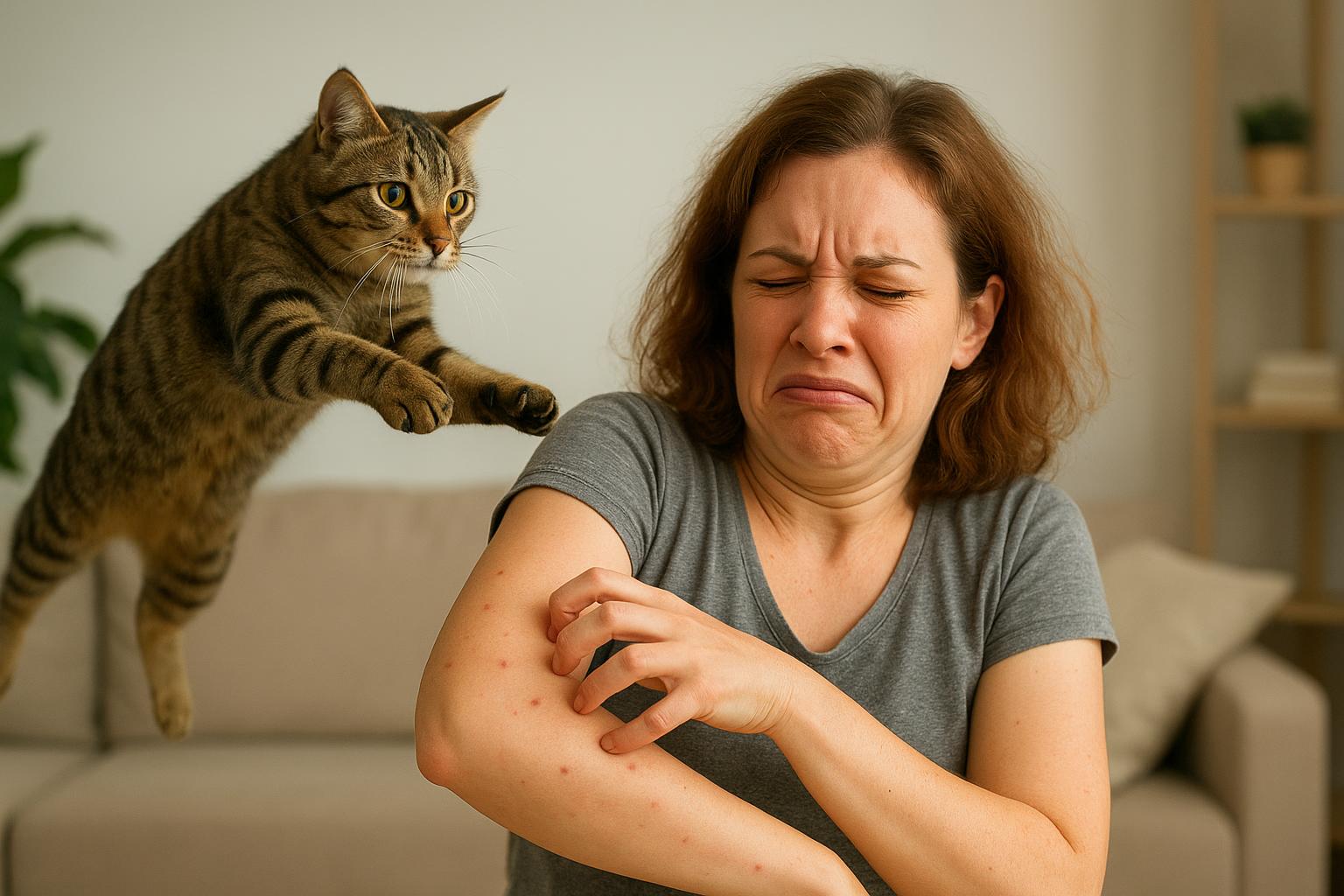
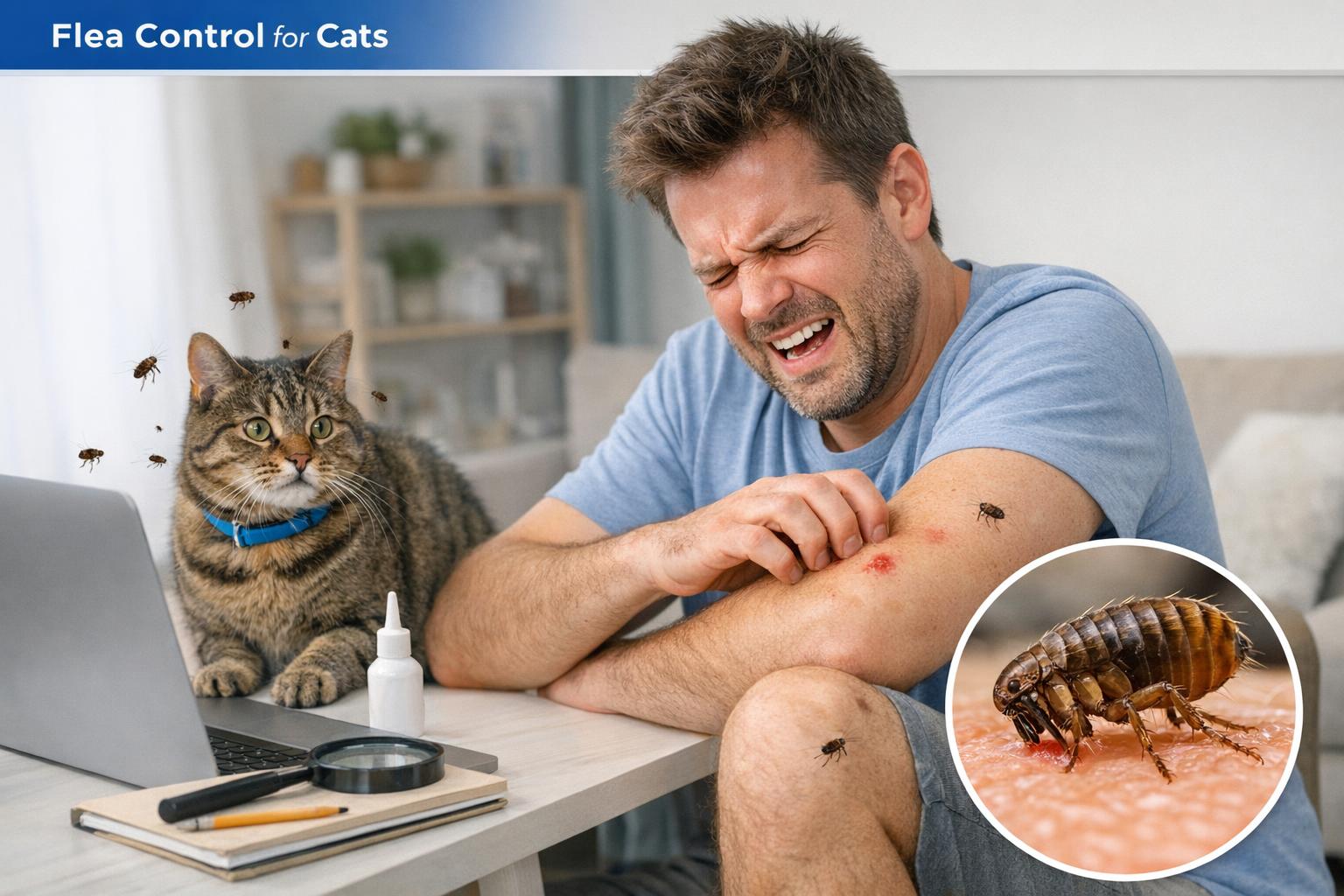
Flea bites are usually small, red, raised bumps that can be intensely itchy. They commonly appear on ankles, lower legs, or any area that brushes against furniture where fleas hide. Multiple bites often appear in a cluster or a line because fleas may hop along the skin to feed multiple times.
Look for:
– Small red bumps with a single puncture center.
– Itching that worsens at night.
– Bites grouped around the feet, ankles, or waistline.
– Secondary infection from scratching.
Some people experience allergic reactions to flea saliva, meaning a few bites can provoke large wheals or eczema-like rashes.
#### Distinguishing Flea Bites From Other Insects
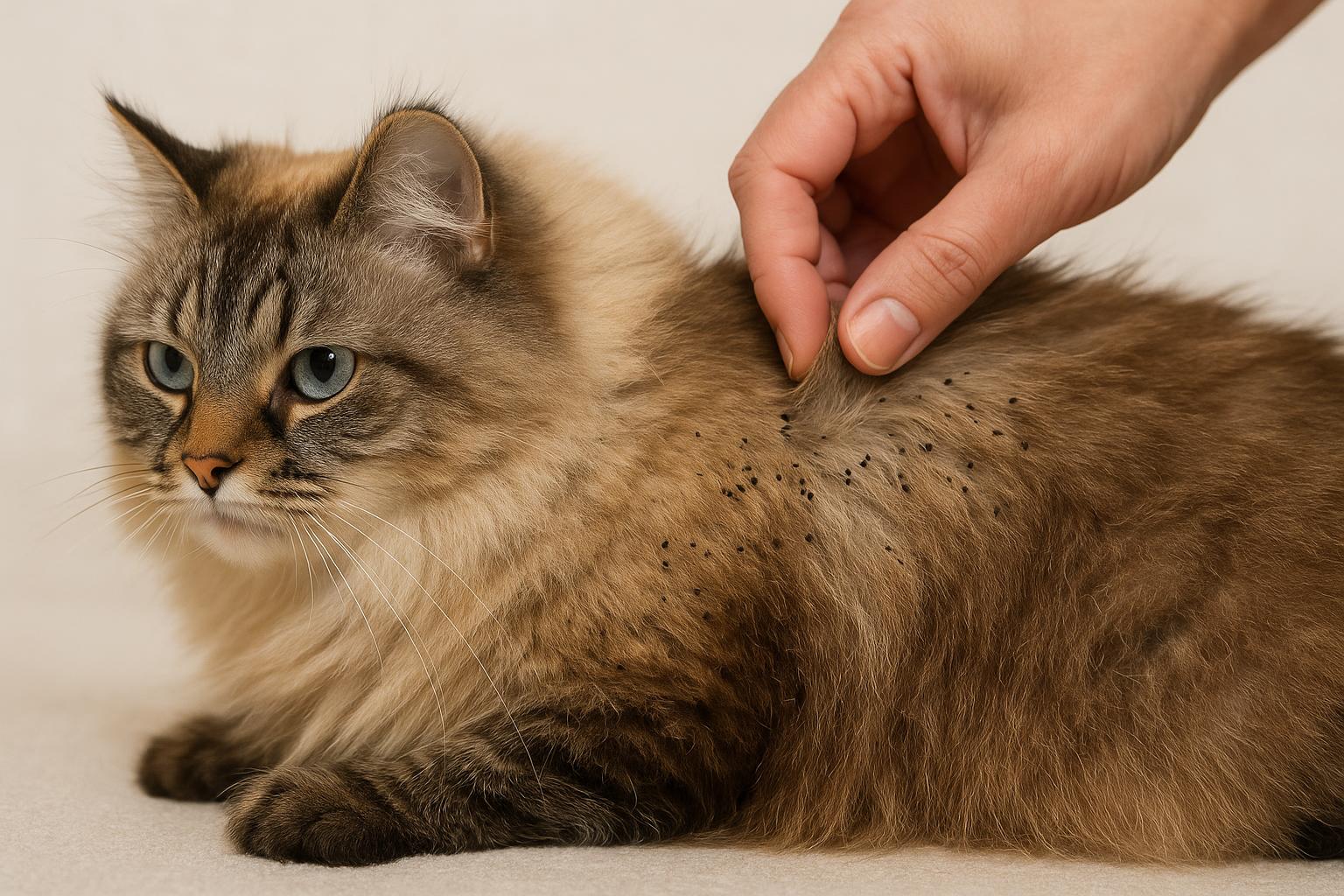
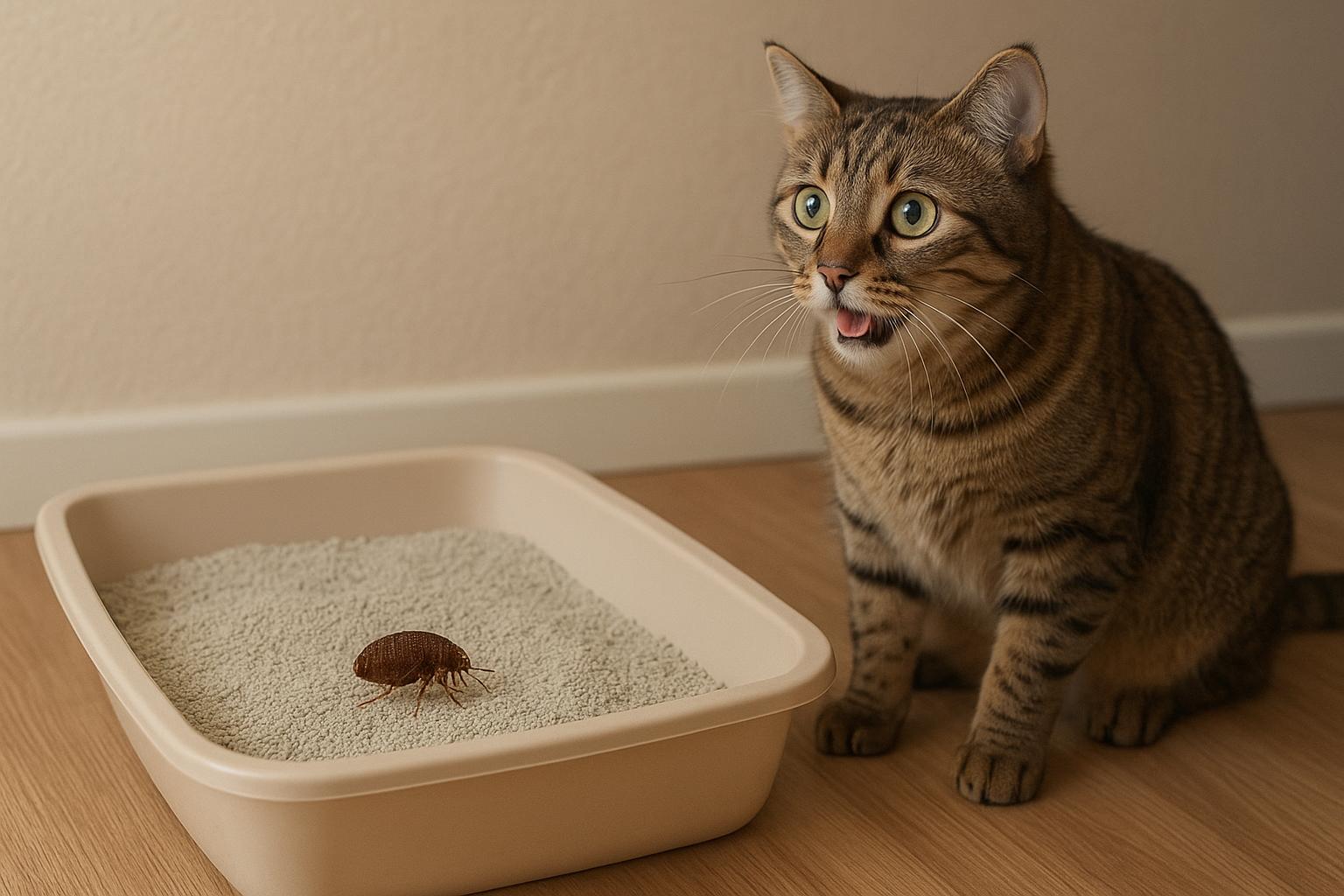
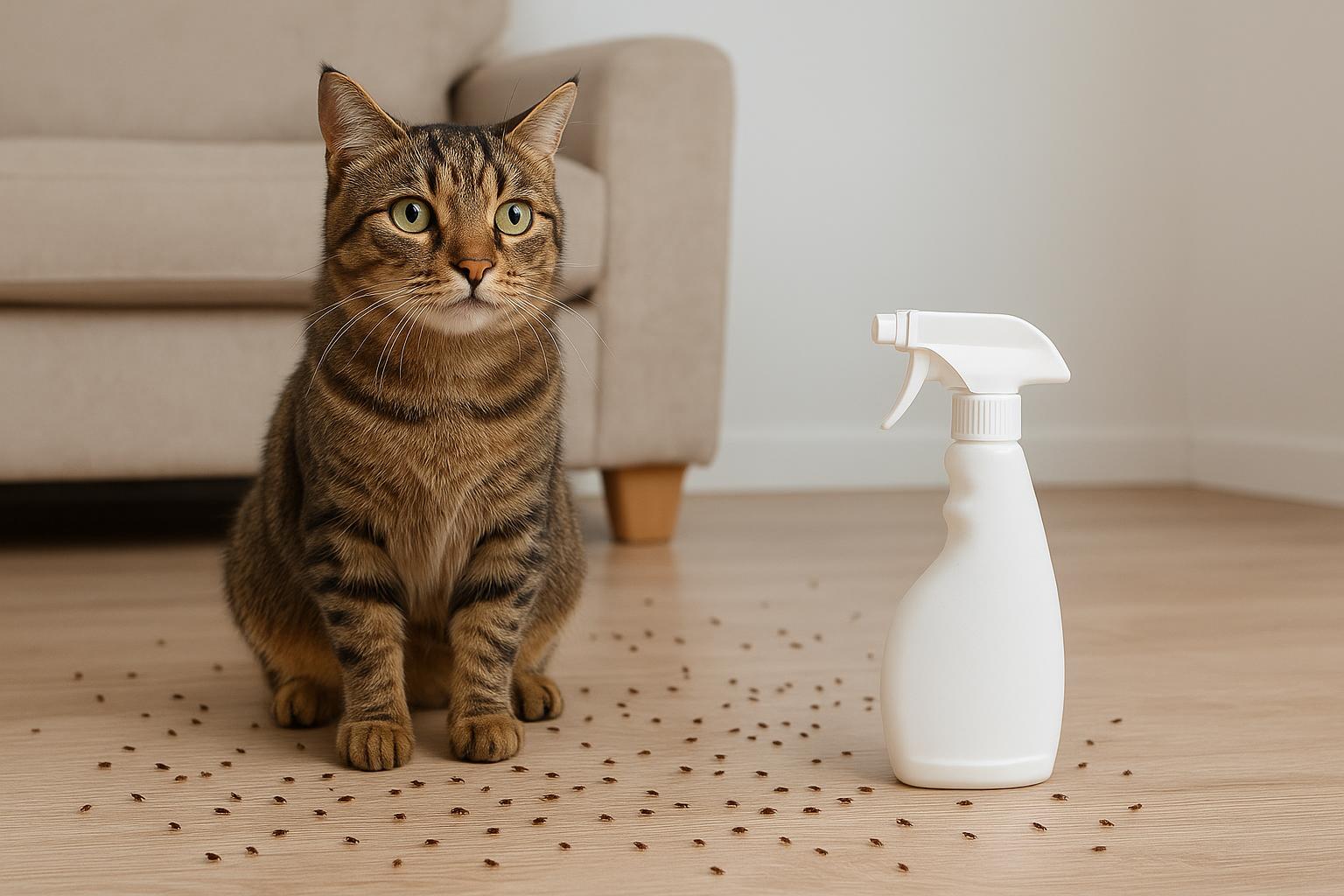
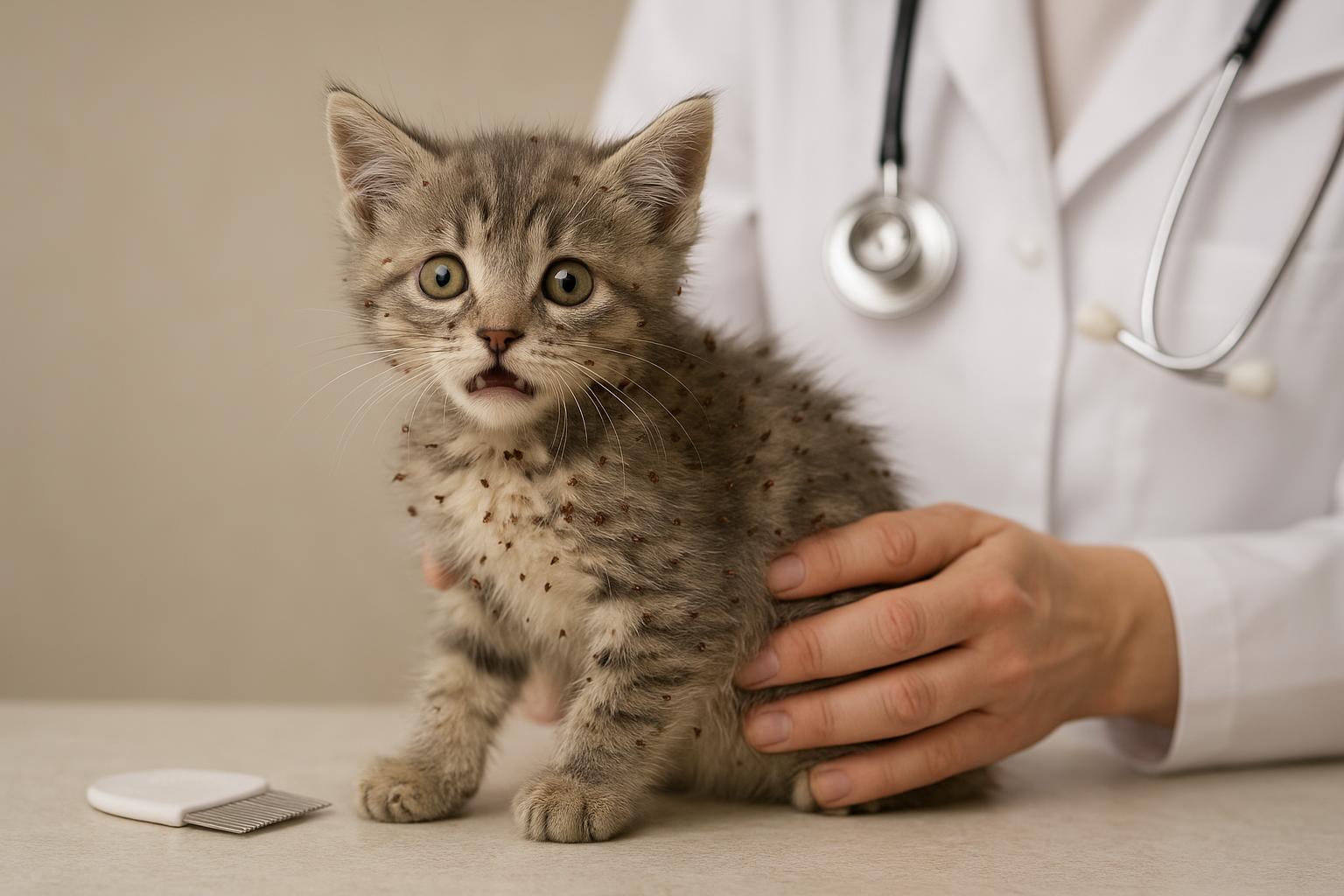
Compare bite patterns: flea bites are tiny and clustered, while bed bug bites may be larger and in a line of three. Mosquito bites are usually isolated and raised. If you find bites plus sightings of tiny black specks (flea dirt) on pet bedding or carpets, fleas and humans are likely involved in a shared infestation.
## 1. Home Remedies For Flea Bites On Humans
When can fleas bite humans and cause discomfort, timely treatment soothes symptoms and reduces the risk of infection. The following remedy is presented in a formal, step-by-step format for safety and clarity.
Ingredients and Materials:
– Pure aloe vera gel (or a single aloe leaf)
– Colloidal oatmeal (finely ground) or plain oats to make a paste
– Clean water
– Mild soap
– Cotton pads or clean cloth
– Hydrocortisone cream 1% (over-the-counter)
– Antihistamine tablets (oral, if recommended by a healthcare provider)
Preparation and Application:
1. Clean the Area: Gently wash the affected skin with mild soap and lukewarm water to remove surface contaminants. Pat dry with a clean towel.
2. Apply Aloe Vera: If using a leaf, extract a small amount of gel. Apply a thin layer of aloe vera gel to soothe inflammation and reduce itching. Allow it to absorb for several minutes.
3. Oatmeal Paste (If Needed): Mix 1 tablespoon of colloidal oatmeal with enough water to form a spreadable paste. Apply the paste to more irritated bites and leave for 10–15 minutes, then rinse gently.
4. Medicate: For persistent itching, apply a small amount of hydrocortisone cream 1% only to the bitten area, following label directions (generally no more than twice daily, and not on large body areas without medical advice).
5. Oral Antihistamine: If itching is widespread or disrupts sleep, one oral antihistamine (such as cetirizine or loratadine) may help; follow dosing instructions or consult a healthcare provider.
6. Prevent Infection: Keep nails trimmed and discourage scratching. If a bite becomes increasingly swollen, warm, painful, or oozes pus, seek medical care as this may indicate infection.
Safety Notes: Avoid using products intended for pets on human skin; many contain ingredients unsuitable for people. If you have a history of severe allergic reactions, consult a physician before trying home remedies.
### When To See A Doctor
Seek professional care if you experience signs of systemic allergy (difficulty breathing, widespread swelling), severe localized infection, or prolonged skin reaction. A doctor can prescribe stronger topical steroids or oral antibiotics if infection is present.
## 2. Natural Flea Control For Pets And Home
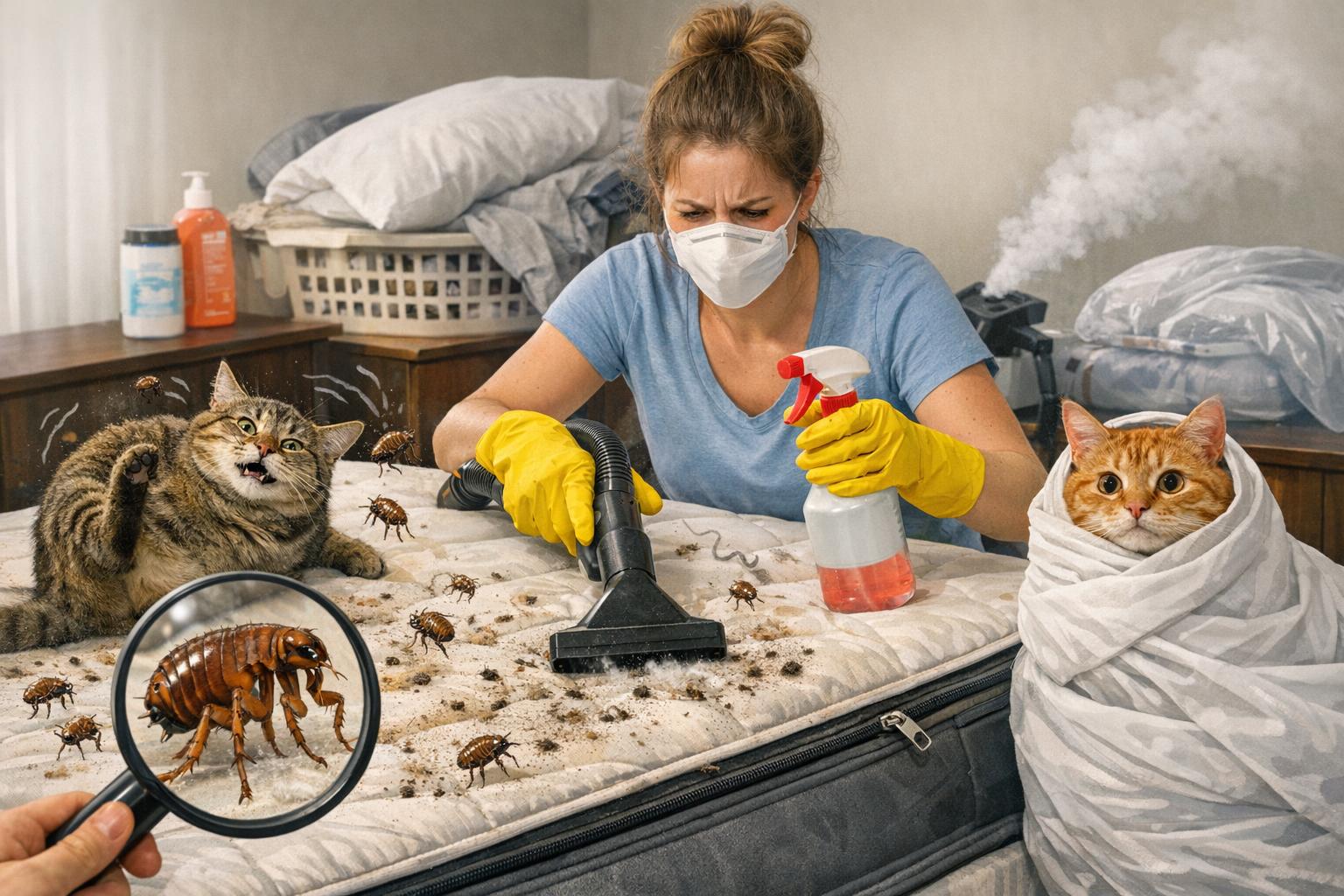
Reducing the chance that fleas move from pets to people begins with comprehensive pest management. This remedy focuses on natural, pet-friendly methods. Follow these formal steps to treat the environment and reduce future human contact with fleas.
Ingredients and Materials:
– Vacuum cleaner with a brush head and disposable bag (or emptied canister)
– High-quality pet shampoo labeled for flea control (optional, consult vet)
– Warm water and mild dish soap
– Boric acid or food-grade diatomaceous earth (DE) — pet-safe, use carefully
– Washable bedding and linens
– Fabric-safe steam cleaner (optional)
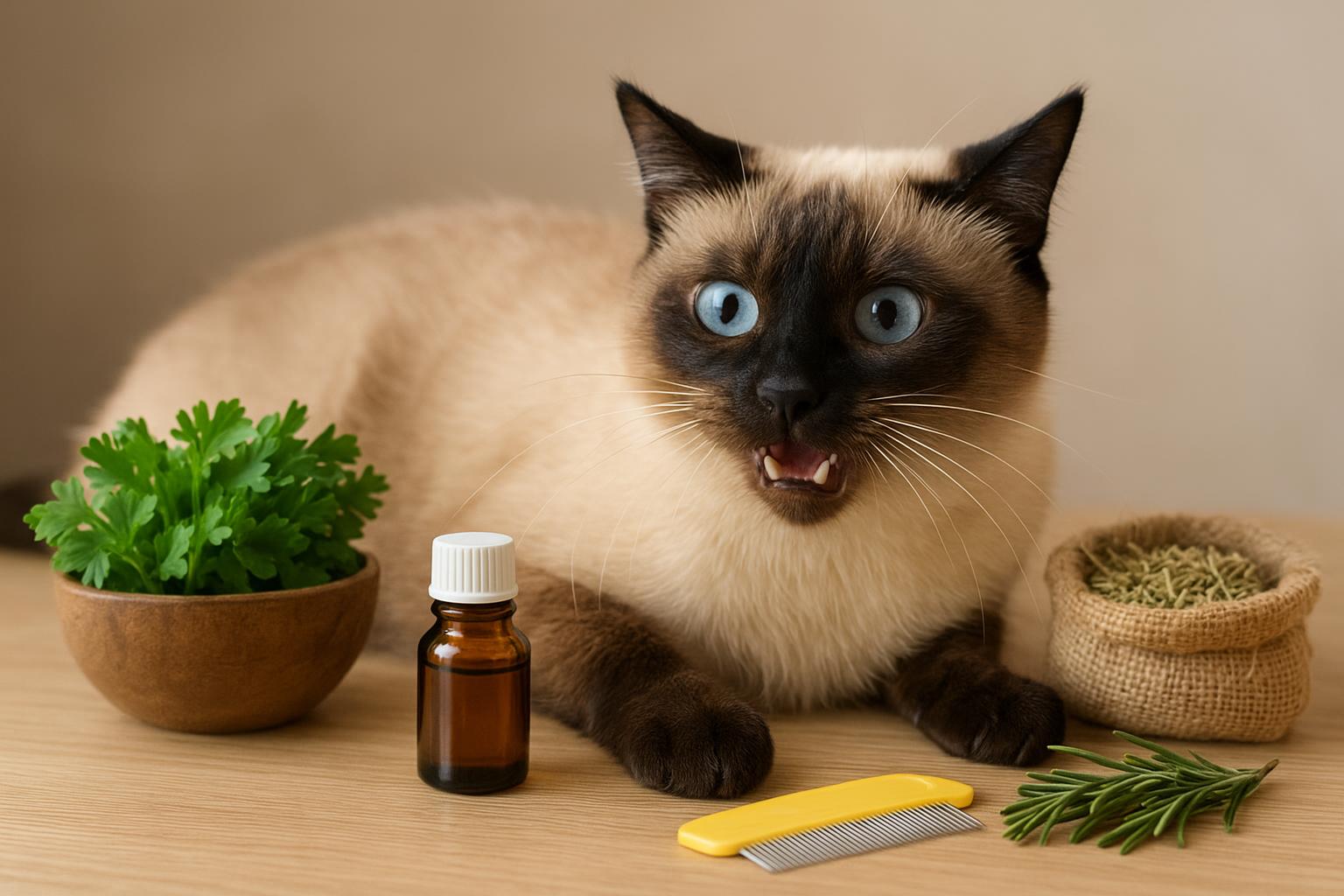
– Pet flea comb (fine-toothed)
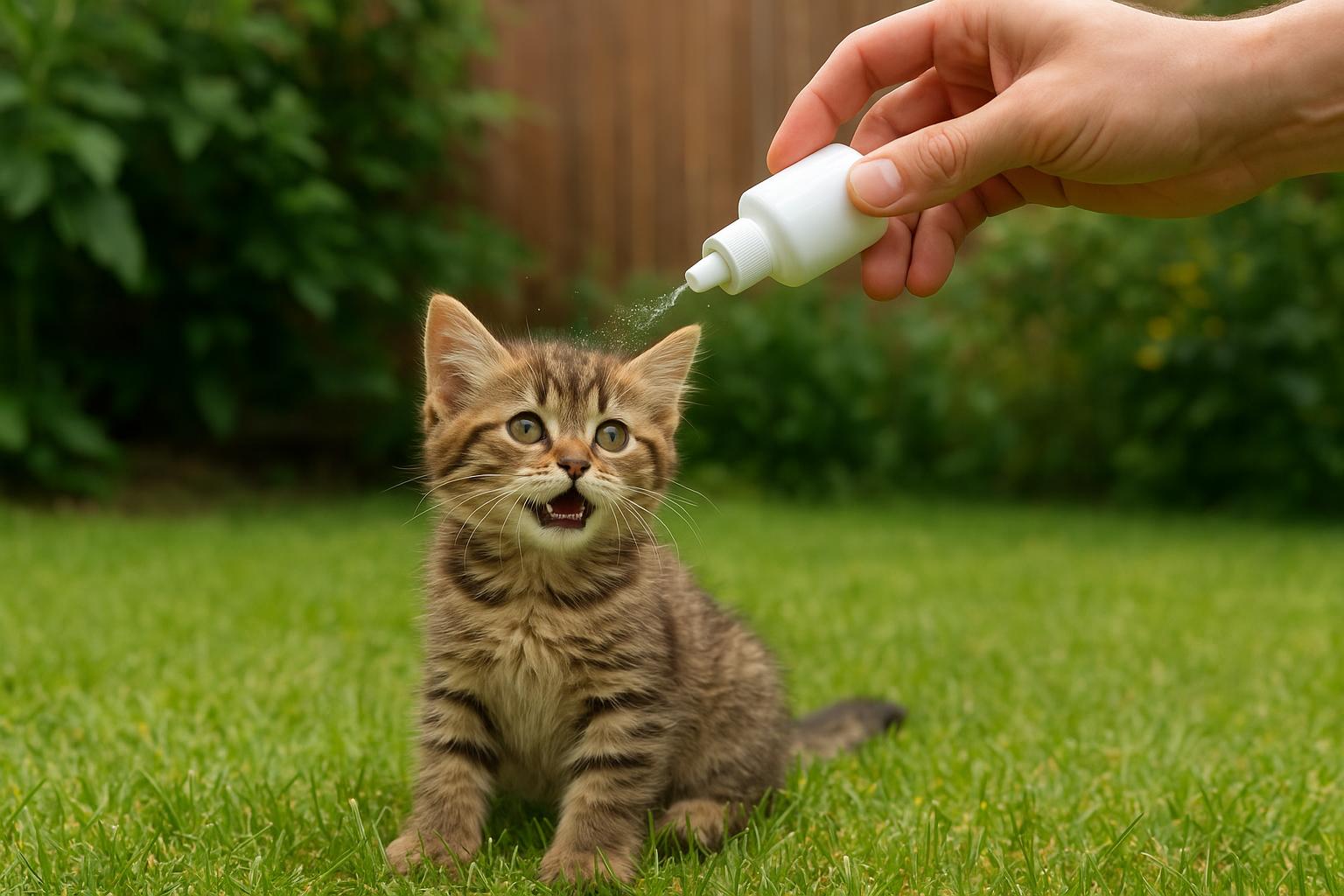
– Vet-recommended topical or oral flea preventative (essential)
Preparation and Application:
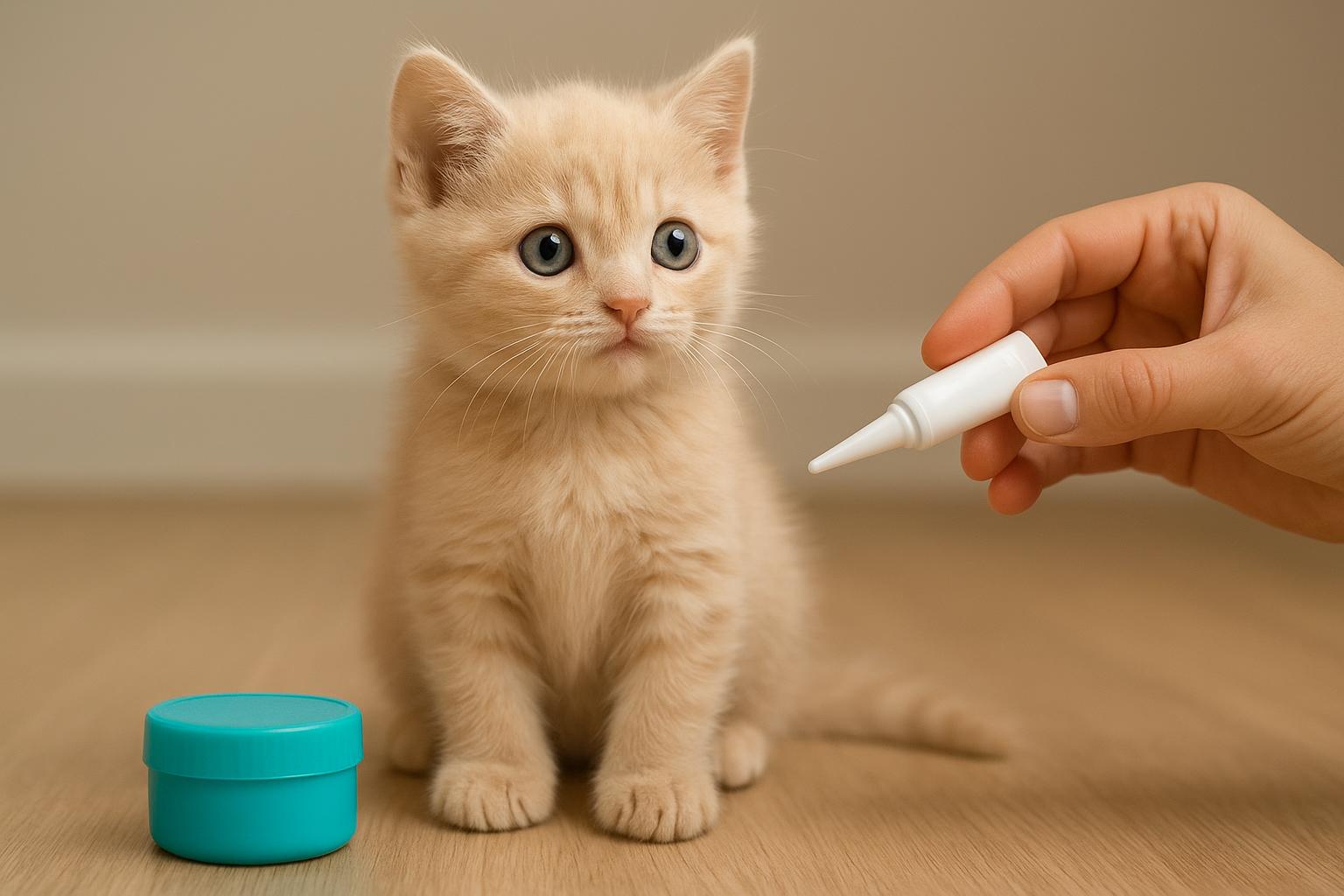
1. Select a Preventative: Consult your veterinarian for a monthly topical or oral flea preventive appropriate to your pet’s species, age, weight, and health. Prevention is the cornerstone that reduces the need for environmental measures.
2. Wash Bedding: Remove and wash all pet bedding, blankets, cushion covers, and throw rugs in hot water and detergent. Dry on high heat to kill eggs and larvae.
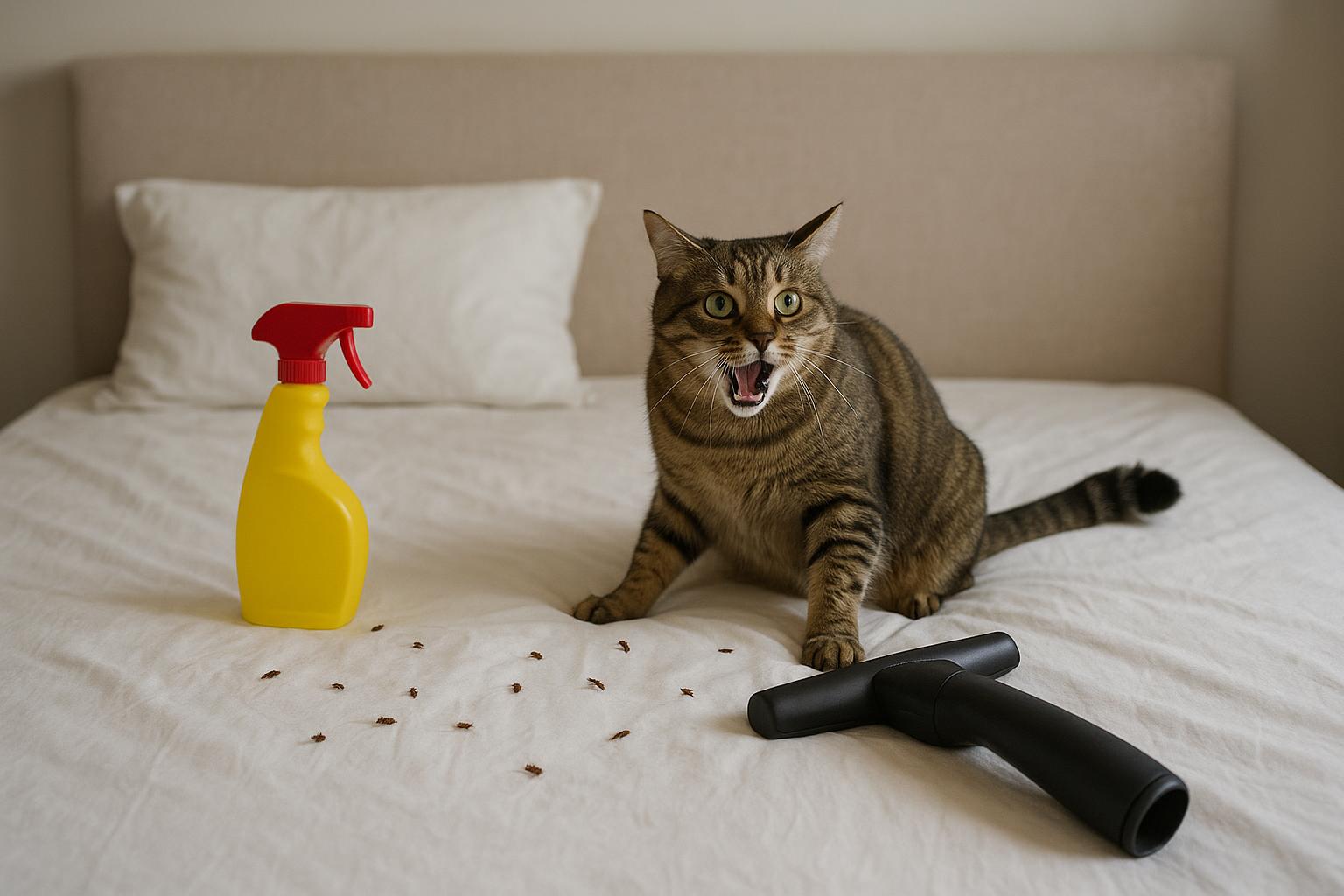
3. Vacuum Thoroughly: Vacuum carpets, rugs, upholstered furniture, and crevices. Focus on areas where pets rest. Immediately dispose of the vacuum bag or empty canister outdoors to prevent re-infestation.
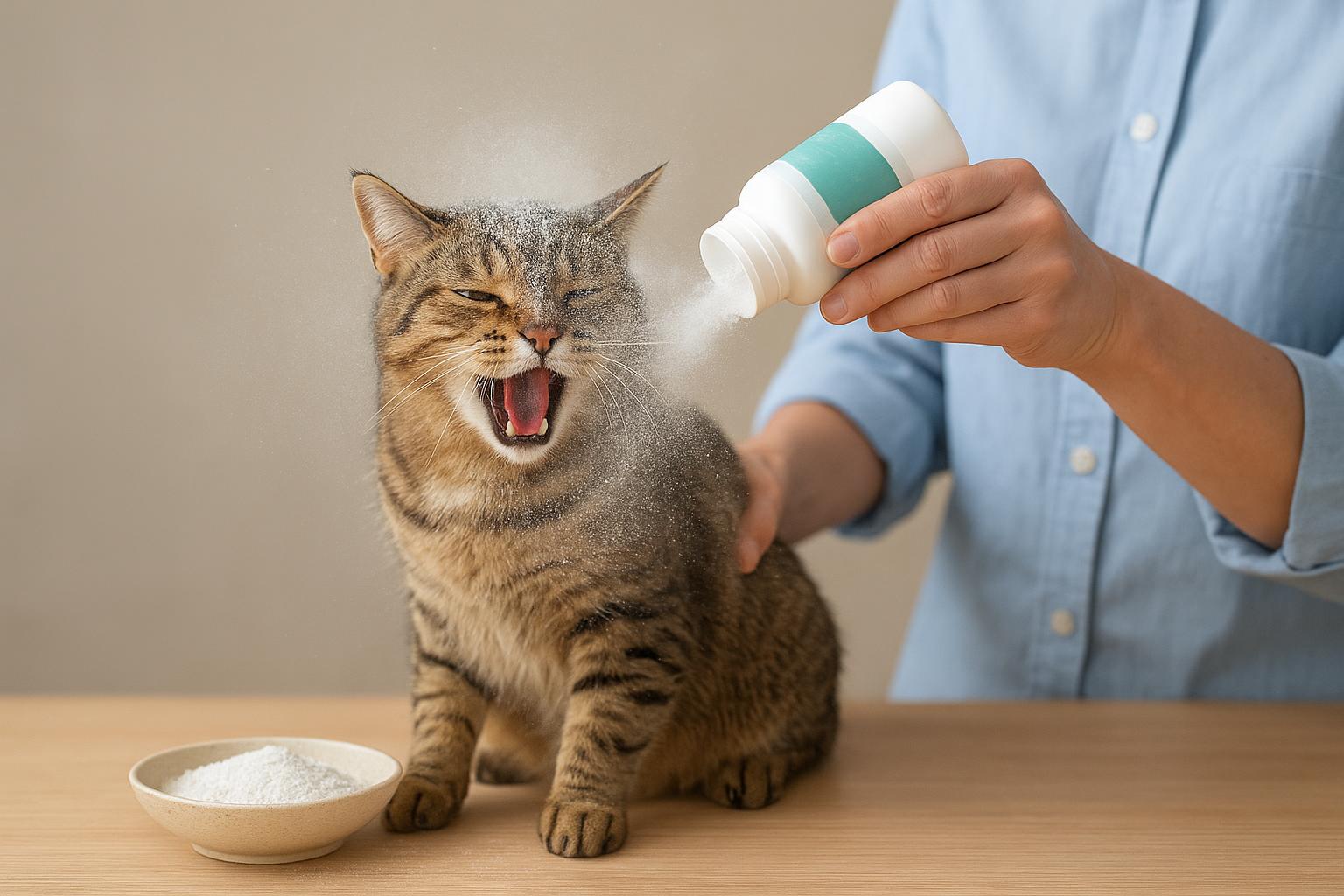
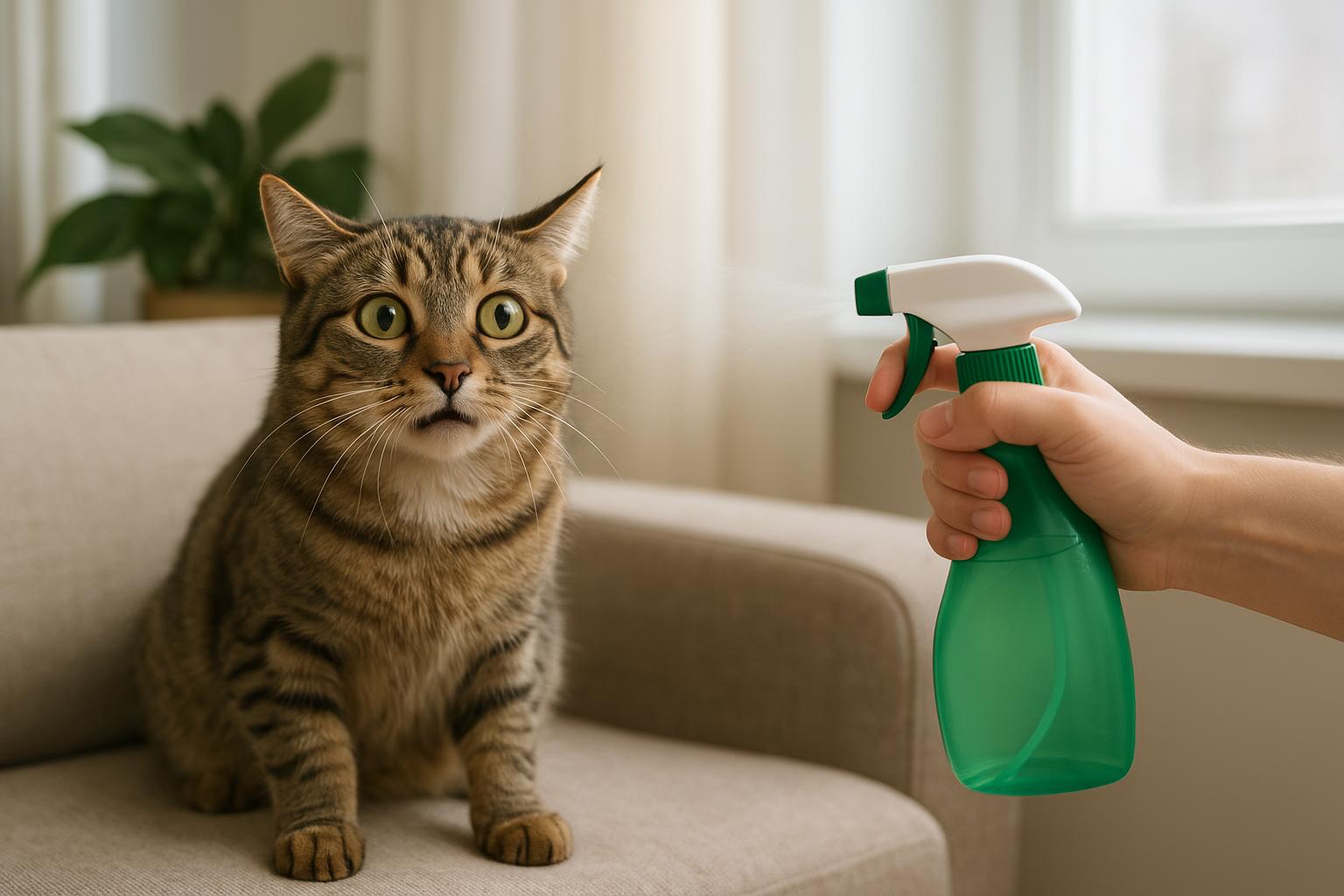
4. Treat Floors and Furnishings: Lightly dust carpets and baseboards with food-grade diatomaceous earth or a pet-safe boric acid product, following label directions. Leave for 48–72 hours, then vacuum thoroughly. DE works mechanically to desiccate fleas and their larvae but must be used where pets and children cannot inhale it.
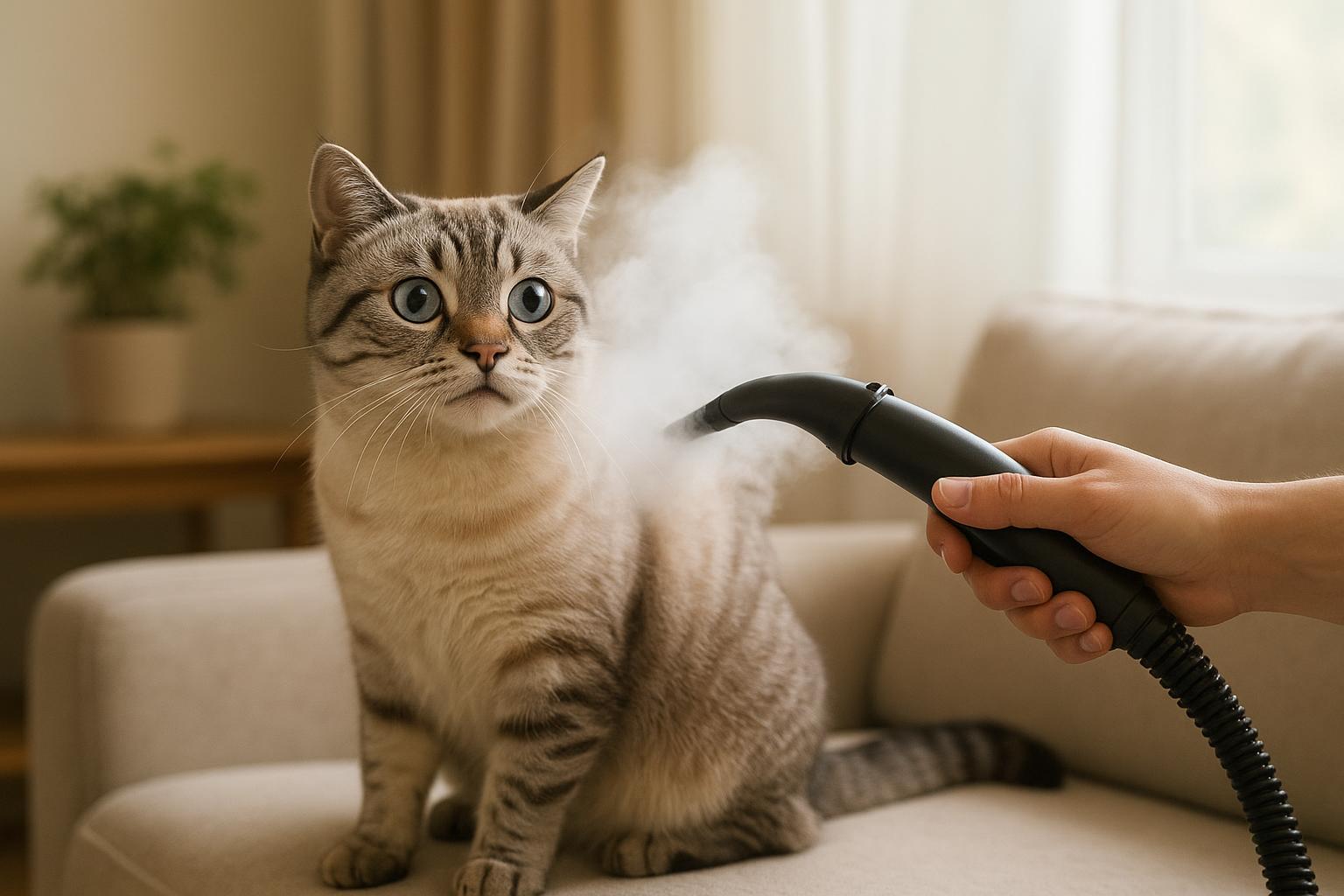
5. Steam Clean: If available, use a steam cleaner on carpets and upholstery. High heat effectively kills fleas at all life stages.
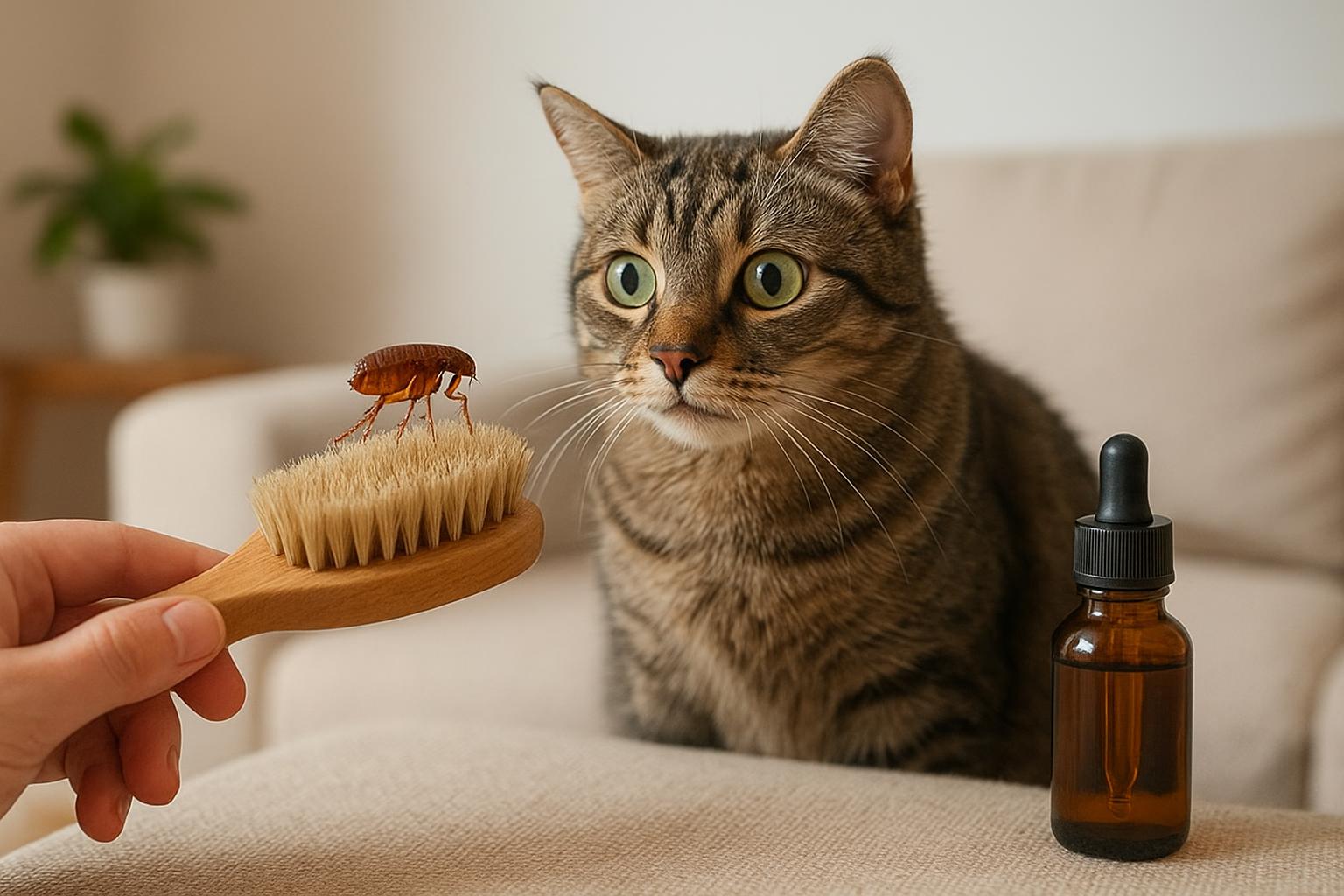
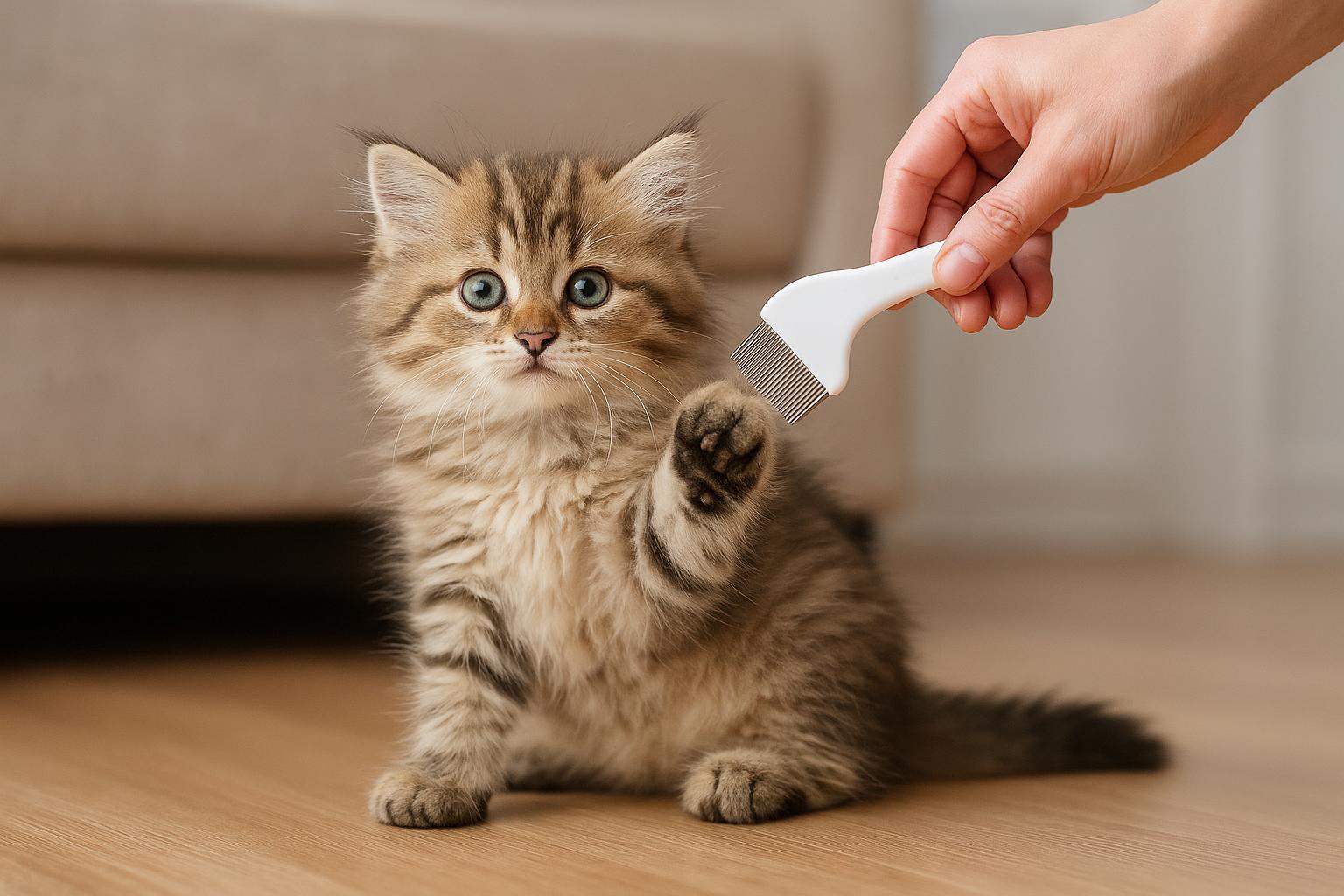
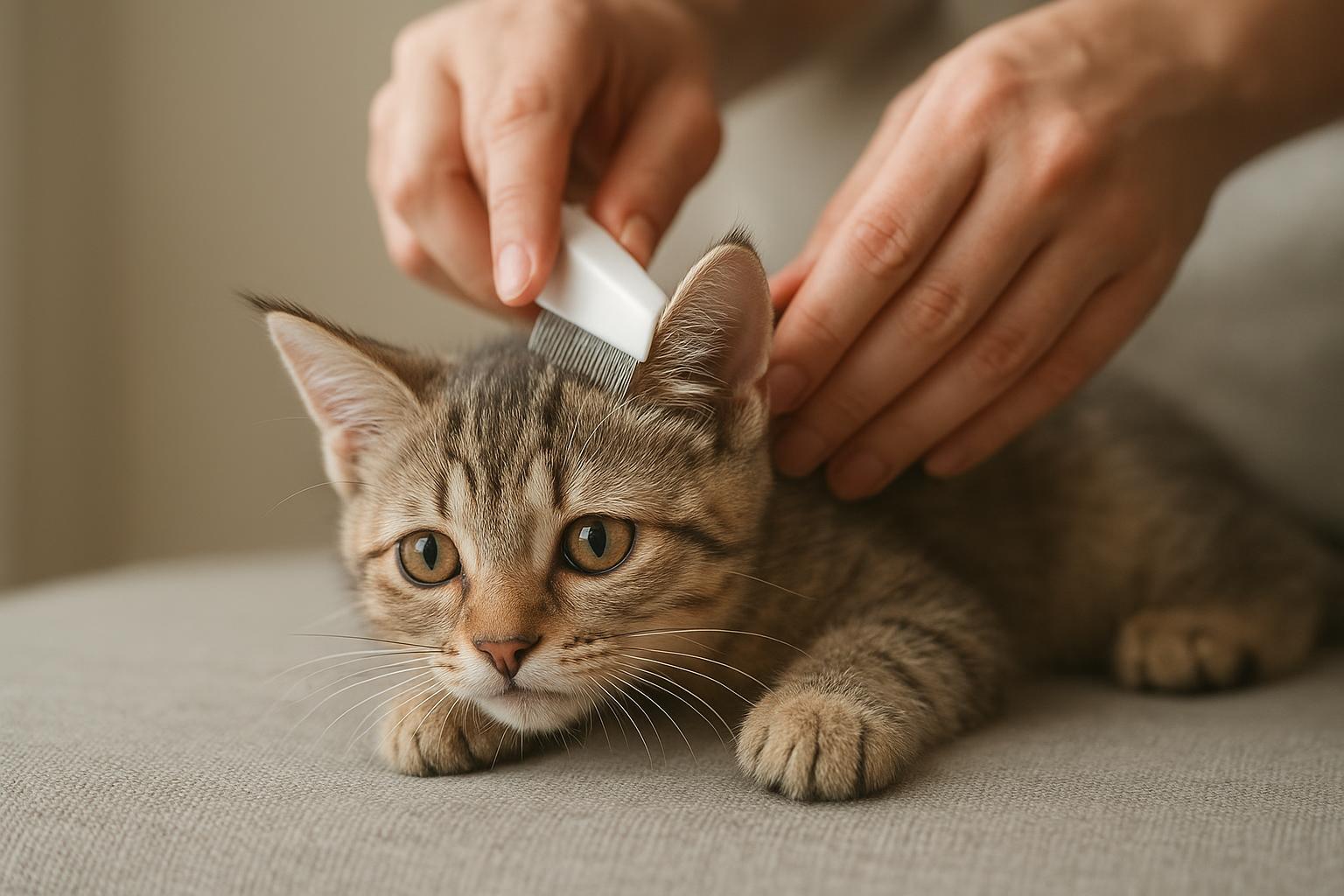
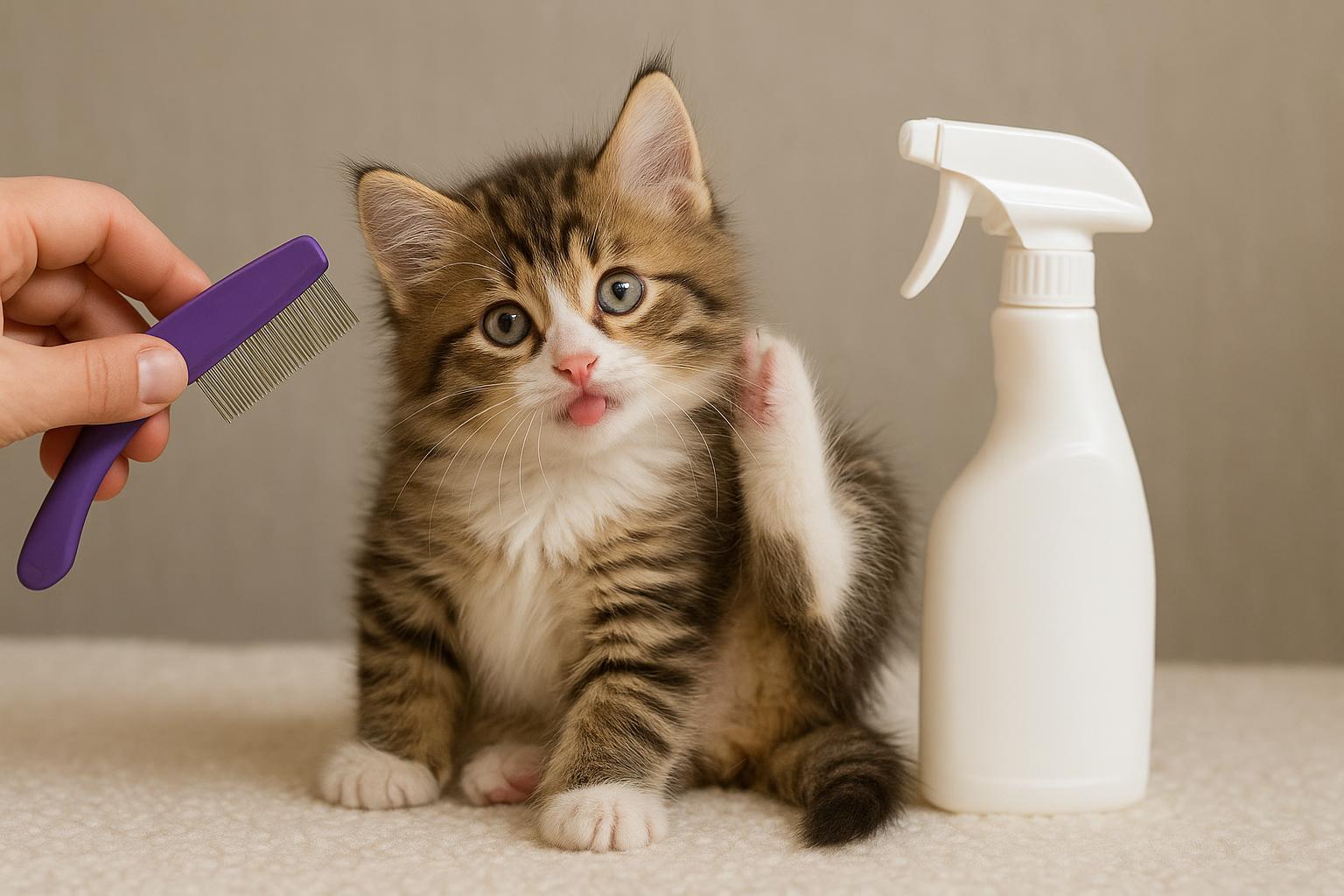
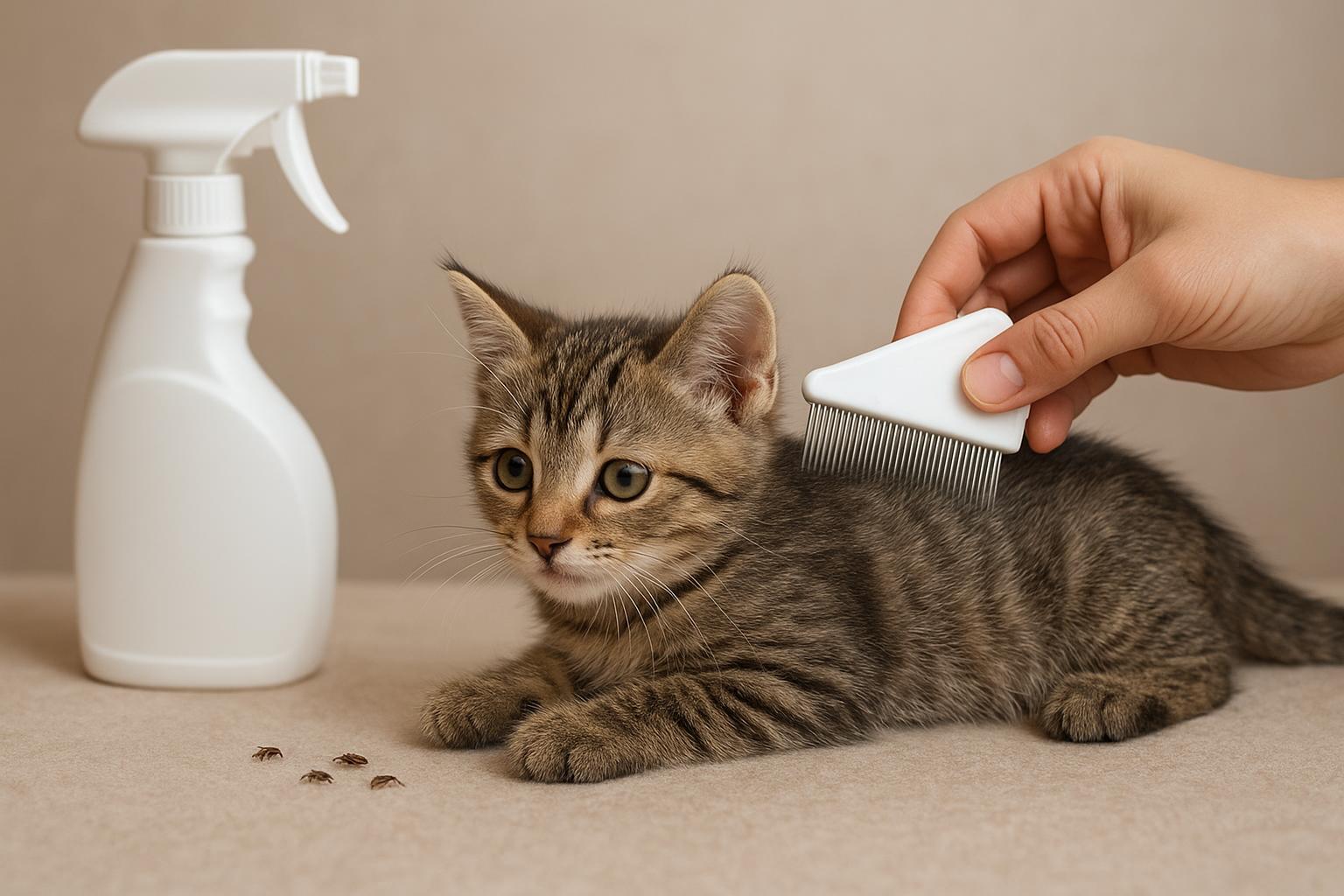
6. Comb and Treat Pets: Use a fine-toothed flea comb over a white cloth to detect and remove adult fleas. If fleas are present, bathe pets with vet-approved flea shampoo and follow up with the recommended preventive product. Never use multiple flea products of the same chemical family unless approved by your vet.
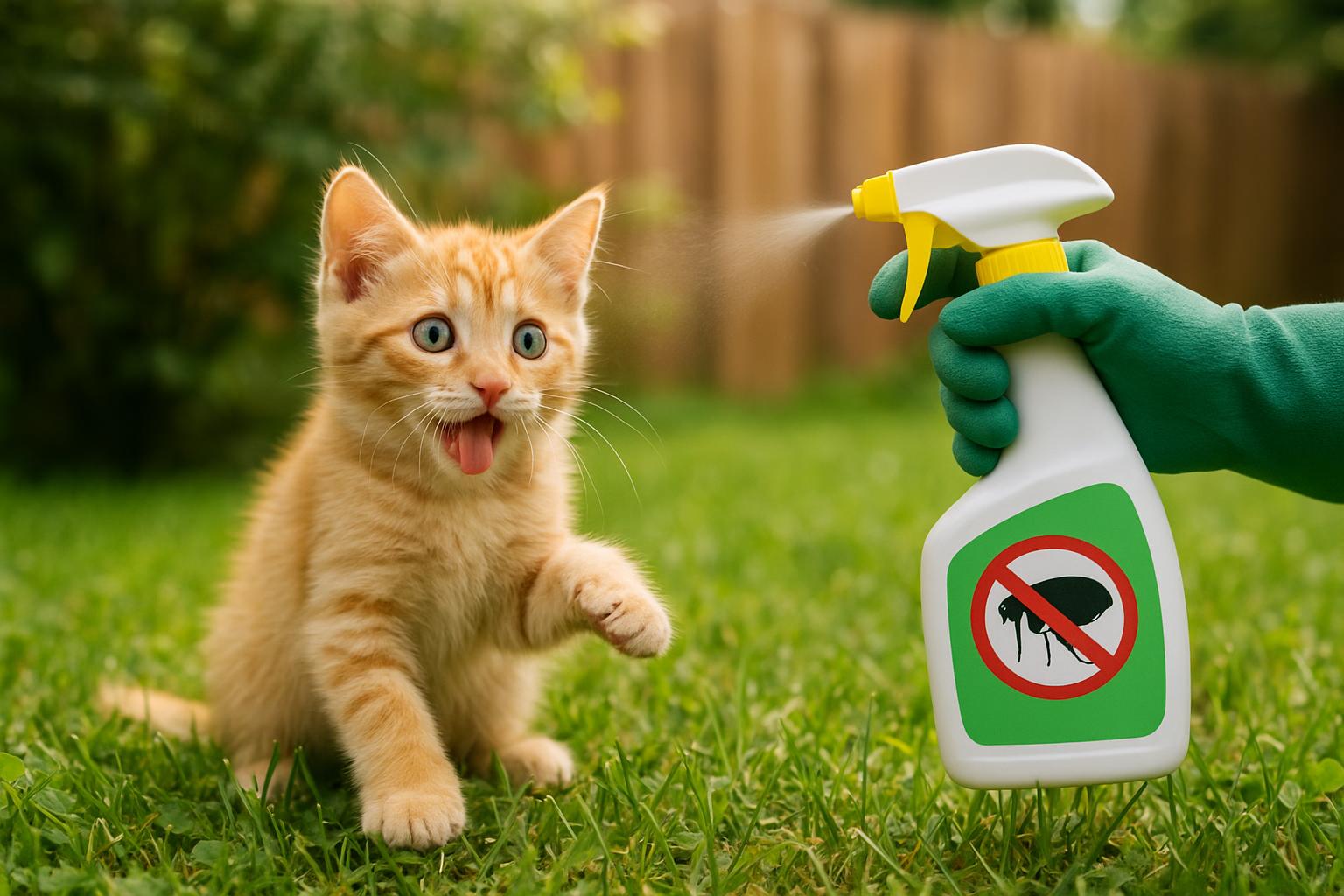
7. Maintain Outdoor Areas: Trim lawn and brush where pets frequent, and remove debris. For heavy outdoor infestations, target shady, moist areas where flea larvae thrive.
8. Monitor: Re-check pets and the environment regularly. Repeat washing and vacuuming weekly until signs of fleas subside.
Cautions: Do not use human insecticides on pets. Keep all dusts and powders away from children and pets’ breathing zones. DE should be applied lightly and not used in areas where it can be inhaled.
### Preventing Recurrence And Protecting Family Members
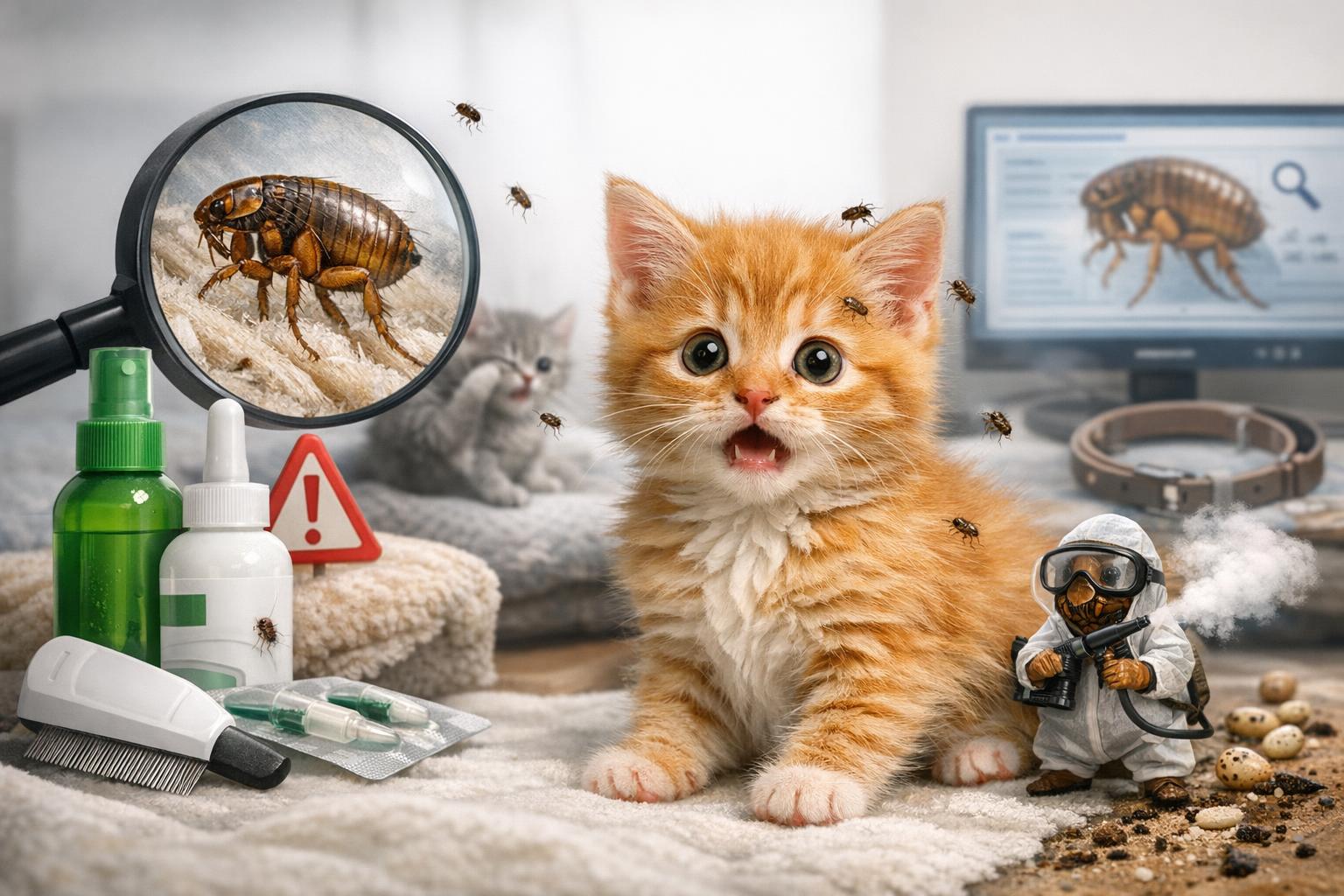
Long-term protection requires a multipronged approach: consistent pet prevention, environmental hygiene, and awareness of how flea populations respond to human contact. Remember that fleas go through egg, larva, pupa, and adult stages; breaking the life cycle through thorough cleaning and appropriate treatments is the most effective strategy.
#### Special Considerations For Multi-Pet Households
If you have several animals, treat all of them concurrently. Even a single untreated pet can maintain an infestation, making it a continual source of bites to people. Follow your veterinarian’s guidance on products suited for each species to keep fleas away from both pets and their human companions.
A calm home and a few practical steps can transform the tiny menace of fleas into a manageable household issue, reducing the chance that can fleas bite humans again and preserving peaceful human contact between pets and the people who love them.












Leave a Reply