
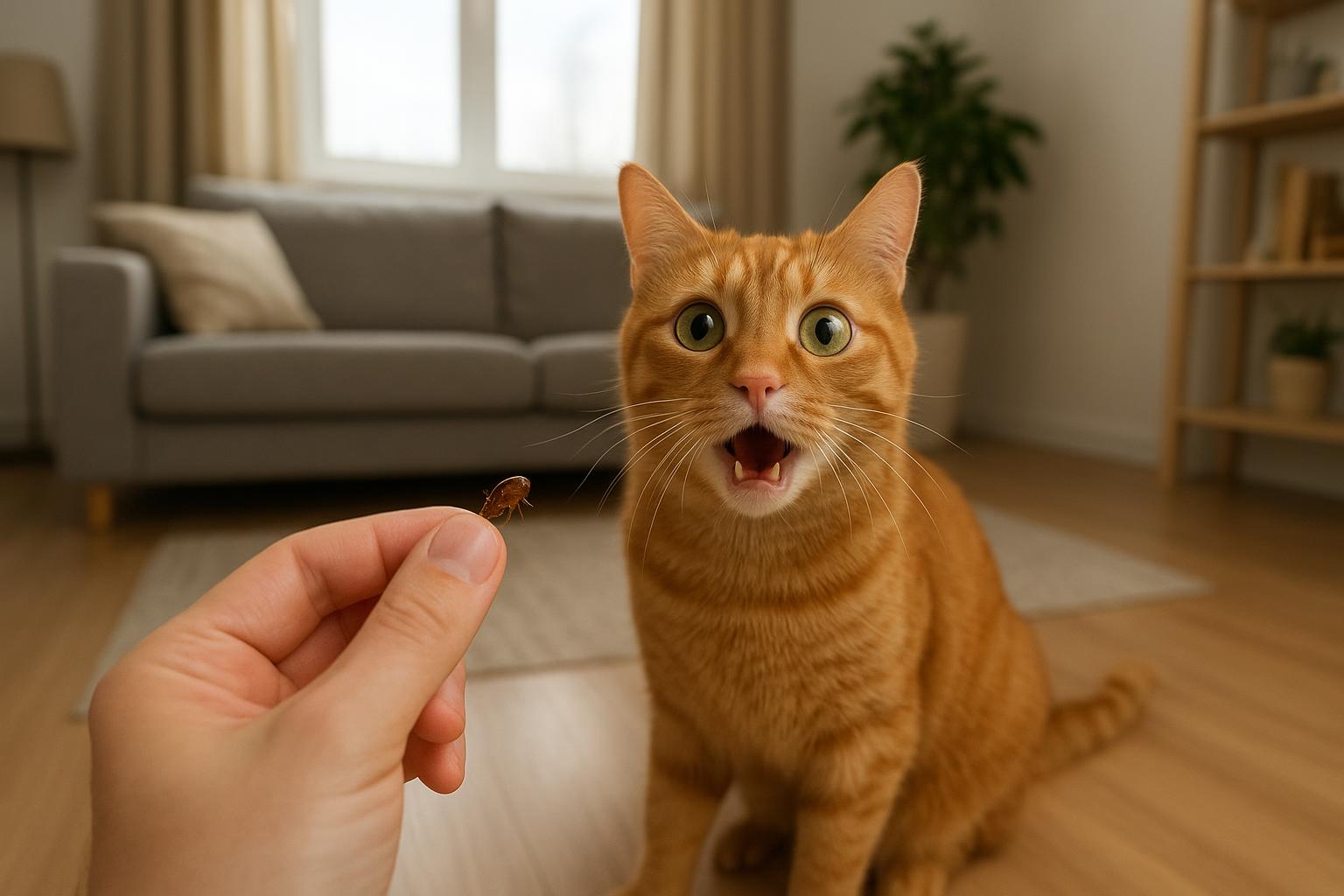
If your cat never sets a paw outside, you might be tempted to declare your home a flea-free utopia. Cute idea, but not guaranteed. Fleas are tiny, sneaky, and can hitch a ride on people, other pets, or even on a used cushion. That’s why “indoor cat fleas” aren’t a myth — they’re a possibility even in the coziest, most cat-centric apartments.
## Indoor Cat Fleas: Can Indoor Cats Get Infested?
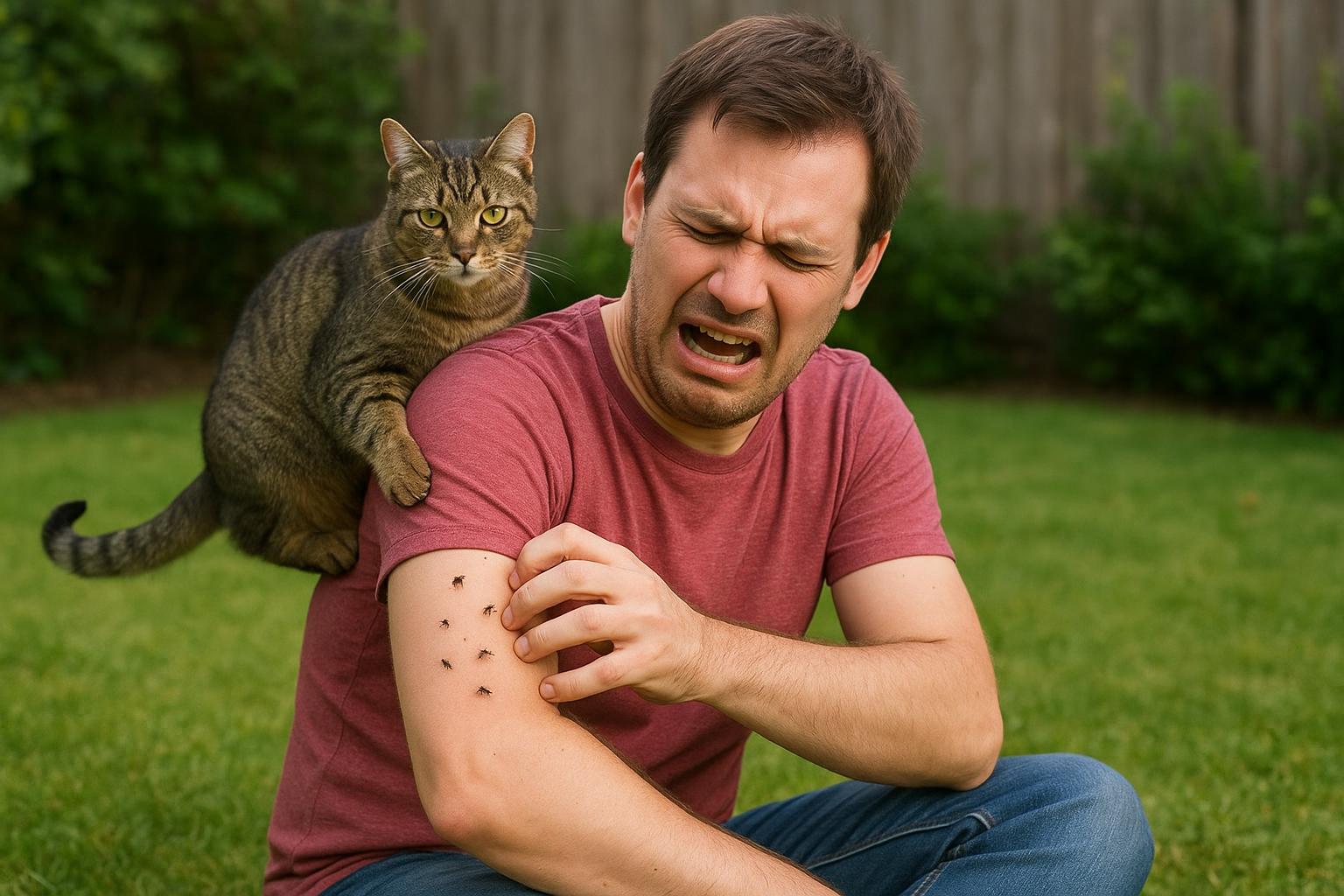
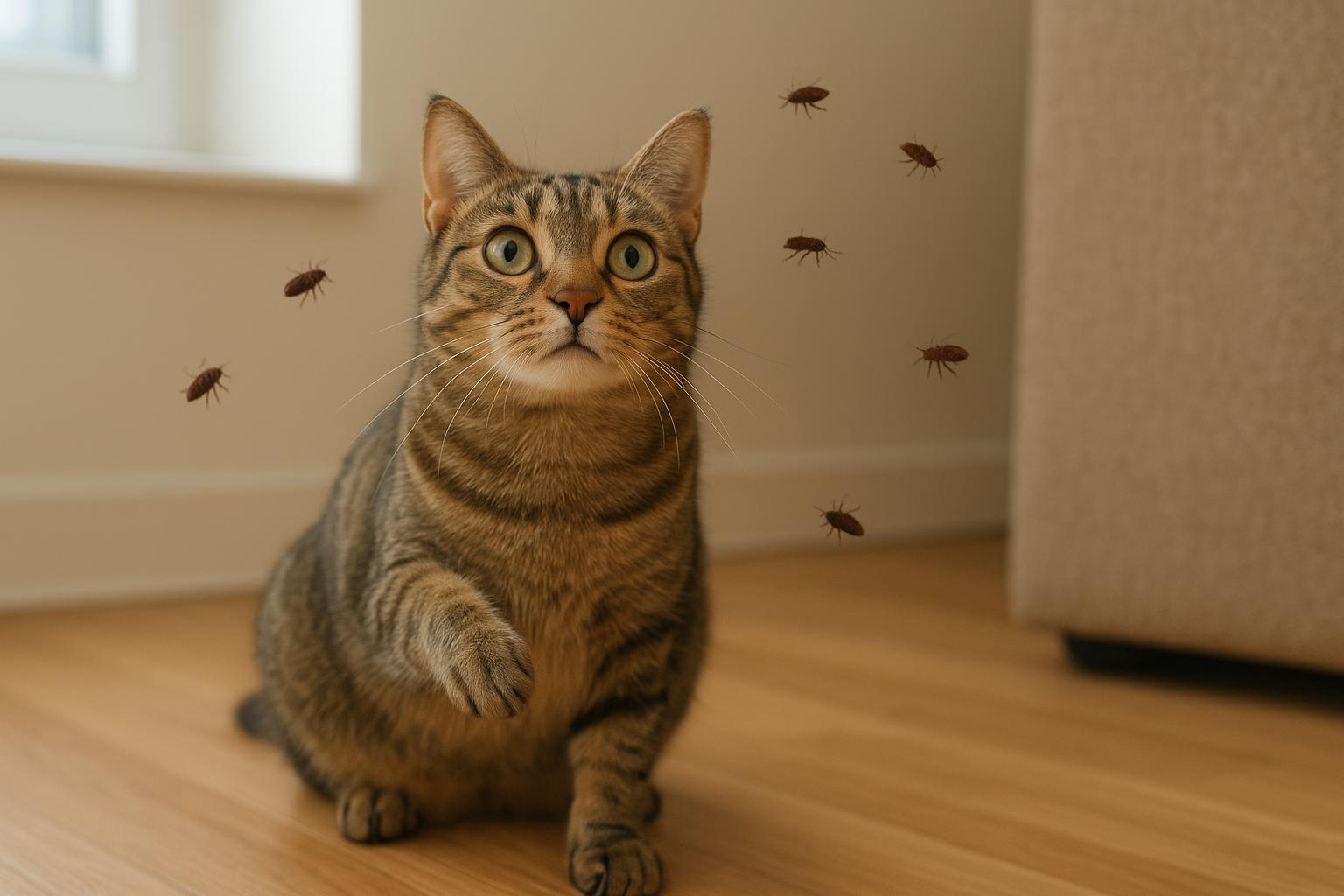
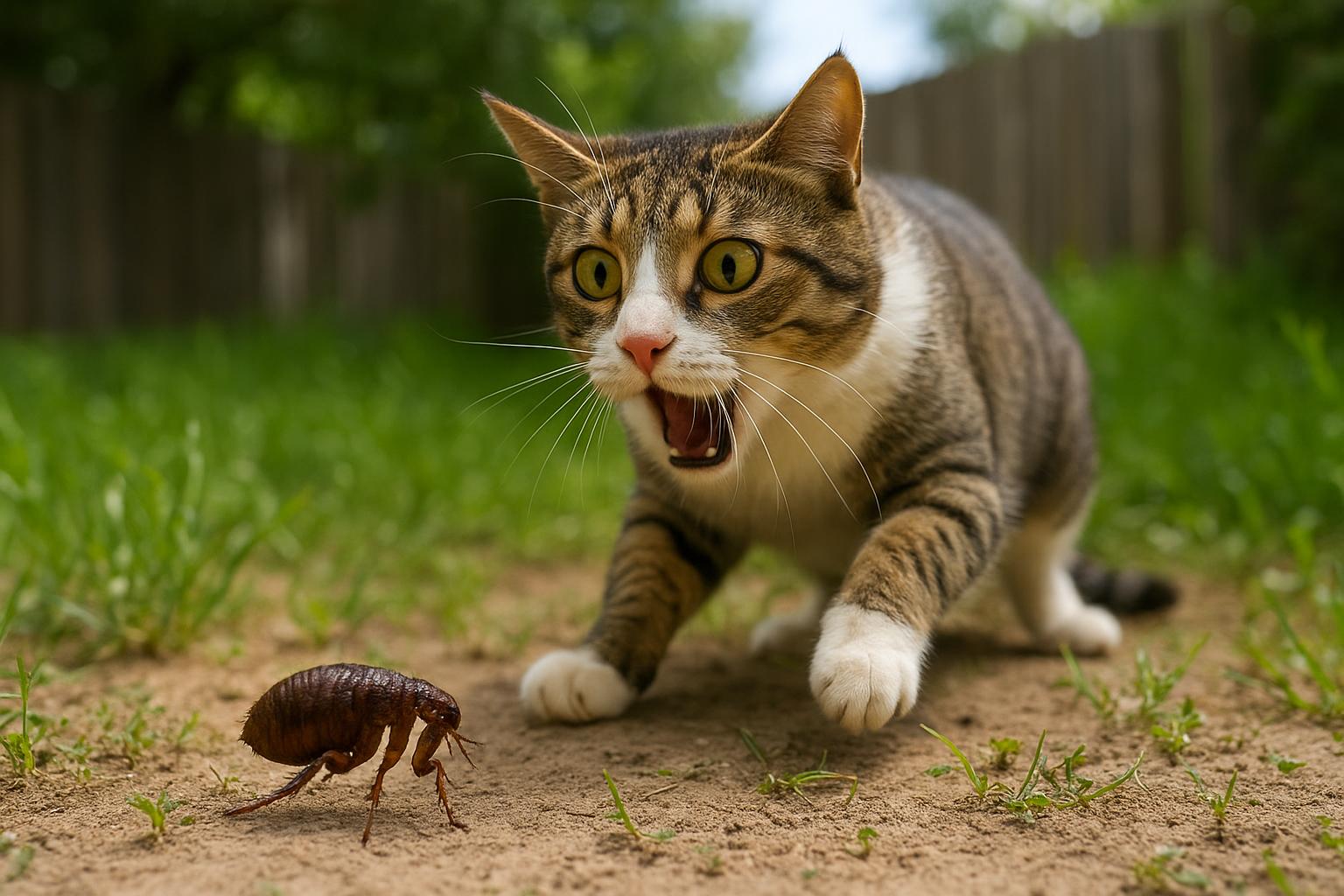
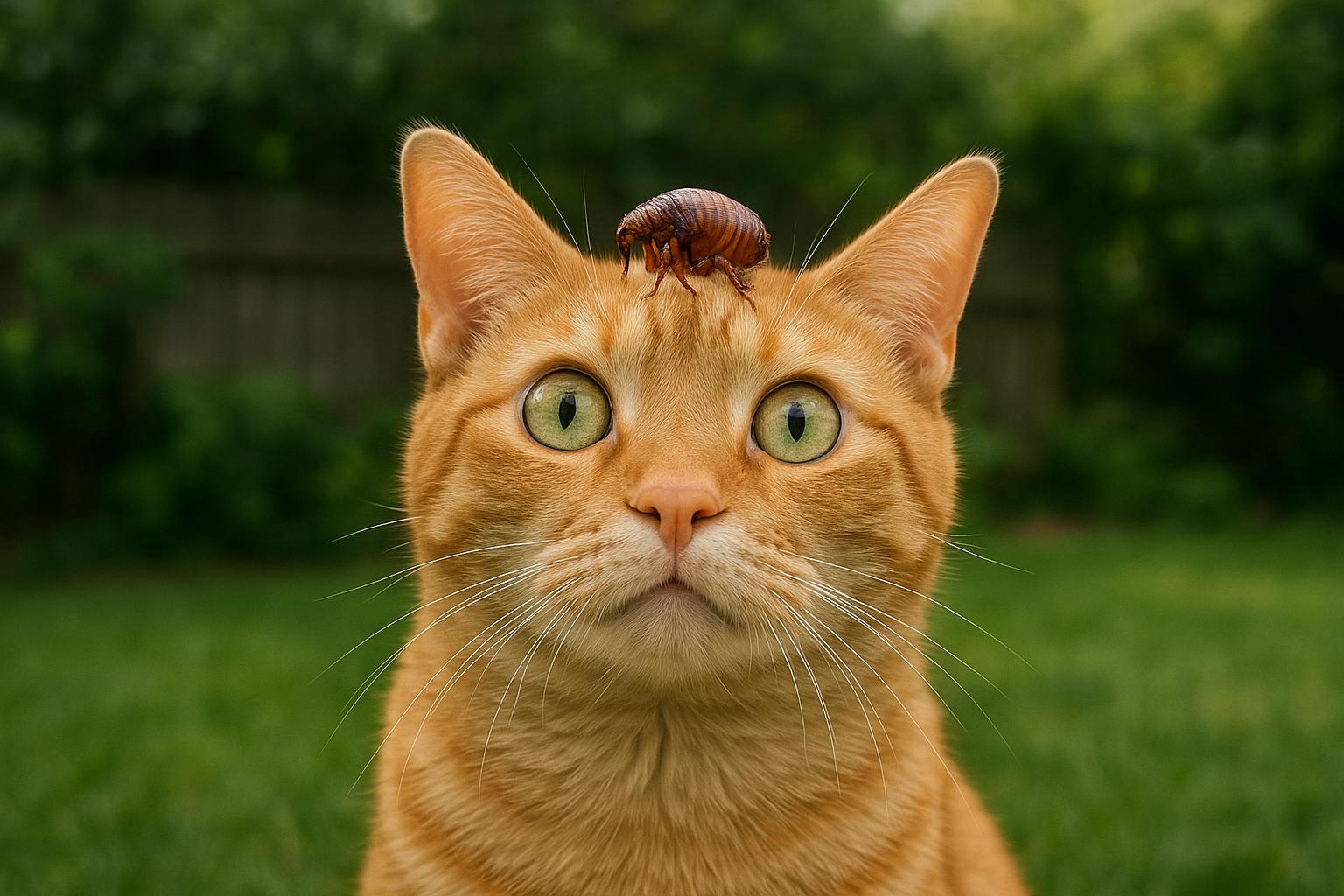
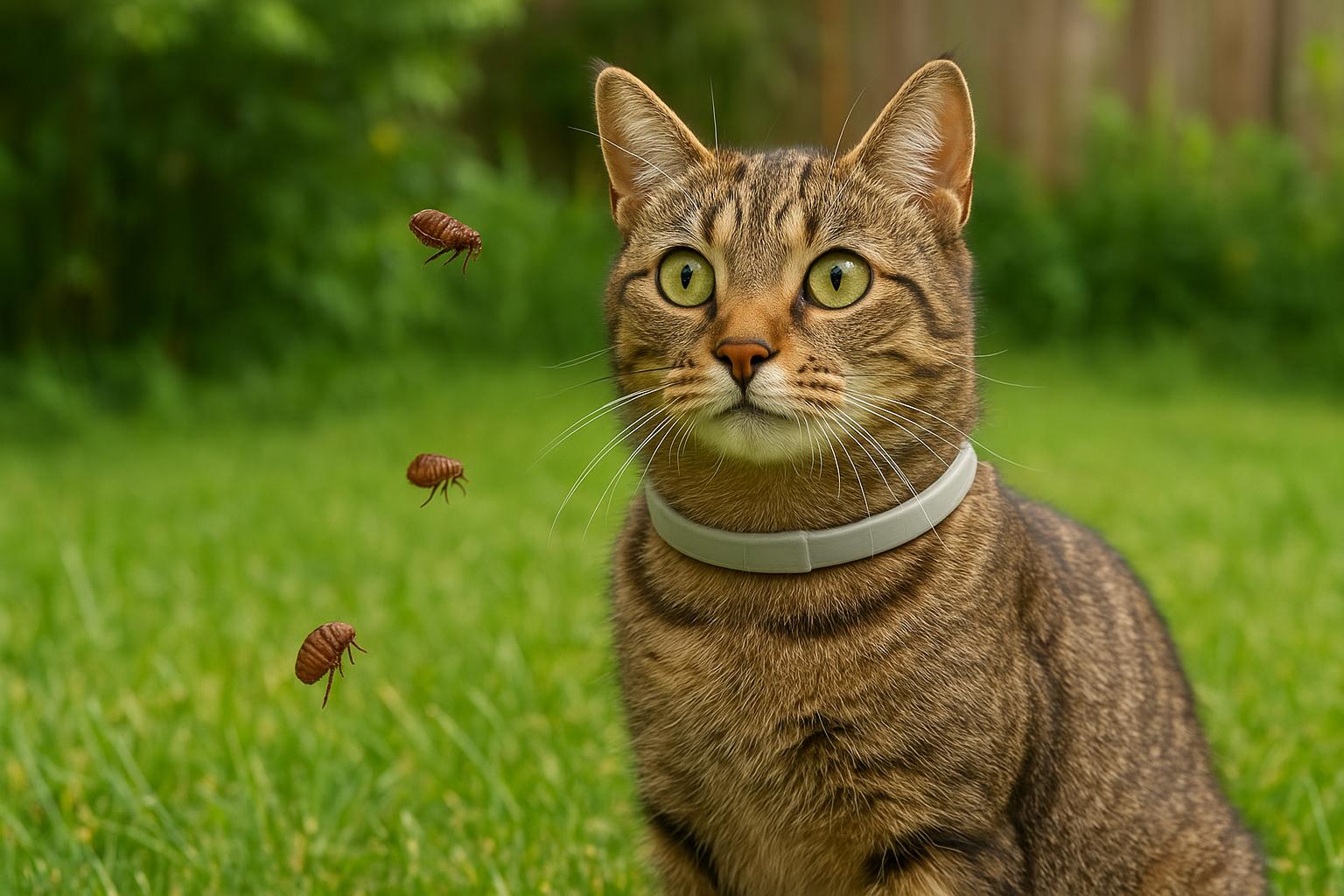
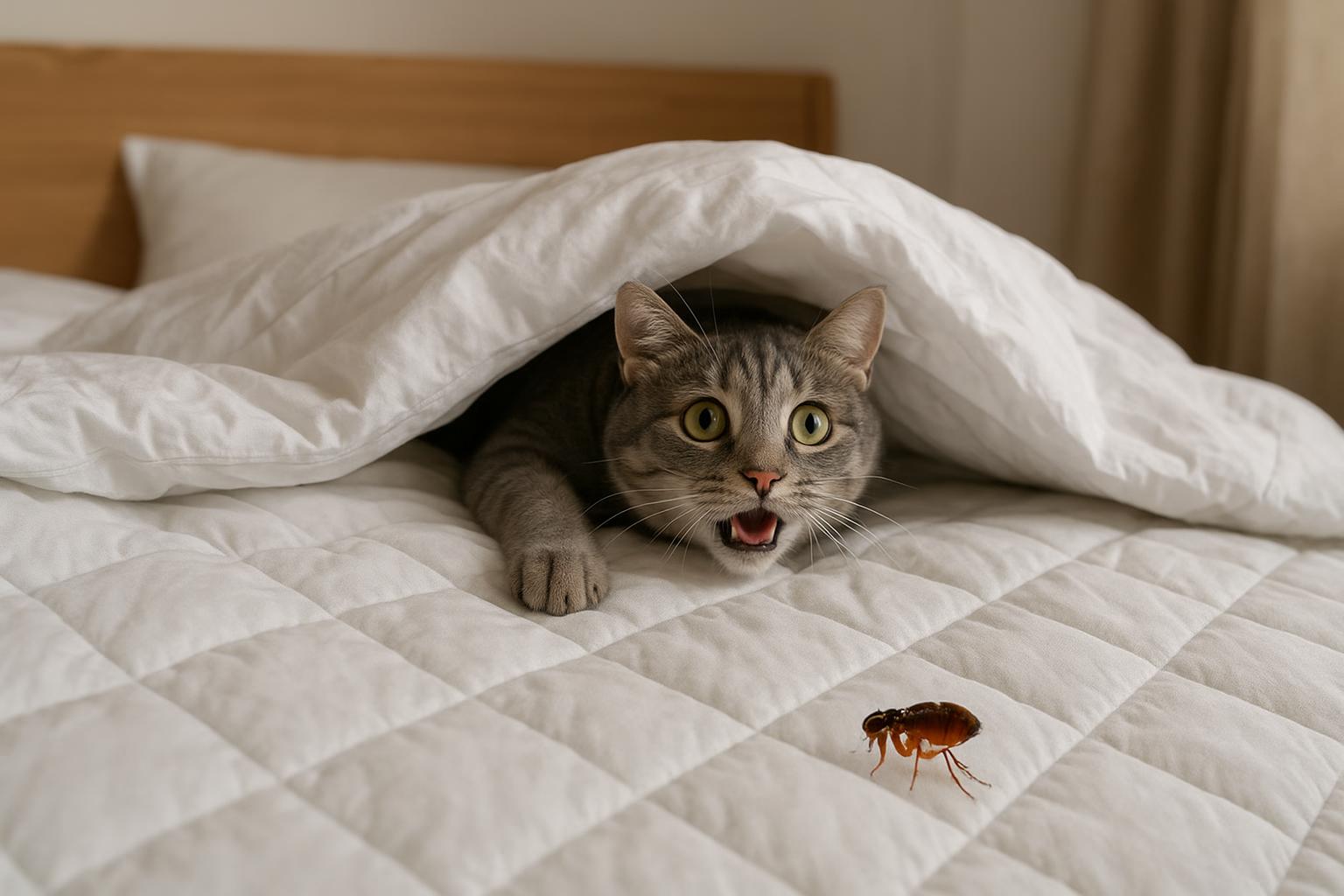
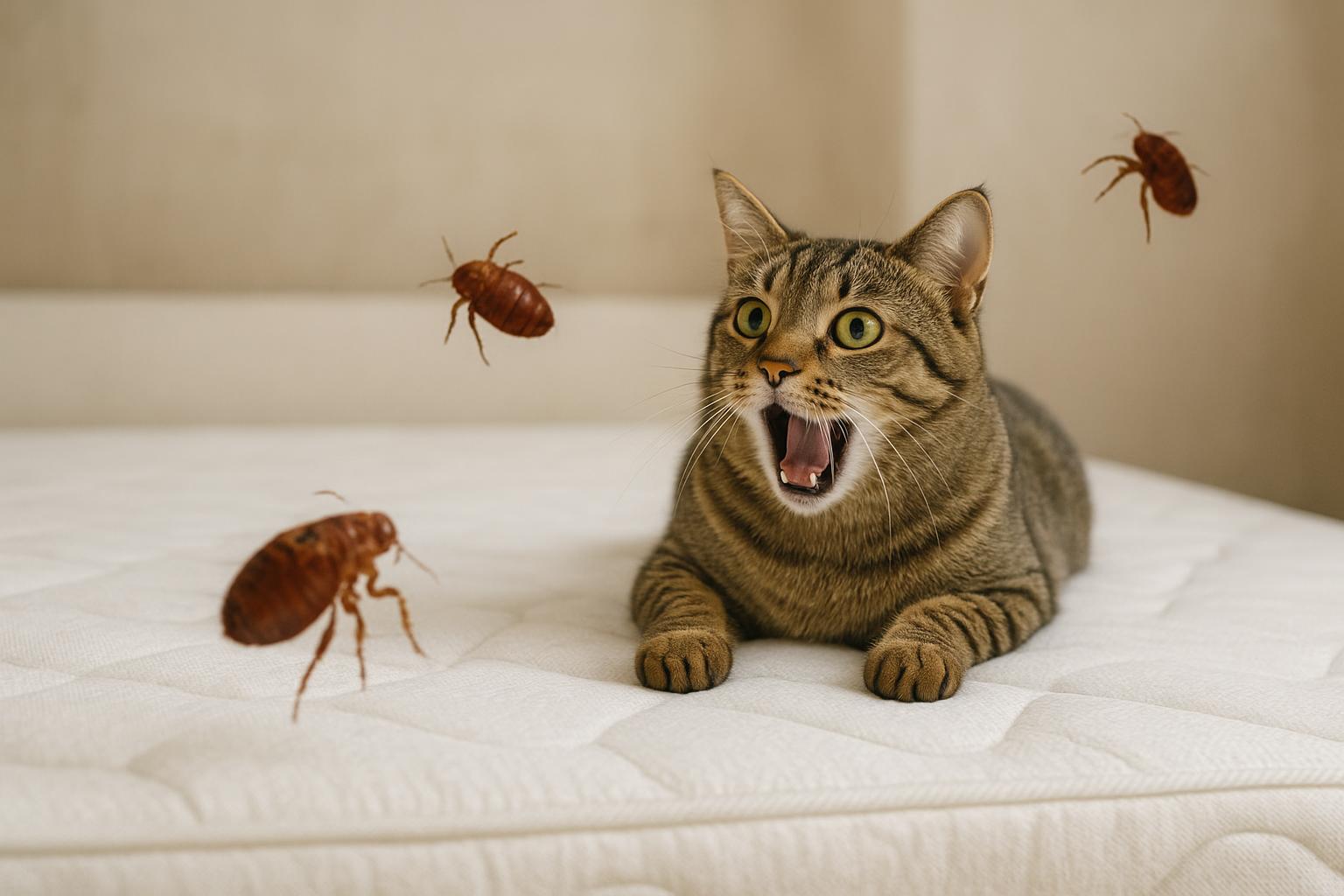
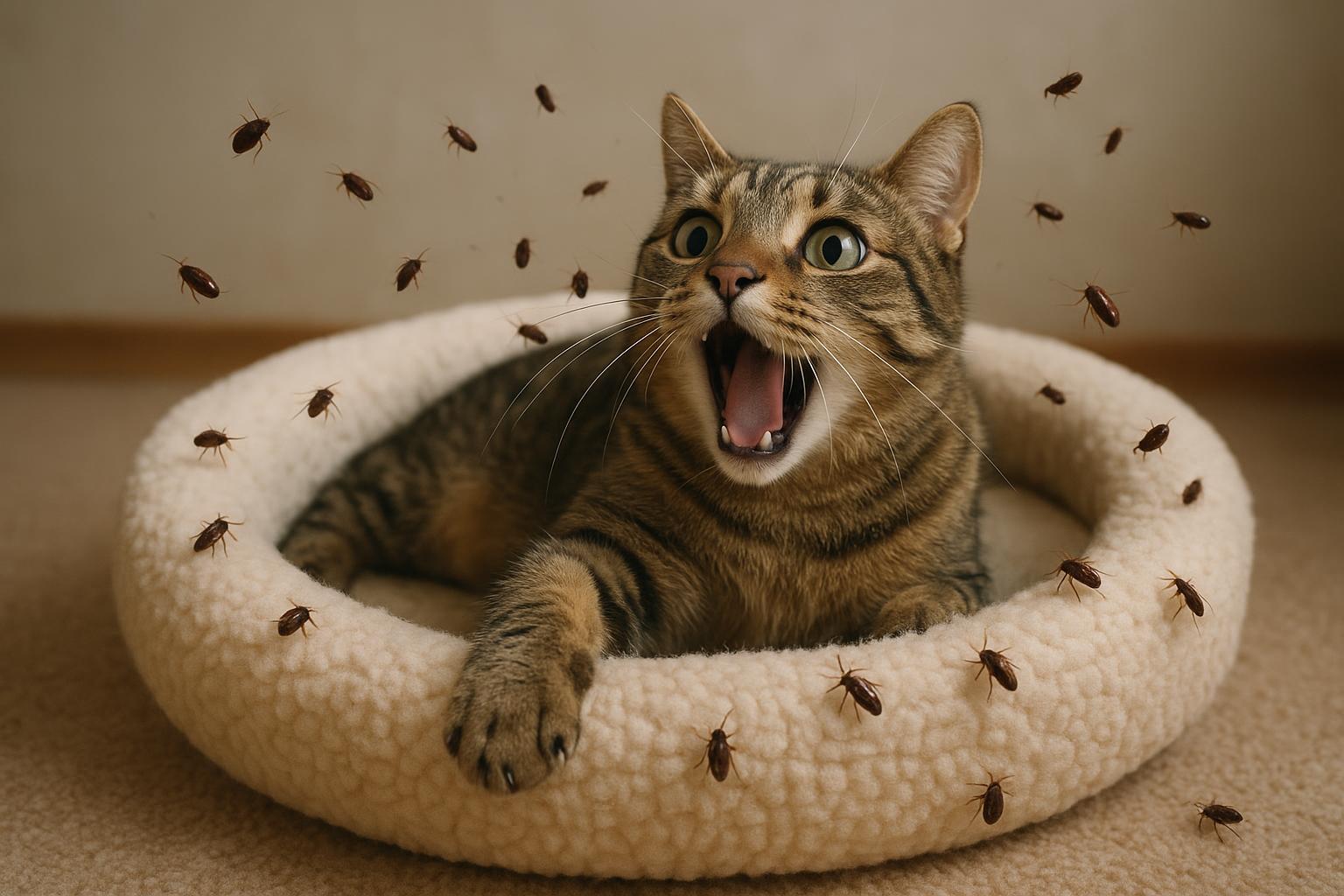
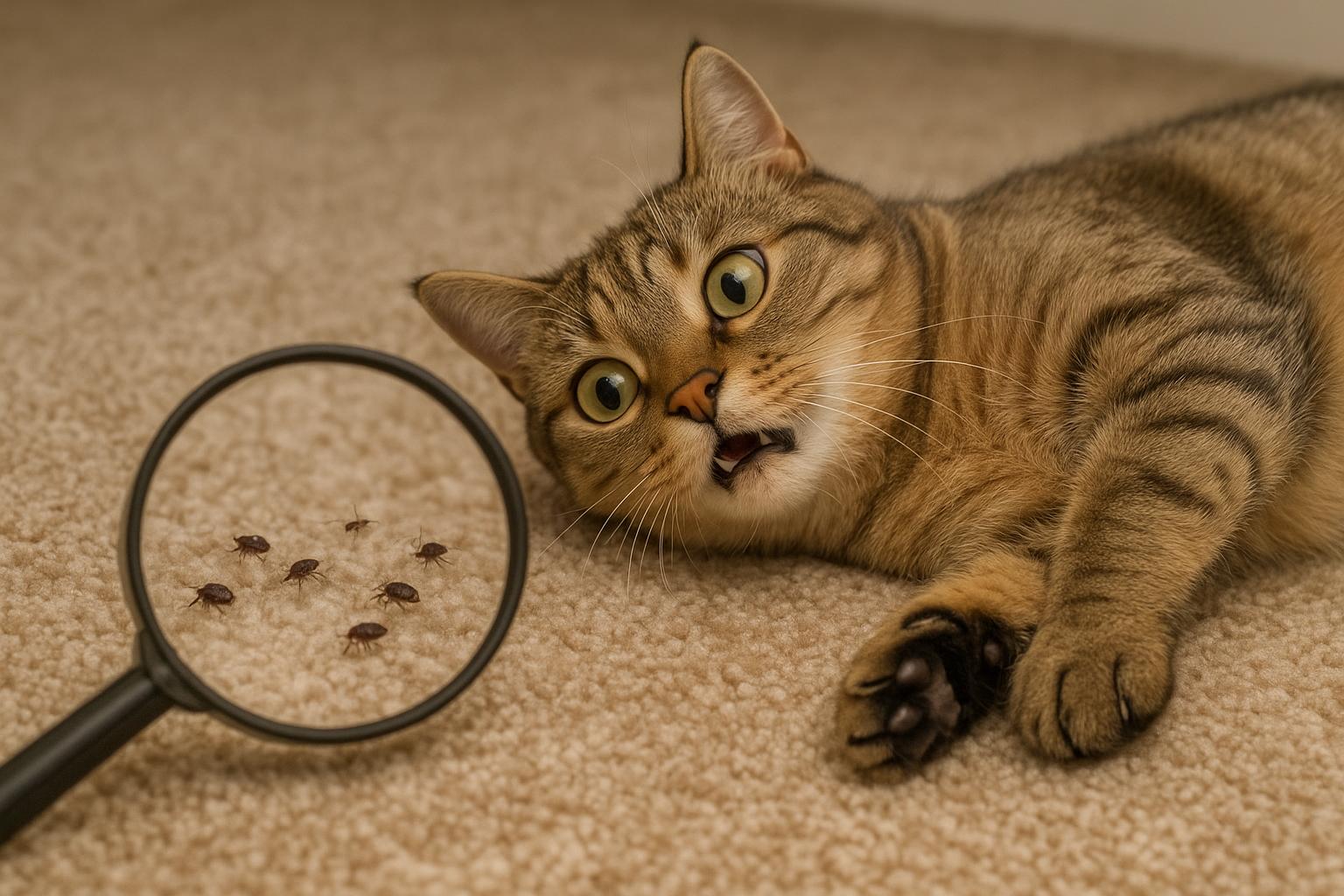
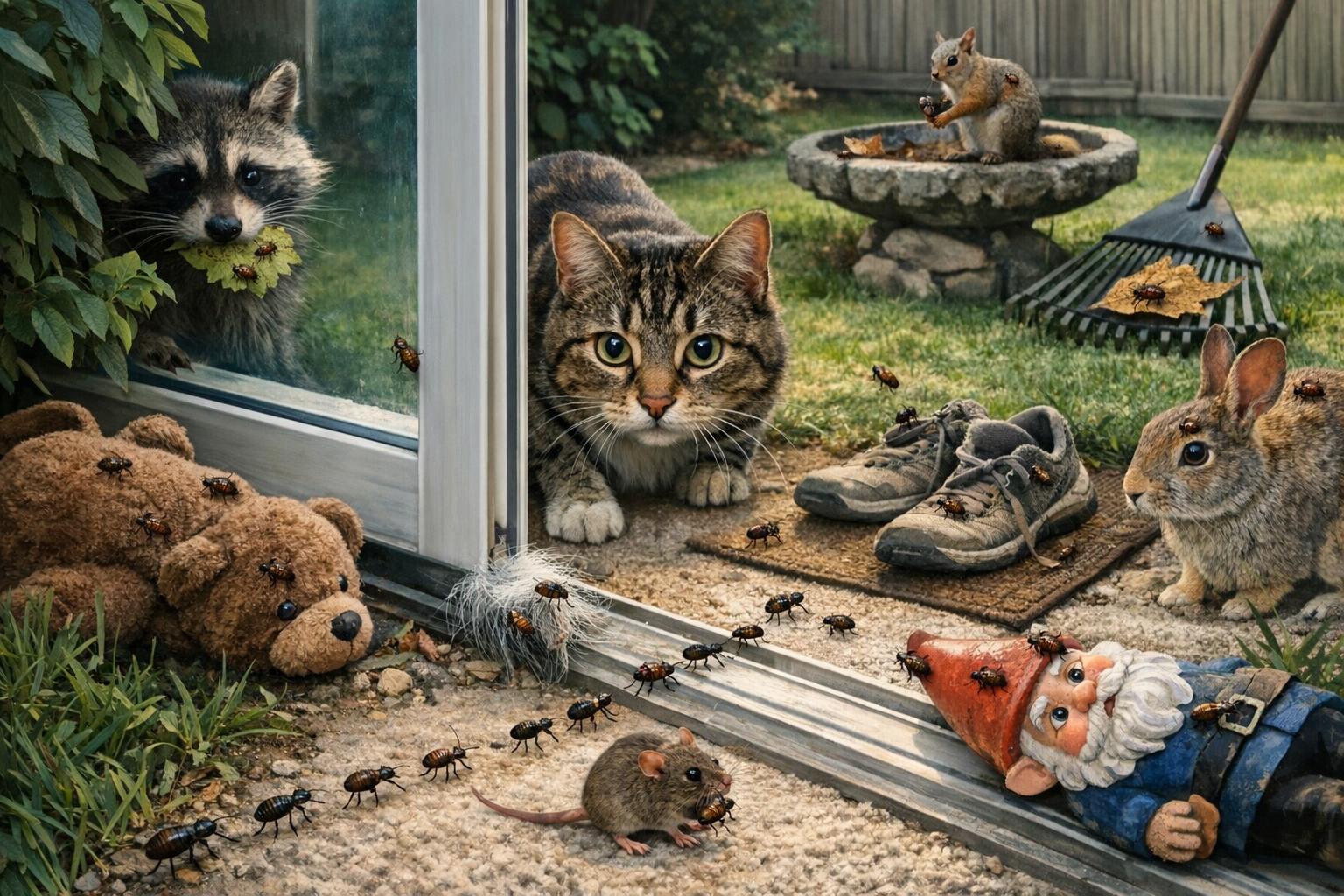
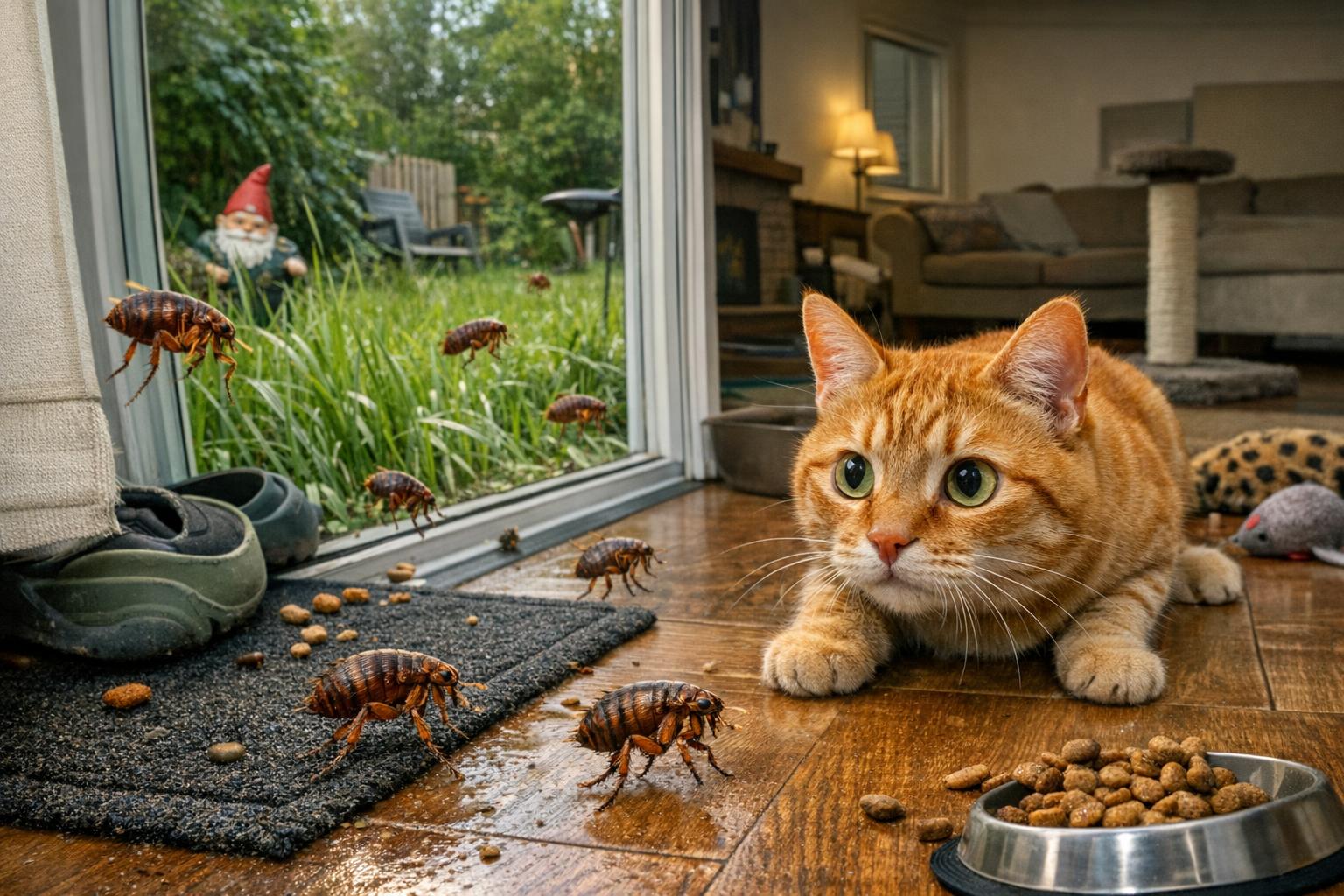
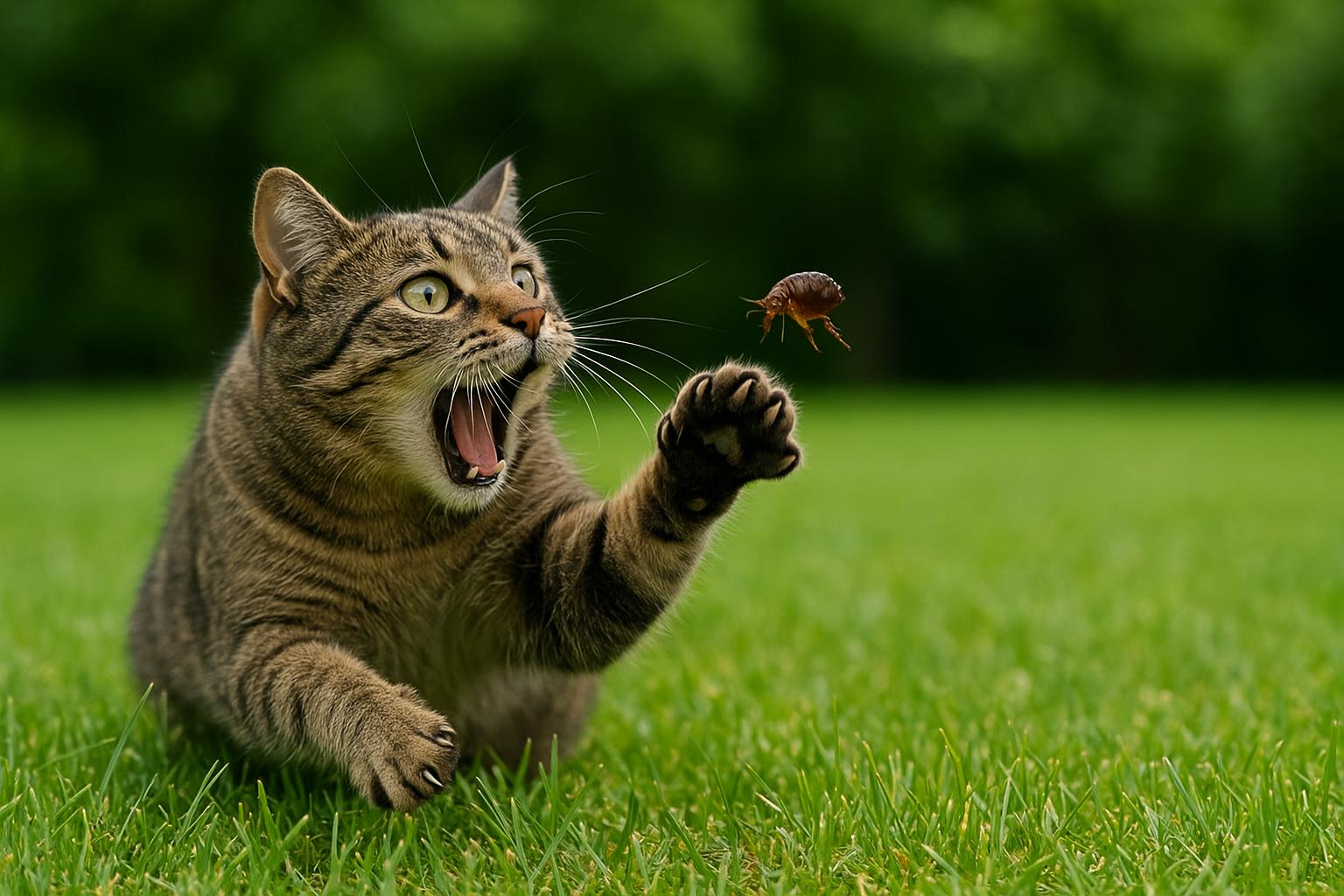
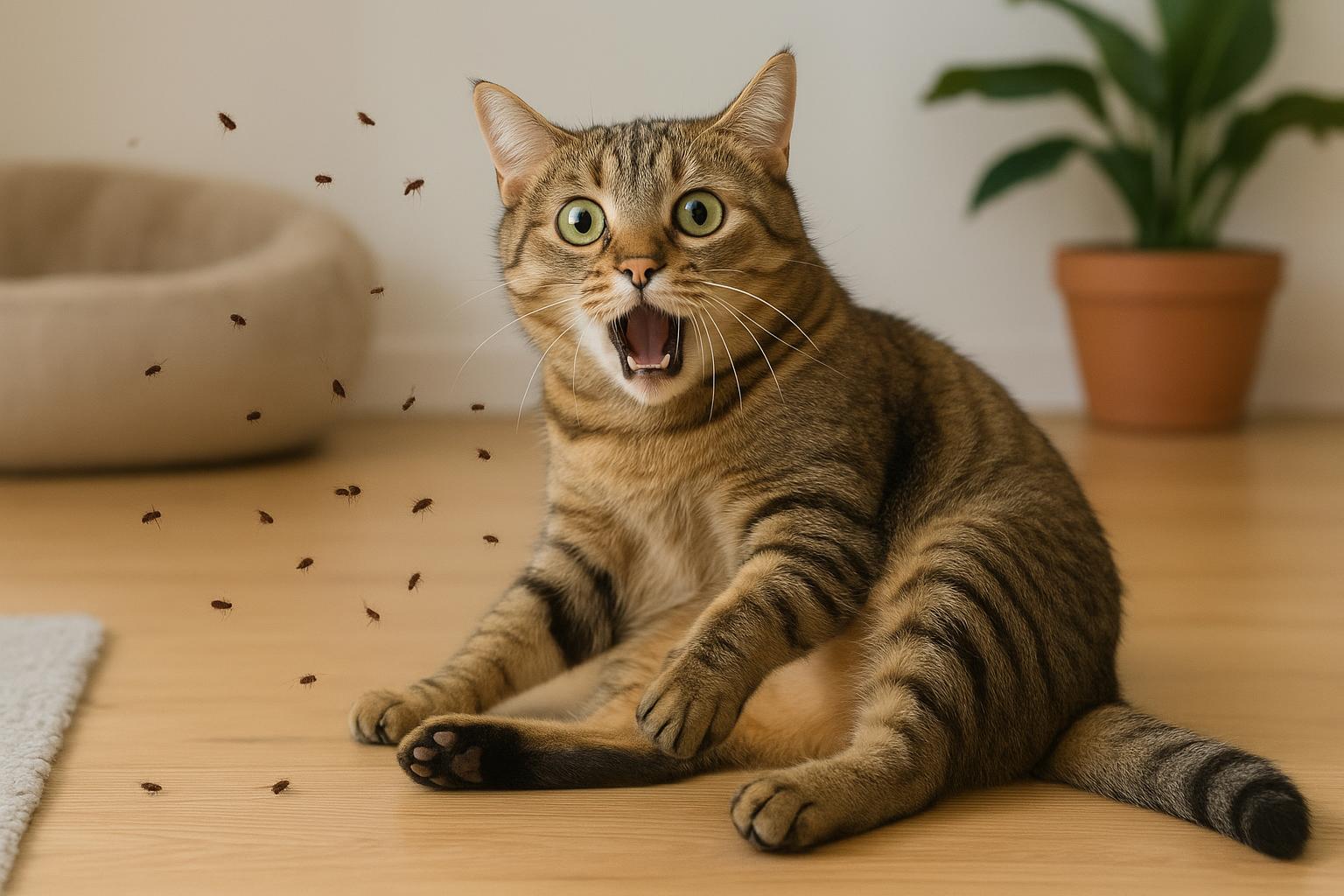
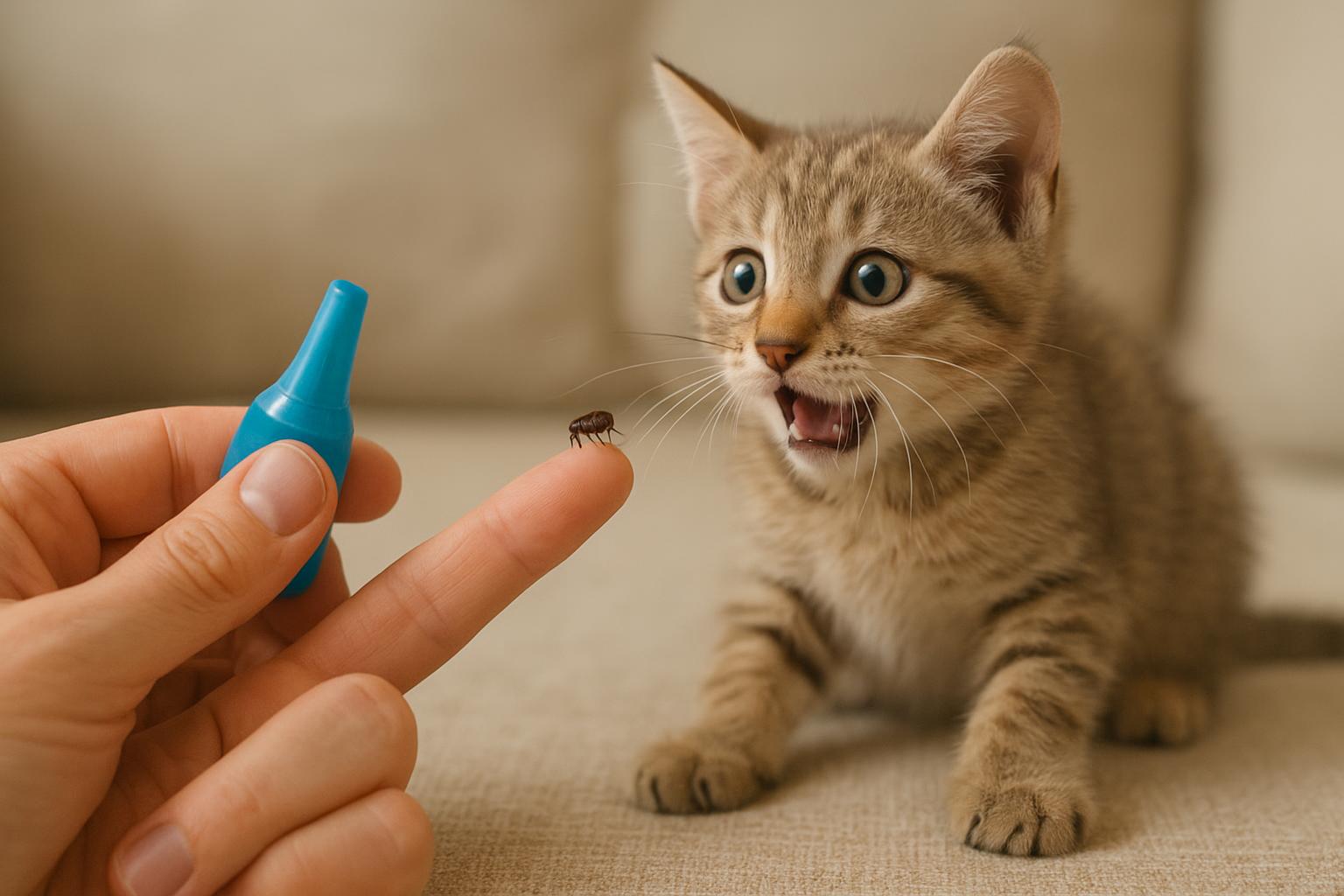
Yes — indoor cats can and do get fleas. A single hitchhiker brought in on a shoe, a guest’s coat, or a stray mouse can seed an infestation. Because fleas reproduce rapidly and have stages that hide in carpets, bedding, and cracks, indoor cat fleas can quietly multiply until you notice frantic scratching or tiny black specks in the fur.
### How Fleas End Up On Indoor Cats
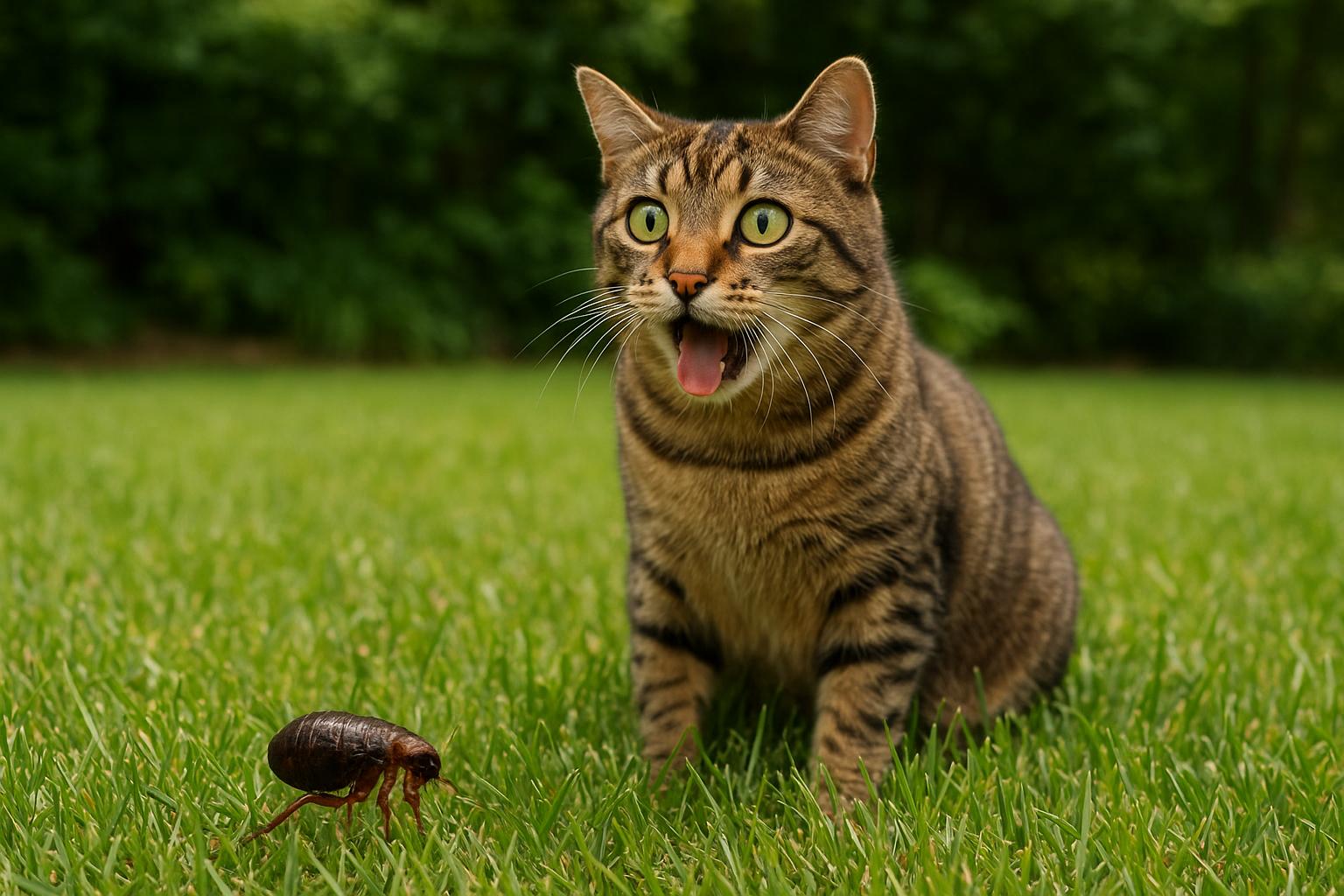
Fleas are opportunists. Adult fleas on wildlife or other domestic animals lay eggs that fall off into the environment. Those eggs and larvae can survive in carpets, furniture, and crevices for weeks or months. If someone brings flea eggs into the house — on clothing, a bag, or a plant pot — they’ll find a warm, furry buffet in your cat. Even if your cat never goes outdoors, the lifecycle of the flea doesn’t care; it cares about warmth, humidity, and a blood meal.
#### Common Entry Points
Fleas often arrive via:
– People (on clothing or bags).
– Other pets (dogs, outdoor cats).
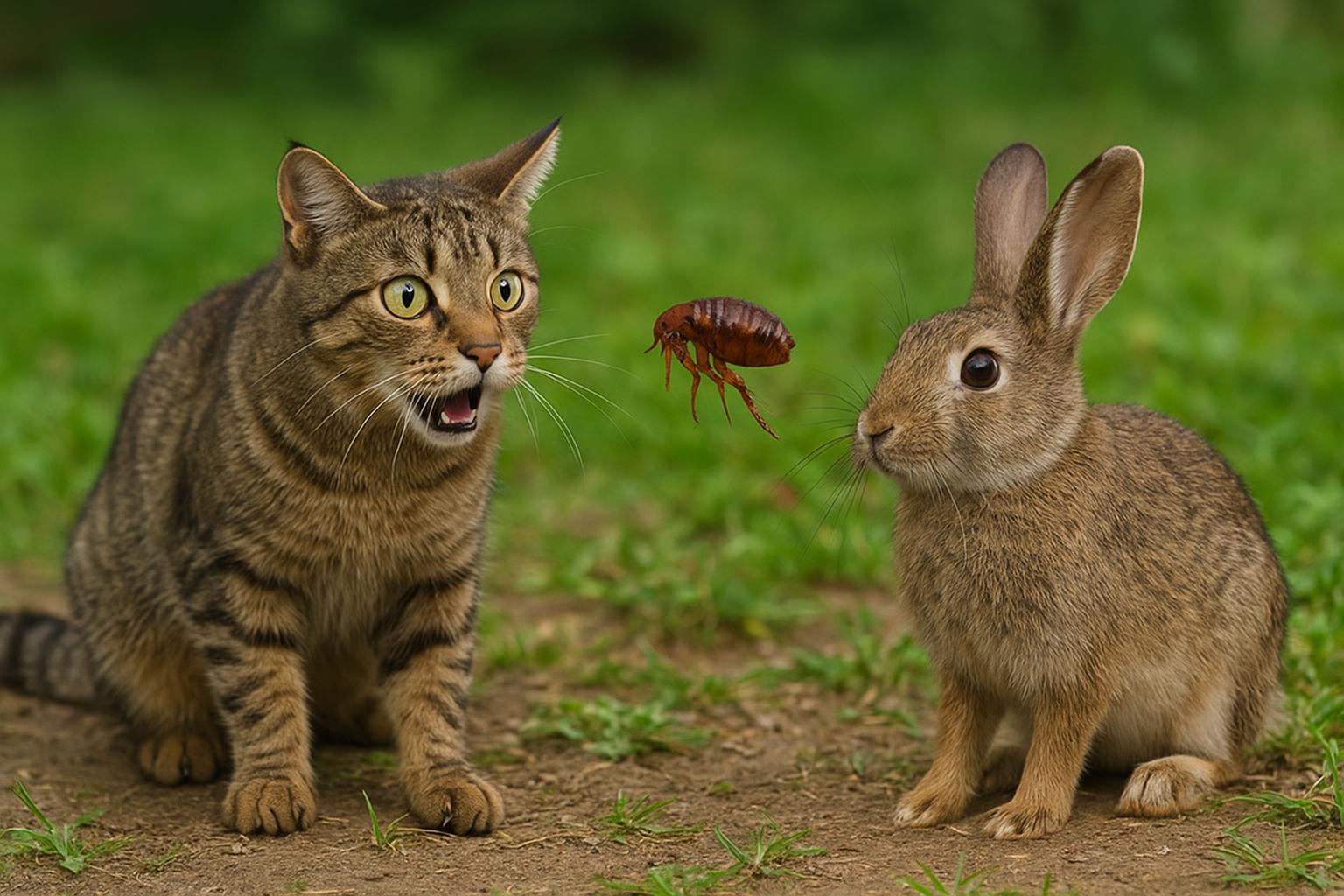
– Rodent activity in basements or crawl spaces.
– Secondhand furniture or rugs.
– Open windows and doors where wildlife is nearby.
### Signs And Symptoms To Watch For
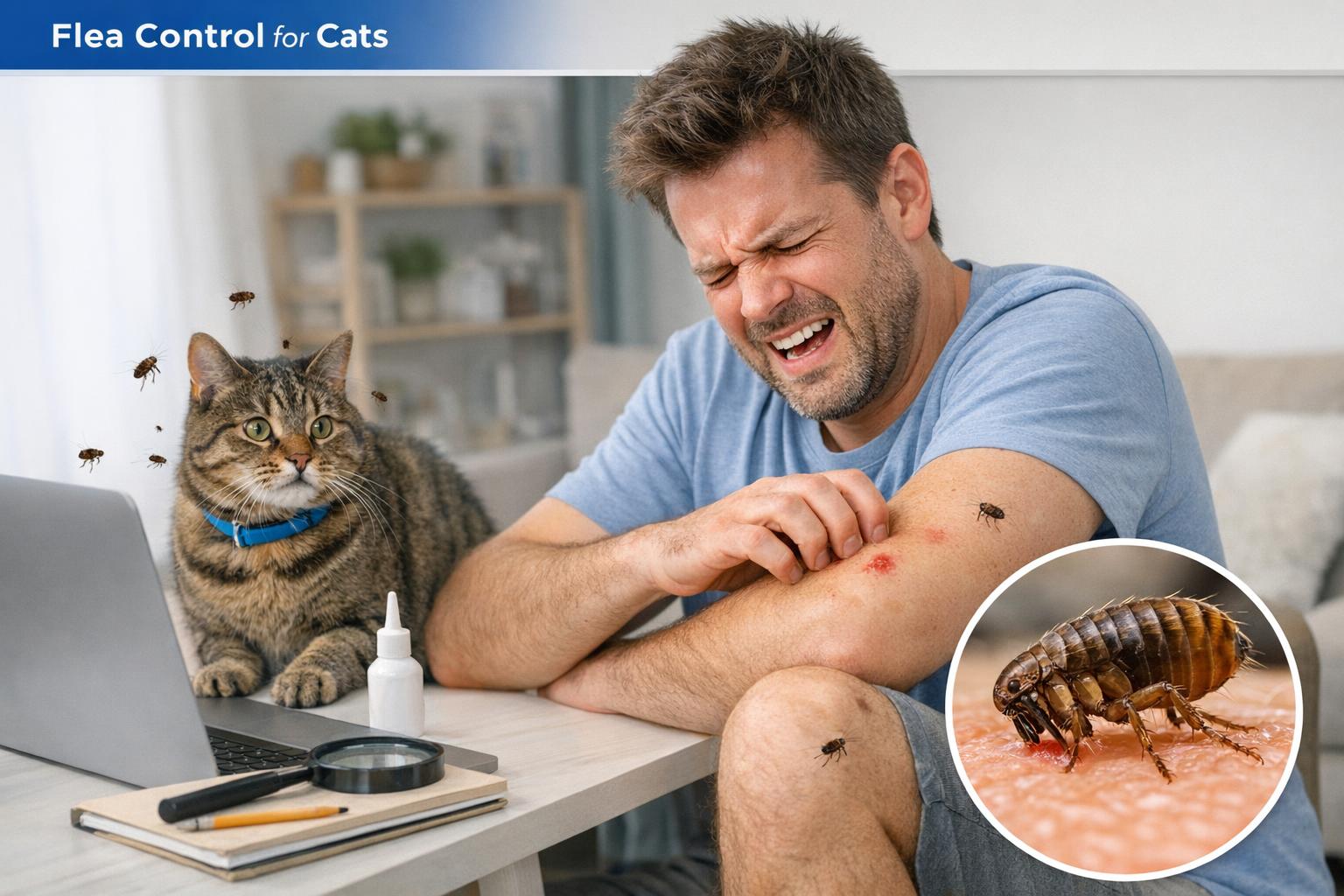
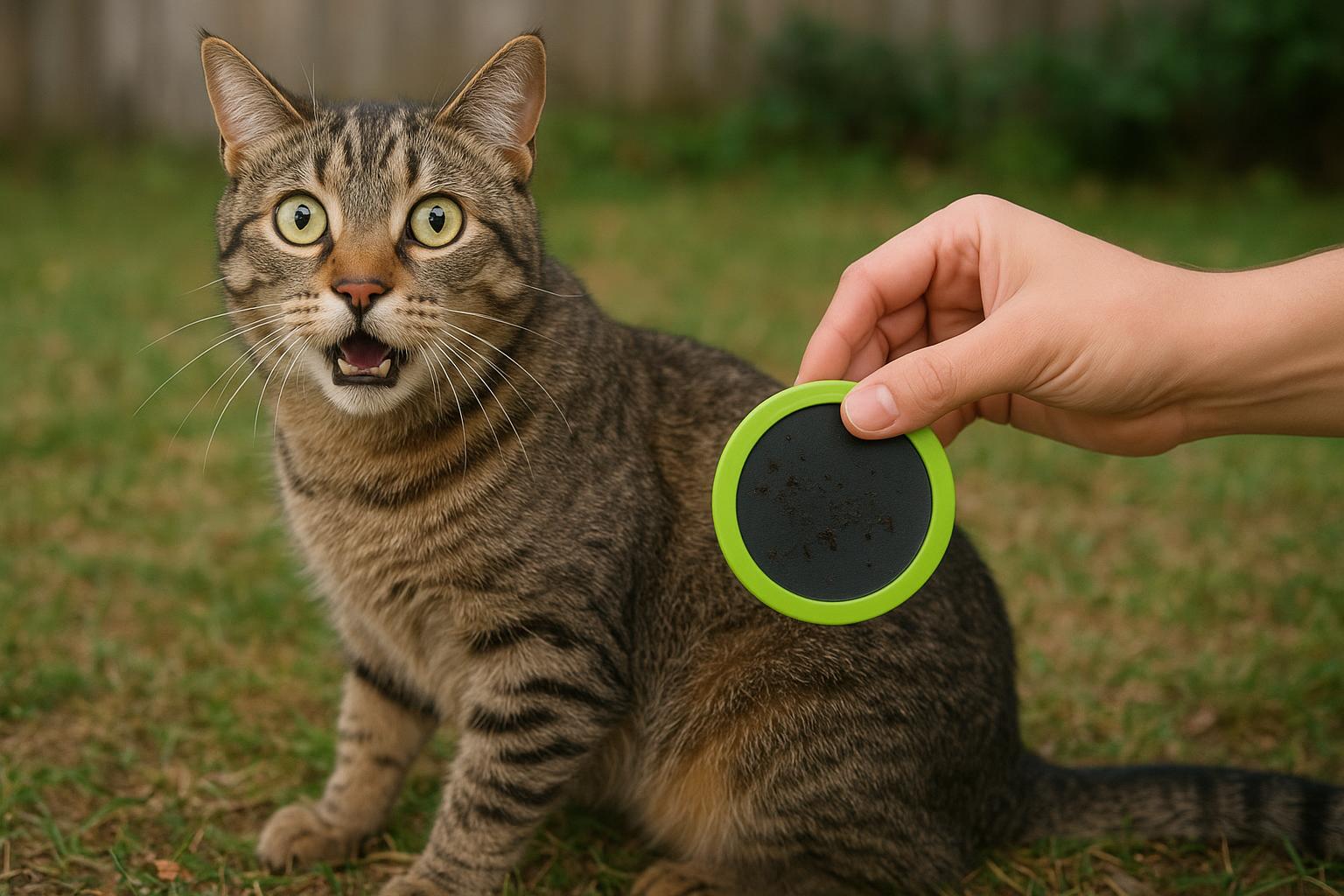
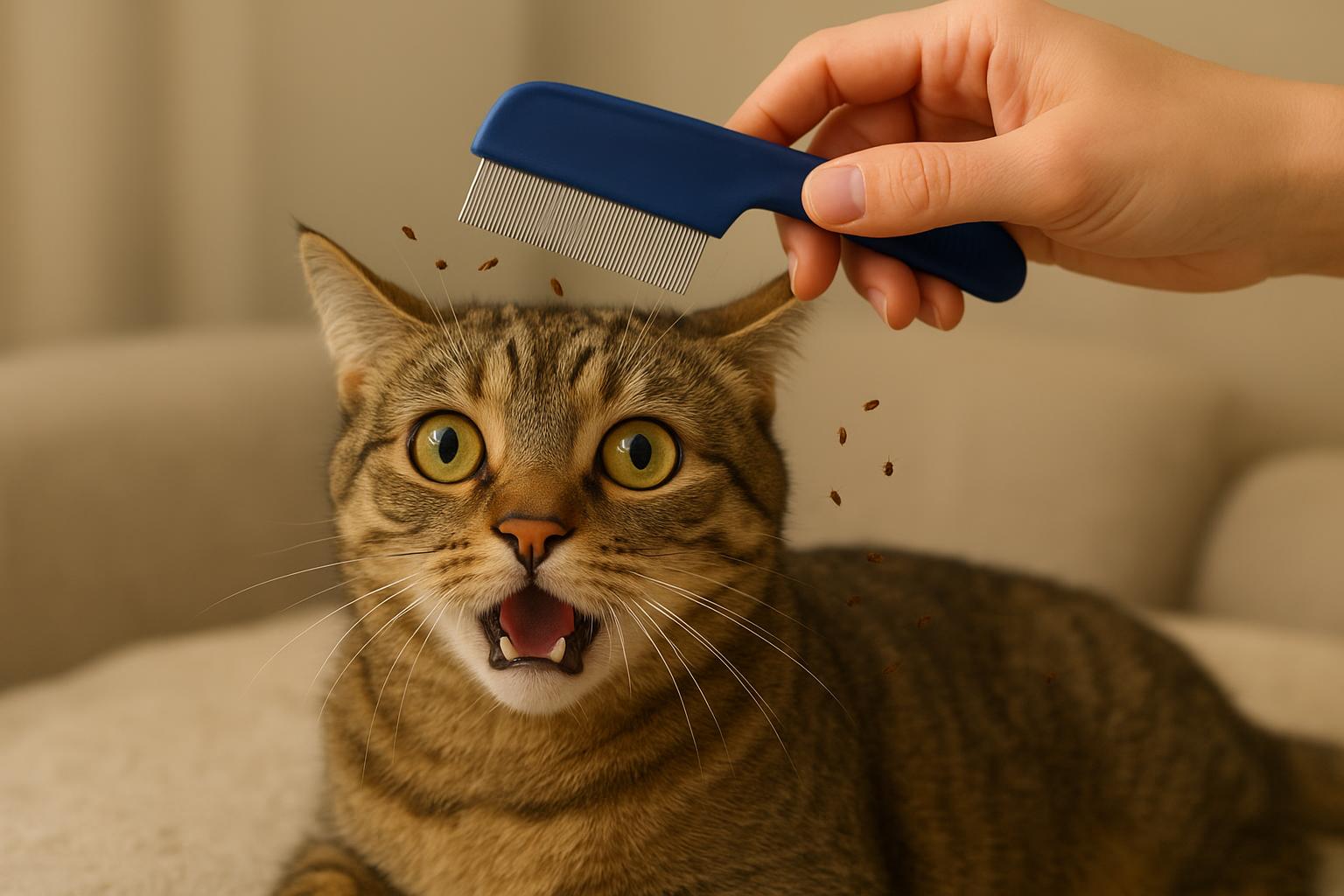
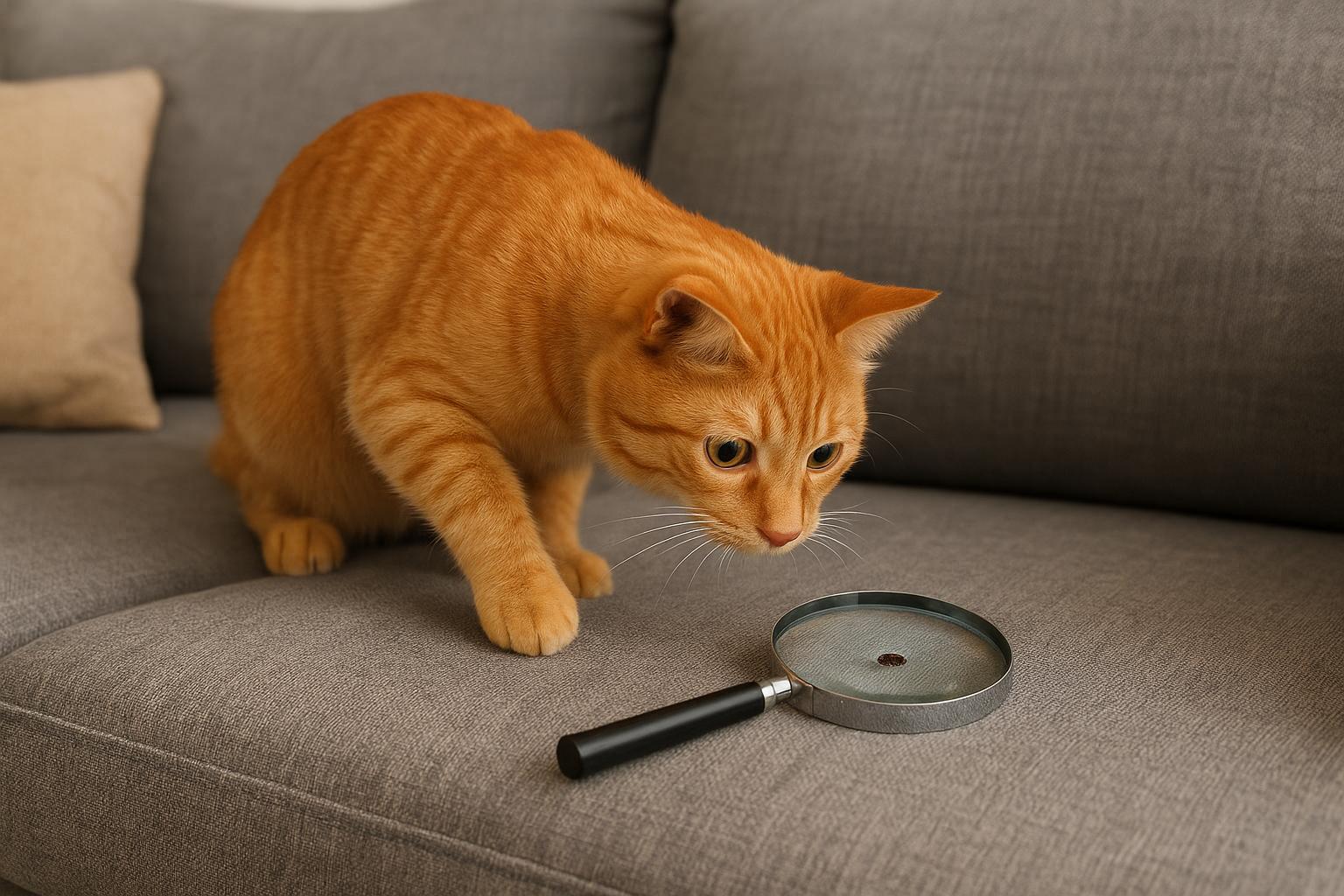
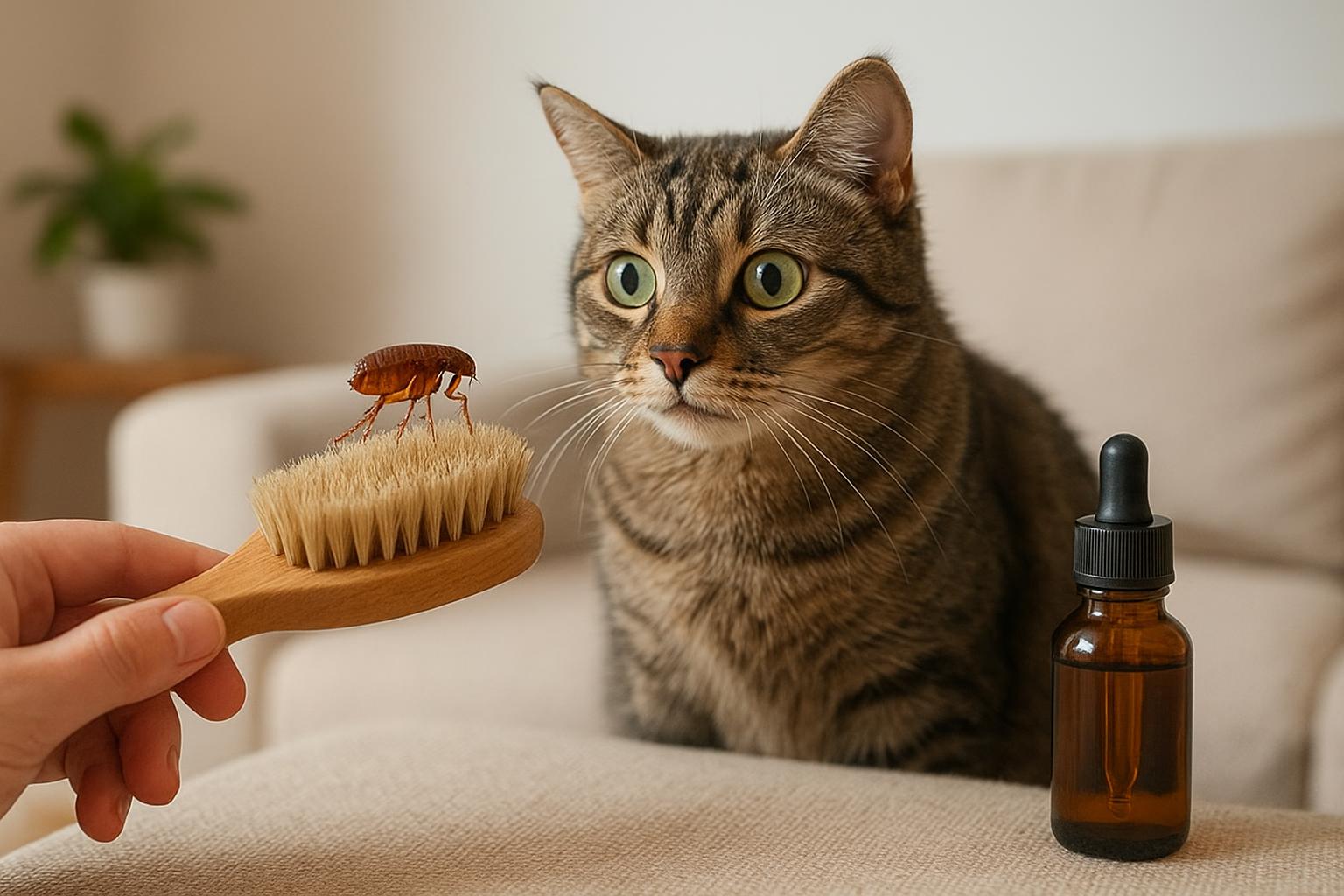
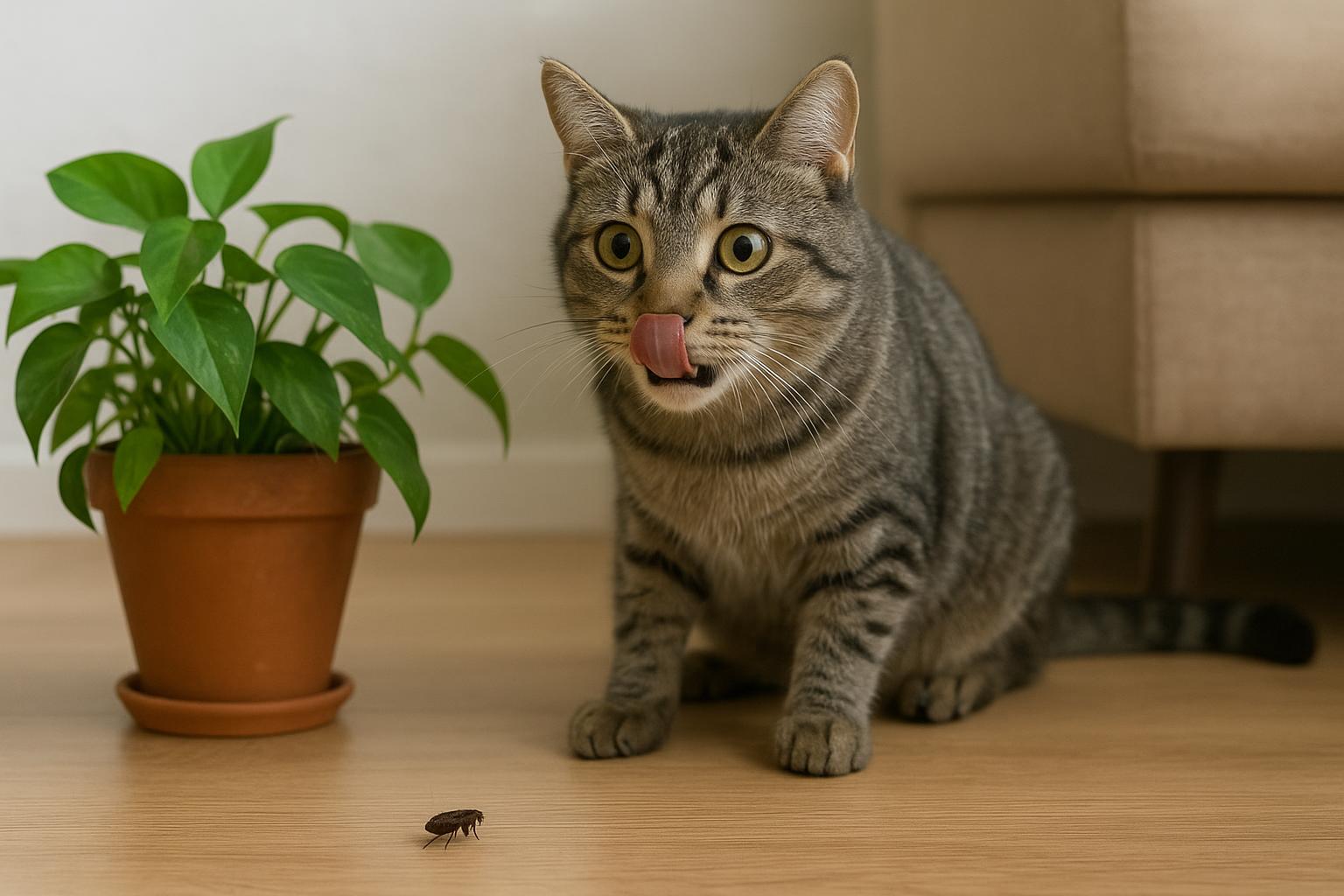
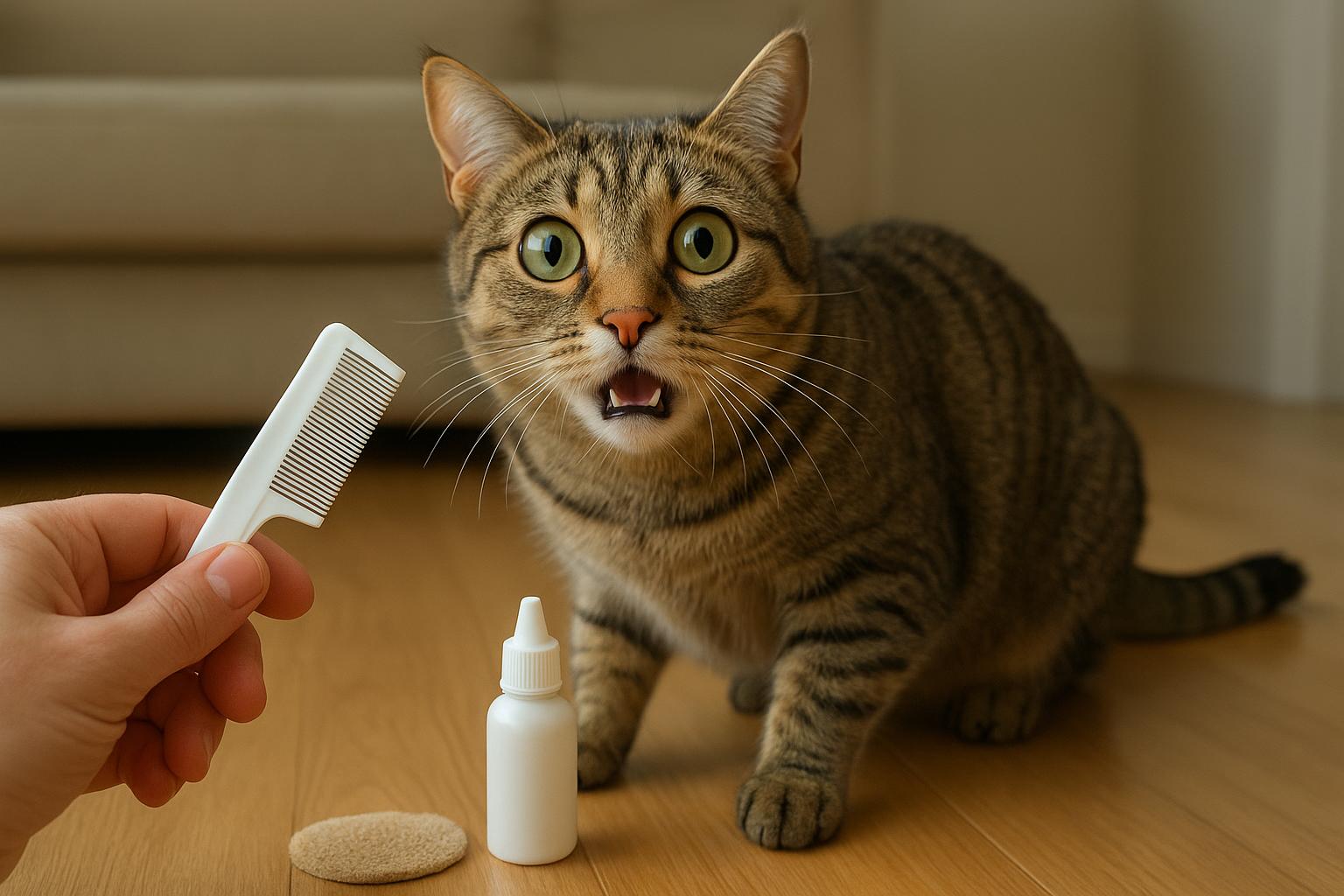
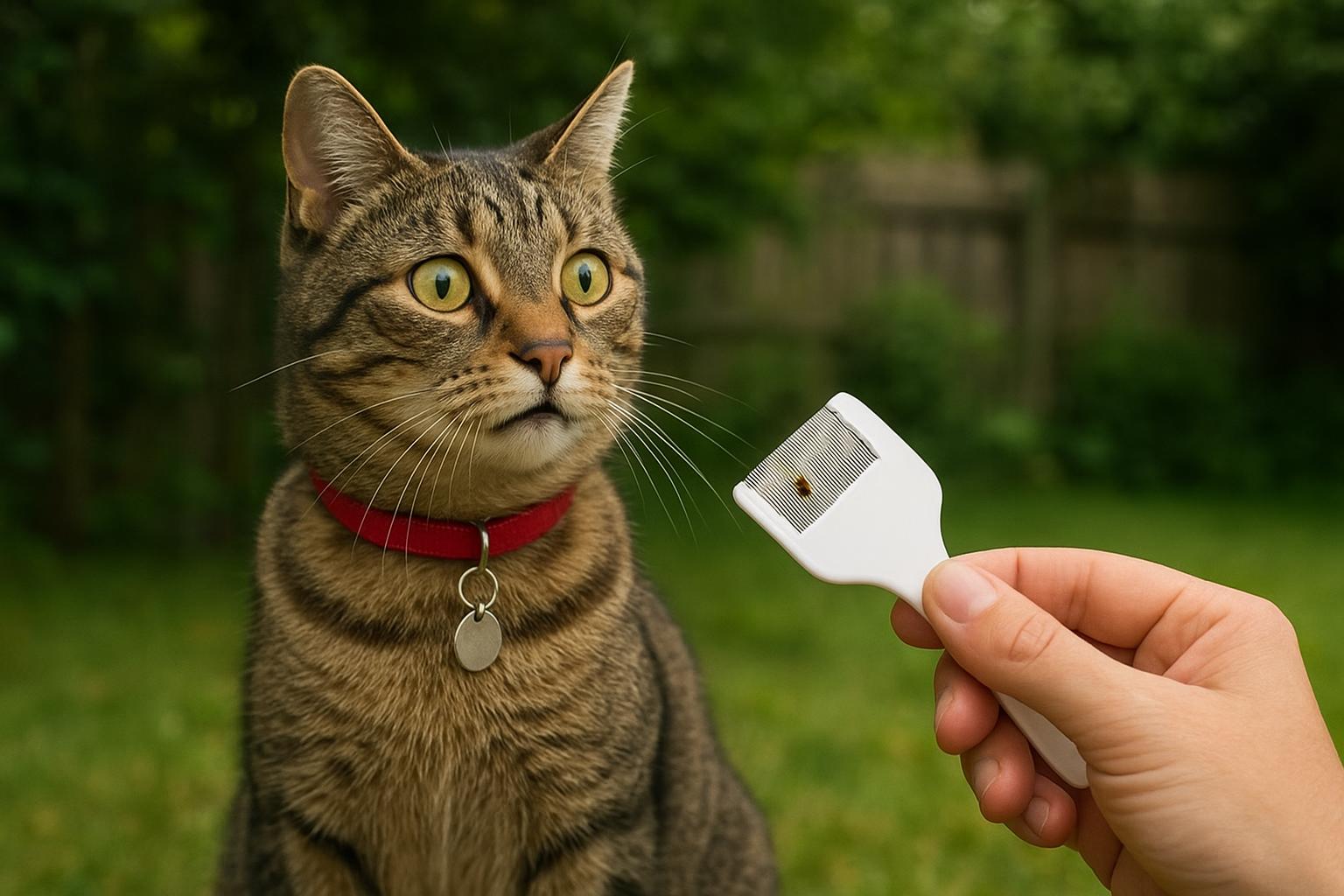
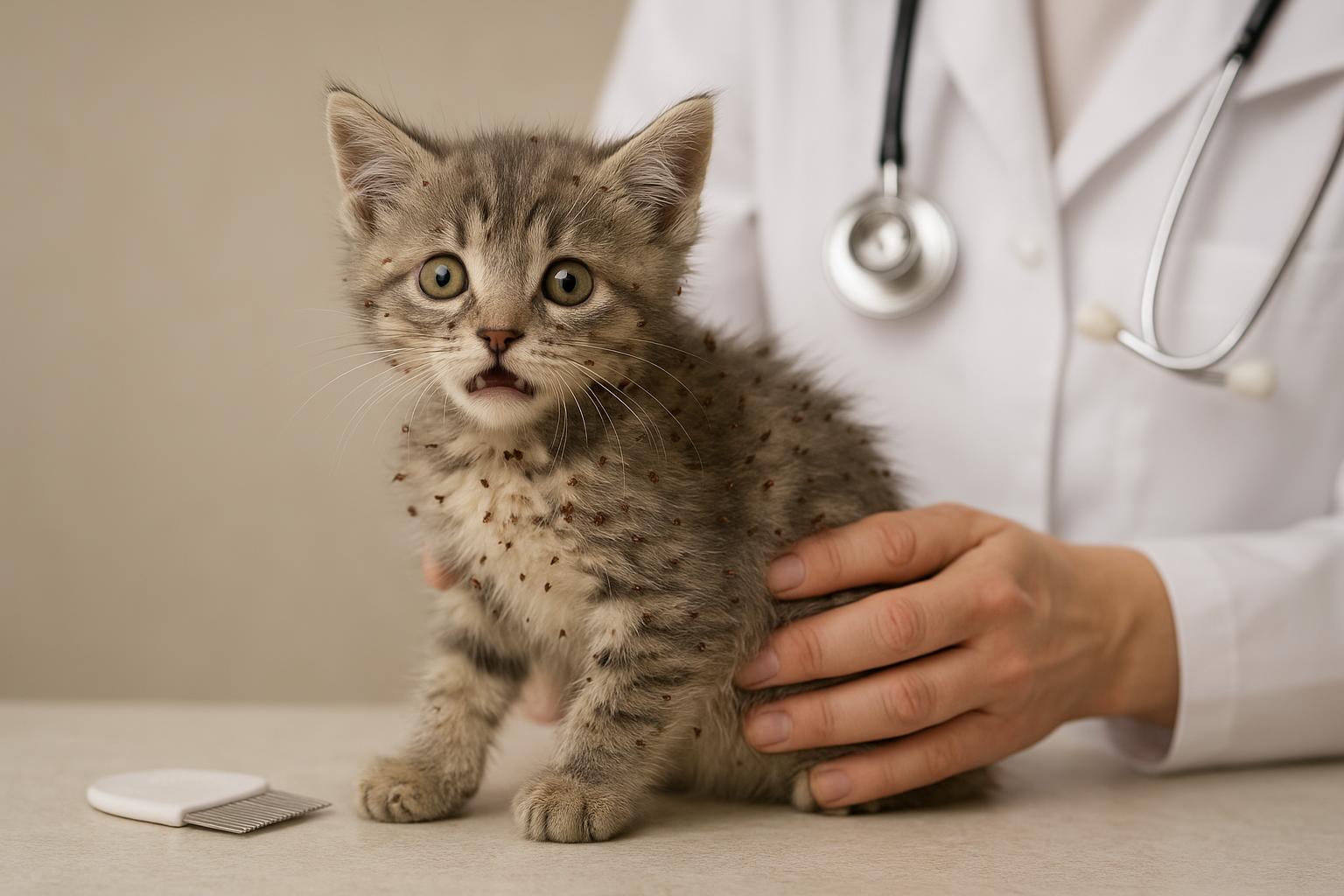
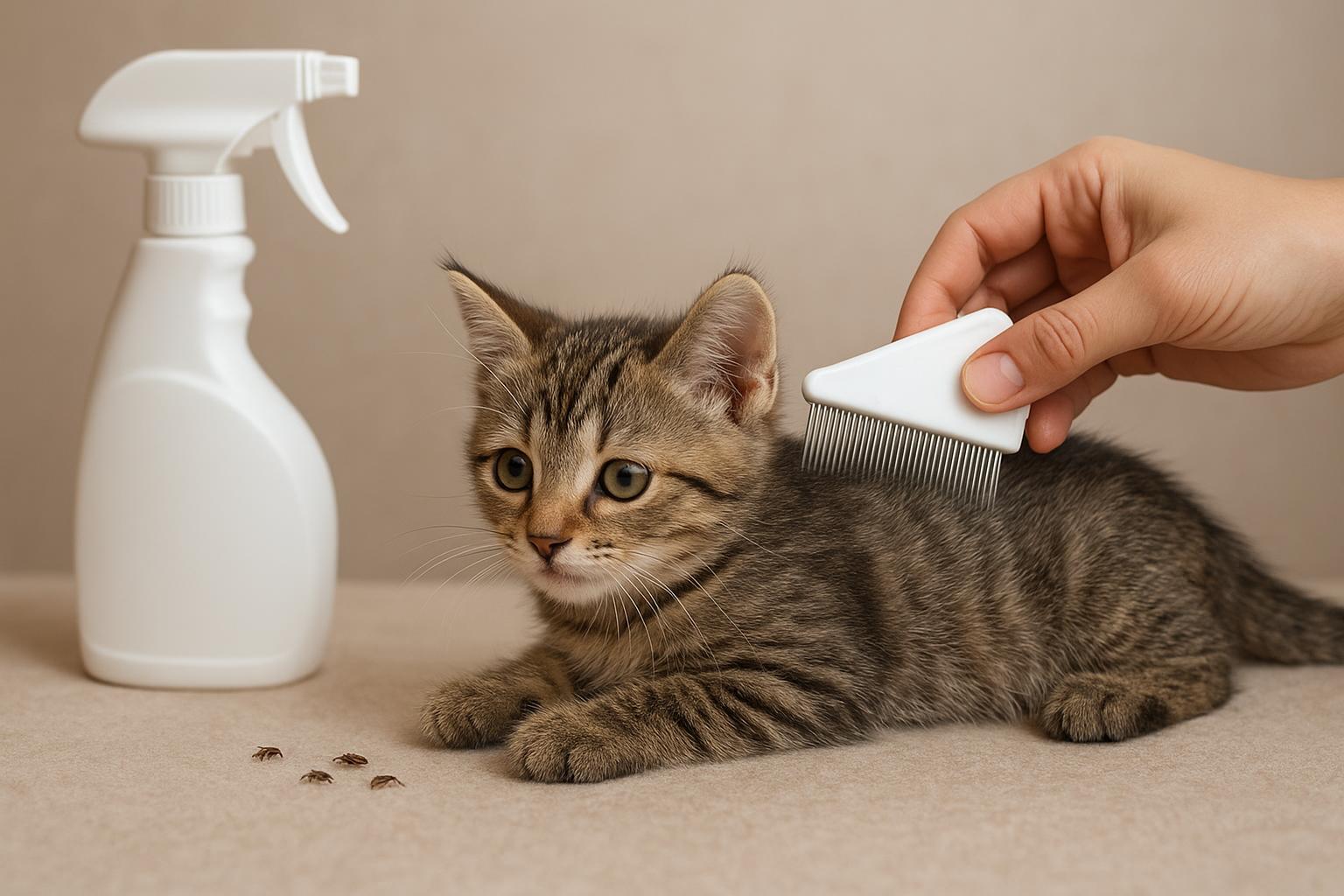
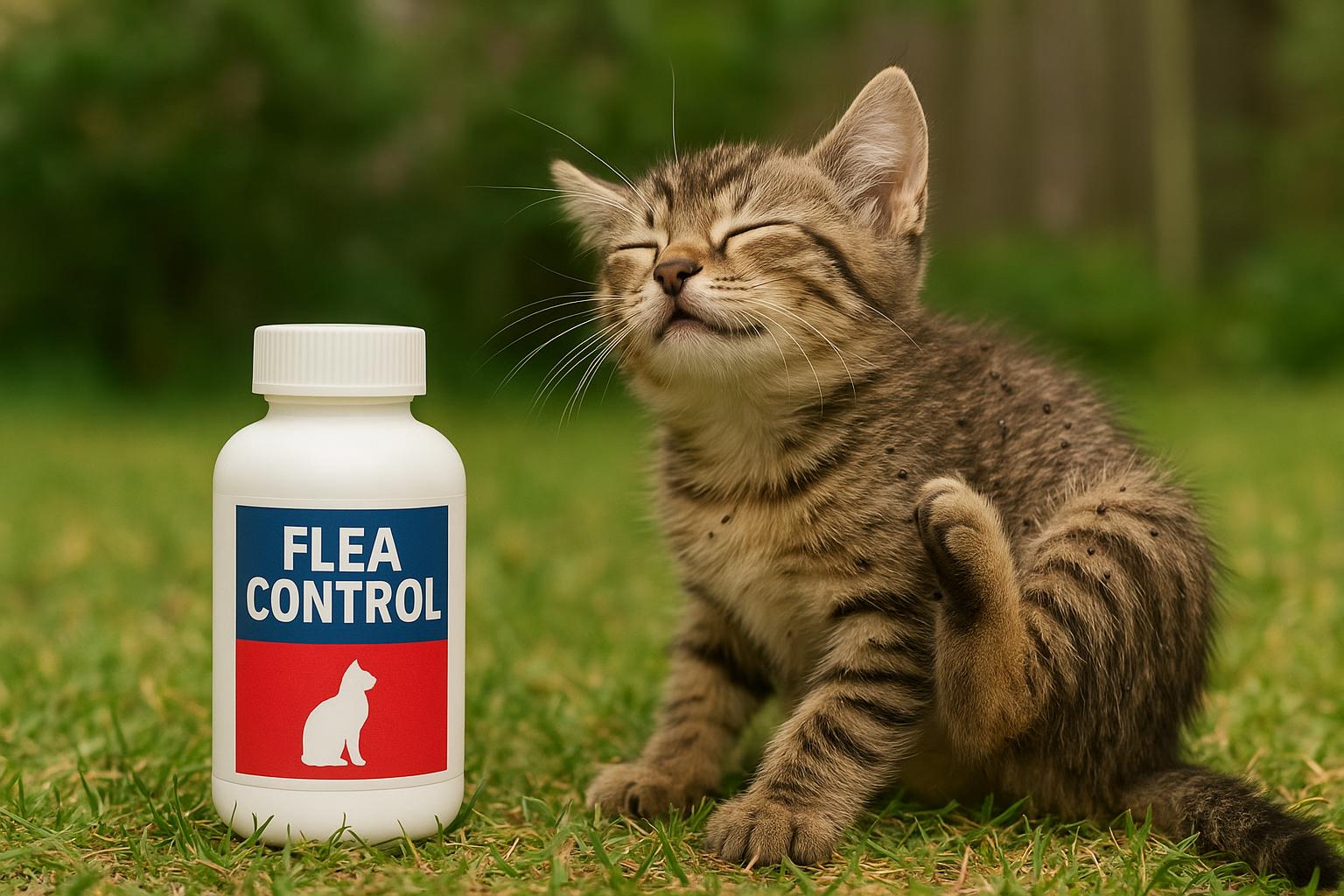
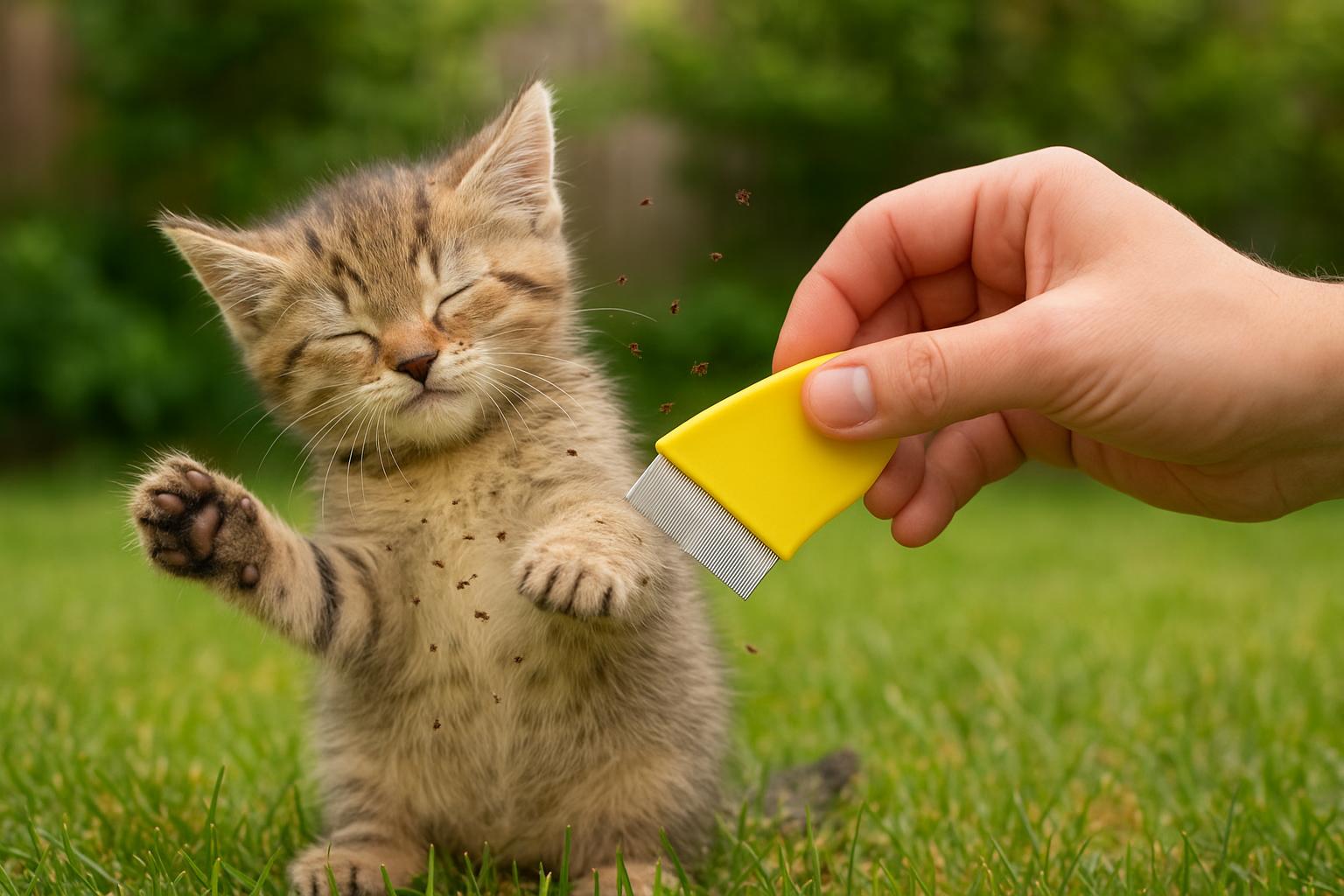
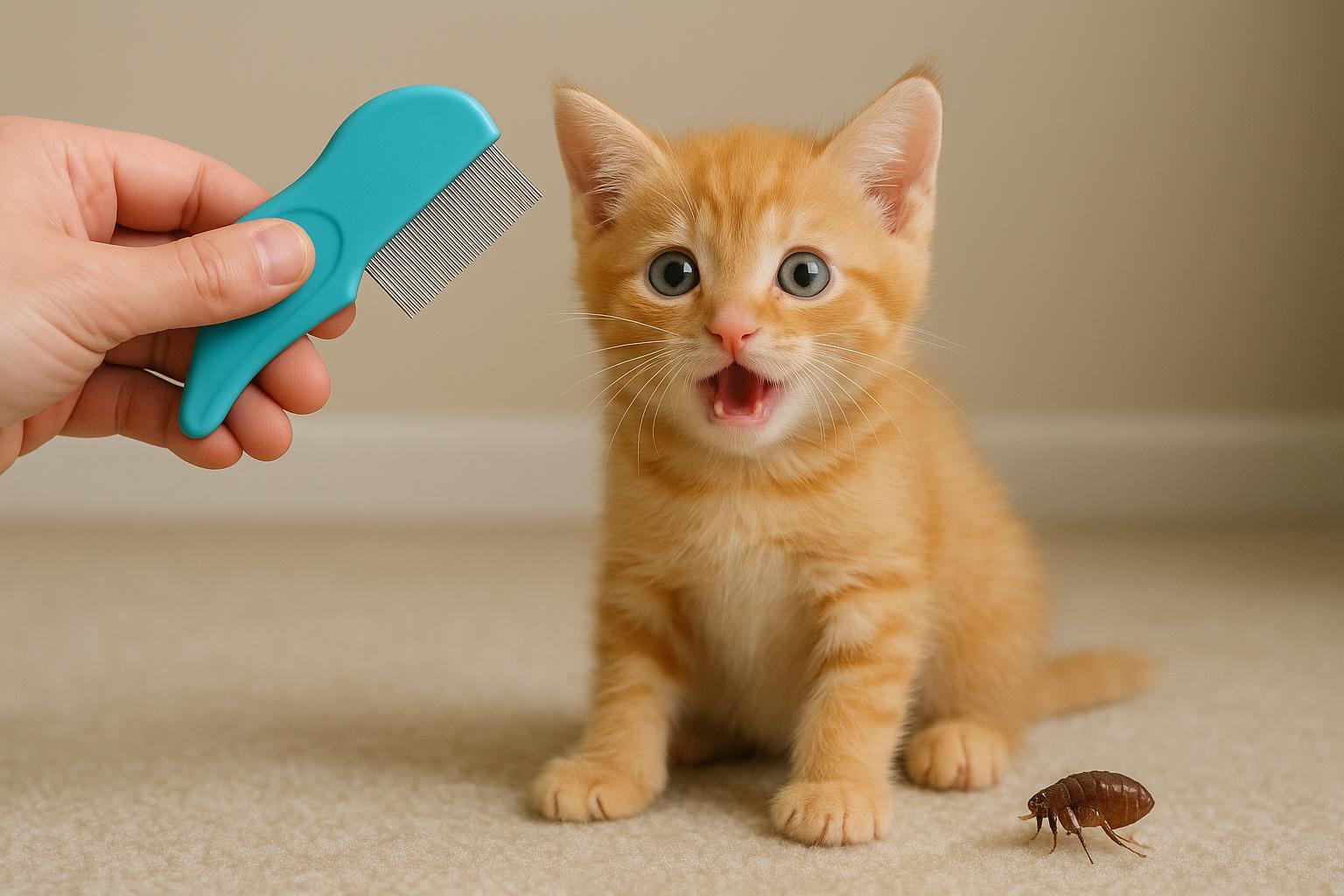
If you suspect indoor cat fleas, watch for: persistent scratching, hair loss, red bumps or scabs, and tiny dark “flea dirt” specks (flea feces) that look like ground pepper and turn reddish-brown if moistened. In heavy infestations, kittens and older cats can become anemic and lethargic. A flea comb is your best friend — run it gently through the fur, and check for moving fleas or black flecks.
## 2 Remedies For Indoor Cat Fleas: Vet-Approved And Home-Based
Treating indoor cat fleas usually requires a two-pronged approach: treat the animal and treat the environment. Below are two reliable remedies. The first is formal, veterinarian-recommended treatment for the cat; the second is an environmental protocol to break the flea lifecycle in your home.
### Remedy 1: Vet-Recommended Topical And Oral Treatments
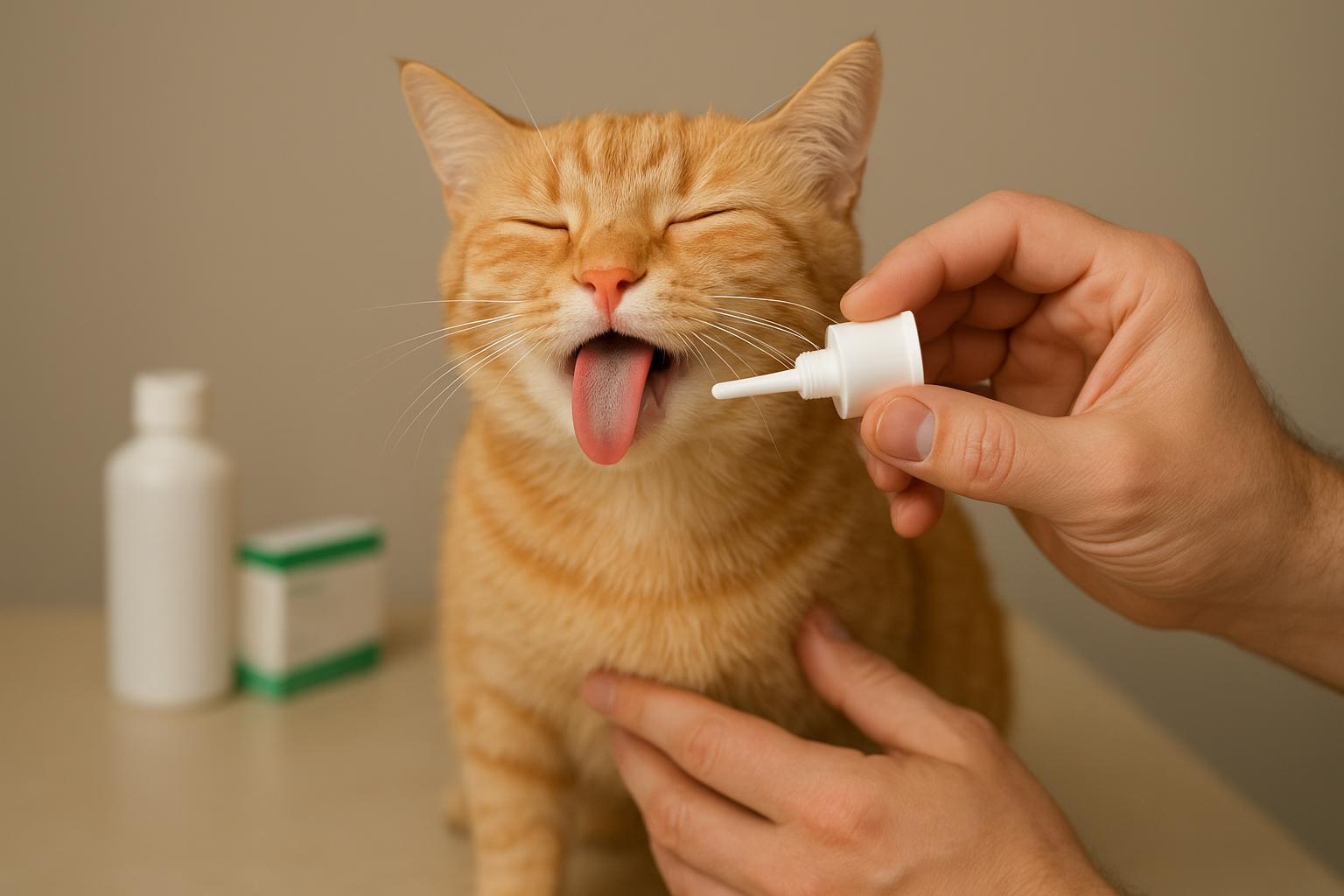
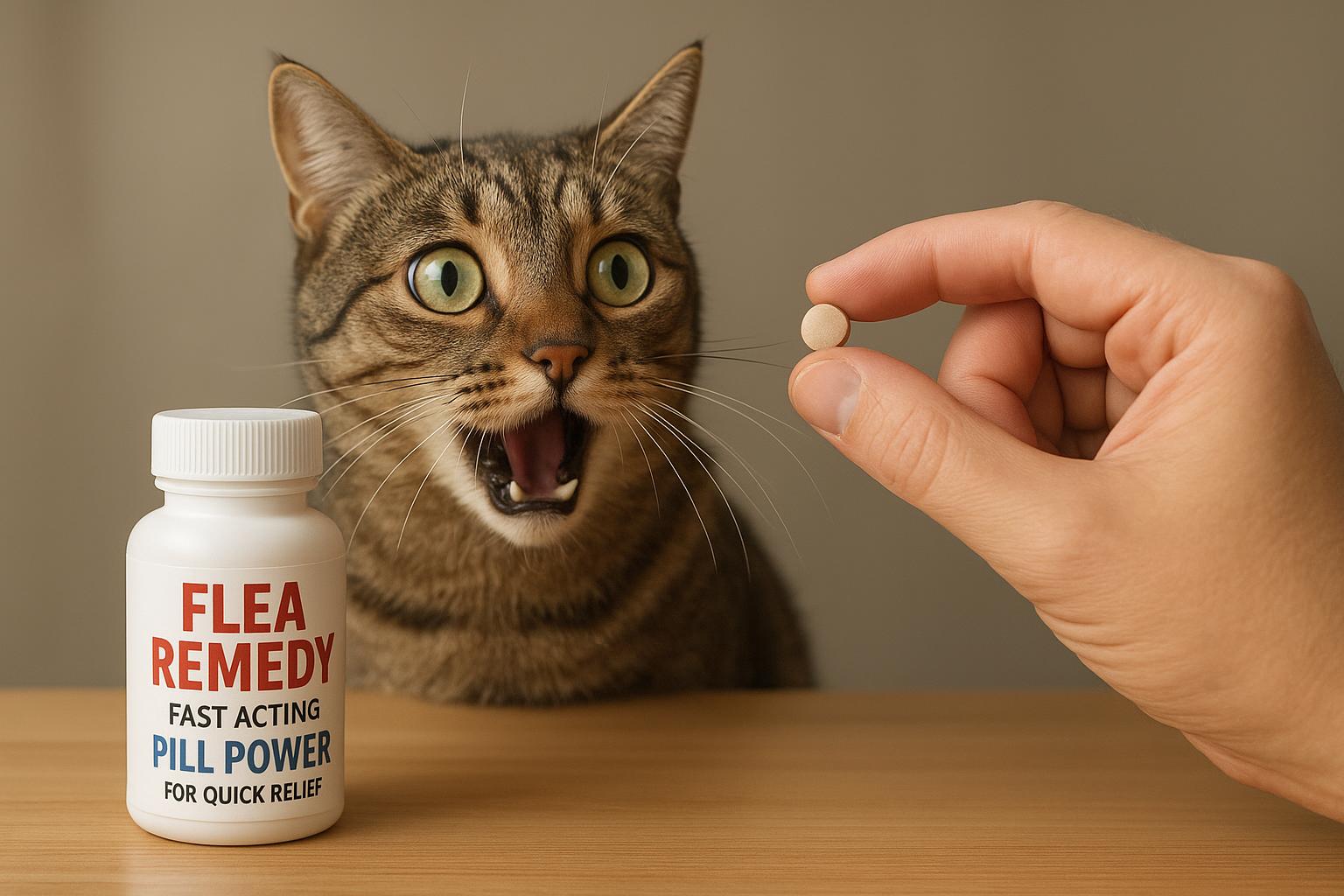
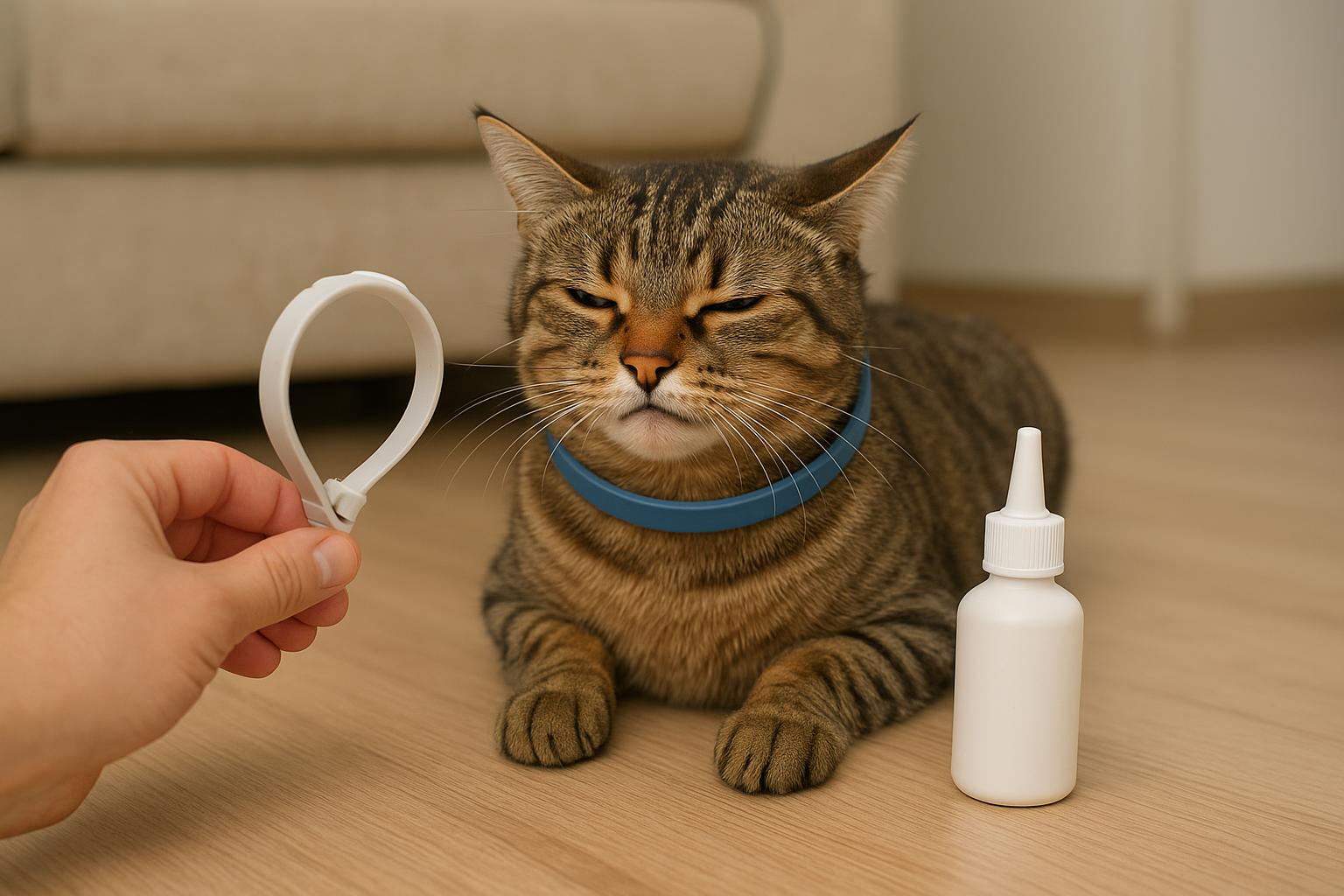
When treating indoor cat fleas, the most reliable option is veterinarian-approved products. Modern spot-on topicals, oral tablets, and collars are clinically tested for safety and efficacy. These products target adult fleas and, depending on the active ingredient, may also interrupt egg or larval development.
#### Ingredients And Materials
– Veterinary-prescribed flea product (topical: selamectin, imidacloprid + moxidectin; oral: nitenpyram for quick kill, spinosad or afoxolaner where approved)
– Disposable gloves
– Flea comb
– Scale (to confirm cat’s weight for dosing)
– Written instructions from your veterinarian
Step-By-Step Application (Formal Instructions)
1. Veterinary Consultation: Schedule a vet visit. Discuss your cat’s age, weight, medical history, indoor status, and any other pets in the home. Obtain a specific product recommendation and dose.
2. Confirm Weight: Accurately weigh your cat; many products are dosed by weight. Mis-dosing can be ineffective or unsafe.
3. Prepare: Read the product label. Put on gloves. Have the flea comb and treats ready for calm handling.
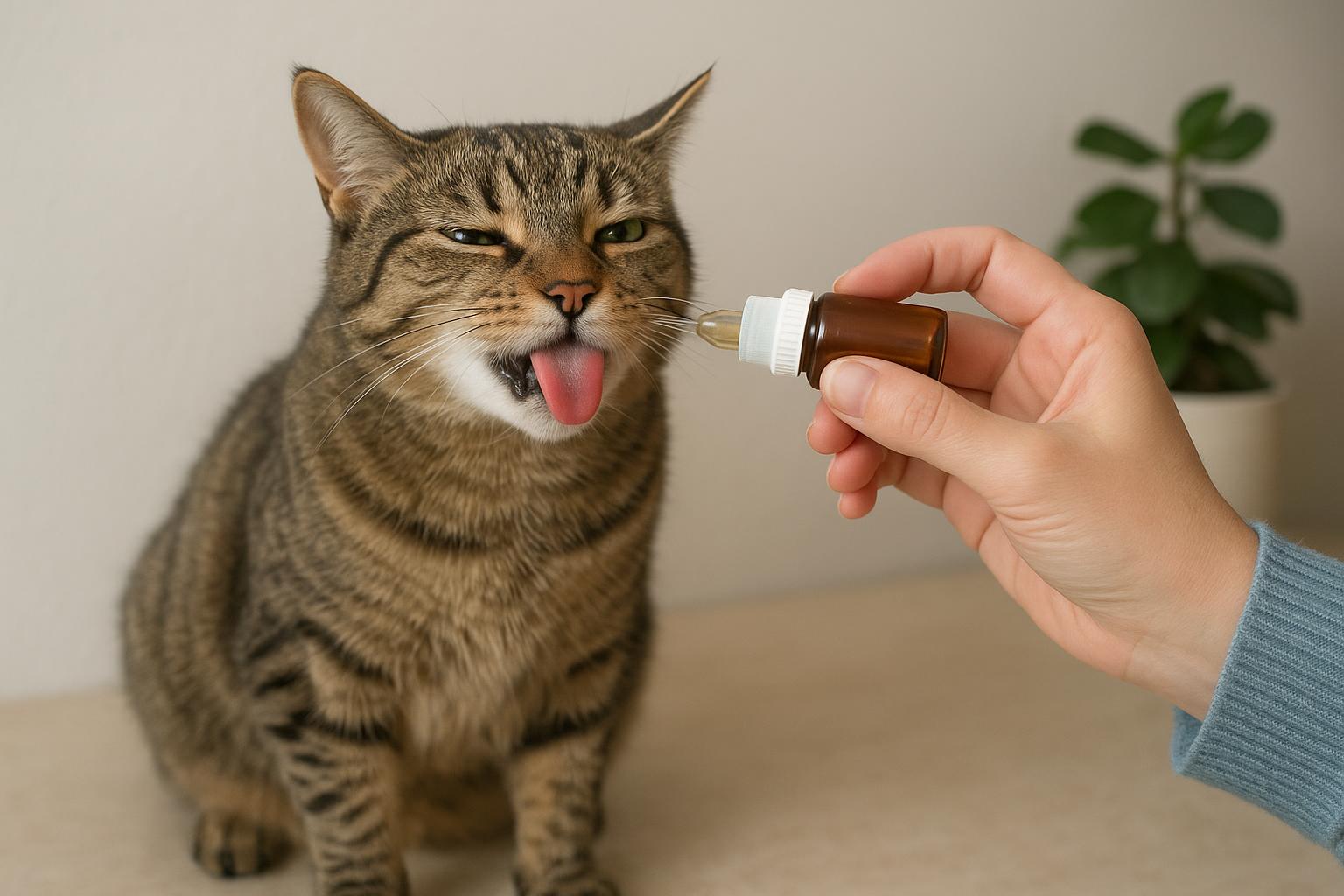
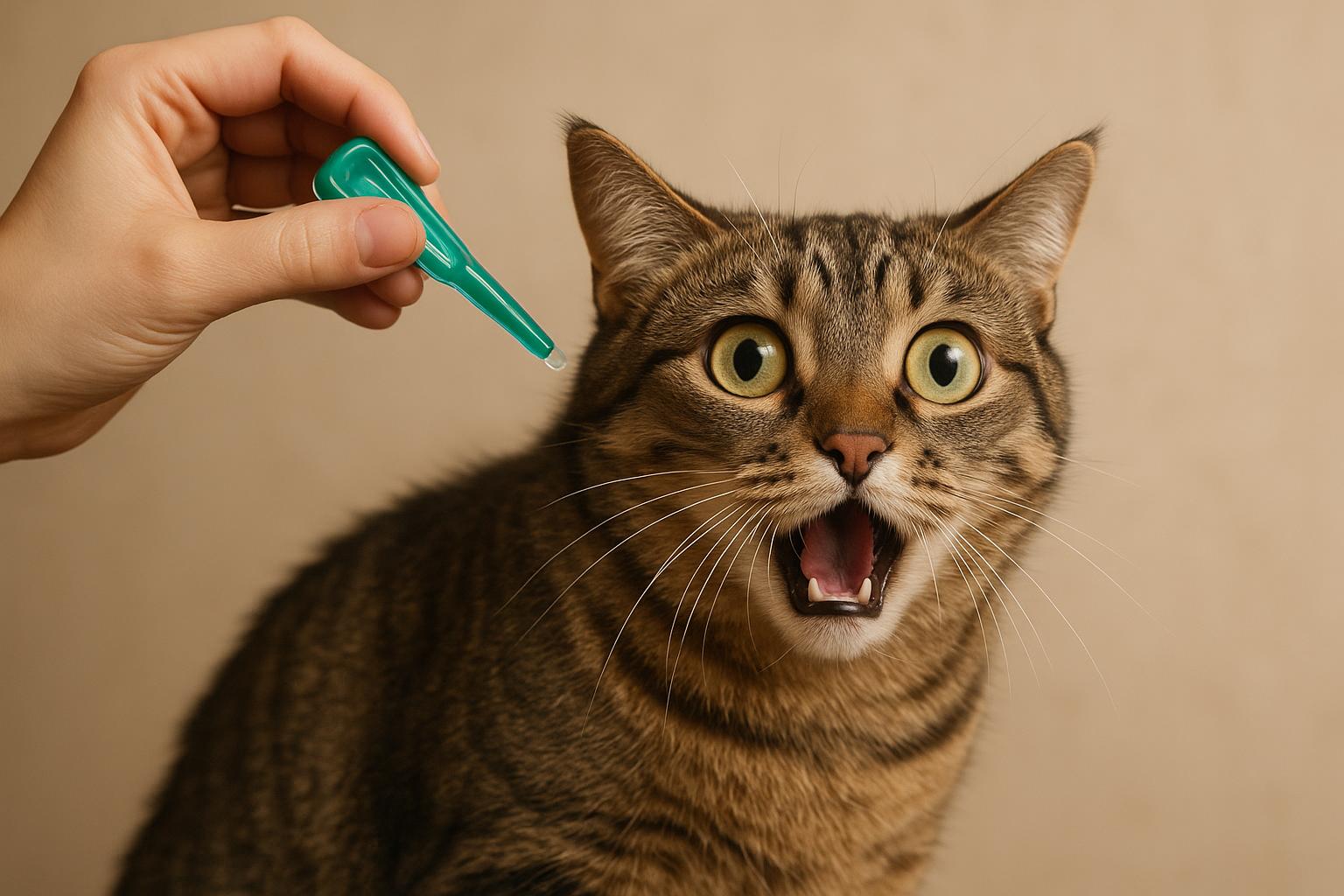
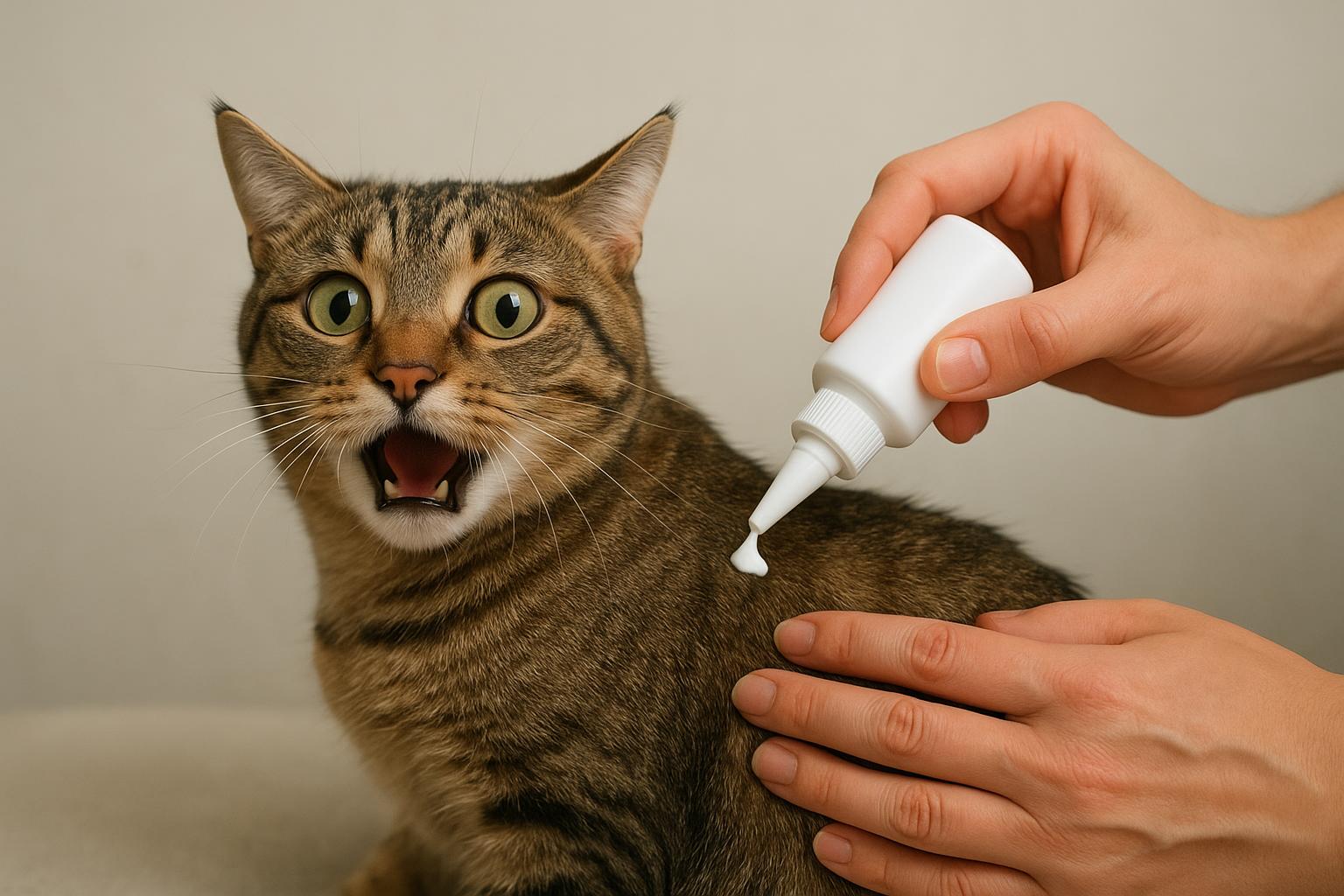
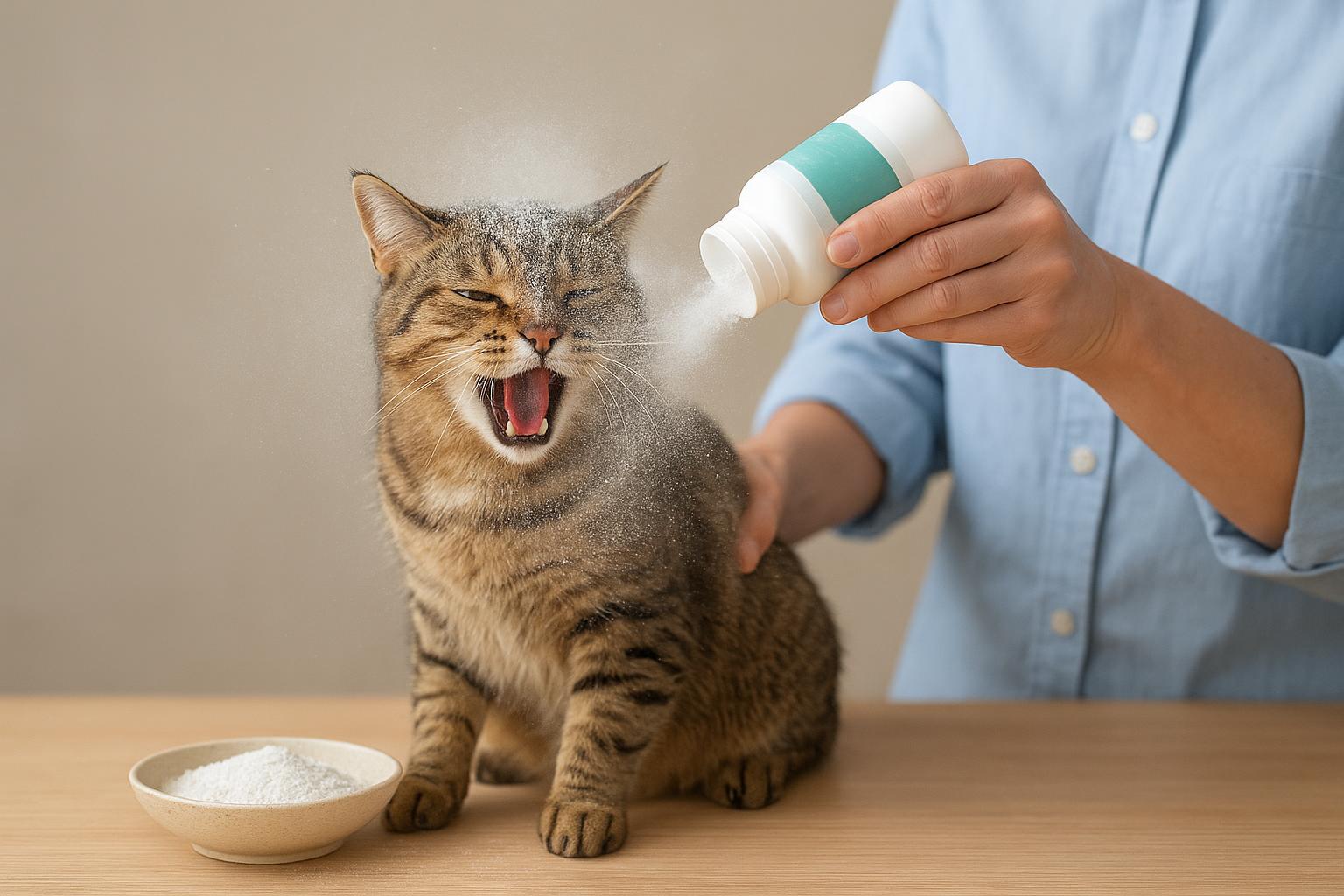
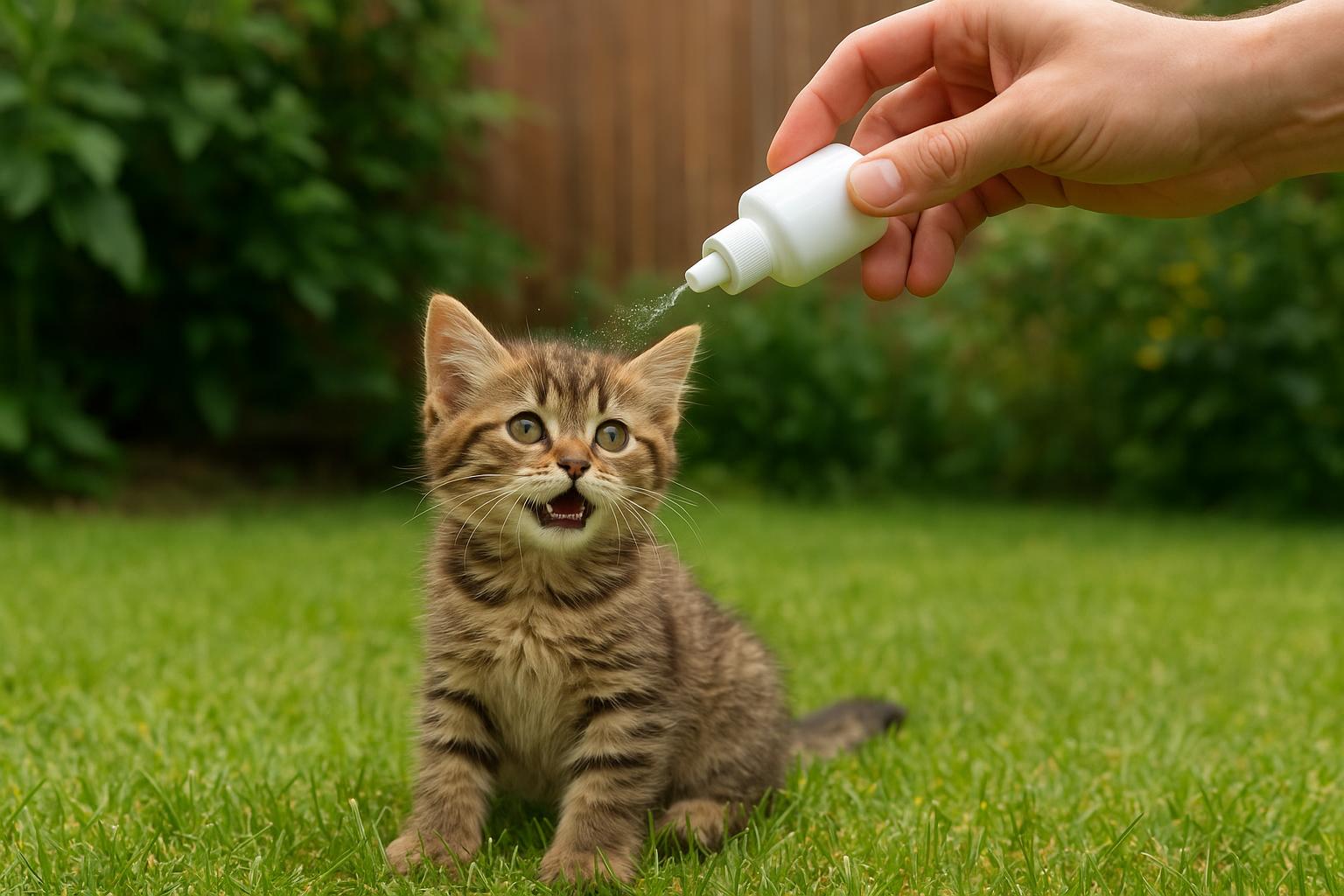
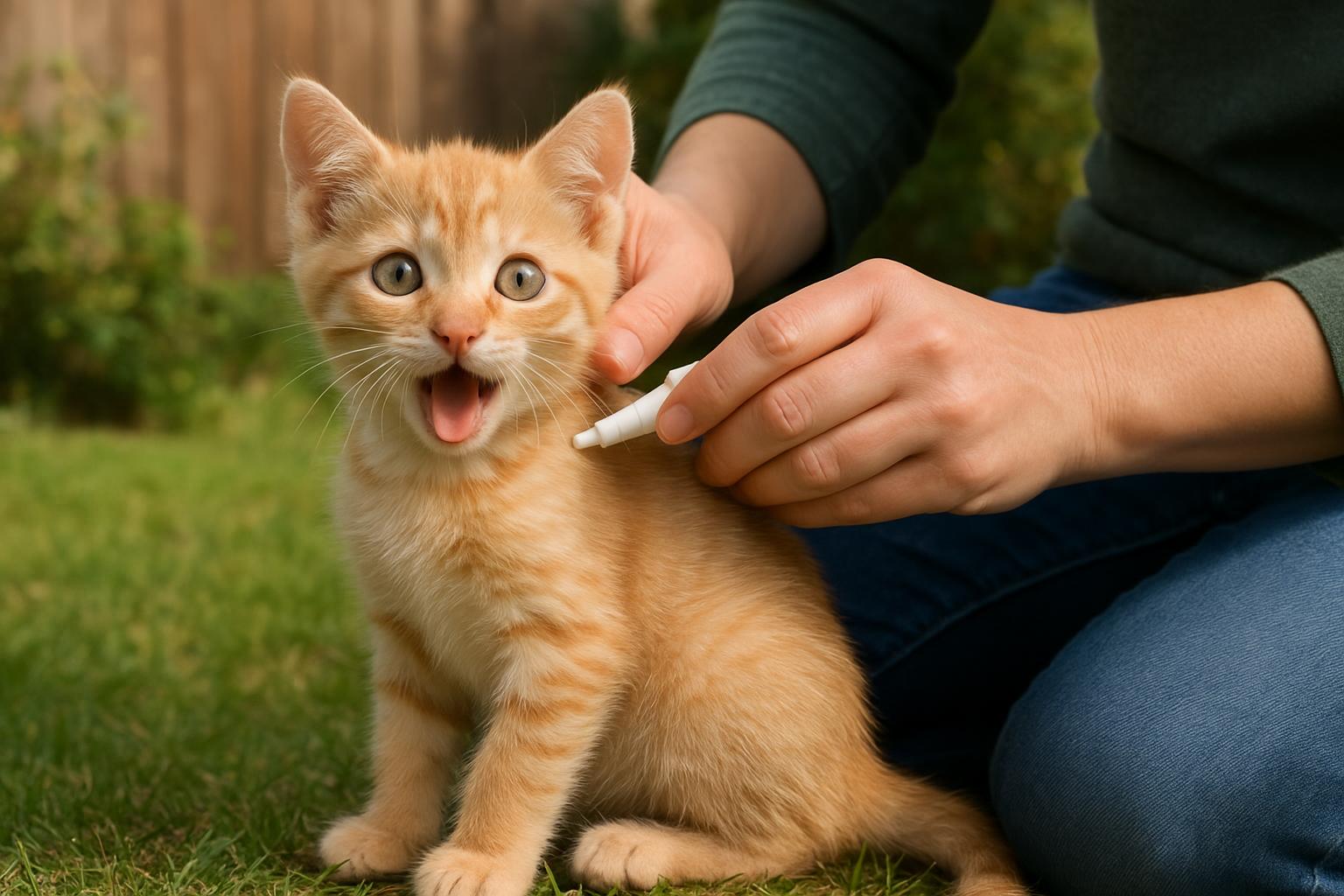
4. Apply Topical: For spot-on treatments, part the fur at the base of the skull until you see skin. Apply the full dose directly to the skin at the recommended spot. Do not dilute or split the dose.
5. Administer Oral: If an oral product is prescribed, follow the vet’s dosage and administration instructions precisely. Some oral products are given monthly; others are single-use fast-kill options.
6. Monitor: Watch your cat for 24–48 hours for any adverse reactions (excessive drooling, vomiting, tremors). Contact the vet immediately if these occur.
7. Follow-Up: Maintain the treatment schedule recommended by your vet — many cats need monthly prevention to stop reinfestation.
Note: Never use dog-specific flea products on cats. Many canine formulations contain ingredients toxic to felines.
### Remedy 2: Environmental Control And Home-Based Treatment
Environmental measures are crucial to eliminate indoor cat fleas because treating the pet alone won’t break the flea life cycle. This remedy focuses on cleaning, targeted treatments, and interrupting eggs and larvae.
#### Ingredients And Materials
– High-powered vacuum cleaner with attachments
– Hot-water laundry access and dryer
– Enzyme-based pet-safe carpet cleaner (optional)
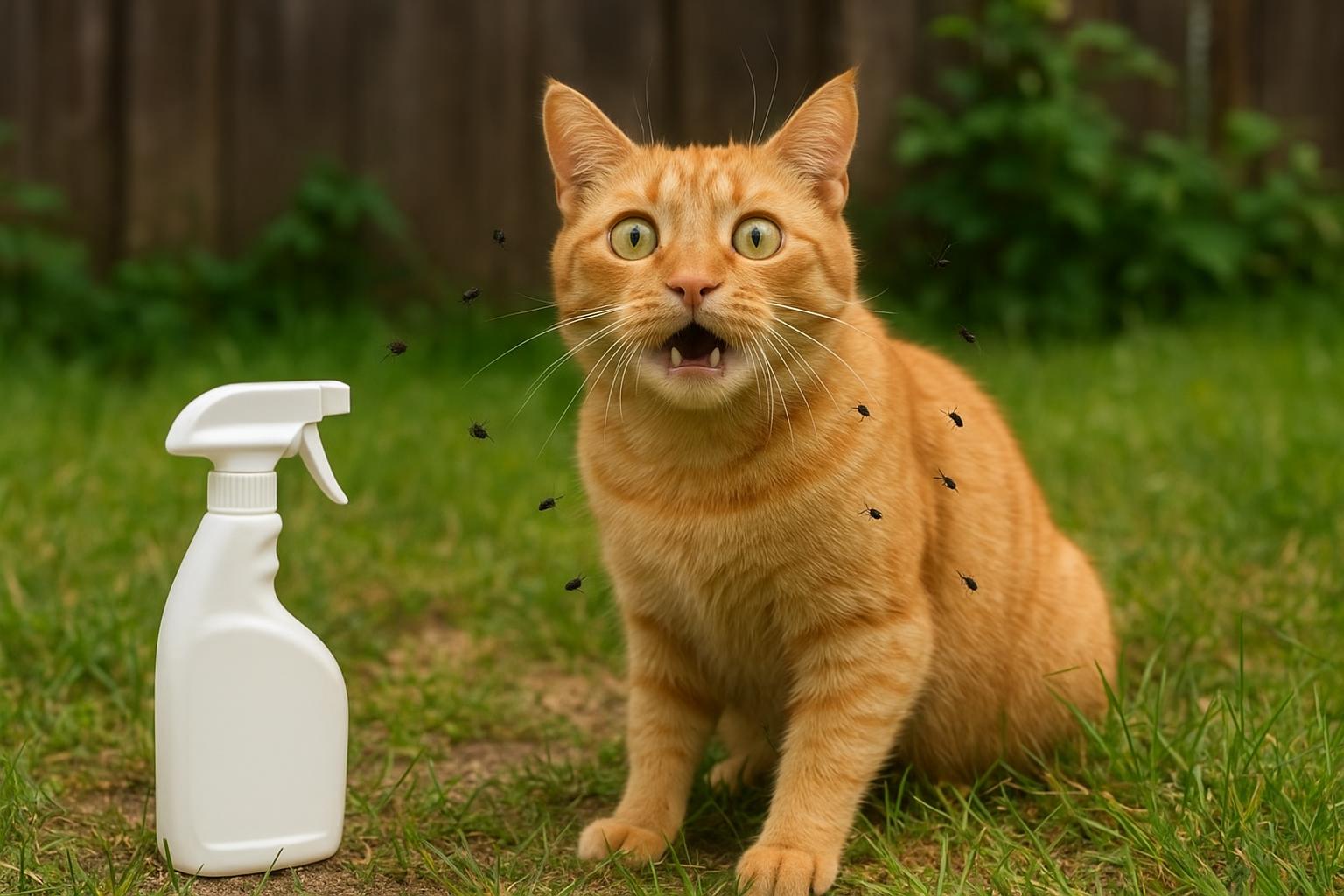
– Insect Growth Regulator (IGR) spray labeled for indoor use (methoprene or pyriproxyfen)
– Food-grade diatomaceous earth (optional; use only as directed)
– Sealed trash bags or bins
– Steam cleaner (recommended for deep treatment)
– Protective gloves and mask
Step-By-Step Creation And Application (Formal Instructions)
1. Enclose And Isolate: Confine your cat(s) to a single treated room or a safe carrier while you treat the rest of the house. This prevents reintroduction during cleaning.
2. Laundry: Remove all pet bedding, blankets, and any washable fabric from communal areas. Wash in hot water (at least 60°C/140°F if safe for fabric) and dry on high heat for at least 30 minutes to kill eggs, larvae, and adults.
3. Vacuum Thoroughly: Vacuum carpets, rugs, upholstered furniture, baseboards, and cracks. Use attachments to reach edges and upholstery seams where flea eggs collect. Empty the vacuum canister or dispose of vacuum bags in a sealed trash bag outside immediately.
4. Steam Clean: If possible, steam clean carpets and upholstery. High-temperature steam kills fleas at all life stages and also removes debris that feeds larvae.
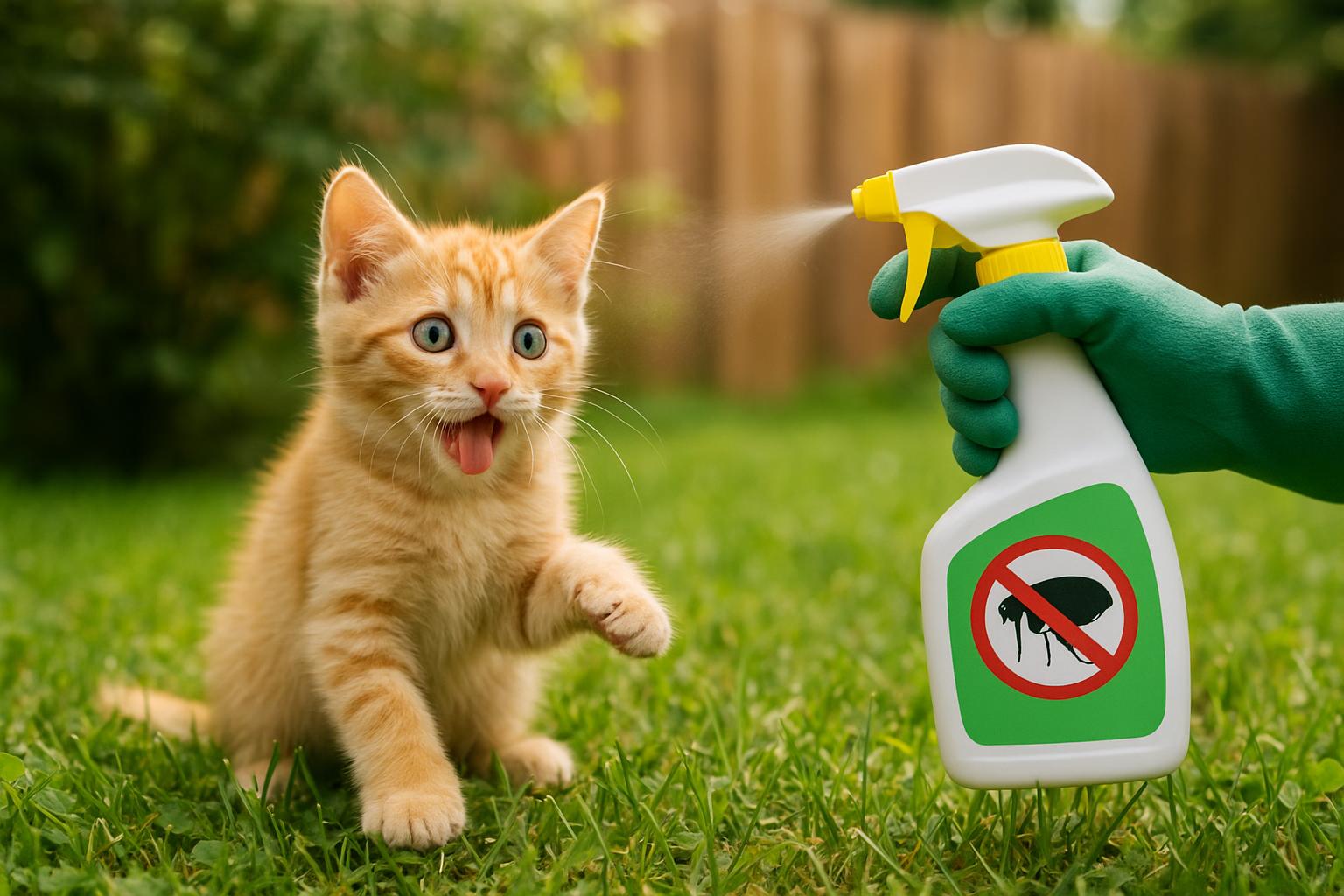
5. Apply IGR: Use an IGR spray labeled safe for indoor use to treat carpets, baseboards, and furniture crevices. Follow label directions for coverage and re-entry times. IGRs prevent eggs and larvae from developing into biting adults and are a key tool when combined with adulticides.
6. Use Diatomaceous Earth Carefully: If choosing to use food-grade diatomaceous earth, lightly dust carpets and let sit per label instructions, then vacuum after the recommended time. Avoid excessive dusting and keep cats away from freshly-applied DE until the area is vacuumed.
7. Repeat Schedule: Flea life cycles can take several weeks. Repeat vacuuming and environmental treatments weekly for at least 6–8 weeks, and maintain monthly preventive treatment on the cat as advised by your vet.
8. Treat Other Pets: Any other pets in the home should be treated simultaneously with veterinarian-approved products to prevent cross-infestation.
Safety Notes: Use only products labeled for indoor use and follow all safety instructions. Keep cats away from treated areas until dry and safe. If using chemical controls, discuss safe options with your veterinarian, particularly for multi-pet households or if someone in the home has sensitivities.
### Preventive Measures For Owners
To reduce future risk of indoor cat fleas, maintain year-round flea prevention as recommended by your vet. Regularly wash pet bedding, vacuum frequently (especially if you have rugs and upholstered furniture), and check your cat periodically with a flea comb. Limit wildlife contact around your home and inspect secondhand furniture before bringing it inside. If you have a multi-pet household, treat all animals concurrently to prevent a cycle of reinfestation.
#### When To Call The Vet
If indoor cat fleas are numerous, your cat has pale gums, is lethargic, or you find very young kittens involved, call your veterinarian immediately. Severe infestations can lead to anemia, especially in kittens and senior cats, and may require prompt medical intervention such as blood work, fluid support, or more aggressive flea control strategies. If you’re unsure about product safety or notice adverse reactions after treatment, seek veterinary guidance without delay.




Leave a Reply