
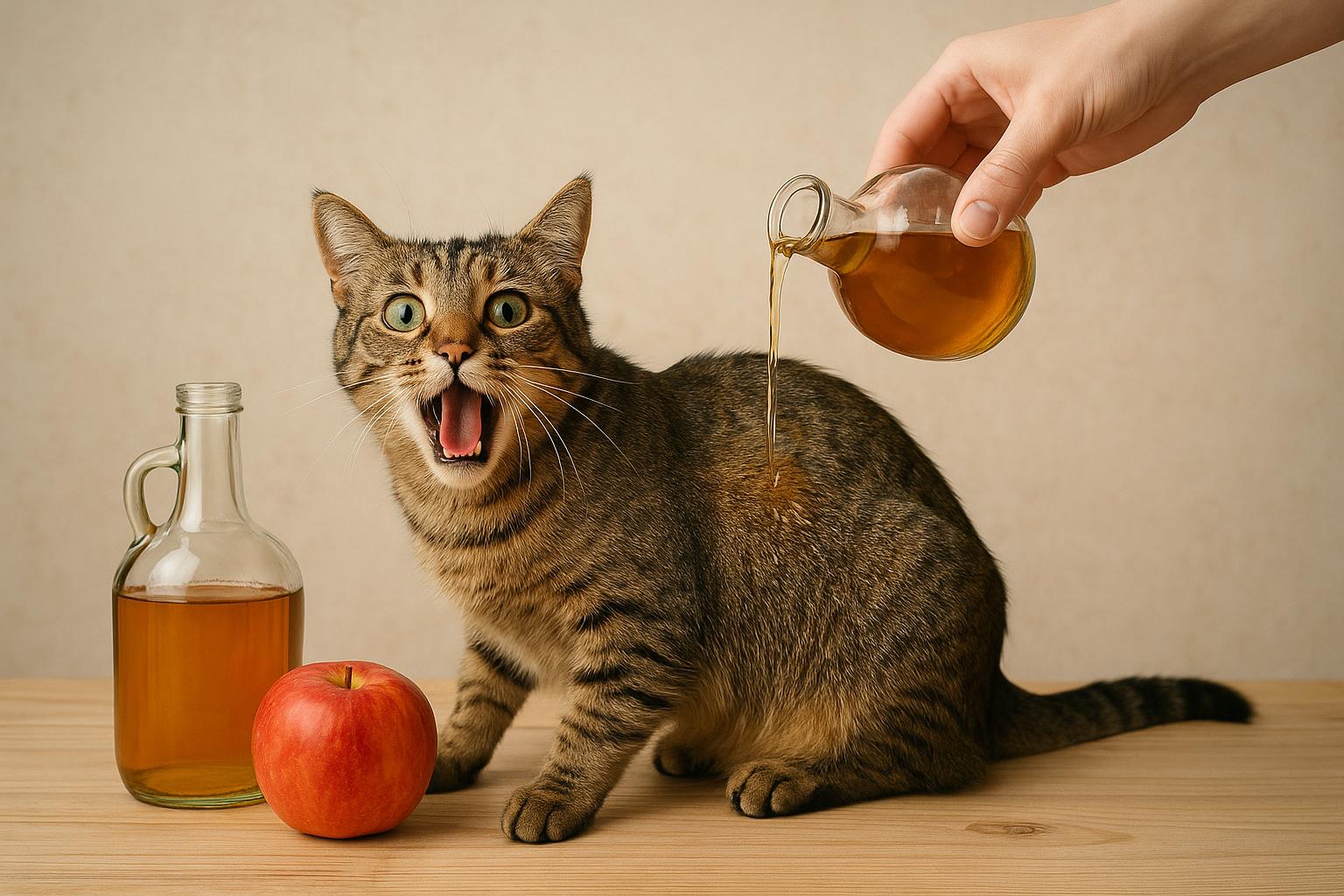
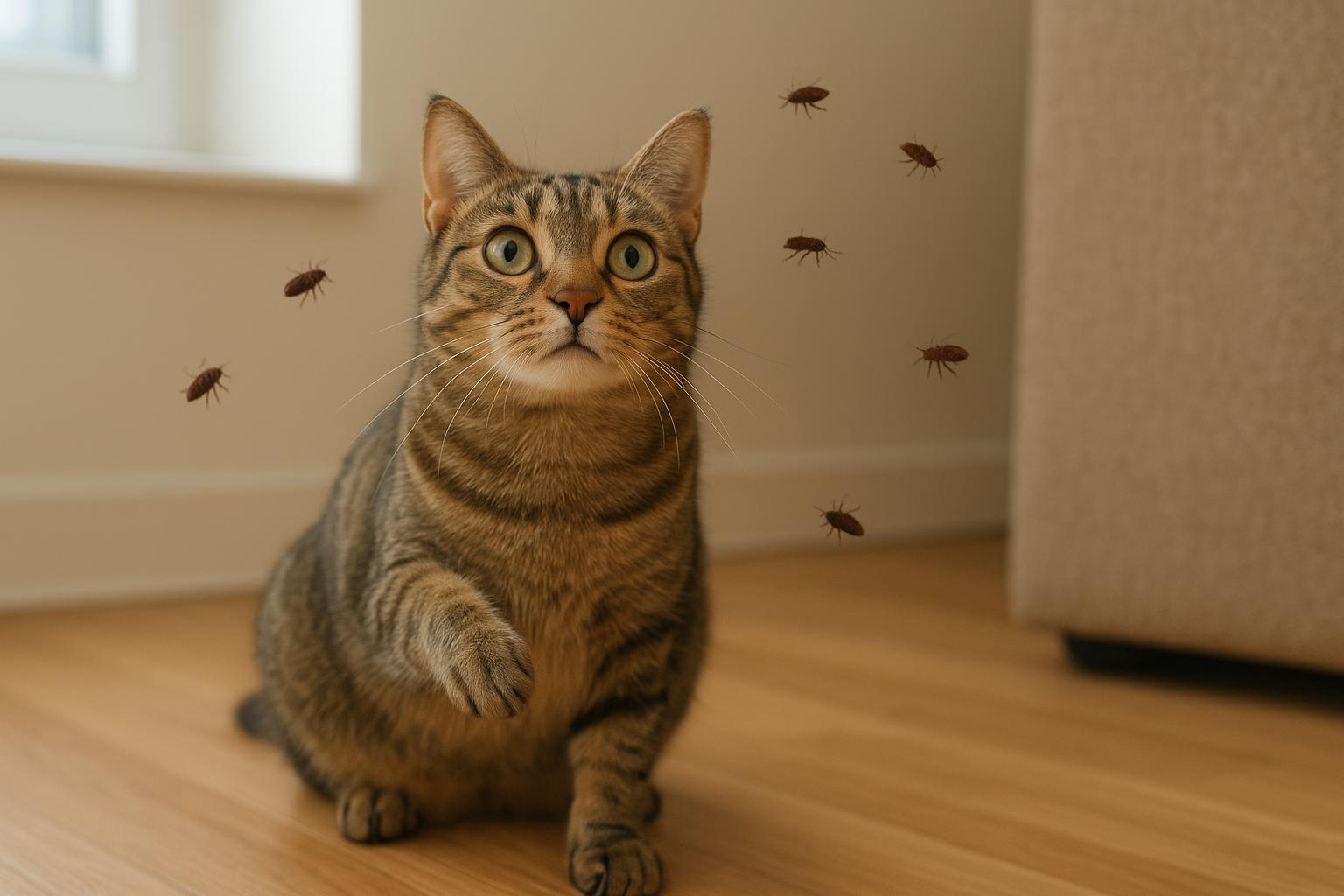
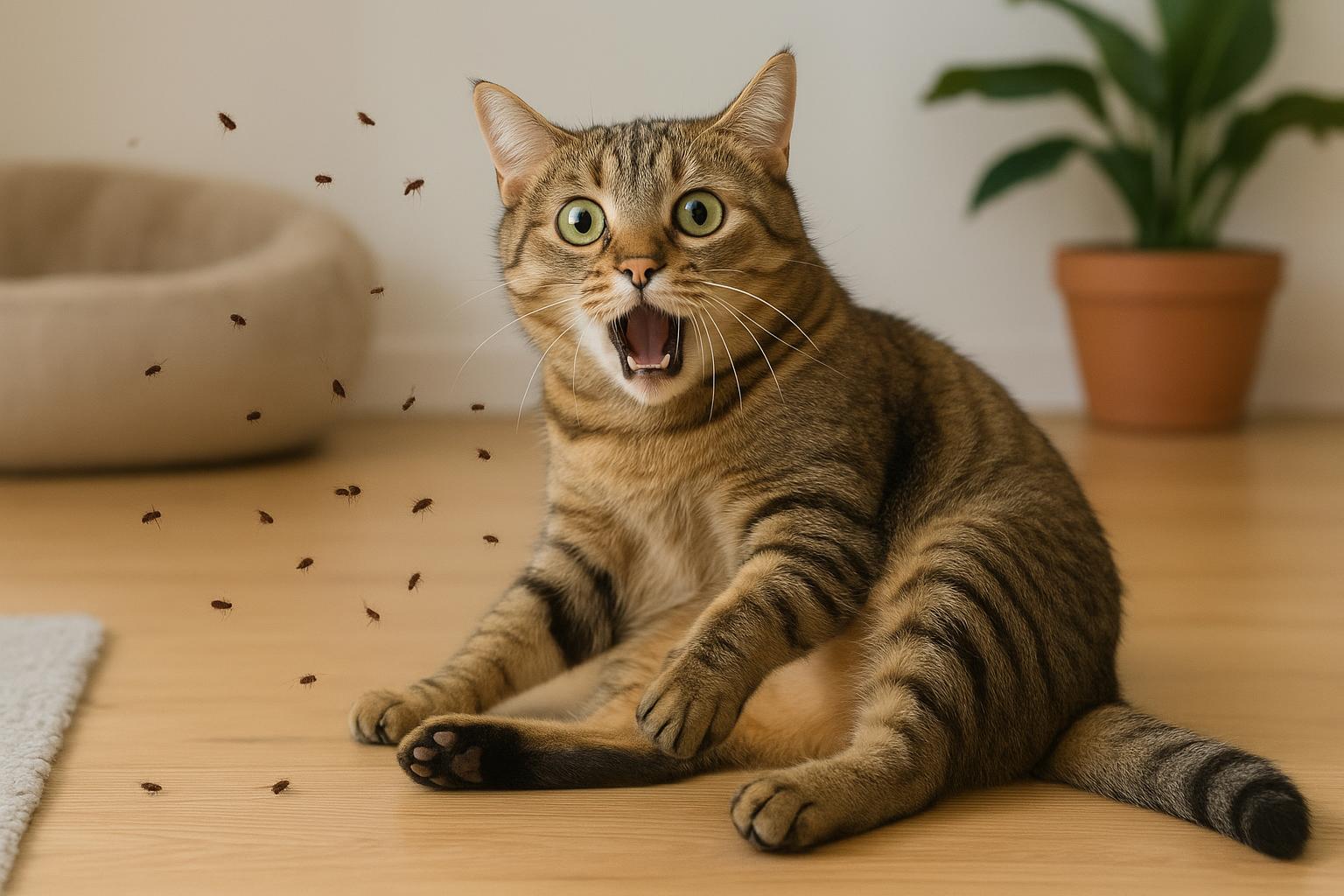
Welcome! If your cat has been doing that frantic little back-arch dance and you suspect tiny stowaways, you’re in the right place. This article takes a practical, slightly cheeky look at an old-timey kitchen staple — apple cider vinegar — and how people use it as a natural approach for flea control in cats.
## Discover ACV For Fleas In Natural Home Remedies For Cats
### Why People Try ACV For Fleas
Apple cider vinegar (ACV) has been a household remedy for ages. People praise it for everything from salad dressings to sore throats, and yes — for dealing with fleas. The idea is simple: ACV creates an environment that fleas find less pleasant. Some cat owners report fewer flea bites and easier grooming when ACV is used as part of a regular regimen. That said, anecdote doesn’t equal proof, so let’s unpack what’s reasonable to expect and how to use ACV safely if you choose to try it.
### What ACV Can And Can’t Do
acv for fleas is often promoted as a repellent, not a guaranteed killer. Vinegar’s acidity may discourage fleas from jumping onto a host, and when combined with mechanical removal methods like combing and vacuuming, it can be part of an integrated approach. However, acv for fleas is not a substitute for veterinary flea treatments when infestations are moderate to severe. Fleas reproduce quickly and can cause anemia, allergic reactions, and transmit tapeworms — so professional treatments or prescription preventatives are required in many cases.
## 1. ACV Flea Rinse For Cats
### Ingredients And Required Materials
1. 1 cup filtered water
2. 1/3 cup apple cider vinegar (raw/unfiltered with “mother” preferred by some users)
3. A pet-safe shampoo (optional, mild and unscented)
4. A large bowl or pitcher
5. A soft washcloth or sponge
6. A flea comb
7. Towels for drying
### Step-By-Step Preparation And Application
1. Mix the water and apple cider vinegar in a bowl or pitcher. The typical dilution is about 1 part ACV to 3 parts water (some use 1:4); this reduces the vinegar’s sting while keeping it effective as a rinse.
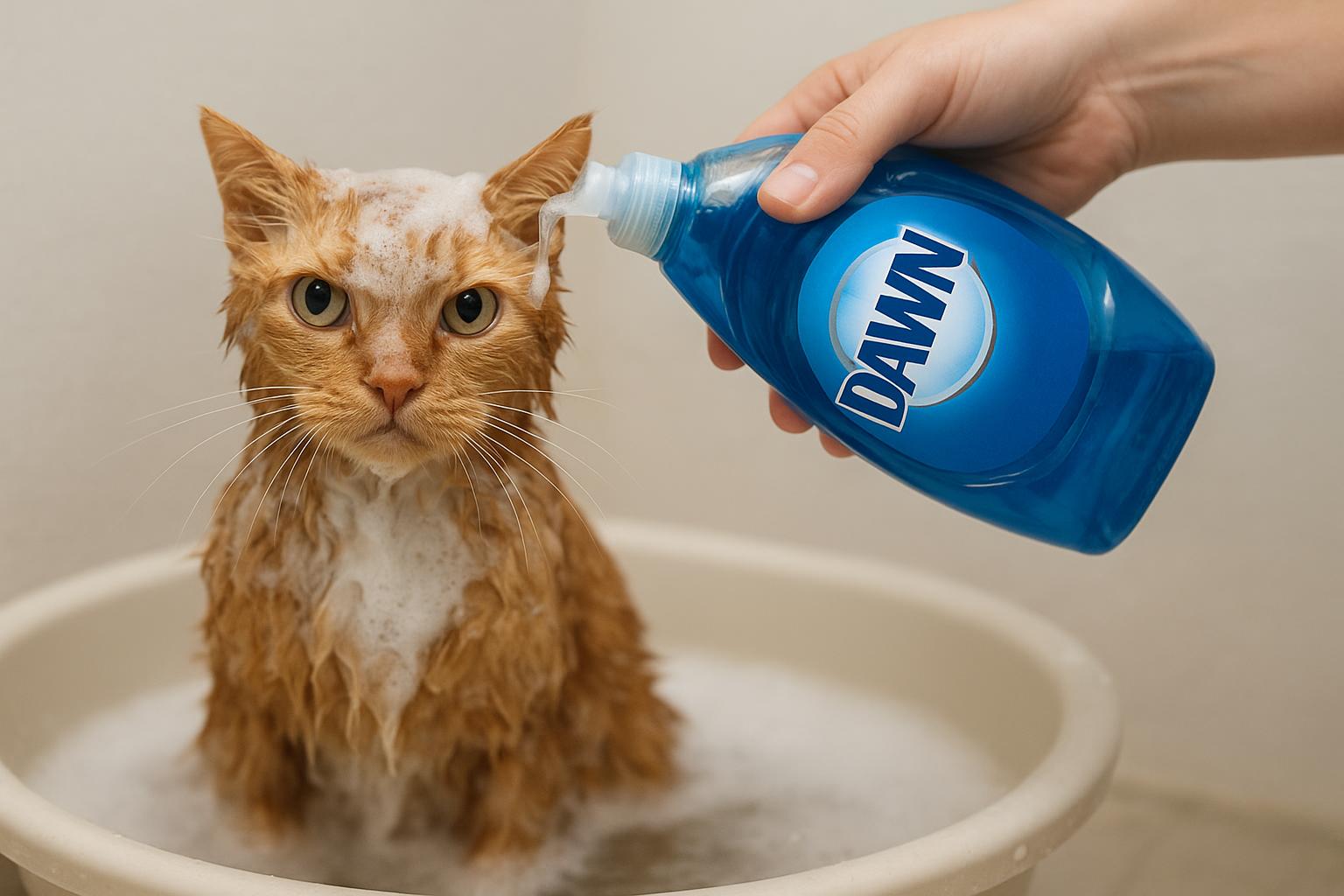
2. If your cat tolerates baths, bathe with a mild pet shampoo first to remove oils and dirt; rinse thoroughly.
3. Pour or gently apply the ACV solution with a washcloth, sponge, or sprayer over the coat, avoiding the eyes, ears, nose, and any open wounds. Work from neck to tail, making sure the coat is saturated so the solution reaches the skin.
4. Leave the rinse on for 5–10 minutes. This contact time is meant to maximize flea-repellent effect without upsetting your cat.
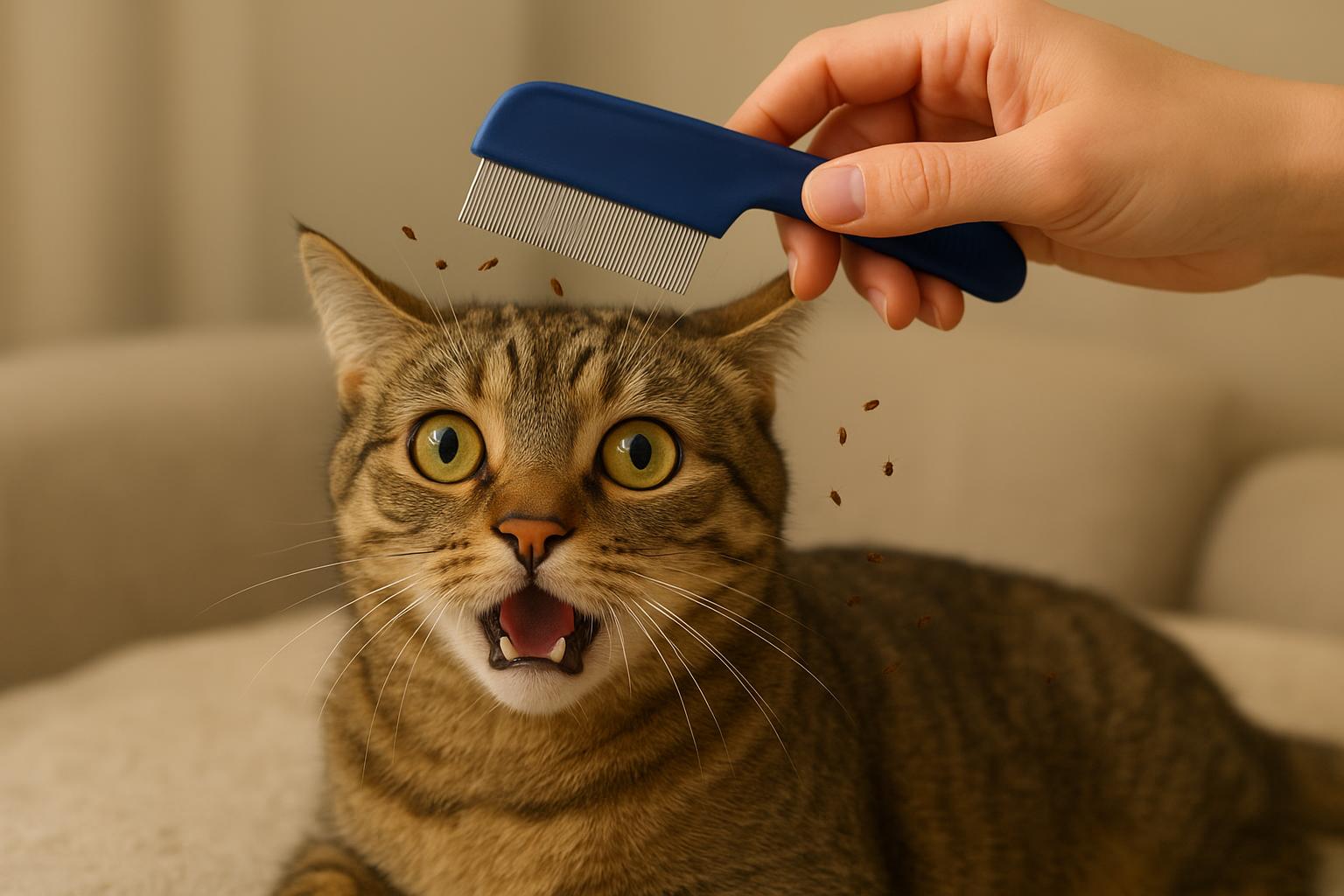
5. Rinse lightly with plain water if your cat is sensitive, or towel dry if they tolerate the slight vinegar scent. Comb the coat thoroughly with a flea comb, removing and dropping captured fleas into soapy water to ensure they don’t escape.
6. Repeat once or twice weekly while monitoring for skin irritation. If your cat shows redness, excessive scratching, or signs of distress, discontinue use and consult your vet.
Be formal here: dilution ratios are important. Never use undiluted apple cider vinegar on a cat’s skin. Do not use ACV on kittens under 12 weeks, or on cats that are pregnant, nursing, or with compromised skin integrity without veterinary approval.
## 2. ACV Flea Spray For Home And Bedding
### Ingredients And Required Materials
1. 2 cups distilled or filtered water
2. 1 cup apple cider vinegar
3. 10–15 drops of citrus-free essential oils only if vet-approved (optional — many vets advise against essential oils with cats)
4. A clean spray bottle
5. Labels for the bottle
### Step-By-Step Preparation And Application
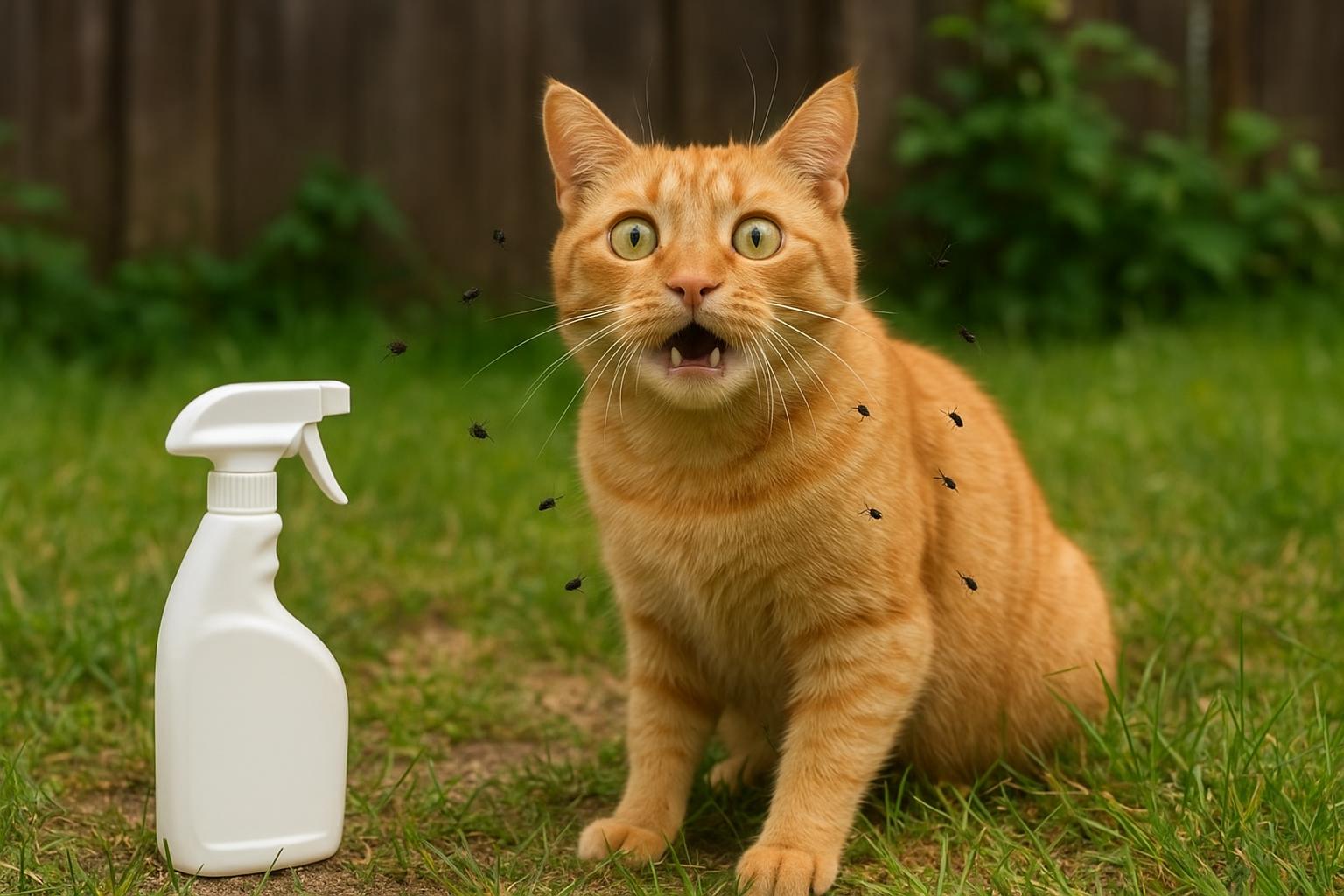
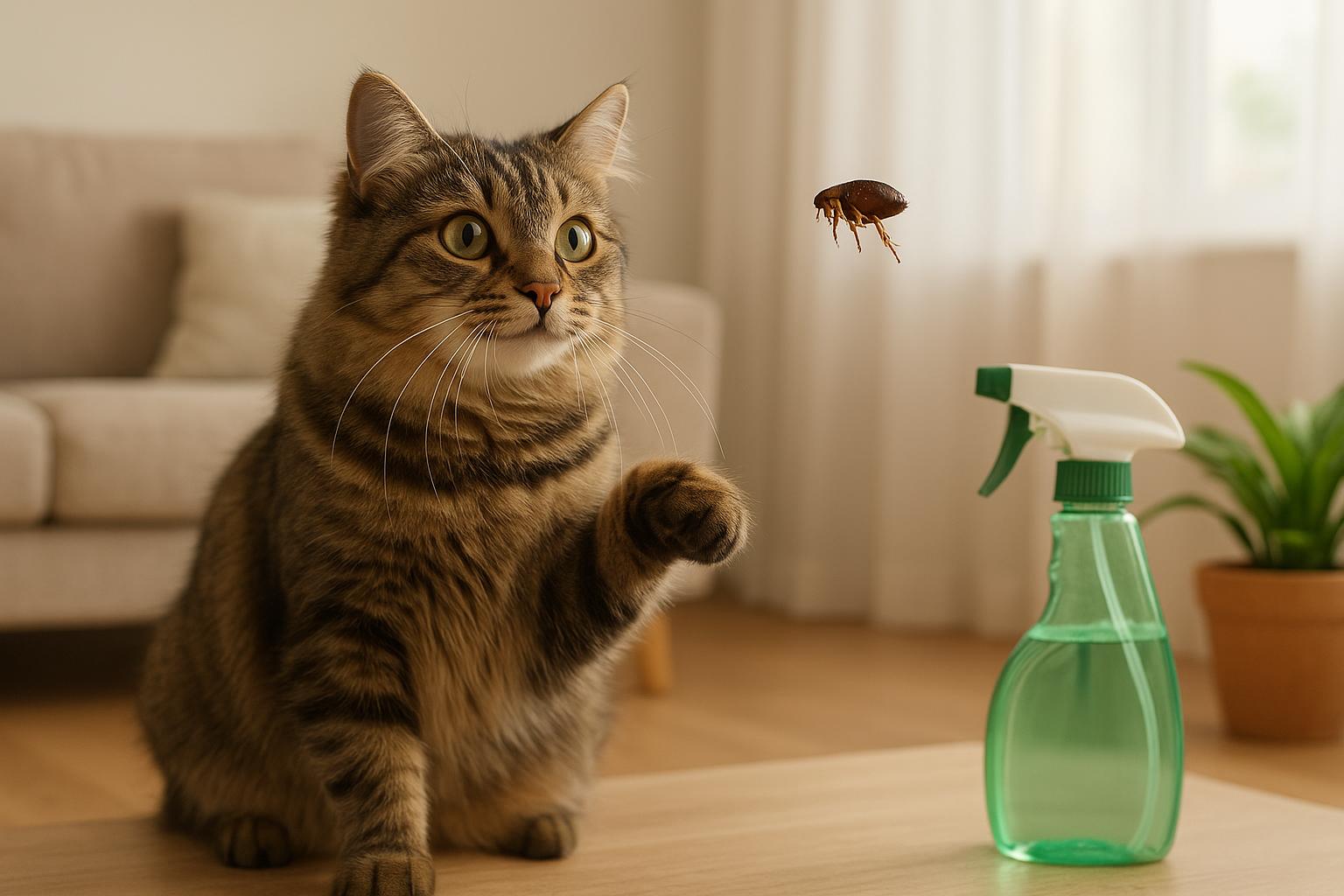
1. Combine water and apple cider vinegar in a spray bottle. Label it clearly “For Bedding/Not For Direct Skin Use” to avoid accidental application on the cat’s skin.
2. Optionally add a very small number of vet-approved essential oil drops, but in most cases skip oils — cats metabolize many essential oils poorly and they can be toxic.
3. Shake gently before each use.
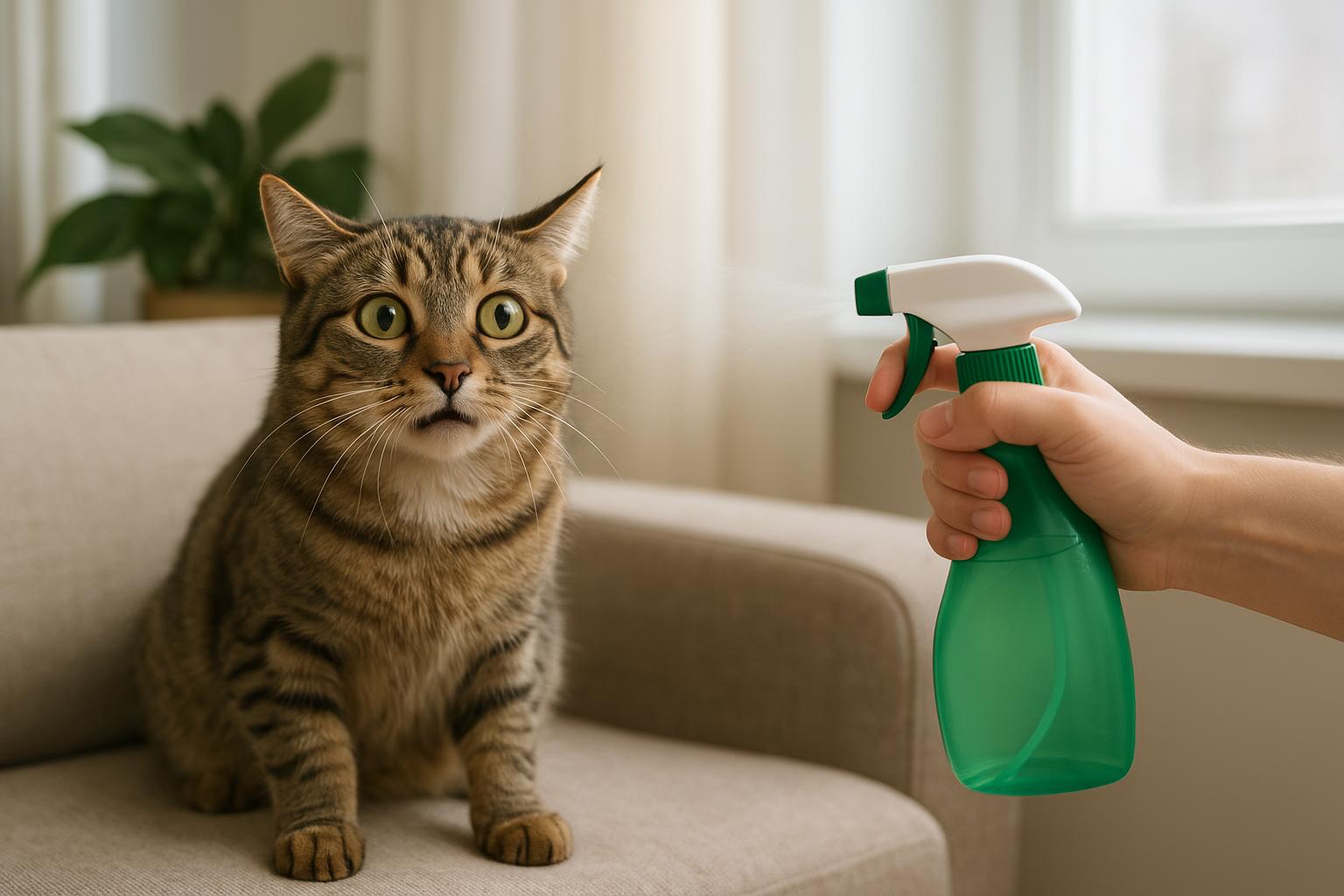
4. Lightly mist bedding, pet bedding, carpets, and furniture fabric where fleas may hide. Avoid saturating materials — a light spray is sufficient and dries quickly.
5. Leave sprayed items to air-dry; the vinegar smell will dissipate. Wash bedding regularly in hot water and tumble dry on high to kill eggs and larvae.
6. Repeat spraying weekly during infestations and after vacuuming. Vacuuming first will remove flea eggs and larvae; spraying afterward can help deter remaining adults.
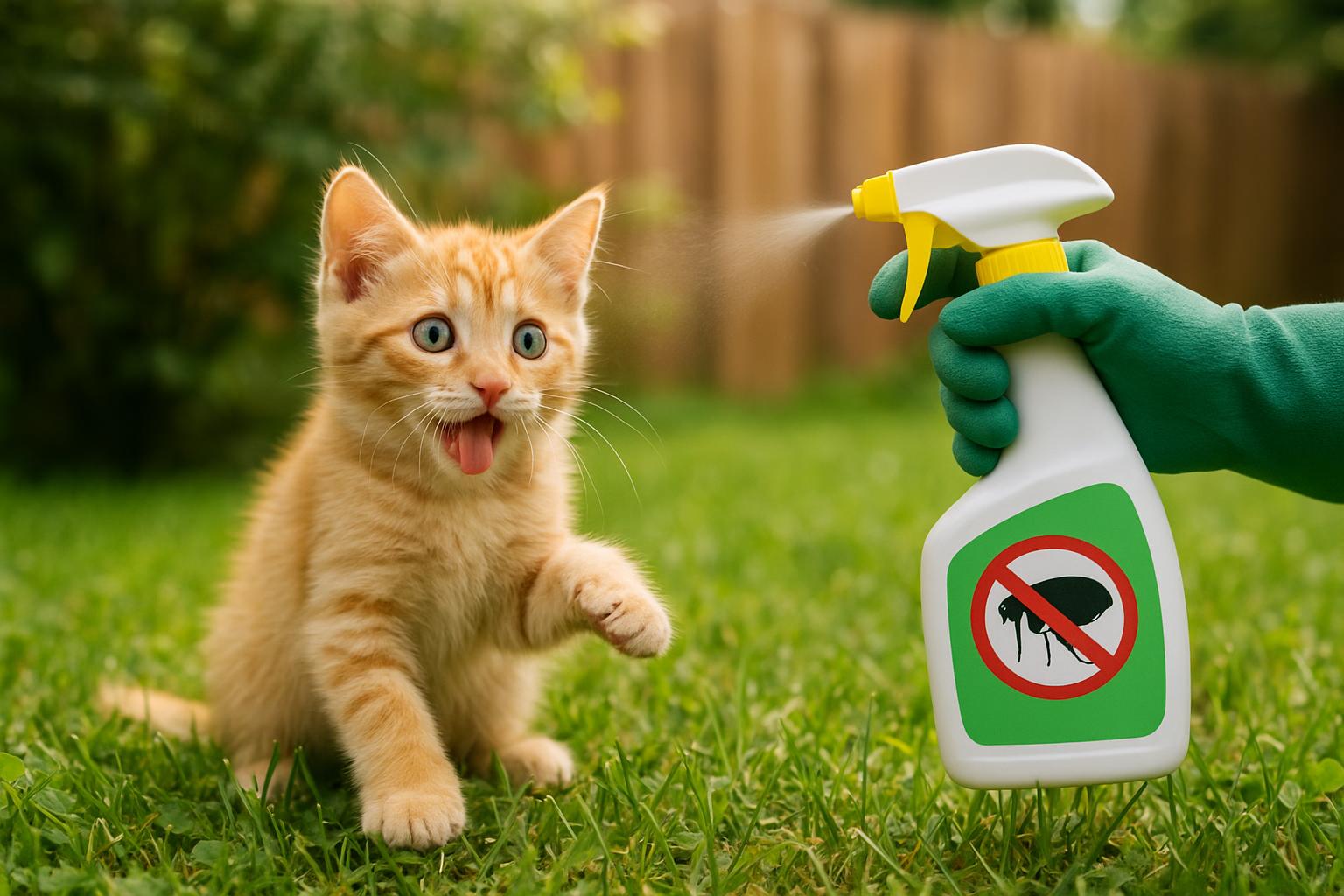
Note: This spray is intended for environment management. For direct application to cats, use the diluted rinse protocol described above and avoid spraying near the face.
### Safety And Precautions
acv for fleas can be a useful adjunct, but safety must come first. Never use undiluted apple cider vinegar directly on cats. Avoid contact with eyes, nose, mouth, and any open sores. Some cats have sensitive skin — test a small area and wait 24 hours before broader application. If your cat has preexisting skin conditions, metabolic issues, or is on medication, get veterinary approval before starting any home remedy regimen involving ACV.
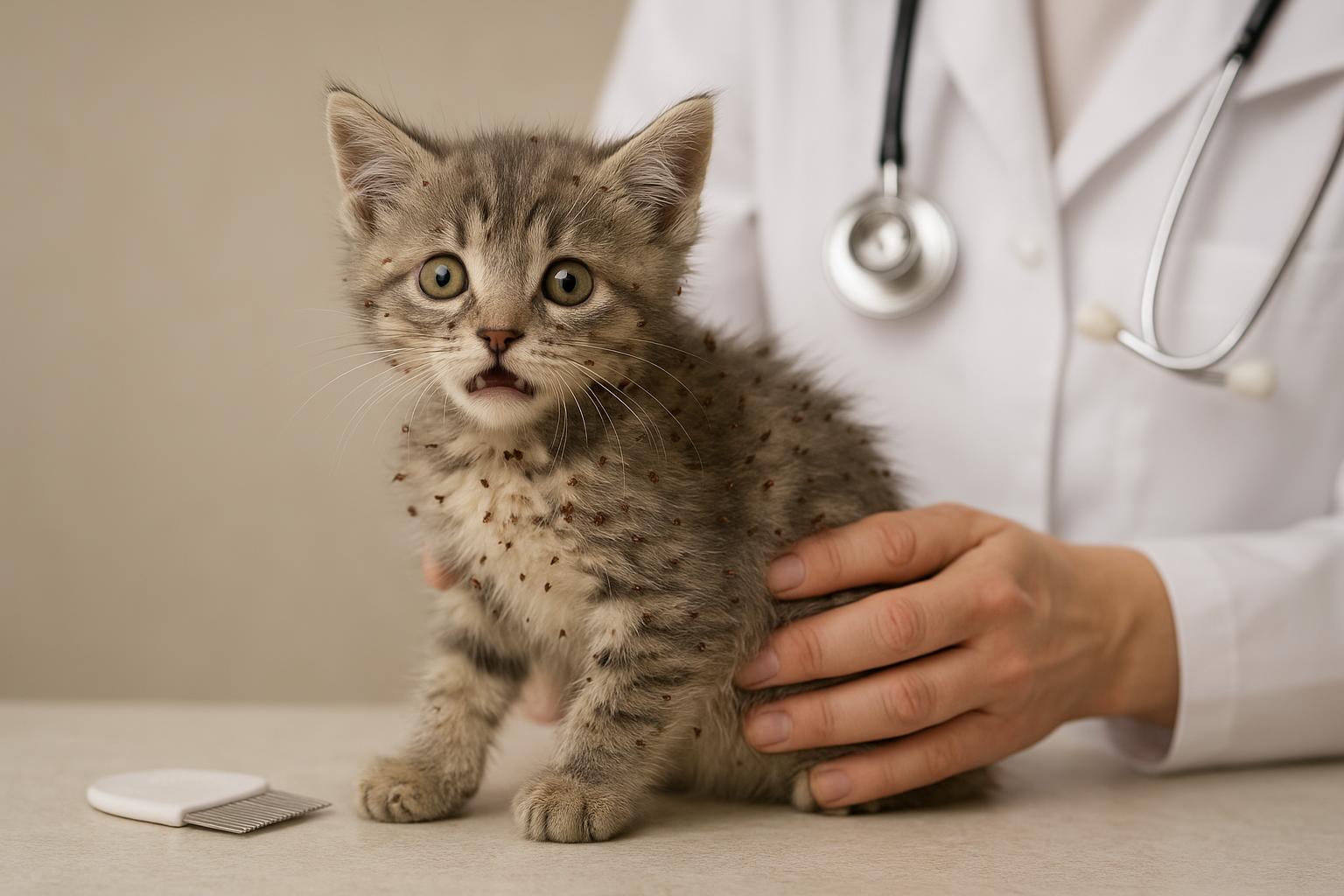
Do not rely solely on acv for fleas when the infestation severity warrants medical attention. If you notice heavy flea presence, intense itching, hair loss, scabs, pale gums (a sign of anemia), or lethargy, contact your veterinarian promptly.
#### When To Seek Veterinary Care
If home measures fail to control fleas after reasonable effort, or if your cat is showing symptoms of flea-borne illness, schedule a vet visit. Young kittens, elderly cats, and those with underlying health problems are at higher risk and may require prescription flea preventatives and supportive care.
### Tips To Improve Effectiveness
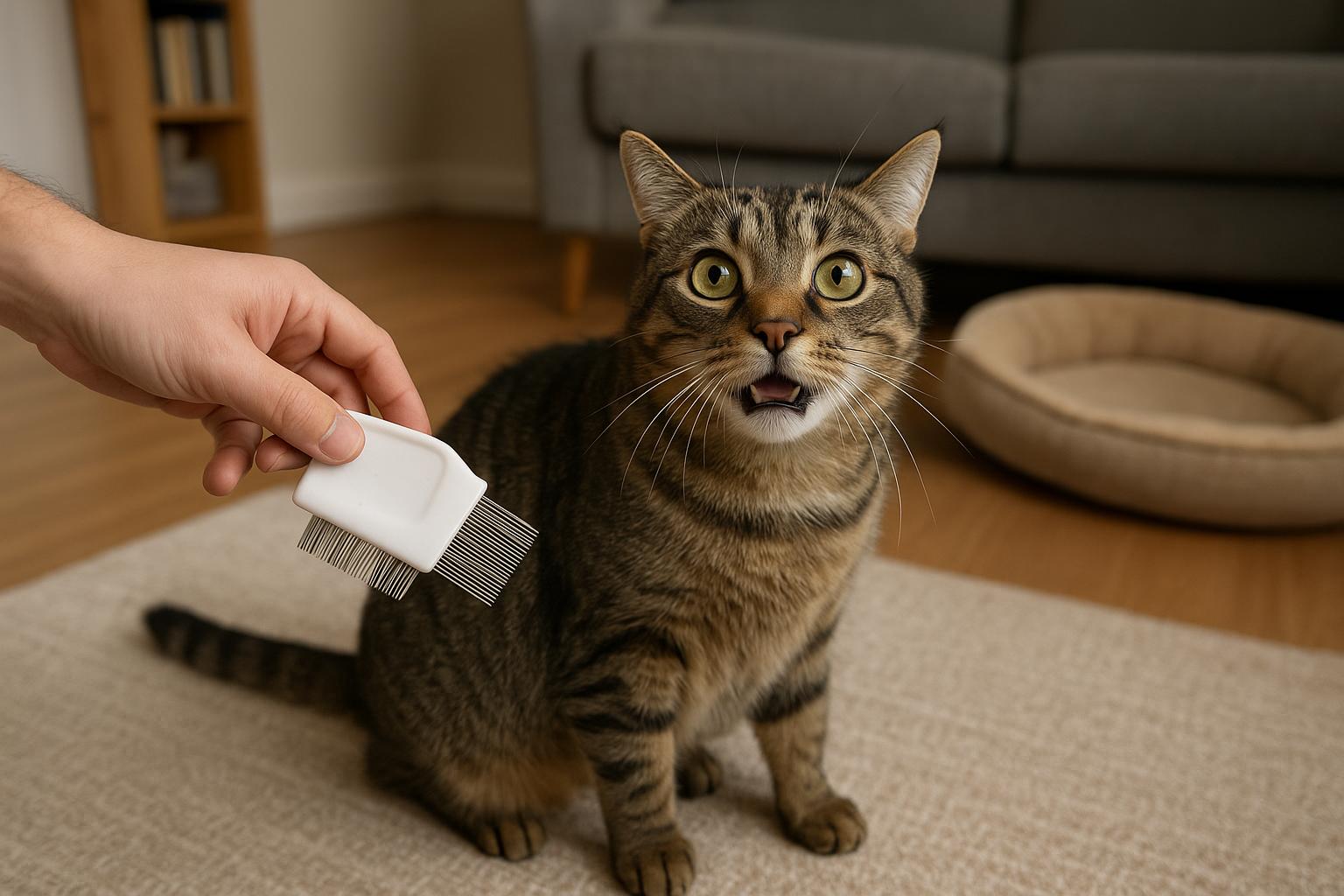
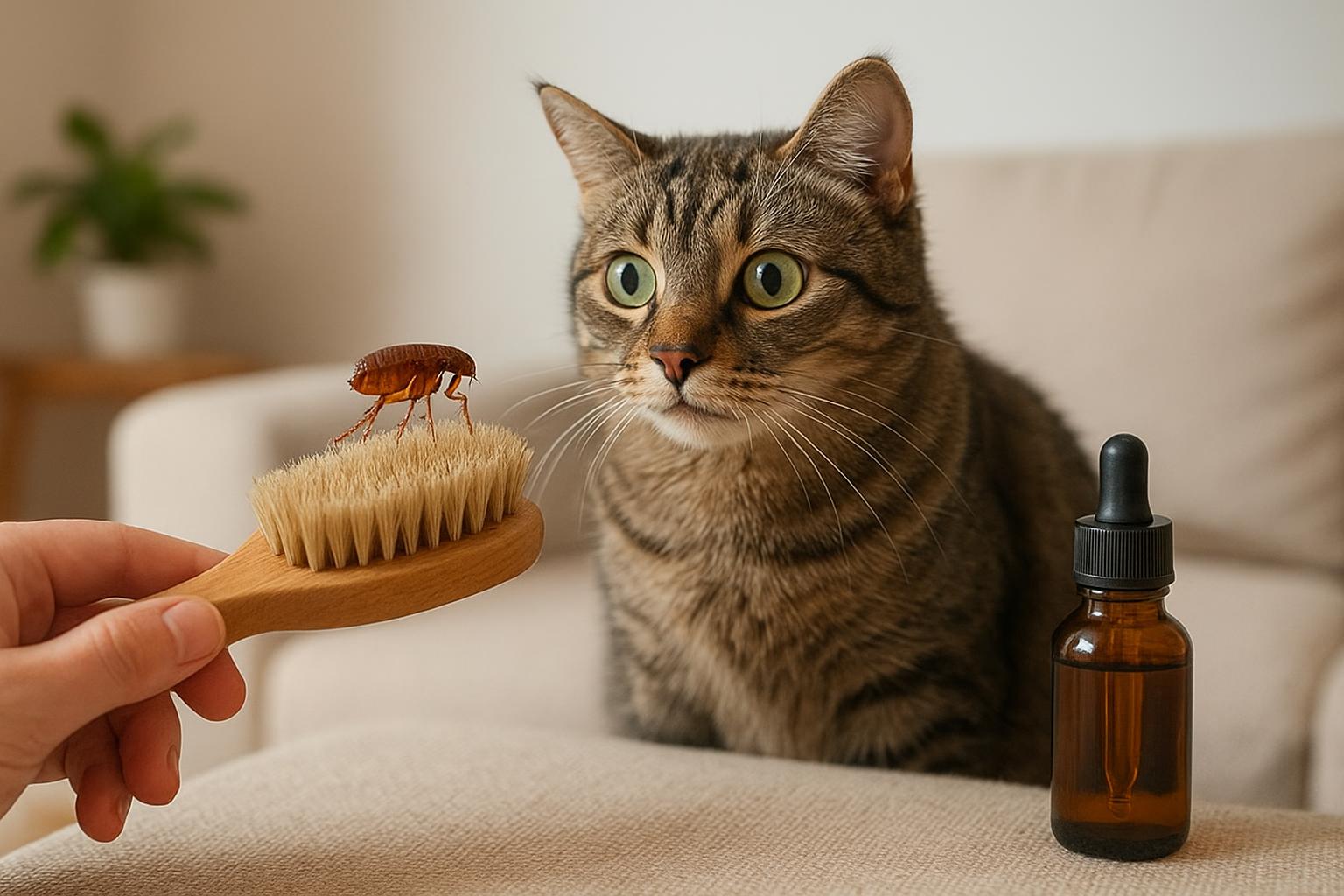
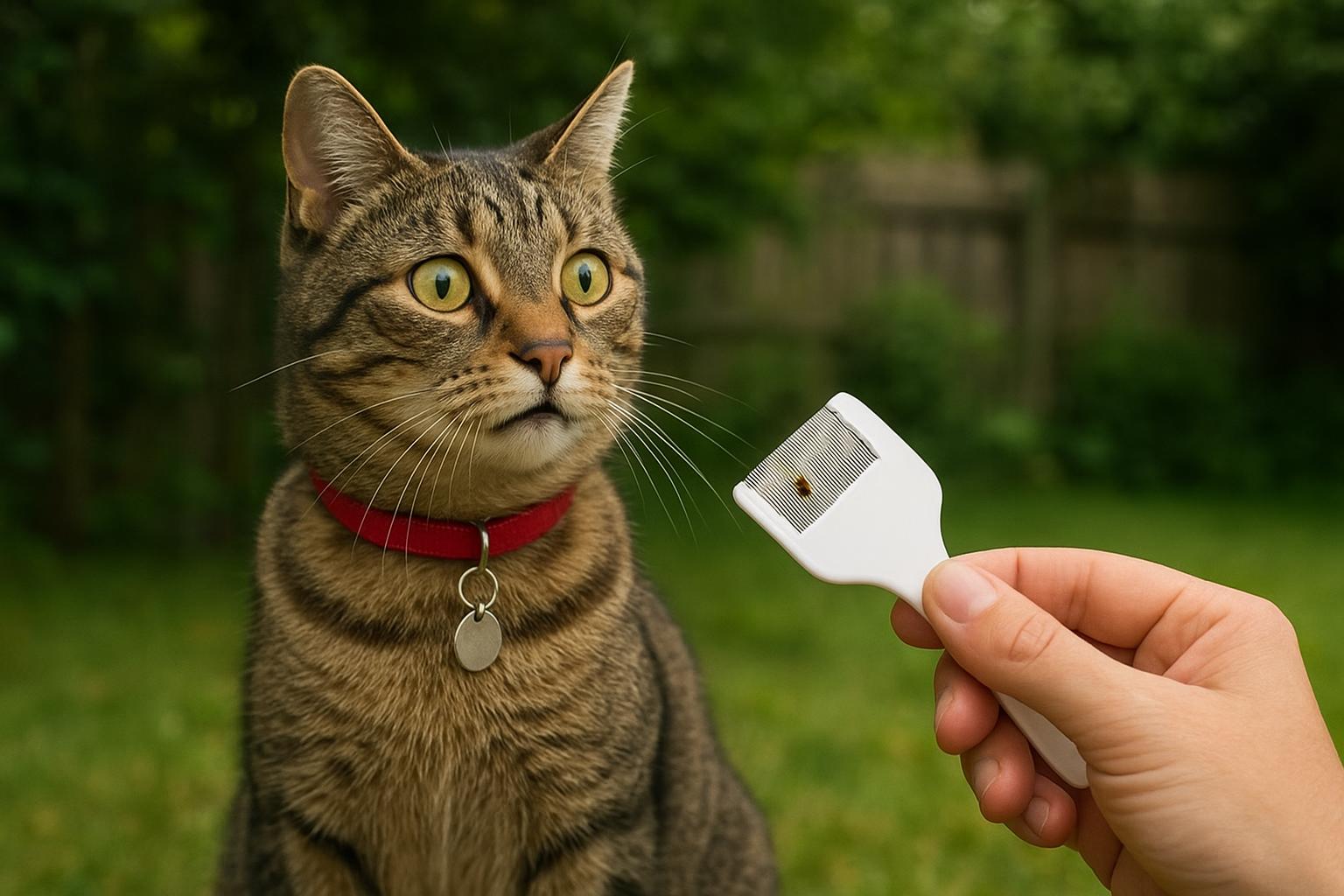
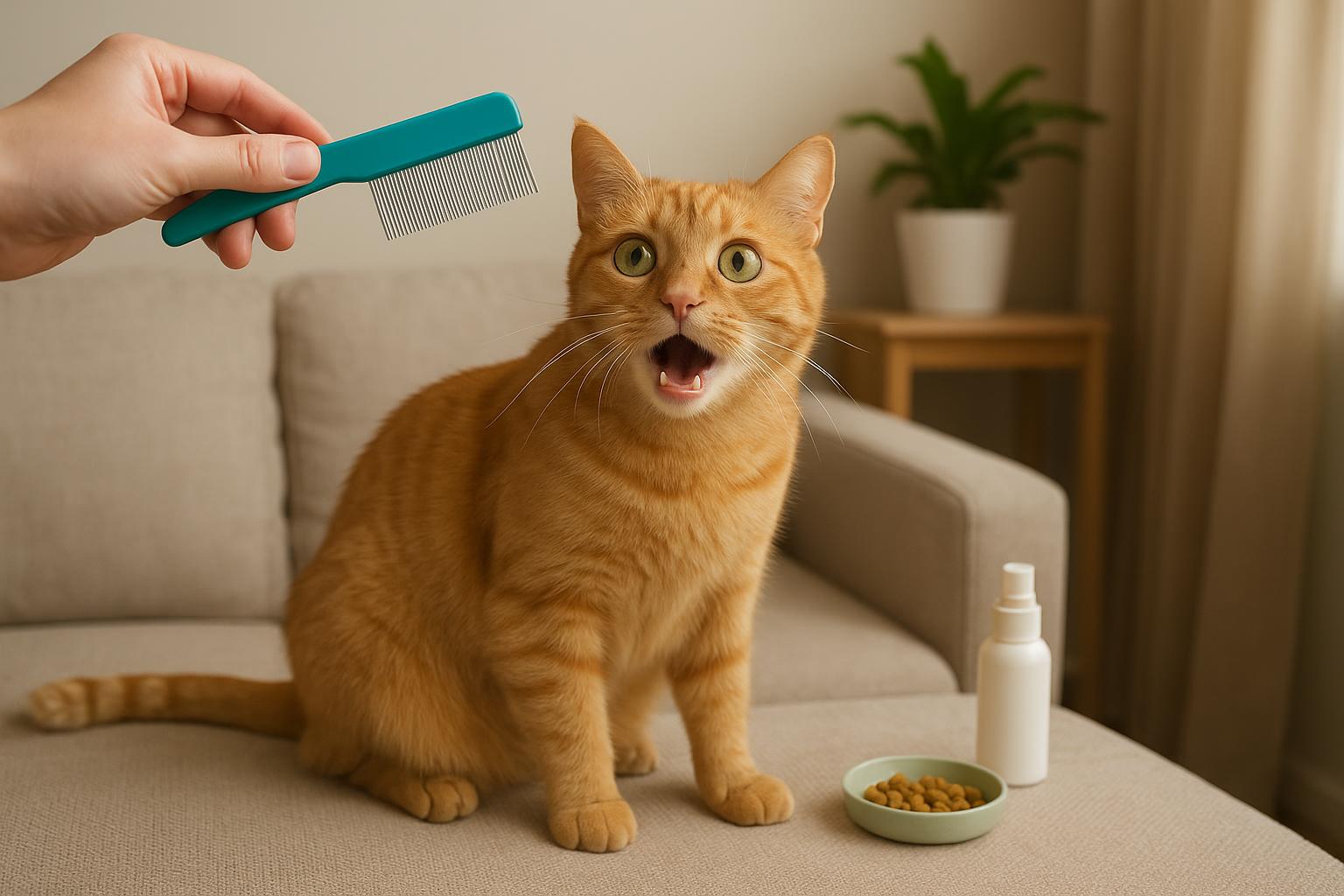
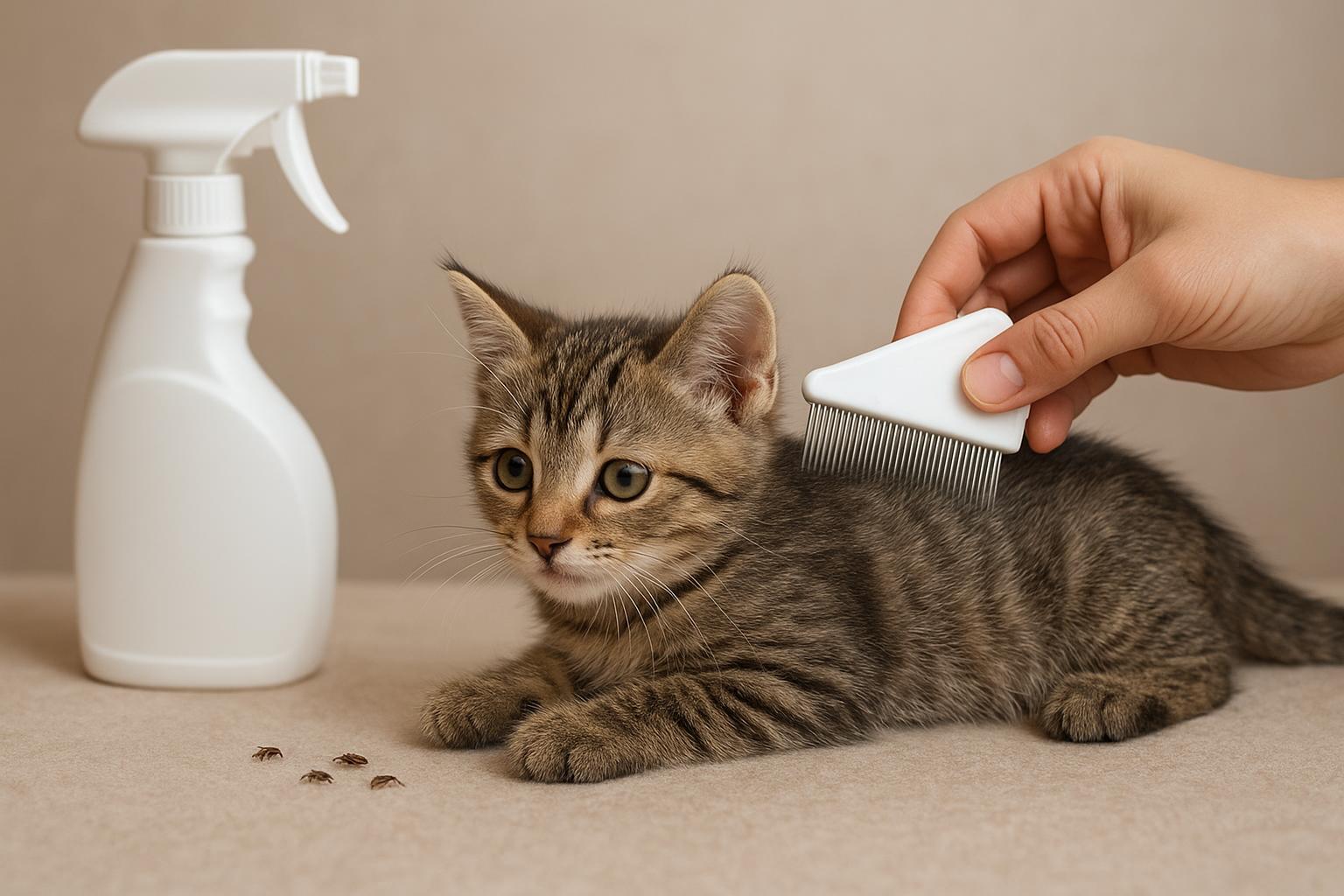
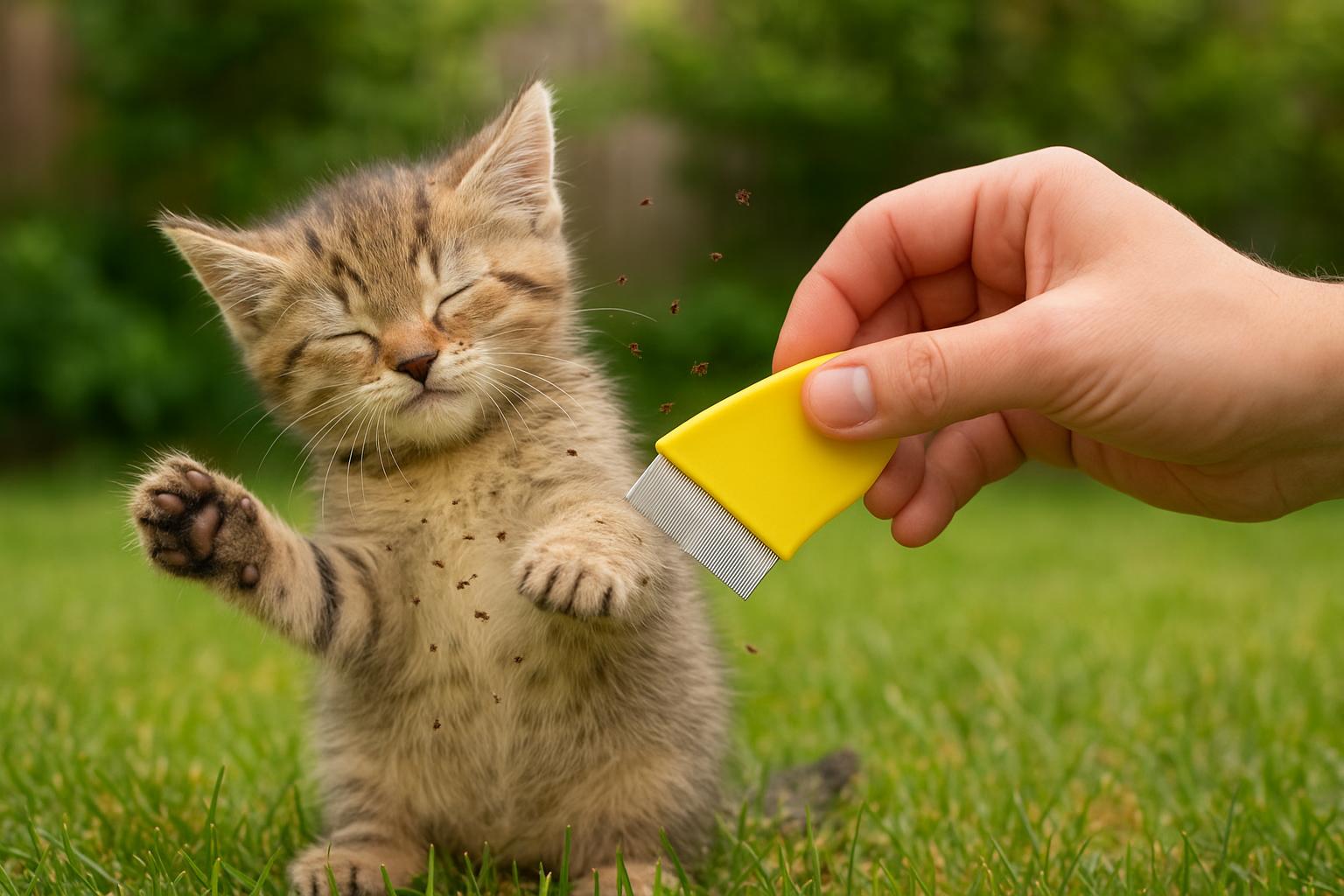
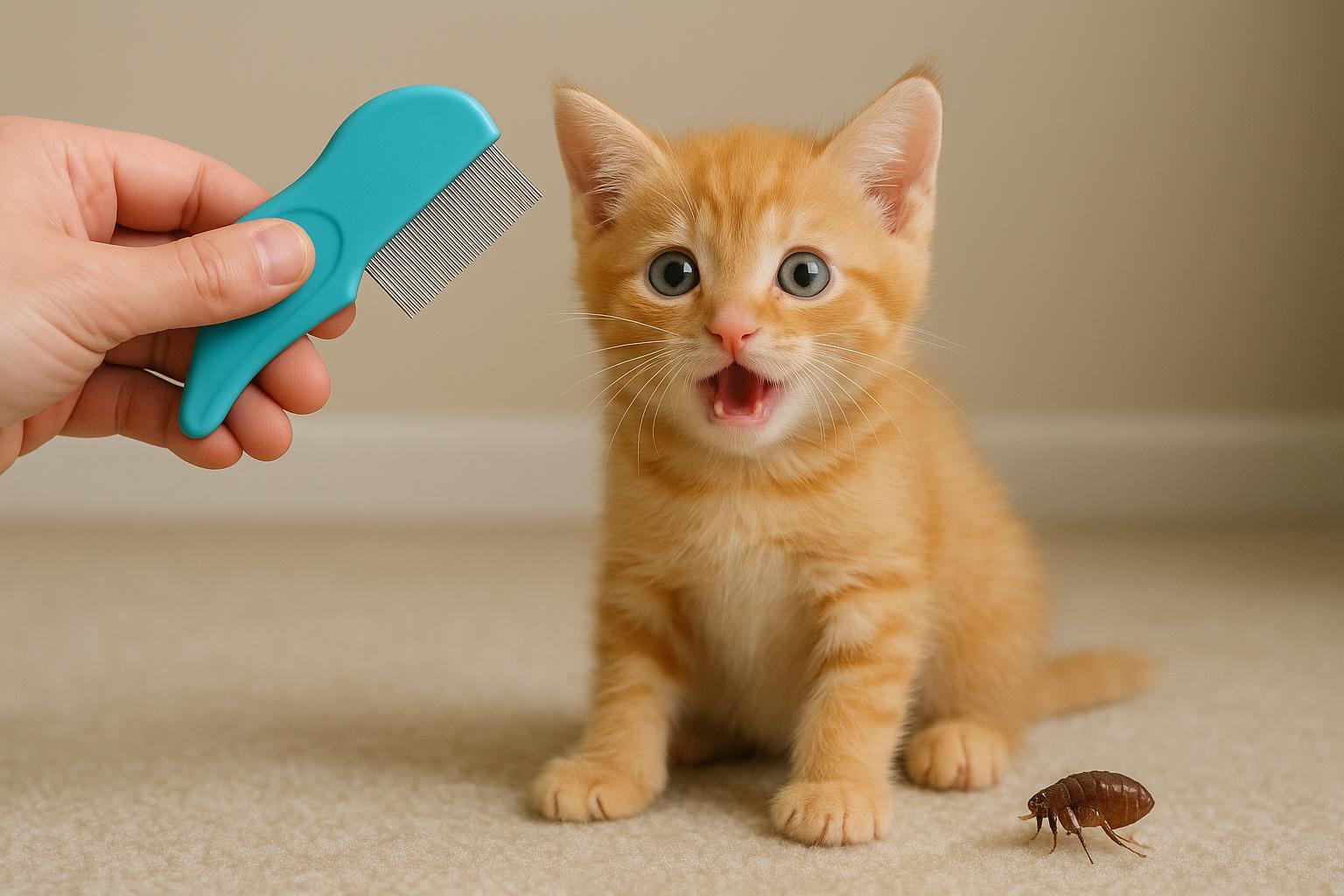
1. Flea combing is a must. Use a fine-tooth flea comb after any ACV rinse to physically remove adults and eggs. Drop captured fleas into soapy water immediately.
2. Environmental cleaning complements acv for fleas use. Wash bedding in hot water, vacuum floors and upholstery frequently, and treat carpets with vet-approved products for severe infestations.
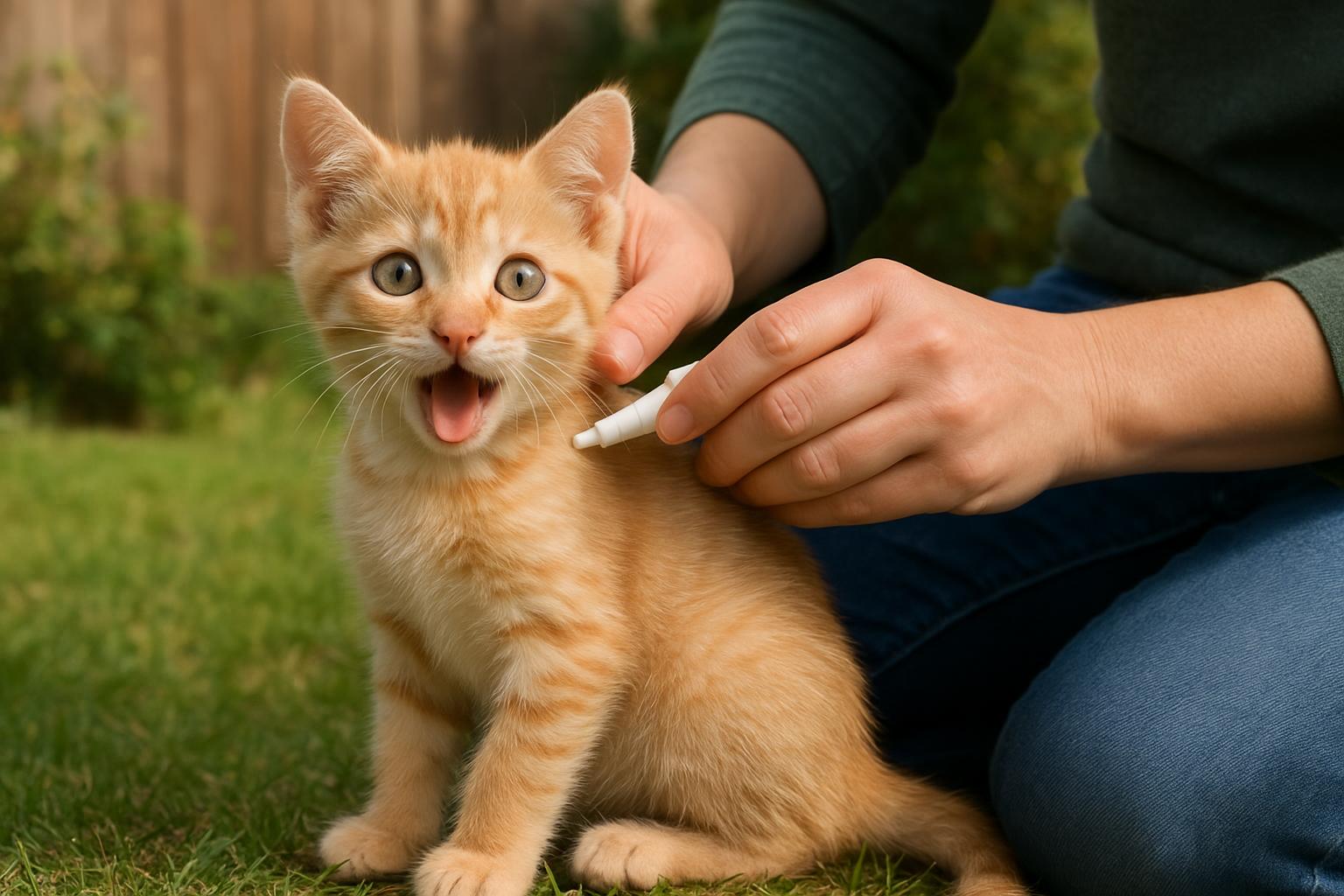
3. Combine approaches. ACV is best used as part of an integrated flea management plan that includes topical or oral flea preventatives recommended by a veterinarian.
4. Monitor and record. Keep a simple log of treatments and observations — frequency of scratching, visible fleas, or changes in skin. This helps your vet fine-tune treatment.
### Common Questions Owners Ask
– Will ACV kill flea eggs? Not reliably. ACV may discourage adult fleas and contribute to an environment less hospitable to them, but it does not reliably destroy eggs or pupae, which are more resistant. Heat, washing, and mechanical removal are more effective for eggs.
– Can I mix ACV with commercial flea treatments? Avoid mixing unless you have explicit guidance from your veterinarian. Interactions or skin irritation could occur.
– Is apple cider vinegar safe for kittens? Generally no for very young kittens. Consult your vet regarding age-appropriate treatments.
acv for fleas can be a low-cost, accessible tool in your flea-fighting toolbox, especially for light infestations or as a preventive measure in combination with veterinary-approved products. Use it sensibly, respect dilution guidelines, and always prioritize the health and comfort of your cat.






Leave a Reply