
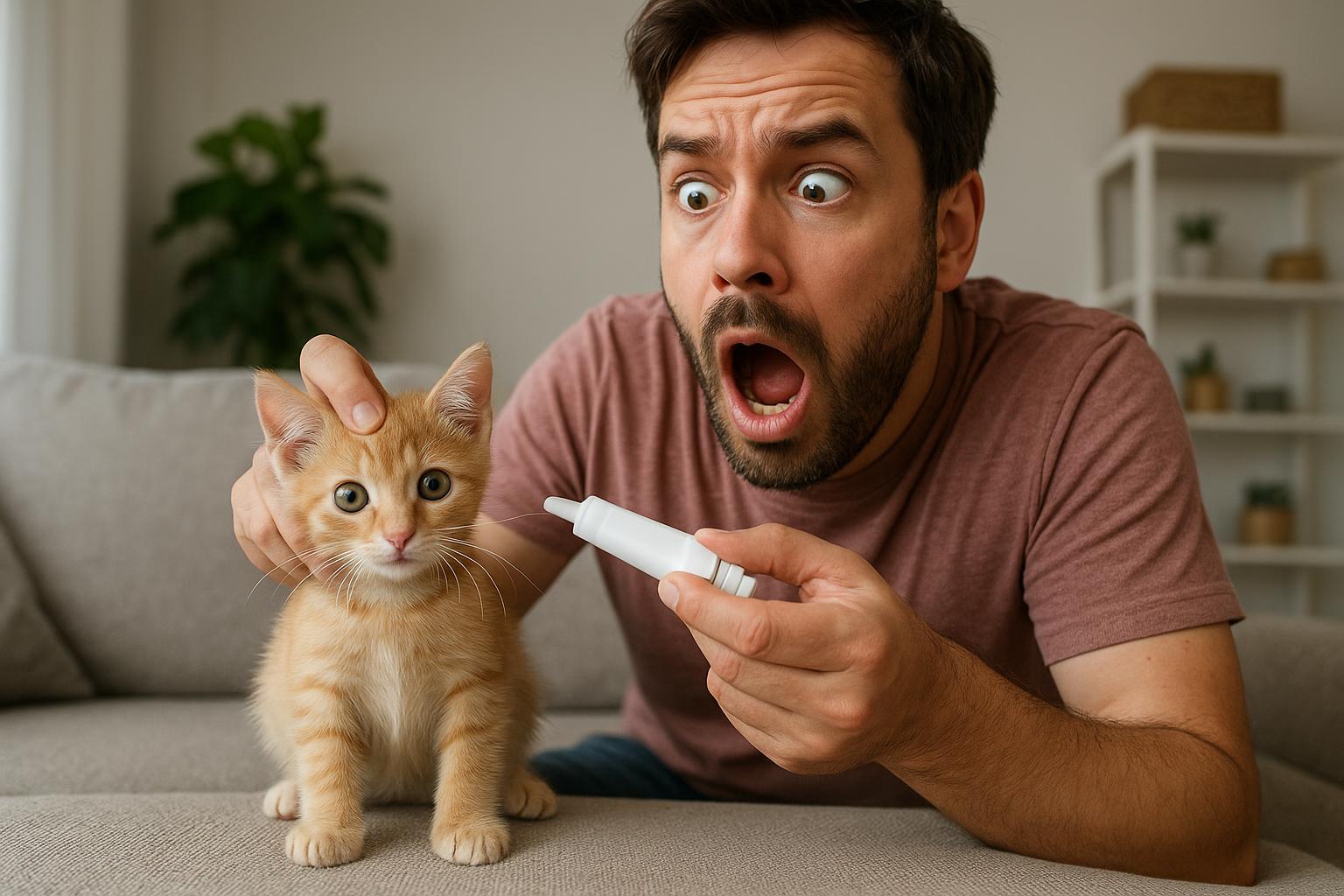
Hey there—if your little furball is scratching like it’s got a personal itch playlist, you’ve come to the right place. I’m a backyard wildlife specialist who’s spent more time than I’d like up close with flea-ridden fluff, and I’ll walk you through safe, sensible options for dealing with this tiny horror show. Expect a bit of relaxed chat, but when we get to the actual solutions you’ll get focused, formal instructions.
## Shocking Flea Treatment Kittens Safe Guide For Your Cat
### Why Fleas Are A Big Deal For Kittens
Kittens are small. That’s adorable and also the problem: a few fleas can quickly lead to major issues. Fleas suck blood, cause intense itching, can transmit tapeworms, and may create anemia in very young or underweight kittens. Prompt, safe flea control is essential. When looking up “flea treatment kittens,” always prioritize products and practices clearly labeled safe for the kitten’s age and weight.
### How To Recognize Fleas And Infestation
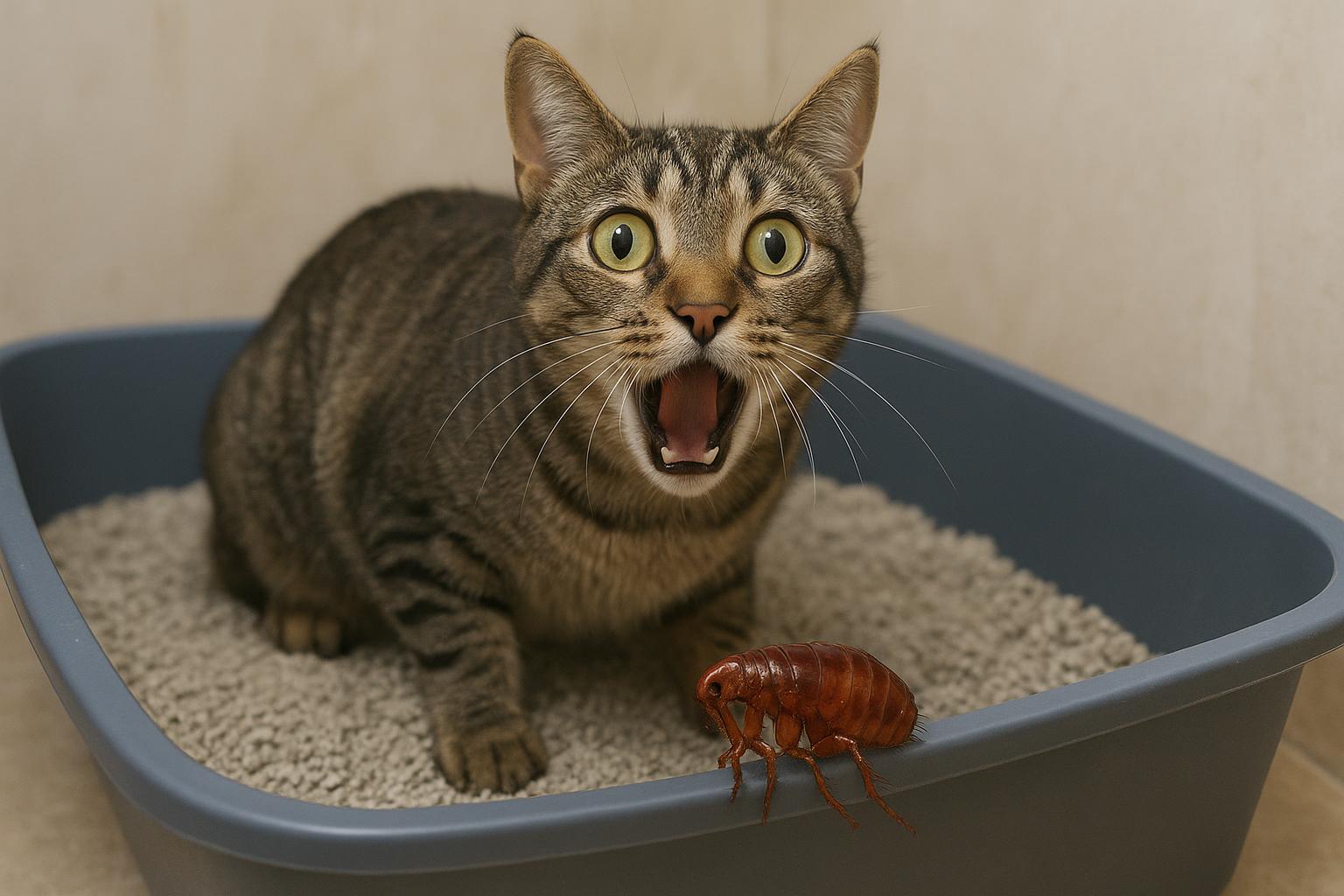
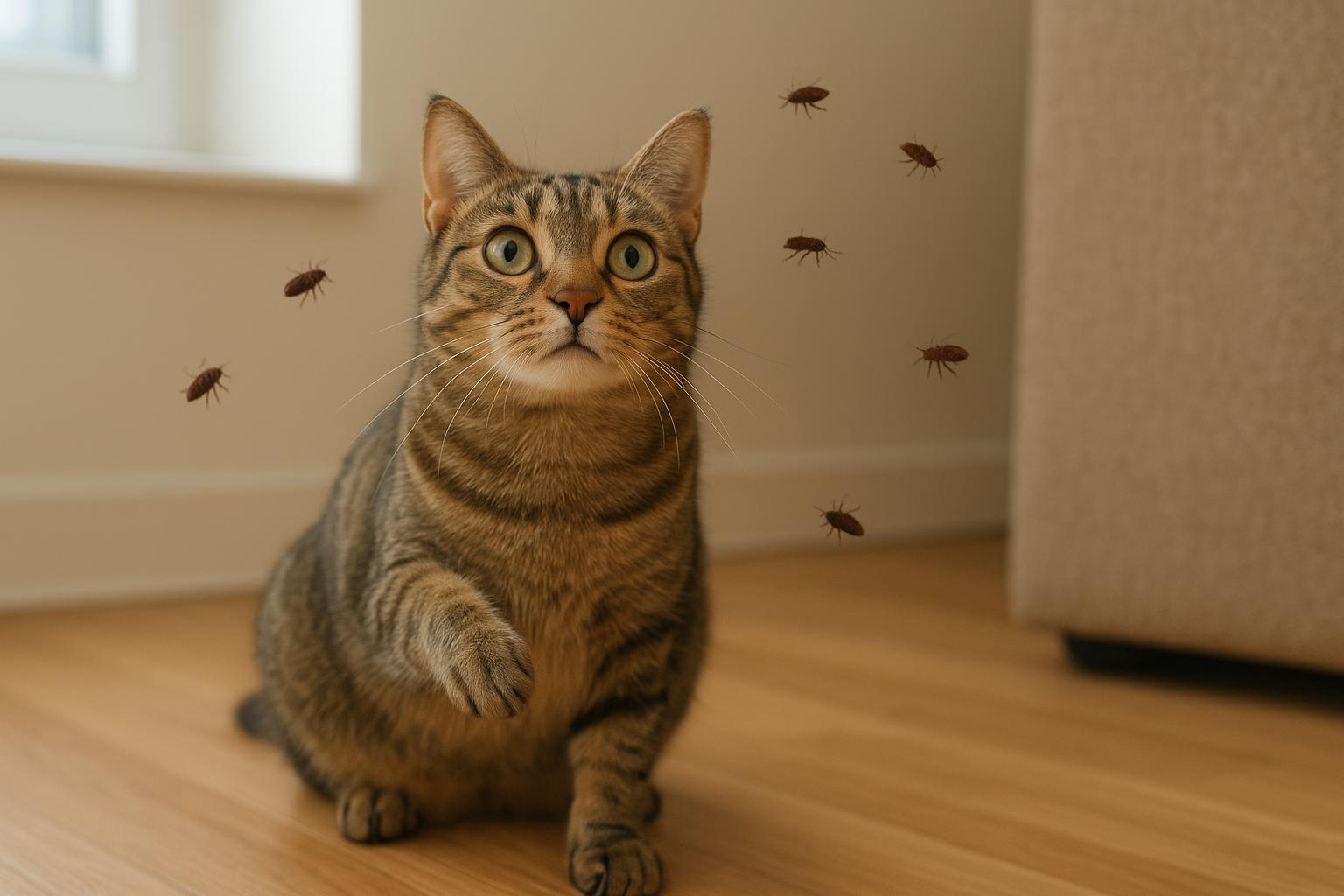
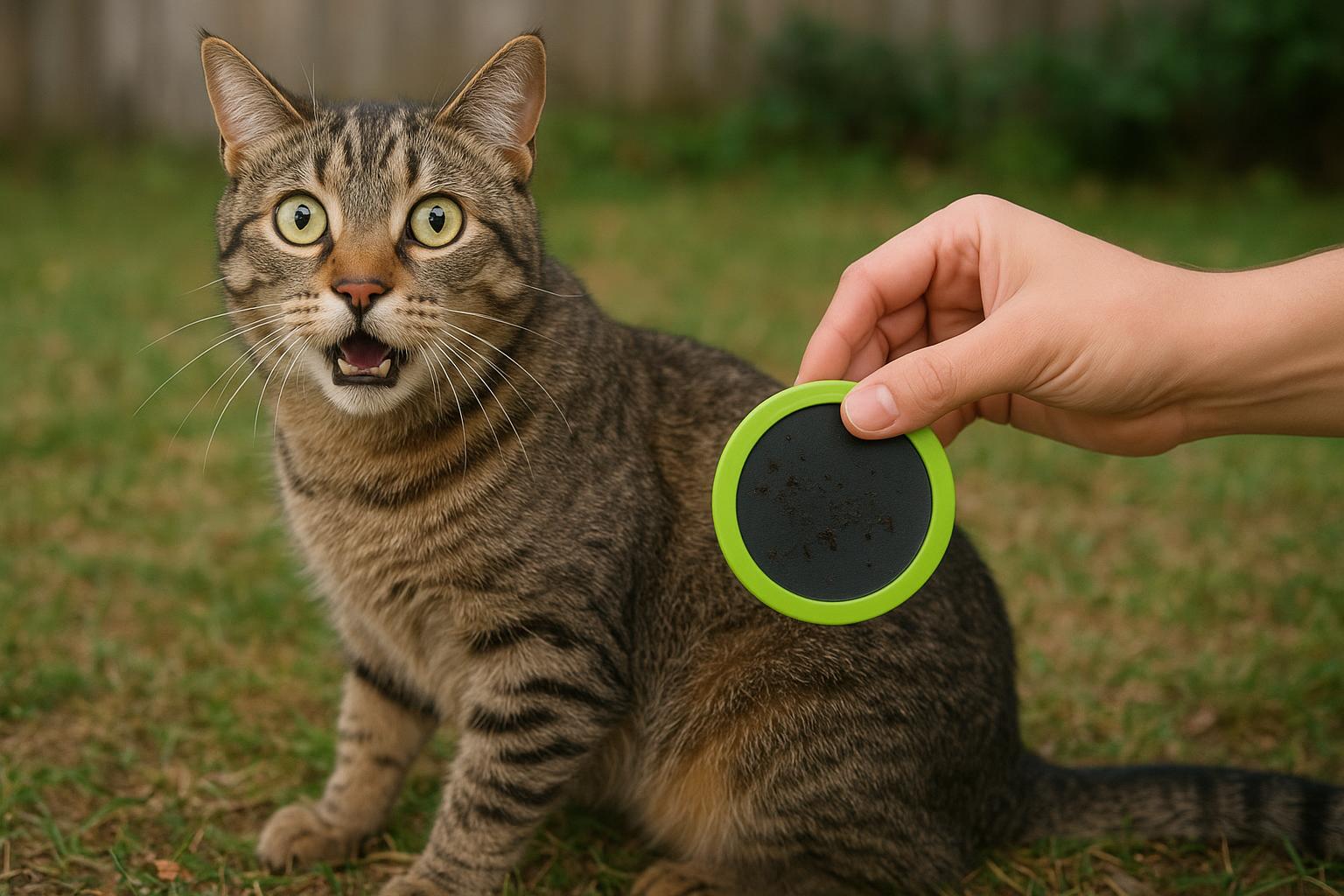
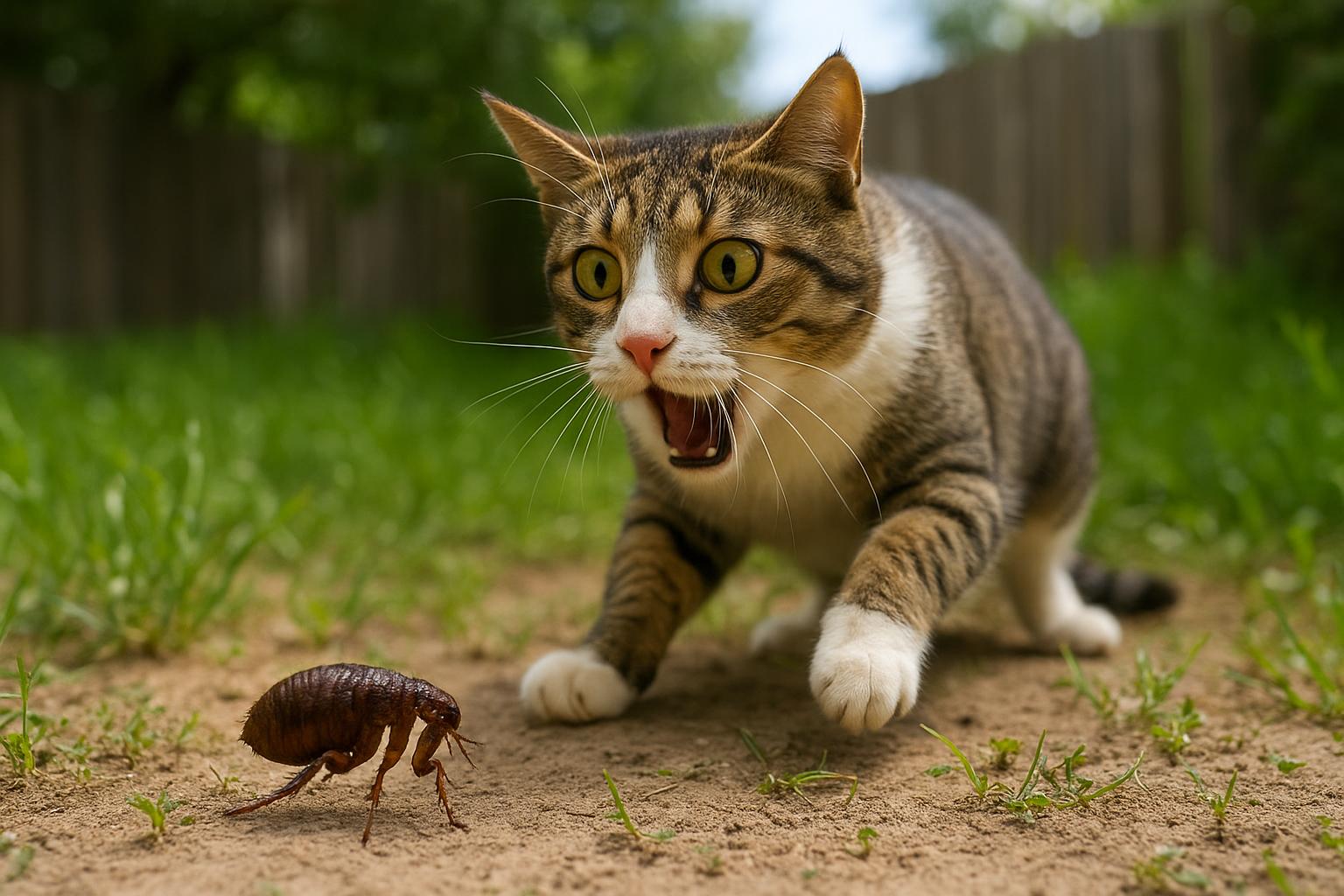
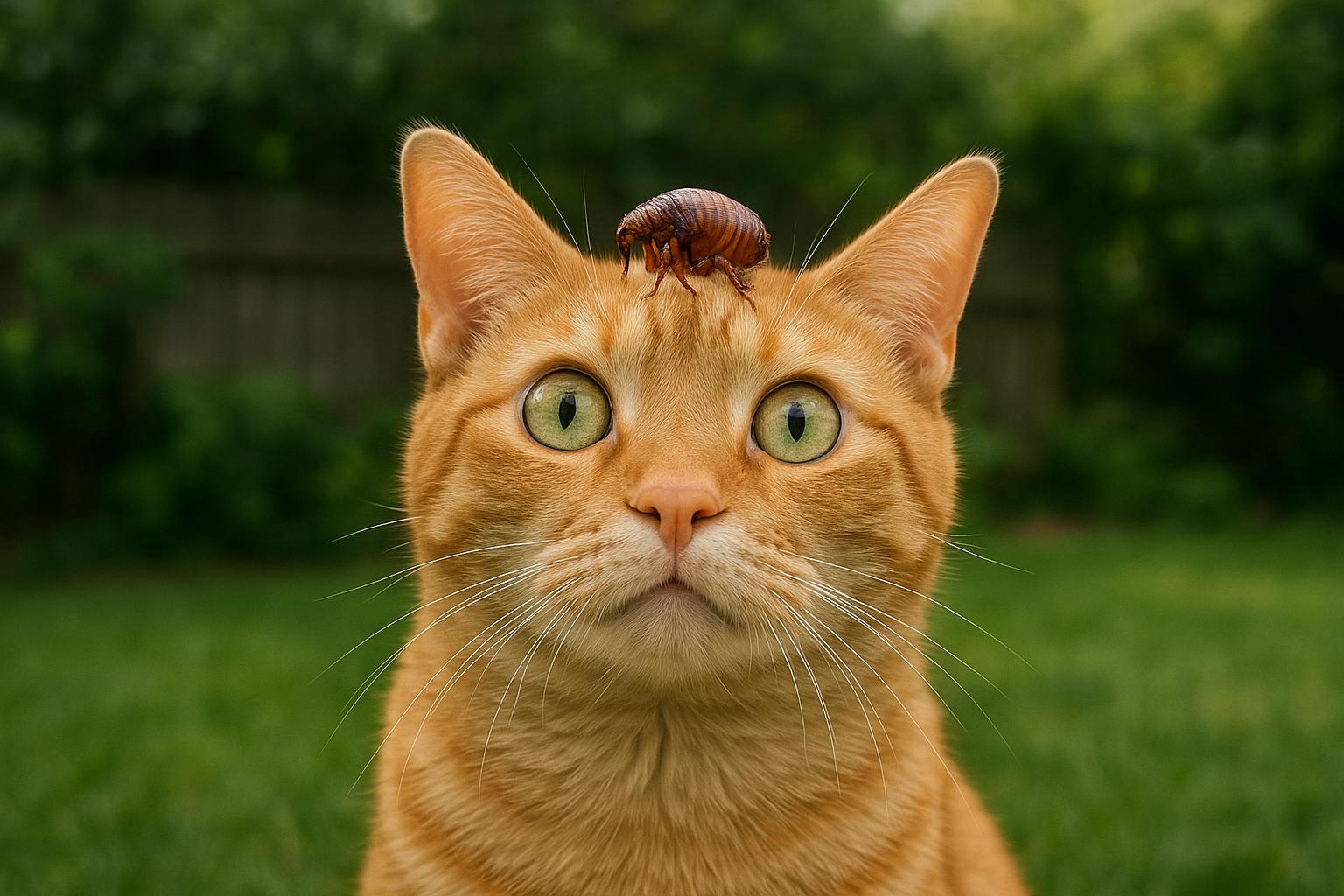
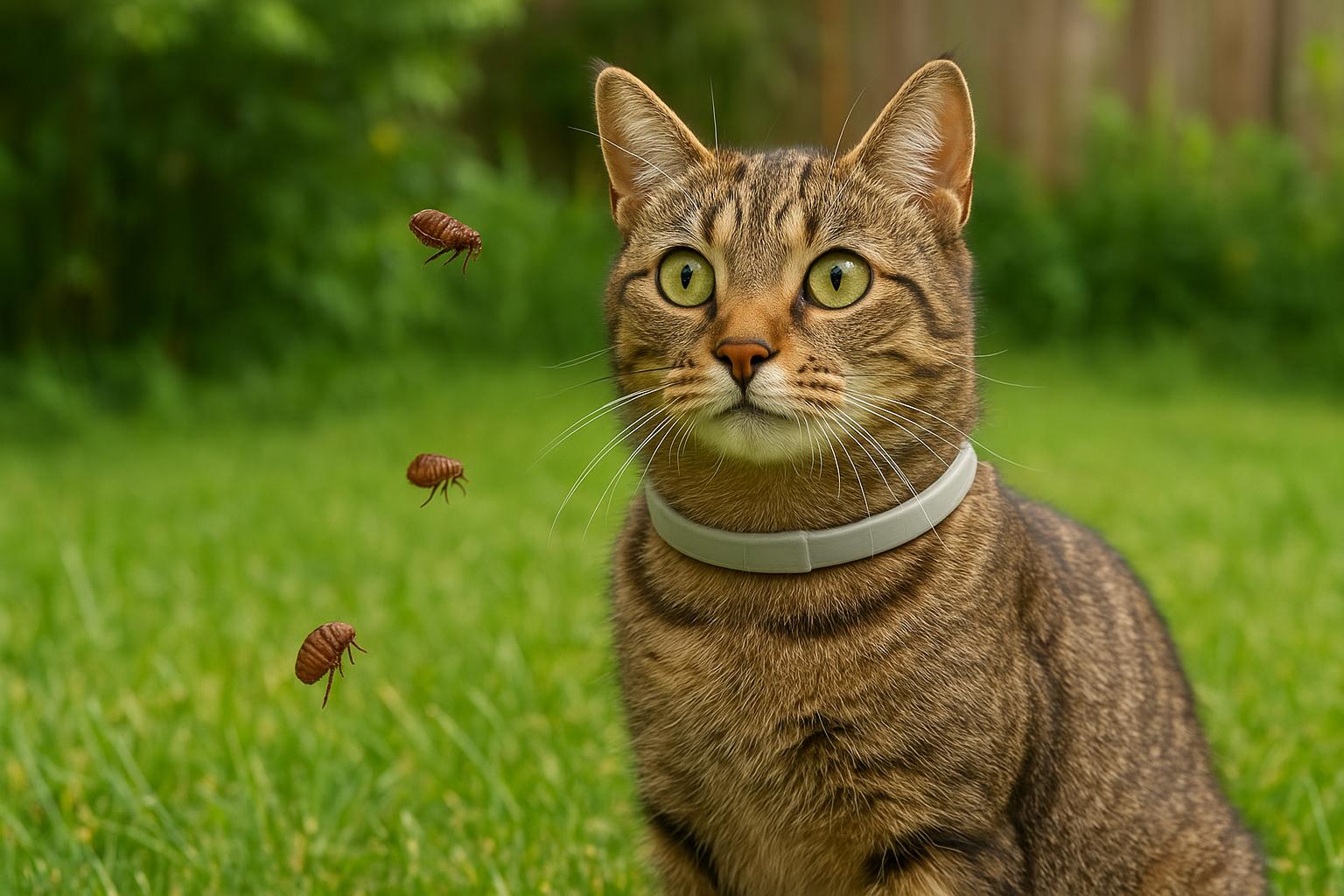
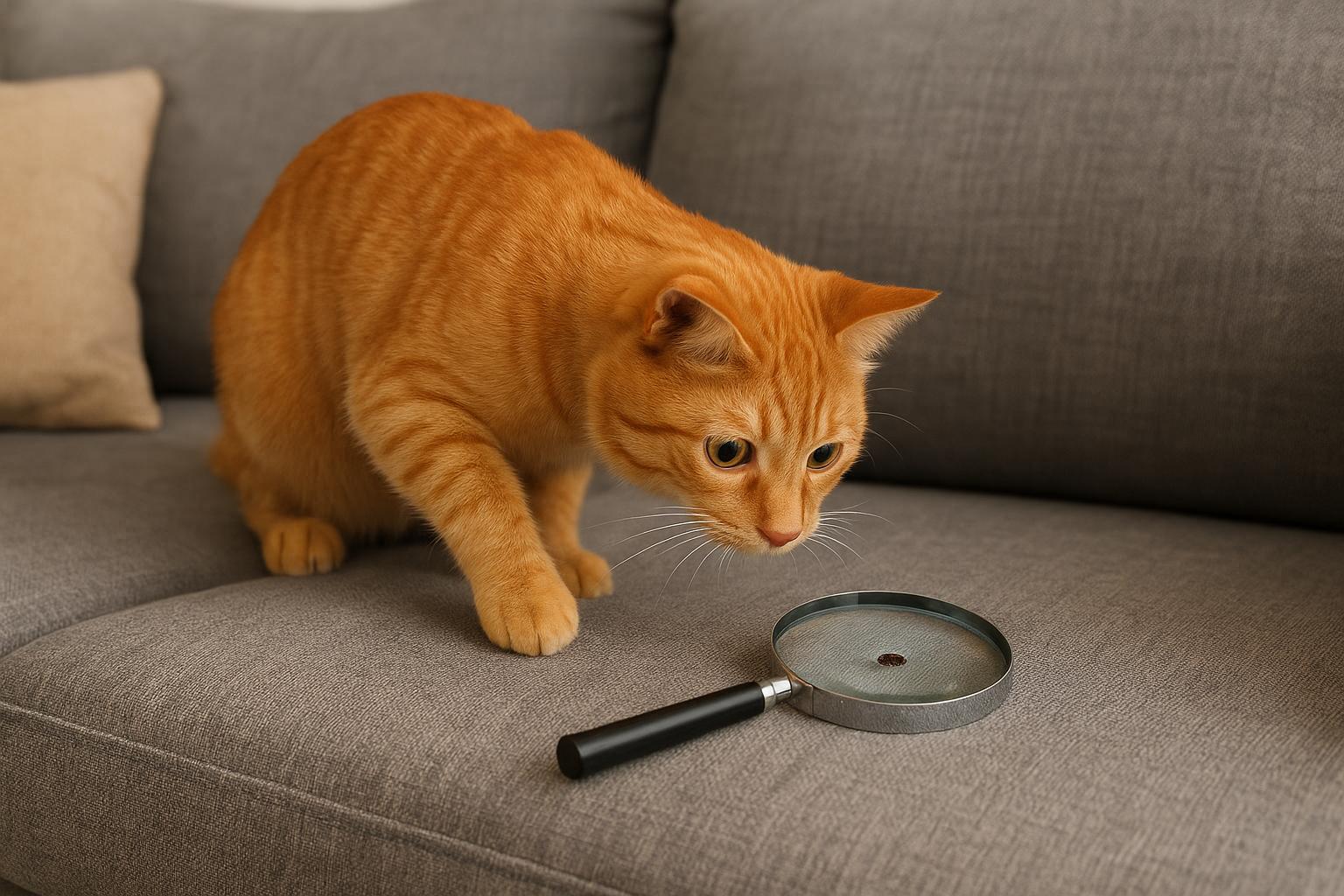
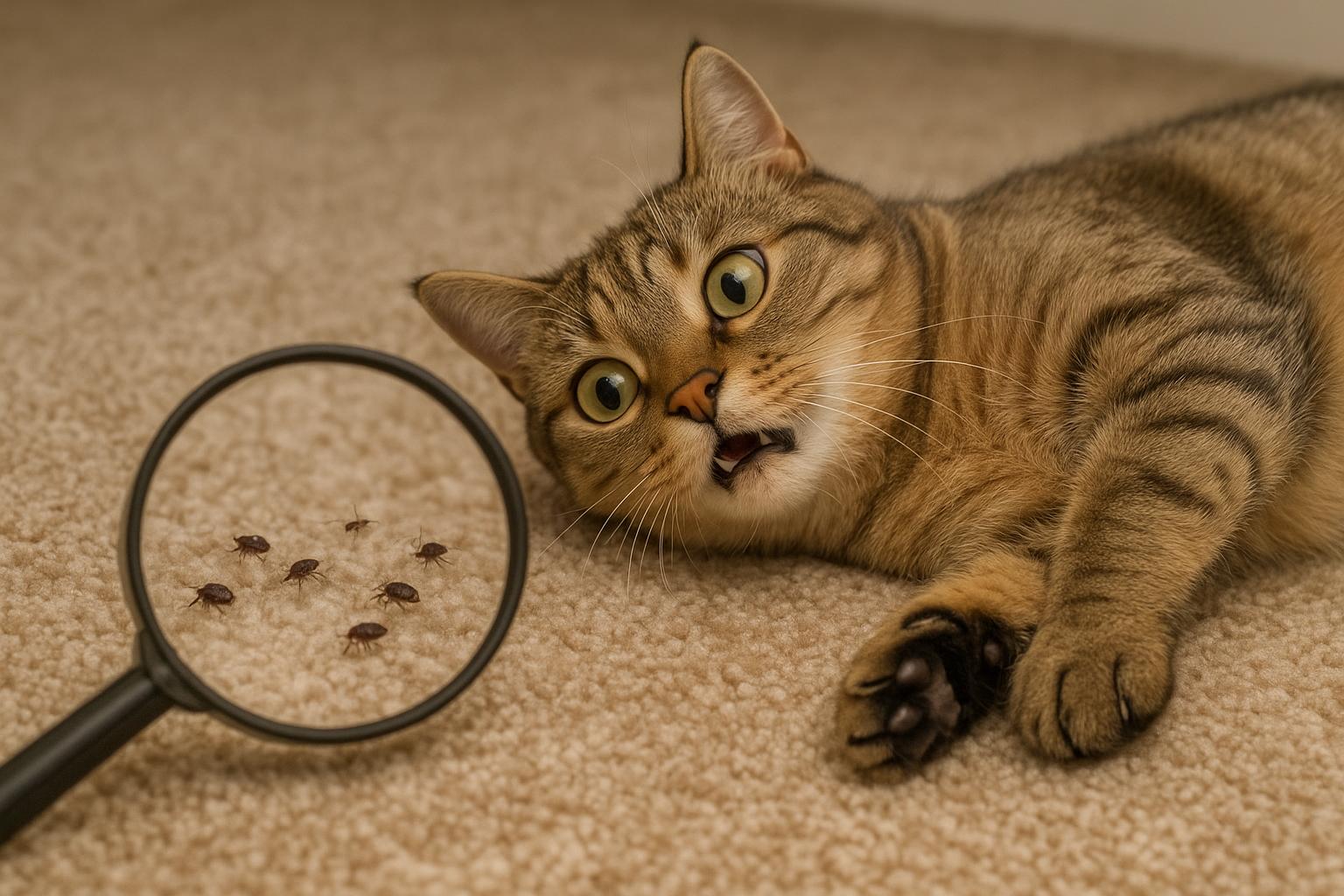
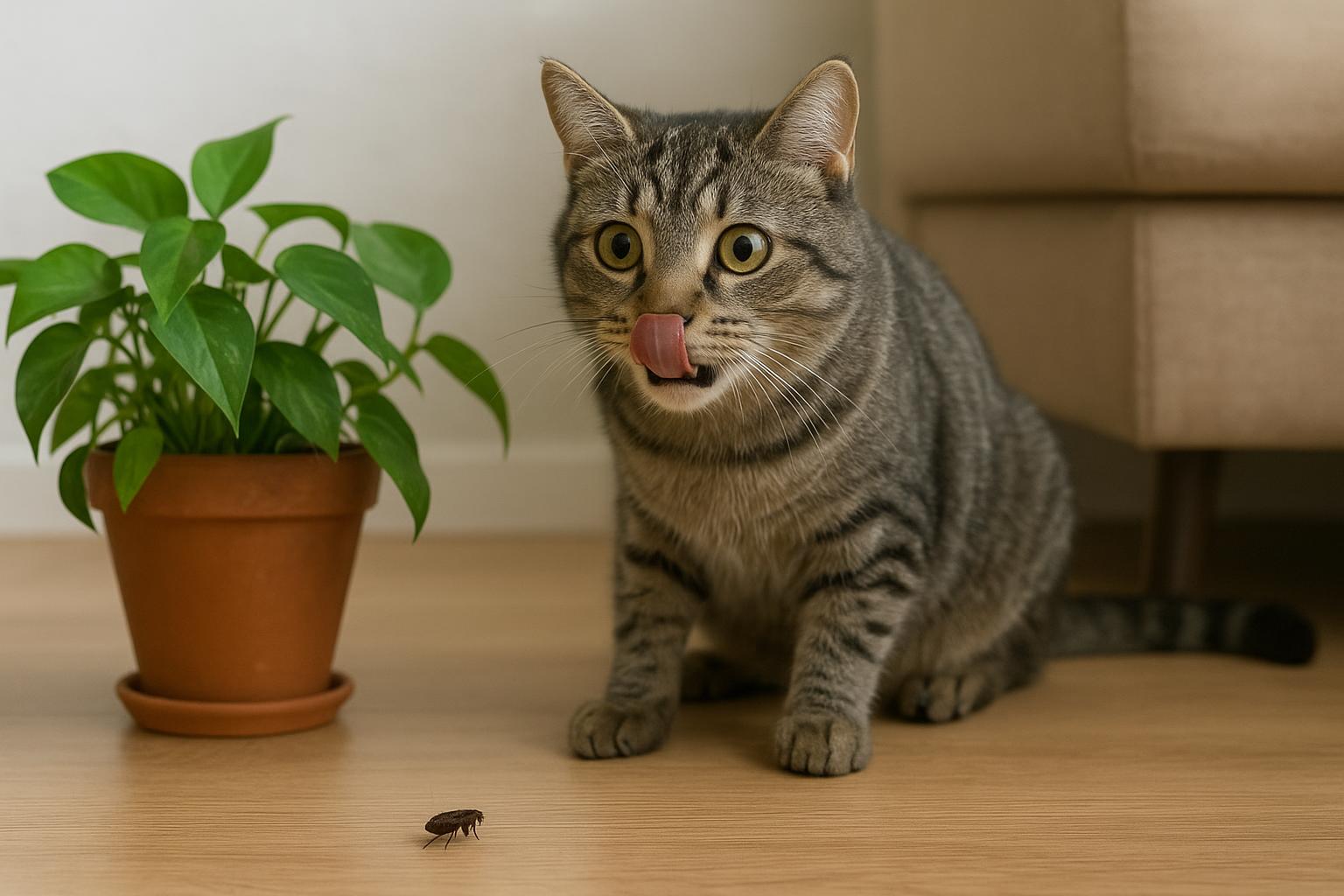
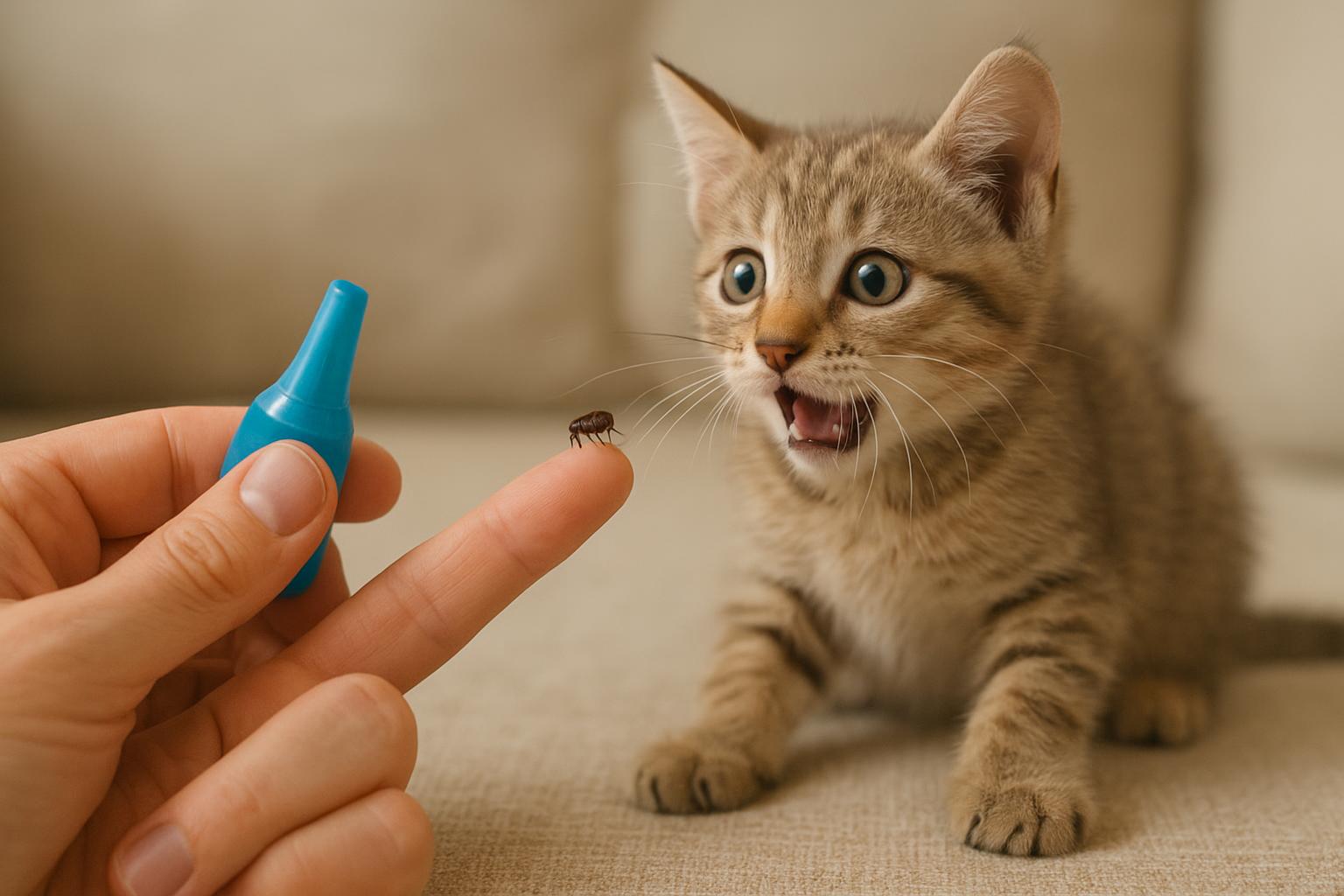
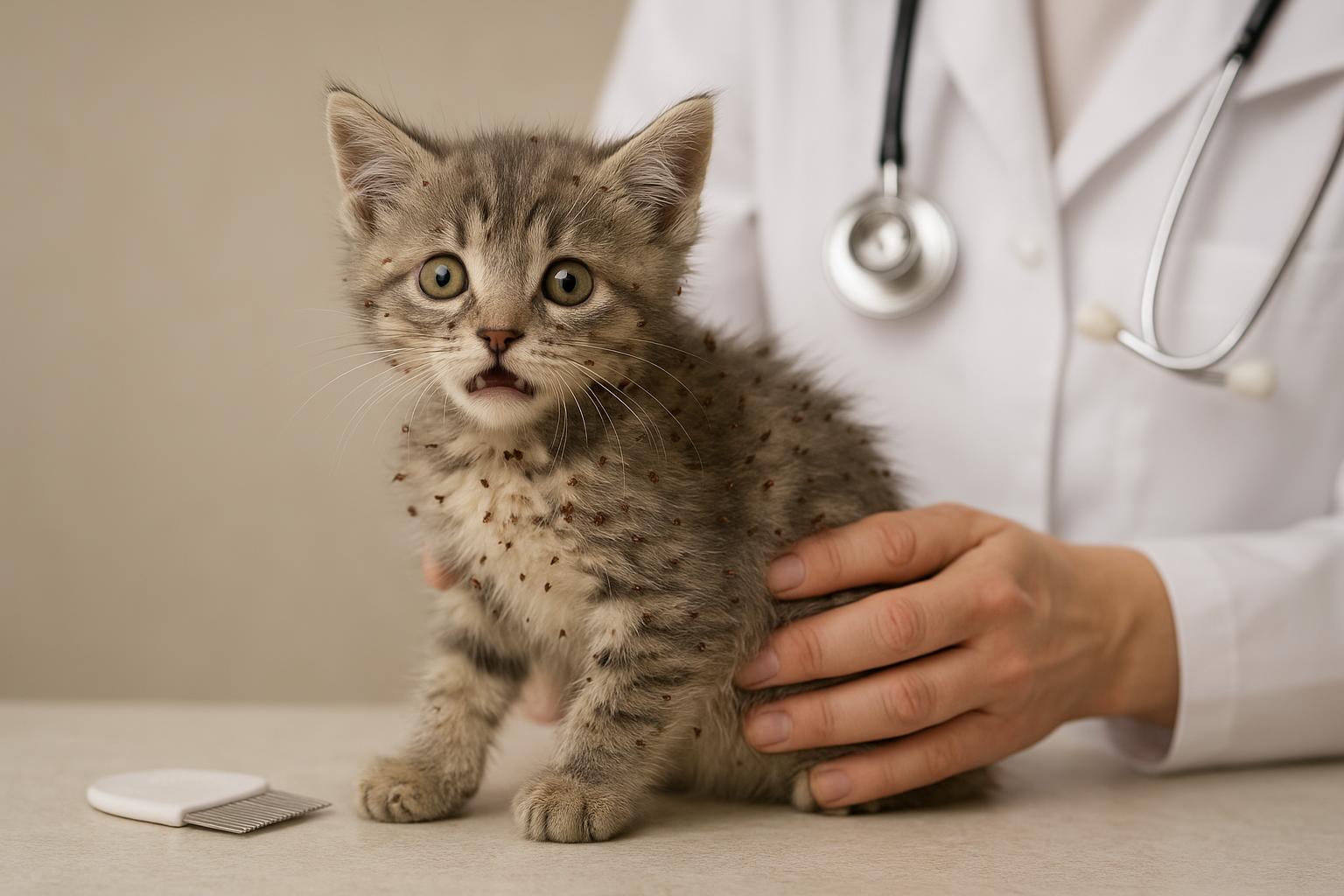
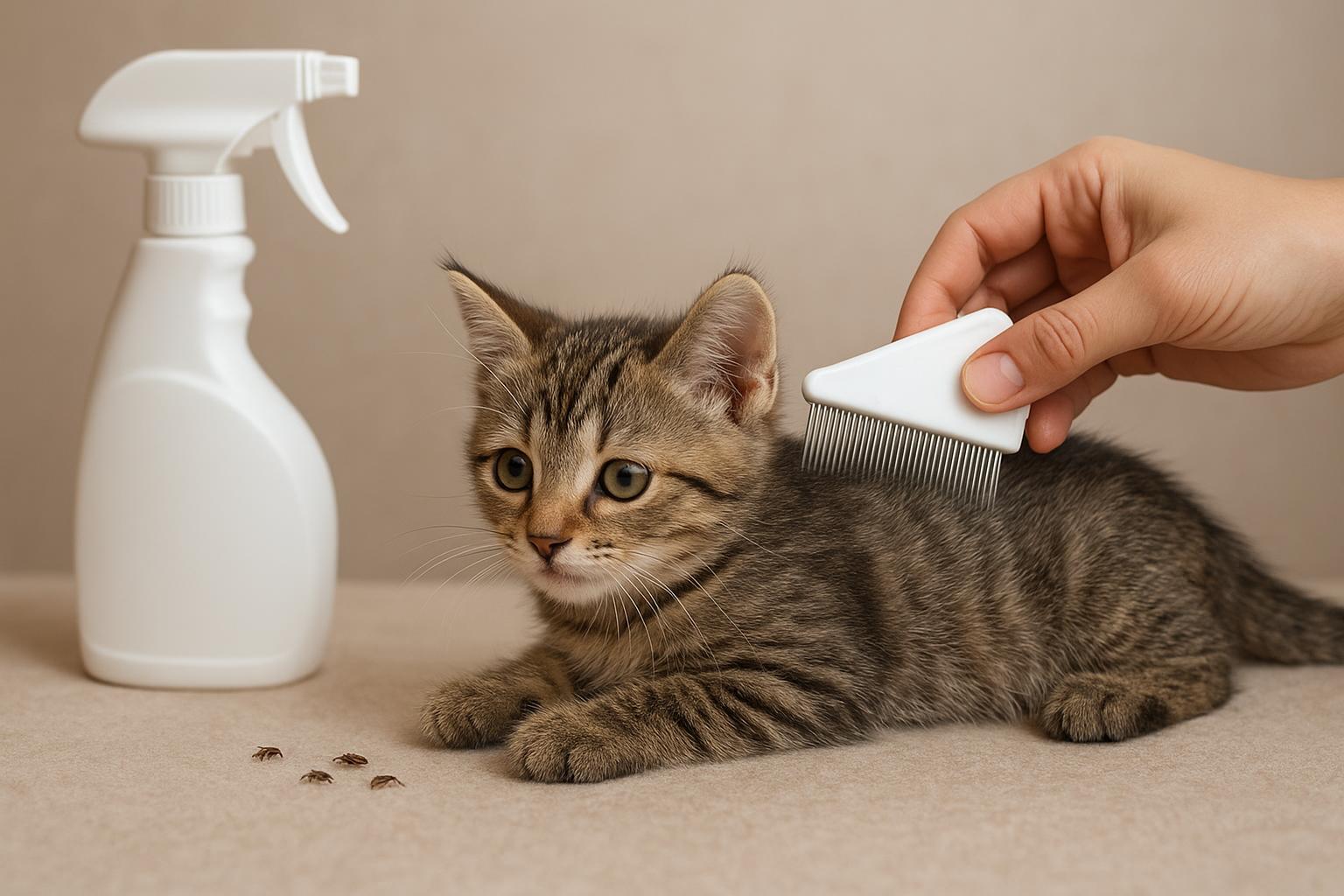
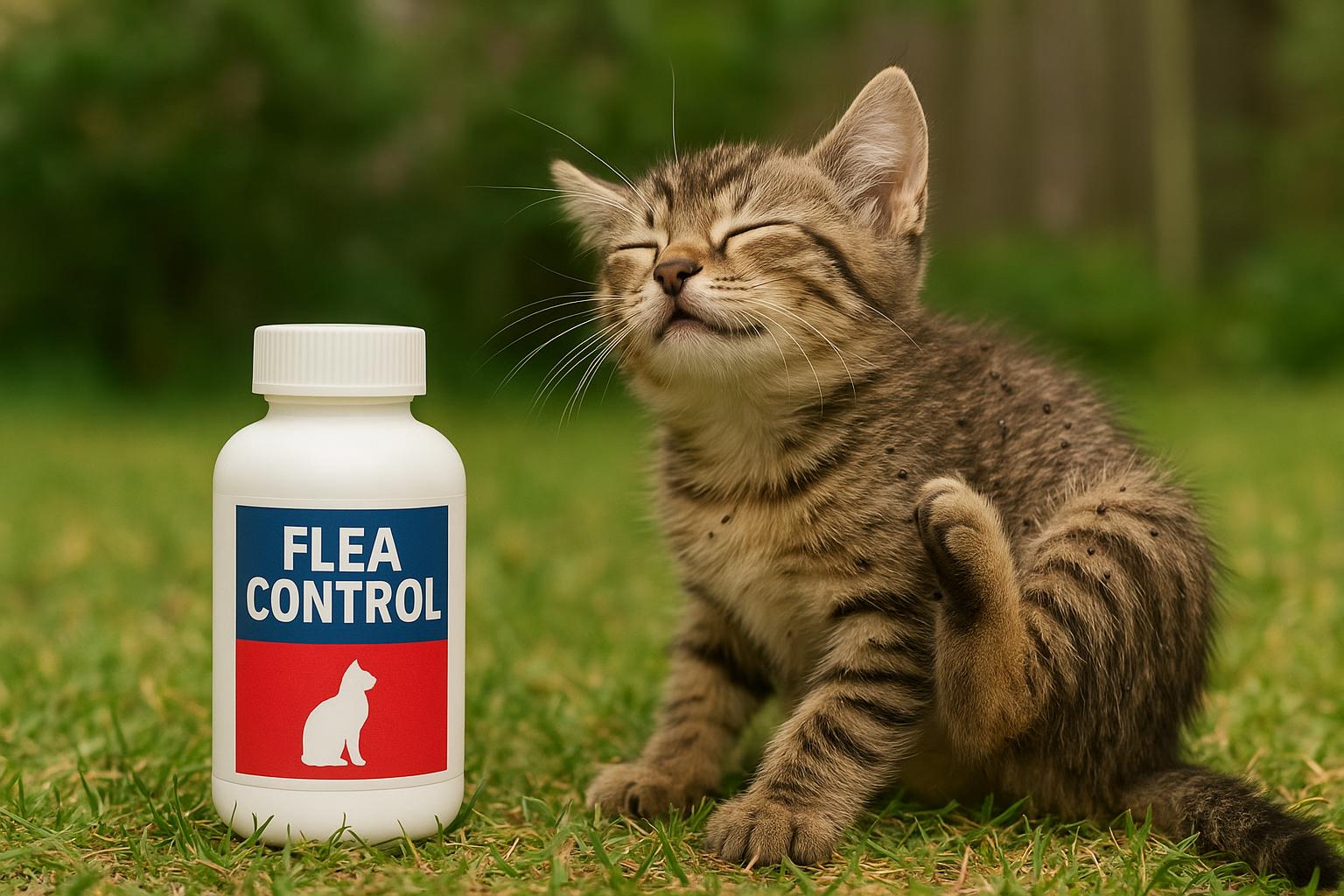
Signs of fleas include frequent scratching, small black specks of flea dirt (digested blood) in the fur or bedding, visible fleas moving through the coat, red or inflamed skin, and excessive grooming. If you find a flea or two on a kitten, treat the environment as well—fleas breed in carpets and bedding, not just on the pet. For any “flea treatment kittens” strategy, diagnose the scope of infestation before choosing products.
## Remedy 1: Vet-Recommended Topical Flea Treatment (Numbered Remedy 1)
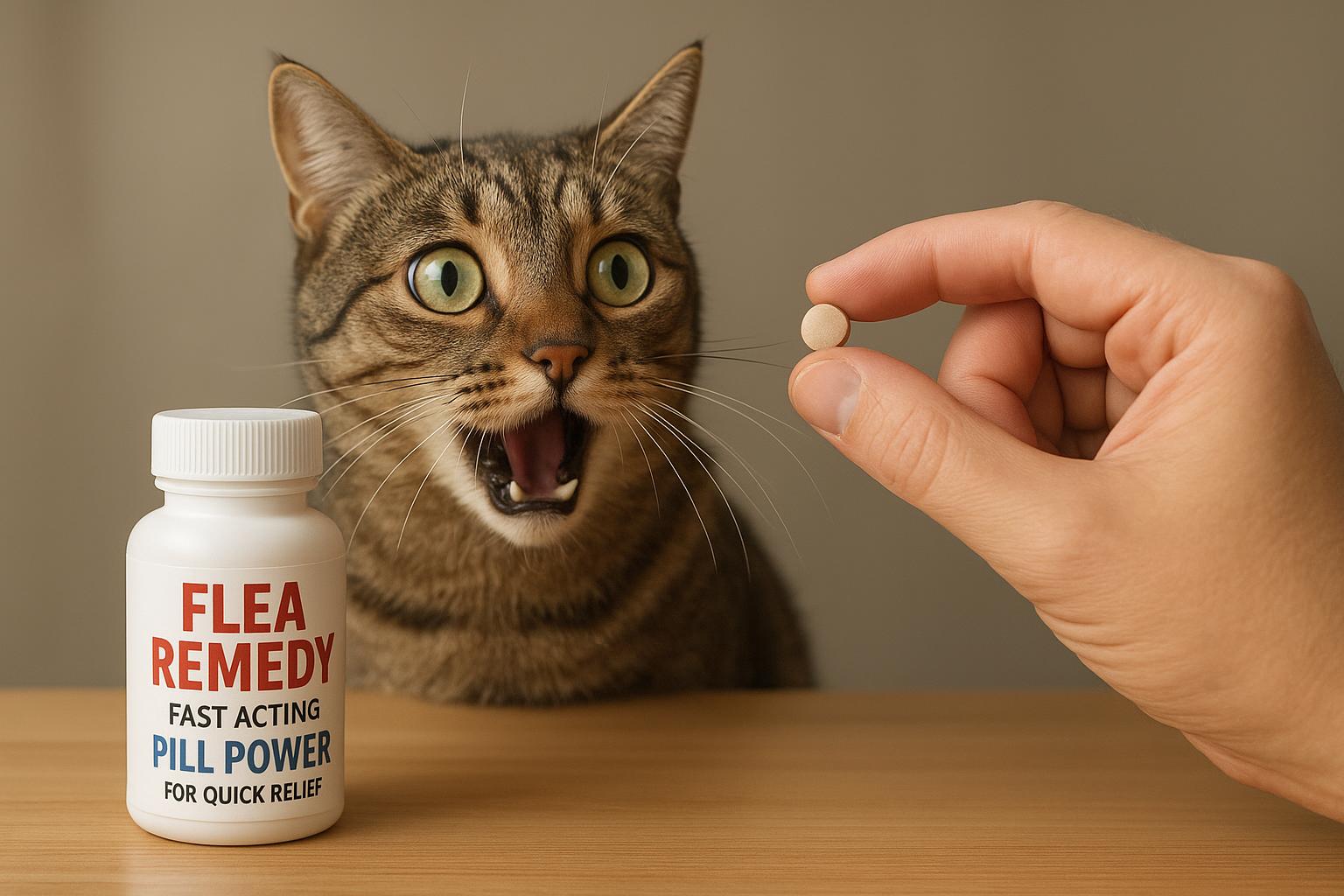
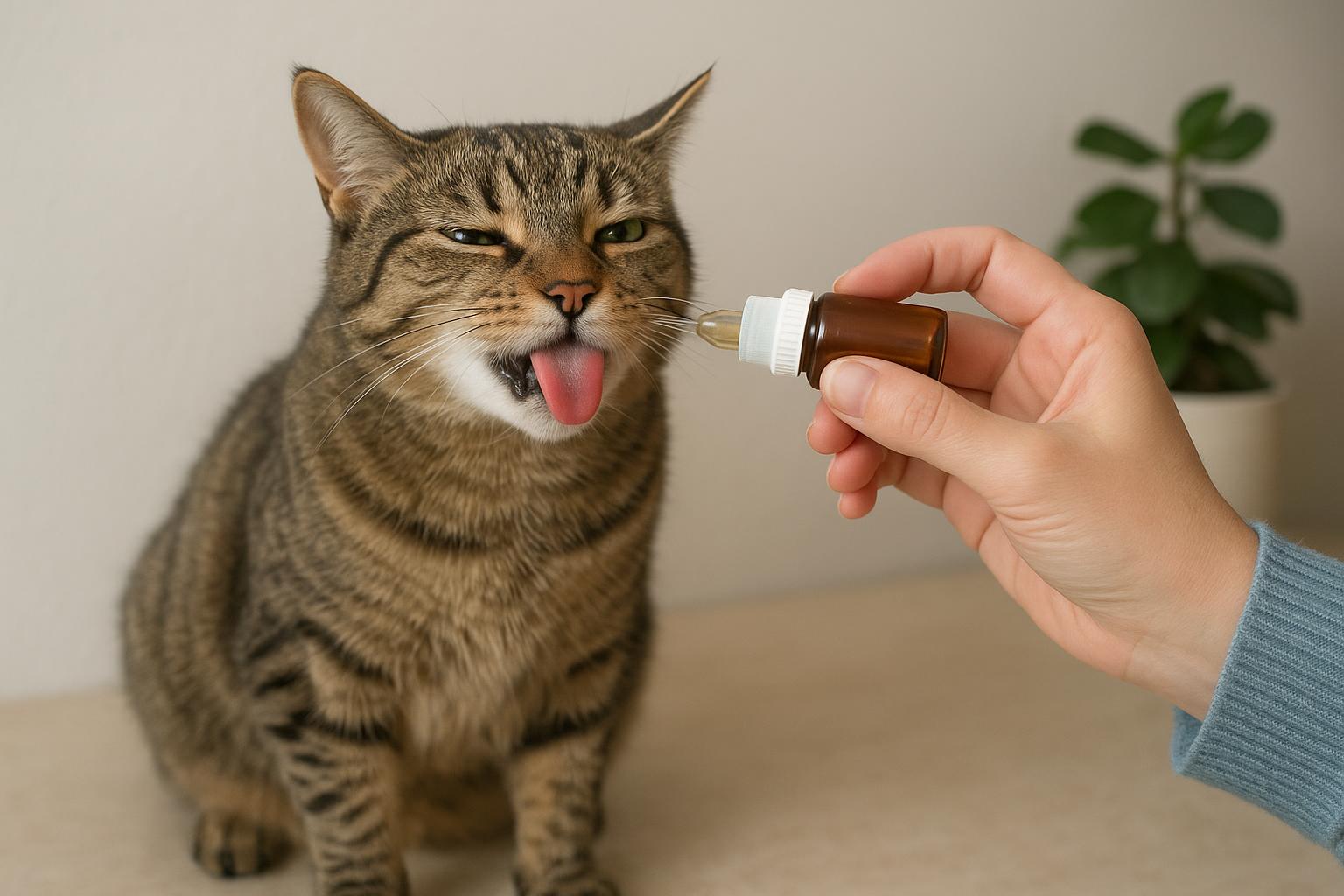
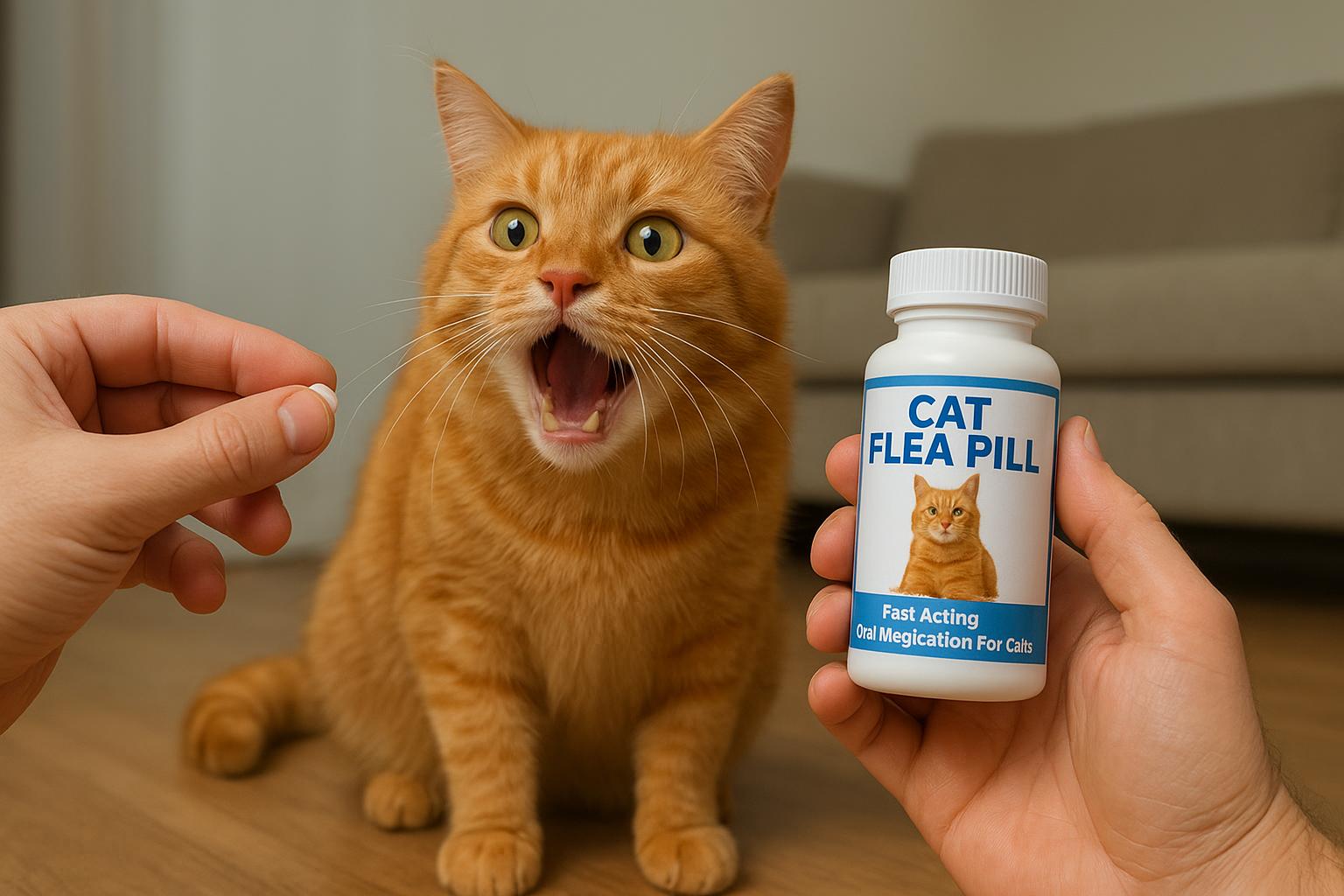
When formal control is required, veterinarian-approved topical spot-on products are generally the safest and most effective approach for many kittens. These products are manufactured to strict standards, have clear dosing, and are often fast-acting and long-lasting. Below are materials, warnings, and step-by-step instructions presented in a formal manner.
### Materials And Ingredients
– A vet-recommended topical flea medication specifically labeled for kittens (confirm labeled minimum age and weight).
– Clean towel and a quiet room.
– Gloves (disposable nitrile or latex) for the person applying the product.
– Digital scale (optional) to verify kitten’s weight if weight-based dosing is needed.
– Scissors (only if product requires cutting a sealed applicator—read instructions).
### Required Warnings And Age Limits
– Only use products explicitly labeled for the kitten’s age and weight. Many over-the-counter dog flea products are toxic to cats and must never be used.
– Do not mix topical products unless directed by a vet.
– If the kitten is under the label’s minimum age/weight, seek veterinary advice. Some products are approved for kittens as young as 6–8 weeks; others require older ages.
– Avoid bathing the kitten 48 hours before or after application unless product instructions allow it—many topicals need skin oils to distribute correctly.
### Step-By-Step Application
1. Read the product label and insert instructions thoroughly before starting.
2. Confirm the kitten’s weight and the product’s suitable dosing. If uncertain, contact your vet.
3. Put on gloves to avoid human skin contact with the medication.
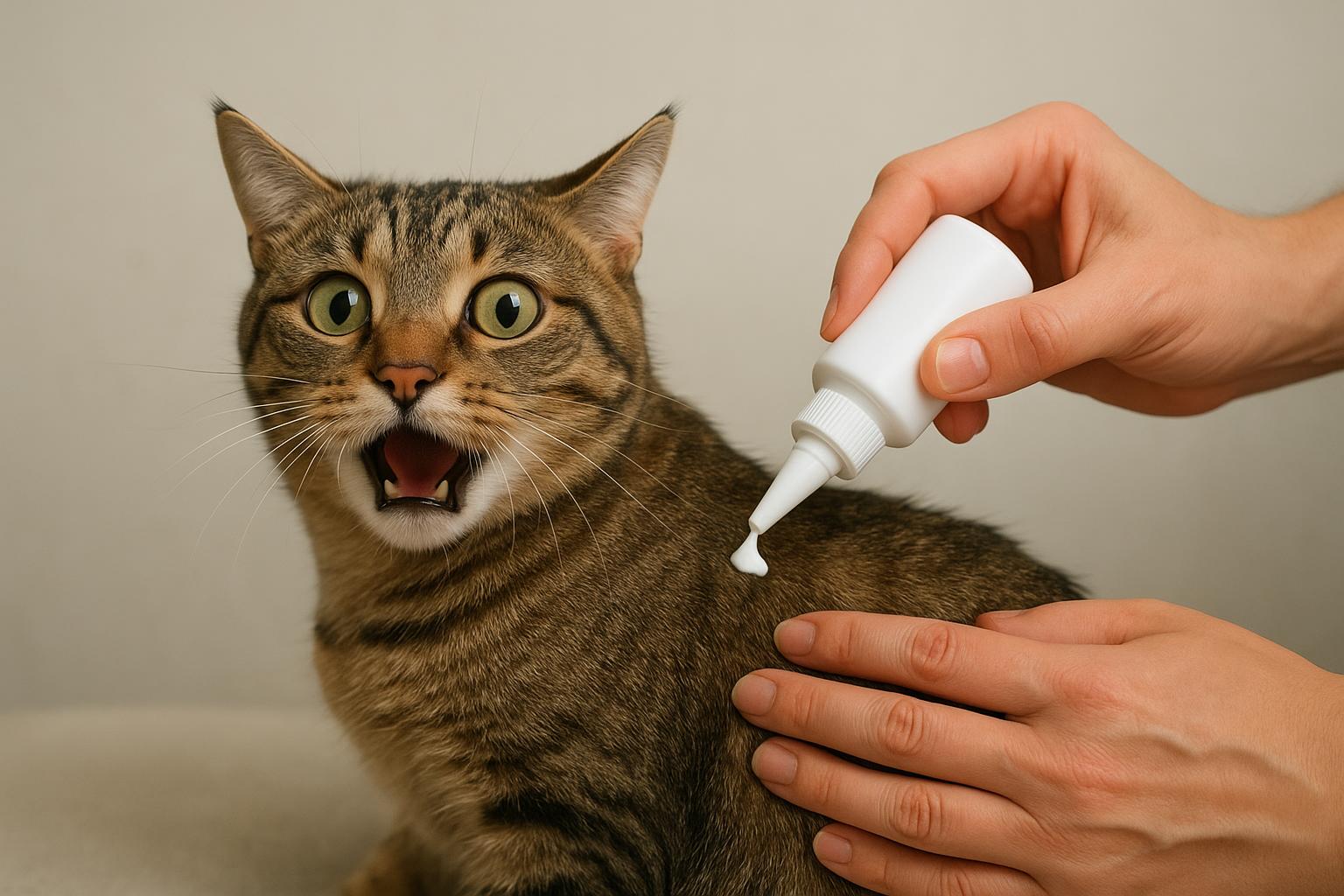
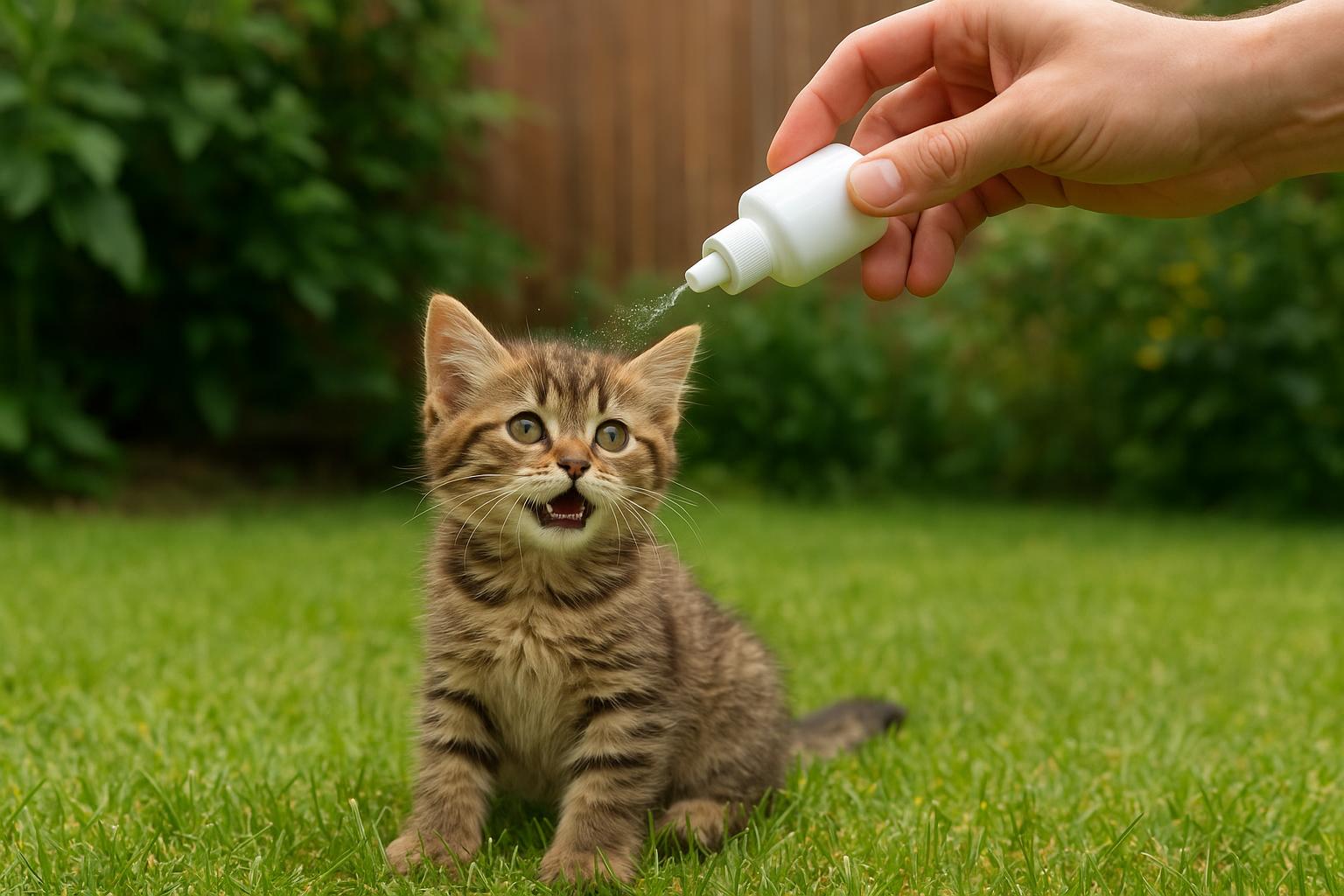
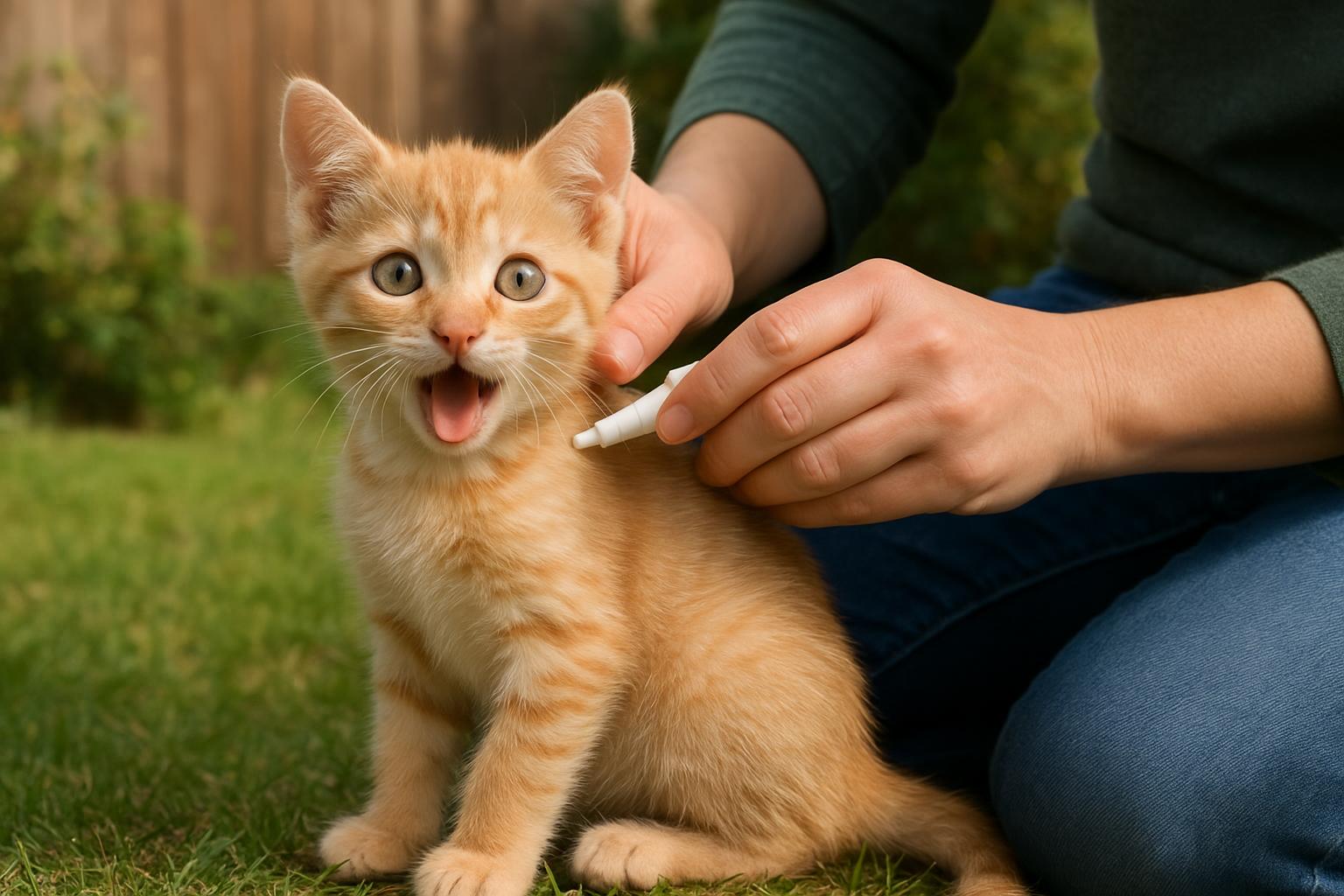
4. Position the kitten gently and part the fur at the base of the skull between the shoulder blades to expose the skin. This location prevents the kitten from licking the medication.
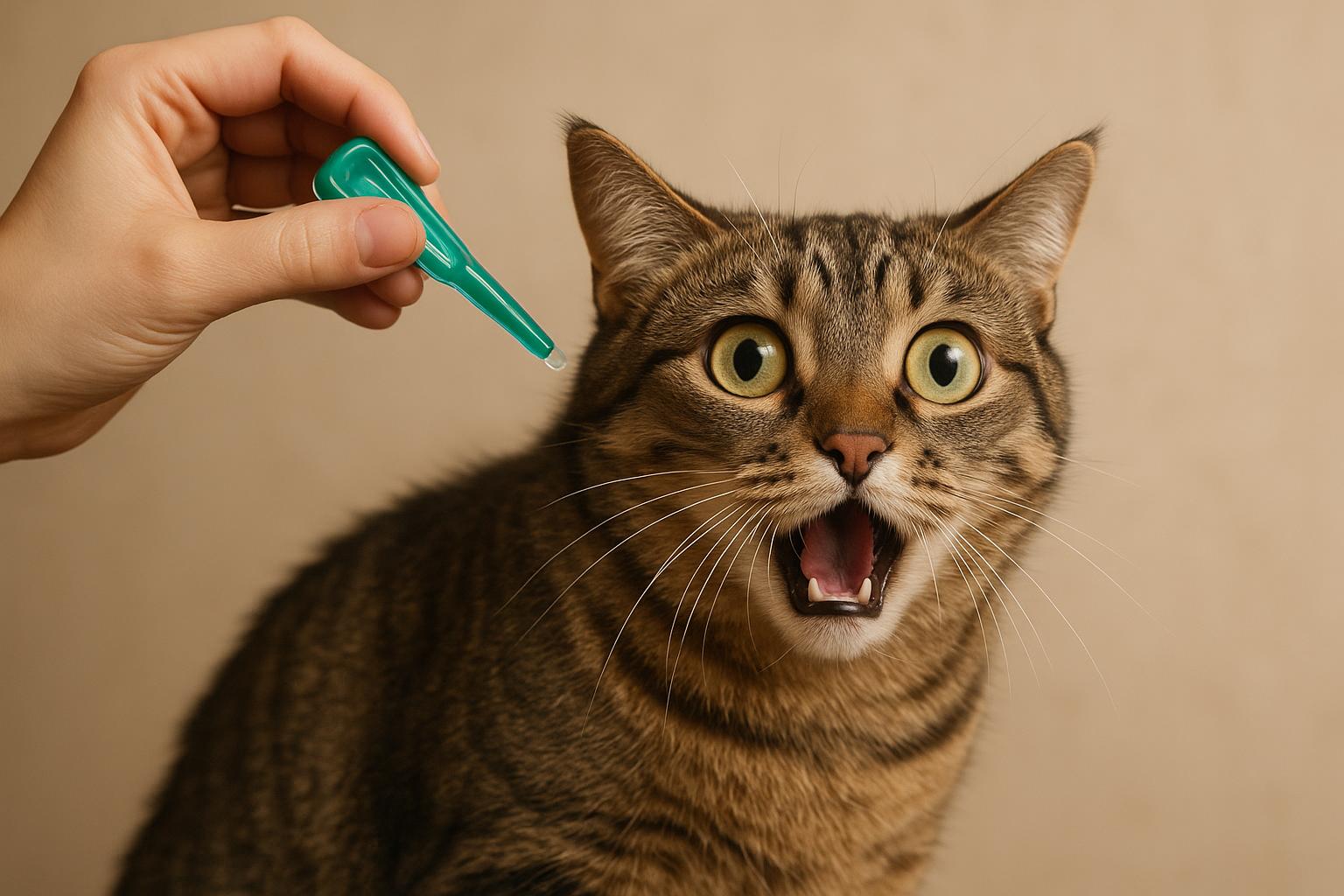
5. Open the single-use applicator as directed and apply the full contents directly to the skin at the exposed spot. Do not apply on top of the fur.
6. Avoid massaging the area. Let the product dry naturally and keep the kitten away from other pets until the area is dry to avoid transfer.
7. Dispose of the applicator and gloves safely.
8. Follow the product schedule for reapplication (often monthly) and monitor for any adverse reactions (excessive salivation, vomiting, lethargy, tremors) and contact your vet immediately if they occur.
Using labeled, veterinarian-approved products is one of the top recommended “flea treatment kittens” strategies because it balances efficacy and safety when used correctly.
## Remedy 2: Natural Flea Bath And Combing (For Older Kittens) (Numbered Remedy 2)
If your kitten is at least 8–12 weeks old and in good health, a careful flea bath combined with diligent combing can significantly reduce flea numbers and provide immediate relief. This is best as part of a multi-pronged plan (environmental control + vet products) rather than the sole long-term solution.
### Ingredients And Tools
– Mild kitten-safe shampoo (preferably one labeled gentle for kittens).
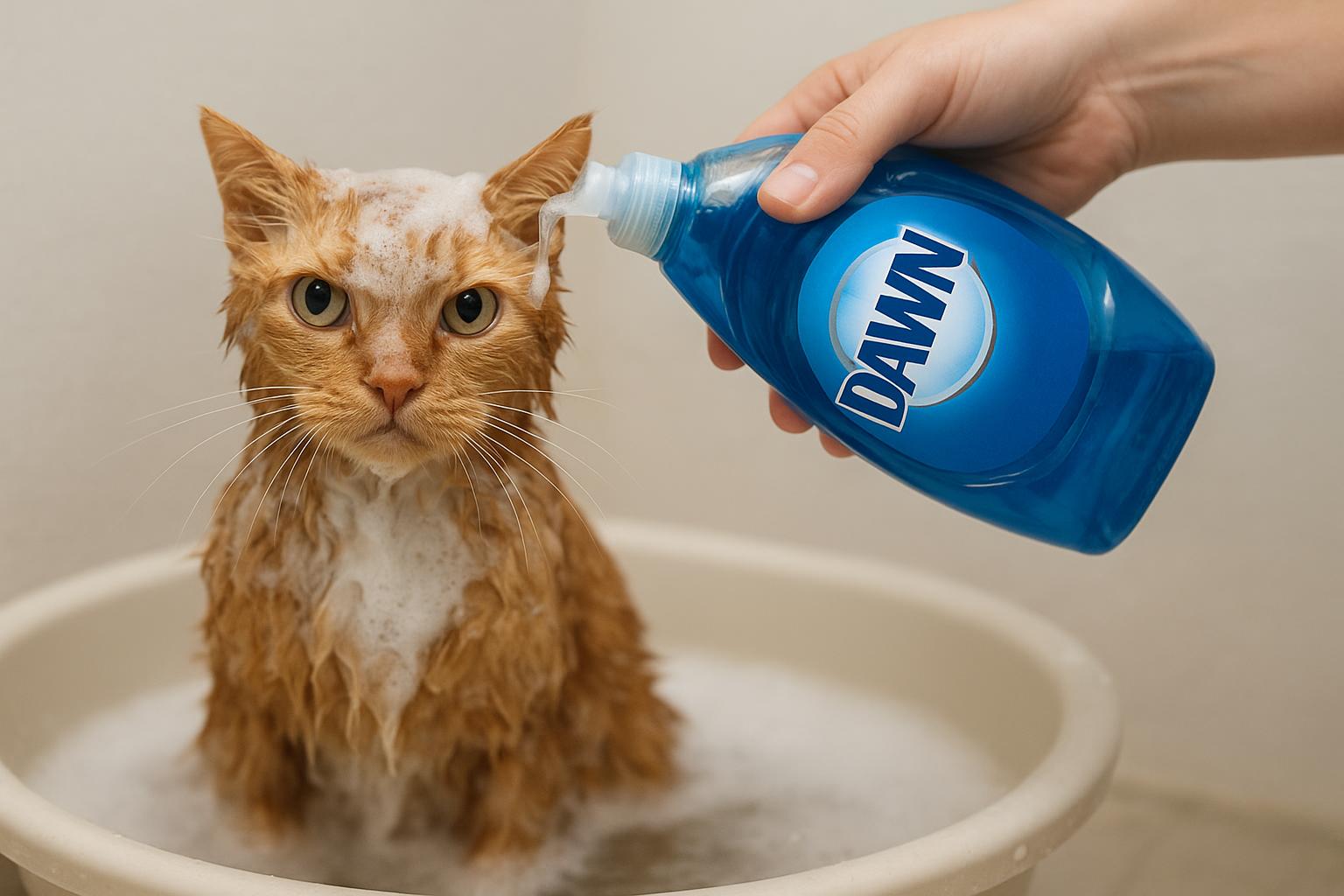
– Dish soap (such as blue Dawn) only used sparingly and as advised by a vet for short-term flea removal—many people use it, but it can be drying.
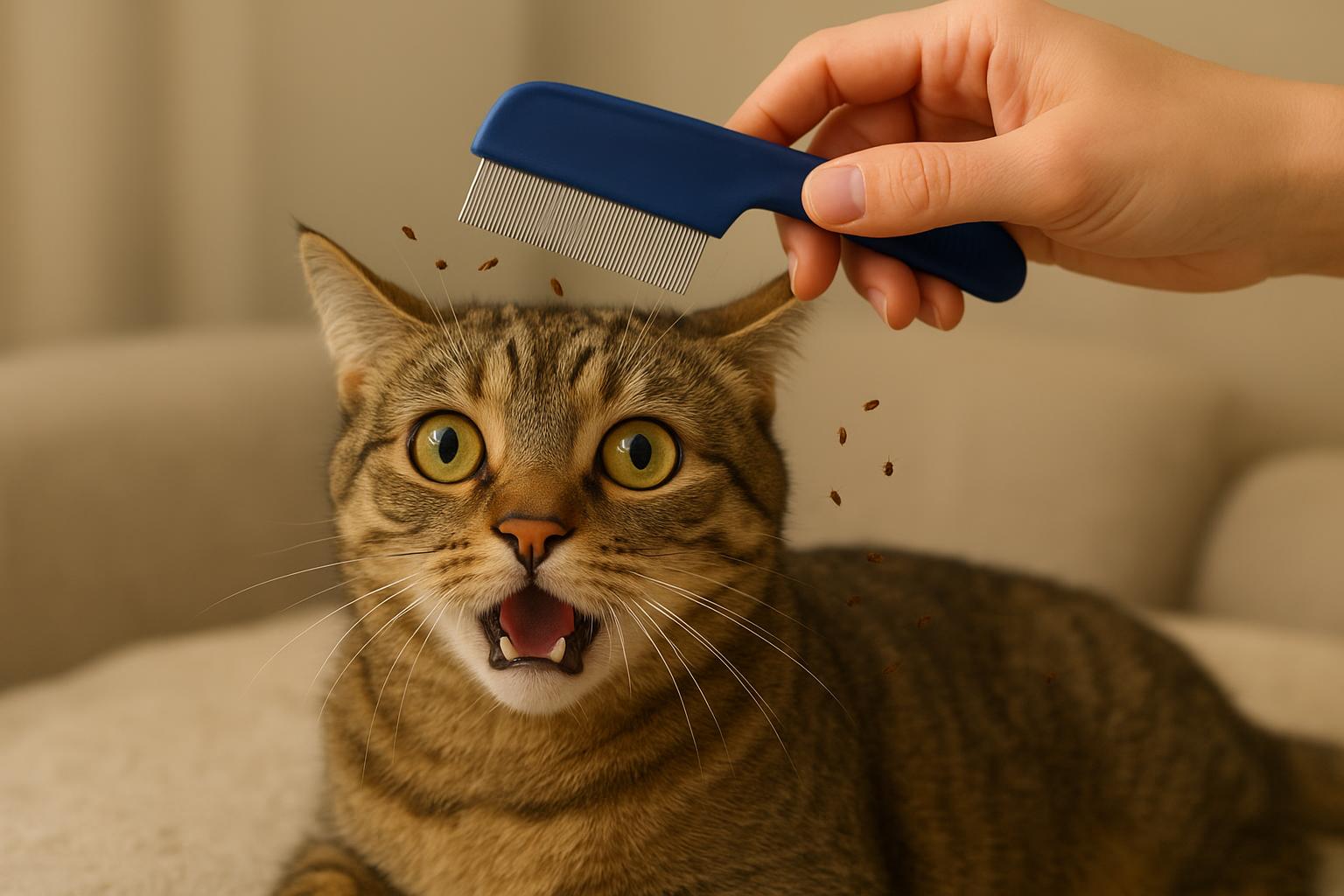
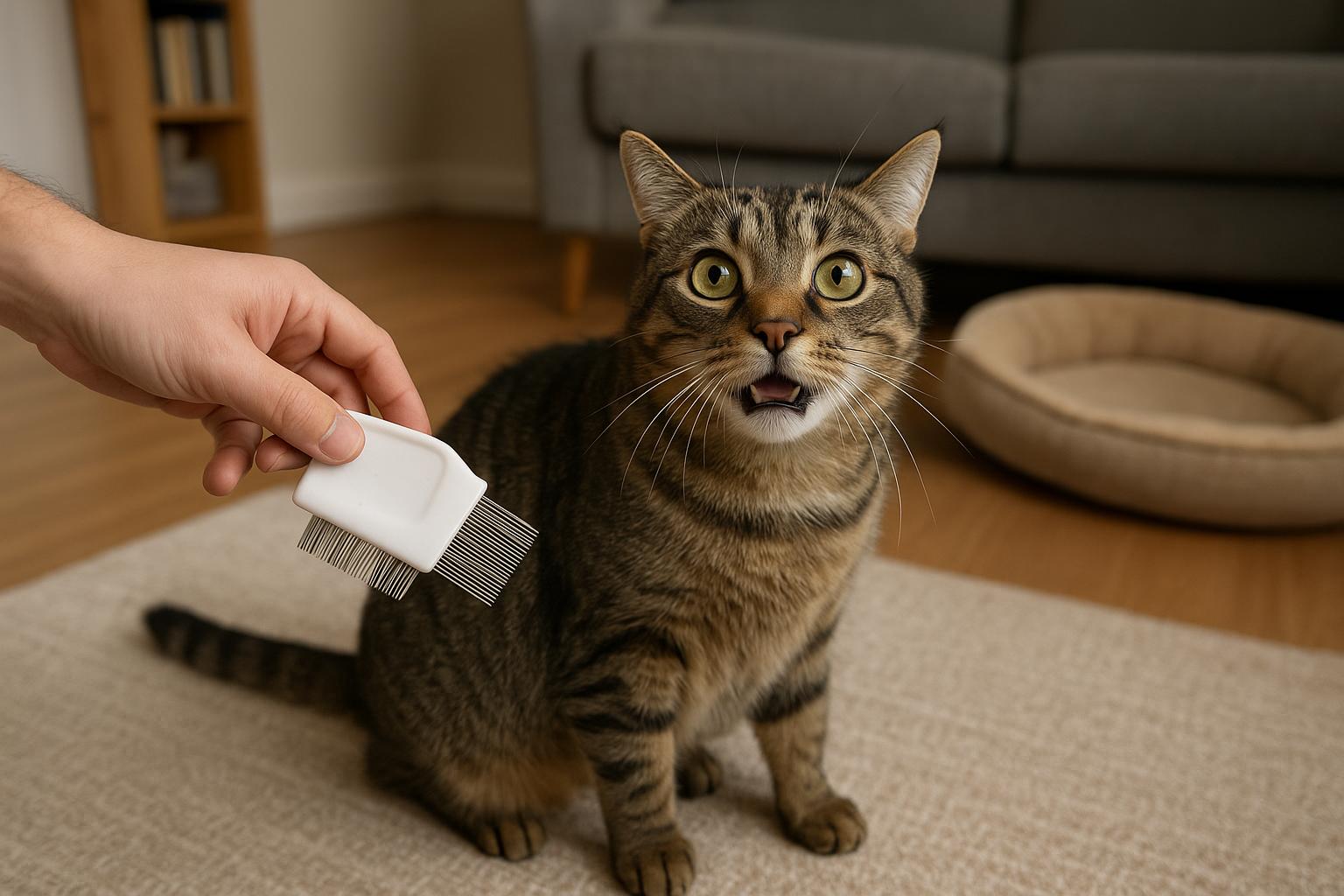
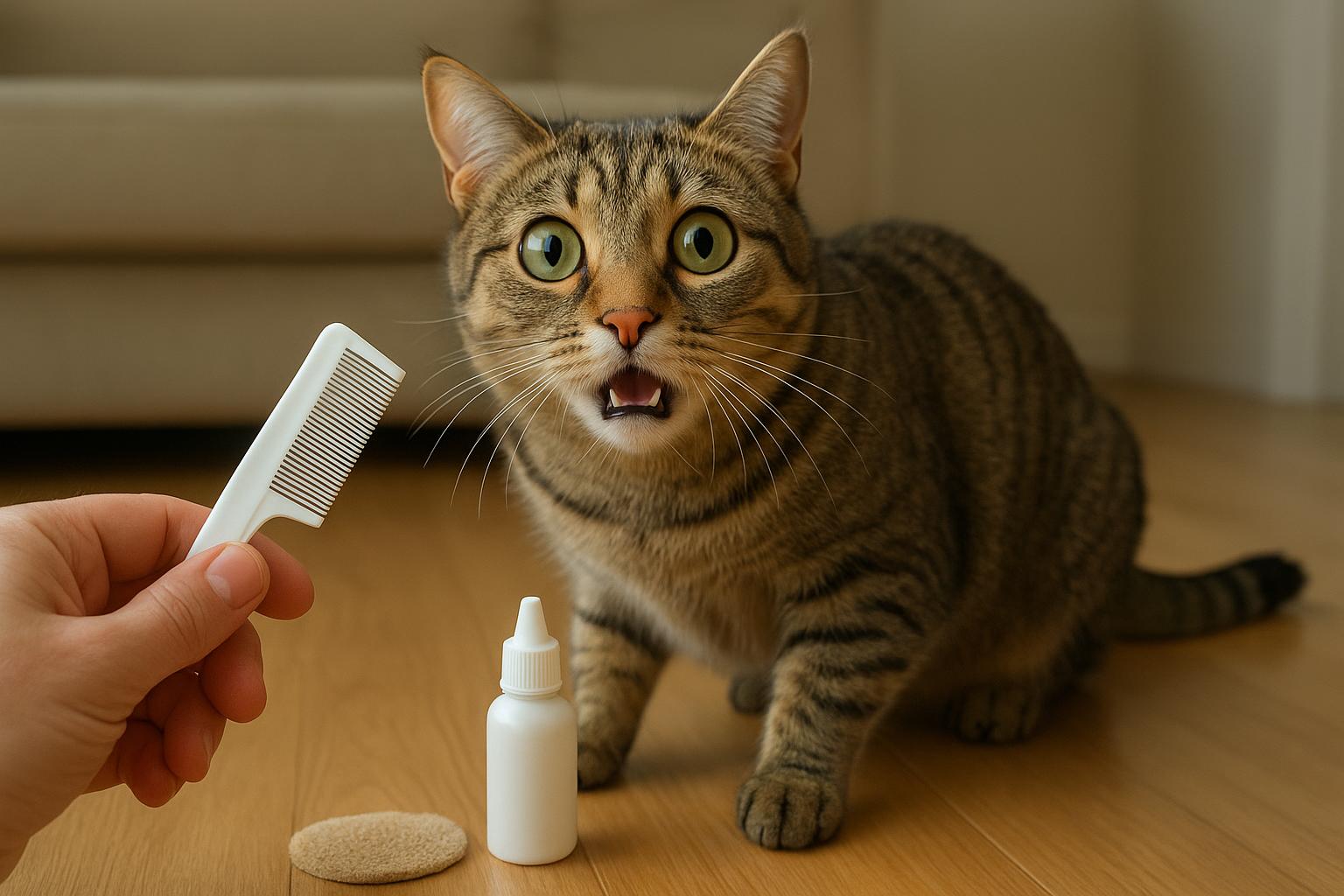
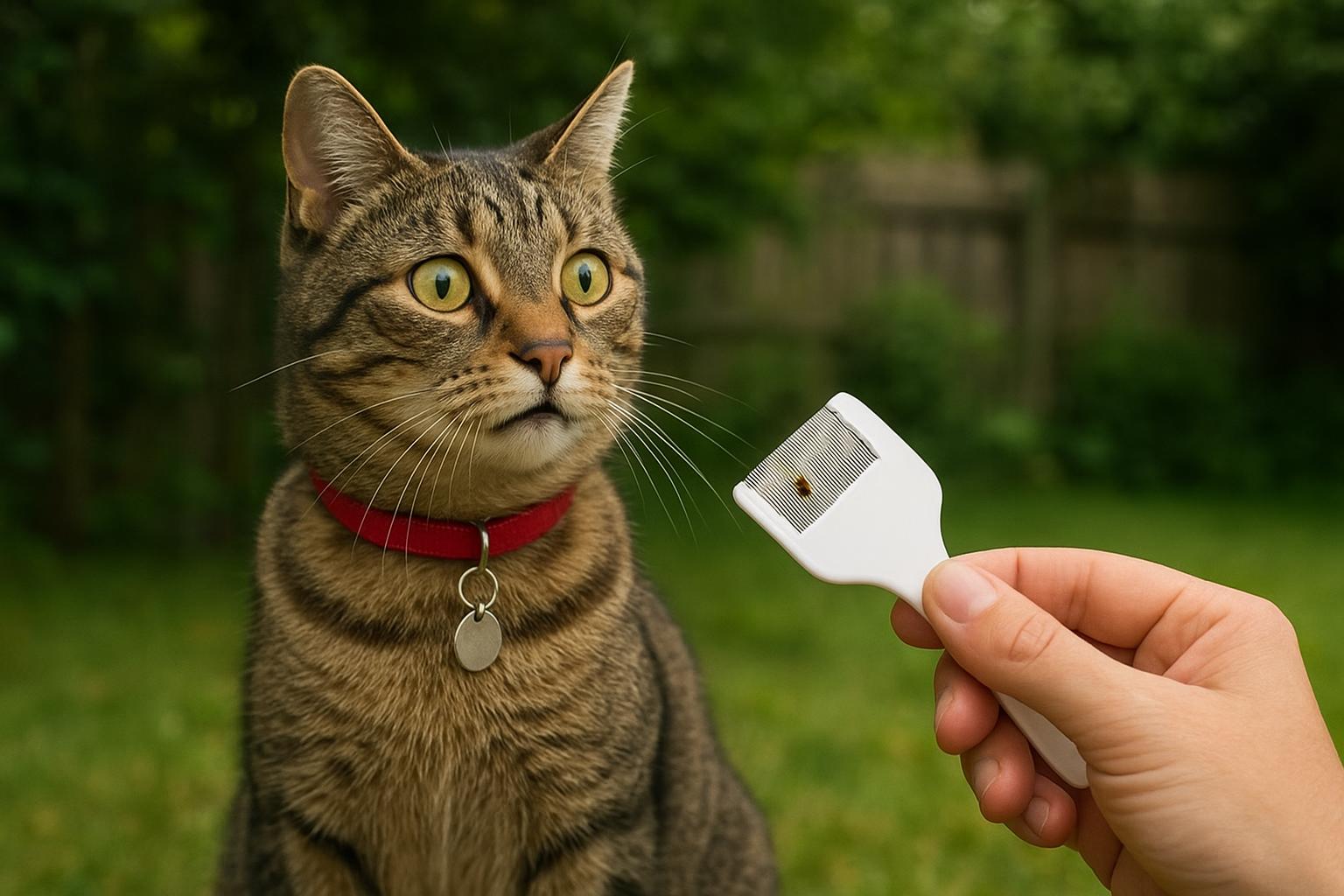
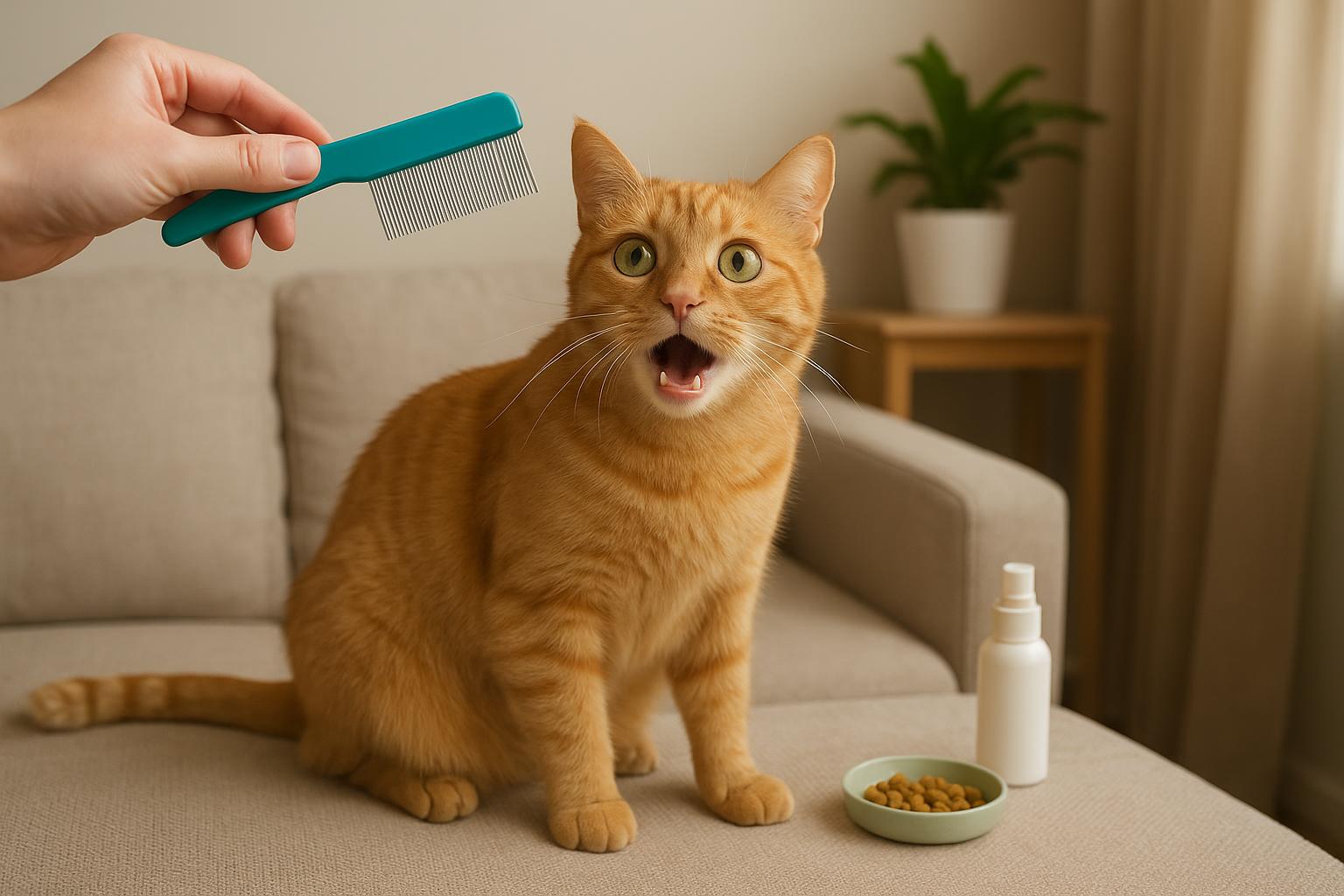
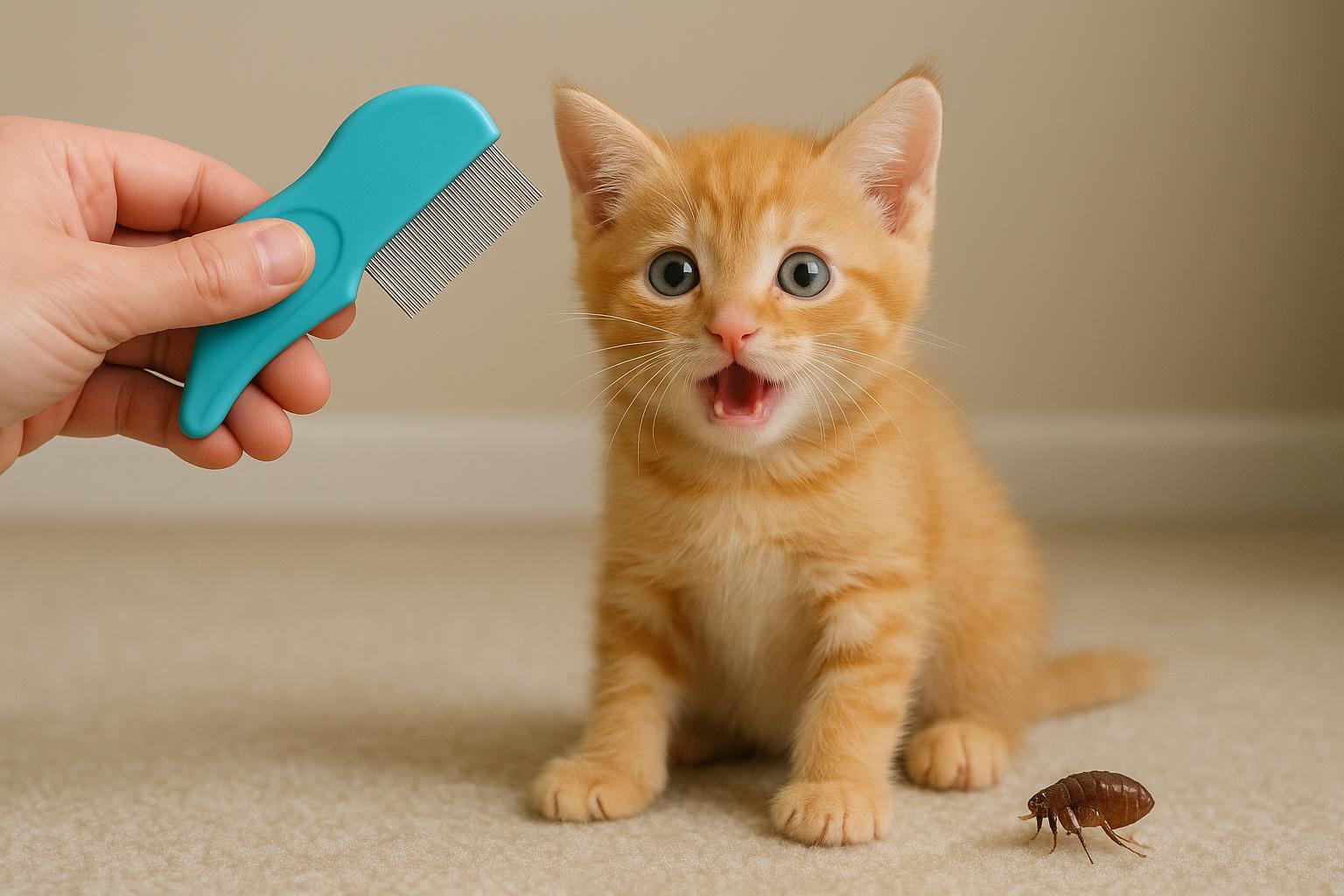
– Wide-toothed and fine-toothed flea comb.
– Large basin or sink with a non-slip mat.
– Several clean towels.
– Warm water (not hot).
– A bowl to hold warm water and a cup for rinsing.
– Gloves if desired.
### Step-By-Step Bath And Comb Method (Formal Instructions)
1. Check kitten’s age and general health. Do not bathe neonates or very young, chilled, or sick kittens without veterinary approval. For the purposes of this method, only proceed with kittens at least 8–12 weeks old and stable.
2. Prepare the bathing area: fill the basin with warm (not hot) water to a shallow depth. Have towels and combs within reach.
3. If using dish soap, dilute a small amount into the water or mix a tiny dab with the kitten-safe shampoo. Use dish soap only for short, targeted flea removal and rinse thoroughly afterward to avoid skin drying.
4. Gently wet the kitten with warm water, avoiding the face and ears. Support the kitten securely to reduce stress.
5. Apply a small amount of shampoo, lather gently, and leave for the contact time recommended on the label. If you used dish soap, keep lathering time minimal—just long enough to smother and loosen adult fleas.
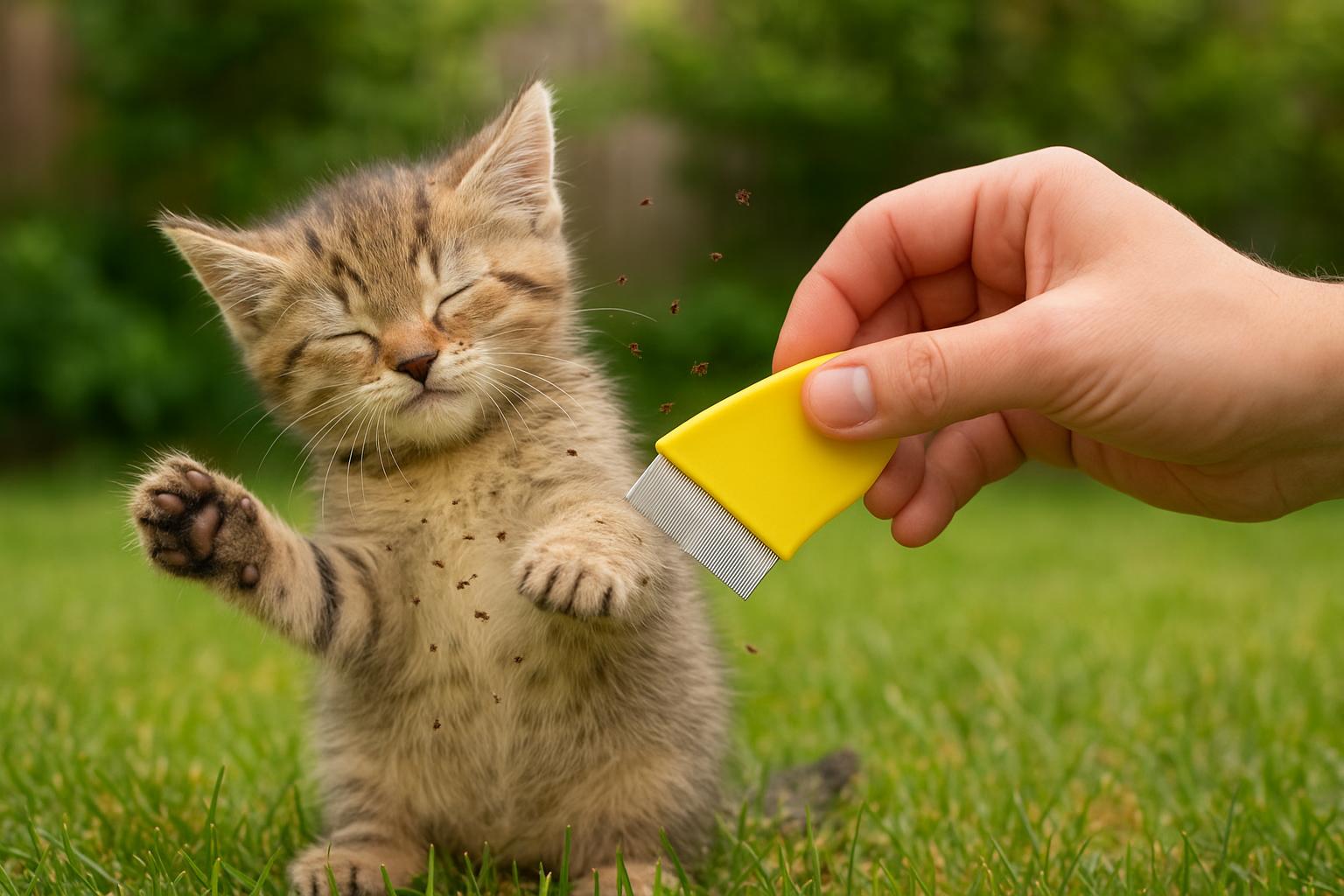
6. Use the flea comb to comb from the head toward the tail, focusing along the back, neck, and base of the tail. Keep a shallow bowl of soapy water nearby to dunk the comb and drown any fleas you comb out.
7. Rinse thoroughly to remove all soap residue. Residual soap can dry the skin and cause irritation.
8. Towel-dry the kitten and keep them warm until fully dry. Avoid hairdryers unless set to low and used at a safe distance.
9. Follow up with a veterinarian-approved maintenance flea control product as recommended. A single bath and combing give immediate relief but won’t stop reinfestation from the environment.
#### When Not To Use Home Remedies
– Avoid any home remedy that lacks clear safety data for kittens (e.g., essential oils like tea tree oil, which are toxic to cats).
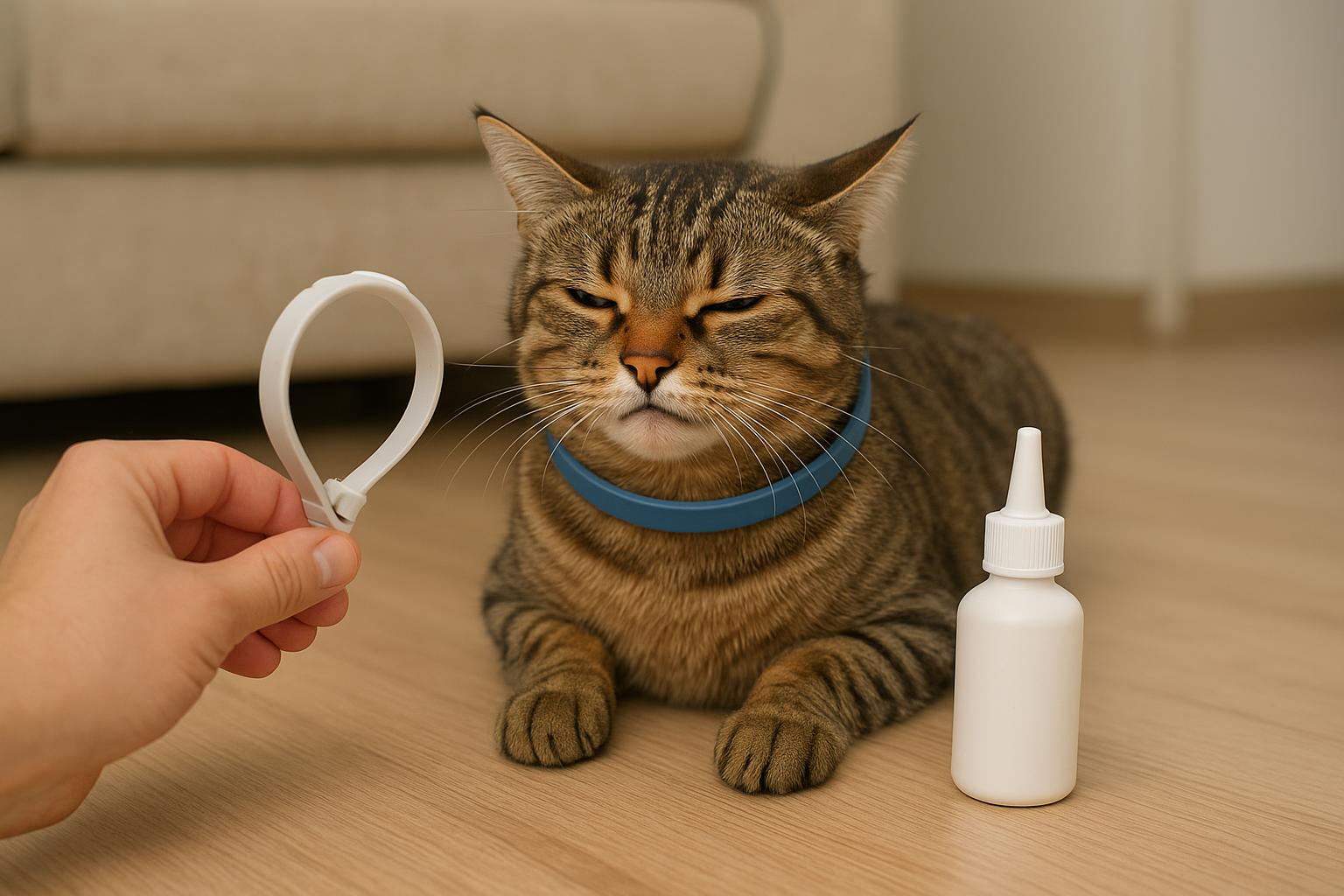
– Avoid flea collars or products not labeled for kitten use.
– If the kitten is underweight, ill, or under the minimum age listed on product labels, consult a veterinarian prior to any treatment.
## Home And Household Flea Control For Kittens
### Cleaning, Vacuuming And Treating The Environment
Treating the kitten is only half the battle—fleas and their eggs live in your home. For thorough control:
– Wash all bedding, blankets, and soft toys the kitten uses in hot water and dry on high heat.
– Vacuum carpets, rugs, and upholstered furniture daily for at least two weeks. Empty the vacuum contents into a sealed bag and dispose outside.
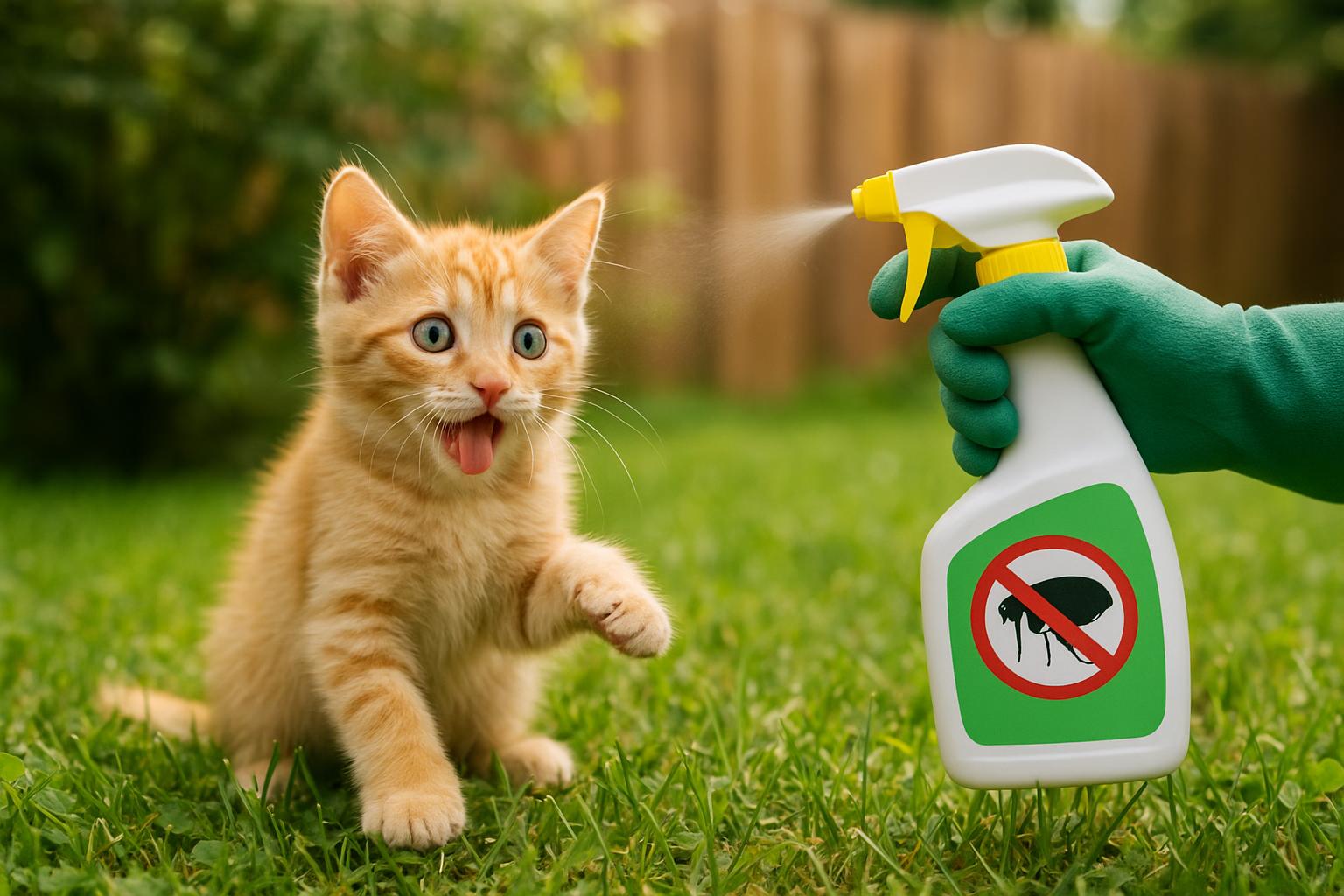
– Consider using an environmental flea spray or fogger labeled safe for homes with pets and follow label directions. Alternatively, a veterinarian can recommend specific household products that kill flea eggs and larvae (insect growth regulators).
– Treat outdoor areas where the kitten may roam—shaded yards, under bushes, and in tall grass can harbor fleas. Professional pest control is an option for heavy infestations.
### When To Call The Vet
Call your veterinarian immediately if the kitten:
– Is very young (under the product label’s minimum age) and infested.
– Shows signs of anemia (pale gums, lethargy, rapid breathing).
– Has skin sores, secondary infections, or persistent irritation.
– Develops signs of a reaction after a flea product (vomiting, tremors, severe salivation).
If you’re ever unsure about a product or a home remedy’s safety for your kitten, a brief call or visit to the vet is the safest move. And remember: effective “flea treatment kittens” plans combine safe on-animal treatment, environmental control, and professional guidance when needed.




Leave a Reply