
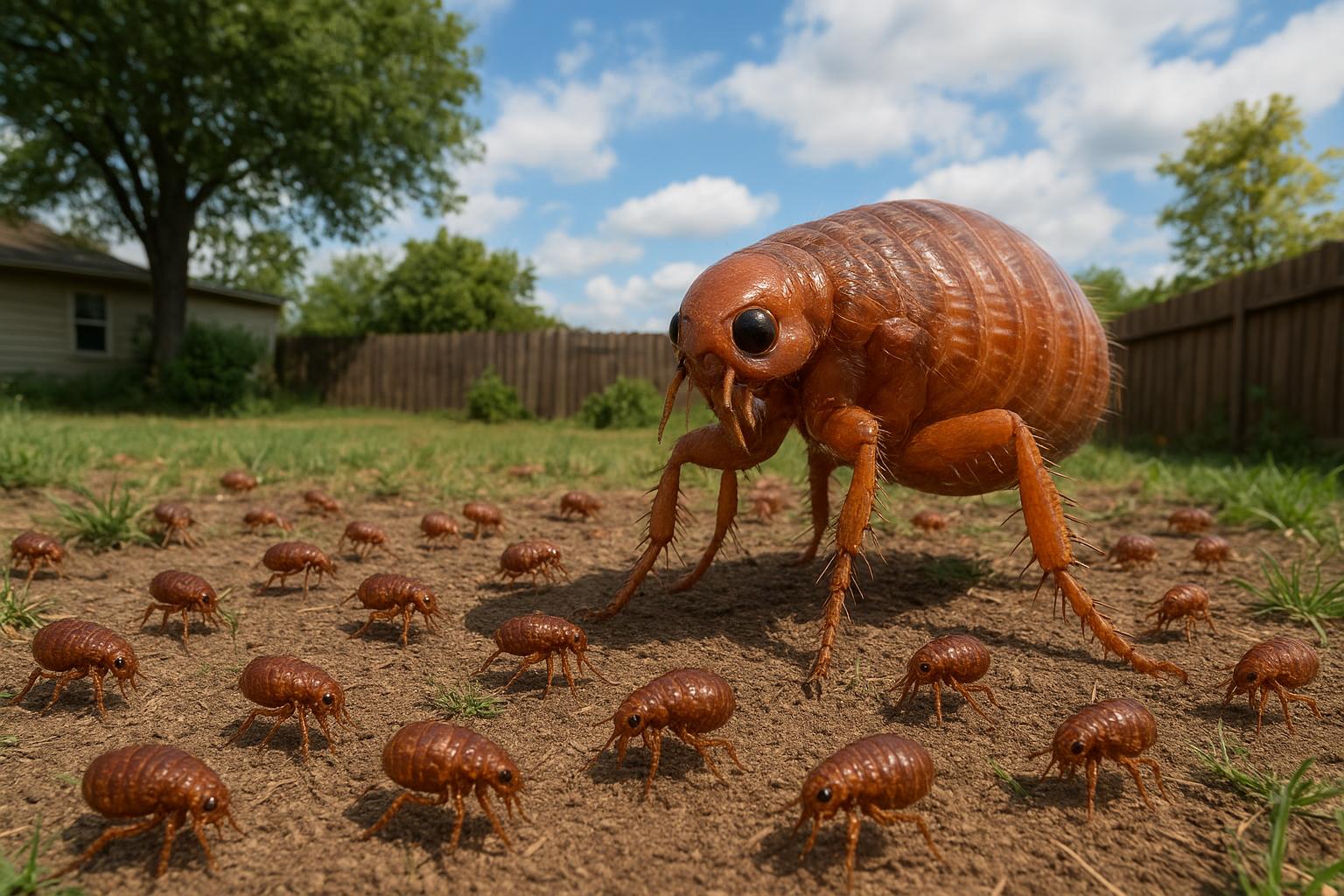
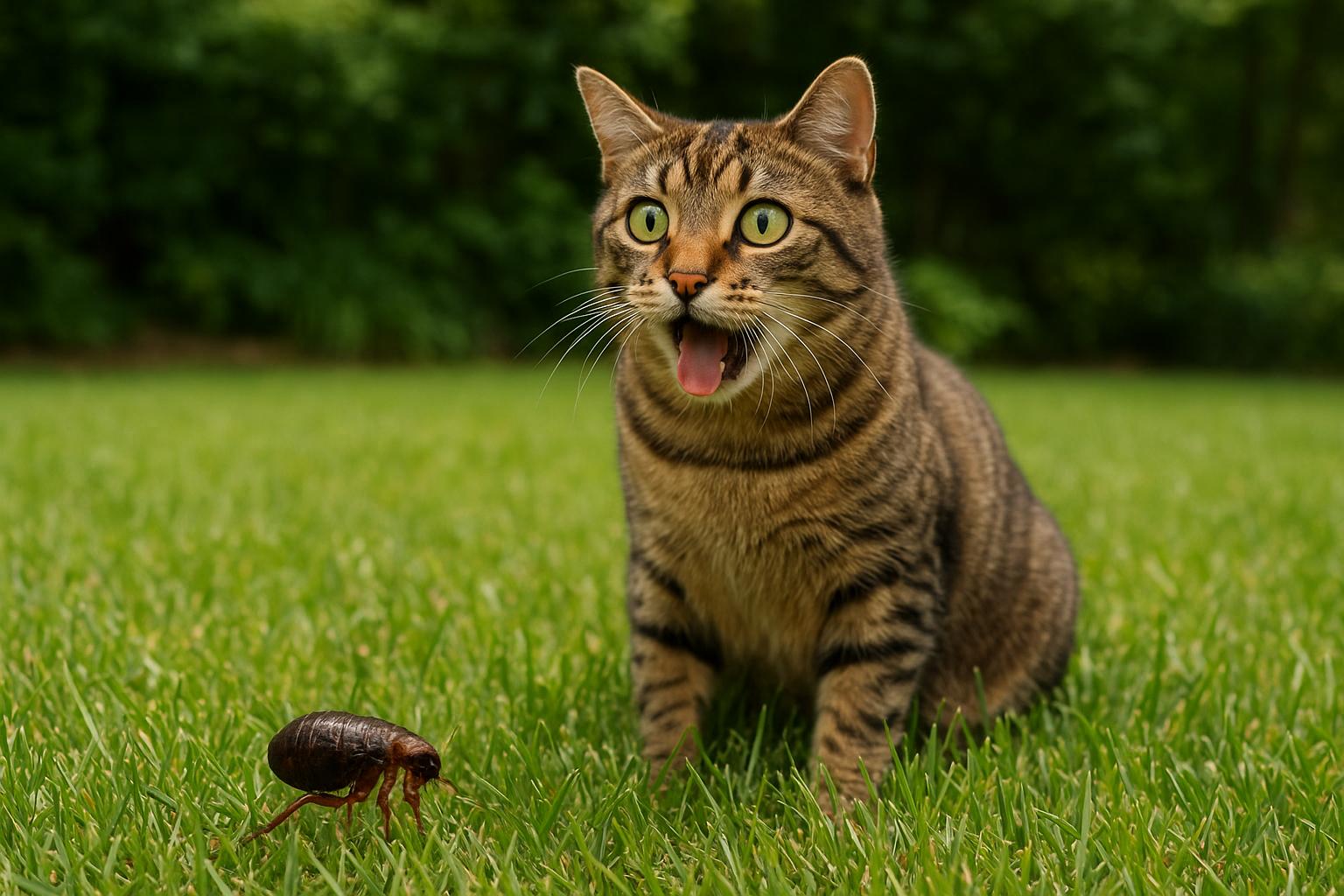
You stepped into the yard, did a happy stretch, and felt that tiny, traitorous itch—welcome to the world of outdoor fleas. These little jumpers are built for the outdoors, but you don’t need to invite them to every backyard barbecue. This article walks through how fleas get in, where they hang out, and realistic, do-able remedies to reduce them — with practical recipes and clear application steps.
## Outdoor Flea Entry
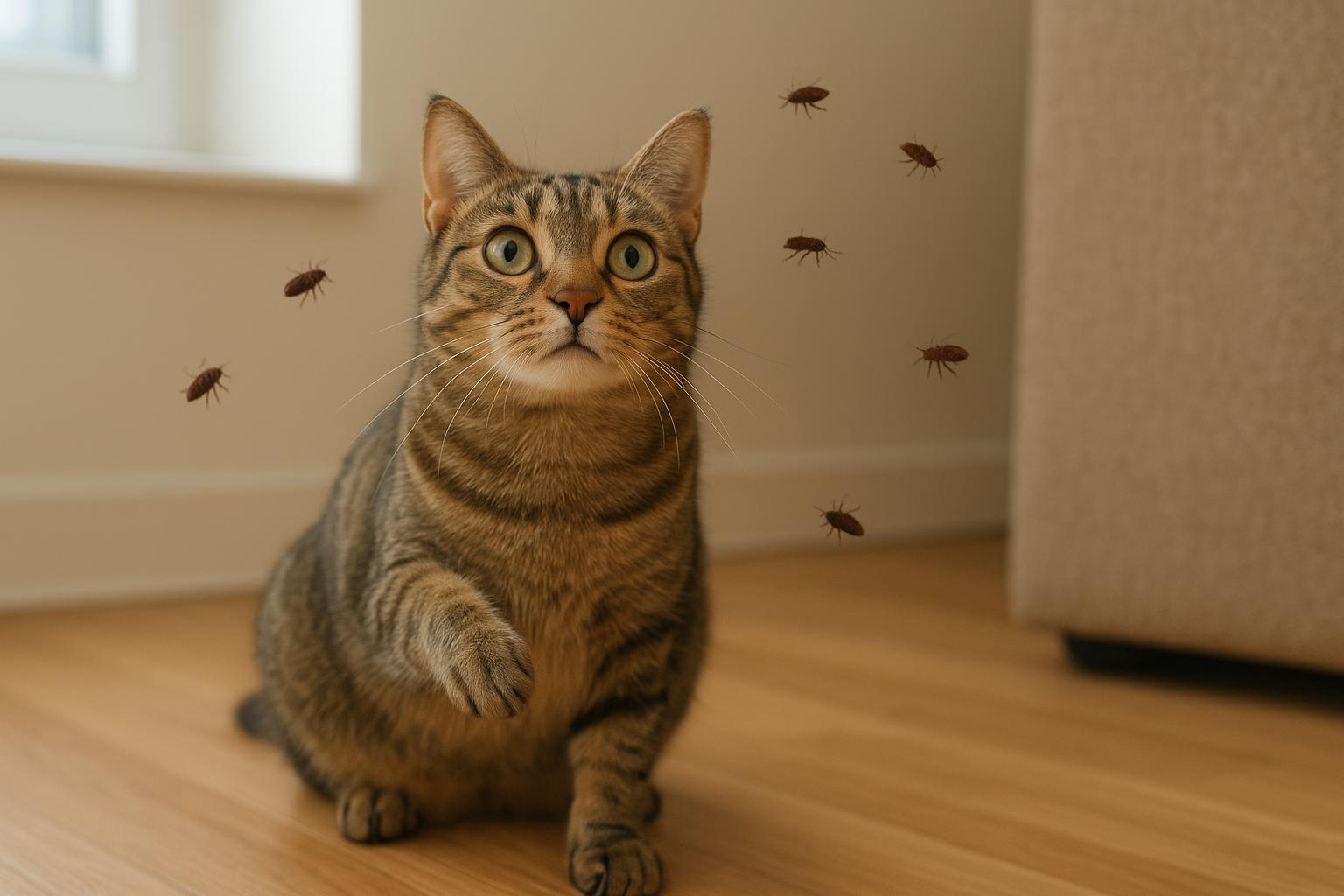
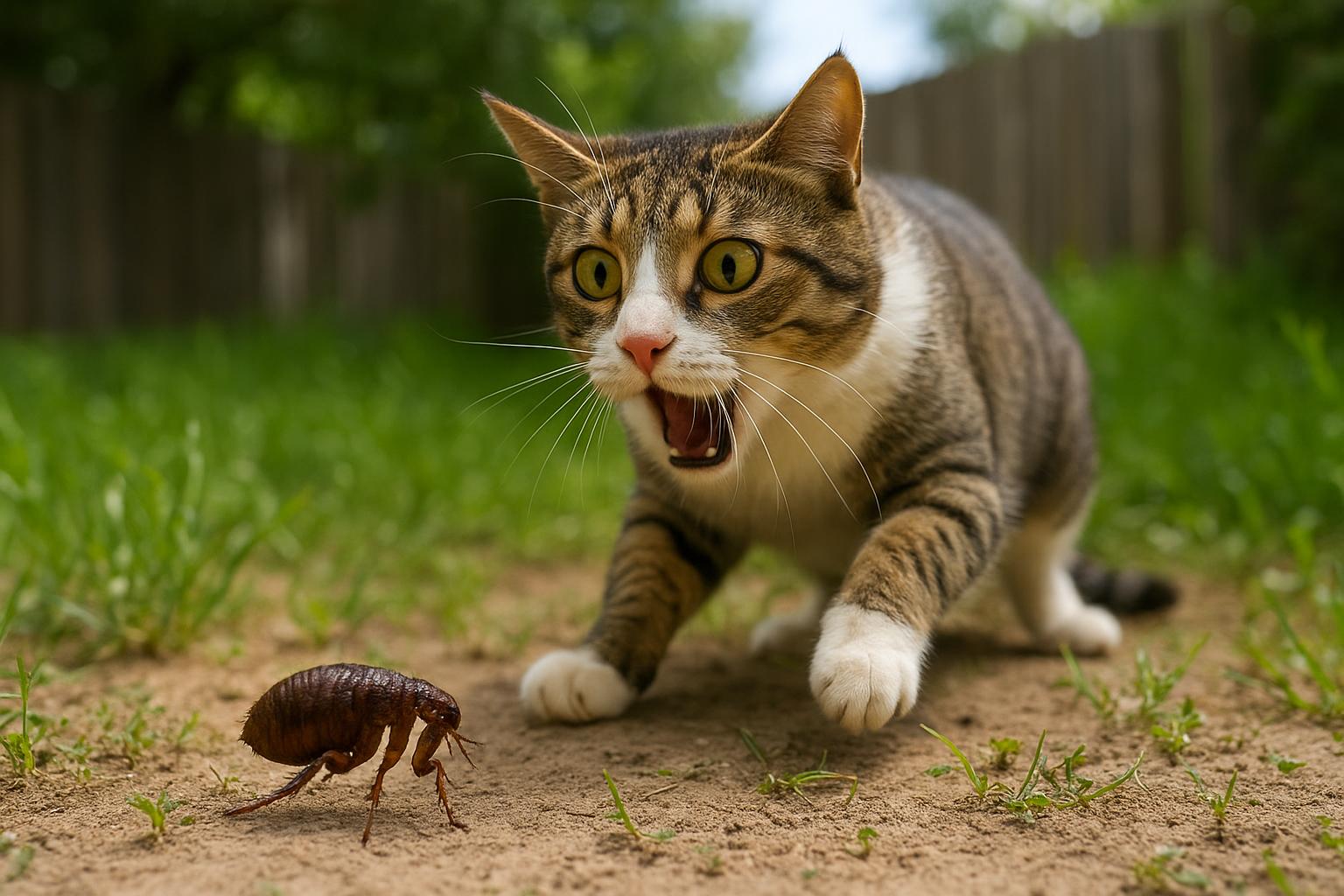
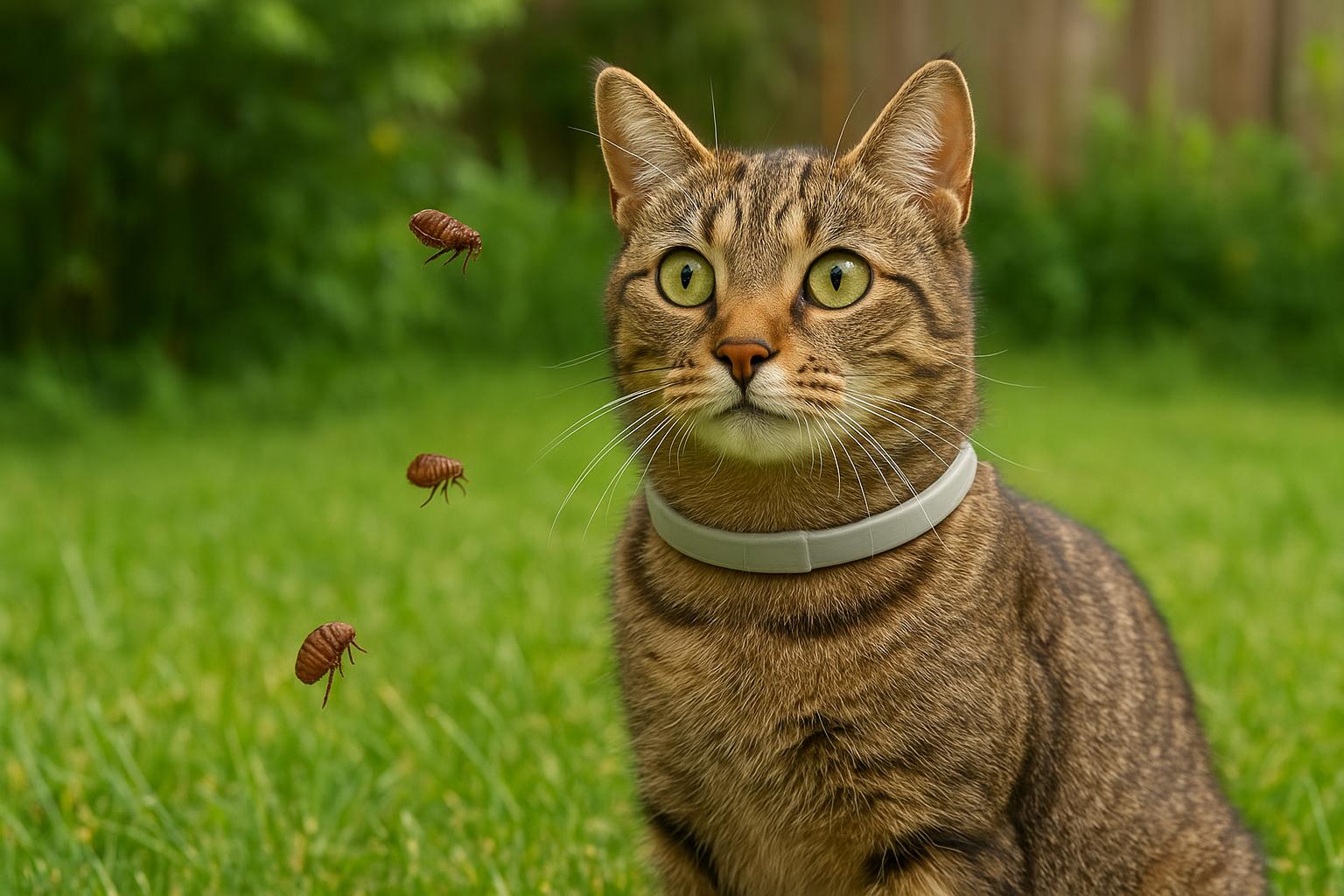
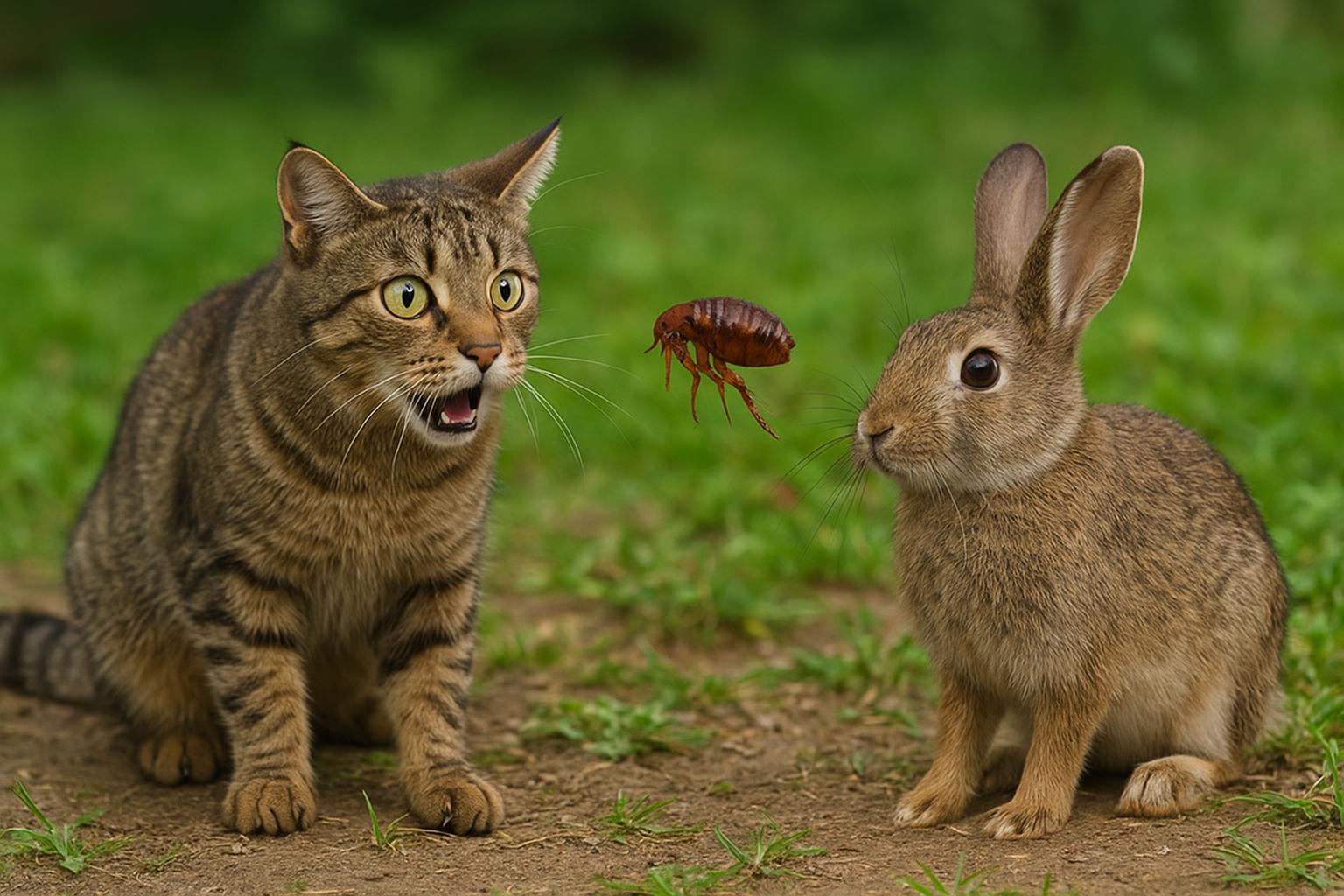
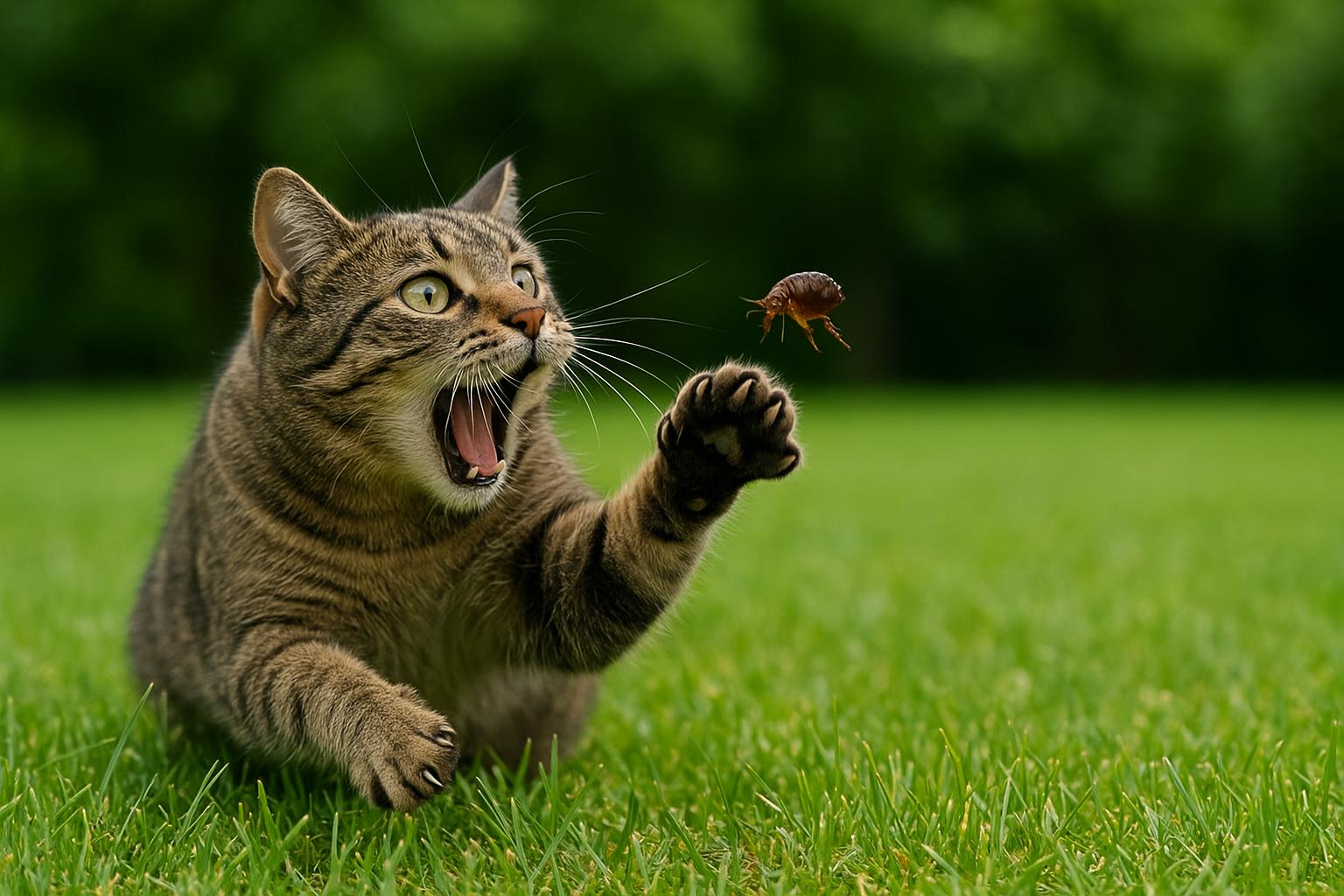
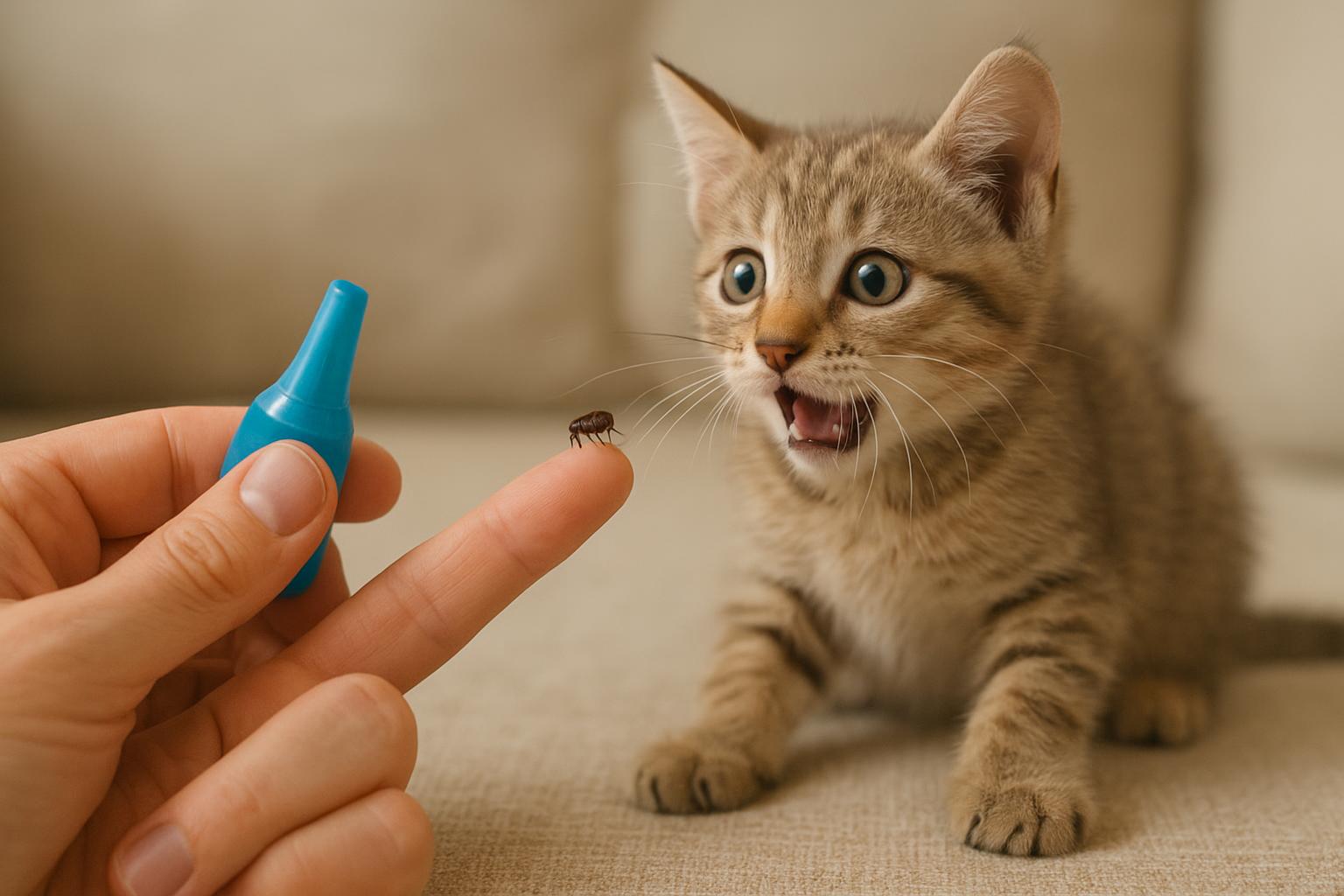
Understanding how outdoor flea entry happens is the first step toward stopping it. Fleas are excellent hitchhikers: they jump on wildlife, feral cats, neighborhood dogs, and even your boots. Once those carriers enter a property, fleas can spread from spot to spot, especially where shade, moisture, and organic debris meet. If you’re asking why your lawn suddenly hosts yard fleas, this is usually the culprit.
### How Fleas Get In And Move Around
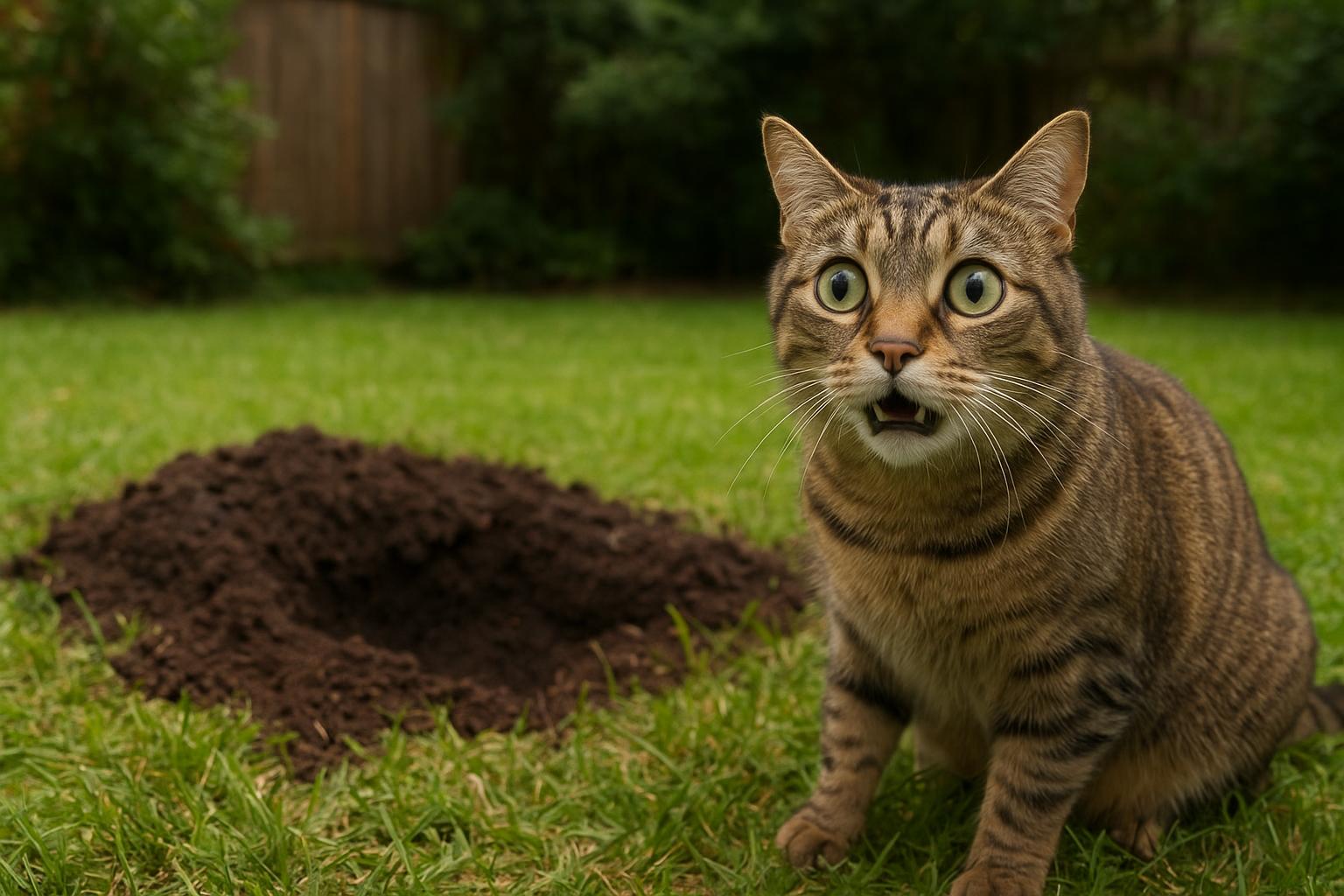
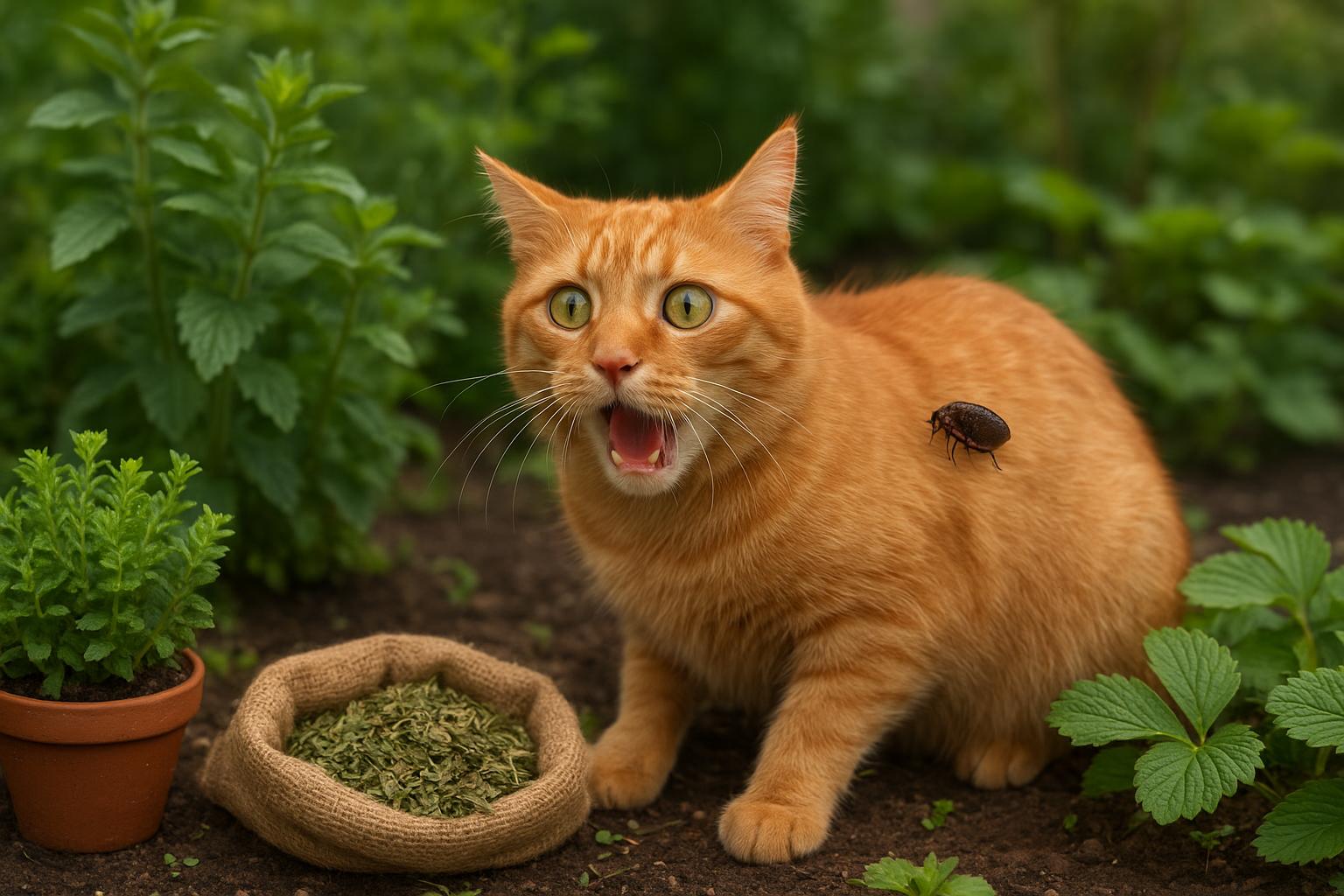
Flea populations outdoors are usually centered in pockets — shaded, damp areas with leaf litter, tall grass, or rodent nests. Flea entry outdoor is most common when wildlife corridors cross your property: a gap in the fence, a low bush that severs as a runway, or simply a neighbor’s unkept shed. Fleas outdoors don’t roam far on their own, but they don’t need to — their hosts do the traveling.
#### Typical Outdoor Flea Hotspots
– Under porches, decks, and dense shrubs
– Along property edges and under bird feeders
– Around dog runs and kennels
– Near rodent burrows or compost piles
### The Life Cycle That Keeps Them Coming Back
Fleas lay eggs in the environment, not on your pet. Those eggs drop off and hatch into larvae that feed on organic matter before pupating. The pupae can wait in the soil or debris for weeks or months until a cue — usually the vibration or carbon dioxide from a passing host — triggers emergence. That’s why a single overlooked patch of yard can seed repeated problems.
### Signs You Have Yard Fleas
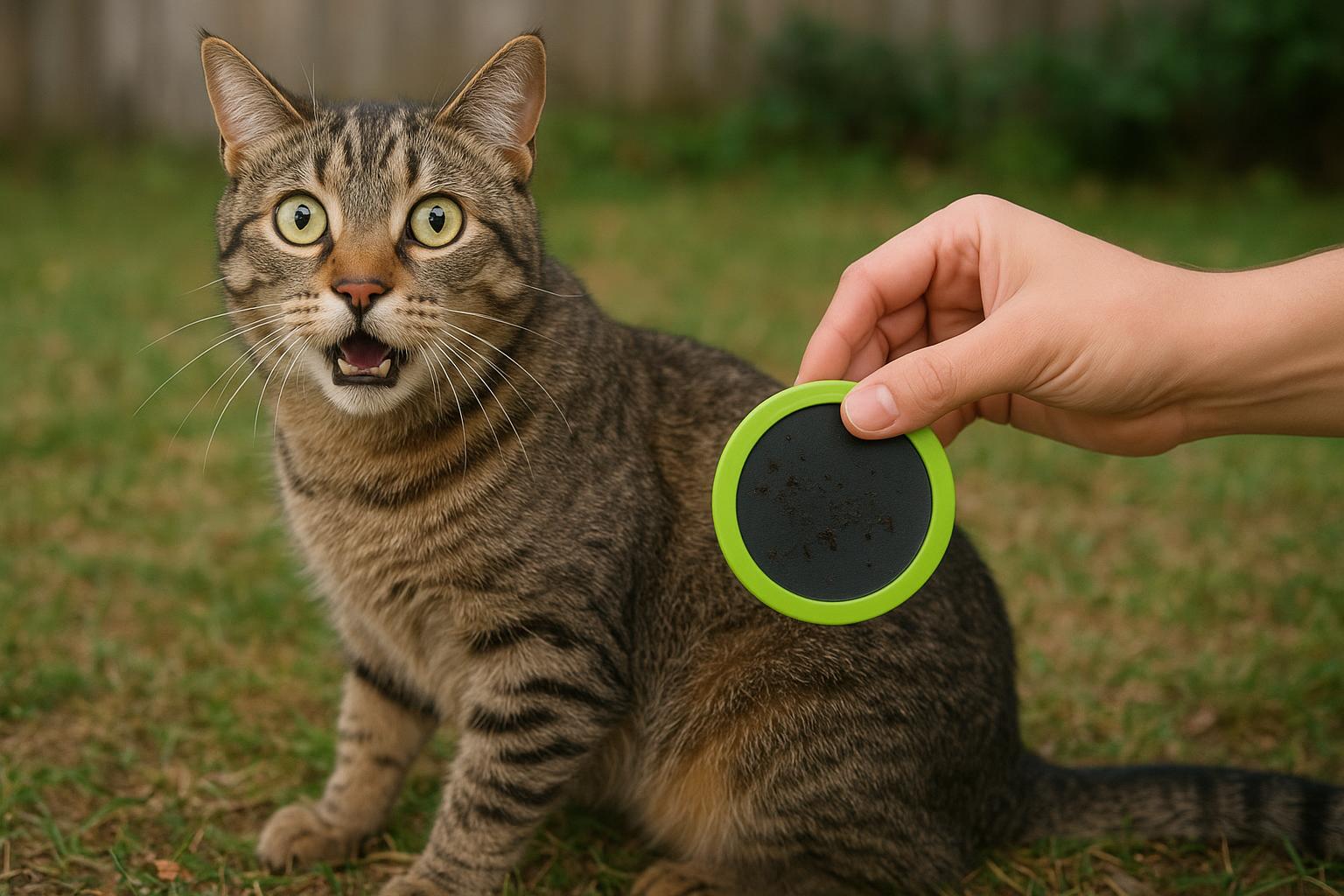
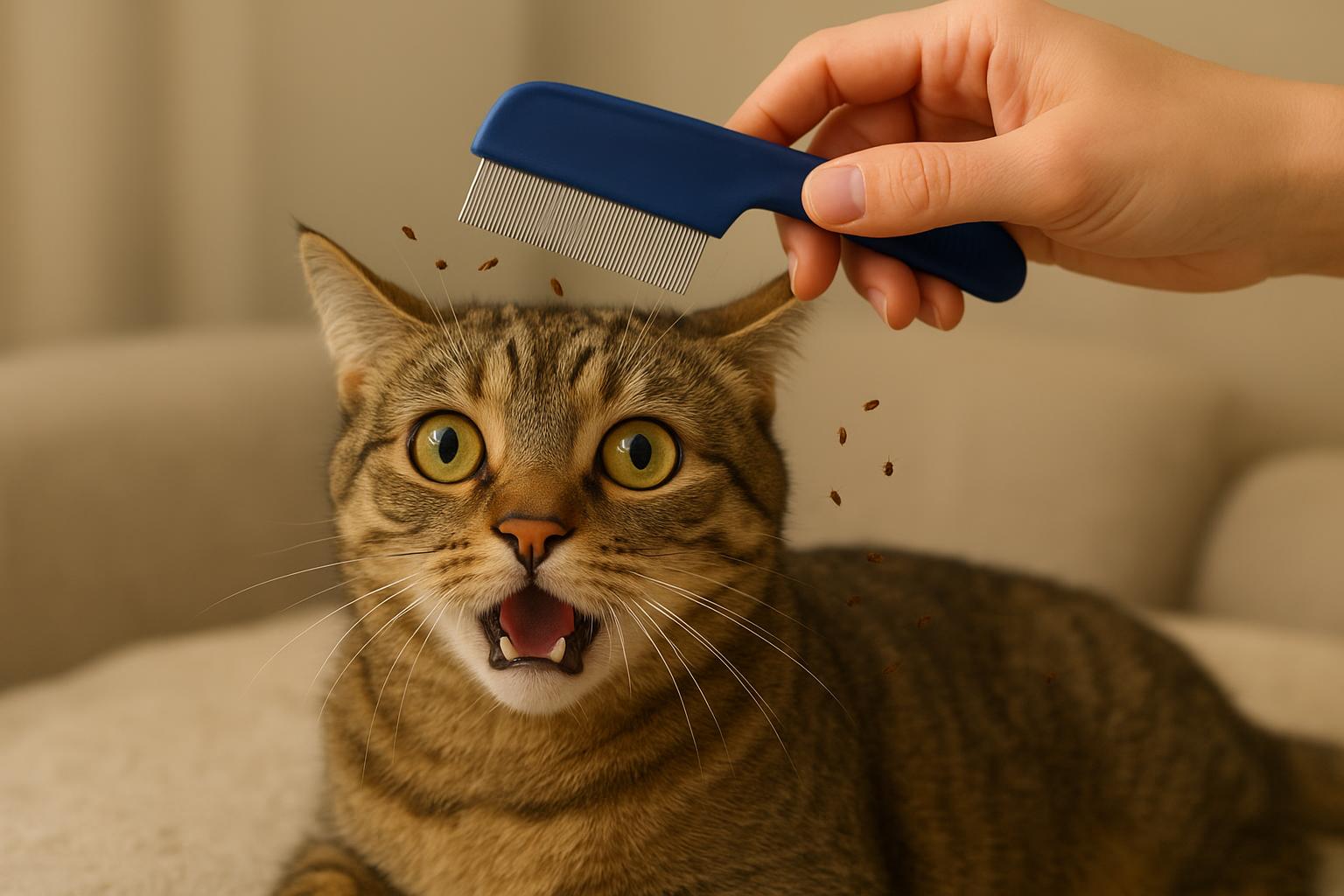
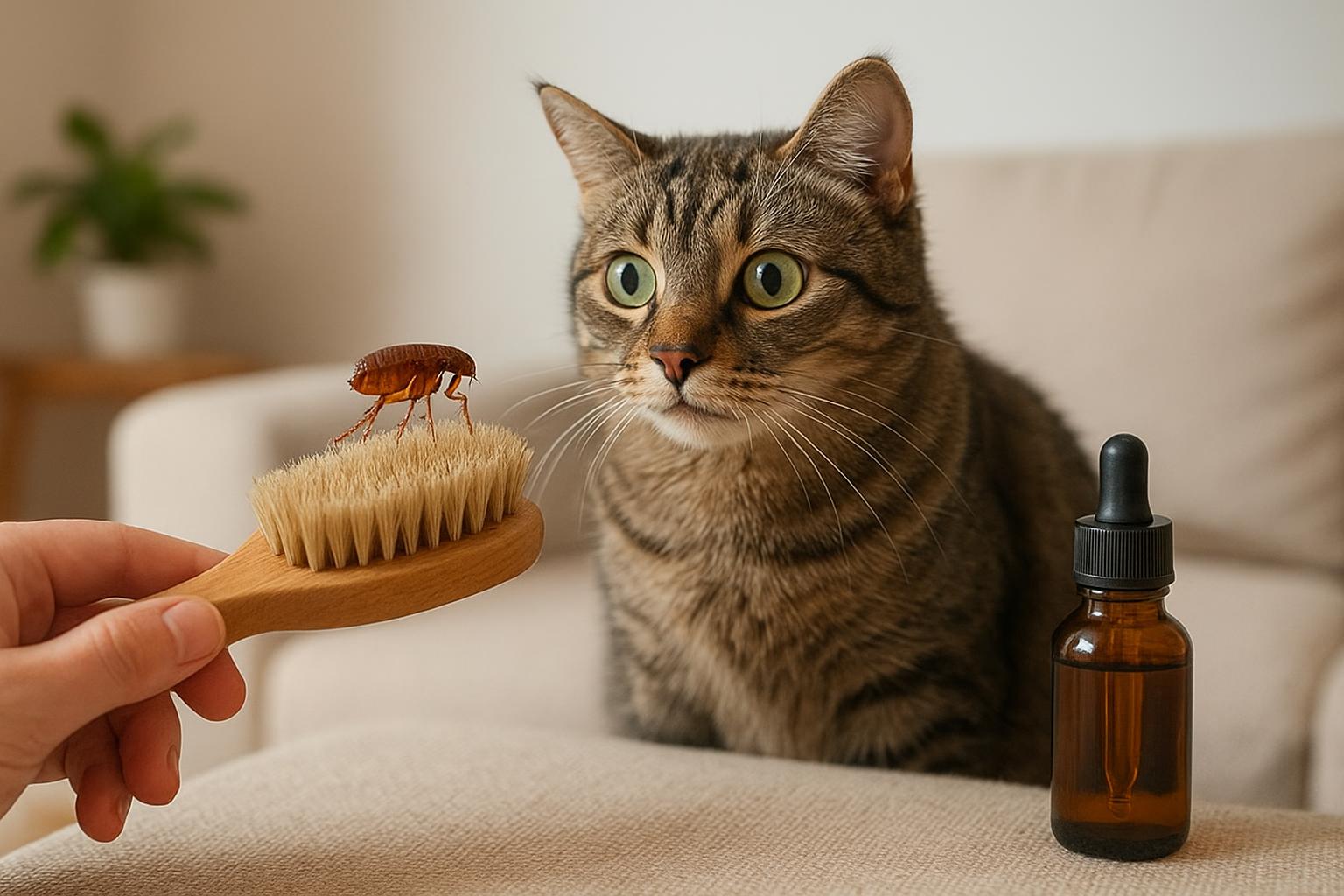
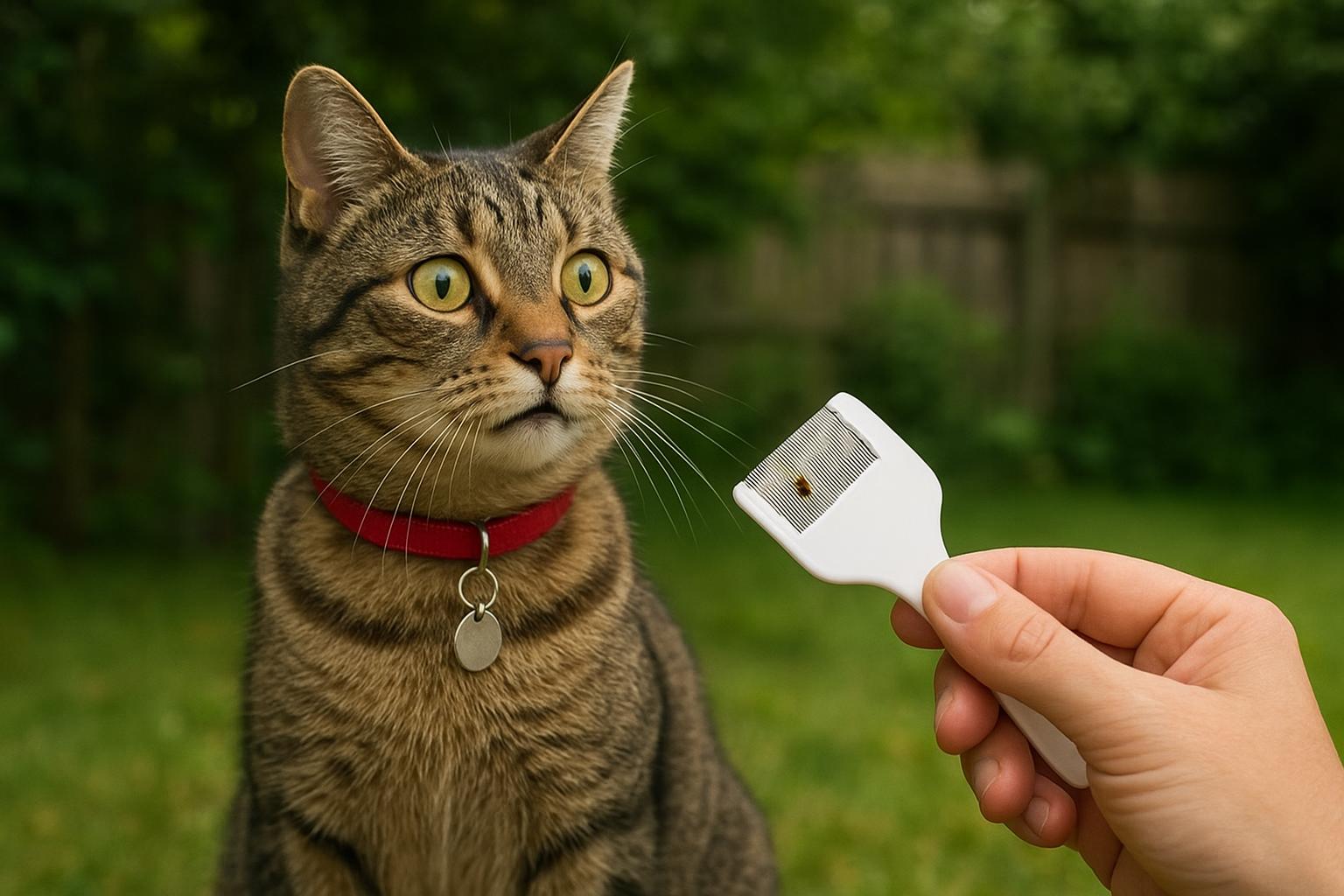
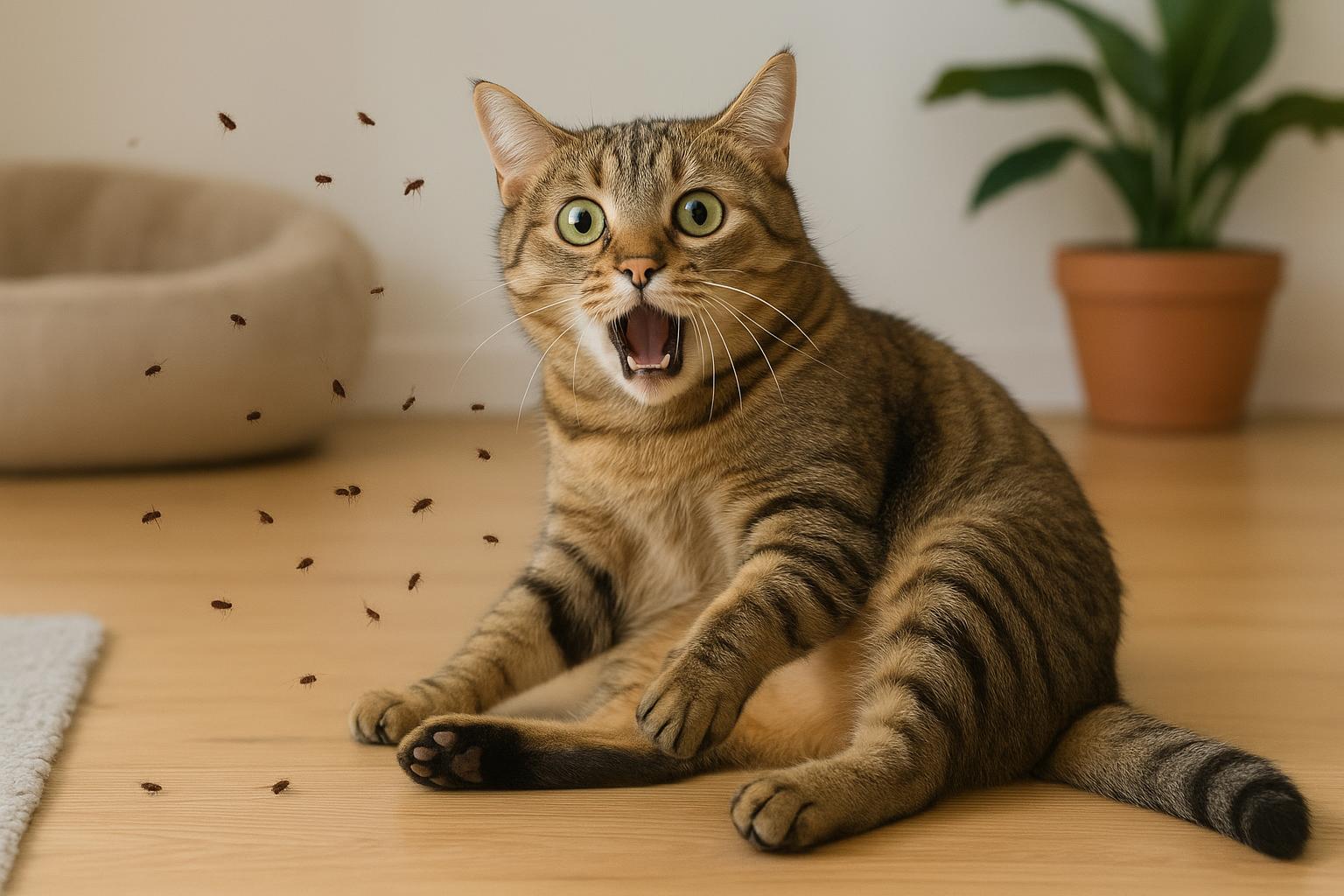
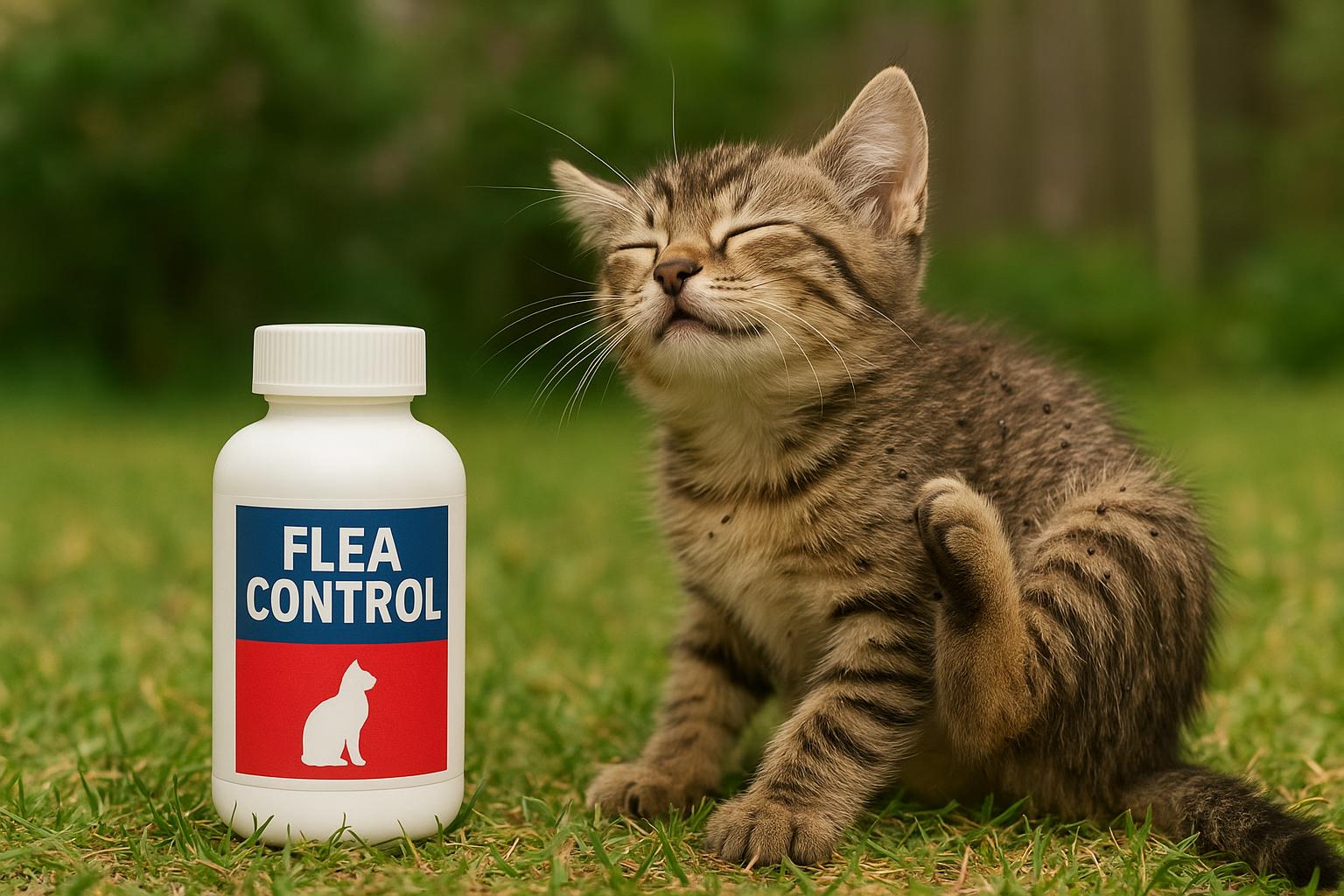
You might see tiny dark specks moving quickly in shaded grass, or you might notice pets scratching more than usual. If you find black specks on pet bedding, check them with water on a paper towel — a rust-colored halo means flea dirt (digested blood), a sign fleas have been feasting nearby.
### Prevention Basics You Can Start Today
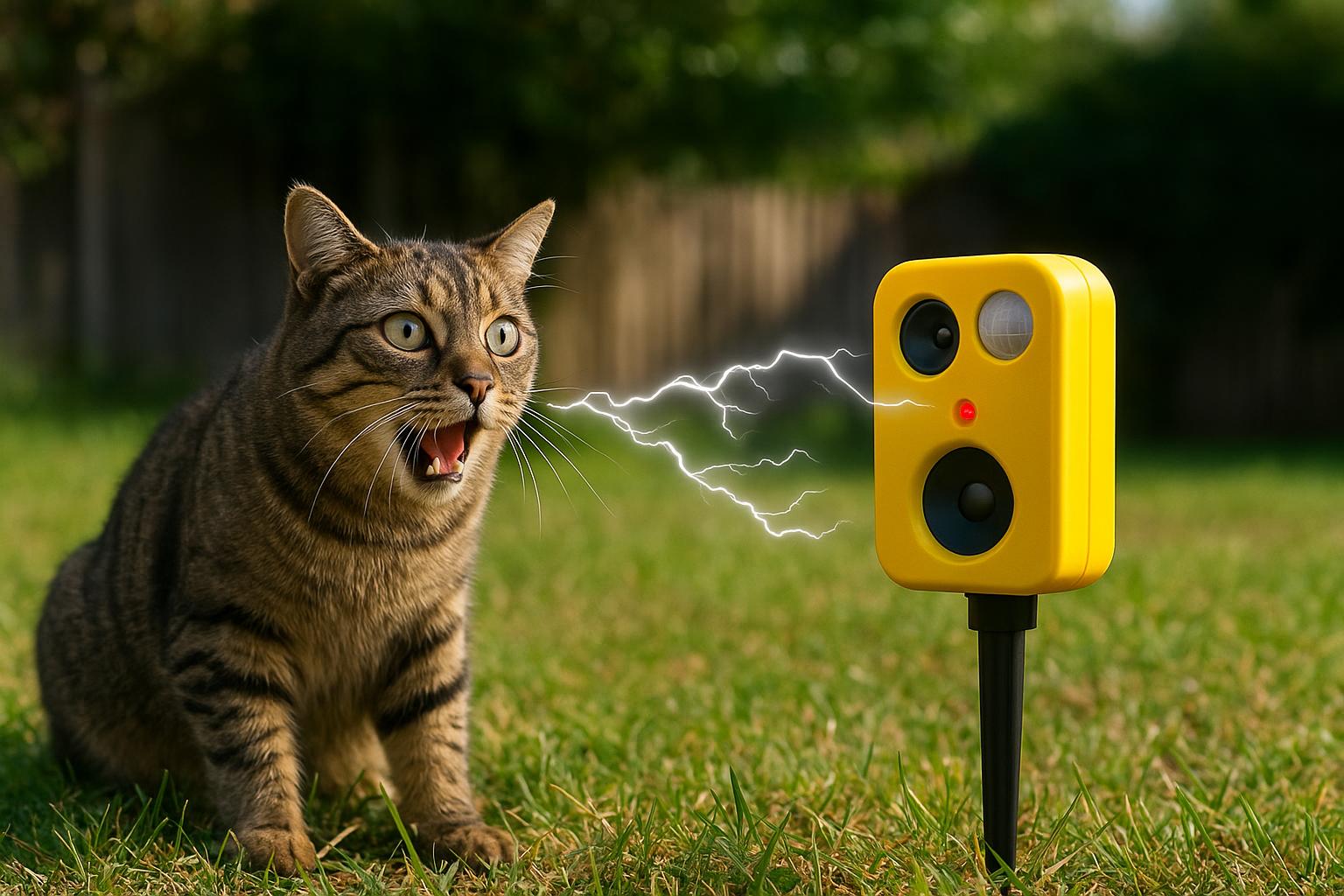
Keeping the yard less attractive to hosts and to fleas themselves reduces flea entry outdoor. Mow lawns, remove leaf litter, move wood piles away from the house, and secure trash and pet food. Seal gaps under fencing and consider motion-activated lights to deter nocturnal visitors.
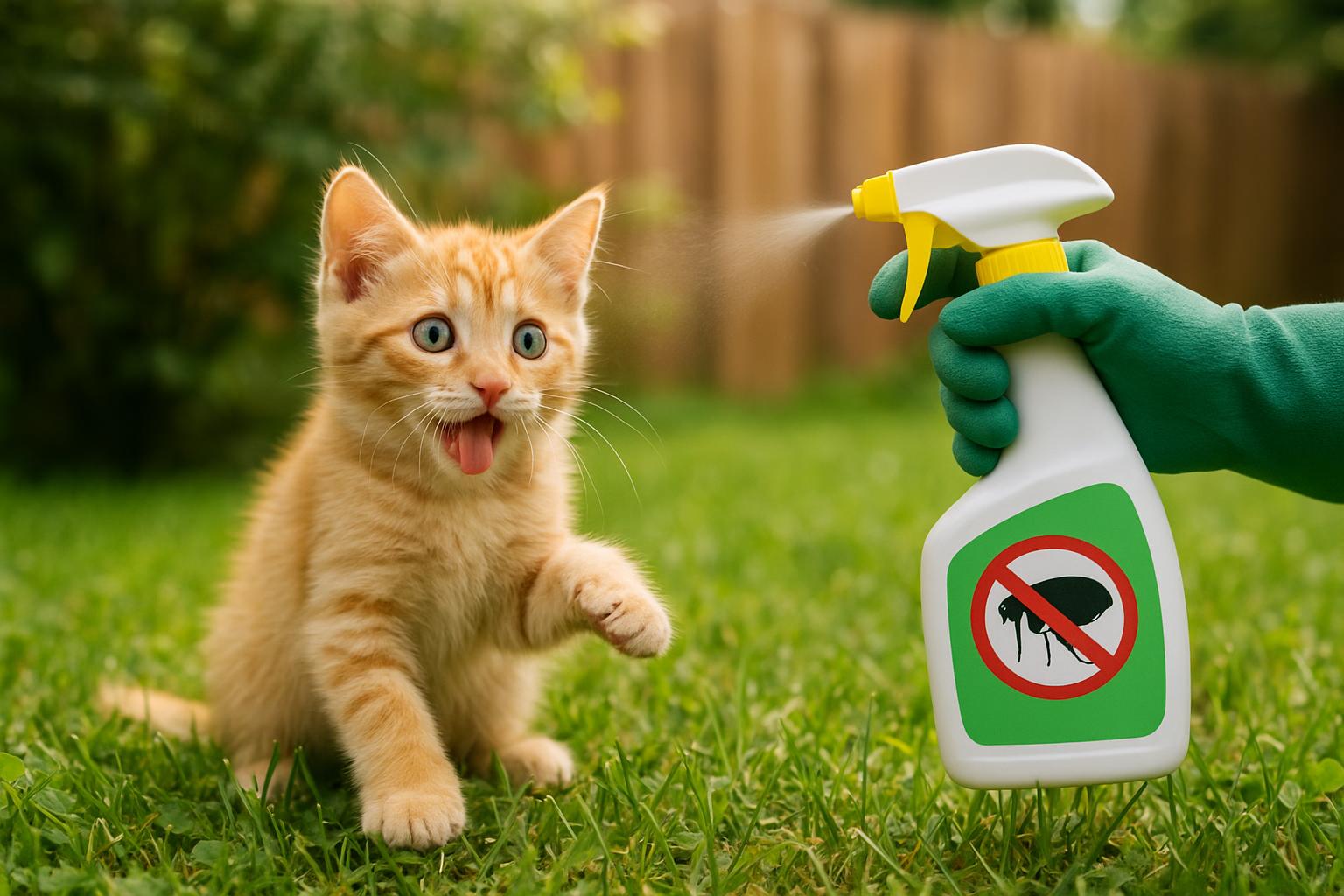
### 1. Natural Perimeter Spray For Outdoor Fleas
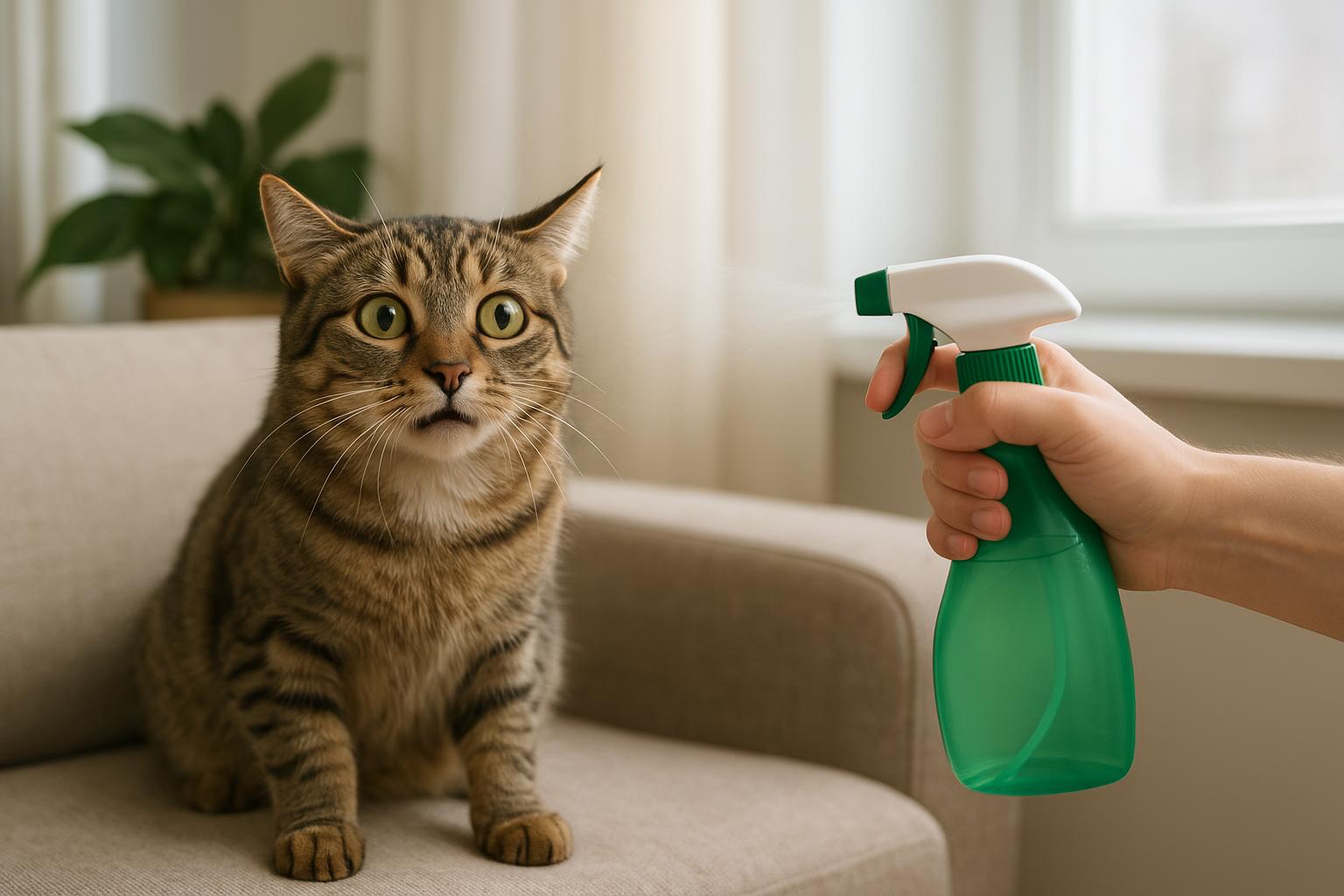
This is a low-toxicity, botanical approach to reduce flea numbers around the perimeter of the yard. It’s best for smaller properties or as a follow-up between professional treatments.
Ingredients / Required Materials
– 2 cups of warm water
– 1 cup white vinegar
– 1/4 cup lemon juice
– 1 tablespoon liquid dish soap (biodegradable)
– 30 drops cedarwood essential oil (or a 50/50 mix of cedarwood and geranium)
– A garden sprayer or hand pump sprayer, cleaned
– Gloves and eye protection
Step-By-Step Creation And Application
1. Put on gloves and eye protection. Essential oils are concentrated and should be handled carefully.
2. Combine warm water, vinegar, lemon juice, and dish soap in a clean container. Stir gently.
3. Add essential oils and mix. Cedar and geranium are repellent to many insects and add a pleasant scent.
4. Pour the mixture into the sprayer and label it clearly.
5. Apply to perimeter areas: base of fences, around garden beds, under porches, and along the foundation of your home. Avoid spraying flowering plants where pollinators forage.
6. Reapply after heavy rain or every 10–14 days during peak flea season.
7. Store leftover solution out of reach of children and pets; discard after two weeks and make fresh.
Notes: This spray reduces flea activity and discourages carriers from bedding in treated areas. It’s not a complete eradication method if there’s an active infestation in animal hosts or a heavy pupae reservoir.
#### Safety And Efficacy
Natural sprays are safer for people and pets but are less residual than professional insecticides. Use as part of integrated control: treat pets, manage wildlife attractants, and combine with barrier methods.
### 2. Insecticide Granules For Lawns (Targeting Yard Fleas)
When yard flea pressure is high, insecticidal granules designed for outdoor use provide longer residual control. Choose products labeled for flea control and follow label directions precisely — these are legally binding instructions.
Ingredients / Required Materials
– Lawn granular insecticide labeled for flea control (active ingredients may include spinosad or bifenthrin — select according to local regulations)
– Drop or broadcast spreader appropriate to lawn size
– Protective clothing: gloves, long sleeves, eye protection
– Garden hose for watering in (if required by label)
Step-By-Step Creation And Application
1. Read the product label entirely before use. The label tells you the correct rate, re-entry intervals, and environmental precautions.
2. Put on protective clothing as recommended on the label.
3. Calibrate your spreader so you apply the correct amount of granules per 1,000 square feet.
4. Apply granules to the lawn and other targeted areas: base of shrub lines, around kennels, and known hotspots.
5. Lightly water the area if the label instructs to activate the product. Do not overwater; follow timing guidance to minimize runoff.
6. Keep pets and children off treated areas until the label’s re-entry time has passed.
7. Reapply only according to label directions — overapplication can harm beneficial insects, aquatic life, and the environment.
Notes: Granules give good coverage and longer residual control than sprays. Match the product to your environment: avoid treatments that easily runoff into water bodies.
#### Environmental Considerations
Be mindful of pollinators and local waterways. Choose products with lower persistence when possible and never apply before heavy rain or to saturated soils.
### 3. Habitat Modification And Ongoing Management
Fighting fleas outdoors is mostly about removing the conditions they like. This remedy focuses on long-term changes rather than one-off sprays.
Materials / Tasks
– Rake and remove leaf litter and brush
– Mesh or hardware cloth to block under-deck access
– Motion-activated sprinklers or lights to discourage wildlife
– Pet-safe fencing or gates to limit stray animal access
Step-By-Step Creation And Application
1. Inspect your property for wildlife hot spots: downed trees, dense shrubbery, and compost areas.
2. Clear a 2–3 foot mulch-free zone around foundations and under shrubs to create an unfavorable habitat for fleas.
3. Seal off crawlspaces, close gaps under gates and fences, and stack wood at least 20 feet from the house.
4. Consider planting less wildlife-attractive vegetation in high-traffic border areas.
5. Maintain regular lawn mowing and trimming; short, dry turf is a poor flea habitat.
6. If rodents are present, address rodent control safely: trap or exclude rather than using broadcast rodenticides that harm predators and scavengers.
#### Integrating Pet Care
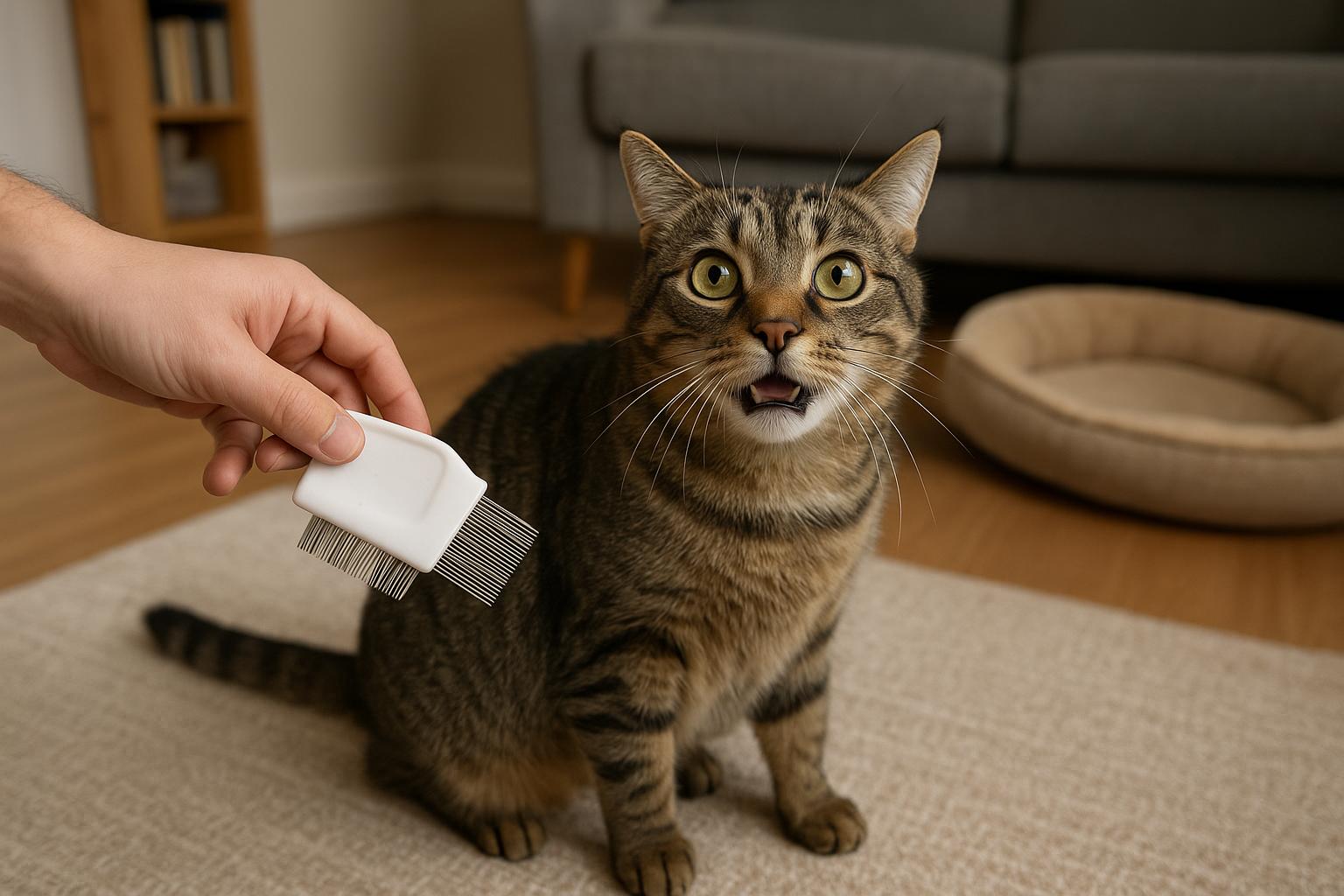
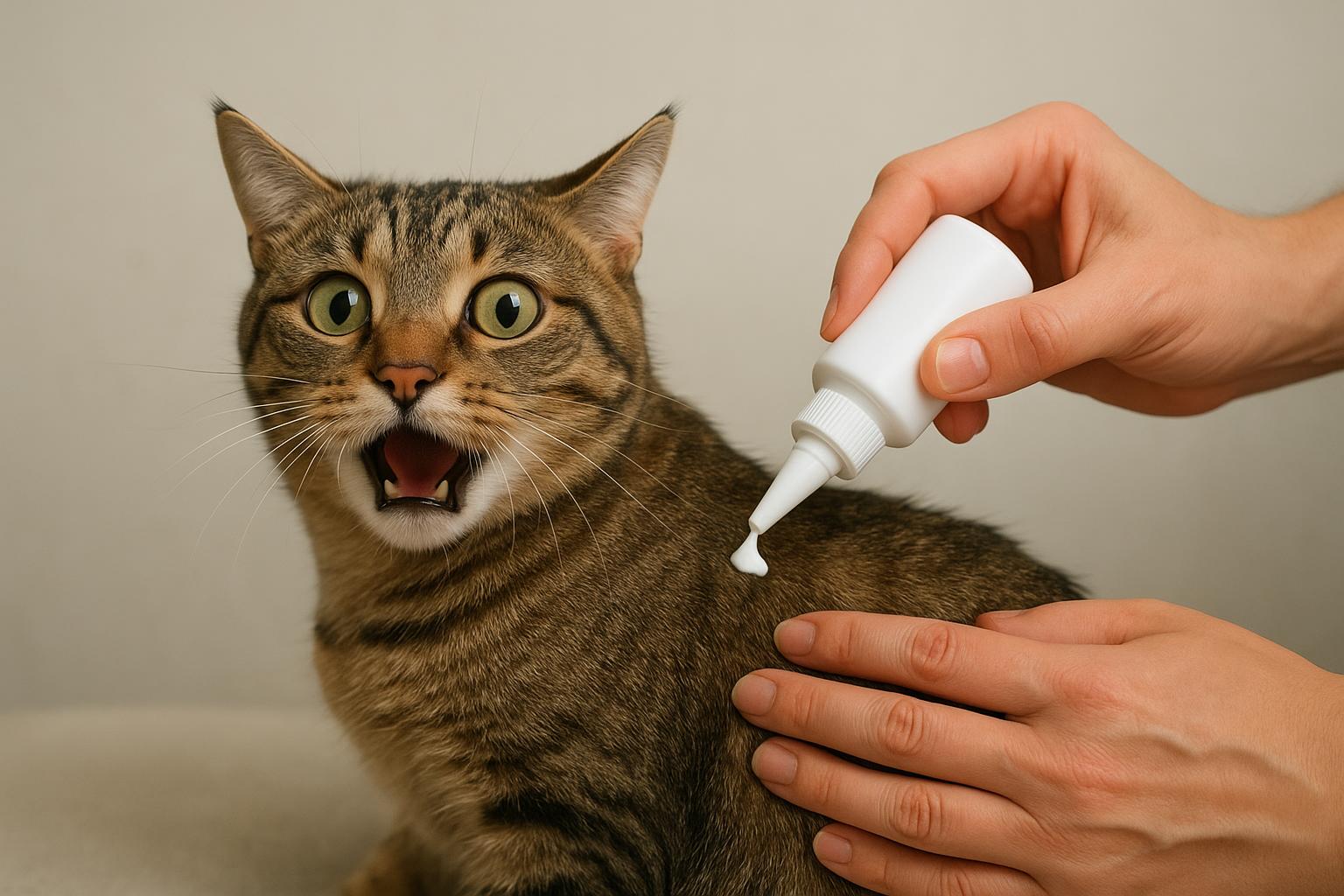
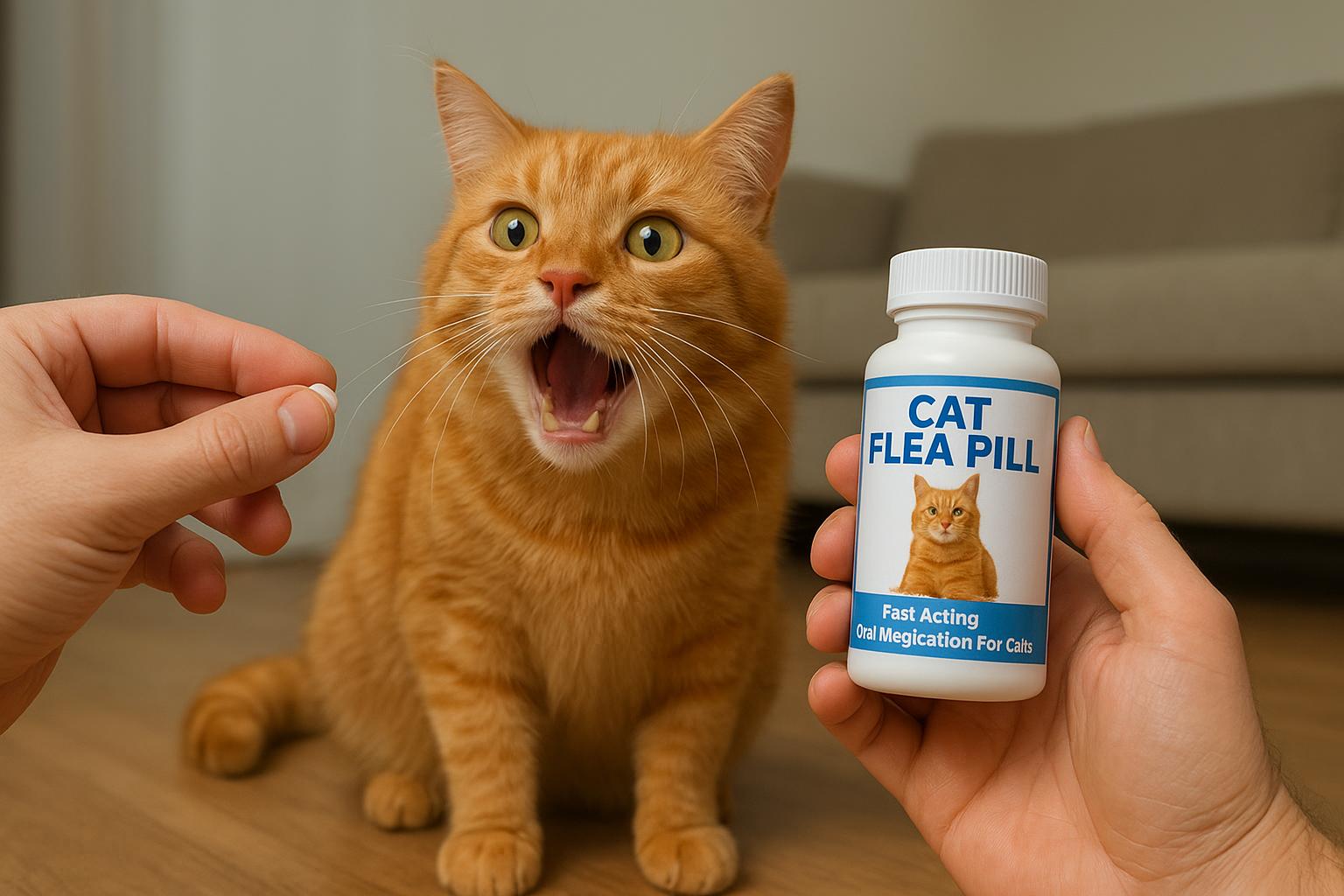
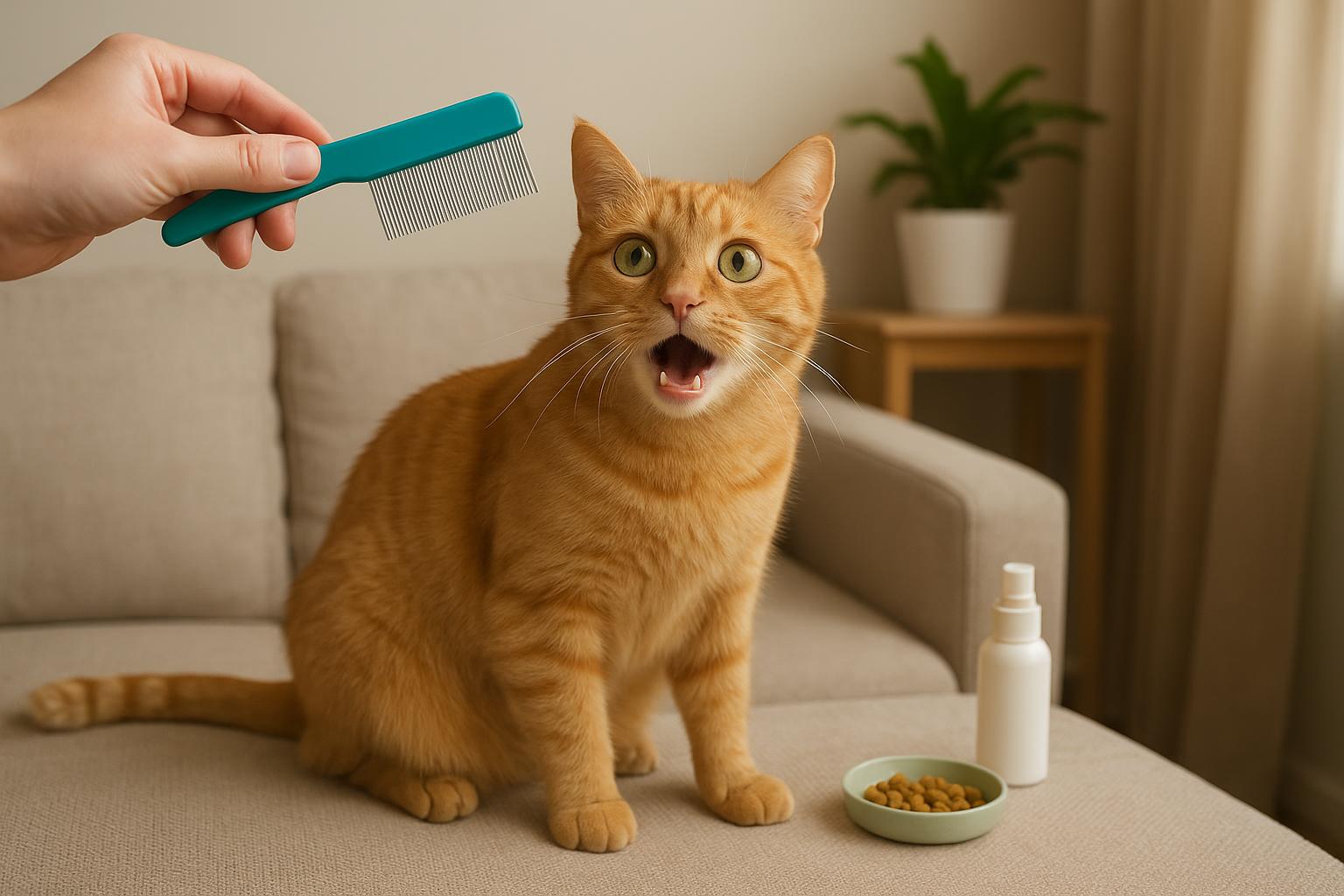
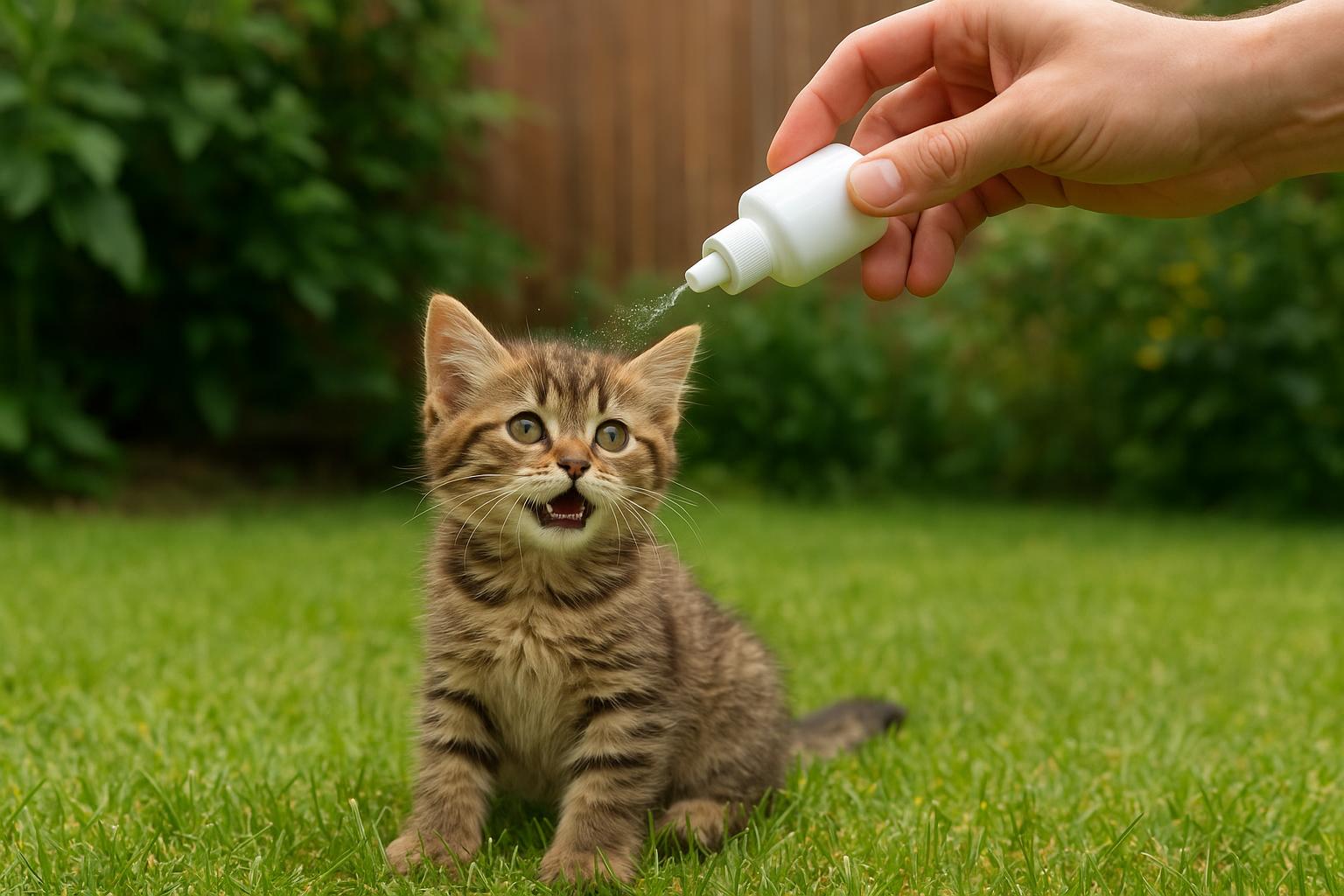
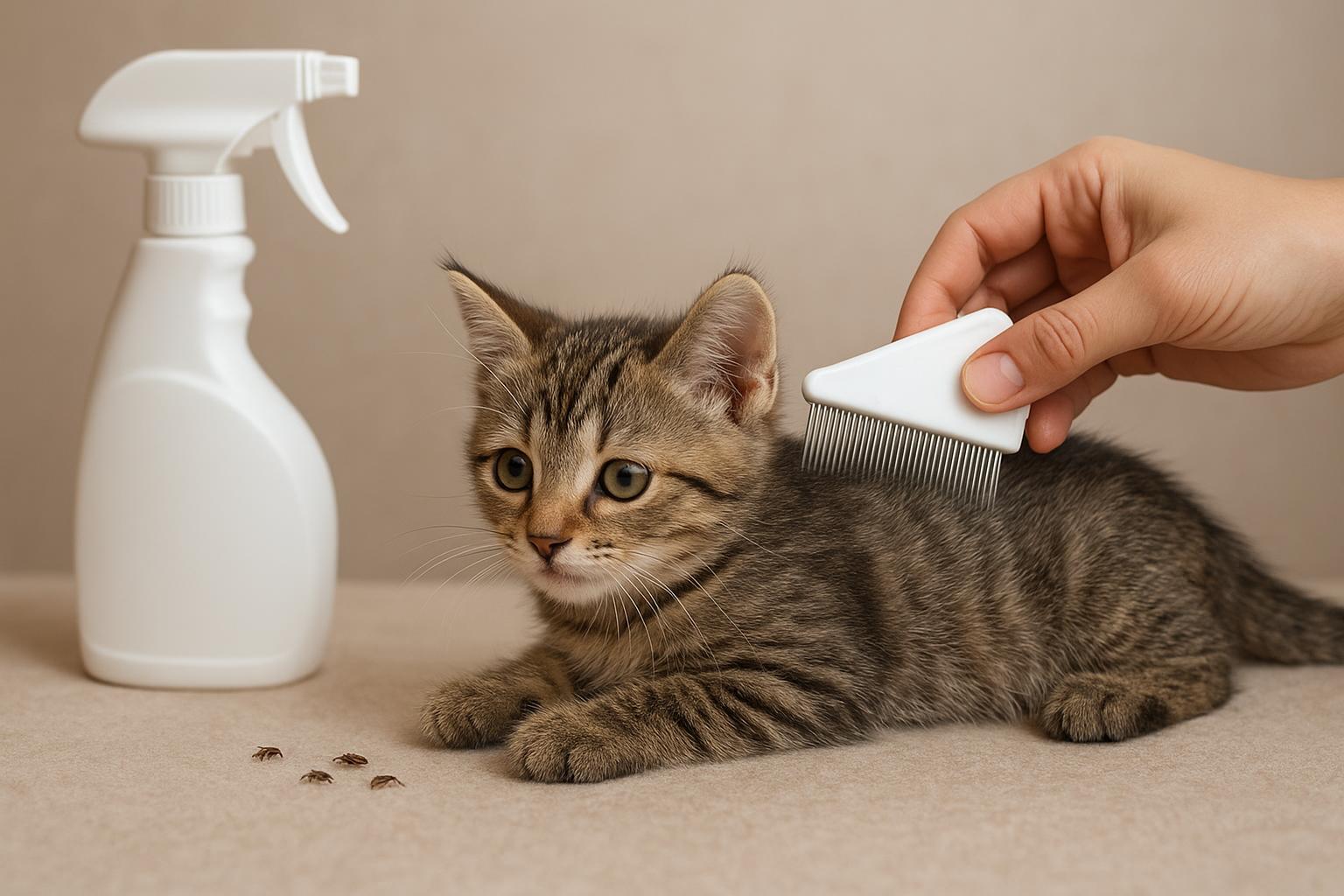
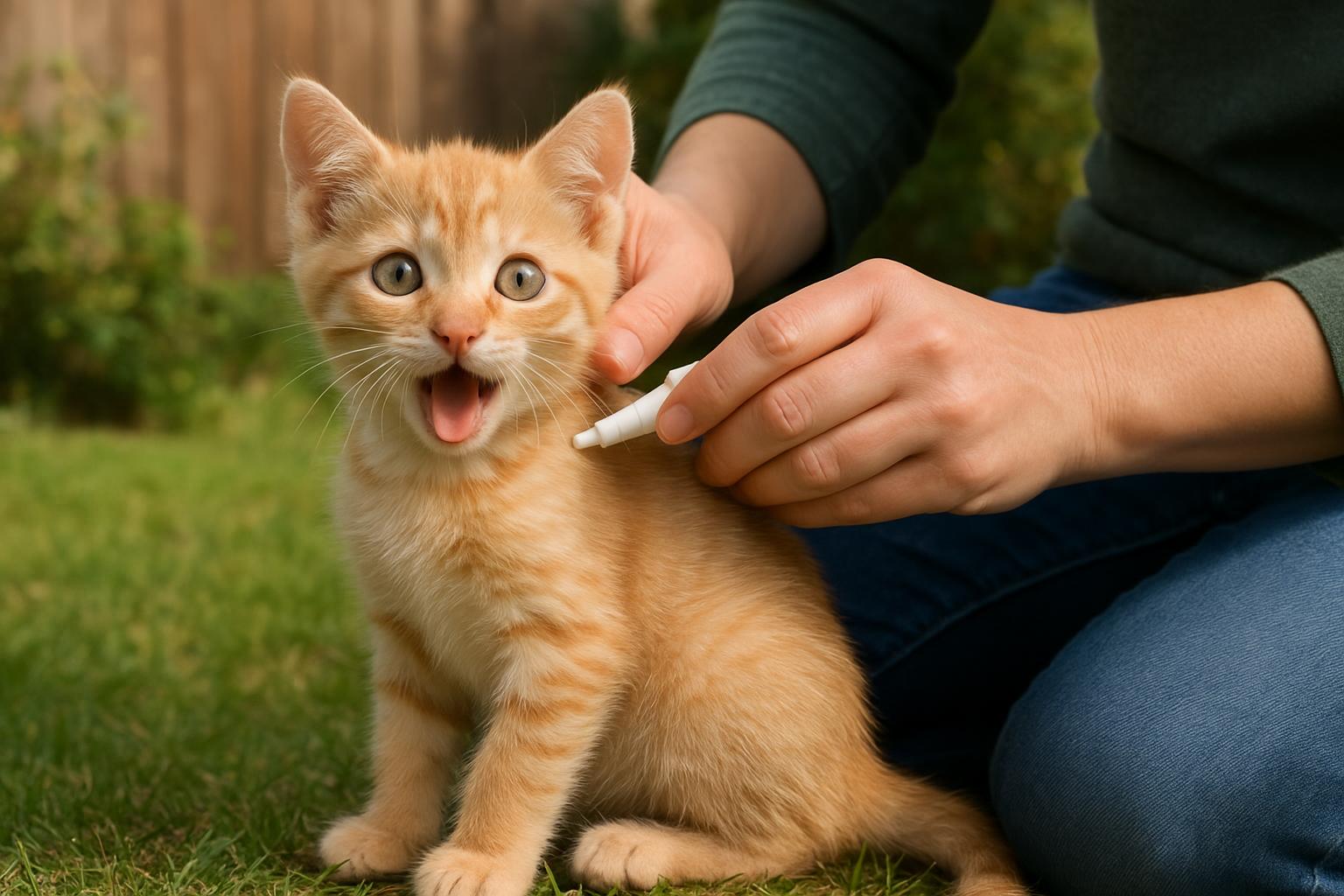
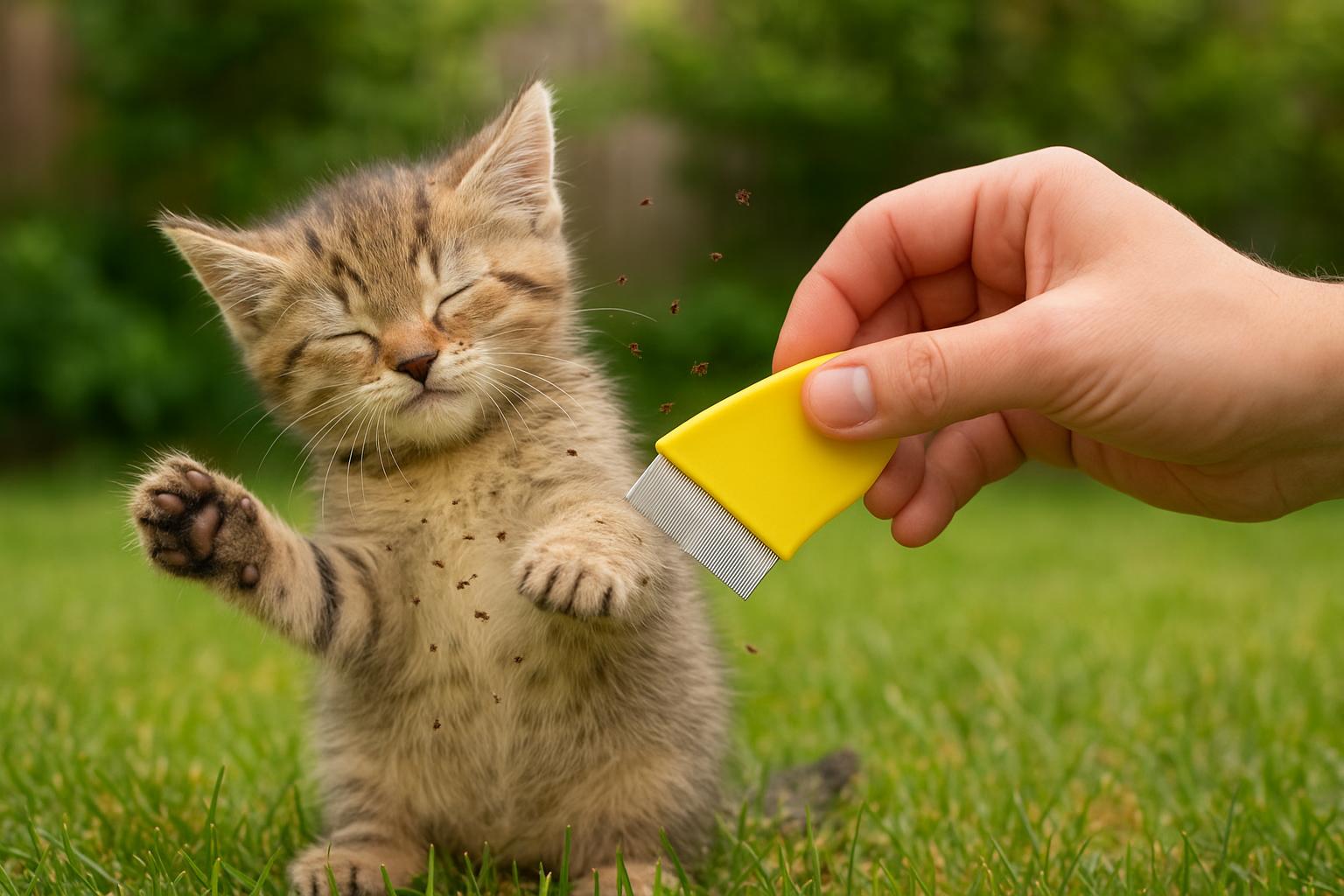
Treating pets is a non-negotiable part of any strategy: regular veterinarian-recommended flea prevention, washing bedding at high temperatures, and checking animals after outdoor time reduce flea introduction and reinfestation. If your pet is allowed outside, a synchronized approach — treat the animal and the yard — is most effective.
### When To Bring In Professionals
If infestations persist despite your best efforts, or if treating large properties, consider licensed pest control professionals. They can assess flea population sources (e.g., heavy wildlife use or subterranean nests) and apply targeted treatments safely and effectively. Professionals also have access to products and methods not available to the general public, and they’ll give a treatment schedule tailored to your situation.
Keep an eye on the yard, maintain pet prevention, and combine habitat changes with targeted treatments for the best results on outdoor flea problems. No one method alone usually does the job, but with persistent, sensible action, you can reclaim your outdoor space from those tiny jumpers.












Leave a Reply