

You wake up with a line of tiny red bumps and a suspicion that your dog — or maybe that neighborly squirrel — has been throwing a tiny punk flea party in your living room. Relax. We’ll walk through what those bites mean, whether there’s real danger to humans, and practical ways to stop the party without becoming an exterminator by night.
## Flea Bite Risk Revealed Is There Real Danger To Humans
Fleas aren’t into long-term relationships with humans; they prefer fur. But the flea bite risk for people is real enough to cause itchiness, annoyance, and sometimes more serious problems. Most bites are harmless but itchy; a few situations call for attention because fleas can transmit pathogens or trigger allergic reactions.
## What Does A Flea Bite Look Like And How To Spot One
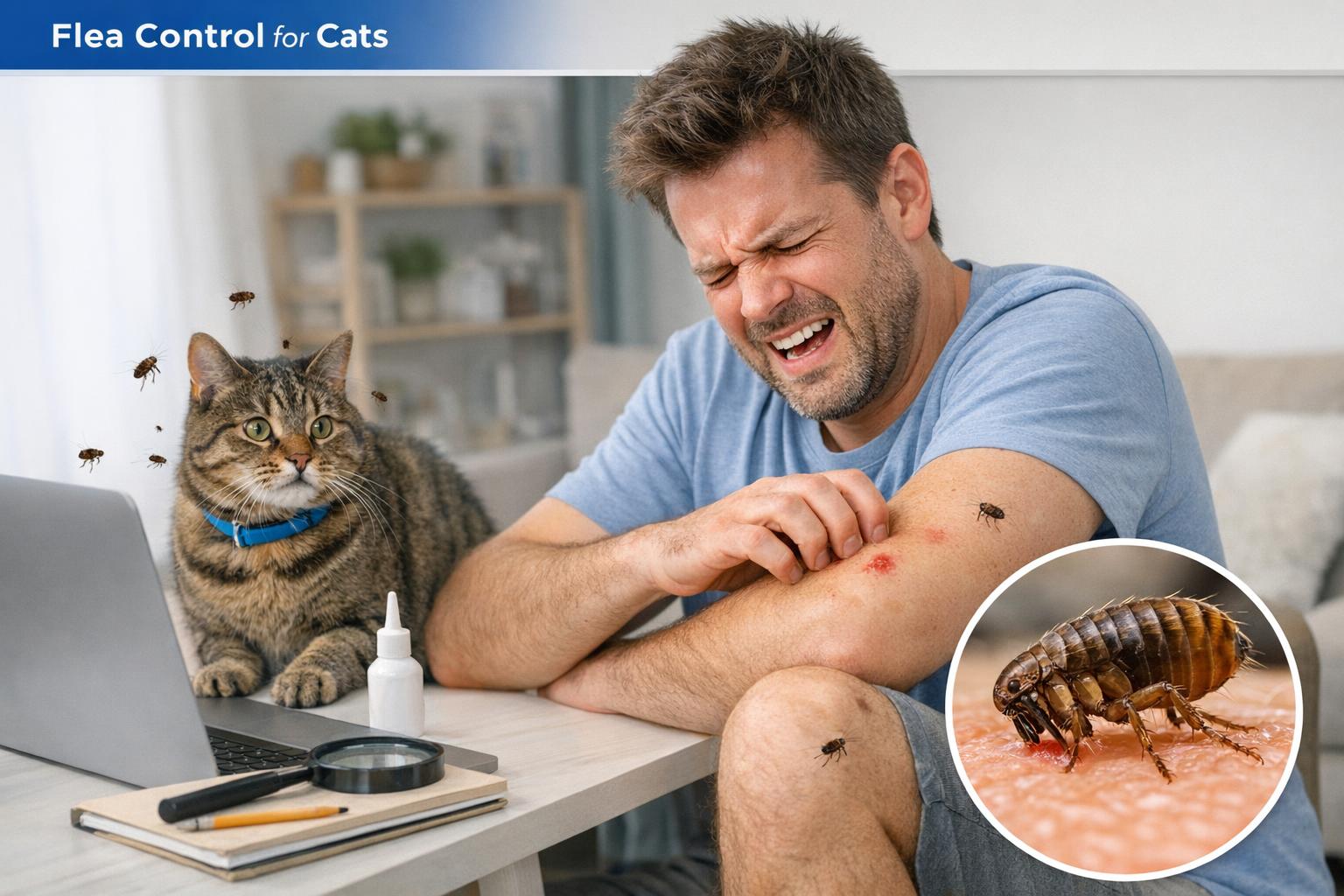
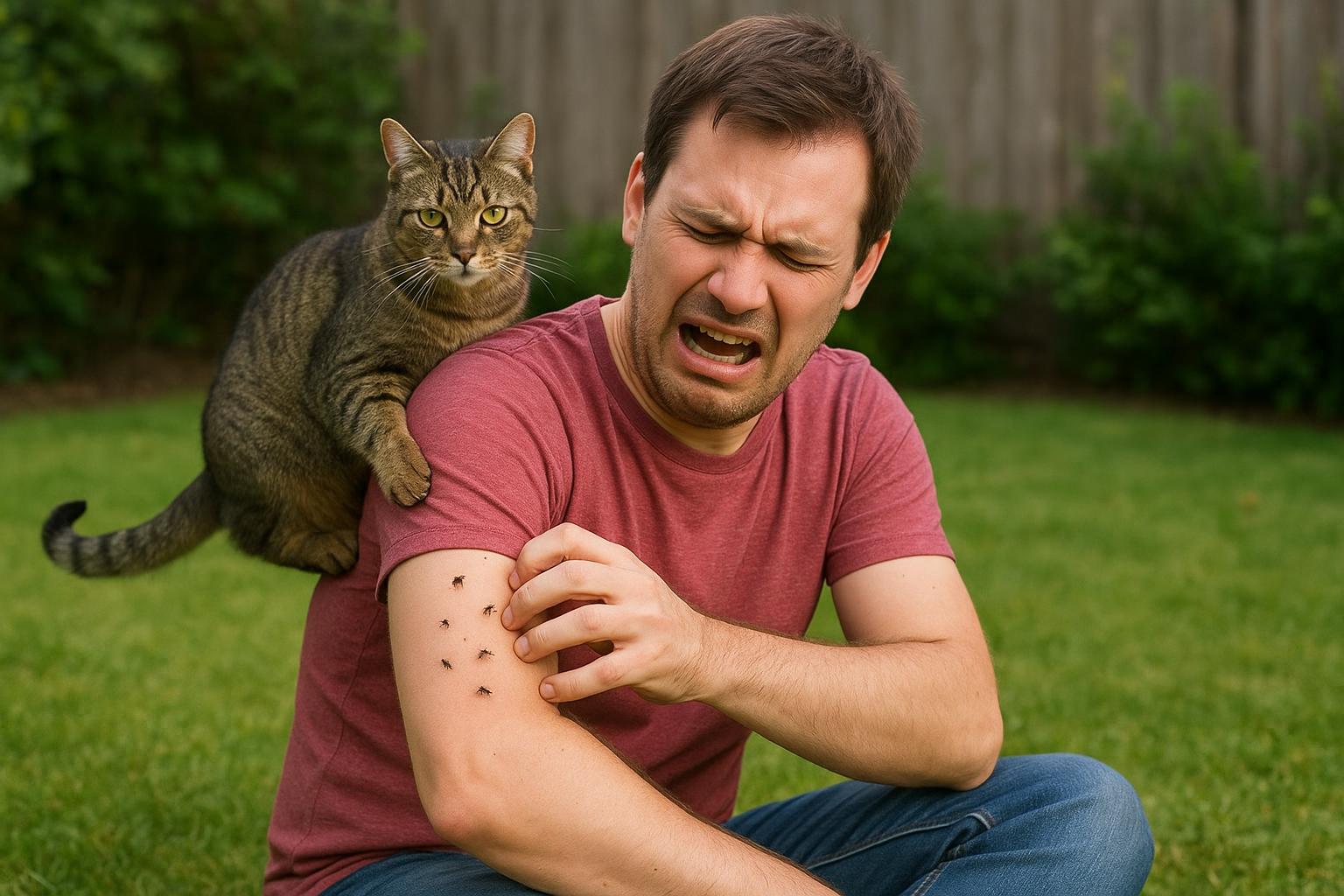
Flea bites are usually tiny, red, and often clustered around the ankles or lower legs because fleas jump from low surfaces. Unlike mosquito bites, flea bites are commonly arranged in groups of three or four and may have a small puncture in the center.
### Typical Symptoms To Expect
– Small red bumps that are intensely itchy.
– Bumps often in clusters, typically on lower legs, but can appear elsewhere.
– Slight swelling or a tiny blister in sensitive individuals.
### When The Itch Is More Than An Itch
If you notice spreading redness, warmth, pus, fever, or swollen lymph nodes, those are signs of infection or systemic reaction and you should seek medical attention. In rare cases, fleas can trigger allergic dermatitis which requires professional treatment.
## How Serious Is The Flea Bite Risk For People?
Let’s be straightforward: for most healthy adults, the flea bite risk is low in terms of long-term health consequences. The main problems are itching, scratching that may break skin, and the irritation of living with a flea population in the home.
### Diseases Associated With Fleas
Fleas can carry certain diseases, though these are uncommon in many modern settings. Historically, fleas transmitted plague. Today, they can transmit:
– Murine typhus (in some regions)
– Bartonellosis (cat-scratch disease bacteria can be carried by fleas)
– Tapeworms (fleas can transmit tapeworms to pets; humans can be accidental hosts, mostly children)
These are uncommon events but contribute to the overall flea bite risk profile.
### Who’s Most Vulnerable
Children, elderly people, and immunocompromised individuals are more likely to develop complications. People with severe flea allergies may develop a widespread rash or need prescription medication.
## How Fleas End Up In Homes
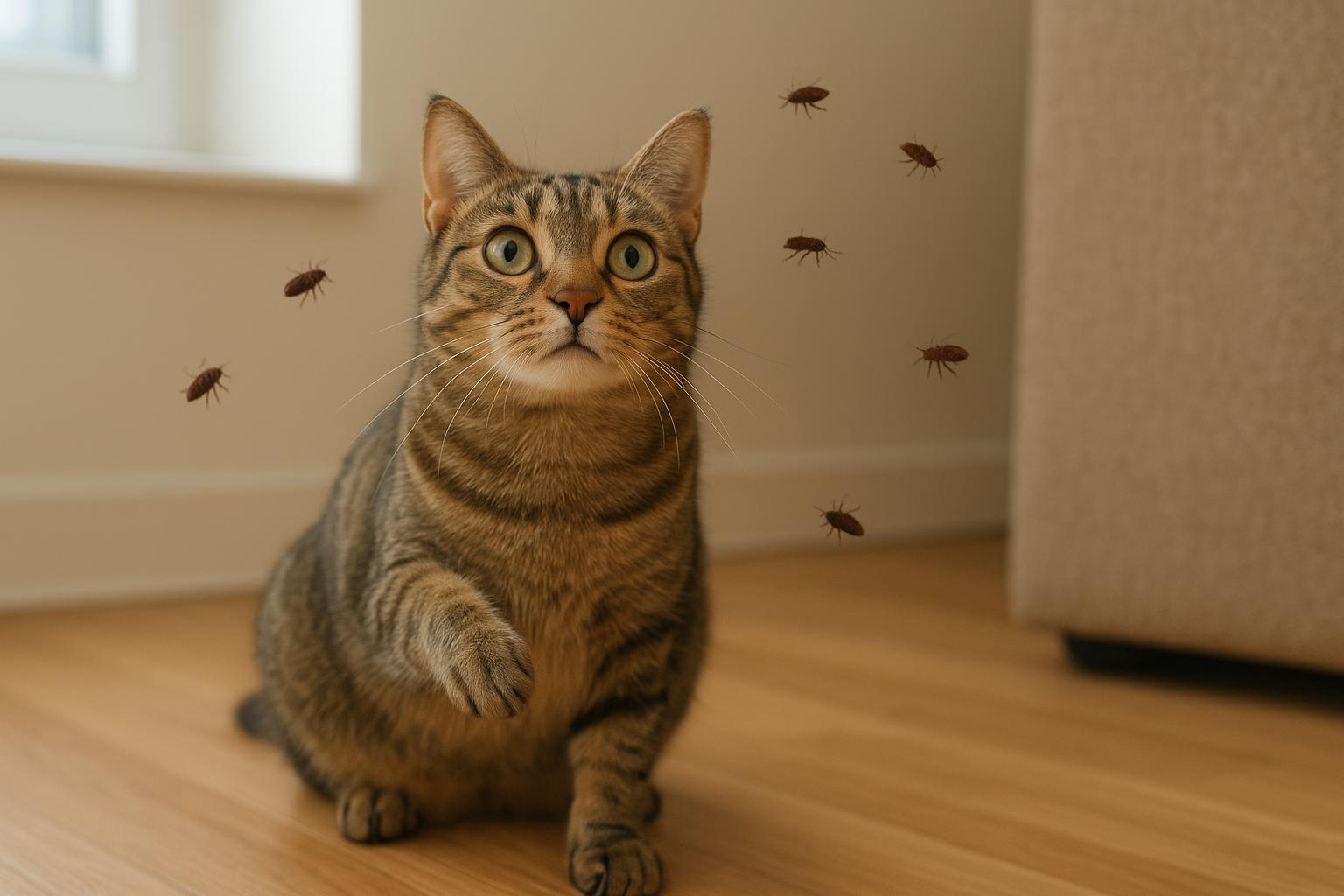
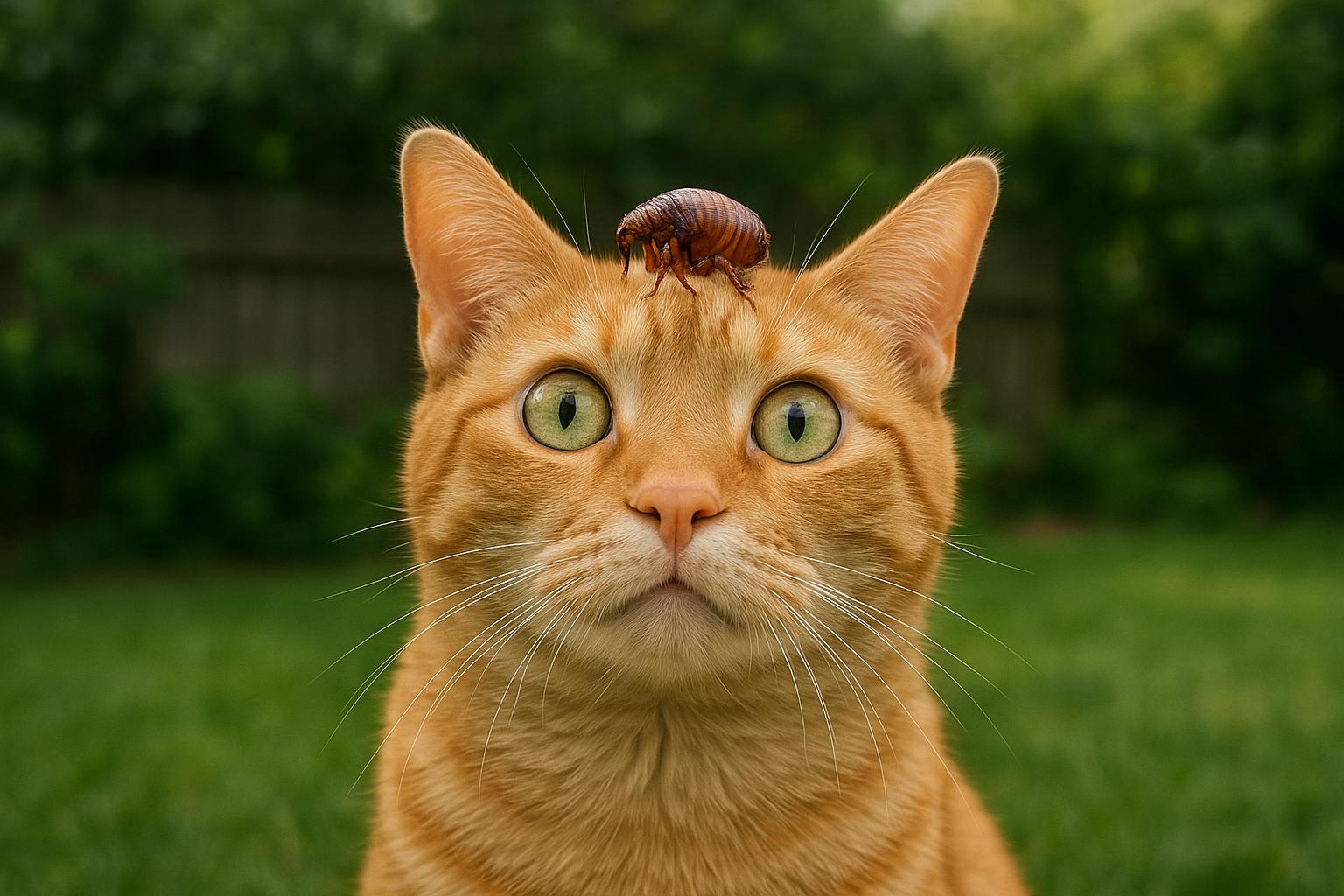
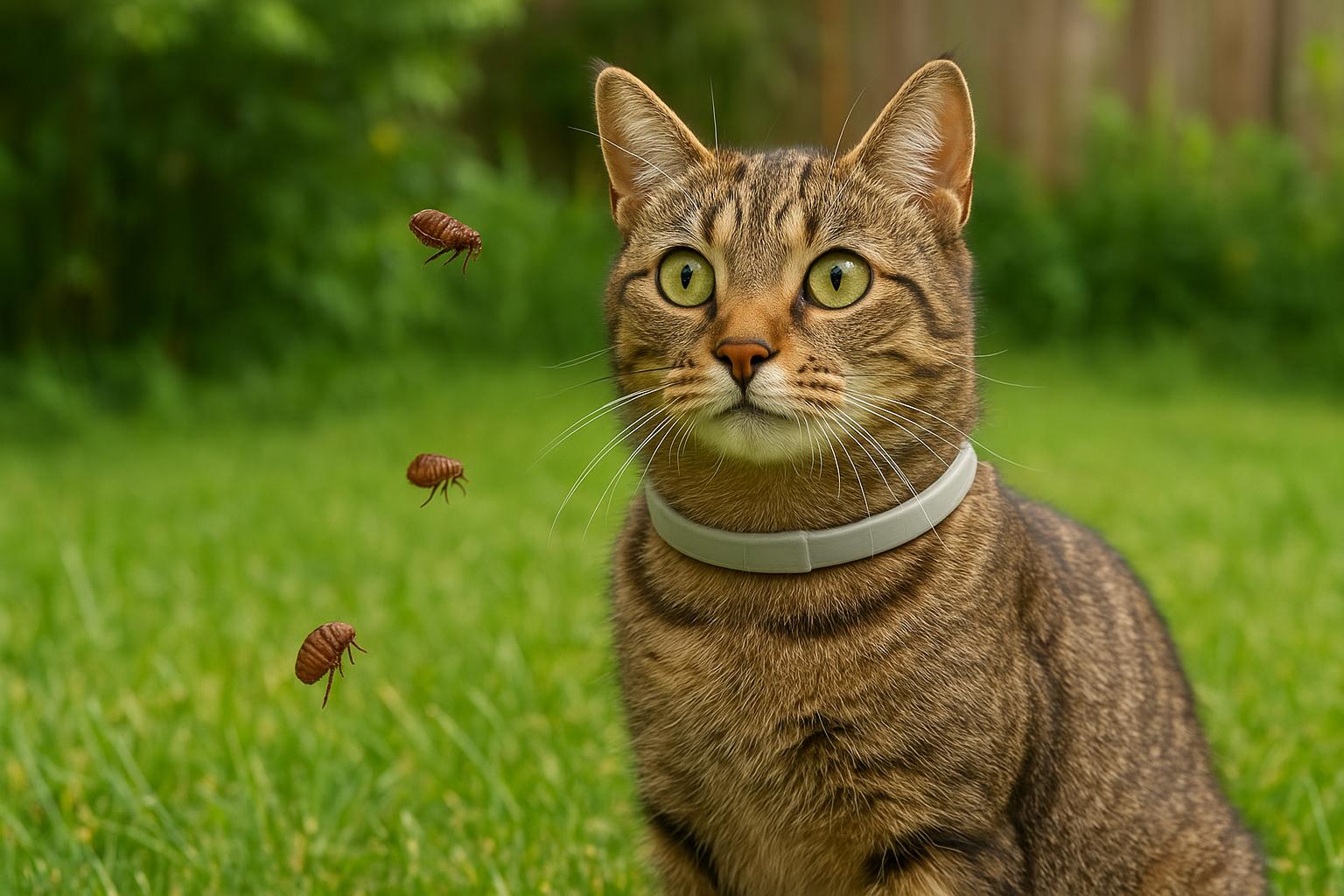
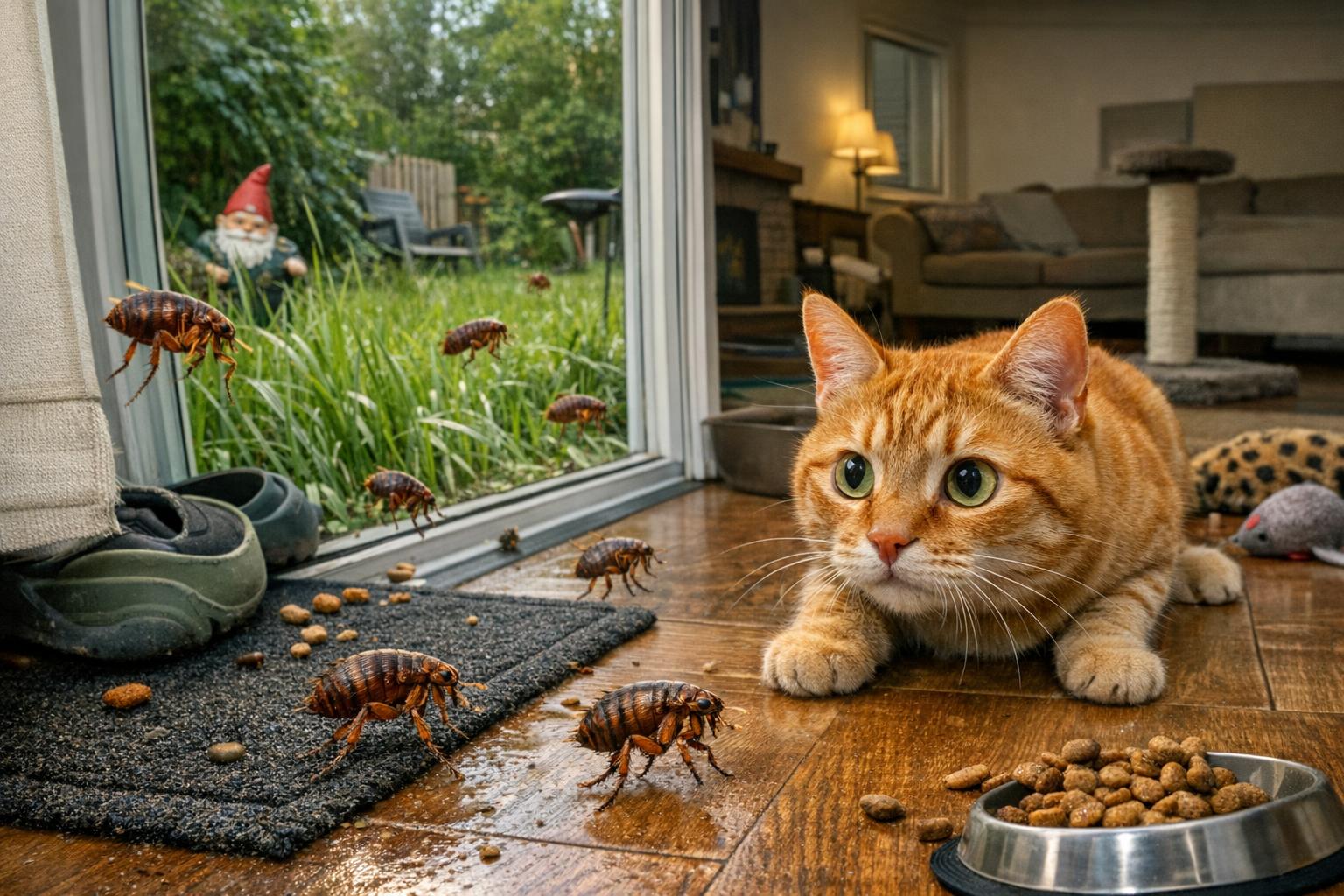
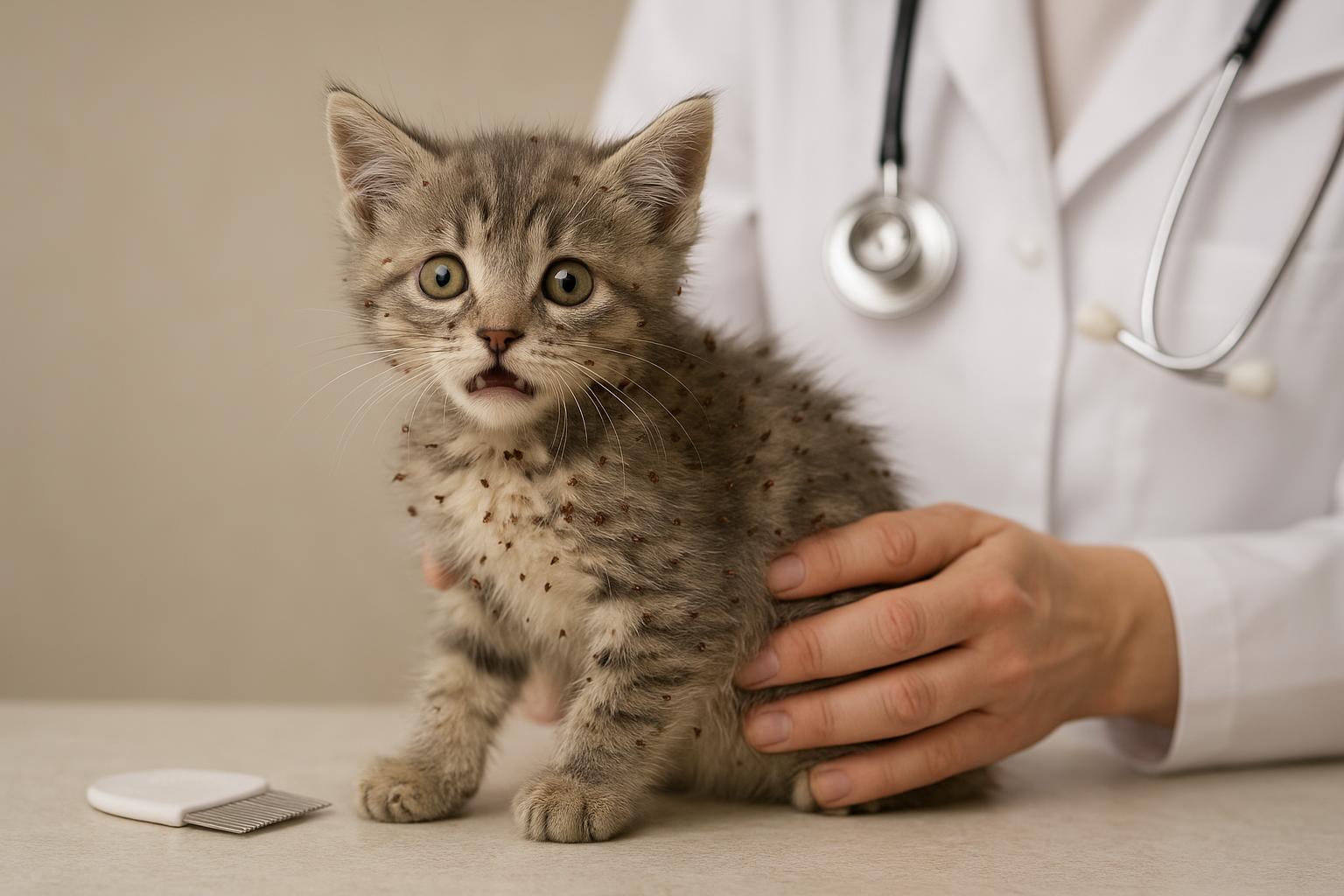
Fleas are introduced by pets, wildlife, or even humans traveling through infested areas. Flea eggs fall off hosts into carpets, bedding, and cracks where larvae develop. A few fleas can quickly become an infestation if left unchecked.
### Life Cycle Basics
Understanding the flea life cycle helps reduce the flea bite risk: eggs hatch into larvae, then pupate, and adults emerge. Treatments must disrupt multiple stages to be fully effective.
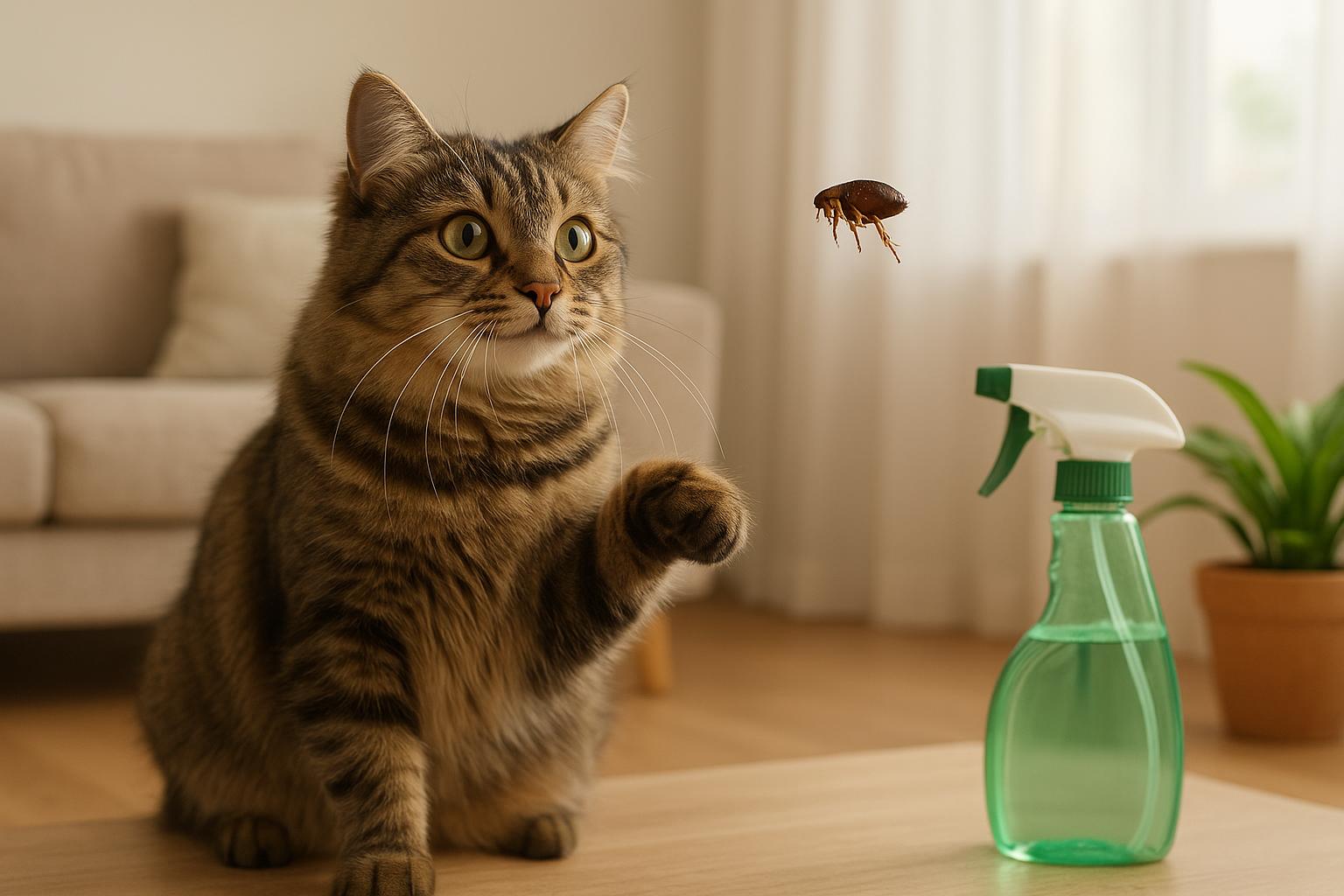
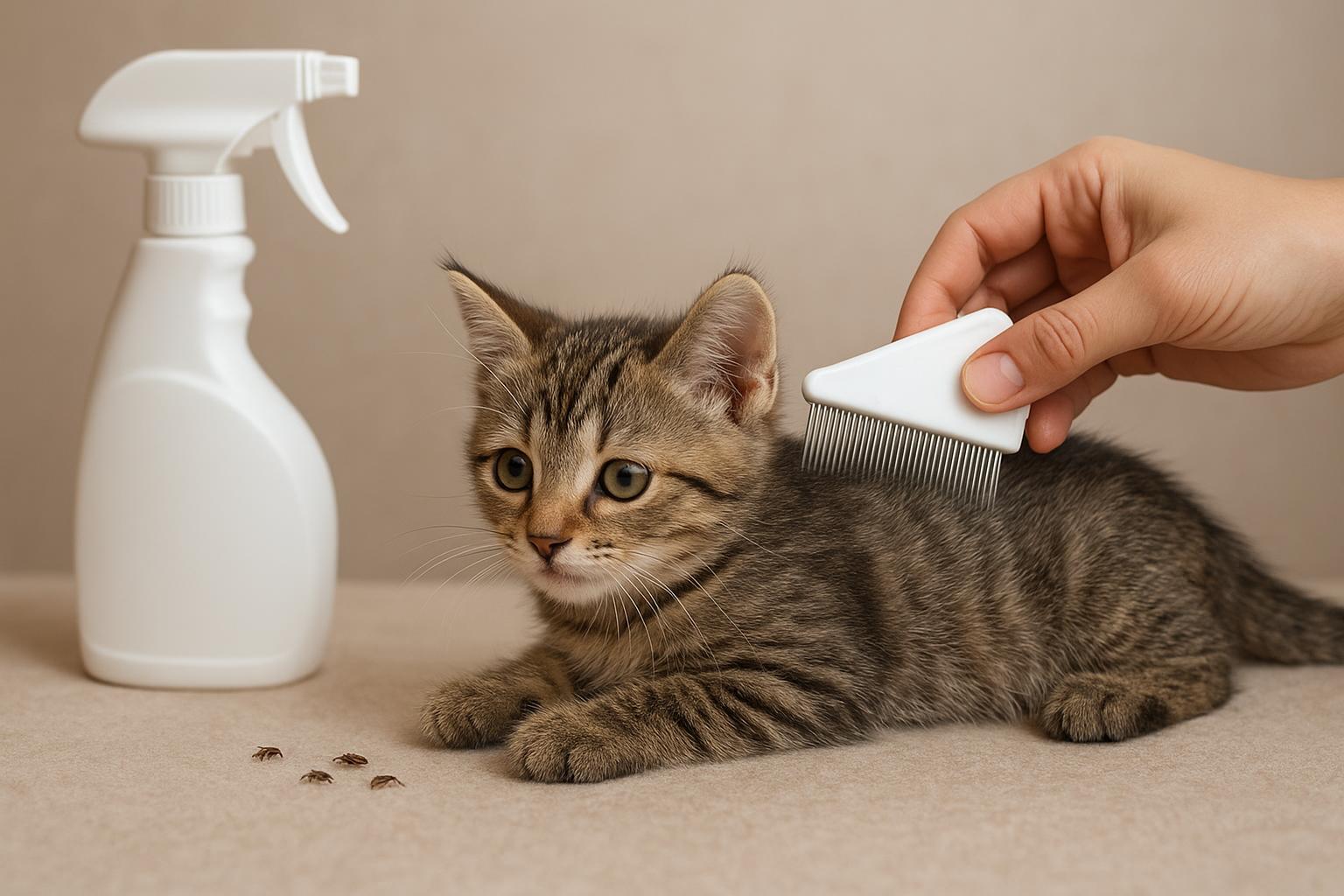
## Remedy 1: Natural Home Spray (Nonchemical Option)
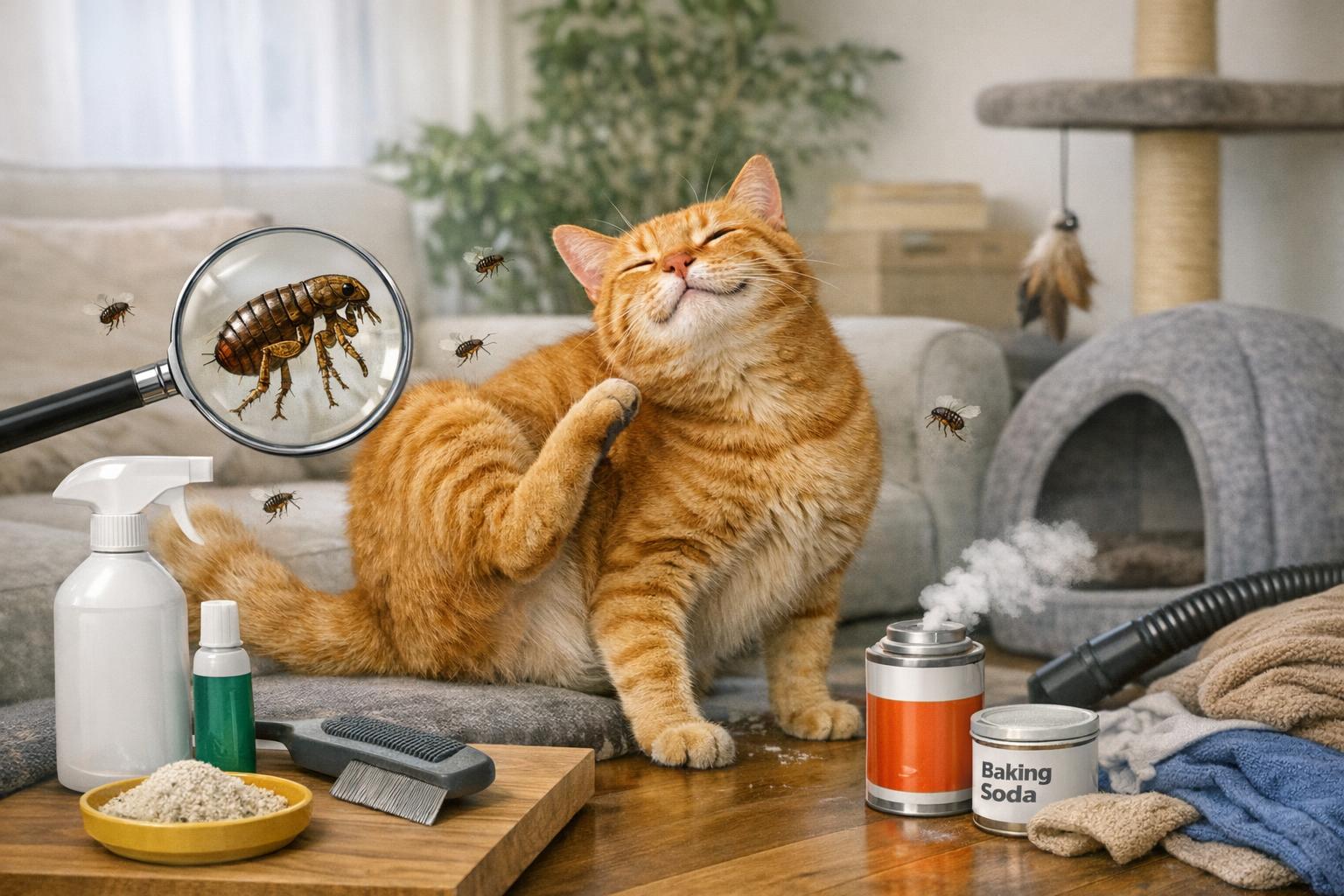
This remedy is ideal for mild situations or as part of a broader prevention plan. It’s intended to reduce flea populations in carpets and on surfaces without harsh pesticides.
#### Ingredients And Required Materials
– 2 cups white vinegar
– 2 cups water
– 1 cup rubbing alcohol (70% isopropyl)
– 30 drops of eucalyptus or lavender essential oil
– A clean spray bottle (1 liter capacity)
– Vacuum cleaner with brush attachment
– Stiff brush or broom
#### Step-By-Step Creation And Application
1. Combine white vinegar, water, and rubbing alcohol in the spray bottle. Add essential oil drops and cap tightly. Shake to mix.
2. Thoroughly vacuum all carpets, rugs, upholstered furniture, and pet bedding. Empty vacuum canister or bag outside immediately.
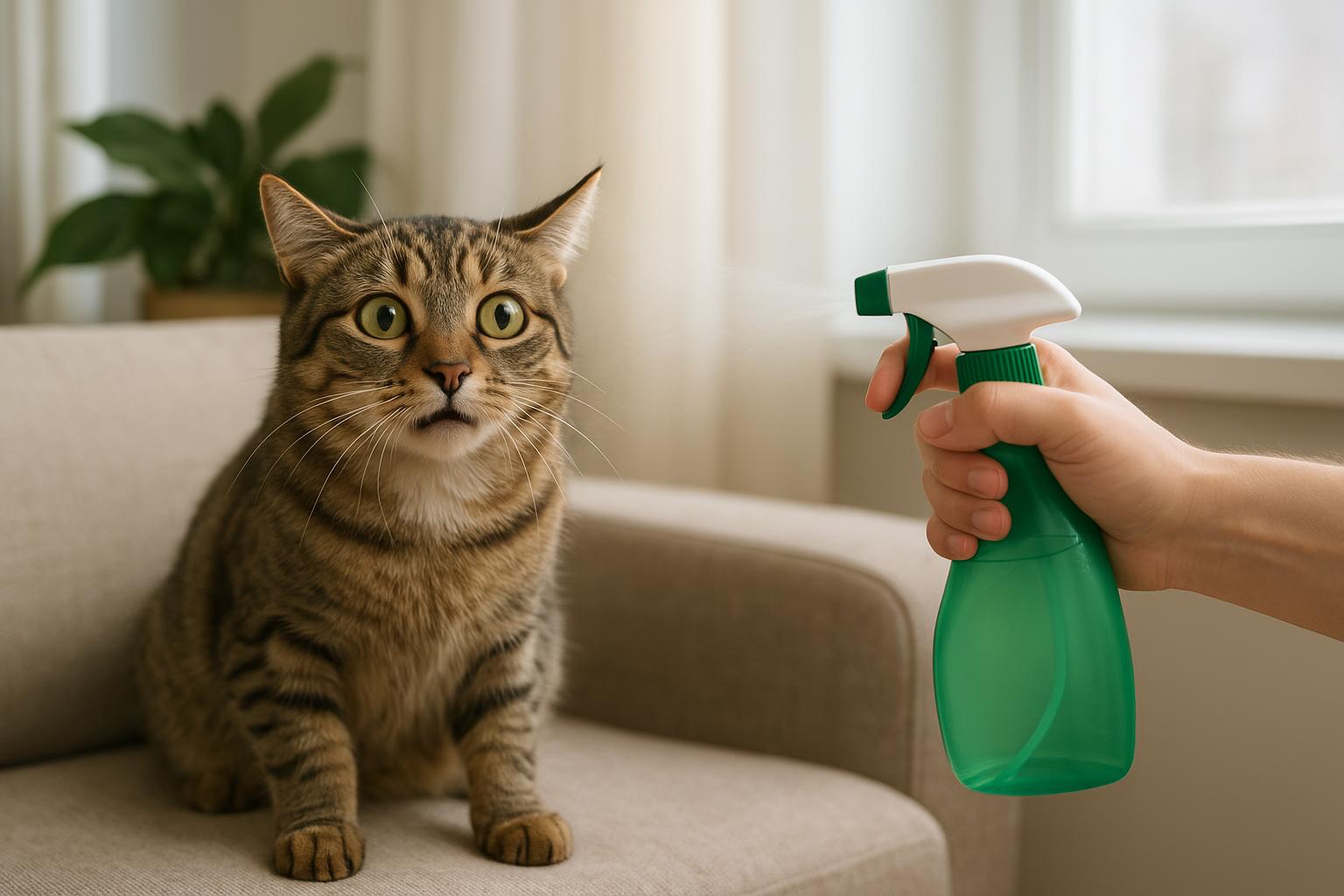
3. Lightly mist hard floors, carpet edges, and furniture seams with the spray. Do not soak materials; the goal is a light, even coverage.
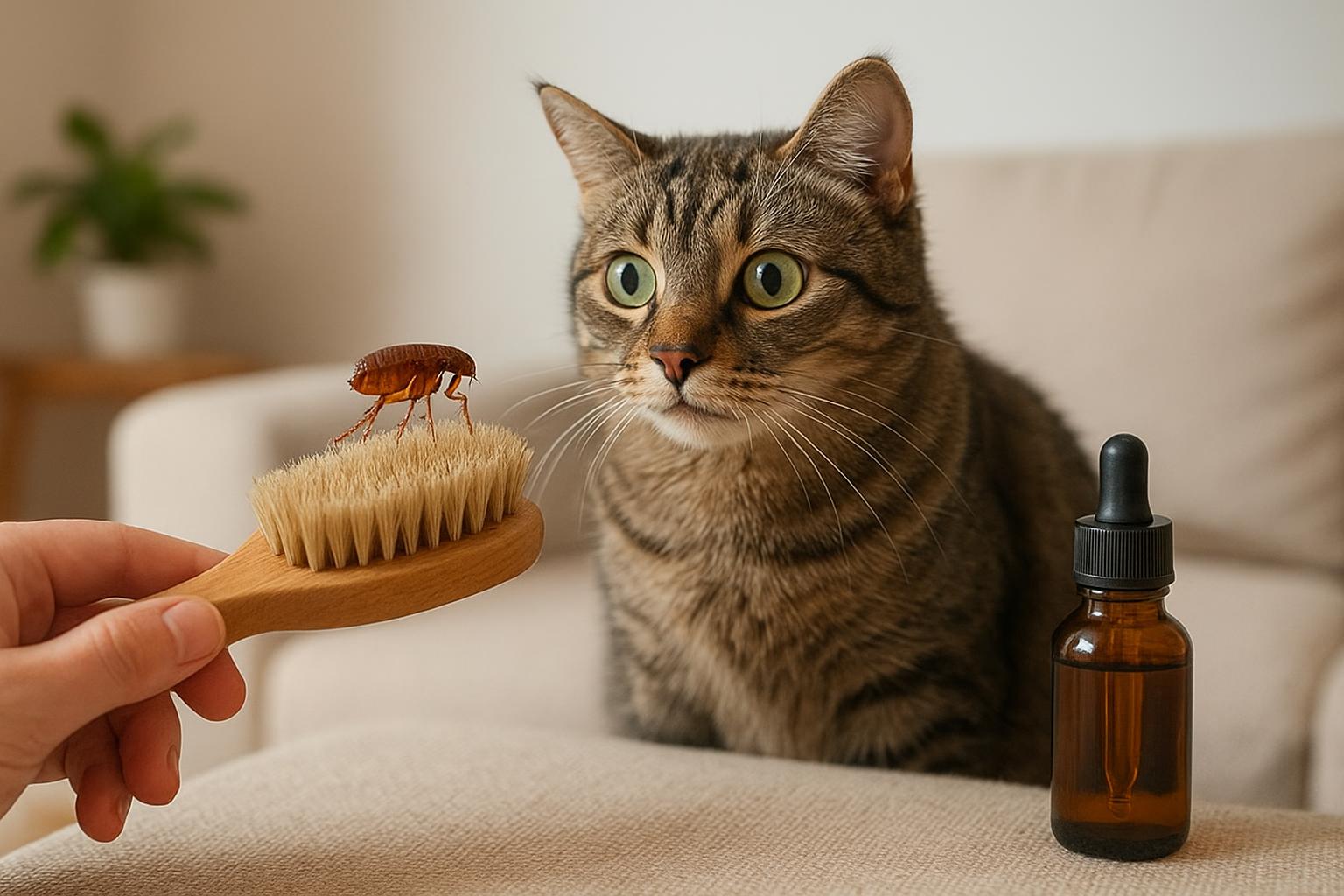
4. Use the stiff brush to work the spray into carpets and upholstery where fleas may hide. Allow surfaces to air dry.
5. Repeat vacuuming 2–3 times per week for at least three weeks to remove eggs and larvae as they hatch.
6. Wash pet bedding and any removable fabric in hot water and dry on high heat.
7. Reapply spray weekly as part of routine cleaning until no signs of fleas persist.
Note: Rubbing alcohol is flammable; keep away from flames and use in well-ventilated spaces. Avoid essential oils on pets without vet approval — some oils are toxic to animals.
## Remedy 2: Professional Treatment Kit (Chemical Control)
When the flea bite risk becomes an infestation or when household members are very sensitive, a more aggressive, structured approach is necessary. This remedy uses EPA-registered products and follows label instructions rigorously.
#### Ingredients And Required Materials
– EPA-registered adulticide spray with an active ingredient such as permethrin or bifenthrin
– Insect growth regulator (IGR) spray containing methoprene or pyriproxyfen
– Flea fogger labeled for indoor use (optional — only when recommended on label)
– Pet-approved topical flea treatment (vet-prescribed when appropriate)
– Disposable gloves, protective eyewear, mask
– Vacuum cleaner with HEPA filter
#### Step-By-Step Creation And Application
1. Read and follow all label instructions on products. Prepare by removing or covering food, dishes, and exposed surfaces.
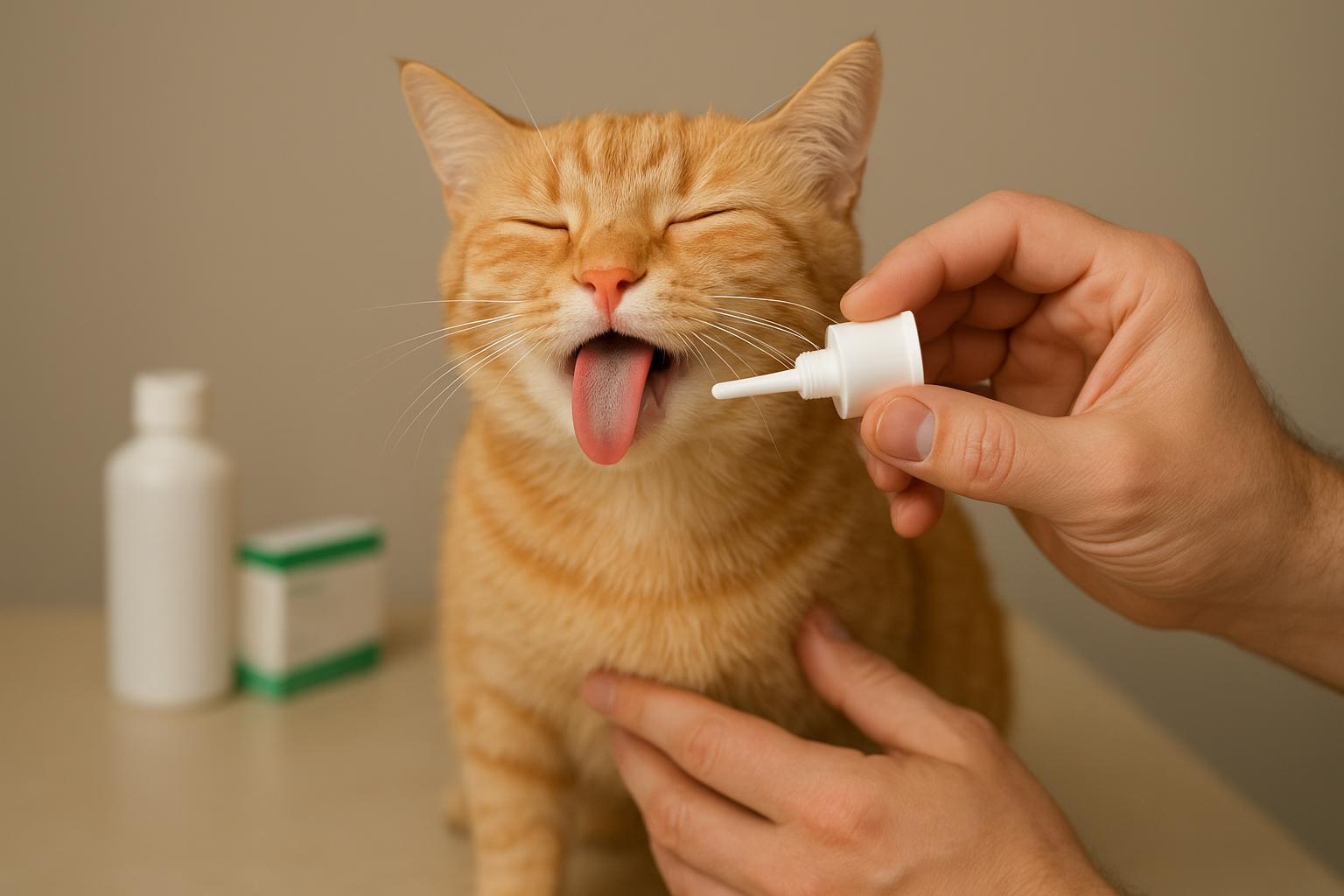
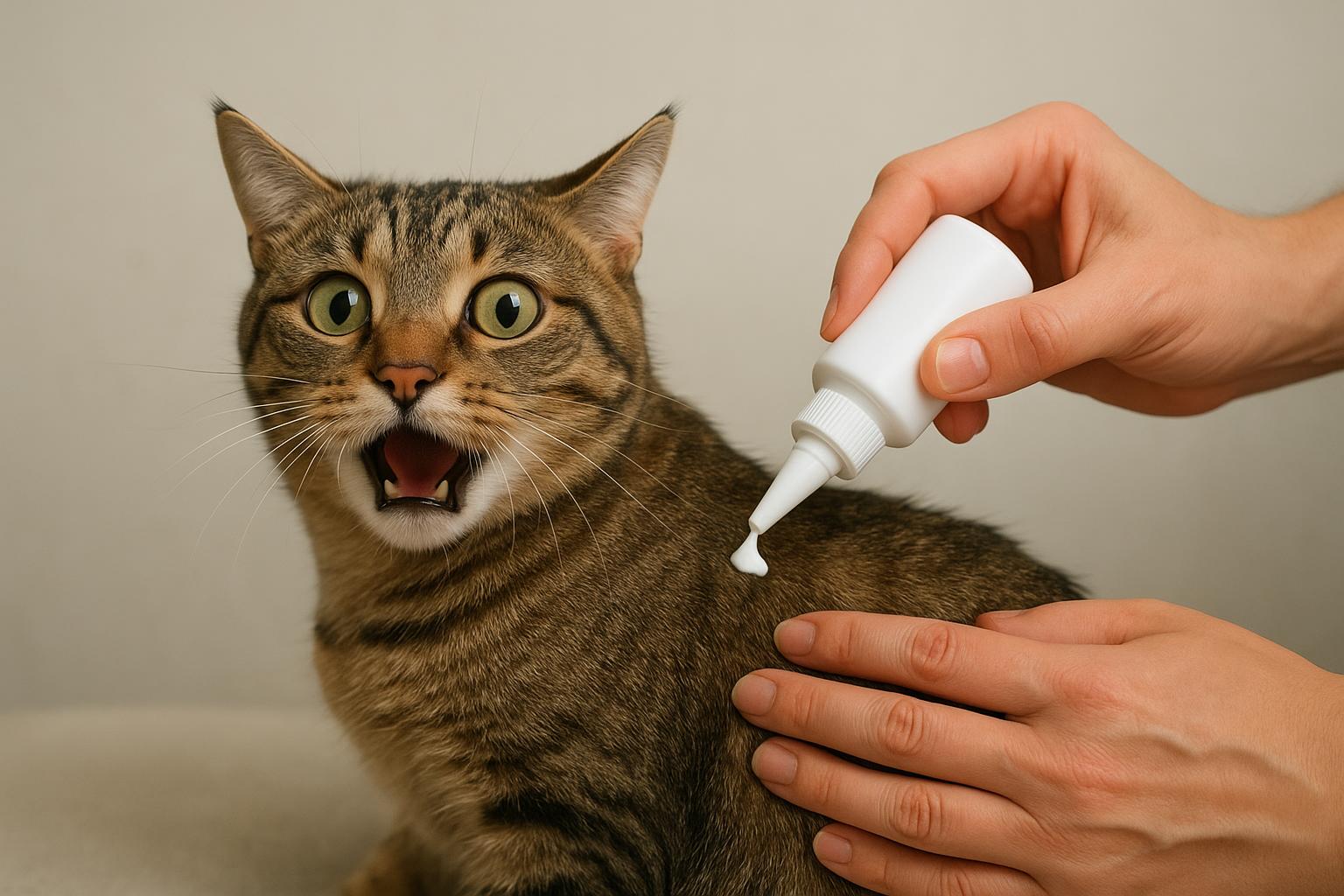
2. Treat pets first: apply a veterinarian-recommended topical or oral flea product to pets. Follow vet guidance for safety and dosage.
3. Vacuum thoroughly, paying special attention to carpets, rugs, furniture seams, baseboards, and pet sleeping areas. Dispose of vacuum contents outside.
4. Apply the adulticide spray to carpets, baseboards, cracks, and crevices per label directions. Use gloves and protective eyewear during application.
5. After the adulticide, apply the IGR to interrupt the flea life cycle by preventing eggs and larvae from maturing.
6. Allow treated areas to dry fully before allowing people and pets to re-enter. Many labels specify a re-entry interval.
7. Repeat treatment according to product label timing, typically two applications spaced two to four weeks apart.
8. For heavy or persistent infestations, consult a licensed pest management professional for whole-home treatments or targeted services.
9. Maintain monthly pet flea prevention as advised by your veterinarian to prevent reinfestation.
Important: Chemical treatments can pose health risks if misused. Always prioritize products labeled for the specific area of application and follow recommended protective measures.
## Practical Prevention Tips To Reduce Ongoing Flea Bite Risk
Preventing fleas is more efficient than chasing them away. These actions reduce the chance your household will experience the flea bite risk in the future:
– Keep pets on consistent, year-round flea prevention recommended by your vet.
– Regularly vacuum and wash pet bedding.
– Seal gaps and cracks where wildlife could enter, and avoid feeding wild animals near your home.
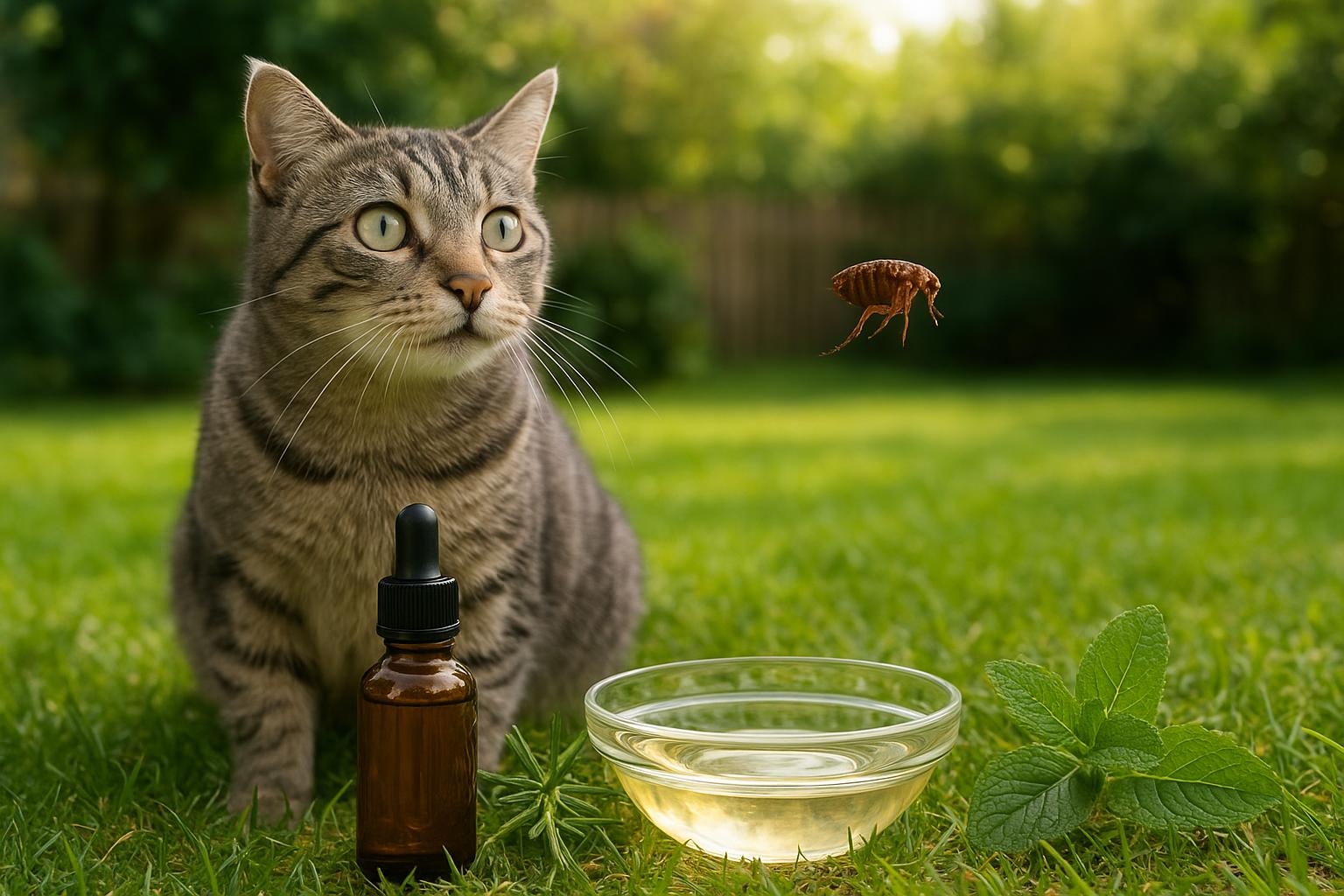
– Maintain trimmed grass and yard maintenance; treat outdoor areas where pets rest if infestations originate outside.
– Inspect secondhand furniture or rugs before bringing them indoors.
### When To Call A Professional
If multiple family members or pets are heavily bitten, if bites show signs of infection, or if home remedies and DIY treatments fail, seek a licensed pest control company. Professionals have access to tools and formulations not available to consumers and can apply them safely.
## Managing Bites On People
Treat the symptoms of flea bites with gentle care: cool compresses reduce itching and swelling, over-the-counter antihistamines can help control itching, and topical treatments like hydrocortisone cream reduce inflammation. Avoid scratching to prevent secondary infection.
### Signs You Should See A Doctor
Seek medical attention if you develop fever, spreading redness, signs of infection, or systemic symptoms after flea bites. If you or a household member have a history of severe allergic reactions, consult a healthcare provider promptly.
## Practical Notes On Pets And Household Follow-Up
Pets are the usual avenue for fleas getting indoors. Make appointments with your veterinarian for a flea prevention plan tailored to your pet’s health and lifestyle. After treating your home, maintain cleaning and preventive measures to ensure the flea bite risk does not return.
























Leave a Reply