
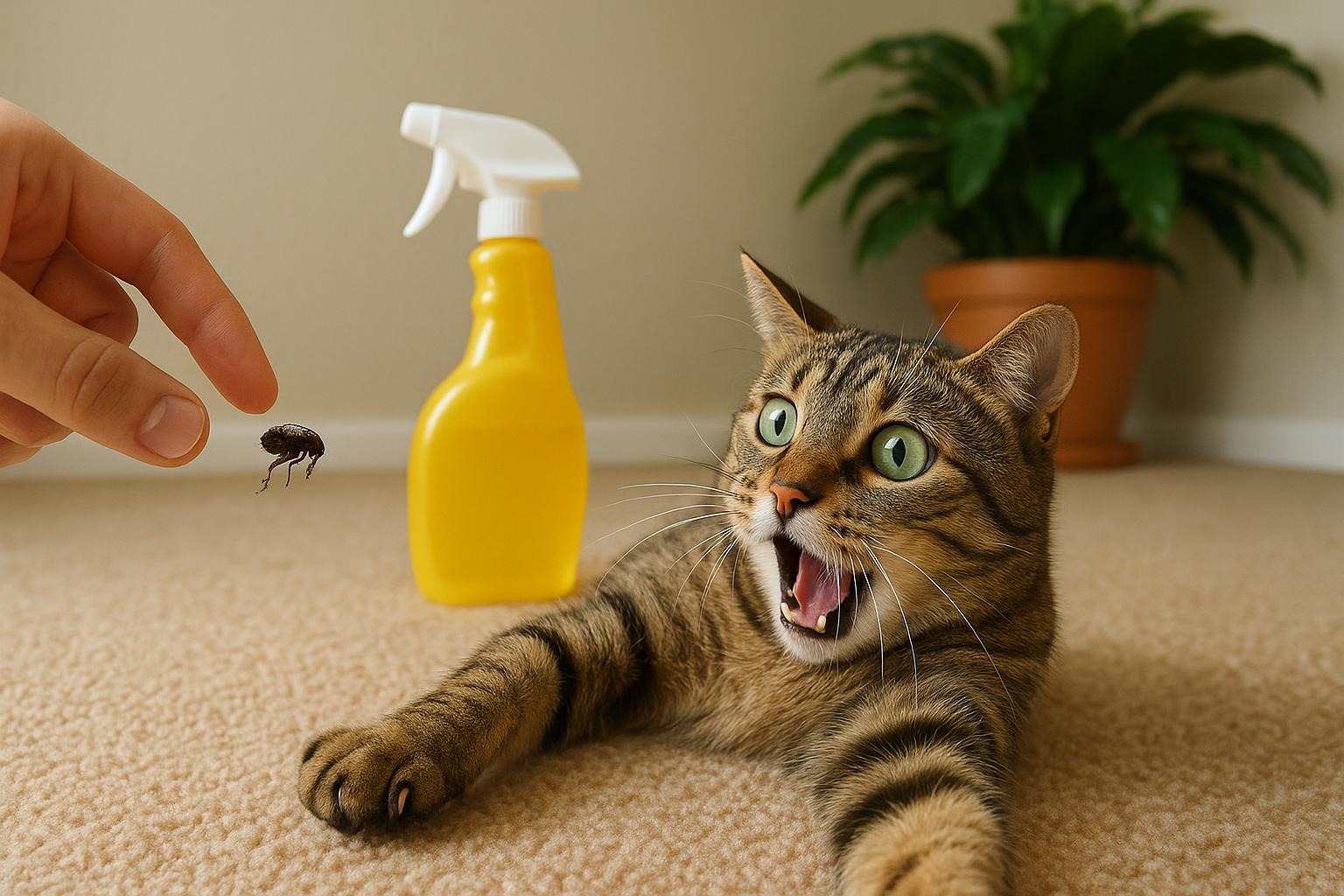
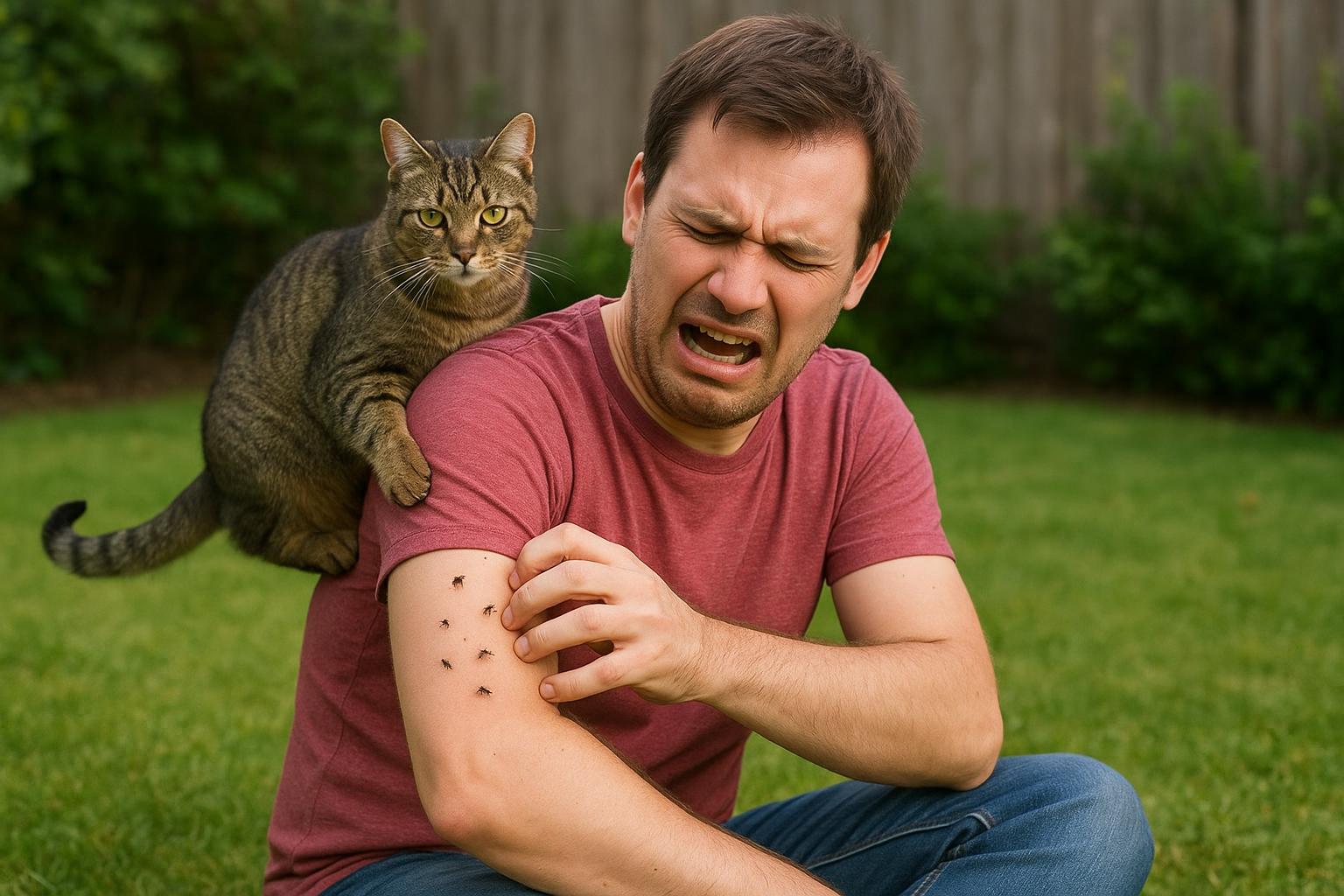
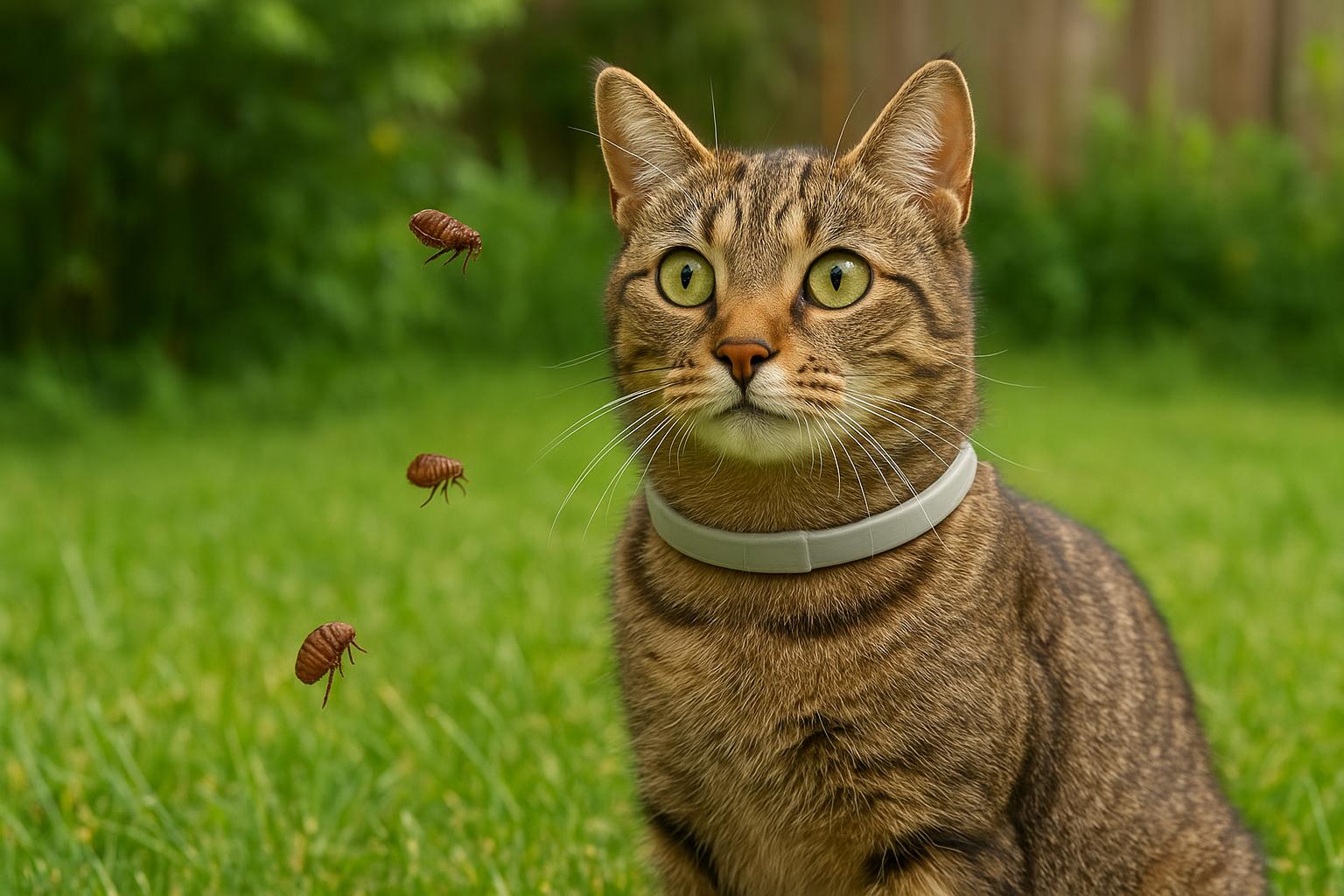
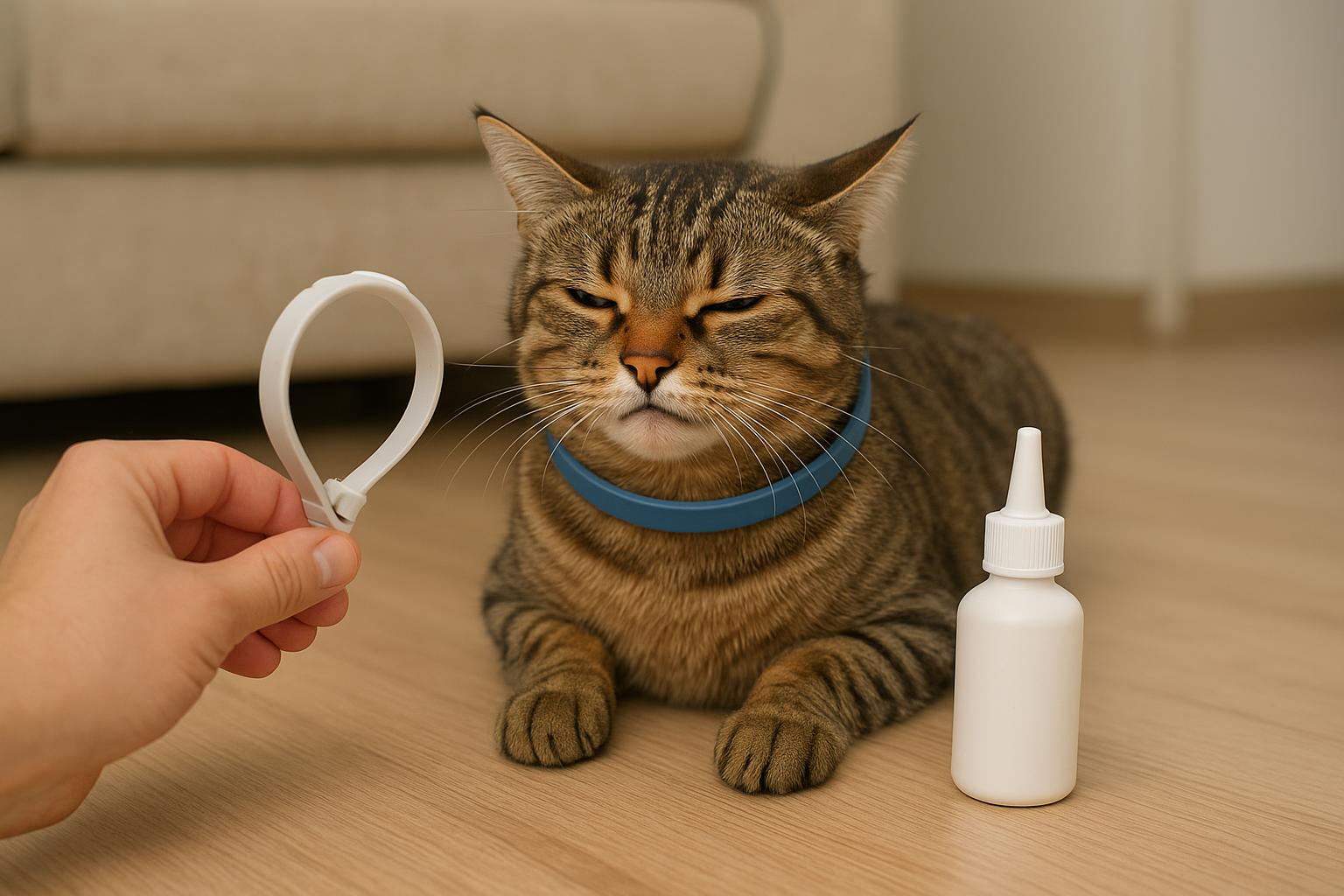
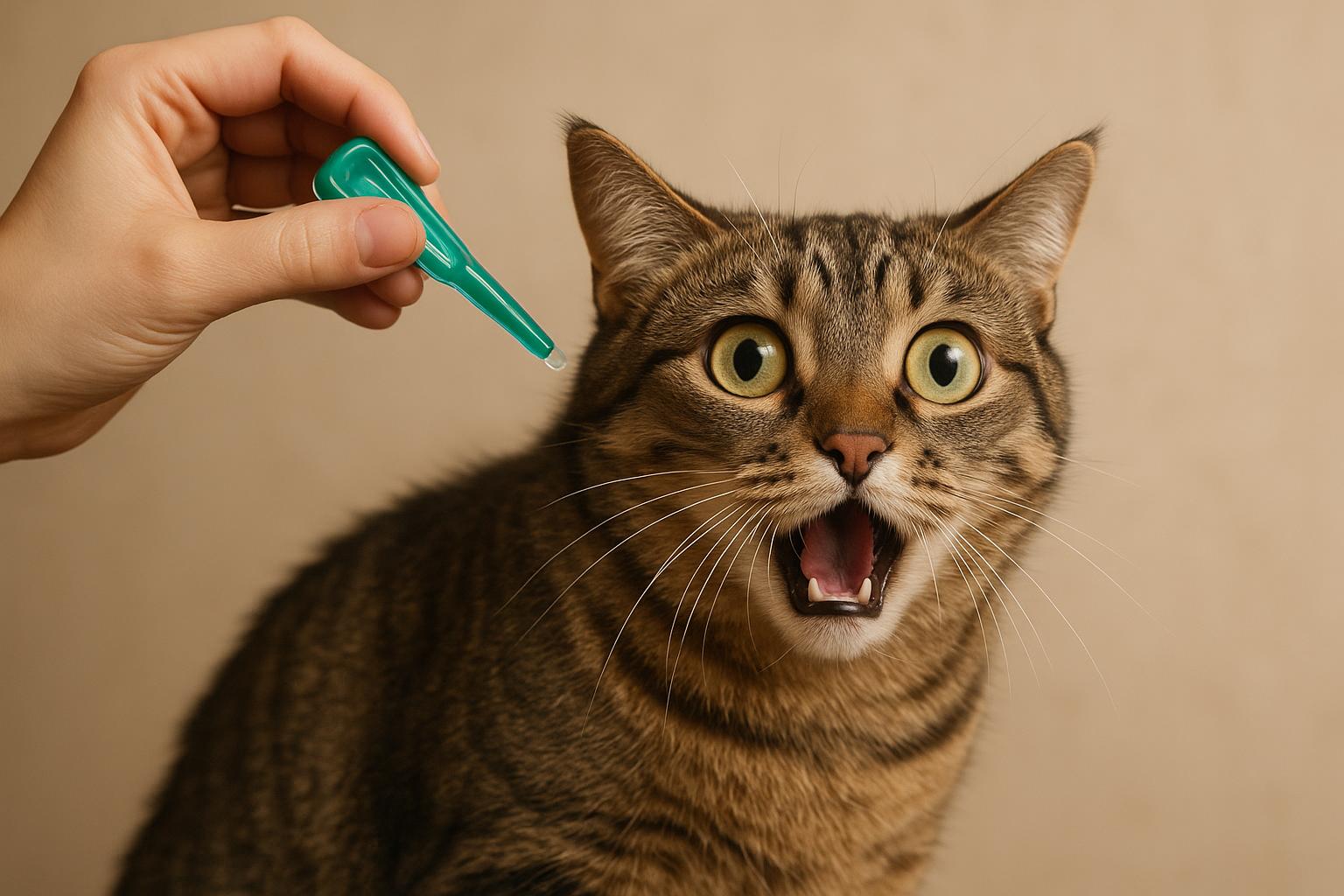
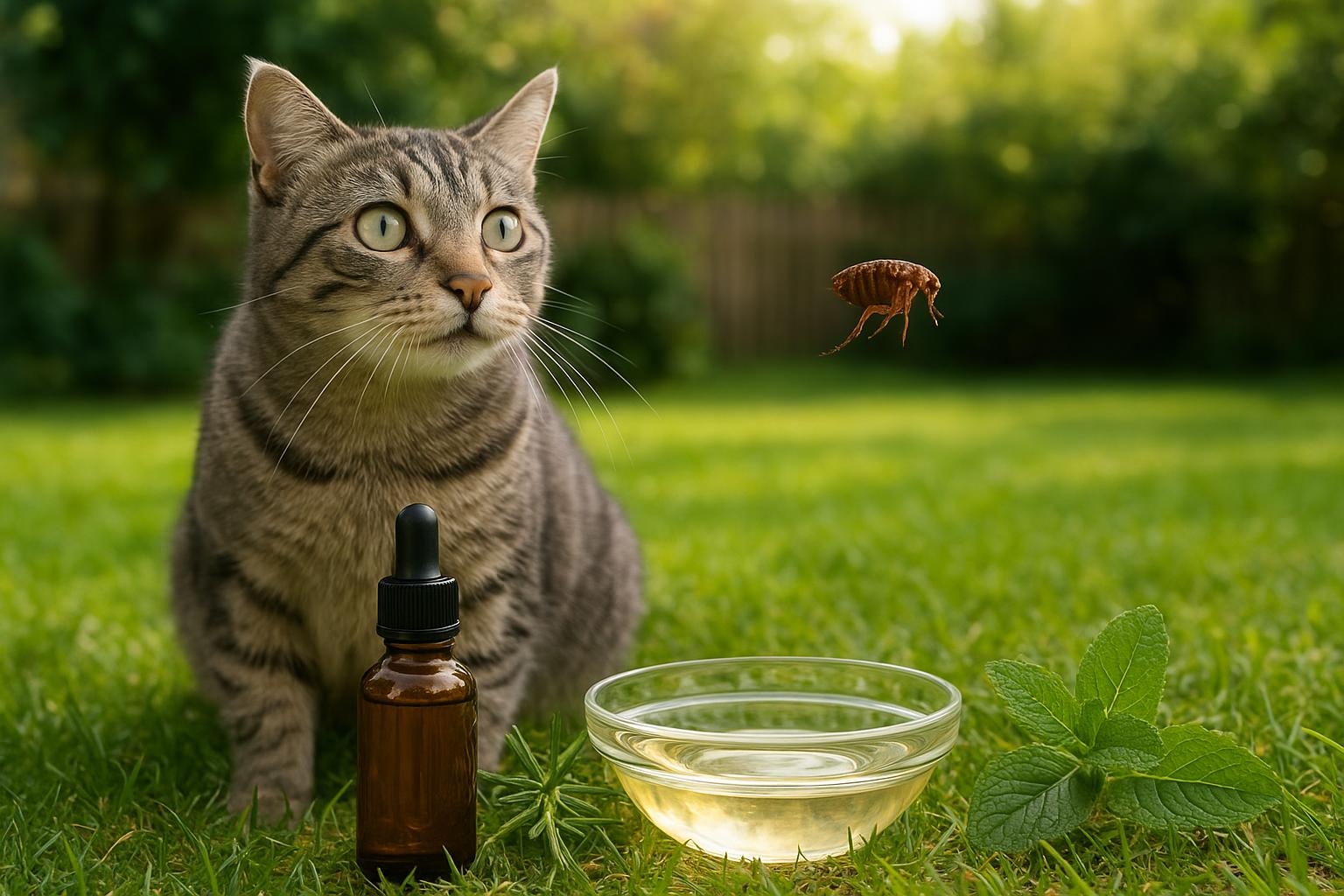
You love your cat, but those tiny vampire squatters called fleas do not love you back. If you’re tired of chemical shampoos, veterinarian appointments for topical treatments that smell like a lab experiment, or simply want kinder options, this relaxed guide shares clever, evidence-backed tactics for natural cat prevention that actually work. Think of it as the hippie cousin of pest control—except it gets the job done.
## Shocking Natural Cat Prevention Secrets That Defeat Fleas
### Why Fleas Find Cats Irresistible
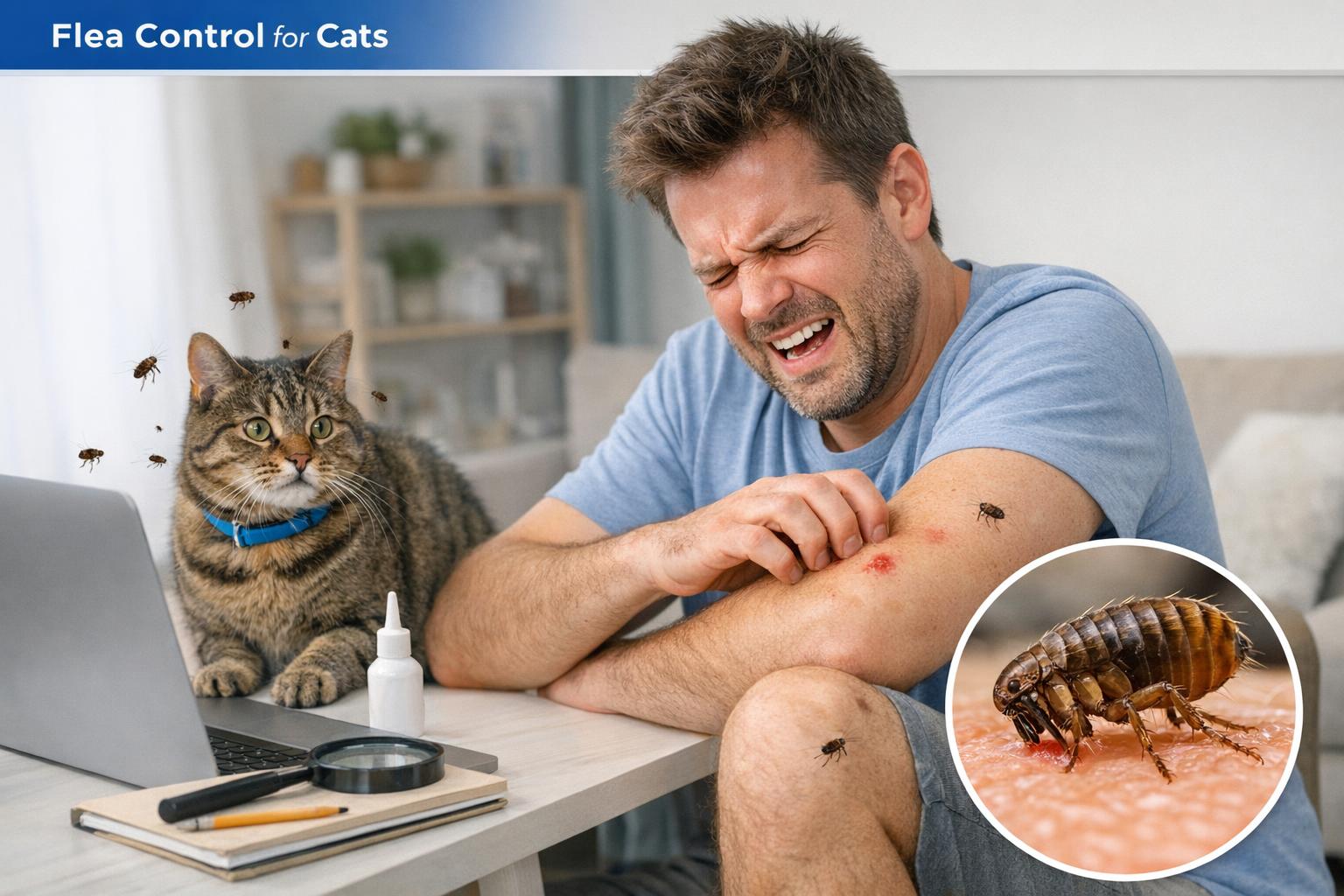
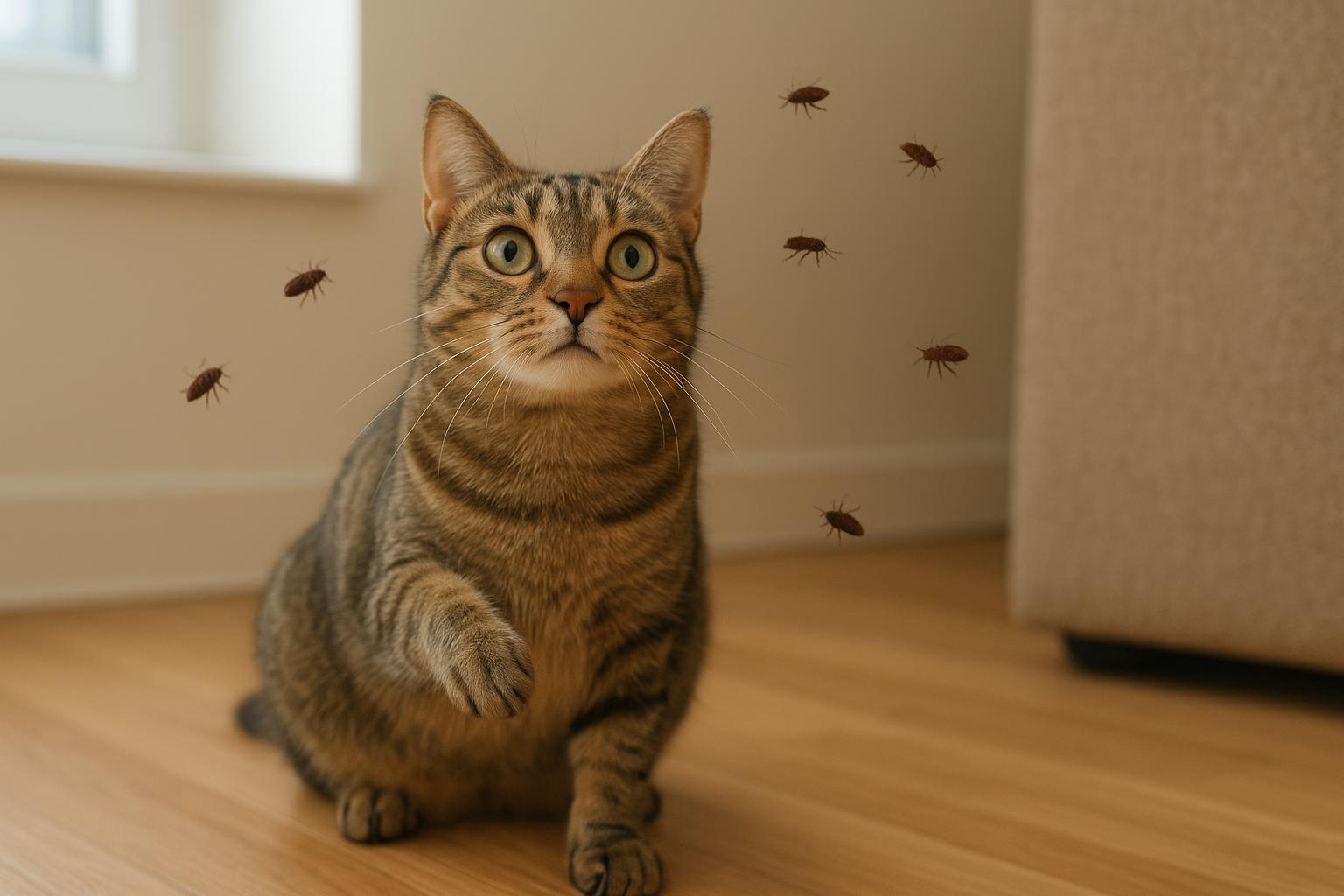
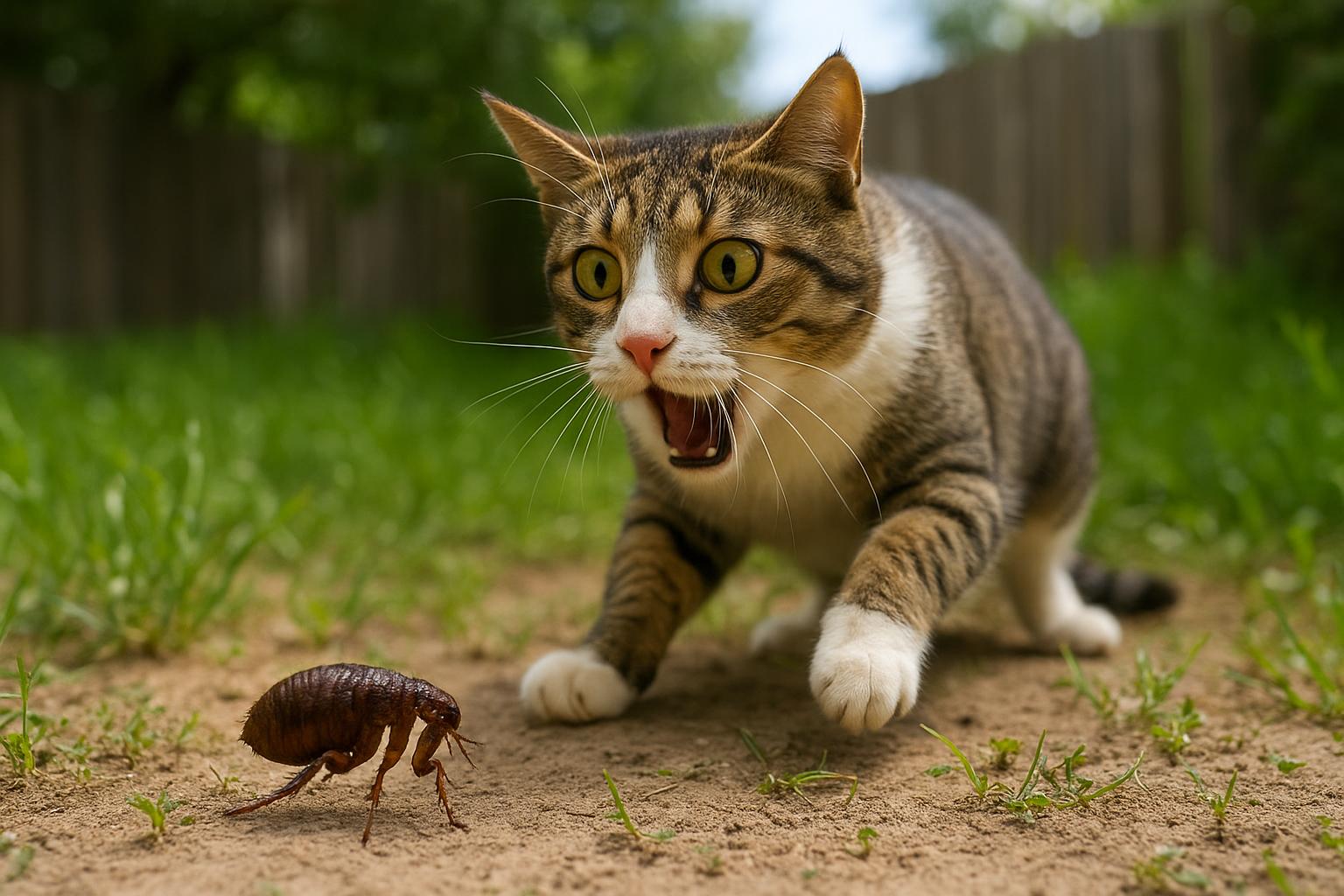
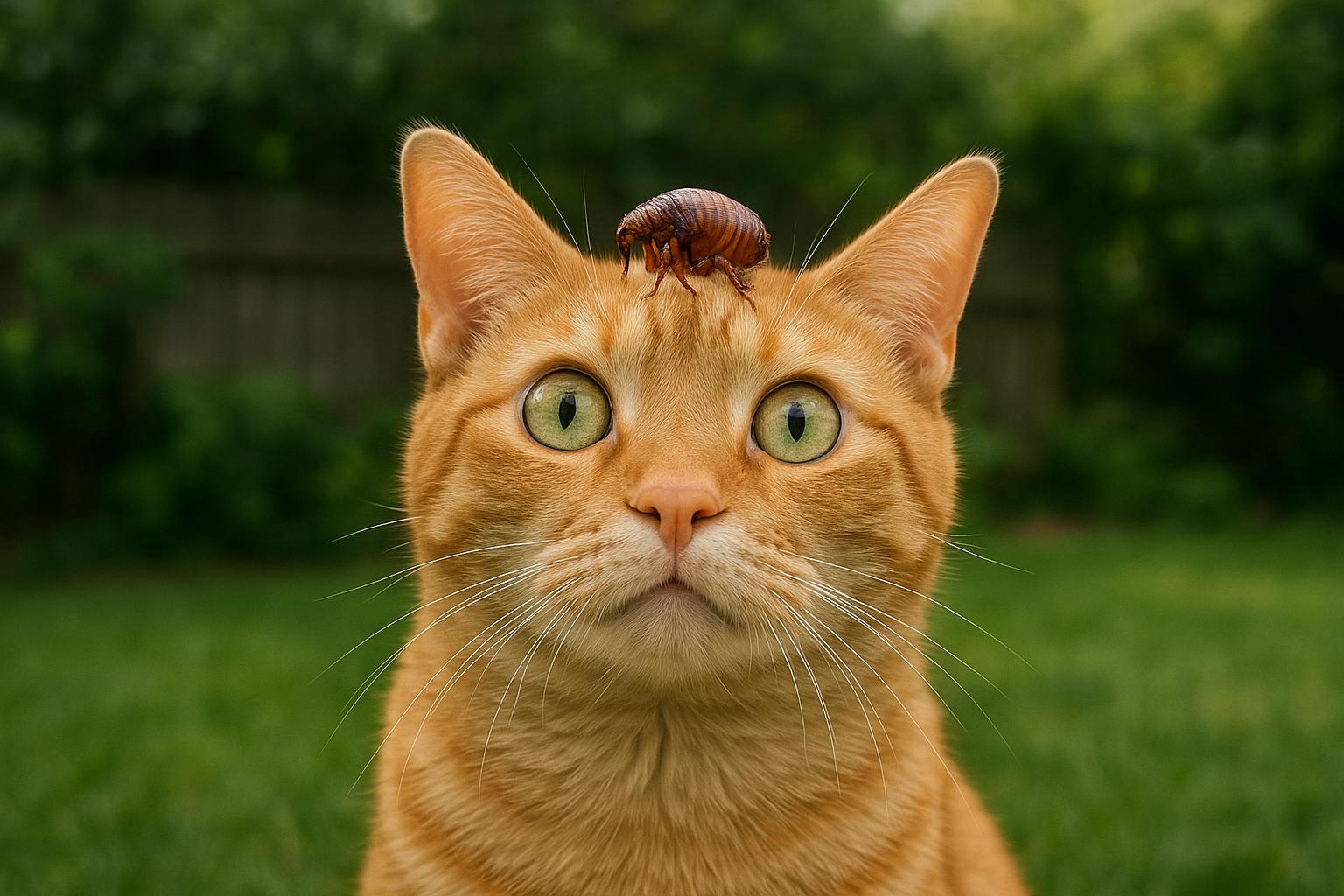
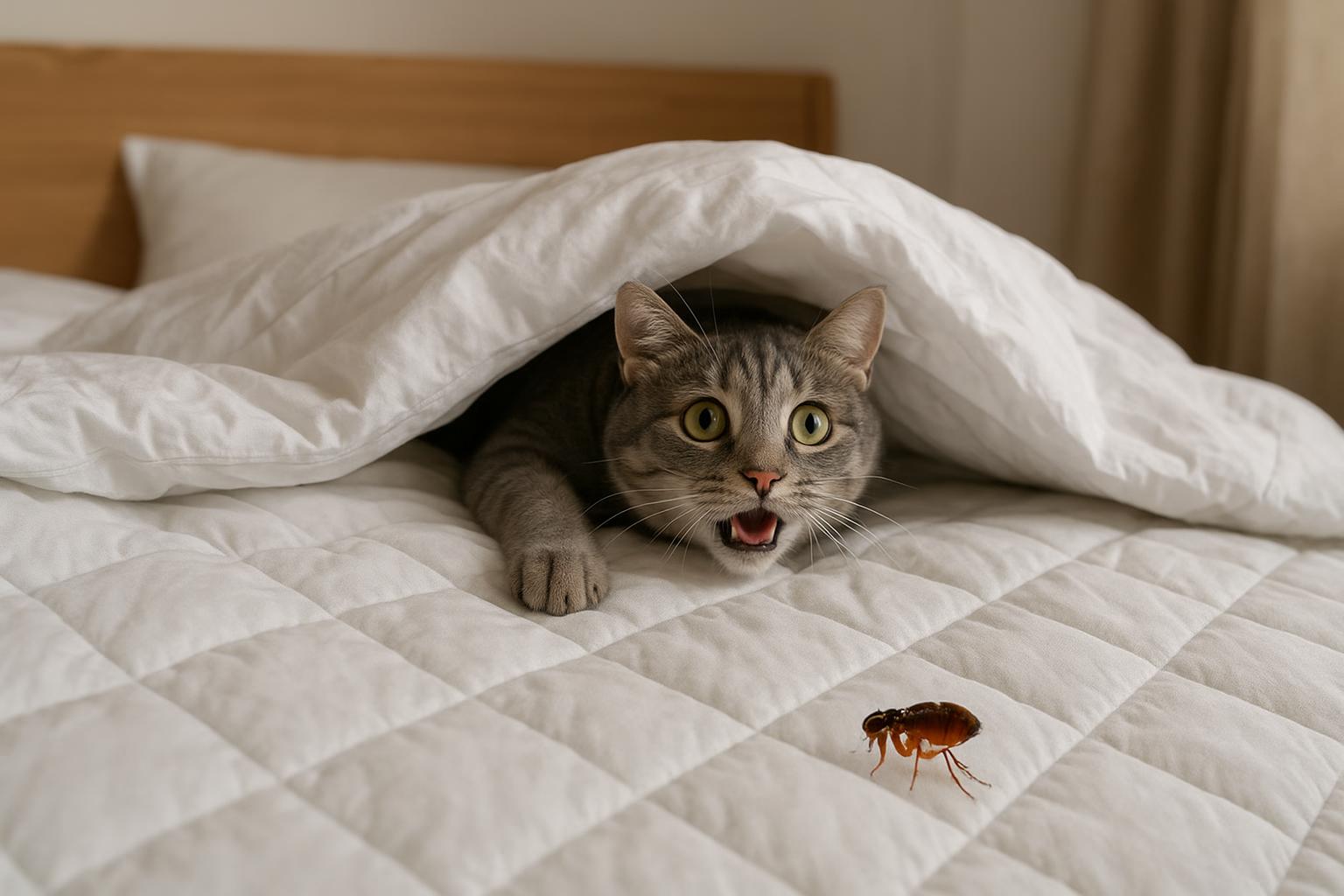
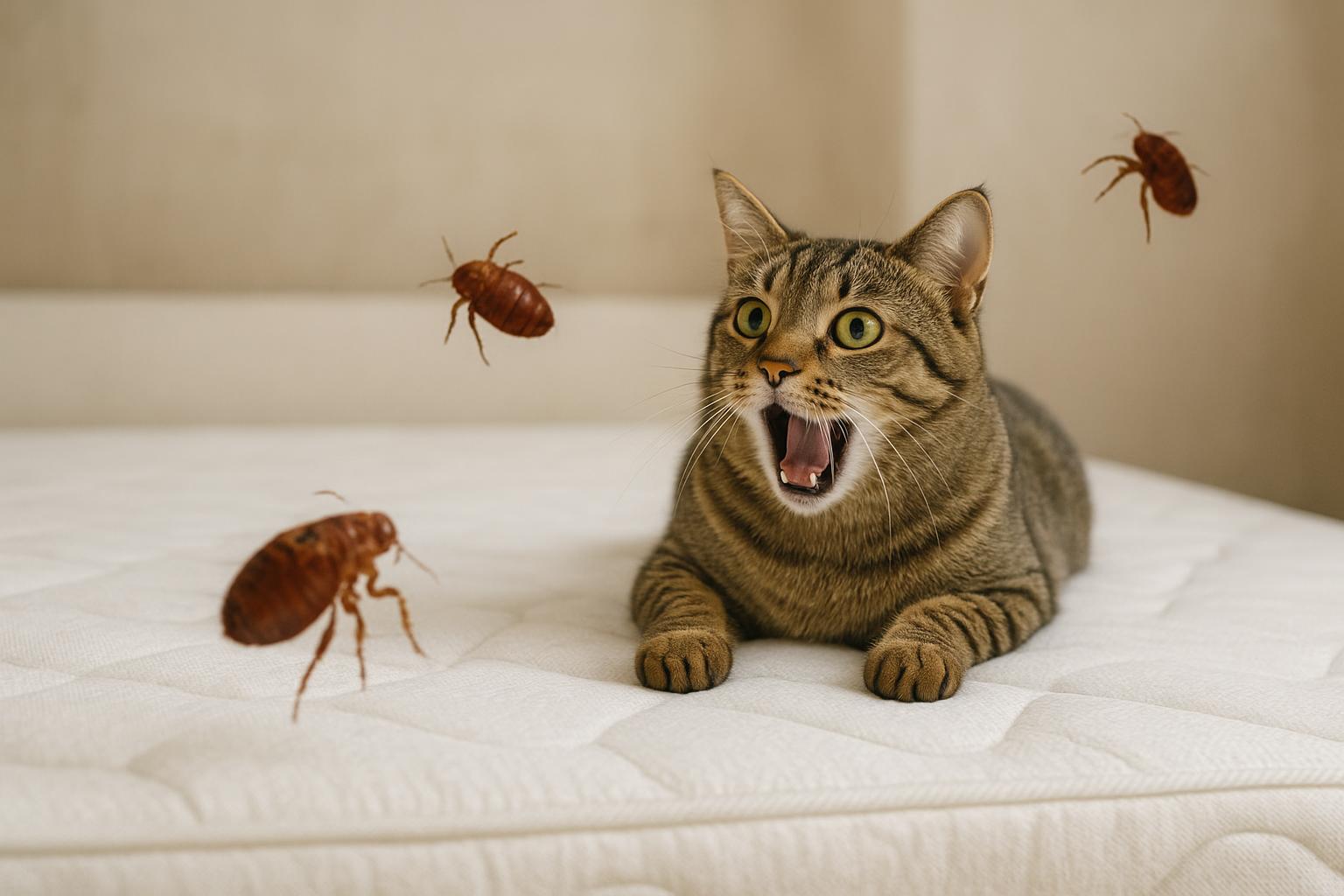
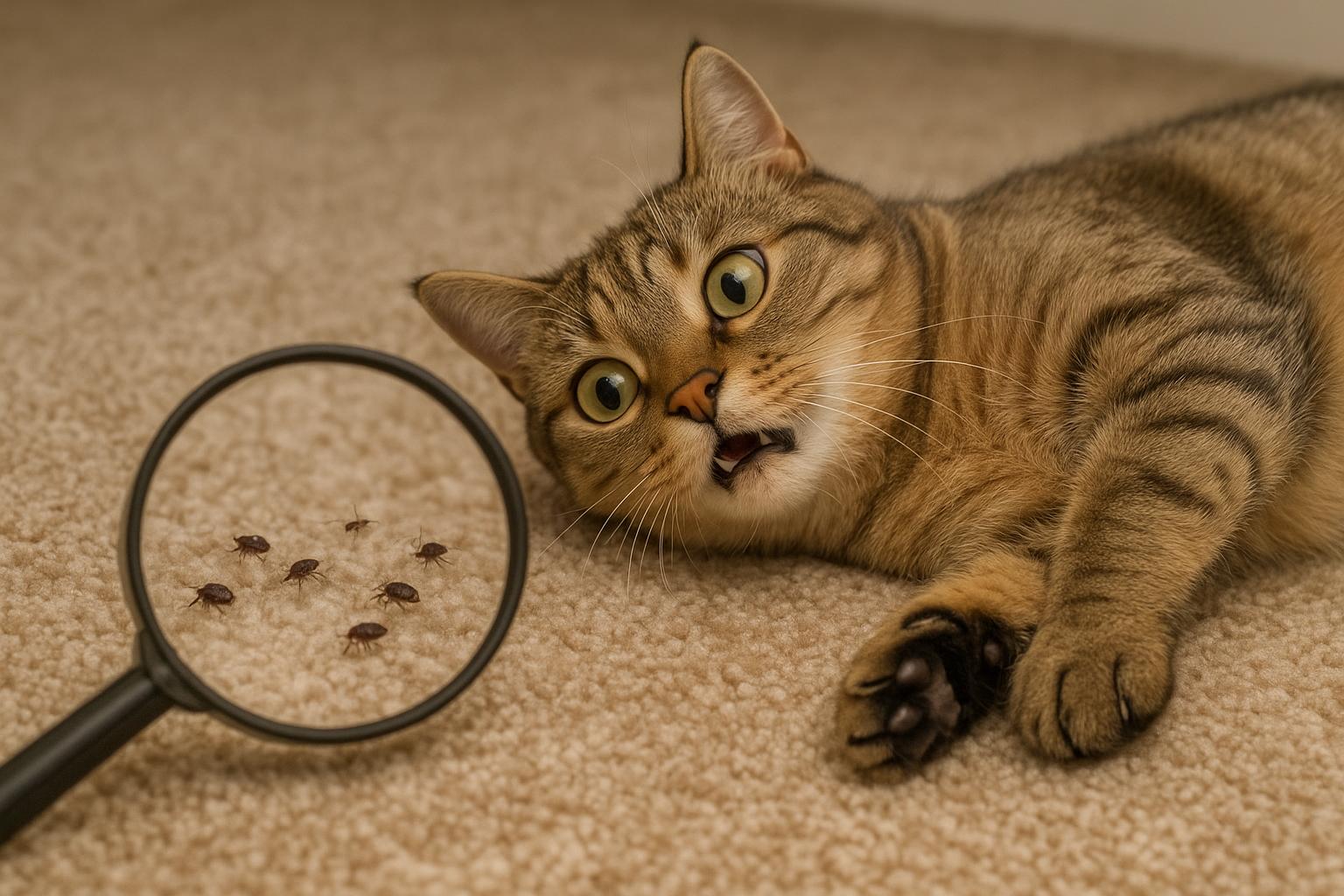
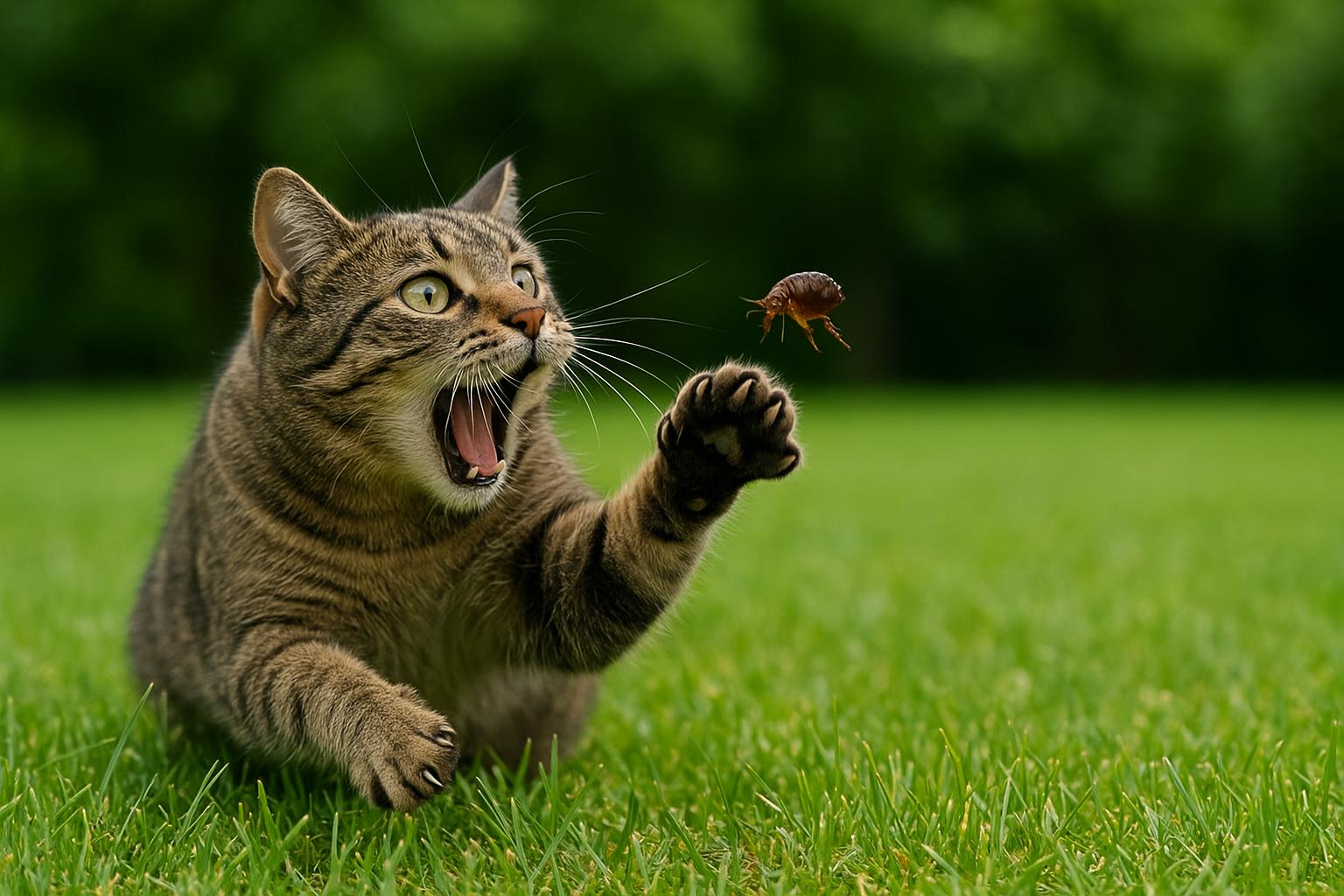
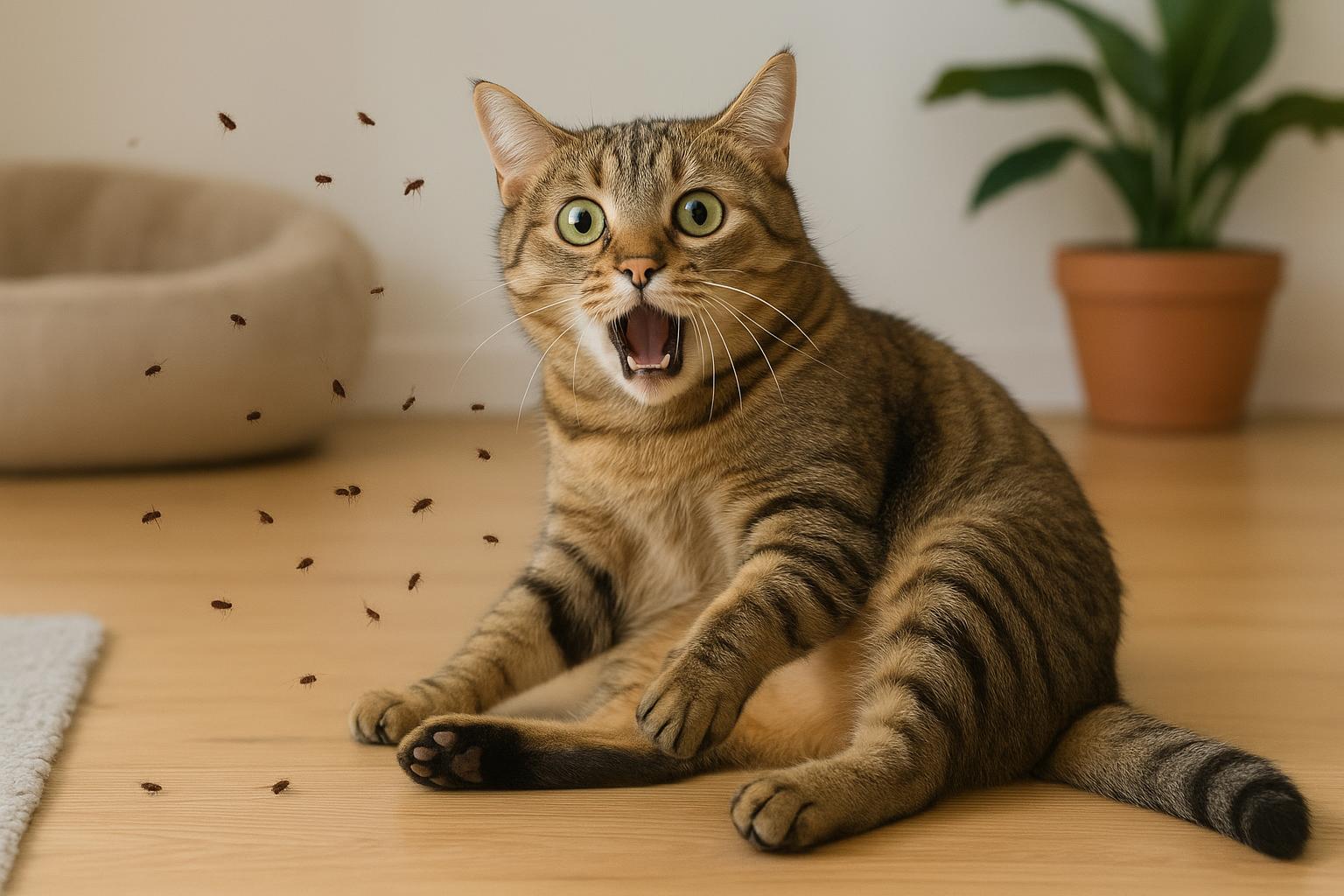
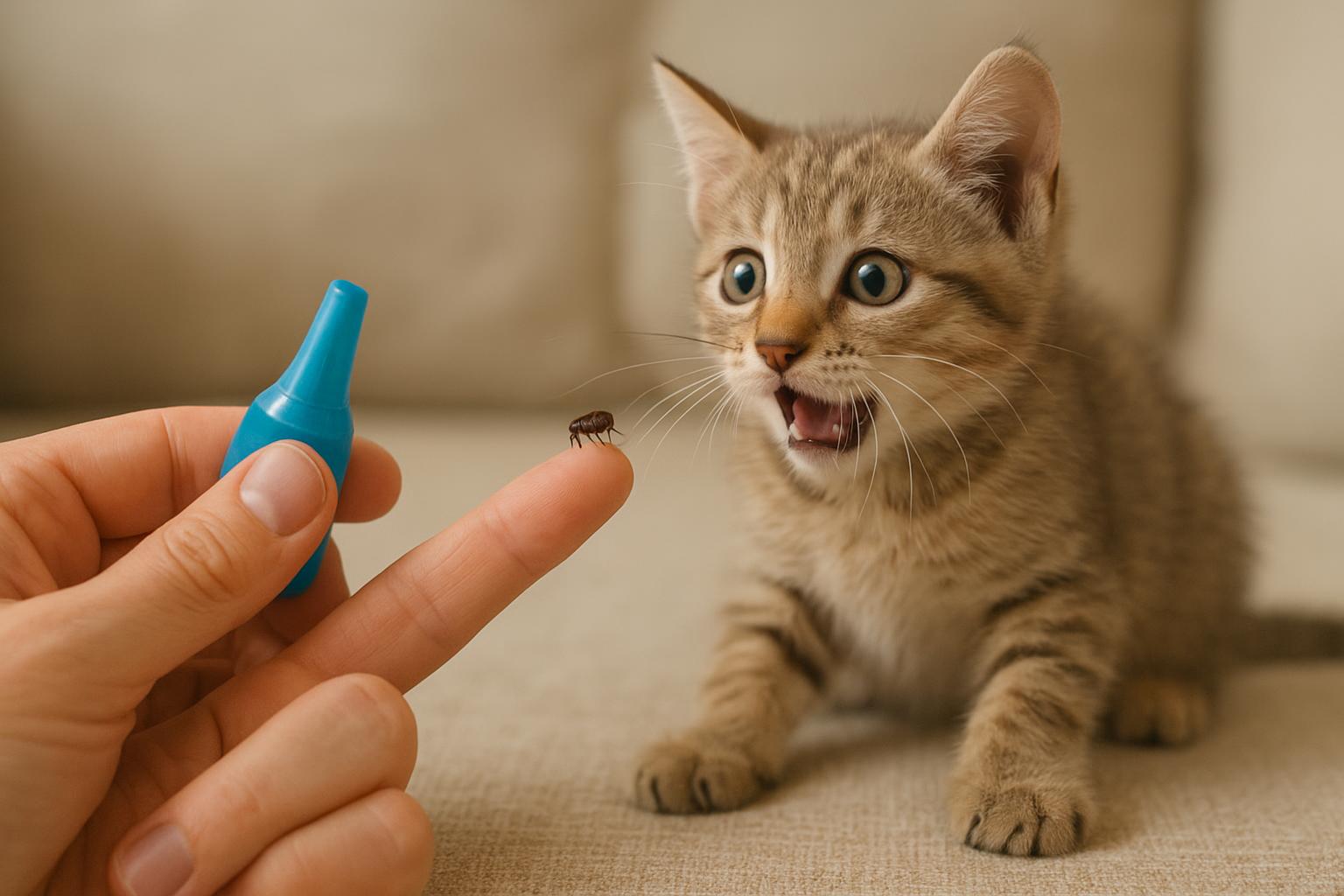
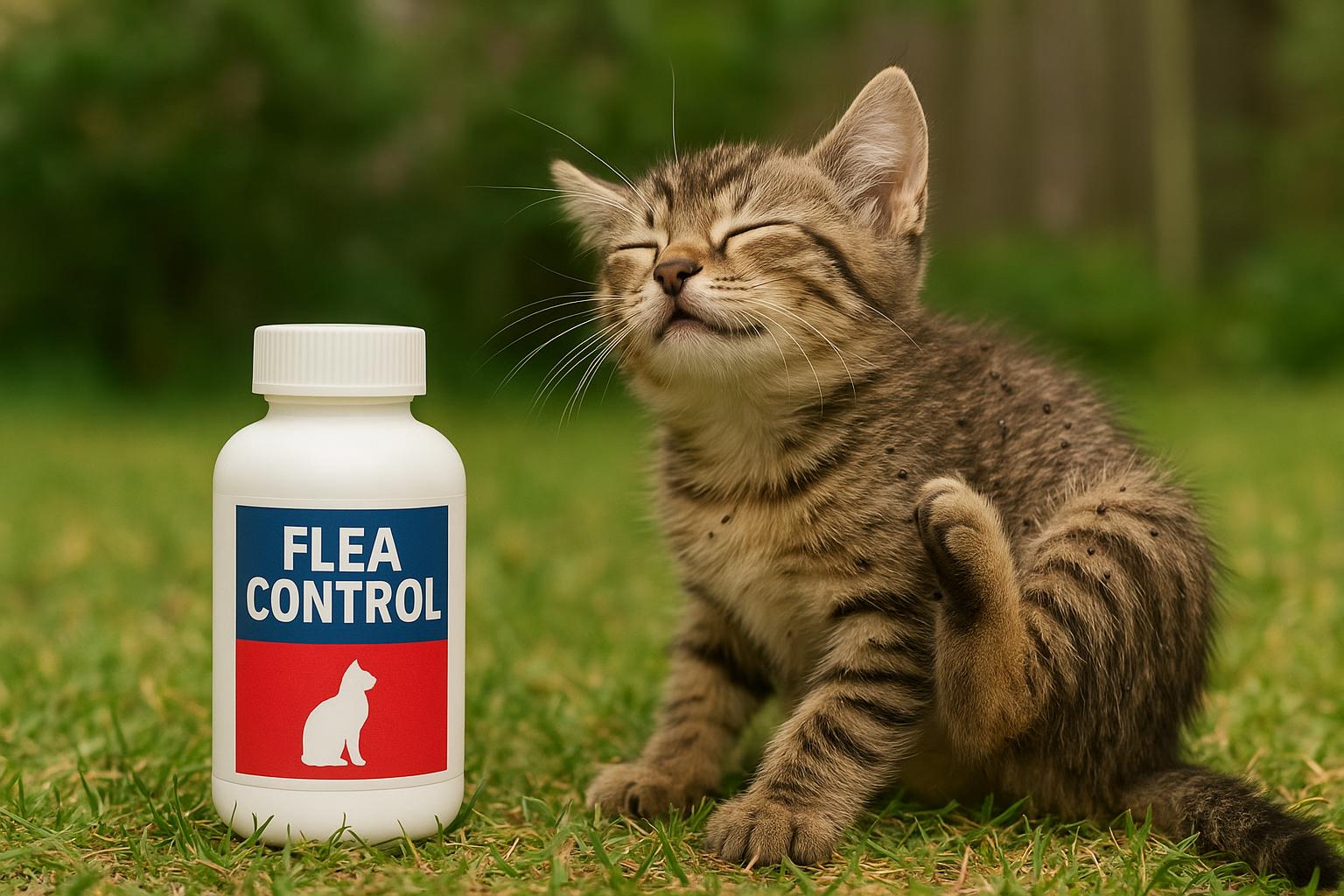
Fleas are small, fast, and very good at math: they compute warmth + fur + access to a buffet = paradise. Aside from causing itchiness and irritation, heavy infestations can lead to anemia or transmit tapeworms. Natural cat prevention focuses on interrupting the flea lifecycle, making the environment inhospitable to fleas, and reducing the factors that attract them in the first place.
### The Basic Philosophy Of Natural Cat Prevention
When I say “natural,” I mean strategies that minimize synthetic pesticides while still being practical. This is not about letting fleas stage a coup; it’s about integrated tactics:
– Target eggs, larvae, and adults.
– Treat the cat and the environment.
– Use safe, cat-friendly products and practices.
Natural cat prevention is a multi-step game—no single trick will vanquish an established infestation overnight.
## Top Habitat Hacks That Help With Natural Cat Prevention
### Yard Management And Home Hygiene
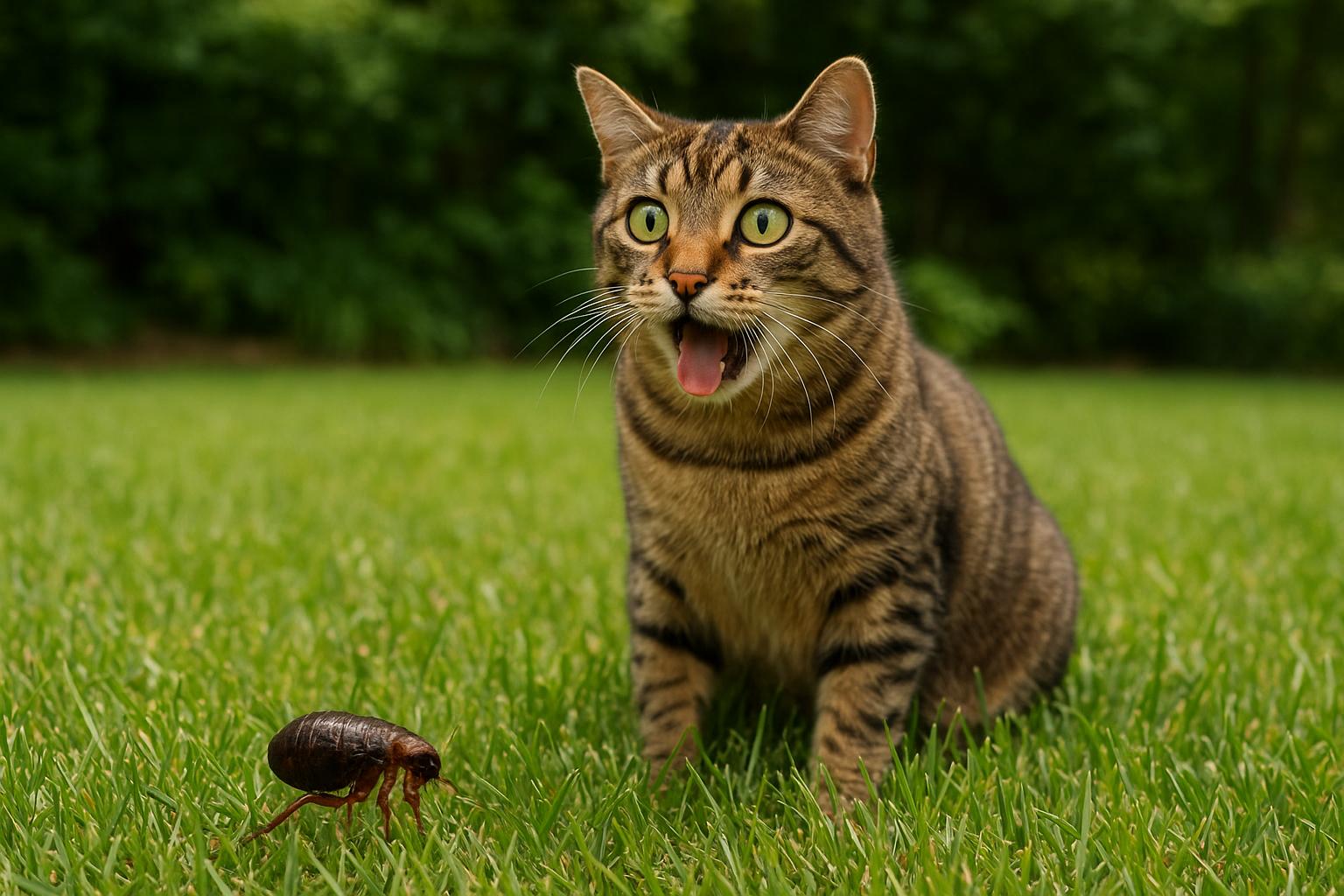
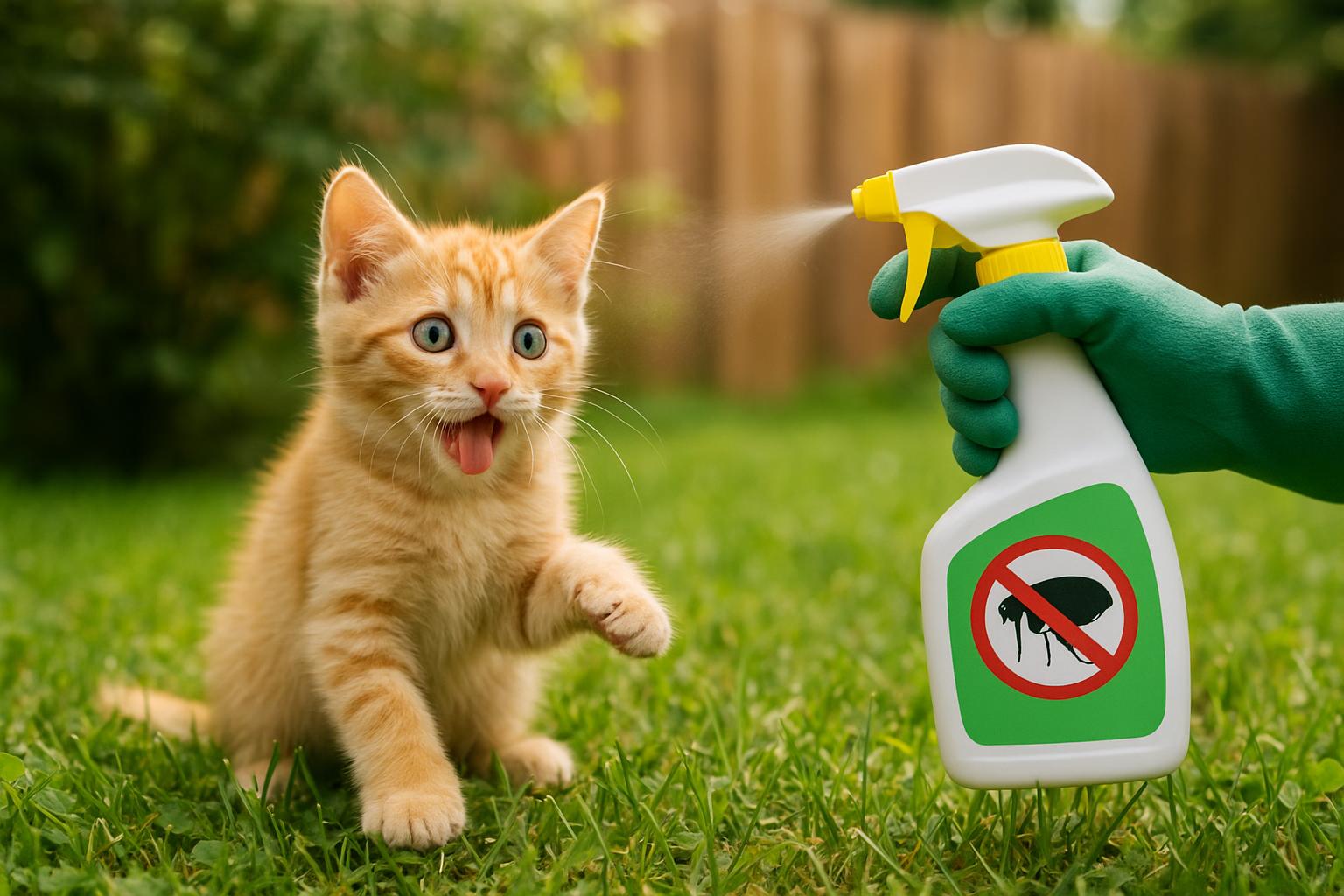
A flea’s favorite places are shady, damp areas. Tidy landscaping matters.
– Keep grass trimmed and remove leaf litter where fleas and ticks thrive.
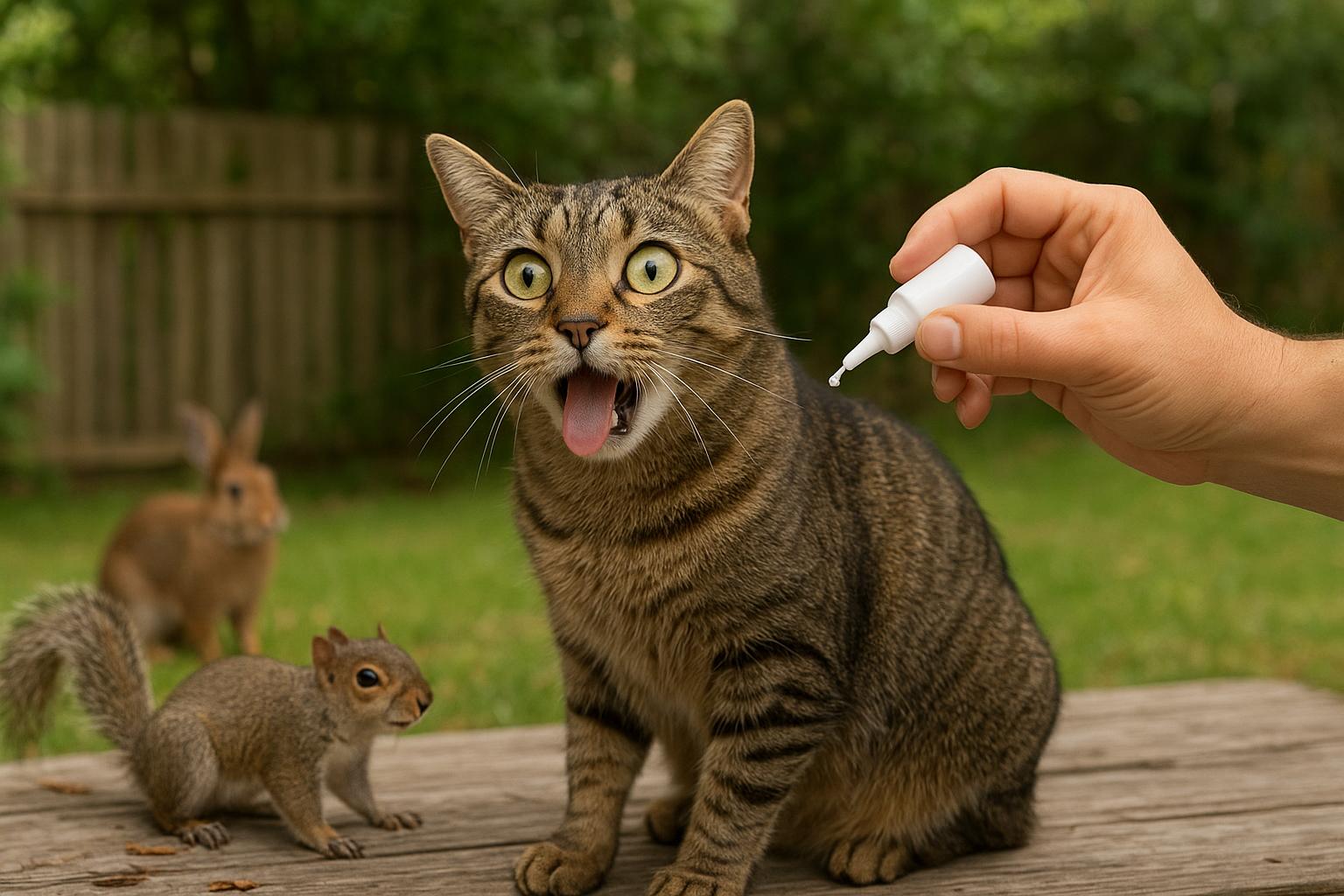
– Limit rodent and wildlife attractants; mice and squirrels can ferry fleas into your yard.
– Vacuum frequently and wash bedding in hot water. Vacuuming removes eggs and larvae and stimulates adults to emerge so they can be caught or die sooner.
These steps are low-tech but surprisingly effective components of natural cat prevention.
#### Laundry And Vacuuming Frequency Recommendations
Daily vacuuming may be overkill, but aim for several times a week during peak flea season. Wash your cat’s bedding weekly in the warmest water safe for the fabric.
## Remedy 1: Apple Cider Vinegar Flea Spray (Natural Cat Prevention)
### Ingredients And Required Materials
– 1 cup distilled water
– 1 cup apple cider vinegar (ACV)
– 1 teaspoon vegetable glycerin (optional, to help bind)
– A clean spray bottle (preferably glass)
– Fine mesh strainer or coffee filter
### Step-By-Step Creation And Application
1. Combine the distilled water and apple cider vinegar in a bowl; stir gently. If using glycerin, add and mix until dissolved.
2. Pour mixture through a fine mesh strainer or coffee filter into the spray bottle to remove sediment.
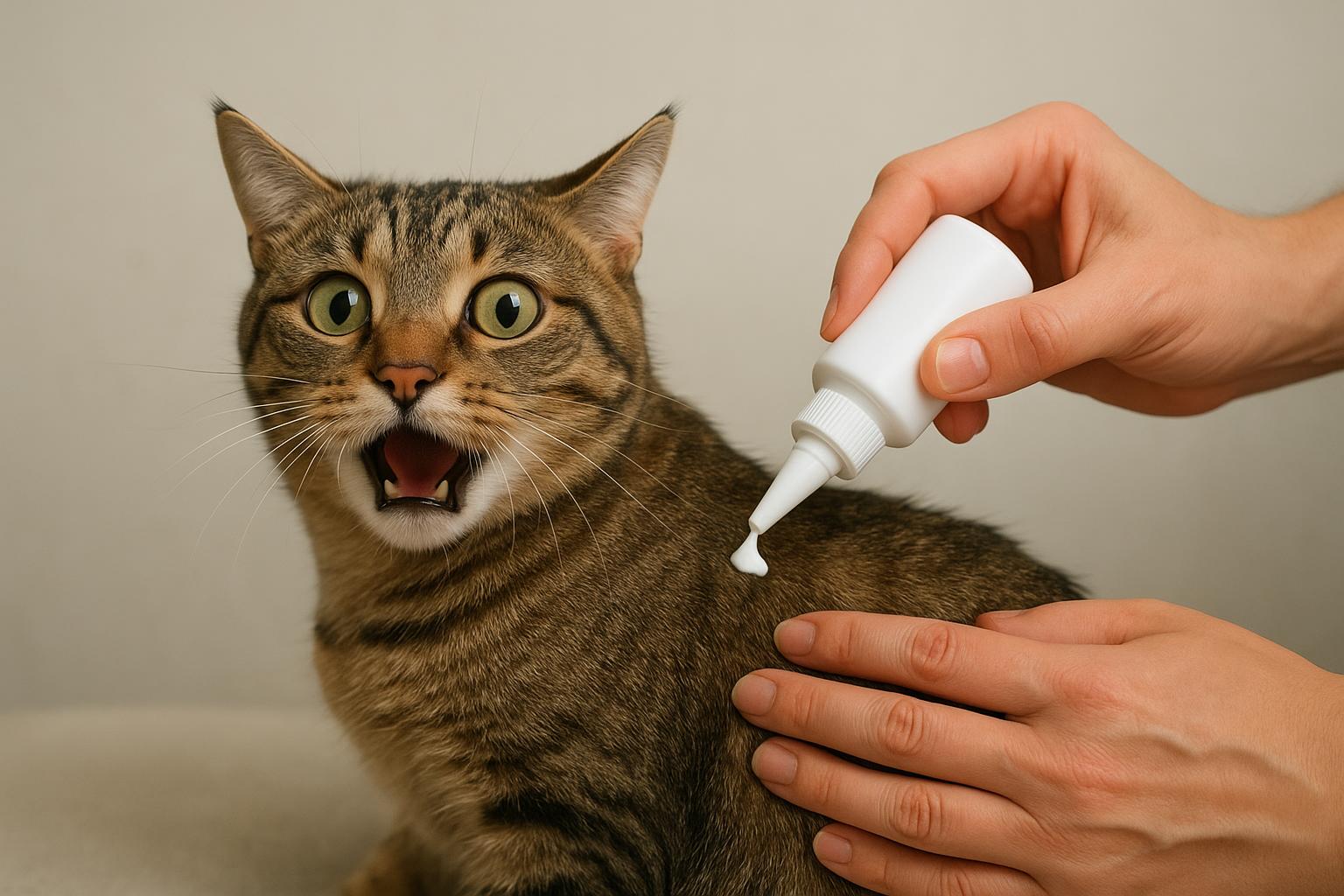
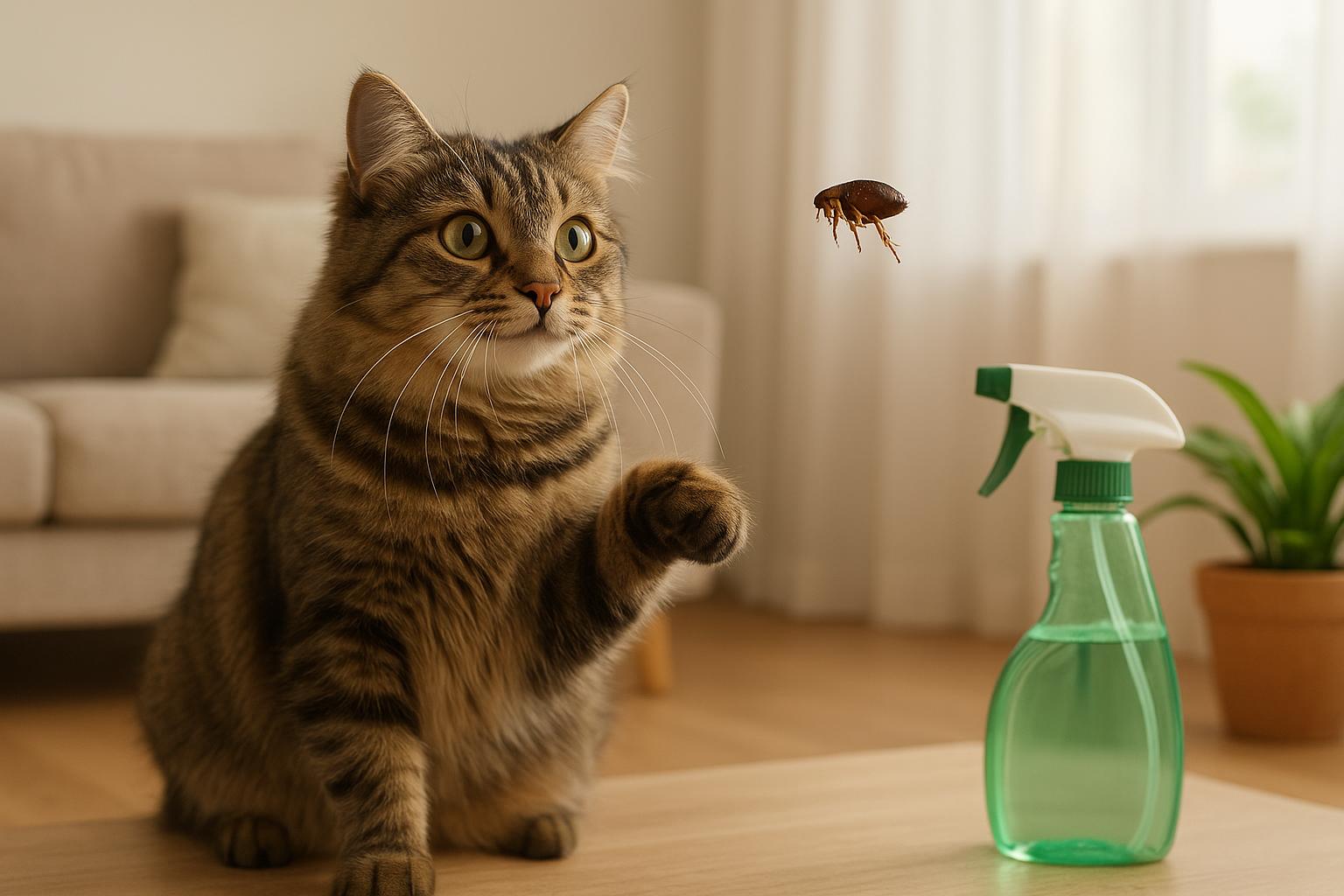
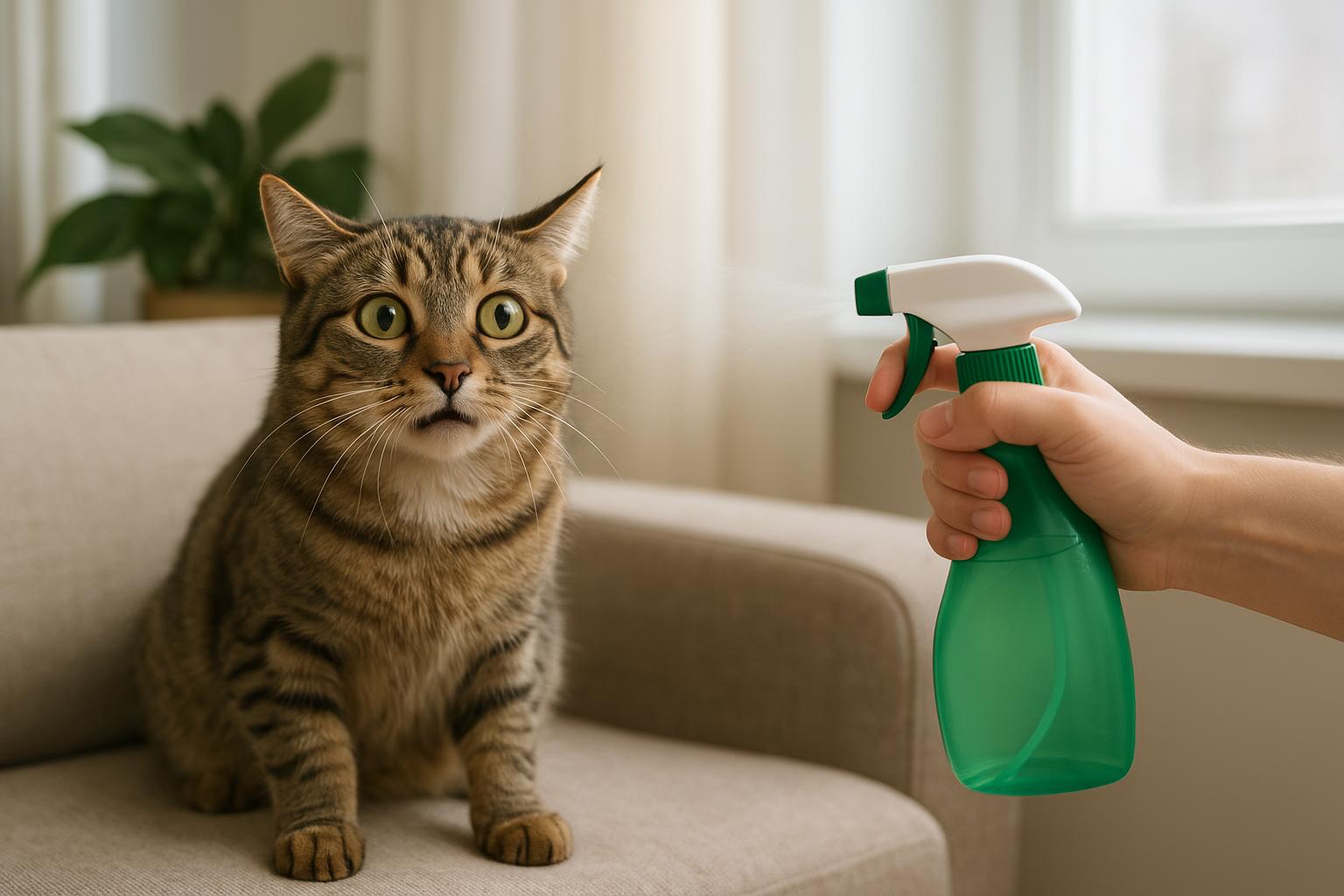
3. Shake before each use. Lightly mist your cat’s fur from a few inches away, avoiding eyes, ears, nose, and any open wounds.
4. Apply once every 2–3 days during active flea season or after outdoor excursions.
Safety Notes: Apple cider vinegar is acidic. When used as directed—light misting and avoiding mucous membranes—it is generally safe for cats. Do not apply to cats with broken skin or severe dermatitis. This remedy supports natural cat prevention by repelling adult fleas and creating a less hospitable coat environment.
## Remedy 2: Diatomaceous Earth Dusting (Numbered Natural Cat Prevention Method)
### Ingredients And Required Materials
– Food-grade diatomaceous earth (DE)
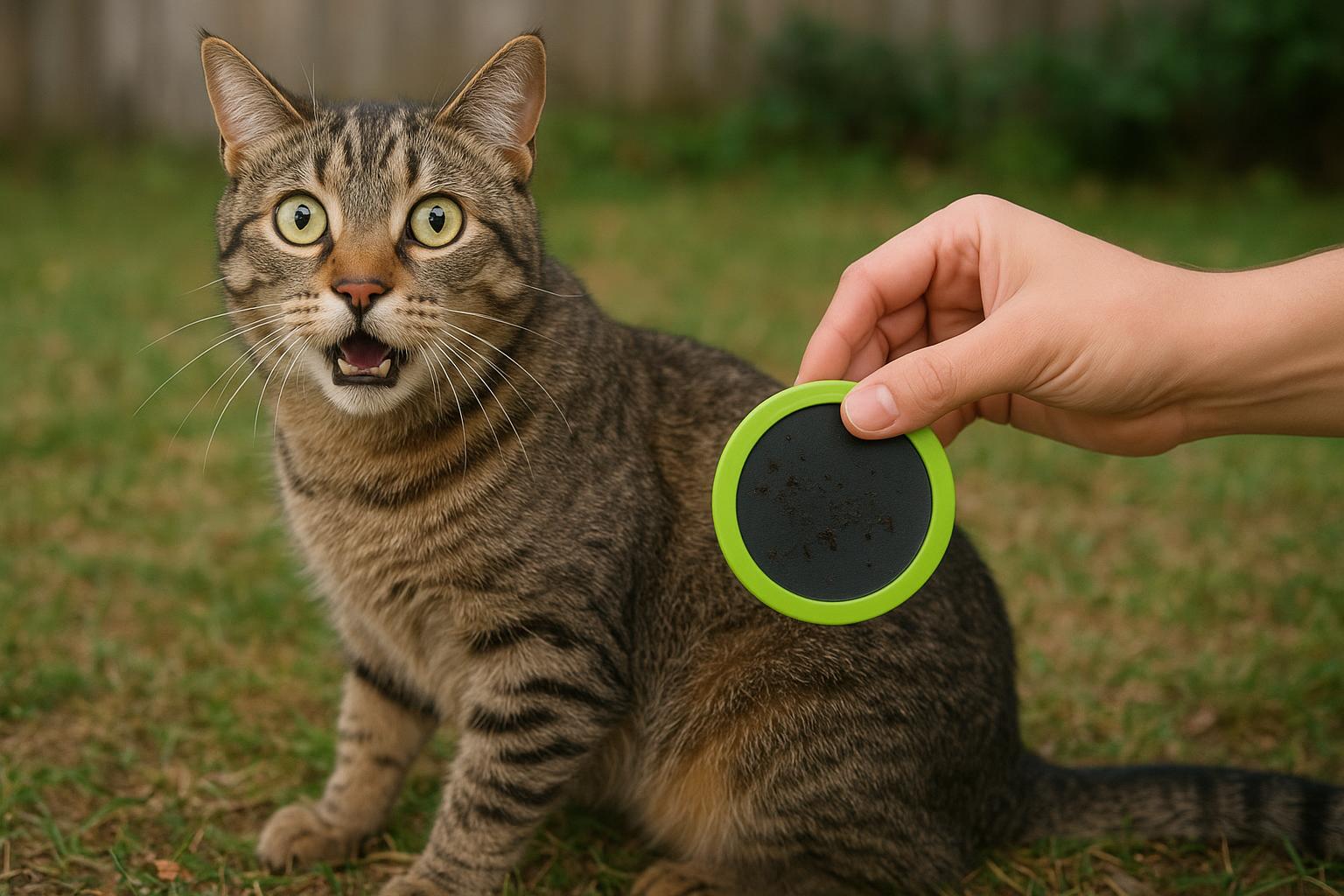
– Soft-bristled brush or glove for application
– Dust mask and gloves for human safety
– Vacuum cleaner and sealed disposal bag
### Step-By-Step Creation And Application
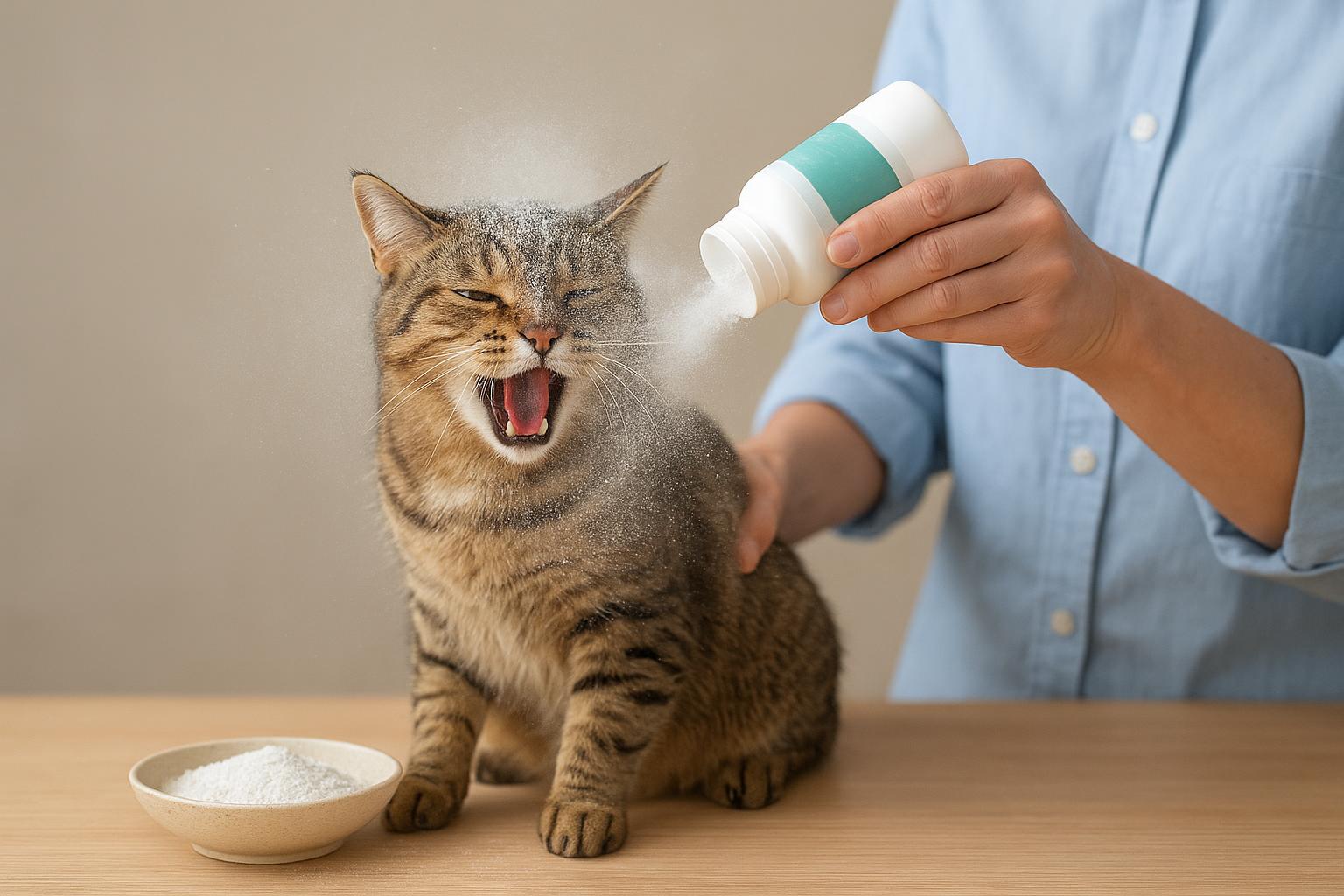
1. Put on a dust mask and gloves. Handle DE carefully to avoid inhalation.
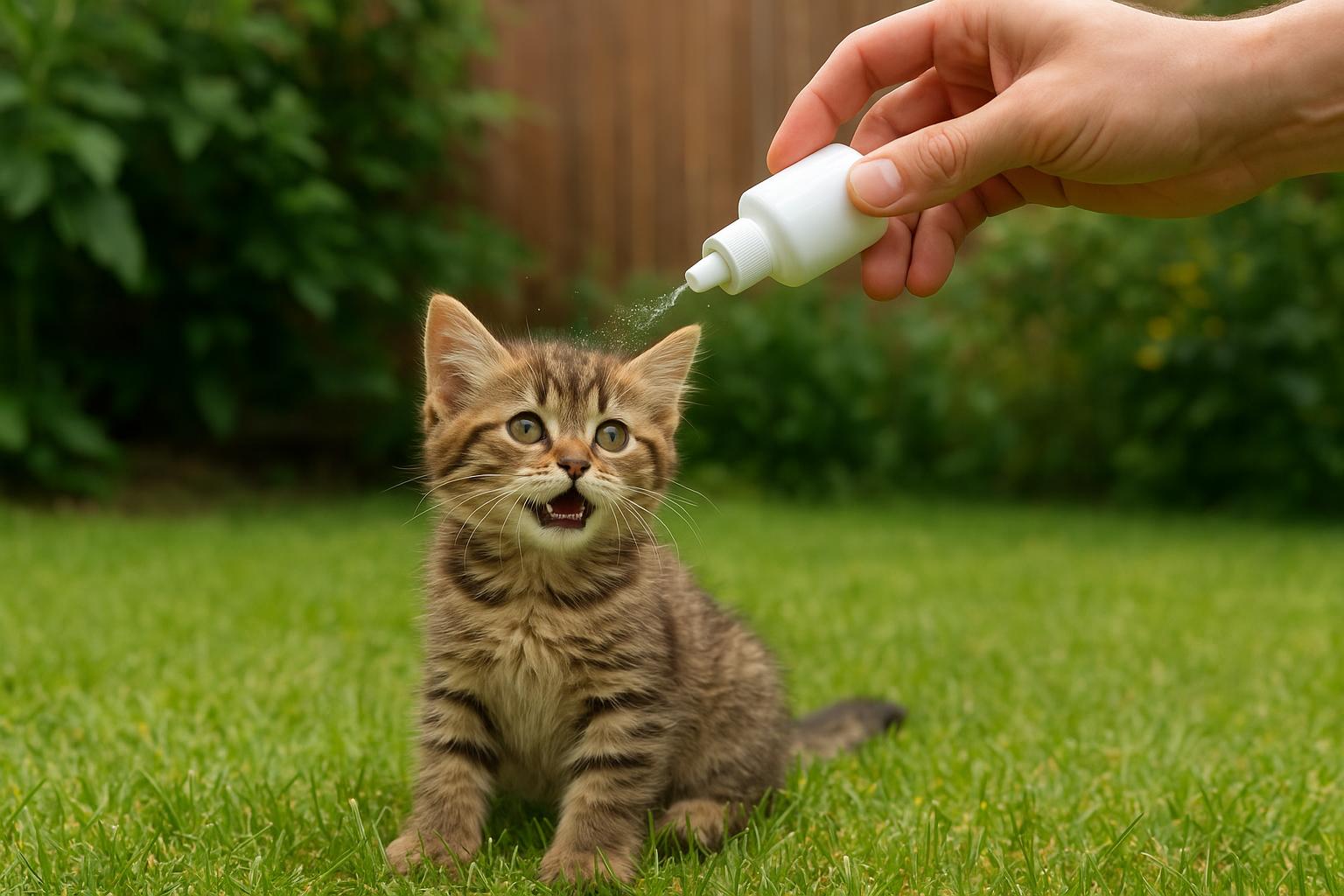
2. Lightly dust your cat’s coat with a small pinch, working from neck to tail. Use a soft brush to distribute evenly. Avoid face, eyes, and genitals.
3. Leave on for 24–48 hours, then thoroughly brush out or vacuum the cat’s bedding and living areas.
4. Repeat weekly during infestation periods. Treat carpets, baseboards, and pet bedding by lightly sprinkling DE, letting it sit 48 hours, then vacuuming and disposing of vacuum contents in a sealed bag.
Mechanism And Safety: Diatomaceous earth is a powder composed of fossilized algae skeletons; it abrades insect exoskeletons and causes desiccation. Use only food-grade DE and exercise caution to prevent respiratory irritation. When used properly, DE is a cornerstone of natural cat prevention for environmental control.
## Remedy 3: Herbal Collar Sachets And Indoor Repellent Pouches
### Ingredients And Required Materials
– Small cloth sachets or breathable fabric pouches
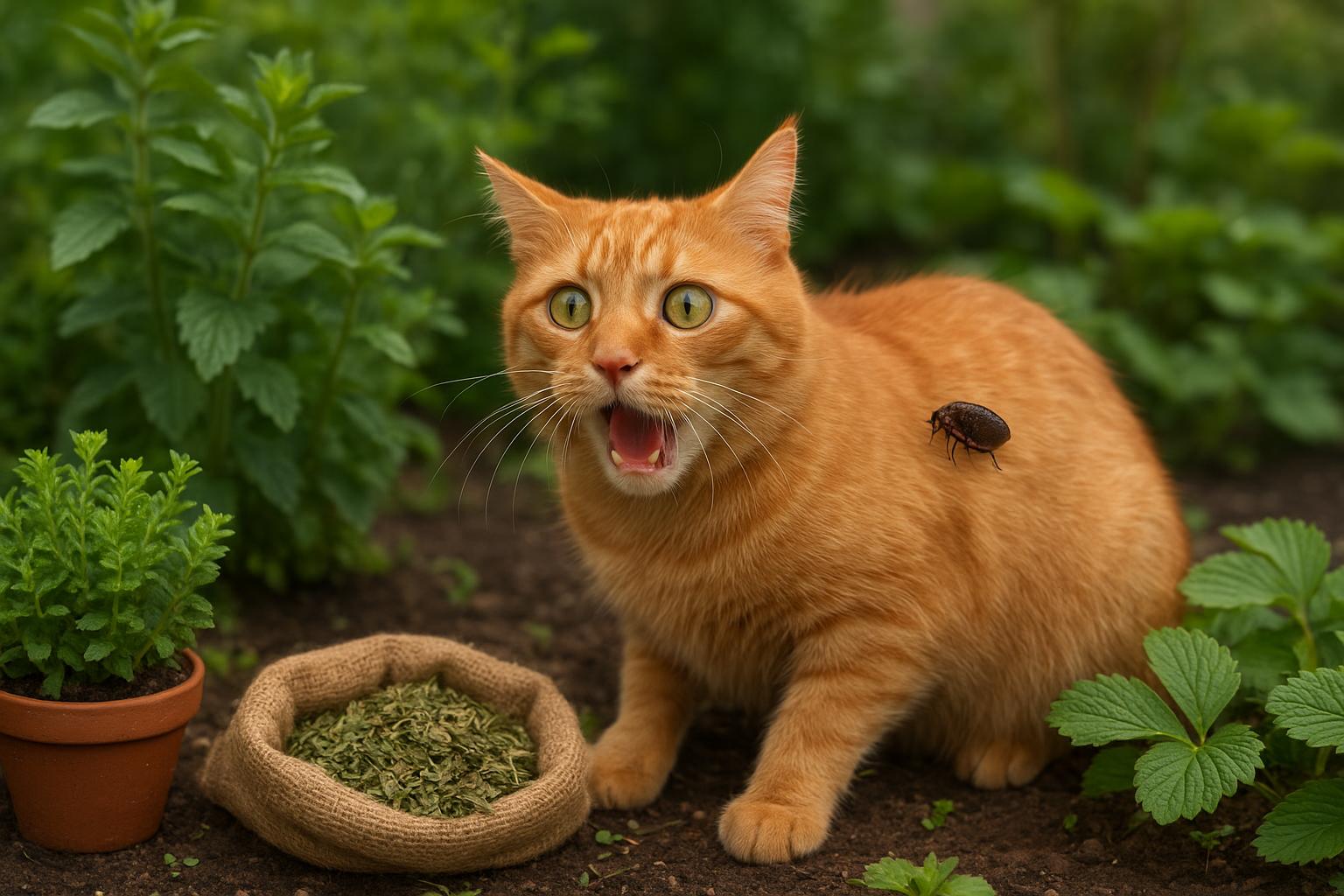
– Dried lavender, dried rosemary, and dried cedar shavings (safe in small, contained amounts)
– Neutral cotton cat collar (or a collar pouch attachment)
– Needle and thread or small zip closures
### Step-By-Step Creation And Application
1. Combine equal parts dried lavender and rosemary with a small amount of cedar shavings. Place mixture into sachets and secure them.
2. Attach sachets to the cat’s collar using a small snap or loop. Do not allow cats to chew or ingest the pouch.
3. Replace sachets every 4–6 weeks or when fragrant strength declines.
4. Place additional pouches near cat sleeping areas and in closets to support household-level natural cat prevention.
Efficacy And Precautions: Essential oil-based repellents can be harmful if concentrated or applied directly to skin. Dried herb sachets provide a low-risk olfactory deterrent that influences flea behavior without exposing cats to potent oils.
## Grooming Strategies That Complement Natural Cat Prevention
### Brushing, Bathing, And Flea Combing
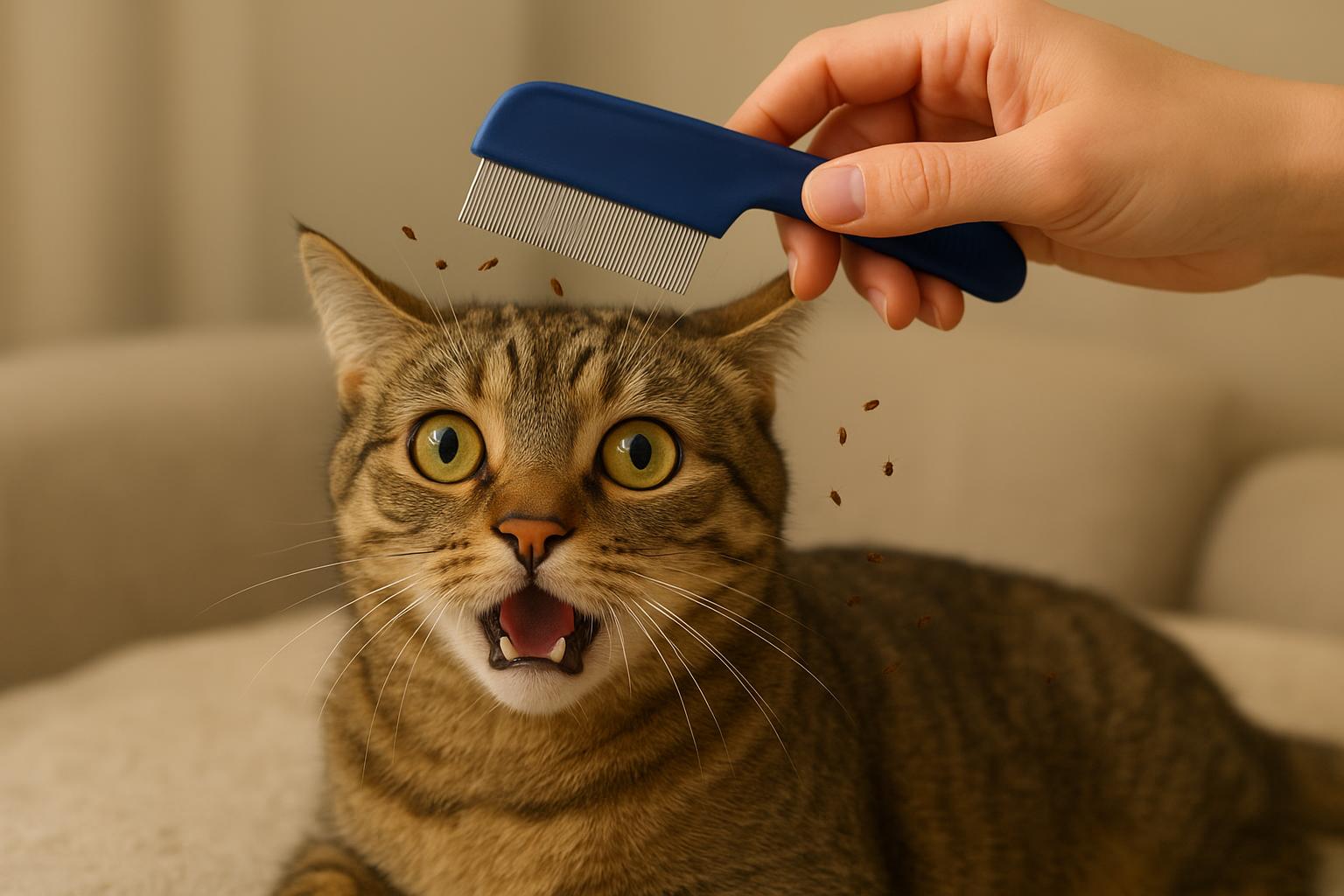
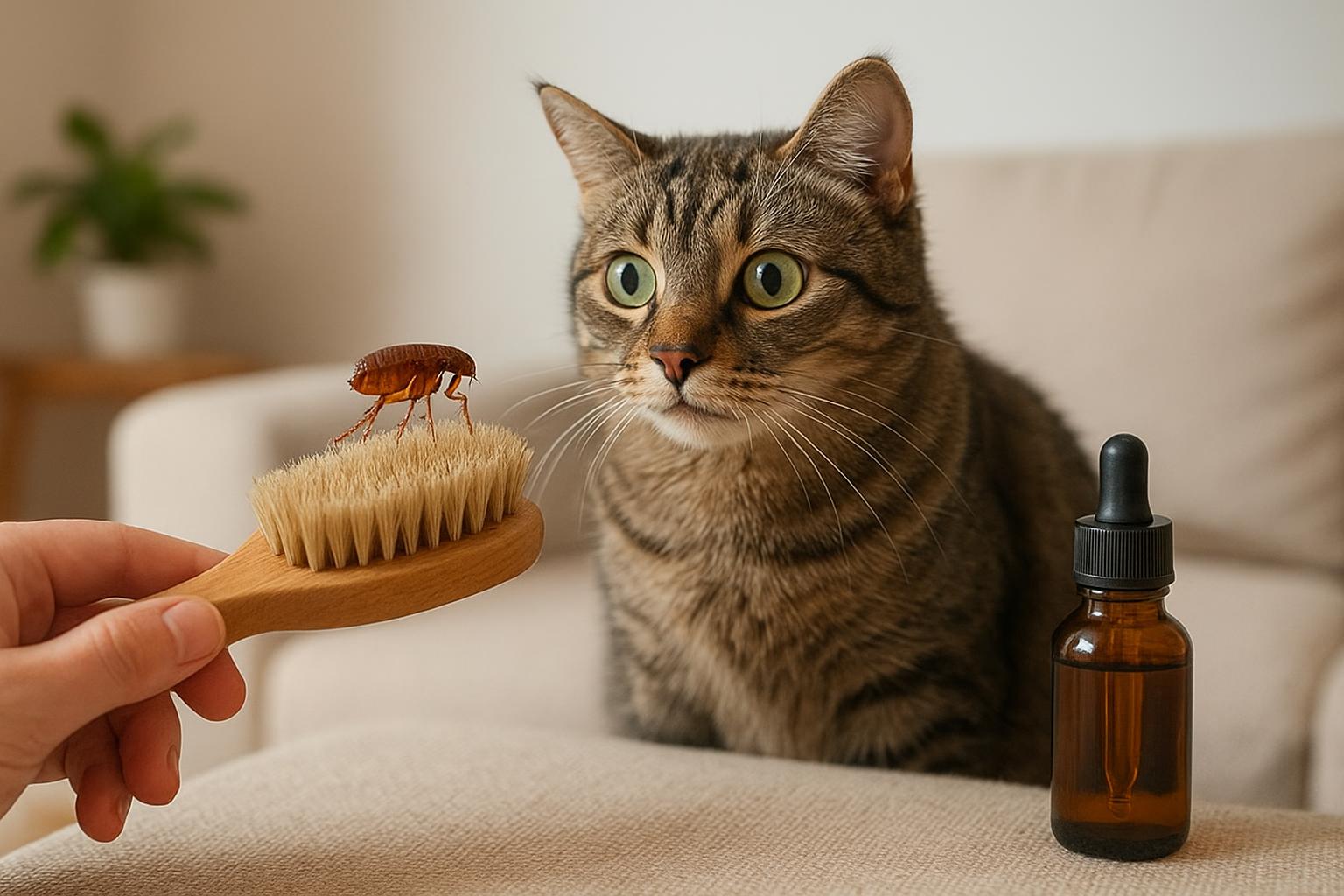
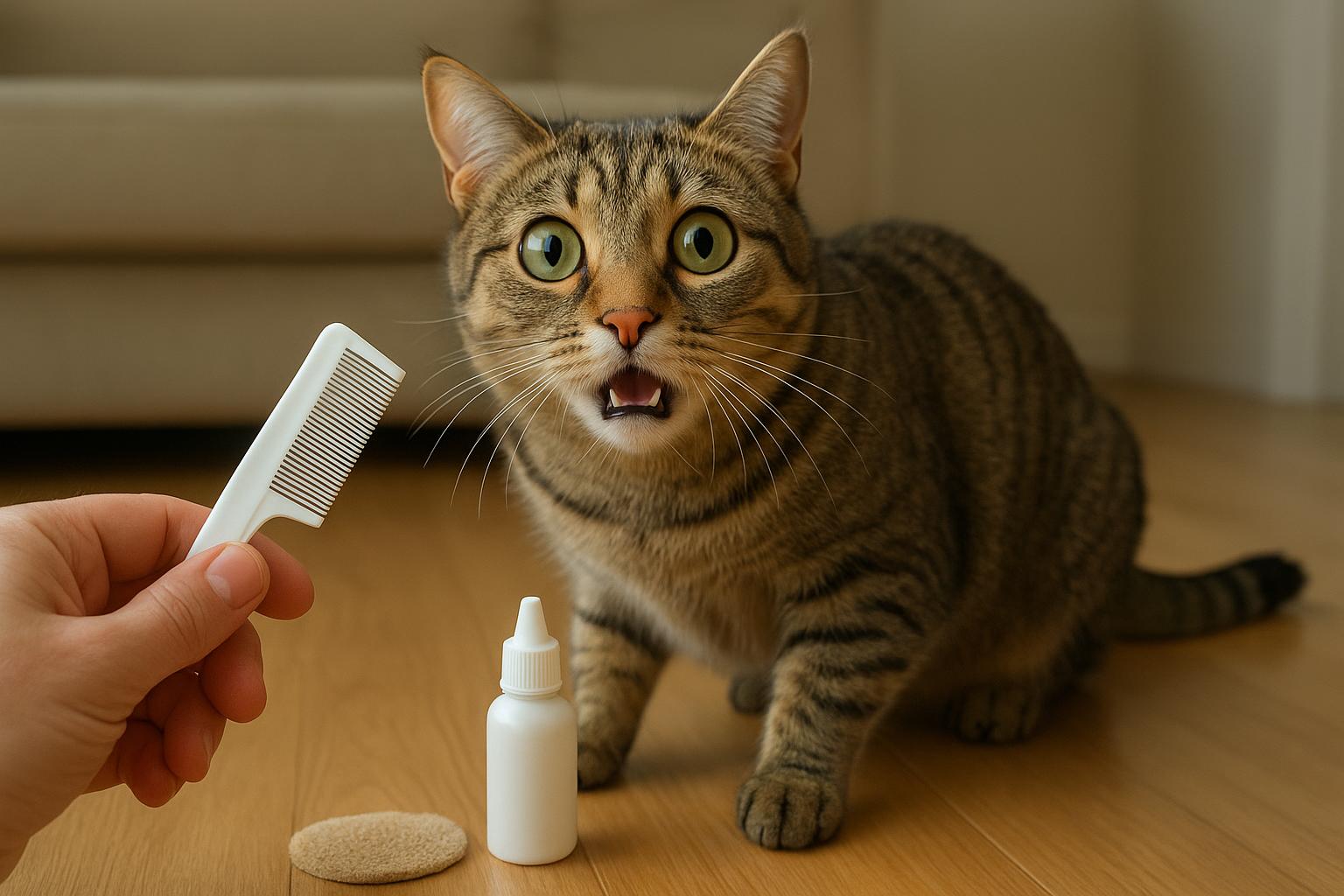
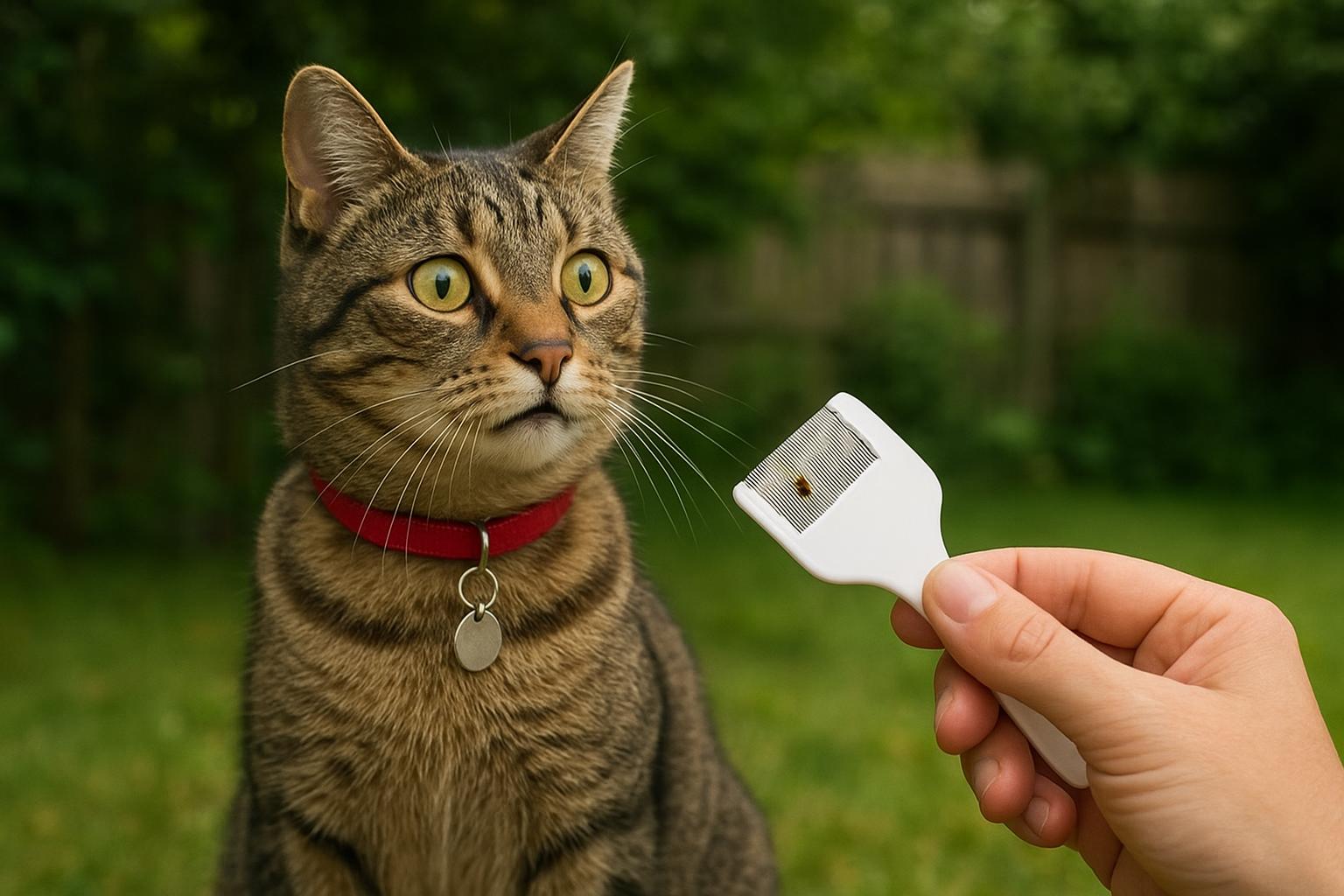
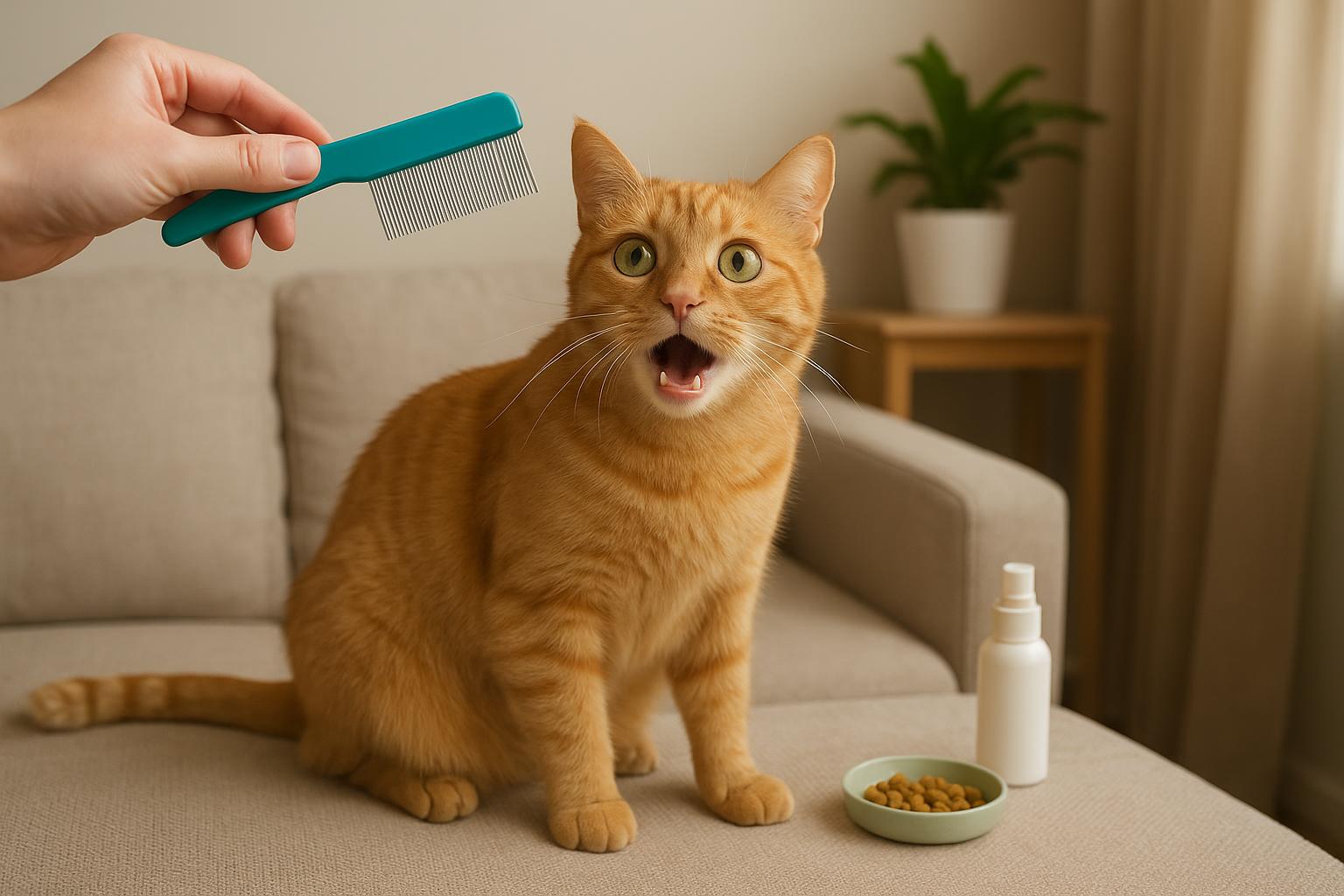
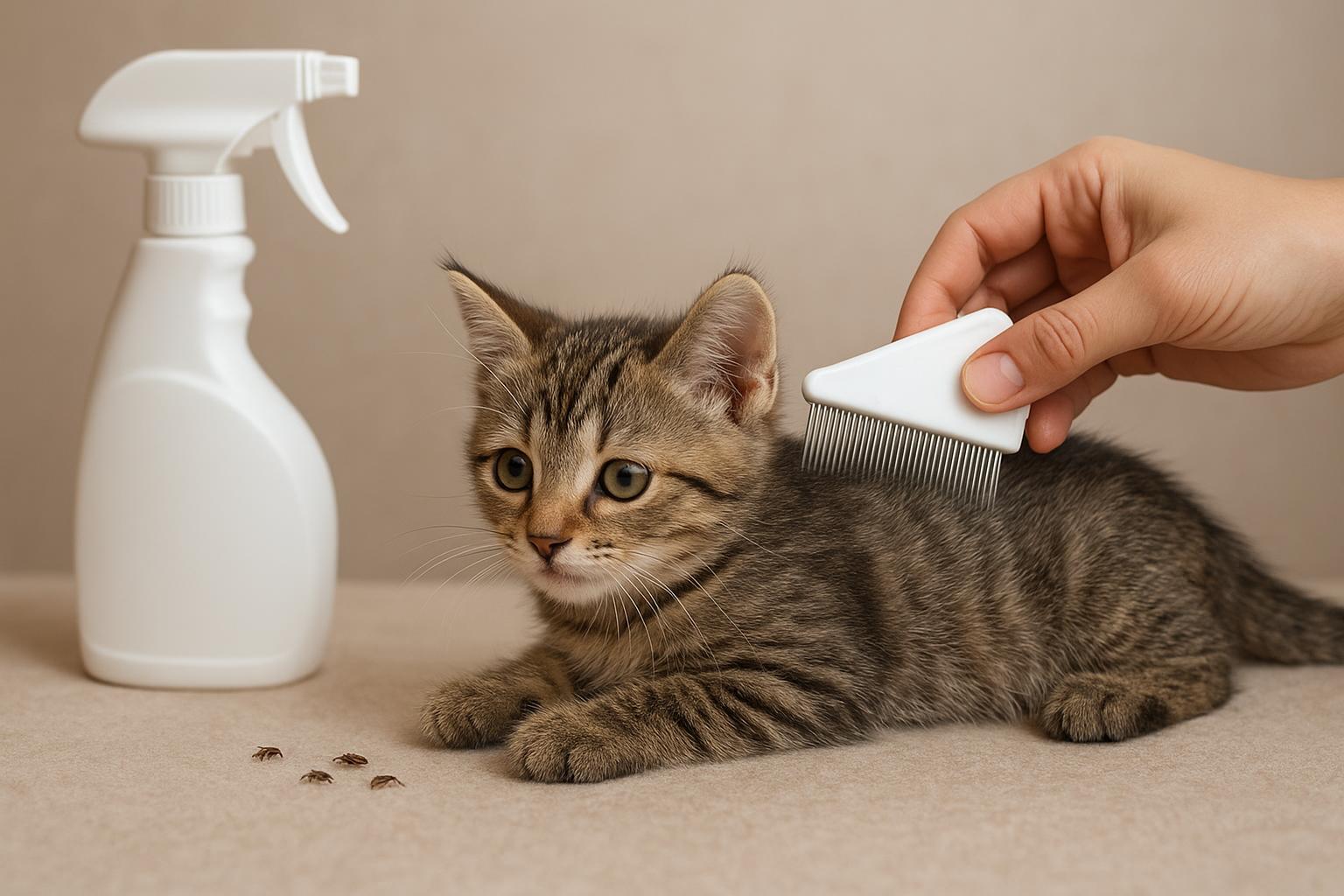
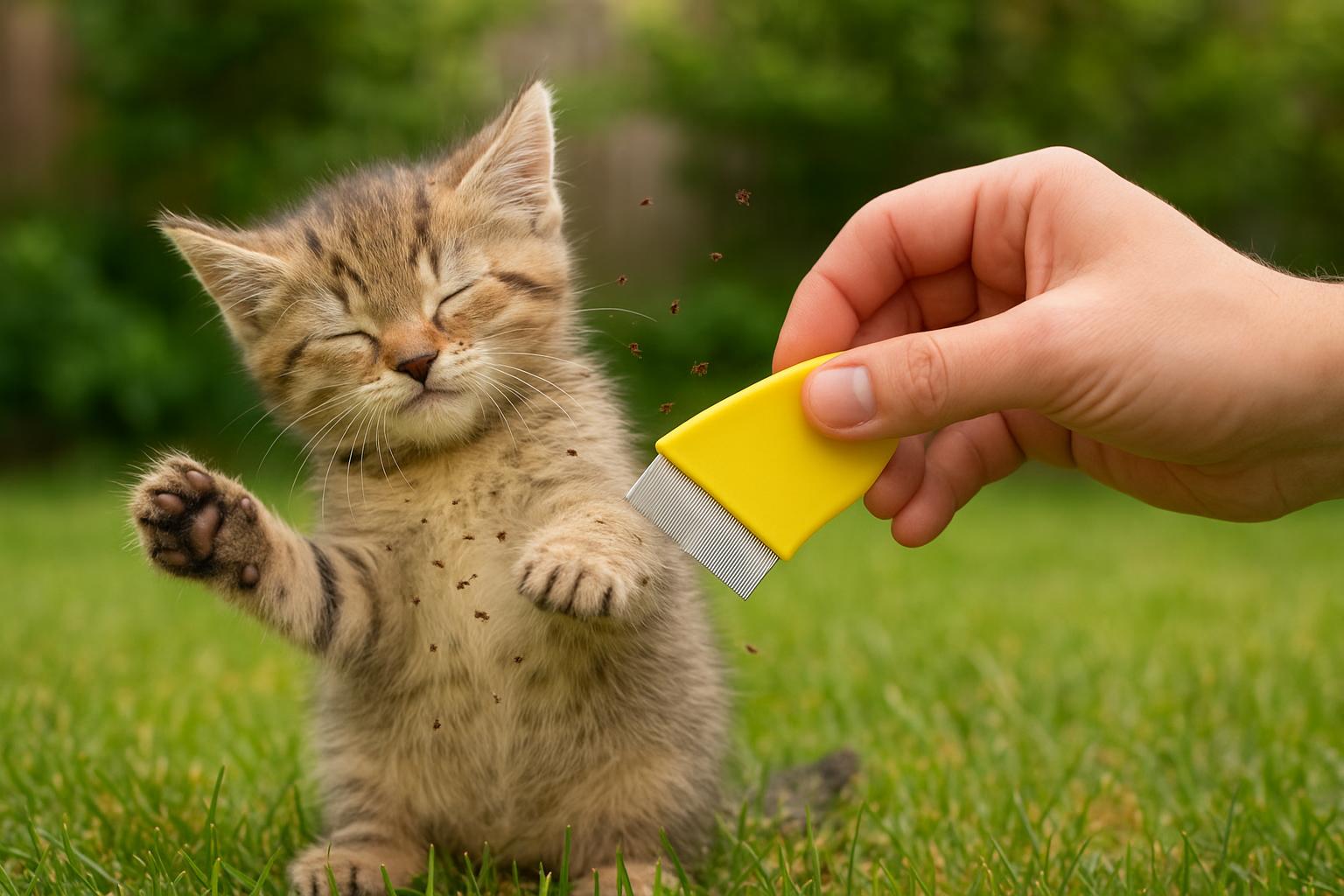
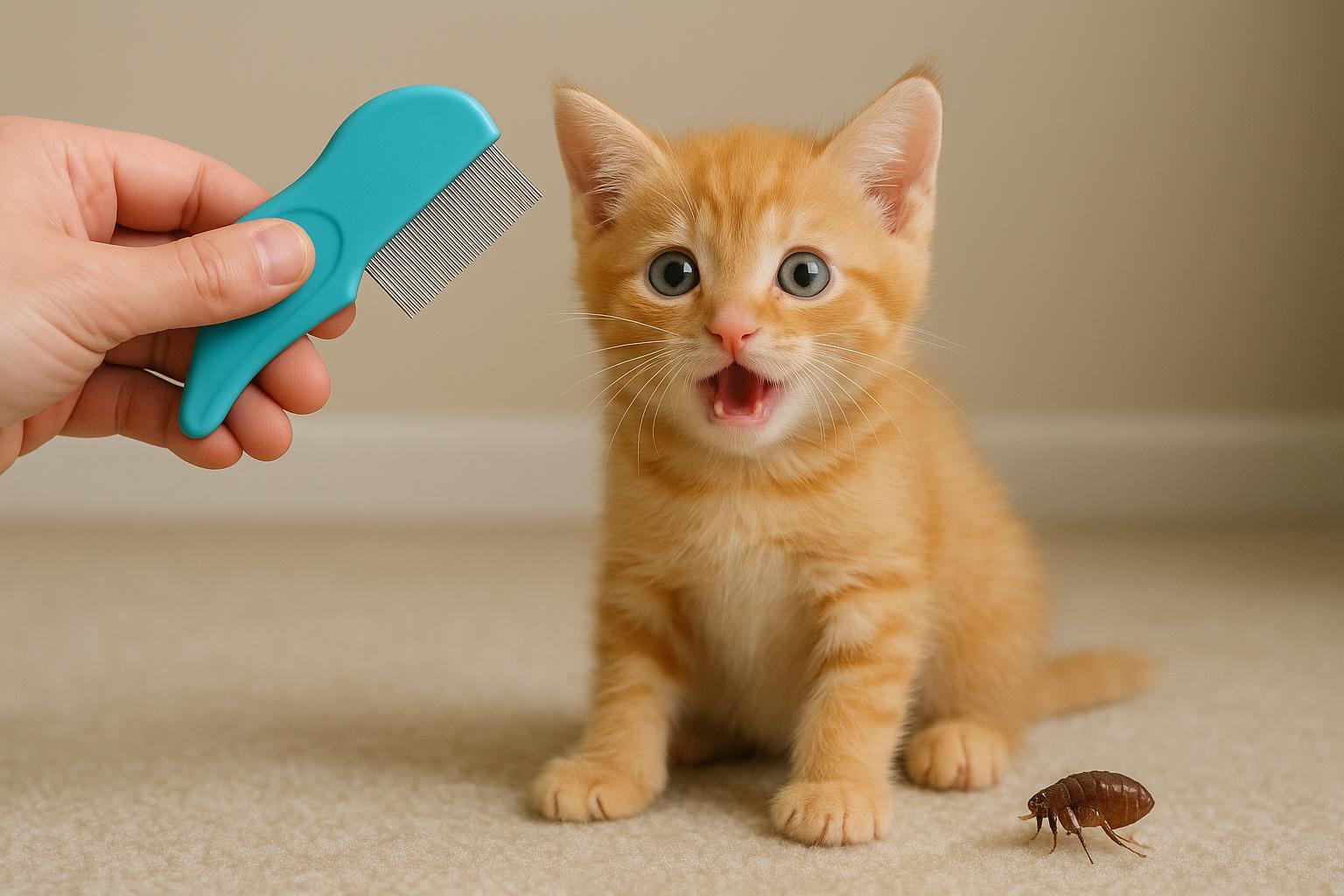
Frequent grooming removes adults before they lay more eggs. Use a fine-toothed flea comb over a white towel or bowl of soapy water to trap and kill fleas. For baths:
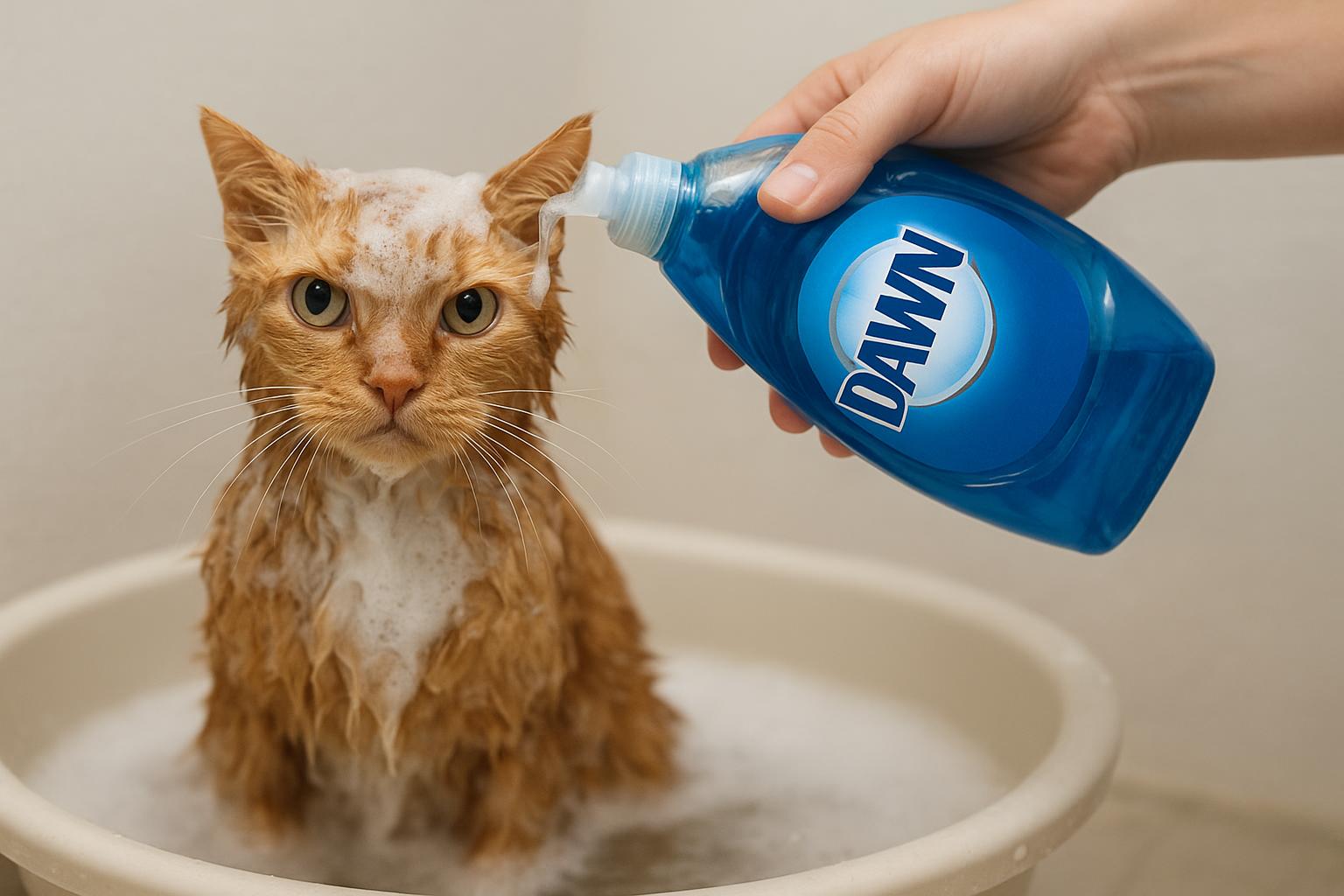
– Use lukewarm water and a gentle pet shampoo.
– Comb before and after bathing to capture dislodged fleas.
Grooming sessions are an opportunity to inspect for skin irritation, ticks, or signs of infection that may require veterinary attention.
#### How To Use A Flea Comb Effectively
Slow, methodical strokes are best. Comb from head to tail; dip the comb in soapy water after each pass to drown caught fleas.
## When To Call The Vet Or Use Conventional Treatments
### Signs You Need Professional Help
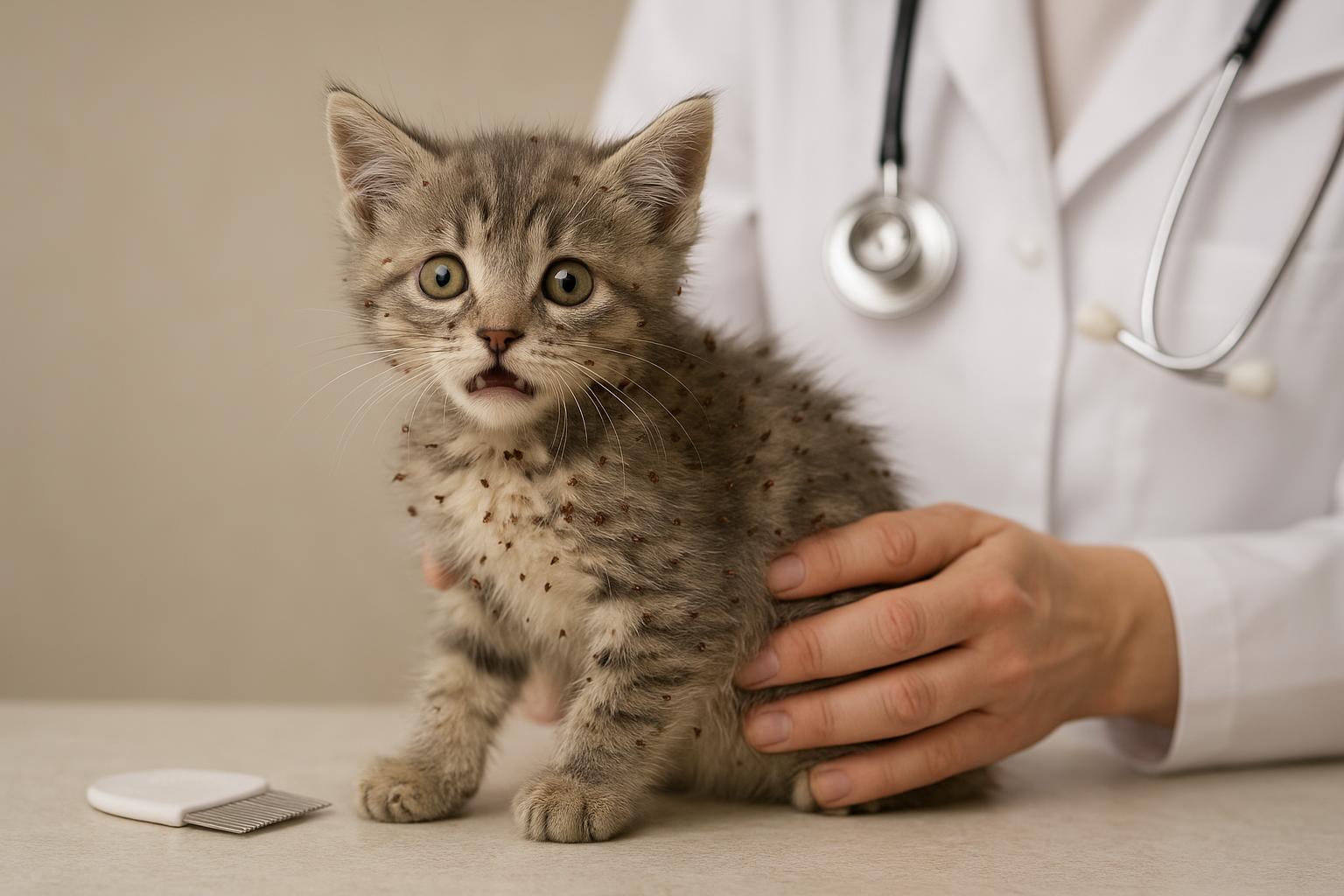
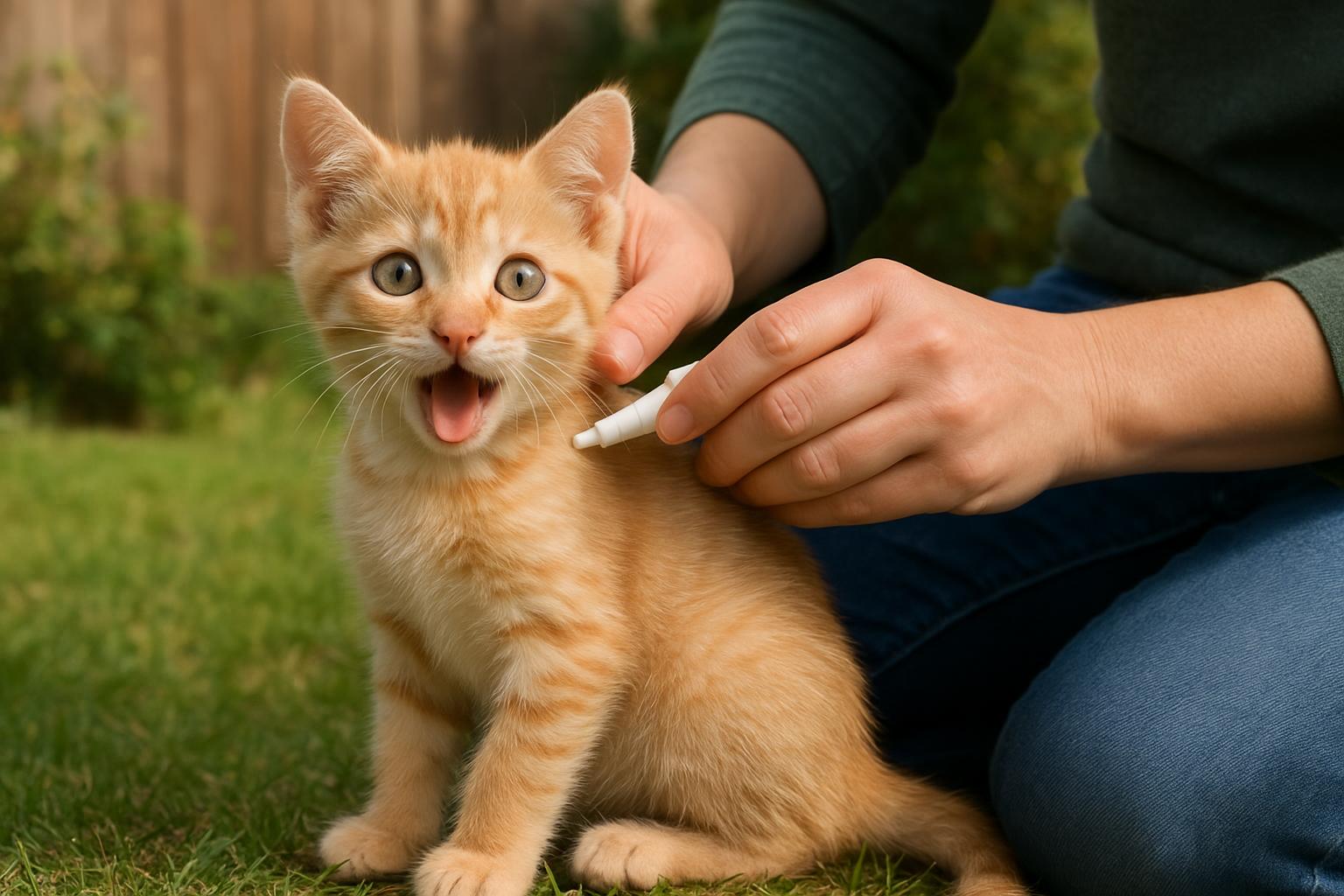
If your cat has heavy infestations, persistent anemia, severe skin lesions, or if kittens are involved, consult your veterinarian promptly. Natural cat prevention is effective for maintenance and low-level control but may not replace veterinary-grade interventions in severe cases. Your vet can advise on safe integrated strategies that combine natural and pharmaceutical measures when necessary.
## Seasonal Timing And Monitoring Tips For Natural Cat Prevention
### How To Stay Ahead Of The Flea Cycle
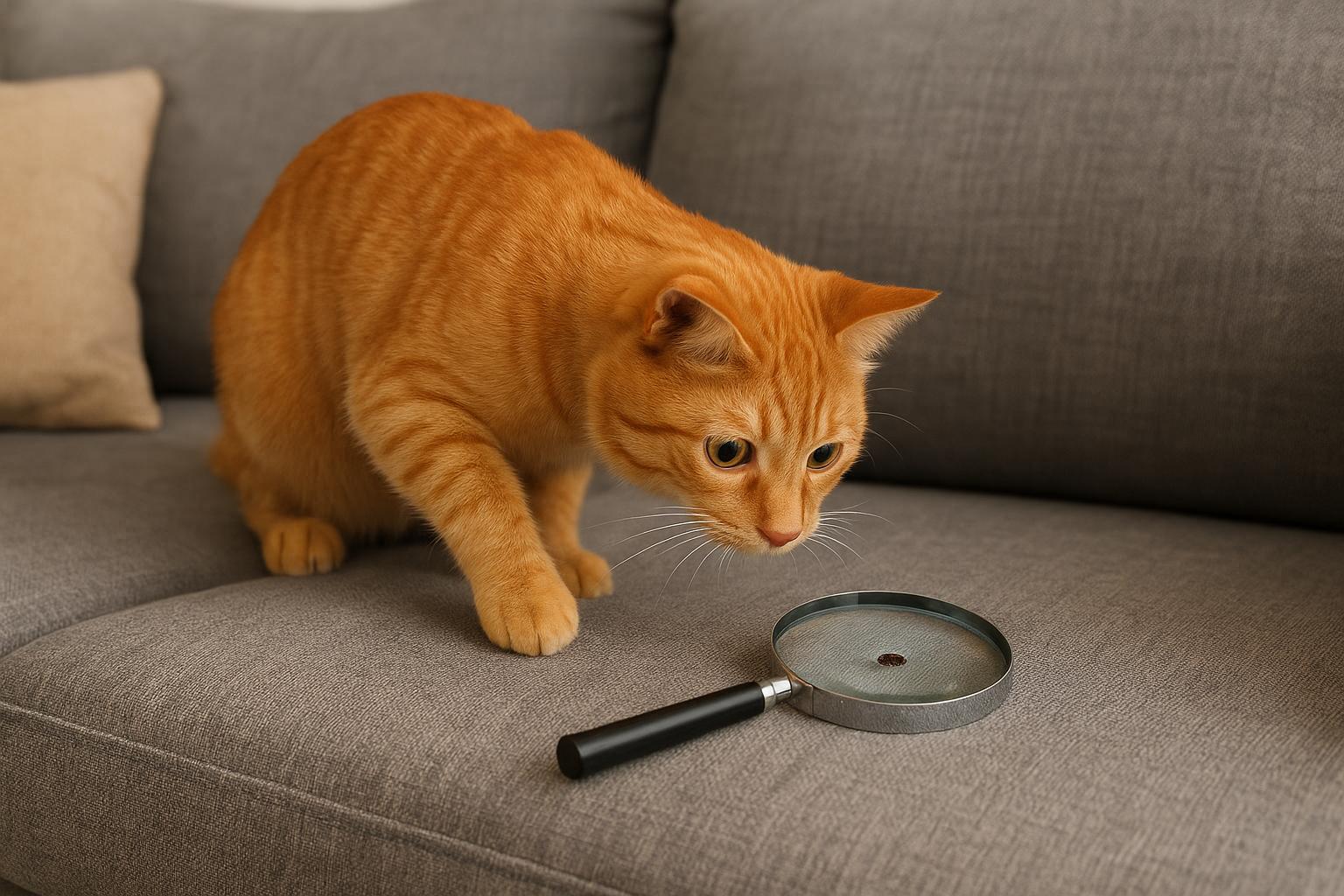
Flea populations spike during warm months, but indoor-heated homes can host them year-round. Monitor by:
– Regularly inspecting your cat and bedding.
– Setting up flea traps (a shallow dish of soapy water under a lamp at night).
– Maintaining a consistent schedule for your chosen natural prevention methods.
Routine vigilance multiplies the effectiveness of any single approach.
#### Recordkeeping And Response Thresholds
Keep a simple log: note treatments, sightings, and grooming results. If more than a few fleas are found during combing over a week, escalate to combined strategies or veterinary consultation.
Enjoy the process—most of these practices become part of a pleasant ritual between you and your cat. Natural cat prevention doesn’t mean laissez-faire; it means smart, safe, and sustainable pest control that keeps both your feline friend and your household comfortable.




Leave a Reply