
## Why Fleas Are More Than Itchy Annoyances
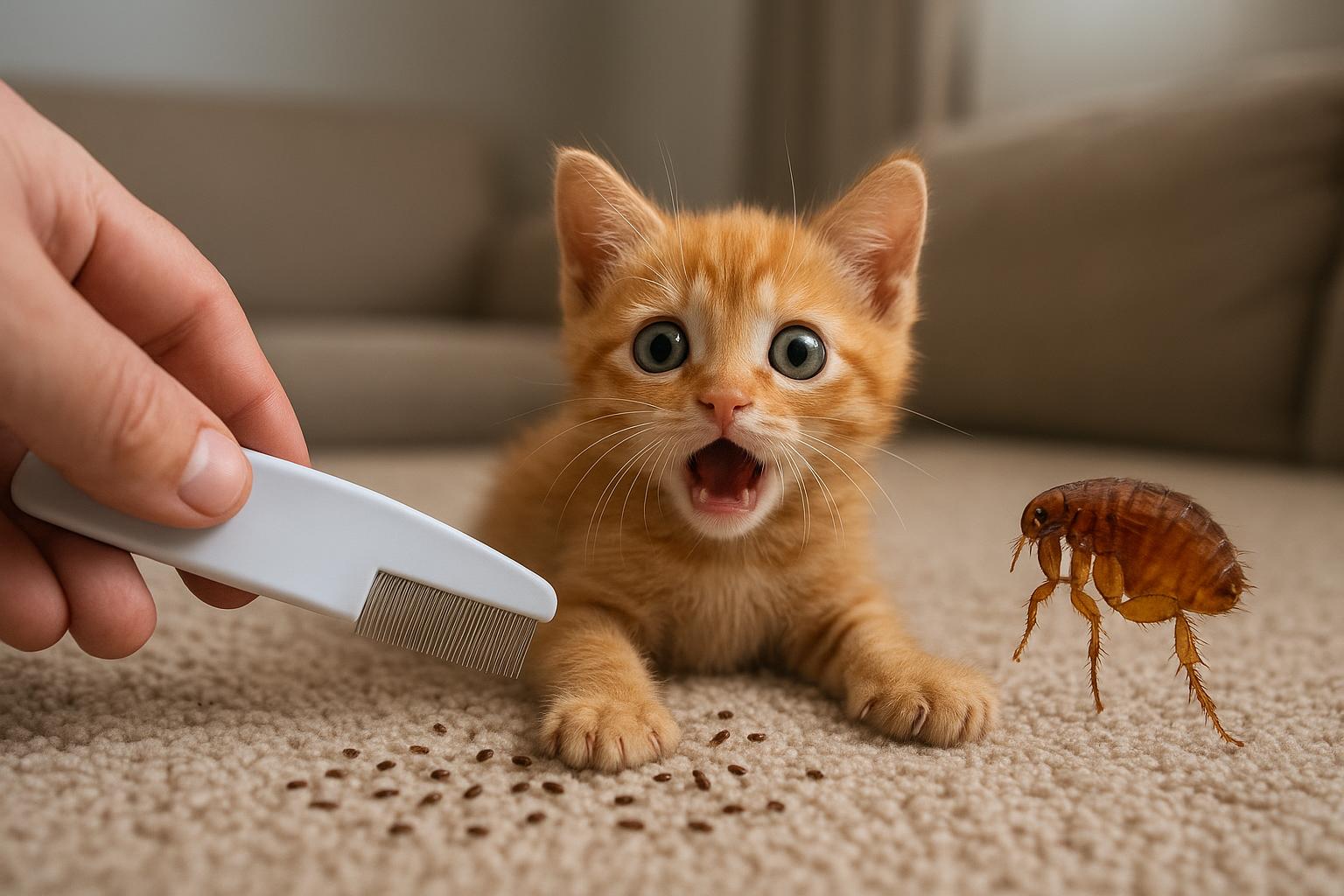
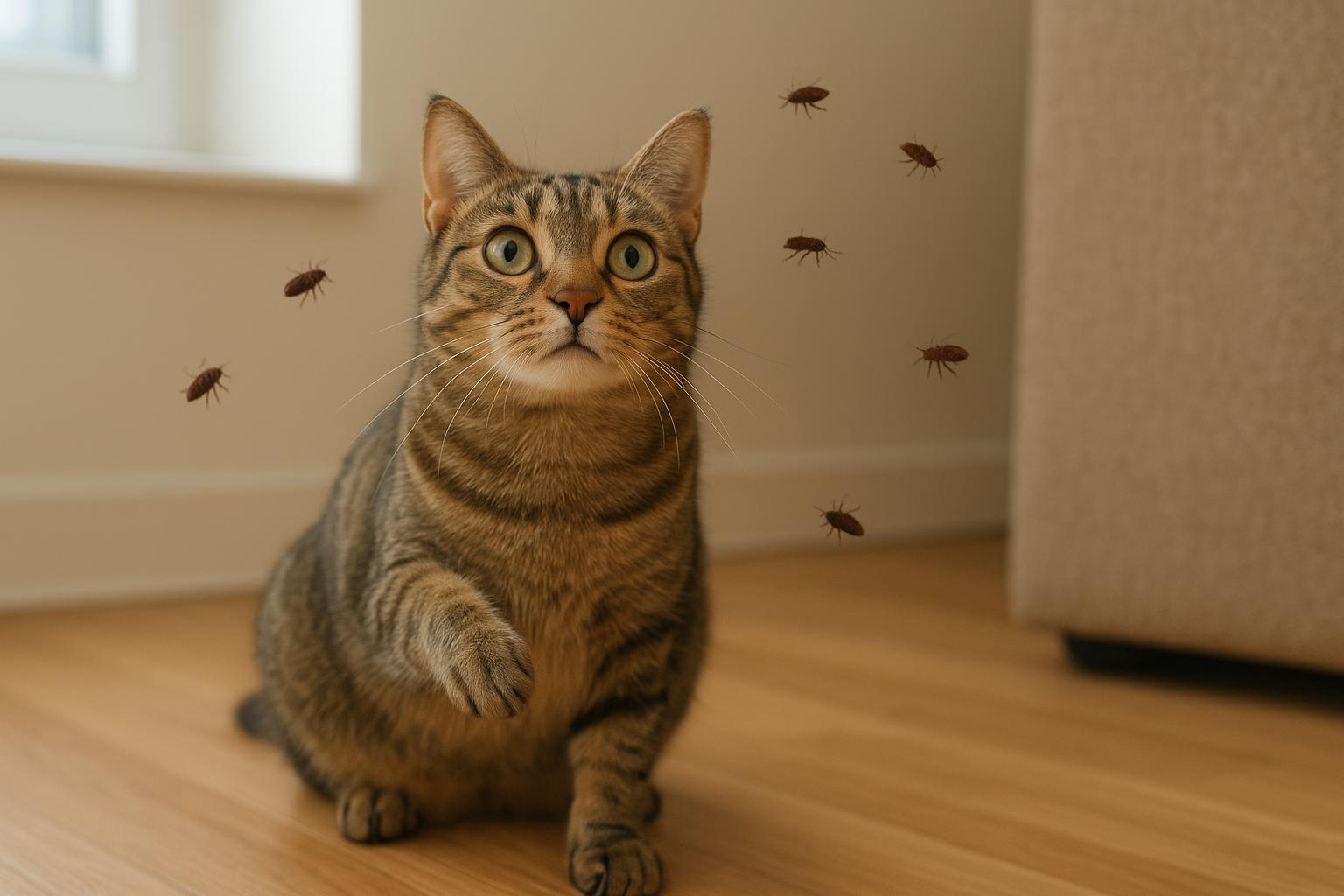
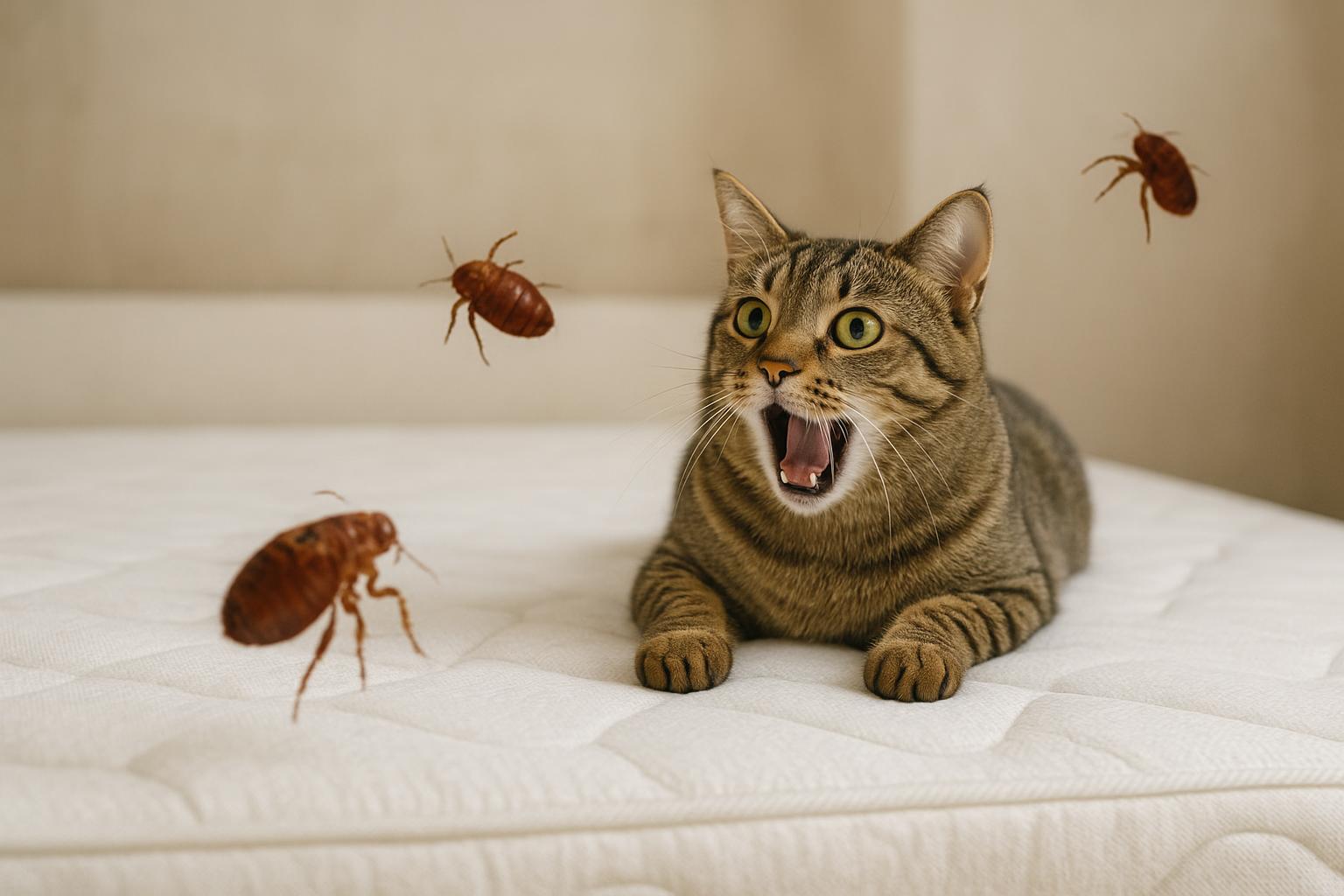
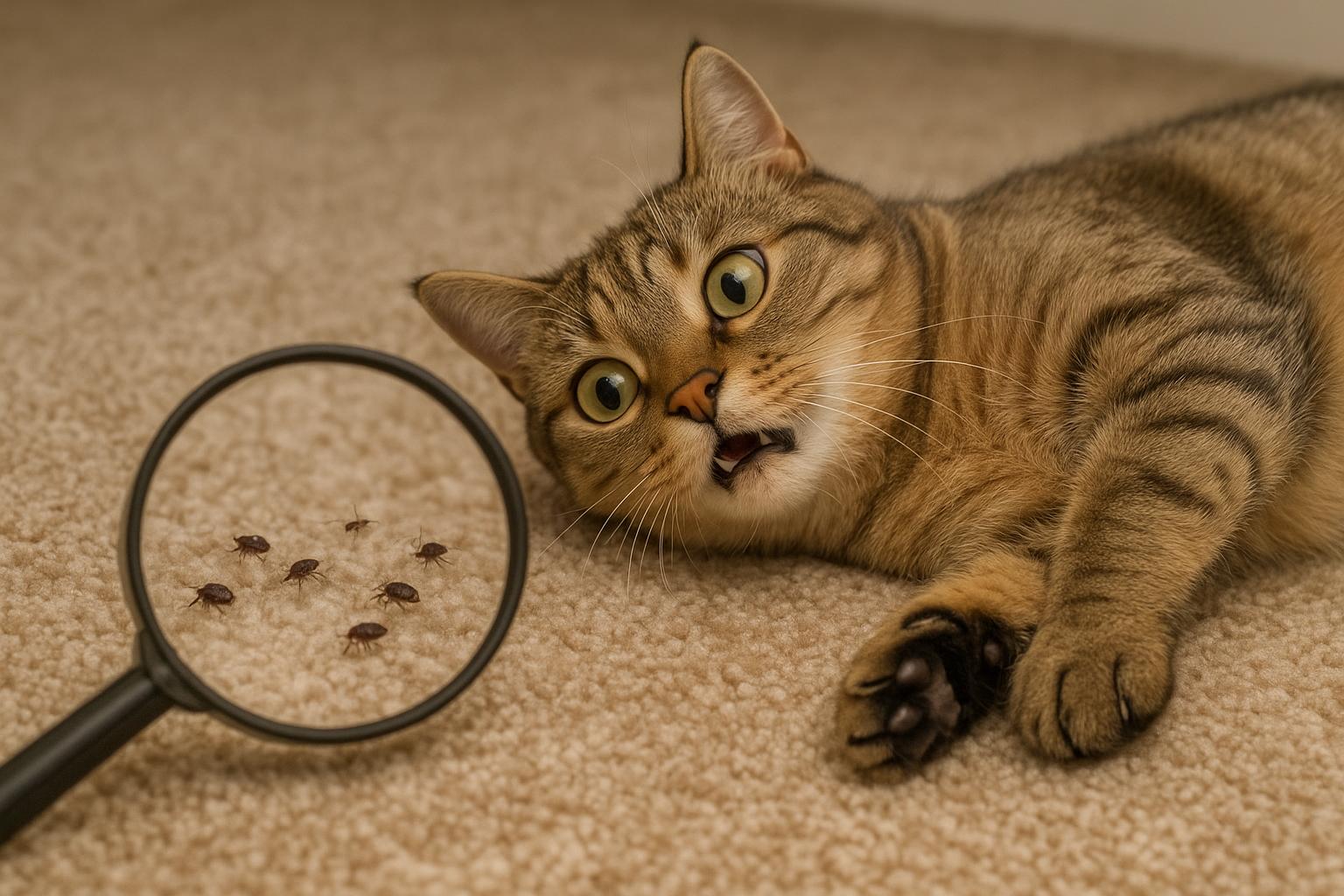
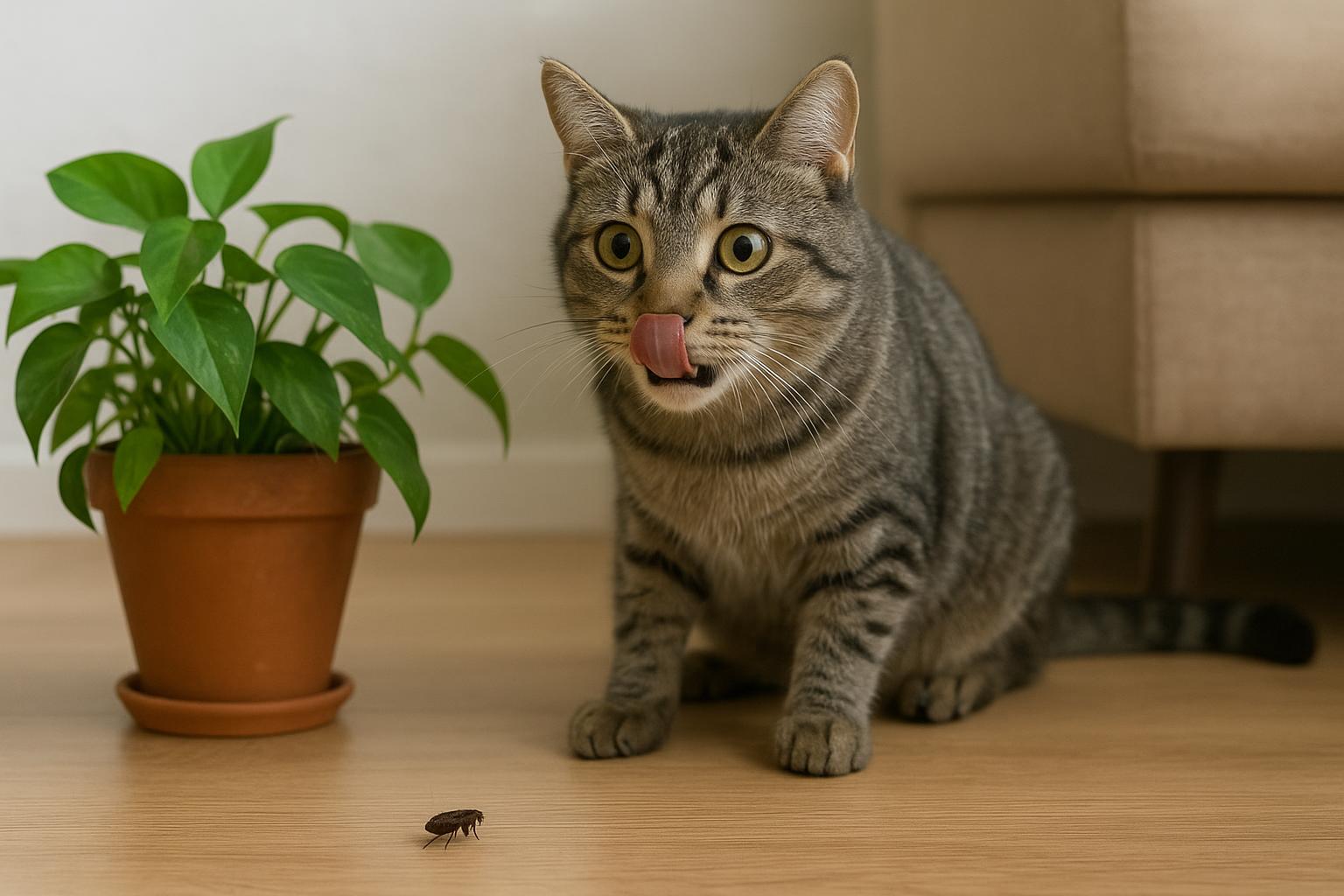
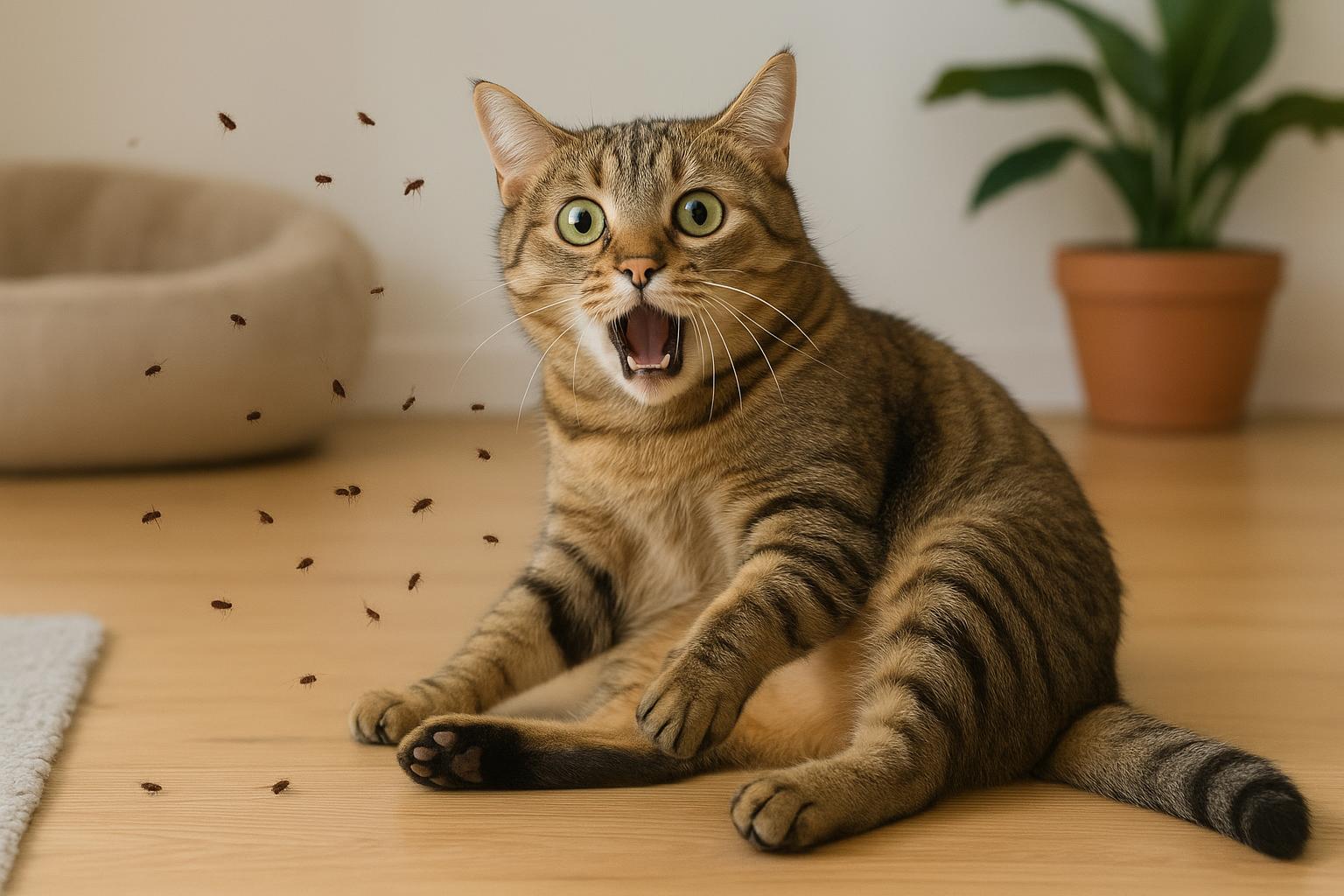
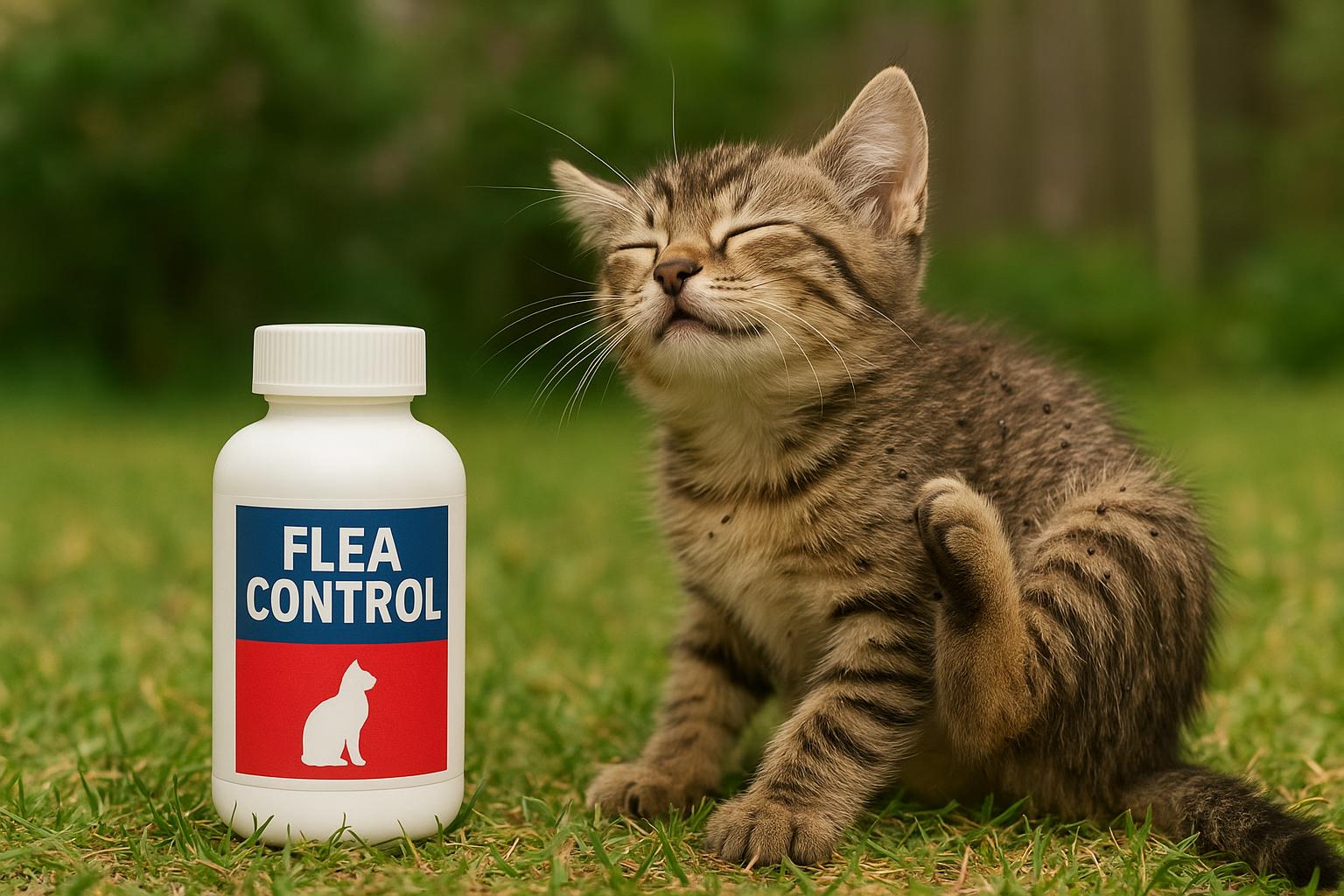
Your new kitten curls up on your lap, purrs like a tiny engine, and looks at you with trusting eyes — until you spot the tiny dark specks moving through the fur. Fleas seem small and almost comical, but for kittens they can be life-threatening. Tiny bodies mean tiny blood volume, and a heavy infestation can lead to significant blood loss in a very short time. That’s when anemia moves from veterinary jargon to a very real emergency.
### How Kittens Lose Blood And Energy
Kittens, especially those under 12 weeks, have limited reserves. Each flea can take multiple meals a day, and a few dozen fleas can add up quickly. As fleas feed, they extract red blood cells. Over days, that steady loss can lower the kitten’s hemoglobin and packed cell volume — the technical signposts of anemia. In extreme cases the kitten becomes weak, pale, and may collapse.
#### Signs That Point To Trouble
– Pale gums and inner eyelids (instead of bubble-gum pink, they look a little chalky).
– Lethargy and listlessness; your explorer suddenly naps like a teenager.
– Rapid breathing or a racing heart as the body tries to compensate.
– Cold extremities, poor appetite, and slow responses.
If you ever find a kitten with pale gums and visible fleas, don’t wait. Suspect anemia from fleas and get help. The condition can progress fast, and time matters.
## Anemia From Fleas: What Every Kitten Owner Should Know
Anemia from fleas isn’t a distant possibility — it’s one of the more common emergency presentations in shelters and multi-cat households. Kittens are especially vulnerable because their blood volume is so small: losing even a few milliliters can make a big difference. The severity depends on flea load, the kitten’s age and size, and whether there are any other illnesses like intestinal parasites that further sap iron and energy.
### How Vets Confirm The Diagnosis
A veterinarian will perform a physical exam and likely run a few key tests:
– Packed Cell Volume (PCV) or hematocrit to measure red blood cell levels.
– Complete blood count (CBC) to evaluate hemoglobin and any concurrent infections.
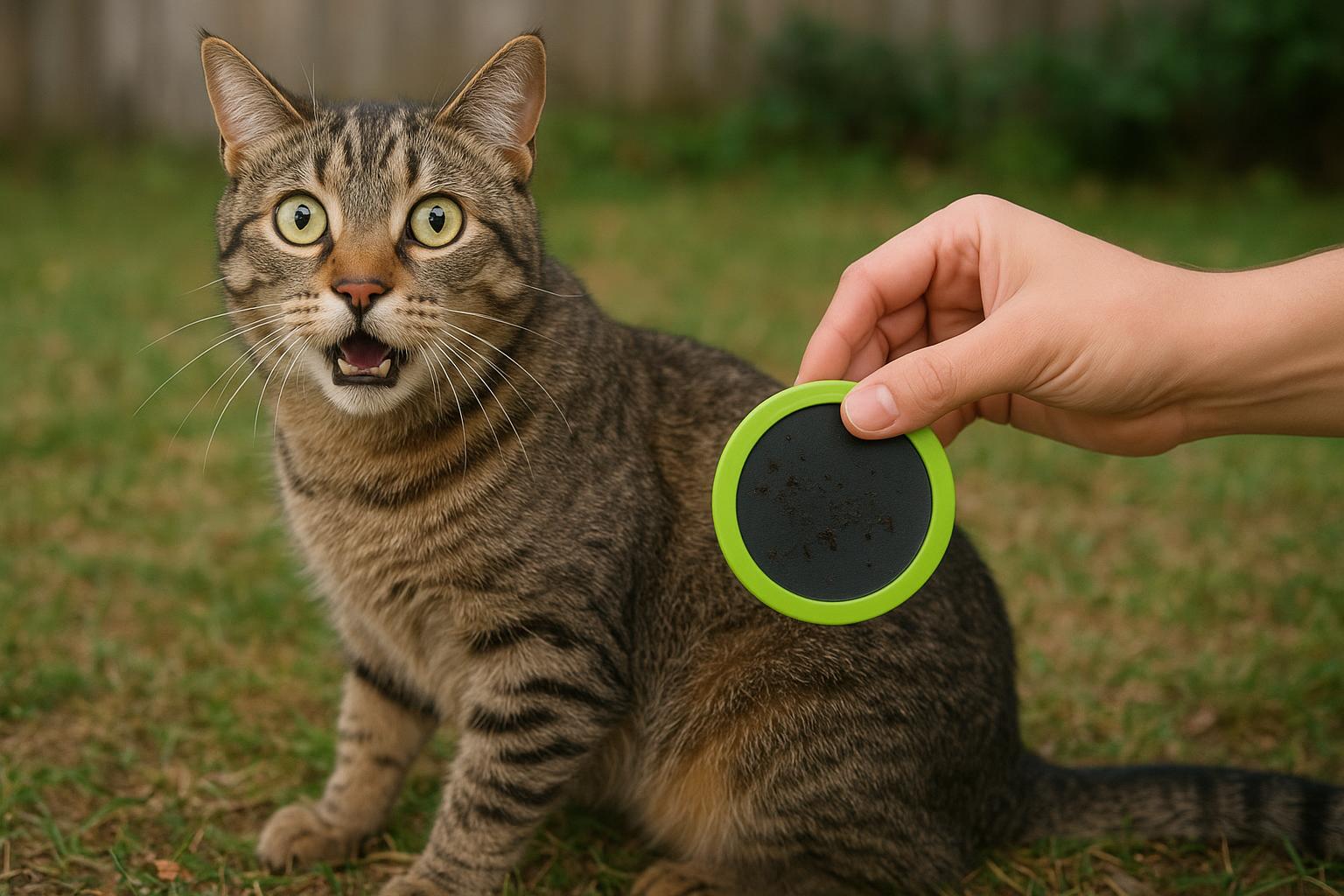
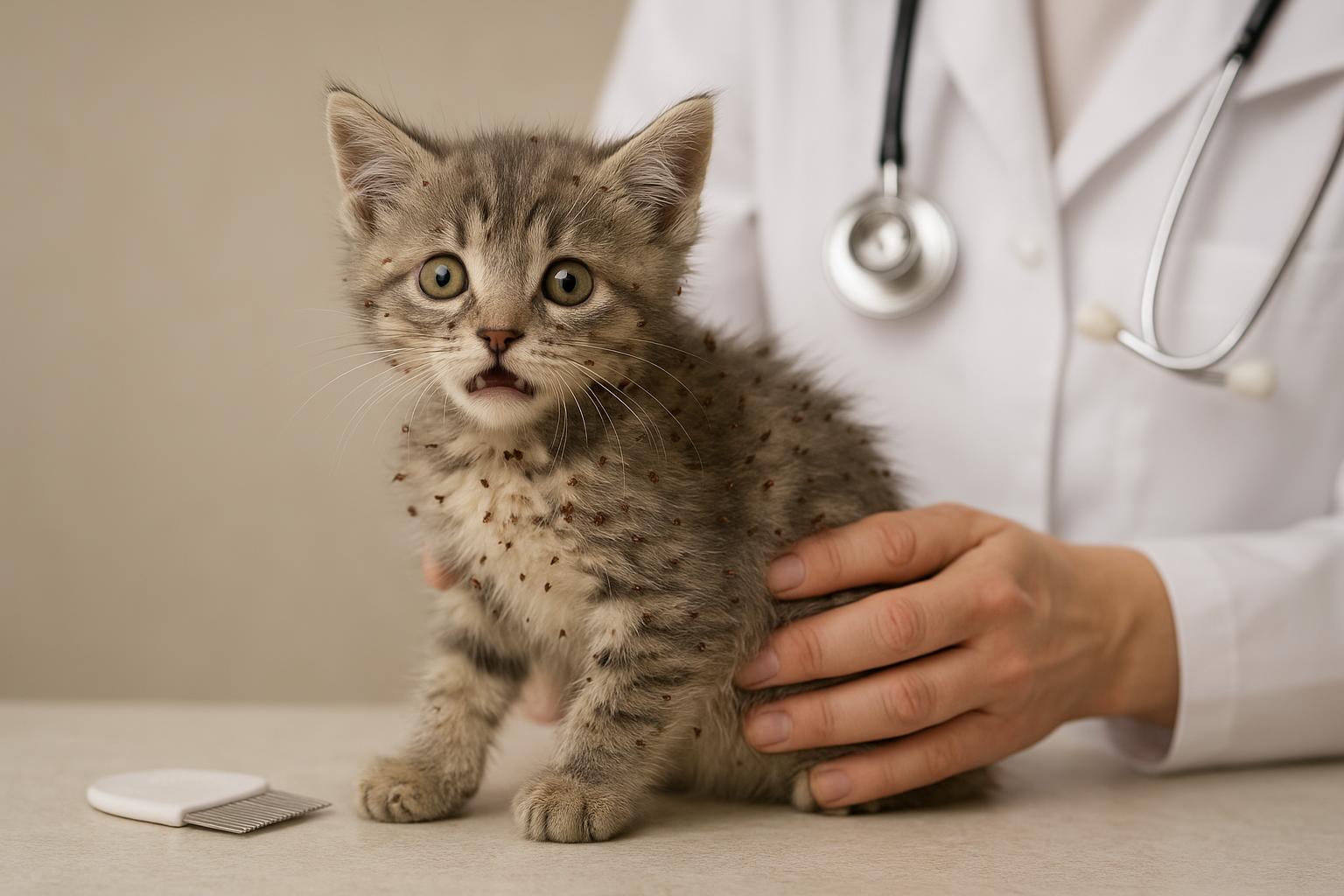
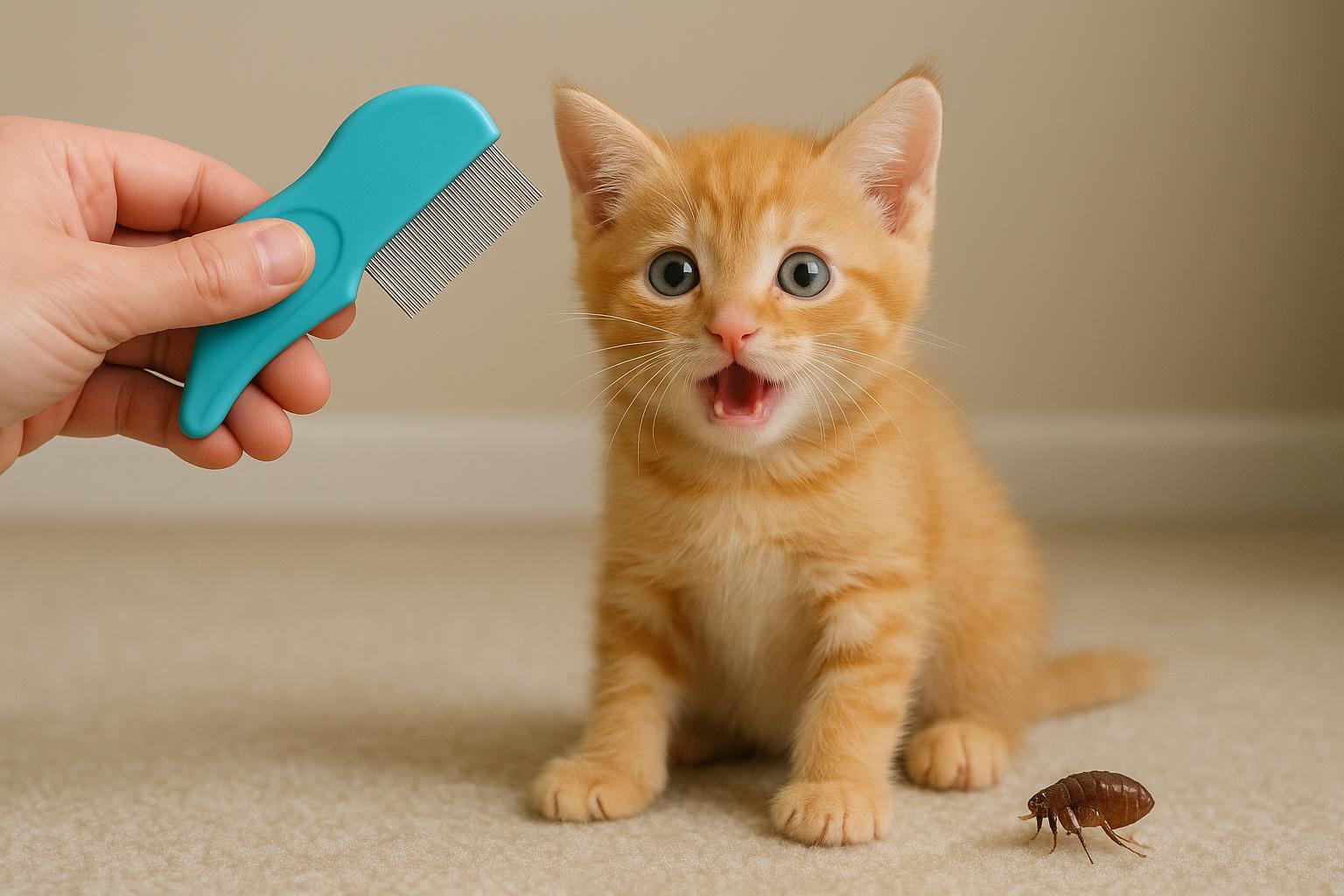
– A flea comb and skin check to assess infestation intensity.
Sometimes tests reveal multiple problems at once — fleas plus parasites or dehydration — and each must be treated.
#### The Dangers Of Delaying Care
Ignoring the signs of anemia from fleas can lead to organ stress, shock, and in severe cases, death. Kittens may compensate for a while, but then crash suddenly. Even if you think a kitten “looks okay,” if there are fleas present and the gums are pale, call your vet.
## Remedy 1: Emergency Home Care And Safe Flea Removal
Note: This section outlines immediate, short-term measures you can take while arranging veterinary care. These steps are supportive; they are not a substitute for professional treatment. Be cautious with any product and consult your veterinarian before applying medications.
Ingredients / Required Materials:
– Disposable gloves
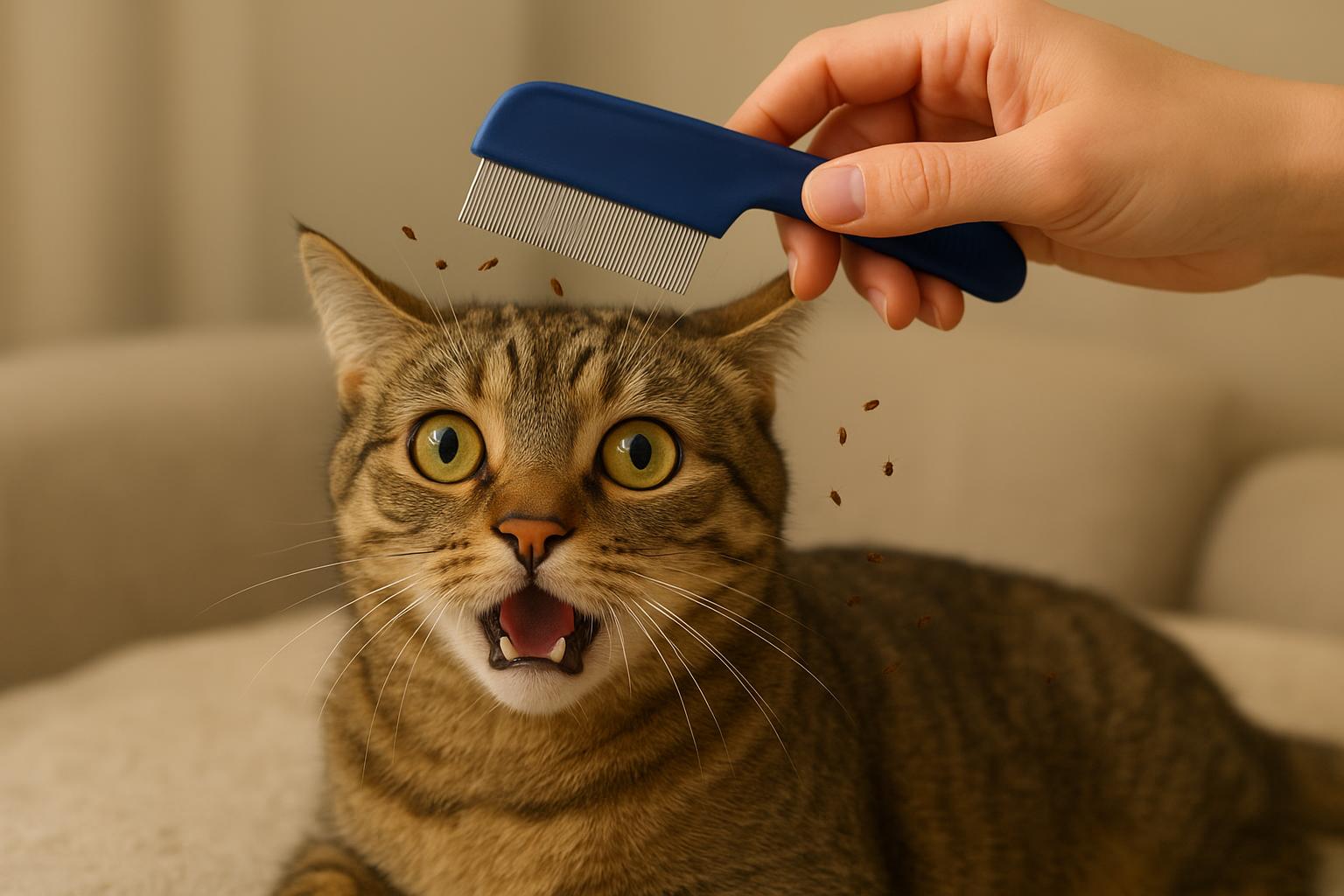
– Fine-toothed flea comb
– Two shallow bowls or tubs (one with warm soapy water)
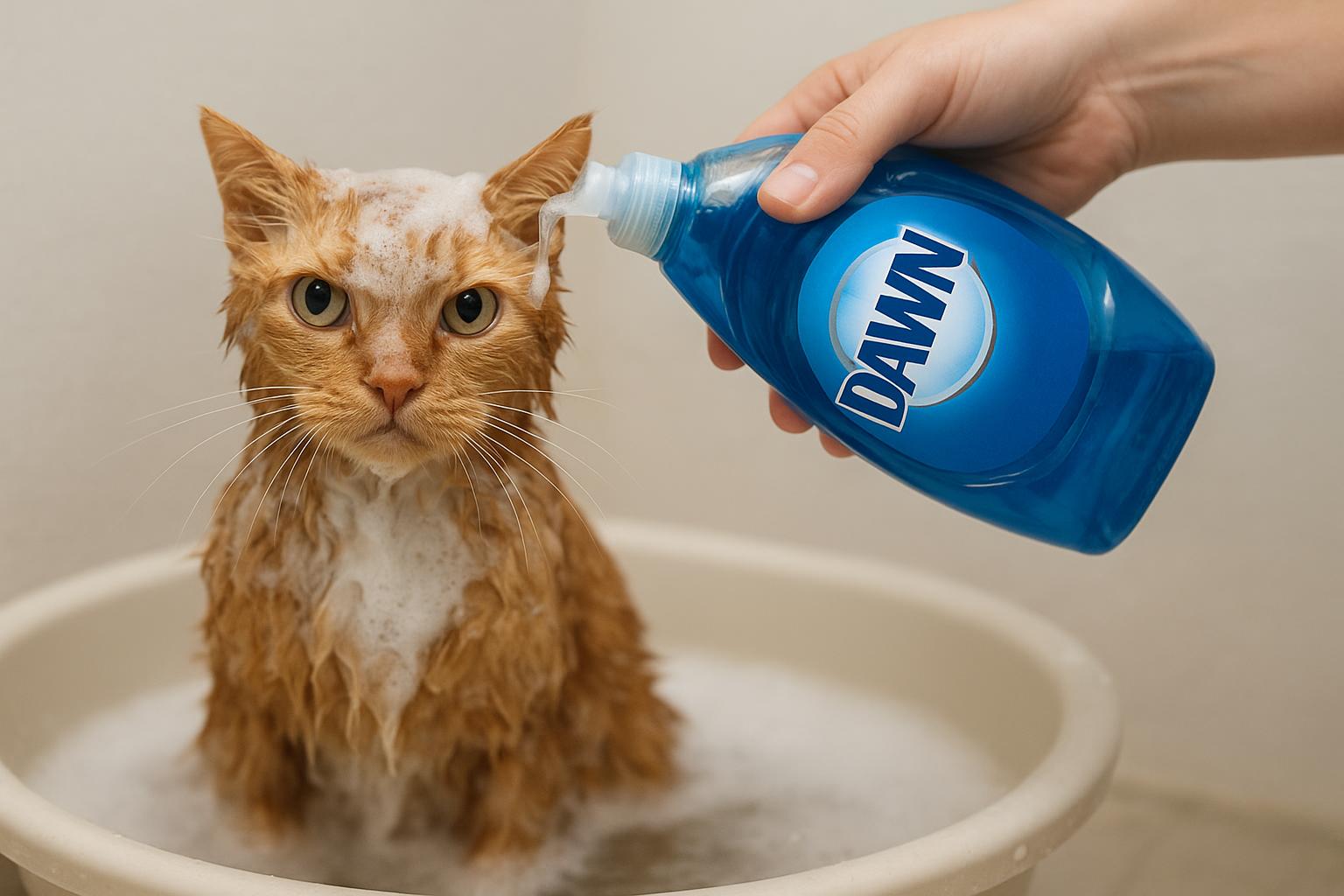
– Mild dish soap (like a fragrance-free degreasing soap) — if bathing is advised
– Soft towels and a warm blanket
– A small syringe (without needle) for offering fluids or milk replacer if recommended by your vet
– Contact information for your veterinarian and local emergency clinic
Step-By-Step Creation And Application:
1. Put on disposable gloves to protect yourself and to avoid transferring fleas.
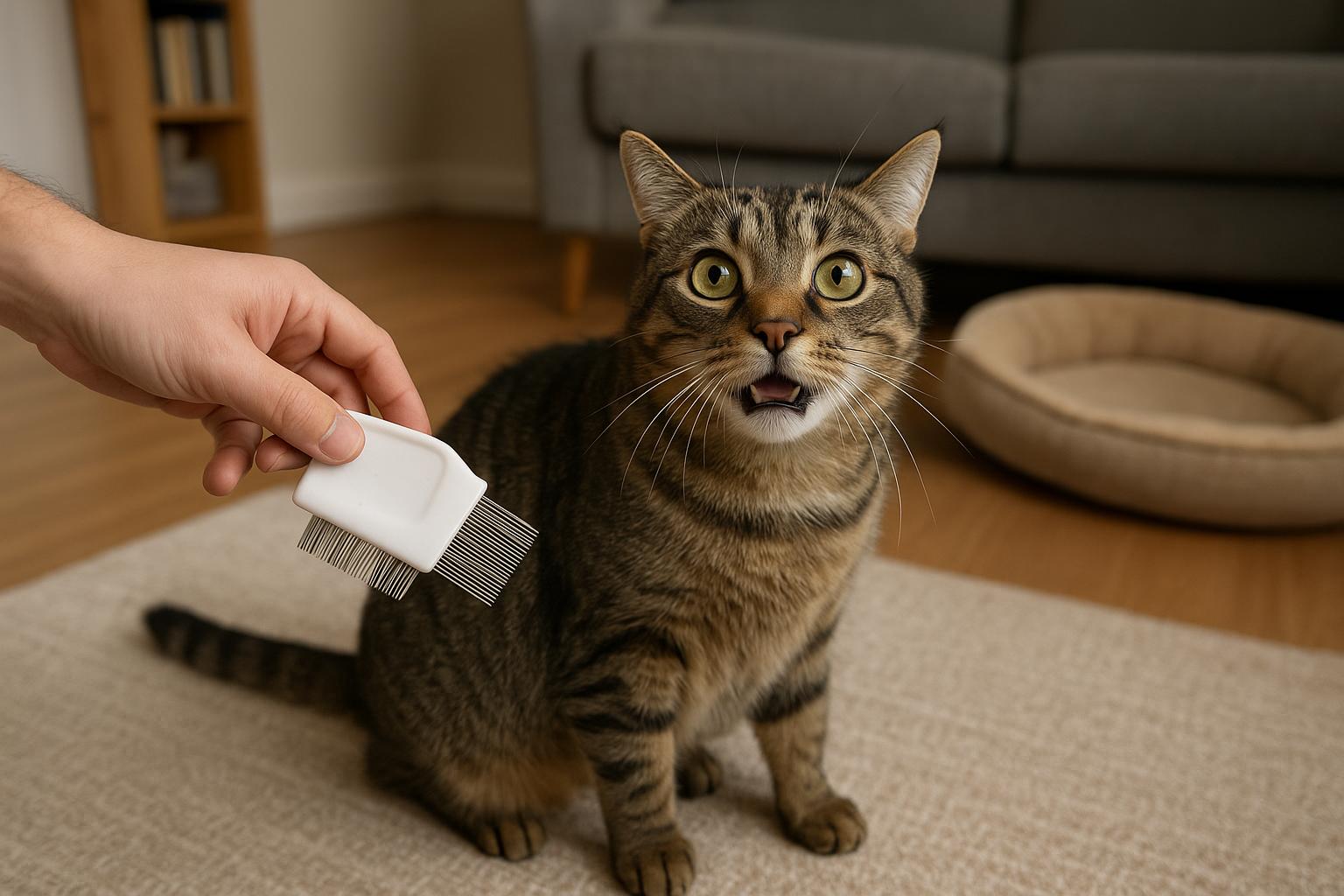
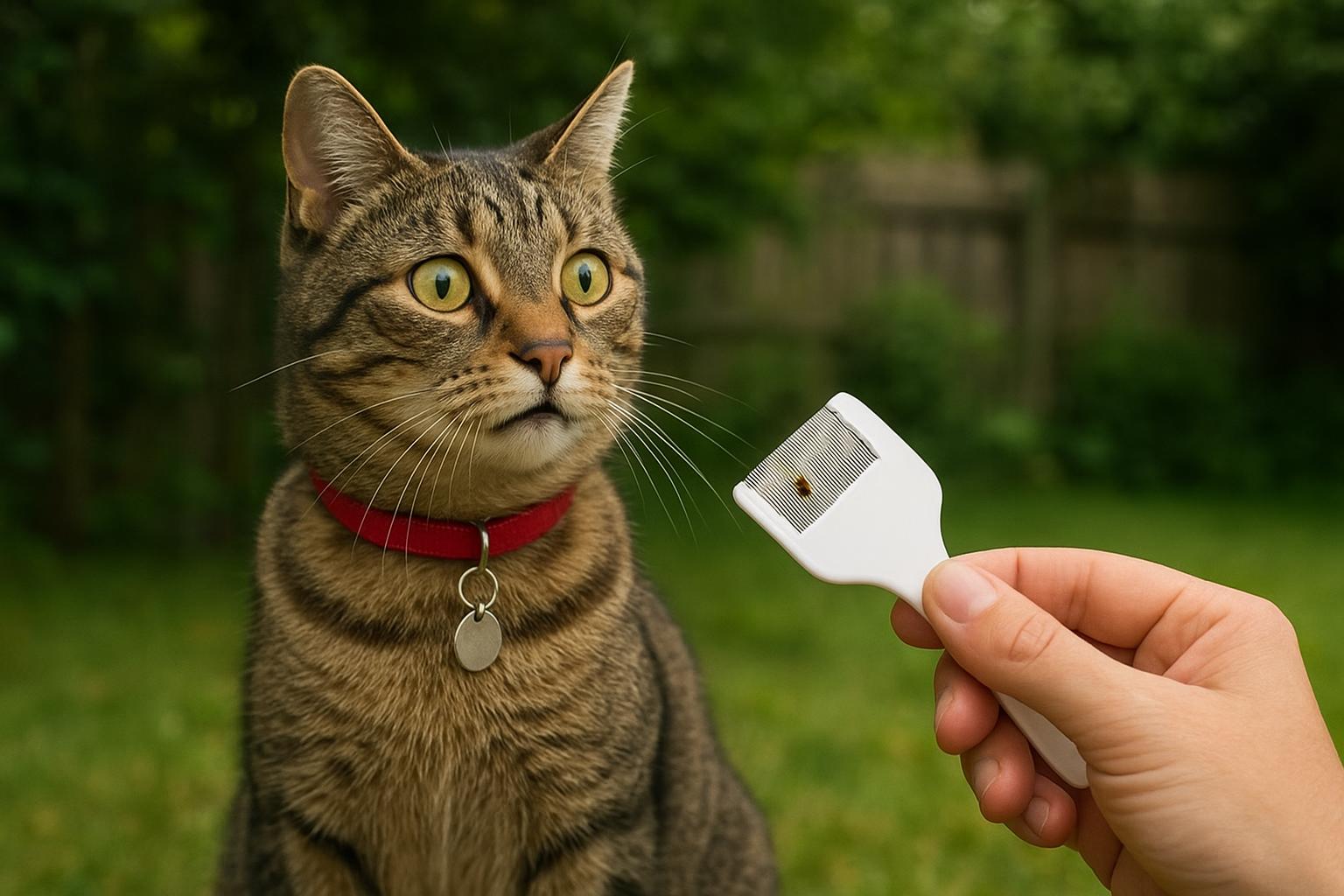
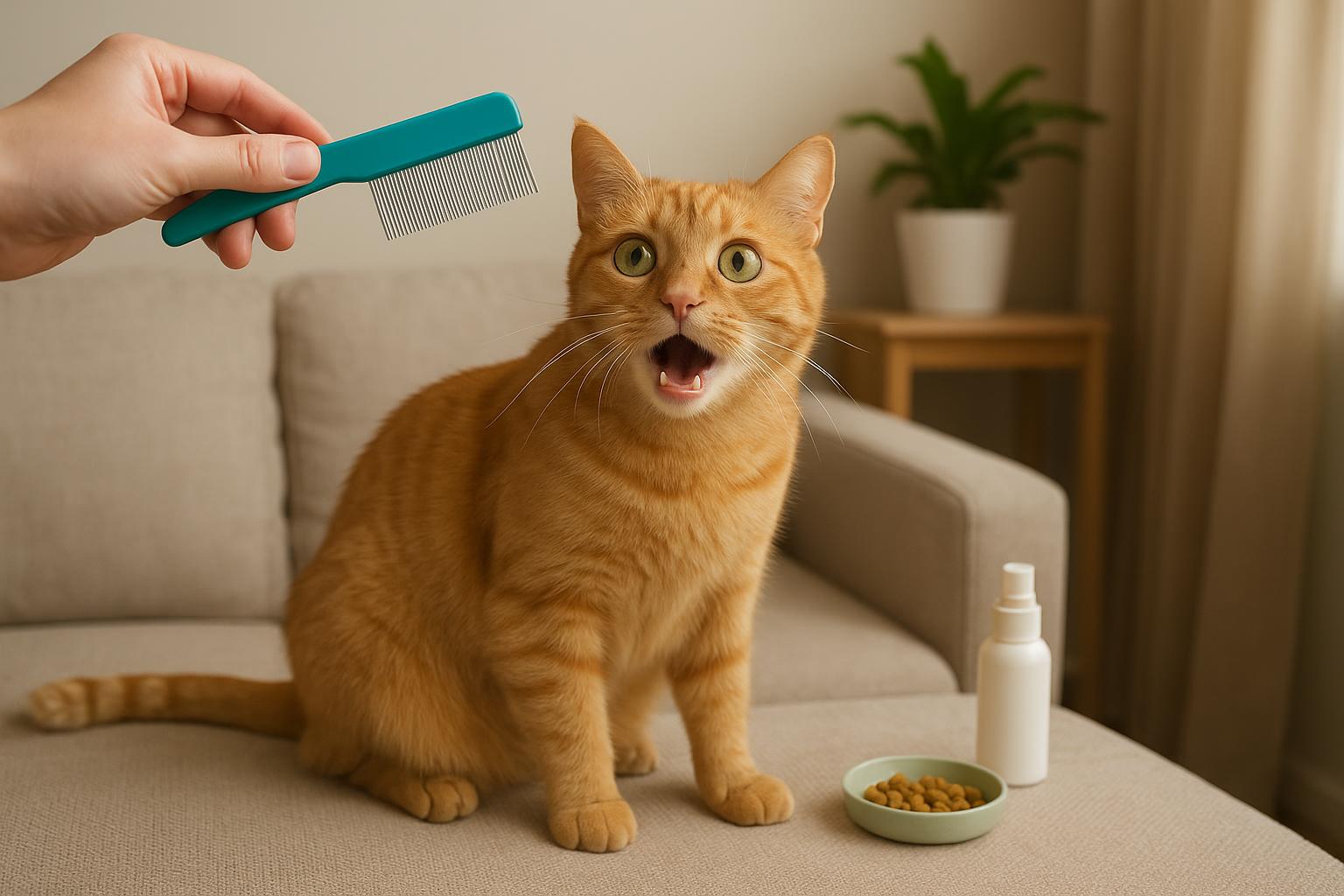
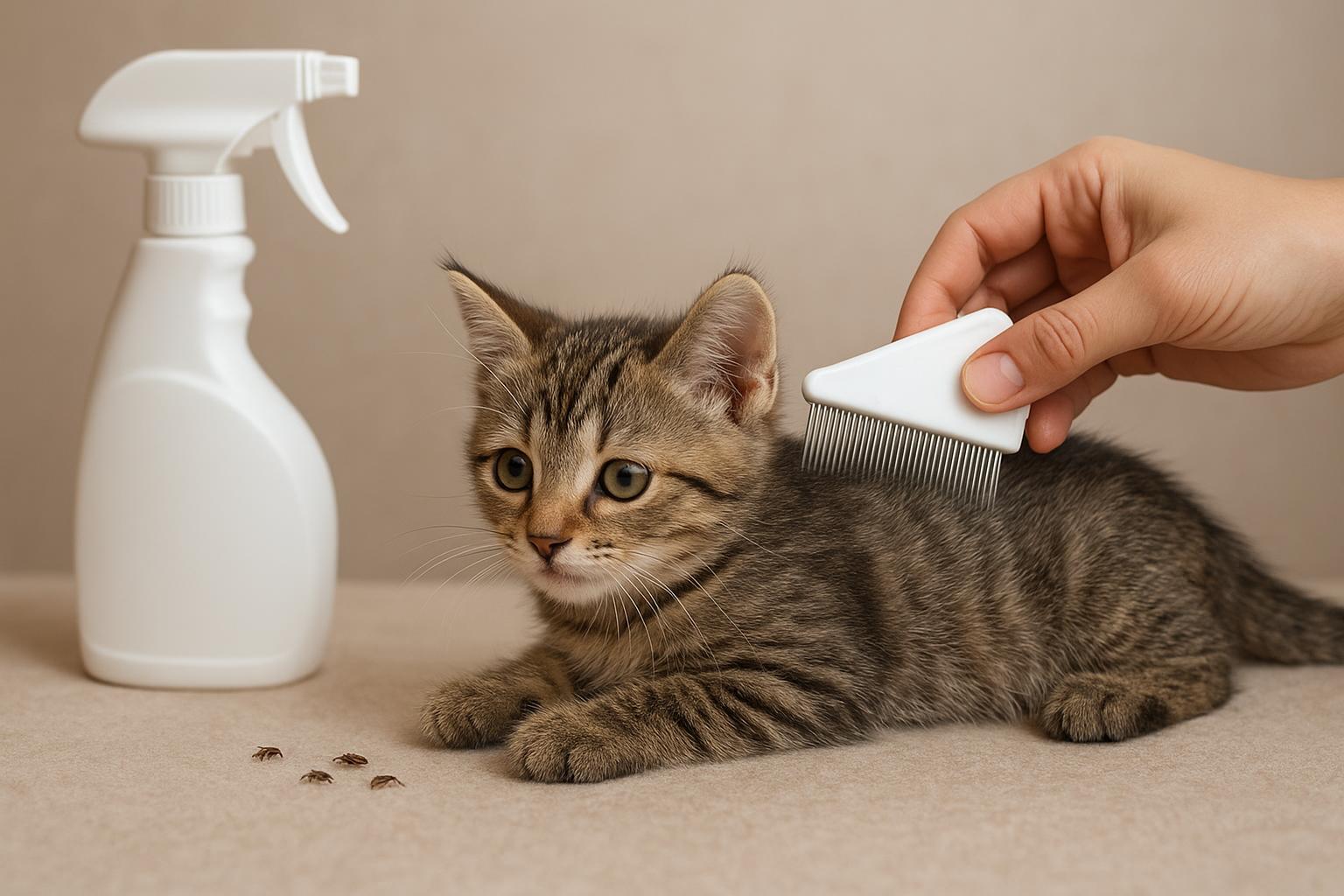
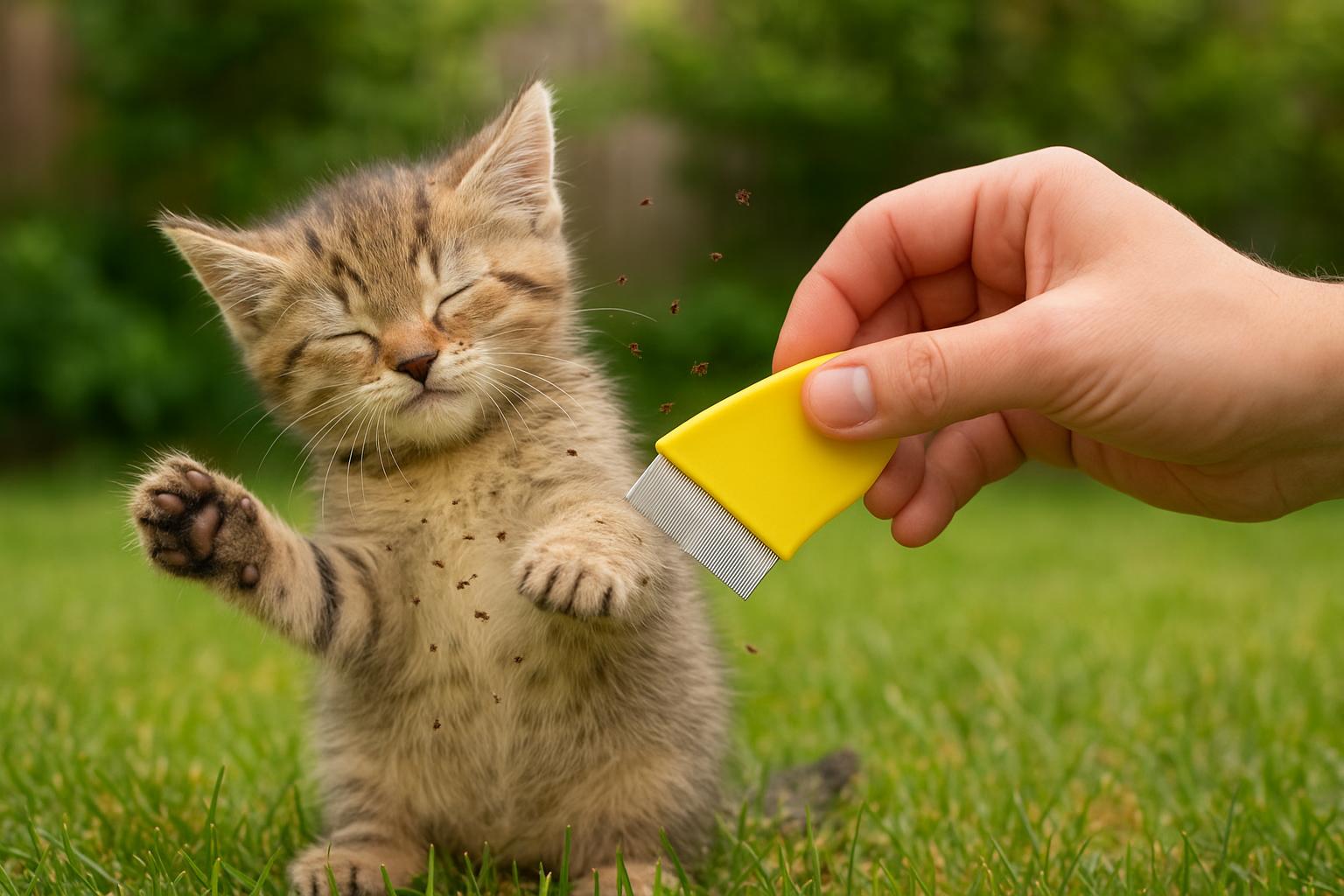
2. Gently restrain the kitten on a towel and start with the flea comb. Comb the fur, especially behind the neck and along the back, and dip the comb into the bowl of warm, soapy water to drown the fleas you remove.
3. If the infestation is heavy and the kitten is stable, a quick warm bath using a small amount of mild dish soap can be effective. Wet the kitten thoroughly with warm (not hot) water, apply a small amount of soap, lather gently and allow the soap to sit for 30–60 seconds before rinsing thoroughly. Keep the kitten warm and dry immediately after the bath.
4. Offer warmth: place the kitten on a warm towel and keep ambient temperature comfortable; hypothermia worsens anemia’s effects.
5. Do not give any over-the-counter flea adulticides or topical products unless expressly instructed by a veterinarian. Many products safe for adult cats or dogs are toxic to kittens.
6. Call your veterinarian immediately. Describe the kitten’s signs — gum color, activity level, and whether you removed fleas. Follow their instructions about bringing the kitten in or providing fluids and nutrition at home.
These home measures are designed to stabilize and reduce flea numbers, not to replace veterinary intervention.
## Remedy 2: Veterinary Treatment Protocol (Formal Medical Steps)
Veterinary care is the core solution for anemia from fleas. The following summarizes standard treatments a licensed veterinarian may use. This section is formal and intended to inform pet owners so they can discuss options confidently with their vet.
Materials And Medications Typically Used By Veterinarians:
– Intravenous fluids and IV catheter supplies
– Whole blood transfusion supplies or packed red blood cells (if needed)
– Iron supplementation (oral or injectable) as indicated
– Oral or injectable antibiotics if secondary infection is suspected
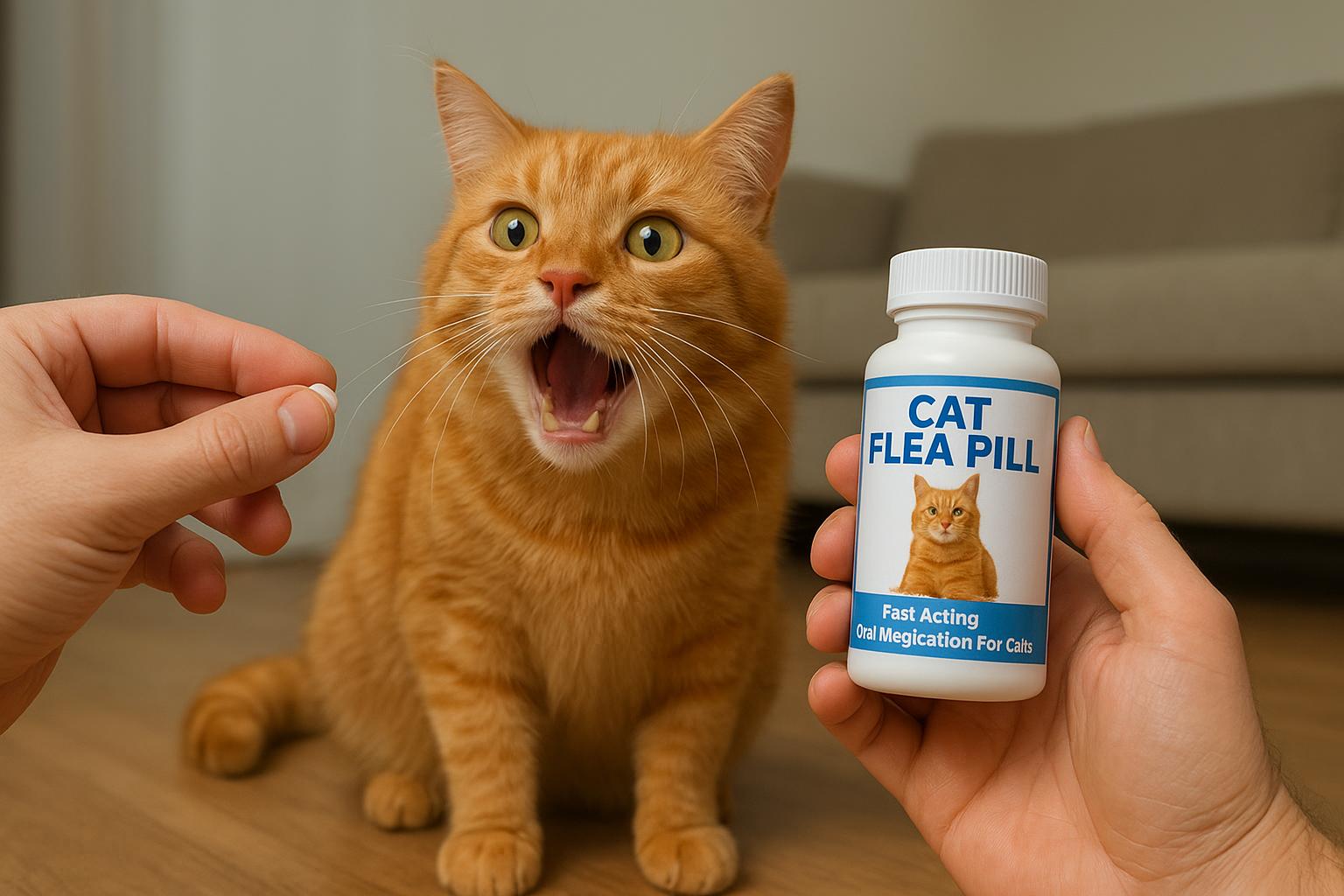
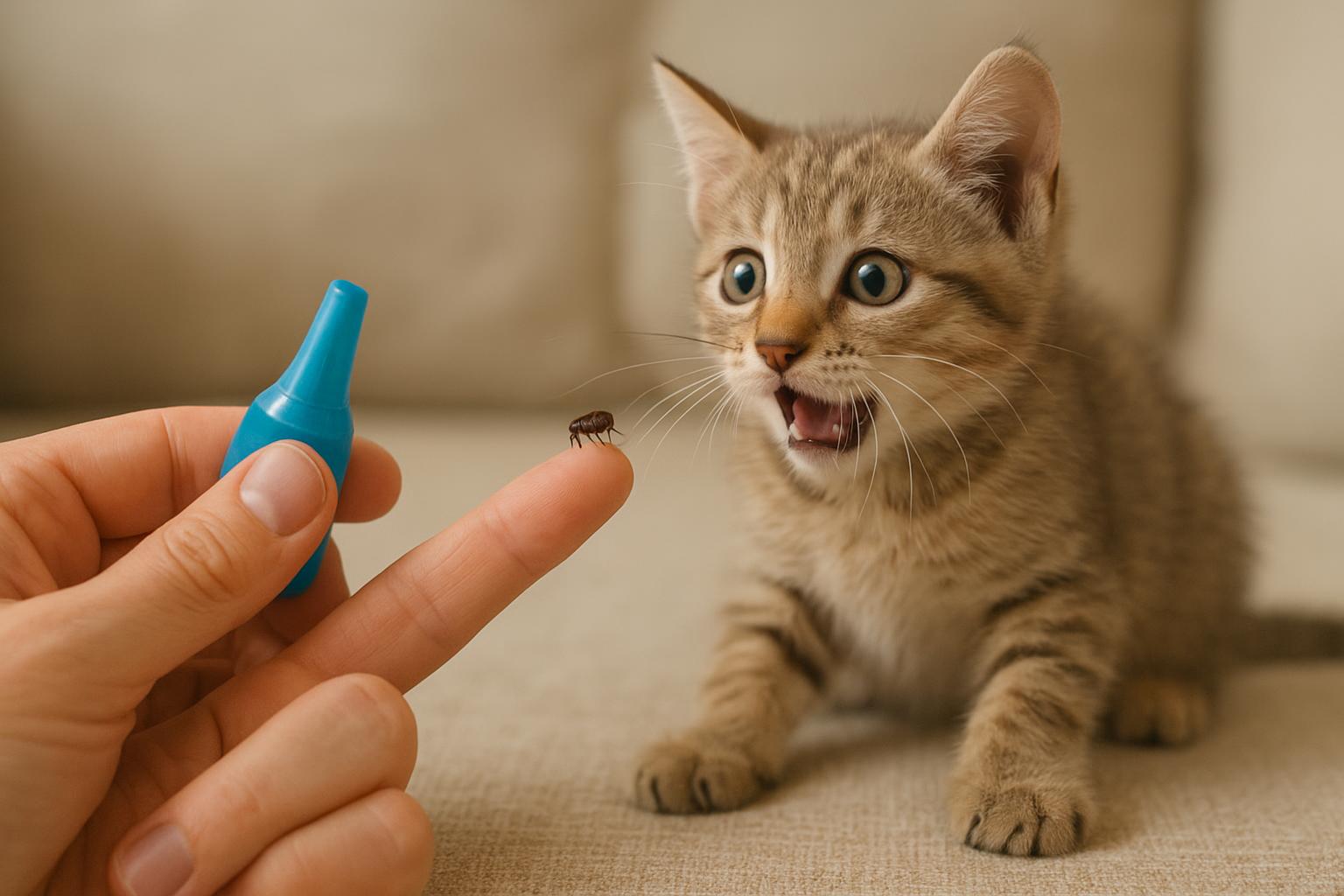
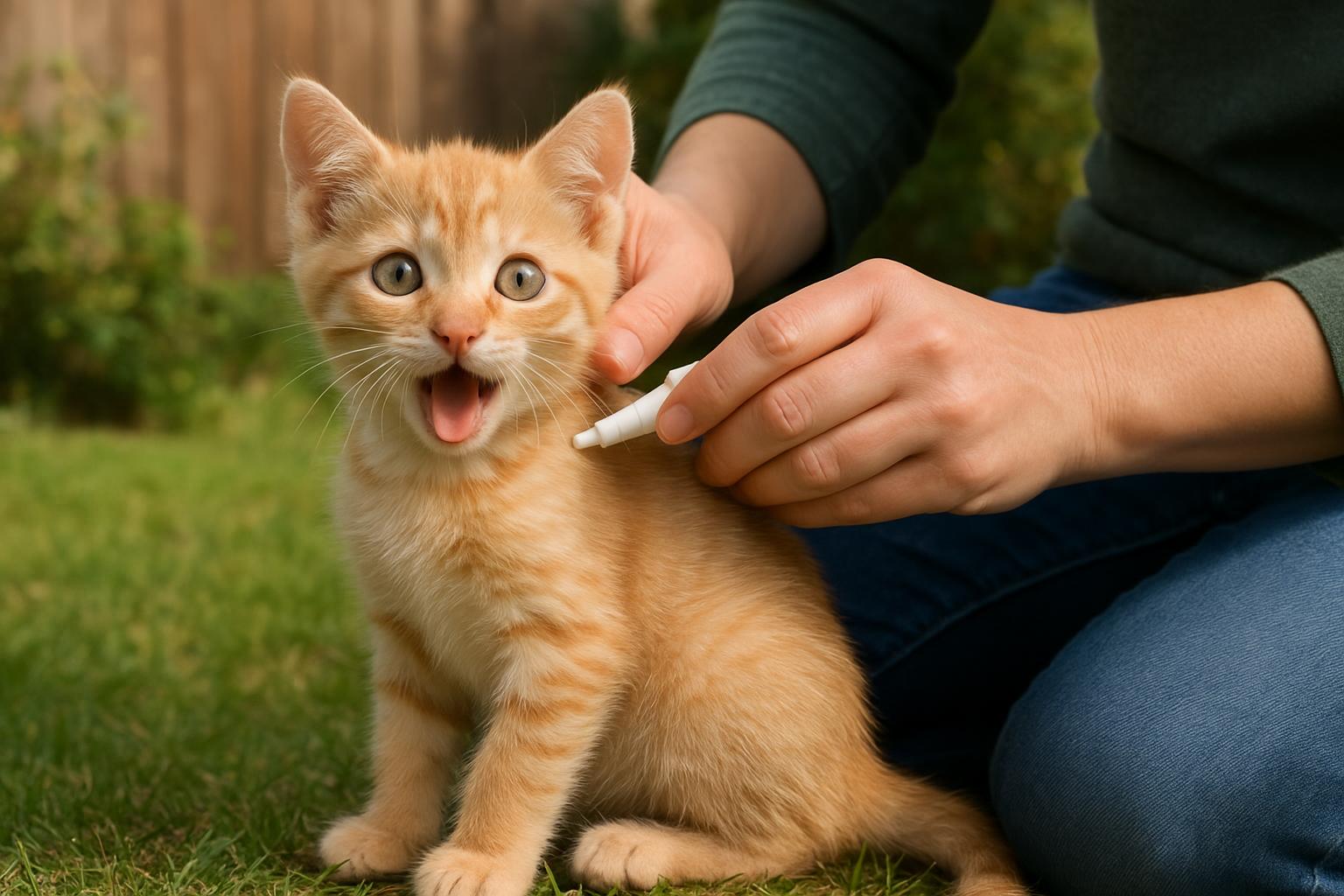
– Vet-approved flea control products suitable for kitten’s age and weight (e.g., nitenpyram for immediate kill in approved kittens, and a safe topical for ongoing control when old enough)
– Supportive feeding supplies (esophageal feeding tube or syringe) for weak kittens
Step-By-Step Veterinary Actions:
1. Stabilization: If the kitten is in shock, IV fluids and oxygen supplementation may be started immediately to support perfusion.
2. Diagnostic confirmation: Blood tests (PCV/CBC) guide decisions. If PCV is critically low, a blood transfusion can be life-saving.
3. Flea Elimination: Veterinarians use age- and weight-appropriate flea products. Nitenpyram (oral) is often used for rapid knockdown of fleas in kittens above the minimum age/weight per label; topical preventives may be started when safe. Environmental control recommendations will be provided.
4. Treat Underlying or Concurrent Conditions: Deworming for intestinal parasites, antibiotics for infections, and nutritional support if the kitten is underweight.
5. Follow-Up: Rechecks of blood values and physical exams ensure the kitten is recovering and that anemia is resolving.
A vet will tailor treatment to the individual kitten. If you ever hesitate about a recommendation, ask for clarification — it’s your kitten’s life on the line, and informed consent is important.
### Clearing The Home: Preventing Reinfection
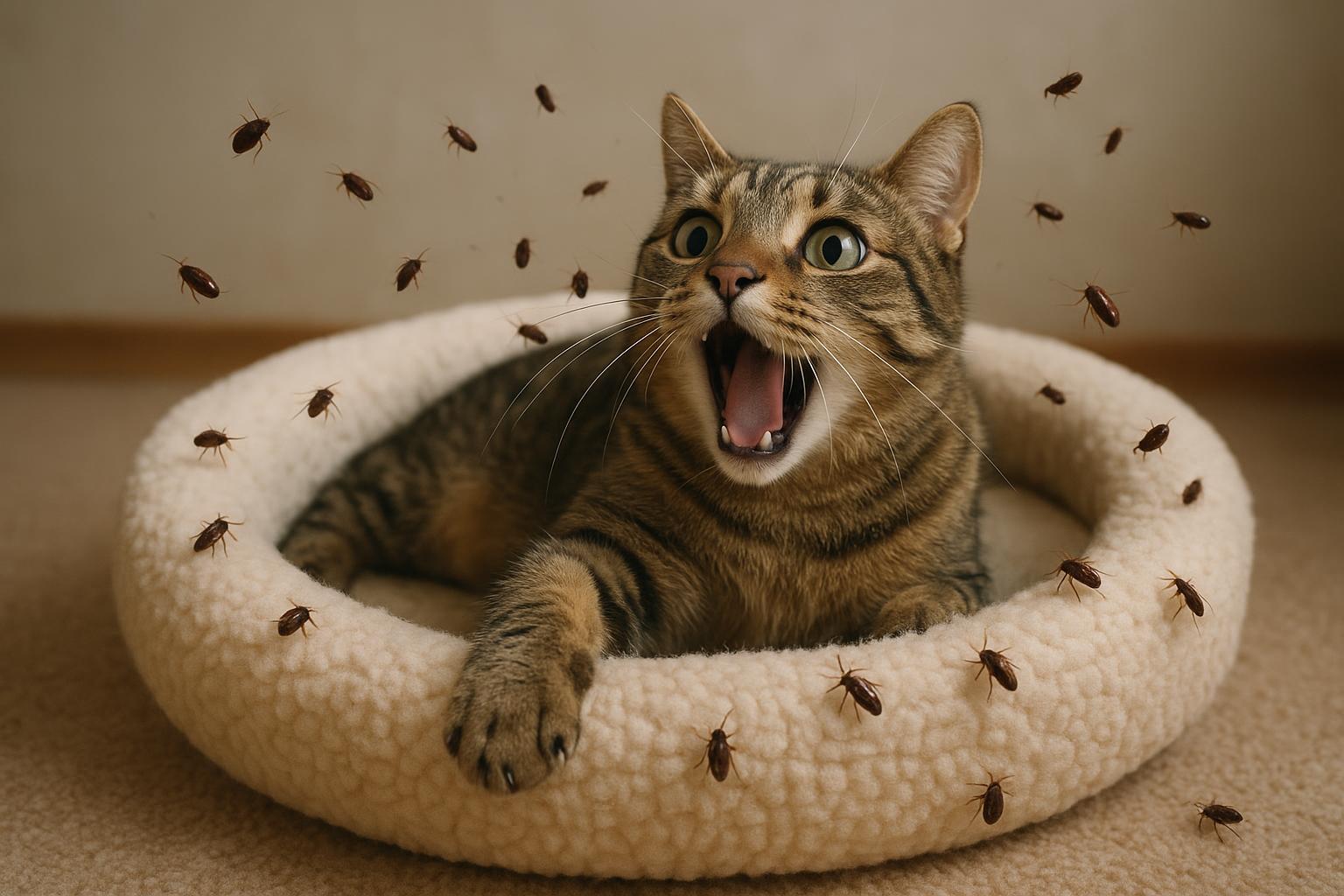
An infestation doesn’t end with one bath. Flea eggs in carpets and bedding hatch later. To prevent recurrence and future cases of anemia from fleas:
– Wash all bedding, blankets, and soft toys in hot water and dry on high heat.
– Vacuum thoroughly, focusing on where your kitten rests; empty the vacuum immediately into a sealed bag.
– Ask your veterinarian about environmental treatments that are safe for households with kittens and children.
#### When To Seek Emergency Help
If at any point you notice pale gums, persistent weakness, rapid breathing, collapse, or if the kitten refuses to eat and cannot be roused, get urgent veterinary care. The fastest interventions save lives.
## Long-Term Prevention And Smart Practices
Preventing anemia from fleas is mostly about routine care, awareness, and quick action. Keep flea control up to date for all household pets, isolate new or stray kittens until they’ve been checked by a vet, and maintain clean living spaces. Regular vet checkups and prompt attention to any signs of itching, hair loss, or lethargy will reduce the odds of a flea problem spiraling into an anemic emergency.
Being a kitten parent means juggling cuteness and responsibility — and sometimes a rapid heart rate because your tiny predator of sofa mice has become a source of real worry. Stay informed, act swiftly if you see trouble, and don’t be shy about calling your vet. They’ve dealt with this before, and they’ll probably admire your detective work (and your cat’s dramatic flair for collapsing at naptime).





Leave a Reply