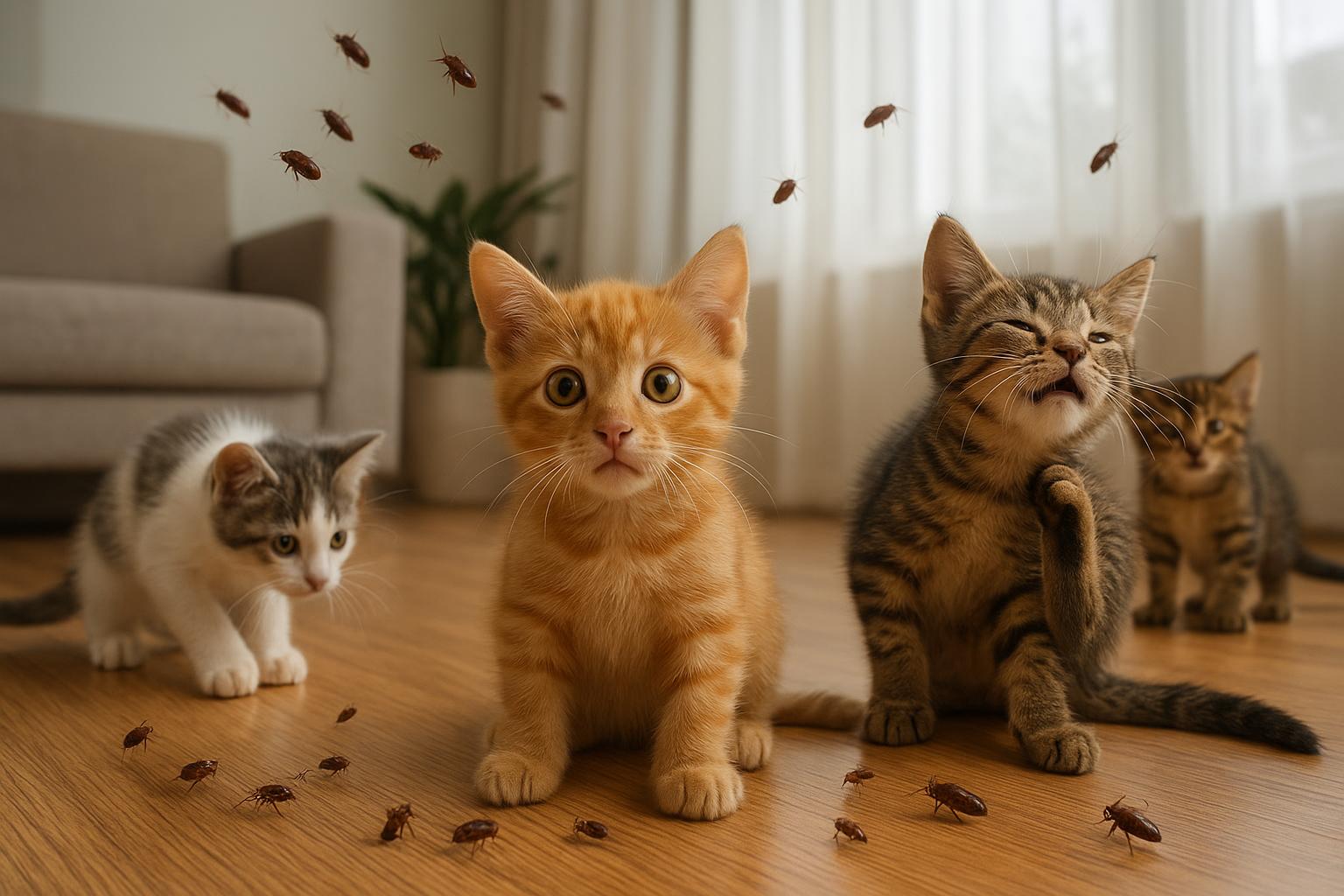
Hey there — if you’ve got a purring ball of fluff in your house, you’re in the right place. These tips are relaxed, practical, and gently humorous where appropriate, but when it comes to treatments and remedies, I’ll be clear and formal so you can keep your kitten safe.
## Kitten Flea Control Basics [1]
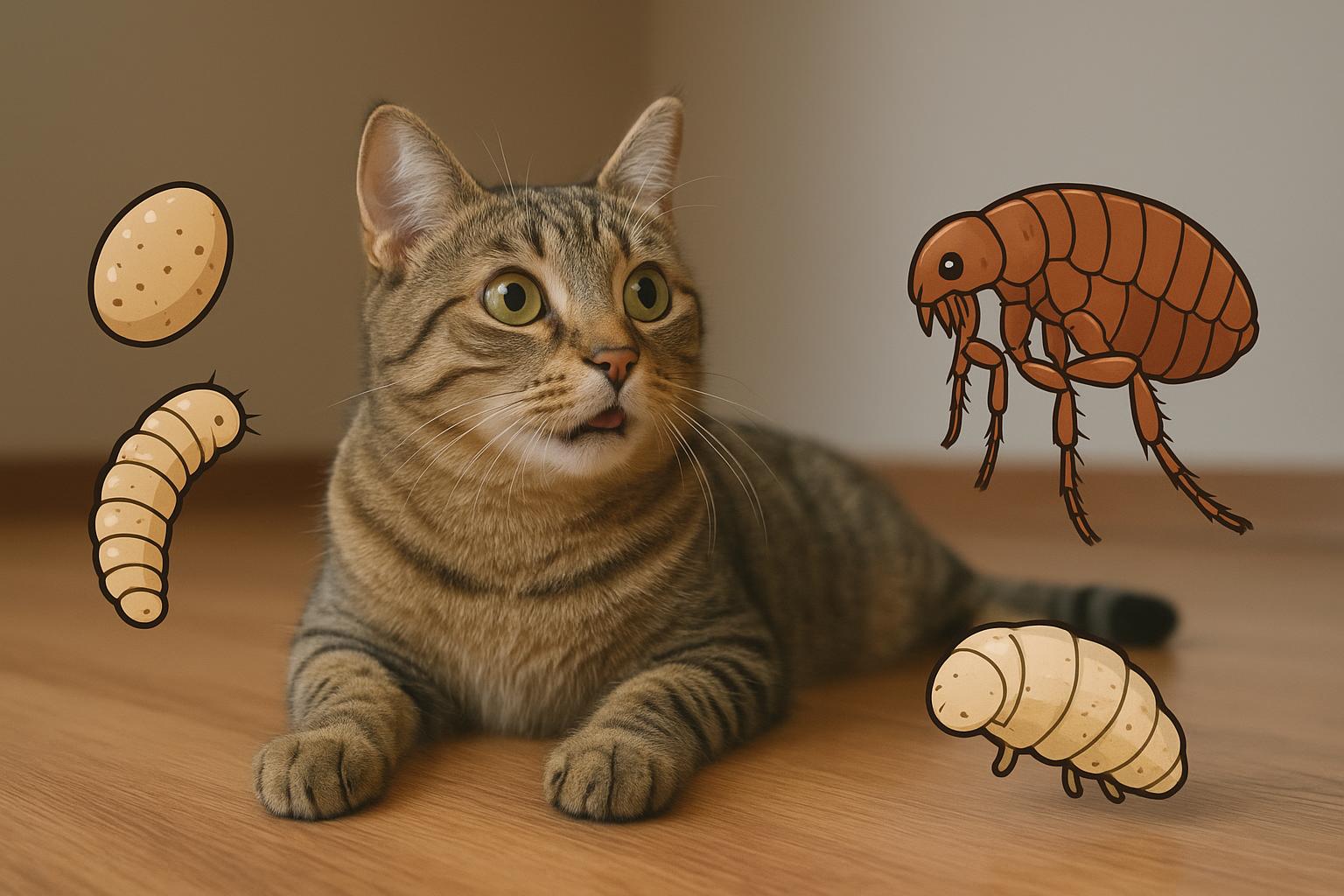
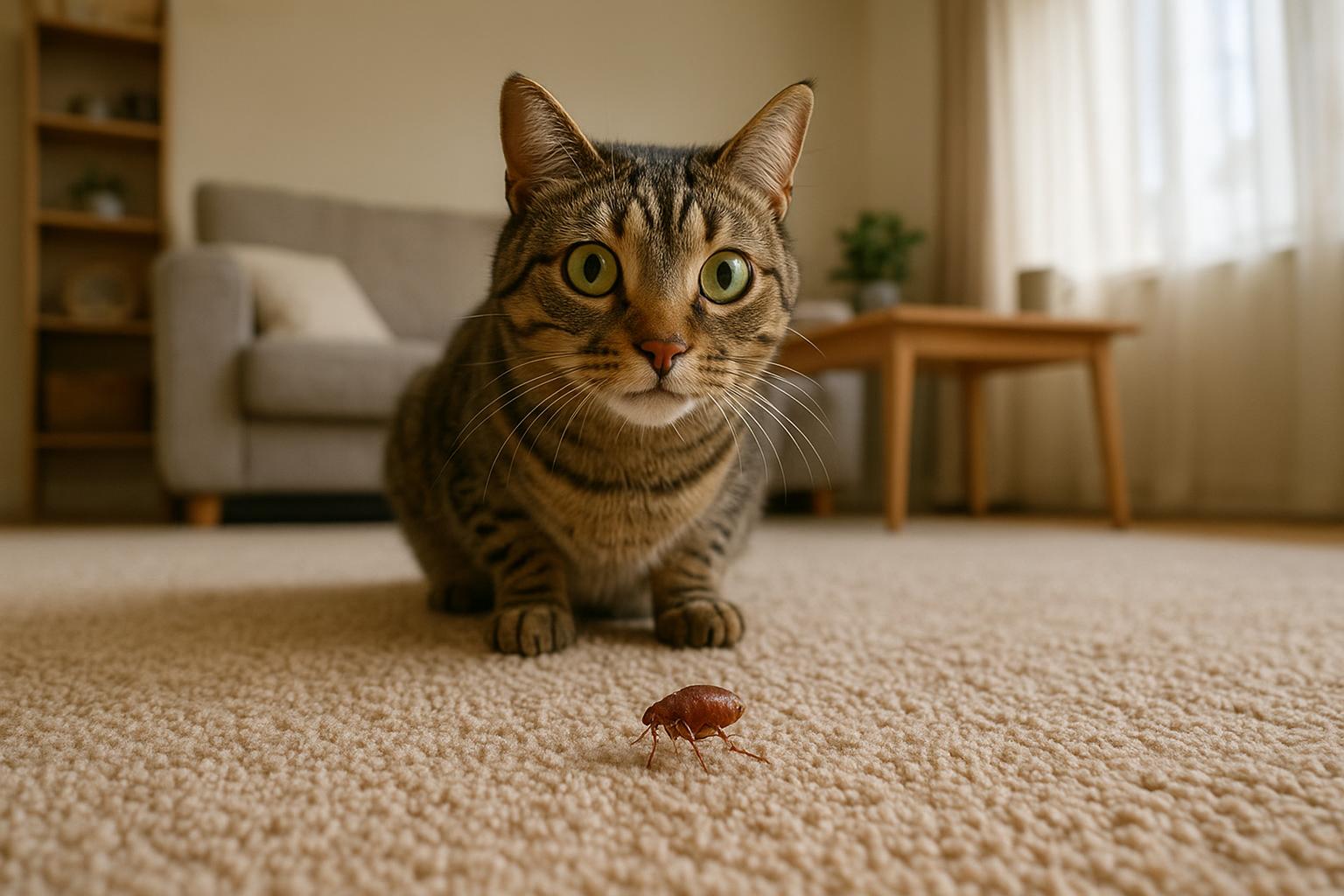
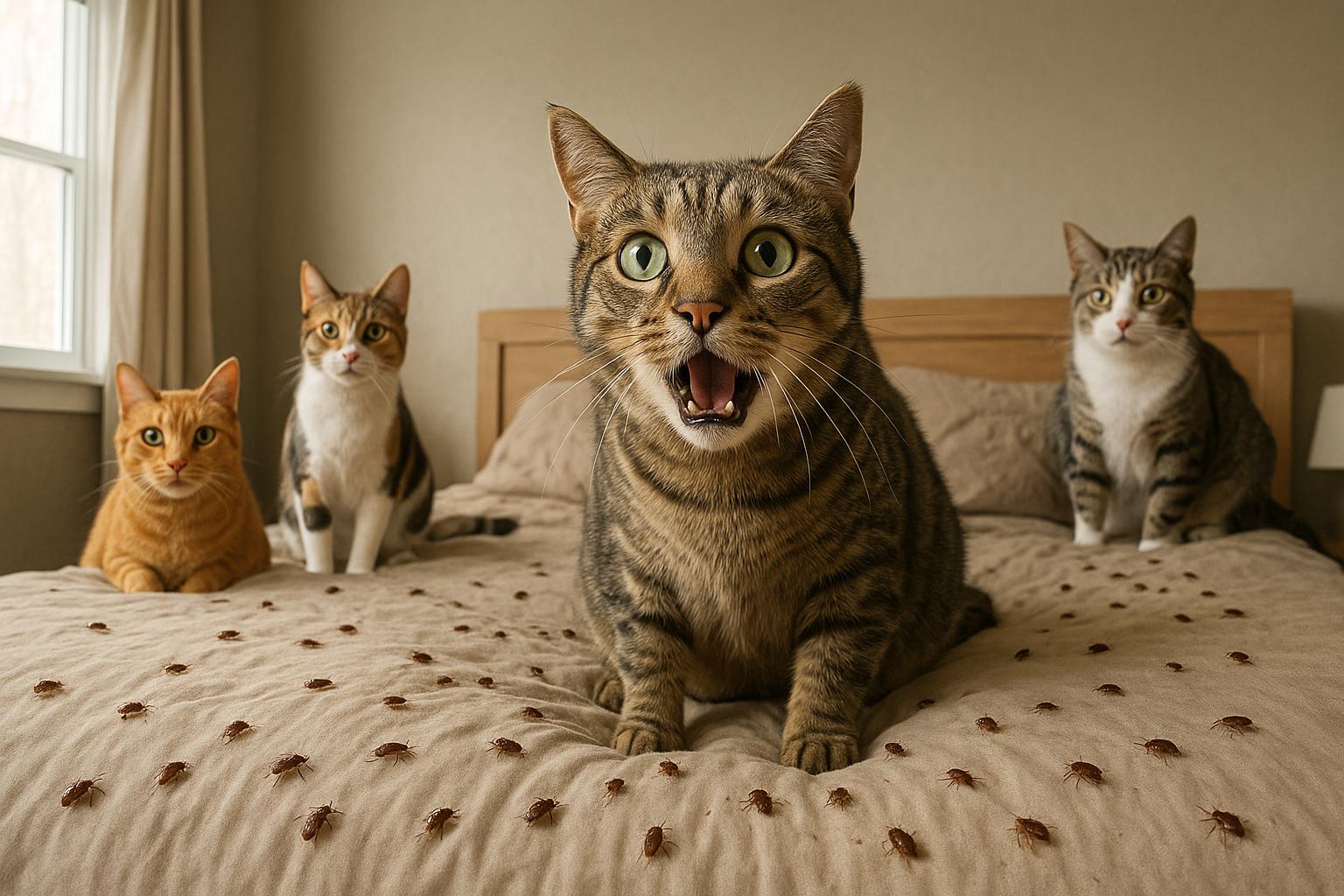
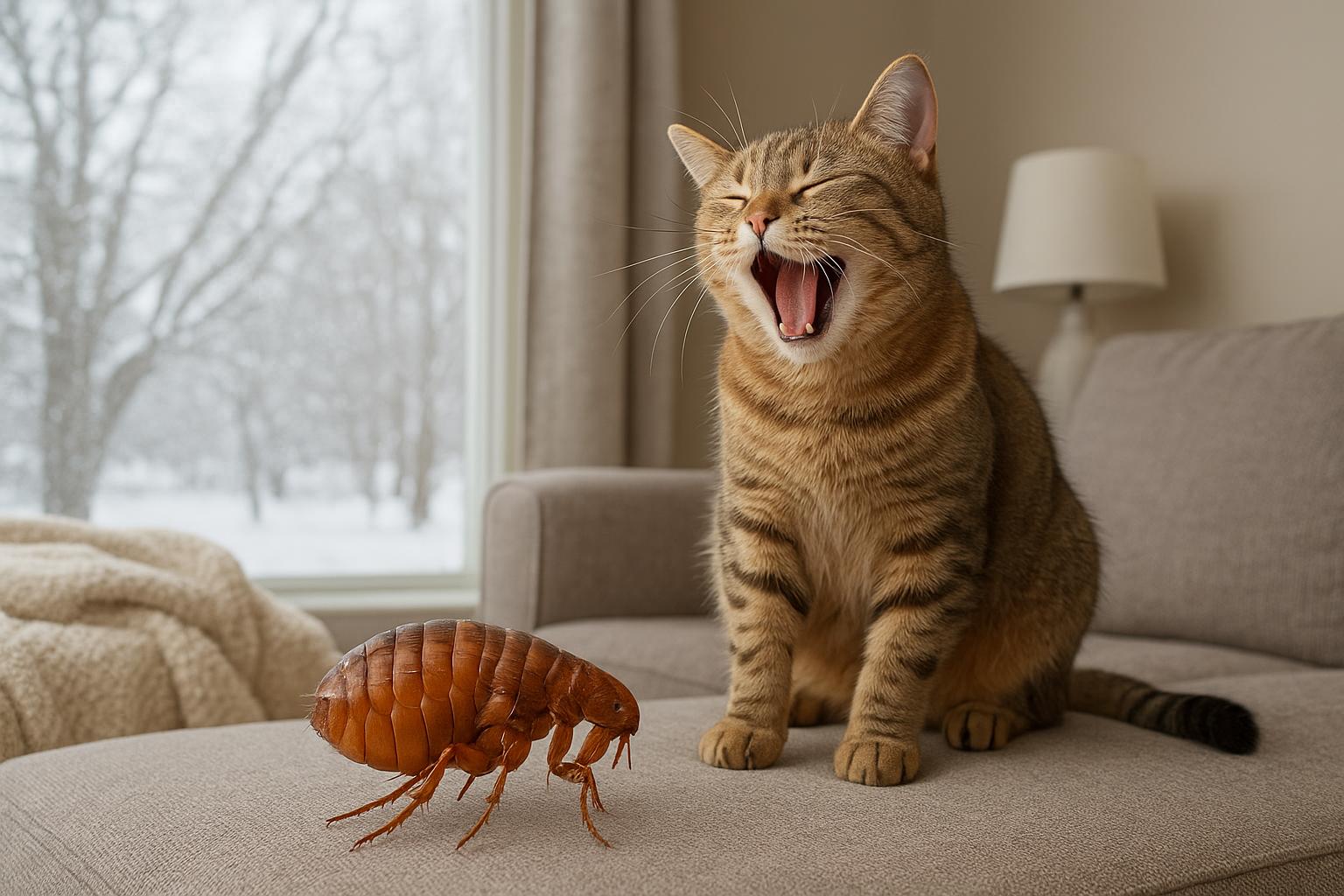
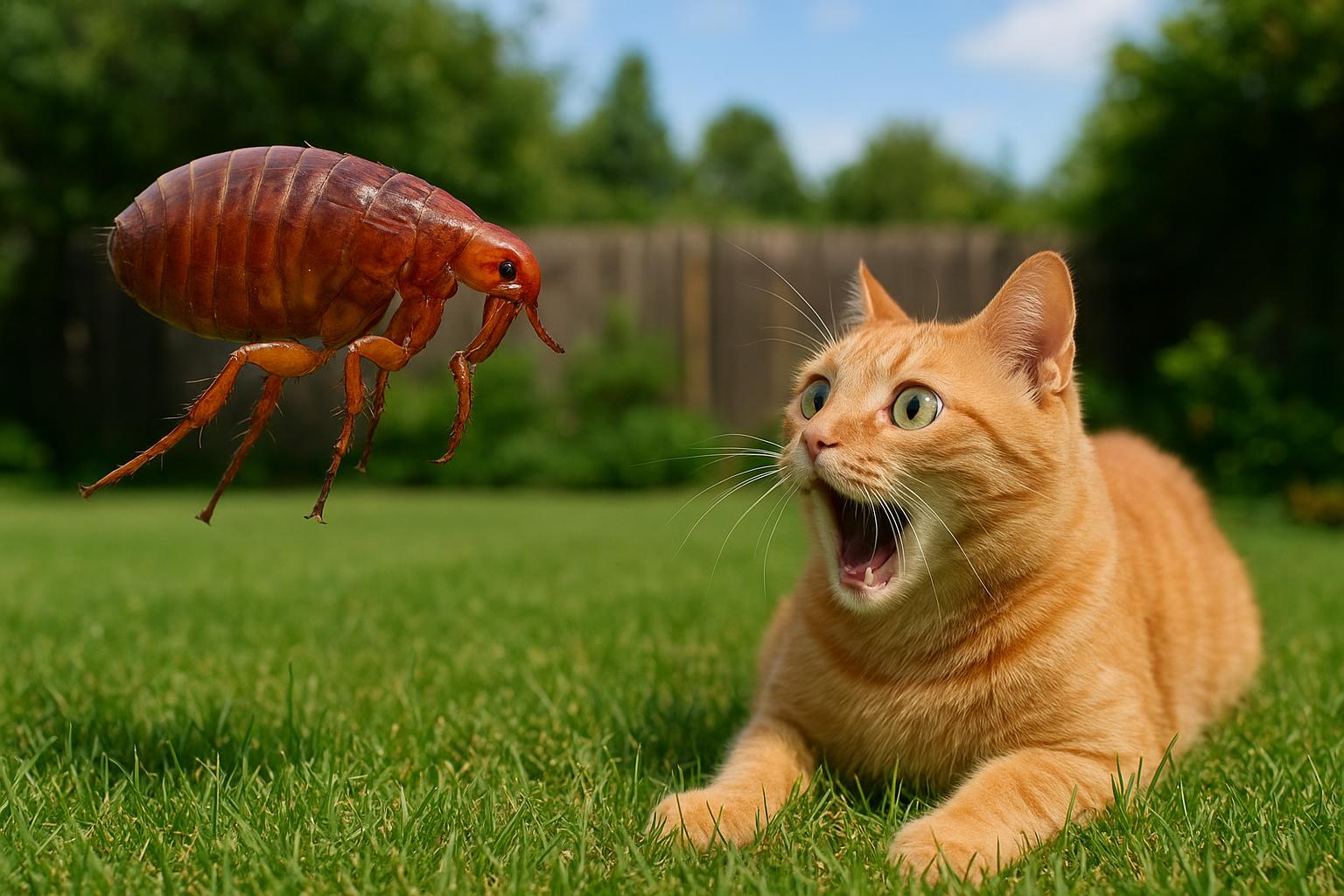
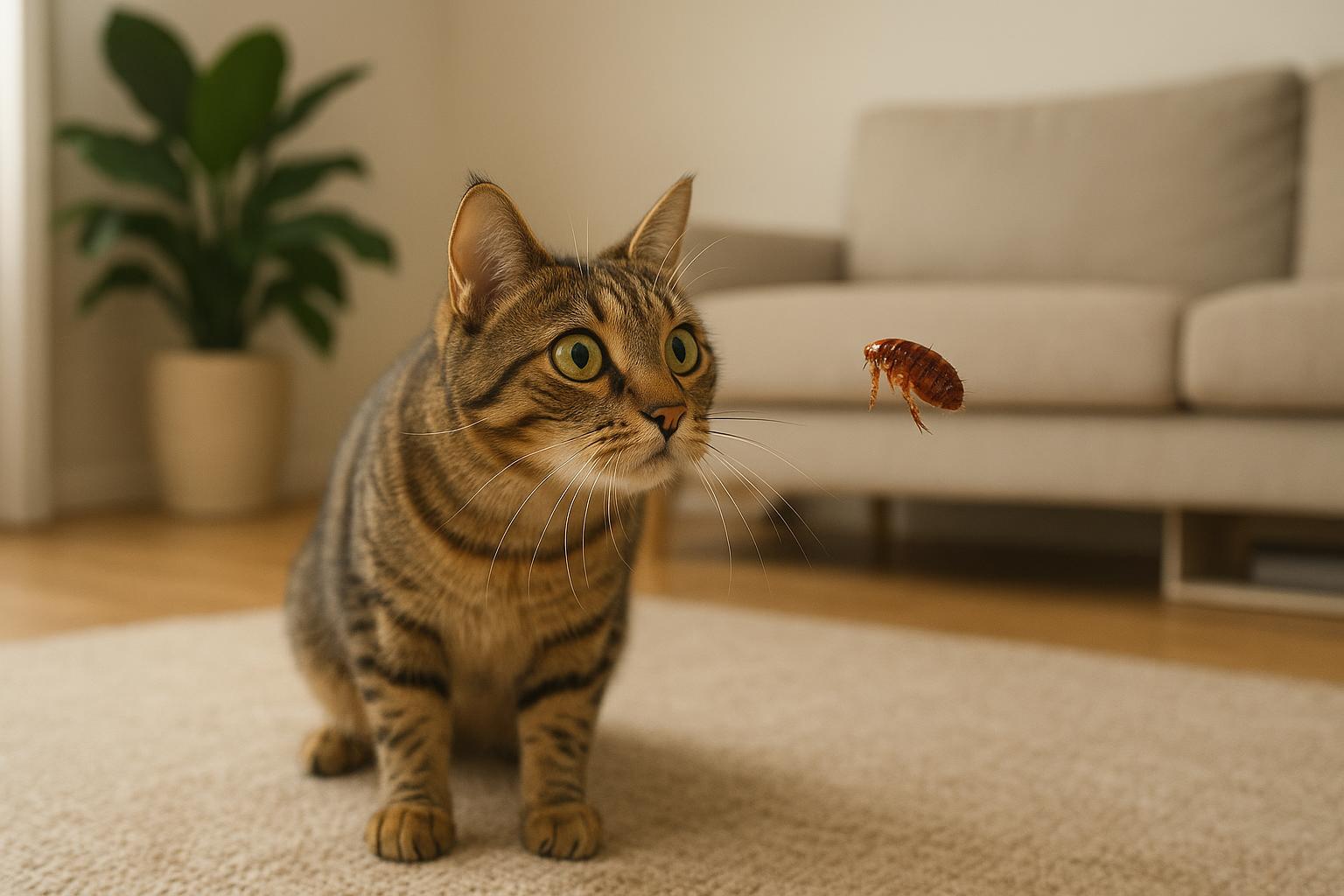
Fleas are tiny but dramatic roommates: they multiply fast, make kittens scratch, and can transmit tapeworms or anemia in young cats. Early, consistent kitten flea control [1] reduces the chance of an infestation taking hold and keeps your kitten happier and healthier. The goal is to protect both the animal and the environment — your house, yard, and other pets.
### Why Fleas Matter For Young Cats
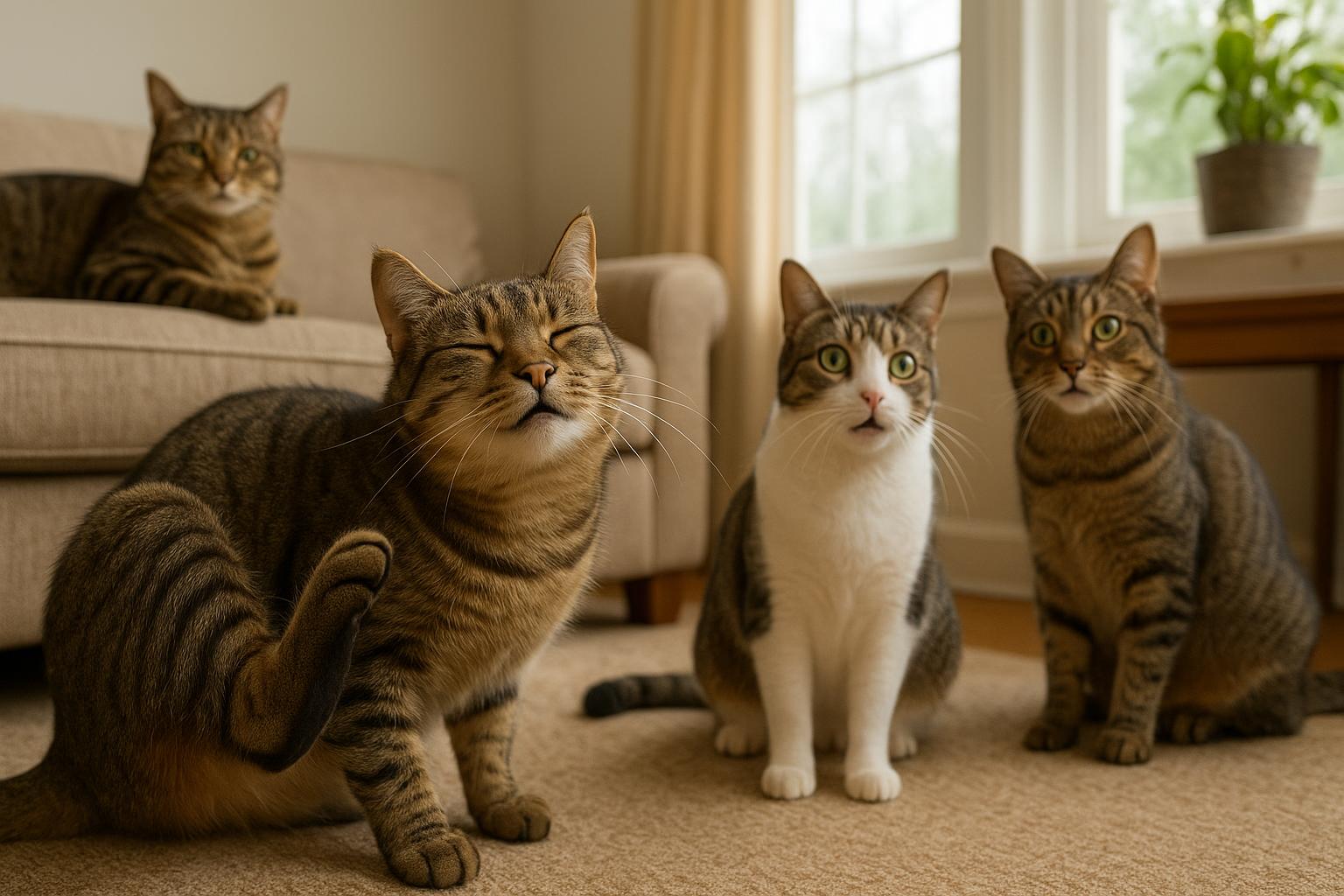
Kittens have small blood volumes and immature immune systems. A few fleas can lead to significant blood loss, intense itching, and secondary infections from scratching. Fleas are also vectors for dipylidium caninum (tapeworms) and can transmit Bartonella in some cases. Prevention is both kinder and cheaper than dealing with a heavy infestation later.
### When To Start Prevention
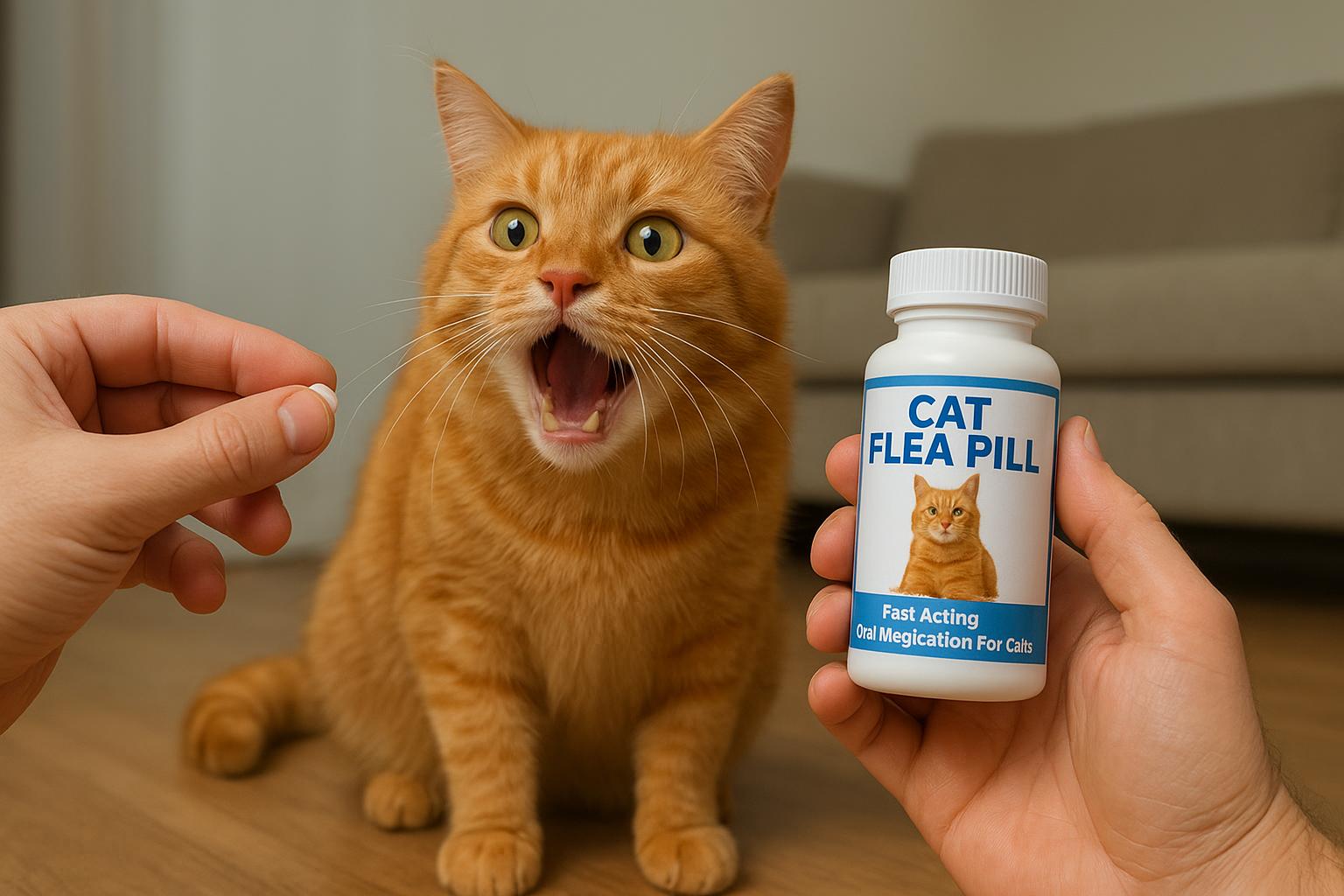
Start environmental measures right away if you live where fleas are common. Pharmaceutical prevention should follow veterinary guidance — many products have age and weight thresholds. In many regions, once a kitten reaches two to eight weeks (depending on product) and meets minimum weight, vet-approved topical preventives are an option. For neonates, focus on environmental control, grooming with a comb, and vet care.
## Practical Home Steps Everyone Should Do
A consistent routine is the backbone of kitten flea control [2]. This isn’t glamorous, but regular housekeeping plus simple pet-care measures will cut flea numbers before they explode.
### Grooming And Regular Checks
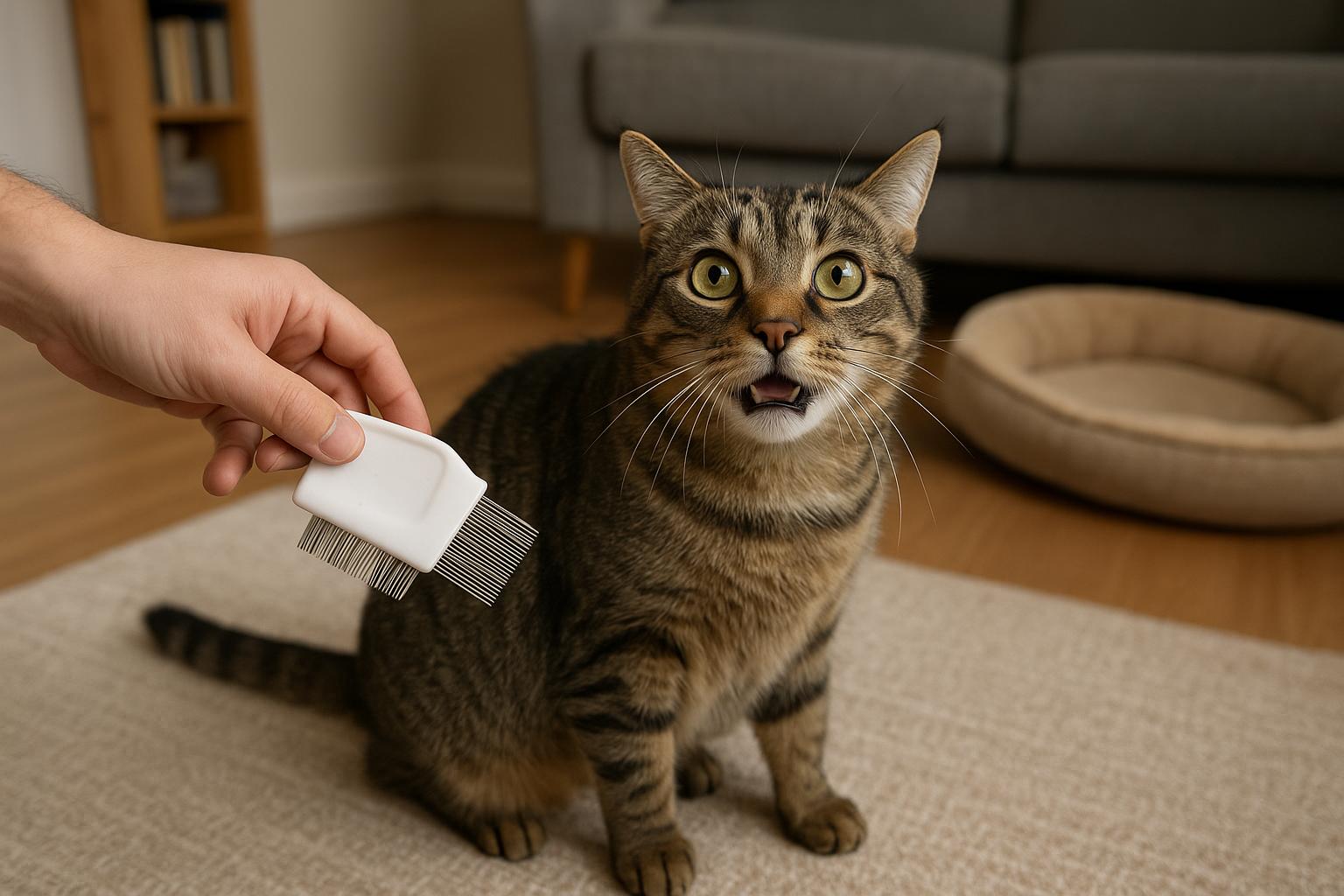
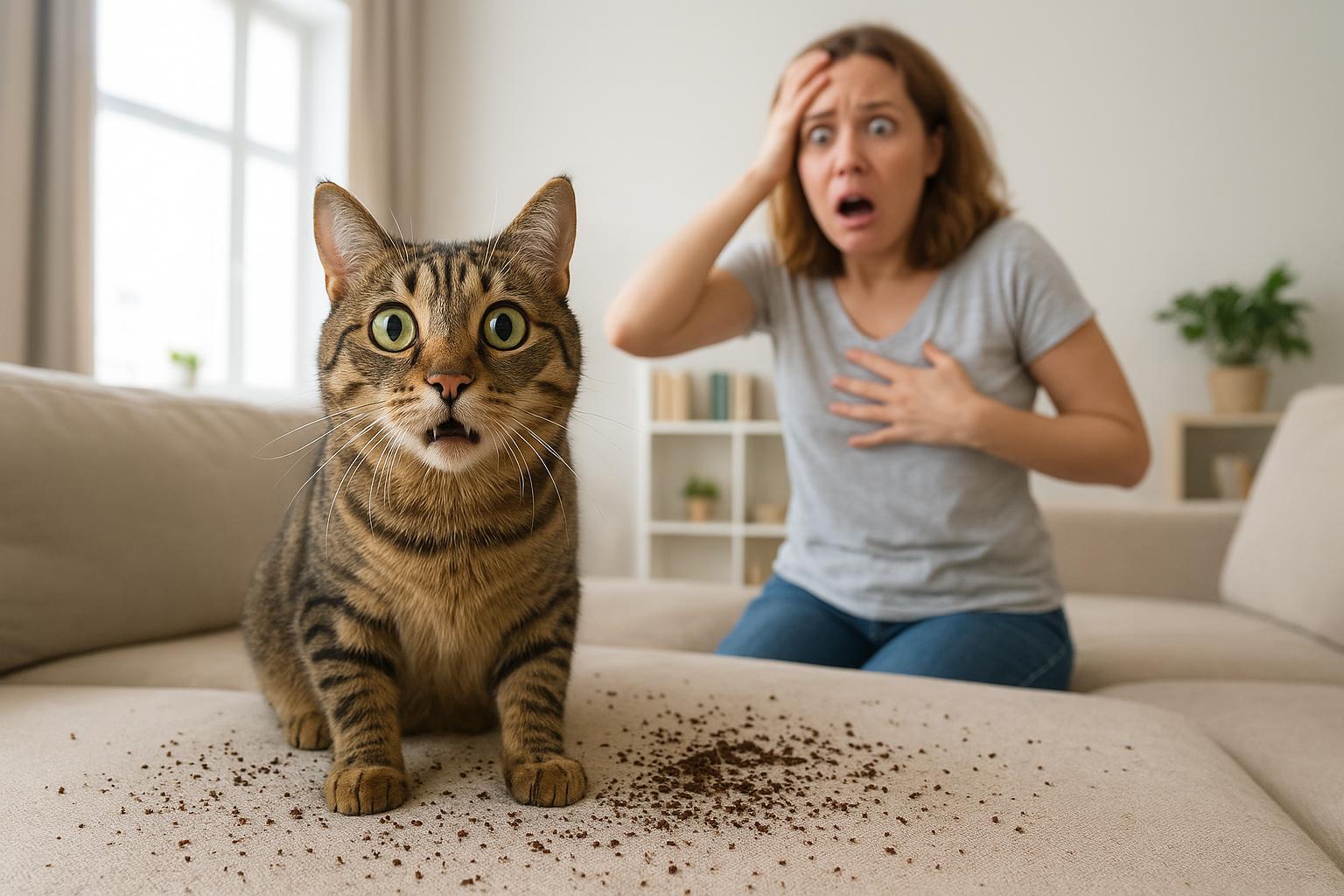
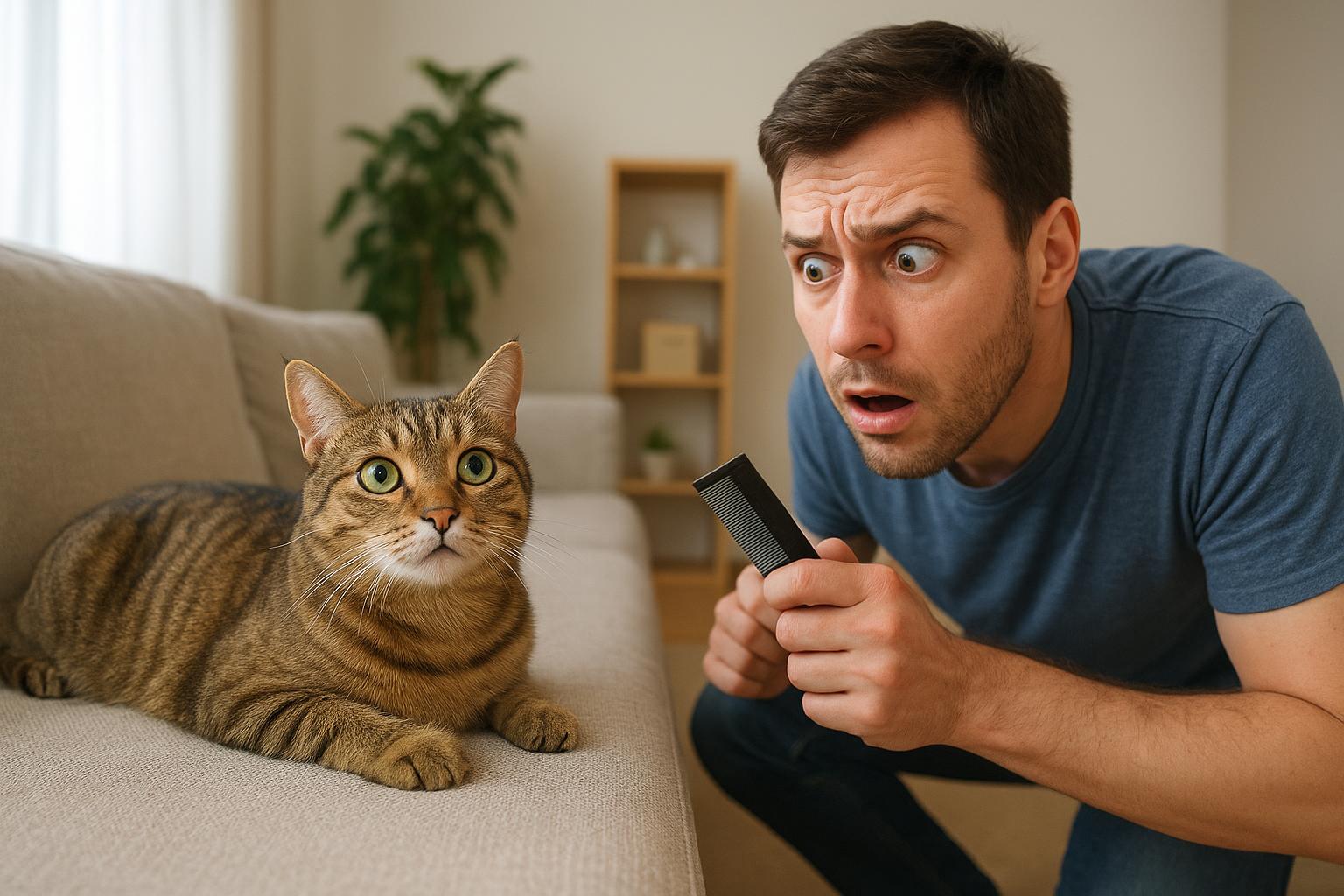
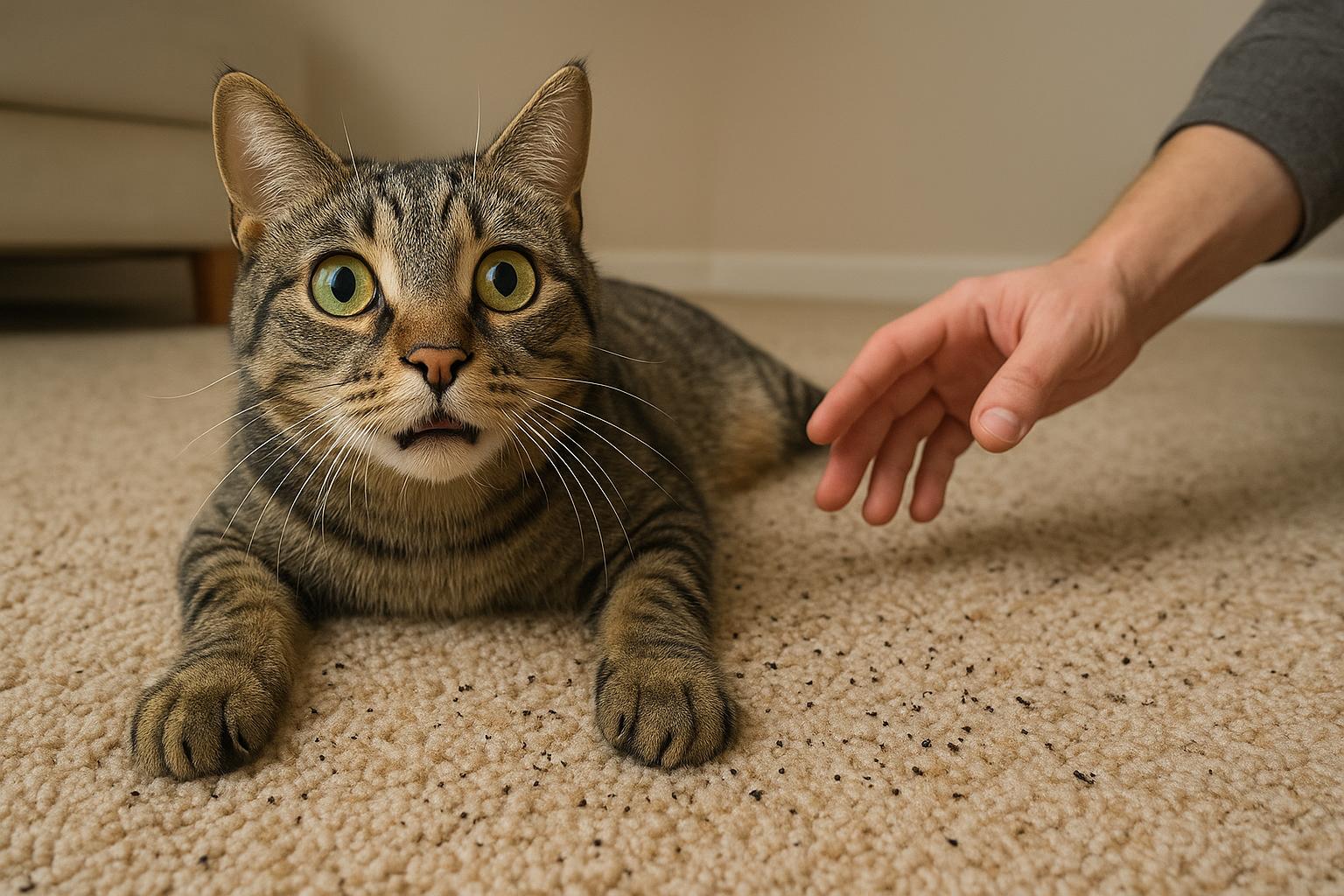
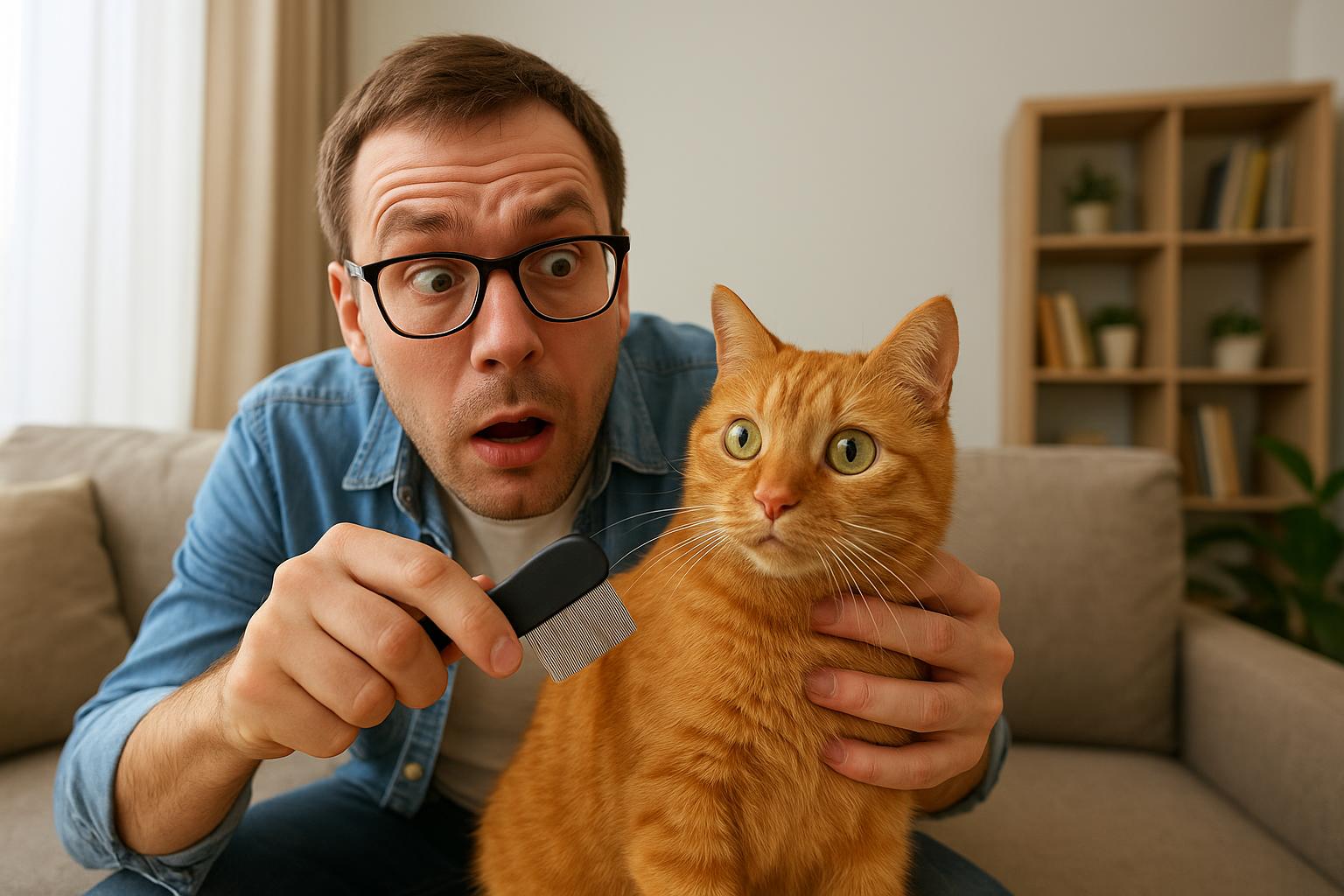
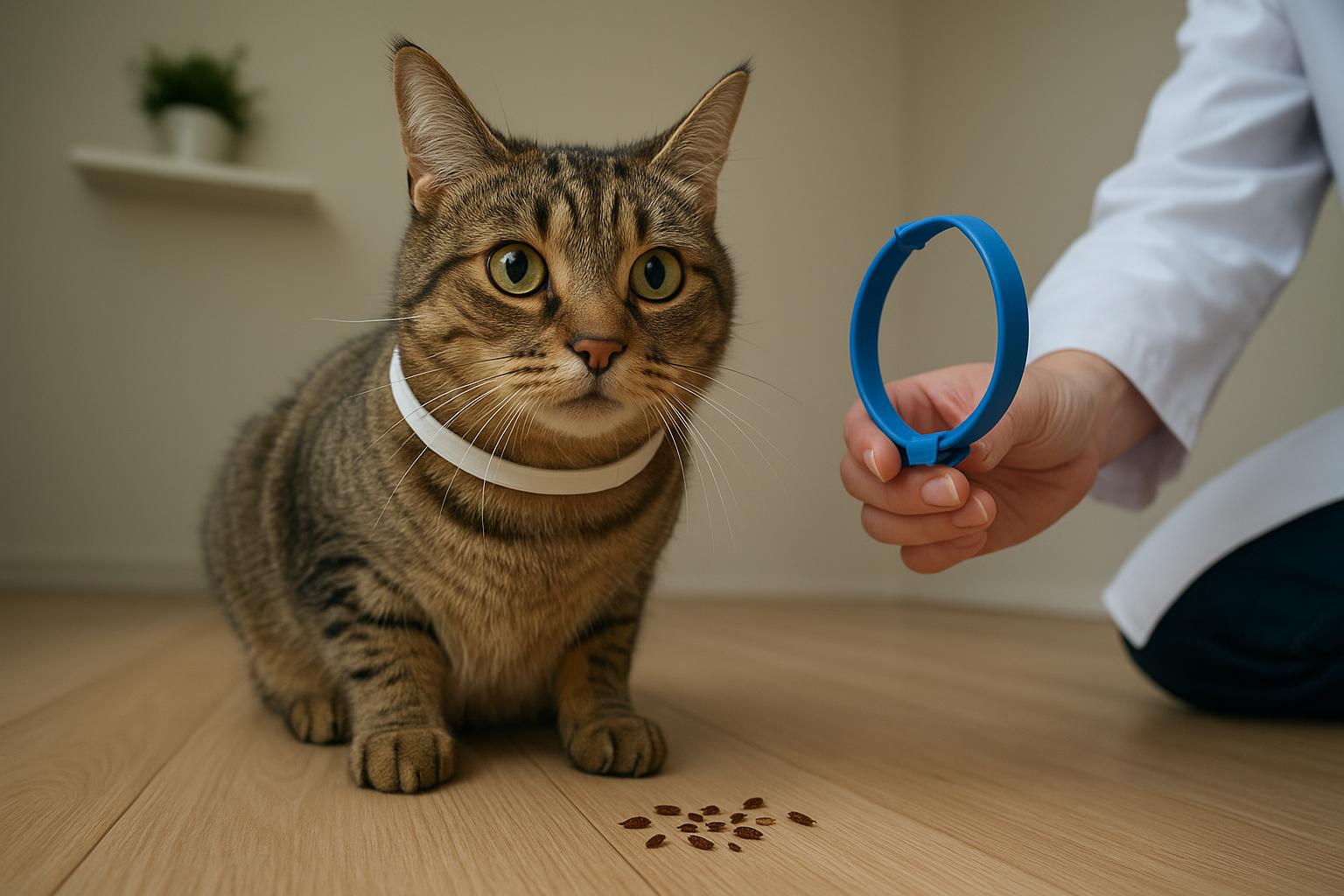
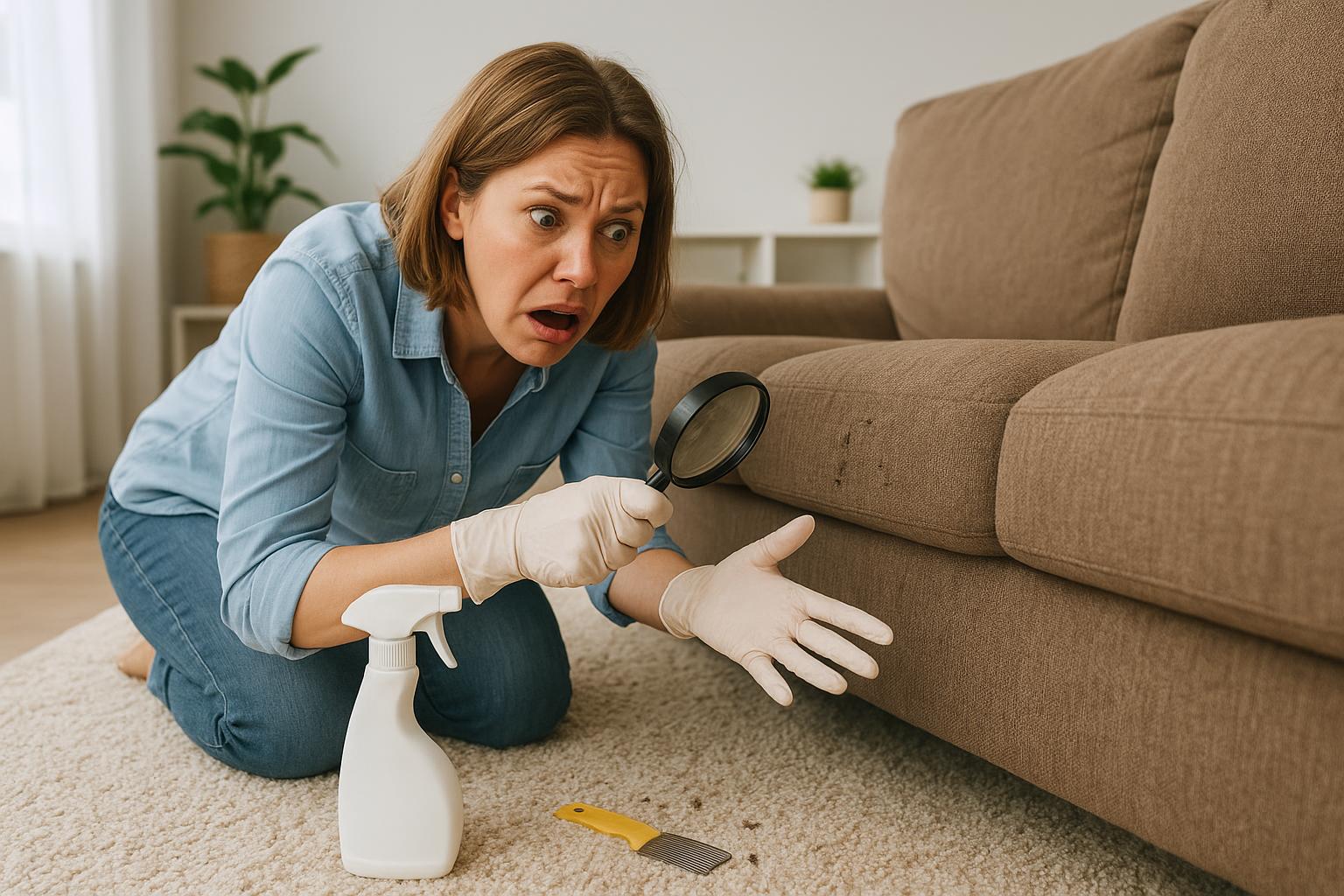
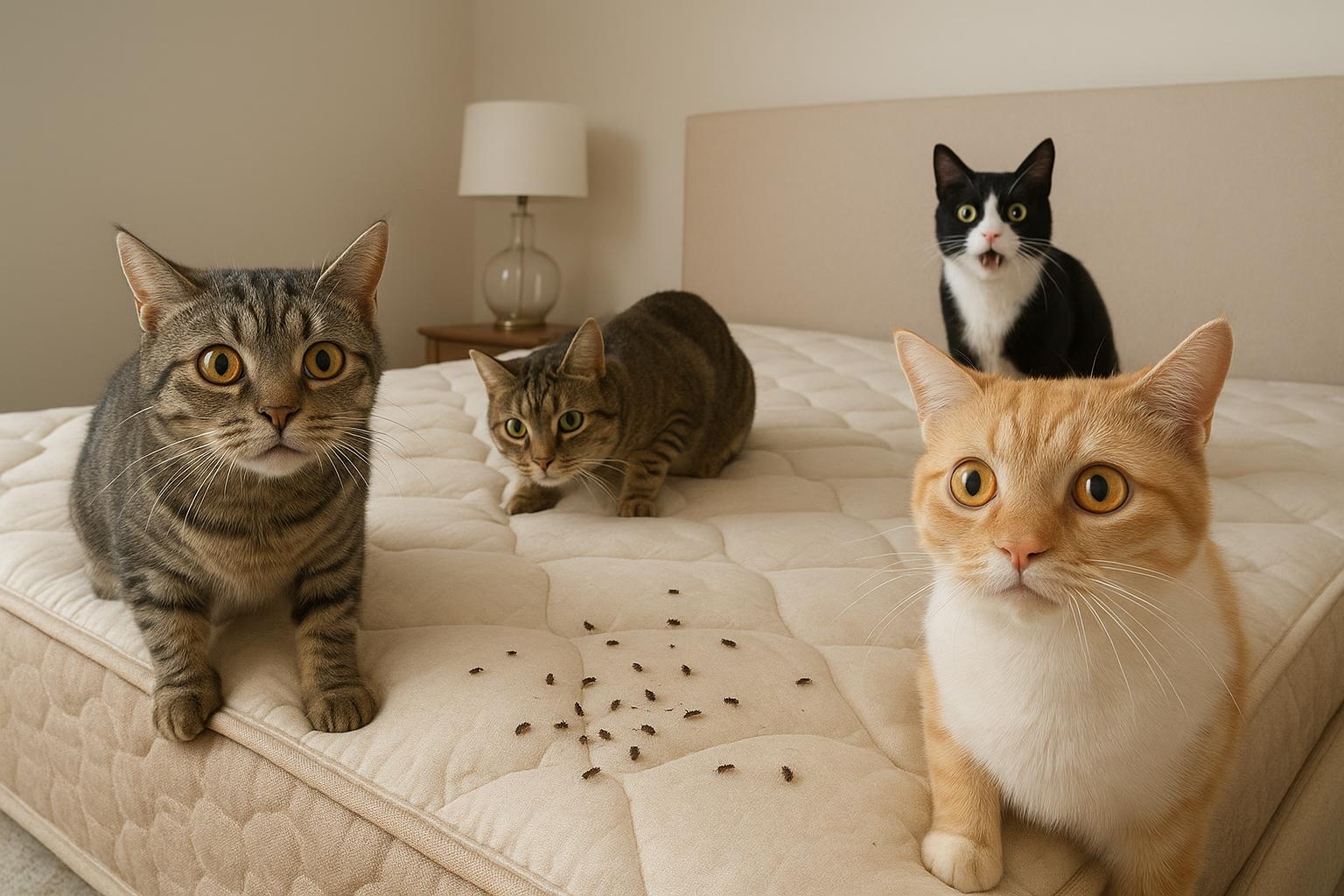
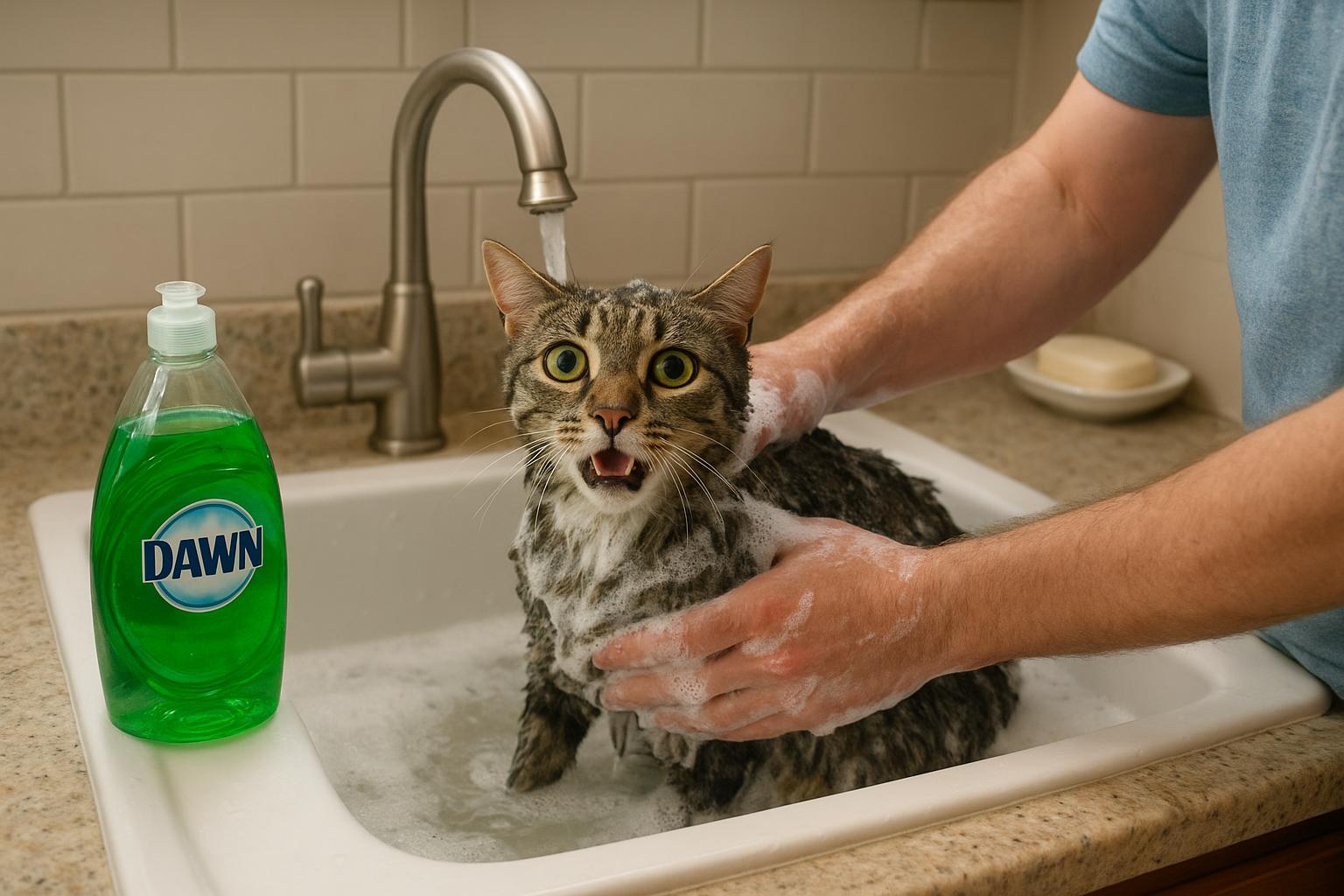
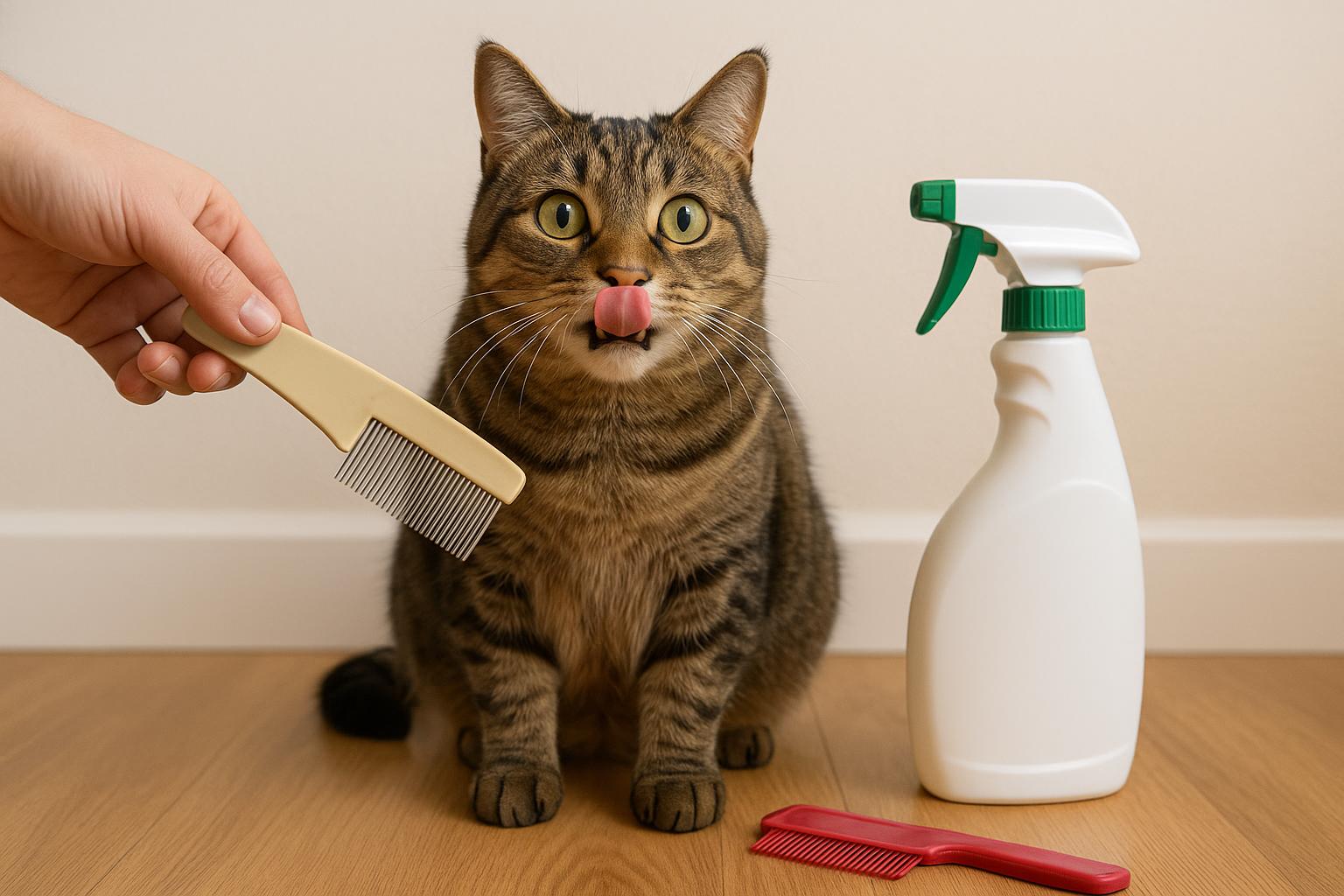
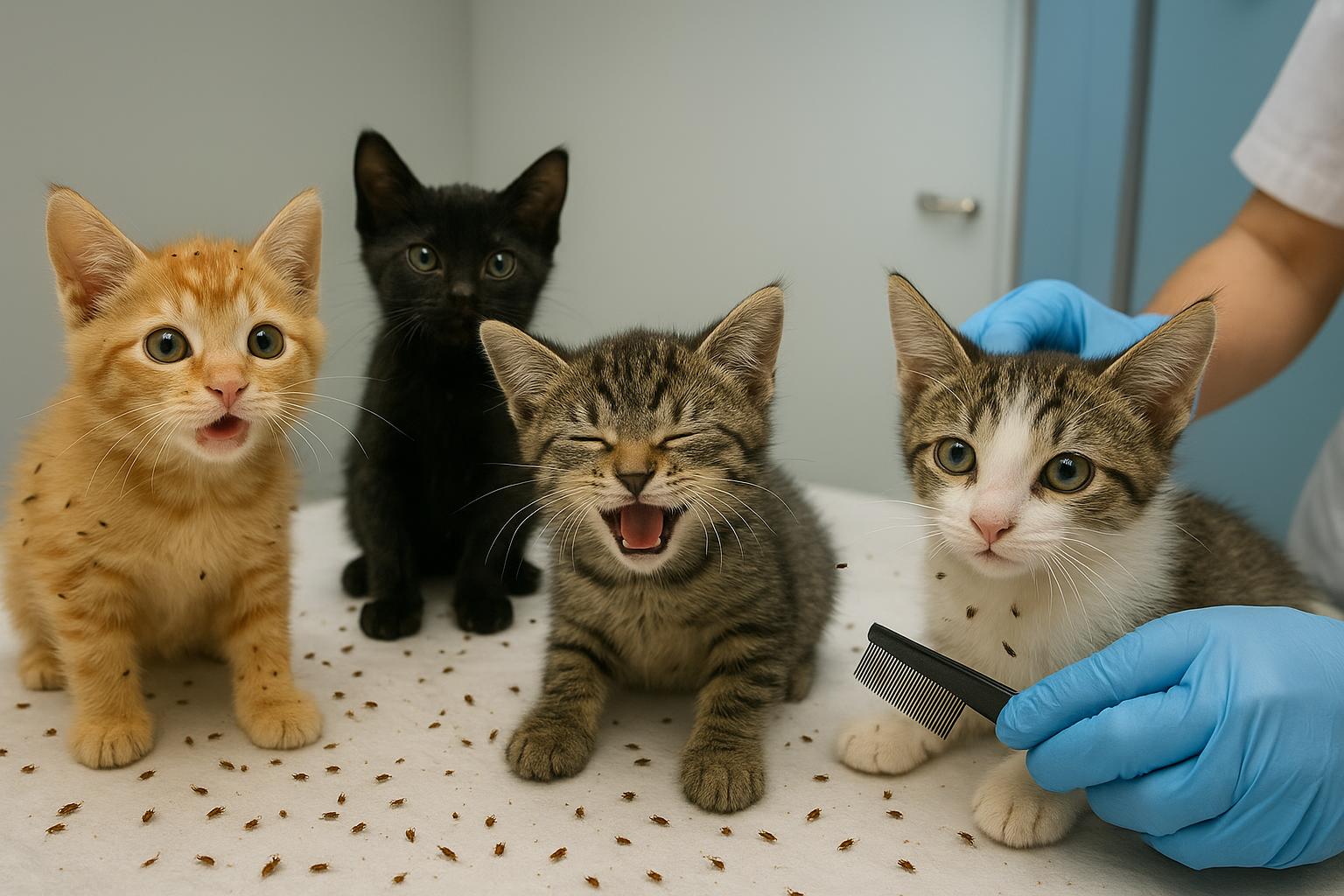
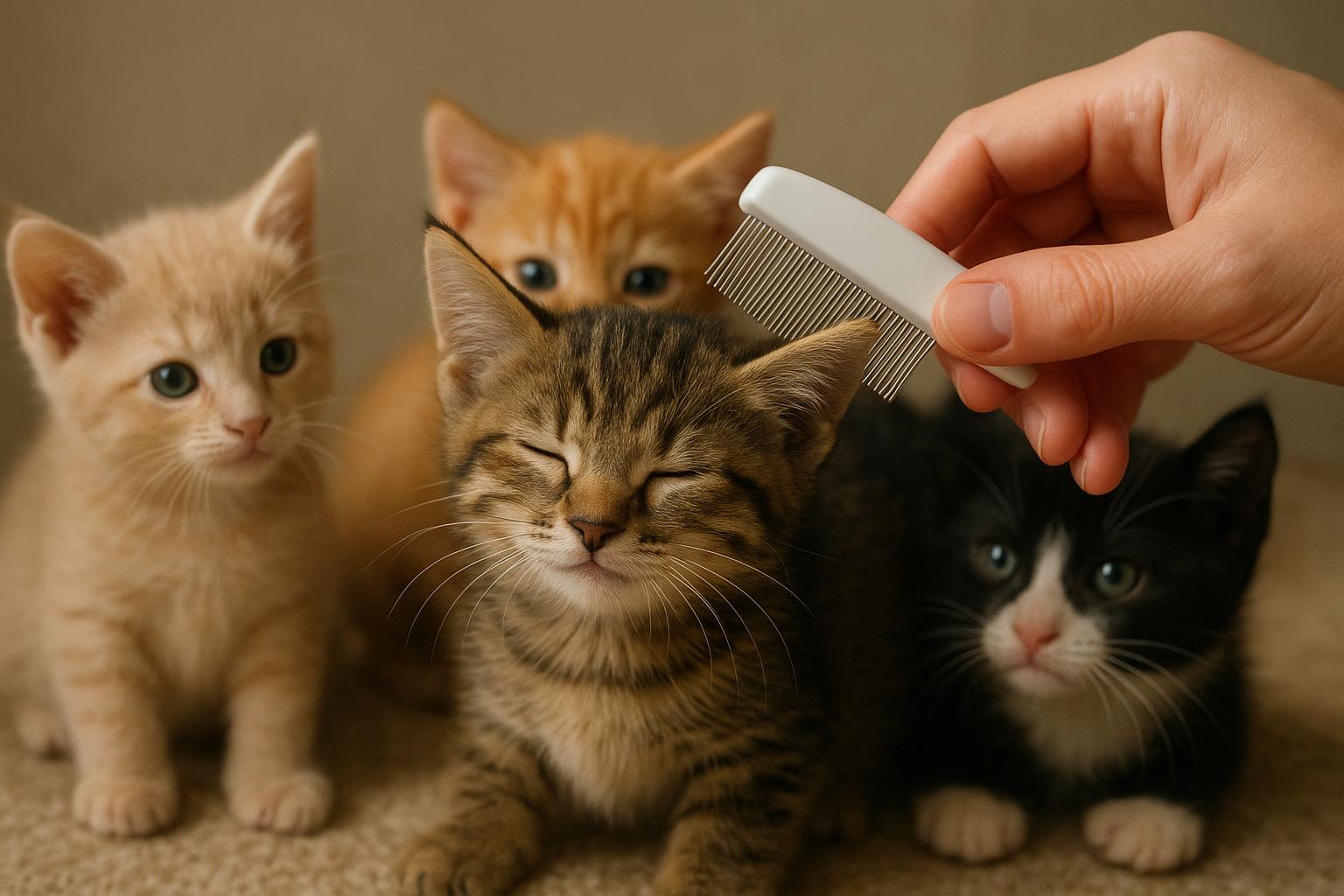
Grooming is your first line of defense. Use a fine-tooth flea comb daily for young kittens — comb the neck and rump where fleas like to hide. Dip the comb into soapy water to drown captured fleas. Check for flea dirt (tiny black specks that turn reddish when moistened). If you find fleas, record approximate numbers and time of discovery and act quickly with vet-advised measures.
### Treating House And Yard
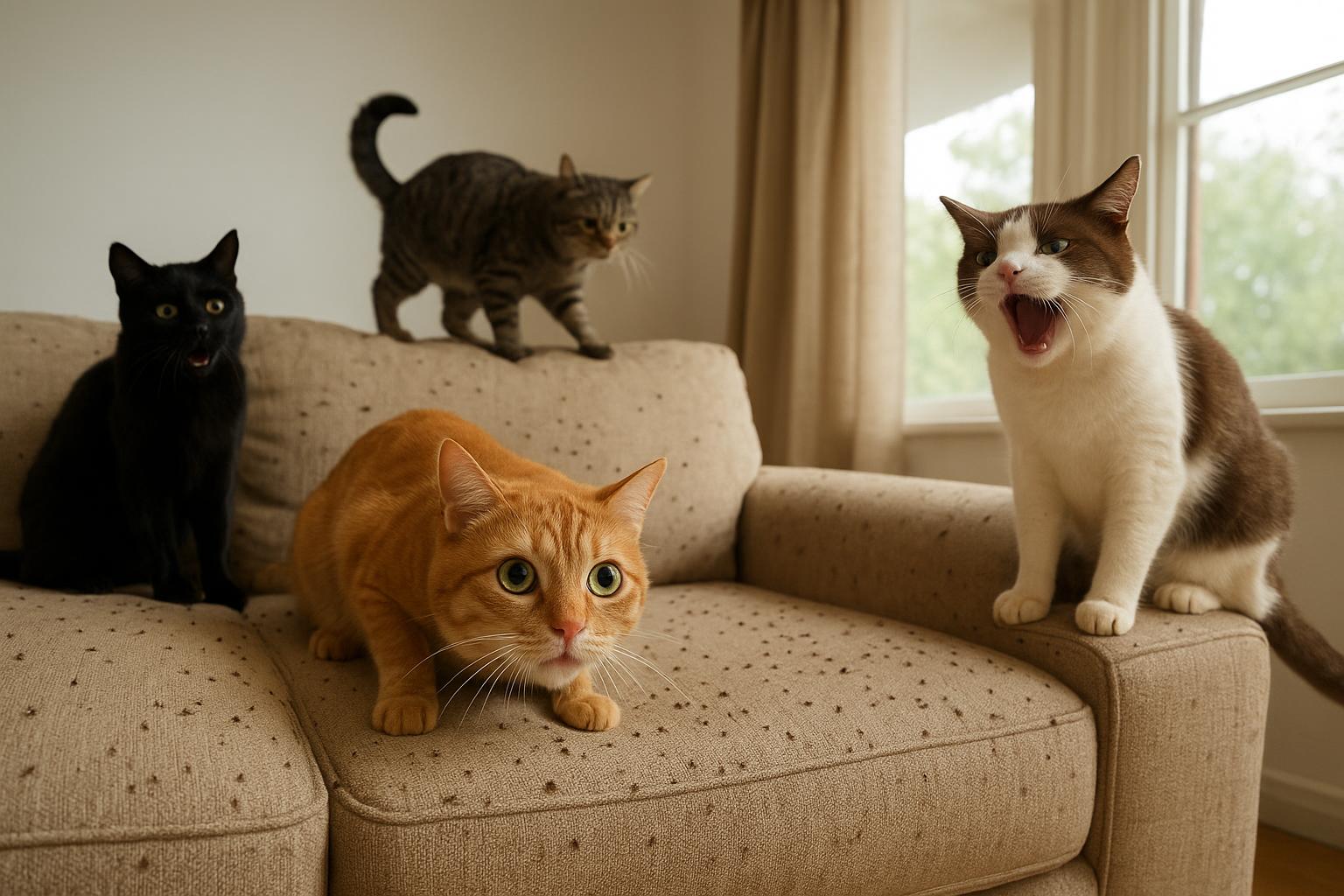
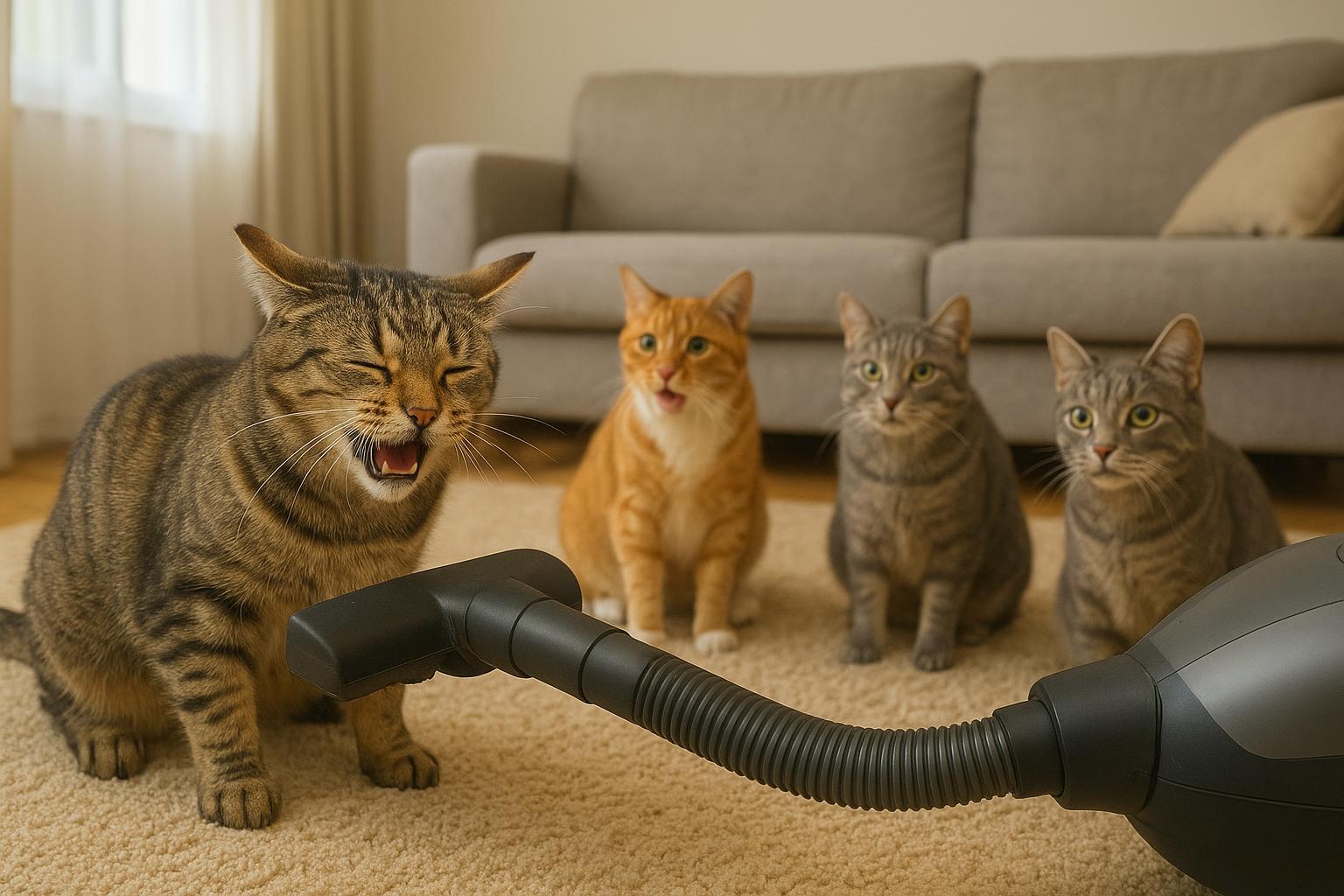
Vacuum often — carpets, rugs, upholstery, and pet beds. Empty the vacuum canister or change the bag immediately and place debris in sealed bags for disposal. Wash bedding and soft toys in hot water weekly until you’re confident the problem is resolved. For outdoor spaces, keep grass short, clear debris, and consider targeted treatment of shady, moist areas where fleas thrive. When treating the yard, choose products labeled for residential use and safe around pets and wildlife, or hire a professional.
## Remedies You Can Use (Numbered)
Below are two remedies that are commonly used: a vet-supervised pharmaceutical option and a careful environmental/home method. Because these affect a young animal and your home, each remedy includes materials and step-by-step formal instructions. If in doubt, consult your veterinarian before applying any product or material.
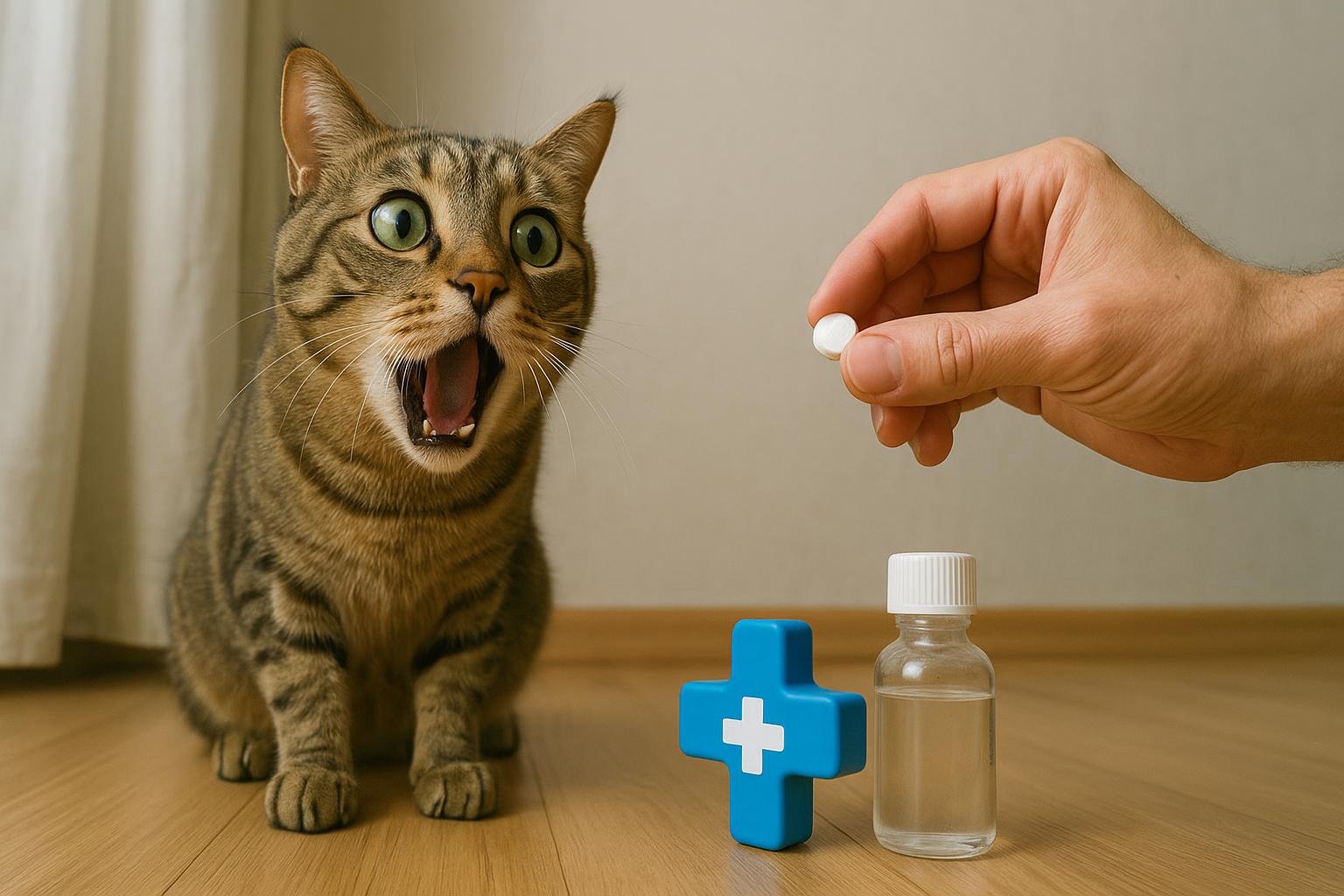
### 1. Vet-Approved Spot-On Treatment For Kittens
Materials/Ingredients
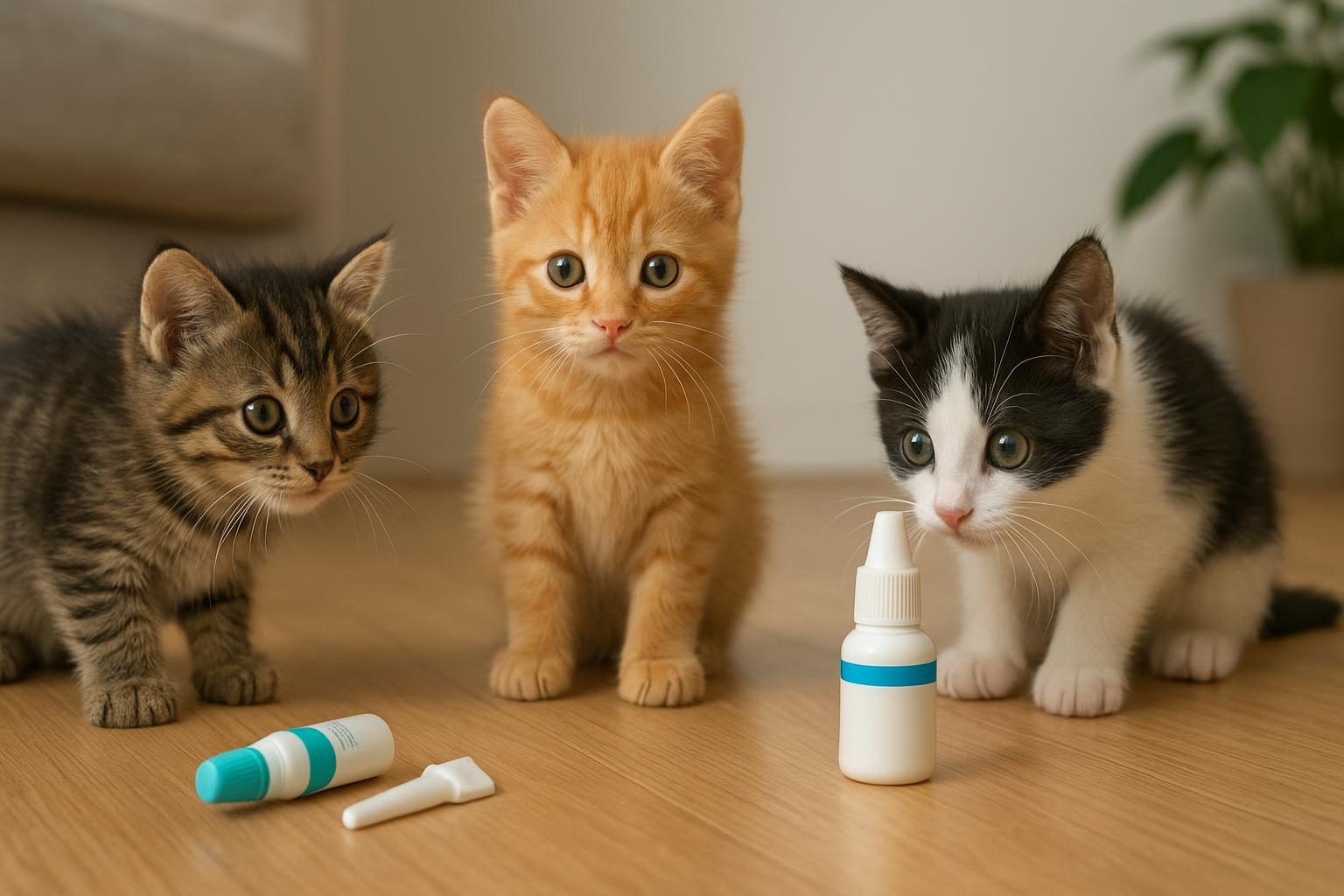
– Vet-prescribed spot-on flea medication labeled safe for kittens (product name and dosage per vet guidance)
– Disposable gloves
– Clean towel
– Weight scale (to verify kitten weight)
– Treats for positive reinforcement
Formal Step-By-Step Creation And Application
1. Confirm Eligibility: Verify the kitten’s age and weight meet the medication manufacturer’s and your veterinarian’s recommendations. Do not apply adult products that are not labeled for kittens.
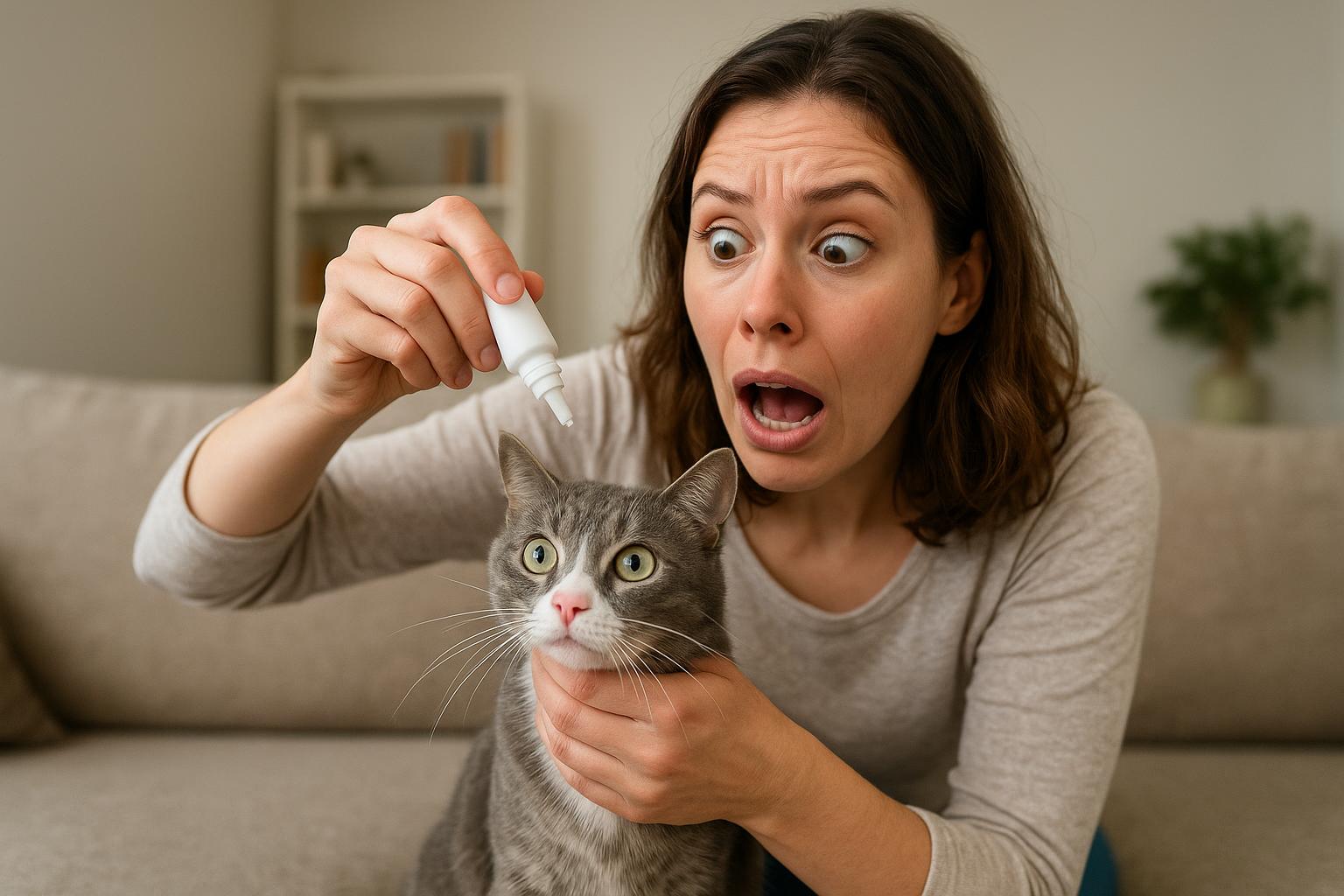
2. Prepare: Read the package insert and vet instructions thoroughly. Have the product and gloves ready. Place the kitten on a stable surface and wrap gently in a towel if needed to prevent sudden movement.
3. Dose Calculation: Ensure you have the correct single-dose tube for your kitten’s weight. Never split tubes unless explicitly directed by a veterinarian.
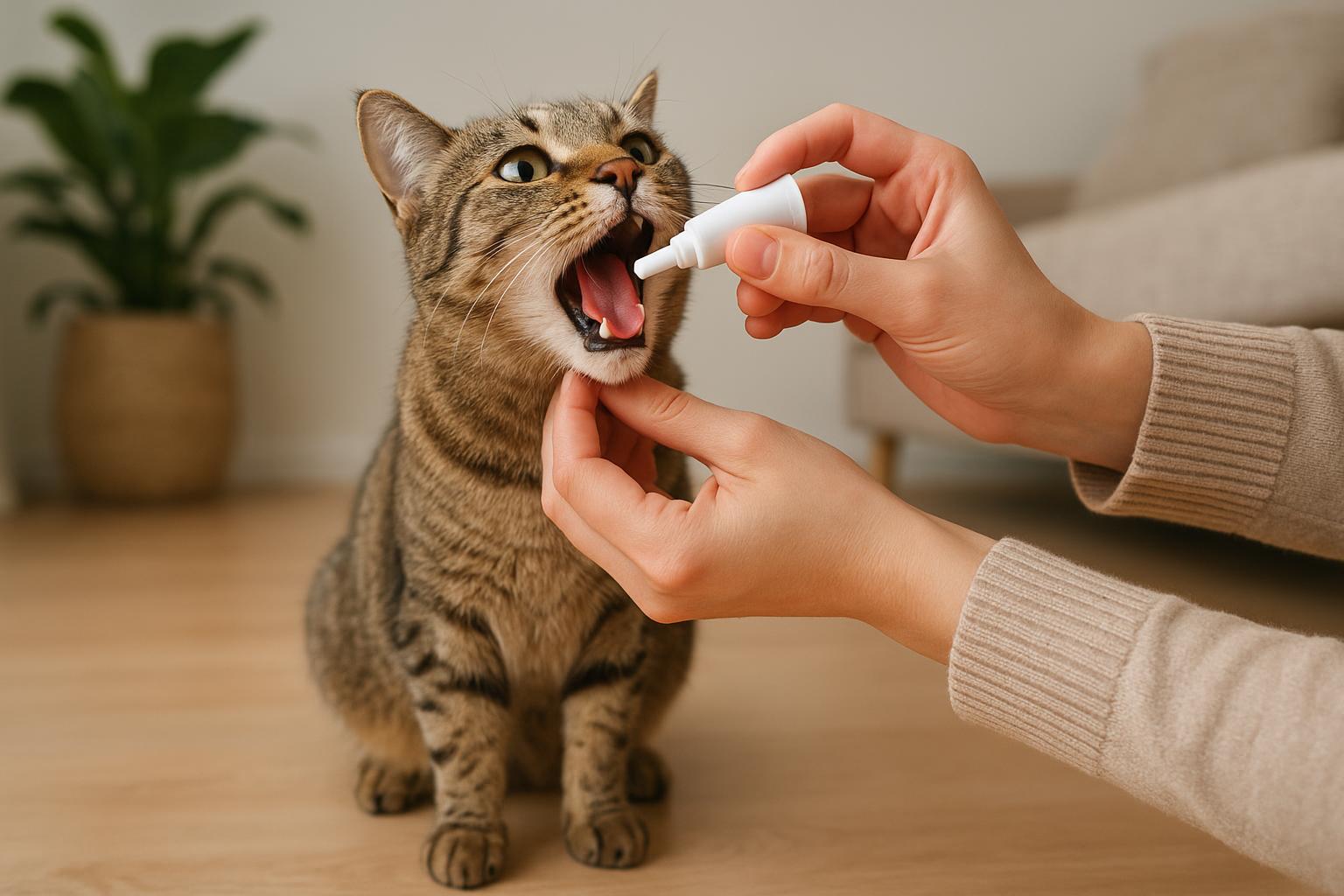
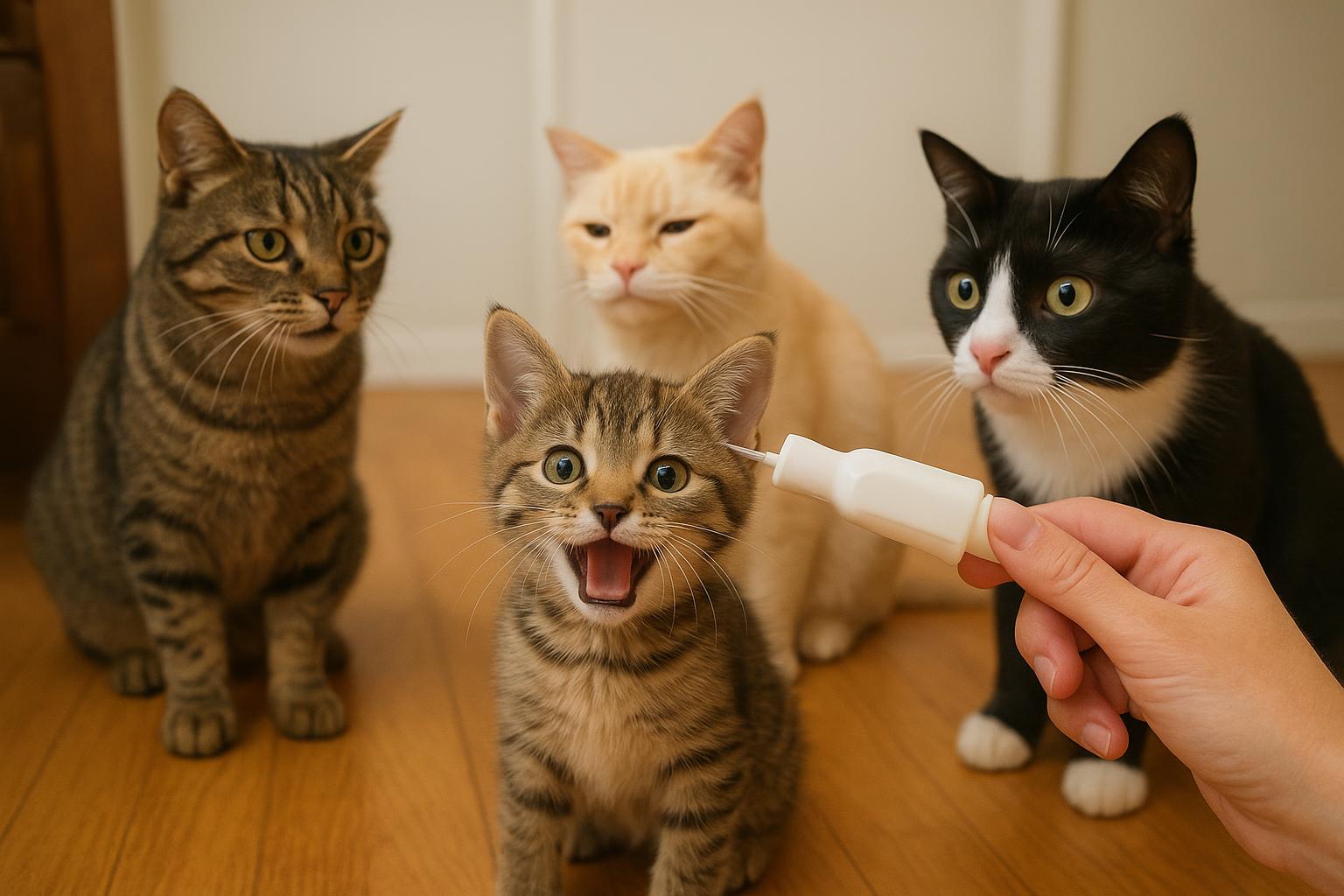
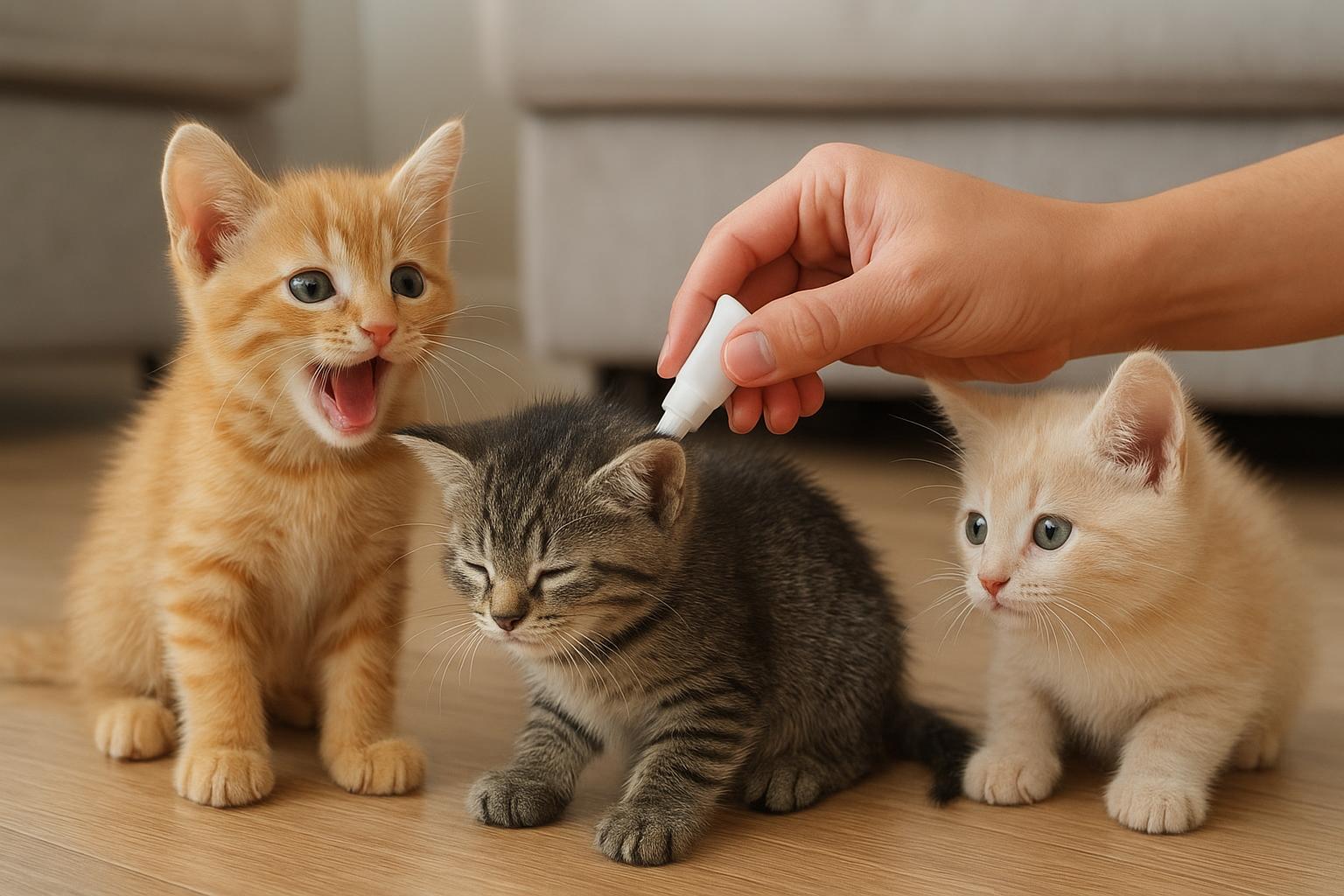
4. Application Site: Part the fur at the base of the skull between the shoulder blades to expose skin. This location reduces the chance the kitten will lick the product.
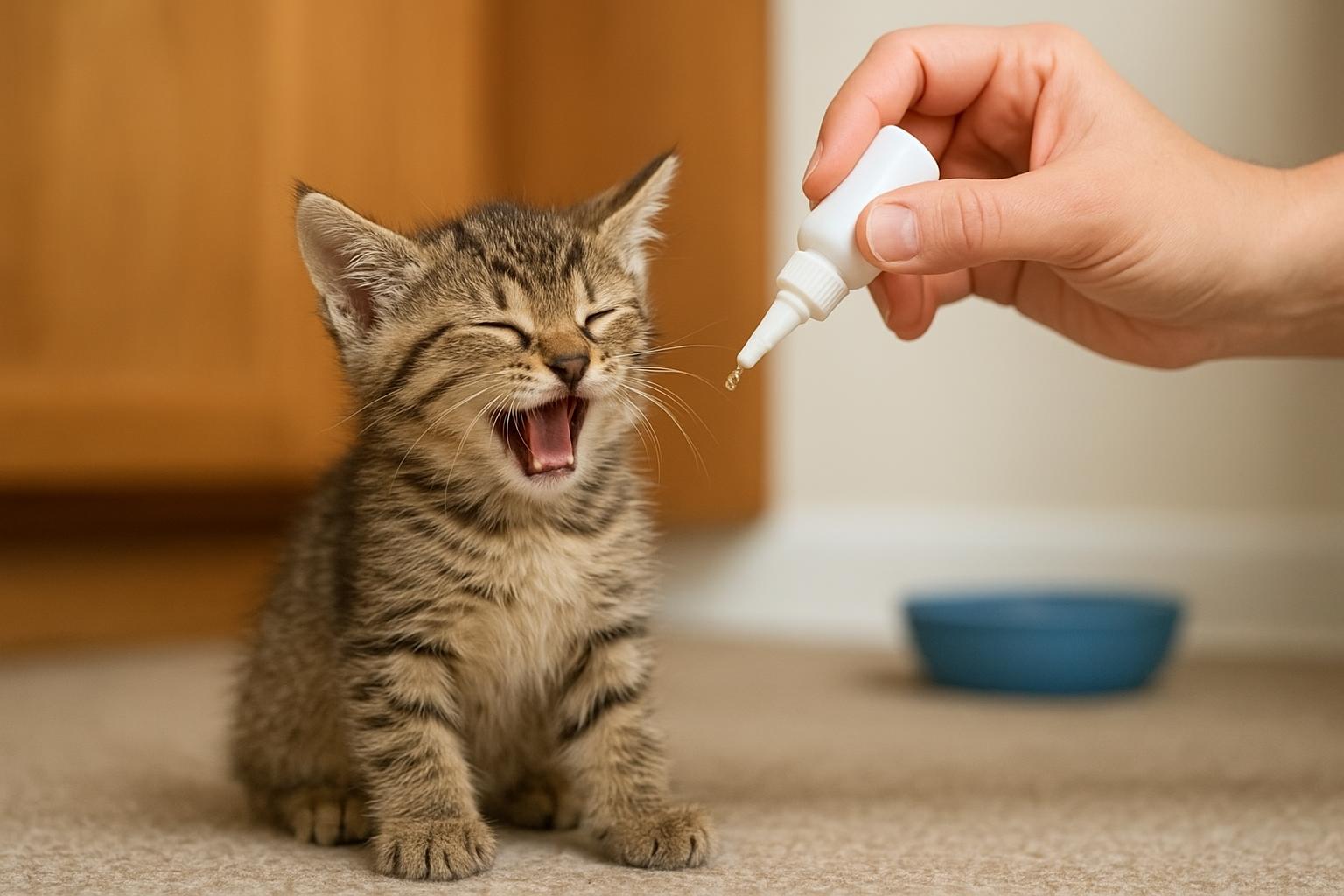
5. Apply: Put on gloves. Remove the cap or seal of the applicator. Place the applicator tip directly on the skin and squeeze the entire contents onto the skin in one spot until it’s emptied. Do not rub the product in.
6. Post-Application Care: Keep the kitten from licking the area until dry — typically a few hours. Monitor for adverse reactions (excessive drooling, vomiting, lethargy, tremors, or skin irritation). Contact your veterinarian immediately if you observe concerning signs.
7. Follow-Up: Record the application date and follow the scheduled reapplication interval recommended by the veterinarian or product label. Treat all animals in the household per veterinary guidance to prevent reinfestation.
Note: Many topical agents are effective not only against adult fleas but also break the life cycle by affecting eggs and larvae. This approach should be part of a comprehensive kitten flea control [3] program that includes environmental measures.
### 2. Environmental Home Remedy: Diatomaceous Earth, Traps, And Washing
Materials/Ingredients
– Food-grade diatomaceous earth (DE) — not pool-grade
– Fine-tooth flea comb
– Dish soap (unscented)
– Shallow bowls or low plates
– Warm water
– Flashlight (for nighttime inspection)
– Vacuum with attachments
– Laundry detergent; washing machine and dryer
– Protective mask and gloves for DE application
Formal Step-By-Step Creation And Application
1. Spot Assessment: Identify hotspots — pet beds, favorite resting places, carpets, and under furniture. Use a flashlight at night to spot active fleas.
2. Combing And Isolation: Comb the kitten thoroughly over a sink or bowl of soapy water to remove adult fleas. Dispose of contents of the bowl in a sealed bag and trash.
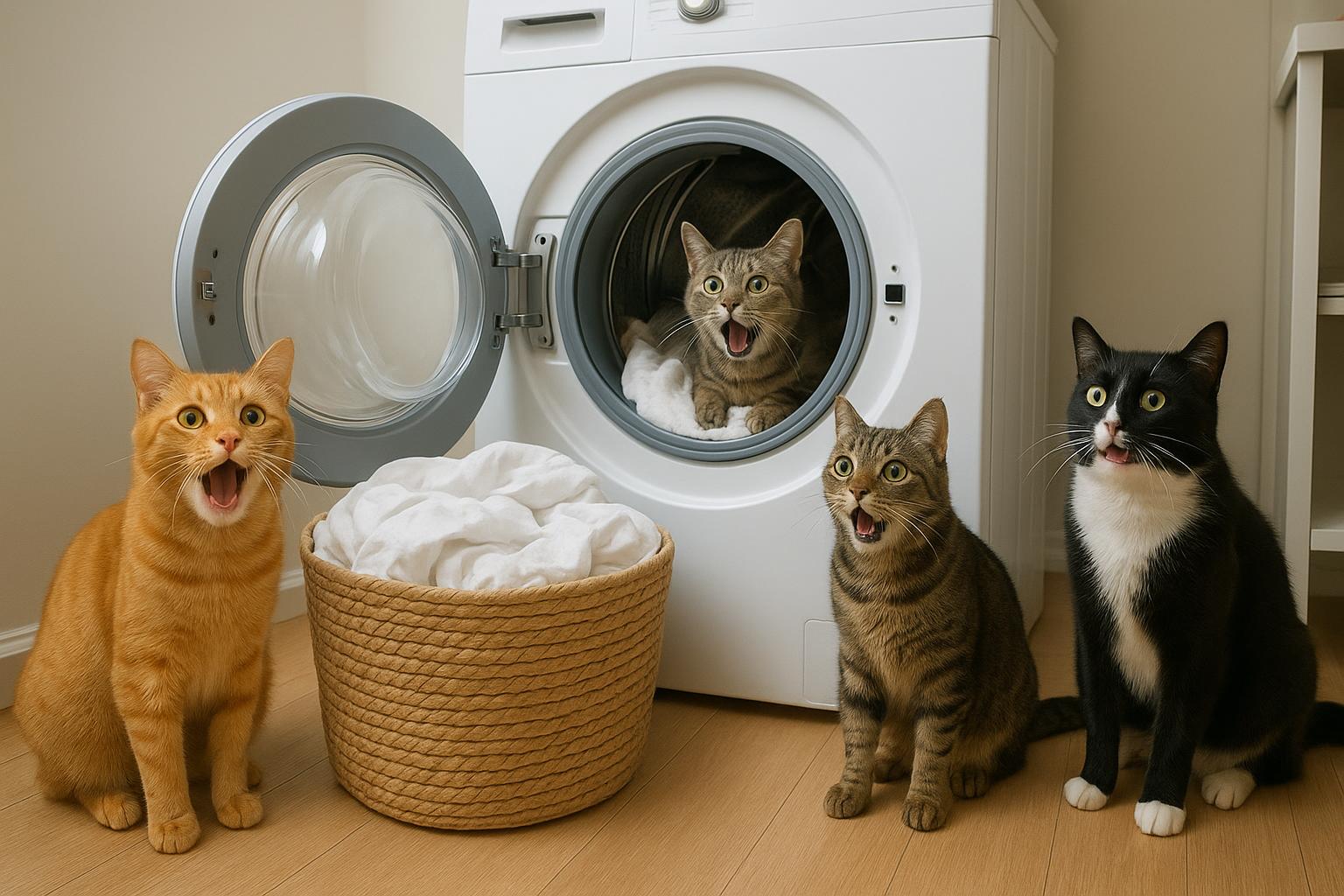
3. Washing: Remove and wash all bedding, blankets, and soft toys in hot water (≥60°C/140°F if fabric allows) and dry on high heat. Repeat weekly until the infestation is controlled.
4. Vacuuming: Vacuum all carpets, cracks, upholstery, and baseboards daily for two weeks. Dispose of vacuum bags or empty canisters into sealed garbage bags outside the home.
5. Diatomaceous Earth Application: Put on gloves and a mask. Lightly dust DE on carpets, pet beds, and crevices following product instructions. Avoid heavy clumping; the goal is a fine powder layer. Leave for 48 hours, then vacuum thoroughly. Repeat on a weekly schedule for 2–4 weeks as needed.
6. Flea Traps: Fill shallow bowls with warm water and several drops of dish soap. Place the bowls near light sources on the floor at night. Fleas jump toward the light and get trapped in soapy water. Check and empty daily.
7. Yard Care: Keep lawns trimmed and remove leaf litter. For heavy outdoor populations, consider targeted applications of pet-safe yard treatments or nematode products that prey on flea larvae; follow label instructions or consult a professional.
8. Monitoring: Continue daily checks with the flea comb for at least four weeks. Environmental methods break the flea life cycle over time; persistence is required.
Note: Food-grade DE can be irritating to eyes and lungs; use caution around kittens and avoid applying directly to a kitten’s fur.
## Preventive Habits And Monitoring
Adopting a steady routine is the most effective kitten flea control [4]. Regular combing, maintaining clean bedding, prompt vacuuming, and seasonal yard upkeep go a long way.
### When To Call The Vet
Contact your veterinarian immediately if:
– The kitten is less than the minimum age or weight for any topical or oral flea product and you find fleas.
– You observe pale gums, weakness, or rapid breathing (signs of anemia).
– You note severe skin infections from scratching, persistent vomiting, or neurological signs after product use.
– Home remedies are not reducing flea numbers after two weeks.
A vet can prescribe kitten-safe treatments, check for secondary infections or parasites, and advise on an integrated kitten flea control [5] plan tailored to your household.
#### Signs Of Severe Infestation
– Large numbers of adult fleas visible on the kitten or in bedding
– Significant hair loss or open sores from scratching
– Pale mucous membranes indicating possible anemia
– Lethargy, poor appetite, or weight loss
#### Records And Follow-Up
Keep a simple log: dates of detection, products applied, vaccination and deworming records, and vet visits. This helps if you need to change strategies or consult professionals. Proper record-keeping is a small step that makes long-term kitten flea control [6] far more manageable.
Sprinkling in good hygiene, smart environmental steps, and vet-approved treatments builds a robust defense for your kitten. If you want, I can help you draft a weekly checklist tailored to your home, kitten age, and local flea season — because nobody enjoys flea drama, not even the fleas.






Leave a Reply