
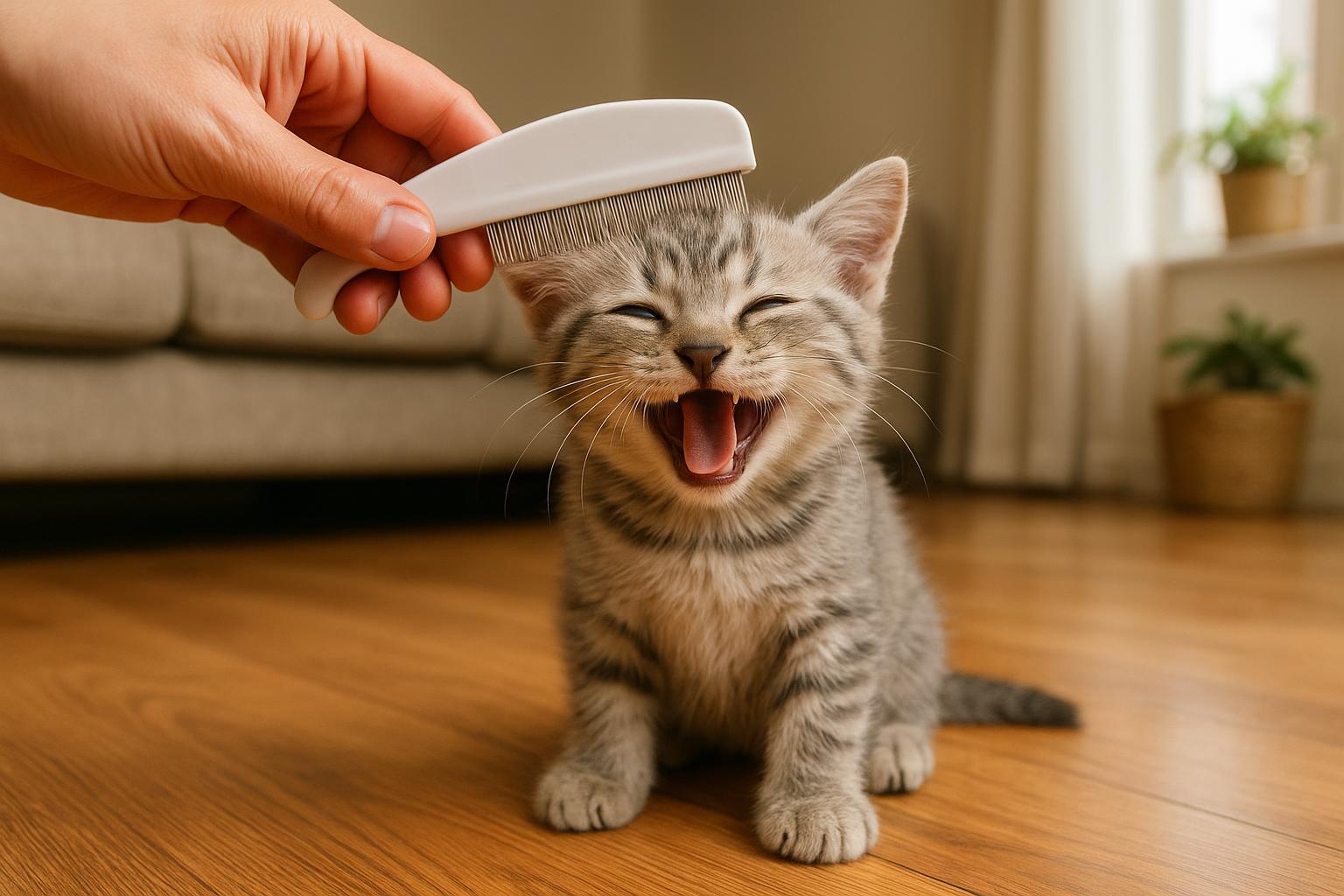
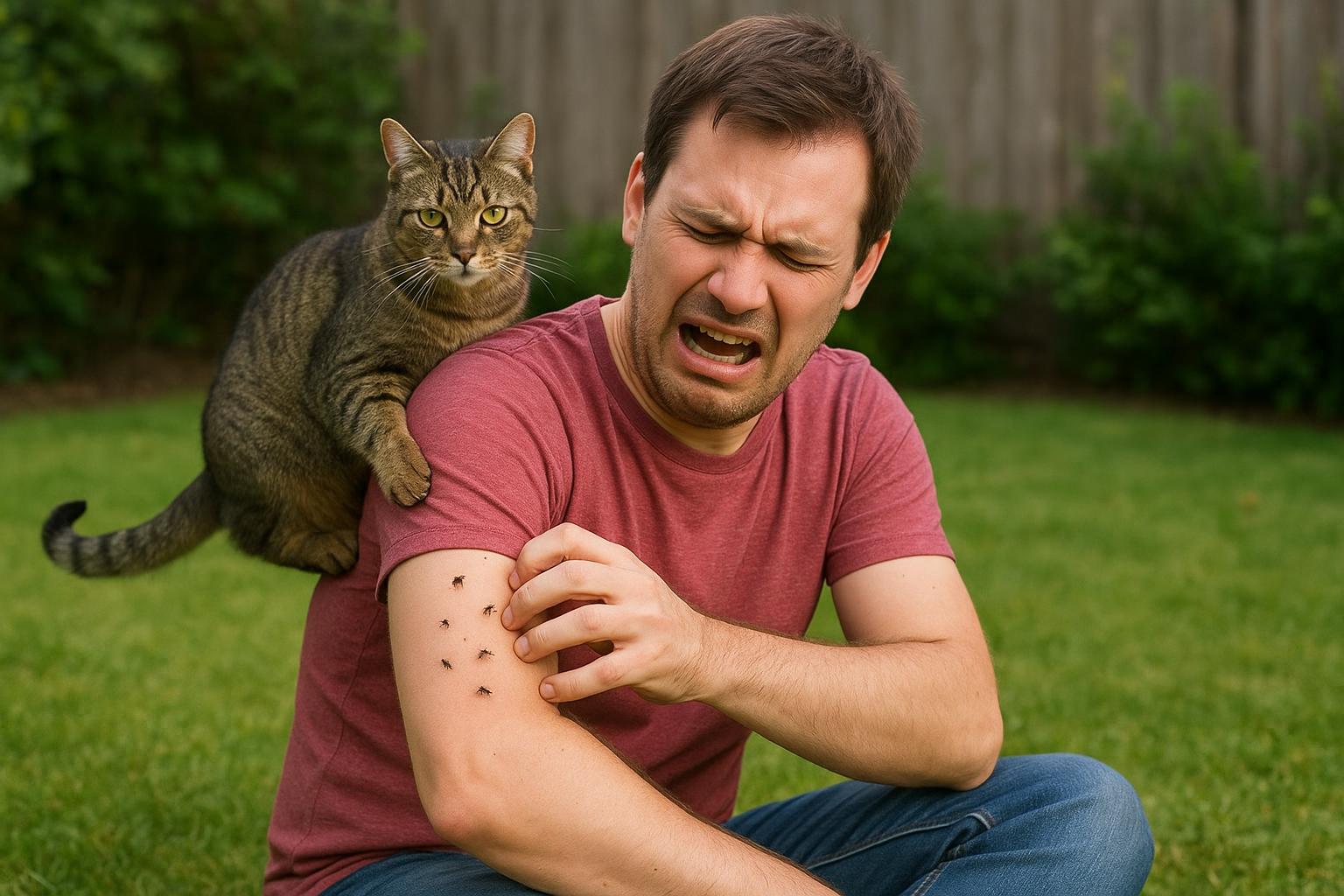
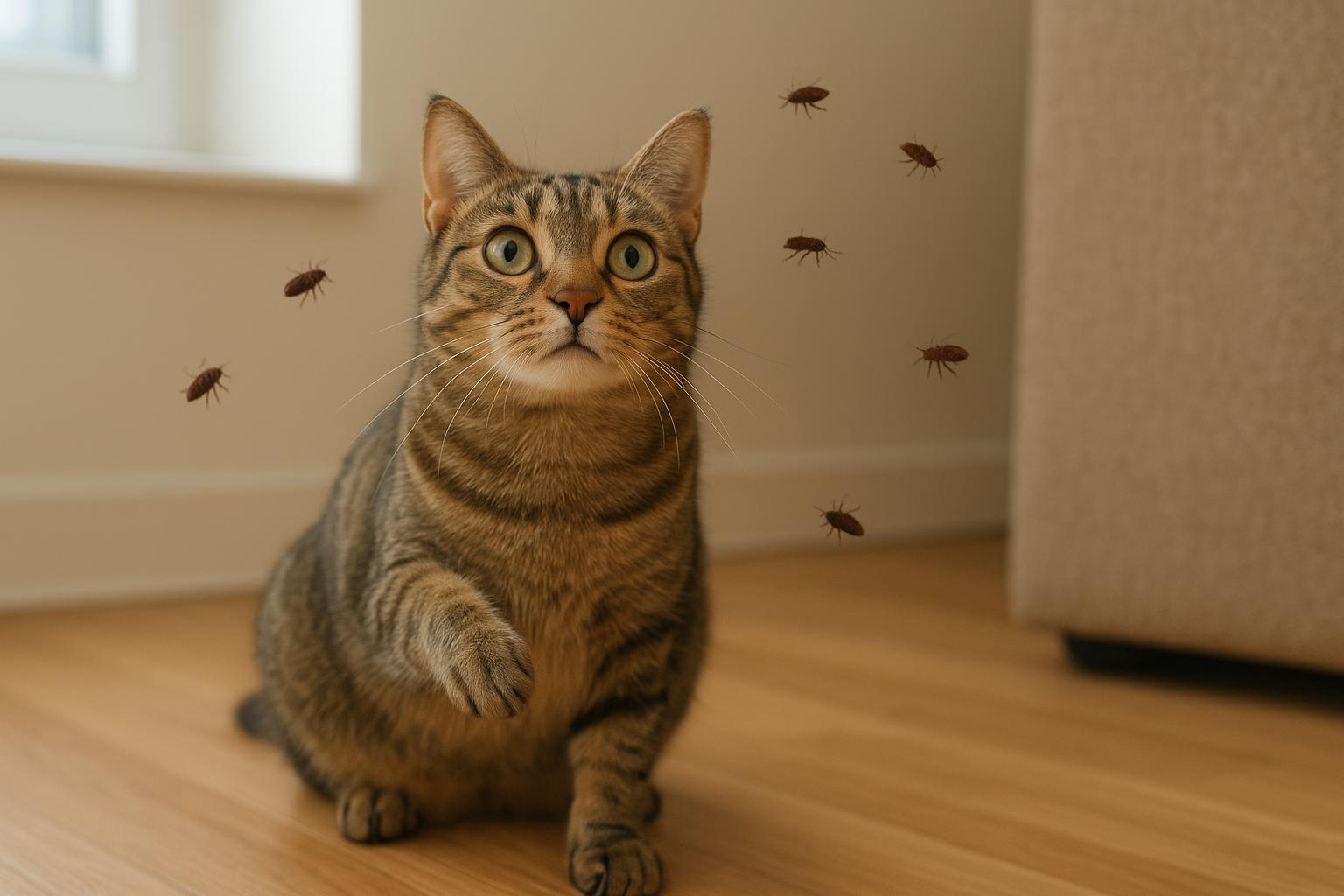
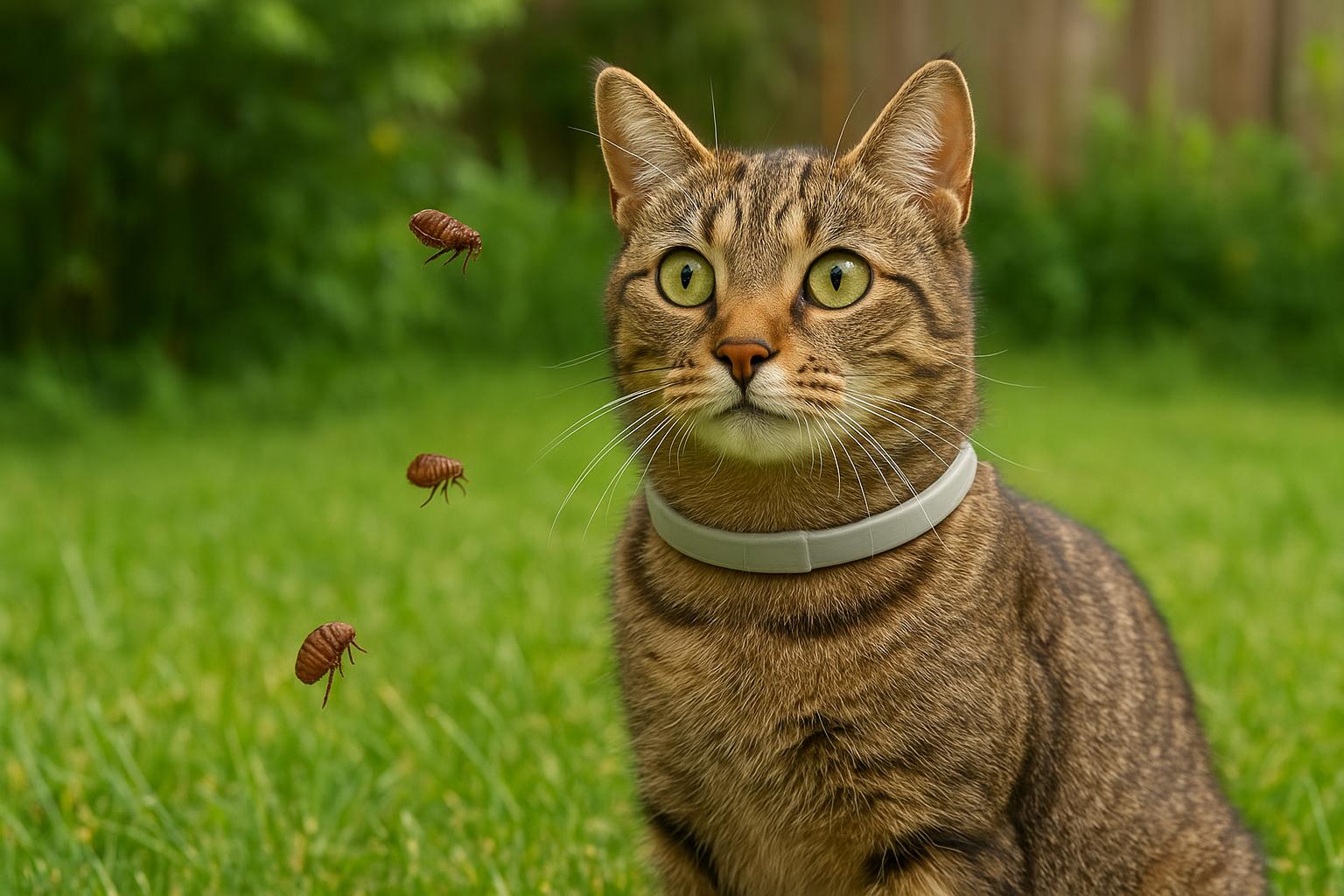
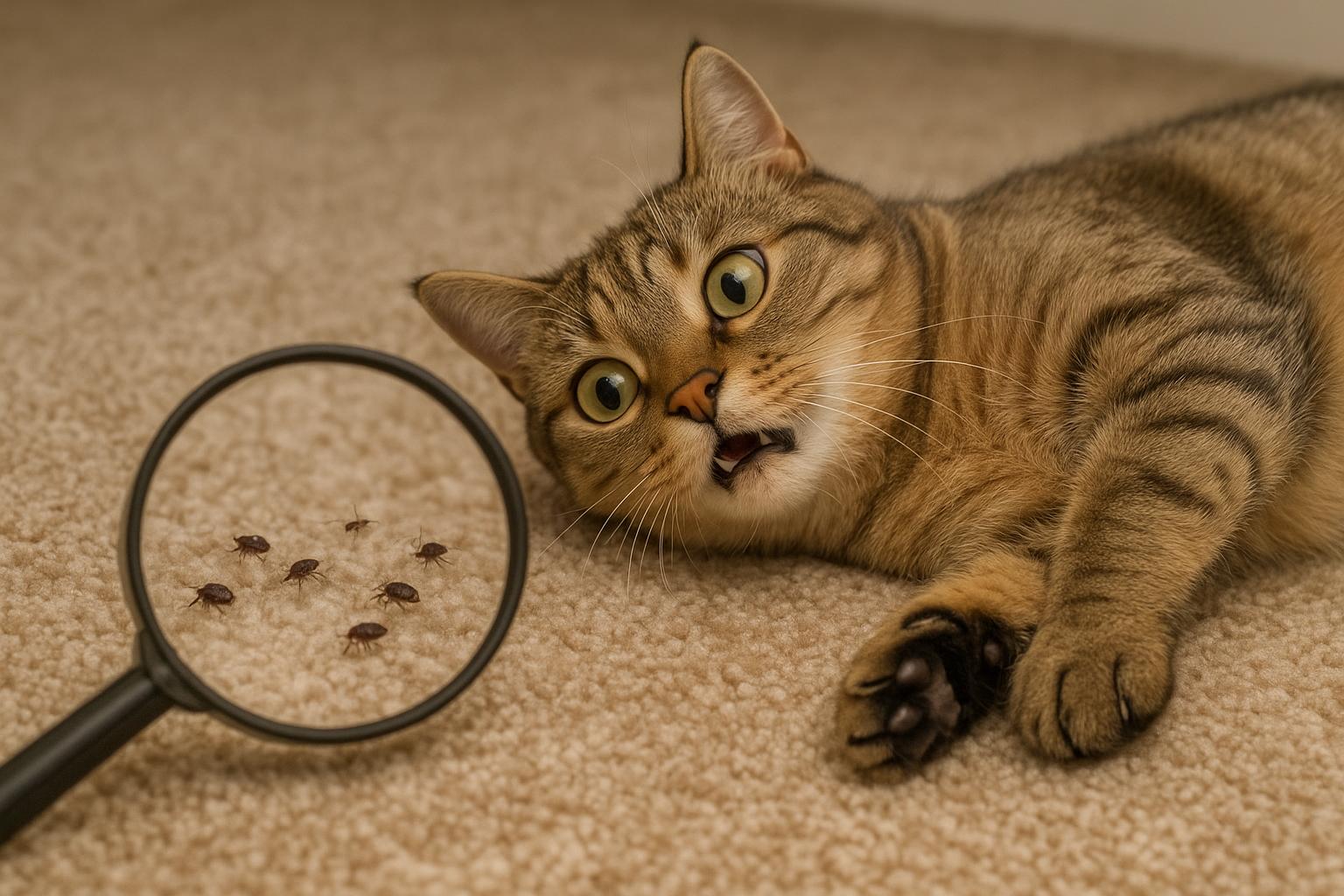
Caring for a tiny, purring ball of mischief is one of life’s joys — until you spot the telltale scratching or the black specks on the fur. Flea prevention and removal can feel daunting, but a simple tool often does the trick: the kitten flea comb. This guide walks you through safe, effective at-home flea care using a comb, with clear steps, materials lists, and practical tips so you and your kitten stay comfortable and flea-free.
## Kitten Flea Comb Basics And Why It Helps
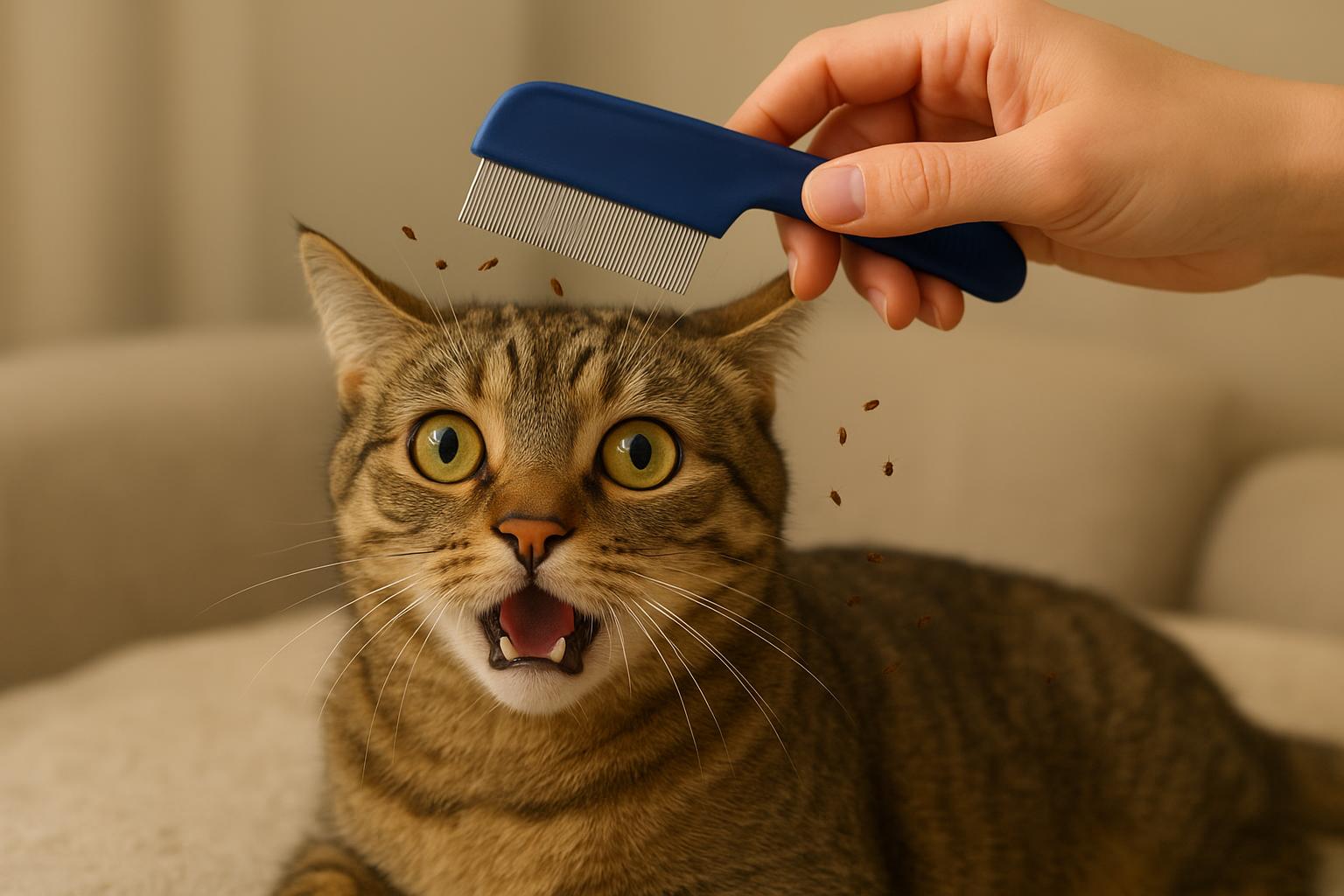
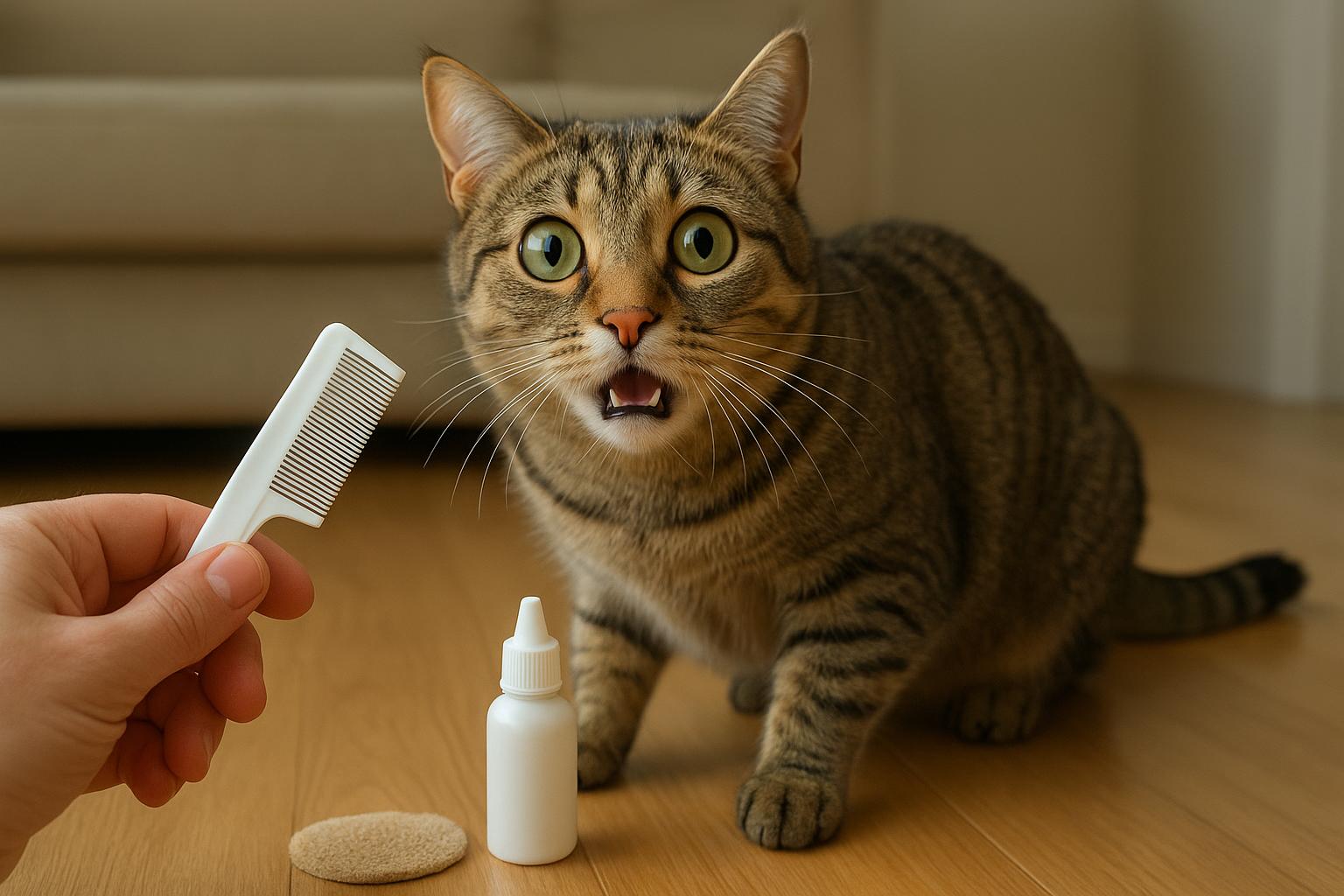
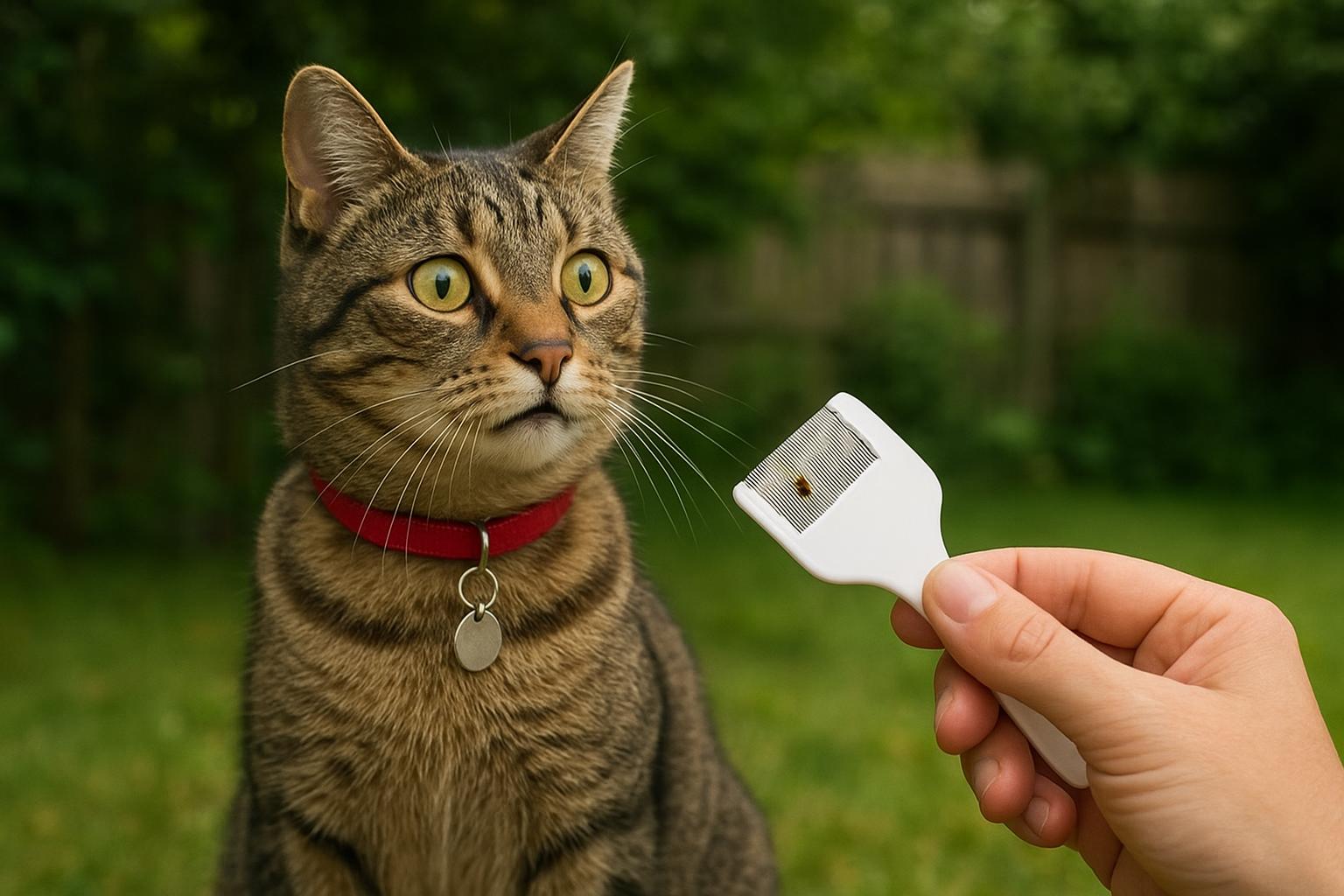
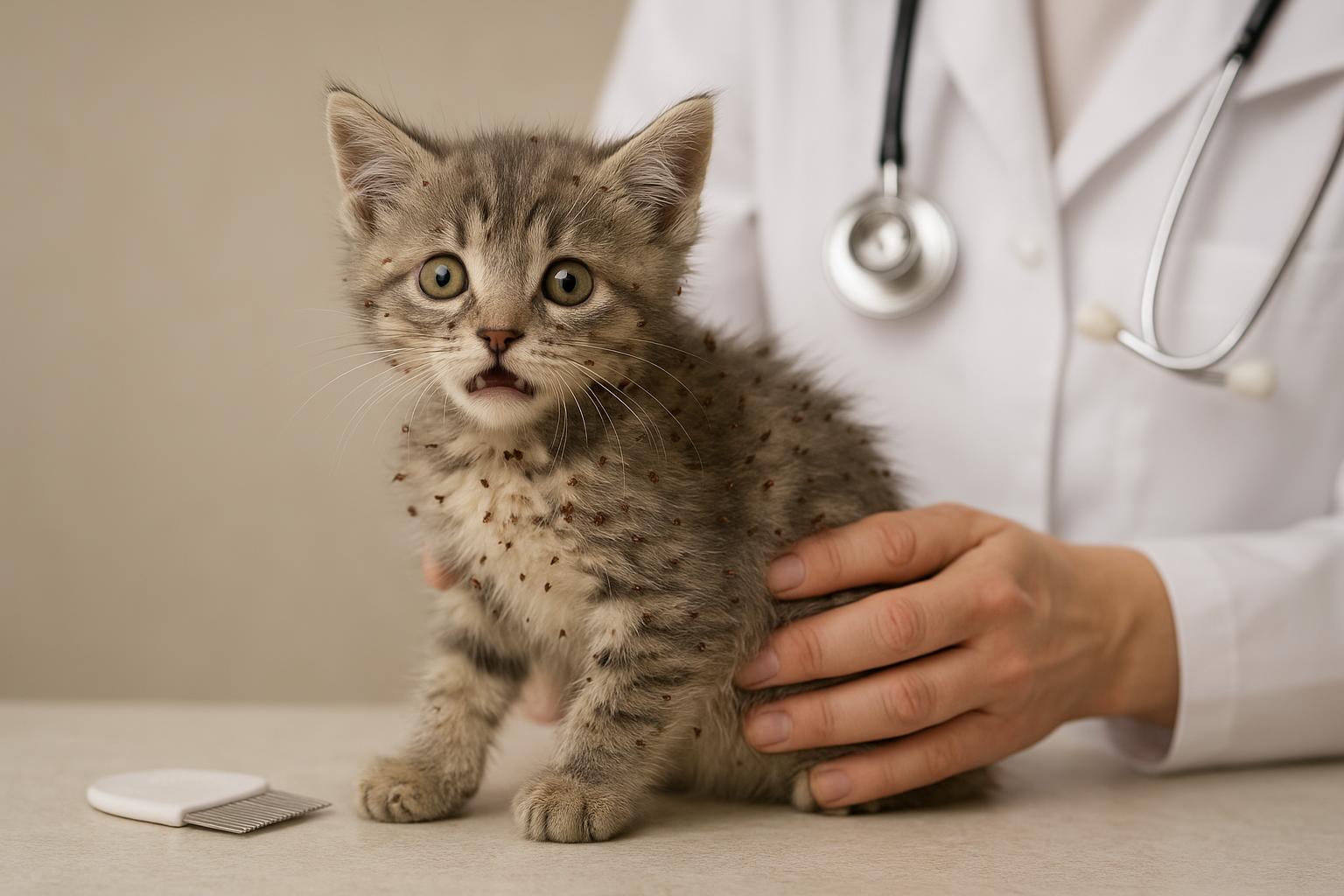
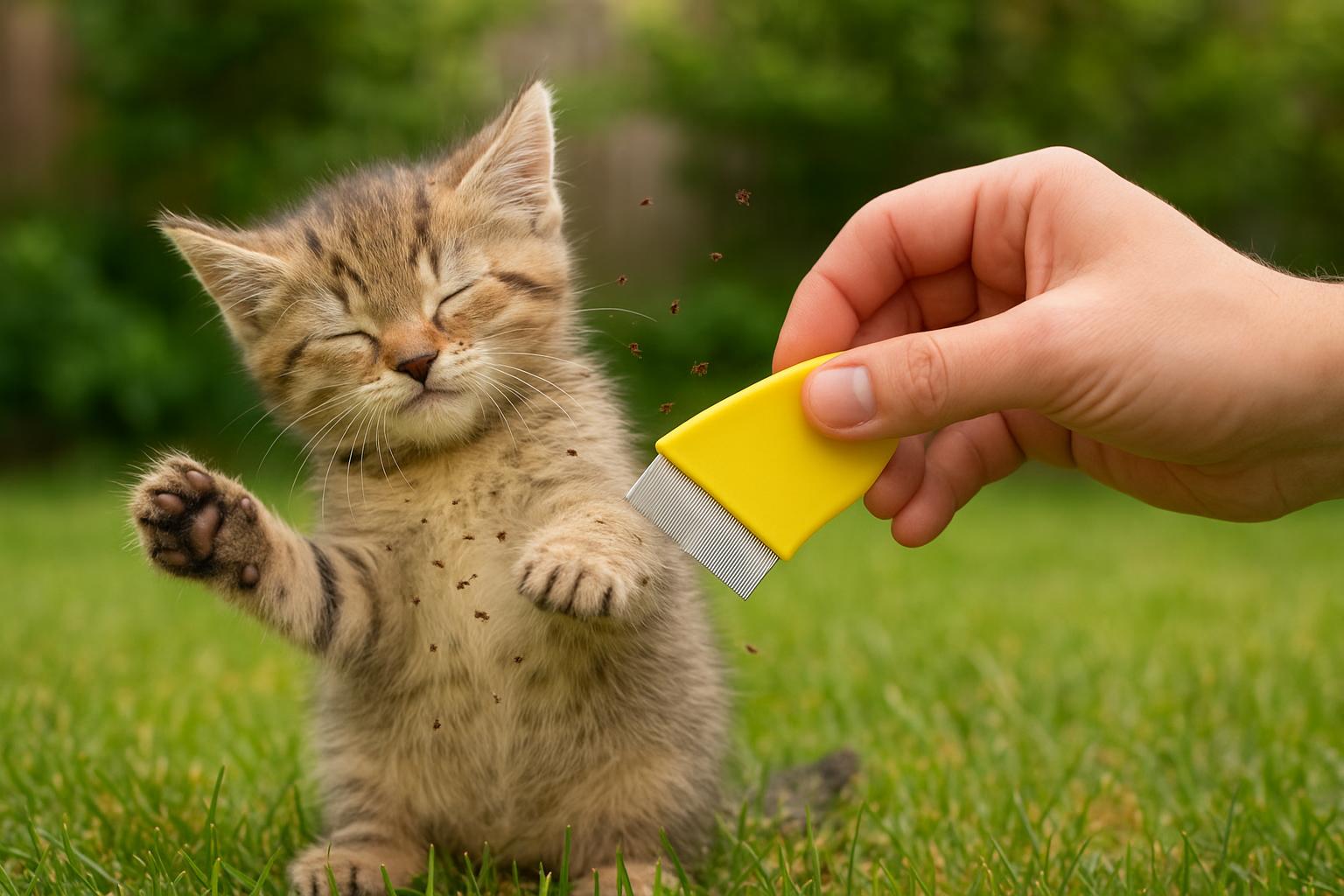
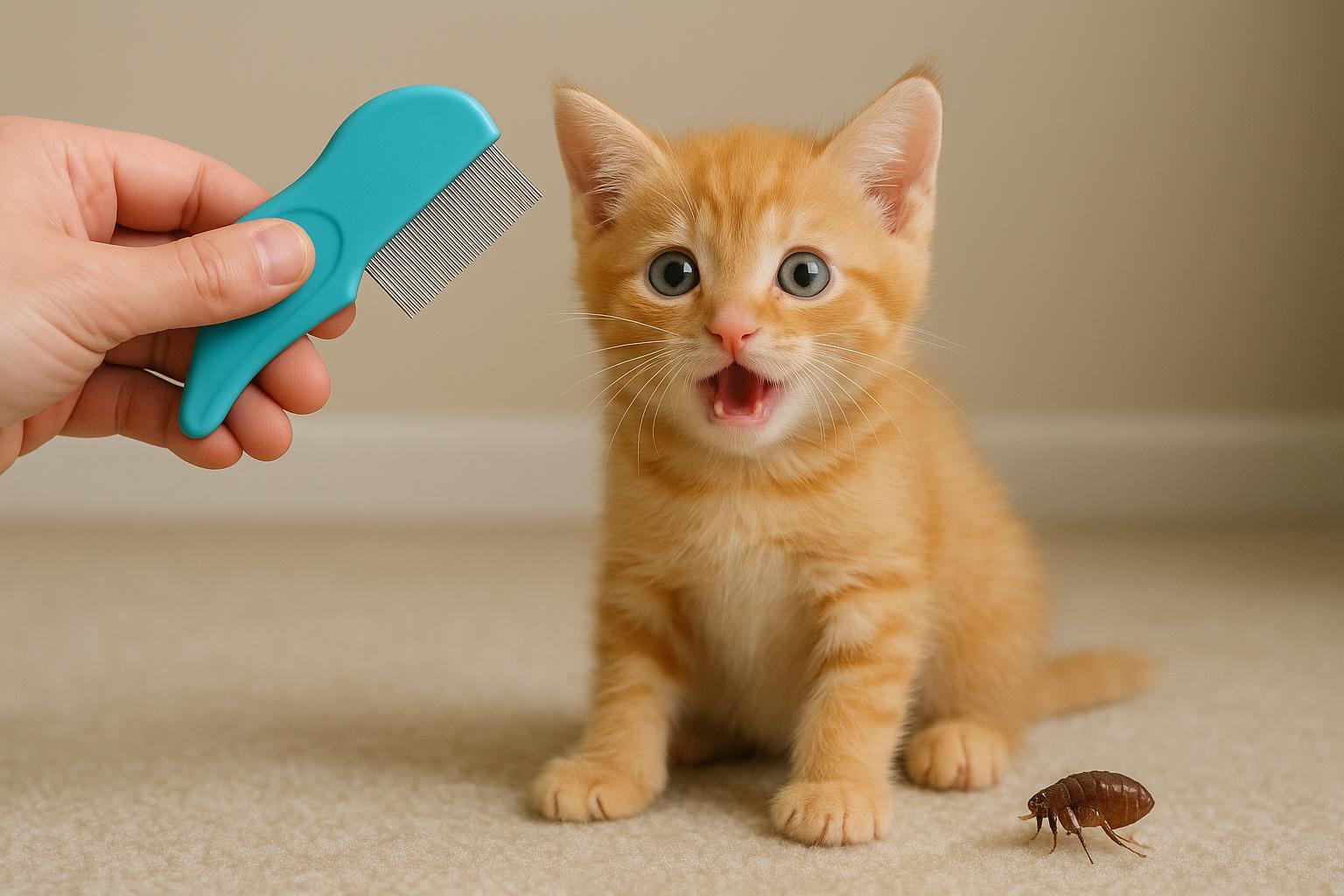
A kitten flea comb is a fine-toothed metal comb designed to remove adult fleas, flea dirt (the dried blood and feces fleas leave behind), and flea eggs from a kitten’s fur. Unlike chemical treatments, a comb is non-toxic and gentle when used properly — perfect for very young kittens, pregnant cats, or animals with sensitivities. It also gives you a chance to inspect your kitten’s skin closely and monitor progress over time.
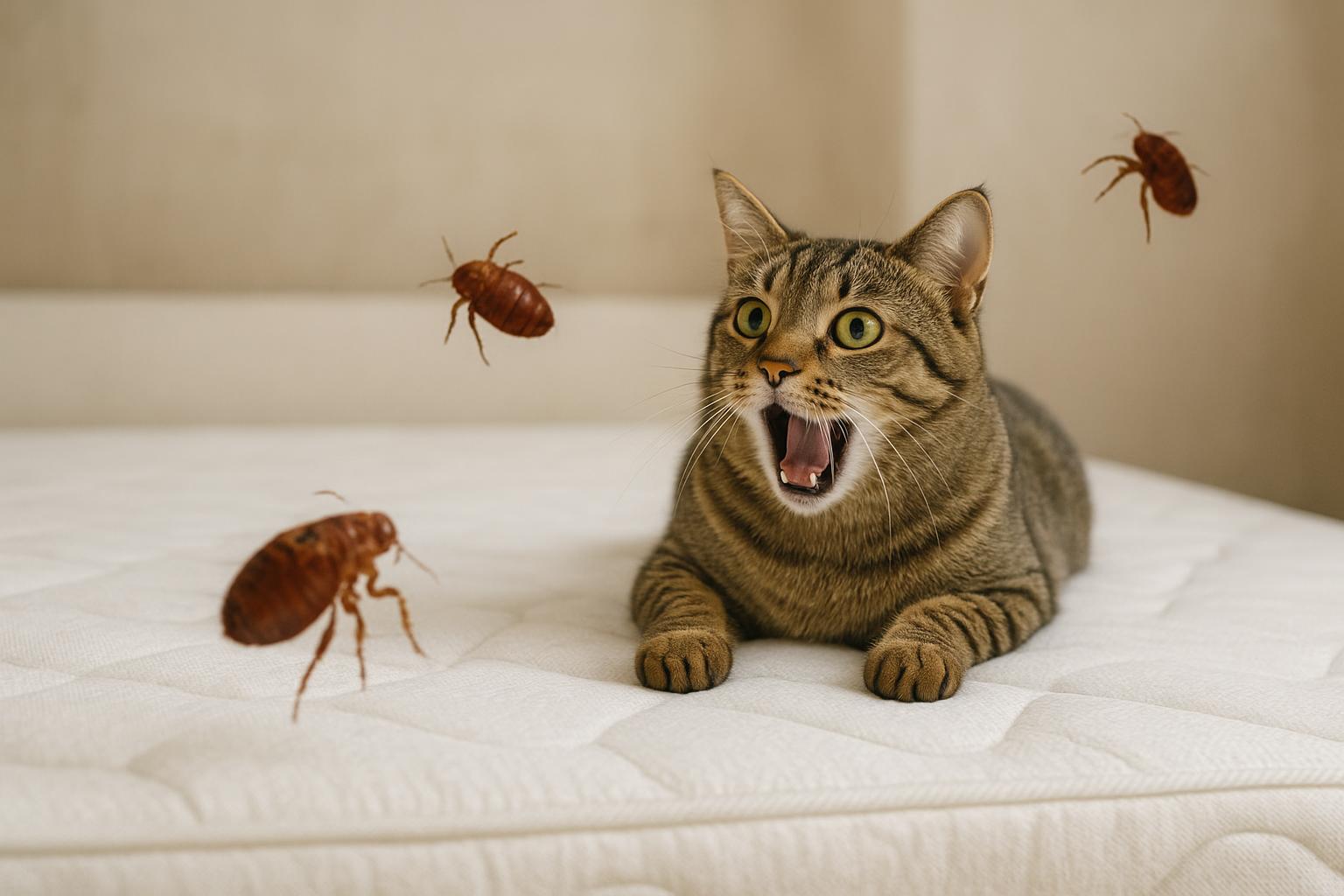
Using a kitten flea comb is less about instant annihilation and more about steady reduction and monitoring. Removed fleas can be physically disposed of, and repeated combing disrupts the flea life cycle by removing eggs and adults before they reproduce. Think of it as a low-tech, high-impact approach: slow and steady wins the flea war.
### When To Start Using A Kitten Flea Comb
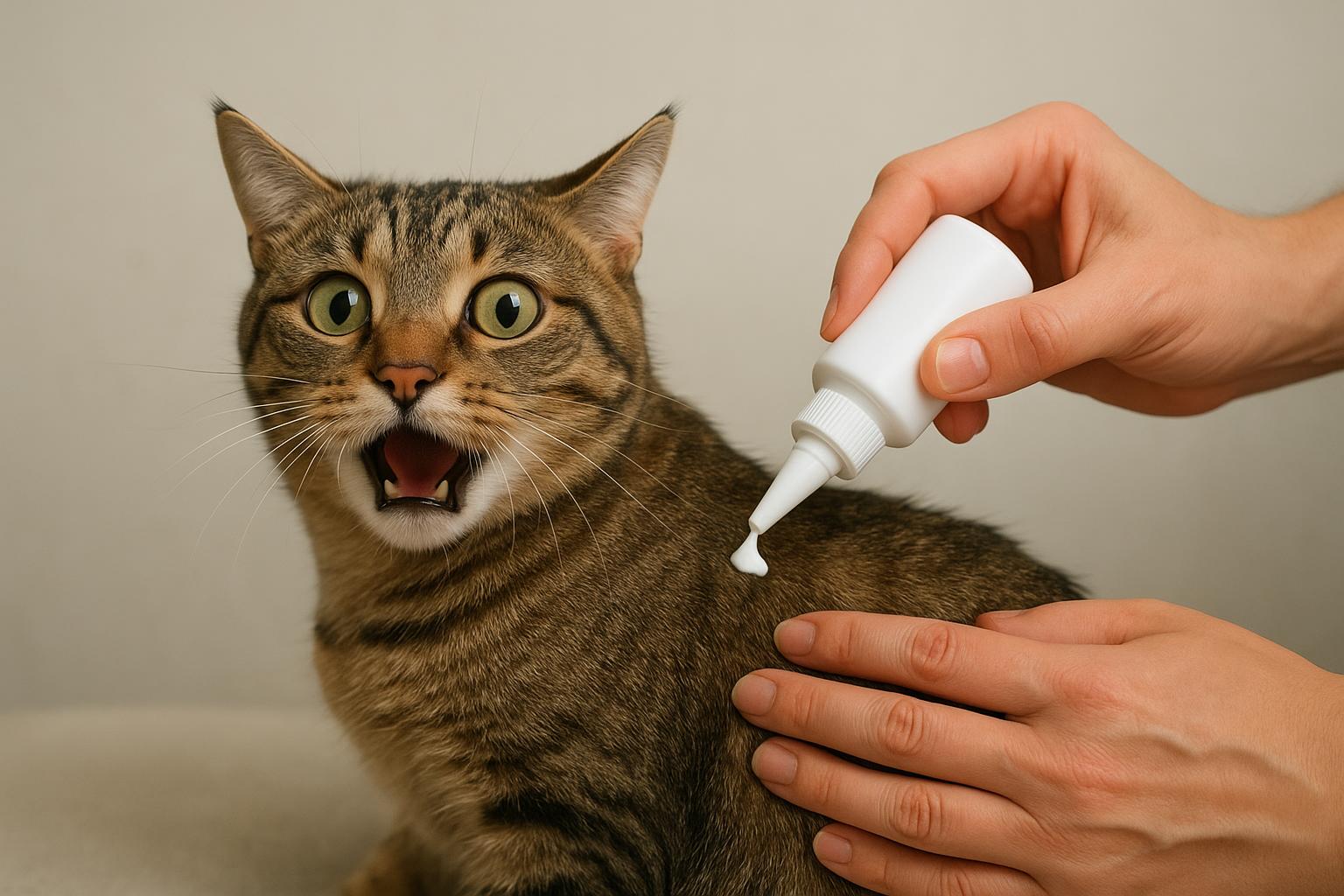
Start combing as soon as you suspect fleas or when you bring a new kitten home. For neonates under eight weeks, topical or oral flea medications are often not recommended, so combing becomes the safest front-line defense. Even if you use vet-prescribed treatments later, combing remains a valuable supplementary practice.
### Choosing The Right Kitten Flea Comb
Look for a comb with tightly spaced metal teeth, rounded tips to prevent skin nicking, and a comfortable handle. Size matters: smaller combs with a narrow head are easier to maneuver around tiny legs and faces. Some combs come with an attached trap or reservoir; others are simple and effective. Replace or clean the comb regularly to keep it sanitary.
## 1. Flea Comb Bath Method For Safe Flea Removal
This method combines combing with a mild, kitten-safe bath to maximize flea removal. It’s especially useful when you see many fleas or flea dirt and want to reduce the population quickly without chemical agents.
Required Materials:
– A high-quality kitten flea comb
– A shallow basin or sink with lukewarm water
– A gentle kitten shampoo (formulated for kittens; avoid adult products or human shampoos)
– Mild dish soap (optional — often used to immobilize fleas in basin)
– A towel for drying
– A cup or squeeze bottle for rinsing
– Gloves (optional for the caregiver)
– A sealed container with hot soapy water or rubbing alcohol (for disposing of live fleas)
Step-by-Step Creation And Application:
1. Prepare the area: Warm the room, gather all materials within reach, and fill the basin with lukewarm water deep enough to wet the kitten but not cover its head.
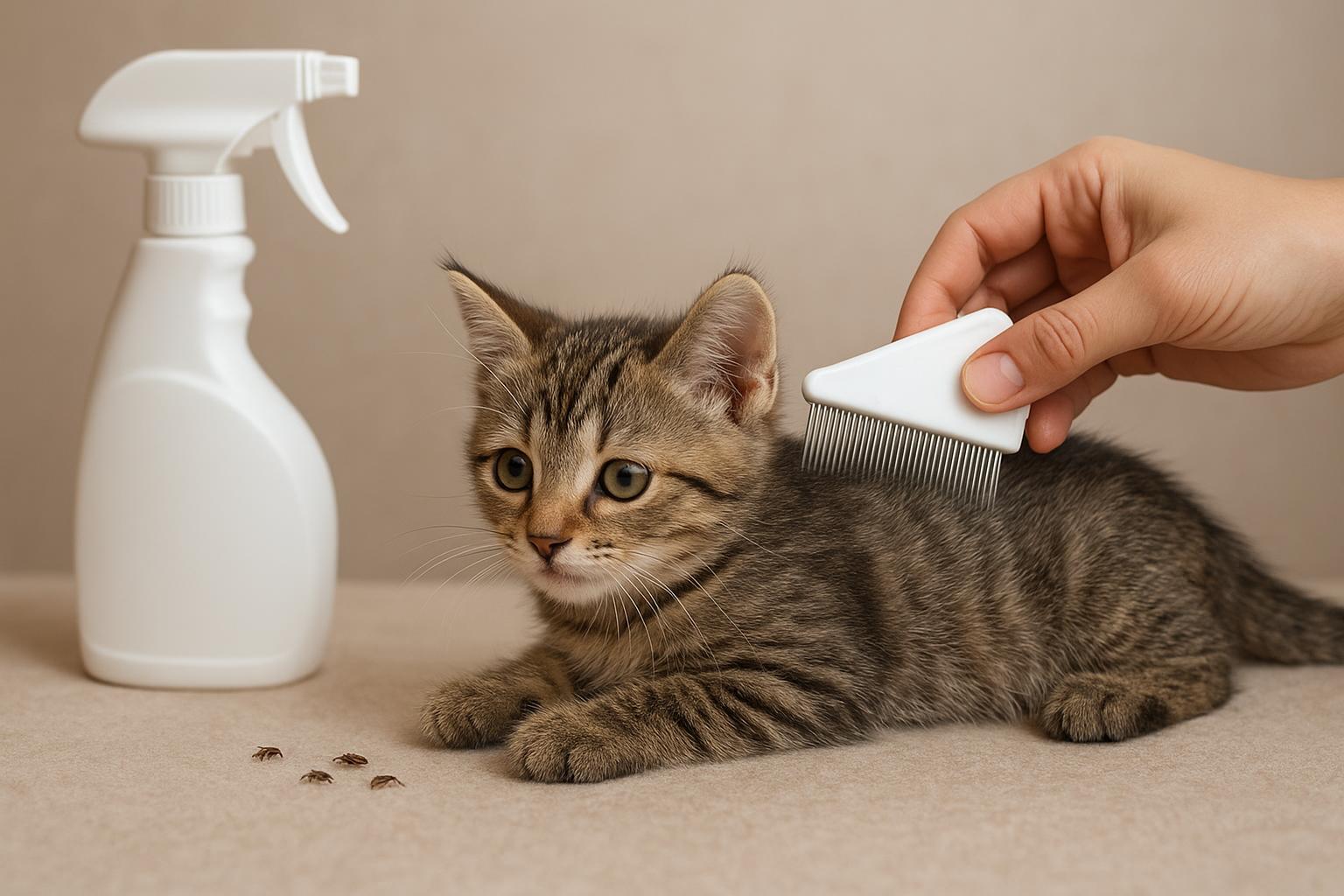
2. Pre-comb: Before wetting the kitten, use the kitten flea comb to remove as many fleas, flea dirt, and eggs as possible. Hold the comb perpendicular to the coat and comb in sections from neck to tail. Wipe the comb into a cup of hot soapy water after each pass to drown and immobilize fleas.
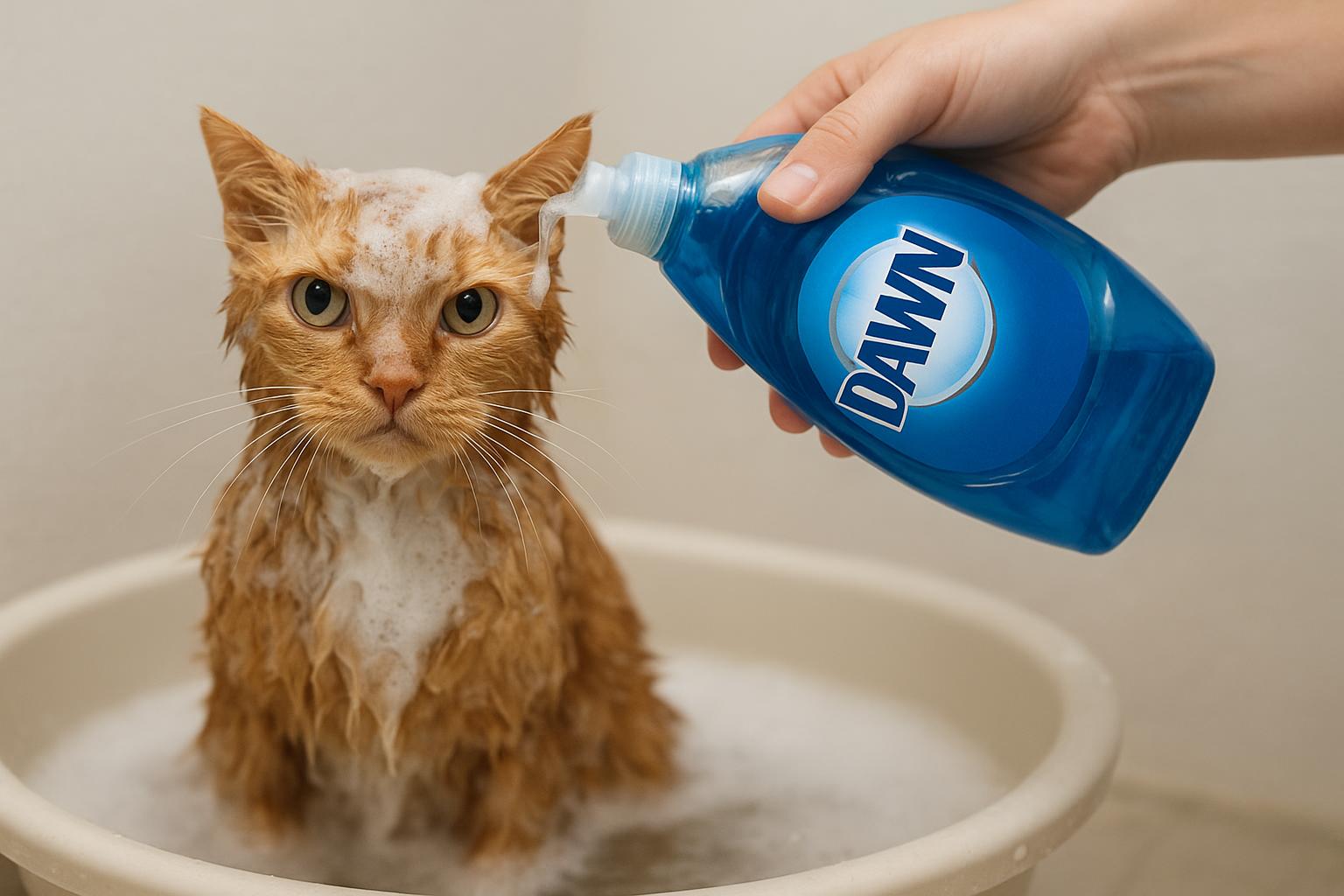
3. Bathe carefully: Gently wet the kitten with warm water, avoiding the face and ears. Apply a small amount of kitten shampoo and lather gently, following the product’s instructions. Soap helps remove grease and residual flea dirt.
4. Rinse thoroughly: Rinse all shampoo from the coat using a cup or squeeze bottle to avoid getting water in the kitten’s face. Towel dry gently and keep the kitten warm.
5. Post-bath combing: Once the kitten is damp or towel-dry, comb again using the kitten flea comb. Fleas dislodged by the bath are easier to capture. Continue wiping the comb into the disposal container.
6. Dispose of captured fleas: Seal and discard the soapy water or alcohol solution safely. Do not release live fleas back into the environment.
7. Repeat as needed: For heavy infestations, perform this routine every few days for a couple of weeks while also treating the home environment (see Aftercare section).
This method is moderately intensive and should be performed gently and efficiently to minimize kitten stress. If the kitten is very young or appears unwell, consult your veterinarian before bathing.
## 2. Comb-Only Treatment For Sensitive Kittens
Some kittens can’t handle baths due to age, stress, or medical reasons. A comb-only approach is an effective alternative for these sensitive cases.
Required Materials:
– A kitten flea comb
– A shallow dish with warm water and a drop of dish soap (to drown removed fleas)
– A soft towel or blanket to wrap the kitten gently (if needed)
– Treats or a soothing voice to calm the kitten
– A magnifying glass or headlamp for better visibility (optional)
Step-by-Step Creation And Application:
1. Prepare your station: Have the soapy water dish, towel, and comb ready. Choose a calm time when the kitten is relaxed.
2. Secure the kitten gently: Lay the kitten on a towel or in your lap, wrapping loosely if needed to prevent frantic movements that could cause injury.
3. Comb methodically: Work in small sections, starting at the neck and moving toward the tail. Hold the fur taut to avoid pinching skin, and comb with short, deliberate strokes. Pay attention to behind the ears, the base of the tail, and under the legs — fleas love these warm spots.
4. Check the comb: After each pass, wipe the comb into the soapy water to remove captured fleas and eggs. A drop of dish soap helps ensure fleas sink and can’t crawl back out.
5. Continue until clean: Repeat combing sessions every other day for several weeks. This consistent removal prevents new generations from establishing.
6. Record progress: Note how many fleas or how much flea dirt you find each time. A decline indicates the method is working.
When done calmly and thoroughly, the comb-only treatment minimizes stress while still disrupting flea reproduction.
### Comb Technique, Tips And Troubleshooting
Use short, frequent comb passes rather than dragging the comb through the whole coat in one motion. Hold the comb at a slight angle to the skin so the teeth slide through the fur without scraping. If your kitten resists, offer breaks, soft praise, or tiny treats. If you notice irritated skin, slow down — combing should not cause pain.
#### How To Tell Flea Dirt From Regular Dirt
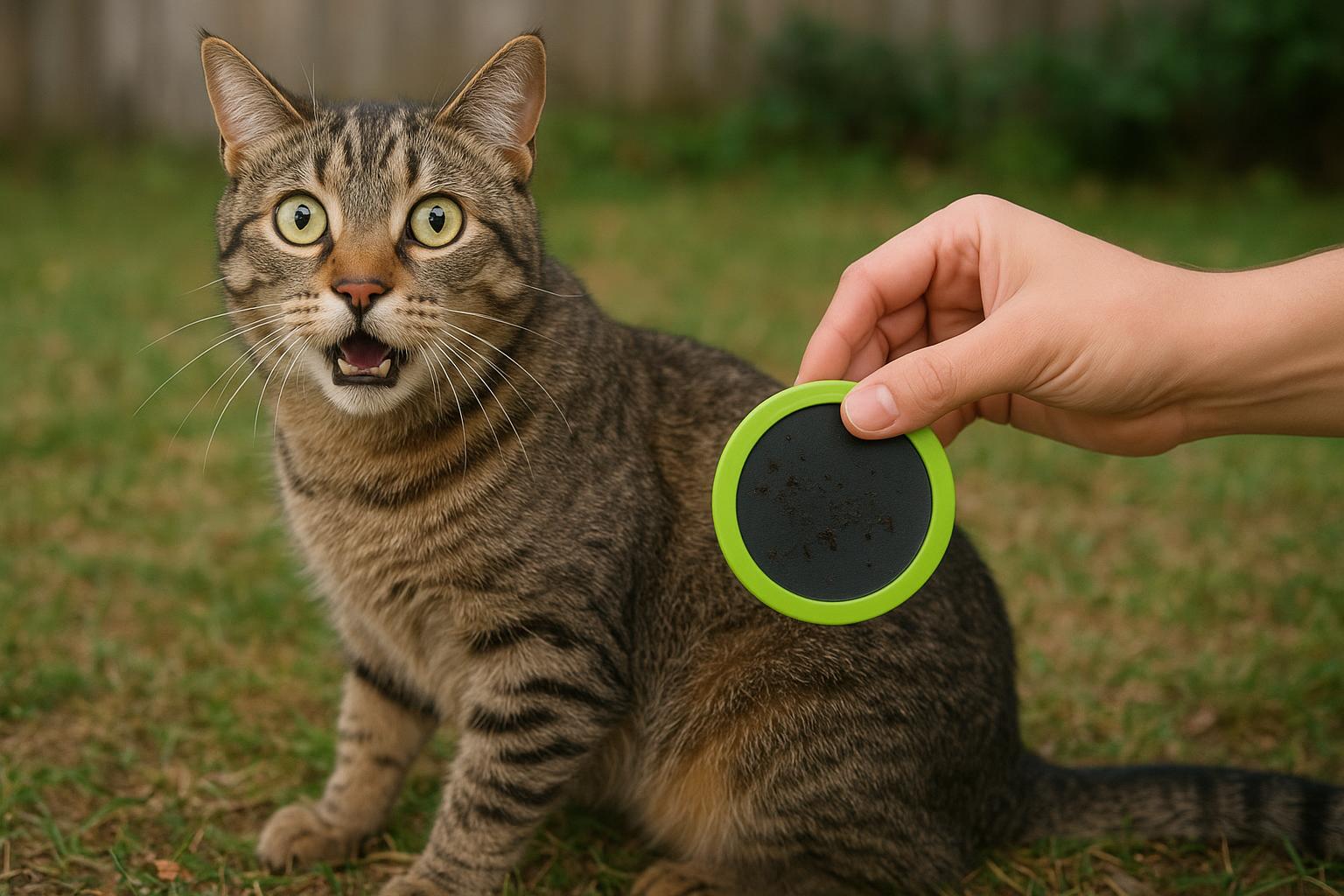
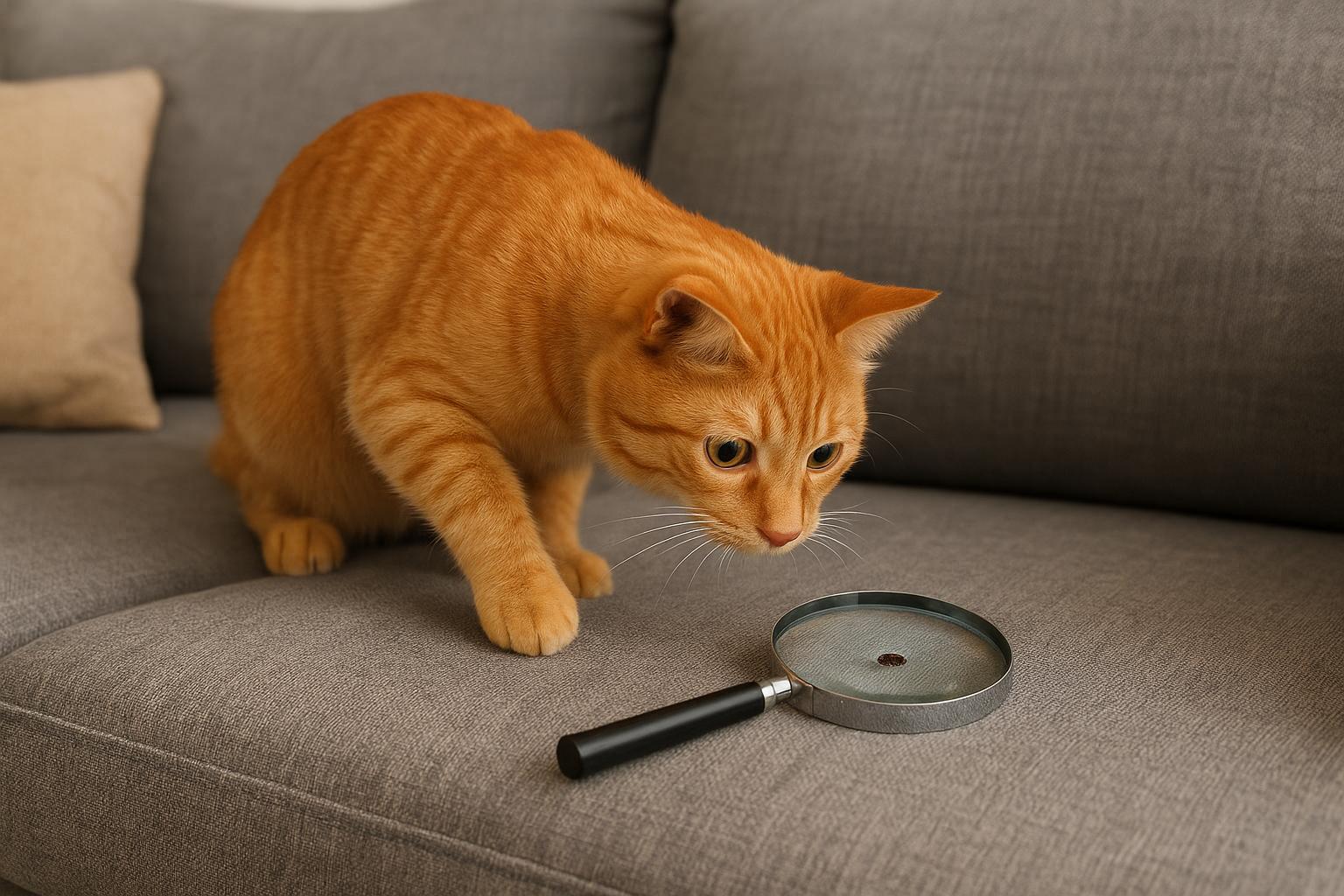
Flea dirt looks like tiny black pepper-like specks. A simple test: place a fleck on a wet paper towel. If it forms a reddish-brown stain, that’s digested blood — flea dirt. Regular dirt won’t dissolve like that. This distinction helps confirm whether you’re dealing with fleas or something else.
#### What To Do If You Find Live Fleas
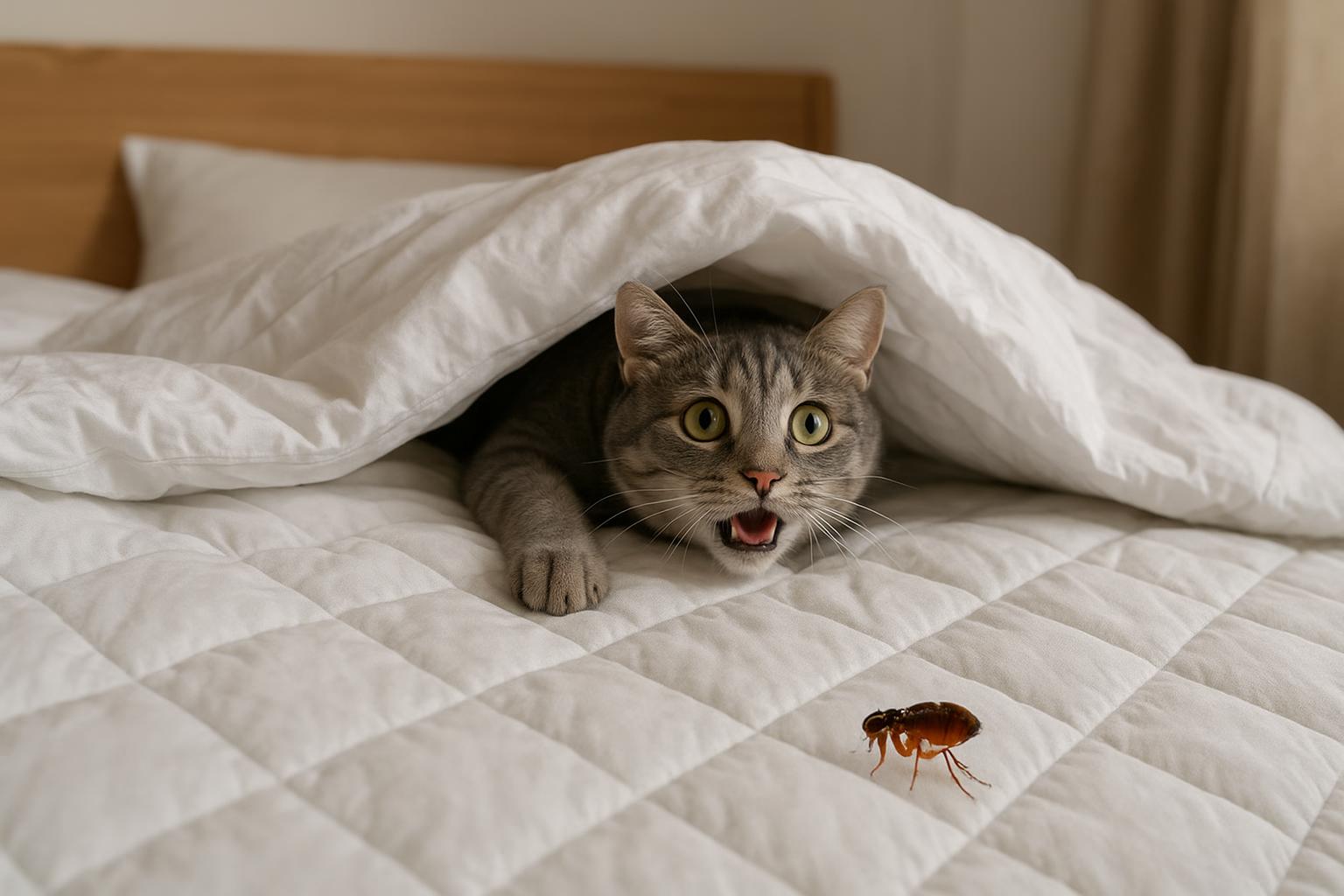
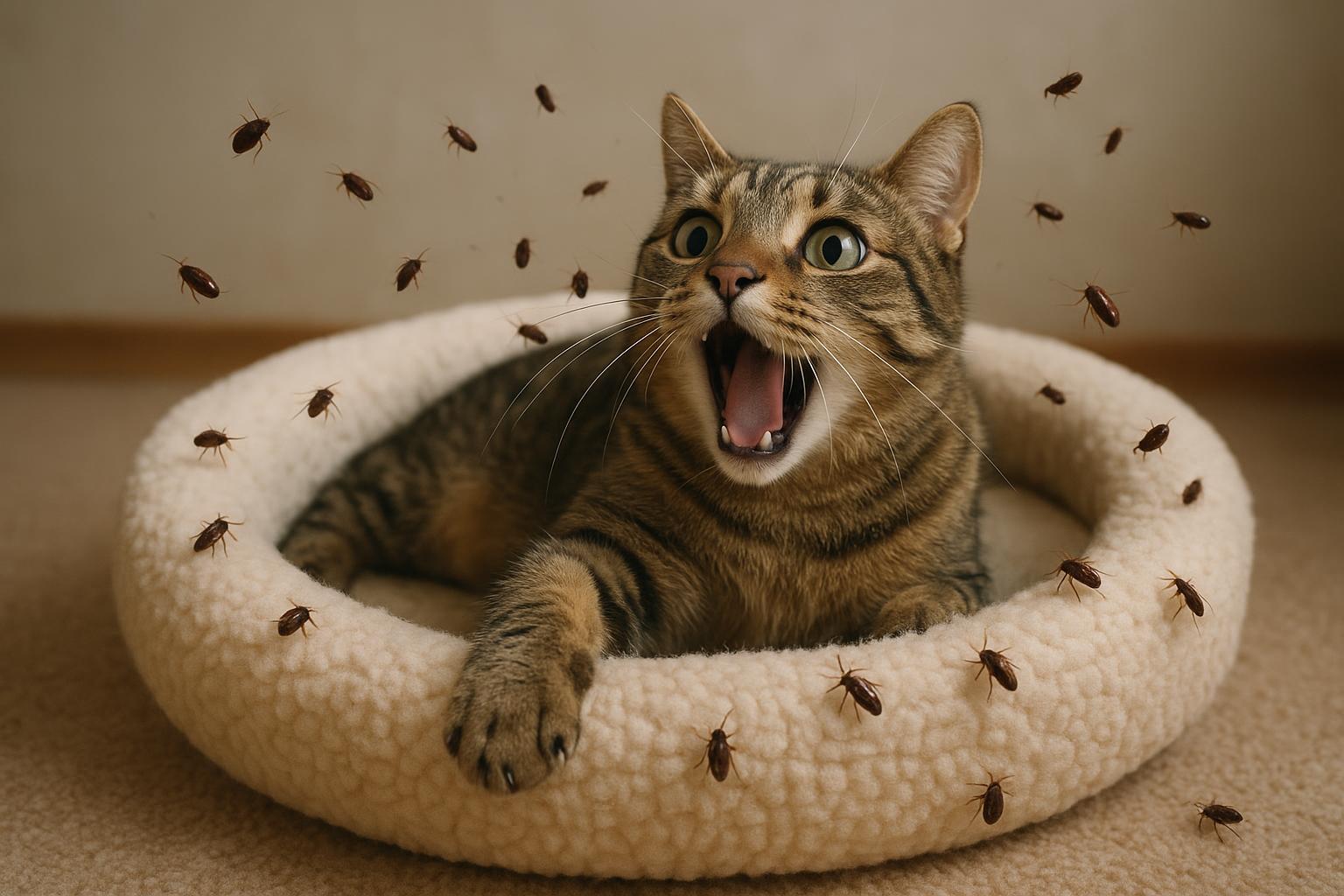
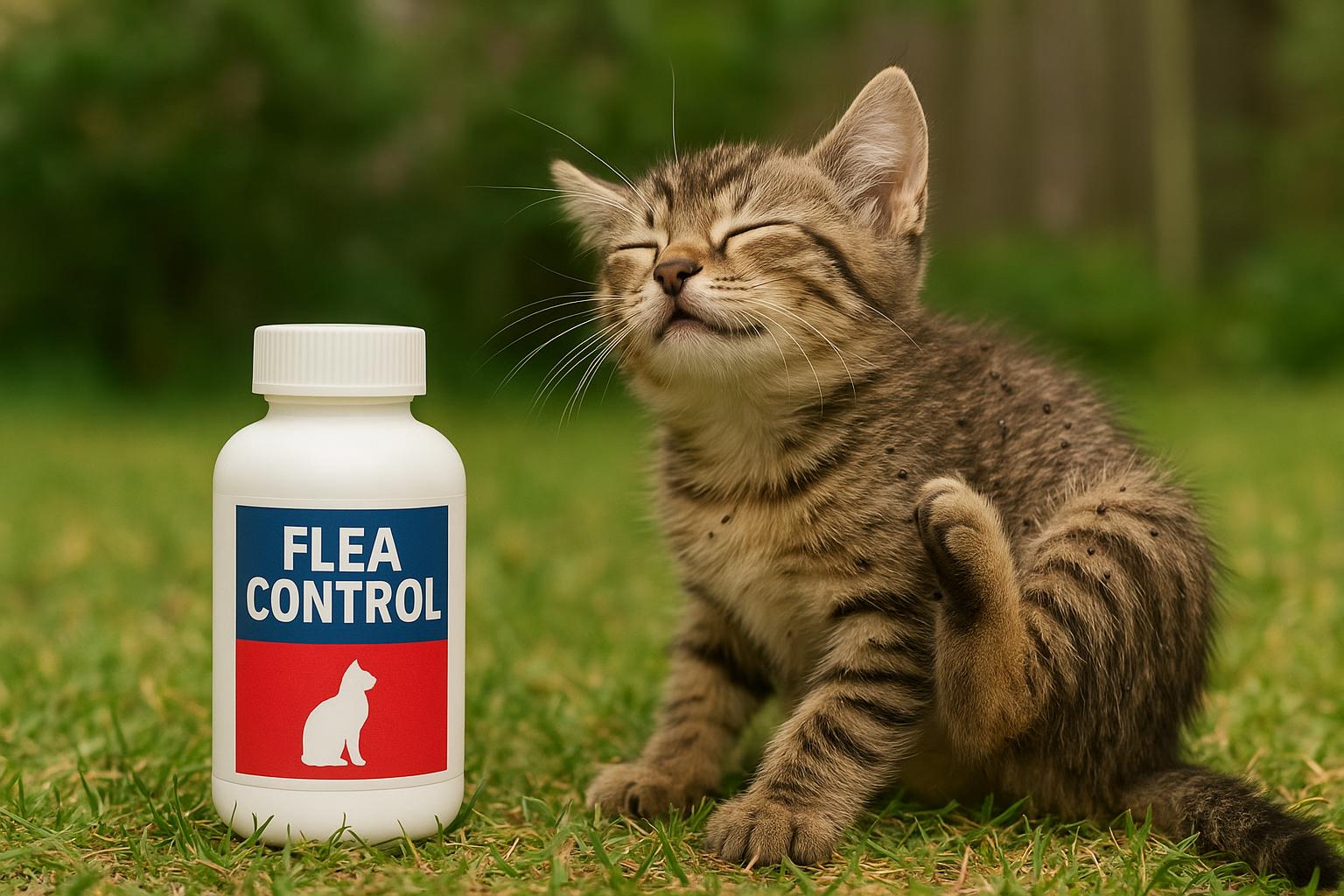
If you find live fleas, increase combing frequency to every day until numbers decrease. Use the bath method if the kitten tolerates it. Simultaneously treat the home environment (vacuuming, washing bedding) to interrupt the flea life cycle. For heavy infestations or if the kitten shows anemia, lethargy, or skin infections, seek veterinary care immediately.
## Aftercare And Home Hygiene
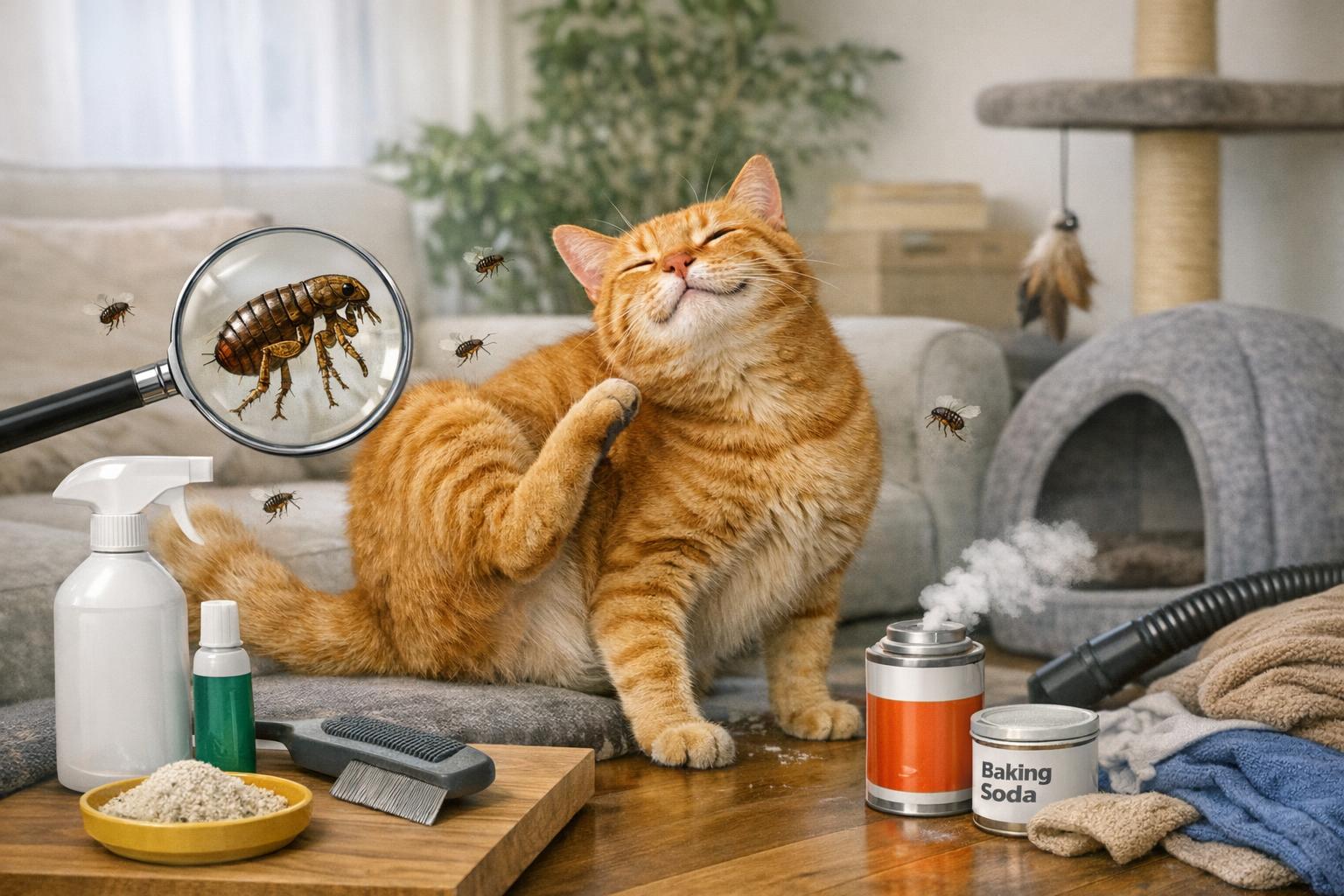
A kitten flea comb helps the animal, but comprehensive flea control includes the environment. Vacuum carpets, rugs, and furniture thoroughly, focusing on where the kitten naps. Wash all bedding and soft toys in hot water and dry on high heat. Consider using environmental products recommended by your veterinarian for severe infestations; remember that over-the-counter human insecticides can be toxic to cats.
### Cleaning The Comb And Surroundings
After each use, clean the kitten flea comb with hot soapy water, then disinfect with a diluted bleach solution or alcohol if desired, and dry completely. Store the comb in a closed container to avoid contamination. Dispose of captured fleas by sealing them in soapy water or alcohol and discarding in the trash outside.
### When To See The Vet
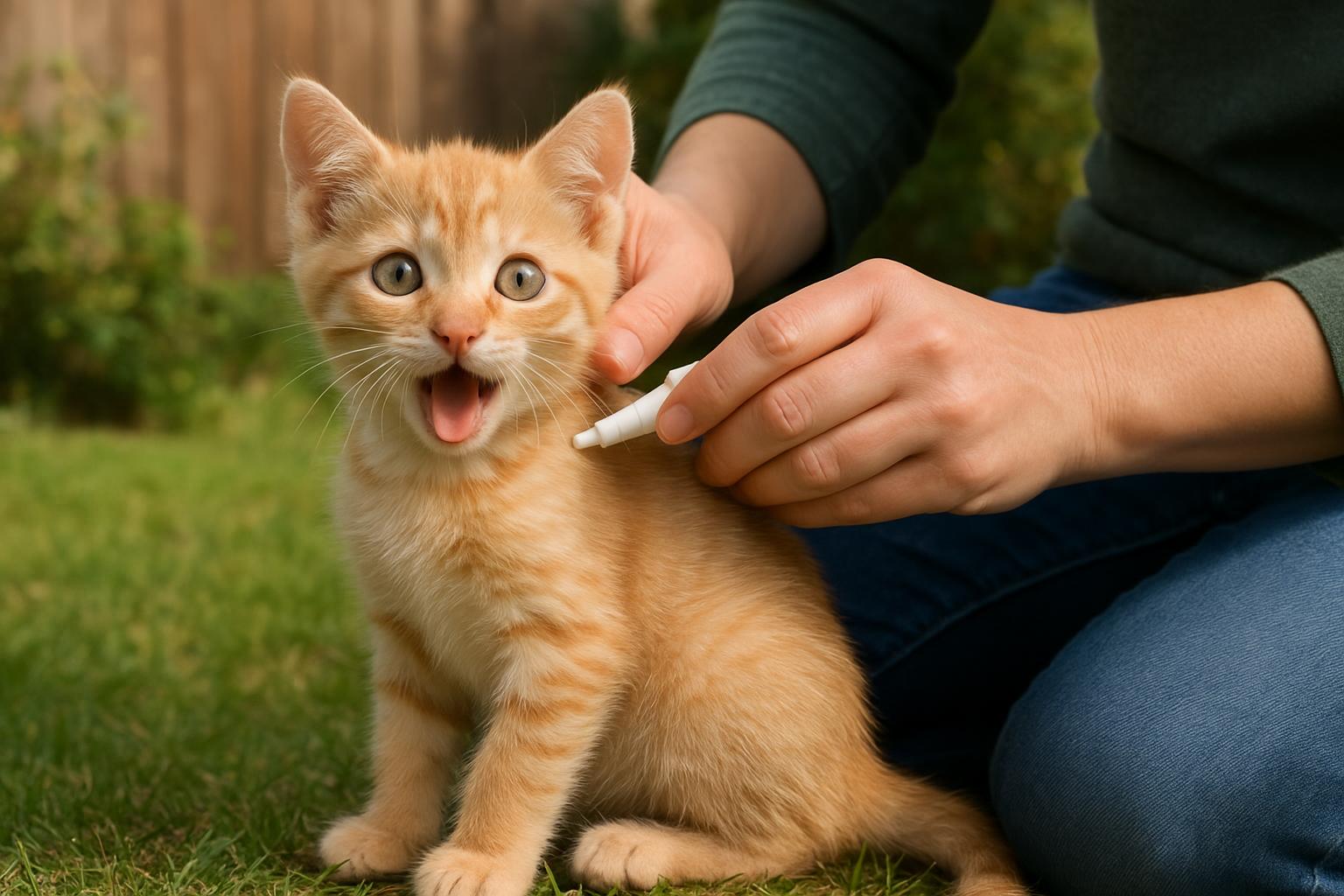
Contact your veterinarian if your kitten is underweight, very young and showing signs of anemia (pale gums, weakness), has open skin sores, or if combing doesn’t seem to reduce the infestation after consistent treatment. The vet may recommend safe topical or oral flea preventives appropriate for the kitten’s age and health, or treat secondary infections.
Keep confidence: a reliable kitten flea comb, patience, and good home hygiene go a long way toward keeping your tiny companion happy and itch-free. If the situation escalates, your vet is the best partner to ensure safe, effective treatment.



Leave a Reply