
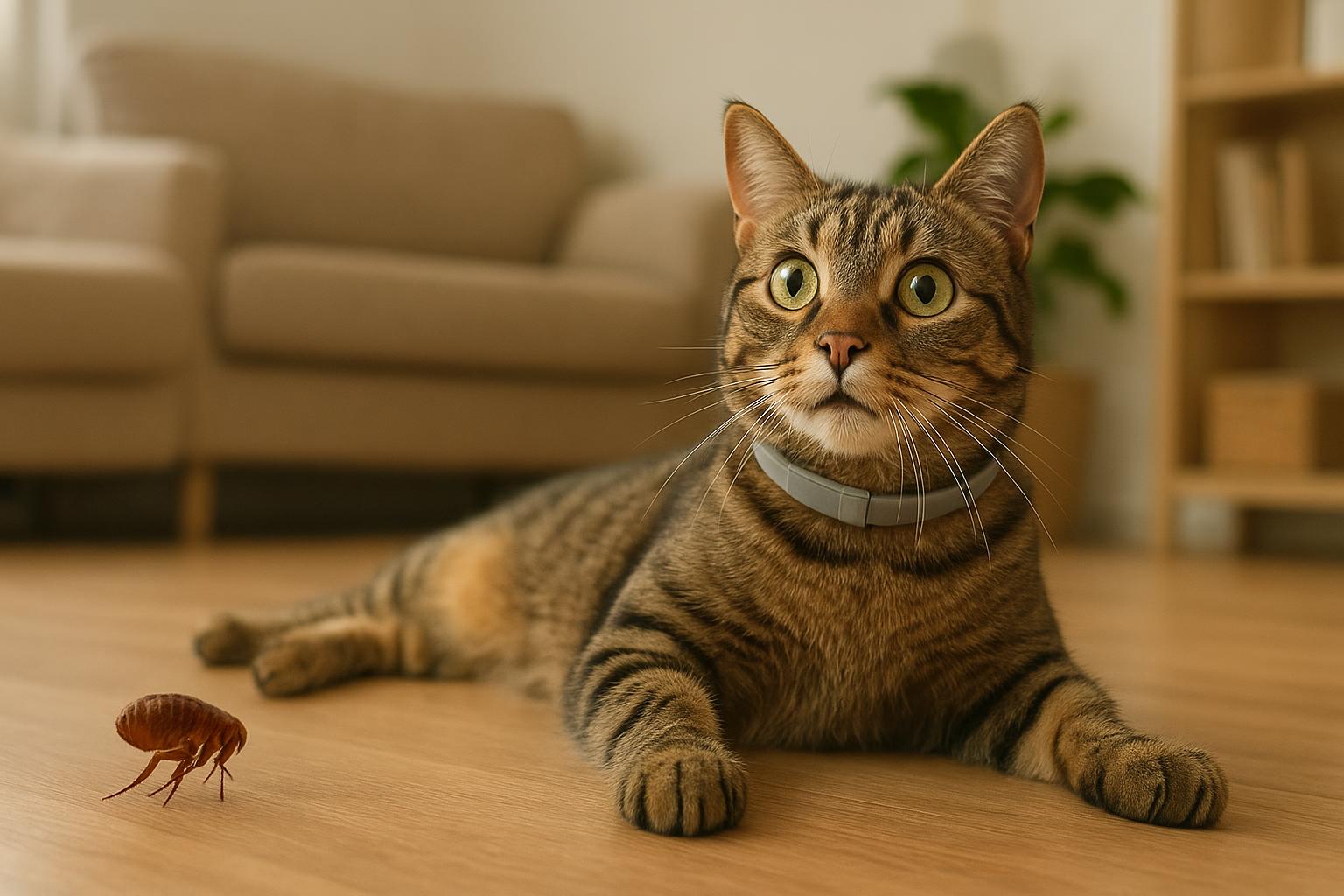
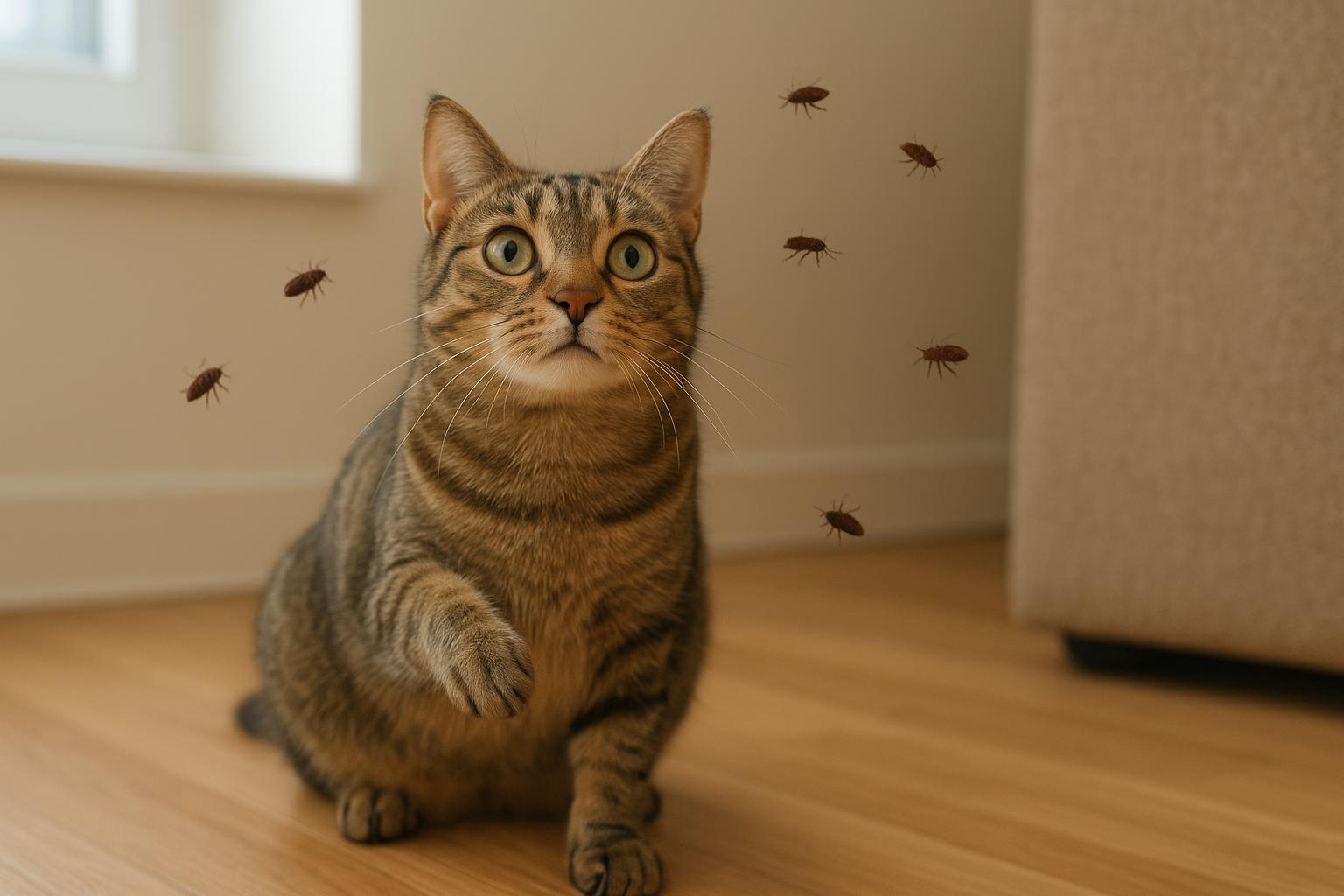
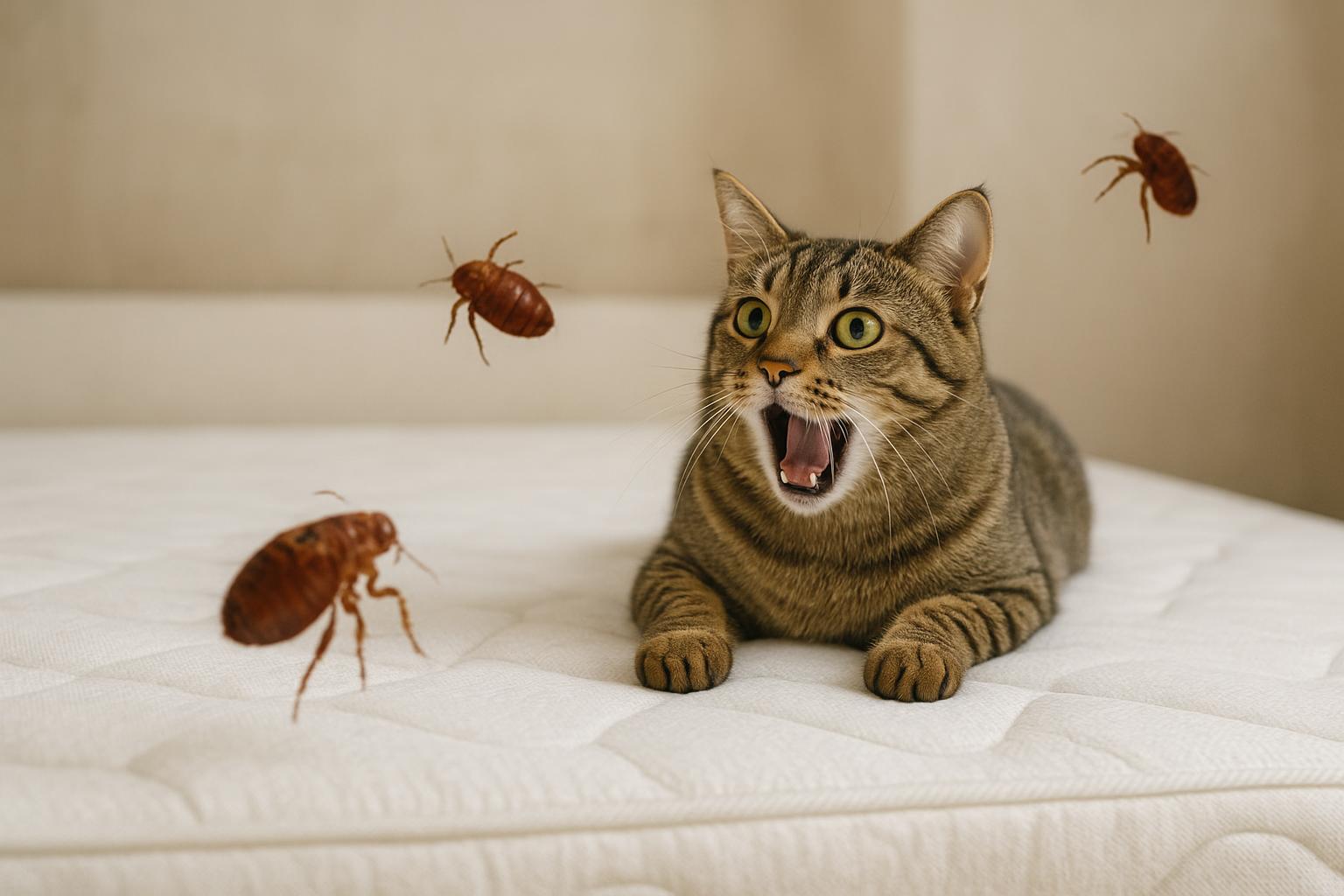
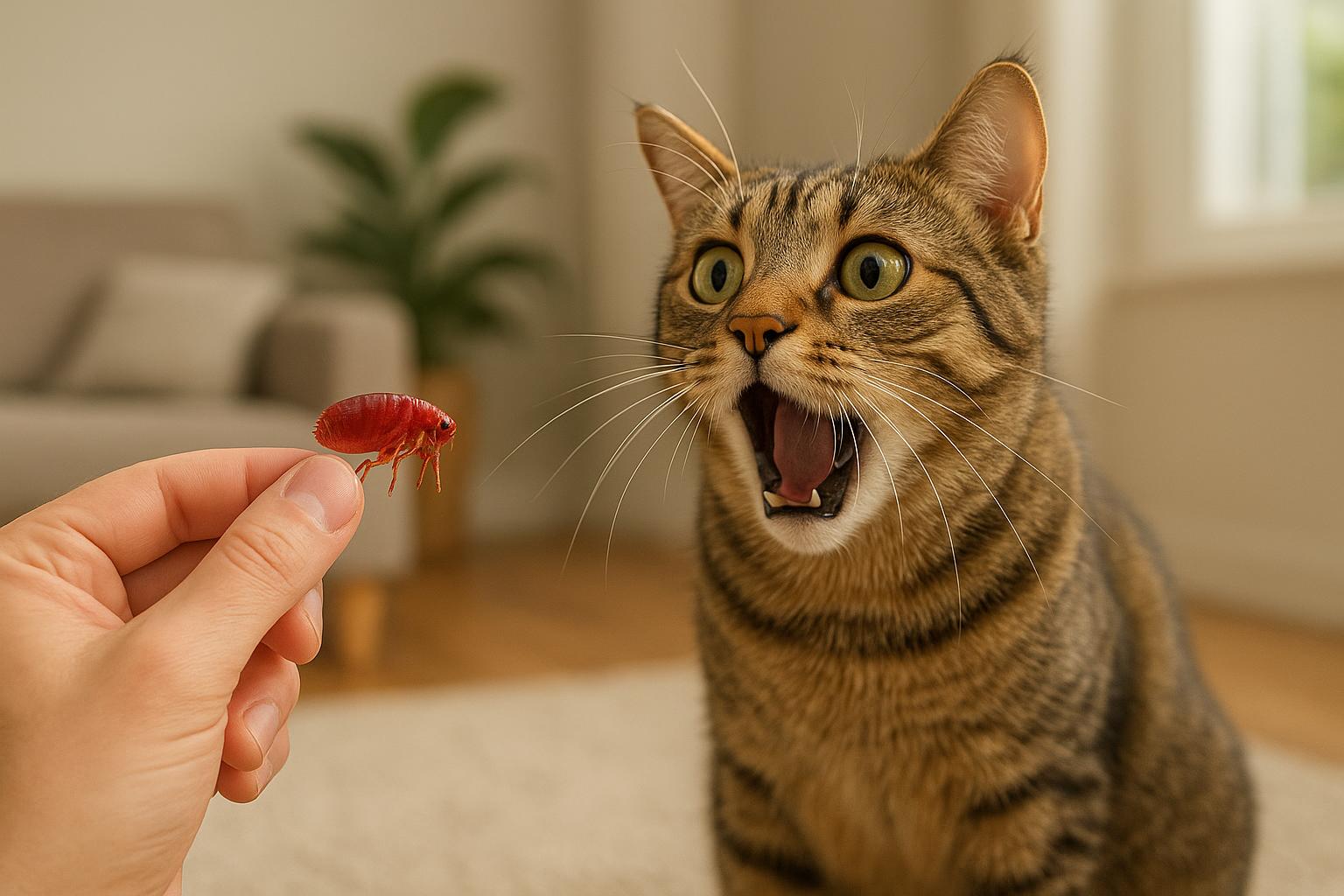
Cats have a way of making us feel like we’re living with a tiny, judgmental roommate who naps on keyboards and inspects every sunbeam. When fleas crash that kitty party, many of us instinctively reach for a flea collar and hope for the best. But do flea collars work? Let’s unpack what they do, when they don’t, and how to use them safely at home—no cape required.
## Do Flea Collars Work For Cats?
Short answer: sometimes. Long answer: it depends on the collar, the cat, and how comprehensive your flea-control plan is. The phrase flea collars work crops up a lot in search bars and product reviews, and it’s worth parsing the marketing from the mechanics before you spend money or stress your cat.
### What Flea Collars Actually Do
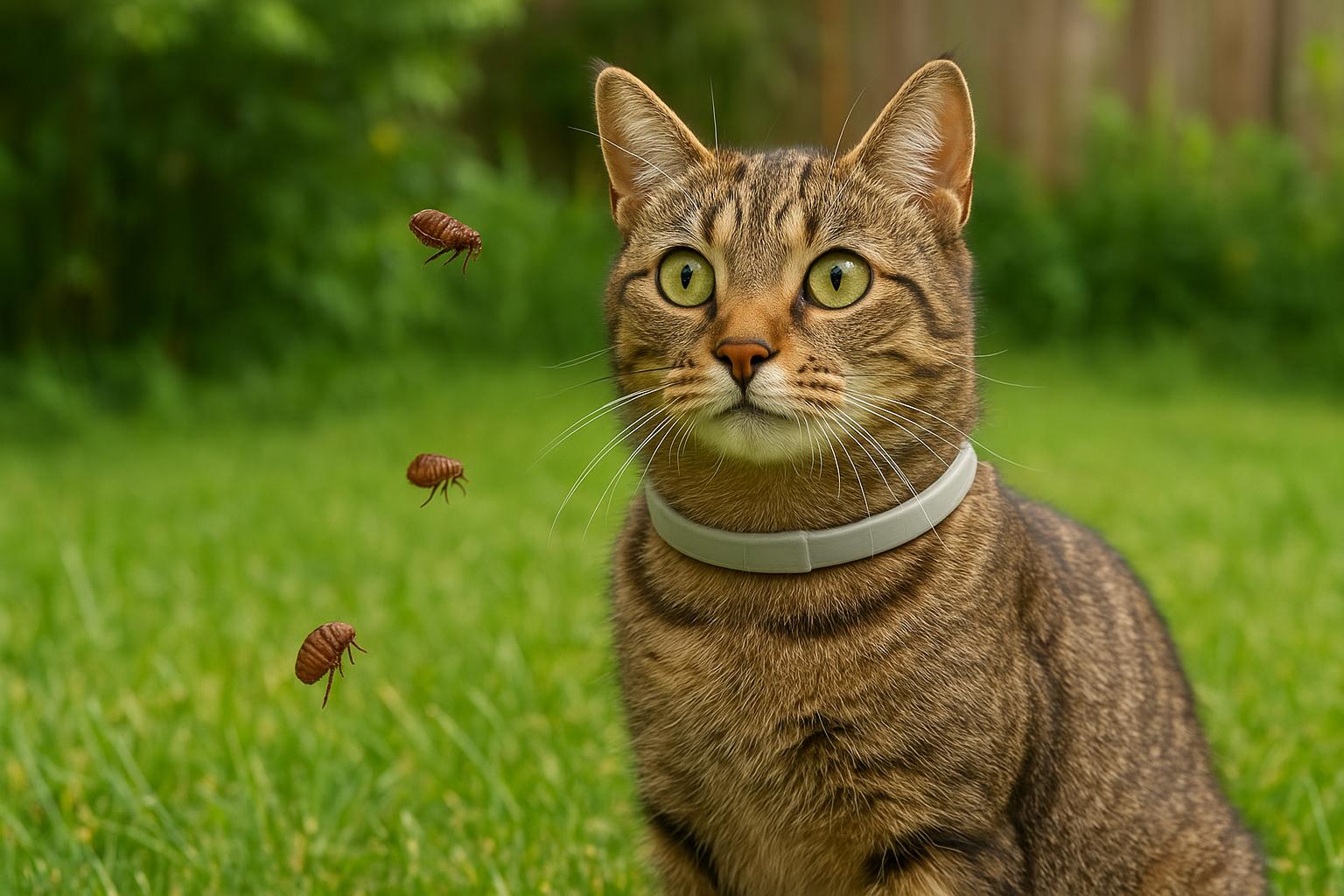
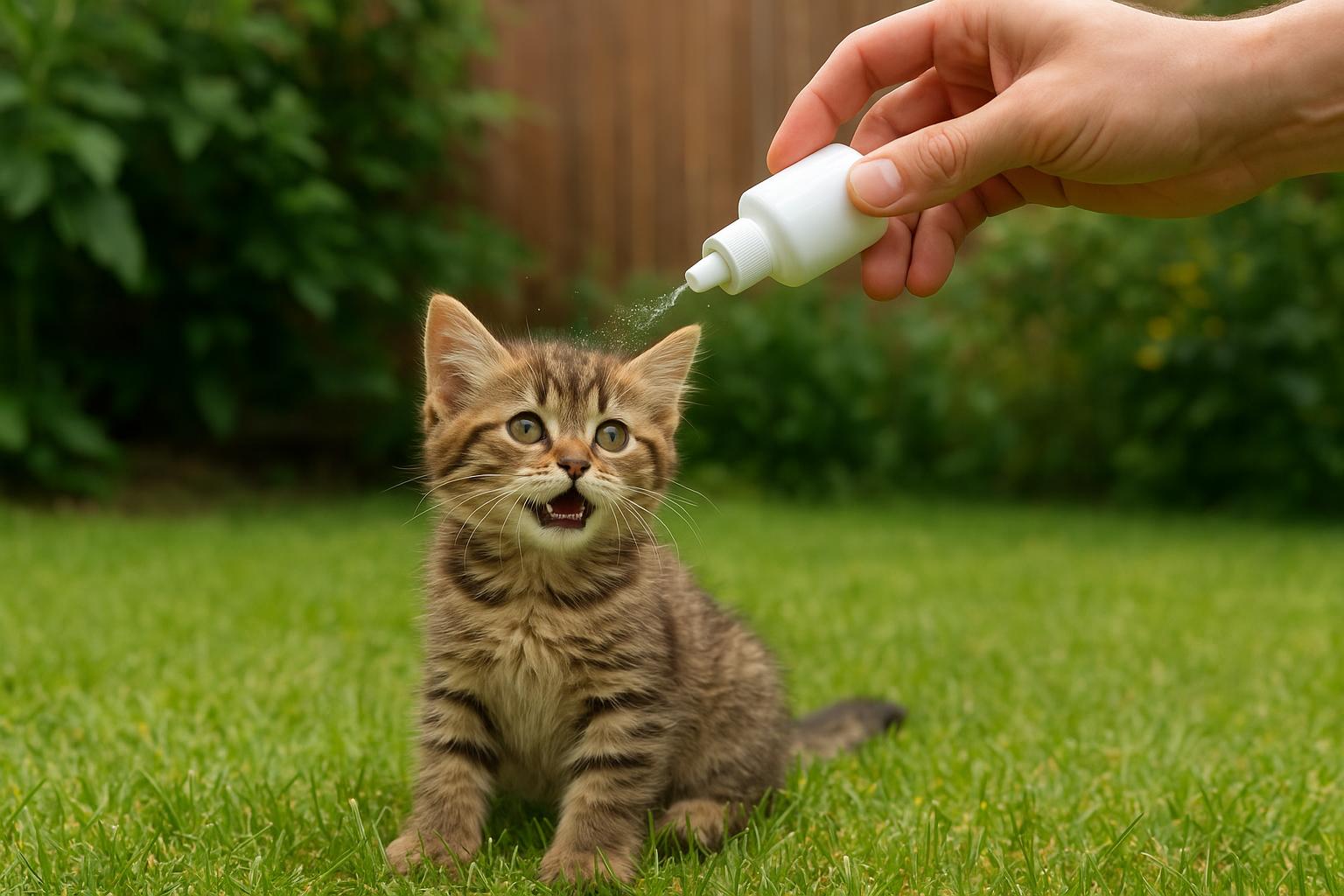
Flea collars fall into a few categories: repellents that deter fleas, insecticides that kill fleas on contact, and systemic collars that release chemicals absorbed into the animal’s skin or oils. Modern collars are designed to spread active ingredients over the skin and coat via natural oils, rather than relying only on local contact around the neck.
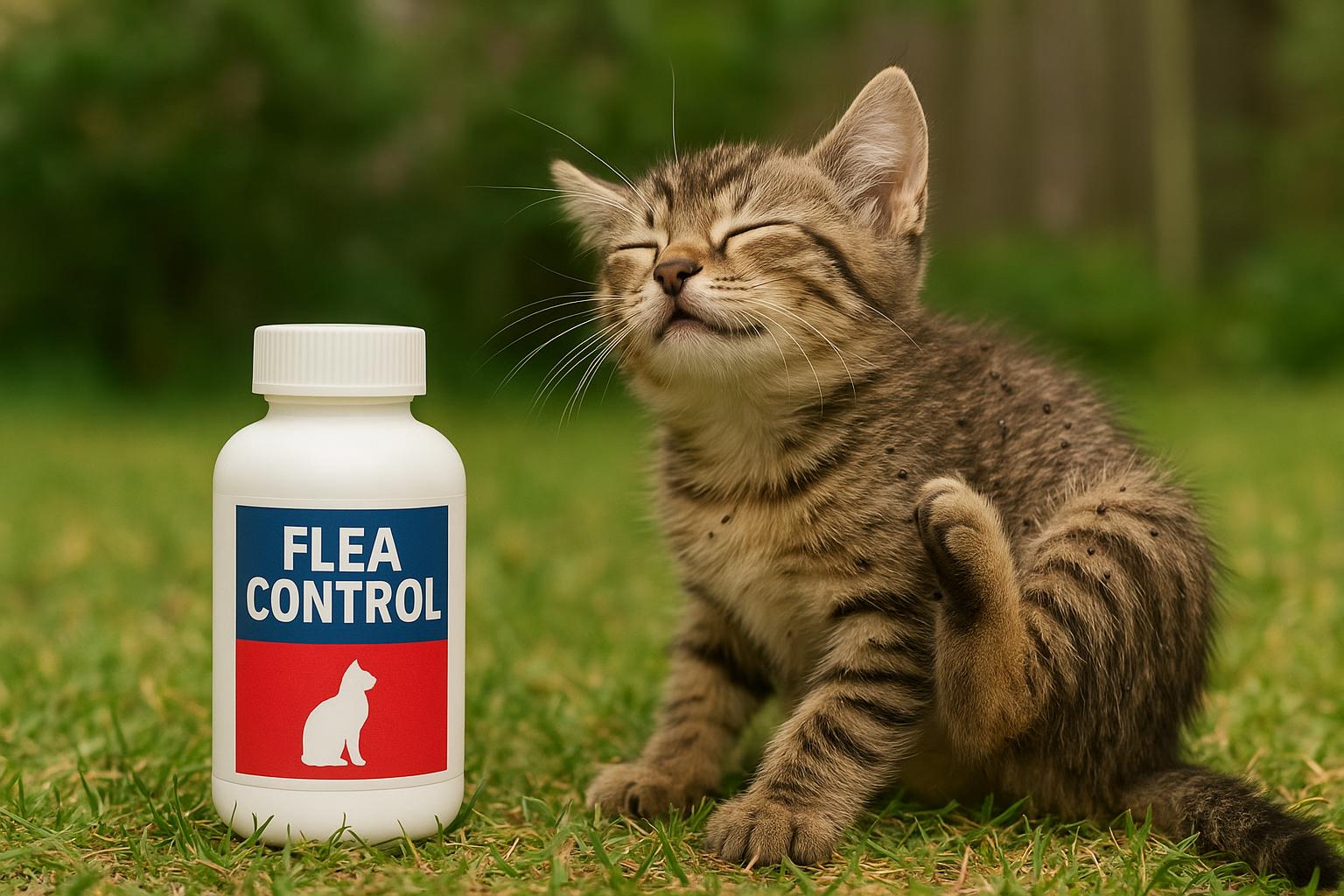
When flea collars work effectively, they can reduce flea populations on a pet for weeks or months. But their performance varies with the active ingredient, the collar’s design, and environmental flea pressure. A collar that’s perfect for a low-exposure indoor cat might be insufficient for a multi-pet household with a backyard rife with fleas.
### Types Of Flea Collars And How They Differ
– Non-chemical/repellent collars: use essential oils (e.g., cedar, citronella) or other natural substances. They may help deter fleas but often lack the potency to eliminate infestations.
– Insecticidal collars: contain synthetic compounds (e.g., imidacloprid, flumethrin) that kill fleas and sometimes ticks. These are typically more effective for established infestations.
– Systemic collars: release active agents absorbed into the skin or oils, offering broader coverage across the pet’s body.
When considering whether flea collars work for your cat, consult product labels, veterinarian recommendations, and consider factors like age, pregnancy, existing medications, and skin sensitivities.
## How Flea Collars Fit Into A Home-Safe Flea Control Plan
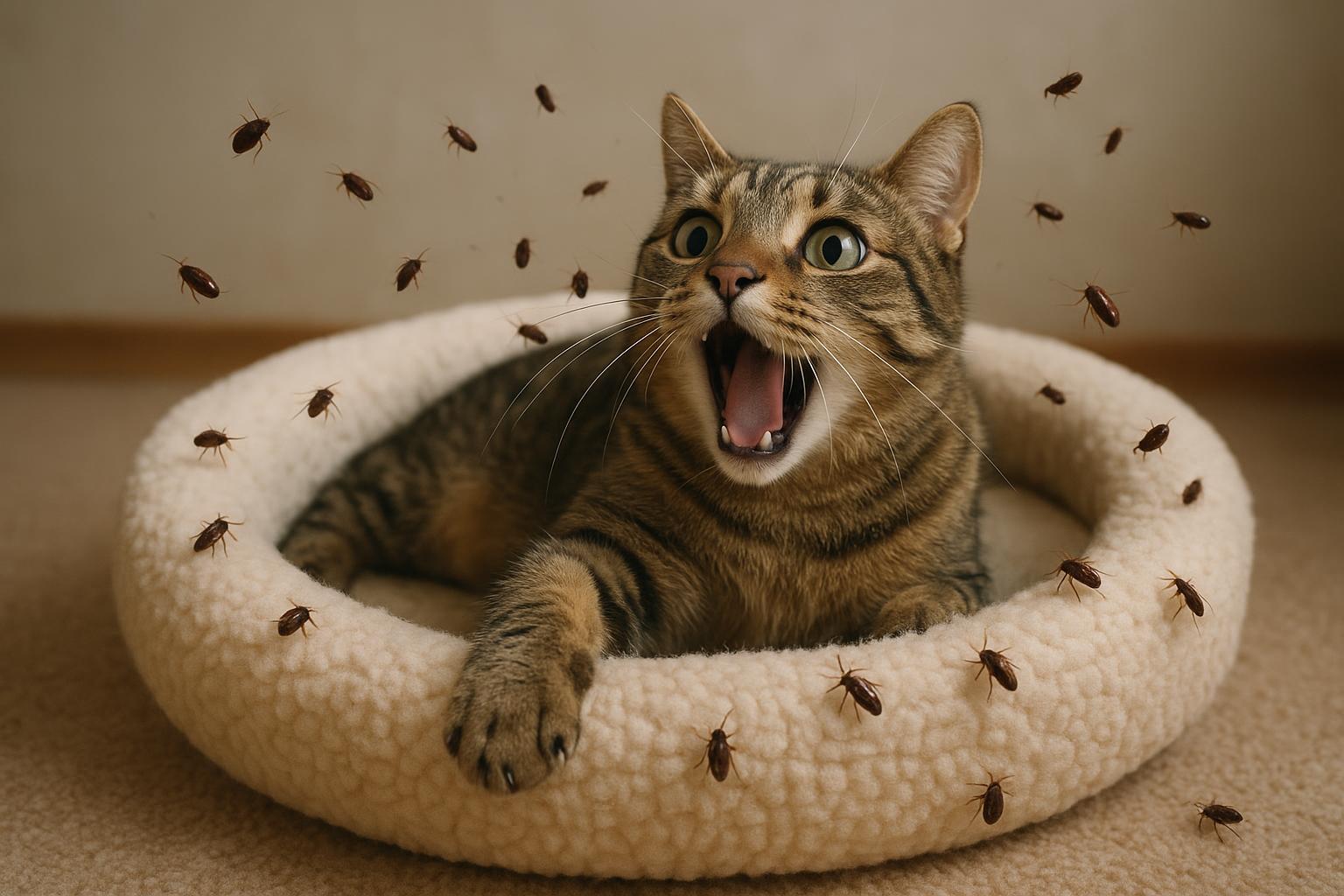
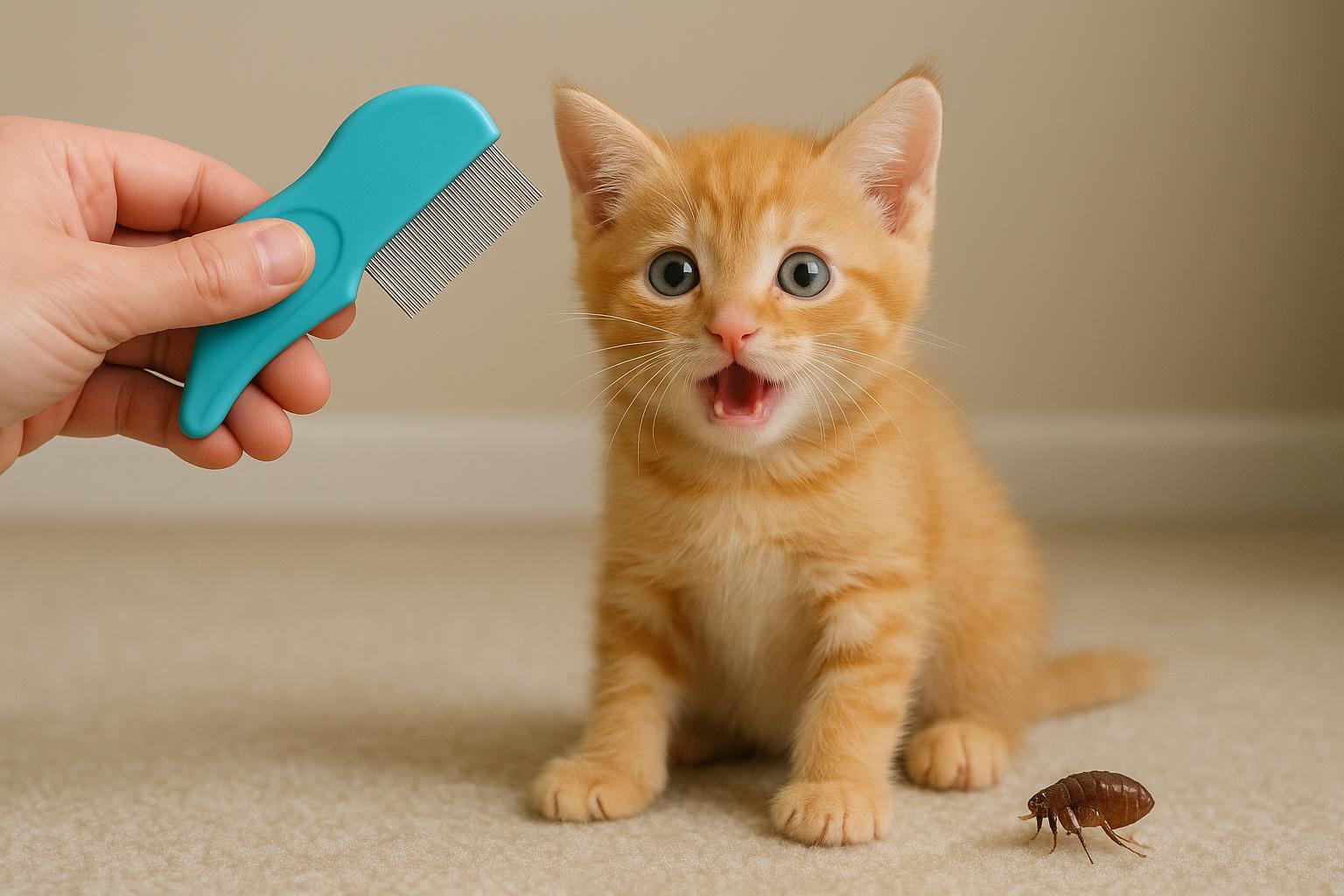
A flea collar should be a tool in a multi-pronged approach, not a lone hero. Flea life cycles include eggs, larvae, pupae, and adults, and different interventions target different stages. If you only treat the adult fleas on your cat, eggs in your carpet or bedding will continue the cycle.
Use environmental control (vacuuming, washing bedding), treat all animals in the household appropriately, and consider professional pest control in severe infestations. If you rely on flea collars, understand their limitations and monitor efficacy closely.
### Signs A Collar Is Working (And Signs It’s Not)
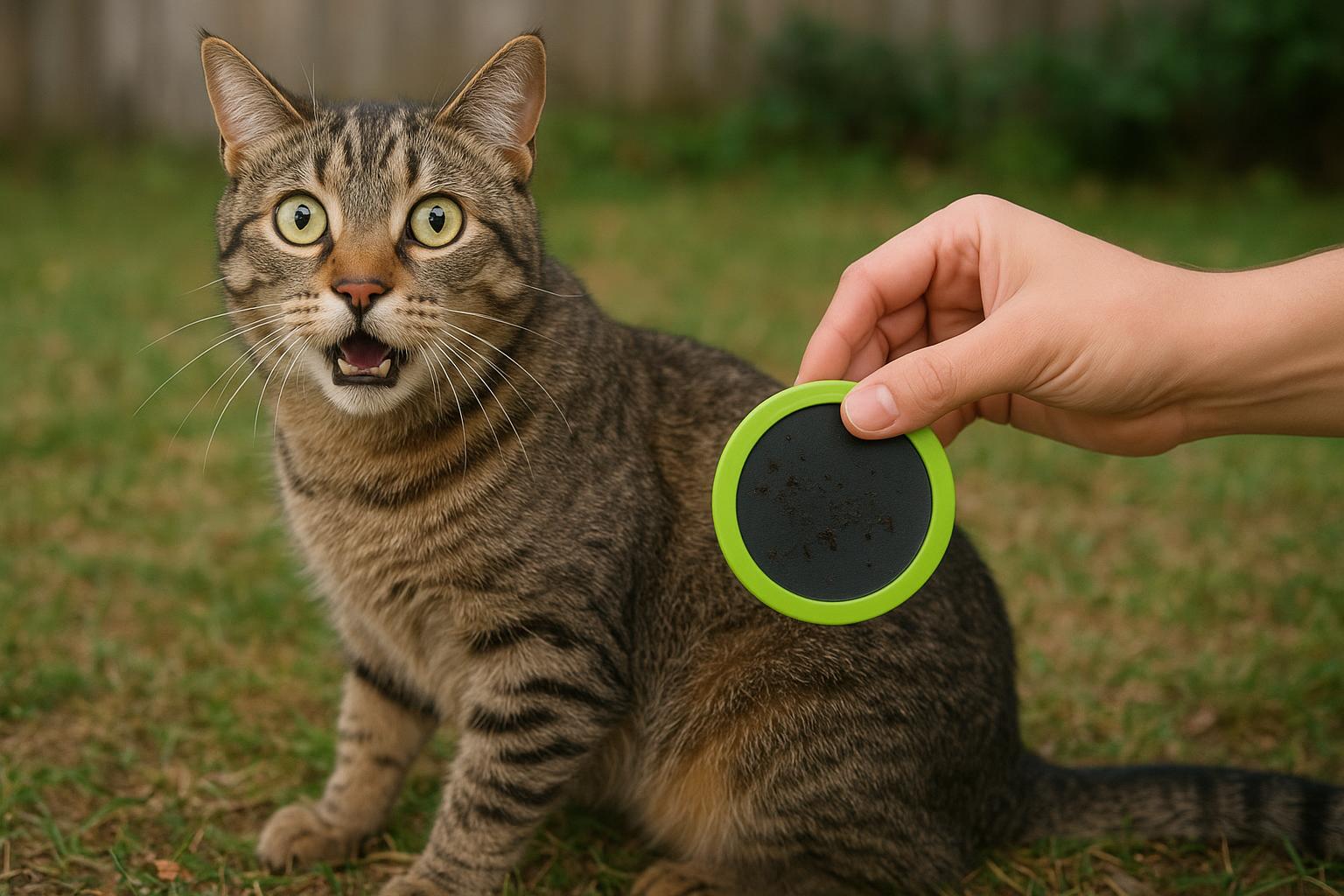
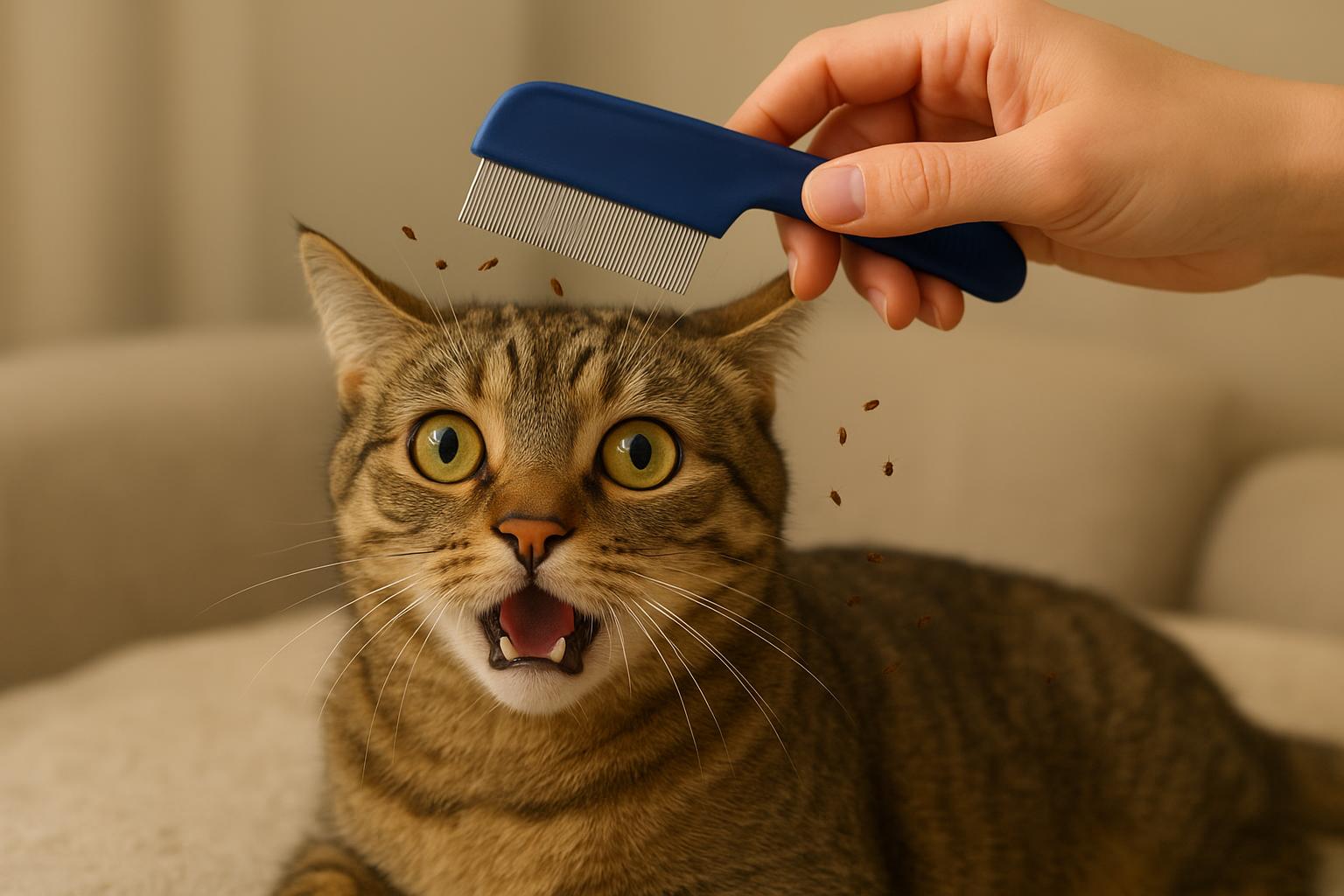
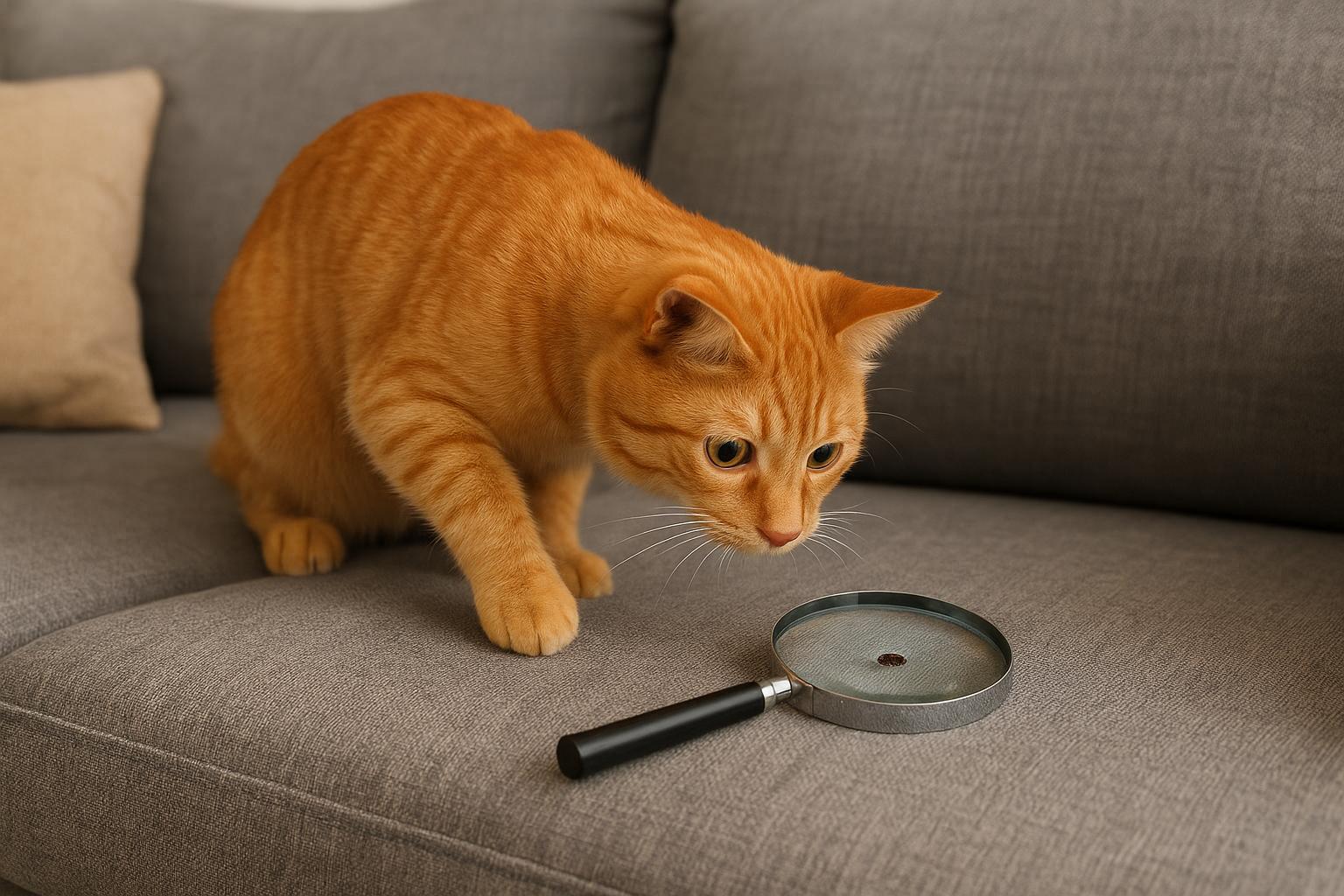
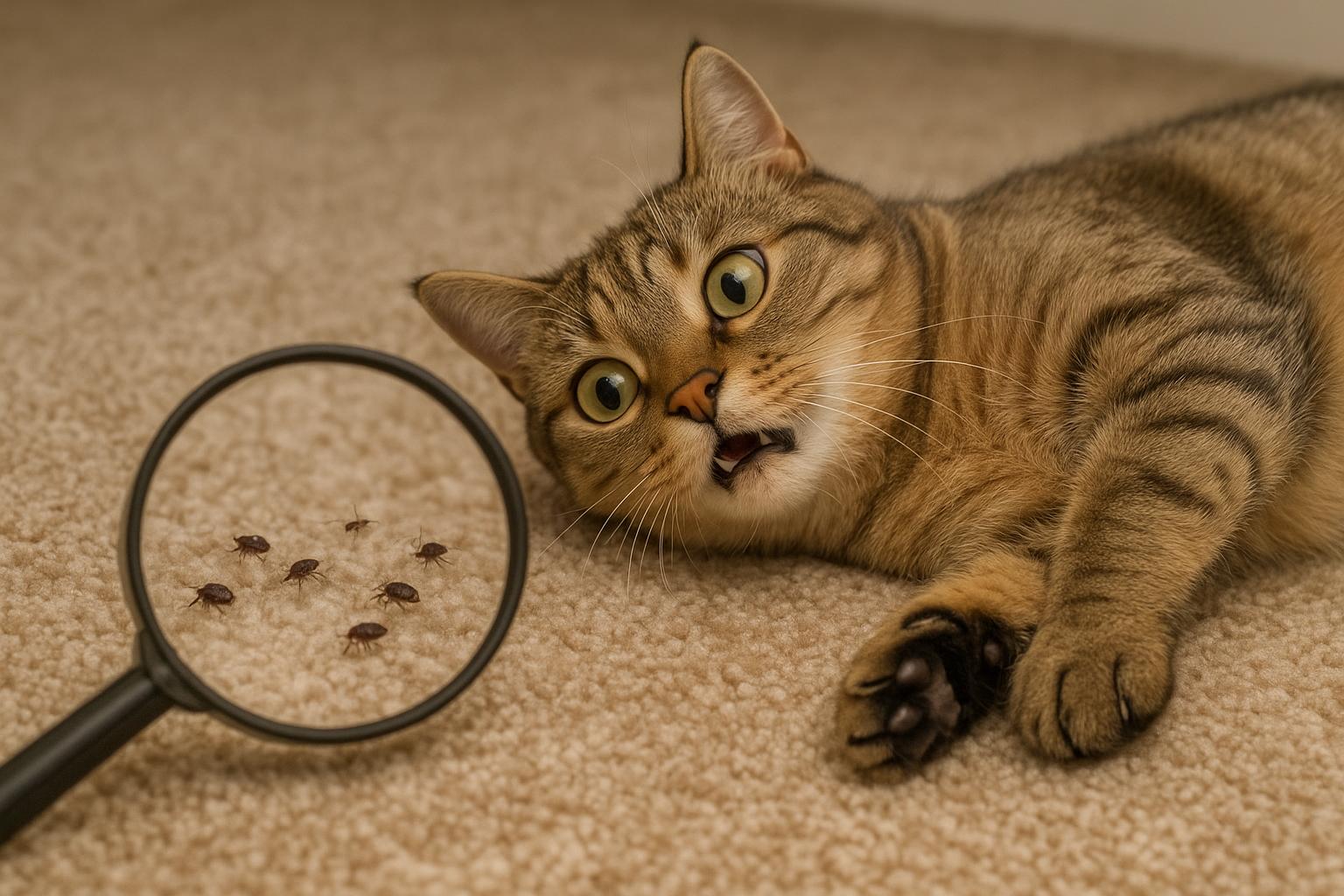
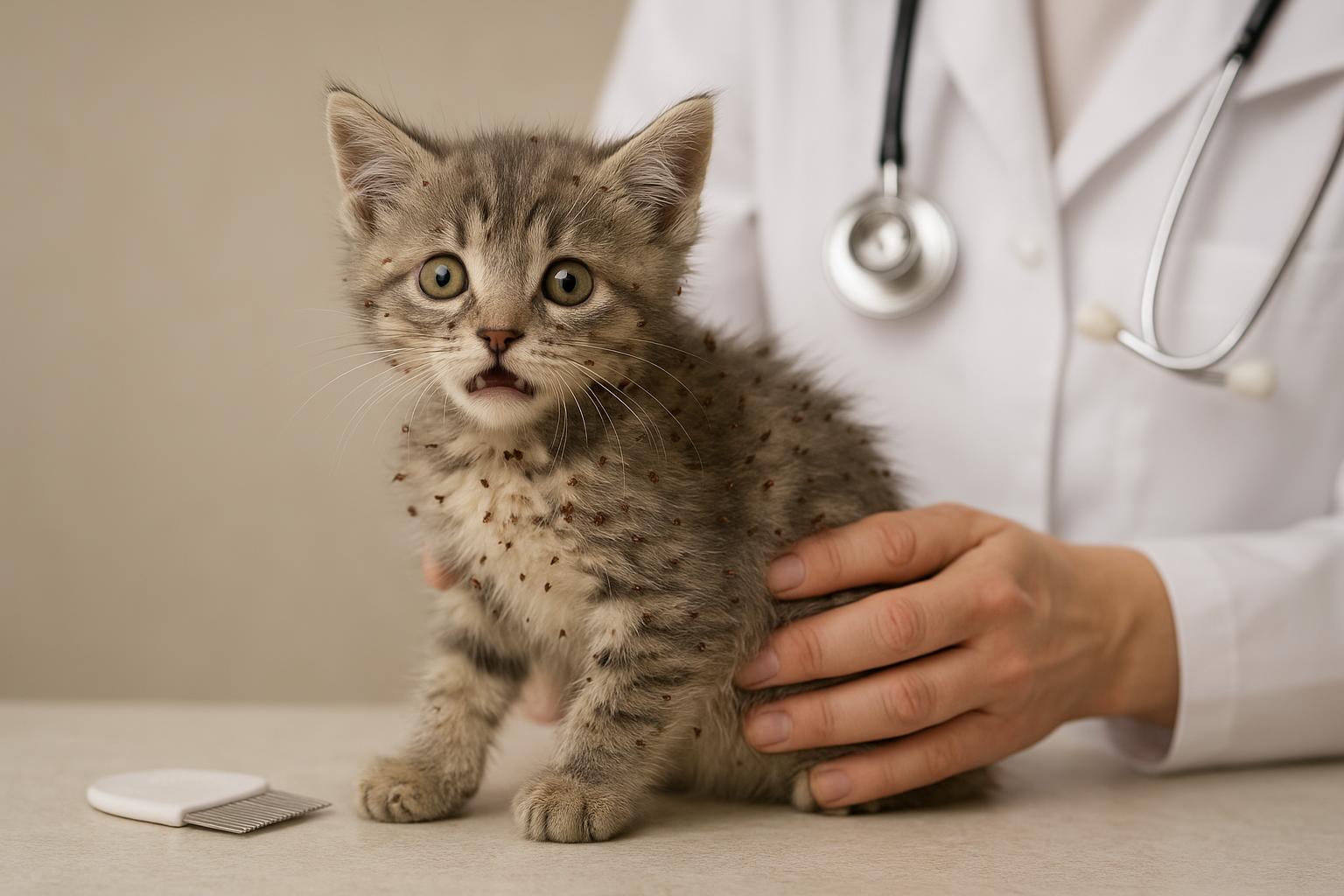
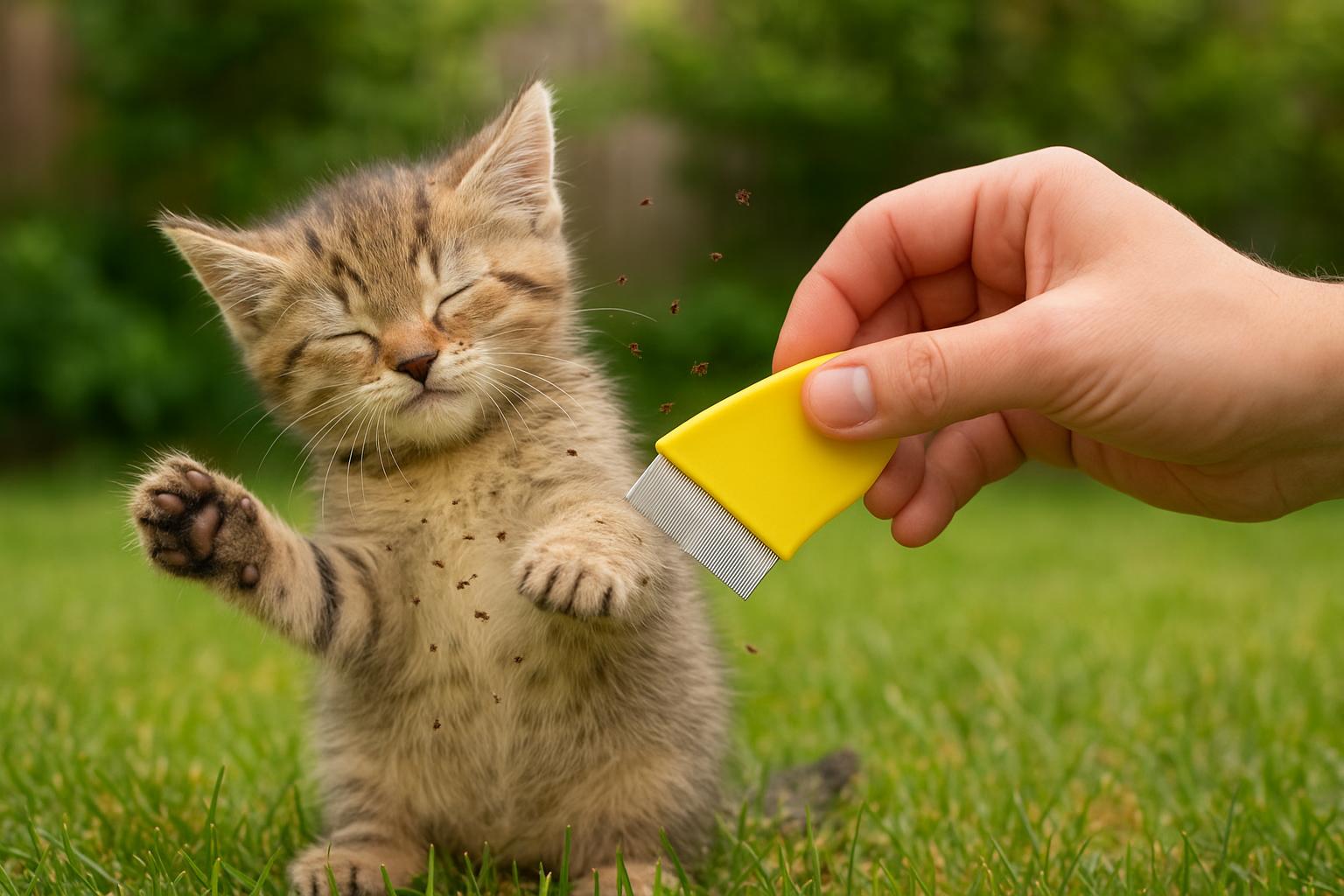
Look for reduced scratching, fewer black specks (flea dirt), and fewer visible fleas after a few days to weeks. If you see no improvement, or if your cat develops skin irritation, increased itchiness, or behavioral changes, remove the collar and contact your veterinarian. Persistent environmental fleas mean you’ll need broader treatment.
### Safety Considerations For Cats
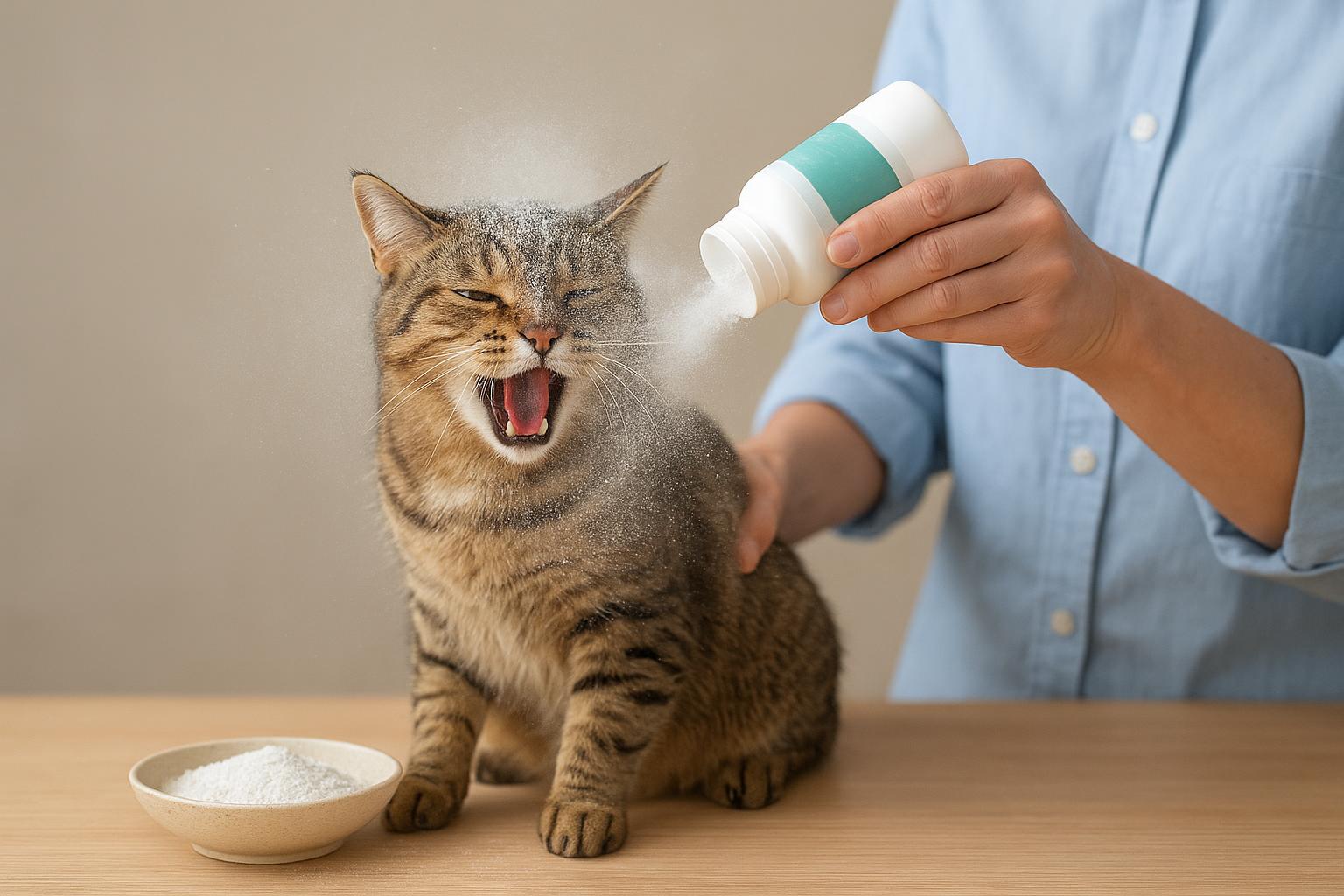
Cats metabolize certain chemicals differently than dogs, so products labeled for dogs can be dangerous or fatal for cats. Never use dog-specific products on cats. Monitor for signs of toxicity: drooling, vomiting, tremors, seizures, lethargy, or unusual behavior. If you suspect poisoning, remove the product and seek veterinary care immediately.
### 1. Commercial Flea Collar Use (Formal Remedy)
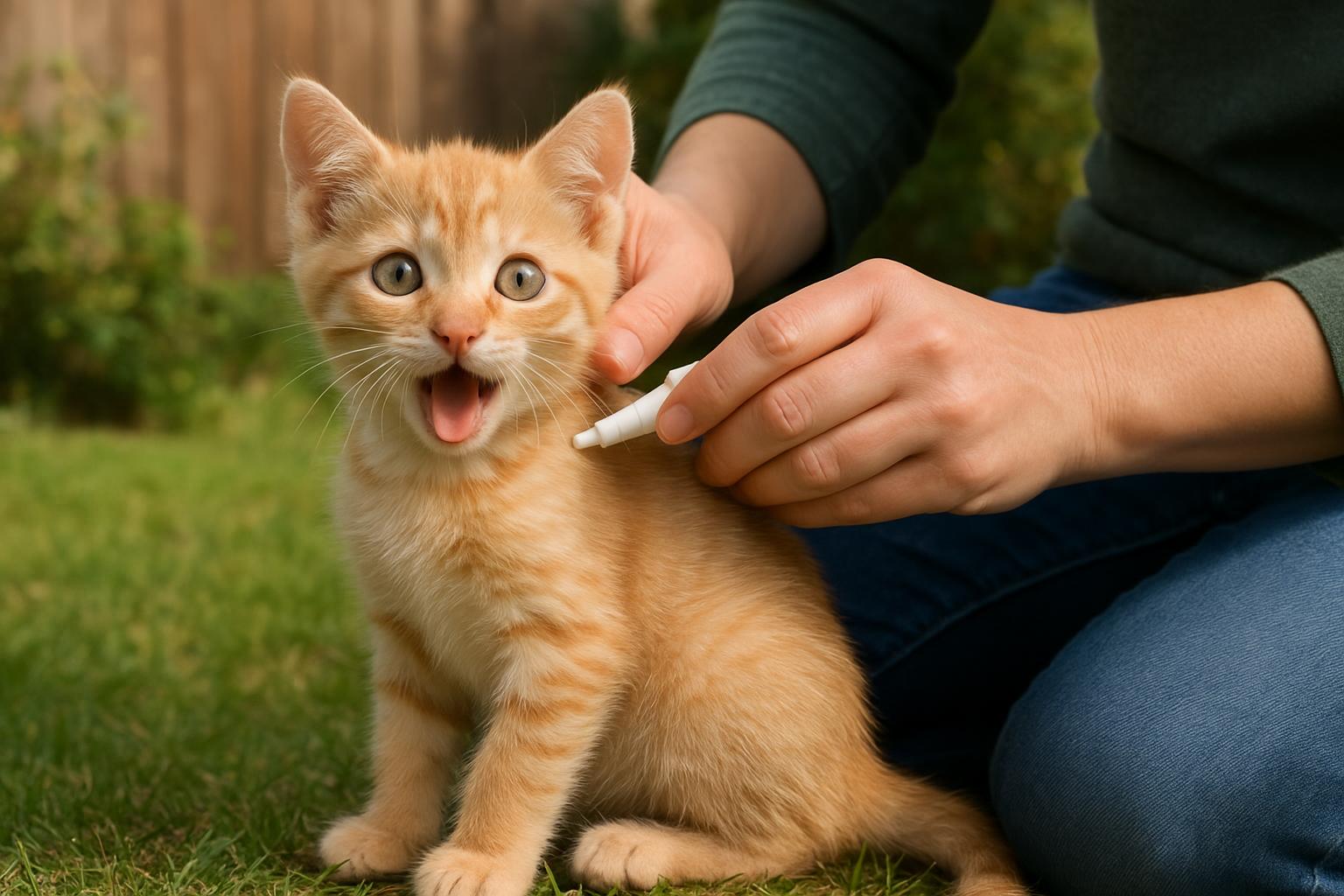
This is a formal, stepwise application guide for commercial, vet-approved flea collars. Follow product instructions and your veterinarian’s advice precisely.
#### Materials Required
– Vet-approved flea collar labeled for cats (check active ingredients)
– Scissors (for trimming the collar length if needed)
– Measuring tape or ruler (to ensure proper fit)
– Record log (date of application and expiry)
#### Step-By-Step Creation And Application
1. Read the Product Label: Confirm the collar is specifically formulated for cats. Note active ingredients, duration of protection, and contraindications (e.g., kittens under a certain age, pregnant cats).
2. Inspect The Collar: Look for damage or defects. Do not use if the collar is contaminated or broken.
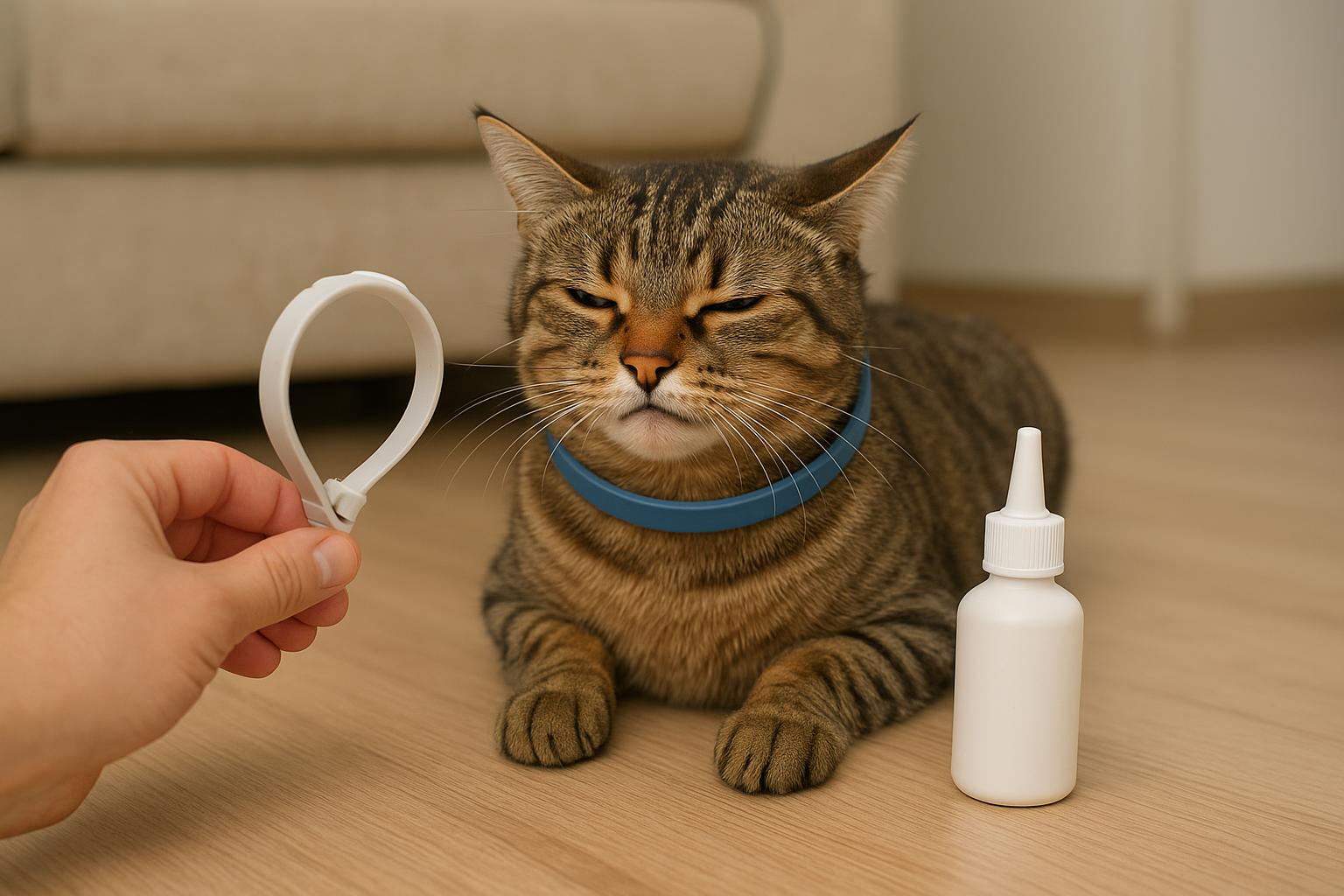
3. Fit The Collar Properly: Place the collar around your cat’s neck, allowing enough room to slip two fingers between the collar and the neck to avoid choking or irritation.
4. Trim Excess: If the collar is too long, follow manufacturer instructions to trim excess length, leaving recommended tail length after the buckle or snap.
5. Secure The Collar: Fasten as directed. Ensure it isn’t hanging loosely; conversely, it shouldn’t be tight.
6. Record The Date: Note the application date and expected expiry/replacement date on your record log.
7. Monitor: Check the site daily for irritation and watch for systemic signs of adverse reactions. If any concerning signs occur, remove the collar and contact a veterinarian.
8. Replace As Directed: Remove and replace the collar according to the product’s timeline; do not overlap treatments unless the product explicitly allows it.
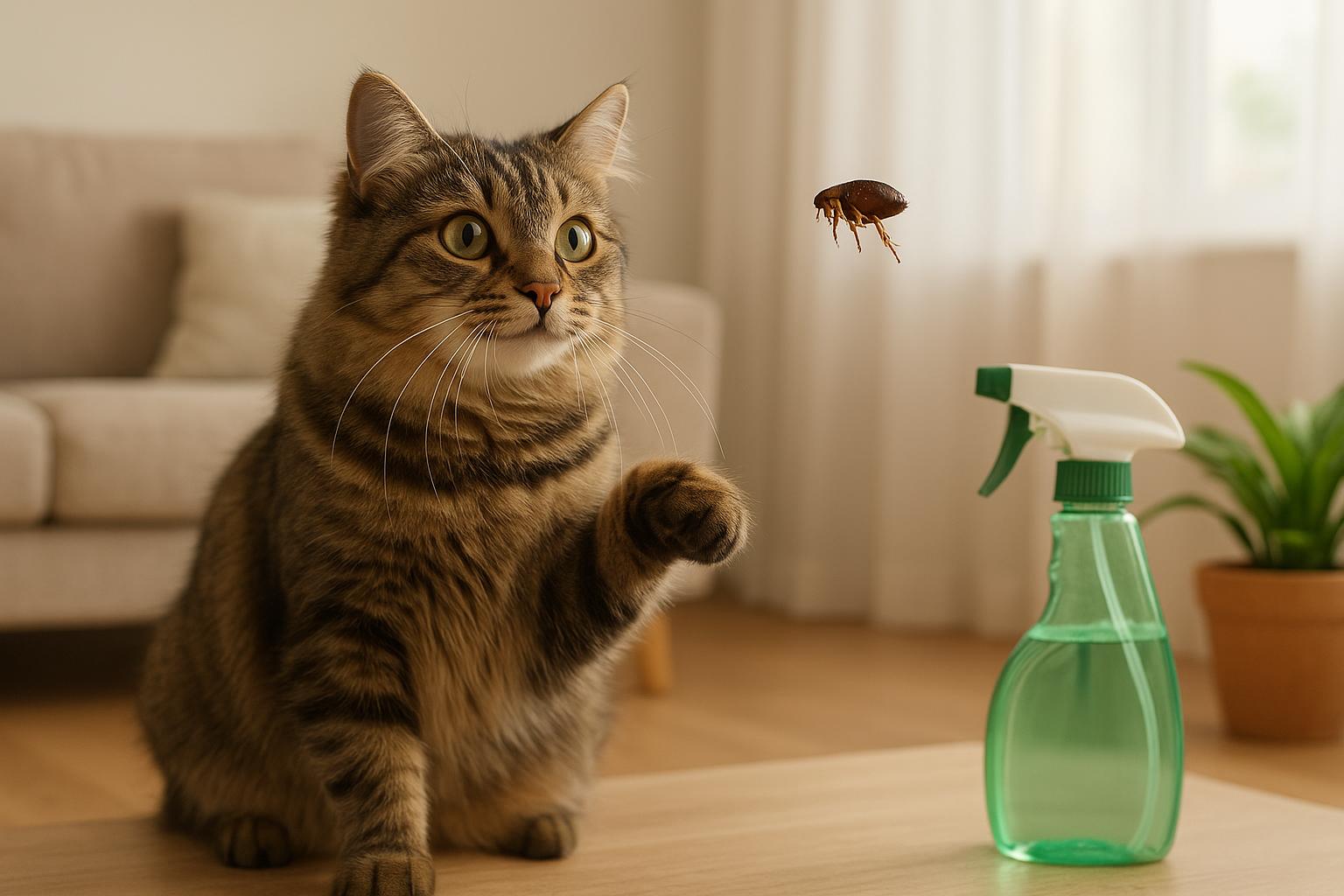
### 2. Home-Safe DIY Flea Spray (Formal Remedy)
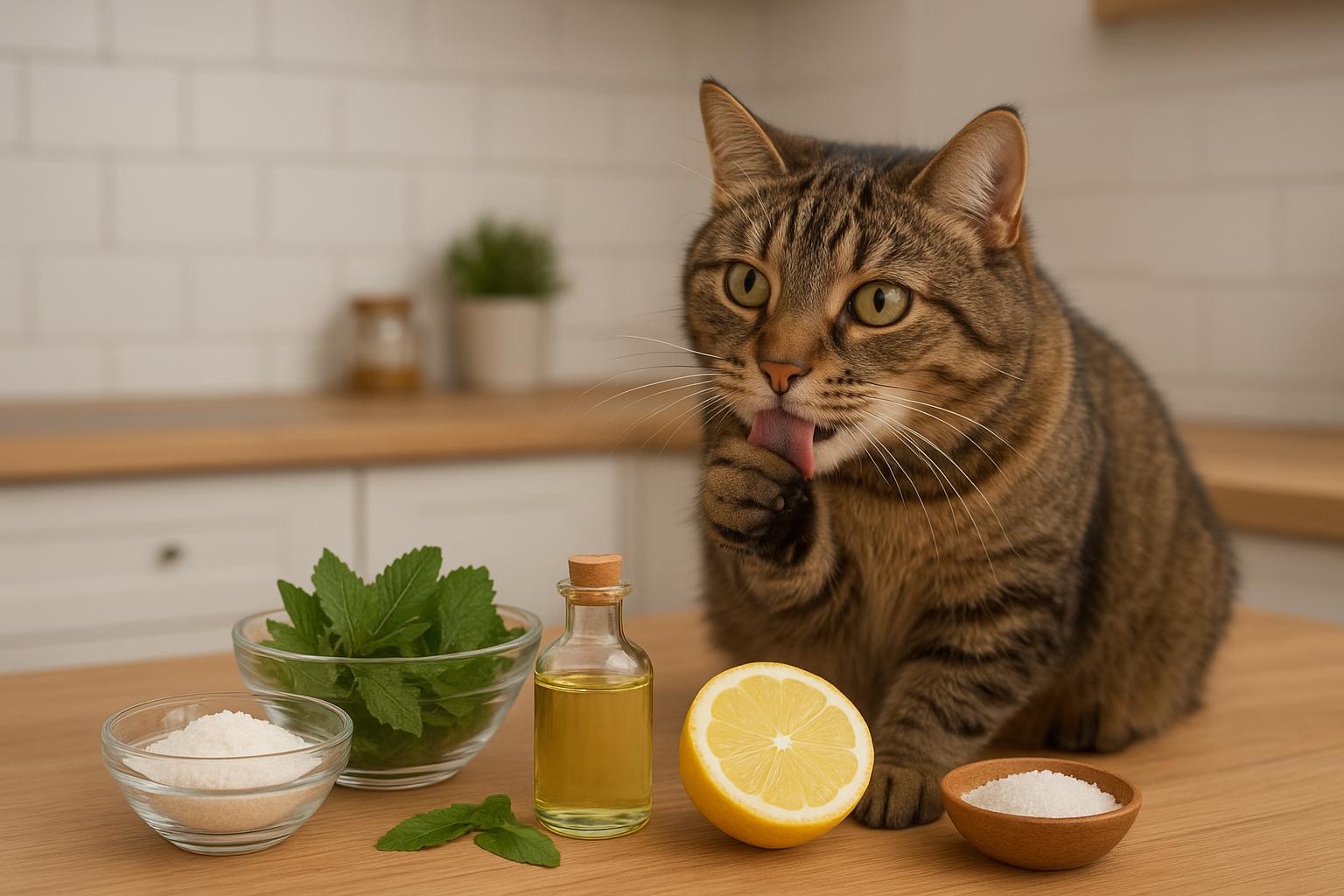
If you prefer a home-made, low-toxicity option for light flea pressure, here’s a measured, vet-considered DIY spray. This is intended as complementary to other measures, and not a substitute for veterinary prescriptions in heavy infestations.
#### Materials Required
– 16 oz (about 475 mL) spray bottle
– Distilled or boiled-and-cooled water
– 1 tablespoon (15 mL) apple cider vinegar
– 10 drops of lavender essential oil (do not use tea tree oil; it is toxic to cats)
– 5 drops cedarwood essential oil
– Funnel
– Measuring spoons
#### Step-By-Step Creation And Application
1. Prepare Bottle: Clean and label your spray bottle clearly for pet use.
2. Mix Base: Pour 16 oz of distilled or cooled boiled water into the bottle using a funnel.
3. Add Vinegar: Add 1 tablespoon (15 mL) of apple cider vinegar. Vinegar can deter fleas and help with scent; it is generally safe in diluted form for most cats when not applied to open wounds.
4. Add Essential Oils: Carefully add 10 drops of lavender oil and 5 drops of cedarwood oil. These oils are chosen for lower toxicity risk in cats when properly diluted; never use concentrated oils undiluted on skin.
5. Shake Gently: Close the bottle and shake gently to mix.
6. Patch Test: Spray a small amount onto a cloth and lightly touch your cat’s scruff. Wait 24 hours to watch for any irritation or adverse reaction.
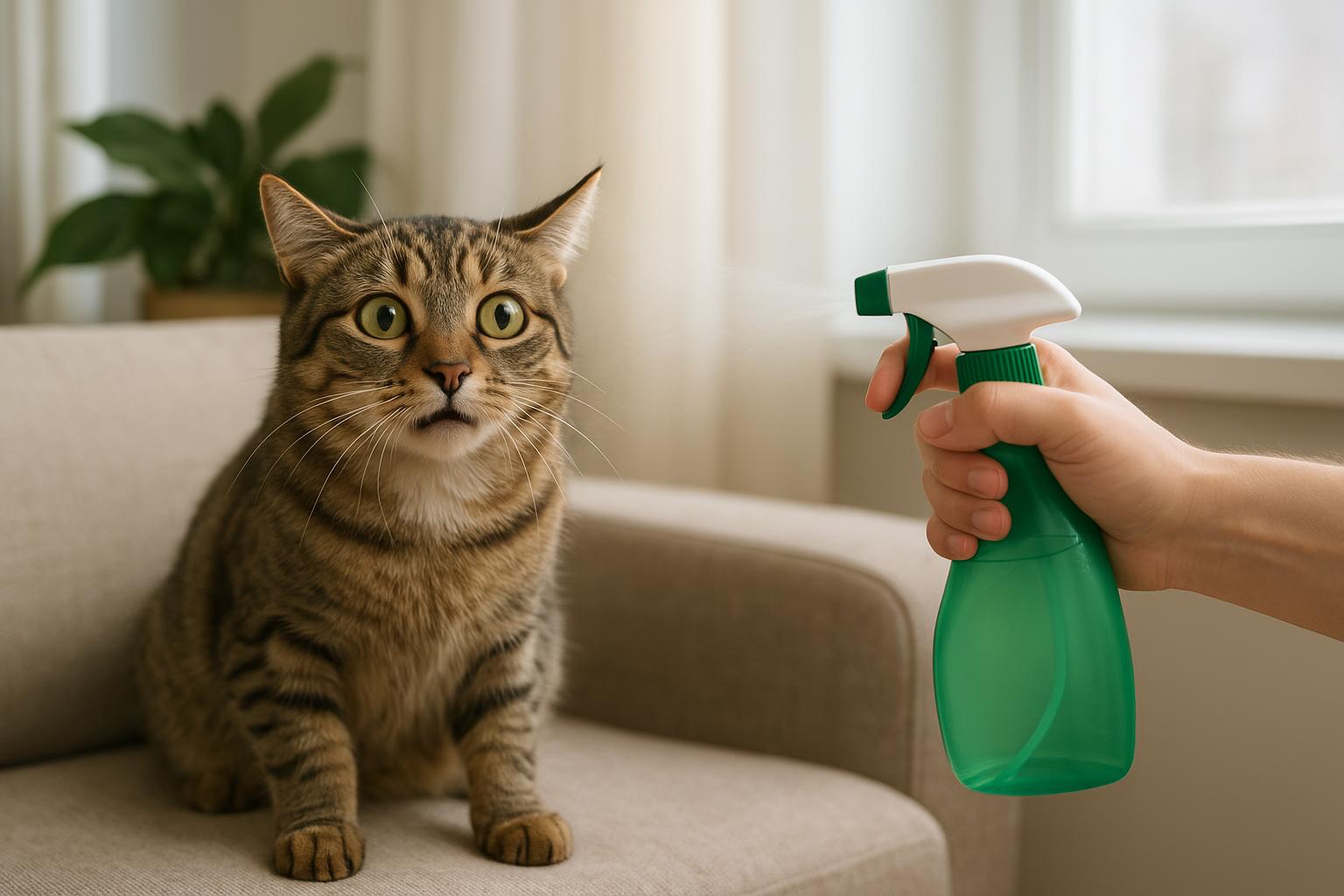
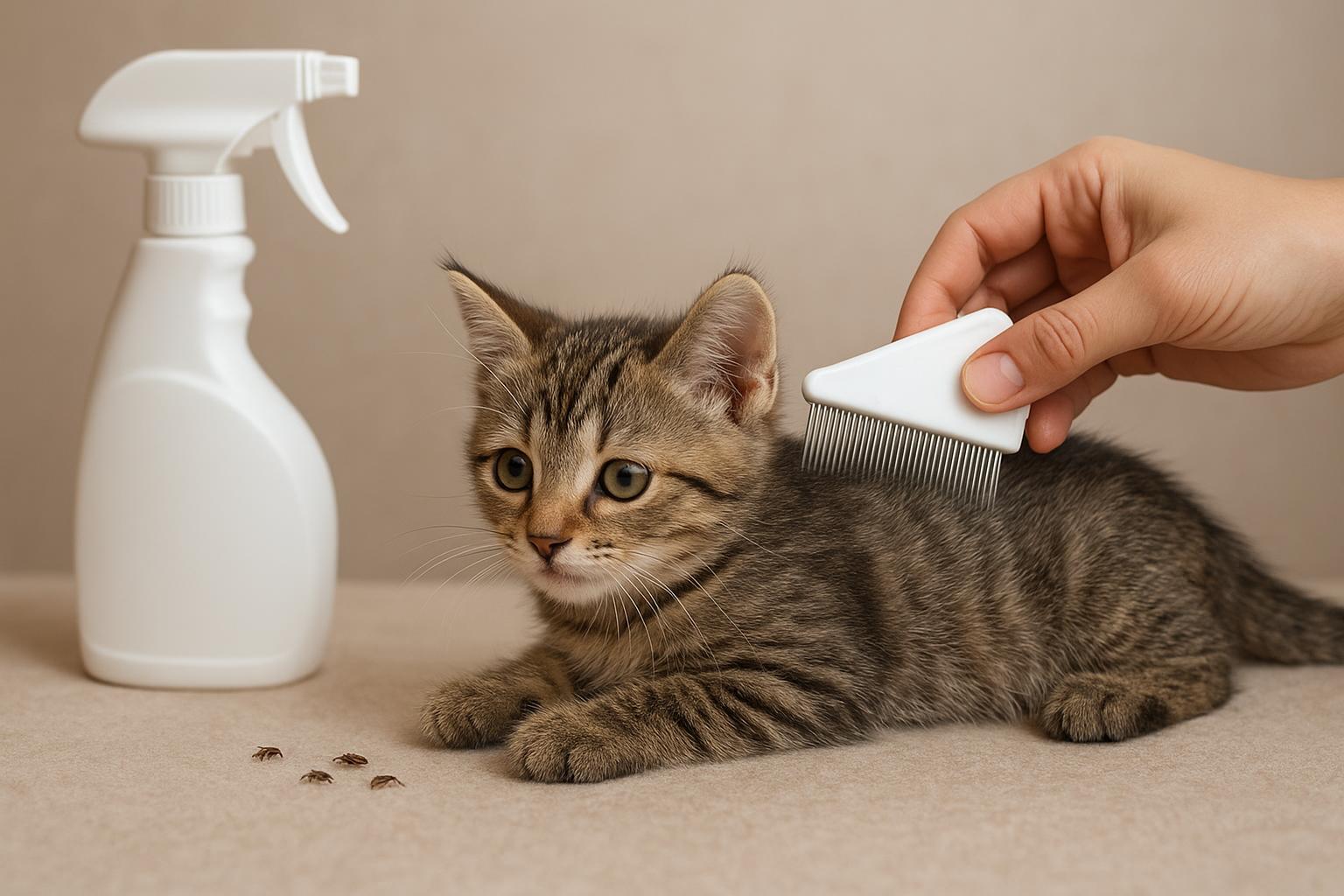
7. Application: If no reaction, spray lightly on the cat’s coat, avoiding face, eyes, genitals, and any broken skin. Focus on the back and tail base. Do not saturate the fur; a light mist is sufficient.
8. Frequency: Use once every 3–5 days as needed, or less frequently in low-exposure situations.
9. Environmental Use: You may spray lightly on bedding and upholstery, but test fabrics first and avoid spraying porous surfaces where ingestion could occur.
Note: This DIY spray is for mild, preventative use and should not replace veterinarian-prescribed systemic treatments or professional pest control for severe infestations. Always consult your veterinarian before applying any essential oils to your cat.
### Combating Environmental Flea Stages
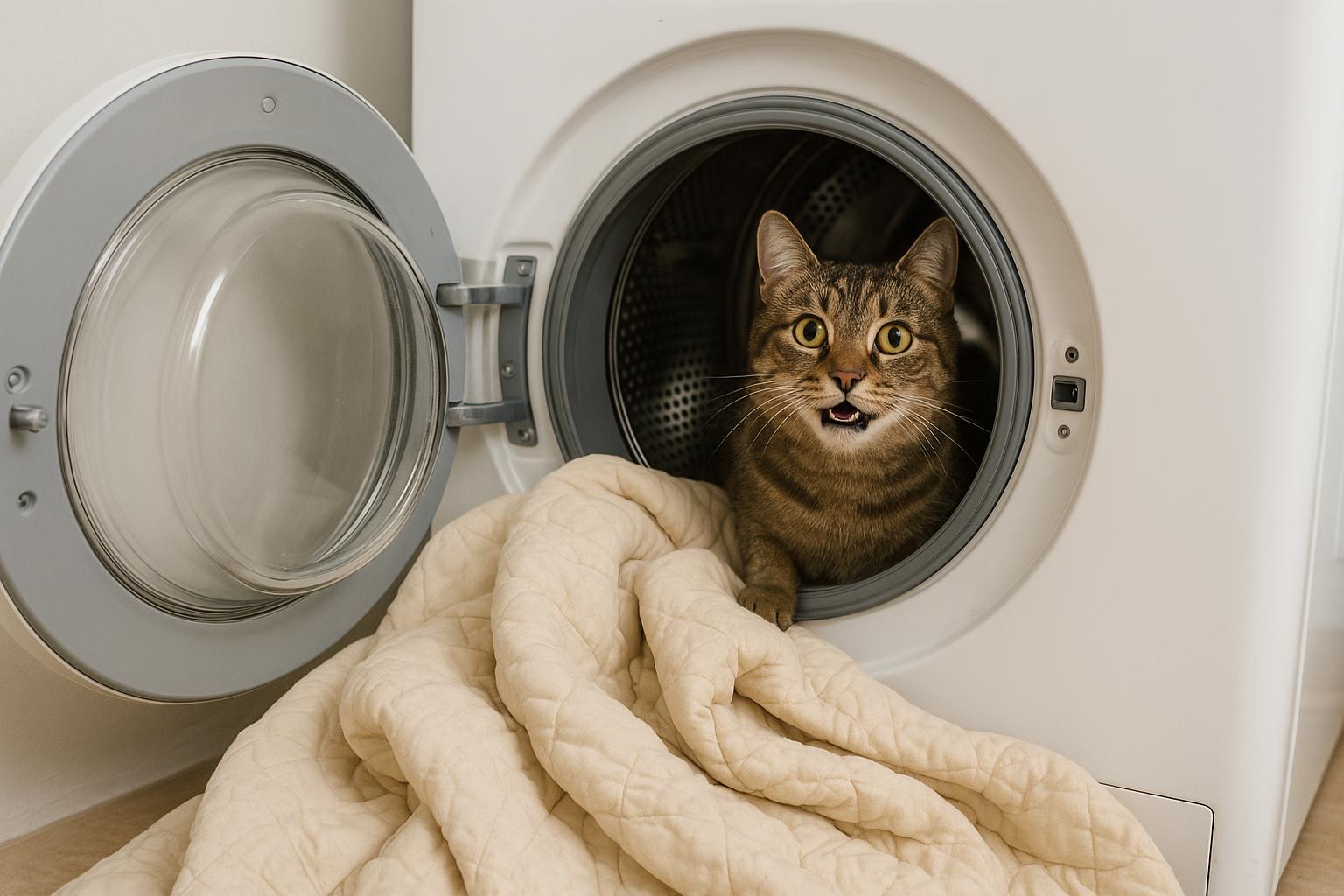
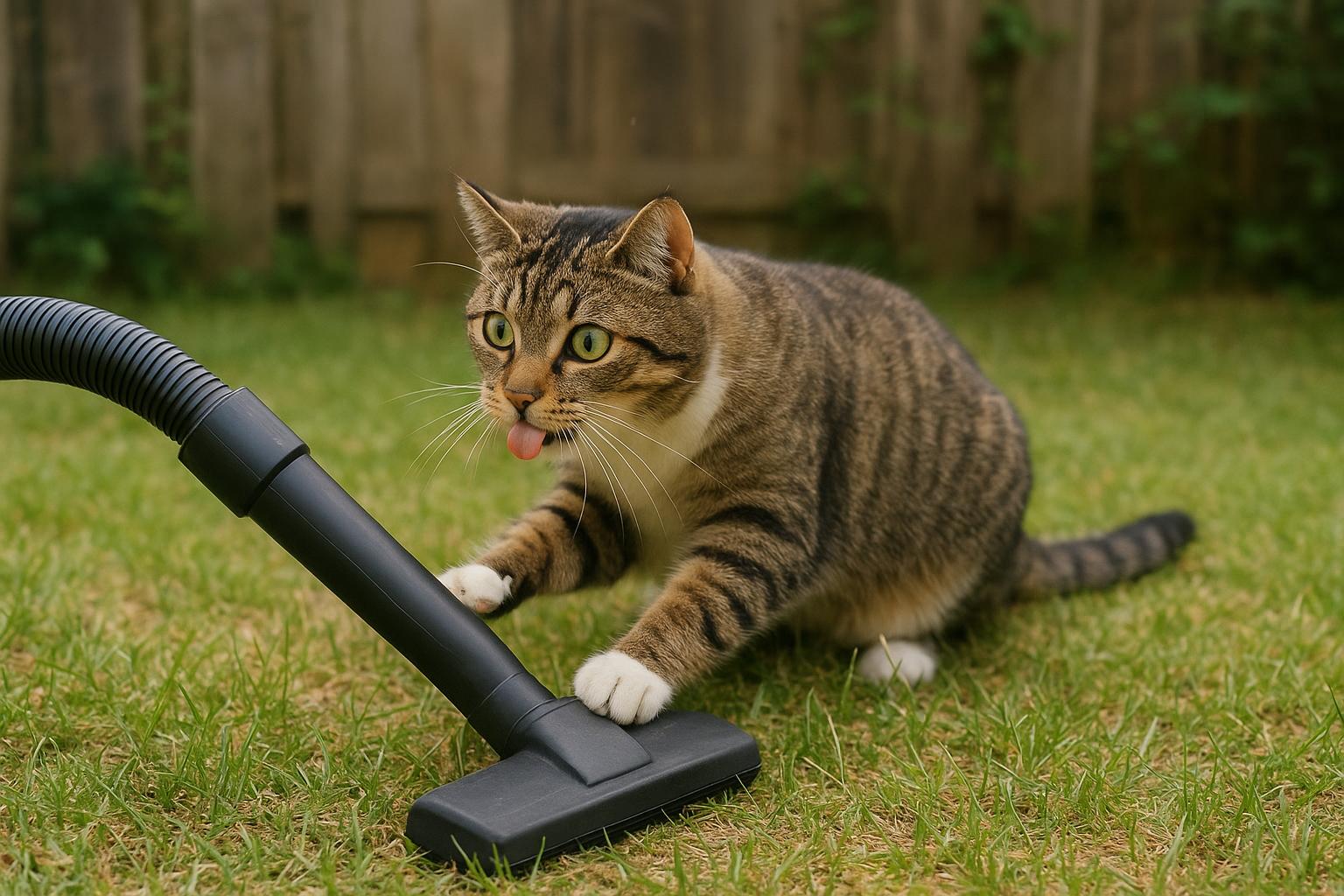
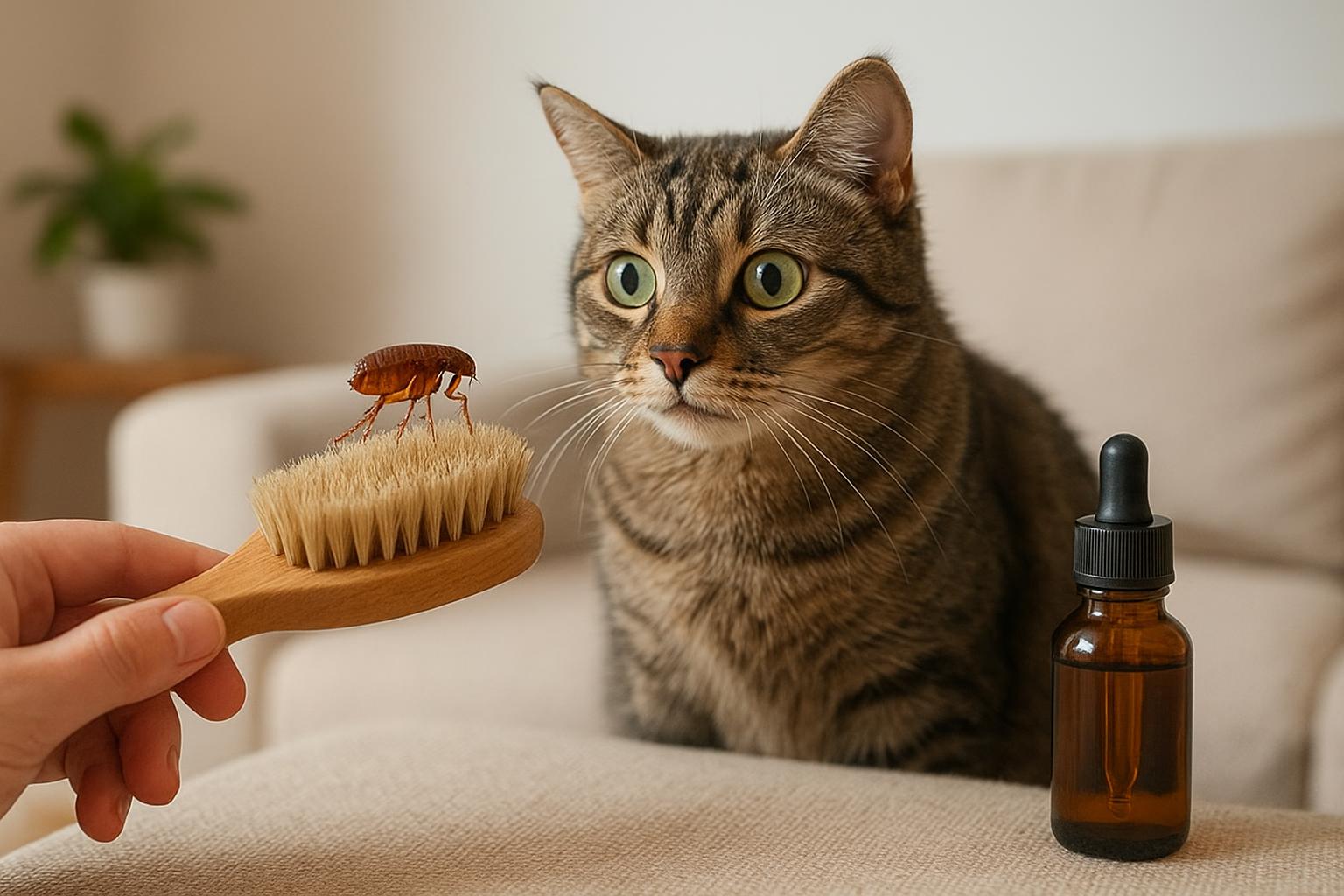
Treating your pet addresses adult fleas, but eggs and pupae often hide in carpet, bedding, and furniture. Regular vacuuming, washing pet bedding in hot water weekly, and using environmental flea sprays or professional services when needed will help break the cycle. If you wonder whether flea collars work alone for environmental control, the pragmatic answer is no—they’re only one component.
### When To See A Veterinarian
Seek veterinary help if your cat has excessive scratching, hair loss, scabs, or signs of anemia (pale gums, lethargy). Also consult your vet before using any flea collar or DIY remedy if your cat is a kitten, pregnant, nursing, elderly, or has pre-existing health conditions.
A final practical note: marketing will tell you everything and the kitchen sink about how flea collars work like magic. Real life is a tad less magical but more manageable—use products correctly, think multi-pronged, and keep your veterinarian in the loop for the safest, most effective plan.






Leave a Reply