
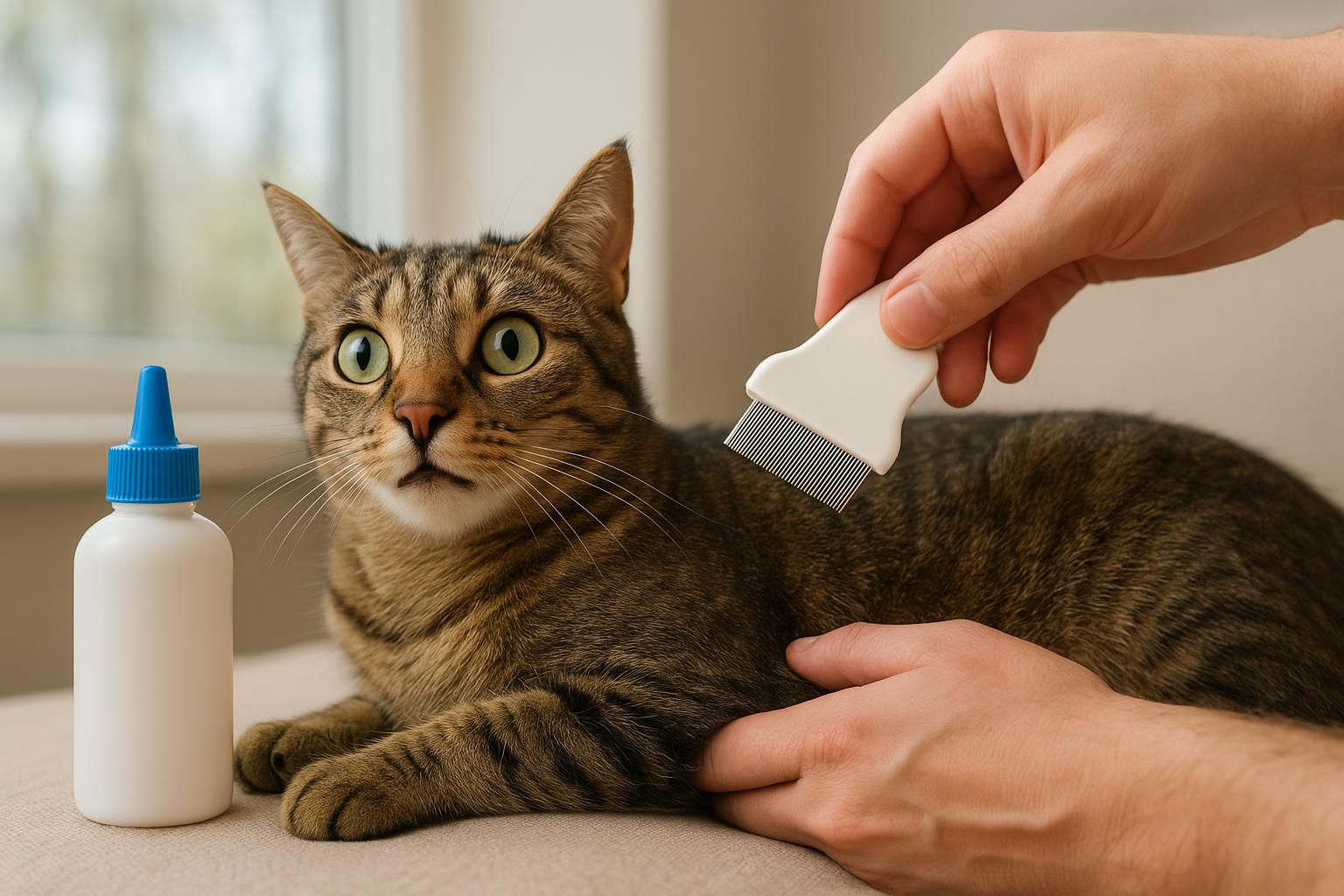
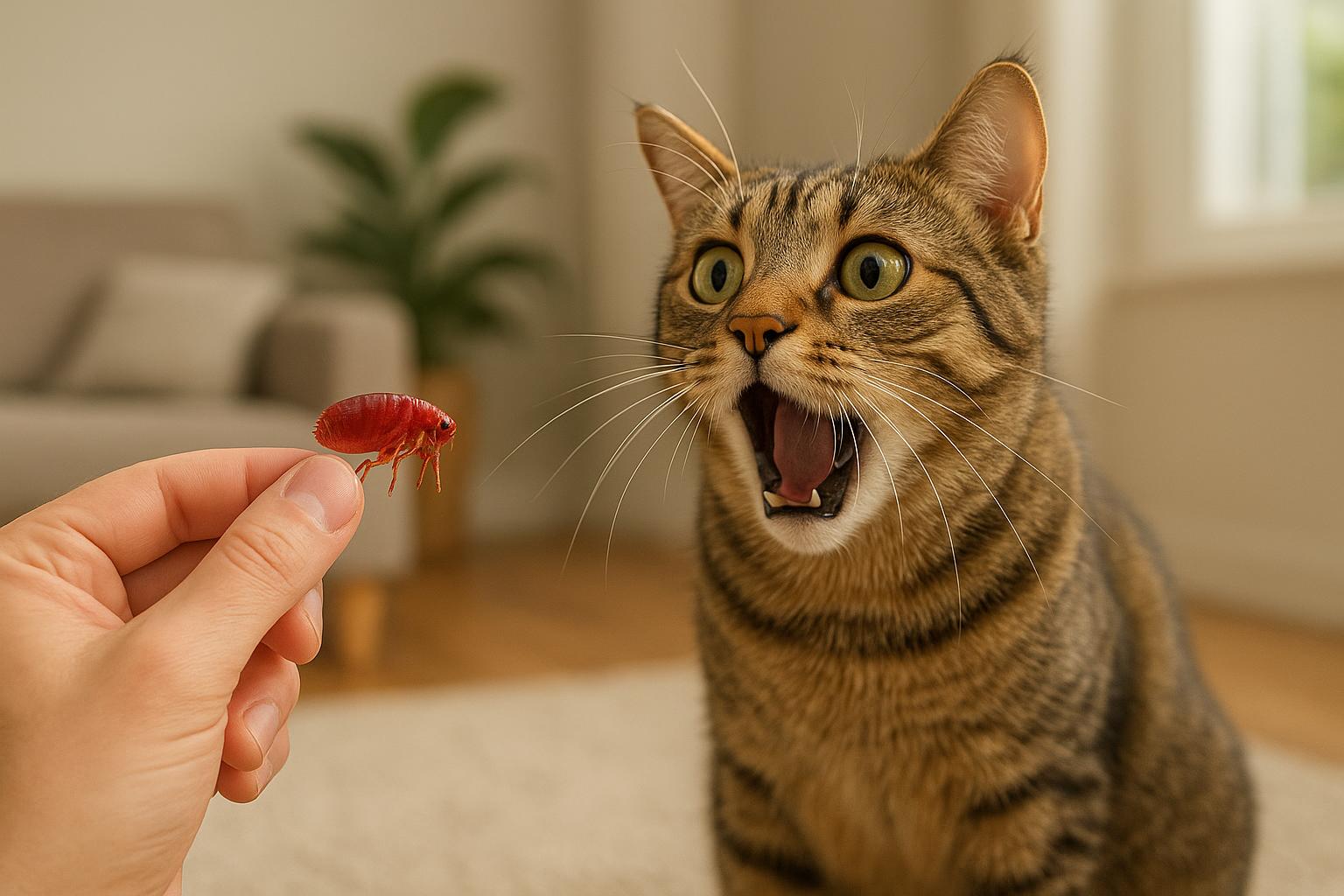
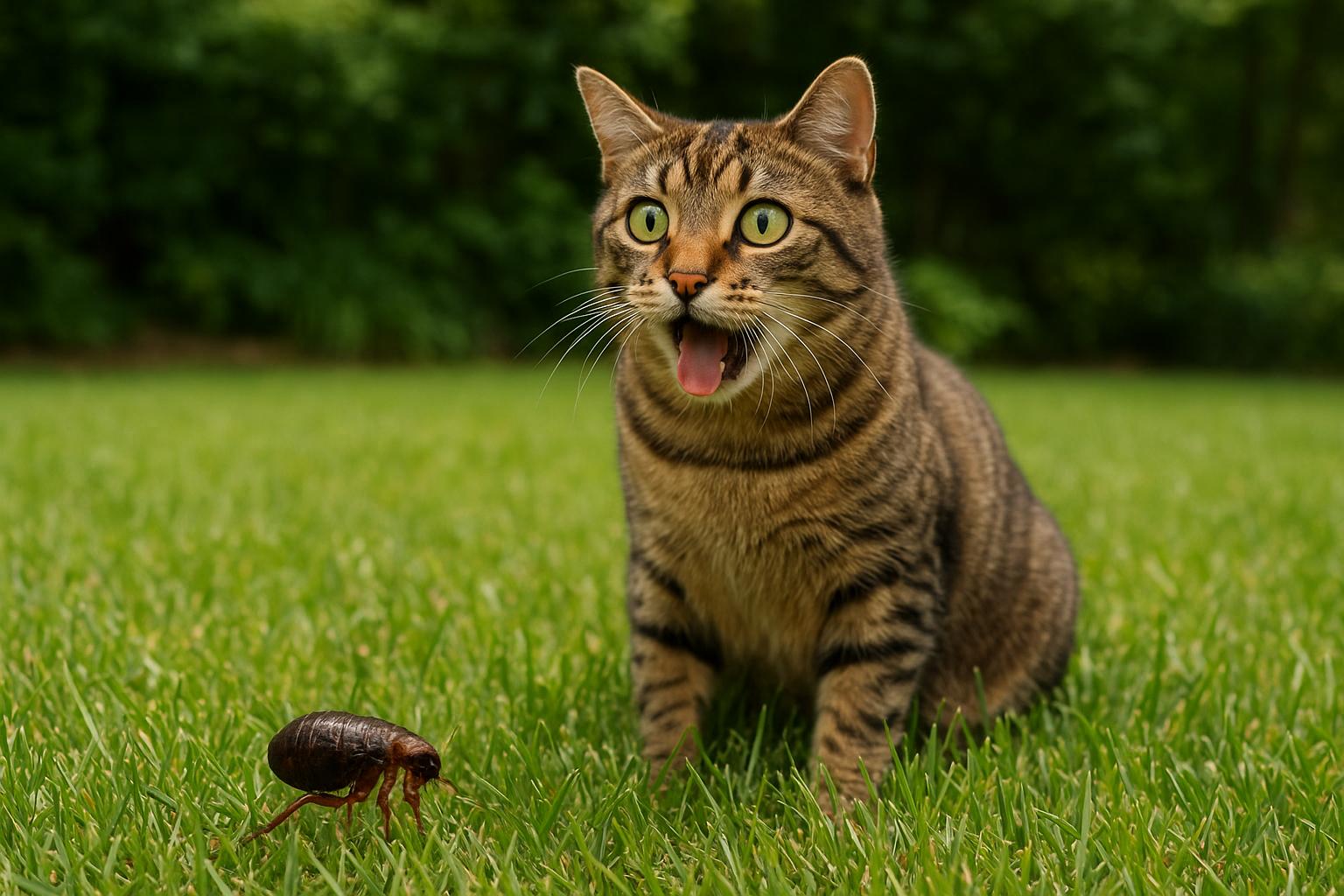
Keeping your cat comfortable and flea-free all year takes a little planning, a bit of diligence, and a willingness to wage low-level war on a very persistent tiny enemy. This isn’t about shame or blame—fleas are seasonal-ish but stubborn—and with a calm, slightly nerdy approach you can make your home unappealing to them. Think of this as practical seasonal flea prevention with some cat-centered TLC.
## Seasonal Flea Prevention: Year-Round Strategy
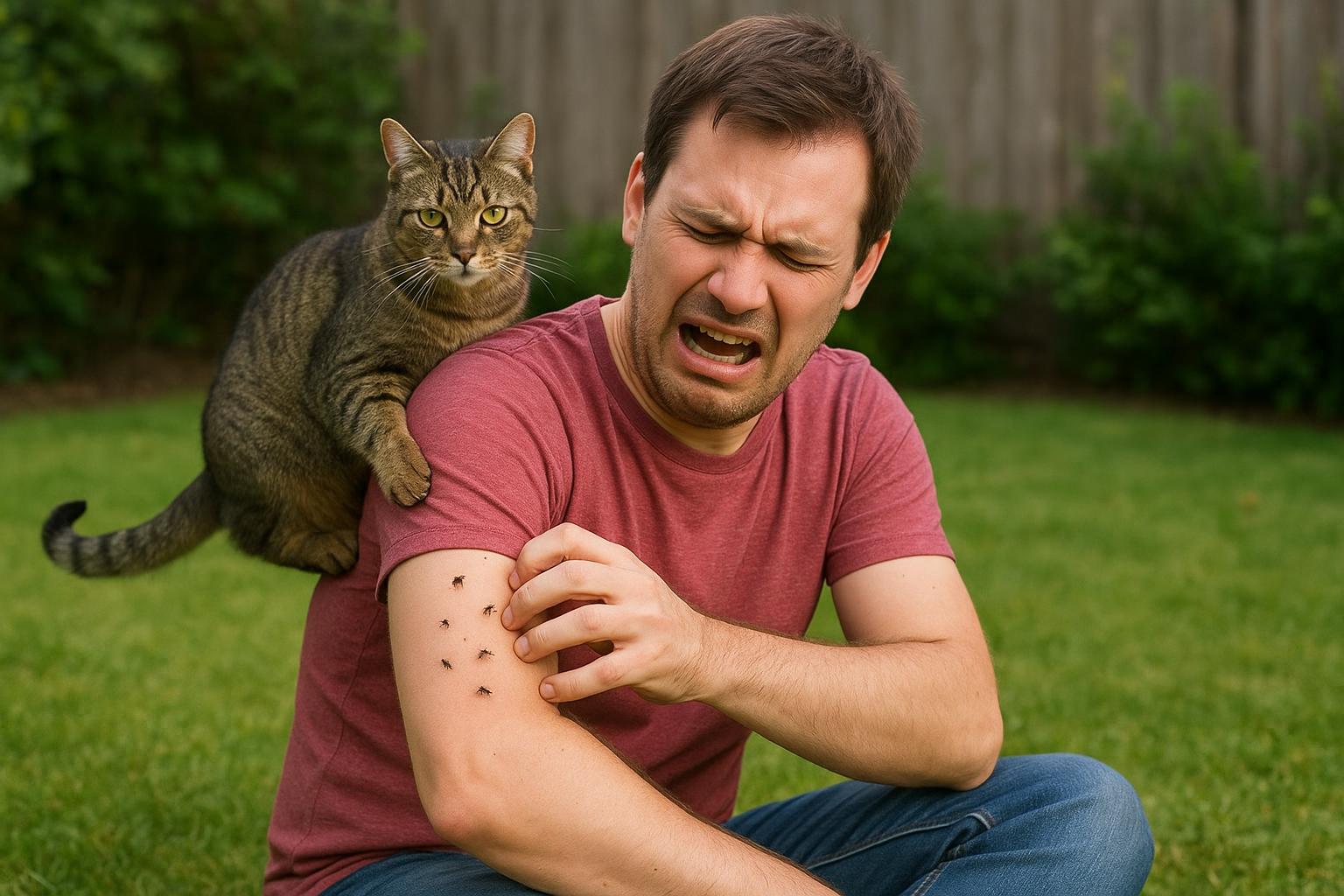
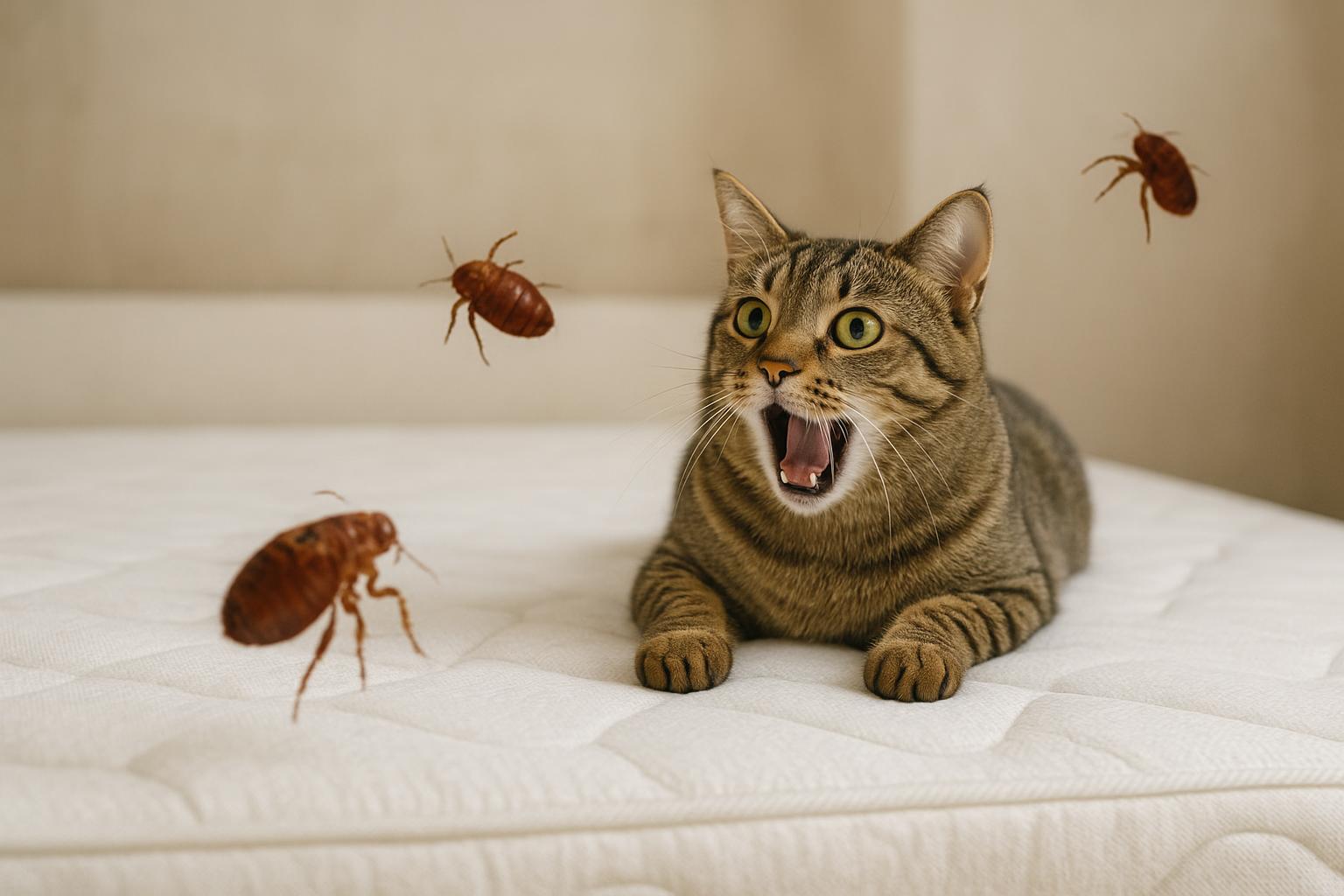
If you’re thinking “I only need to worry about fleas in the summer,” think again. Warm homes, mild winters in many regions, and the microclimate of carpet and pet bedding can sustain flea populations. That’s why a deliberate seasonal flea prevention plan that runs through the year is the smarter, less frantic option. Treat prevention as a set of regular maintenance habits rather than a heroic, all-night deep clean when you spot one flea.
### Why Fleas Stick Around
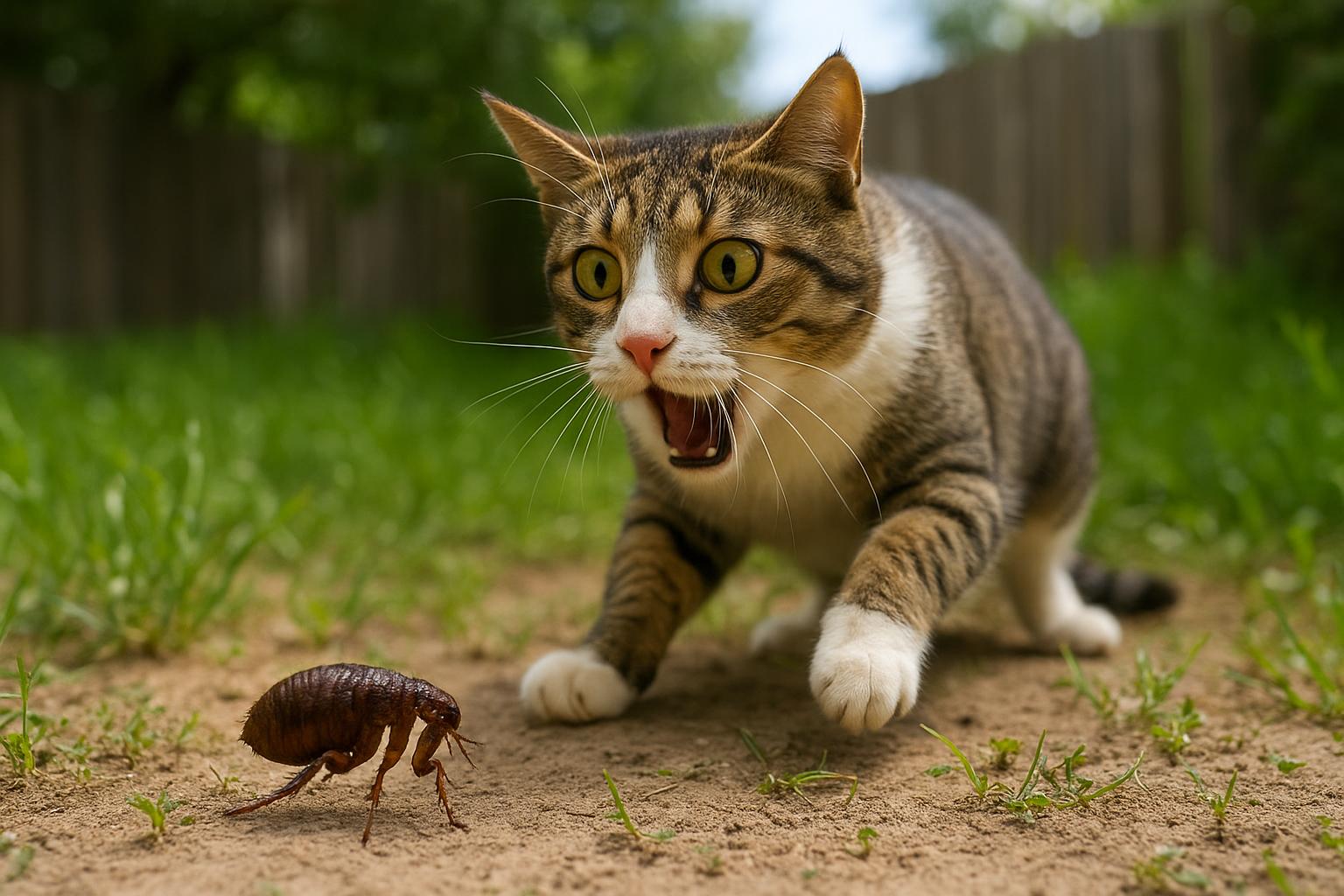
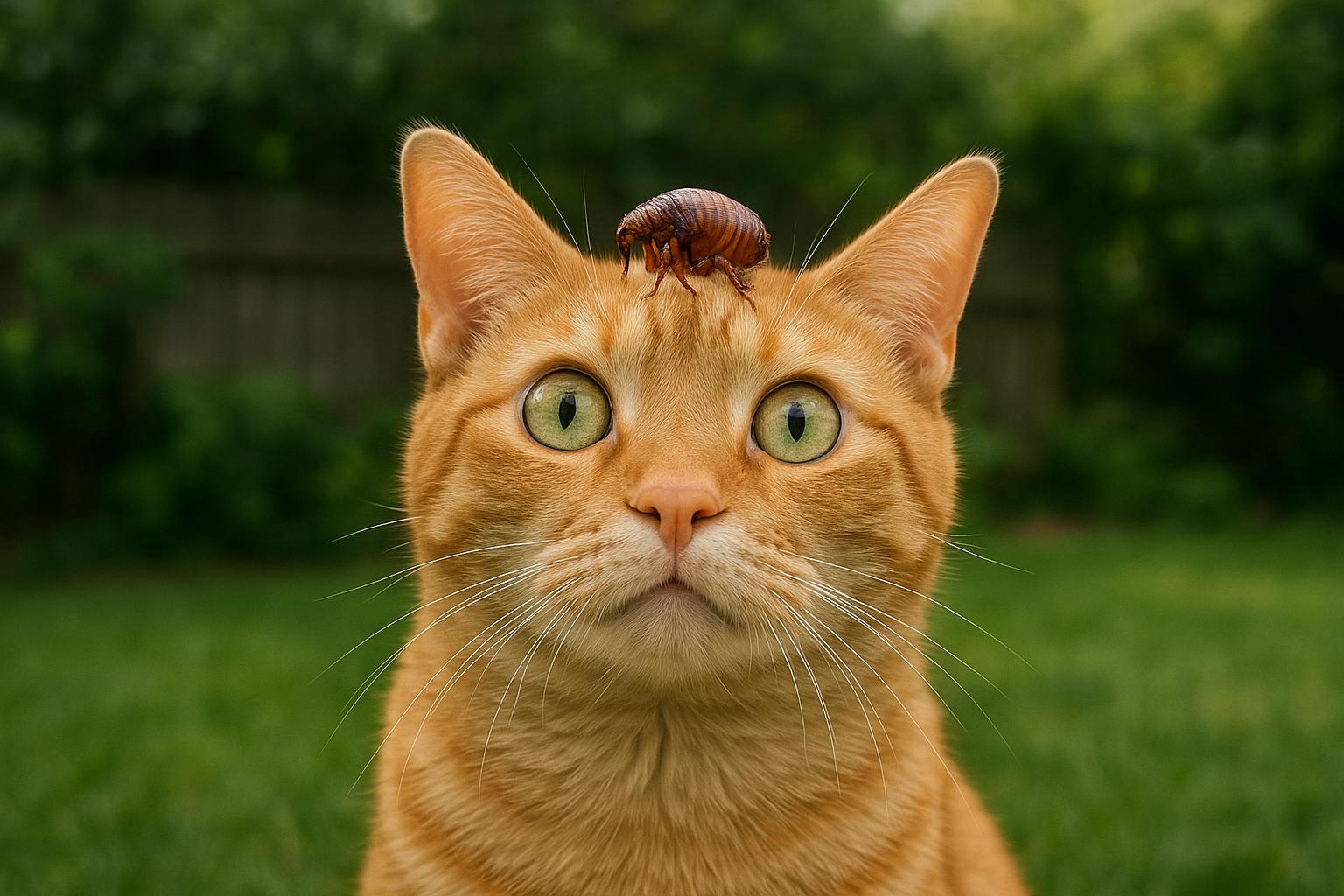
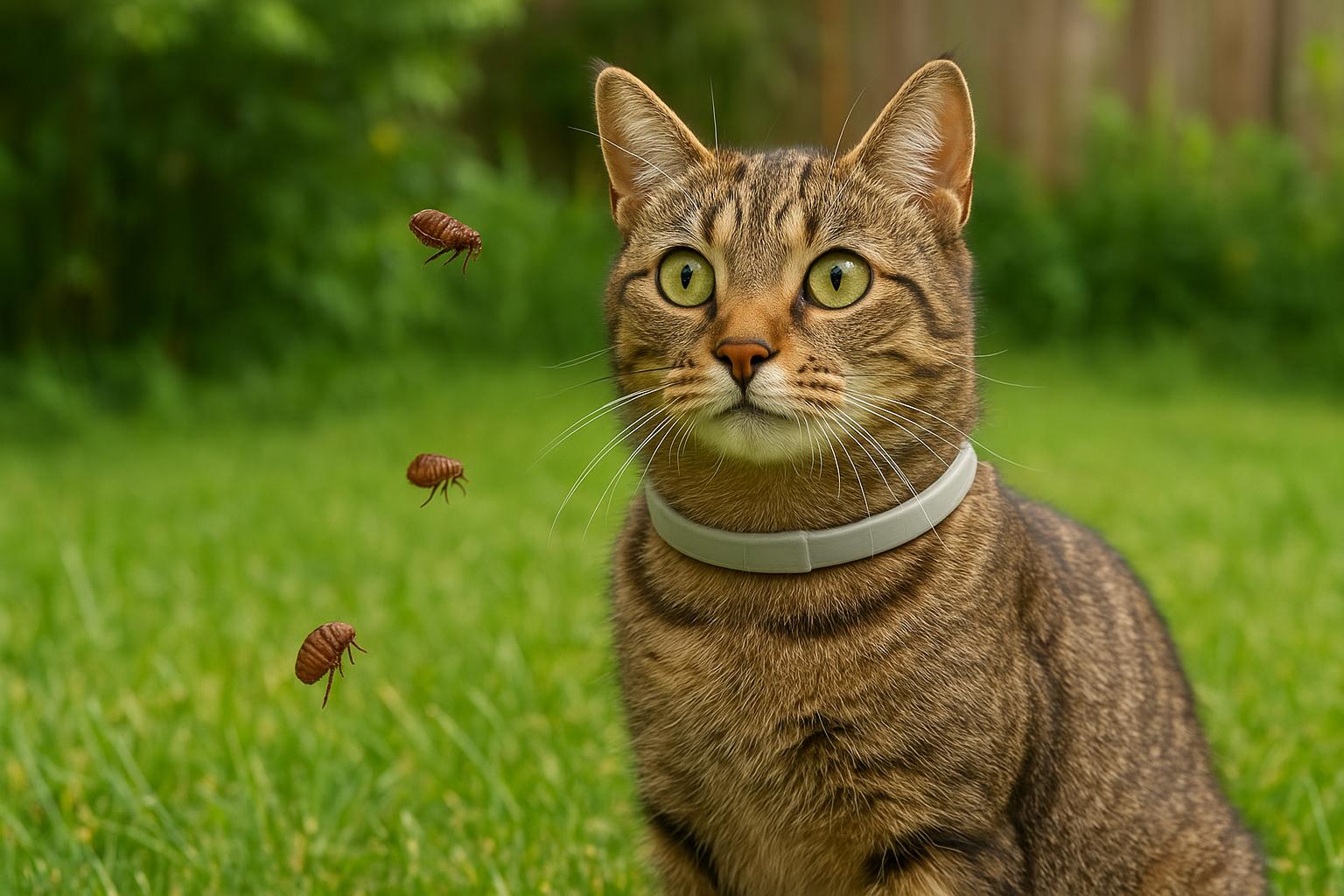
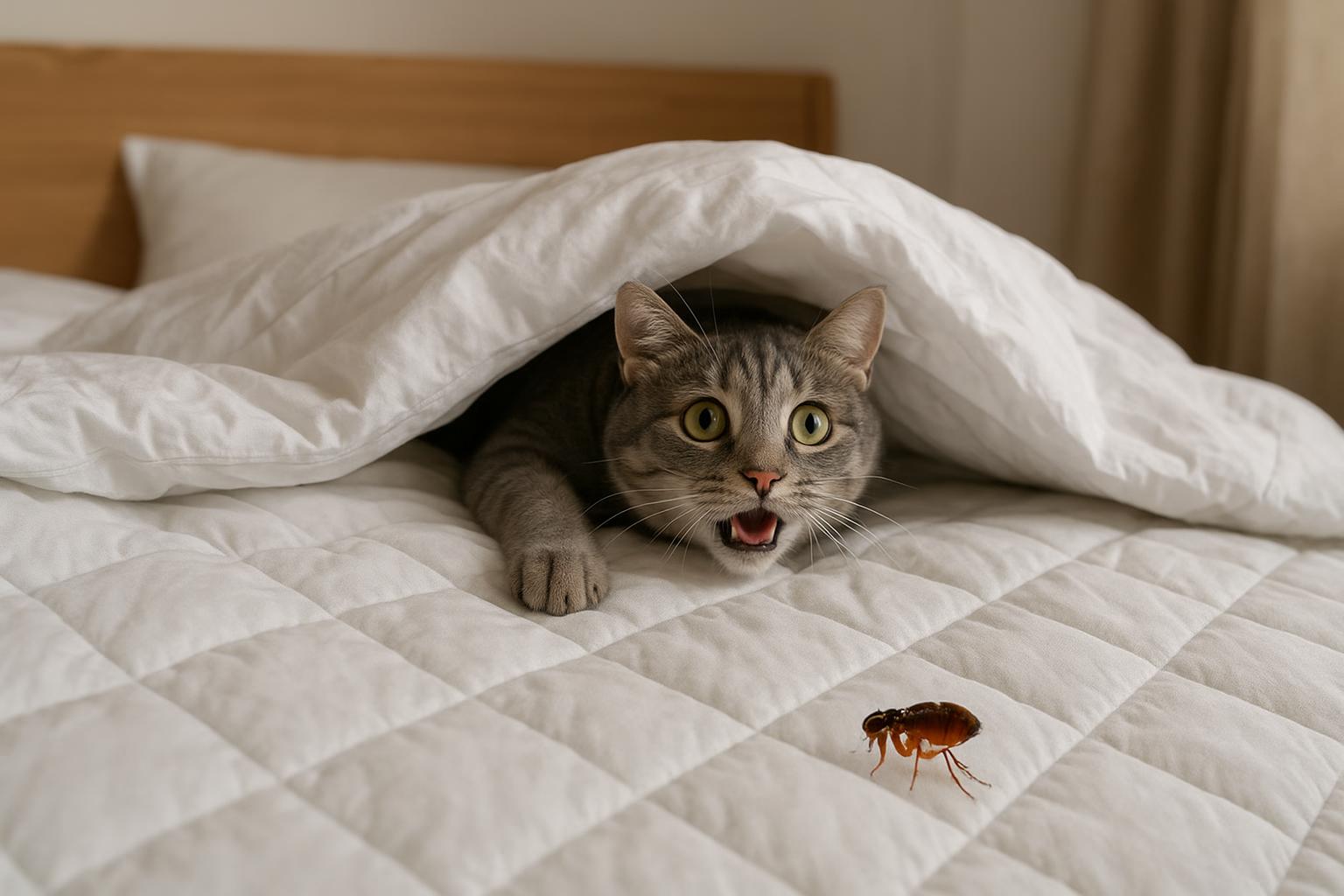
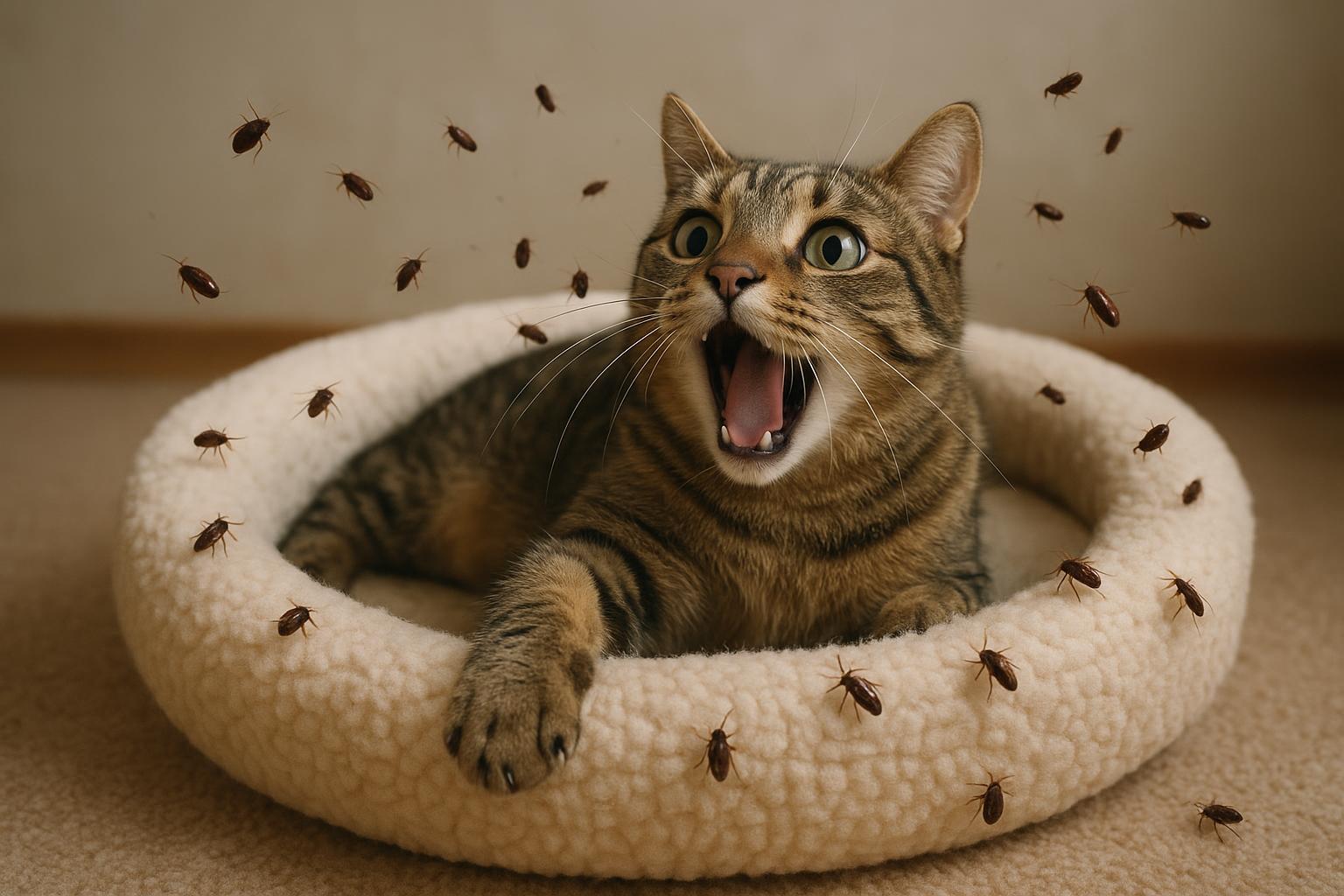
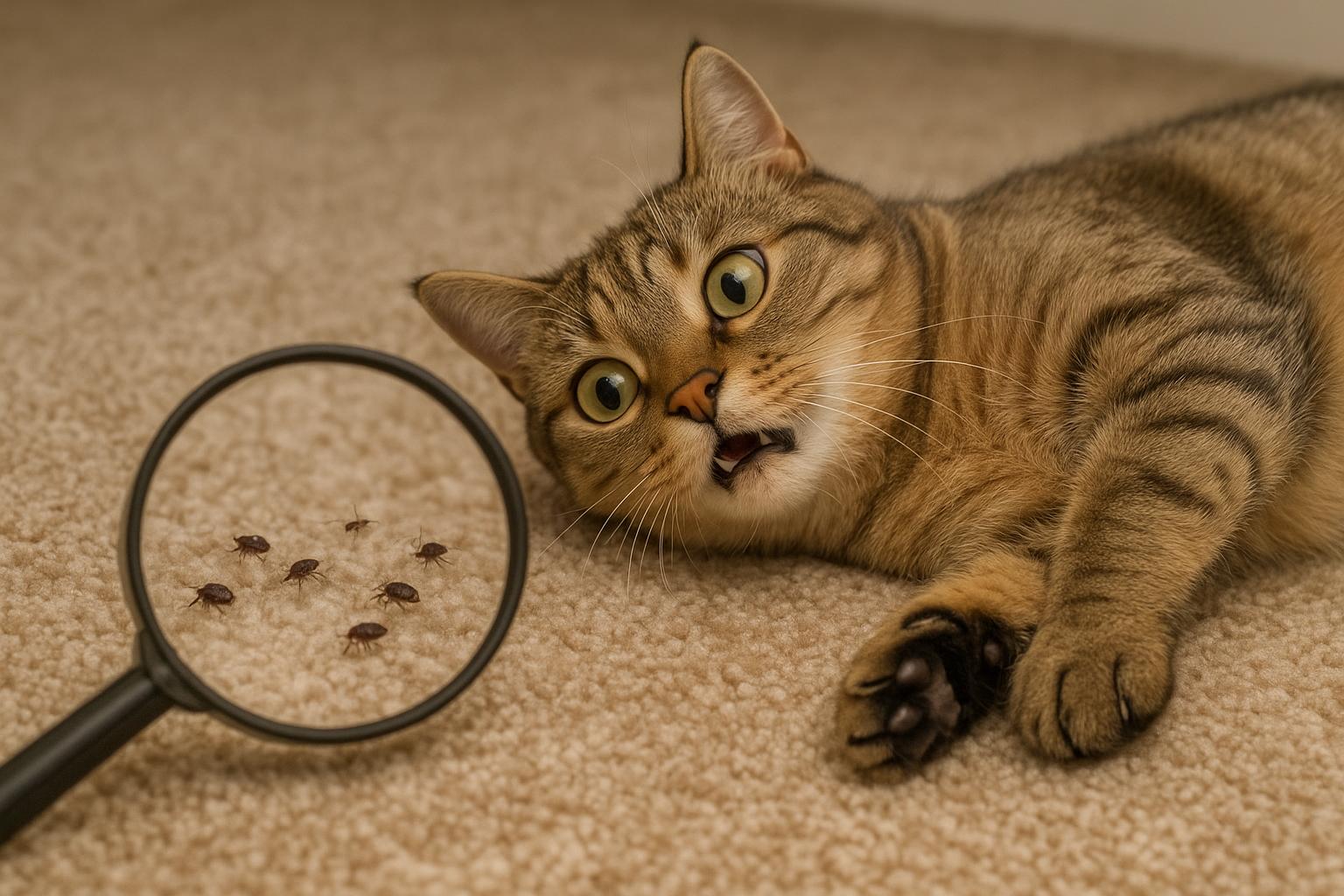
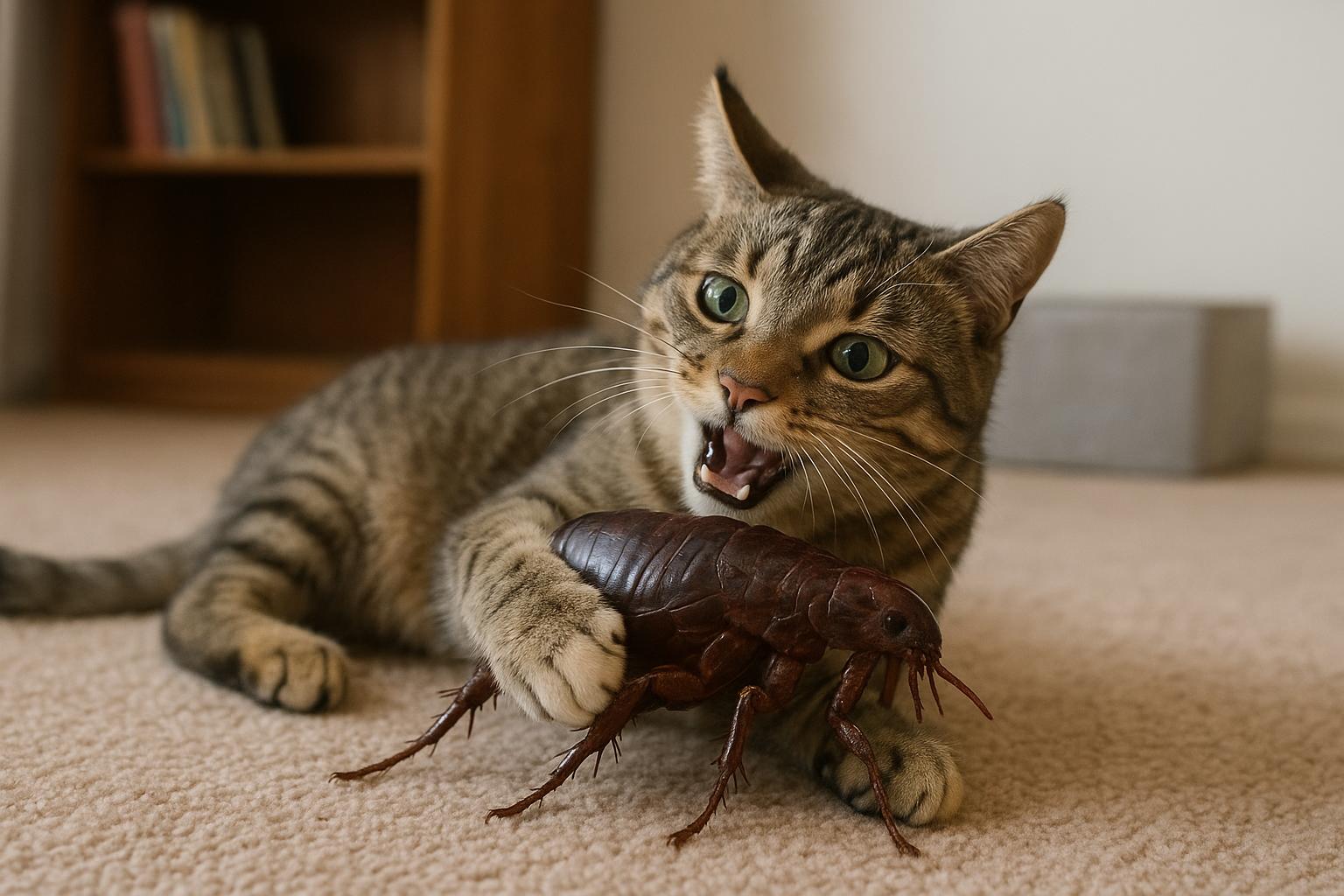
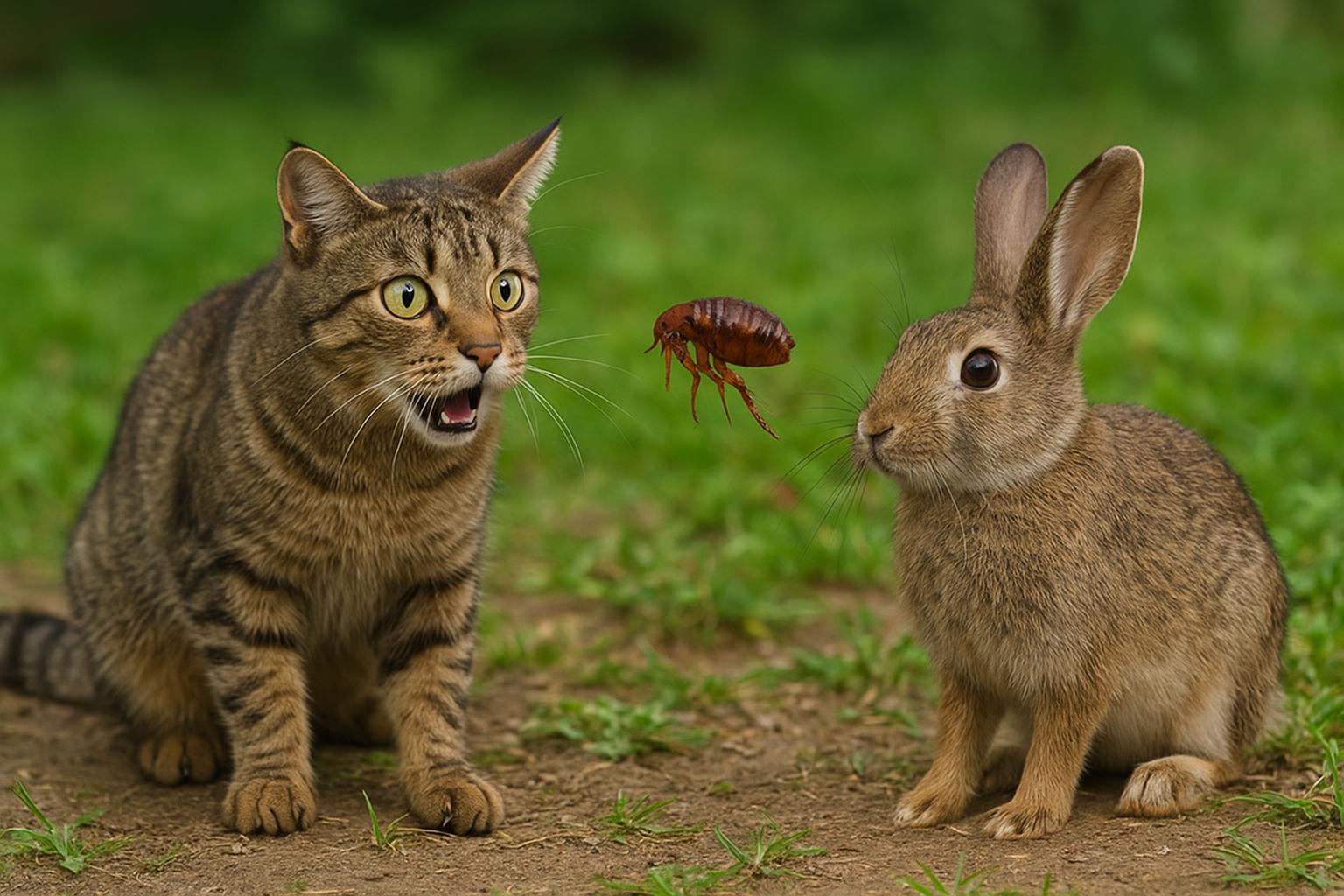
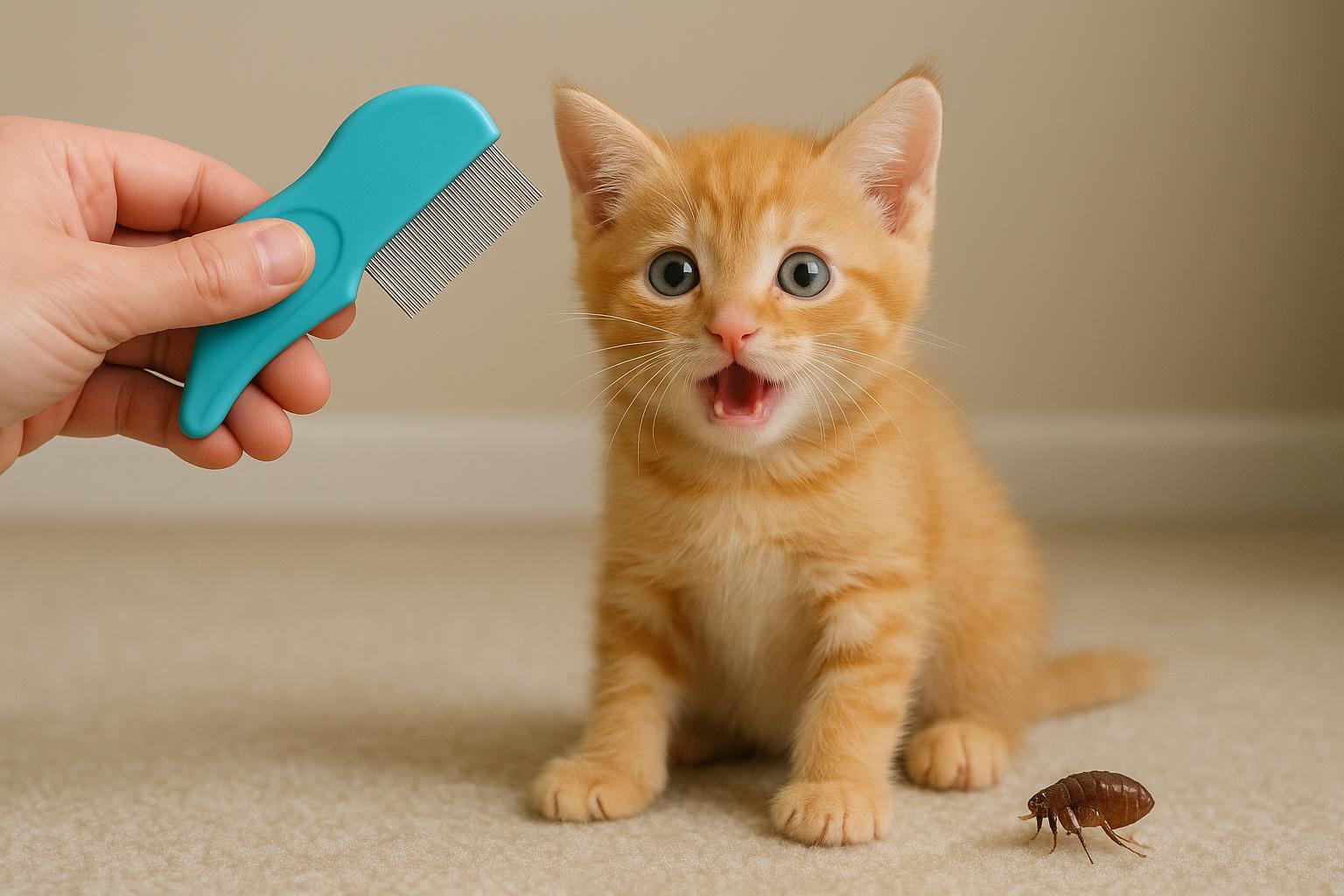
Fleas reproduce fast: a single female can lay dozens of eggs daily. Flea eggs and pupae hide in carpets, bedding, and soil, waiting for warmth and vibration before emerging. Interrupting that life cycle is the only reliable way to shrink populations: kill the adults on the pet, remove eggs and larvae from the environment, and prevent reinfestation from wildlife or neighbor pets.
### How To Think In Seasons Without Overcomplicating It
– Spring: Focus on deep cleaning and yard management as pets start spending more time outside.
– Summer: Keep on top of direct treatments and vacuuming—this is often peak activity.
– Fall: Continue treatments and be vigilant about rodents and wildlife that can carry fleas closer to your home.
– Winter: Don’t stop just because it’s cold outside. Indoor heating and ongoing infestations can keep fleas alive.
## Practical Year-Round Cat Flea Control
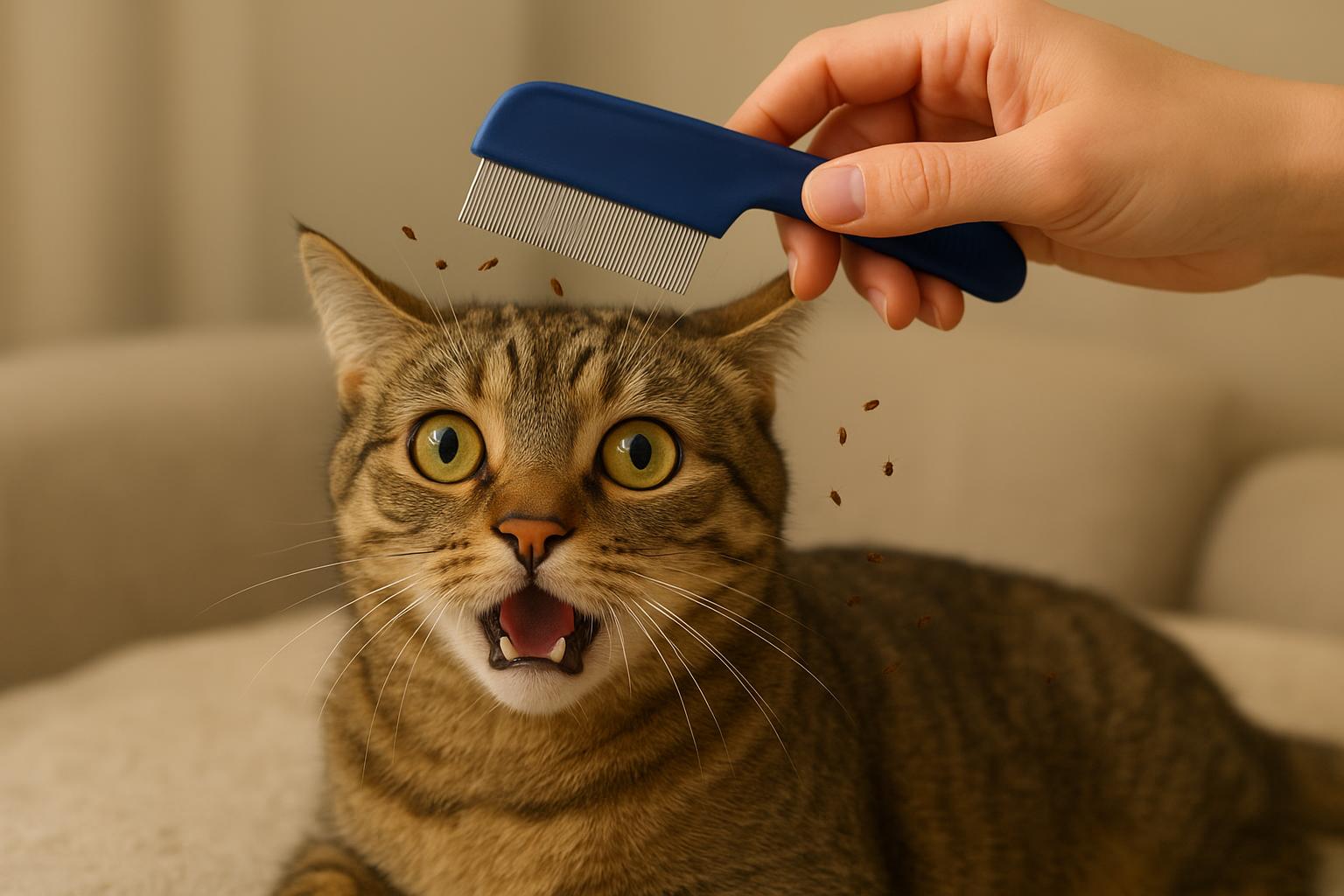
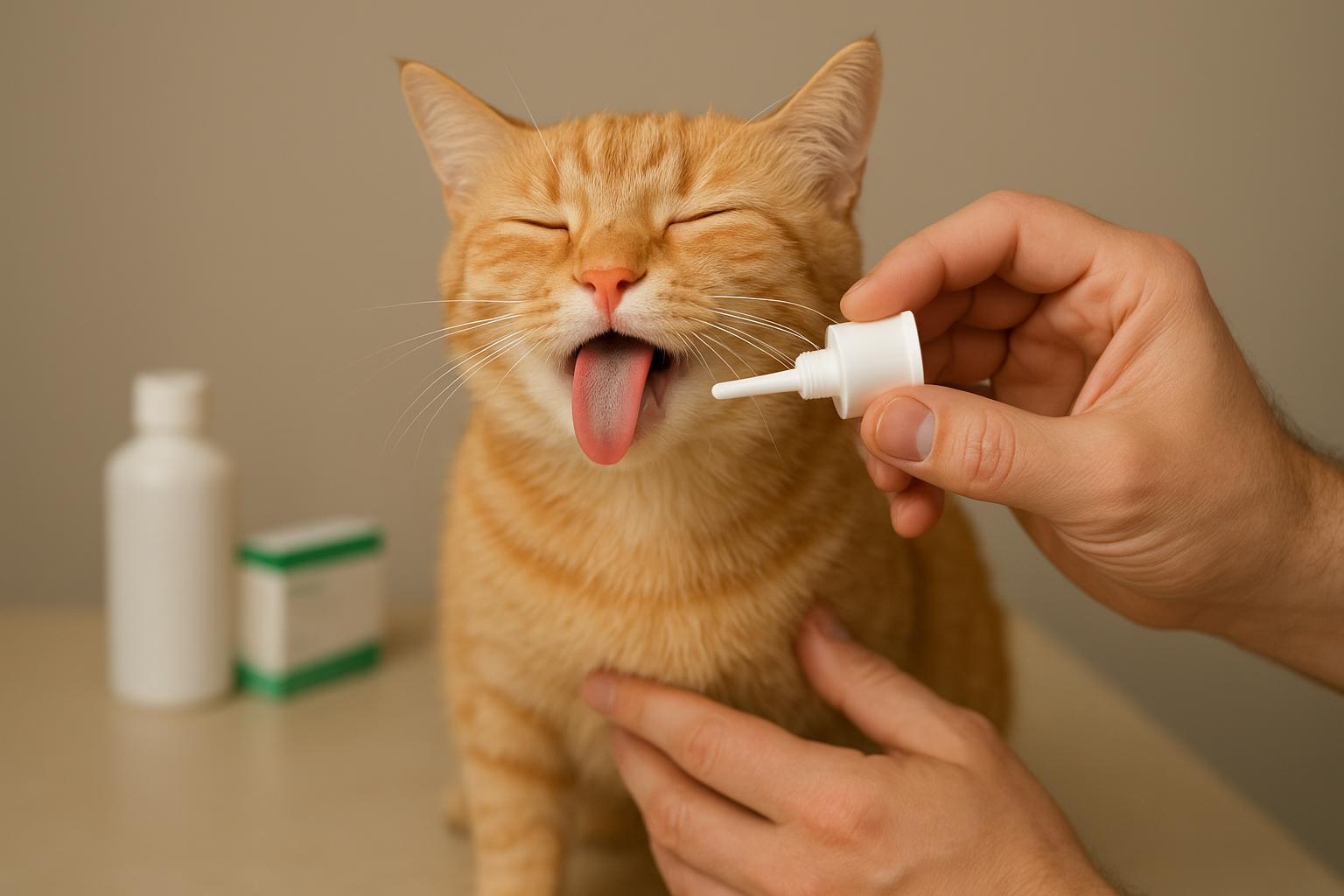
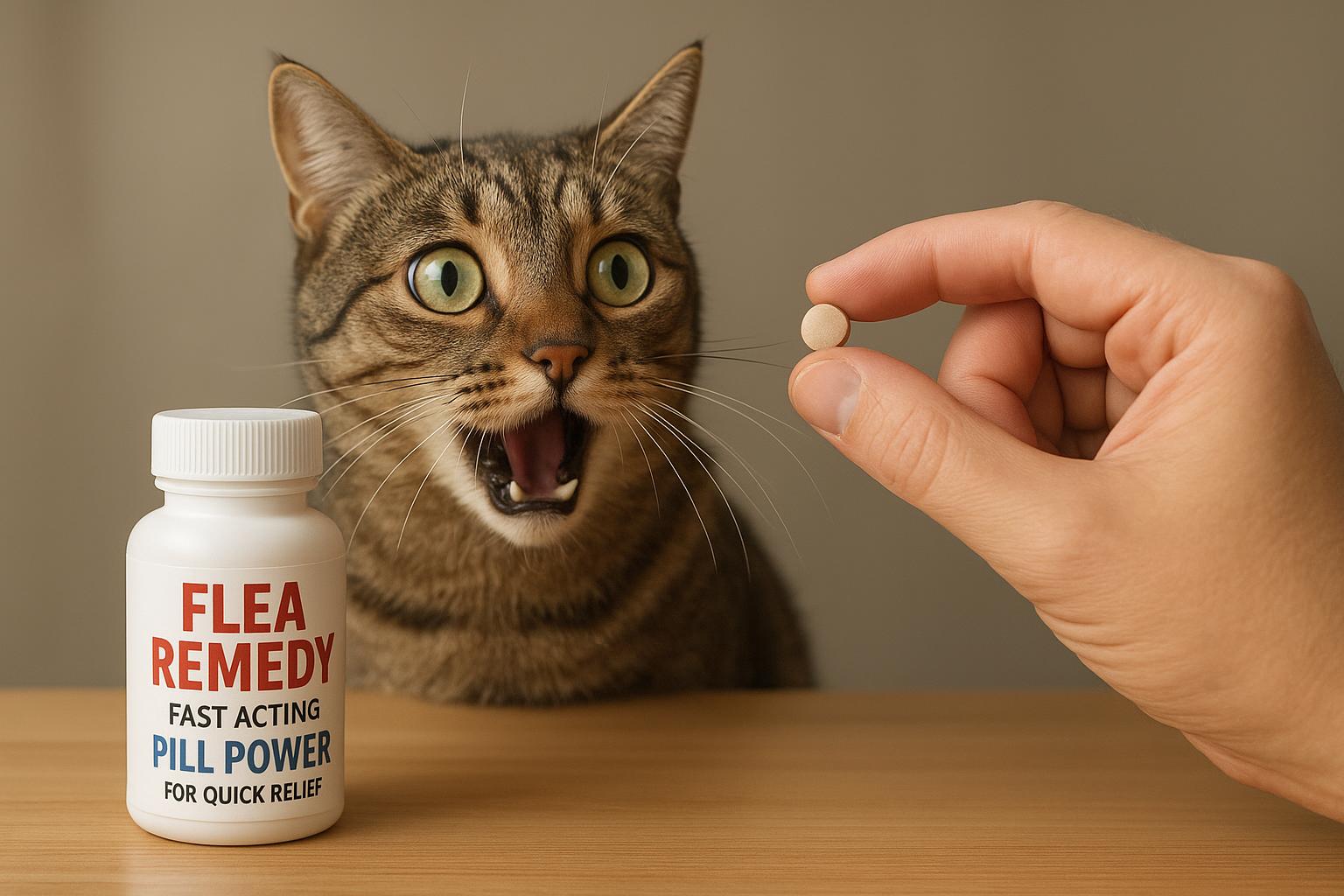
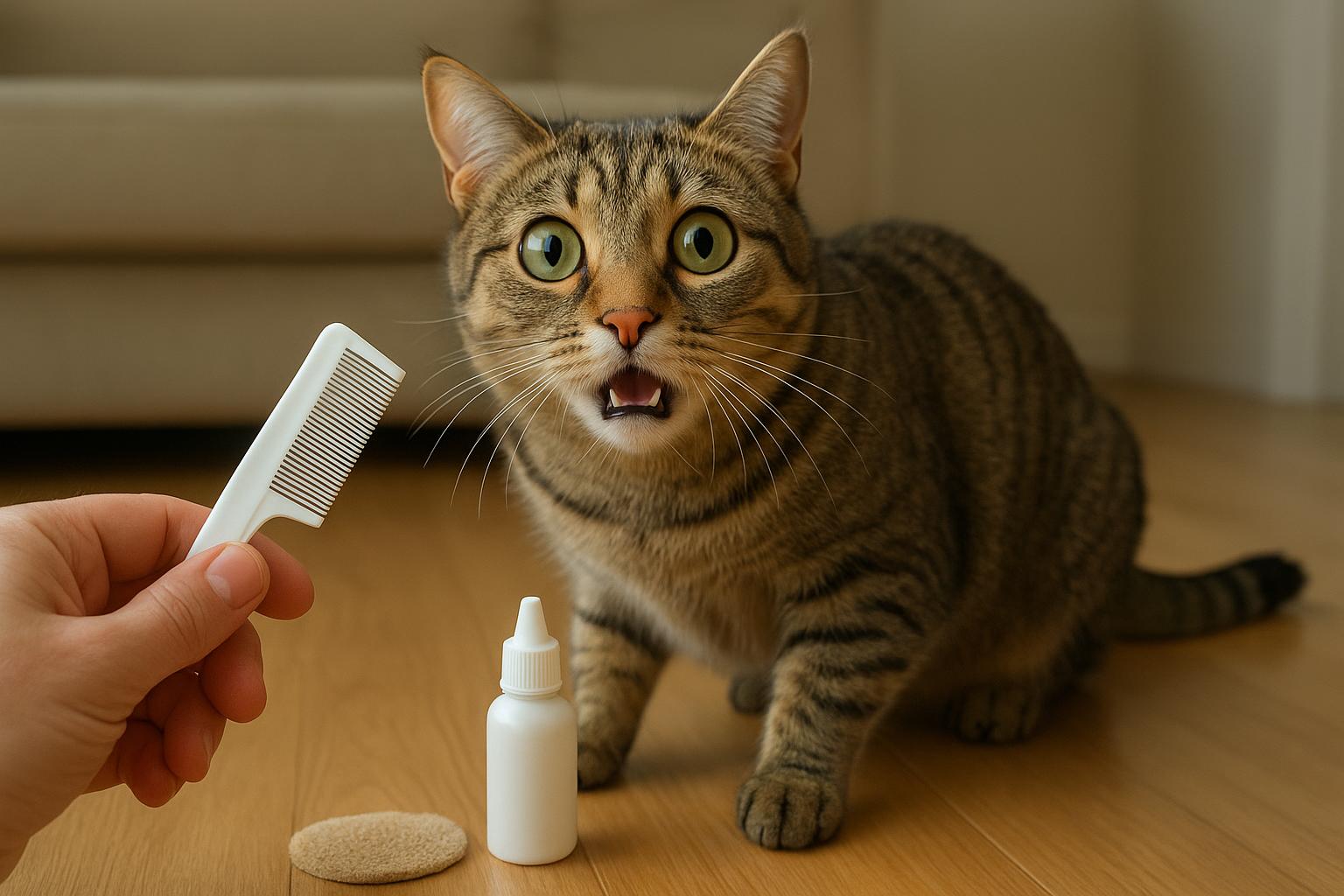
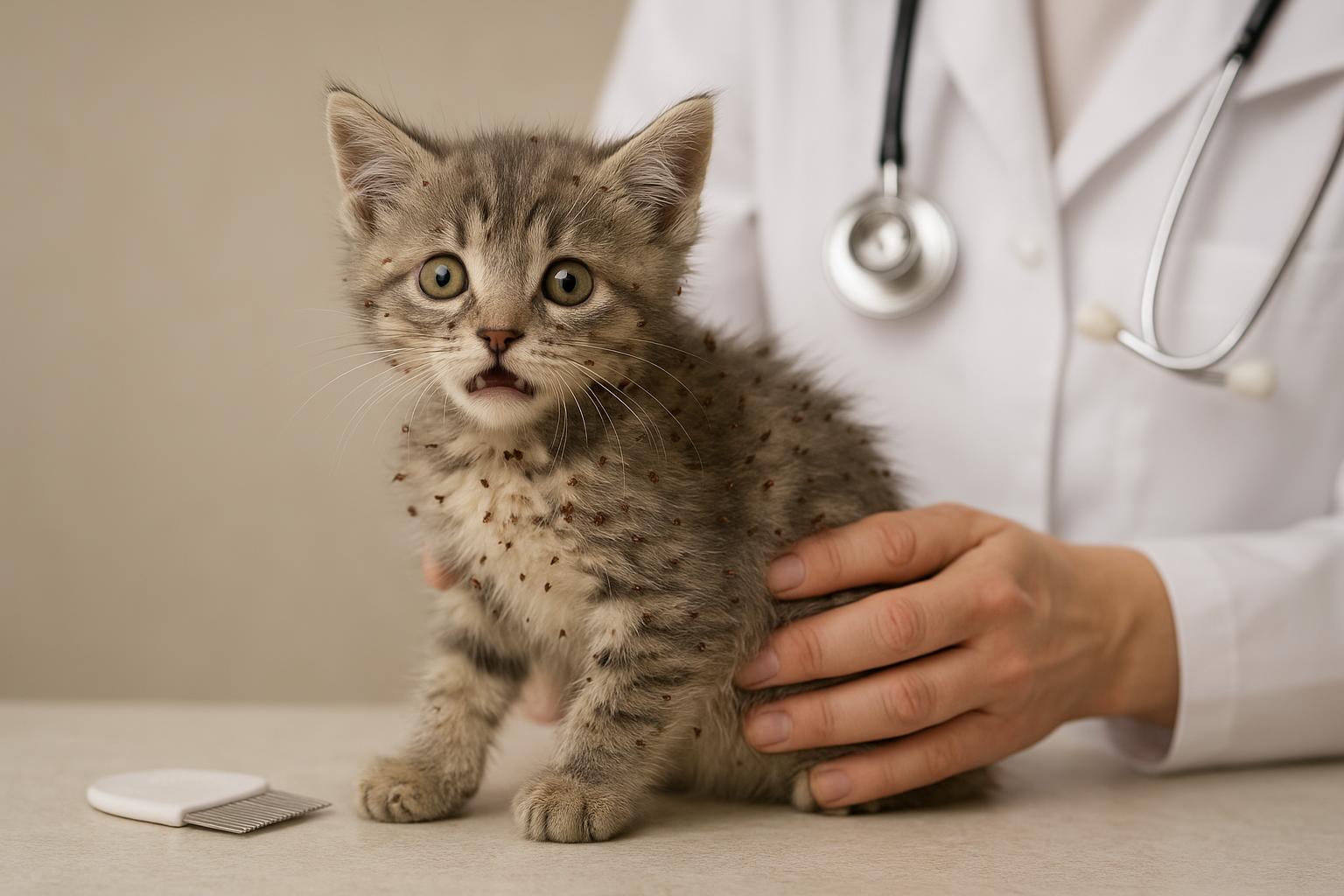
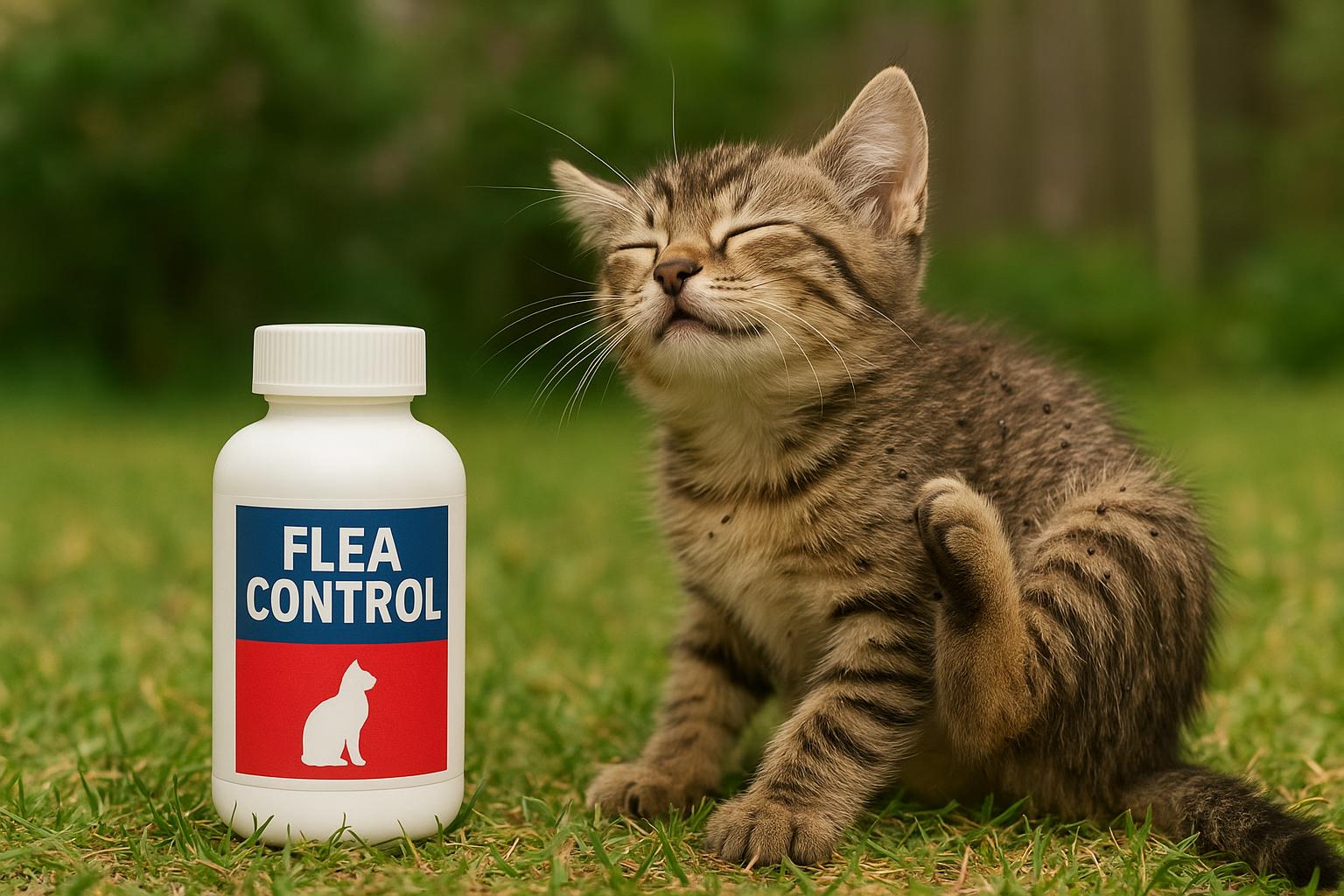
Start with a veterinarian-informed plan. Your vet knows local resistance patterns and can recommend effective topical or oral preventatives for your cat. Many modern products offer monthly protection, which is the backbone of sensible seasonal flea prevention: consistent, regular dosing reduces the chance fleas ever establish a foothold.
### Veterinary Preventatives And How To Use Them Properly
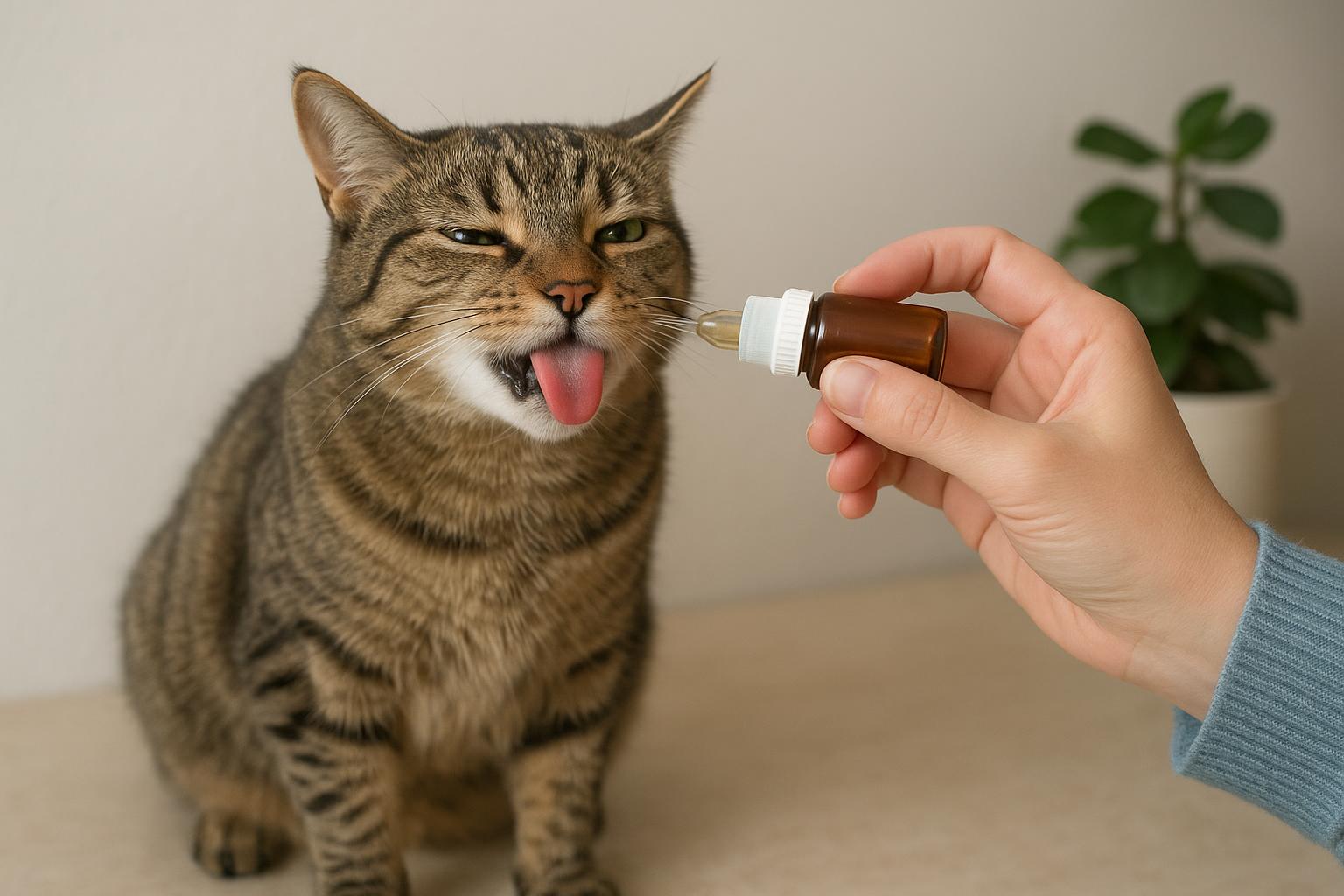
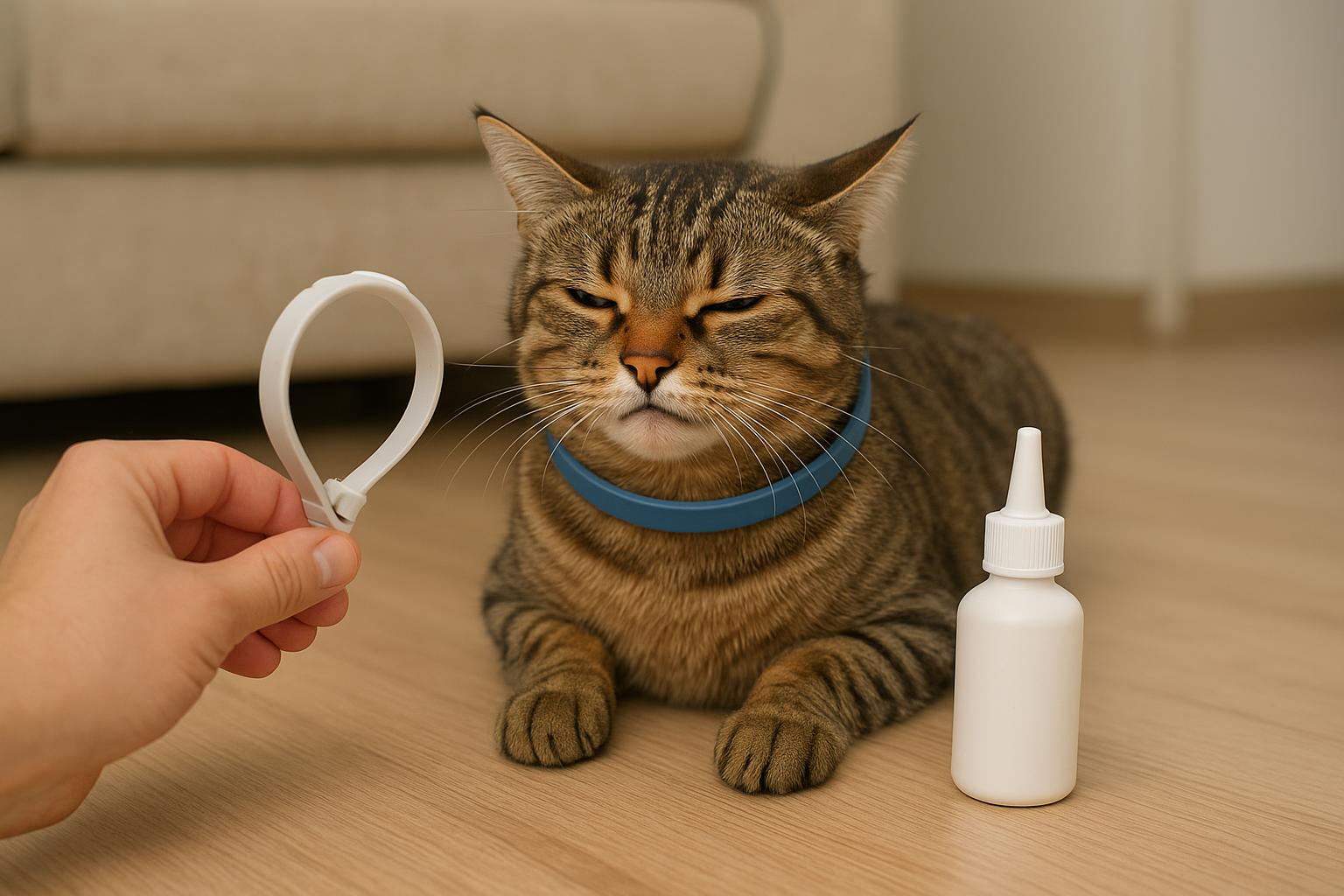
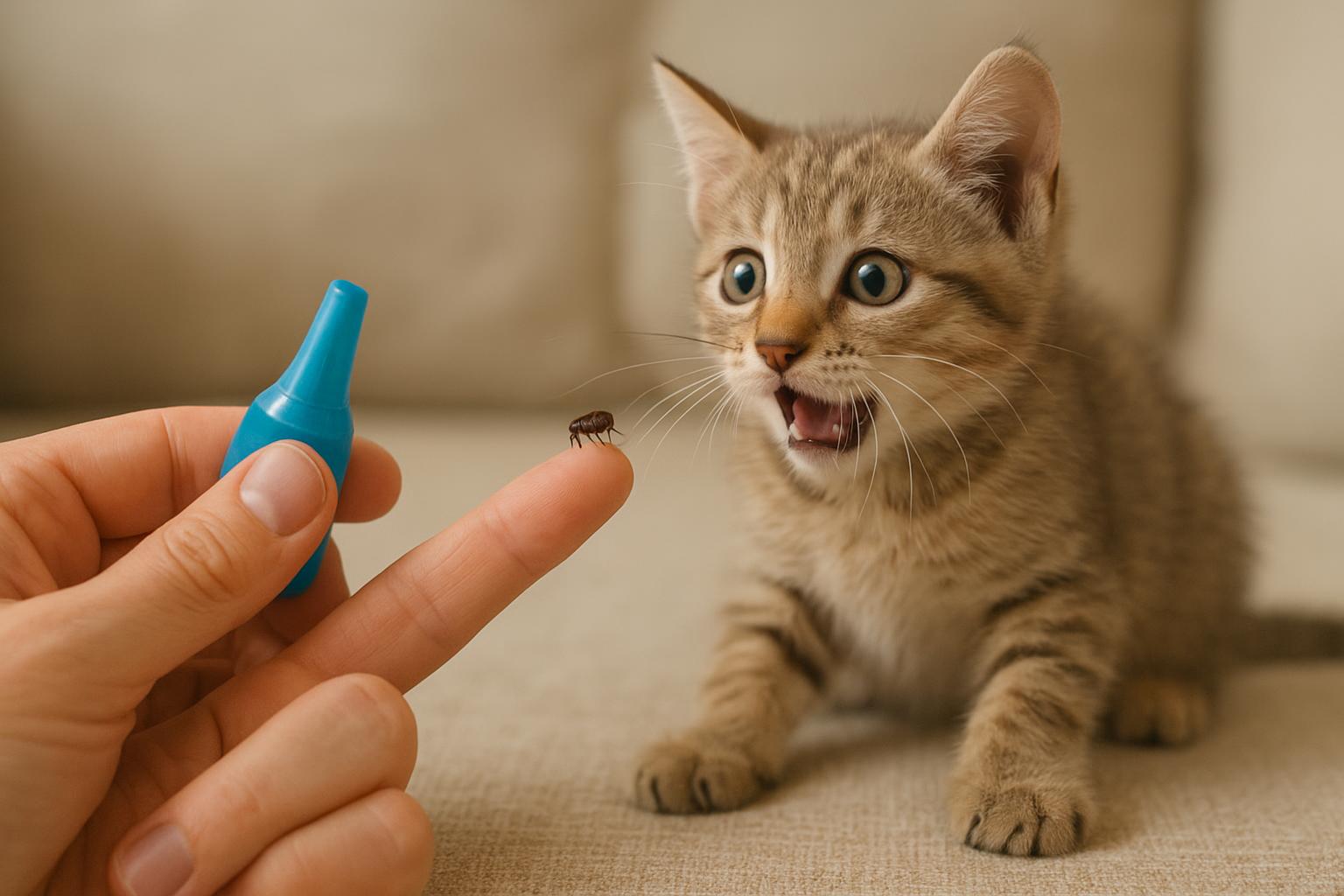
Choose a product appropriate for your cat’s age, weight, and health status. Spot-on topicals, oral chewables, and slow-release collars are the main categories. Follow the product guidelines exactly: correct dosing, application site, and reapplication interval matter. Never mix products without veterinary guidance. If one approach doesn’t seem to work, don’t just increase frequency—talk to your vet.
#### Materials You’ll Need For Vet-Based Prevention
– Vet-recommended flea product (topical, oral, or collar)
– Digital calendar or reminder system for dosing
– Cat carrier for safe transport to the vet
– Safe storage area away from children and other pets
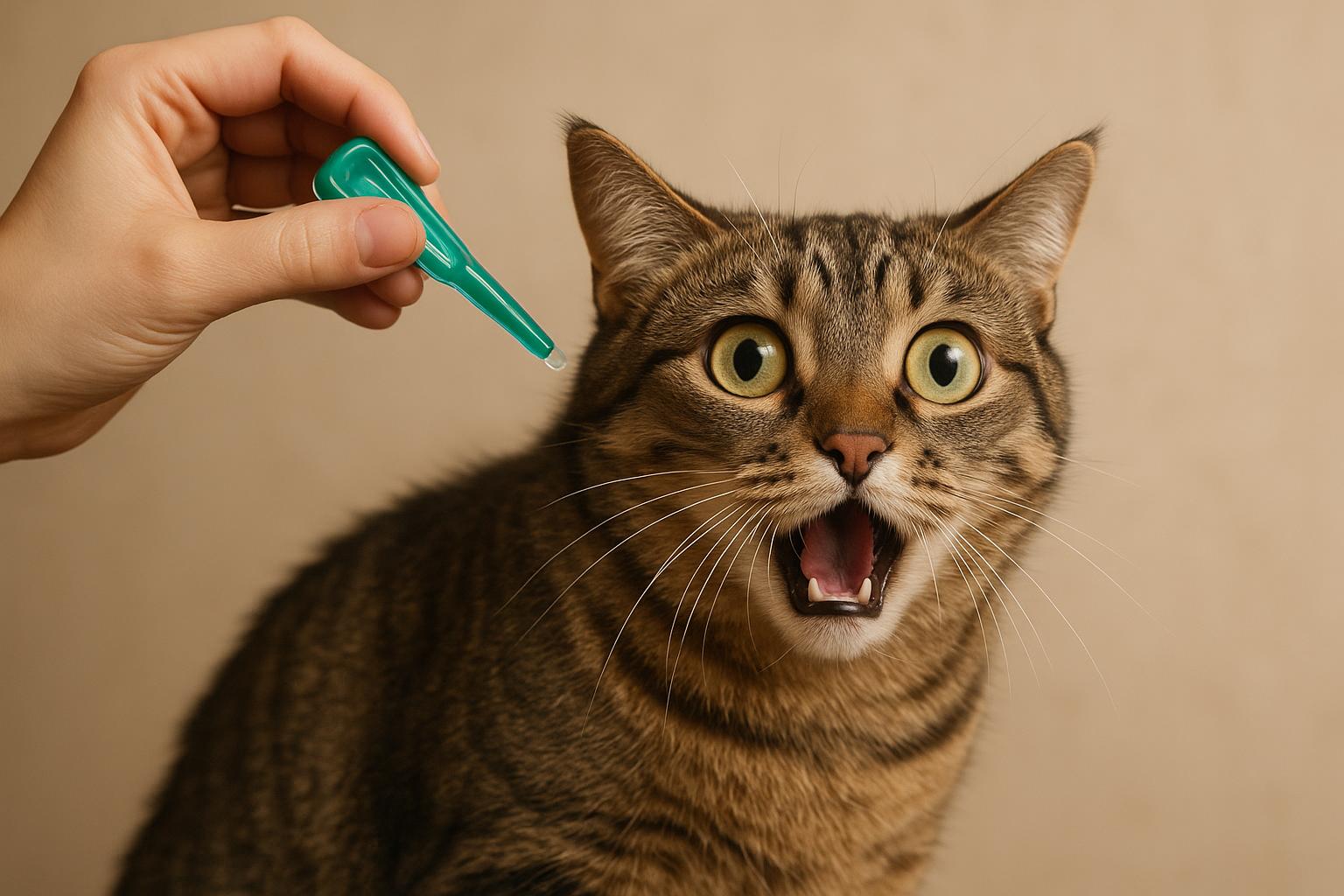
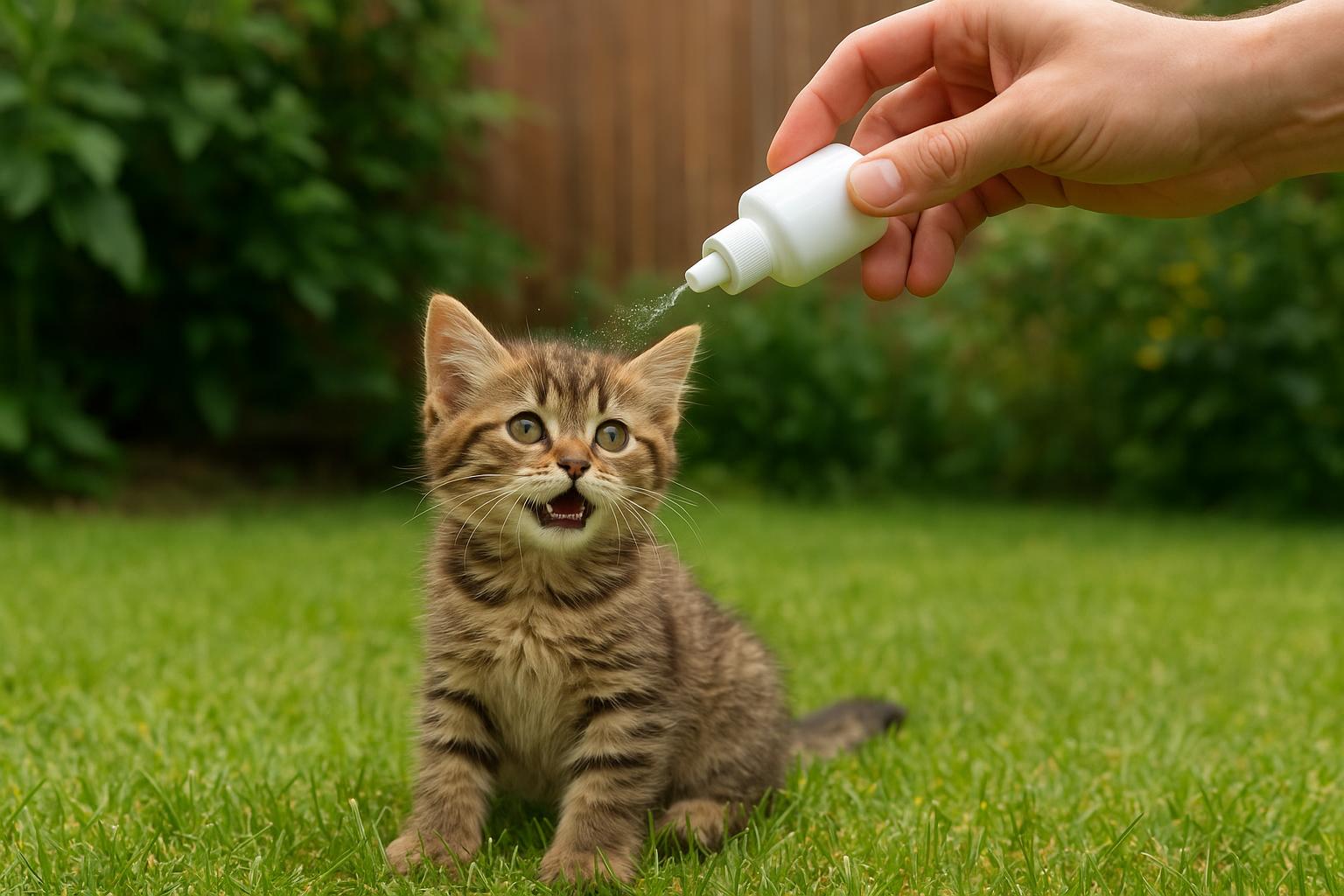
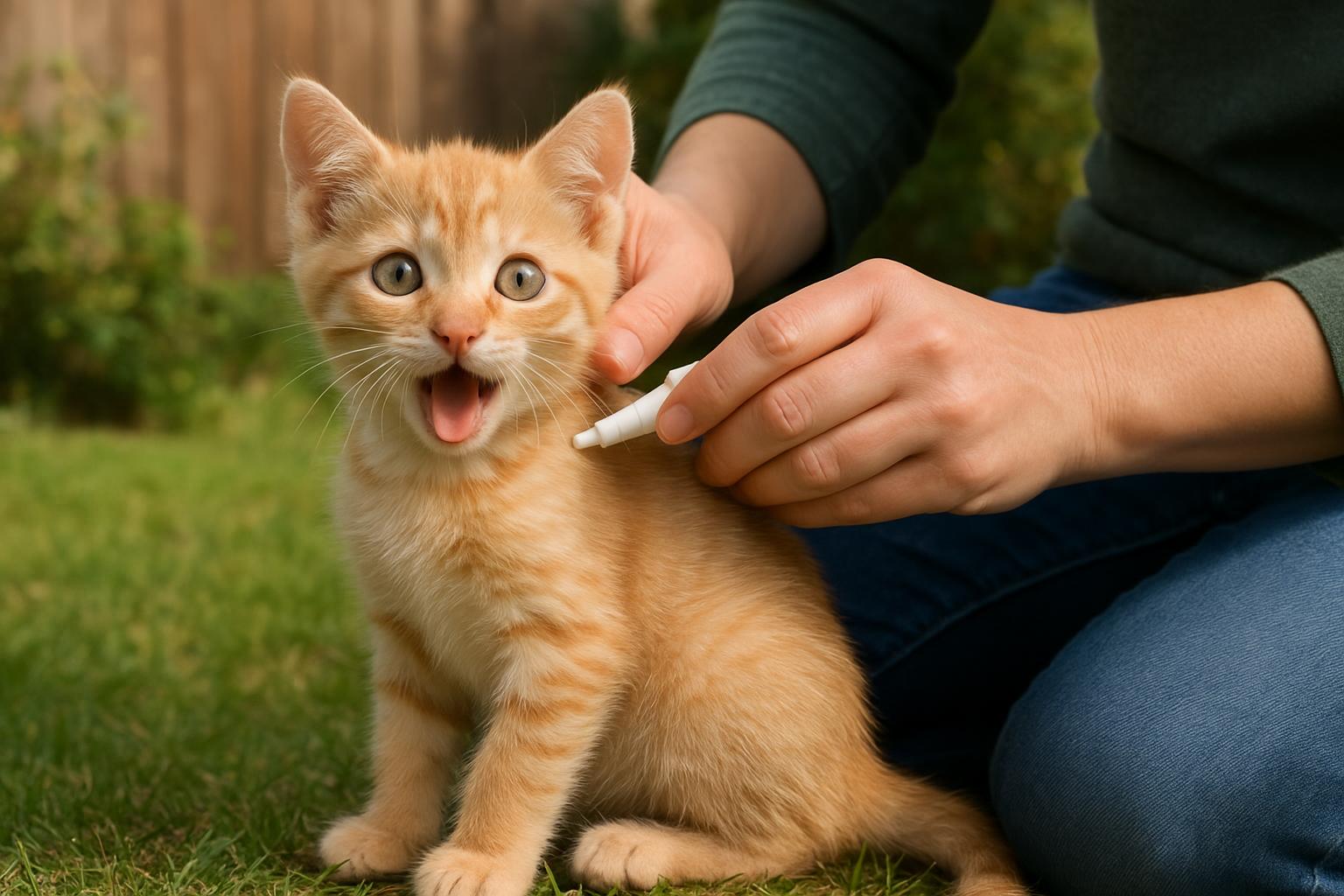
#### How To Apply A Topical Product (Formal Steps)
1. Read the package insert and confirm the product is matched to your cat’s weight.
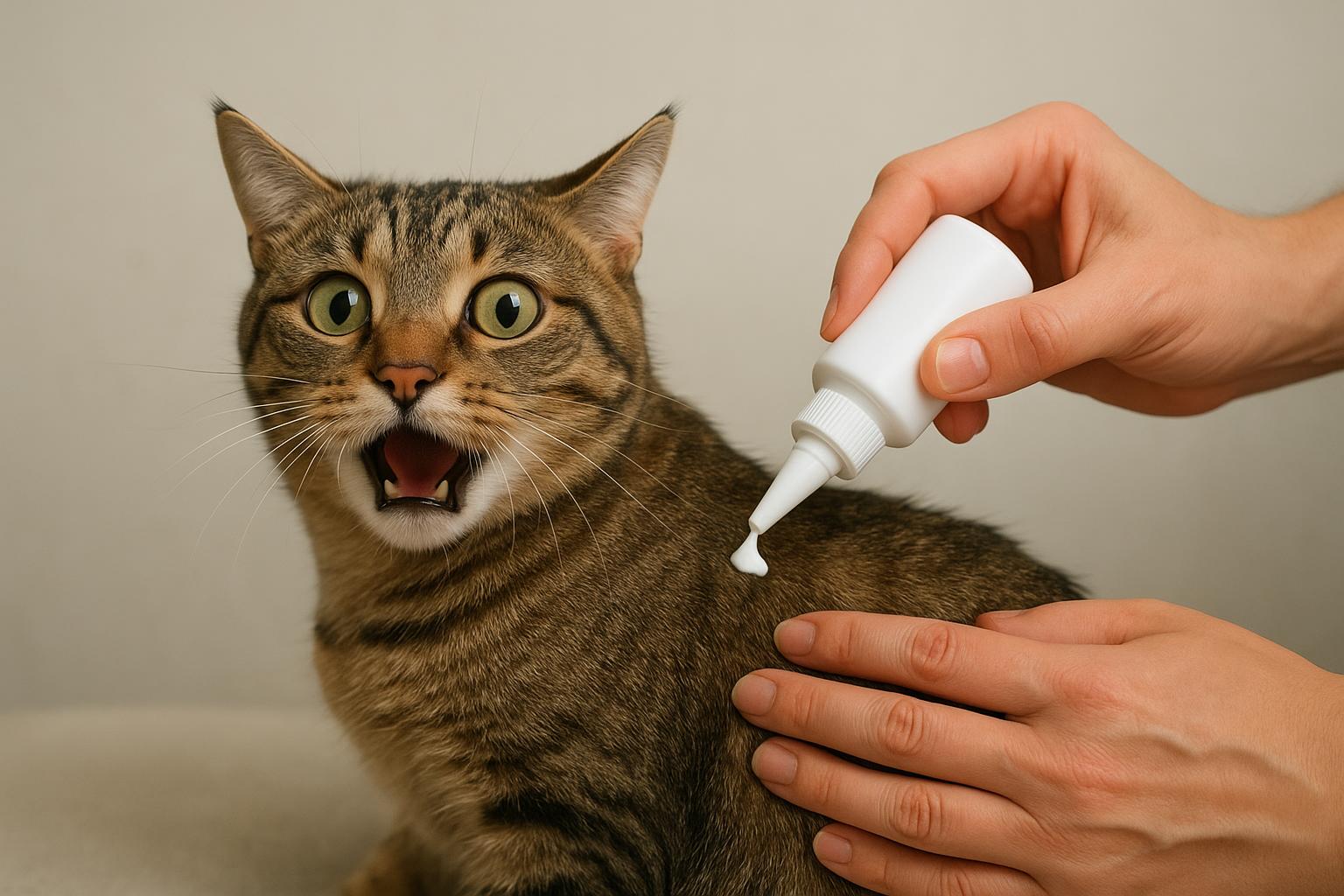
2. Fully expose the skin between the shoulder blades by parting the fur.
3. Place the applicator tip directly on the skin and squeeze all contents in one spot.
4. Avoid bathing the cat for 48 hours before and after application unless product instructions allow.
5. Note the application date and set a reminder for the next dose.
6. Monitor for adverse reactions for 24–48 hours and contact your vet if you see skin irritation, lethargy, or vomiting.
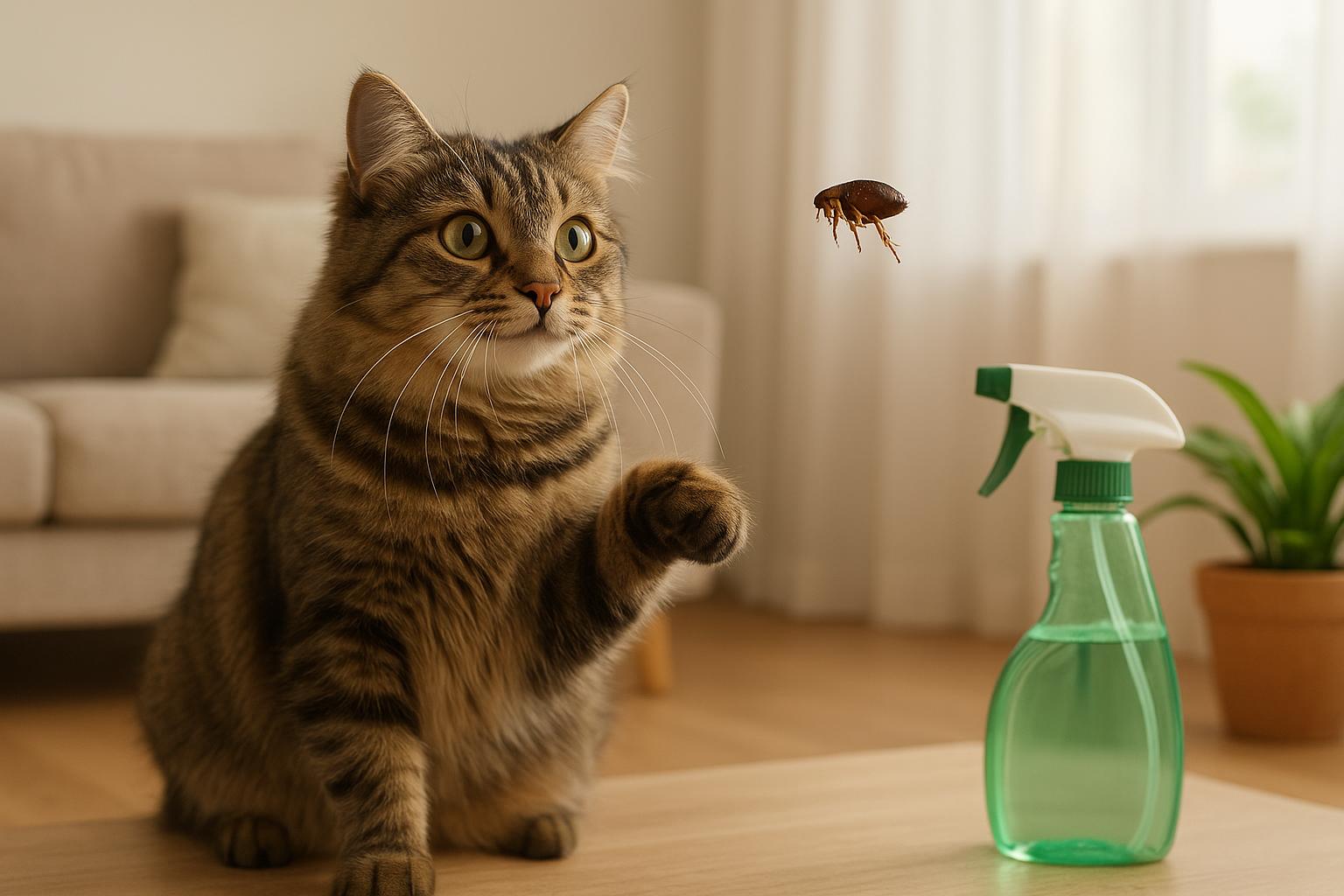
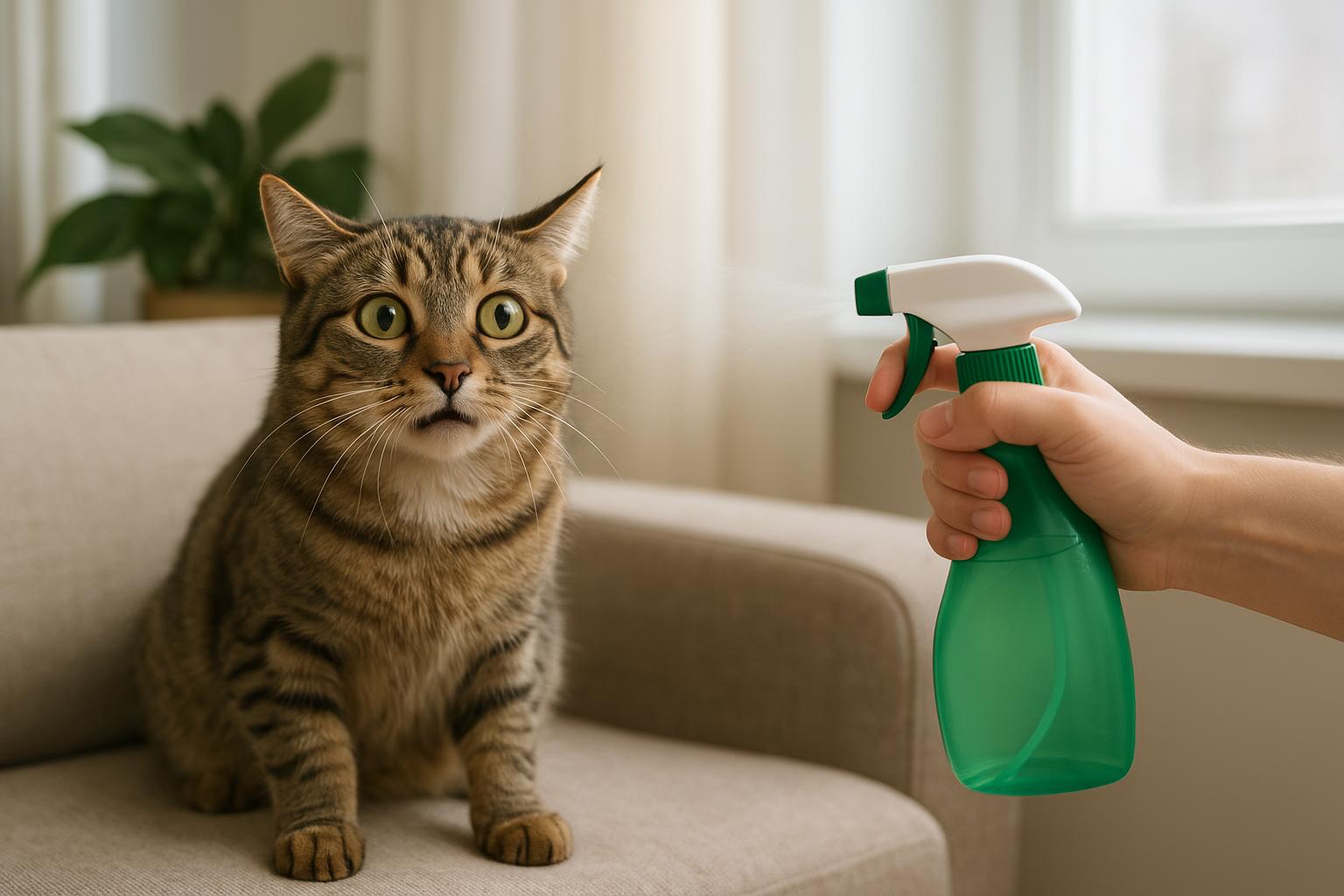
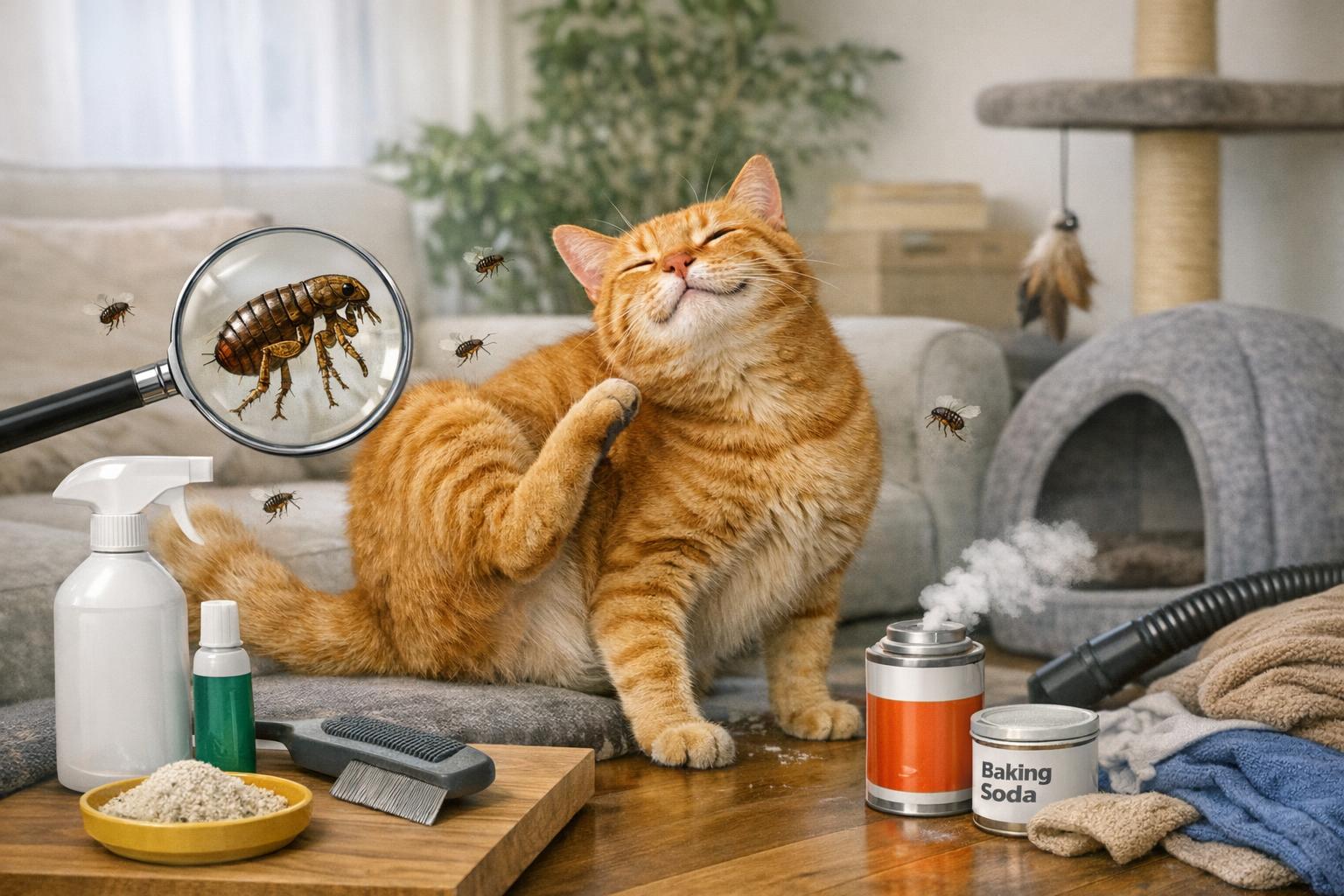
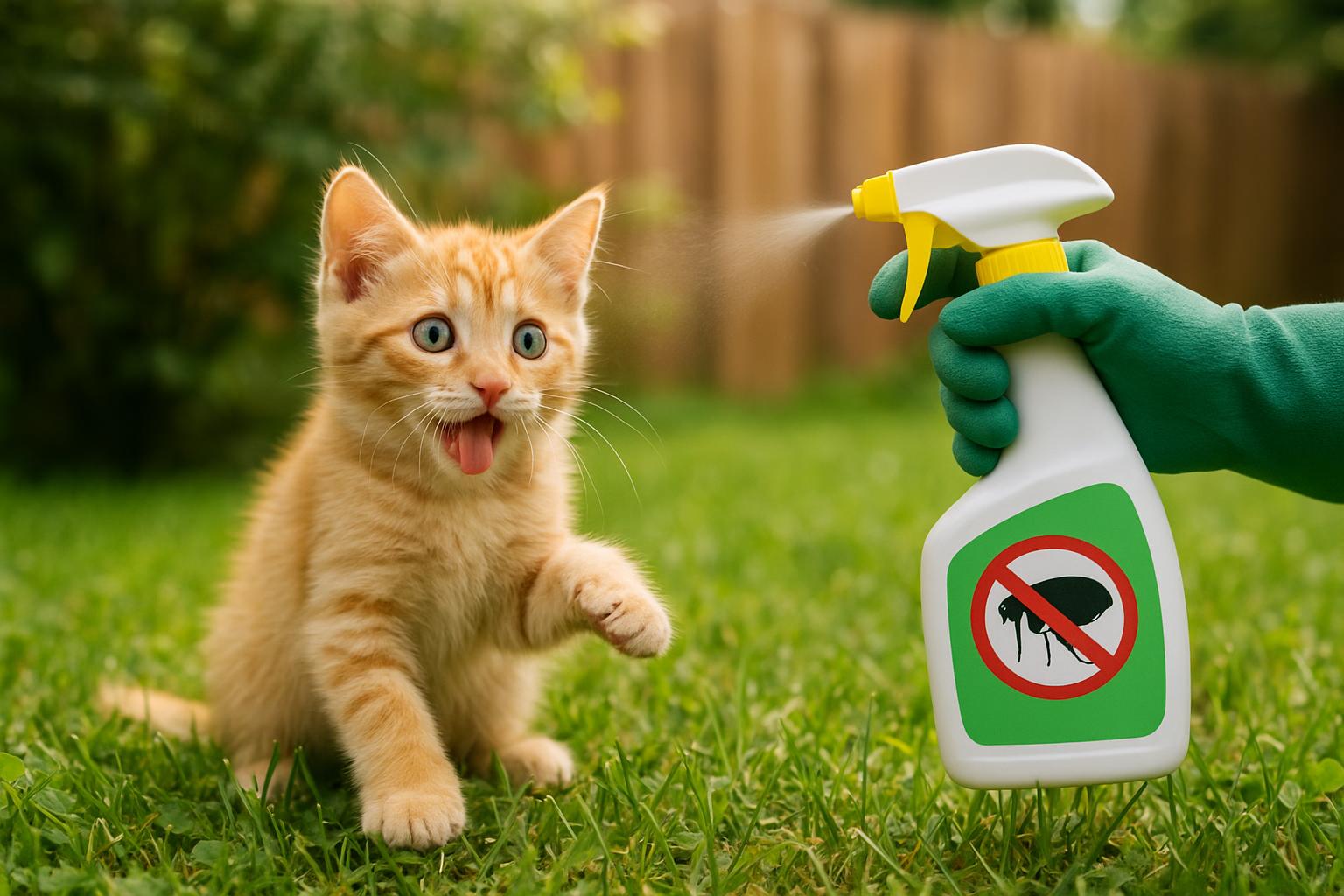
## Remedy 1: DIY Indoor Flea Spray (Natural)
This is a home-environment treatment focused on carpets, bedding, and baseboards. It’s supplementary to veterinary preventatives and not a replacement for them.
#### Ingredients And Materials
– 1 quart (about 1 liter) warm water
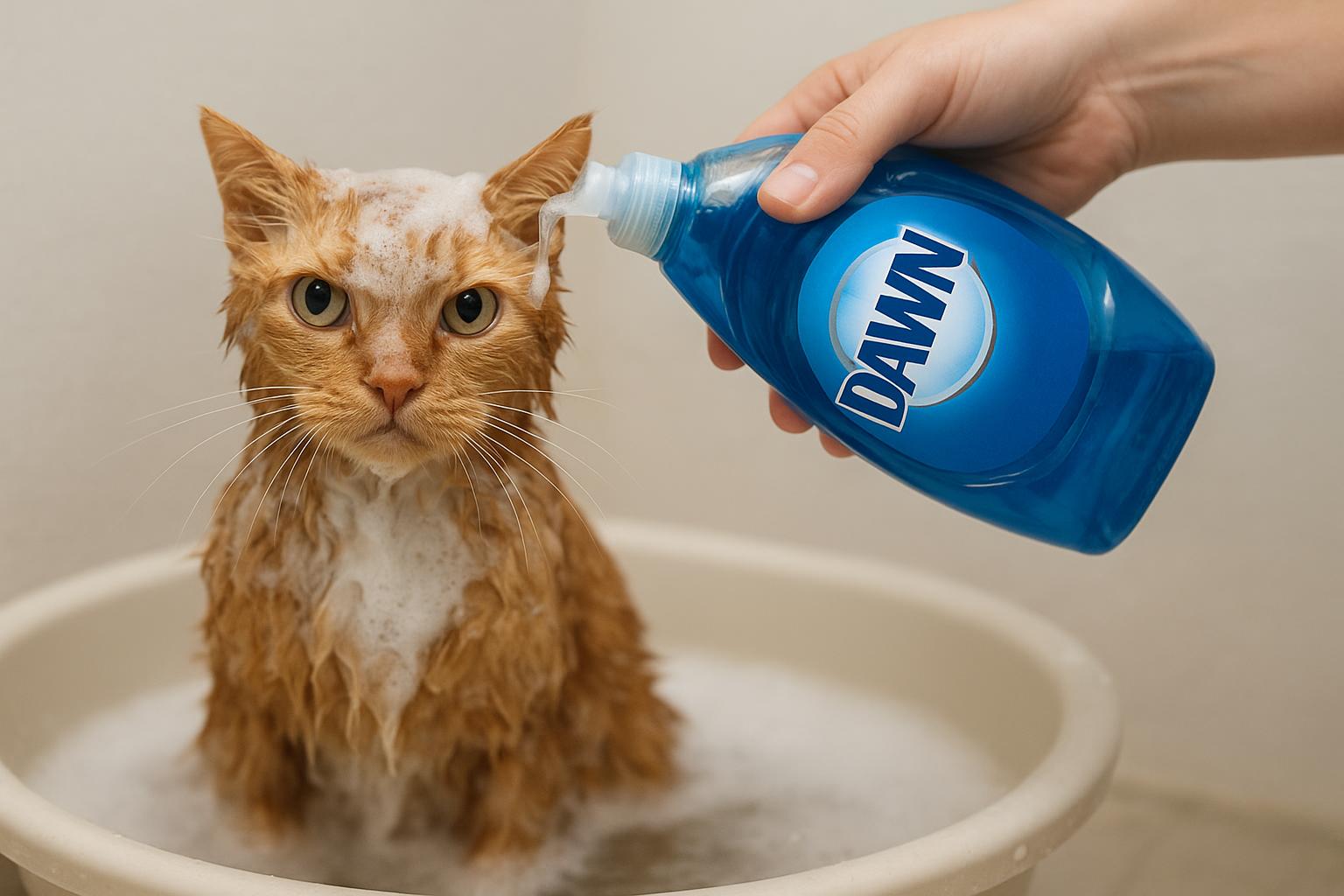
– 1 tablespoon dish soap (mild, non-antibacterial)
– 1/4 cup white vinegar
– Spray bottle
– Vacuum with a HEPA or good filtration bag/canister
– Laundry supplies for bedding
#### Creation And Application Steps
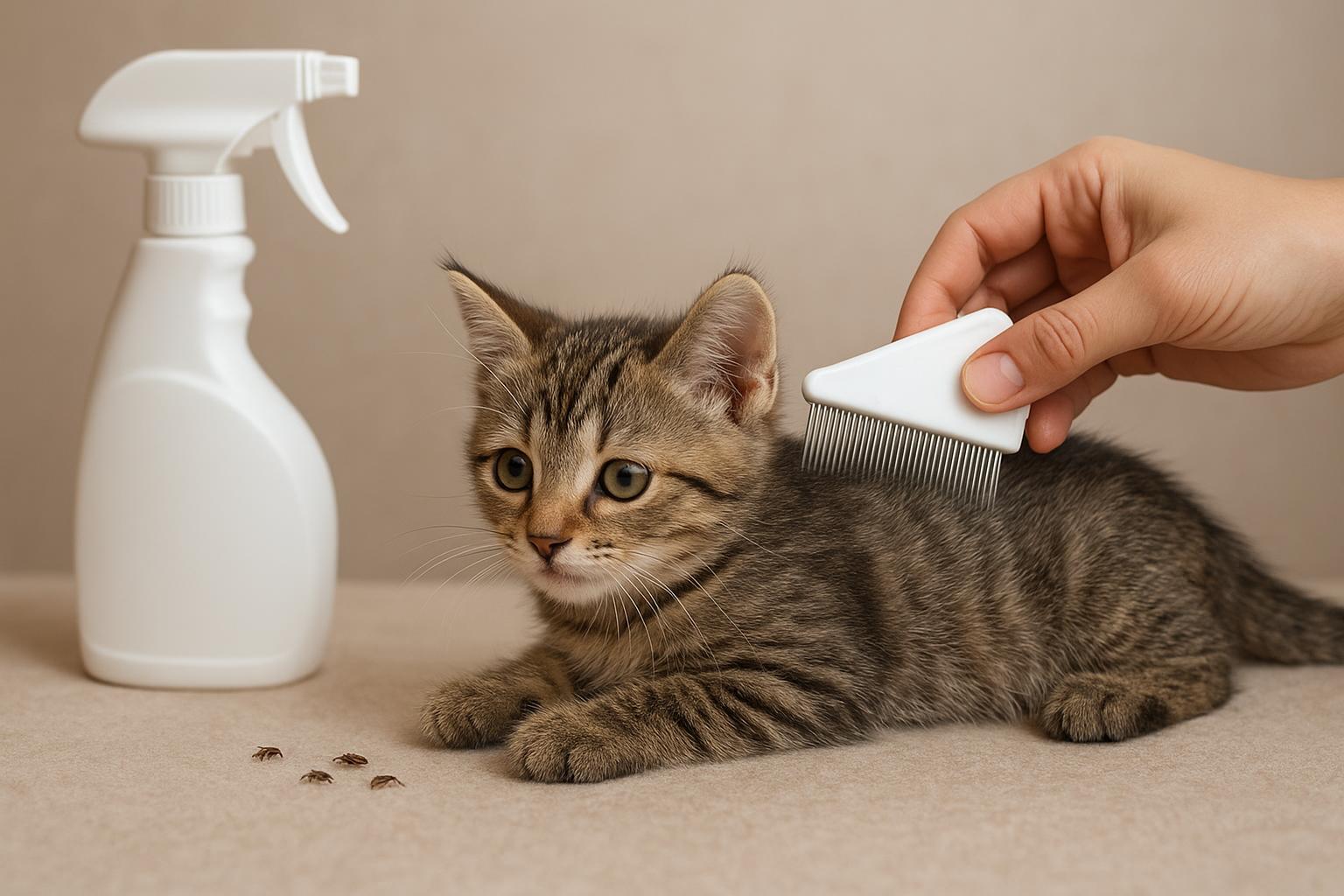
1. Mix the warm water, dish soap, and white vinegar in the spray bottle. Gently agitate to combine—do not create heavy suds.
2. Vacuum thoroughly before applying the spray, focusing on pet bedding, rugs, and carpet edges. Dispose of vacuum contents promptly in a sealed bag outside.
3. Lightly mist pet bedding, rugs, and baseboards—do not saturate. Avoid spraying near food, aquariums, or directly on pets.
4. Leave the area undisturbed until the mist is dry. Repeat once weekly for four weeks, then monthly for maintenance or as needed.
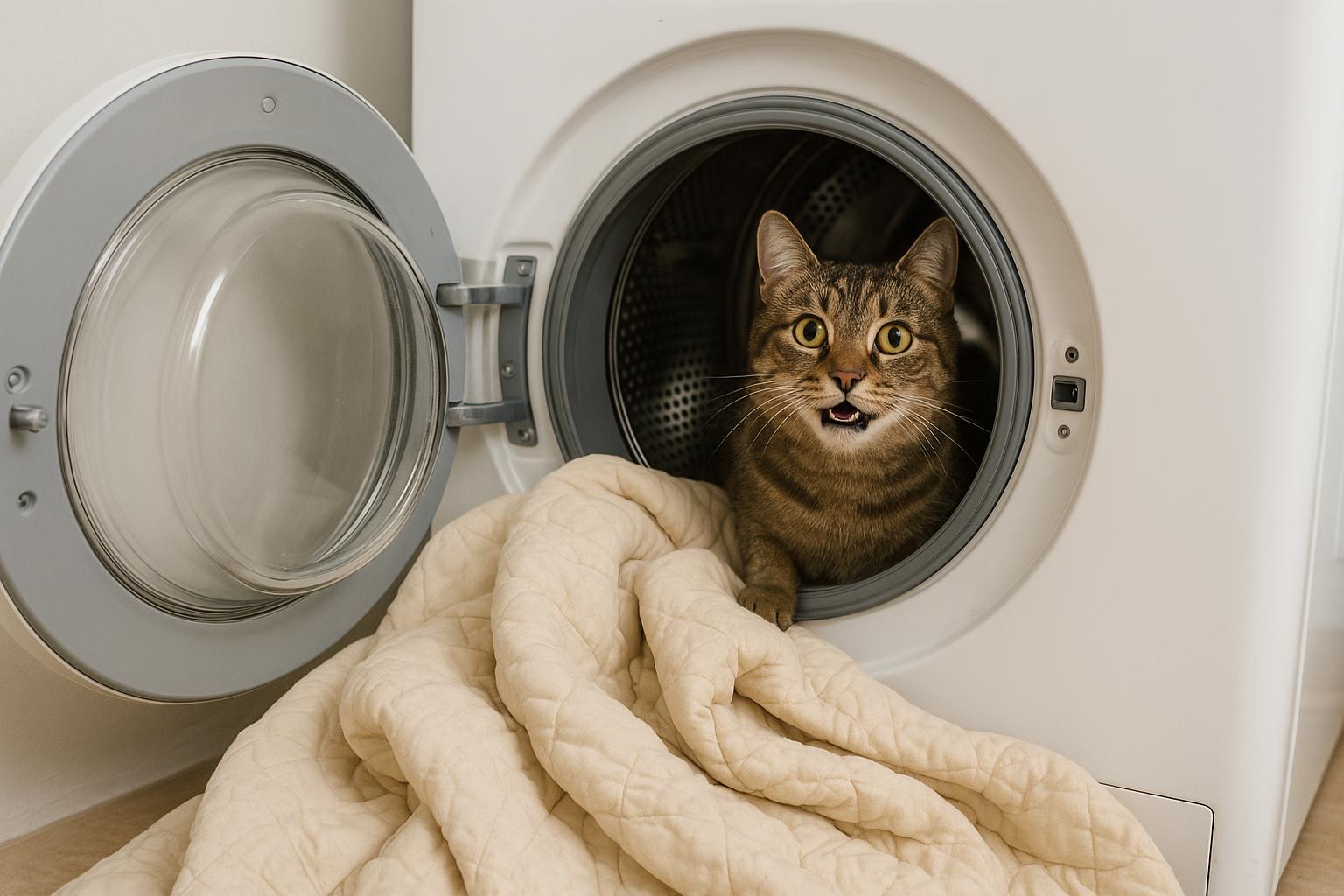
5. Wash pet bedding in hot water weekly and dry on high heat if the fabric tolerates it.
Note: This spray helps remove adult fleas and some larvae from surfaces but won’t eliminate deeply embedded eggs or pupae. Pair with thorough vacuuming and vet-approved pet treatments.
### Mechanical And Environmental Controls
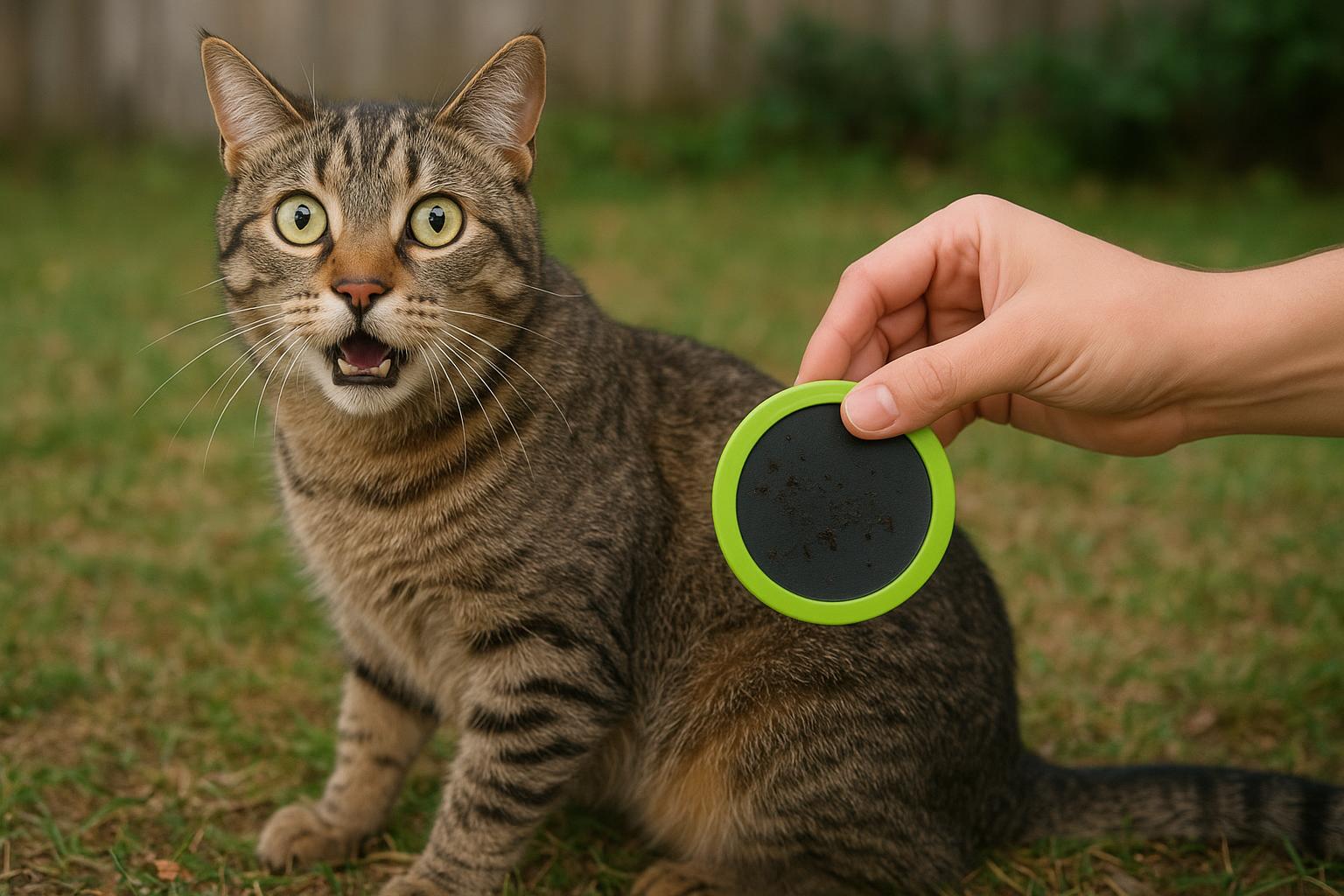
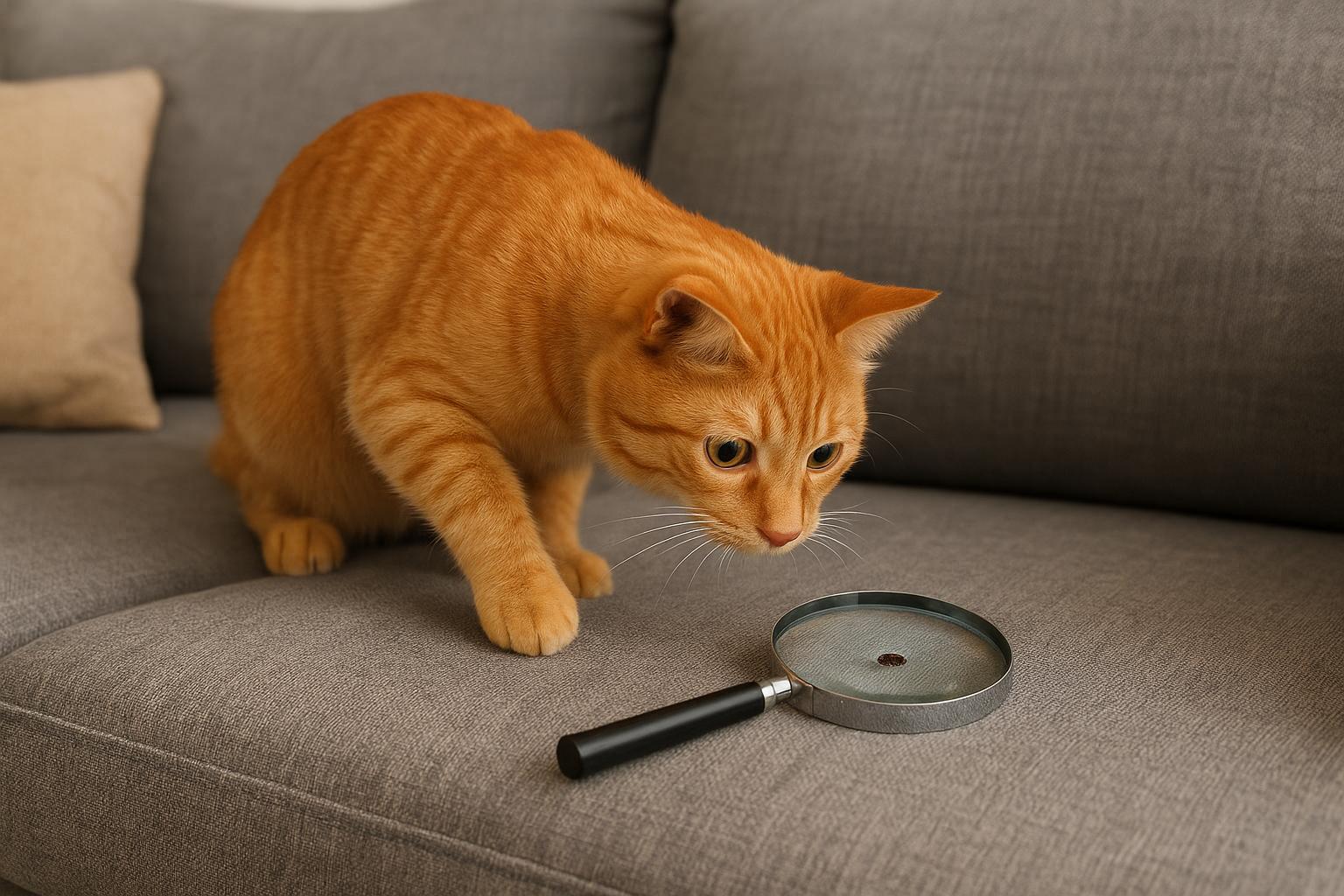
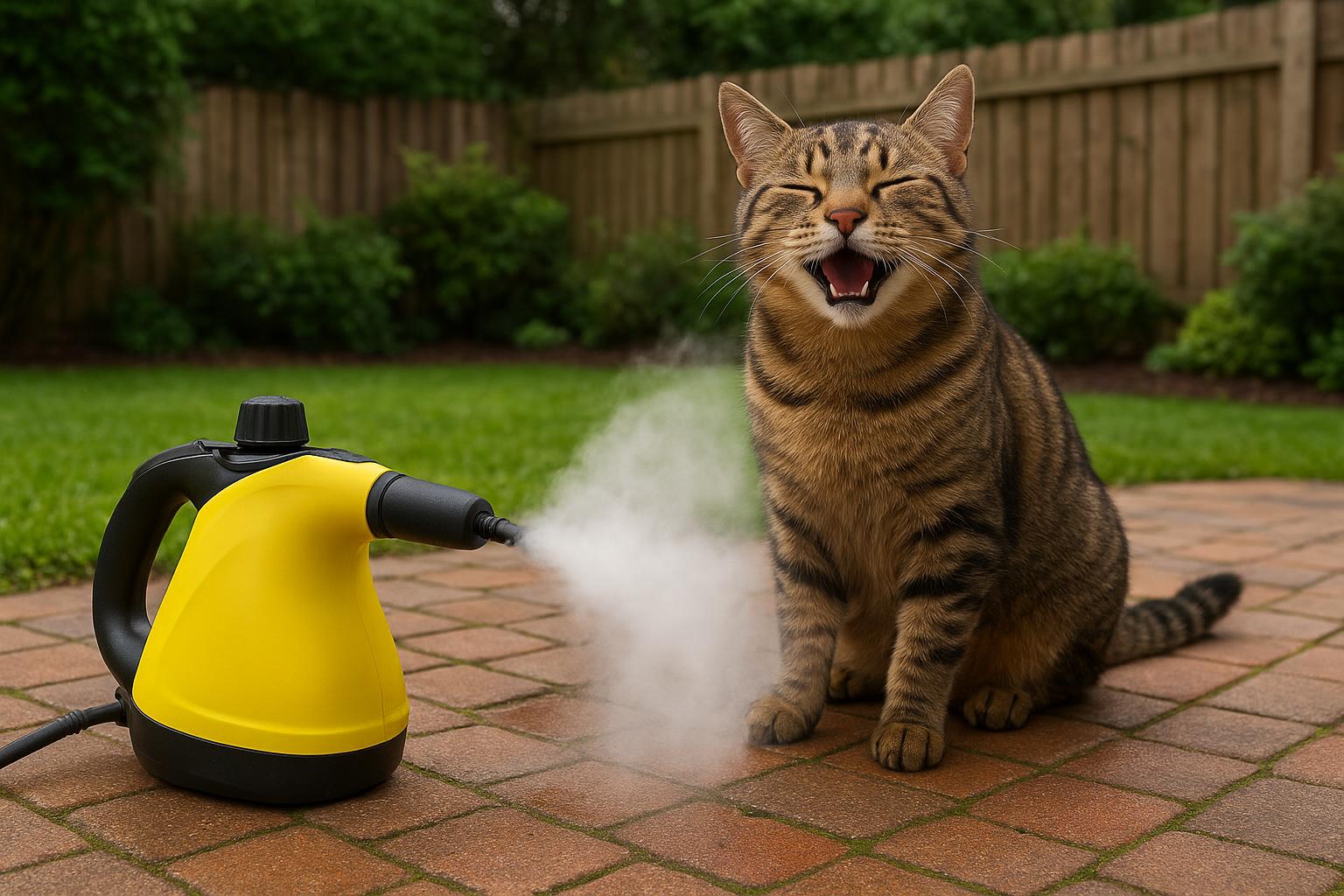
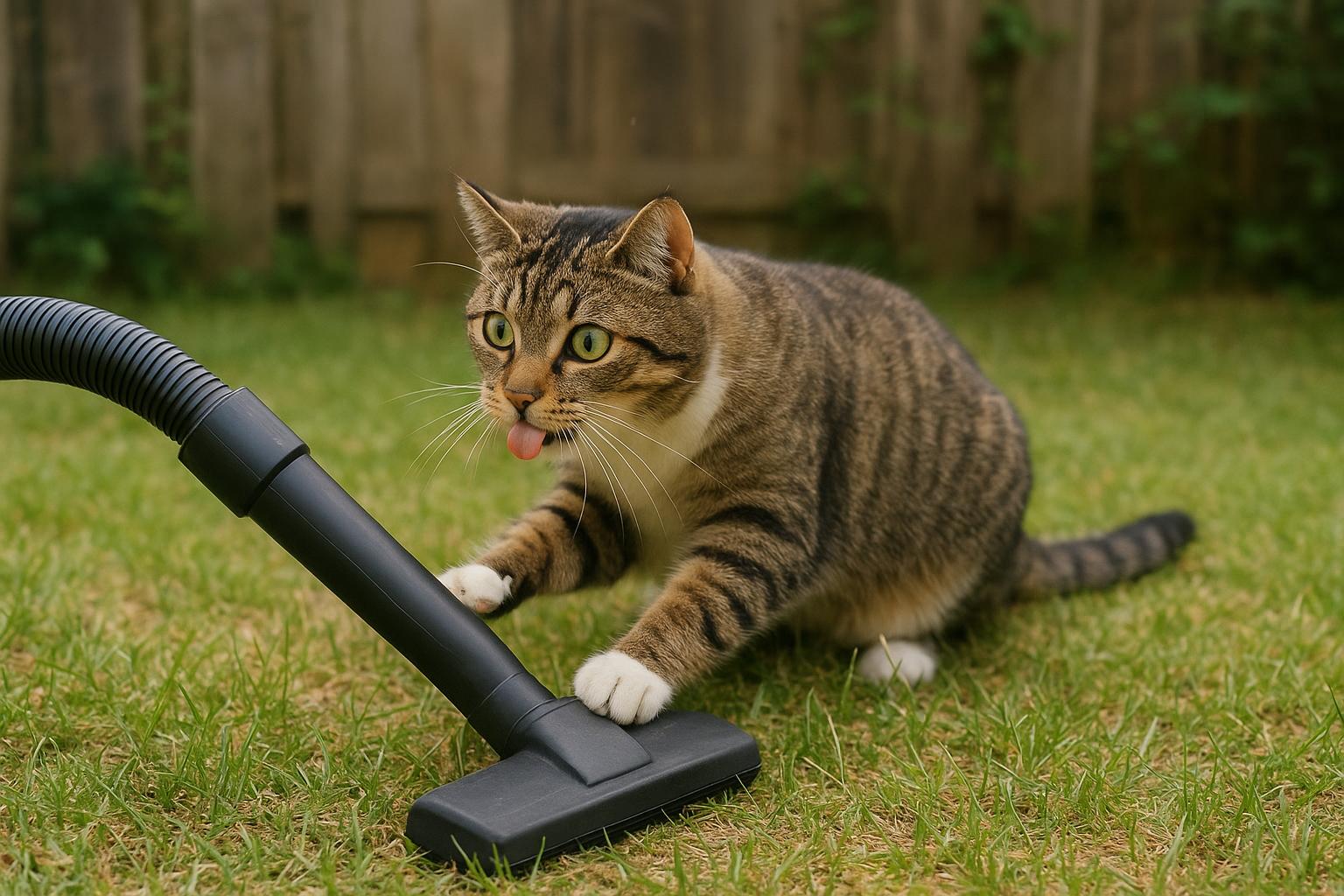
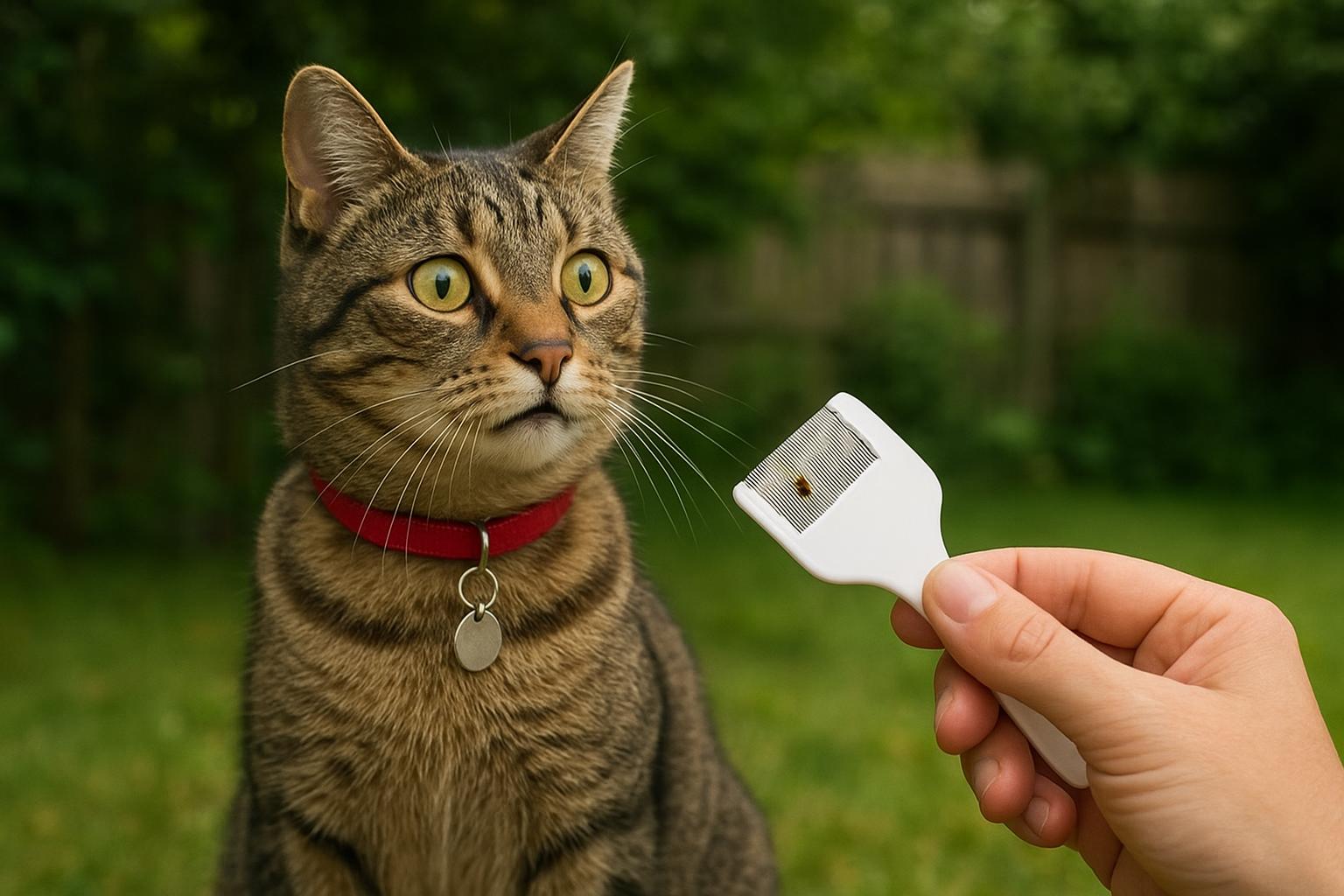
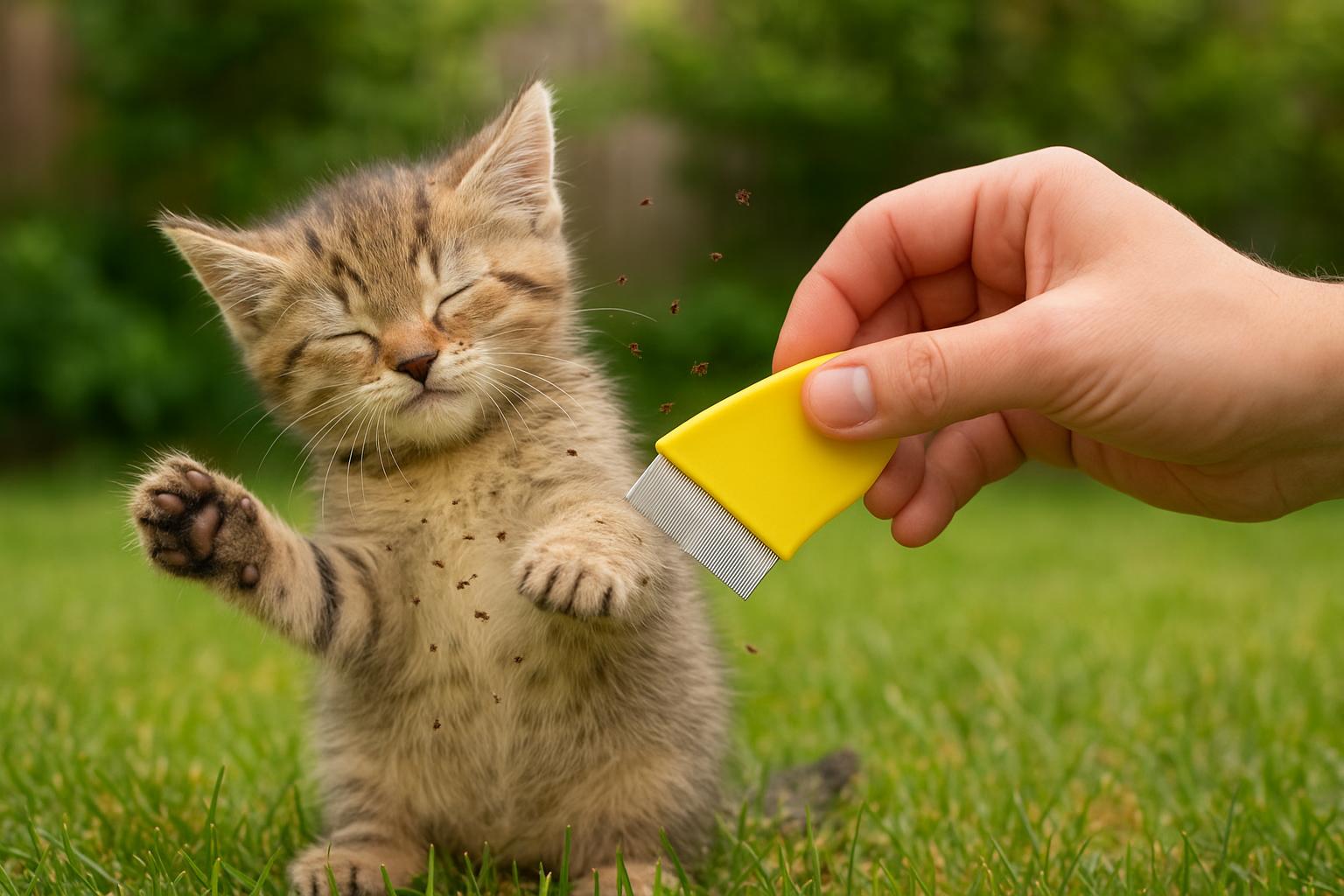
Vacuuming is your quiet superhero: it removes eggs, larvae, and adults. Steam cleaning can further reduce populations in carpets. Regularly launder bedding, vacuum under furniture, and seal gaps that allow wild animals or rodents to nest near your foundation.
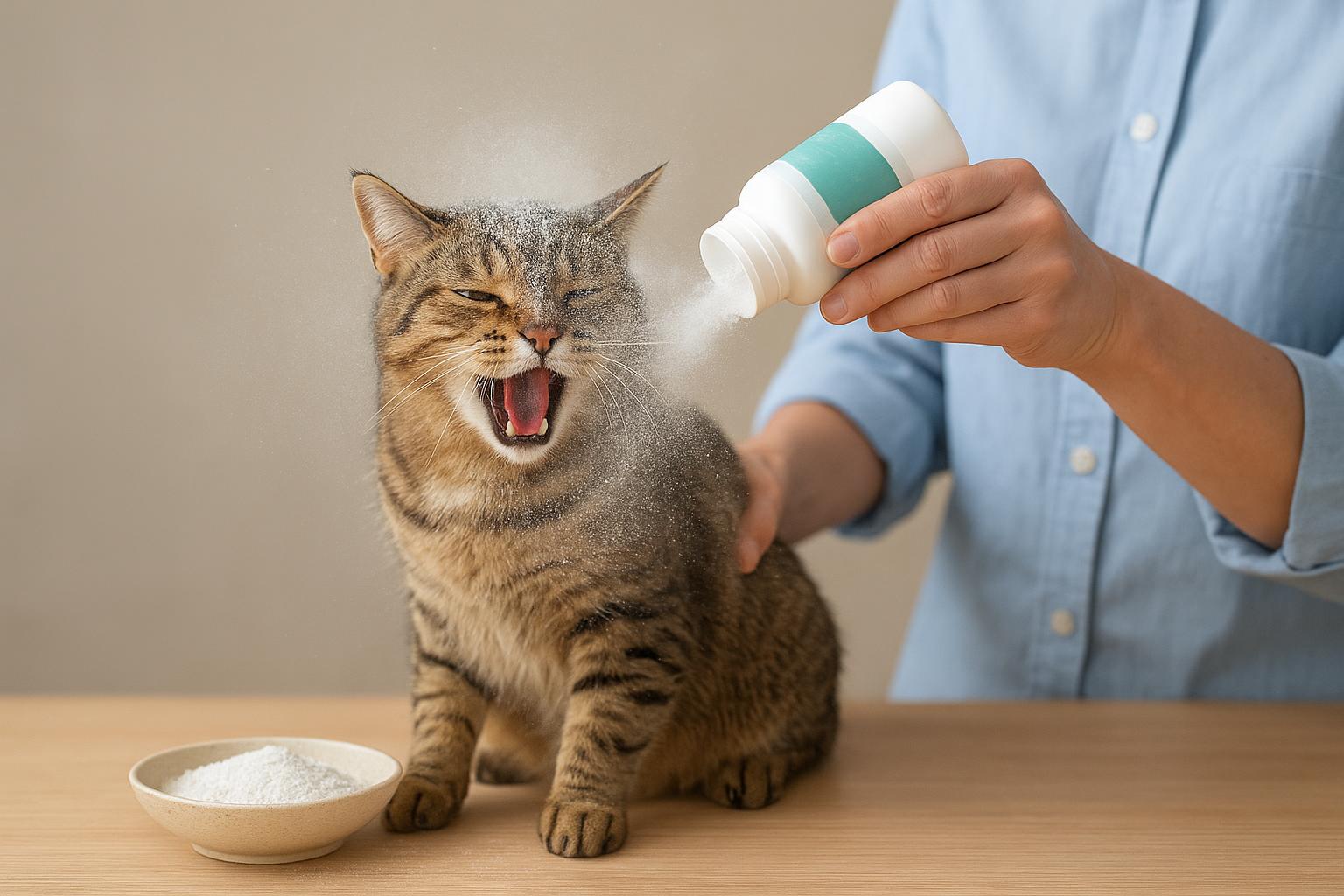
## Remedy 2: Yard Treatment With Diatomaceous Earth (Number 2)
Controlling fleas outdoors reduces the chance of reinfestation. Food-grade diatomaceous earth (DE) can be effective against flea larvae and is relatively safe when used correctly.
#### Materials
– Food-grade diatomaceous earth (DE)
– Gloves and dust mask (respiratory protection is essential)
– Stiff broom or garden spreader
– Outdoor rake (optional)
#### Creation And Application Steps
1. Choose a dry day with minimal wind to avoid inhalation exposure.
2. Put on gloves and a dust mask before handling DE. Avoid creating clouds of dust.
3. Lightly spread a thin, even layer of DE over shady, moist areas where your cat rests and fleas are likely to thrive—under porches, along fence lines, and around shrub bases.
4. Work the DE into leaf litter and soil surface with a broom or rake to increase contact with flea larvae.
5. Leave DE in place for 48–72 hours, then gently water a bit to settle dust and not allow it to blow away.
6. Reapply after heavy rains or every 2–4 weeks during high flea activity seasons.
Caution: Use food-grade DE only and avoid applying directly to edible plants or where small children play. Keep pets away from treated areas until dust settles.
### Yard And Wildlife Management
Trim tall grasses, remove debris piles, and discourage rodents and feral animals from your yard. Beneficial nematodes are another non-chemical yard option that seek out flea larvae; they require moist soil and specific application timing, so follow product instructions.
## Dealing With Reinfection Sources
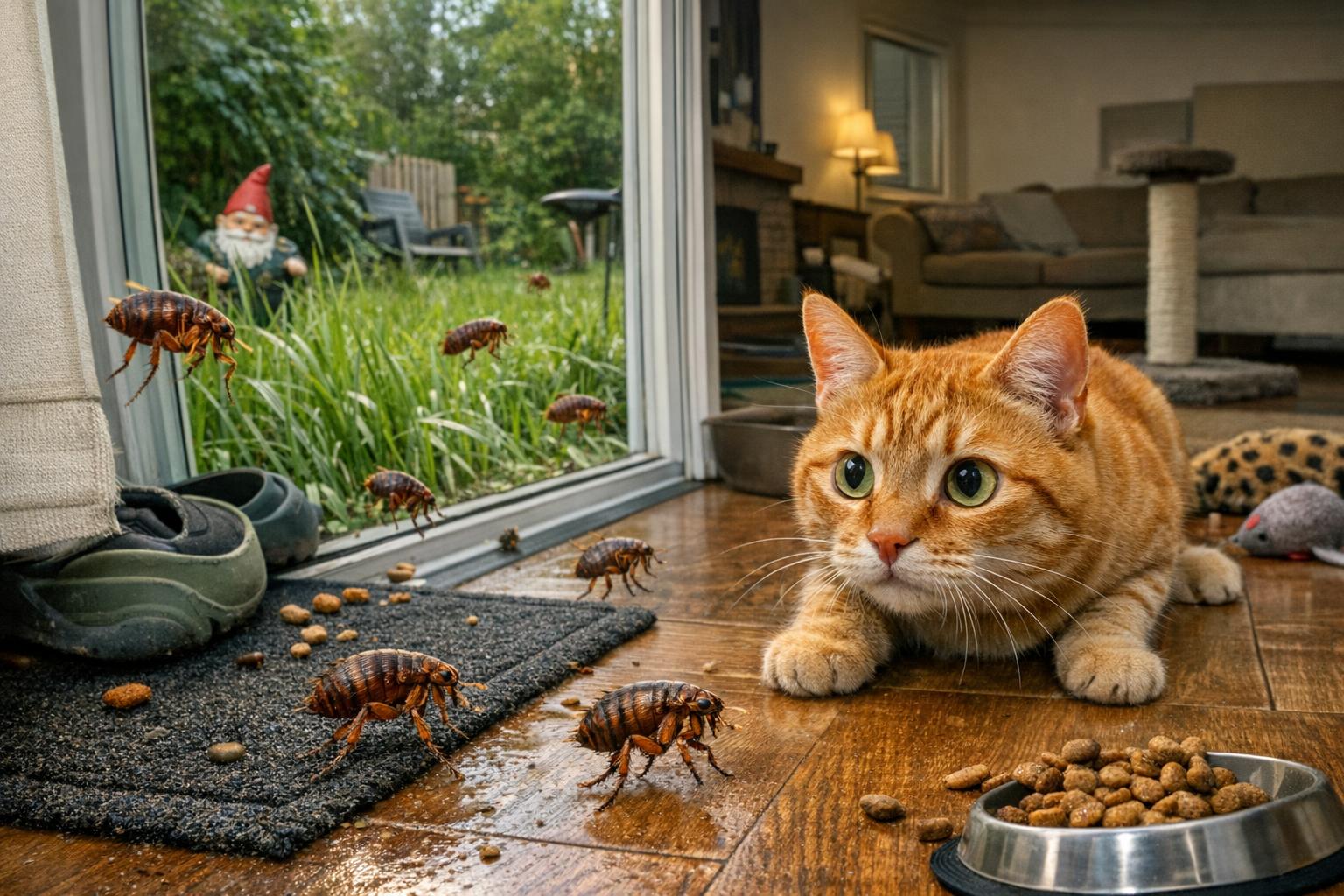
If you notice repeated problems, look beyond your home. Neighborhood strays, a friendly raccoon family, or even a neighbor’s unfixed dog can be ongoing flea sources. Communicate with neighbors politely, and consider humane barriers like fencing, motion-activated lights, or commercial wildlife deterrents to reduce wildlife traffic.
### When To Call A Professional
If infestation is severe—visible fleas on multiple pets, fleas in every room, or your cat is reacting with severe itching or skin infections—call a pest control professional and your vet. Integrated pest management that combines veterinary treatment, home cleaning, and targeted professional treatment is often the fastest route back to normalcy.
## Keeping Track Without Losing Your Mind
A small calendar system keeps seasonal flea prevention realistic: monthly dosing reminders, quarterly deep clean checks, and a spring/fall yard maintenance check. It’s easier to maintain a habit than reinvent it every time you see a flea on the couch.
### Safe Practices And Final Tips
– Never use dog-specific flea treatments on cats; serious toxicity can occur.
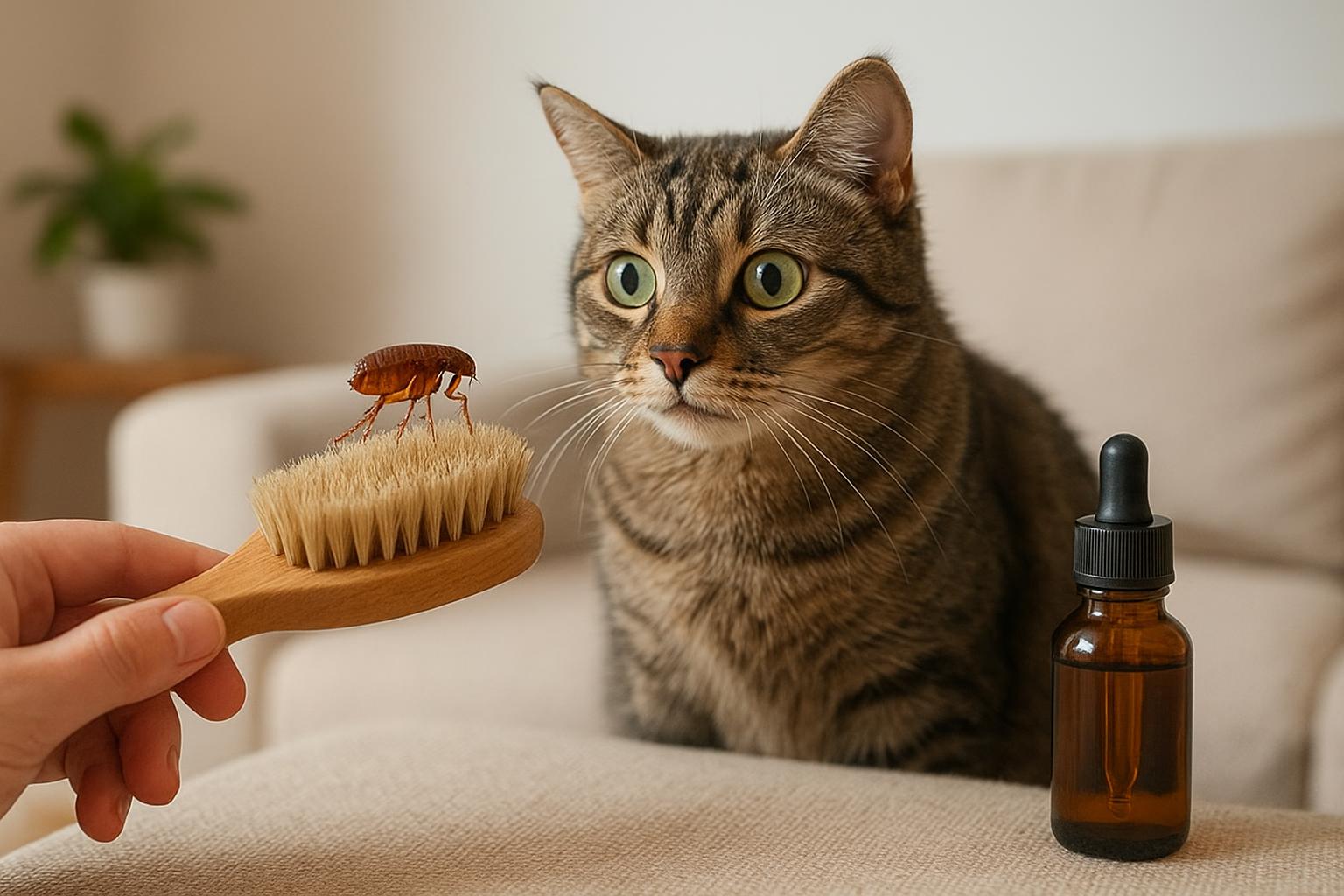
– Avoid essential oils and many human-grade insect sprays on or near cats—they can be harmful.
– Stay consistent: prevention beats reaction every time.
There you go—no panic, a sensible plan, and a couple of remedies you can use alongside vet-grade treatments. Keep one eye on the calendar, one on your cat, and one on the backyard. Fleas might be tiny, but a steady, informed approach keeps them tiny and out of your life.






Leave a Reply