
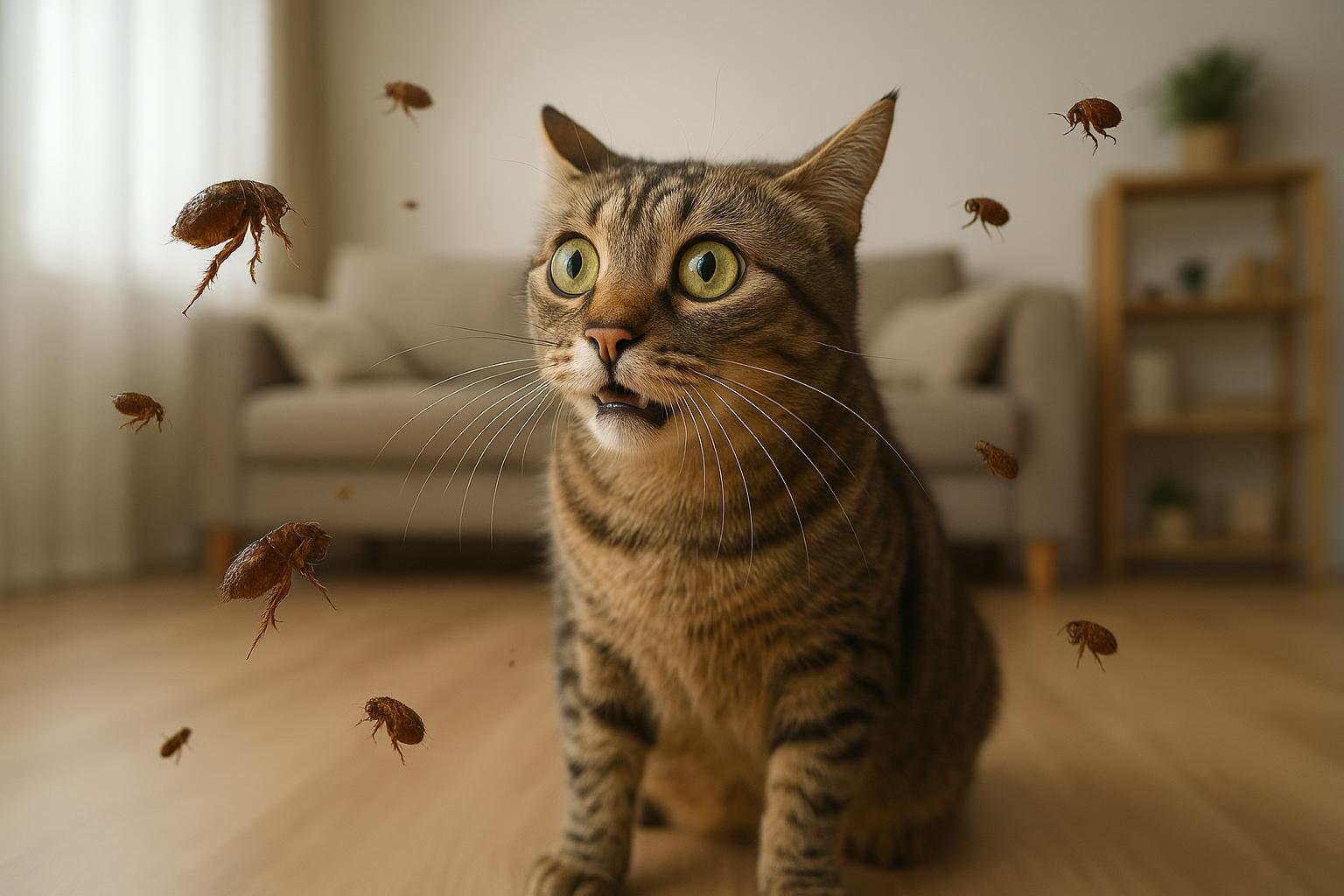
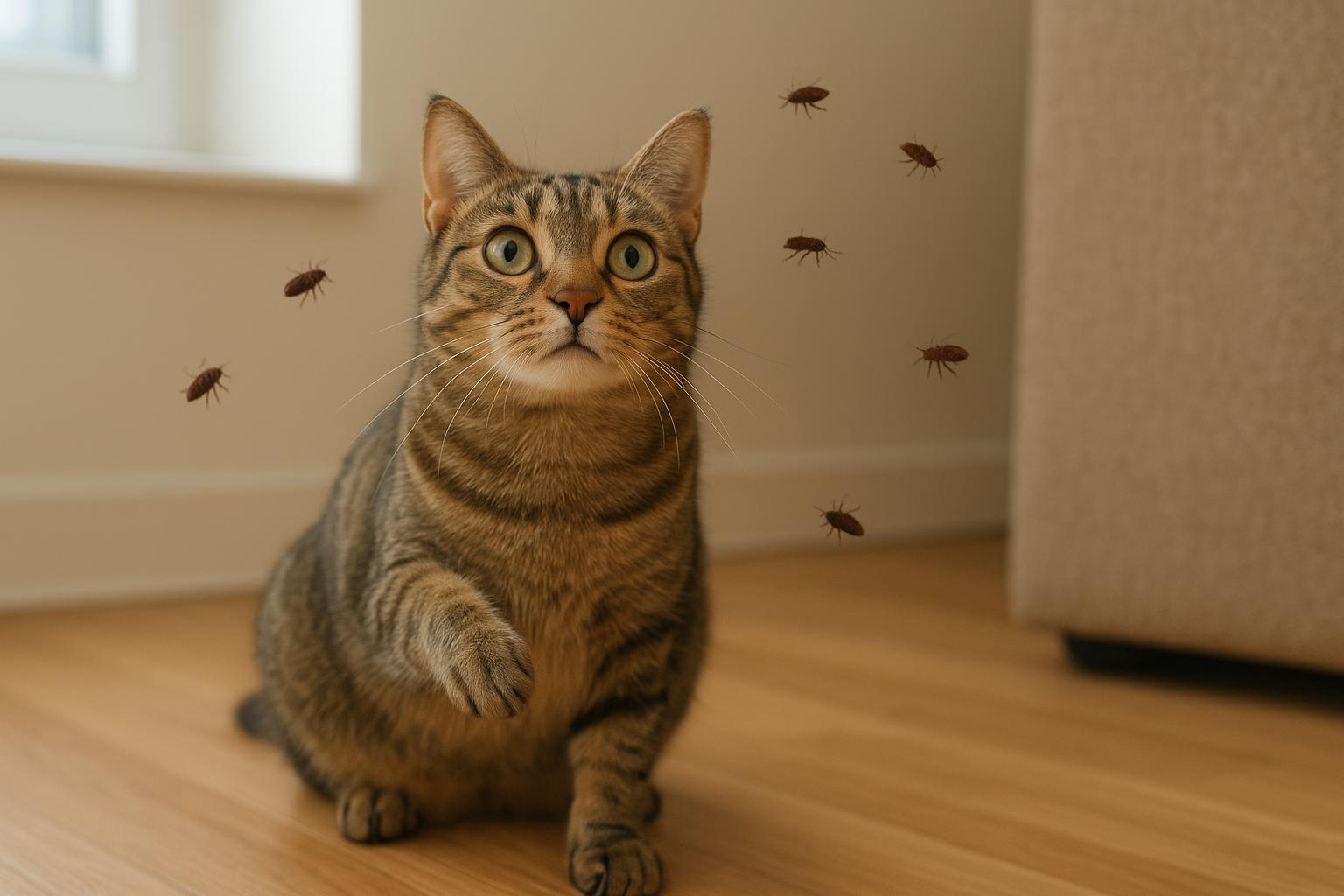
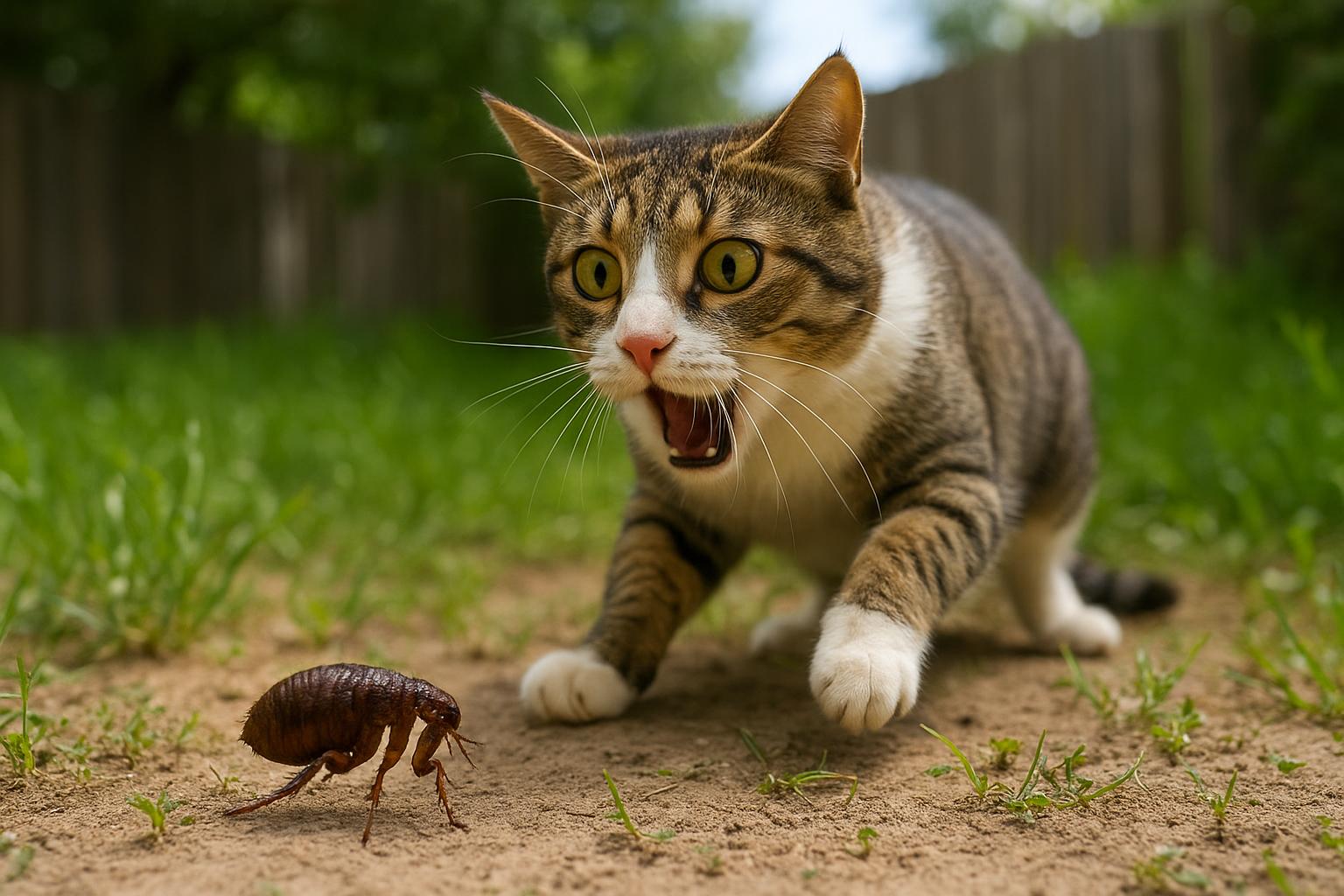
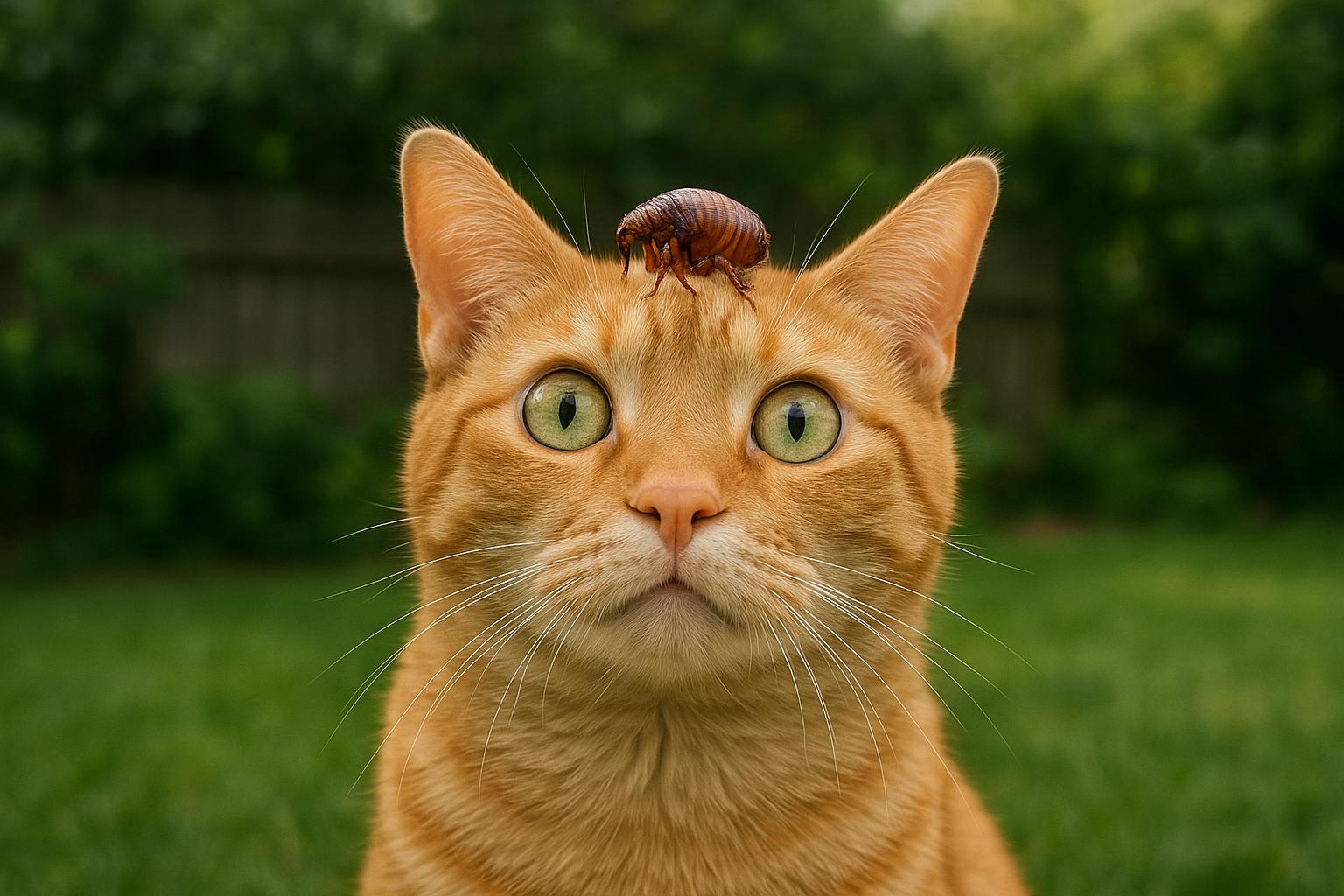
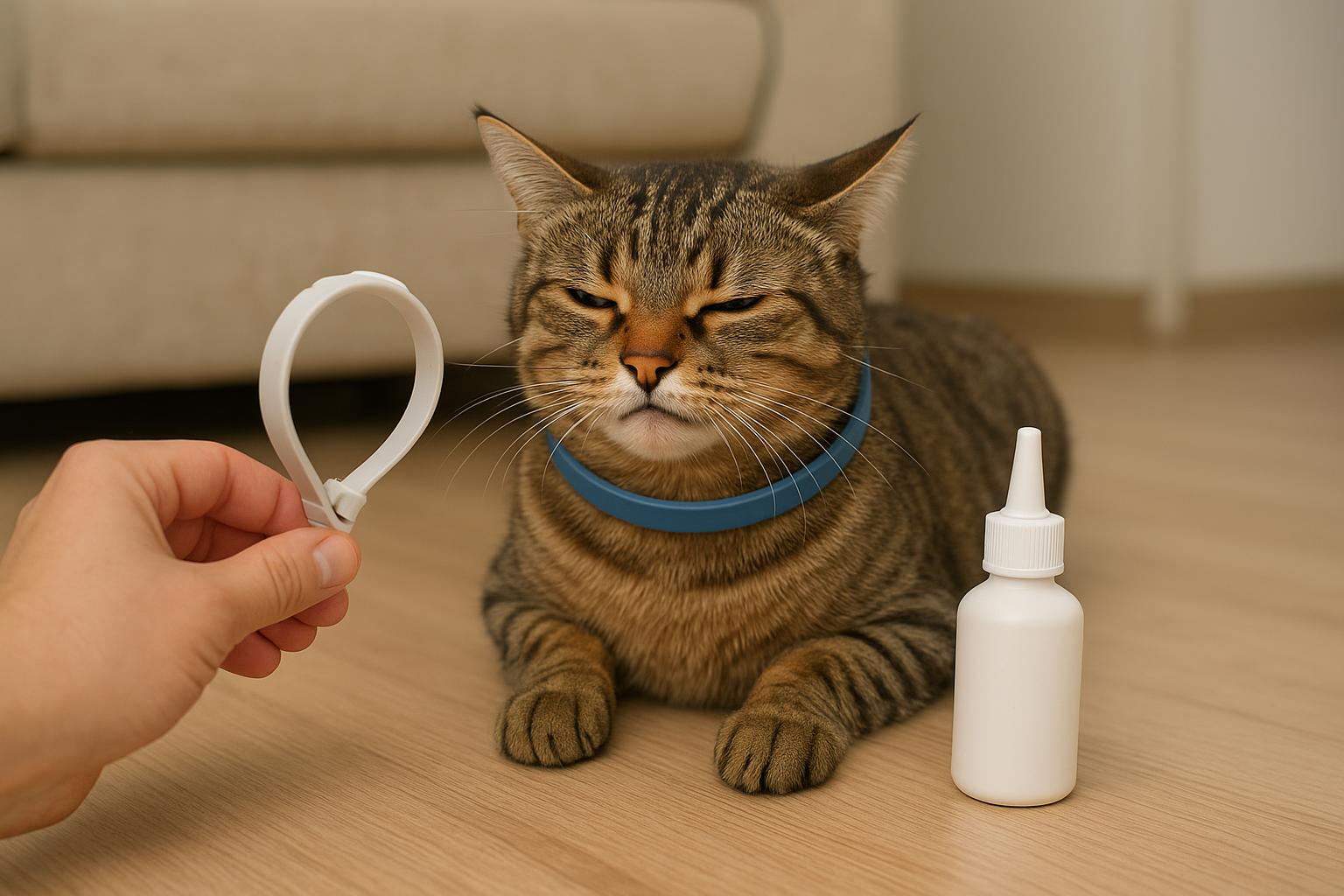
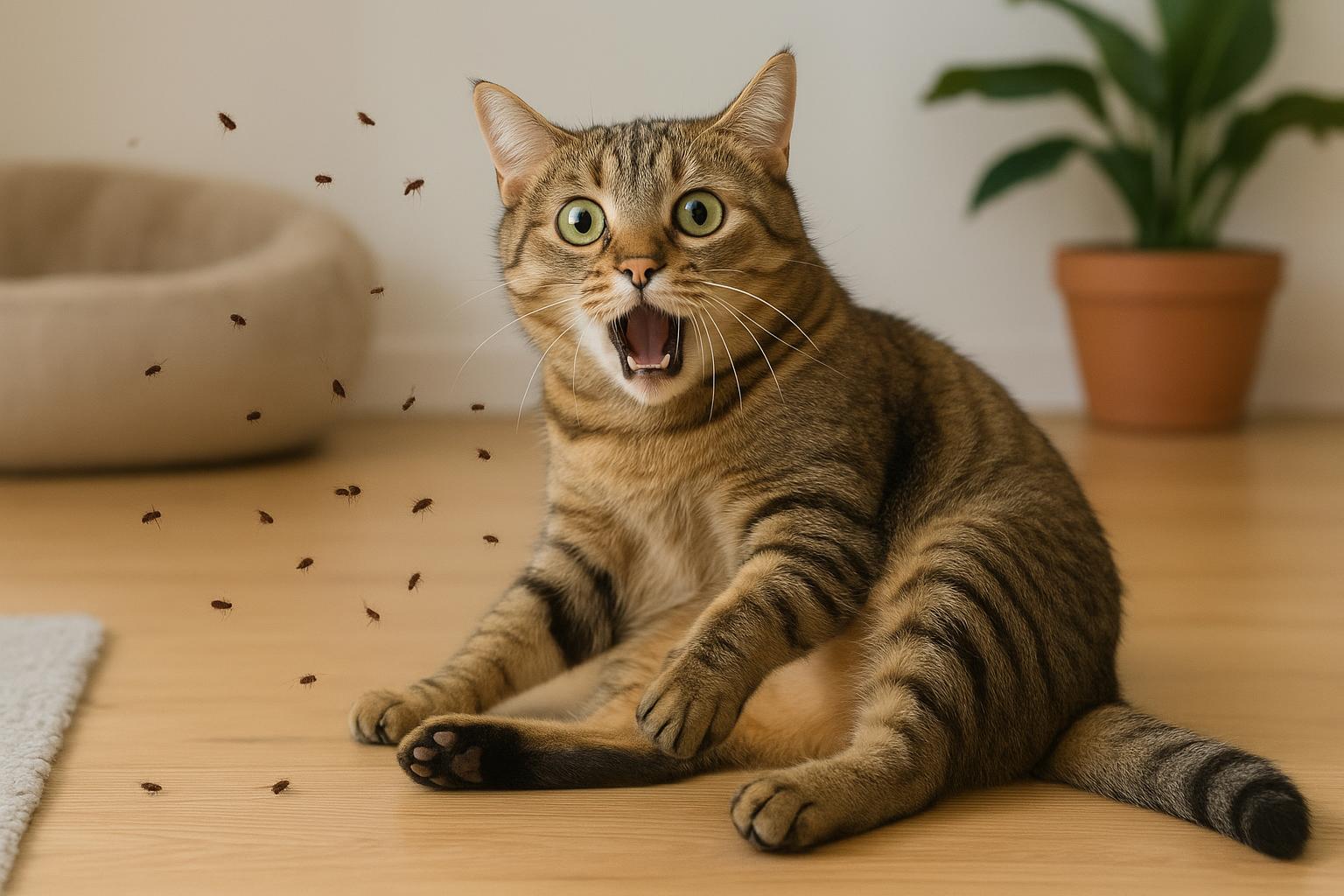
Cats are charming little hunters, but their tiny foes are relentless: fleas. Understanding how these tiny vampires move from one host to another — and into your living room — makes it far easier to stop them. Let’s walk through what flea transmission looks like, why your indoor-only cat might still get bitten, and practical remedies that actually work (with a touch of real-world humor sprinkled in).
## Flea Transmission: How Fleas Move Between Cats
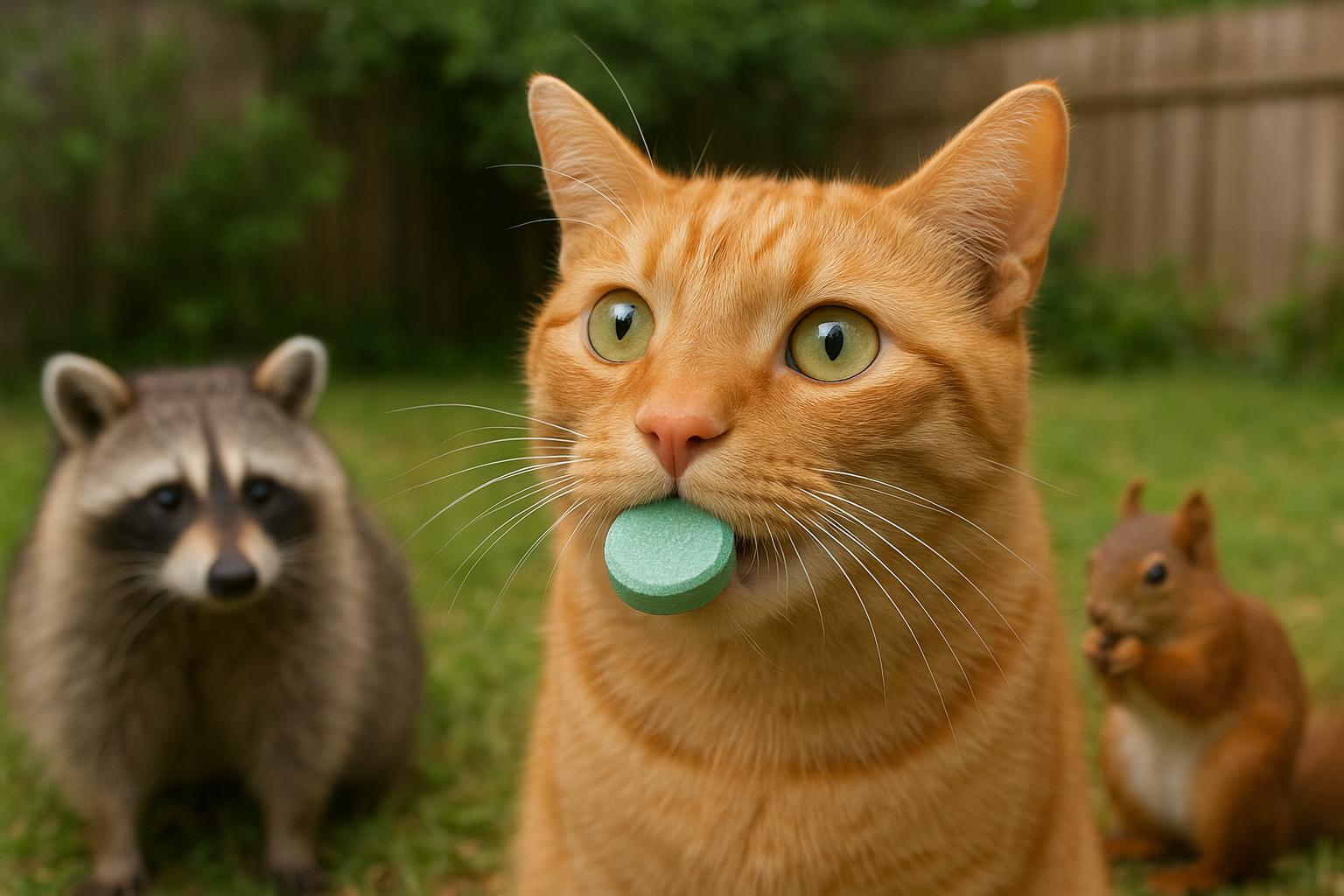
Flea transmission is not one dramatic leap from one cat to another in most cases; it’s a cycle that involves hosts, habitat, and timing. Adult fleas jump from one animal to another when they get the chance, but most of the population in a home lives as eggs, larvae, or pupae in the environment — carpets, bedding, and cracks in floors. A single flea on a visiting raccoon or neighbor’s dog can mean flea transmission to your cat because those adults lay eggs that pepper your house with future generations.
### The Flea Life Cycle: Egg To Jumper
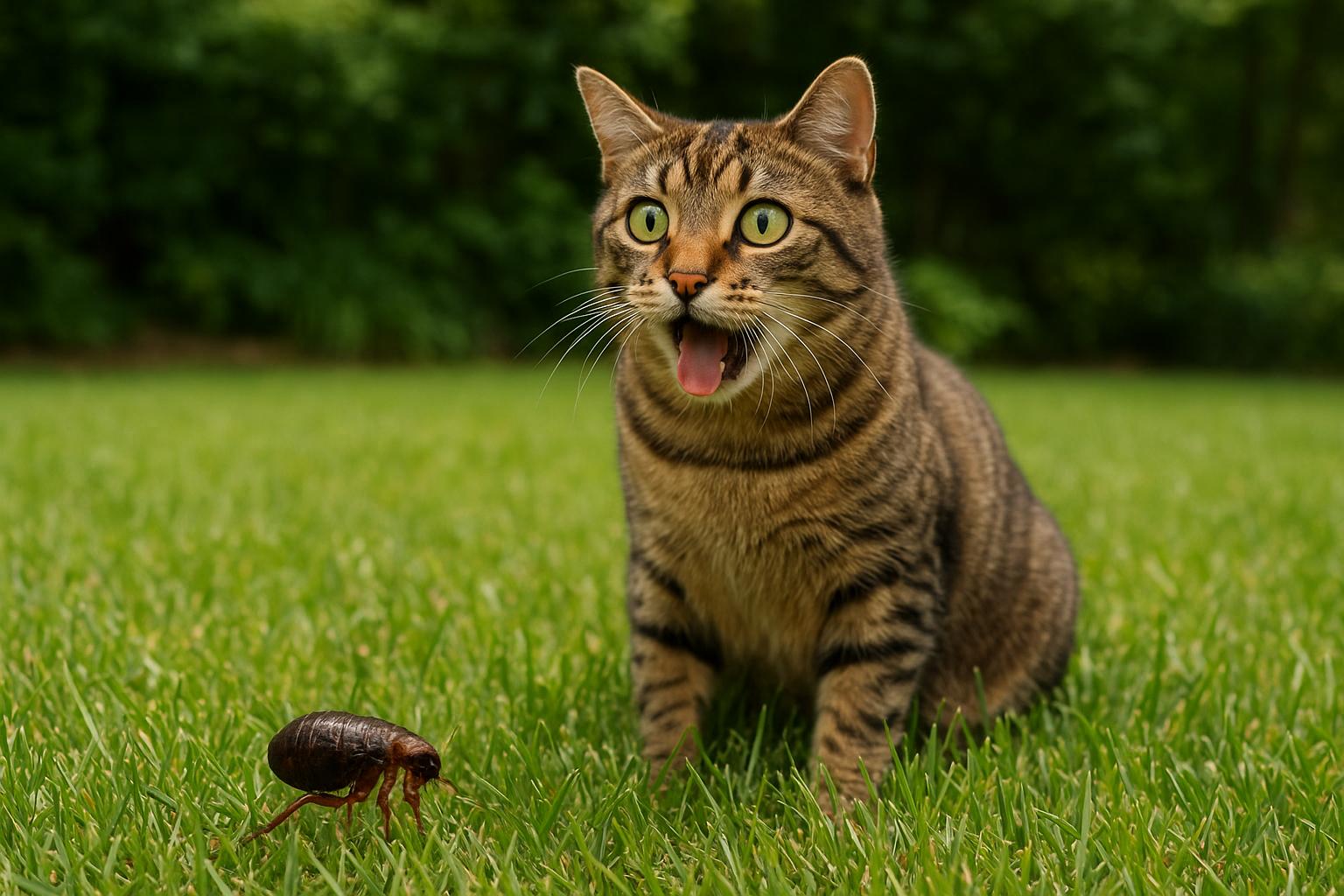
To grasp flea transmission, picture the life stages. Adult fleas feed on a host and lay eggs that fall off into the environment. Eggs hatch into larvae, which hide in dark, protected areas, and later pupate into cocoons. Pupae can stay dormant until vibrations, carbon dioxide, or warmth signal a host nearby — then a fully formed flea bursts out, ready to feed and reproduce. Environmental control matters because interrupting any stage reduces the chance of continued transmission.
### How Fleas Jump Hosts
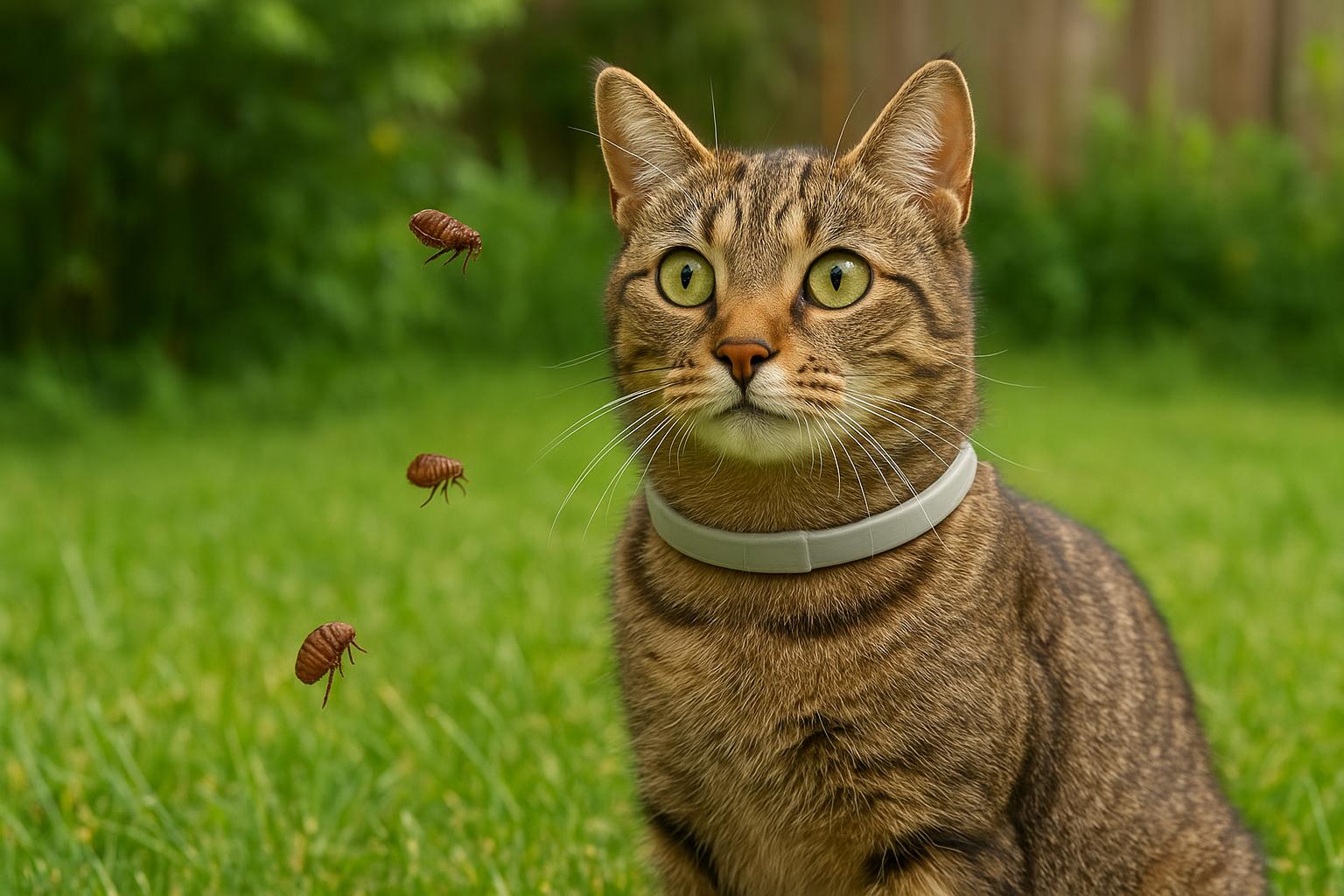
Fleas are opportunistic. They are attracted by body heat, carbon dioxide, and movement. Once on a host, they mate and feed. Cats that groom frequently may remove many fleas, but that behavior can spread fleas via grooming tools or shared bedding. Flea transmission is therefore both direct (flea jumps between animals) and indirect (eggs/larvae in the environment later hatch and infect a new host).
## Where Fleas Hide In Your Home
Fleas prefer warm, humid, sheltered spots. Think: couches, pet beds, piles of laundry, baseboards, and underneath furniture. Outdoor areas — shaded lawns, leaf litter, and feral cat hangouts — are also flea nurseries. Because flea stages are in the environment, simply treating pets without addressing the home often leads to re-infestation and repeated cycles of flea transmission.
### Who Carries Fleas Besides Cats
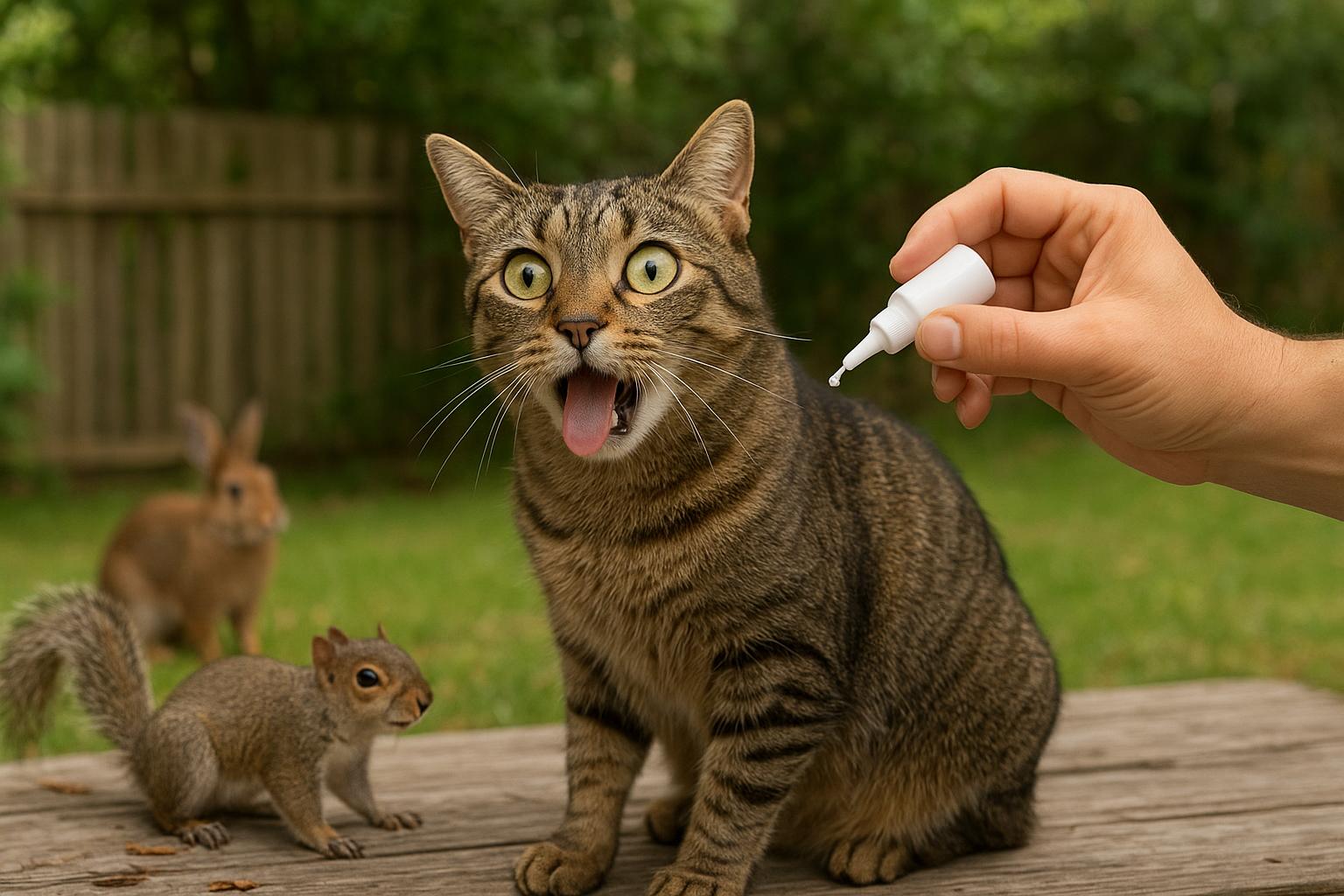
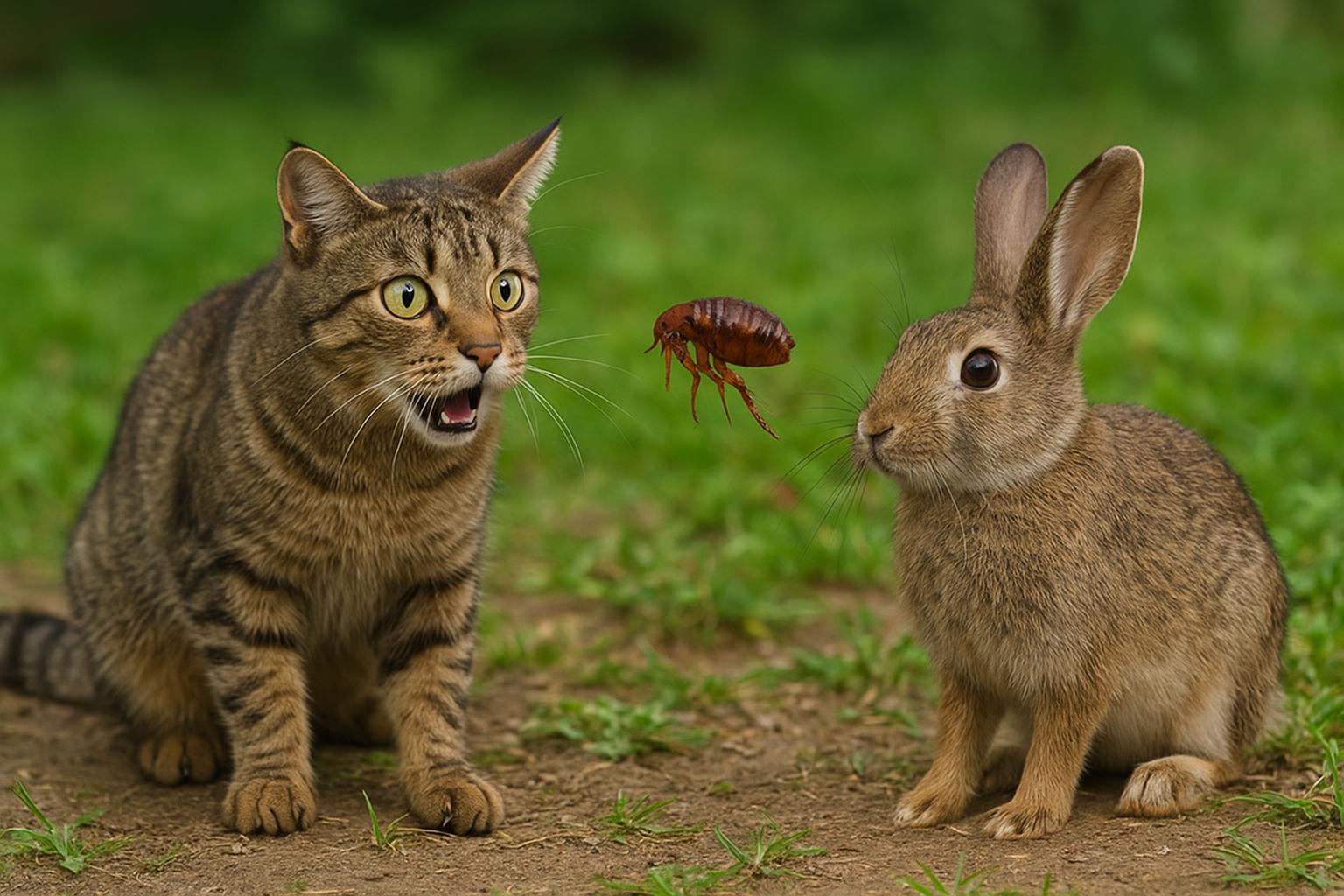
Dogs, wild mammals (raccoons, opossums, foxes), rodents, even birds can carry fleas. Human clothing can move adult fleas short distances too. Neighborhood wildlife or a visiting dog can seed your yard, and from the yard it’s a short trip back inside. This broad host range is one reason flea transmission remains common.
### Risk Factors That Increase Transmission
Several things increase the odds of flea transmission: multi-pet households, outdoor access, warm climates, infrequent vacuuming or washing bedding, and not treating all animals in the home simultaneously. Fleas breed quickly — a small initial population can explode when conditions are right.
## Signs Your Cat Has Fleas
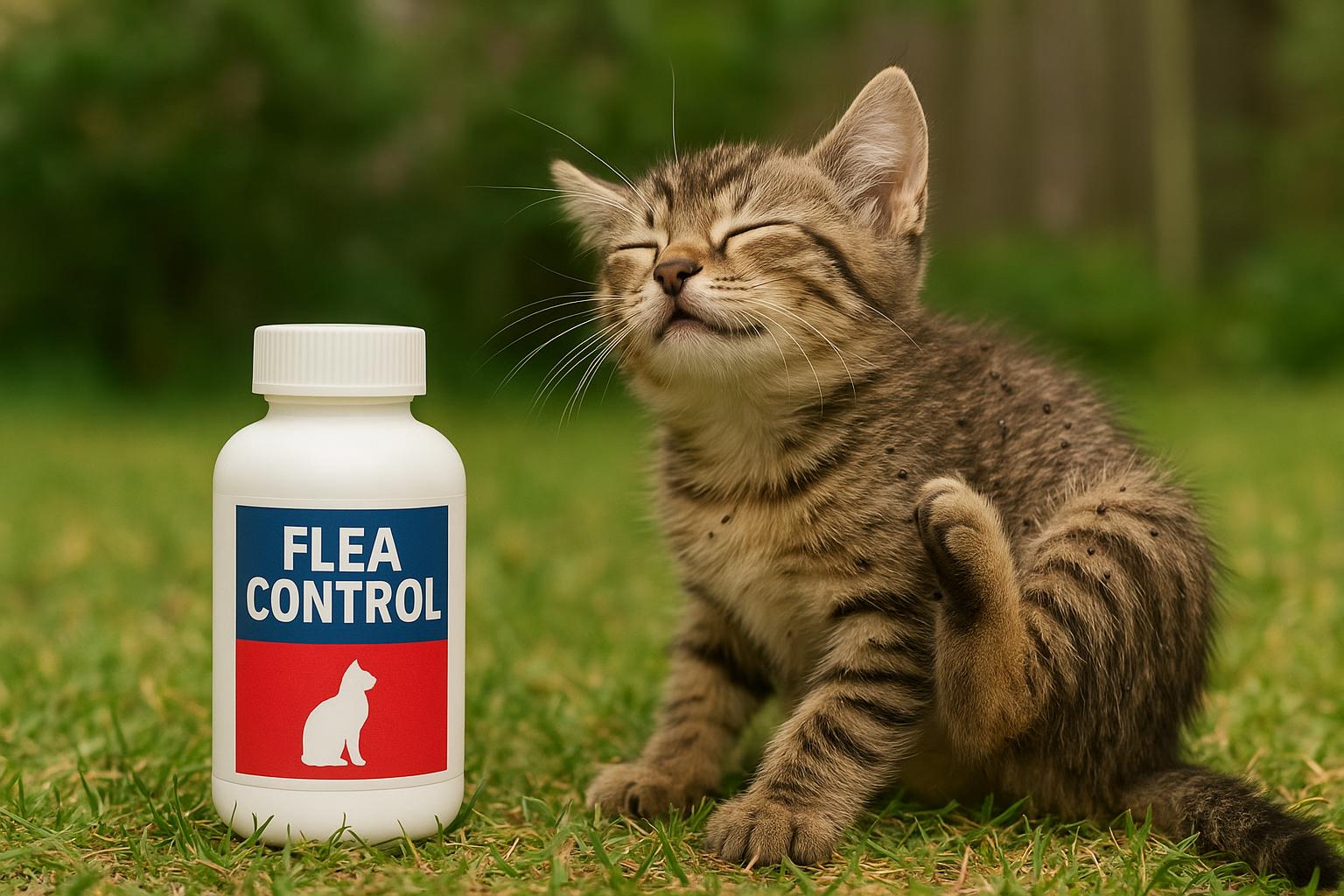
Cats don’t always scratch dramatically. Look for:
– Frequent grooming or over-grooming
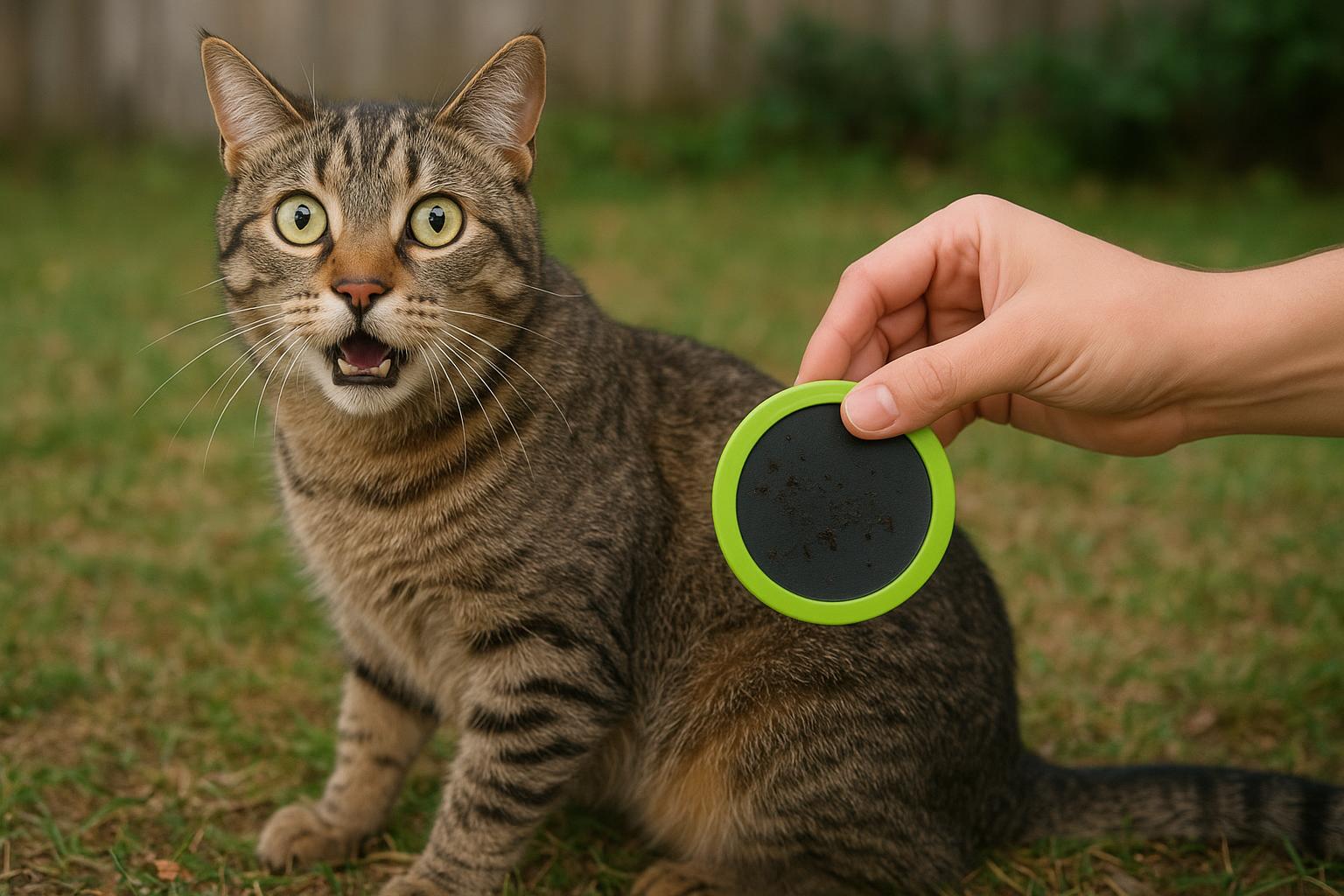
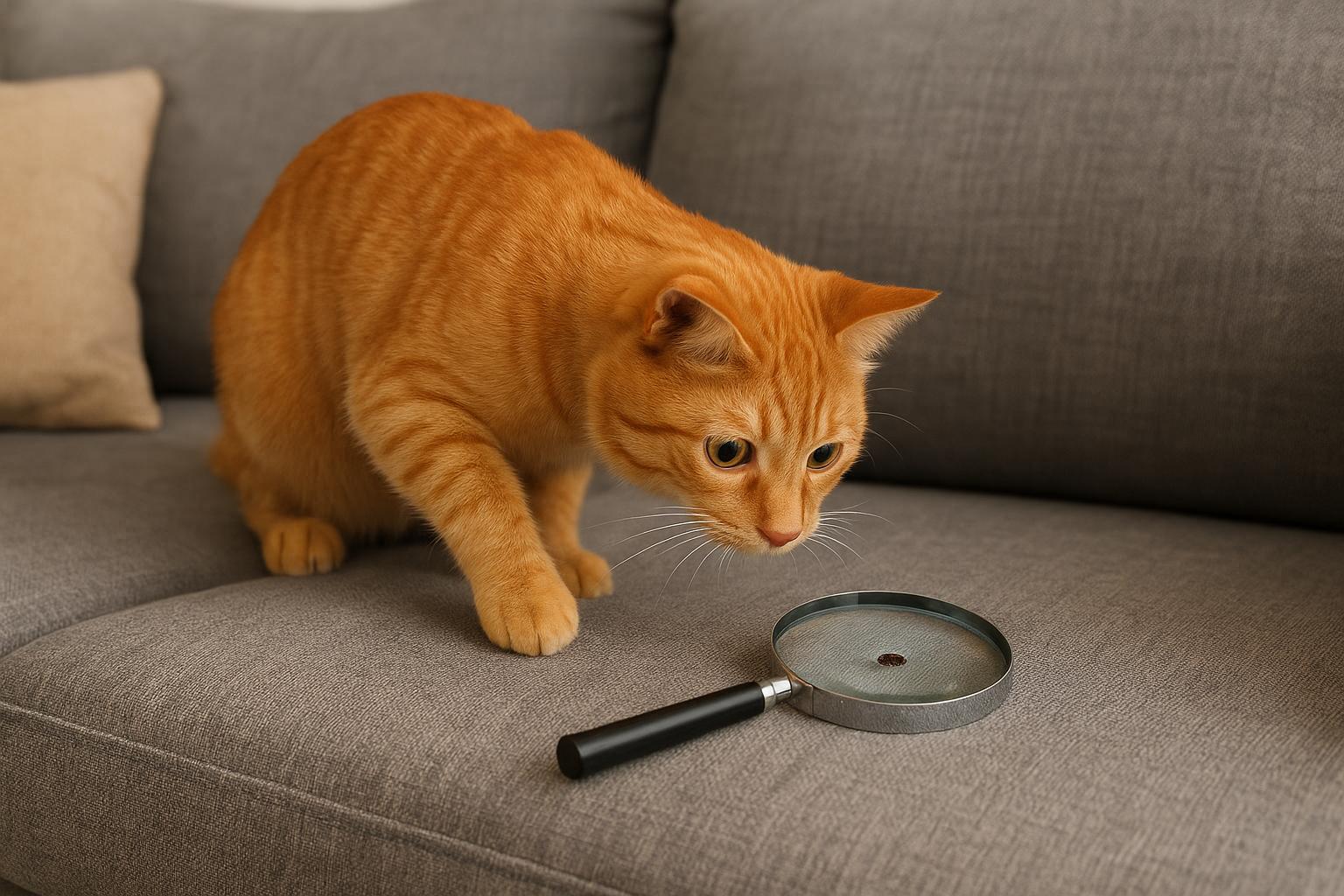
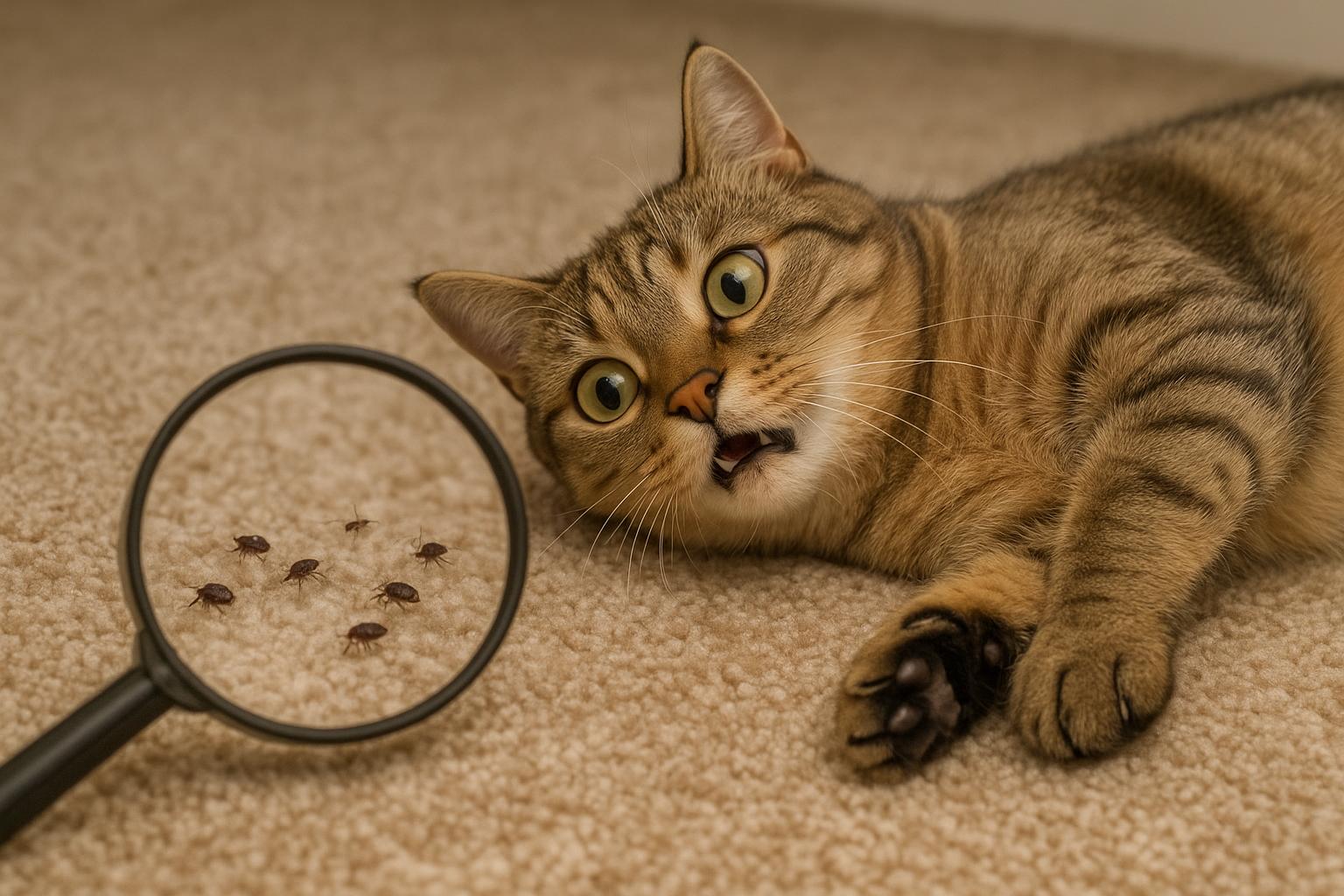
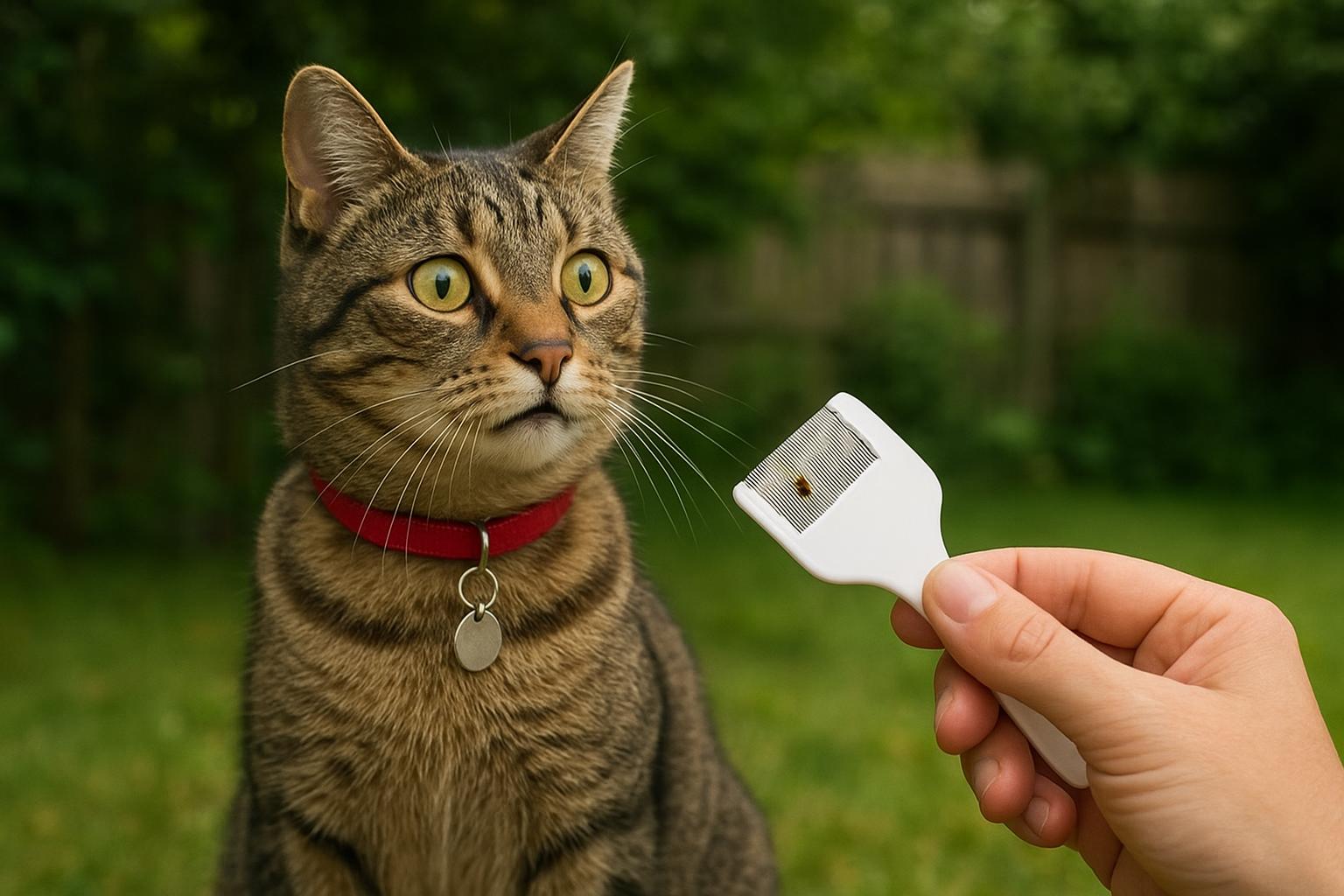
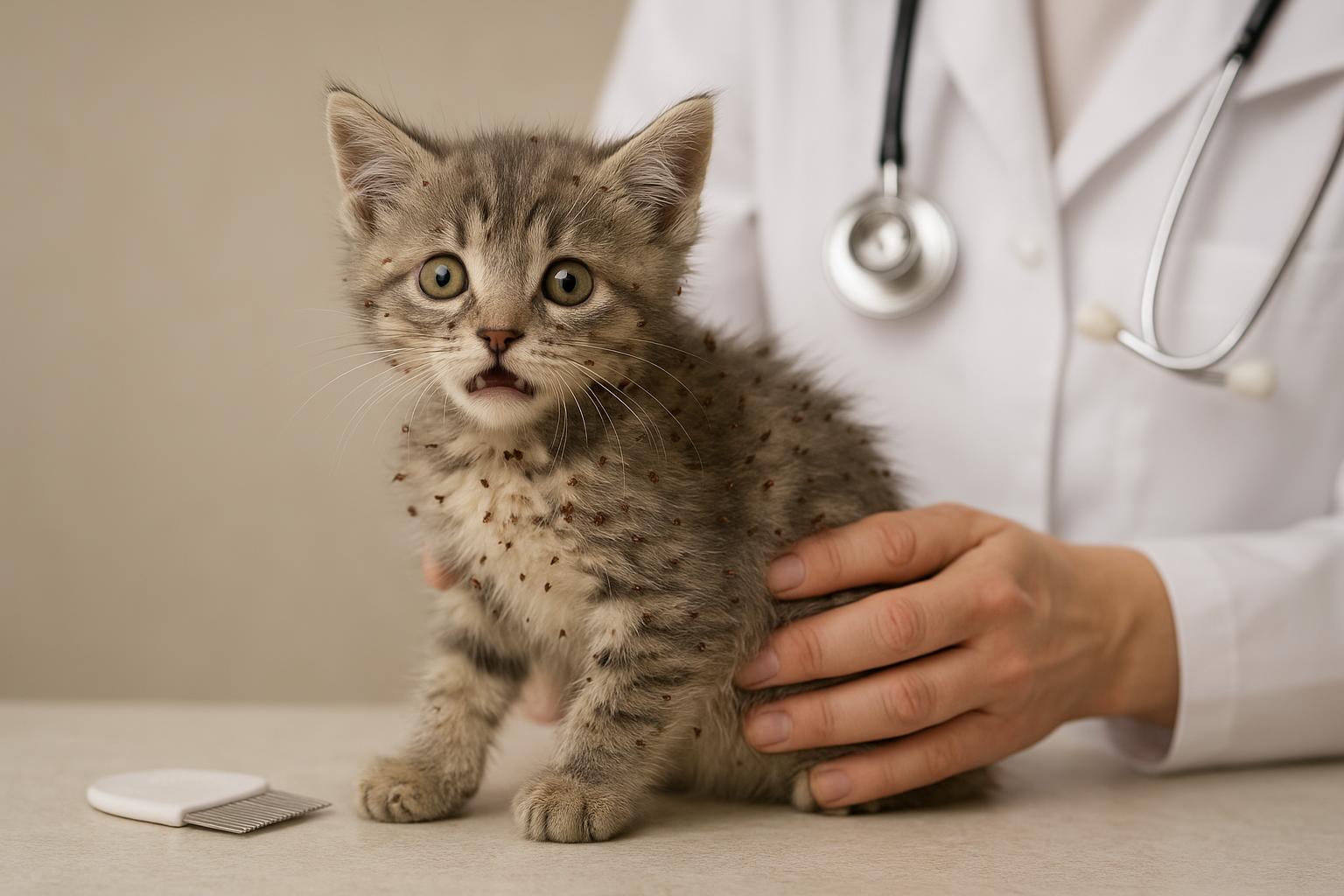
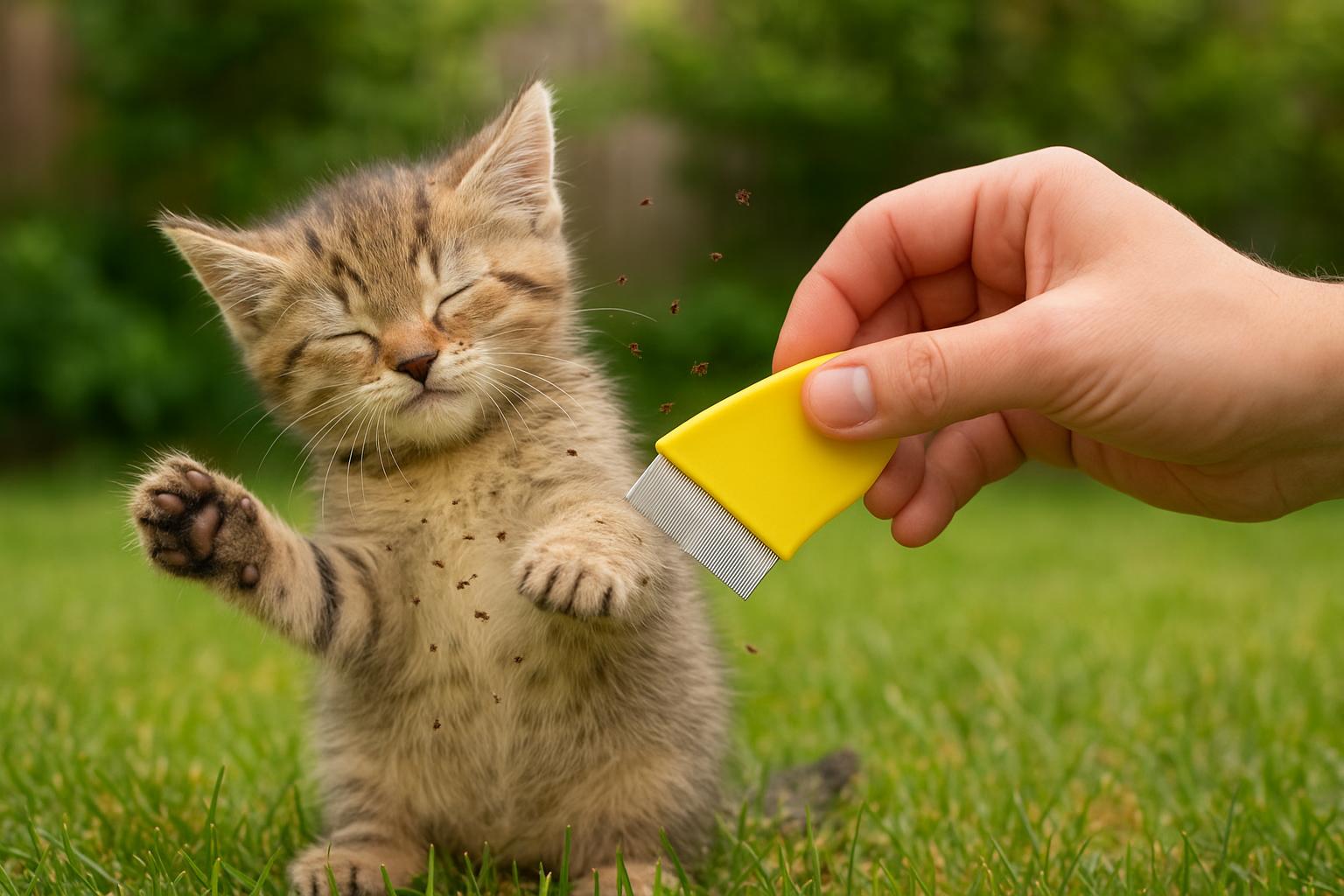
– Tiny black “flea dirt” that looks like pepper (wet it; it turns reddish)
– Hair loss, especially near the tail base
– Pale gums in severe infestations (a sign of anemia)
If you spot fleas or flea dirt, act quickly to break the chain of flea transmission.
## Remedy 1: Environmental Cleaning And Household Treatment
When multiple routes of transmission involve the house, environmental action is a must. This remedy focuses on removing eggs, larvae, and pupae so fledgling flea adults have nowhere to come from.
### Materials Required
– Powerful vacuum cleaner with attachments
– Plastic trash bags
– Washer and dryer (hot water and hot-dry settings)
– Food-grade diatomaceous earth (optional, wear a dust mask)
– Pet-safe insect growth regulator (IGR) spray or a professional-grade product containing pyriproxyfen or methoprene (follow label instructions)
– Stiff brush for upholstery
– Gloves
### Step-By-Step Home Treatment (Environmental)
1. Gather all pet bedding, removable rugs, and washable covers. Place items in sealed plastic bags for transport to the washer, to reduce escape of eggs/larvae.
2. Wash fabrics in the hottest water safe for the material and dry on high heat for at least 30 minutes. Heat kills most flea life stages.
3. Vacuum every carpeted and upholstered surface thoroughly: floors, baseboards, under furniture, and along pet resting spots. Use attachments to get into crevices. Immediately seal and discard the vacuum bag or empty the canister contents into a trash bag and discard outside.
4. For carpets and upholstery, consider applying a pet-safe IGR spray specifically labeled for indoor use; these target eggs and larvae and prevent pupae from maturing to adults. Follow label directions precisely — IGRs are not all interchangeable.
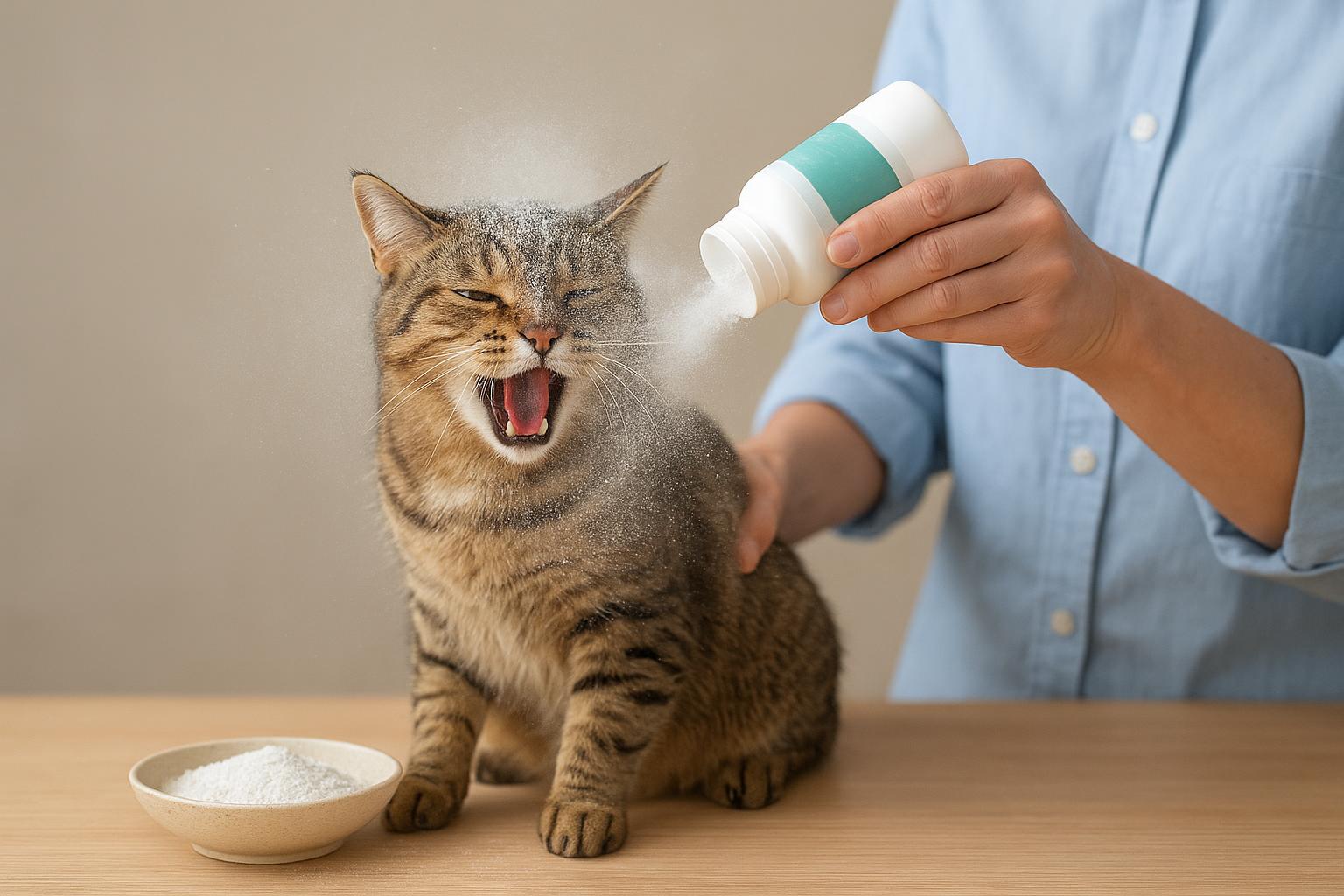
5. If using food-grade diatomaceous earth (DE), lightly dust carpets and cracks where pets don’t directly lie, let sit several hours, then vacuum. Use only food-grade DE and avoid inhaling the dust. DE can be drying to pet skin, so use cautiously and avoid application directly to animals.
6. Repeat washing and vacuuming regularly — weekly for at least 6–8 weeks — because pupae can emerge later when conditions stimulate them. Regular cleaning reduces the reservoir that enables flea transmission.
7. Treat outdoor areas where your cat spends time: remove debris, mow, and treat shadier, damp microhabitats. For heavy infestations or wildlife presence, a professional pest control operator may be advisable.
Be formal and careful: use only products labeled for indoor pet environments, and keep pets away from treated areas until safe per product instructions.
## Remedy 2: Cat-Focused Veterinary Treatments
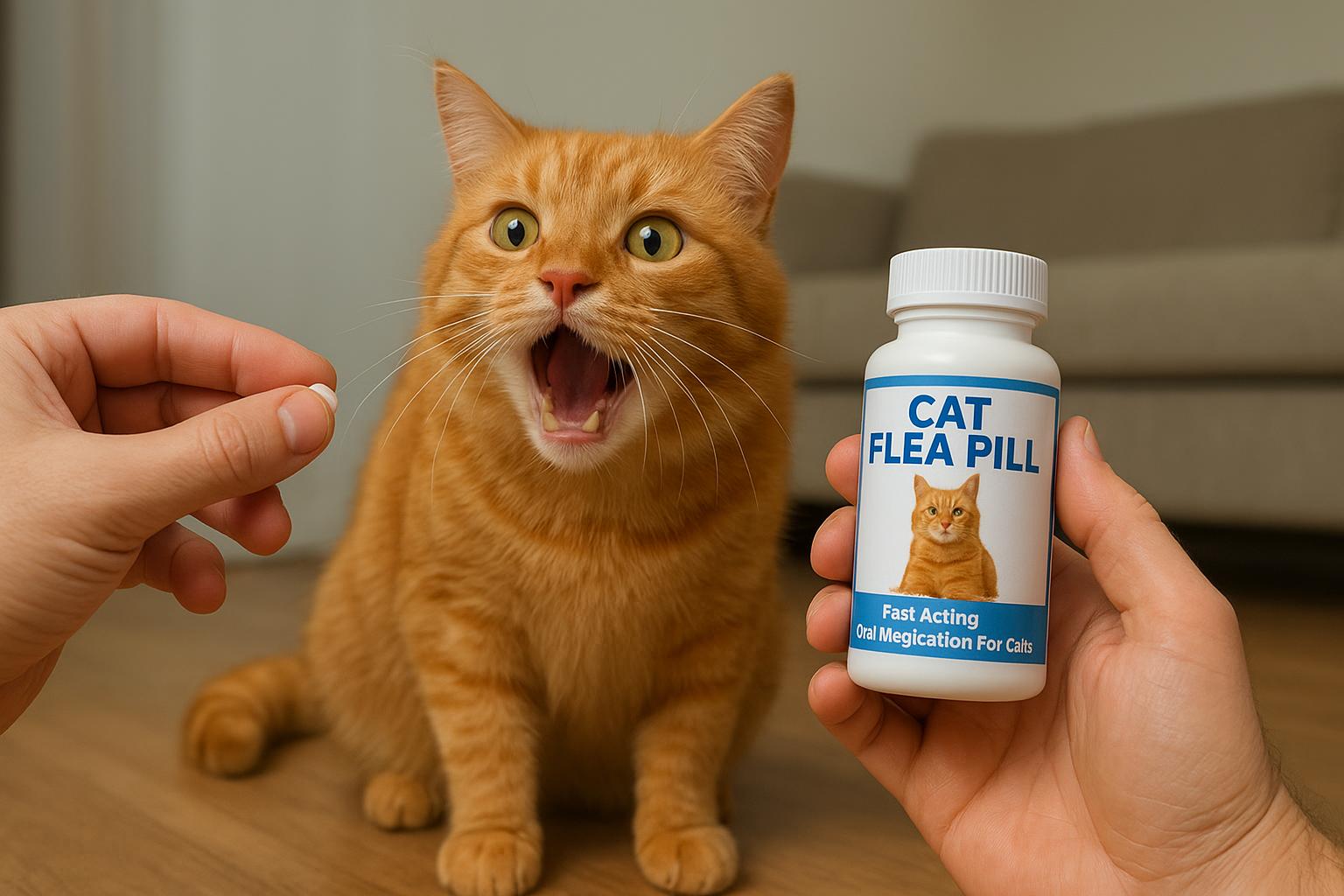
When fleas are established or your cat shows symptoms, veterinary treatments are the most effective way to stop flea transmission between animals. These products are rigorously tested for safety and efficacy; misuse of over-the-counter remedies or homemade concoctions can harm pets.
### Materials Required
– Veterinary consultation and prescription if needed
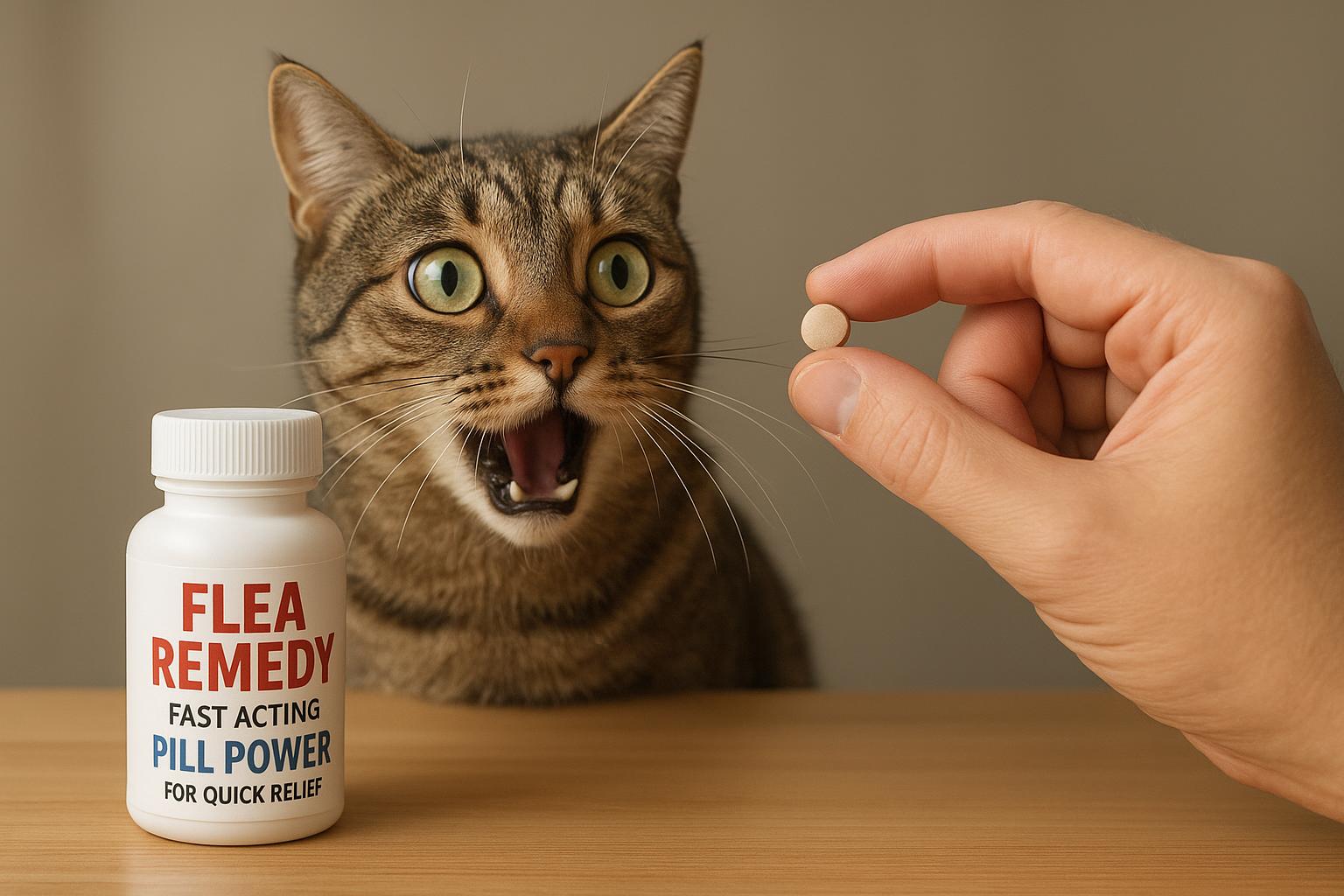
– Approved topical spot-on adulticide or oral systemic flea control (examples include products containing fluralaner, afoxolaner, selamectin, or imidacloprid depending on the cat and local approvals)
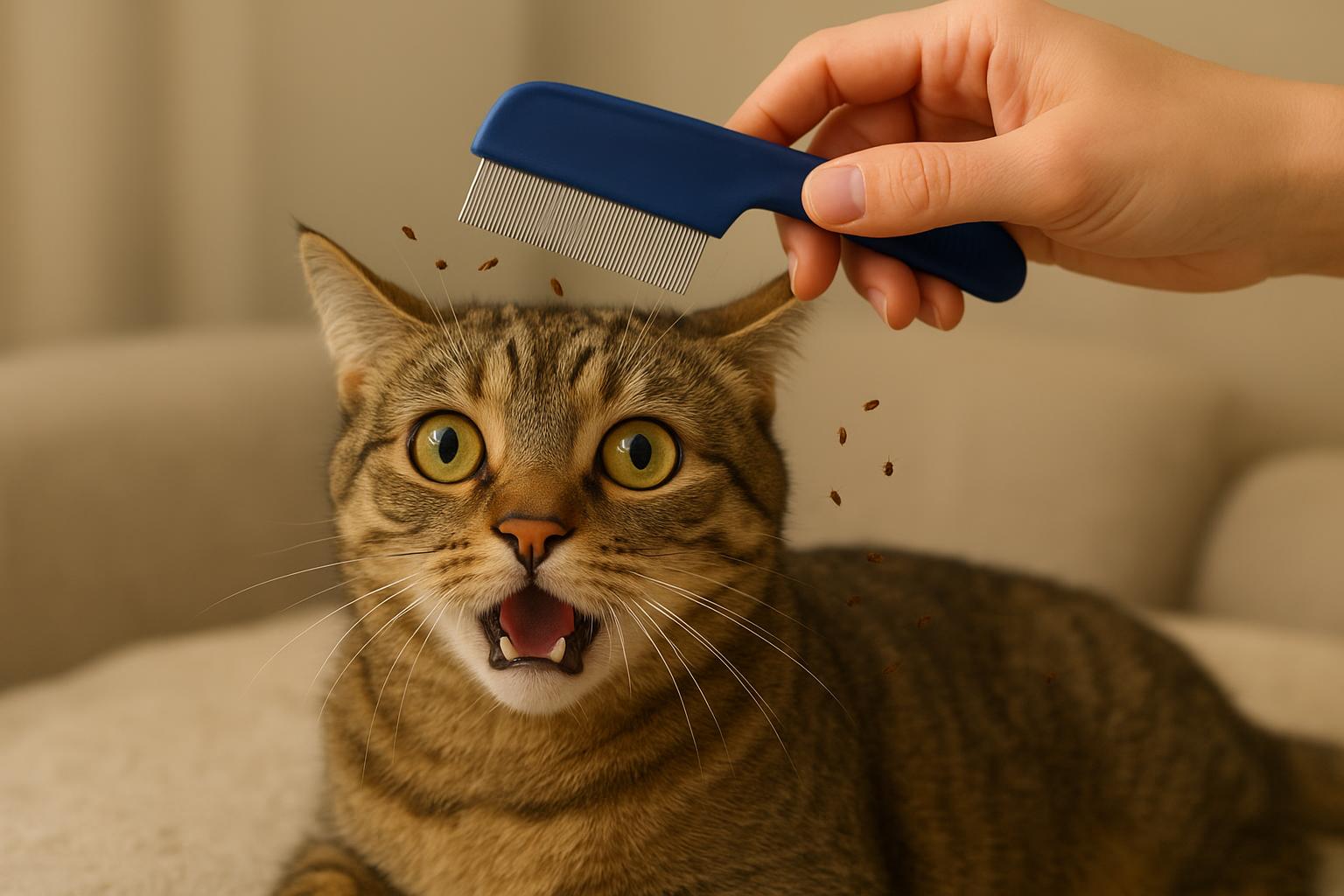
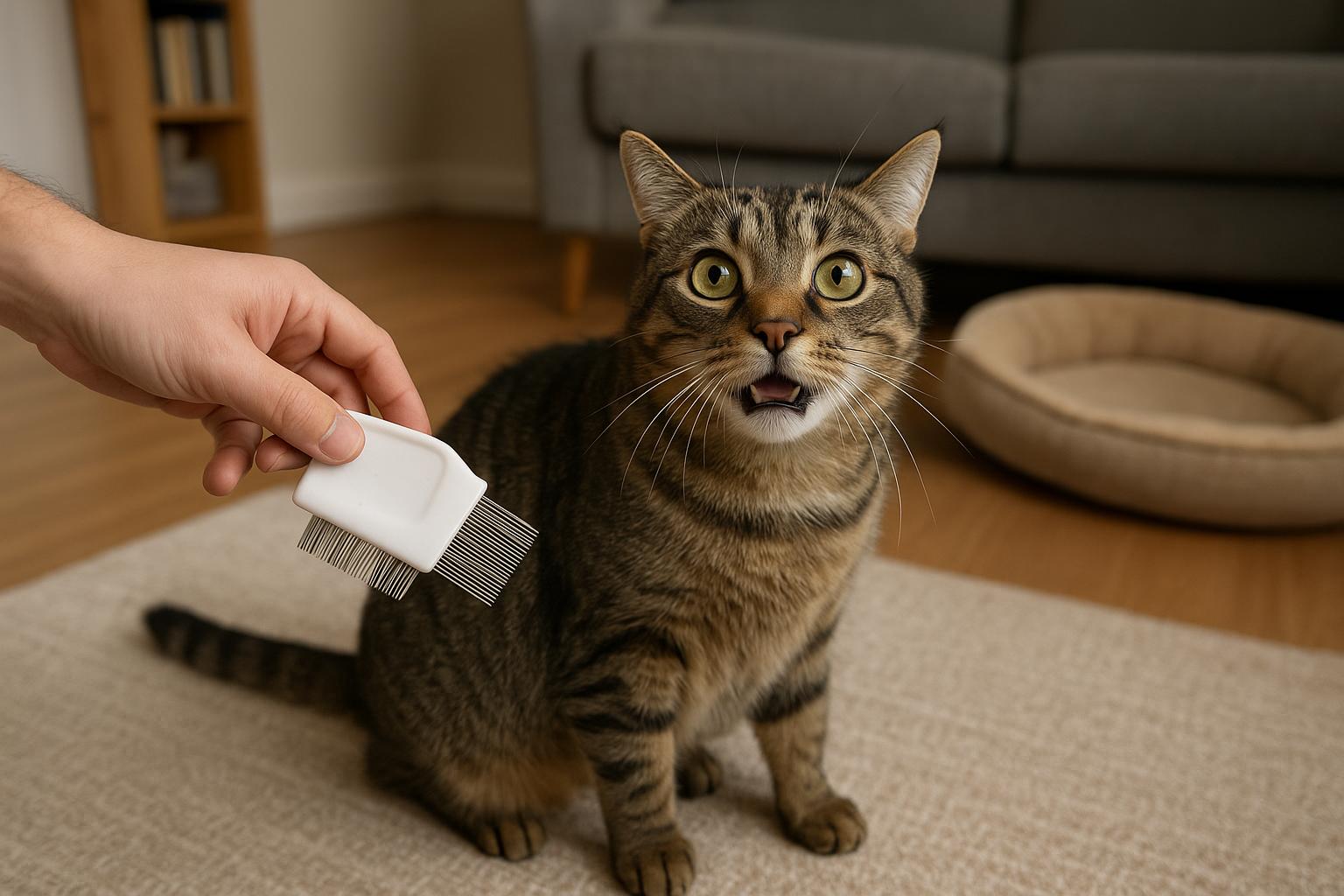
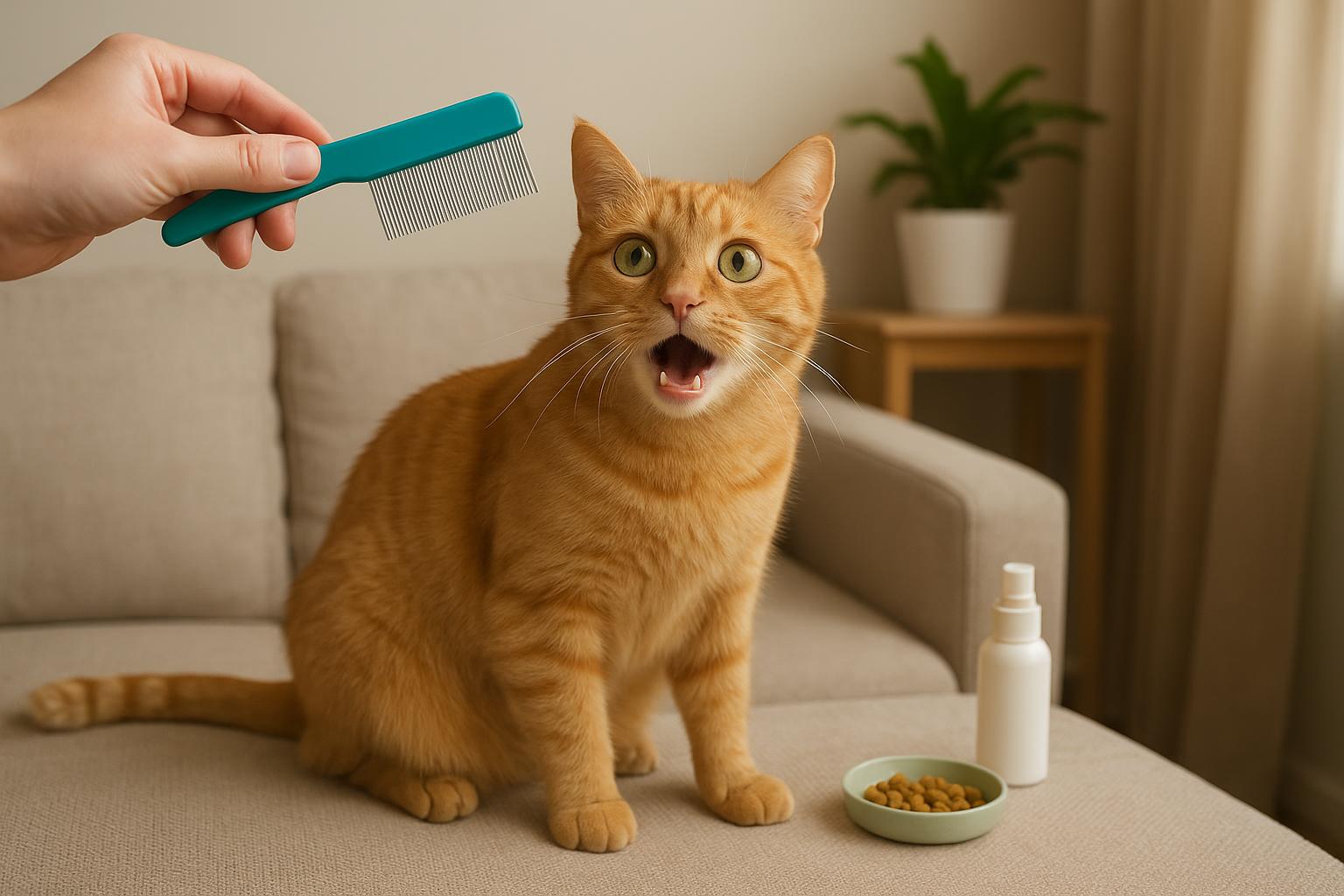
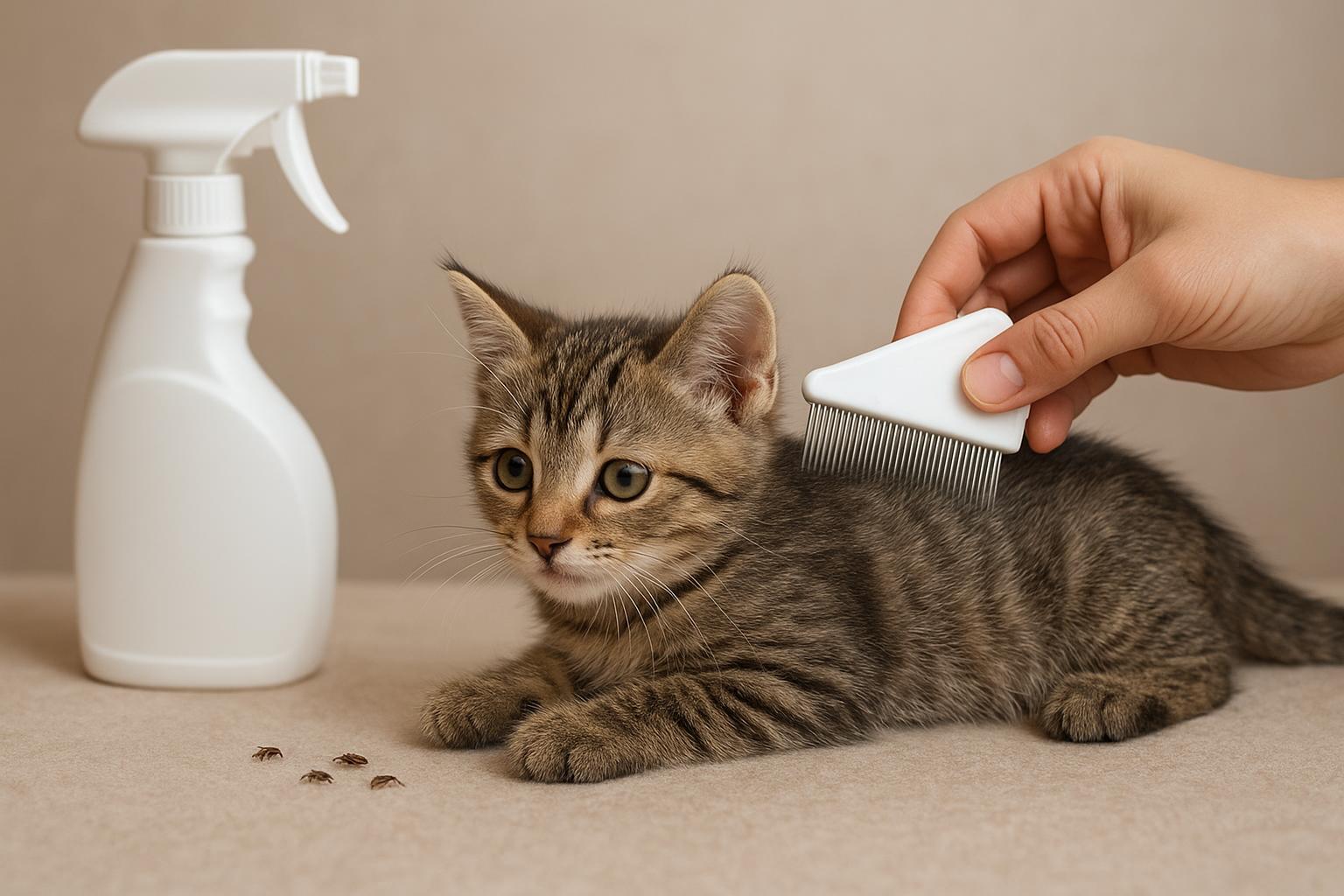
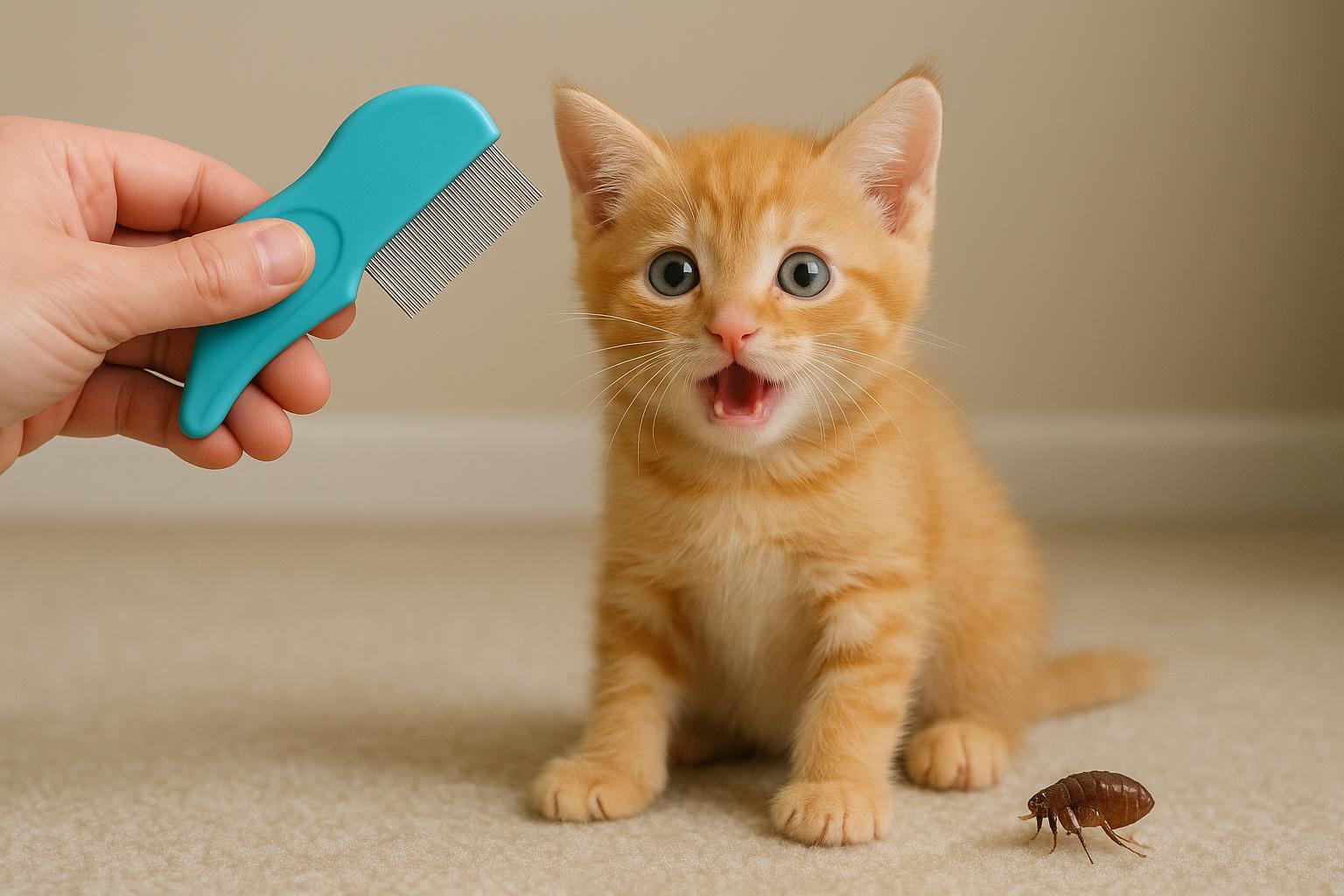
– Flea comb
– Gloves
– Towels to restrain the cat safely (if necessary)
– Records of pet weight, age, and health status
### Step-By-Step Veterinary Treatment Protocol
1. Schedule a veterinary appointment. The vet will confirm fleas, assess for anemia or tapeworms (fleas can transmit tapeworms), weigh the cat, and recommend an appropriate product based on health and lifestyle.
2. Obtain the prescribed treatment and read the label carefully. Use a product approved for cats; dog products can be toxic to cats.
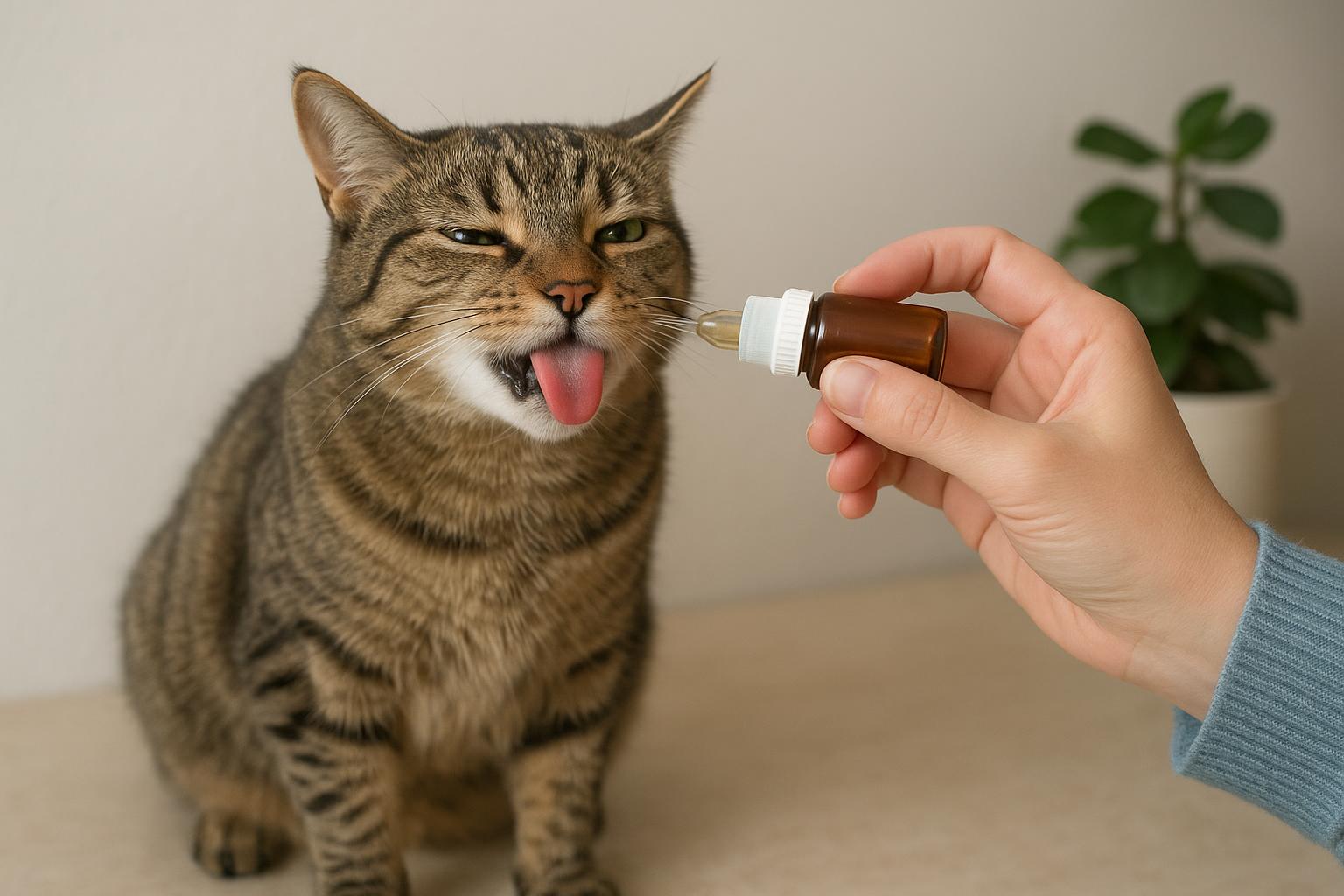
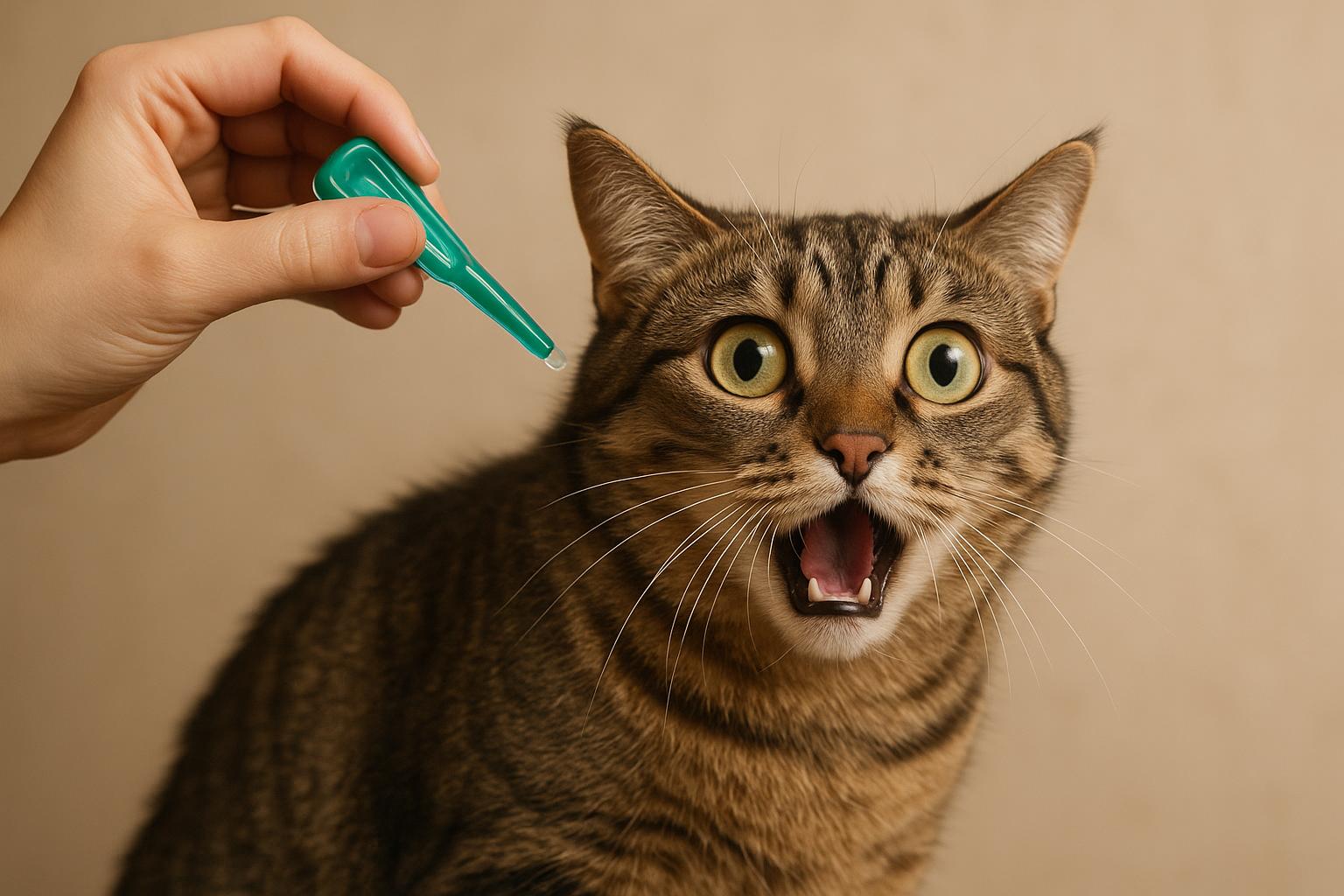
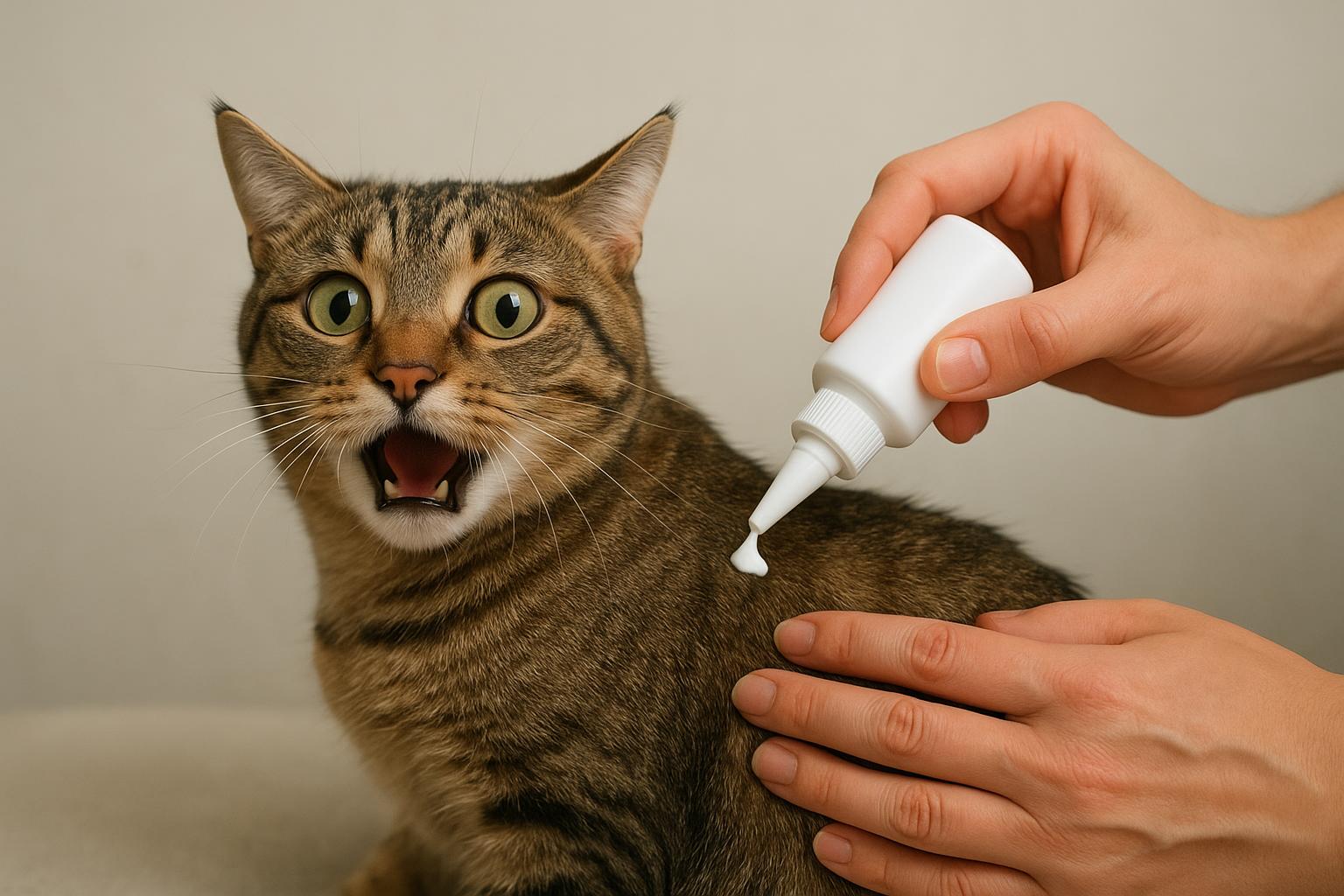
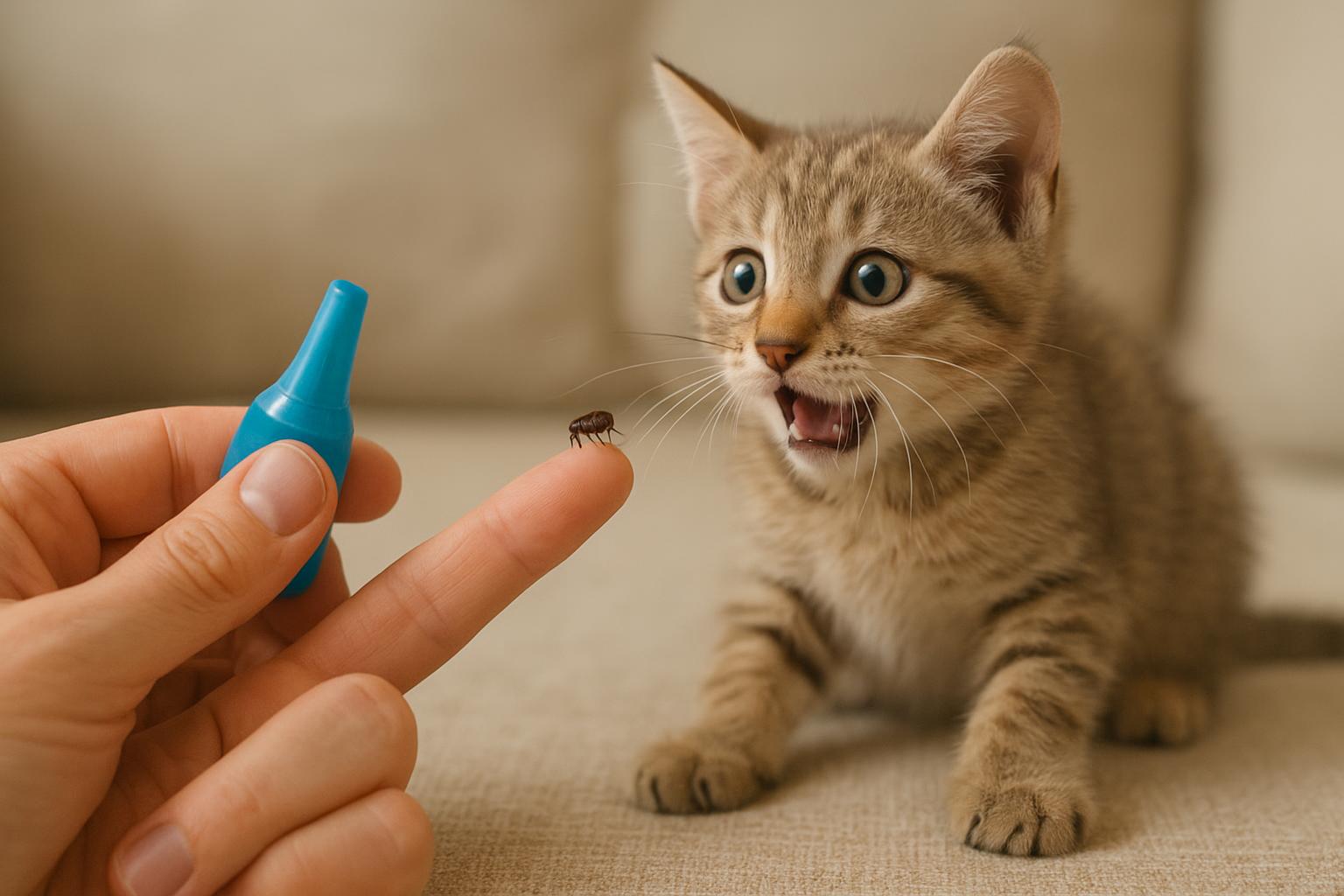
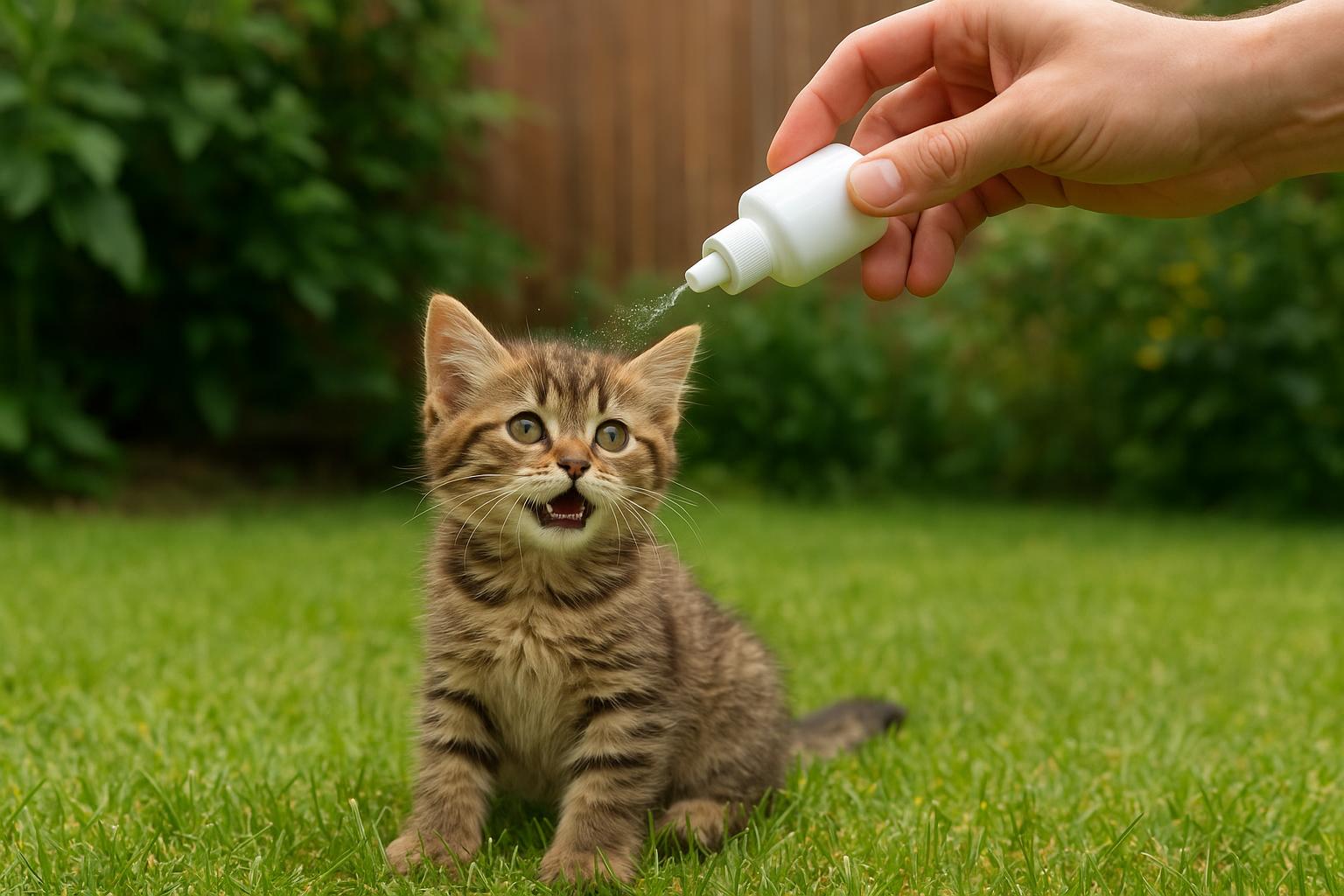
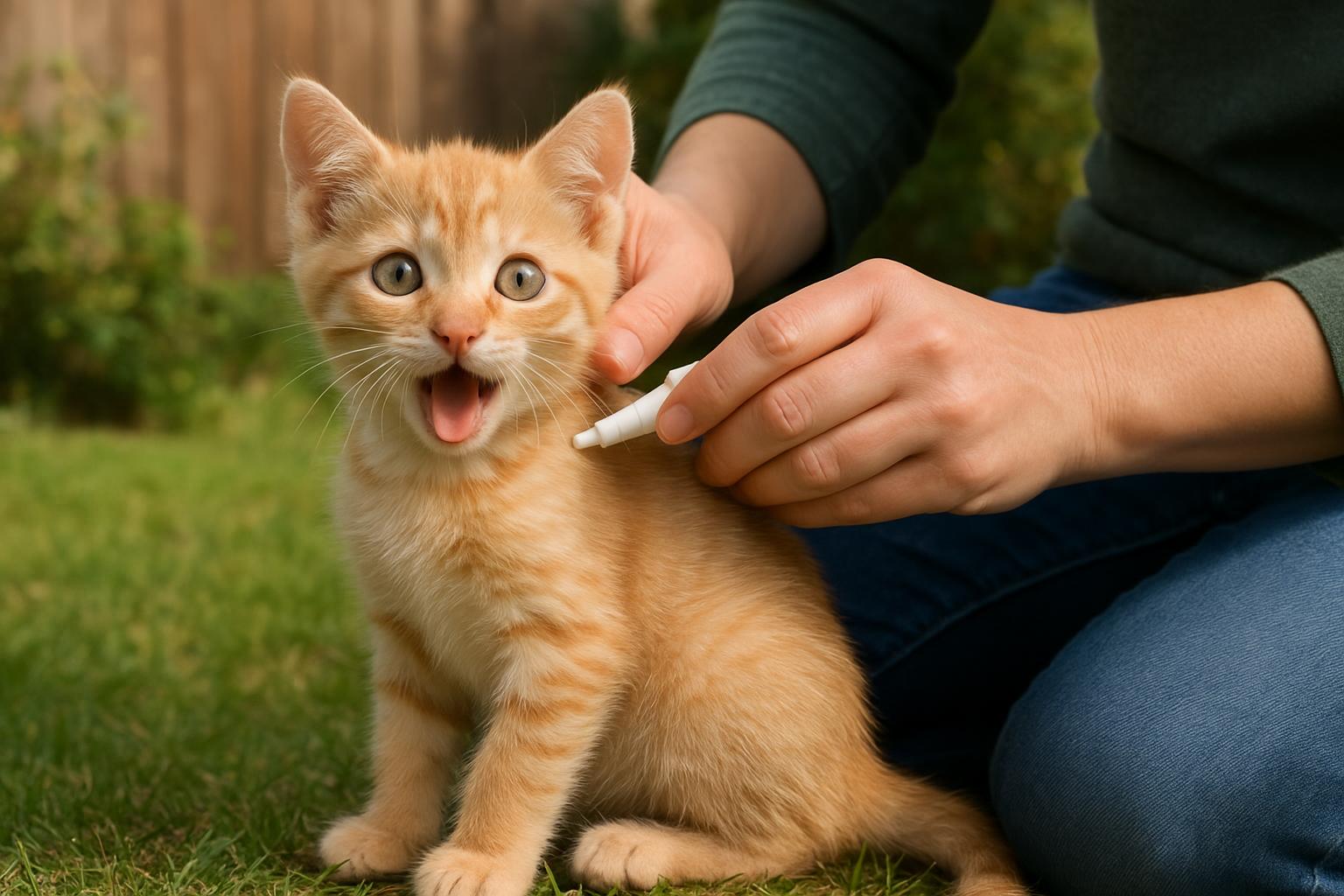
3. Administer the medication precisely as directed. For topical spot-ons: part the fur at the base of the neck until skin is visible and apply the full dose directly to the skin. Do not spread the product with your fingers. For oral chewables: give with food if recommended and ensure the cat ingests the full dose.
4. Treat all pets in the household at the same time, even if only one pet shows fleas. Simultaneous treatment prevents flea transmission between animals and breaking the cycle.
5. Continue monthly maintenance dosing as recommended. Many modern products provide month-long or longer control with a single dose. Adherence is crucial to prevent reintroduction from the environment or neighborhood animals.
6. Recheck with your veterinarian if fleas persist after one treatment cycle — additional diagnostics or combination strategies may be necessary.
These medications are clinical interventions; follow veterinary advice and product guidance strictly to avoid underdosing or accidental toxicity.
## Managing Outdoor Sources To Reduce Transmission
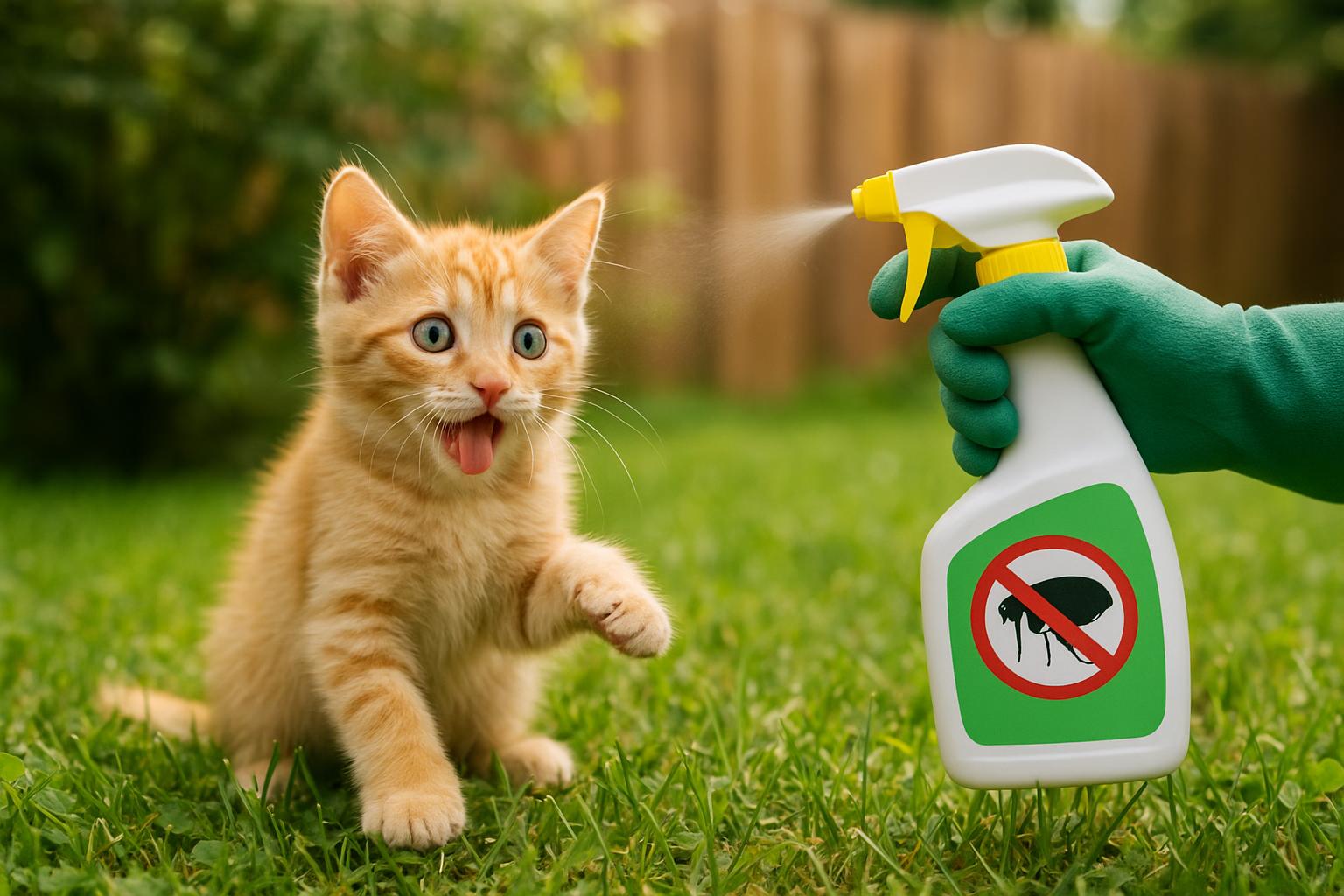
Reducing neighborhood and wildlife sources helps stop flea transmission at its root. Keep your yard tidy, discourage wildlife shelters like wood piles, and consider a boundary treatment in consultation with a pest professional if wildlife is a recurring source. If you allow your cat outdoors, supervise outings or use repellant strategies recommended by your vet to minimize contact with other animals.
## Monitoring And Long-Term Practices
Keep a record of treatments, vacuum frequently, and inspect pets regularly with a flea comb. If you travel or your cat visits a boarding facility, resume vigilance afterward. Because flea transmission can be subtle and persistent, long-term prevention and routine care are the best defenses against repeated infestations.
(End of article content — no concluding section provided as requested.)





Leave a Reply