
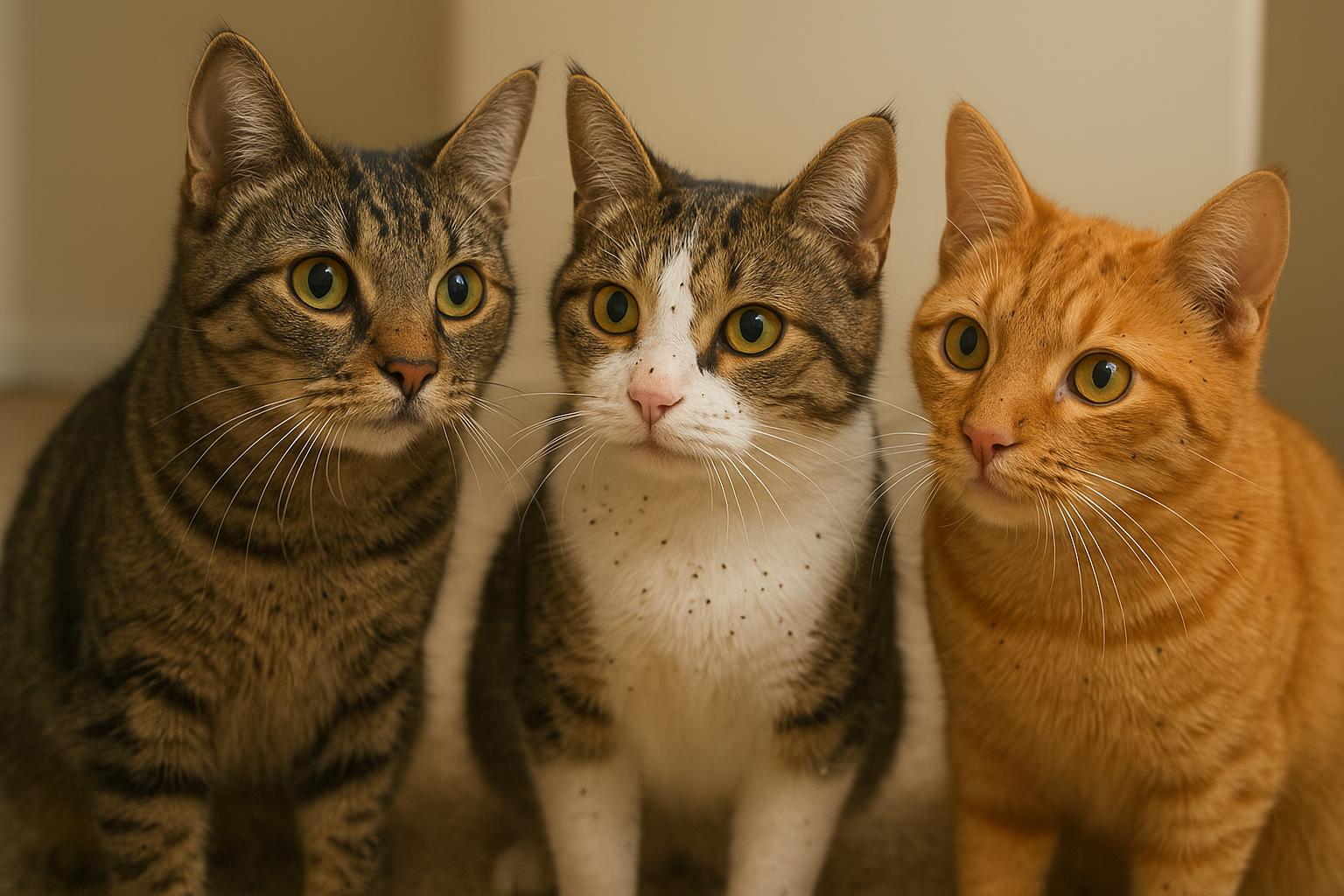
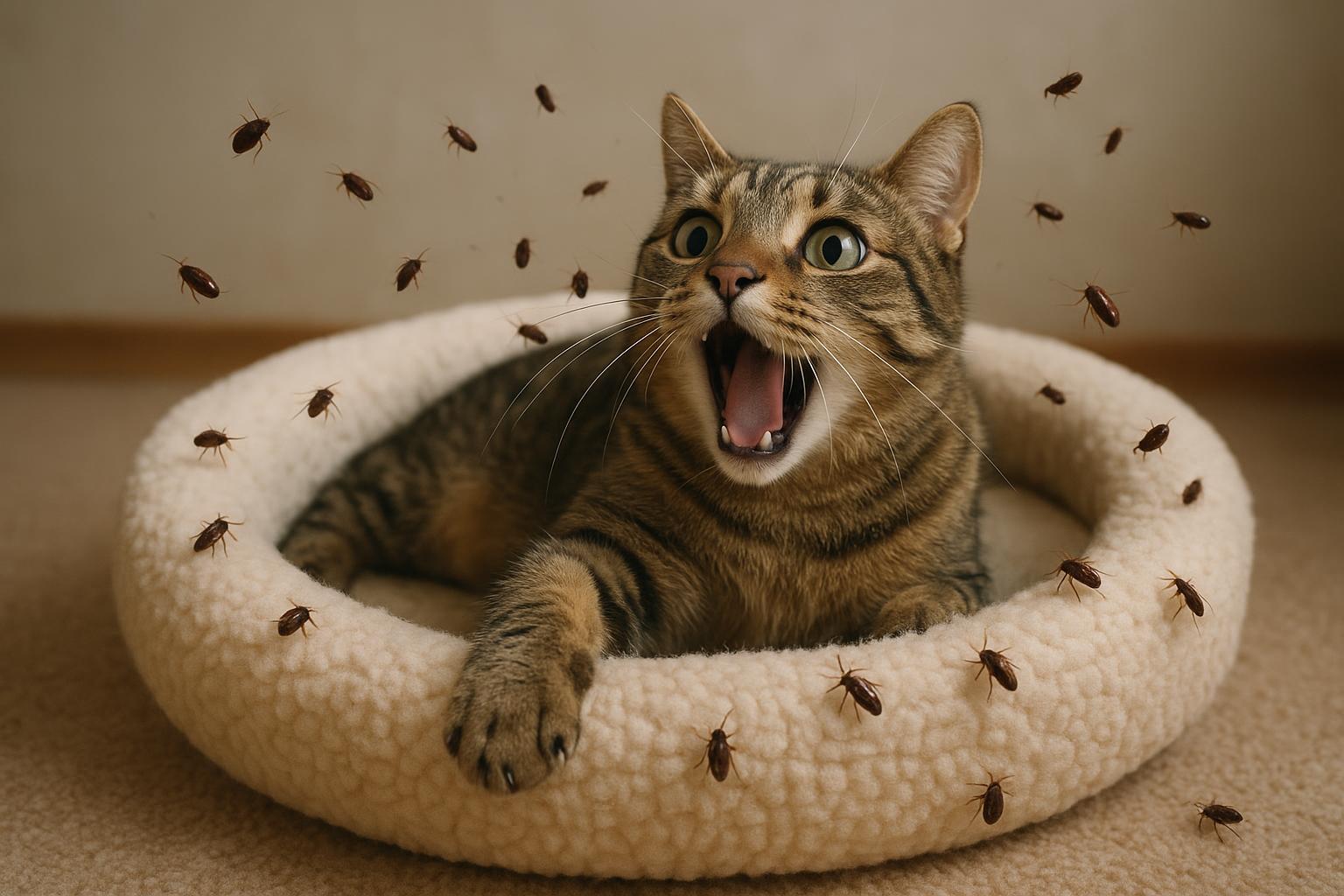
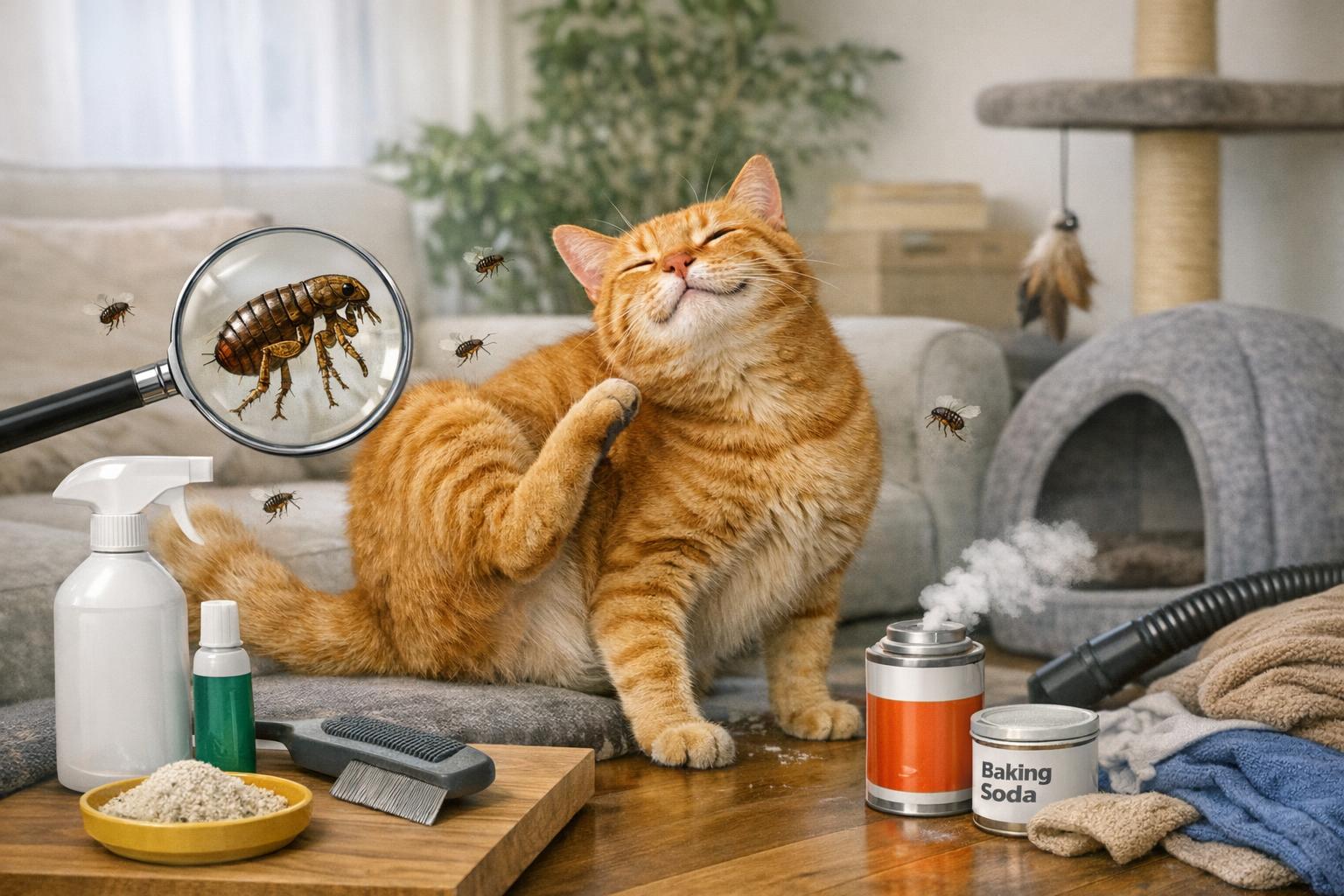
Cats are excellent at hiding things—especially the tiny, dark dots that mean trouble. If you’ve ever found mysterious black flecks on your cat’s fur or bedding, you’re probably dealing with flea specks (sometimes called flea dirt). This guide walks you through how to spot them, test them, inspect your cat effectively, and treat the problem with clear, practical steps. A little relaxed approach, a little elbow grease, and a firm but friendly plan will get you and your cat back to chill mode.
## Flea Specks And Flea Dirt: What You’re Looking For
### What Flea Specks Actually Are
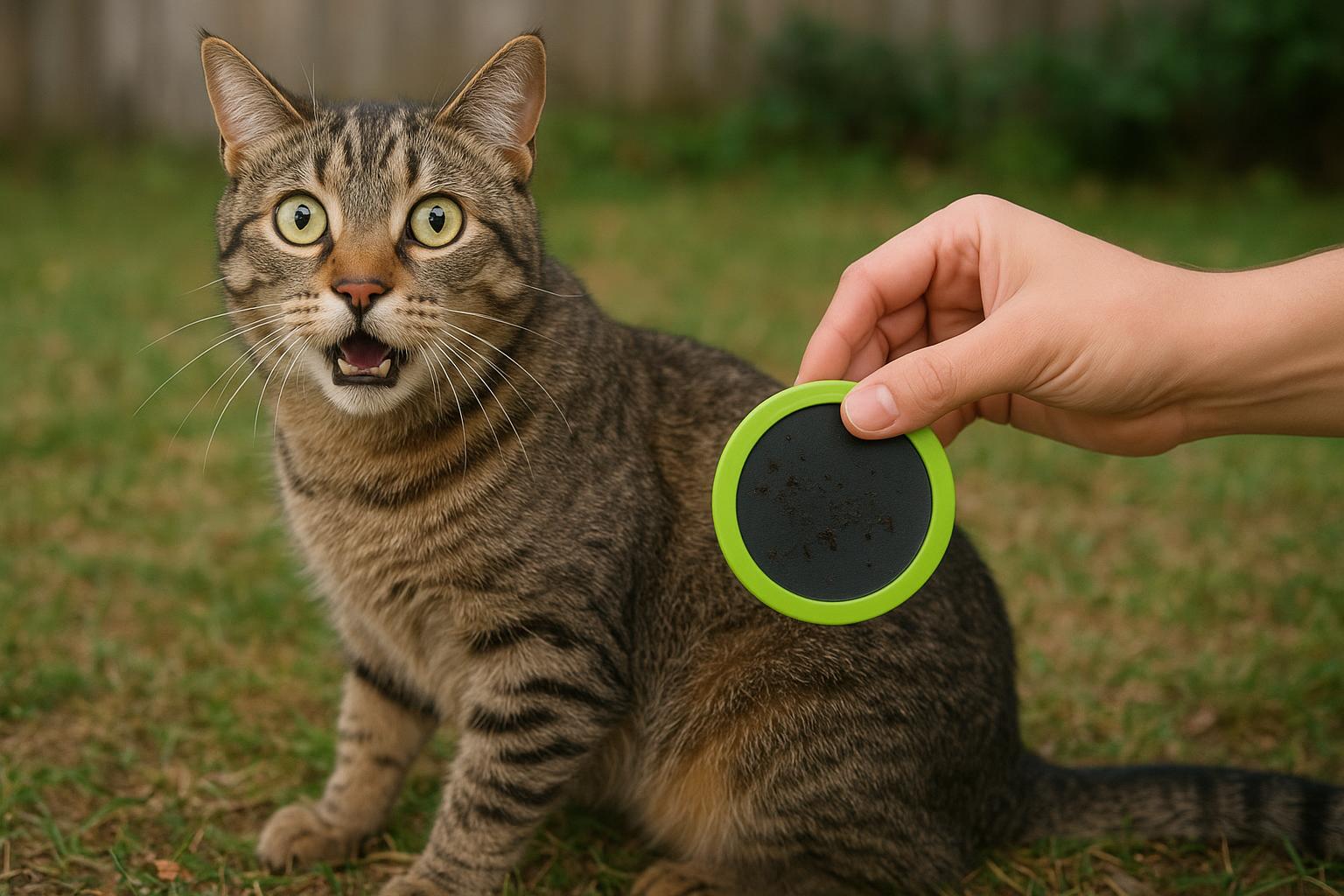
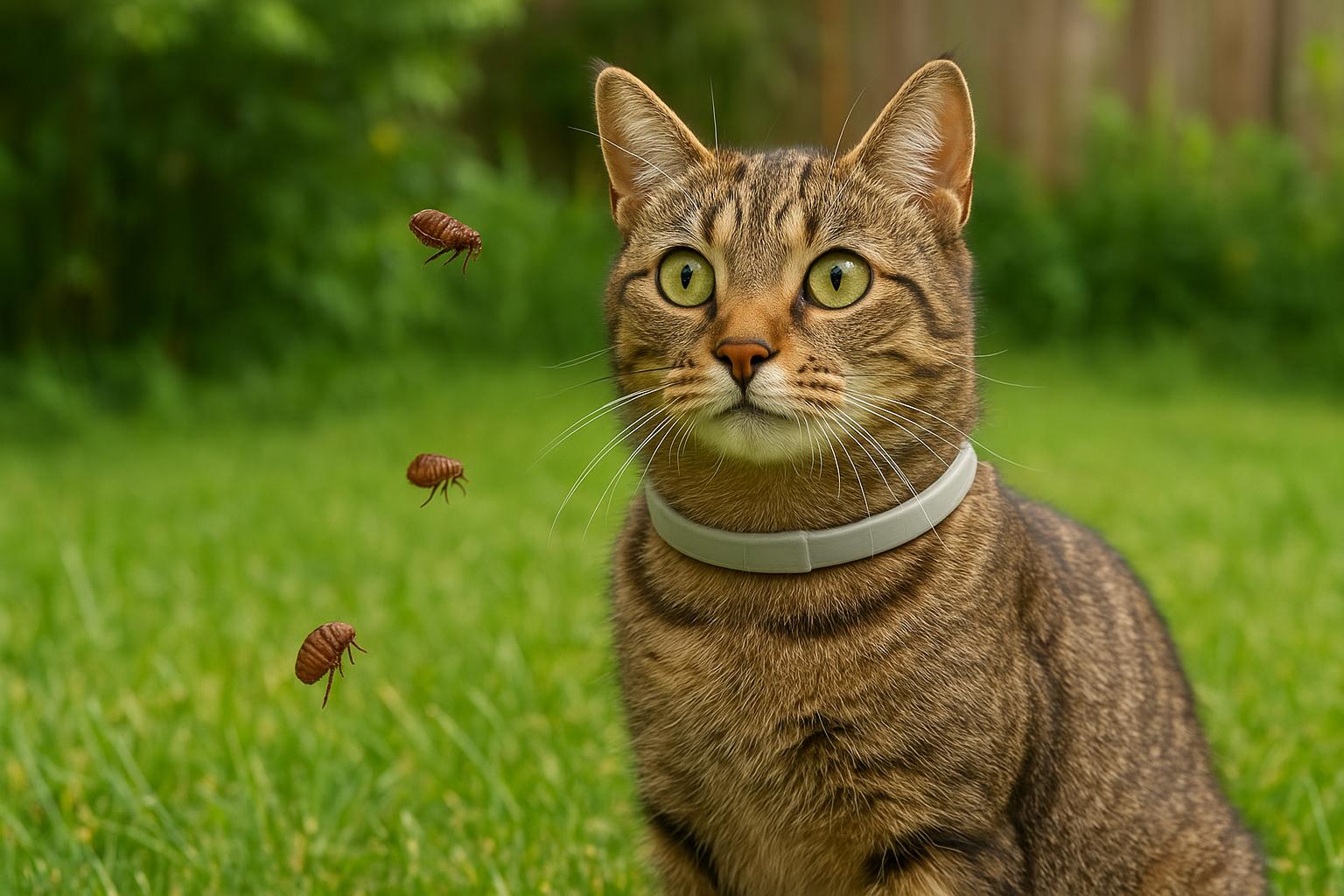
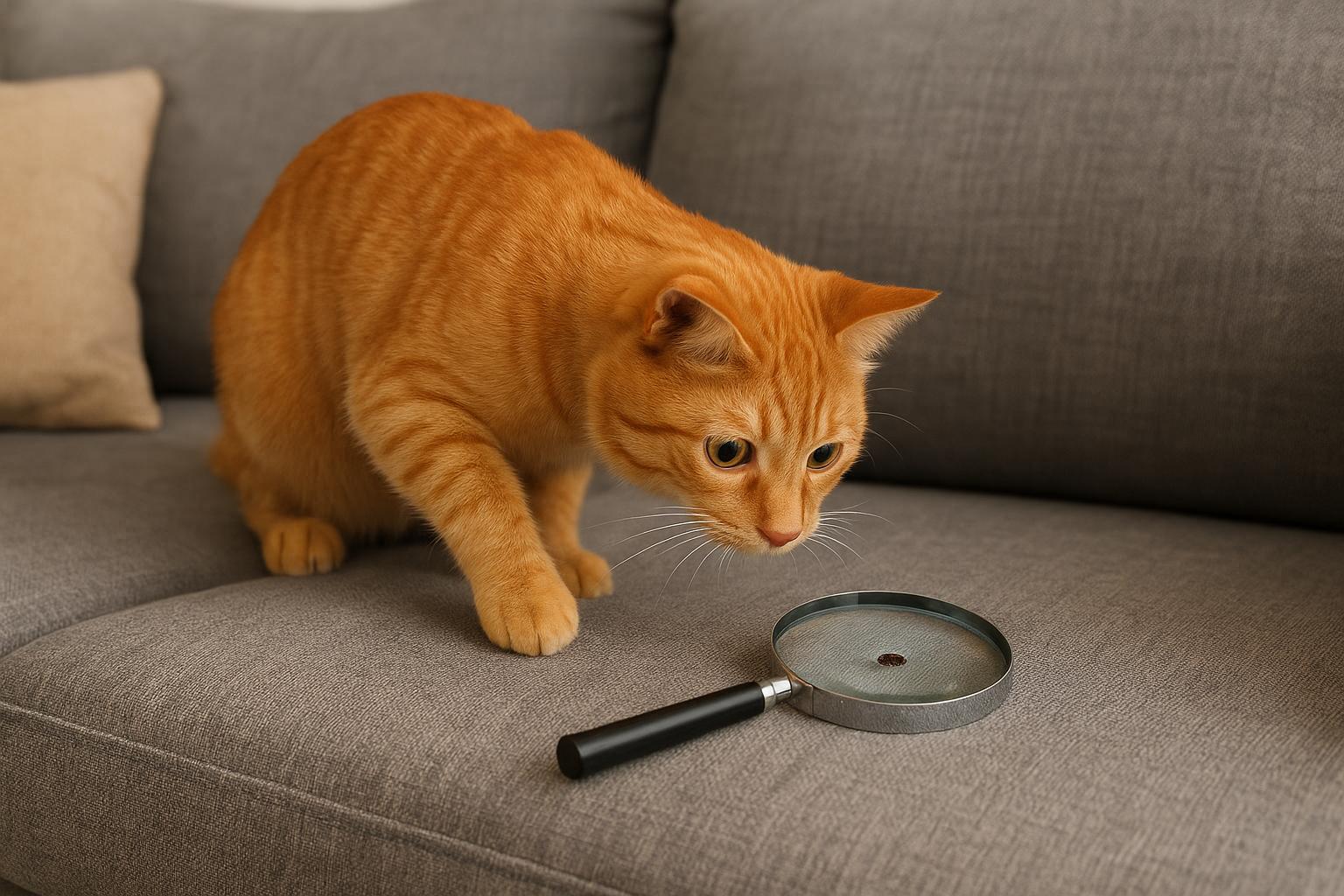
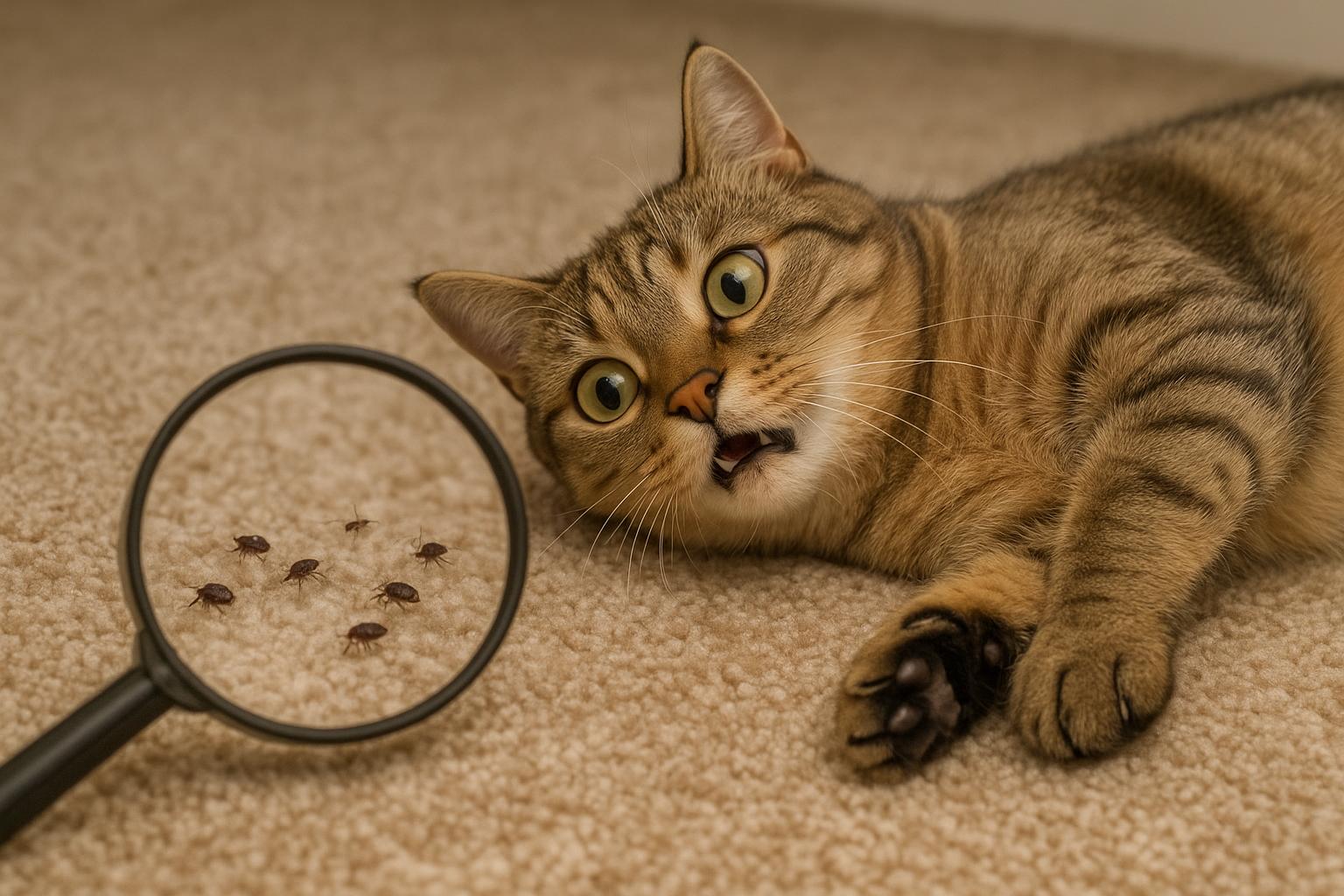
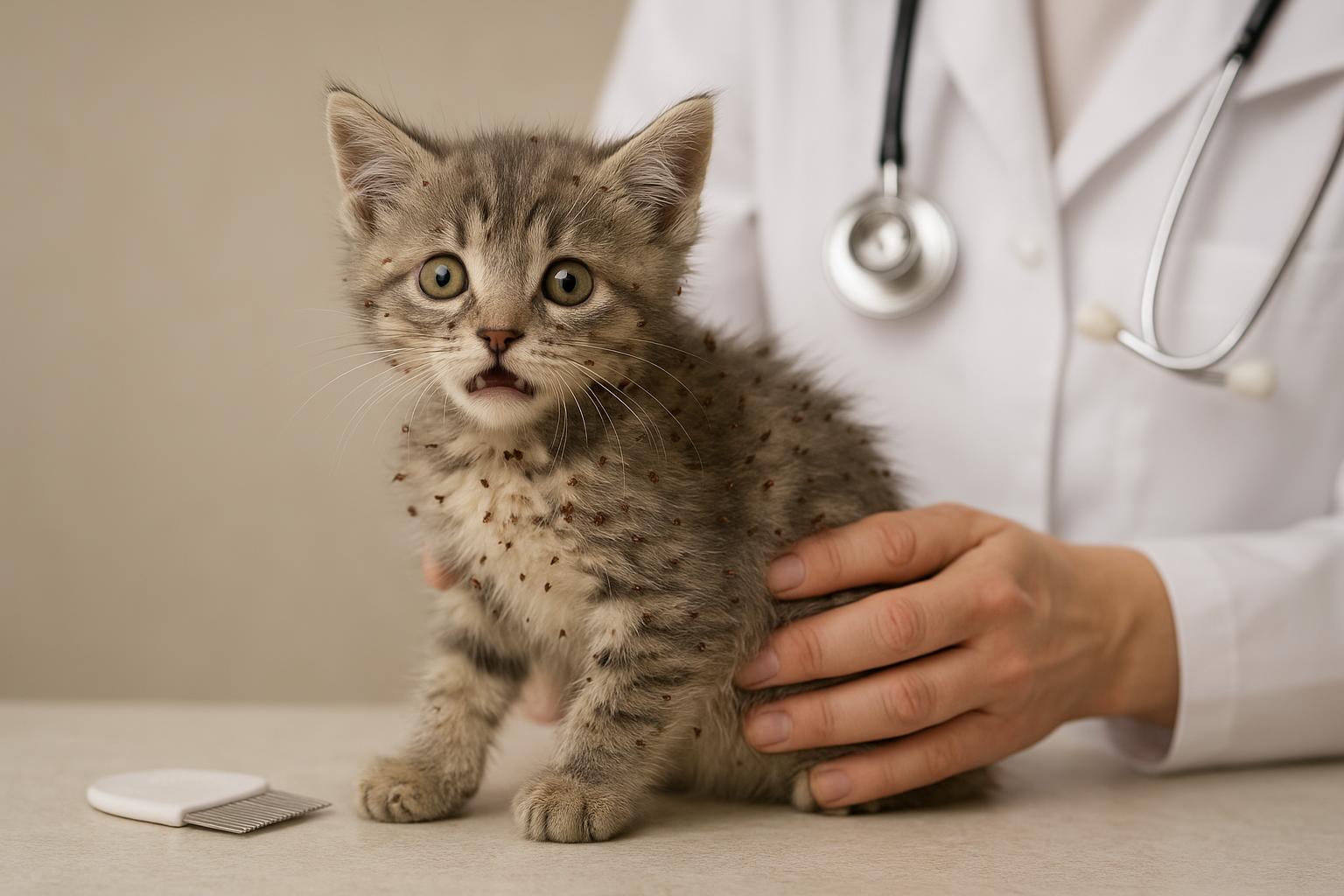
Flea specks are the dried excrement of fleas—basically tiny packets of digested blood. To the naked eye they look like coarse black pepper or dark sand. When moistened, they turn reddish-brown because of the blood content, which is a handy field test that we’ll cover in a moment.
### Why Flea Specks Matter
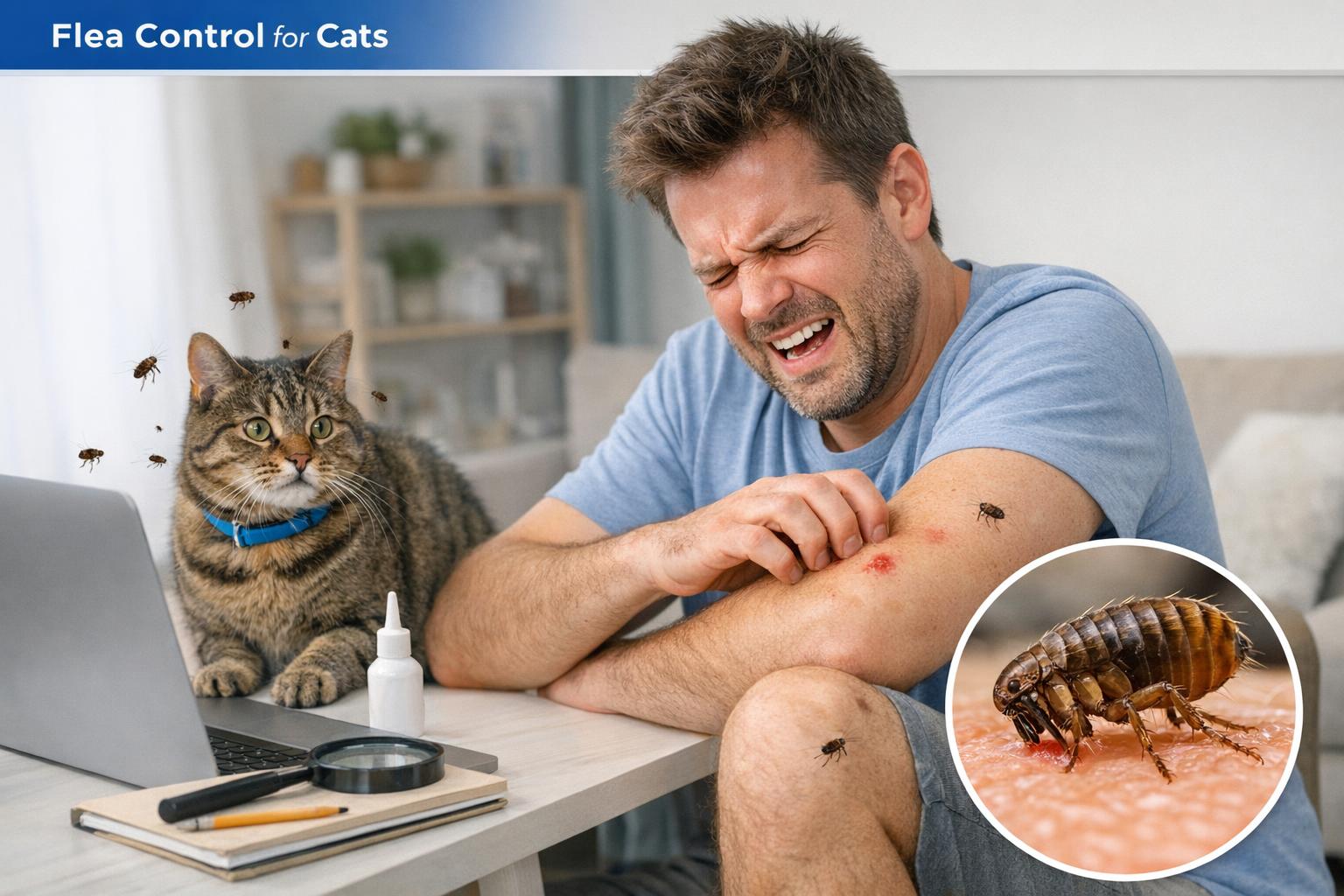
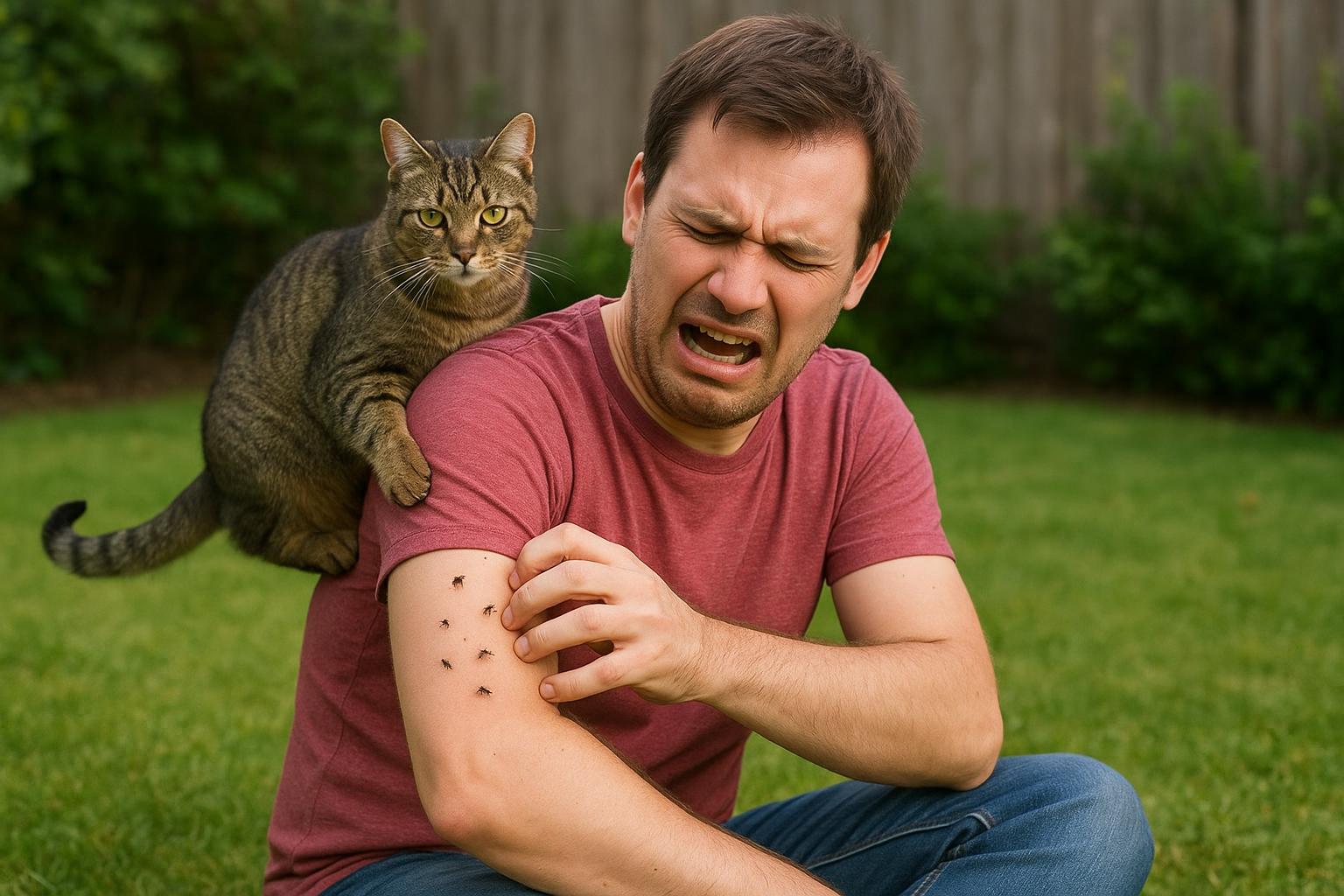
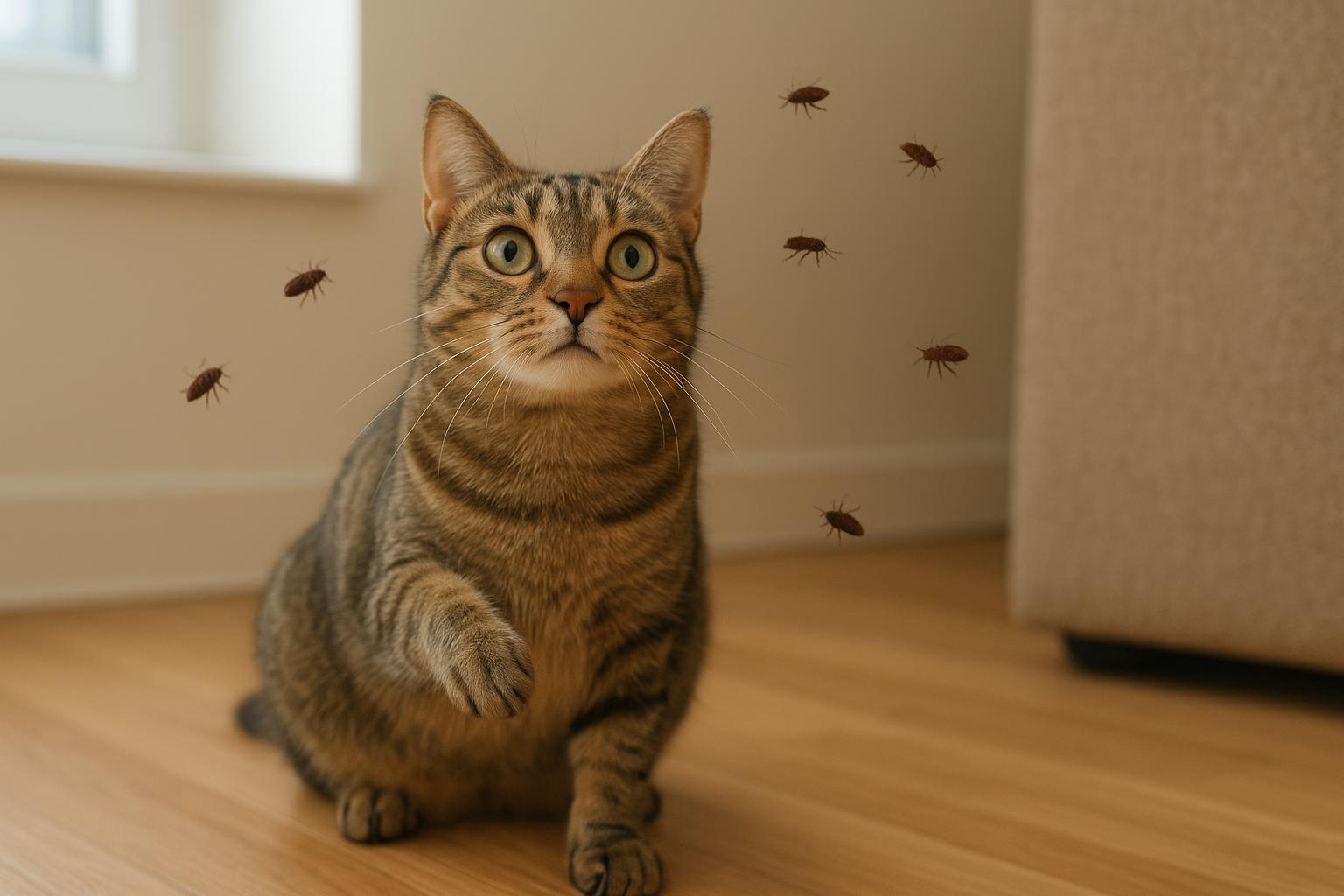
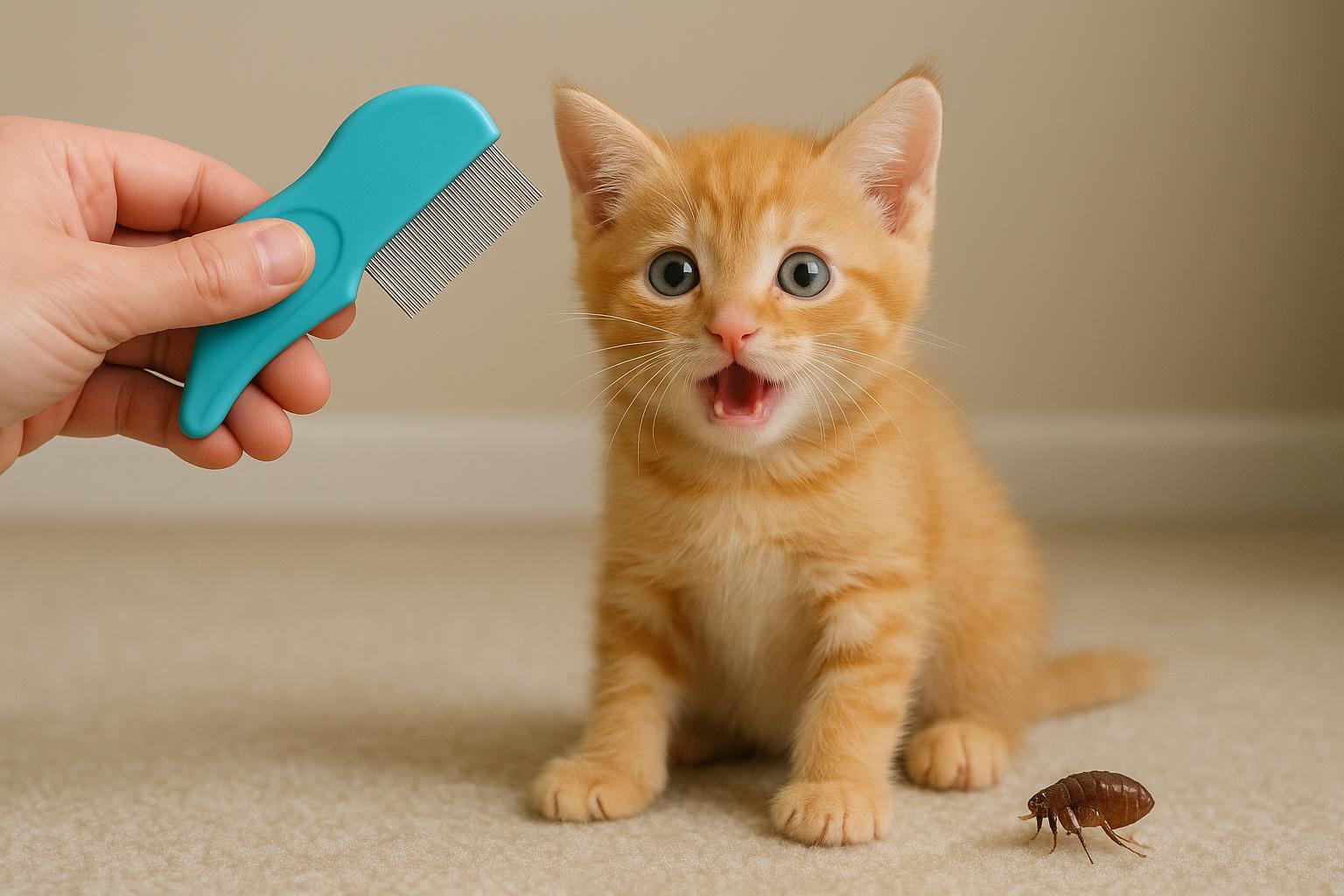
Finding flea specks means fleas have been feeding on your cat. Even a small number of visible specks can indicate more fleas hiding in the coat, because fleas are quick and prefer tight spaces near the skin. Flea bites can lead to itchiness, allergic reactions, and in heavy infestations, anemia—especially in kittens or frail older cats.
### Common Places To Find Flea Specks
Check the warm, sheltered areas: along the spine near the tail base, behind the neck, in the armpits, and around the groin. Also look on bedding, scratchers, and carpets. Flea specks fall off and accumulate where your cat spends time.
### Quick At-Home Flea Dirt Test
If you’ve found small black specks and want to confirm they’re flea specks (flea dirt) and not environmental dirt:
– Place the specks on a white paper towel or cloth.
– Add a drop of water.
– If the specks dissolve into a reddish-brown stain, they are flea dirt.
This is simple, reliable, and gives you confidence that it’s an active flea situation worth addressing.
## How To Inspect Effectively
### Preparing Your Cat And Workspace
Set your cat on a non-slip surface in a well-lit room. Use natural light or a bright lamp. Have these items ready:
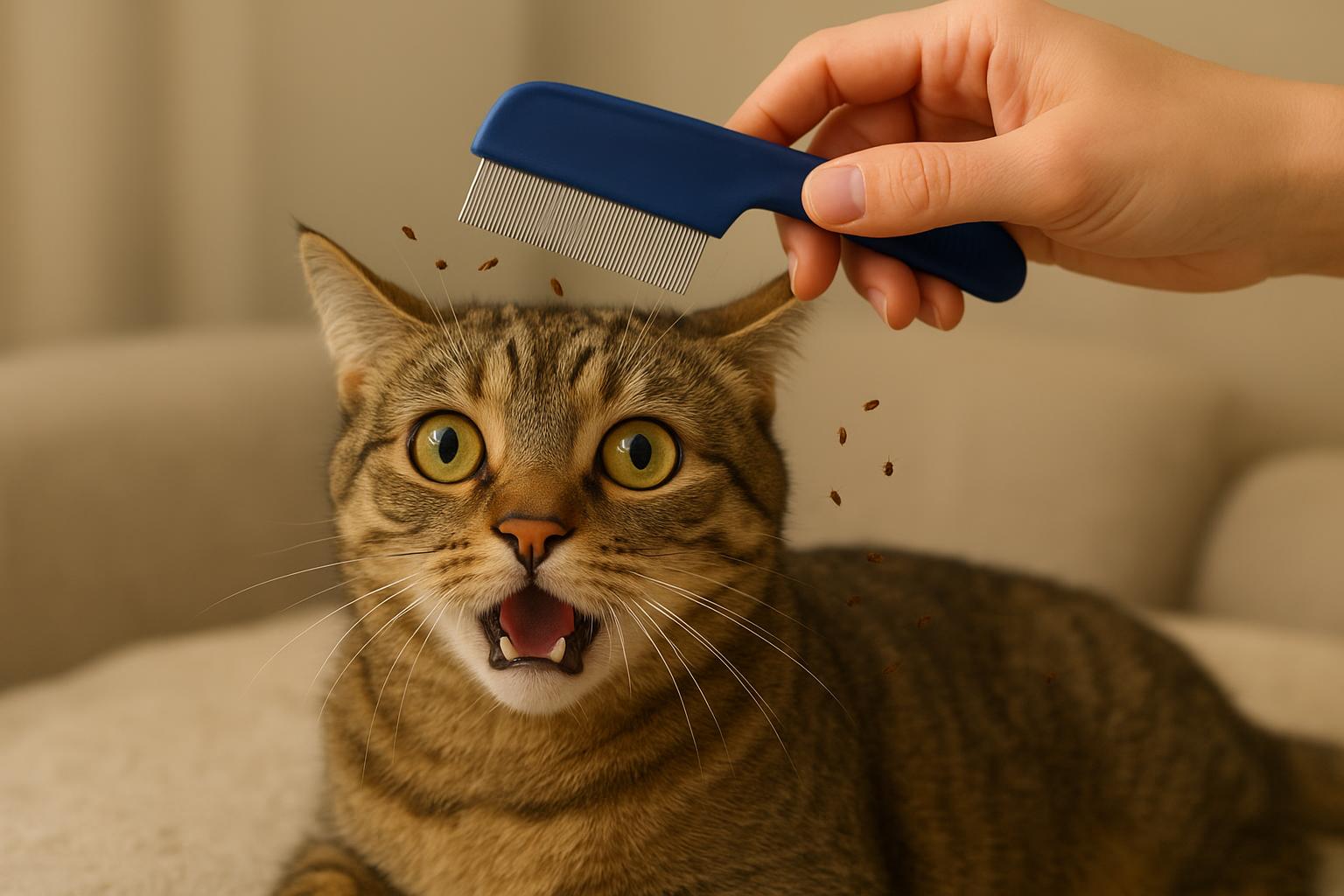
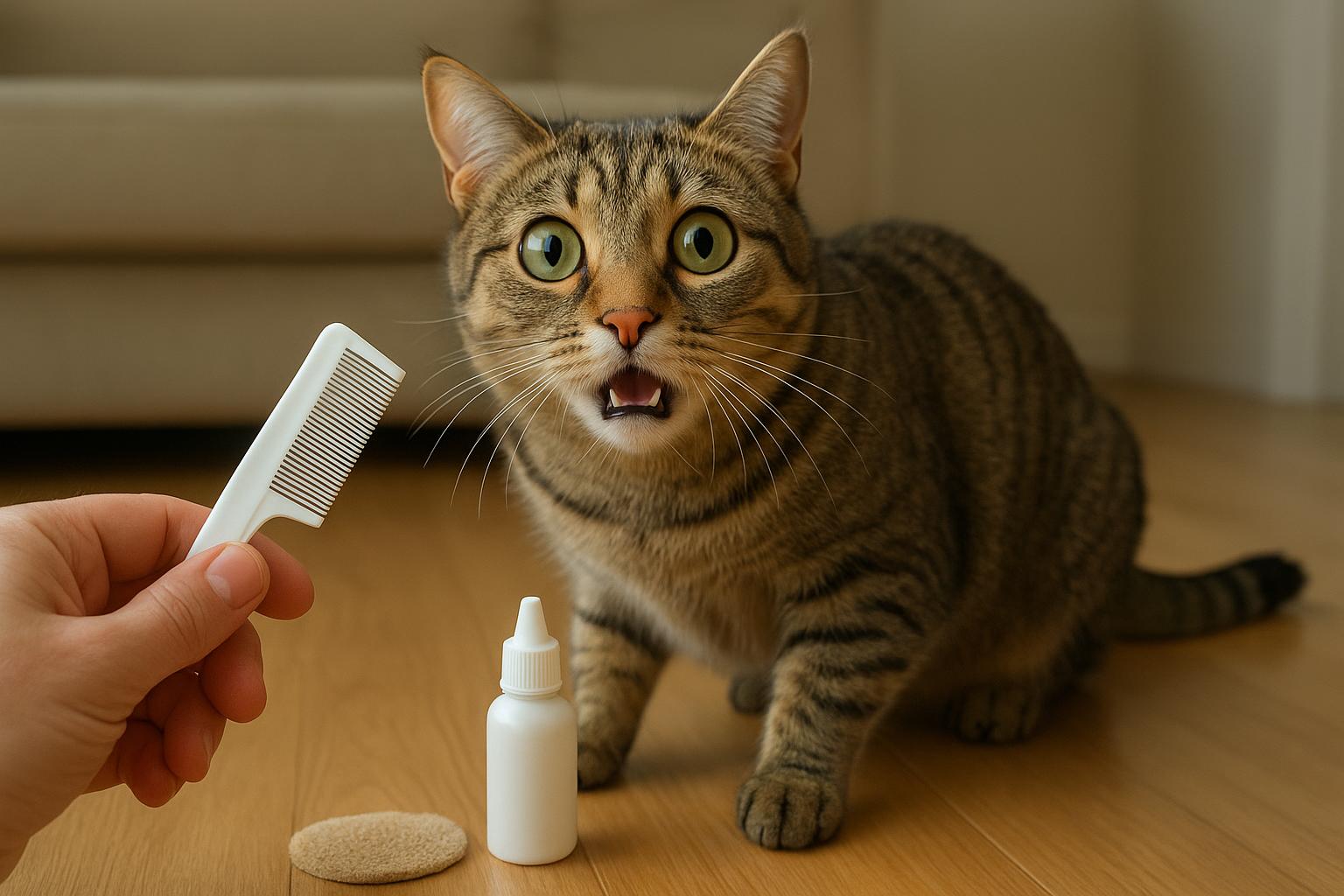
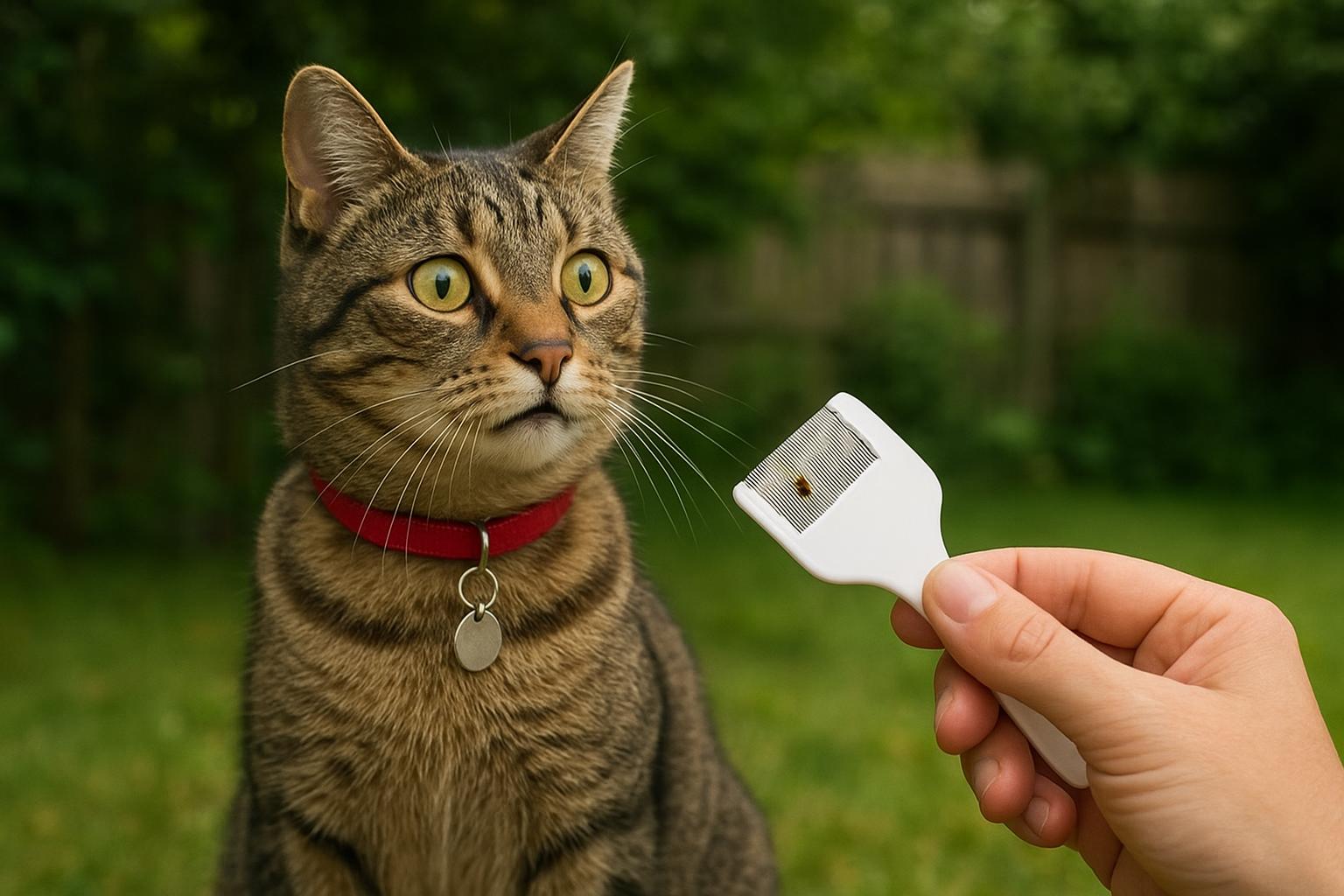
– A fine-toothed flea comb.
– A white paper towel or white shallow dish with a drop of water.
– A towel to wrap your cat if they’re fidgety.
– A treat or two for rewarding good behavior.
Remain calm and patient. Cats pick up on stress; a relaxed owner makes a relaxed cat and a smoother inspection.
### Step-By-Step Inspection Process
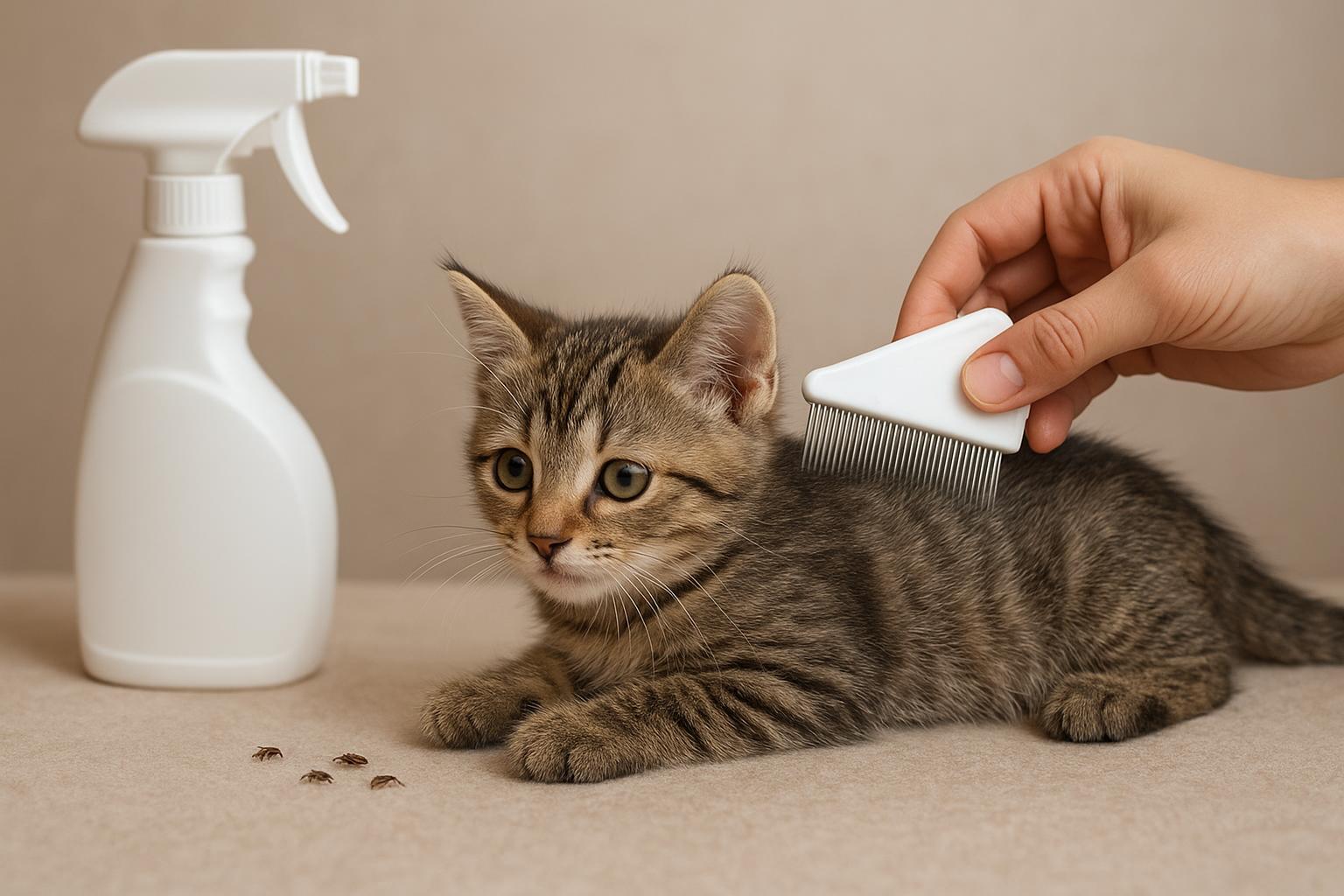
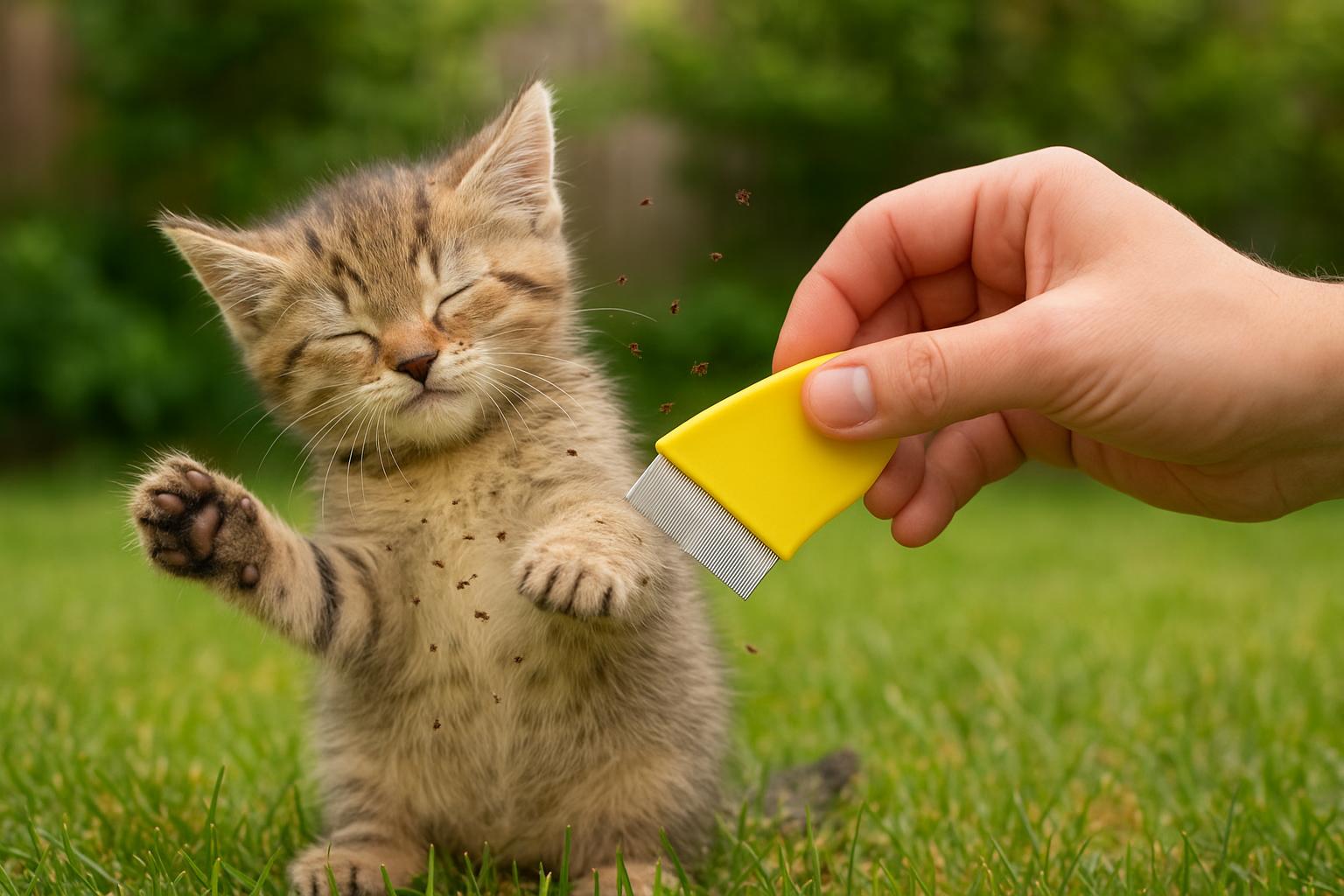
1. Start At The Tail: Run the flea comb through the fur along the tail base and tail itself, brushing toward the head. Fleas like the tail base because it’s warm and secure.
2. Check The Neck And Shoulders: Move comb strokes from the neck down the back. Pay attention to hair clumps and skin folds.
3. Inspect Under The Limbs And Abdomen: These sheltered areas are favorite flea hangouts.
4. Collect Specks On The Comb: After each pass, tap the comb onto the white paper towel or into the dish with water. Watch for small black specks.
5. Do The Water Test: Add a droplet of water to any specks on the towel. If they smear red-brown, that confirms flea dirt.
6. Examine Bedding And Surroundings: Sweep a flashlight across bedding, carpet edges, and cat beds. Flea specks collect where your cat rests.
If you find live fleas, flea specks, or both, proceed to treatment steps. If you don’t but your cat is scratching excessively, check for other causes (mites, allergies) and consult your vet.
## Remedy 1: Flea Comb And Flea Dirt Removal
### Materials Needed
– Fine-toothed flea comb.
– White paper towels or shallow white dish.
– Mild cat-safe shampoo (optional).
– Towels and treats.
– Vacuum cleaner.
### Creation And Application (Step-By-Step)
1. Comb Methodically: Use the fine-toothed flea comb in short, consistent strokes, pressing close to the skin without pinching. Comb in a grid pattern over your cat’s body until the fur feels combed through.
2. Remove Debris Immediately: After each pass, tap the comb onto the white towel or into the dish with water to remove captured fleas and flea specks.
3. Soak Flea Dirt: If specks are present on the paper towel, add a droplet of water to verify they are flea specks via the reddish smear.
4. Targeted Bathing (Optional): If your cat tolerates bathing, use a vet-approved cat shampoo to wash off remaining flea dirt and fleas. Follow product directions exactly.
5. Vacuum Thoroughly: Immediately vacuum areas where your cat rests, including curtains and upholstery. Dispose of the vacuum bag or empty the canister outside.
6. Repeat: Comb daily for at least two weeks while monitoring for any new specks or live fleas.
This non-chemical approach is a helpful initial step and reduces flea numbers, but often not sufficient alone for established infestations.
## Remedy 2: Veterinary-Grade Treatment And Environmental Control
### Materials Needed
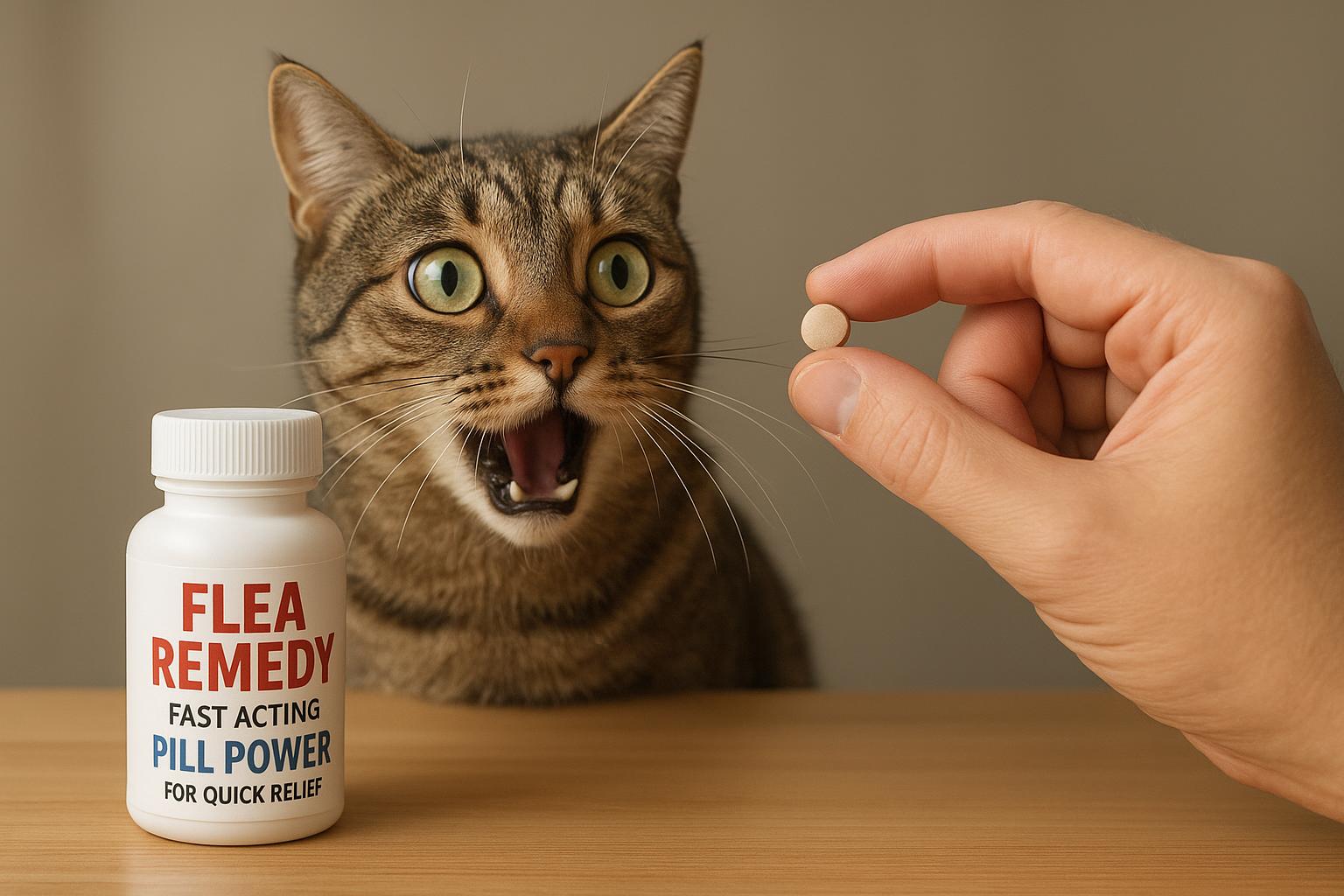
– Vet-prescribed topical or oral flea medication (examples: selamectin, fipronil, fluralaner, nitenpyram, spinosad—selection depends on your cat’s age, weight, health status).
– Insect growth regulator (IGR) spray for indoor use (pyriproxyfen or methoprene).
– Household vacuum and disposable vacuum bags or a canister you can empty outside.
– Hot-water laundering facilities for bedding.
– Protective gloves and follow manufacturer safety instructions for all products.
### Creation And Application (Step-By-Step)
1. Consult Your Veterinarian: Before administering any flea medication, consult your veterinarian. They will choose the appropriate product based on your cat’s medical history, age, and lifestyle. Some over-the-counter products are toxic to cats—professional guidance is essential.
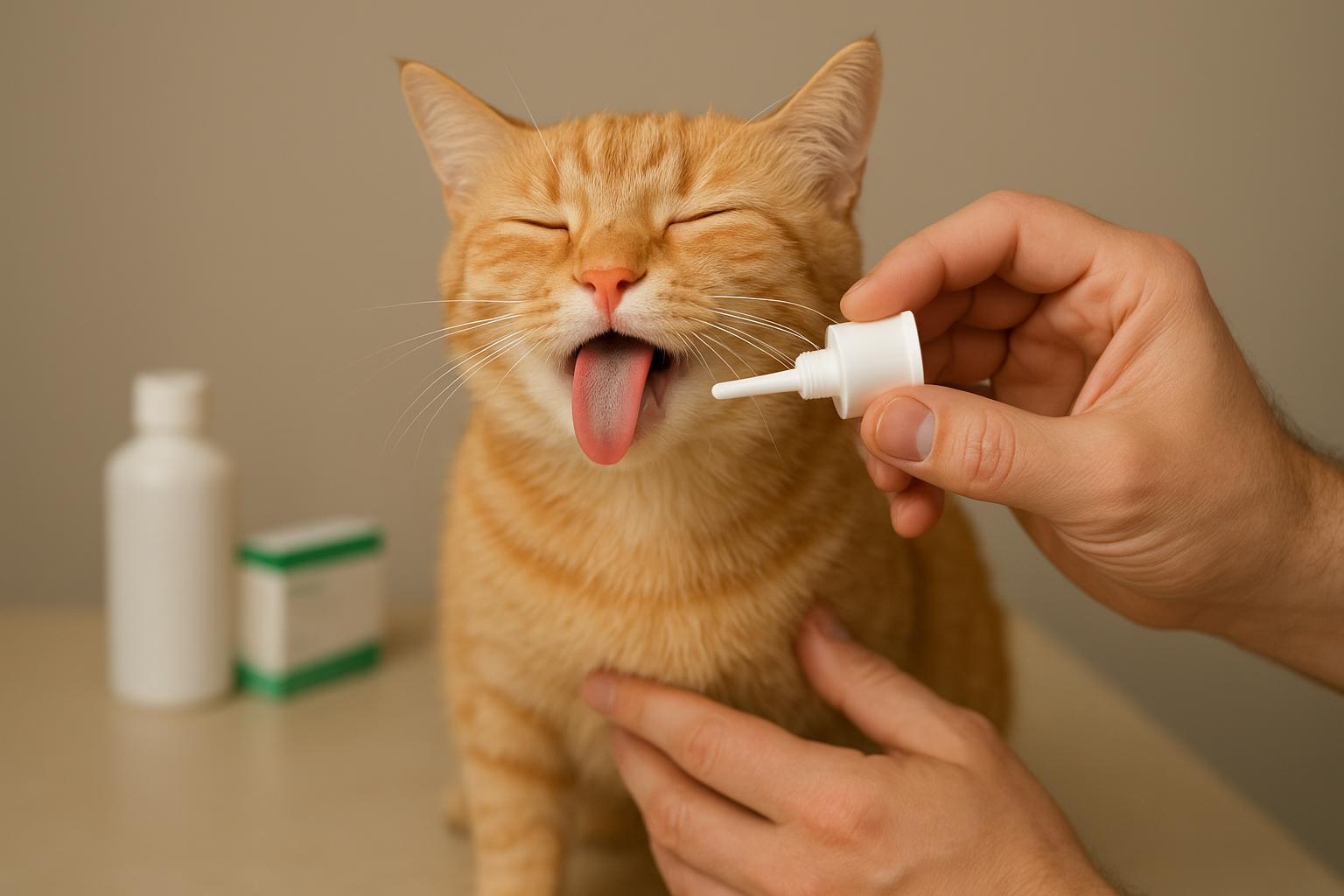
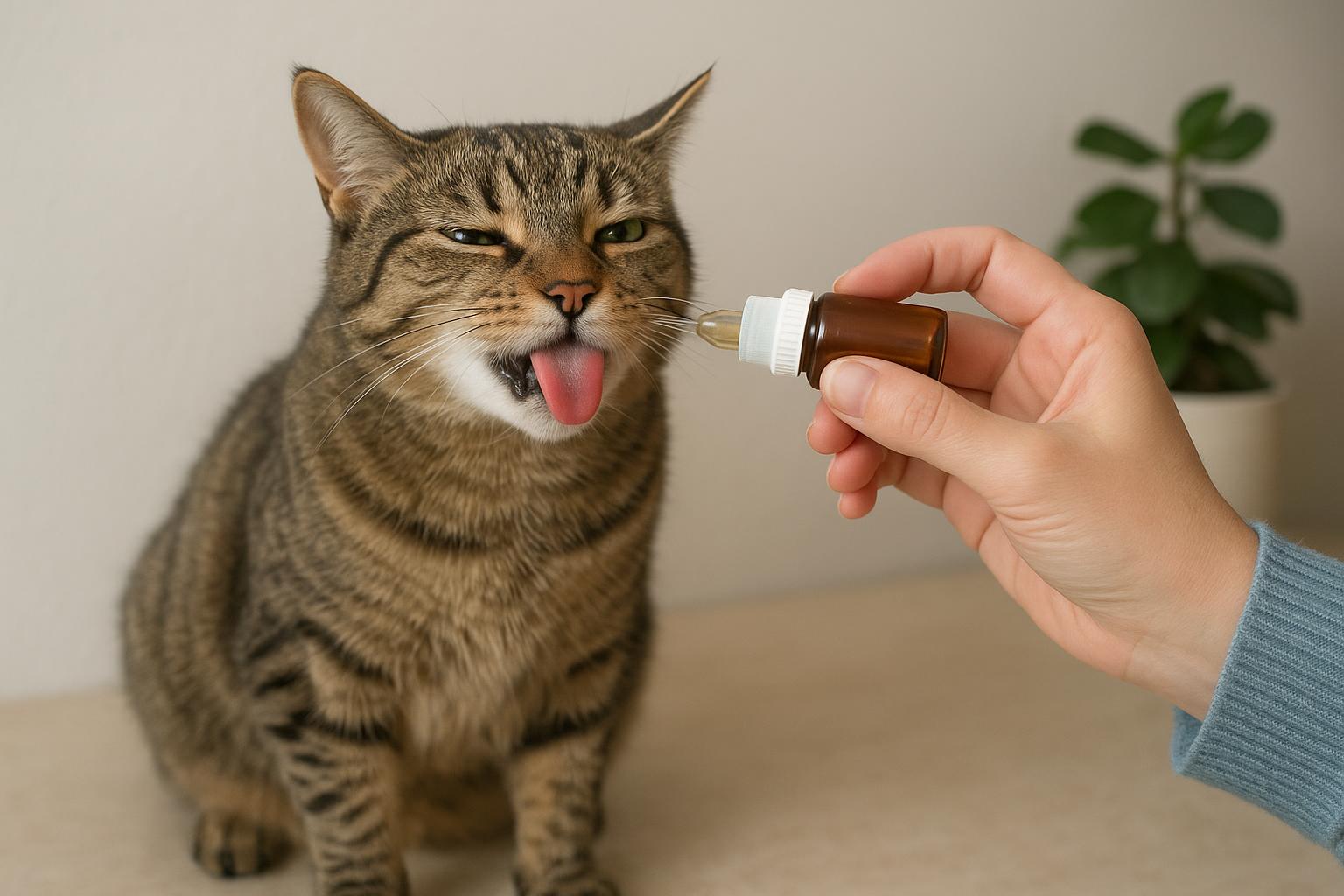
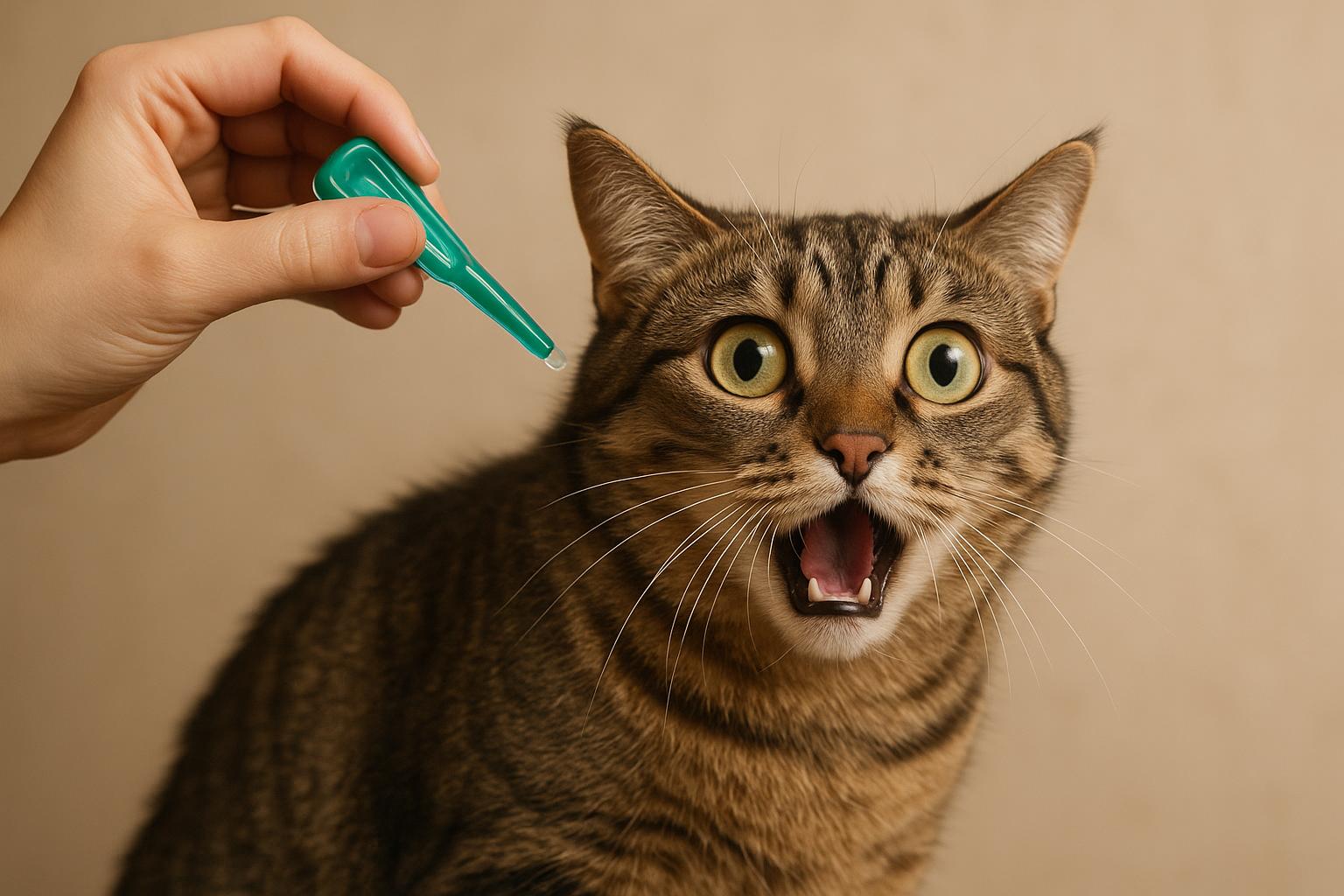
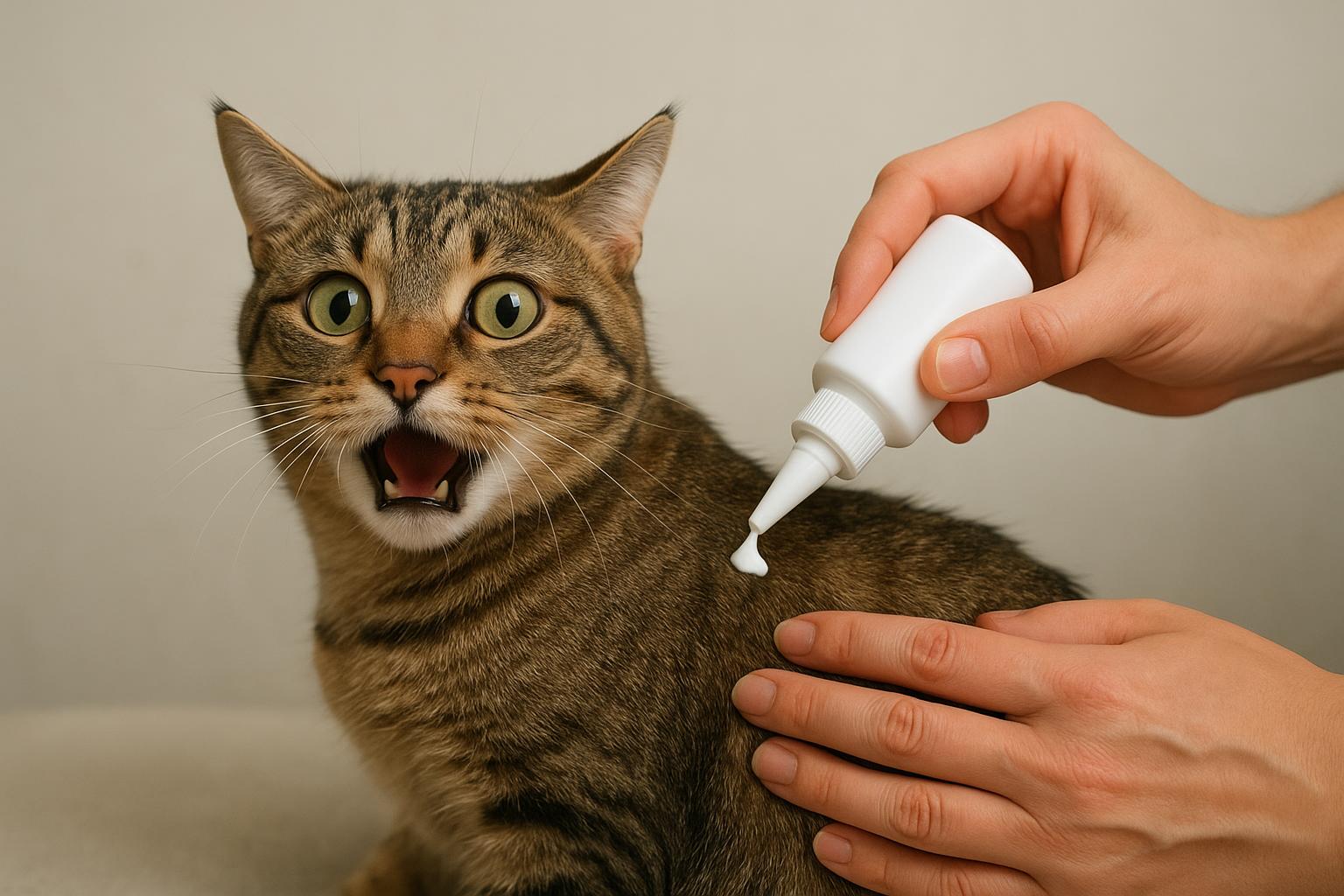
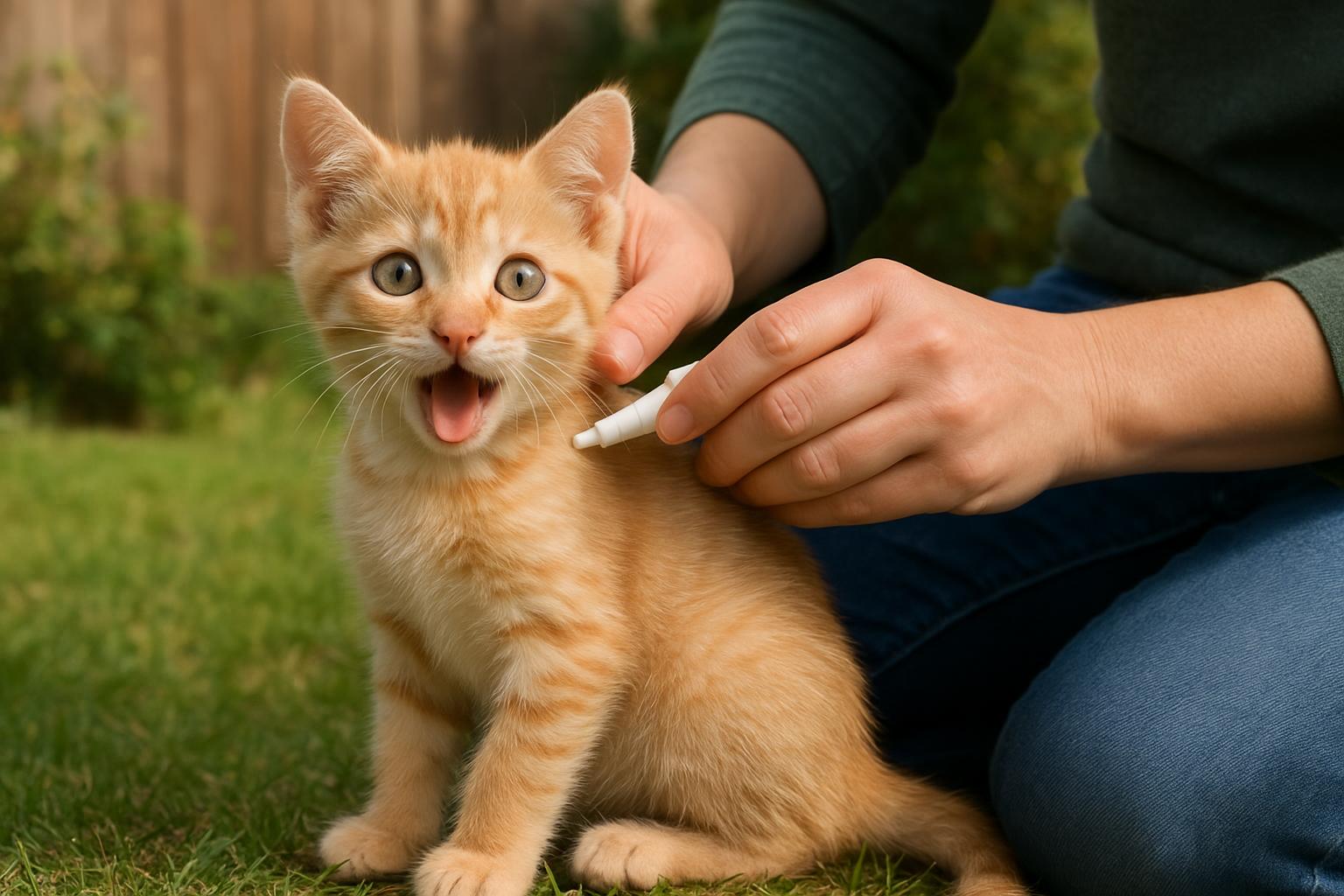
2. Administer Medications Exactly As Directed: Follow dosing instructions and application technique meticulously. For topical applications, part the fur and apply directly to the skin at the recommended site. For oral products, ensure proper ingestion as directed.
3. Treat All Pets In The Household: Treat every pet, even if only one shows signs. Fleas move between hosts.
4. Environmental Treatment:
– Vacuum carpets, rugs, and furniture daily for at least two weeks. Immediately dispose of vacuum contents outside.
– Wash all bedding, pet blankets, and cushion covers in hot water and dry on high heat.
– Apply an IGR spray to carpets and baseboards following label instructions. IGRs prevent eggs and larvae from maturing, breaking the flea life cycle.
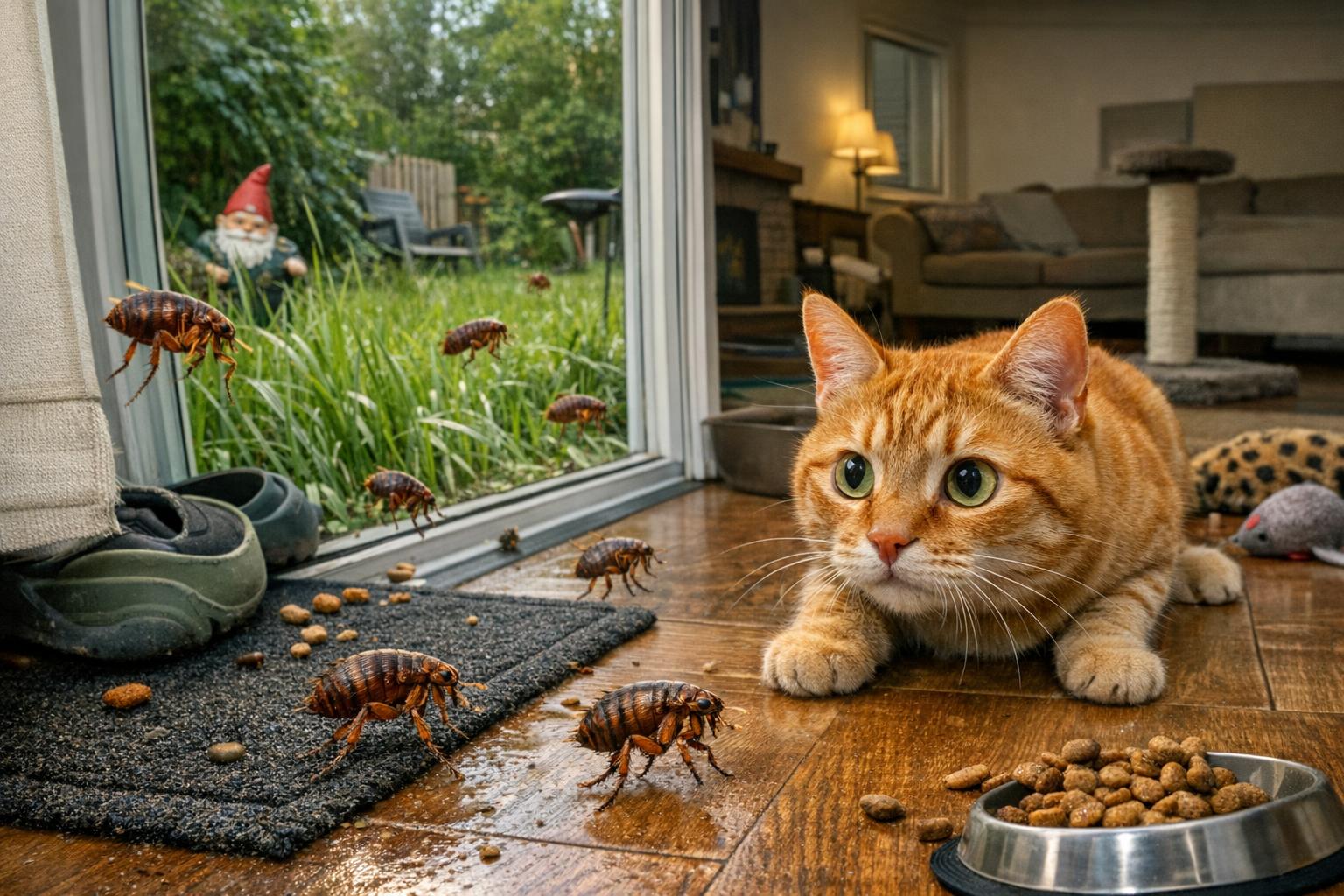
5. Outdoor Control: If your cat goes outside, treat shaded yard areas where fleas thrive. Use pet-safe yard treatments or consult a pest professional if infestation is severe.
6. Follow-Up: Many flea control medications require monthly reapplication. Maintain a year-round prevention plan recommended by your vet.
When used correctly, veterinary-grade treatments combined with environmental control are the most effective way to eliminate a flea problem and prevent recurrence. Safety and following label and veterinary instructions cannot be overemphasized.
## When To Call The Vet
### Red Flags That Need Professional Attention
– Heavy infestation signs: dozens of live fleas, widespread flea specks, or a cat appearing weak or pale (possible anemia).
– Kittens younger than 8 weeks or very small pets, who can rapidly become anemic.
– Signs of secondary infections from scratching: open sores, pus, scabs.
– Pets with known medication sensitivities or concurrent illnesses.
Your veterinarian can perform tests, prescribe systemic therapies, and advise on an integrated control plan that is safe for your household.
### Notes On Safety And Product Selection
Always use products specifically labeled for cats and match the product to your cat’s weight and age category. Do not use dog flea products on cats—some ingredients tolerated by dogs are toxic to felines. If you’re uncertain, ask the vet or your pharmacist.
Finding flea specks can be unpleasant, but it’s a manageable problem with a careful inspection routine and the right combination of combing, cleaning, and vet-approved treatments. Keep calm, act promptly, and reward your cat with treats and affection—both are excellent remedies for stress, and one is certainly tastier than the other.



Leave a Reply