
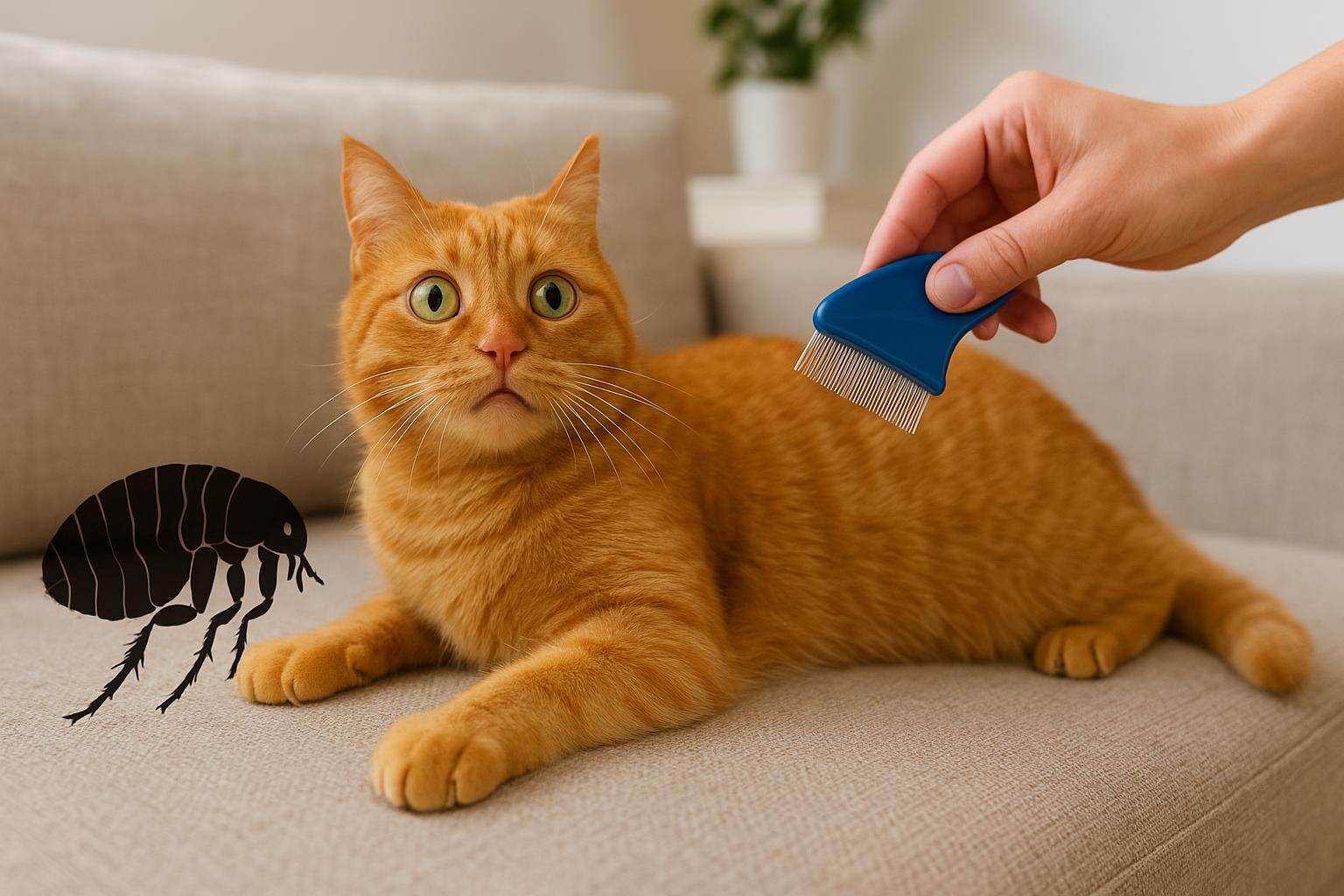
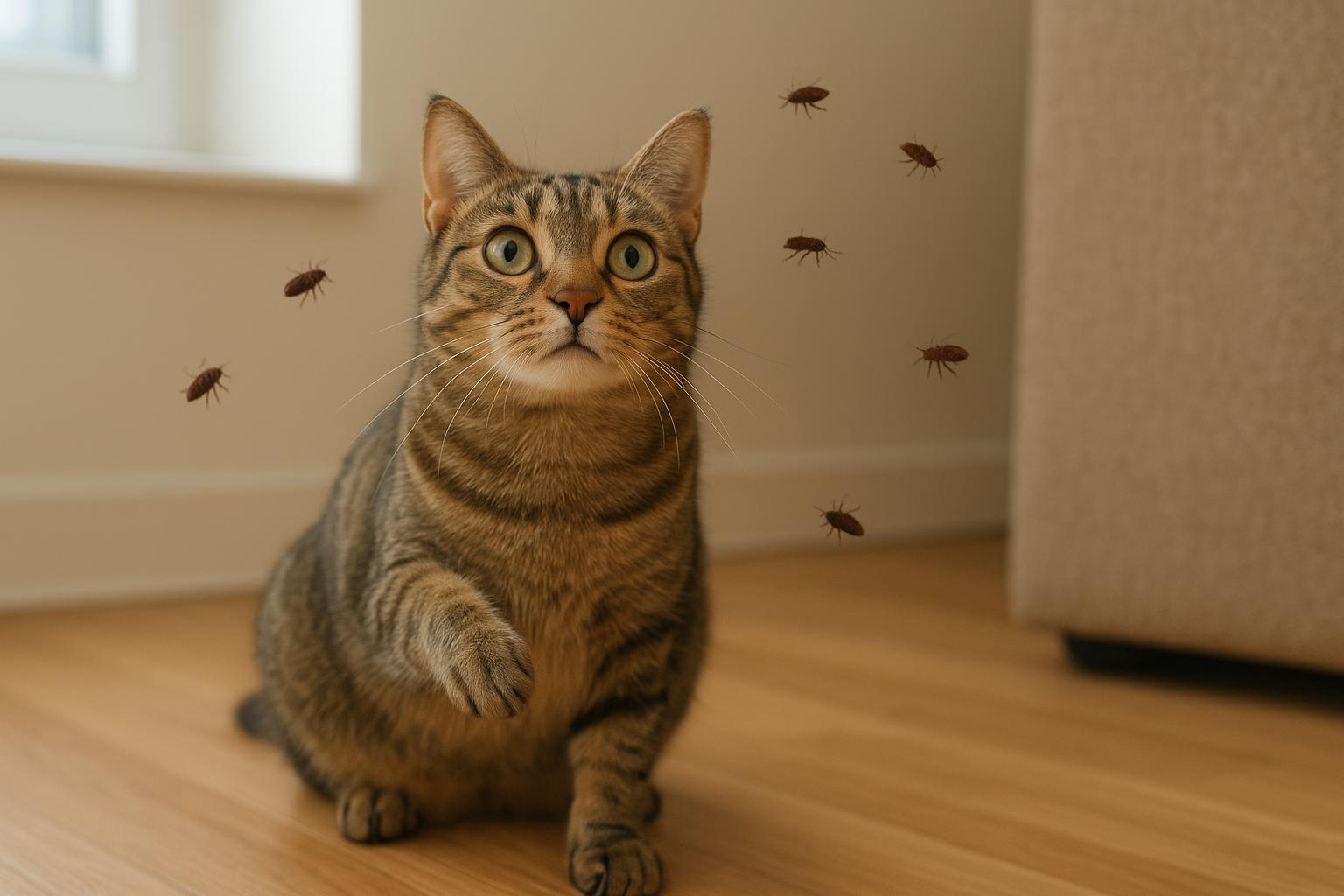
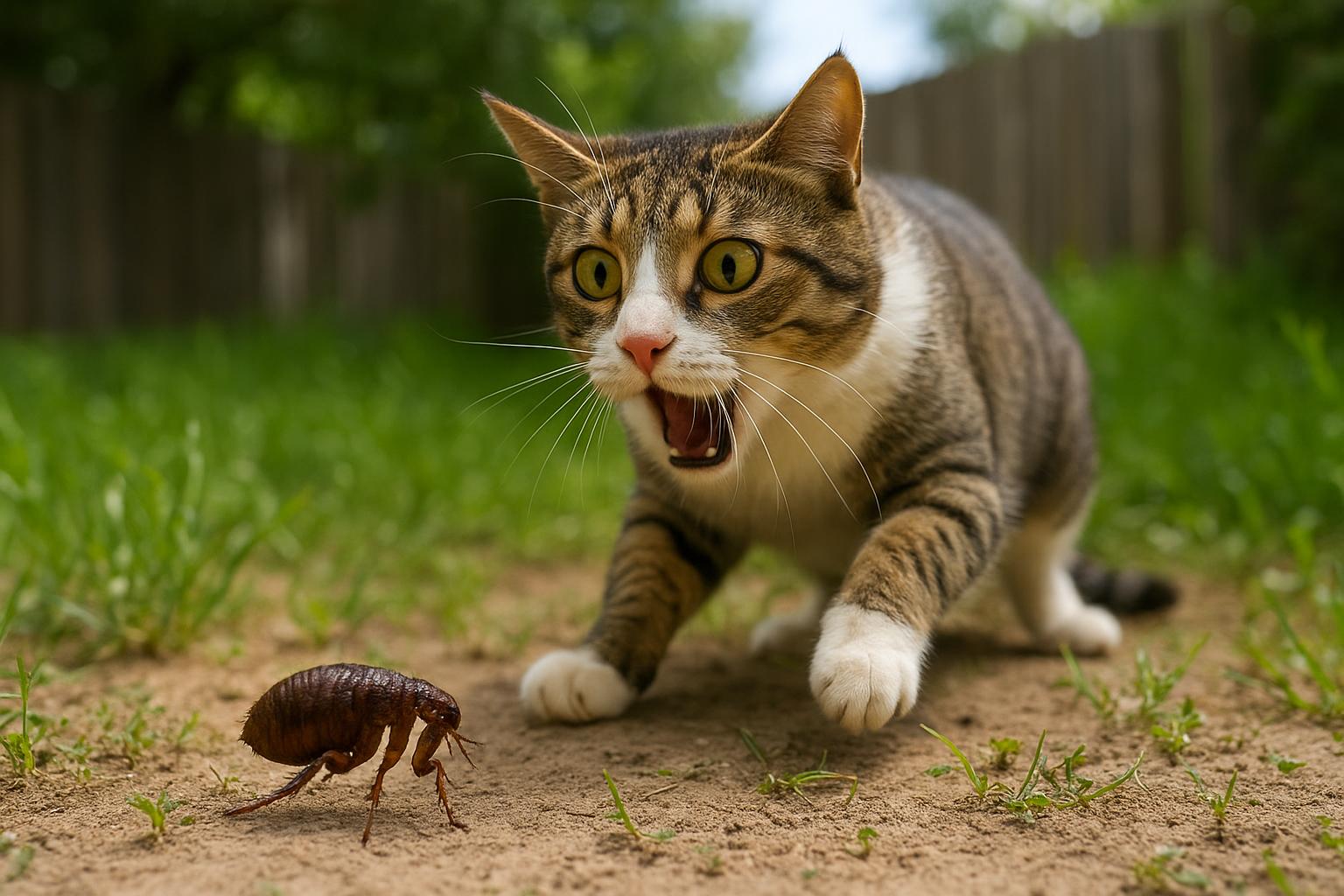
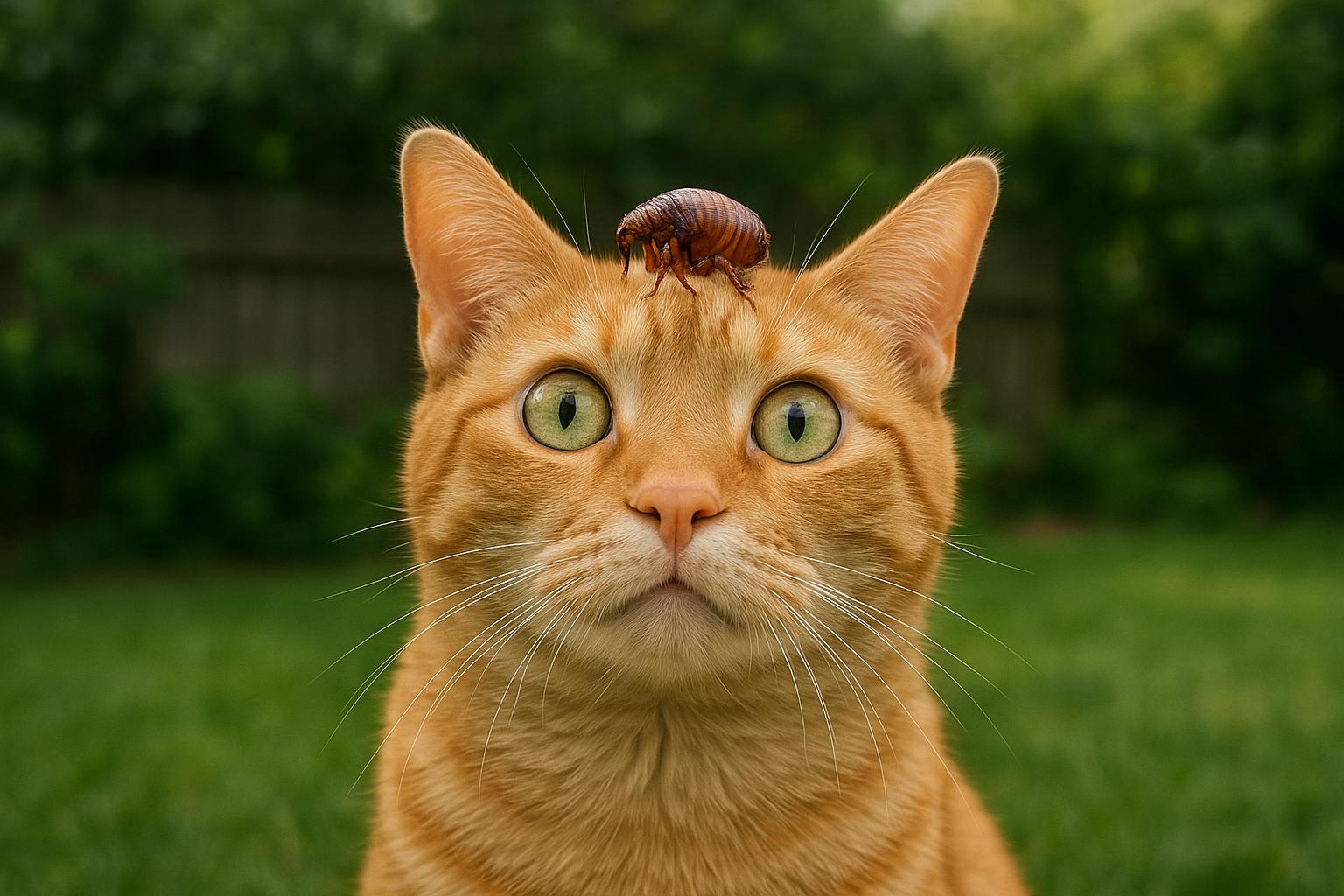
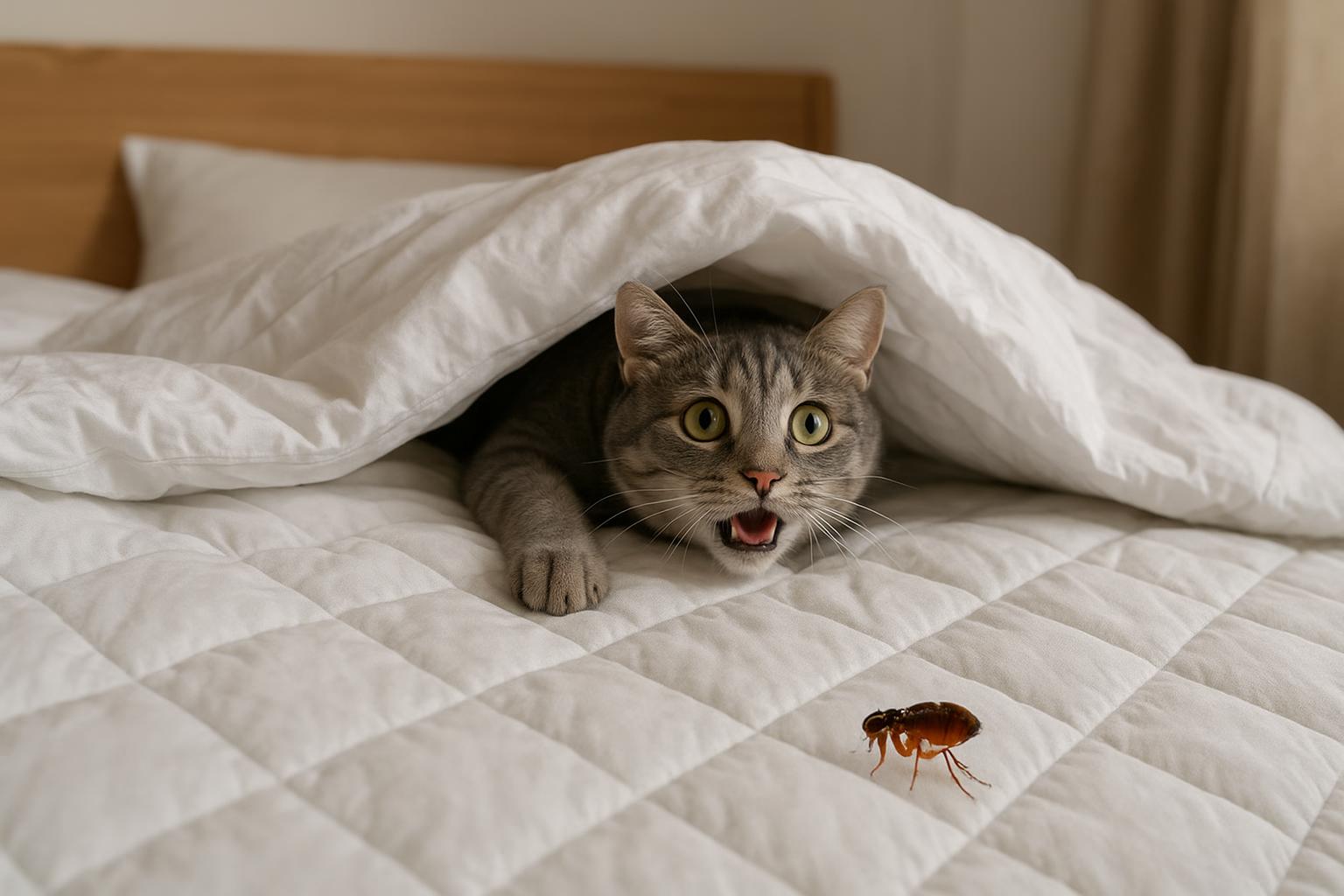
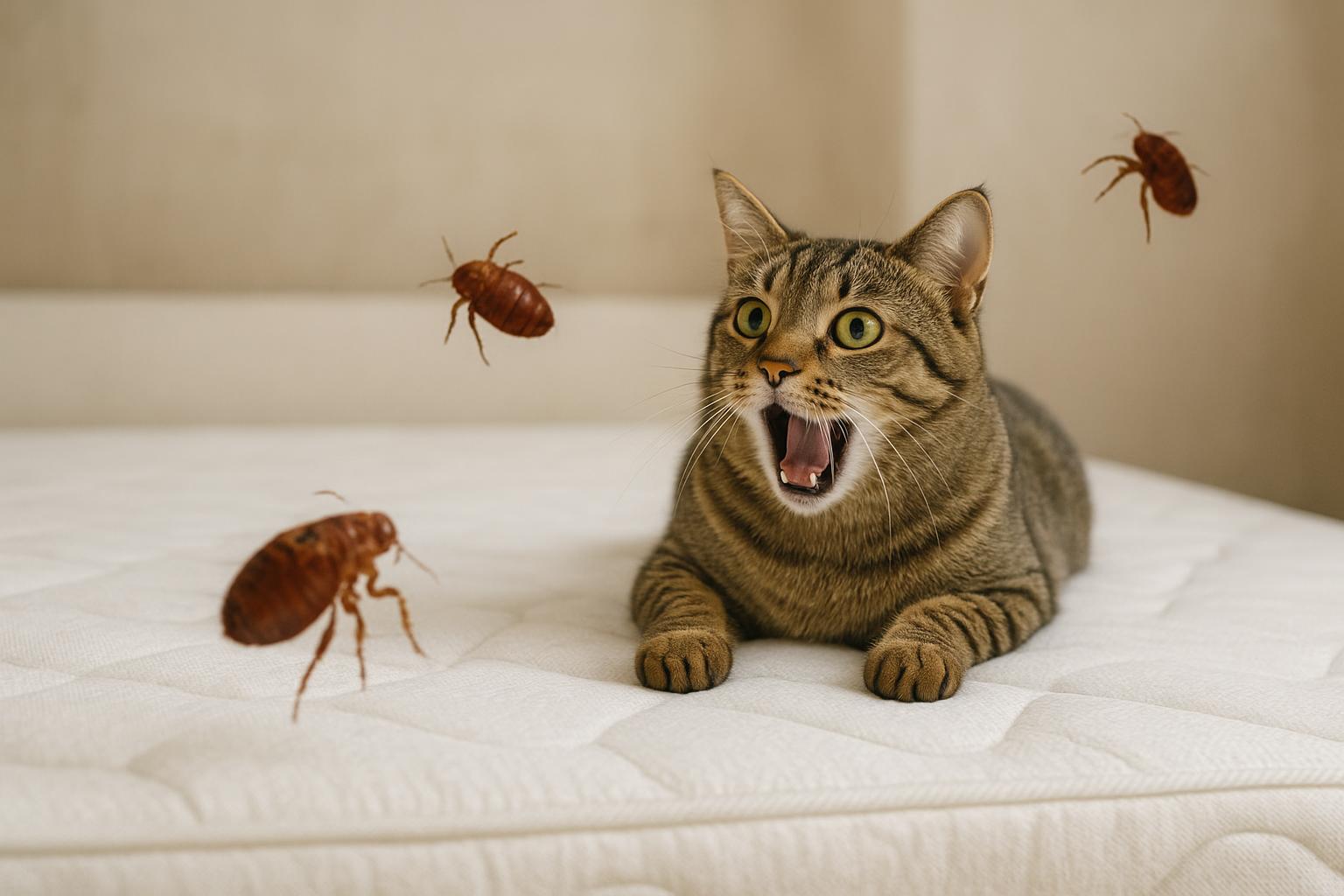
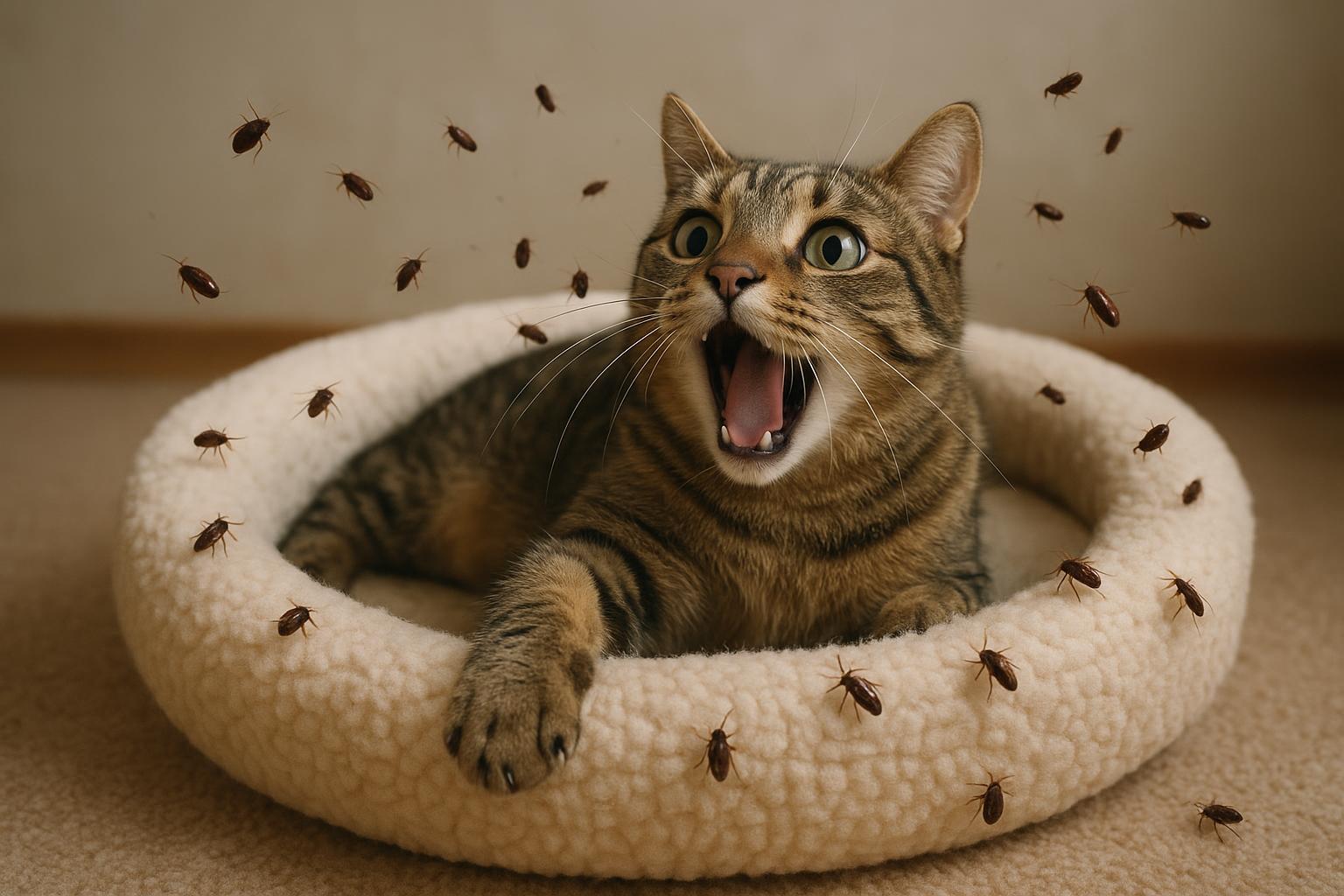
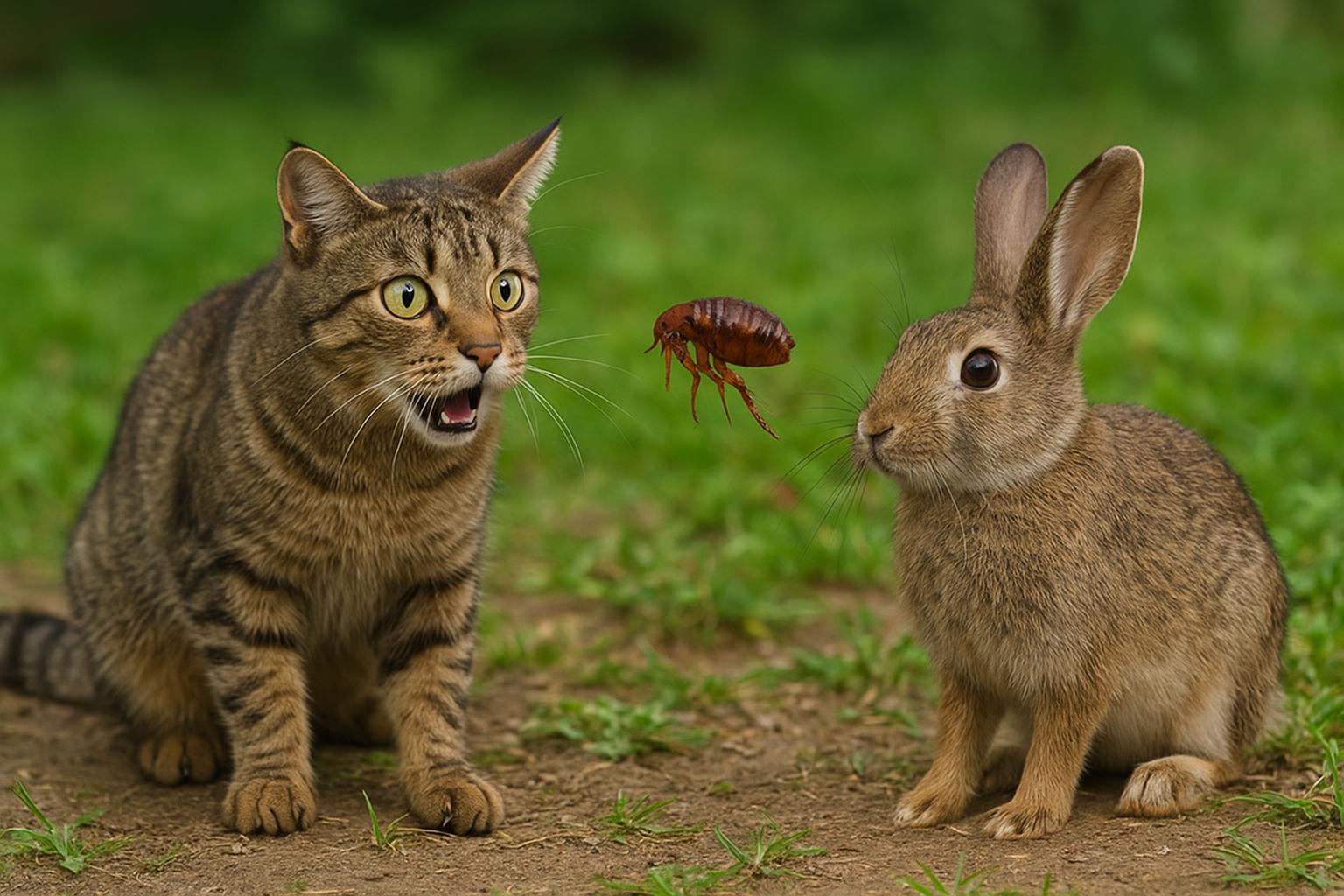
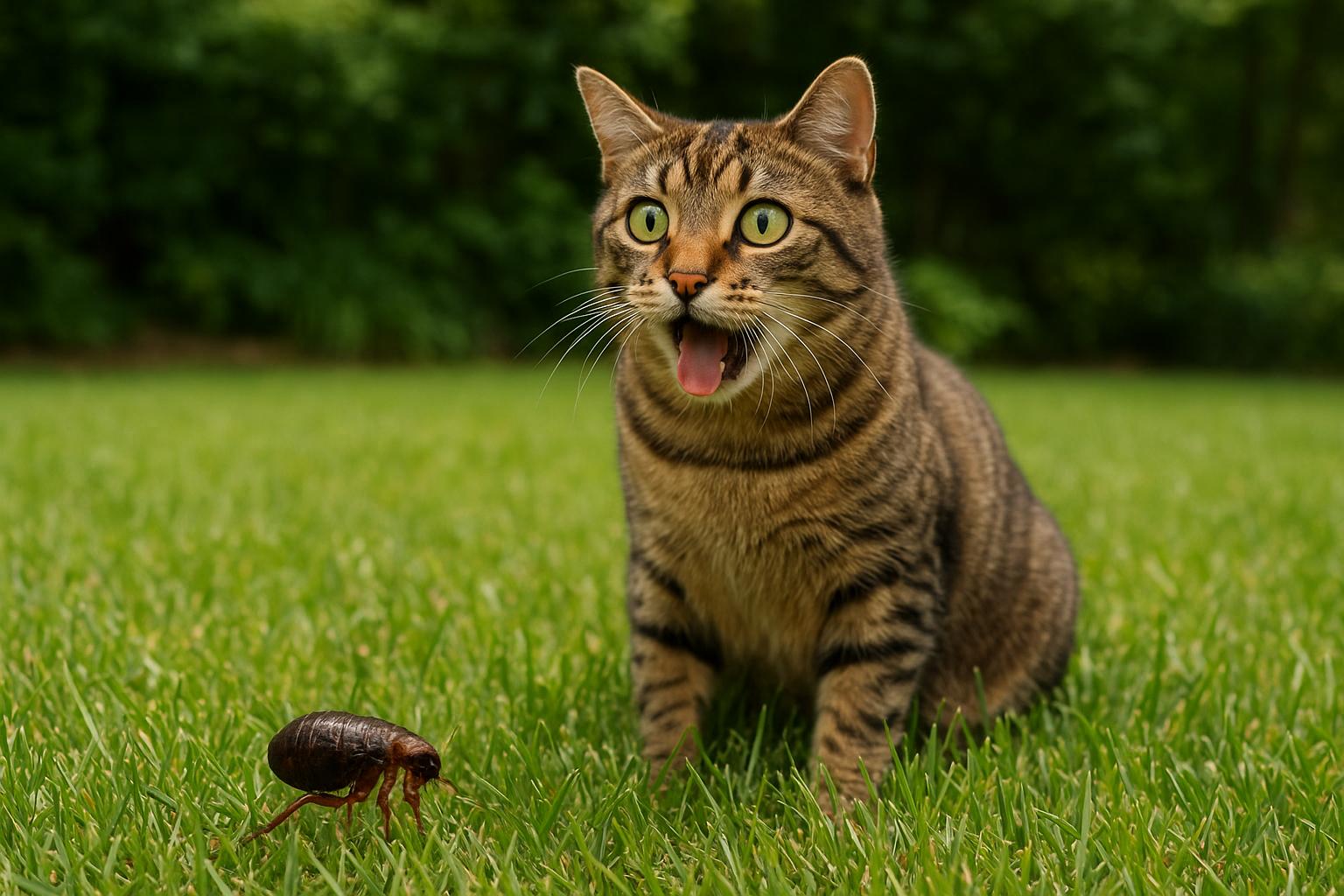
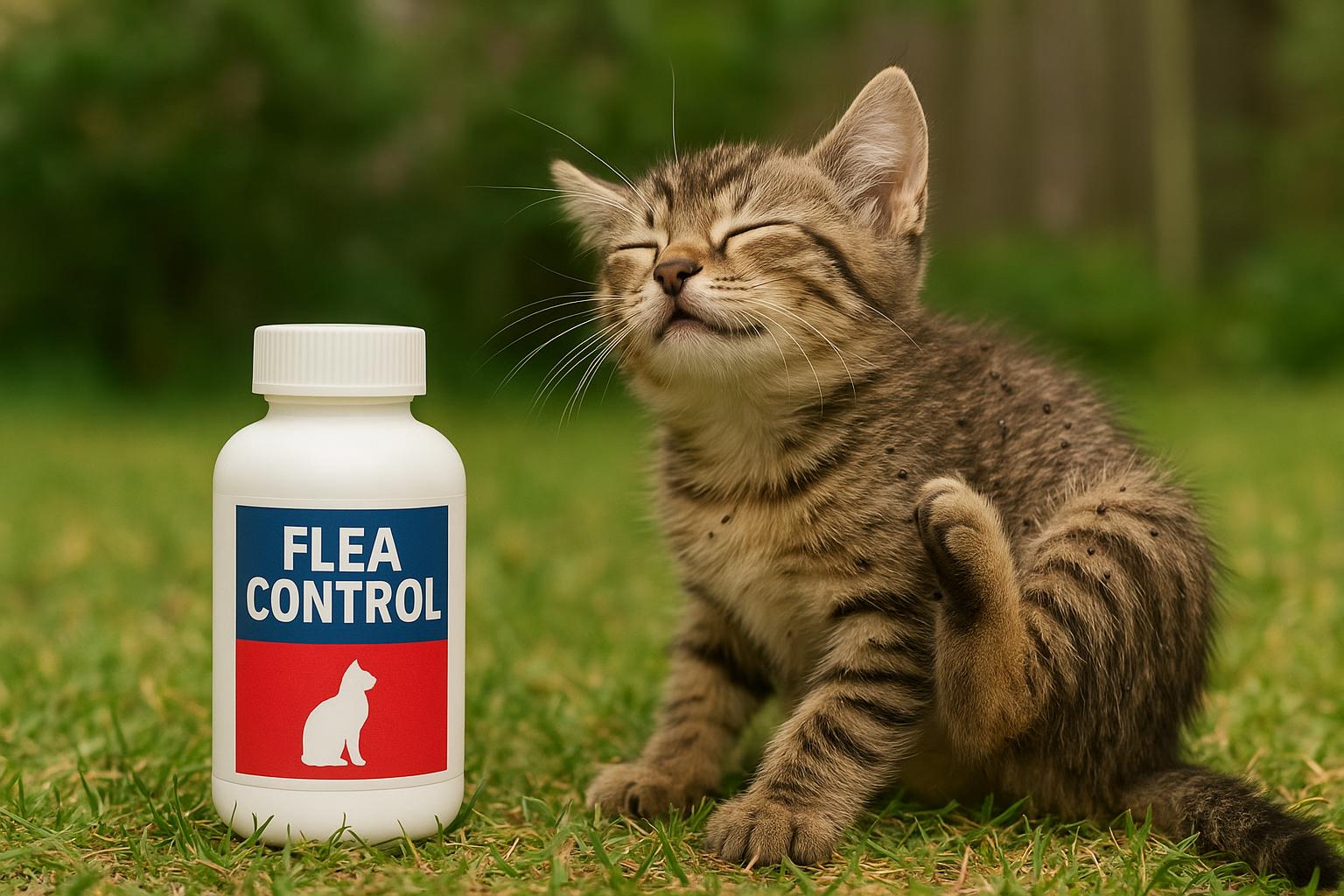
If your cat has been scratching like it’s auditioning for a flea circus, you’re not alone. Fleas are common backyard party crashers, and left unchecked they create real flea health problems — from itchy skin to dangerous anemia in kittens. This guide walks you through what to watch for, why fleas cause trouble, and practical remedies you can do at home (plus when to call the vet). Relax, breathe, and read on — we’ll make this as painless as possible for you and your cat.
## Flea Health Problems: Signs To Watch For
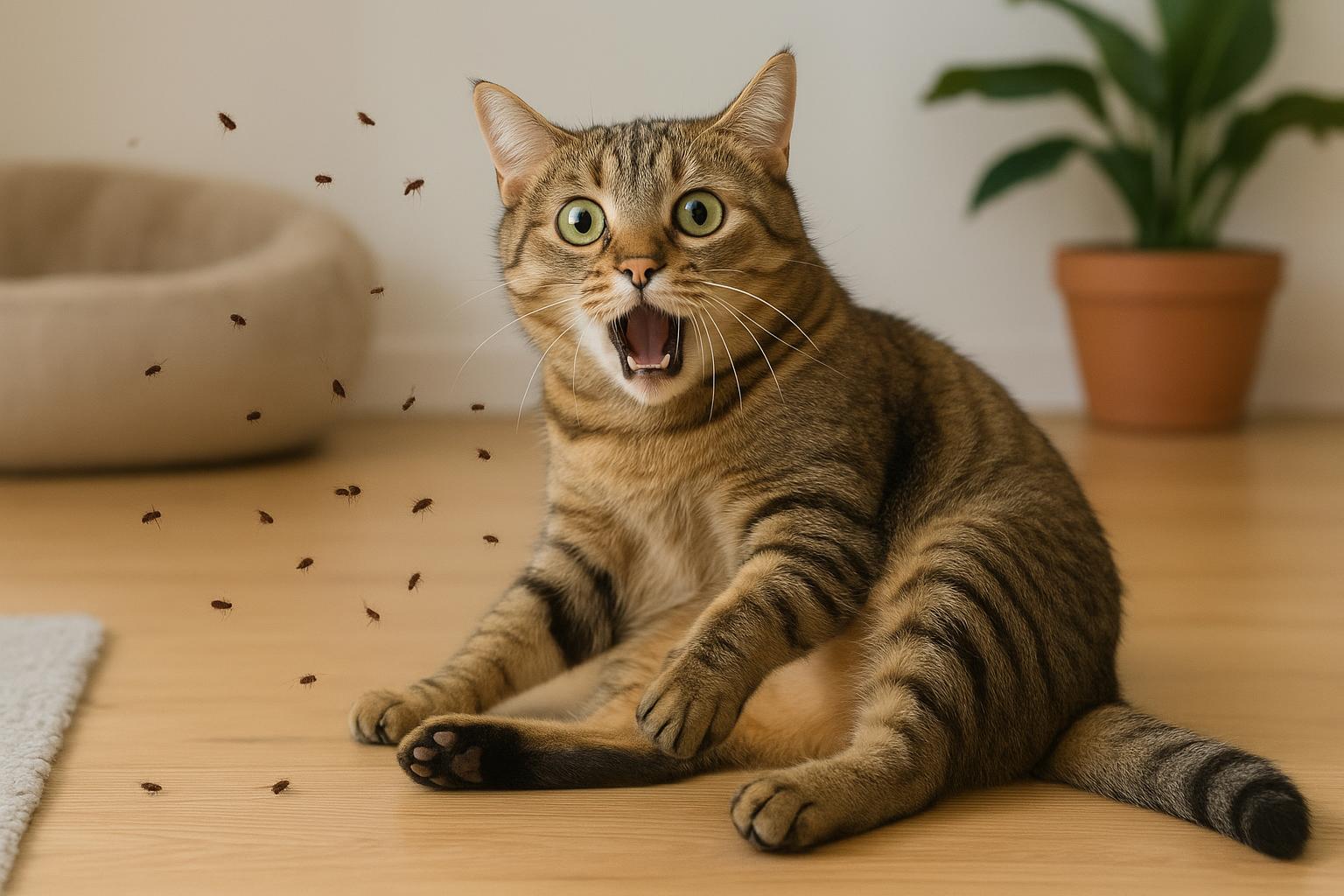
Cats can be masters of subtlety; sometimes the first sign of trouble is a twitch of the tail or a sudden dislike of cuddling. Common signals of flea health problems include:
– Excessive scratching, licking, or biting at the skin
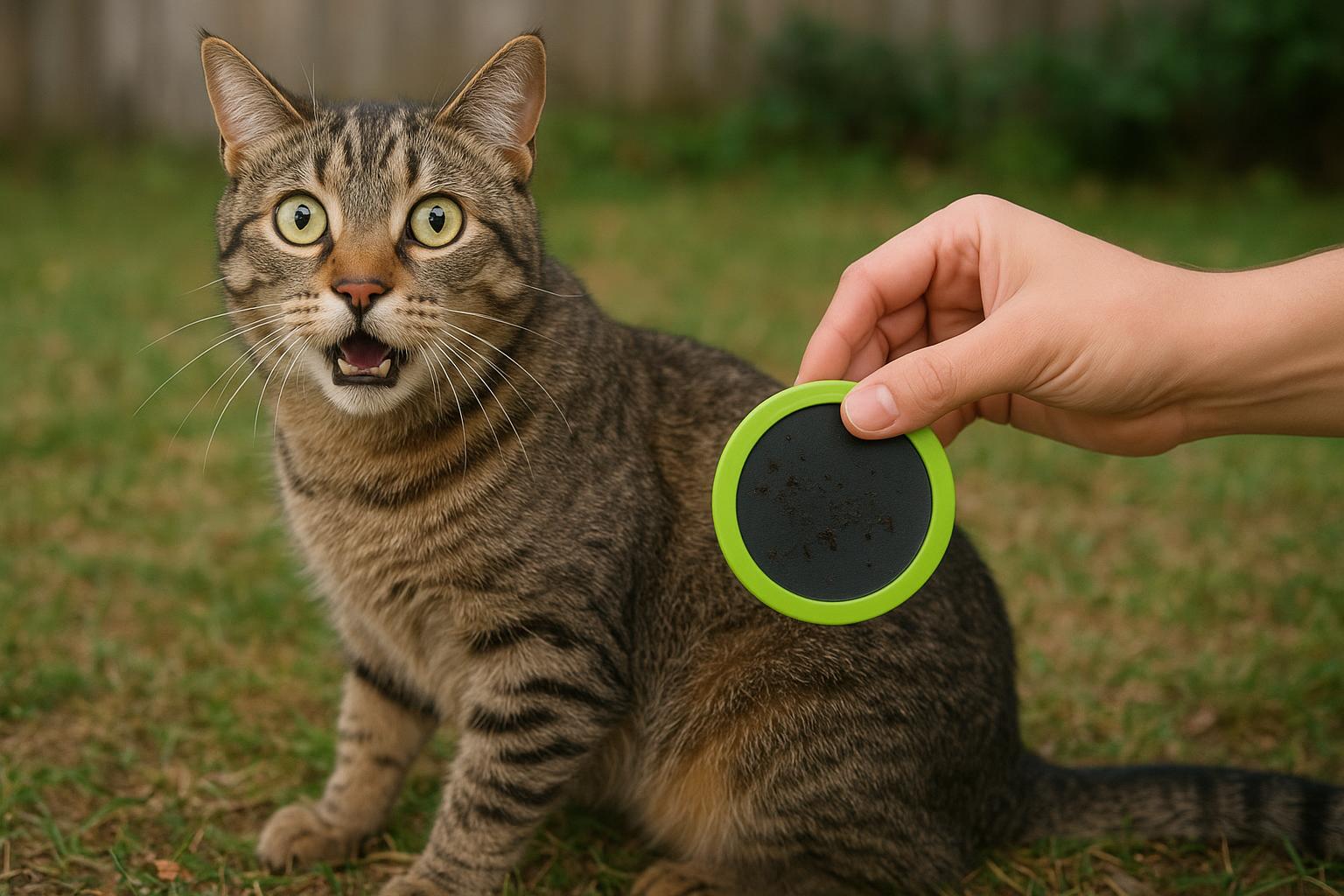
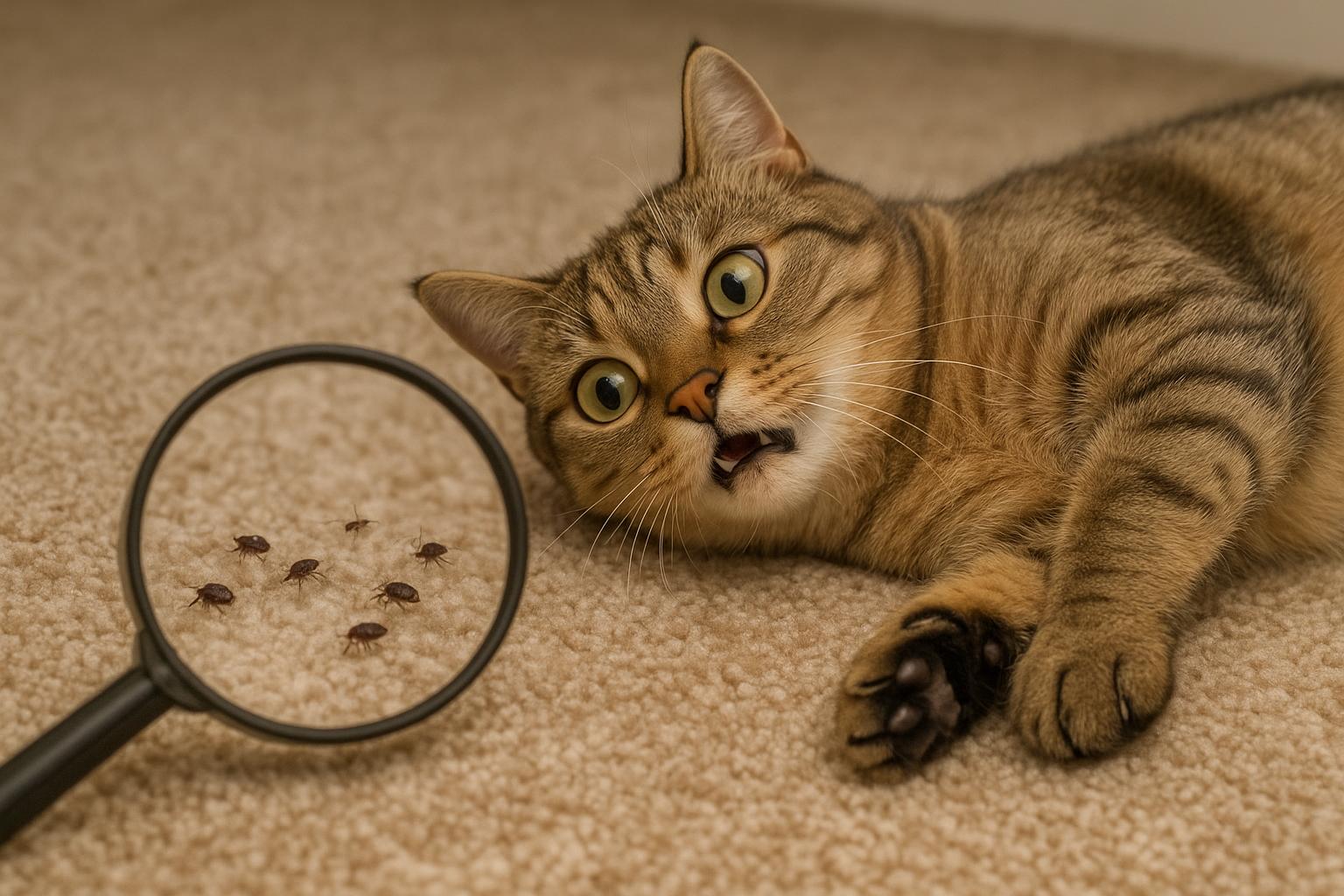
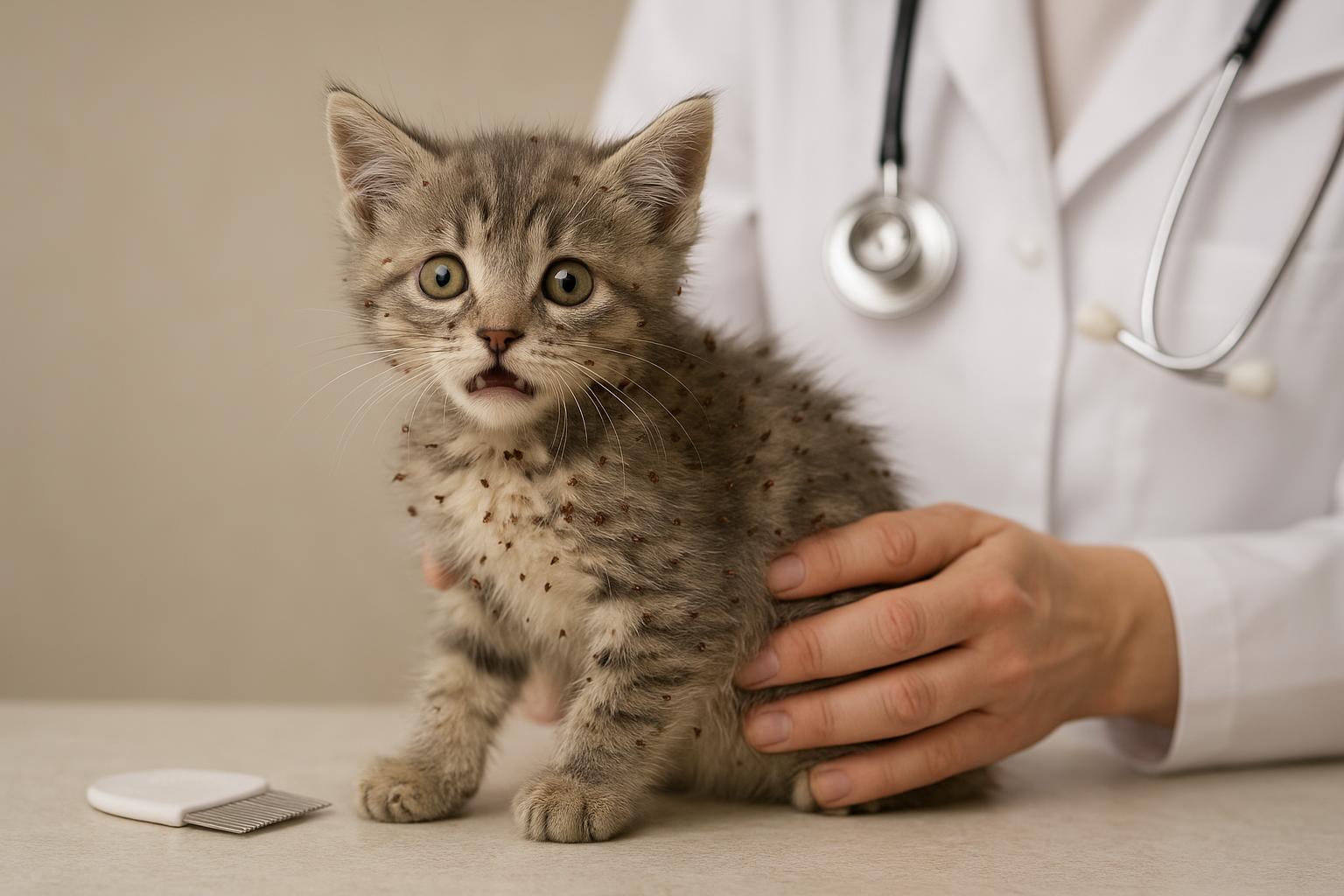
– Small black “flea dirt” specks (digested blood) on the skin or bedding
– Patchy hair loss, especially around the base of the tail and neck
– Red, inflamed skin or scabs caused by scratching
– Pale gums or weakness in young kittens (possible anemia)
### How To Inspect Your Cat
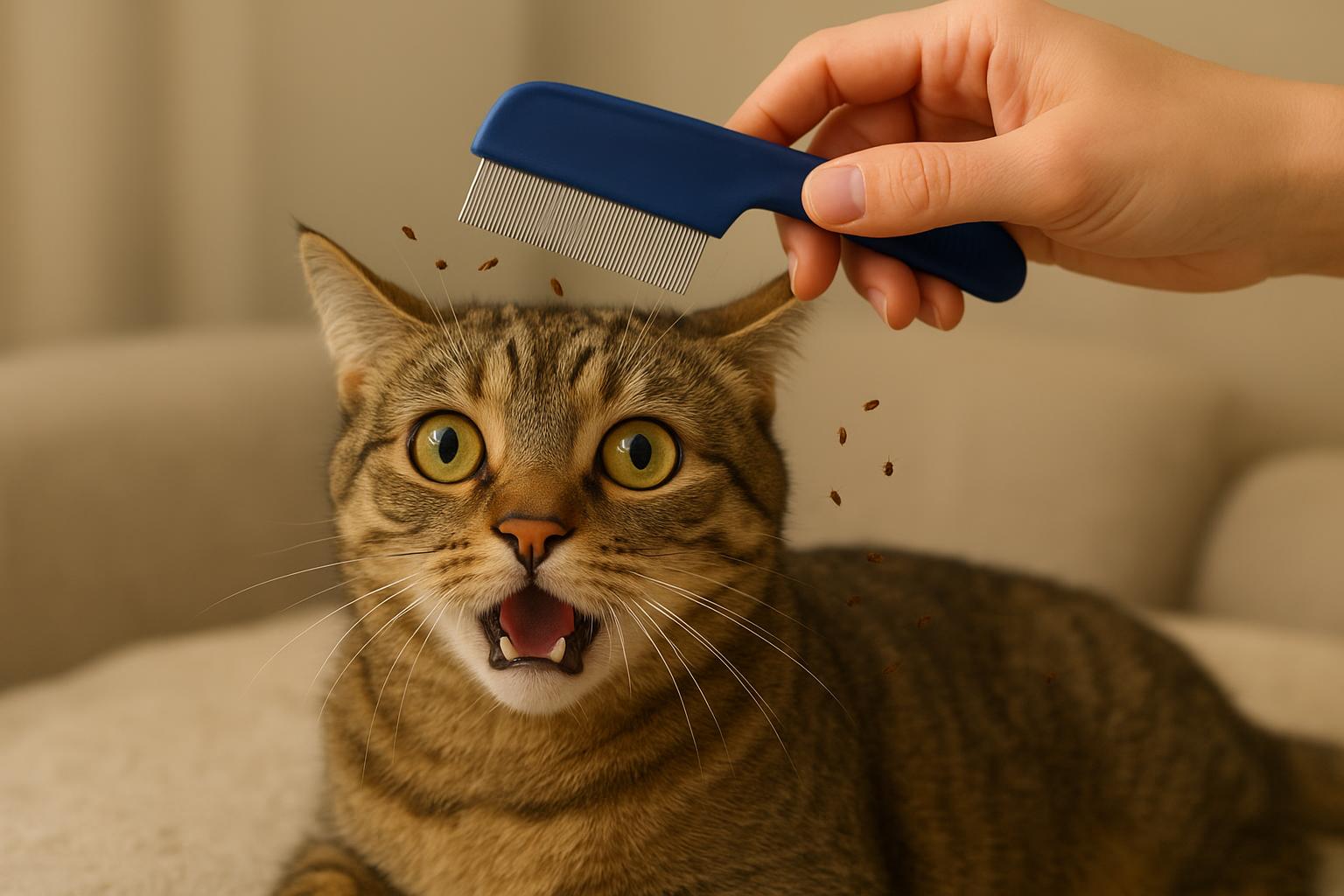
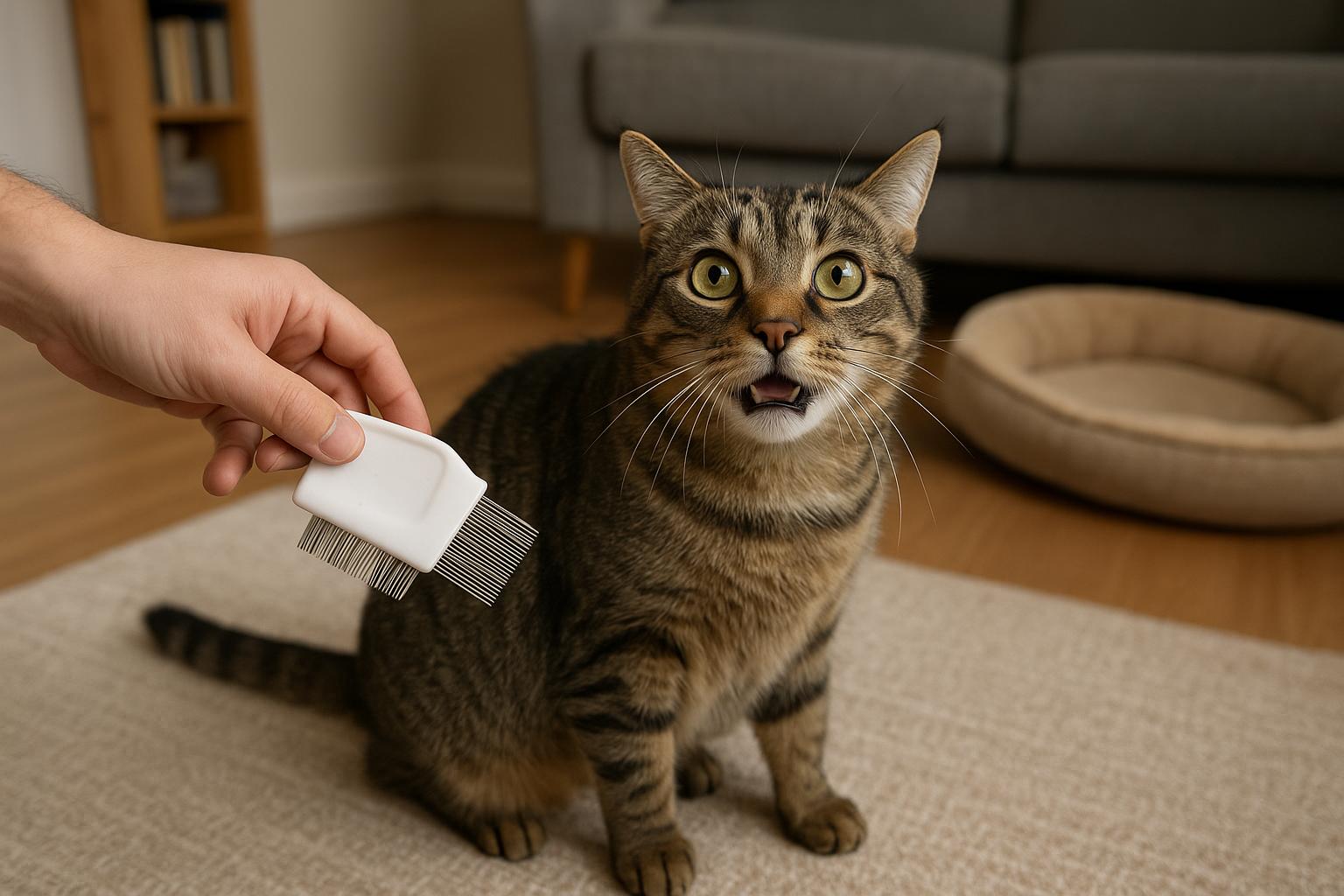
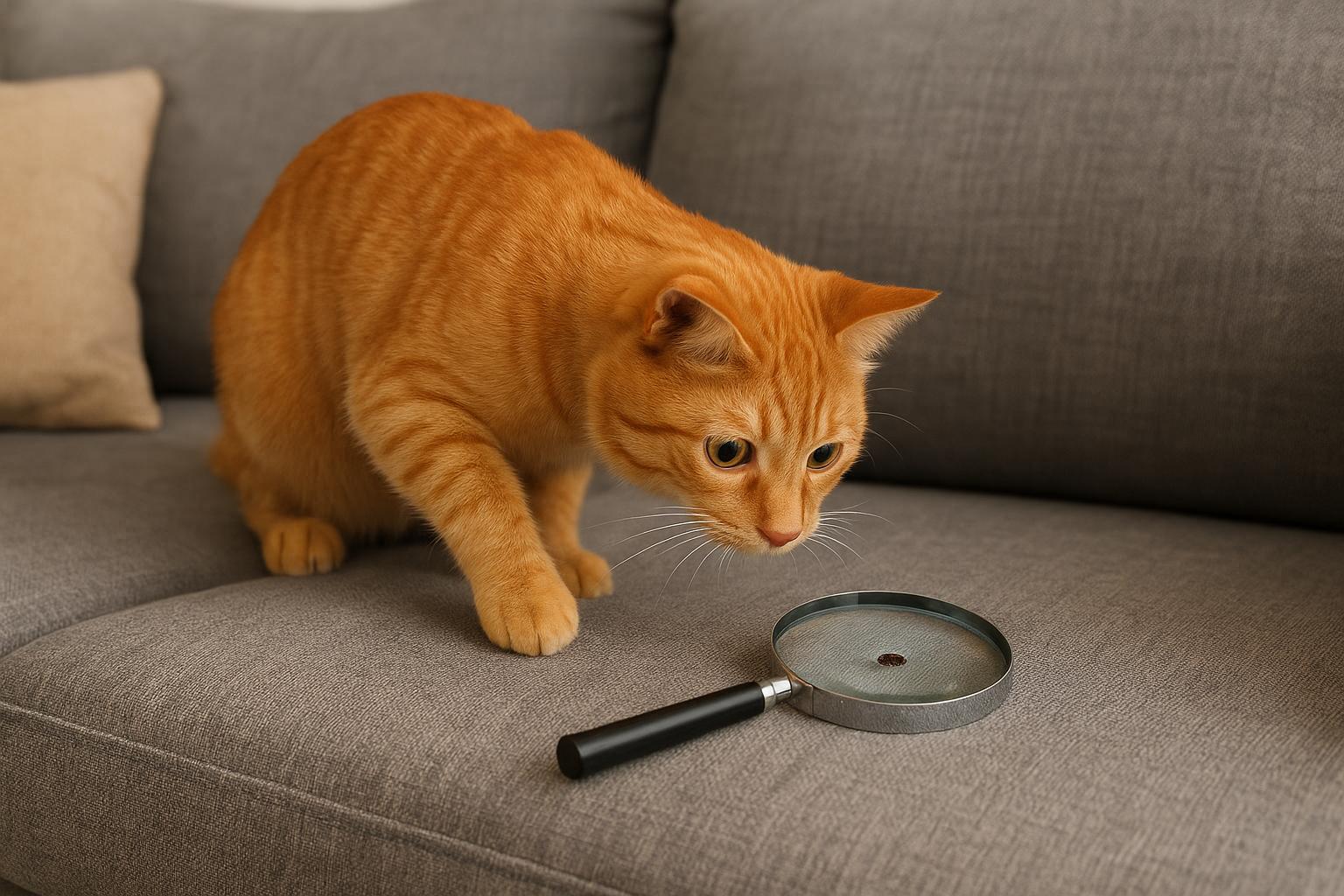
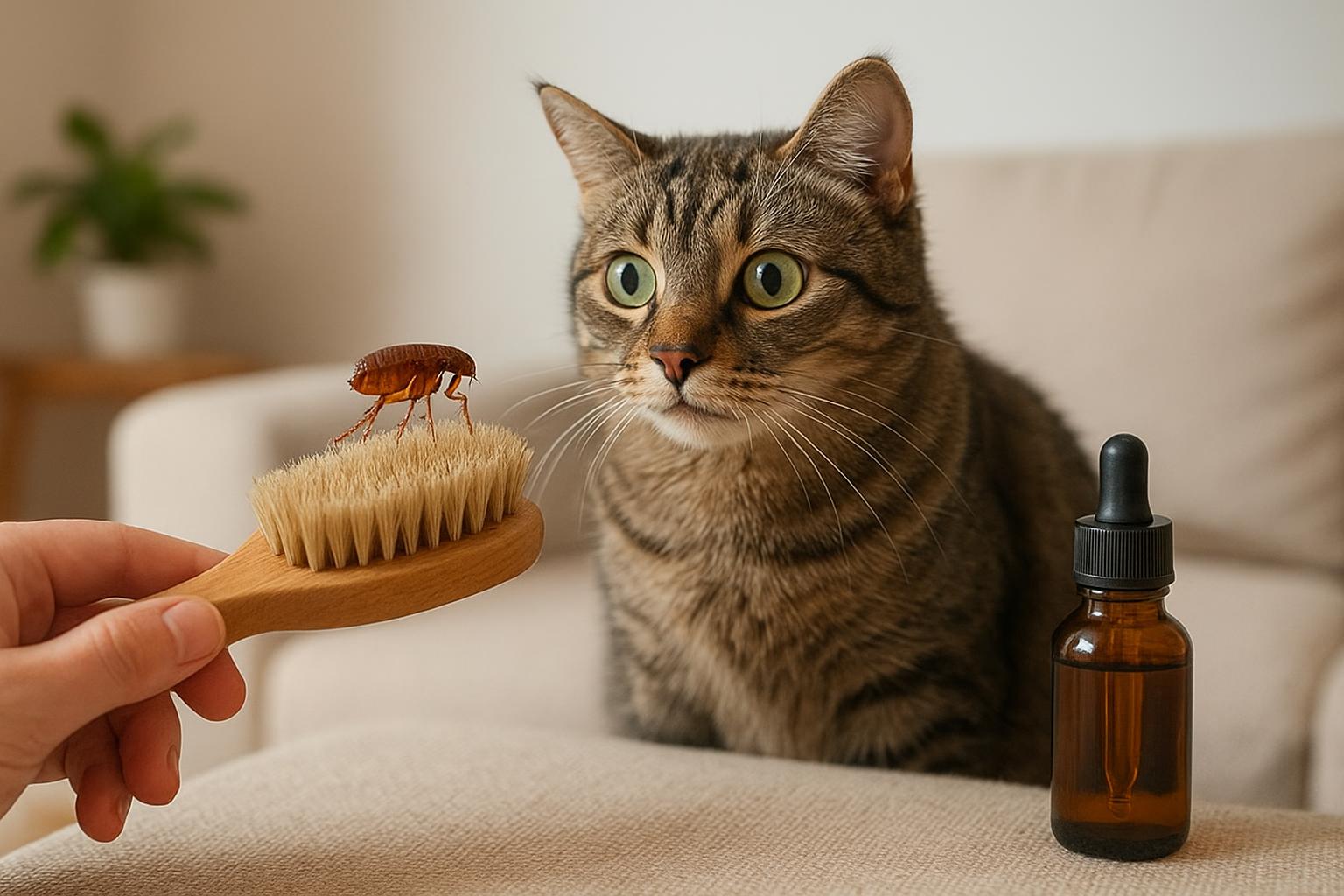
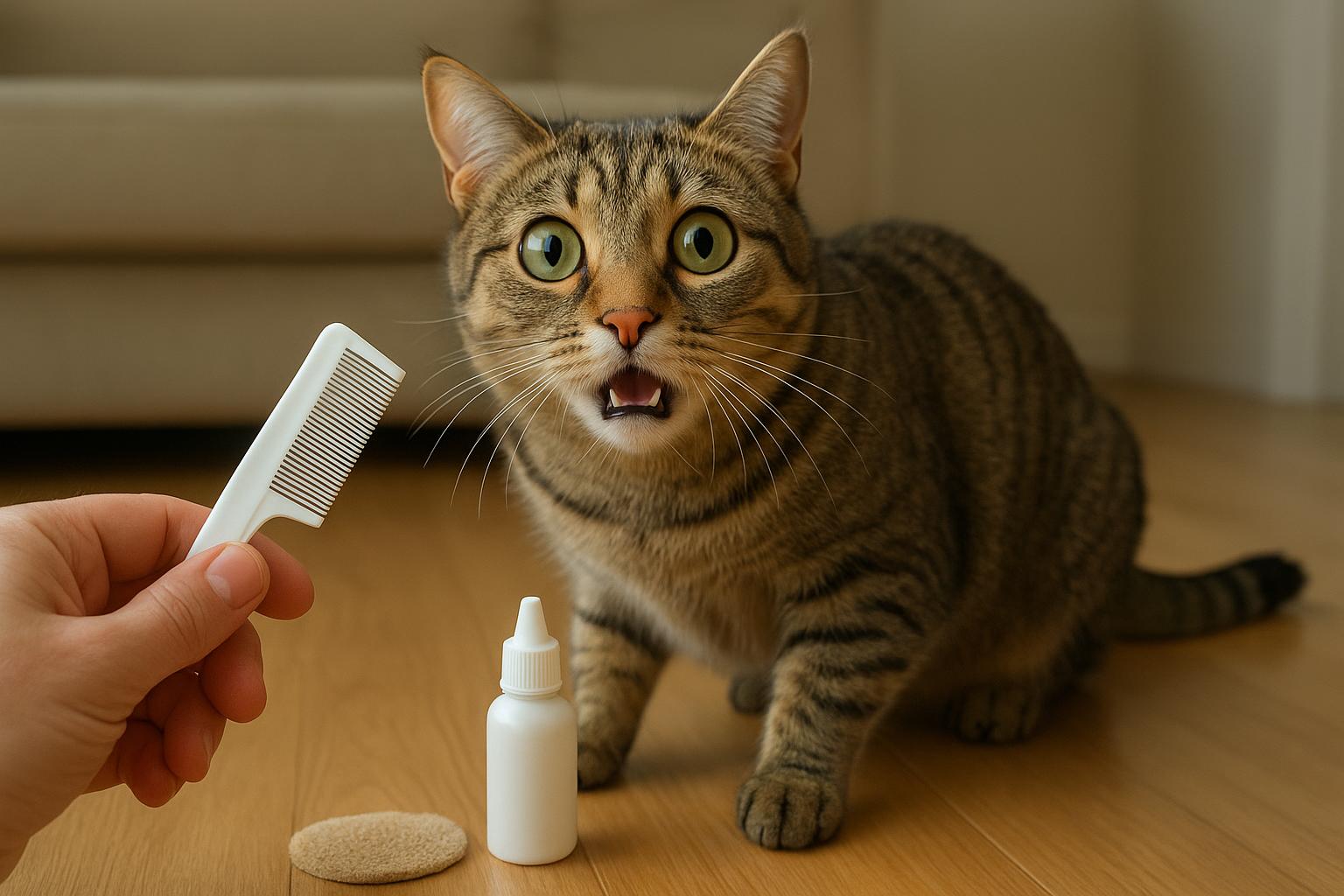
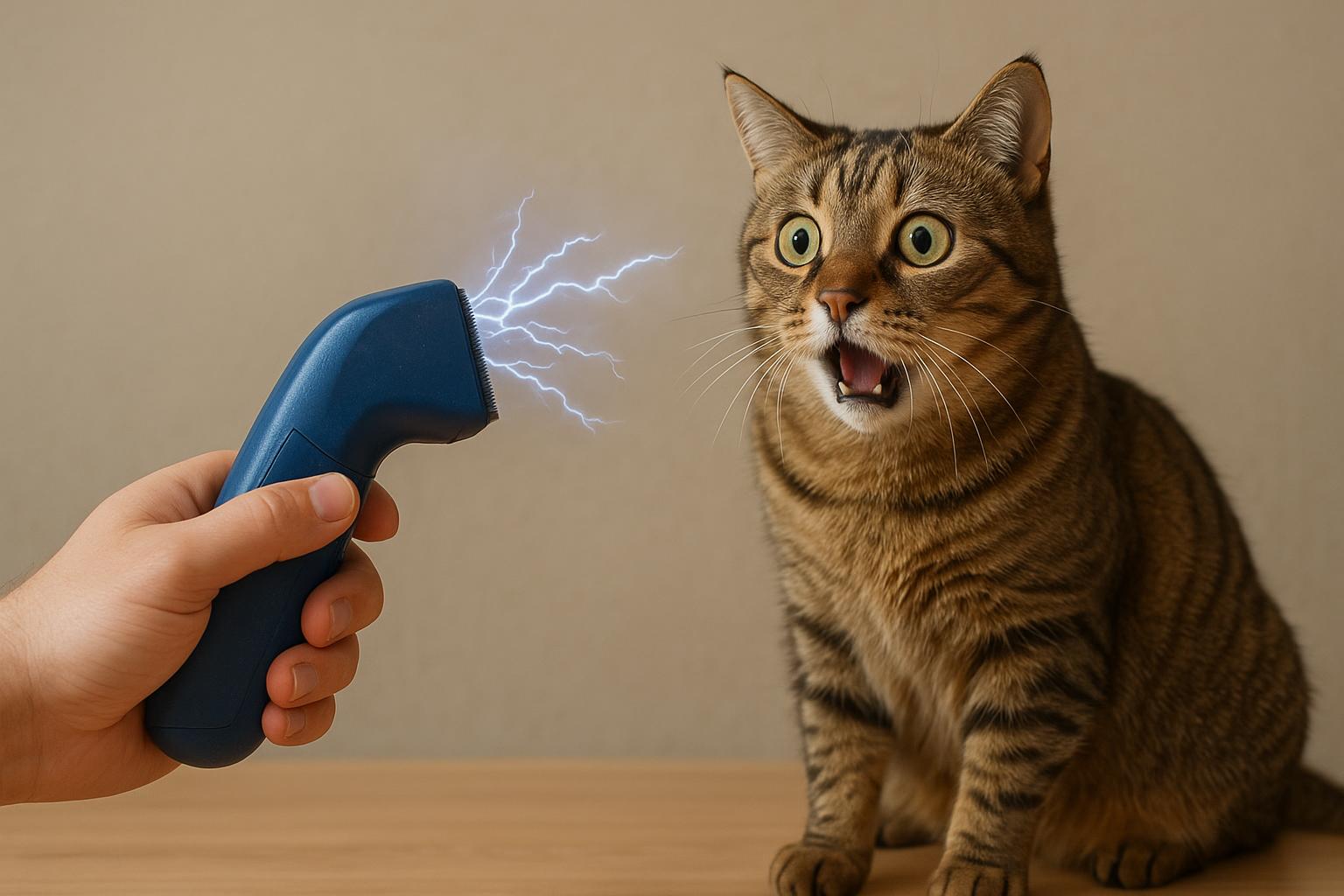
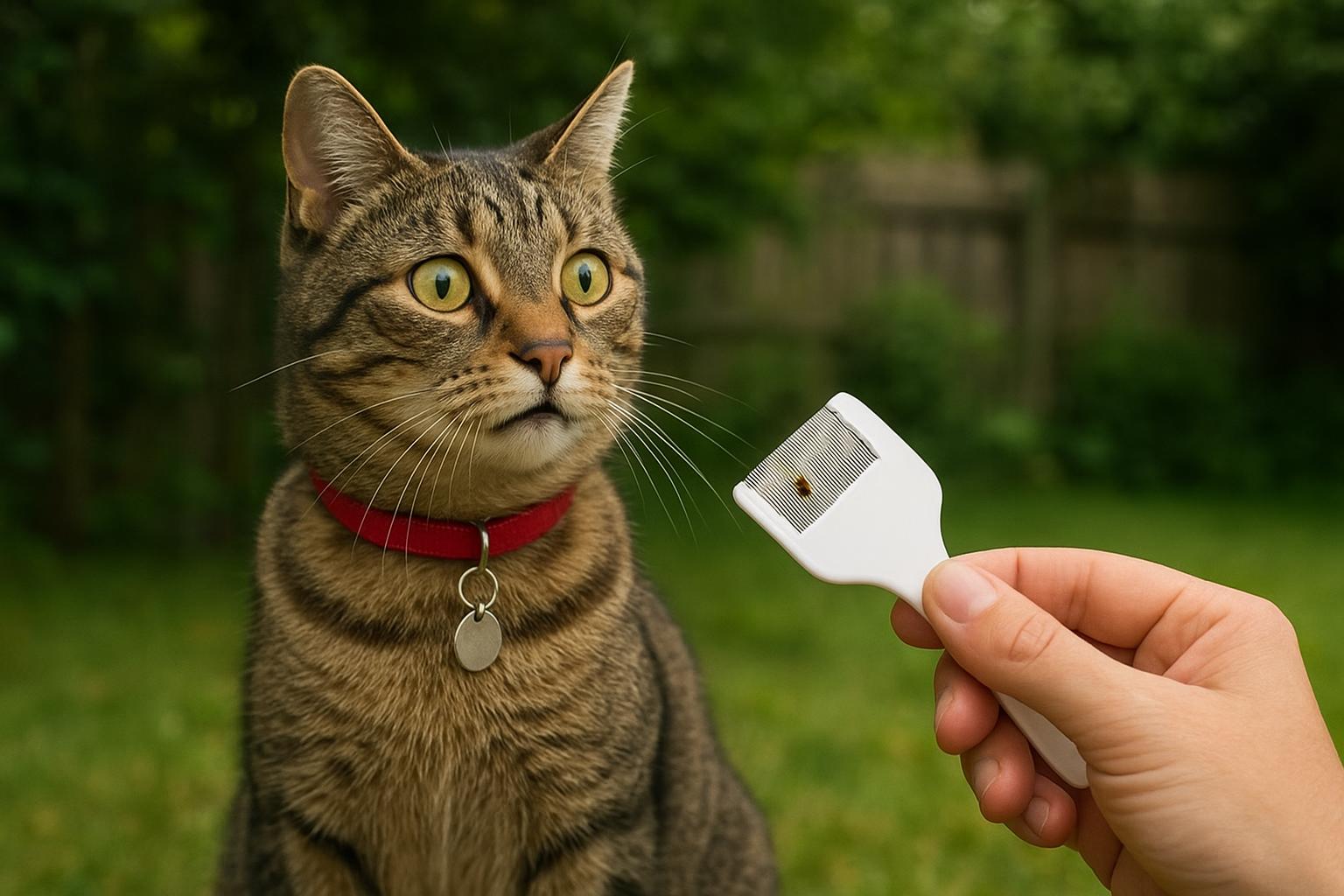
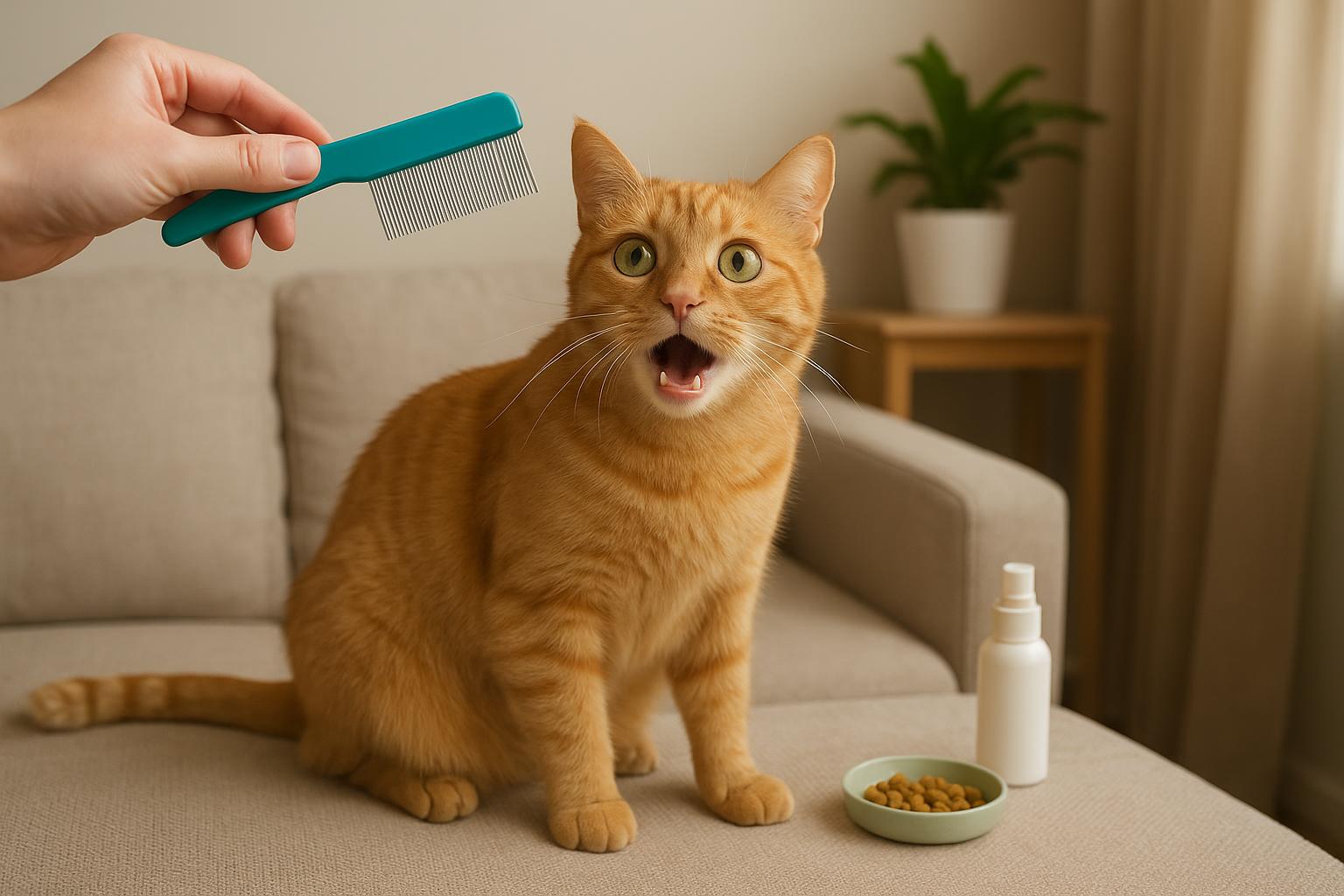
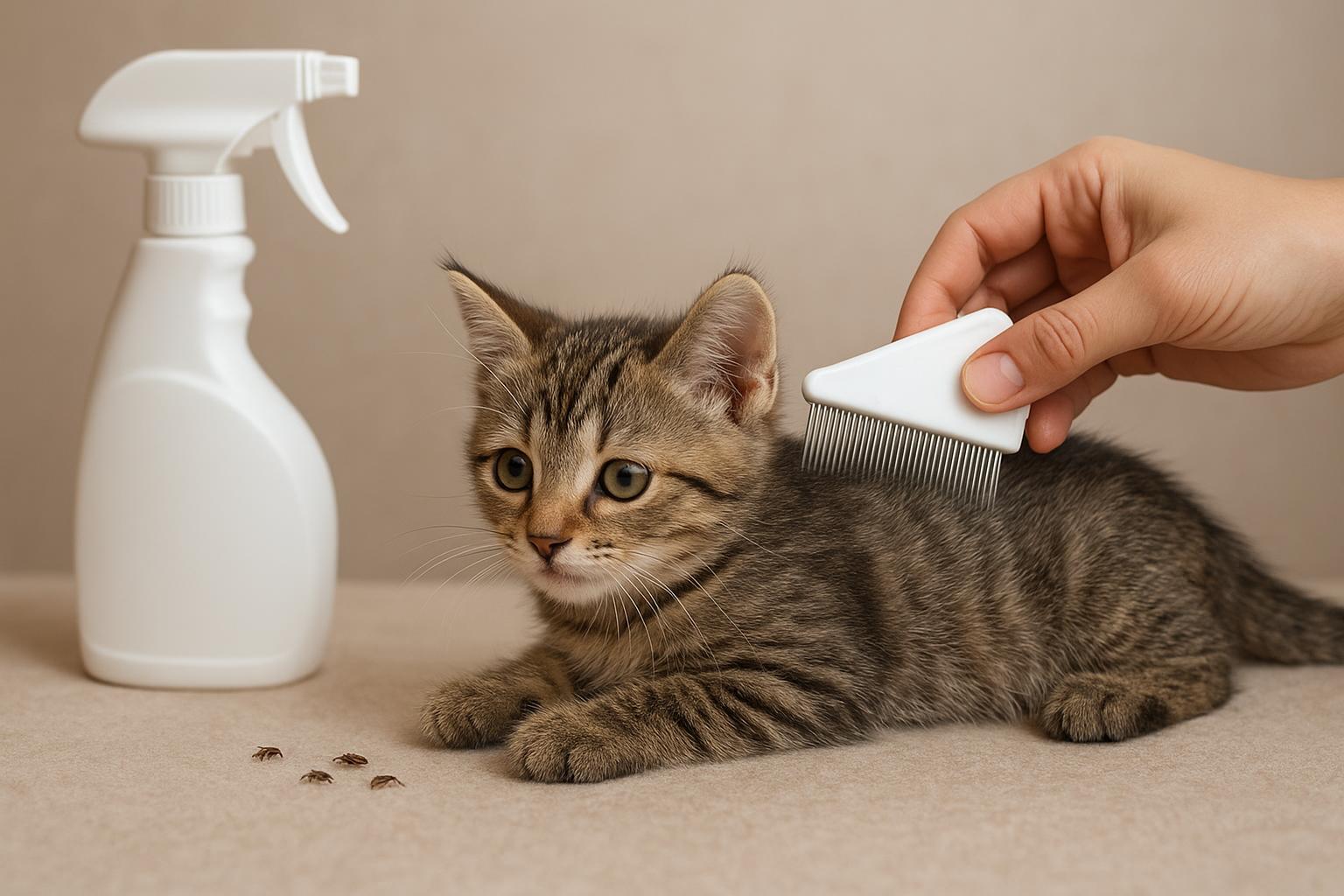
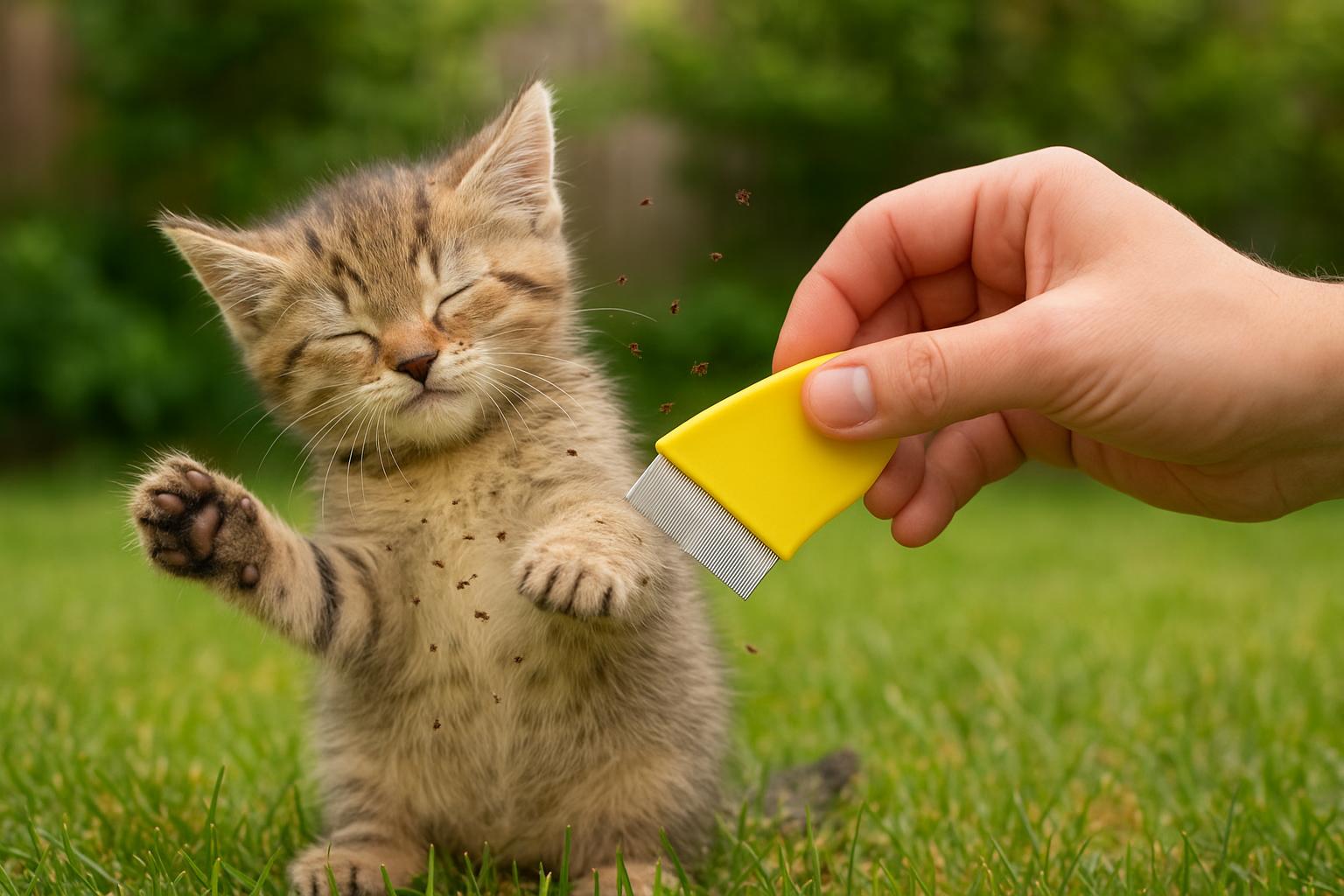
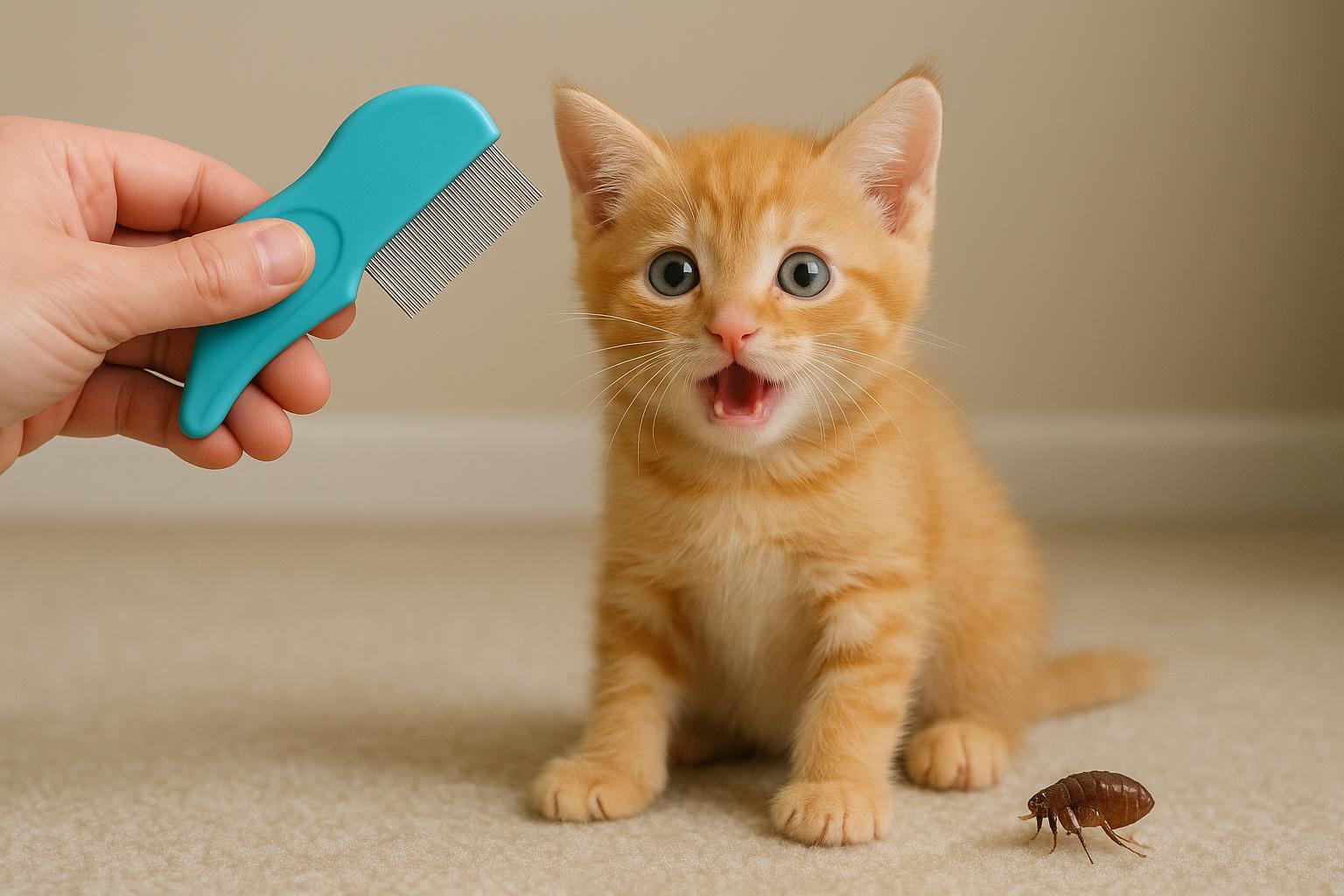
Start with a quiet room and good light. Part the fur and look at the skin. Use a fine-toothed flea comb over the back and tail base; wipe the comb onto a damp white paper towel—reddish brown smears indicate flea dirt. If you see fleas crawling, that’s an obvious confirmation. If your cat is particularly anxious, enlist a calm helper or do short checks frequently.
## How Fleas Cause Harm Beyond Itchiness
A few fleas don’t just mean a few itchy moments. Fleas are vectors and irritants:
– Flea saliva triggers allergic reactions in some cats, known as flea allergy dermatitis (FAD), which can be far worse than the number of fleas present.
– Fleas can transmit tapeworms if a cat ingests an infected flea during grooming.
– Heavy infestations, especially in kittens or ill cats, can lead to significant blood loss and anemia.
### The Flea Life Cycle Matters
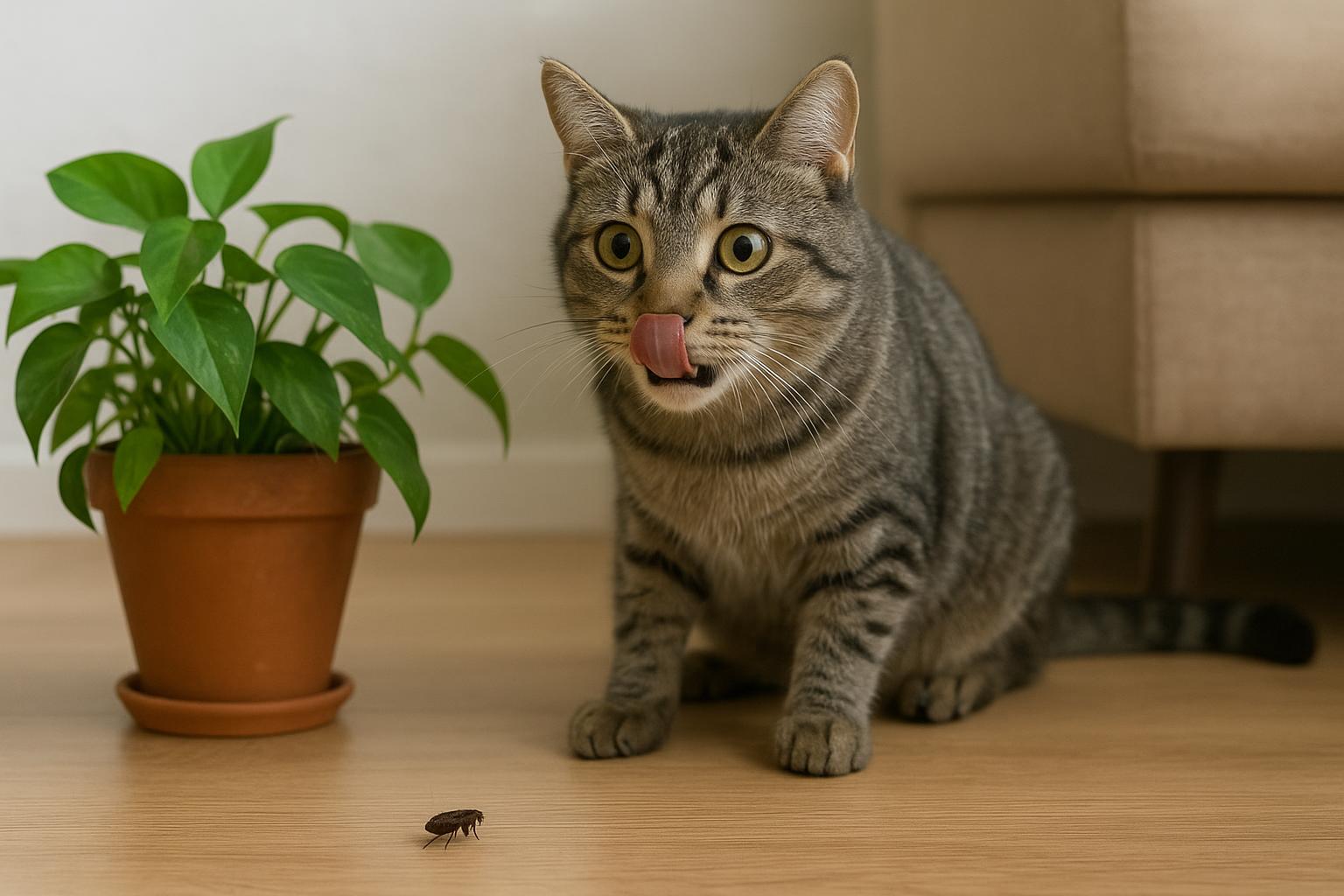
Understanding the life cycle helps explain why a single treatment sometimes fails. Fleas lay eggs on the host that become invisible in carpets, bedding, and cracks. Eggs become larvae, then pupae, and finally adult fleas. Pupae can remain dormant for months, so breaking the cycle requires treating the pet, the home, and often the yard.
## Common Complications From Untreated Infestations
Left unaddressed, flea health problems may turn into:
– Secondary bacterial or fungal infections from skin damage
– Chronic dermatitis and permanent hair loss
– Nutritional stress from ongoing irritation and grooming
– Spread to other pets or to the home environment
### When To See A Vet
If your cat shows widespread hair loss, signs of anemia (pale gums, lethargy), severe skin infection, or is a kitten, senior, or medically fragile, see a veterinarian promptly. Persistent flea health problems despite treatment also warrant professional care; a vet can prescribe systemic options and investigate underlying causes.
## Remedy 1: Vet-Approved Topical Or Oral Treatments (Numbered)
Professional treatments are often the fastest and most reliable way to manage flea health problems. These products are regulated for safety and efficacy when used as directed.
#### Materials Required
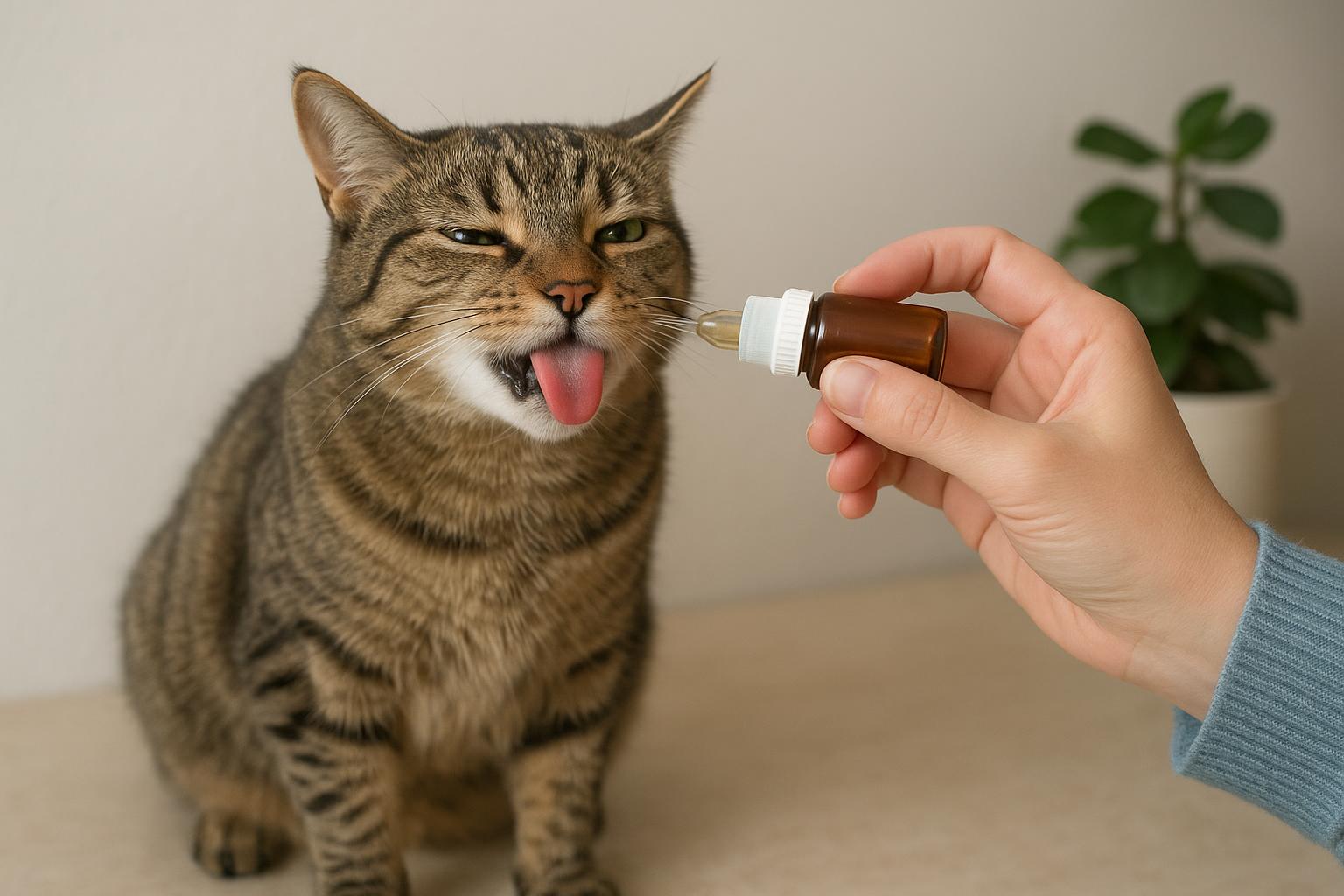
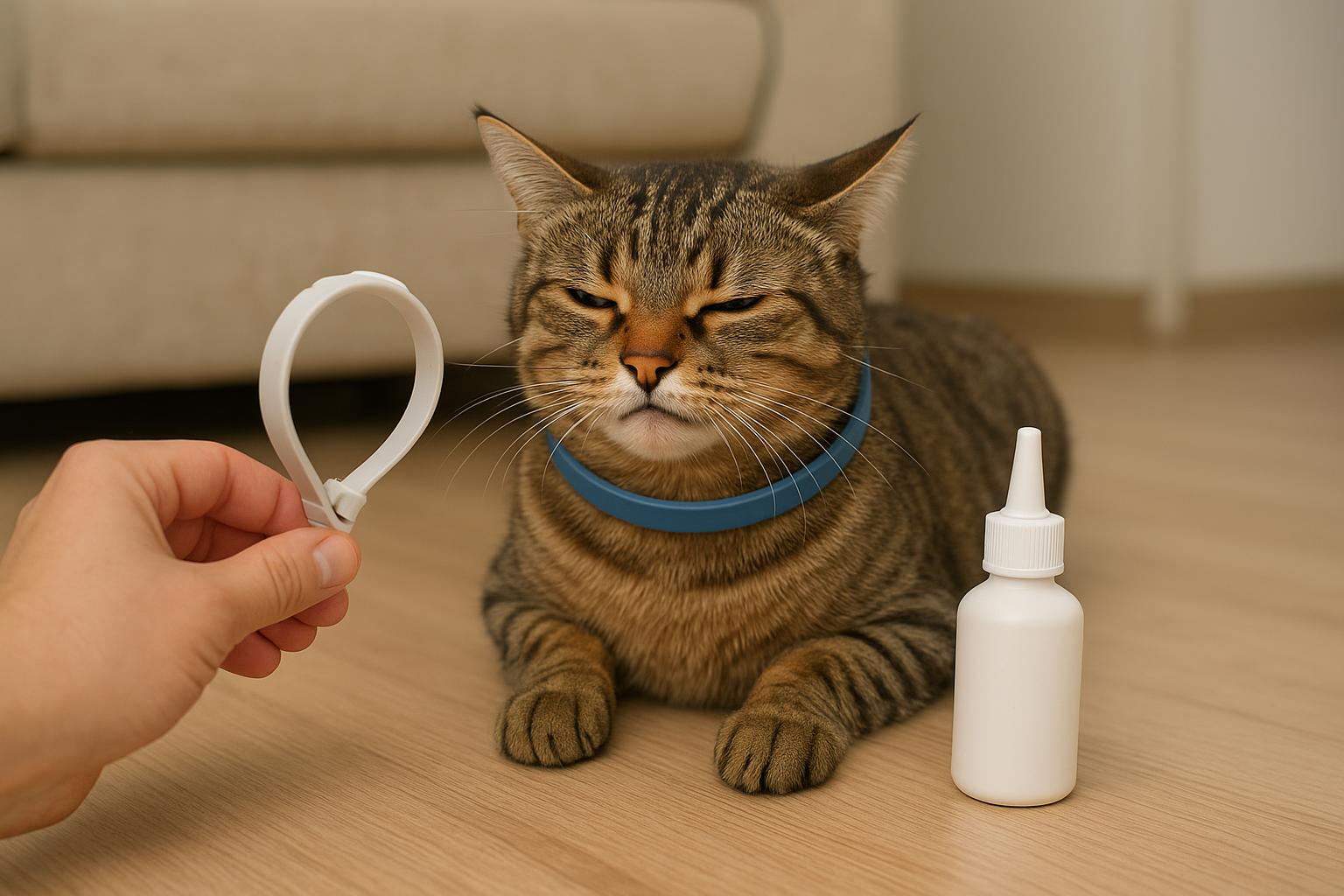
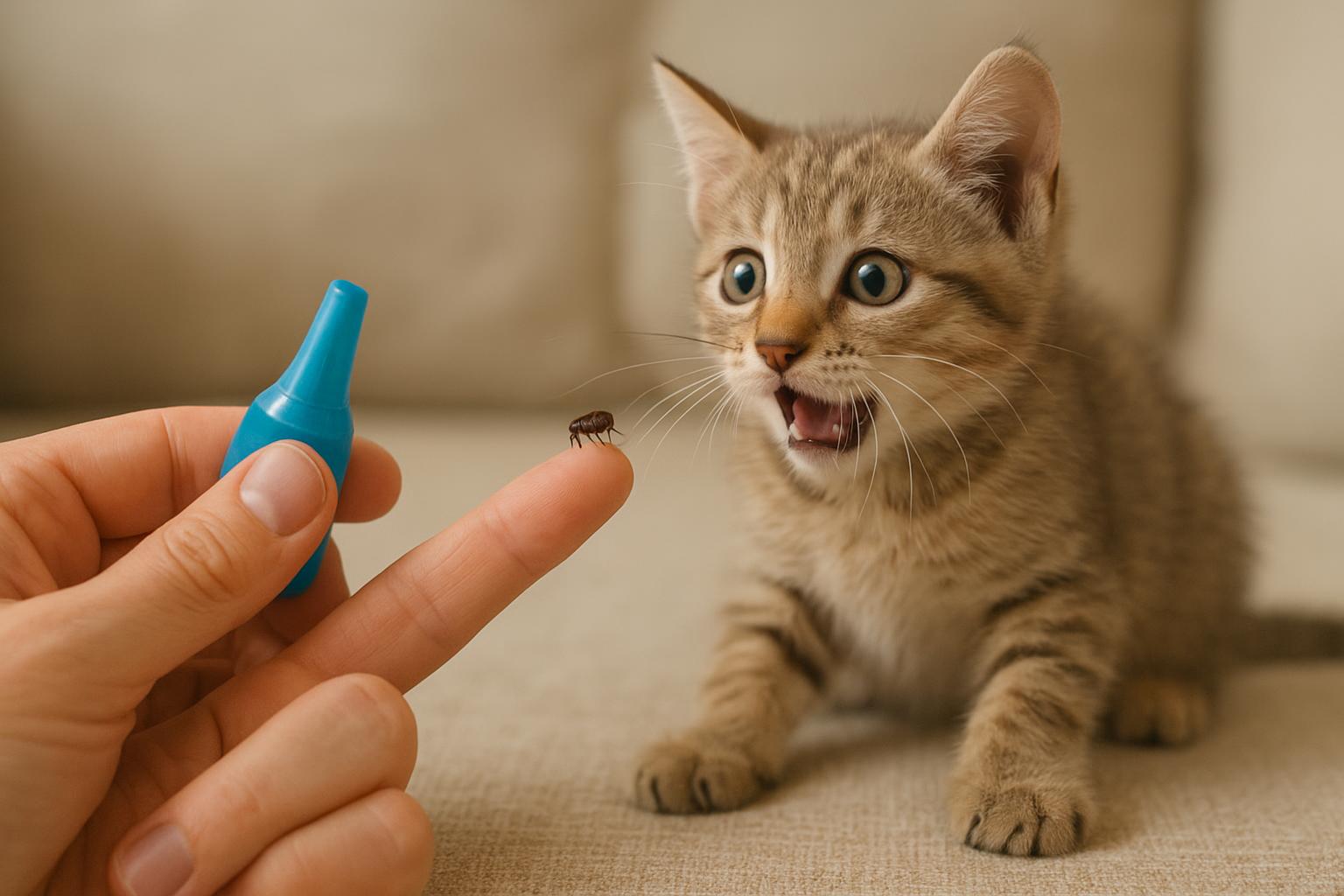
1. Vet-recommended topical flea medication (e.g., selamectin, fipronil + (S)-methoprene) or a prescribed oral flea treatment.
2. Gloves for application (if topical).
3. A towel to gently restrain the cat if needed.
4. Follow-Up flea comb and calendar reminder for repeat dosing.
#### Step-By-Step Application (Formal And Precise)
1. Consult your veterinarian to choose the correct product and dose for your cat’s weight, age, and health status. Do not use dog products on cats.
2. Read the product label and vet instructions thoroughly.
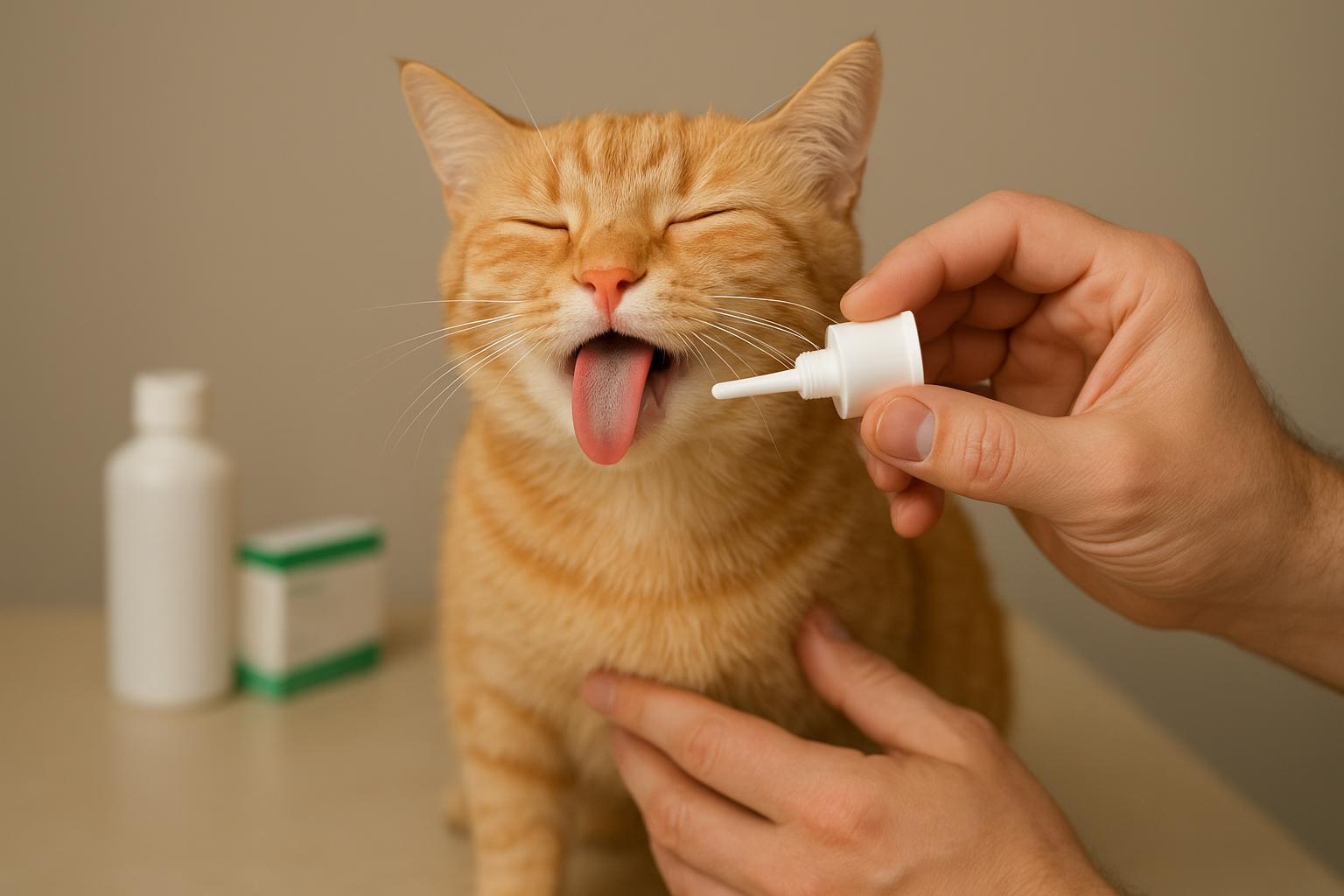
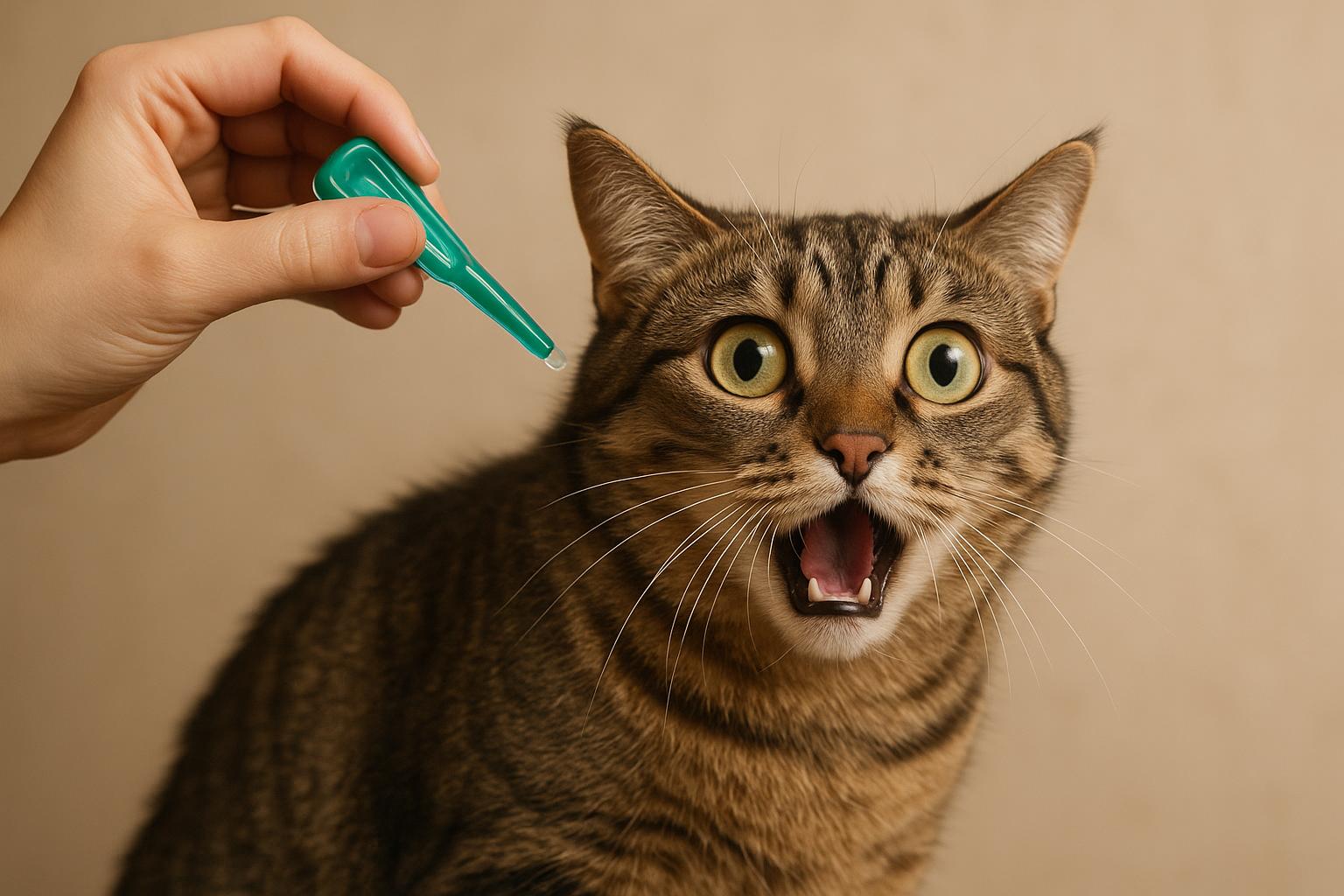
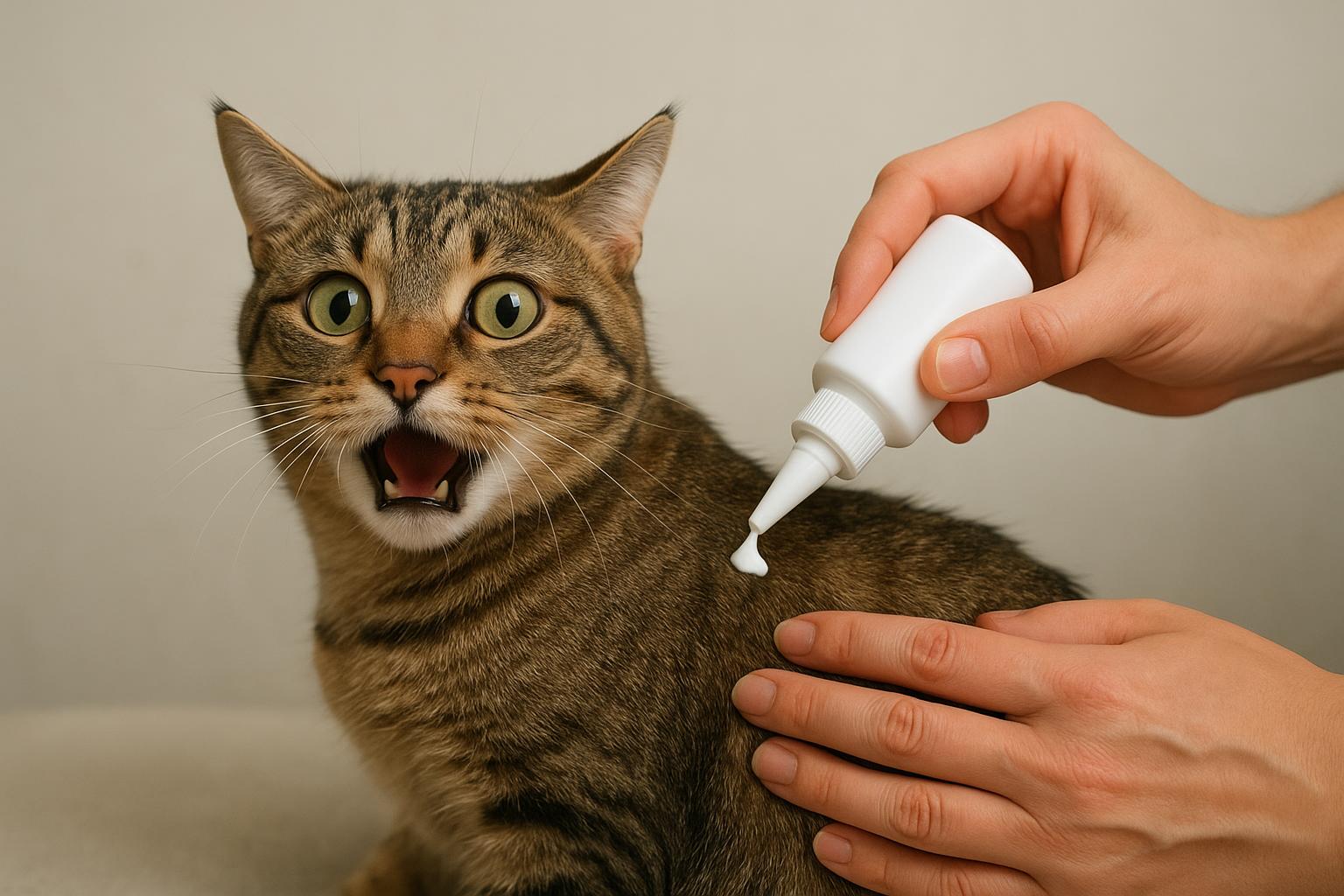
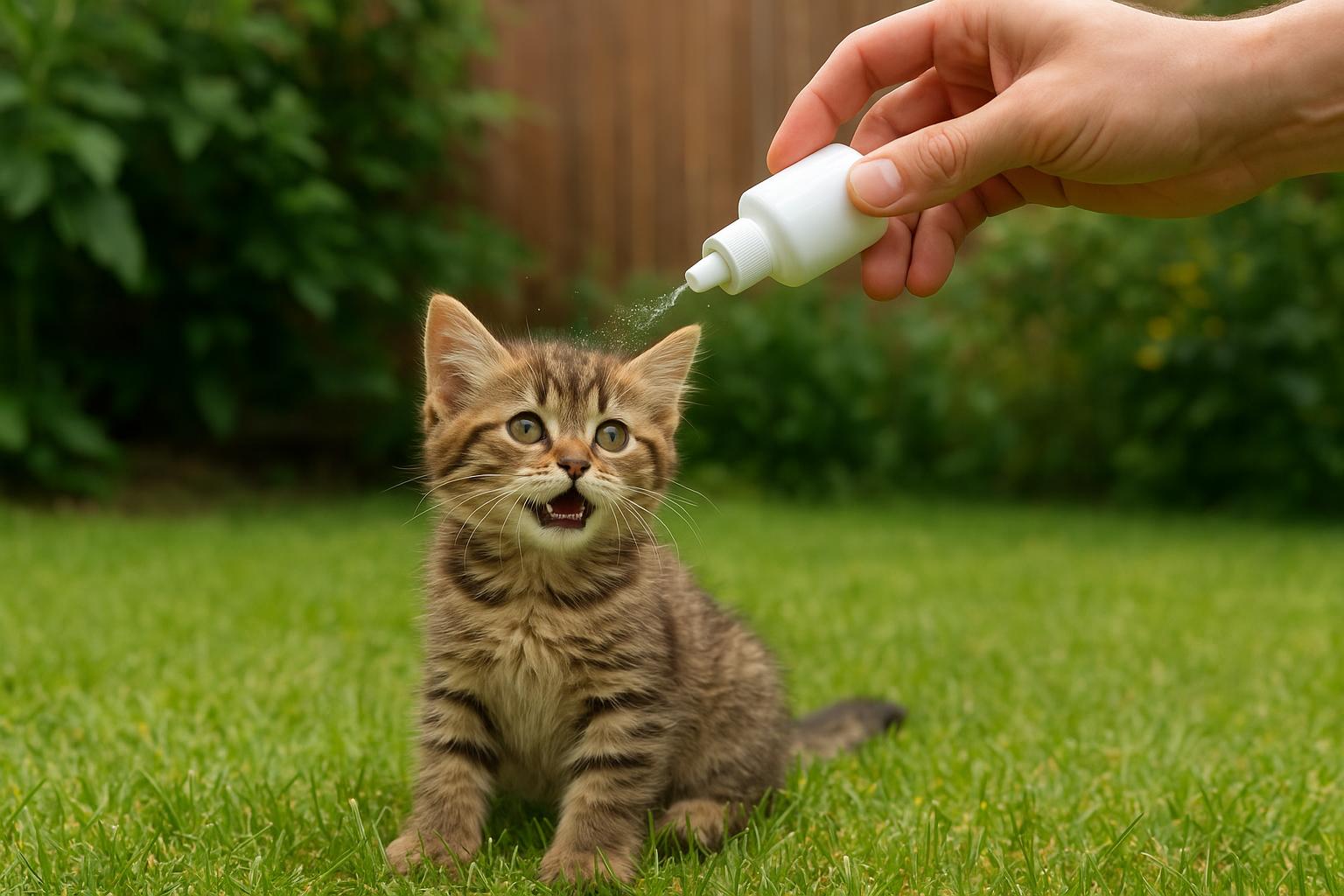
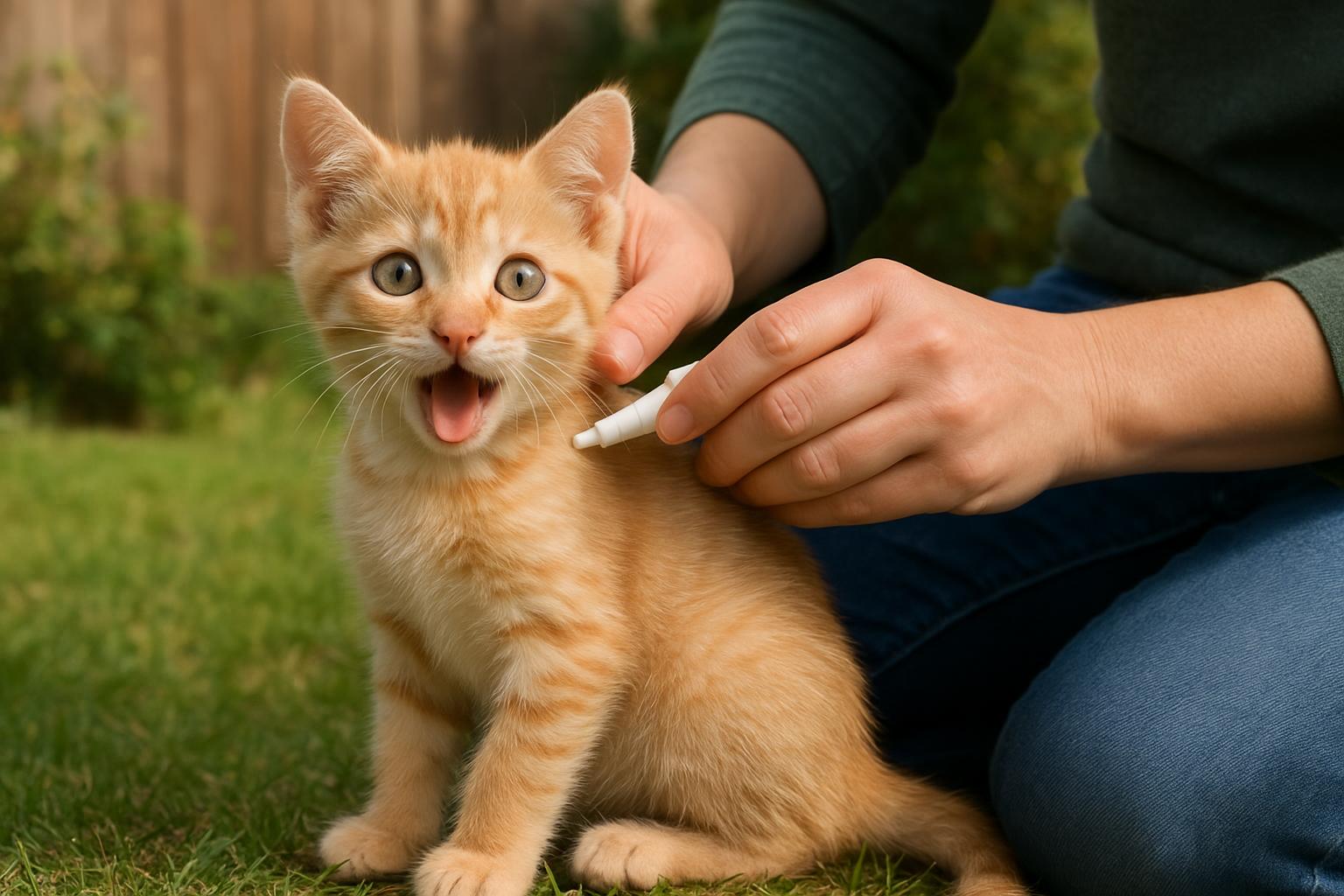
3. If using a topical: part the fur at the base of the skull until the skin is visible. Apply the full dose directly to the skin in one spot, avoiding superficial spreading. Do not bathe the cat for 48 hours after application unless instructed otherwise.
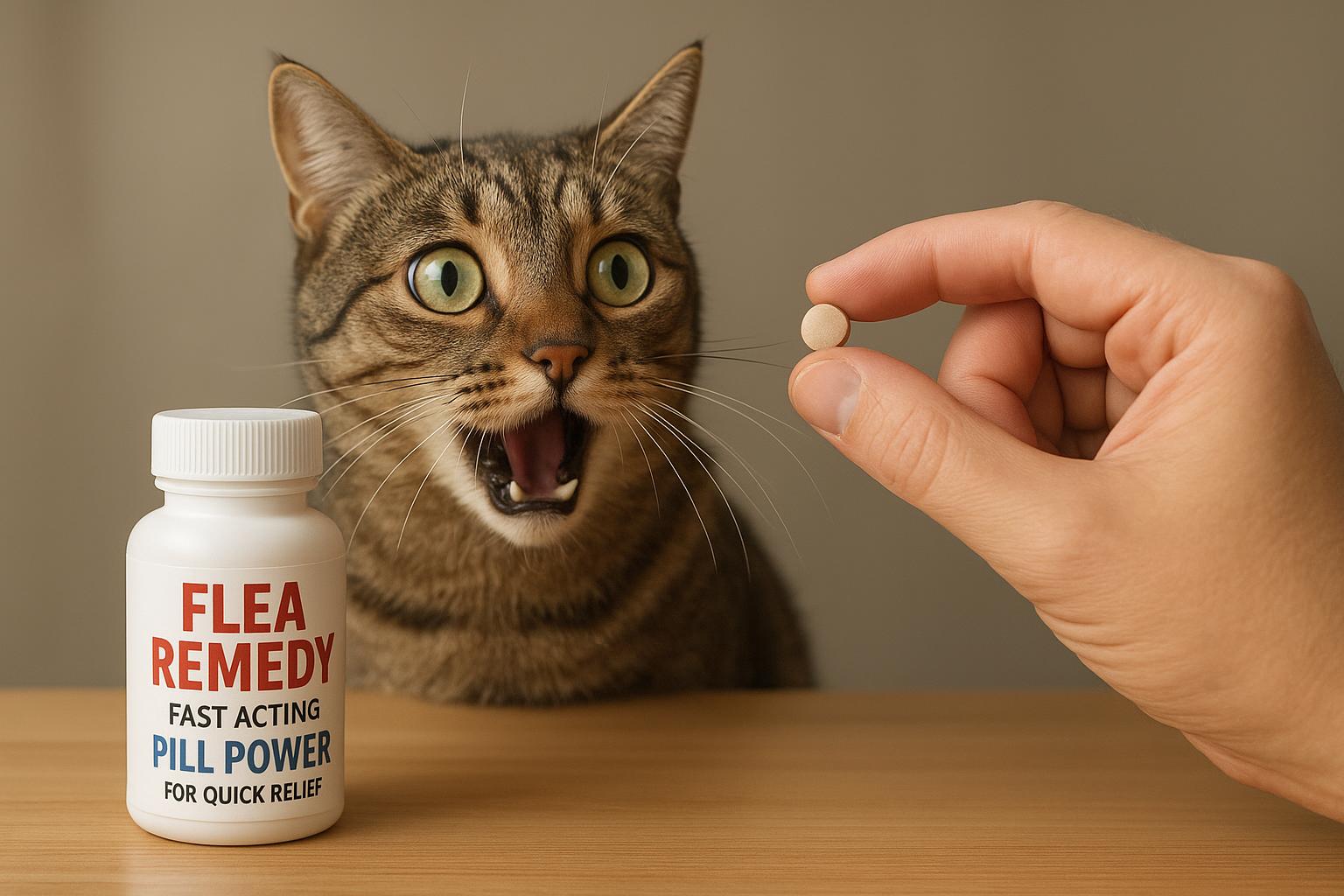
4. If using an oral product: administer as a pill or flavored chew following the vet’s directions. Ensure the full dose is consumed.
5. Repeat treatments strictly on the recommended schedule (monthly or as prescribed). Track dates to prevent missed doses.
6. Monitor for adverse reactions for 24–48 hours (excessive drooling, vomiting, swelling, lethargy) and contact your vet if any occur.
## Remedy 2: Home Flea Comb And Natural Rinse (Numbered)
If your cat has a light infestation or you’d like a non-chemical adjunct, a regular comb-and-rinse routine helps reduce fleas and soothe irritated skin. This is supportive care and not always sufficient alone for heavy infestations.
#### Materials Required
1. Fine-toothed flea comb.
2. Bowl of warm water.
3. Mild cat-safe shampoo (unscented) or a veterinarian-approved oatmeal shampoo.
4. White paper towels or cloth.
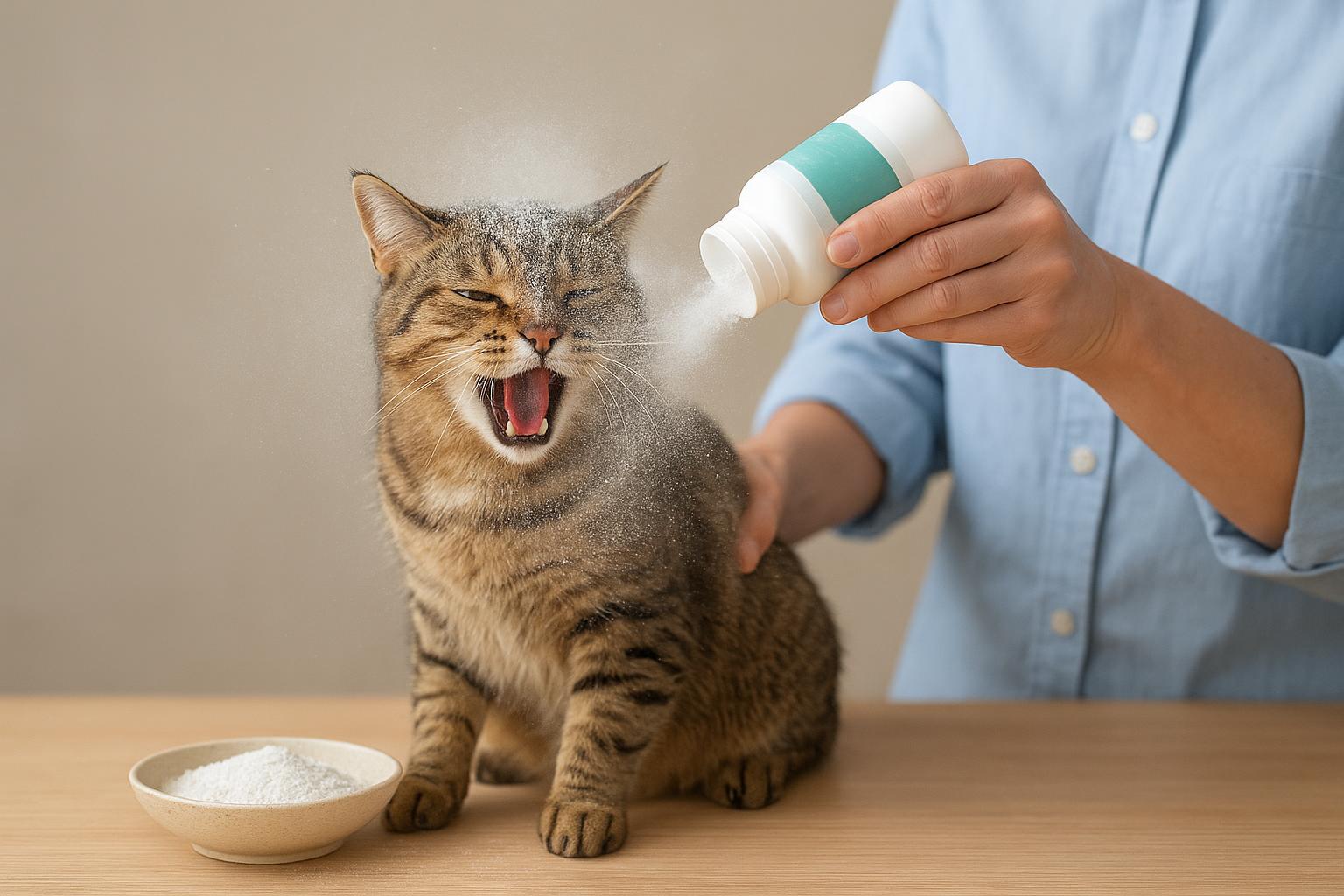
5. Optional: food-grade diatomaceous earth (DE) for environmental treatment — use only with vet approval and in areas inaccessible to the cat.
#### Step-By-Step Creation And Application
1. Prepare the area: choose a calm, contained space with towels laid out. Have treats on hand for reassurance.
2. Comb carefully: Work from head to tail, holding the base of the fur to minimize pulling. Wipe the comb onto the damp towel after each pass and inspect for fleas or flea dirt. Dispose of collected fleas by dunking them in soapy water.
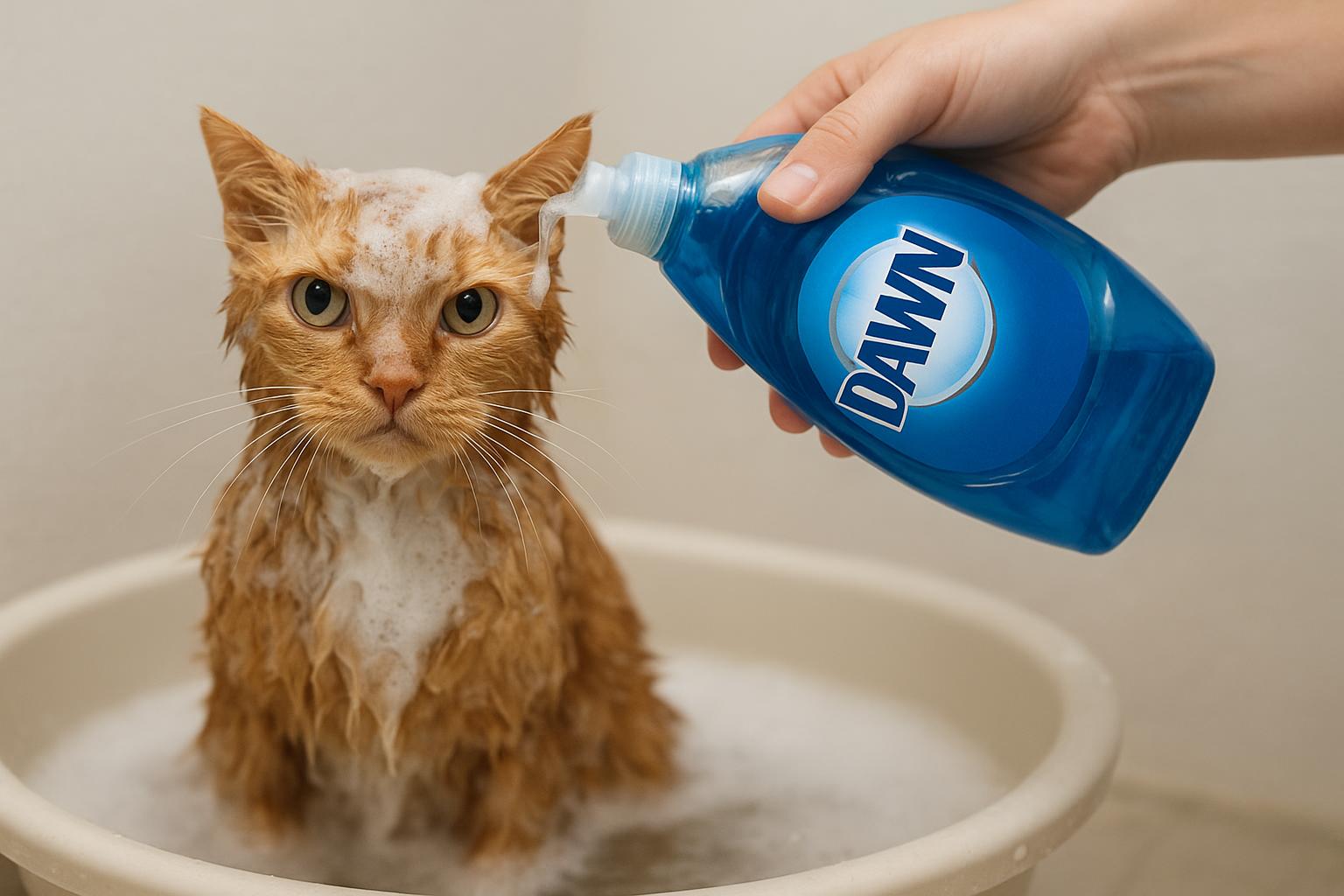
3. Bathing (if tolerable): Wet the cat with warm water, apply a small amount of cat-safe shampoo and lather gently. Rinse thoroughly. Follow with a towel dry. Limit bath frequency to what your cat tolerates and per your vet’s guidance.
4. Repeat combing every 2–3 days for several weeks to remove emerging adults until you observe no new fleas.
5. Environmental support: Wash bedding in hot water weekly. Vacuum carpets and upholstery frequently, emptying the canister or changing bags outdoors. Use DE cautiously: sprinkle lightly in carpets when the cat is not present and vacuum it up after a few hours; check with your vet first.
## Treating The Home And Yard
Addressing the pet alone leaves eggs in the environment to hatch. For home treatment:
– Wash bedding, blankets, and cushion covers in hot water and dry on high heat.
– Vacuum floors, baseboards, and furniture thoroughly; focus on areas where your cat rests. Dispose of vacuum contents outside.
– Consider pet-safe sprays or environmental insect growth regulators (IGRs) labeled for indoor use; follow instructions and remove pets during application when required.
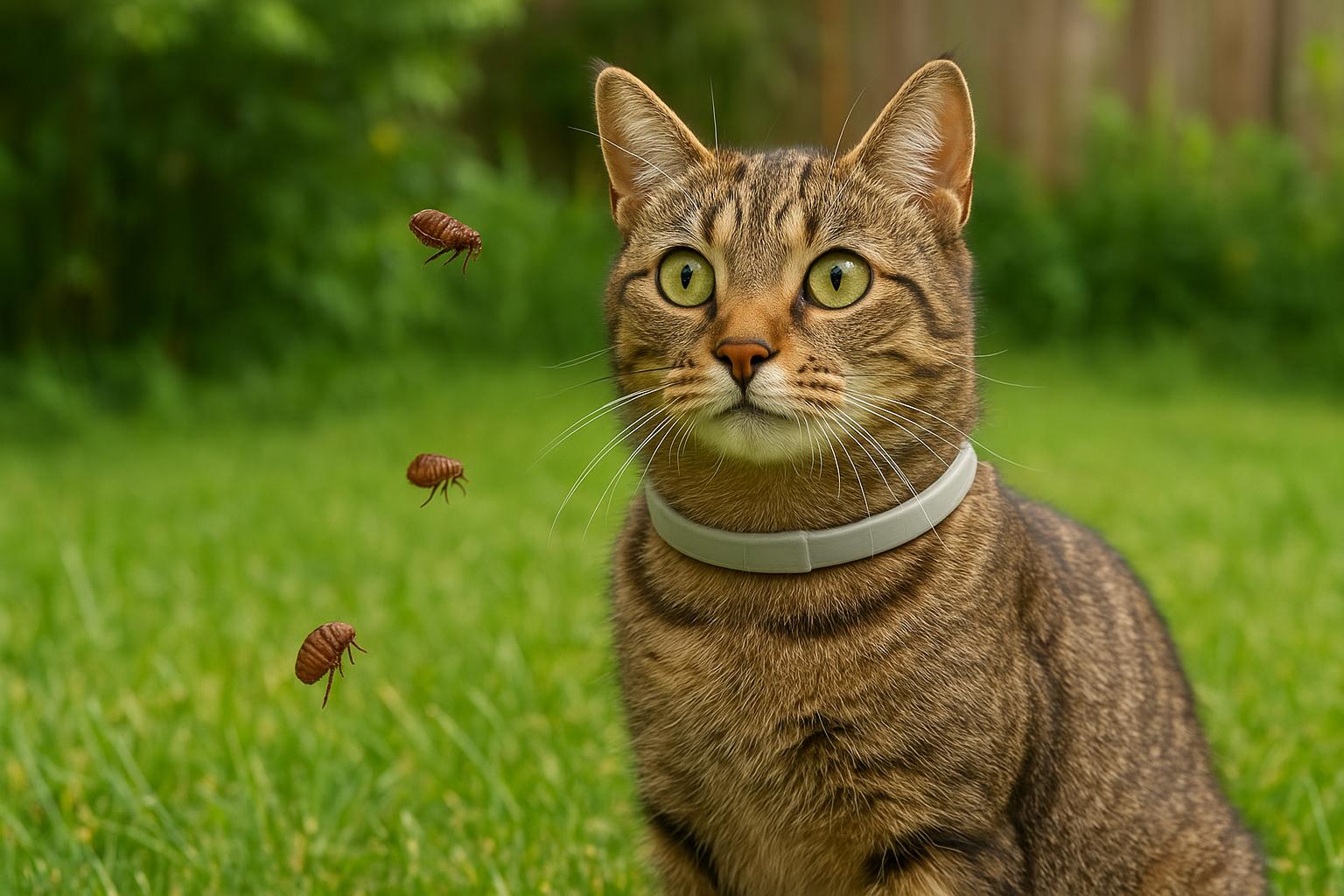
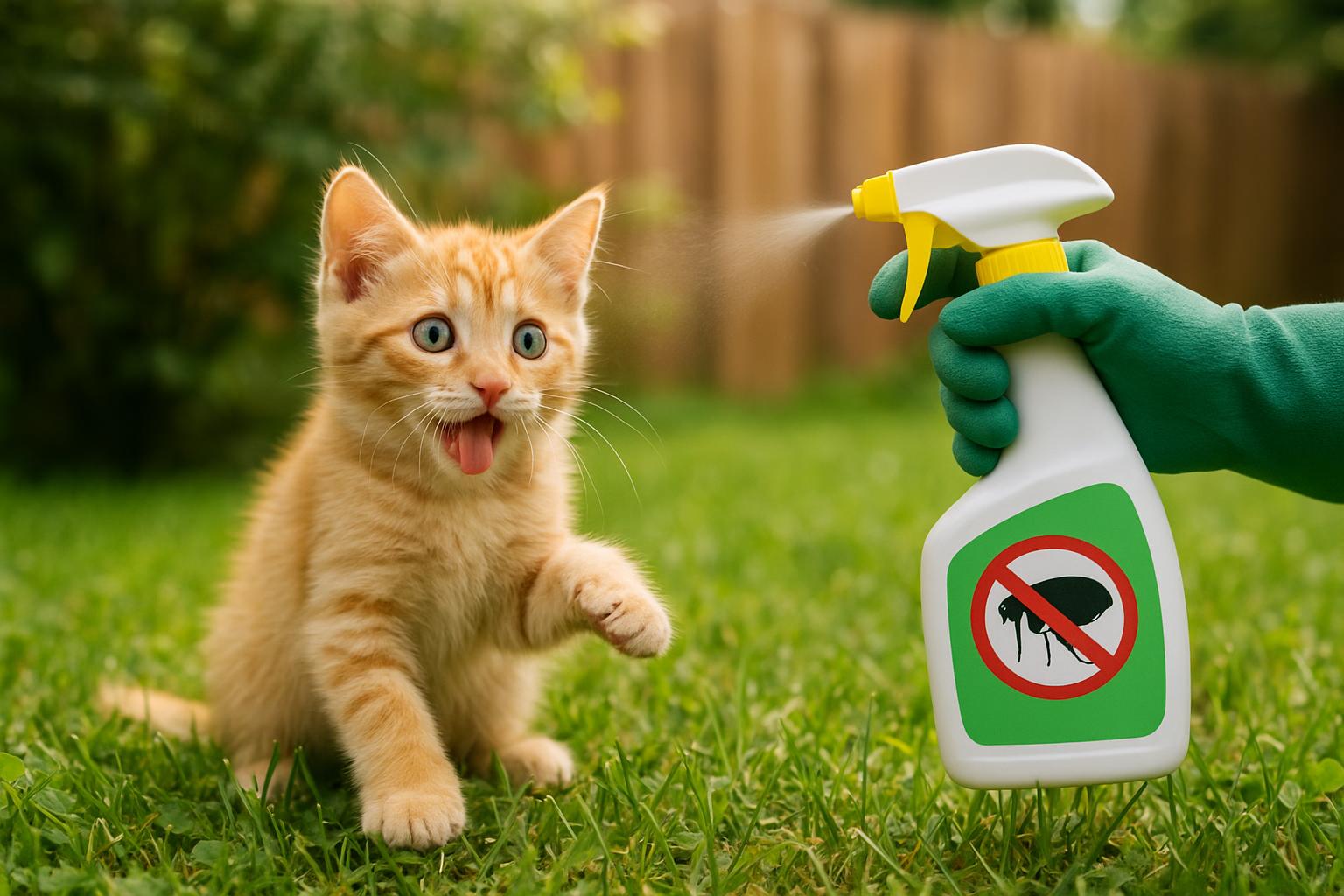
– In yards, reduce tall grass and leaf litter and treat shaded areas where animals rest. Many outdoor pesticides are harmful to pets; consult a professional or your vet for safe options.
### Safety First With Natural Treatments
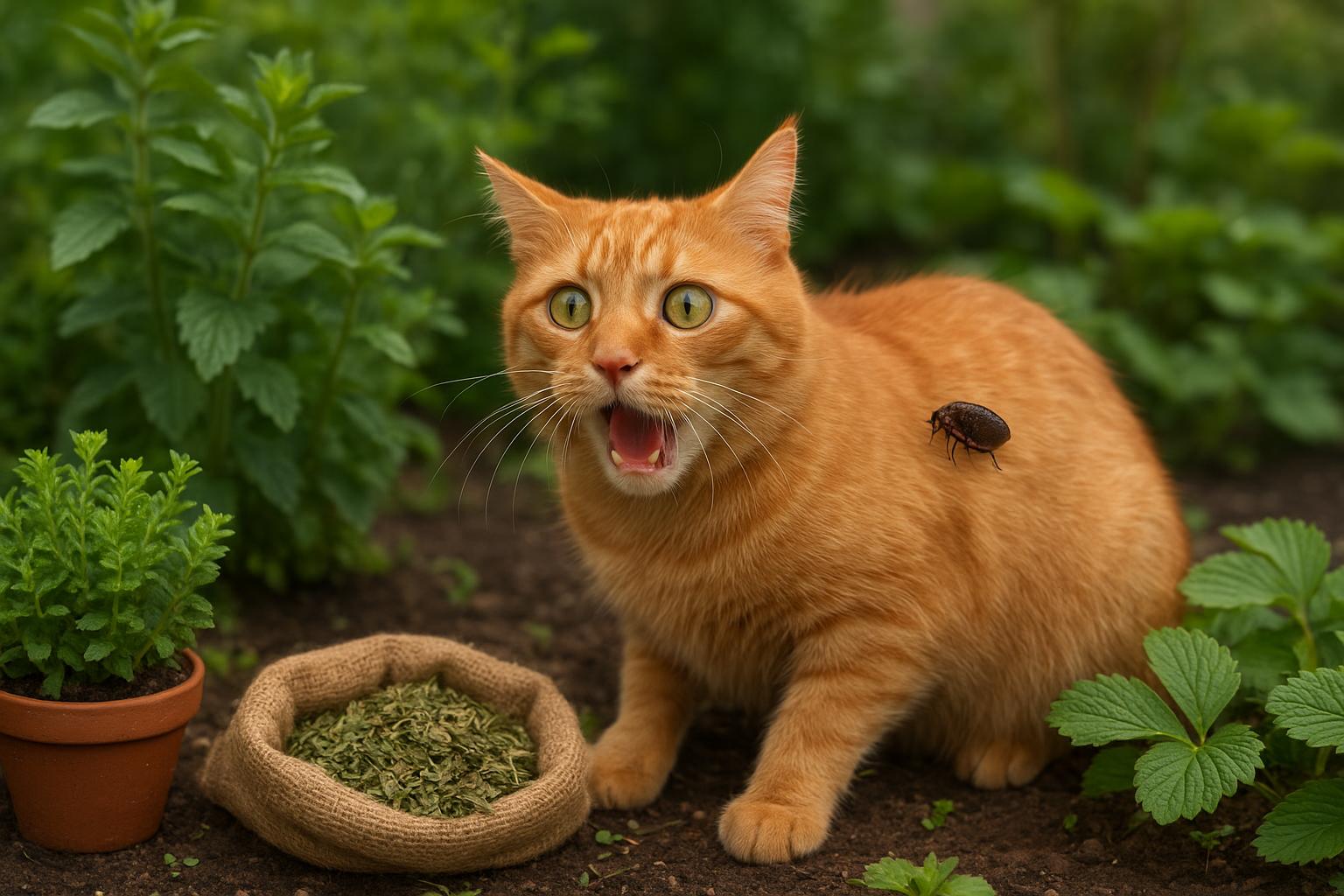
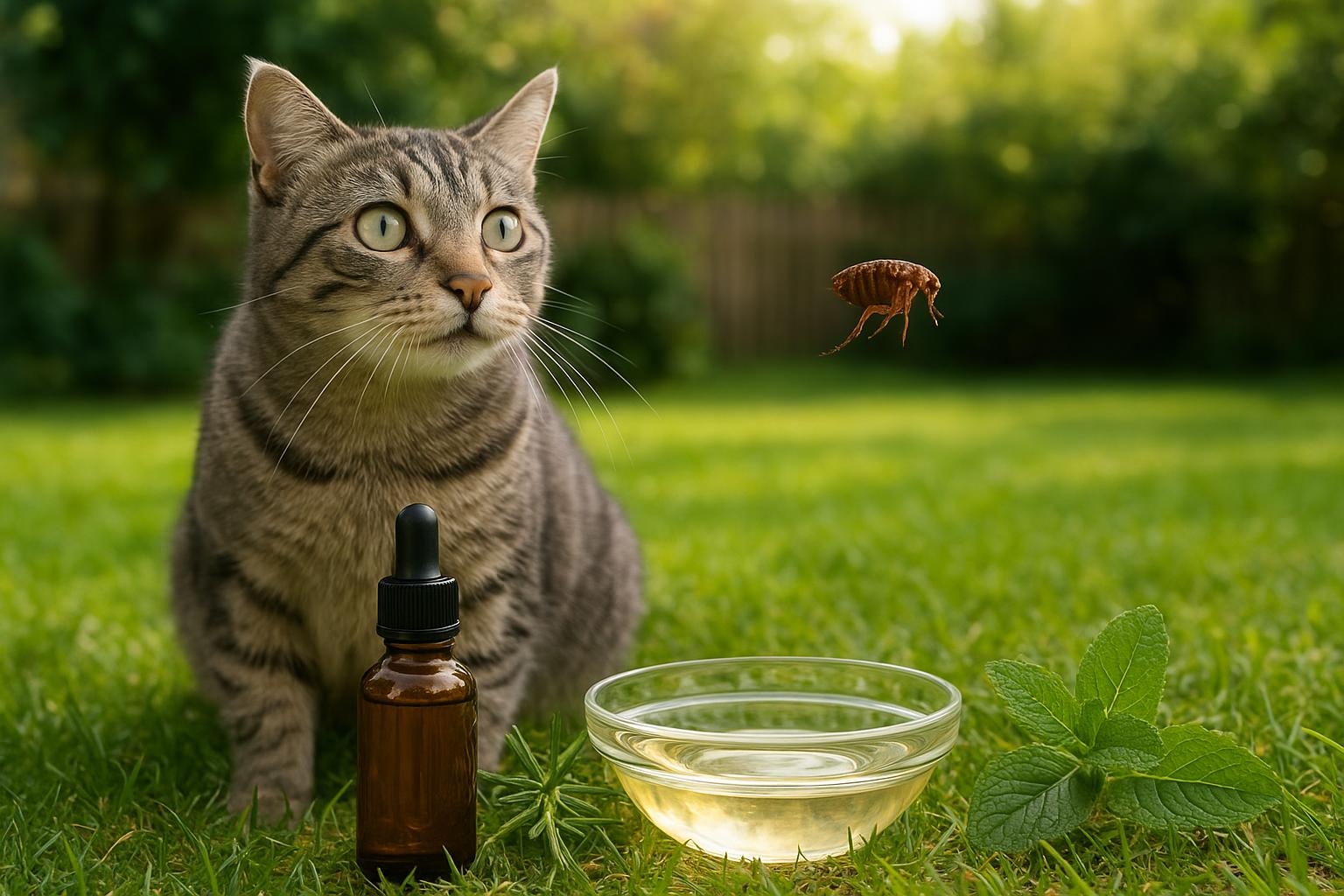
Not all “natural” products are safe for cats. Essential oils, tea tree oil, and many over-the-counter mixtures can be toxic. Always check with your veterinarian before applying any non-prescription topical or ingestible remedy.
## Preventive Habits That Help
Regular use of vet-recommended preventatives, monthly checks with a flea comb, prompt treatment of new infestations, and keeping the home clean are the pillars of preventing ongoing flea health problems. If you live in a multi-pet household or near wildlife, maintain year-round protection as needed.
### When Prevention Fails
If you follow prevention and home care but your cat still has persistent fleas or skin problems, document what you’ve tried and bring that information to your veterinarian. Labs or skin tests may reveal allergies, underlying disease, or resistance to certain flea products — and vets can tailor a safer, more effective plan.
If you need help picking a product, setting up a home-treatment schedule, or deciding whether a natural approach suits your cat, let me know your cat’s age, weight, and health background and I’ll walk you through options.





Leave a Reply