
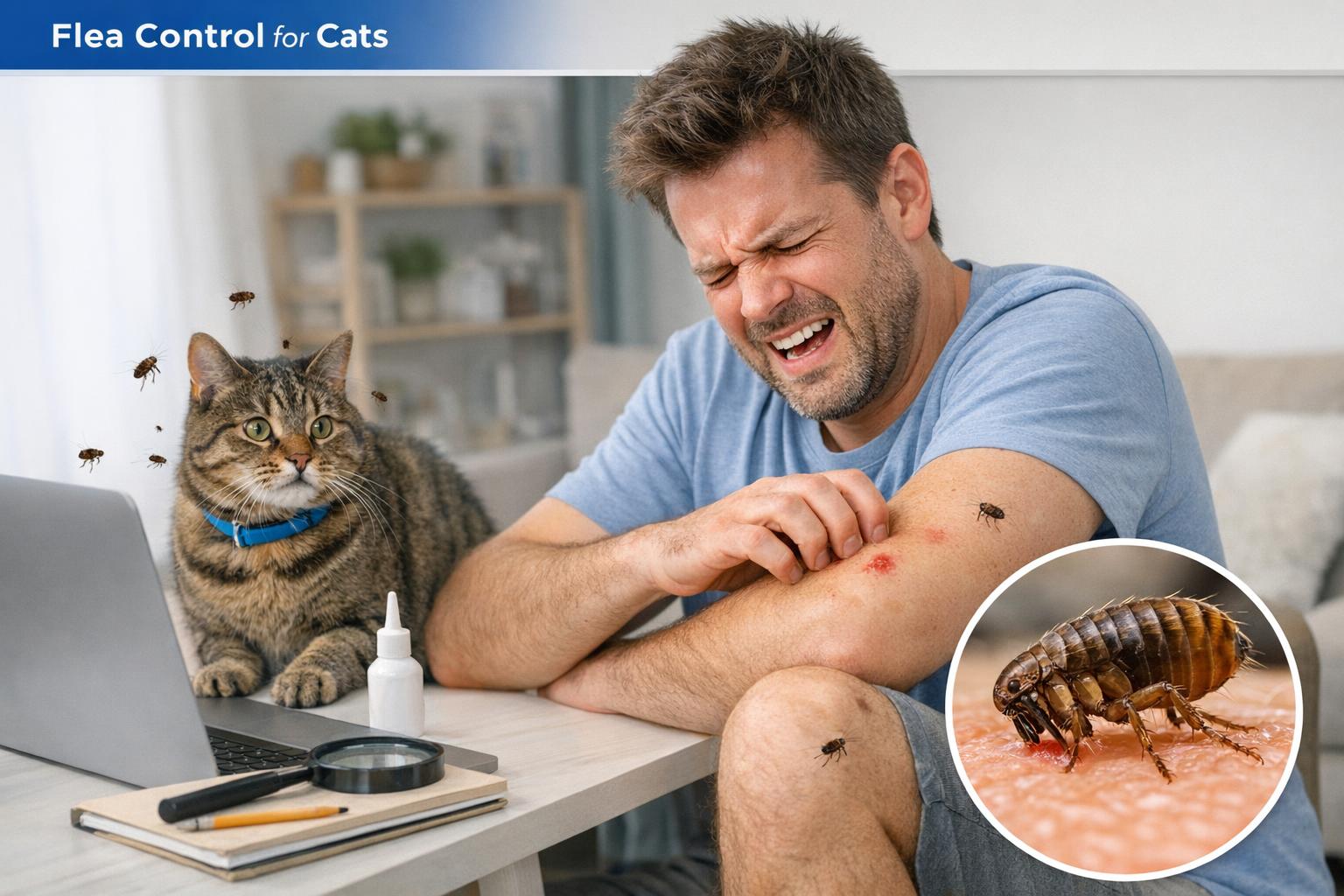
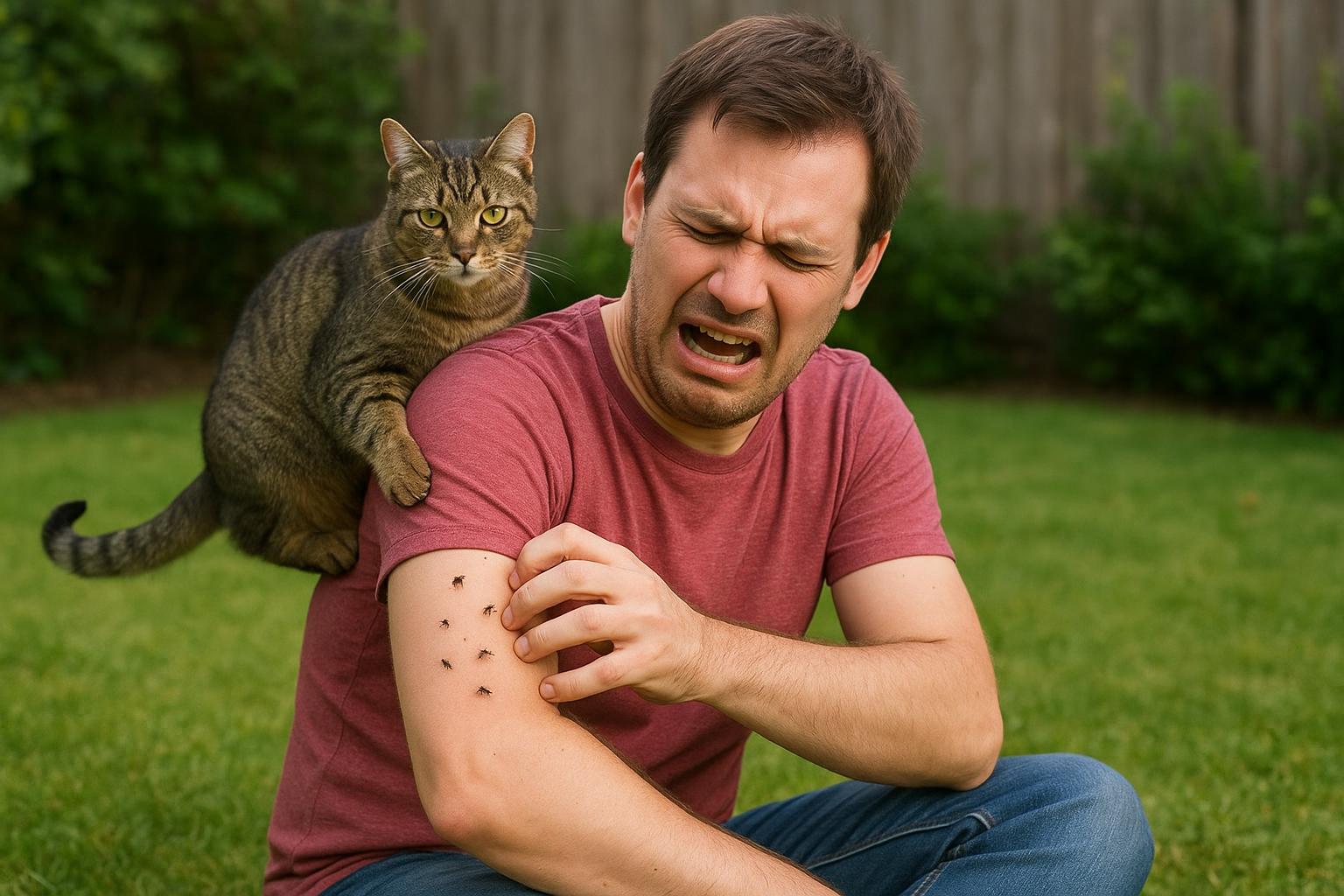
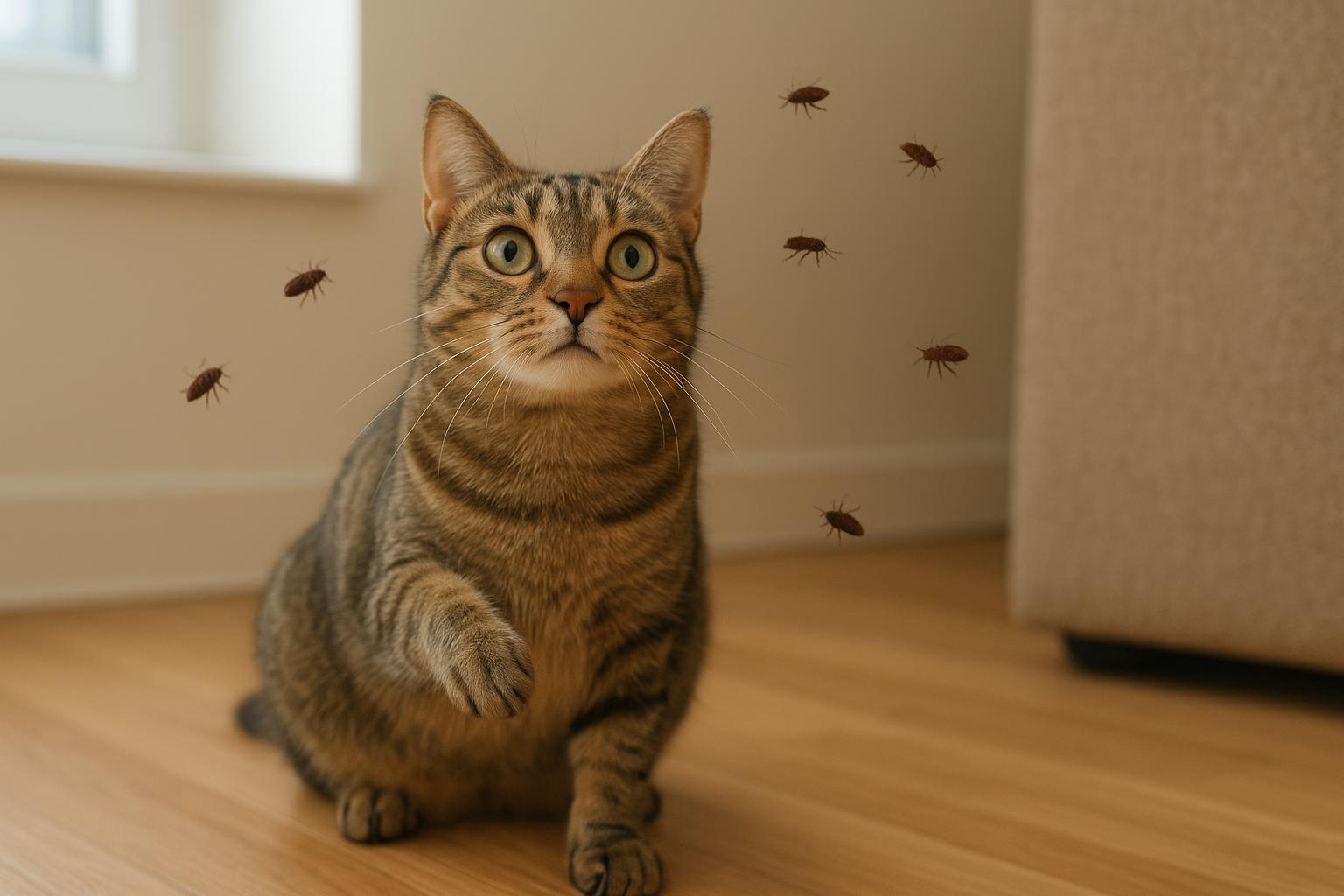
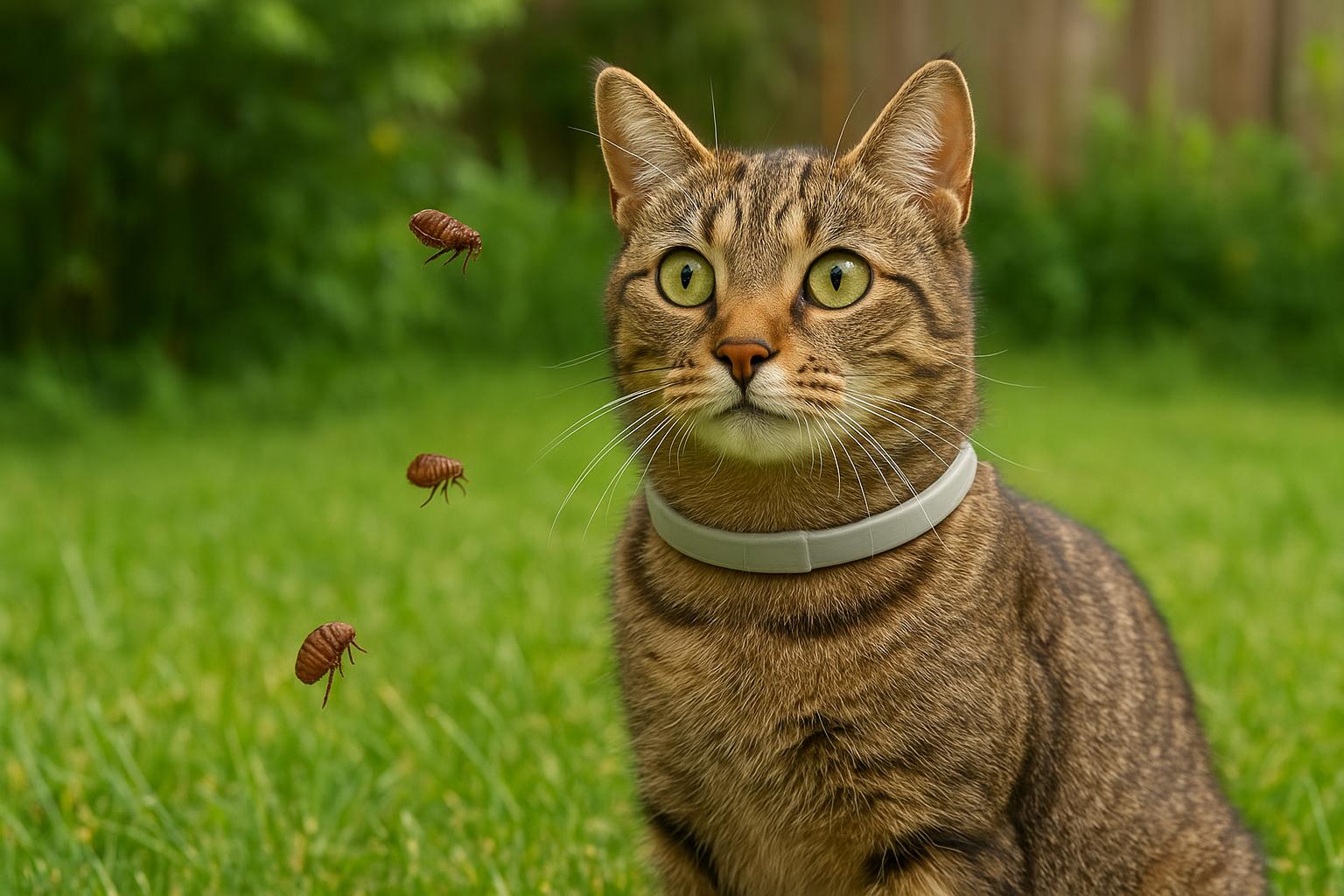
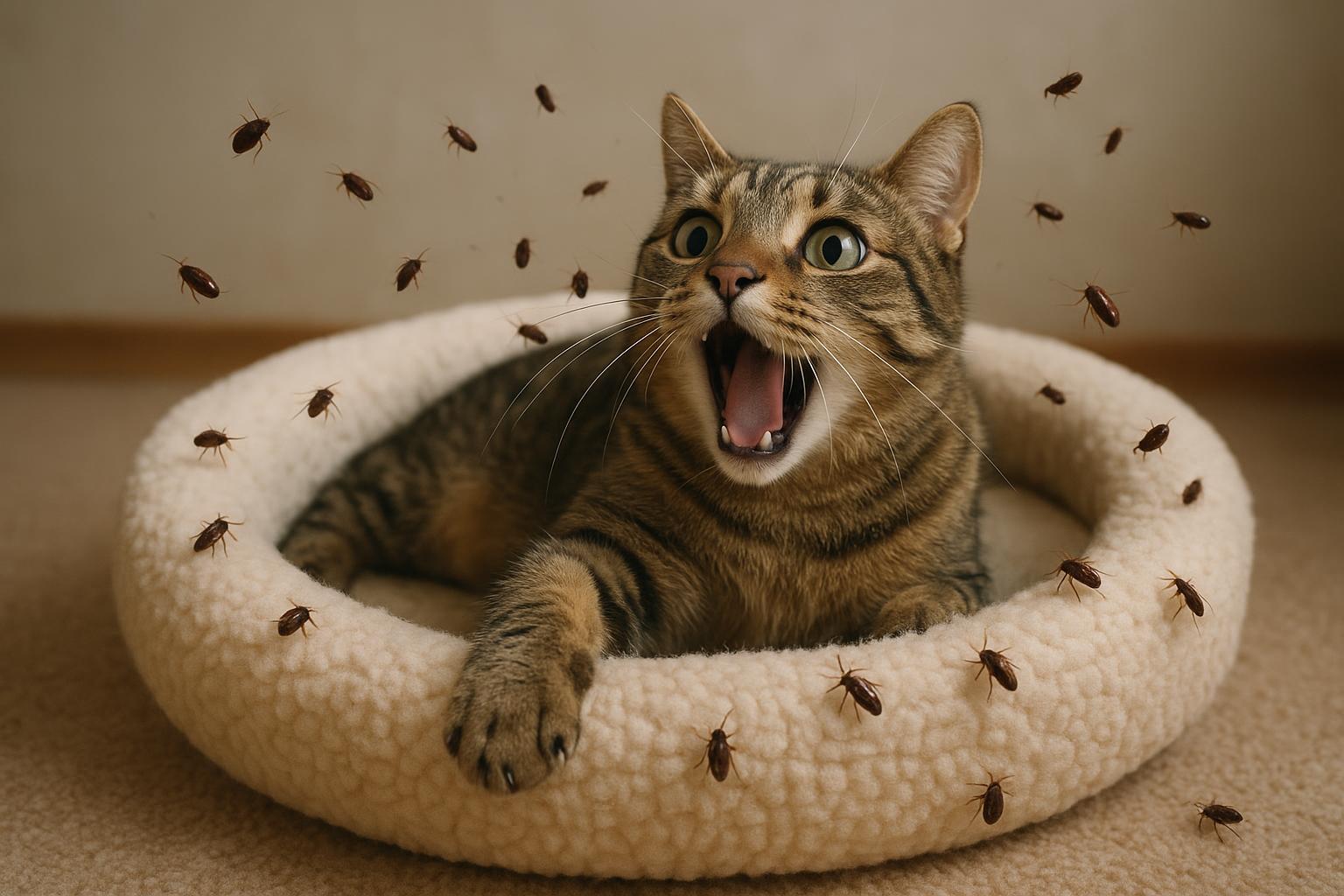
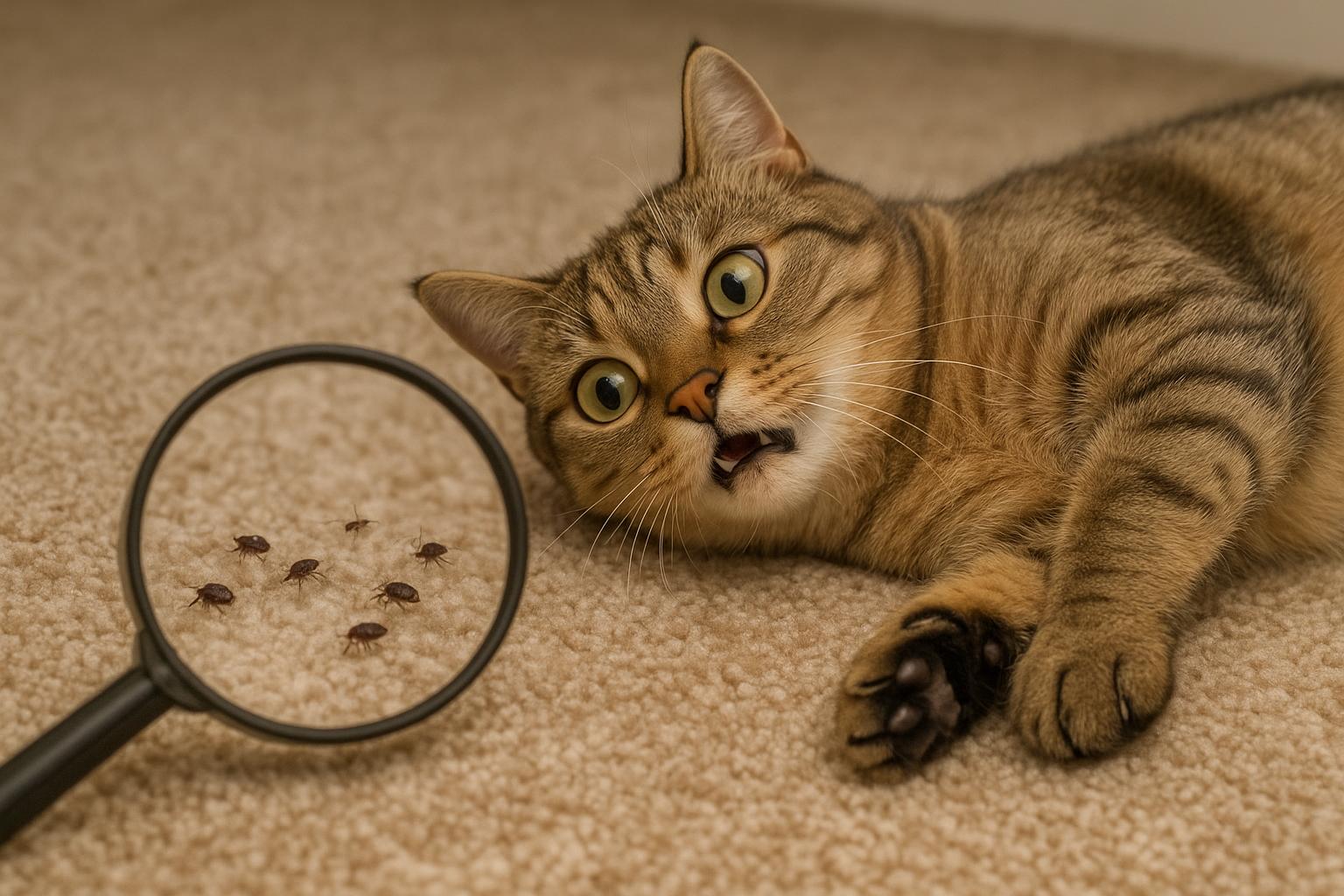
Fleas are tiny ninjas with a taste for comfort, and if you live with cats, you’ve likely had a run-in. The good news: you don’t need to reach for harsh chemicals to keep the problem under control. This guide focuses on practical, sustainable approaches to natural prevention cats — gentle on your pets, your household ecosystem, and the planet.
## Natural Prevention Cats: Practical Steps For Sustainable Flea Control
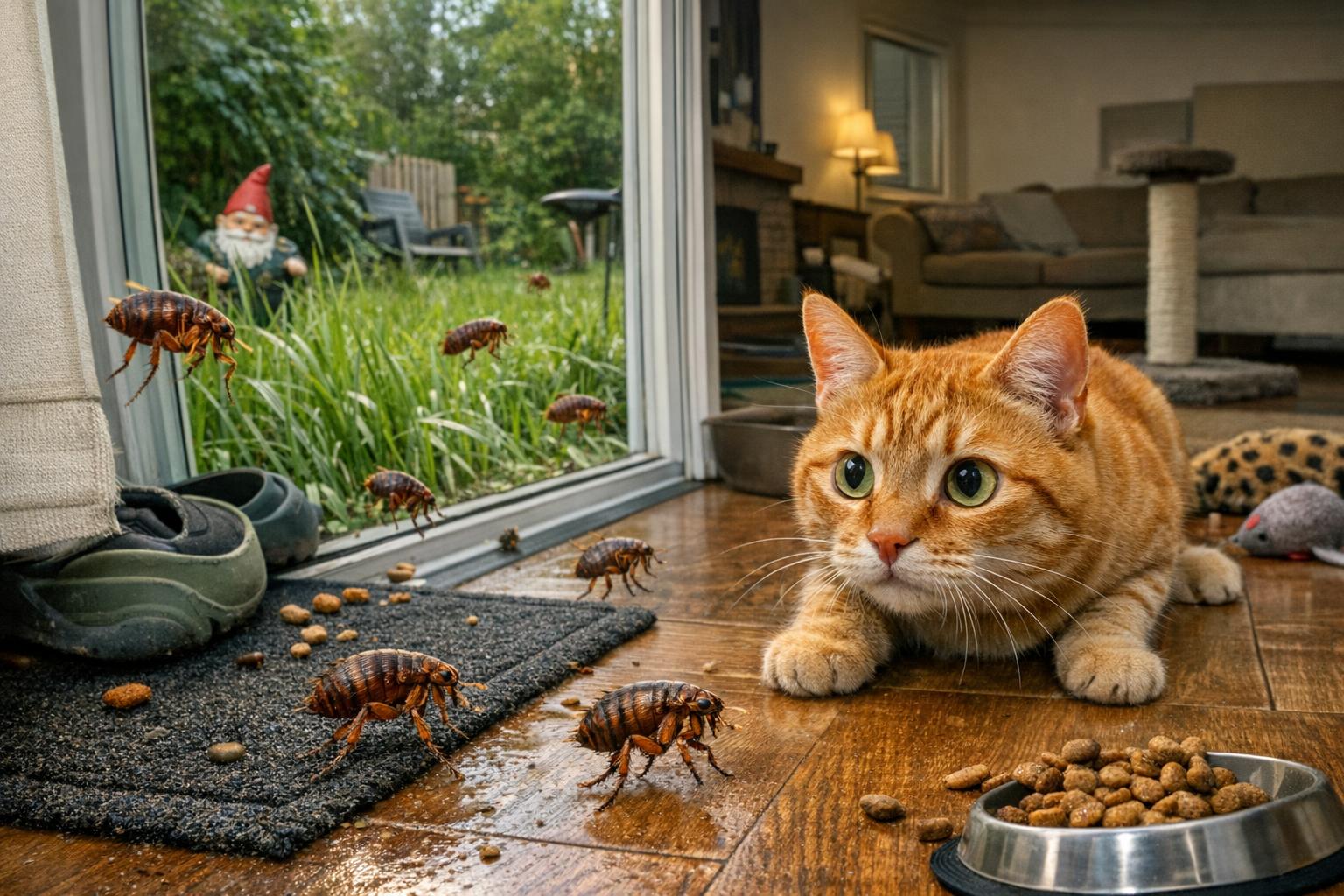
Think of flea control as an ecosystem project: you’re caring for the cat, the indoor environment, and the yard. An integrated approach reduces flea populations long-term and minimizes the need for recurrent chemical treatments. Natural prevention cats strategies emphasize routine care, environmental management, and targeted, safe remedies that work in concert.
### Grooming And Regular Checks
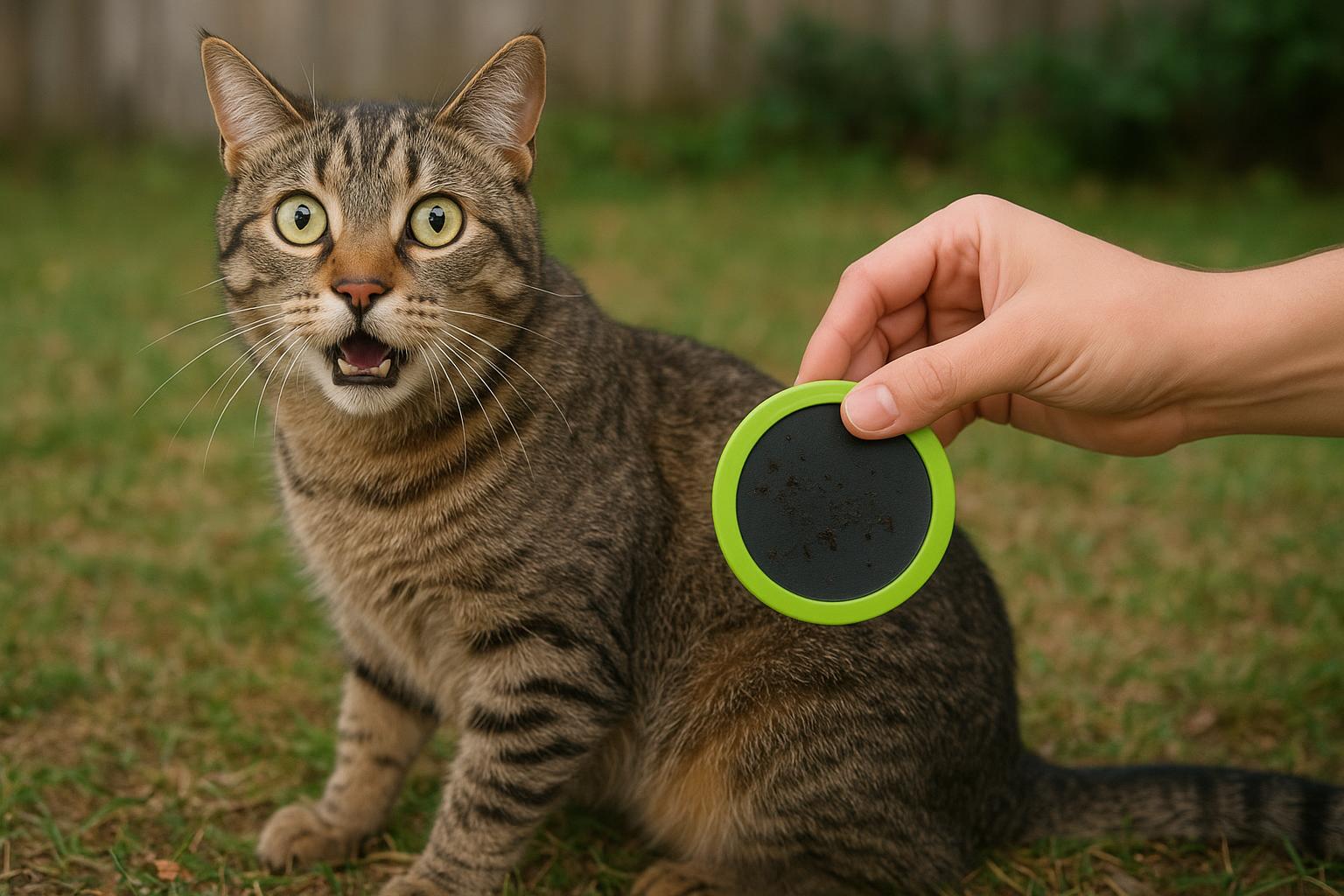
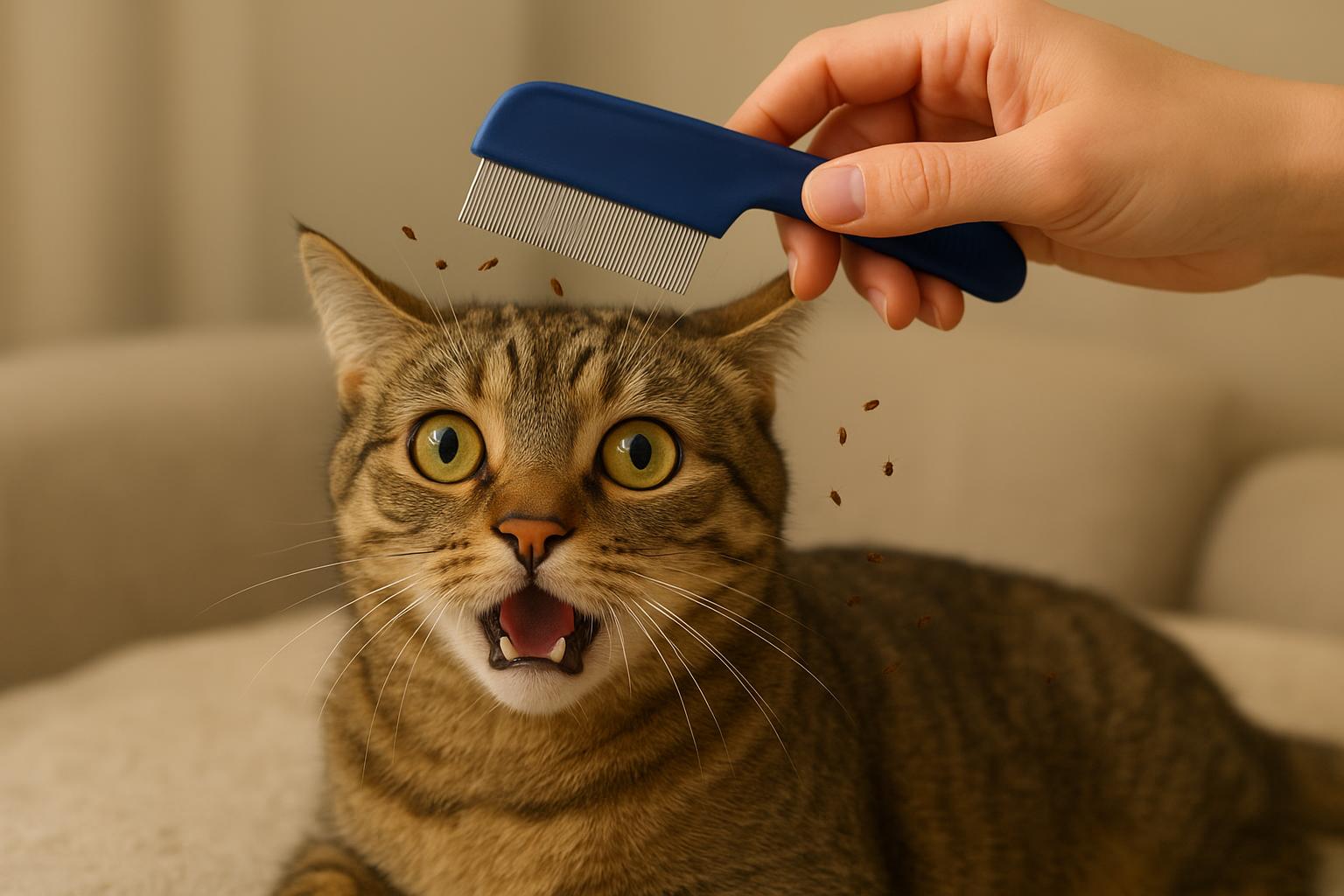
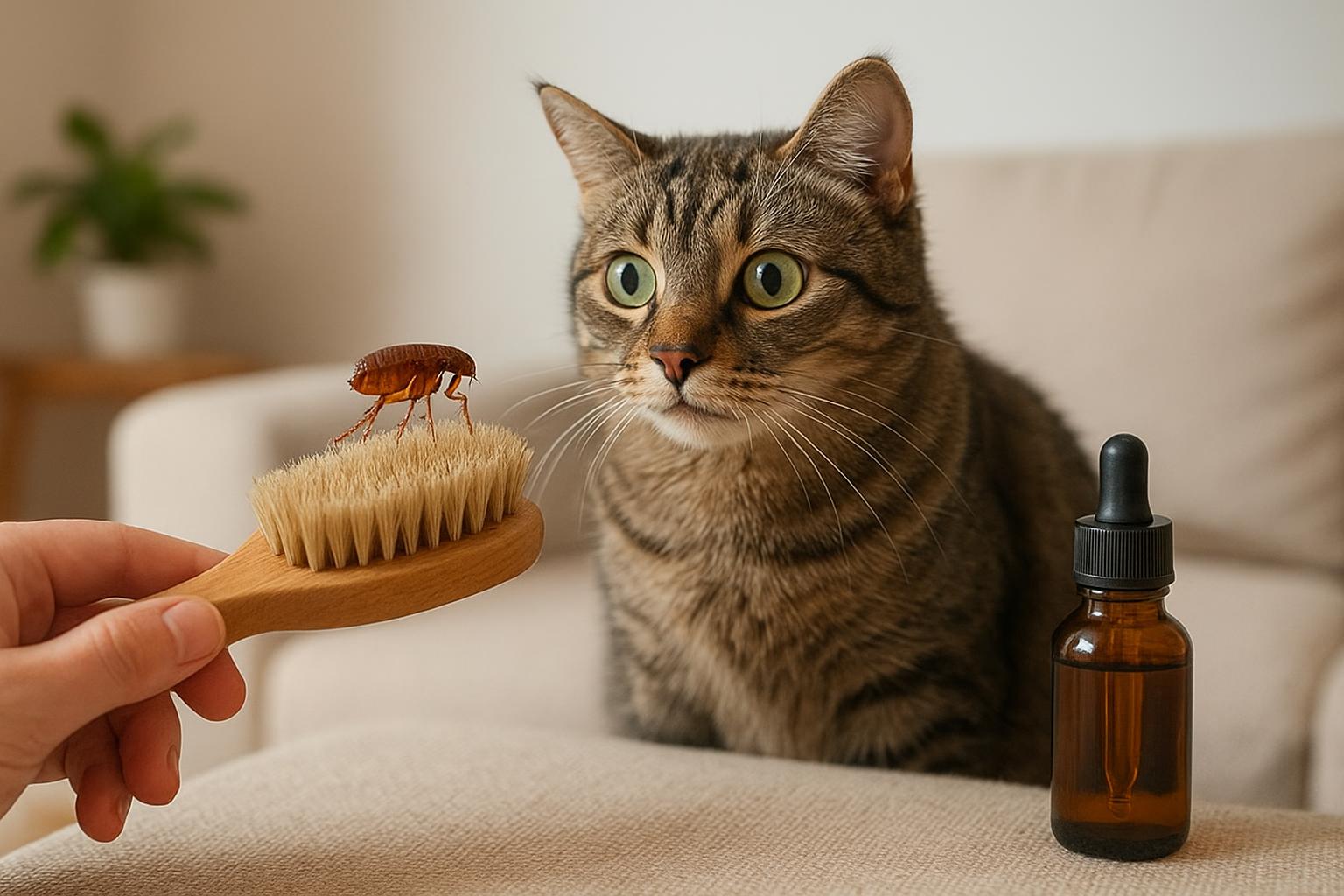
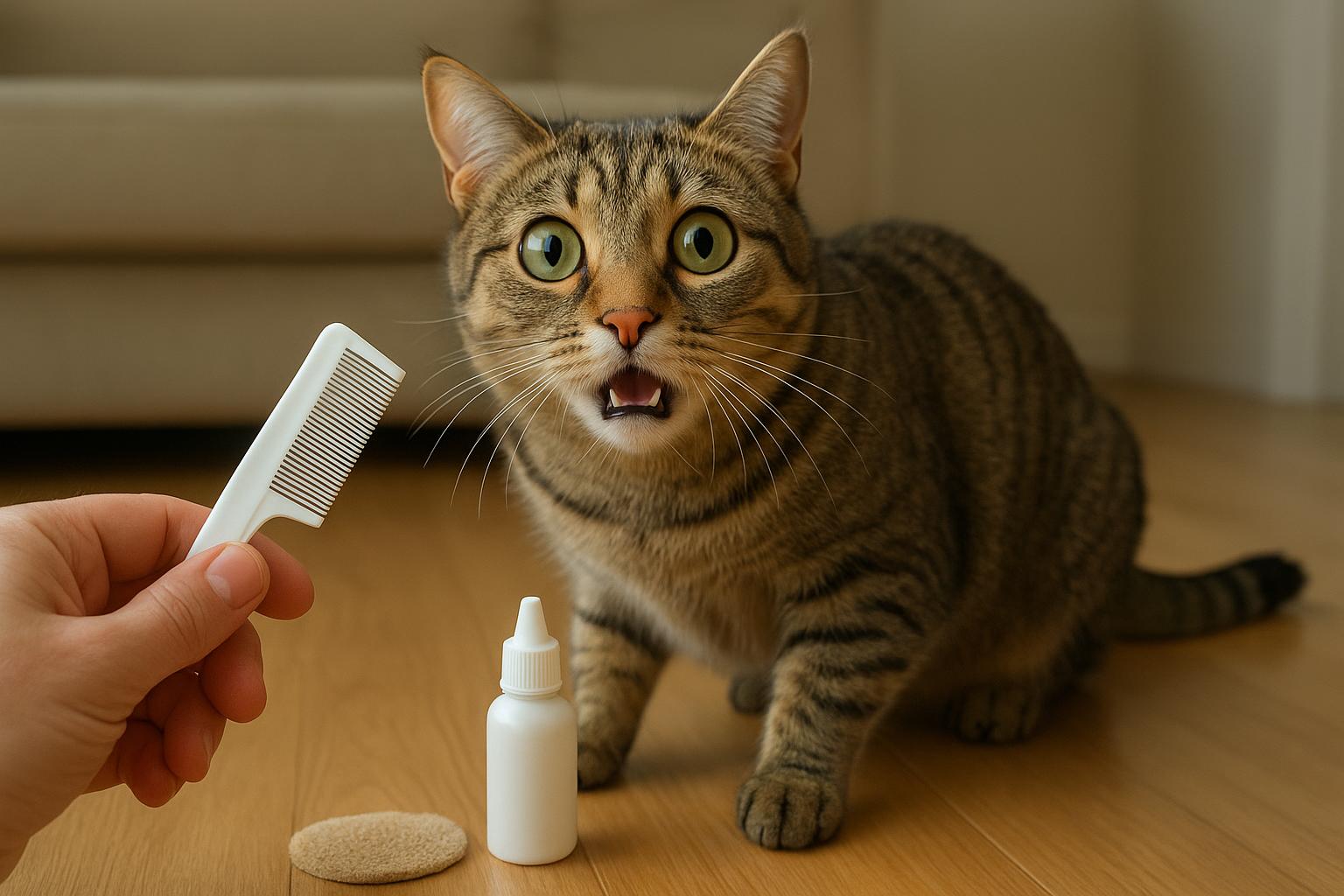
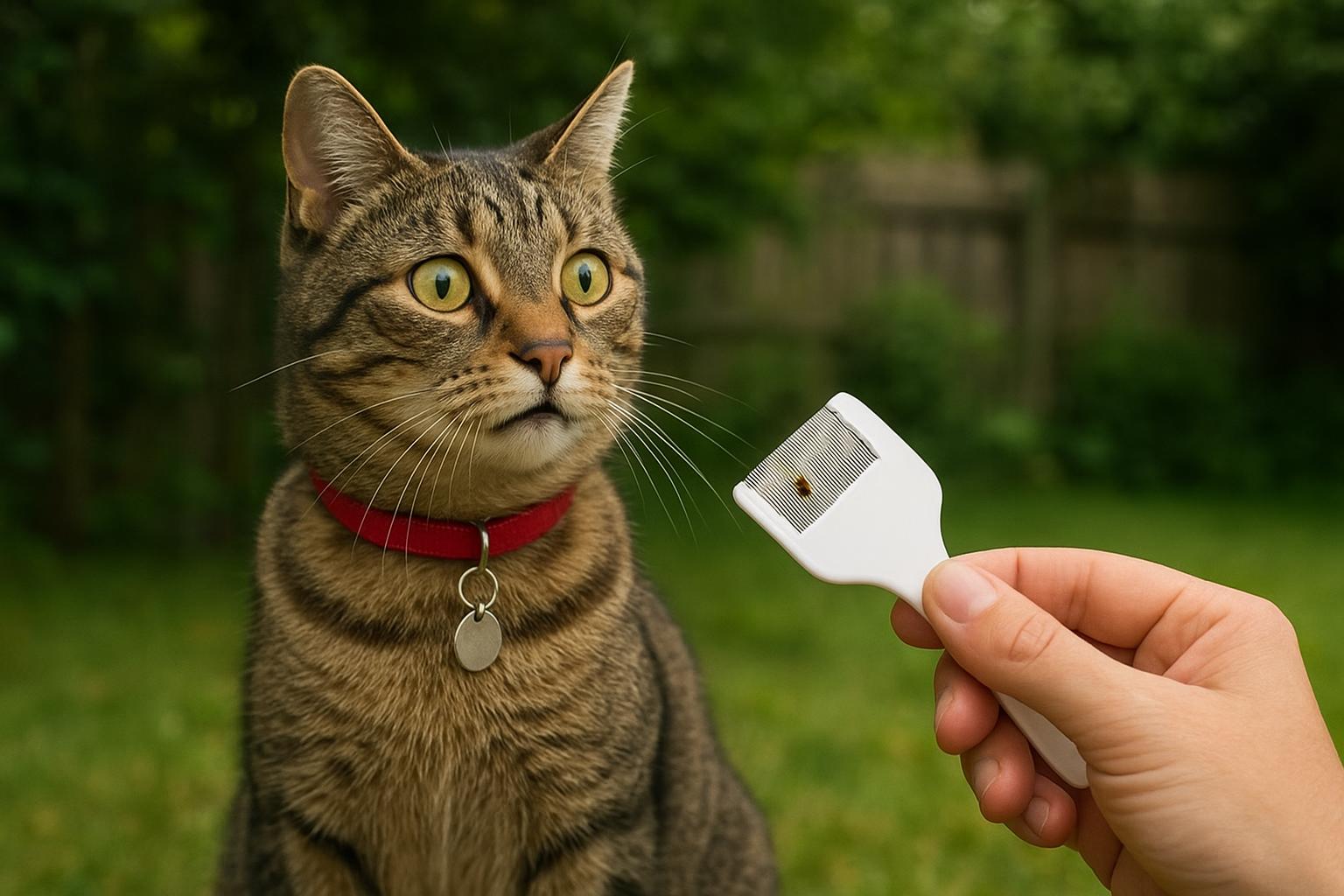
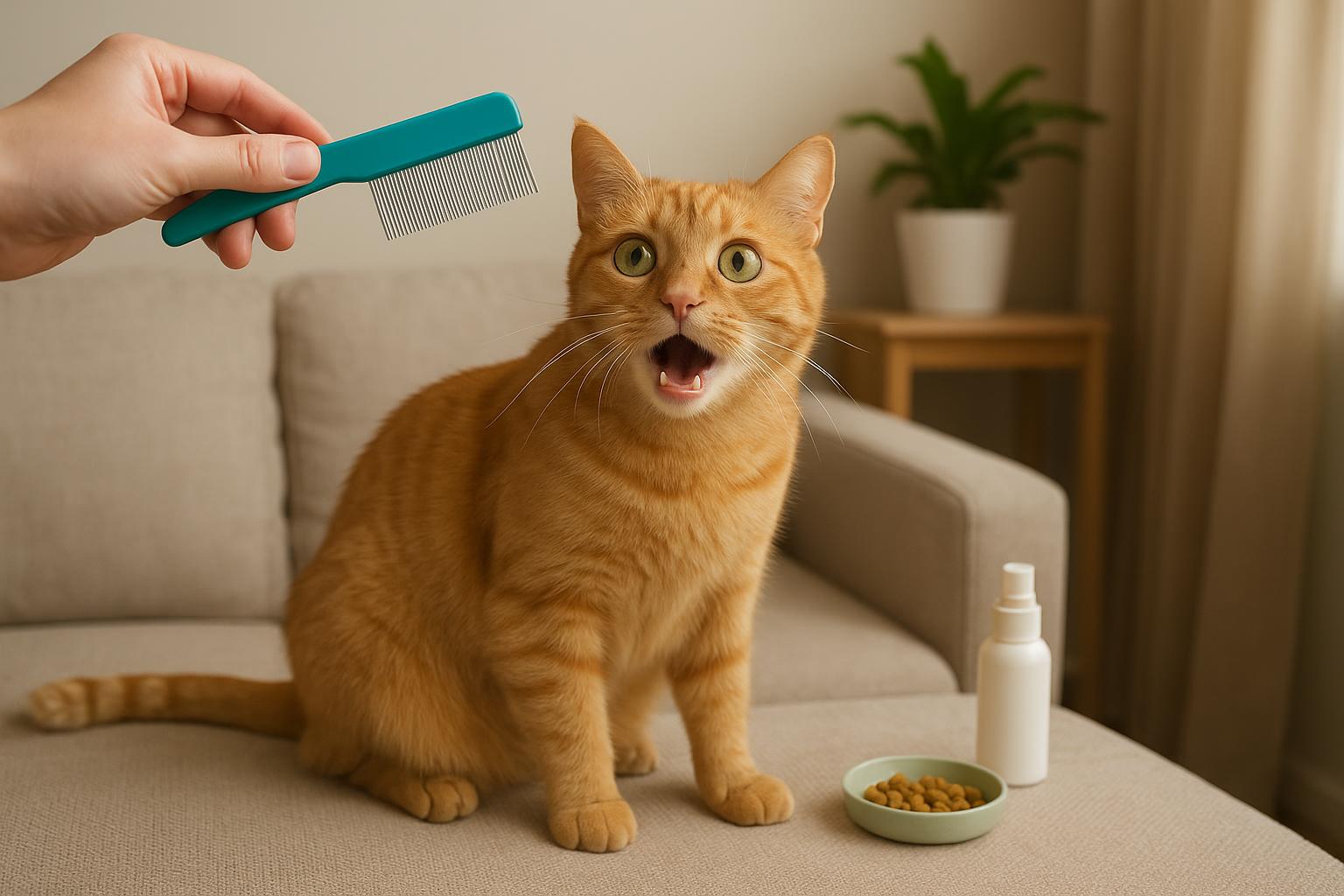
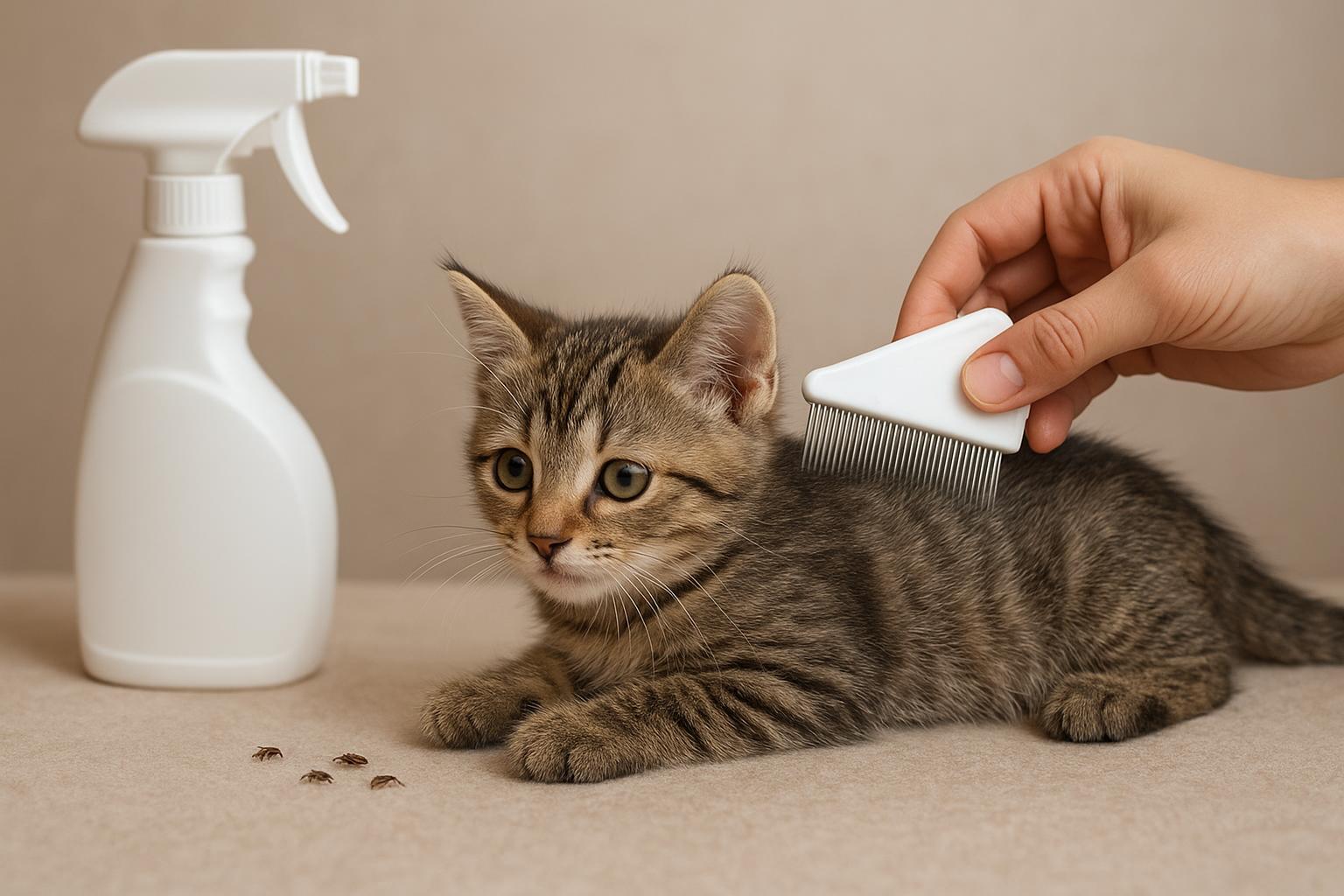
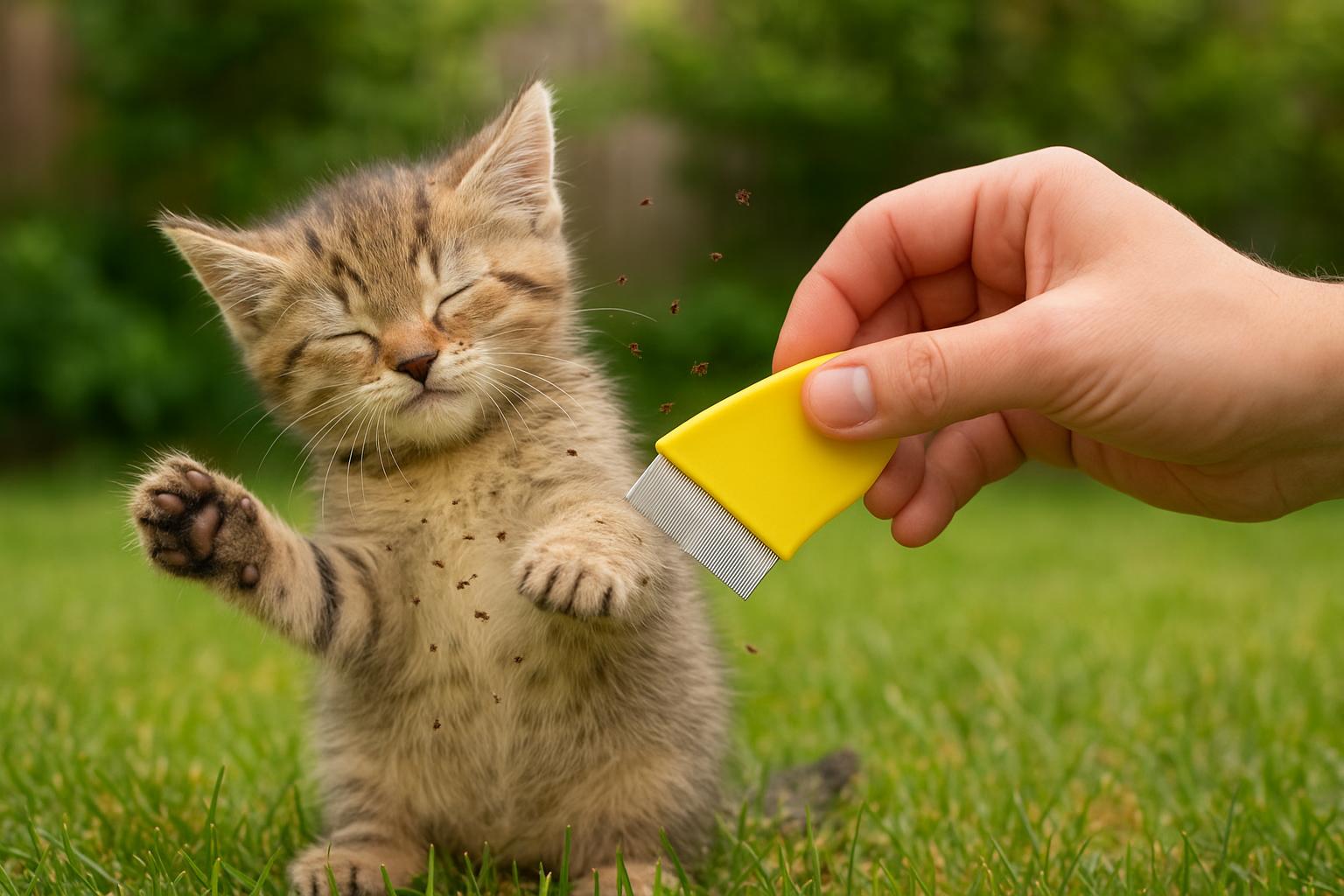
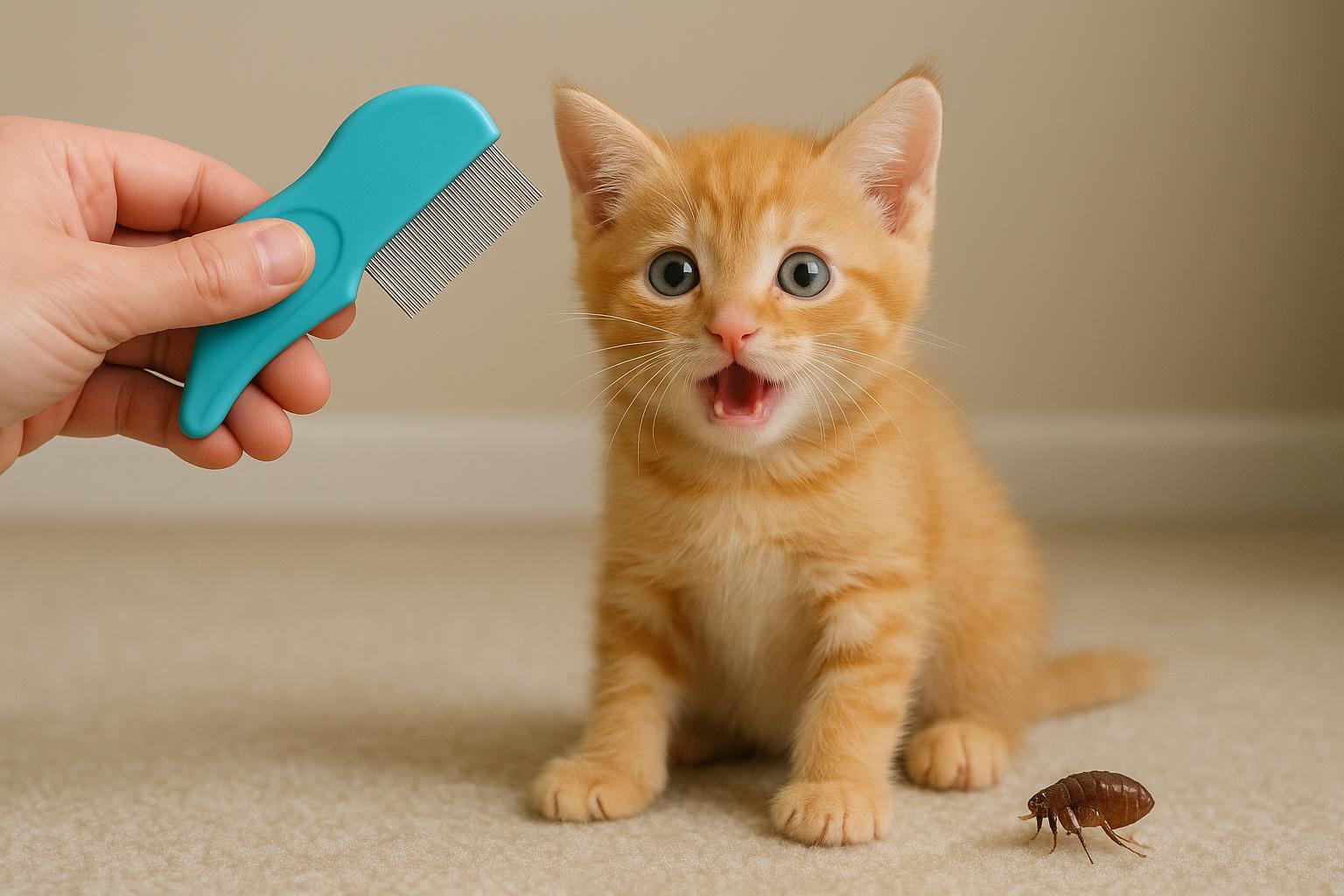
One of the simplest and most effective behaviors is consistent grooming. Flea combs are inexpensive, noninvasive, and surprisingly satisfying to use.
– Comb your cat at least every other day during flea season and weekly otherwise.
– Pay attention to the neck, base of the tail, and belly — common flea hangouts.
– After each combing, dip the comb into a bowl of soapy water to kill any fleas you remove.
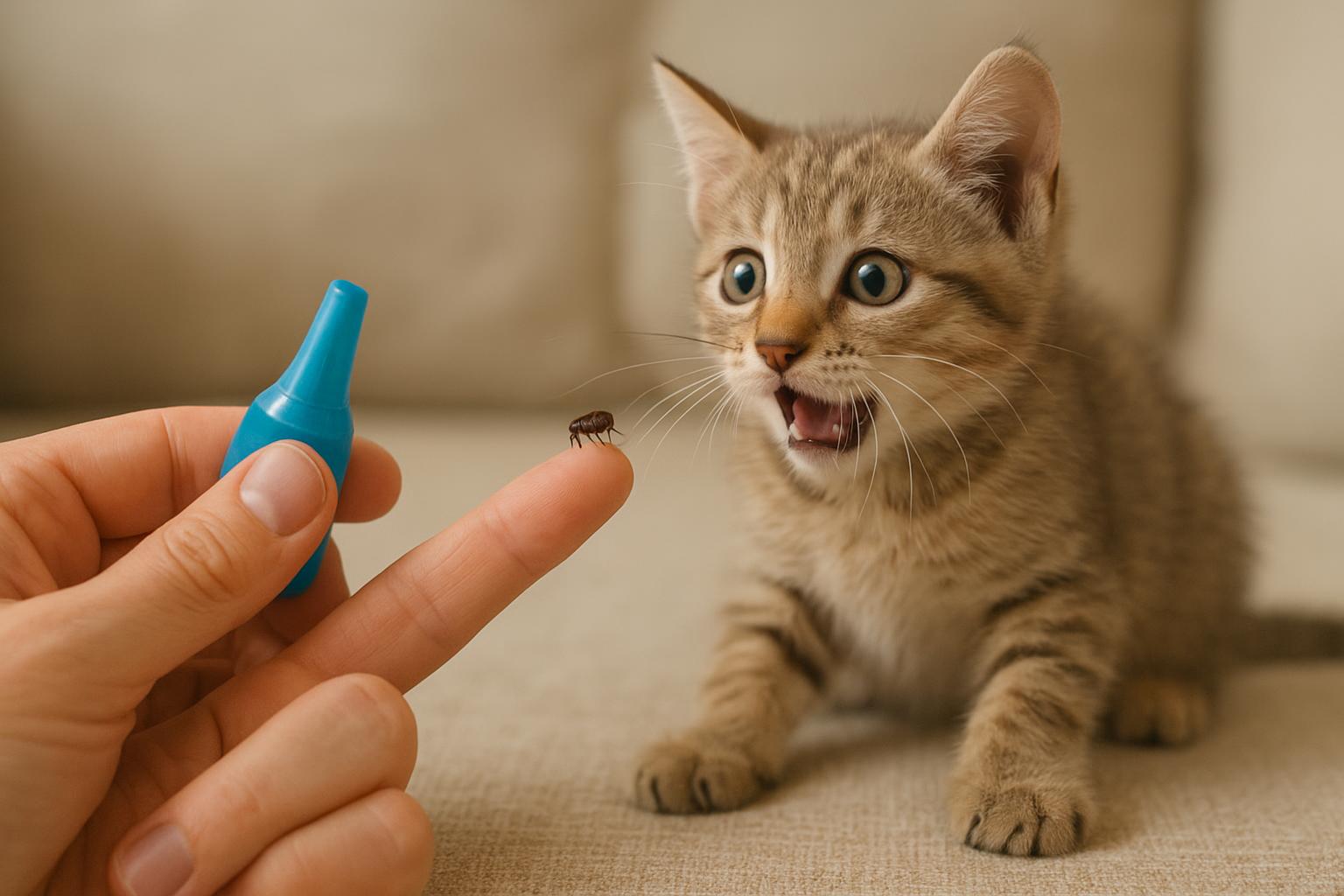
Grooming is preventative and diagnostic: it helps you find fleas early, before an infestation becomes established. For multi-cat homes, groom all animals regularly to prevent cross-infestation.
### Diet, Skin Health, And Host Resistance
Healthy skin and coat are less hospitable to fleas. While no diet will make your cat invisible to fleas, certain nutritional choices support skin integrity and immune health.
– Ensure a balanced diet with adequate protein and essential fatty acids (omega-3s).
– Talk with your veterinarian about supplements if your cat has dry or irritated skin.
– Avoid over-bathing; most adult cats self-groom well and too-frequent baths strip protective oils.
Good nutrition is part of the long game in natural prevention cats — it supports resilience against bites and dermatitis.
### Home Environment Management
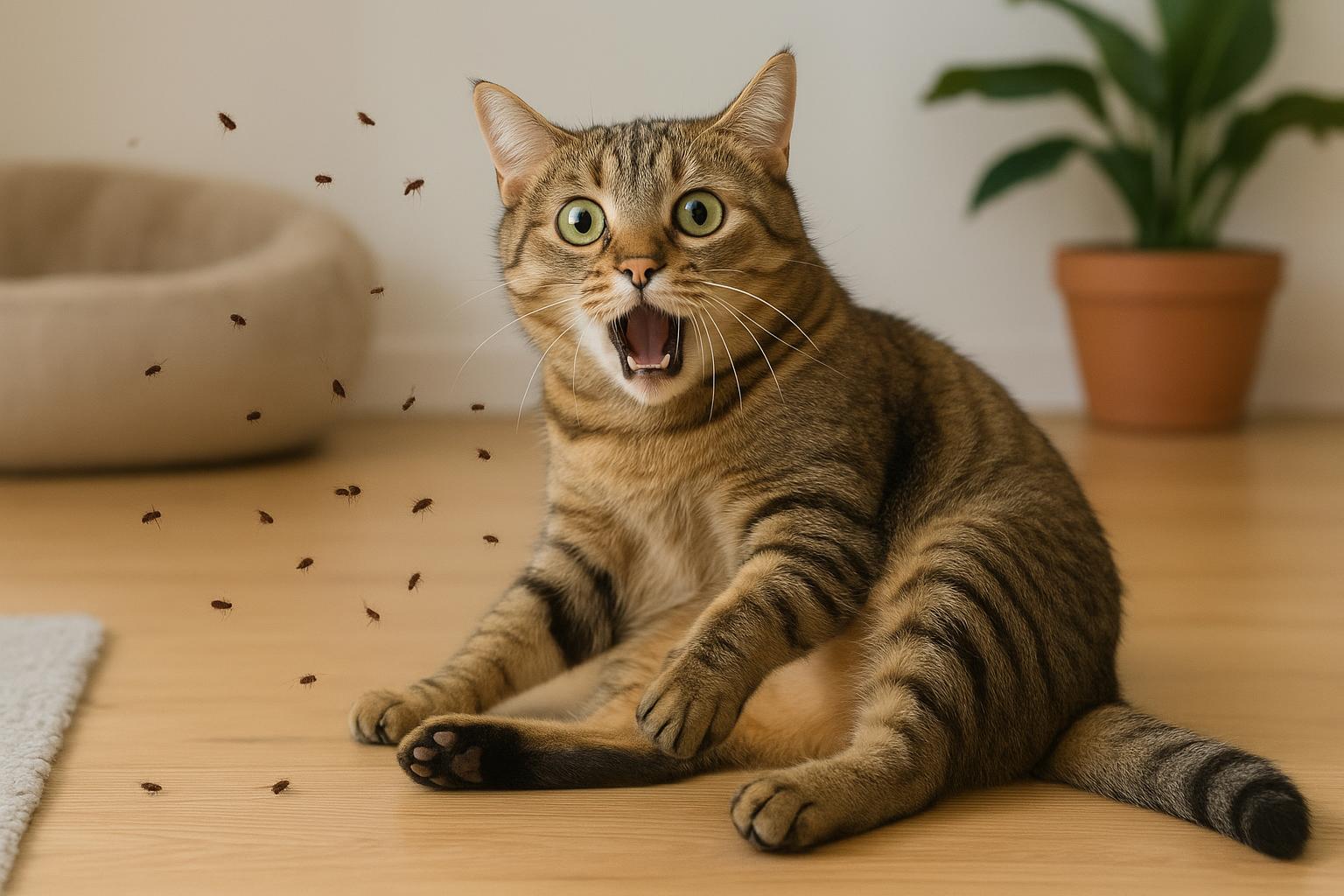
Treating the home is as important as treating the cat because fleas spend most of their lifecycle off the host.
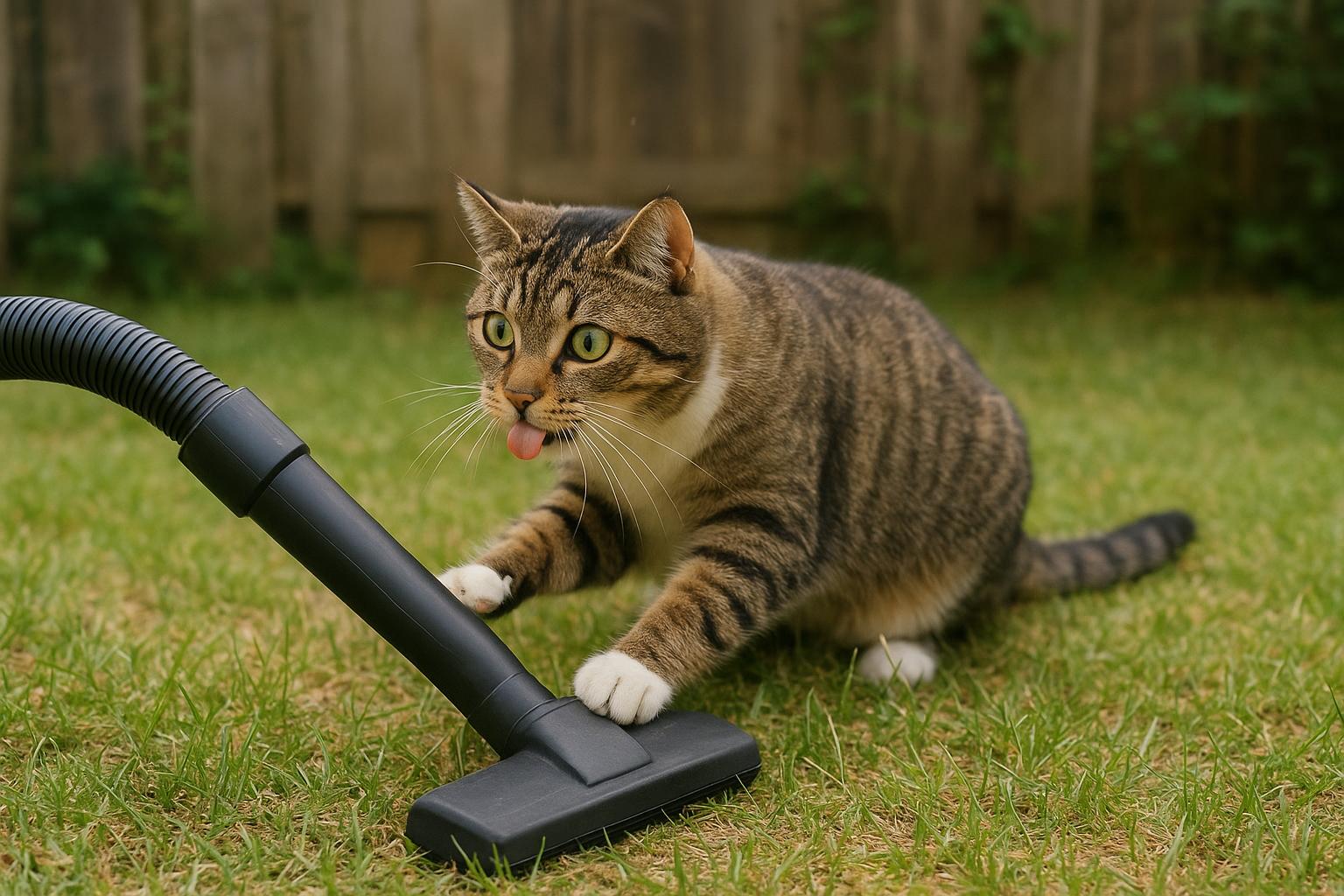
– Vacuum frequently, especially in areas your cat favors. Vacuuming removes eggs, larvae, and pupae from carpets and upholstery.
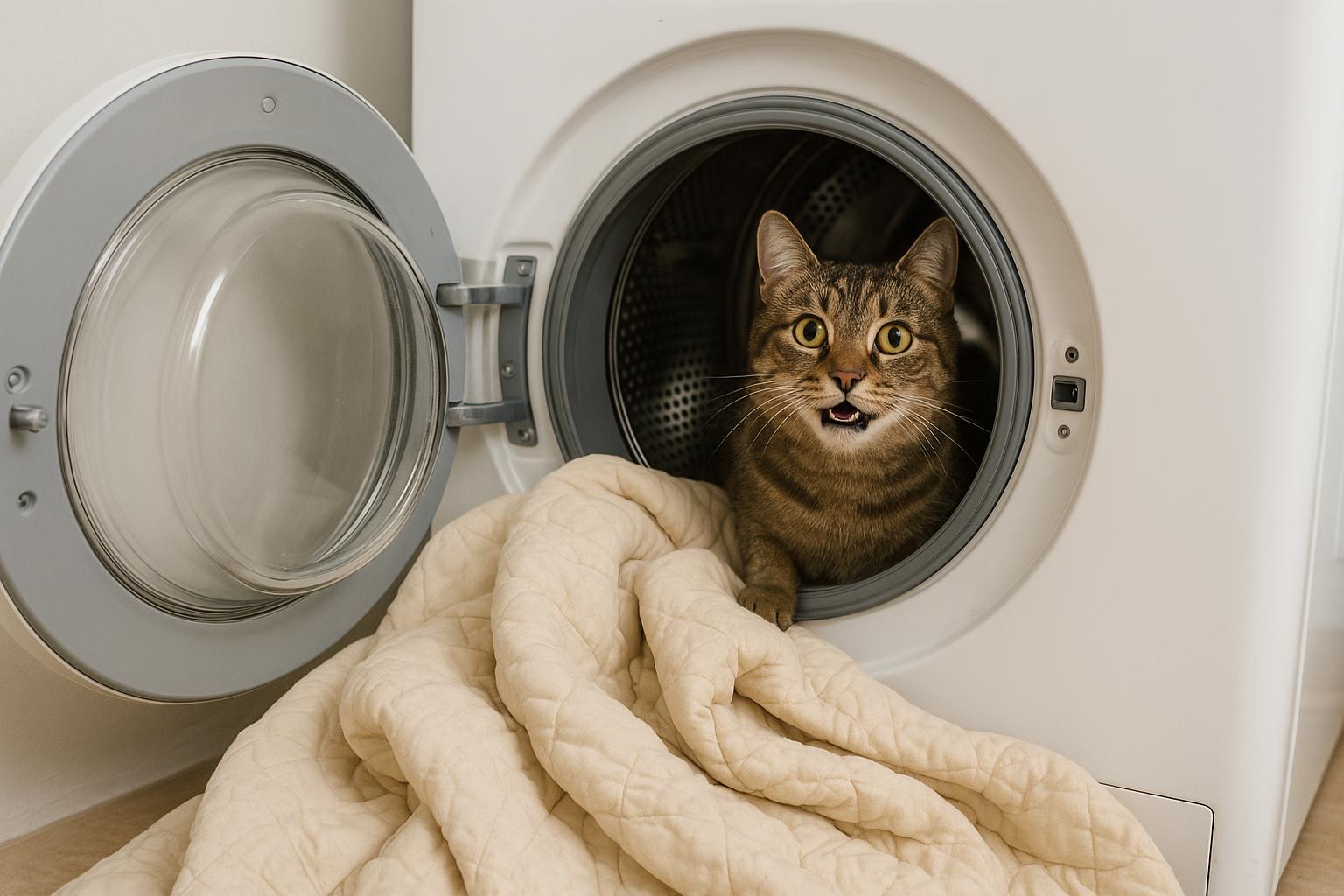
– Wash bedding, rugs, and soft toys in hot water weekly. Heat kills immature flea stages.
– Use covers for mattresses and cushions where fleas might hide.
– Reduce clutter and vacuum baseboards, under furniture, and in cracks where flea larvae can thrive.
Small, consistent efforts indoors make a big dent in population growth. For heavy infestations consult a vet or a professional pest control service that can advise on pet-safe treatments.
### Yard And Outdoor Tactics
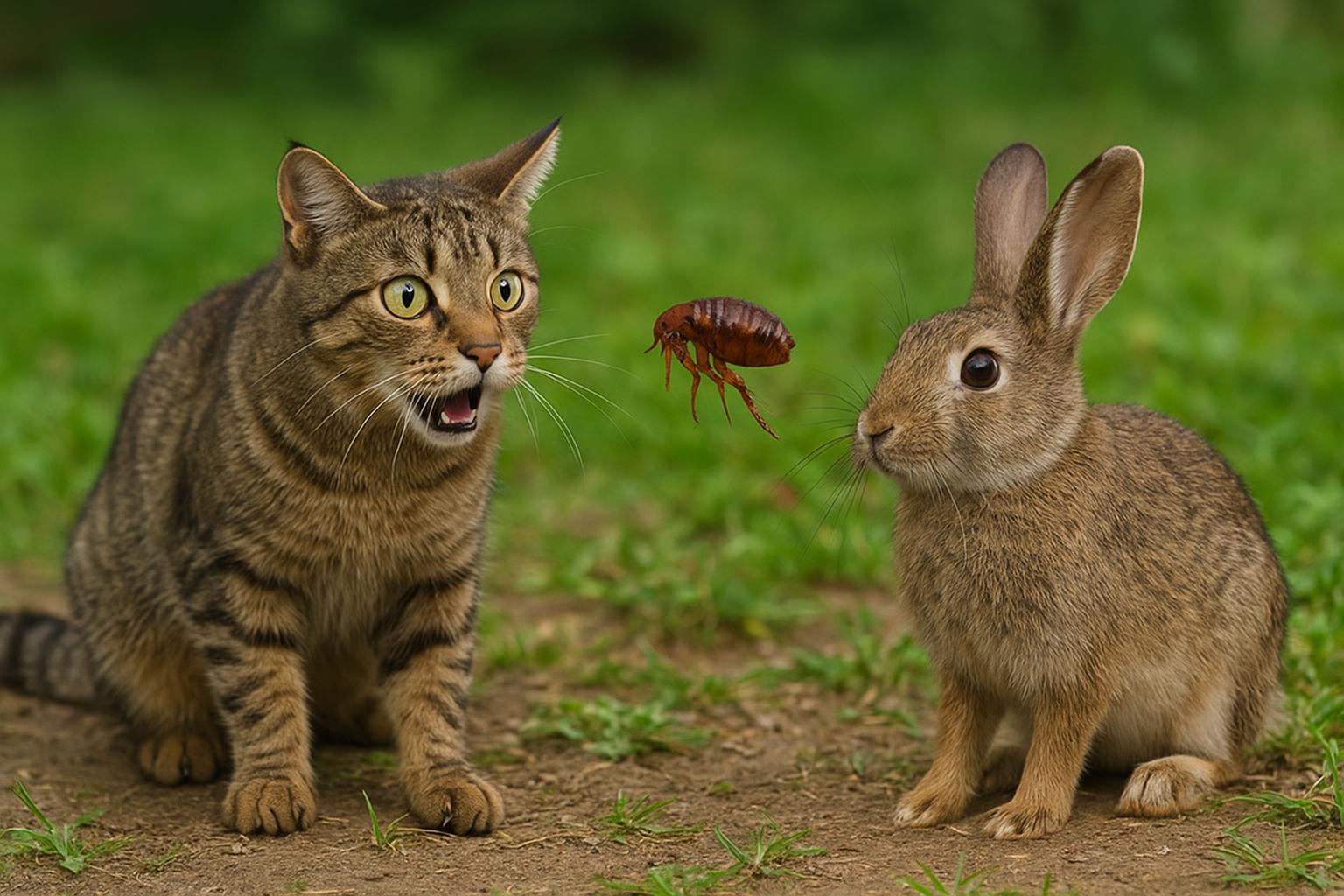
If your cat spends time outdoors or you have wildlife visitors (which can carry fleas), yard care matters.
#### Beneficial Nematodes For Yards
Beneficial nematodes are microscopic roundworms that prey on flea larvae in soil. They’re a biological control that’s safe for people, pets, and plants when applied according to instructions.
#### Landscaping To Reduce Host Wildlife
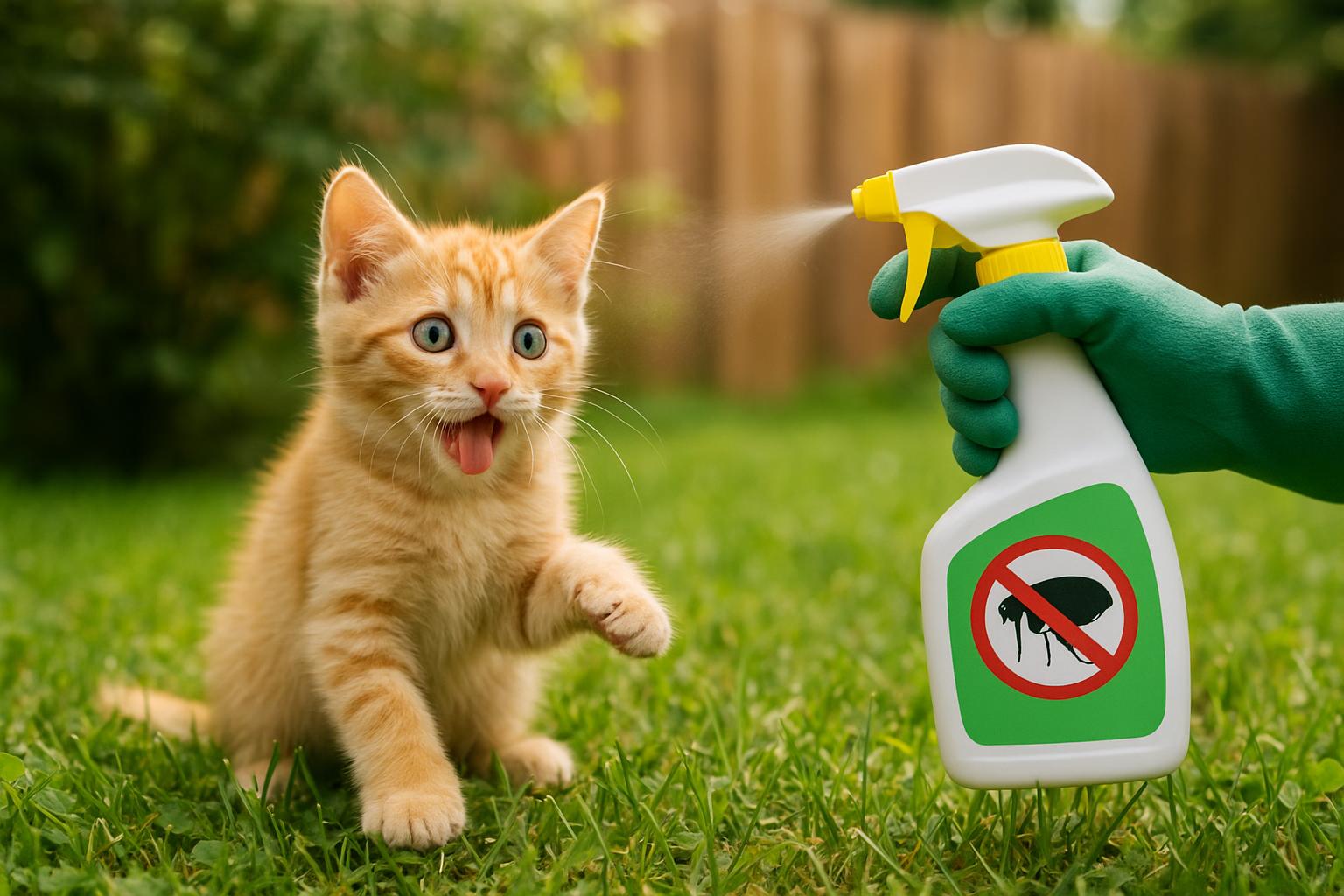
Trim vegetation and create dry, sunny areas; fleas prefer humid, shady microclimates. Reduce rodent harborage and use motion-activated sprinklers or lights to discourage wildlife that can introduce fleas.
These outdoor strategies complement indoor actions to lower the overall flea pressure your cat faces.
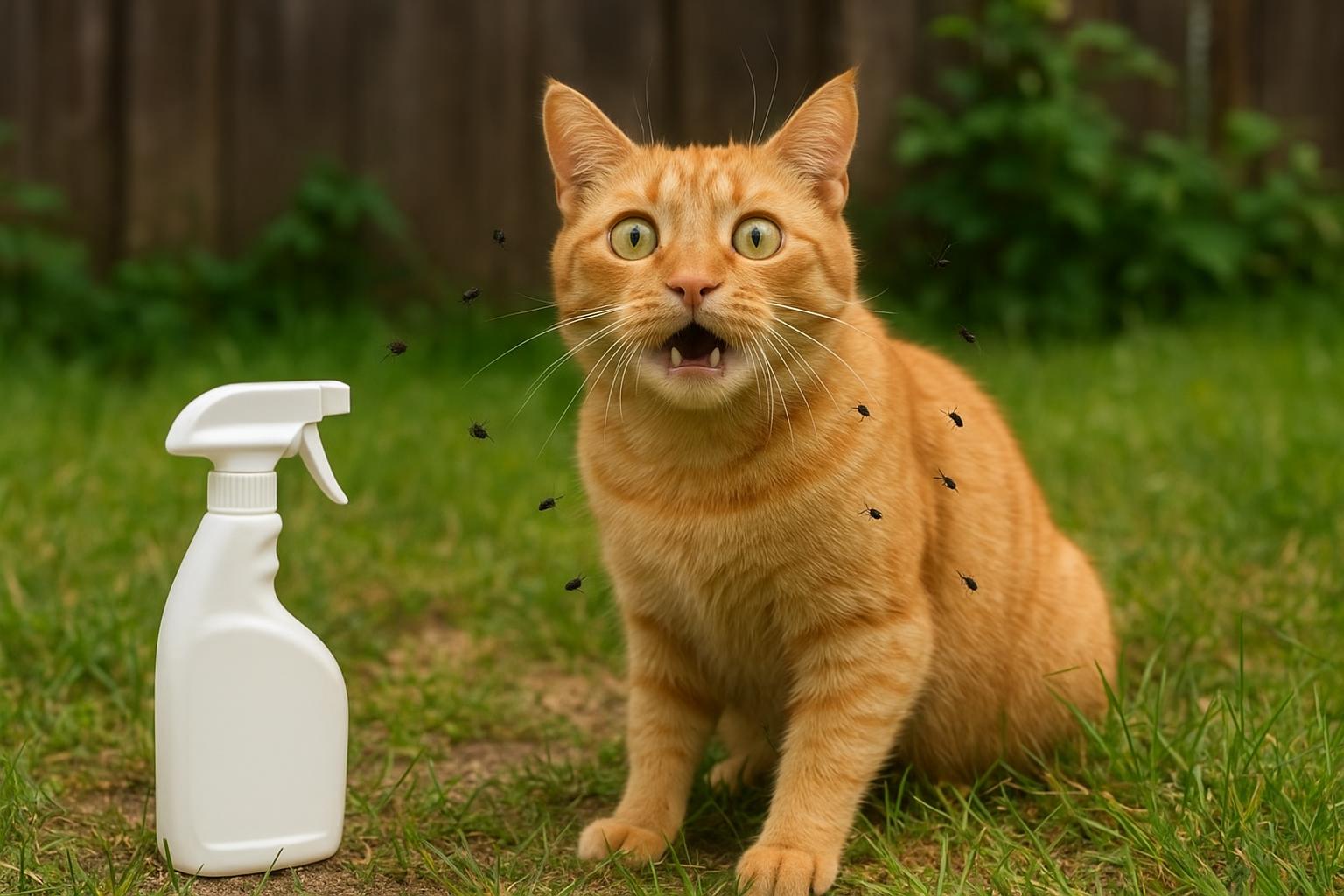
## Remedy 1: Apple Cider Vinegar Flea Spray
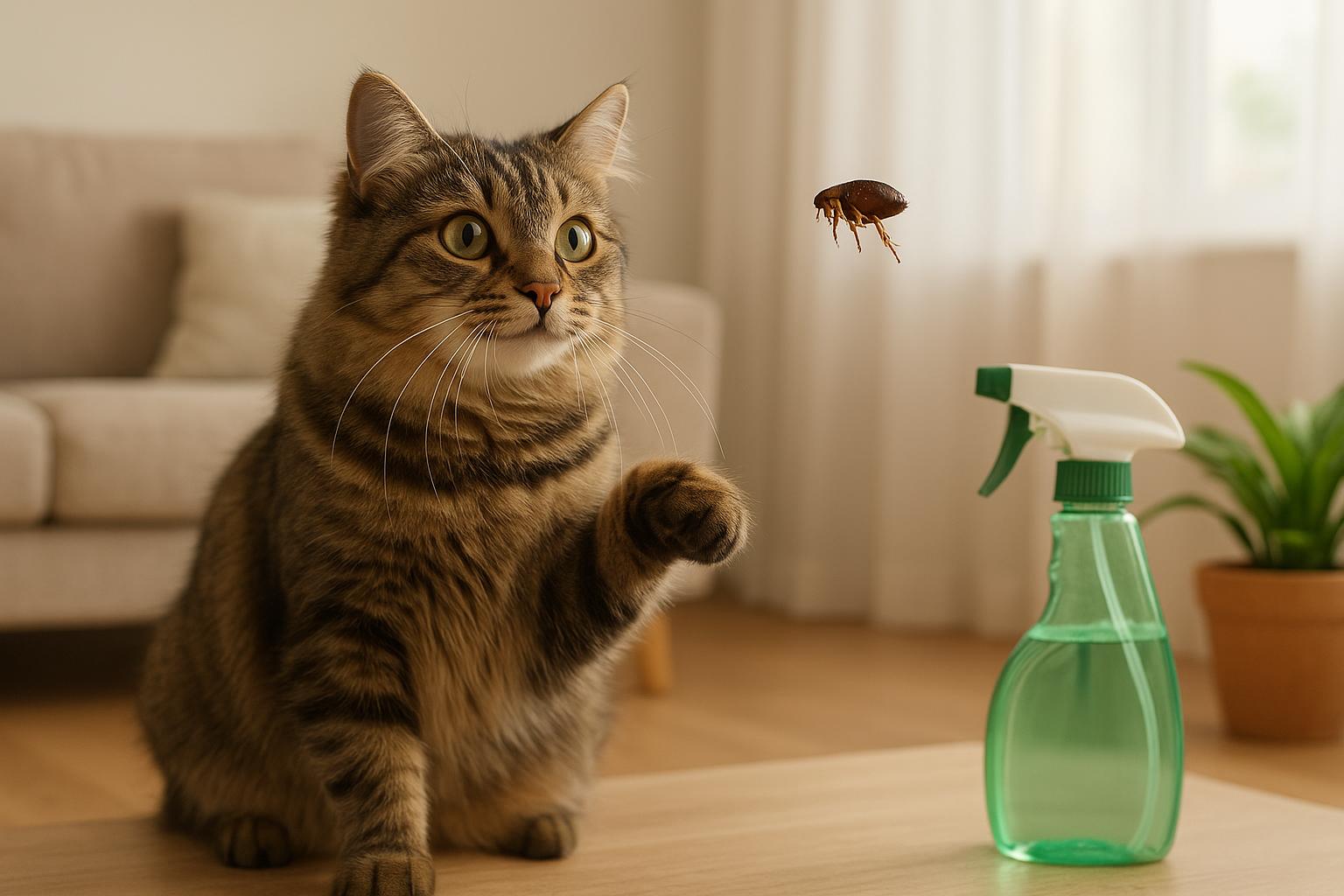
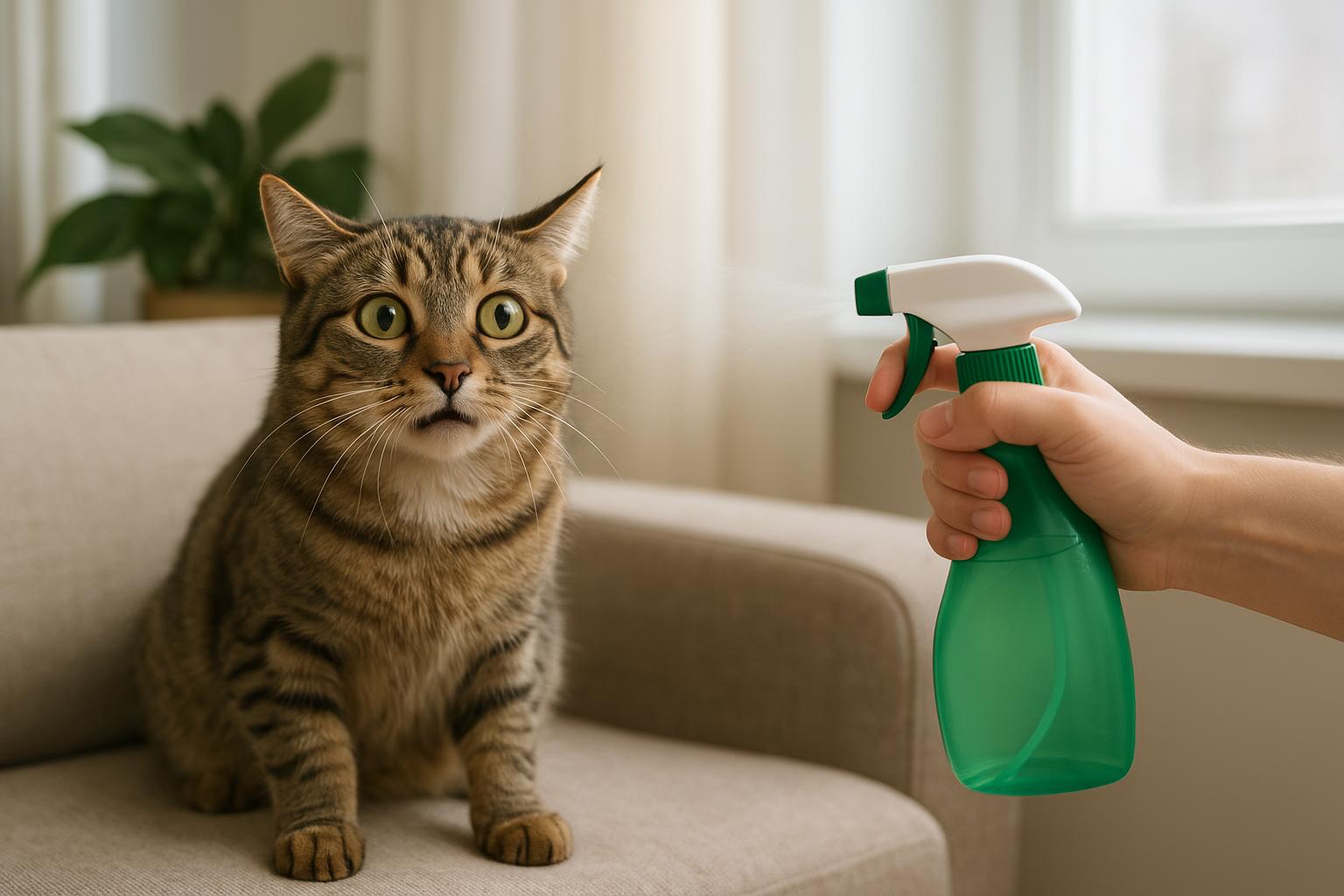
When applied properly, an apple cider vinegar (ACV) spray can be part of a natural prevention cats toolkit. It helps repel fleas and can soothe skin, but it is not a stand-alone cure for a heavy infestation.
Ingredients / Materials:
– 1 cup filtered water
– 1 cup apple cider vinegar (raw, unfiltered is fine)
– Spray bottle (16–24 oz)
– Soft towel or cloth
Creation And Application — Step By Step:
1. Combine equal parts filtered water and apple cider vinegar in the spray bottle. Shake gently to mix.
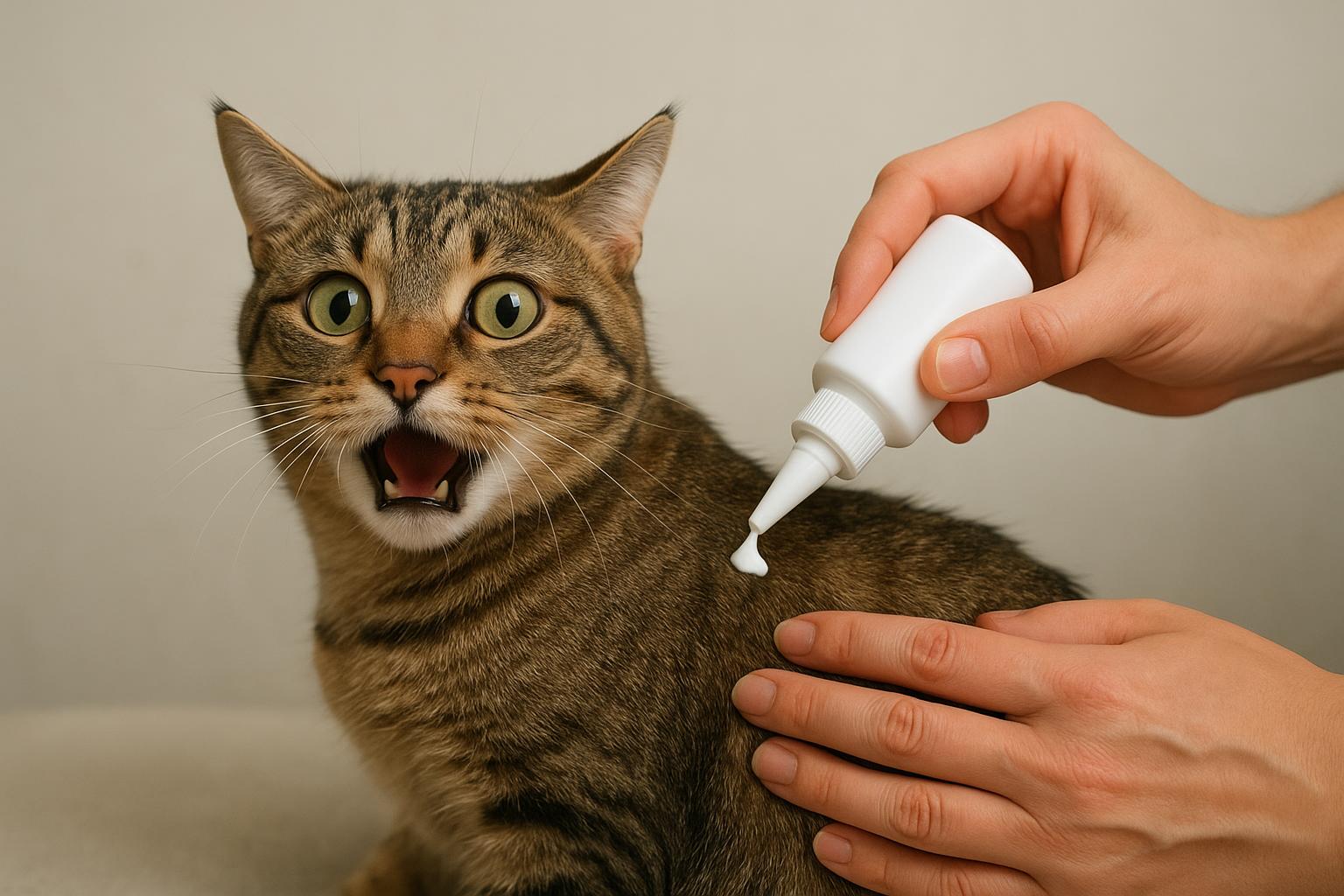
2. Test a small patch of your cat’s fur: mist a small area (e.g., behind the shoulder) and wait 10–15 minutes to check for irritation. Discontinue use if redness, itching, or discomfort occurs.
3. If the patch test is fine, lightly mist your hands and stroke through the cat’s coat, focusing on the back and base of the tail. Avoid spraying directly into the face, eyes, or nose.
4. Use once every 3–4 days as a preventative. Do not rely on this alone for infestations; combine with grooming, environmental cleaning, and other remedies.
5. For bedding or hard surfaces, you can spray lightly and allow to air dry. Avoid treating areas where the cat will ingest treated surfaces immediately after.
Caveats: ACV may irritate broken skin, and cats with certain conditions may be more sensitive. Always patch-test first and consult your veterinarian if in doubt.
## Remedy 2: Food-Grade Diatomaceous Earth (DE) For Home And Yard
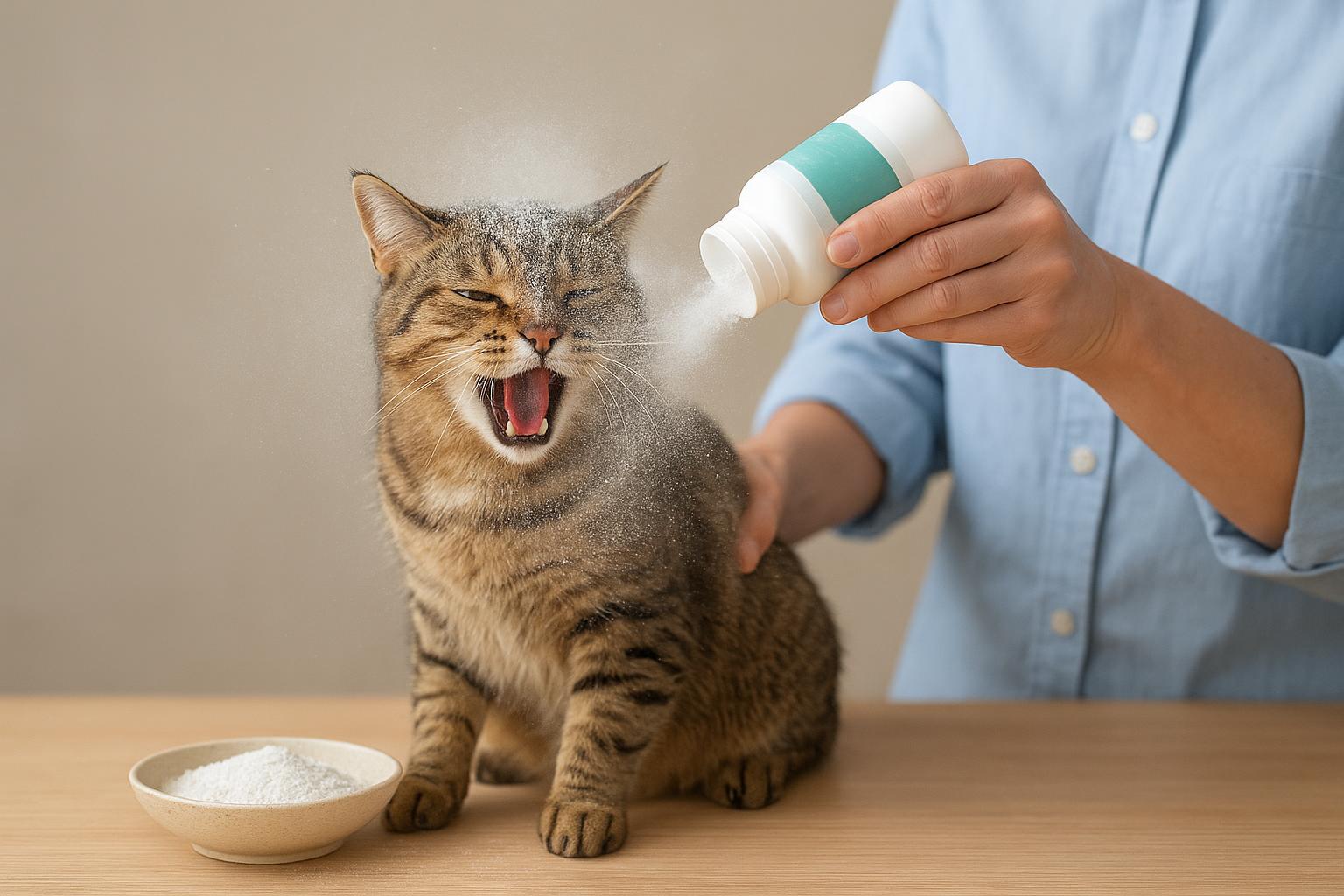
Food-grade diatomaceous earth is a desiccant that can help reduce flea larvae and adult flea numbers in the environment. It must be used carefully and with pet safety in mind.
Ingredients / Materials:
– Food-grade diatomaceous earth (not pool-grade)
– Dust mask (N95 recommended)
– Gloves
– Handheld duster or sieve
– Broom or vacuum with HEPA filter
Creation And Application — Step By Step:
1. Purchase food-grade DE; verify labeling and source. Pool-grade DE is chemically treated and unsafe for pets.
2. Wear a dust mask and gloves to avoid inhalation or eye irritation while applying.
3. Lightly dust carpets, rugs, and furniture crevices where your cat frequents. A thin, even layer is more effective than clumping.
4. Leave DE in place for 48–72 hours to allow maximum contact time with fleas and larvae.
5. After 72 hours, vacuum thoroughly and dispose of vacuum bag contents or empty canister outdoors. Repeat application weekly for 2–3 weeks if needed.
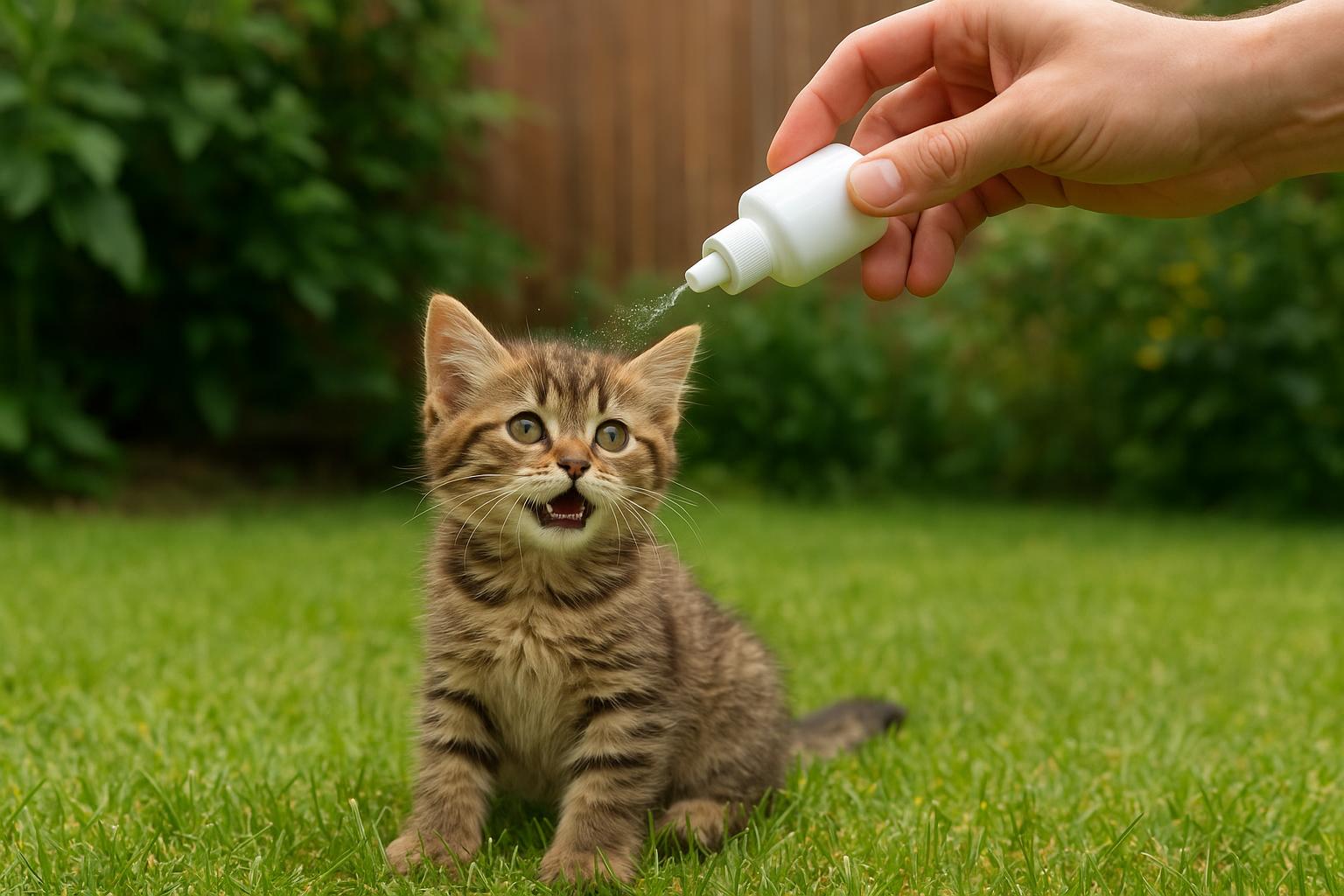
6. For yard use, apply DE on dry days to shaded areas where flea larvae may live; avoid windy conditions. Reapply after rain.
Safety Notes: DE works by physical action, not chemicals, but fine particles can irritate lungs if inhaled. Keep pets and people away during application until dust settles. Consult your veterinarian before using around very young, elderly, or respiratory-sensitive pets.
### When To Involve A Veterinarian
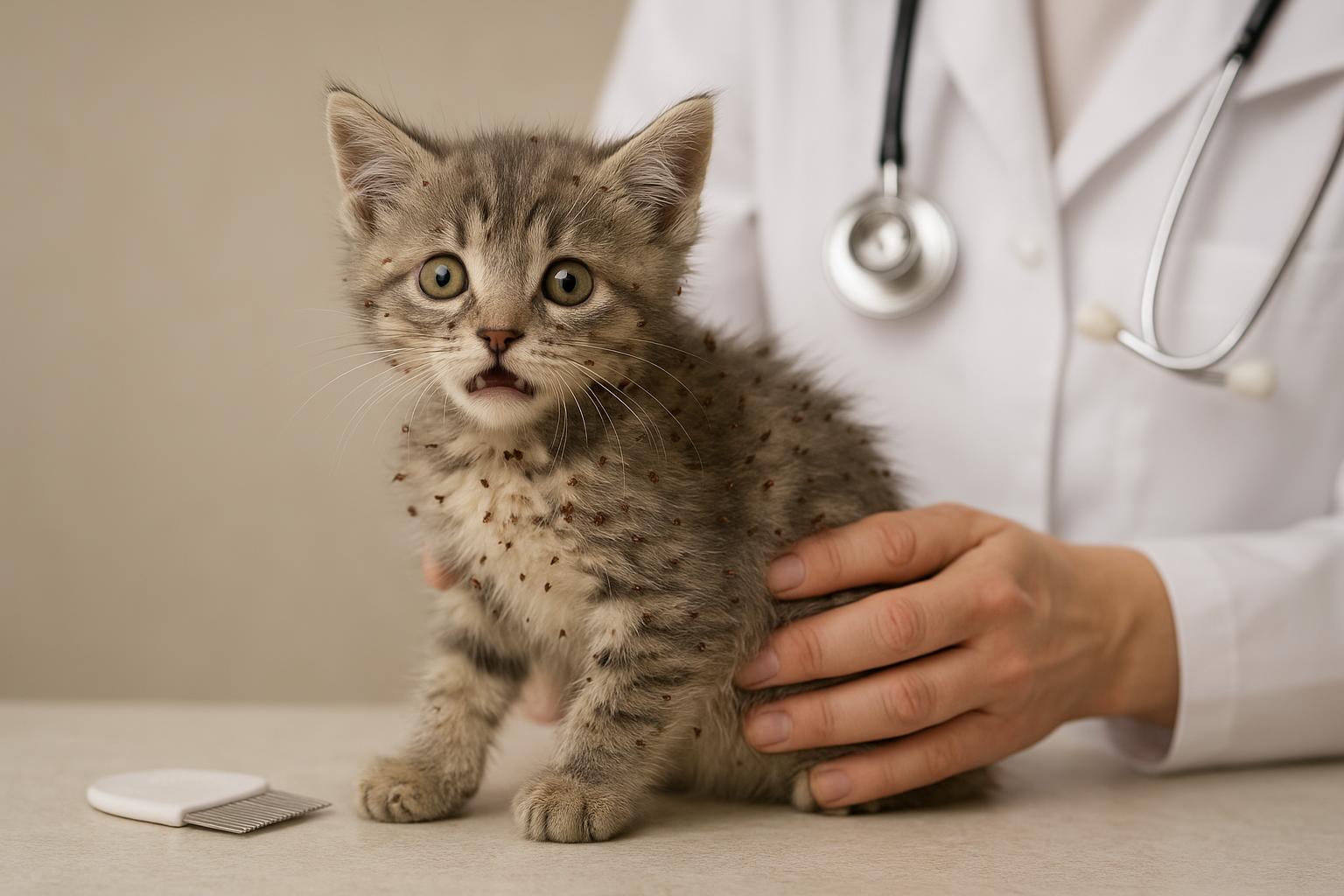
Natural prevention cats methods are effective for maintenance and light pressure, but heavy infestations, flea allergy dermatitis, or visible anemia require veterinary care. Signs that warrant professional attention include excessive scratching, hair loss, scabs, lethargy, pale gums, or a sudden increase in fleas despite home measures. Your vet can recommend targeted, safe treatments and check for secondary infections or tapeworms transmitted by fleas.
### What To Avoid: Essential Oils And Unsafe Products
A quick, serious note: many products marketed as “natural” contain essential oils that are toxic to cats (tea tree, eucalyptus, pennyroyal, certain citrus oils). Never apply undiluted essential oils to cats, and avoid sprays that list questionable ingredients. When in doubt, consult your veterinarian or a feline toxicology resource.
### Integrating Natural Prevention Into Daily Life
Natural prevention cats requires consistency and a bit of household choreography: scheduled grooming, weekly laundry, regular vacuuming, and seasonal yard work. It’s not glamorous, but when these steps become habits, fleas find your home a much less friendly place.
Keep records: note when you vacuumed, applied a remedy, or treated bedding. This helps spot patterns and evaluate what’s working. For multi-pet households, coordinate care so one animal doesn’t become a reservoir for the others.
Implementing these sustainable approaches reduces chemical reliance while protecting your cat’s comfort and health. If a stubborn infestation persists, combining natural prevention cats methods with veterinarian-prescribed treatments will get you back to a flea-free household more quickly.



Leave a Reply