
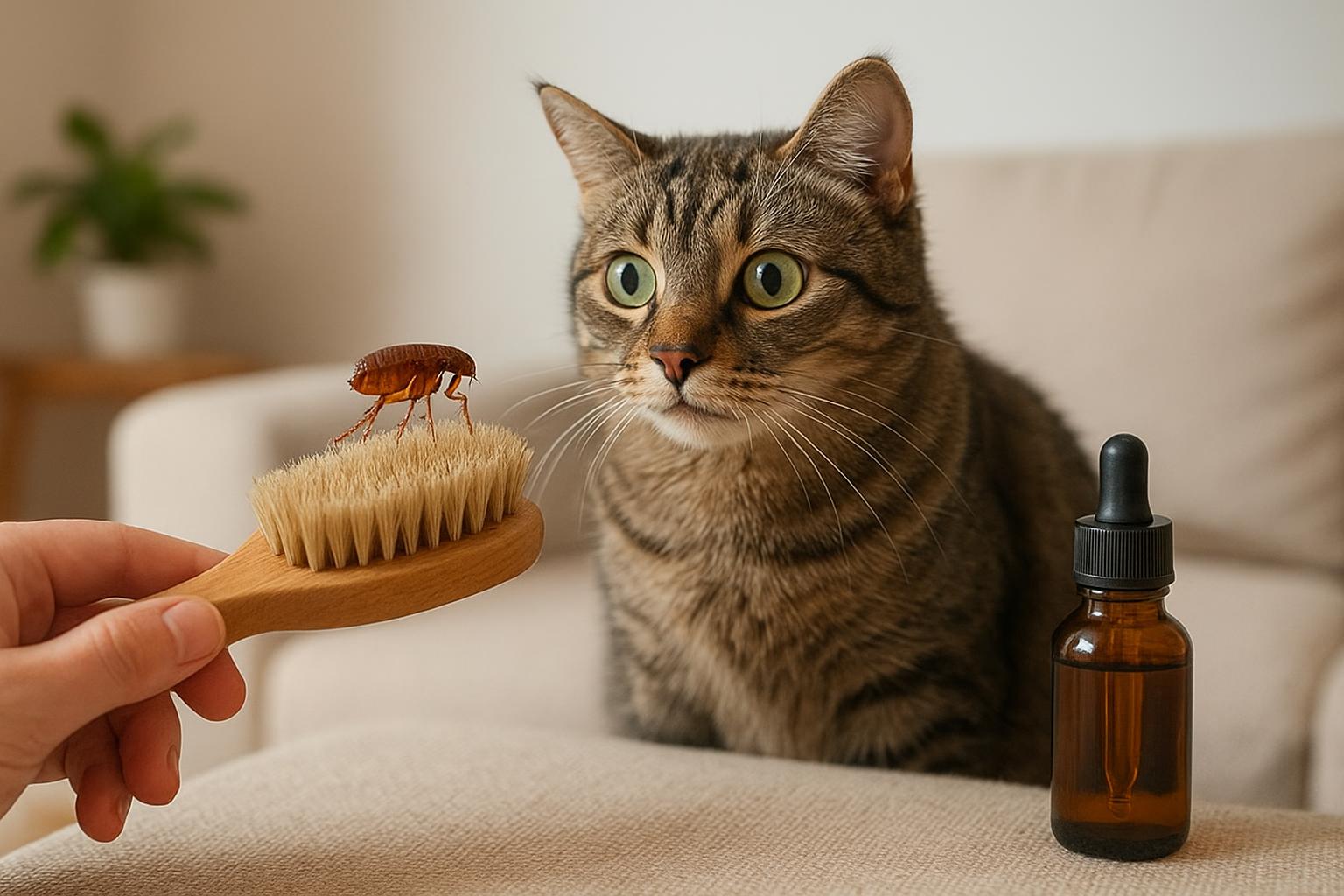
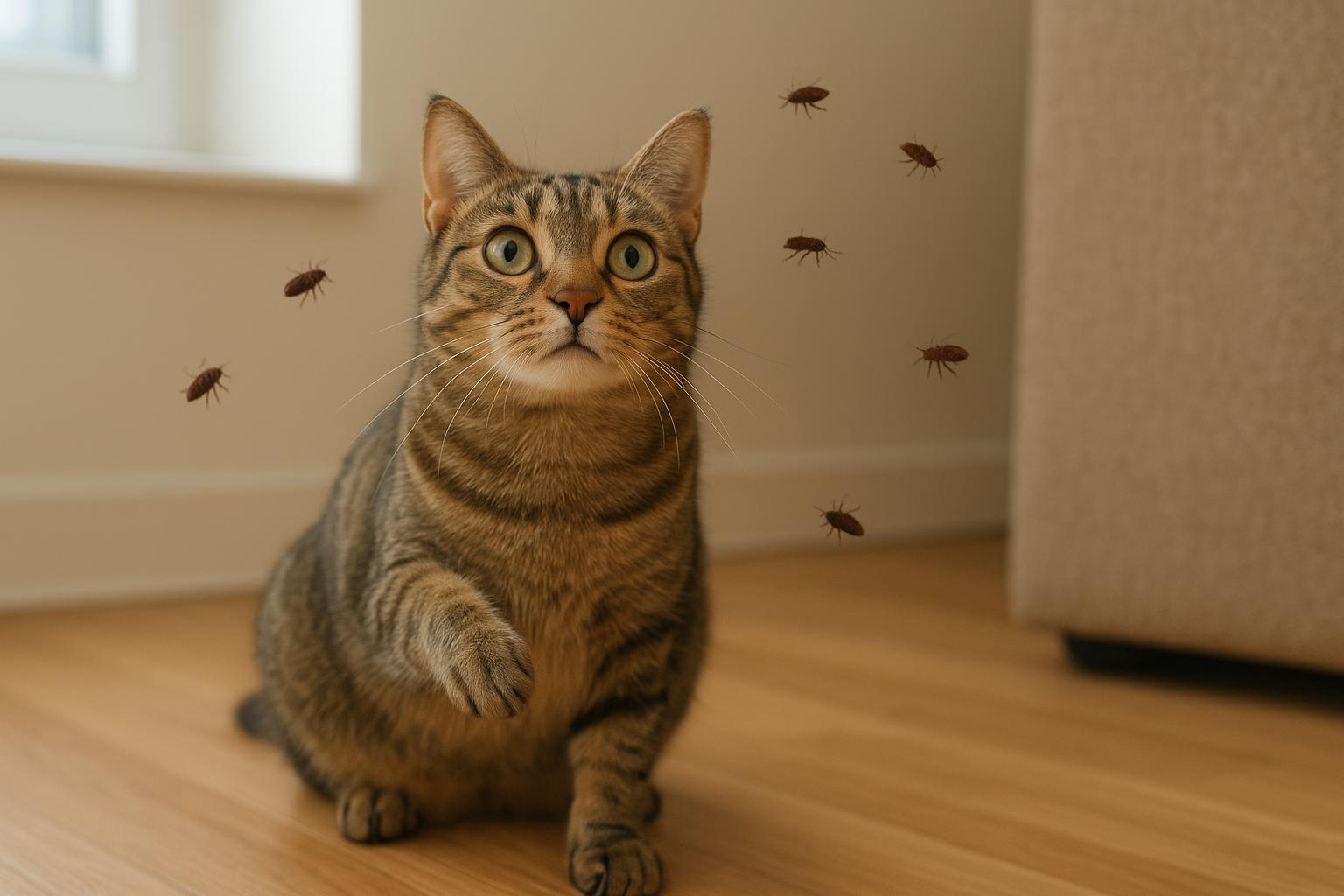
Hello there — if you share your yard and couch with a purring roommate, you’ve probably heard whisperings (or urgent meows) about tiny hopping nuisances. This relaxed guide focuses on friendly, natural prevention for cat fleas, giving you approachable tips that keep your cat comfortable and your home less buzzy.
## Cat Fleas: Why Prevention Matters
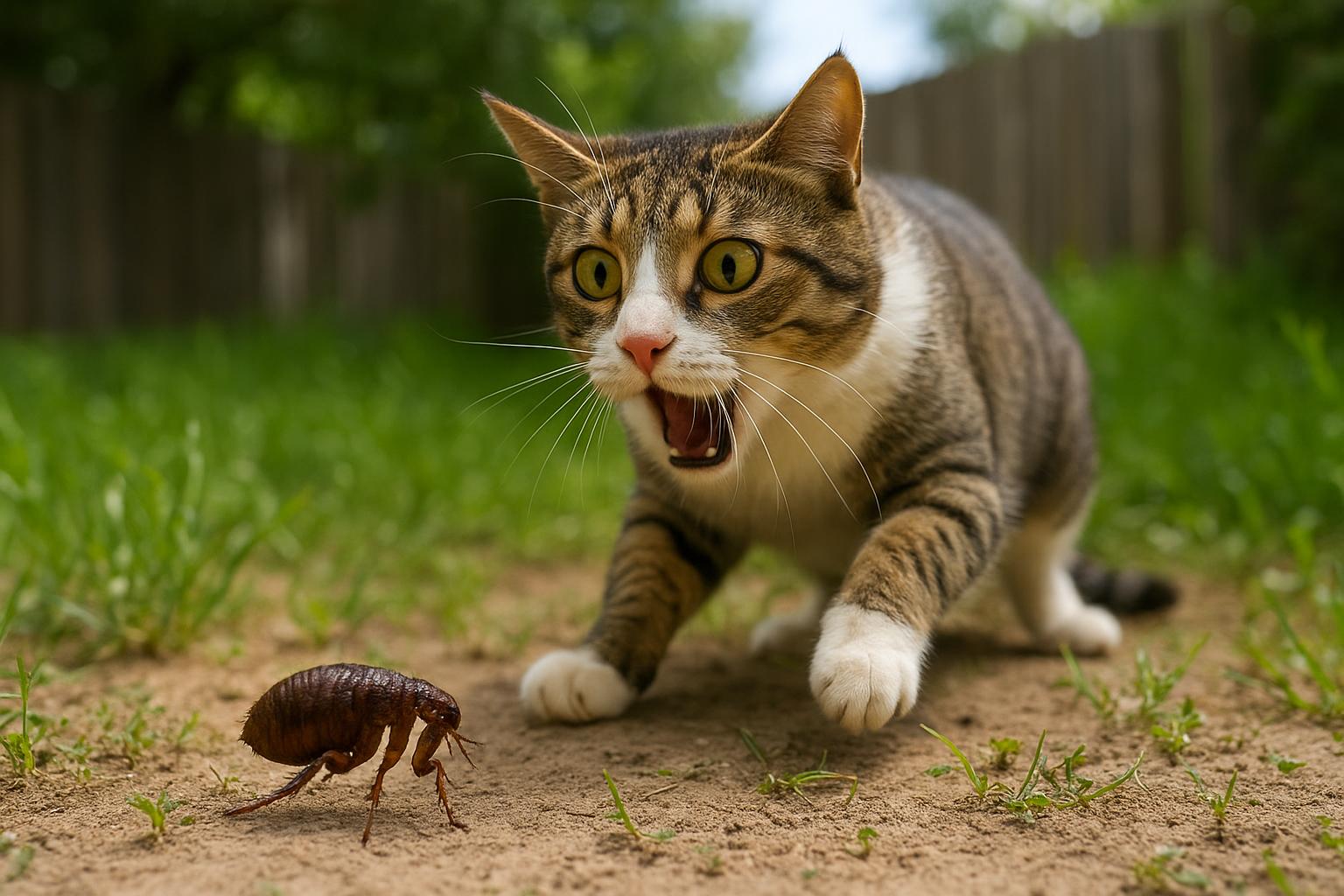
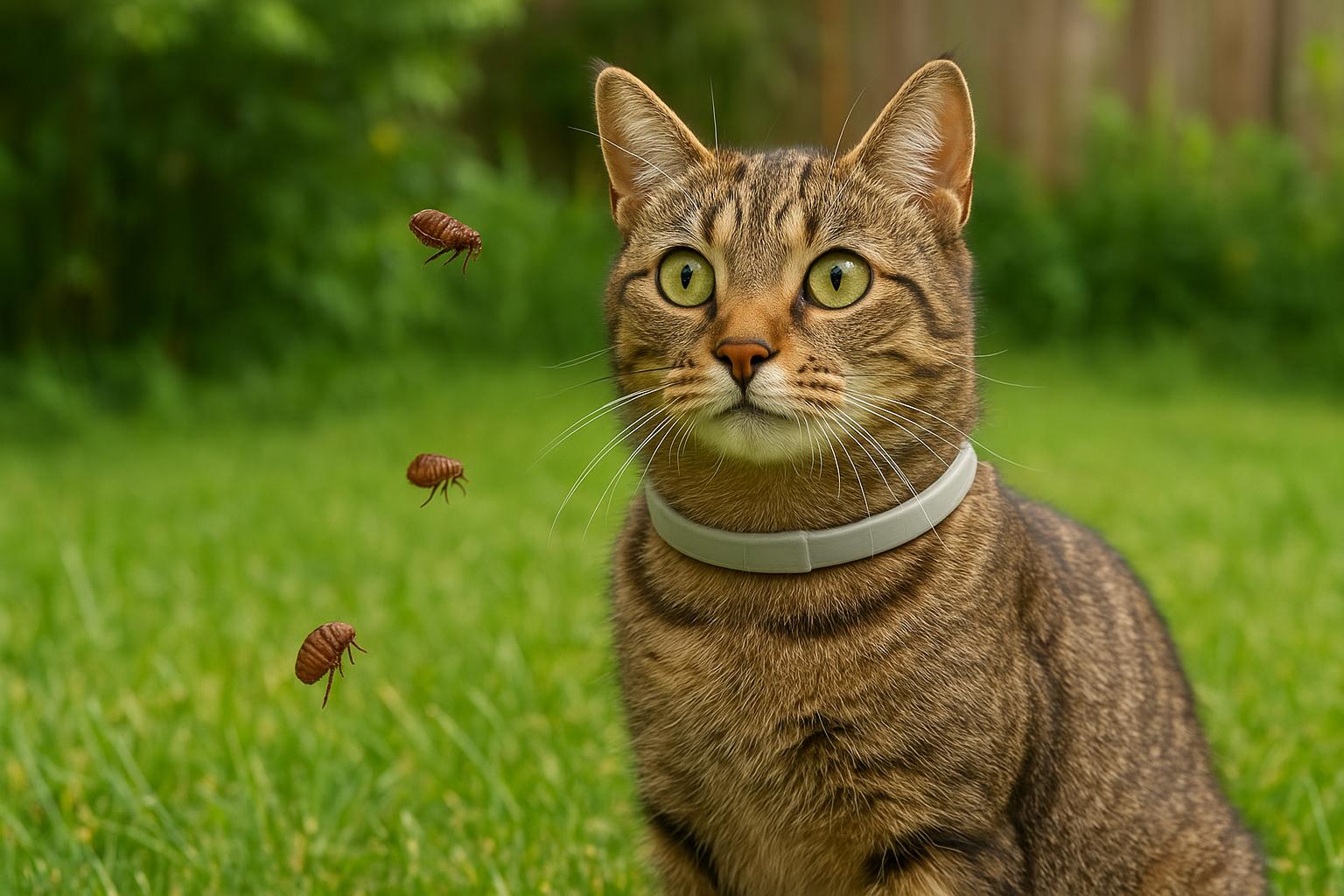
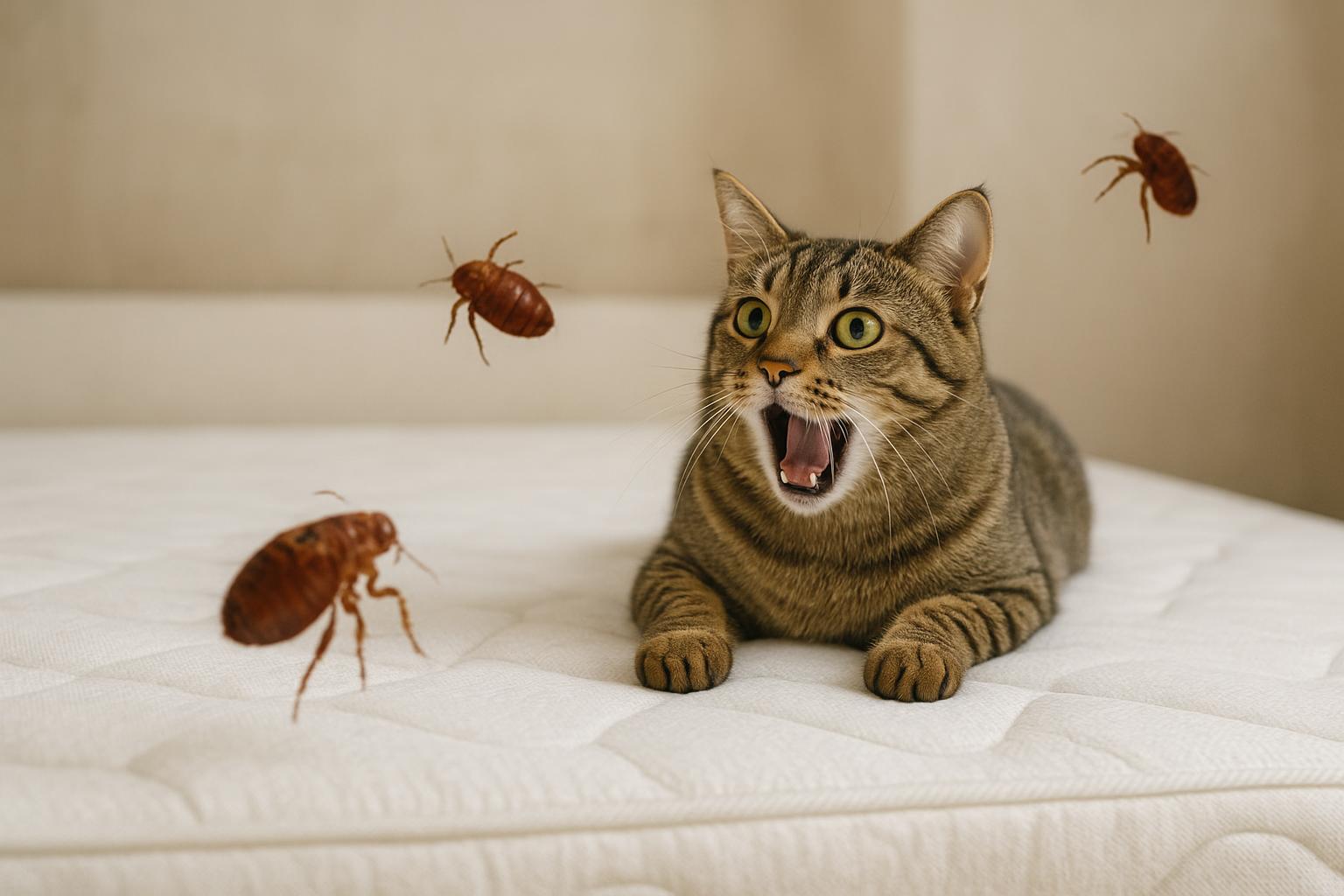
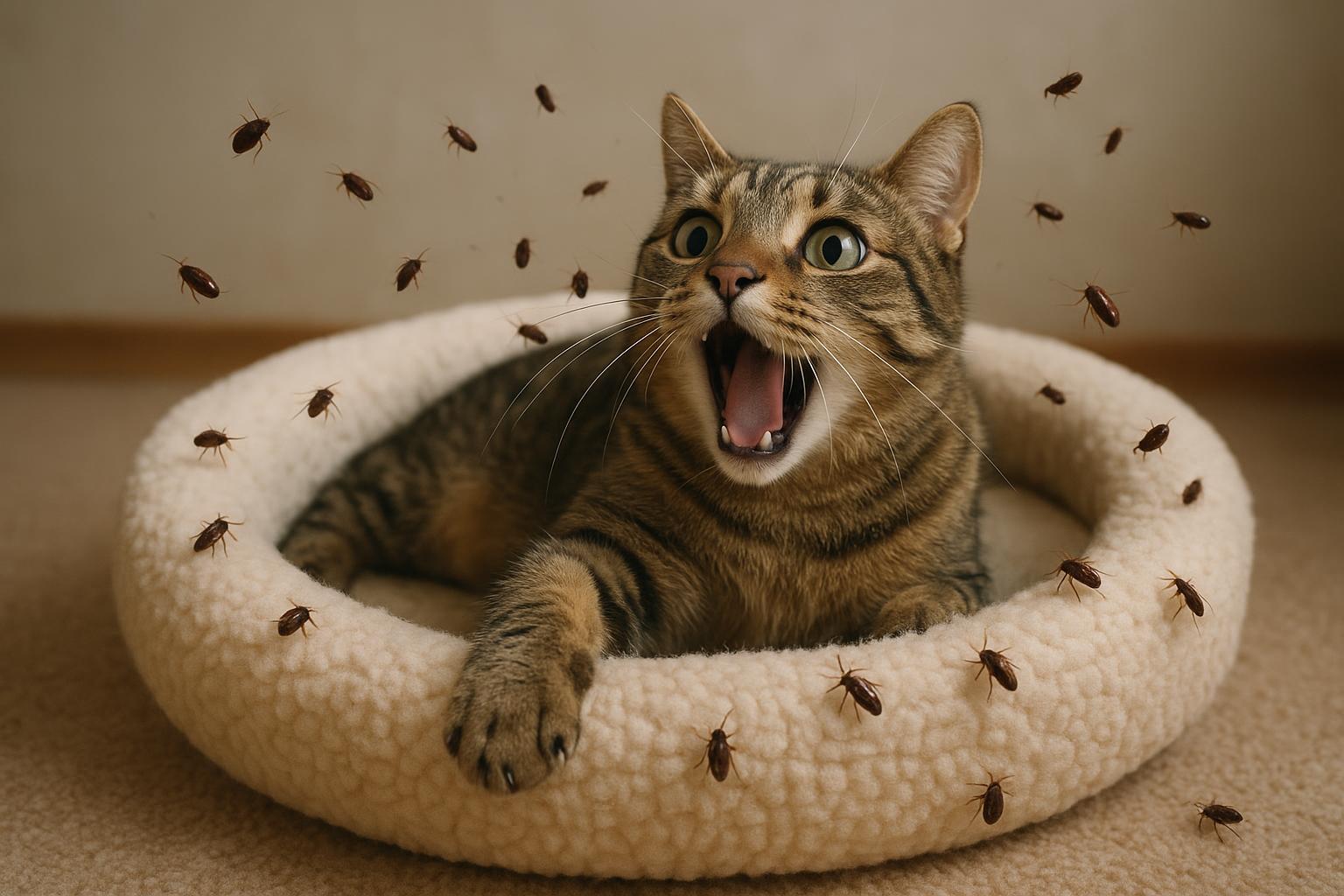
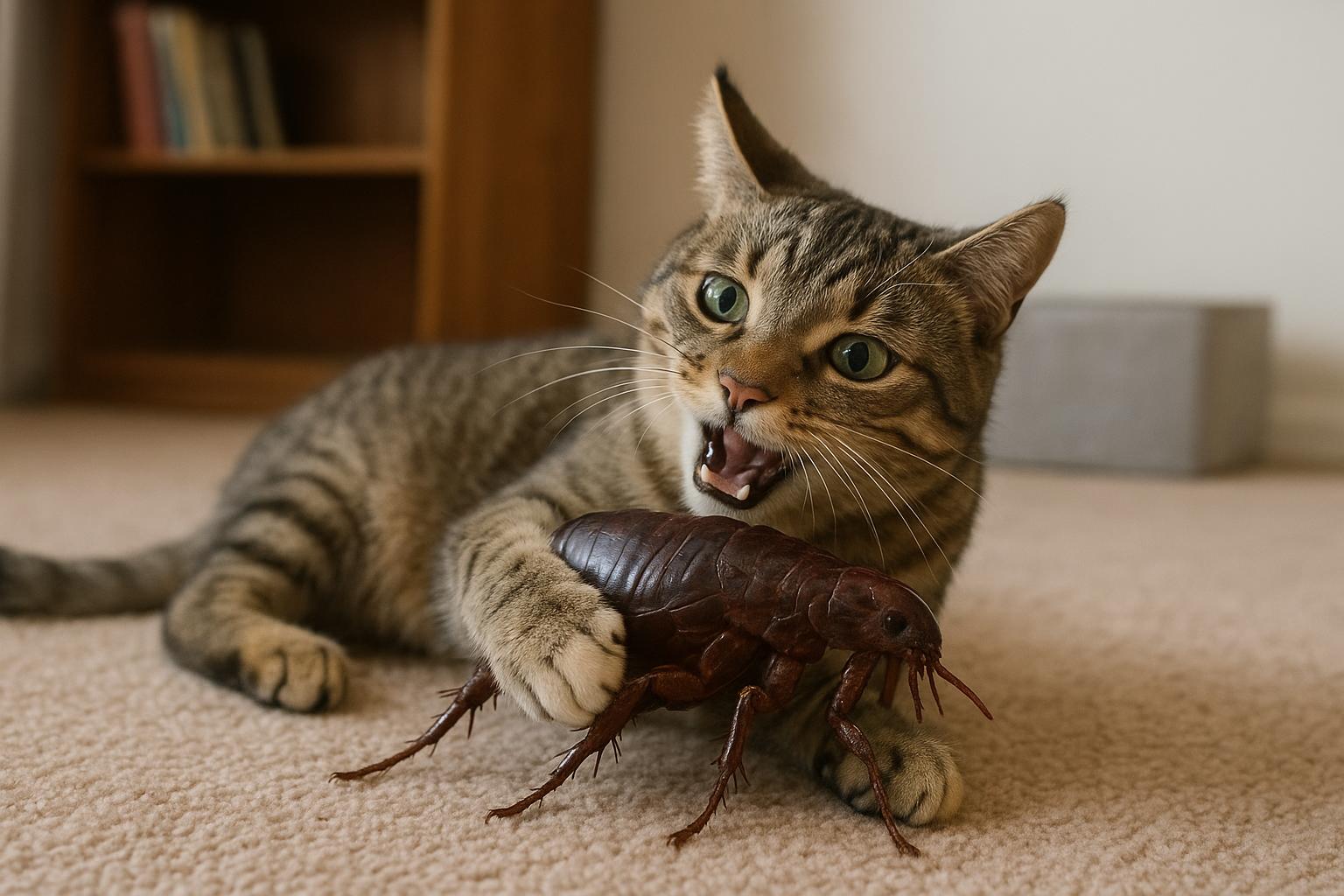
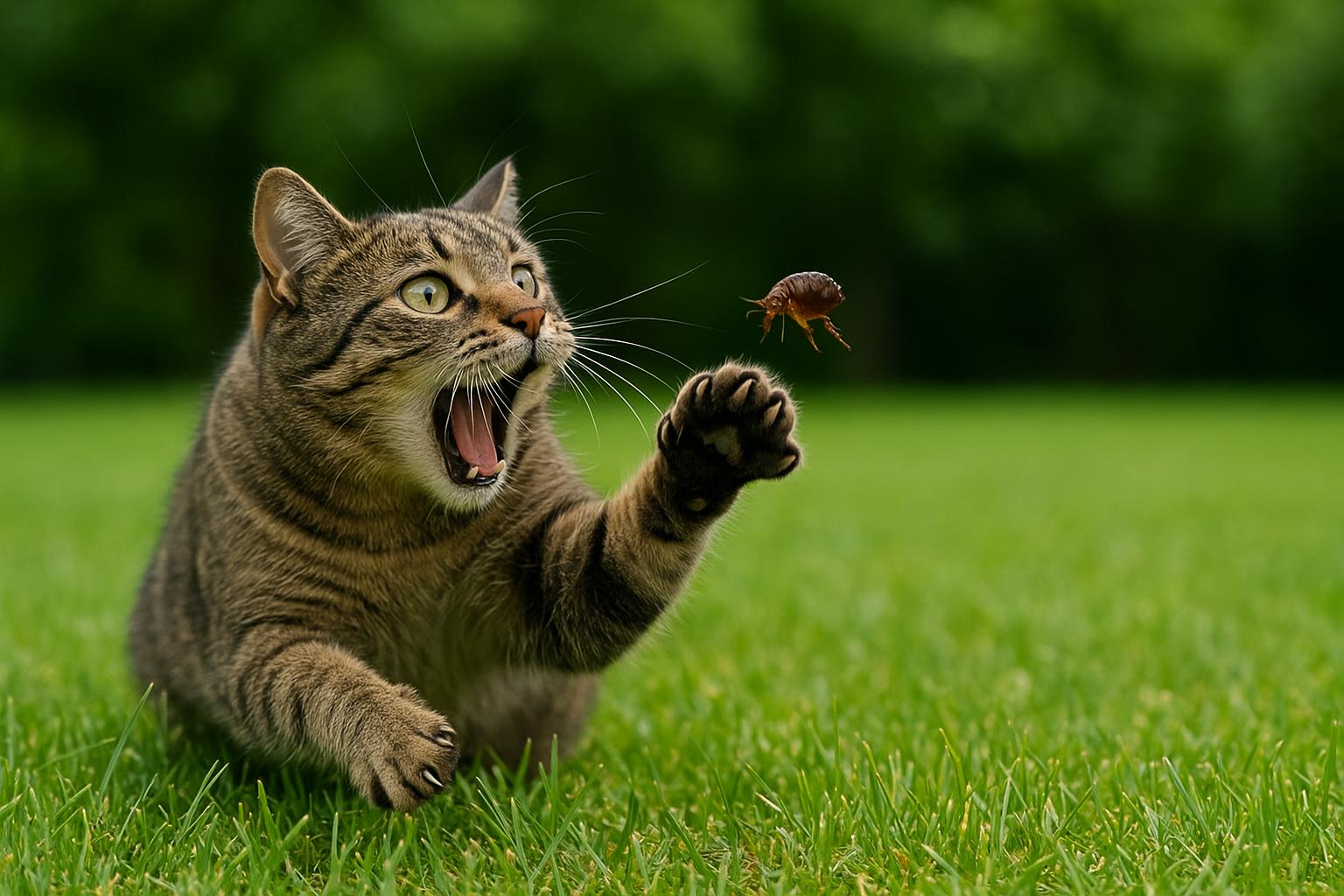
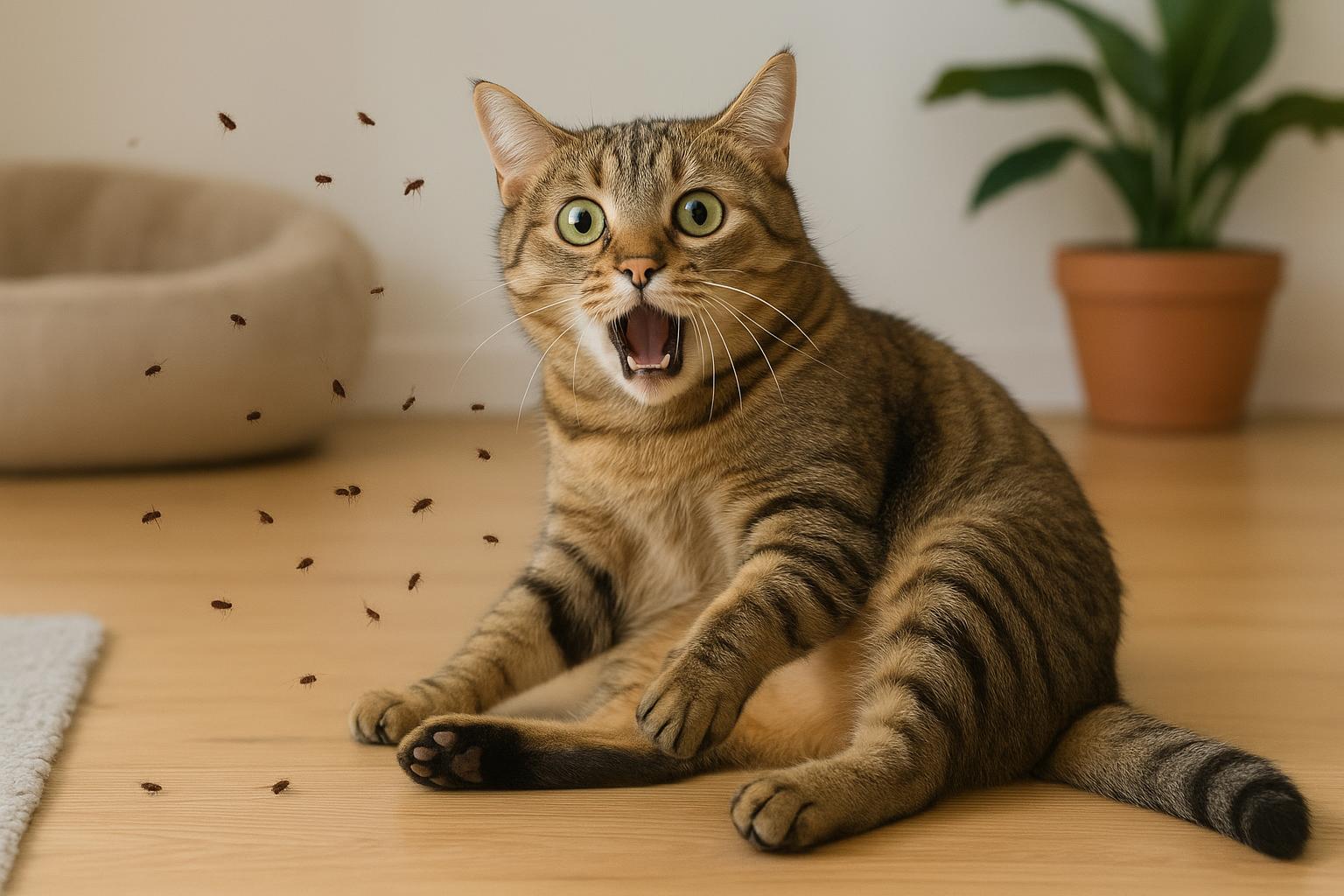
Cat fleas aren’t just itchy annoyances; they can cause allergic reactions, transmit tapeworms, and make life miserable for both kitty and human. A single flea can lay dozens of eggs, and because most of those eggs fall off into carpets, bedding, and the yard, an infestation escalates quickly. Preventing fleas is far easier and less stressful than treating a full outbreak, and natural approaches can be effective when used consistently and combined with good housekeeping.
### Understanding The Life Cycle
The flea life cycle has four stages: egg, larva, pupa, and adult. Eggs are tiny and fall from the cat into the environment. Larvae feed on organic debris, pupae can sit dormant for months, and adults jump onto a host to feed and reproduce. Interrupting that cycle at multiple points — on the cat and in its environment — is the key to long-term control.
### Signs To Watch For
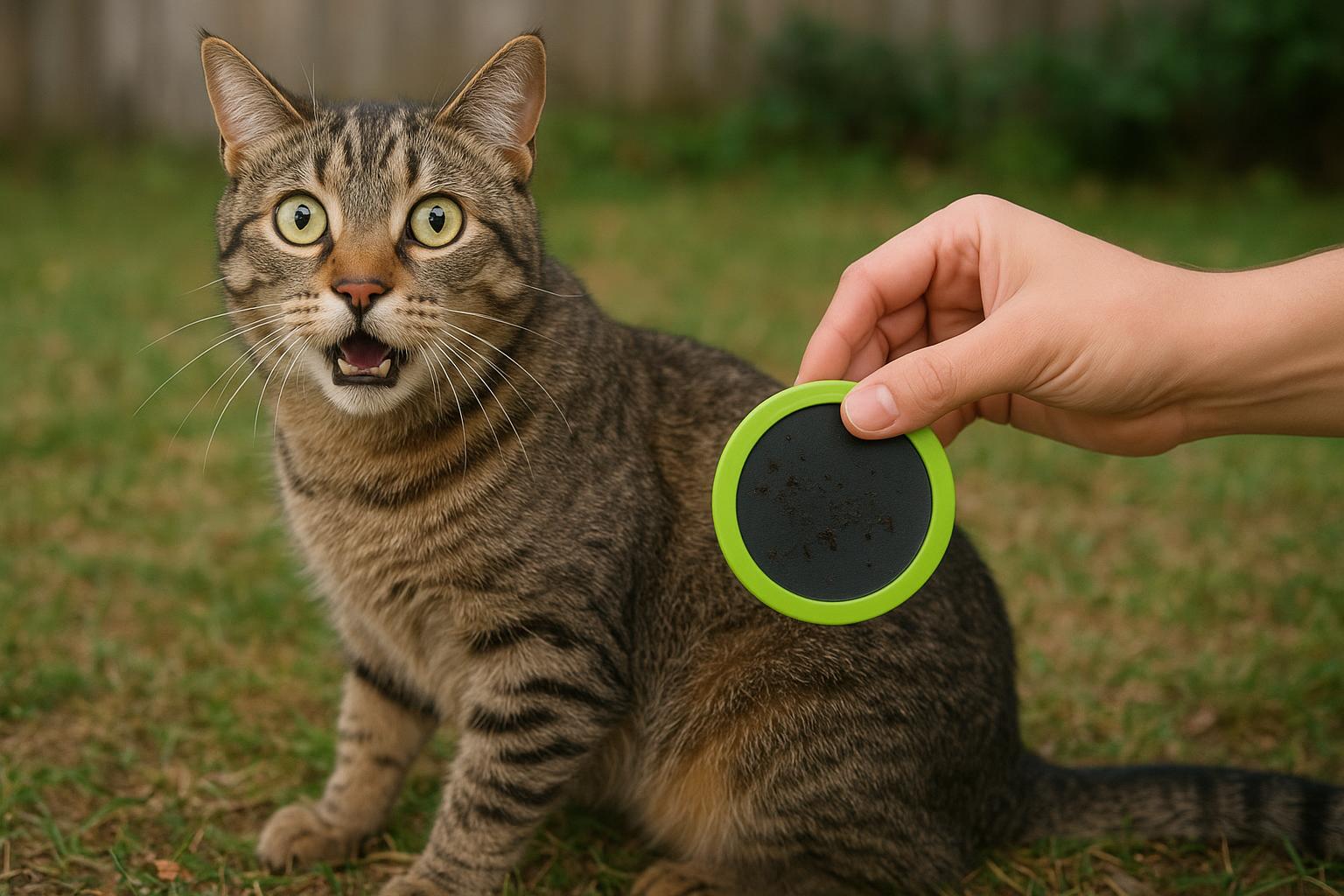
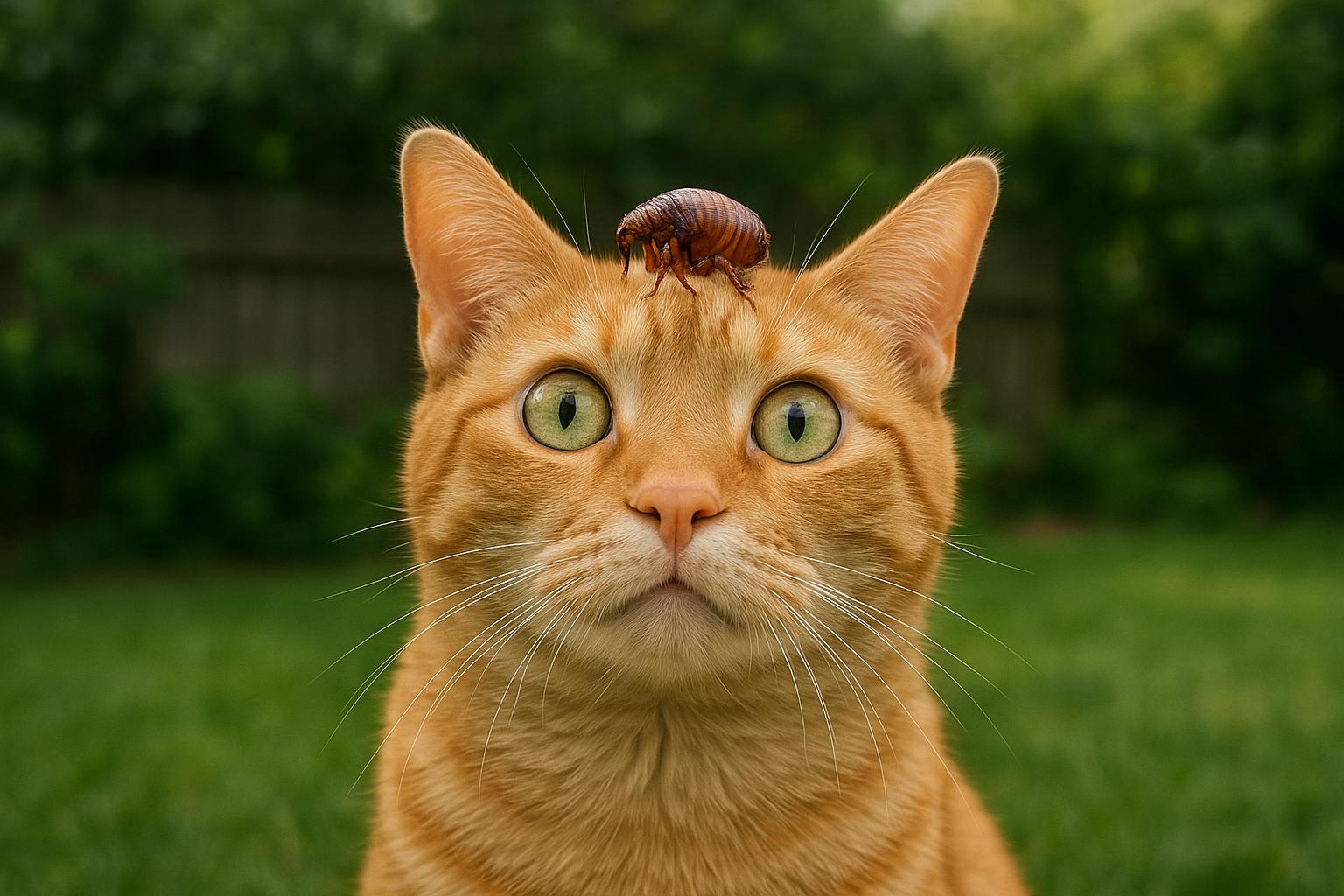
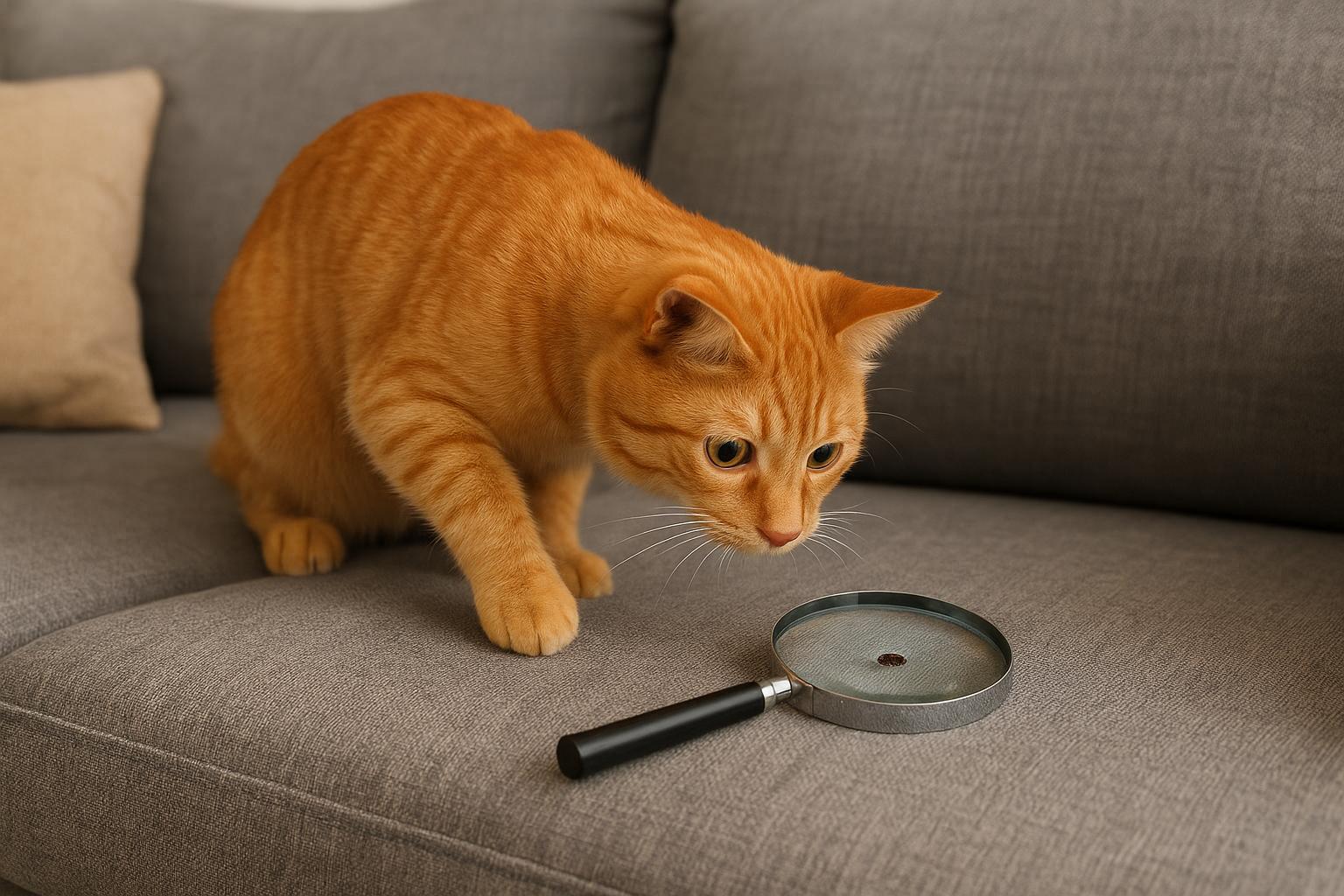
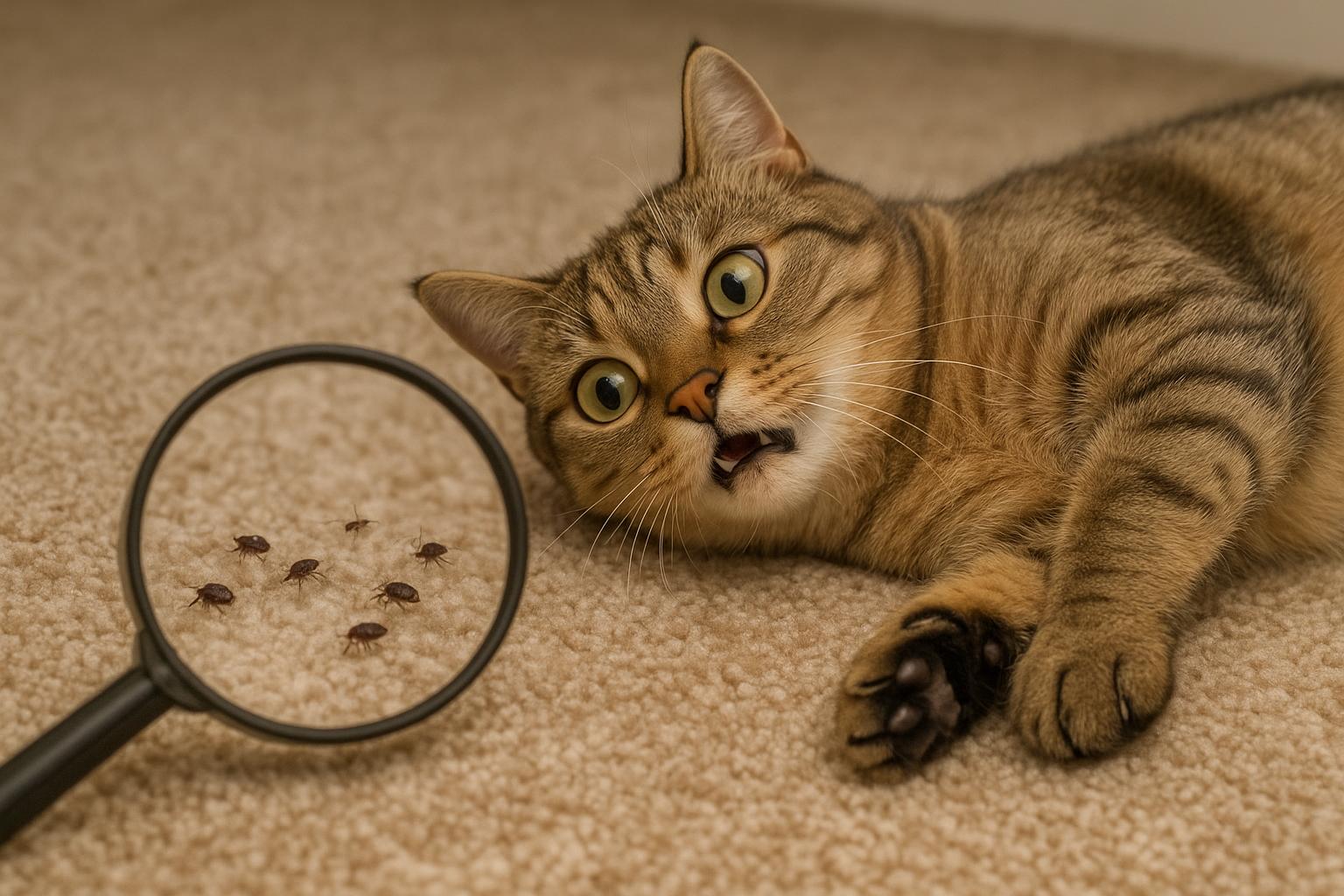
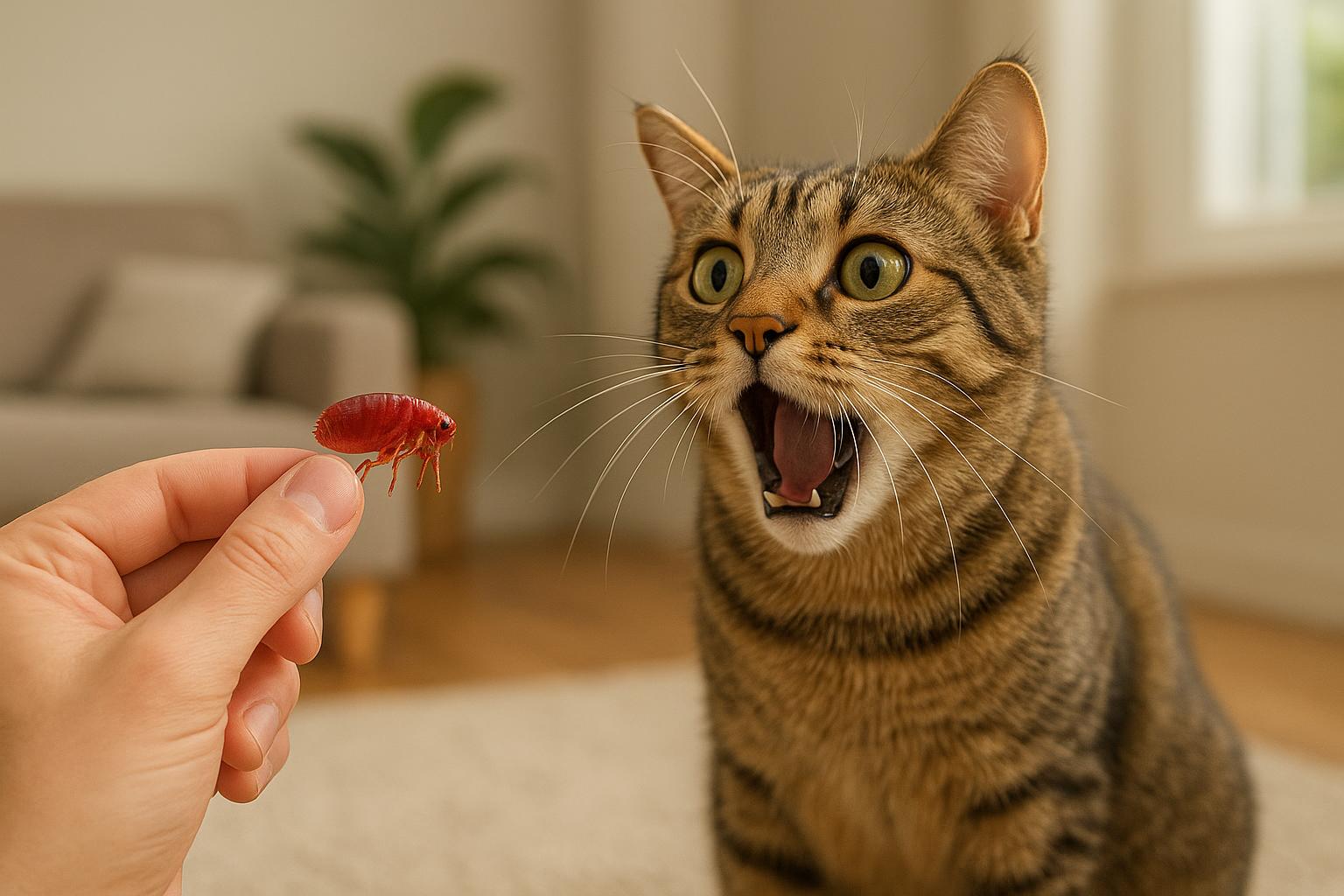
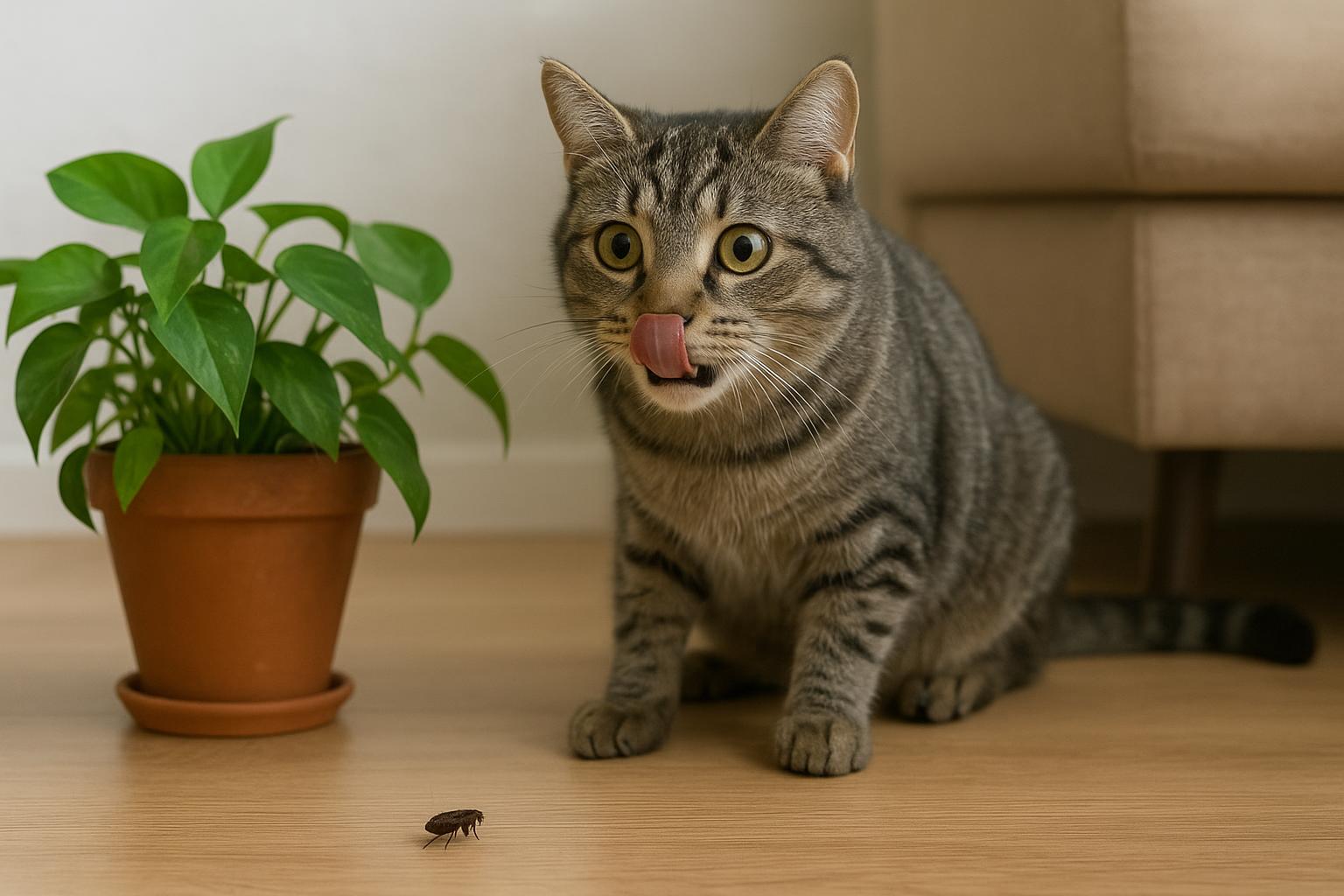
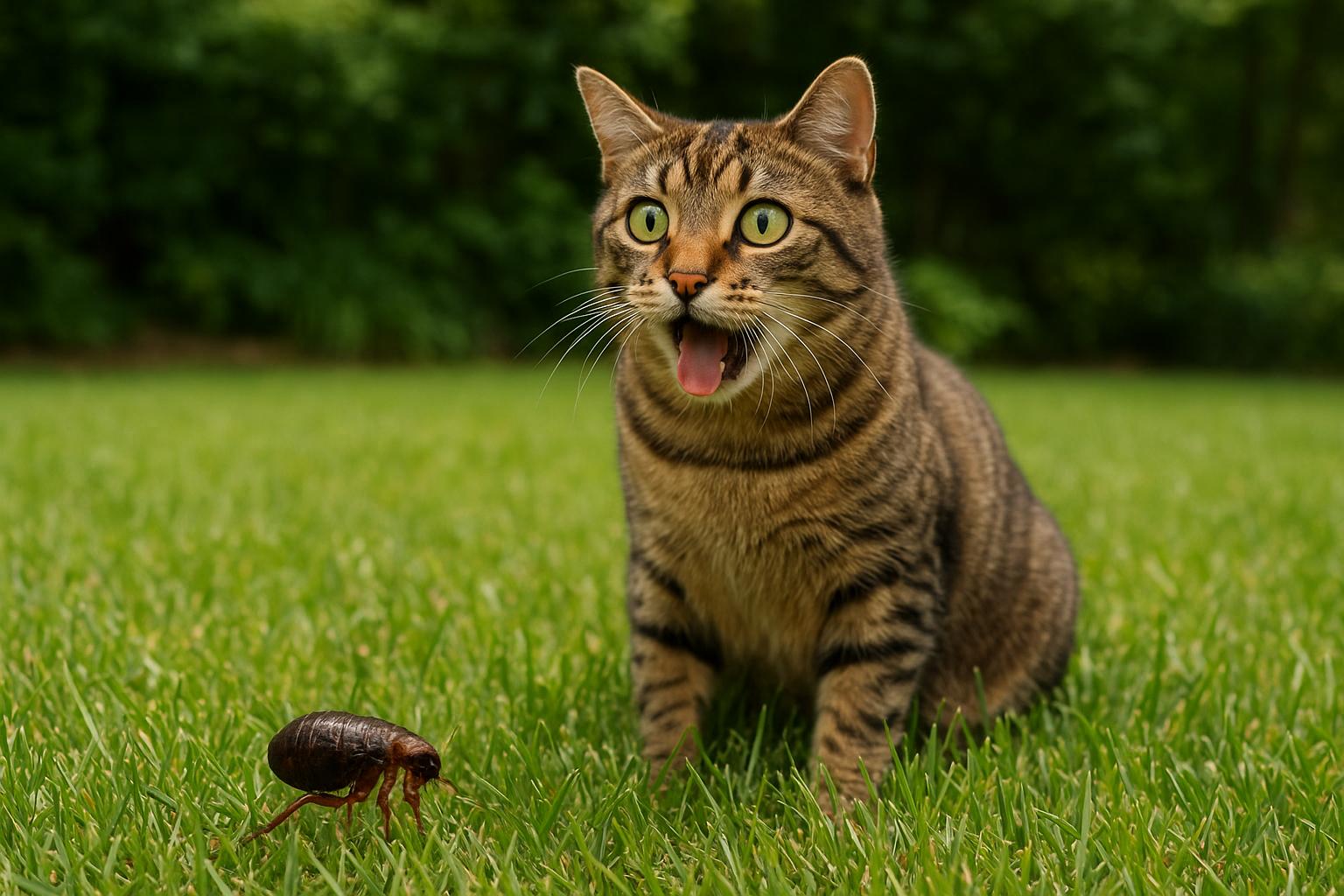
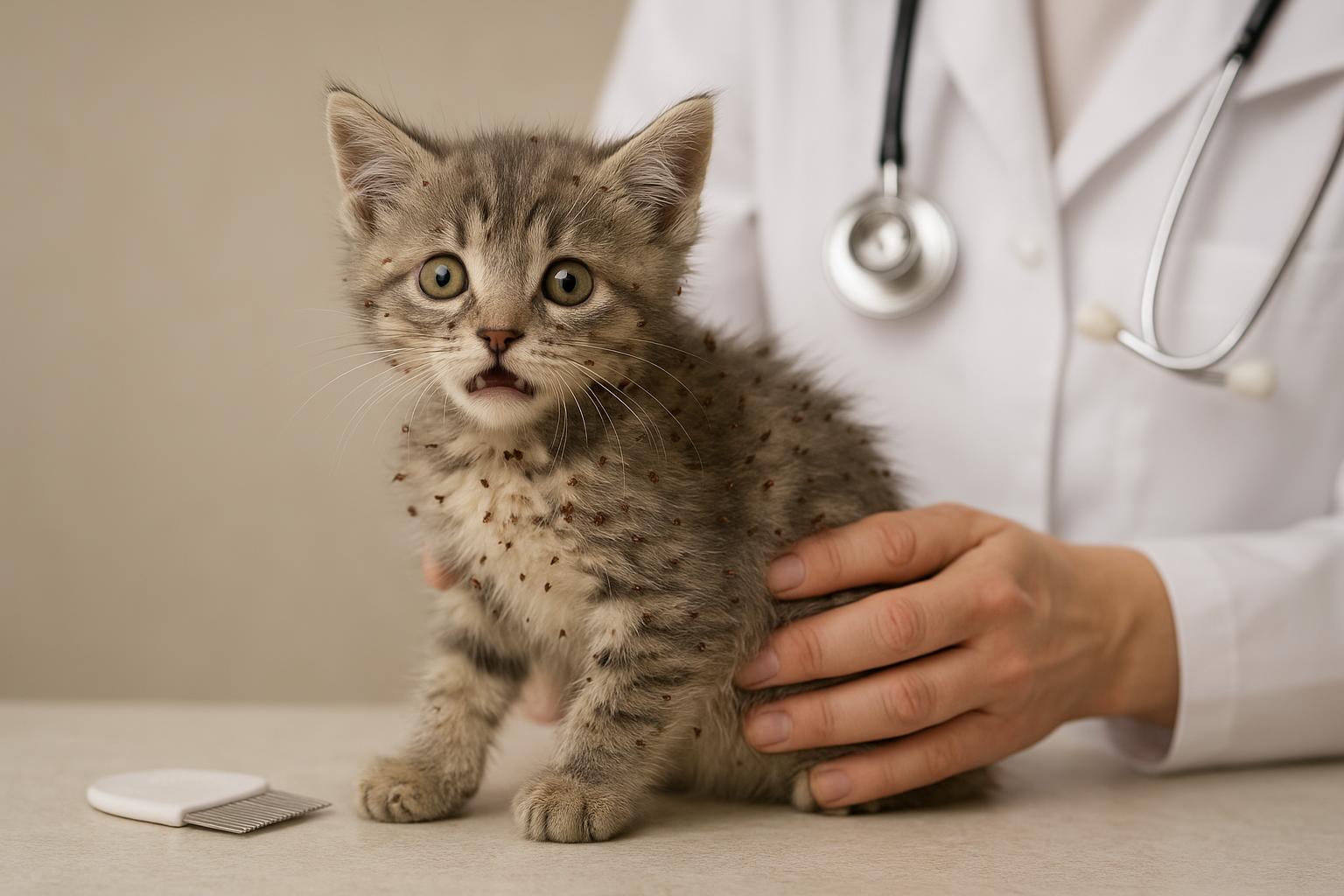
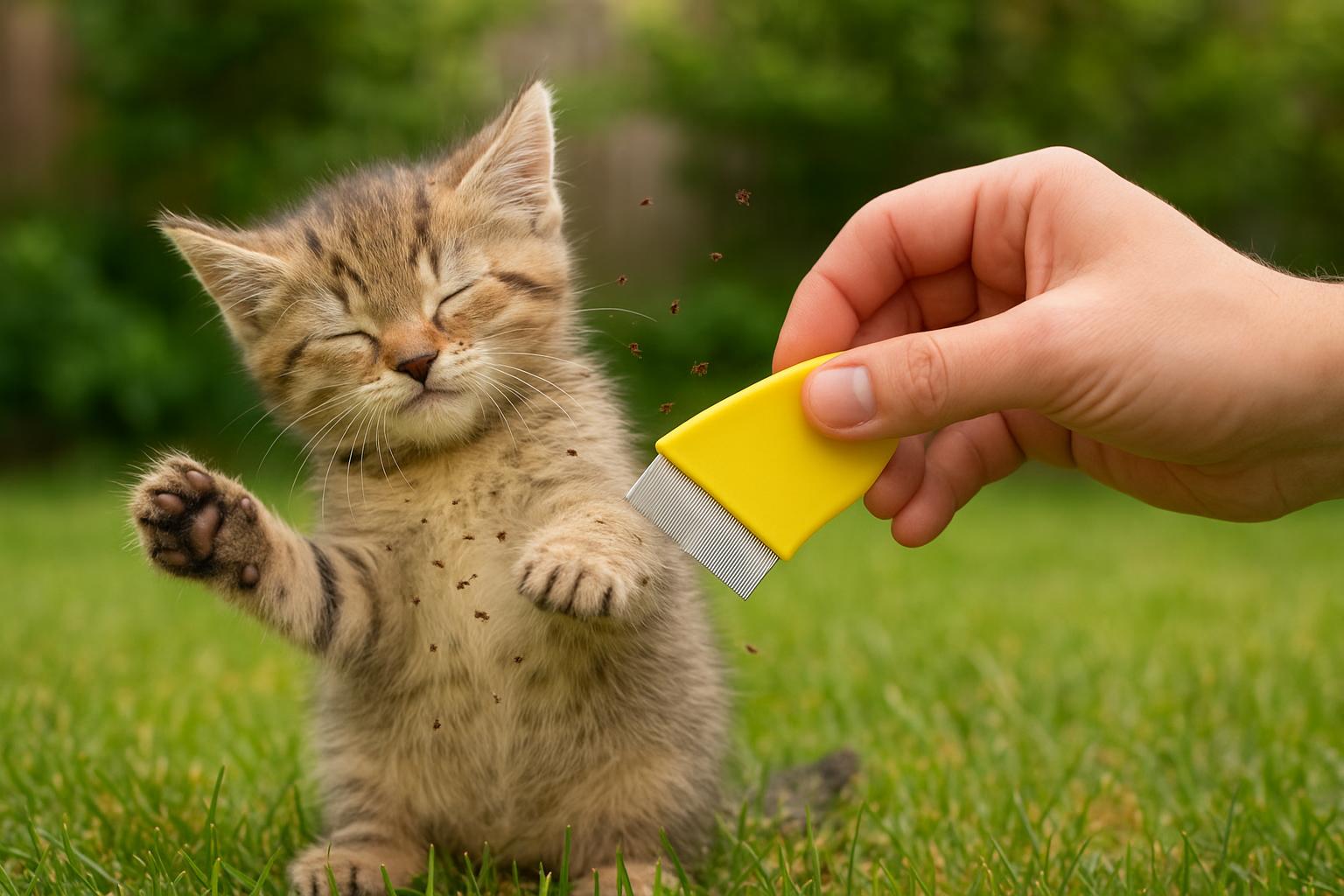
Look for excessive scratching, red or scabbed skin, tiny dark specks (flea dirt), and visible fleas moving through the coat. Pale gums in kittens or debilitated cats can indicate blood loss and require immediate veterinary care. Regular grooming checks help you catch problems early.
## 1. Apple Cider Vinegar Rinse (Gentle Bath Alternative)
This is a mild, cat-safe approach many guardians use as a preventive rinse rather than a full treatment for infestation. It can repel fleas by altering the scent profile of the fur and soothing irritated skin. When discussing remedies, it’s important to be precise and cautious: apple cider vinegar is not a replacement for veterinary flea medicine in heavy infestations, but it can be a supportive, calming measure for cats who tolerate it.
### Ingredients And Materials
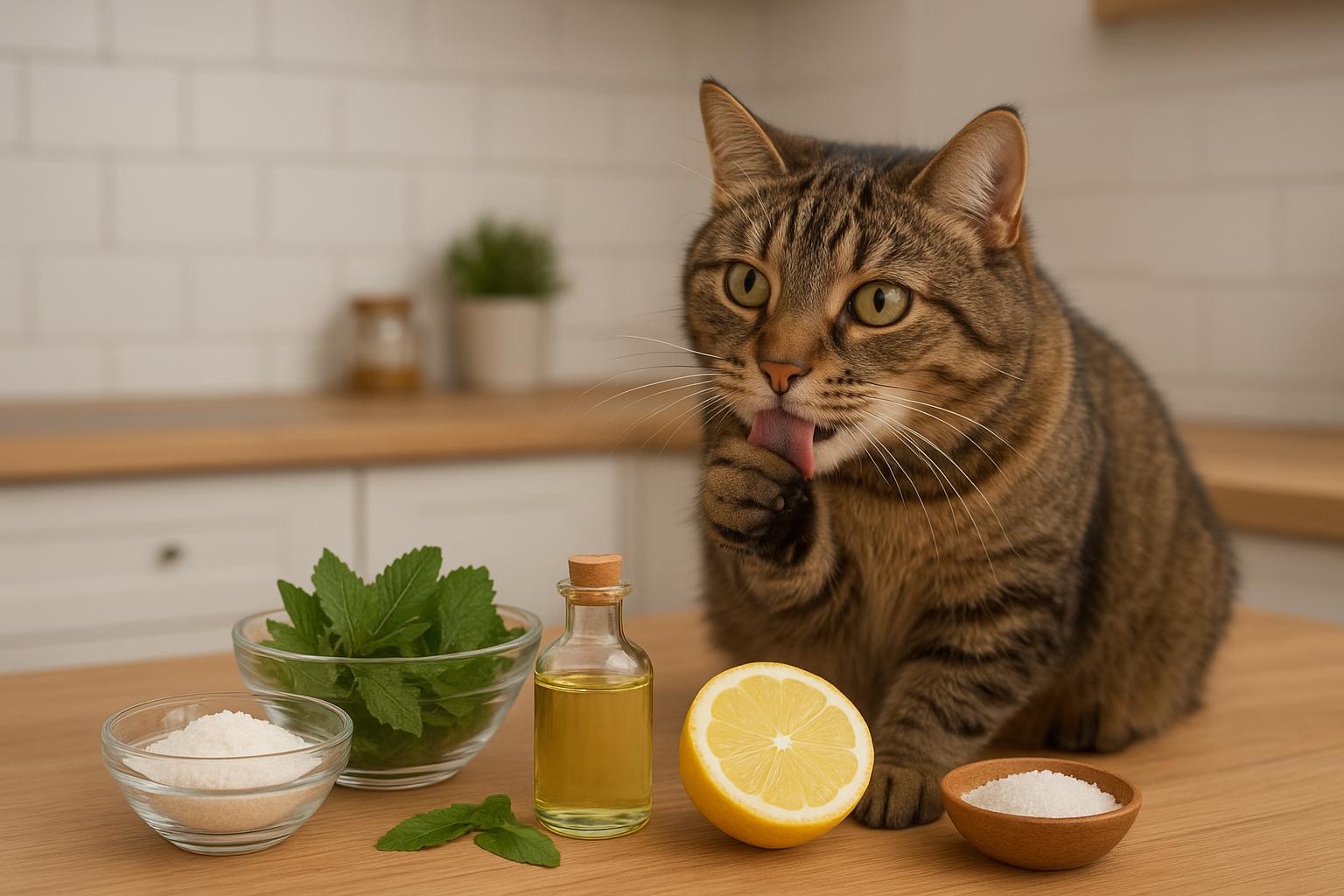
– 1 cup apple cider vinegar (raw, unfiltered preferred)
– 3 cups lukewarm water
– A clean basin or shallow tub
– A soft towel
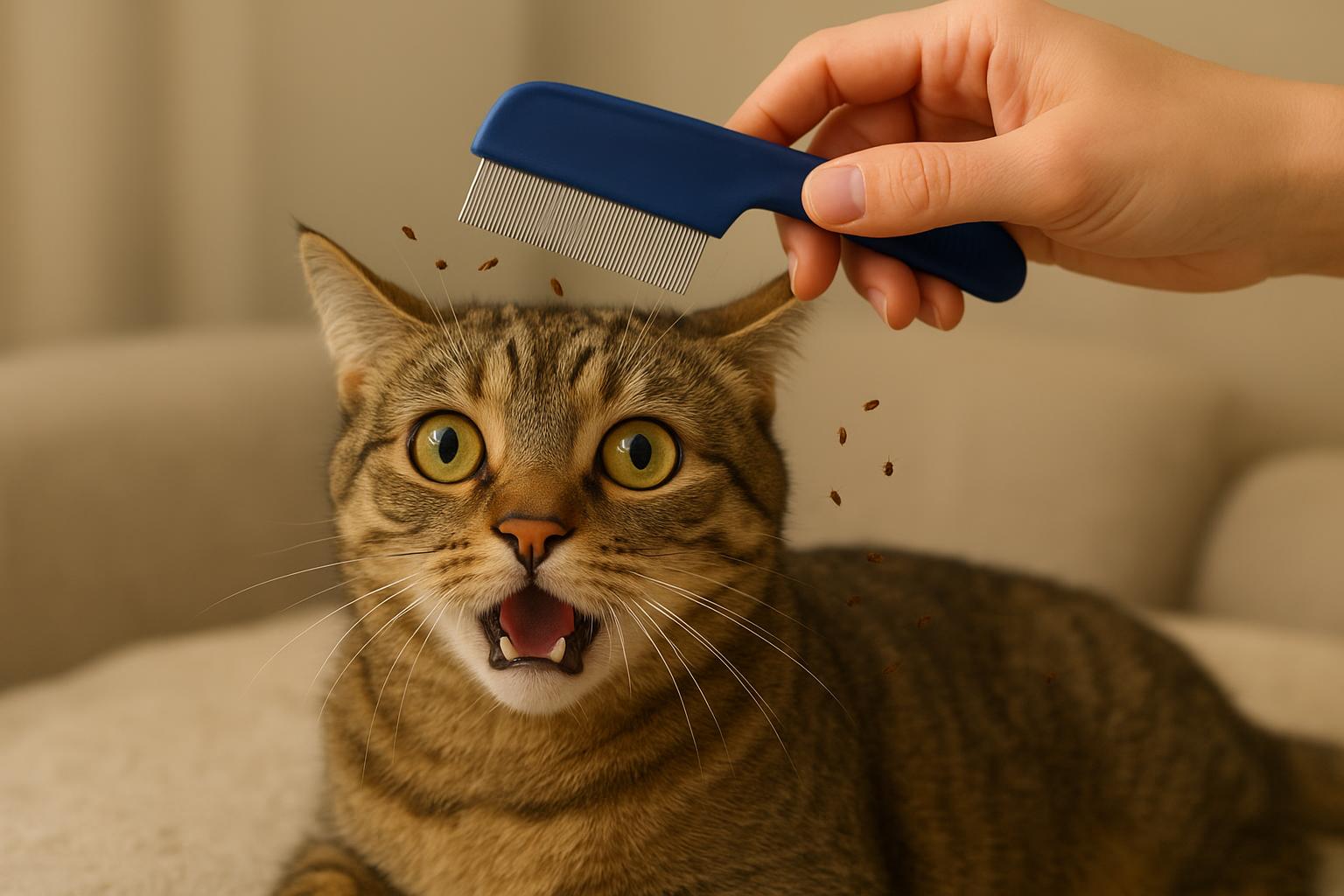
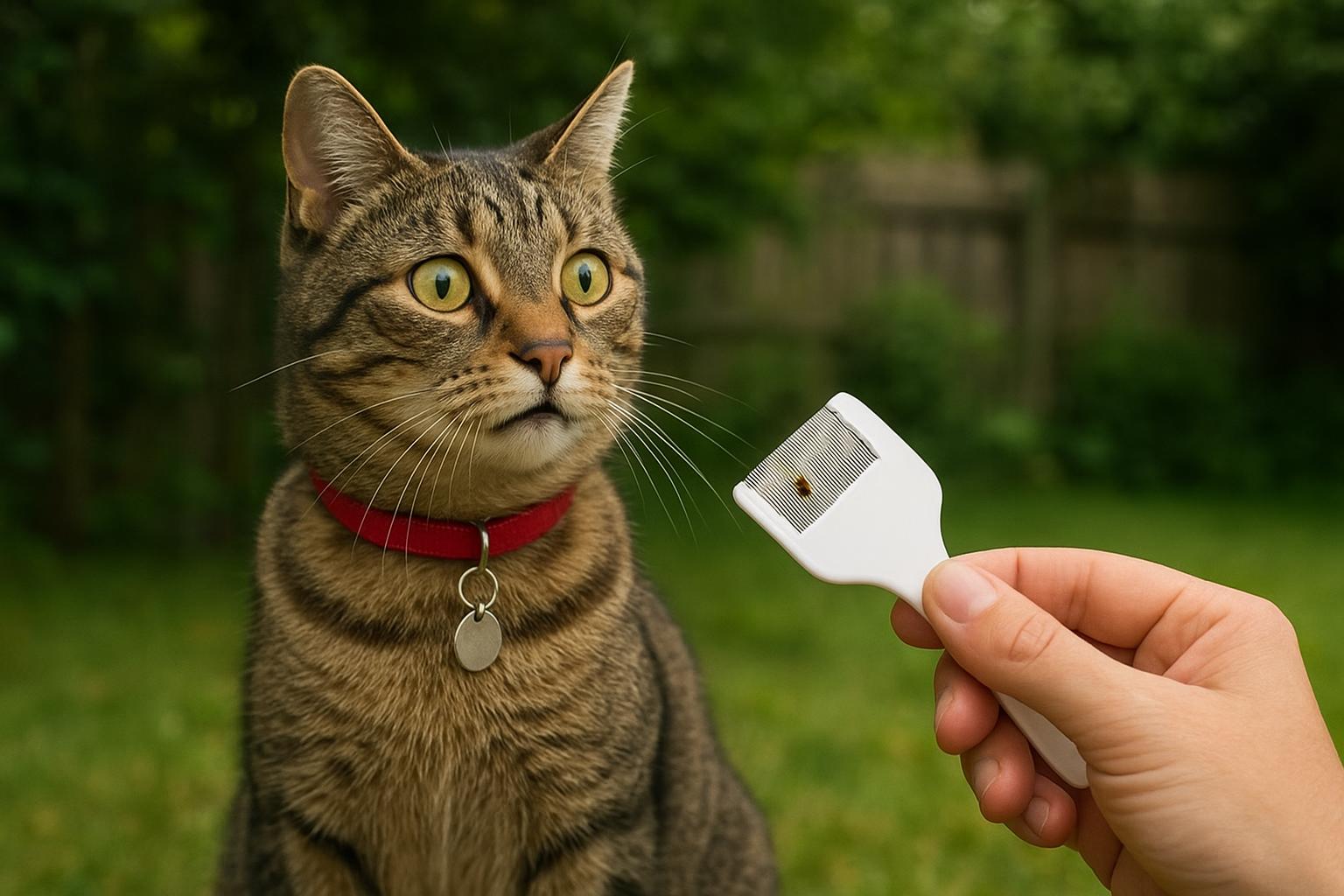
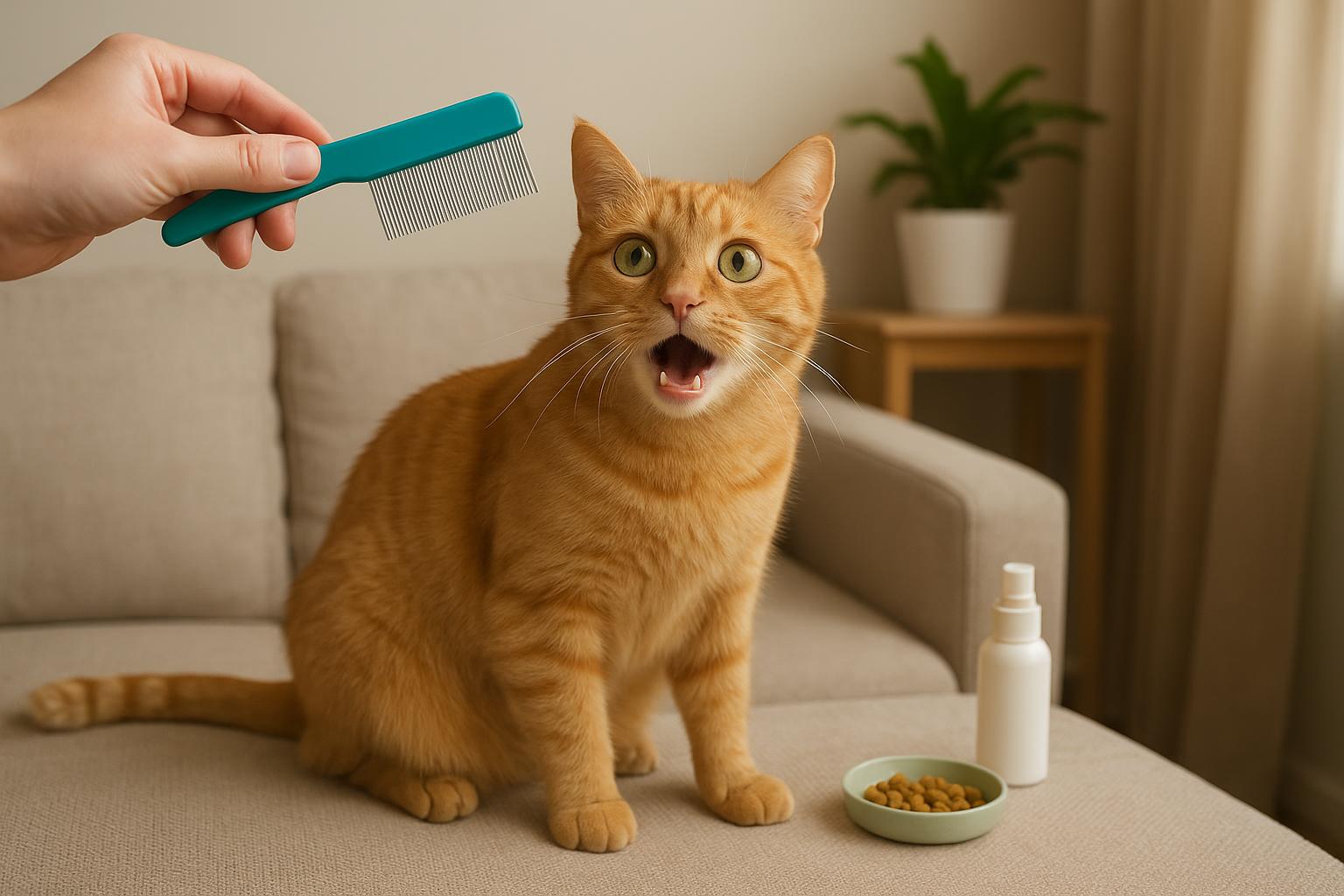
– A wide-toothed comb or flea comb
– A spray bottle (optional)
### Step-By-Step Creation And Application
1. Mix one part apple cider vinegar to three parts lukewarm water in a clean container. Stir gently.
2. Before applying anything new to your cat, test a small patch of skin. Apply a tiny dab to the inner thigh area and wait 20–30 minutes. If you see redness, swelling, or signs of discomfort, discontinue use and consult your veterinarian.
3. For a full-body rinse: gently wet the cat with lukewarm water, avoiding the head. Pour the diluted apple cider vinegar over the coat, massaging lightly to reach the skin. Do not allow the solution to enter the eyes, nose, or mouth.
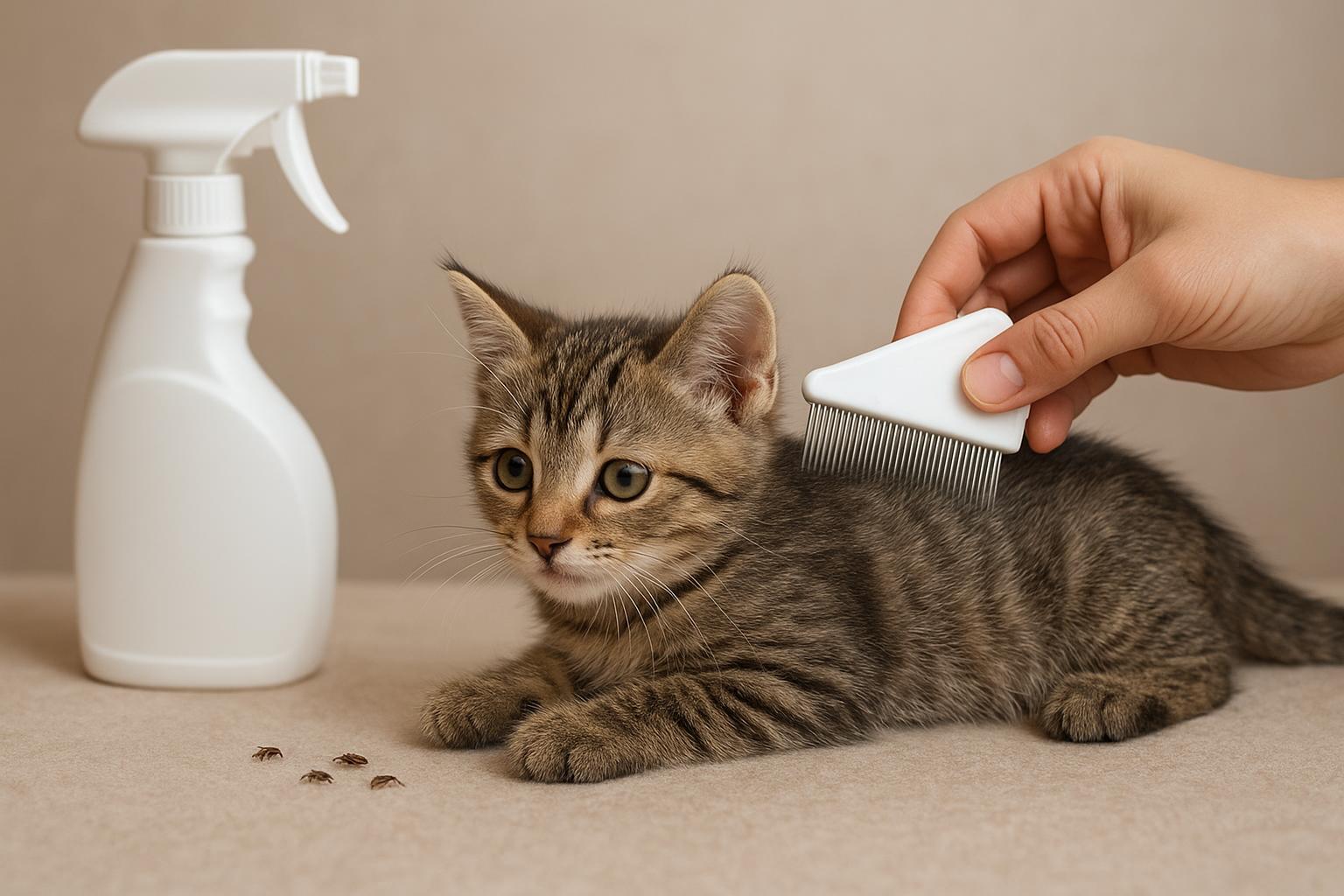
4. Leave the rinse on for 1–2 minutes, then rinse lightly with plain water and dry with a towel. Comb through the fur with a flea comb to remove any loose debris and dead fleas.
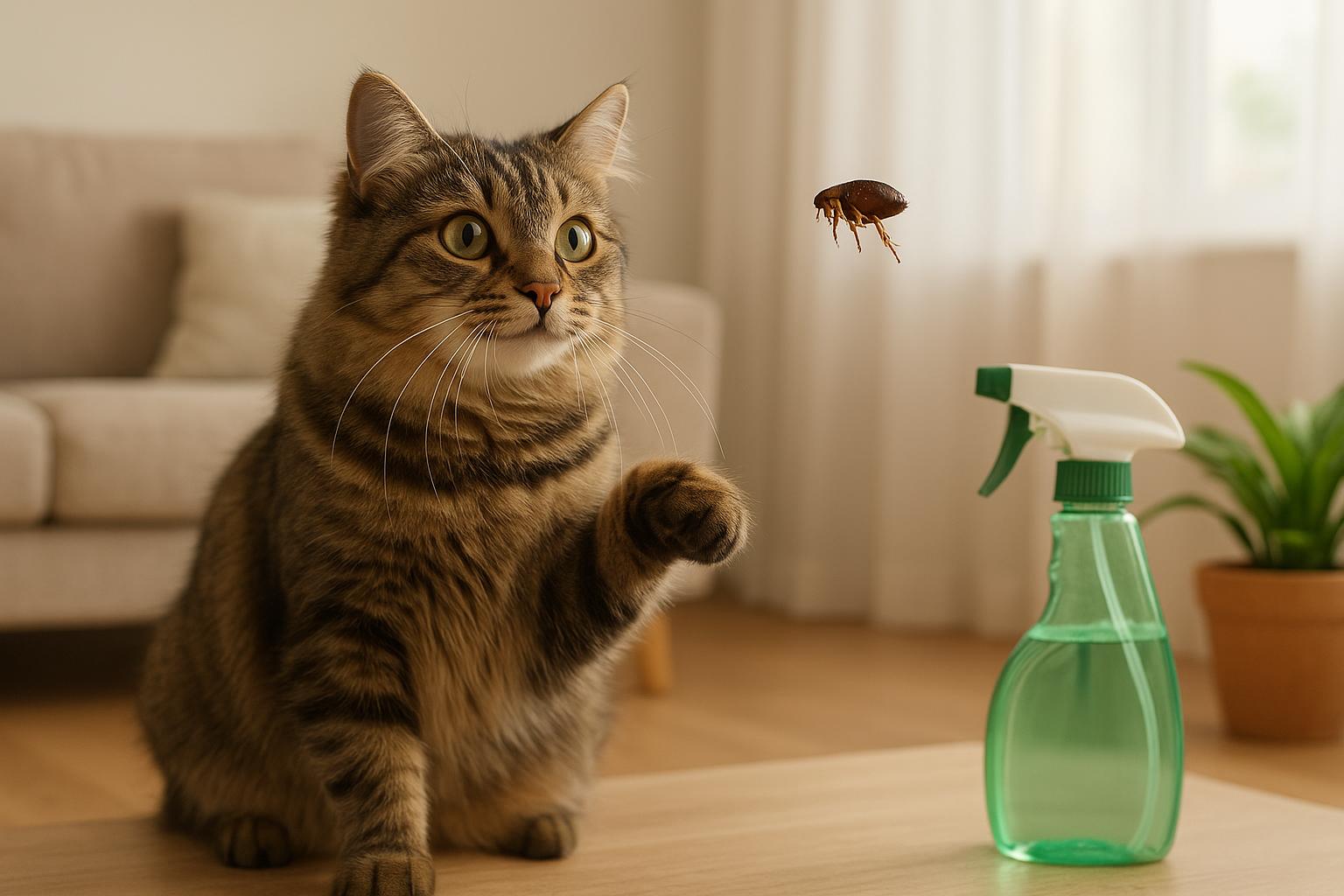
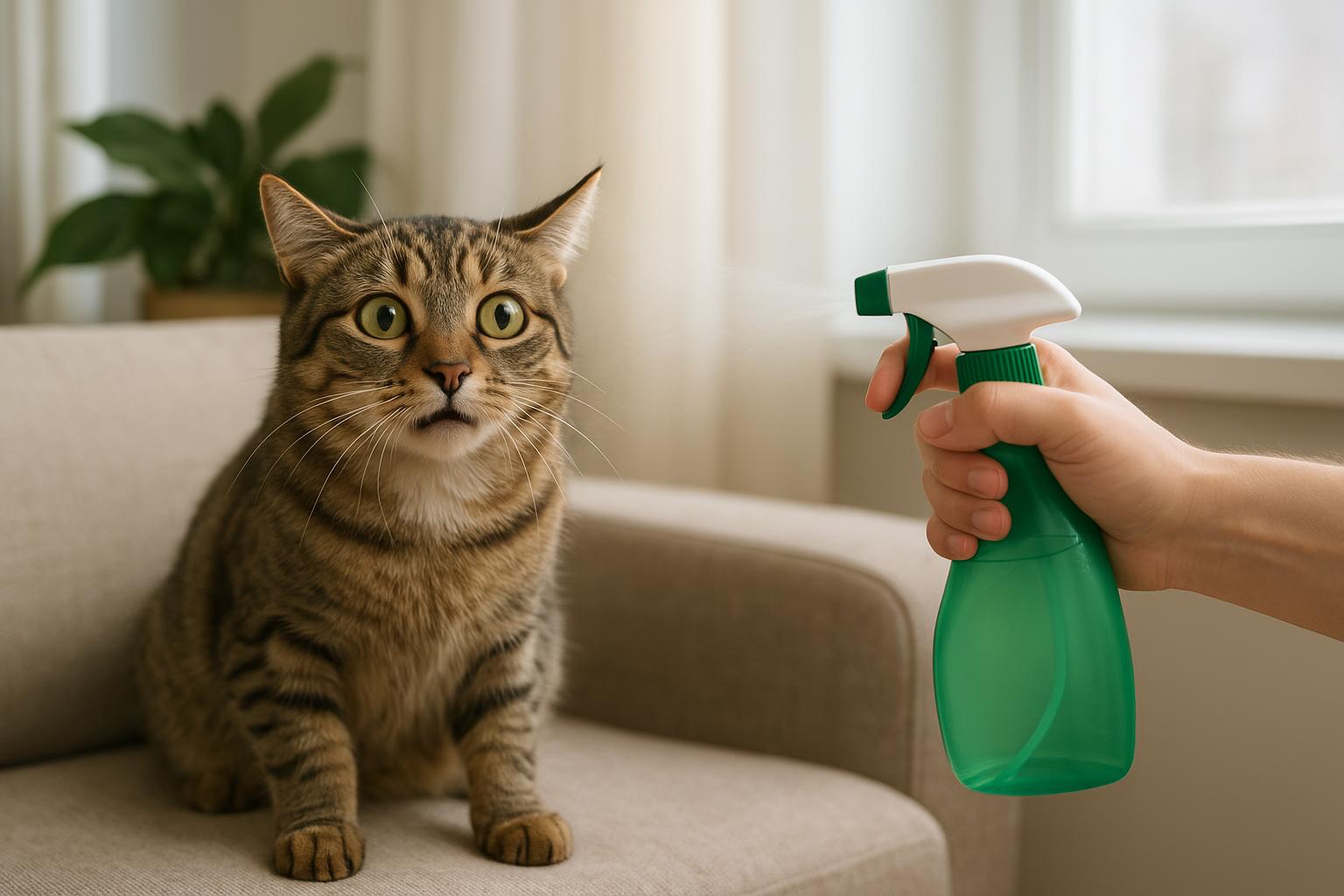
5. For a maintenance spray: transfer the mixture to a spray bottle, and lightly mist the cat’s coat avoiding face and any open wounds. Use sparingly and only if your cat tolerates it.
#### Safety Notes
– Never use undiluted vinegar on a cat’s skin.
– Do not apply to kittens under 12 weeks, pregnant cats, or animals with compromised skin without veterinary approval.
– If a heavy infestation is present, seek veterinary-recommended topical or oral treatments rather than relying solely on home remedies.
## 2. Diatomaceous Earth Dusting (Indoor And Outdoor Use)
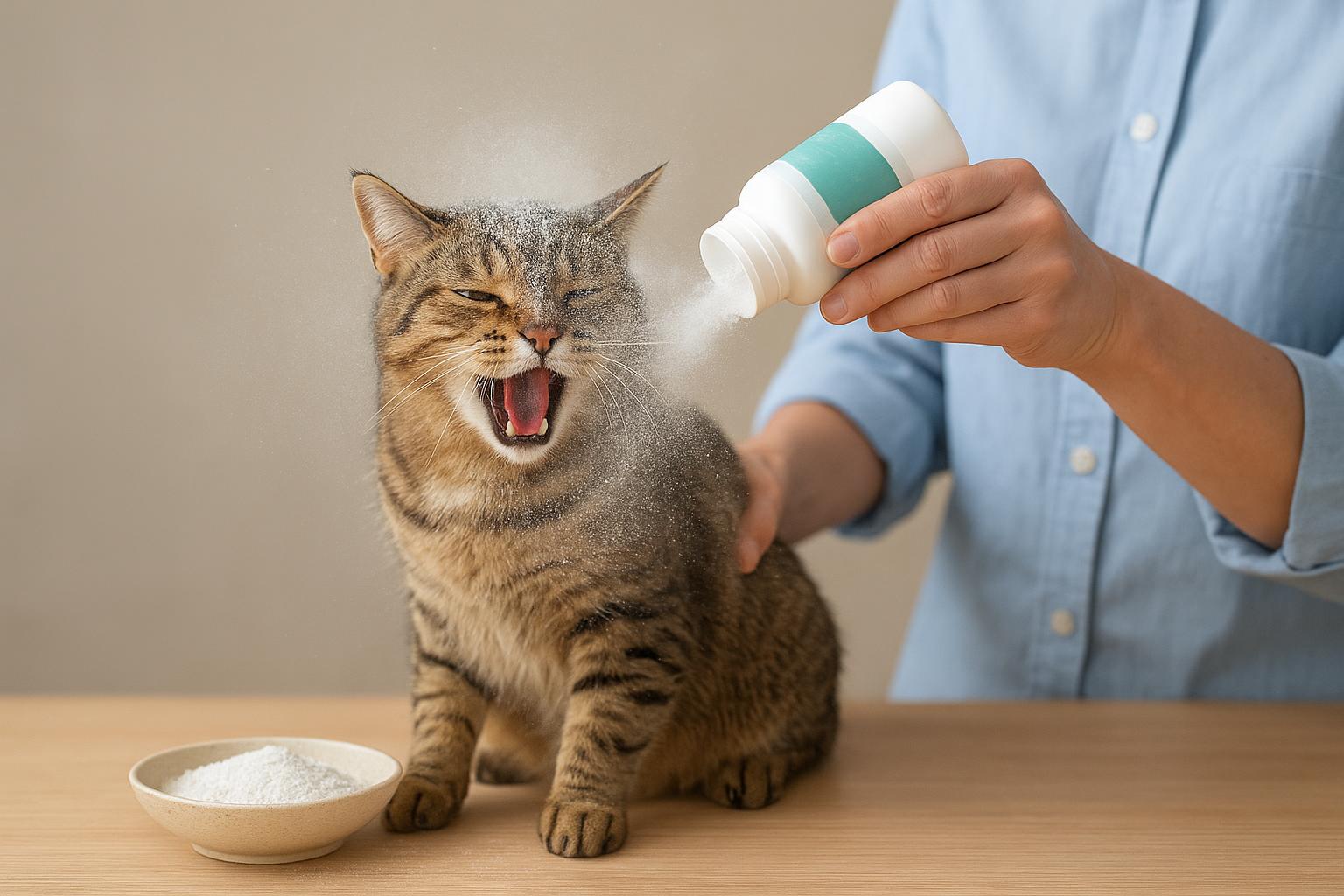
Diatomaceous earth (DE) is a desiccant made from fossilized algae. It works mechanically by abrading the waxy outer layer of insects and causing them to dehydrate. When used correctly, food-grade DE can be an effective environmental control against fleas. Formal handling and methodical application matter to ensure safety for people and pets.
### Ingredients And Materials
– Food-grade diatomaceous earth (not pool-grade)
– A dust applicator or sieve
– Gloves and a dust mask
– A broom and dustpan or vacuum with a HEPA filter
– A hand-held flea comb
– Disposable gloves for cleanup
### Step-By-Step Creation And Application
1. Select food-grade diatomaceous earth; pool-grade is chemically treated and unsafe for pets.
2. Put on gloves and a dust mask to avoid inhalation. DE is an irritant to lungs and mucous membranes when airborne.
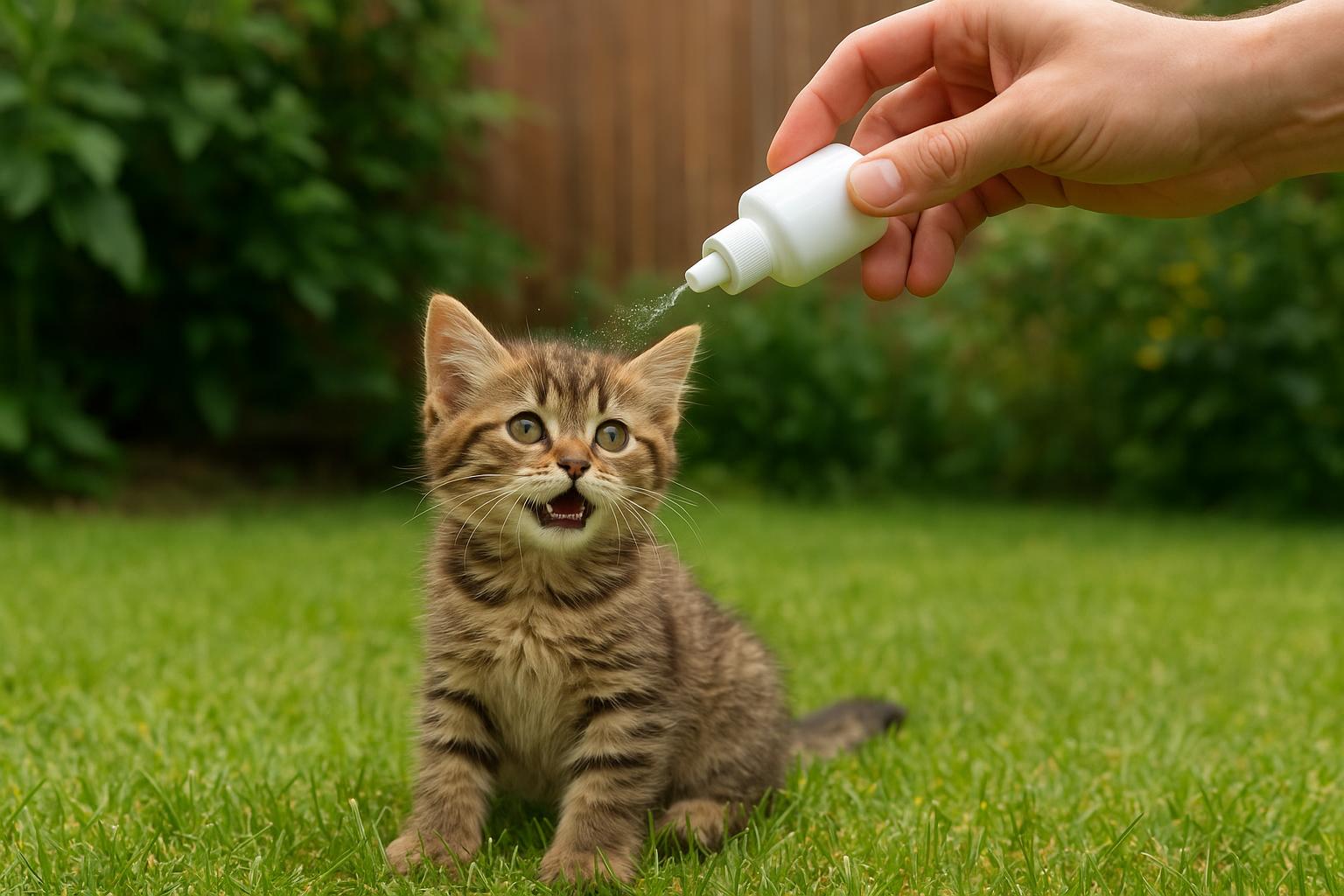
3. Lightly dust carpets, pet bedding, baseboards, and upholstered furniture by shaking a small amount into a dust applicator or sieve and dispersing evenly. For outdoor areas, apply to shaded, dry parts of the yard where pets rest.
4. Allow the DE to sit for 48–72 hours; avoid allowing the cat to lie directly on heavily dusted areas during this time. Consider temporarily relocating bedding.
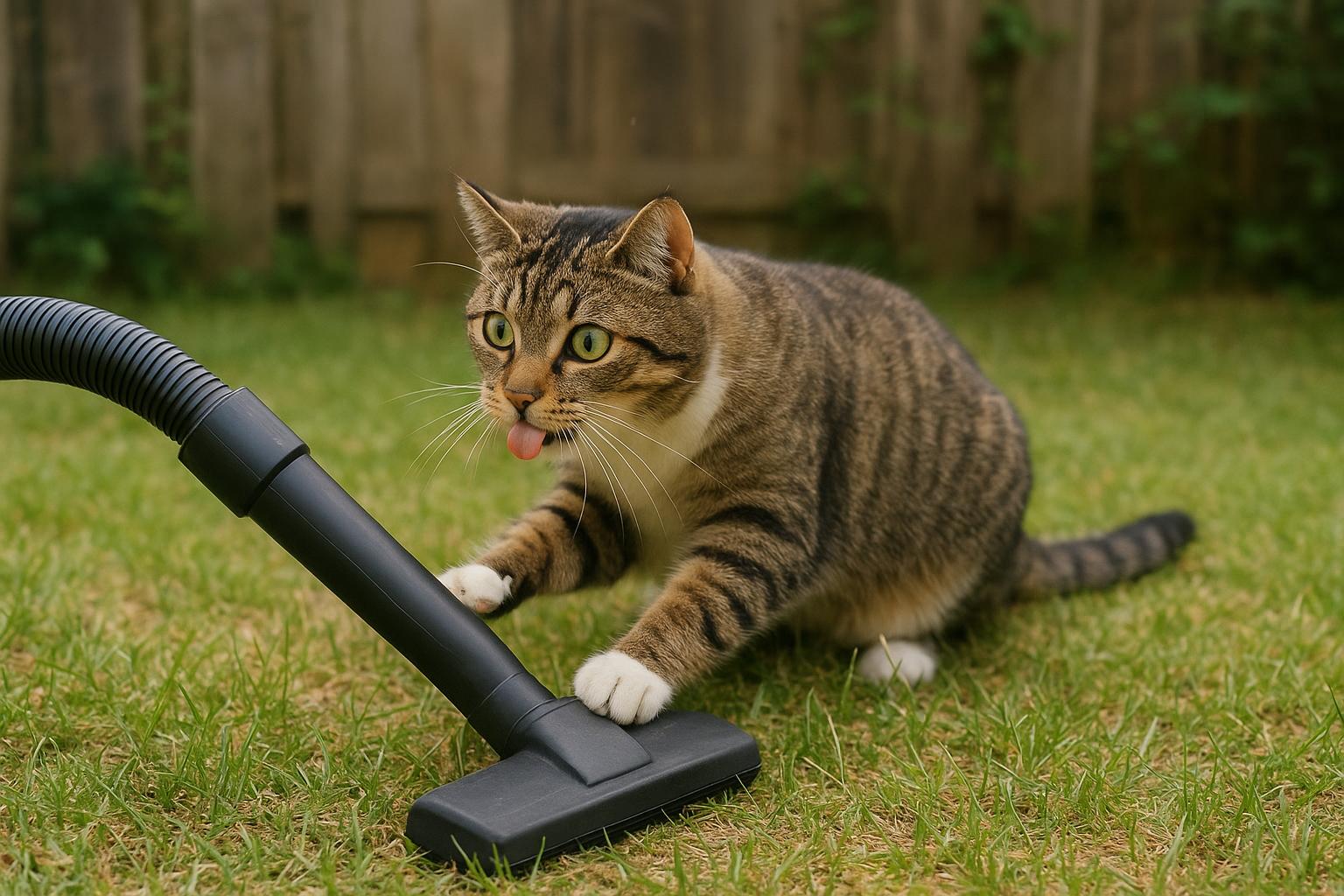
5. After the exposure period, vacuum thoroughly with a HEPA-filter vacuum. Seal and dispose of vacuum bag or empty canister contents outdoors.
6. Reapply every 7–10 days for 3–4 weeks to break the flea life cycle. DE is most effective in dry environments; it loses efficacy when wet.
#### Safety Notes
– Use only food-grade diatomaceous earth. Keep away from the nose and eyes.
– Do not over-apply; a light dusting is sufficient.
– Pregnant people, infants, and anyone with respiratory issues should avoid handling DE.
### Veterinary Treatments And When They’re Needed
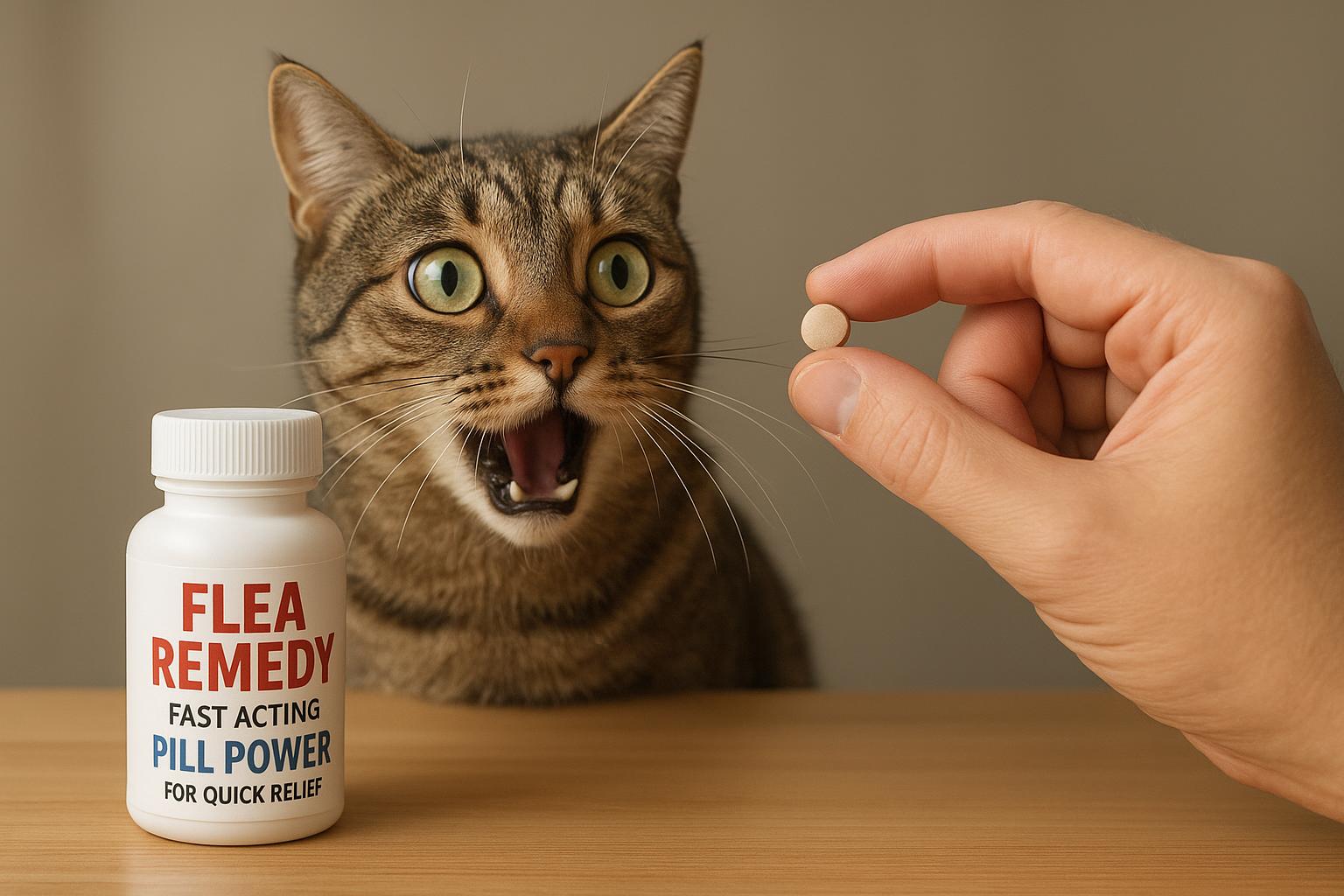
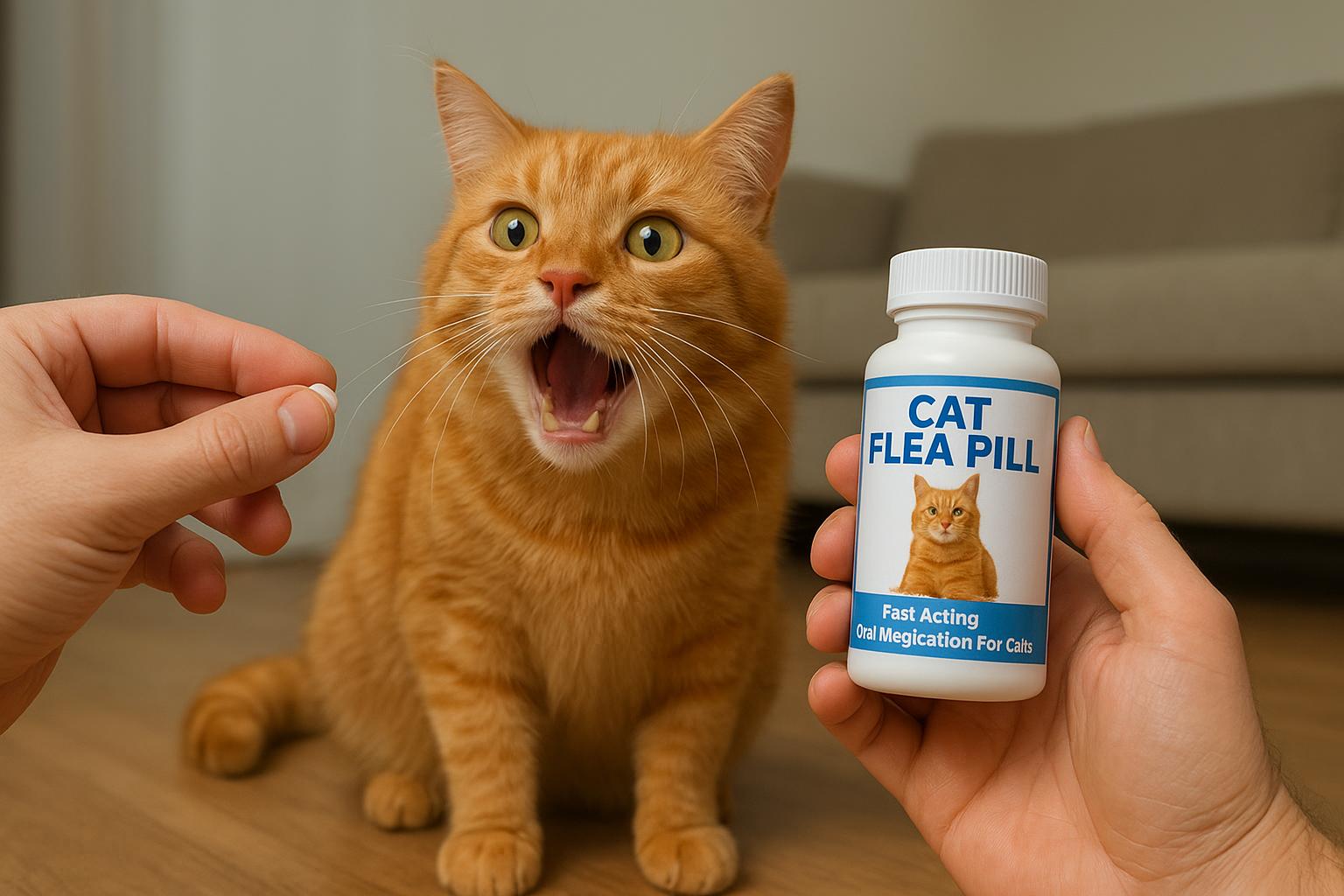
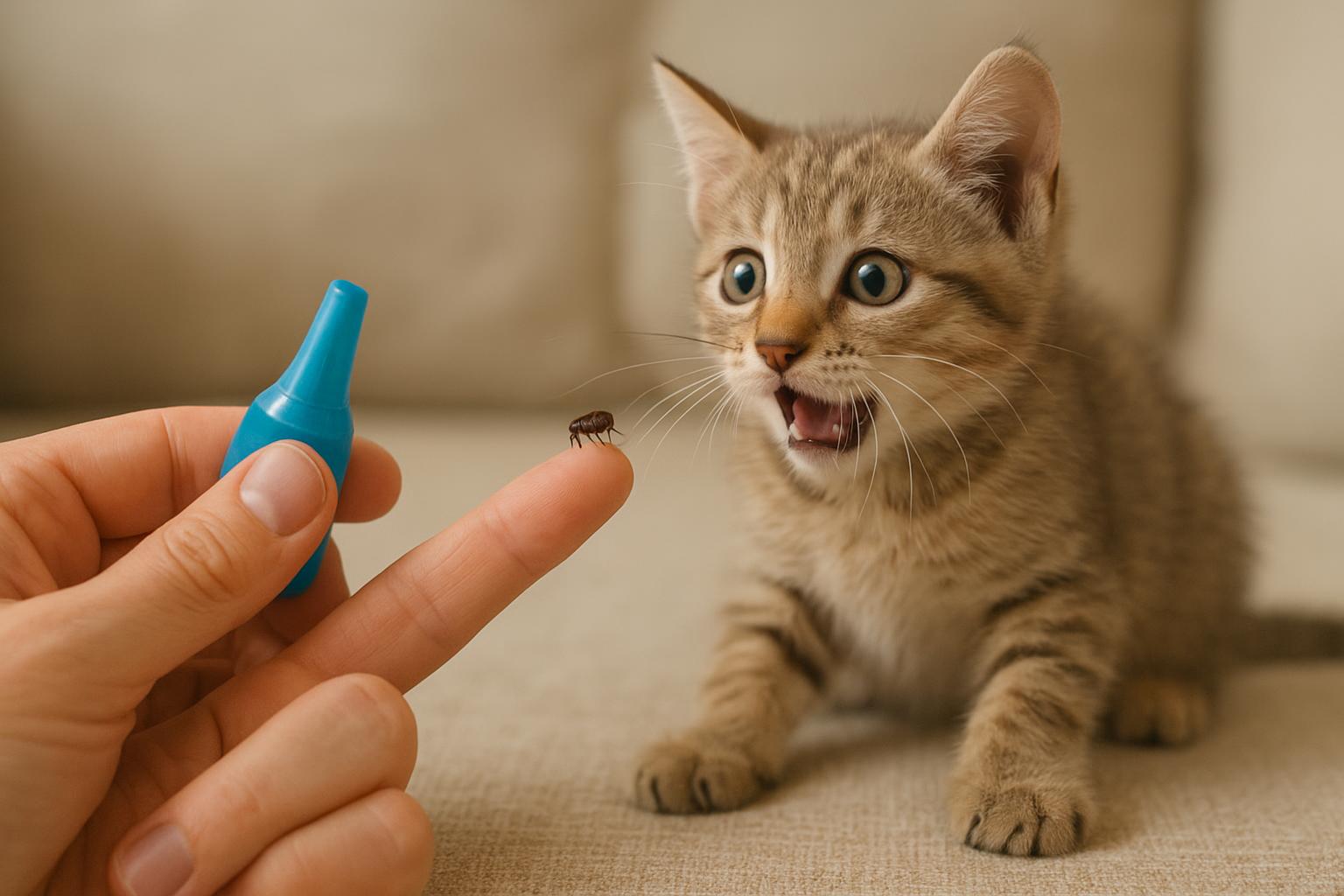
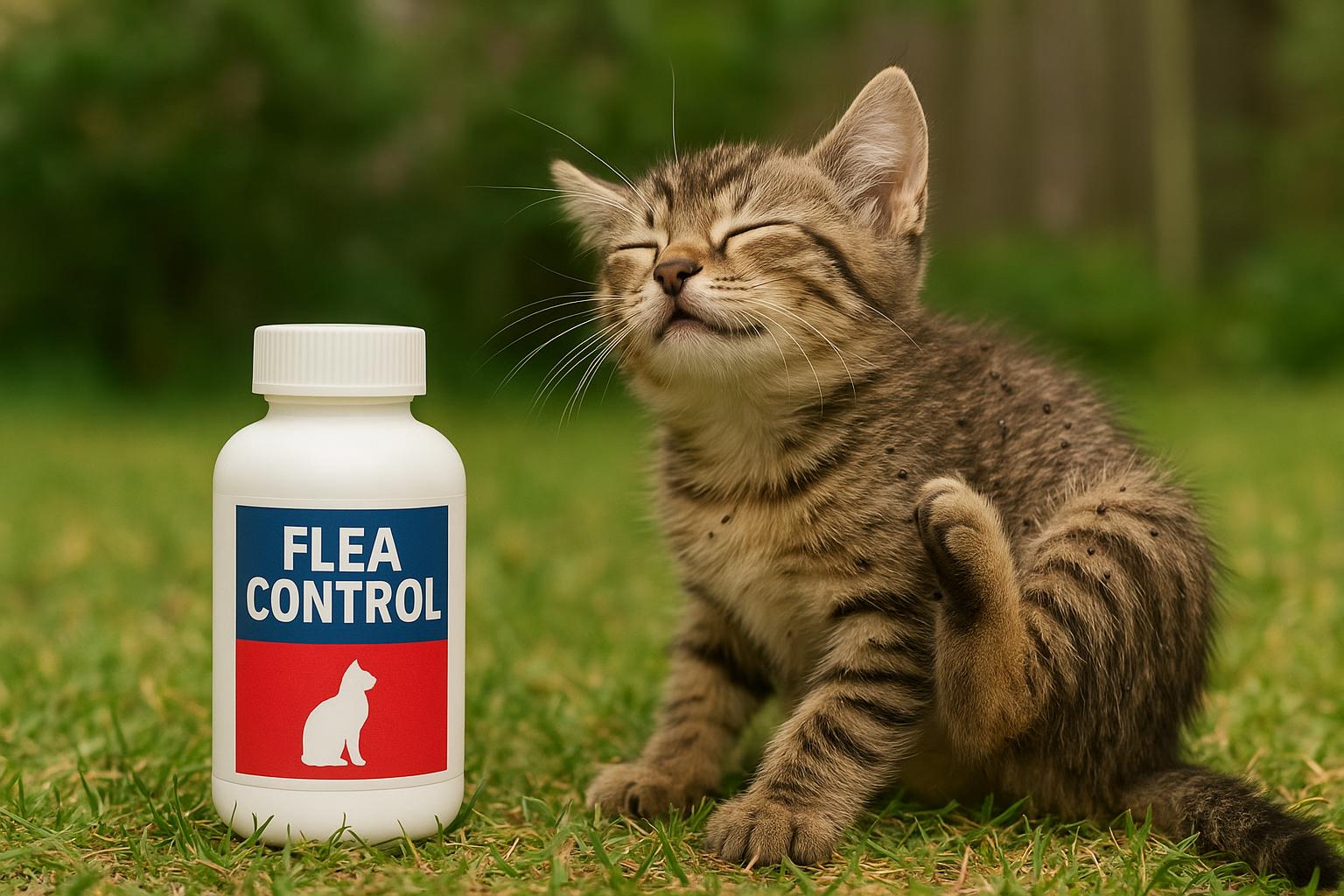
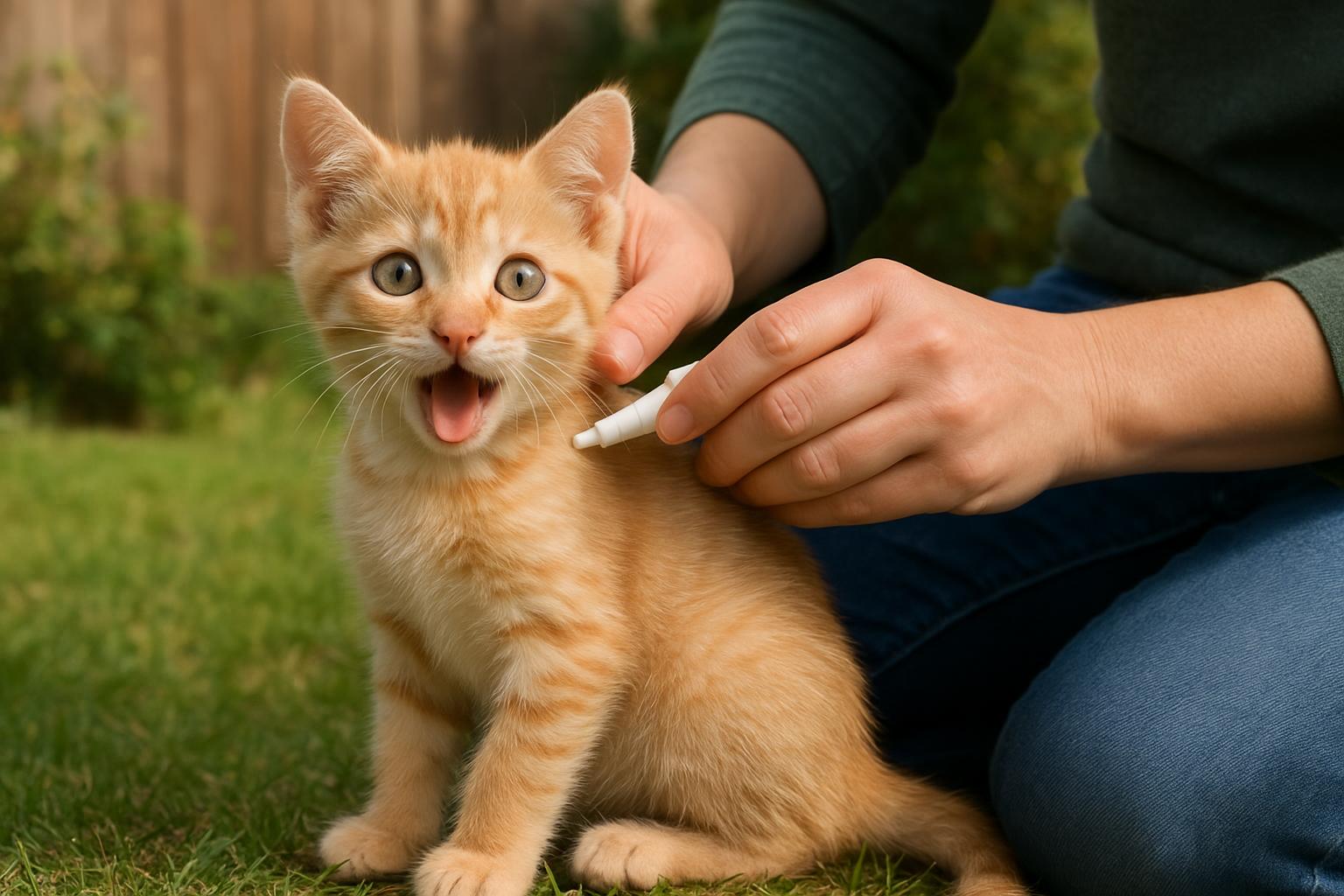
Natural tools can prevent and reduce flea pressure, but heavy infestations, allergic dermatitis, or flea-borne illnesses demand veterinary intervention. Approved topical and oral flea preventives are scientifically proven for safety and effectiveness and should be used per label instructions. Discuss your cat’s health status, age, and lifestyle with your veterinarian to choose the right product.
### Household Habits To Keep Fleas At Bay
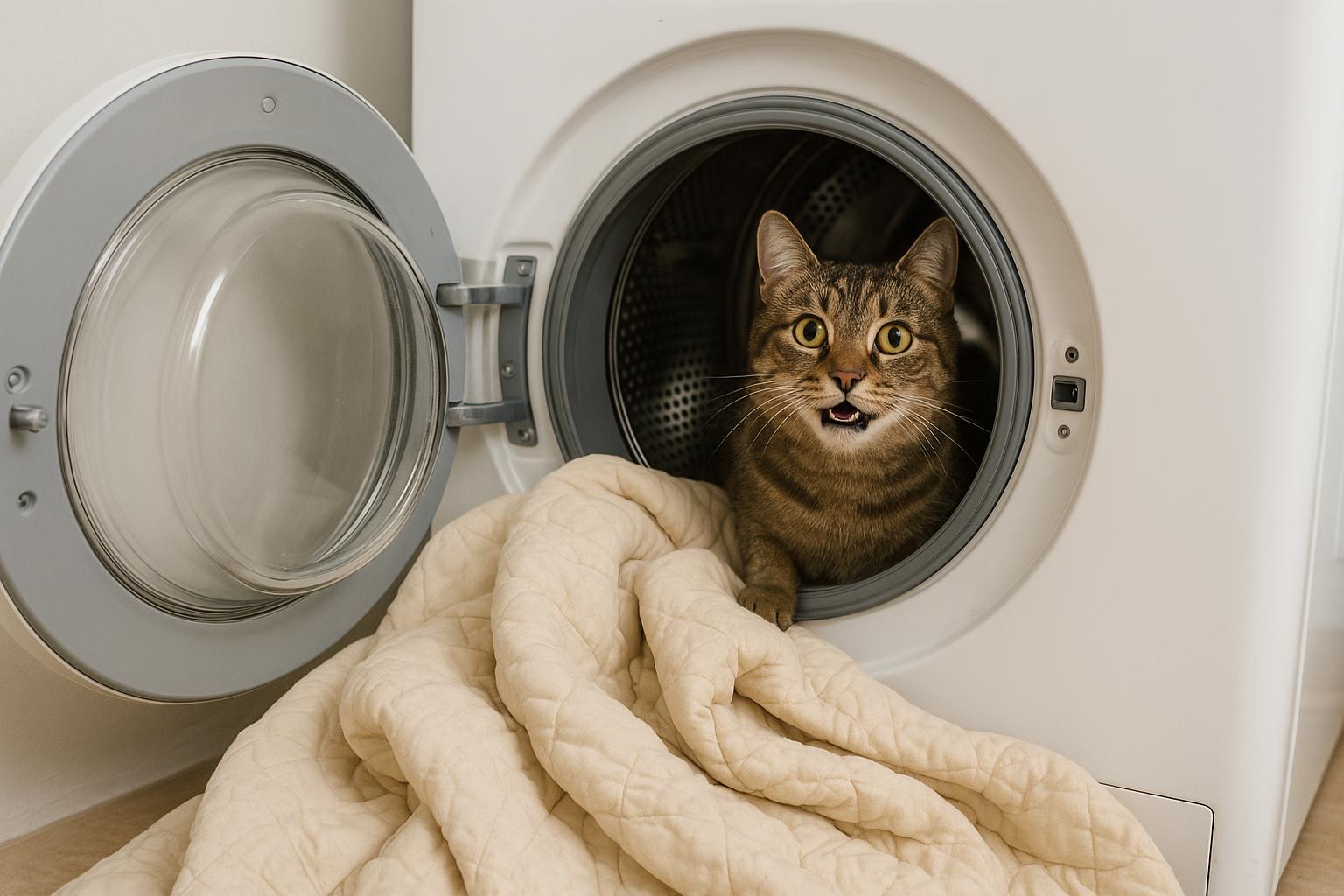
Consistency is where natural prevention shines. Regular routines reduce habitat and opportunity for flea life stages to thrive. Grooming with a flea comb, washing bedding in hot water weekly, and maintaining lawn areas where your cat spends time will lower the odds of an outbreak. When your cat returns from outdoors, a quick comb-through is a friendly habit that helps you catch pests early.
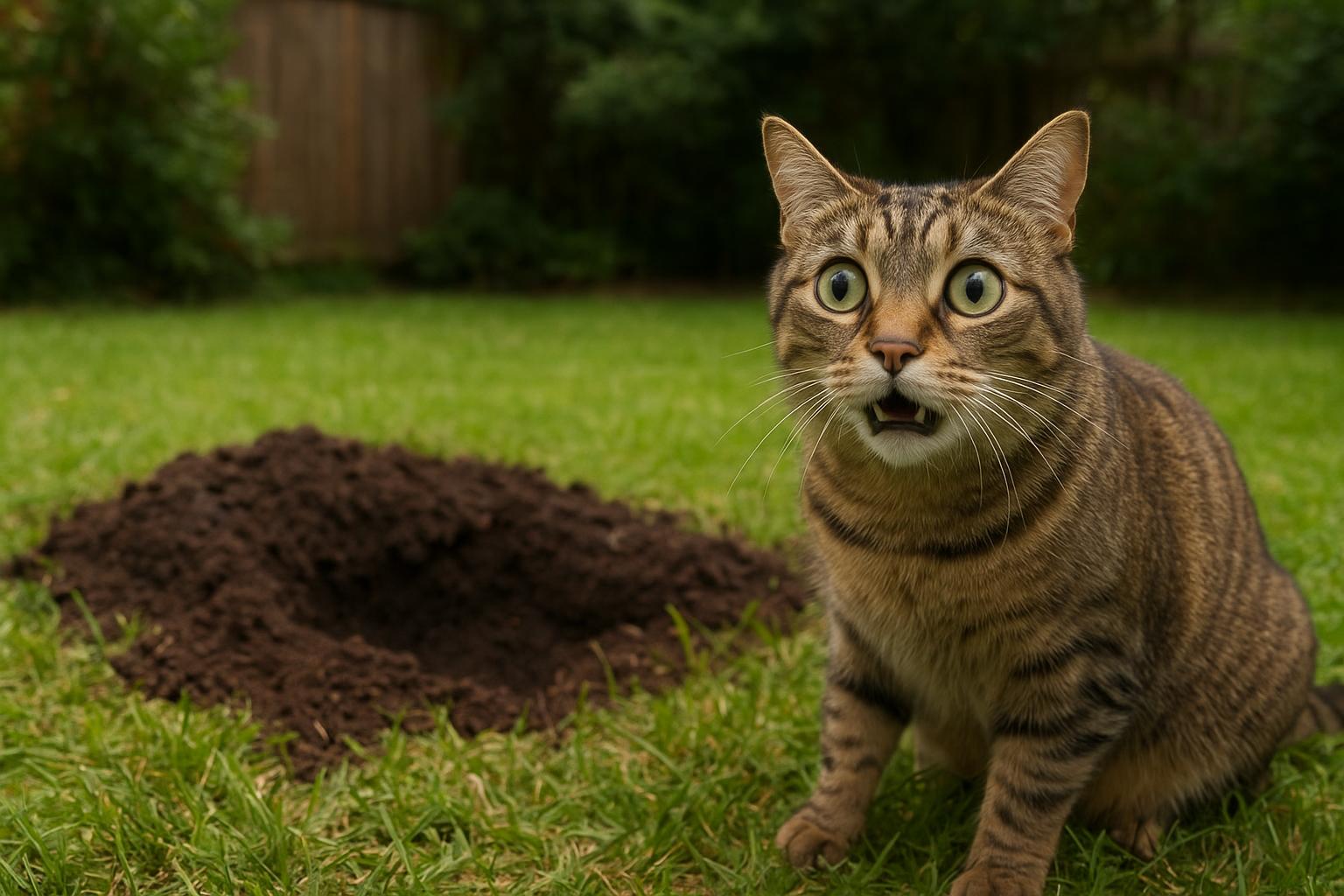
### Yard And Outdoor Strategies
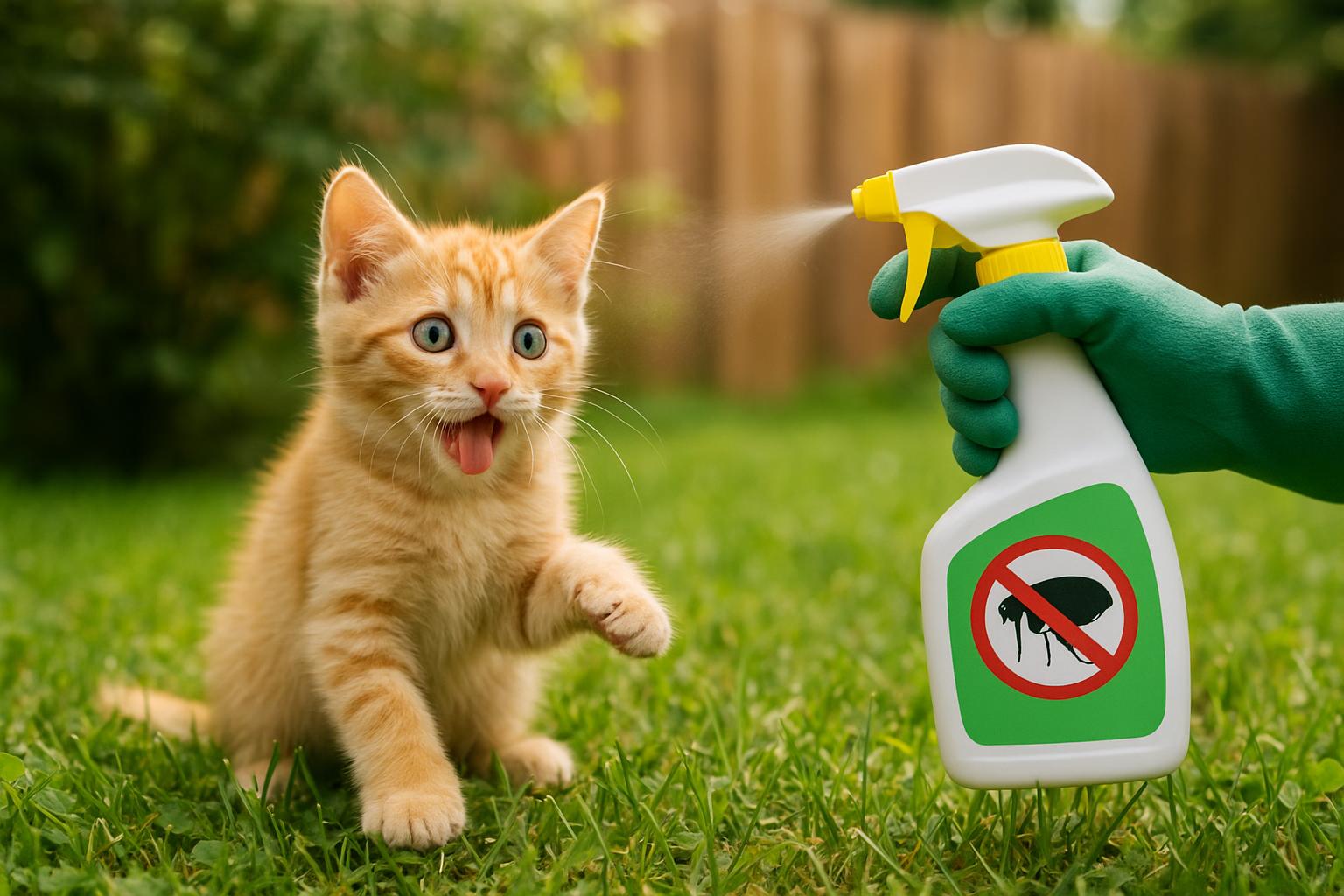
Fleas favor shaded, humid spots. Trim vegetation, remove leaf litter, and let sunshine into resting areas. Encourage beneficial predators like chickens in suitable settings (they eat fleas), or consider nematodes (Steinernema carpocapsae) for biological control in the soil of heavily infested yards. Always follow label directions and consult local regulations for biological agents.
### Integrating Natural And Veterinary Approaches
Think of natural methods as part of an integrated pest-management plan: environmental controls (cleaning, DE, yard maintenance), topical or oral veterinary preventives when warranted, and regular monitoring through combing and inspections. A combined approach reduces reliance on one method and offers layered protection.
### Practical Tips For Sensitive Or Indoor Cats
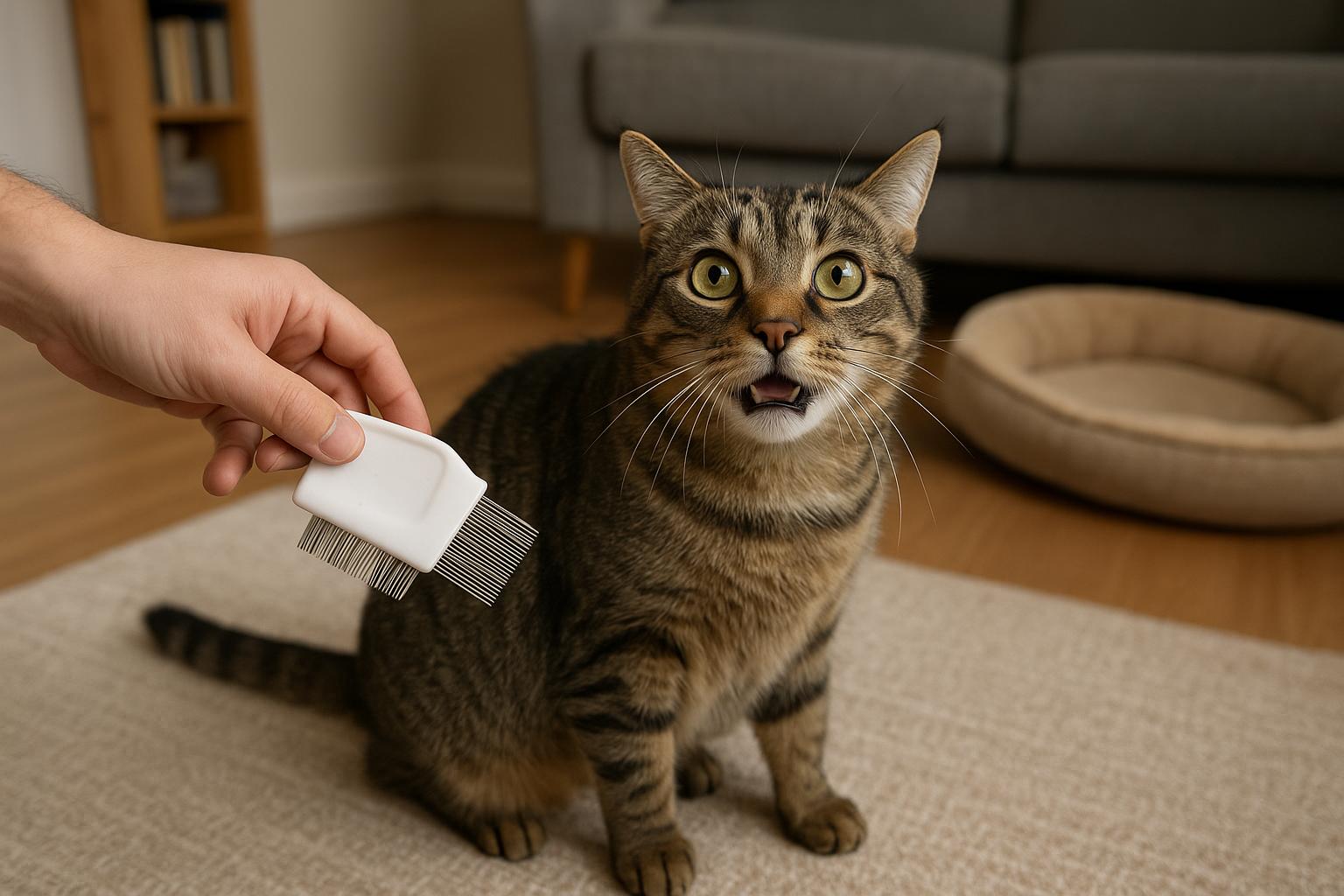
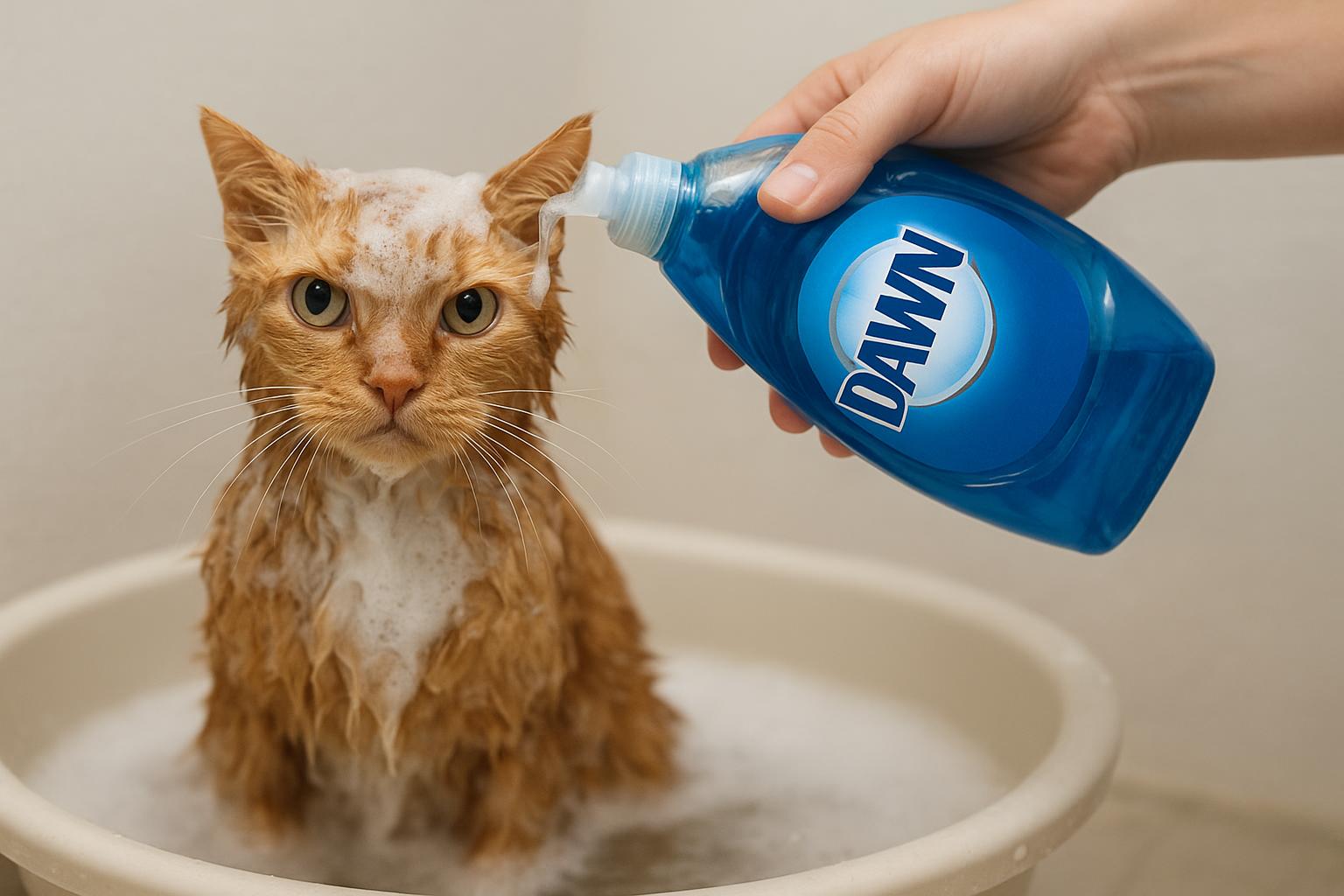
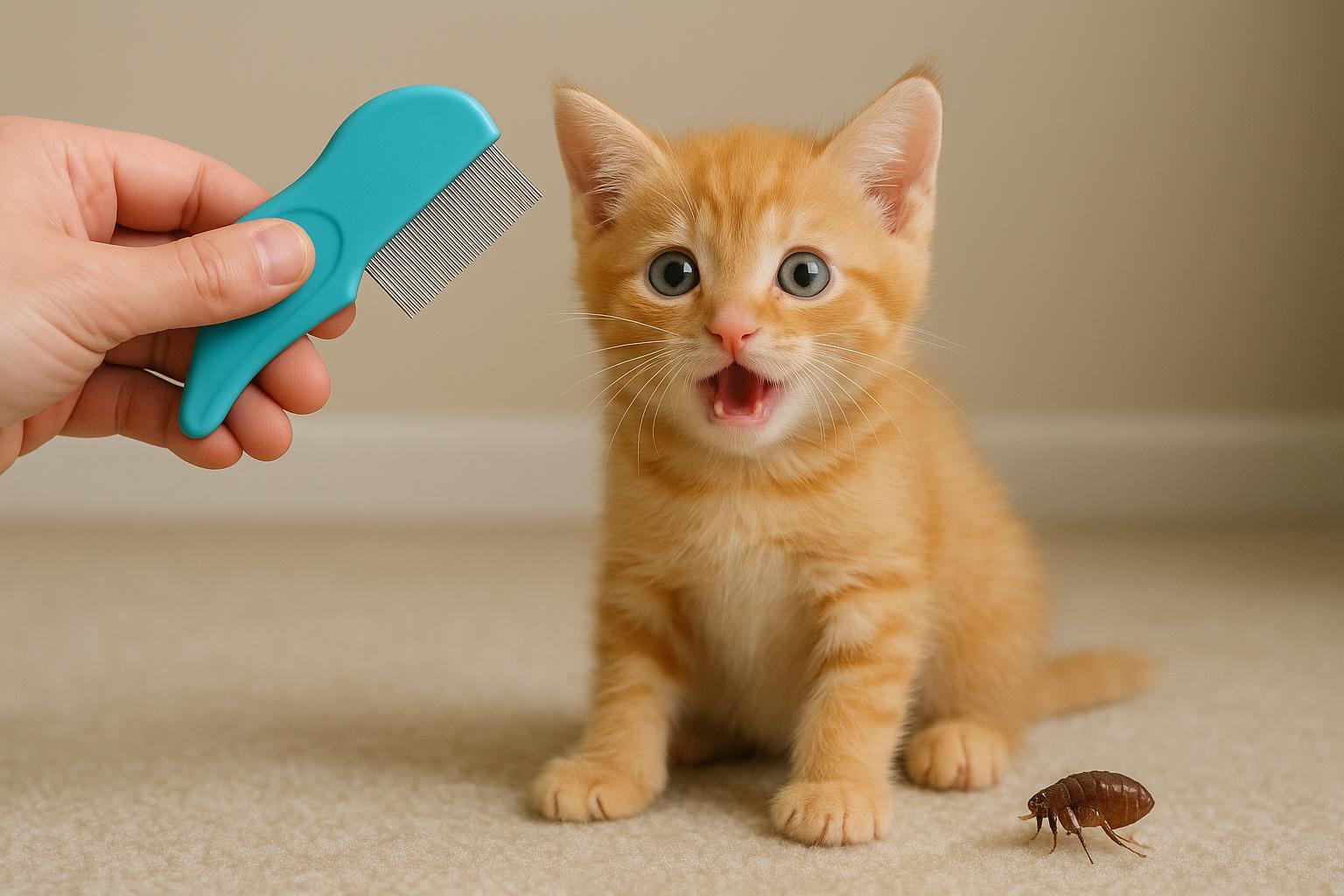
Some cats are sensitive to baths or sprays. For these animals, frequent combing and environmental cleaning are the best friendly options. Use a flea comb over a white towel to monitor and remove fleas; dispose of any captured fleas by drowning them in soapy water. For indoor-only cats, focus on bedding hygiene and vacuuming cracks where flea eggs may hide.
### When Natural Measures Aren’t Enough
If you find dozens of fleas, see worsening skin conditions, or notice lethargy or anemia signs in a kitten, escalate to professional treatment promptly. Professional extermination may be needed for severe home infestations; vets can prescribe safe, fast-acting medications for the pet while environmental measures clear the household.
Treating and preventing cat fleas naturally requires patience, consistency, and a little detective work. With friendly routines, periodic environmental treatments, and collaboration with your veterinarian, you can keep your cat comfortable and your home a flea-unfriendly zone — without turning into a lab-coated pest technician.





Leave a Reply