
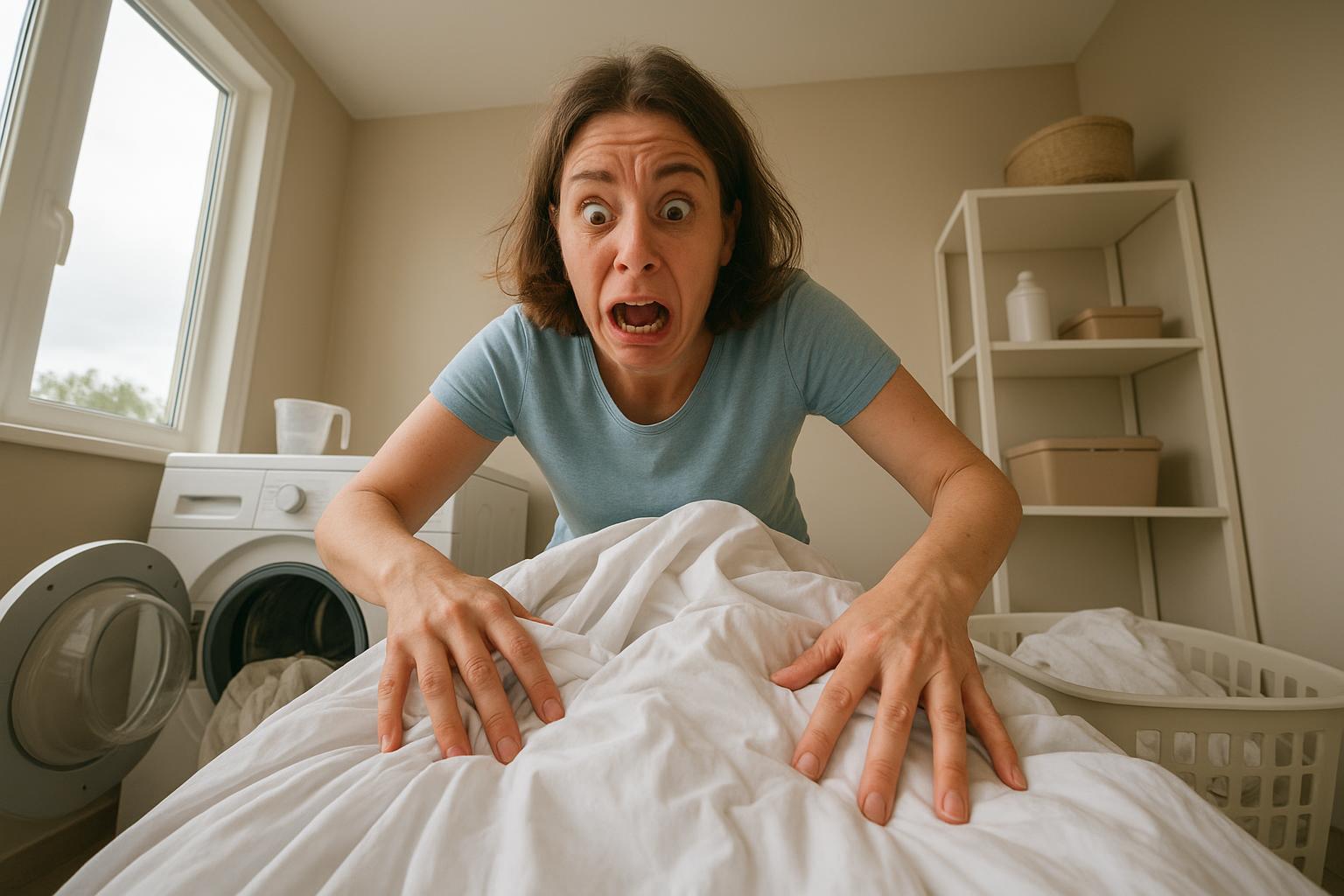
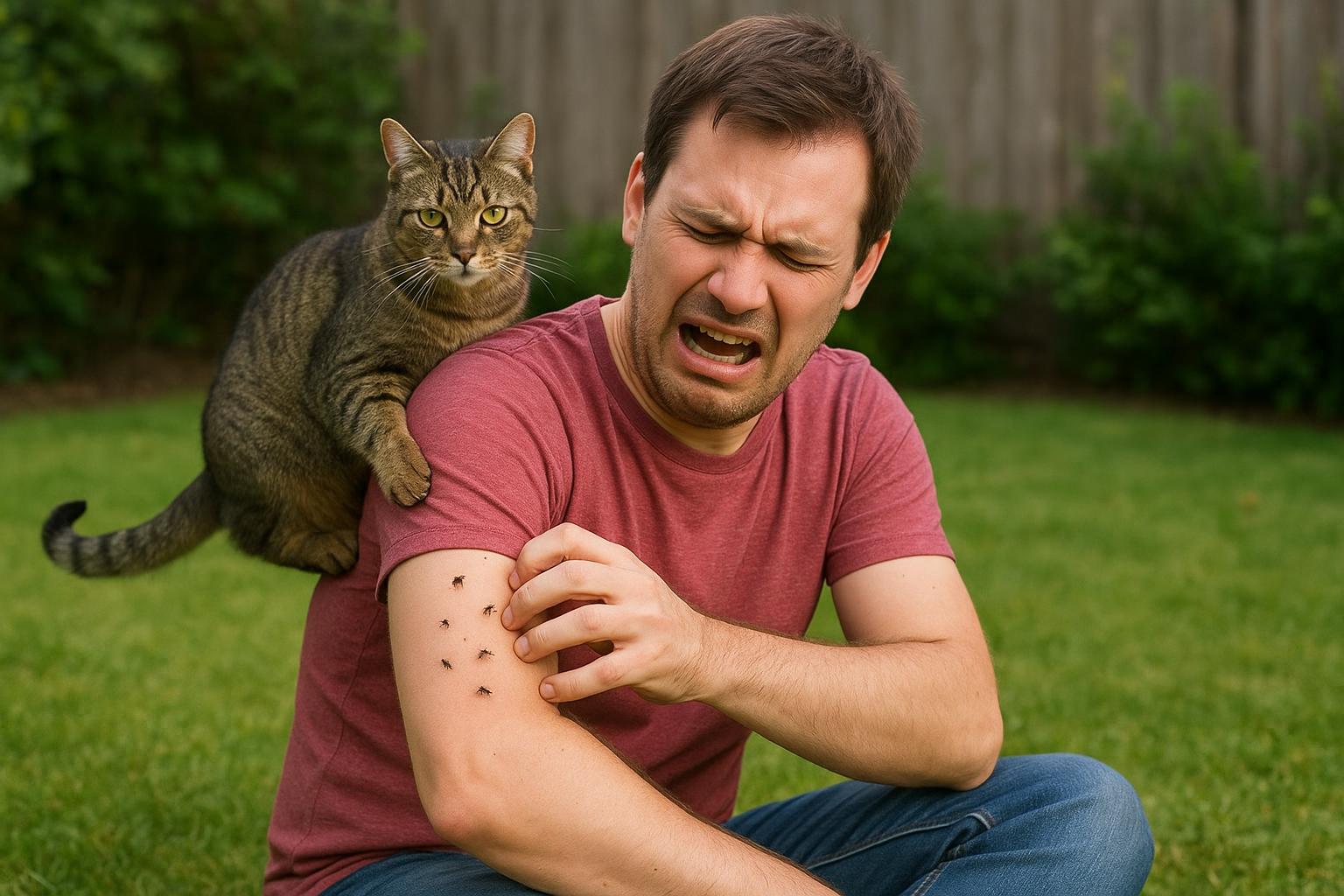
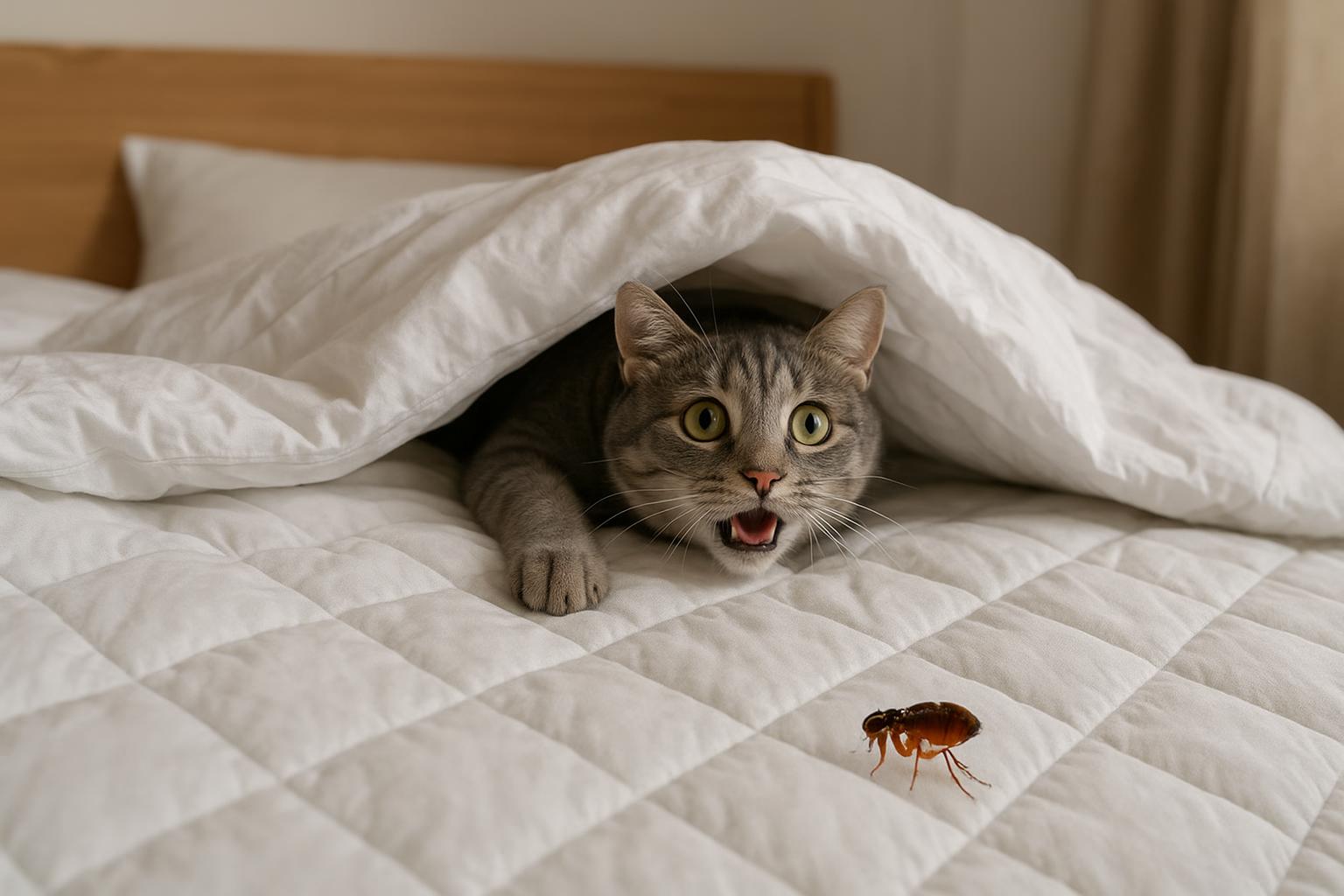
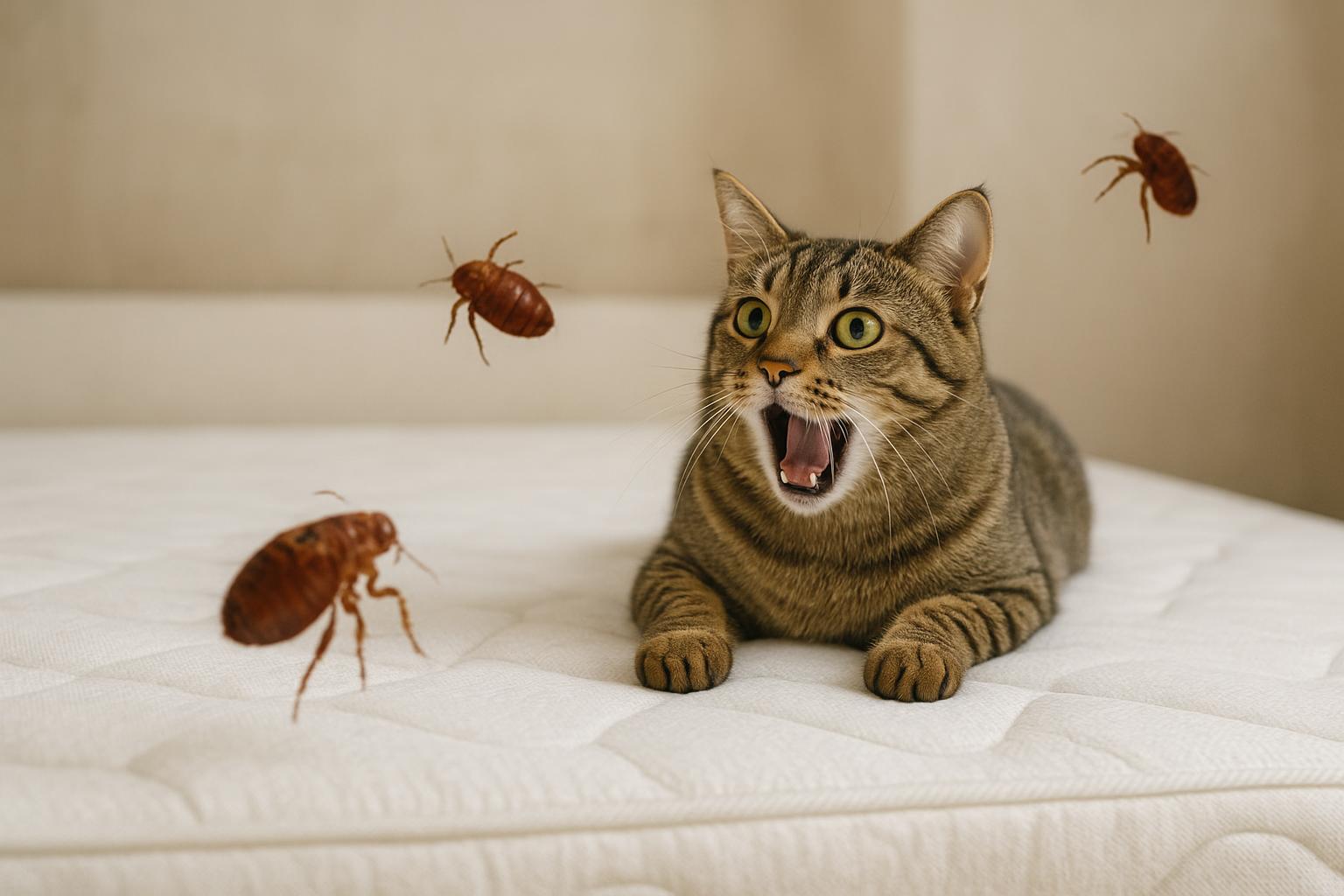
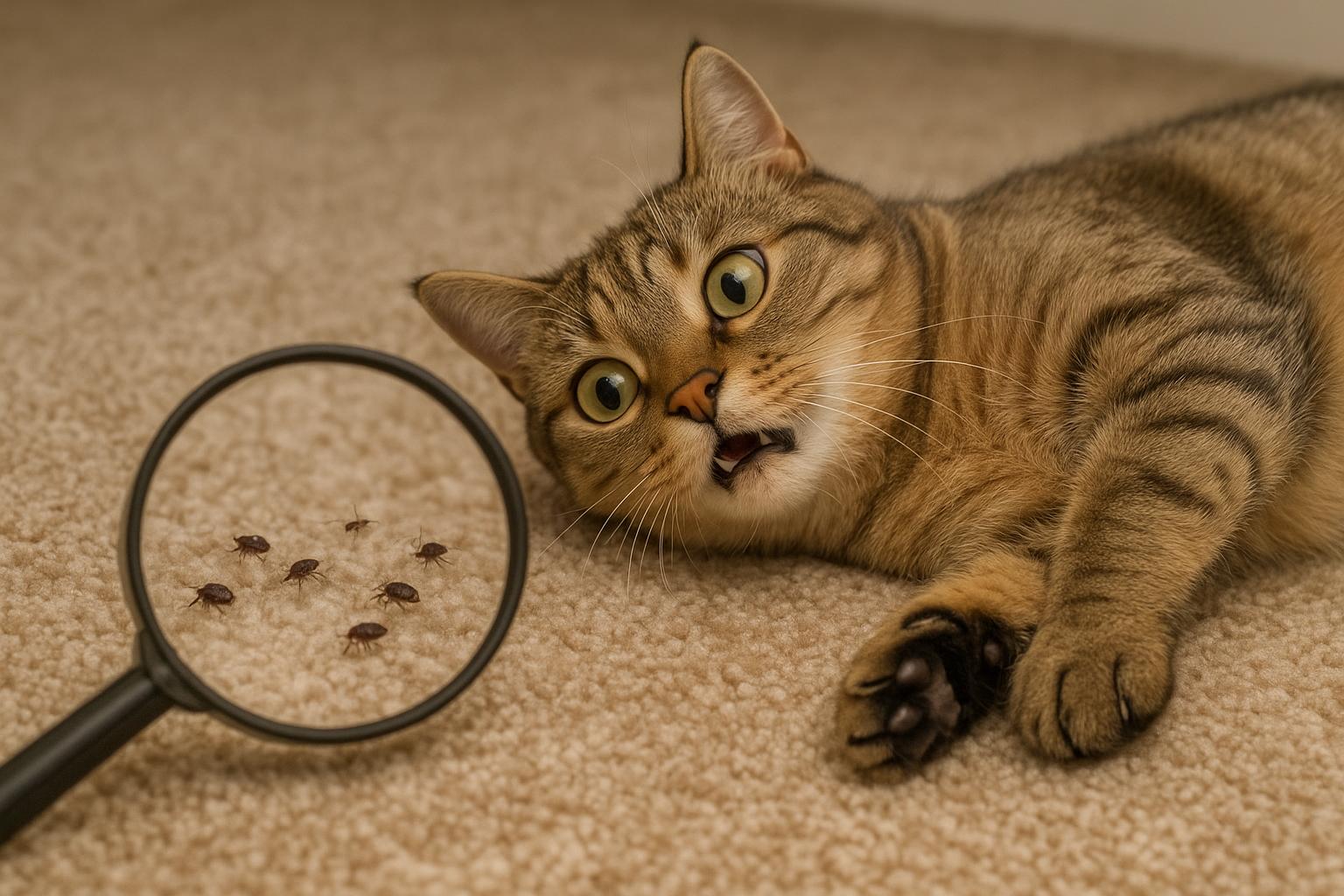
Finding fleas in the house is one of those delightful surprises nobody asks for, especially when you crawl into bed and realize your bedding might be hosting more than sweet dreams. If you need to wash bedding fleas out of your sheets and keep them from coming back, this guide will walk you through safe, effective steps—with a relaxed vibe, a dash of humor, and solid, formal procedures when it counts.
## 1. Wash Bedding Fleas: Hot Wash And High Heat Dry
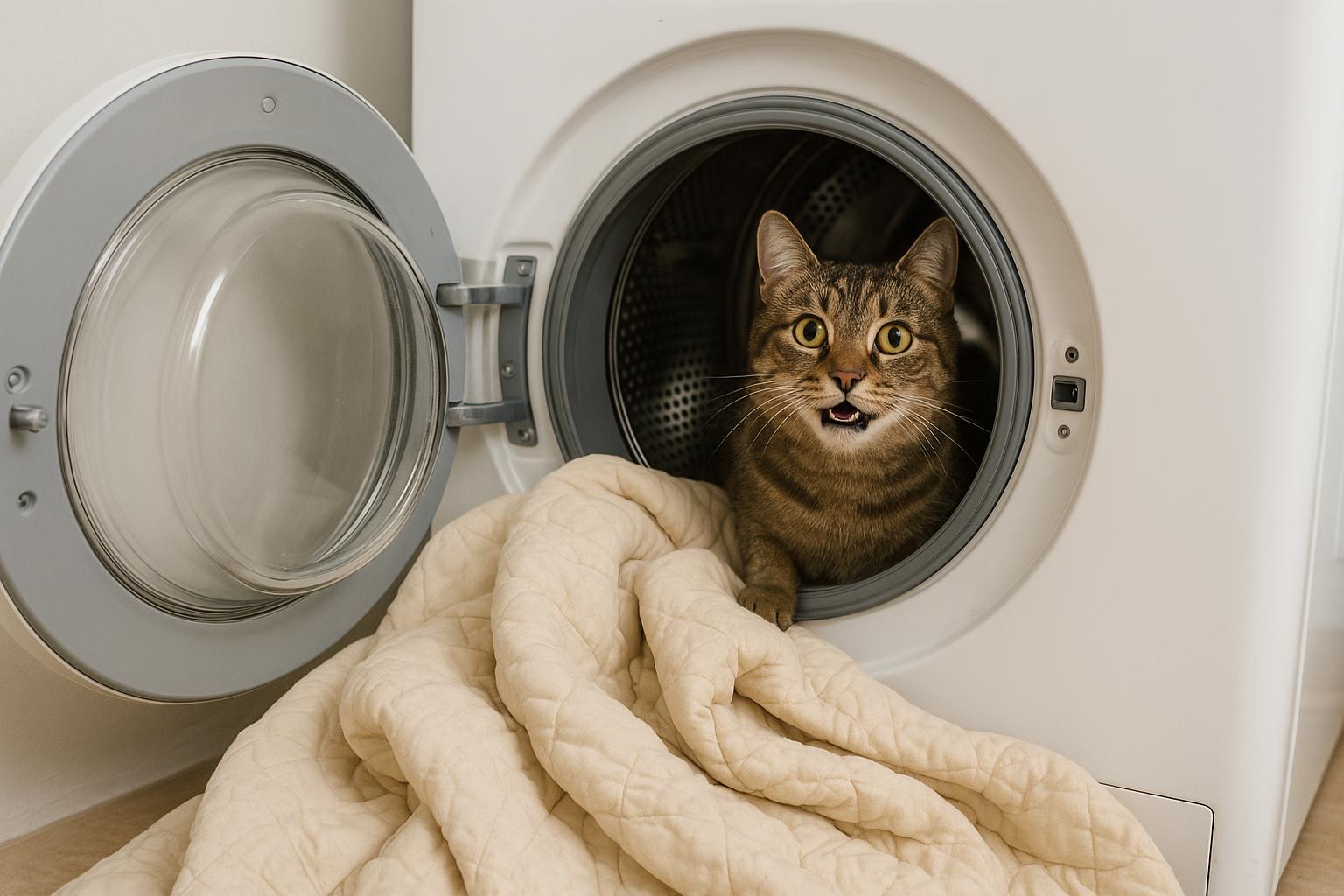
This is the core move. To remove adult fleas, larvae, and eggs from washable bedding, you must use both temperature and agitation. The combination of hot water and high dryer heat is the most reliable household method to kill fleas quickly and thoroughly.
### Materials Needed
– A washer and dryer capable of reaching at least 60°C (140°F) in the wash and high heat in the dryer.
– Laundry detergent (any standard detergent is fine).
– Optional: bleach for white items or oxygen bleach for colored items.
– Laundry bags for small or delicate items.
– A thermometer for clothes or washer if your machine labels don’t match actual temperature.
### Step-By-Step Washing Procedure
1. Gather all bedding—sheets, pillowcases, duvet covers, mattress pads, and any blankets that are safe to launder. Also collect pet bedding, soft toys, and fabric curtains if they’ve been in the same room.
2. Shake each item outside to dislodge adult fleas and loosen debris. Wear gloves if you’re squeamish.
3. Load the washer without overcrowding. Overpacking reduces water flow and agitation, which weakens cleaning power.
4. Set the wash to the hottest temperature safe for the fabric. For most cottons and synthetics, 60°C (140°F) or higher is ideal. For delicates, use a laundry bag and follow the highest temperature the item can tolerate.
5. Add the recommended amount of detergent. Do not mix with household cleaners not intended for laundering.
6. Run the normal or heavy-duty wash cycle to ensure adequate agitation.
7. Immediately transfer items to the dryer. Use the highest heat setting appropriate for the fabric and dry until completely dry—at least 30 to 45 minutes on high for most loads.
8. Remove and fold or store in a sealed container or room that has been treated or vacuumed.
### Why Temperature And Time Matter
Flea eggs, larvae, and adults are remarkably resilient to mild washing conditions. Temperatures below about 50°C (122°F) may only stun or dislodge fleas rather than kill them. Formal studies and pest-control guidance consistently show that sustained exposure to 60°C (140°F) or above in combination with mechanical agitation reliably kills fleas and renders eggs nonviable. Drying on high heat for at least 20 minutes further ensures eradication.
## 2. Treating Unwashable Items And Room Cleaning
Not everything can be tossed in the washer. For mattresses, some decorative pillows, area rugs, or heirloom textiles, you’ll need alternate methods. This section outlines safe, practical treatments for items you cannot launder, plus room-level cleaning to prevent reinfestation.
### Materials Needed
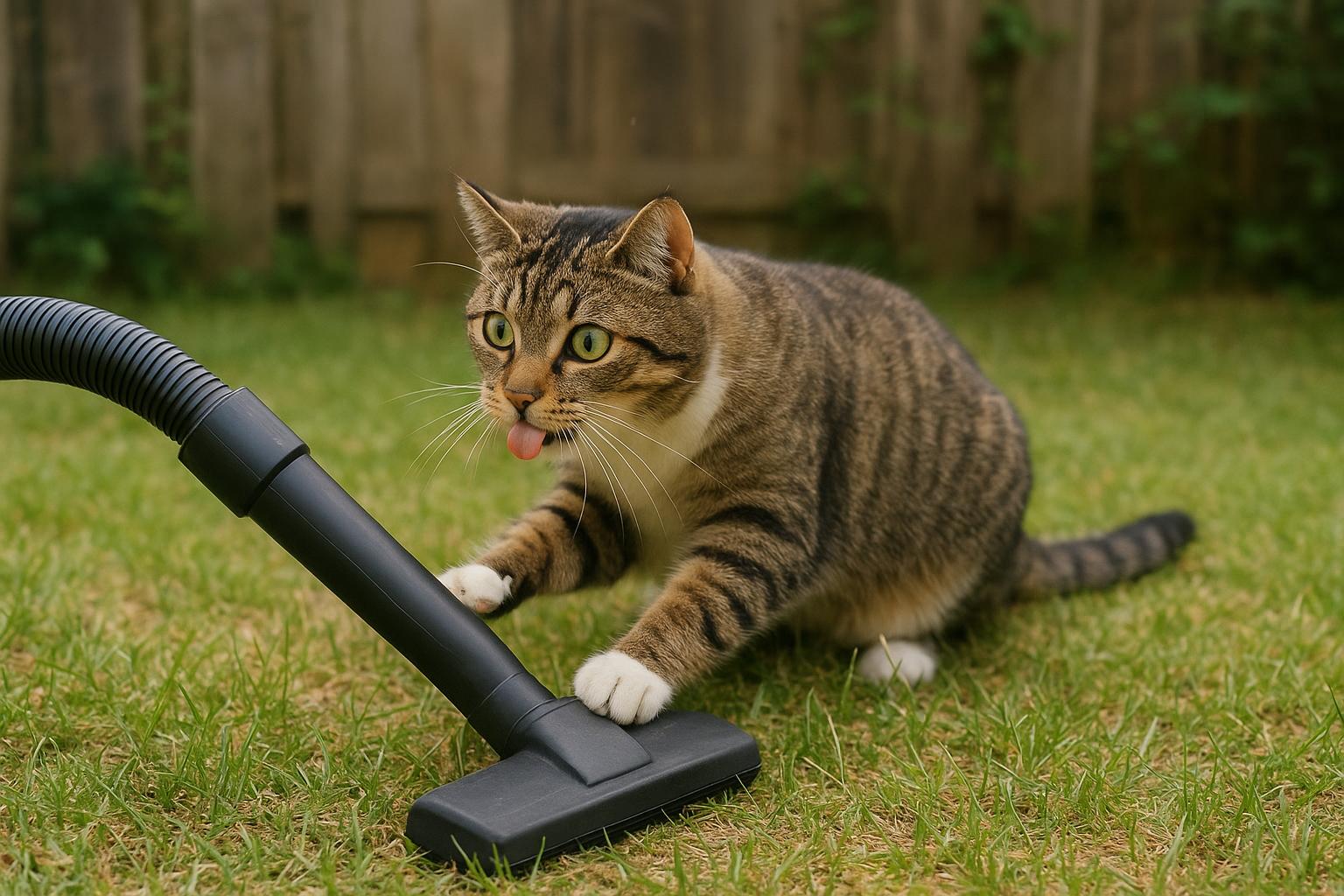
– Vacuum cleaner with attachments and a bag or sealed canister.
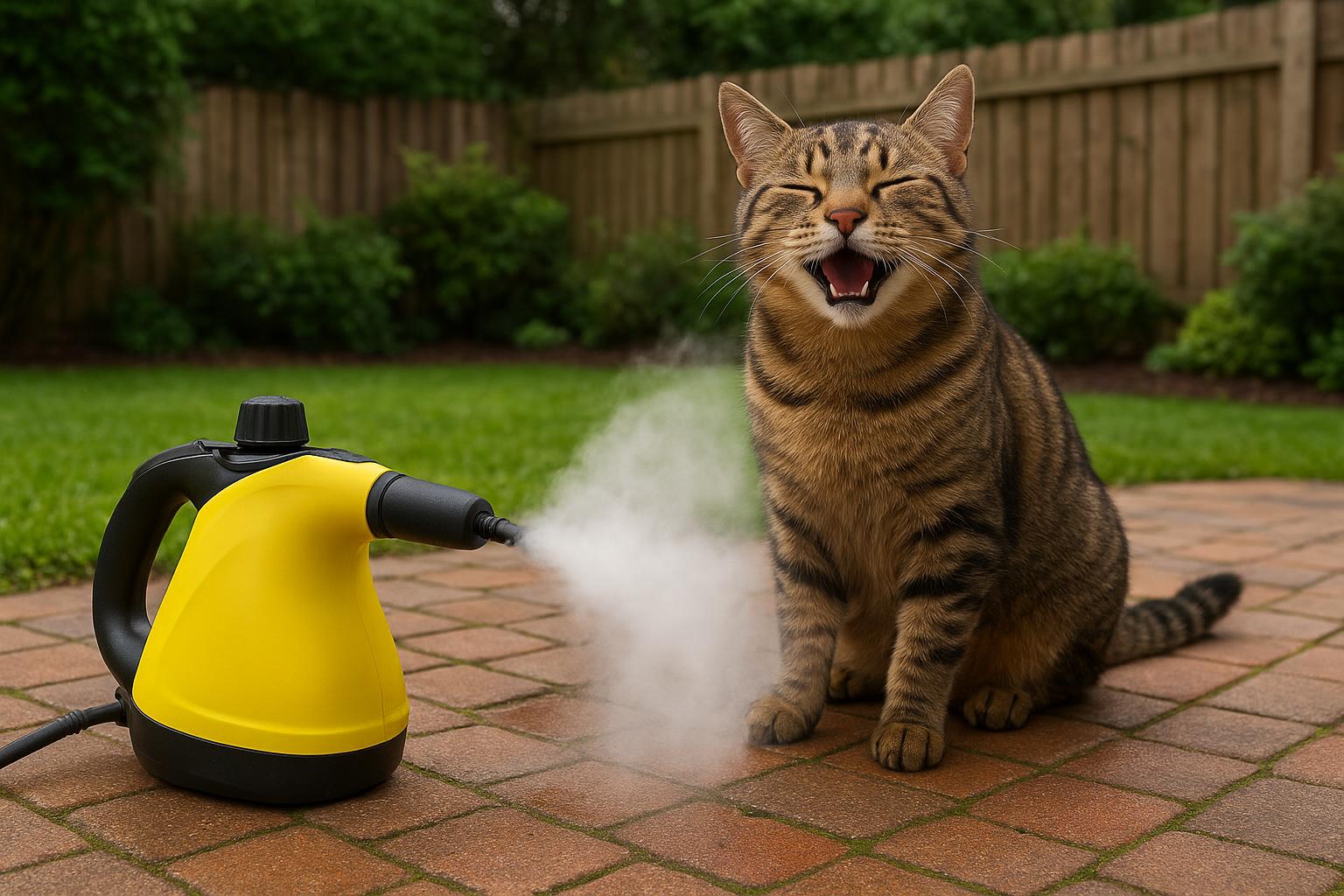
– Steam cleaner (capable of producing high heat steam).
– Diatomaceous earth (food-grade) or silica-based desiccants—optional and used with caution.
– Plastic mattress covers or encasements rated for pests.
– Sealed bags for storing laundered bedding.
– A pet-safe flea treatment plan (veterinarian recommended).
### Steps For Unwashable Fabrics And Mattresses
1. Vacuum thoroughly. Focus on seams, tufts, and under the bed. Vacuuming physically removes adults, larvae, and eggs and is a critical first step. Dispose of the vacuum bag or empty the canister into a sealed bag immediately.
2. Steam clean mattresses, upholstered furniture, and rugs. High-temperature steam kills fleas on contact. Work slowly and repeatedly across seams and folds.
3. For delicate items that cannot be steamed or washed, place them in sealed plastic bags and put them in a freezer at -18°C (0°F) for 48 hours—this will kill fleas and eggs. Alternatively, professional dry cleaning is effective for some textiles.
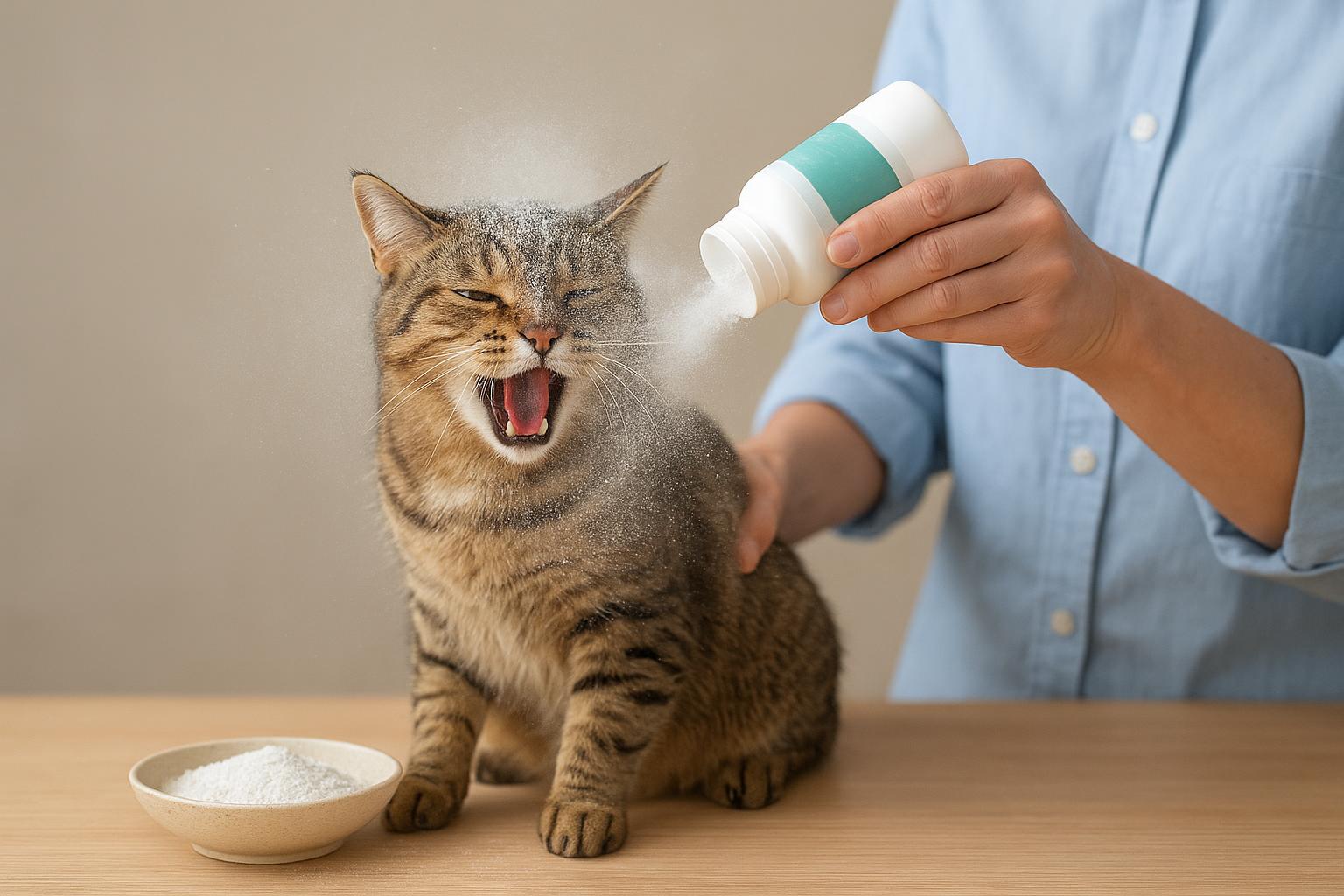
4. If using diatomaceous earth, apply a thin layer to carpet edges, under furniture, and baseboards. Leave for 48–72 hours, then vacuum thoroughly. Use food-grade diatomaceous earth and avoid inhaling the dust; keep pets and children away until vacuuming is complete.
5. Encase mattresses and pillows in pest-proof encasements to trap any remaining fleas and prevent future colonization.
### Integration With Pet Care
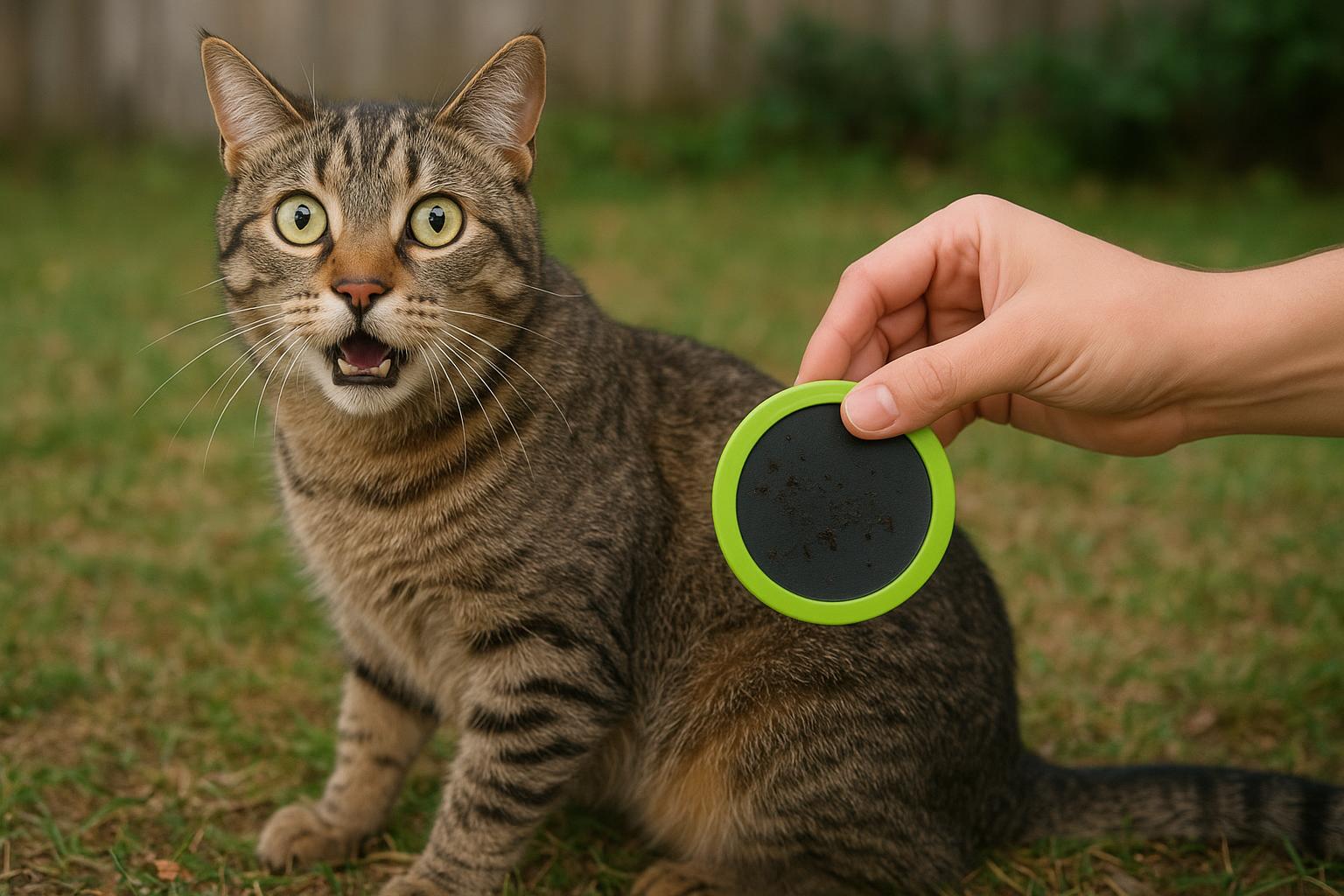
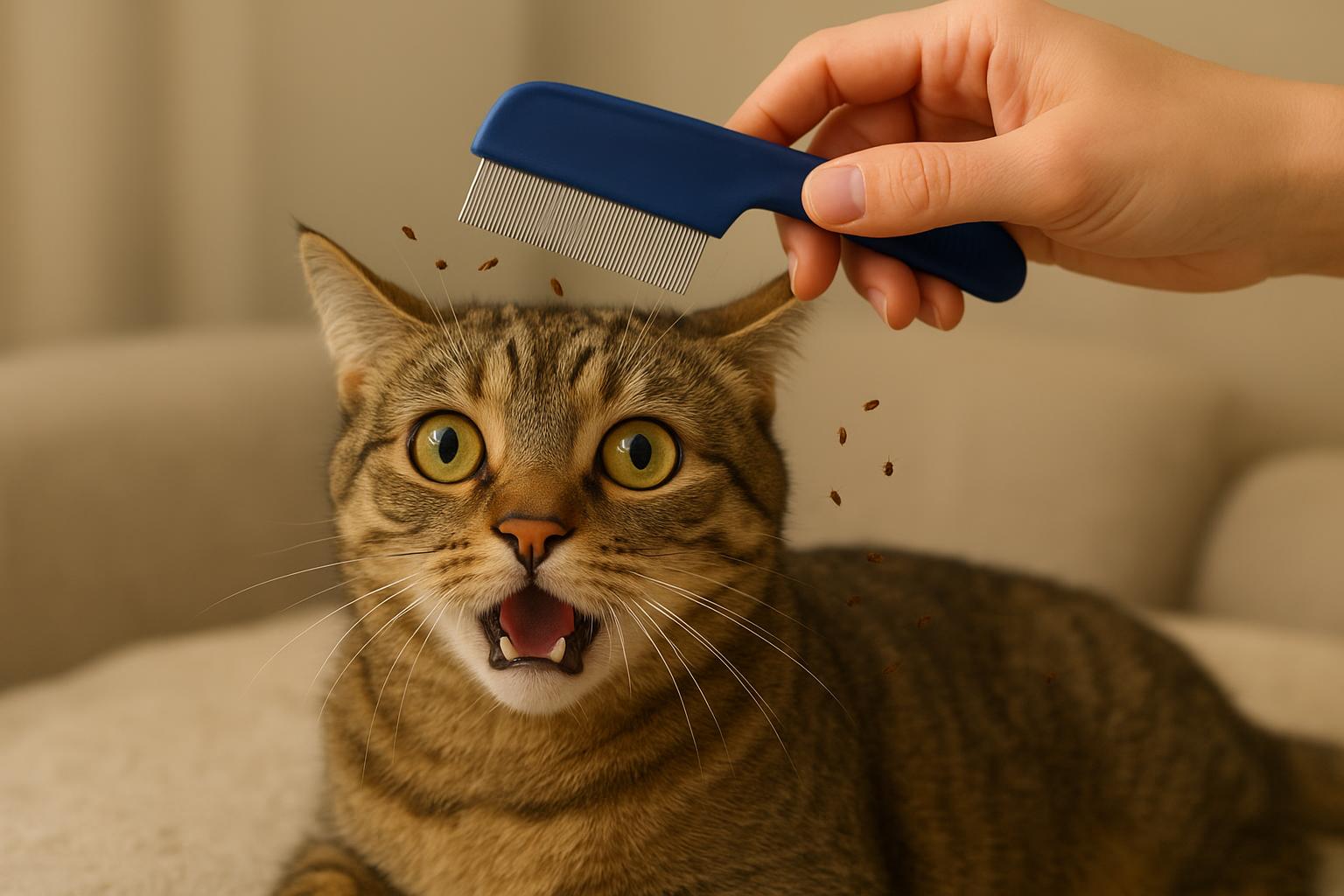
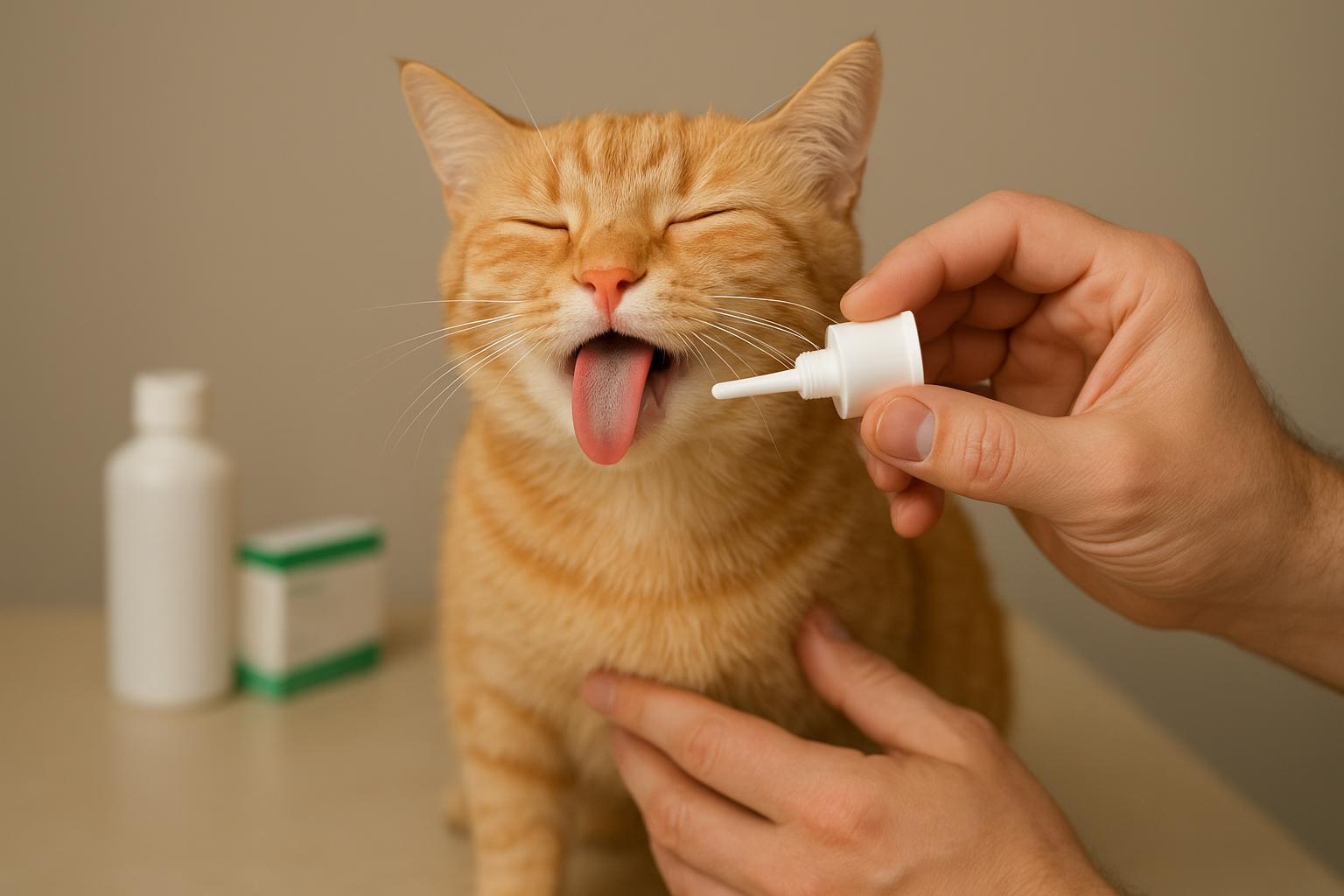
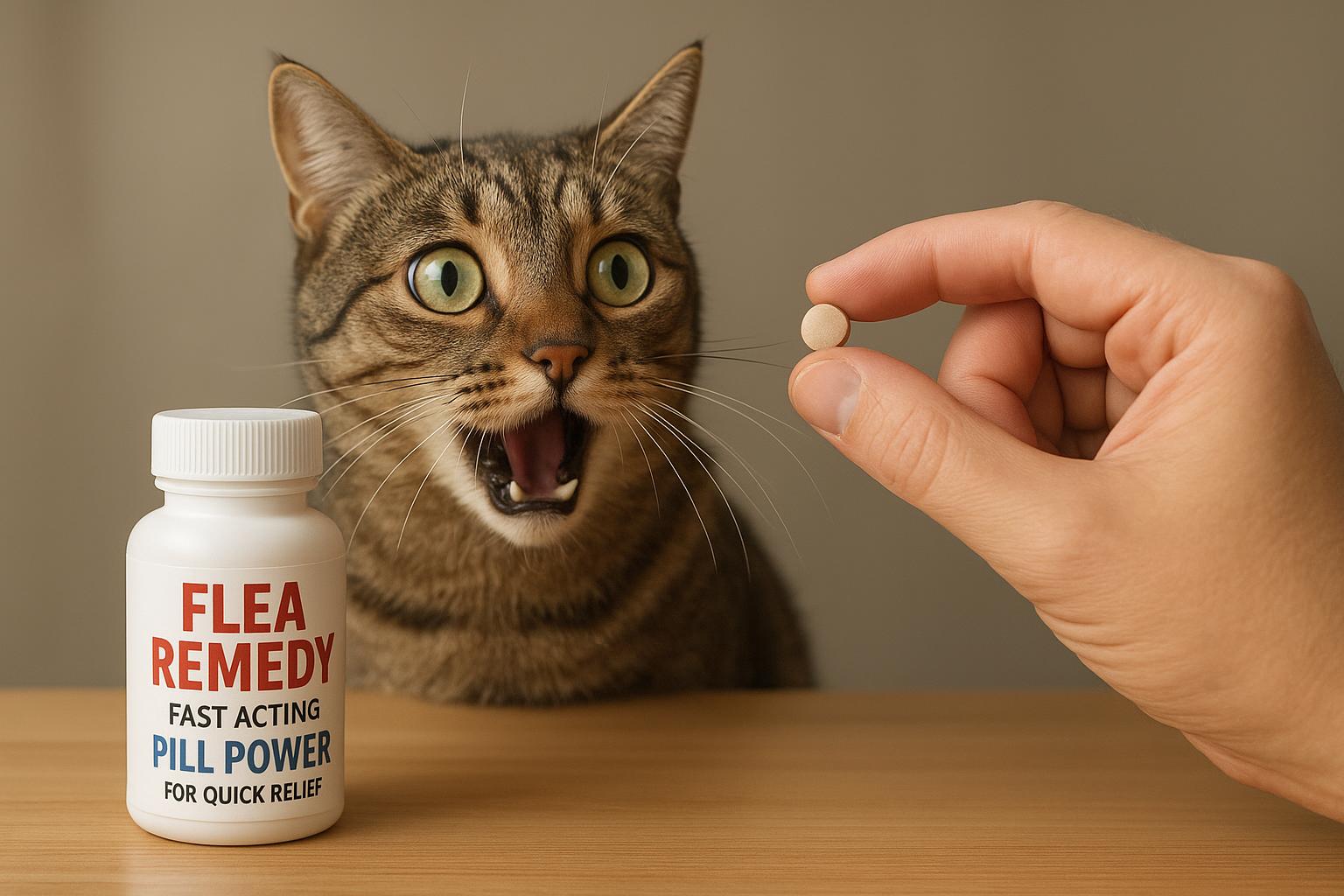
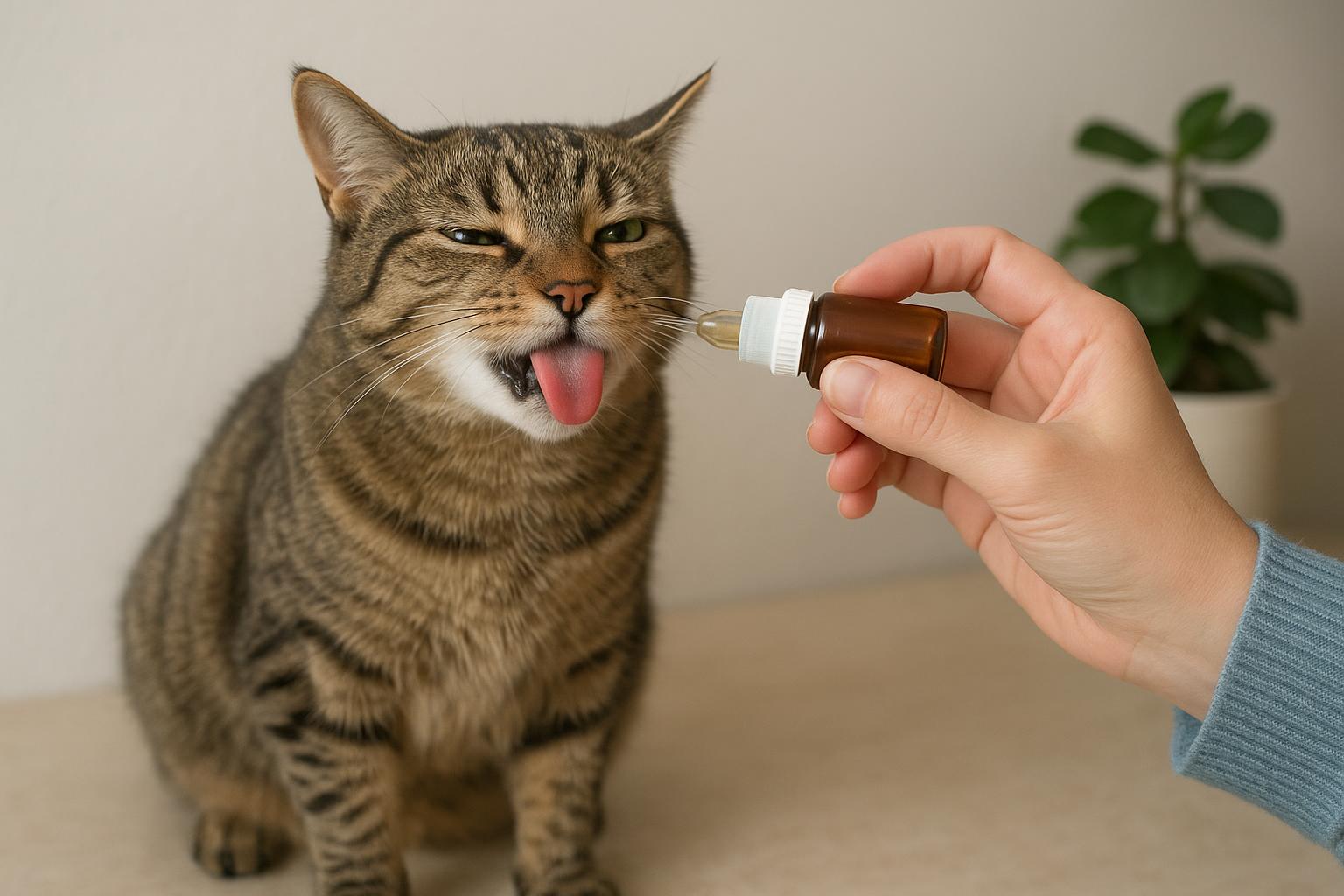
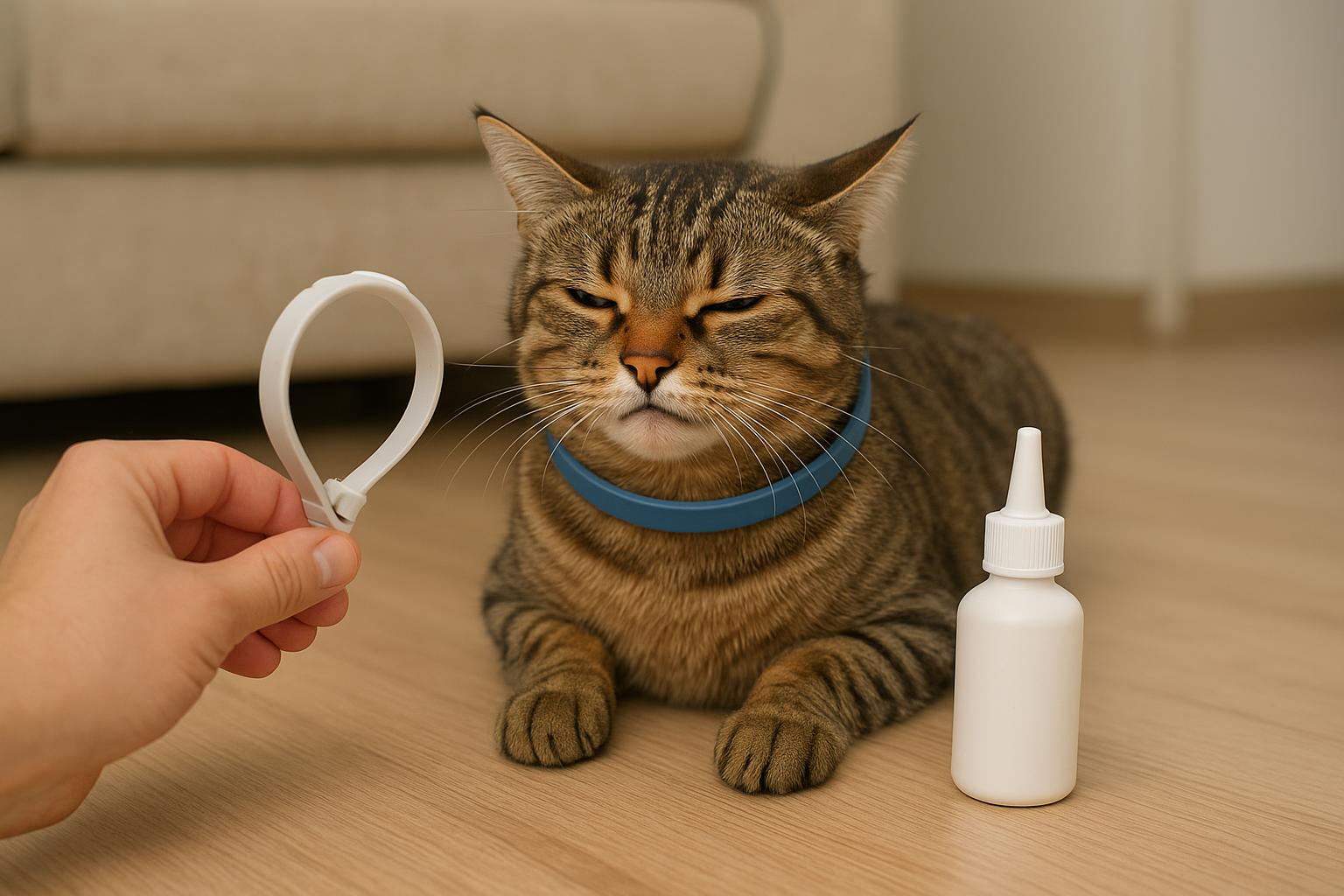
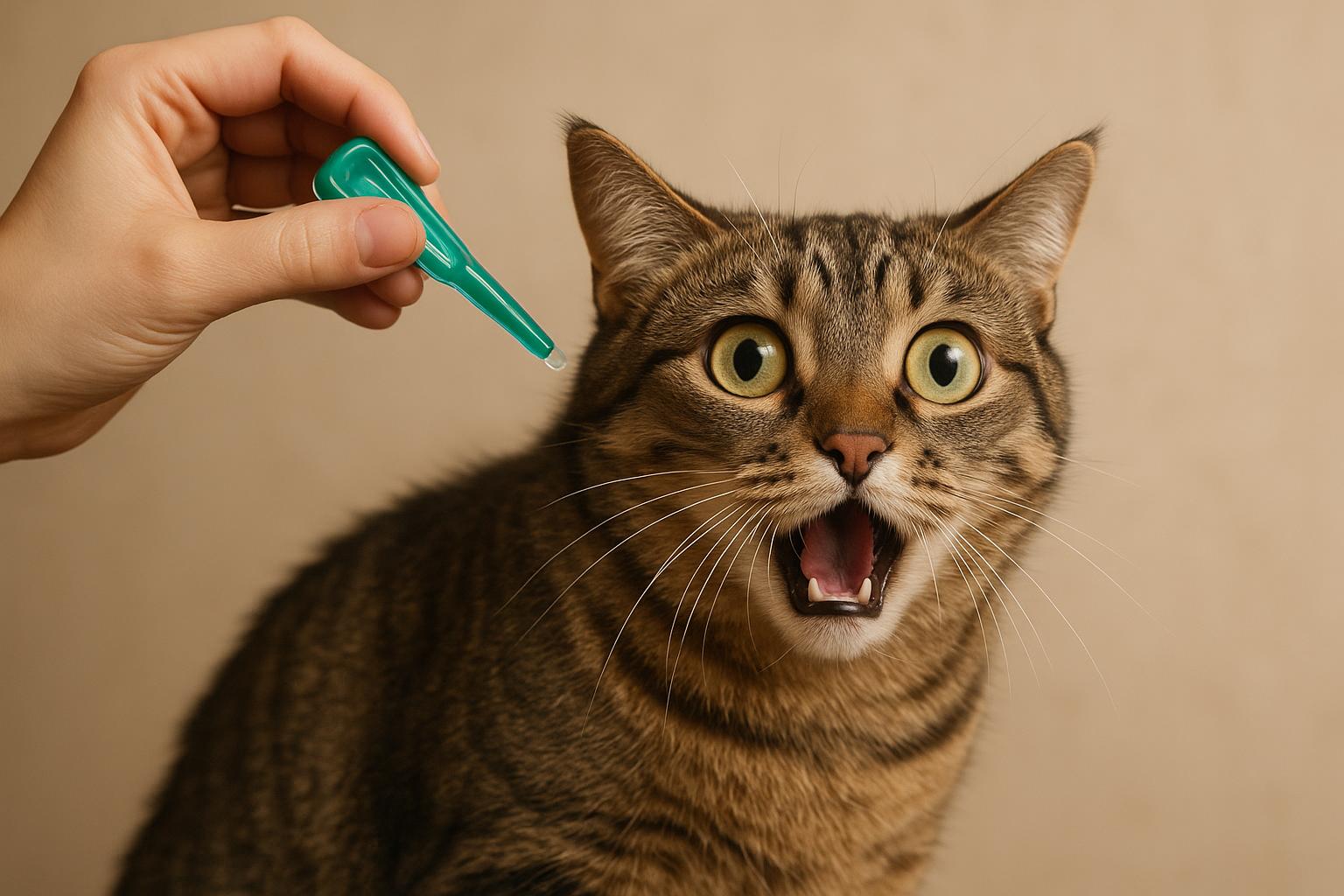
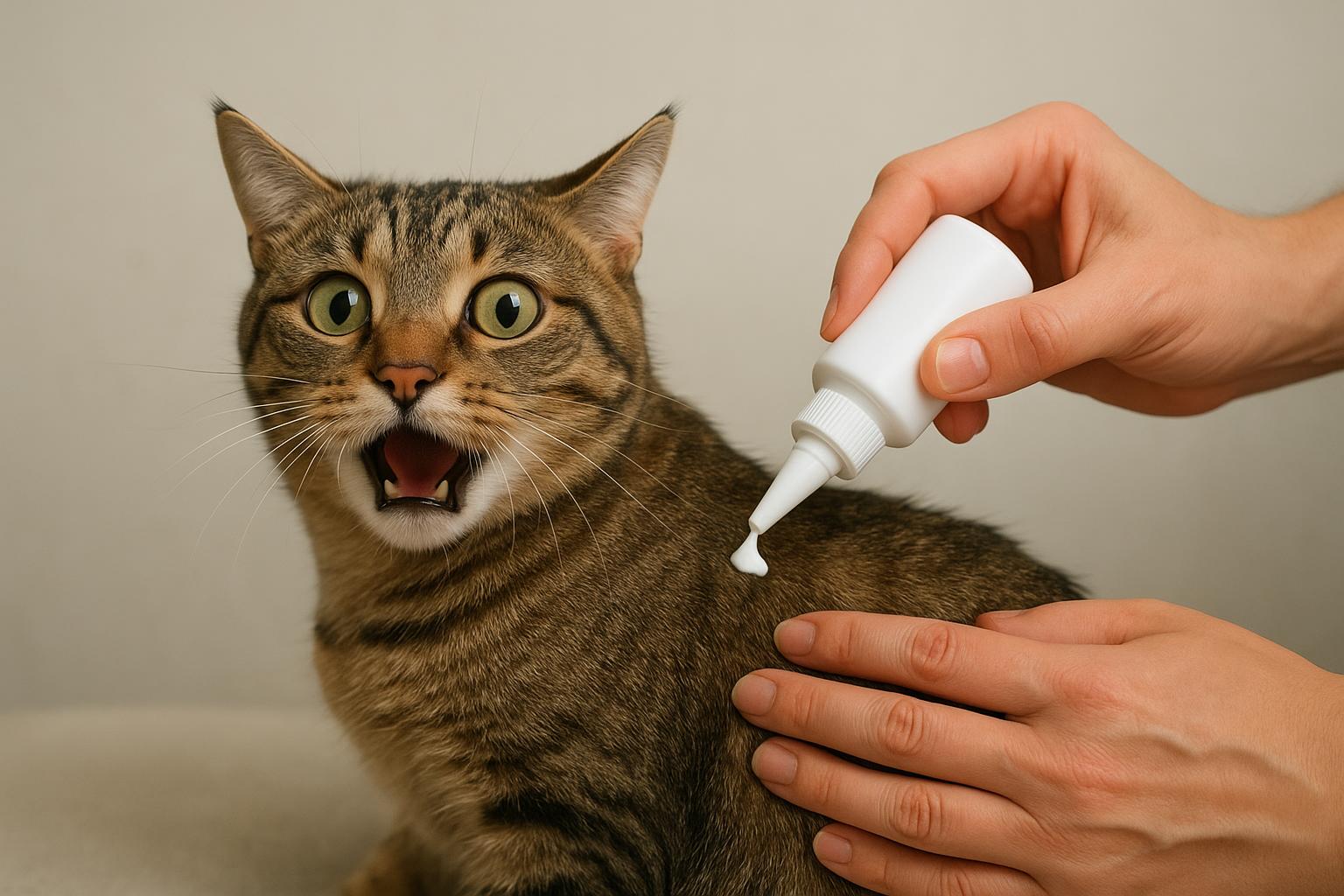
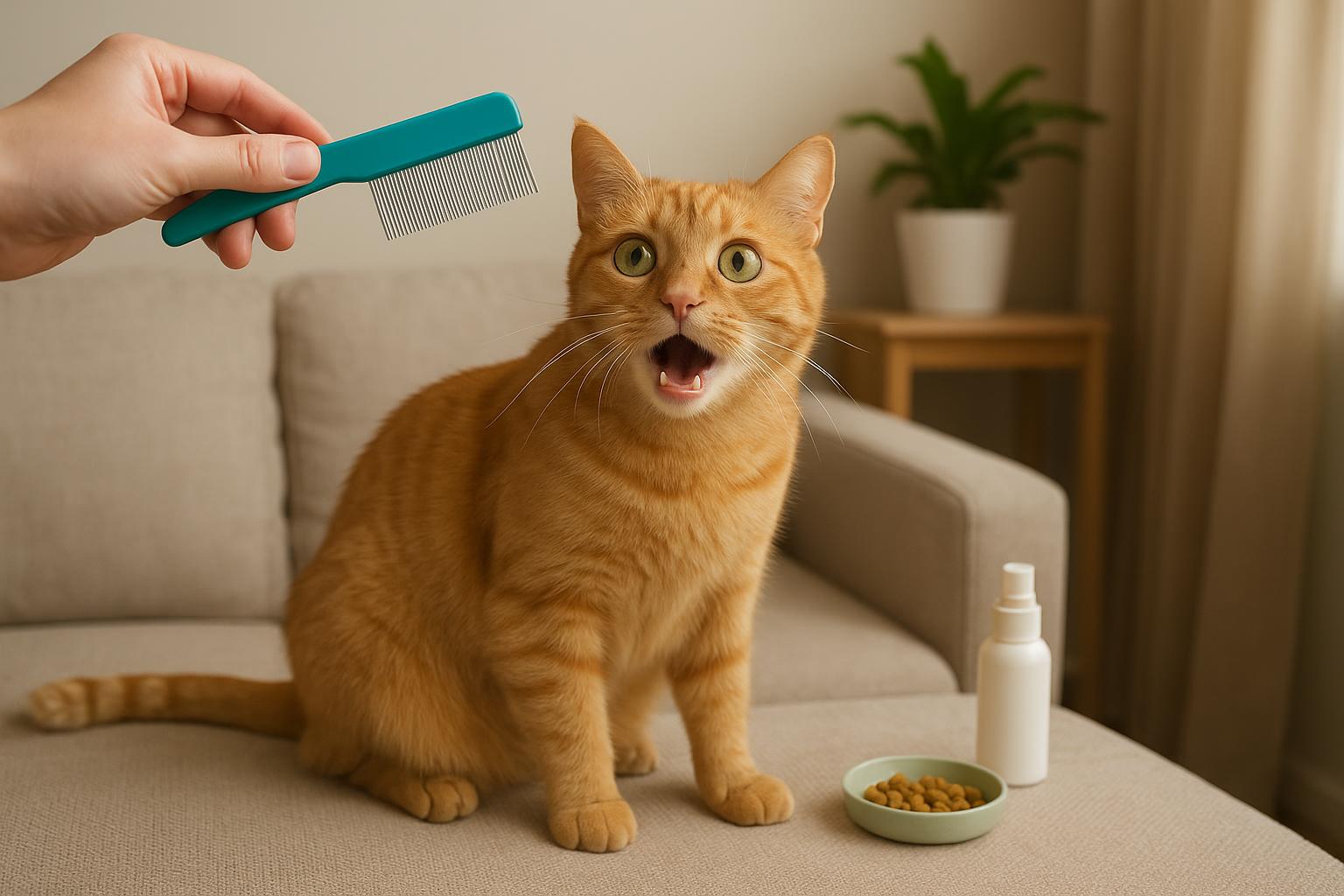
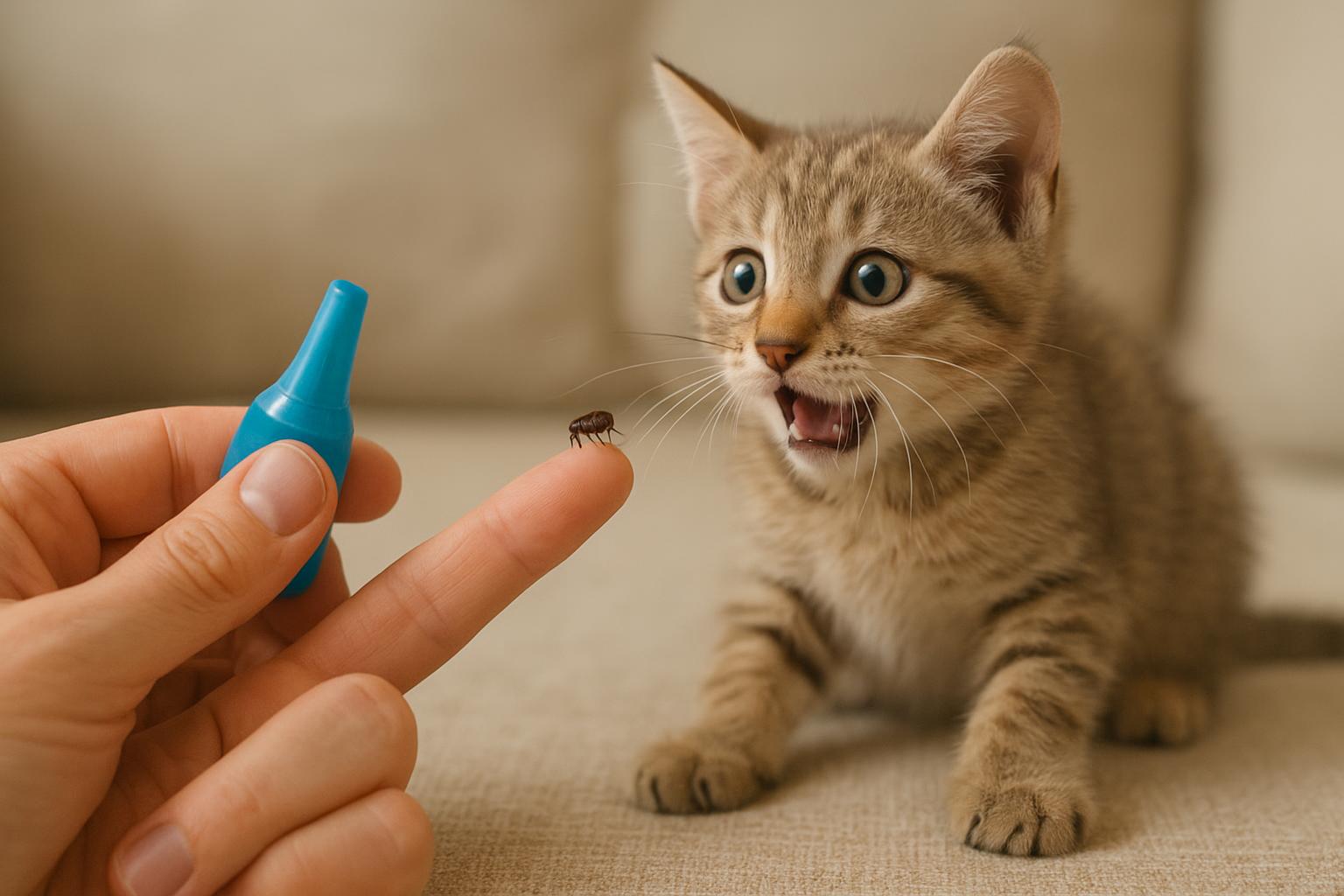
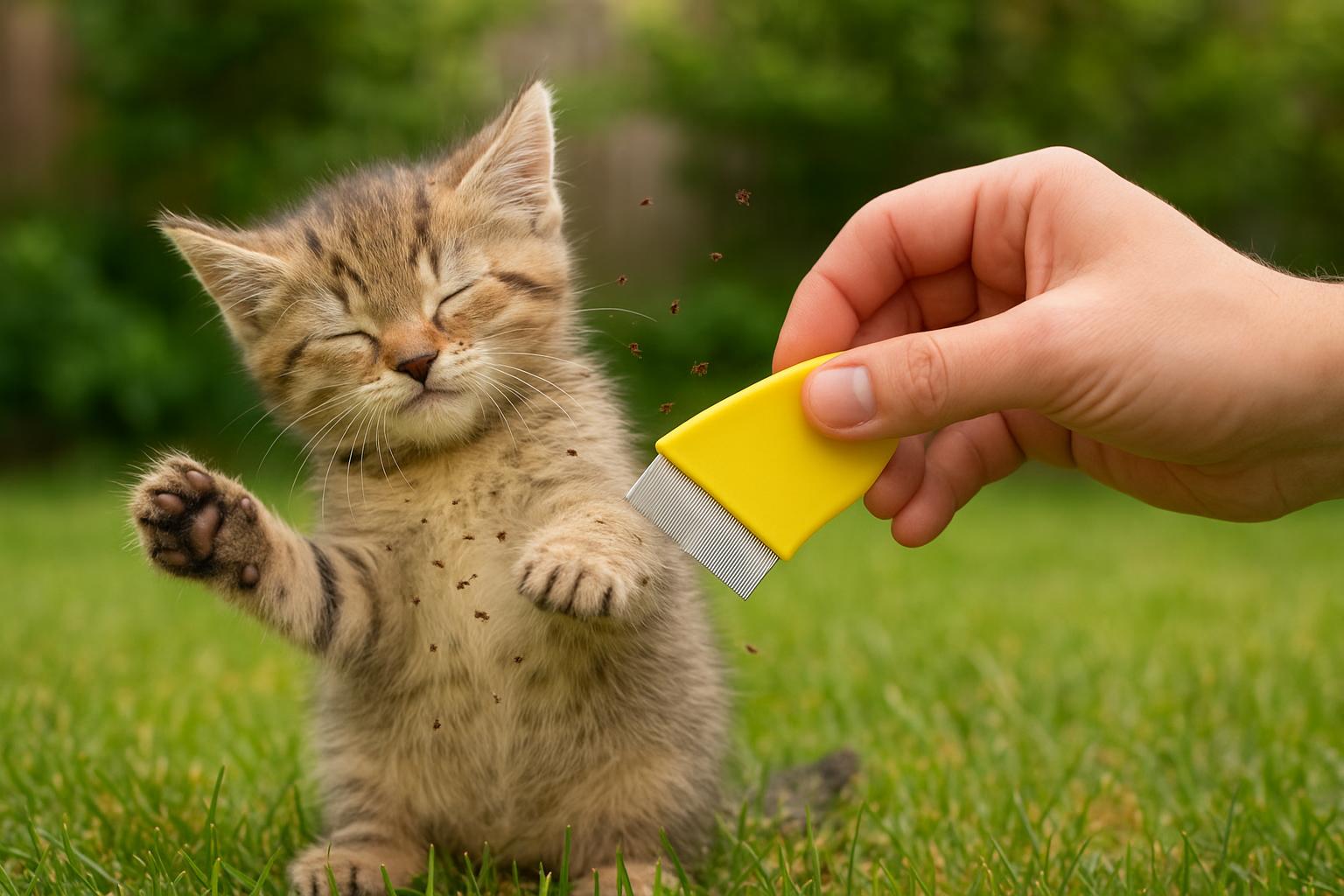
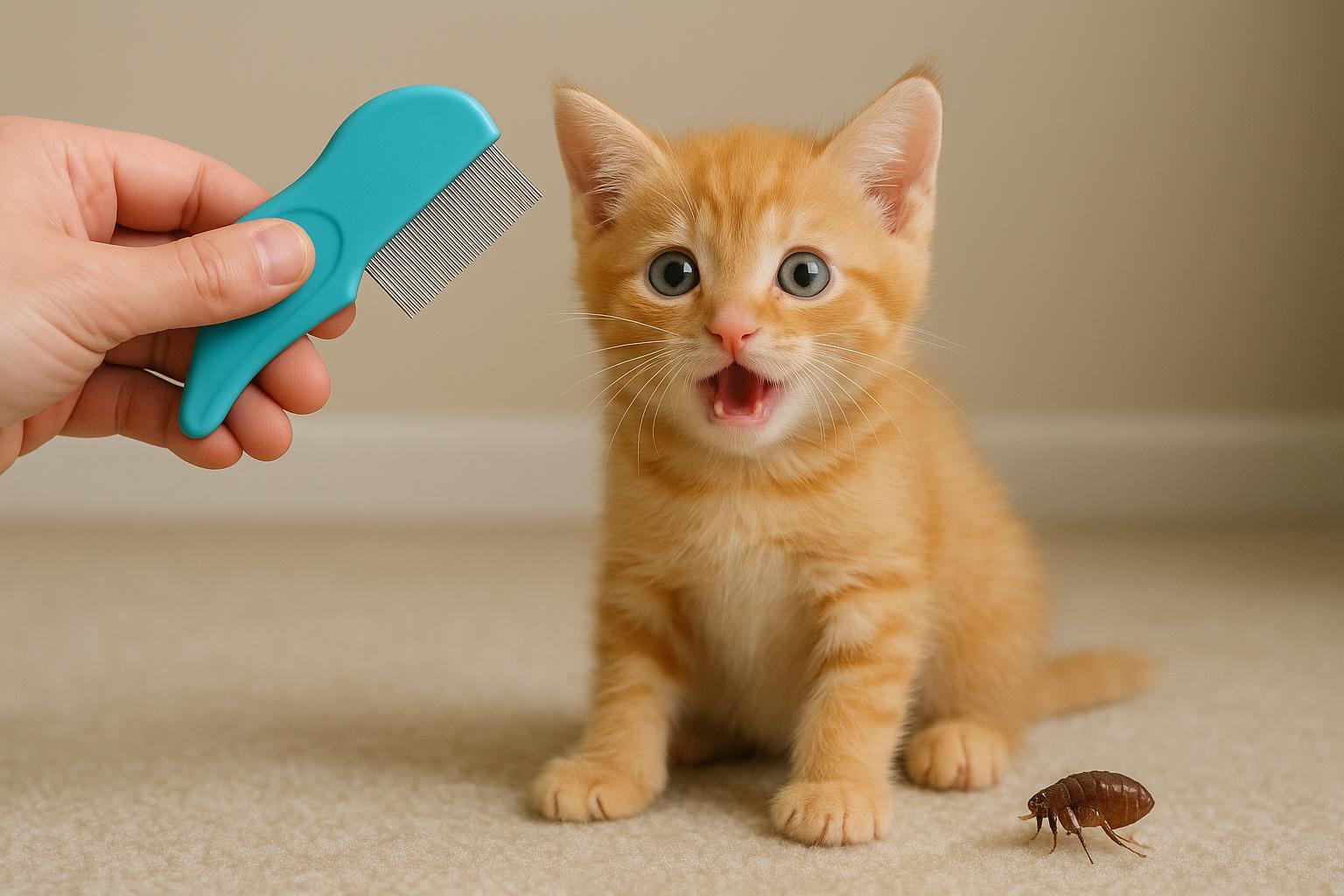
Washing bedding alone can’t solve a flea problem if the household pet is the reservoir. Coordinate the bedding wash with a veterinarian-recommended flea-control regimen for all pets. Modern topical or oral treatments combined with regular grooming will reduce the chance of reintroducing fleas to cleaned linen.
#### Scheduling And Repetition
One wash doesn’t always finish the job. Flea eggs can hatch after initial cleaning. Rewash all bedding and pet fabrics weekly for three weeks to interrupt the flea lifecycle. Pair this with weekly vacuuming and a second round of steam or diatomaceous earth treatment if necessary.
## Additional Practical Tips For Success
– Label anything you throw into sealed bags as “Clean—Treated” with a date, so you don’t accidentally reintroduce untreated items.
– Keep pets off the bed until pets have been treated and bedding has been washed and dried at high heat.
– If you’re dealing with a heavy infestation, consider professional pest control to treat carpets and structural areas. They can apply safe insect growth regulators (IGRs) that prevent eggs from hatching.
– For pet bedding, some veterinary-approved sprays can be used between washes; check labels and consult your vet.
#### Safety Precautions When Treating
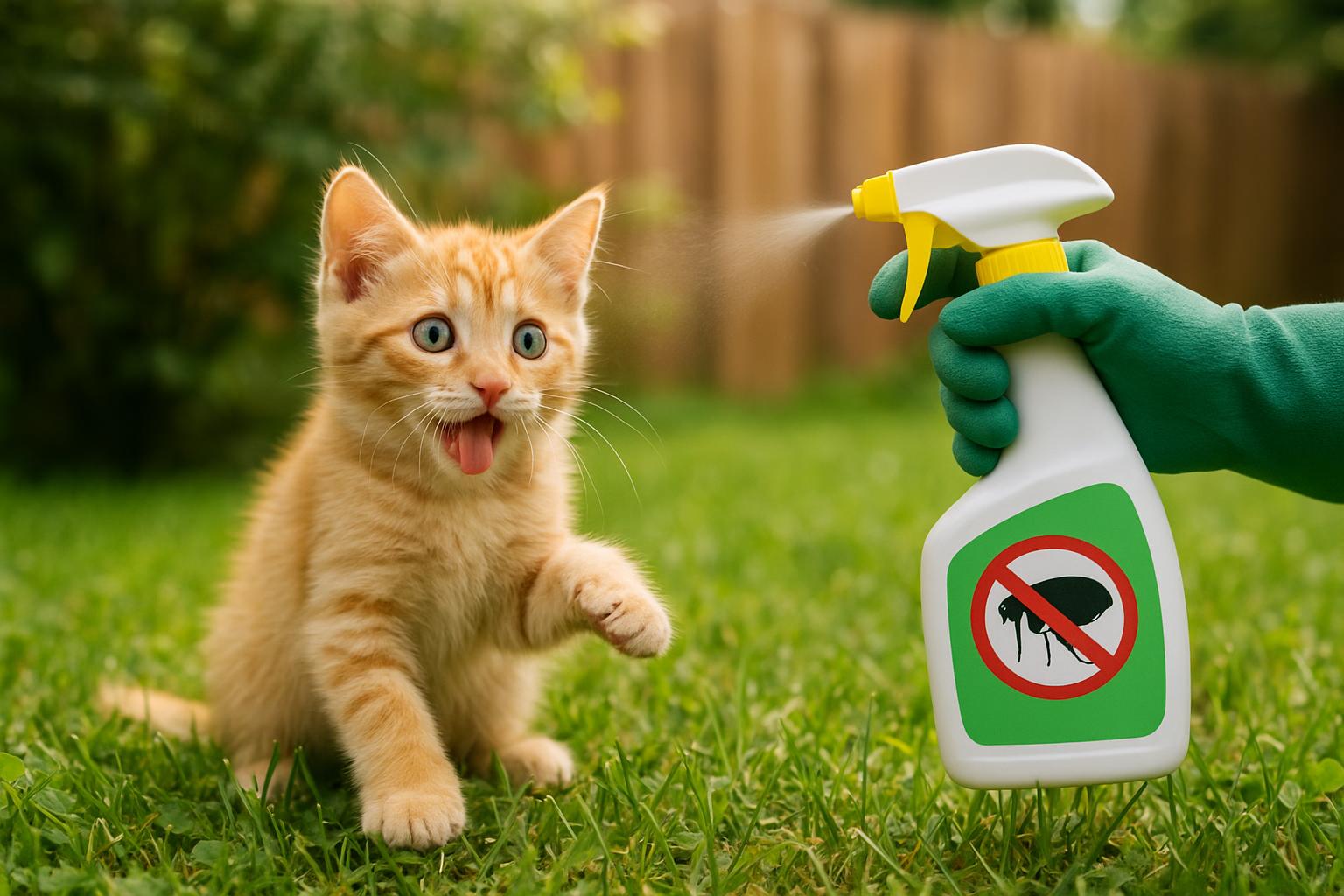
When applying diatomaceous earth or other powders, wear a dust mask and use gloves. Do not use flea sprays or chemicals inside the washing machine or dryer. If you use insecticides, follow label directions exactly and remove pets and people from treated areas as instructed.
### How To Prevent Future Episodes
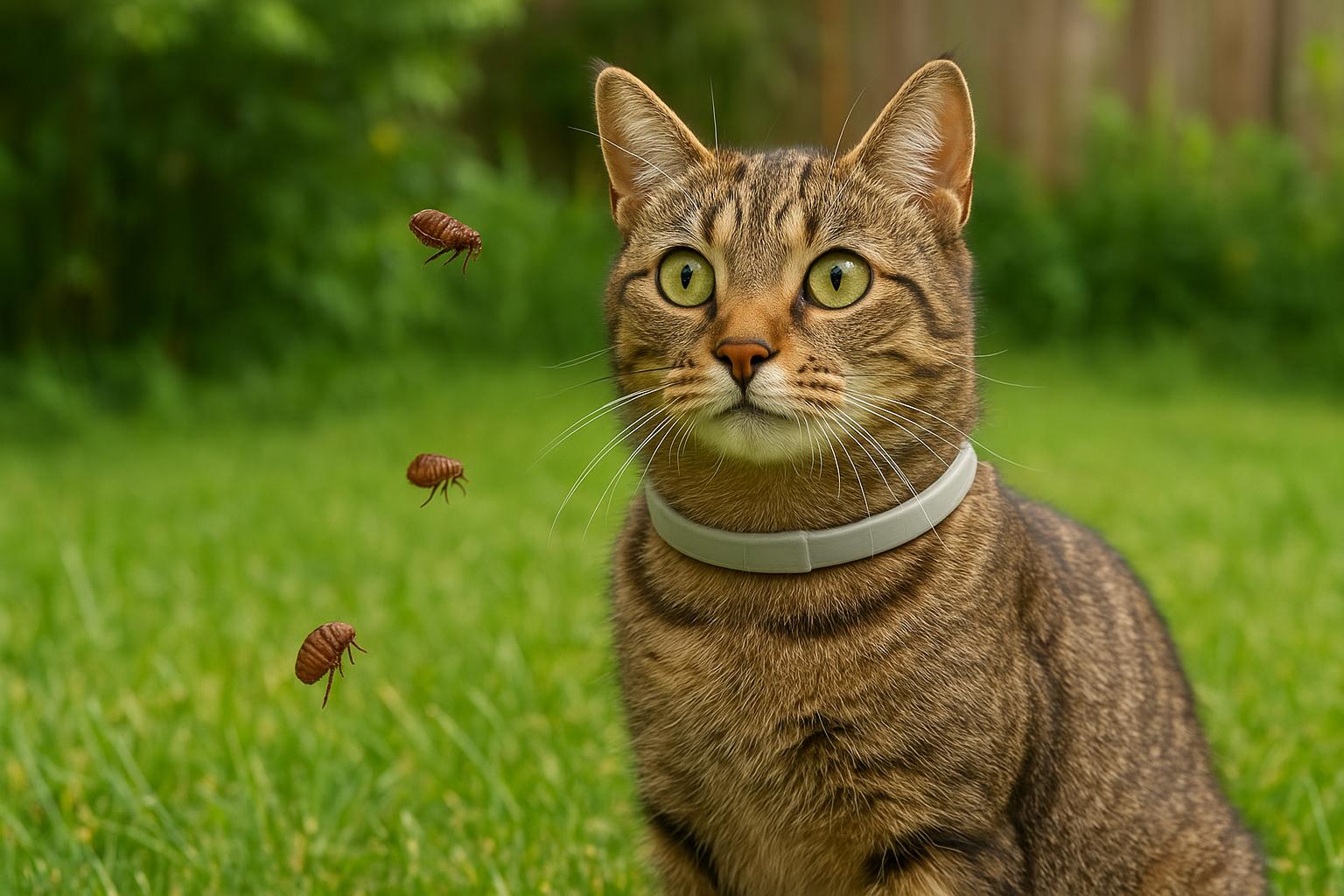
Preventive steps are generally simple and effective: maintain a veterinary flea-prevention program for pets, vacuum high-traffic areas weekly, and wash pet bedding frequently. When you travel or have house guests with animals, inspect sleeping areas and isolate any items that could harbor hitchhiking fleas. And yes, making the bed every morning helps—fewer hiding spots, fewer surprises.
If you ever need a quick mnemonic: wash, dry, vacuum, treat pets, repeat. Think of it as a five-step bedtime story nobody wants to be the main character of—but will be glad they read.
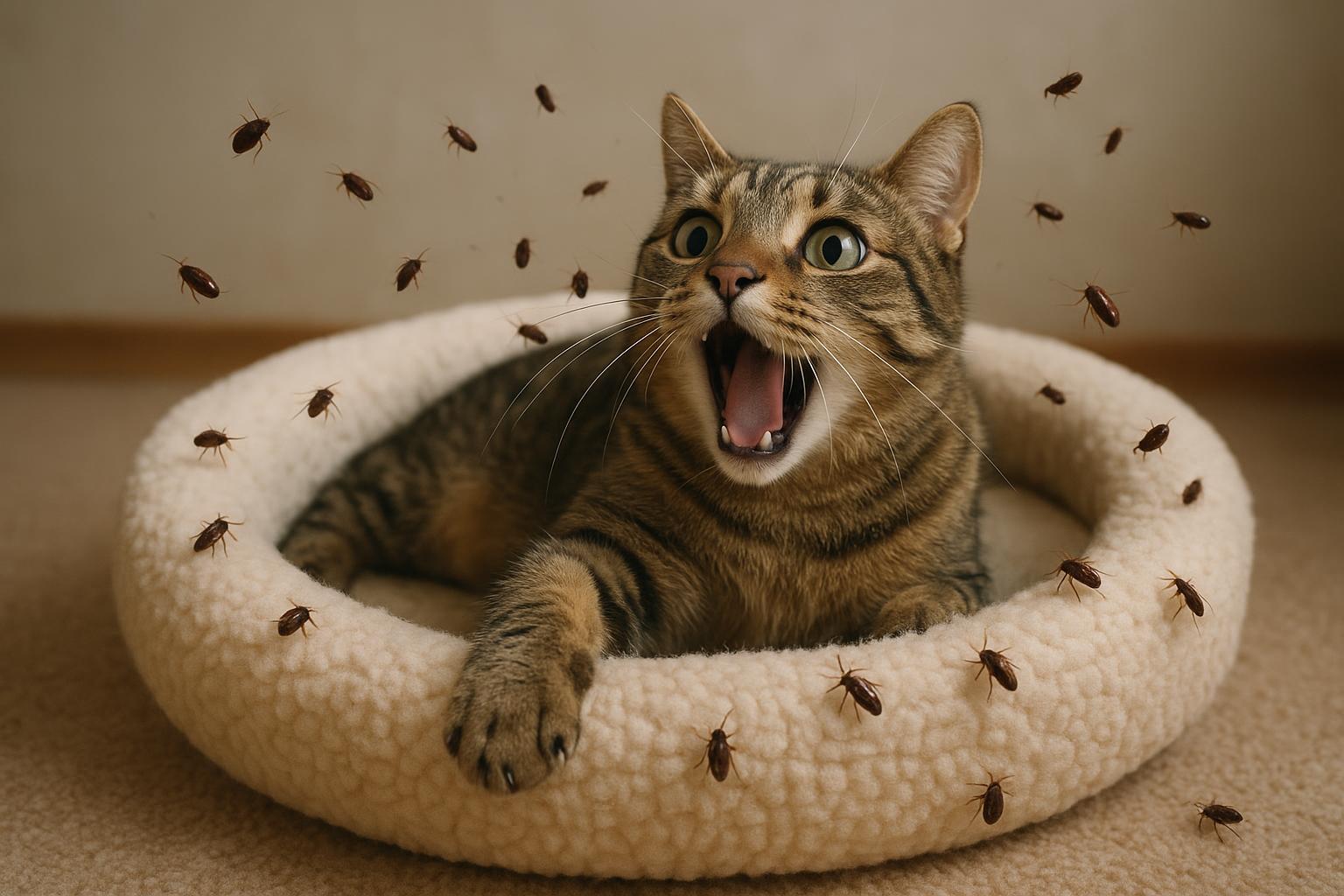
Keep in mind that visible fleas are only part of the problem—eggs and larvae lurk where laundry and pets meet. Regular, methodical washing and room care will tilt the odds in your favor and make nighttime cuddles more about comfort and less about critters.







Leave a Reply