
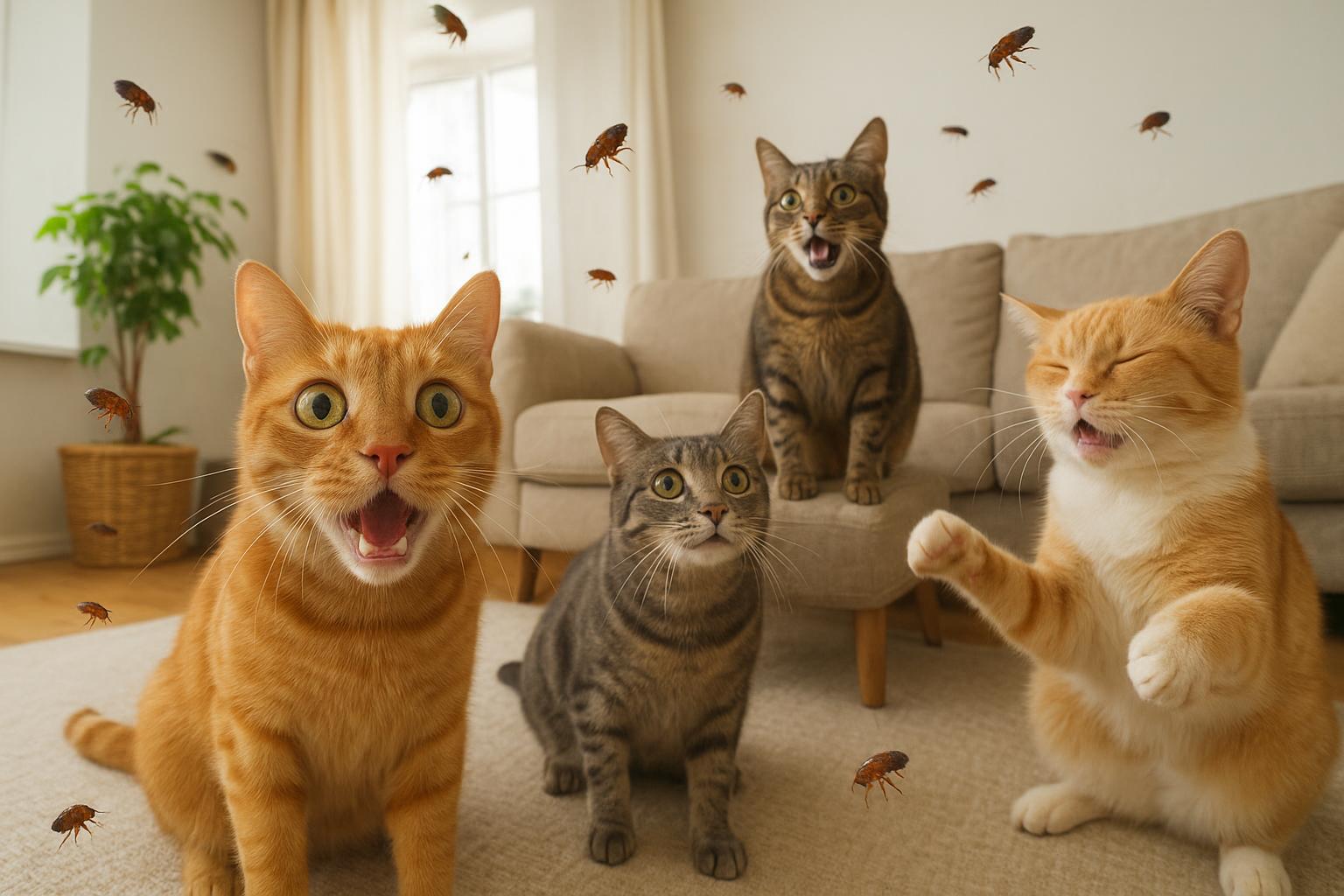
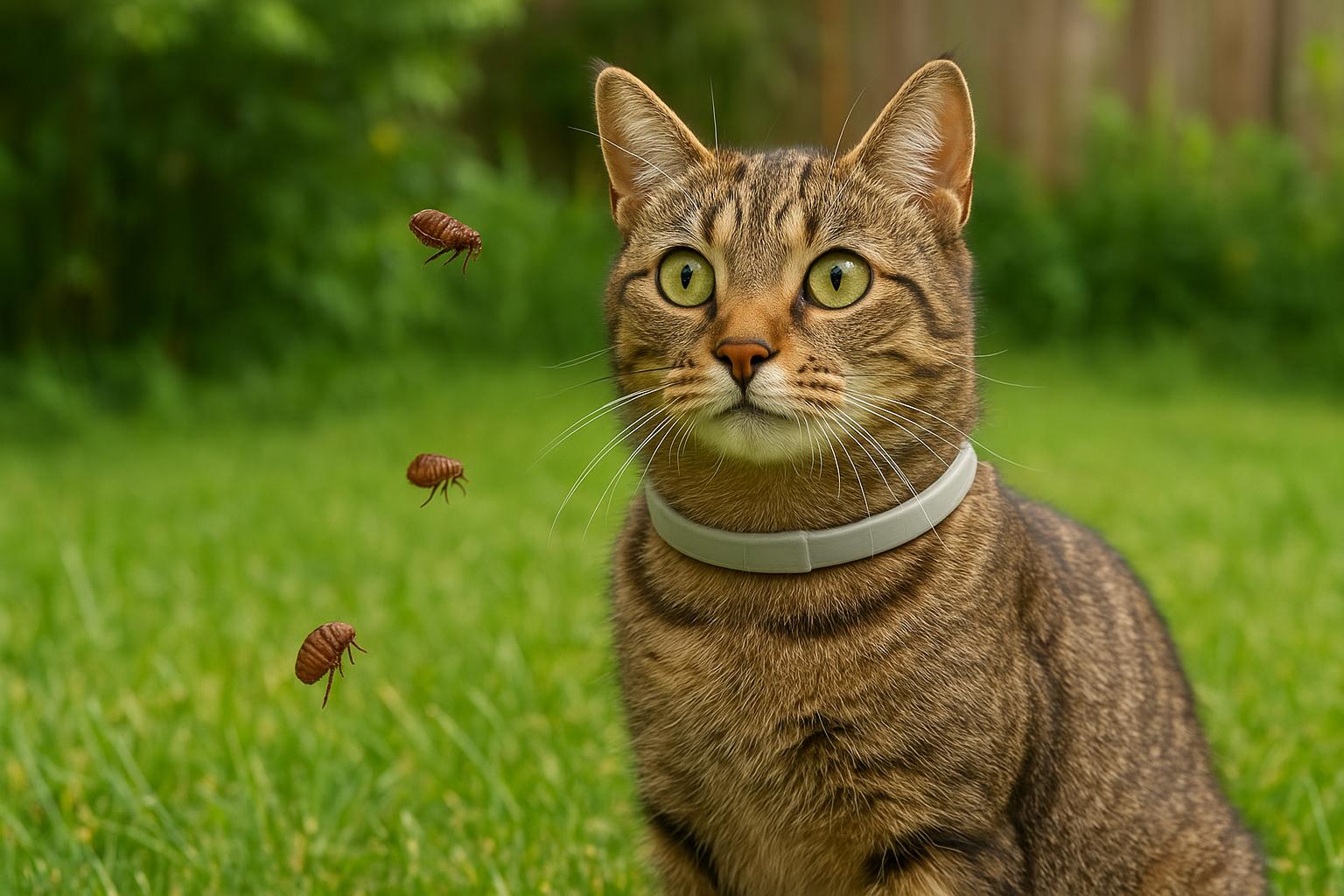
I know, fleas are the kind of tiny roommates nobody asked for — persistent, mysterious, and oddly fond of jumping onto your sense of calm. Relax: this guide walks you through what to look for and, more importantly, what to do. Think of it as a friendly neighbor handing you a toolkit and a cup of advice.
## Definitive Flea Infestation Solutions For A Healthy Home
### Know What You’re Dealing With
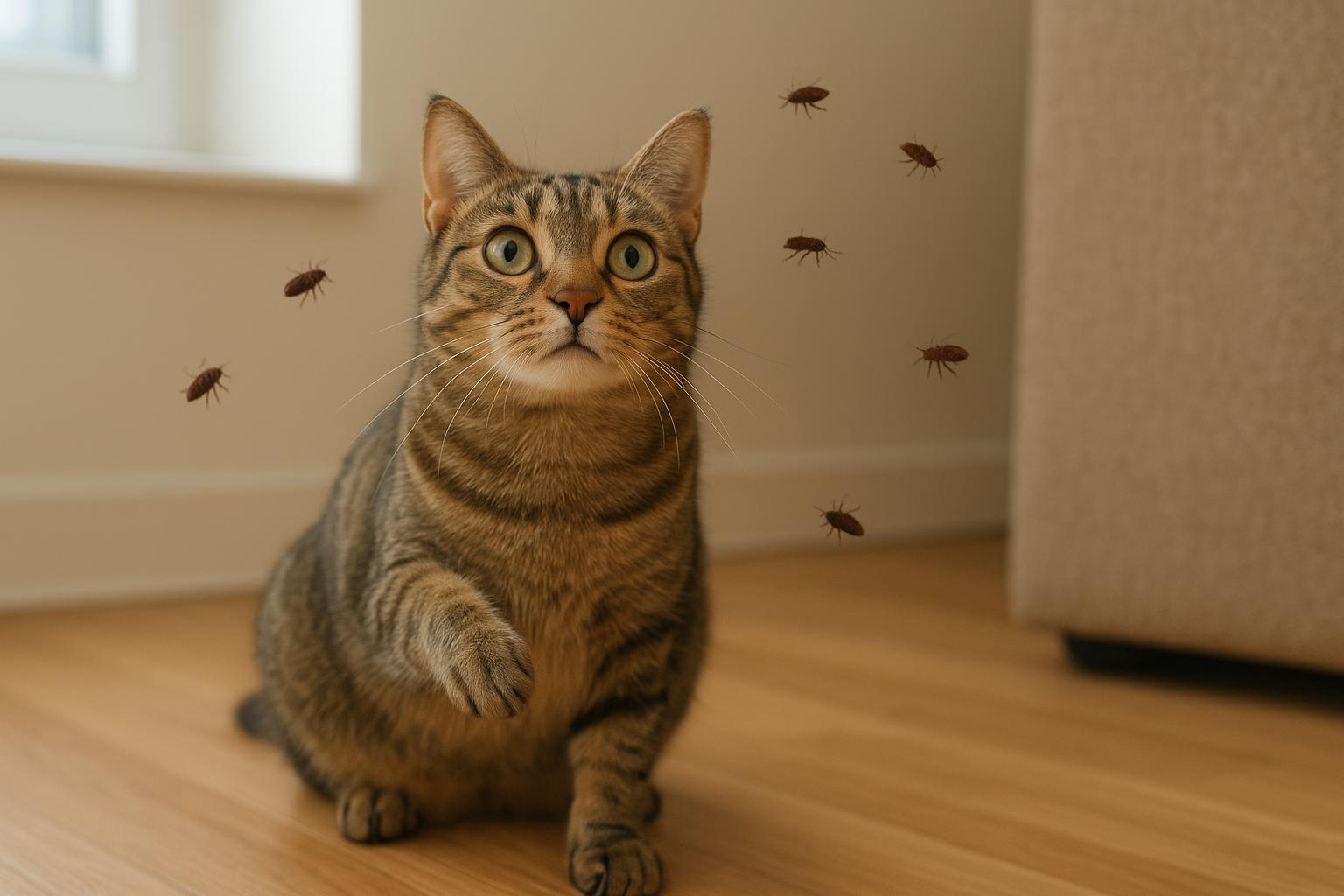
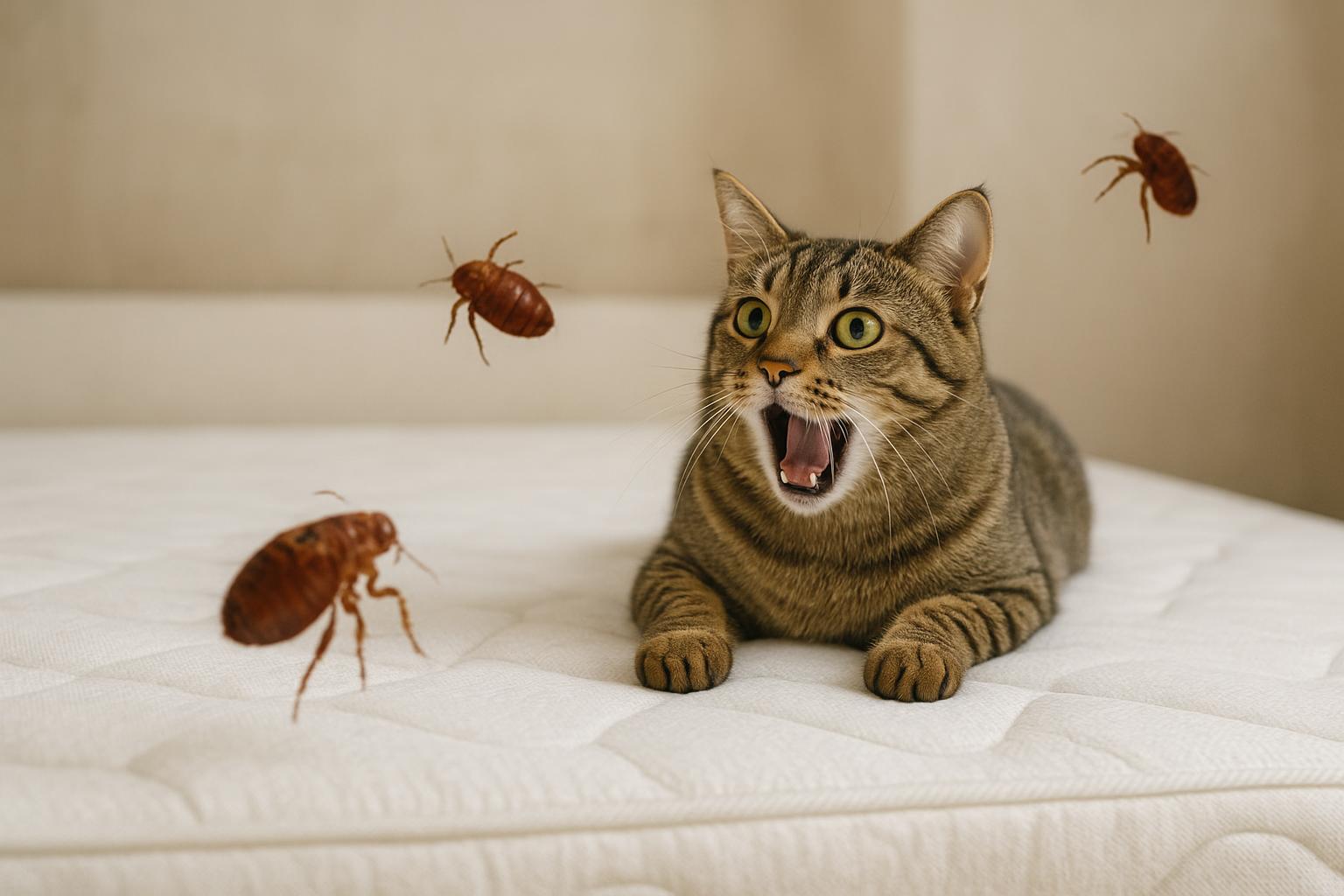
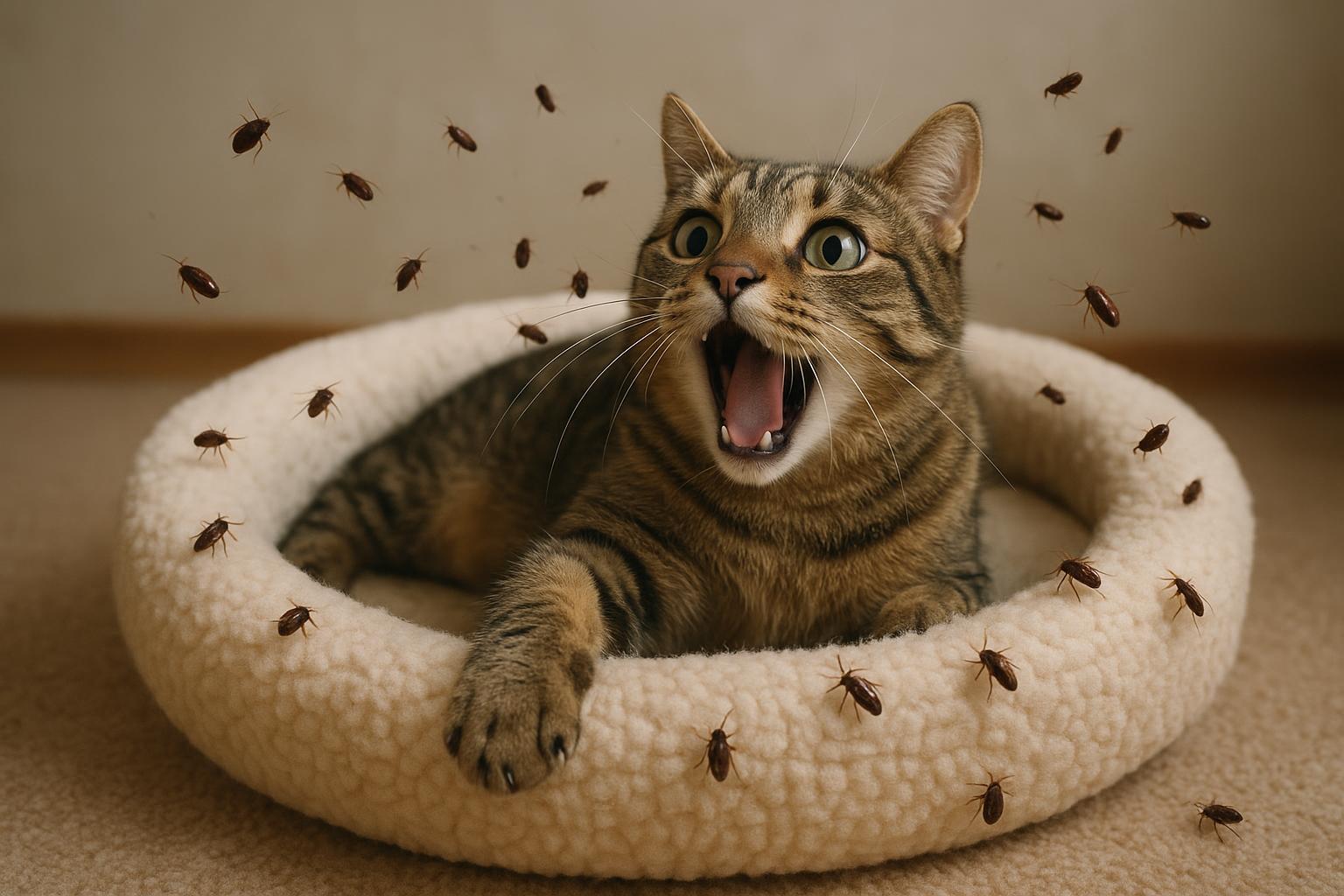
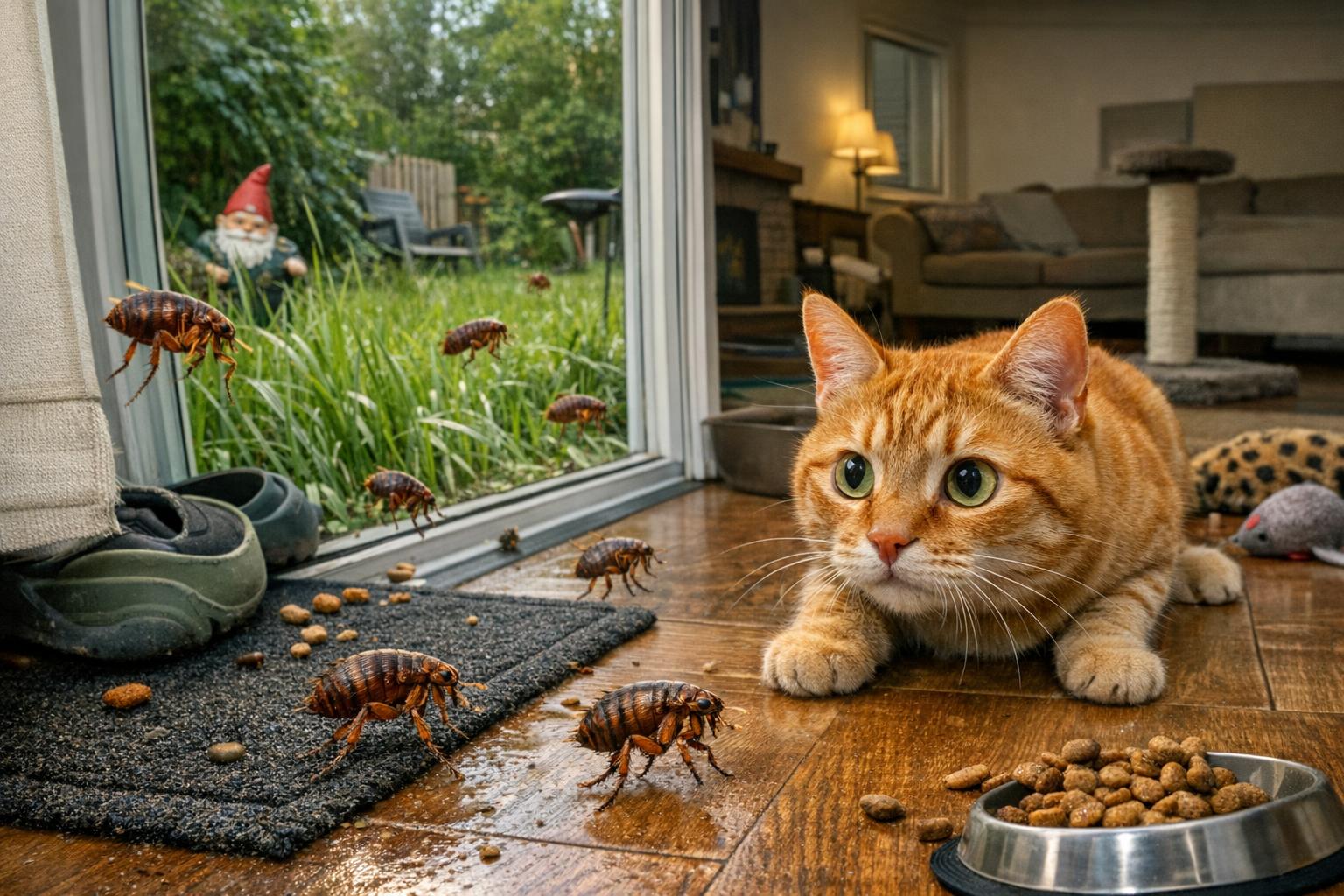
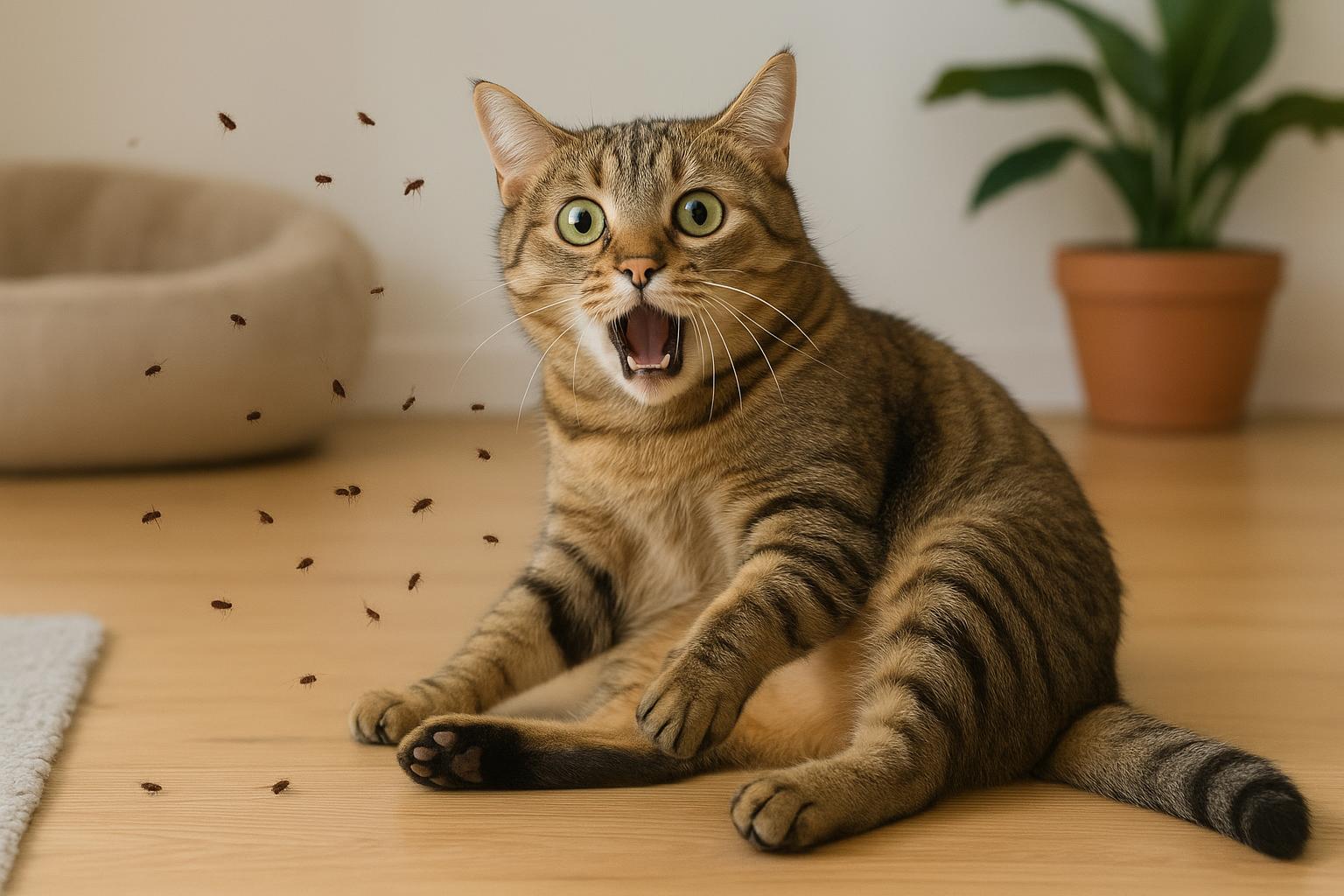
A proper flea infestation isn’t just an itchy nuisance on your pet. These little insects have a lifecycle that makes them stubborn to remove and capable of hiding in carpet fibers, furniture seams, and even baseboards. Identifying the scale and stage of the problem lets you choose the most efficient approach.
### How Fleas Behave
Fleas are blood-feeding parasites whose life stages (egg, larva, pupa, adult) can span weeks to months depending on temperature and humidity. The pupa stage, encased in a cocoon, is especially resistant; it can wait for the right conditions (or a warm, hairy mammal) before emerging as an adult. That’s why a single treatment usually isn’t enough.
### Signs You Have A Flea Infestation
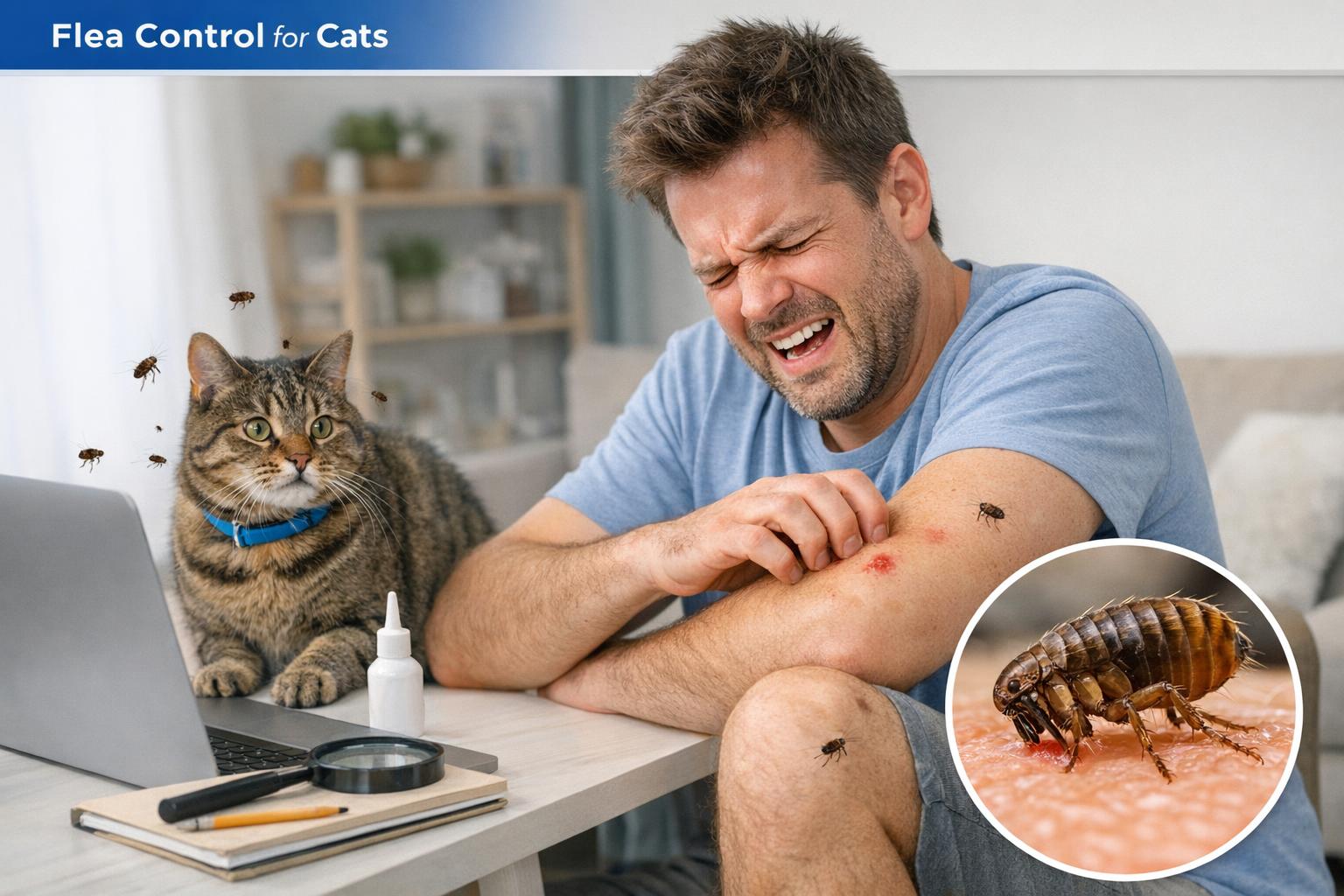
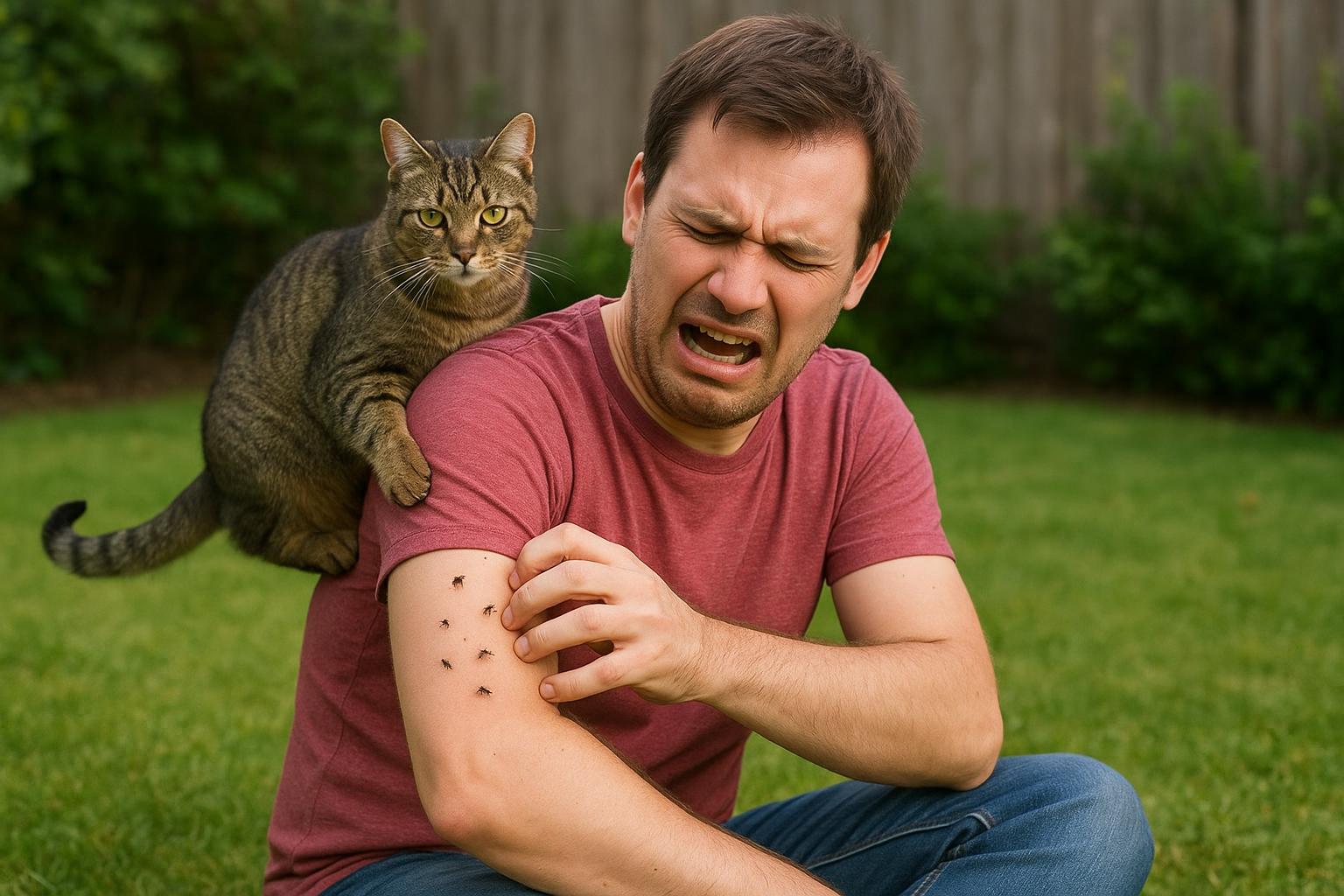
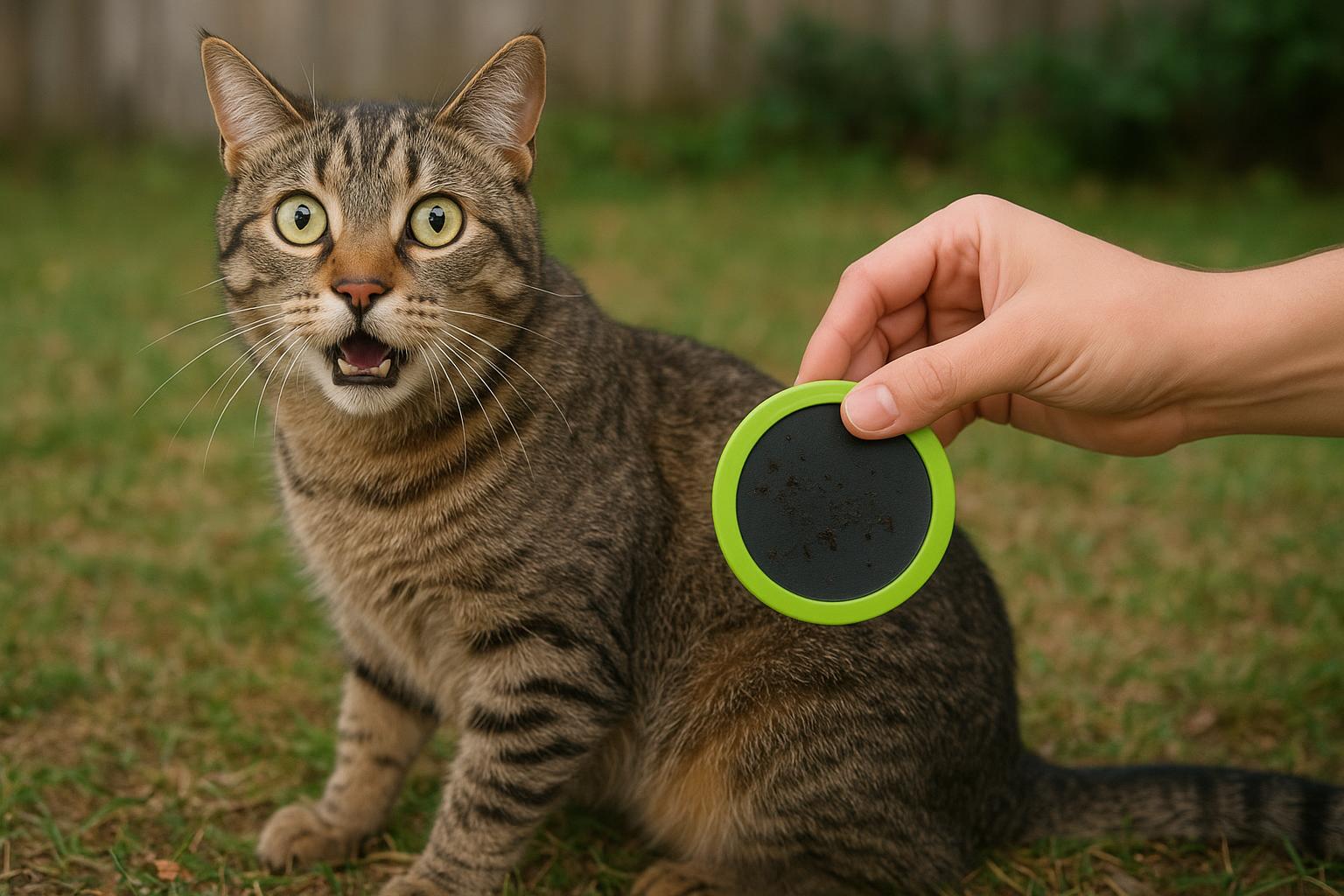
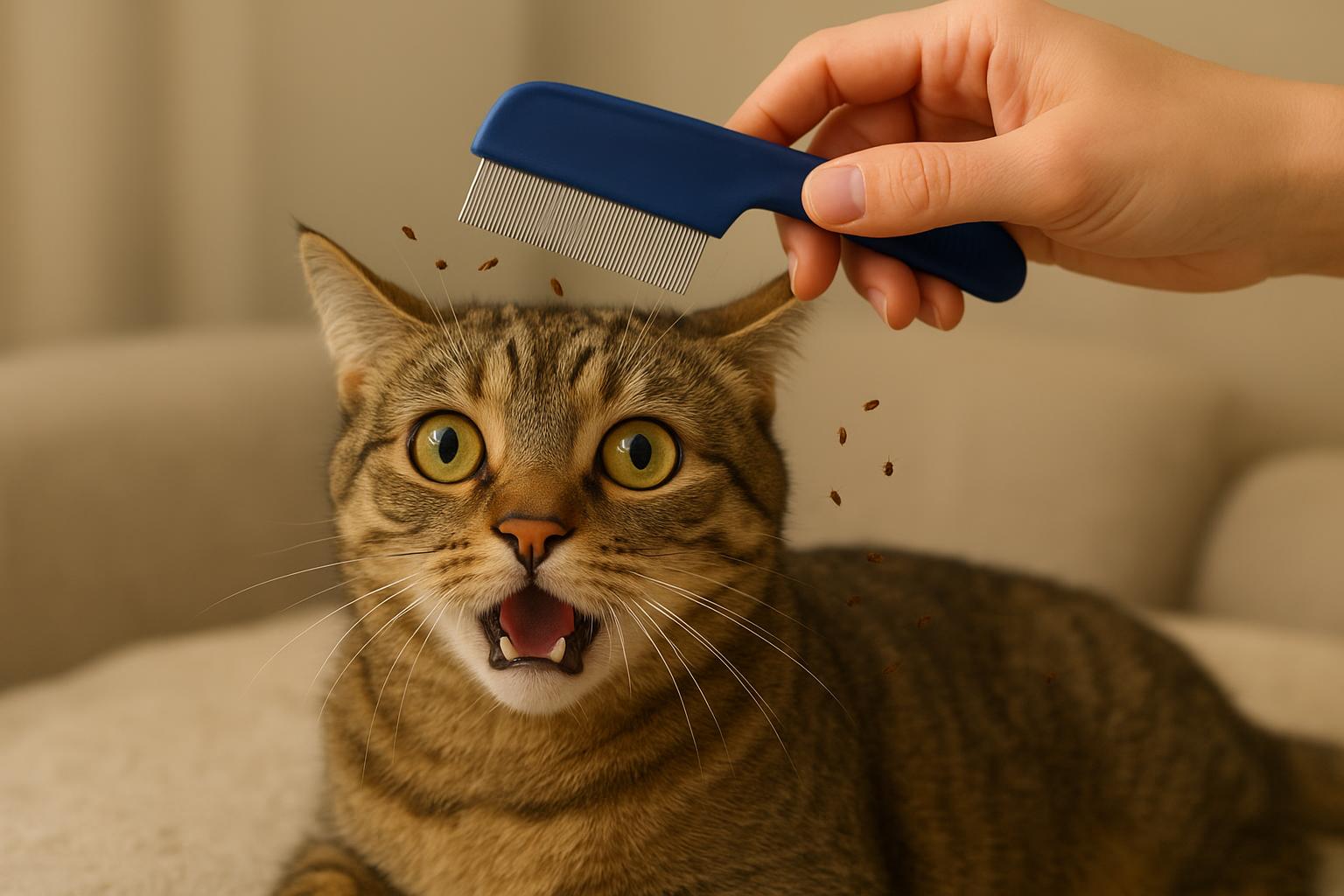
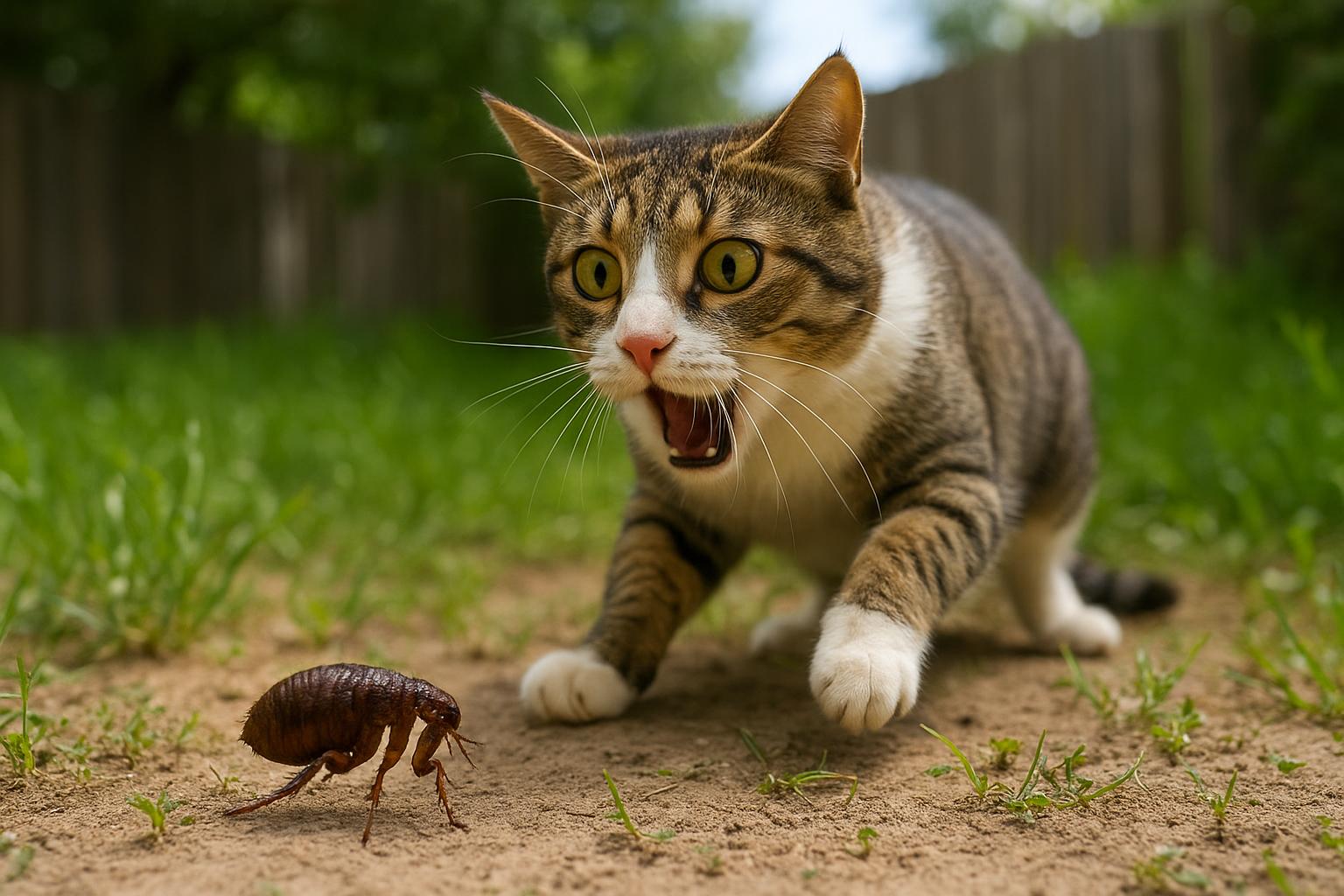
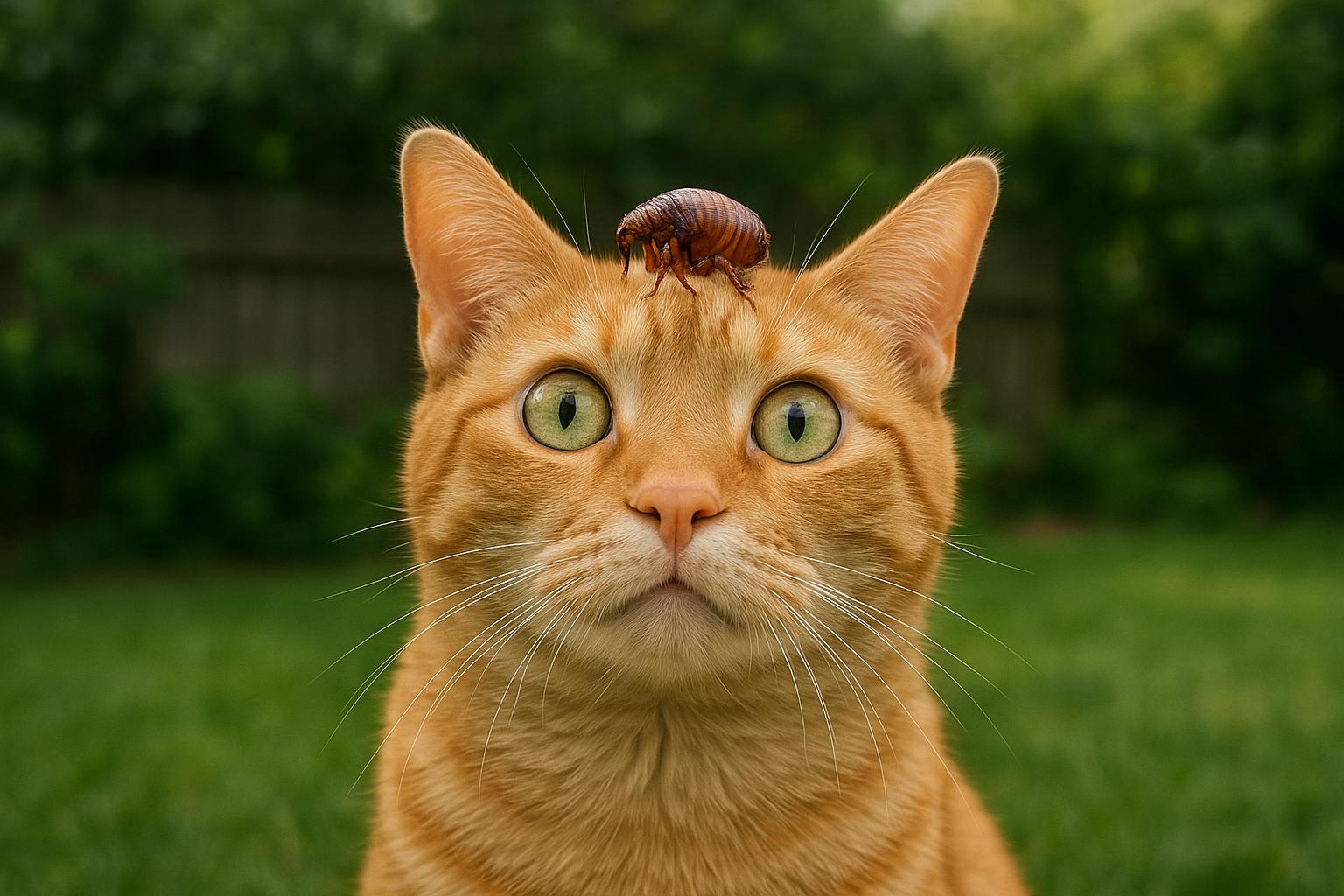
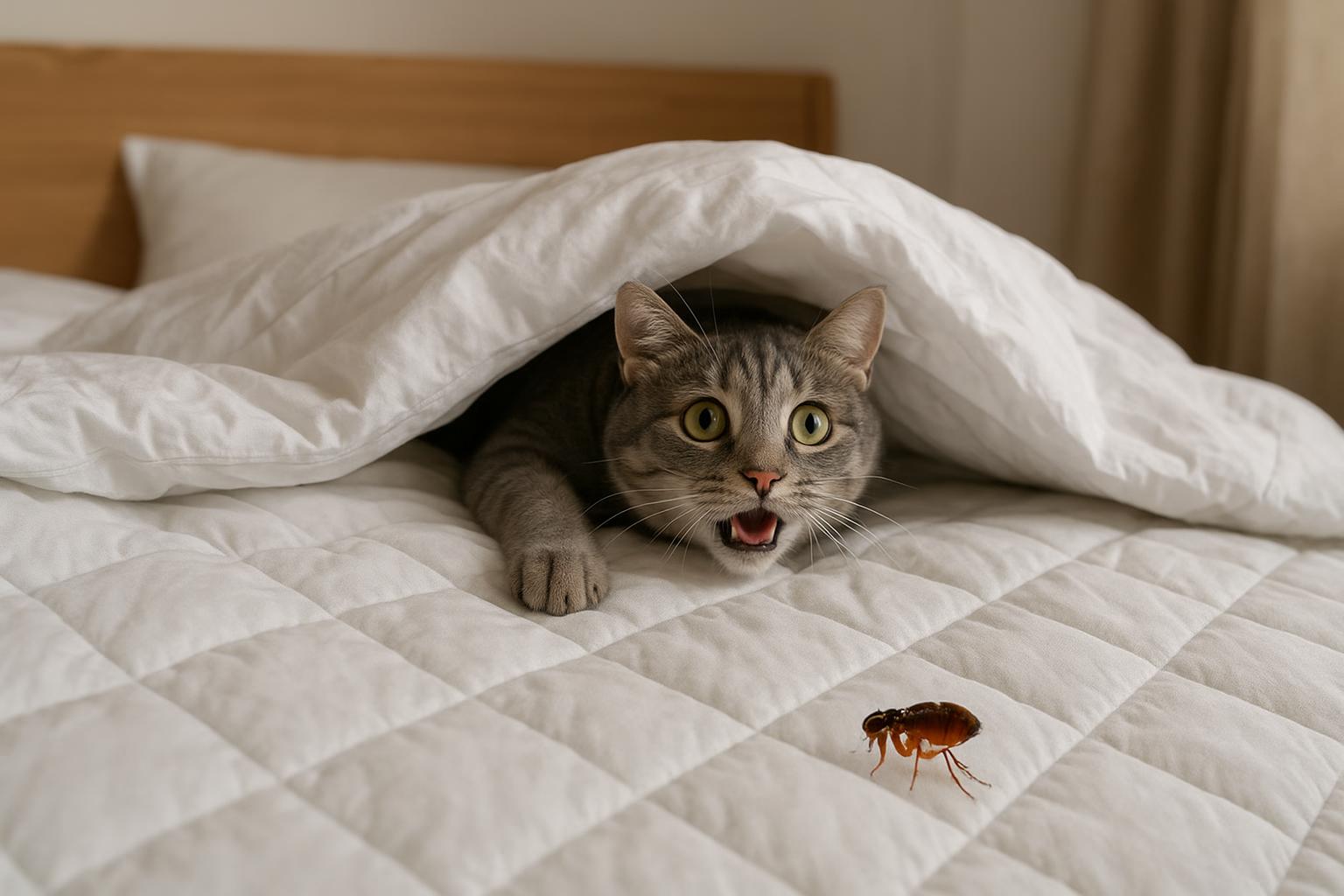
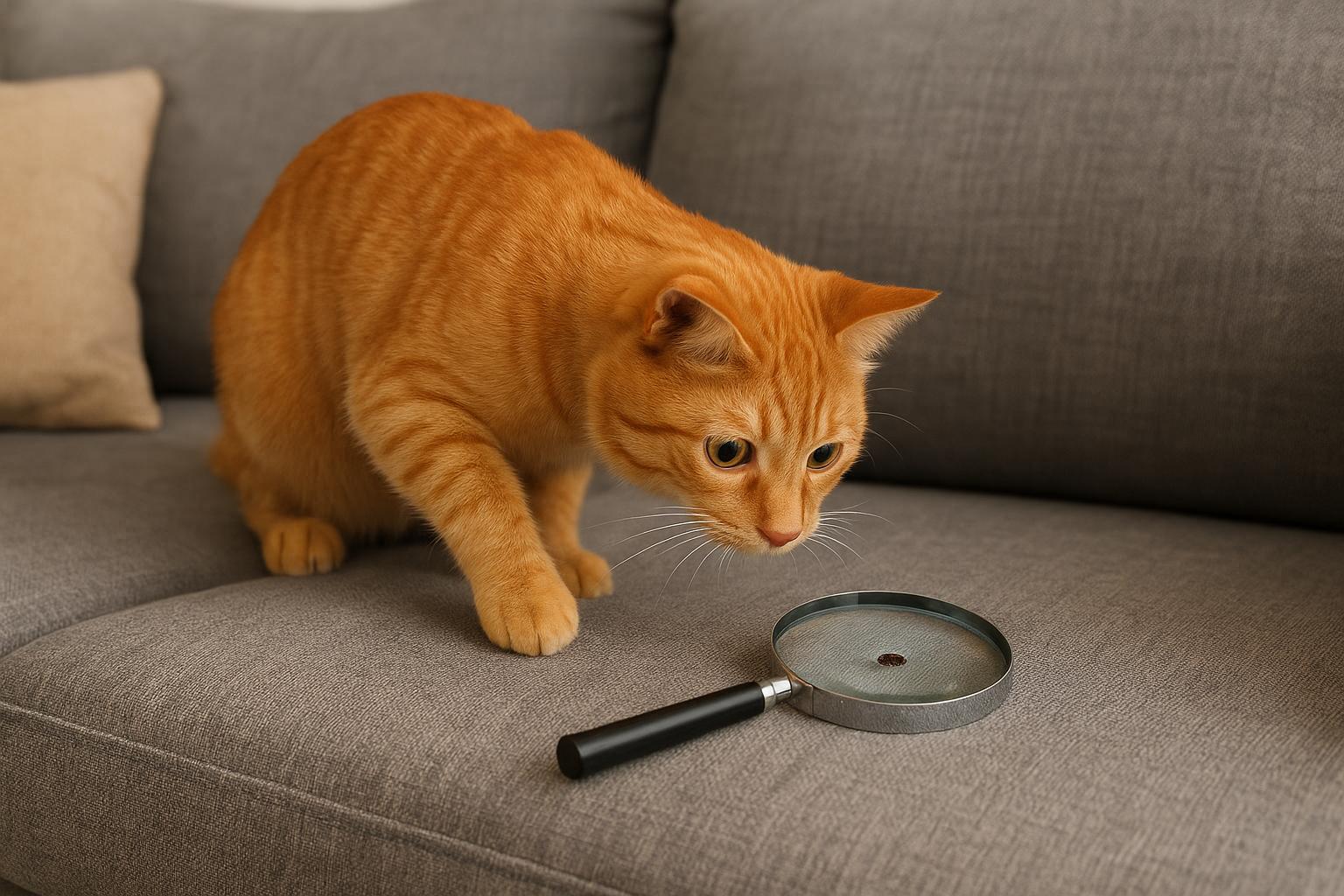
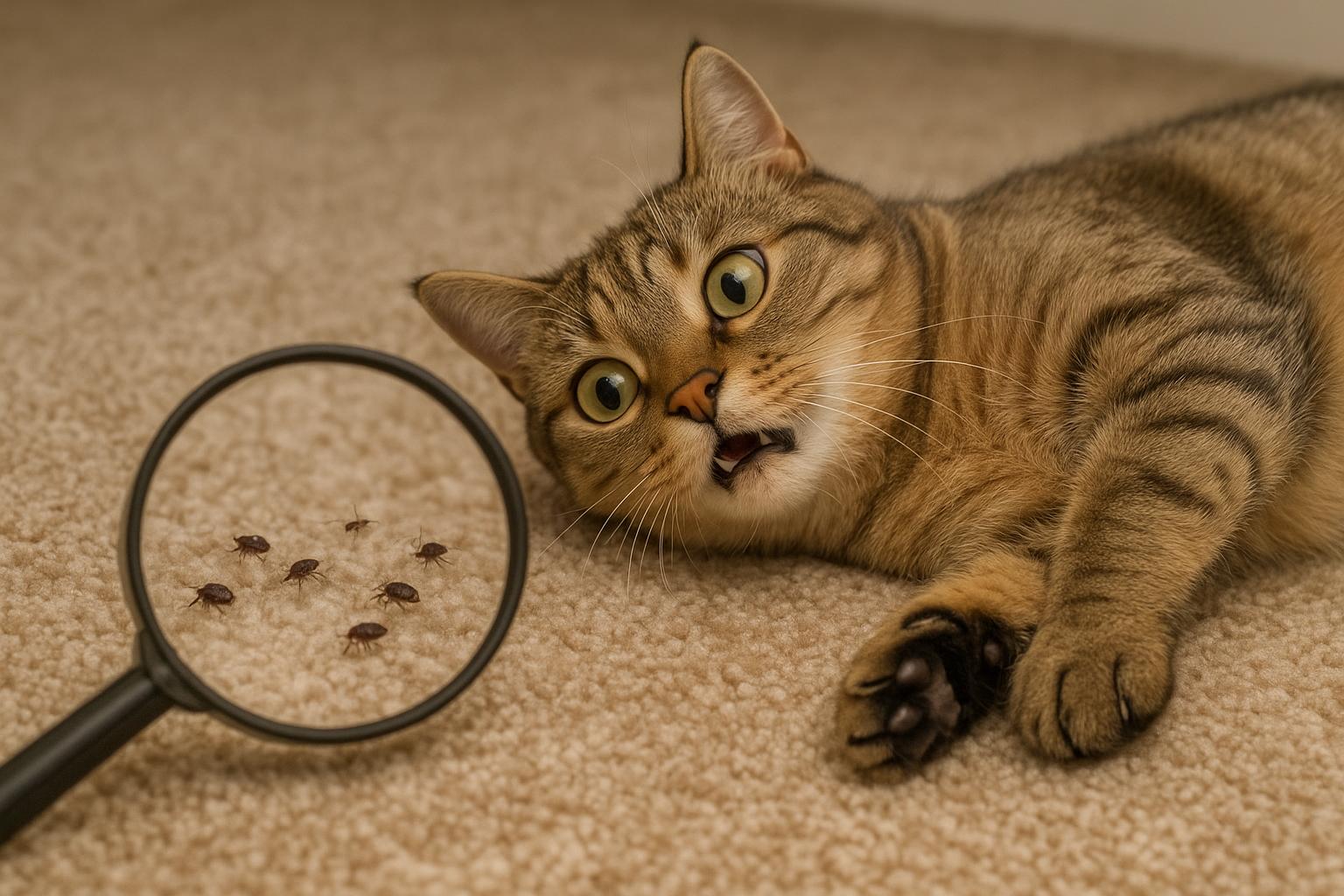
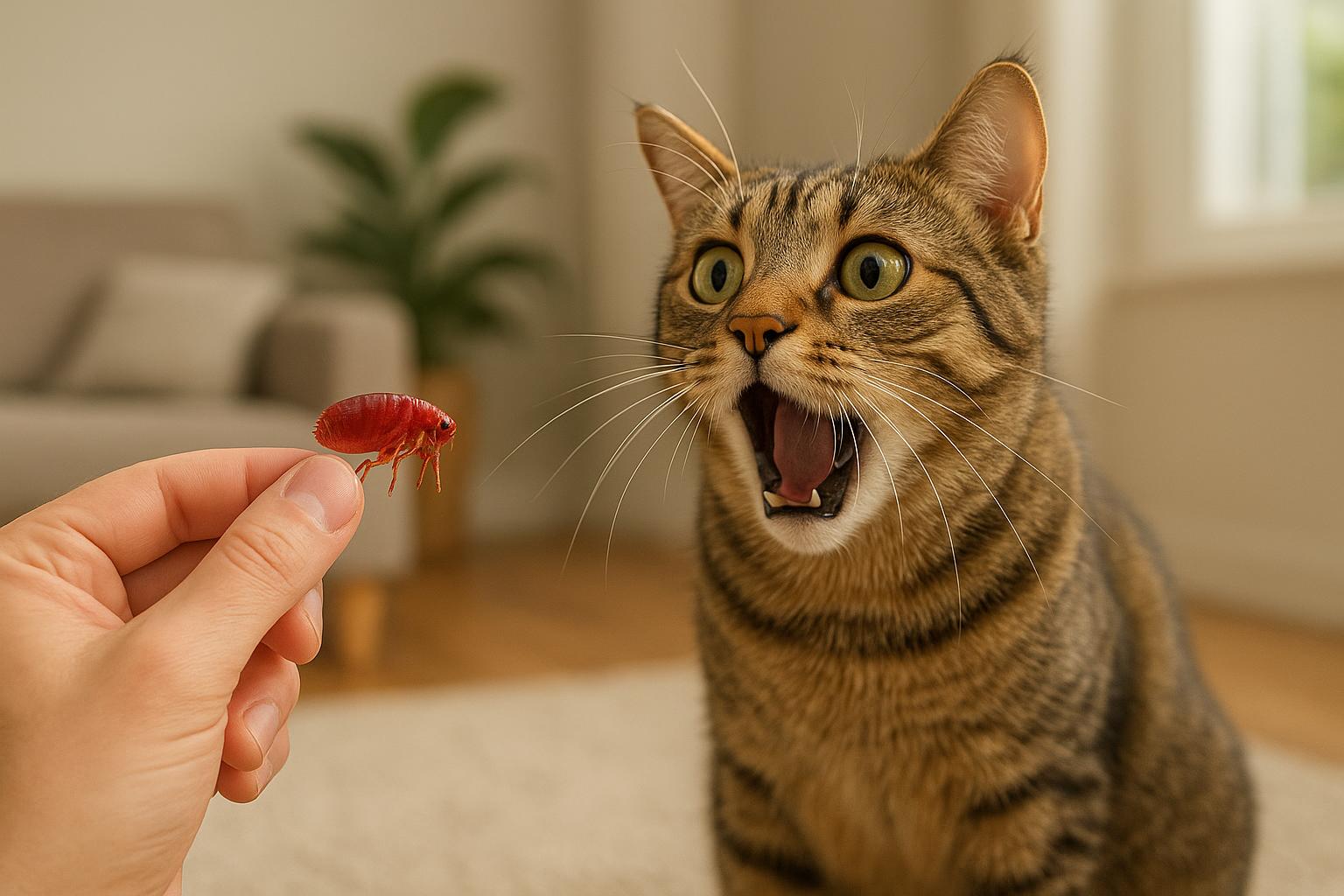
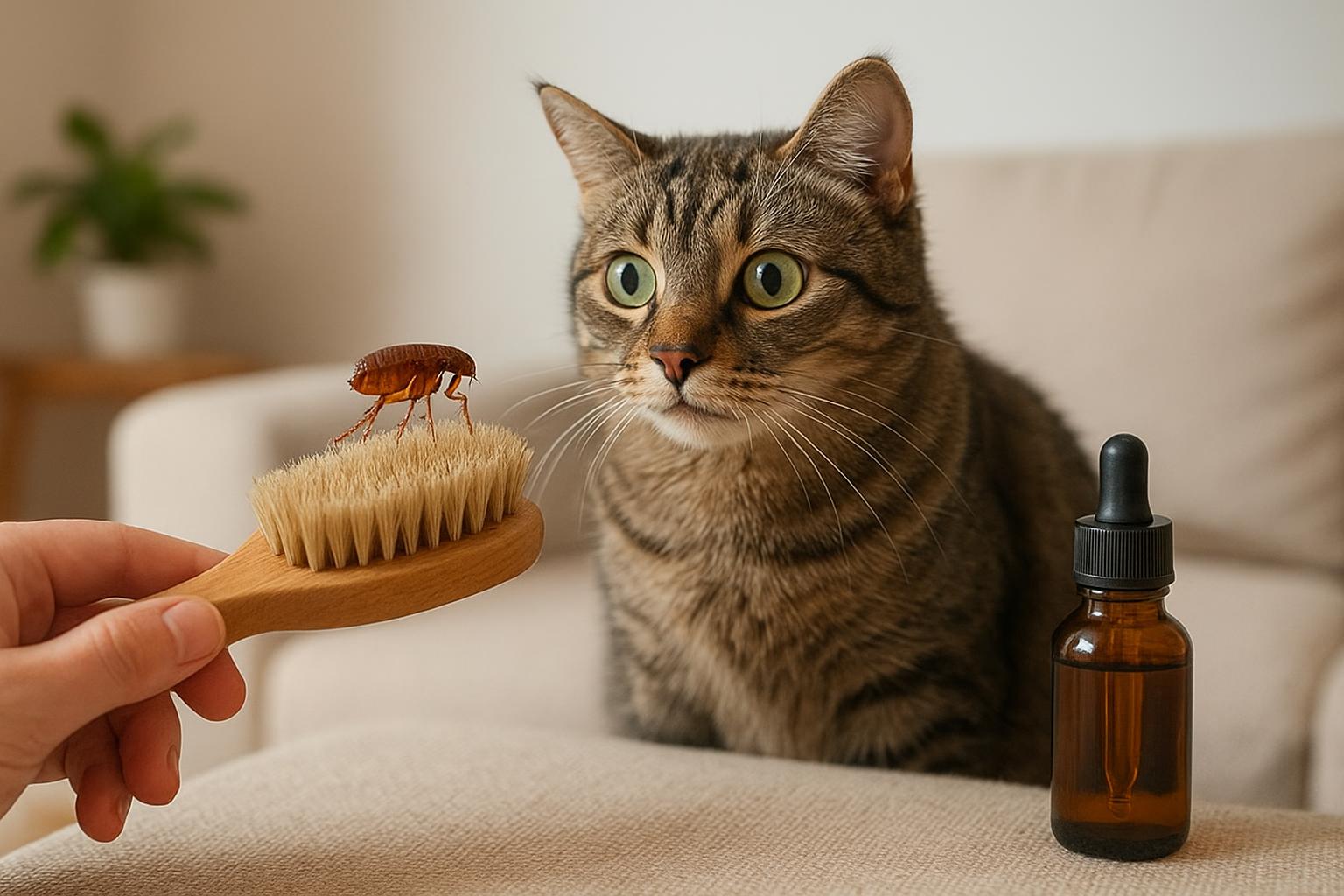
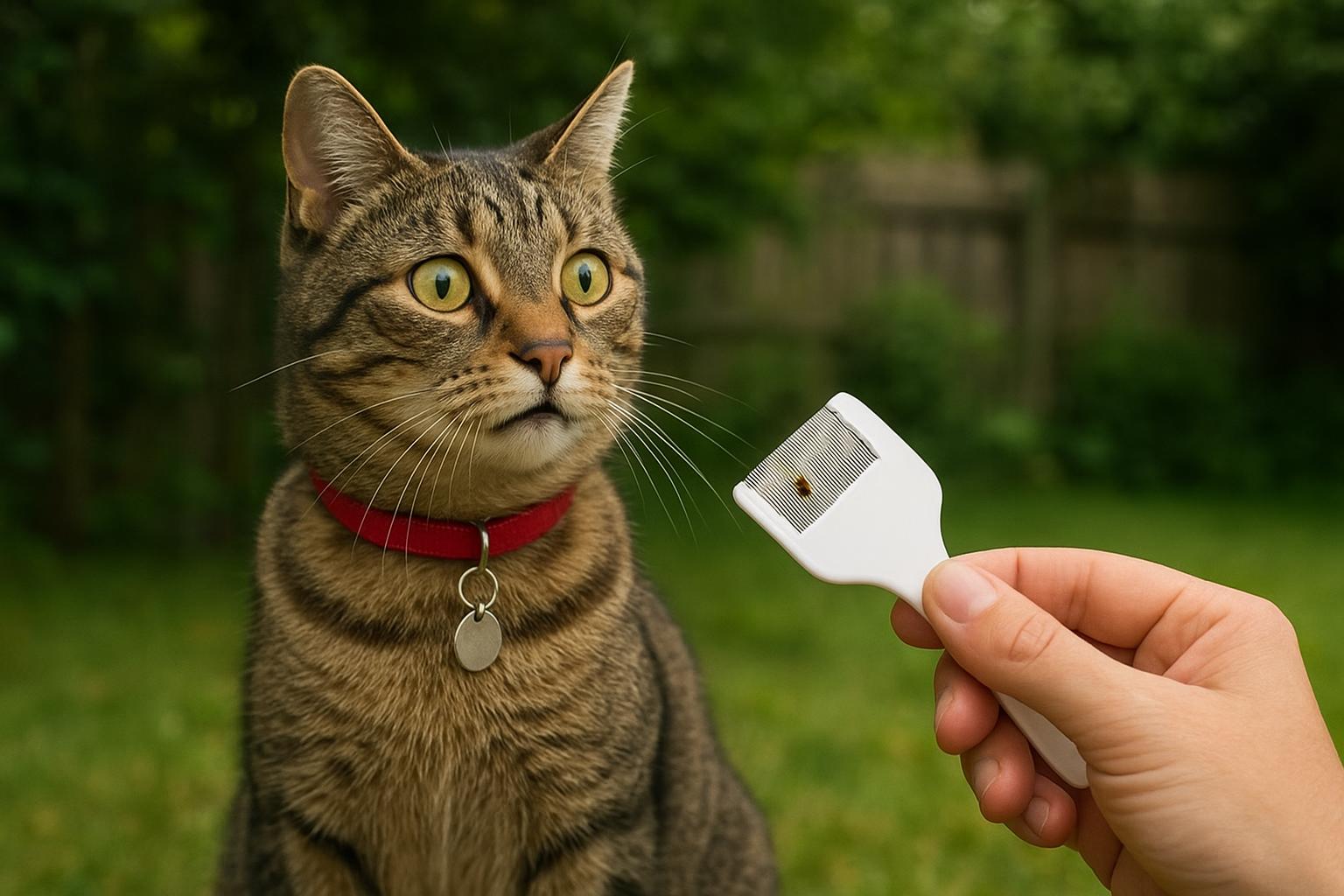
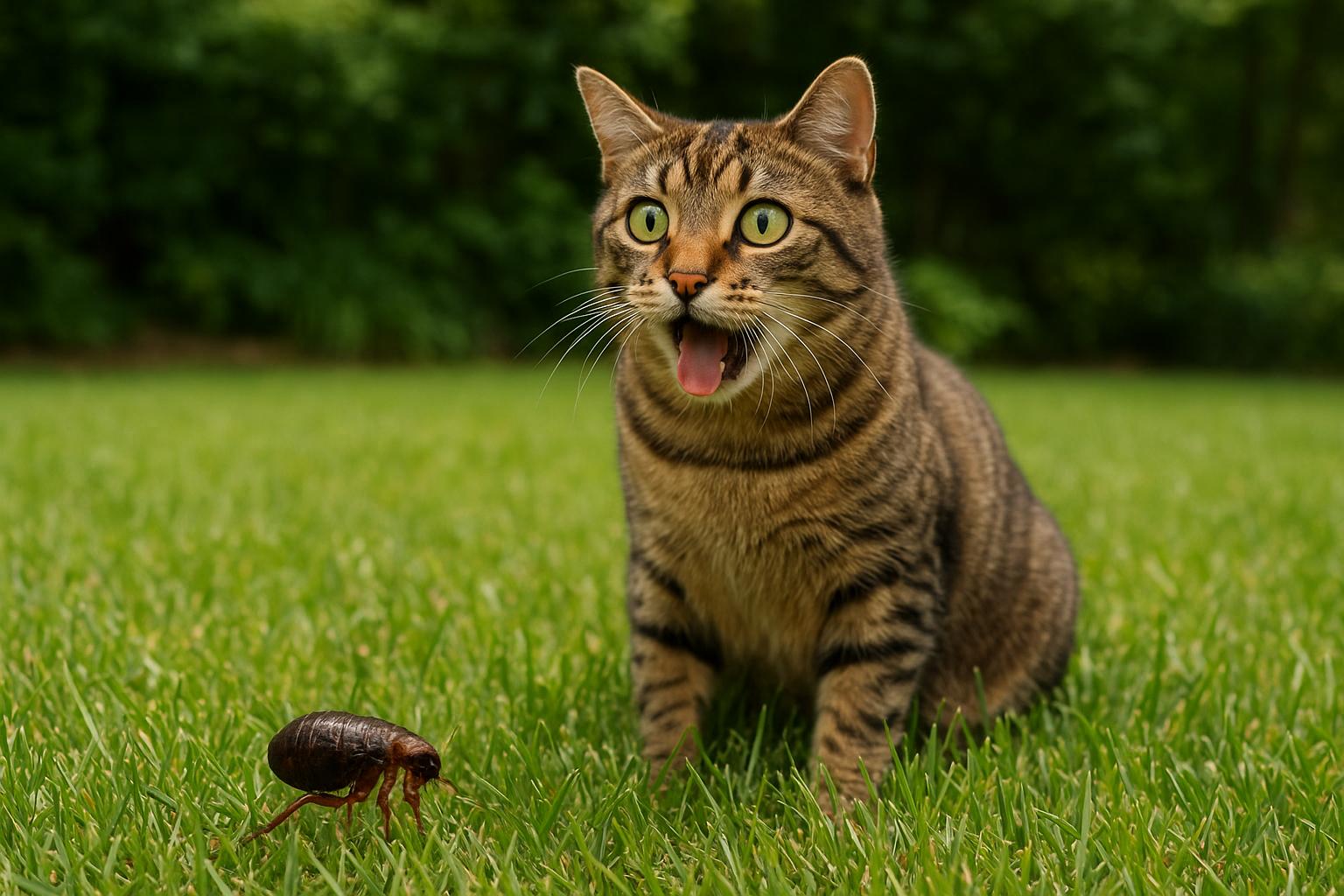
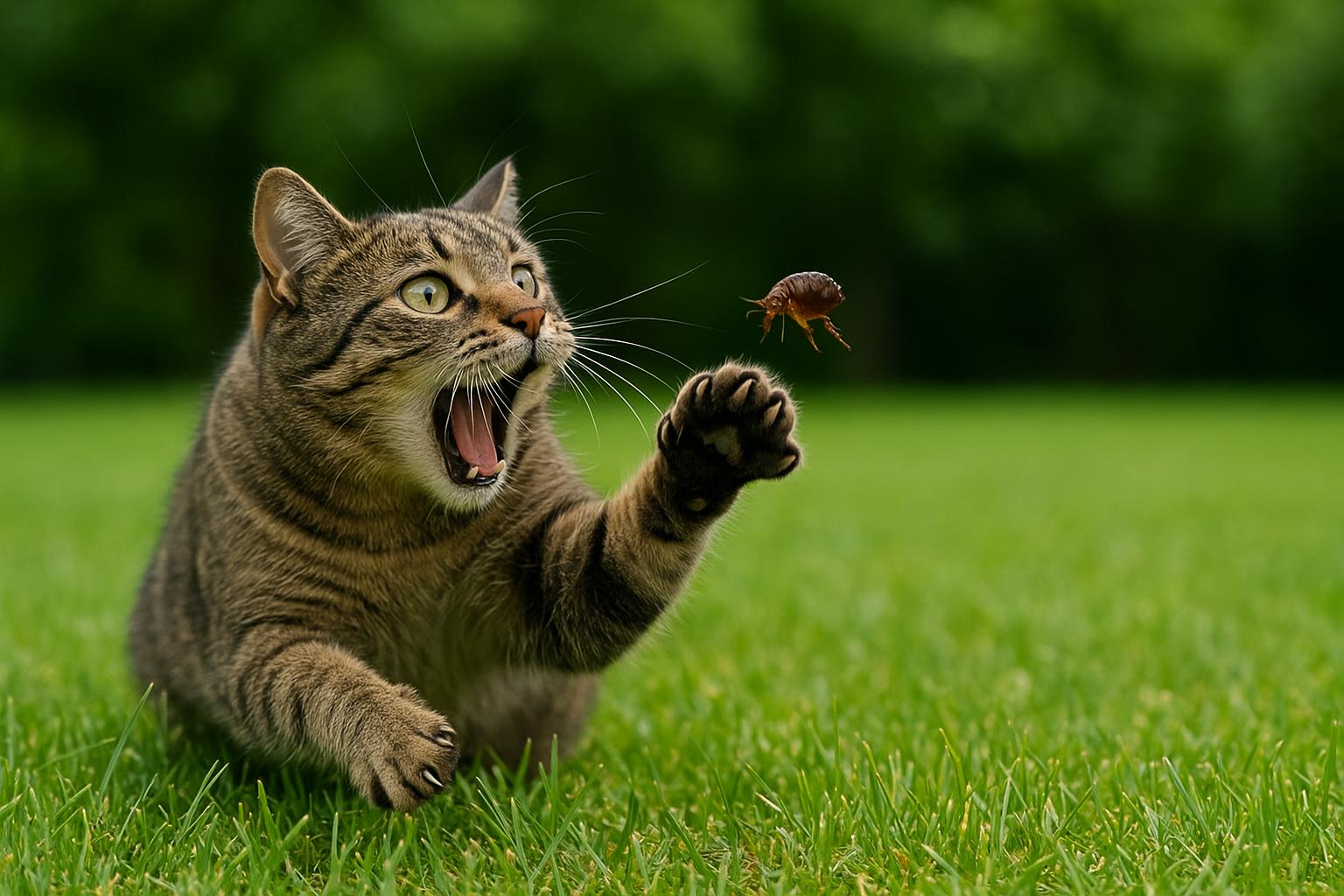
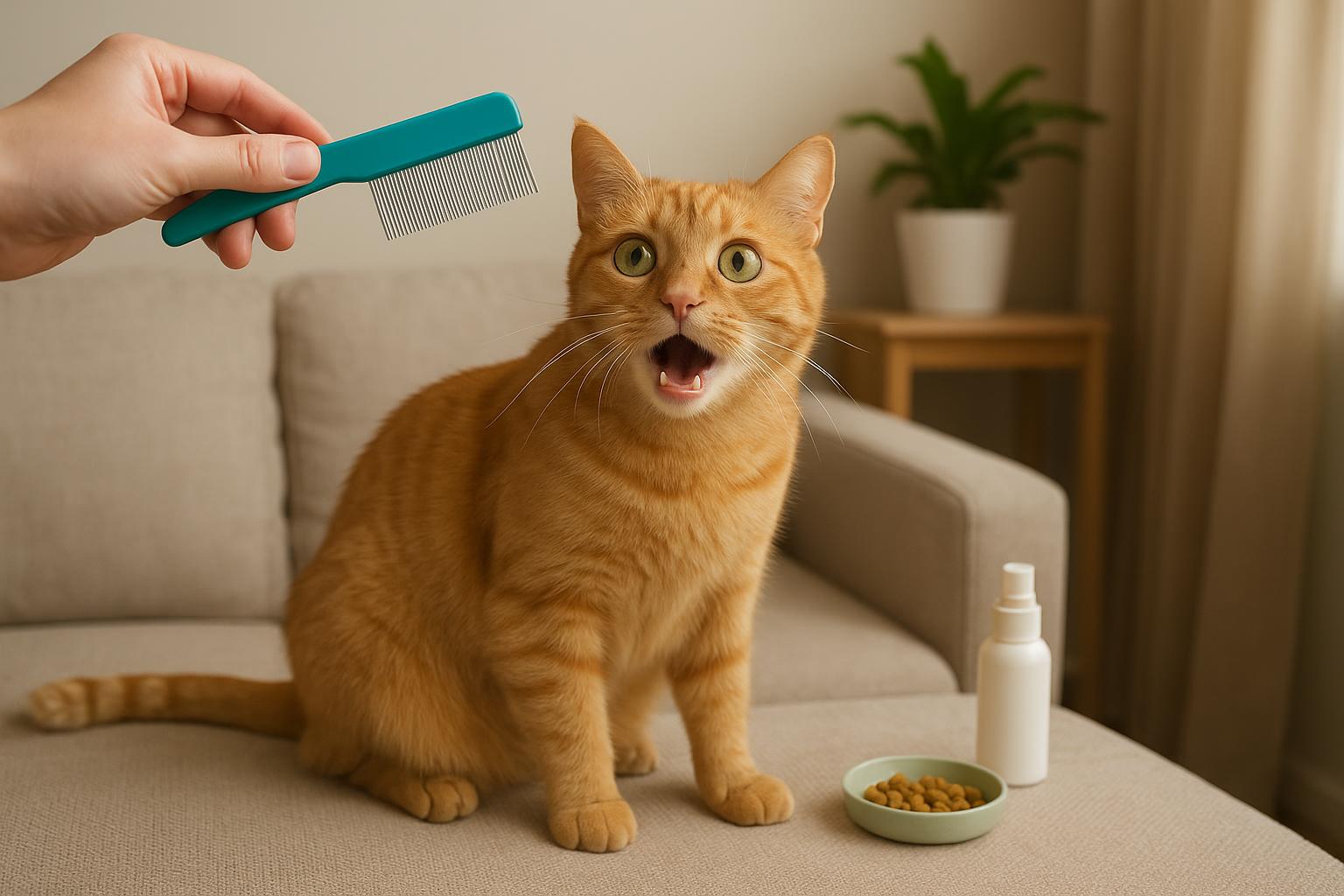
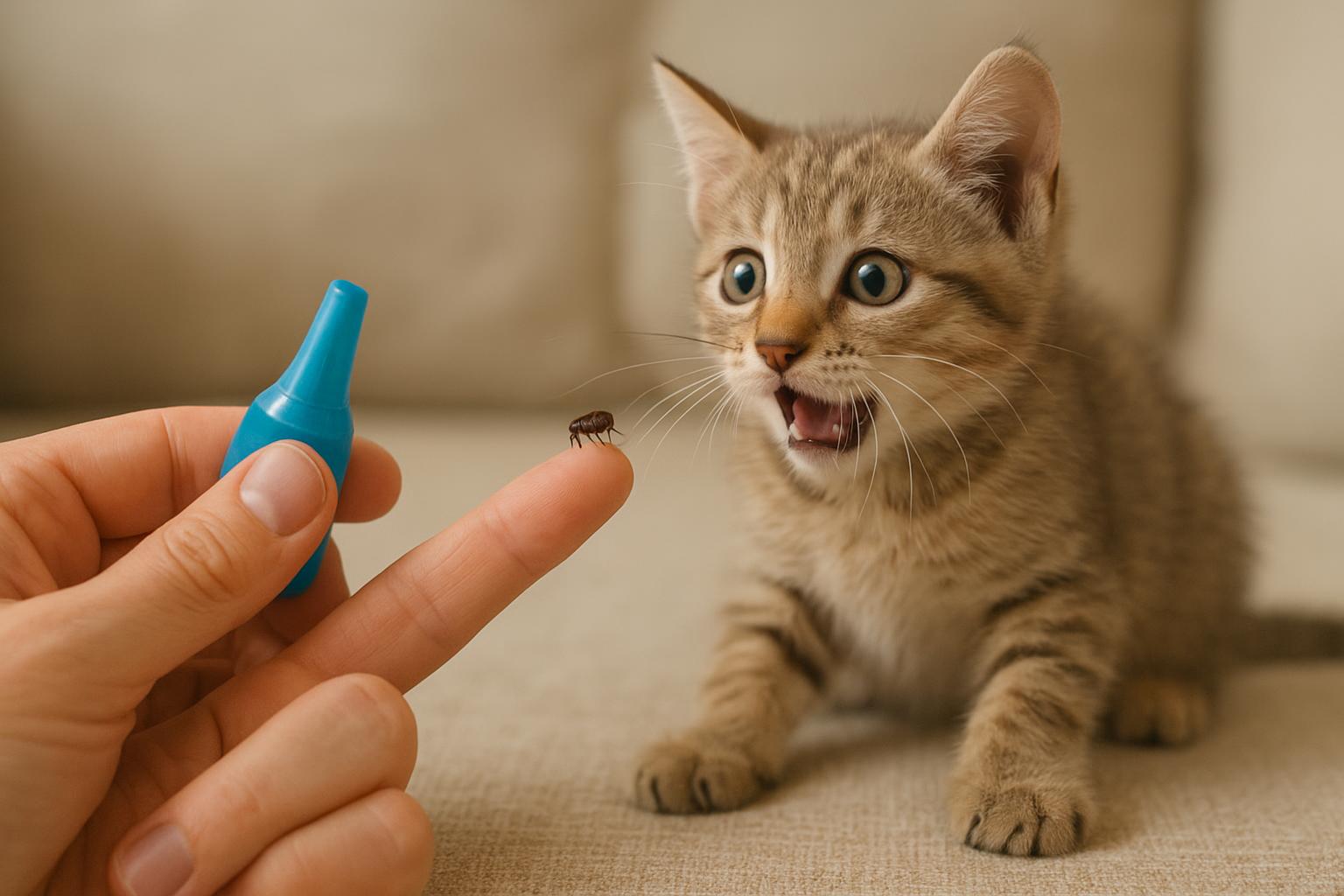
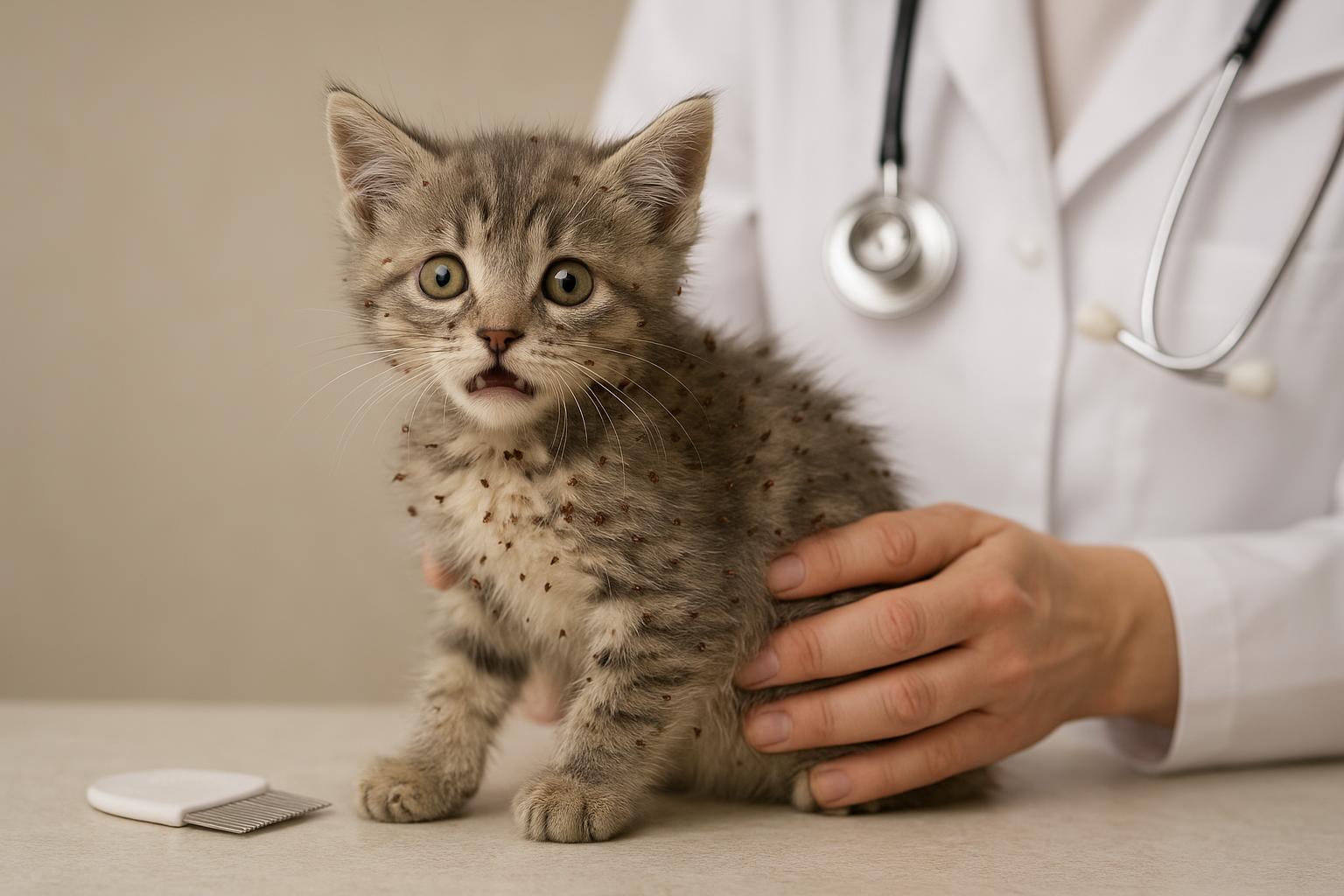
Look for small dark specks (flea dirt — digested blood), actual jumping bugs, pets scratching relentlessly, small red bites on human ankles, and increased behavior changes in pets like restlessness. If you find even a few fleas on an animal, assume there are many more in the environment.
## 1. Vacuuming, Washing, And Steam Treatment
### Materials And Supplies
#### Essential Items
– High-power vacuum with attachments
– Steam cleaner with upholstery and floor tools
– Sealable trash bags
– Laundry detergent and hot water (at least 120°F/49°C safe for fabrics)
– Furniture brush or stiff-bristled broom
### Step-By-Step Application (Formal Procedure)
1. Prepare: Remove clutter and pick up small items from floors and under furniture. Close doors to prevent cross-contamination to cleaned rooms.
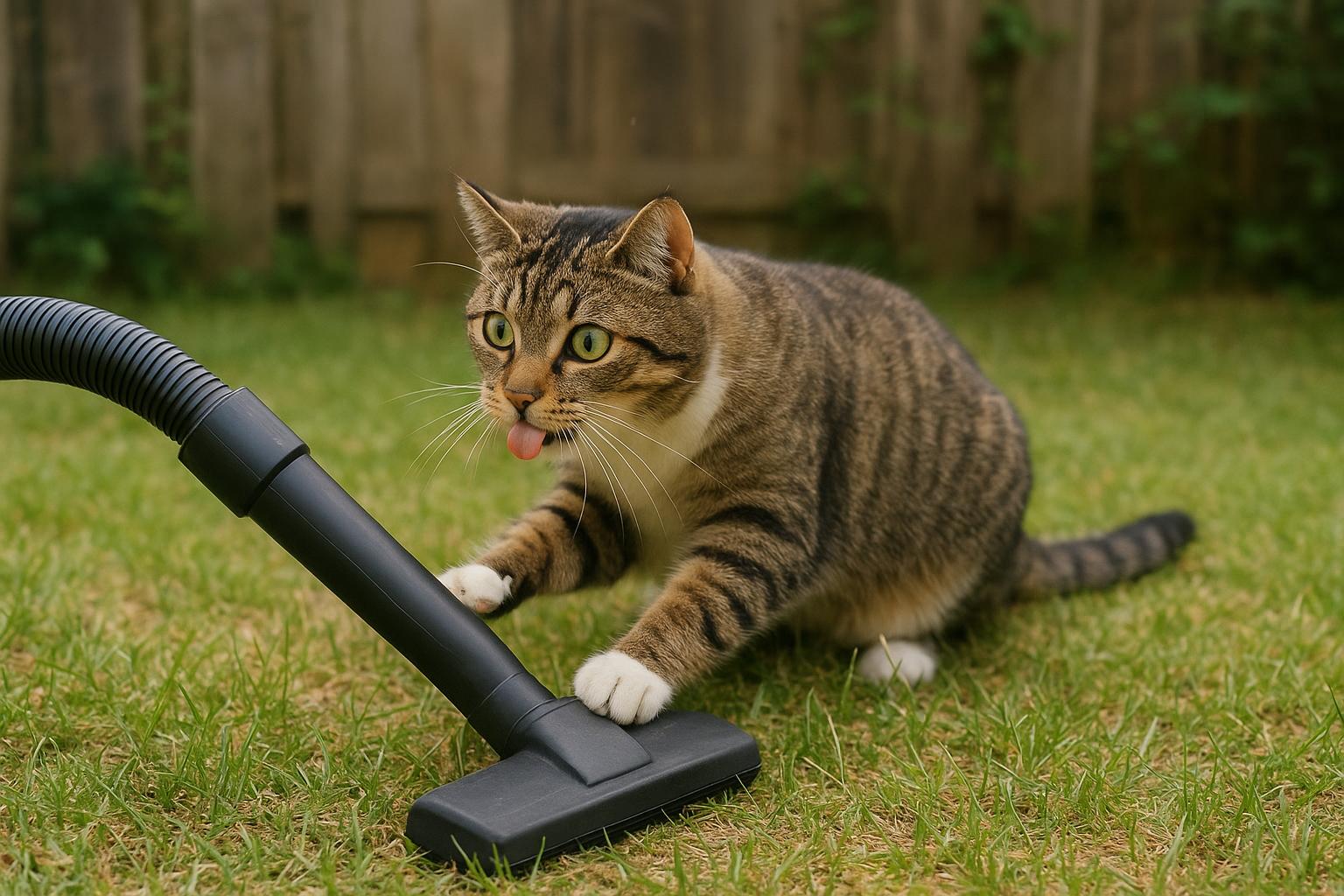
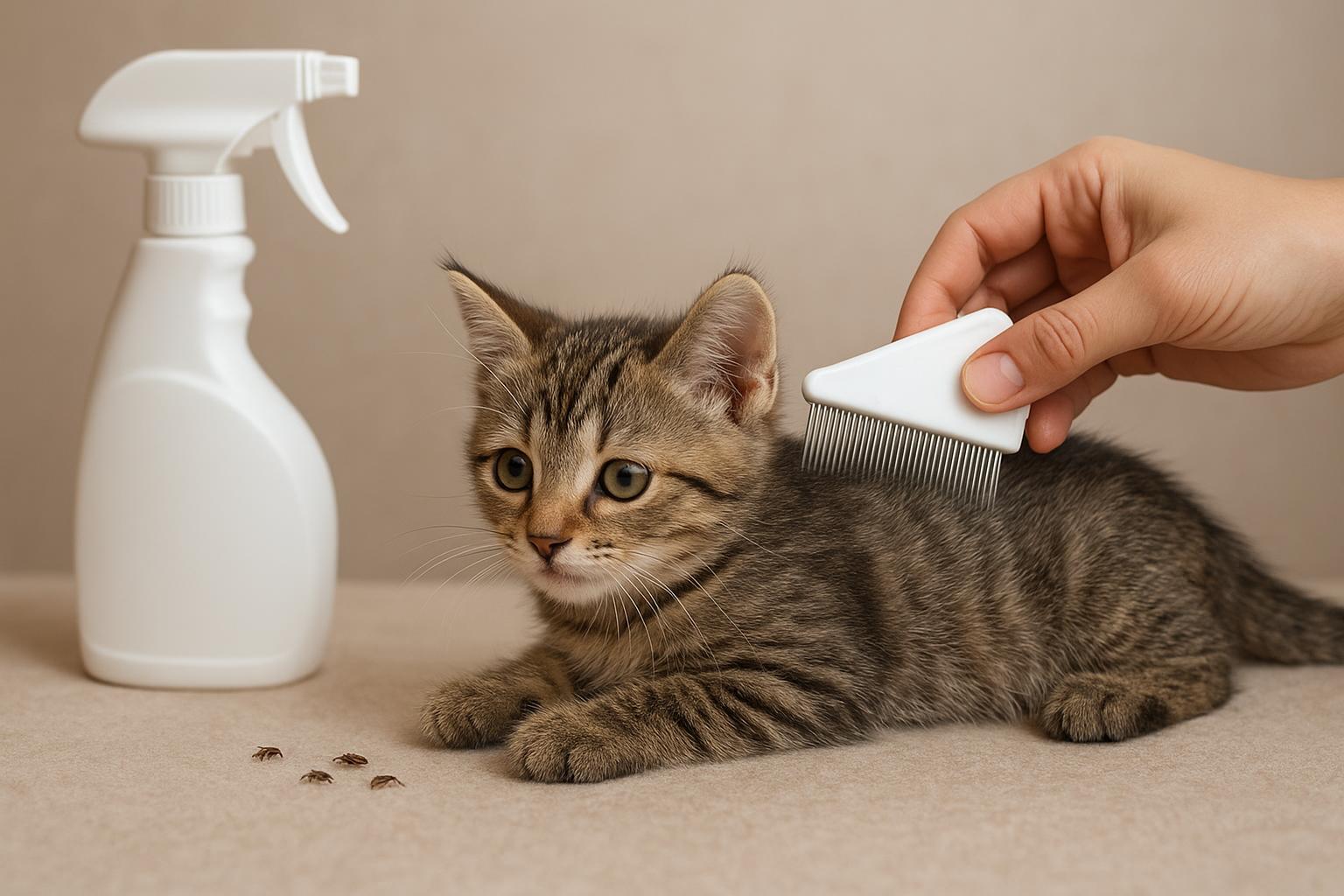
2. Vacuum Thoroughly: Use the vacuum on carpets, rugs, pet bedding, upholstery, baseboards, under cushions, and along edges where pets sleep. Go slowly — repeat passes increase removal of eggs and larvae. Empty vacuum canister or replace bag immediately into a sealed trash bag and take it outside.
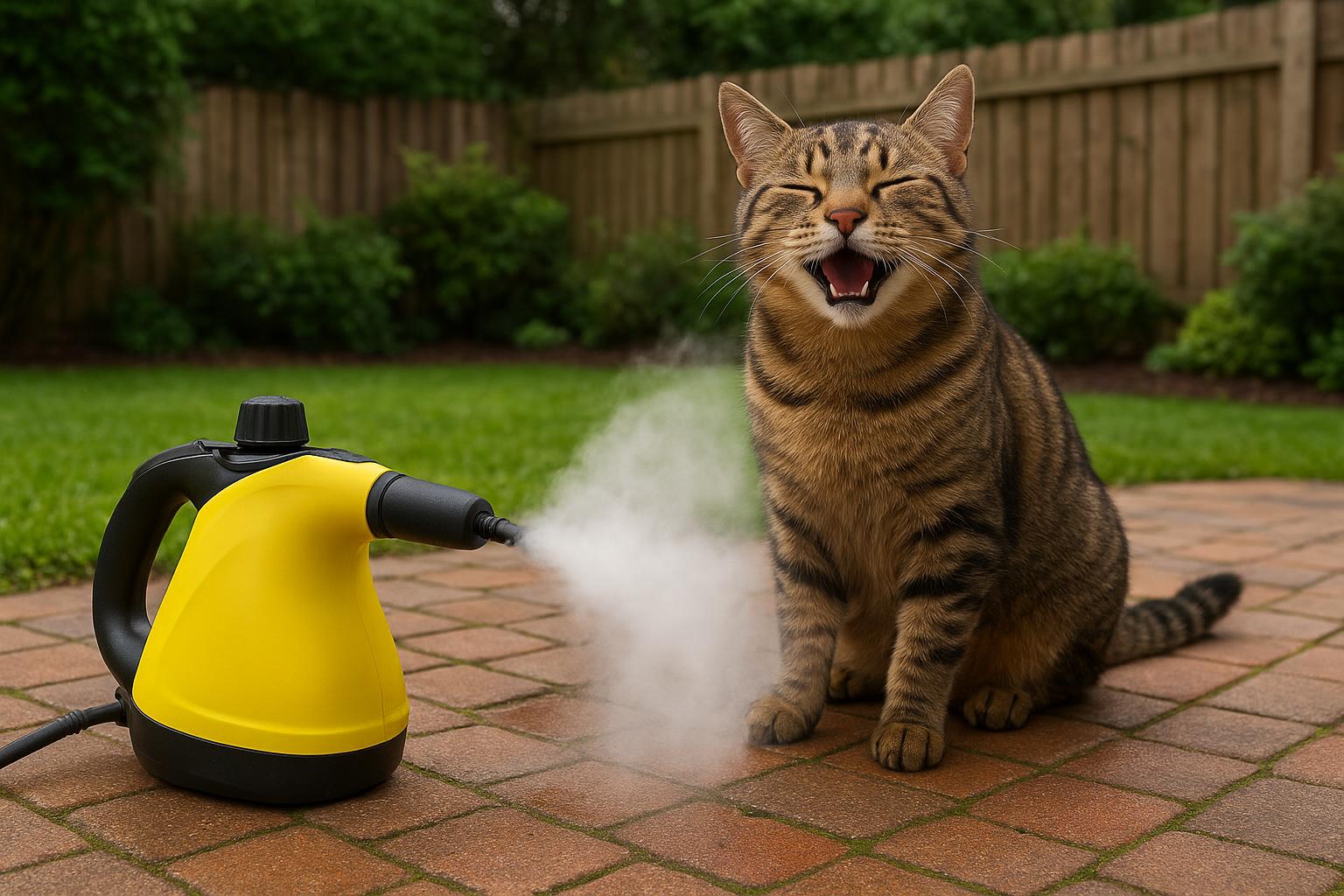
3. Steam Cleaning: After vacuuming, treat carpets and upholstered furniture with a steam cleaner at manufacturer-recommended settings. The combination of heat and moisture will kill flea eggs, larvae, and adults in treated areas. Follow the steam cleaner’s safety directions to avoid over-wetting.
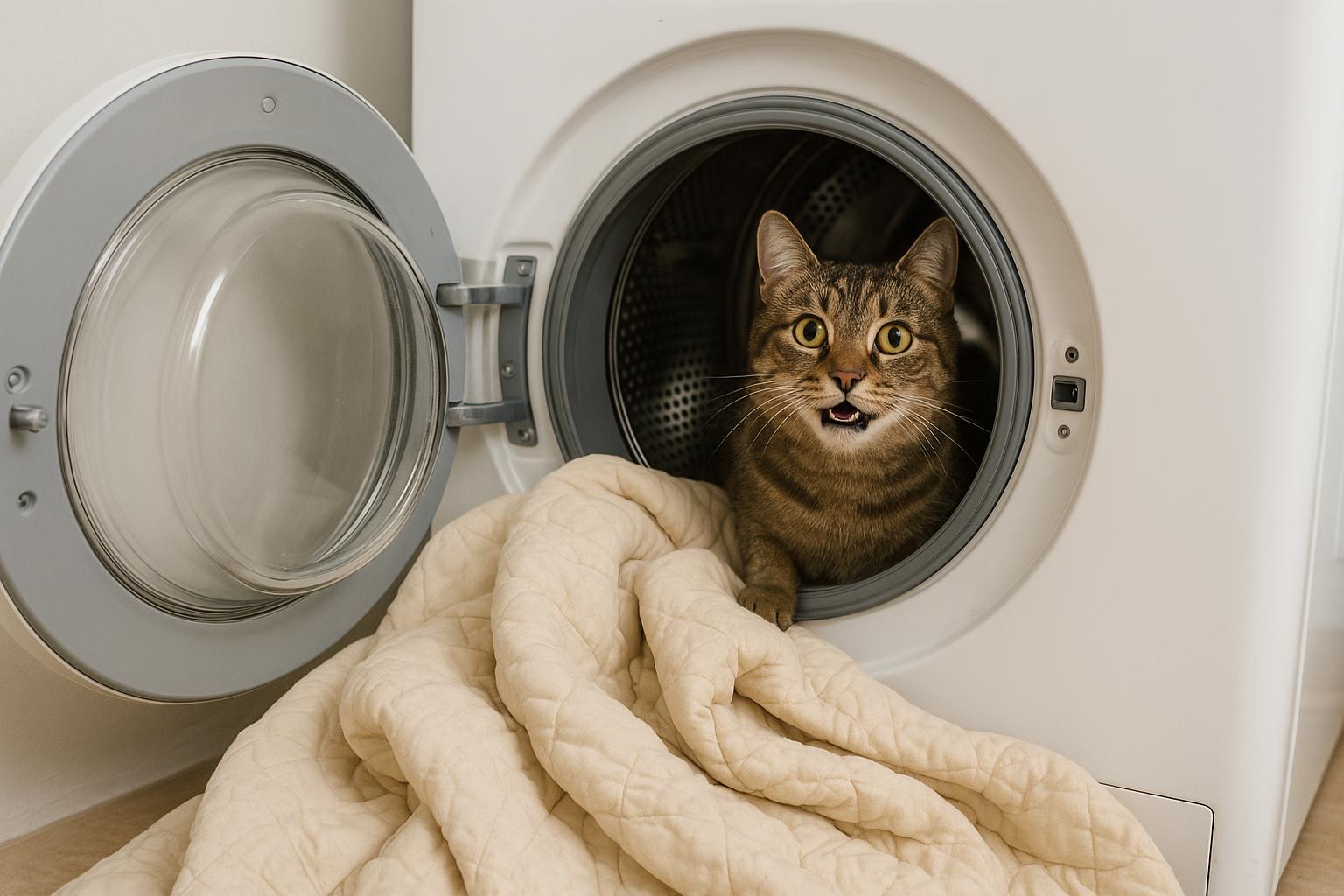
4. Wash Fabrics: Wash pet bedding, throw blankets, pillow covers, and any washable rugs in hot water and dry on high heat. Non-washables should be sealed in plastic bags and placed in direct sunlight or placed in the dryer on high if fabric allows.
5. Repeat Schedule: Perform vacuuming and steaming every 3–4 days for at least three weeks to break the lifecycle. Continue washing pet bedding weekly until the infestation is resolved.
### Notes On Safety And Efficacy
Steam and heat are pesticide-free, effective against most life stages, and safe when used properly. However, they may not reach pupae hidden deep in crevices; combine with other remedies for full control.
## 2. Targeted Chemical Control With Insect Growth Regulators (IGRs) And Spot Treatments
### Materials And Ingredients
#### Required Products
– Veterinary-approved spot-on or oral flea medication for pets (flea adulticide + systemic protection)
– Household spray or concentrate labeled for indoor use containing an adulticide plus an IGR (e.g., pyriproxyfen or methoprene)
– Personal protective equipment (gloves, safety glasses, mask)
– Pump sprayer or trigger sprayer for indoor application
– Follow-up flea traps (optional)
### Step-By-Step Application (Formal Procedure)
1. Consult A Veterinarian: Before applying any chemical product to your pets, obtain veterinary guidance to select safe, effective flea adulticides and IGRs appropriate for species, weight, and age.
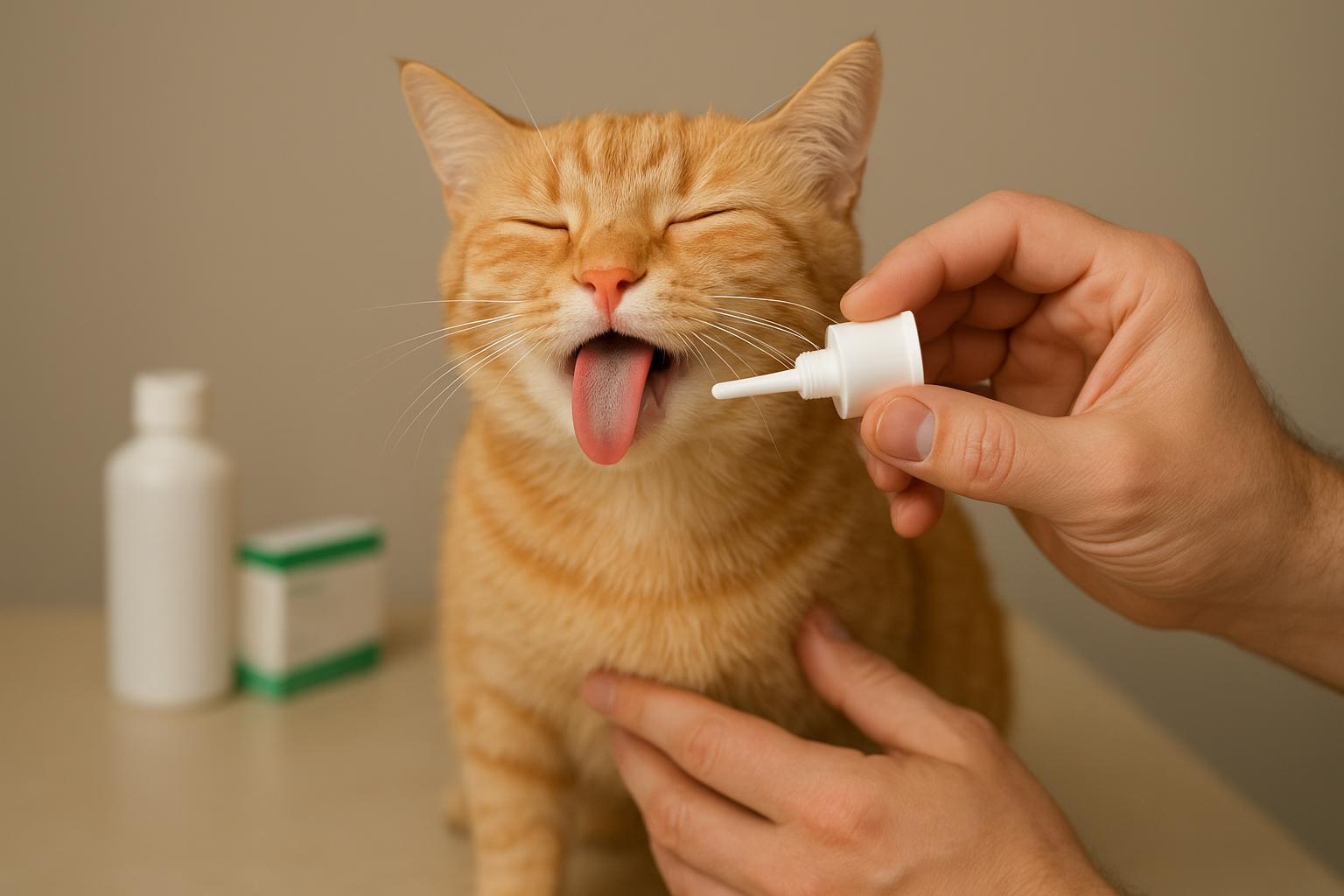
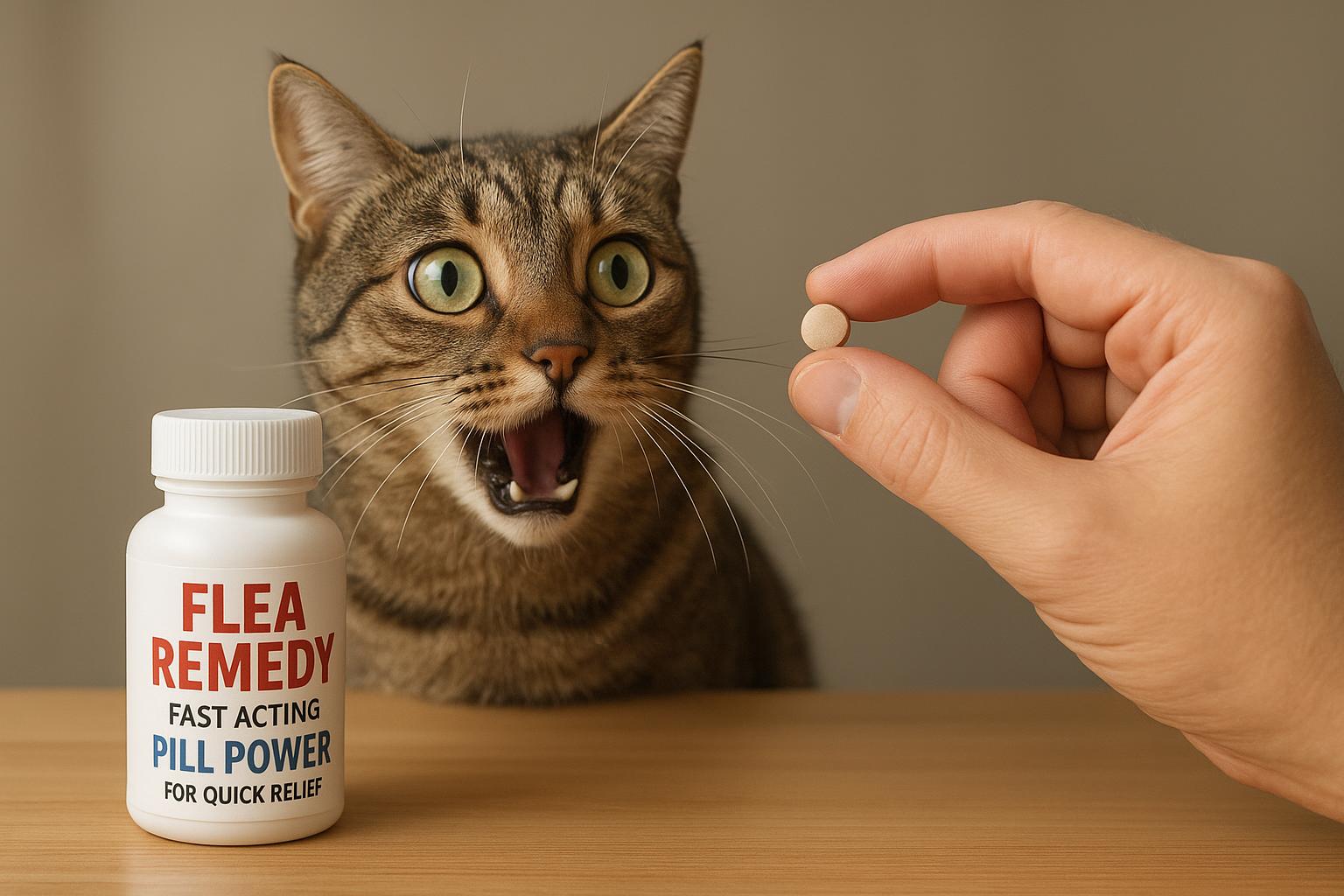
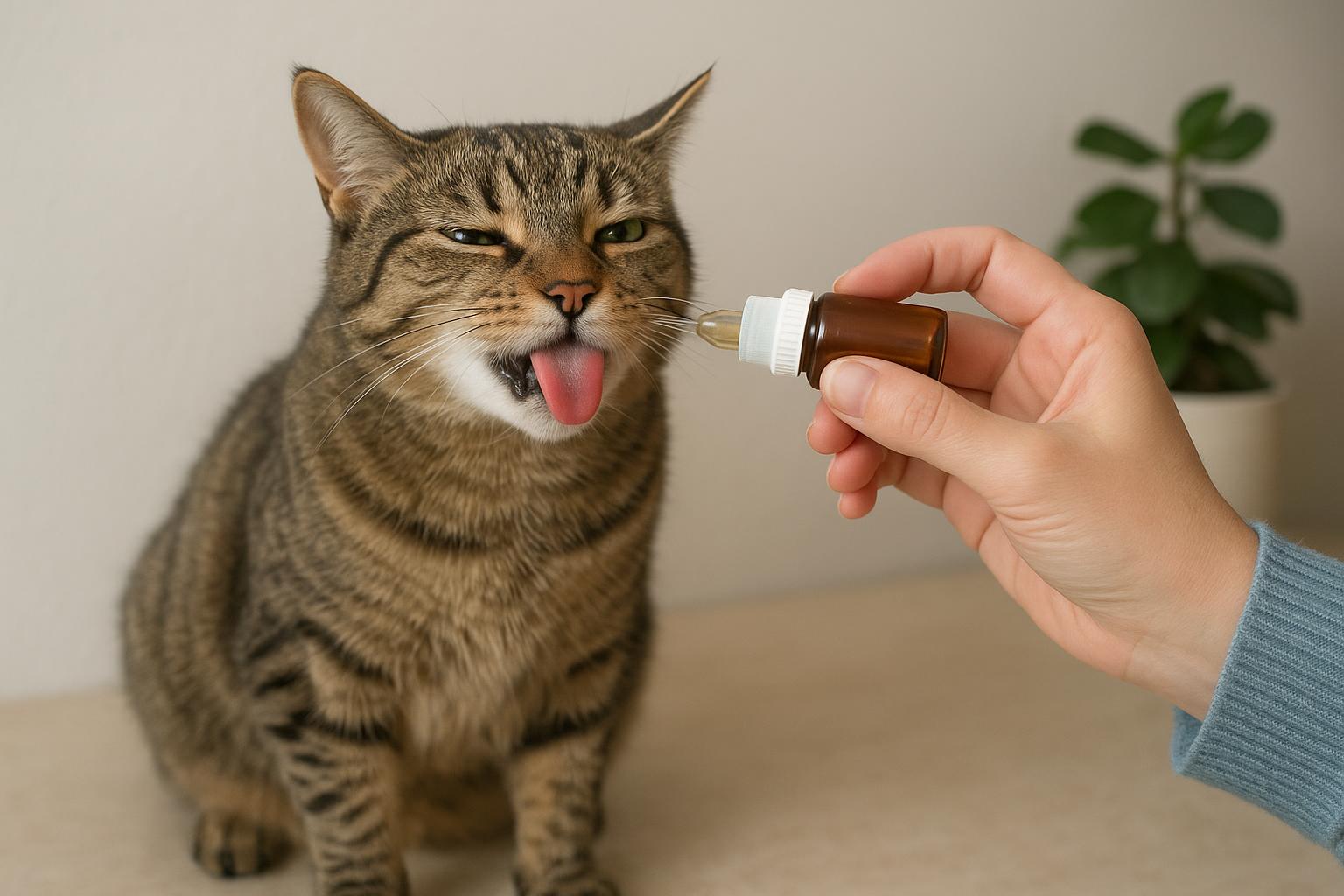
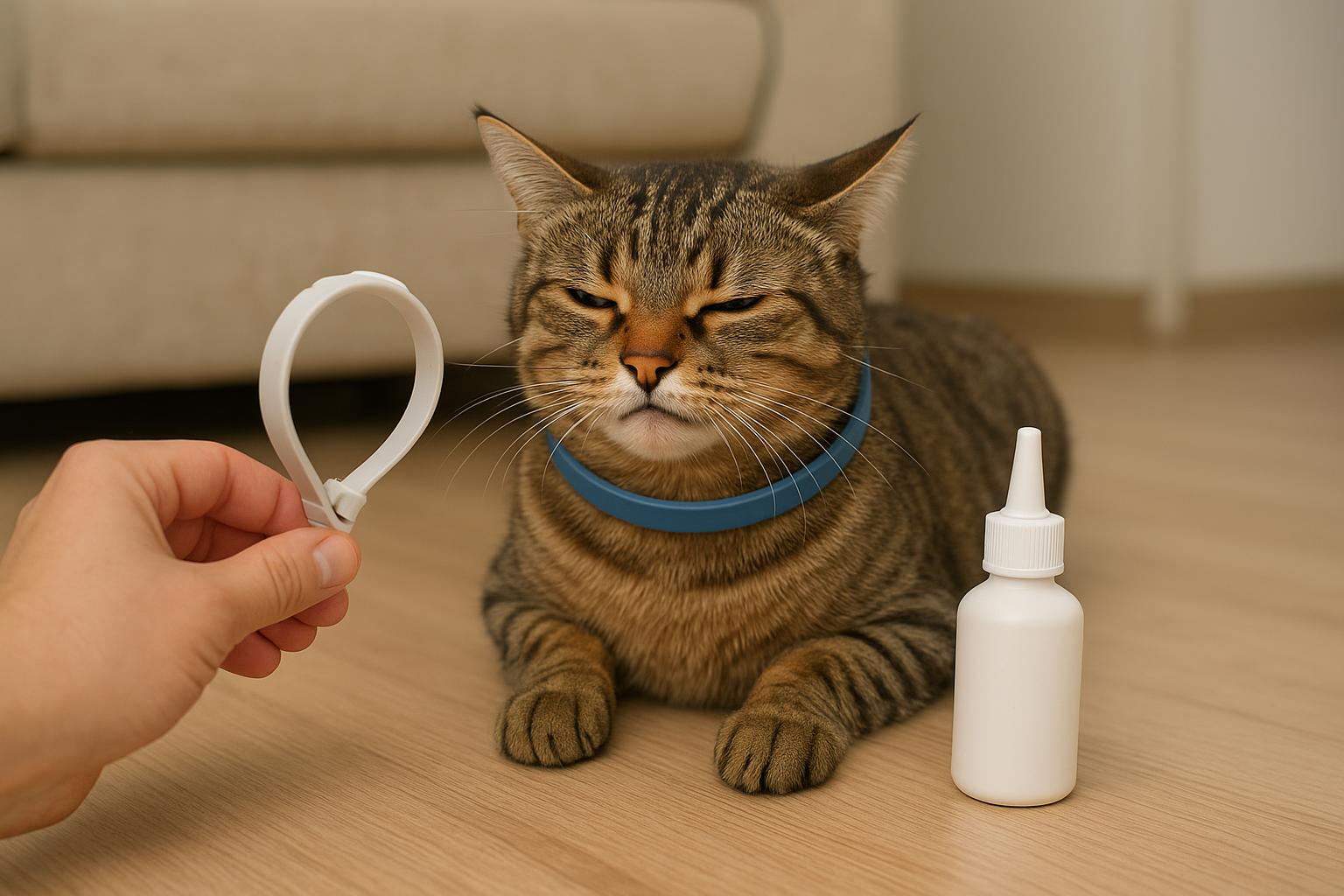
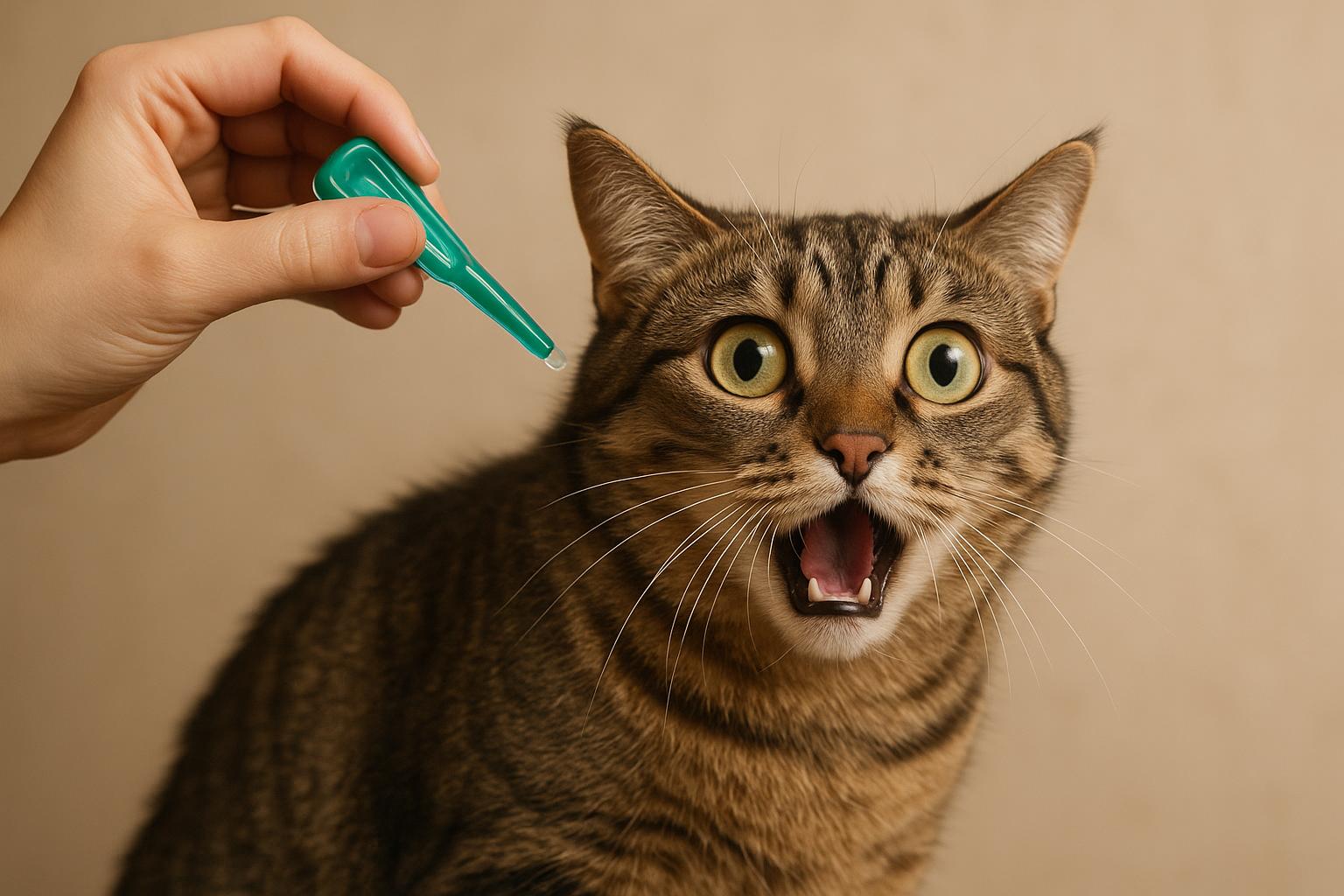
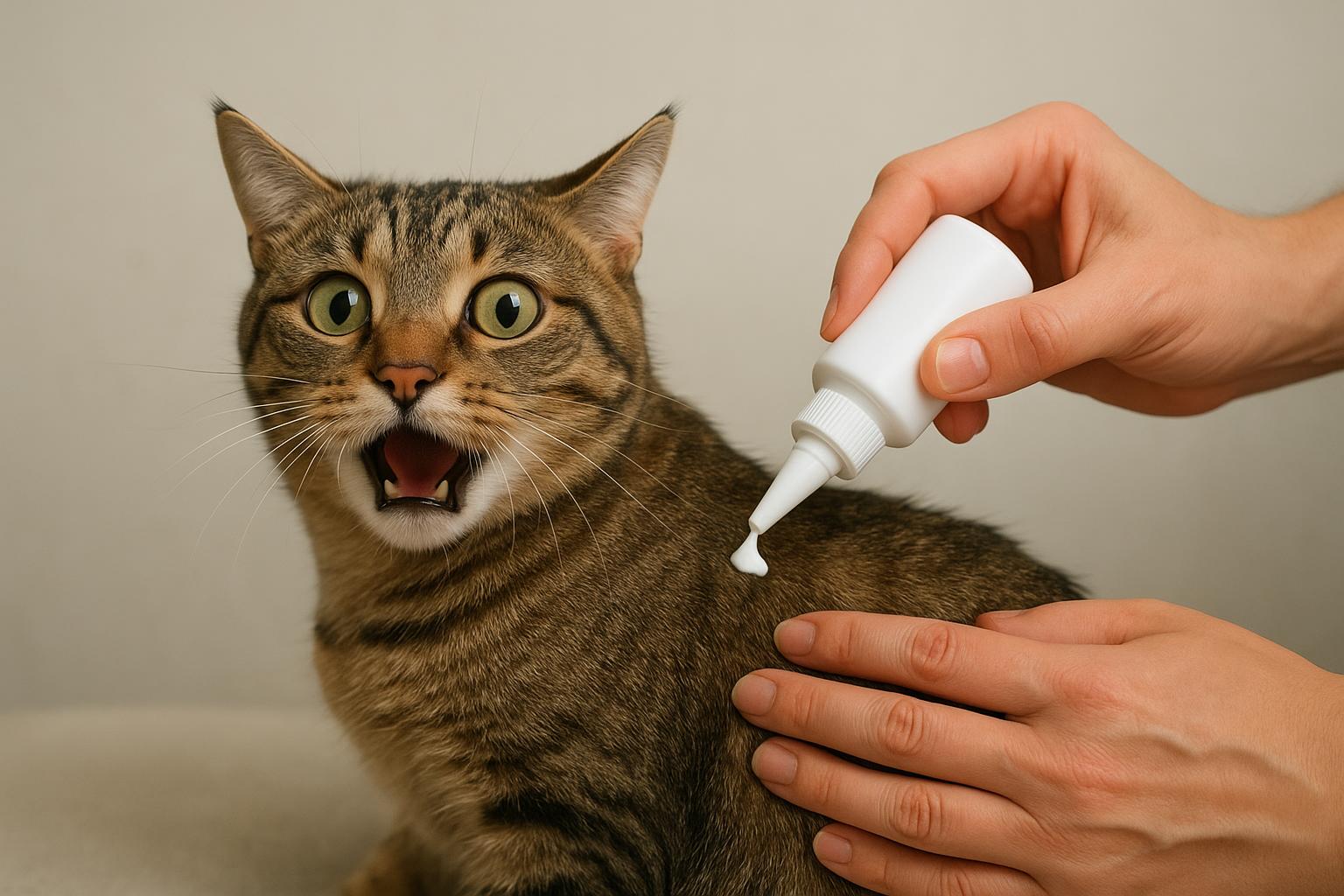
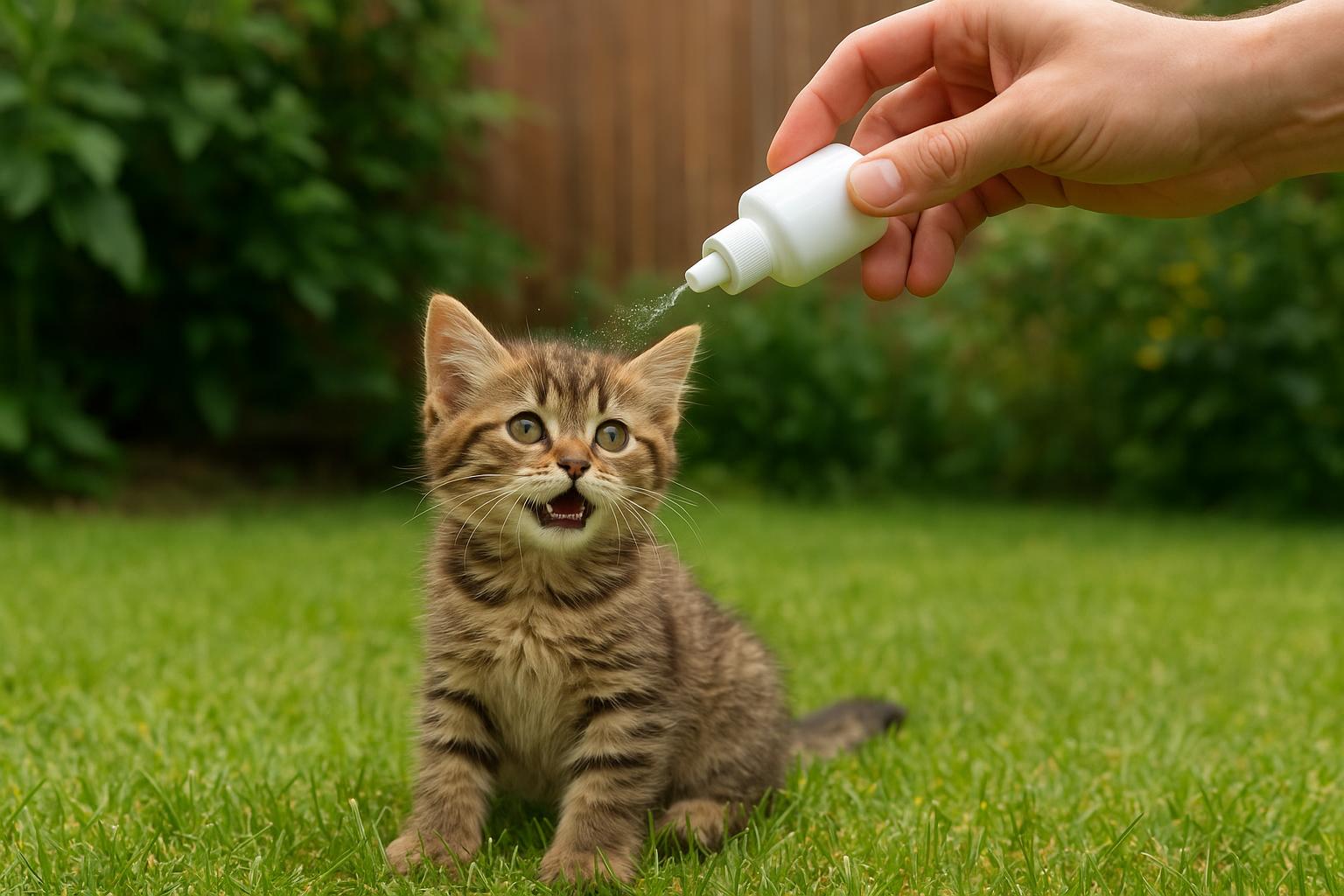
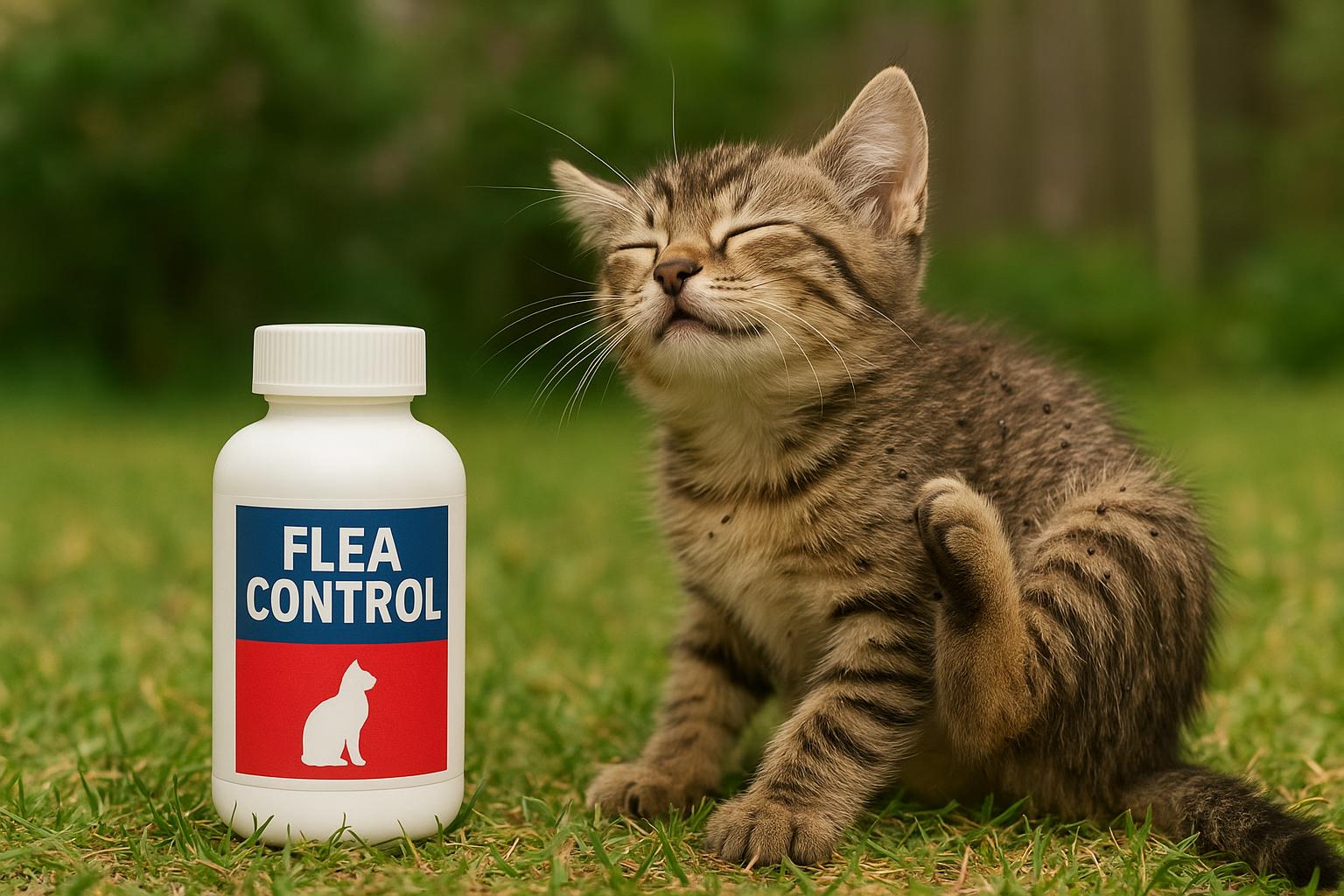
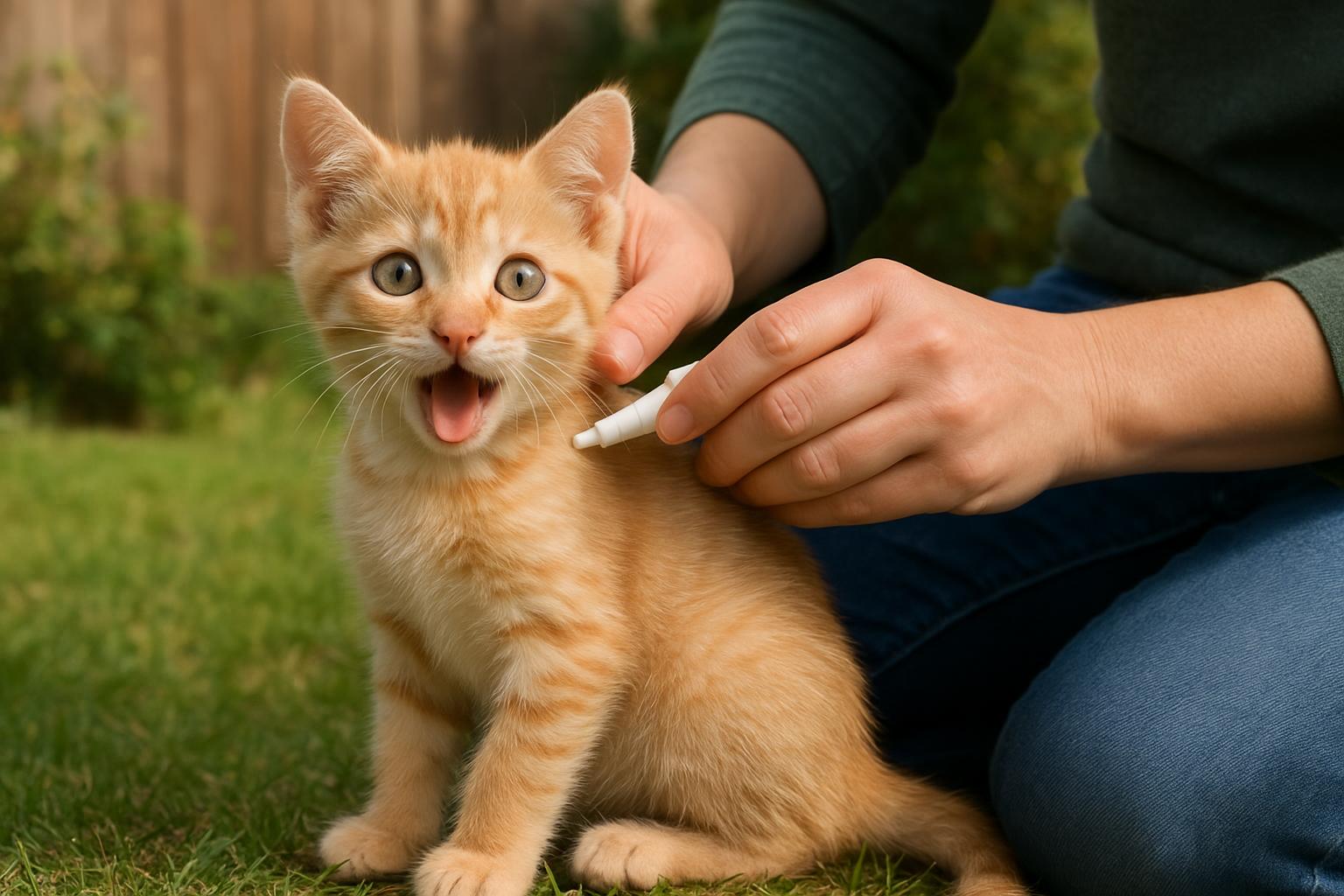
2. Treat Pets First: Administer veterinarian-recommended systemic or topical flea products to all dogs and cats in the household. This halts the ongoing blood meals fleas need to reproduce and begins reducing adult flea numbers.
3. Prepare Indoor Treatment: Read the label of the chosen indoor insecticide/IGR. Ensure proper ventilation and remove fish tanks or cover them. Keep children and pets out of treated rooms until dry and safe per label instructions.
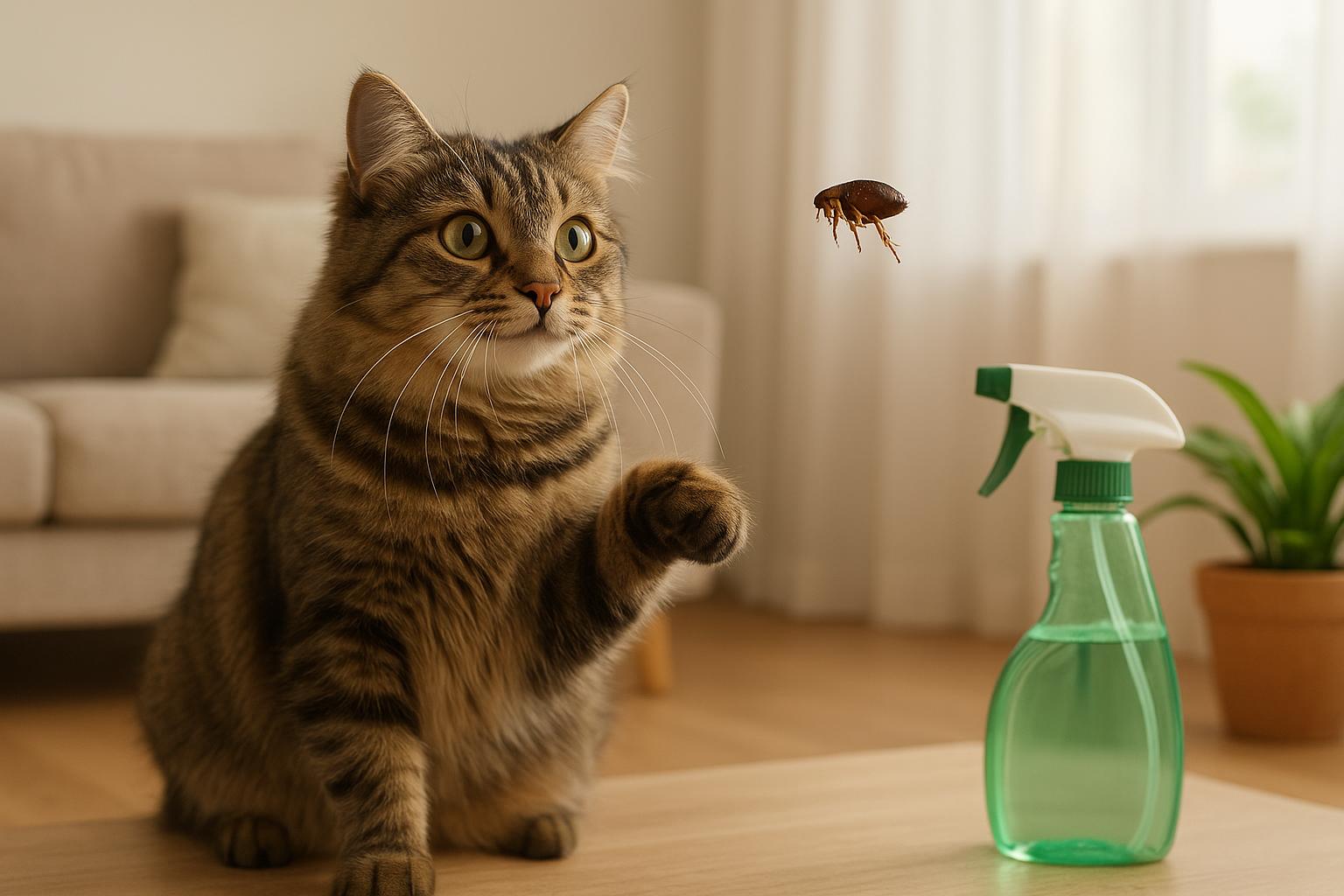
4. Apply Indoor Product: Apply the insecticide/IGR to rugs, carpets, furniture seams, pet resting areas, and baseboards following labeled rates. Use a sprayer for even coverage. Focus on areas where pets spend time and where flea evidence was found.
5. Schedule Follow-Up Treatments: Because of the flea lifecycle and protective pupae, reapply according to label instructions (often 2–4 weeks) until no fleas are observed and traps remain empty. Continue veterinary flea prevention on pets for at least two months after last sighting to prevent reinfestation.
6. Record And Monitor: Keep a log of treated areas, dates, and products used. Monitor for adverse reactions in pets or people and contact a professional if concerns arise.
### Safety Considerations
Always follow label directions. Use child- and pet-safe products when possible. If anyone in the home has chemical sensitivities or if you have indoor bees or aquatic pets, seek professional pest control advice before chemical application.
## 3. Outdoor Perimeter And Yard Management
### Materials And Required Tools
– Yard rake or leaf blower
– Mulch rake and lawn mower
– Targeted outdoor spray labeled for yard use with IGR option
– Diatomaceous earth (food grade) — optional for localized application
– Gloves and eye protection
### Step-By-Step Application (Formal Procedure)
1. Reduce Habitat: Mow lawn regularly, trim overgrown shrubs, and remove leaf litter and debris where fleas and wildlife hosts hide. Create a dry, sunlit perimeter as fleas prefer humid, shaded locations.
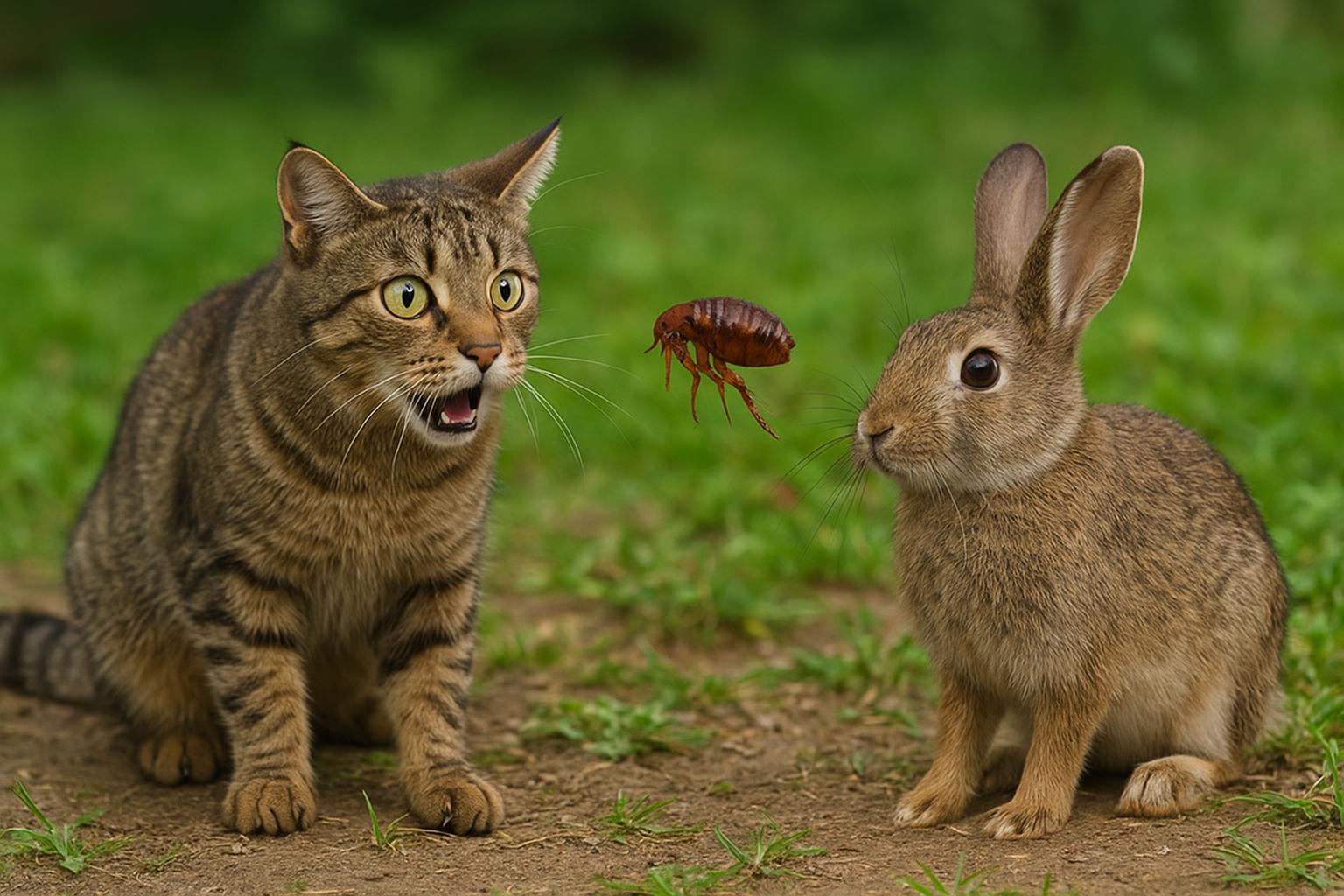
2. Target Animal Pathways: Identify areas where neighborhood wildlife, stray cats, or frequent dogs traverse (fence lines, under porches). Discourage wildlife with fencing, noise, or repellents rather than feeding.
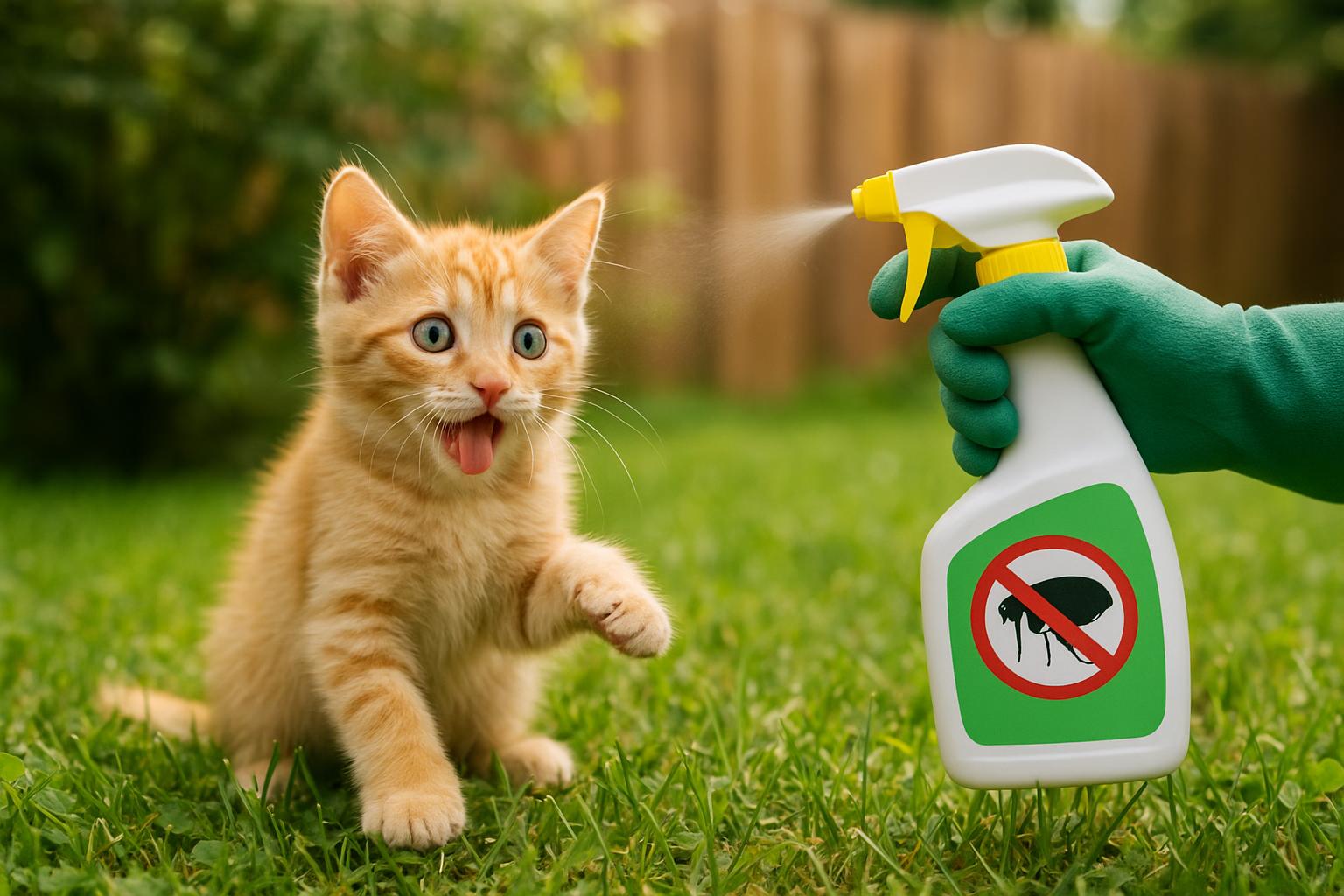
3. Apply Outdoor Treatments: If necessary, apply a labeled outdoor insecticide with an IGR to shaded areas, under decks, and around foundation edges per product instructions. Focus on the perimeter rather than blanket treatments — this reduces non-target exposure.
4. Use Physical Controls: For small-scale problems, sprinkle food-grade diatomaceous earth into shady corners and pet resting spots outdoors. Reapply after rain. Diatomaceous earth dehydrates insects on contact but works slowly and should be used cautiously around beneficial insects.
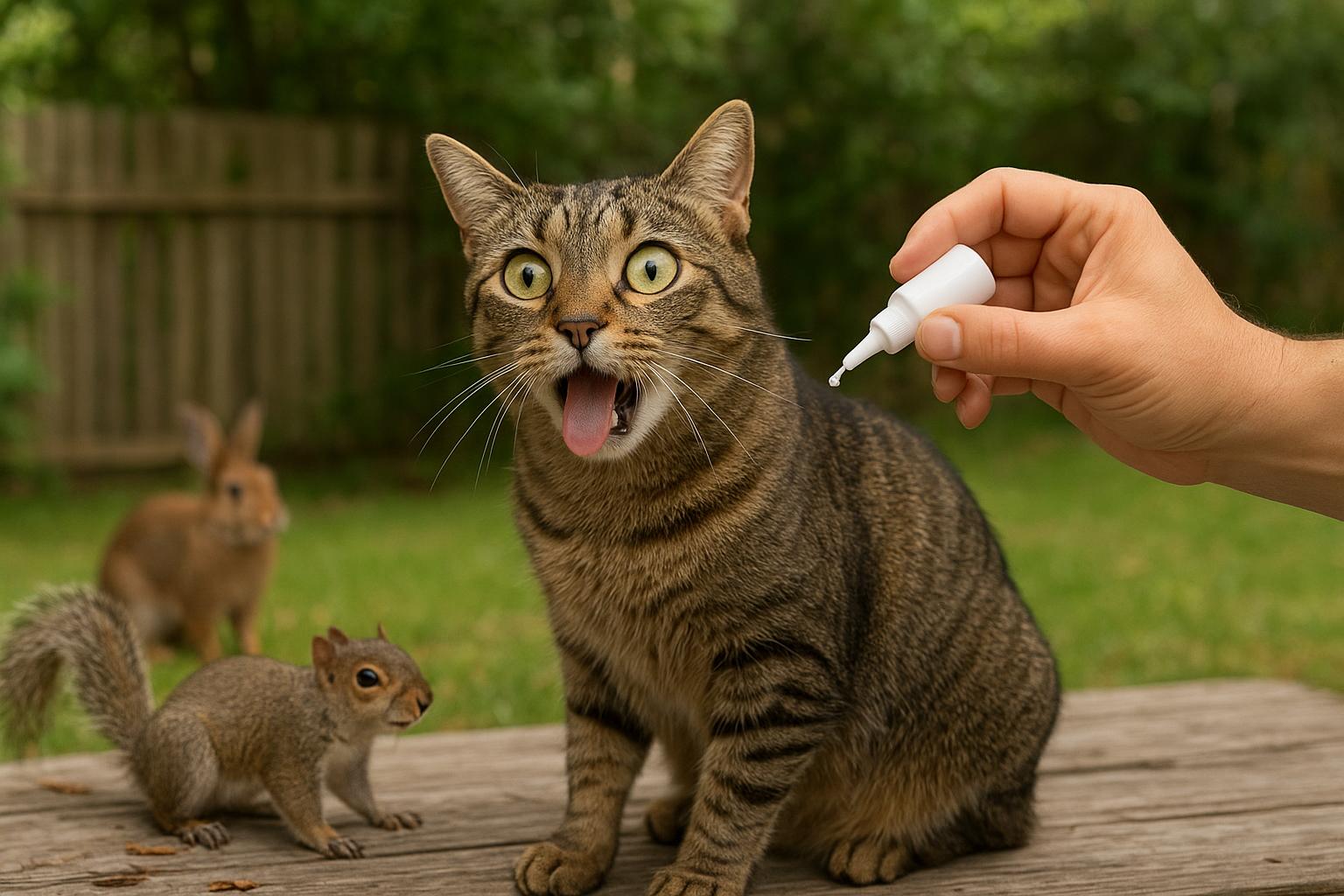
5. Monitor Wildlife Hosts: Keep pets on effective flea prevention to avoid outdoor-to-indoor transfer. If stray animals are a chronic source, work with local animal control or humane organizations to address the problem humanely.
### When To Call A Professional
If infestations persist after thorough mechanical cleaning, veterinarian-approved pet treatment, and careful chemical use, hire a licensed pest management professional. They can perform a targeted integrated pest management (IPM) plan, use specialized equipment, and minimize unnecessary chemical exposure.
### Prevention Tips To Keep Fleas From Coming Back
Maintain continuous flea prevention on pets year-round in warm climates and seasonally elsewhere. Regularly vacuum high-traffic areas and launder pet bedding. Monitor wildlife and as-needed yard maintenance to reduce attractive habitat. Small, consistent habits beat occasional deep cleans.
If you want, I can create a printable checklist for weekly and monthly flea-control tasks, or help you pick veterinarian-approved products tailored to your pet’s age and weight.



Leave a Reply