
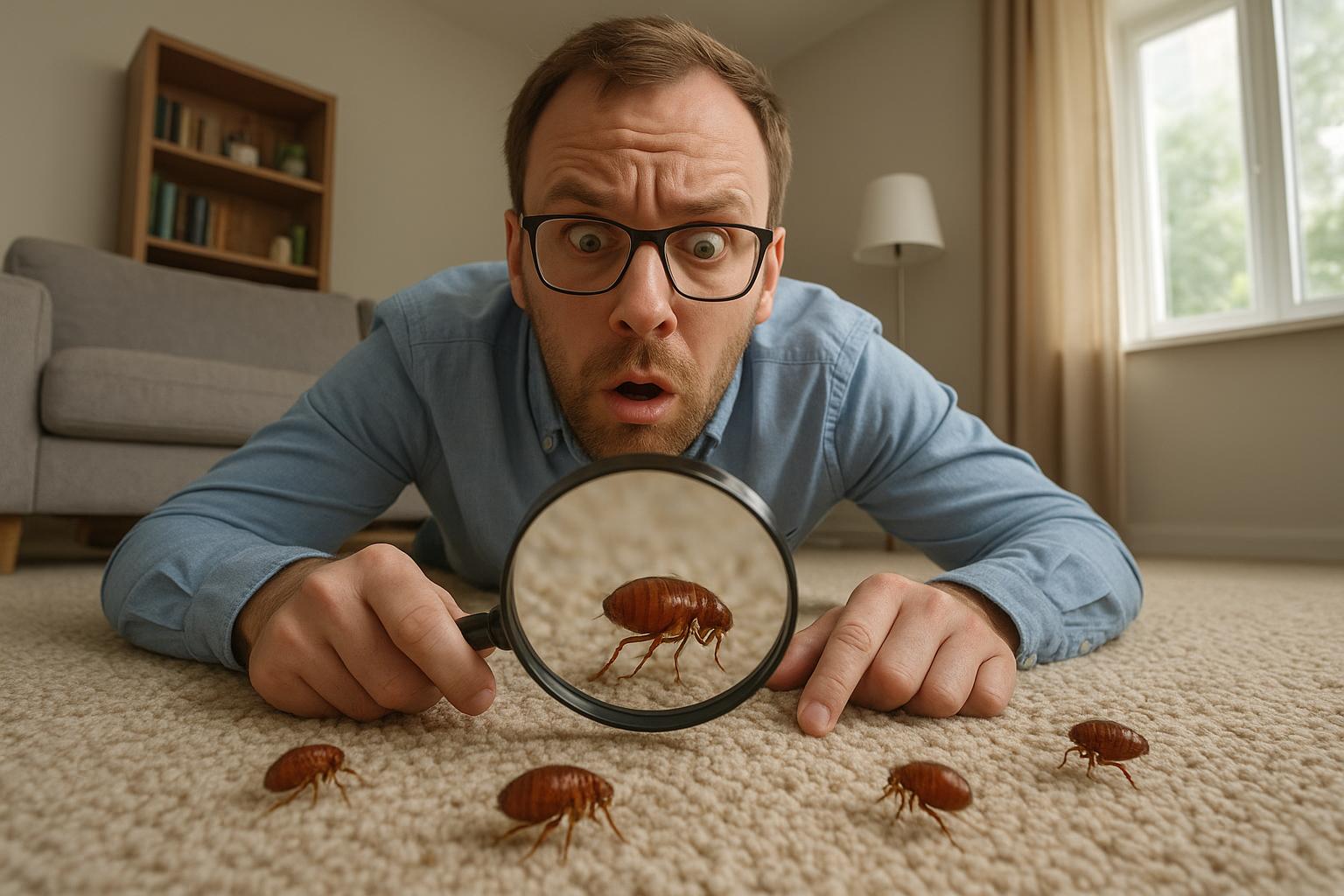
Carpet Fleas Demystified A Simple Home Infestation Guide
If you’ve ever felt tiny pinpricks while lounging on the living room rug, you’re not alone — and you don’t have to invite them to stay. Carpet fleas are an aggravating little problem, and the good news is they’re usually entirely manageable with the right know-how. This guide walks you through what they are, how they get in, practical signs to watch for, and two clear, methodical remedies you can use at home. A relaxed cup of tea is optional; a good vacuum is not.
## Carpet Fleas: What You Need To Know
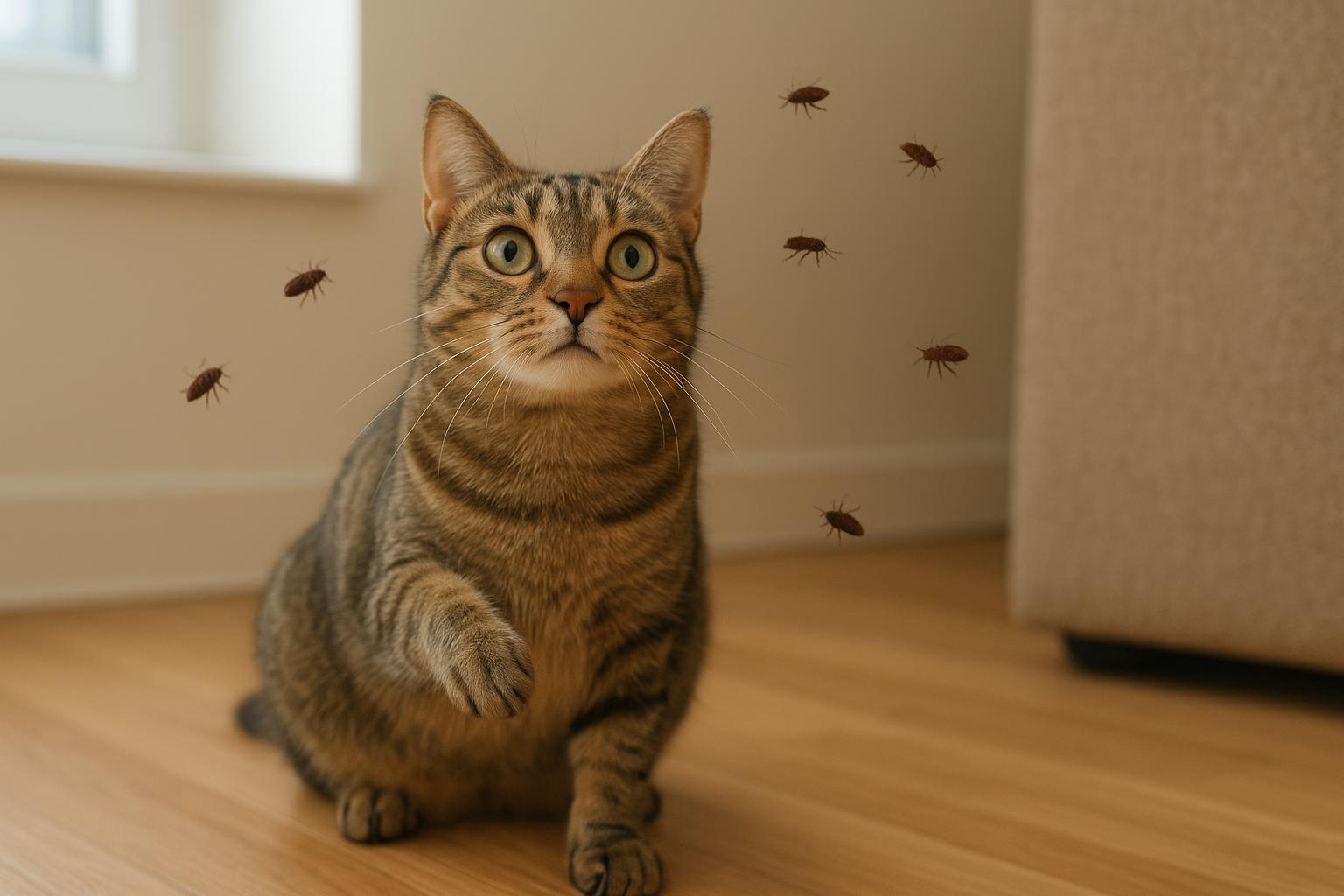
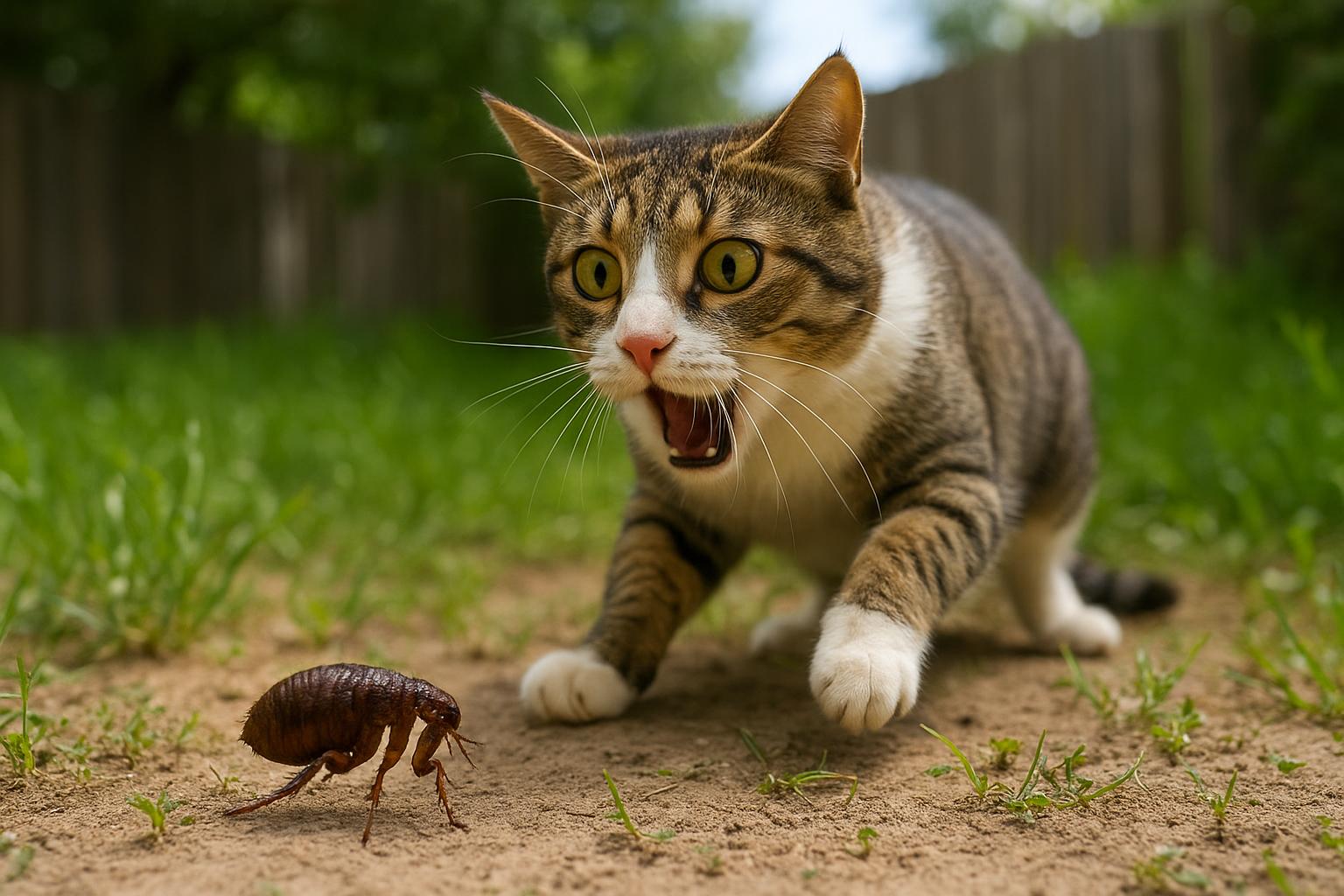
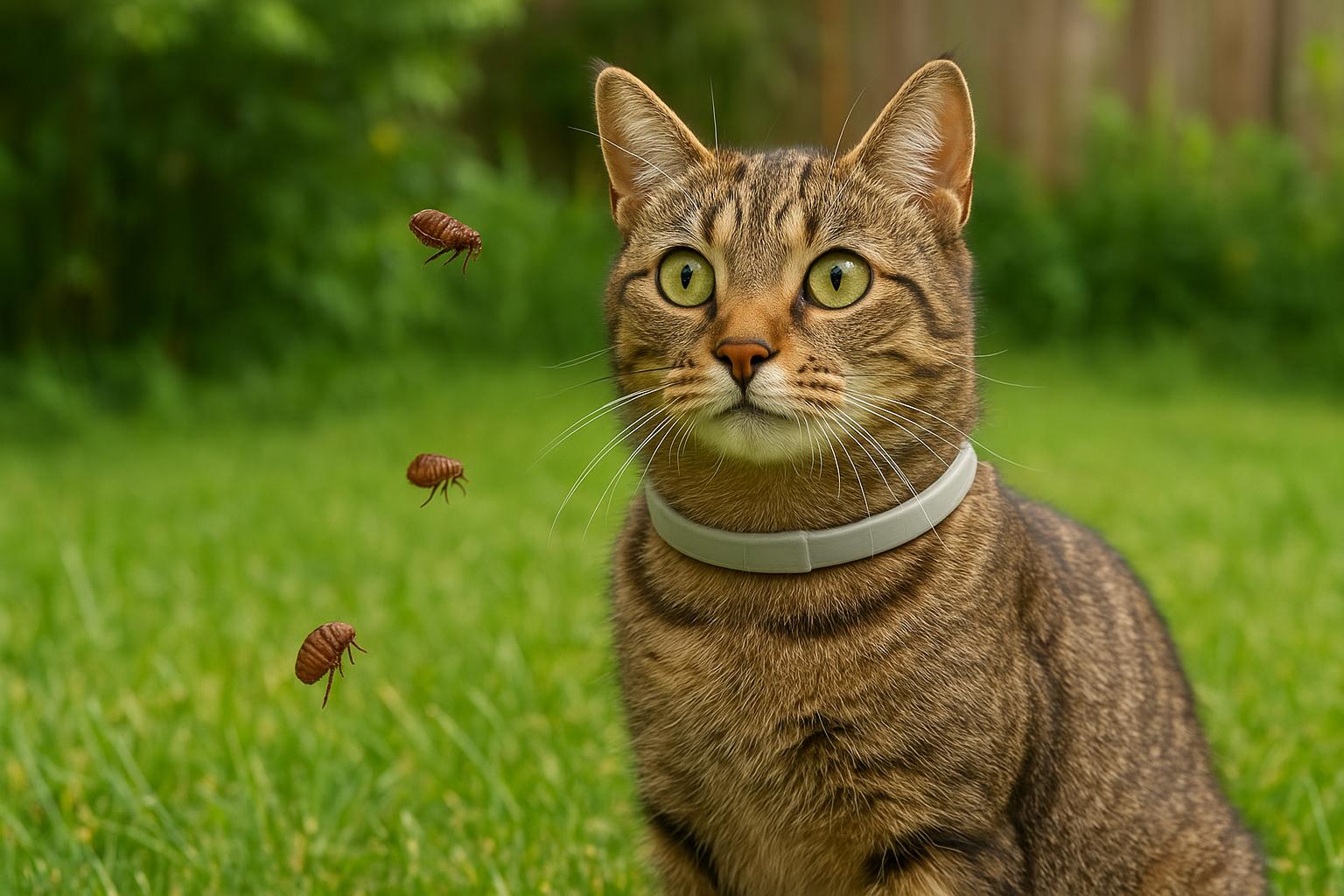
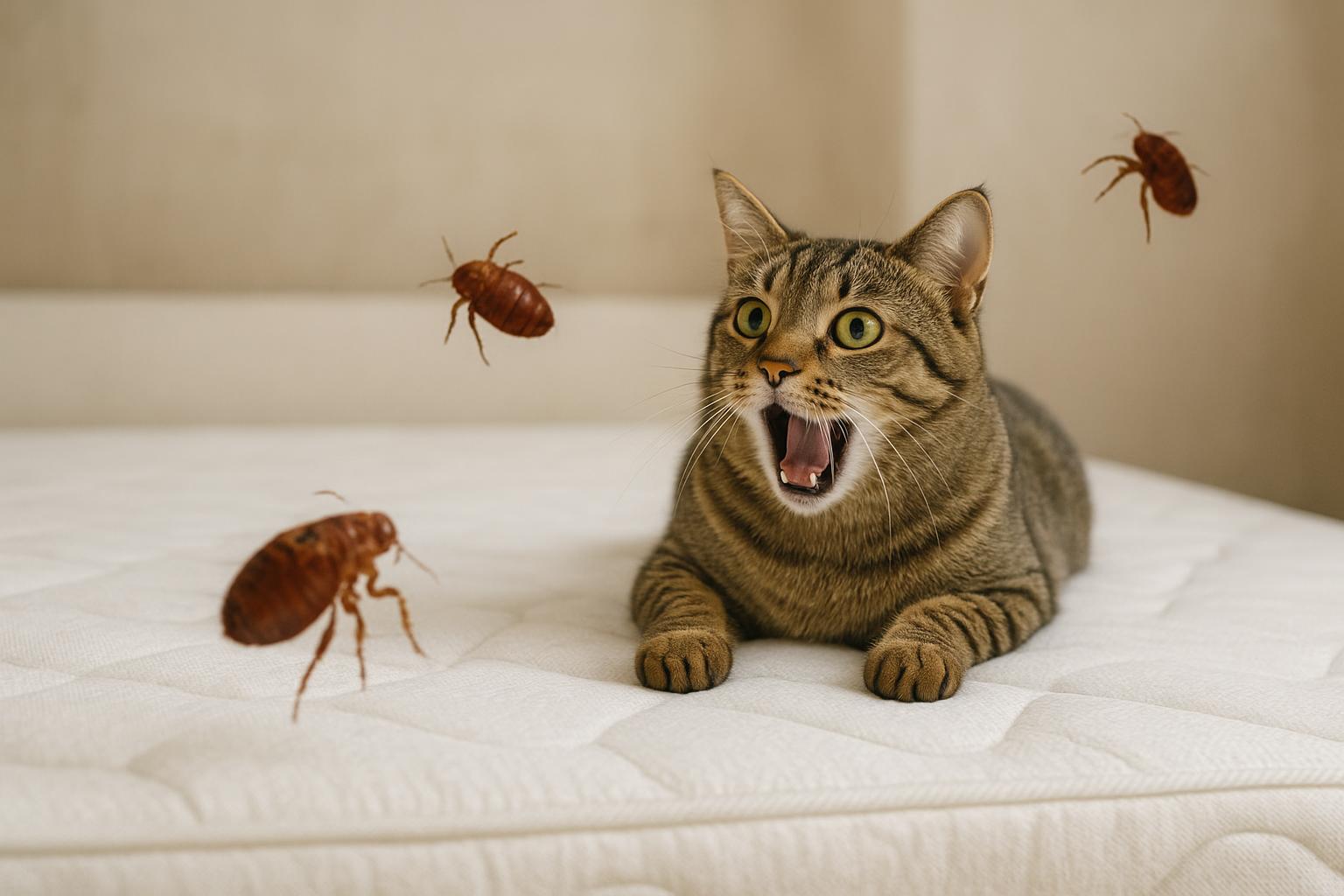
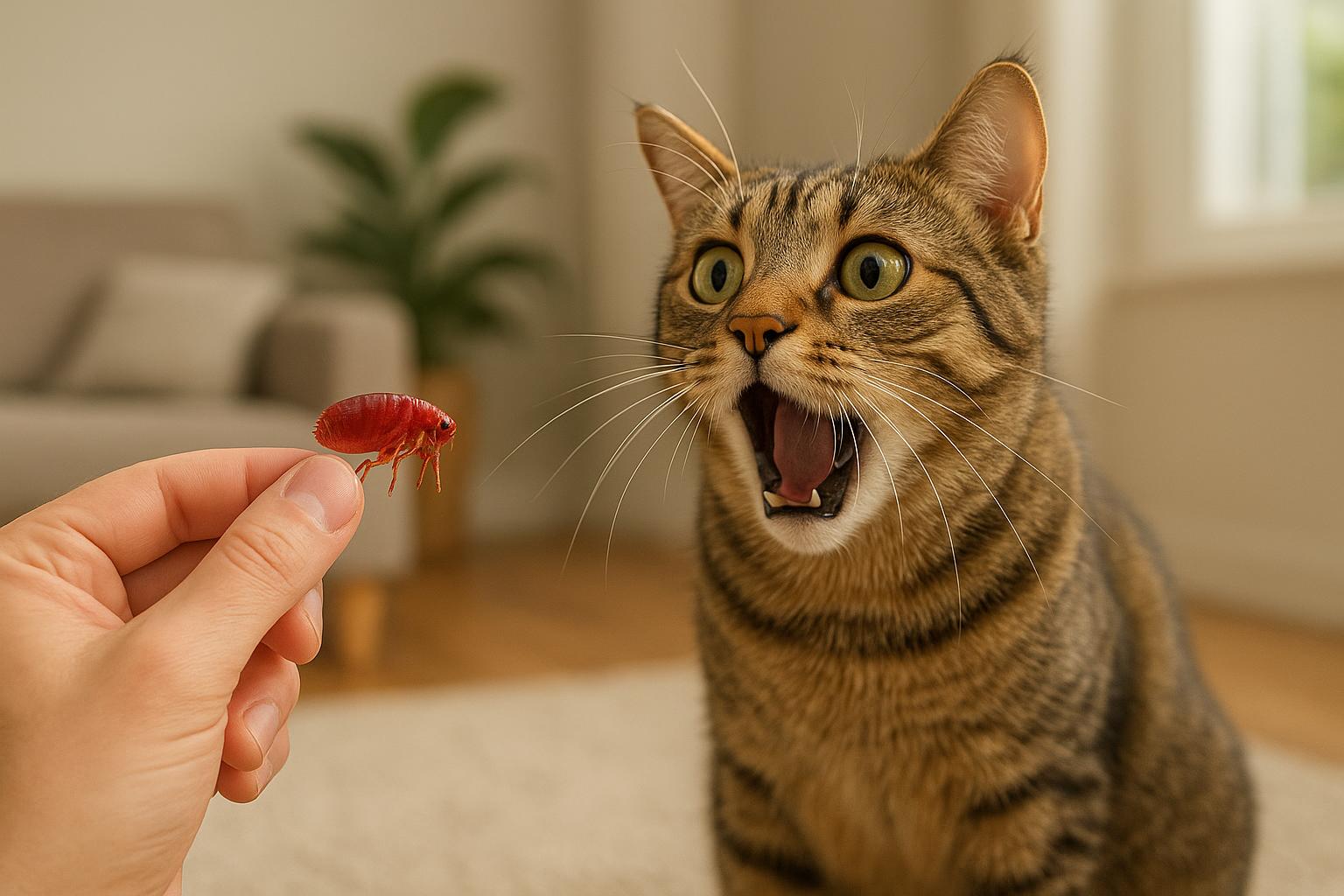
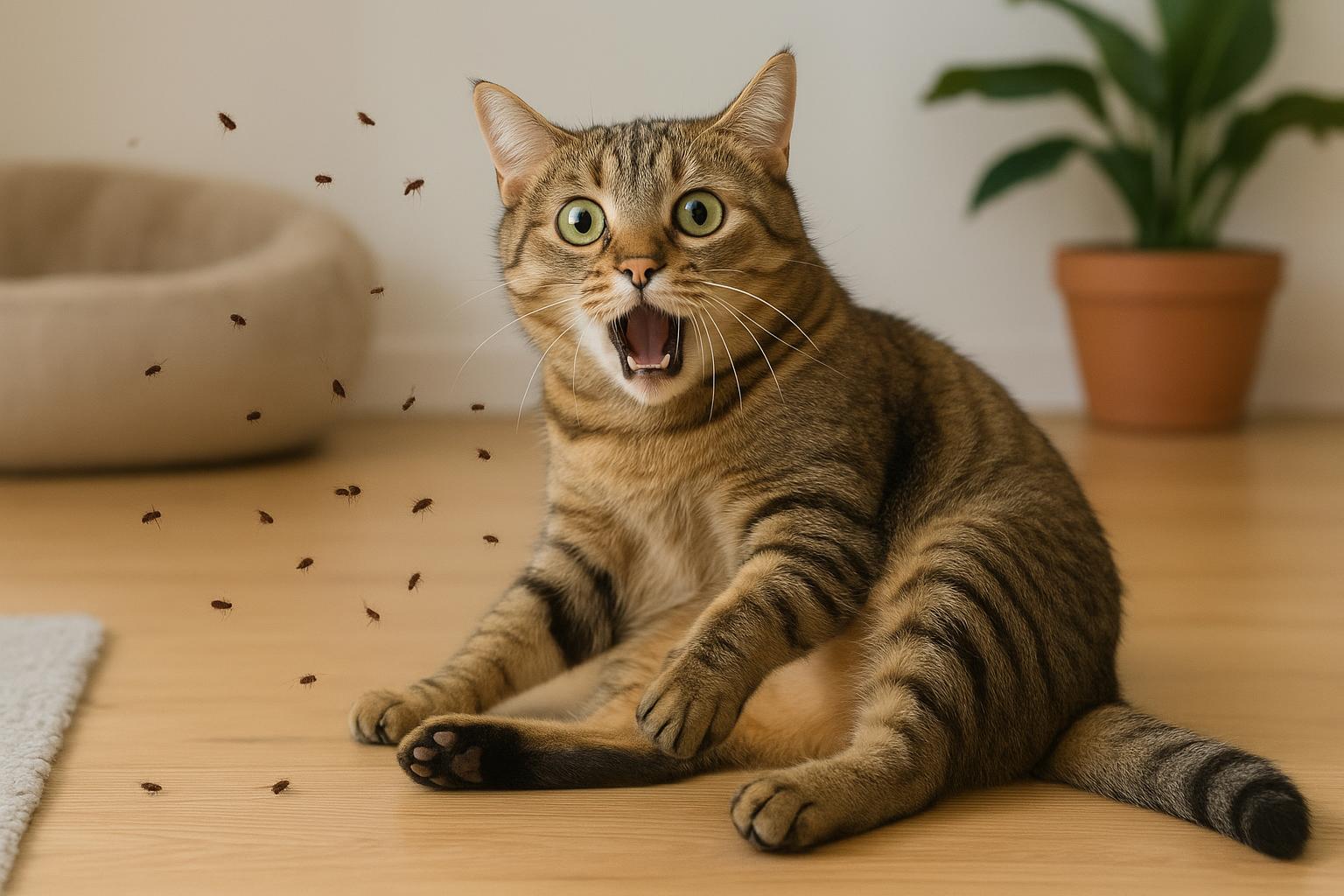
Carpet fleas is a handy shorthand for flea populations that live, feed, and lay eggs in floor coverings, upholstery, and the nooks and crannies around baseboards. They’re typically the same species that bother pets, but when conditions are right — warm, humid, and full of hiding spots — carpets become prime real estate for flea eggs, larvae, and adults.
### How Carpet Fleas Get Into Your Home
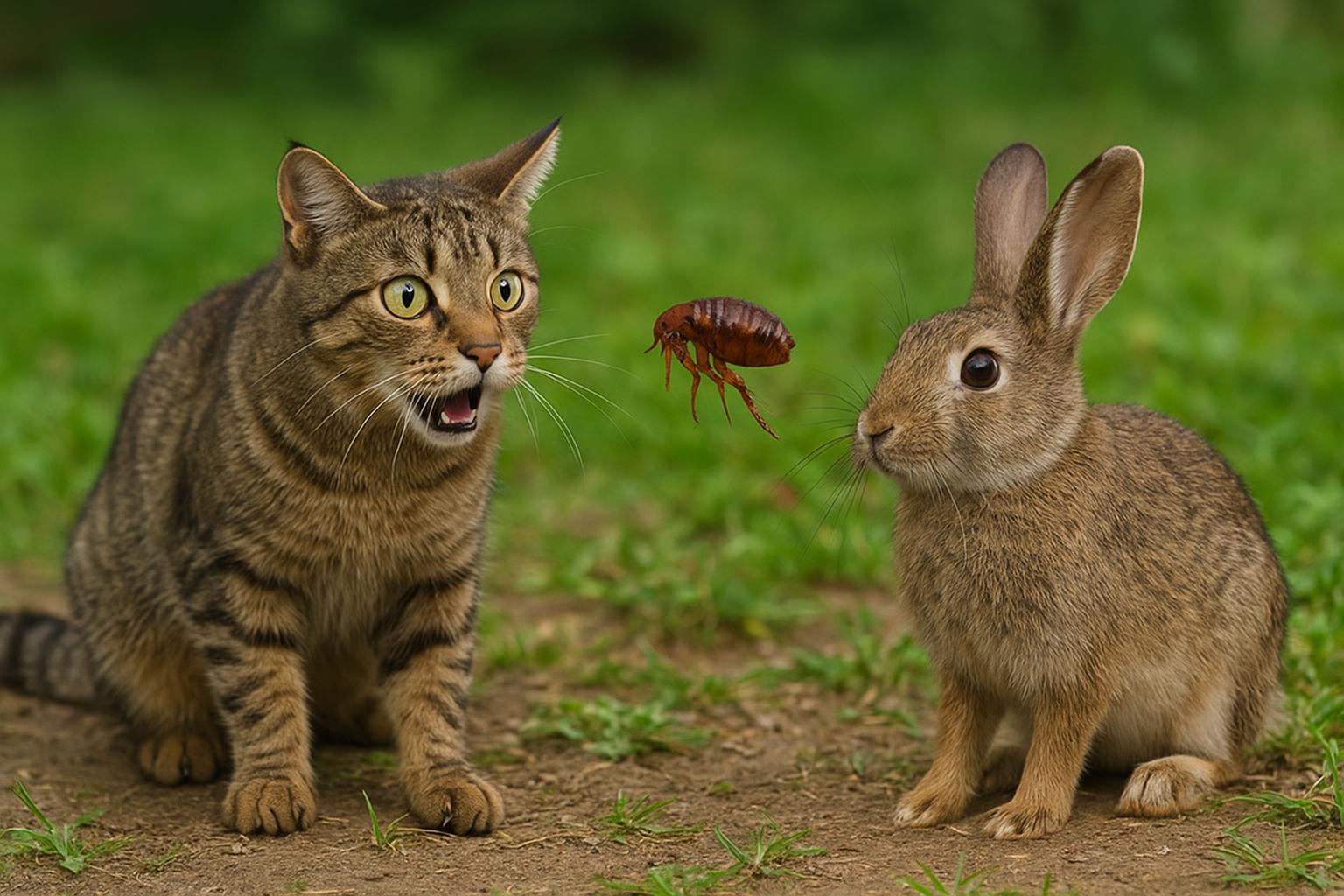
Fleas don’t teleport. Most often they hitch a ride on a dog, cat, or even on footwear or clothing after you’ve been in areas where flea-bearing wildlife frequent. Adult fleas jump onto a host, feed, and then disperse eggs around resting spots — which often means the soft, textured surfaces of carpets and rugs.
#### Common Entry Points
– Pet bedding, rugs, and furniture where animals spend time.
– Laundry or clothes left on the floor after outdoor walks.
– Cracks near baseboards and under furniture that trap eggs and larvae.
– Infested secondhand furniture or rugs brought into the home.
### Signs And Symptoms To Spot Early
Detecting a carpet flea issue early saves time and stress. Look for:
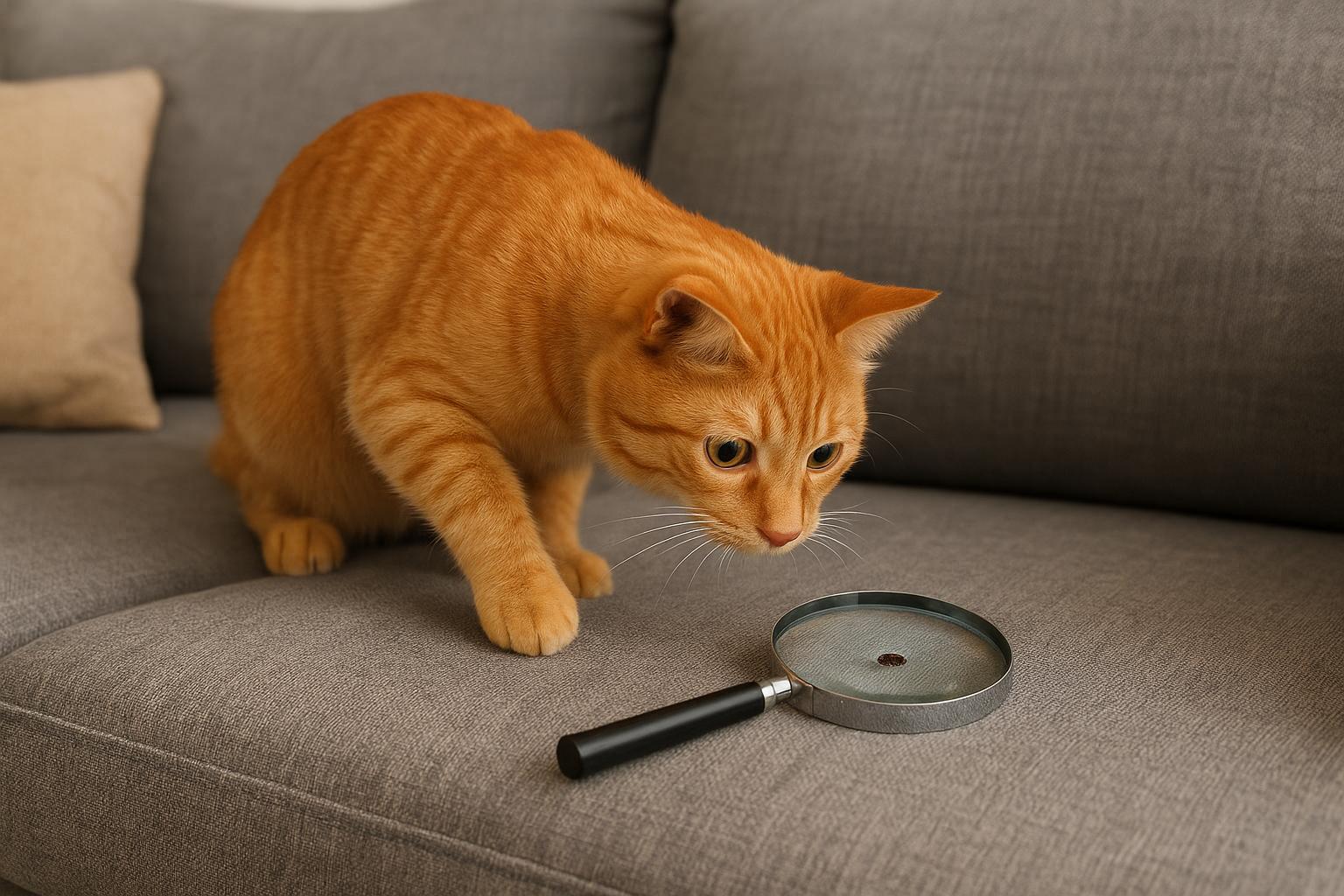
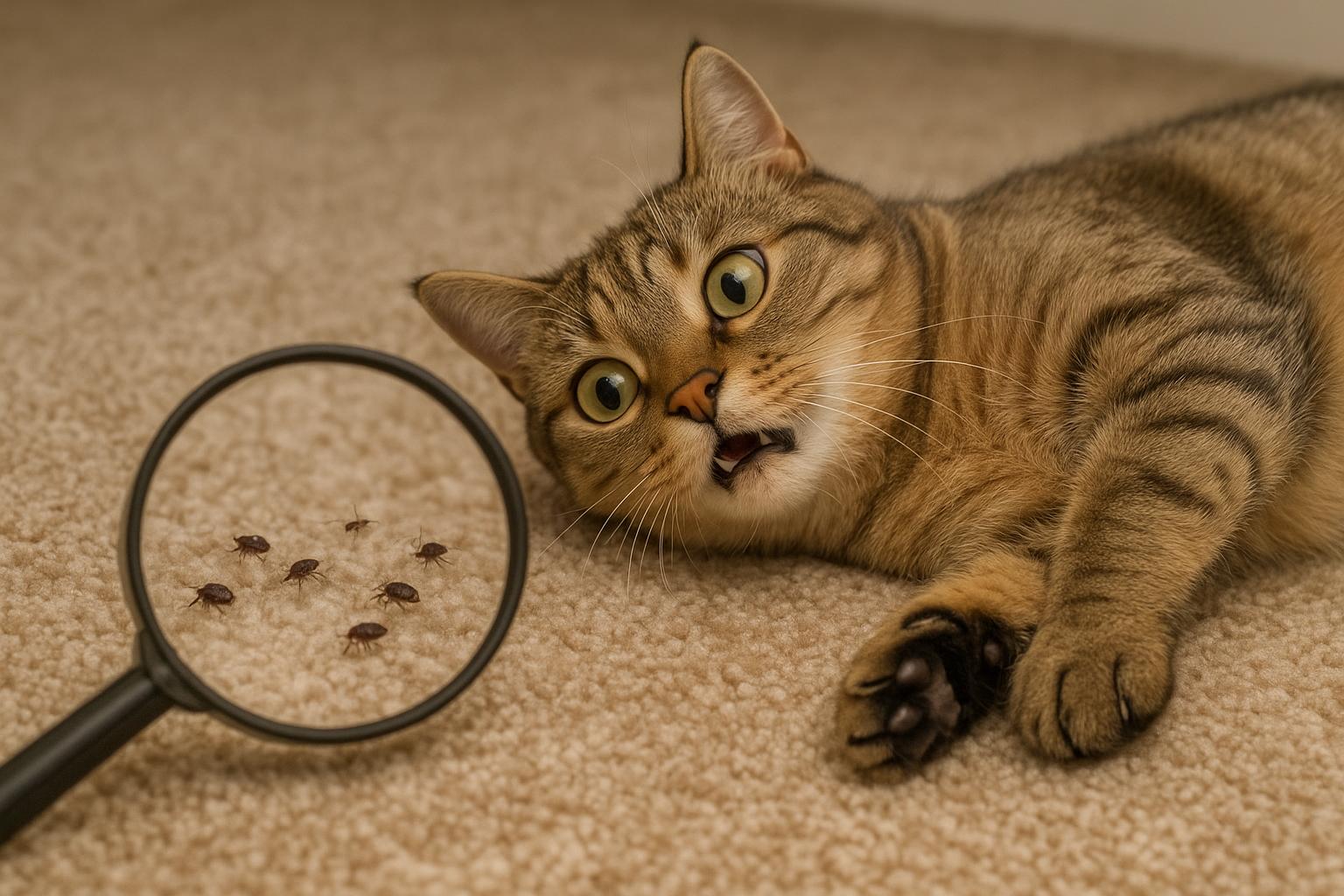
– Visible small dark specks that move quickly when the carpet fibers are parted.
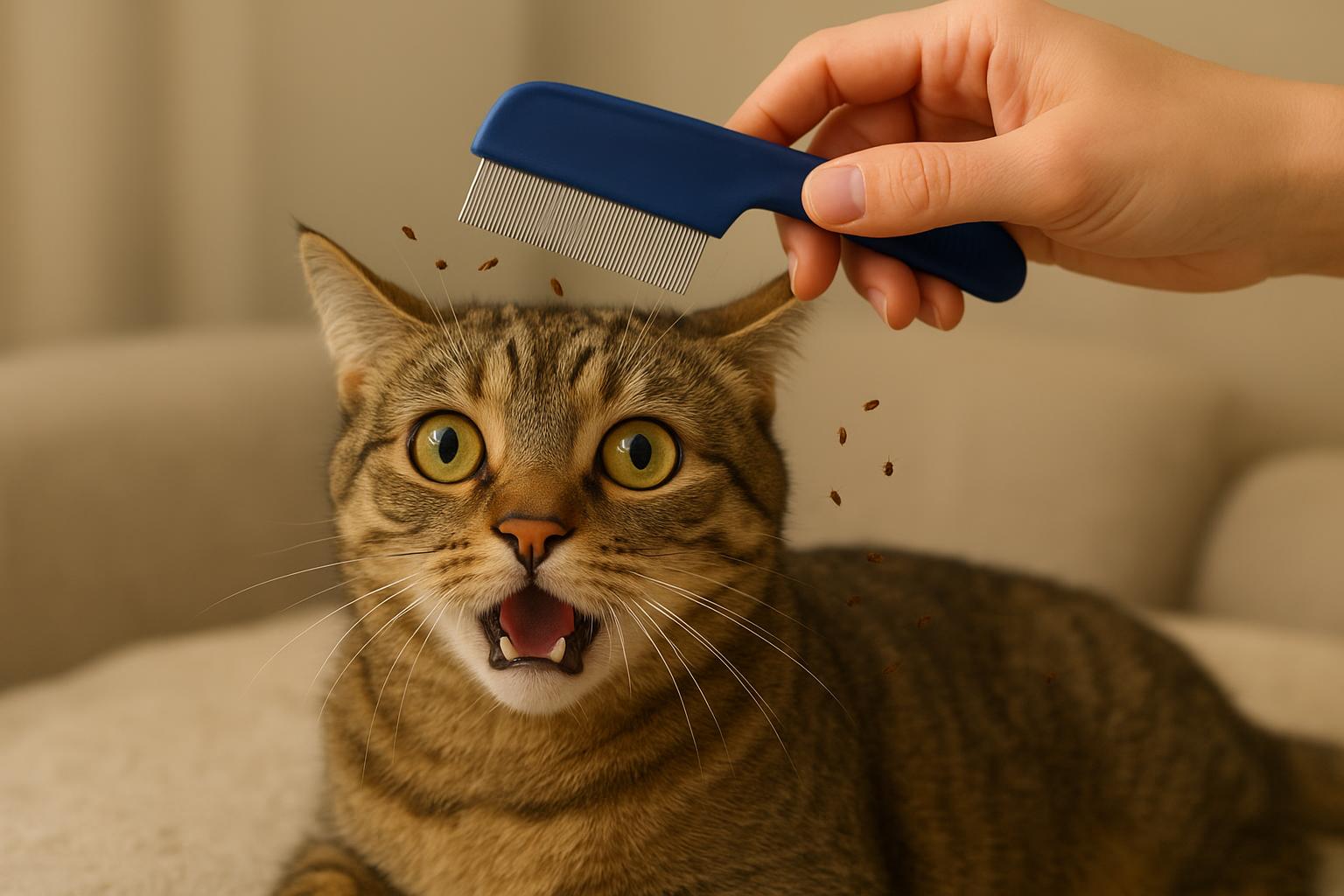
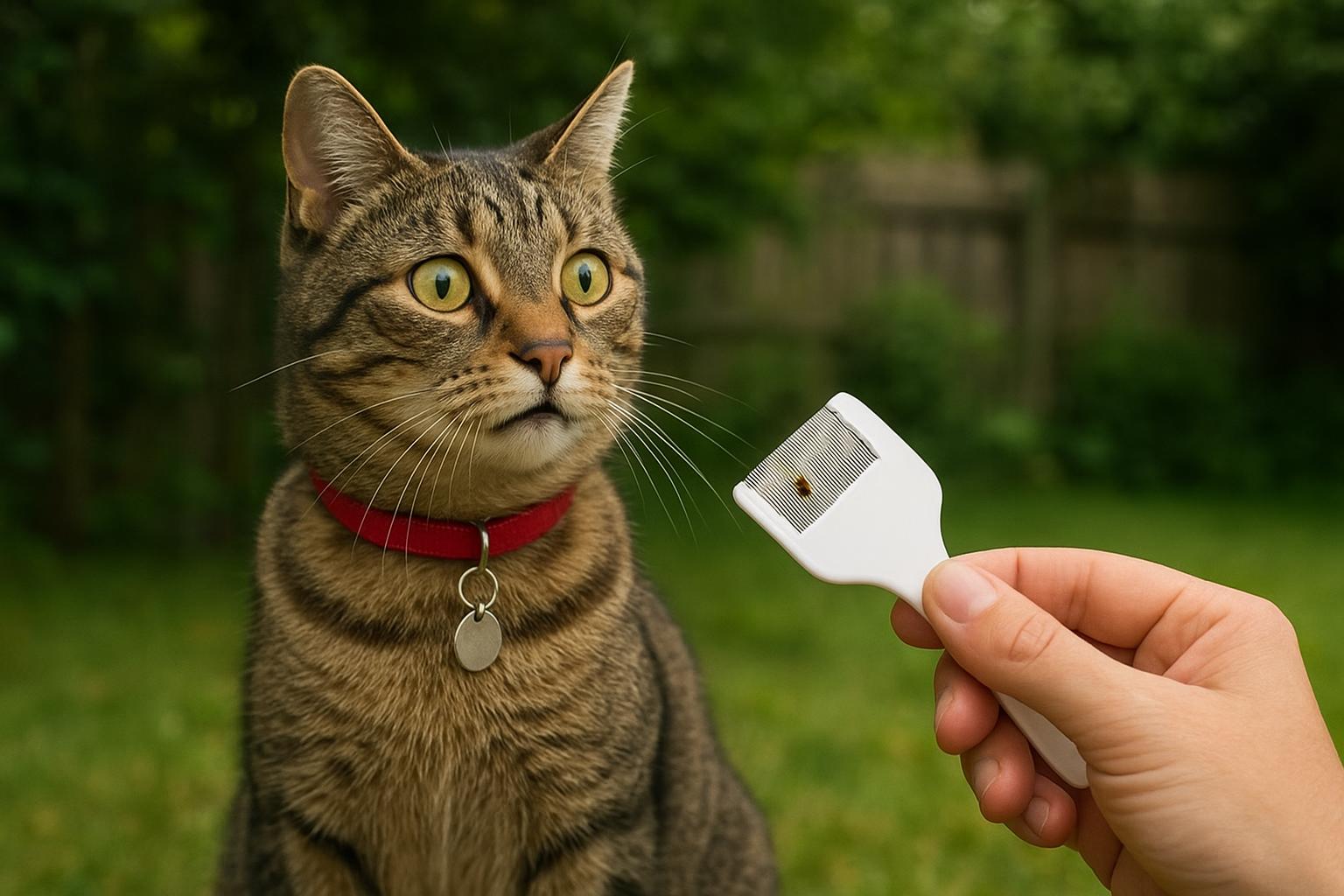
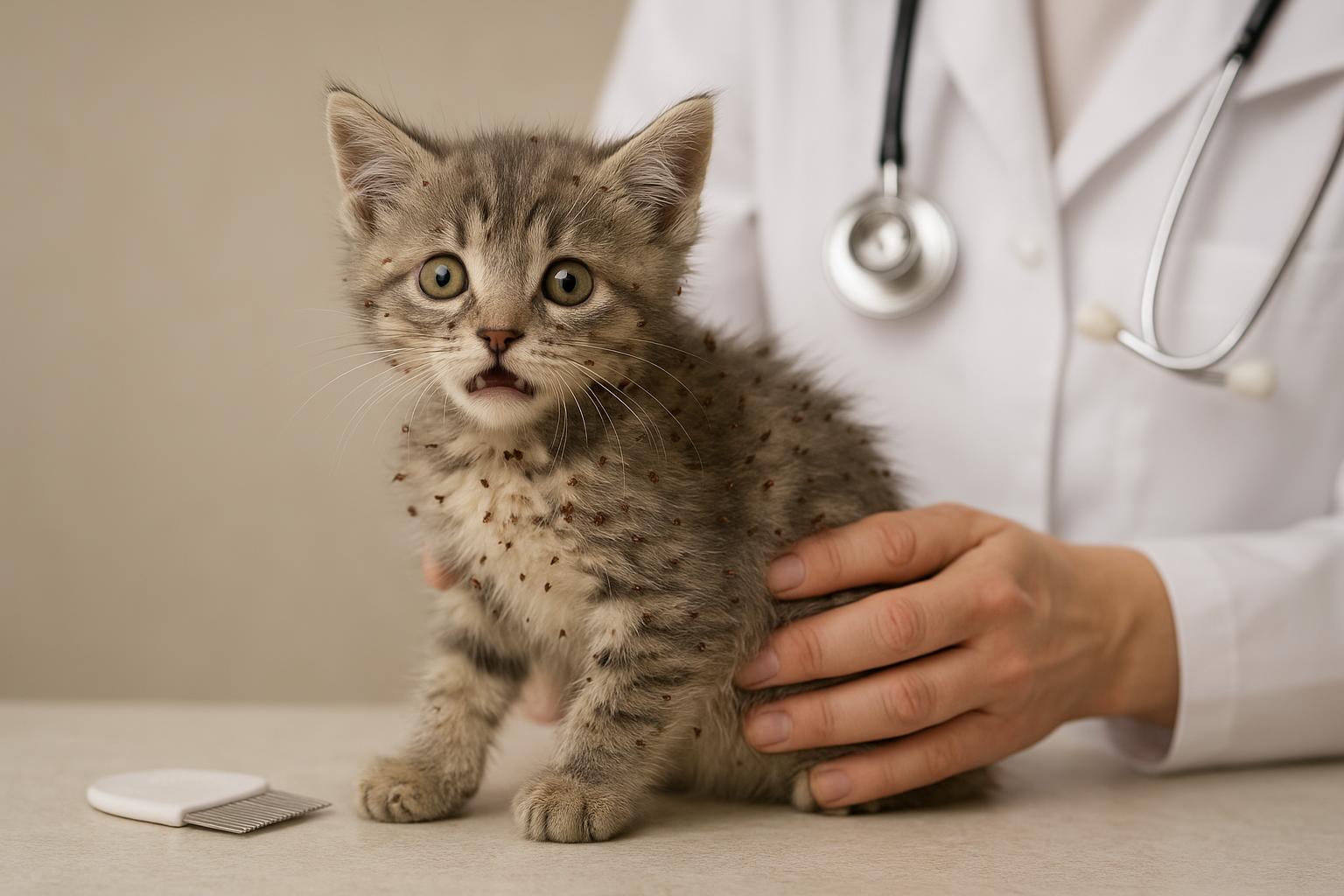
– Pets scratching, biting, or showing small red bite marks along lower legs and abdomen.
– Tiny pale eggs (like grains of salt) or waxy cocoons in carpet fibers or pet bedding.
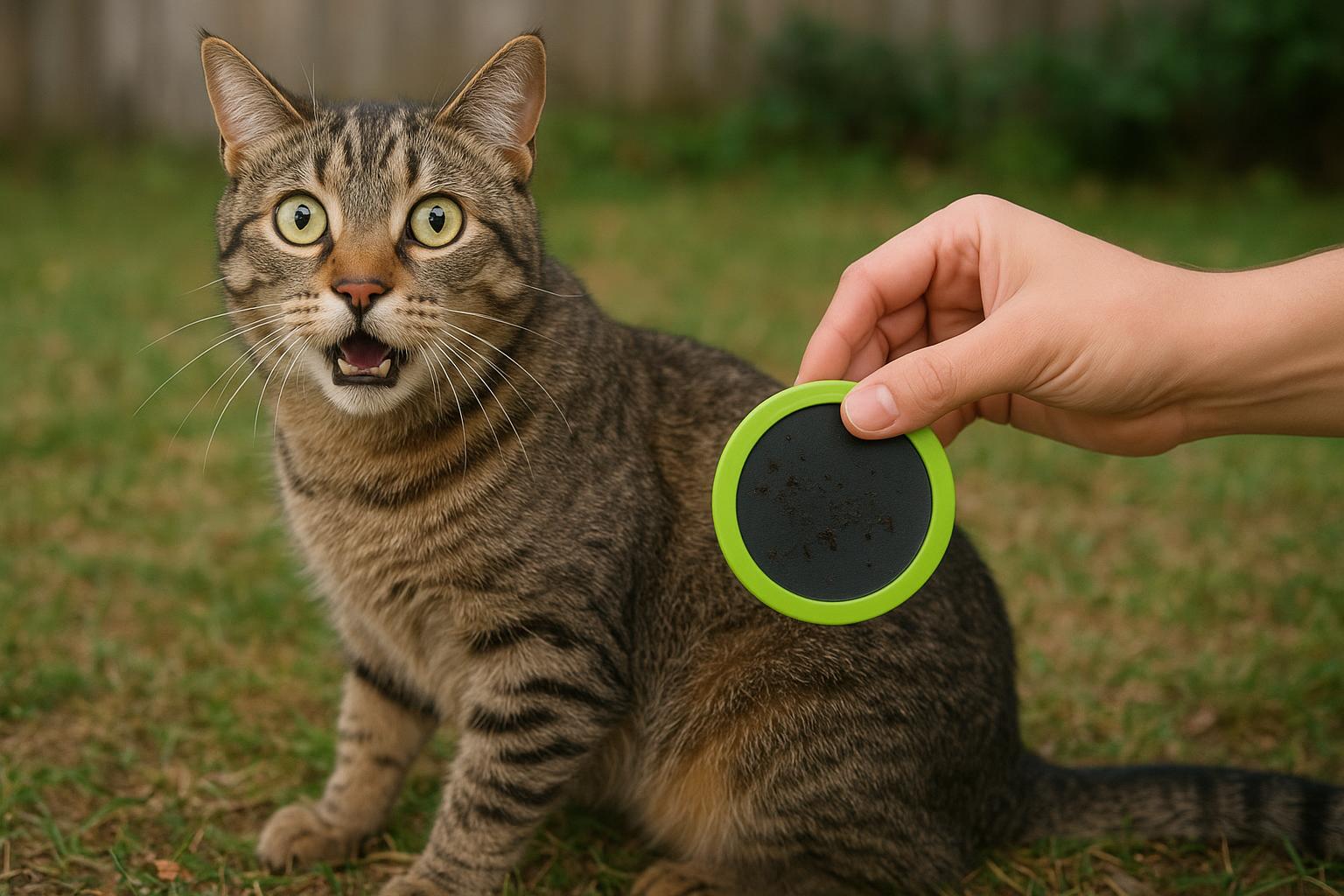
– Flea dirt — dark, pepper-like droppings that turn reddish when moistened (that’s digested blood).
## Identifying Carpet Fleas Versus Other Pests
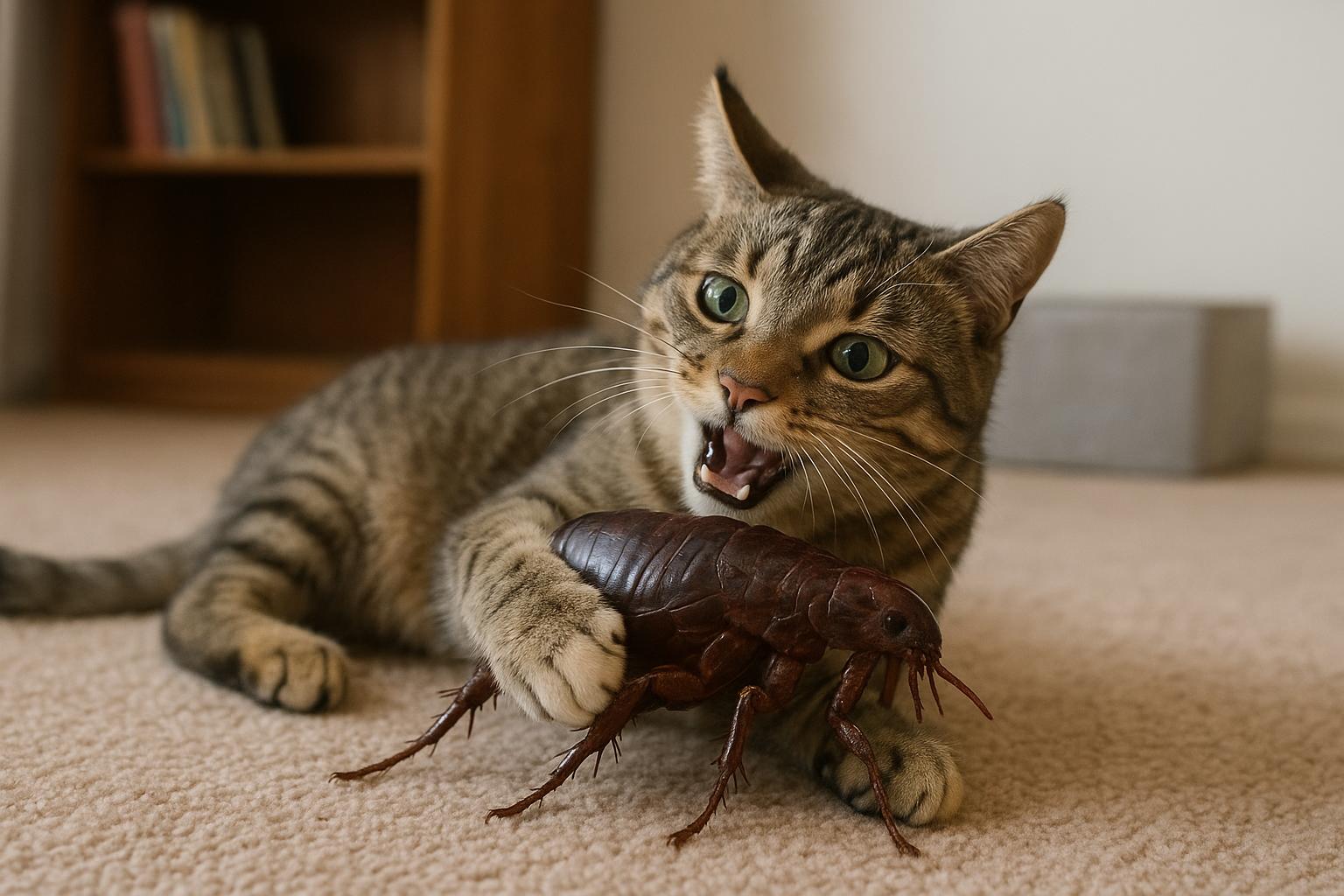
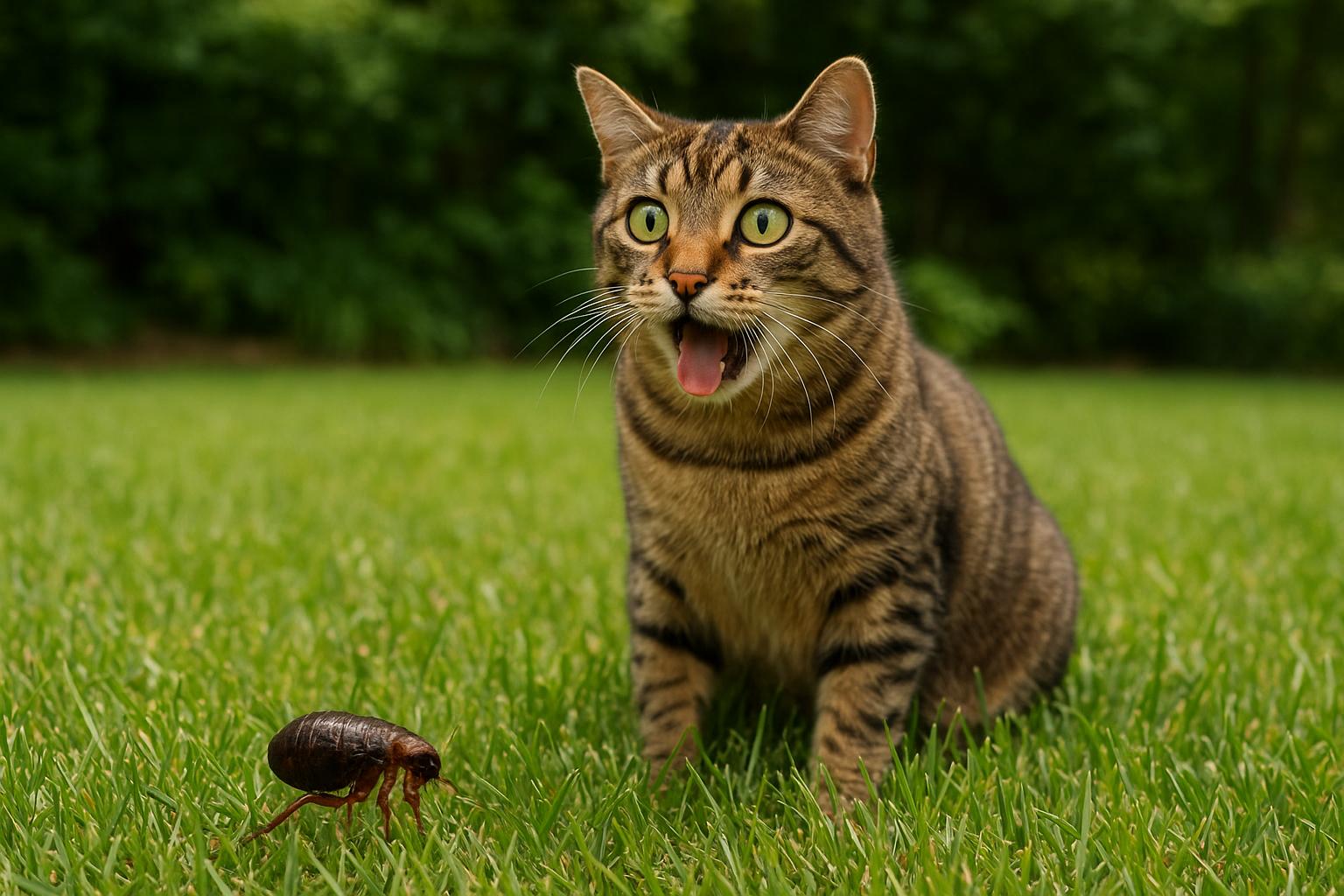
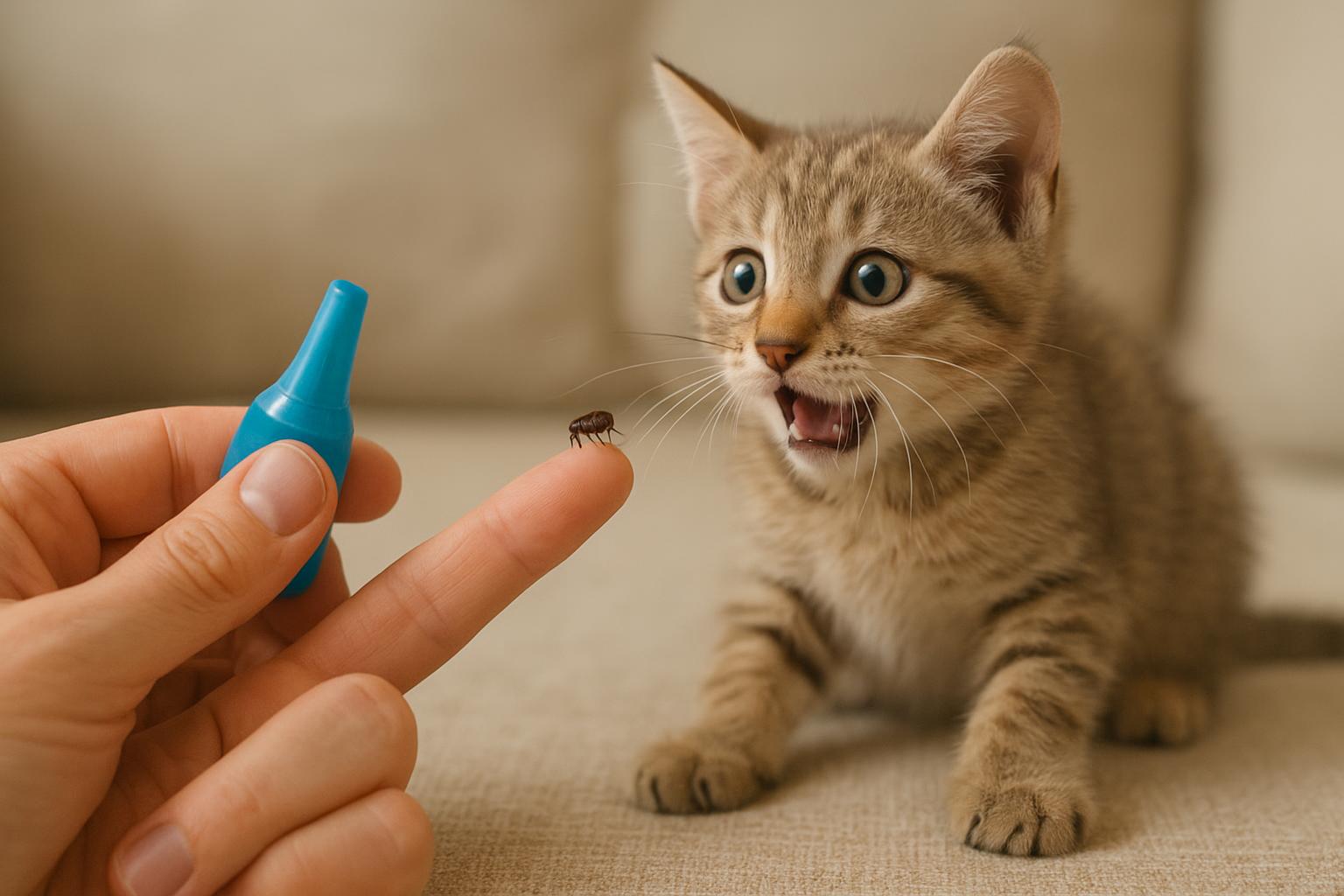
Not every tiny hopper in your rug is a flea; grain mites, carpet beetle larvae, and springtails can cause confusion. Fleas are laterally flattened, dark, and very mobile — they jump. If you gently tap a suspected flea onto a white piece of paper and it leaps away, you’ve likely found a flea. Carpet beetle larvae crawl slowly and don’t jump; springtails are tiny and hop but are usually found in damp environments rather than carpet fibers.
### Life Cycle And Why They Stick Around
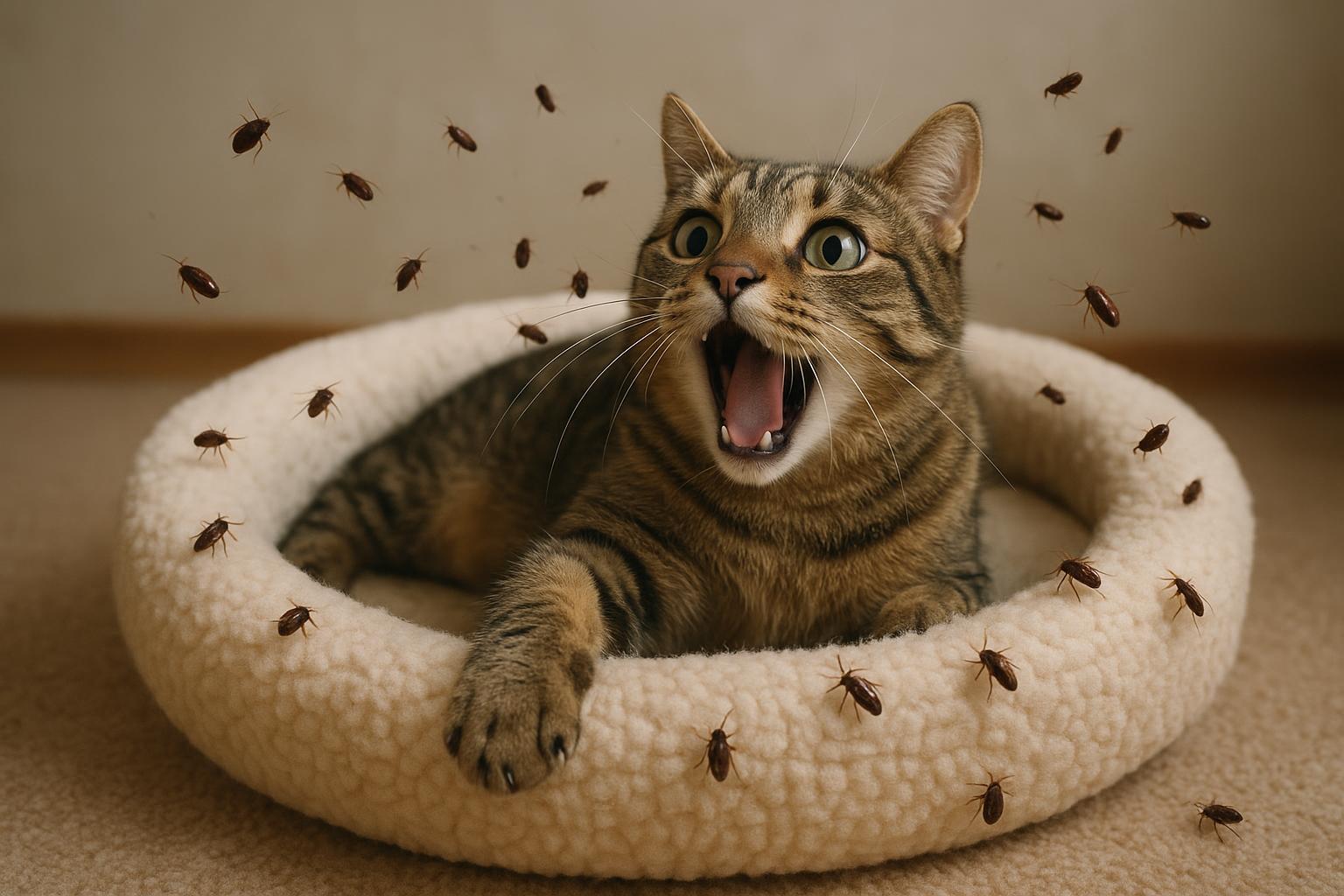
Understanding the flea life cycle explains why a single treatment often isn’t enough. Fleas go through egg, larva, pupa, and adult stages. Eggs drop into carpet; larvae feed on organic debris and flea dirt; the pupa stage can remain dormant for months until stimulated by heat, vibration, or carbon dioxide. That’s why vacuuming interruptions or a single wash won’t necessarily break the cycle — immature stages can hide deep in fibers or in shaded crevices.
## Remedy 1: Deep Clean And Vacuuming Protocol
This is a formal, structured approach suitable as a first-line attack. It focuses on physically removing eggs, larvae, and adults and reducing the environmental conditions fleas need to thrive.
Materials Required
– High-suction vacuum with a crevice tool and brush attachment
– Disposable vacuum bags or a canister you can empty outdoors
– Steam cleaner (optional but recommended)
– Hot-water laundry access
– Stiff-bristled broom or carpet rake for agitation
– Trash bags for disposal of collected debris
Step-By-Step Application (Formal Instructions)
1. Prepare The Area: Remove toys, loose items, and small furniture from carpets and rugs. Isolate pet bedding and place it in sealed plastic bags for washing.
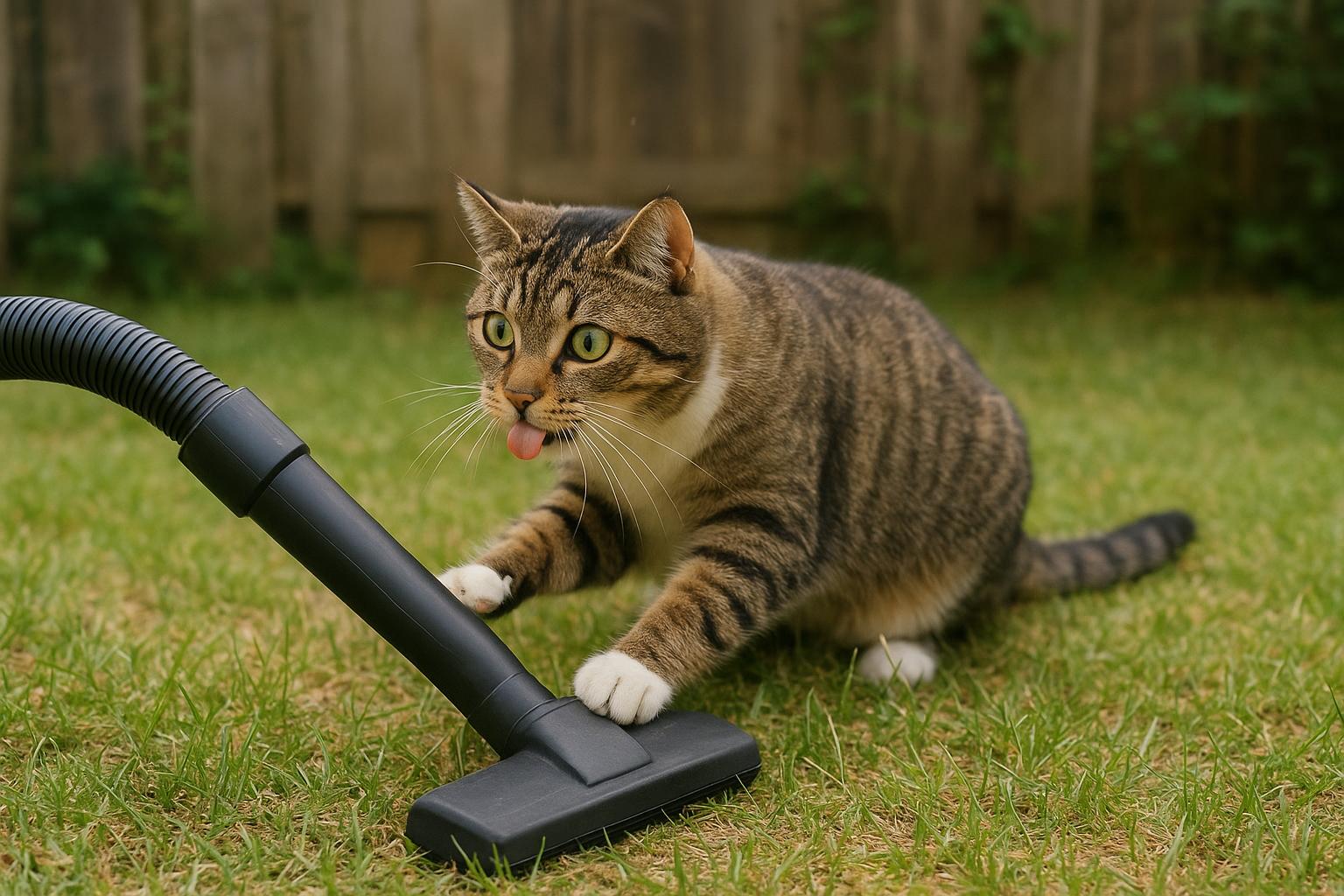
2. Vacuum Thoroughly: Vacuum all carpeting, rugs, upholstery, baseboards, and under cushions. Use a crevice tool for edges and a stiff brush to agitate carpet fibers. Vacuum slowly in multiple directions to dislodge eggs and larvae.
3. Empty Vacuum Contents Immediately: Either discard disposable bags in an outside trash receptacle or empty the canister outdoors into a sealed trash bag. Do not reintroduce vacuum debris inside the home.
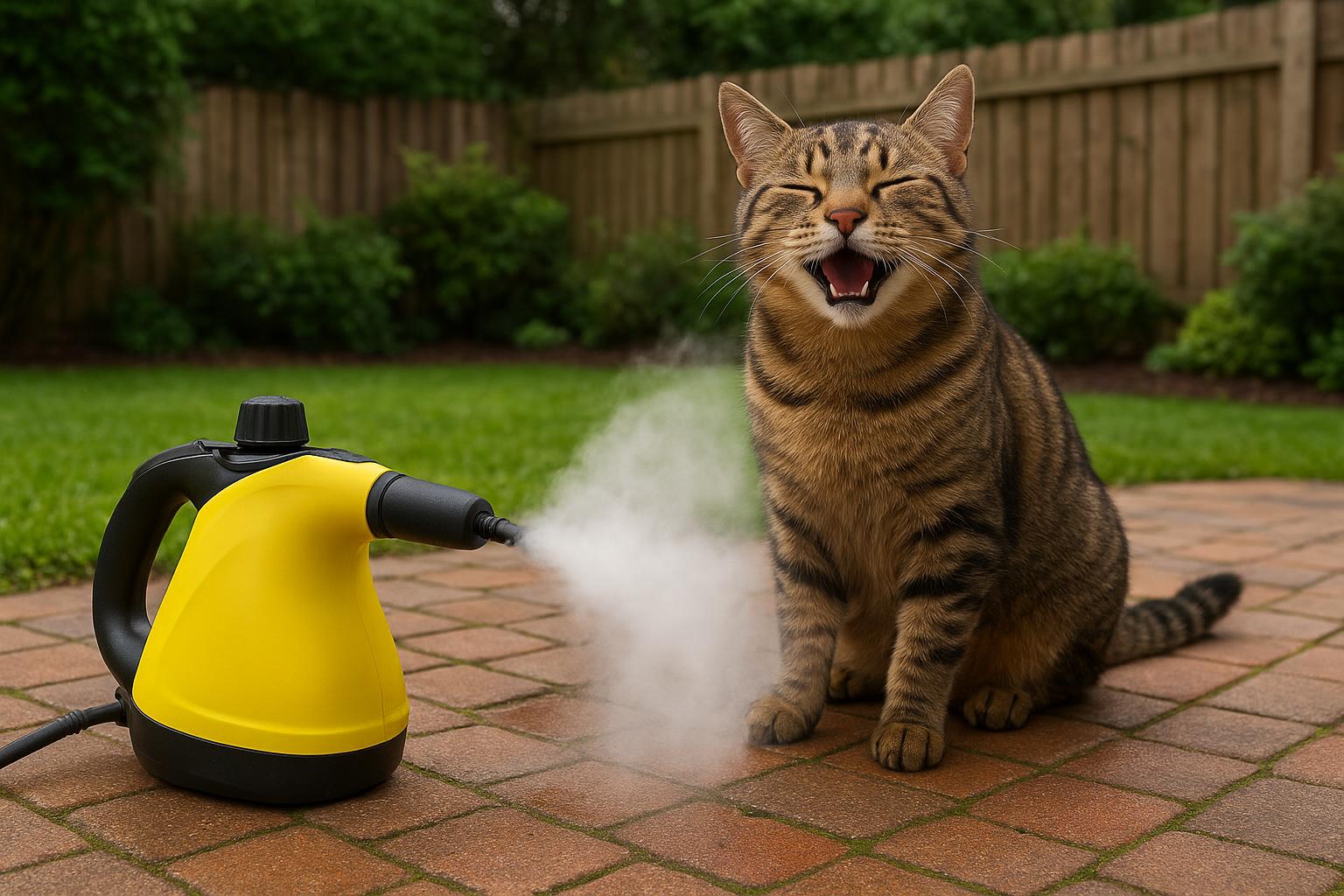
4. Steam Clean Carpets: Steam cleaning at high temperature will kill many flea stages present in the carpet. Move methodically across the room; multiple passes are recommended for heavily infested areas.
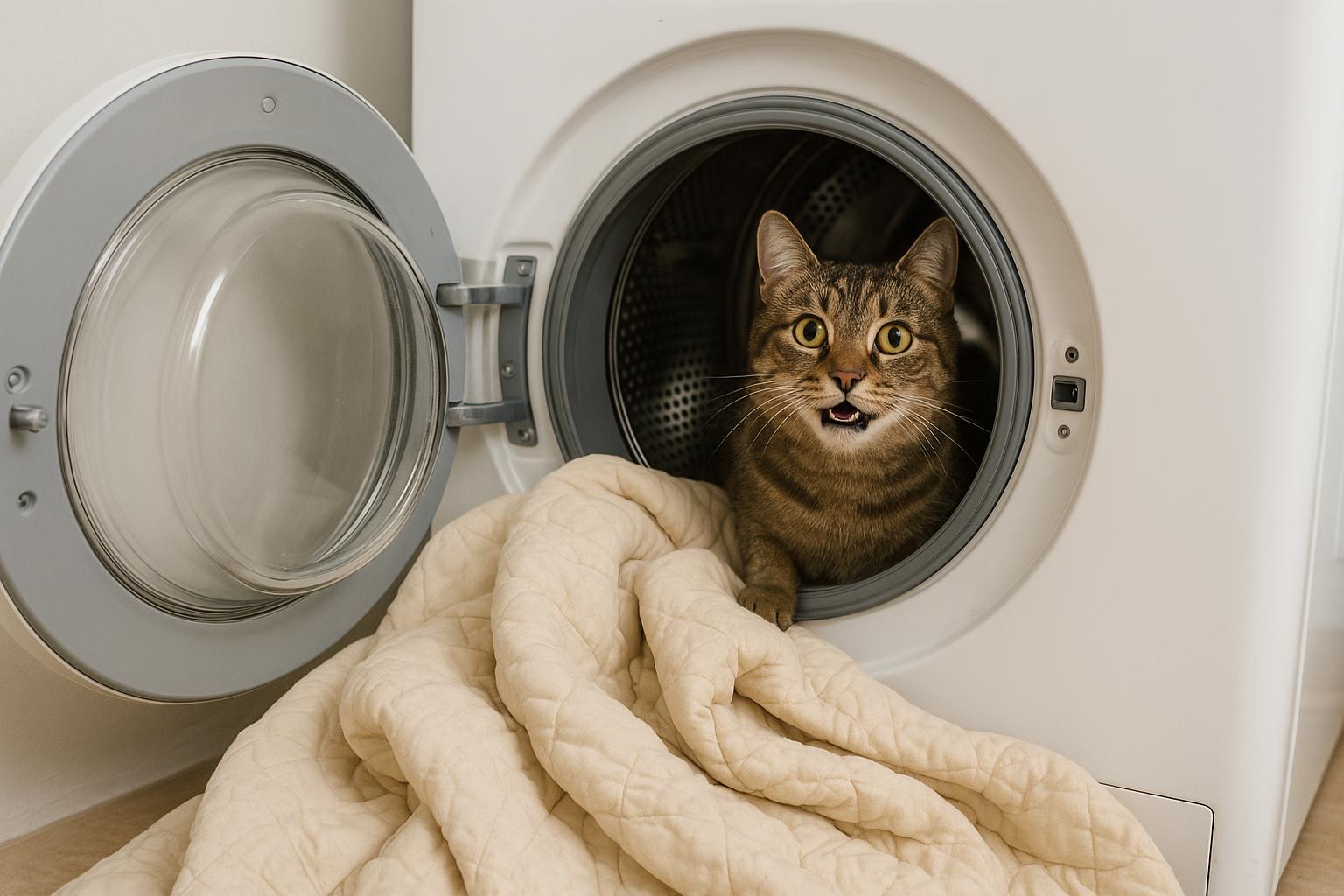
5. Launder Fabrics: Wash pet bedding, removable cushion covers, and rugs that can be laundered in hot water (at least 60°C/140°F if fabric allows) and dry on the highest safe heat setting.
6. Repeat Vacuuming Schedule: Continue vacuuming daily for 2–3 weeks, then three times weekly for another month. This interrupts the life cycle by removing emerging adults before they reproduce.
7. Track Results: Monitor pet scratching and inspect carpets weekly. Persist with the regimen until no live fleas, eggs, or flea dirt are detected for several consecutive weeks.
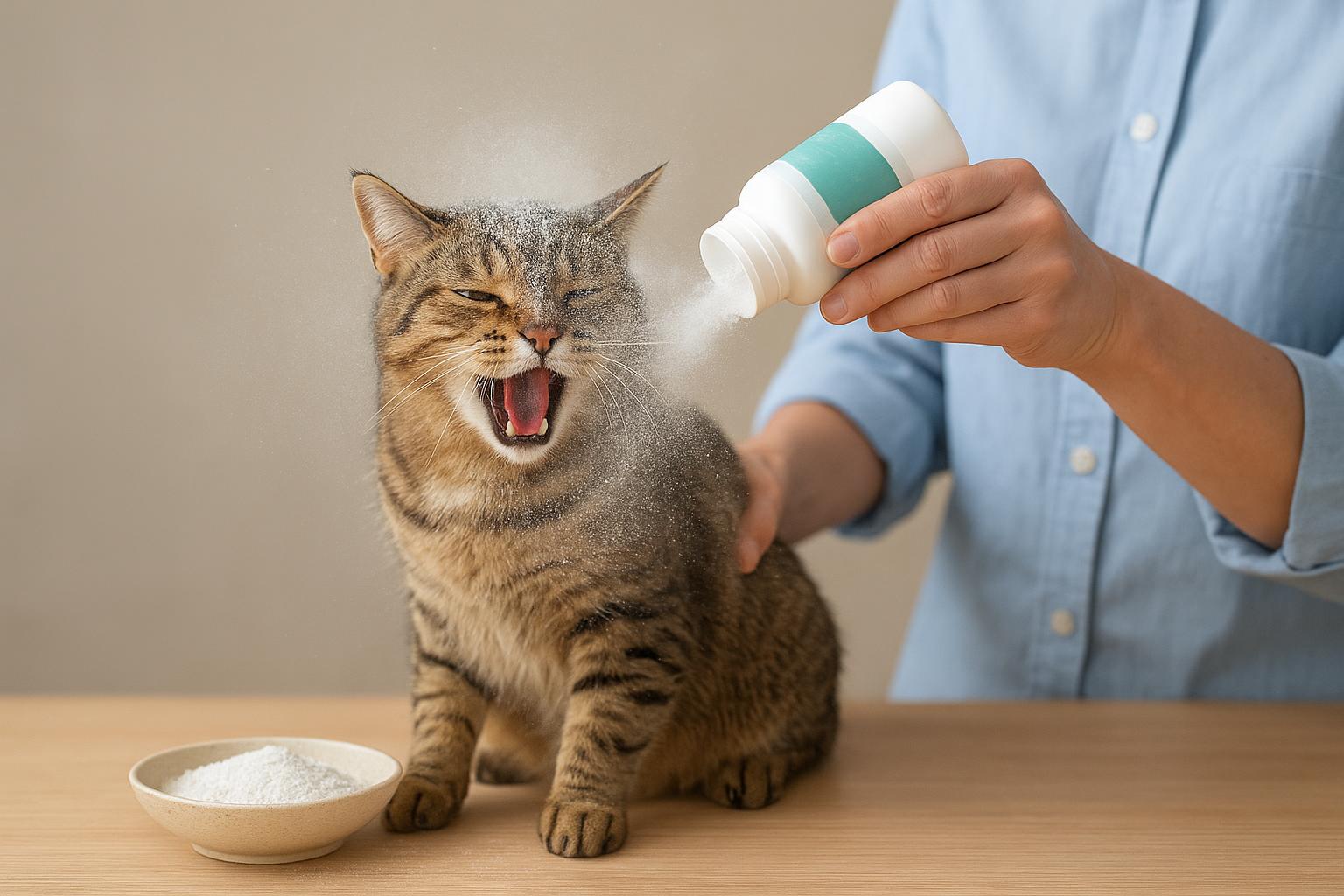
## Remedy 2: Diatomaceous Earth Treatment (Natural)
This treatment is effective as a desiccant for insect exoskeletons and, when applied properly, can reduce flea populations without heavy chemical use. It should be used with care to avoid inhalation and kept away from areas where children or pets might inhale dust.
Materials Required
– Food-grade diatomaceous earth (DE)
– Handheld applicator or duster
– Vacuum with strong suction
– Gloves and dust mask (P2/N95 recommended)
– Optional: a small broom or carpet rake
Step-By-Step Application (Formal Instructions)
1. Safety Precautions: Wear gloves and a dust mask. Ensure pets and people are out of the treatment area during application.
2. Prepare The Surface: Vacuum the area thoroughly to remove loose debris and to expose flea eggs and larvae closer to the surface.
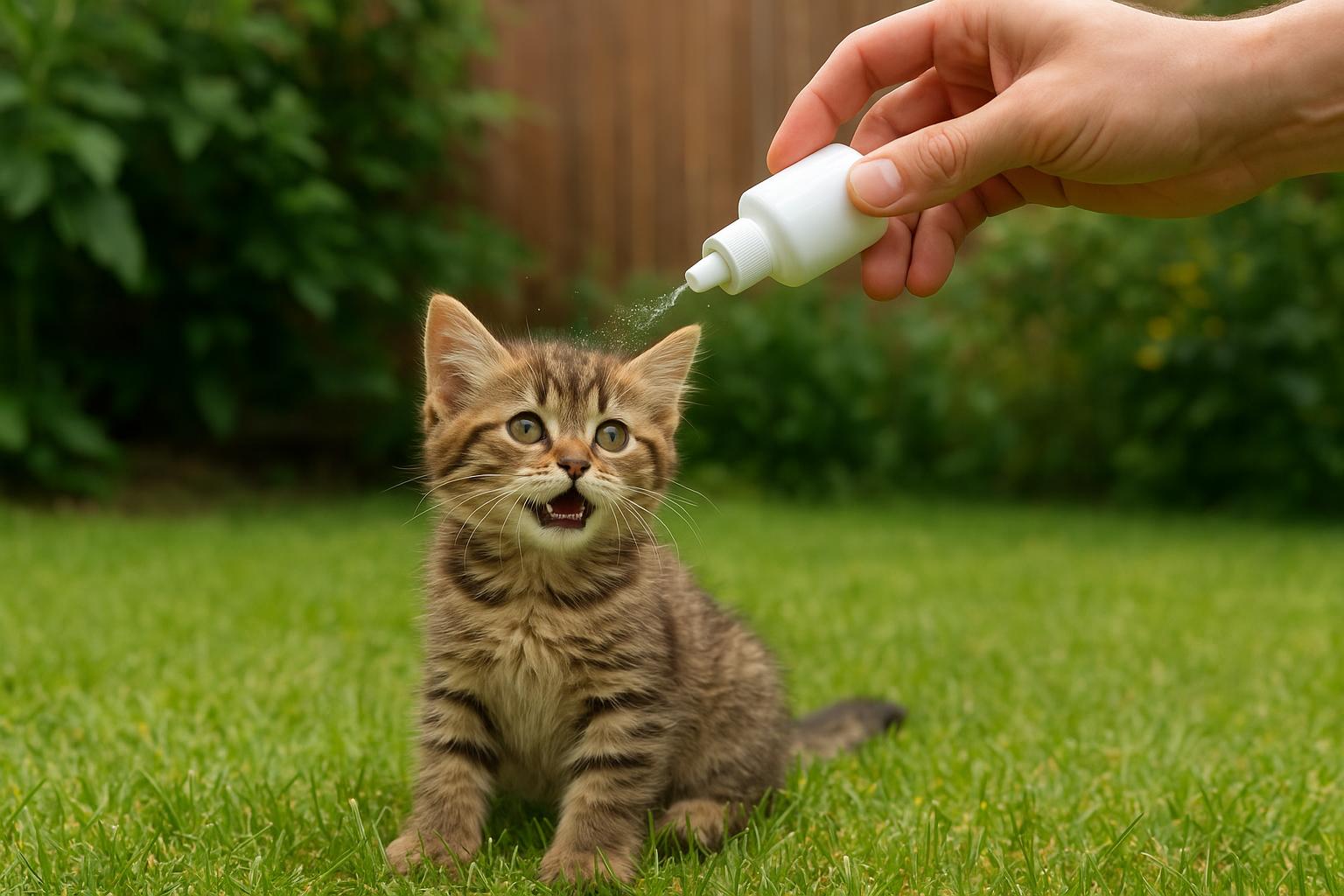
3. Apply Diatomaceous Earth: Using the applicator, lightly dust a fine, even layer of DE over carpets, focusing along baseboards, under furniture, pet bedding areas, and in cracks. Avoid clumping; a thin layer is sufficient.
4. Agitate Into Fibers: Gently work the DE into the carpet nap with a broom or carpet rake to increase contact with fleas and larvae.
5. Leave In Place: Allow DE to remain for 48–72 hours to maximize exposure. Keep children and pets off the treated areas during this time.
6. Vacuum Thoroughly: After the exposure period, vacuum with a HEPA or equivalent filter vacuum. Dispose of the contents outdoors. Repeat application after one week if live fleas persist.
7. Follow-Up Schedule: Reapply every 7–10 days for three cycles, combined with regular vacuuming and laundering, to address successive life stages.
### When To Use Chemical Controls
If the infestation persists after diligent cleaning and natural measures, targeted insect growth regulators (IGRs) and adulticides may be necessary. These products should be selected based on label directions, applied precisely to infested areas, and used in conjunction with mechanical controls. For indoor use, favor EPA-registered products and follow safety precautions for occupants and pets.
### When To Call A Pro
If you detect fleas in multiple rooms, your pets continue to suffer despite treatment, or you’re unsure about chemical selection and application, contact a licensed pest control professional. Professionals have access to integrated strategies — including targeted sprays, dusts for cracks and crevices, and follow-up monitoring — that reduce risks and improve outcomes.
#### Preventing Reinfestation
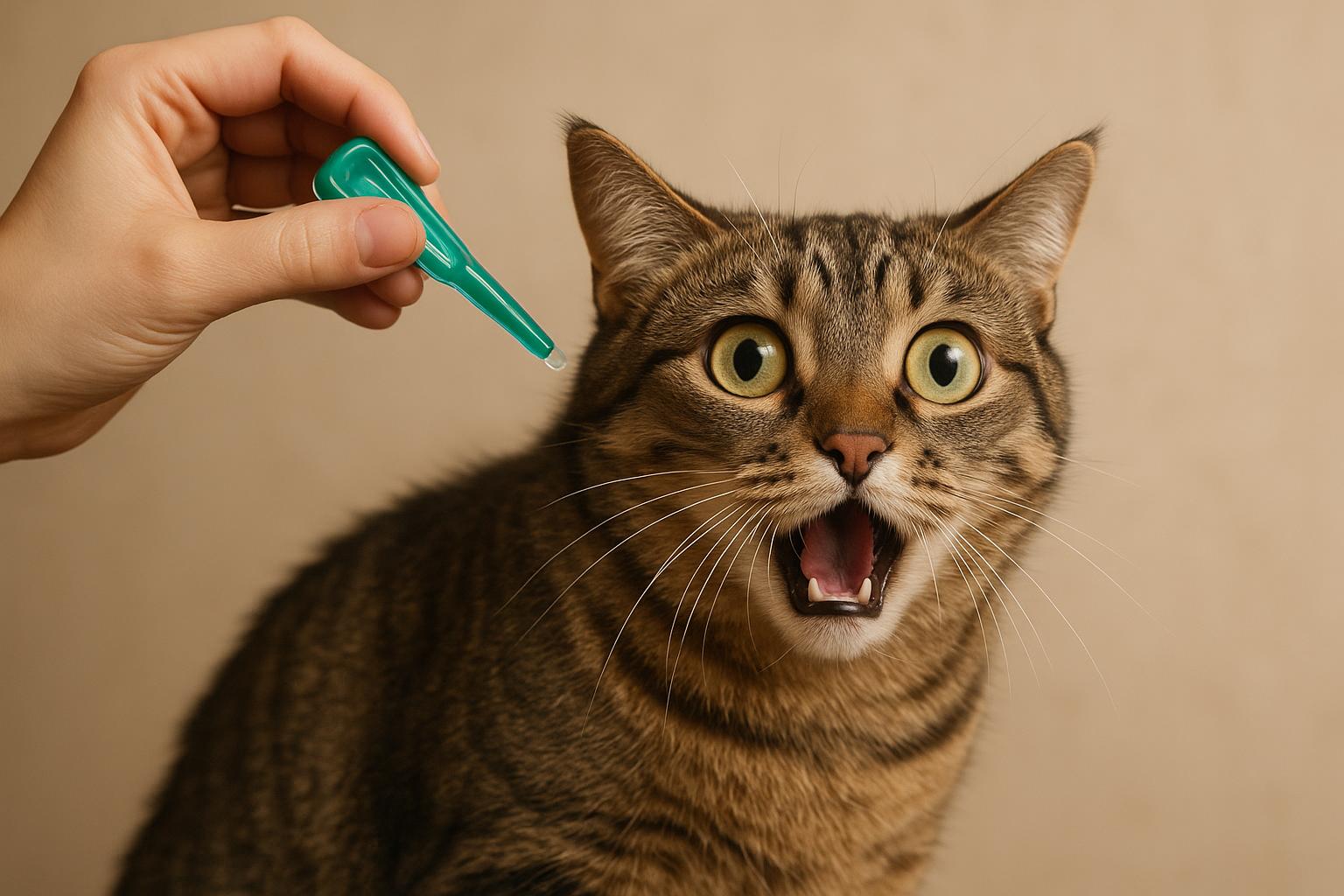
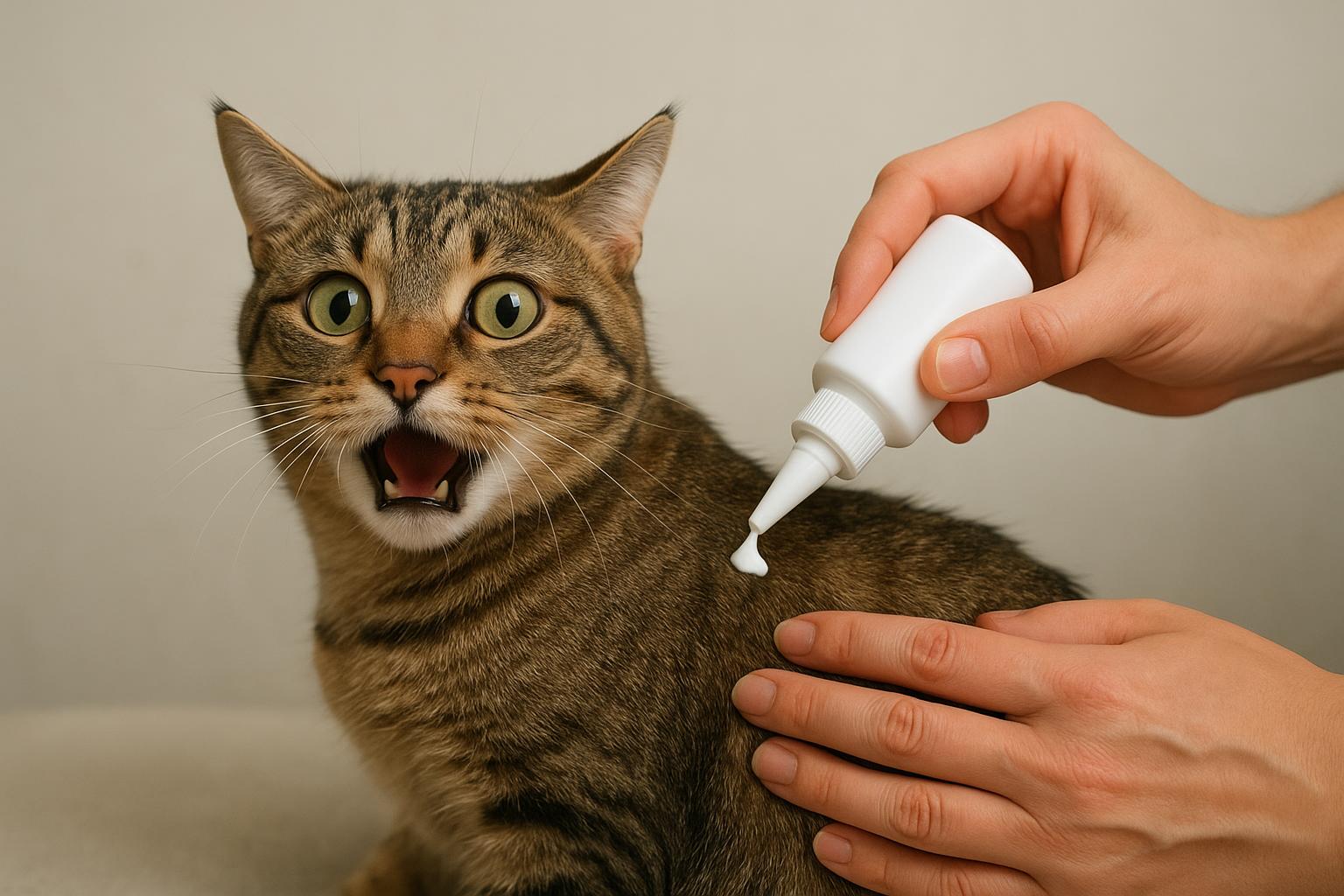
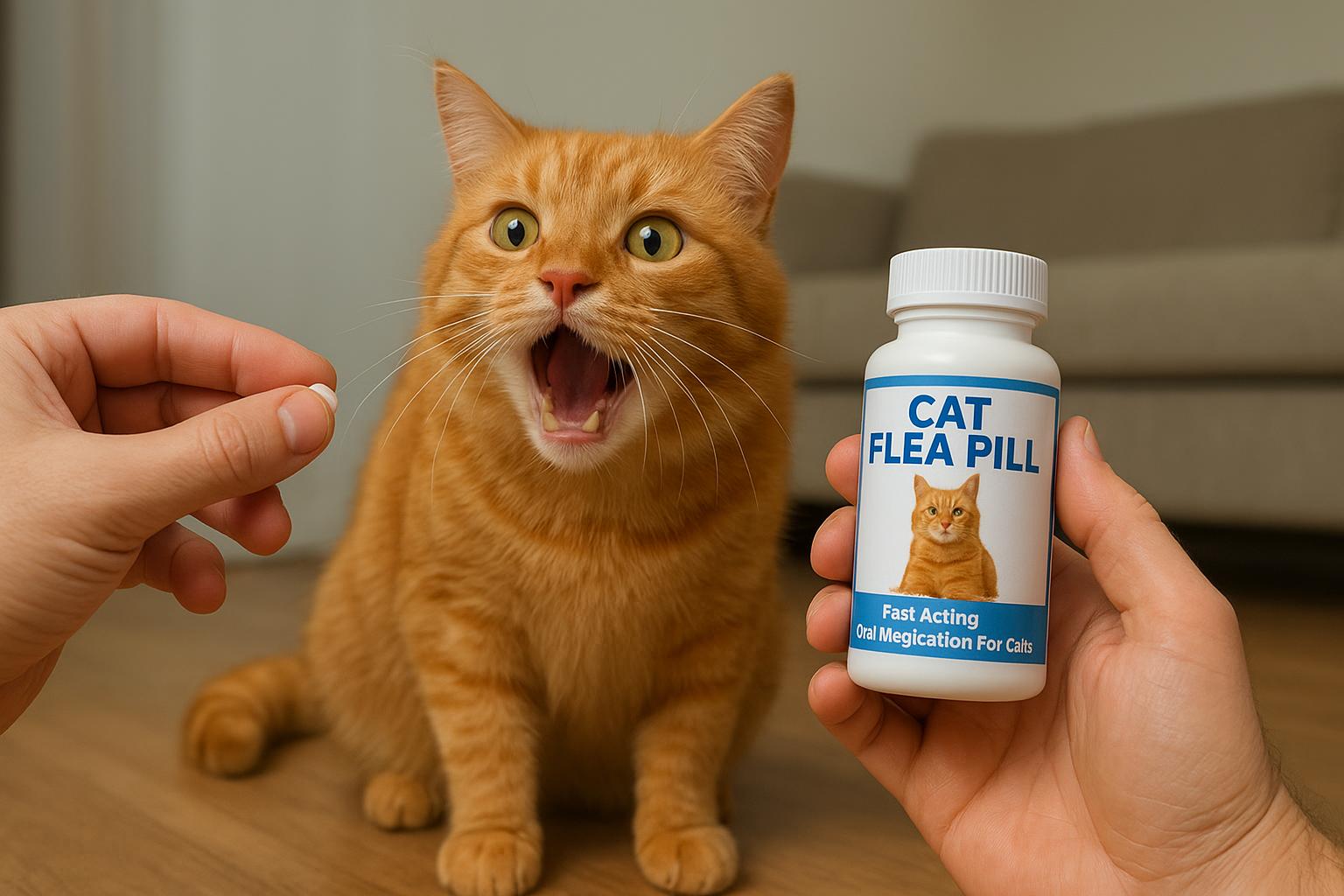
Control is not a one-day event. Keep pets on veterinarian-recommended flea prevention, wash pet bedding weekly, vacuum regularly, and inspect brought-in secondhand furniture. Wildlife-proofing your yard and limiting guest animals in the house also lowers the odds that carpet fleas will reestablish.
If you want a quick checklist or a shopping list tailored to your home size and pets, say the word and I’ll draft one for you — plus a short vacuuming calendar you can tape to the fridge.








Leave a Reply