
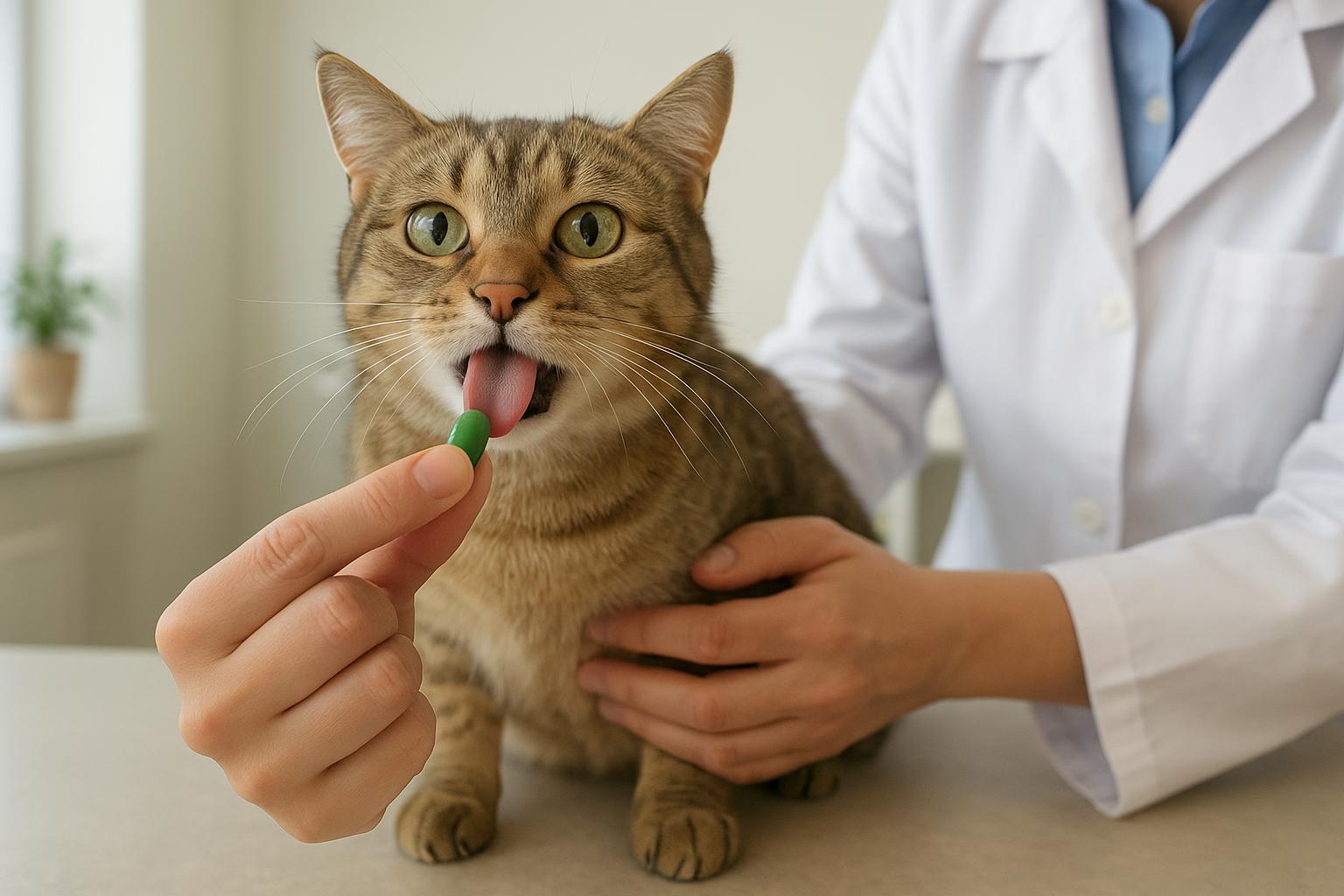
## How Flea Medication Works In Cats
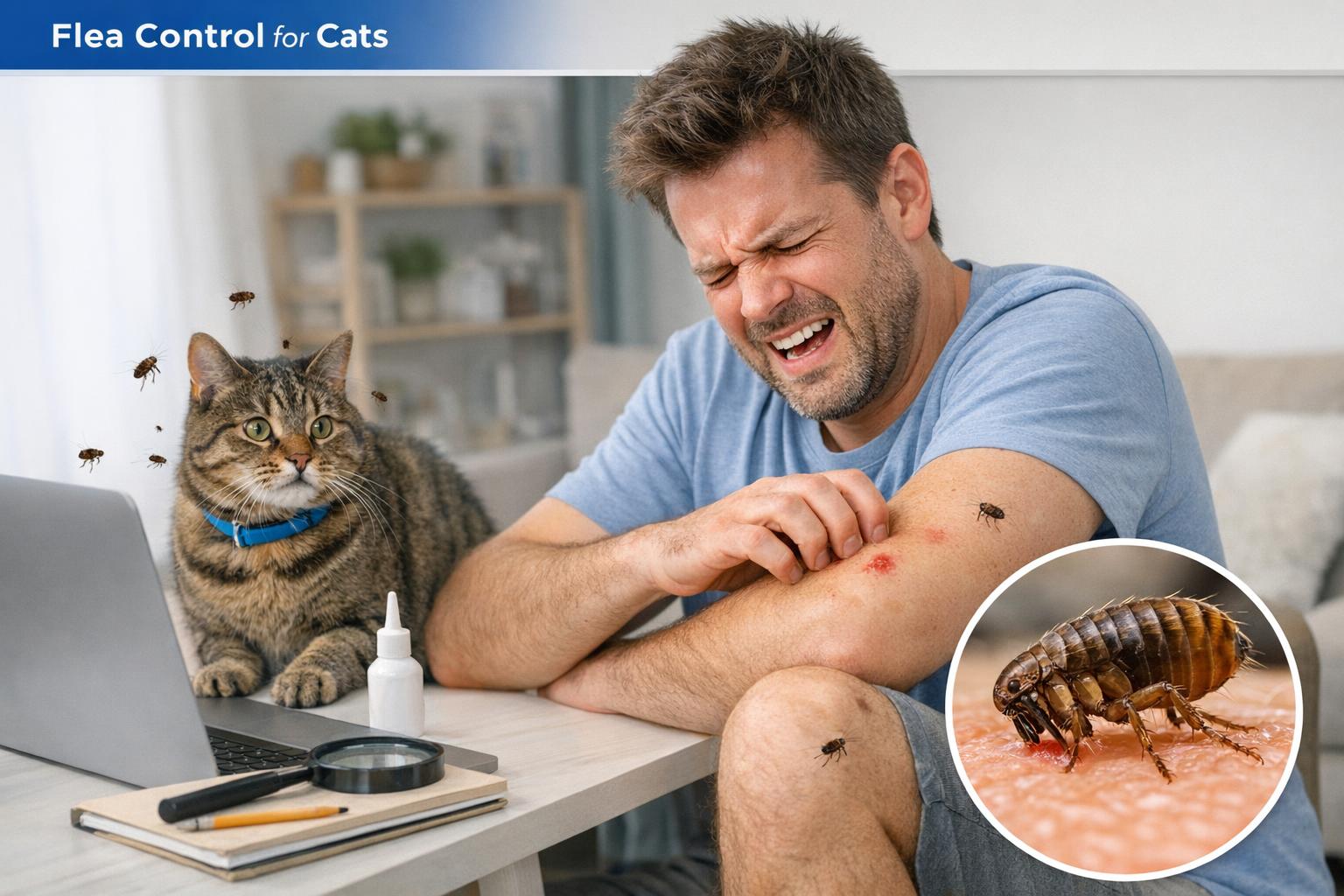
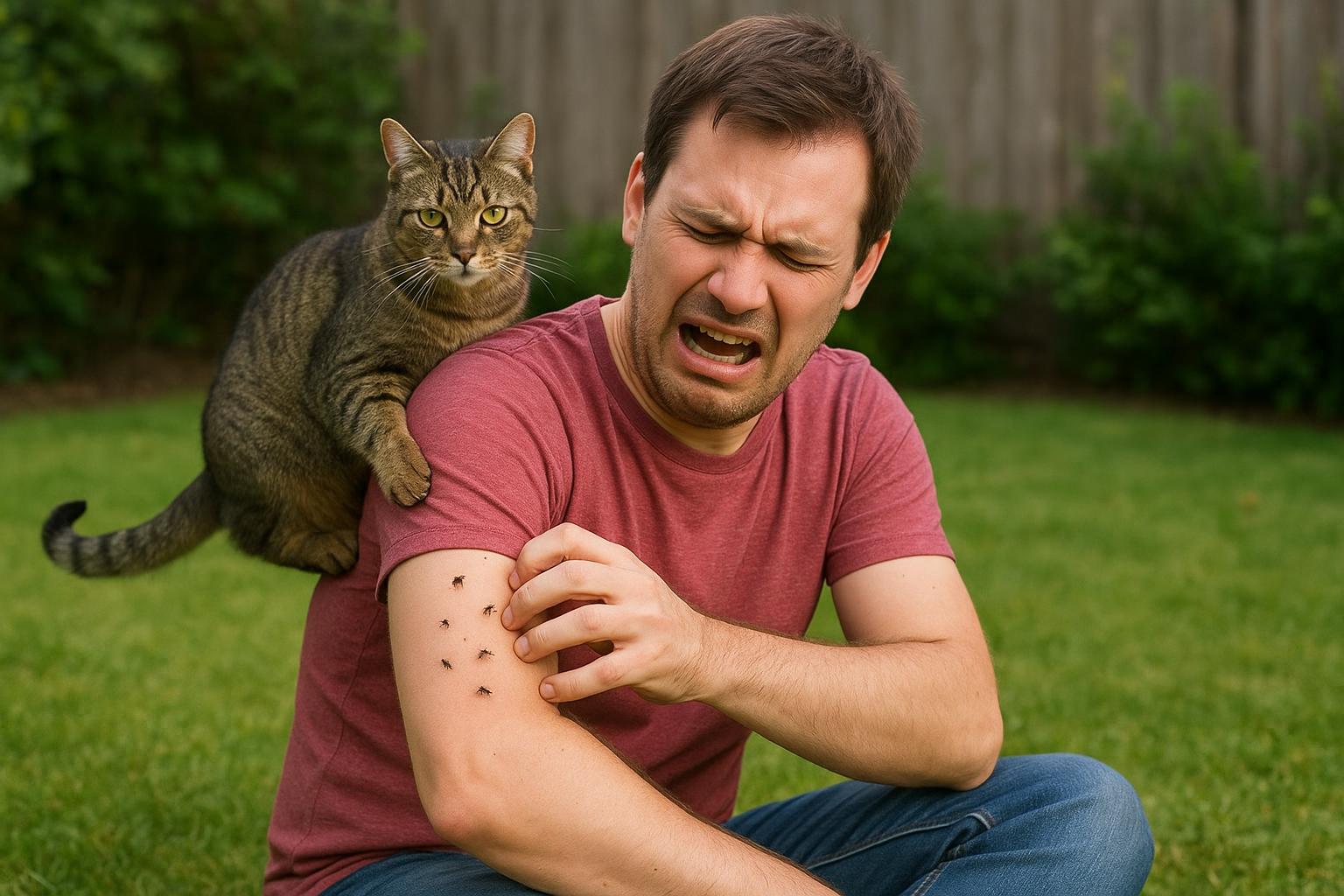
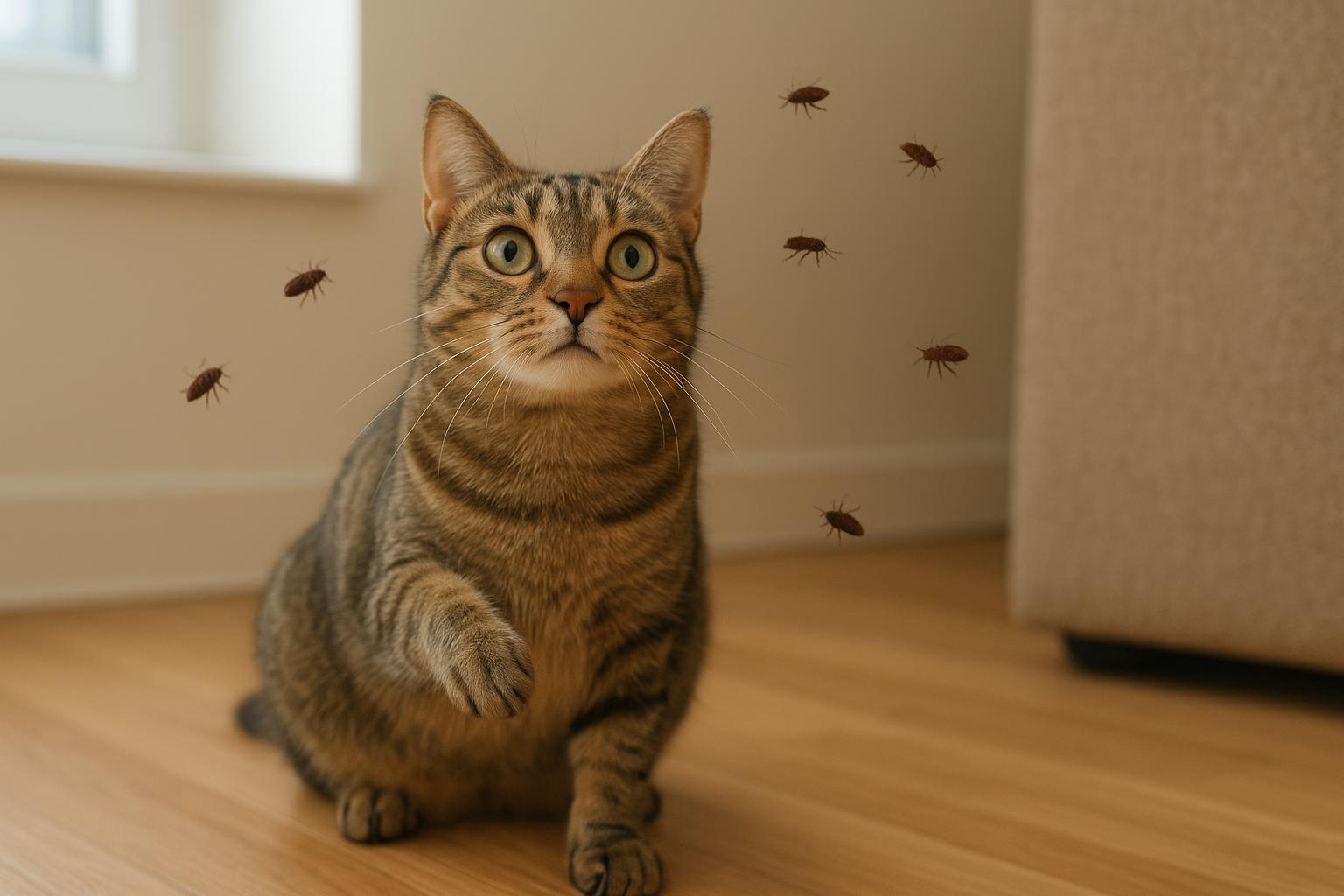
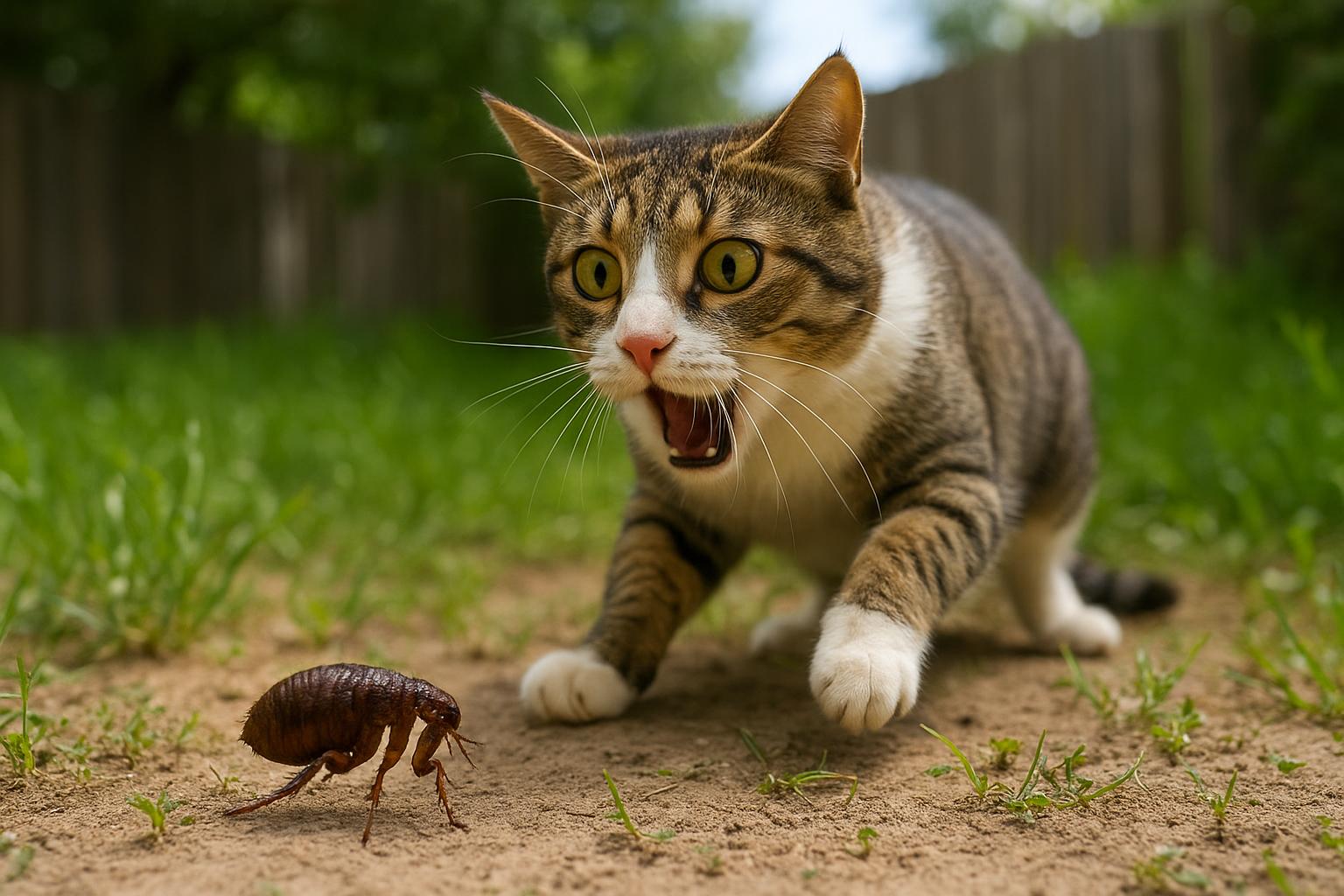
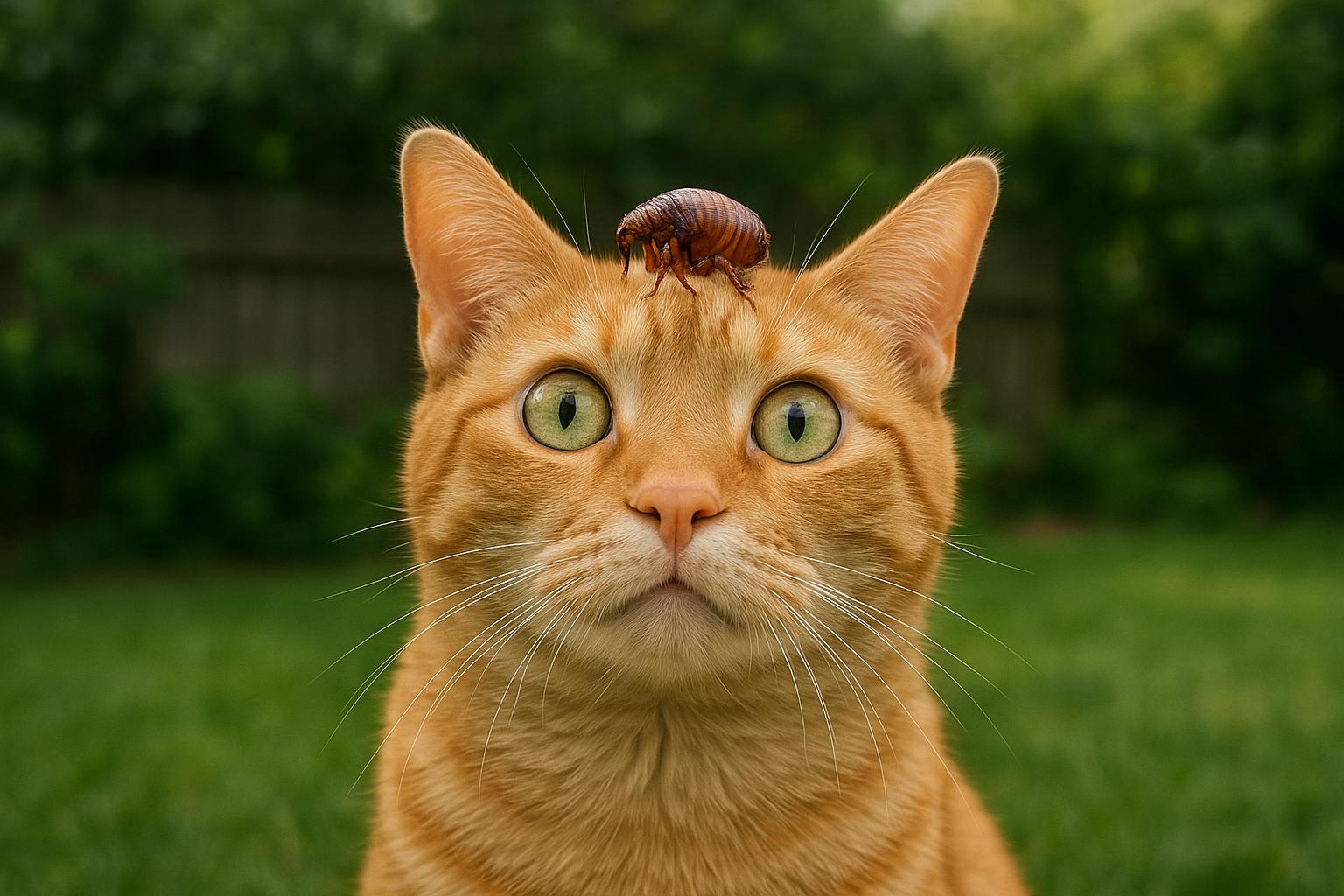
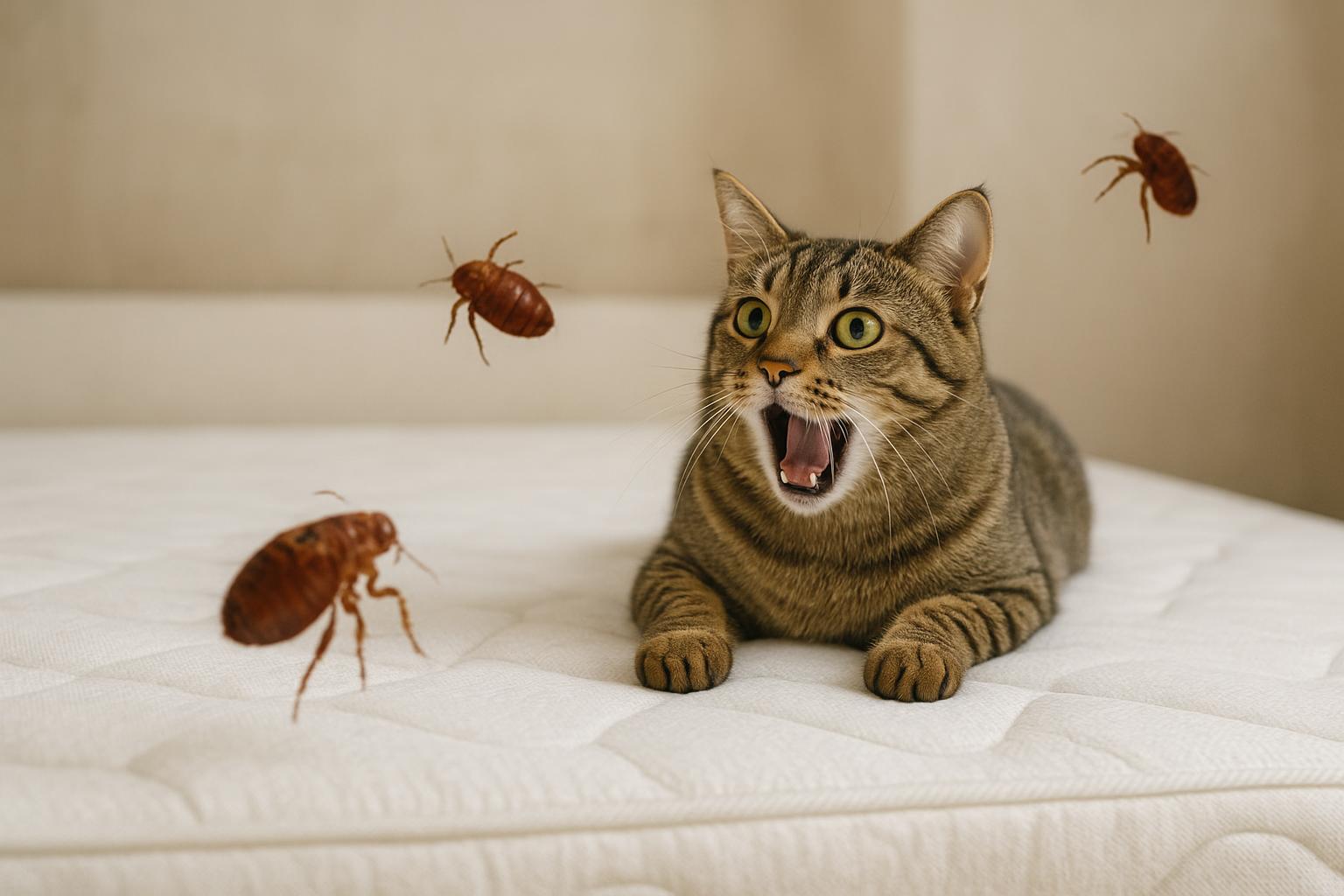
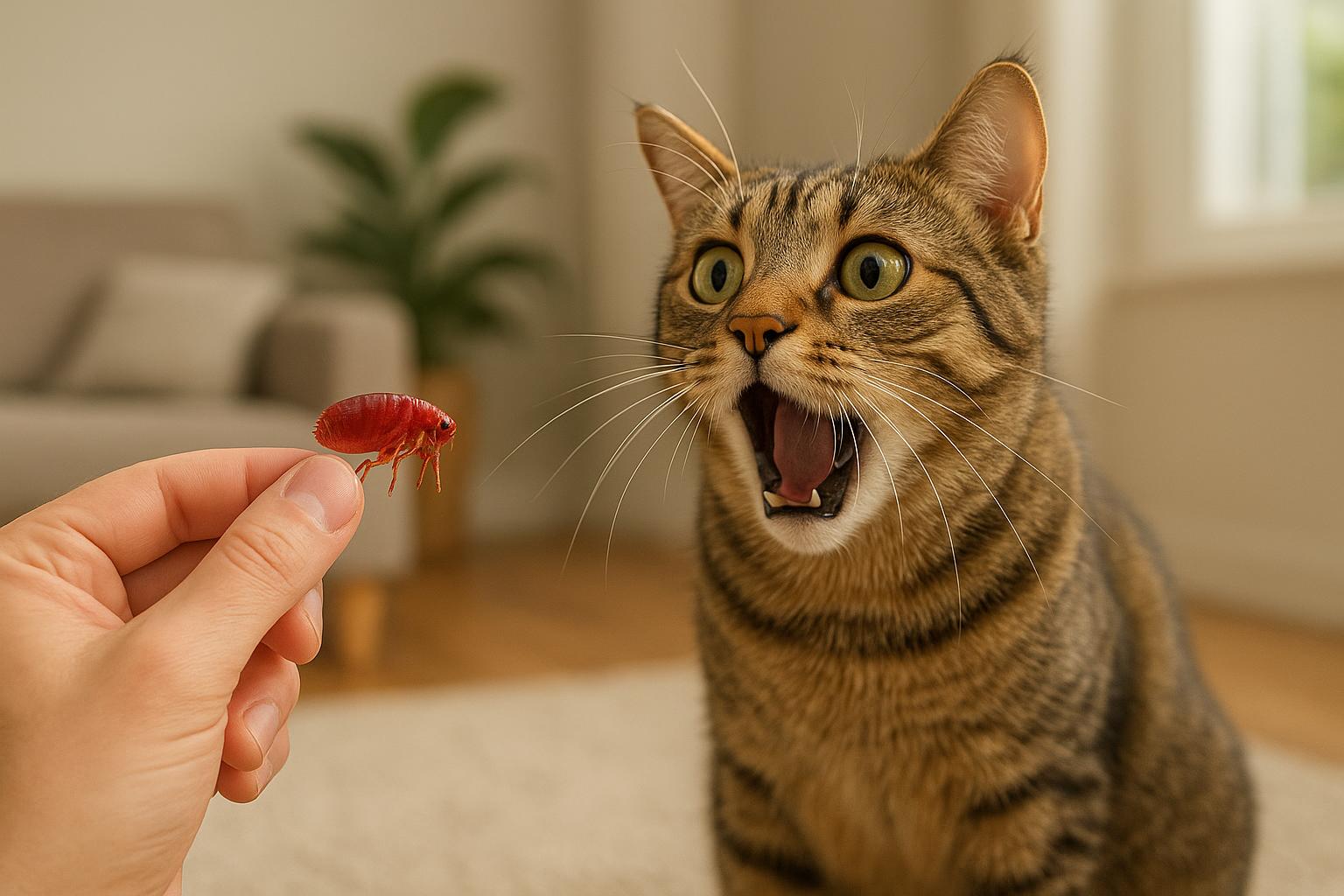
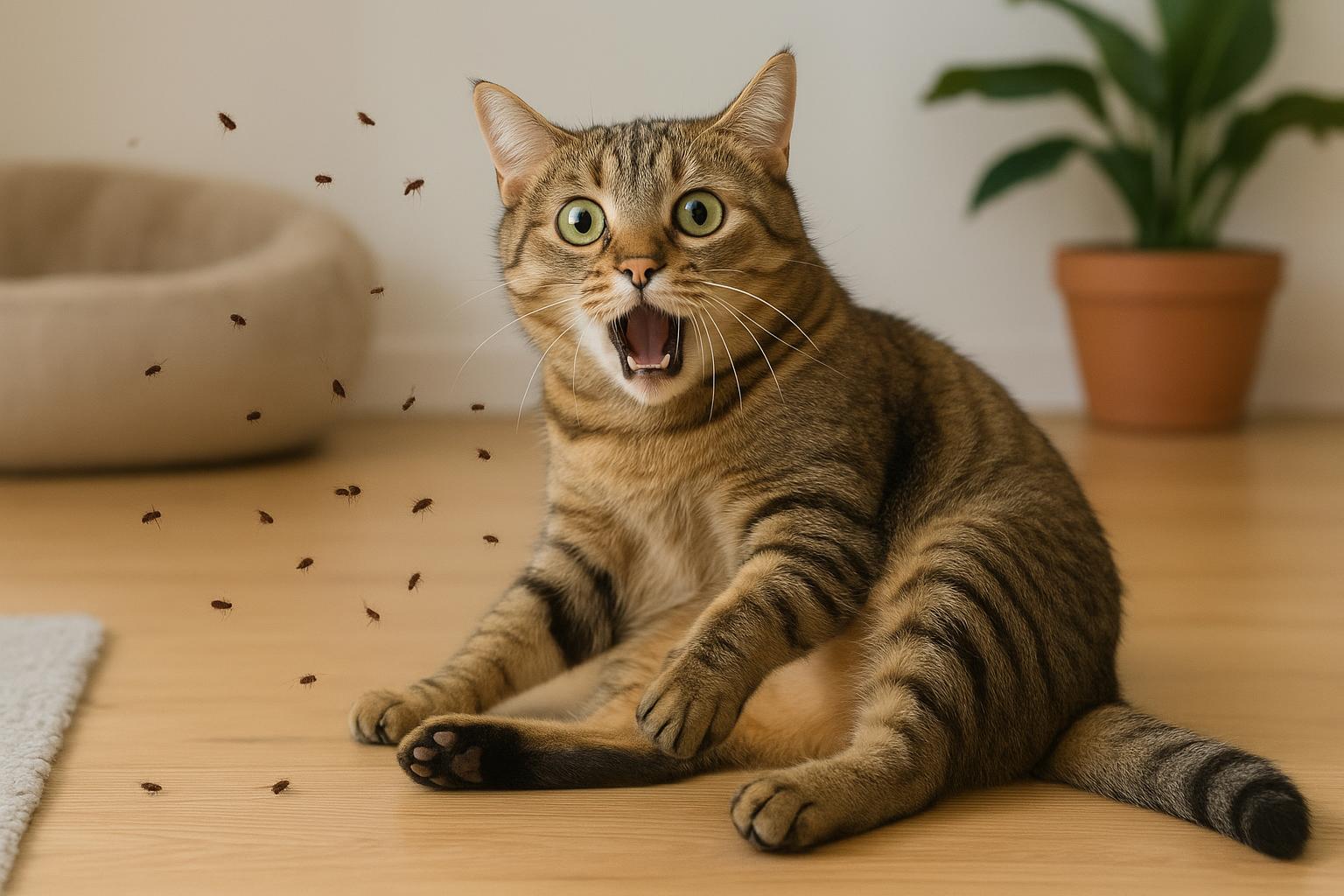
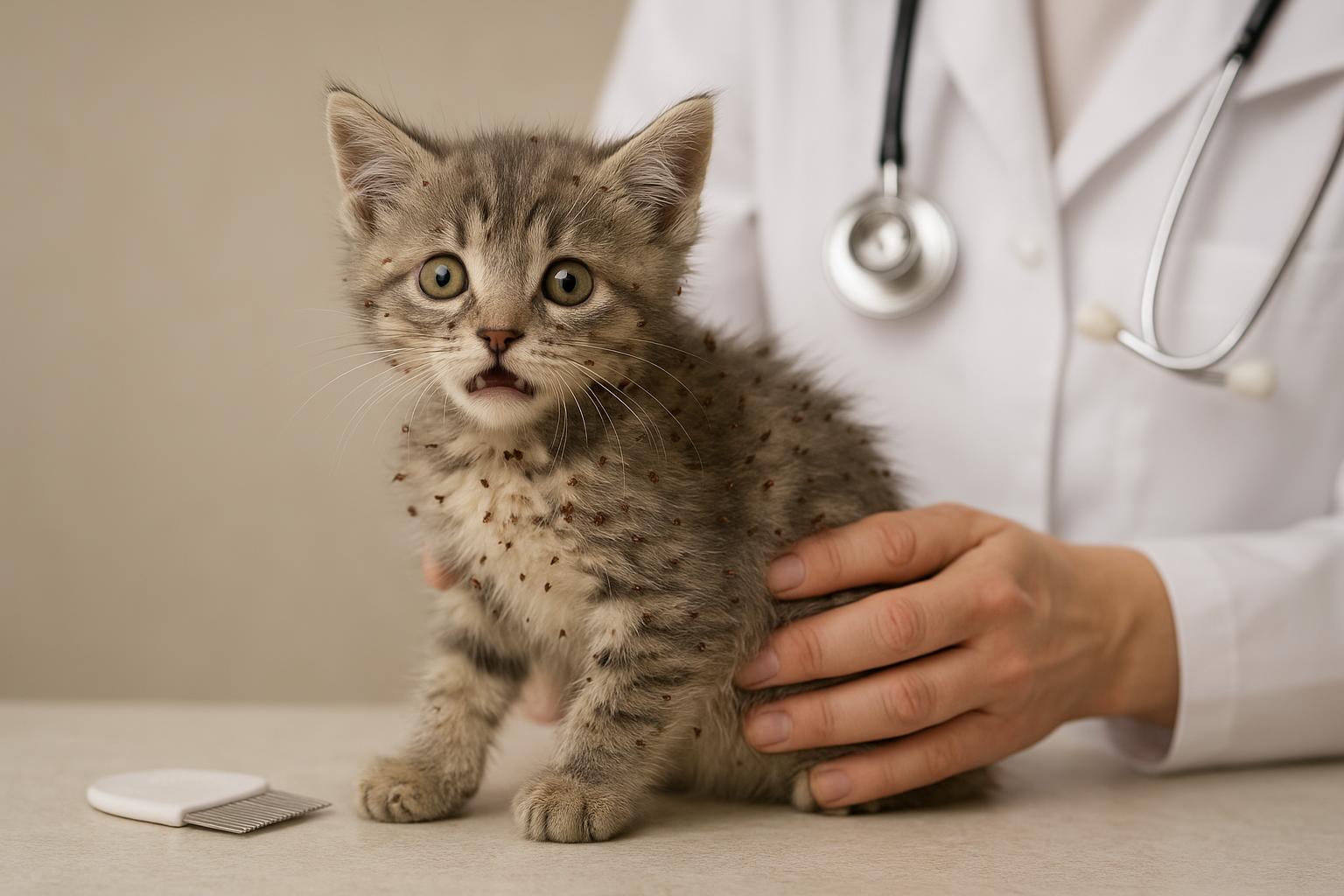
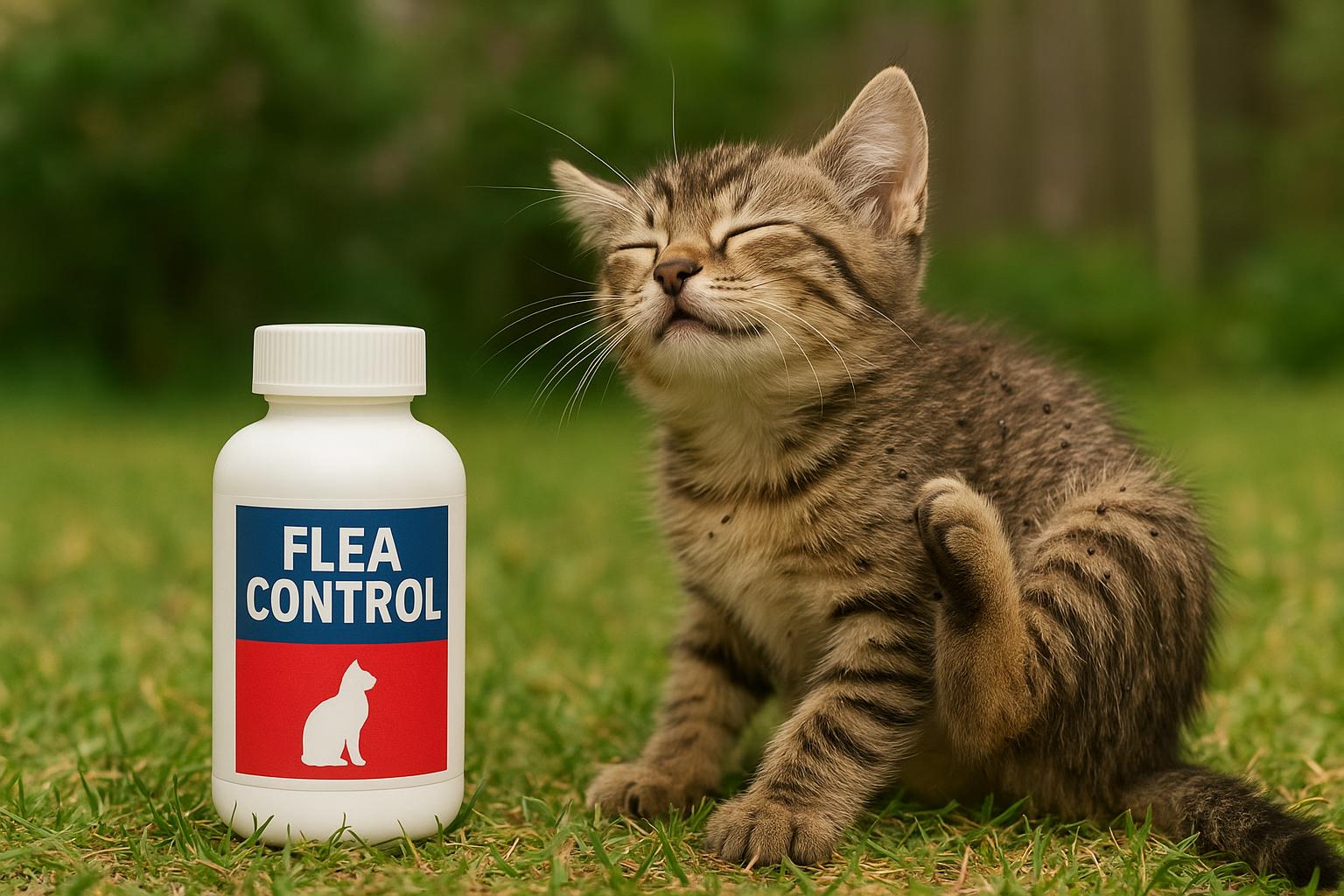
If you’ve ever watched a cat perform an Olympic-level shake and paw routine, you know fleas are tiny tyrants. They’re annoying for kitty, itchy for you, and—if left unchecked—can cause anemia, skin infections, and even transmit tapeworms. Luckily, modern flea medication has evolved past the days of smelly oils and frantic bathing. Oral treatments offer an effective, low-mess option that many guardians prefer. Let’s walk through how these products work, when to use them, and how to safely administer them without turning your lap into a chew toy.
### The Basics: What Oral Flea Treatments Do
At their core, oral flea products are systemic. That means your cat eats the medication (or it’s given by a vet), the active ingredient is absorbed into the bloodstream, and when a flea bites, it ingests the compound and dies. This approach targets fleas at the feeding stage, often killing adult fleas very quickly and sometimes interfering with flea development or reproduction. Because the medication circulates inside your cat, it’s less affected by bathing or rain than topical options.
### The Science Behind How Flea Medication Kills Fleas
Different oral flea medications work through different mechanisms—some disrupt the nervous system of fleas, others stop eggs from hatching. For example, isoxazolines are a newer class of oral insecticides that block certain receptors in an insect’s nervous system, causing paralysis and death. Other products may be insect growth regulators (IGRs) that prevent immature flea stages from maturing into biting adults. The net result is: fewer adult fleas on the pet, and fewer fleas reproducing in the environment.
## Types Of Oral Flea Medication
There are a few classes you’ll encounter:
– Isoxazolines (commonly used and very effective against fleas and some ticks).
– Nitenpyram (fast-acting oral that kills adult fleas within hours but may require repeated dosing).
– Spinosad (targets the insect nervous system; often paired with an IGR in integrated programs).
Each has different onset times, durations of action, and safety profiles. Your veterinarian will recommend products based on your cat’s age, weight, health status, and lifestyle.
### How Fast Can You Expect Results?
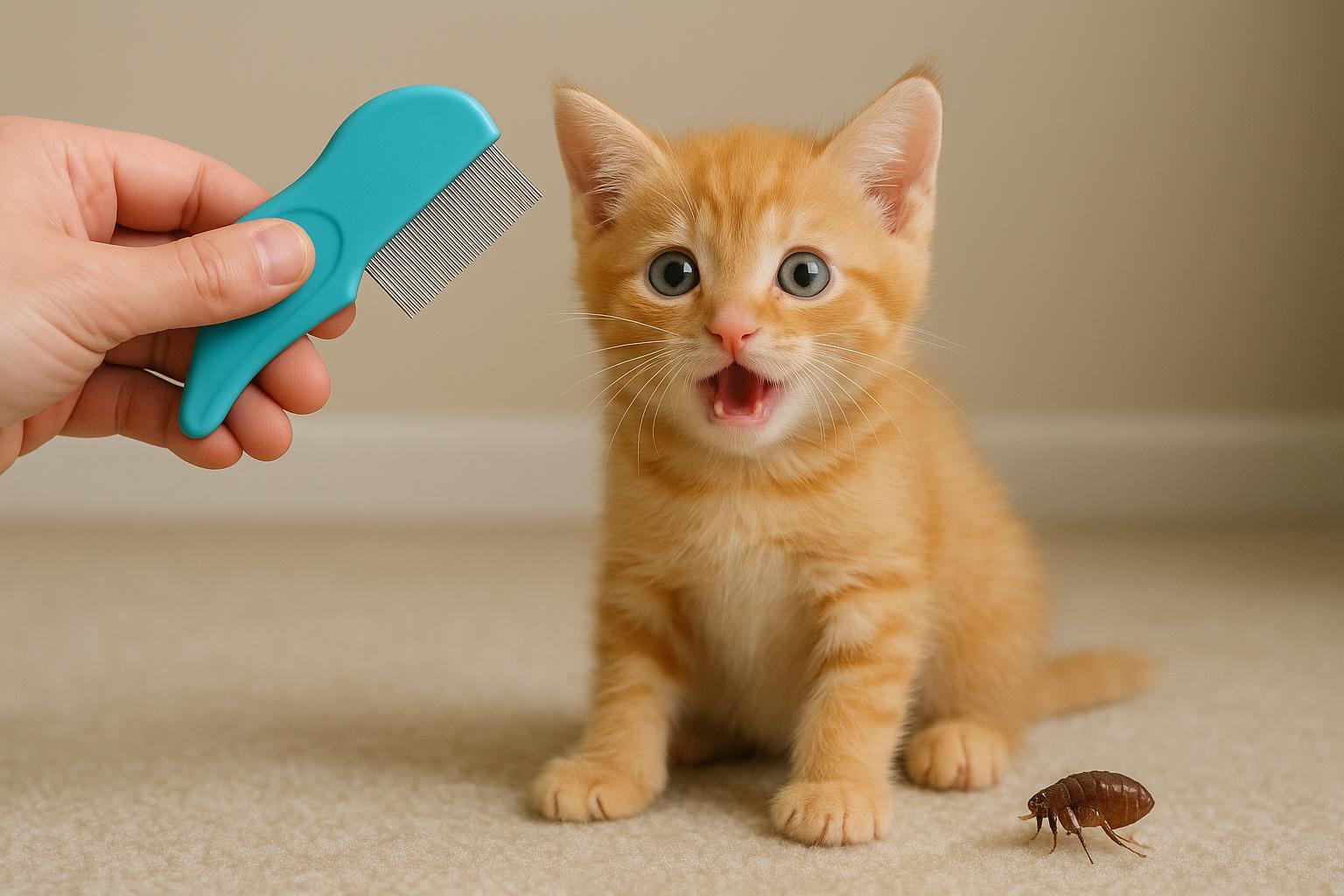
Speed varies. Some oral options kill fleas within hours; others take a day or two to have maximum effect. Because fleas often live in the environment (on carpets, bedding, and in cracks), a single dose may not eliminate every flea you see. That’s normal—oral flea medication mostly prevents new bites and stops life cycles, and when used consistently on a schedule, it steadily reduces the home flea population.
### When Oral Treatment Is The Right Choice
Oral treatment is particularly handy for:
– Cats that swim or are bathed frequently.
– Situations where topical treatments are messy or cause skin irritation.
– Multi-pet households where collars or topicals might be licked off by other animals.
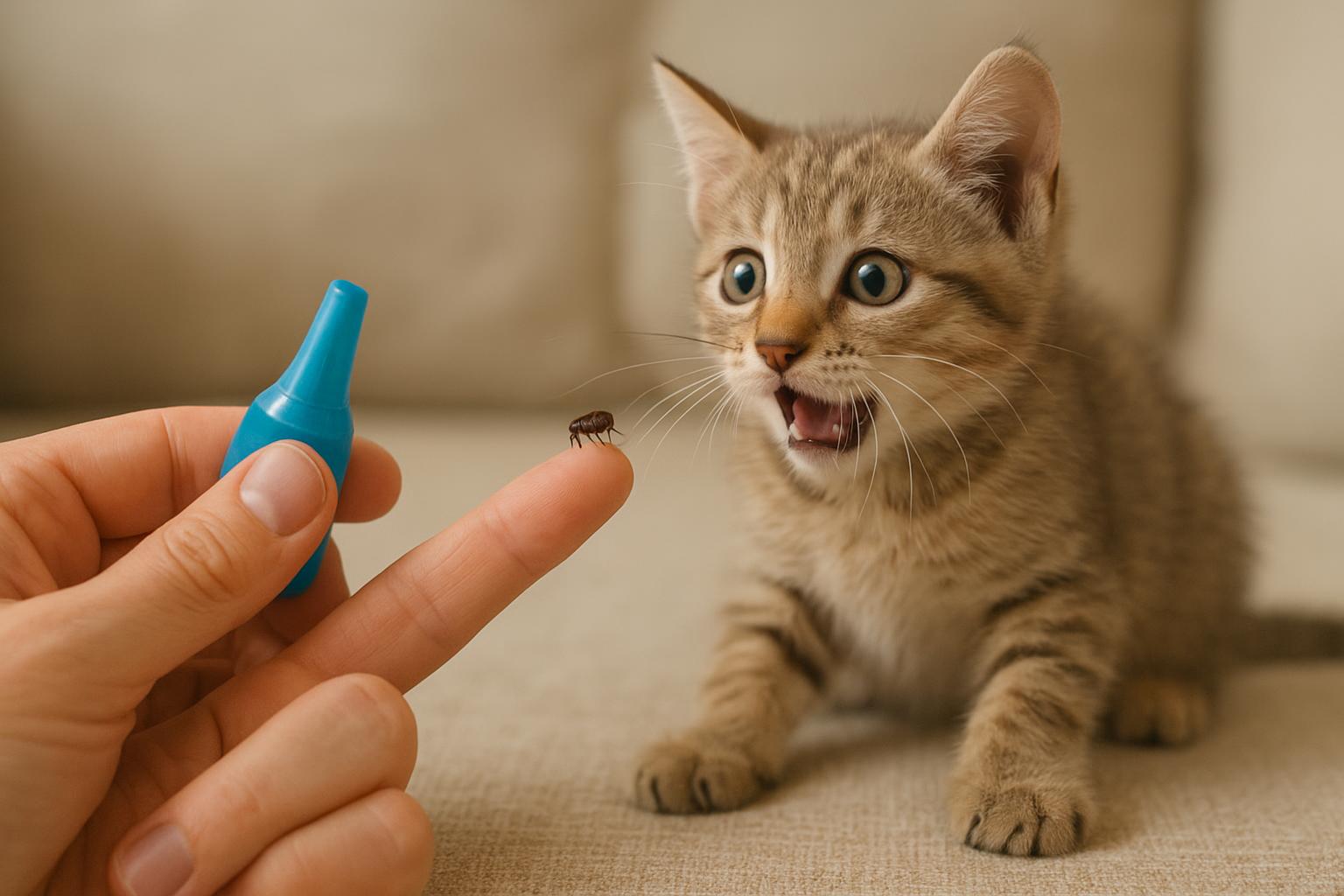
However, not all cats are candidates. Kittens, pregnant or nursing queens, and pets with certain medical conditions require vet guidance. And a reminder with a wiggle of humor: never dose your cat with medication intended for dogs. That’s a shortcut to a veterinary emergency.
## #1 Practical Remedy: Administering Prescription Oral Flea Medication
Below is a formal and practical guide to safely administering prescription oral flea medication. This is not a recipe for compounding pharmaceuticals—those should only be handled by veterinarians or licensed pharmacists—but rather a stepwise method for giving the medication your vet prescribes.
#### Materials Required
1. Vet-prescribed oral flea medication (correct product and dose for your cat’s weight).
2. Treats or pill pockets (if your cat accepts them).
3. Small syringe (without needle) if the medication is liquid.
4. Soft towel (for gentle restraint if needed).
5. Gloves (optional, for handlers who prefer).
6. A calendar or reminder app to track dosing schedule.
#### Step-by-Step Preparation And Administration
1. Confirm Dosage: Double-check the prescription label for the correct dose and dosing interval. If weight-based dosing was used, verify your cat’s current weight.
2. Read Instructions: Some medications are given with food, some without. Follow the product label and the vet’s instructions precisely.
3. Prepare The Dose: If using a tablet, have it ready; if using a chewable or treat, prepare the portion. For liquids, draw the exact volume into the syringe.
4. Offer A Treat First (Optional): For relaxed cats, offering a small treat first can create a positive association.
5. Administer The Medication:
– For pill pockets/chewables: Place the treated chew where the cat readily eats it. Ensure the cat consumes the entire item; some smart kitties eat around pills.
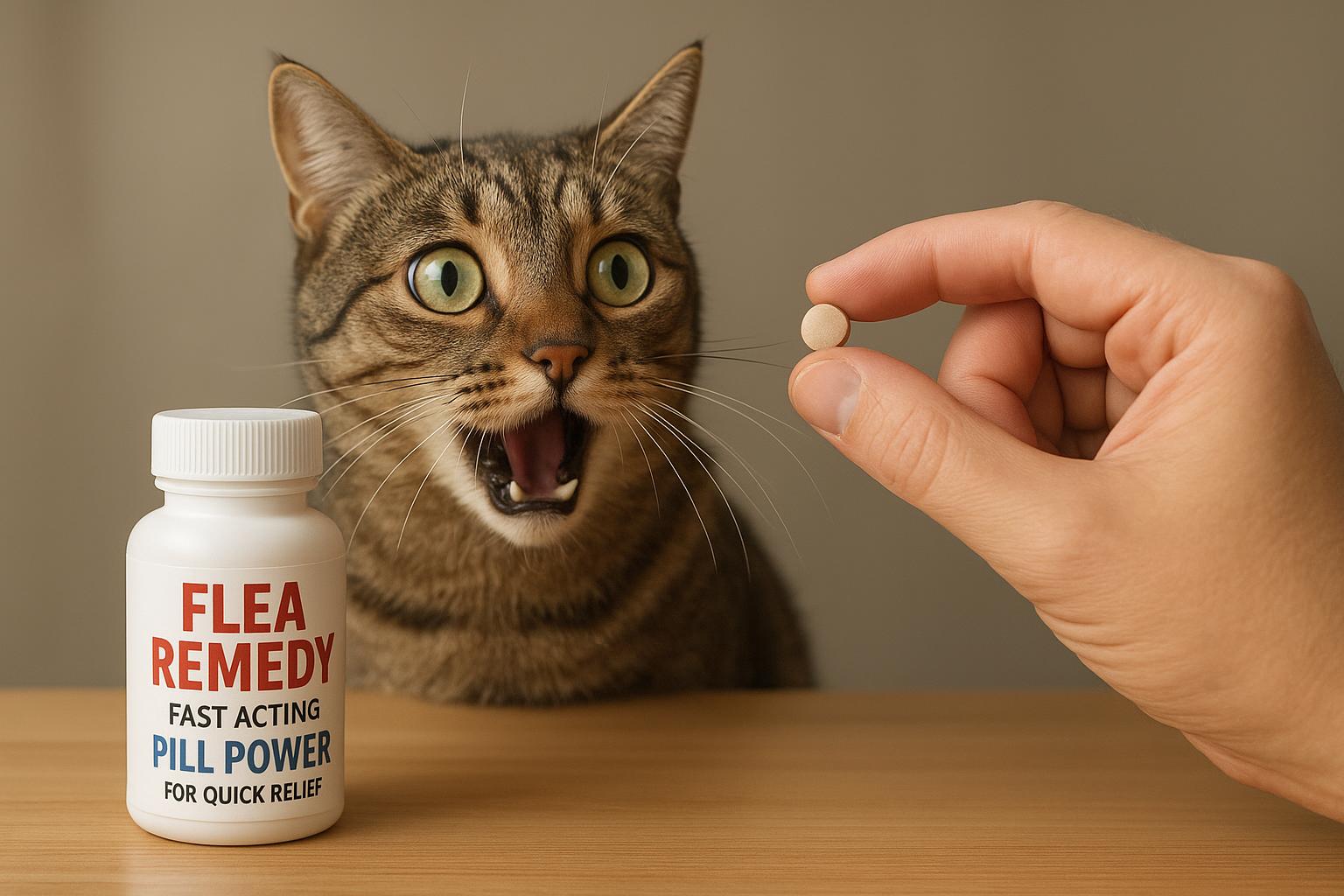
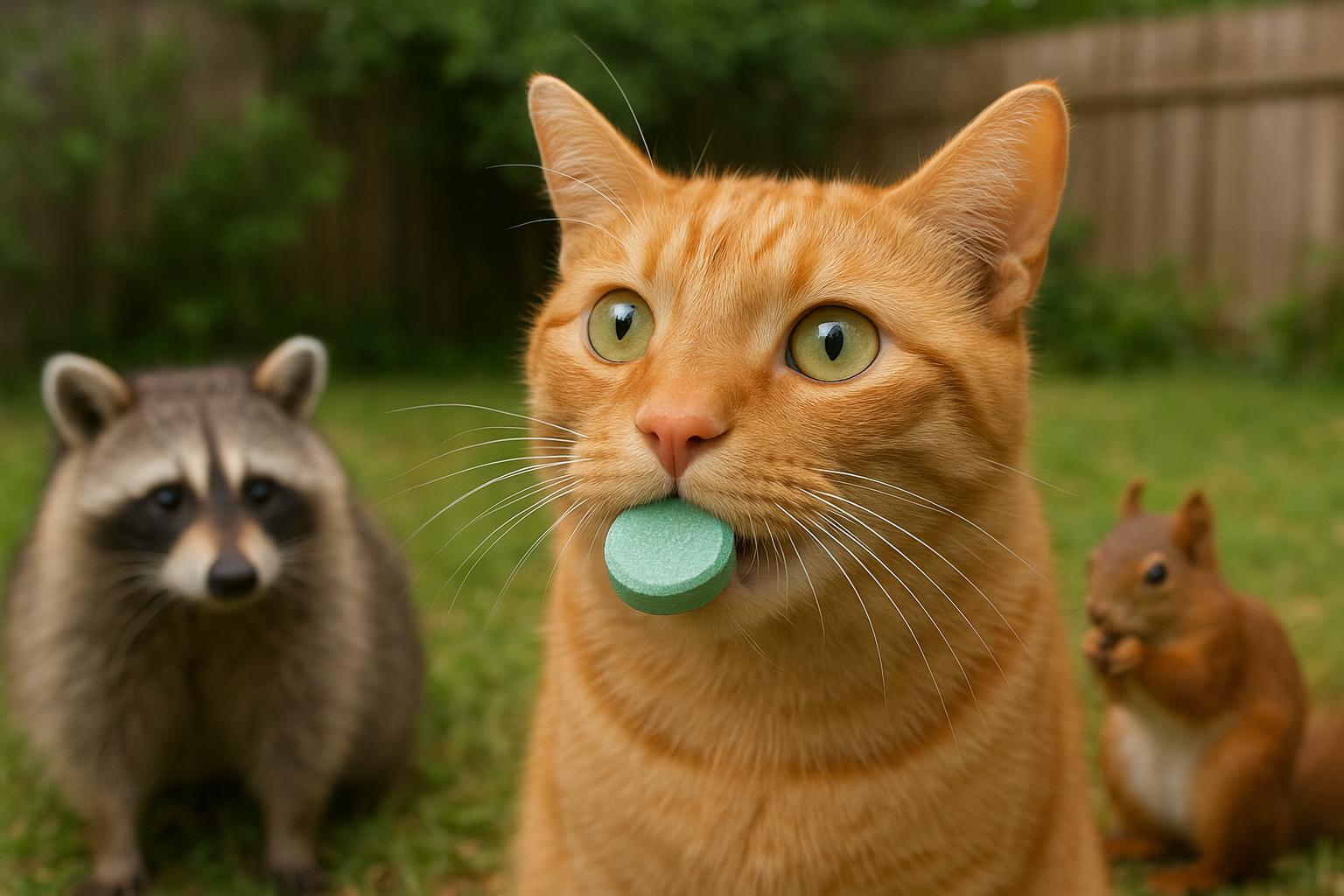
– For tablets: Gently open the cat’s mouth, place the tablet far back on the tongue, close the mouth, and stroke the throat until swallowing occurs. Follow with a treat or a small amount of food.
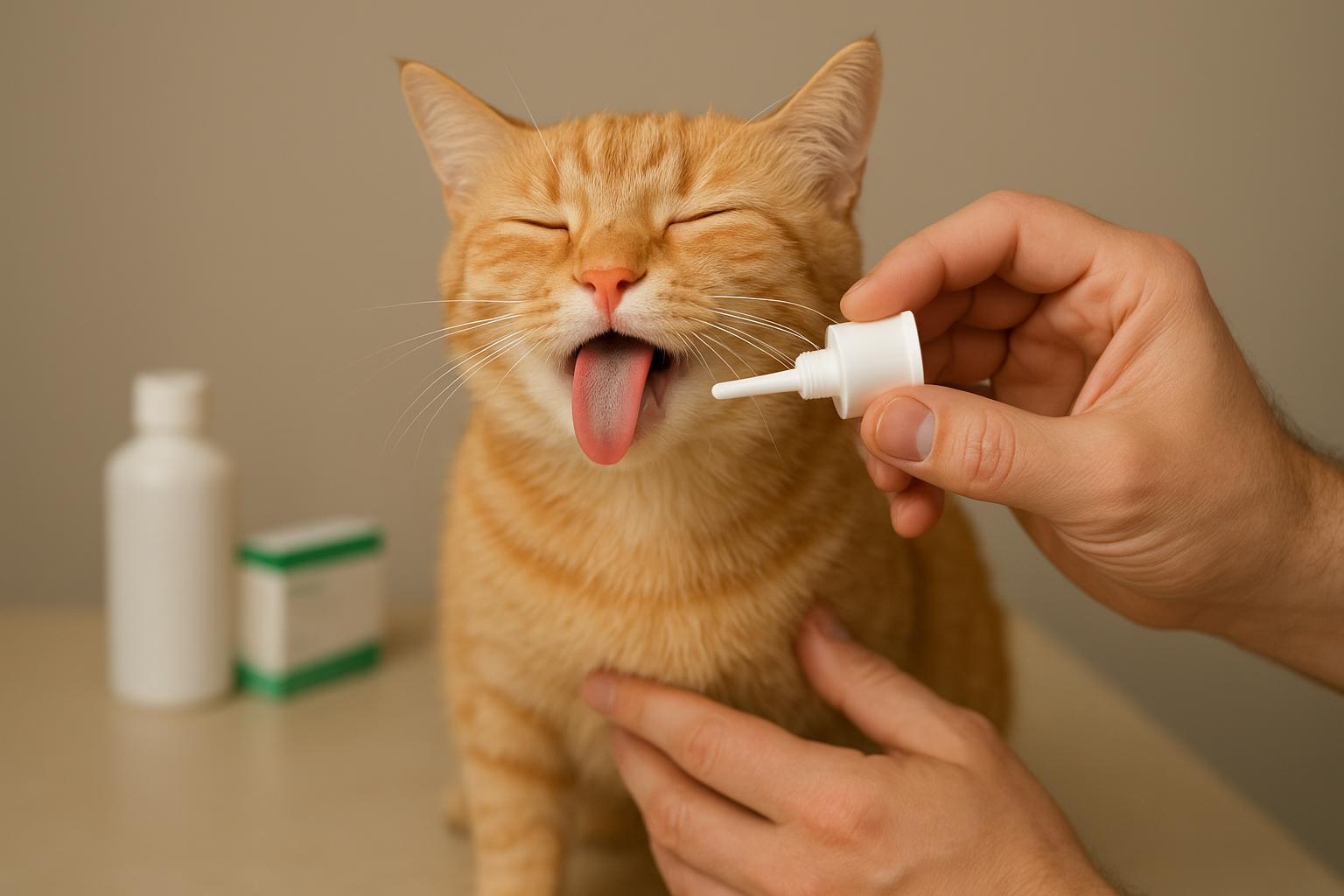
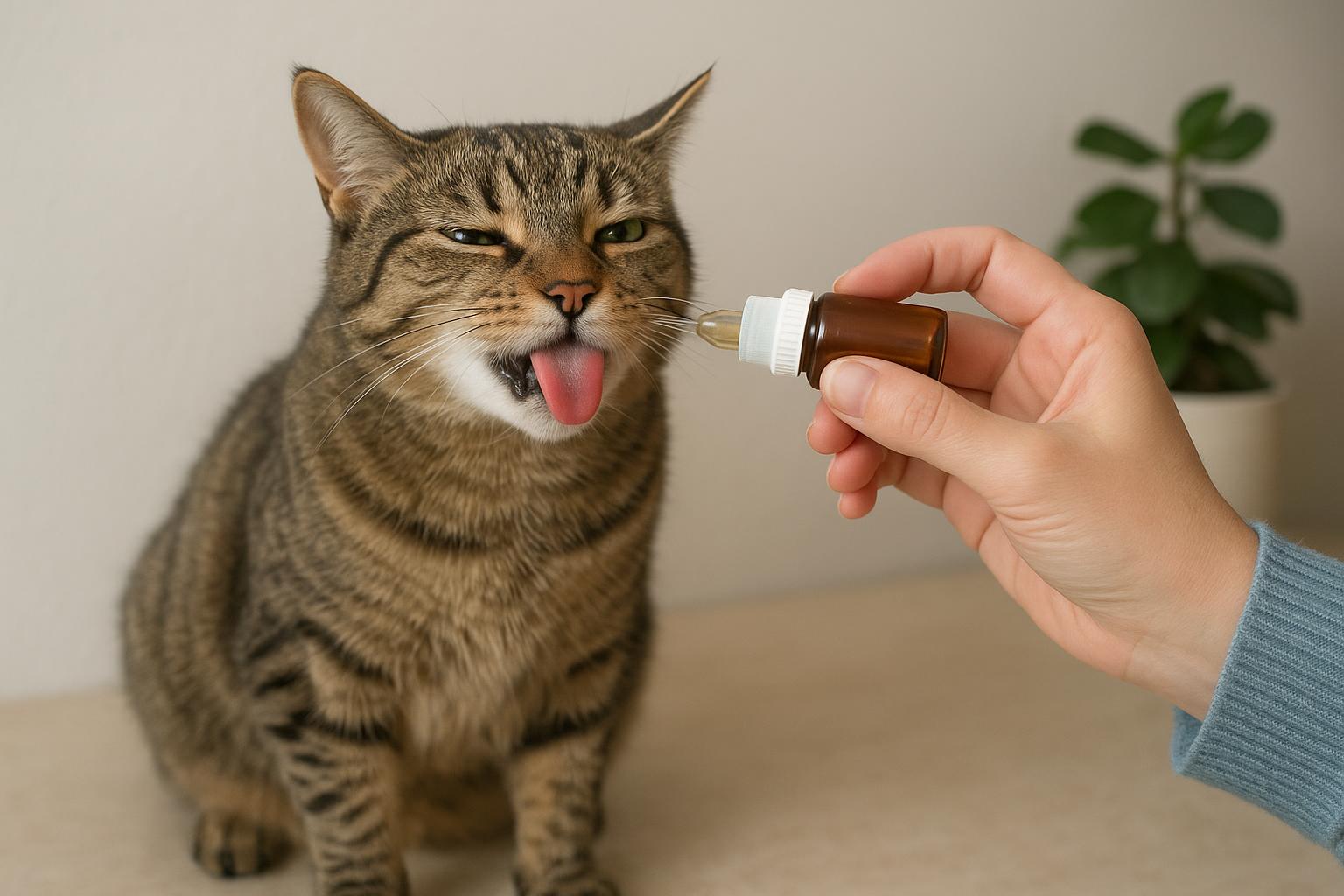
– For liquids: Insert the syringe into the side of the mouth, between the cheek and teeth, and slowly depress the syringe so the cat can swallow comfortably.
6. Confirm Ingestion: Watch for swallowing. If the cat spits out the medication or chews and spits, retrieve the medication and consult your vet before redosing.
7. Record The Dose: Mark the date and time on your calendar or app. Consistent timing helps maintain protective blood levels.
8. Monitor For Reactions: Observe your cat for an hour or two for any signs of distress or side effects (drowsiness, vomiting, tremors). If unusual signs appear, contact your vet immediately.
### Tips For Successful Administration (A Little Less Formal, Still Helpful)
– If your cat is notoriously sly, try hiding the tablet in a small piece of soft food—tuna or chicken often works. Avoid things high in dairy if your cat is lactose-intolerant.
– Use positive reinforcement: gentle petting and a subsequent special treat go a long way.
– If forced restraint is required, wrap the cat loosely in a towel (the “burrito” method) with the head exposed to reduce stress and prevent scratches.
## Safety, Side Effects, And When To Call The Vet
Oral flea medication is generally safe when used correctly, but side effects can occur. Common mild reactions include transient vomiting, slight lethargy, or decreased appetite. More serious but uncommon effects—seizures, severe vomiting, collapse—require immediate veterinary attention. Always:
– Use only products labeled for cats or explicitly prescribed by your vet.
– Report any history of seizures or neurologic disease to your veterinarian before starting certain products like isoxazolines.
– Avoid overdosing; more is not merrier with medications.
## Integrating Oral Flea Medication With Home And Yard Control
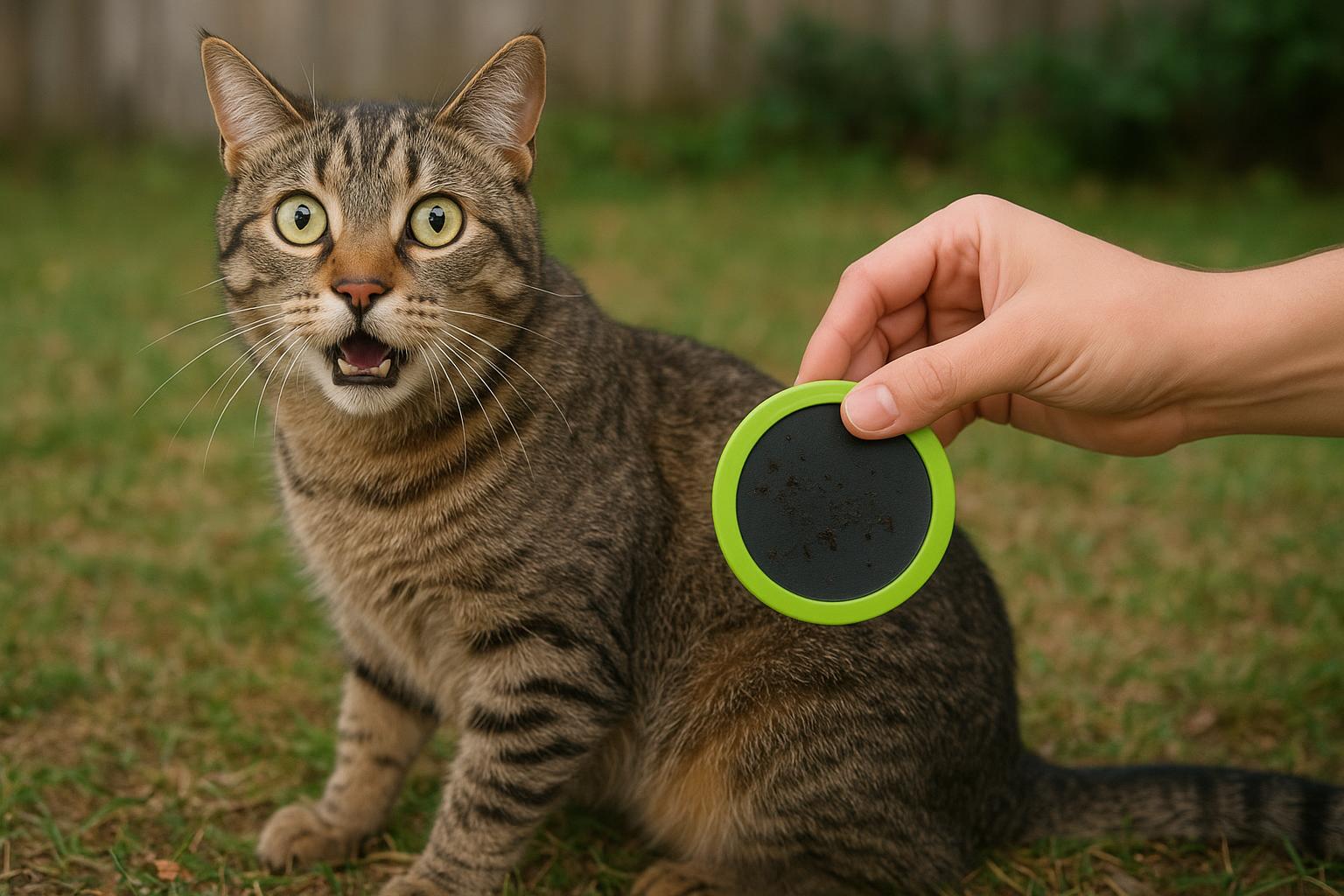
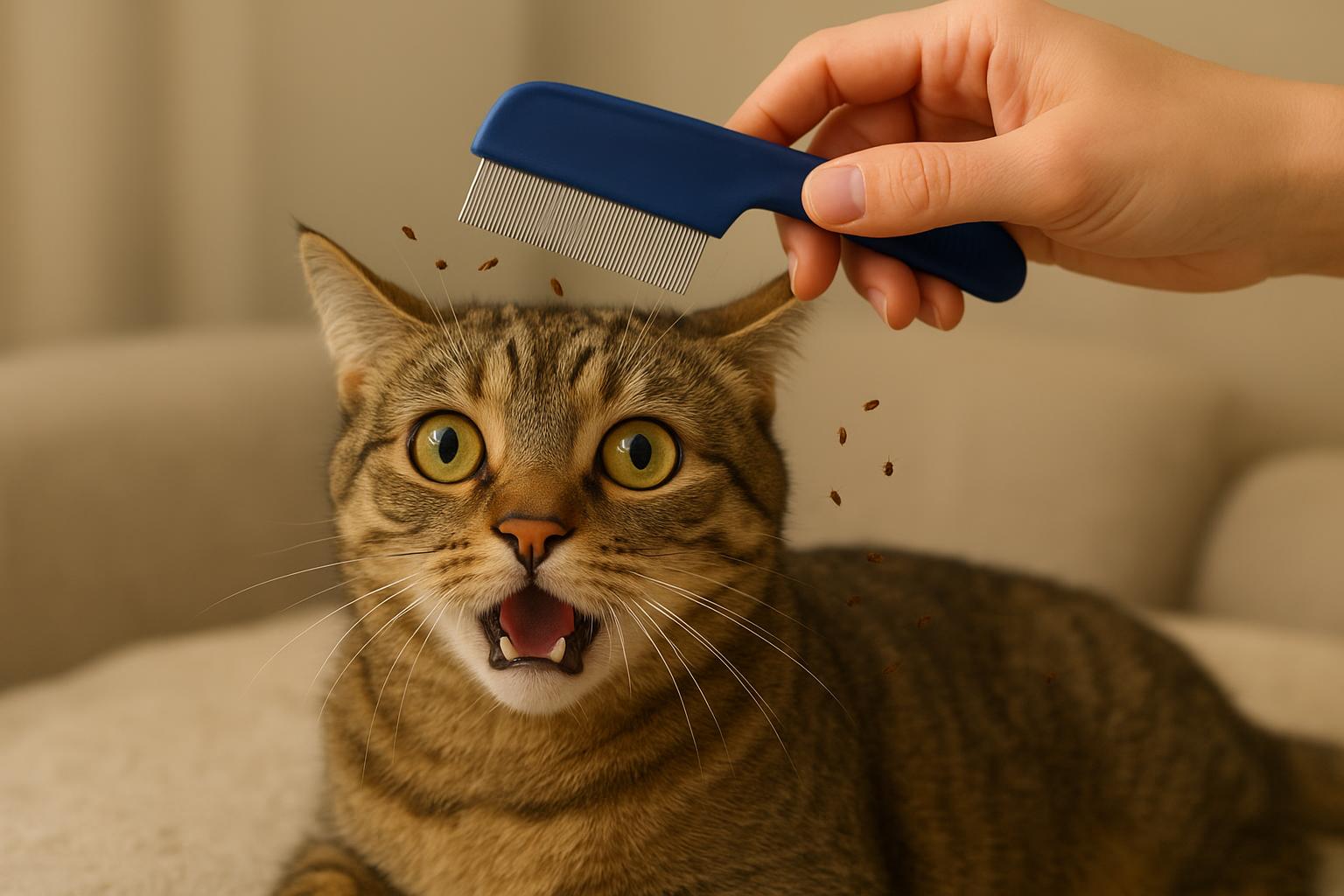
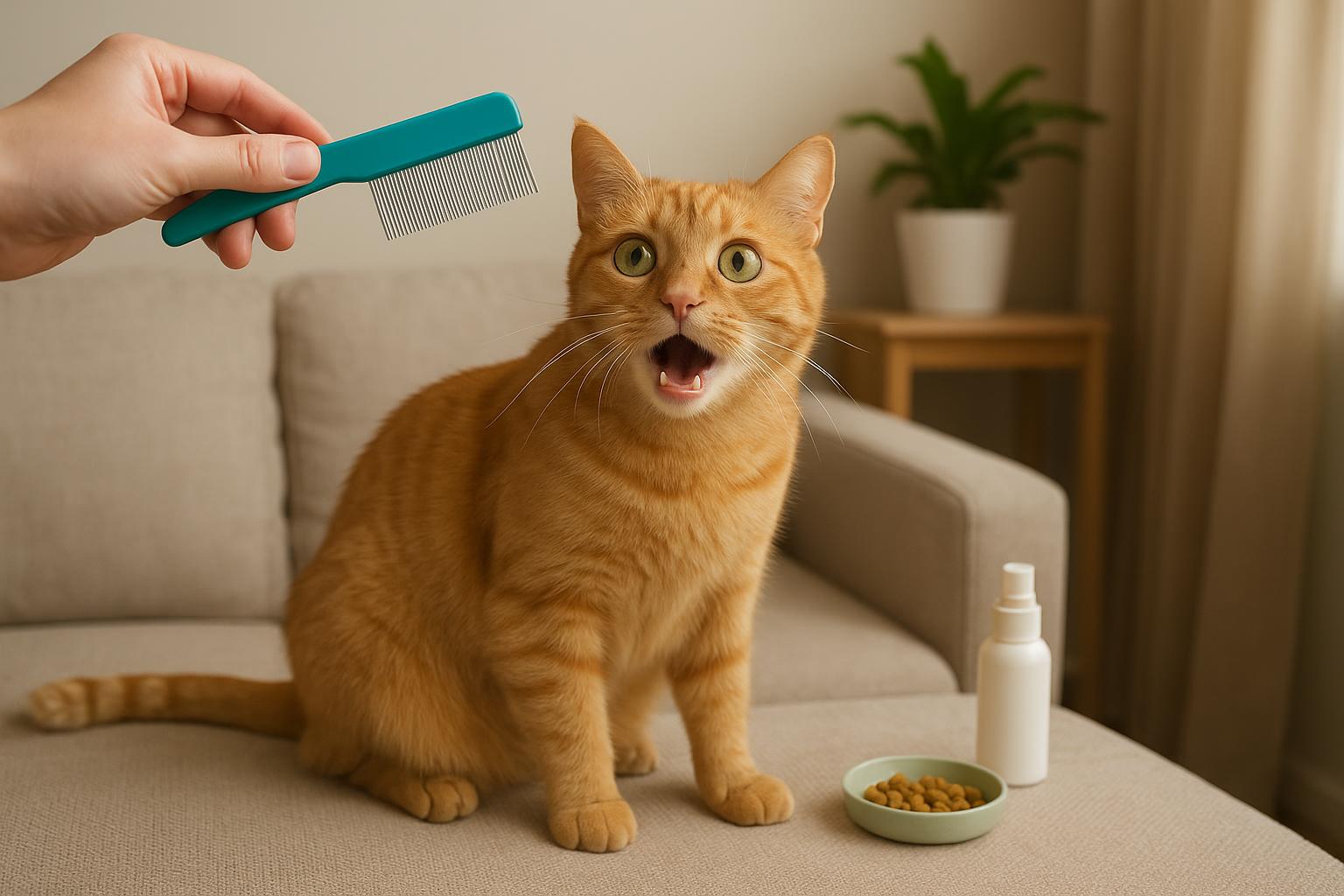
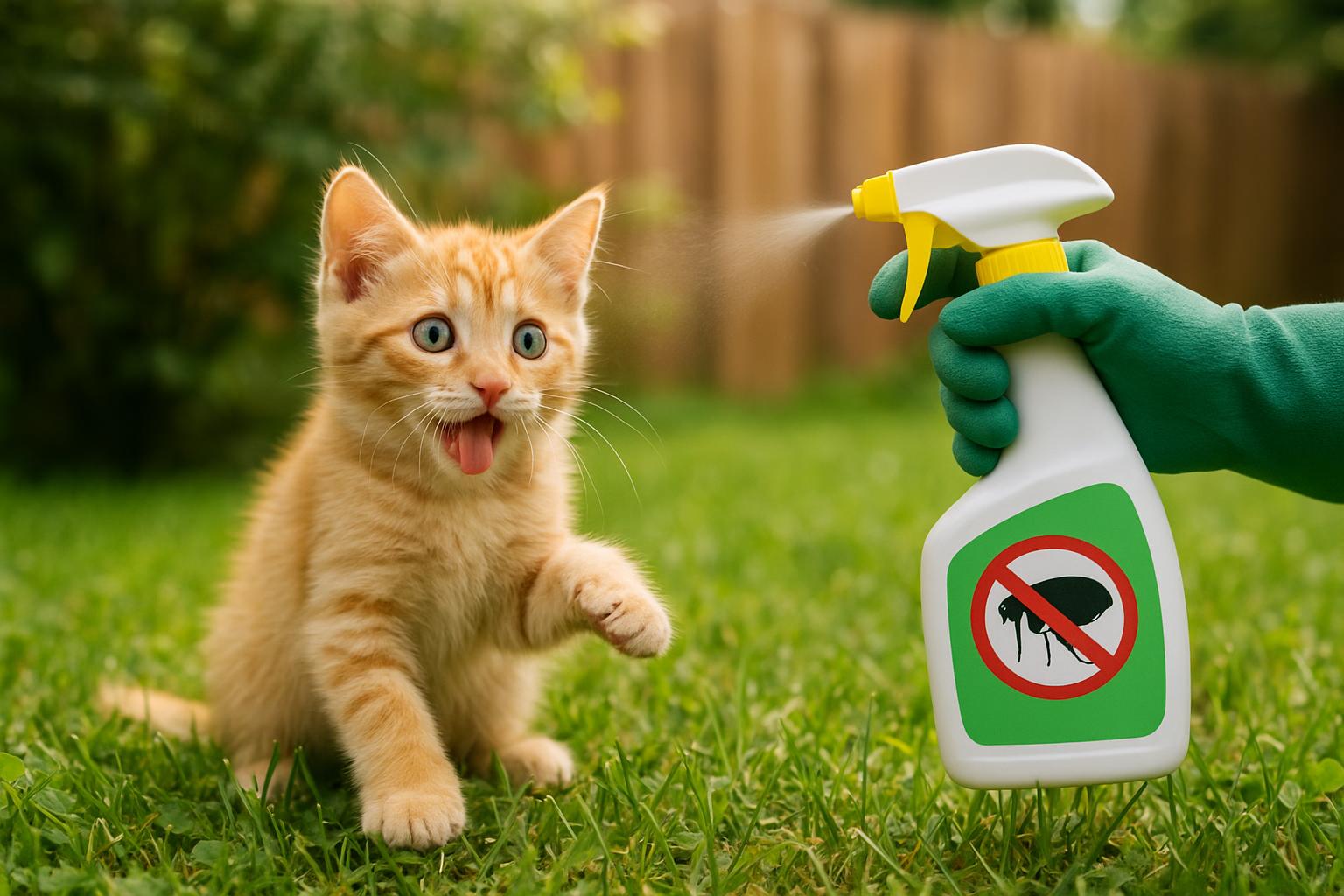
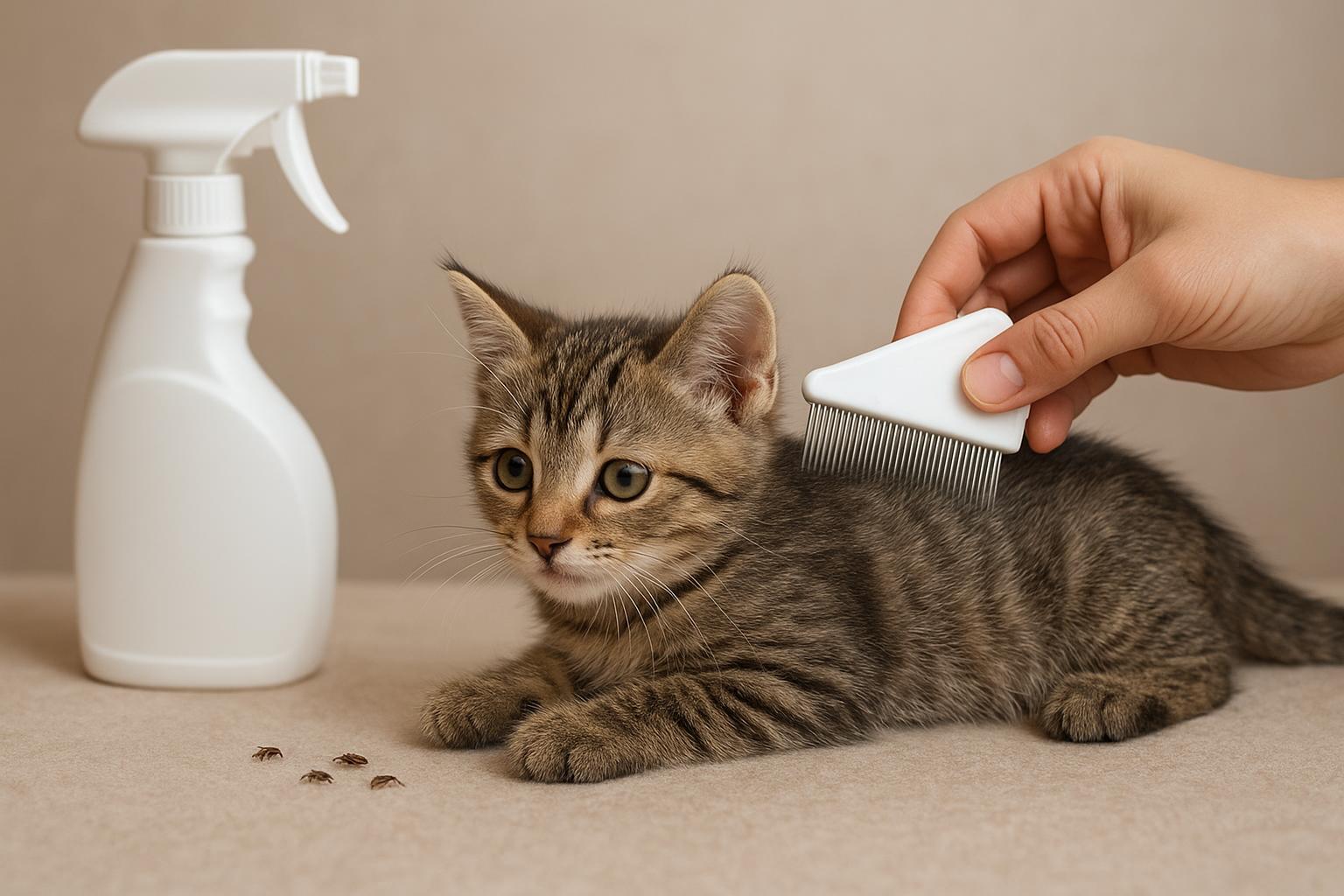
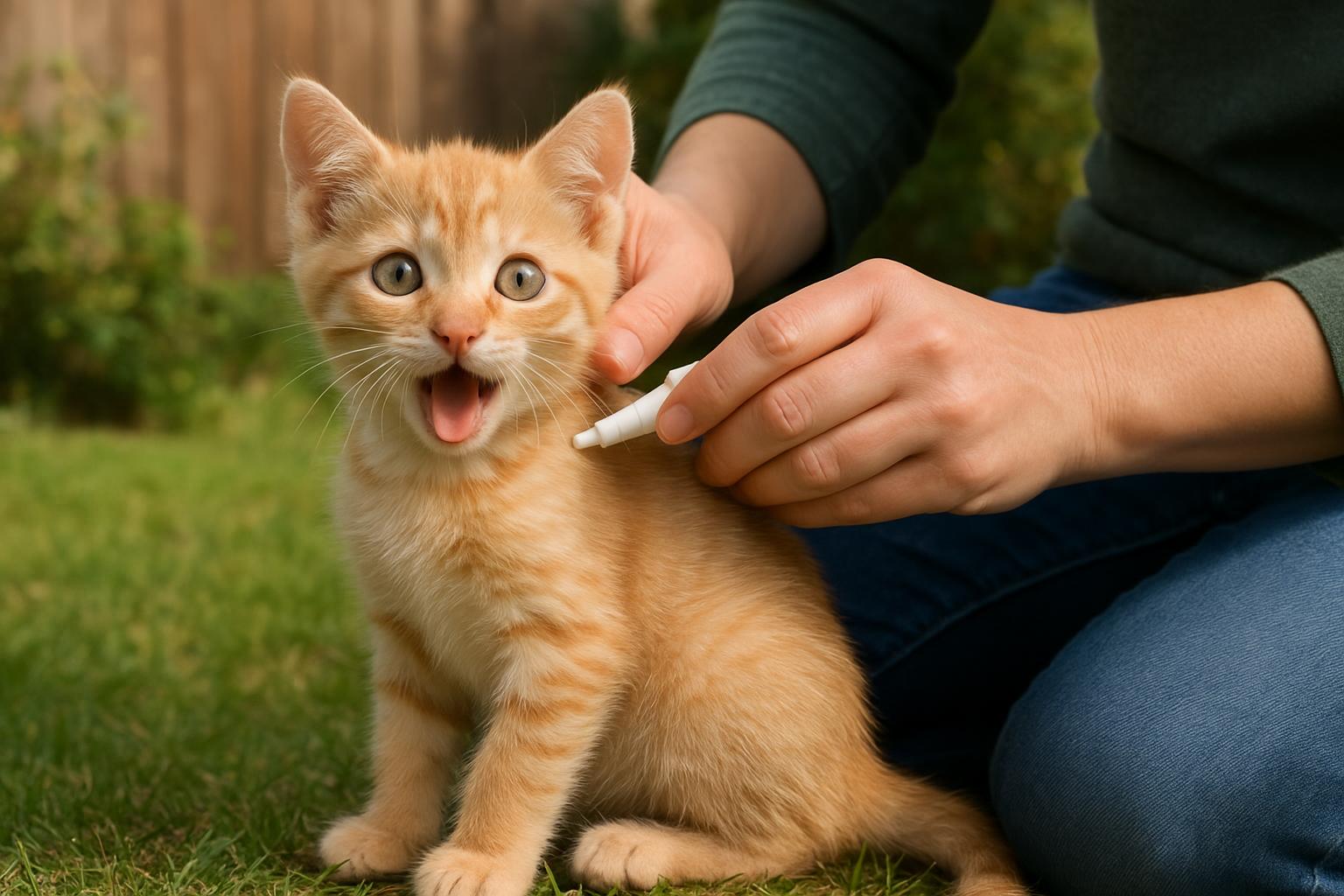
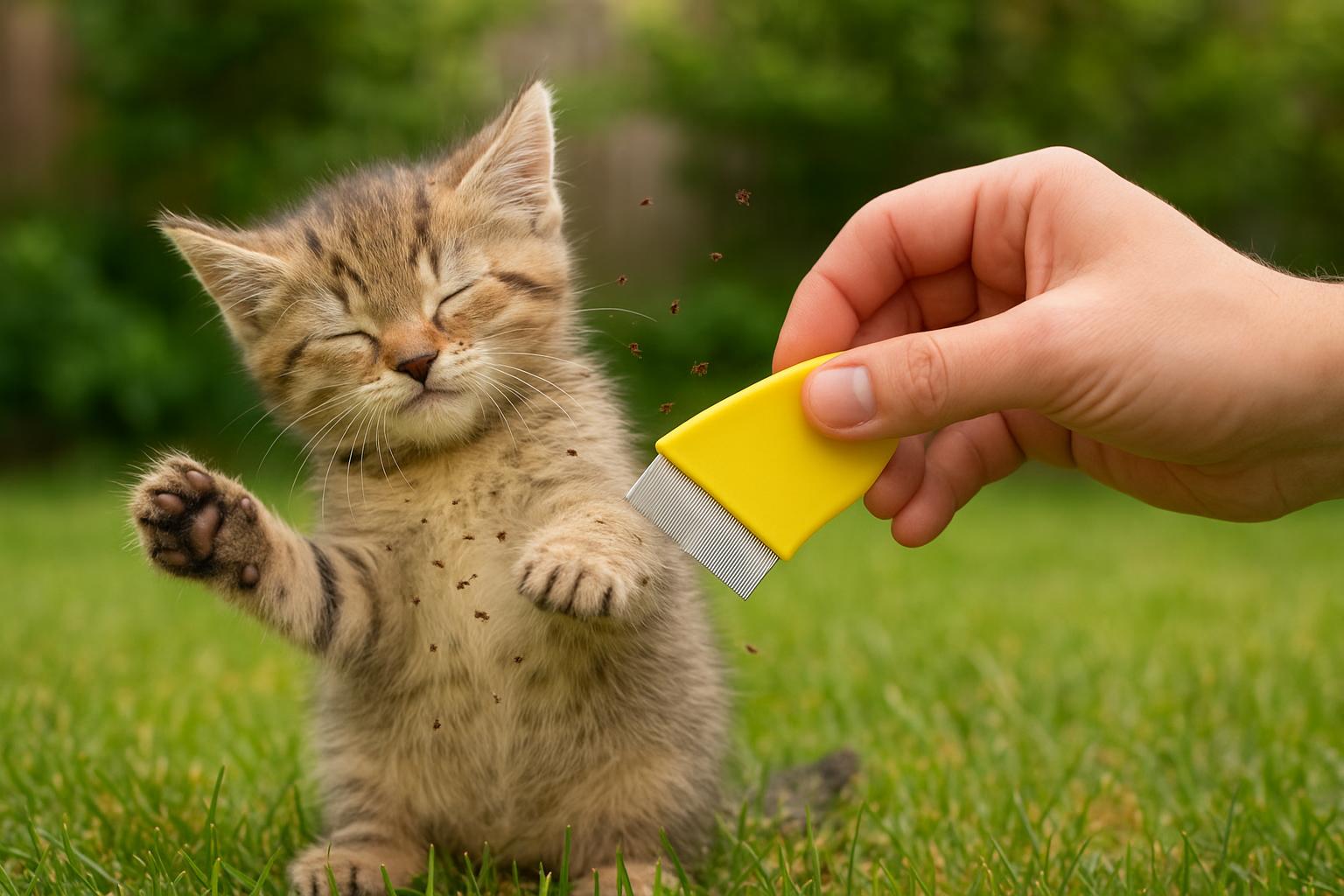
Medication given to your cat treats the animal, but once you see fleas, the environment will likely need attention too. Vacuum carpets and furniture, wash bedding in hot water, and consider professional pest control for heavy infestations. In many cases, combining pet treatment with environmental measures yields the fastest relief.
#### Additional Tips For Picky Cats
– Trial different treat carriers—some cats prefer poultry, others fish.
– Warm a treat slightly to intensify aroma.
– Practice “mock doses” with empty pill pockets so your cat learns the routine without stress.
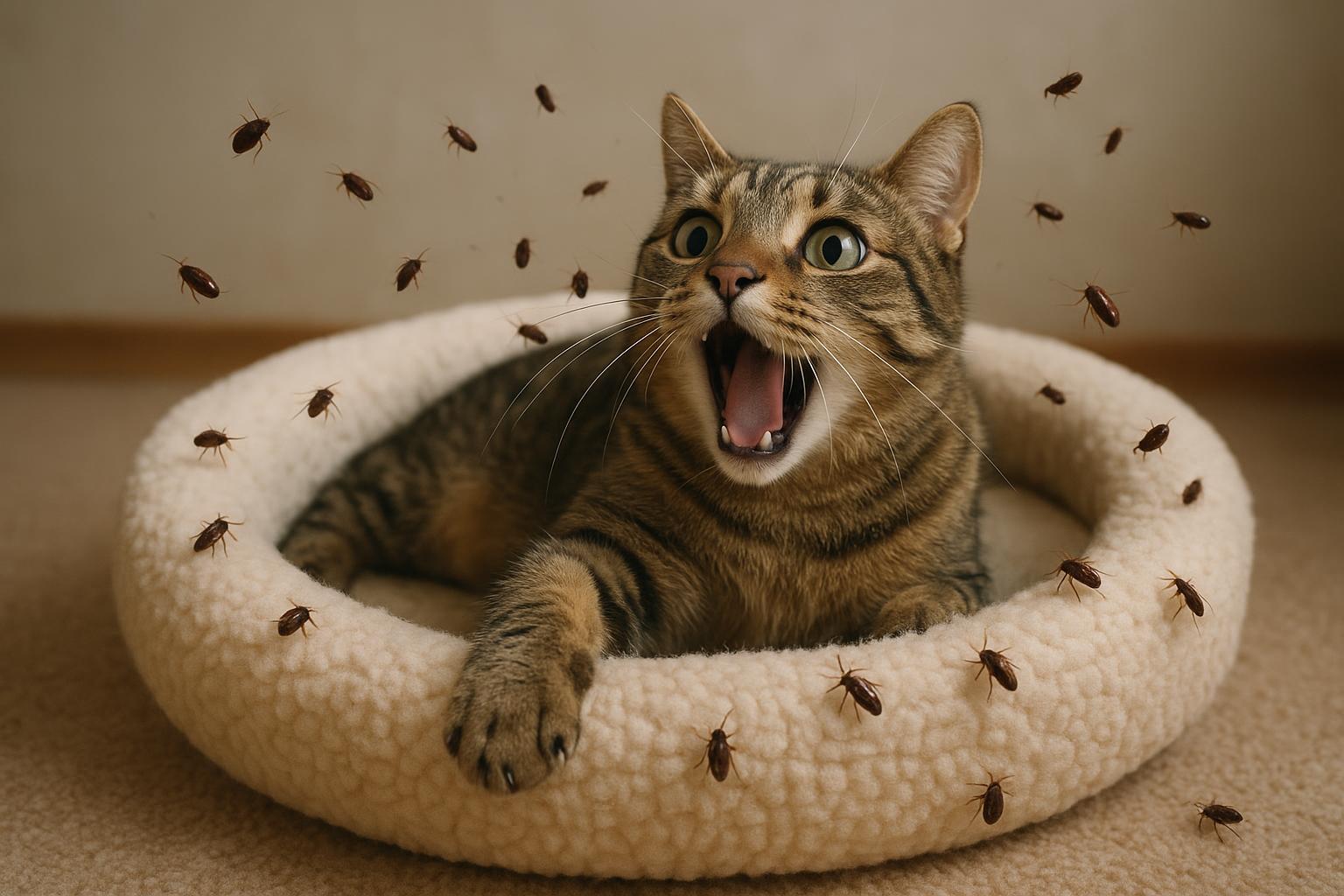
Throughout all this, remember that prevention is easier than panic. Regularly scheduled dosing keeps that flea population in check so your cat can get back to napping in sunbeams instead of staging a flea-ridden protest.
### Frequently Asked Questions About Flea Medication Use
– How often do I need to give oral flea medication? It depends on the product—some are monthly, others shorter-acting. Follow the vet’s schedule.
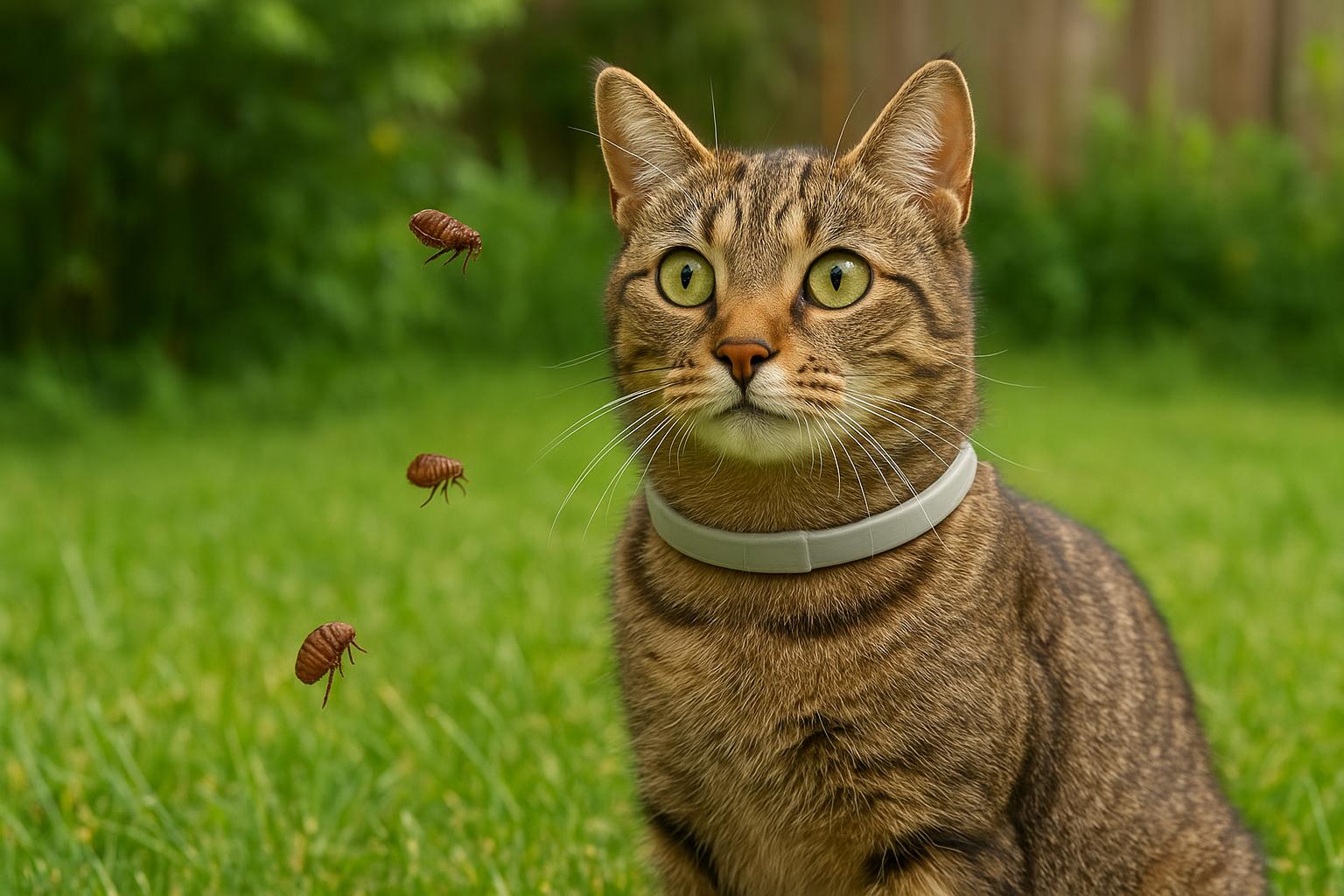
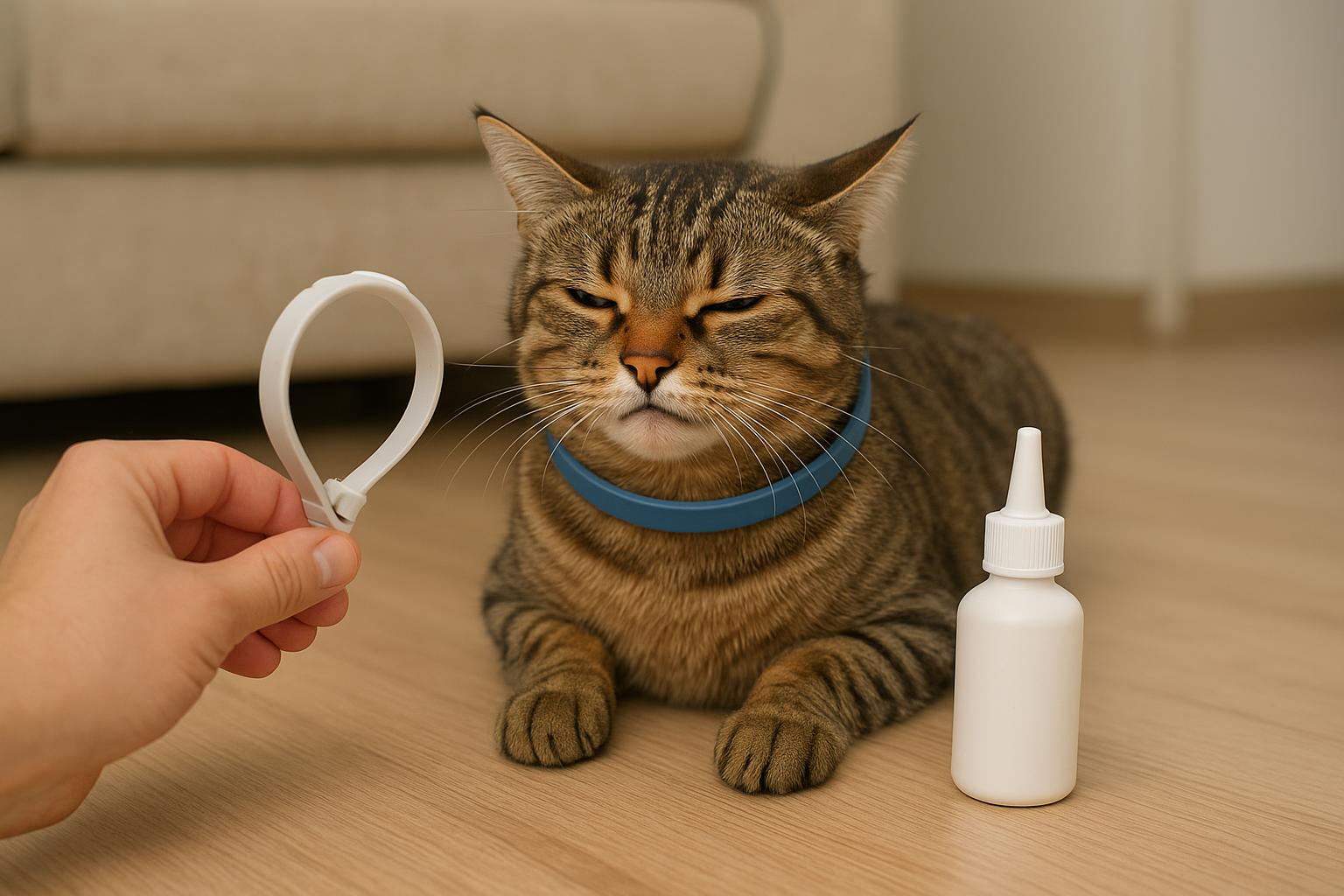
– Can I use flea medication and flea collars together? Discuss combinations with your vet; in some cases they’re fine, but redundancy can increase risk of side effects.
– My cat has fleas right after a dose—did it fail? Not necessarily. Some products take time to kill fleas, and environmental fleas can continue to jump on pets for a while. Consistent dosing plus environmental control is key.
Remember: While the internet is a useful resource, your veterinarian knows your cat’s health history and is the best person to advise on which flea medication to use and how to administer it safely. If in doubt, call them—no need to turn every flea into a philosophical debate.





Leave a Reply