
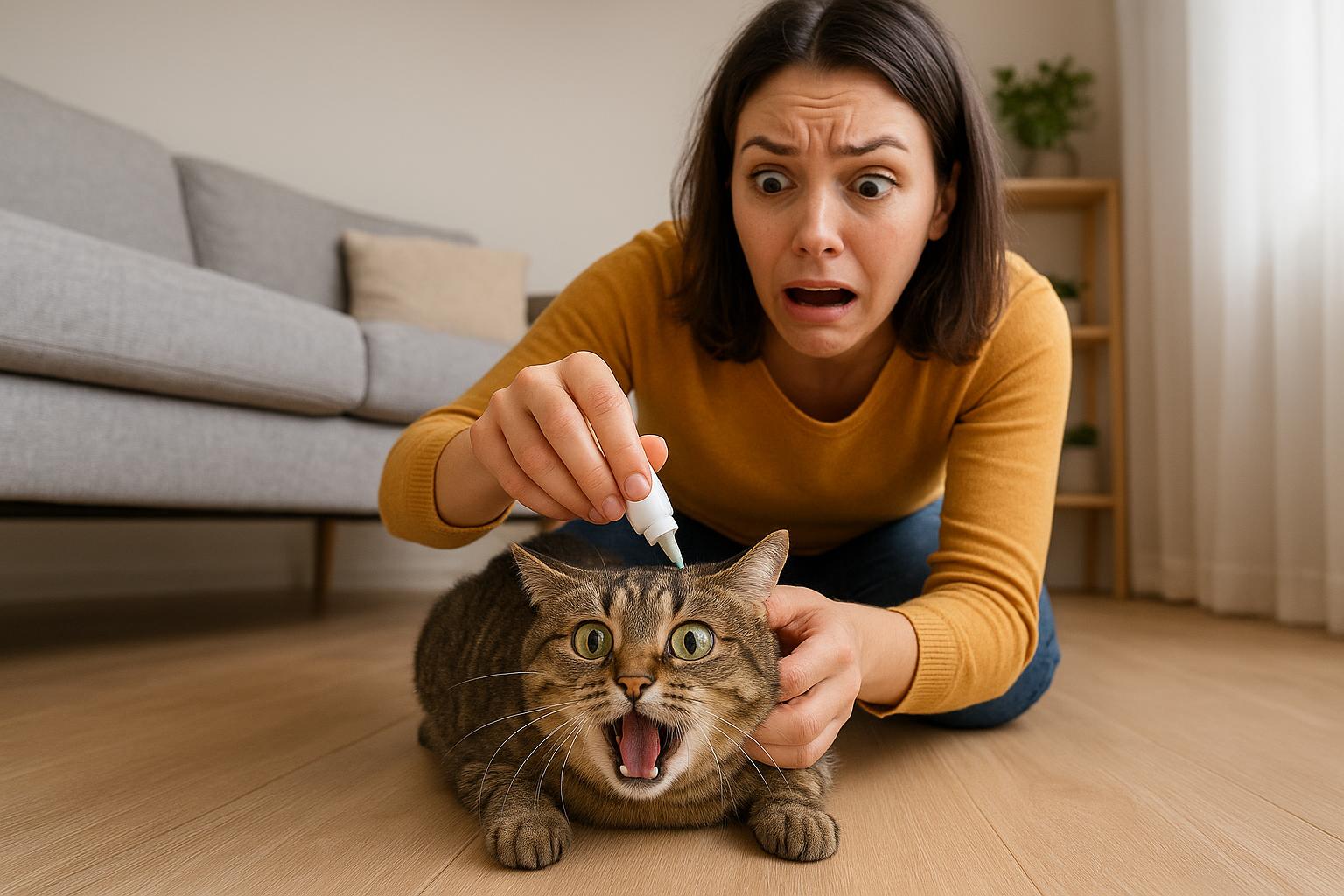
## Flea Drops: What They Are And Why Cats Need Them
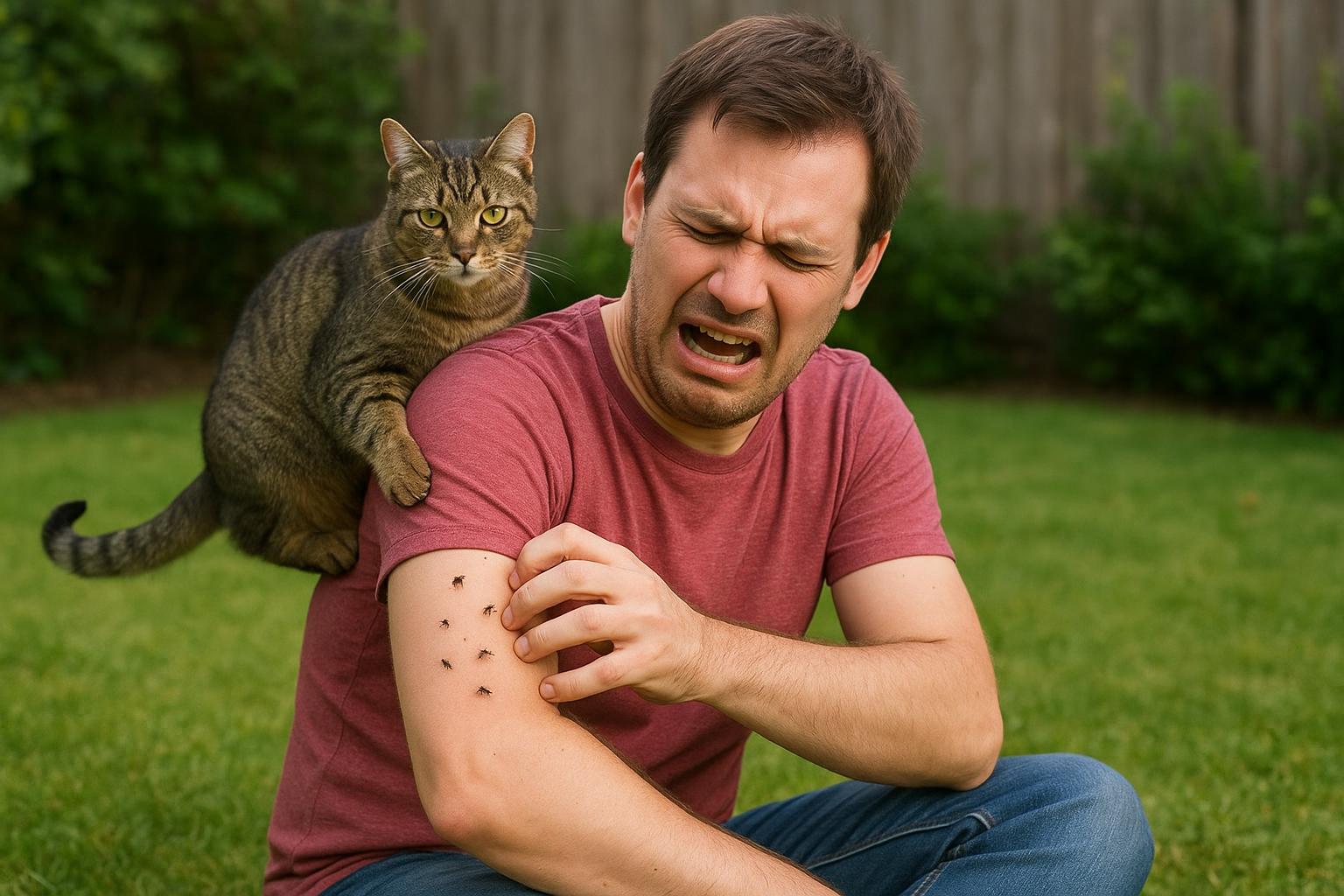
Welcome — pull up a chair, set your cat on your lap (only if they agree), and let’s talk about one of the less glamorous parts of pet ownership: tiny, bloodsucking freeloaders and the little tubes of medicine we call flea drops. If you’ve ever wondered how those small pipettes do their job, how to use them safely at home, or what to do if the whole household gets annoyed by fleas, you’re in the right place.
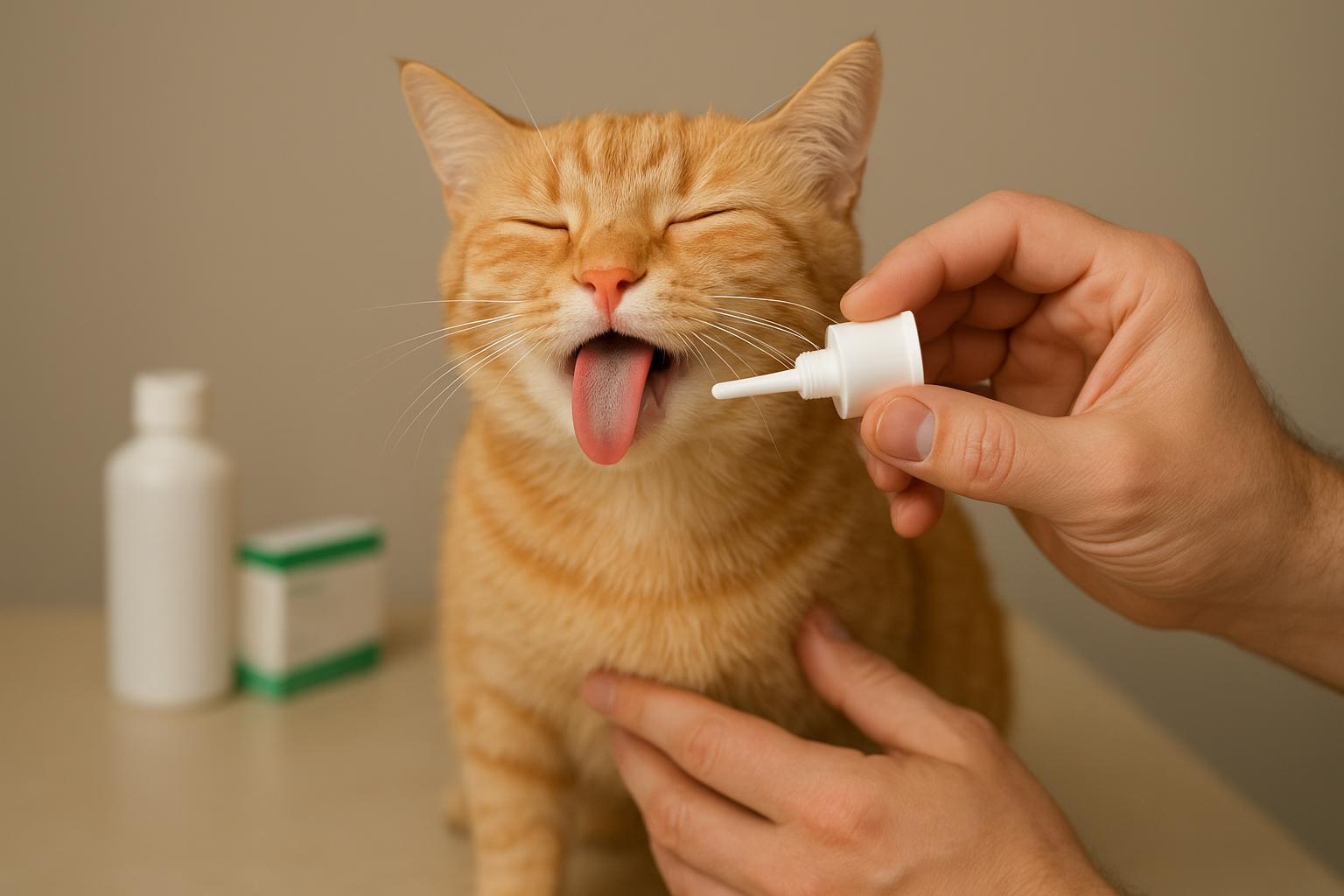
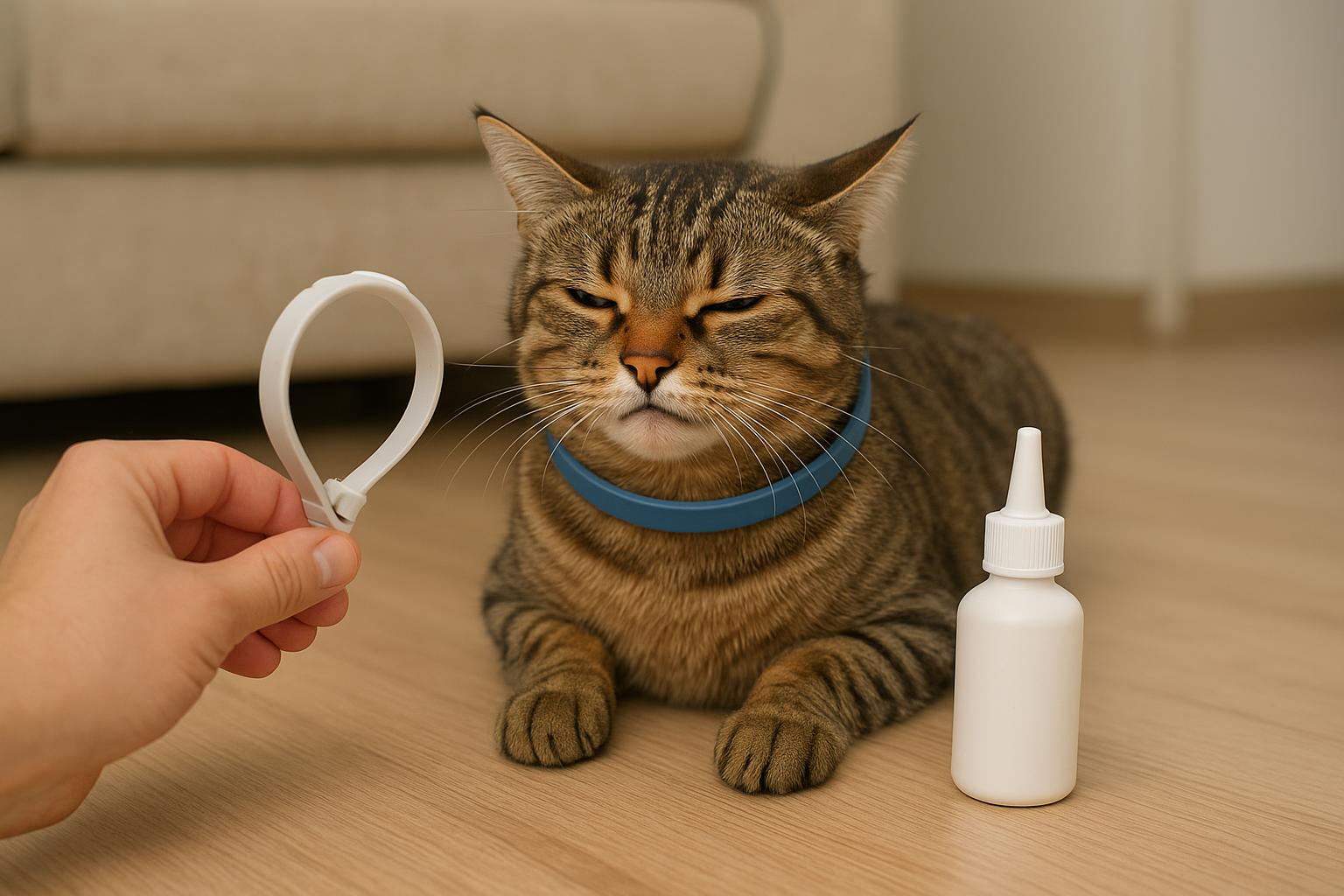
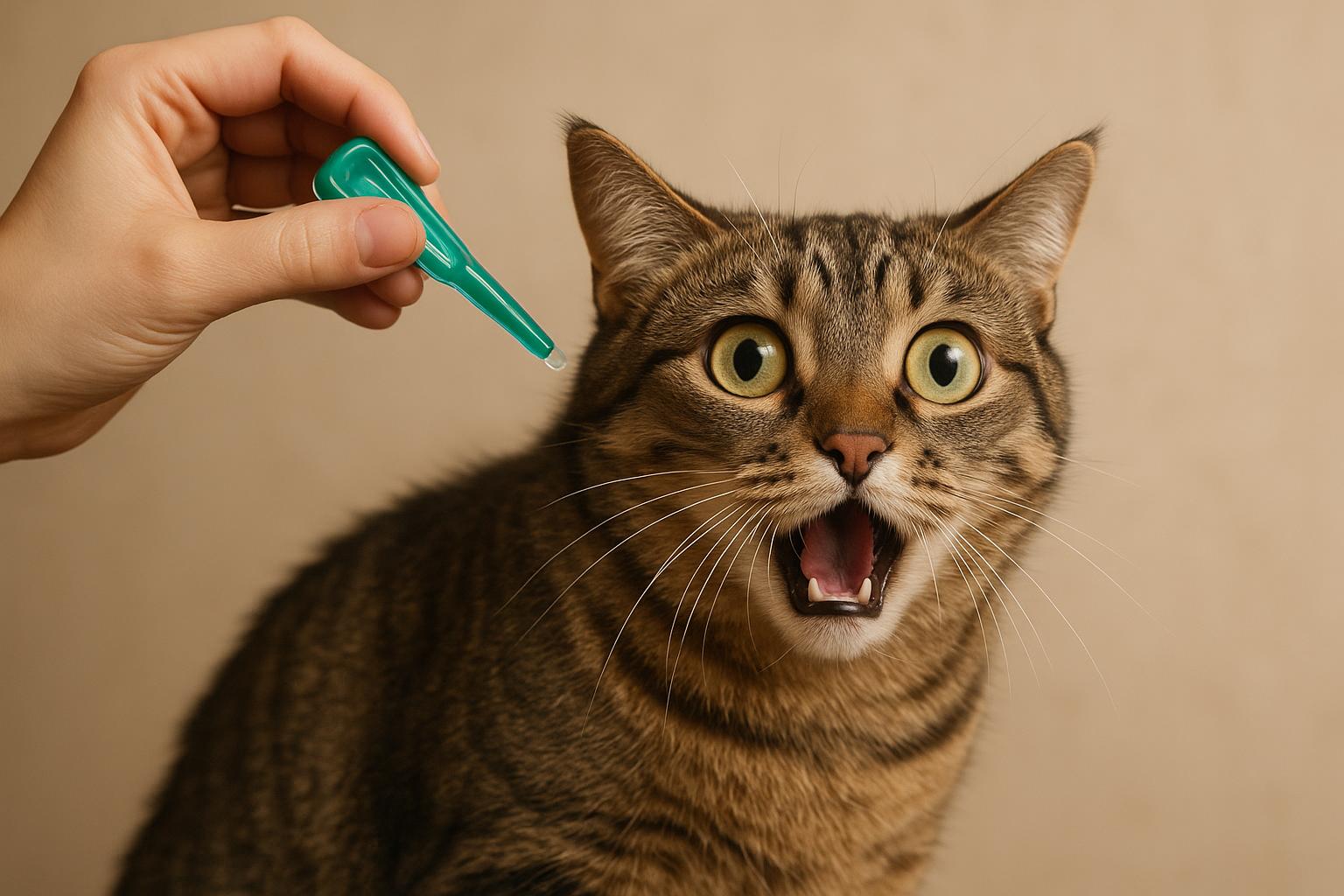
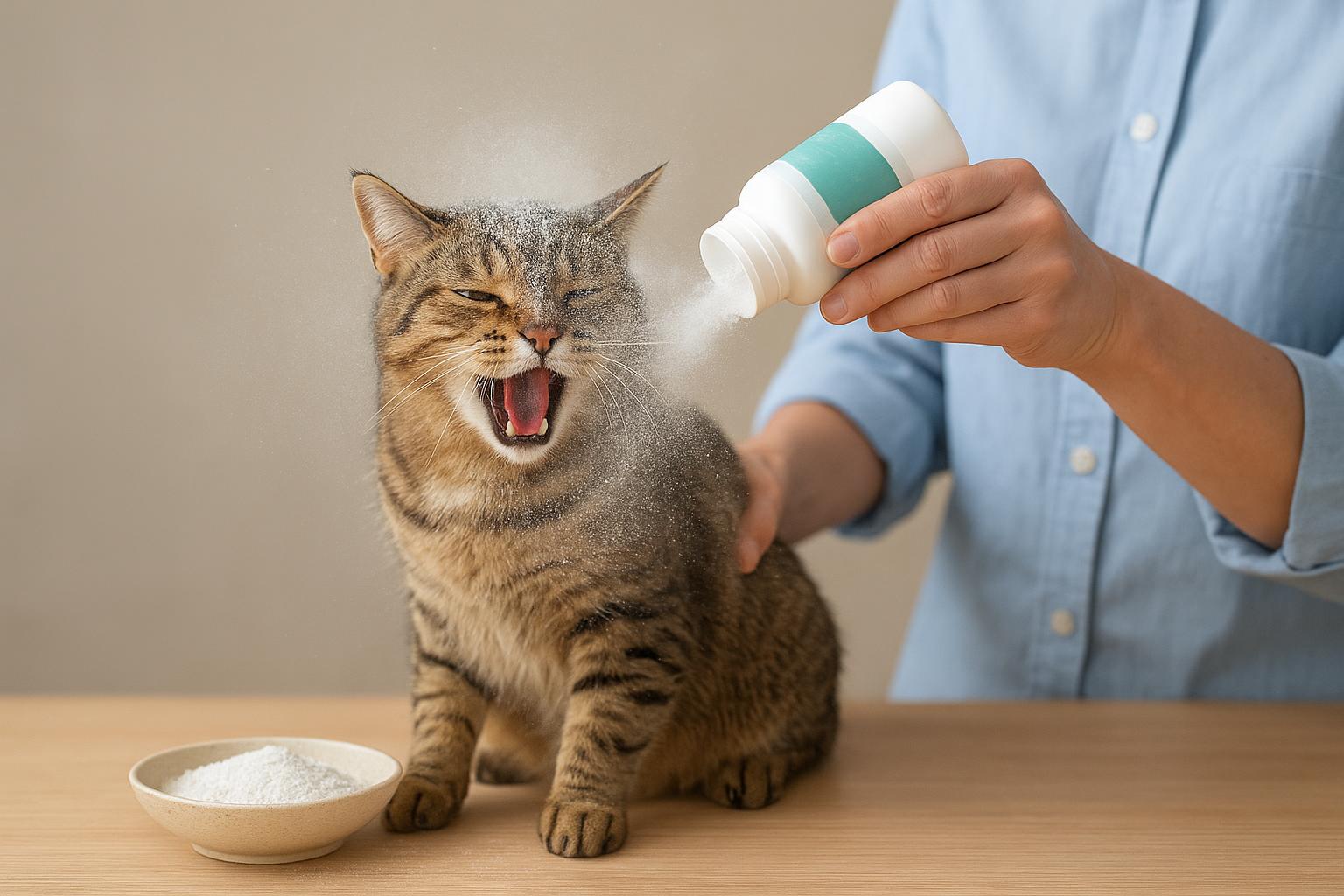
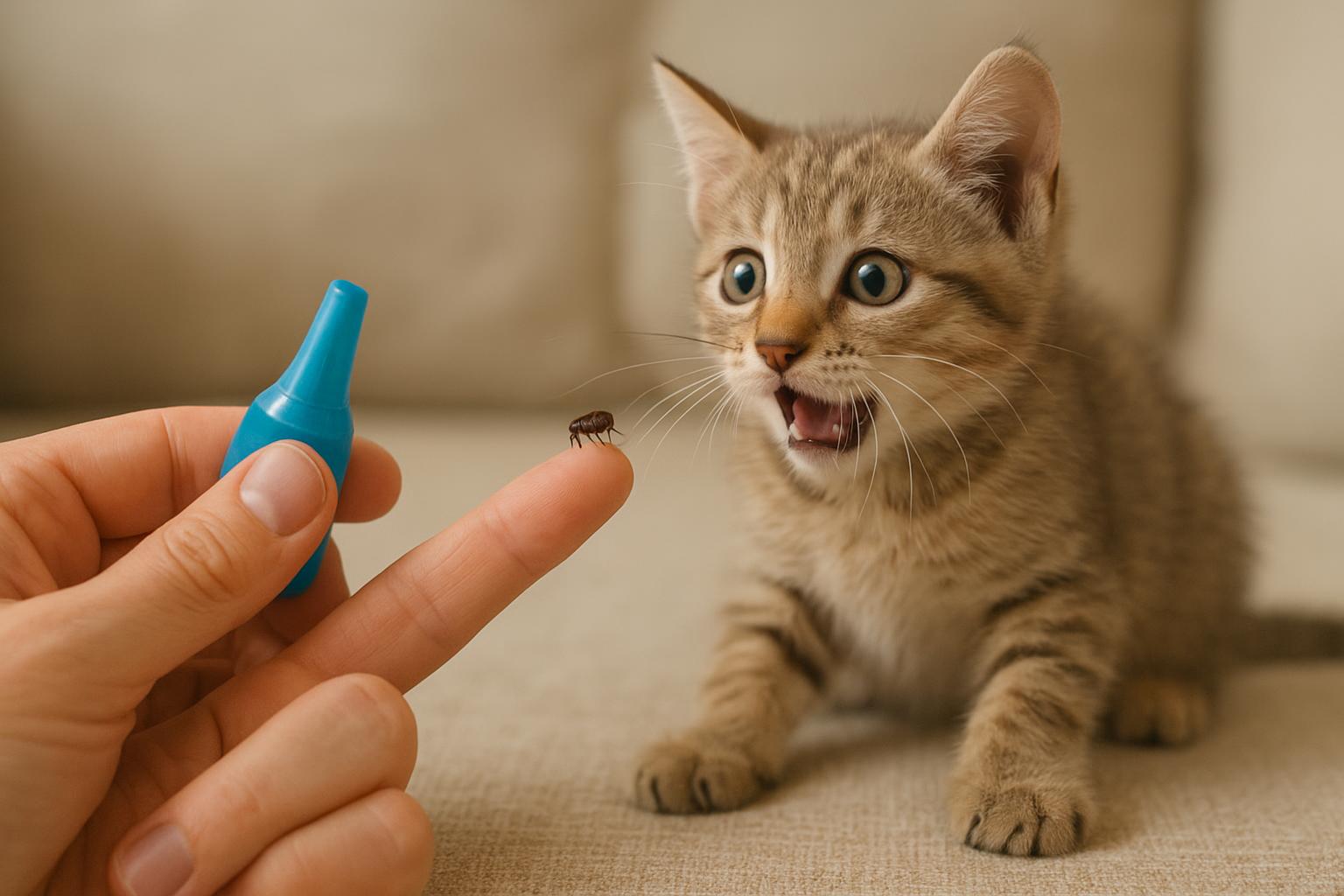
Flea drops are a convenient, widely used spot-on treatment applied to the skin of cats. They’re designed to kill adult fleas, interrupt the life cycle, and often provide residual protection for weeks. The appeal is obvious: one application, and you’re giving your cat targeted protection without oral medication or messy sprays. But “easy” doesn’t mean “no responsibility,” and there are important safety and technique details to know.
### How Flea Drops Work On A Cat’s Body
Flea drops typically contain an insecticide or an insect growth regulator (IGR). After application to the skin, the active ingredient spreads across the oil layer of the cat’s coat and skin, reaching the areas fleas inhabit. The modes of action vary:
– Adulticides (like fipronil or imidacloprid) kill adult fleas on contact or after ingestion.
– IGRs (such as pyriproxyfen) prevent flea eggs and larvae from developing, breaking the life cycle.
– Some modern compounds (fluralaner, afoxolaner) provide systemic protection when given orally, but spot-on versions use transdermal absorption instead.
The result: adult fleas die, eggs fail to mature, and reinfestation is reduced. How fast you see results depends on product, infestation level, and environmental control. Expect most adult fleas to die within 24–48 hours after proper application of many flea drops.
### Common Active Ingredients In Flea Drops
Understanding what’s inside the tube helps you pick the right product and avoid accidental misuse. Common actives include imidacloprid, fipronil, selamectin, and newer isoxazolines (though many isoxazolines are oral). Some products combine an adulticide with an IGR for broader control. Always read labels carefully: cat-safe products differ from dog formulas, and mixing them up can be dangerous.
## How To Tell If Your Cat Needs Flea Drops
Cats can be subtle about discomfort. Signs you might need treatment include:
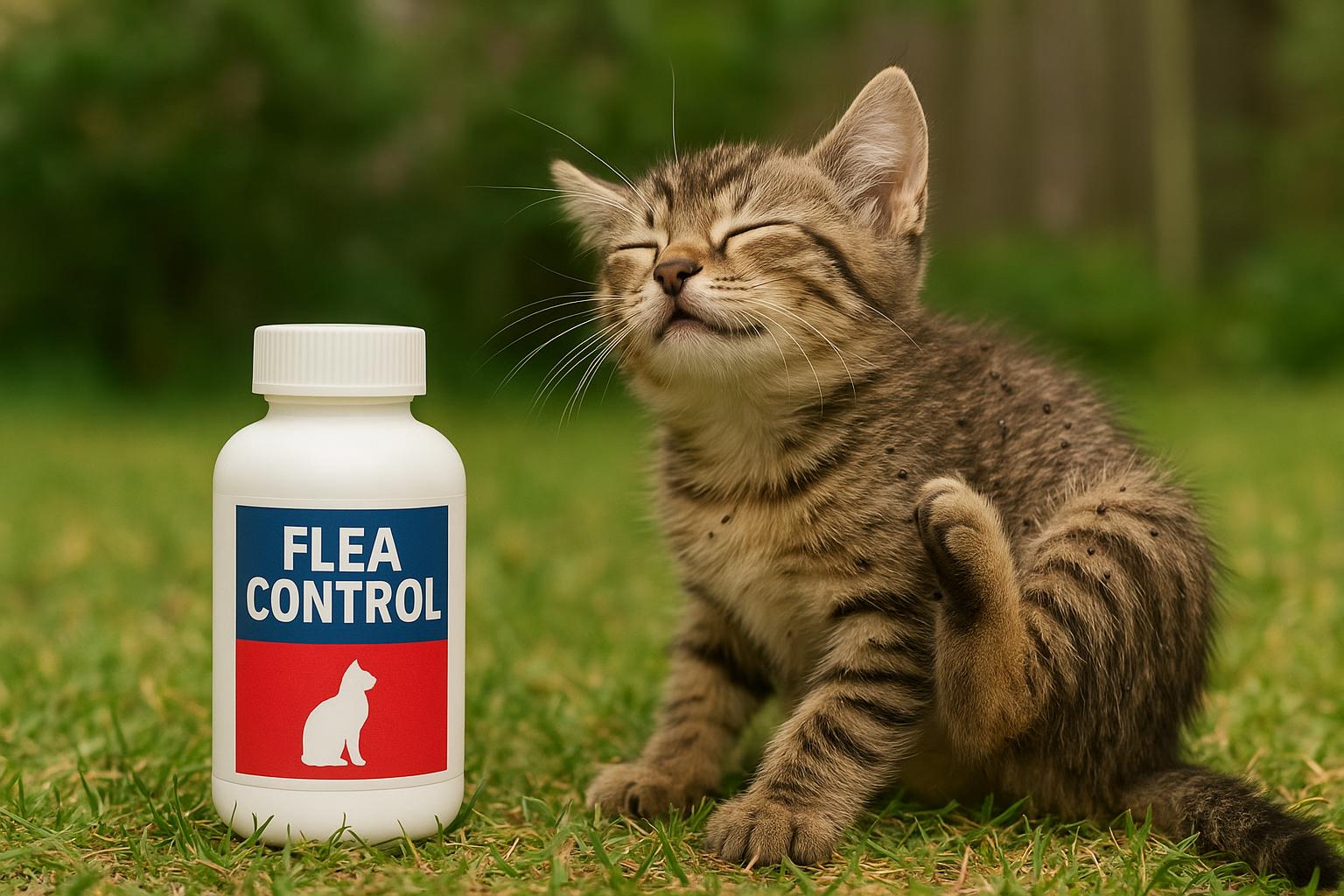
– Frequent scratching, head shaking, or excessive grooming.
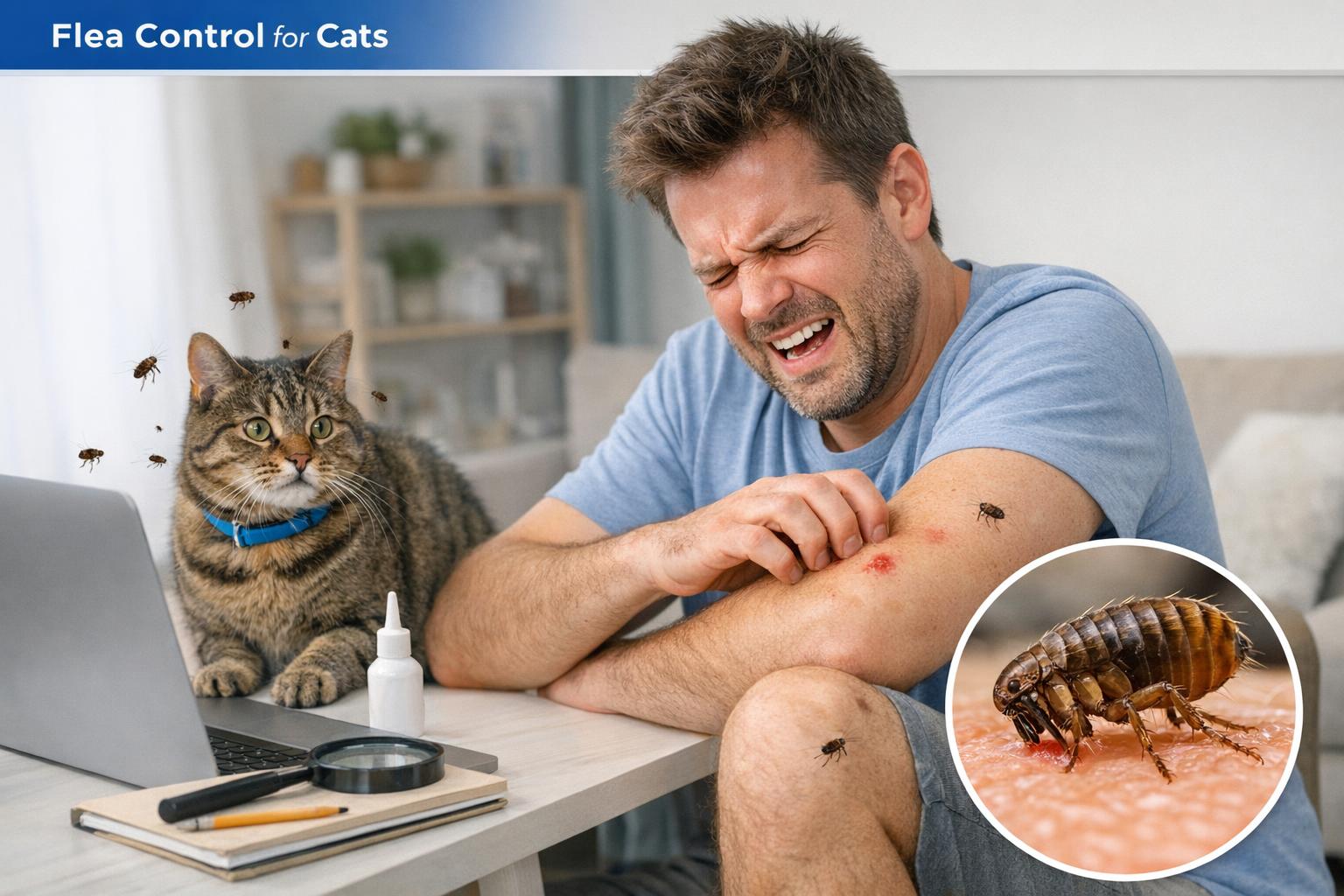
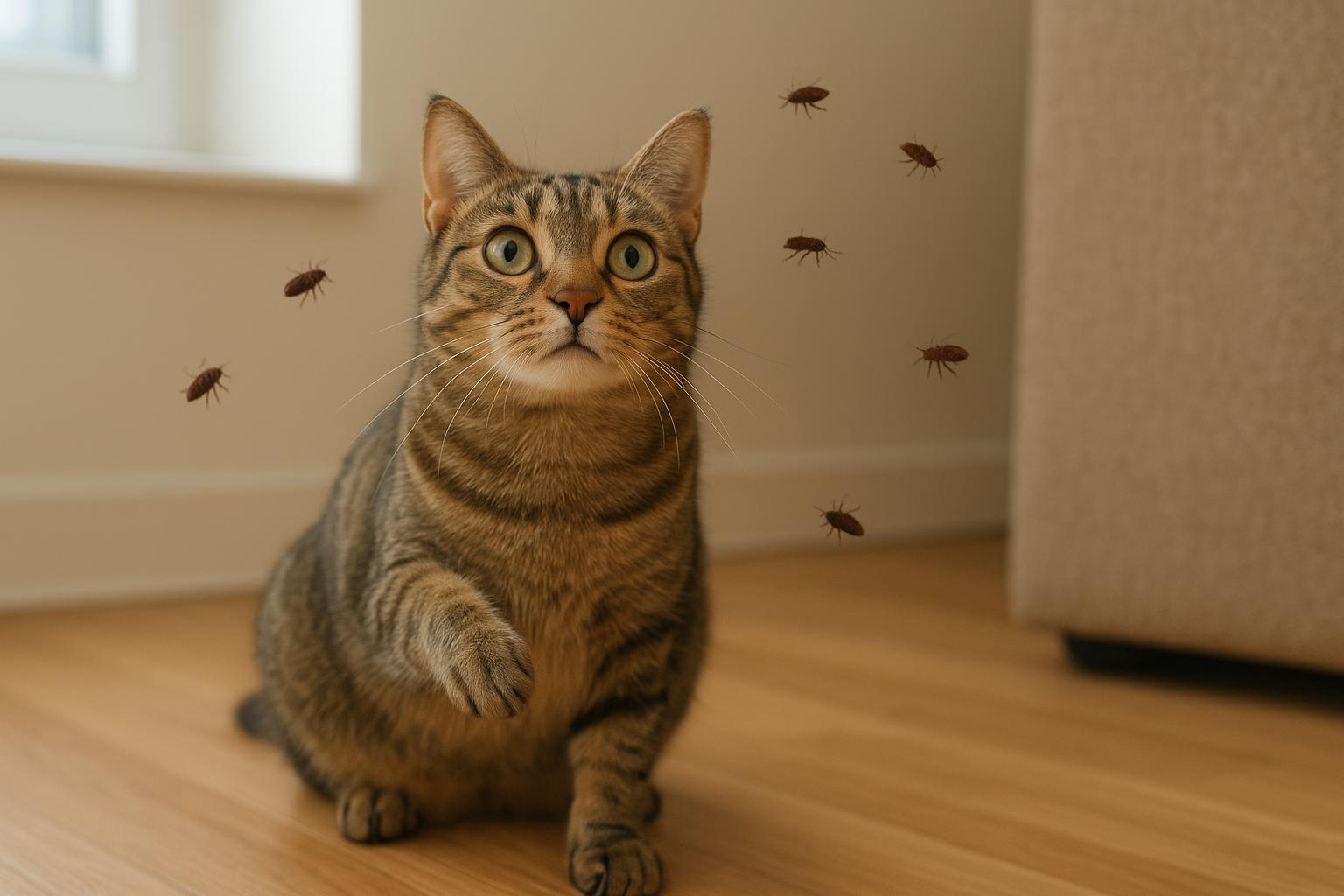
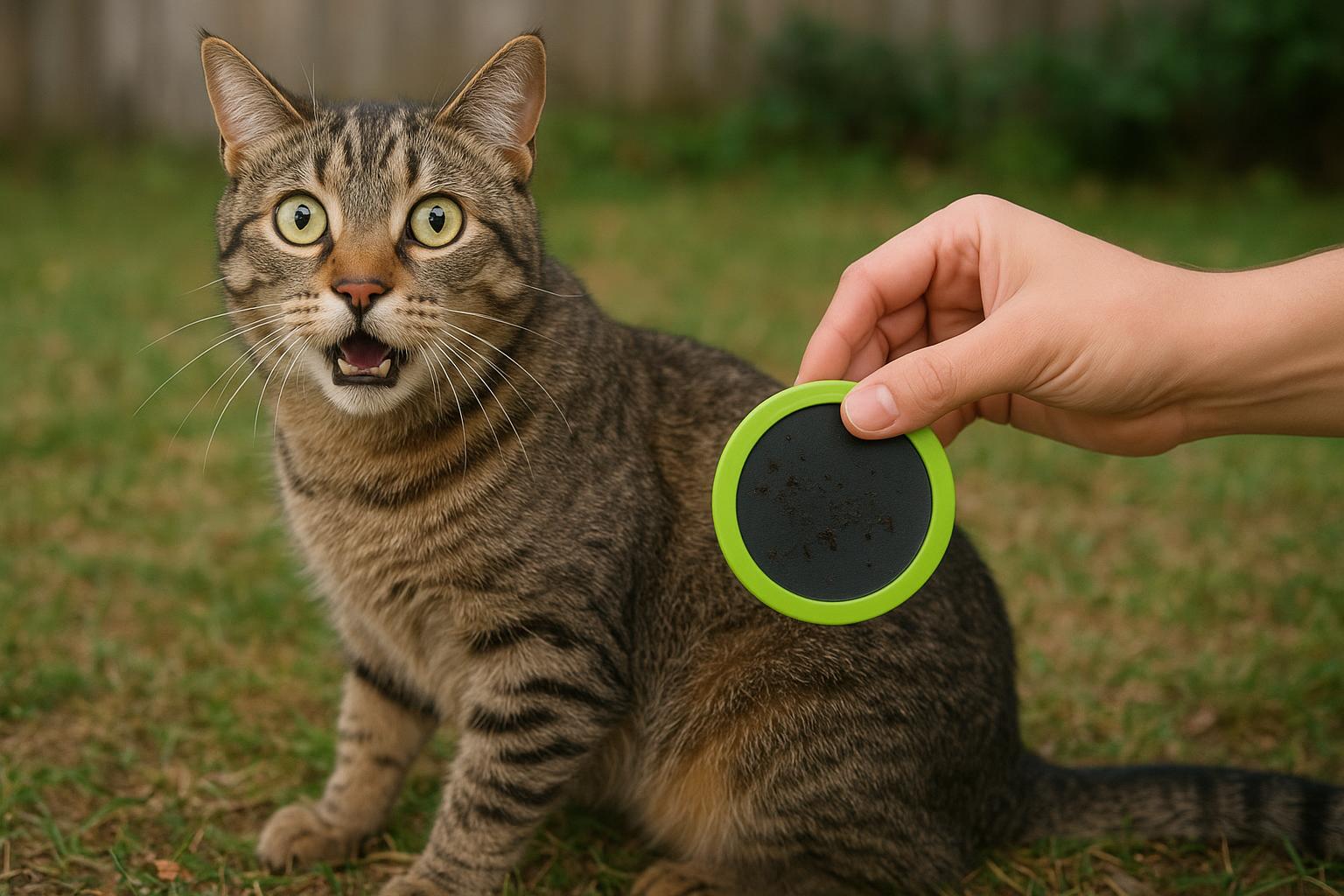
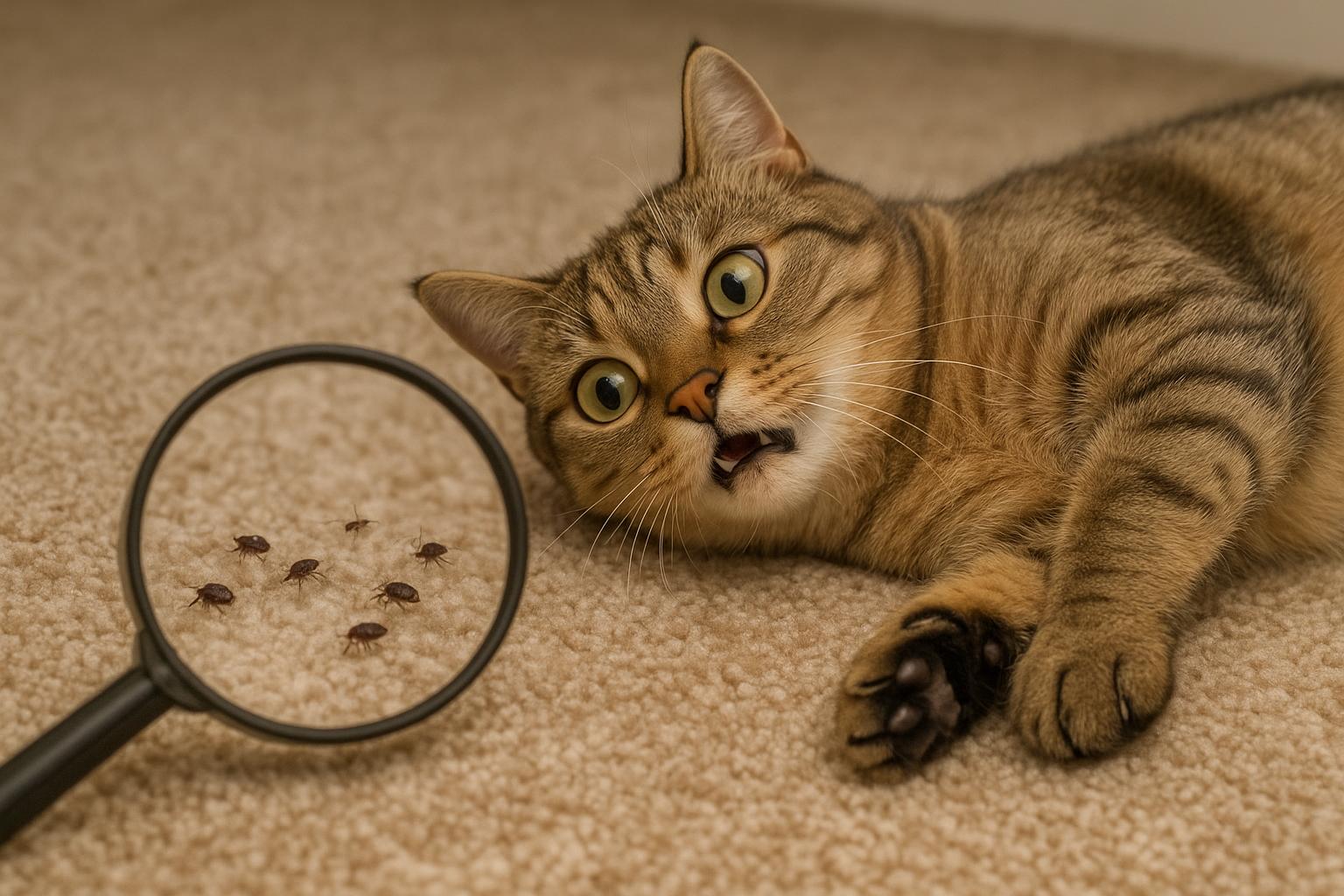
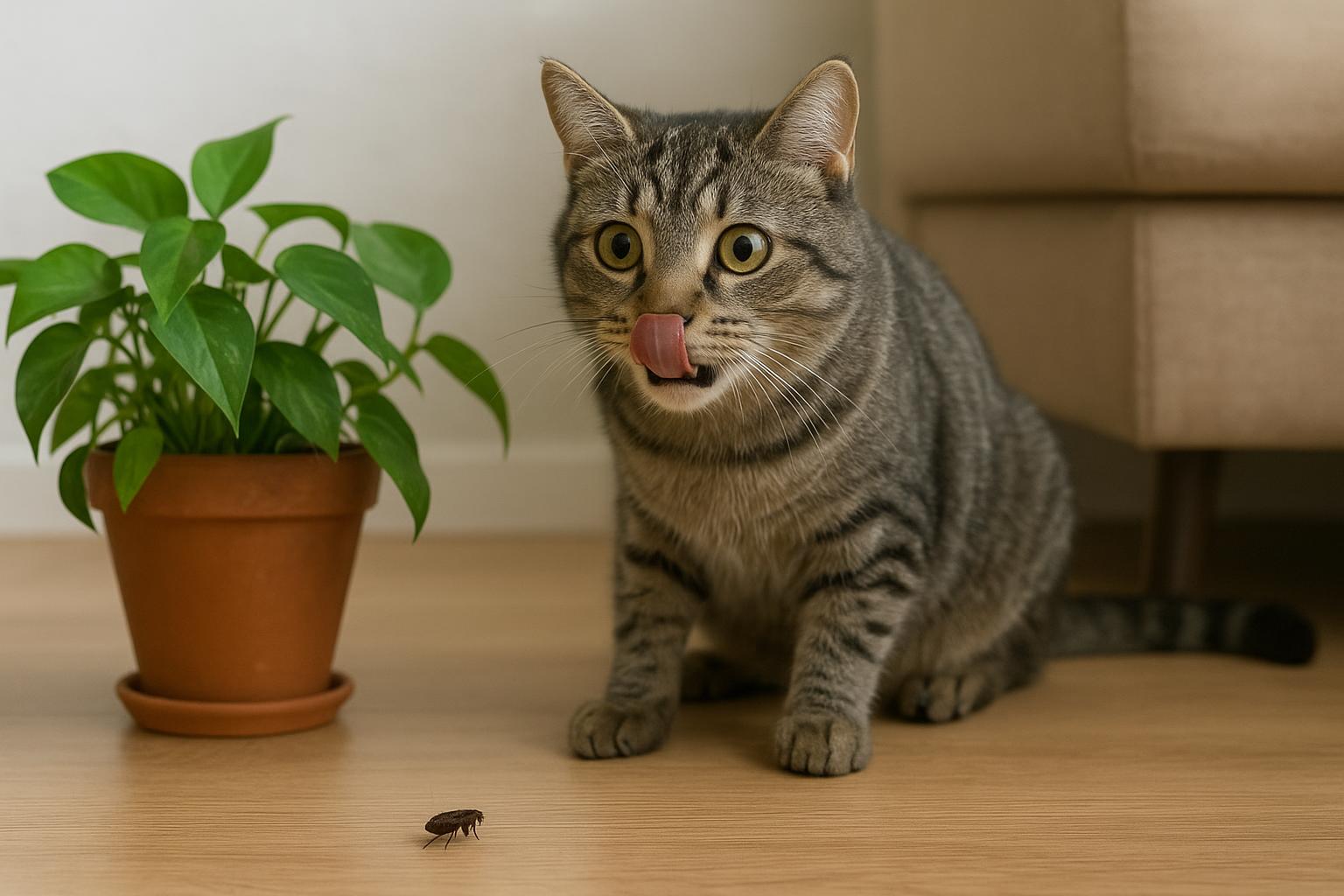
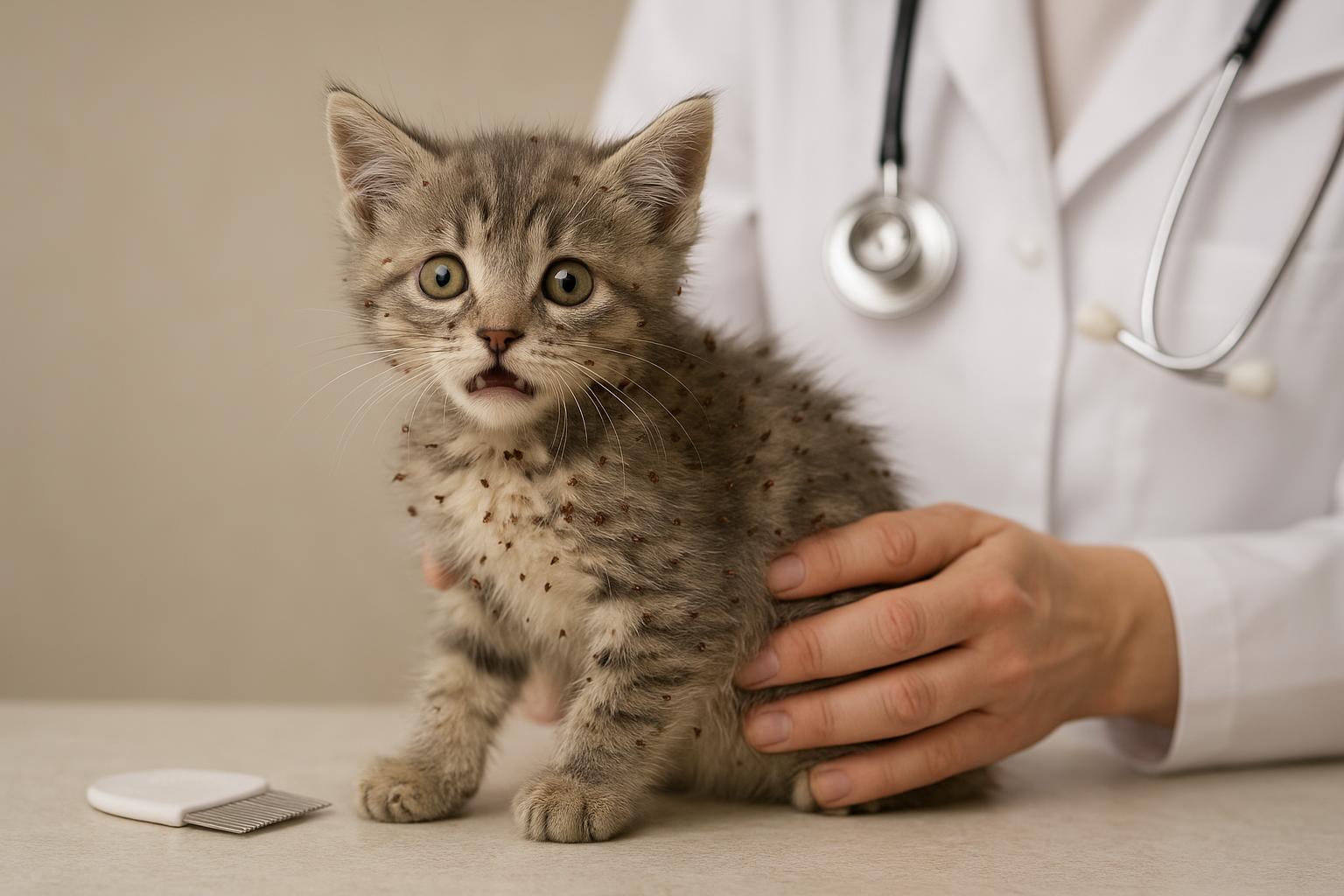
– Visible fleas or flea dirt (small black specks that look like pepper).
– Hair loss in patches, especially around the tail base, neck, and abdomen.
– Red, irritated skin or allergic reactions (flea allergy dermatitis).
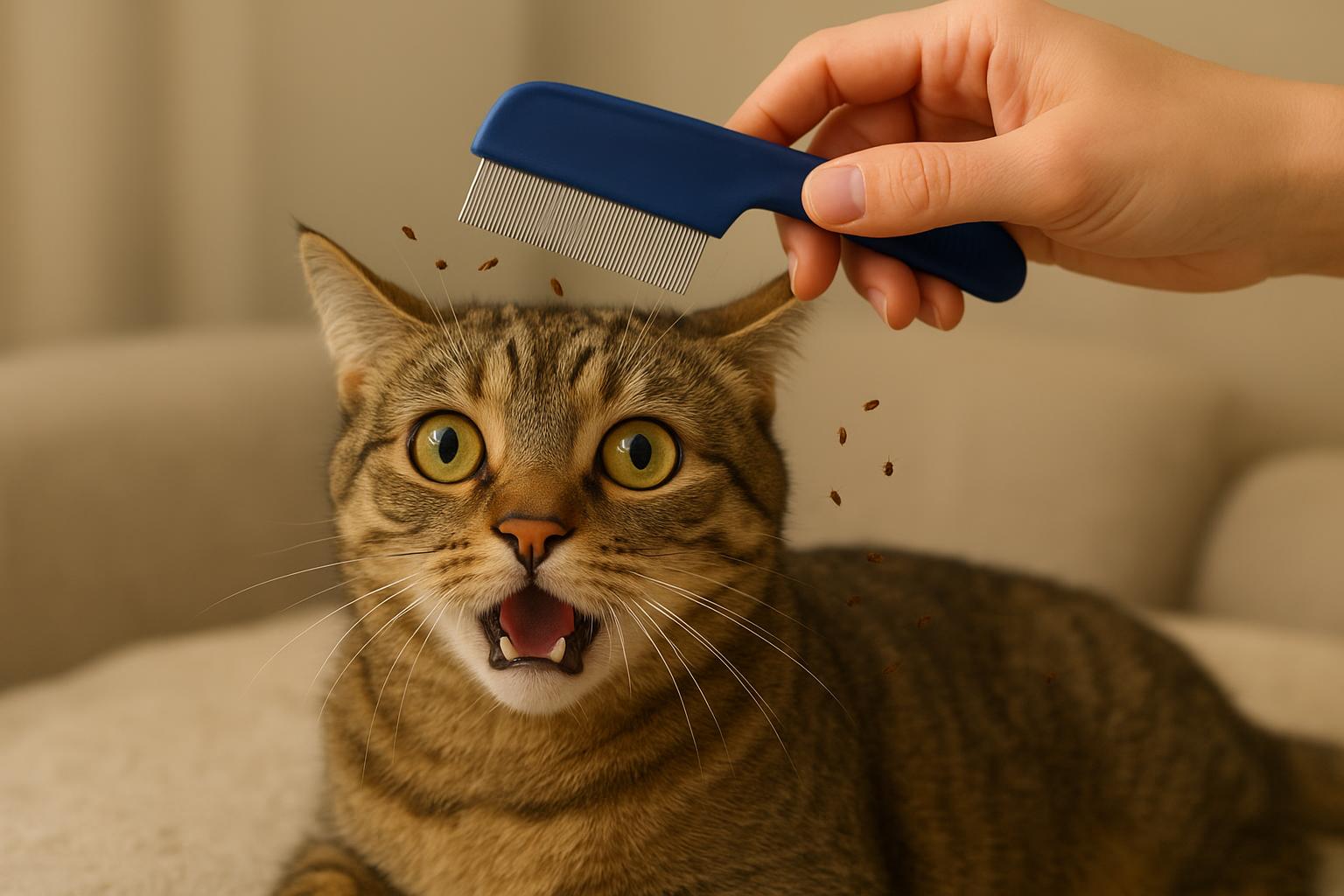
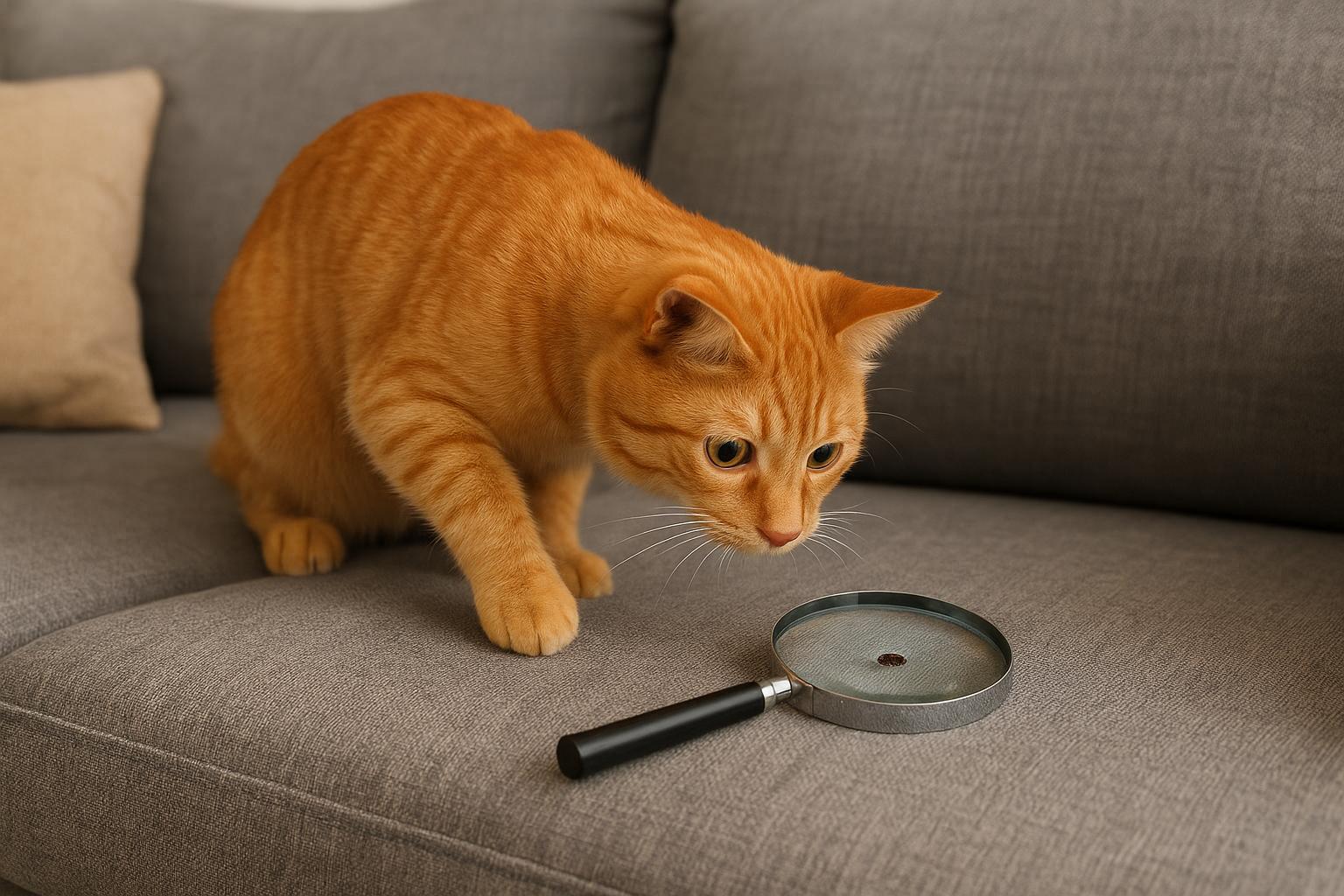
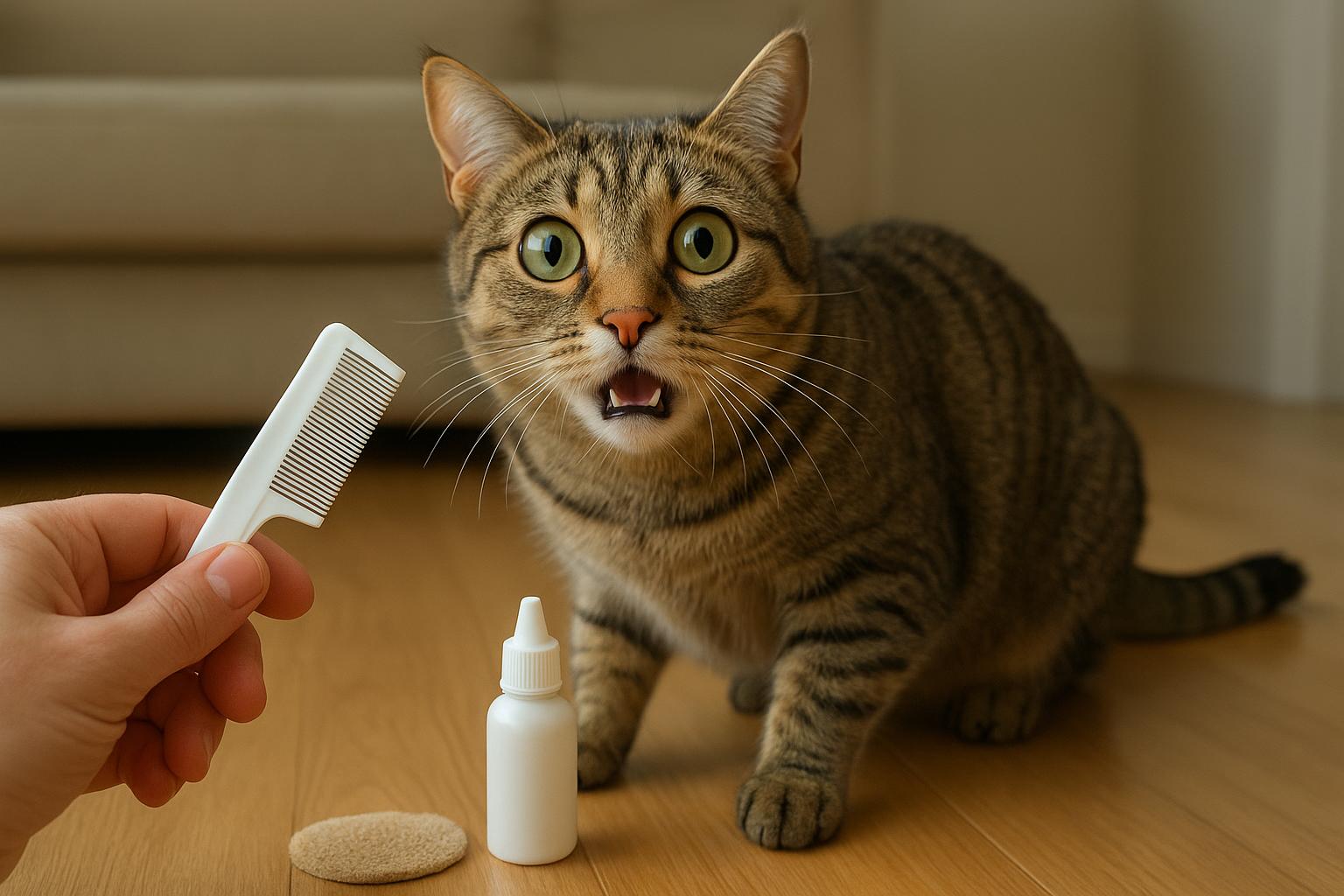
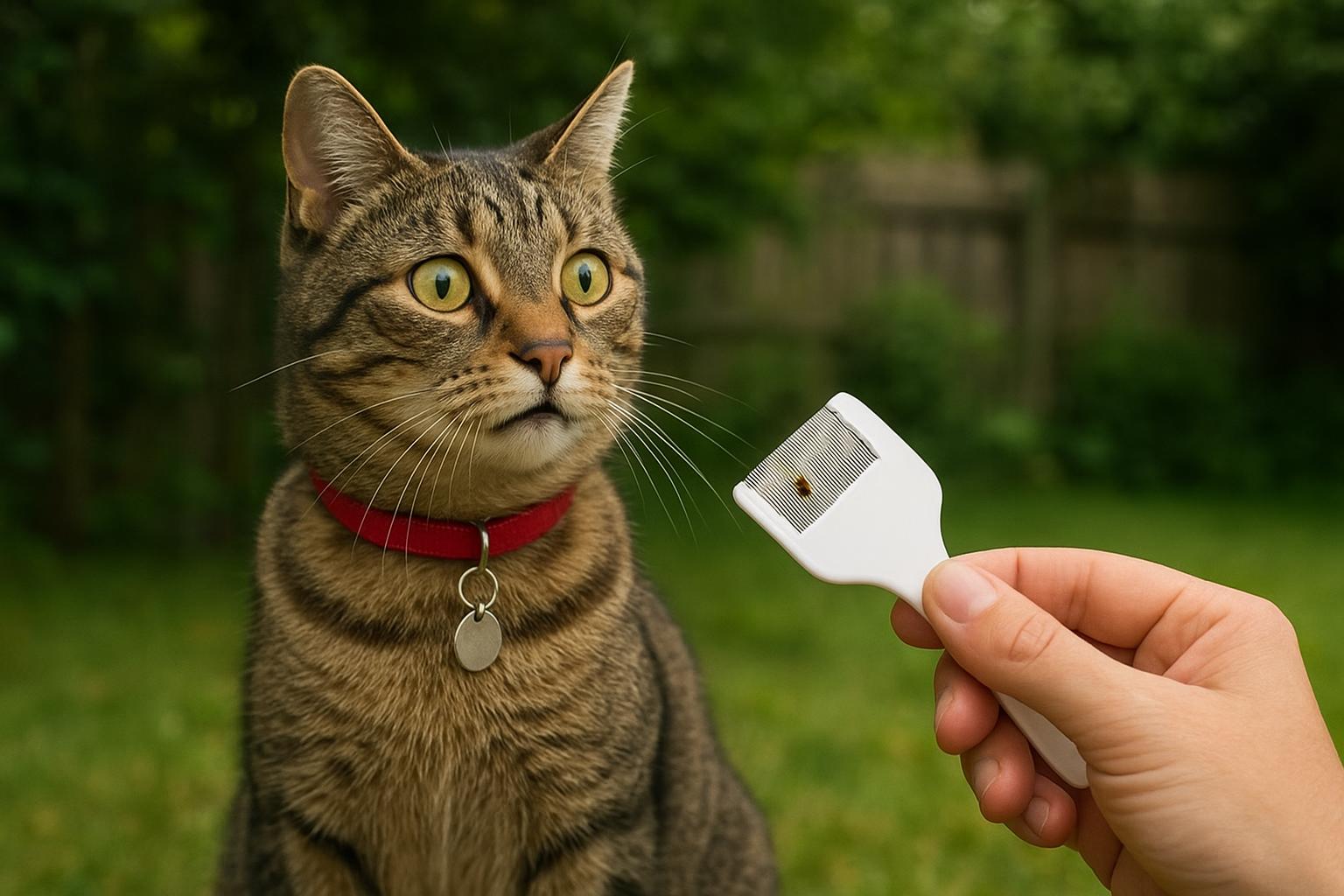
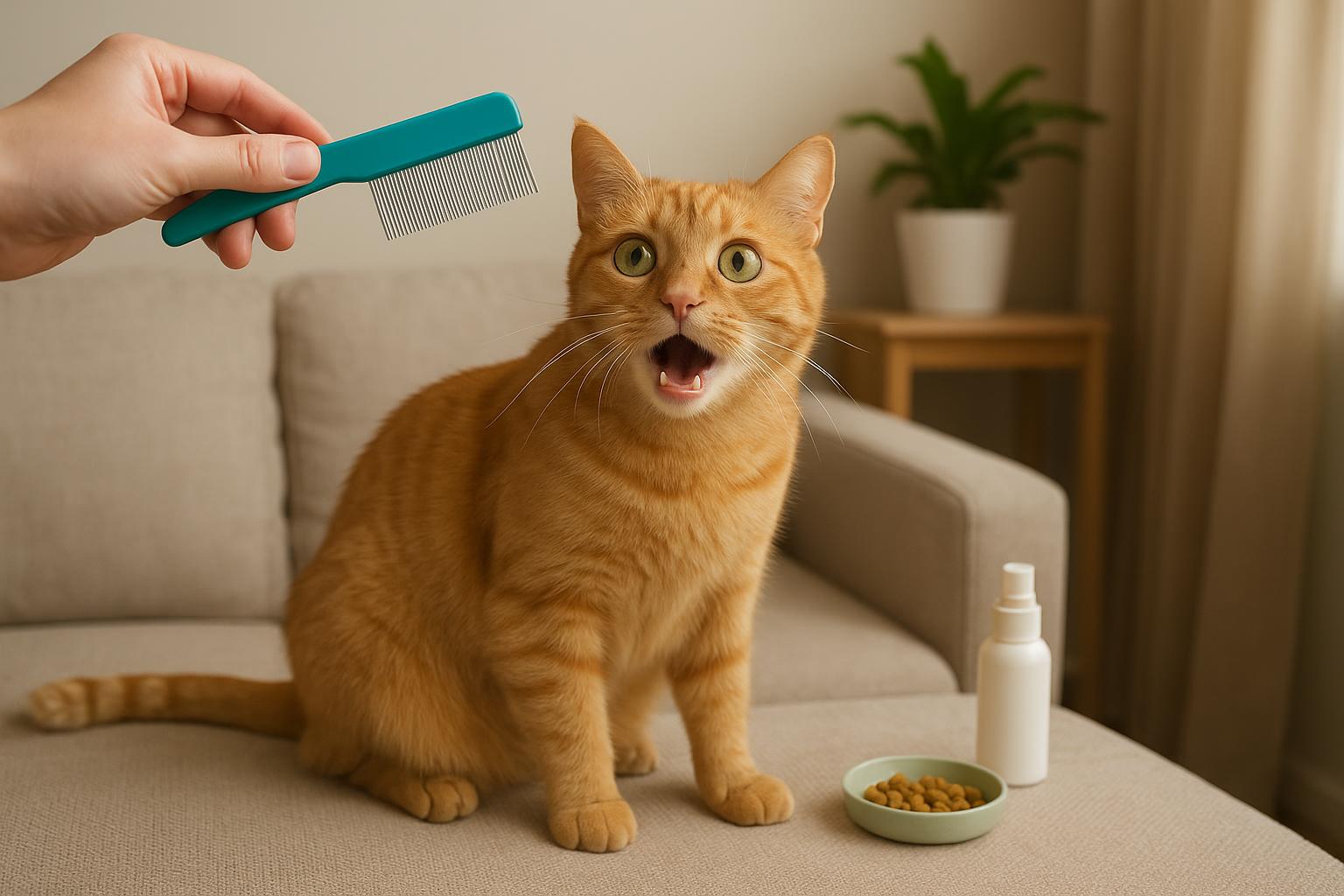
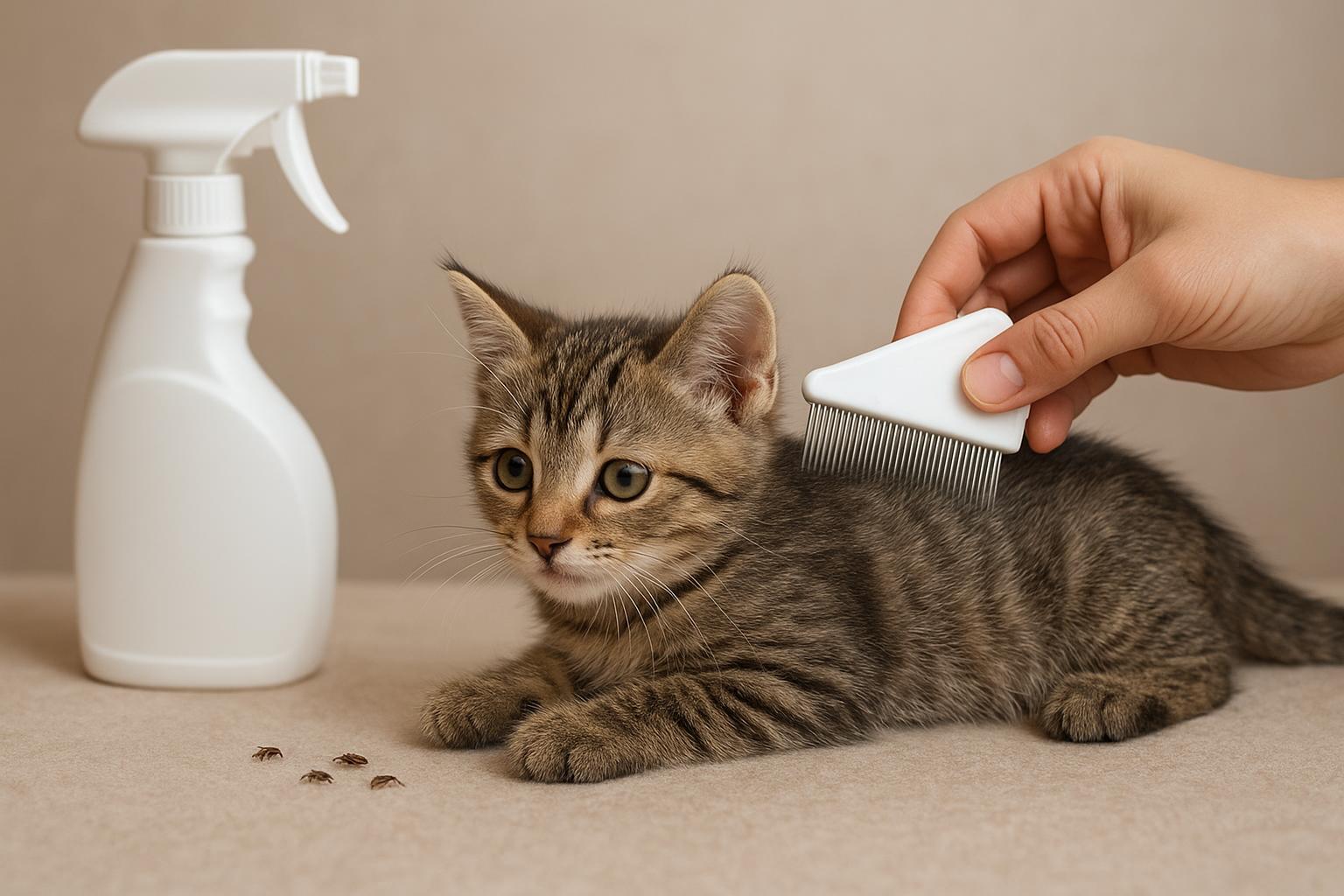
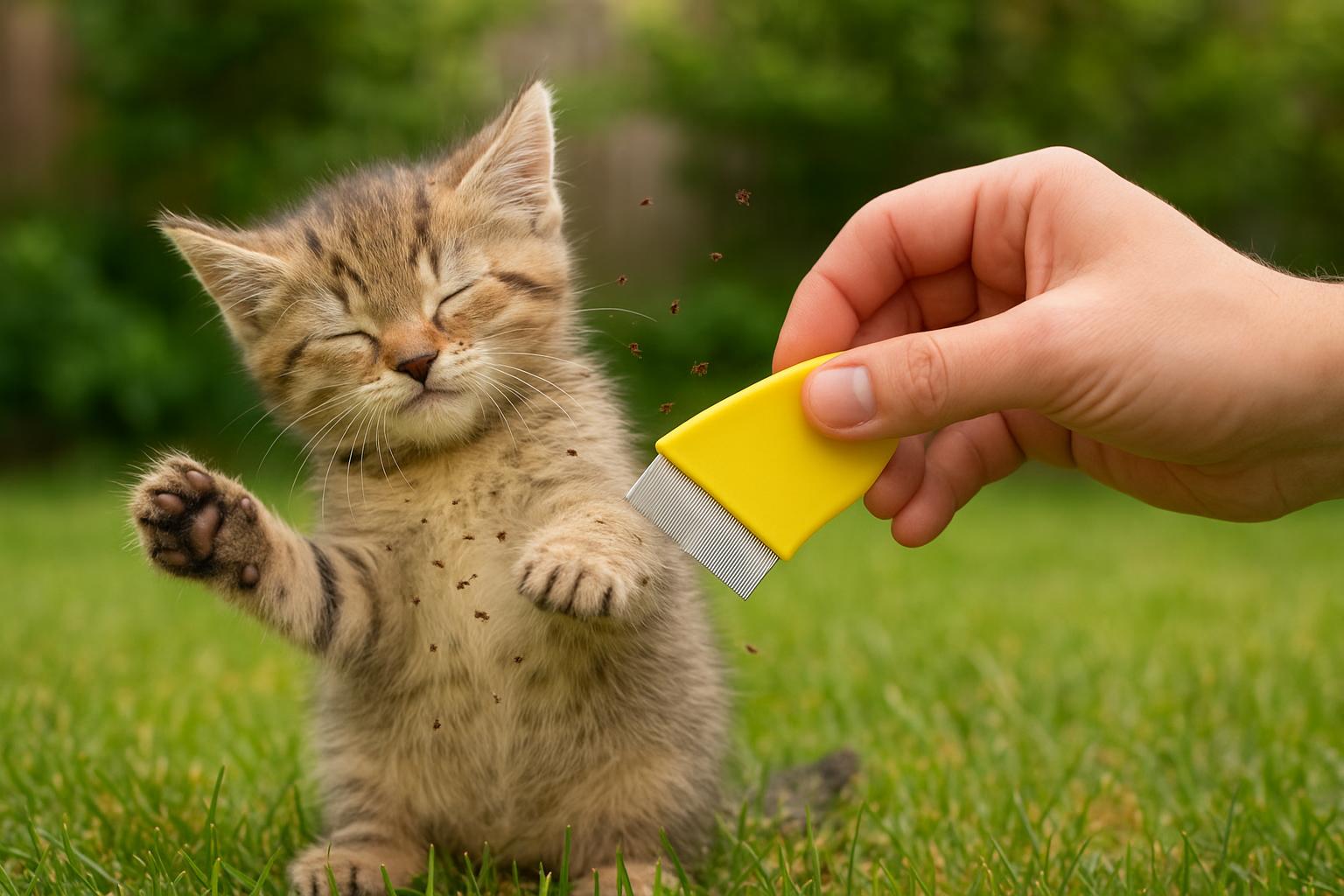
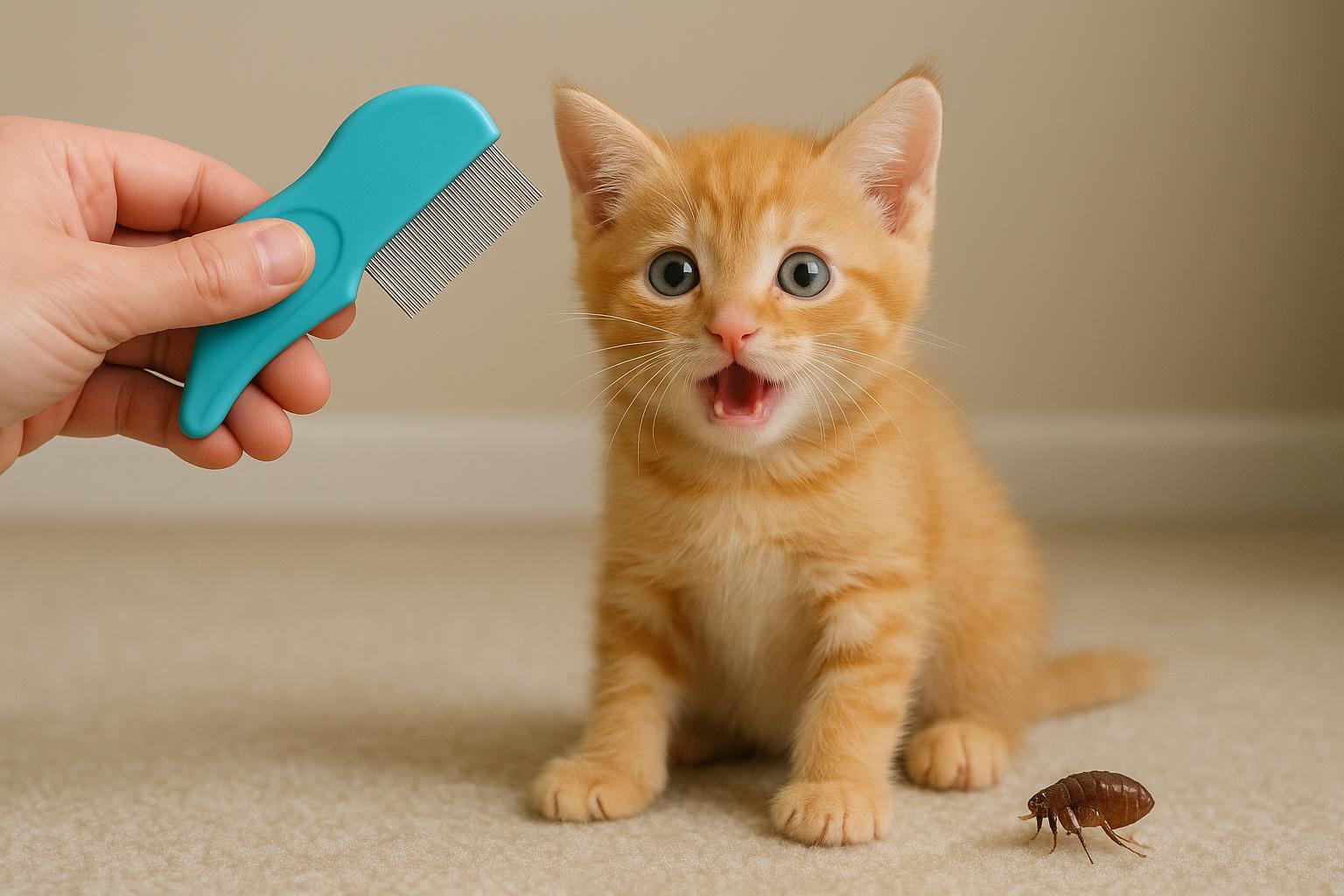
If in doubt, a good combing session with a fine-toothed flea comb will reveal the truth. Flea dirt placed on damp paper towel will turn a reddish-brown ring, confirming the presence of flea blood.
### 1. Proper Application Of Flea Drops (Spot-On Treatment)
Materials Required:
– Veterinarian-approved flea drops appropriate for your cat’s species and weight
– Disposable gloves
– Towel (optional, for nervous cats)
– Treats (for calm handling)
– A clean surface and good light
Step-By-Step Application (Formal Instructions):
1. Confirm Product And Dosage: Check the label to ensure the product is specifically labeled for cats and appropriate for your cat’s weight. Do not substitute dog products for cats.
2. Prepare Your Supplies: Have the flea drops, gloves, towel, and treats within reach. Open the packet immediately before applying.
3. Restrain Calmly: If your cat tolerates handling, have them sit or stand. For anxious cats, gently wrap them in a towel, leaving the neck/back area exposed.
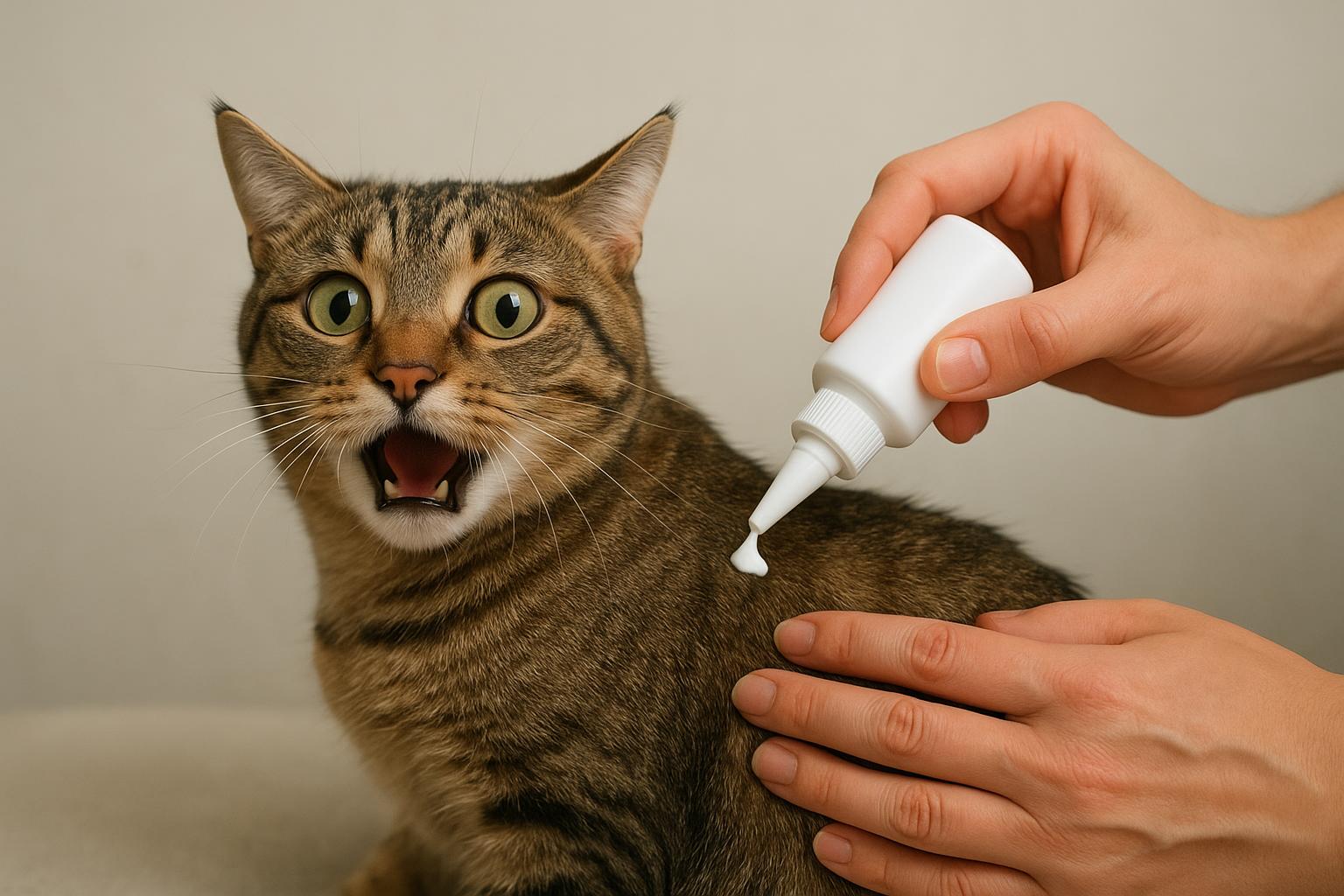
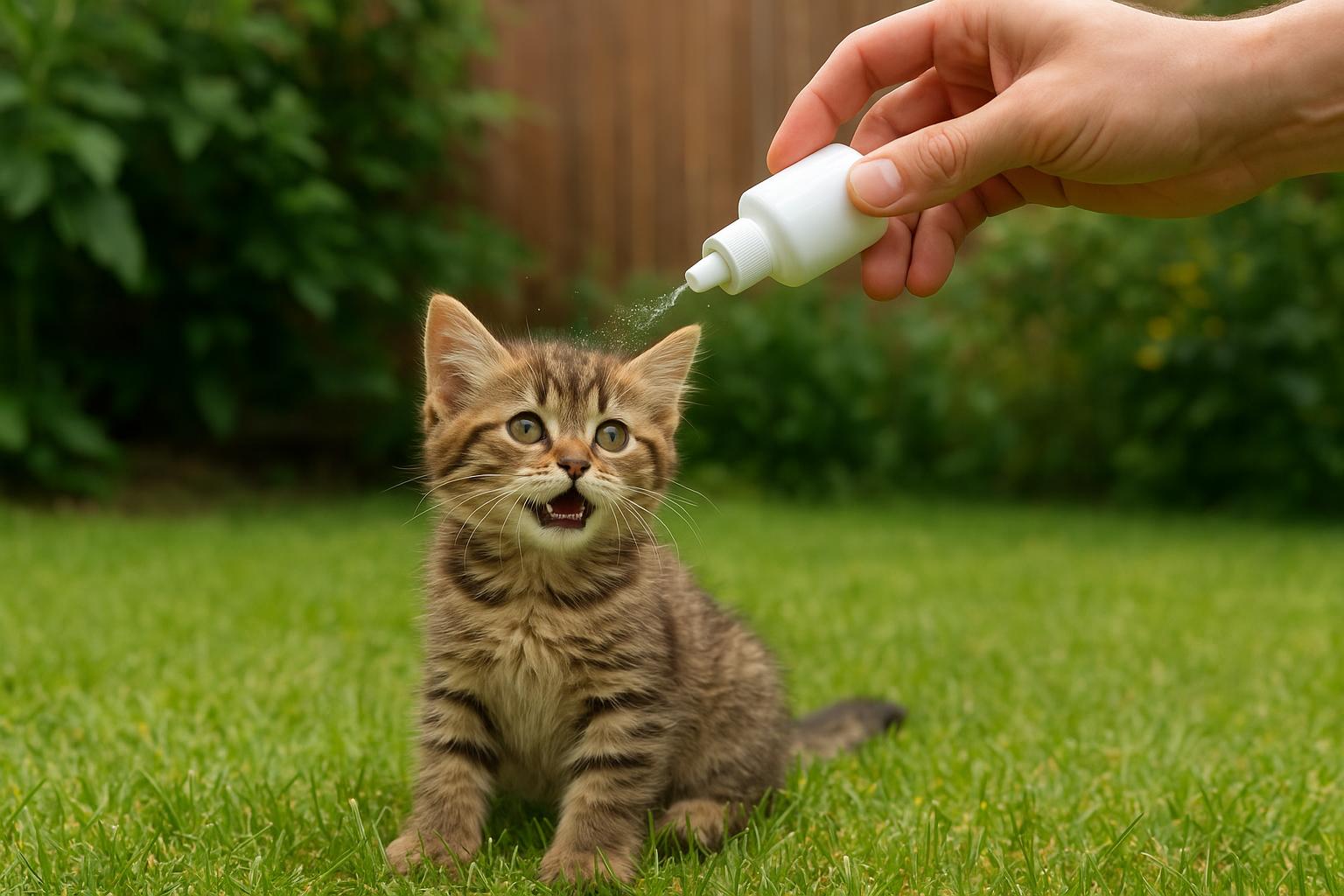
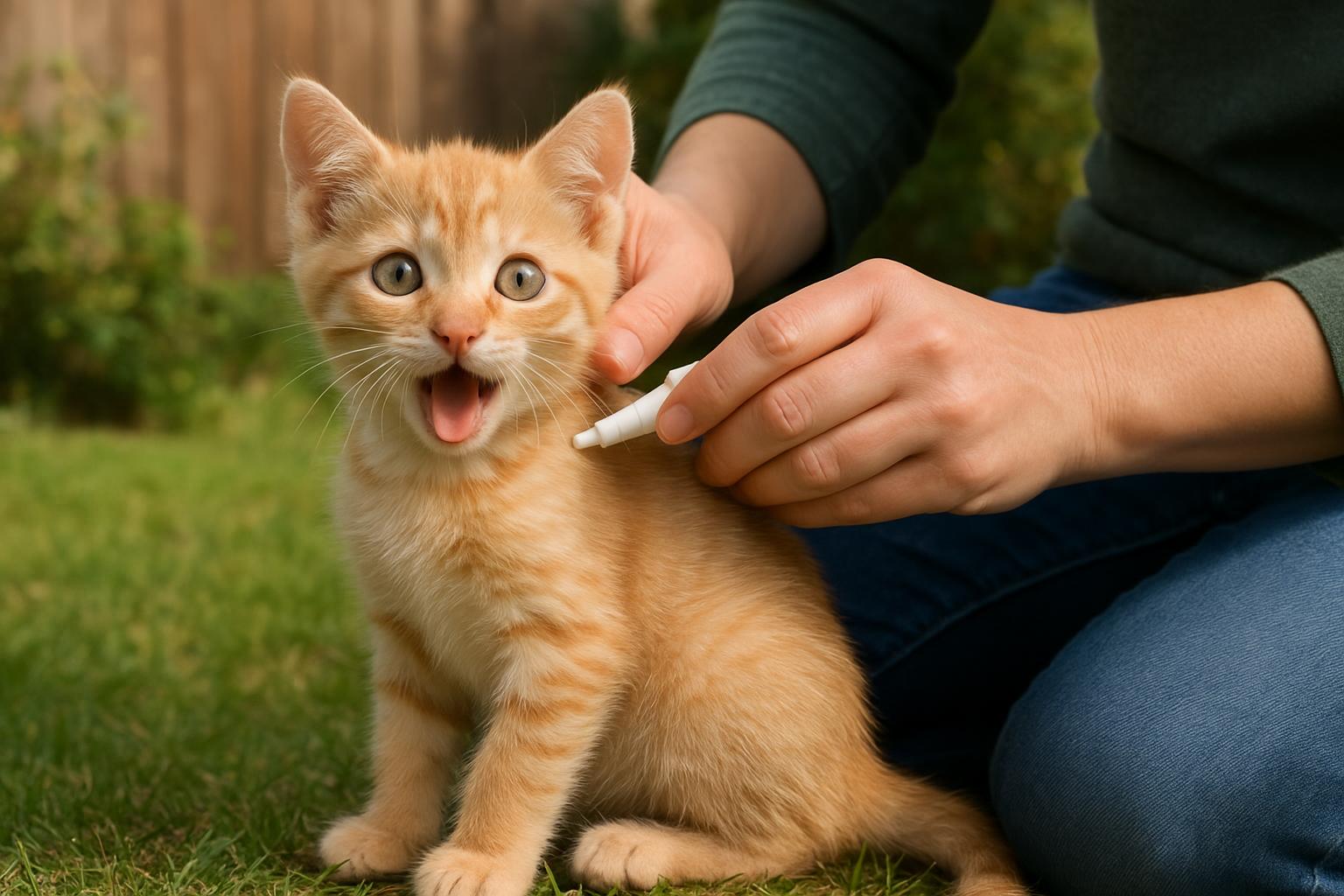
4. Part The Fur: Choose the area between the shoulder blades and at the base of the neck — cats cannot easily lick this spot. Use your fingers to part the fur until you see skin.
5. Apply Directly To Skin: Holding the applicator upright, place the tip directly against the skin and squeeze the entire contents onto a single spot. Do not rub the product in; it’s designed to absorb and spread naturally.
6. Dispose Safely: Break off and dispose of the empty applicator in regular trash, out of reach of children and pets. Remove and dispose of gloves, then wash hands thoroughly with soap and water.
7. Prevent Licking: Prevent the cat from grooming the treated area for at least 30–60 minutes. Avoid bathing the cat for 48 hours unless the label specifies otherwise.
8. Monitor For Reactions: Watch your cat for several hours for any signs of adverse reactions (see Safety section). If you notice unusual behavior, excessive drooling, tremors, or vomiting, contact your veterinarian immediately.
Frequency: Follow label directions for repeat application, usually every 4 weeks for many flea drops. Some products differ; adhere to the recommended schedule and do not exceed the dose.
### 2. Home And Environment Treatment To Complement Flea Drops
Materials Required:
– Vacuum cleaner with attachments
– Laundry detergent and hot water (for bedding)
– Flea comb
– Enzyme-safe carpet cleaner (optional)
– Pet-safe environmental spray or IGR product labeled for indoor use (optional)
– Professional pest control contact (if infestation is severe)
Step-By-Step Environmental Control (Formal Instructions):
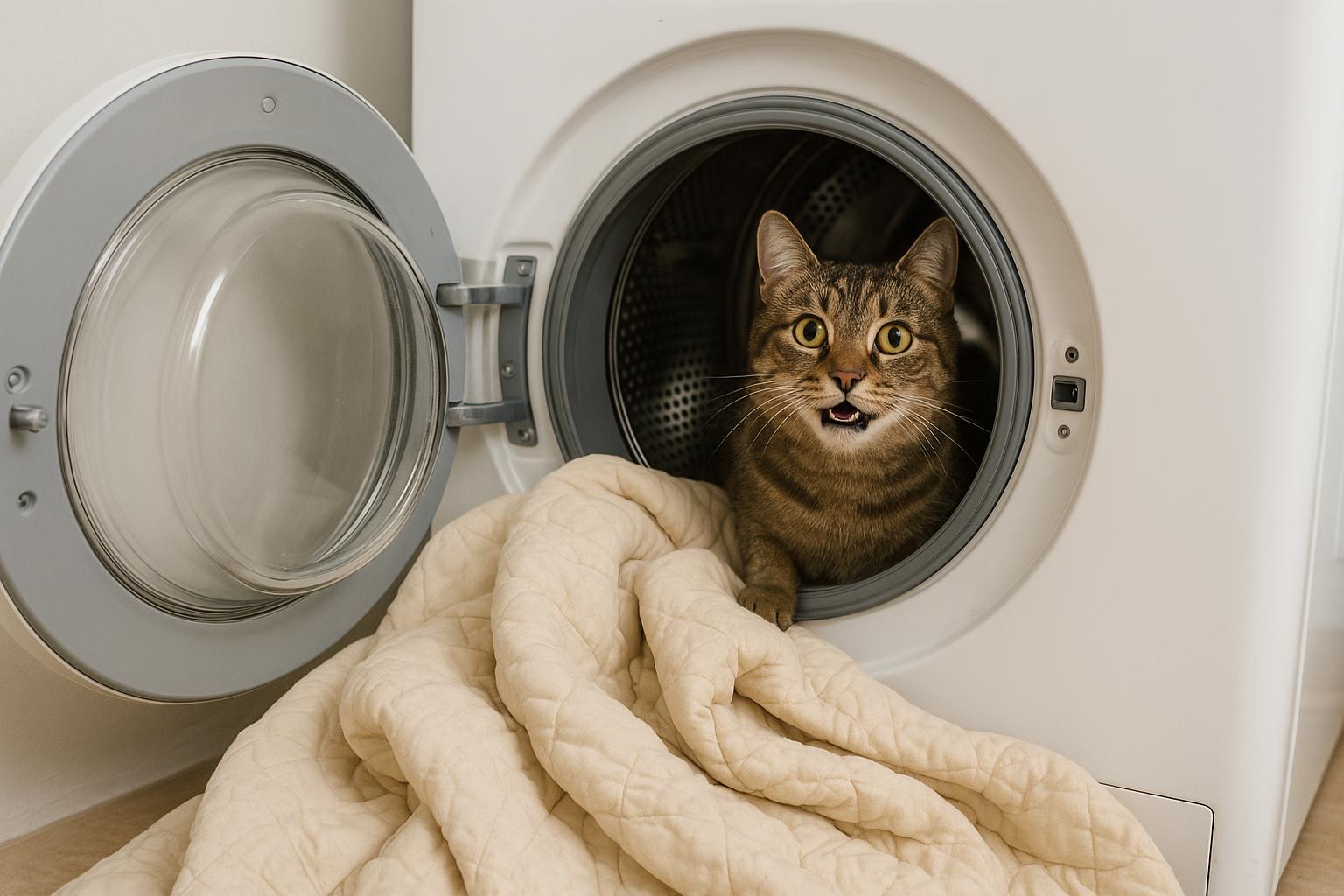
1. Launder Bedding: Wash all pet bedding, blankets, and any removable furniture covers in hot water (≥ 60°C/140°F) and dry on high heat. Heat kills eggs and larvae.
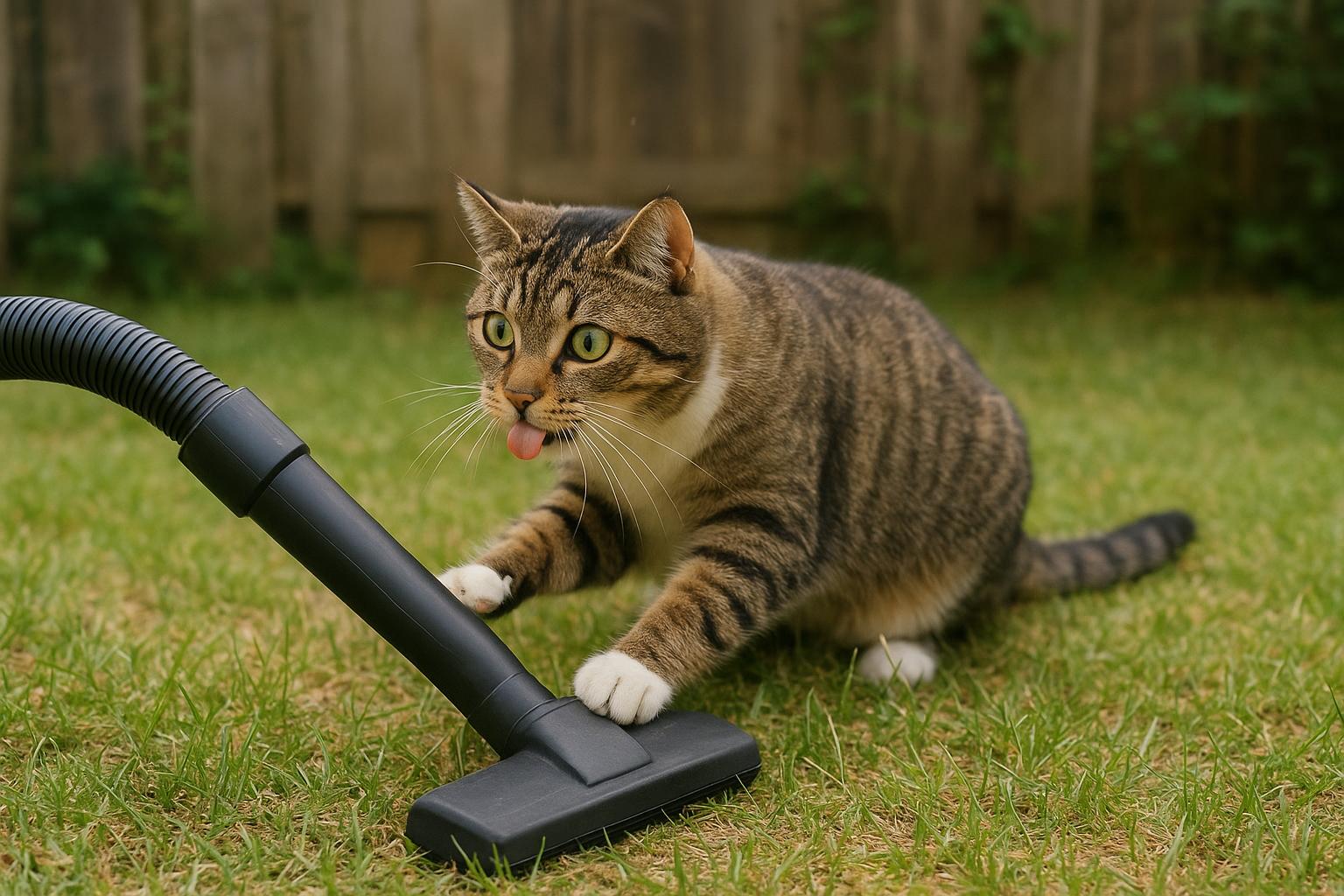
2. Vacuum Thoroughly: Vacuum carpets, upholstery, cracks, and baseboards daily for at least two weeks. Empty or dispose of the vacuum canister contents immediately outside to prevent reinfestation.
3. Comb Your Cat: Use a fine-toothed flea comb daily to remove adult fleas and flea dirt. Dip the comb in soapy water between passes to drown captured fleas.
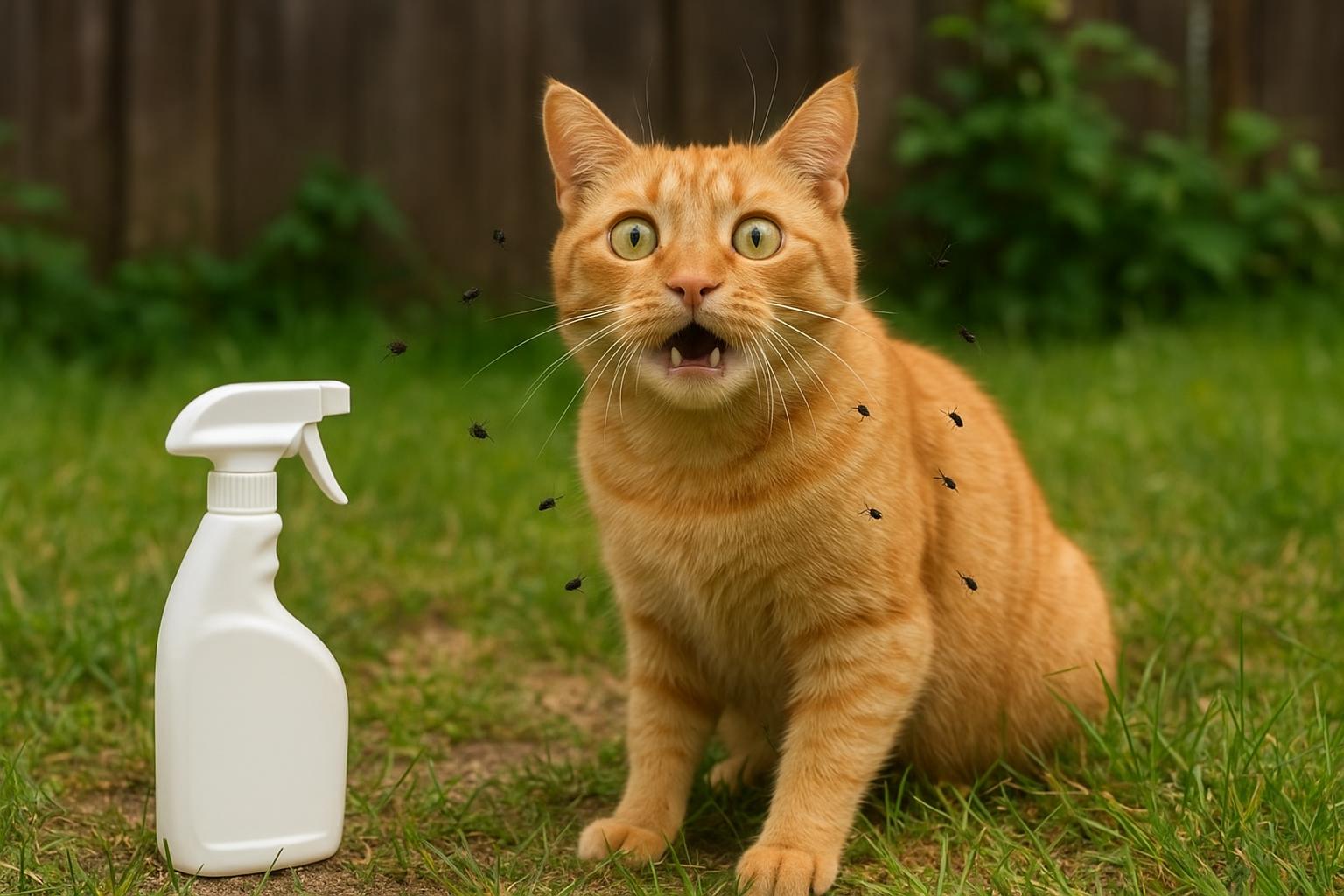
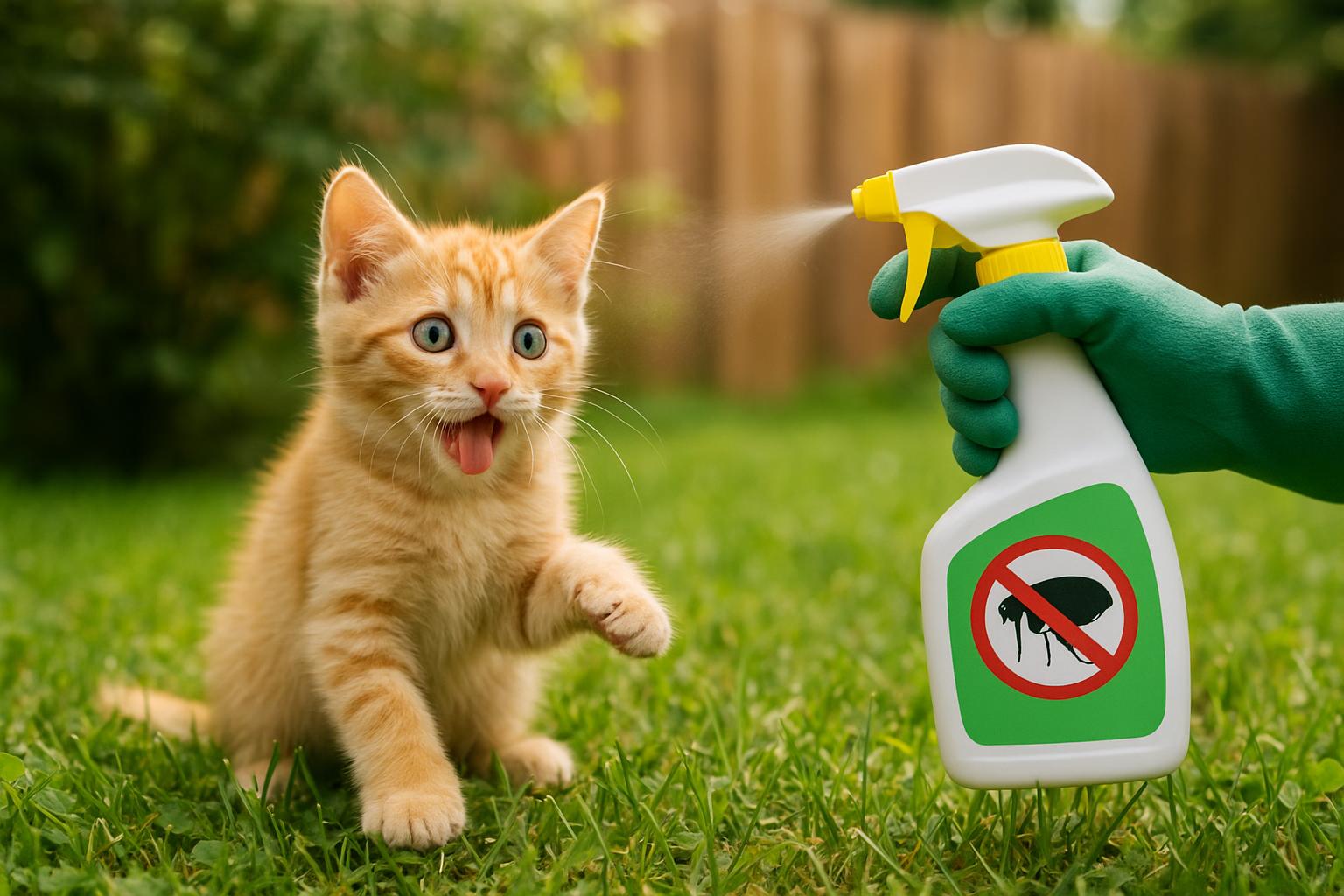
4. Treat High-Traffic Areas: Use pet-safe indoor sprays or insect growth regulators according to label instructions in areas where your cat spends time. Avoid airborne pesticides that may be harmful to pets.
5. Consider Diatomaceous Earth With Caution: Food-grade diatomaceous earth can be used sparingly on carpets; avoid inhalation by humans and pets. Many vets prefer professional IGRs over DE for safety and efficacy.
6. Repeat And Follow Up: Environmental control is ongoing. Even after applying flea drops, continue cleaning and monitoring for at least 6–8 weeks, since flea eggs and pupae can survive and hatch over time.
7. Call A Professional If Needed: For severe, persistent infestations, consult a veterinarian and consider professional pest control services that use pet-safe approaches.
## Safety, Side Effects, And What To Avoid
Flea drops are effective but must be used correctly. Key safety points:
– Only use products labeled for cats; compounds safe for dogs can be toxic to cats.
– Dose by weight; under- or overdosing can reduce effectiveness or increase risk.
– Watch for side effects: mild lethargy, localized hair loss, itching, or temporary vomiting can occur. Severe signs (seizures, collapse) are rare but require immediate veterinary attention.
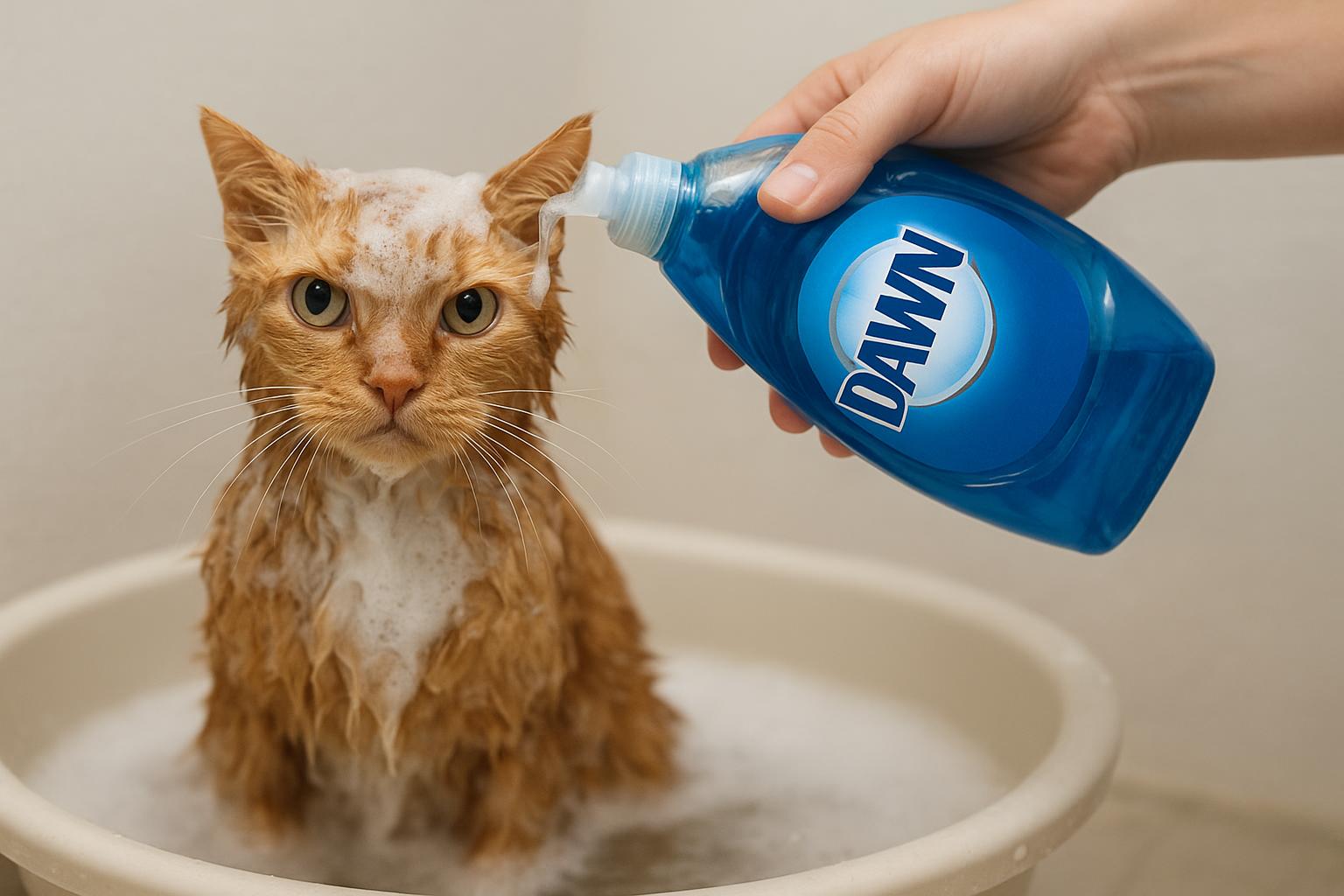
– Do not bathe your cat within 48 hours before or after treatment unless the product label allows it — excessive bathing can remove the topical protection.
– Avoid using multiple flea products simultaneously unless instructed by your vet.
If you have multiple pets, treat all animals in the household as recommended to prevent cross-infestation. Also, inform your vet about any other medications your cat is on; interactions are uncommon but possible.
#### Can I Make My Own Flea Drops At Home?
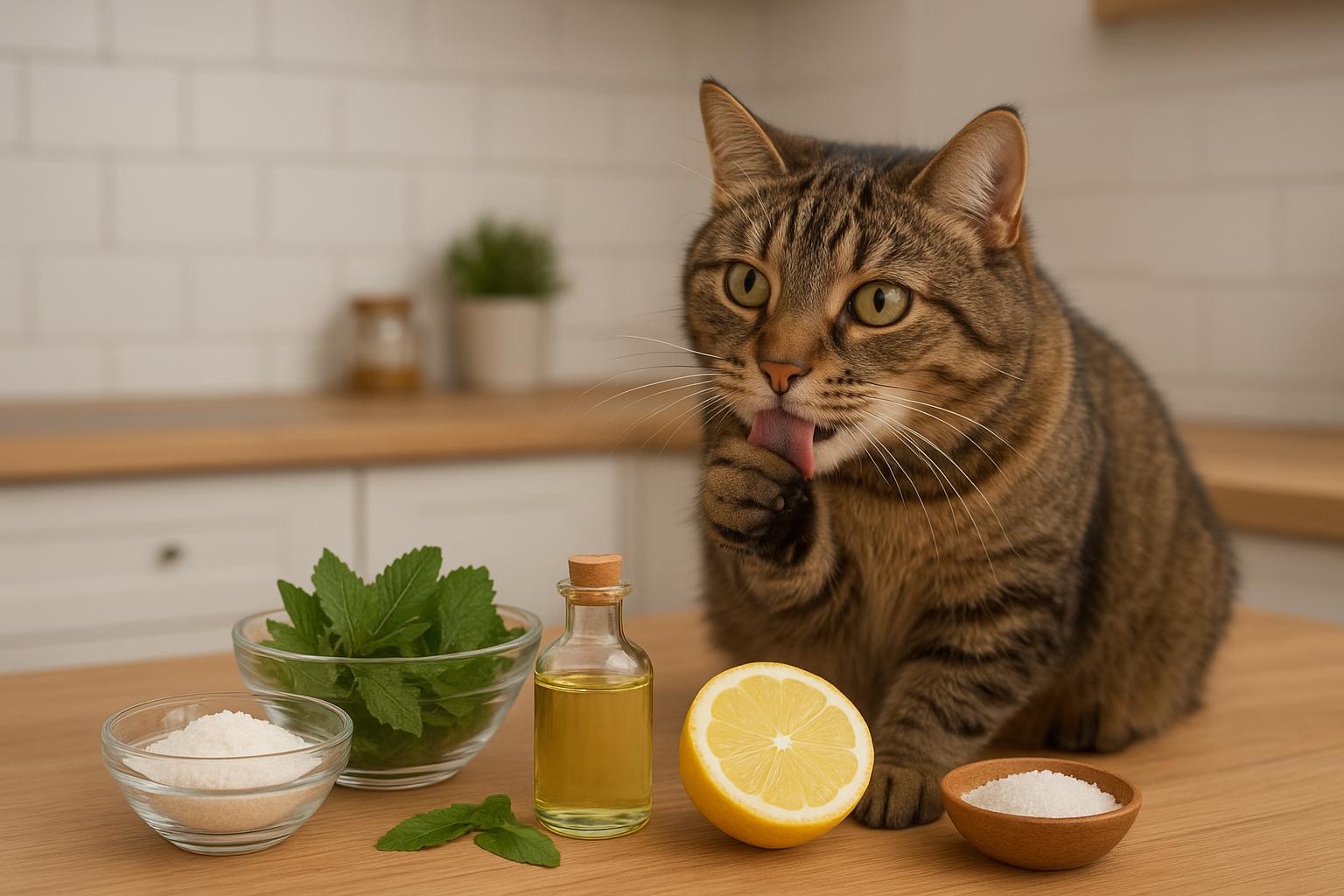
Short answer: Not recommended. DIY drops with essential oils, garlic, or other home concoctions often carry risks. Many “natural” oils are toxic to cats, and improper concentrations can cause serious reactions. If you prefer a natural-minded approach, consult your veterinarian for safe, evidence-based options or certified natural products. Rely on proven veterinary flea drops for primary flea control and use complementary environmental measures that are pet-safe.
#### When To Contact The Vet
Contact your veterinarian if:
– You suspect your cat has a severe infestation or anemia (pale gums, weakness).
– Your cat shows signs of an adverse reaction after applying flea drops.
– Home control measures aren’t reducing flea numbers after 2–3 weeks.
– Your cat is young (kittens), pregnant, nursing, or has underlying health conditions — they may require different products or dosing.
### Frequently Asked Questions About Flea Drops
#### How Quickly Will Flea Drops Stop The Itching?
Most adult fleas are killed within 24–48 hours after proper application, but itching may continue as existing flea bites heal. If itching persists beyond a week, consult your vet — your cat may be allergic to flea saliva and need additional treatment.
#### Can I Use Flea Drops On Kittens?
Not all flea drops are labeled for kittens. Use only products approved for the age and weight of your kitten. If in doubt, check with your veterinarian for kitten-safe solutions.
#### Are Flea Drops Safe Around Other Pets?
Generally yes, when used as directed on the correct species. Keep treated cats away from very young animals and animals with known sensitivities until the product has dried. Never apply dog flea drops to cats.
Remember, flea drops are a powerful and user-friendly tool when used correctly. They work best as part of a full plan: treat the pet, treat the environment, and keep the routine going. If you want help picking a product or walking through an application in real time, your veterinarian or a veterinary technician can guide you — and may even let your kitty earn extra treats for good behavior.




Leave a Reply