
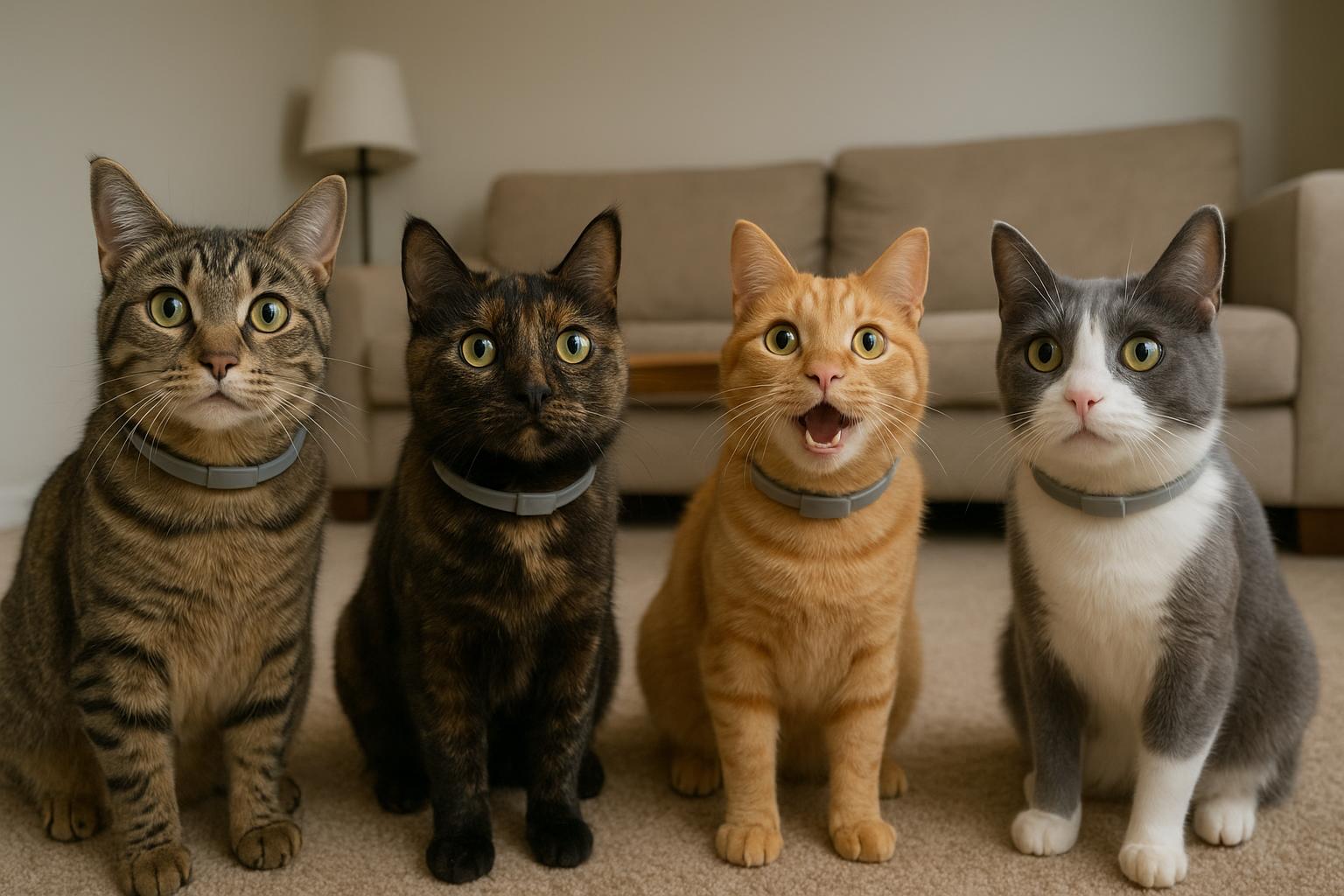
## Understanding Flea Collars For Cats
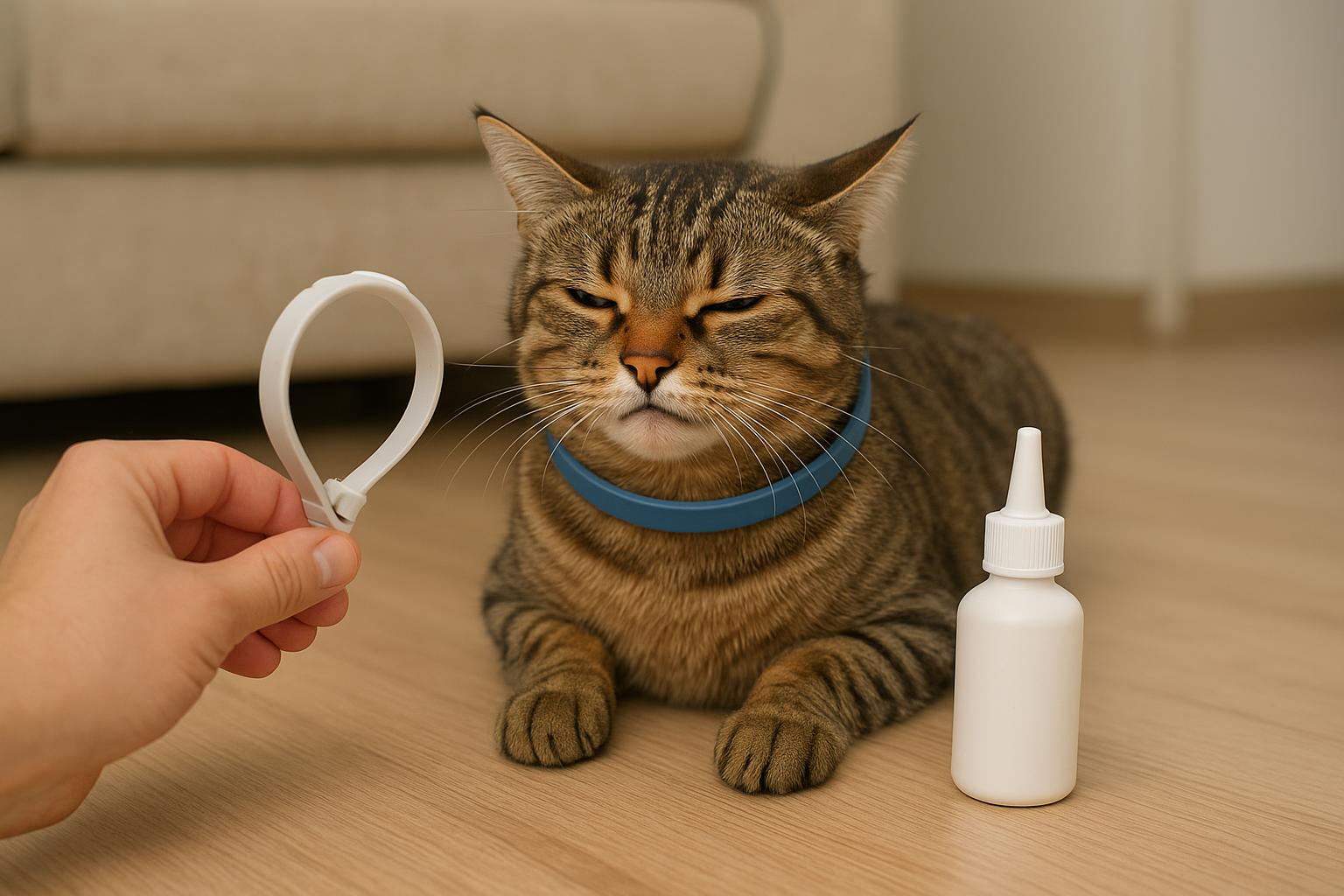
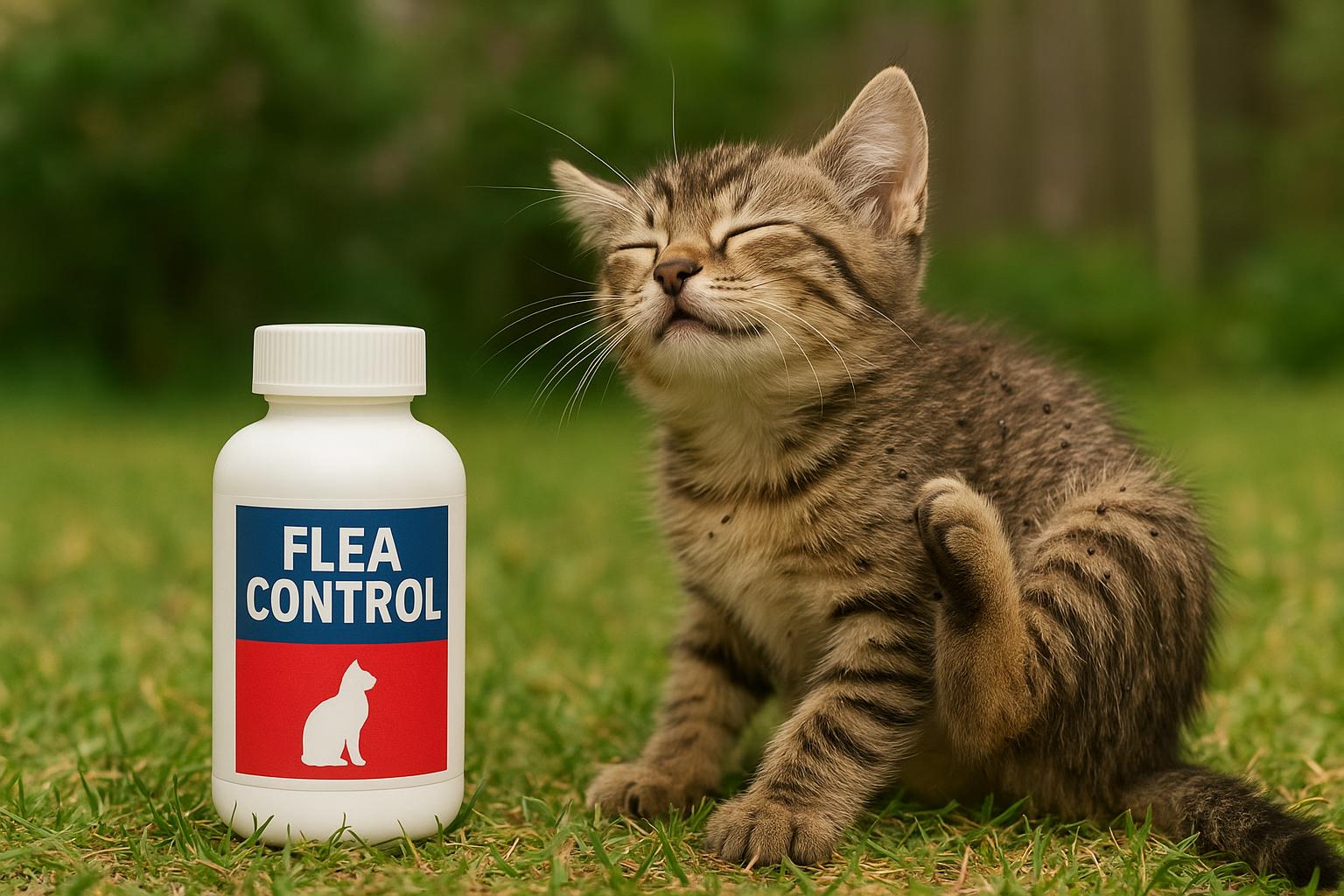
If you’ve ever watched a cat plot subtle revenge on a shampoo bottle, you know they’re particular about what touches their fur. Flea collars are one of the longest-running tools in the anti-flea toolbox, marketed as convenient, long-lasting, and low-fuss. But are they safe for our whiskered companions? This assessment walks through how flea collars work, documented risks, alternatives, and one practical, lower-risk DIY remedy you can make and apply—presented with a bit of friendly frankness.
### How Flea Collars Work
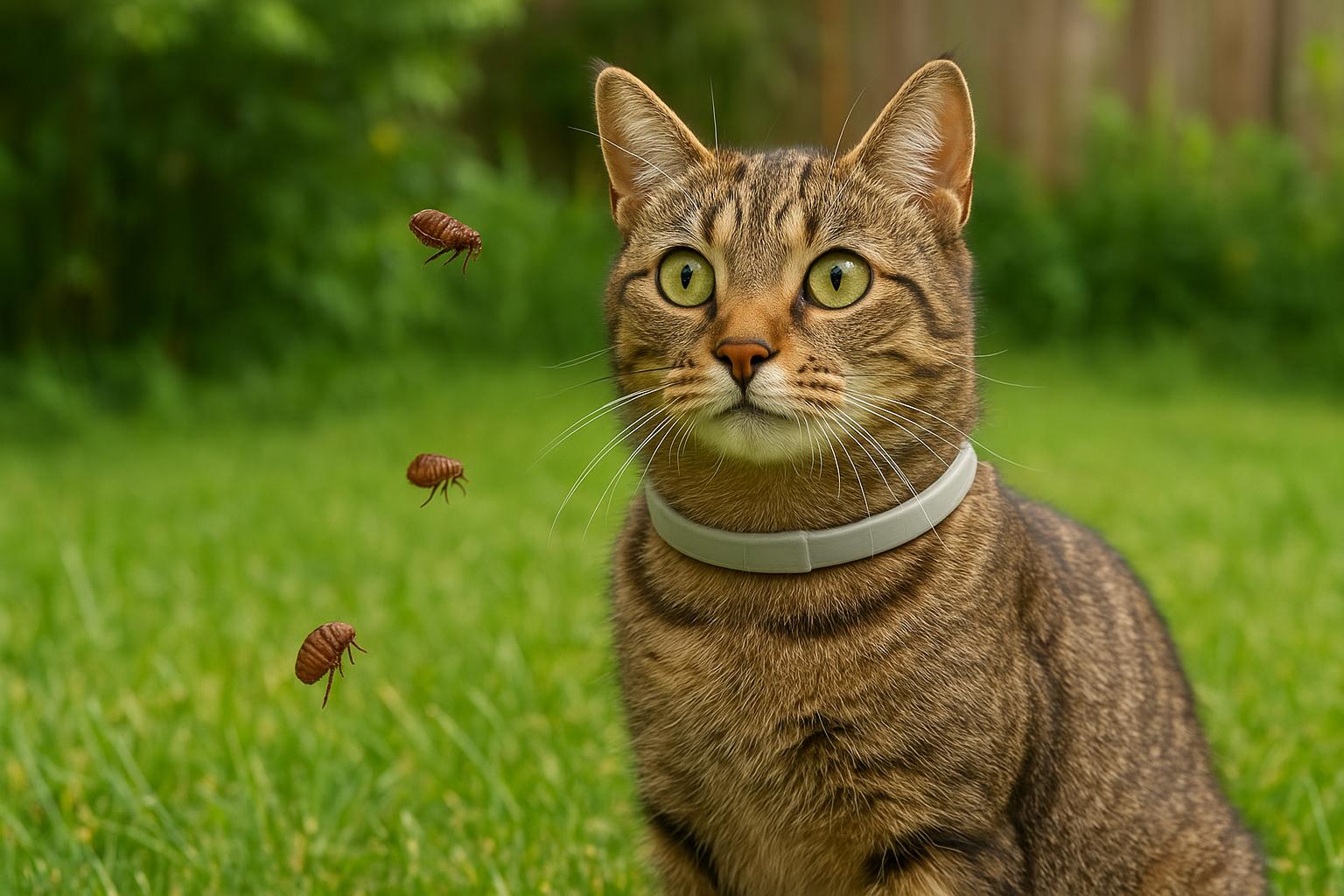
Most modern flea collars release active ingredients that either repel, kill, or interrupt the flea life cycle. Some collars release chemicals into the air around the cat (insecticidal vapors), others transfer ingredients to the cat’s skin and coat via contact, and a few combine both mechanisms. The goal is broad: reduce biting fleas on the cat and, ideally, reduce environmental infestation.
### Types Of Flea Collars
There are several broad categories:
– Insect growth regulators (IGRs) combined with insecticides.
– Pyrethroid-containing collars (more common in dogs; some are cat-safe, others are not).
– Natural or essential oil–based collars claiming repellency rather than lethality.
Not all flea collars are created equal. Ingredient profiles, release mechanisms, and claimed durations differ, and so do safety profiles.
## Safety Risks And Concerns
This is the part where I stop being chirpy and start being candid: flea collars, like any chemical treatment, carry potential risks. Some cats tolerate them fine. Others may have irritation, allergic reactions, or systemic effects.
### Active Ingredients And Toxicity
Important active ingredients you might see include:
– Imidacloprid or flumethrin: commonly used in combination products designed for cats; generally regarded as effective with appropriate use.
– Pyrethroids (permethrin, cypermethrin): extremely toxic to cats and often responsible for severe poisoning when dog products are misapplied to cats.
– Organophosphates and carbamates: older chemistries that can have higher systemic toxicity.
– Essential oils (tea tree, citronella, eucalyptus): variable safety; concentrated oils can cause drooling, ataxia, or liver issues in some cats.
Cats have unique metabolic pathways and limited ability to metabolize certain pesticides. That’s why a product formulated and labeled for cats matters. Never use collars labeled for dogs on a cat.
### Common Side Effects
Local reactions are the most frequent complaints:
– Red, itchy skin or hair loss beneath the collar.
– Excessive grooming, drooling, or behavioral changes.
– Neurological signs in severe cases: tremors, collapse, difficulty walking, excessive salivation.
If the collar contains a potent insecticide and the cat licks or chews at it excessively, ingestion can increase systemic exposure.
### Risk Factors For Cats
Certain factors raise the chance of adverse effects:
– Young kittens, elderly cats, or those with liver disease (reduced ability to detoxify compounds).
– Multiple simultaneous topical products (stacking exposures).
– Incorrect use: collars too tight, left on too long past their effective period, or using non-cat-labeled collars.
– Environmental exposure to other insecticides in the home.
## Assessing Evidence: Studies And Reports
Regulatory bodies evaluate flea collars for efficacy and safety, but post-market adverse event reports and independent studies show variability. Controlled studies often show good efficacy for certain active ingredients when used properly. Conversely, case reports and poison control center data highlight incidents of poisoning—frequently linked to misuse (e.g., dog collars used on cats) or unknown sensitivities.
### Regulatory Guidance And Recalls
Agencies such as the EPA (in the U.S.) and similar authorities in other countries require labeling and safety testing for pesticide-containing products. Periodic safety alerts and product recalls do occur; check manufacturer guidance, country-specific regulatory websites, and your vet if you’re unsure about a specific brand.
#### Reporting And Monitoring
If you suspect a reaction, document the product name, lot number, and the timeline of events. Report adverse events to your veterinarian and the relevant regulatory agency—this helps track patterns and protect other animals.
## Alternatives And Safer Practices
If flea collars make you nervous (a sensible reaction), there are alternatives:
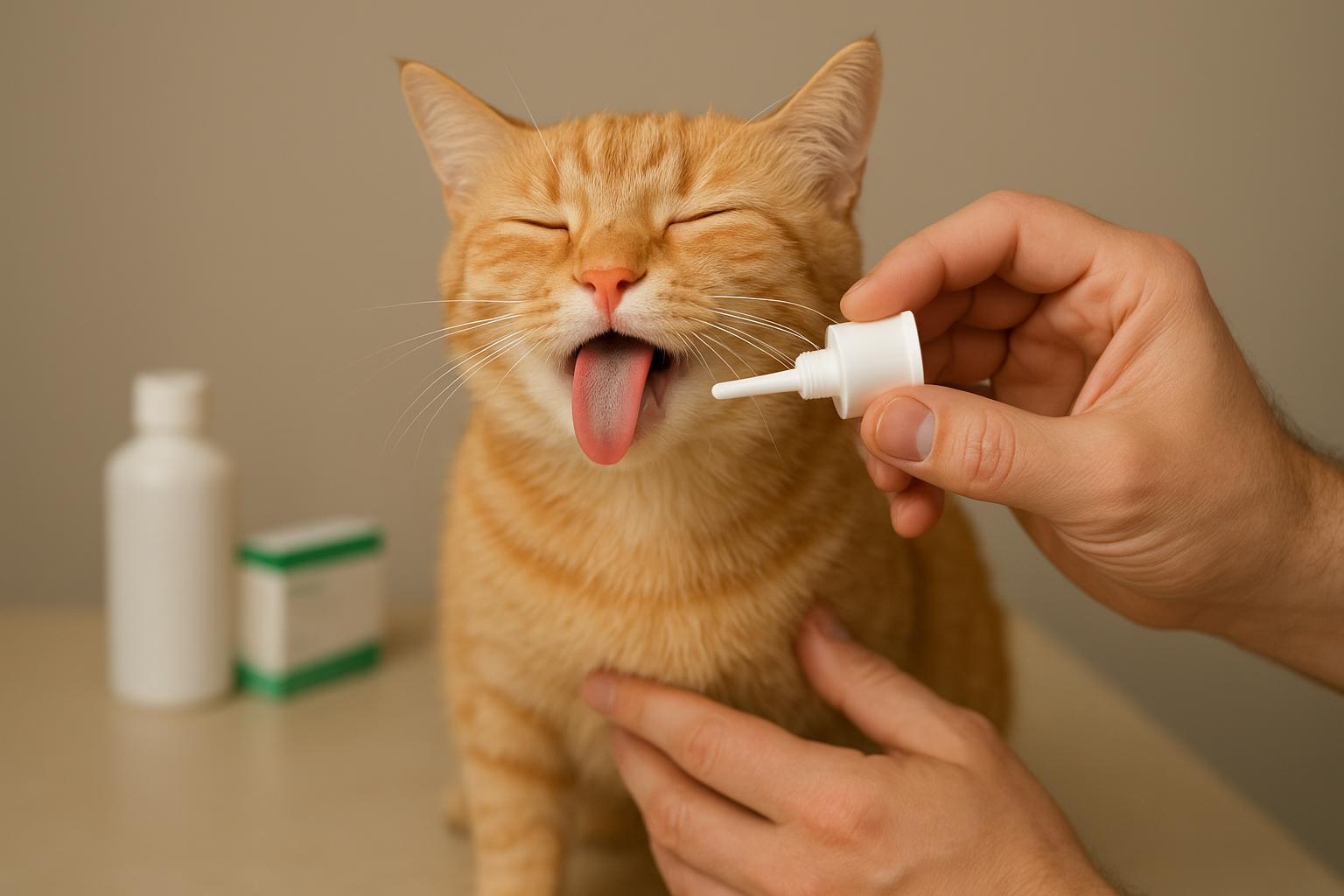
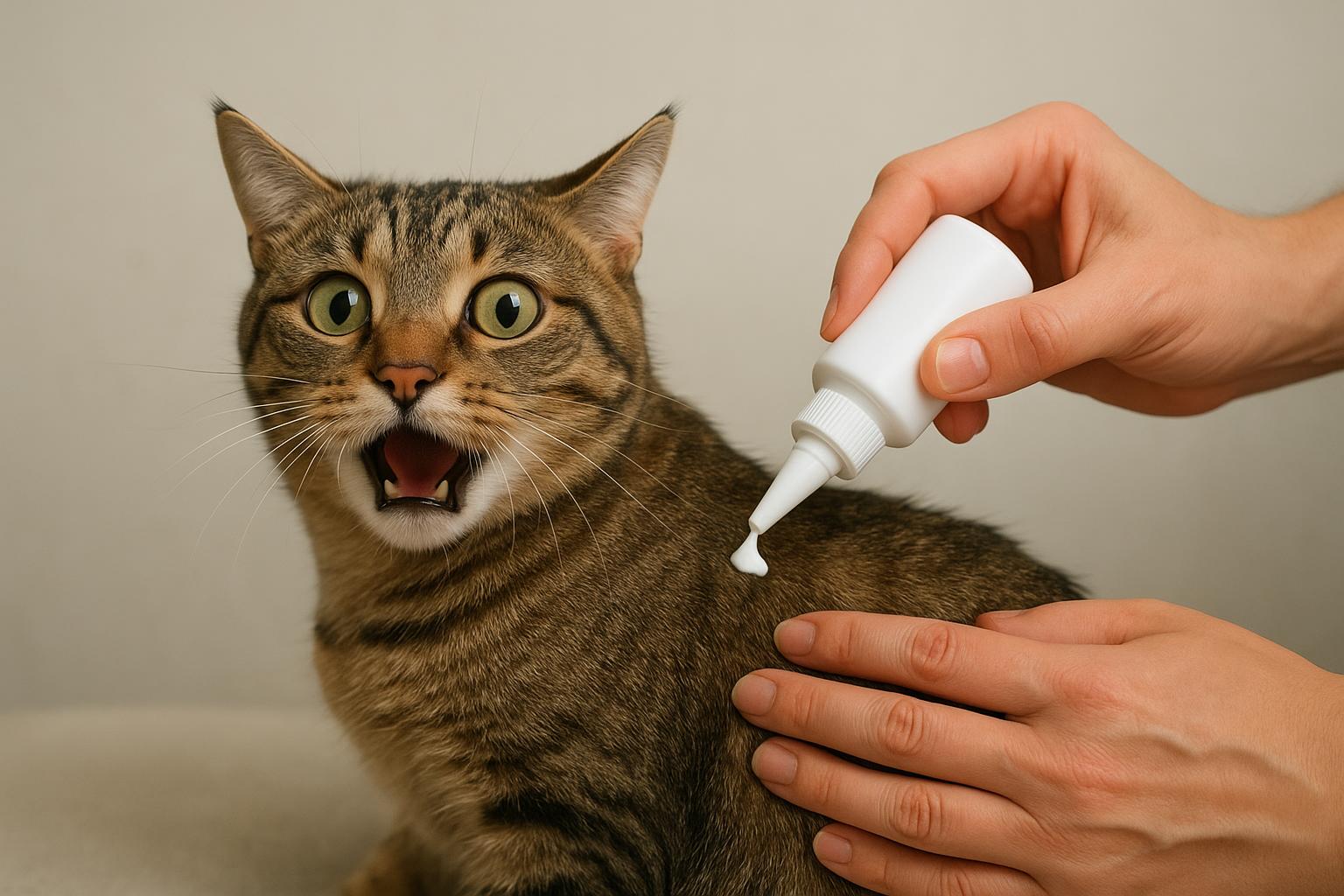
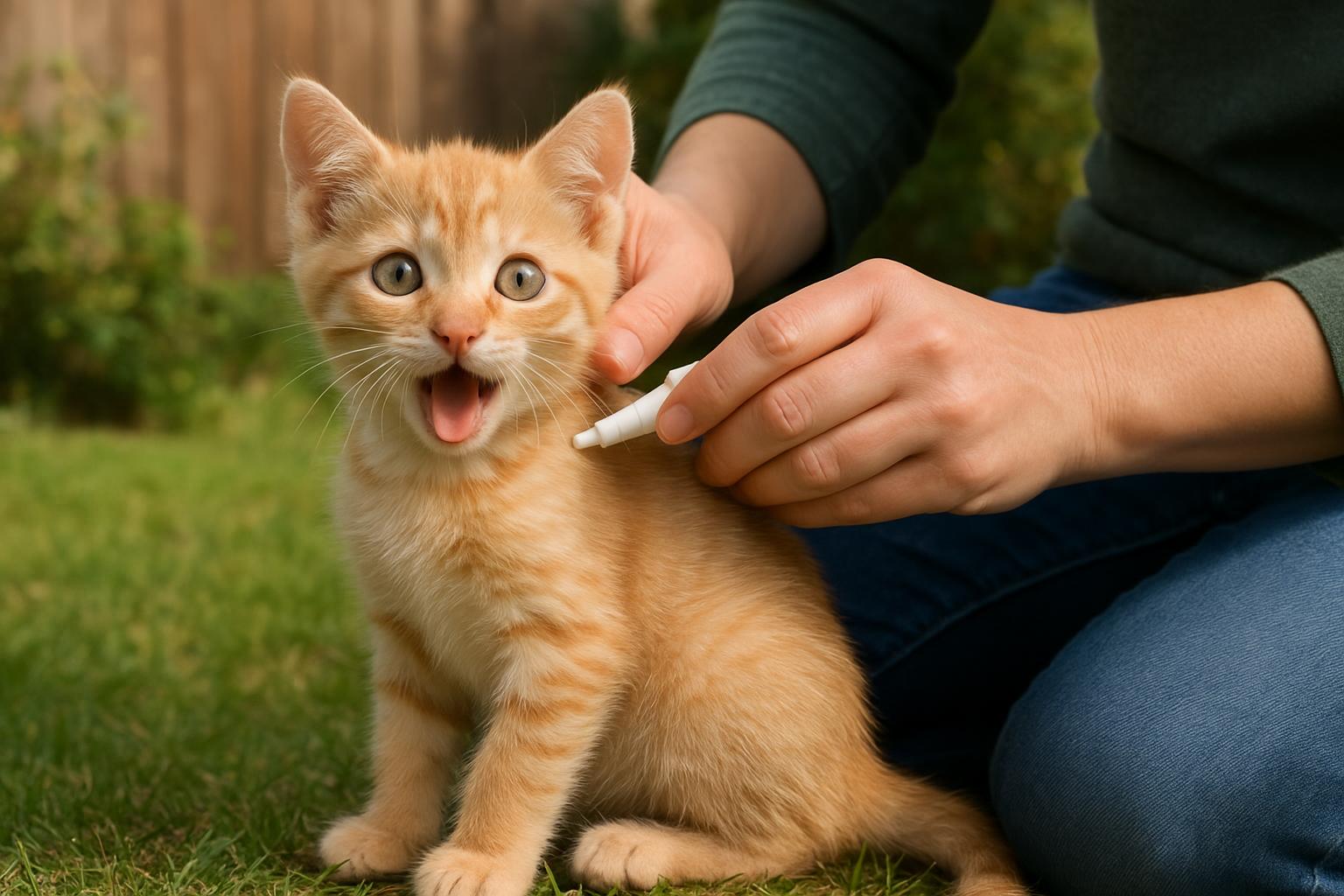
– Topical spot-on treatments specifically labeled for cats.
– Oral flea medications prescribed by a veterinarian.
– Environmental control: vacuuming, washing bedding, and treating indoor spaces if infestation is present.
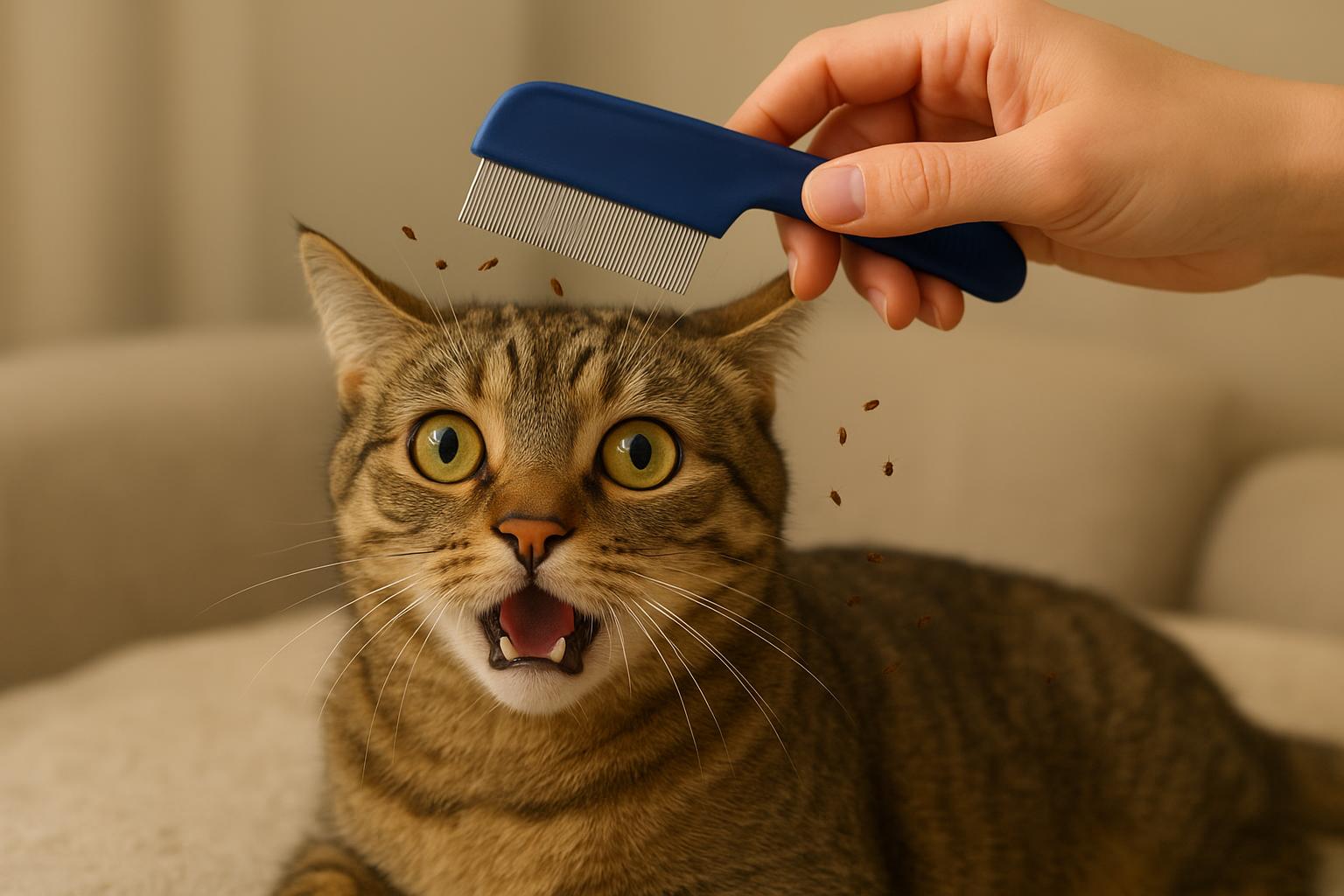
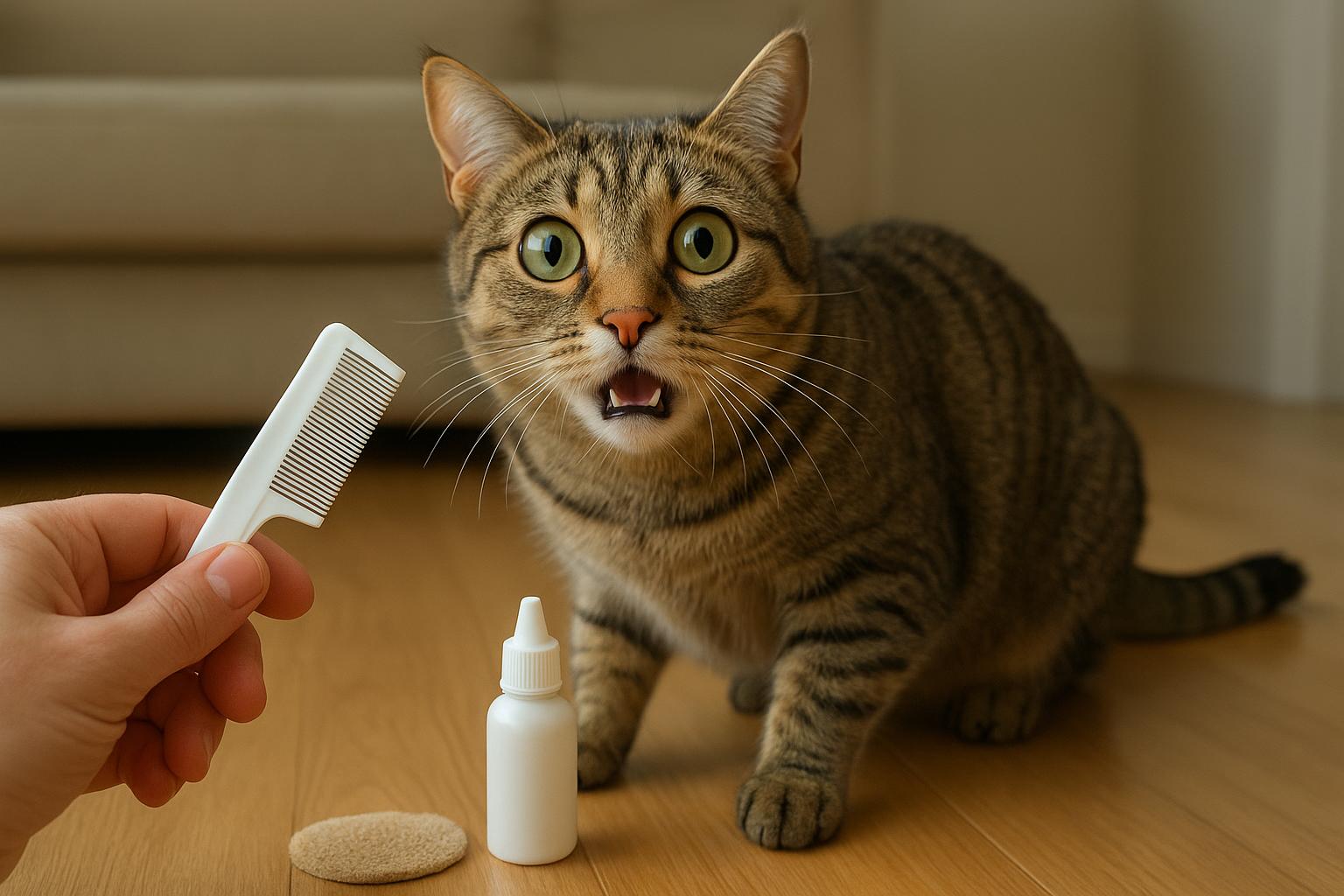
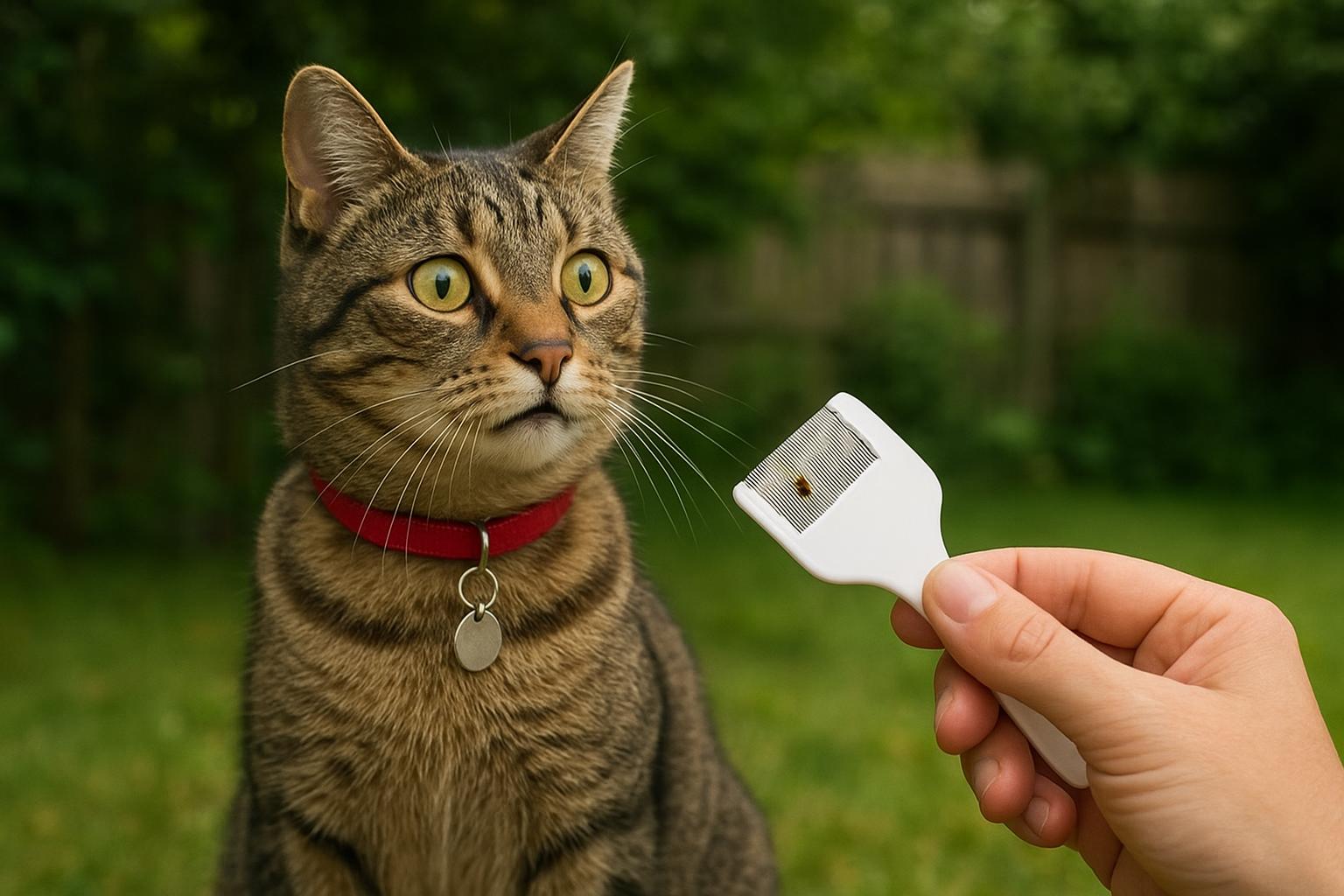
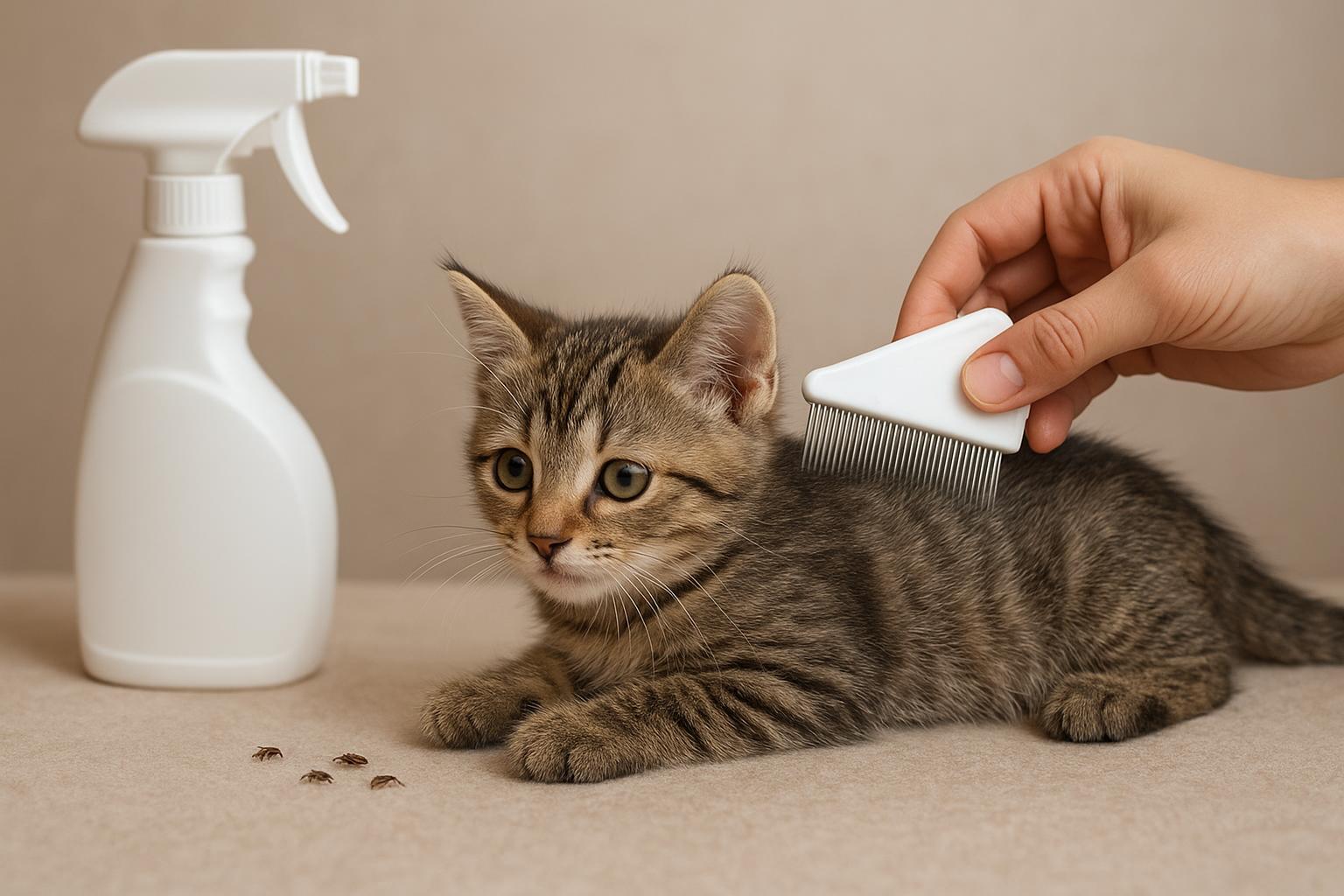
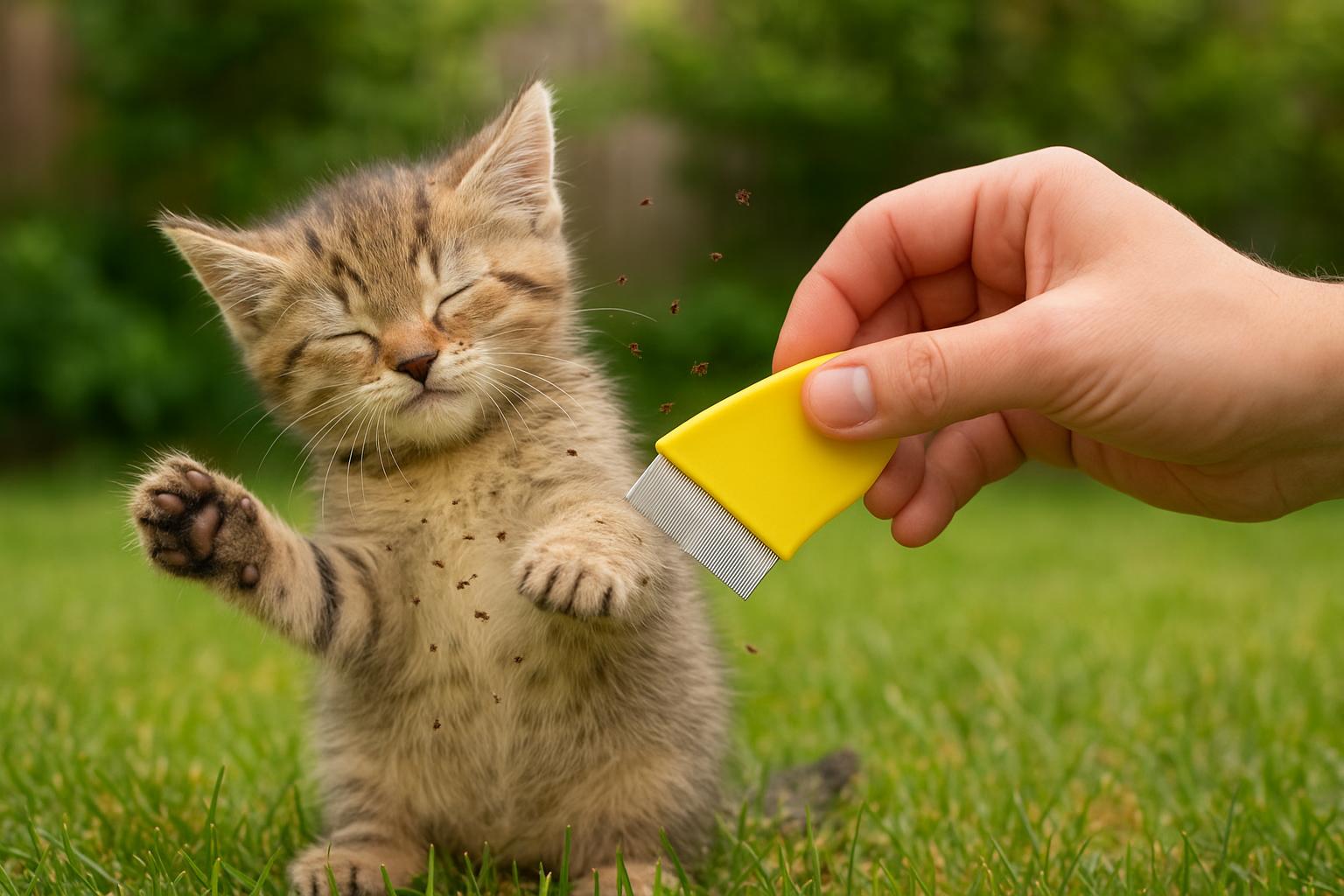
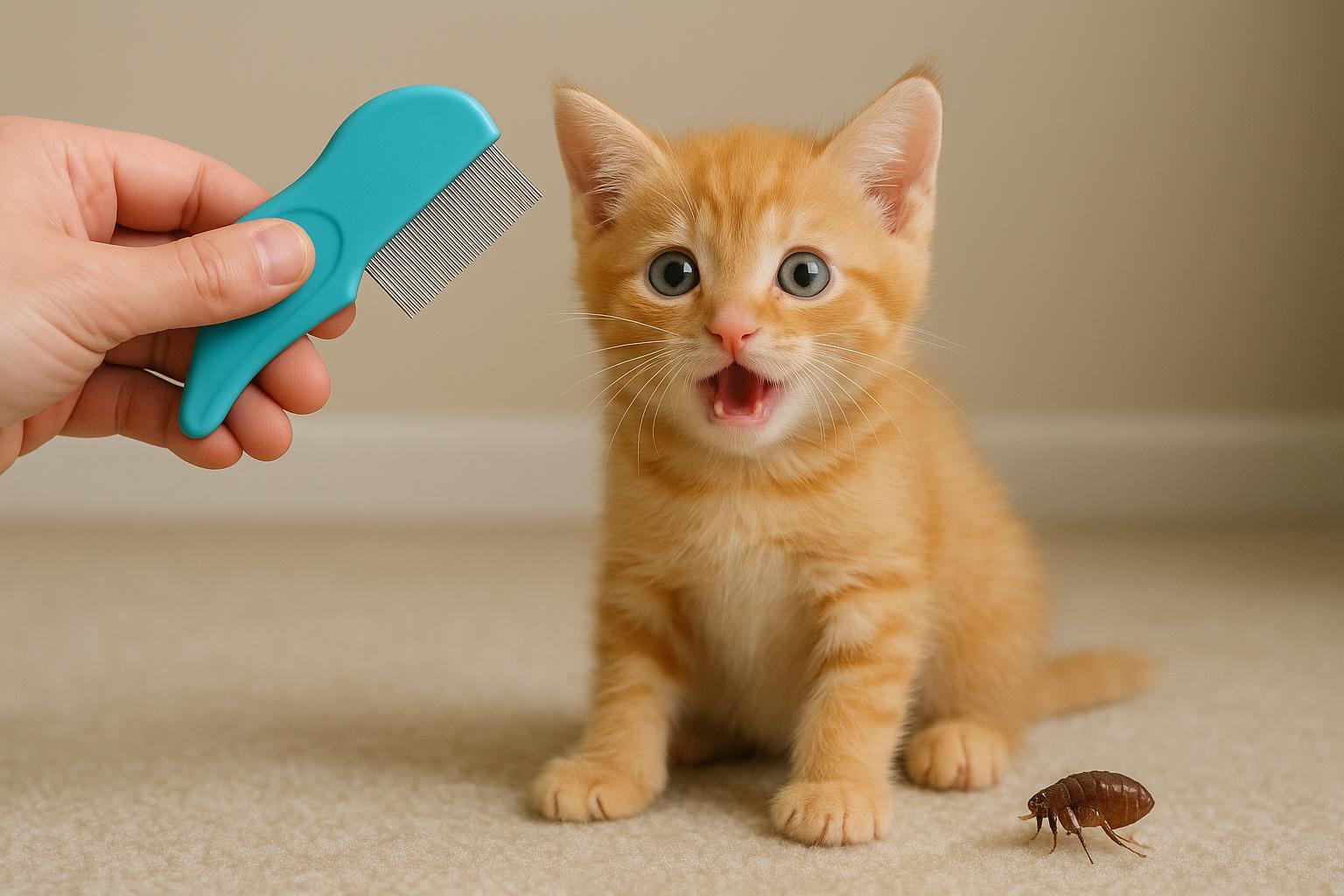
– Mechanical control: frequent grooming with a fine-tooth flea comb and bathing if appropriate.
Using a product labeled and dosed for cats, applying only one topical product at a time unless advised by your veterinarian, and monitoring your cat after first use are practical safety habits.
### When To See Your Veterinarian
If your cat develops persistent rubbing, redness, vomiting, lethargy, tremors, or other concerning signs after introducing a flea collar or any new product, contact your veterinarian immediately. Emergency clinics and poison control hotlines are available if severe symptoms appear.
#### Signs Of Severe Reaction
– Seizures or collapse
– Severe respiratory distress
– Profuse drooling with coordination loss
## Remedy 1: Homemade Flea Collar Alternative (Low-Risk Approach)
If you prefer to avoid store-bought chemical collars, here’s a conservative, low-risk alternative focused on repellency and comfort rather than killing fleas. Note: this is not a substitute for treating a heavy infestation. For active flea infestations, use veterinarian-recommended products.
Ingredients / Materials:
– 1 soft, adjustable fabric cat collar (breakaway style recommended)
– 1 small square of cotton muslin or felt (about 2 x 2 inches)
– 2–3 drops lavender essential oil (use sparingly; many cats tolerate low concentrations)
– 2–3 drops cedarwood essential oil (optional; safer than many oils but still use conservatively)
– 1 teaspoon carrier oil (fractionated coconut oil or sweet almond oil)
– Small resealable bag for storage
– Gloves for handling (optional)
– Scissors and needle-and-thread or fabric glue
Creation And Application Steps:
1. Prepare The Sachet: Cut the muslin or felt into a small square. This will hold the diluted oils and prevent direct contact between concentrated oils and the cat’s skin.
2. Dilute The Oils: In a small container, mix the carrier oil with the essential oils—2–3 drops lavender and 1–2 drops cedarwood per teaspoon of carrier oil. This yields a low-concentration dilution. Excess concentration can irritate cats.
3. Treat The Fabric: Place the muslin square on a clean surface and apply the diluted oil mixture sparingly—just enough to dampen the fabric without dripping.
4. Seal The Sachet: Fold or stitch the fabric into a small pouch. Ensure there are no loose threads that could be chewed off. If sewing is not possible, use fabric glue and allow full curing time.
5. Attach To Collar: Thread the small pouch onto the breakaway collar or secure it to the outside of the collar so it rests near the back of the neck. The pouch should not press against the skin; the breakaway collar should fit loosely enough to allow two fingers’ width while still preventing slipping off.
6. Monitor The Cat: After putting the collar on, watch for any signs of irritation, increased grooming at the neck, or behavioral changes for at least 48 hours. Remove immediately if any reaction occurs.
7. Recharge Or Replace: Refresh the sachet every 7–10 days by reapplying the same diluted oil mixture. Replace the pouch every 3–4 weeks or sooner if it becomes soiled.
Safety Notes (Formal):
– Do not apply essential oils directly to the cat’s skin or fur undiluted.
– Avoid other oils known to be unsafe for cats (e.g., tea tree oil in higher concentrations).
– This remedy aims for repellency and comfort; it does not eradicate flea infestations. Pair with environmental cleaning and veterinarian-recommended flea control if fleas are present.
– If your cat is pregnant, nursing, a kitten under 12 weeks, or has known respiratory or dermatologic sensitivities, consult a veterinarian before use.
## Practical Use Tips For Flea Collars And Alternatives
If you choose to use commercial flea collars:
– Read labels carefully and select products specifically labeled for cats.
– Follow application and duration instructions precisely.
– Avoid combining multiple topical products unless advised by a veterinarian.
– Check your cat’s neck regularly for irritation; rotate the collar position slightly if you notice hair loss or sores.
– Store unused collars in a cool, dry place away from children and other pets.
Keep a record of products you’ve tried and any reactions—this helps your vet make better recommendations over time. And when in doubt, professional guidance is worth the peace of mind.





Leave a Reply