
## Flea Sources: Where They Come From In Your Home
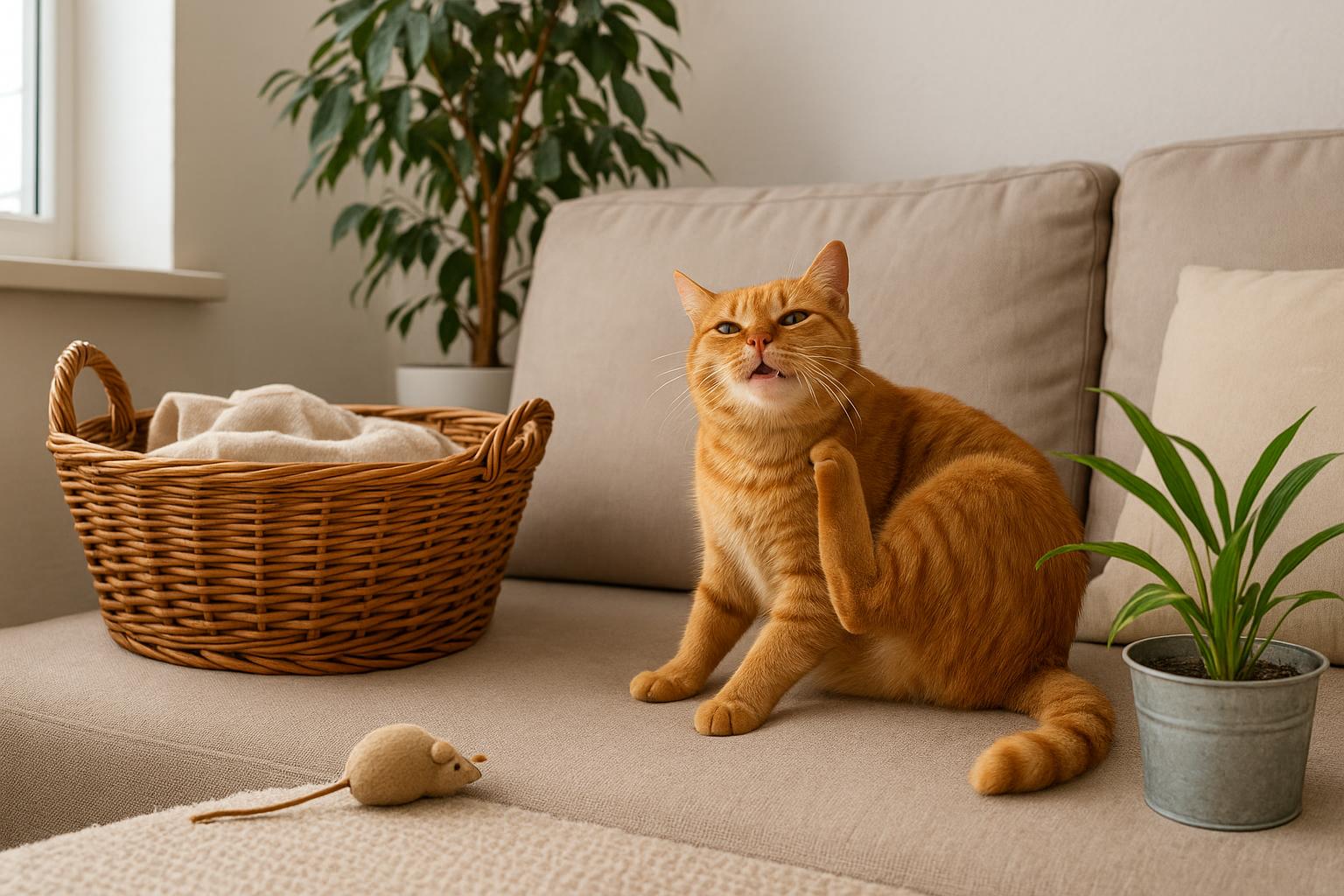
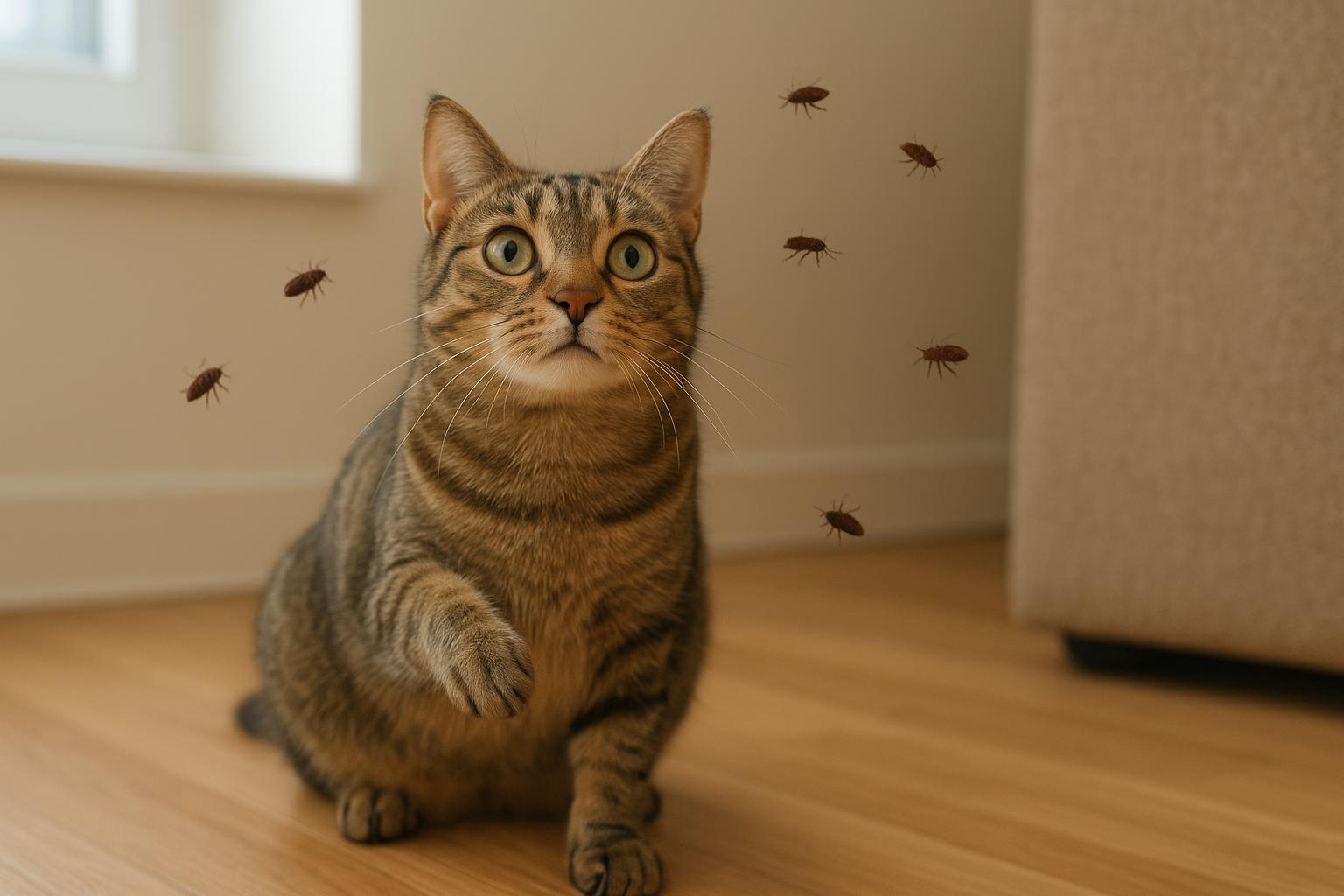
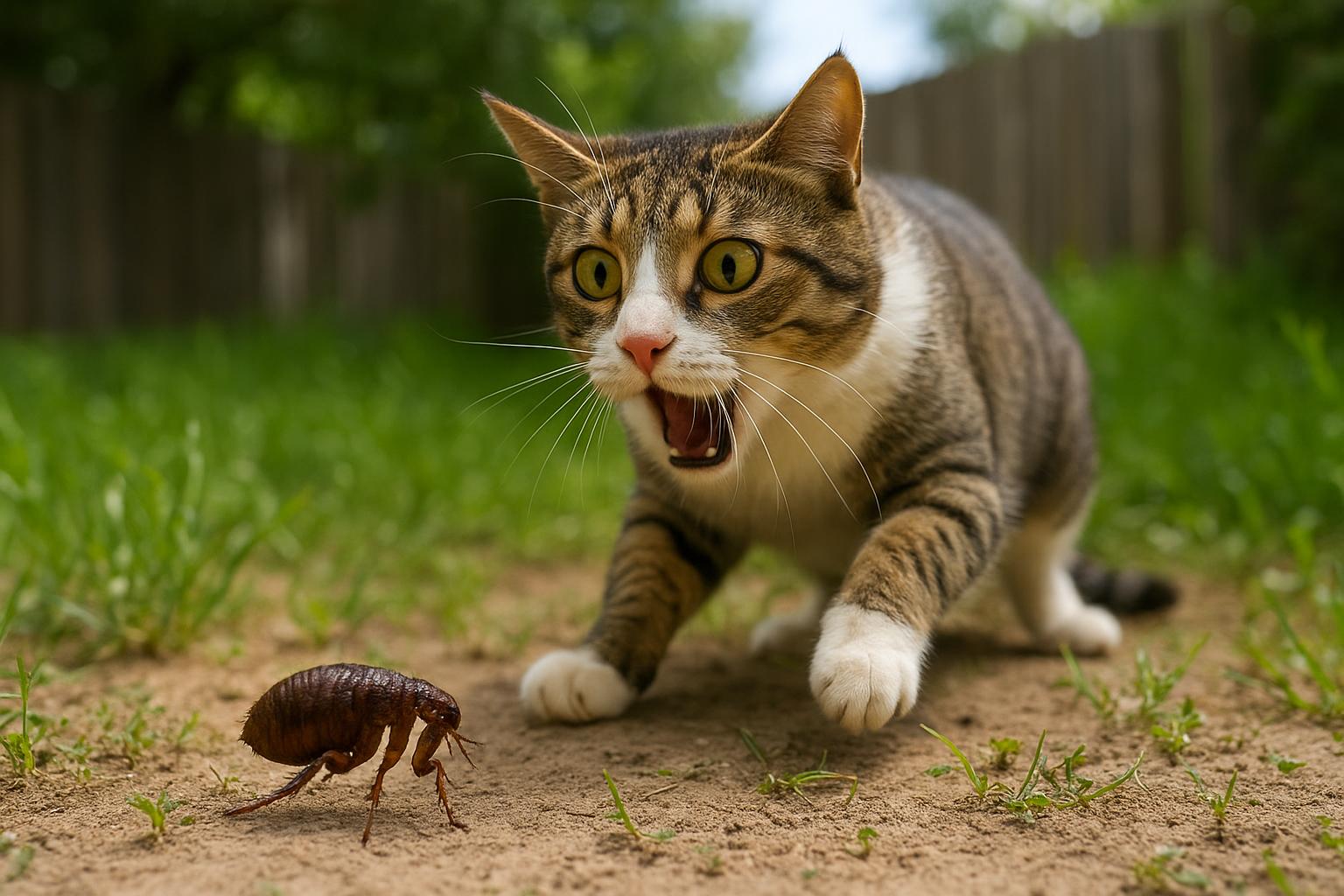
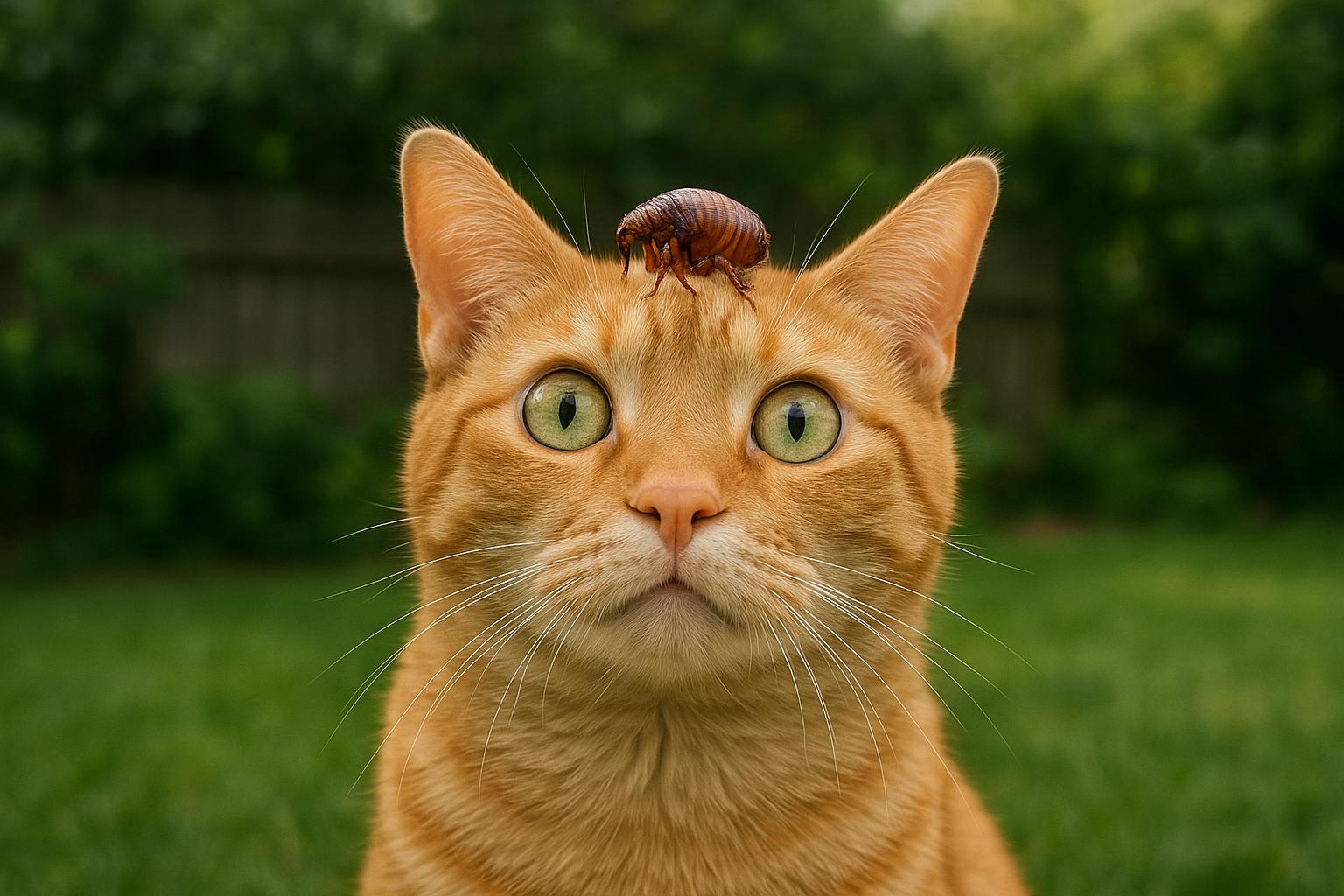
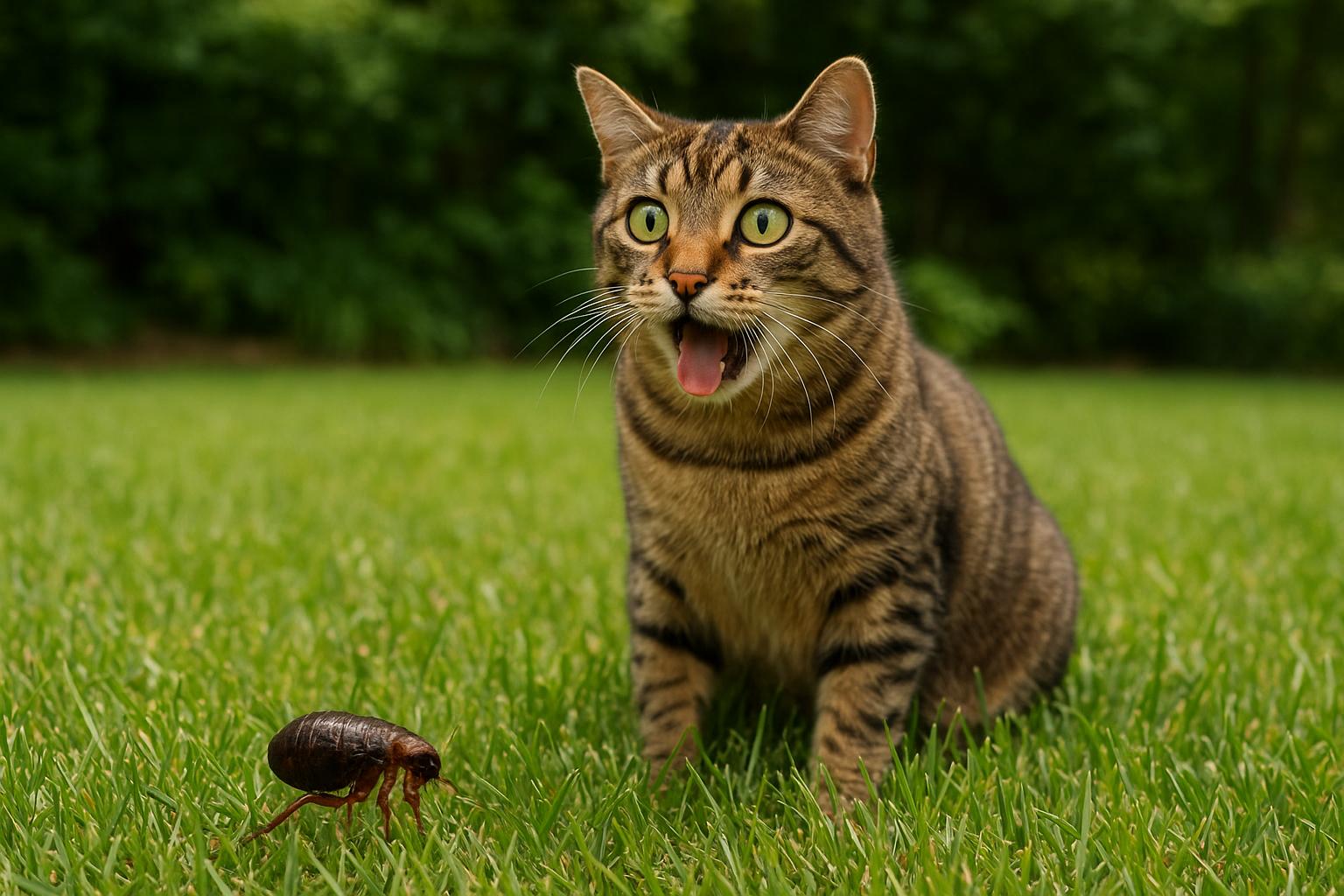
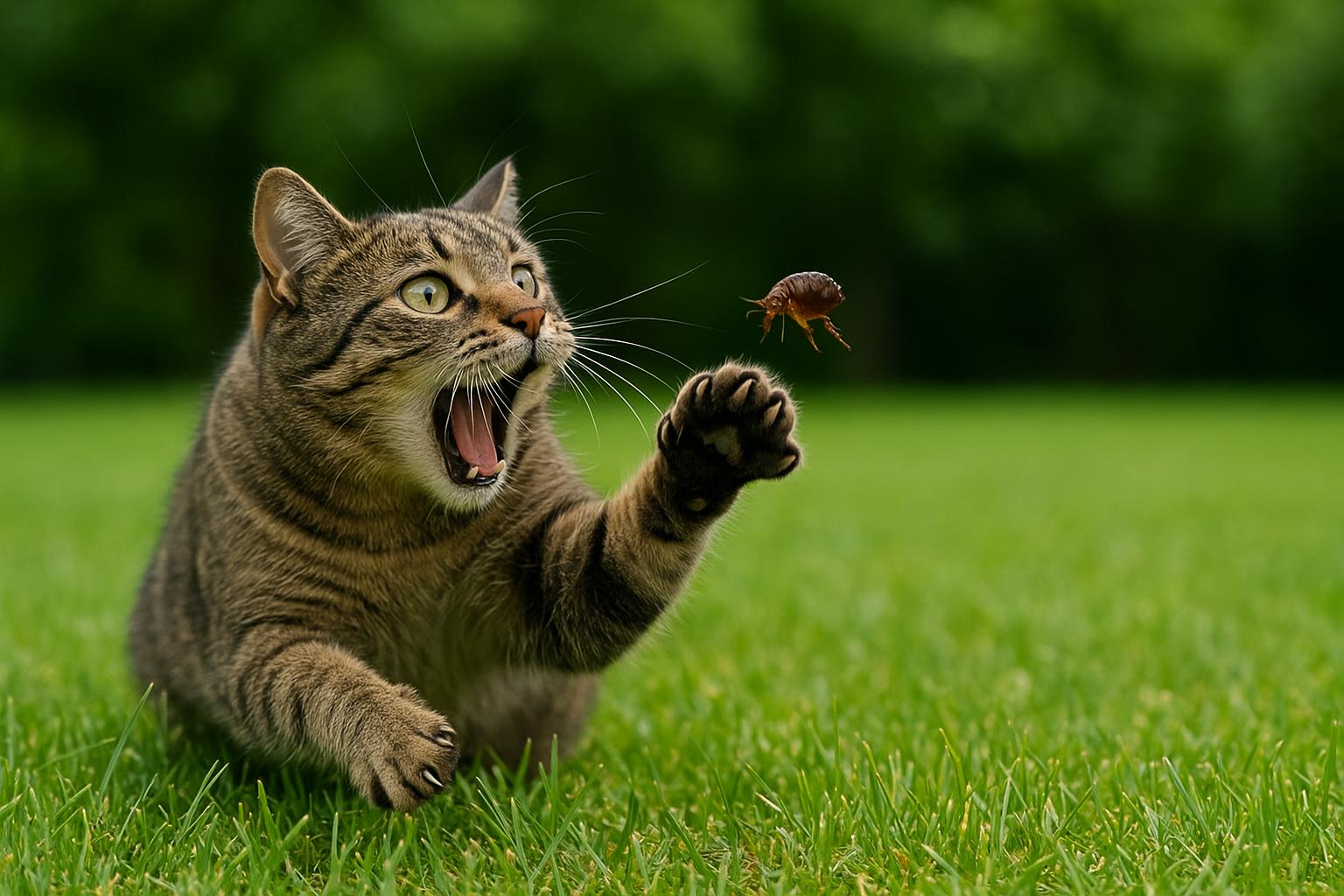
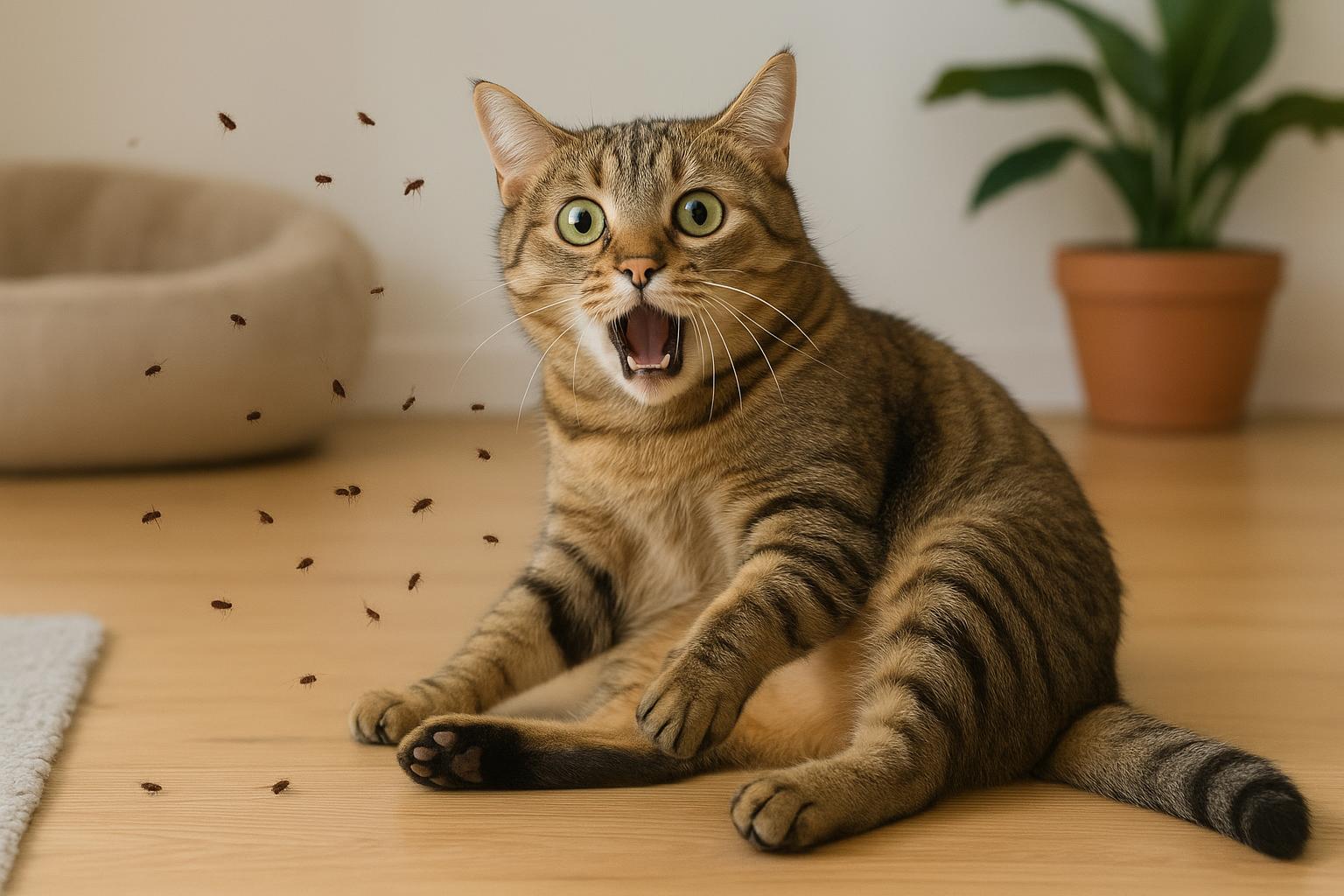
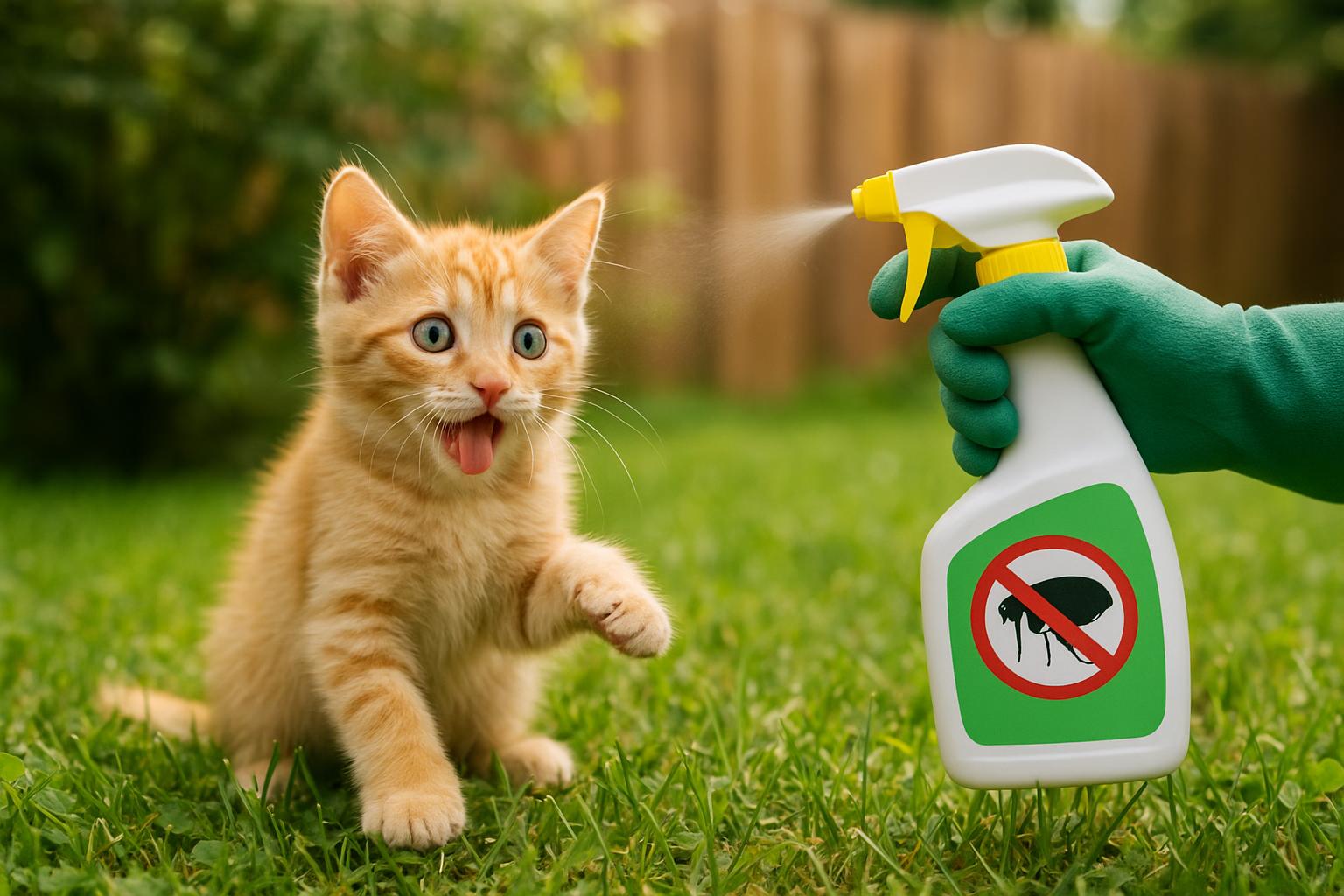
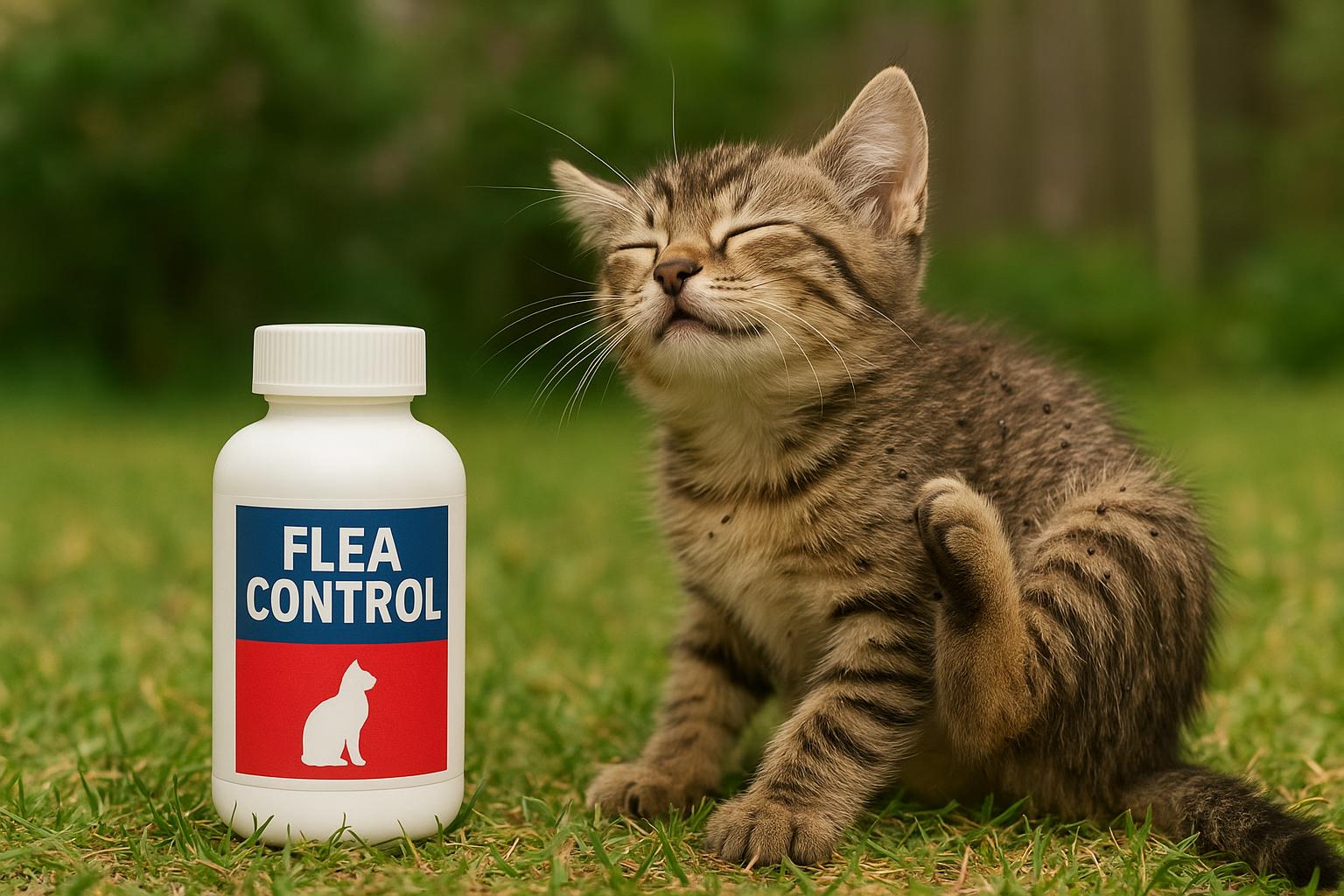
If your indoor cat suddenly looks like it’s auditioning for a tiny vampire role, you’re probably wondering how fleas got in. Short answer: they’re not picky. Long answer: there are a surprising number of flea sources that can deliver hitchhiking critters into your living room in a single afternoon. Let’s walk through the usual suspects (and a few sneaky ones) so you can stop the itch cycle fast.
### How Fleas Get Indoors So Fast
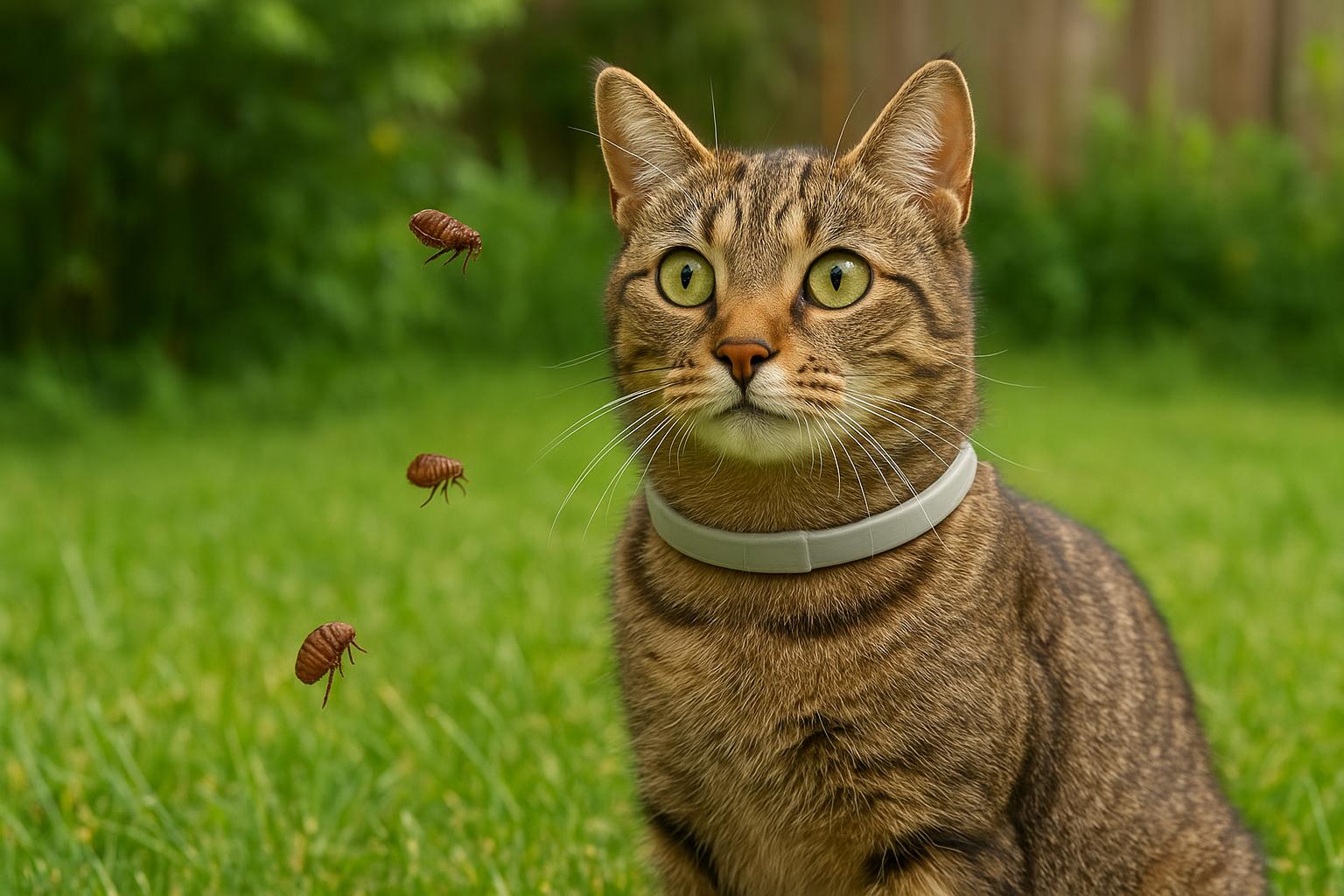
Fleas are master hitchhikers. Adult fleas latch on to warm, furry hosts and move between animals, people, and fabric. They don’t need long-term residency on a host to drop off eggs in an inviting carpet or a comfy couch. Even one pregnant female flea can lay dozens of eggs and start an infestation before you realize what’s happening.
### Common Flea Sources You Might Overlook
#### Carpets And Area Rugs
Carpet fibers and rug fringes are like flea nurseries: dark, warm, and full of organic bits. Eggs and larvae hide deep in tufts where vacuums don’t always reach.
#### Furniture And Upholstery
Couches, pet beds, and upholstered chairs trap shed skin and food crumbs — ideal for larvae to feed on before becoming jumping adults.
#### People, Shoes, And Clothing
Fleas can hitch a ride on shoes, pant legs, or on visitors who recently petted neighborhood pets. Your downstairs neighbor’s dog doesn’t even need to visit — the flea can catch a lift.
#### Other Pets And Wildlife
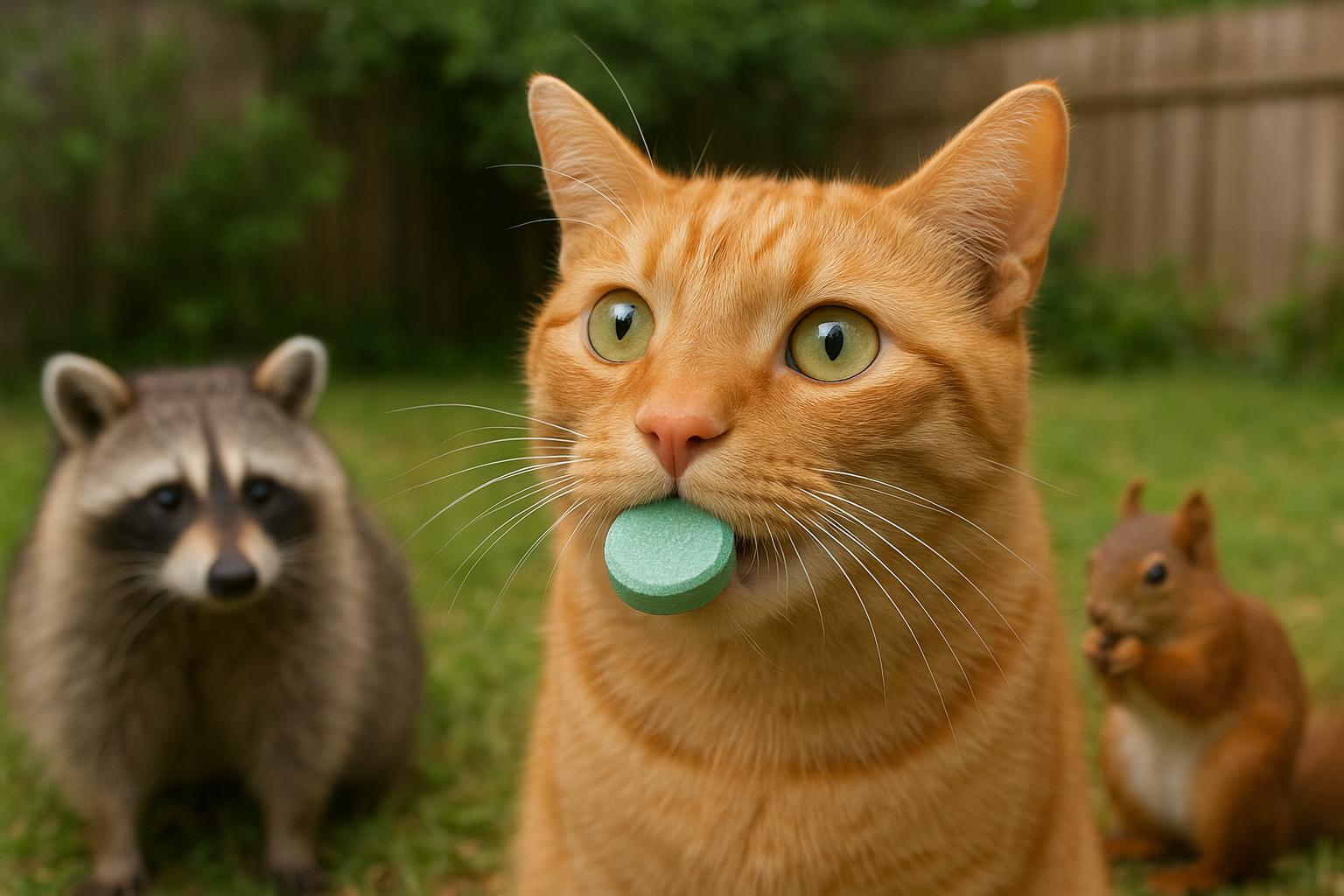
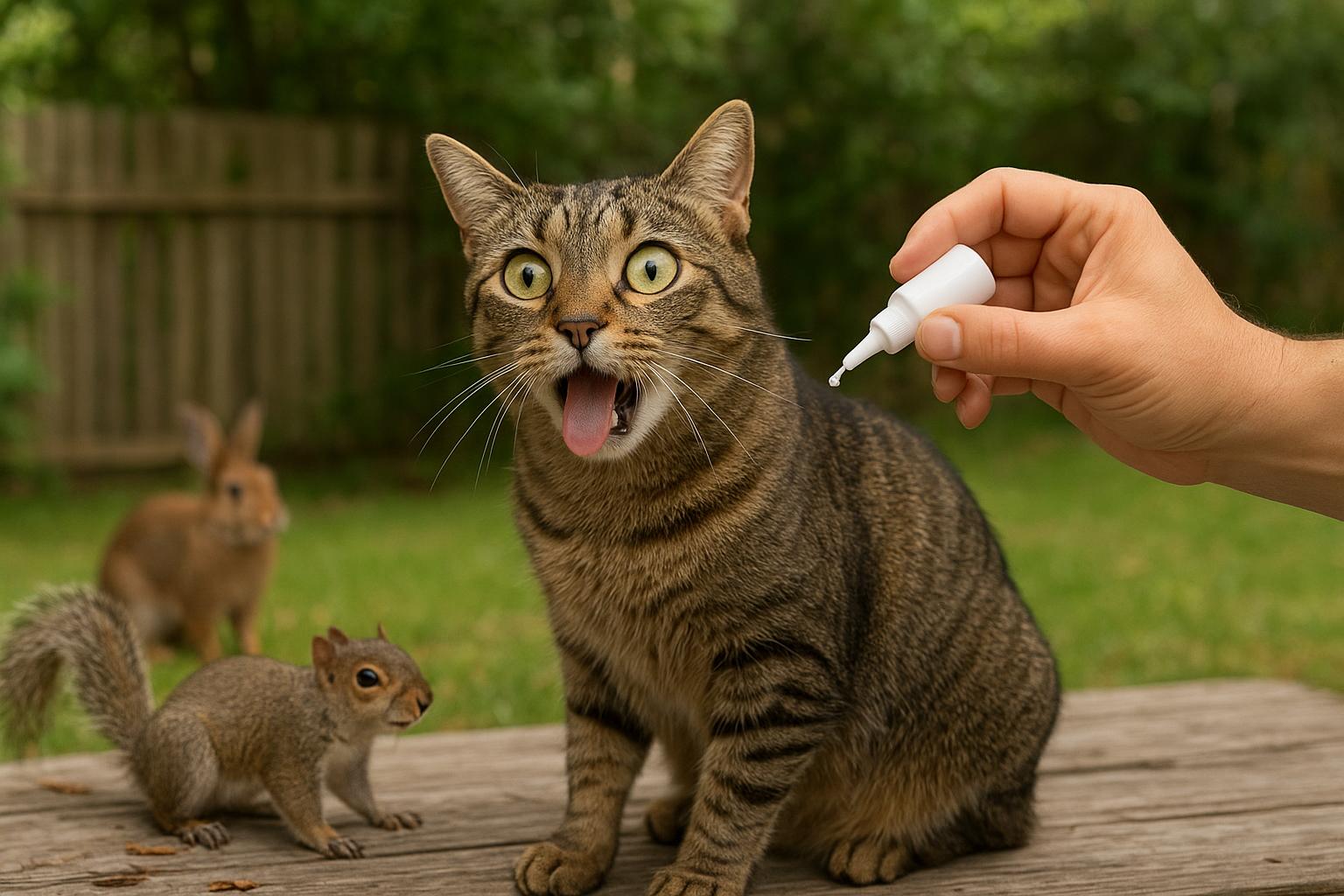
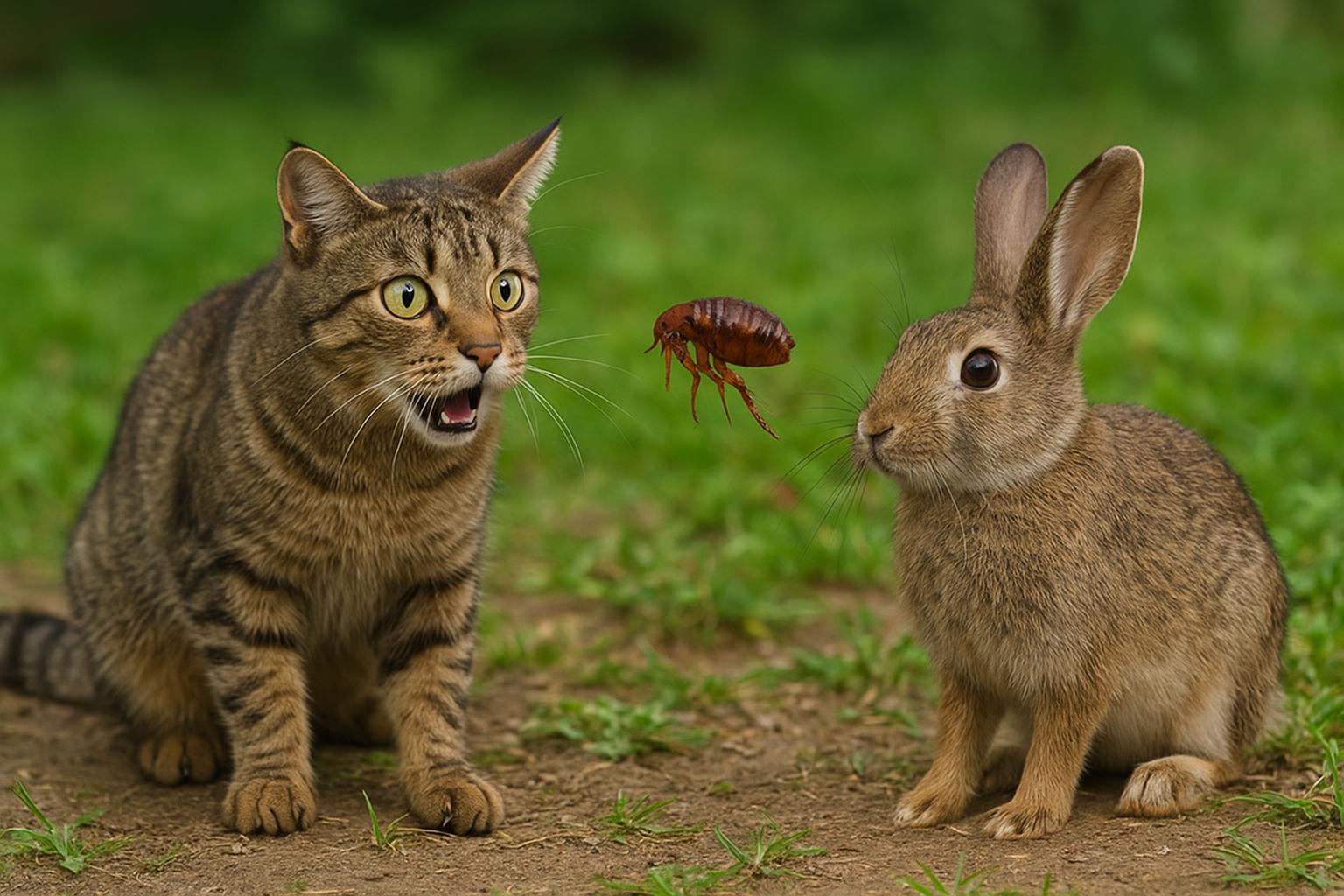
Indoor cats commonly contract fleas from other household pets that go outside (dogs, outdoor cats), or from rodents, squirrels, and feral cats that drop by the yard. Even a brief encounter outside can be enough.
#### Secondhand Furniture And Textiles
That thrift store chair or antique rug can bring with it hidden flea life stages. Always inspect and clean used items before bringing them into a flea-free home.
## How Fleas Find Indoor Cats Quickly
Fleas are attracted to carbon dioxide, body heat, and movement. An indoor cat sleeping on a sunny window perch is an irresistible target. Once a flea jumps on, it feeds quickly and starts laying eggs—often within 24–48 hours. Because flea eggs and larvae live off the environment rather than the pet, you can have an invisible reservoir of future fleas in your home long after the first adults are gone.
### Signs Of A Rapid Infestation
– Frequent scratching, redness, or small scabs on your cat
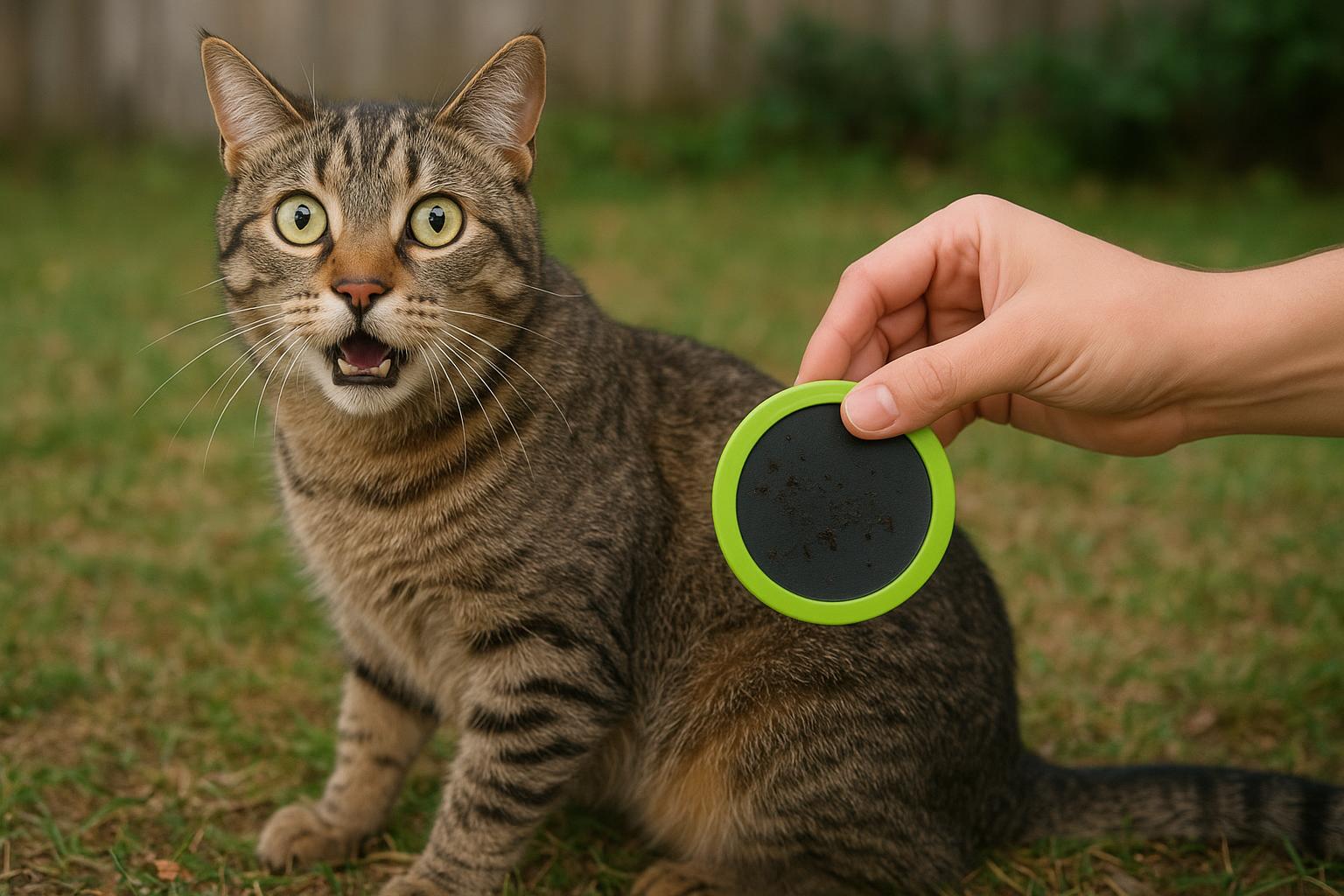
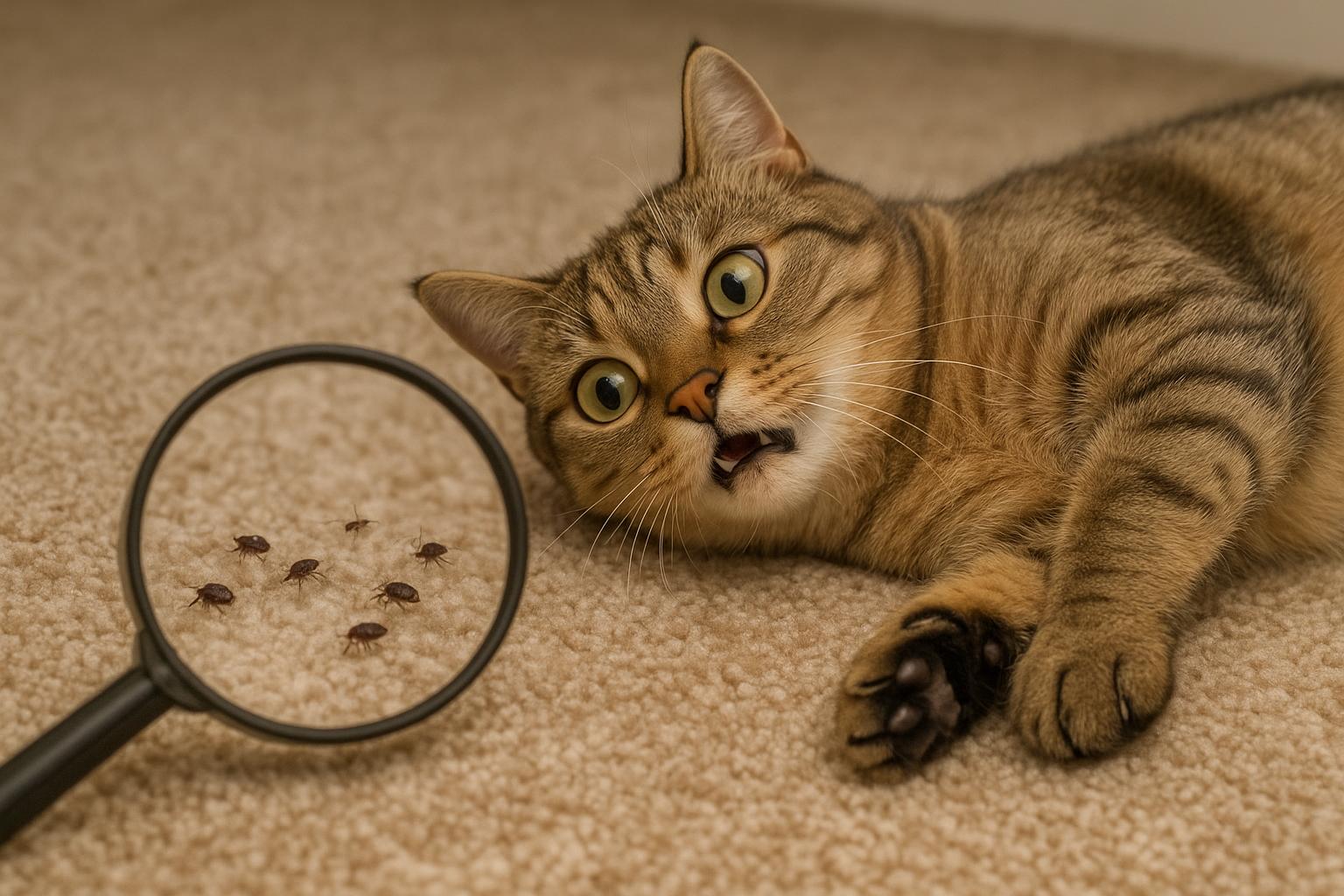
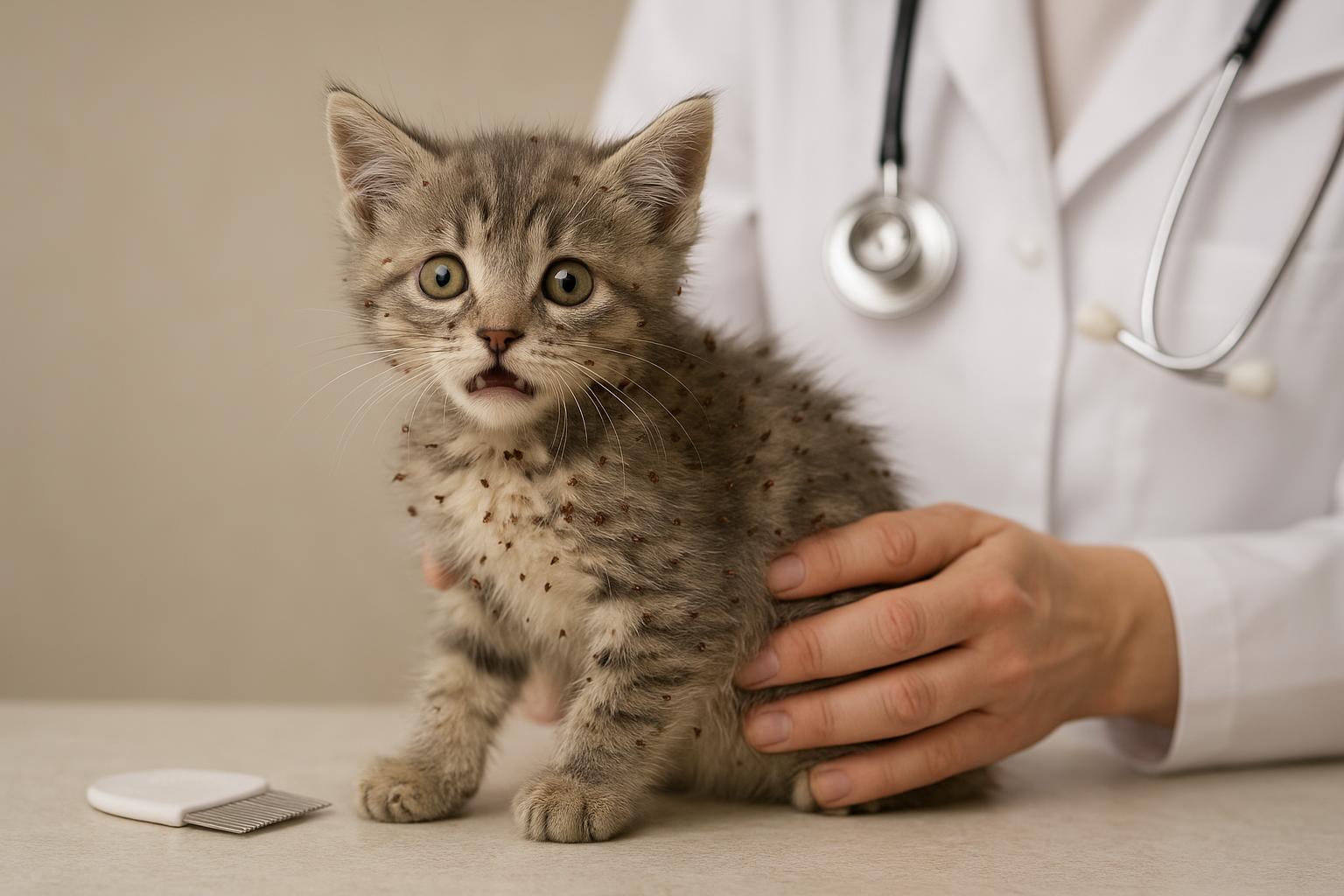
– Tiny black “flea dirt” (digestive waste) on fur or bedding
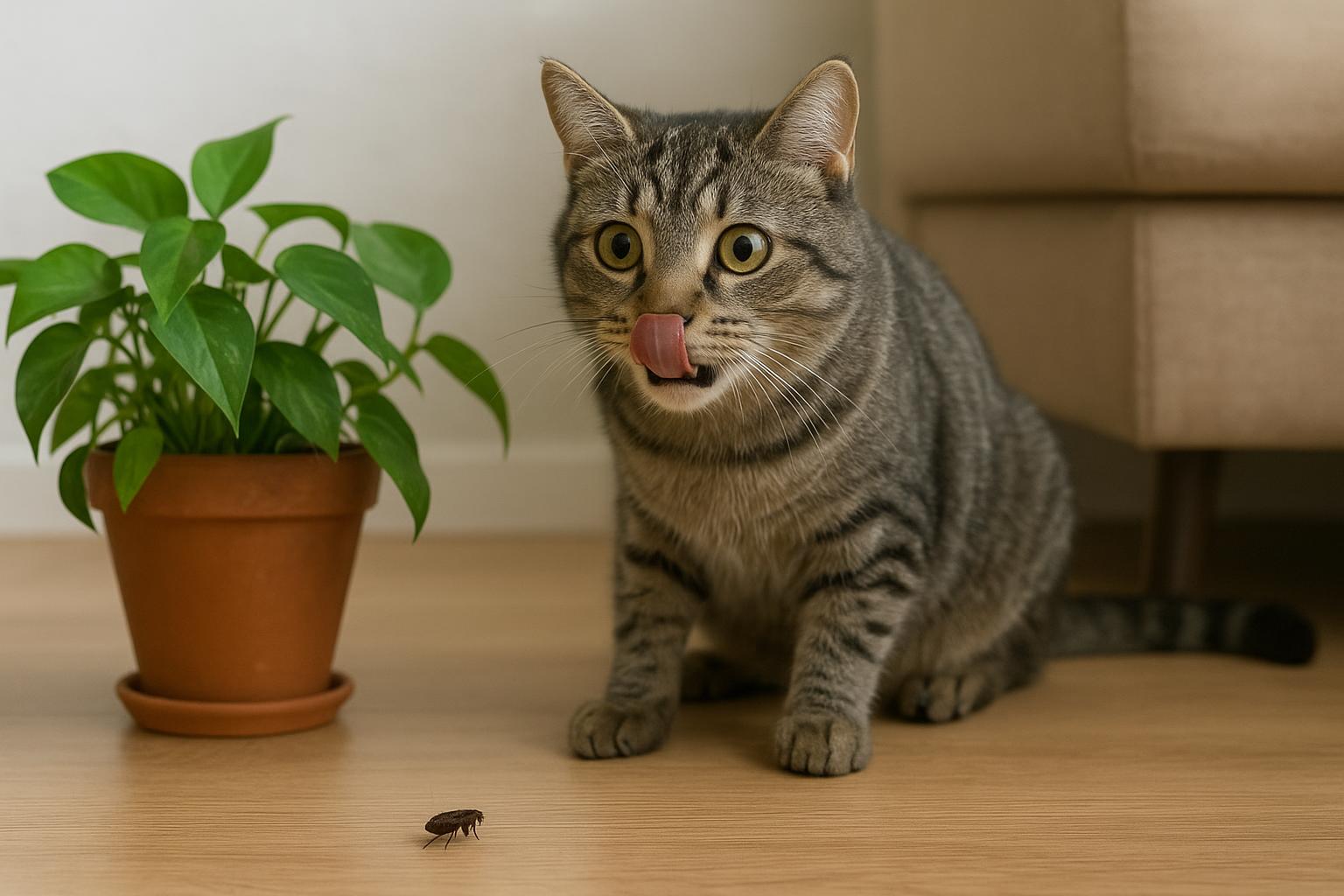
– Adult fleas seen moving on the cat or around furniture
– Increased flea numbers after a visitor with a pet or after bringing in used textiles
## Remedy 1: Environmental Control And Home Treatment
Below is a formal, step-by-step home treatment plan focused on eliminating flea sources in the environment. Follow these steps carefully and consistently for best results.
Materials/Ingredients
1. High-suction vacuum with a bag or sealed canister
2. Hot water and detergent for laundering
3. Food-grade diatomaceous earth (optional; labeled for indoor use)
4. Insect growth regulator (IGR) spray or mousse labeled for indoor use (containing pyriproxyfen or methoprene)
5. Disposable gloves and mask (for dust products)
6. Stiff-bristled brush or upholstery tool
7. Trash bags
8. Flea traps (optional: small light-and-sticky traps)
Step-by-Step Application
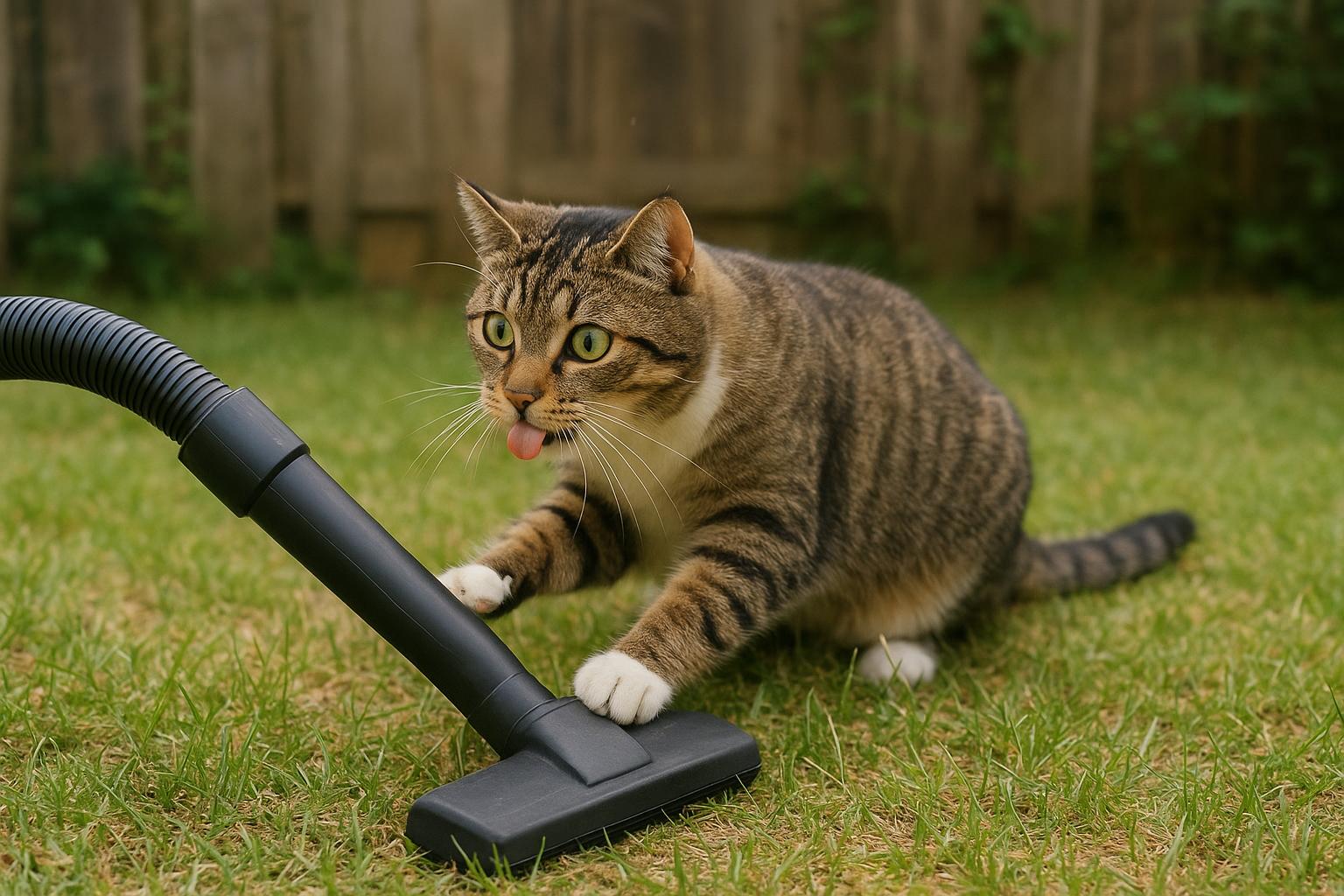
1. Start With A Thorough Vacuuming: Vacuum all carpets, rugs, furniture, and along baseboards. Use attachments to get into upholstery creases and under cushions. Vacuum daily for at least two weeks. Immediately seal and dispose of the vacuum bag or empty and seal the canister contents into a trash bag and remove from the home.
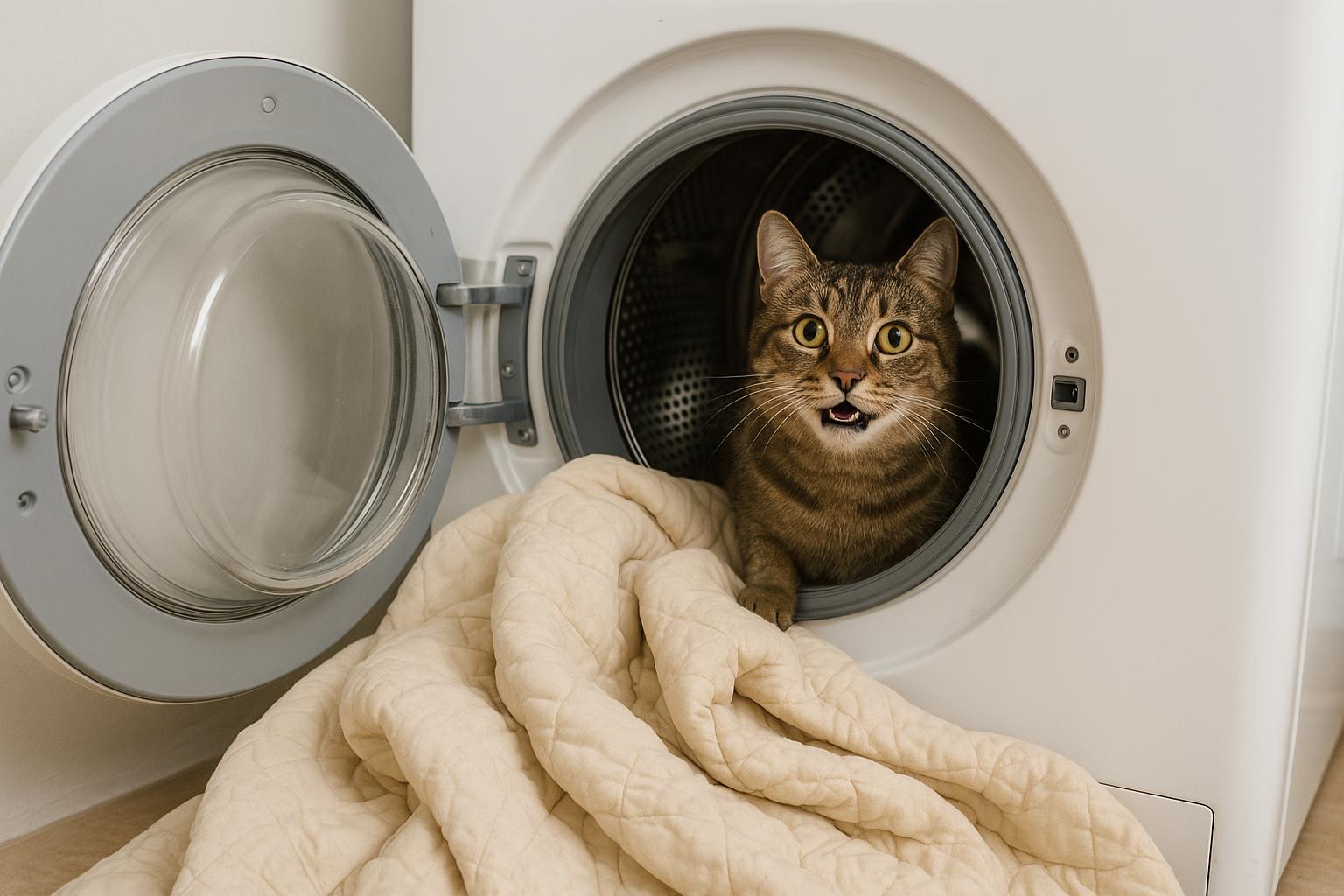
2. Launder Textiles: Wash all pet bedding, throw blankets, cushion covers, and any washable linens in the hottest water the fabric can tolerate and dry on high heat. Heat kills eggs and larvae. Repeat laundry every 3–4 days for two weeks.
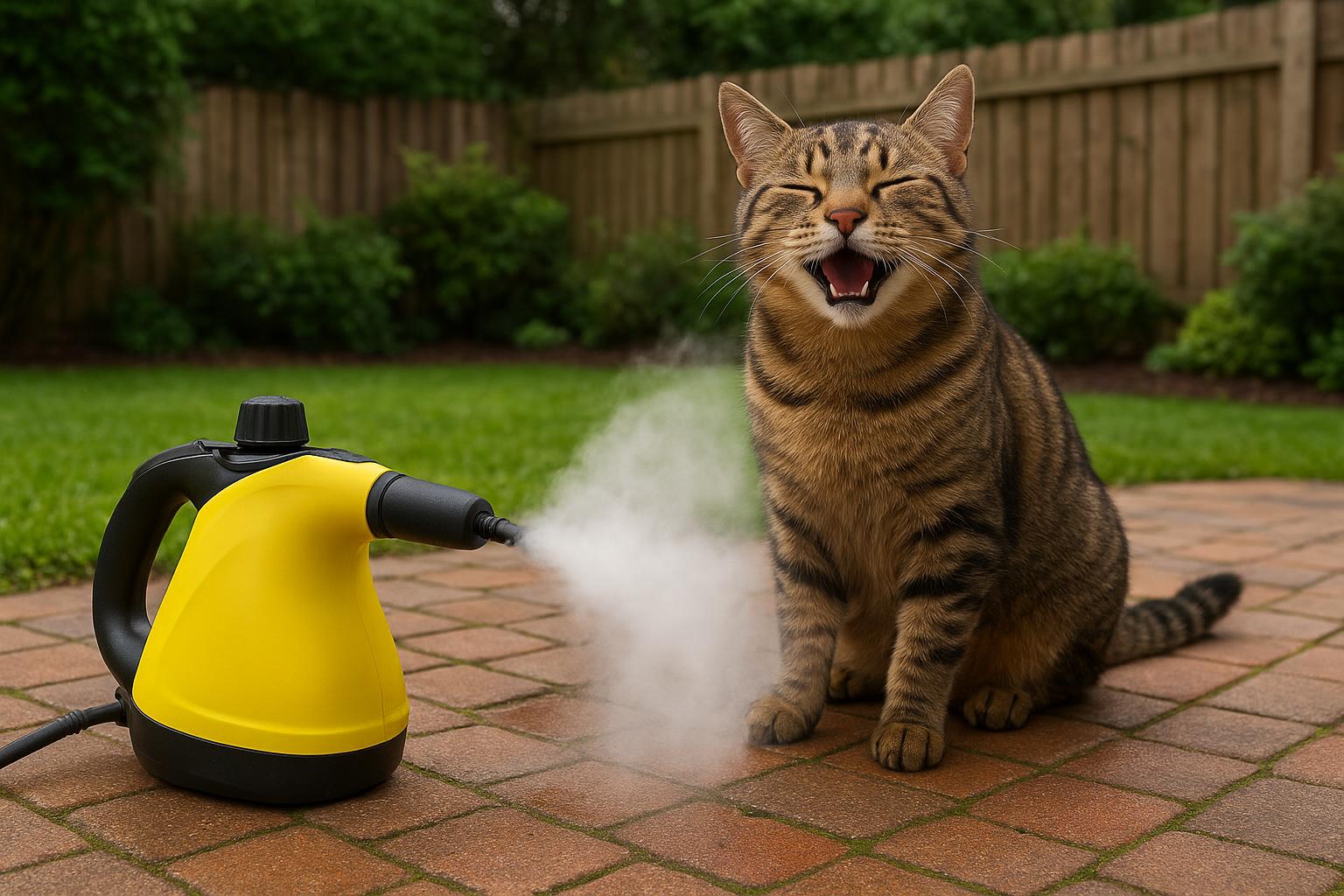
3. Treat Non-Washable Items: For pillows, mattresses, or larger upholstery, use a stiff-bristled brush while vacuuming to dislodge eggs. Consider professional steam cleaning for deep treatment.
4. Apply An IGR Product: After cleaning, apply an IGR spray labeled for indoor use to carpets and upholstery, following product instructions. IGRs prevent eggs and larvae from developing into reproducing adults. Use gloves and ventilate the space.
5. Optional Diatomaceous Earth (Food-Grade): Lightly dust floor edges, under furniture, and pet resting areas with food-grade diatomaceous earth (DE). Leave for 48 hours then vacuum thoroughly. DE works mechanically and must be used carefully—wear a mask and keep pets and children away until it’s vacuumed.
6. Use Flea Traps: Place a few light-and-sticky traps near sleeping areas to capture adult fleas and monitor infestation levels.
7. Repeat Treatments: Environmental control is not one-and-done. Continue vacuuming and reapplying IGR per label instructions until no live fleas are found for several weeks.
## Remedy 2: On-Pet Treatments And Veterinary Options
Treating the environment is essential, but you must also treat the cat to break the flea life cycle. The following list covers safe, effective on-pet options and their proper use. Consult your veterinarian before starting any medication.
Materials/Ingredients
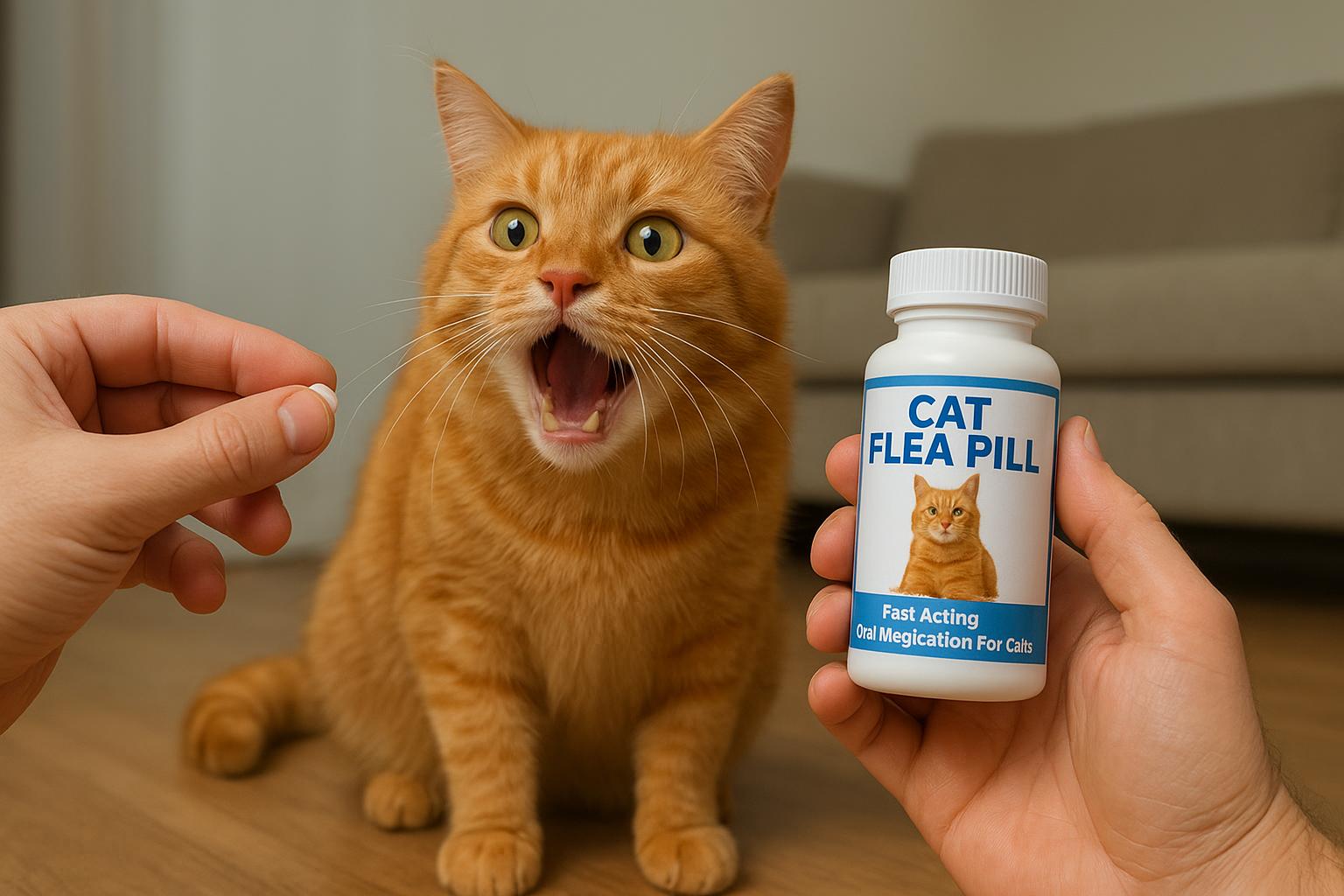
1. Veterinarian-prescribed oral flea medication (e.g., nitenpyram for fast kill, or monthly oral preventives)
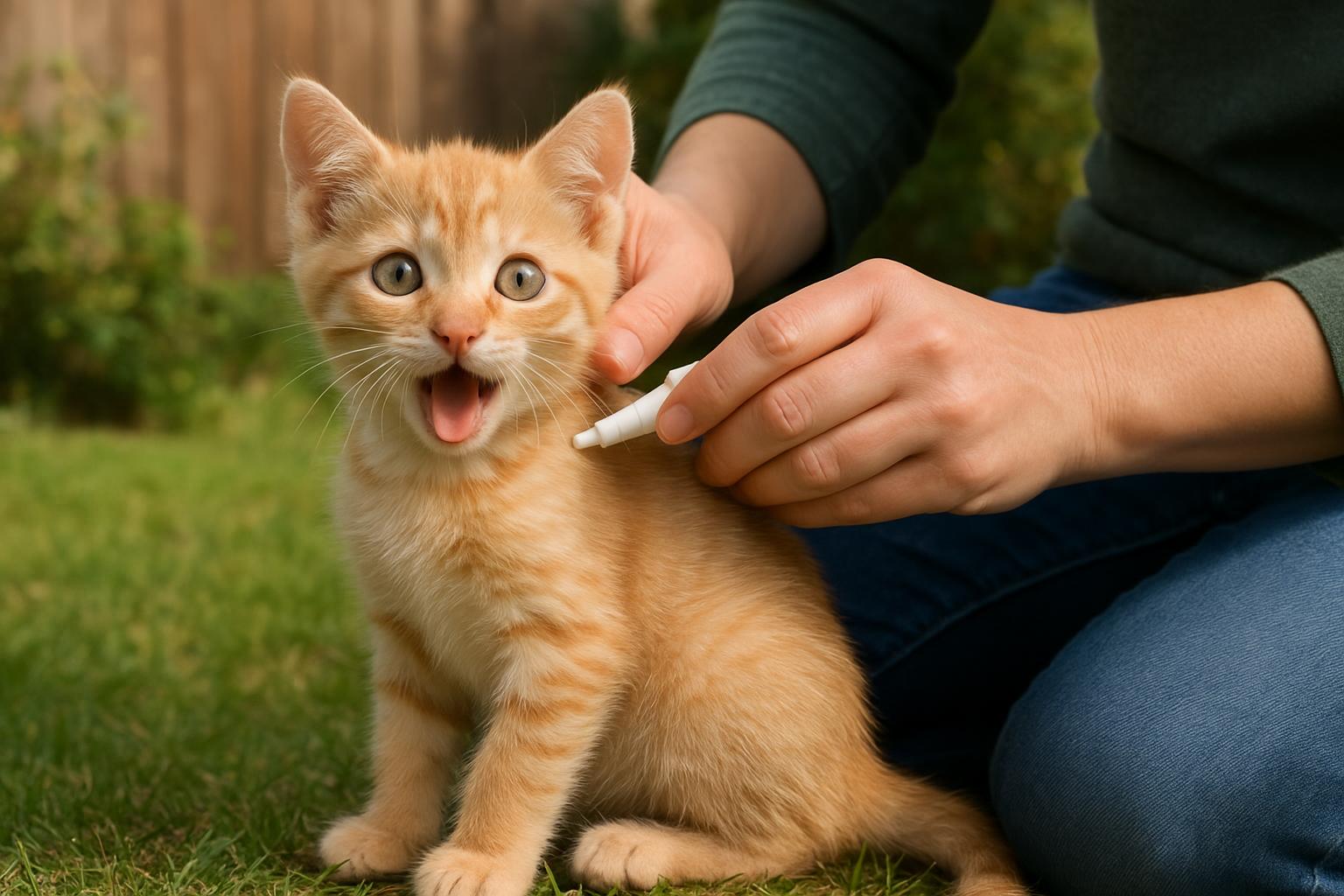
2. Veterinary-approved topical spot-on flea preventive
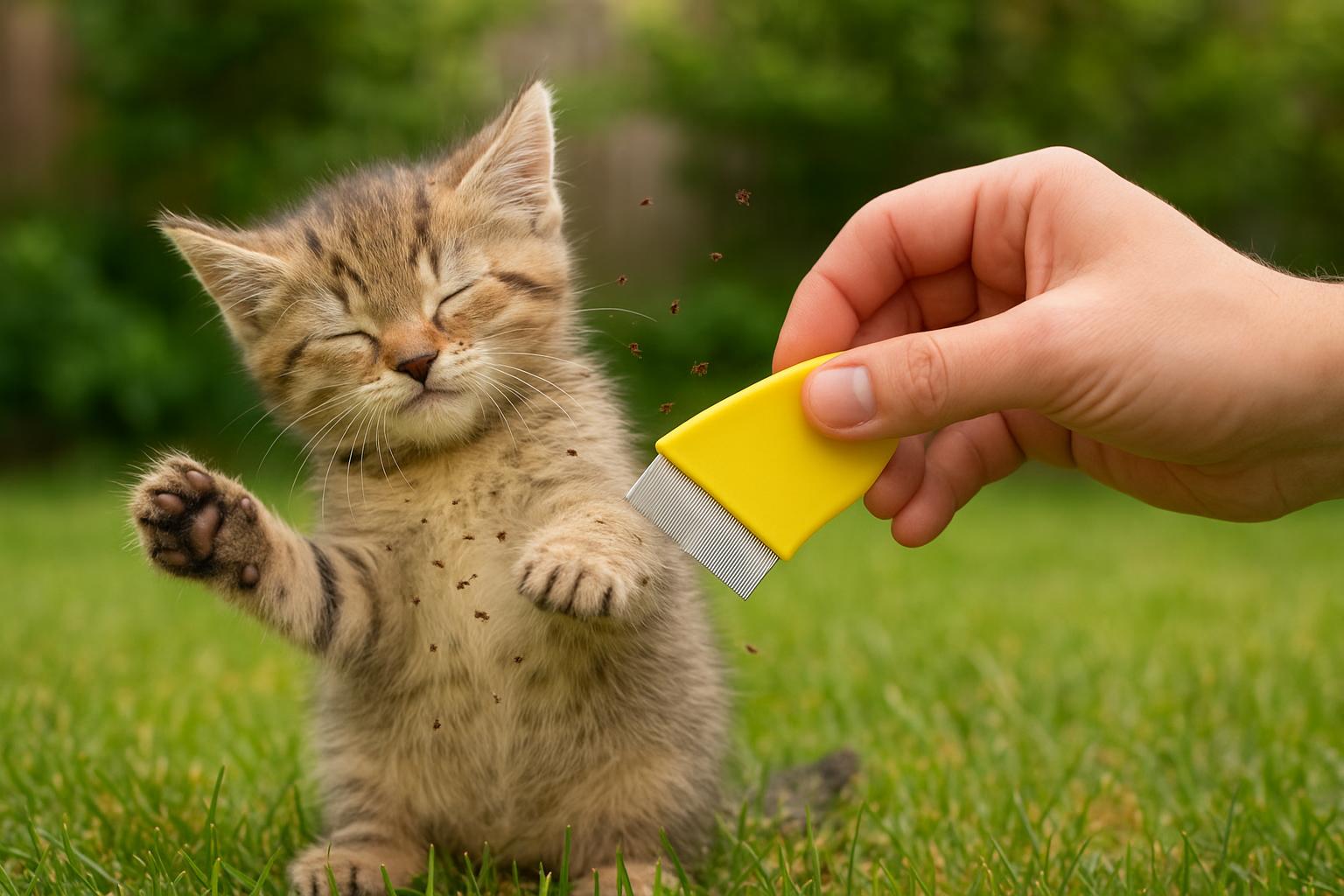
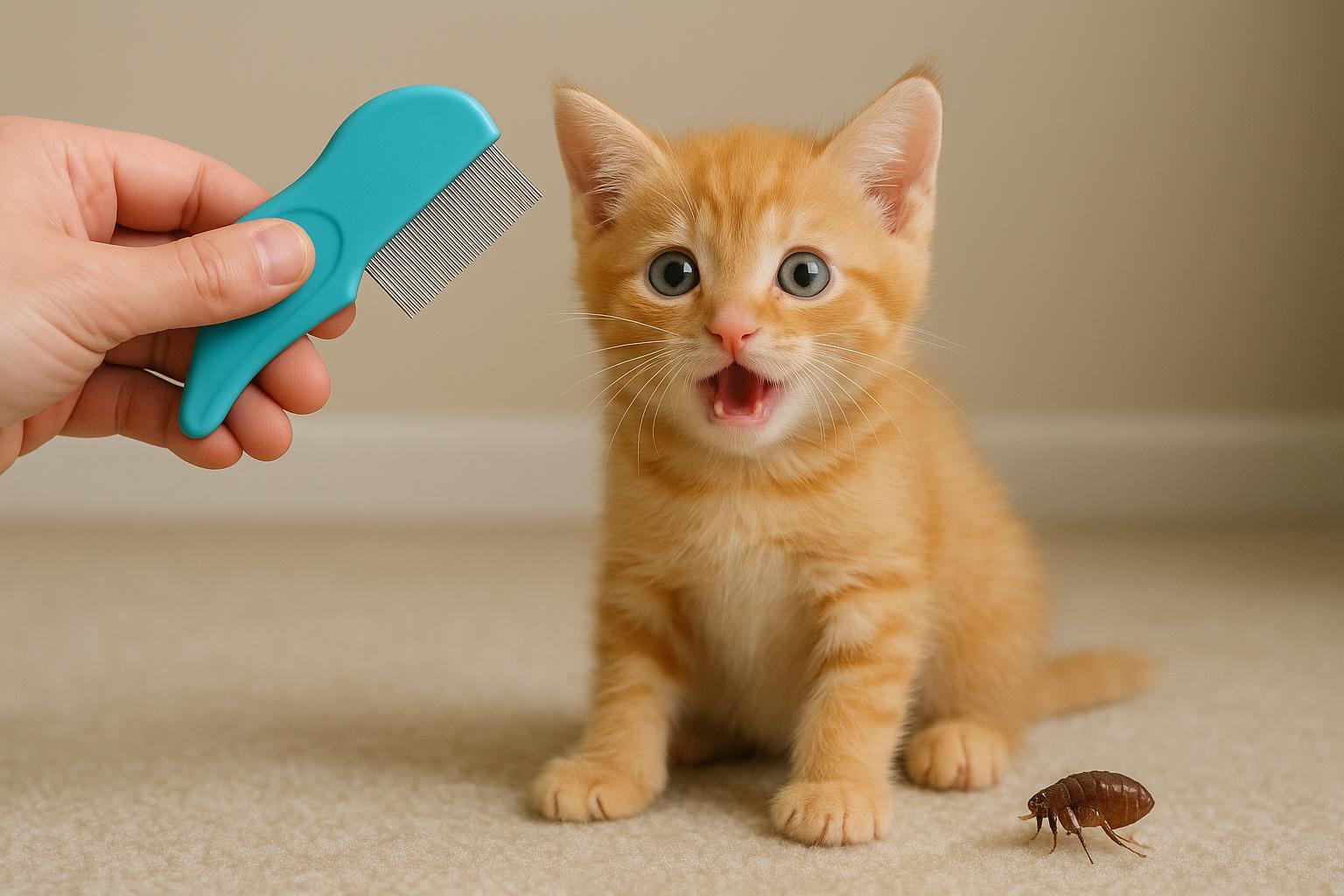
3. Fine-toothed flea comb
4. Cat-safe flea shampoo or wipes (only if recommended by vet)
5. Towels and a well-lit area for combing
Step-by-Step Application
1. Visit The Veterinarian: Obtain a diagnosis and product recommendation tailored to your cat’s age, weight, health status, and indoor/outdoor lifestyle. Never use dog products on cats.
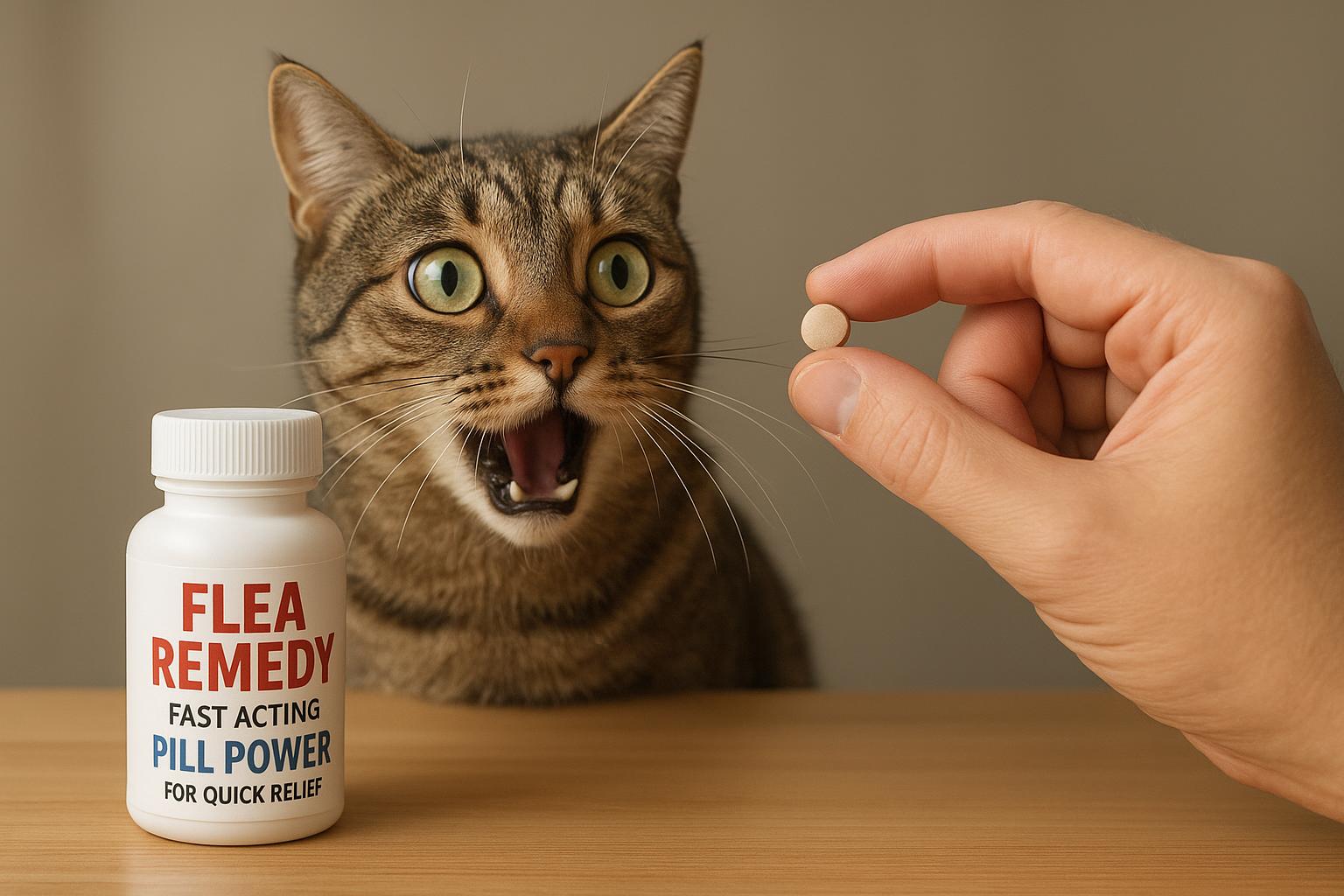
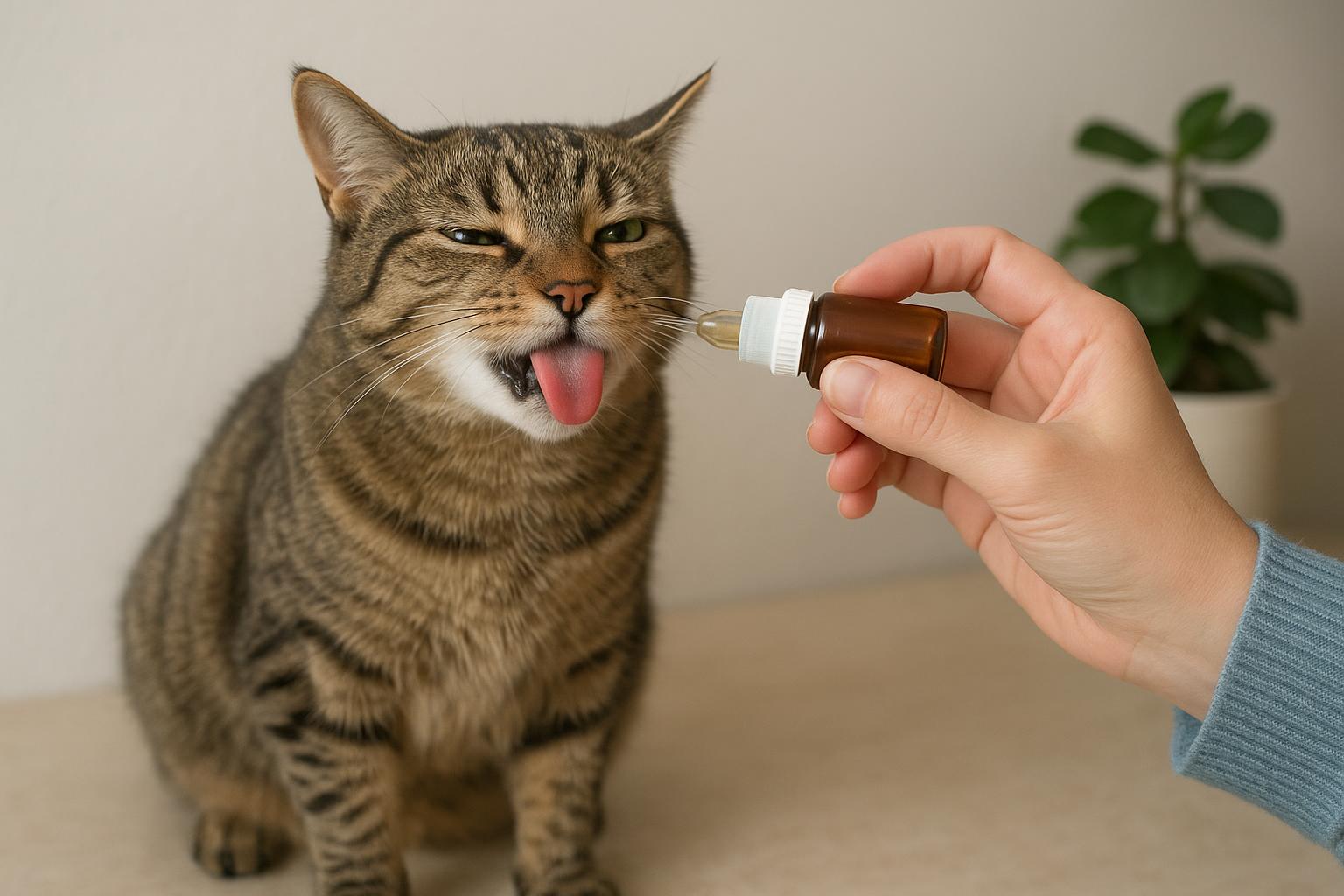
2. Rapid Knockdown Option: If immediate relief is needed, a one-time oral product (nitenpyram) can kill adult fleas on the cat within hours. This is often used as a short-term measure while long-term prevention is initiated.
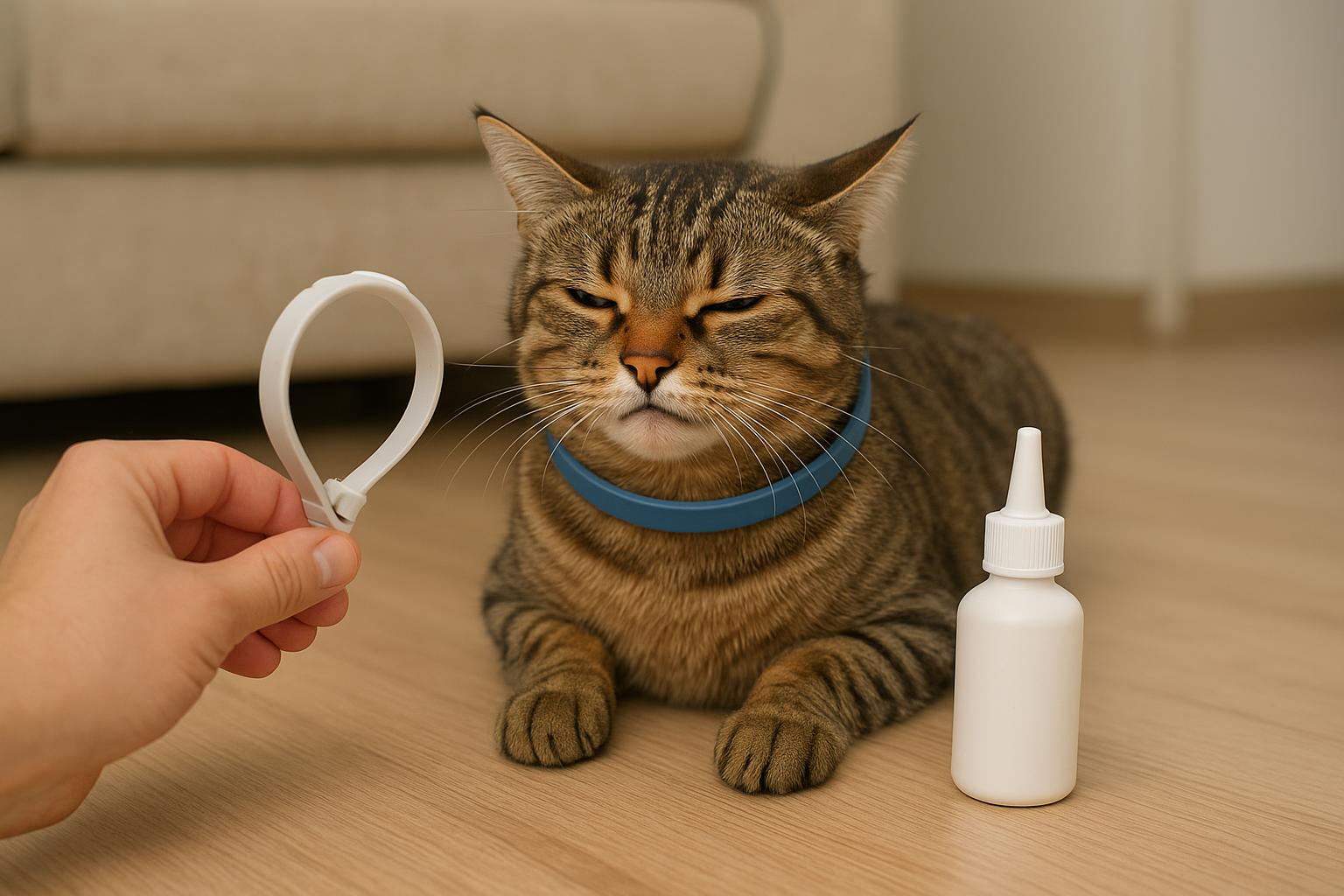
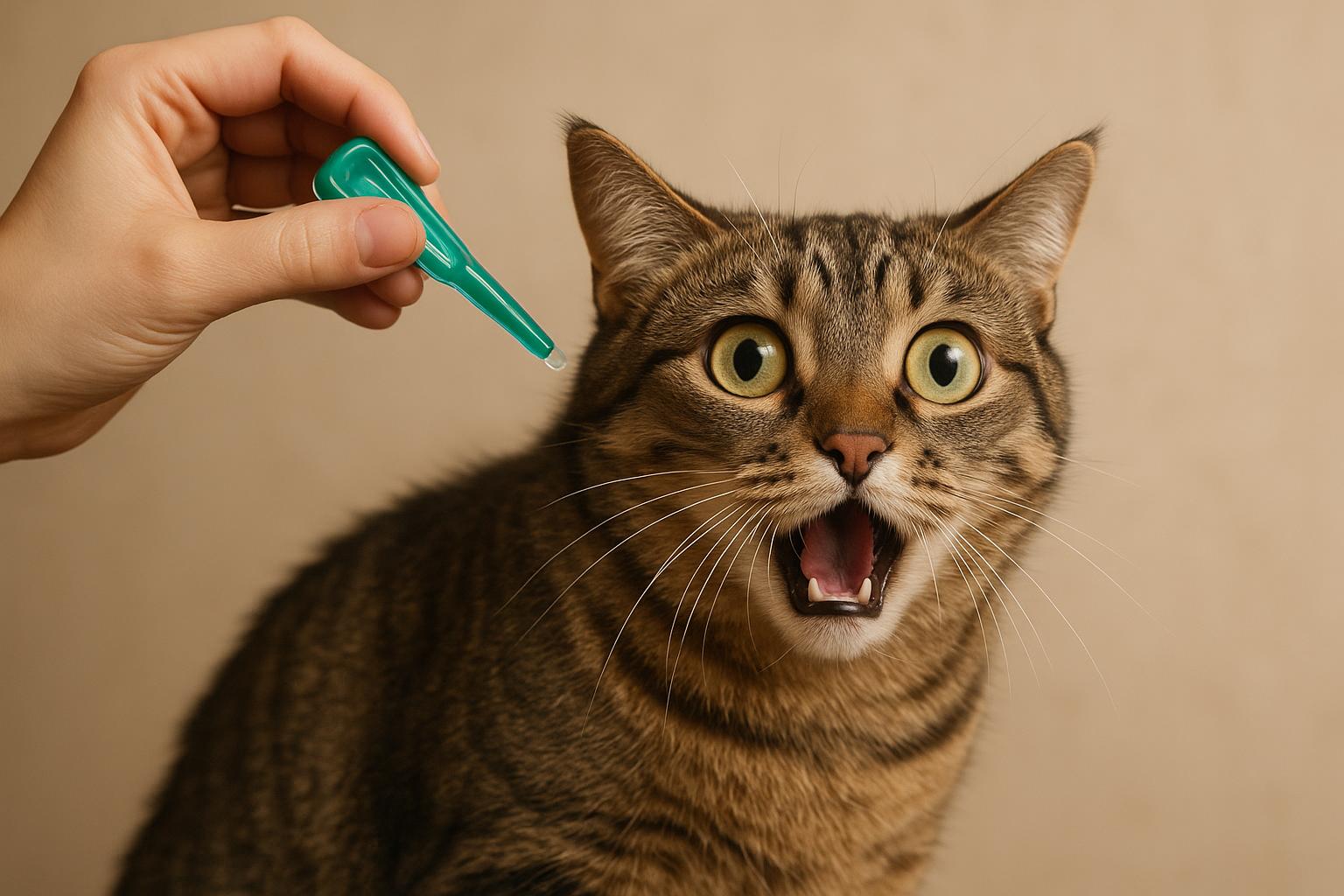
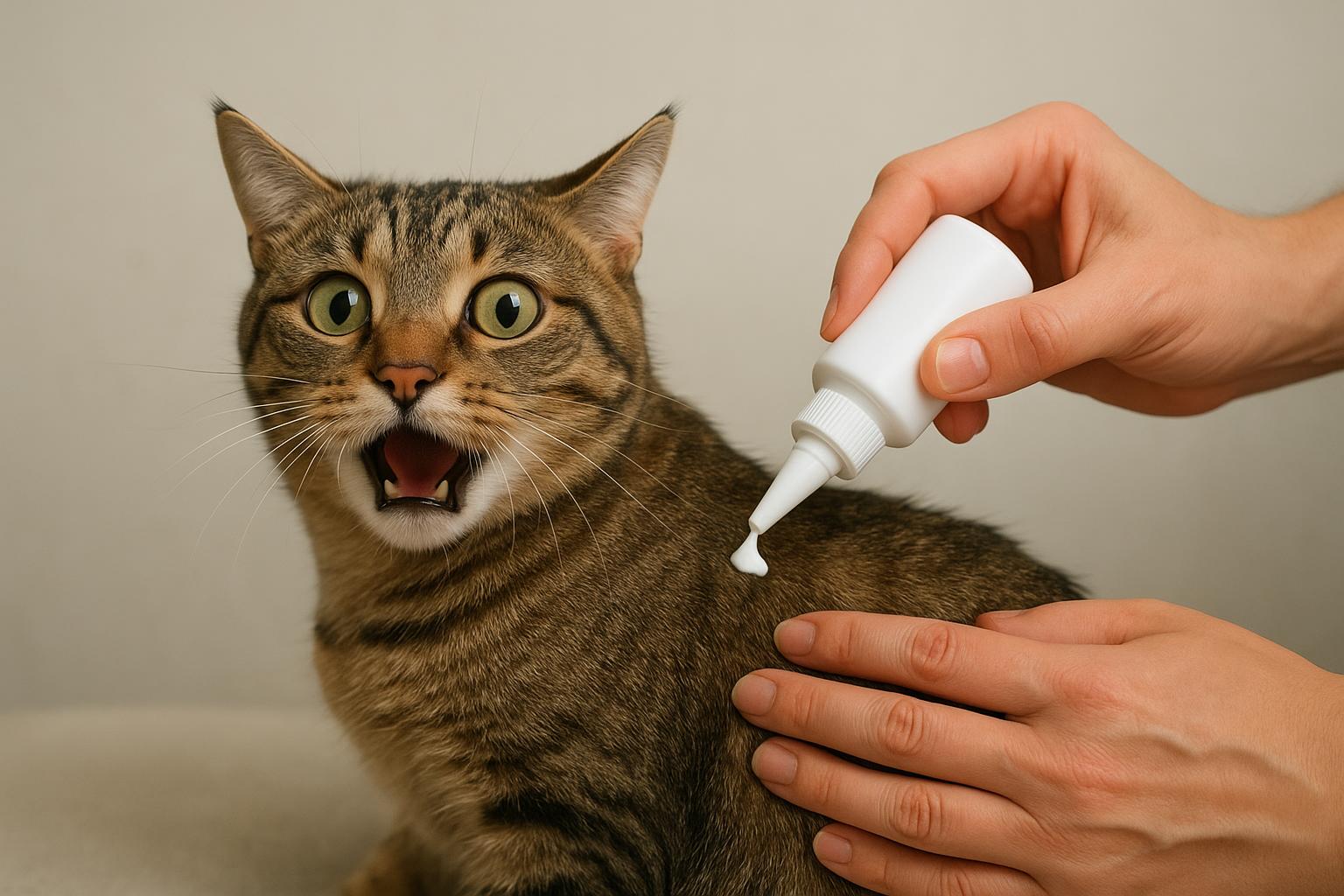
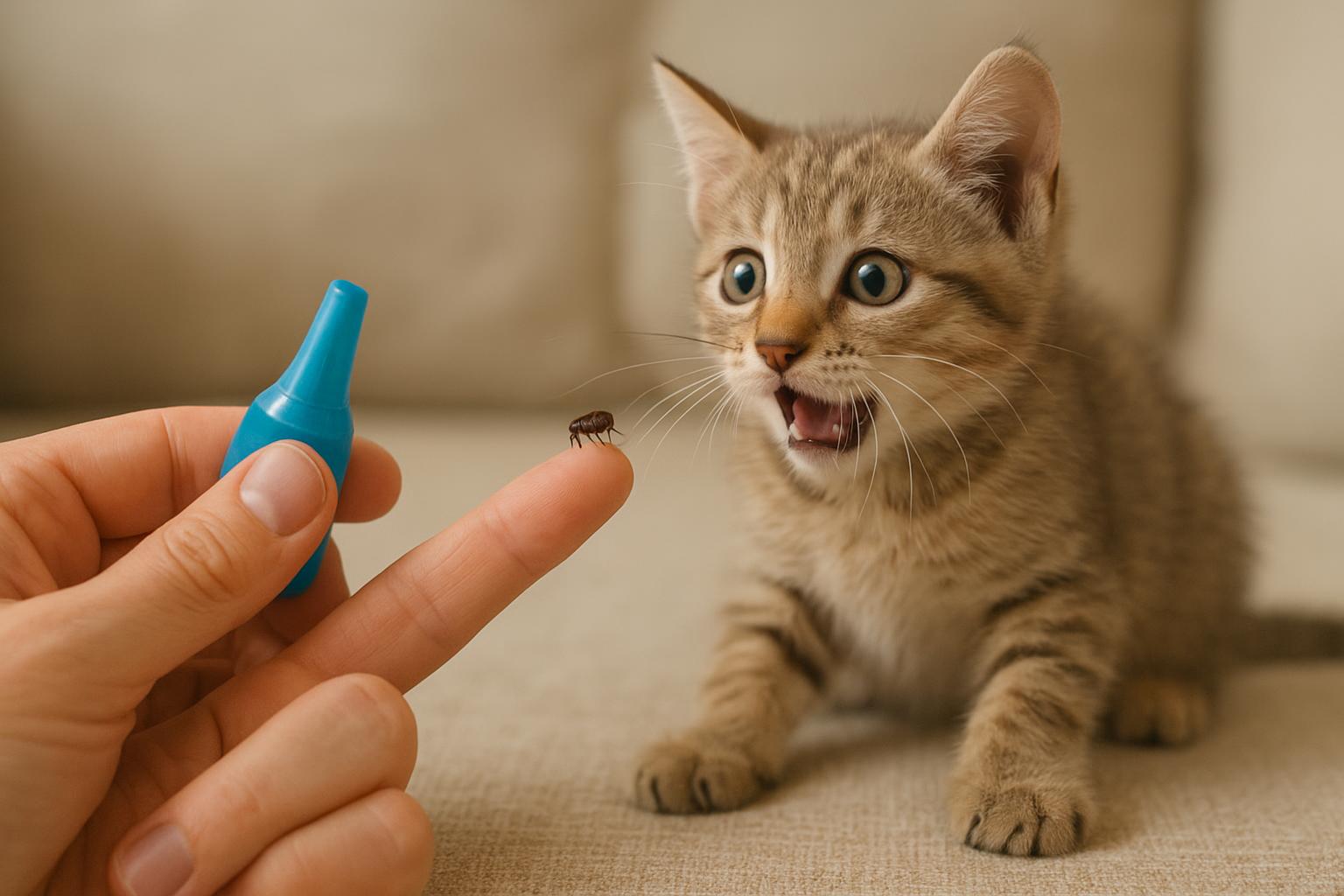
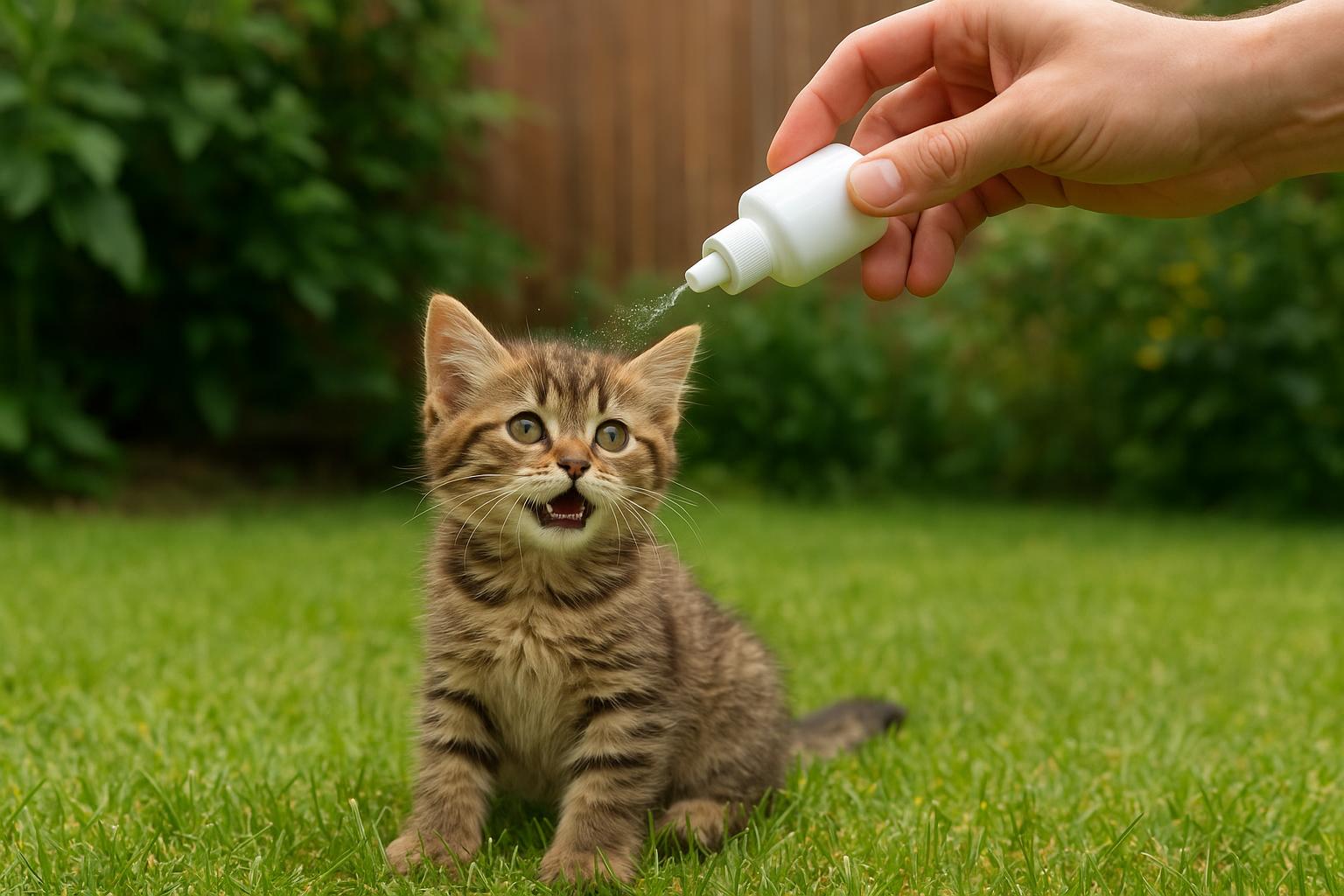
3. Start Monthly Preventive: Administer a veterinarian-recommended monthly oral or topical preventive. These products either repel, kill, or sterilize fleas and stop future infestations. Follow dosage instructions exactly.
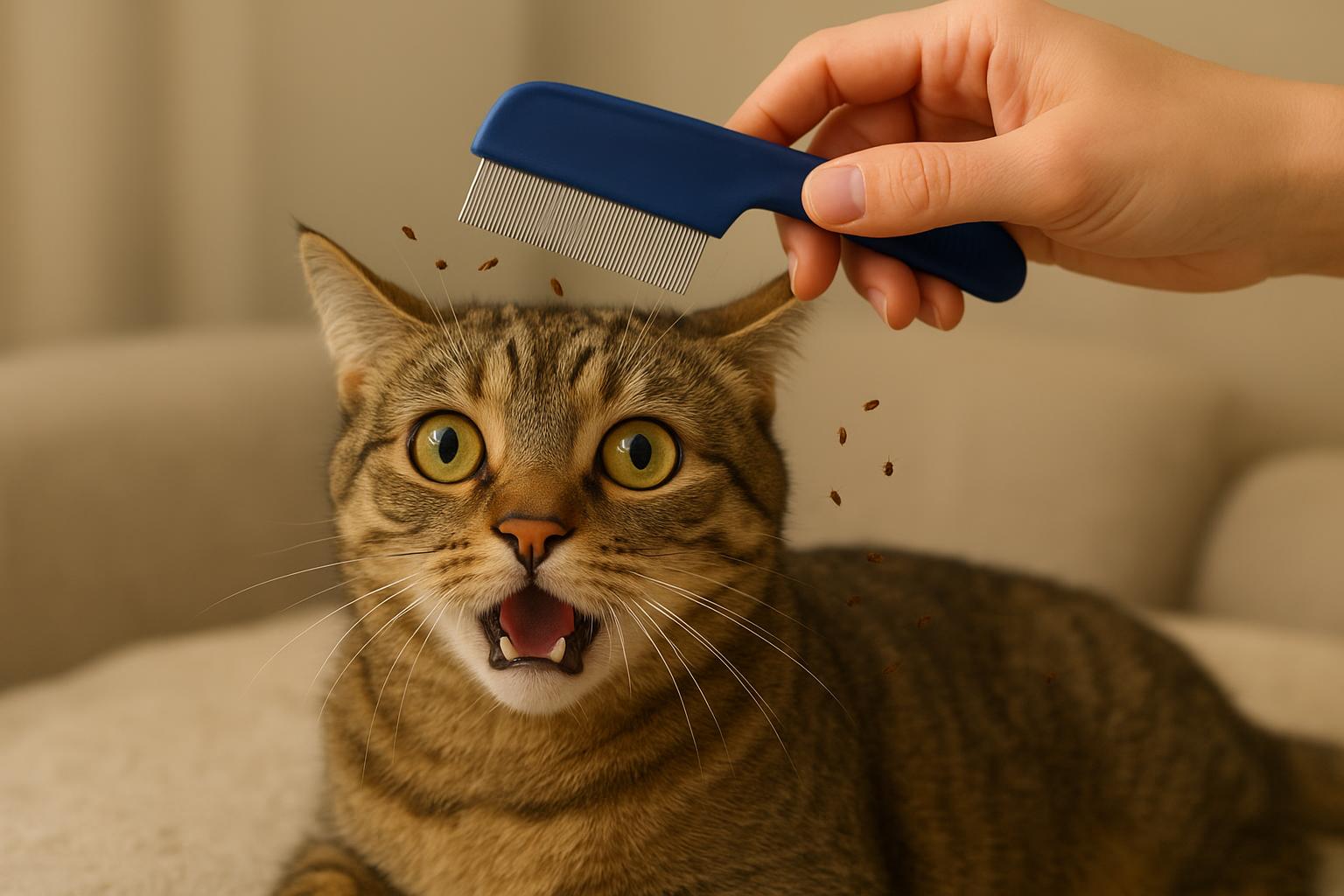
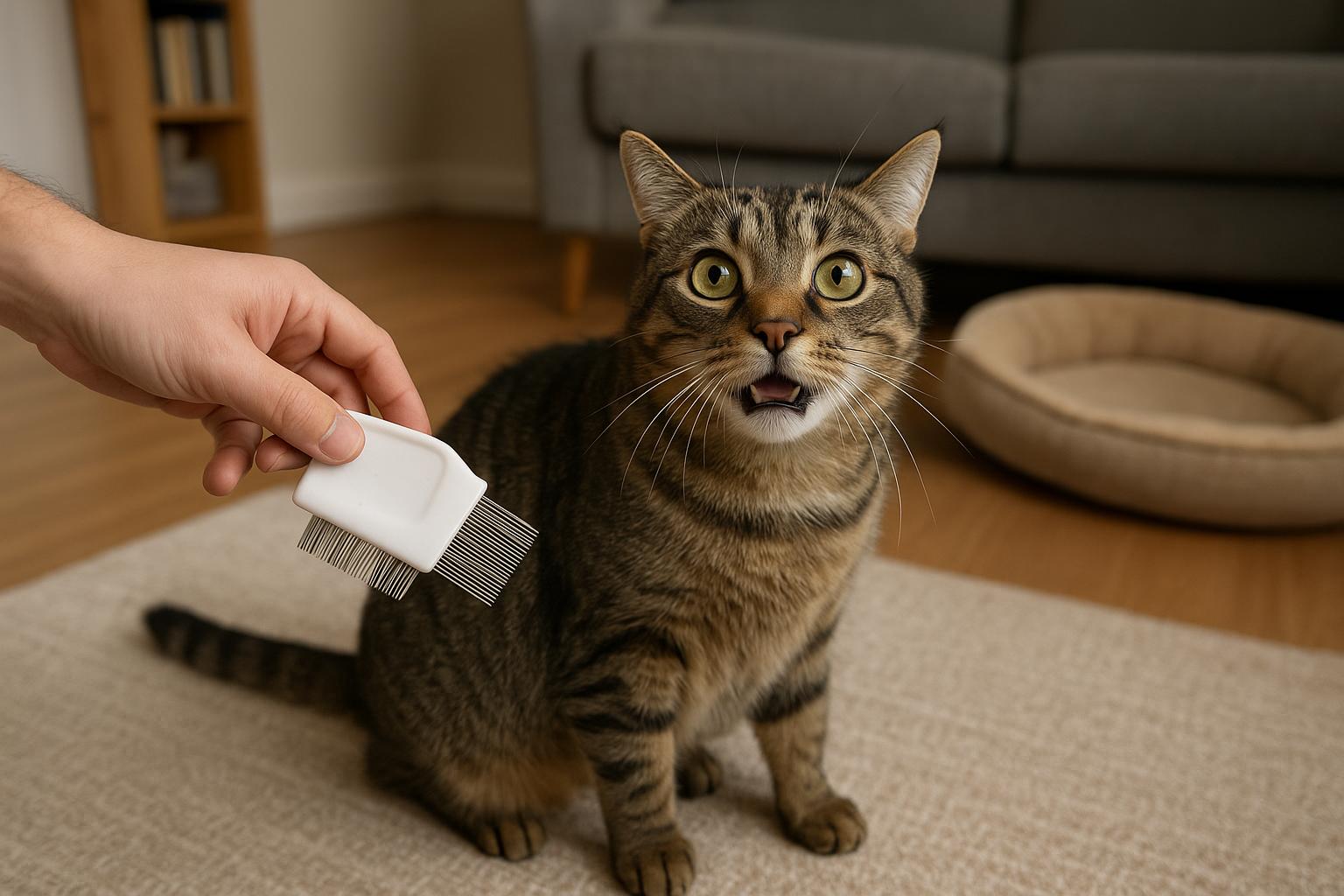
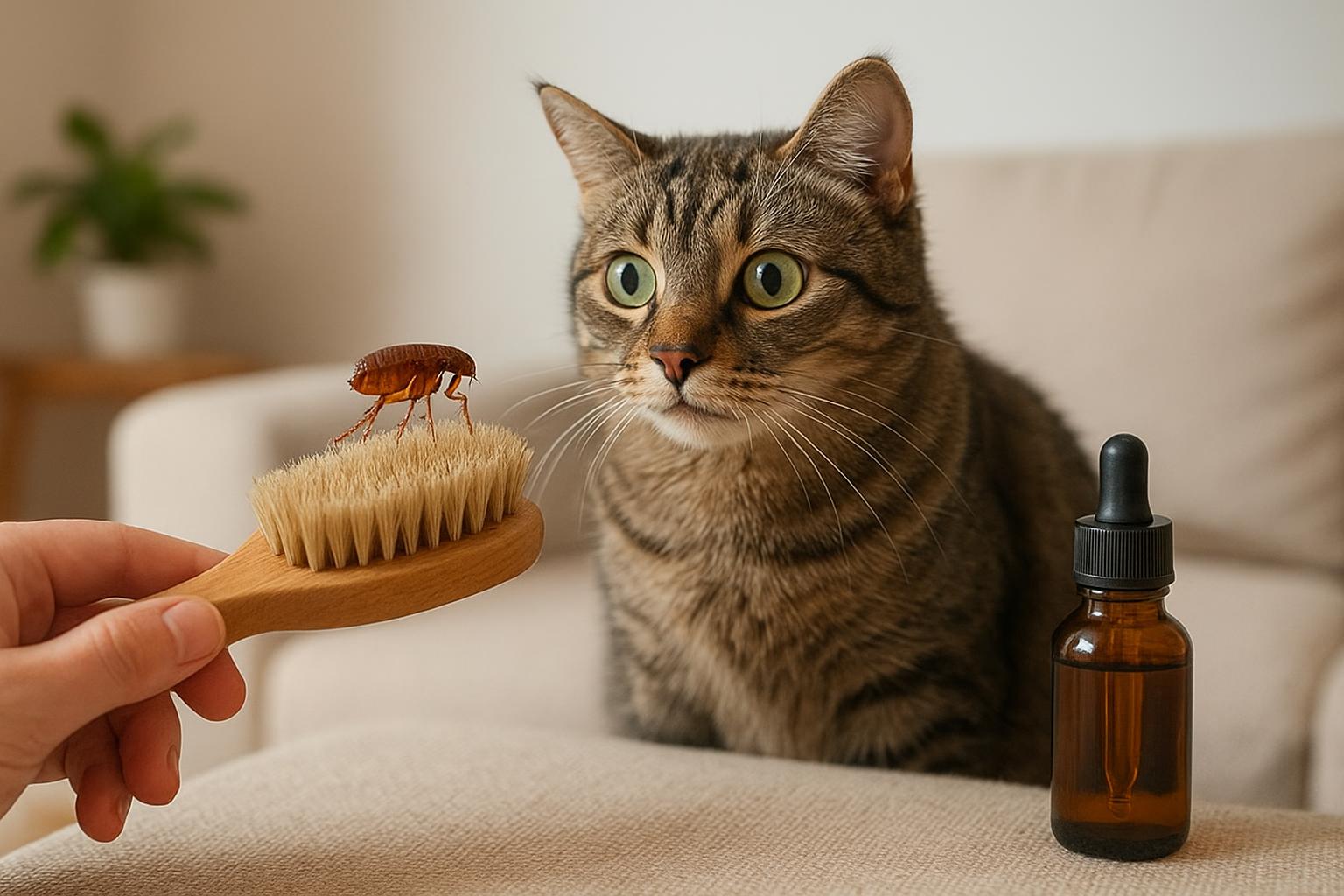
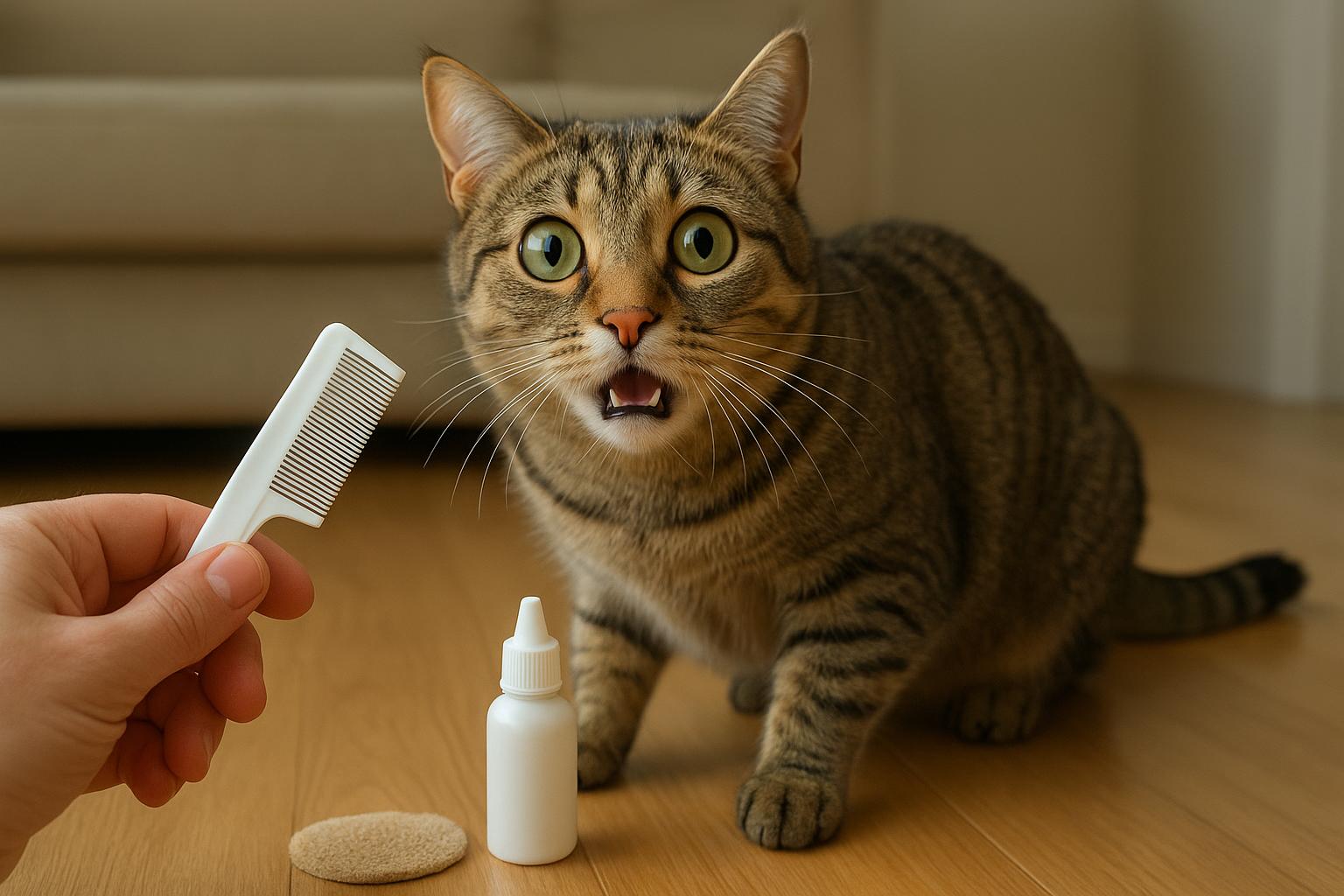
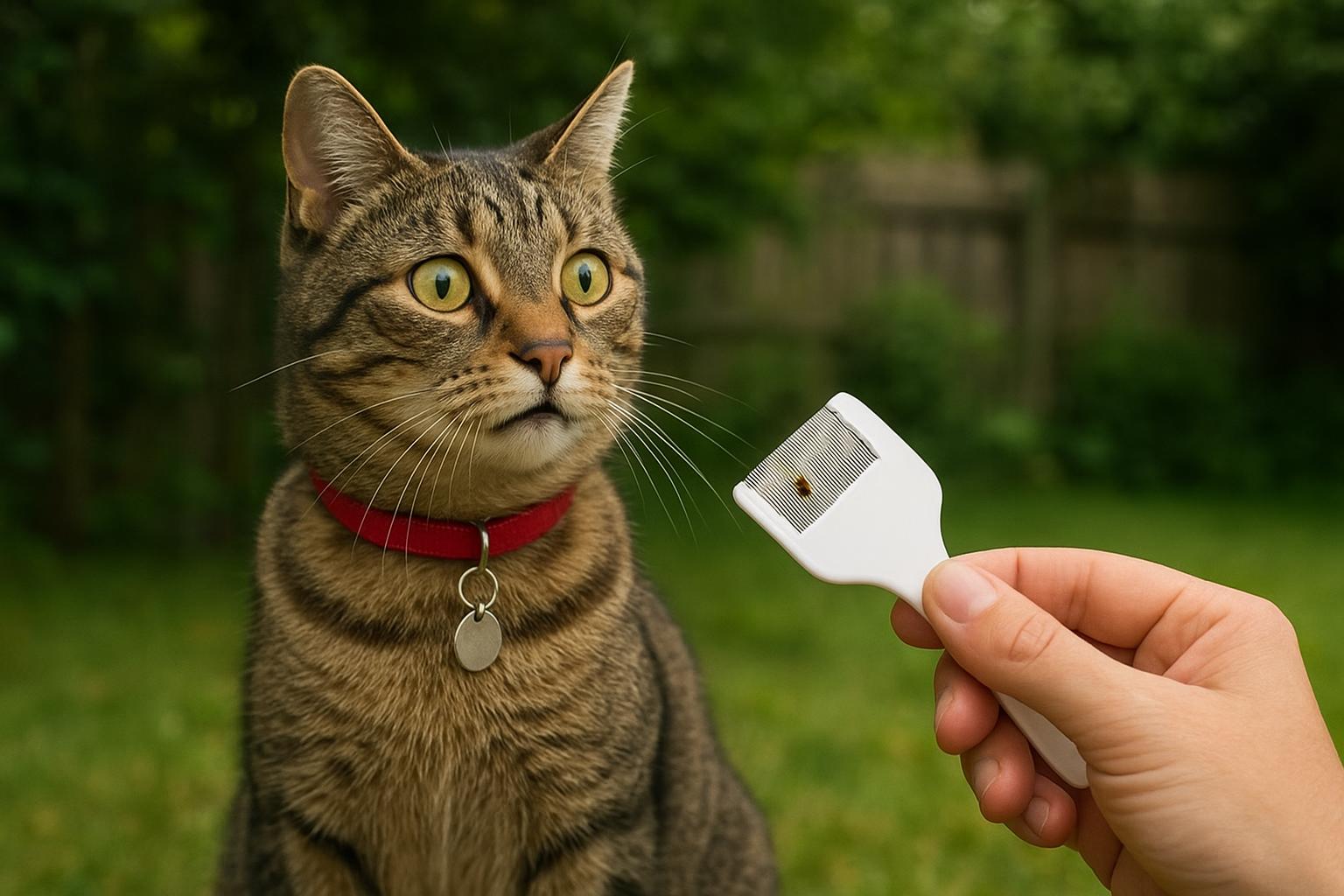
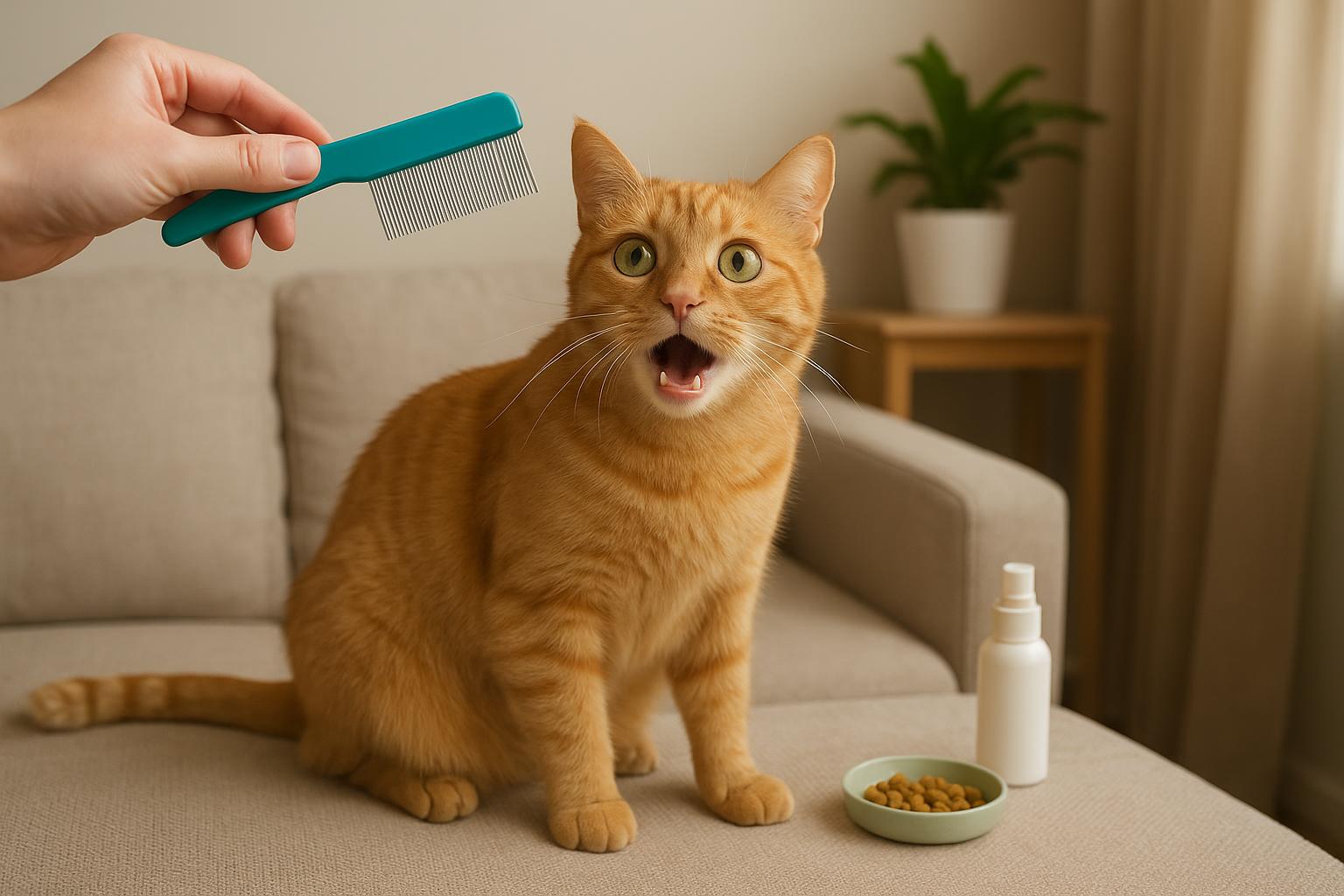
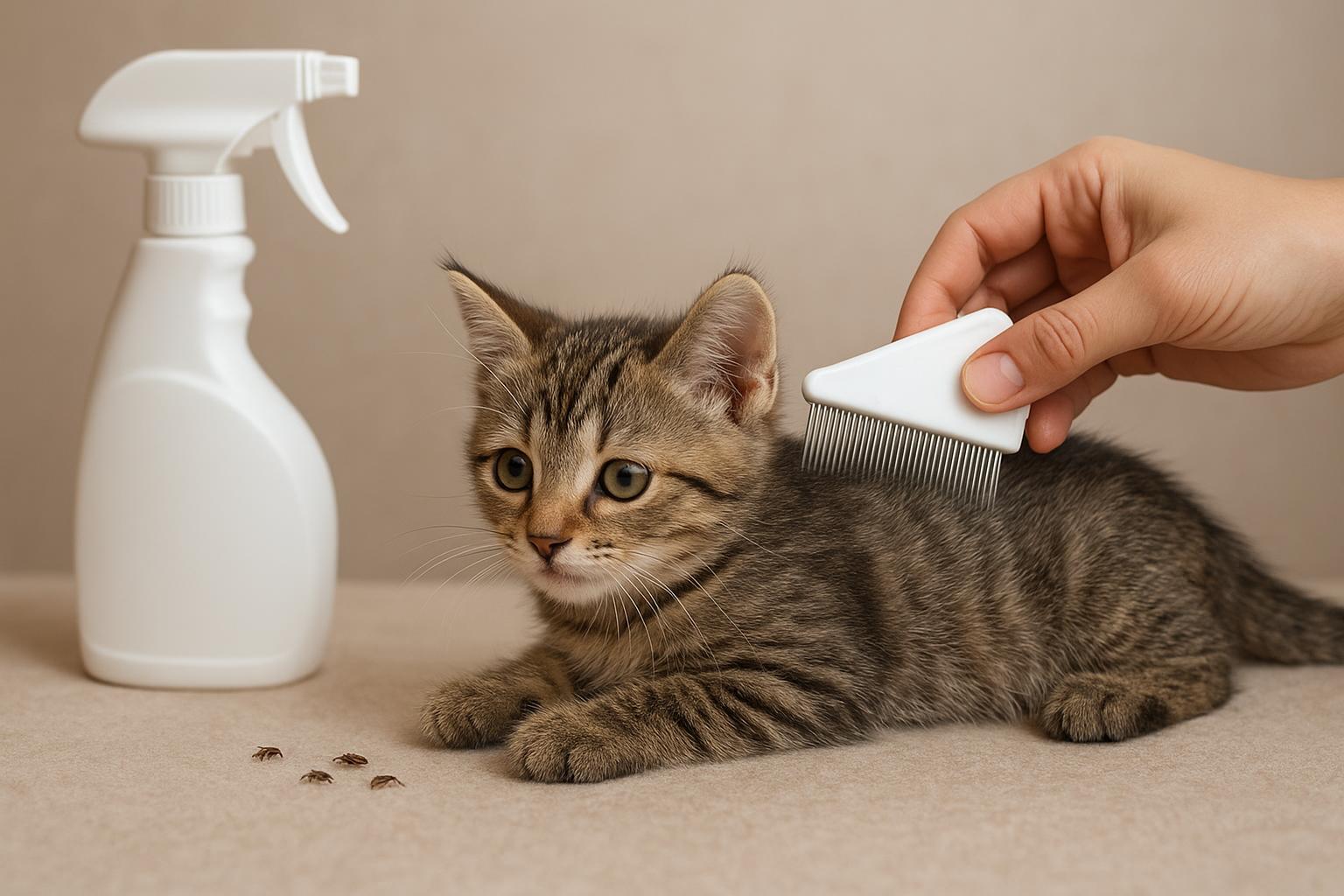
4. Flea Combing: Use a fine-toothed comb daily to remove adults and flea dirt. Dip the comb in soapy water after each pass to drown trapped fleas.
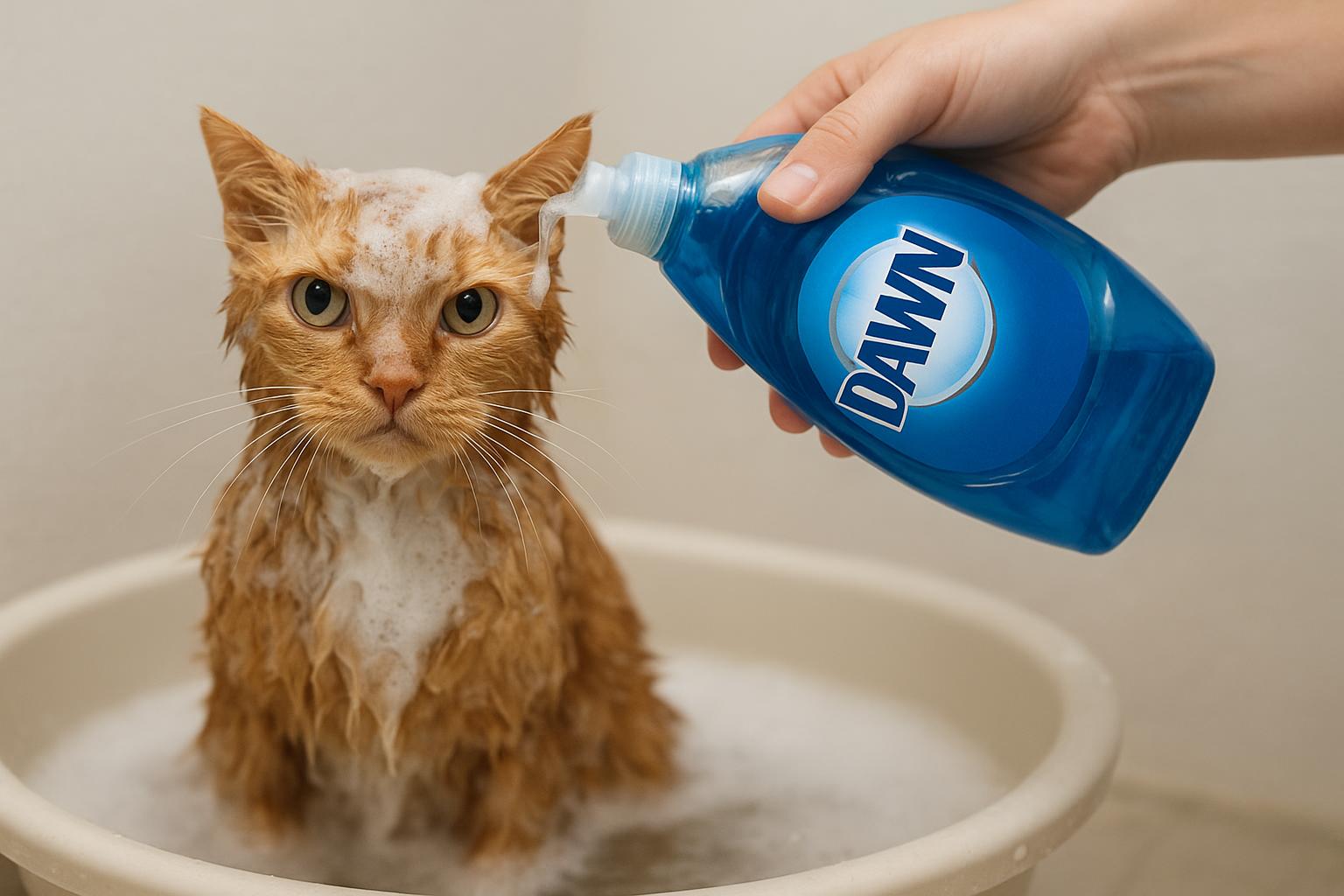
5. Bathing/Wipes (If Appropriate): Only bathe the cat if the vet advises. Most cats dislike baths and many topical products may be affected by bathing near the dosage window. Use cat-safe shampoos as directed.
6. Monitor And Record: Keep a log of treatment dates, products used, and any reactions. Follow up with the vet if symptoms persist or if the cat shows signs of flea allergy dermatitis.
### Safety Notes For On-Pet Treatments
– Always weigh your cat for correct dosing.
– Avoid mixing flea products unless vet approves.
– Watch for adverse reactions (drooling, lethargy, skin irritation) and contact your vet immediately if observed.
## Practical Prevention Habits To Reduce Future Flea Sources
Prevention is easier than eradication. Adopt these routines to minimize the chance that flea sources nest in your home again.
– Keep all household pets on year-round preventative flea control as recommended by your veterinarian.
– Inspect and clean any clothing or bags that have been in contact with stray animals.
– Regularly vacuum and launder pet bedding and rugs; build this into a weekly routine.
– Avoid bringing used furniture into your home without a thorough inspection and cleaning.
– Seal access points where wild animals and rodents might enter a crawl space or porch; these animals often carry fleas into the perimeter of your house.
– Limit contact between your indoor cat and outdoor animals; even brief contact can transfer fleas.
### When To Call A Professional
If you’ve treated both the pet and the home and fleas persist, or if an infestation covers multiple rooms and the environment seems saturated, contact a licensed pest control professional. They can perform targeted treatments and advise on safe, effective IGR application at a scale that consumer products can’t match. Similarly, if your cat develops severe skin irritation, hair loss, or secondary infections, return to your veterinarian promptly for medical care.
There — with a little detective work, consistent cleaning, and the right veterinary products, you can expose those flea sources and cut the cycle. Your cat (and your furniture) will thank you — probably with slow purrs rather than a bouquet of fleas.





Leave a Reply