

## Understanding Flea Dermatitis In Cats
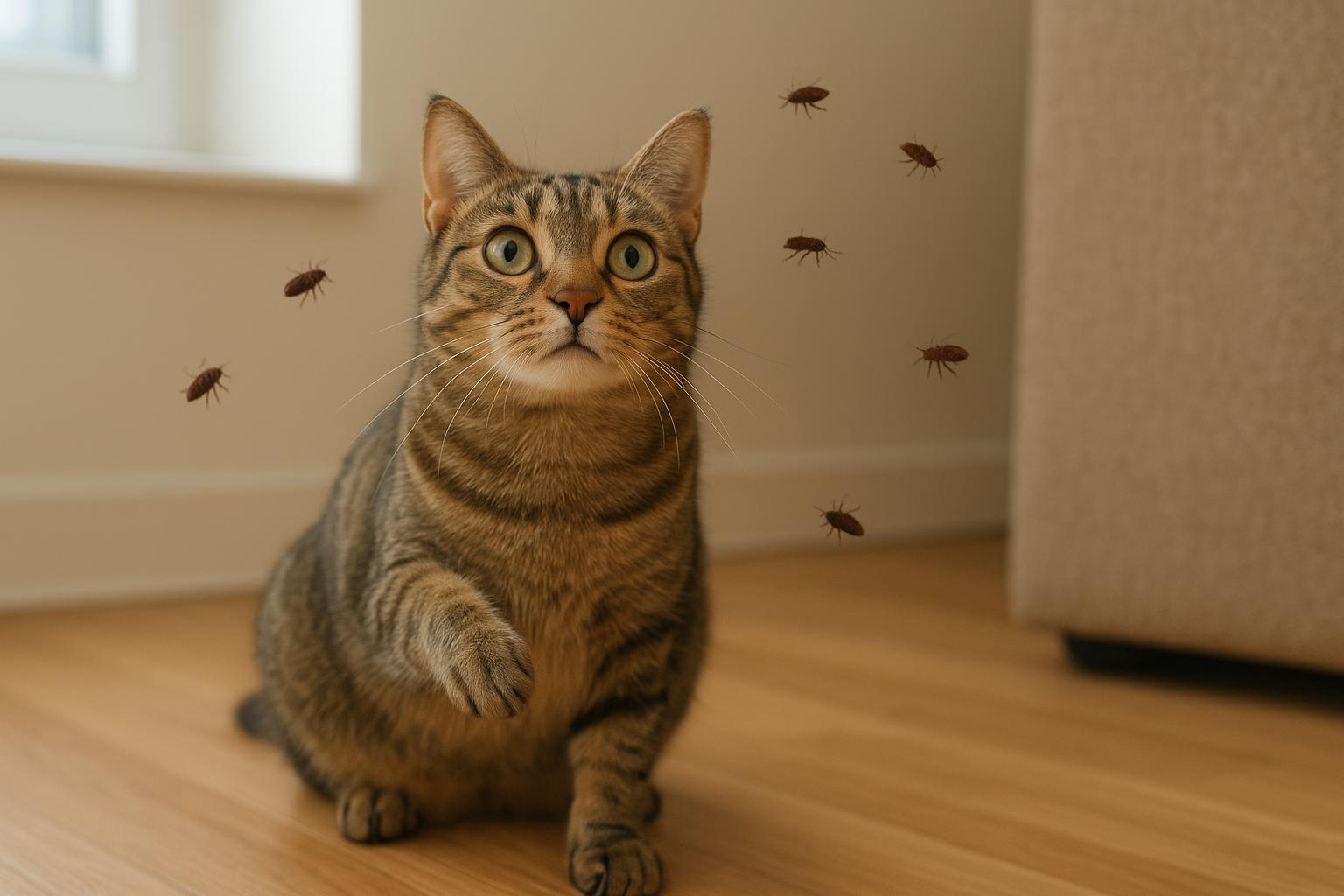
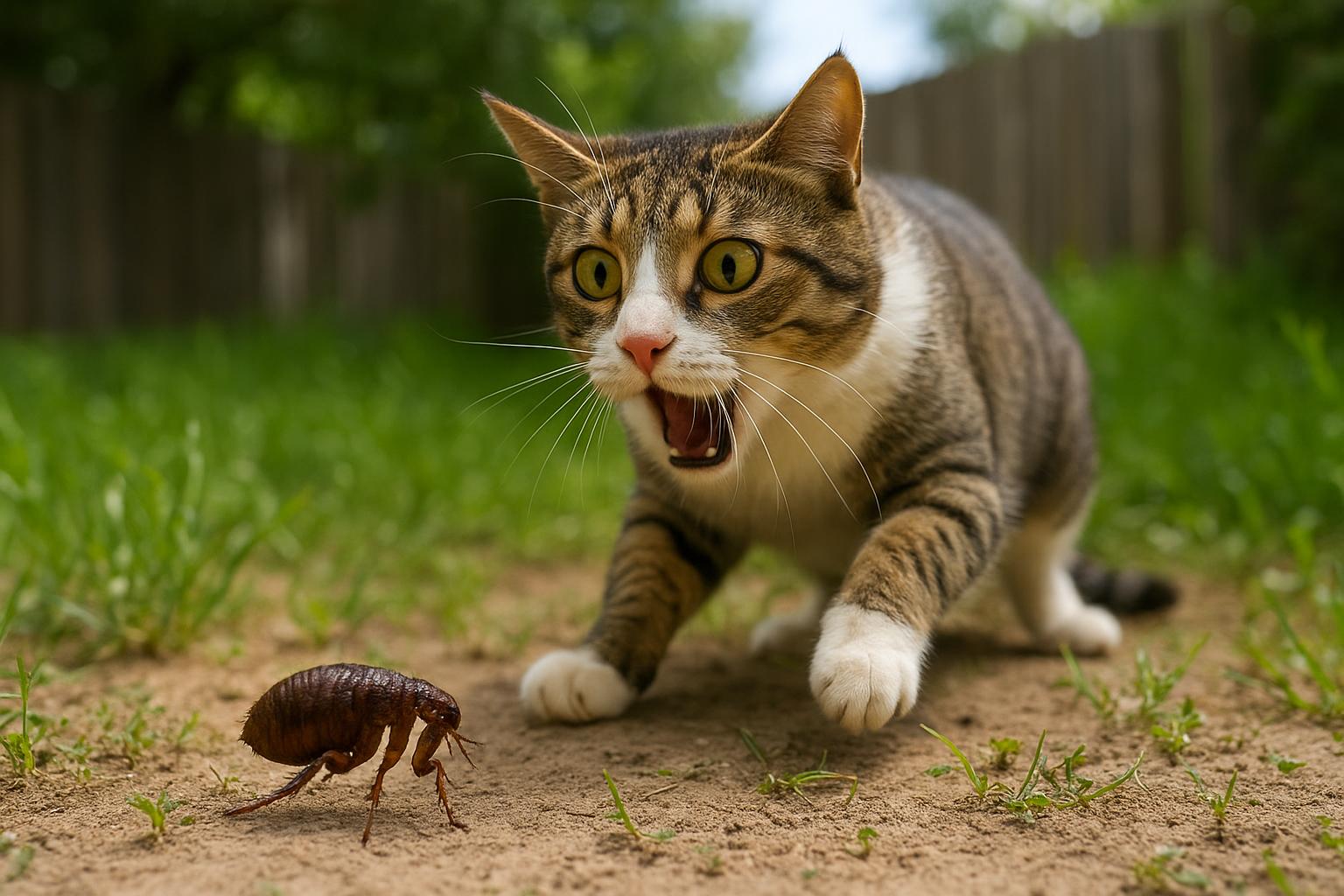
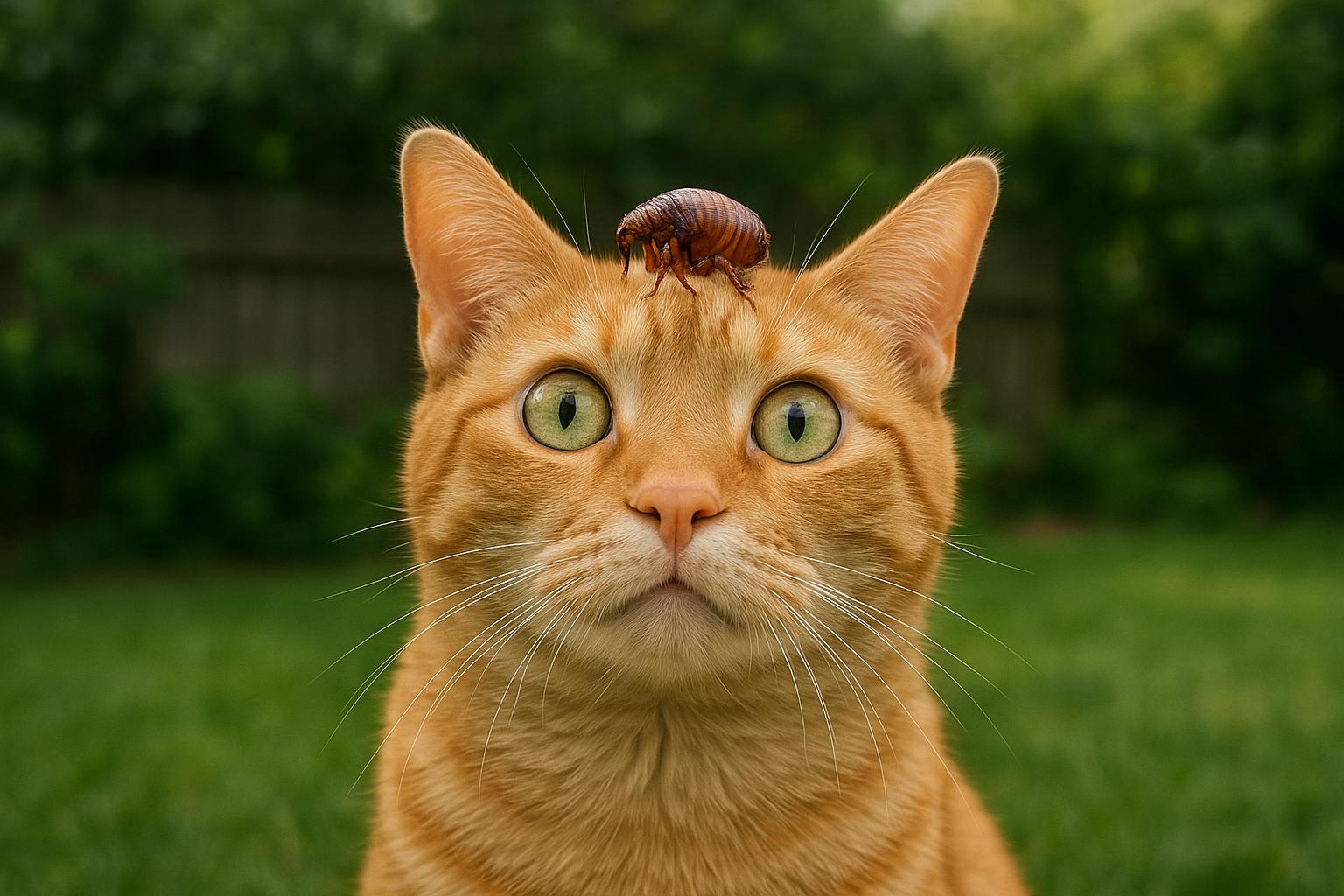
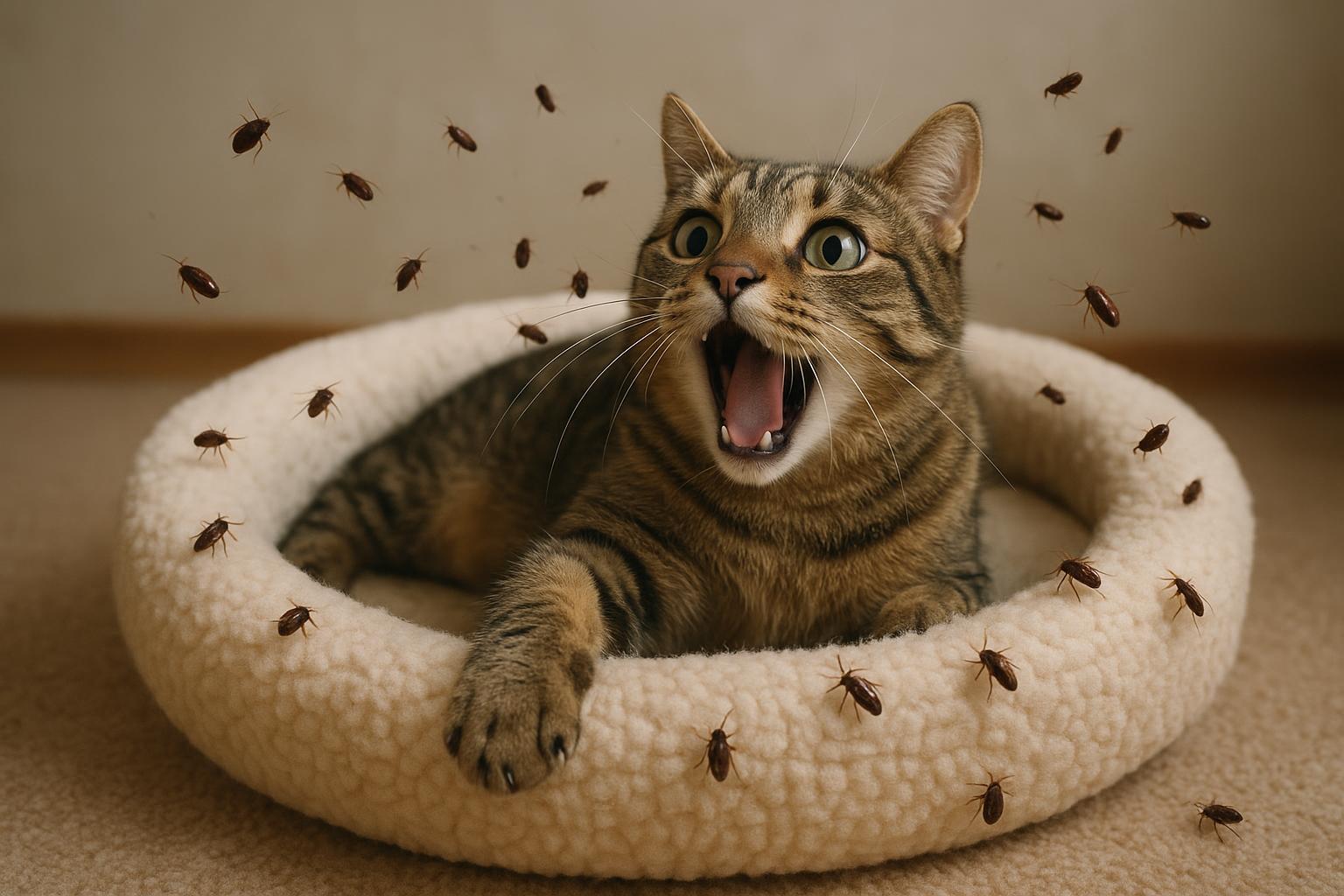
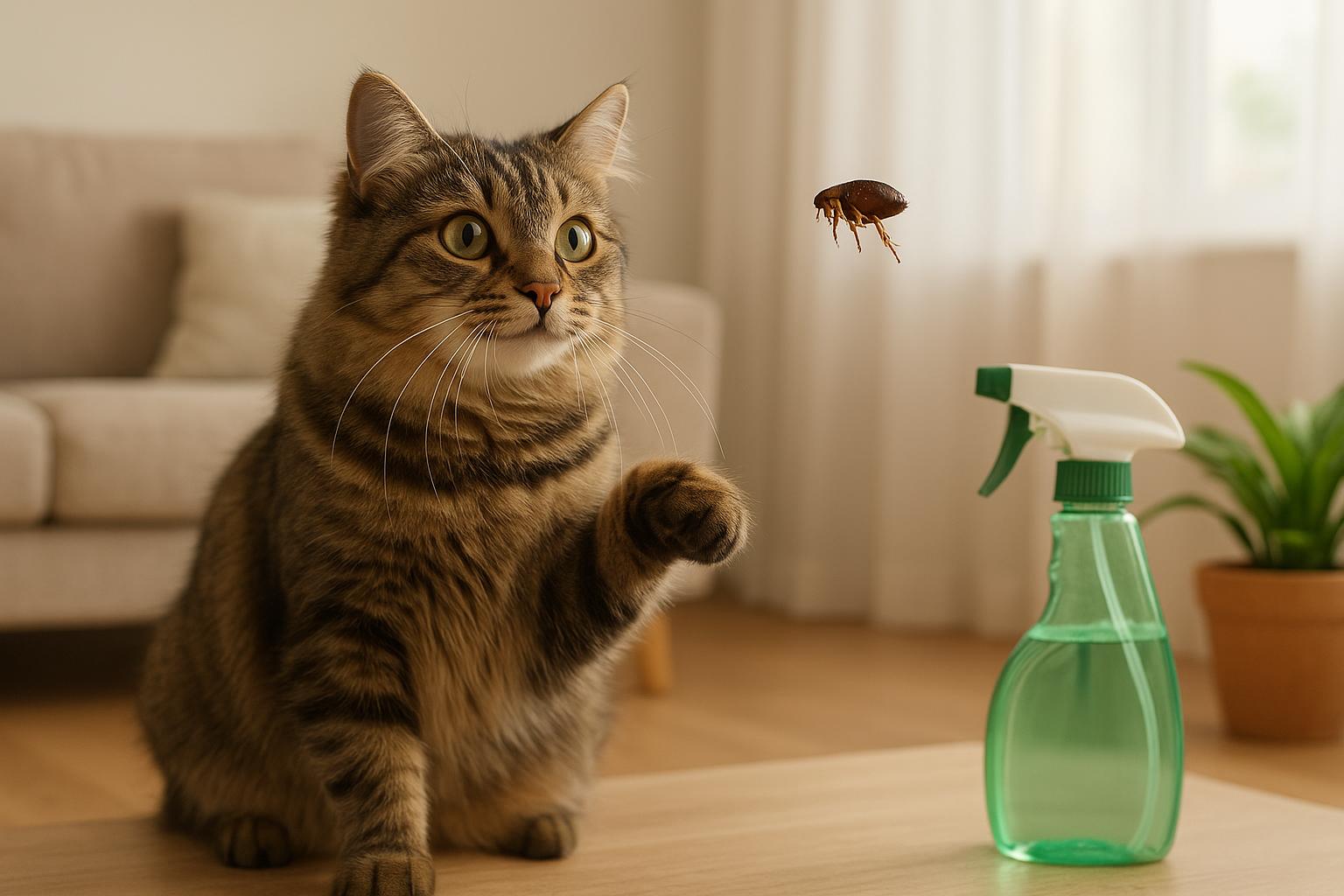
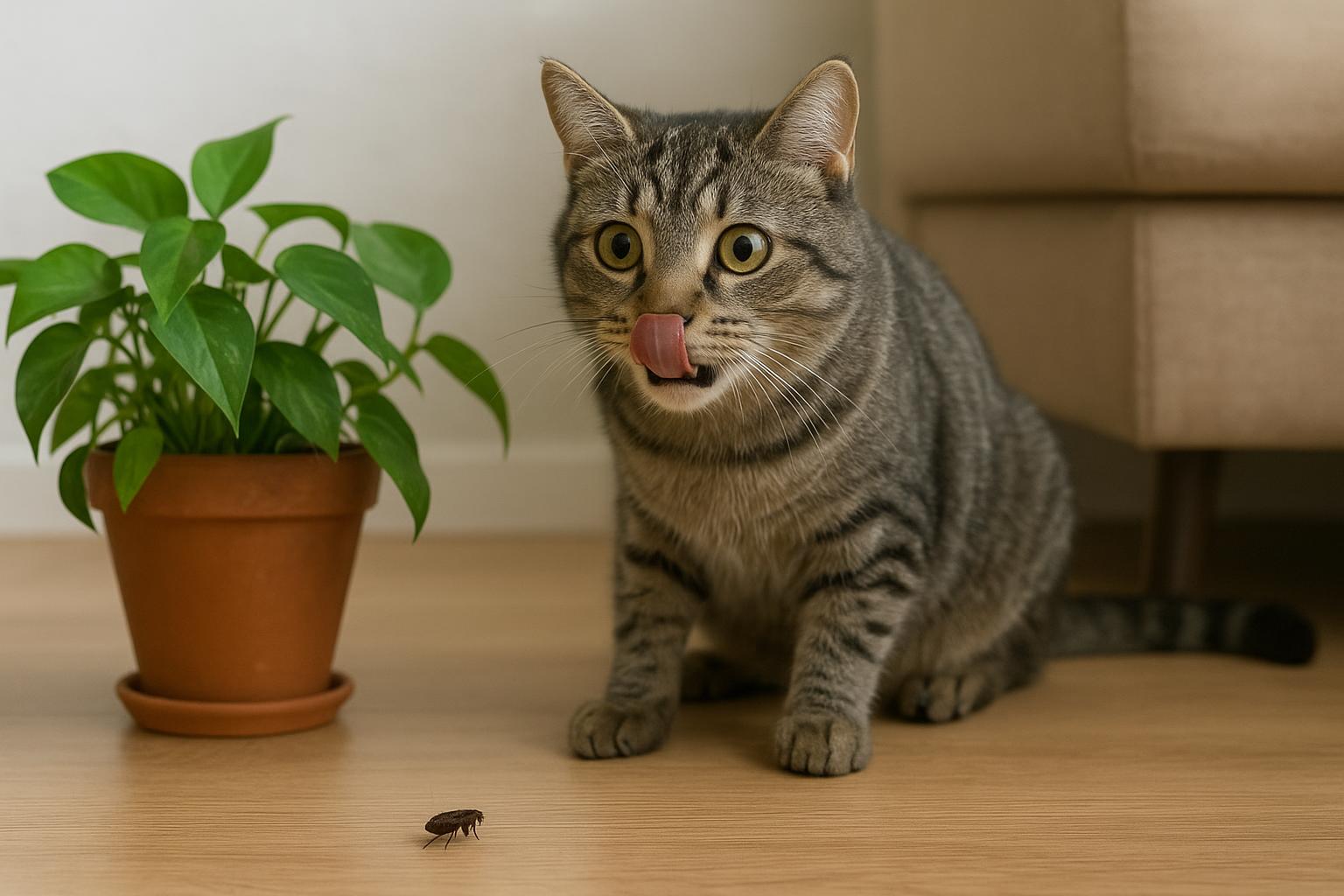
Fleas are tiny, fast-moving nuisances, but the skin reaction they provoke can be far from tiny. Flea dermatitis (1) is a hypersensitivity to flea saliva that causes intense itching, hair loss, and irritated skin in cats. Some cats show only a few bumps, while others end up with raw, infected patches that demand veterinary care. Think of it as your cat’s immune system overreacting to a flea’s dinner — and your job becomes making sure the flea doesn’t get invited back.
### How Flea Dermatitis Presents
Cats with flea dermatitis (2) may:
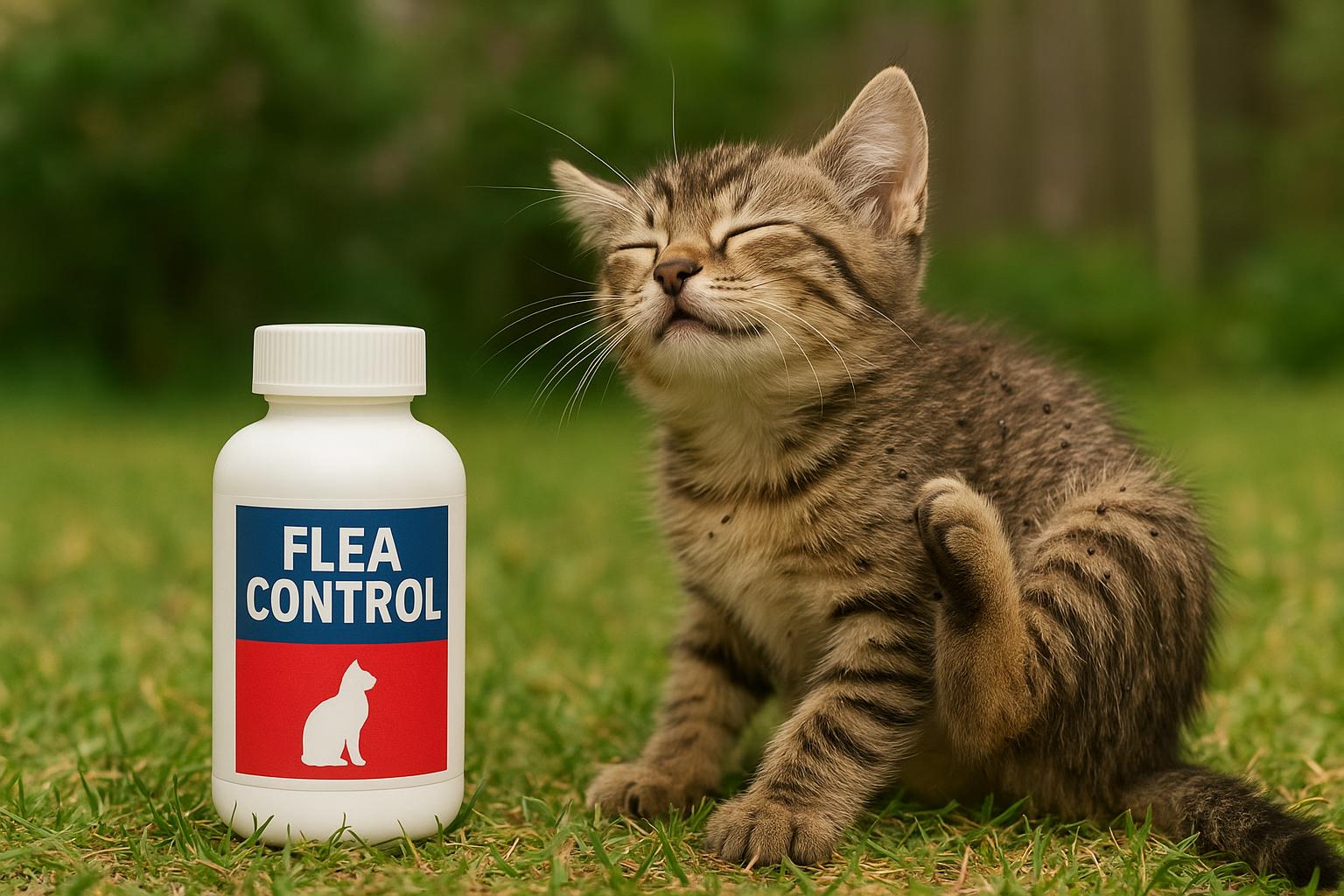
– Scratch relentlessly, often at the base of the tail, along the spine, and around the neck.
– Have scabs, crusts, or hairless patches from chronic grooming.
– Develop secondary infections from broken skin — staph or yeast can set in.
– Display behavioral change: restlessness, irritability, or hiding.
Some kittens and older cats show subtler signs. Because cats are such fastidious groomers, a heavy flea problem can sometimes be masked until a severe reaction or secondary infection highlights the issue.
### Why Some Cats React Worse
Not every flea bite triggers this level of response. Flea dermatitis (3) is an allergic reaction — specifically to proteins in flea saliva. A single flea bite can cause severe symptoms in a sensitized cat. Genetics, immune status, and prior exposure all play a role.
## Health Risks Associated With Flea Dermatitis
The immediate discomfort is obvious, but there are broader risks when flea dermatitis (4) is left untreated.
### Skin Infection And Ulceration
Persistent scratching breaks the skin barrier. Bacteria and yeast move in, turning itchy patches into painful, oozing sores that require antibiotics or topical therapy.
### Anemia And General Weakness
Heavy infestations, especially in kittens or debilitated older cats, can lead to blood loss and anemia. If your cat seems pale, weak, or lethargic, don’t wait.
### Transmission Of Parasites And Diseases
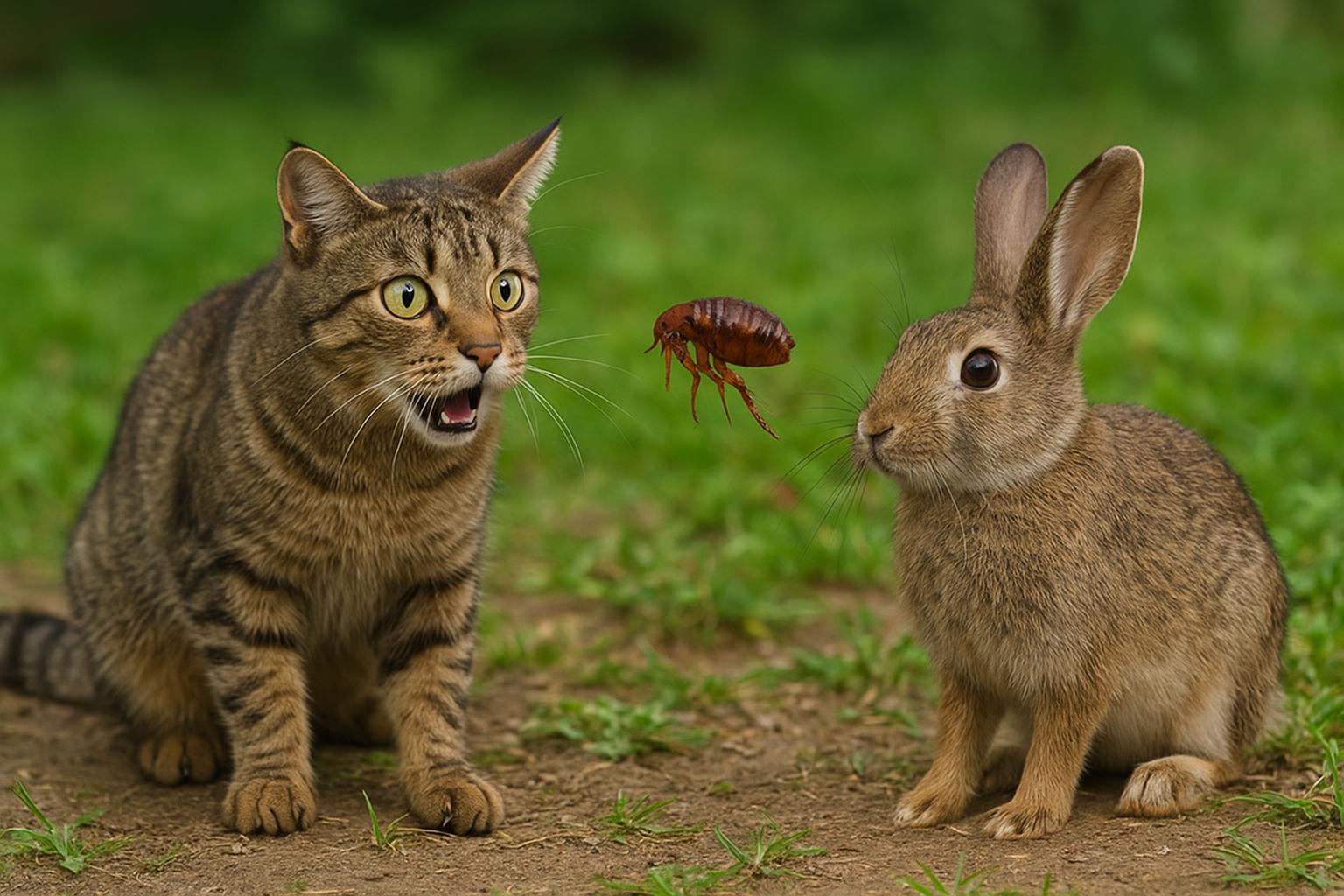
Fleas can carry tapeworm eggs (Dipylidium caninum). If your cat ingests an infected flea while grooming, they can develop tapeworms. Fleas are also vectors for other pathogens, and though rare, some can affect both pets and people.
#### When To See A Veterinarian
If your cat has widespread hair loss, open sores, fever, pale gums, or isn’t eating, seek veterinary care. A professional exam can differentiate flea dermatitis from other skin conditions like ringworm, food allergies, or mange.
## Diagnosing Flea Dermatitis
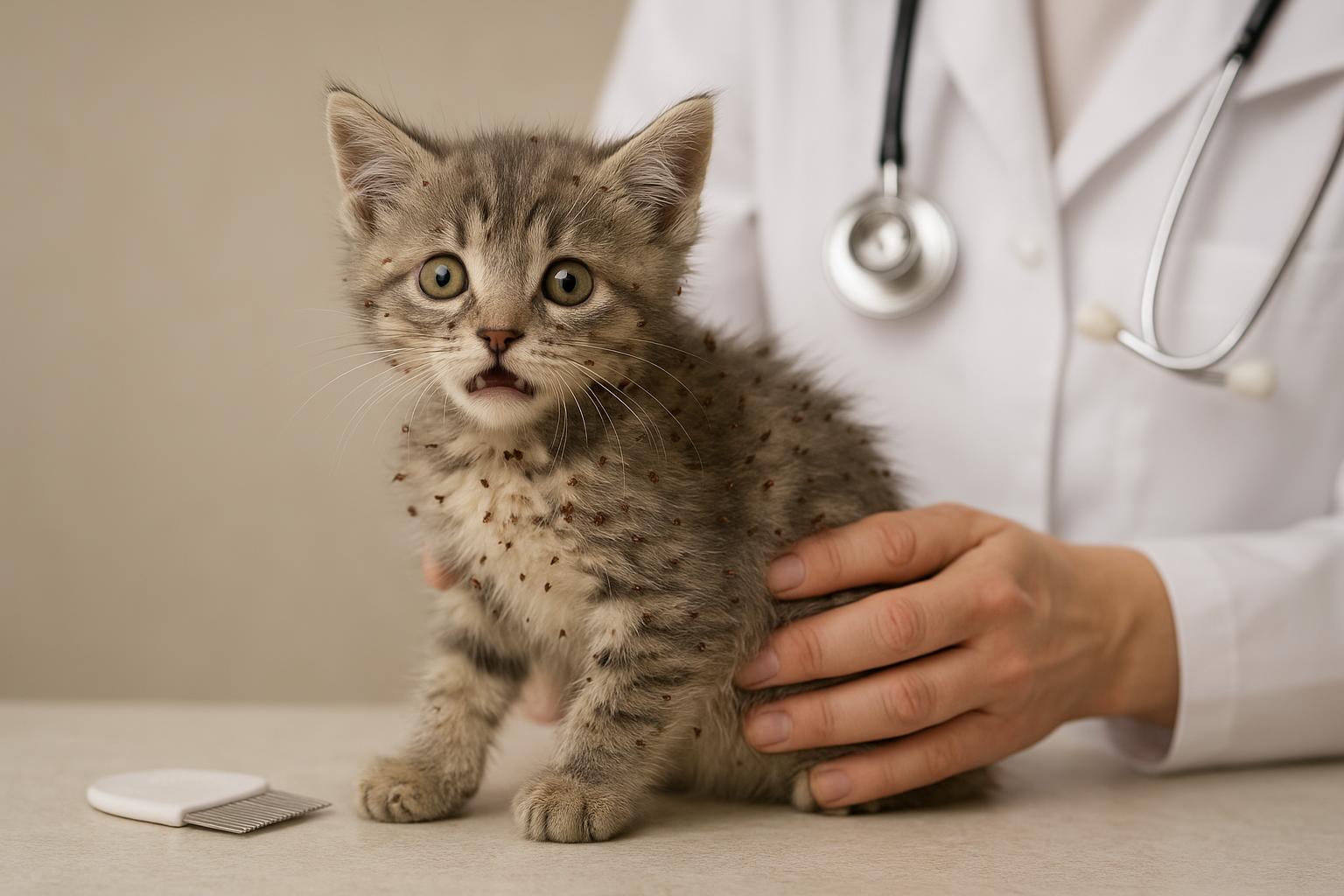
Diagnosis of flea dermatitis (5) often combines clinical signs with proof of fleas or flea dirt. Your vet will check for fleas with a comb, inspect the skin, and may run tests (skin cytology, fungal cultures, bloodwork) if secondary infection or other causes are suspected.
### The Role Of A Flea Comb
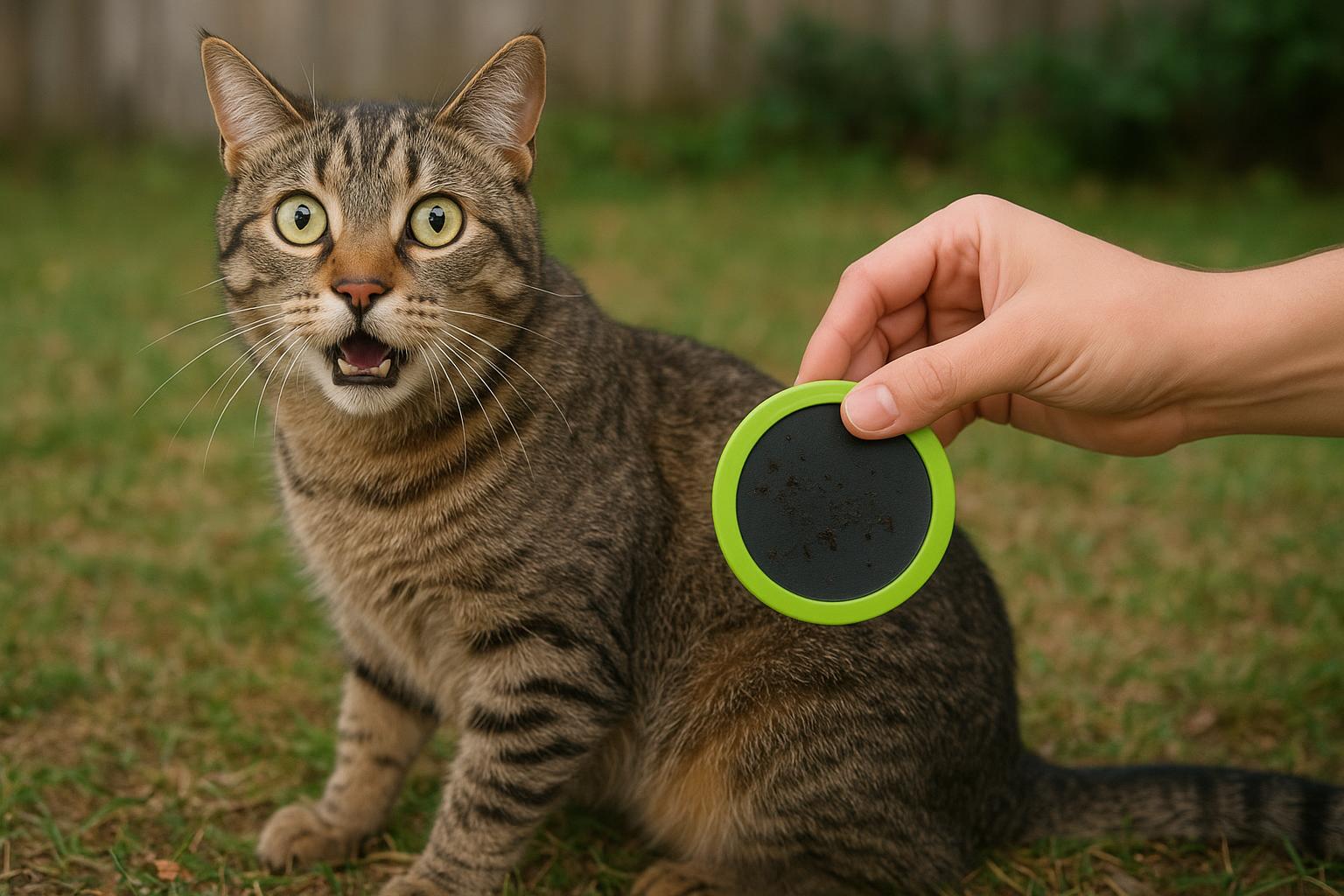
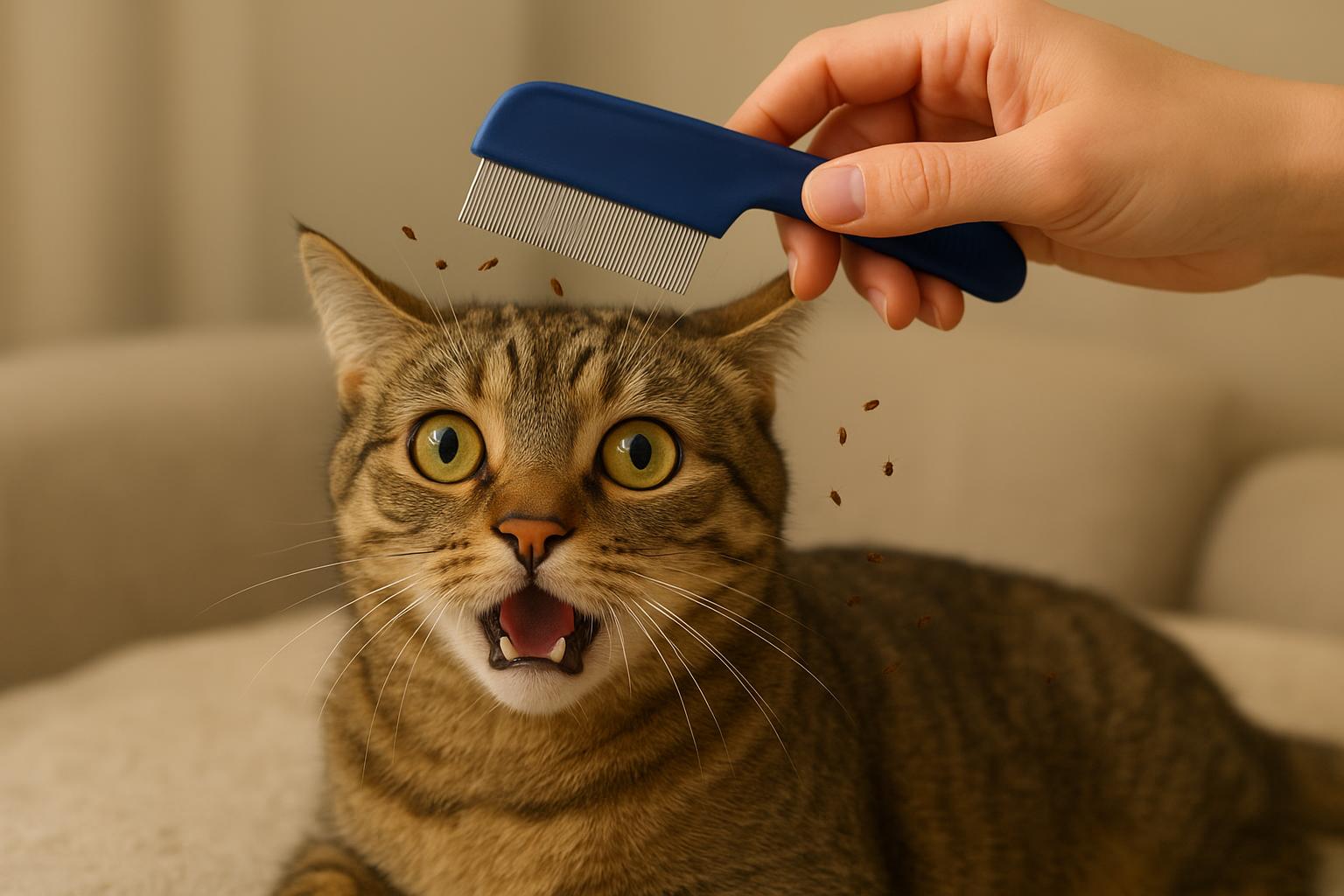
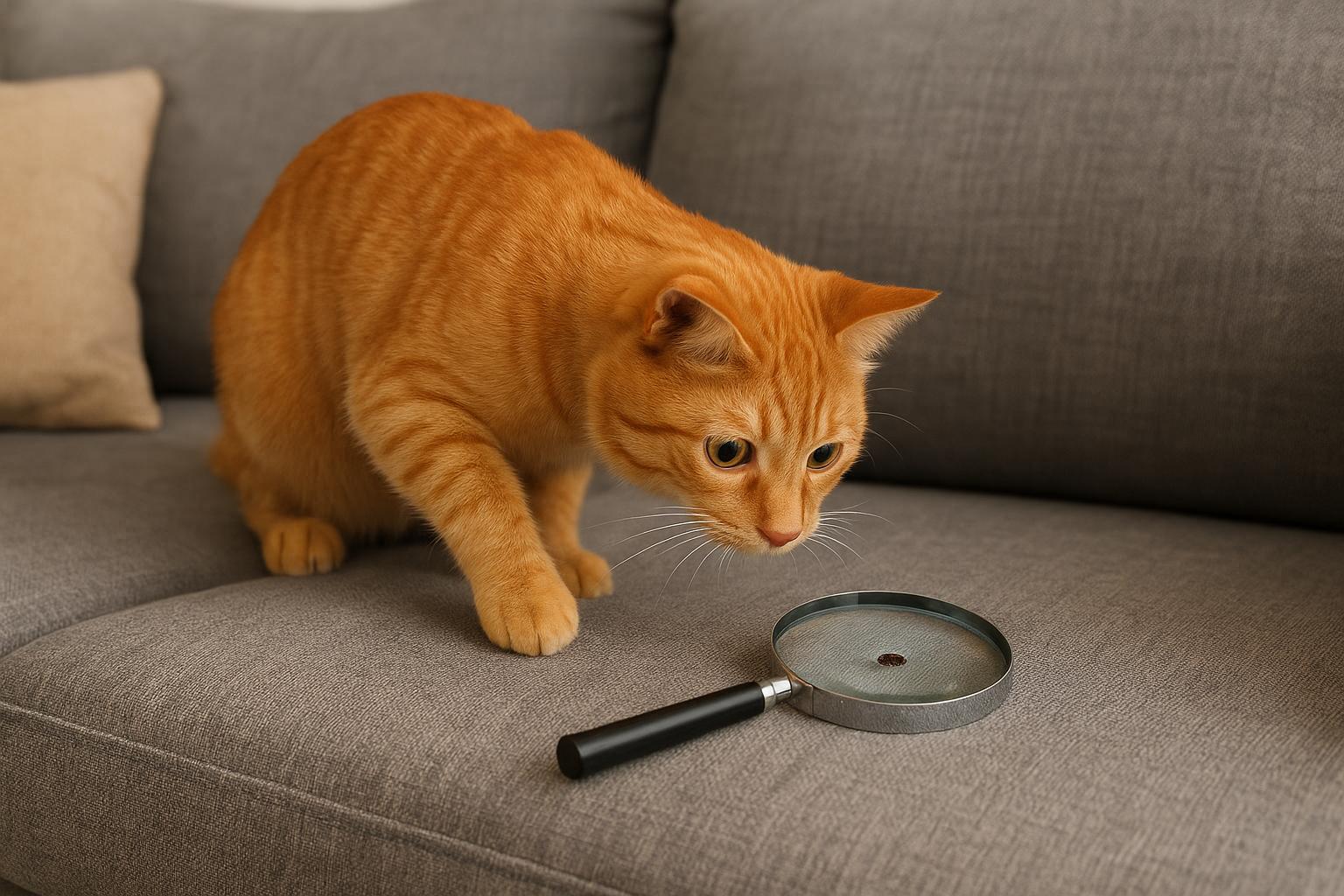
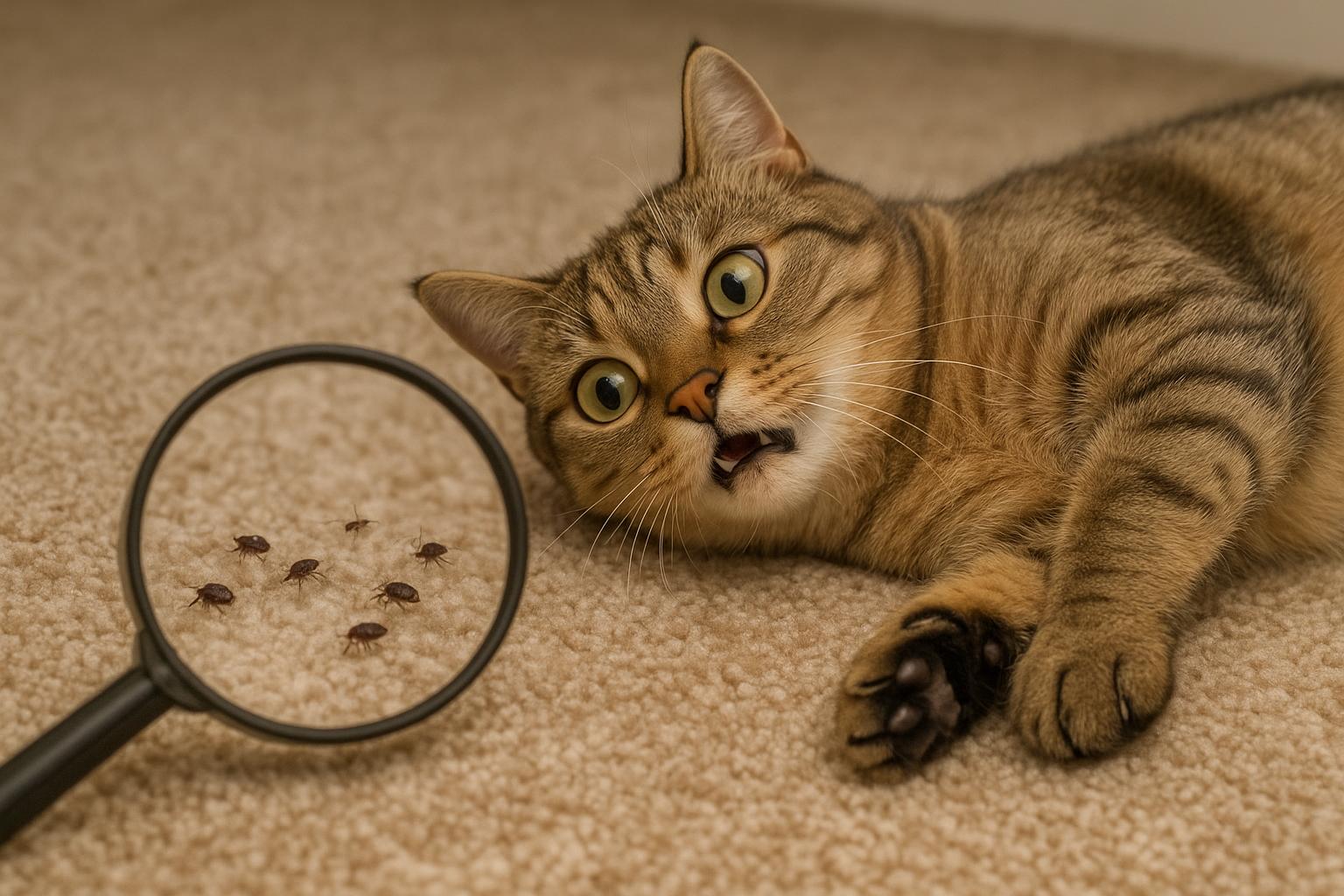
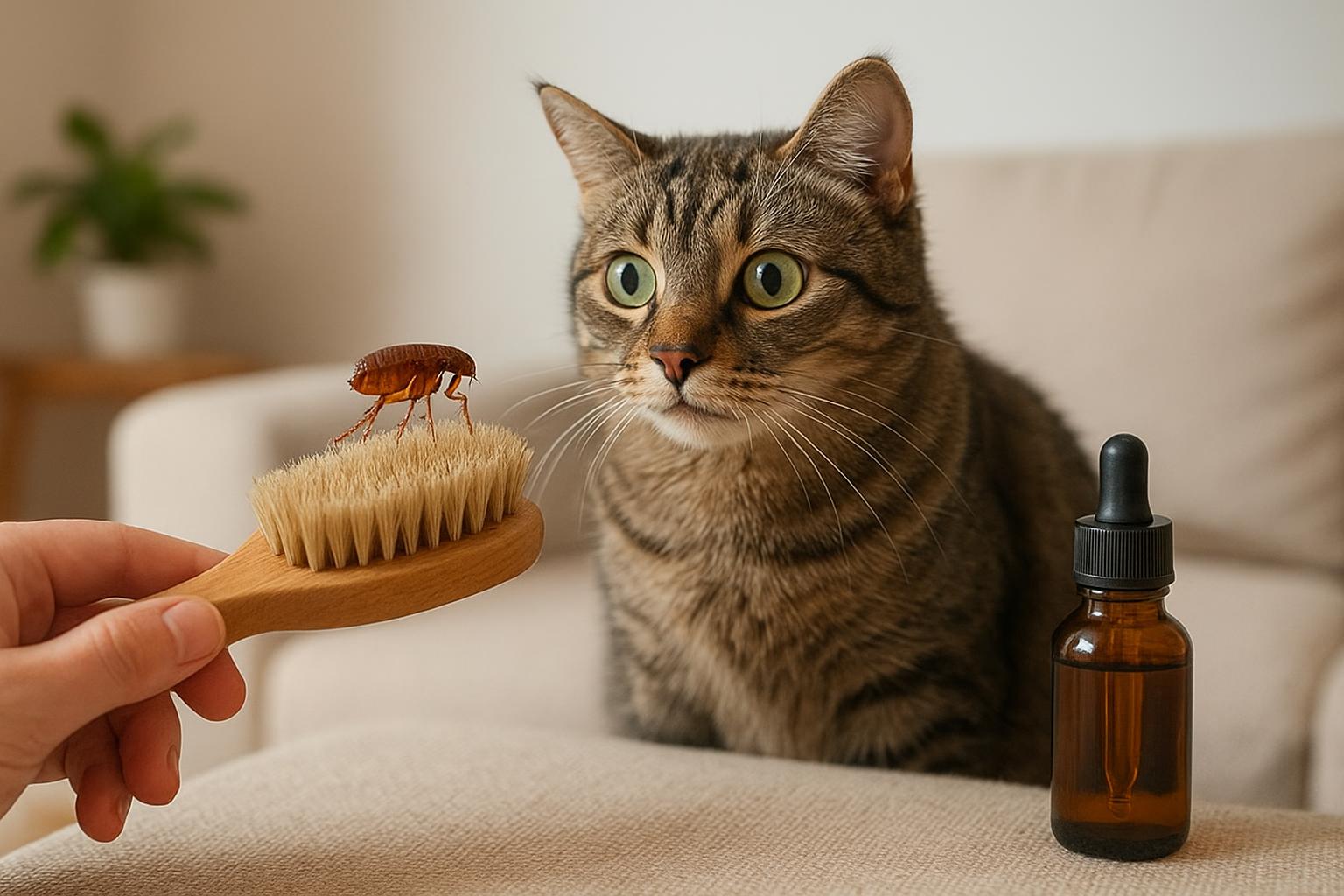
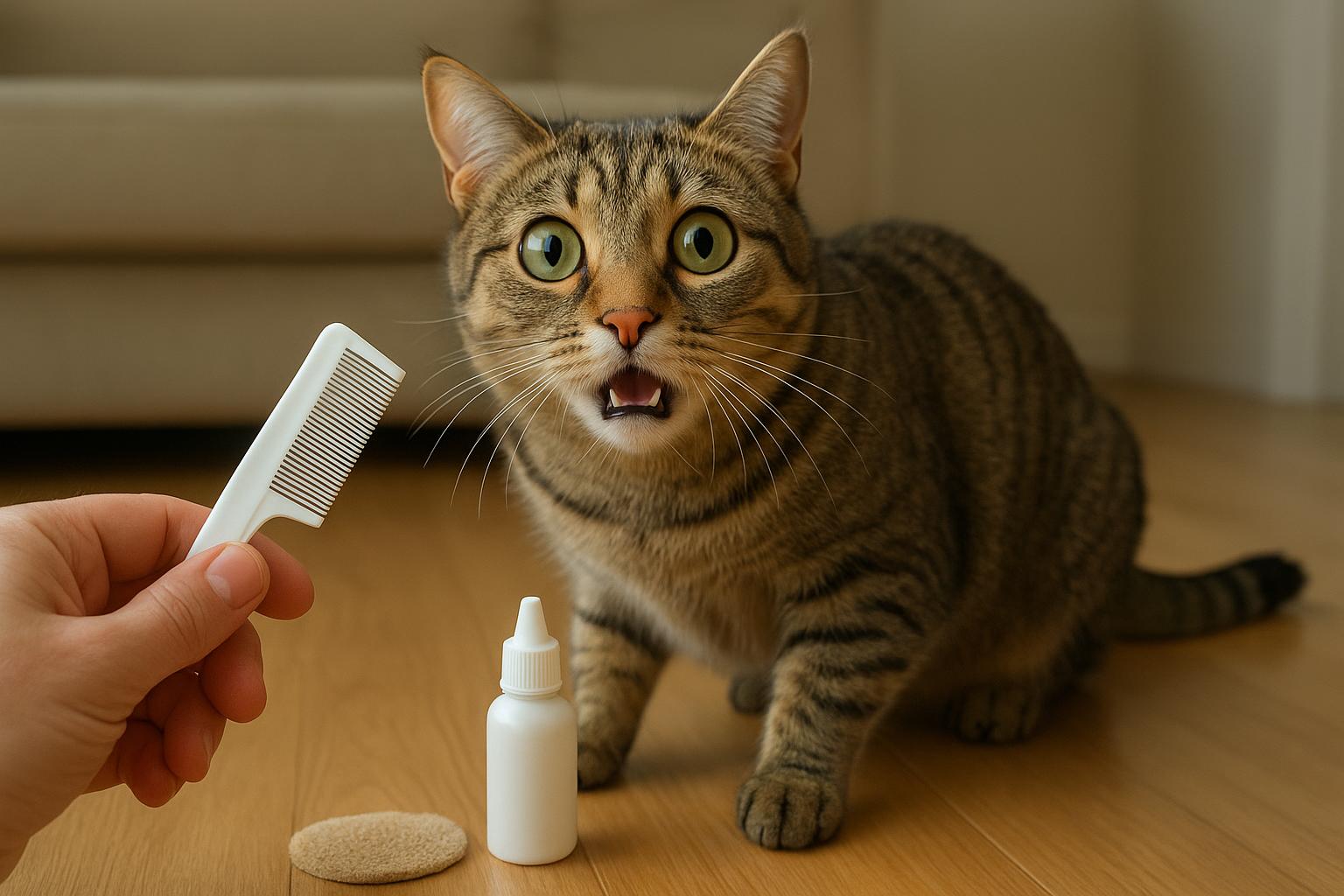
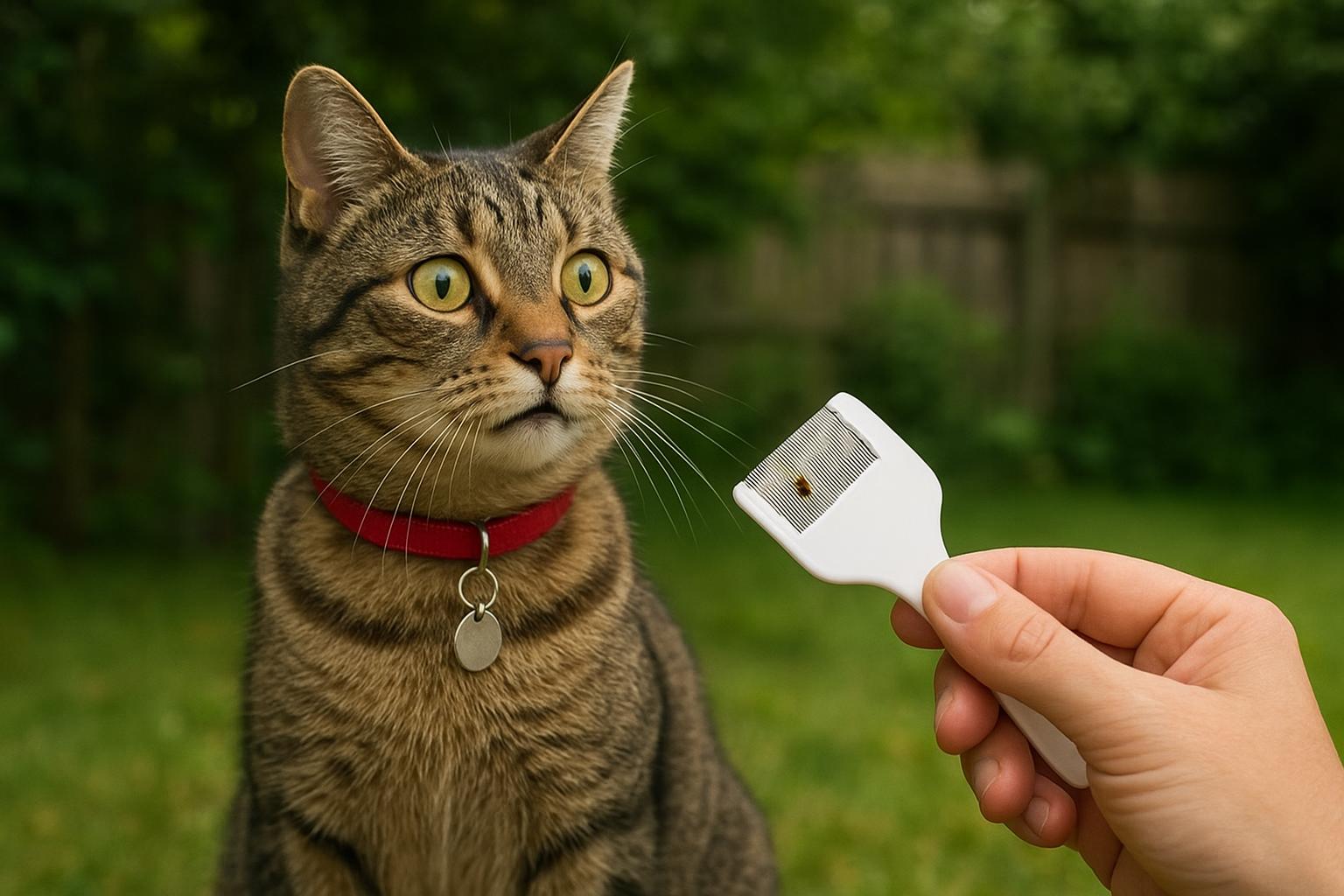
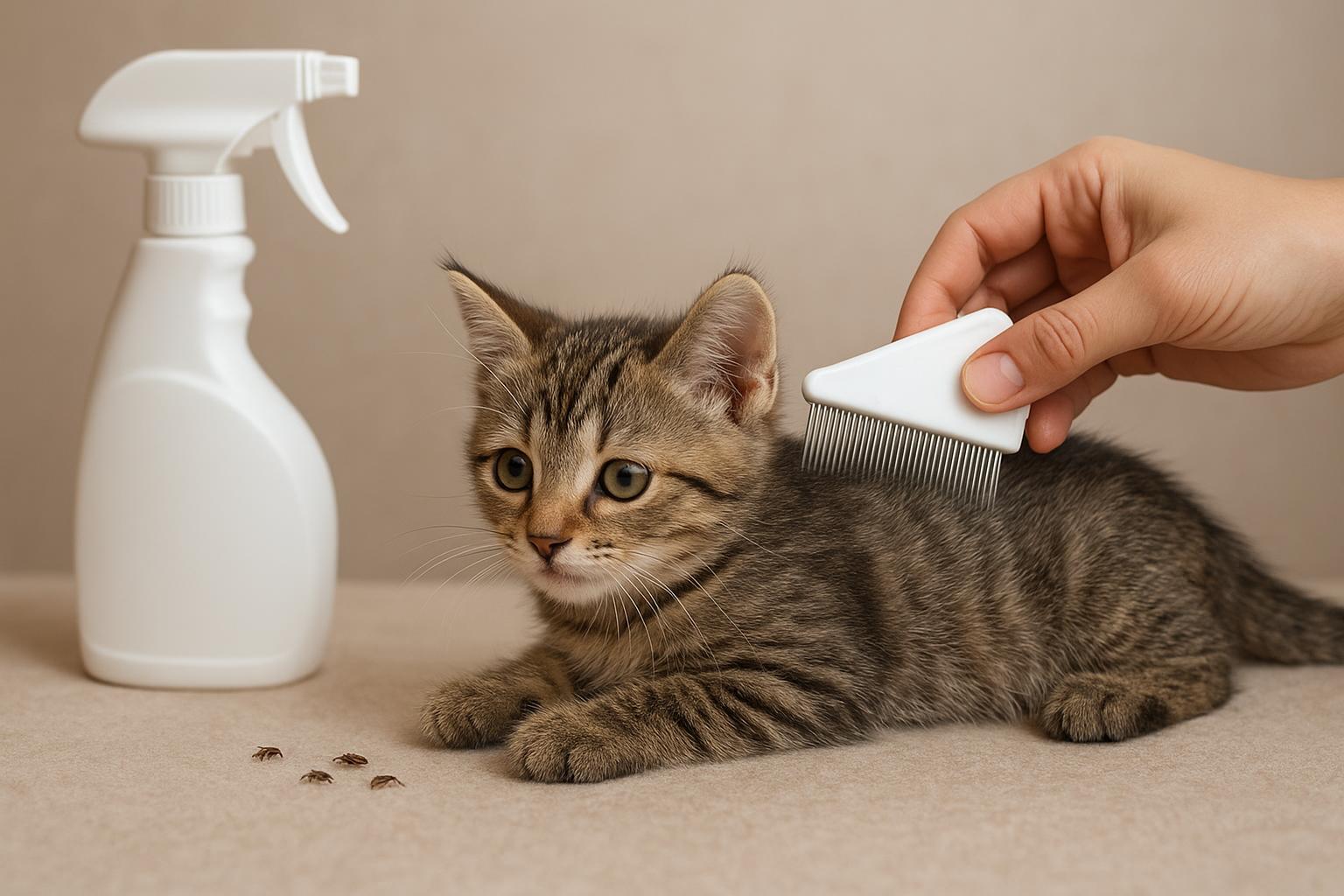
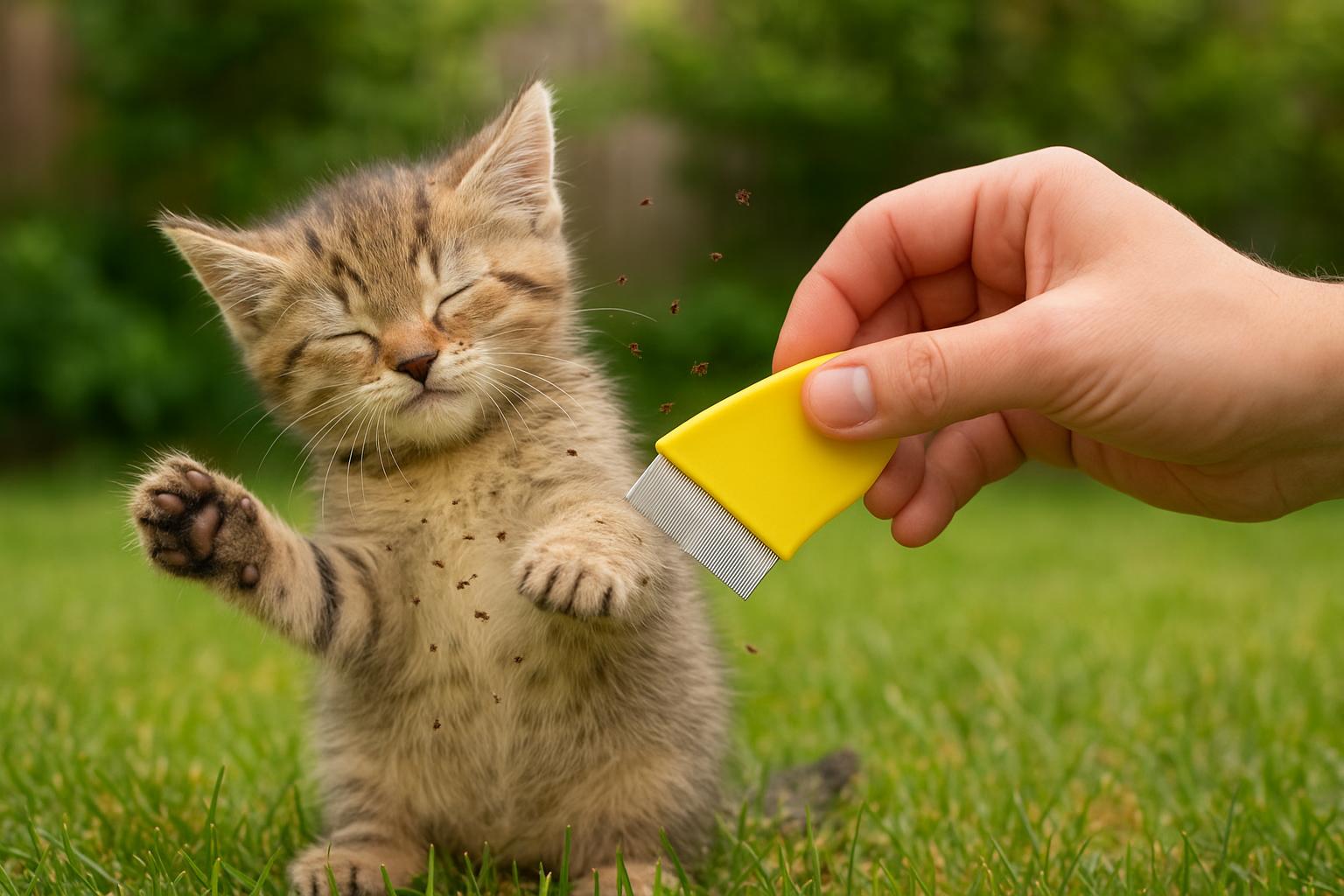
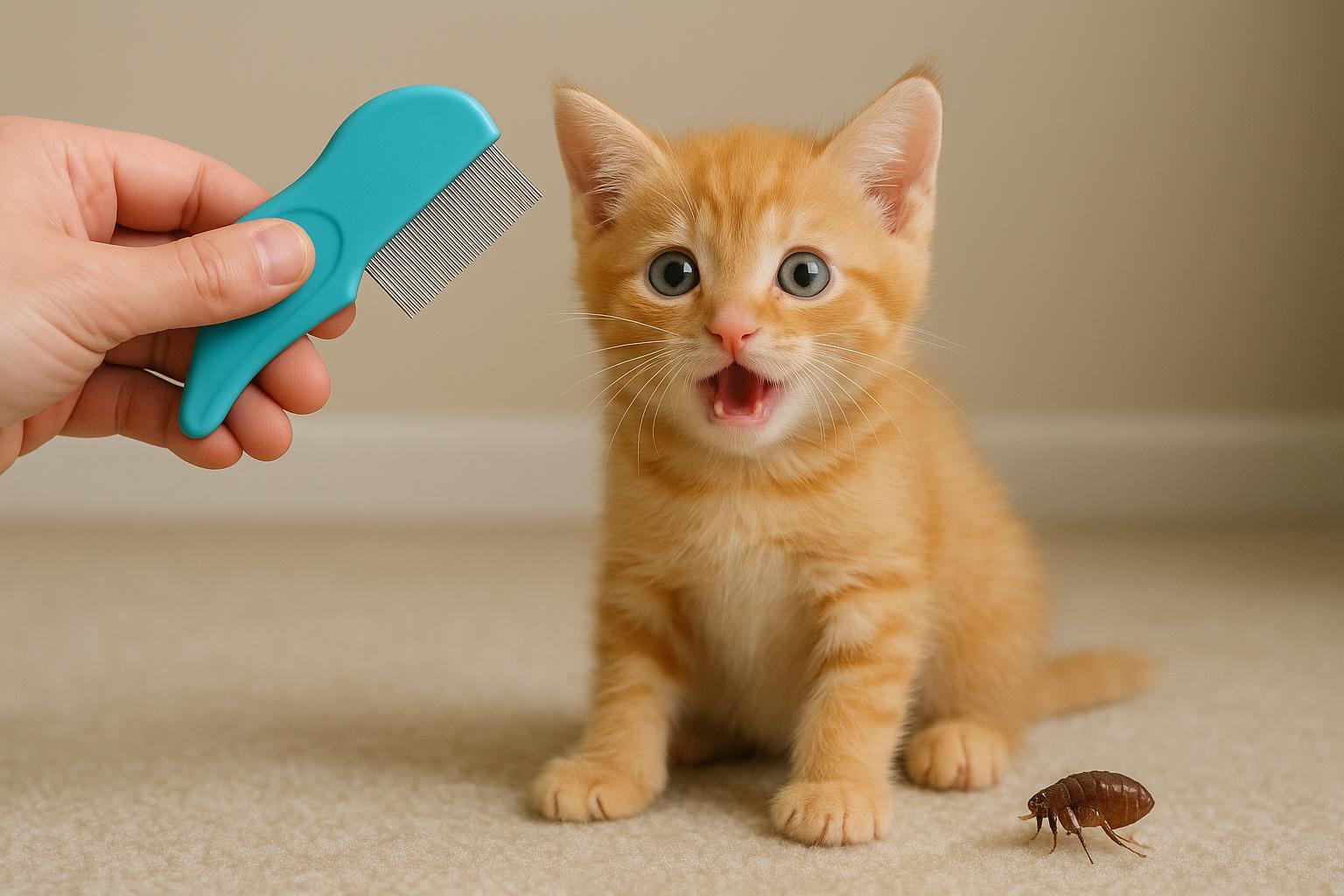
A simple flea comb can reveal fleas or dark specks of flea feces. Place any dark specks on damp white paper — if they dissolve to a rusty color, that’s digested blood from fleas.
## Prevention Strategies And Home Management
Preventing flea dermatitis (6) is more effective (and kinder) than treating full-blown misery. Prevention is threefold: treat the cat, treat other animals, and treat the environment.
### Year-Round Flea Control
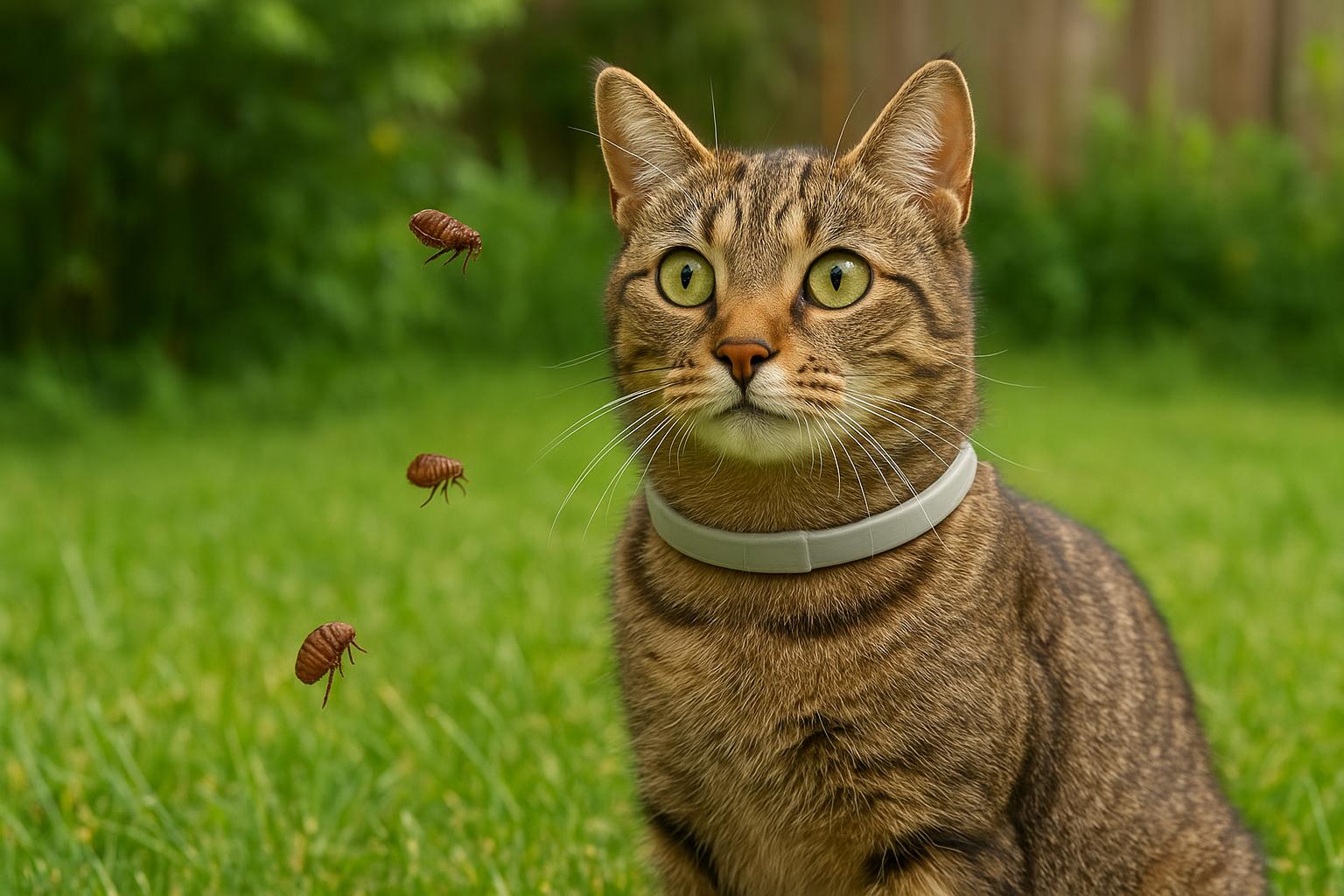
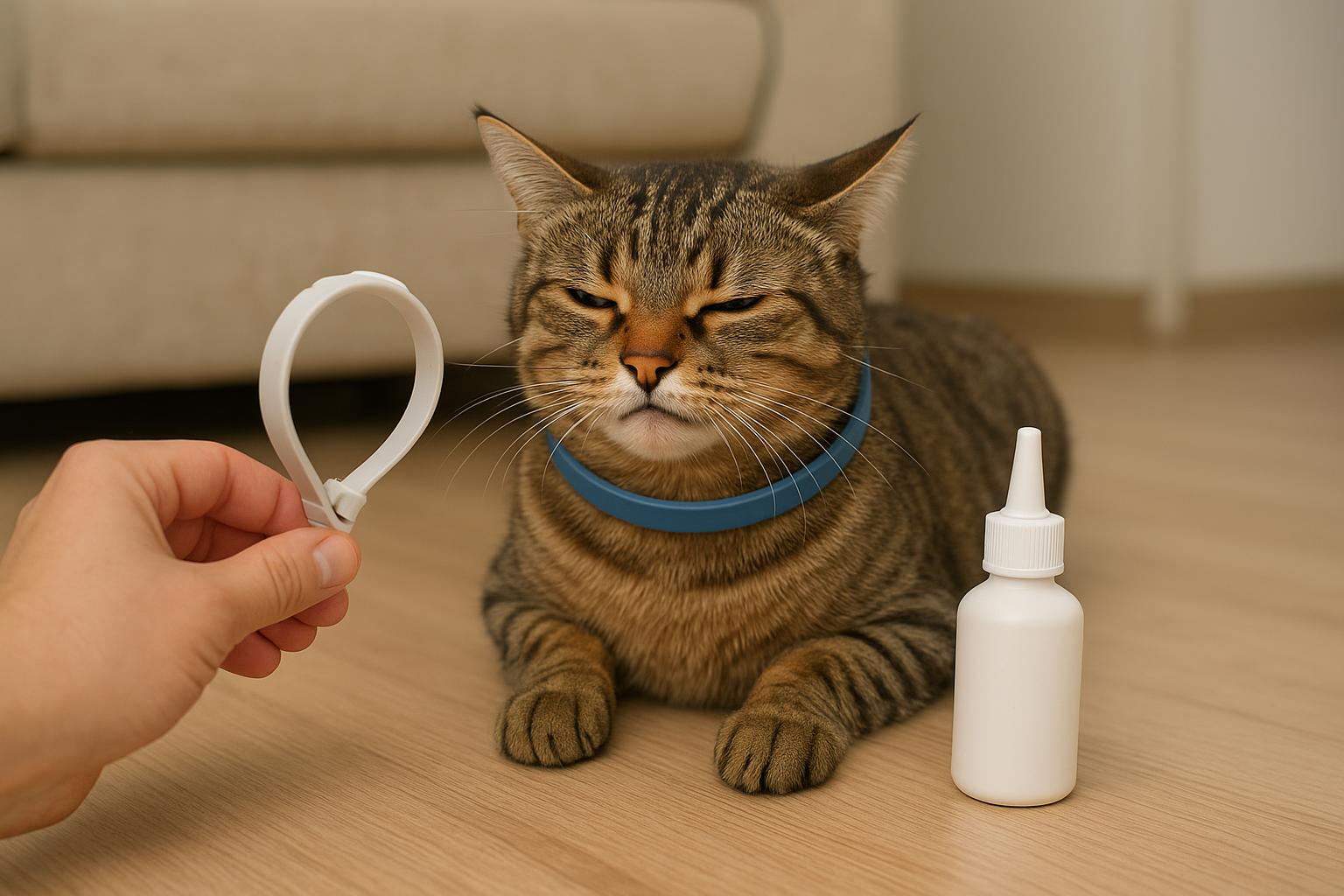
Fleas don’t respect seasons in heated homes. Use veterinarian-recommended topical or oral flea preventives year-round. These products break the flea life cycle by killing adult fleas and/or preventing eggs and larvae from developing.
### Household And Yard Control
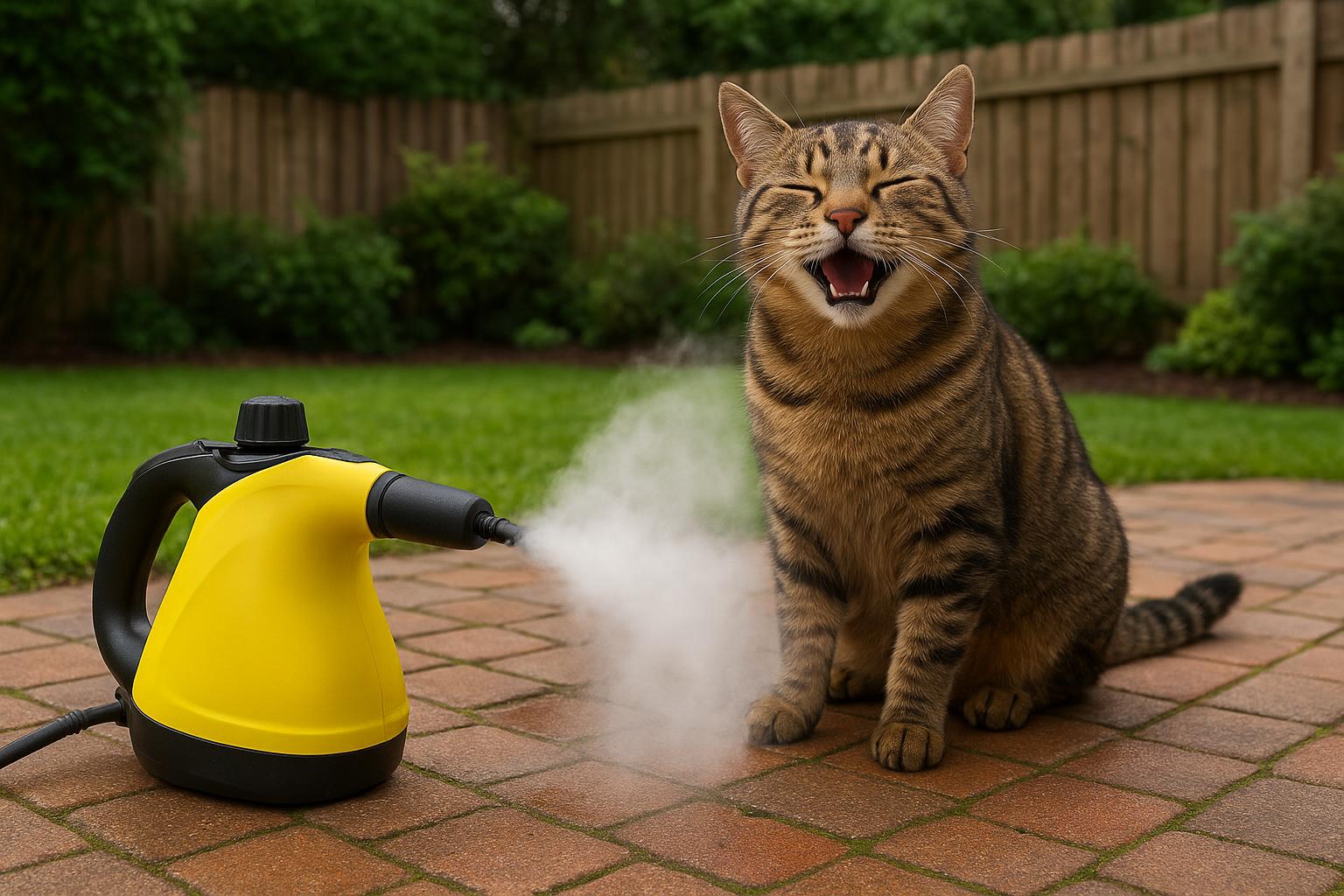
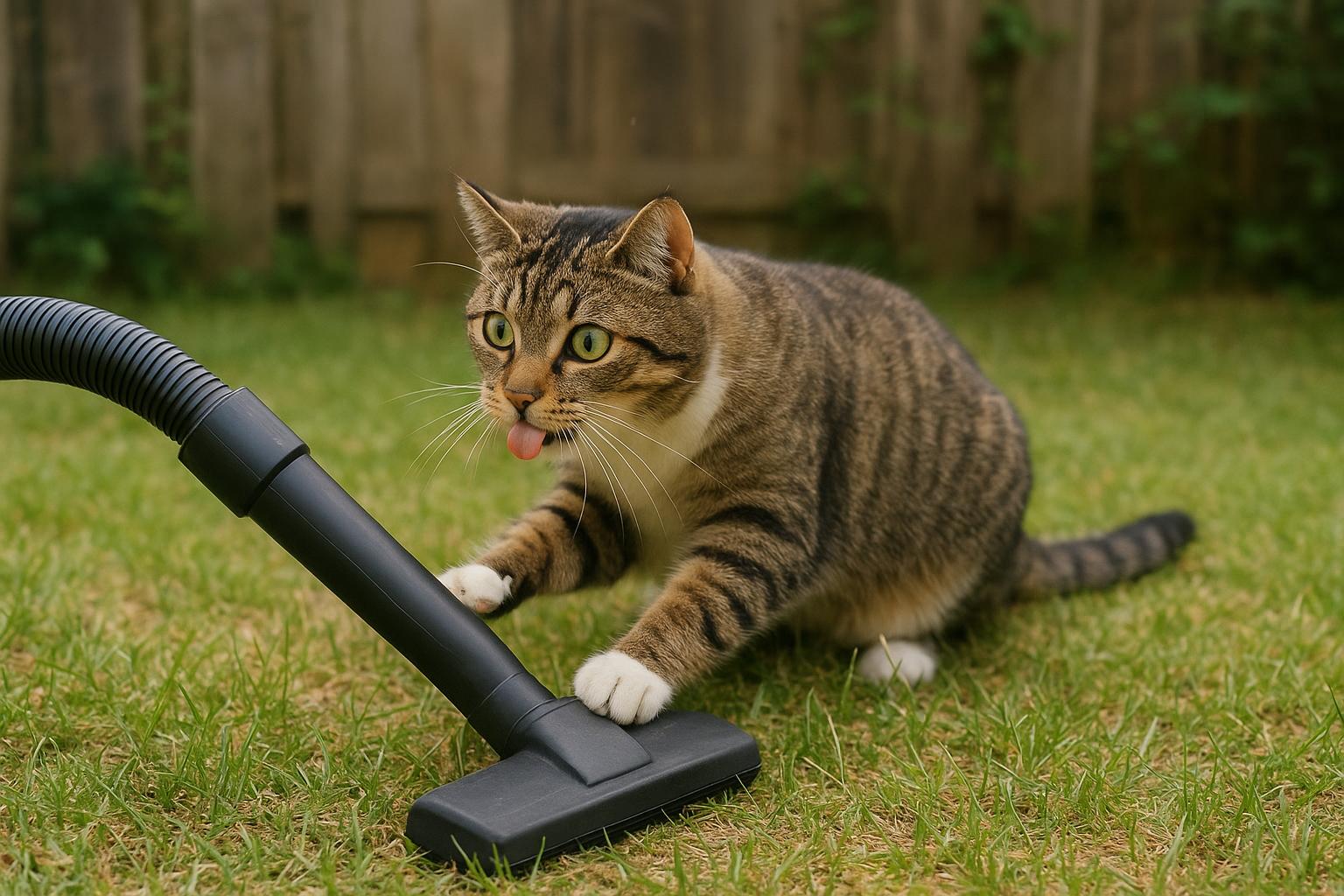
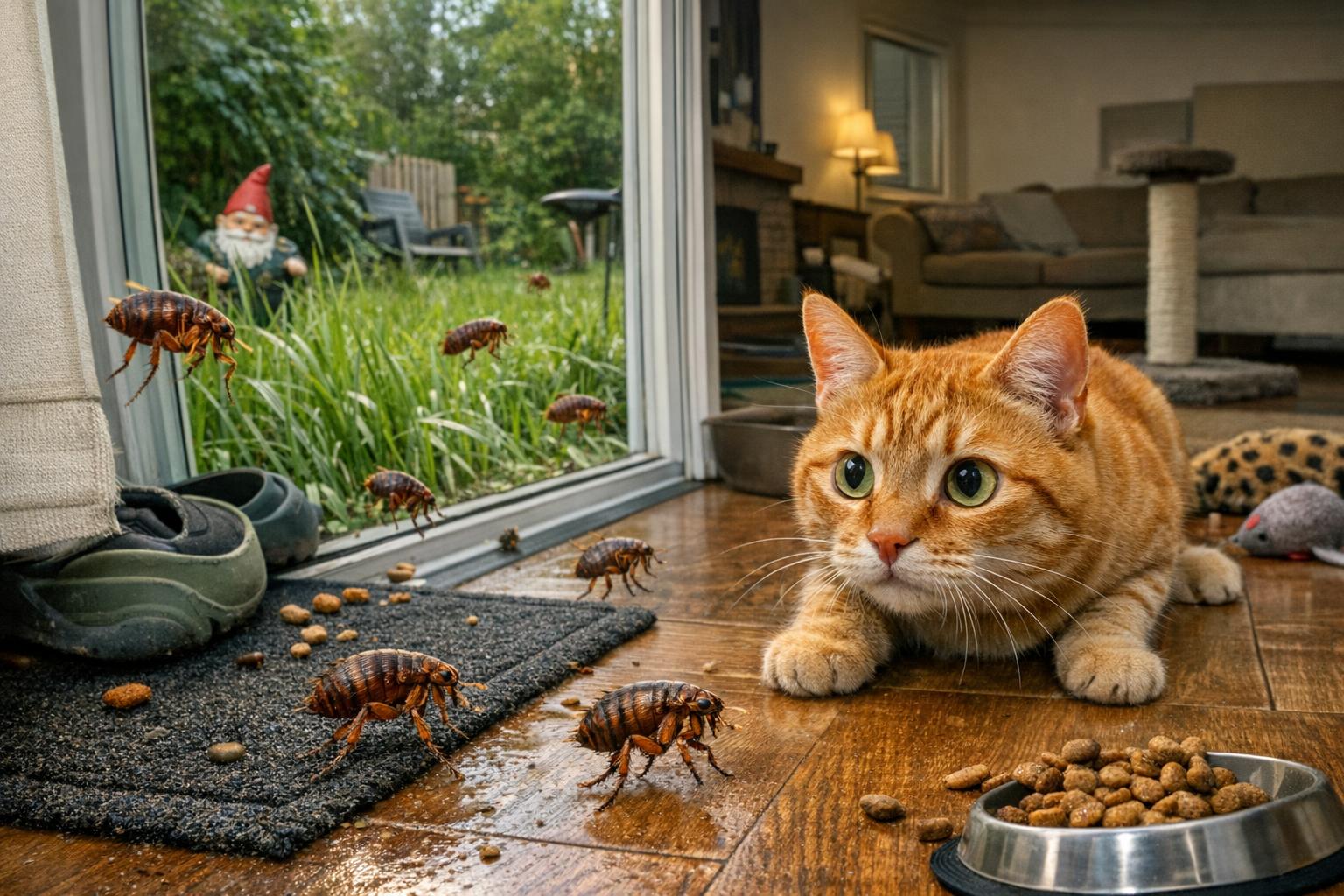
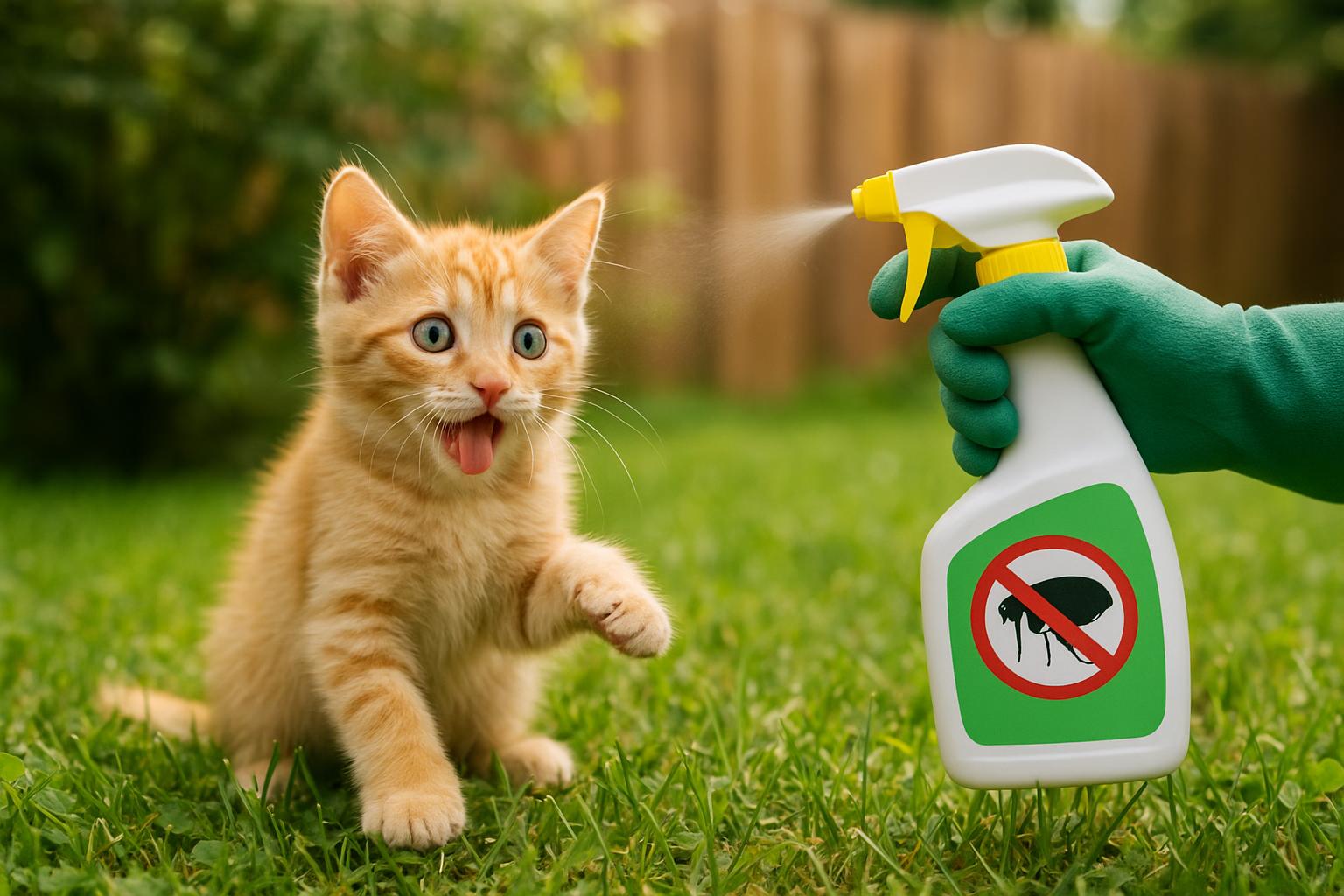
Vacuum frequently (especially where your cat rests), wash bedding weekly in hot water, and consider steam cleaning carpets. For outdoor cats or if you have a persistent problem, a yard treatment targeted to shady sheltered areas reduces reinfestation risk.
### Treat All Pets And Close Contacts
Even if only one cat shows symptoms, treat all pets in the household. Fleas move fast and will hop off and on hosts.
## Remedy 1: Prescription Veterinary Flea Control (Plus Materials And Steps)
Veterinary-approved products are the gold standard for preventing and treating flea dermatitis. These are prescription or over-the-counter medications your vet will recommend based on age, weight, health status, and lifestyle.
Materials/Required Items:
– Veterinarian-prescribed topical flea medication or oral chewable (product selected by vet)
– Flea comb
– Disposable gloves
– Towel (to restrain if needed)
– Calendar or reminder system for reapplication dates
Step-by-Step Application:
1. Schedule a veterinary consultation to confirm flea dermatitis and receive a product recommendation. Do not use dog-specific products on cats.
2. Read the product label and instructions thoroughly.
3. Weigh your cat to ensure correct dosing.
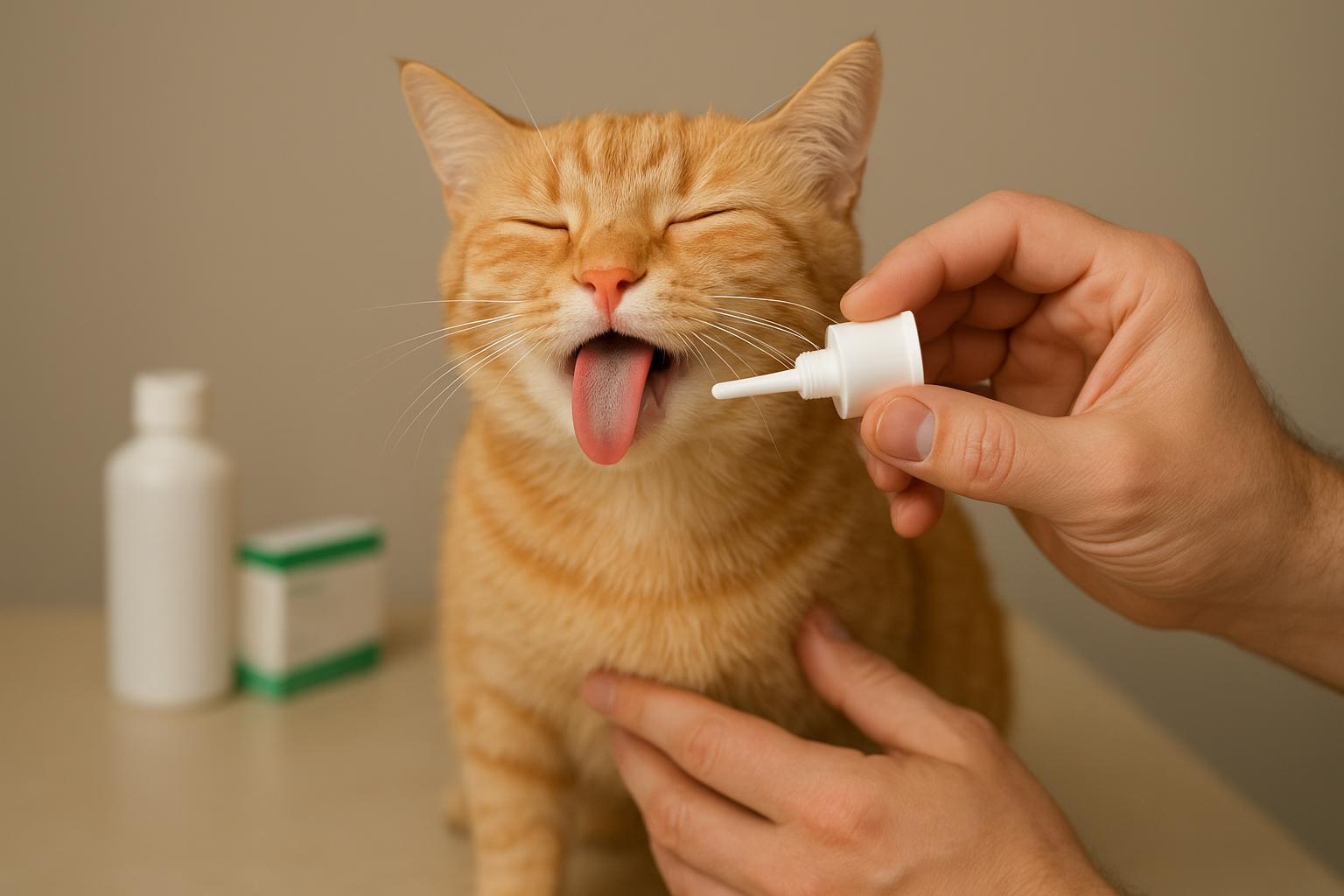
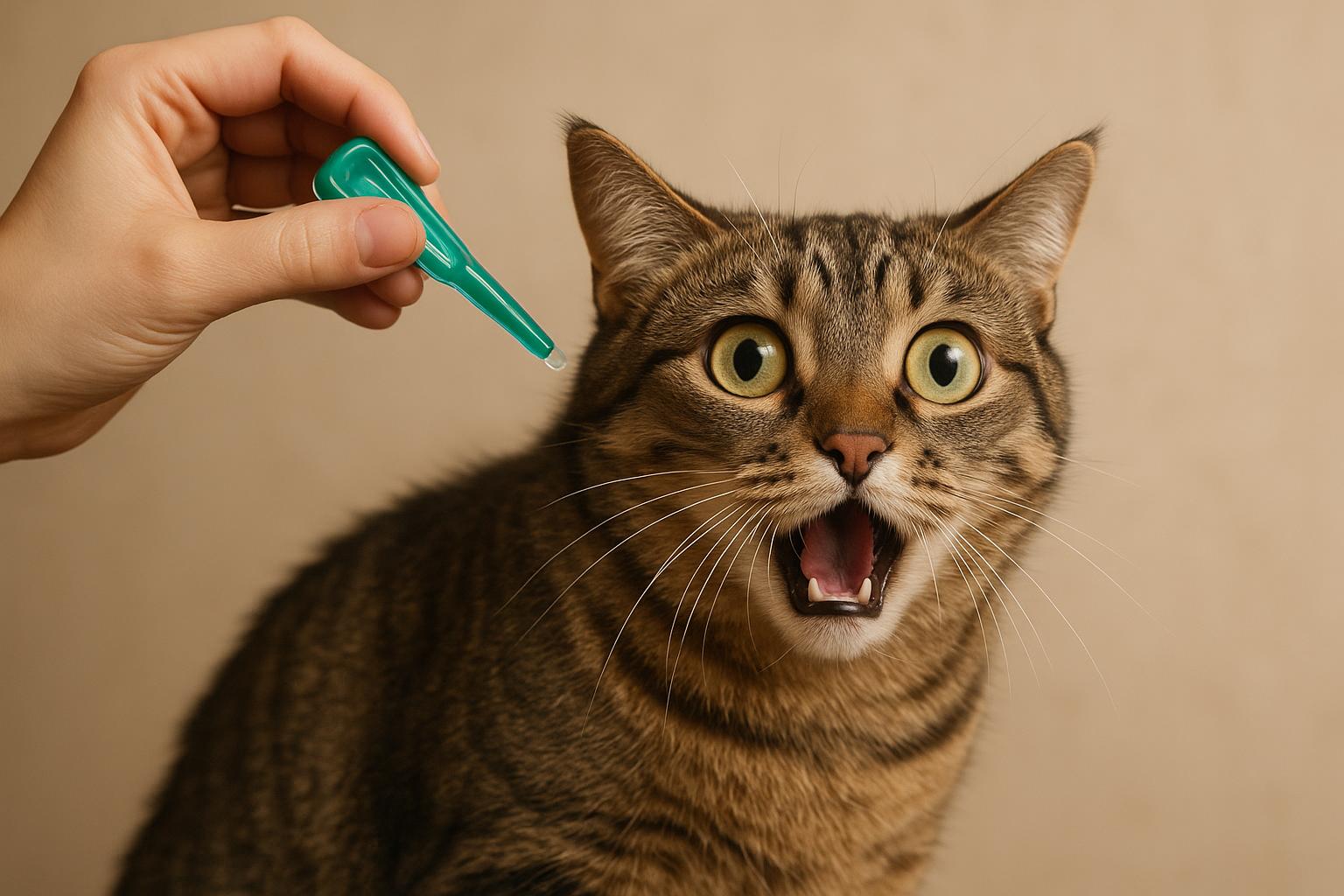
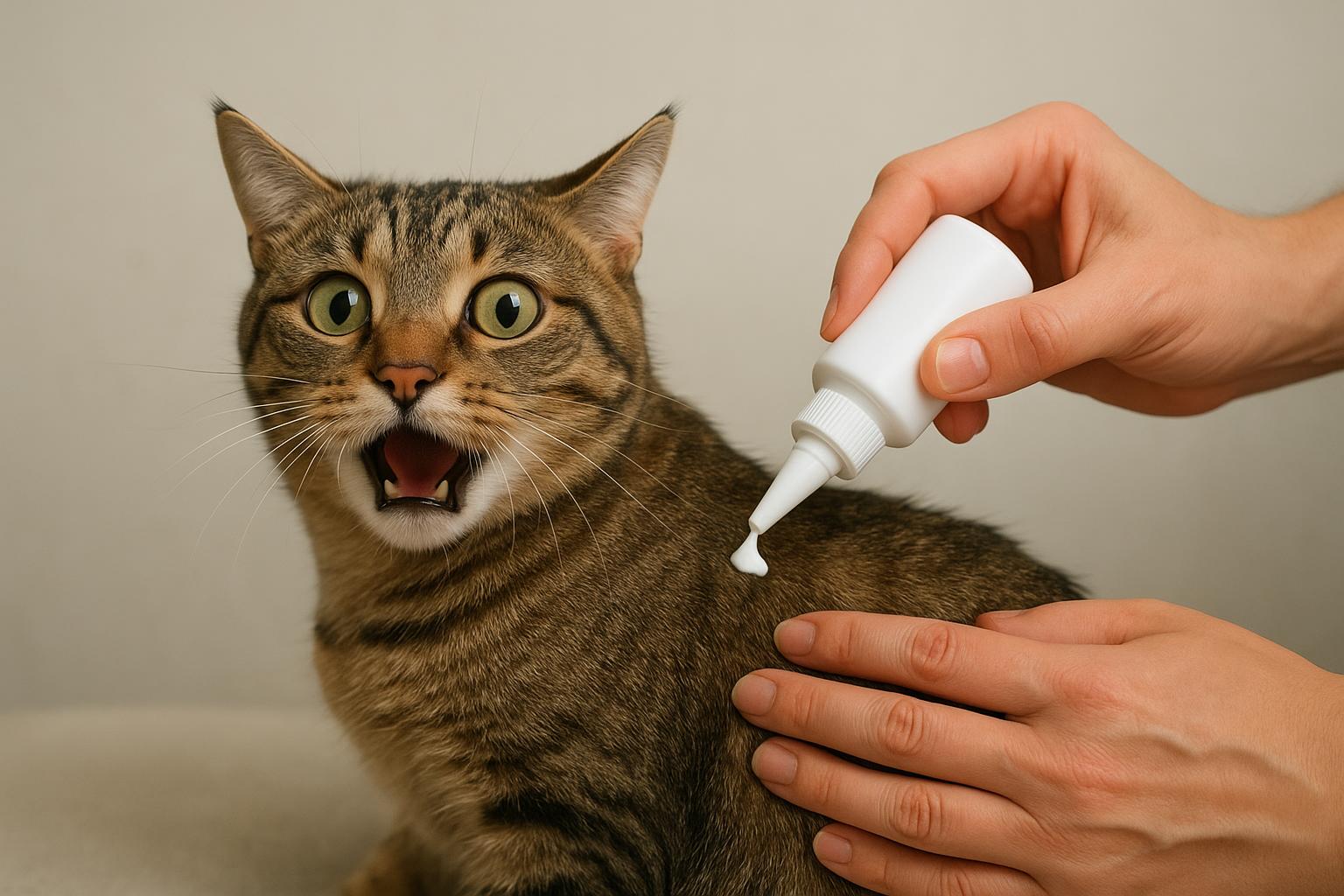
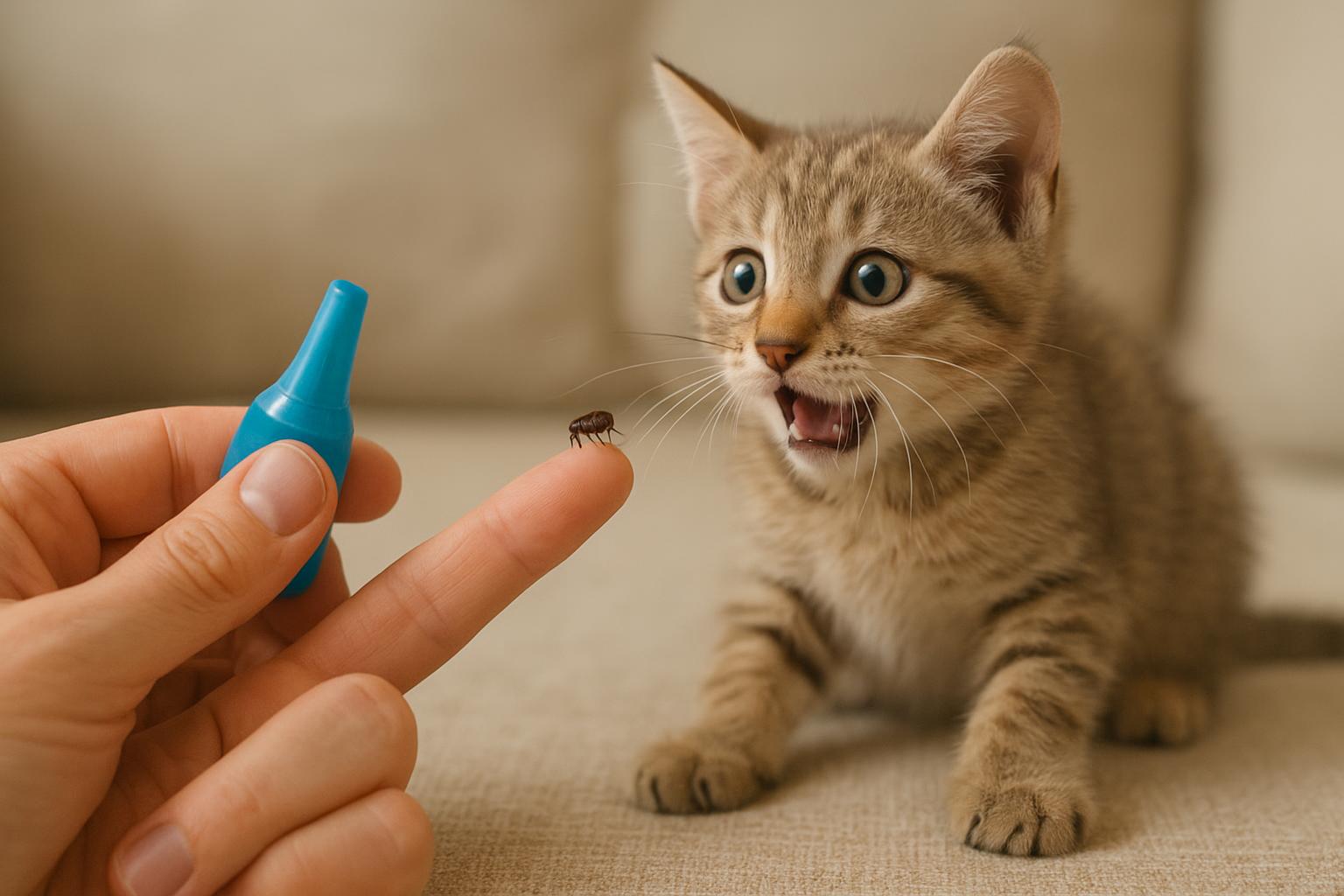
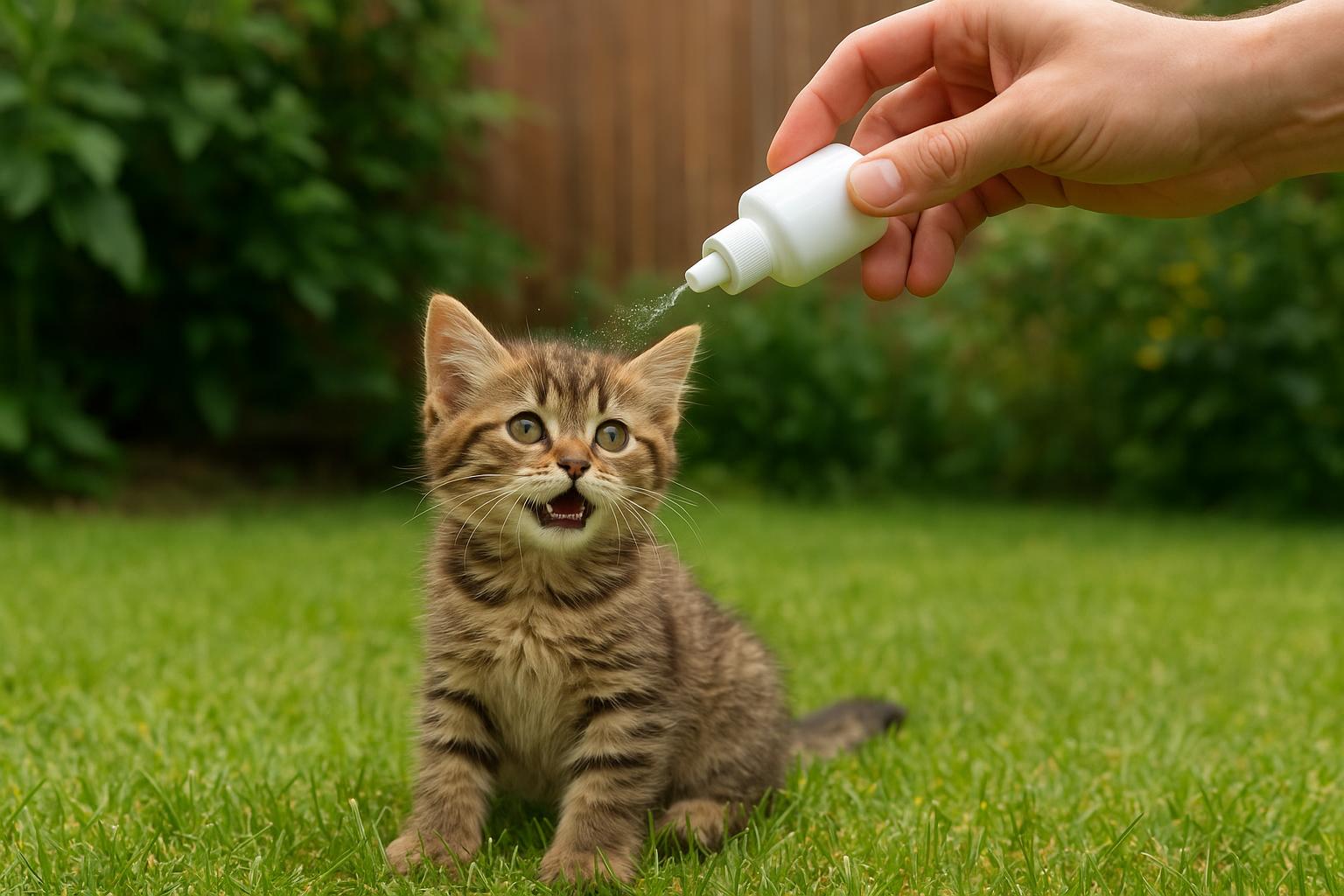
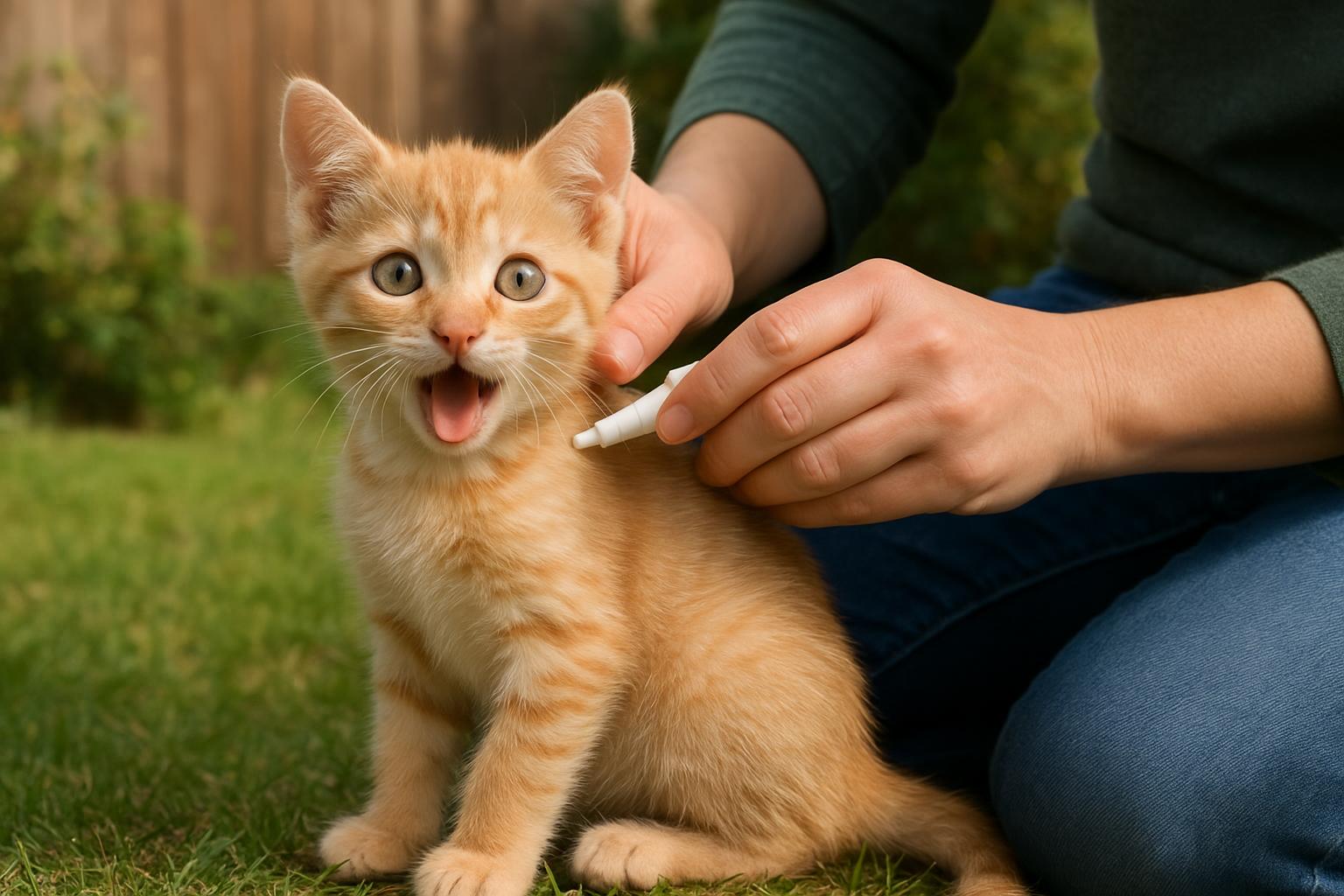
4. Put on disposable gloves. Apply topical medication to the base of the cat’s skull — direct contact with the skin is essential; part the fur and place the applicator tip on the skin.
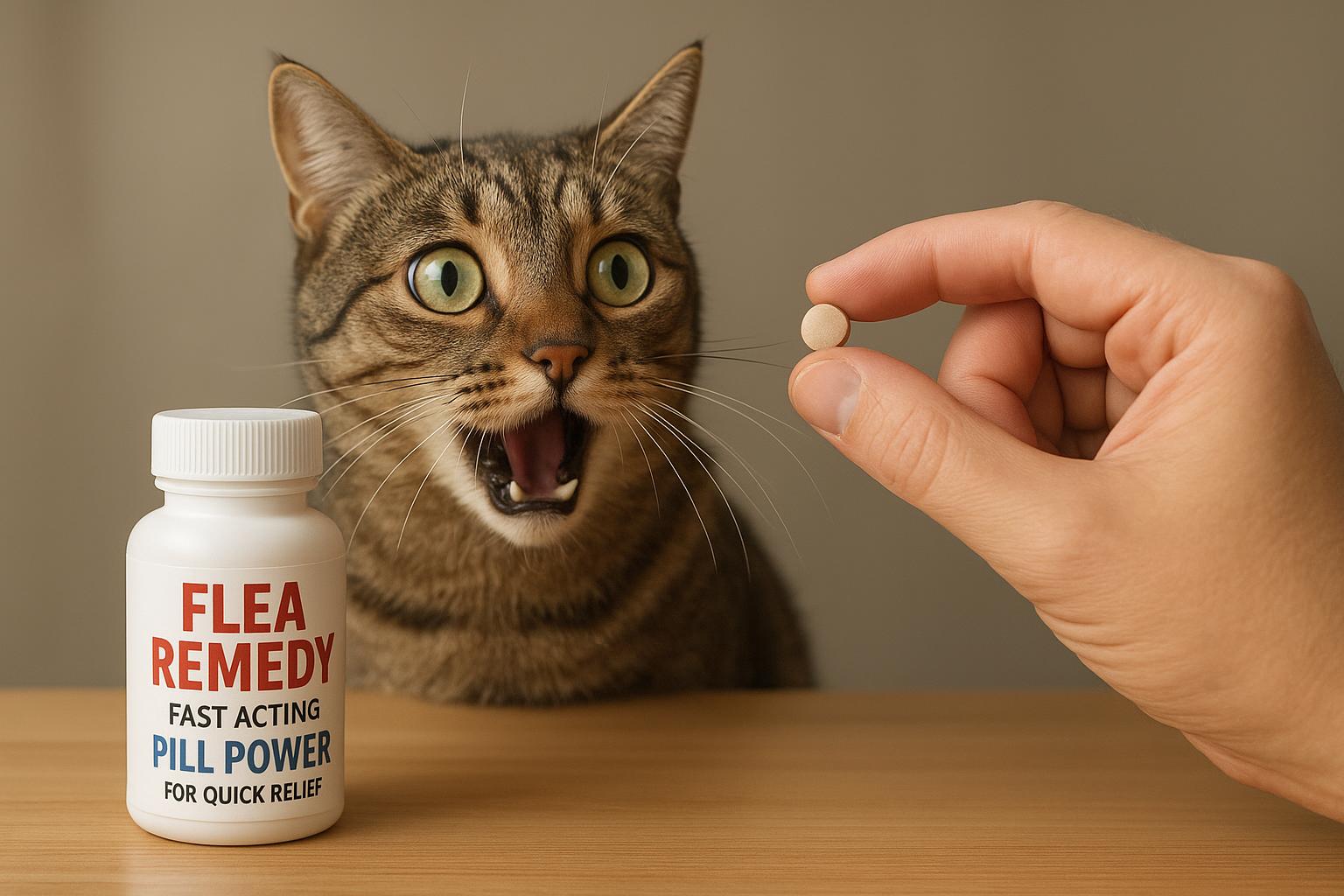
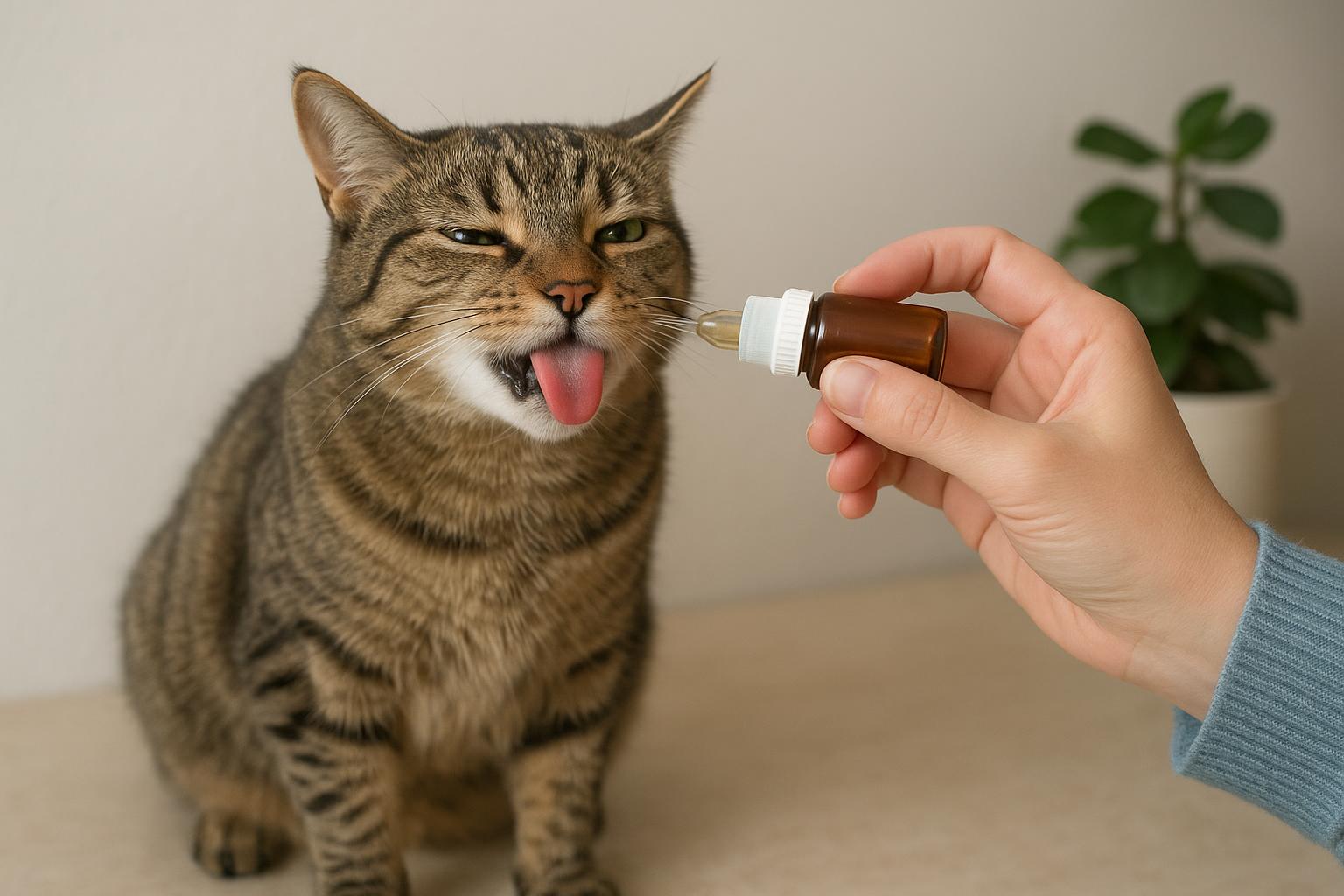
5. For oral medications, follow dosing instructions precisely. Ensure the cat ingests the tablet; some pills may be flavored or hideable in food, but be certain of full consumption.
6. Use a flea comb daily for the first week to remove fleas and assess effectiveness. Dispose of any fleas by drowning in soapy water.
7. Maintain reapplication on the schedule recommended by your veterinarian. Record dates and monitor for side effects (restlessness, vomiting, lethargy).
8. If adverse reactions occur, contact your vet immediately.
Note: Formal guidance is crucial because many human or dog products are toxic to cats. Follow veterinary advice on product choice and schedule.
## Remedy 2: Environmental Spray For Home (Numbered Remedy With Ingredients And Steps)
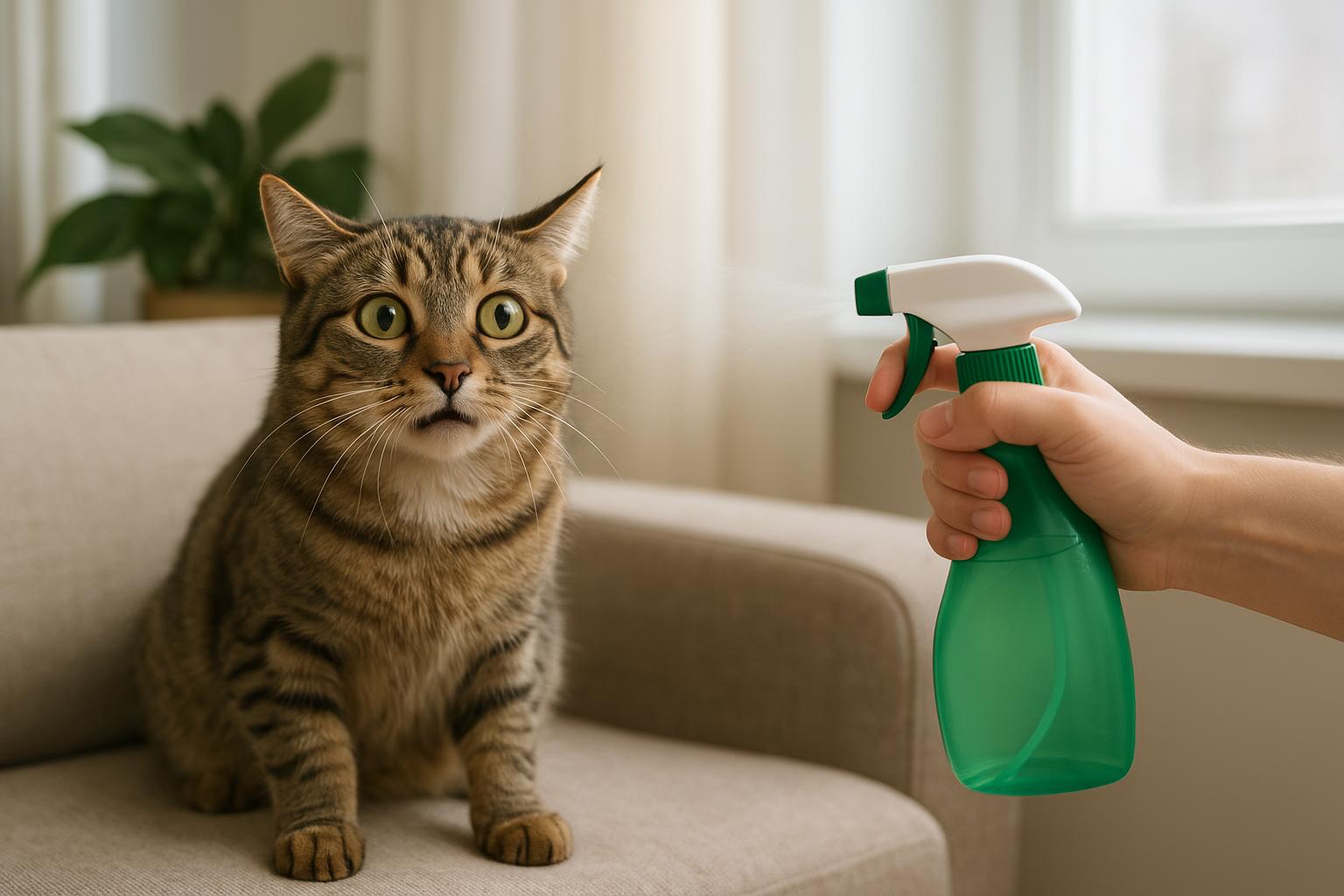
An environmental approach reduces flea eggs and larvae in the home, cutting down on reinfestation and supporting relief from flea dermatitis. This is a formal protocol for a pet-safe environmental spray targeting carpet, upholstery, and pet bedding.
Ingredients/Materials:
– Insect growth regulator (IGR) product labeled for indoor use (e.g., methoprene or pyriproxyfen) — veterinary store or garden center
– Adulticide spray labeled for indoor pet environments (pyrethrin-based or other pet-safe formulation)
– Spray bottle or pump sprayer
– Vacuum cleaner with disposable bag or canister
– Laundry detergent, hot water for bedding
– Protective gloves and mask (follow product safety guidance)
Step-by-Step Creation And Application:
1. Read all product labels for dilution rates, application areas, and safety precautions. Ensure both products are approved for indoor use around pets.
2. Vacuum thoroughly, focusing on pet resting places, under furniture, and carpet edges. Seal and dispose of vacuum bag or empty canister outdoors immediately.
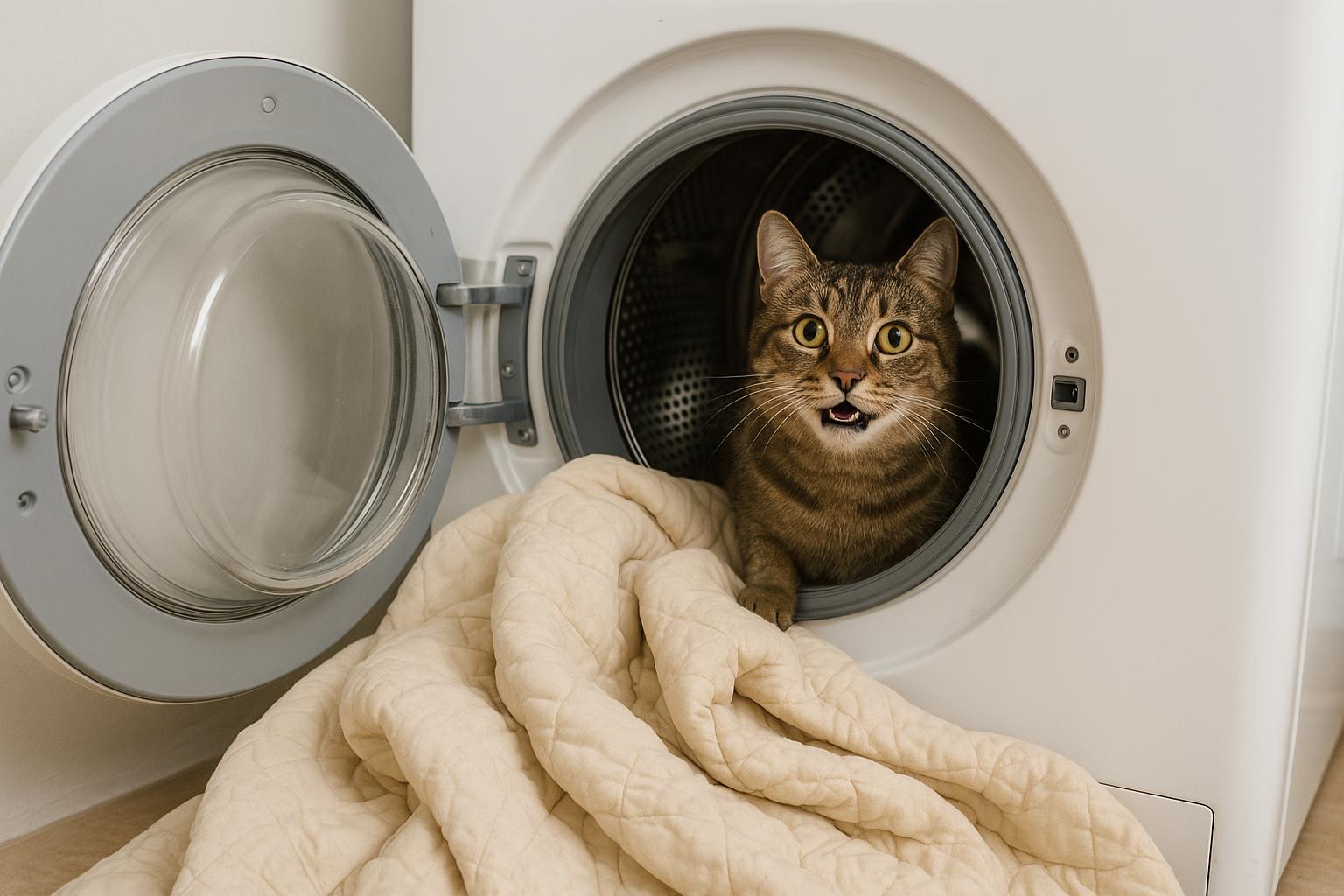
3. Wash all pet bedding, blankets, and any removable upholstery covers in hot water. Dry on high heat if fabric allows.
4. Prepare the IGR spray according to label dilution instructions in a pump sprayer. IGRs prevent eggs and larvae from developing into adult fleas.
5. Apply IGR to carpets, baseboards, pet bedding areas, and cracks/crevices. Allow to dry. Do not saturate surfaces beyond label instructions.
6. After the IGR has dried, apply the adulticide spray to reduce current adult flea populations, again following label directions precisely.
7. Keep pets and children out of treated areas until surfaces are dry and re-entry intervals are met on the product label.
8. Repeat vacuuming every few days for two to three weeks and reapply treatments as directed to break the life cycle.
9. For severe infestations, consider professional pest control that works with veterinarians to ensure pet-safe protocols.
Important Safety Note: Many common essential oils and home “folk” remedies are toxic to cats (tea tree, eucalyptus, citrus oils). Use only products explicitly labeled safe for cats and follow instructions precisely.
## Monitoring And Long-Term Care
After initiating treatment and environmental control, monitor your cat’s skin and behavior. Expect gradual improvement in itching and lesions over days to weeks, though some secondary infections may require separate treatment. Maintain parasite prevention and environmental hygiene to prevent recurrence of flea dermatitis (7).
### When Flea Dermatitis Persists
If your cat doesn’t improve despite compliant use of flea control, a re-evaluation is needed. Your veterinarian may recommend allergy testing, skin biopsies, or changes in parasite control strategy to address persistent or atypical cases of flea dermatitis (8).
#### Recordkeeping And Follow-Up
Keep a written log of products used, application dates, observed reactions, and treatment outcomes. This helps your vet make informed adjustments and prevents accidental overdosing or harmful product combinations.
## Practical Tips For Busy Households
– Use scheduled reminders on your phone to keep up with monthly preventives.
– Rotate bedding and have a spare set to make hot-water washing easier.
– Educate family members about not using dog products on cats and avoiding homemade essential oil sprays around cats.
– Treat boarding or multi-pet environments proactively — one infested pet can seed an entire facility.
Fleas are small but persistent, and flea dermatitis (9) can be very uncomfortable for your feline friend. With vigilance, the right veterinary-recommended products, and consistent environmental control, you can restore comfort and keep those tiny vampires off the guest list.







Leave a Reply