
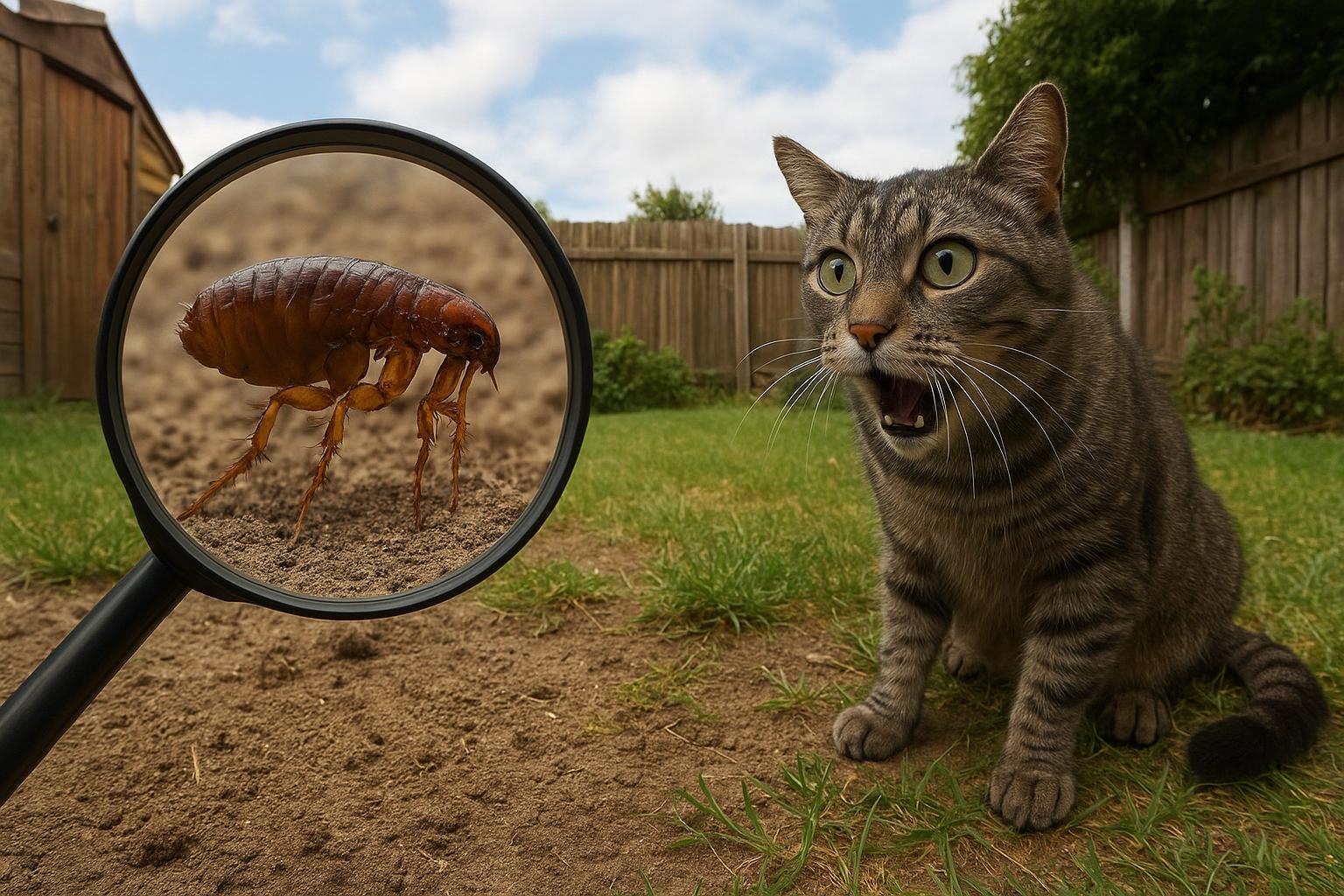
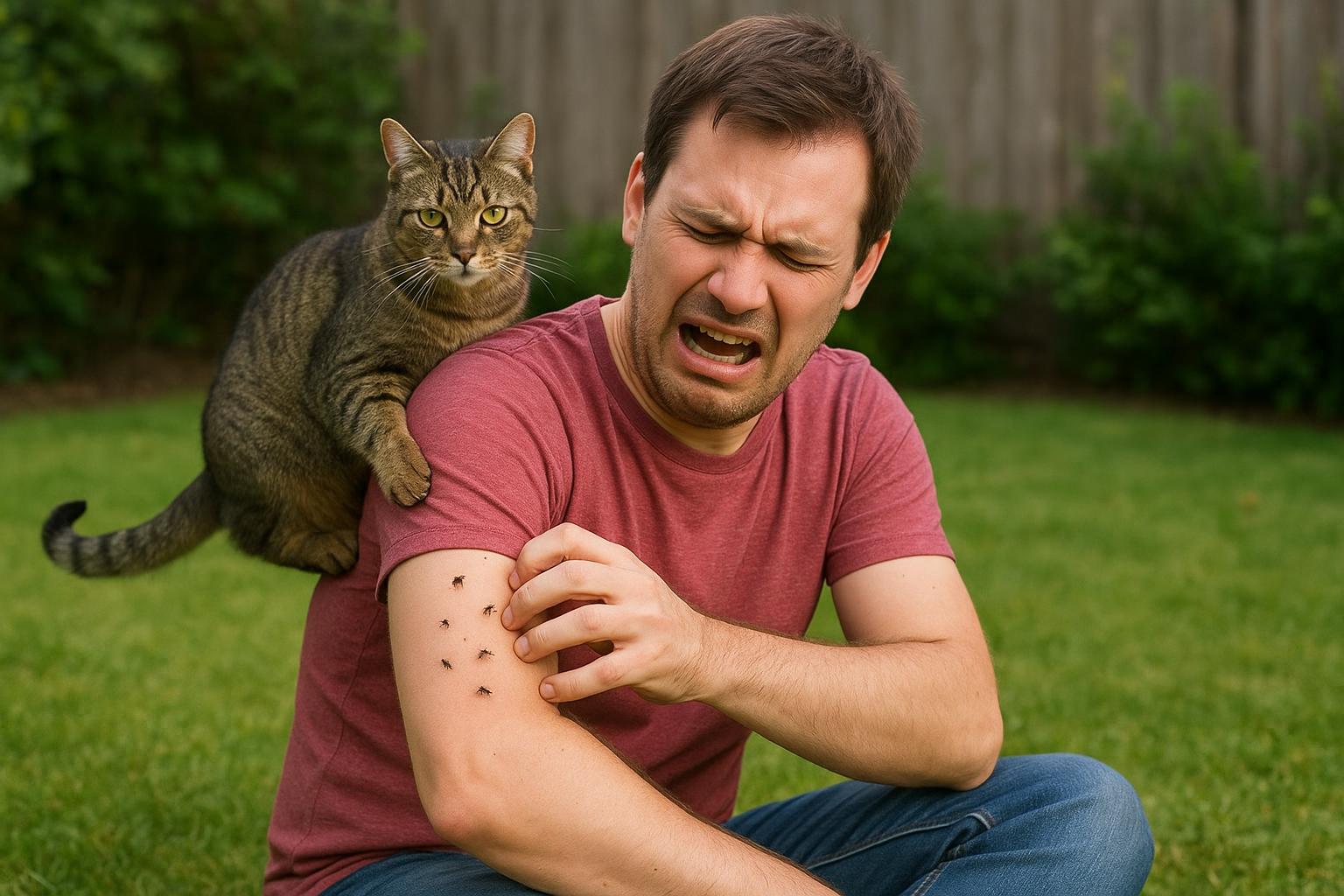
You step outside with a cuppa, eyes peeled for the usual backyard suspects — robins, bumblebees, that one bold squirrel. But there’s another tiny creature you may not spot right away: the flea. Let’s make sense of it without the microscope and the melodrama.
## Cat Flea Appearance: What To Look For
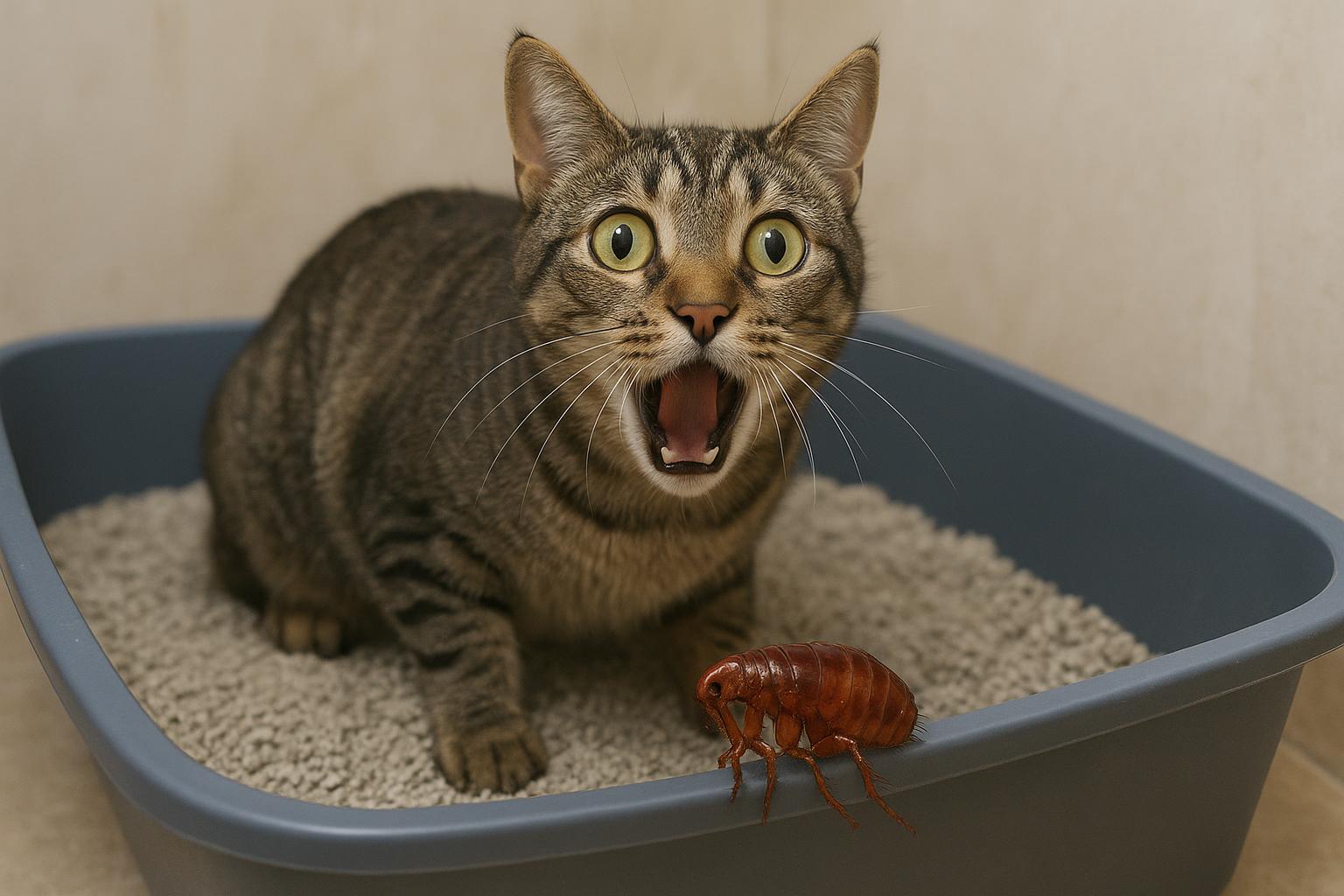
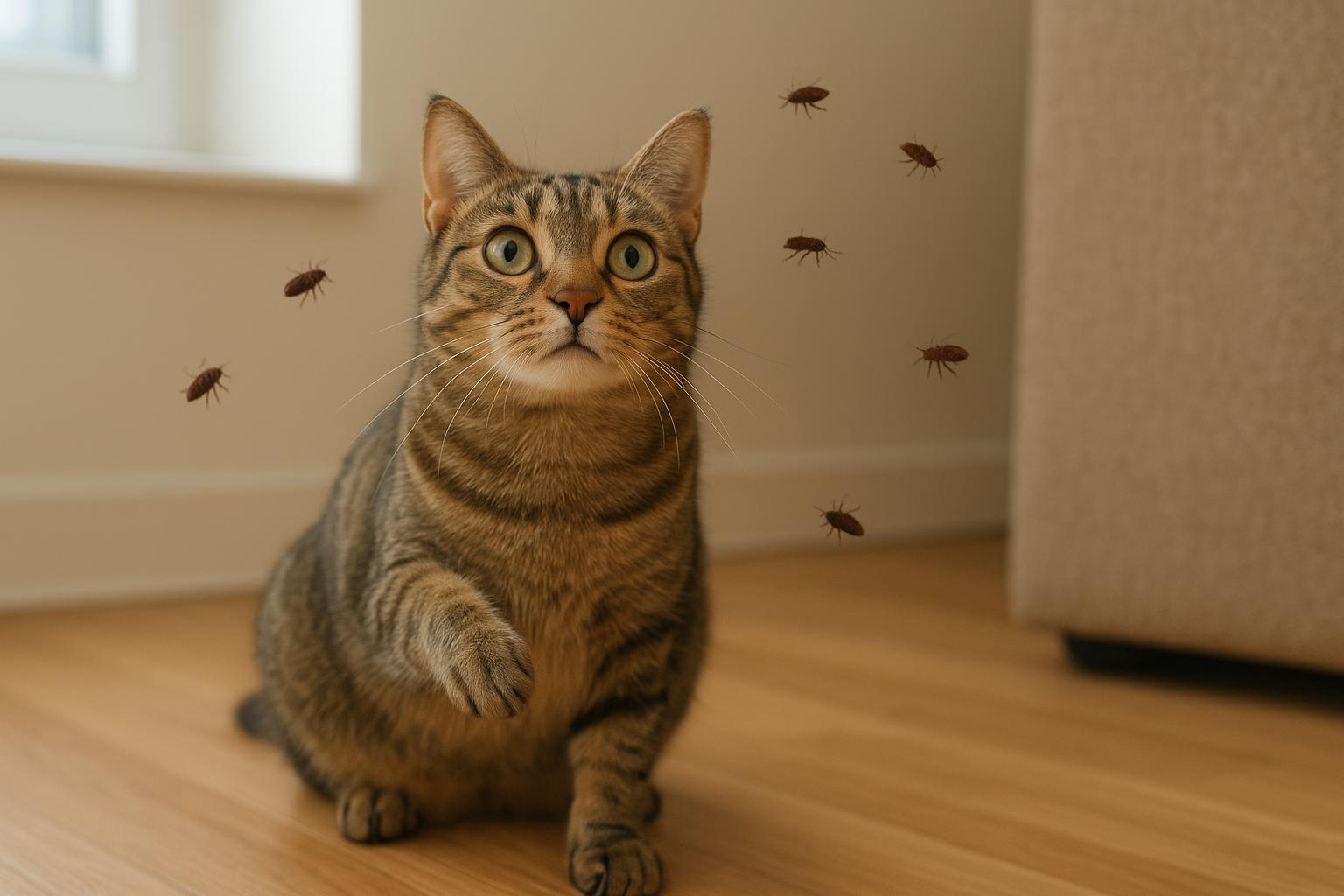
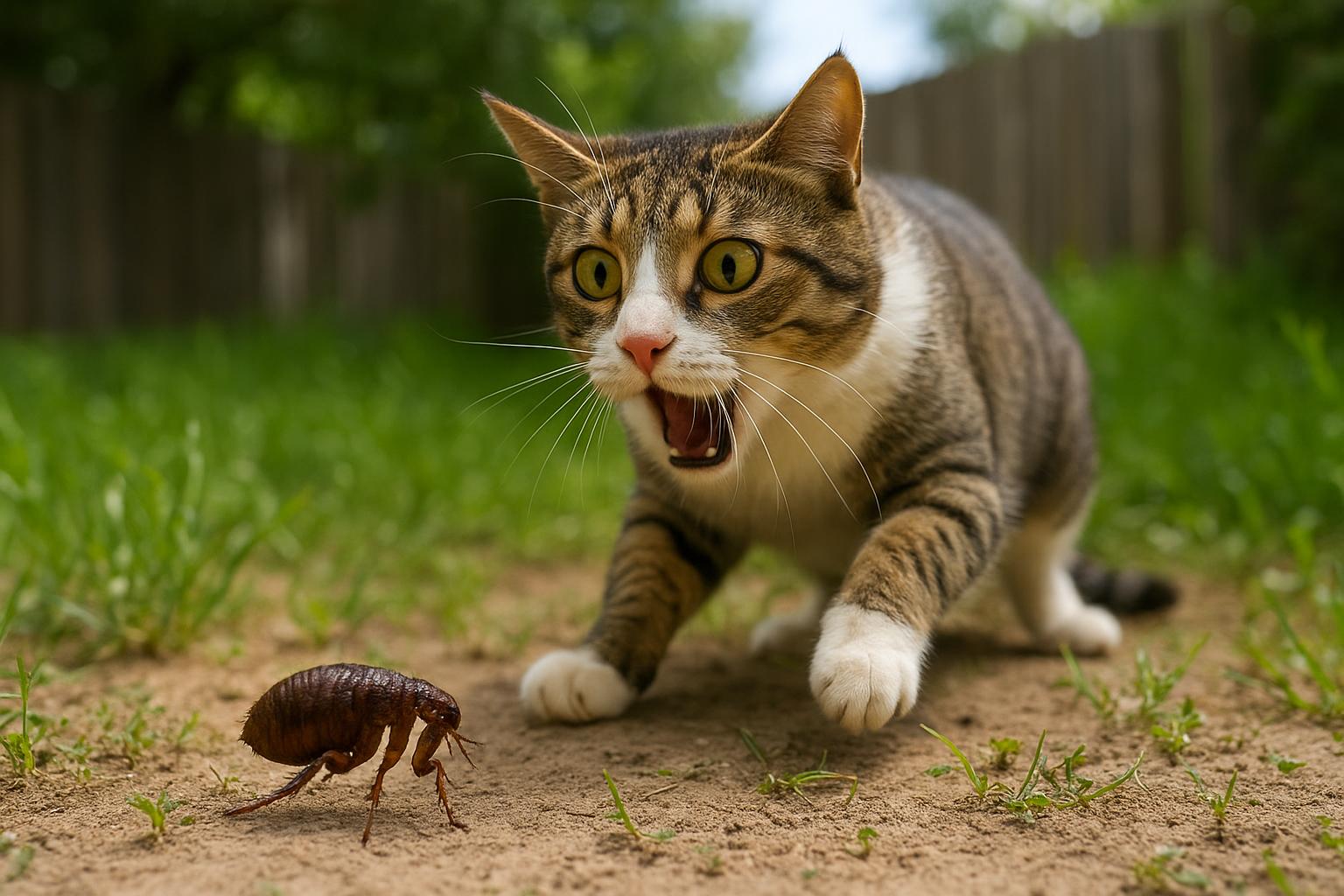
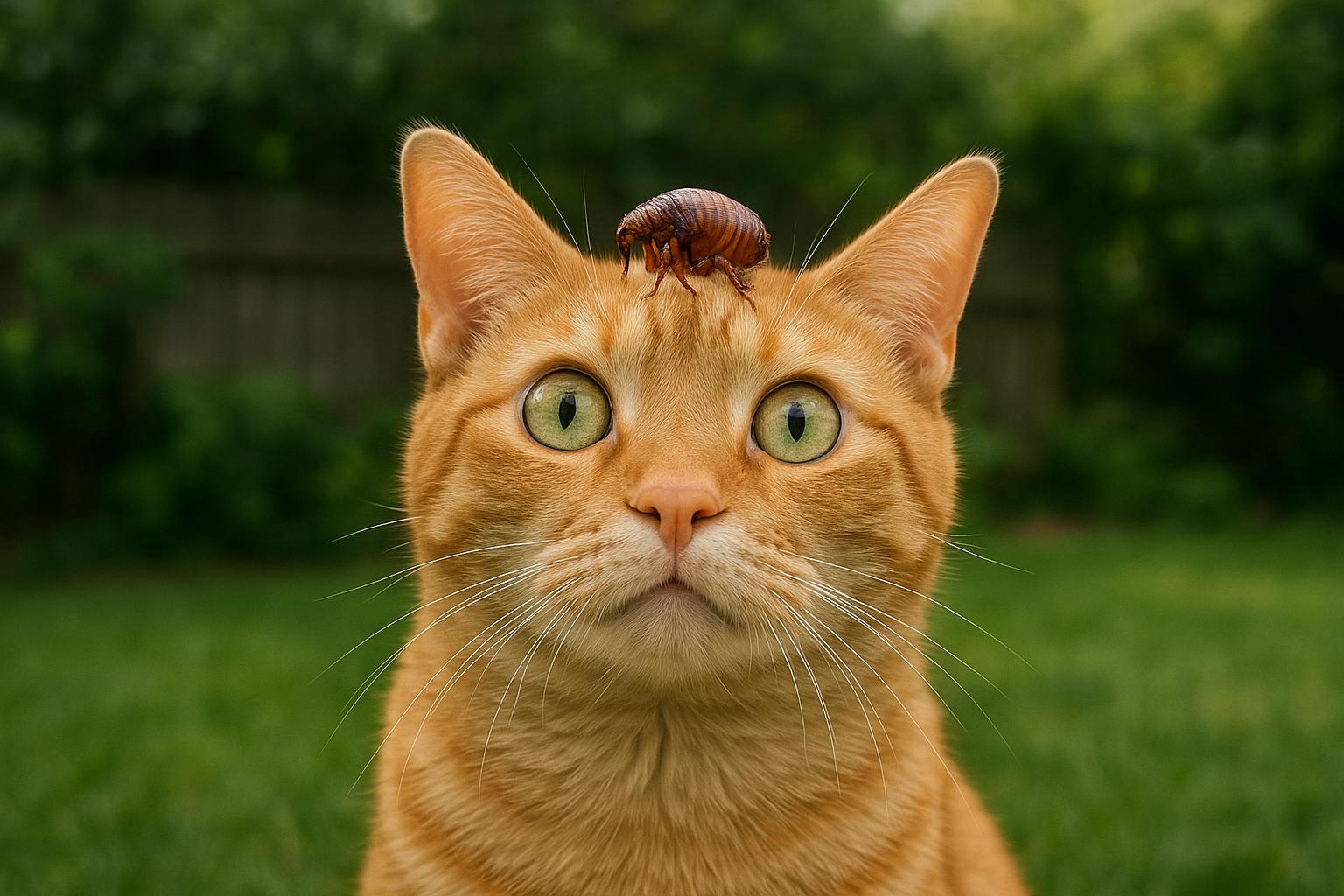
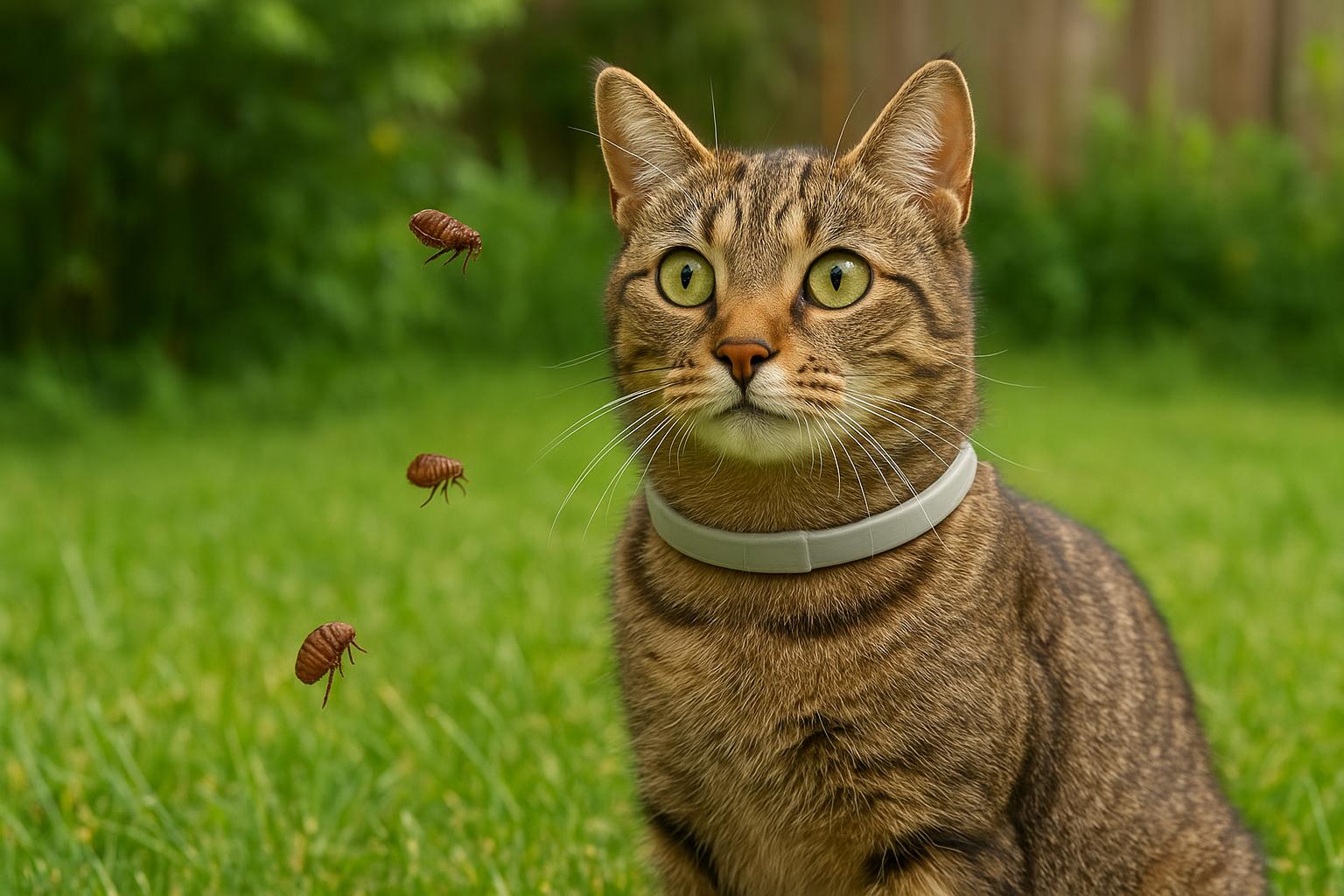
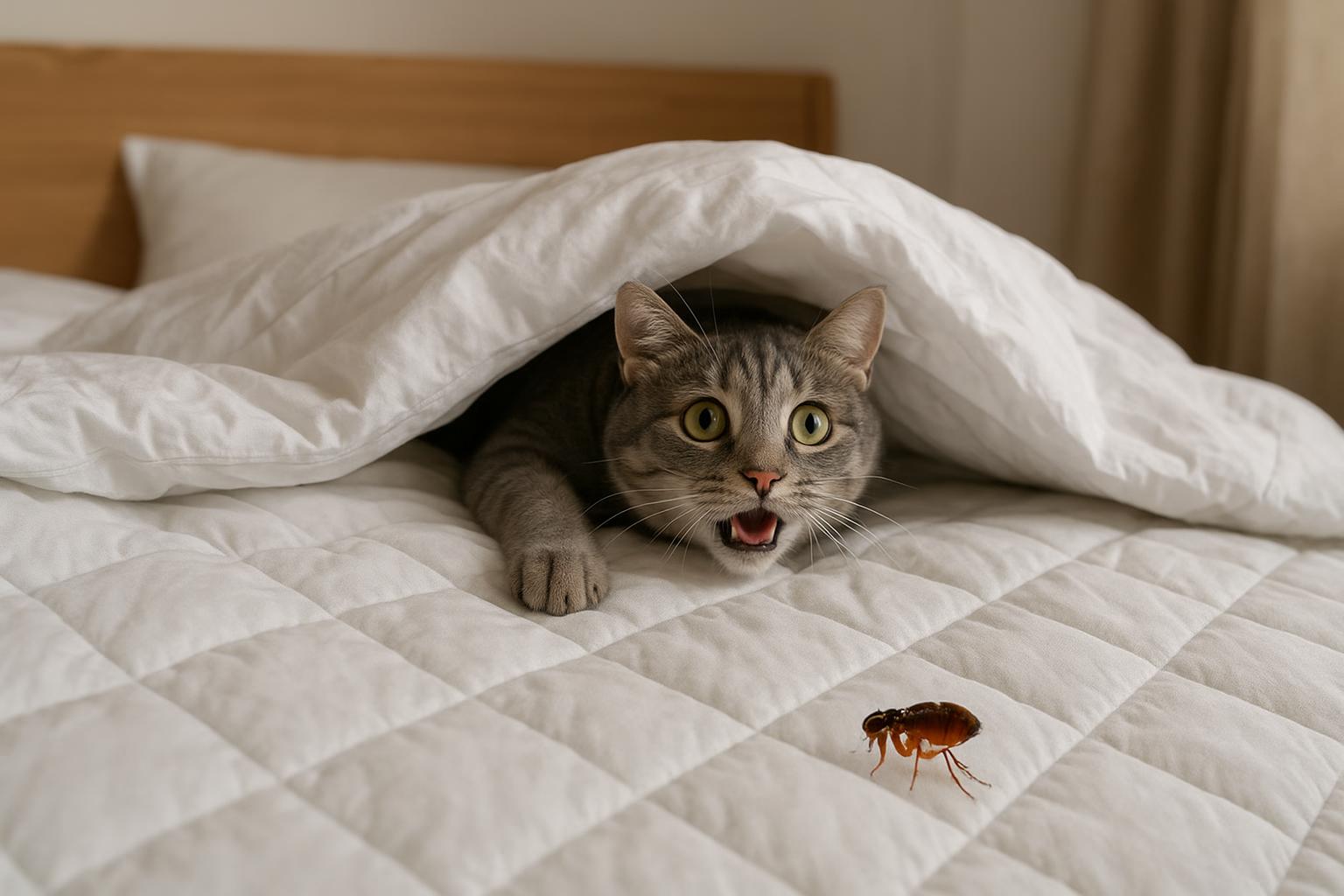
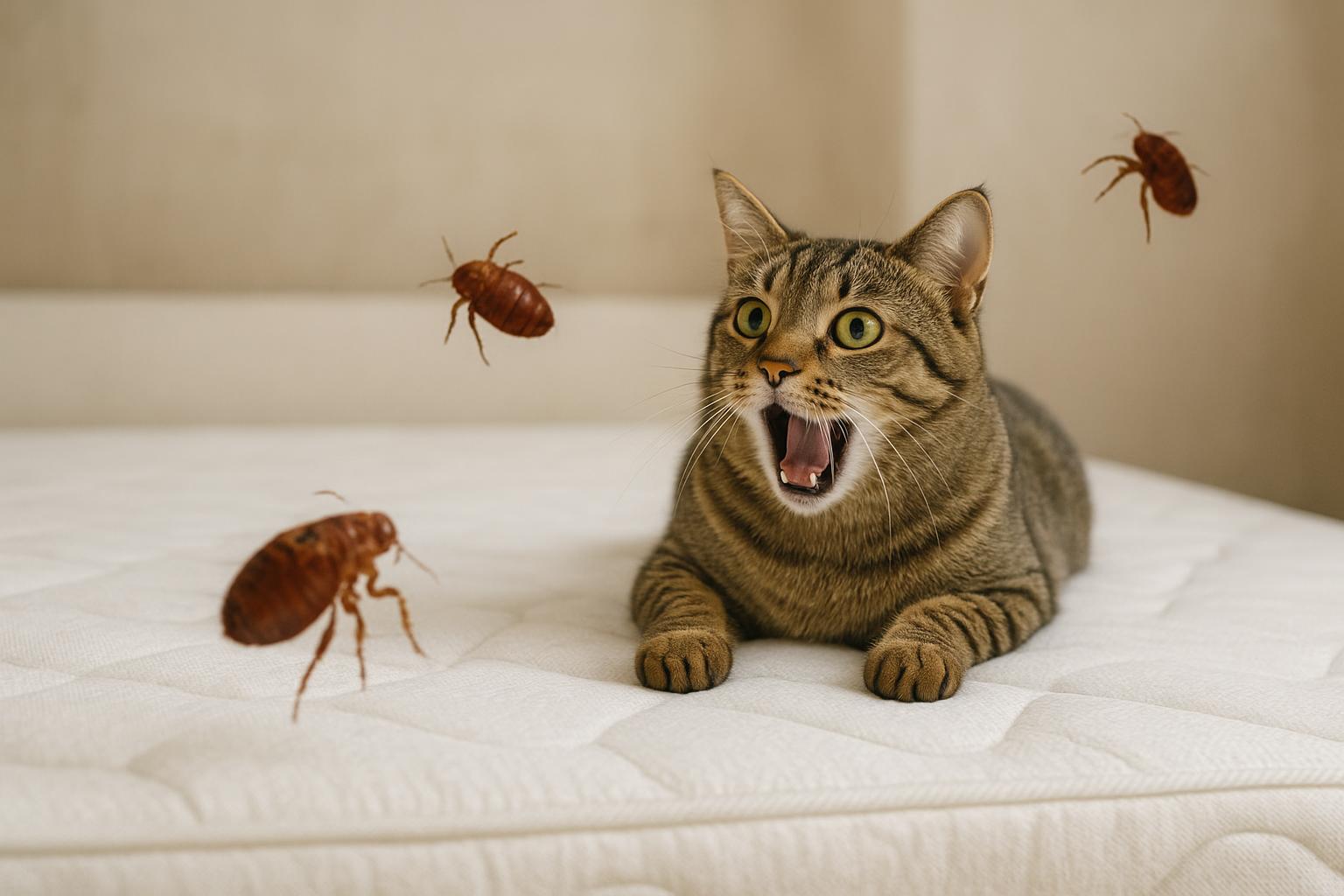
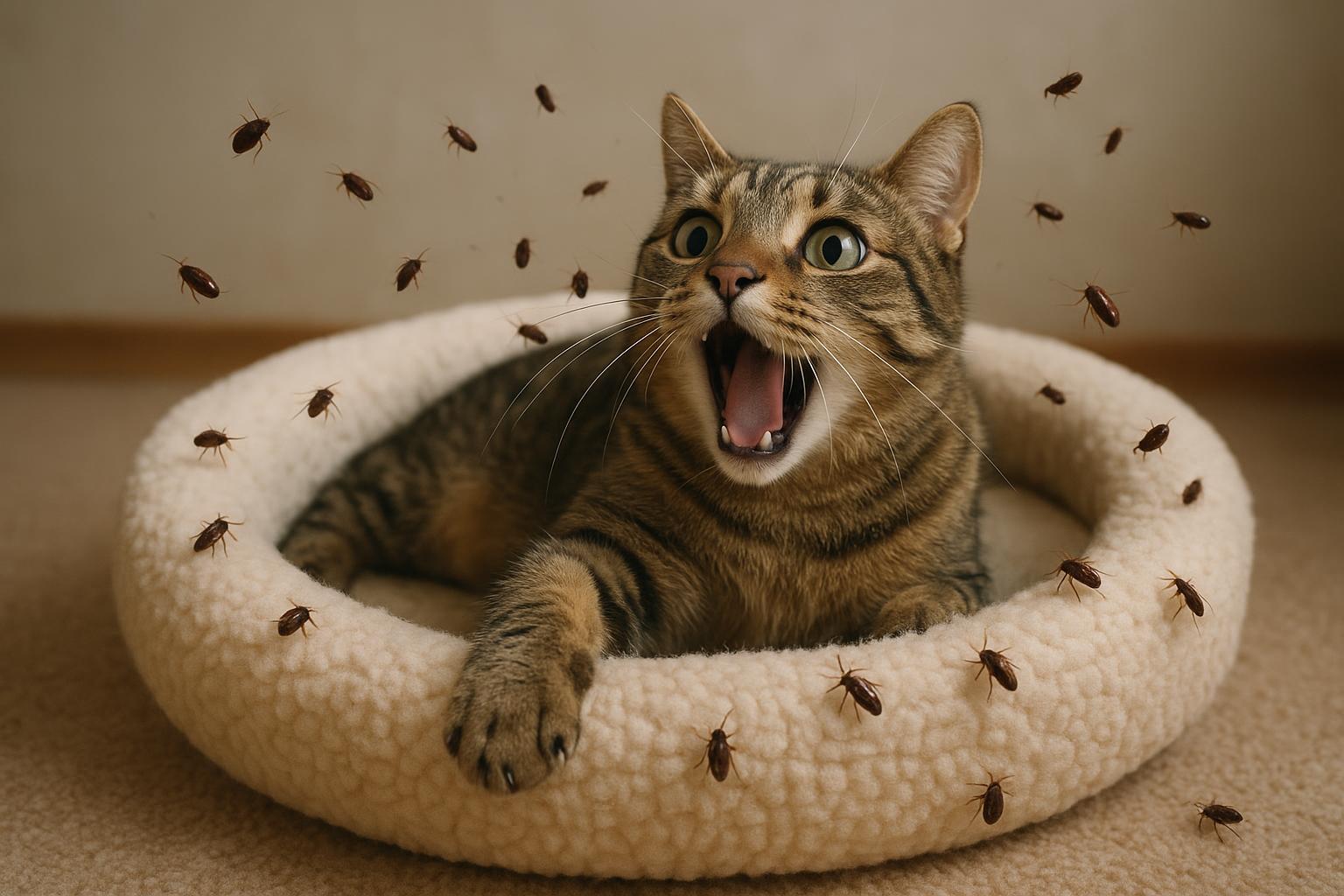
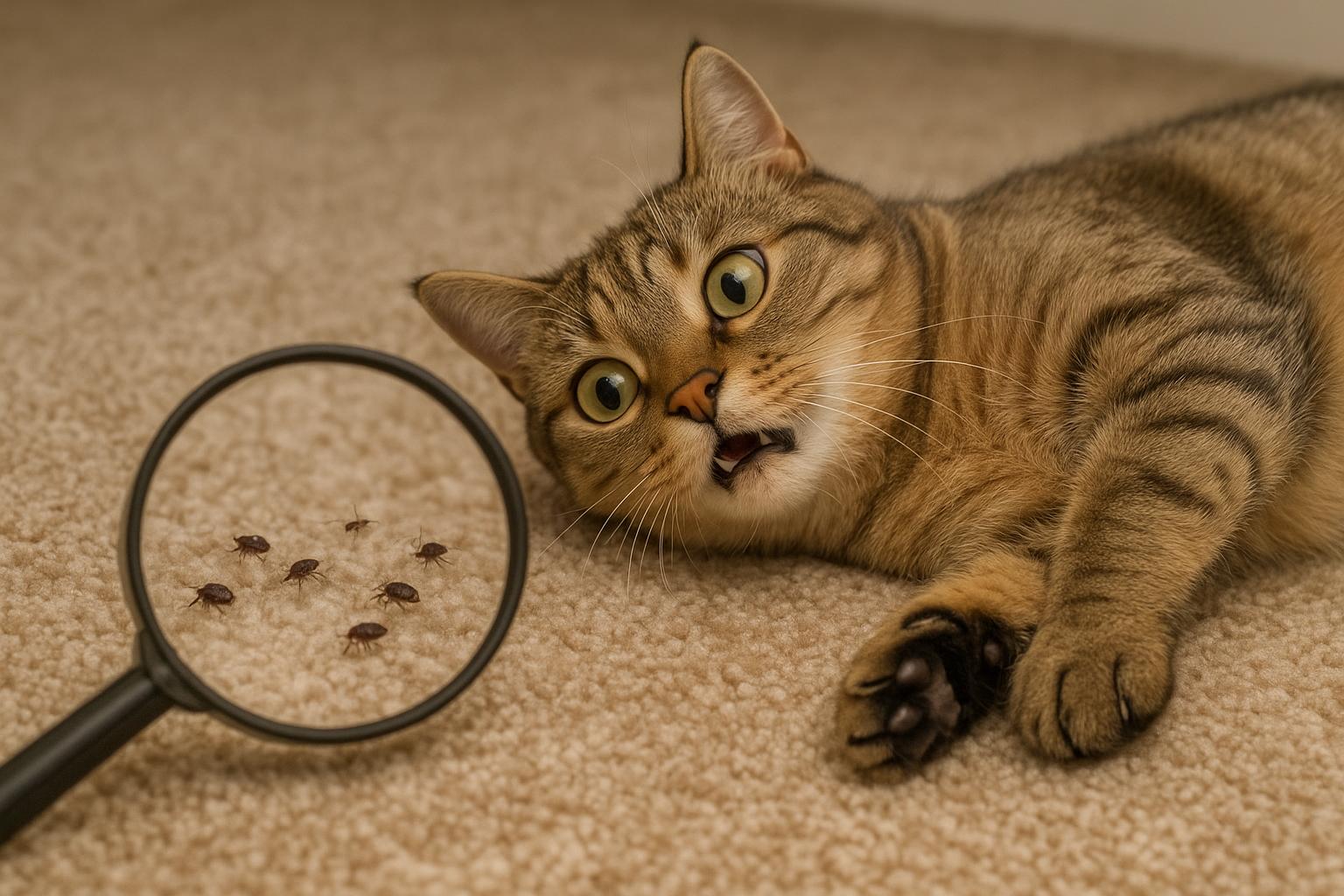
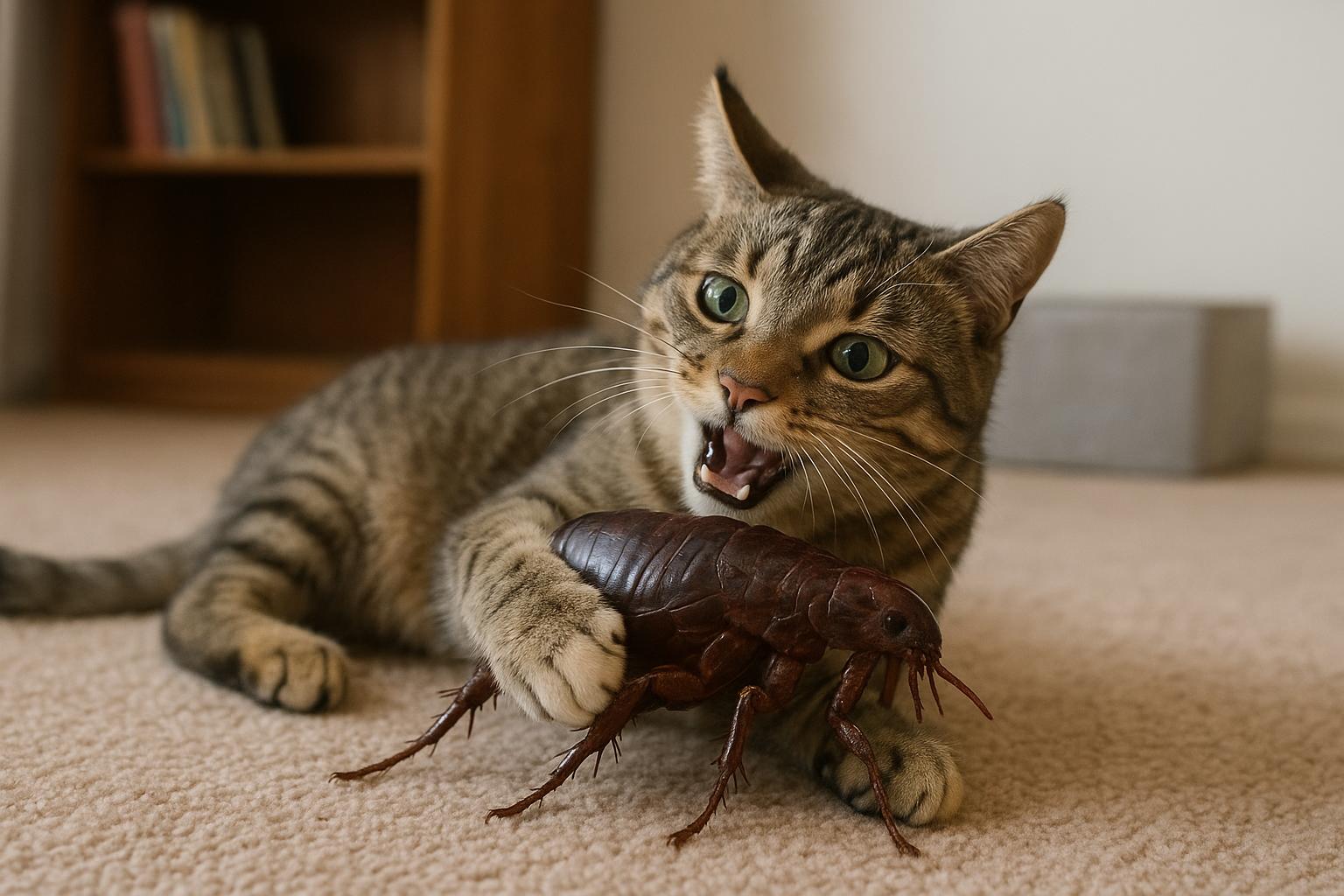
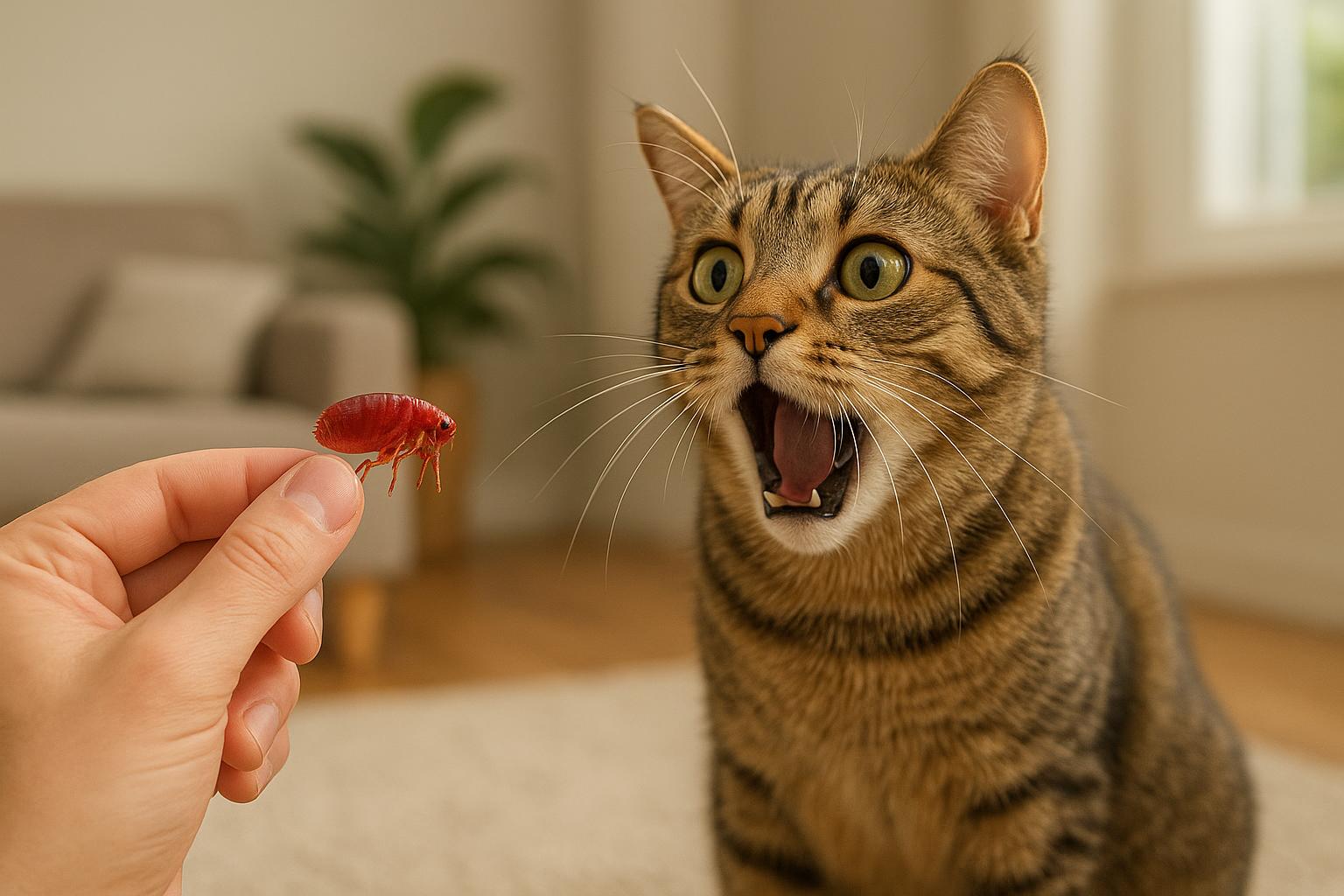
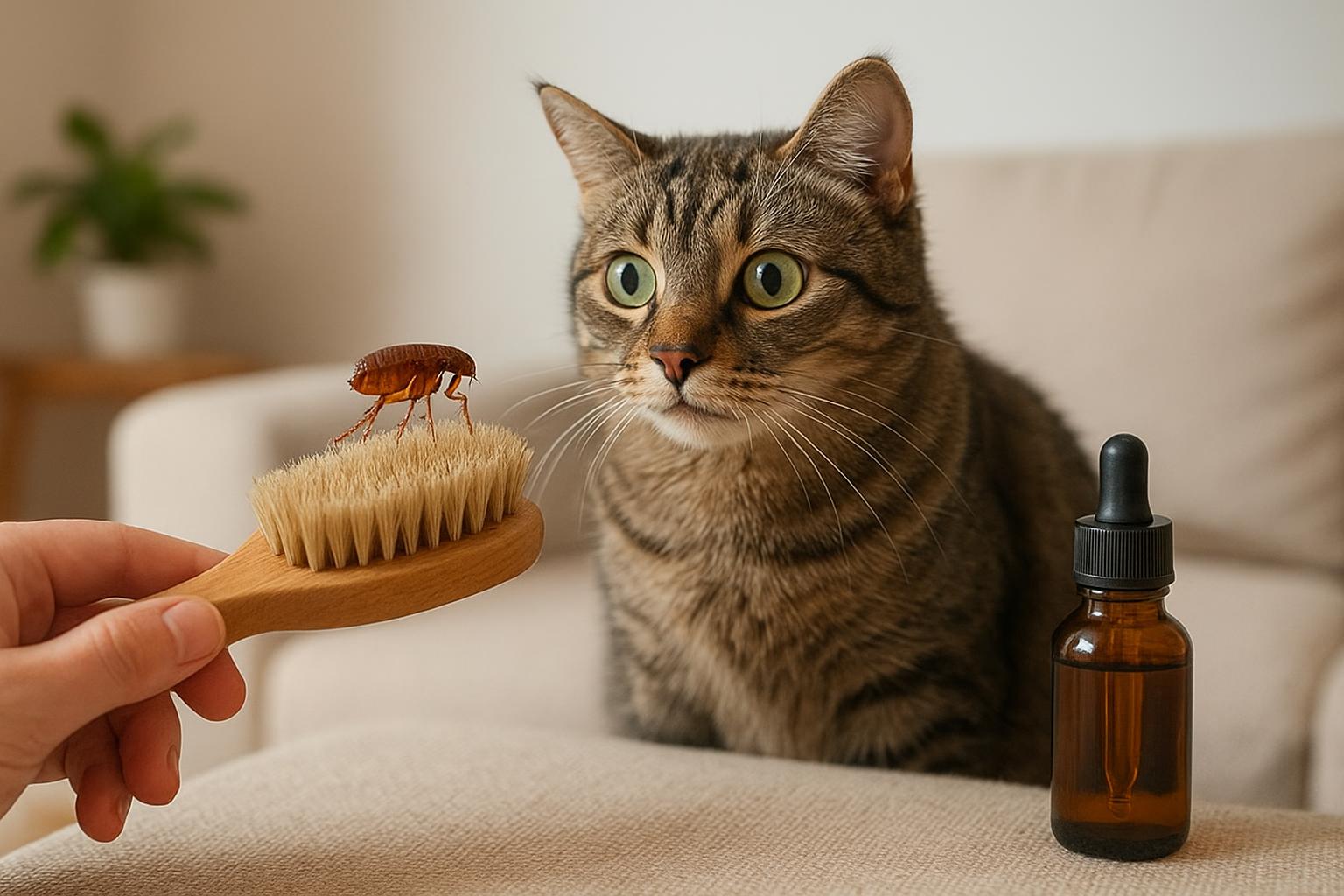
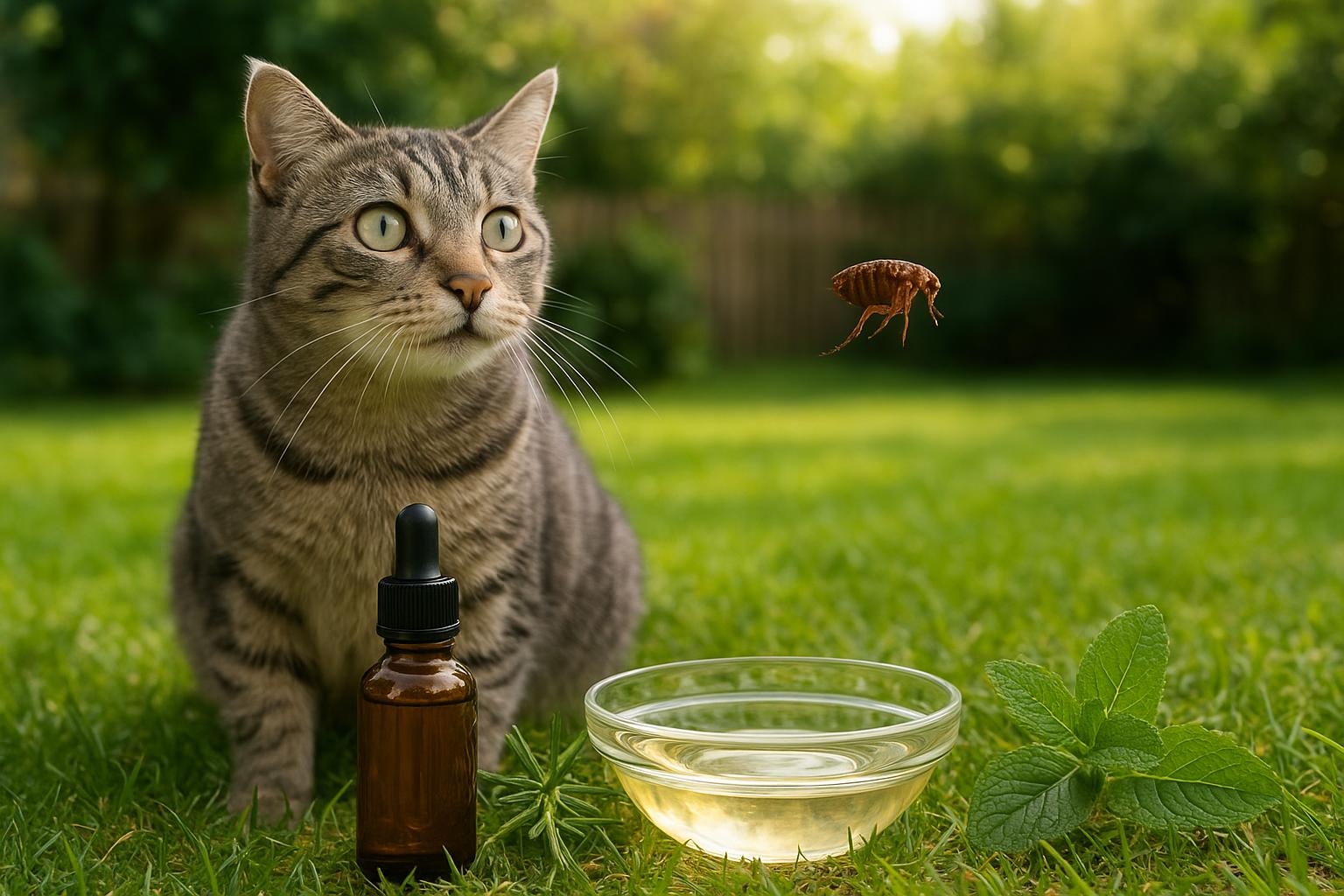
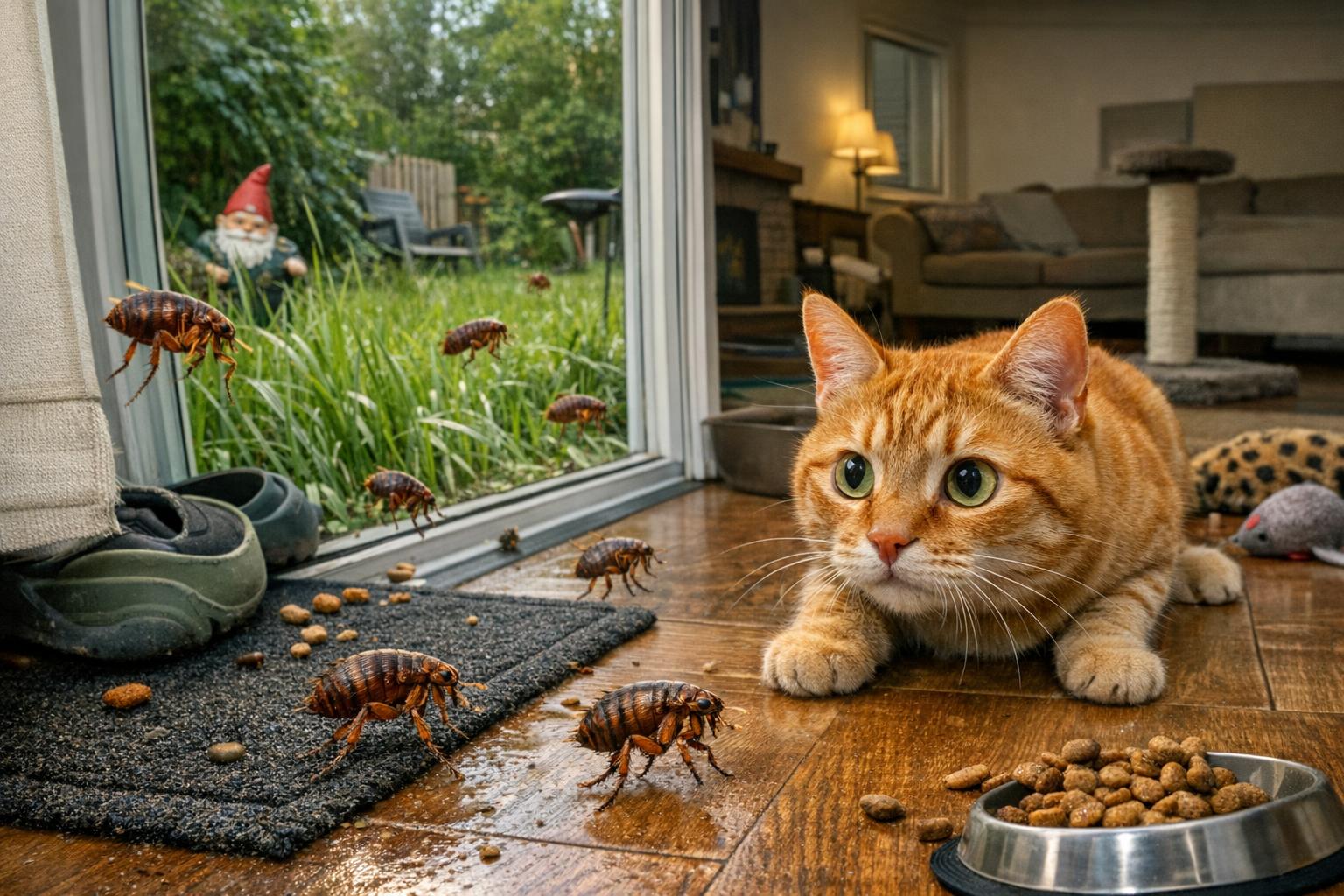
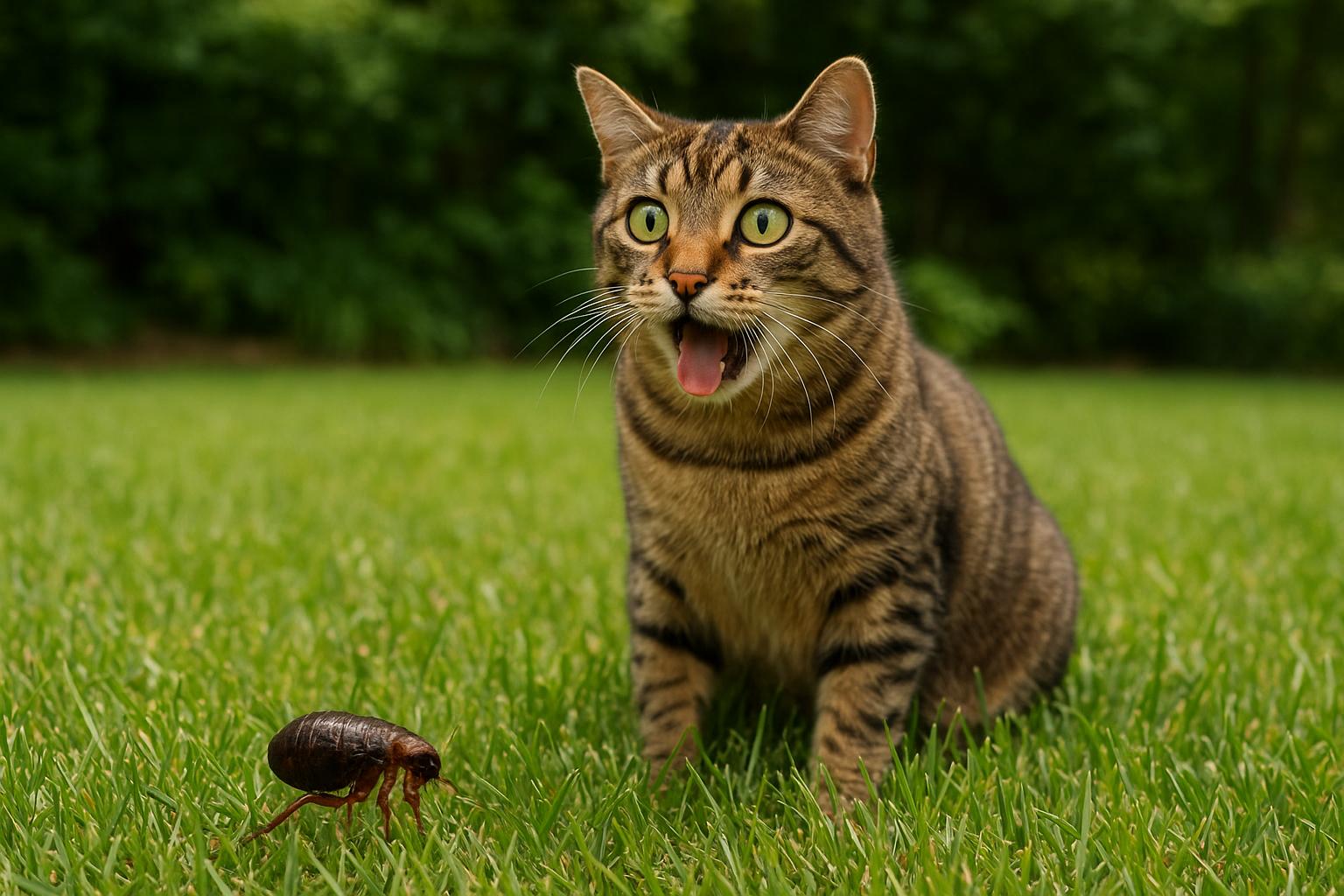
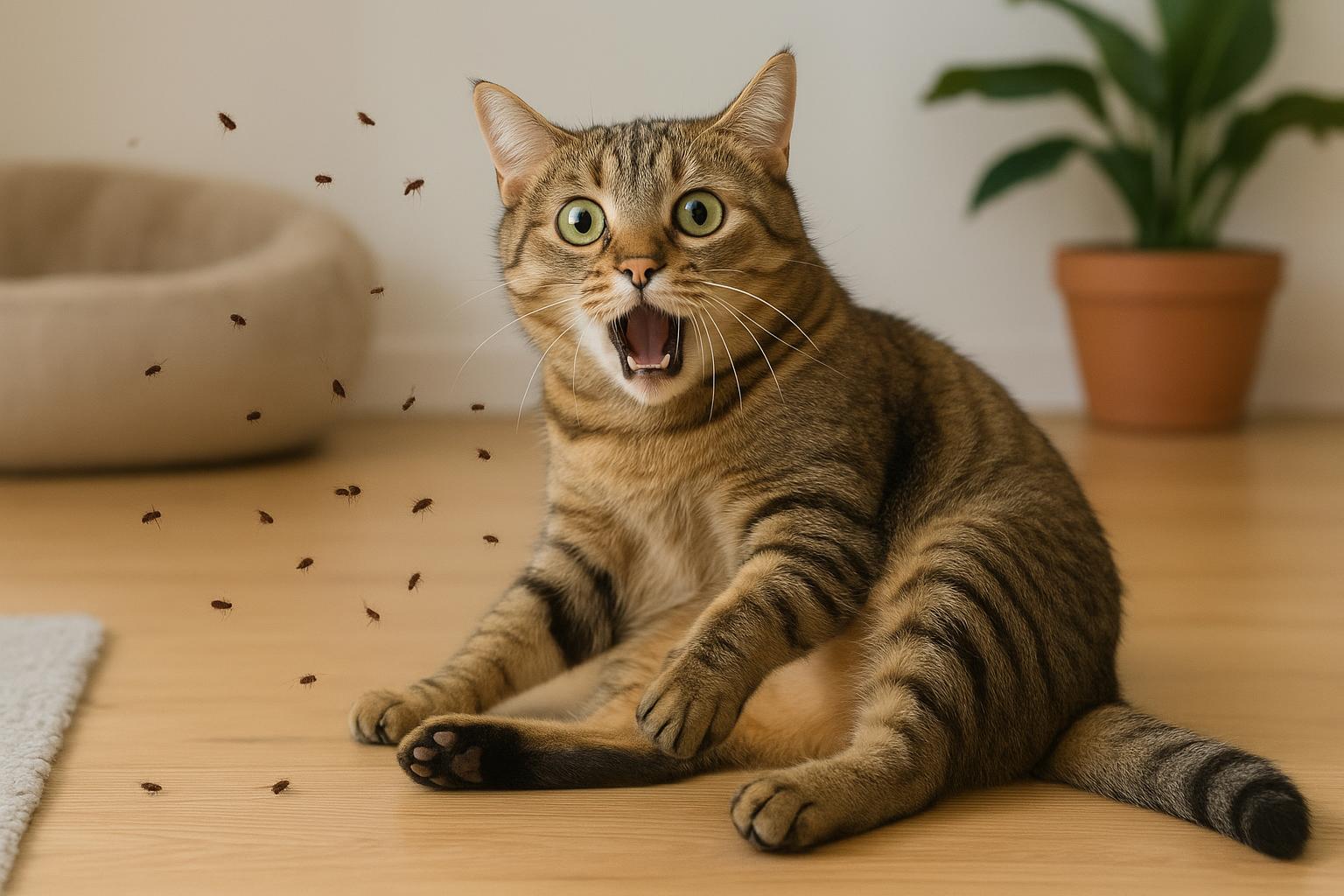
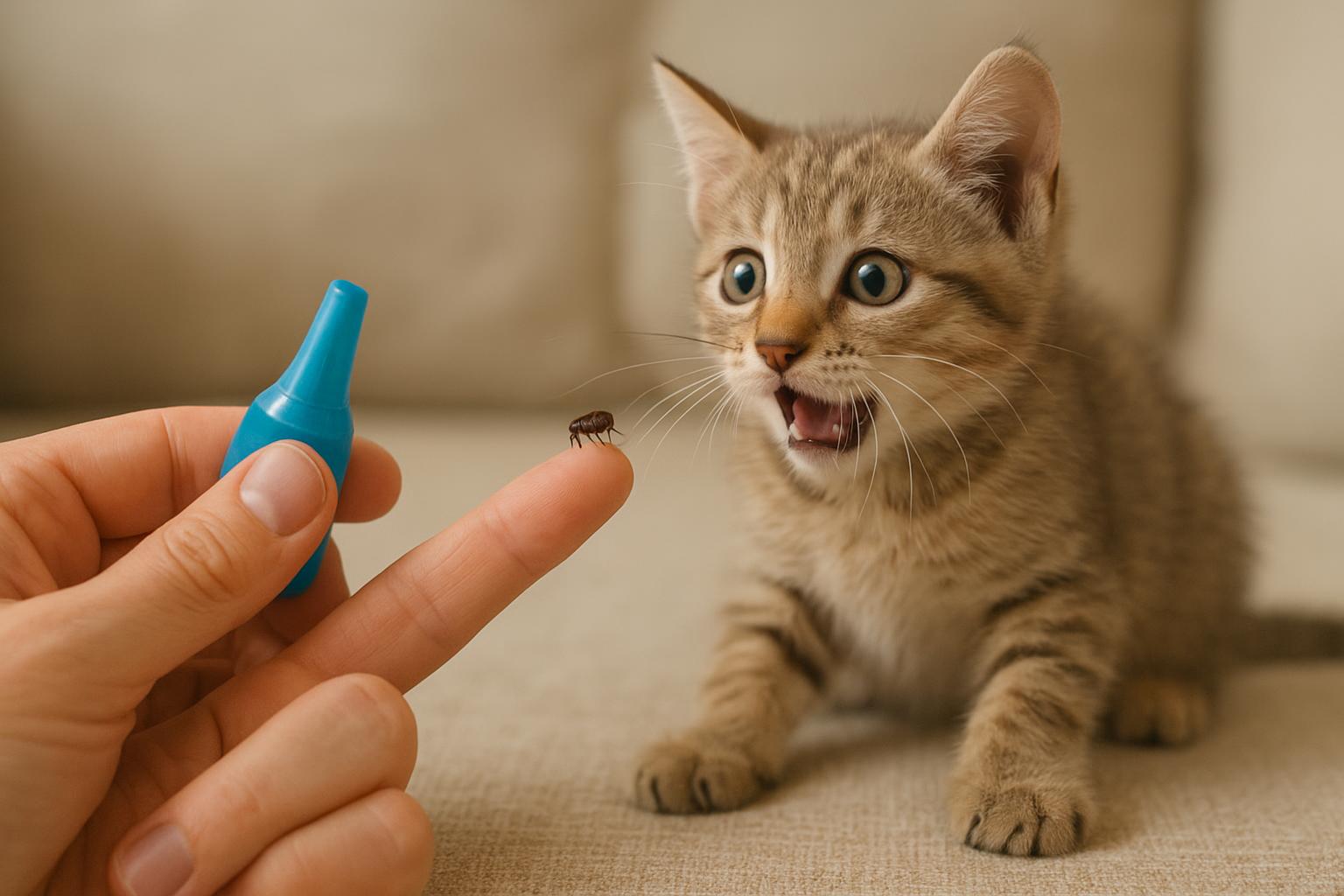
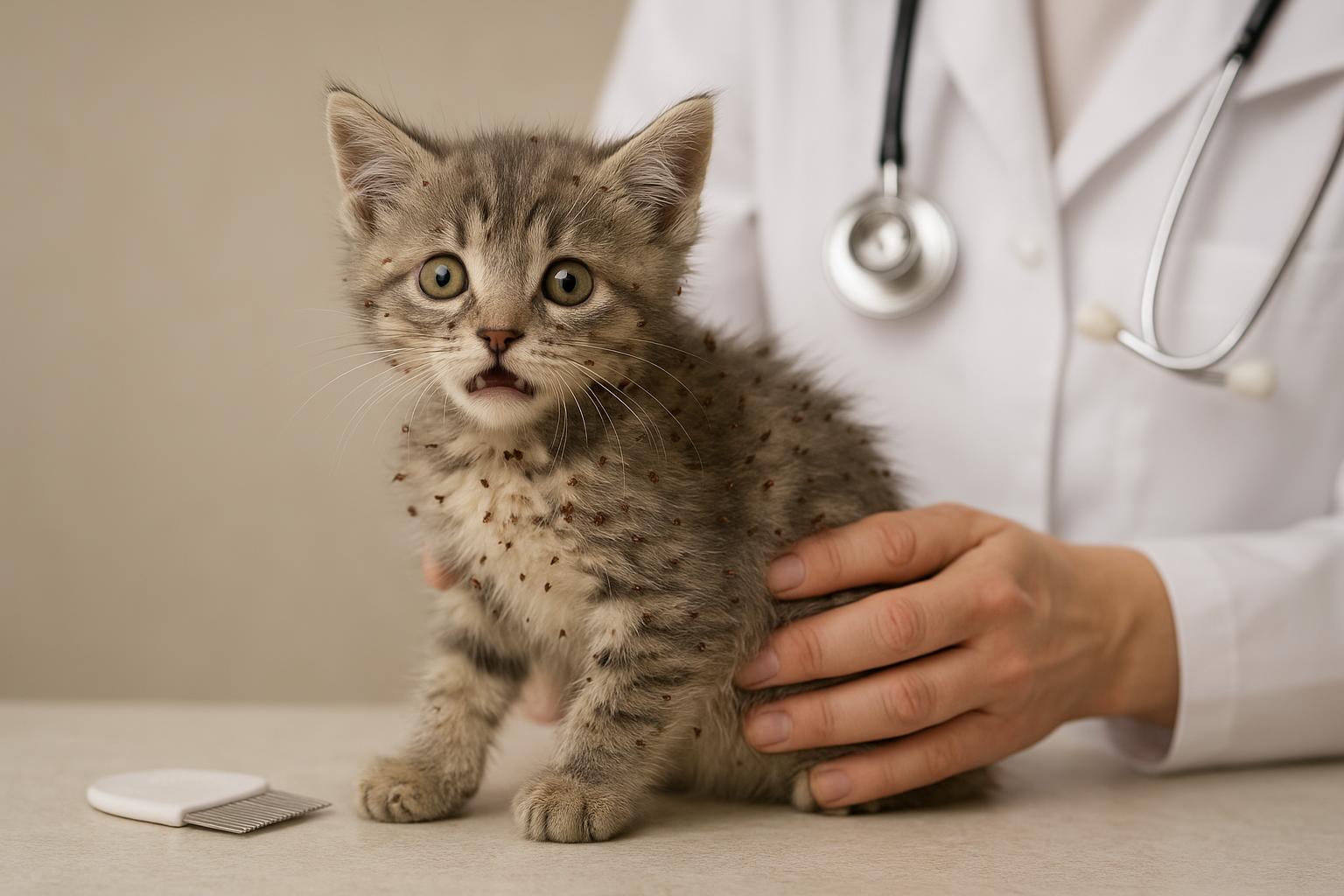
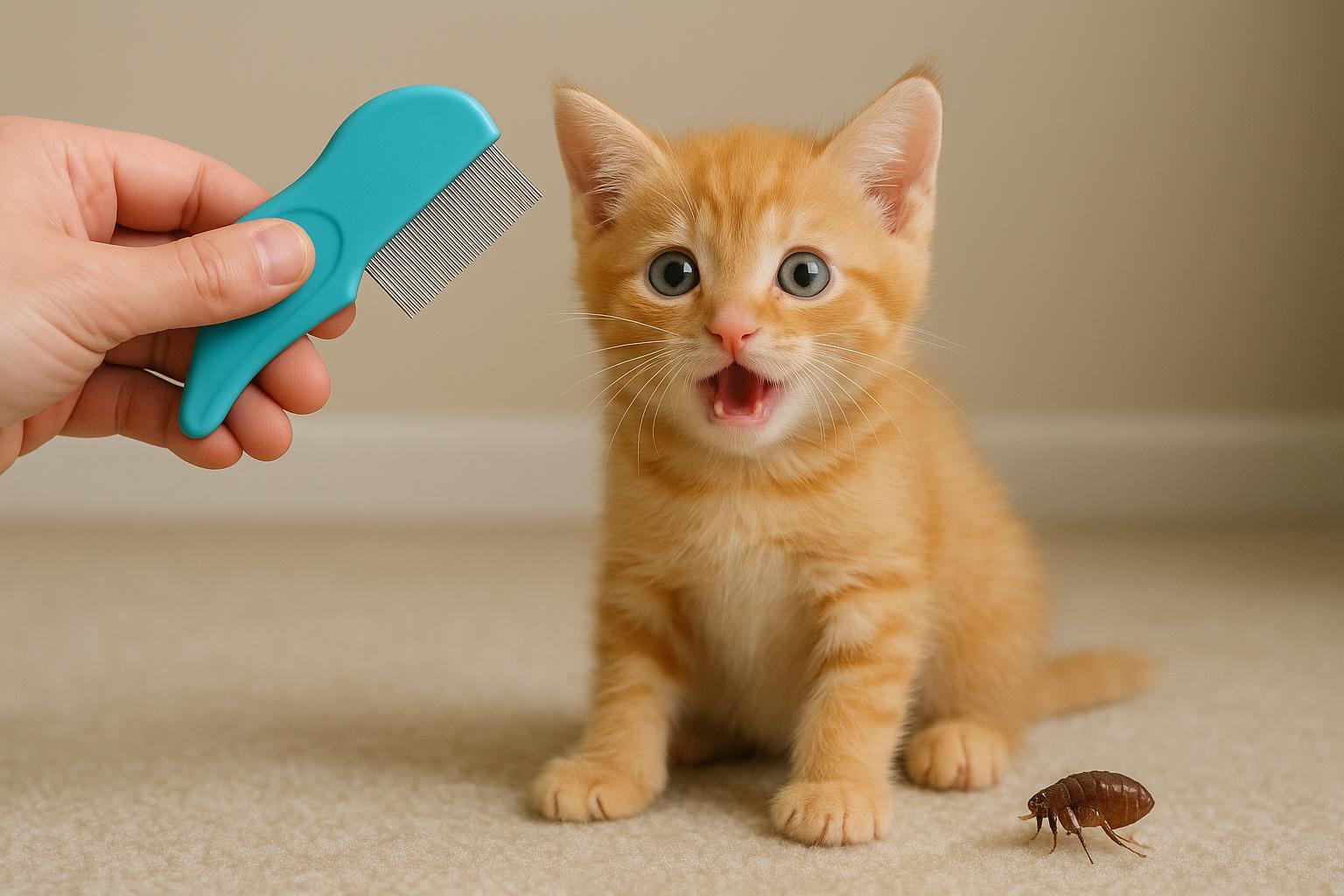
The phrase you’ll want stuck in your head is cat flea appearance. These critters are small, flat, and built for bouncing, not for being admired. Adult cat fleas are typically 1.5–3.3 mm long (about the size of a sesame seed), wingless, and dark reddish-brown. From a distance they might just look like tiny specks of dirt on your cat — but up close they’re obvious because they move fast and jump like tiny lawn acrobats.
### Body Shape And Color
A flea’s body is laterally flattened (squished from side to side), which helps it slip through fur. Their exoskeleton is hard and shiny, making them resilient. Color varies from dark brown to blackish when unfed; after feeding they can appear slightly swollen and more reddish. If you’re trying to learn cat flea appearance, remember: small, dark, and hard-bodied.
### Legs And Movement
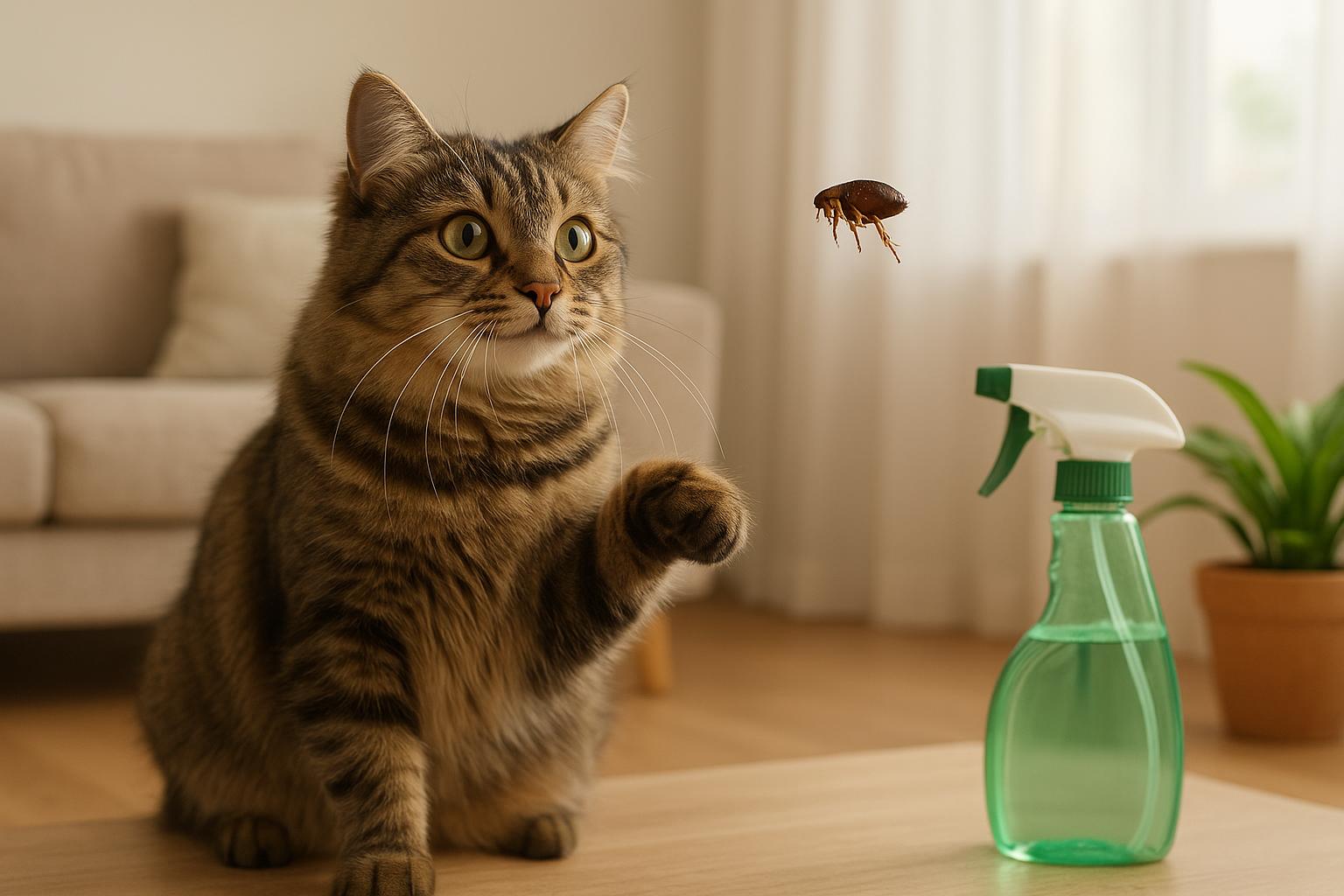
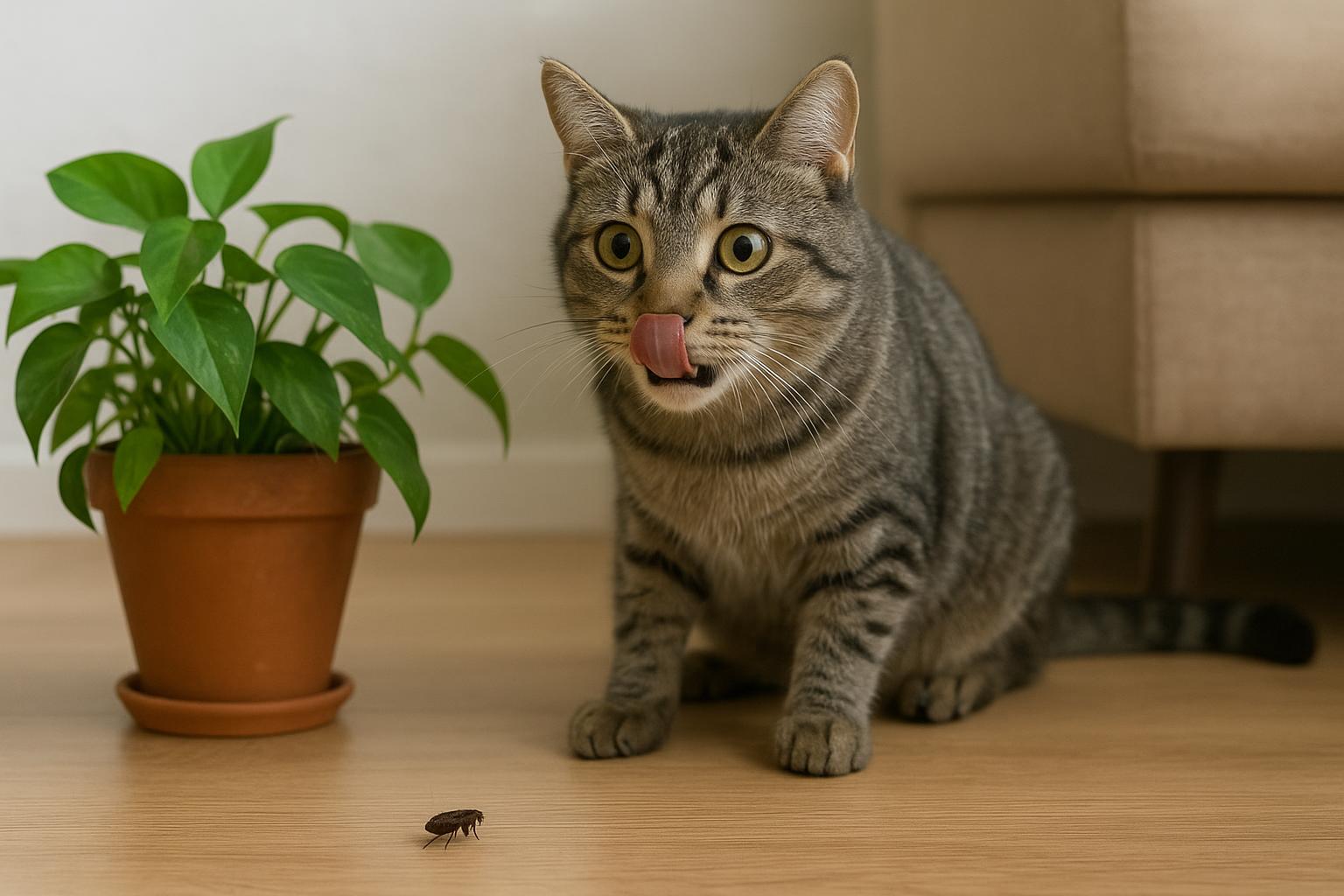
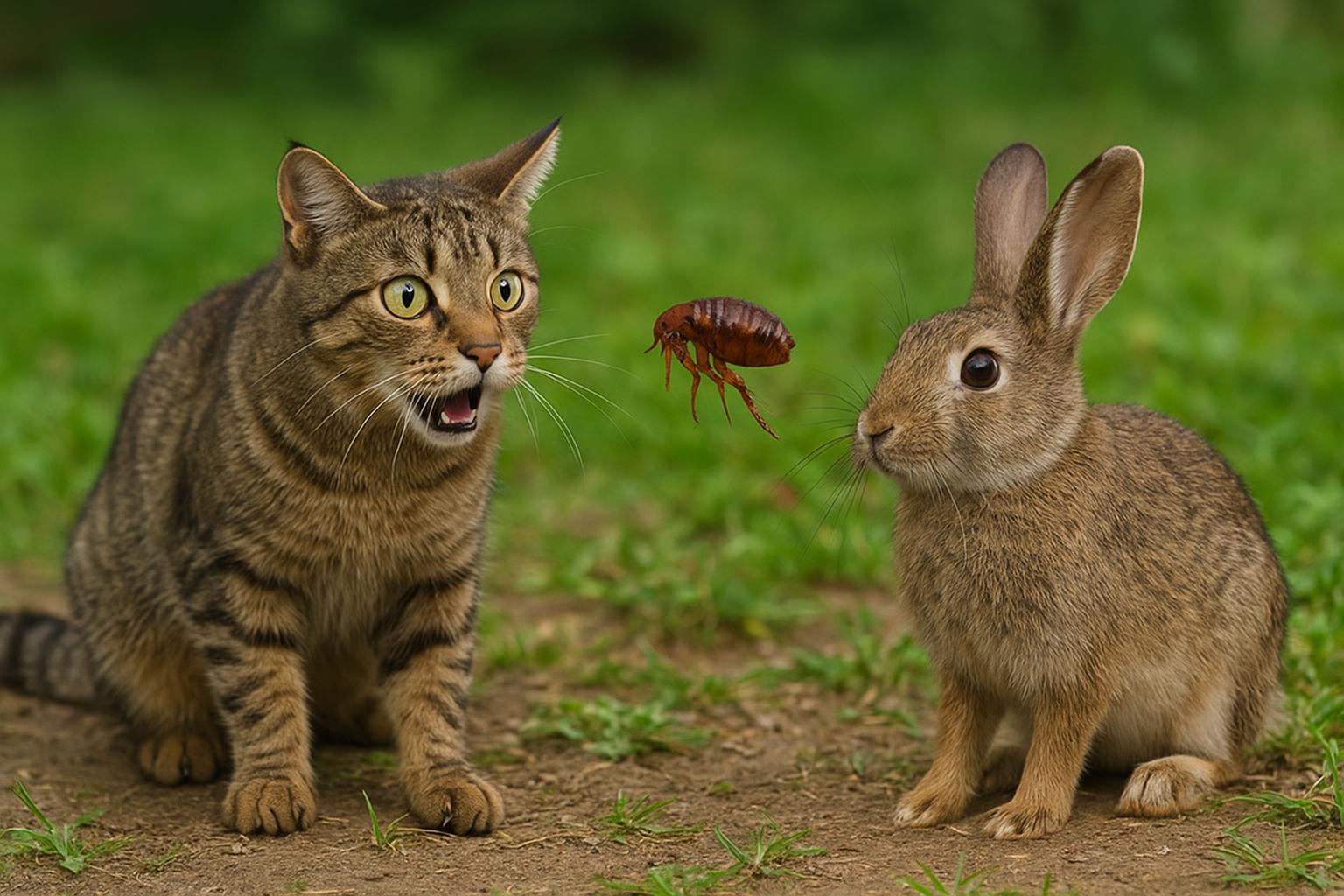
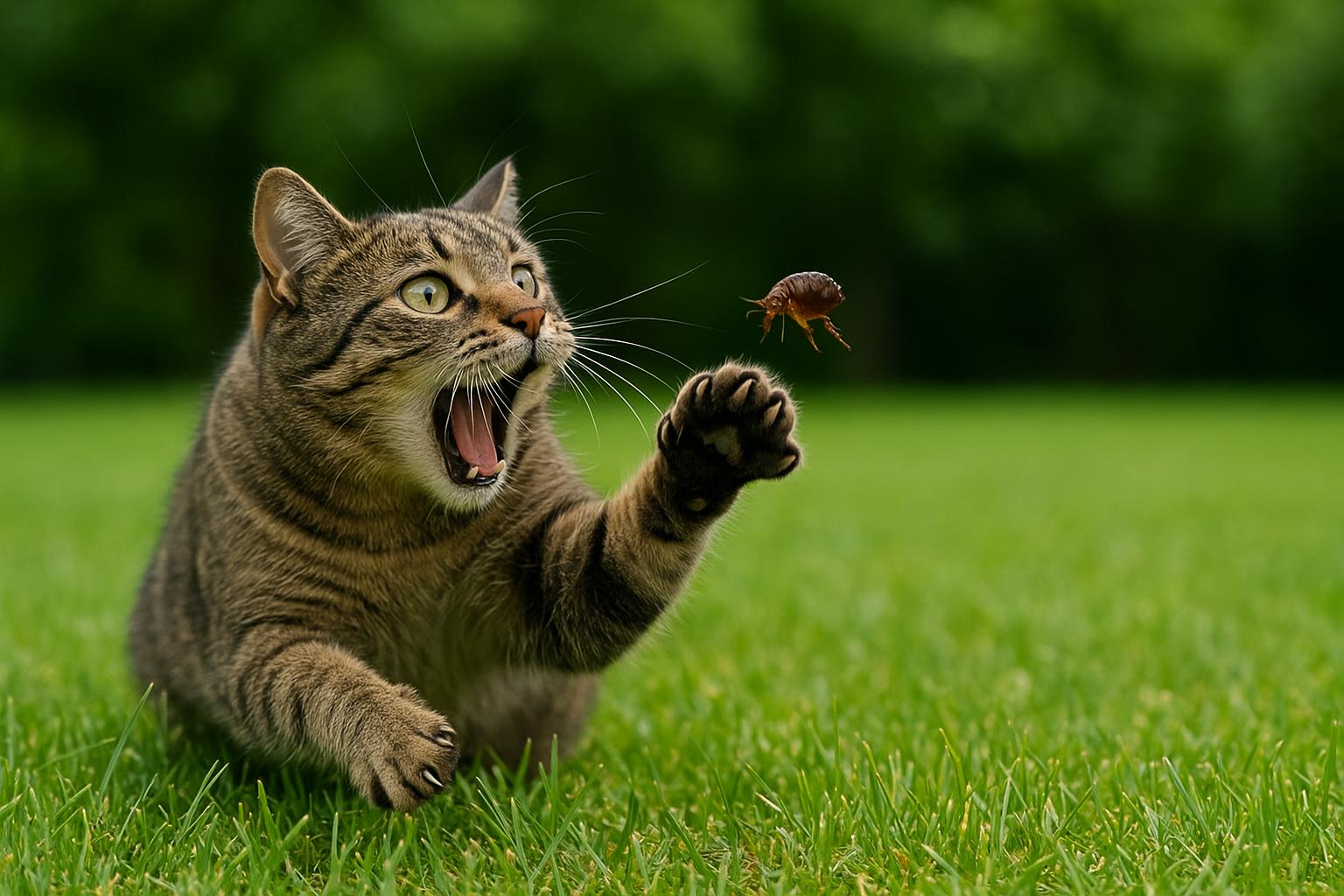
Fleas have long hind legs built for jumping. They don’t fly. Their movement is a key giveaway: when disturbed, a flea will spring away in an instant. If you see what looks like a speck suddenly relocating in a blur, you’re probably looking at a flea.
#### Life Stages You Might See
– Eggs: tiny (about 0.5 mm), white, and oval — often invisible unless you know where to look.
– Larvae: small, wormlike, and pale; they avoid light and hide in carpets, cracks, or shaded soil.
– Pupae: in a silken cocoon; they can remain dormant and hatch when conditions are right.
– Adults: the mobile, jumping stage that bites and feeds.
Knowing these stages supports understanding cat flea appearance as a process, not a single snapshot.
## Backyard Habits And Where To Find Them
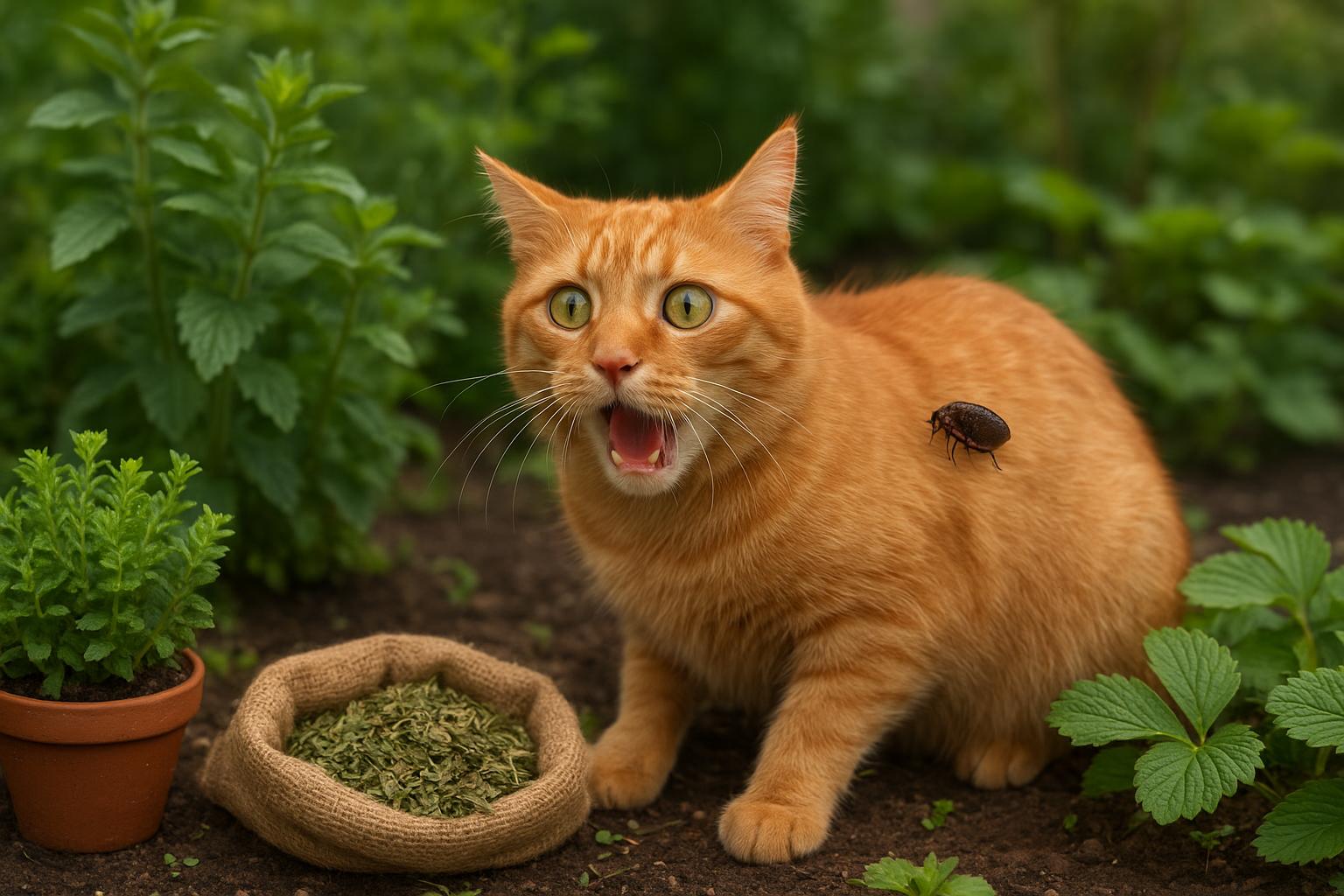
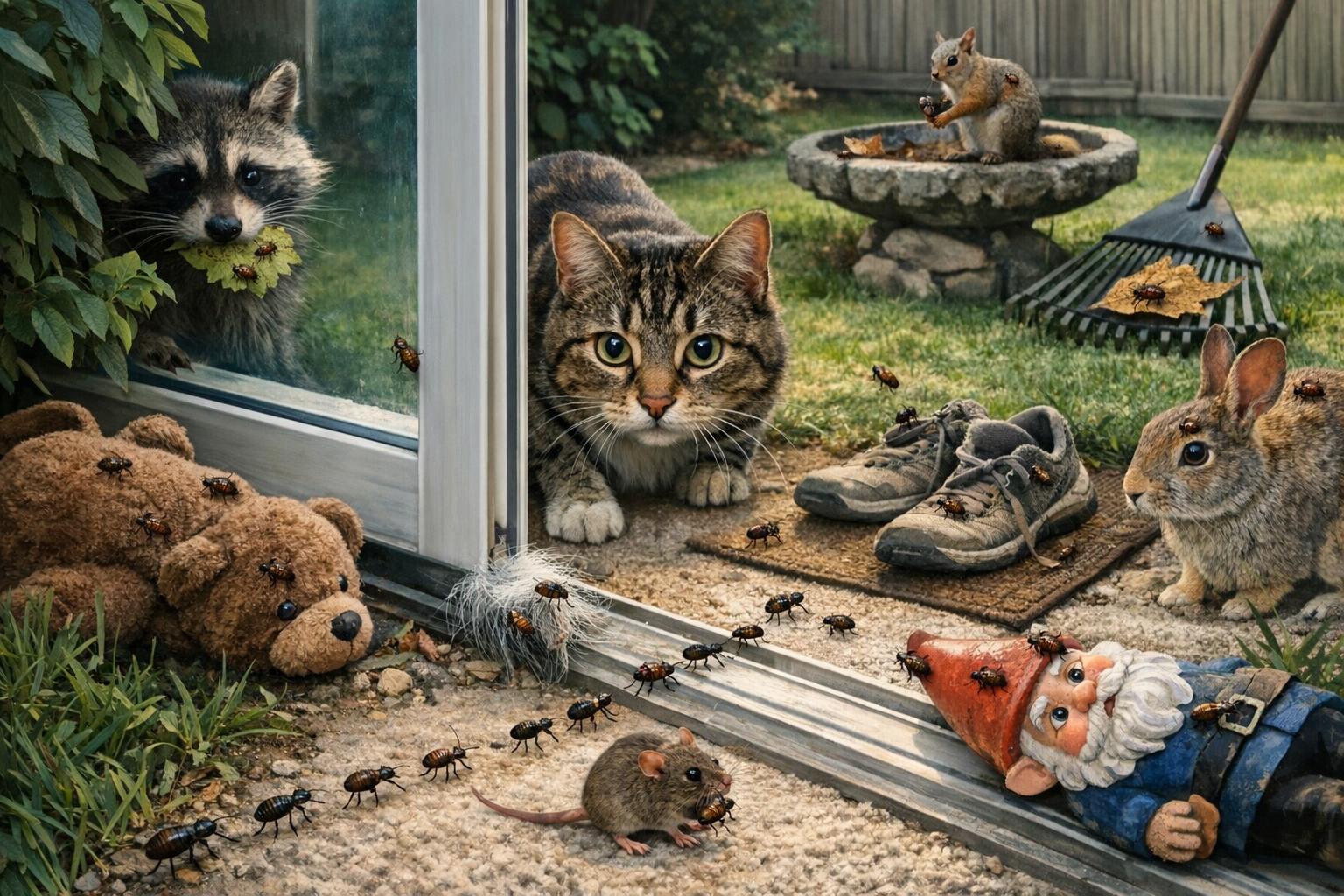
Fleas aren’t just on cats. They thrive in the environment. In the backyard, they prefer shaded, humid spots: under decks, in tall grass, in leaf litter, and where wildlife travels. When you’re thinking about cat flea appearance in an outdoor context, imagine tiny dark flecks that vanish into shady places.
### Favorite Micro-Habitats
– Under porches and decks where shade and humidity linger.
– Along fence lines and hedges with consistent animal traffic.
– In soil with lots of organic debris and leaf cover.
– In bird nest material or rodent burrows (wildlife hosts can keep populations alive).
#### Seasonal Notes
Flea activity peaks when temperatures are warm and humidity is moderate. In many regions this means spring through fall, but in heated homes or milder climates, they can be year-round residents. Spotting larvae or noticing flea dirt (tiny black specks) is often the first practical clue to cat flea appearance in your yard and home.
## How To Spot Flea Dirt And Bites On Pets
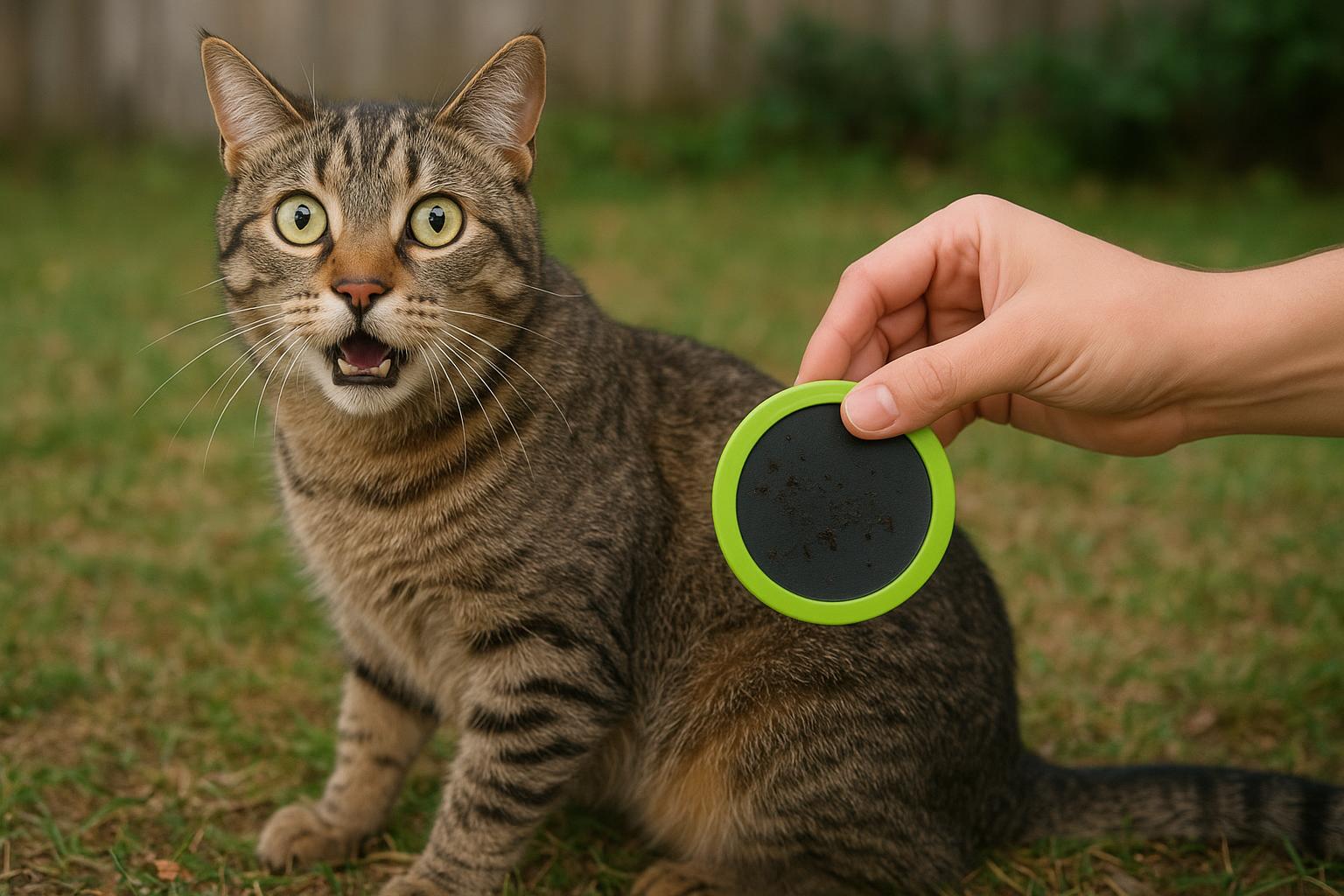
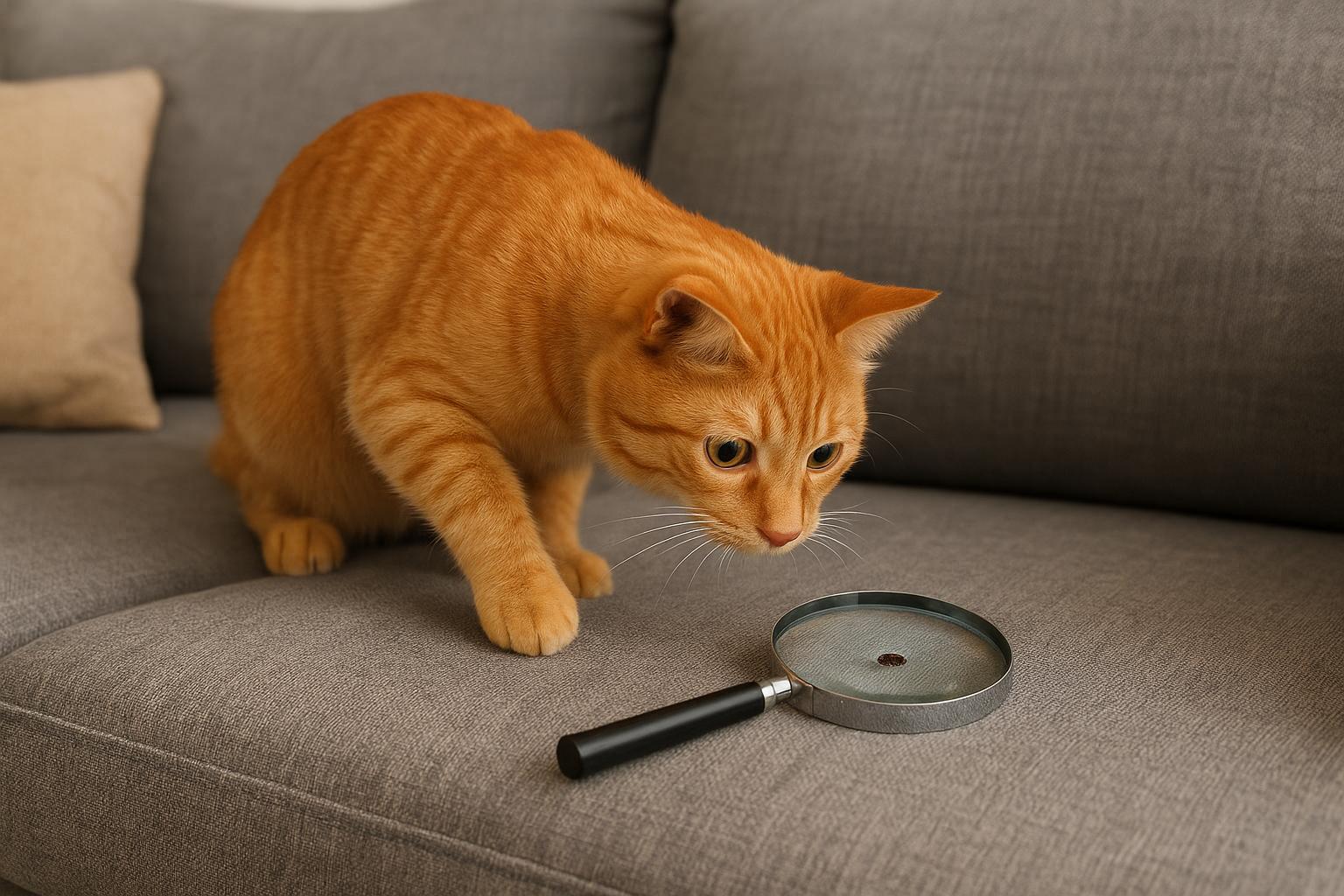
Flea dirt looks like coarse black pepper. To confirm, pick a speck off the fur and wet it on white paper — if it turns reddish-brown, it’s digested blood (flea feces). That’s as close as most backyard detectives get to proof.
### Cat Reactions To Fleas
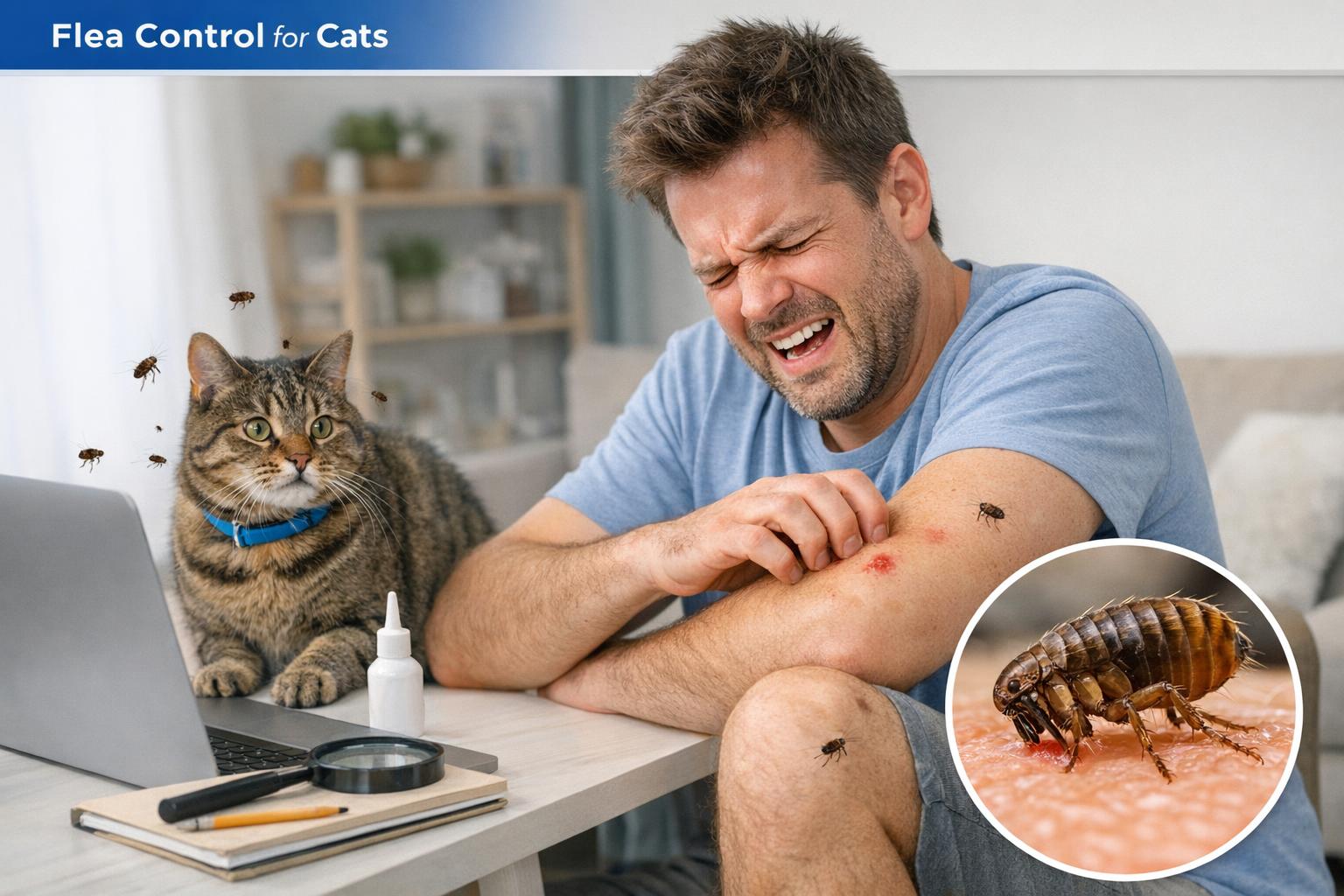
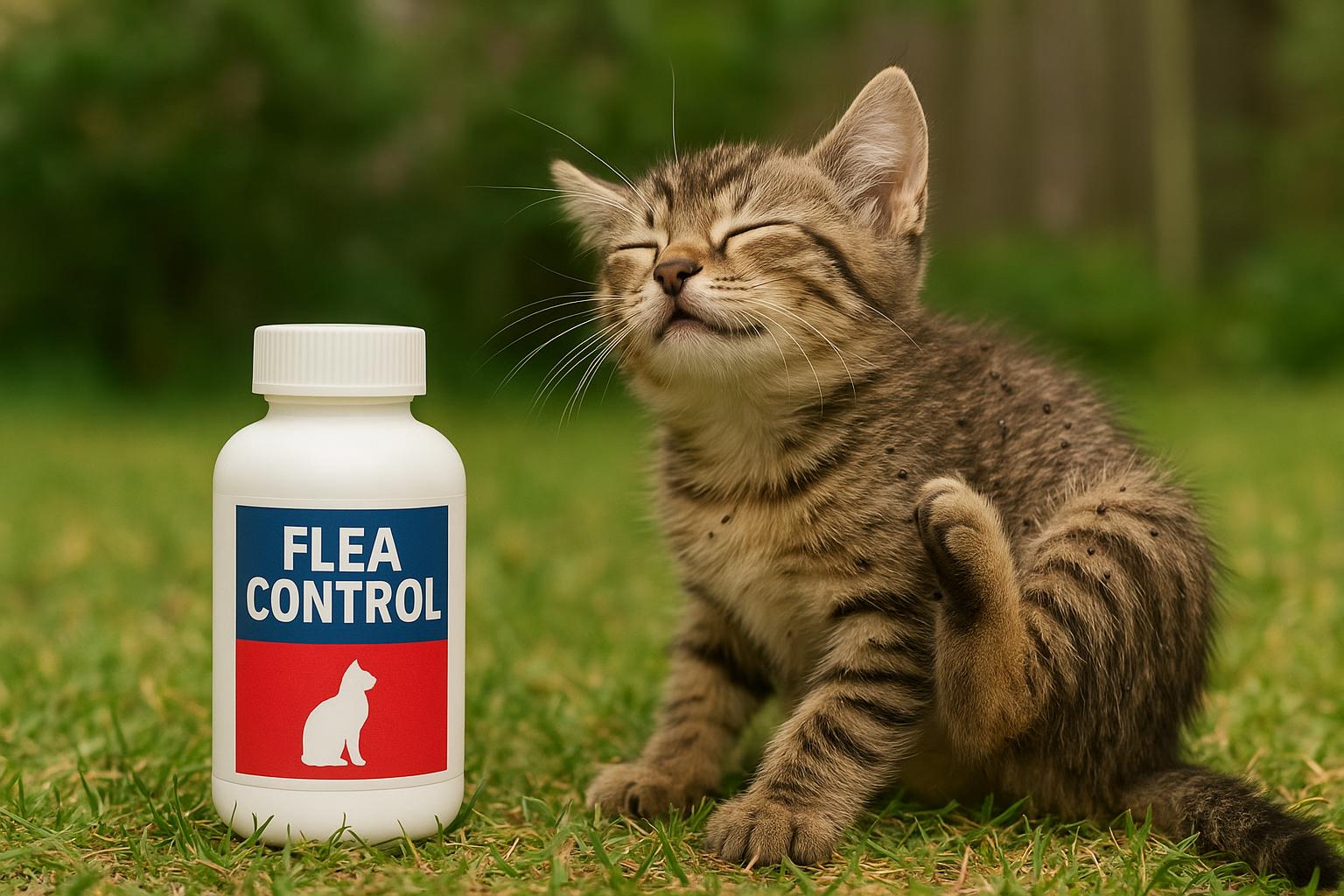
Cats with fleas may groom excessively, scratch, groom one area obsessively, or develop small scabs and hair loss. Some cats are allergic to flea saliva and can develop intense irritation from just one bite. When you’re assessing cat flea appearance on your pet, also look for behavioral signs: restless grooming, biting at the base of the tail, or little black specks that smear red on white paper.
## Remedy 1: Yard Treatment To Reduce Flea Habitat
When addressing fleas outdoors, the approach must be systematic and safe. Below is a formal, stepwise plan to reduce flea habitat in your backyard. Materials follow, then creation and application instructions.
Materials / Ingredients:
– Protective gloves and goggles
– Lawn rake and leaf blower or vacuum
– Tarps or trash bags for debris
– Diatomaceous earth (food-grade) or a yard insecticide labeled for fleas (choose one designed for residential use)
– Sprayer (for liquid treatments) or spreader (for granular products)
– Outdoor-safe insect growth regulator (IGR) like pyriproxyfen or methoprene (optional but recommended)
– Hose and water, or watering can
Creation And Application Steps:
1. Clear Debris: Rake leaves, mow long grass, and remove piles of organic matter. Bag and dispose of or compost away from the house.
2. Focus Shade: Identify shaded, moist areas (under decks, along foundations, beneath hedges). These are prime flea hideouts.
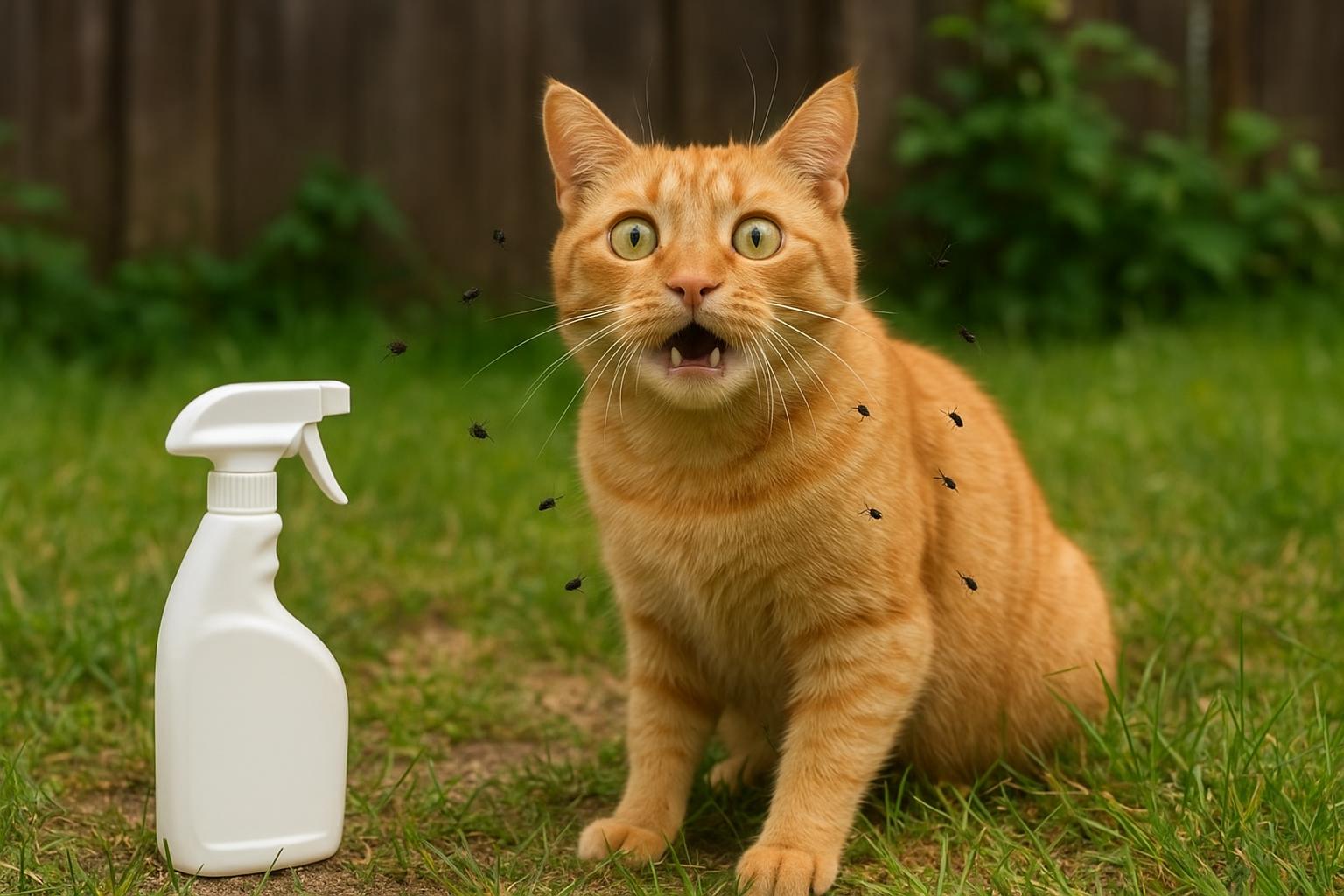
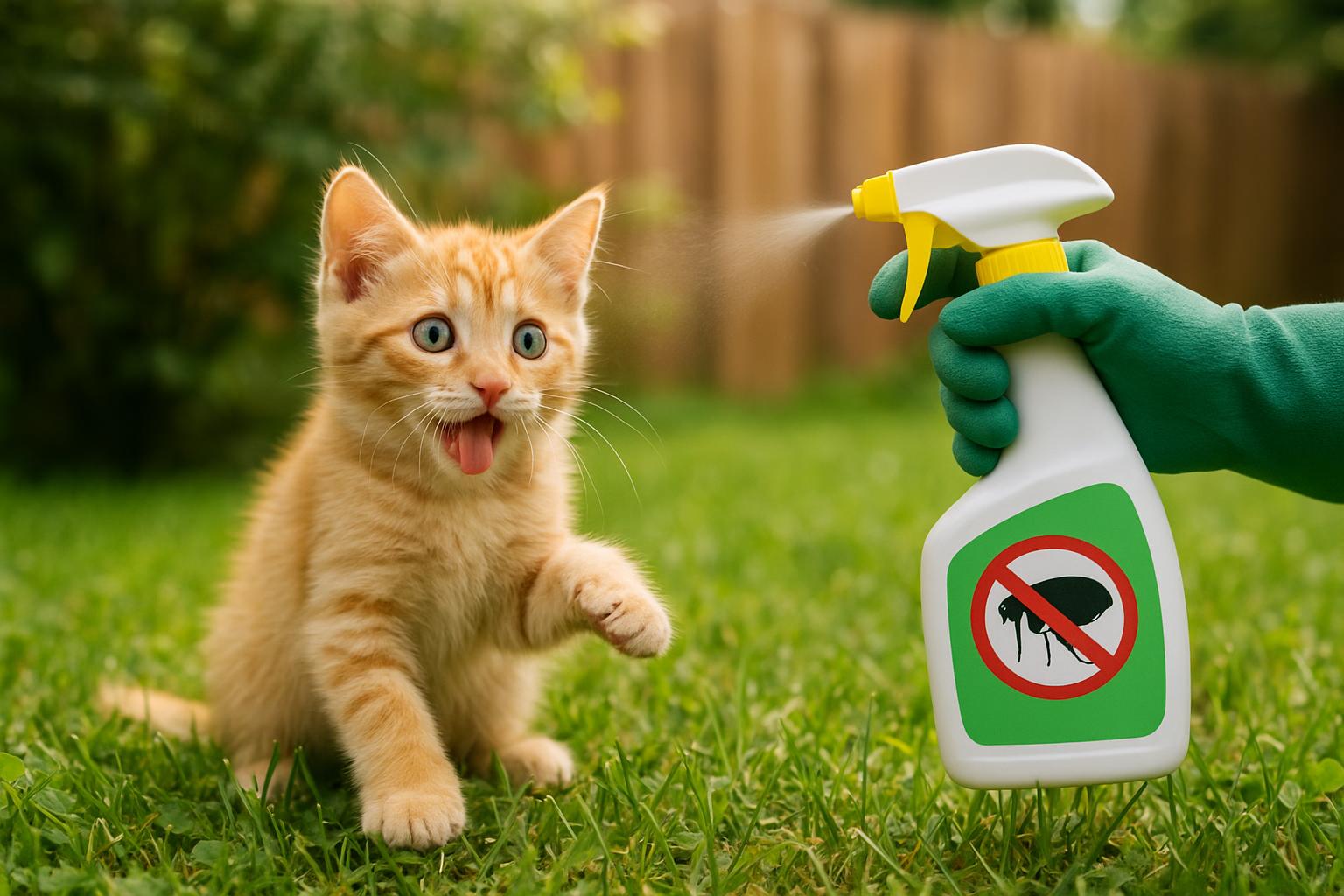
3. Choose Your Treatment: If you prefer mechanical first aid, use food-grade diatomaceous earth: it dehydrates insects. If the infestation seems heavier or you want faster control, use an EPA-registered professional-grade yard spray labeled for fleas — follow label instructions exactly.
4. Apply IGR: Mix IGR per label directions and apply to likely breeding grounds (leaf litter, base of shrubs, shaded soil). IGRs prevent eggs and pupae from developing into adults, which breaks the life cycle.
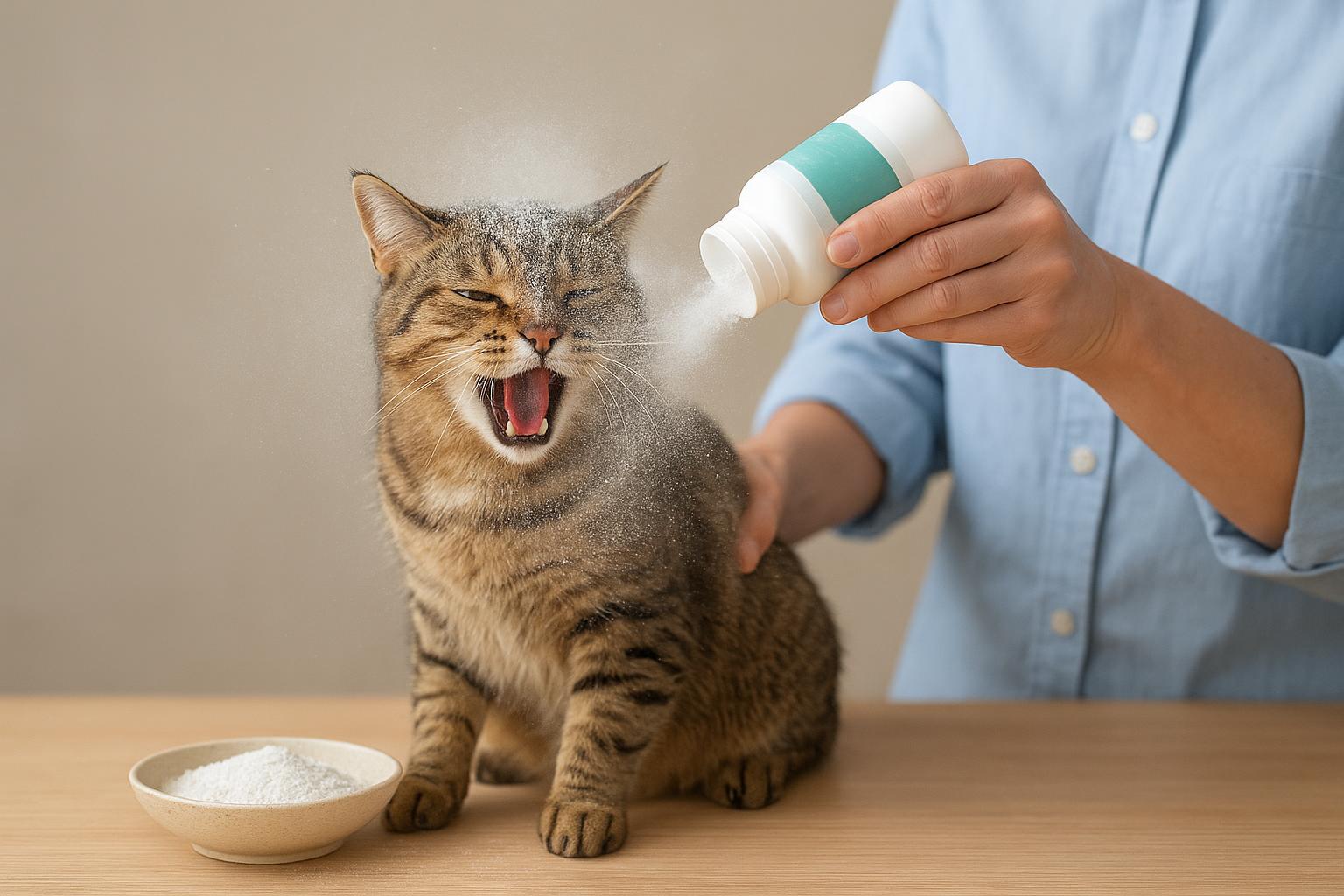
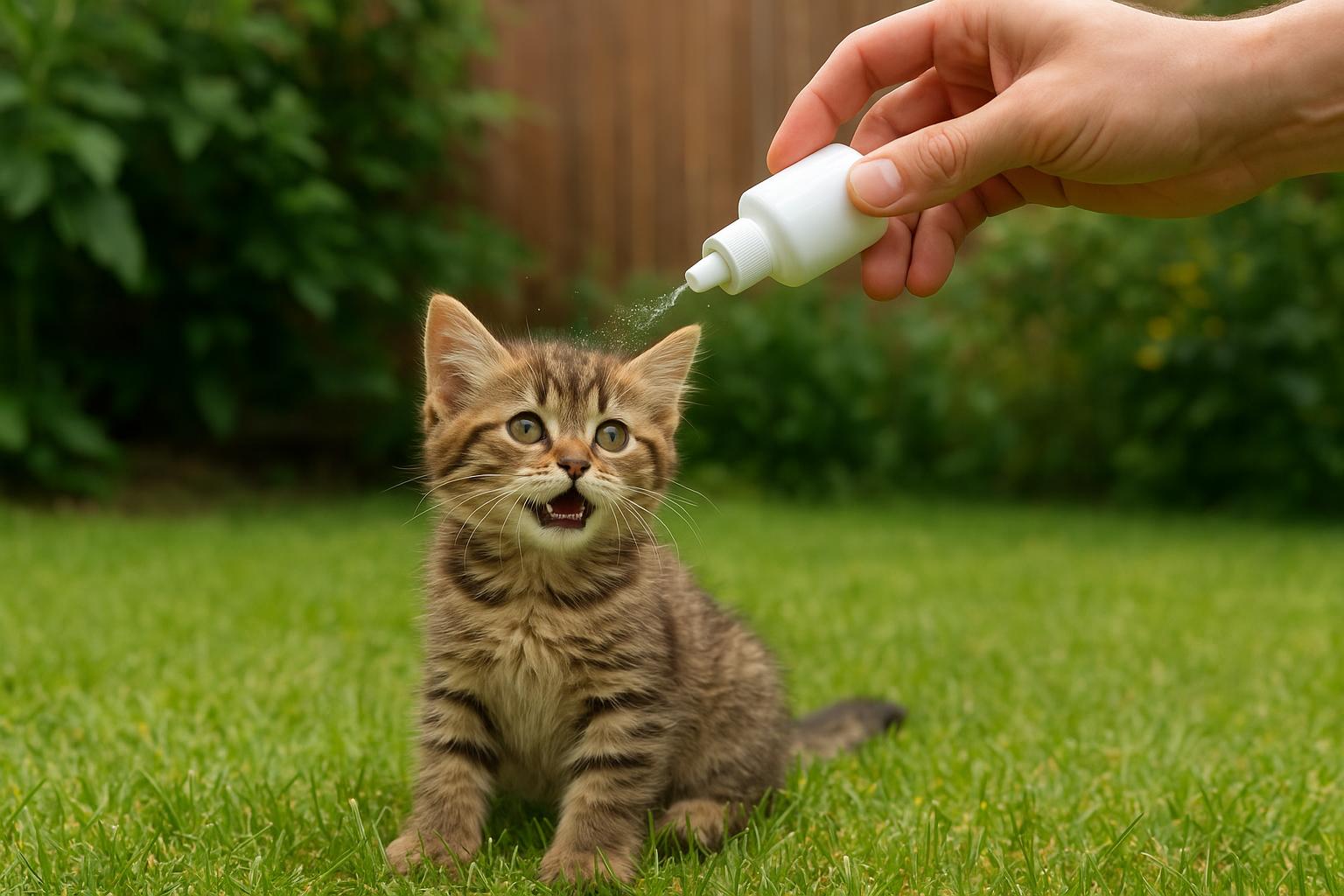
5. Spread Diatomaceous Earth (if used): Lightly dust shaded areas, suspicious cracks, and garden edges. Avoid windy days to minimize drift; wear a mask.
6. Water-In or Activate (if required): Some treatments require irrigation to move product into the soil; follow product directions.
7. Repeat: Flea eggs and pupae can hatch over weeks. Reapply treatments according to label schedule, commonly every 2–4 weeks until control is achieved.
8. Maintain Landscape: Keep grass short, trim shrubs, eliminate excess moisture, and restrict wildlife access where feasible.
Safety Notes: Always follow label instructions. Keep pets and children away during and immediately after application as specified by the product. For persistent or heavy infestations consider hiring a licensed pest professional.
## Remedy 2: In-Home And On-Pet Control
Tackling fleas on pets and in the home requires coordinated measures. This section is formal and specific: use veterinary-approved products for pets and EPA-registered products for indoor use.
Materials / Ingredients:
– Veterinary-prescribed topical or oral flea medication (e.g., fipronil, imidacloprid, selamectin, spinosad — as prescribed)
– Flea comb (fine-toothed)
– Pet-friendly shampoo (flea-specific if recommended)
– Vacuum with disposable bag or emptyable canister
– Laundry detergent and hot water
– Indoor insecticide spray labeled for fleas or an IGR for indoor use (optional)
– Protective gloves
Creation And Application Steps:
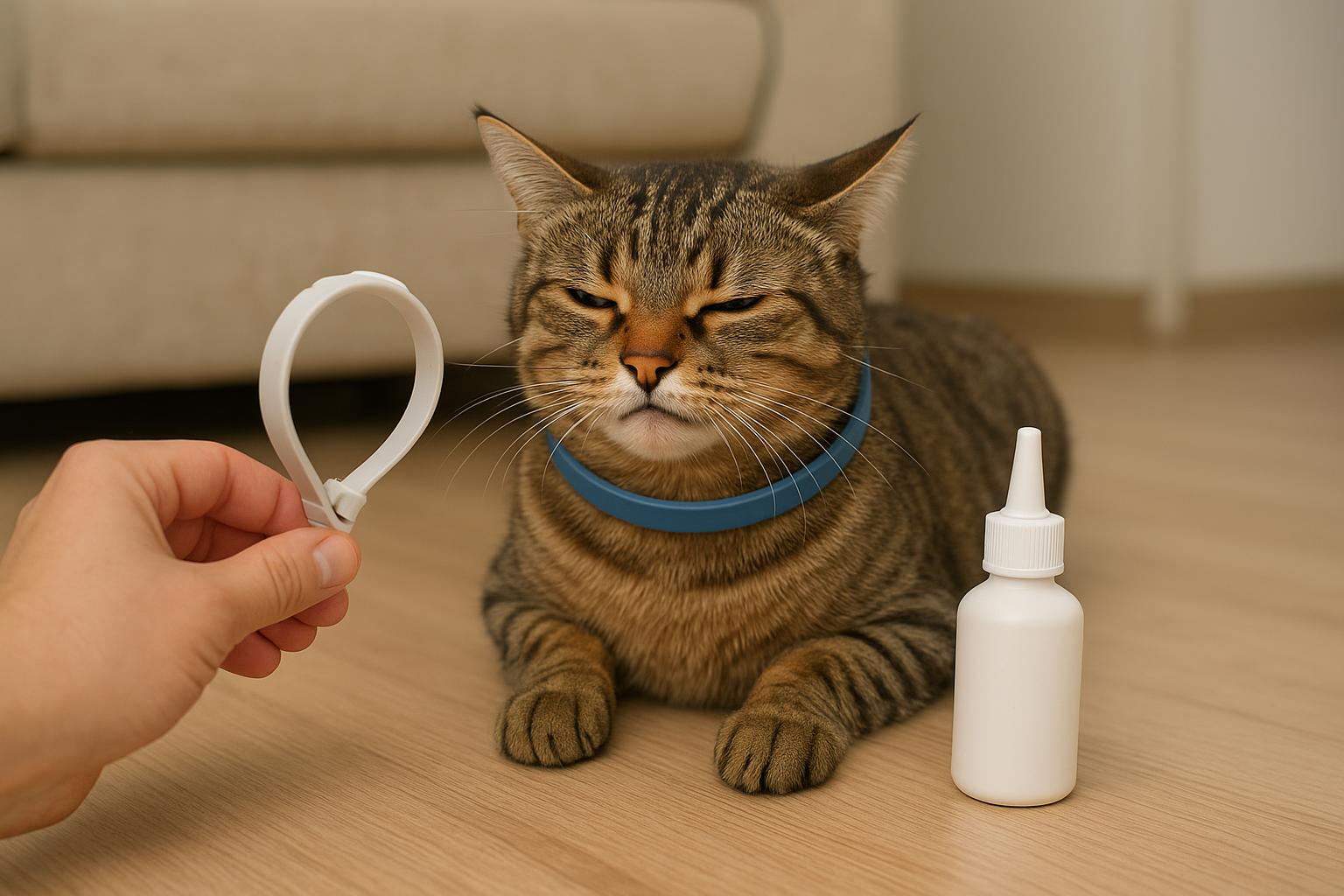
1. Vet Consultation: Have your cat examined. Choose a veterinary-recommended flea control product suitable for your cat’s age, weight, and health status. Over-the-counter options can be dangerous for cats if misused.
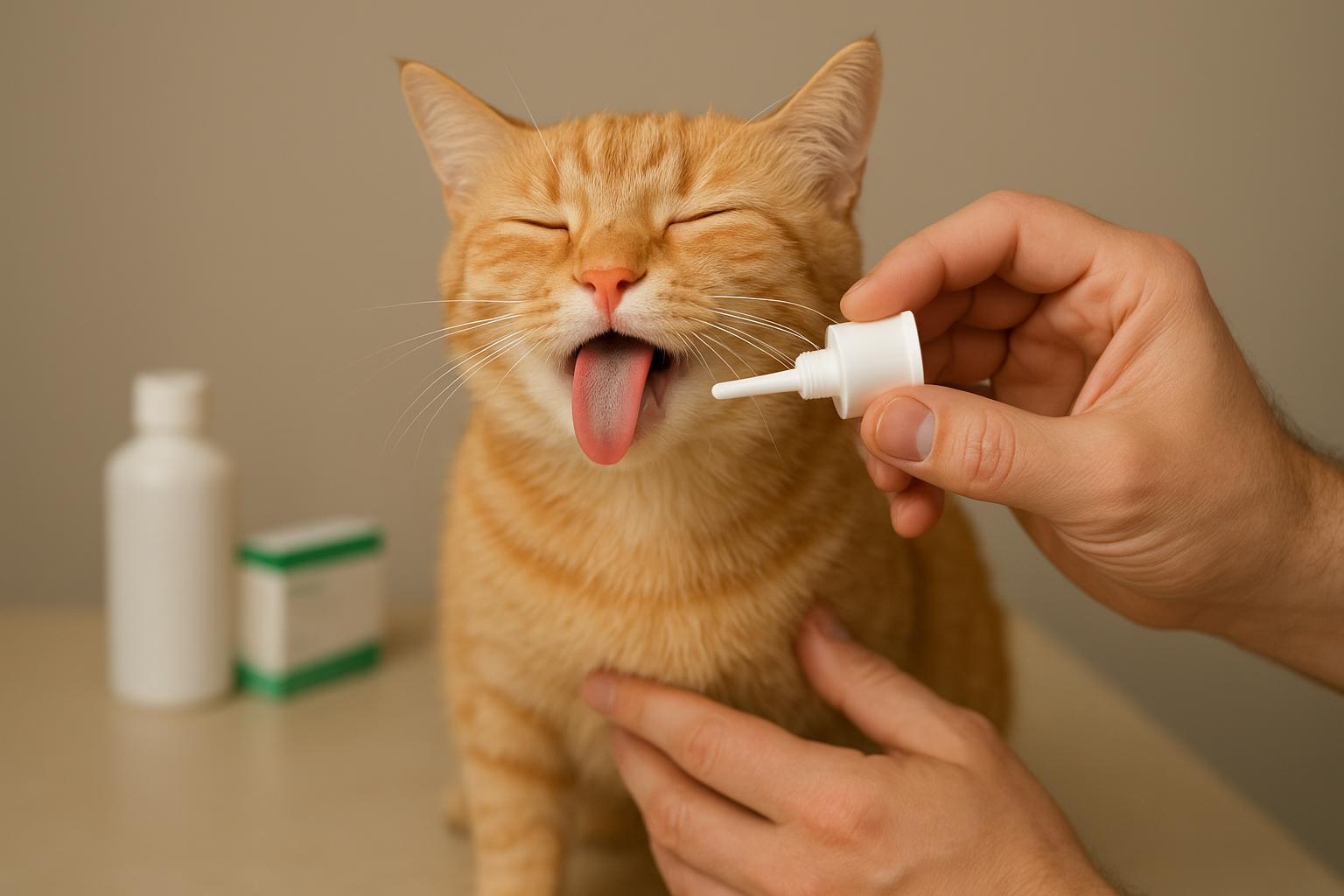
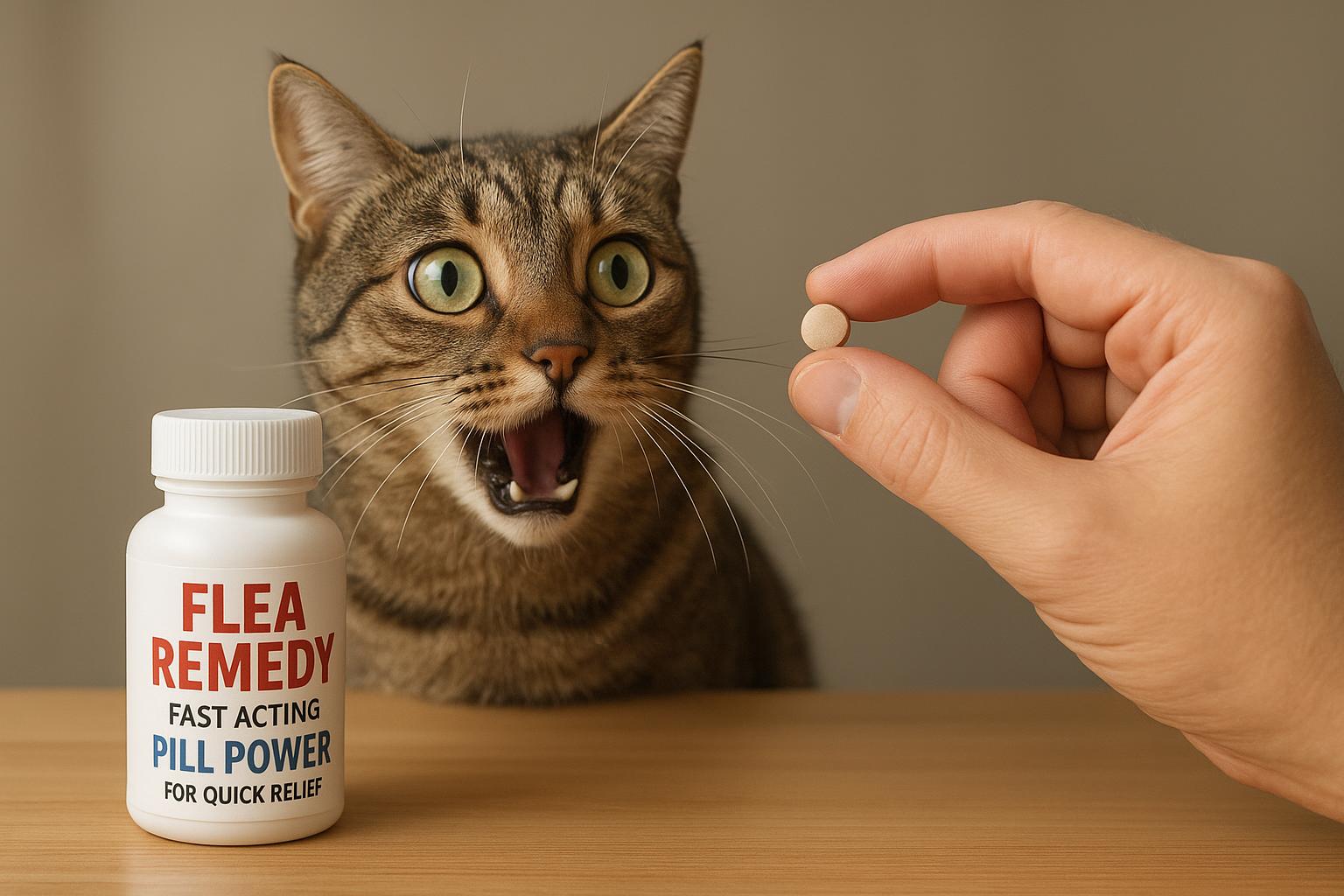
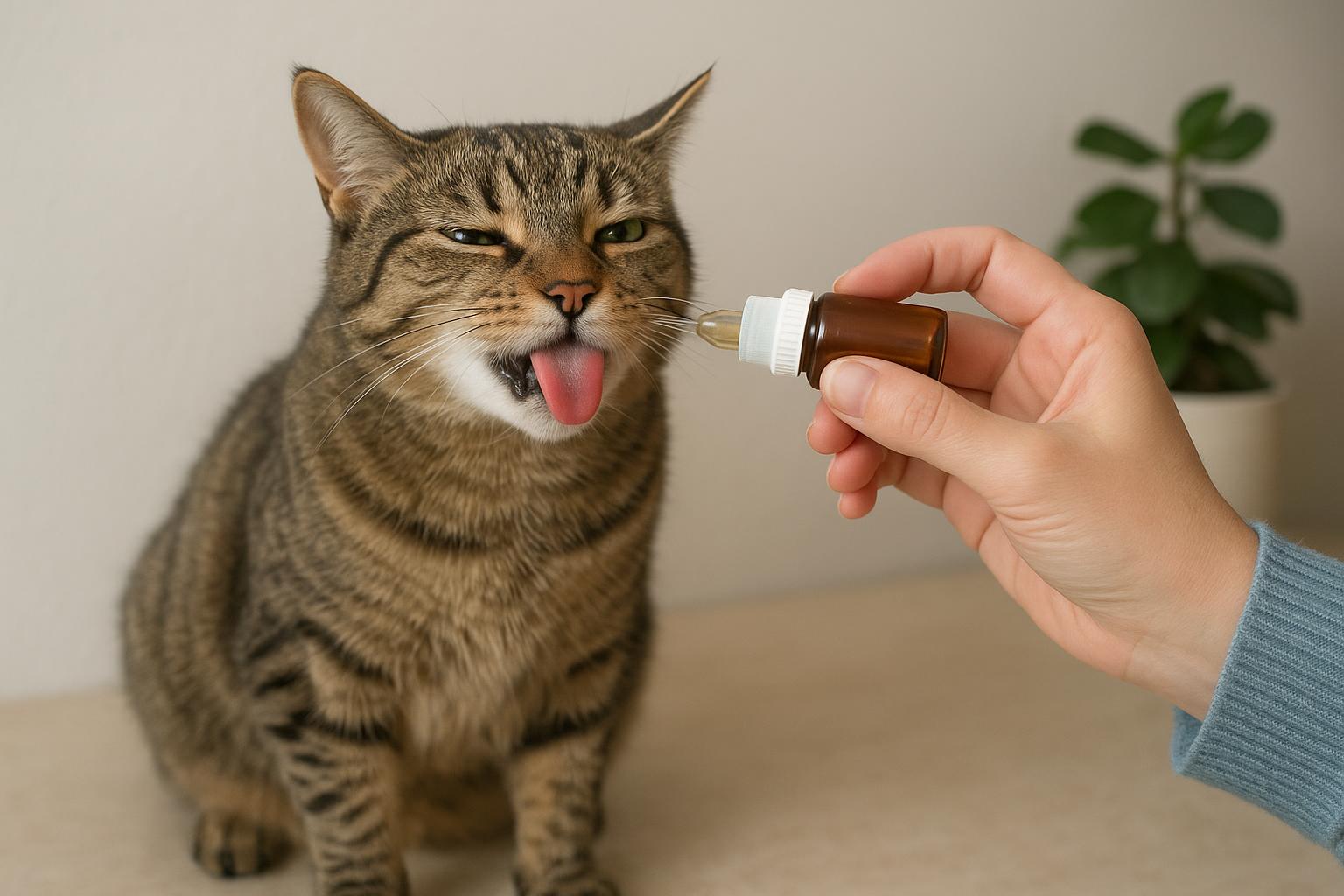
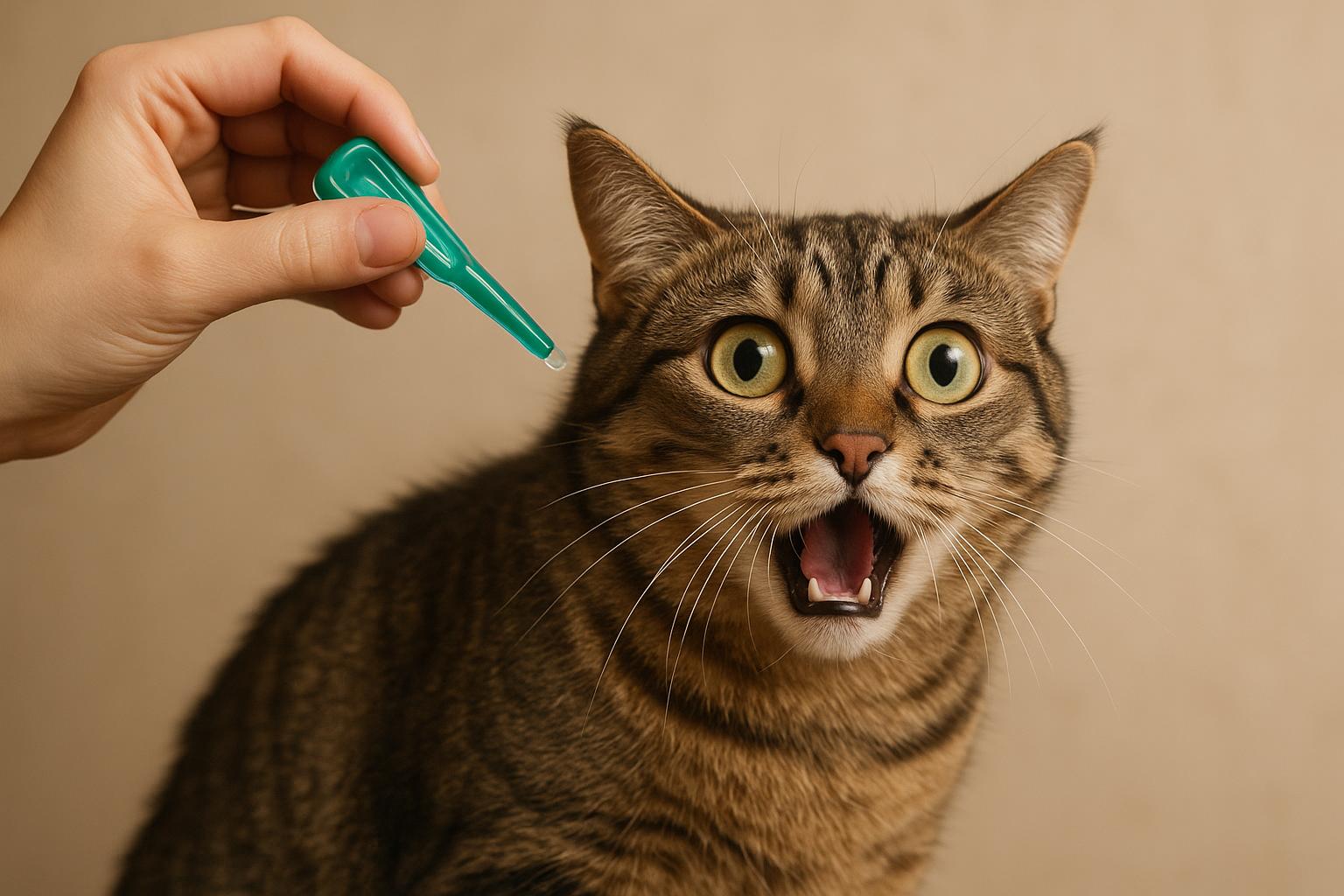
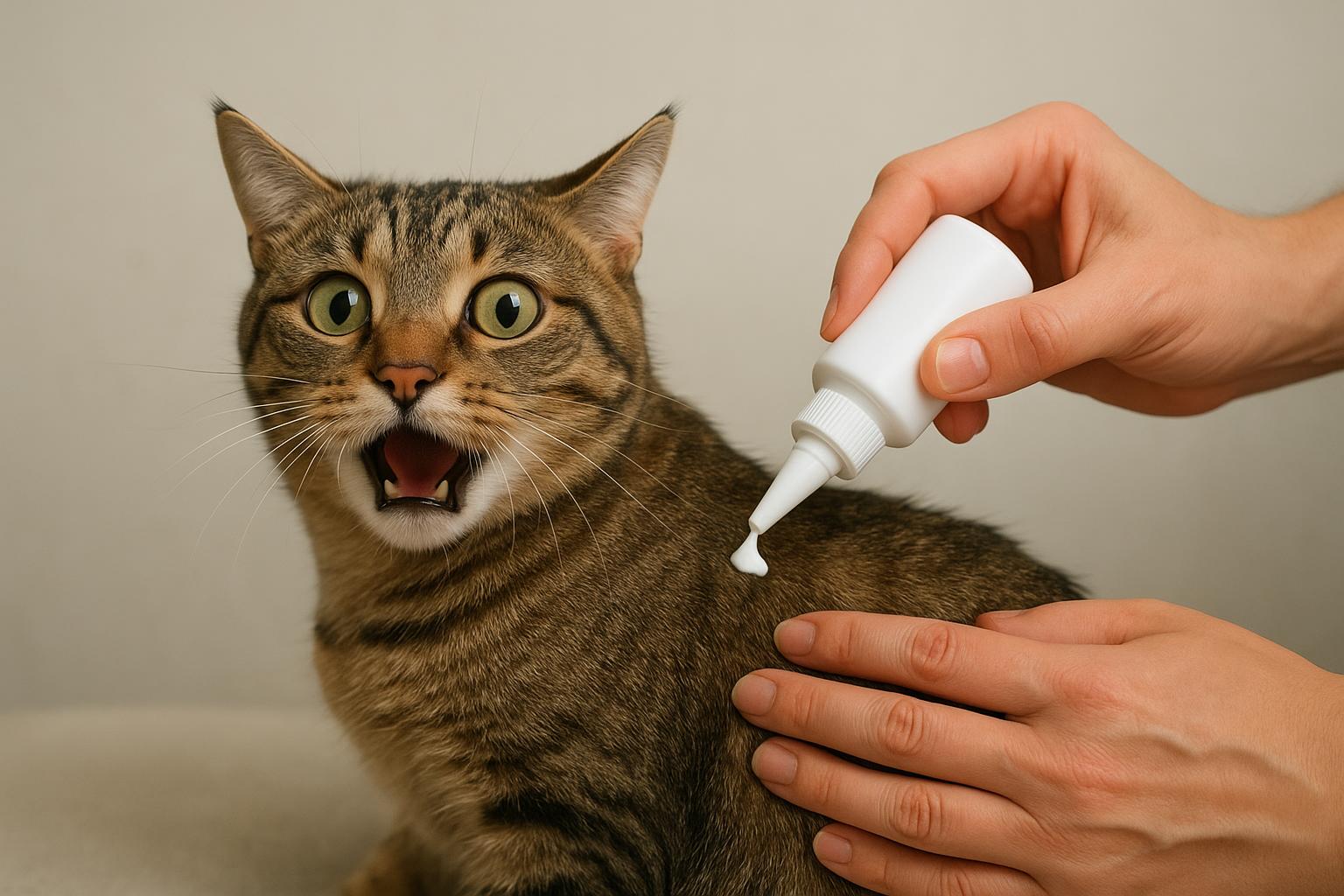
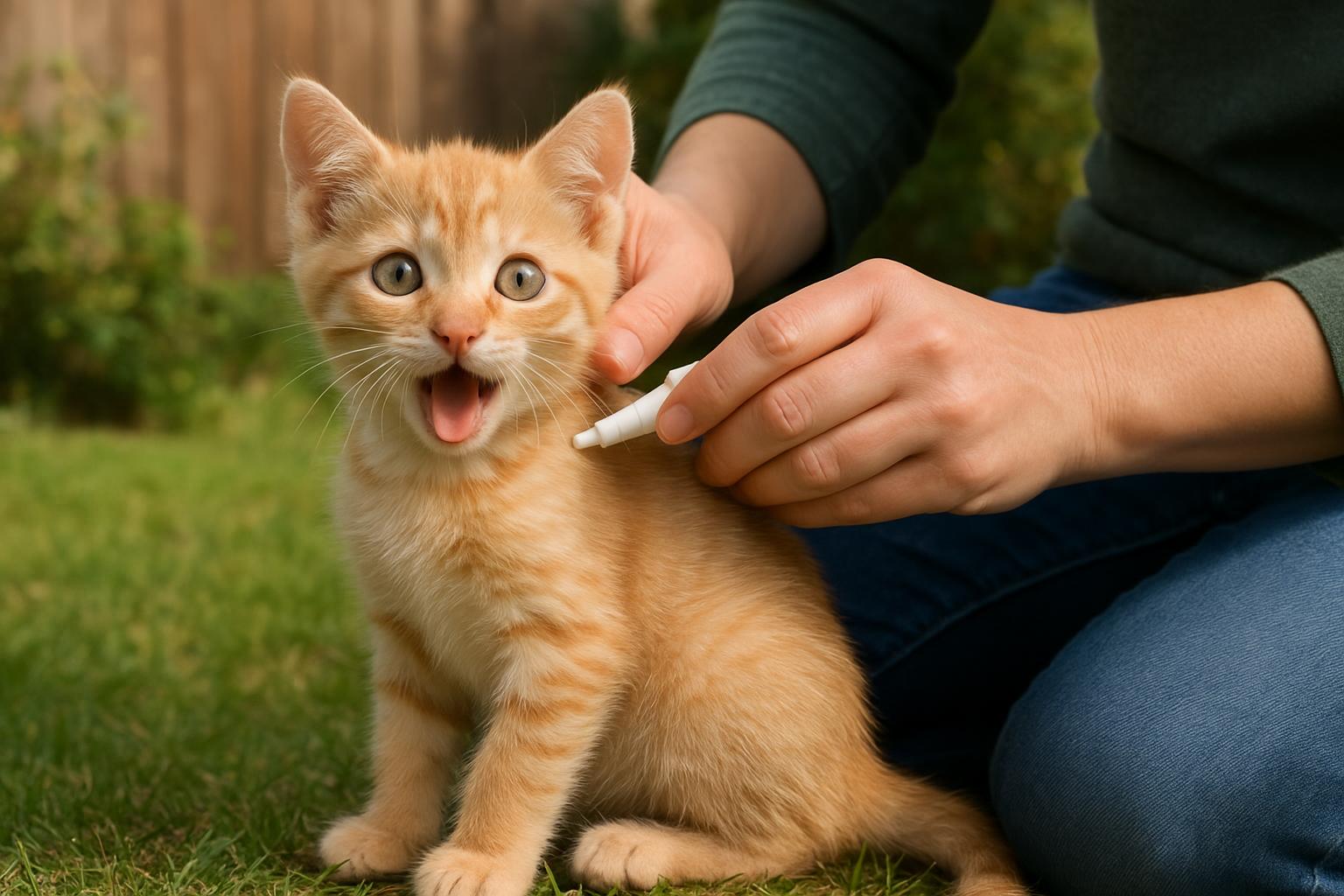
2. Treat The Cat: Administer the prescribed product exactly as directed. For topical treatments, part the fur at the base of the neck and apply to the skin; do not bathe the cat immediately unless product directions permit. For oral products, give with or without food per vet guidance.
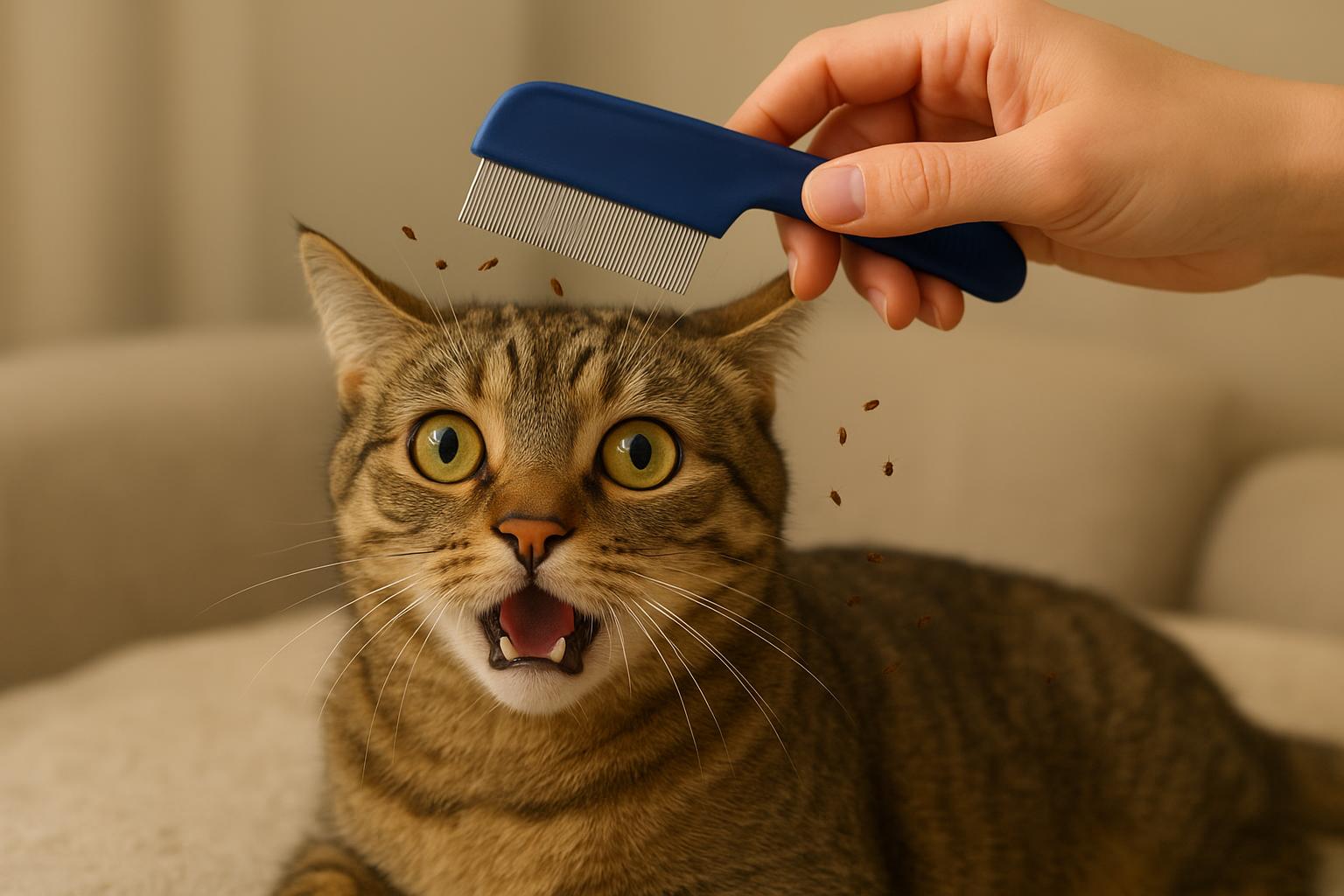
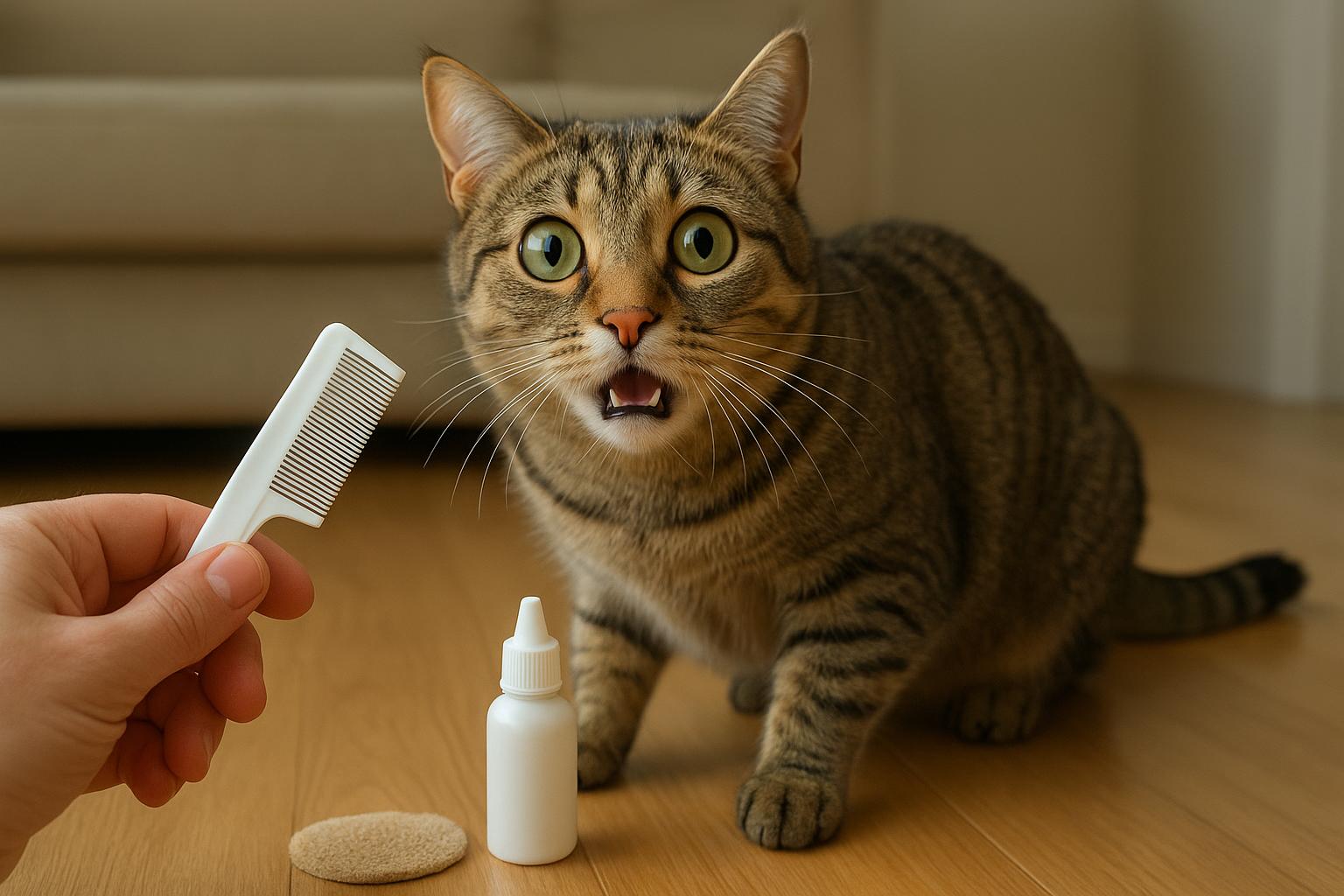
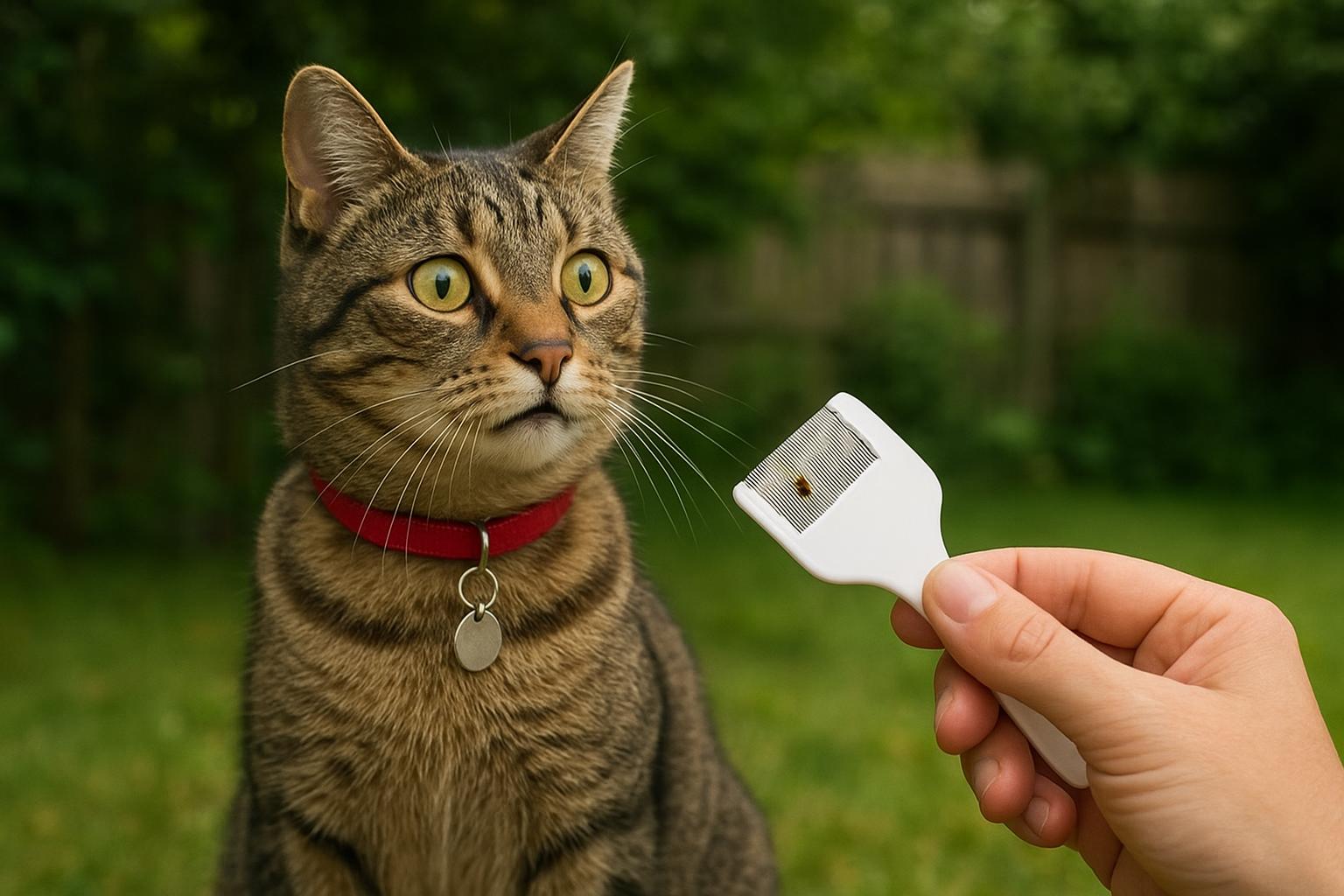
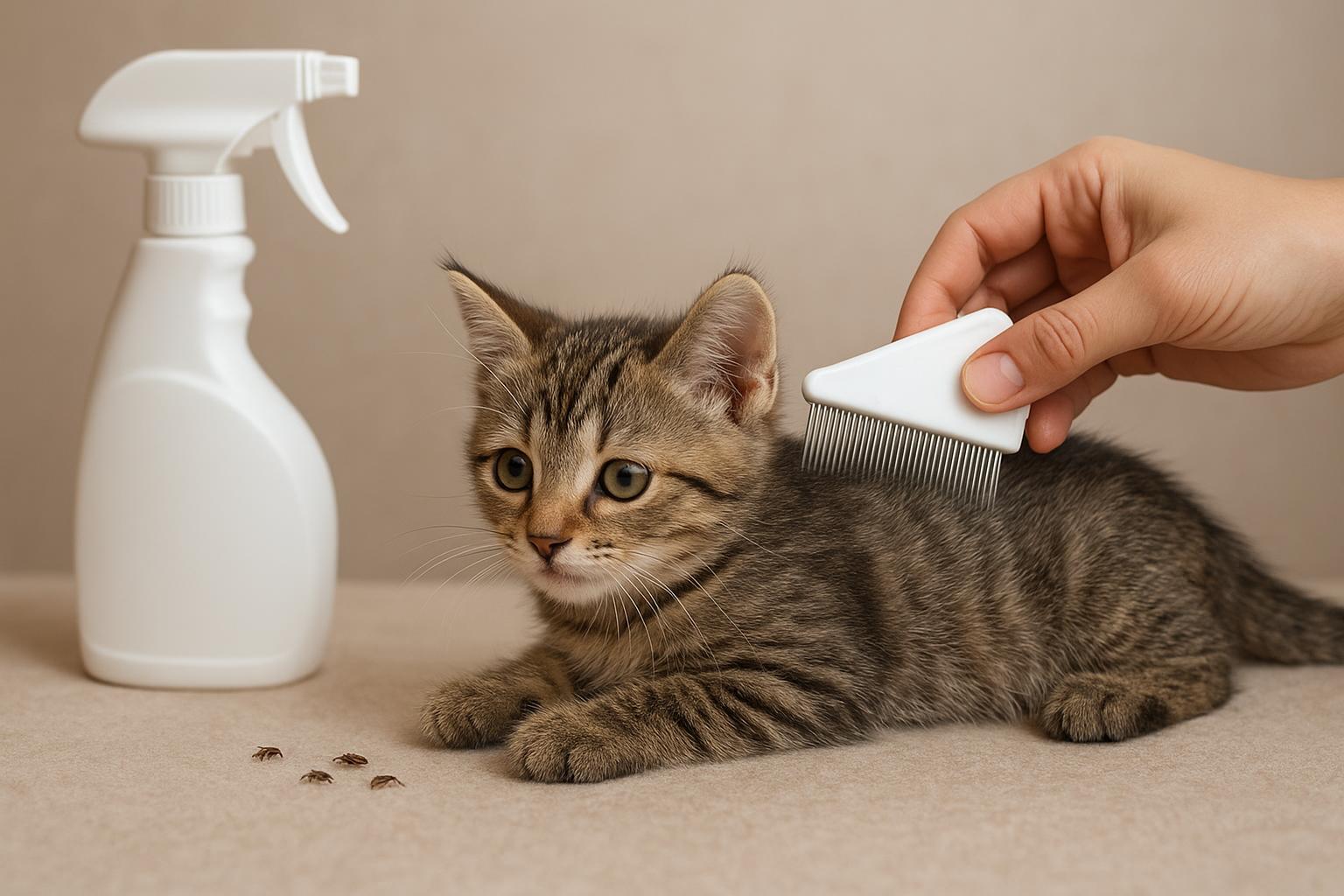
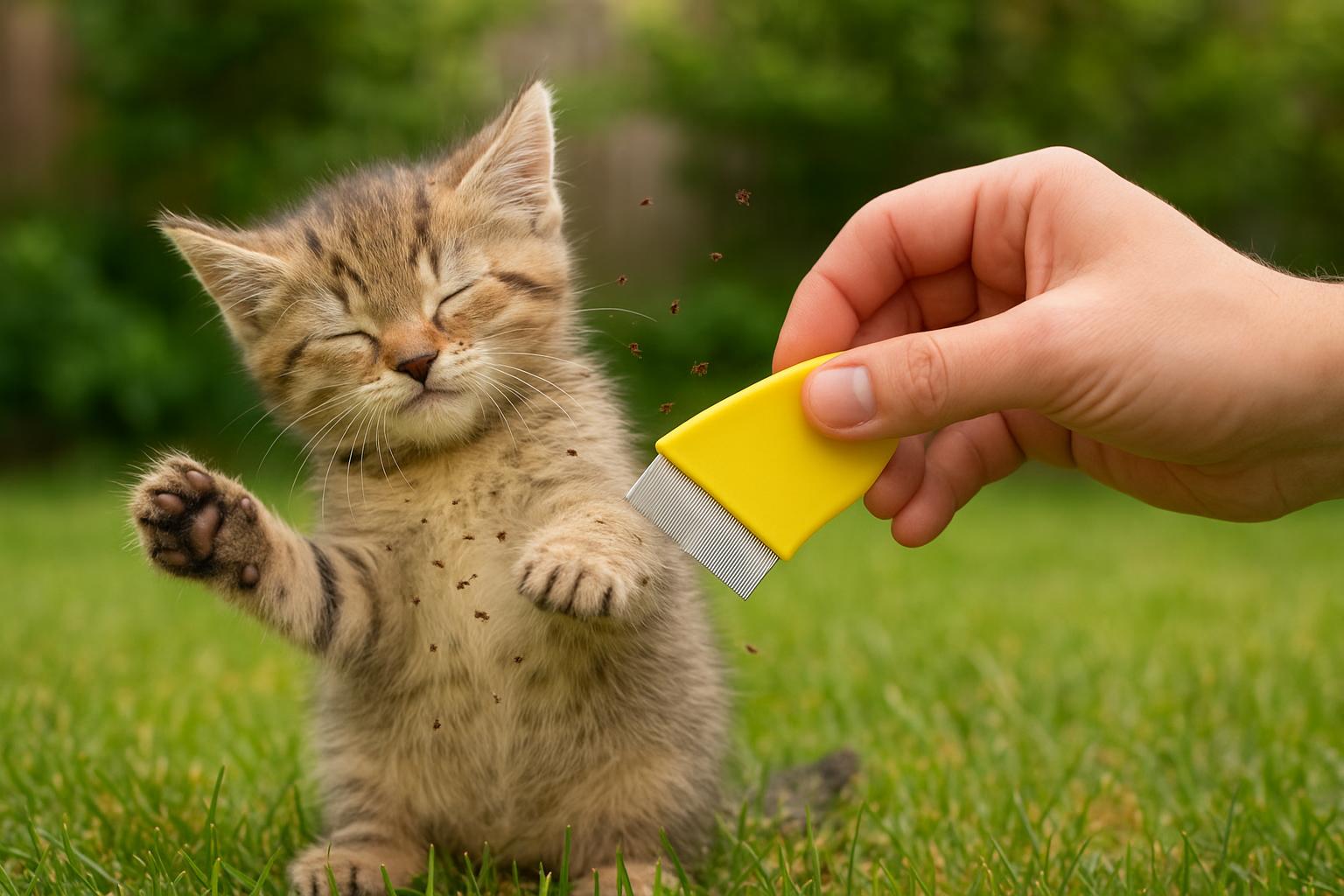
3. Flea Combing: Use a fine-toothed flea comb over the cat’s coat, particularly around the neck, base of the tail, and belly. Dip combed debris into soapy water to kill fleas.
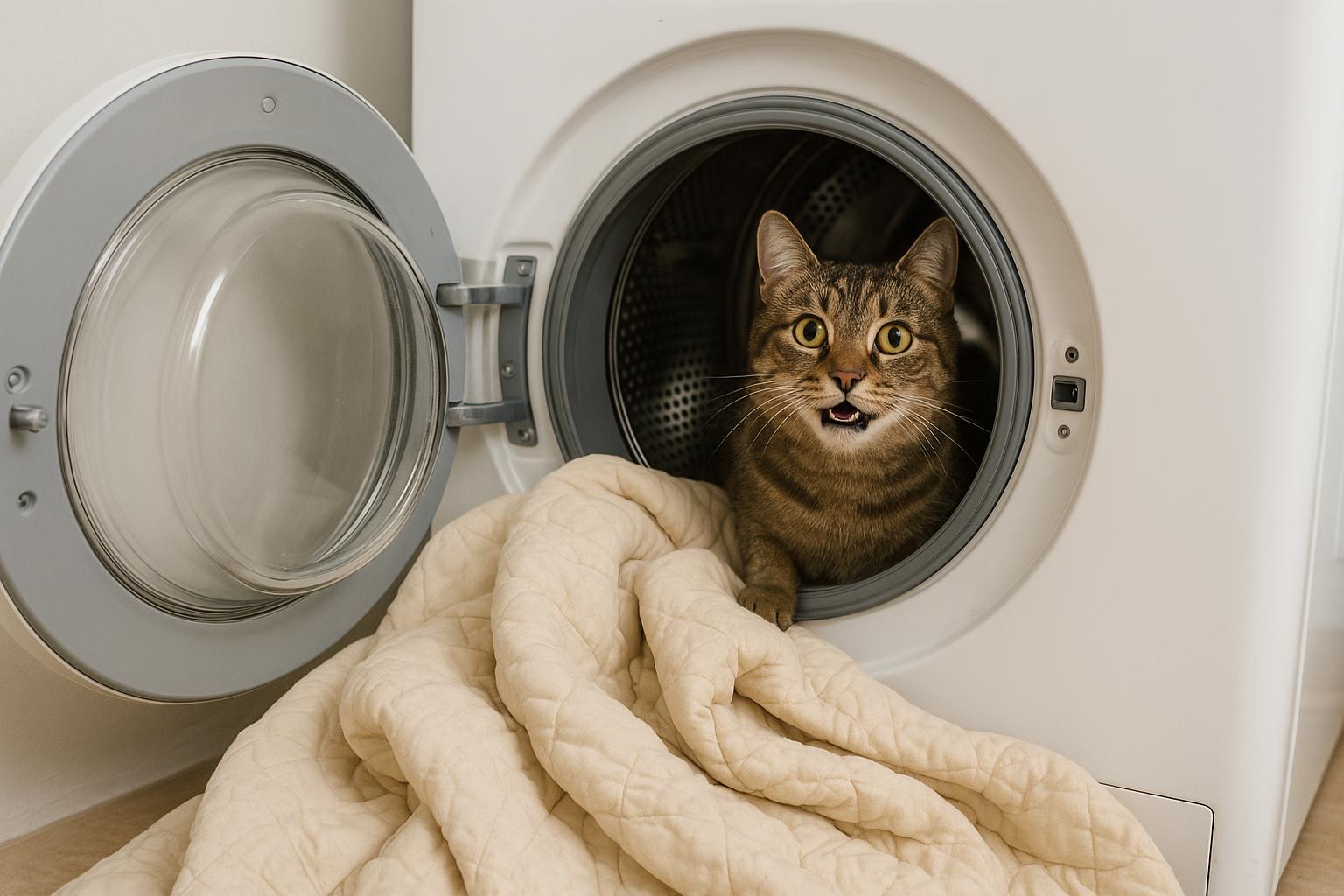
4. Wash Bedding: Launder all bedding, blankets, and soft toys in hot water and high heat drying. Repeat weekly until the problem is resolved.
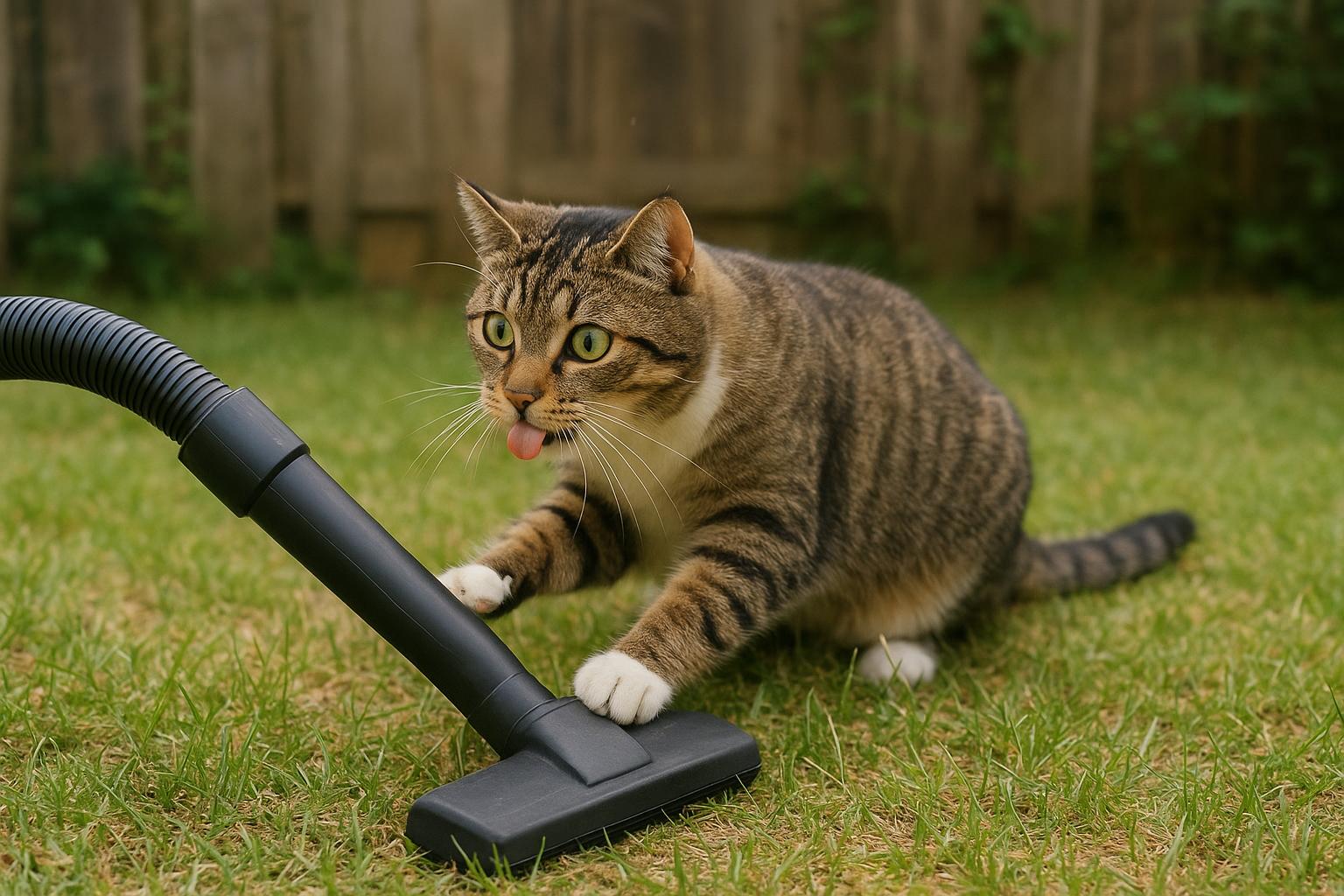
5. Vacuum Thoroughly: Vacuum carpets, rugs, furniture, and baseboards daily for the first week, then several times weekly. Dispose of vacuum bags or empty canisters into a sealed trash bag immediately after use.
6. Treat Interiors (if necessary): For moderate to heavy infestations, use an indoor product labeled for flea control, and preferably one that includes an IGR to prevent development. Apply according to the product label; focus on carpets, pet resting areas, and crevices.
7. Monitor And Repeat: Continue treatments as recommended by your vet and product labels. Flea life cycles mean follow-up is often needed for 6–12 weeks.
Clinical Notes: Never use dog-specific flea products on cats. Some substances toxic to cats can be lethal. Always rely on a veterinary professional when in doubt.
### When To Call A Vet Or Pro Exterminator
If your cat is lethargic, has signs of anemia (pale gums), severe dermatitis, or if you can’t control fleas with recommended treatments, call your vet. Large outdoor infestations that don’t respond to consumer treatments may require a licensed exterminator to safely and effectively treat the property.
#### Prevention Tips That Help You See Less Of Them
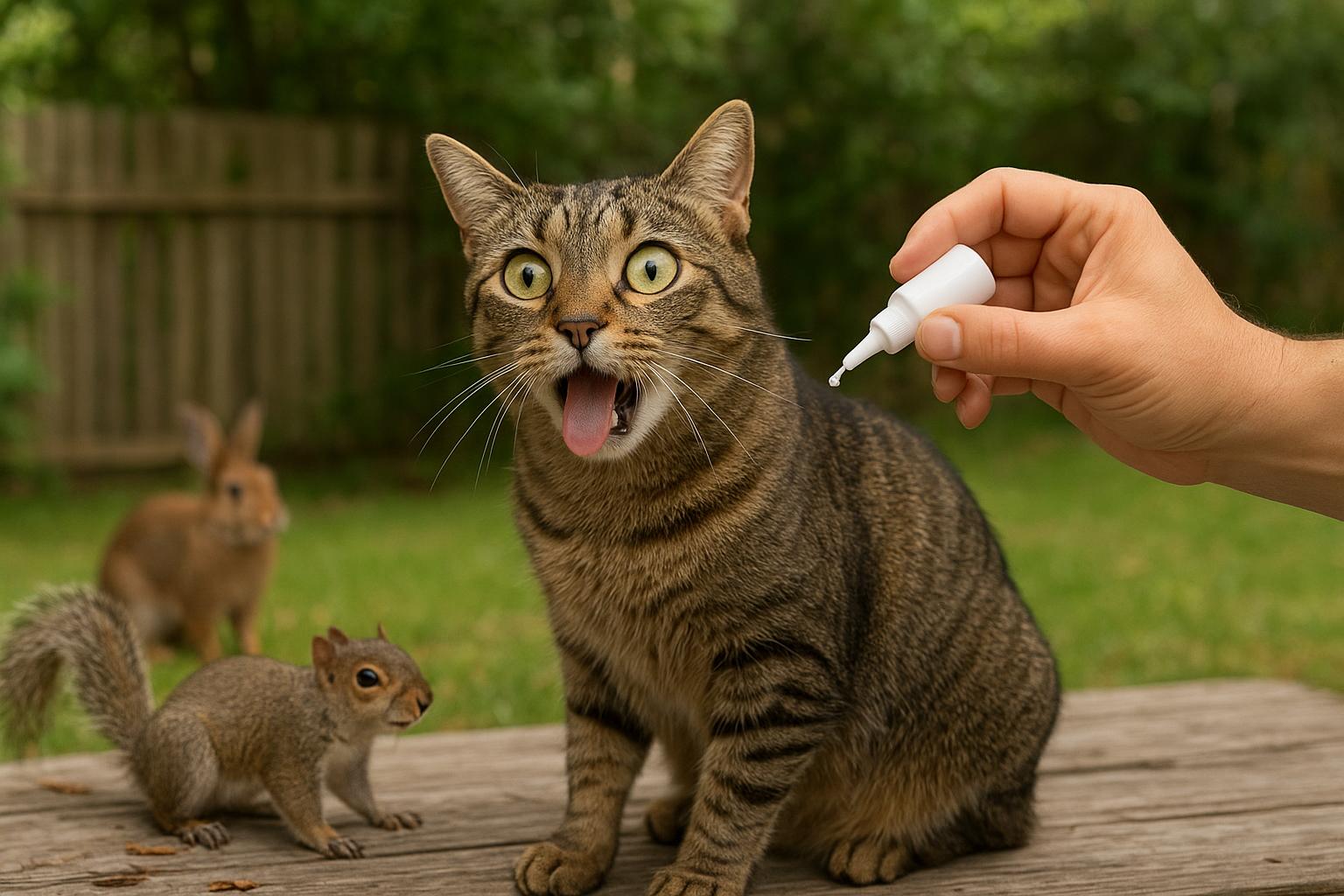
Understanding cat flea appearance and behavior helps you prevent future problems. Regularly check your pet, keep landscaping tidy, bathe and inspect outdoor pets, and use year-round preventative products if your vet recommends them. Discourage wildlife that can carry fleas, and consider designated pet paths that reduce cross-yard traffic through shady debris.
If you want a friendly backyard that’s hospitable to birds but not to fleas, focus on clean, sunny, and dry edges and move potential nesting materials away from your property. Remember: fleas are opportunists — take away the comfort and they’ll move on.
Now go refill that cuppa, give your cat a quick comb, and enjoy your somewhat less-buggy backyard patrol.



Leave a Reply