
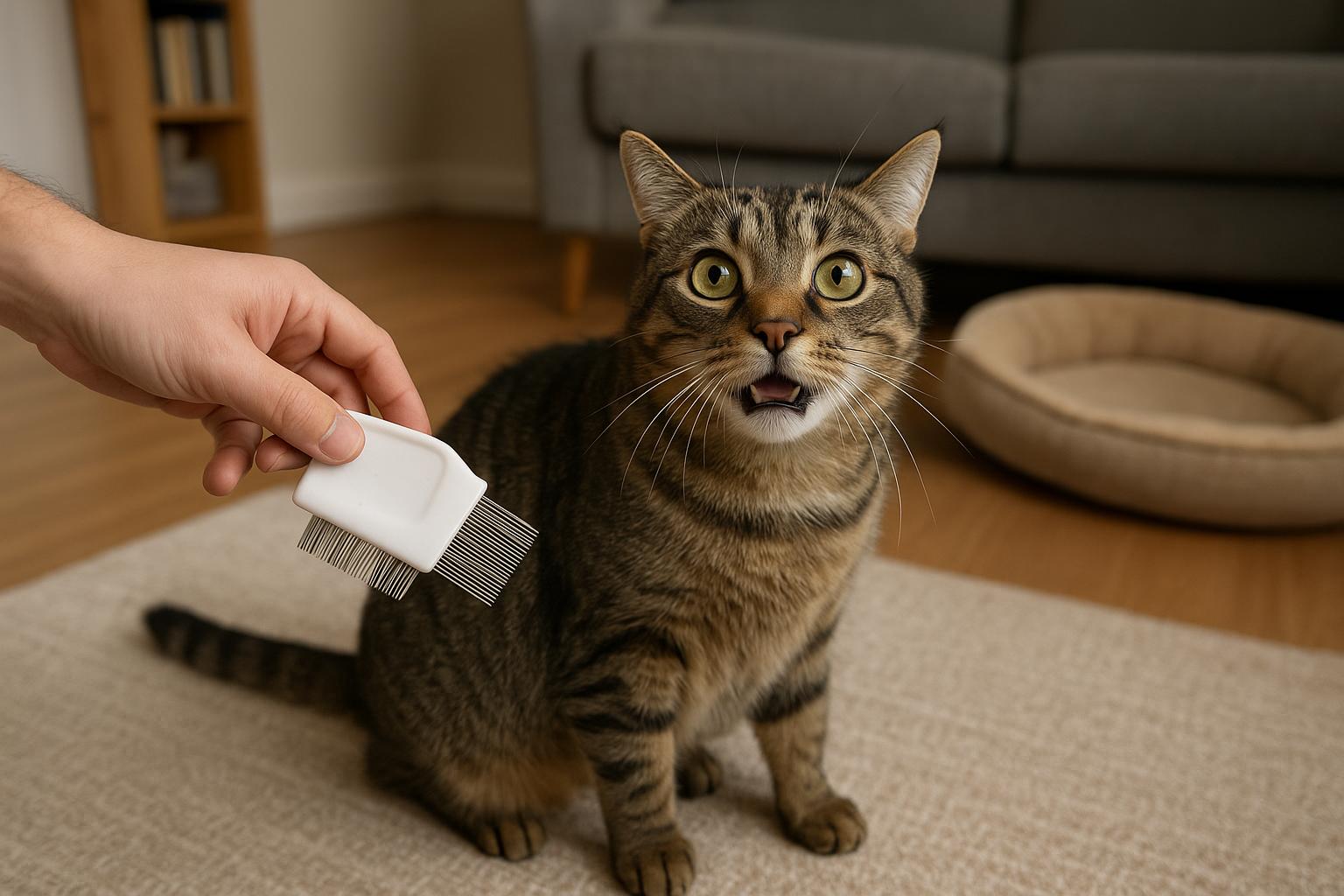
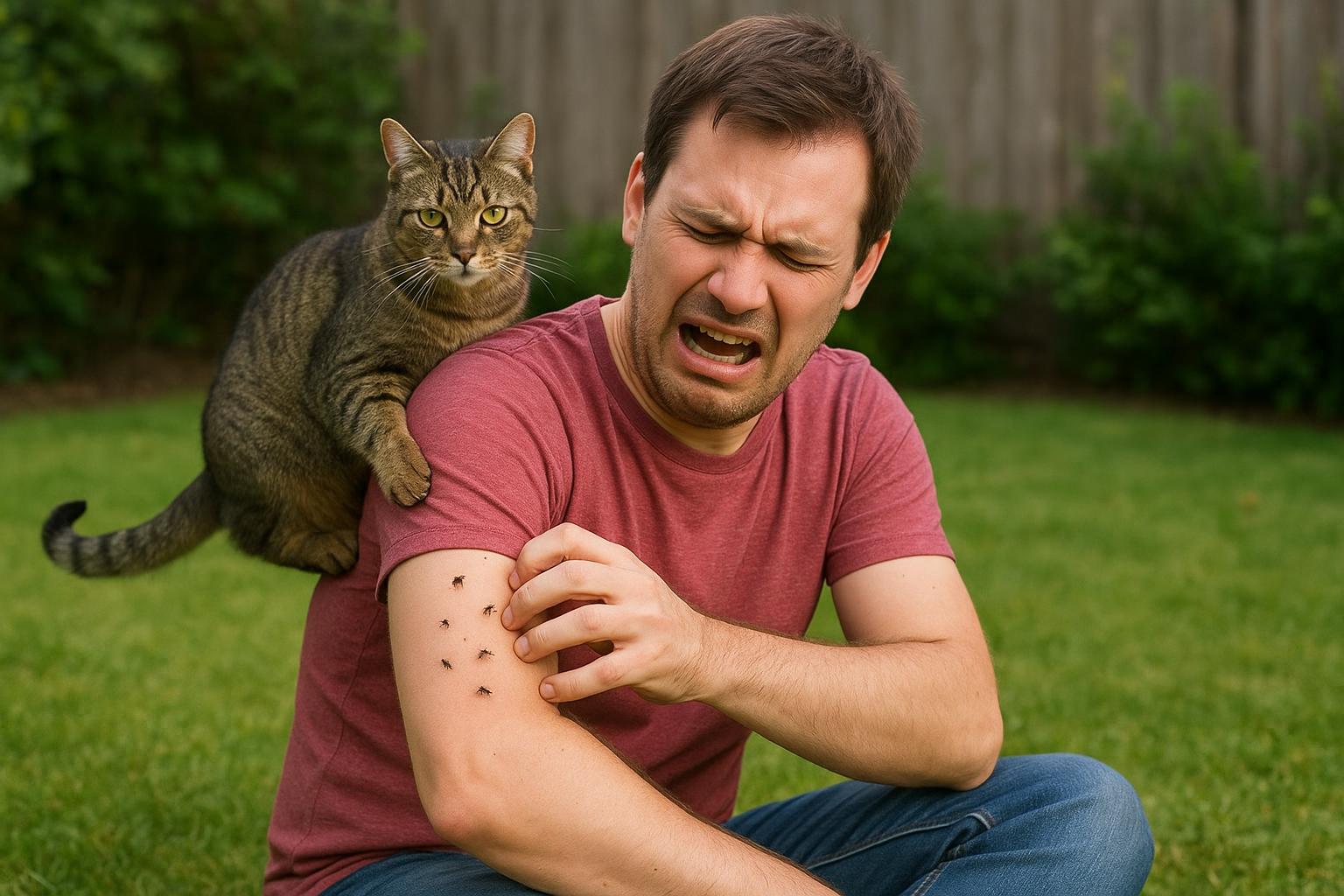
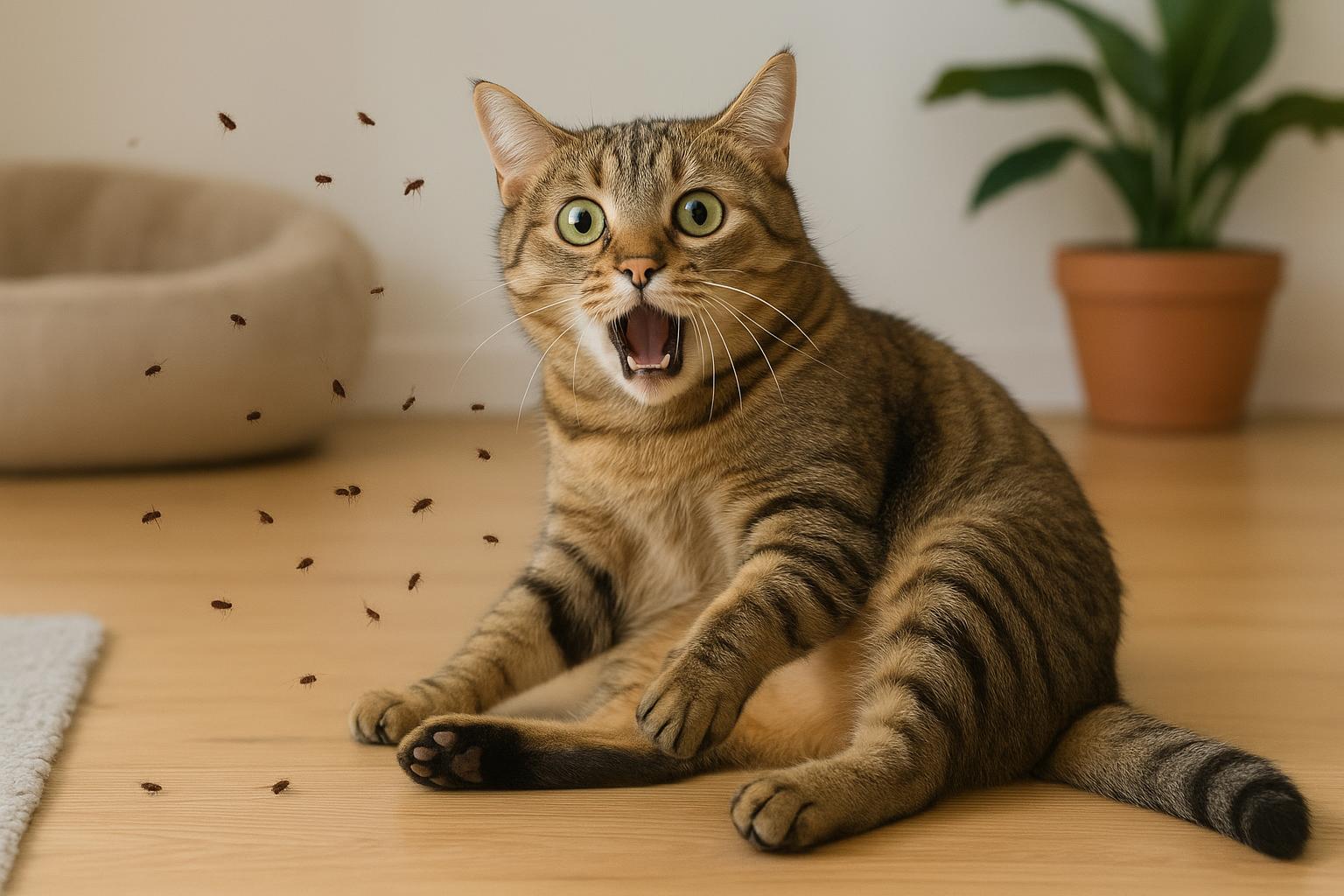
If your cat is scratching like it’s auditioning for a flea circus, you’ve got my sympathy — and a real health issue you need to take seriously. Small, persistent flea infestations can suck more than your cat’s dignity; in severe cases they can cause anemia in kittens and adults by removing enough blood over time that red cell levels fall dangerously low. Let’s walk through what that means, what to watch for, and practical, responsible ways to get your pet back to purring health.
## Anemia From Fleas: What Happens
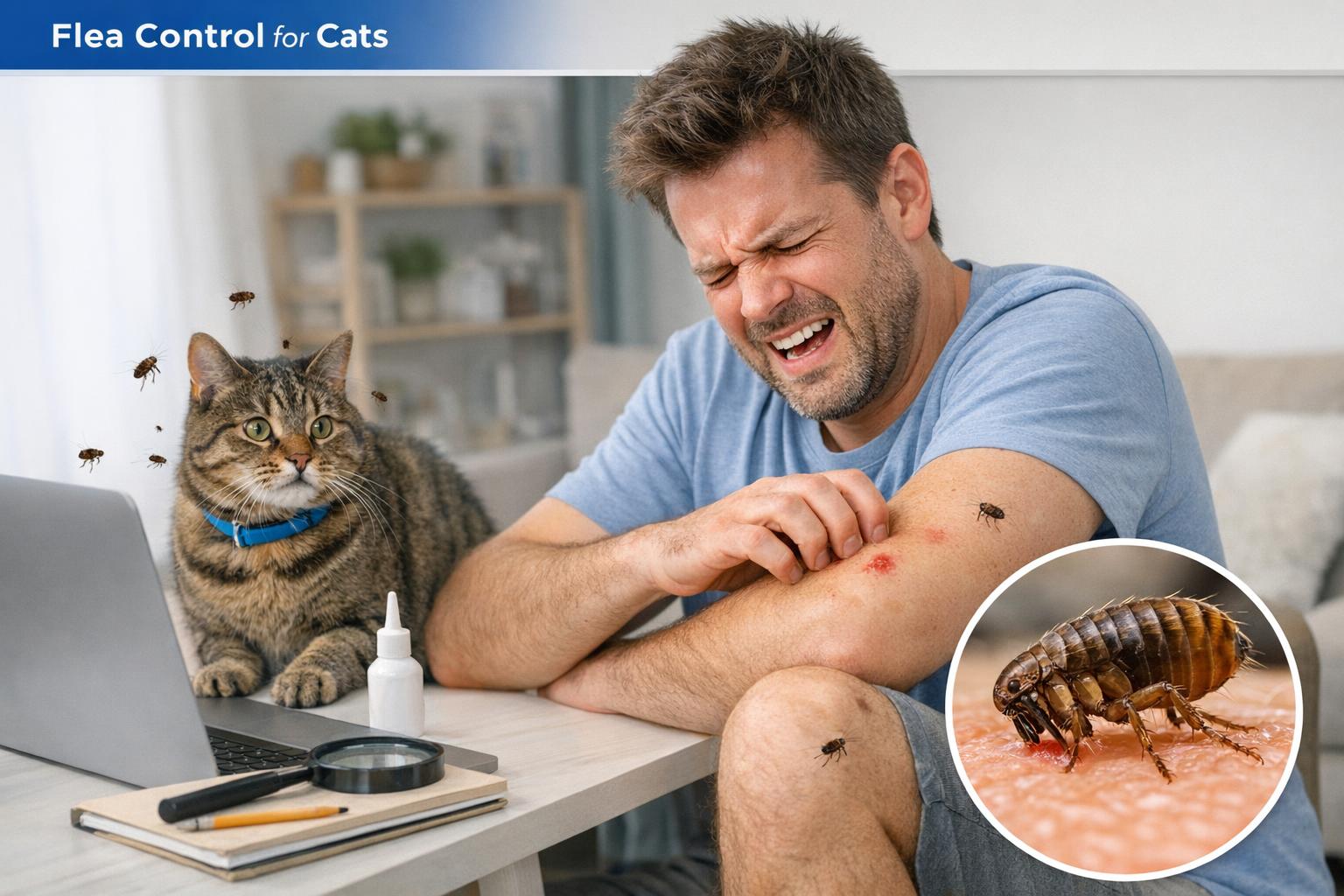
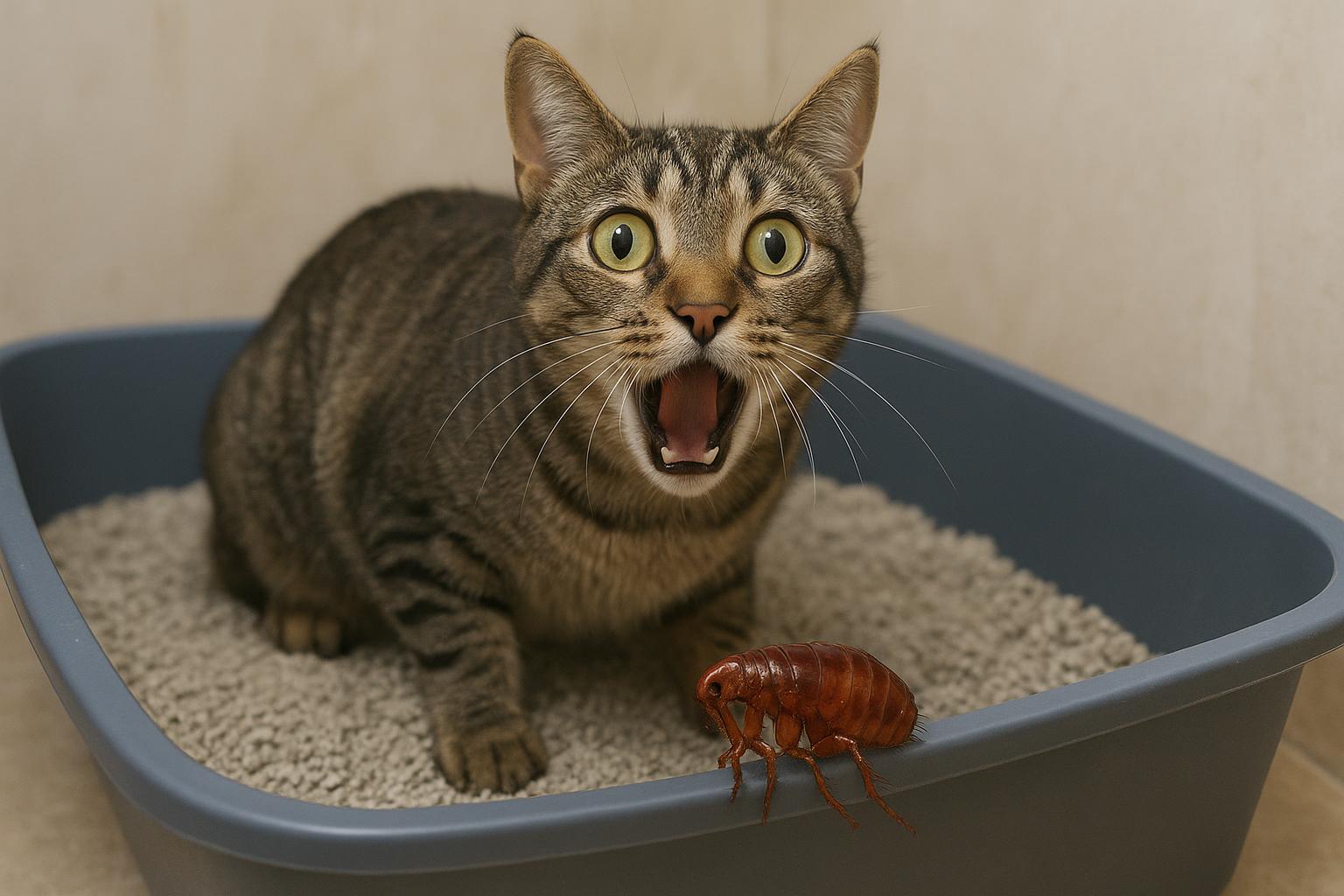
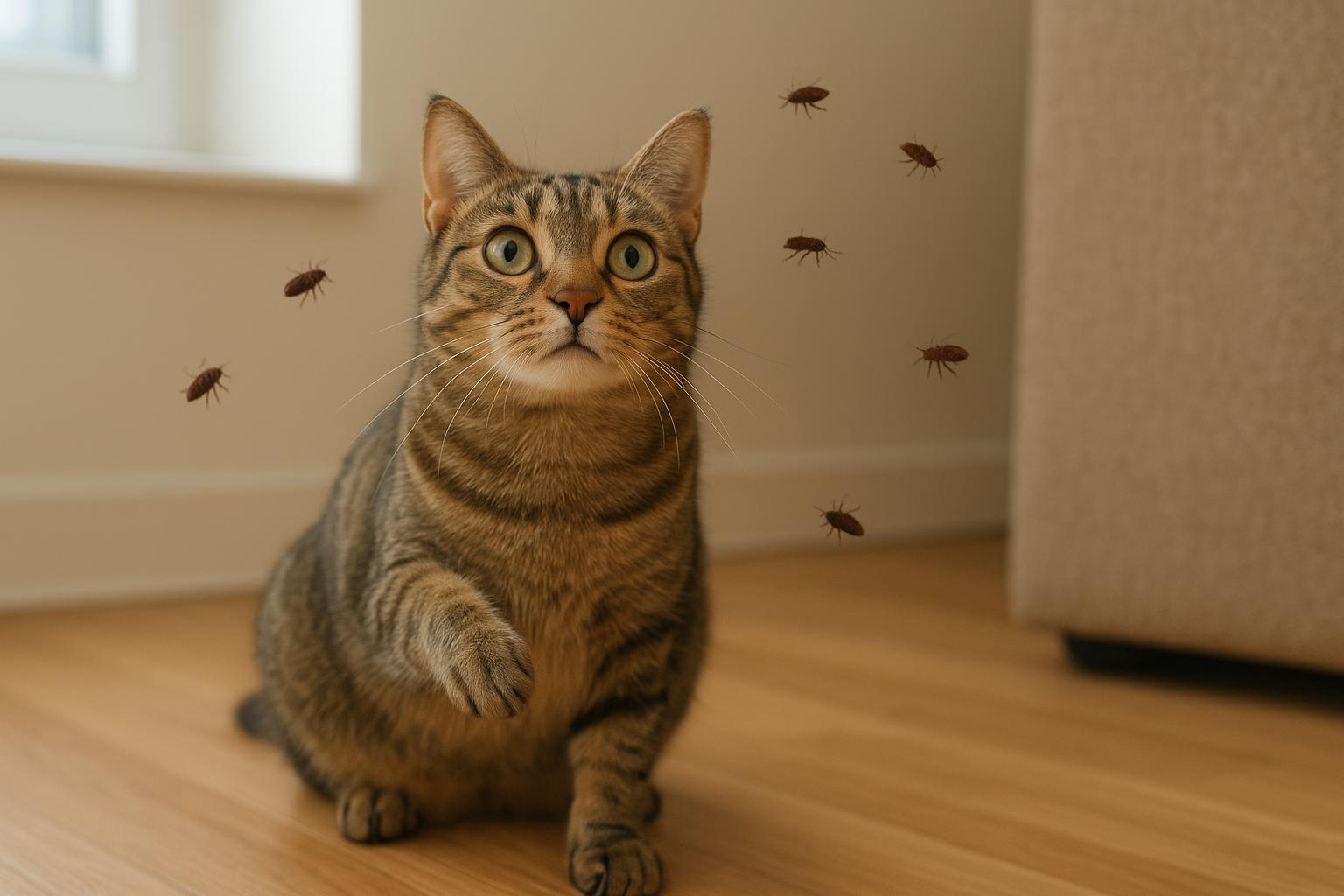
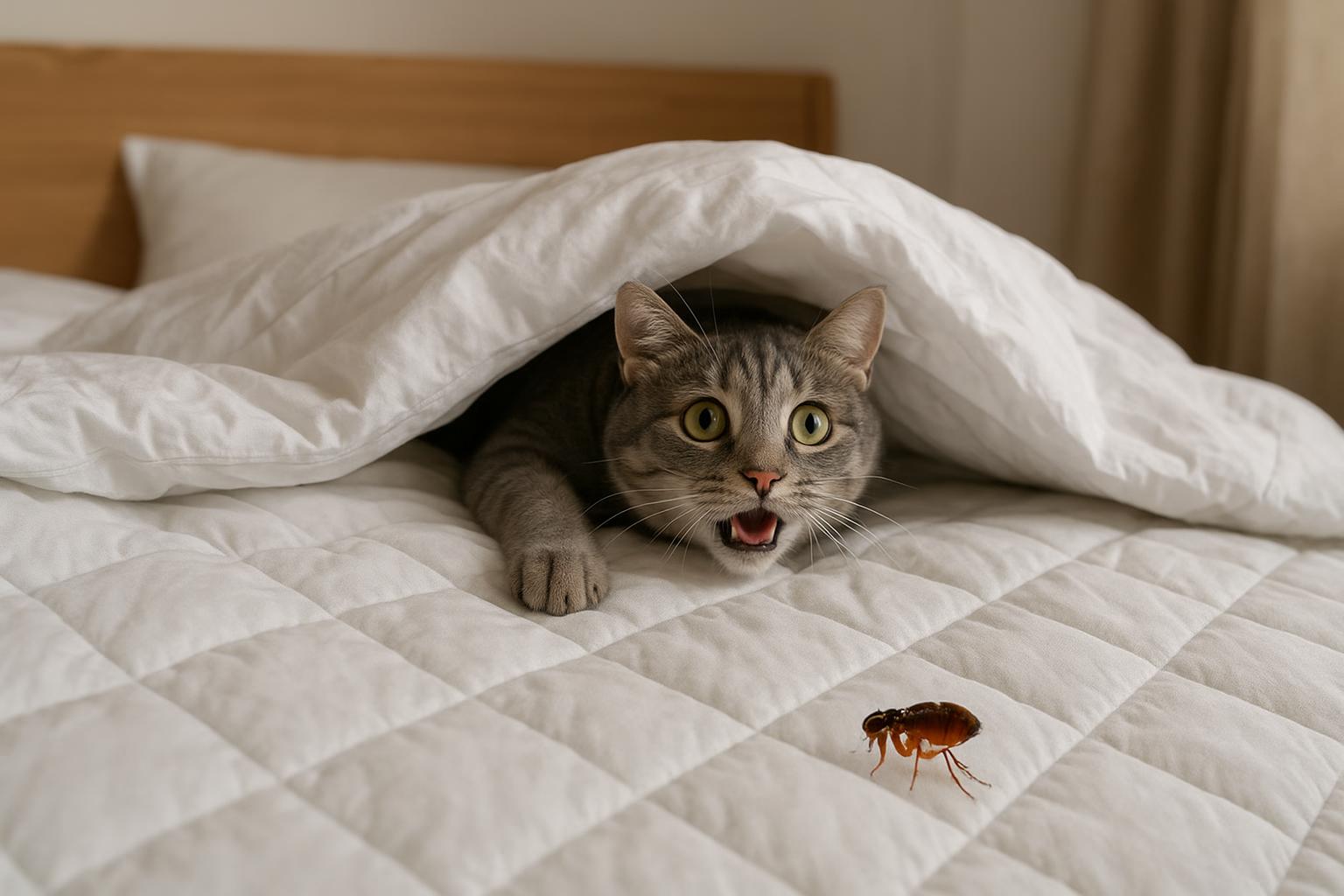
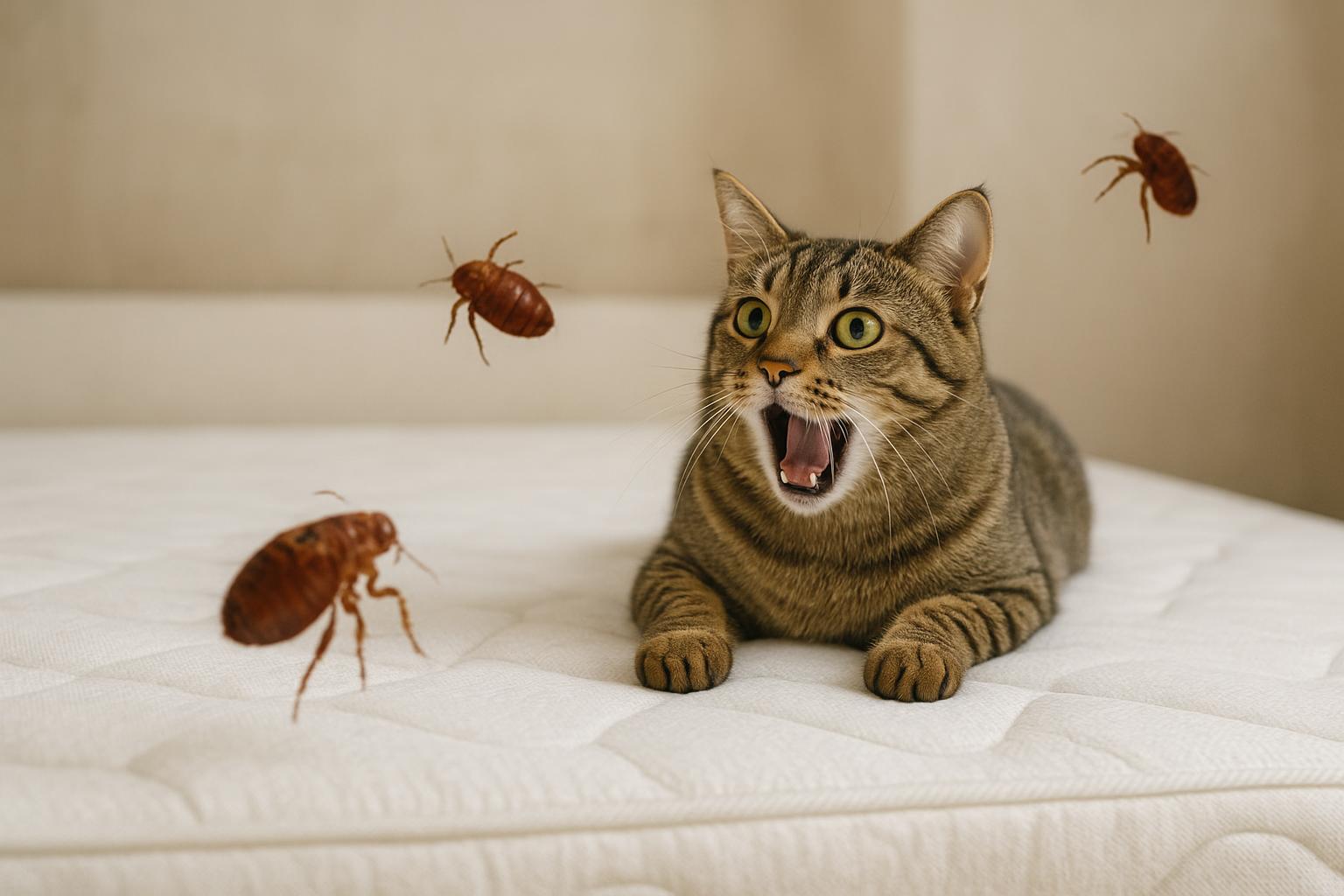
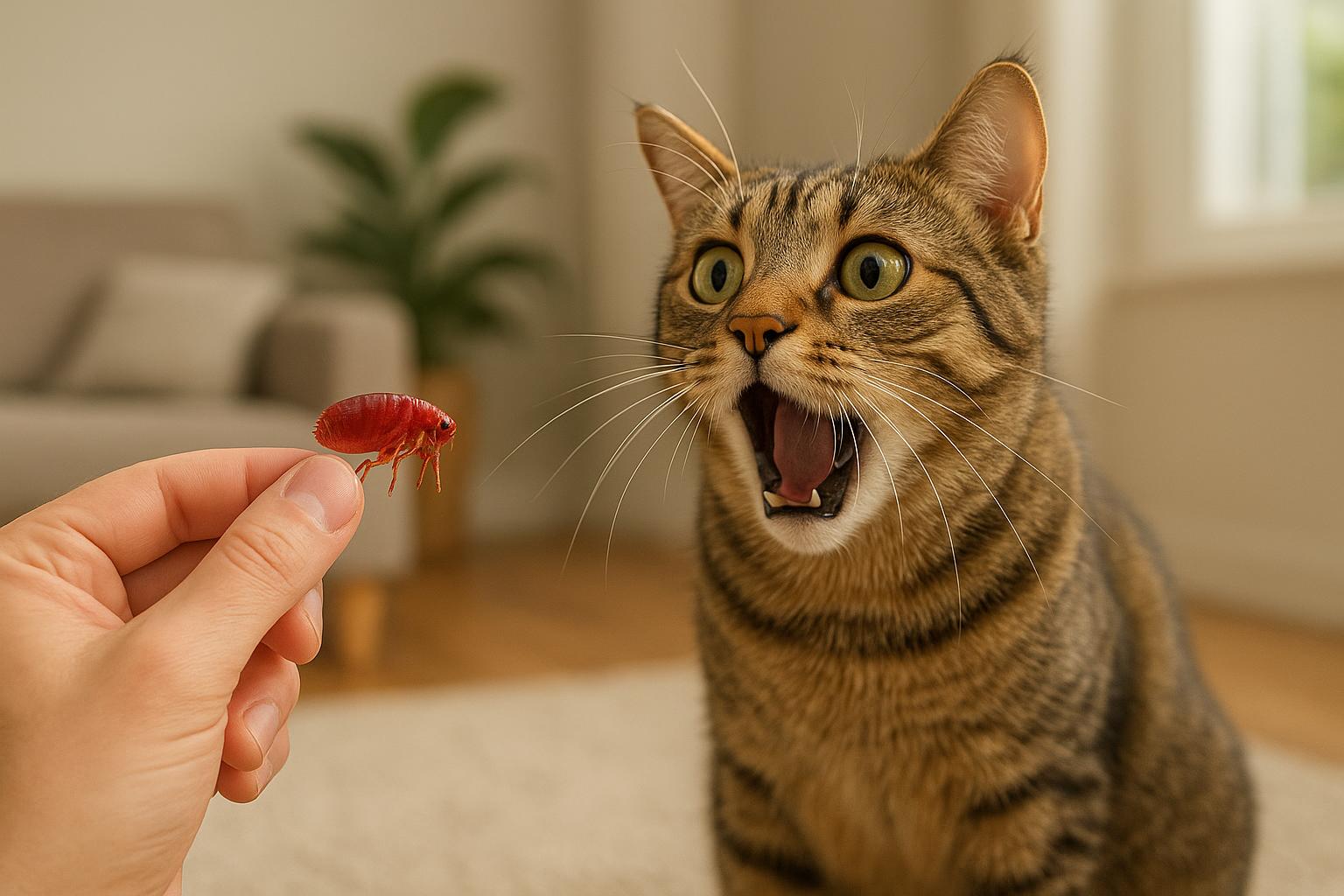
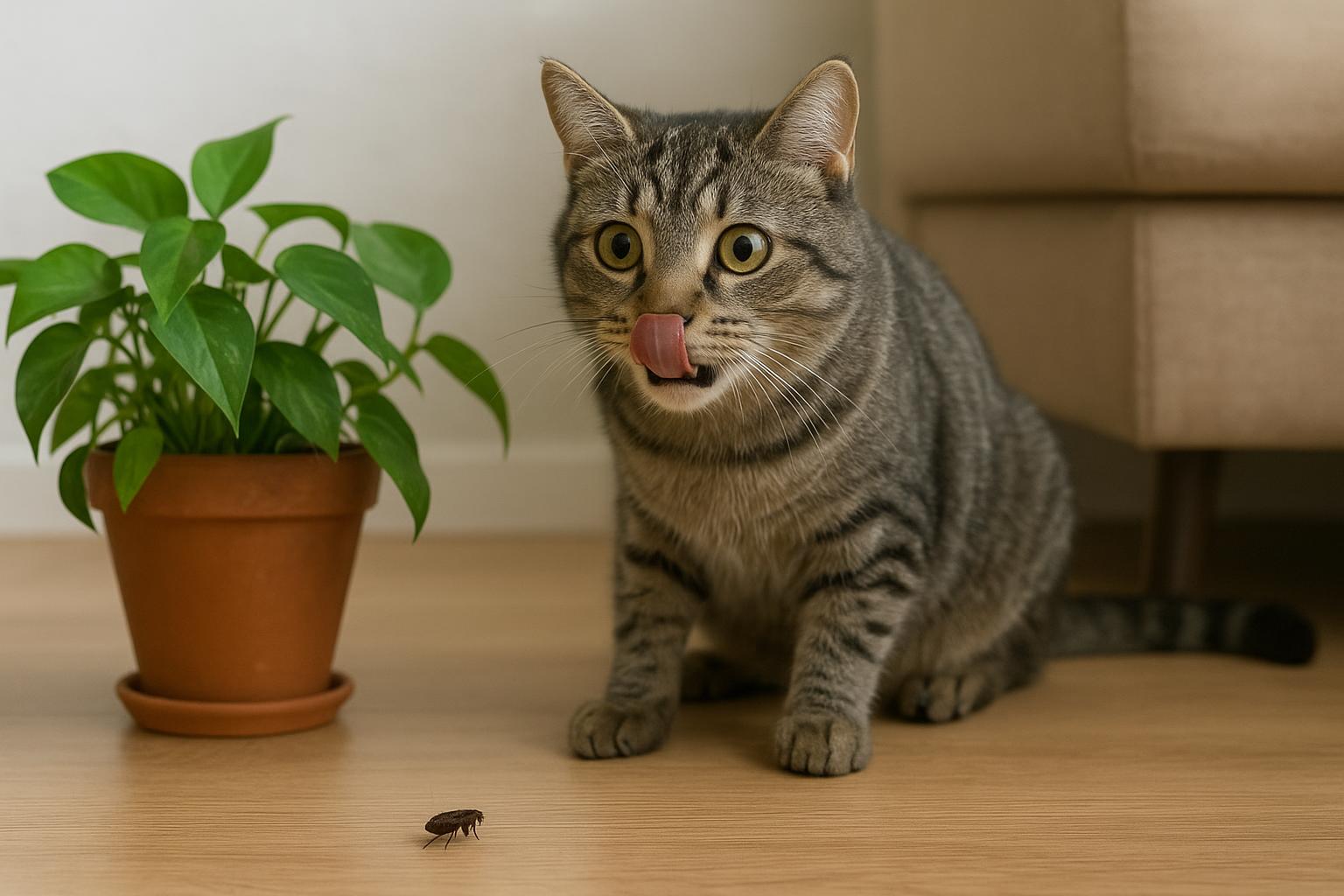
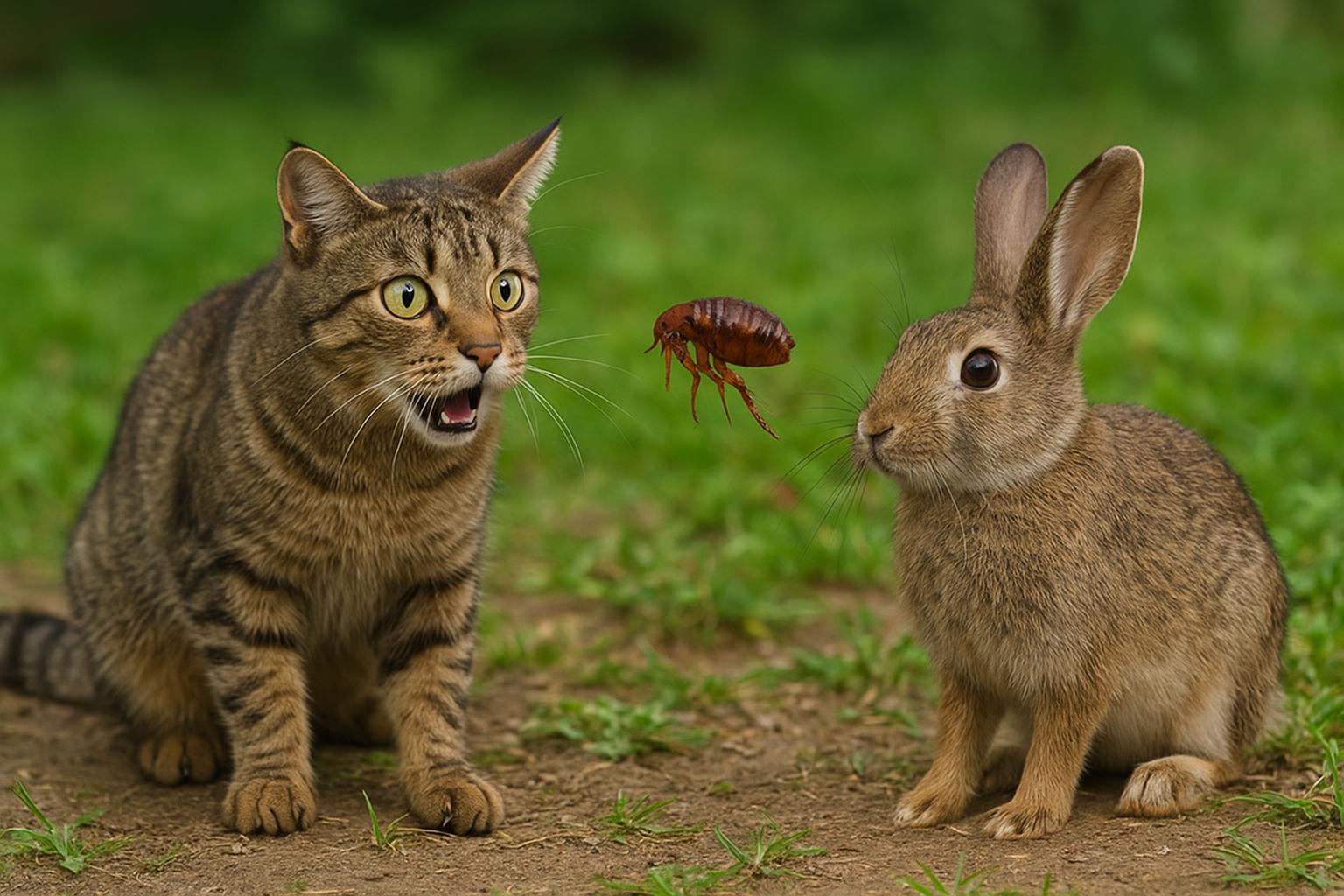
Fleas are tiny vampires in a sitcom costume: they bite, feed, and multiply. A handful of fleas on an adult cat is mostly an irritation; a heavy infestation, especially on kittens or senior cats, can lead to enough blood loss to cause anemia. Red blood cells transport oxygen; when their numbers drop, tissues get less oxygen and the whole animal can feel weak, pale, and lethargic.
### Who Is At Risk
Some cats are naturally more vulnerable:
– Kittens and very young cats (small blood volume).
– Senior or chronically ill cats with reduced reserves.
– Cats with compromised immune systems.
– Multi-cat homes with unchecked infestations.
If you have young kittens or an elderly cat, even a modest flea problem deserves quick attention.
### Signs To Watch For
Start paying attention to your cat’s energy and appearance. Early signs can be subtle.
– Increased sleeping or hiding.
– Reduced appetite.
– Rapid breathing or seeming winded after light movement.
#### Pale Gums And Weakness
Check the gums gently. Healthy gums are a bubblegum pink. If they look pale or grayish, that’s a red flag for reduced red blood cells. A cat with true weakness or collapse needs immediate veterinary attention — pale gums plus lethargy equals an emergency in many cases.
#### Other Clues
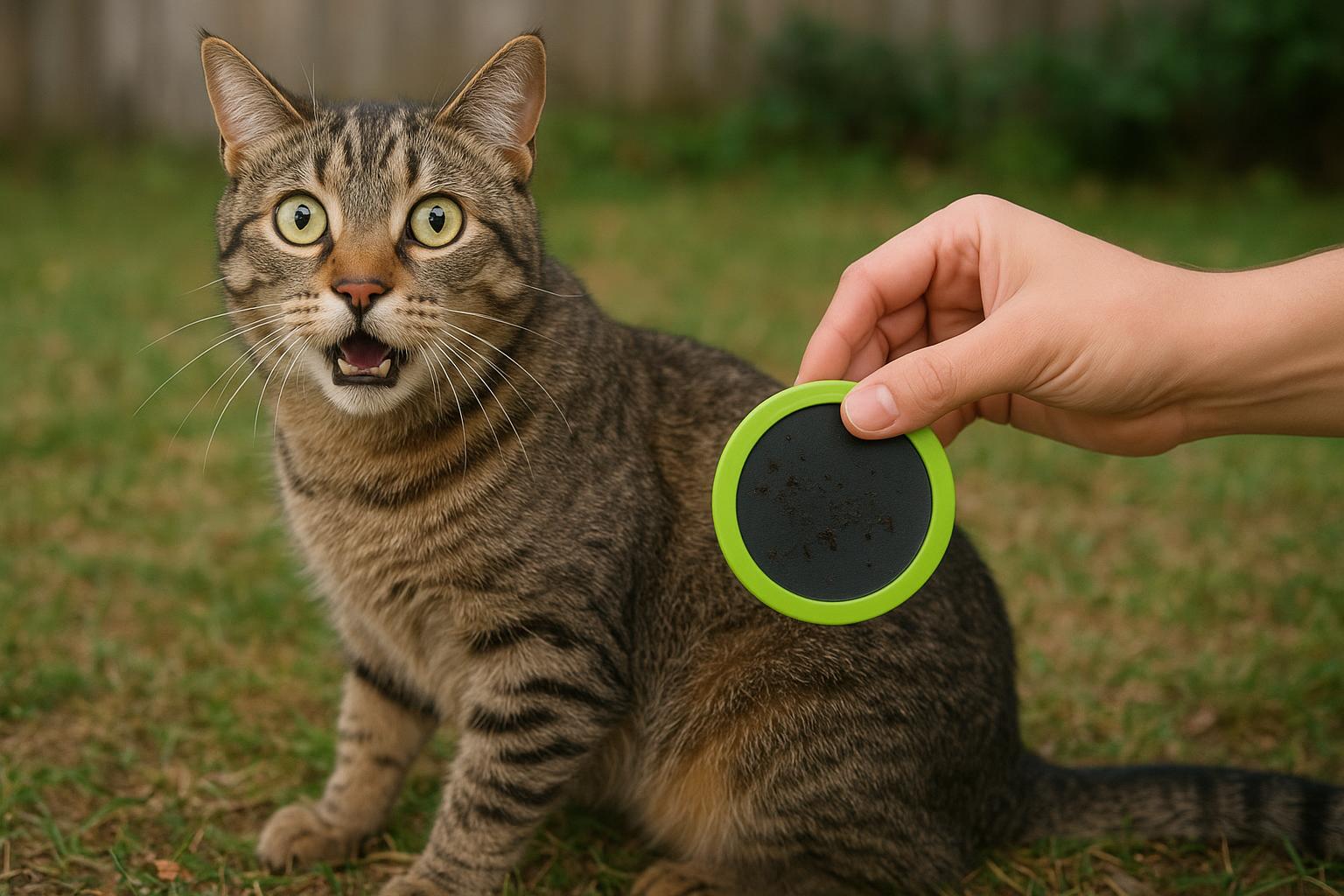
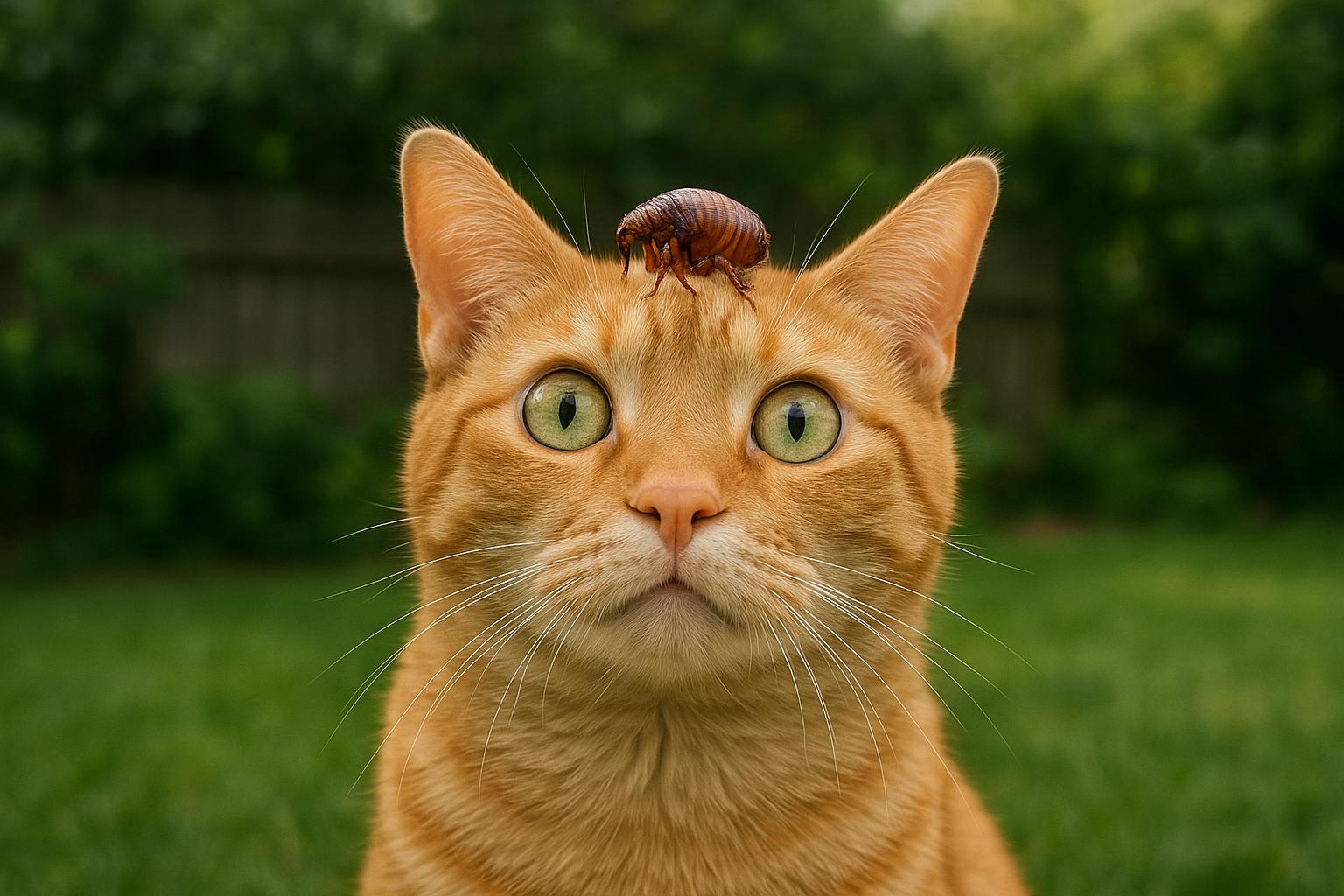
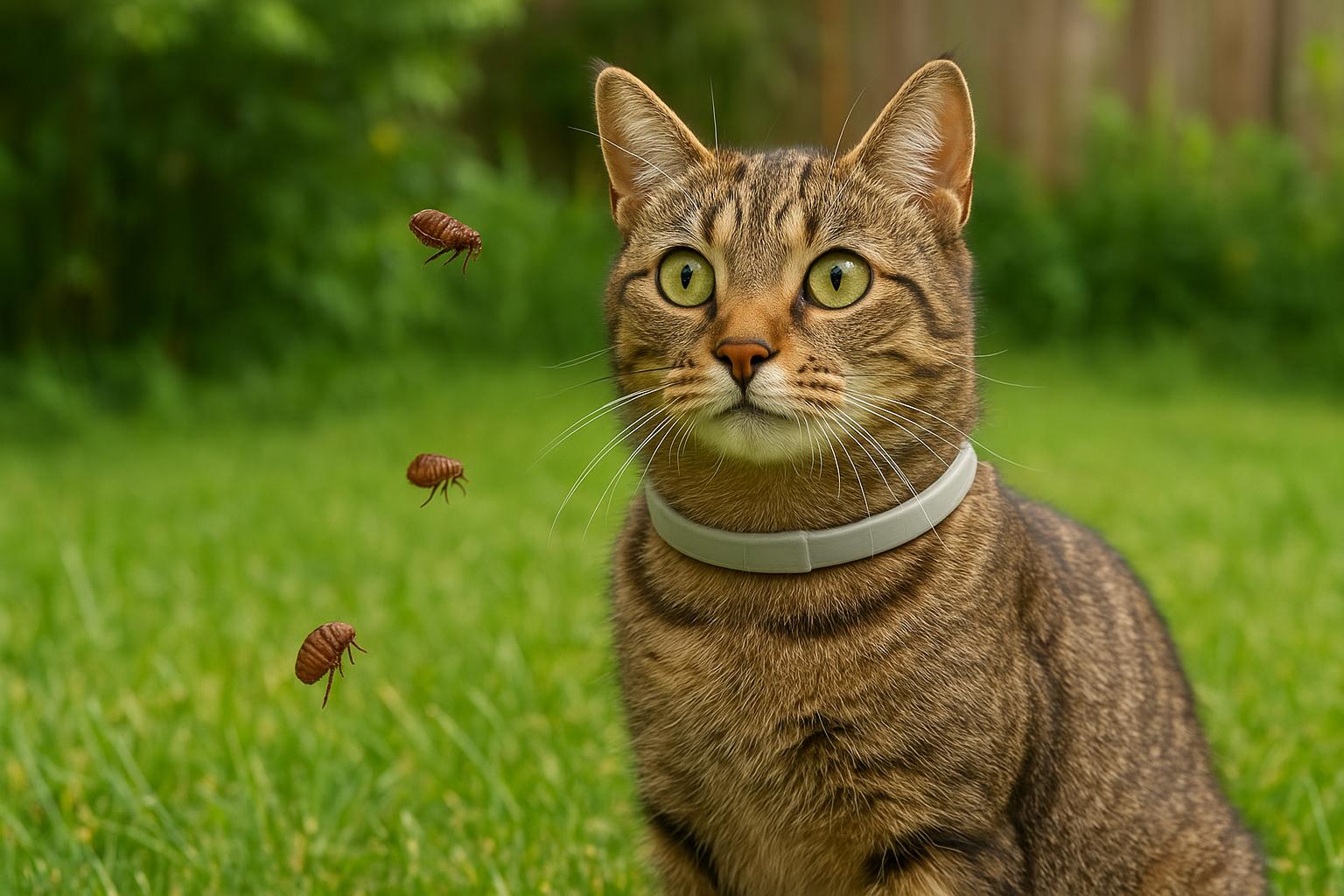
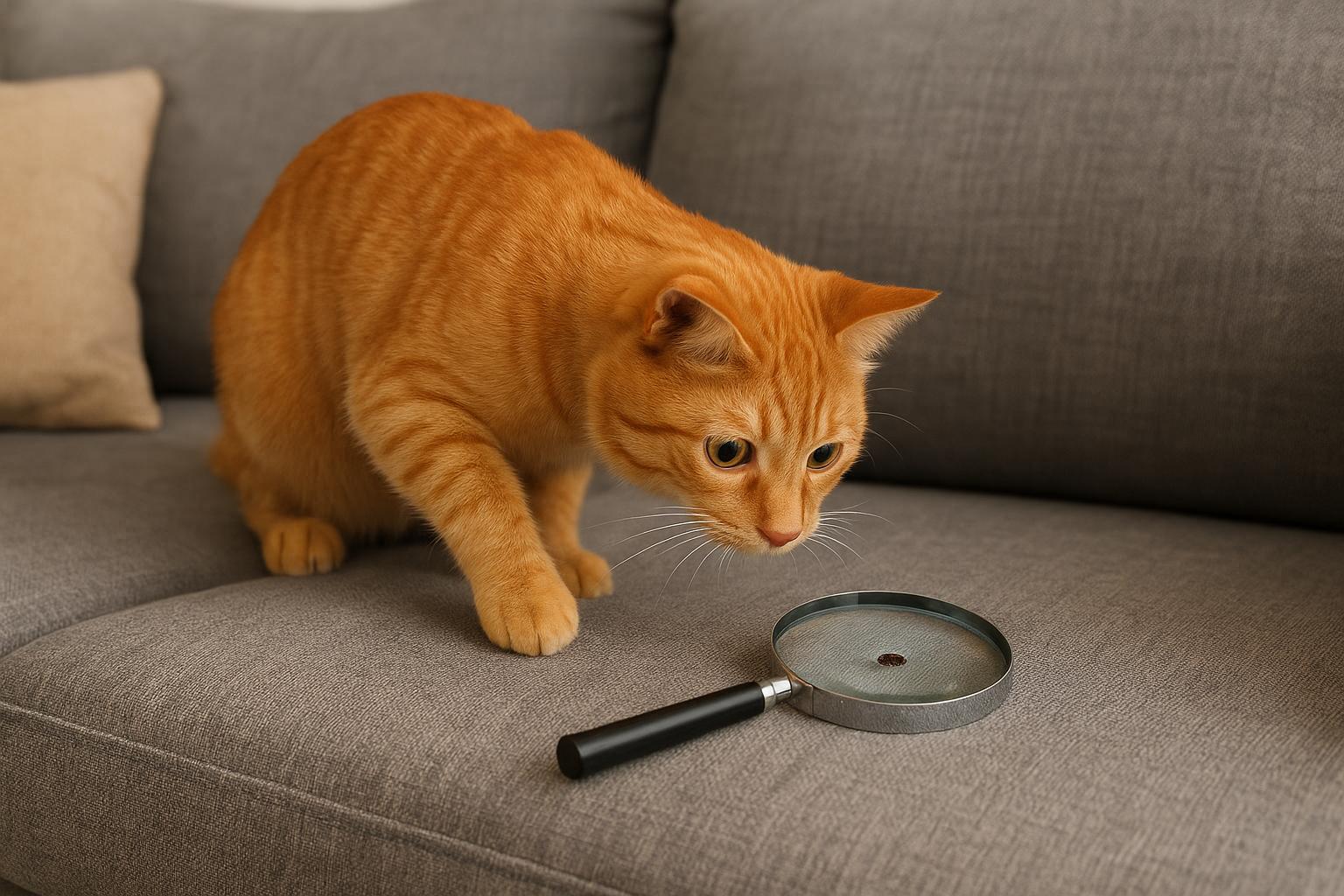
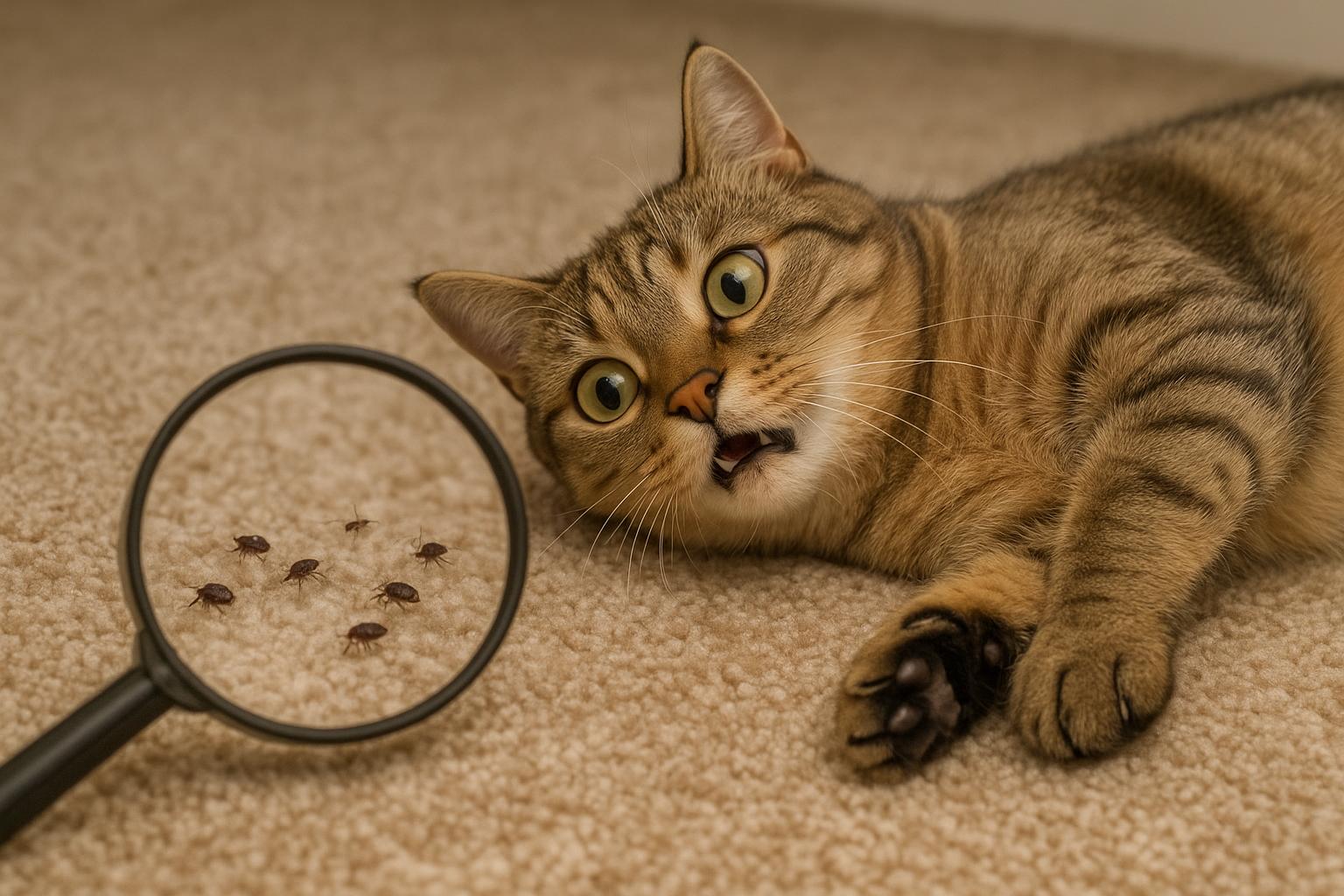
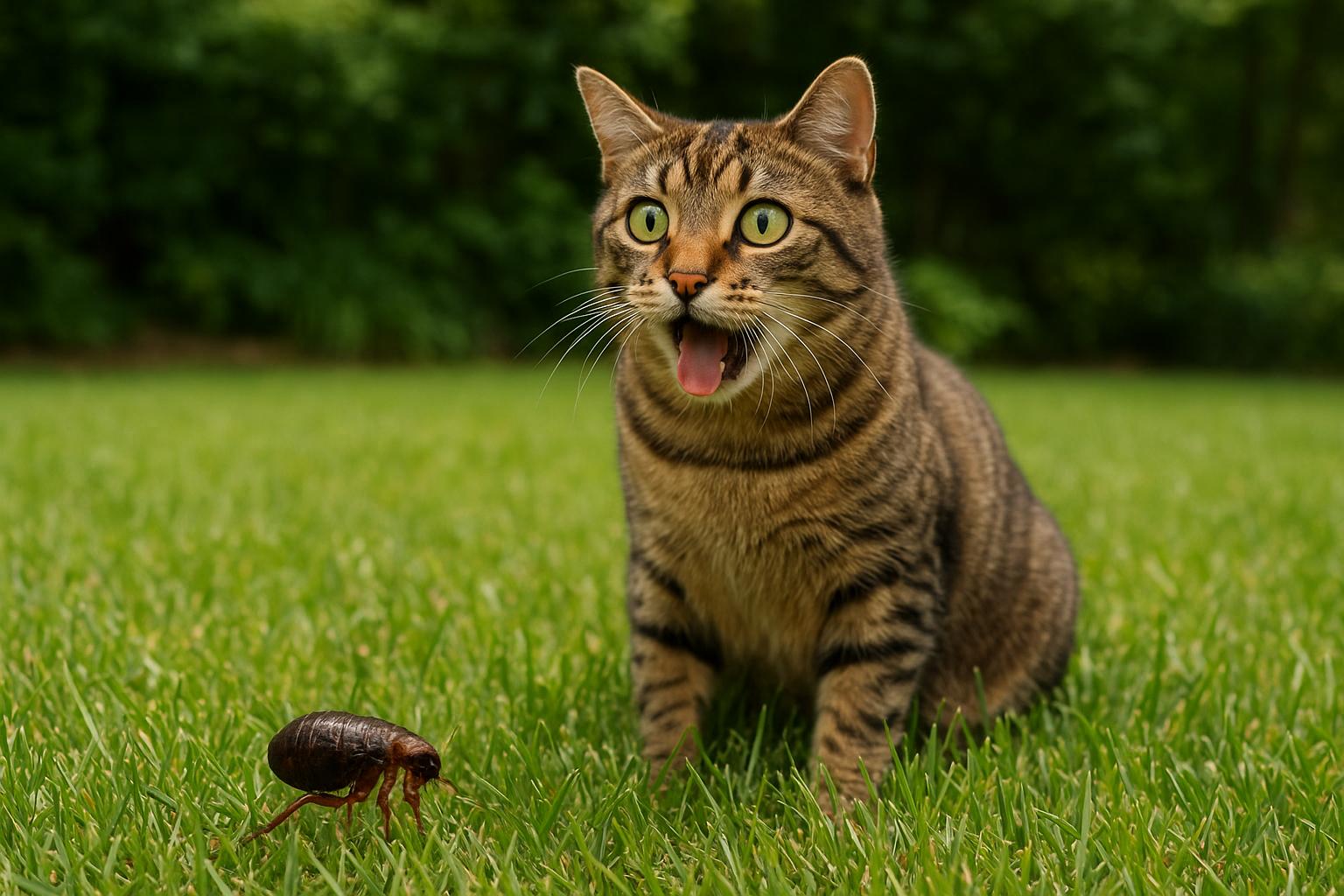
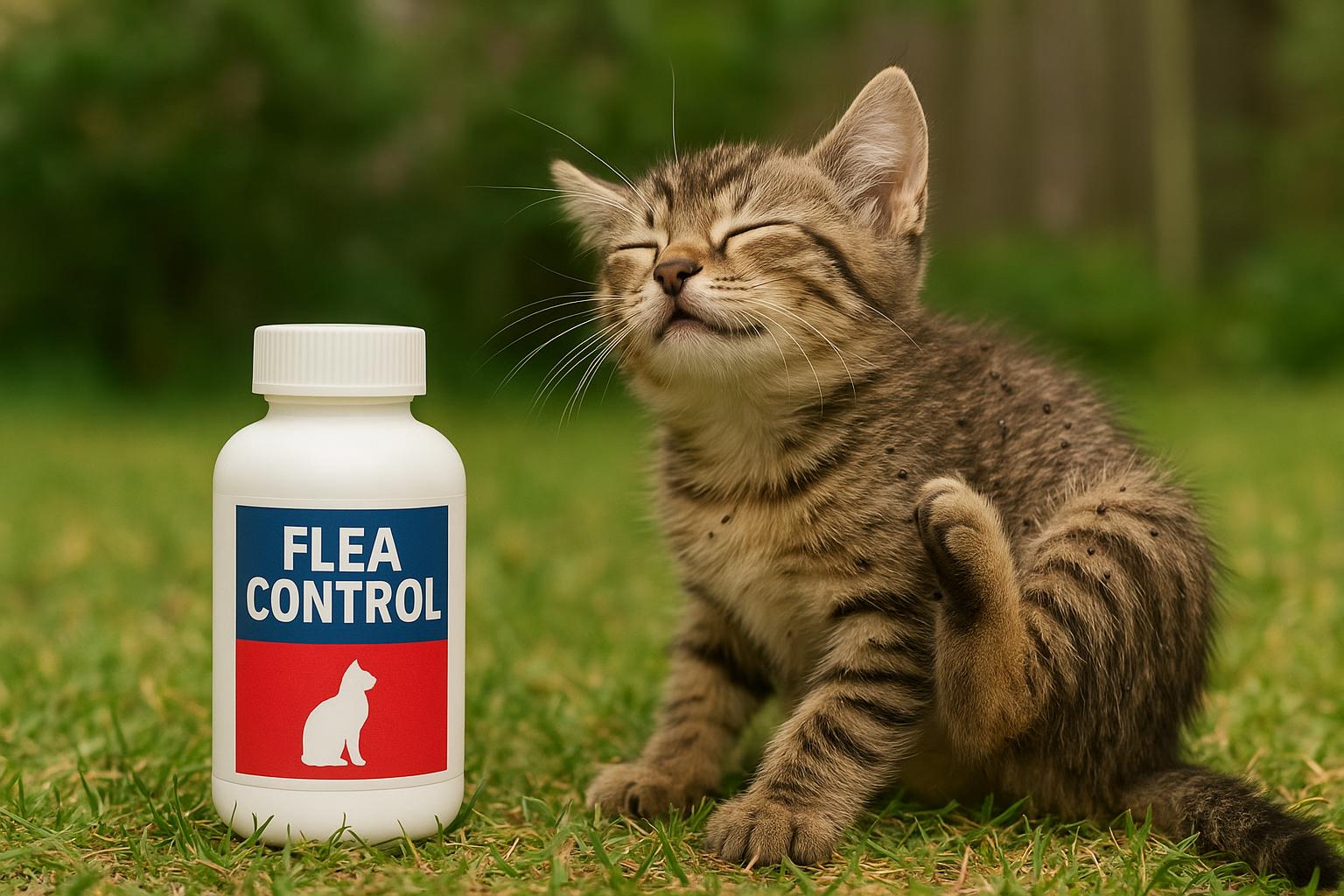
Visible fleas or flea dirt (black specks that turn reddish-brown on wet paper) are obvious. Heavy scratching and hair loss around the base of the tail or behind the ears are classic too. But remember: fleas can be sneaky and spread across animals and carpets quickly.
## Remedy 1: Veterinary Treatment For Flea-Induced Anemia
When anemia from fleas is possible, the formal solution is veterinary assessment and targeted medical care. This section is intentionally formal and practical.
### Materials And Information To Bring
– Secure cat carrier and towel.
– Recent history: how long fleas noticed, eating and drinking changes, any vomiting or breathing difficulty.
– List of any medications or supplements currently given.
– Phone number and address for your veterinarian or an emergency clinic.
### Step-By-Step Veterinary Protocol
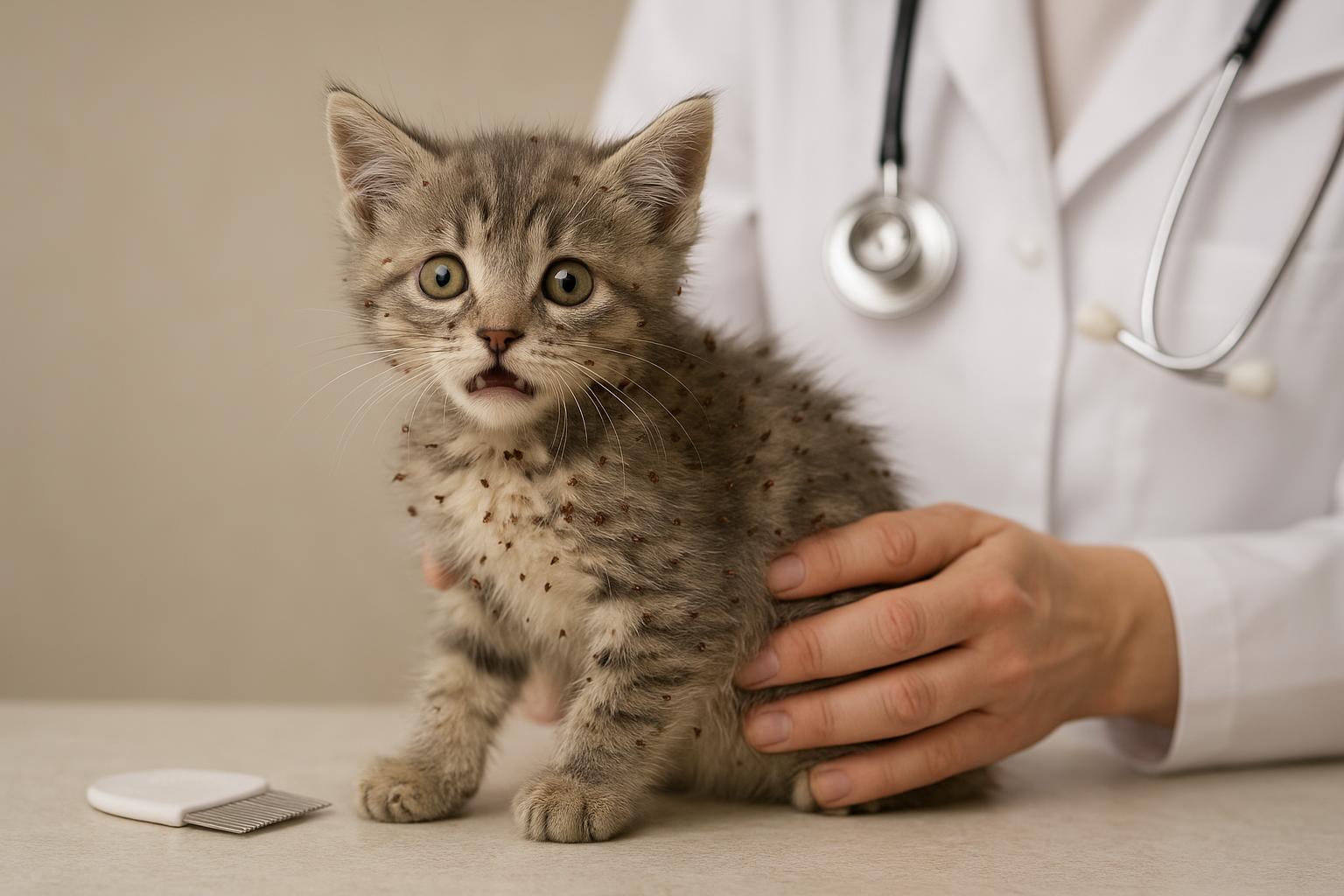
1. Immediate Triage: The veterinarian will assess breathing, heart rate, mucous membrane color, and dehydration level. If the cat is unstable, stabilization comes first.
2. Diagnostics: Expect a physical exam and blood tests including a packed cell volume/hematocrit (PCV/HCT), complete blood count (CBC), and possibly blood chemistry. These determine the severity of the anemia and underlying organ function.
3. Stabilization: For moderate to severe anemia, intravenous fluids, oxygen, and possibly a blood transfusion may be required. Transfusion decisions are based on PCV, clinical signs, and rate of blood loss.
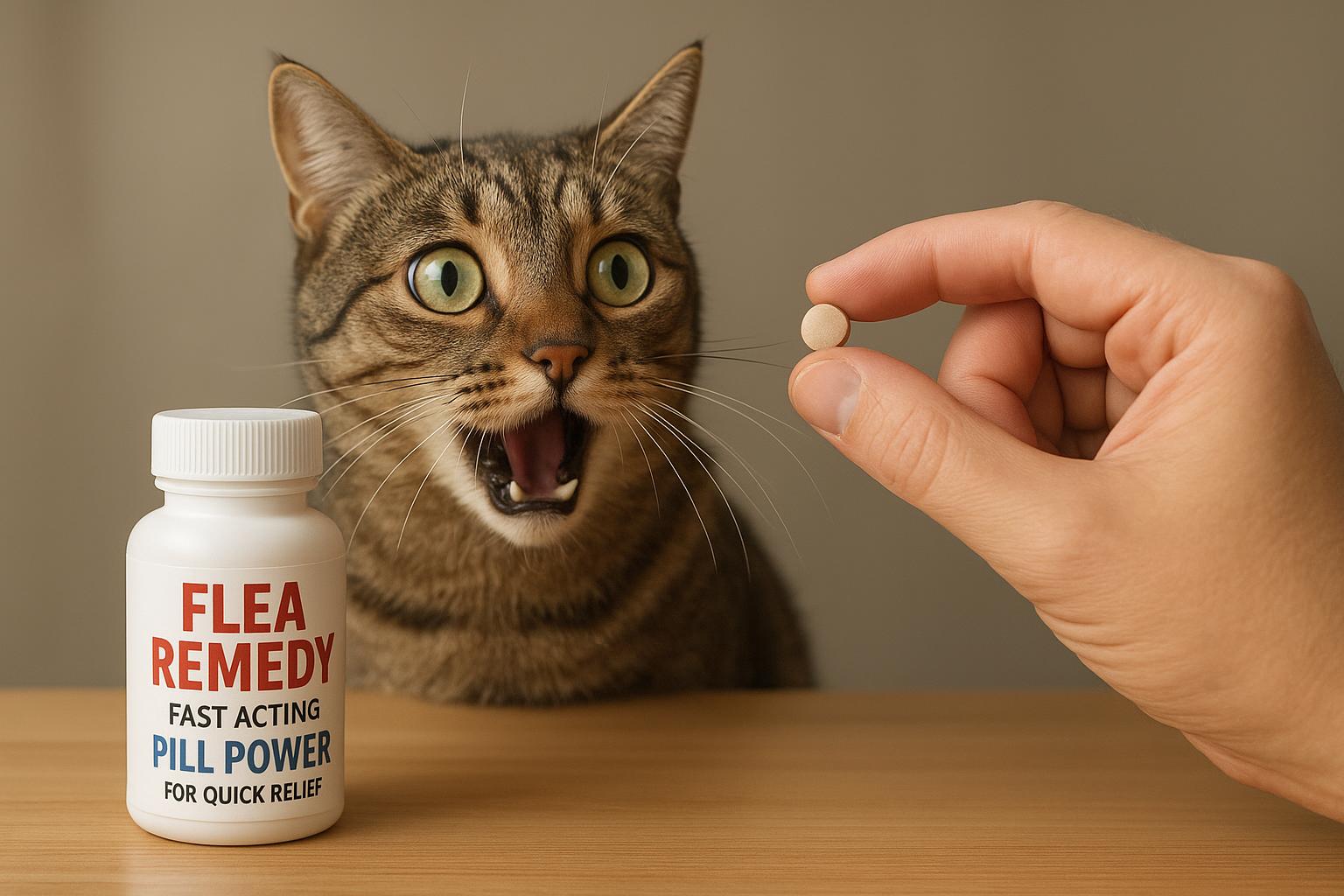
4. Flea Control: The vet will begin or prescribe safe, effective flea control appropriate for your cat’s age and health. Do not use over-the-counter products intended for dogs on cats — some are toxic.
5. Supportive Care: If the anemia is from iron loss, the vet may recommend nutritional support. Oral iron supplements for cats are only given under veterinary supervision because dosing and formulations differ from humans and can cause harm if misused.
6. Follow-Up: Rechecks with repeat bloodwork to monitor recovery are standard. The vet will advise on environmental flea control to prevent recurrence.
If your vet prescribes medications, follow dosing instructions carefully. Do not attempt to treat severe anemia at home — the risks are too high.
## Remedy 2: Home Prevention And Supportive Care
Prevention is most of the battle. This section covers responsible, safe steps you can take at home to prevent fleas and support your cat while you arrange veterinary care. Tone is practical and clear.
### Required Materials And Products
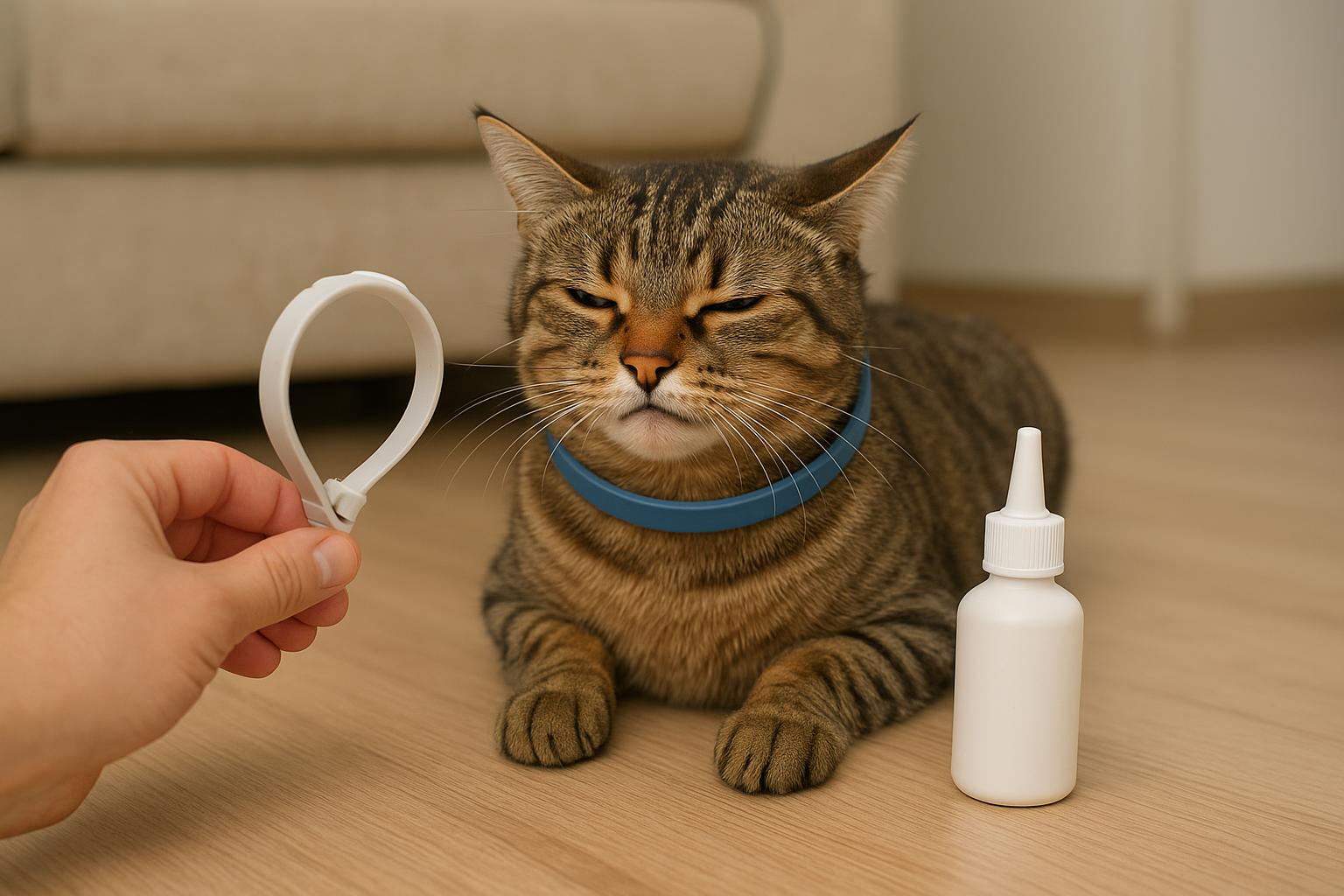
– Vet-Approved Topical Or Oral Flea Product (only those the veterinarian or your clinic recommends for your cat’s age/weight).
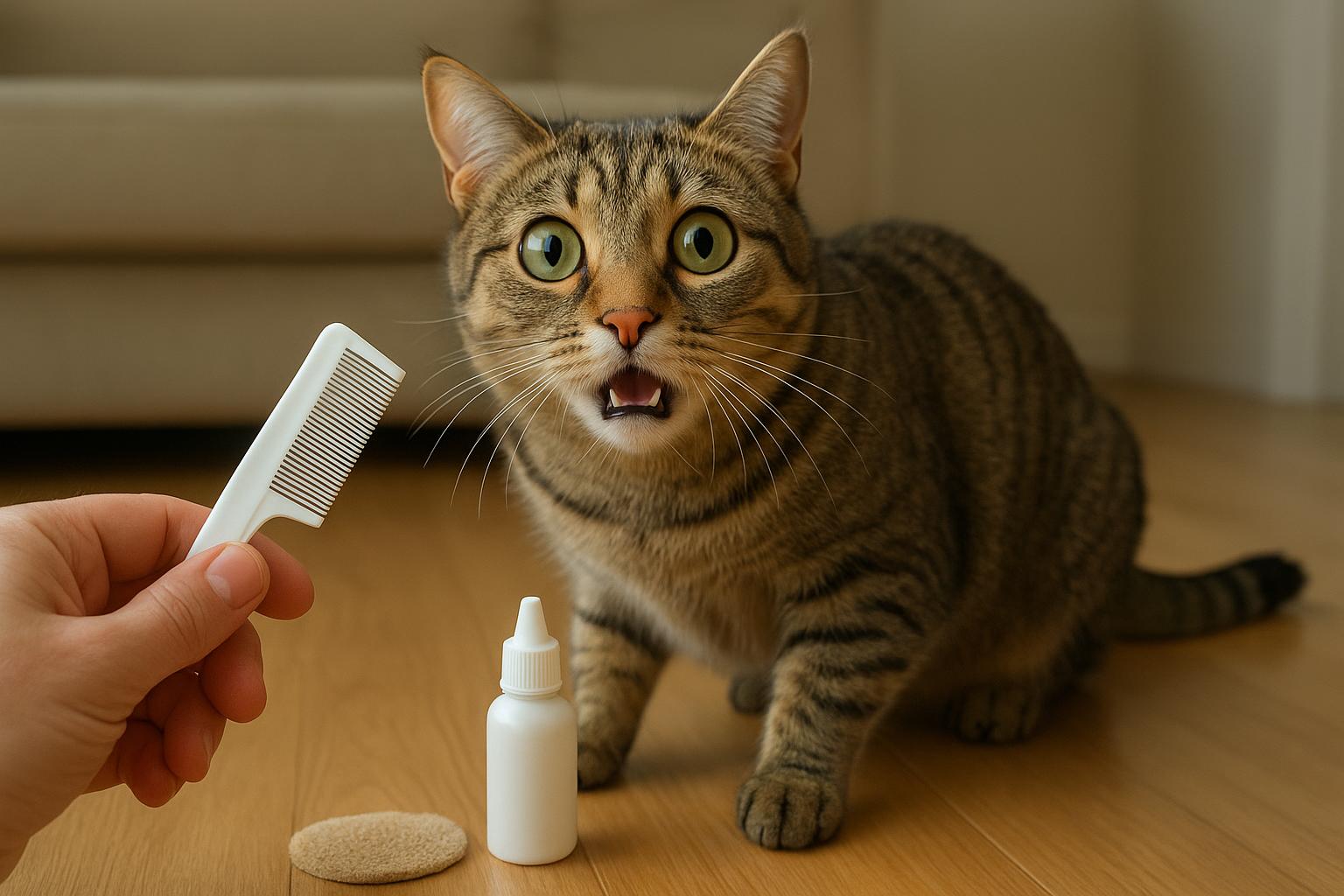
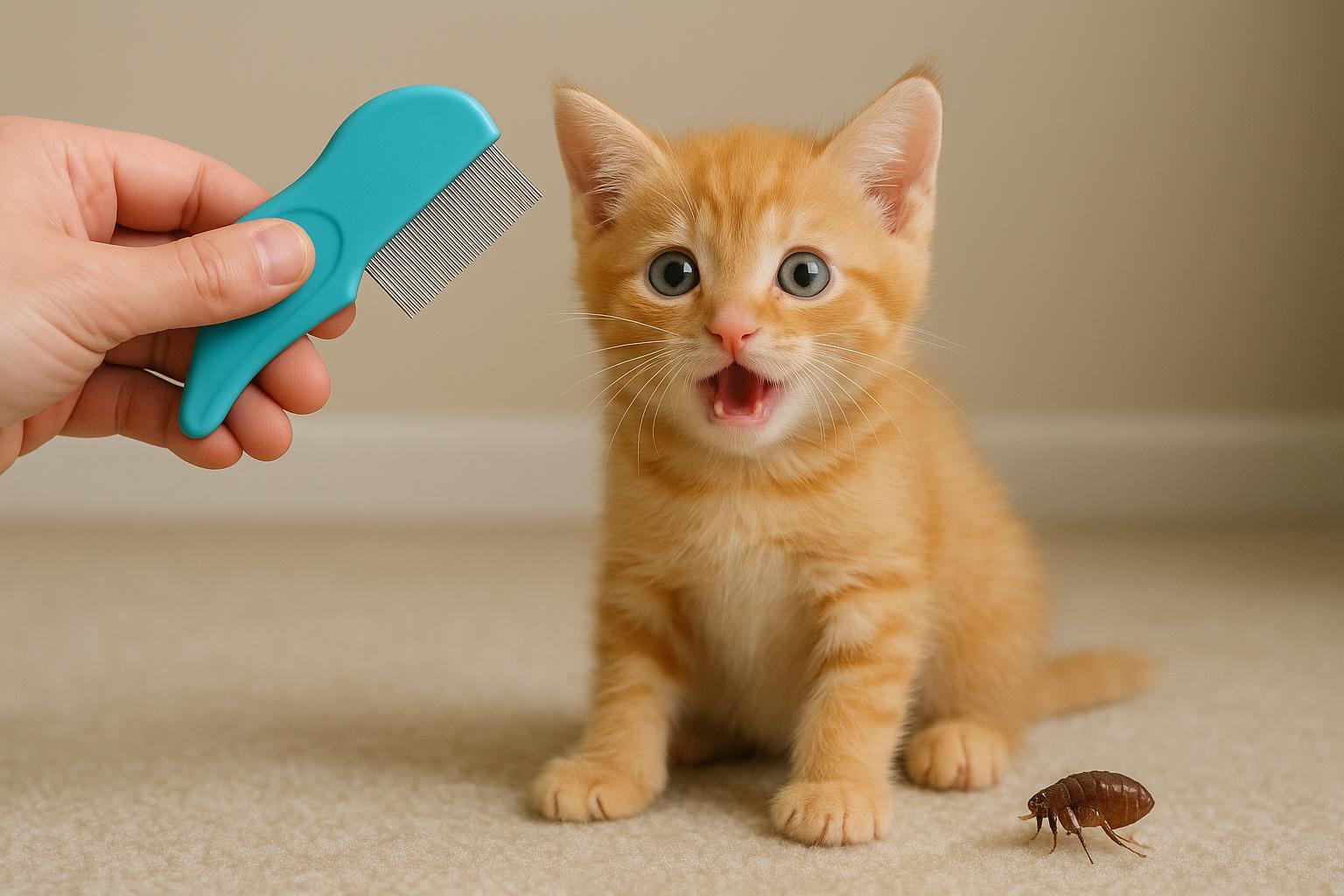
– Fine-Tooth Flea Comb.
– Mild cat shampoo (as advised by your vet).
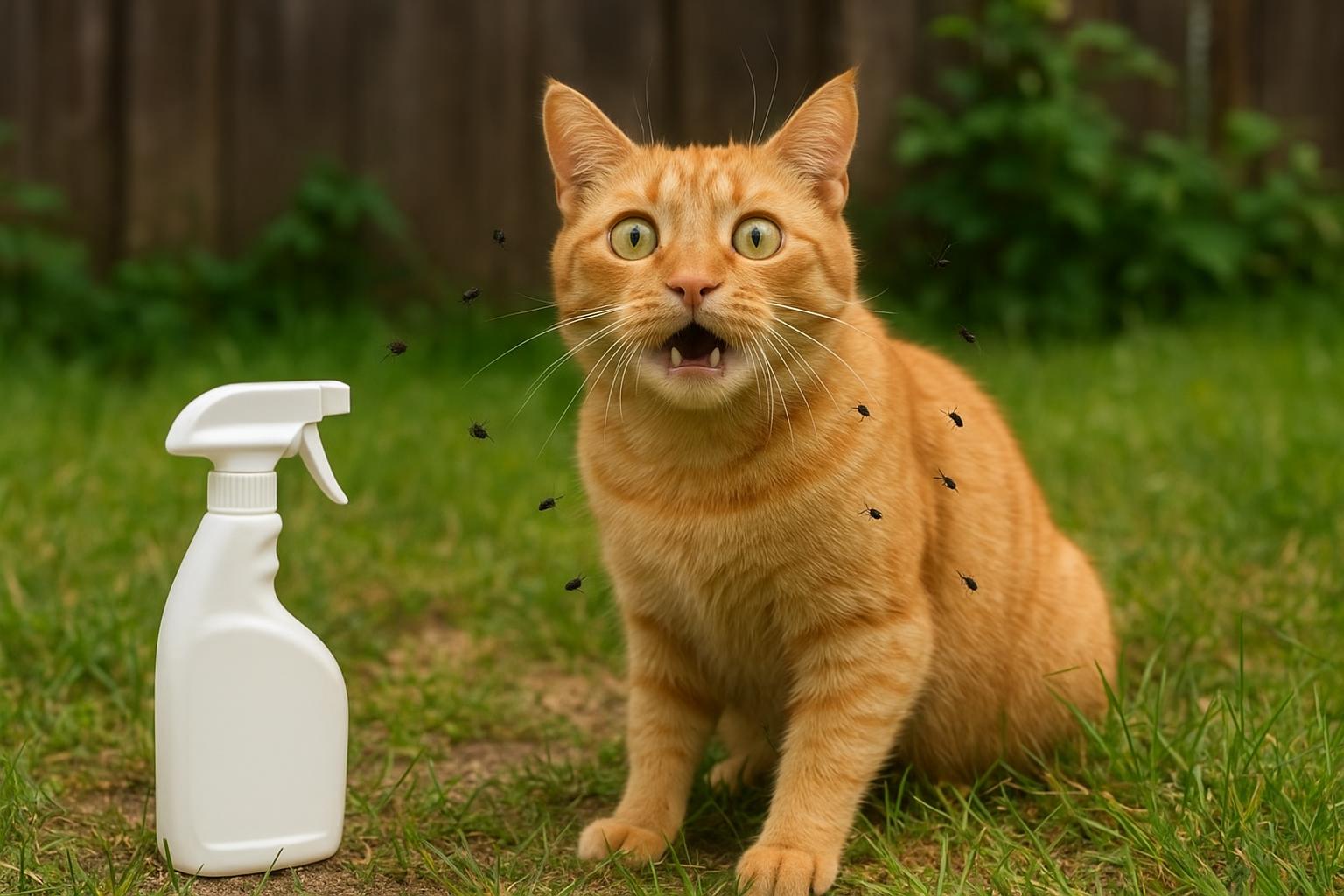
– Pet-safe household flea spray or fogger (labeled for homes with pets and people) OR professional pest control contact information.
– Vacuum with disposable bag or a model where you can empty canister contents into a sealed trash bag.
– Clean bedding and laundering facilities (hot water and high heat dry cycle).
– Gloves and a towel for handling a nervous cat.
Note: Do not use human insecticides, dog-specific flea treatments, or backyard essential-oil concoctions on cats. Some products are toxic to felines.
### Step-By-Step Home Prevention And Application
1. Confirm Safety: Before applying any flea product, verify that it is appropriate for your cat’s age, weight, and health. If you can’t reach your vet, consult the manufacturer’s directions and avoid products not labeled for cats.
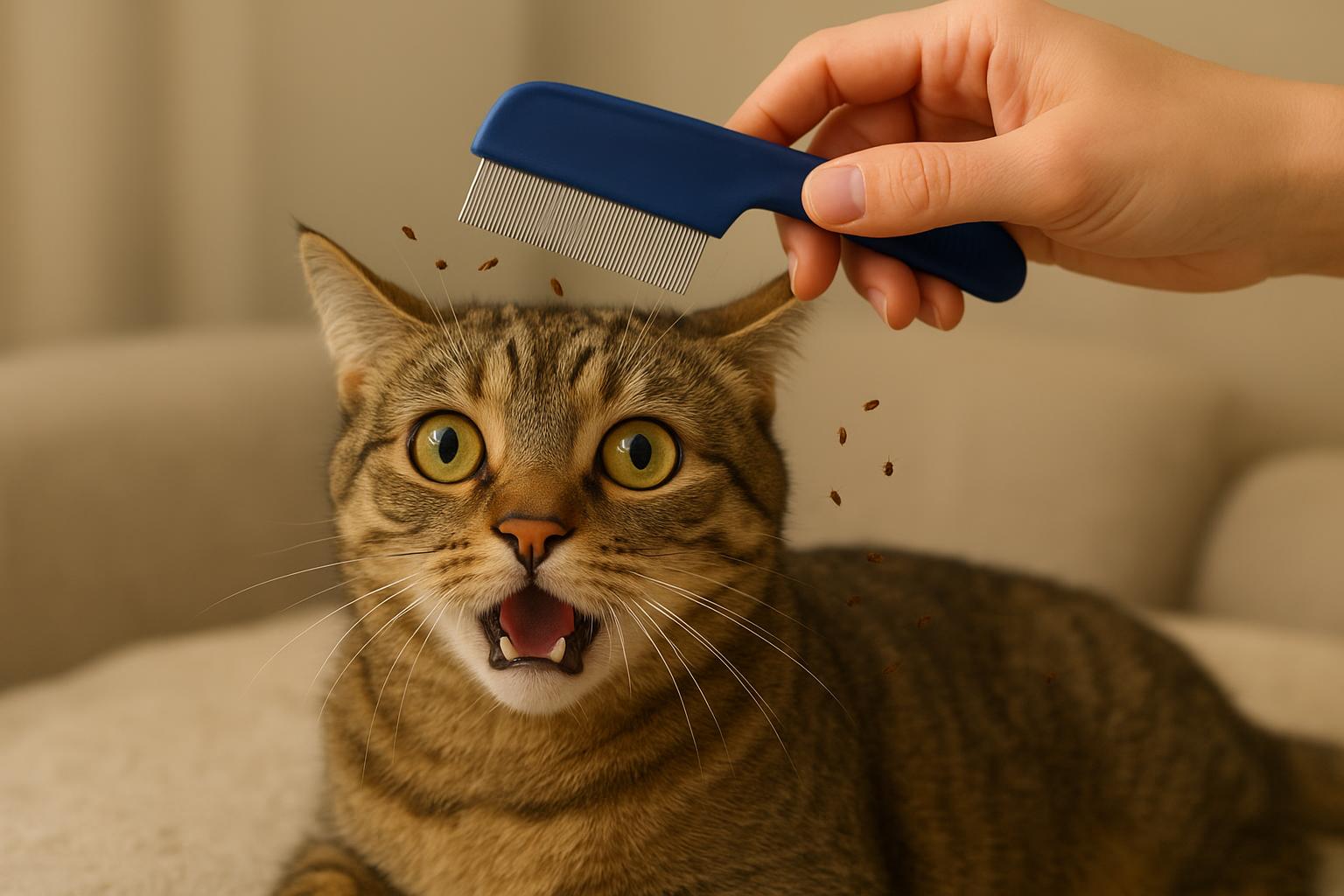
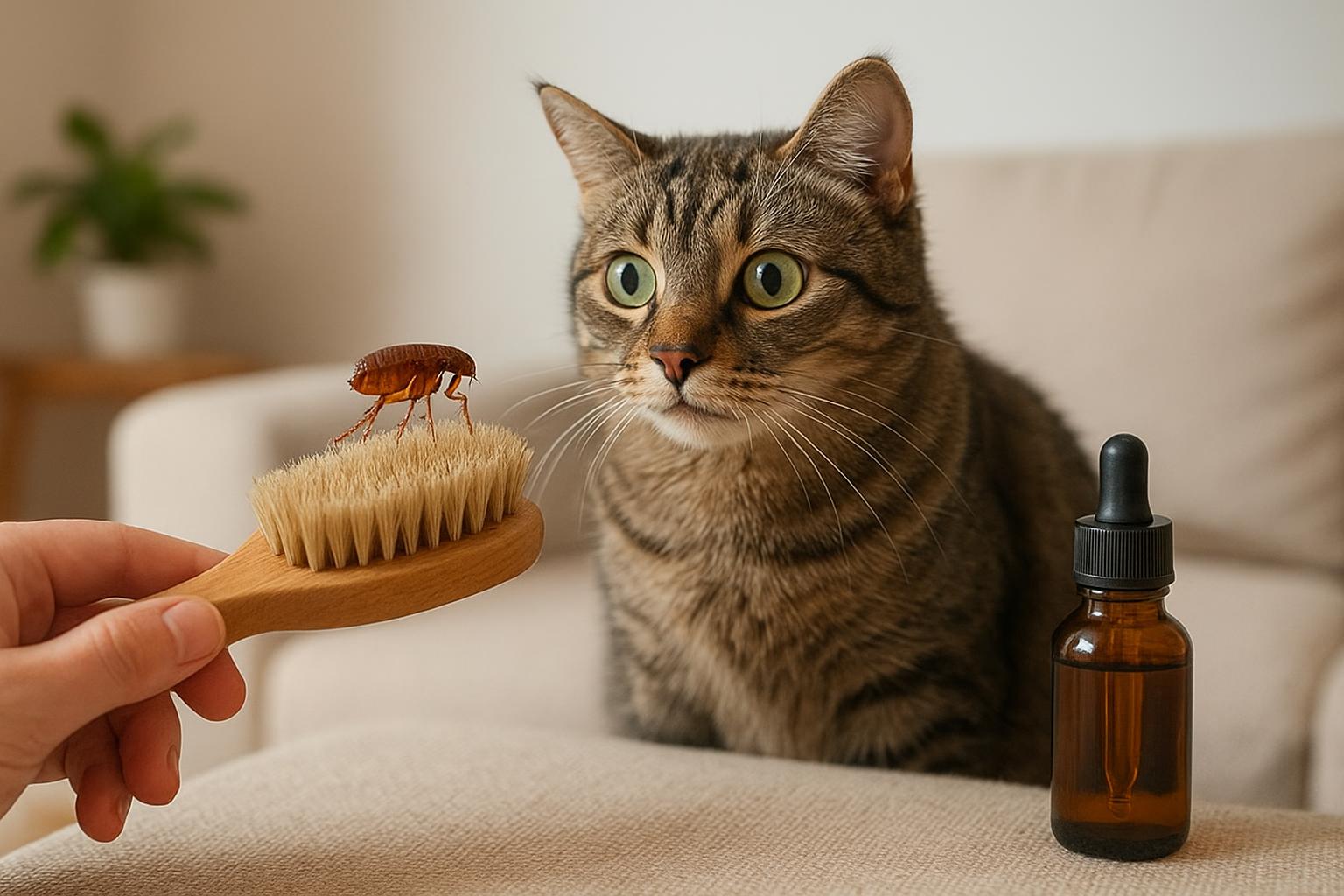
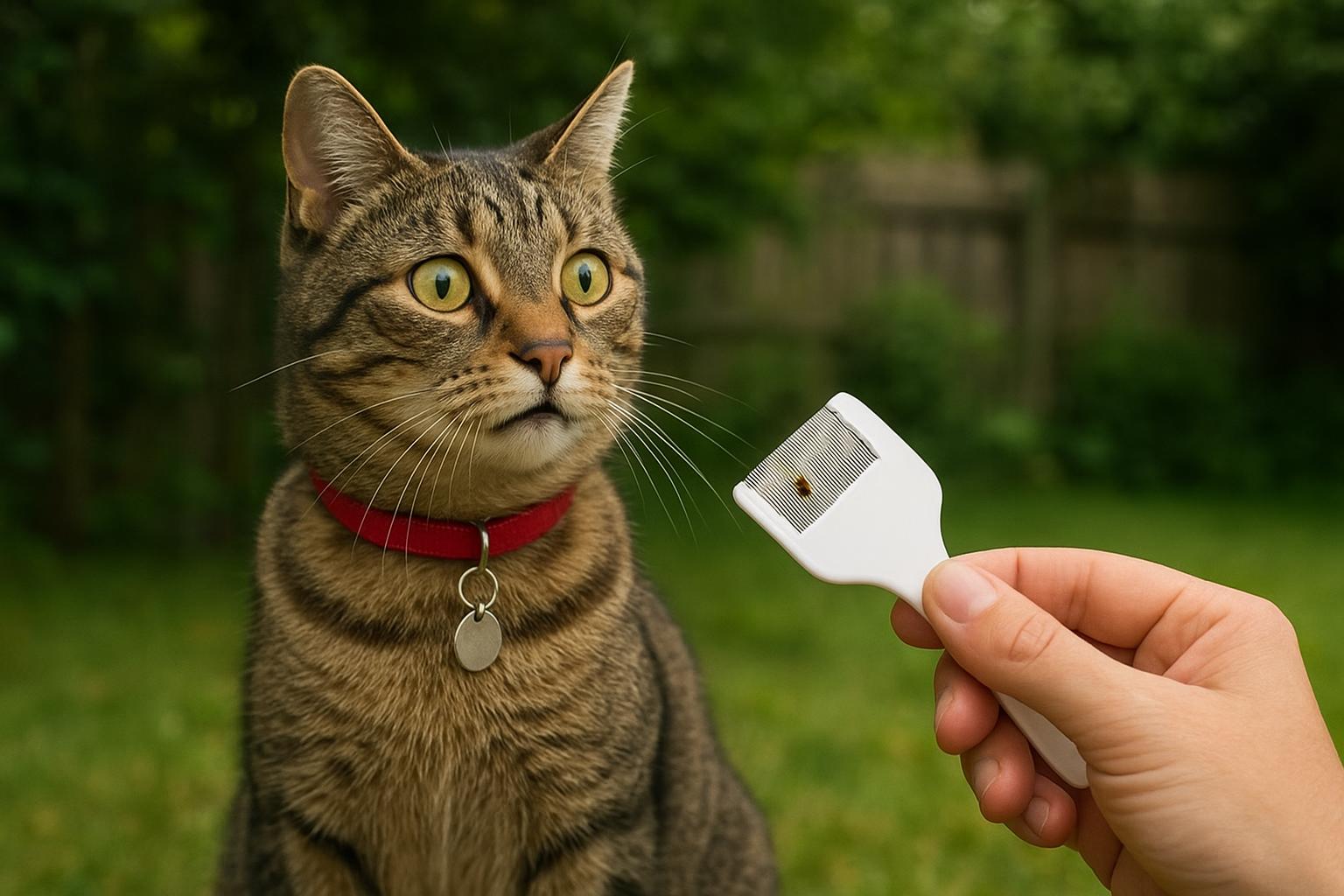
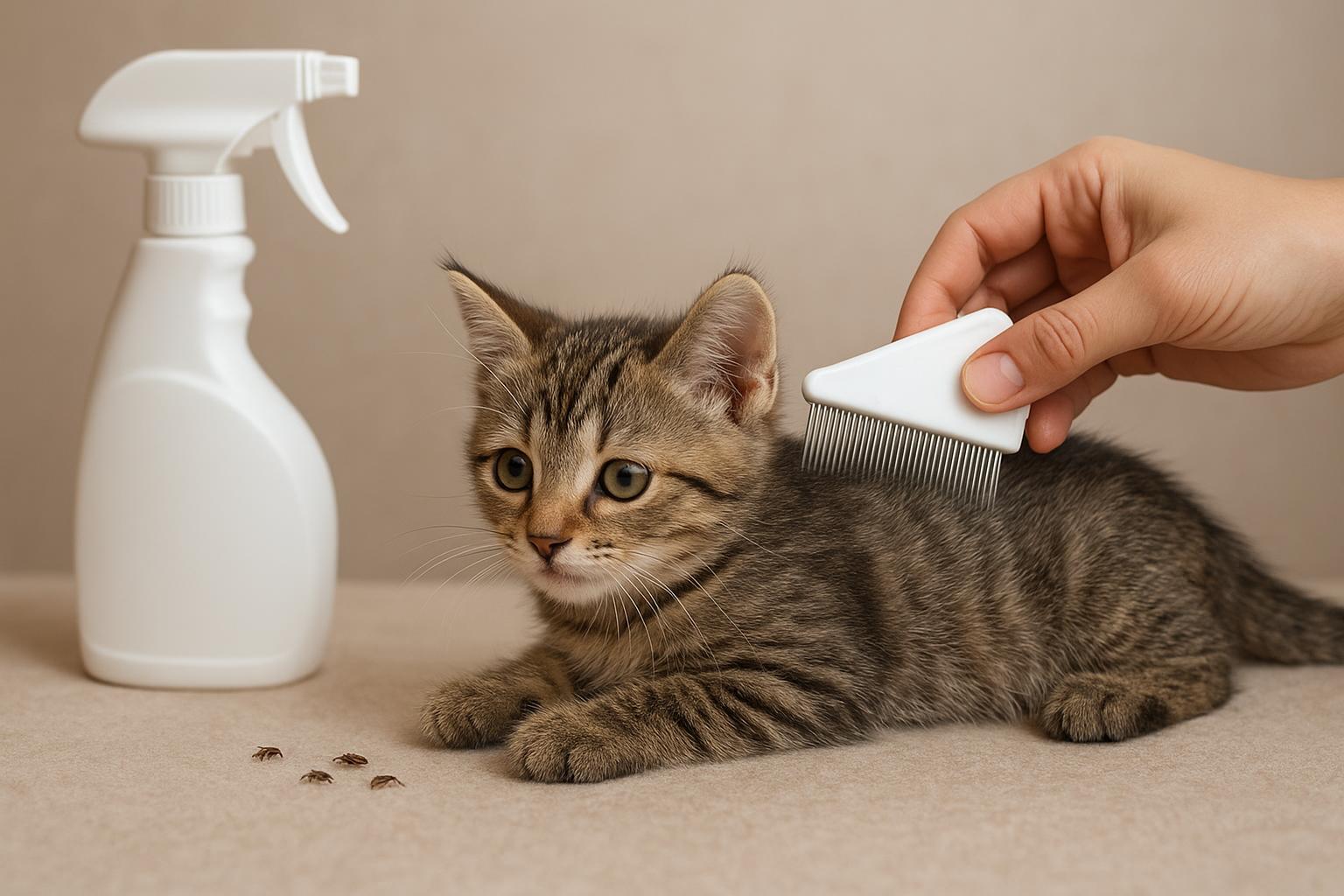
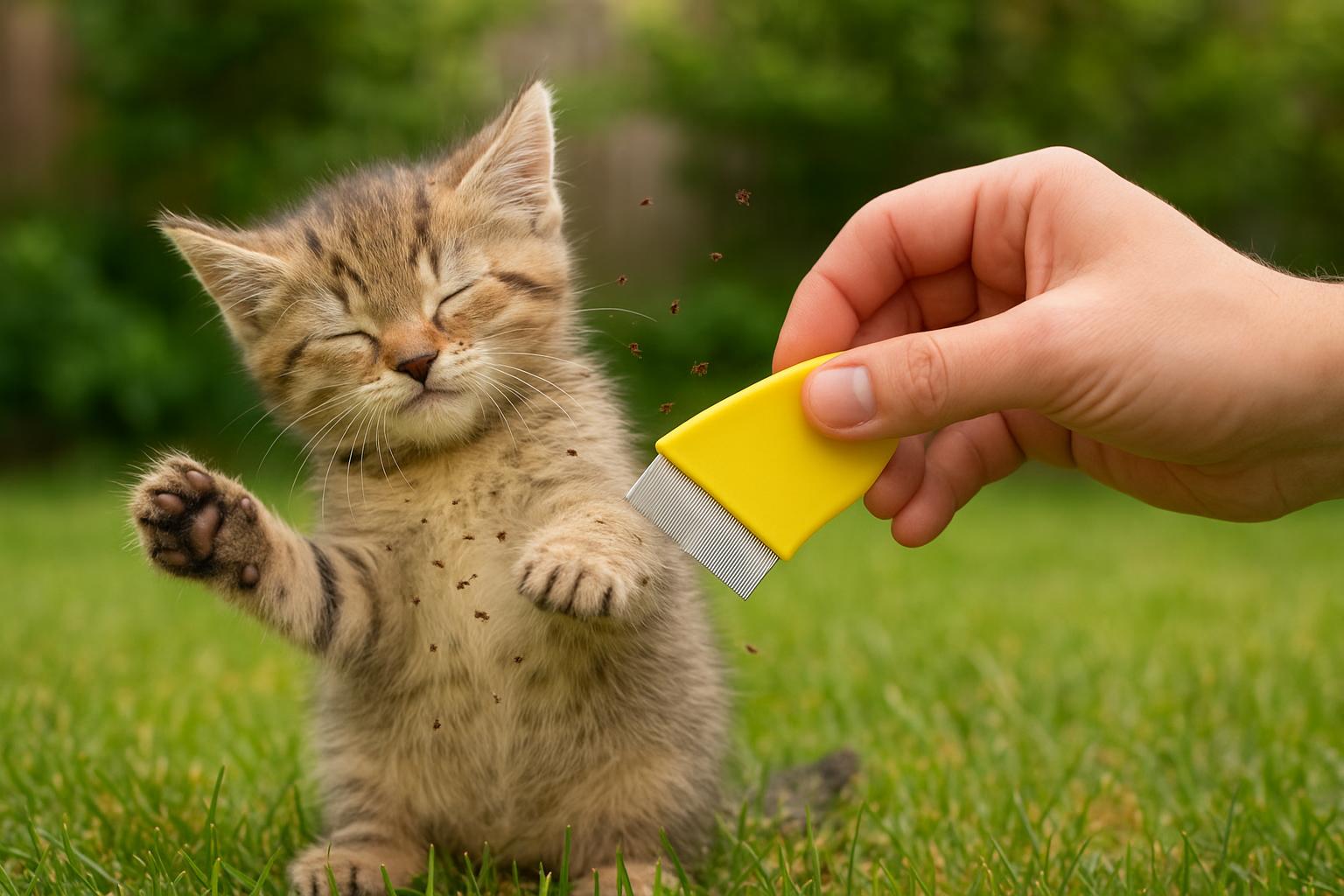
2. Immediate Mechanical Removal: Use a flea comb to remove visible fleas and flea dirt. Comb over a white paper towel dampened slightly with water or alcohol — flea dirt will turn a reddish color when wet, confirming presence.
3. Bathing (If Approved): If your veterinarian approves a bath, use a mild cat shampoo. Wet your cat, apply shampoo, lather and rinse thoroughly. Bathing can remove many fleas but is not a long-term solution.
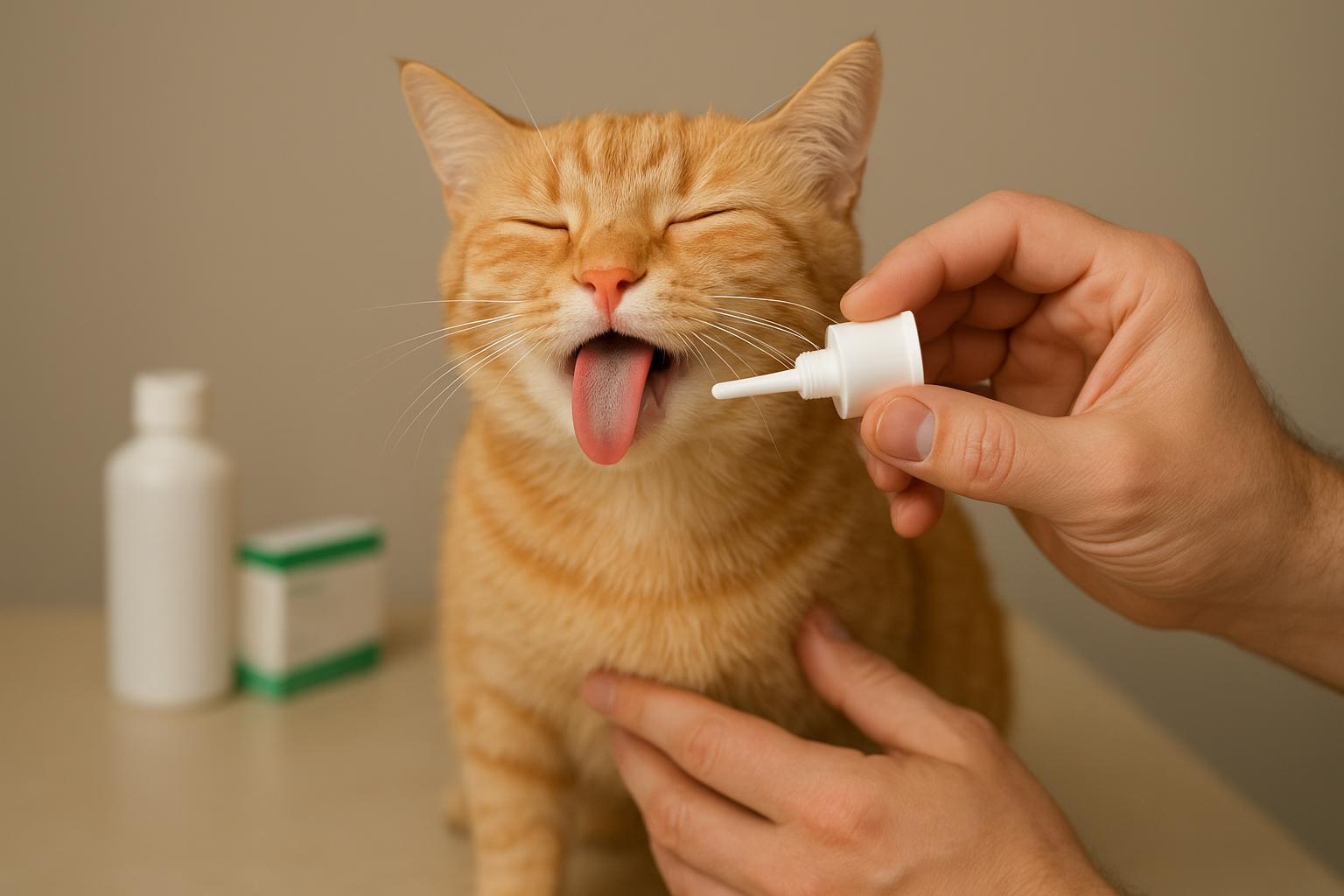
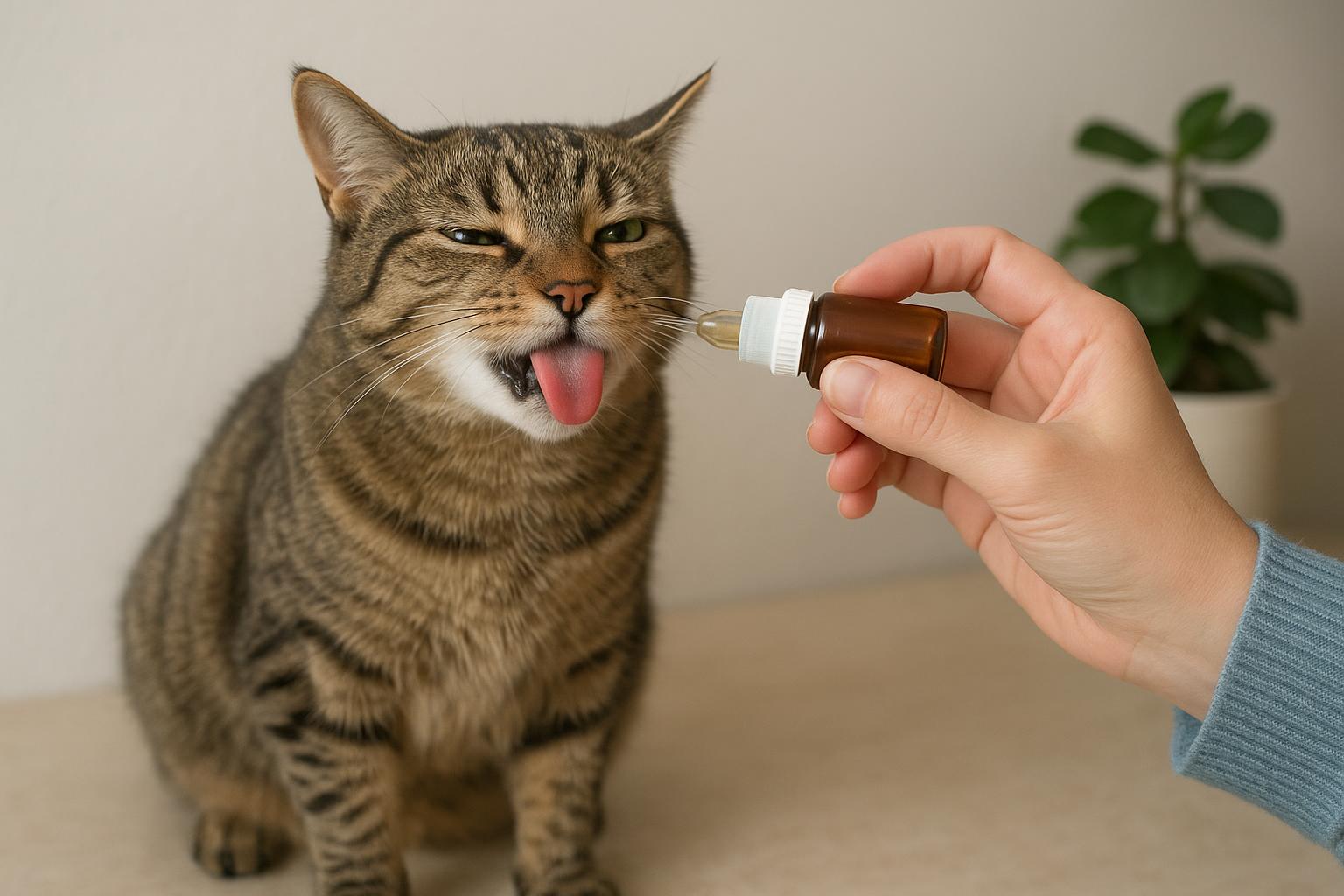
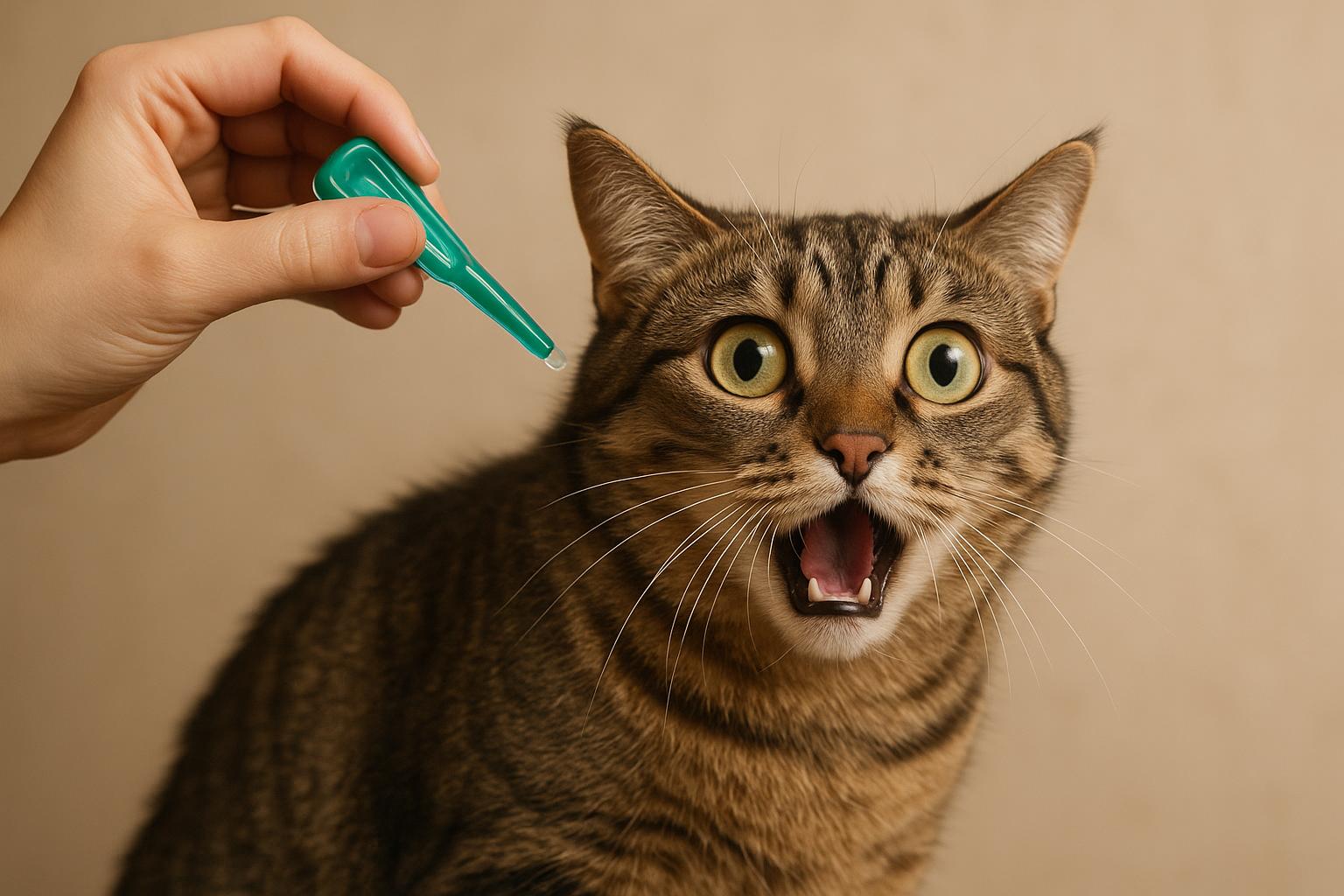
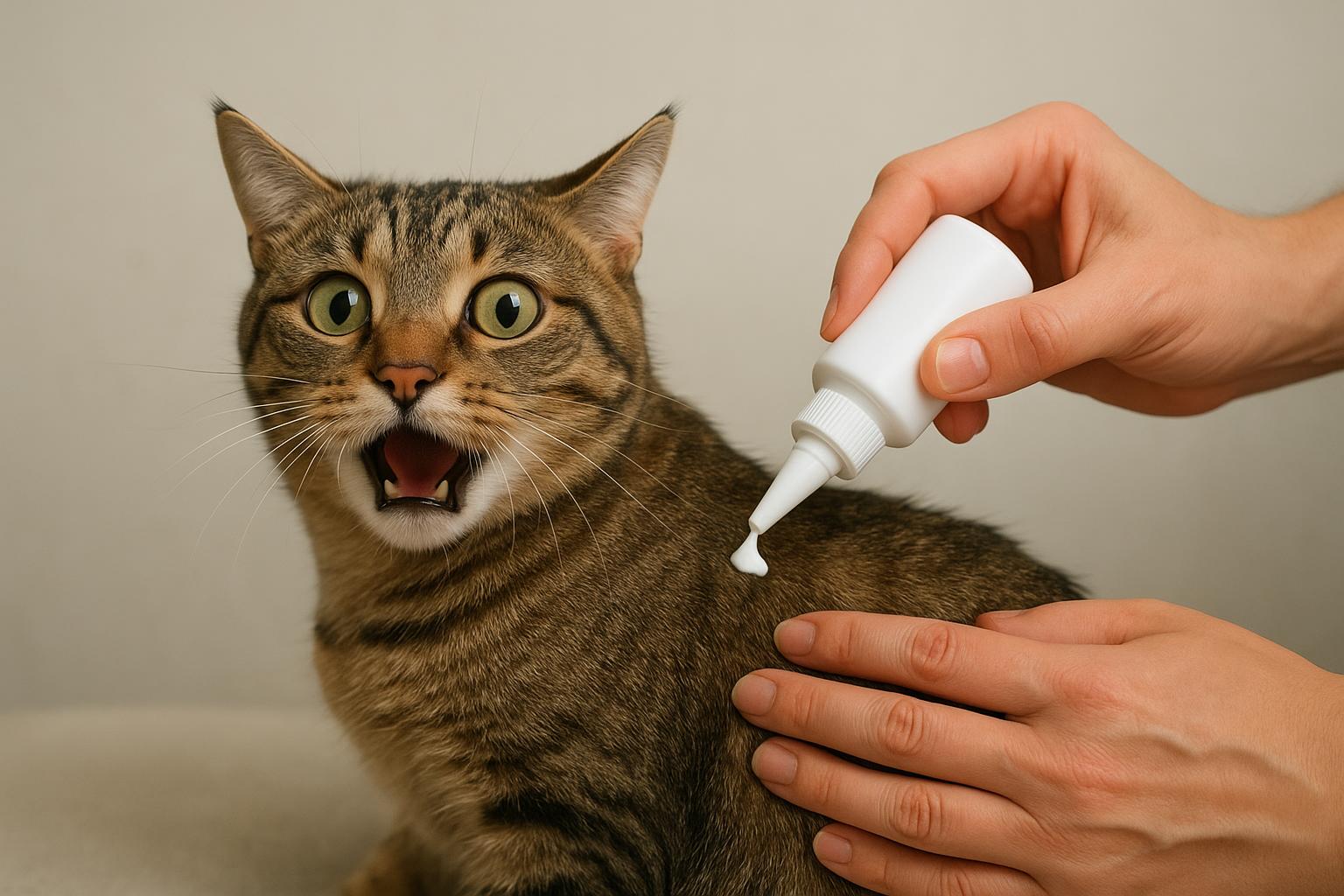
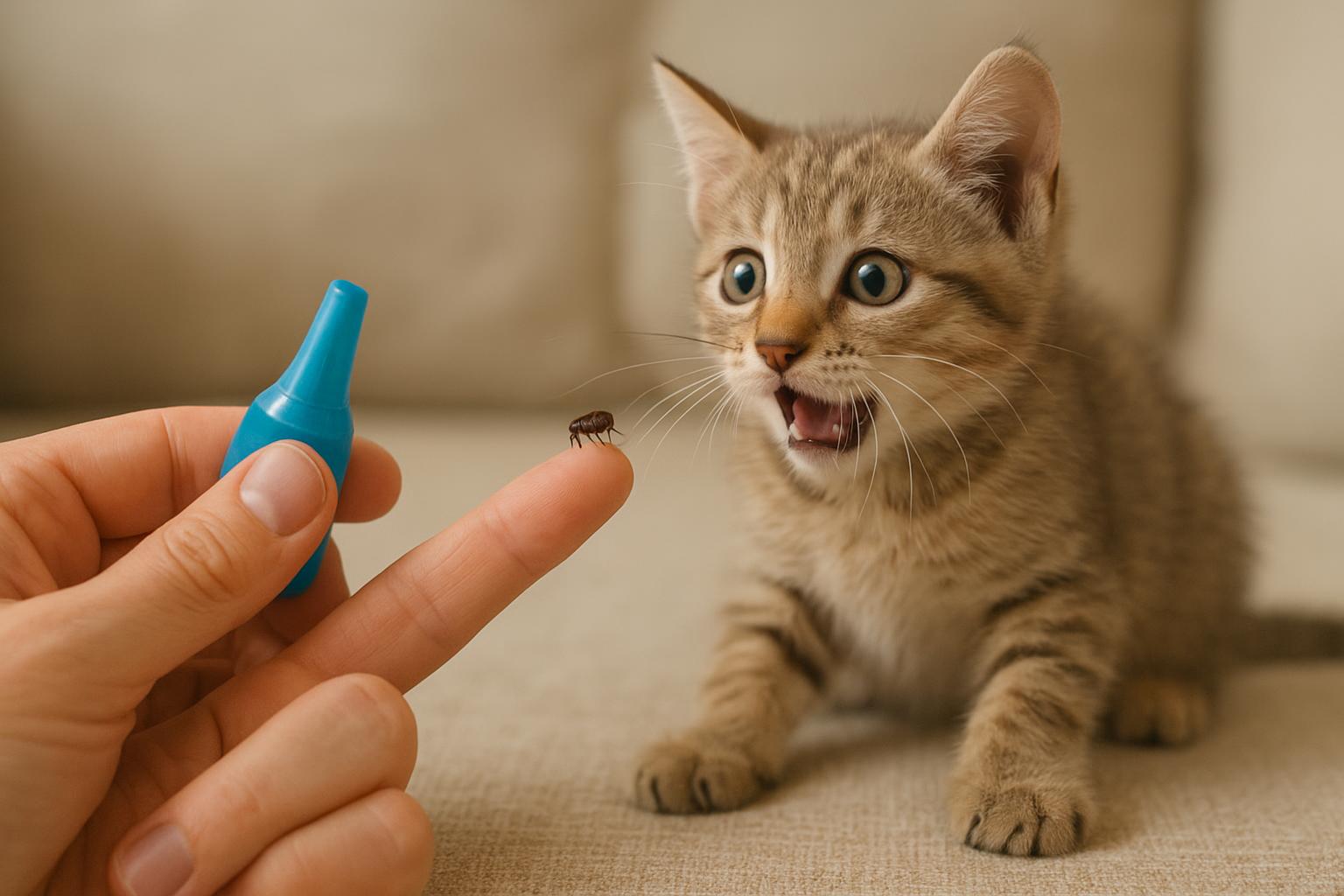
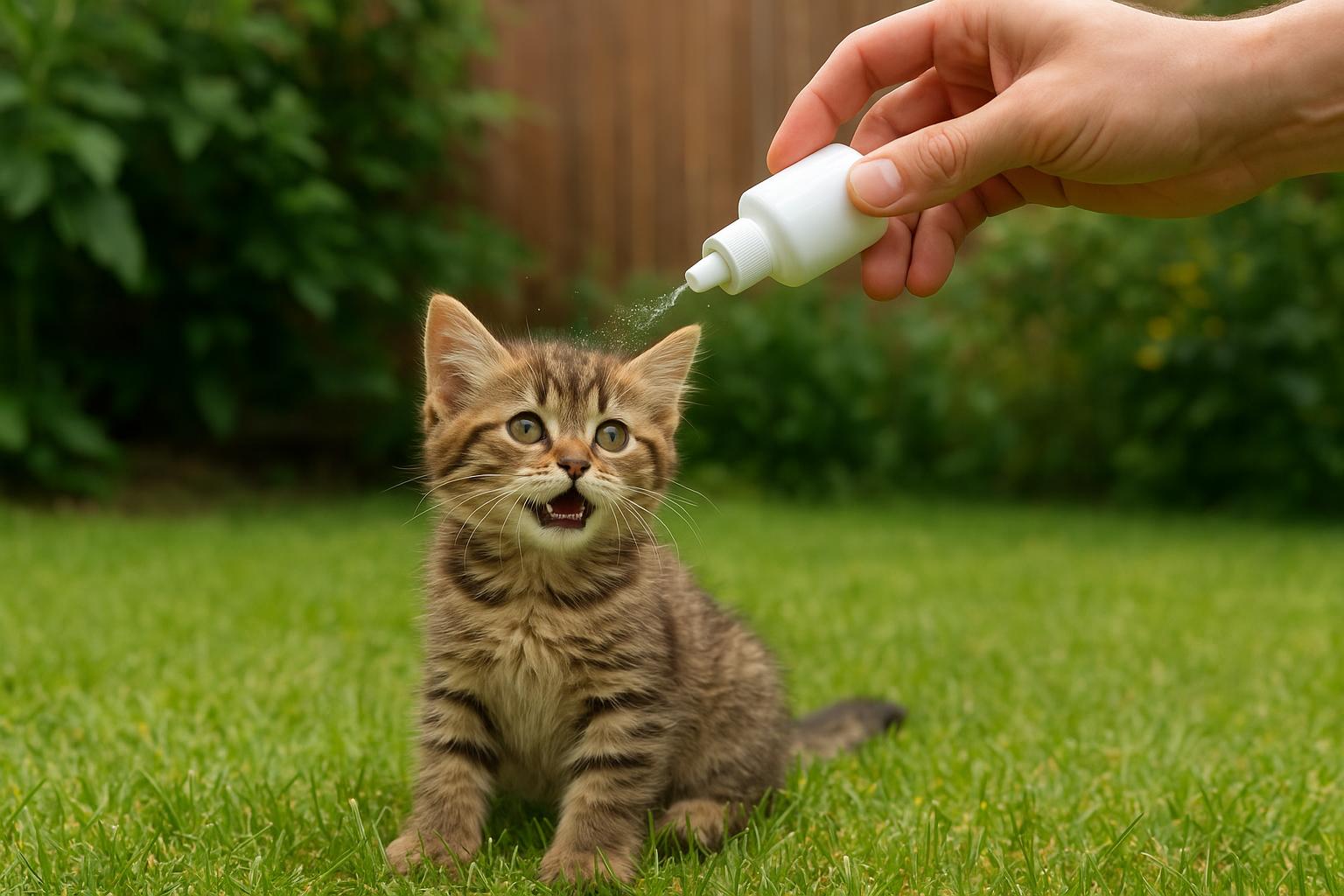
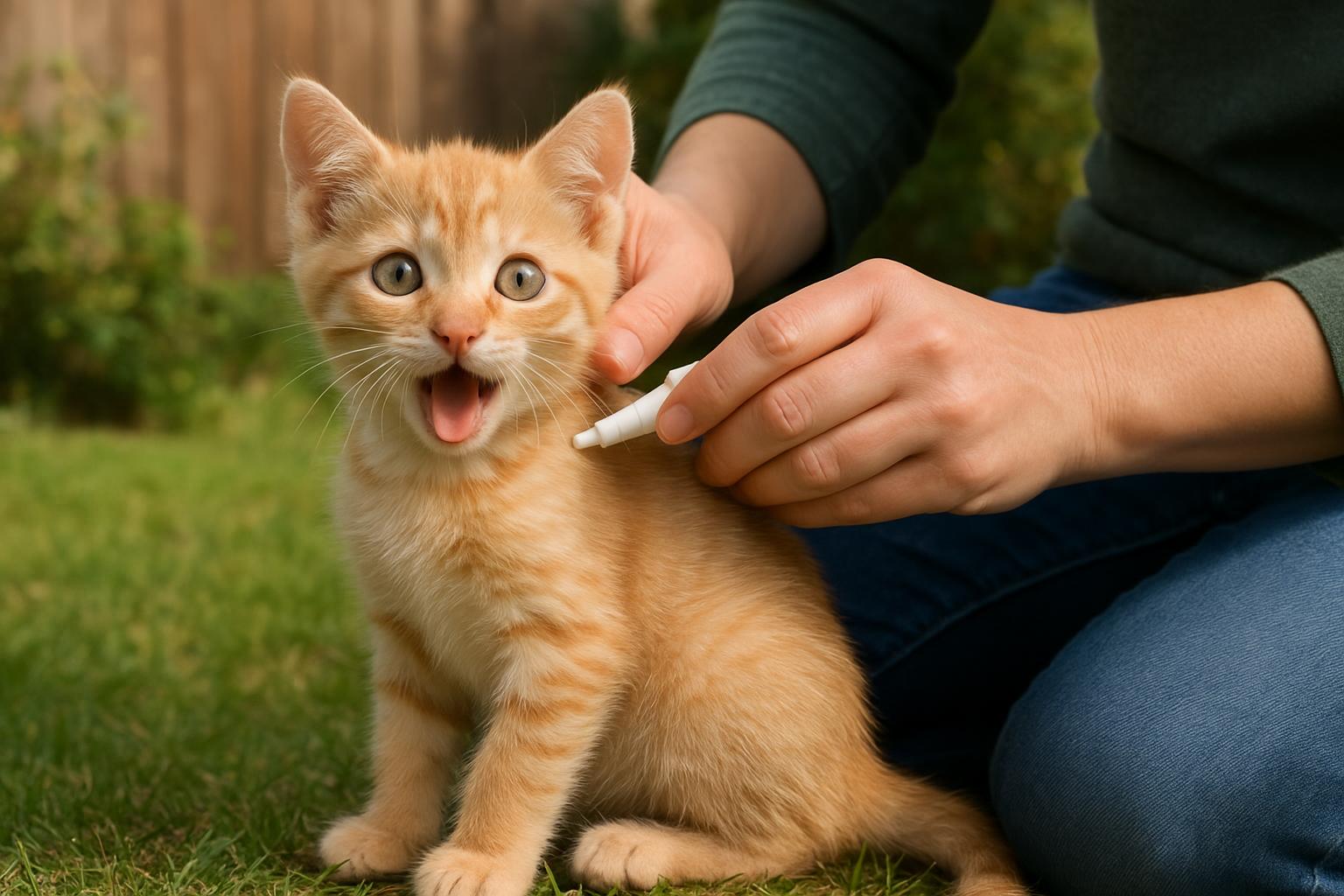
4. Apply Vet-Approved Flea Treatment: Follow product instructions exactly for dosing and application site. Many topical treatments are applied to the back of the neck in a single spot; oral products are dosed by weight.
5. Environmental Control — Immediate Actions:
a. Vacuum floors, rugs, furniture, and under cushions daily for at least two weeks. Empty or seal vacuum bags/canisters immediately.
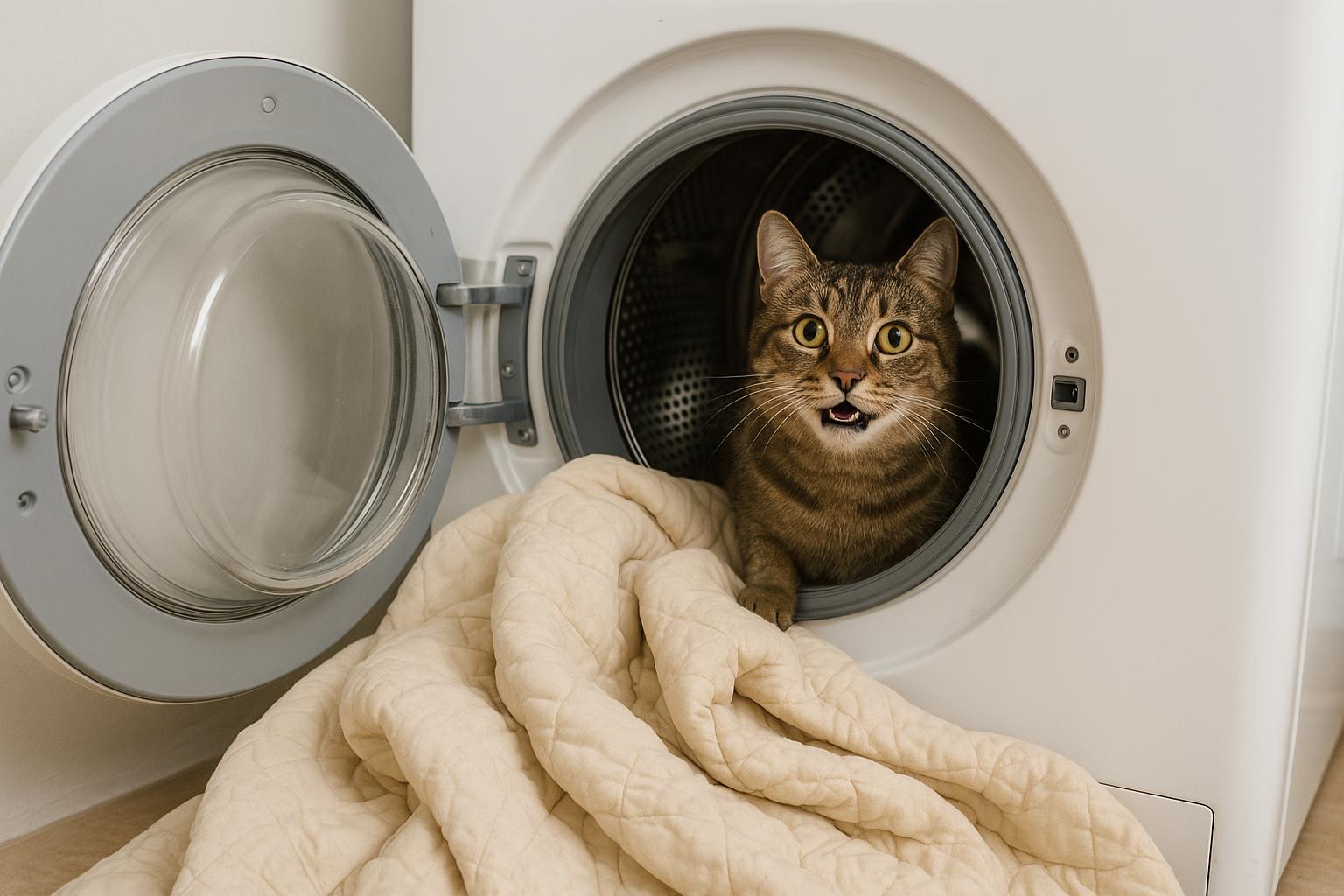
b. Wash bedding, blankets, and removable covers in hot water and dry on high heat.
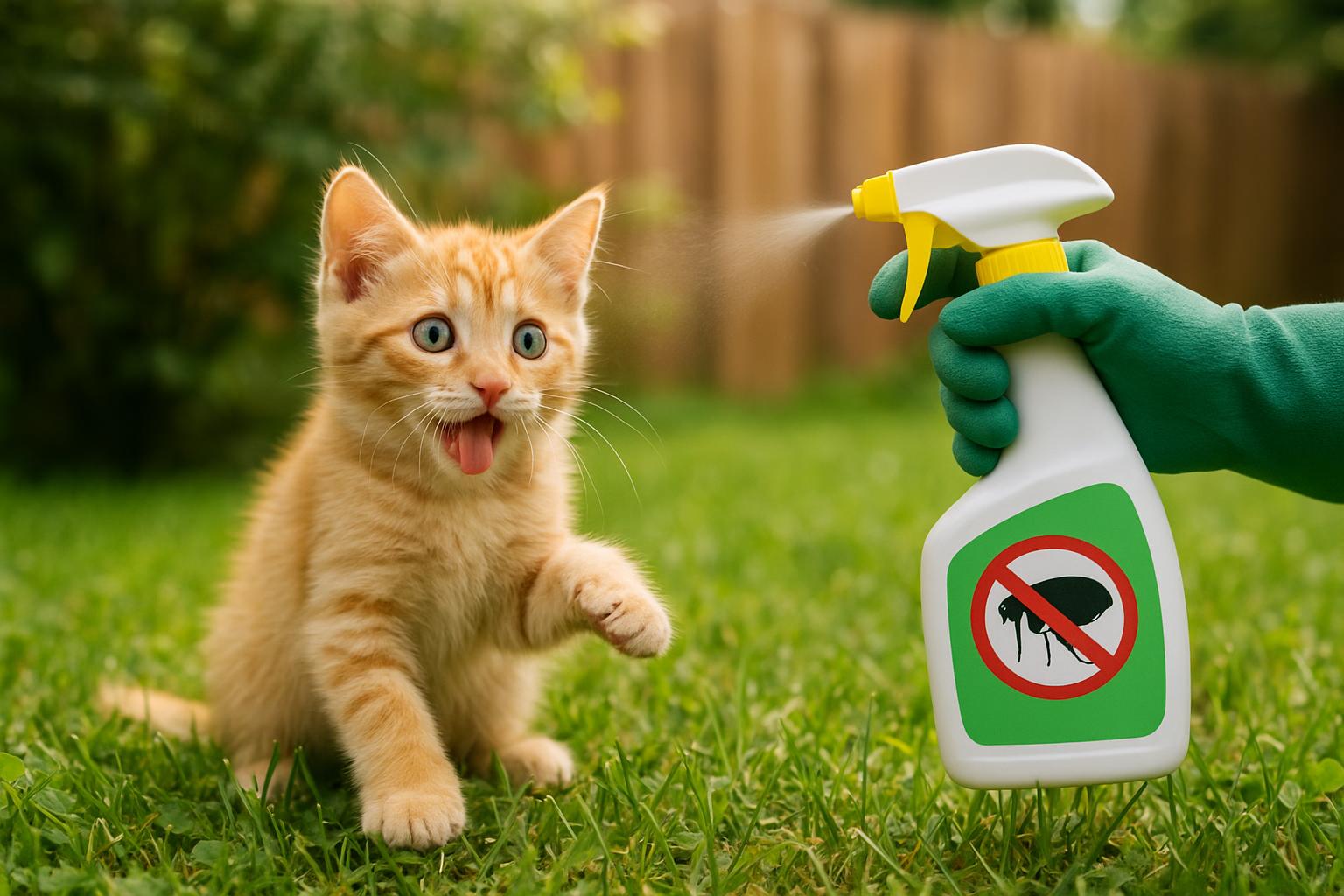
c. Treat carpet and upholstery with a pet-safe environmental spray if recommended by your vet. Consider professional pest control for heavy infestations.
6. Monitor And Reassess: Keep a close eye on your cat’s energy and gum color. If you notice any signs of weakness, pale gums, breathing changes, or collapse, contact your veterinarian immediately.
7. Preventive Scheduling: Maintain a regular flea prevention schedule year-round (as recommended for your region and lifestyle). Re-infestation is common without consistent protection.
### Practical Tips For Multi-Pet Homes
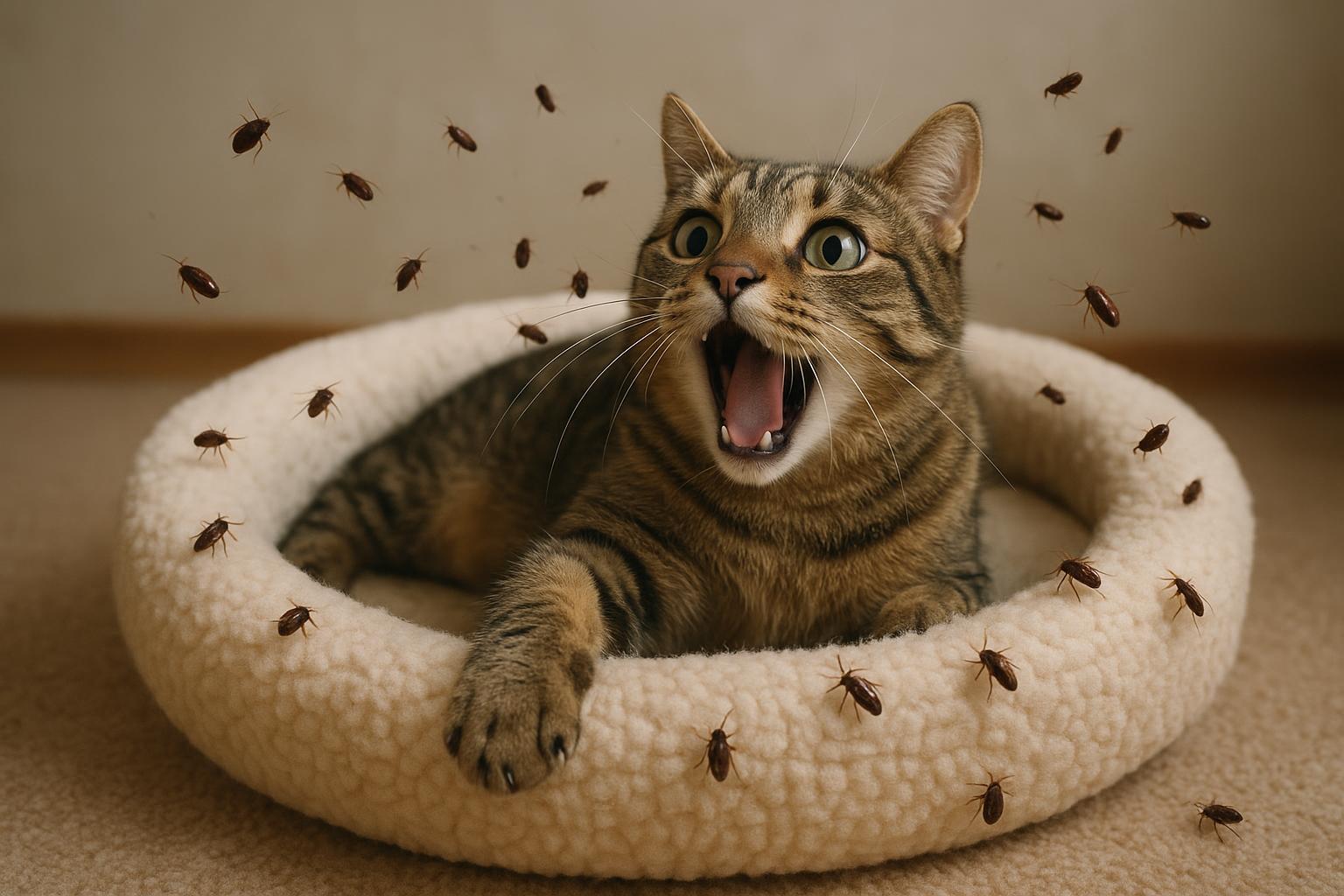
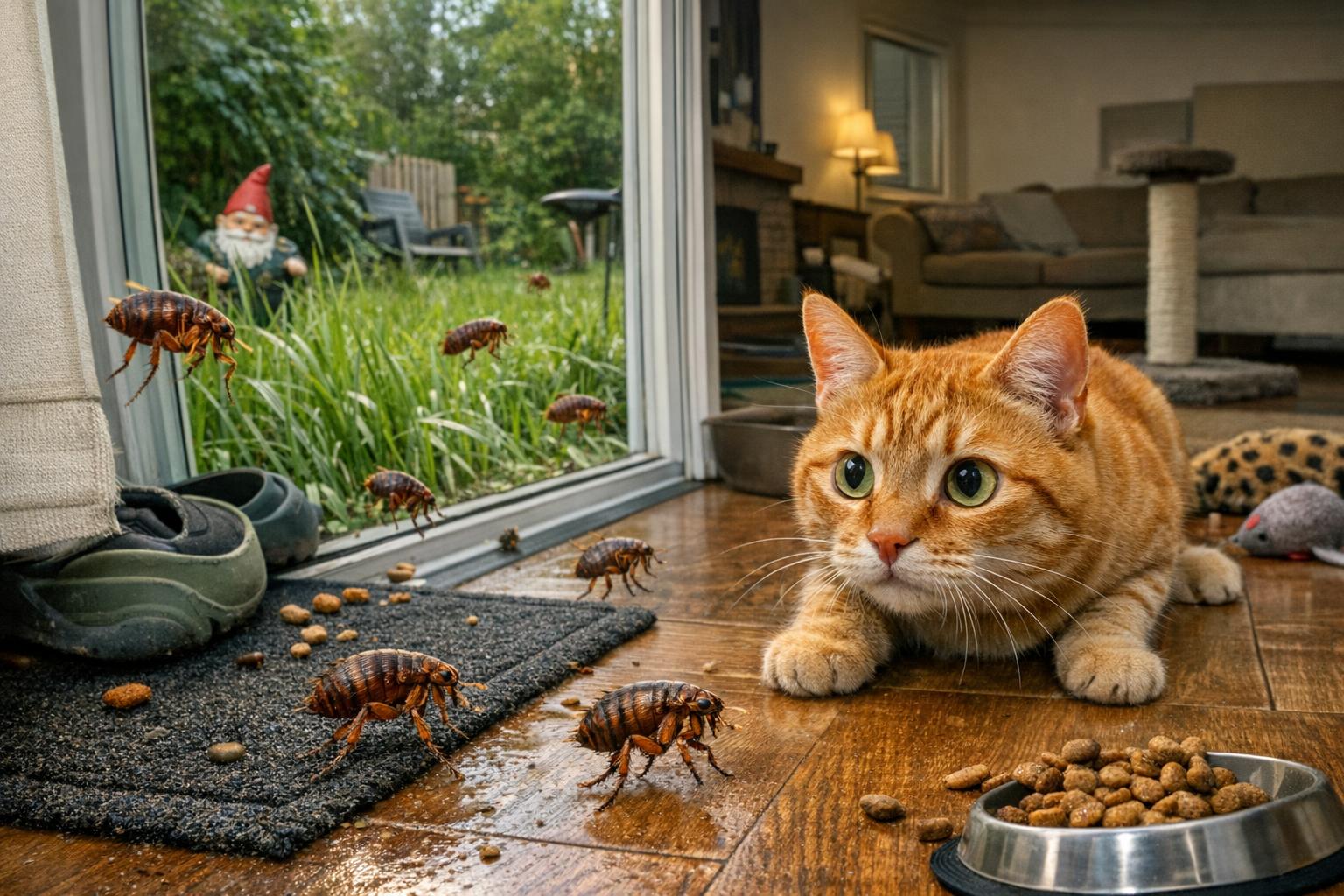
All animals in the household must be treated at the same time to prevent re-infestation. Treat the environment and maintain cleanliness to break the flea life cycle. Flea eggs and larvae can persist in the home for months without interruption of the cycle.
## How Long Until The Cat Feels Better
If anemia is mild and you catch the flea load early, clinical improvement can be quick once fleas are eliminated and rest and nutrition normalize. Severe anemia requires veterinary intervention and may take longer, depending on whether transfusion or additional therapies were needed. Follow-up bloodwork is the only reliable way to confirm recovery.
## When To Call The Vet Right Now
Call your veterinarian or an emergency clinic if your cat shows:
– Collapse, fainting, or inability to rise.
– Rapid or labored breathing.
– Very pale or white gums.
– Severe lethargy and poor responsiveness.
– Heavy flea infestations with kittens or multiple sick animals.
Getting help early can be the difference between a quick recovery and a life-threatening situation.
If you suspect your cat is losing blood to fleas, act promptly. A combination of timely veterinary care, careful home prevention, and environmental control will give your furry friend the best shot at bouncing back — ideally to a flea-free nap in a sunny spot.







Leave a Reply