
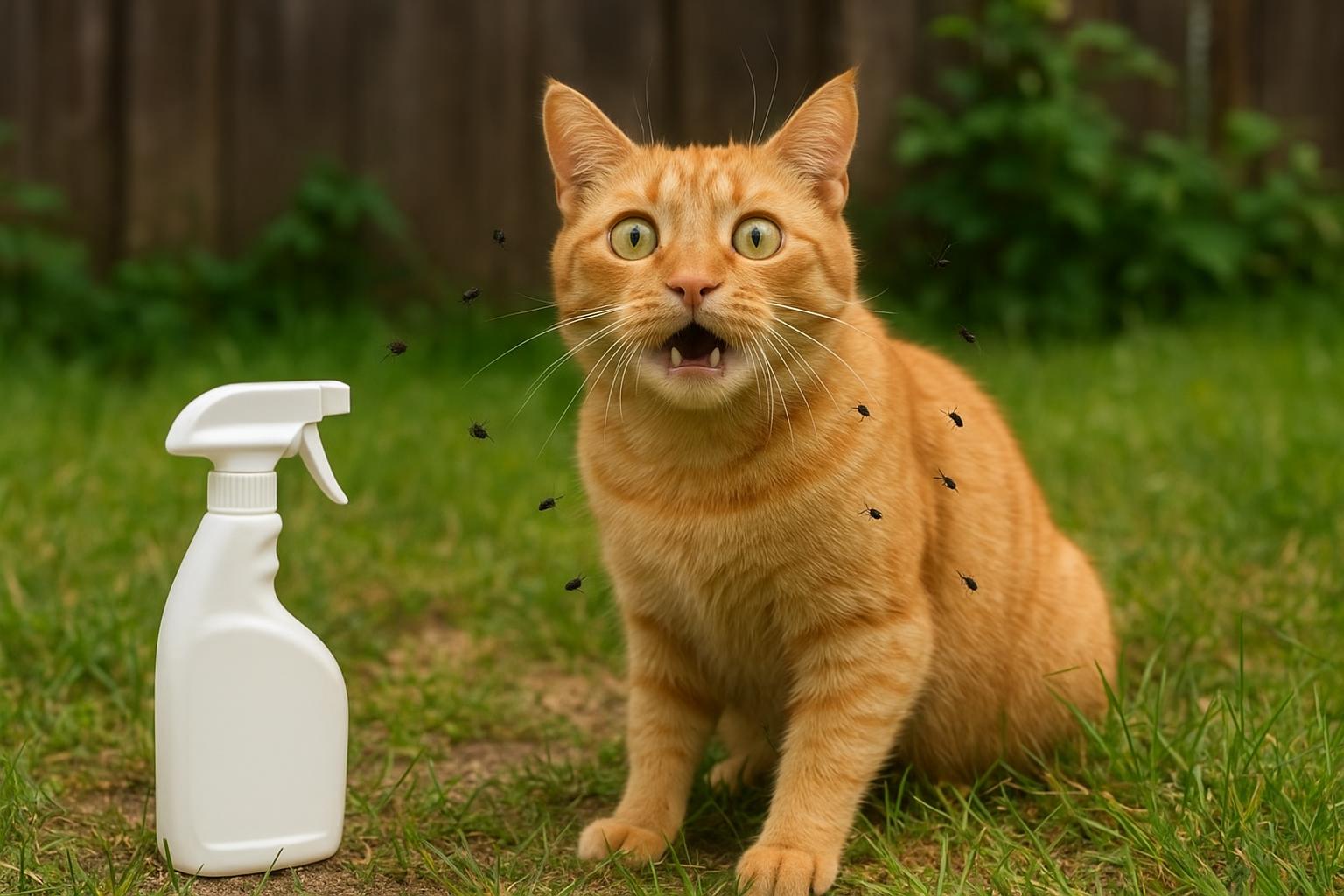
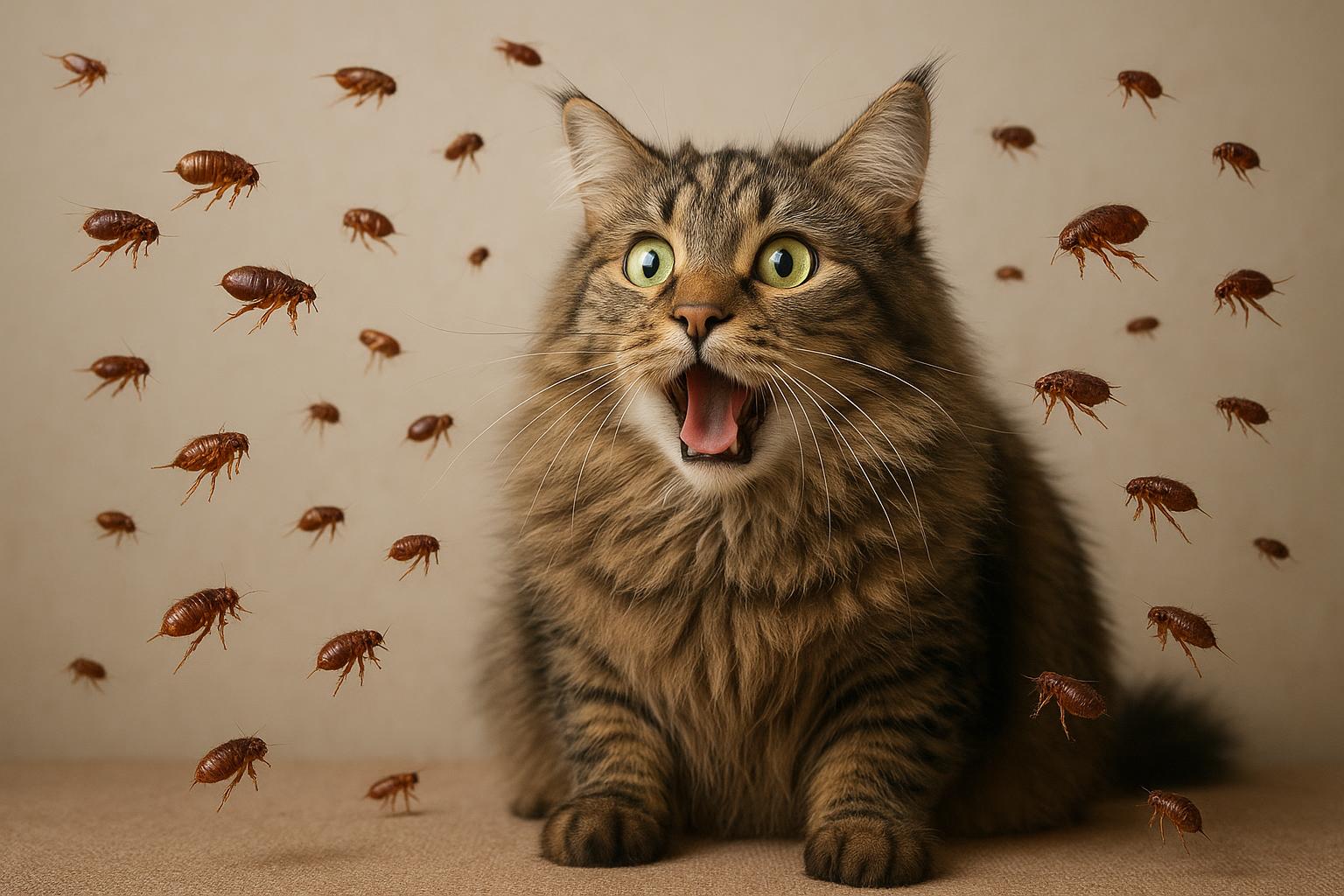
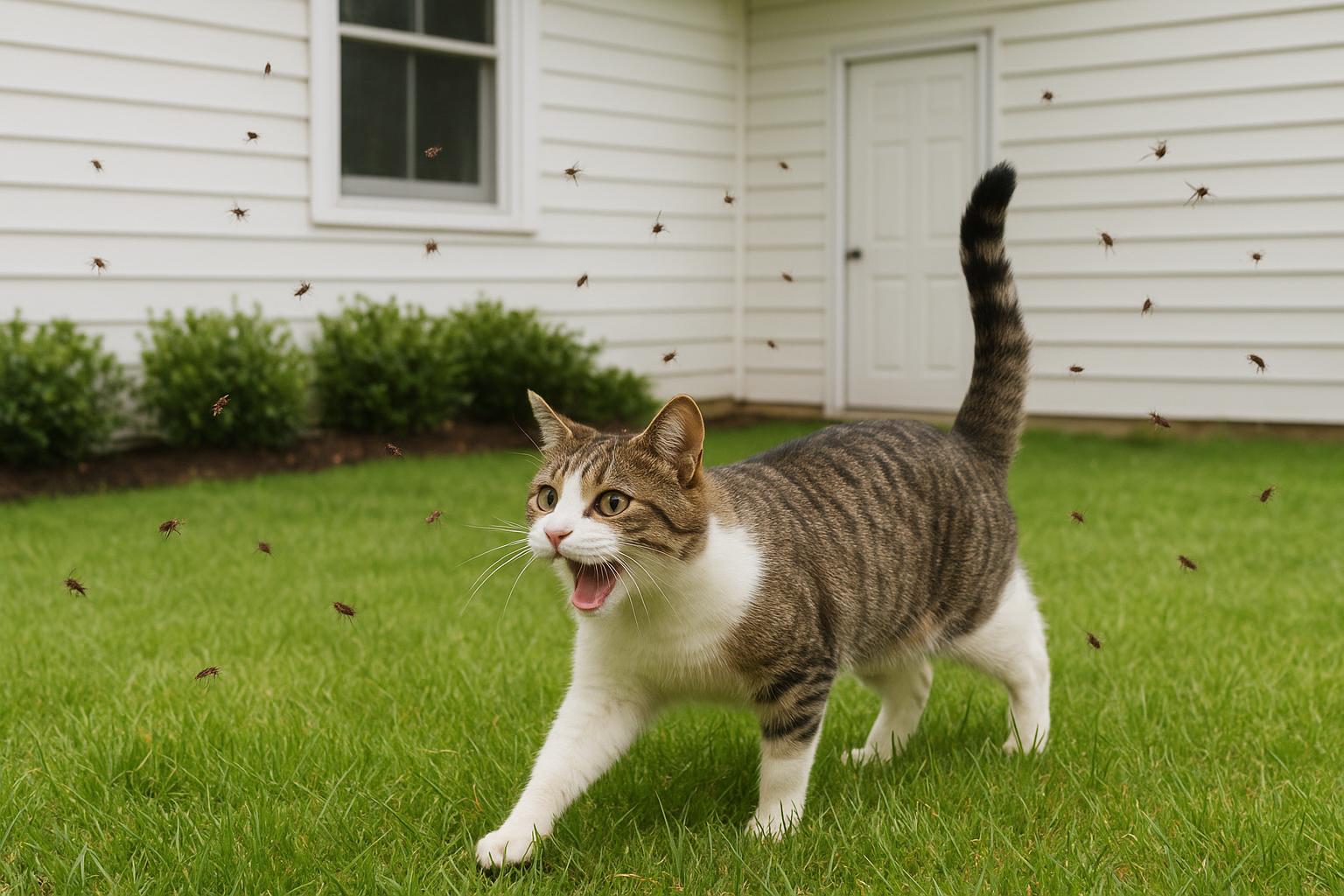
You step outside to enjoy a sunny afternoon and suddenly you’re in a flea rodeo — tiny jumpers everywhere and your dog giving you that “they’re back, human” look. Fleas are more than itchy nuisances; their presence can lead to real health concerns. This article walks through common backyard risks tied to flea infestations, what those flea complications can mean for people and pets, and practical, evidence-based ways to reduce and resolve problems (with two formal remedies included).
## Flea Complications And Backyard Health Risks
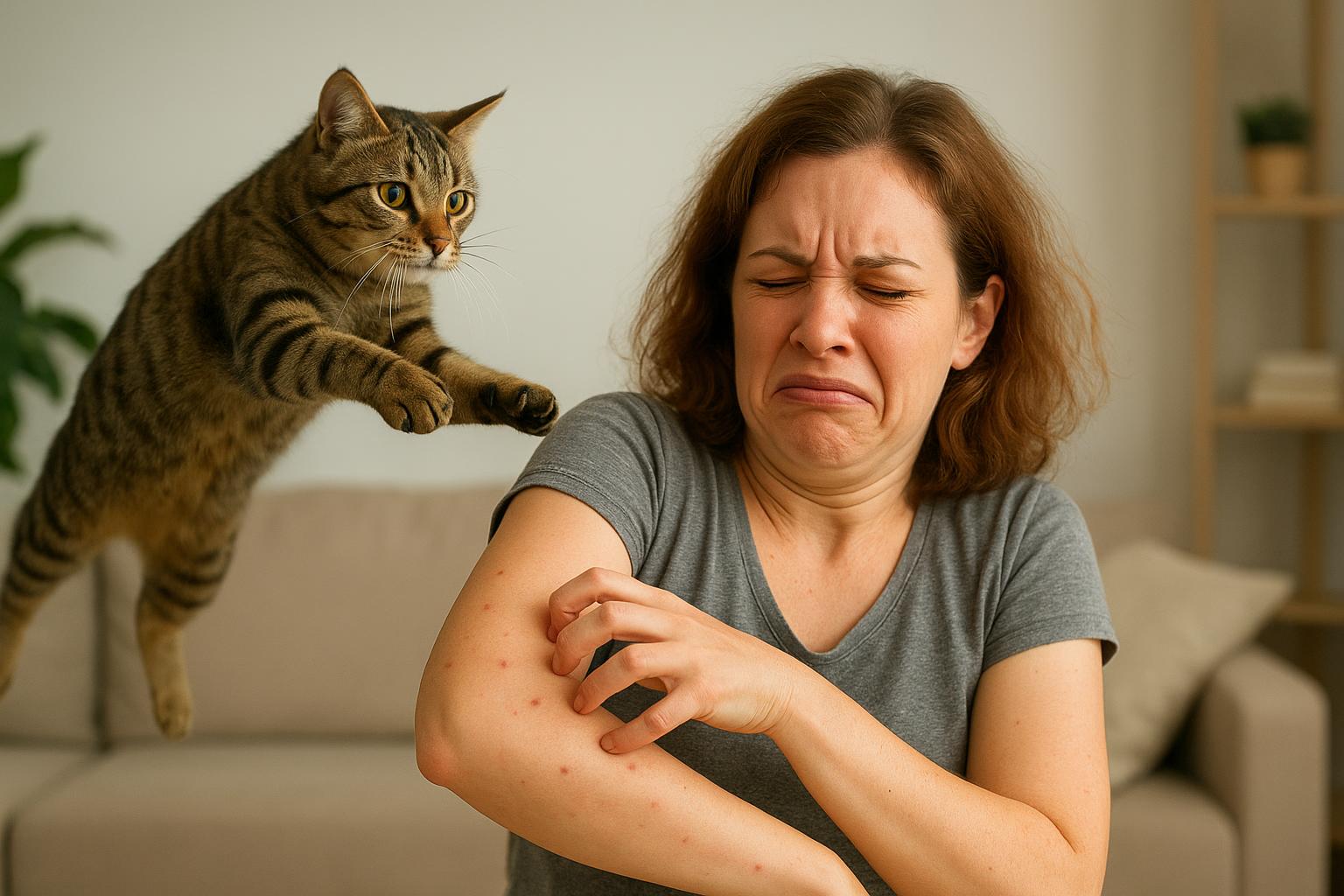
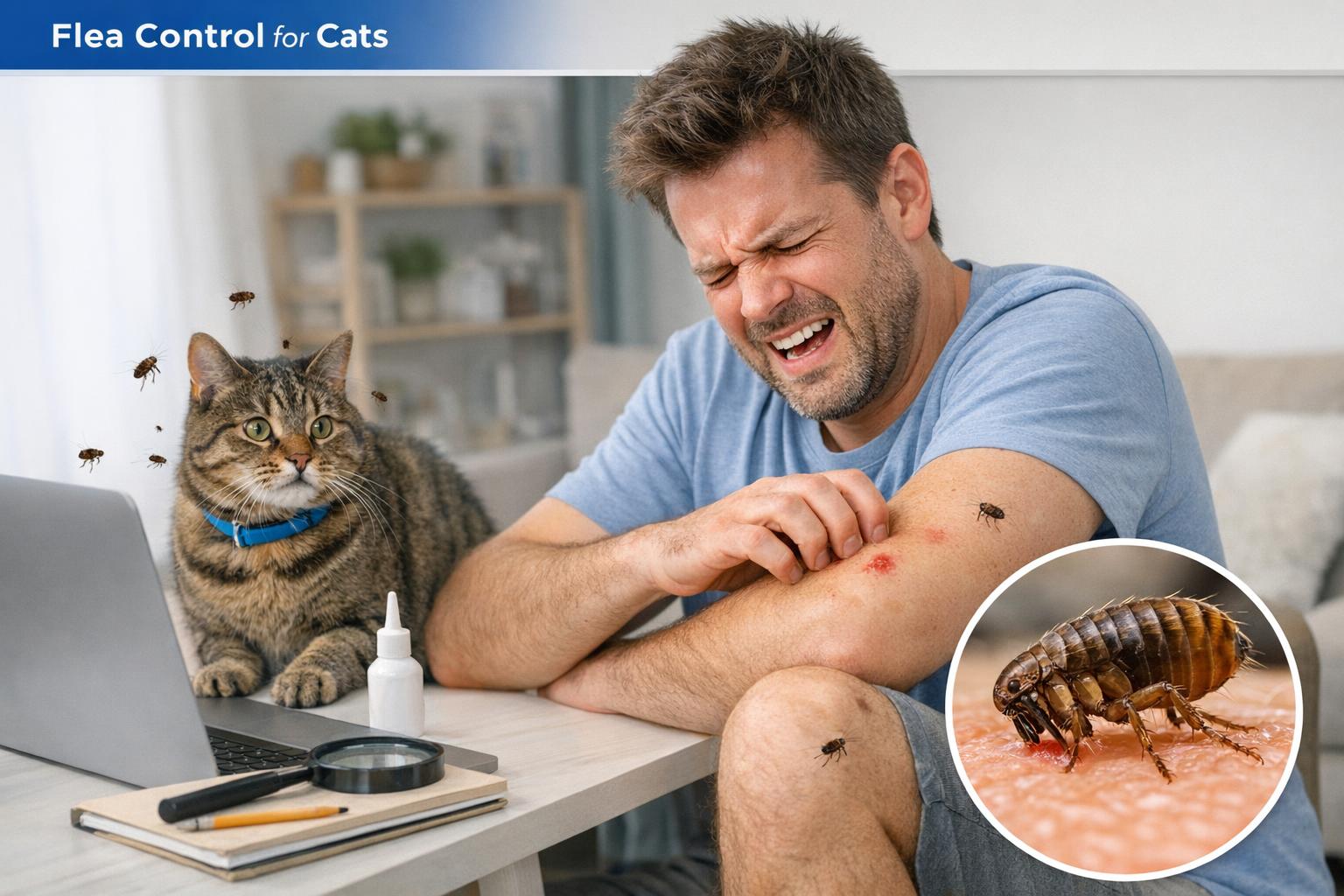
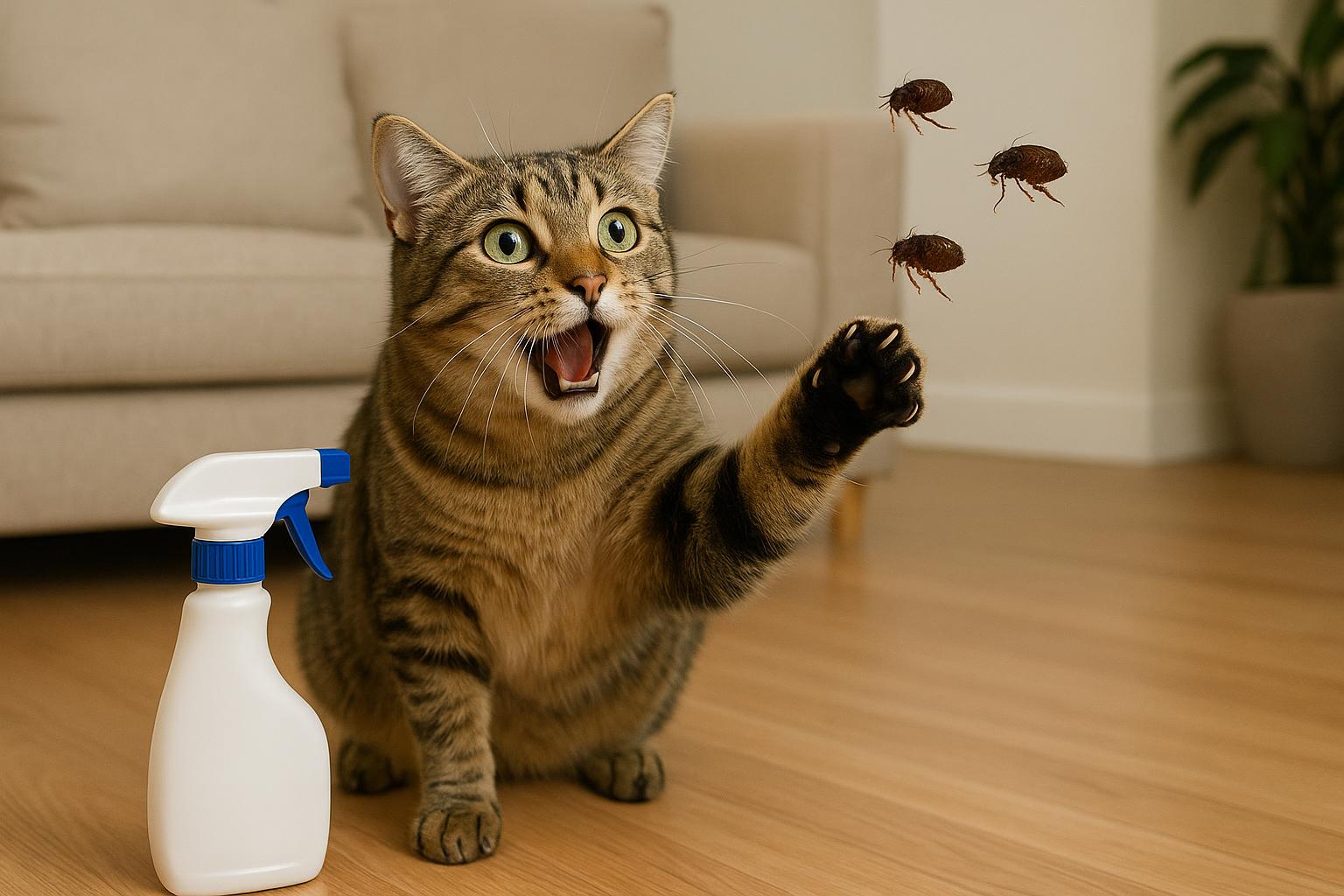
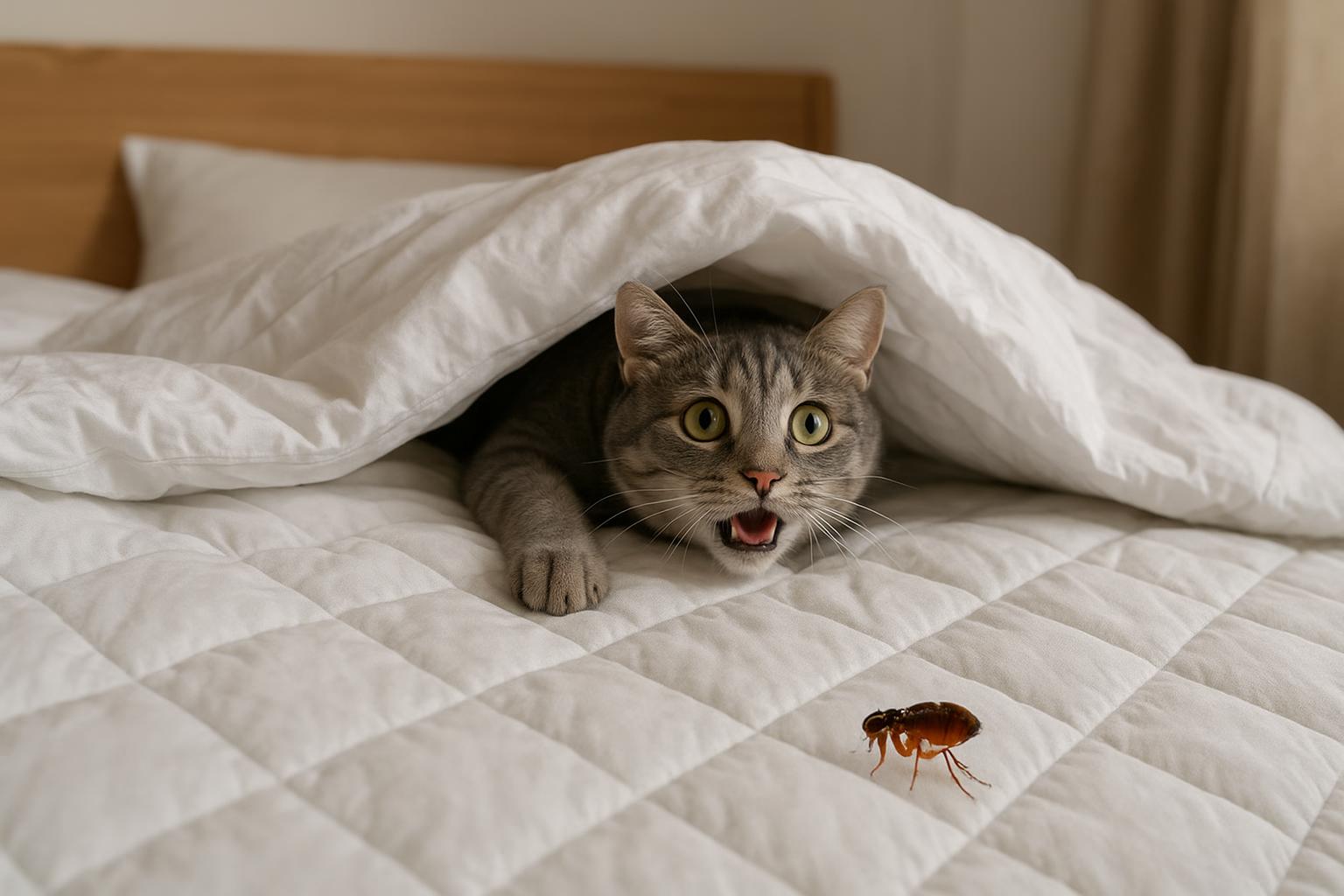
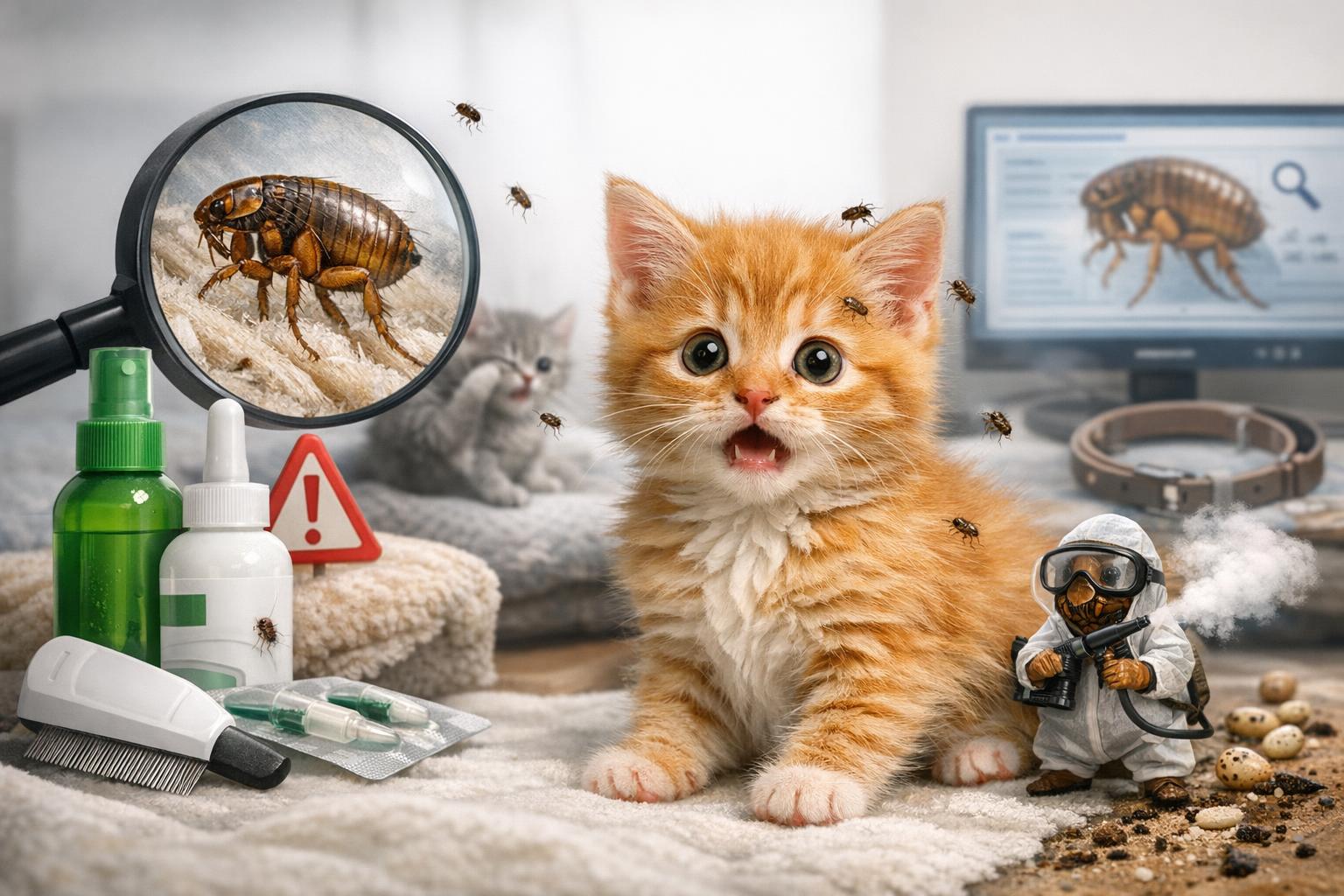
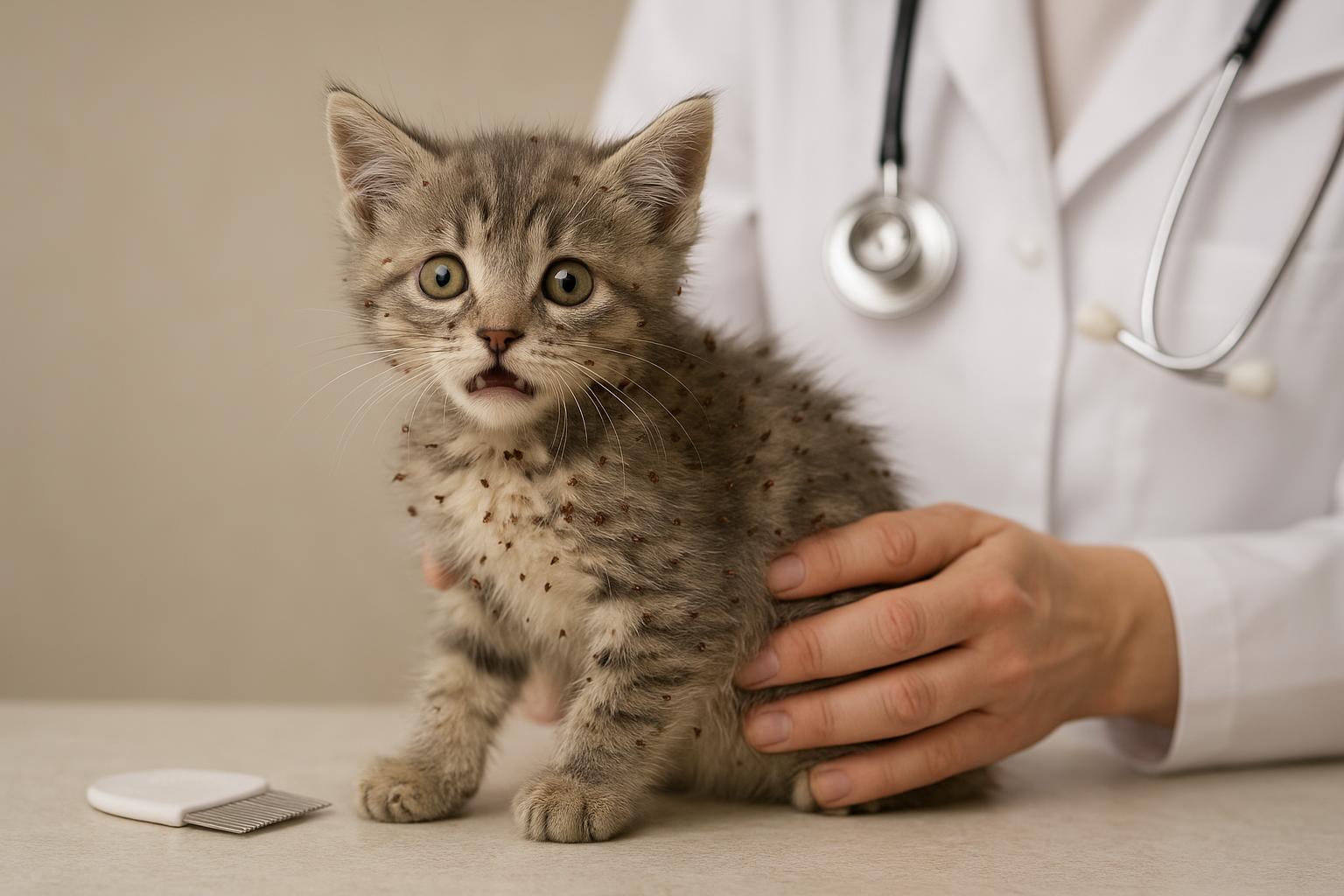
Fleas are small, but their impact is outsized. Beyond the immediate itching and scratching, flea complications include allergic dermatitis in pets, transmission of pathogens, and secondary infections from excessive scratching. In heavy infestations, pets — especially puppies, kittens, elderly, or debilitated animals — can become anemic from blood loss. For people, flea bites can cause allergic reactions or bacterial infections if wounds are scratched open. In rare cases and in certain regions, fleas can vector serious diseases such as Bartonella spp., murine typhus, or the historical plague bacterium; the risk varies by location and wildlife reservoir presence.
### How Fleas Create A Backyard Problem
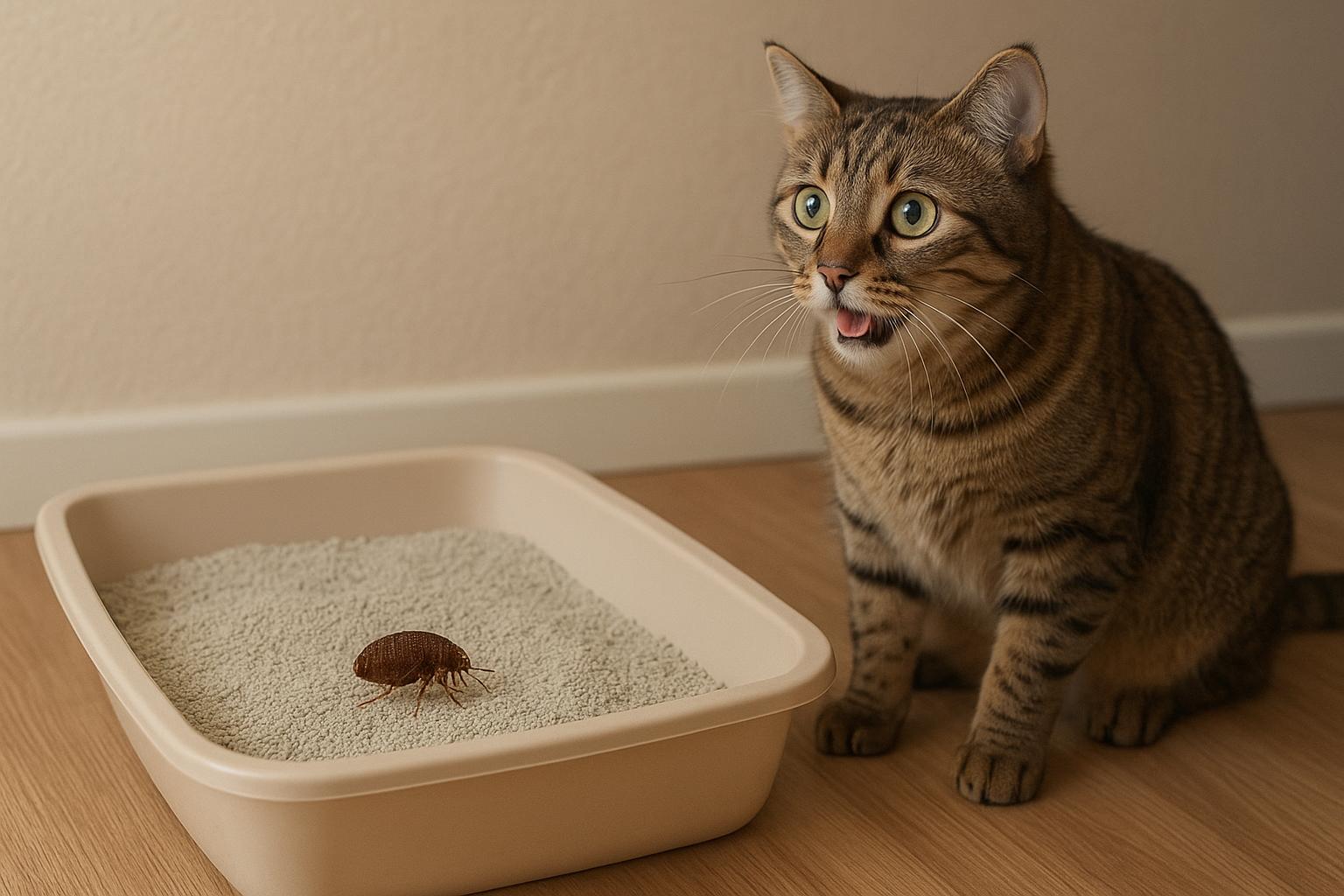
Fleas thrive where hosts (pets, wildlife) and sheltered microhabitats (leaf litter, tall grass, shaded damp areas) intersect. Adult fleas feed on a host but lay eggs off the animal in carpets, bedding, and soil. Eggs hatch into larvae that feed on organic debris and blood-rich “flea dirt,” then pupate in a protected cocoon until conditions trigger emergence. That lifecycle — eggs, larvae, pupae, adults — means a single spring and summer season can seed months of trouble if not interrupted.
### Who Is Most At Risk
Children who play on the lawn, pets that run through wildlife corridors, and people with weakened immune systems are among the higher-risk groups. If you have multiple pets, or if neighborhood wildlife like opossums, raccoons, or feral cats are frequenting your yard, you’re more likely to see persistent flea pressure. Keep in mind: preventing flea complications means addressing both the environment and the animals.
## Signs To Watch For In People And Pets
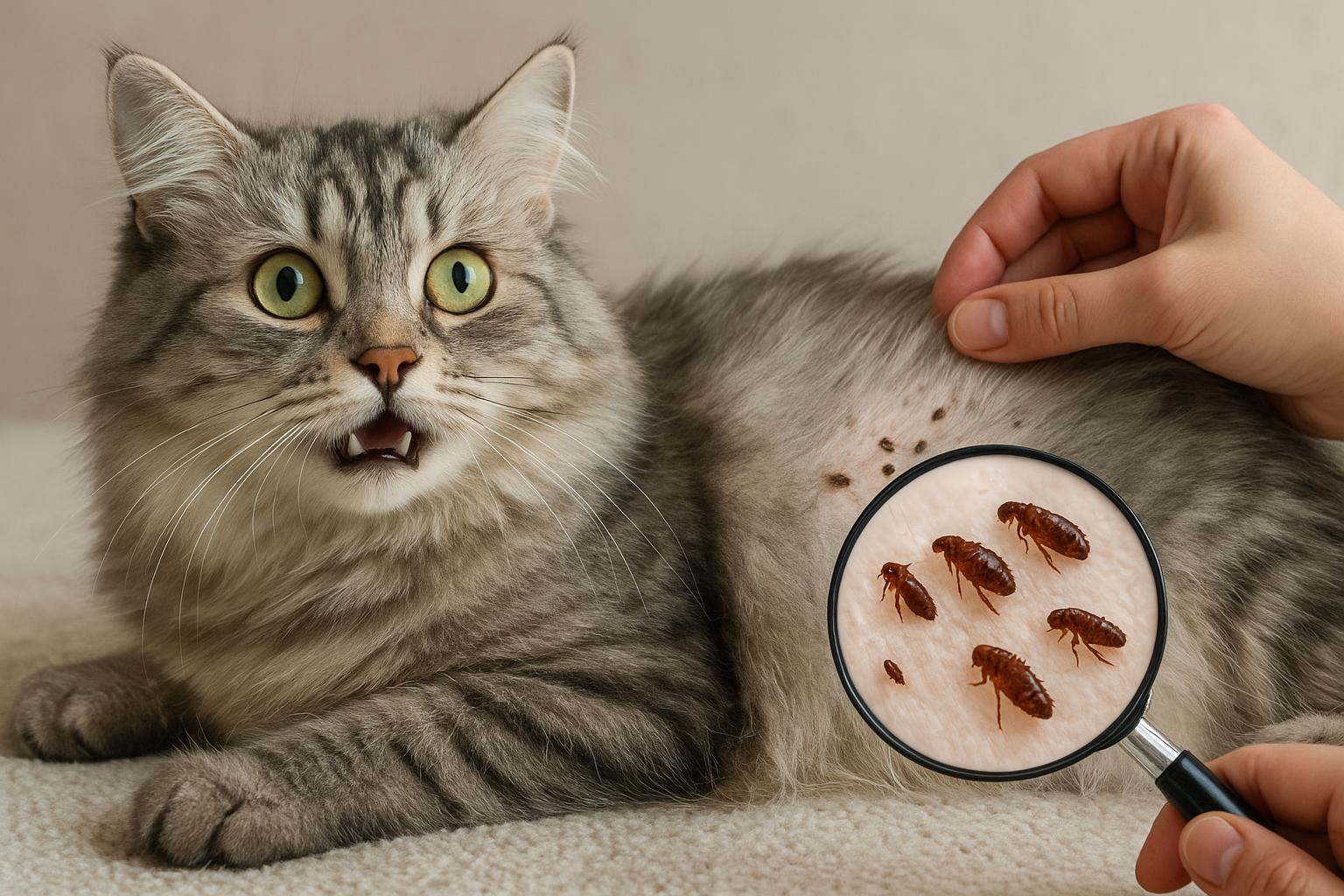
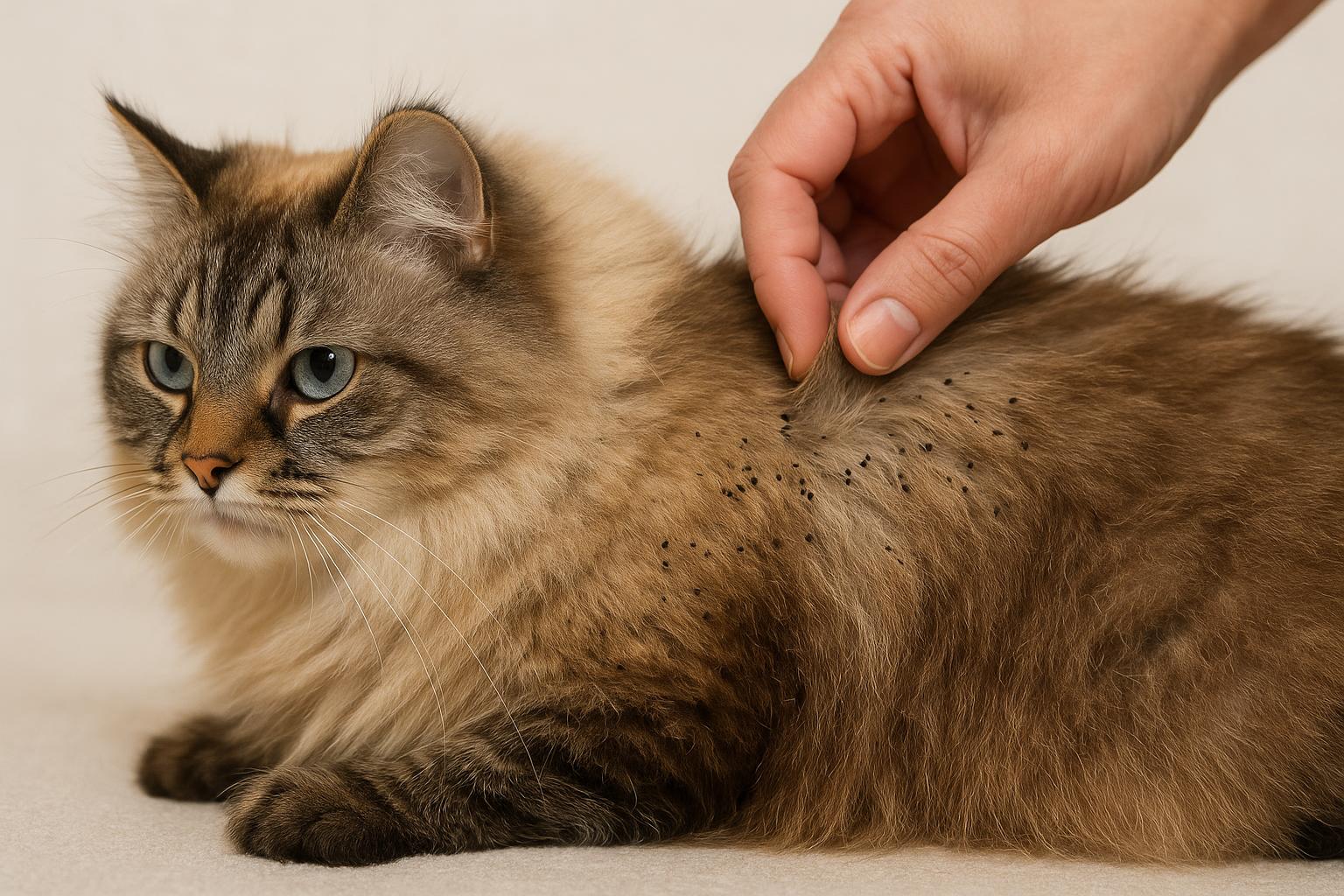
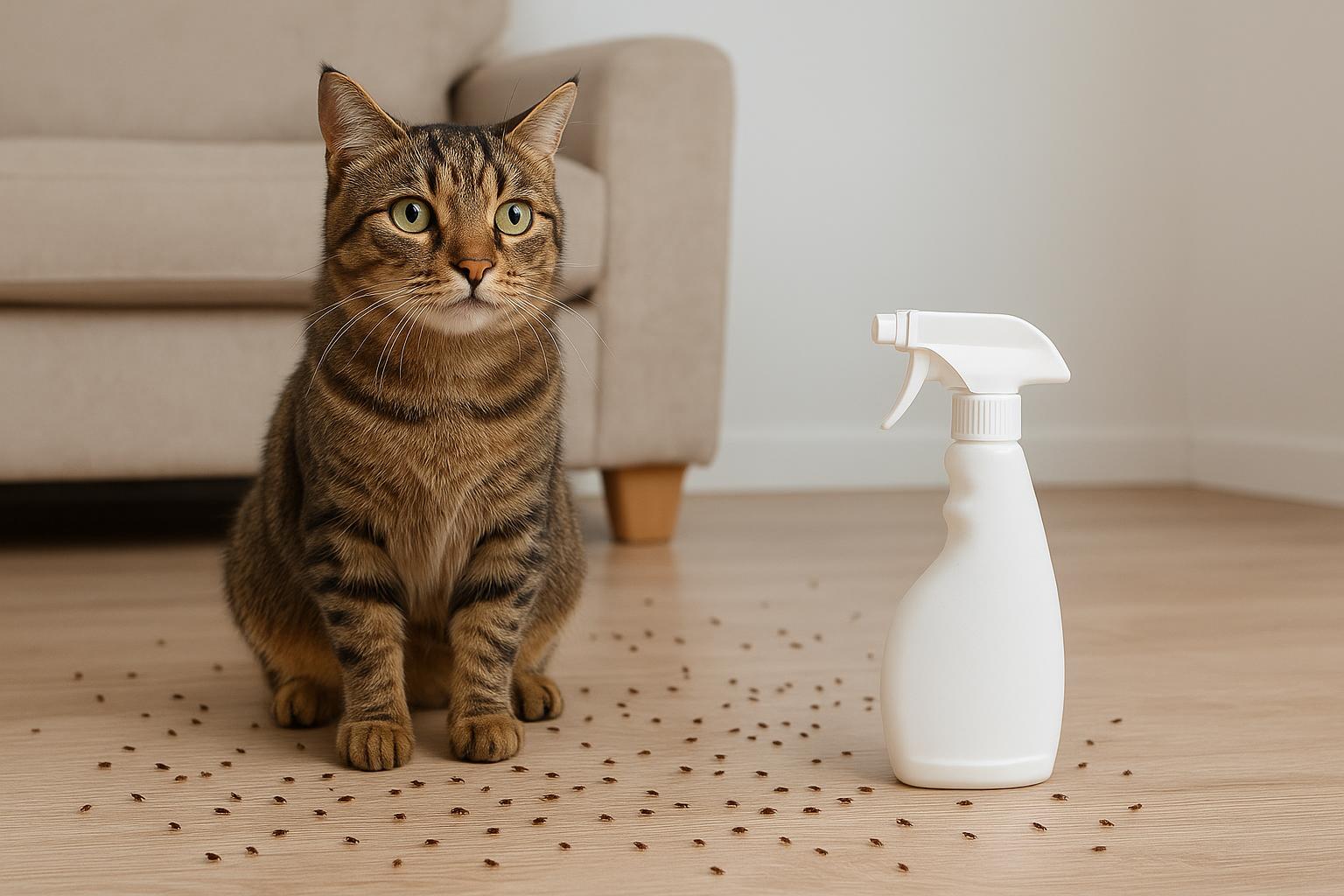
Look for clustering of small red bites, often around ankles in people, and continuous scratching, hair loss, or inflamed skin on pets. In pets, check for flea dirt (tiny black specks that turn red when wet), pale gums (a sign of anemia), or patchy fur. Human reactions vary — some are barely bothered, others develop itchy papules or blistering. If bites become infected or symptoms escalate, seek medical or veterinary attention.
## Preventive Yard Practices To Reduce Flea Pressure
A proactive yard approach reduces the number of fleas that can find your pet or family. Start with habitat modification: keep grass short, remove leaf litter and brush piles, and avoid overwatering shady areas where flea larvae thrive. Create a sun-exposed perimeter where possible — fleas prefer humid, shaded microclimates.
#### Vegetation And Moisture Management
Trim groundcover and thin dense shrubs that retain moisture. Replace heavy mulch near pet play areas with harder-to-harbor surfaces like pea gravel or paving stones. Redirect irrigation so that frequently used pet routes dry within hours rather than staying damp overnight.
#### Host Management And Exclusion
Discourage wildlife hosts: secure trash, don’t leave pet food outdoors, and close off crawl spaces and areas beneath decks where critters may den. If neighborhood wildlife are a persistent problem, consult local wildlife control for humane exclusion options; reducing host presence dramatically lowers the chance of flea reintroduction.
## Remedy 1: Beneficial Nematodes For Yard Control
Materials/Ingredients
– Pack of beneficial nematodes (Steinernema carpocapsae or Heterorhabditis bacteriophora; buy from a reputable supplier)
– Wide-mouth bucket or watering can
– Garden sprayer (pump sprayer) — optional but helpful
– Clean water (not chlorinated if possible; tap is usually fine if allowed to sit)
– Protective gloves and eye protection
Step-By-Step Application (Formal Instructions)
1. Purchase the correct nematode species for surface-dwelling flea larvae; confirm storage and viability dates. Nematodes are living organisms and must be used fresh.
2. Plan to apply in the evening or on an overcast day. Sunlight and heat will kill nematodes; moist, cool conditions maximize success.
3. Mix nematodes per the supplier’s instructions. Typical rates vary, but a common recommendation is one billion nematodes per 1,000 sq ft for heavy infestations. Use cool water and mix gently to avoid shearing the organisms.
4. Fill a pump sprayer or watering can with the nematode solution. If using a sprayer, use a coarse nozzle to prevent clogging.
5. Apply evenly to target areas: shady lawns, under bushes, along foundation edges, and any known pet paths. Keep spray close to the ground to minimize drift.
6. After application, water the treated area lightly to move nematodes into the soil surface and maintain moisture for 48–72 hours. Do not let the soil dry out.
7. Reapply according to product guidelines, typically every 2–4 weeks for two or three applications during peak flea season.
8. Store unused nematodes in refrigeration per supplier guidance and use before expiration.
Safety And Efficacy Notes: Beneficial nematodes are safe for people, pets, and plants when used correctly. They reduce flea larvae in soil but do not affect adult fleas on animals, so pair this remedy with pet-based controls.
## Remedy 2: Indoor Control And Pet Treatment Protocol
Materials/Ingredients
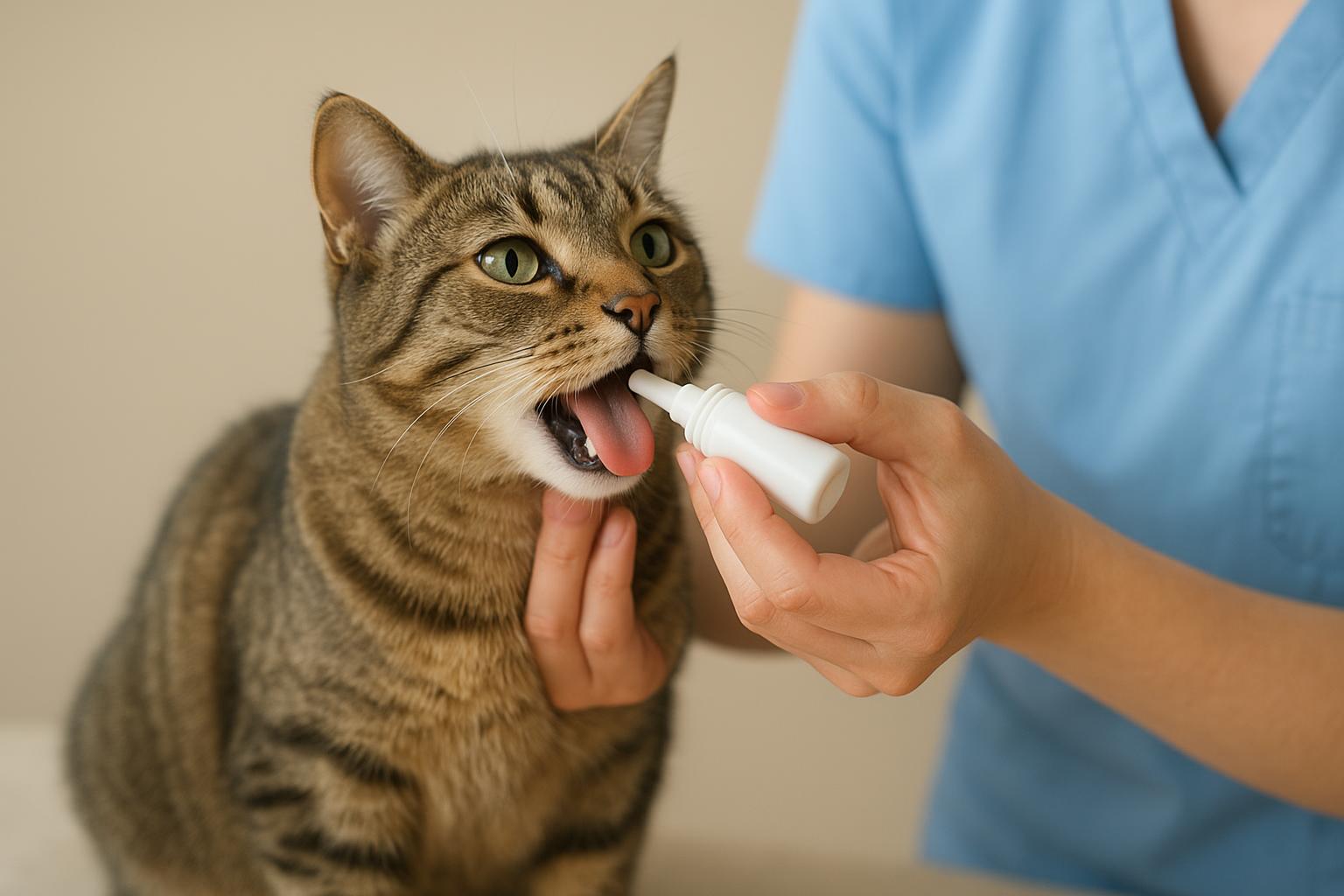
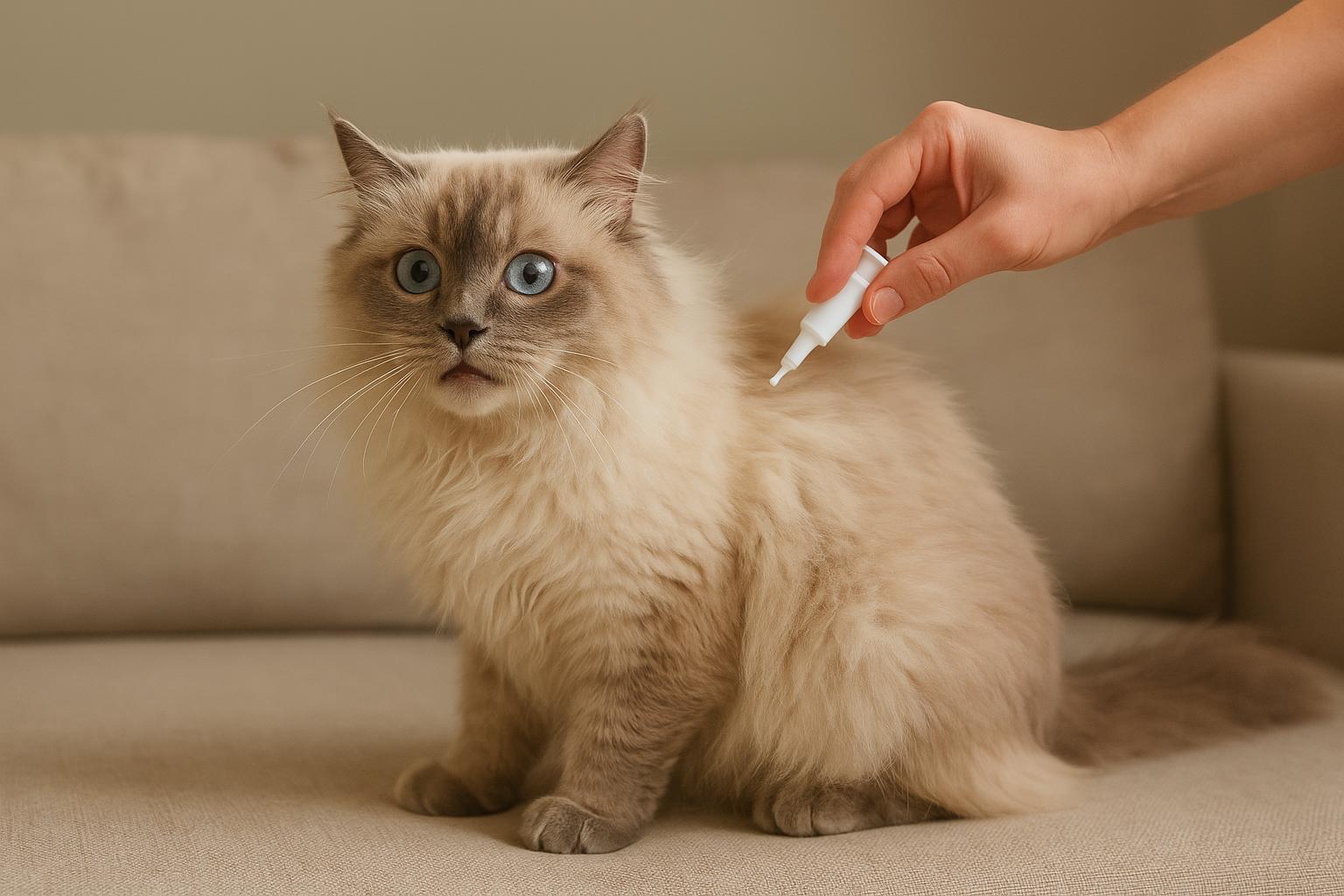
– Vet-approved flea treatment for pets (topical spot-on or oral systemic — consult your veterinarian)
– Flea comb and gloves
– Vacuum cleaner with HEPA or strong suction and brush attachments
– Laundry detergent and hot water access
– Insect growth regulator (IGR) spray or product labeled for indoor use (pyriproxyfen or methoprene)
– Professional-grade flea spray (pyrethroid-based or as recommended), if needed and labeled for indoor use
– Sealable plastic bags for debris disposal
Step-By-Step Application (Formal Instructions)
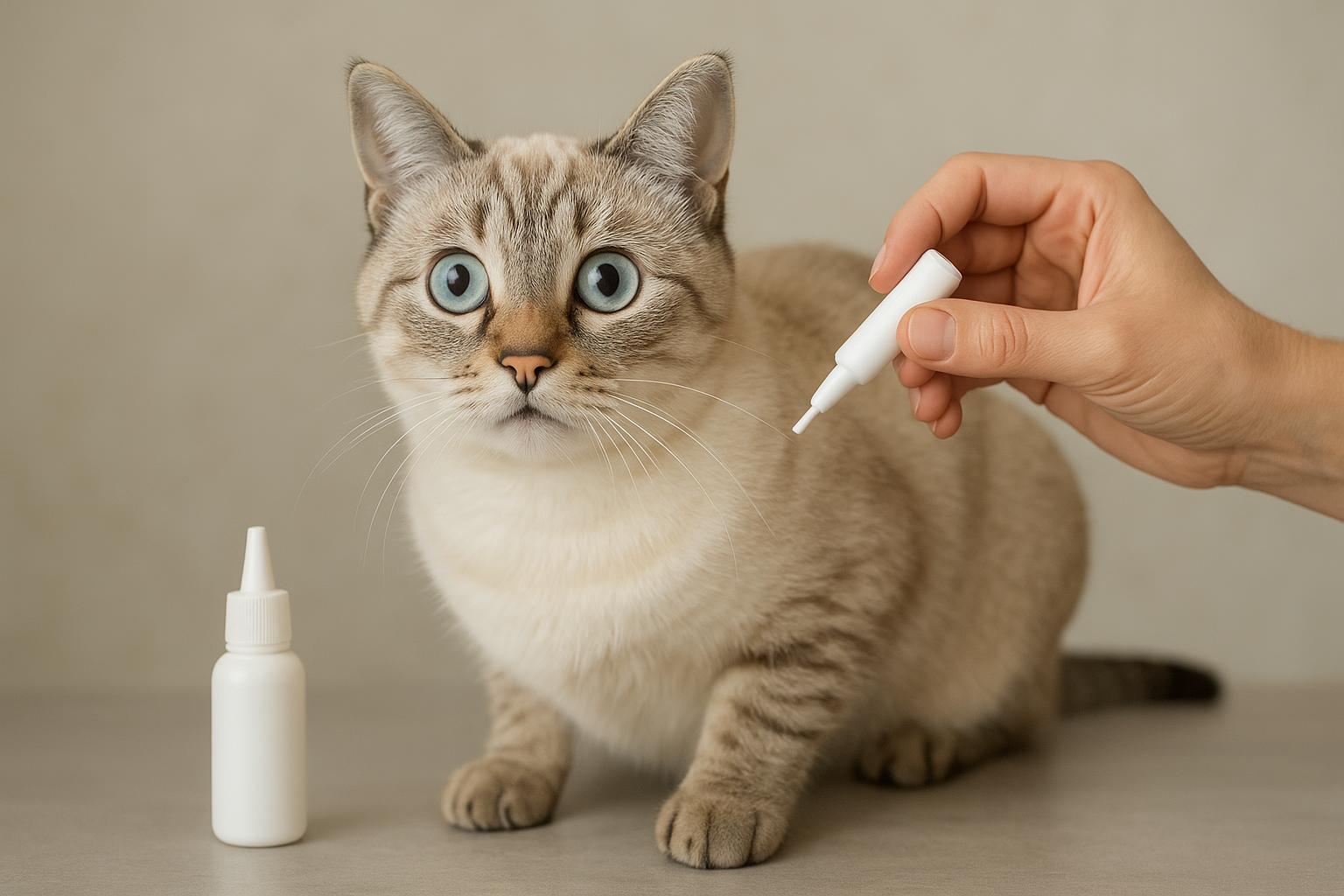
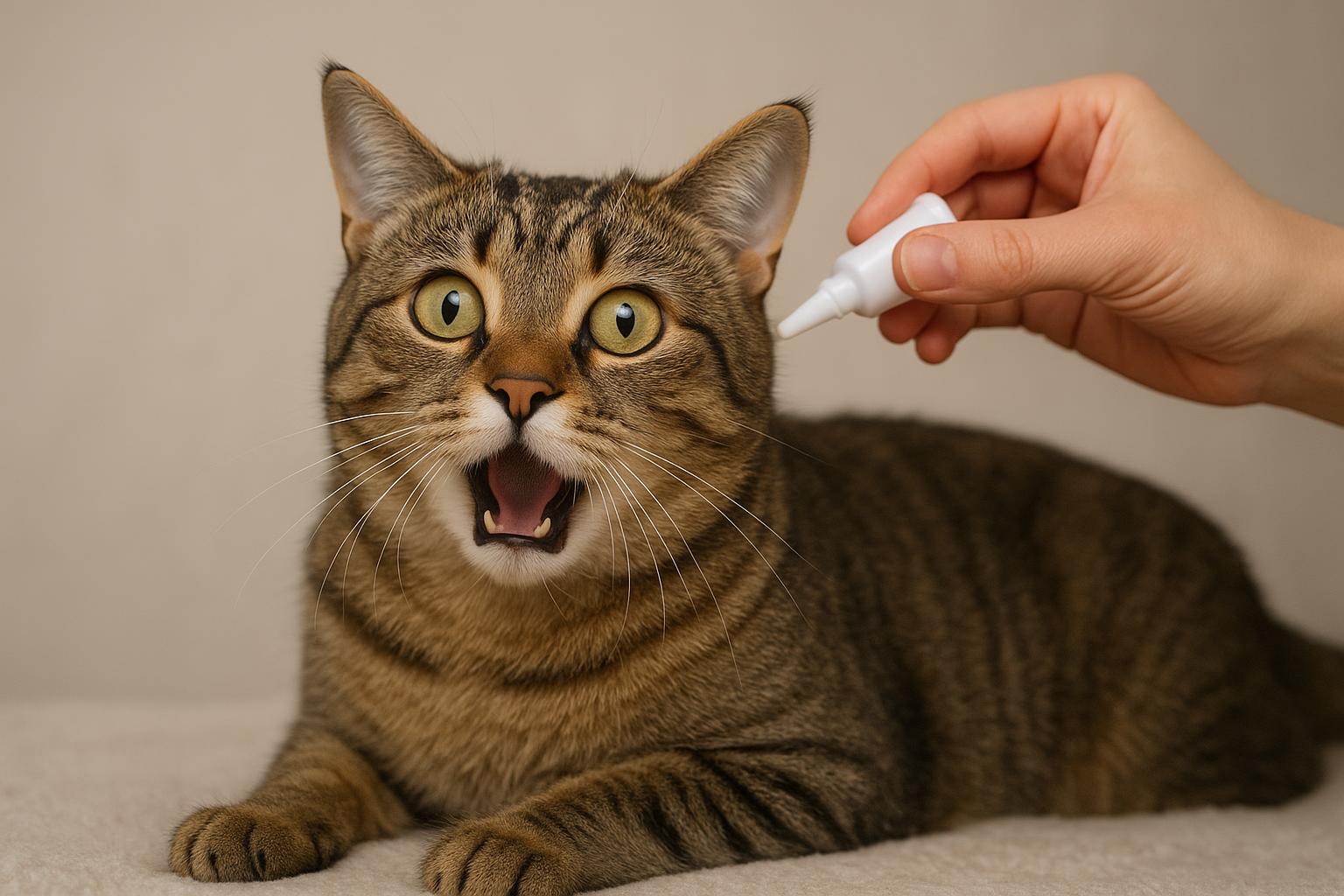
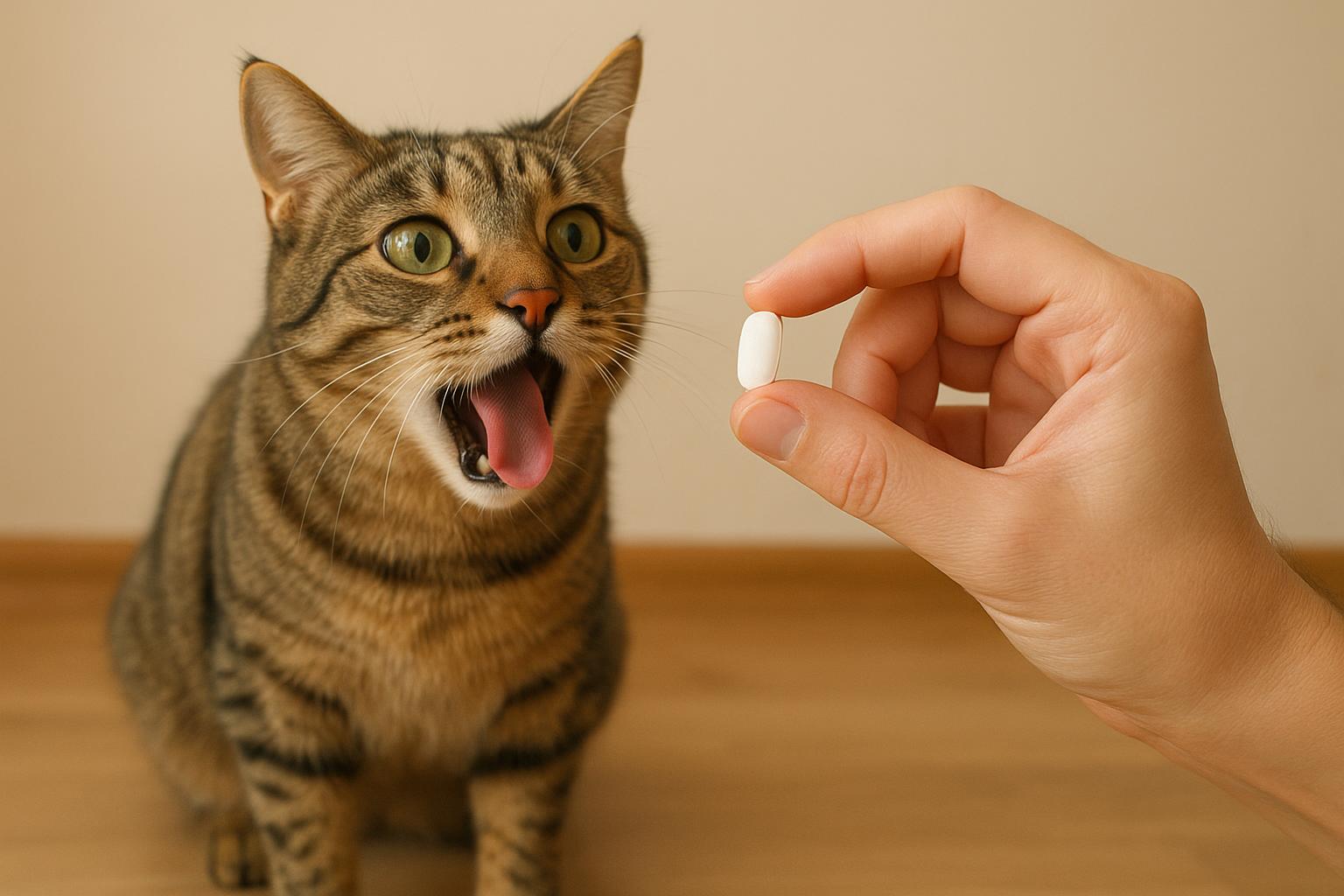
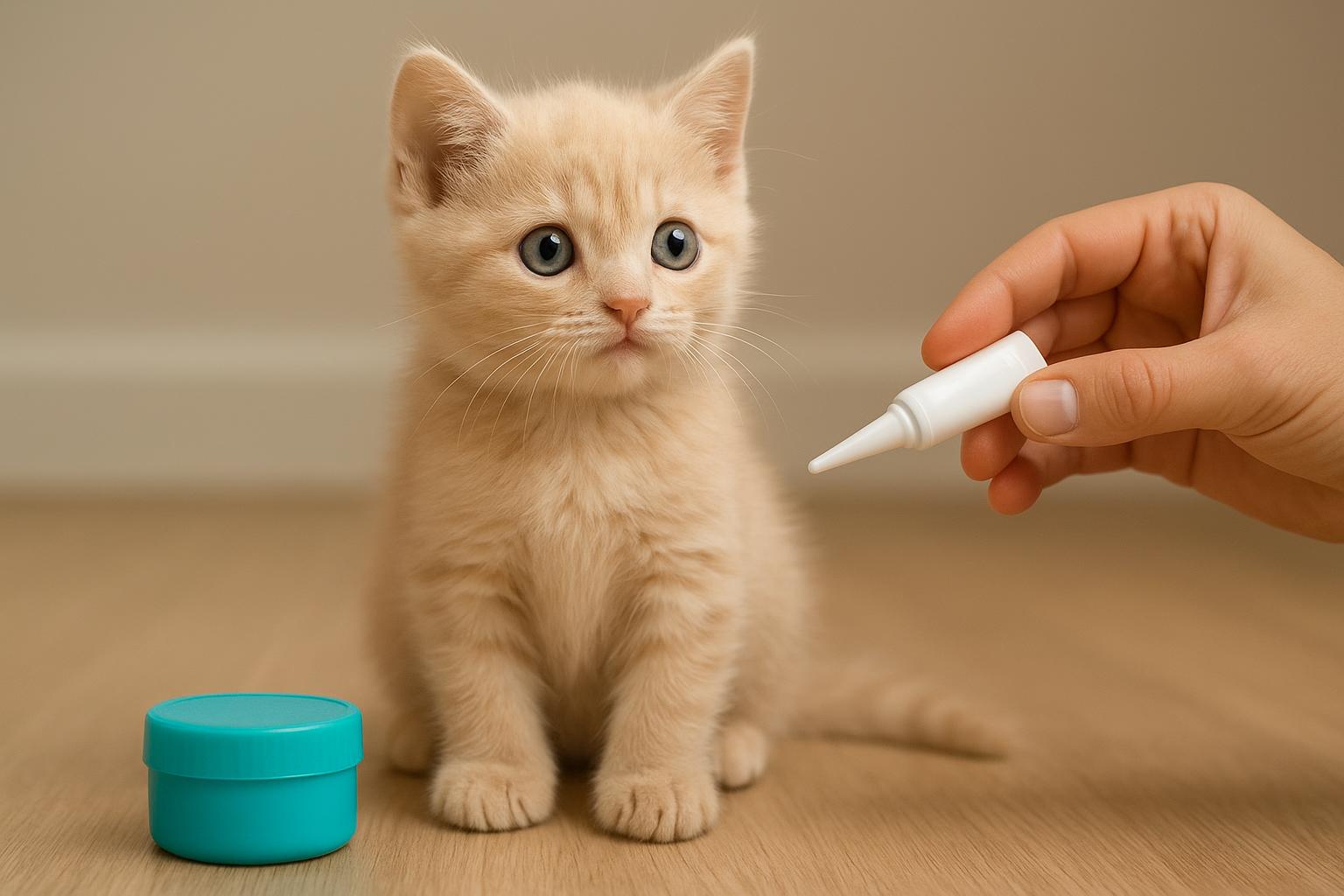
1. Consult a veterinarian to select an appropriate flea control product for each pet, taking into account age, weight, health status, and existing medications. Administer treatments exactly according to veterinary direction and product labeling.
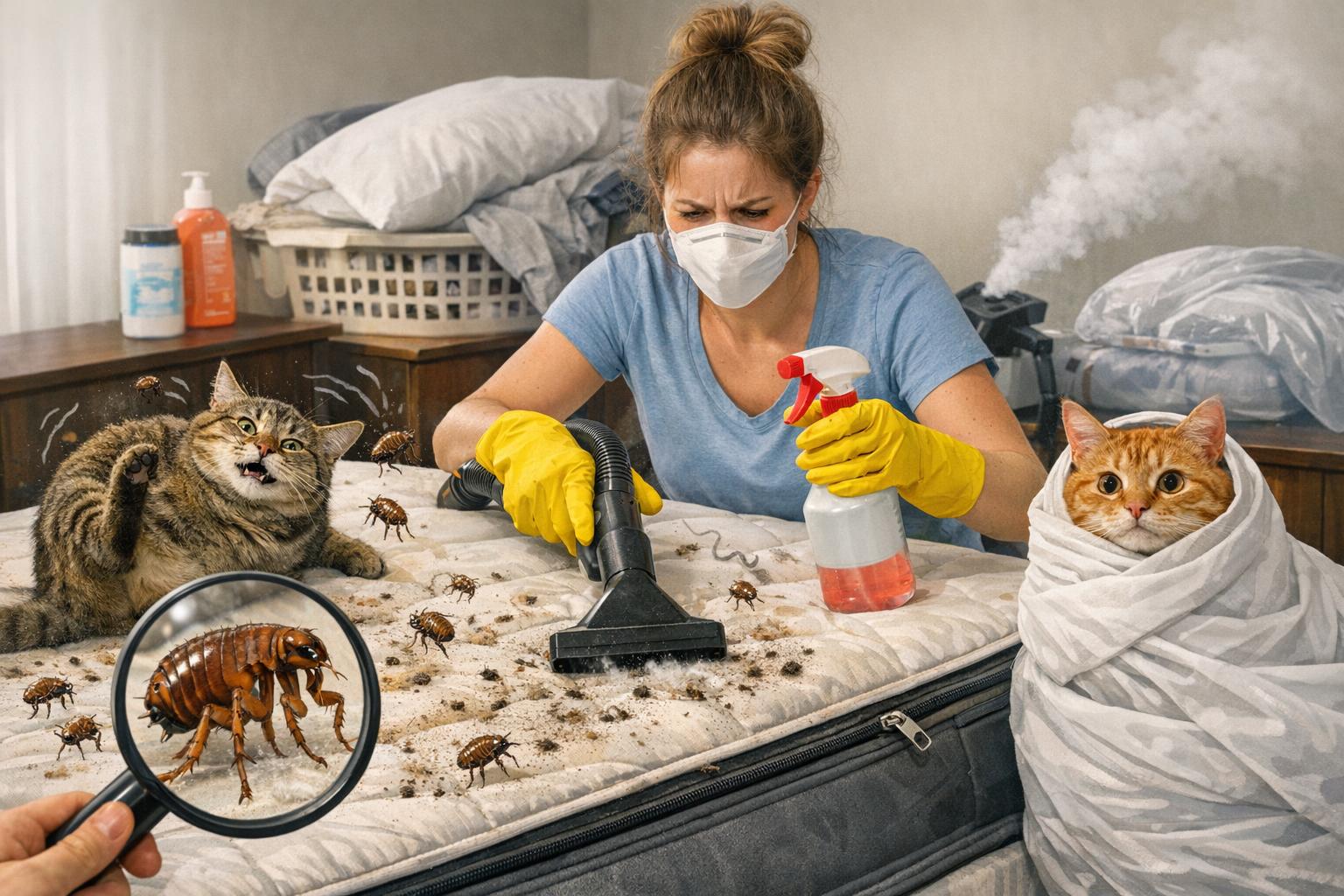
2. Begin indoor environmental control: remove and launder all pet bedding, human bedding in affected rooms, and washable throws in hot water and high heat drying to kill eggs, larvae, and adults.
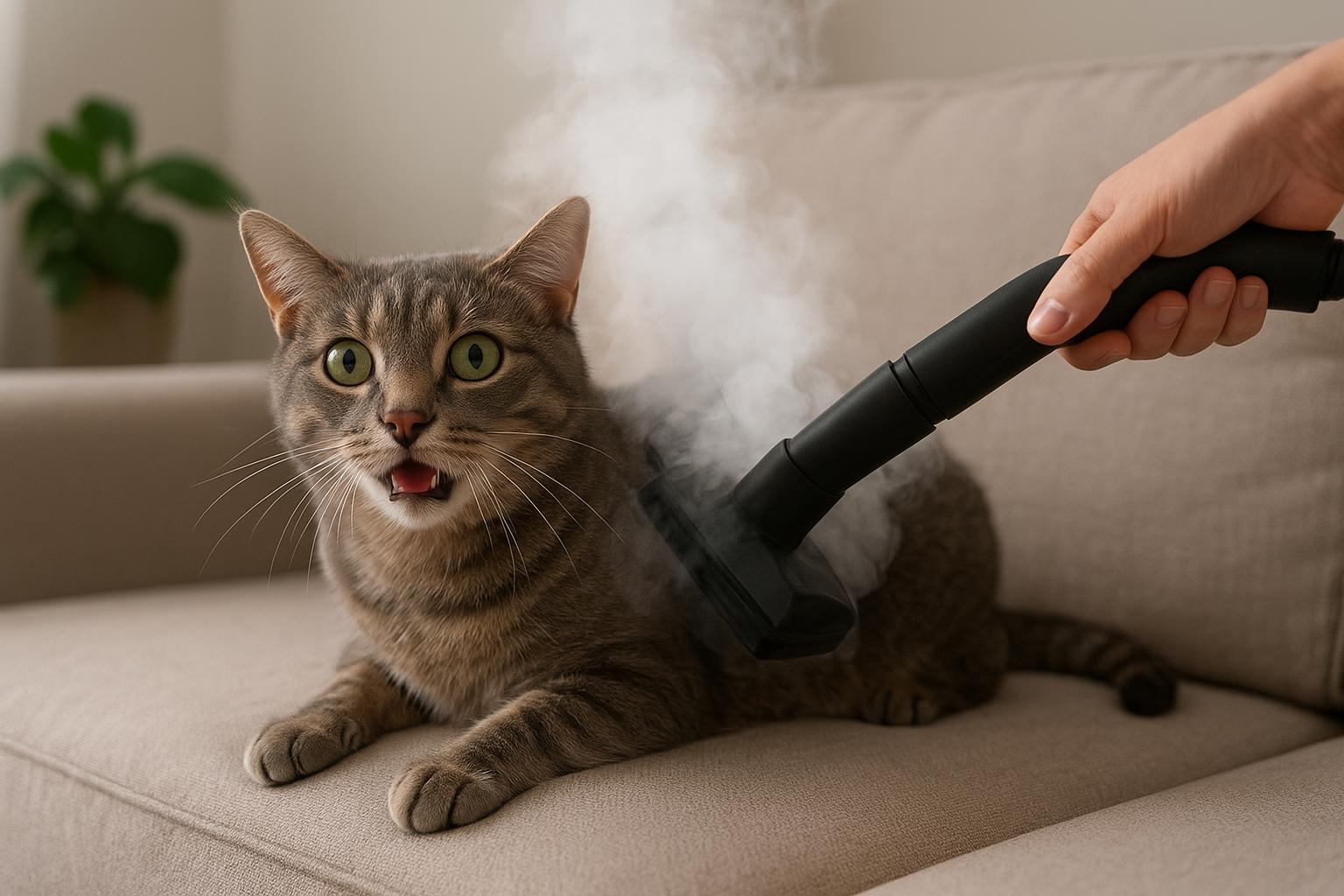
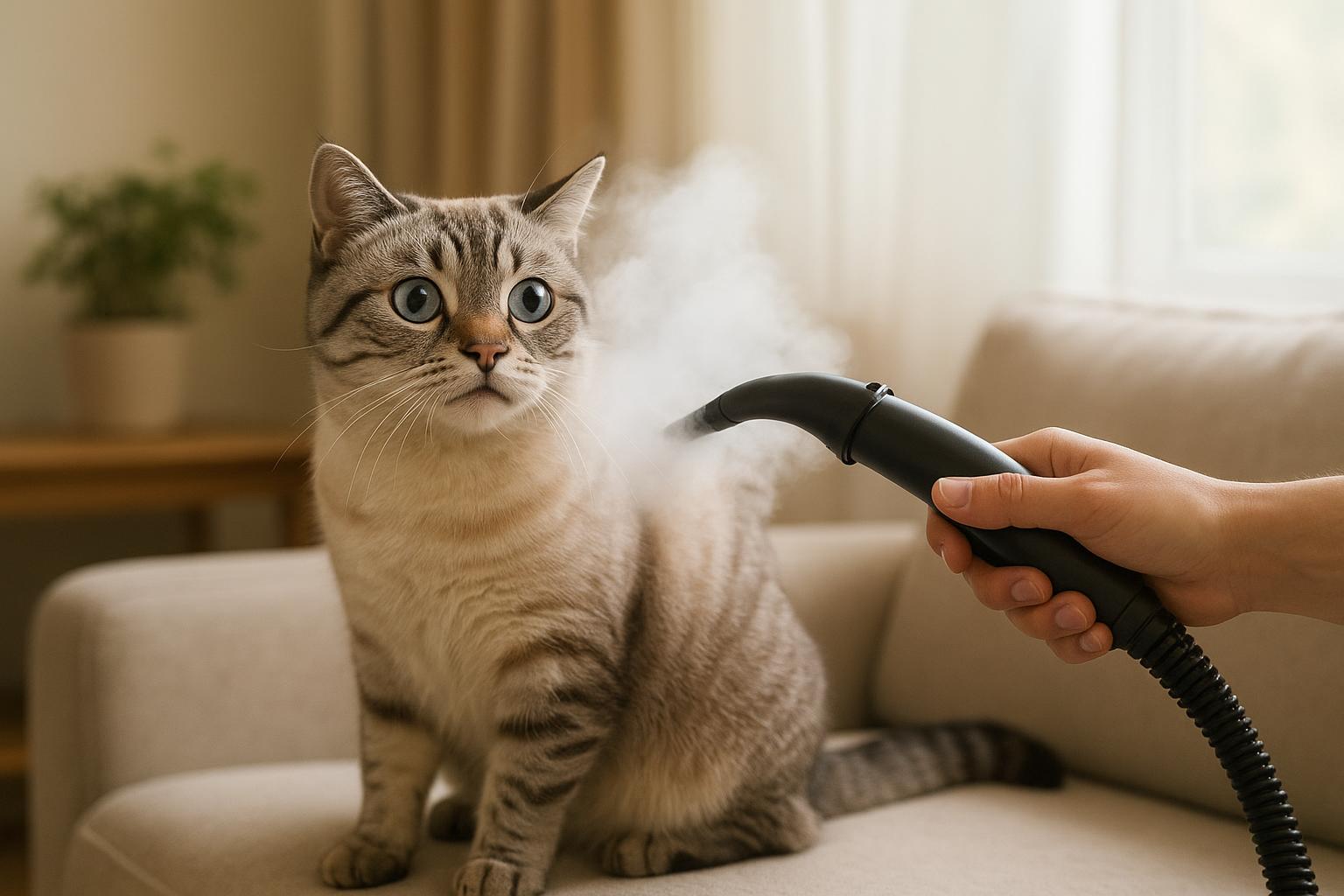
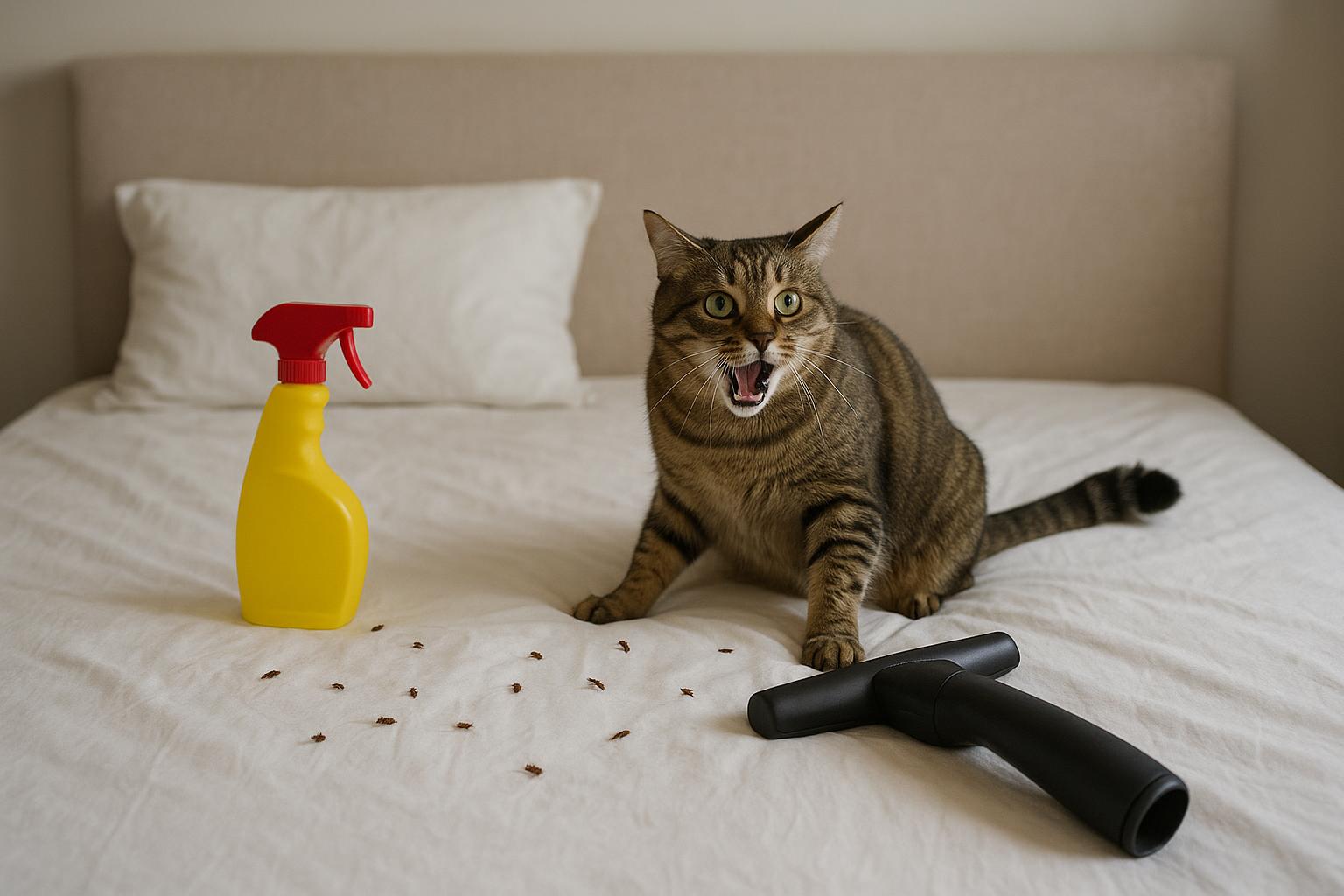
3. Vacuum thoroughly — carpets, rugs, upholstered furniture, along baseboards, and crevices. Focus on areas where pets nap and human traffic is highest. Use attachments to agitate fibers and remove eggs and larvae. Empty vacuum canister or sealed bag outdoors immediately; seal and dispose of contents.
4. After vacuuming, apply an IGR product according to label instructions to carpets, rugs, and furniture where fleas are suspected. IGRs prevent immature stages from developing into biting adults and are essential for breaking the lifecycle.
5. If adult flea populations remain, consider a labeled indoor insecticide spray for targeted application to cracks, crevices, and baseboards — follow label safety precautions, especially regarding children and pets.
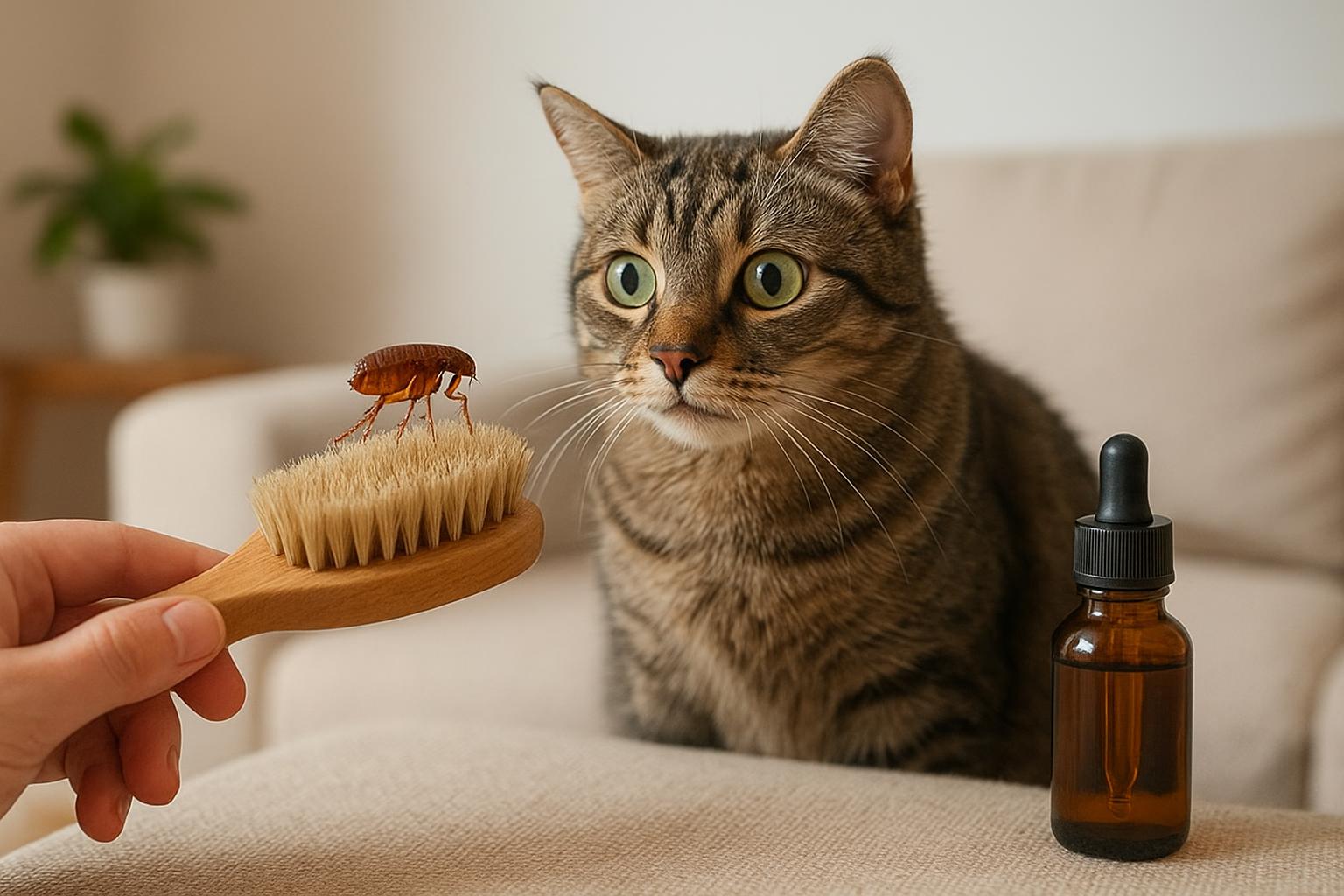
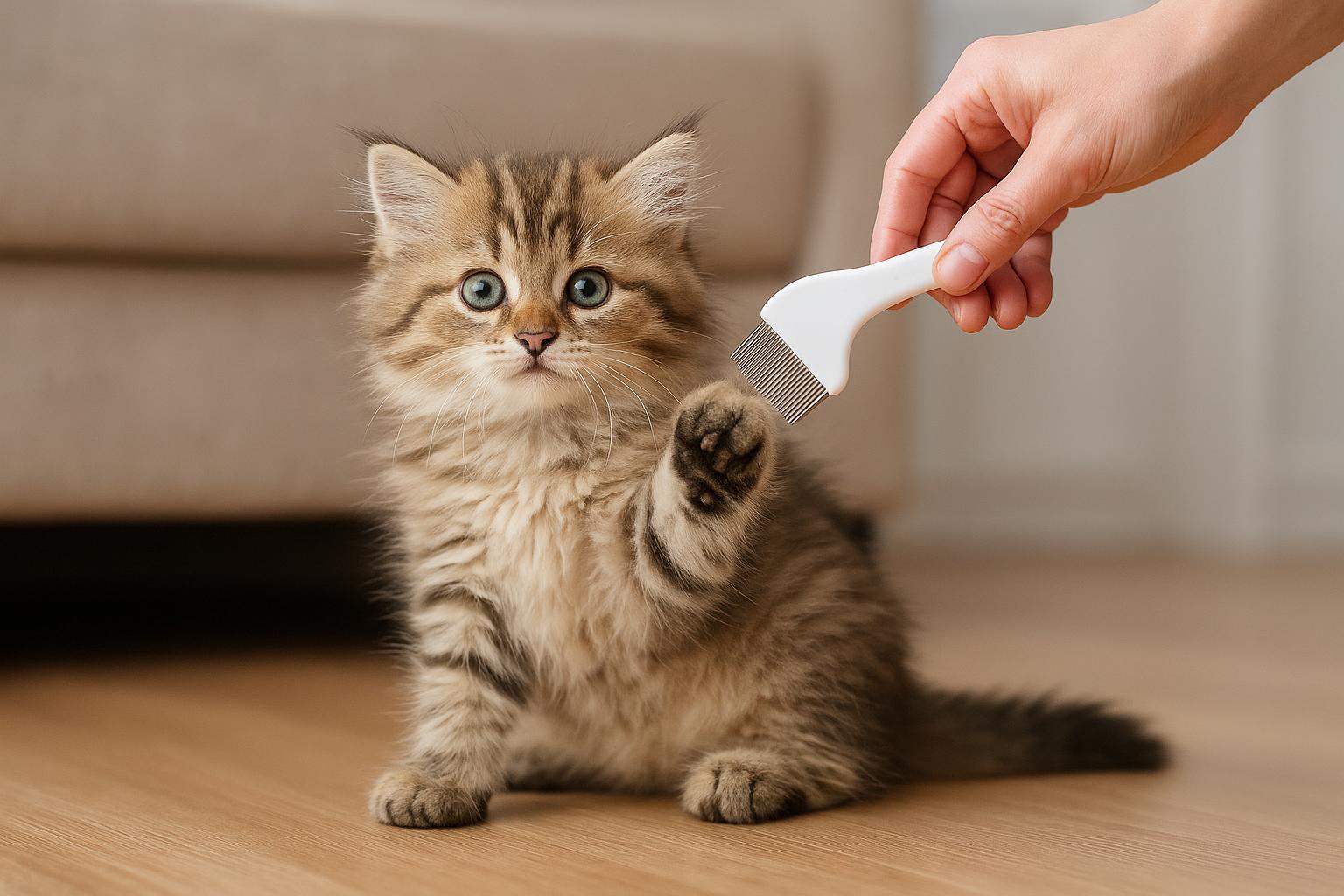
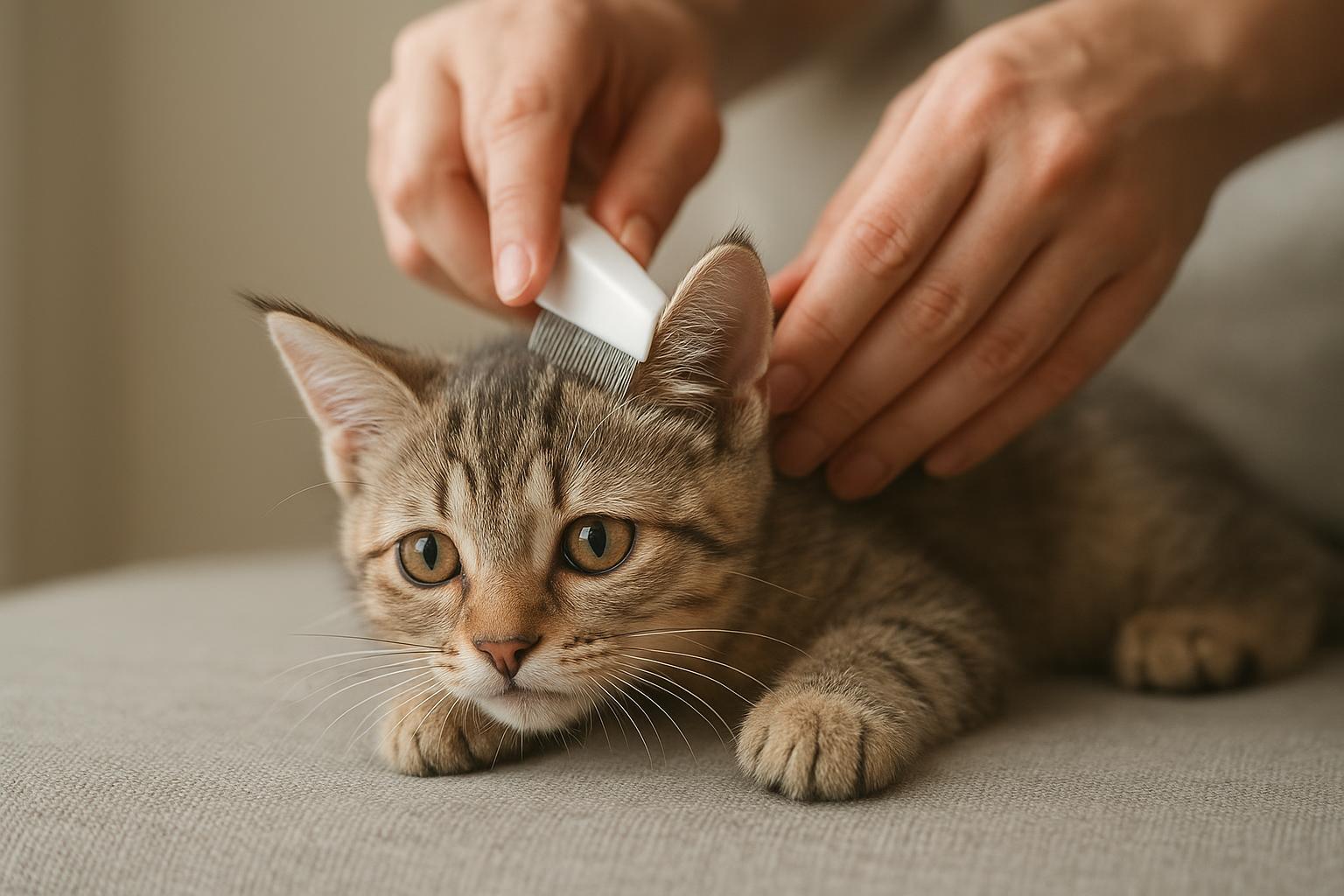
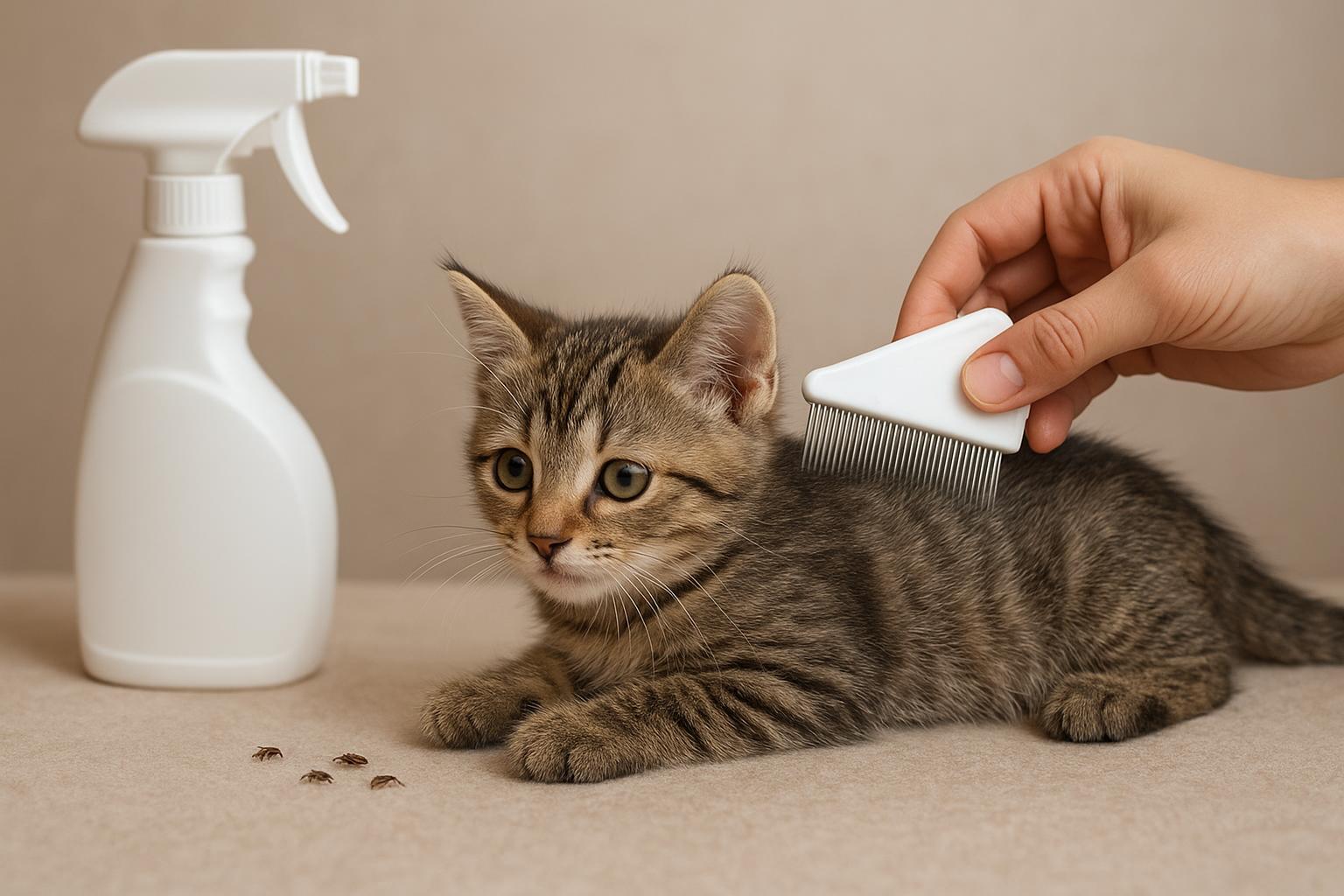
6. Comb pets daily with a fine-tooth flea comb to remove adults and flea dirt; drop captured fleas into soapy water to kill them.
7. Continue pet treatments as prescribed. Many modern systemic options rapidly kill fleas on animals, preventing new eggs from entering the environment.
8. Repeat indoor cleaning and treatment cycles weekly until monitoring shows no live fleas for several weeks. In severe infestations, professional pest control may be necessary.
Safety And Compliance: Always follow label directions for pesticides and consult professionals for heavy or persistent infestations. Never mix products unless explicitly permitted by a veterinarian or pest control professional.
### Monitoring And Ongoing Mitigation
After intervention, regularly check pets with a flea comb, inspect bedding, and note any new bites on family members. Sticky traps or flea traps placed along baseboards can help you monitor adult activity. Maintain quarterly or monthly preventive treatments on pets according to veterinary advice, especially if wildlife movement in your area is unavoidable. Persistent vigilance prevents flea complications from becoming recurrent problems.
### When To Call A Professional
If infestations cover a large area, involve multiple homes, or if pets or family members show severe reactions (anemia, fever, spreading skin infections), seek professional pest control and veterinary/medical care promptly. Pest management professionals can combine targeted insecticides, IGRs, and focused treatments that reduce flea populations faster than DIY measures alone.
Keep in mind that a coordinated approach — environmental control, pet treatment, habitat modification, and monitoring — is the most effective way to minimize flea complications and restore a peaceful backyard (and household).










Leave a Reply