
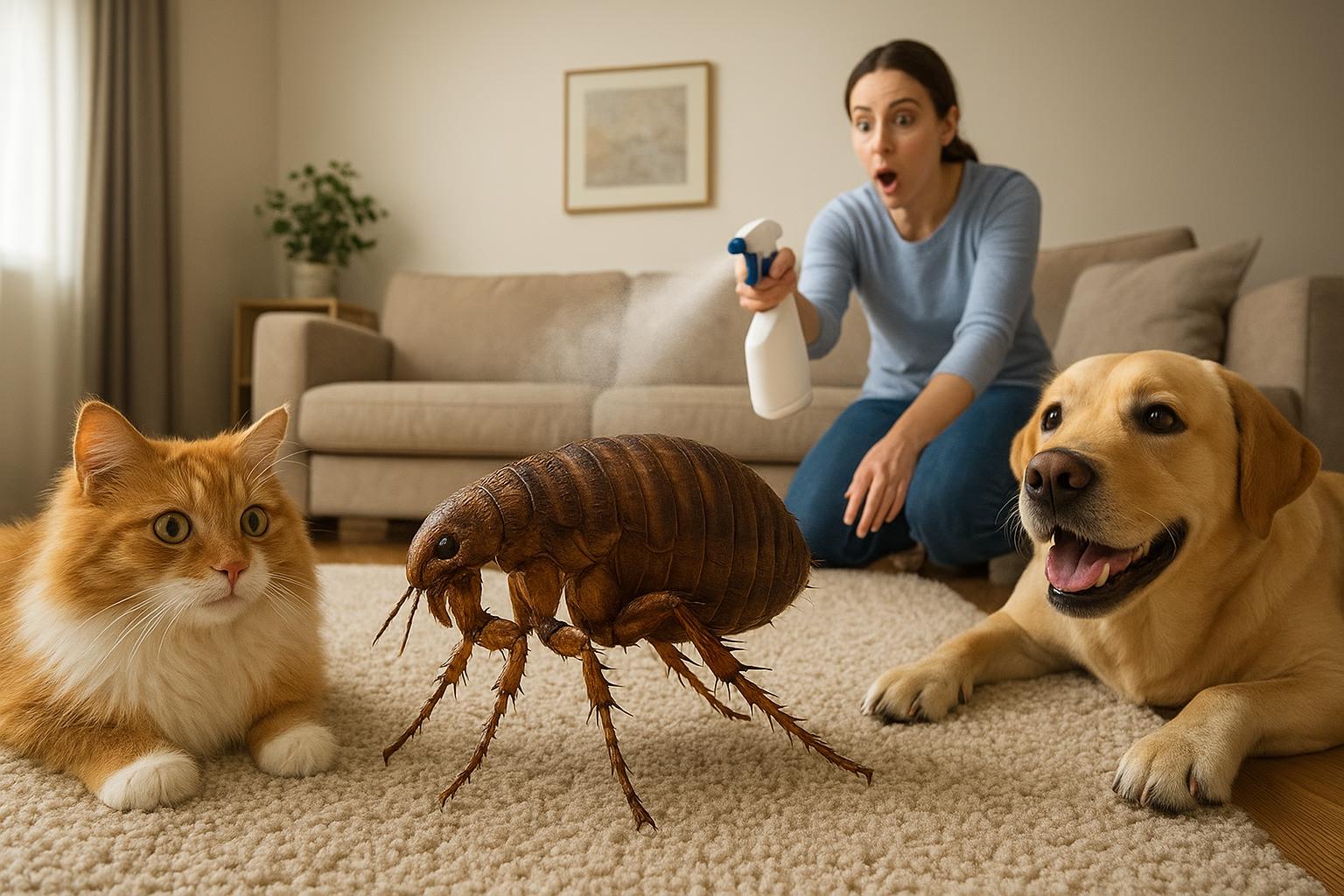
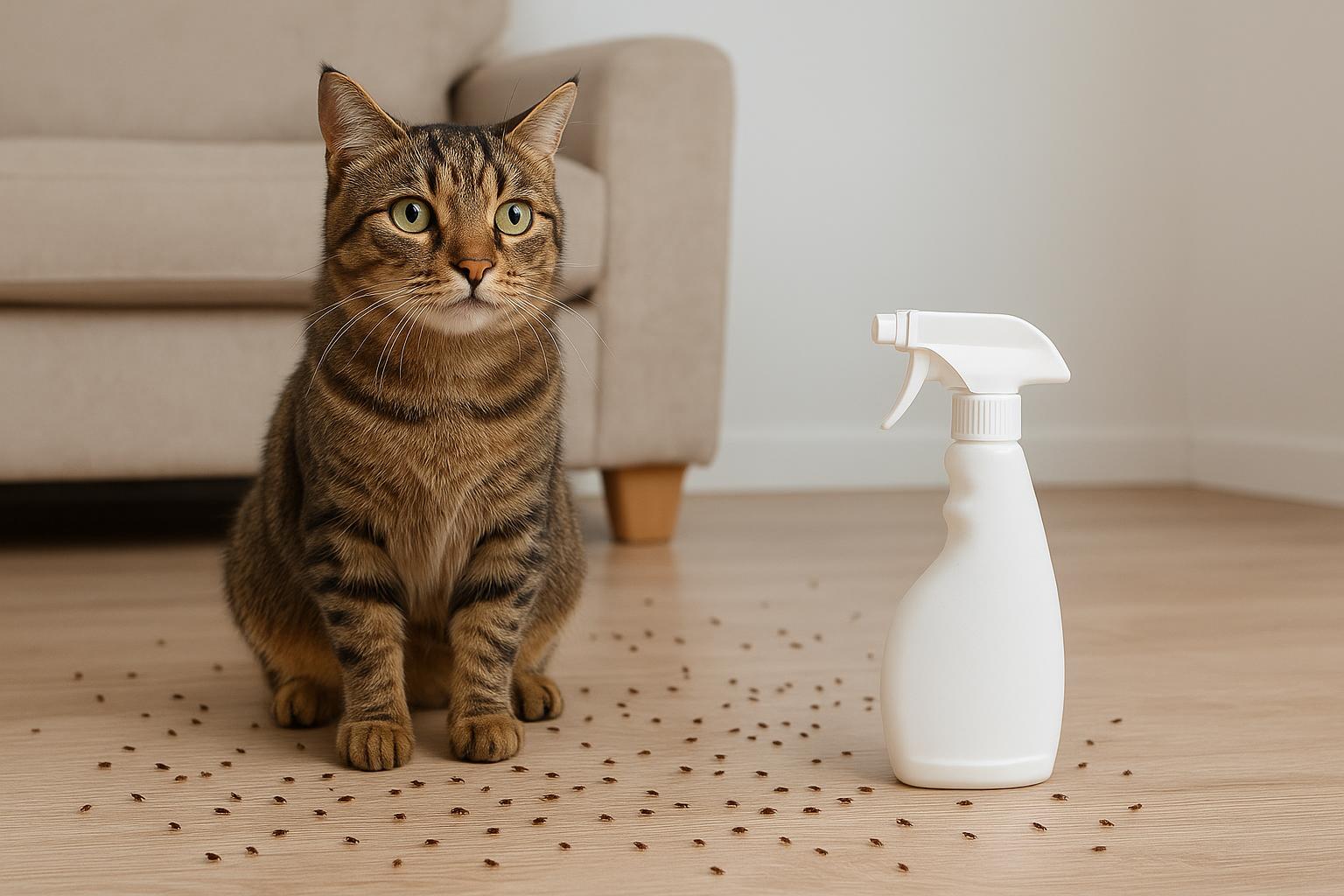
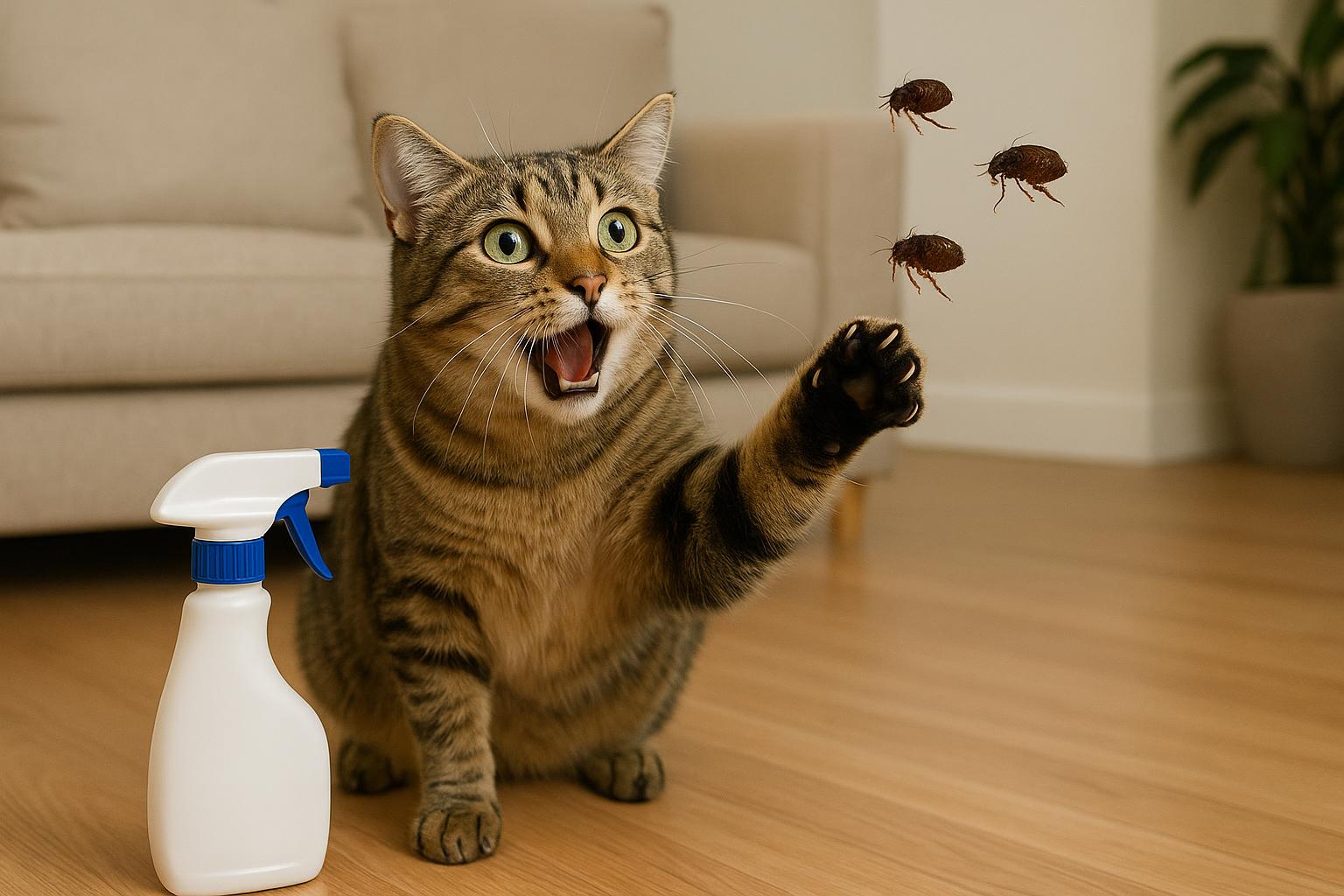
You’ve probably felt a tiny hop on your ankle and wondered if your home has secretly become a flea amusement park. Relax — that itch doesn’t have to lead to an all-out siege. Understanding how long fleas live and what keeps them thriving indoors is the first smart step toward getting your house back to being flea-free.
## Understanding Flea Lifespan In Your Home For Flea Control
Fleas aren’t just tiny nuisances; their lifecycle and behavior determine how long an infestation will persist. The term flea lifespan generally refers to how long an individual flea lives from egg to death under the environmental conditions in your home. In a warm, humid house with pets and carpets, fleas can complete their lifecycle quickly and persist for months. In cooler or drier environments, development slows and some stages can lie dormant waiting for a host. Knowing the typical timings and the environmental hooks fleas use will help you interrupt that cycle effectively.
### What Makes Fleas Tick: The Four Life Stages
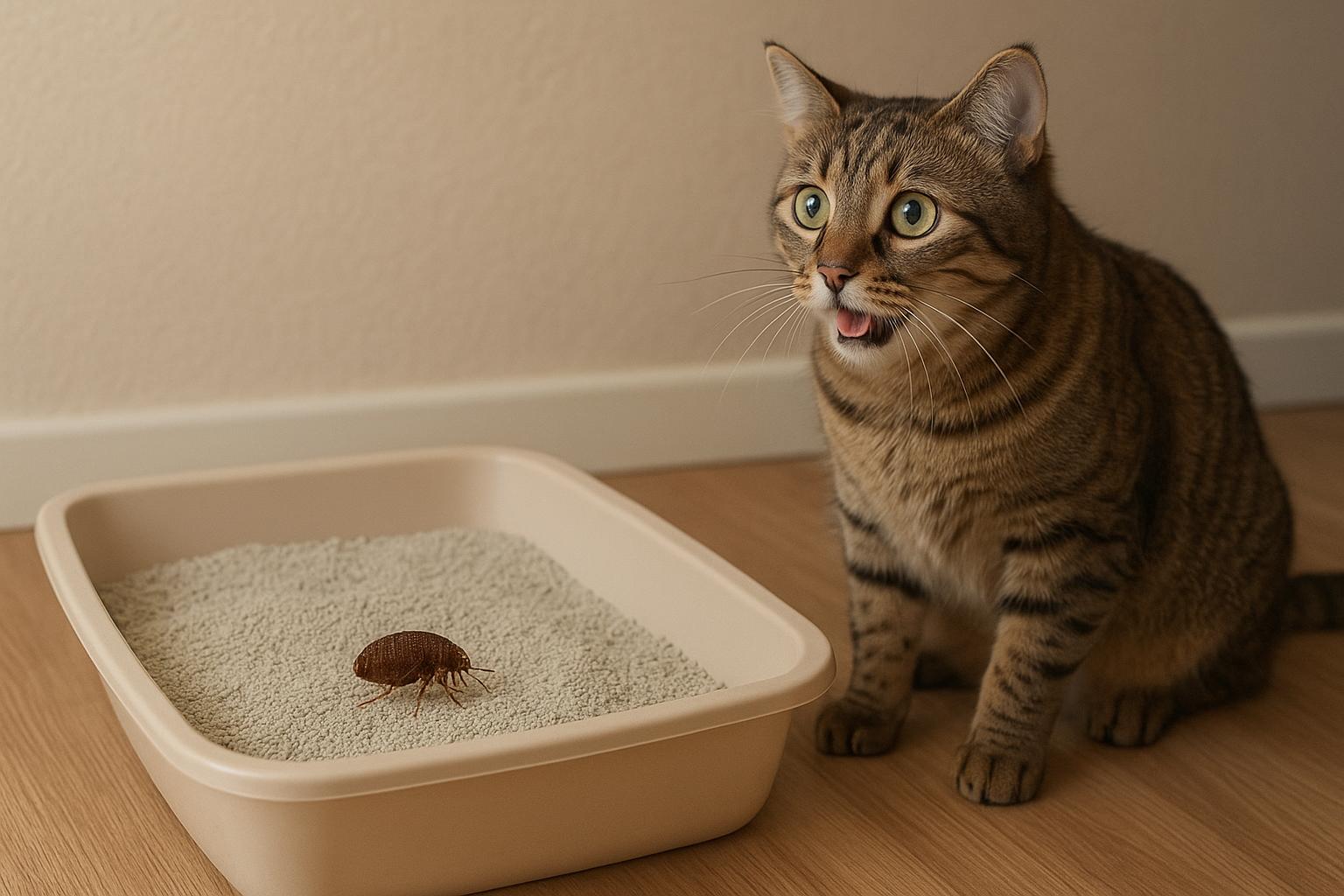
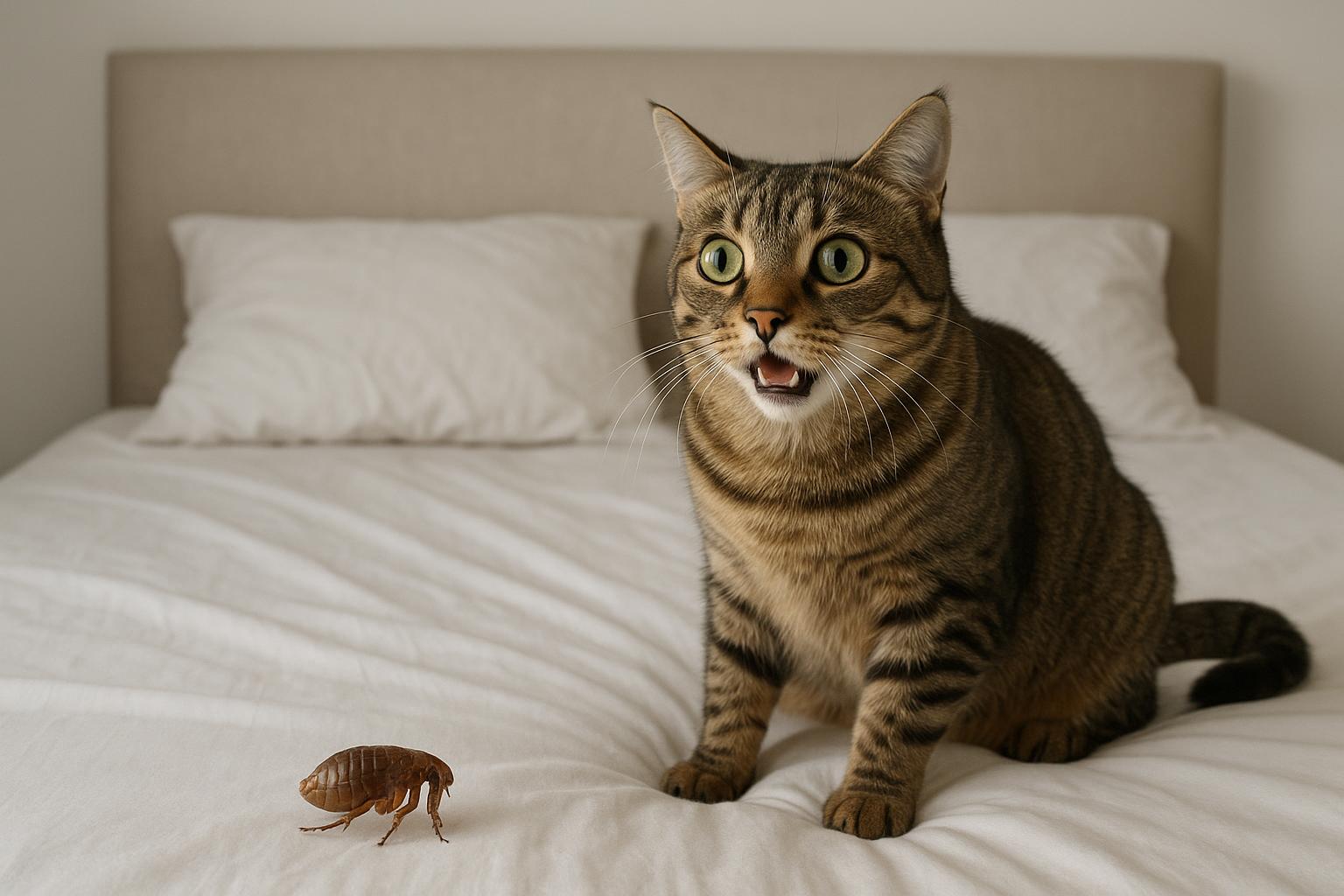
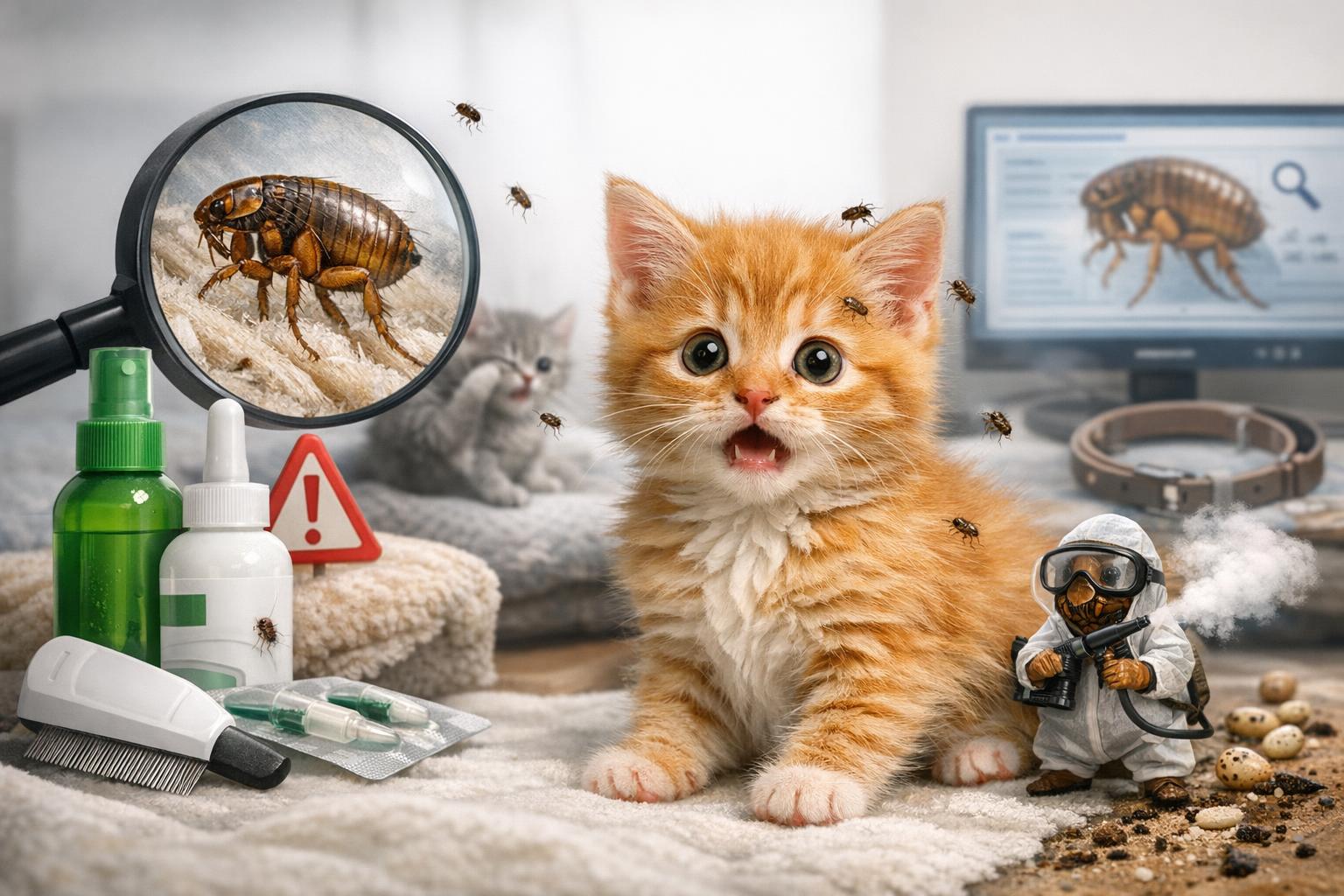
Fleas go through four main stages: egg, larva, pupa, and adult. Eggs are tiny, whitish, and usually fall off the host into carpets, bedding, and pet areas. Larvae are worm-like and feed on organic debris, including adult flea feces (that’s flea dirt). Pupae are encased in cocoons, and this stage is especially resistant to many treatments; adult fleas can emerge from pupae when cues like vibration, heat, or carbon dioxide indicate a host nearby. Adults live to feed and reproduce, and females lay eggs after a blood meal.
### Typical Timelines You Need To Know
Under ideal indoor conditions (warmth, humidity, and a steady host), a flea can move from egg to reproducing adult in as little as 2–3 weeks. Adult fleas can live several weeks to months on a host, and some pupae can remain dormant for many months until conditions cue emergence. So, when someone asks “what’s the flea lifespan?” the honest answer is: it depends. But because pupae and eggs can hide in carpets and upholstery, infestations commonly last 60–90 days without intervention — often longer if untreated pets or sheltered pupae are present.
### How Environment Affects Flea Lifespan
Temperature and humidity are major drivers. Flea development speeds up at temperatures between about 70–85°F (21–29°C) with moderate humidity. At lower temps, development stalls and adult lifespans may be extended. Dry conditions desiccate eggs and larvae, shortening survival. Indoors, heating and the presence of pets create microclimates where fleas thrive year-round, effectively lengthening the practical flea lifespan you’ll have to manage.
## Signs That Fleas Are Sticking Around
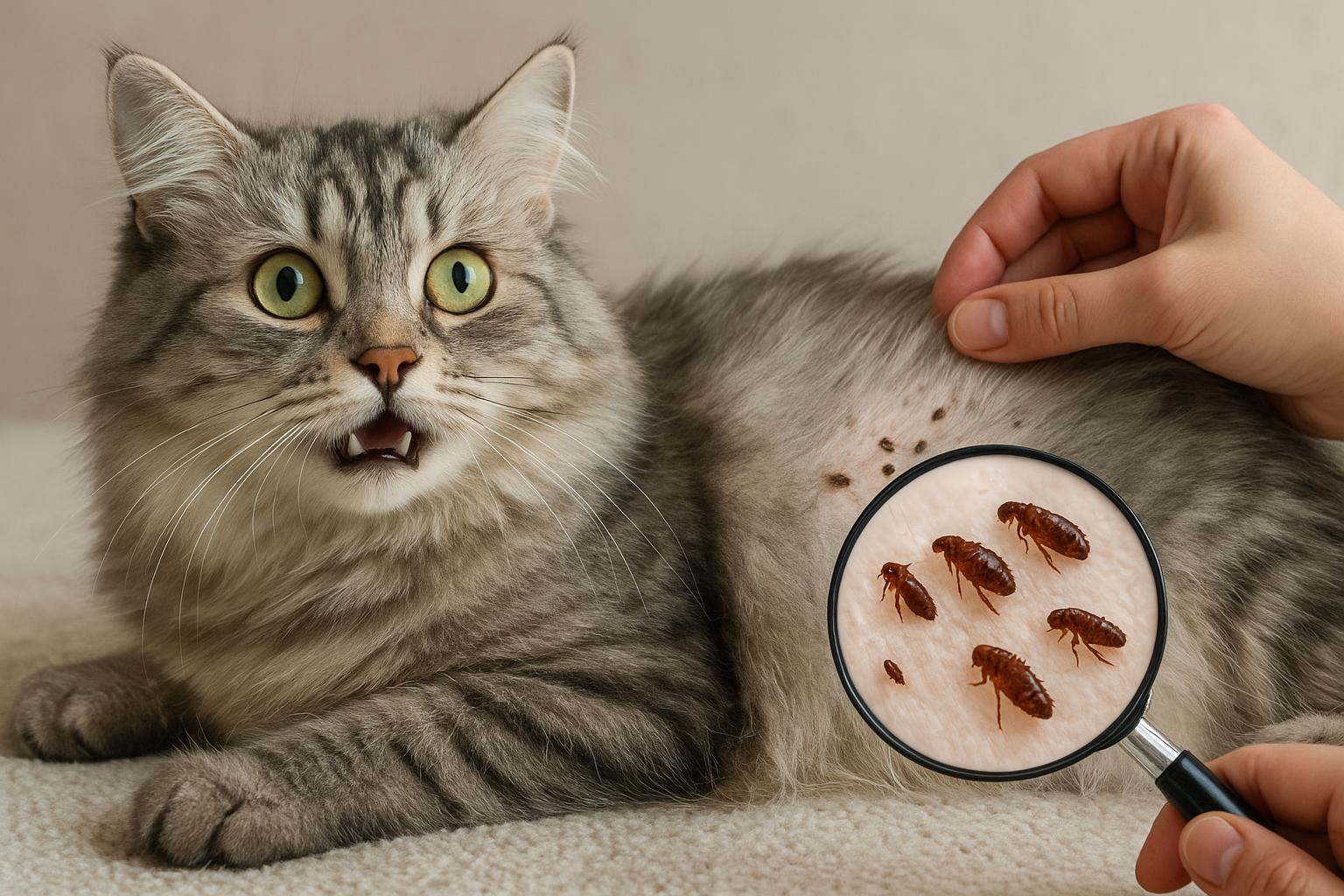
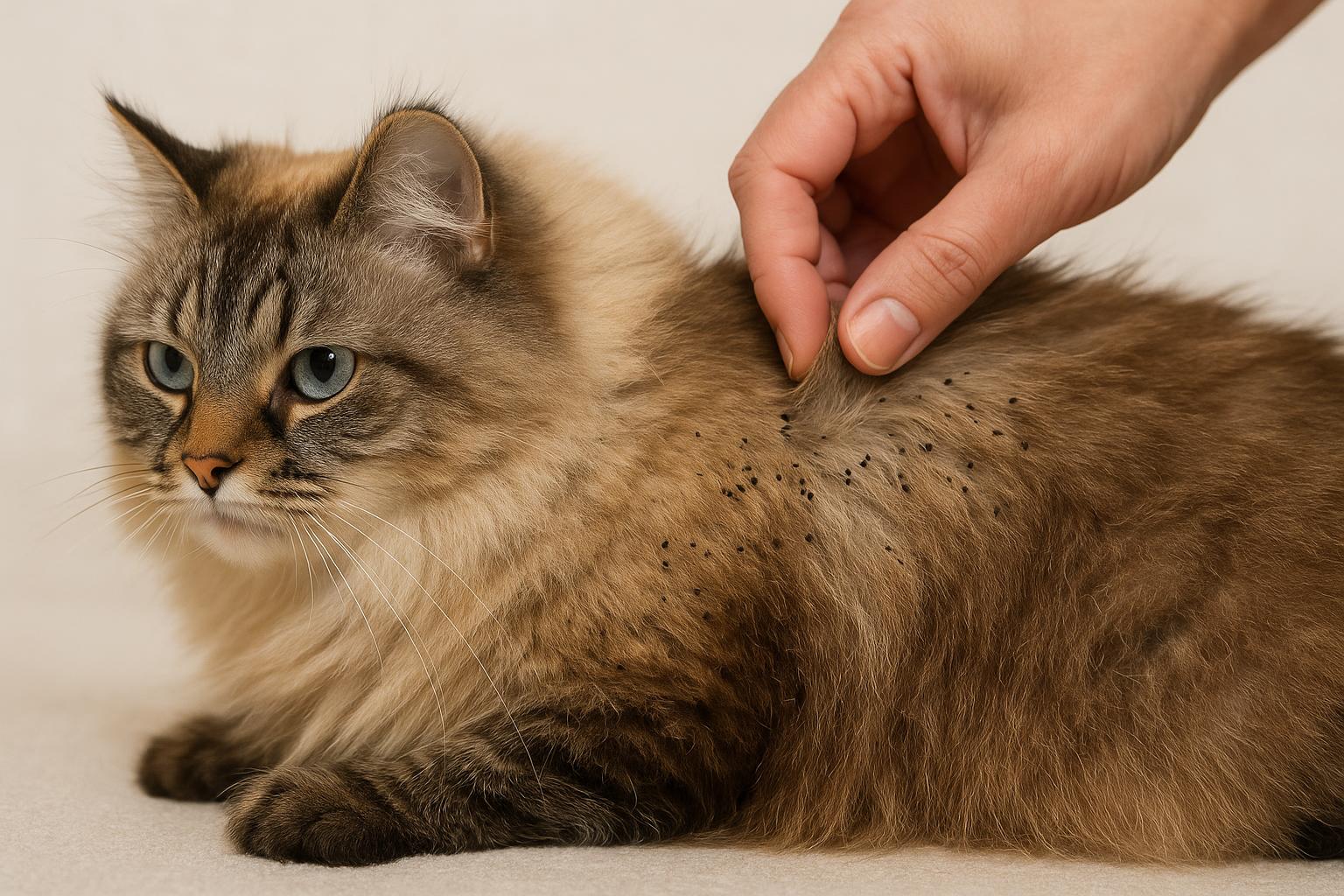
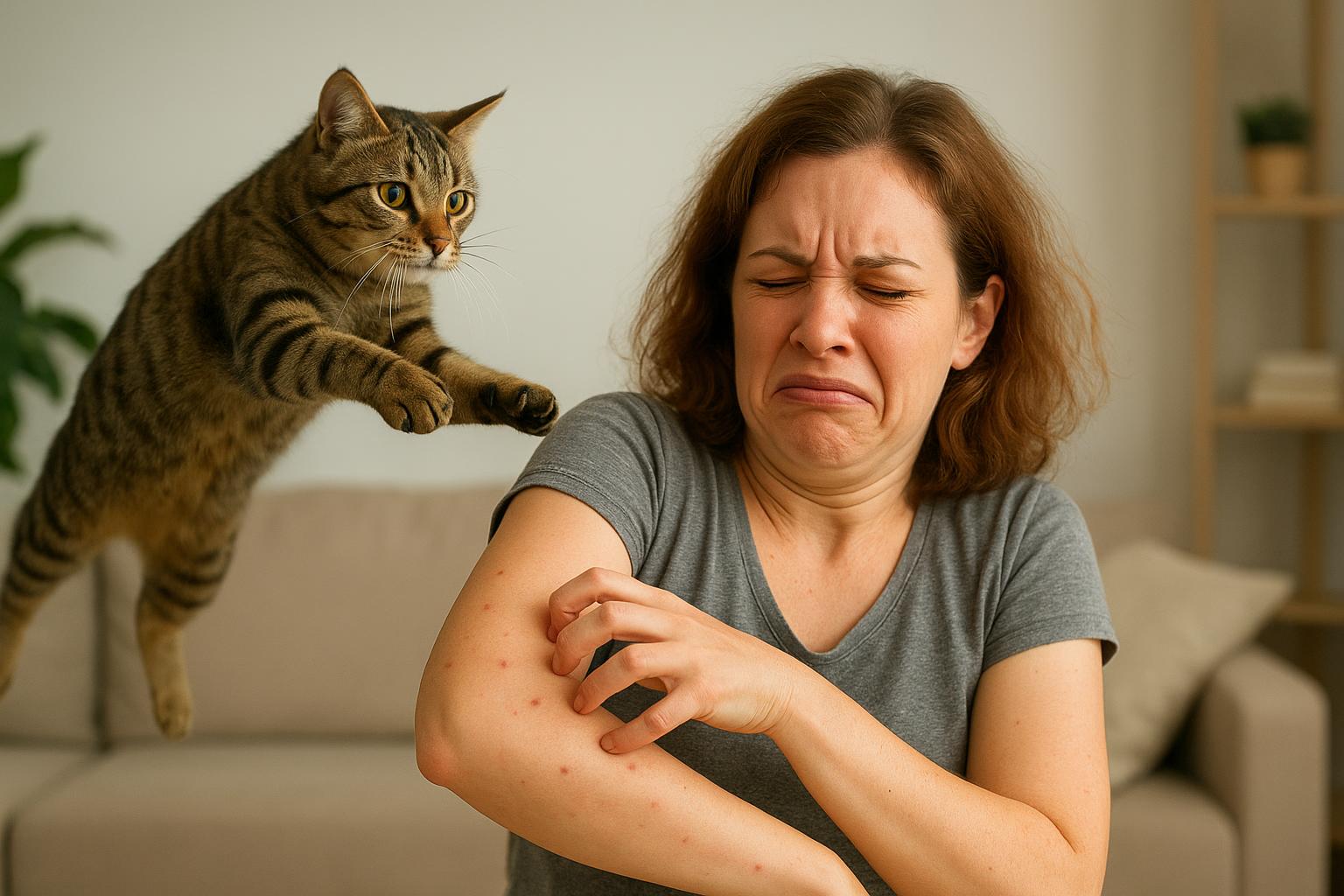
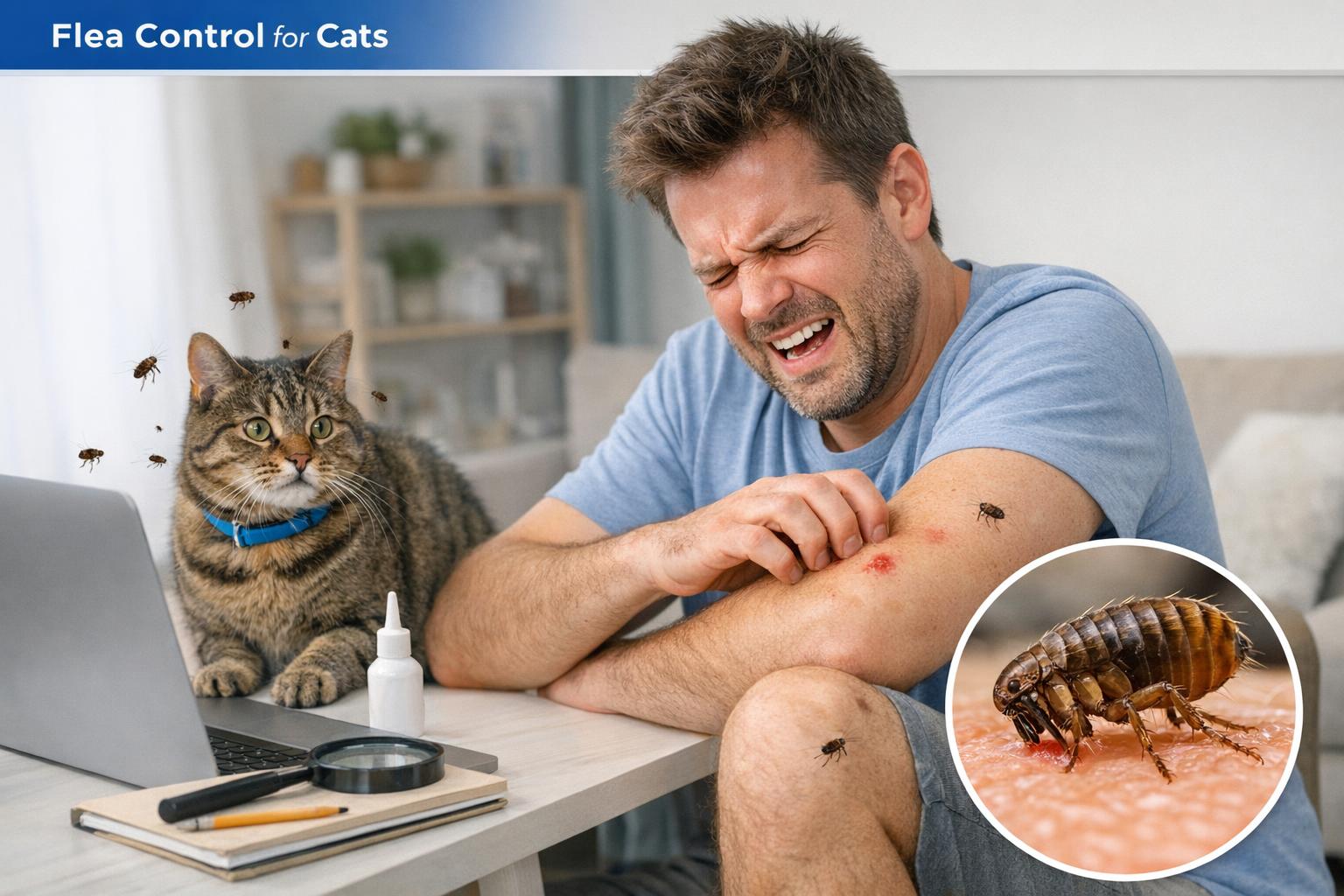
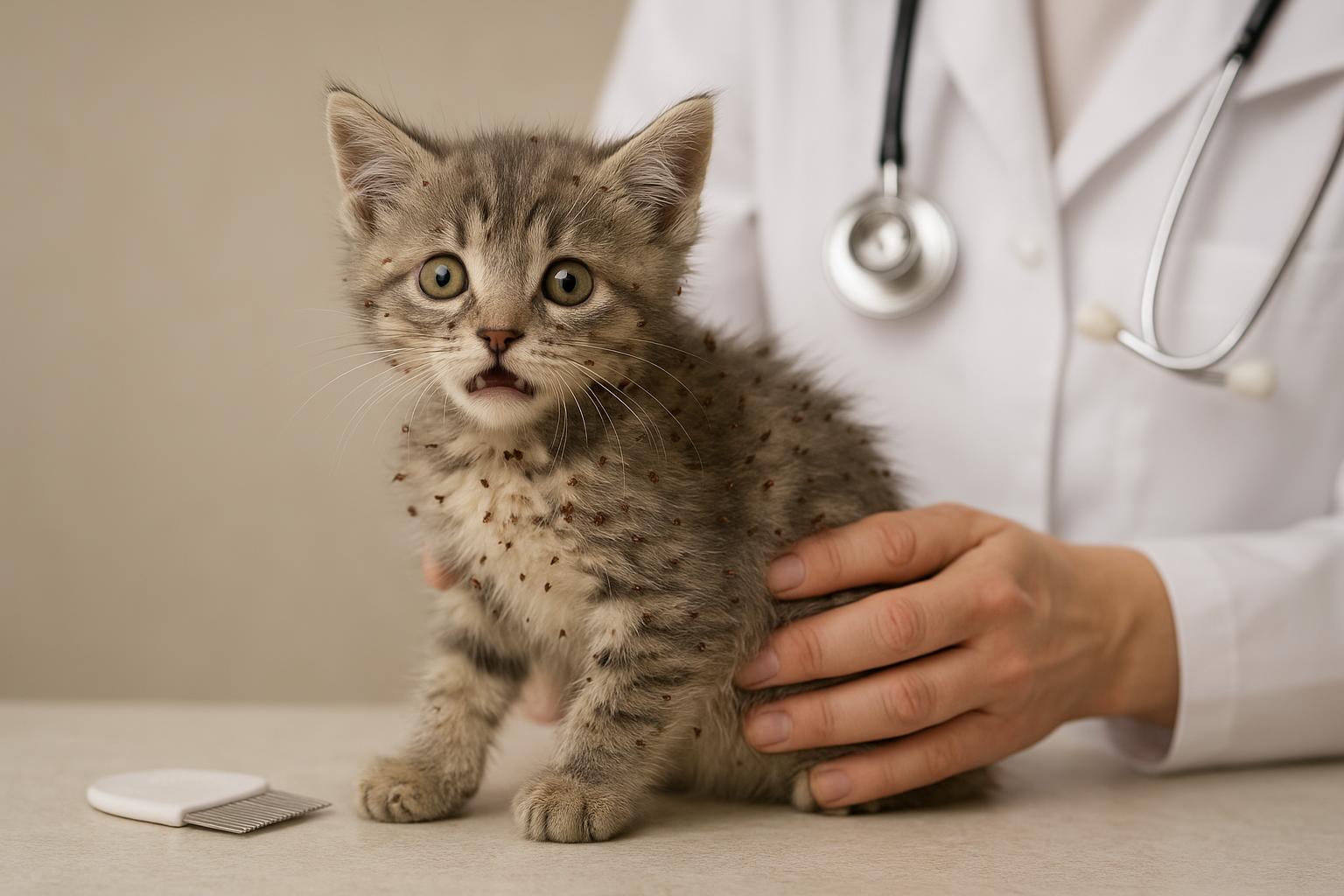
Look for persistent scratching on pets, small black “flea dirt” specks on fur or bedding, tiny red bites on family members, and motion in carpet fibers. Flea dirt can be tested by placing a few specks on damp white paper — if it dissolves to a reddish-brown stain, it’s digested blood from fleas. Don’t forget to check less-used rooms and behind baseboards; eggs and pupae love undisturbed spots.
### Why A Single Treatment Often Fails
Treating adults only addresses part of the problem. Because eggs and pupae hide deep in fabrics and floorboards, a single spray that kills adults will not eliminate the pupae that can emerge weeks later. That’s why understanding flea lifespan is central to a multi-step control plan: you must break reproduction, kill existing adults, and prevent newly emerged fleas from establishing.
## Remedy 1: Home Vacuuming And Diatomaceous Earth Treatment
This remedy is practical, cost-effective, and targets multiple life stages of fleas. Follow the materials and steps precisely for best results.
Materials/Ingredients:
– High-powered vacuum with a beater bar and a disposable bag or canister
– Food-grade diatomaceous earth (DE), not pool-grade
– Stiff brush (for rugs and upholstery)
– Laundry detergent and hot water
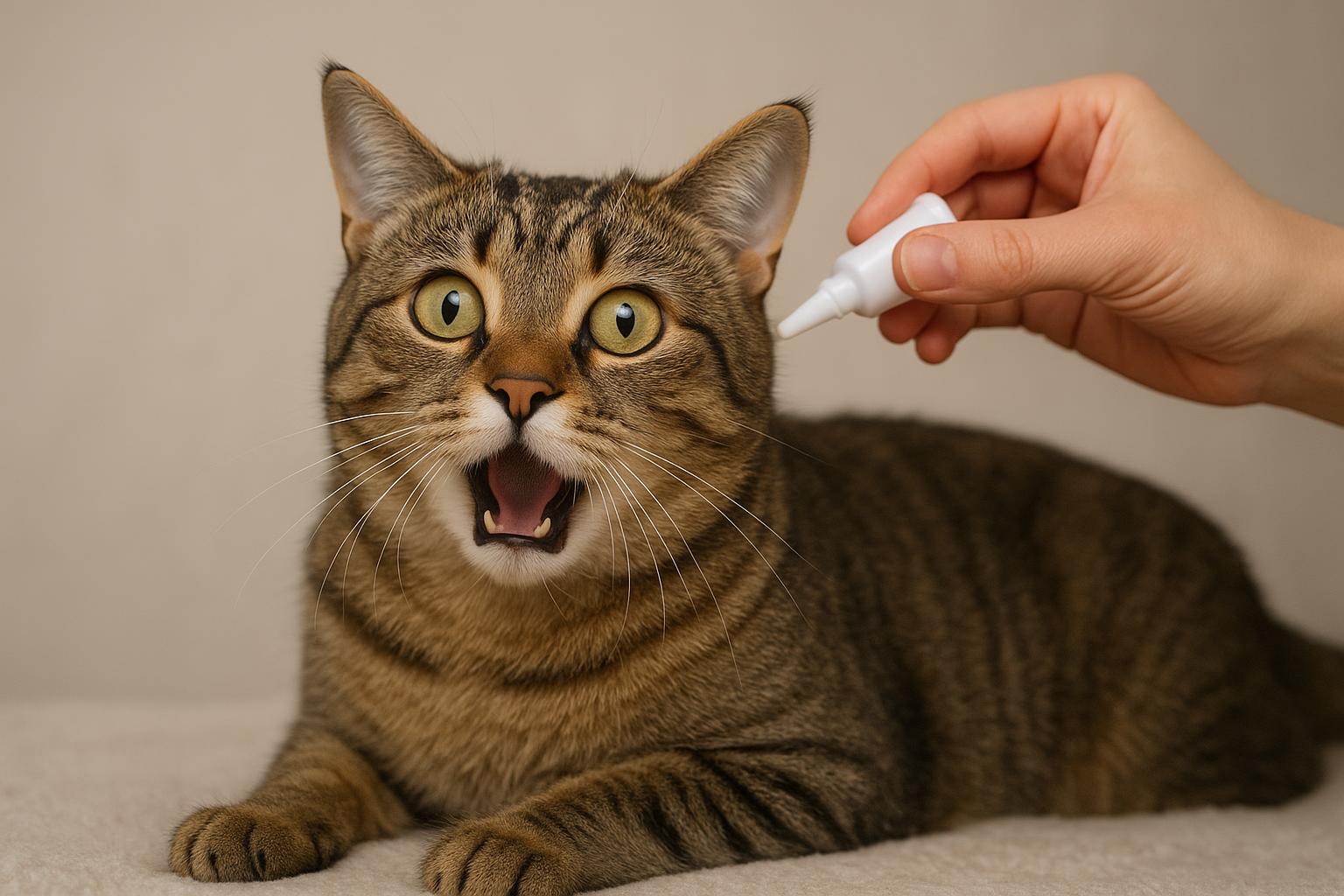
– Pet-safe flea shampoo or veterinary flea treatment for pets
– Protective mask and gloves
Creation And Application (Step-By-Step):
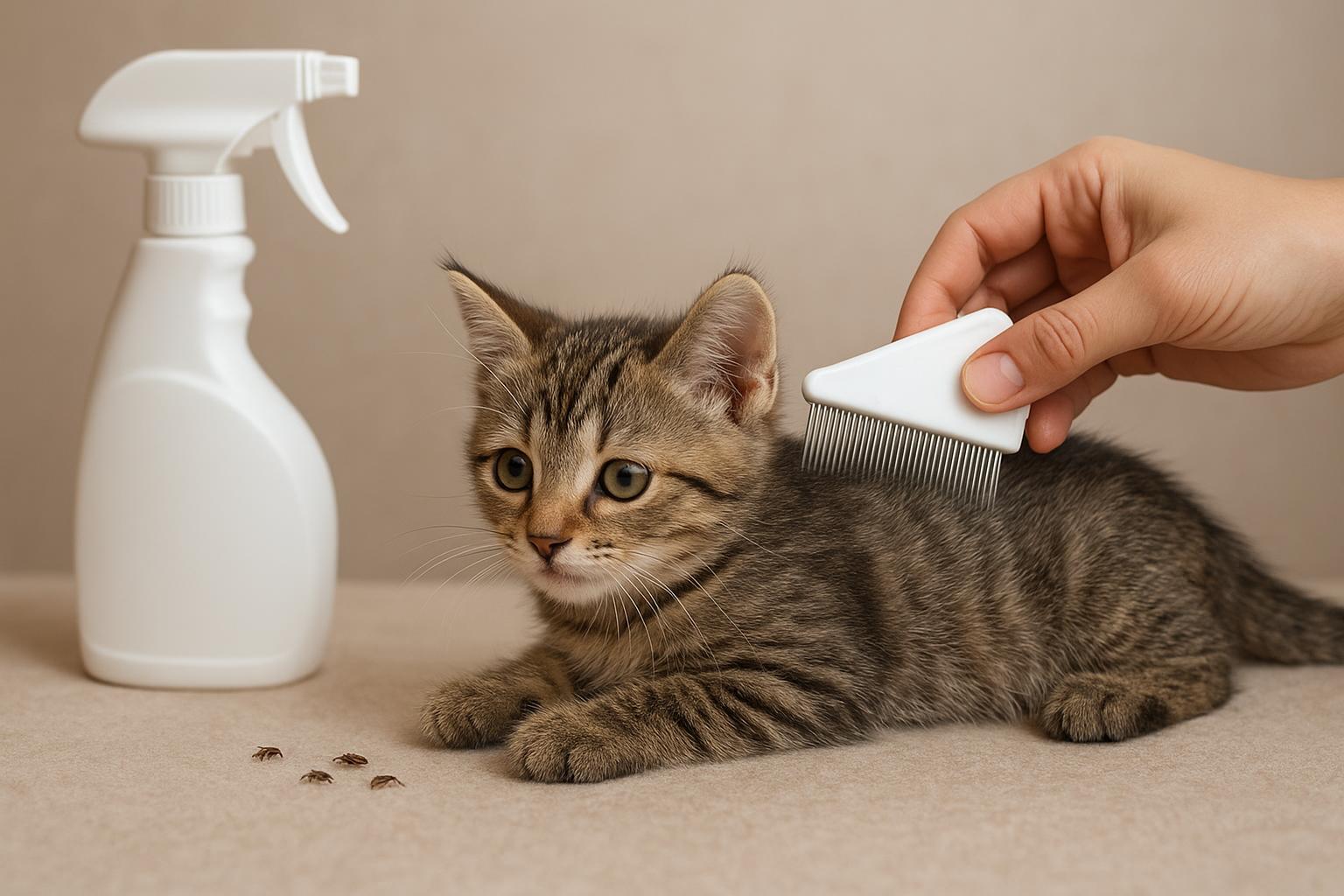
1. Prepare Pets: Bathe or treat pets with a vet-approved flea product before cleaning. This reduces adult flea movement and egg laying during treatment.
2. Declutter: Remove toys, clothing, and items from floors and low furniture to expose infested surfaces.
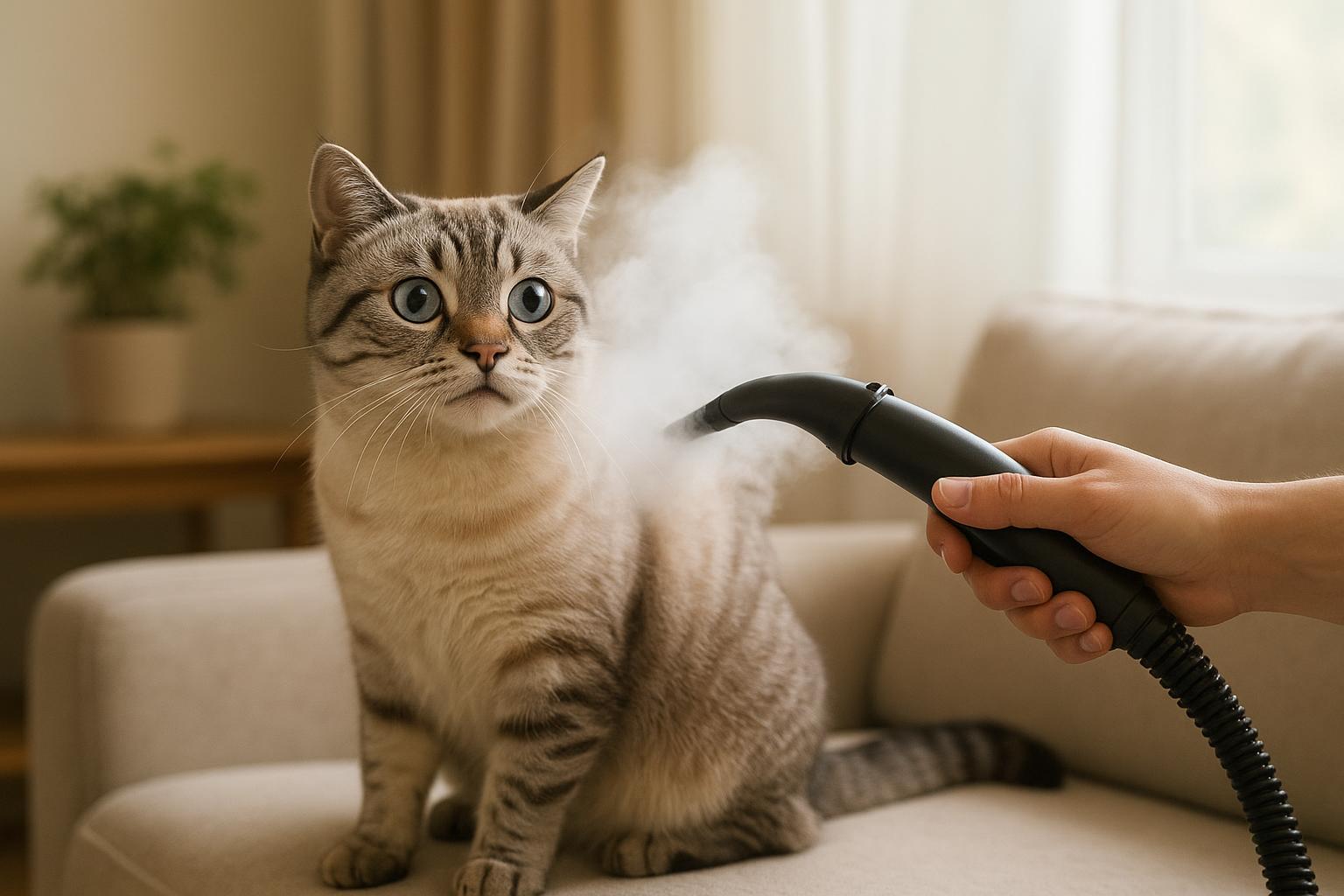
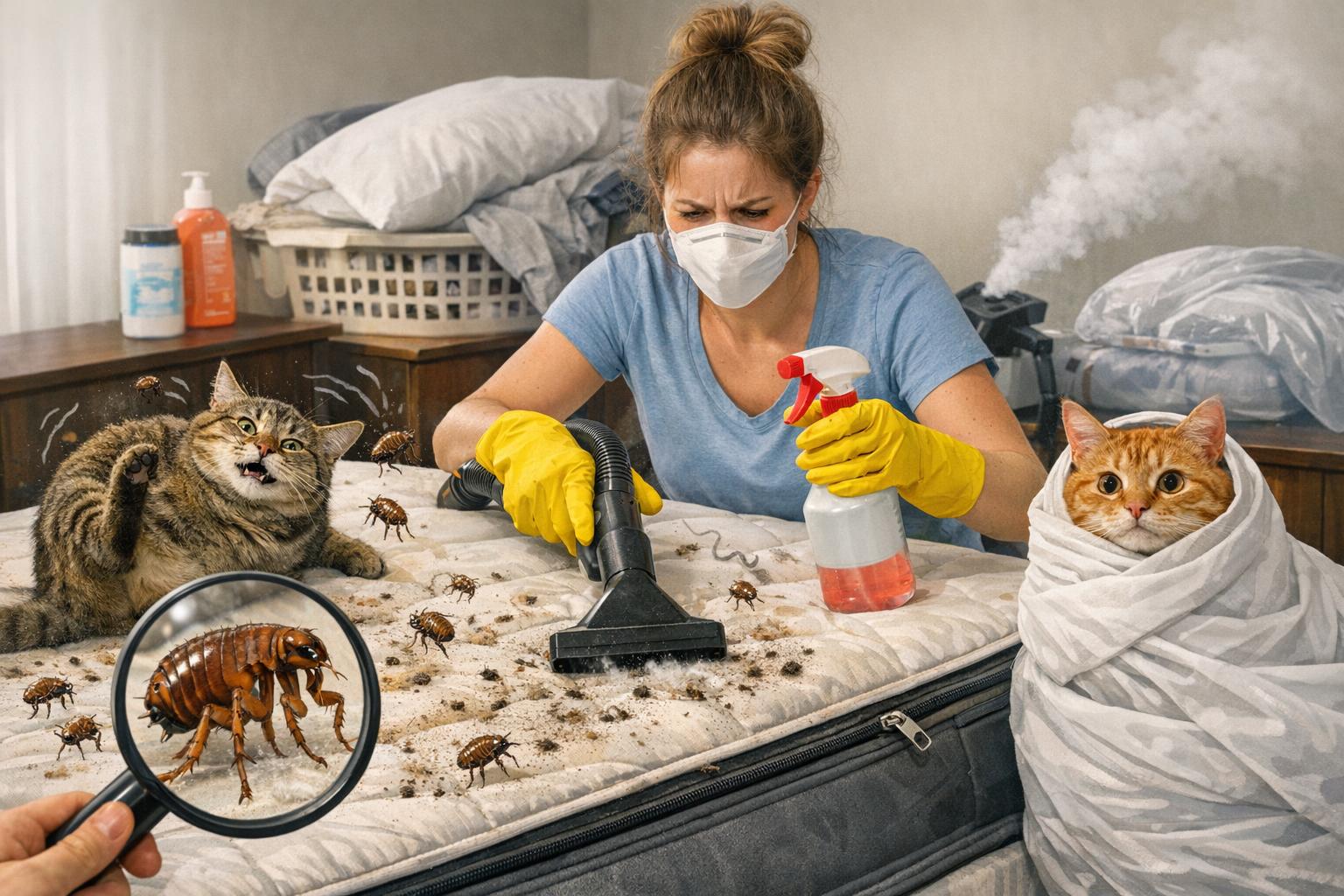
3. Vacuum Thoroughly: Vacuum all carpets, rugs, upholstery, pet bedding, baseboards, and crevices. Use attachments for edges and under furniture. Pay special attention to pet resting areas. Vacuum daily for 2 weeks, then every other day for another 2 weeks. Seal and dispose of vacuum bag or empty canister outside immediately after use.
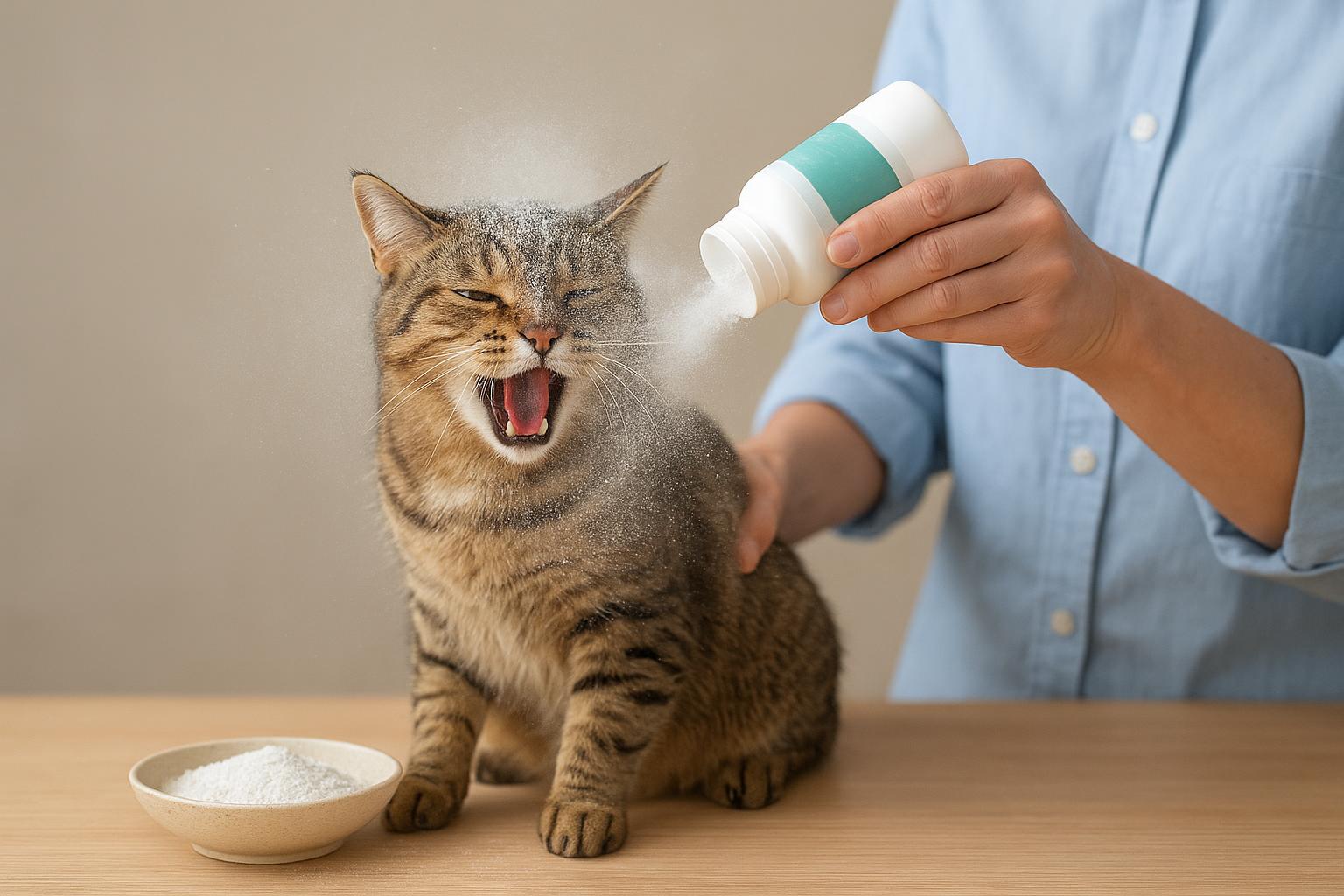
4. Apply Diatomaceous Earth: Lightly dust carpets, rugs, and baseboards with a thin, even layer of food-grade DE. Use a shaker or applicator to avoid clumping. Let DE sit for 48–72 hours — it dehydrates and kills larvae and adults that contact it.
5. Agitate Fabric Piles: Use a stiff brush or broom to work DE deeper into carpet fibers and upholstery where eggs and larvae hide.
6. Launder Fabrics: Wash pet bedding, removable cushion covers, and throw blankets in hot water (at least 140°F if fabric allows) and dry on high heat. Repeat weekly for 4 weeks to interrupt the flea lifespan across generations.
7. Re-Vacuum After DE: Vacuum thoroughly after the DE dwell time to remove dead fleas, larvae, and eggs. Repeat DE application if flea activity continues.
8. Monitor Pets: Continue vet-recommended preventative treatments for pets for at least 90 days to ensure any newly emerged fleas are killed before they reproduce.
Note: DE can be dusty. Use a mask and avoid applying on heavily scented or damp surfaces. Keep DE away from children and pets until settled.
## Remedy 2: Professional-Grade Insect Growth Regulator (IGR) Protocol
When infestations are extensive or persistent, an IGR-based plan is often necessary. This more formal approach interrupts development from egg and larva to reproductive adult.
Materials/Ingredients:
– Professional-grade insect growth regulator (methoprene or pyriproxyfen) labeled for indoor use
– Adulticide spray (pyrethroid or other labeled adulticide) for indoor use, or fogger as directed
– Personal protective equipment (gloves, mask, eye protection)
– Application equipment (pump sprayer or aerosol sprayer as recommended by product)
– Household sealing materials for vents and food covers during application
Creation And Application (Step-By-Step, Formal):
1. Read Labels Carefully: Confirm product labels permit indoor use around pets and humans, and follow all safety directions precisely.
2. Prepare Home: Remove food, cover dishes, and protect aquariums. Keep pets and children out of treated areas during application and the time specified on the label.
3. Apply IGR: Apply the IGR to carpets, upholstery, baseboards, pet resting areas, and any cracks where fleas may develop. IGRs prevent eggs and larvae from maturing and are crucial in reducing the effective flea lifespan across a population.
4. Apply Adulticide: Follow the IGR with an adulticide application to reduce adult flea numbers immediately. Use products according to label directions for dwell time and ventilation requirements.
5. Target Outdoor Perimeter if Needed: Apply treatments to shaded areas, under porches, and pet resting areas outside to reduce reinfestation from yard fleas.
6. Repeat Applications: Reapply IGR and adulticide as recommended — typically at 2–4 week intervals for 2–3 treatments — to cover emerging pupae and ensure the population is driven down.
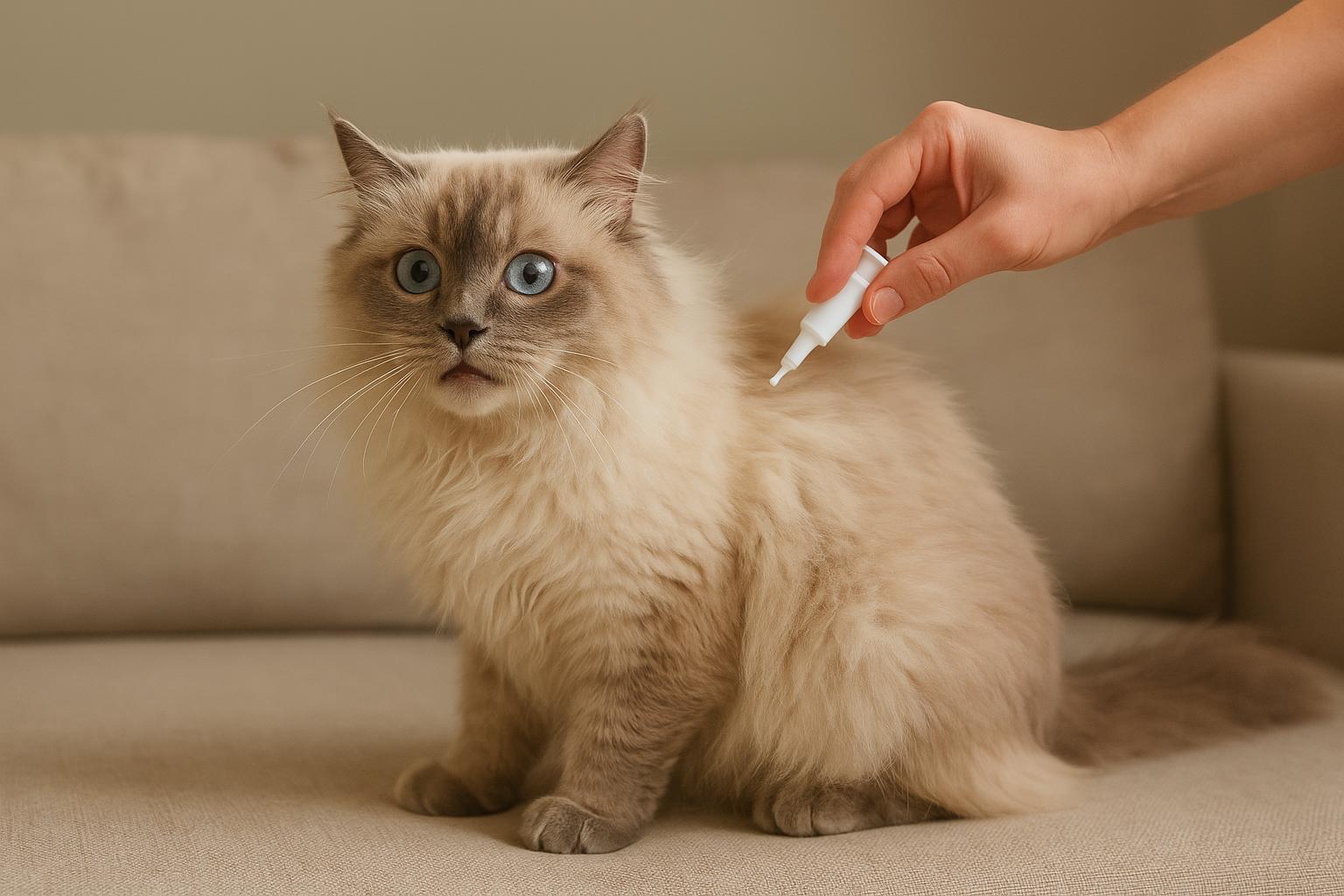
7. Maintain Pet Treatment: Coordinate with your veterinarian to keep pets on effective topical or oral flea preventatives during and after the treatment cycle.
8. Record And Monitor: Document application dates and observed flea activity. Follow label intervals for reapplication and consult a licensed pest control professional if activity persists.
Professional-grade treatments should be handled by trained personnel or carefully by homeowners following label instructions. When in doubt, hire a licensed pest control operator.
### When To Call In A Professional
If your home has widespread infestation, infestations returning after treatment, or if members of the household have allergies or health concerns, professional assistance is warranted. Professionals can assess the infestation depth, treat inaccessible areas like wall voids or attic spaces, and offer longer-lasting integrated pest management strategies.
### How Long Till You Notice A Difference?
After a properly executed integrated plan (pet treatment, house cleaning, and IGR/adulticide applications), you should see a significant reduction in adult flea activity within 24–72 hours. Because of the flea lifespan and dormant pupae, expect to continue monitoring and repeating treatments for 6–12 weeks to fully break the reproductive cycle in most home environments.
Keep an eye on pets and bedding, and treat returned activity quickly. With the right mix of mechanical cleaning, environmental modification, and chemical control when necessary, you’ll shift the odds back in your favor—and the tiny acrobats in your house will find it much less inviting.







Leave a Reply