
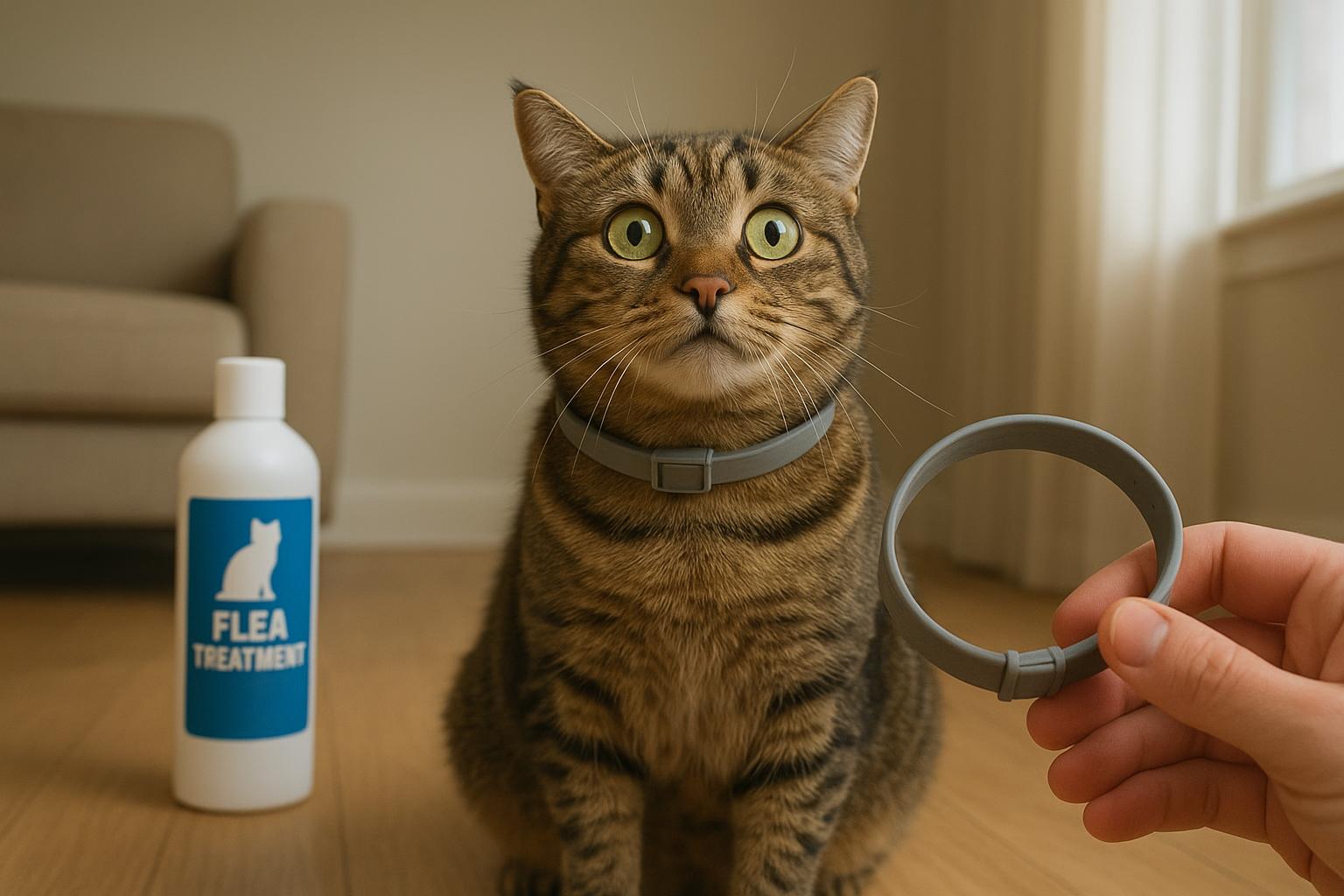
Hello there — thanks for sticking around to think through flea collar safety for your curious, sunbeam-chasing cat. Whether you’re gearing up to protect Fluffy from a flea invasion or just trying to avoid a collar-related comedy of errors, this article walks through what to look for, what to avoid, and a practical, vet-friendly remedy for application and monitoring.
## Flea Collar Safety Considerations For Cat Flea Treatments
Flea collars can be a great tool, but “flea collar safety” is not one-size-fits-all. Cats have different sensitivities, lifestyles, and health issues that affect how they tolerate the active ingredients and the collar itself. Read labels, ask questions, and be prepared to change course if the fit or the chemistry isn’t right for your pet.
### How Flea Collars Work
Most modern flea collars release insecticides or repellents slowly, distributing the product over the skin and fur. Some use heat-activated release, others employ a polymer matrix that emits the active ingredient over weeks or months. The goal is to kill or repel fleas on contact and help reduce reinfestation in the environment.
### Common Active Ingredients And Why They Matter
Several classes of chemicals appear in flea collars:
– Insect growth regulators (IGRs) like methoprene or pyriproxyfen prevent flea eggs and larvae from developing.
– Pyrethroids and pyrethrins are common adulticidal compounds (note: some are toxic to cats).
– Newer systemic-acting compounds or analogs may be included in prescription-strength options.
Because cats metabolize some compounds differently than dogs, “flea collar safety” hinges on choosing formulas labeled safe for cats specifically.
## Picking Collars With Safety In Mind
A little vigilance up front saves a lot of stress later.
### Read The Label And Manufacturer Claims
Look for:
– Clear cat-specific labeling.
– Active ingredient names and concentrations.
– Duration of effectiveness (e.g., 8 months, 5 months).
– Safety instructions and first-aid steps.
### Vet-Approved Versus Over-The-Counter
When in doubt, check with your veterinarian. Prescription products might be recommended for severe infestations or animals with special health needs. Discuss any concurrent medications, age, weight, and if your cat spends time outdoors with wildlife.
#### Prescription Options And Risks
Some prescription collars offer stronger efficacy but may carry a higher risk of side effects. Your vet can weigh risks and benefits and advise on monitoring protocols.
## Who Should Be Extra Careful
Kittens under a certain age or weight, pregnant or nursing cats, and cats with pre-existing skin or neurological conditions need special consideration. Also pay attention if your cat grooms obsessively; ingestion of topical residues can increase exposure.
### Signs You Should Remove A Collar Immediately
– Excessive drooling, vomiting, or incoordination.
– Skin irritation: redness, hair loss, or oozing at the neck.
– New behavioral changes like hiding, aggressive grooming, or lethargy.
If any of the above occur, remove the collar, wash the area with mild pet-safe soap and water, and contact your vet promptly. This is where careful attention to flea collar safety pays off.
## Common Myths About Flea Collar Safety
Let’s bust a few myths before they bite.
### “Natural” Means Harmless
Natural-based ingredients like essential oils can be dangerous for cats. Cats lack certain liver enzymes to process many essential oil compounds; direct contact or concentrated exposure can lead to illness. “Natural” does not automatically equal safe when it comes to flea control.
### One Collar Protects Against Everything
Nope. A collar that repels adult fleas may not control eggs or larvae in the environment. Integrated control keeps both the animal and the environment in check.
## Remedy: Proper Application And Monitoring For Flea Collars
Below is a clear, step-by-step, vet-centered procedure to apply a flea collar safely and monitor your cat. This remedy focuses on safe use rather than DIY chemical mixes — because dosing errors can be risky.
Required Materials
– Vet-approved flea collar labeled for cats (choose the brand/formula recommended by your veterinarian).
– Measuring tape or a soft ruler.
– Scissors (blunt-tipped preferred).
– Clean cloth and mild pet-safe soap and water.
– Disposable gloves (optional, for handling the collar if you prefer).
– Notebook or phone to log the application date and daily check results.
– Treats for positive reinforcement.
Step-By-Step Application
1. Read the instructions: Before touching anything, read the manufacturer’s leaflet. Note duration, reapplication timeline, and warnings.
2. Inspect your cat: Check the neck area for any existing skin lesions, irritation, or parasites. Do not apply if skin is inflamed—consult your vet first.
3. Measure: Use the measuring tape to measure your cat’s neck circumference where the collar will sit. Add about one or two finger-widths (roughly 1–2 cm) for comfort—consult the product instructions for specific slack recommendations.
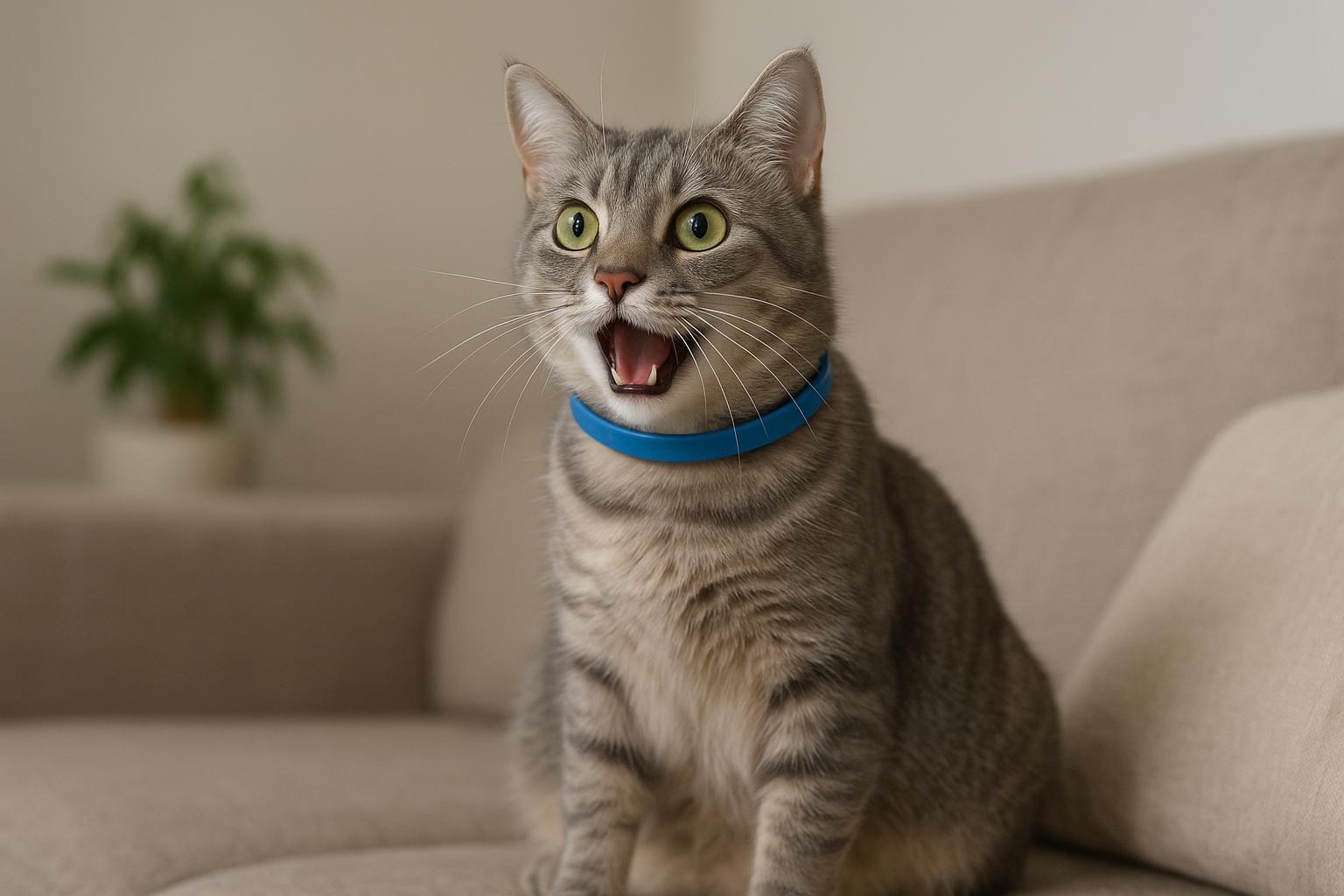
4. Fit the collar: Fasten the collar so it sits comfortably but securely—enough that it won’t slip off and not so tight it rubs. There should be room for one to two fingers between the collar and the neck.
5. Trim excess: If the collar has a long tail, trim excess material to prevent snagging. Leave a small visible tail per manufacturer guidance to show the closure and for easy removal.
6. Perform an initial spot clean: If any residues are on your hands after handling, wash with soap and water. If your cat licks the collar excessively in the first few hours, distract with treats and toys to limit ingestion.
7. Log the start date: Record the date of application and the expected date of replacement. This helps maintain efficacy and safety.
8. Daily checks for two weeks: For the first two weeks, visually inspect the neck area daily. Look for redness, hair loss, or excessive grooming focused on the collar area. Also monitor general behavior.
9. Ongoing checks: After the initial period, check weekly for skin status and performance. If your cat develops any signs of adverse reaction at any time, remove the collar and contact your veterinarian.
10. Disposal: When time’s up, dispose of the used collar according to manufacturer instructions—often toss it sealed in trash, away from children and other pets.
Application Notes (formal)
– Do not stack multiple products that contain the same active ingredients unless advised by your veterinarian. Overexposure can lead to toxicity.
– Avoid applying collars on wet cats; moisture can alter release rates.
– Keep collars away from small children; active residues can transfer during play.
## What To Do If Something Goes Wrong
If you notice symptoms like vomiting, drooling, tremors, or neurologic signs, remove the collar immediately and call your veterinarian or an emergency clinic. Be ready to provide the collar packaging or active ingredient names. Prompt action improves outcomes.
### Reporting Adverse Reactions
Report any suspected adverse reactions to your vet and to the product manufacturer. Many regions have regulatory reporting systems for pet product adverse events.
## Practical Home Steps To Boost Flea Collar Safety
Make flea collar safety part of a broader plan:
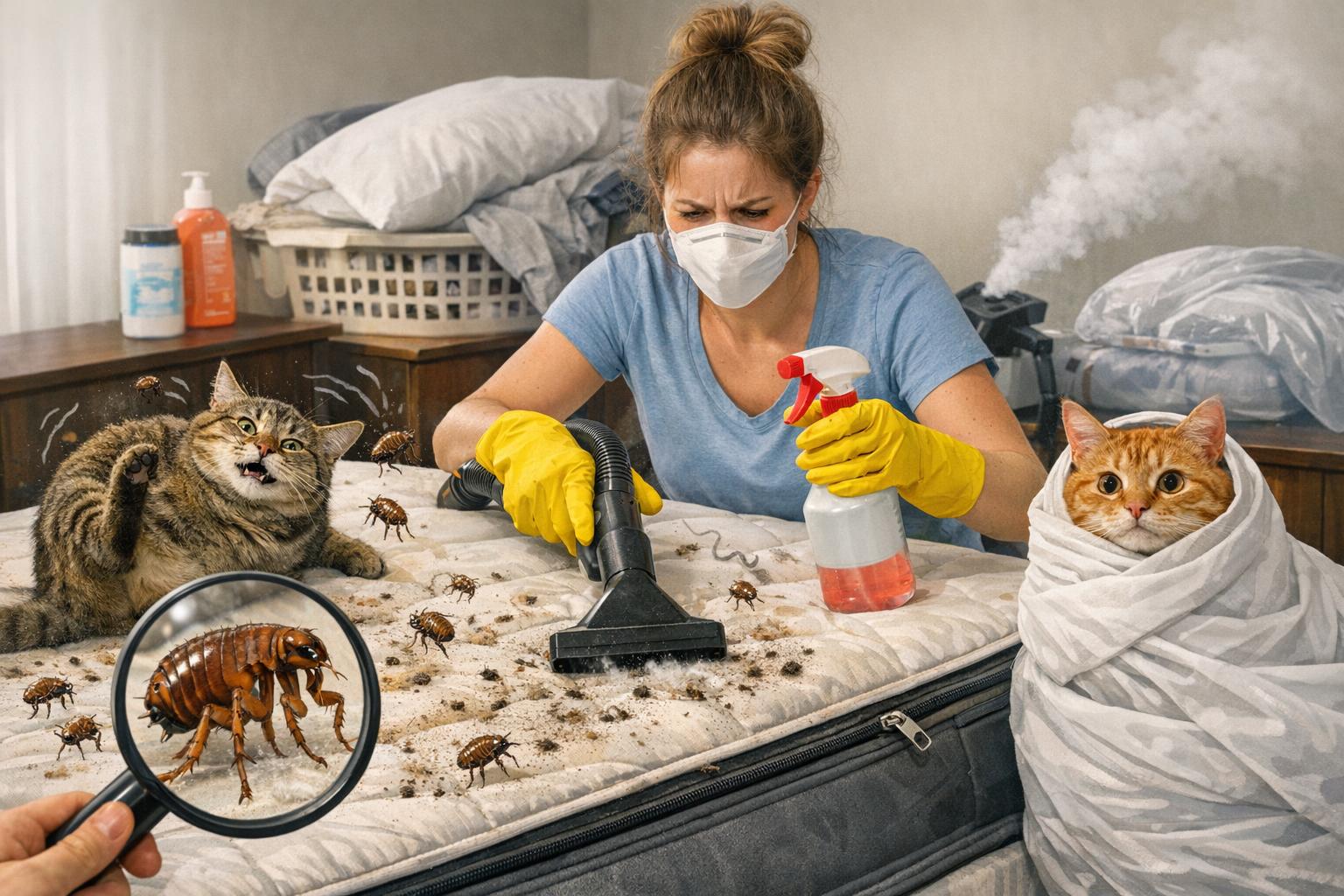
– Wash bedding and vacuum floors regularly.
– Treat indoor environment if fleas are present (consult products safe for pets and home use).
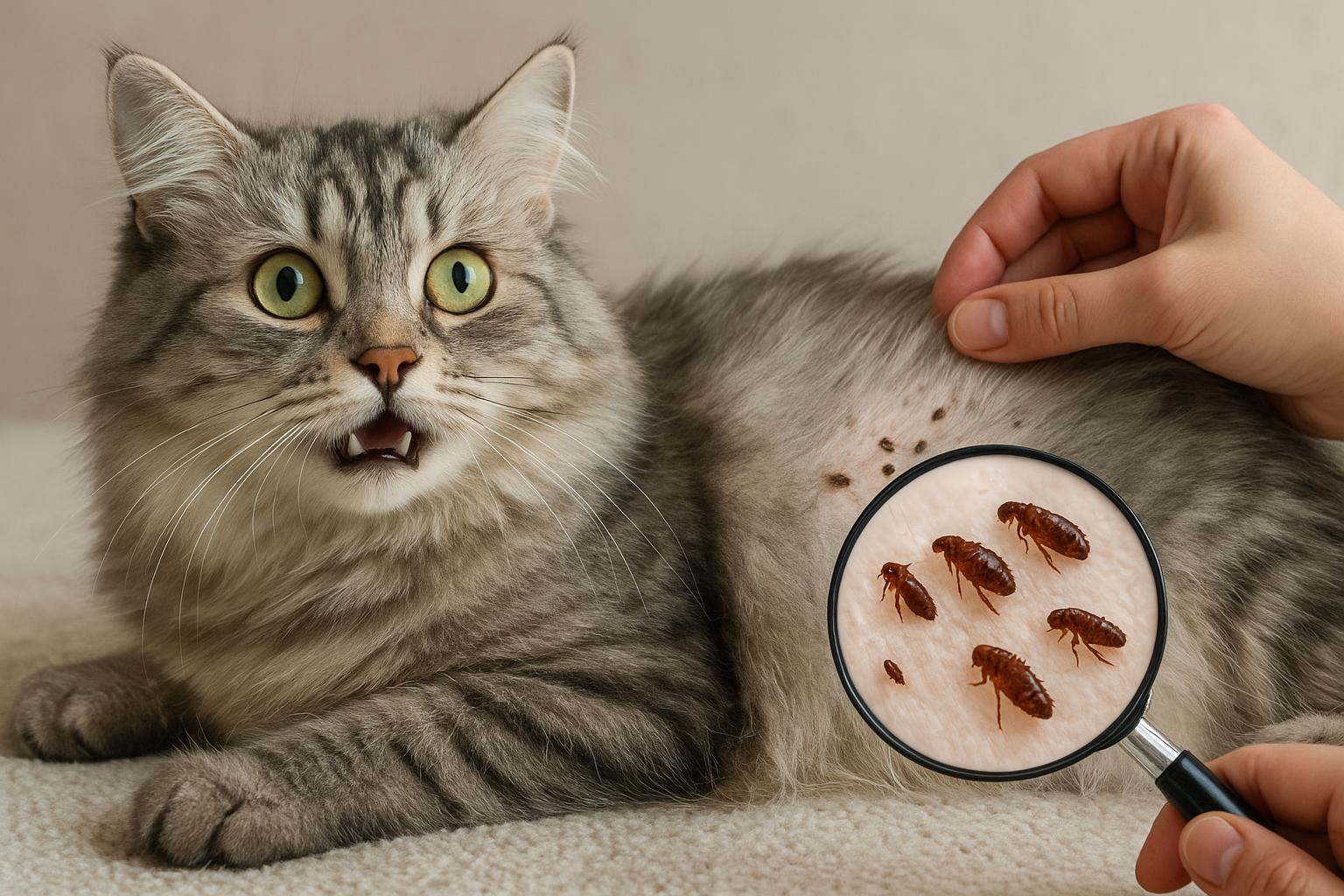
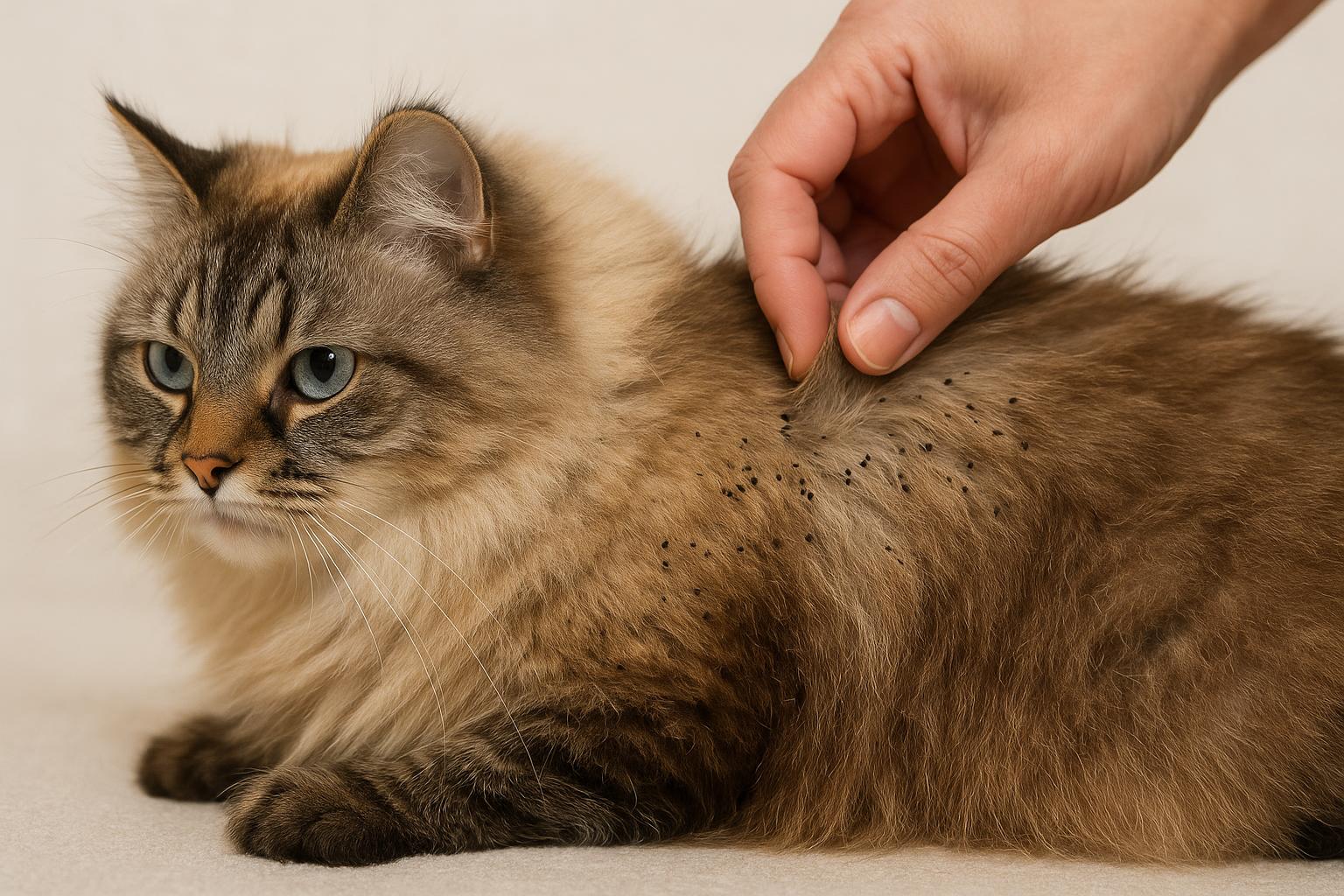
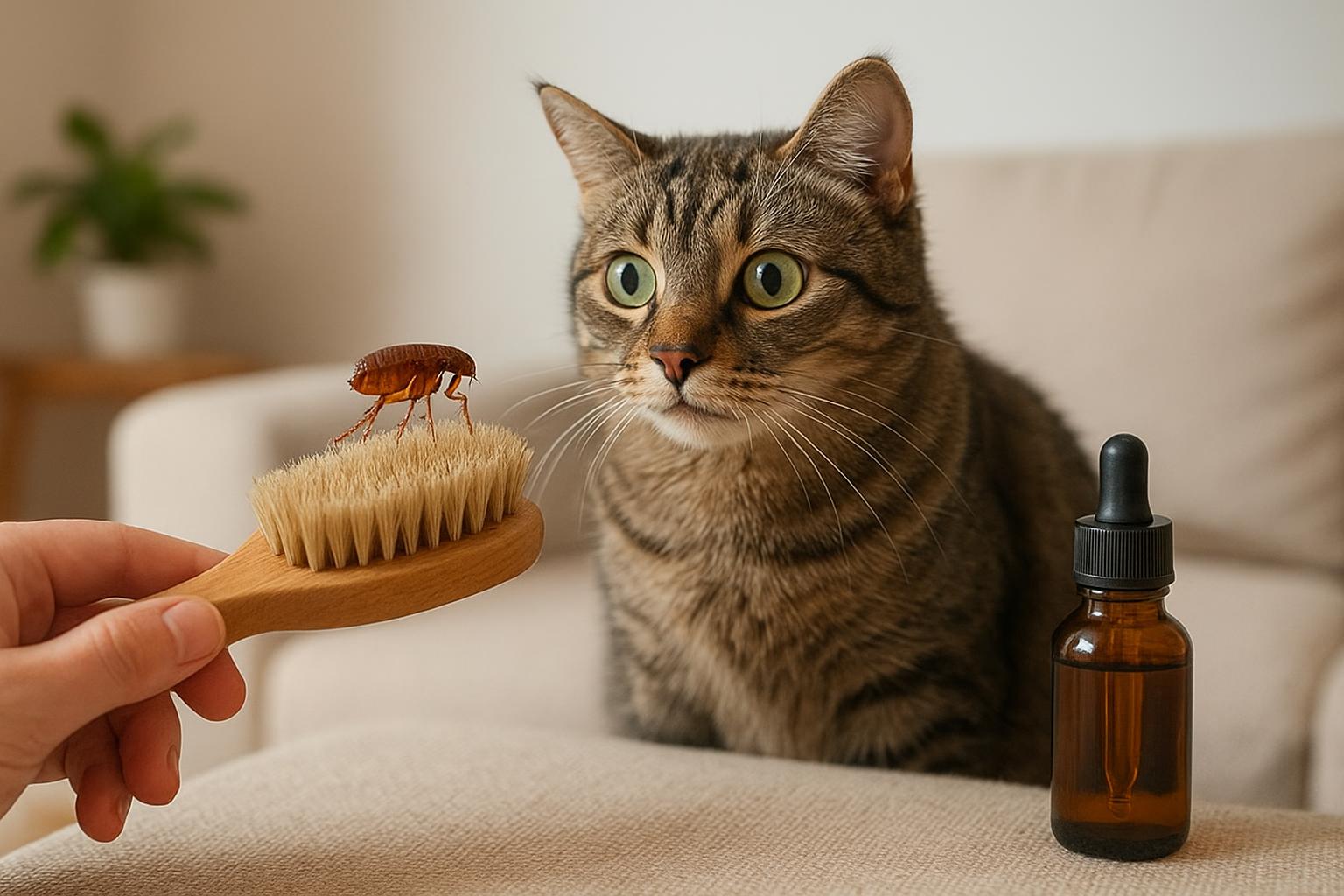
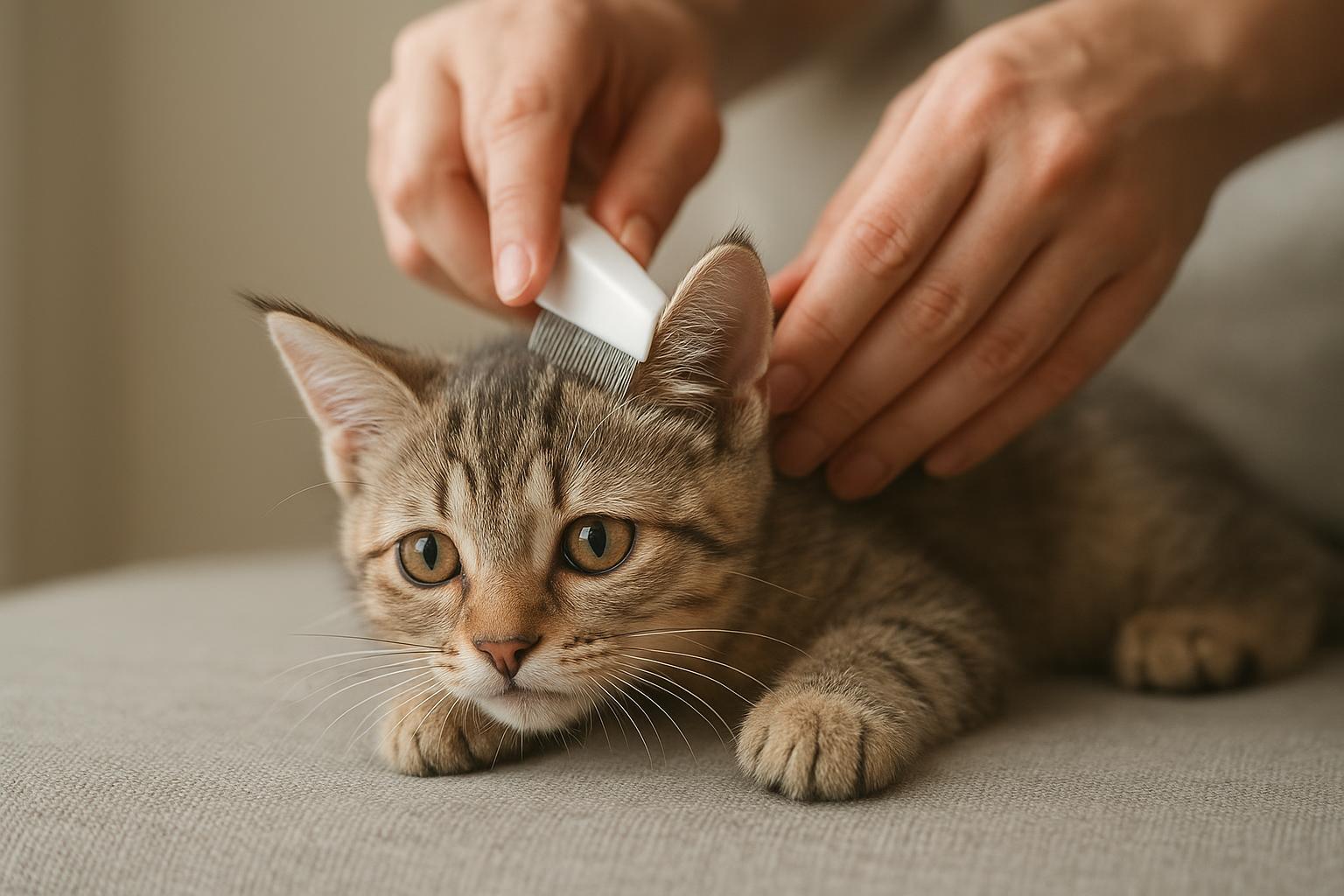
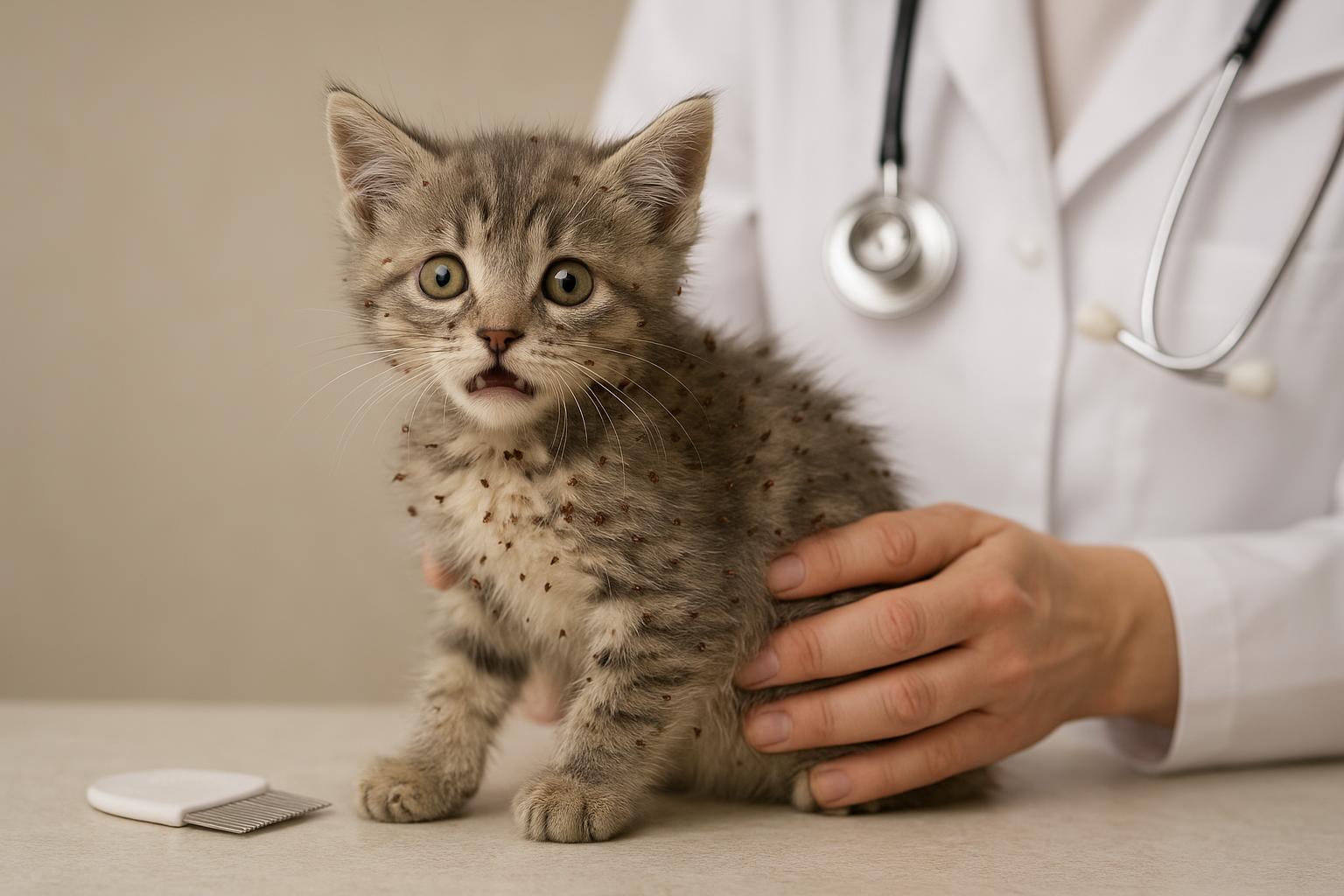
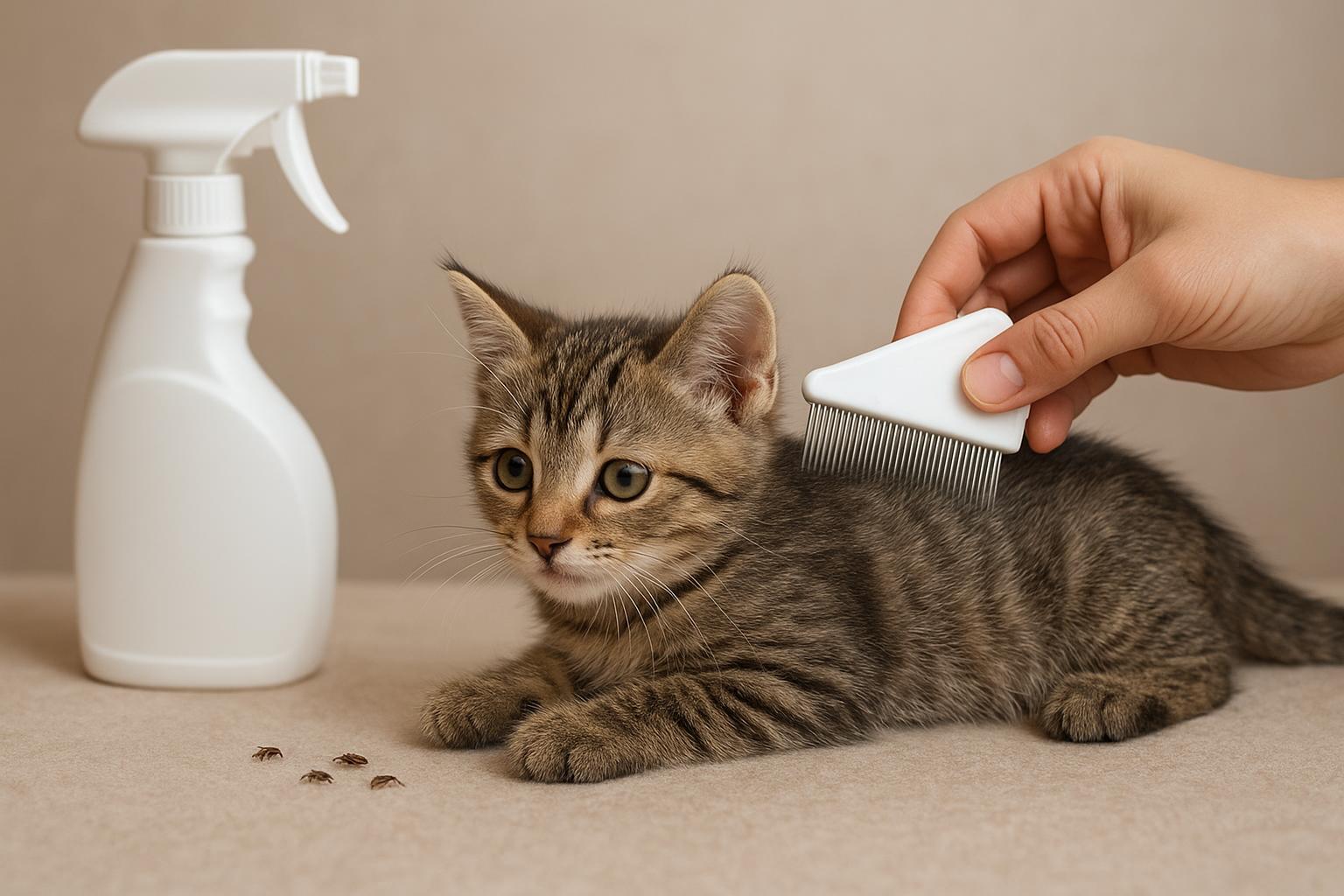
– Maintain grooming routines; manual combing with a fine-toothed flea comb helps identify early infestations.
– Rotate products only under veterinary advice.
Throughout your flea-control program, keep “flea collar safety” in mind as a core principle — protecting your cat involves correct product selection, proper application, and careful monitoring. If you remember one thing: collars are a tool, not a set-and-forget magic trick. Use them thoughtfully, and your cat will thank you with fewer flea-induced zoomies and more cozy laps.



Leave a Reply