
## Why Consider Natural Prevention
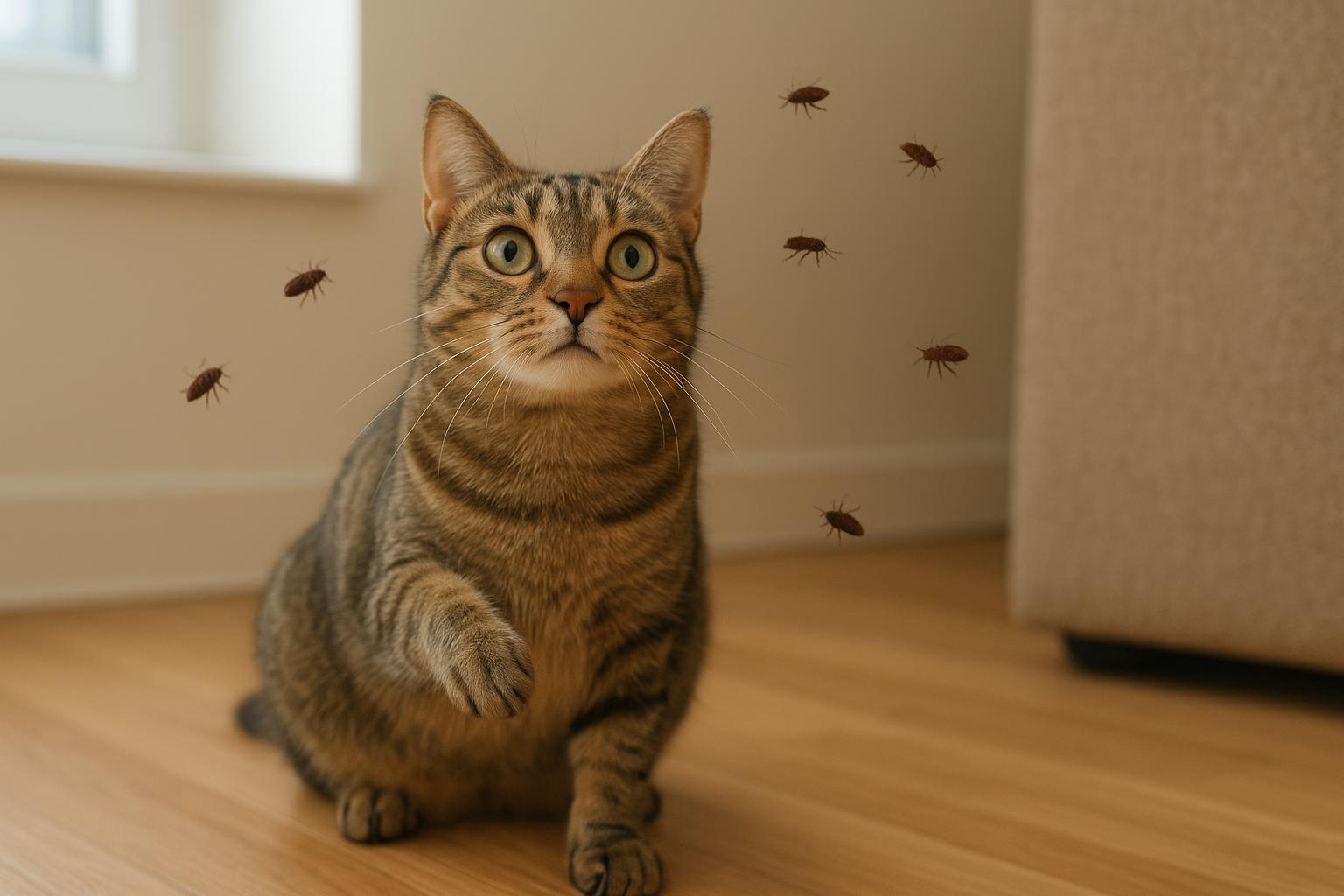
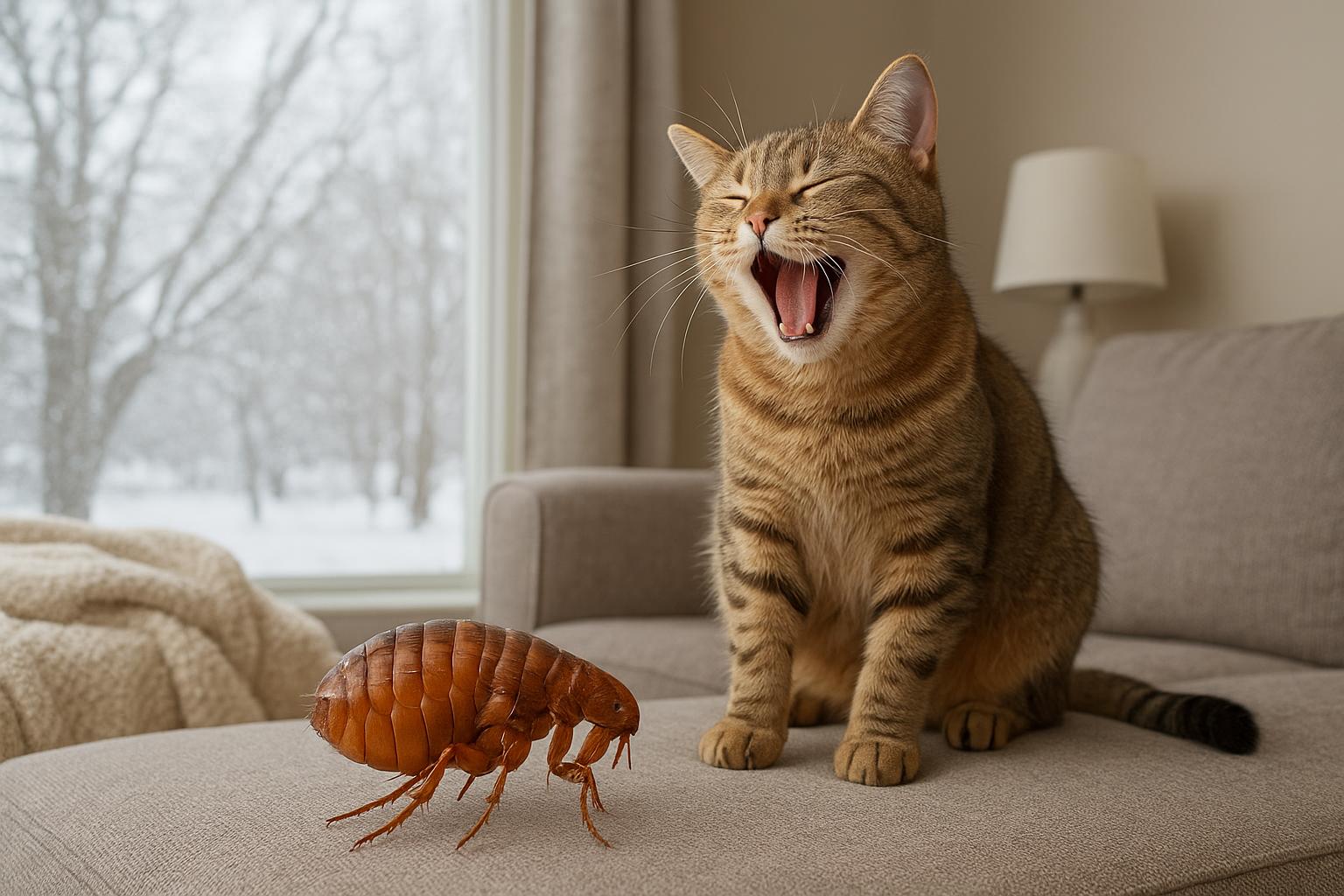
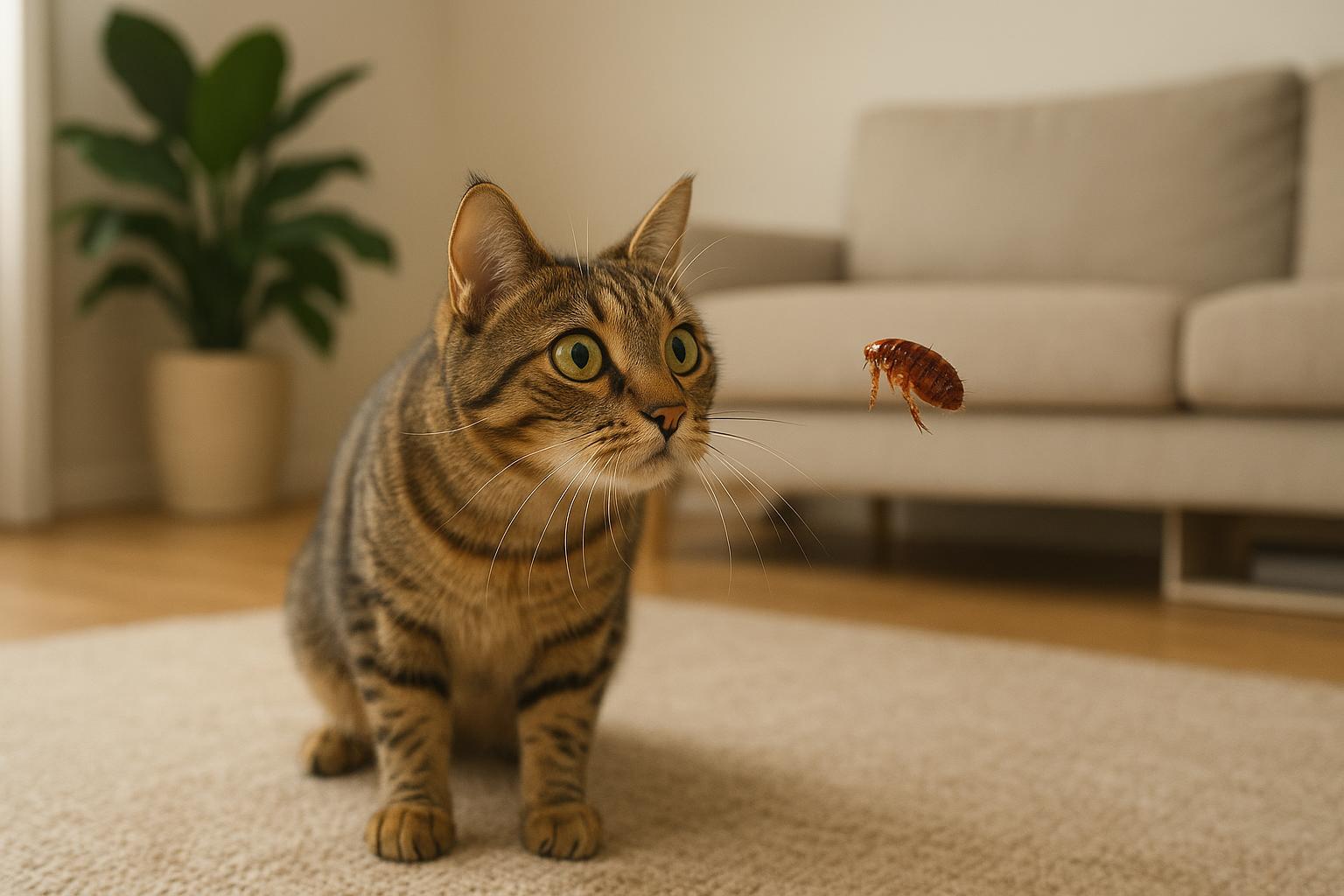
Cats are charming little chaos engines, and part of caring for them is keeping the tiny vampires (a.k.a. fleas) off their backs. Many pet owners are understandably wary of chemical pesticides and prefer a gentler approach. Natural prevention can be effective when done correctly, especially as a complement to veterinary care. If you’re curious about non-chemical options, one of the best known is diatomaceous earth—hence this friendly deep dive into diatomaceous earth fleas.
## Diatomaceous Earth Fleas: What You Need To Know
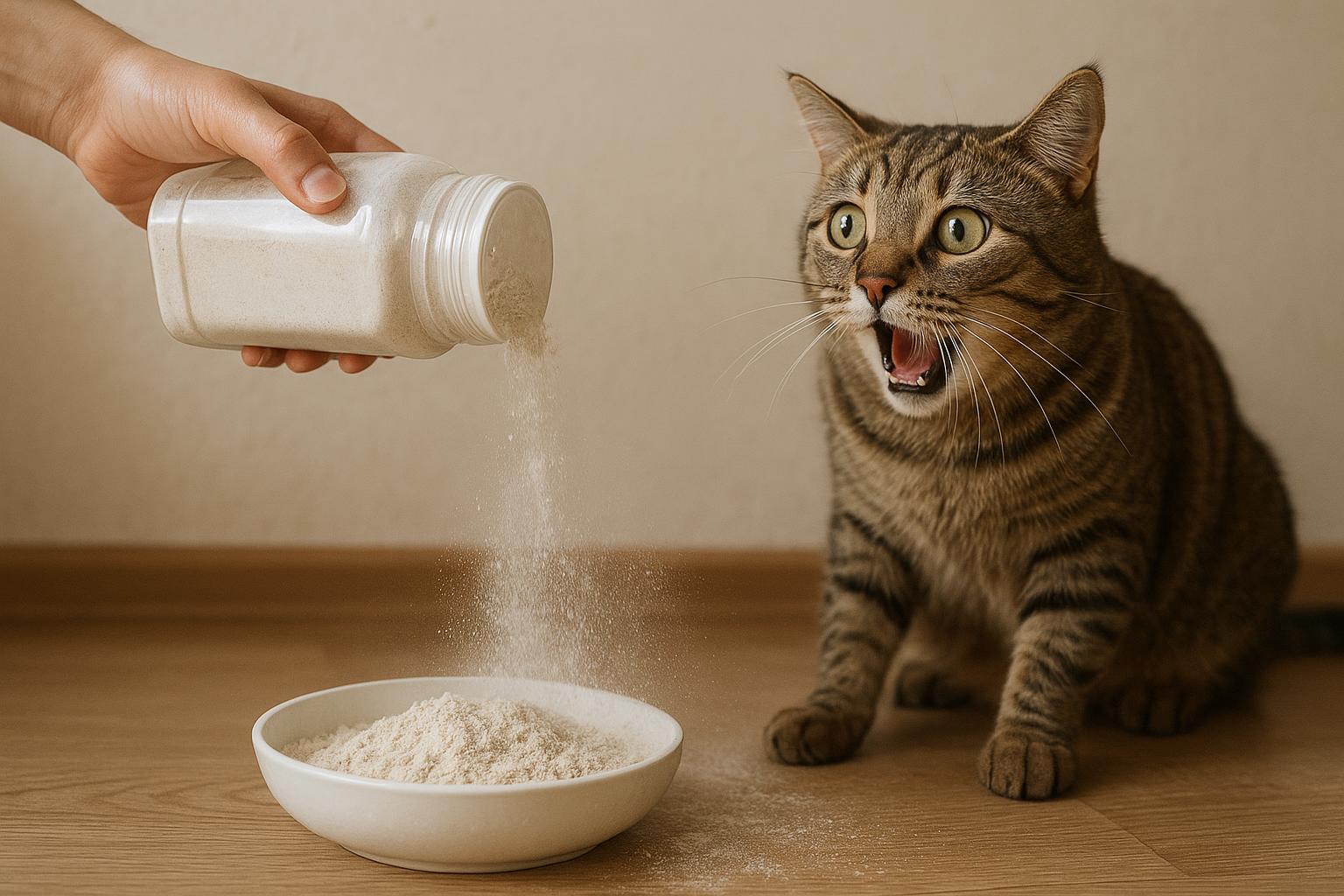
Diatomaceous earth is a naturally occurring powder made from fossilized microscopic algae called diatoms. It works physically, not chemically: the tiny, sharp particles abrade an insect’s exoskeleton and absorb oils, leading to dehydration. That’s why it’s a popular choice for tackling diatomaceous earth fleas on pets and in the home.
A few quick facts to keep in your pocket:
– Only use food-grade diatomaceous earth around pets. The pool-grade stuff is treated with chlorine and is toxic.
– It’s most effective when dry. Moisture neutralizes the abrasive action.
– It’s a slow-acting control: expect results over several days as fleas encounter the powder.
### How It Works Around Cats
When discussing treatment options for diatomaceous earth fleas, remember the mechanism is purely physical. Fleas pick up the powder as they move through treated areas or on the fur; the powder compromises their cuticle, causing dehydration and death. Because the action is mechanical, insects can’t build chemical resistance against it—good news for long-term management.
### Is Food-Grade Safe?
Food-grade diatomaceous earth is considered low in toxicity for mammals when used properly. However, inhaling fine silica dust is irritating to lungs, so minimize airborne dust around cats and humans. Apply it carefully, avoid dust clouds, and don’t use it where the cat will inhale concentrated dust.
## Preparing For Treatment
Before applying any remedy for diatomaceous earth fleas, do a quick check-in:
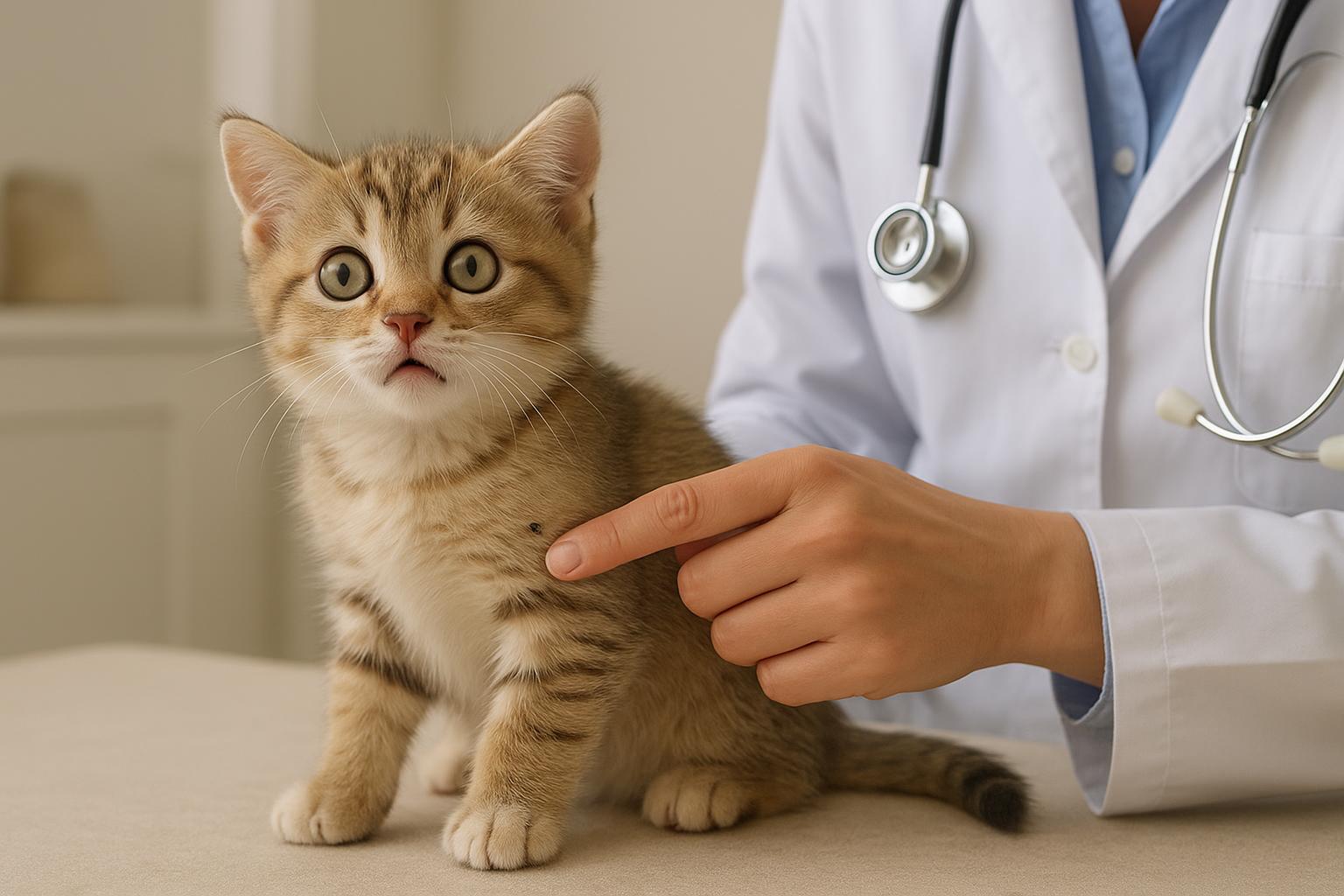
– Visit your veterinarian if your cat has a heavy infestation, skin irritation, or signs of illness.
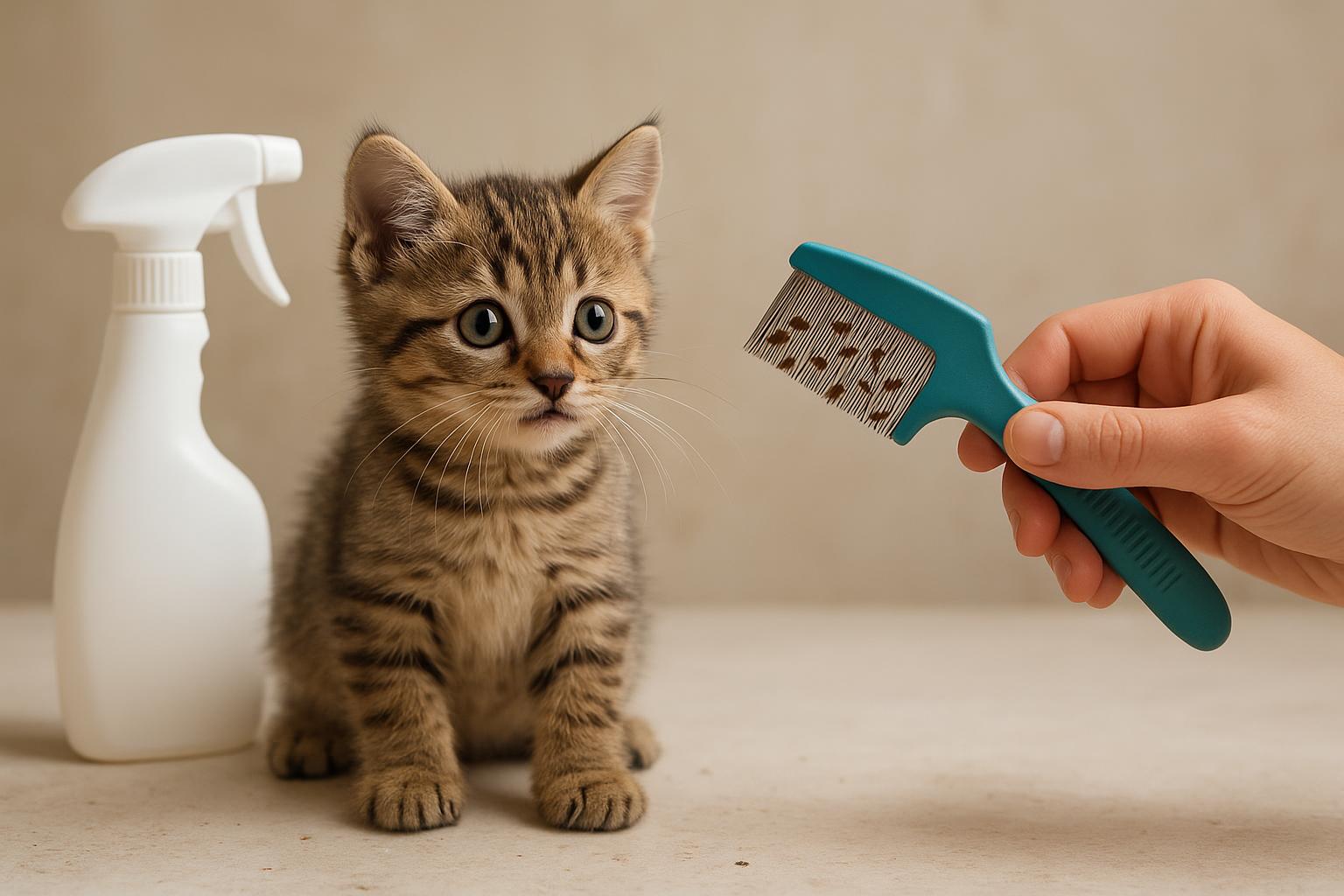
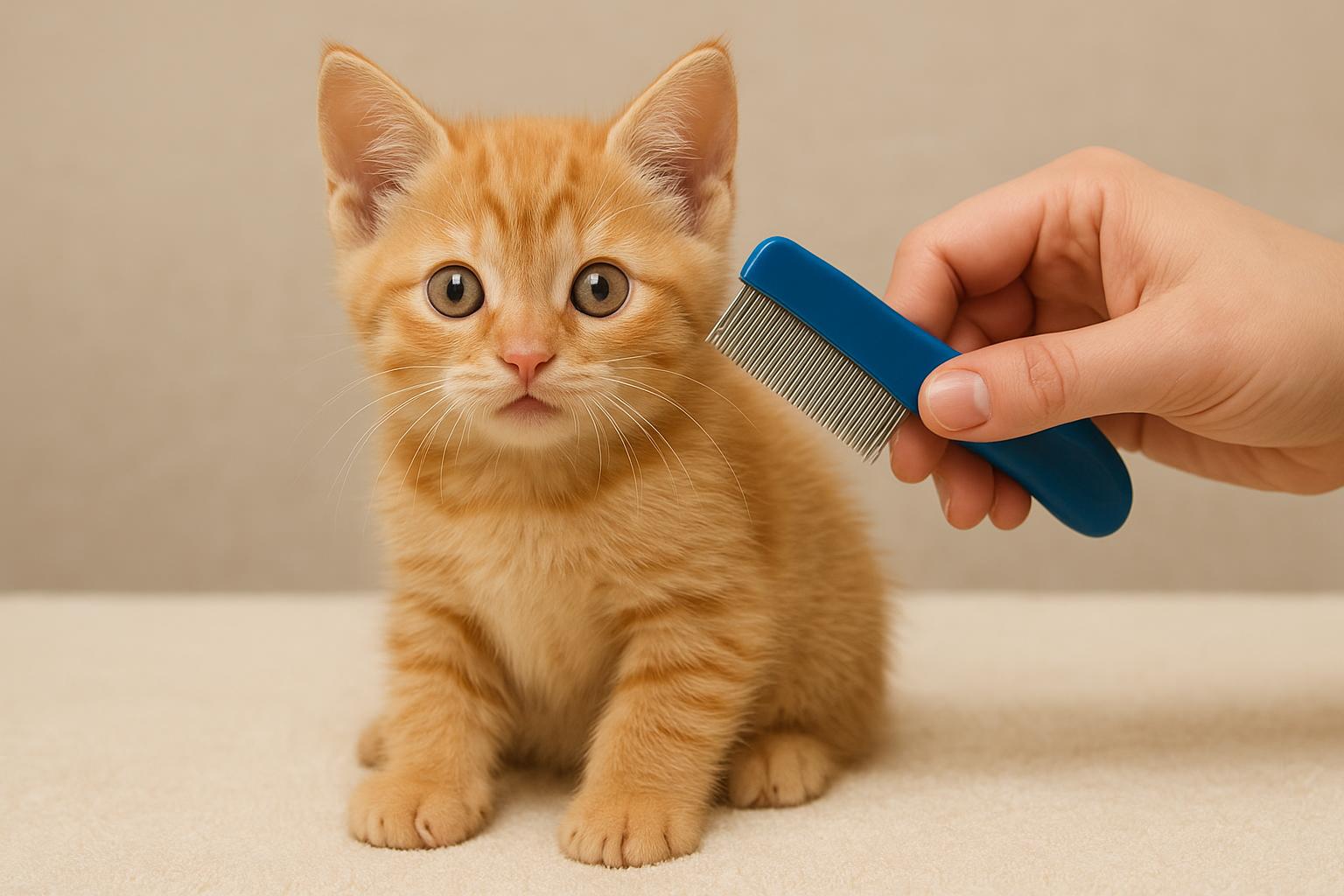
– Brush and inspect your cat to remove flea dirt and assess the flea load.
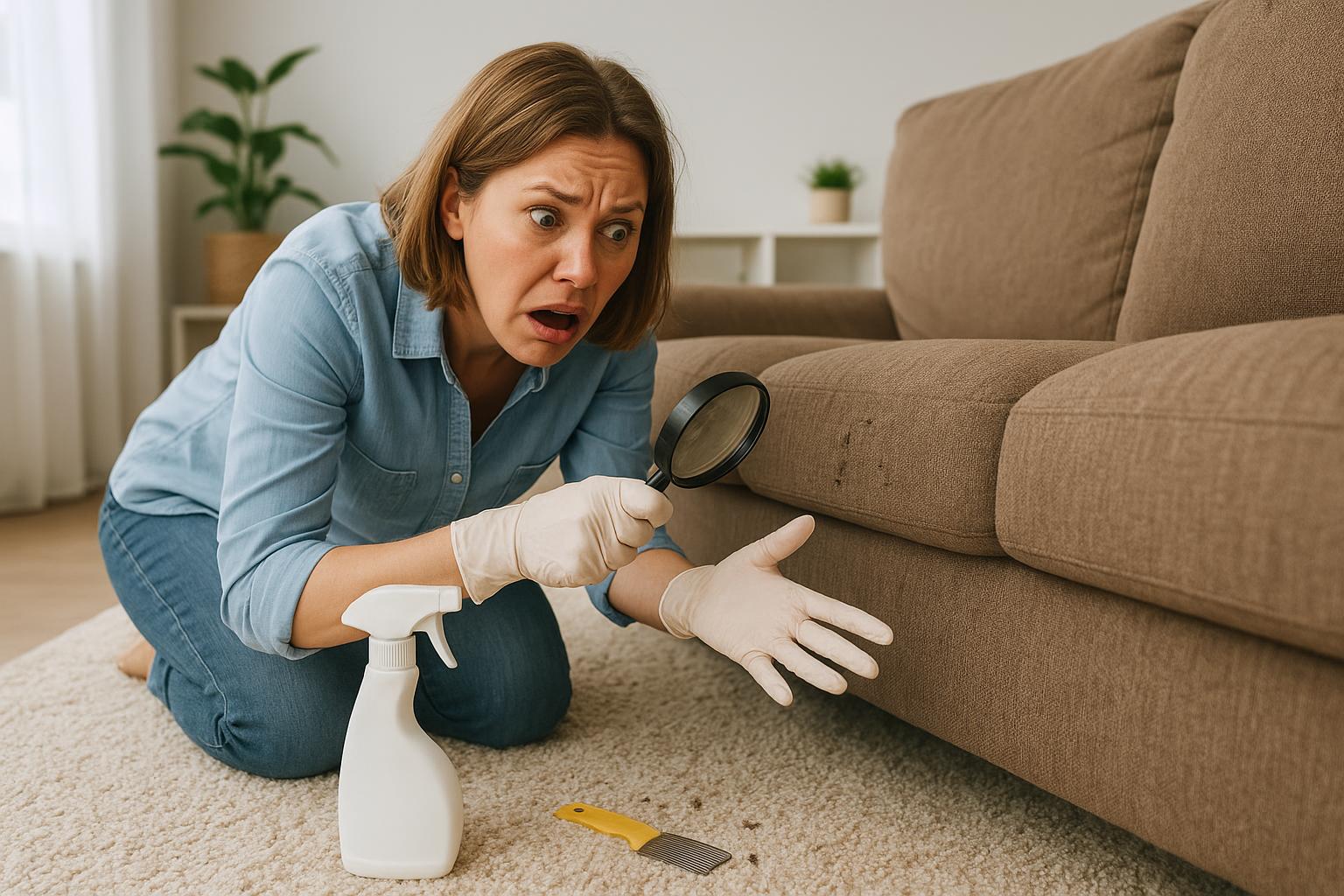
– Launder bedding, vacuum carpets and furniture, and clean floors. Removal of eggs and larvae from the environment amplifies the effectiveness of any treatment.
### 1. Diatomaceous Earth Fleas Treatment For Cats
Below is a formal, step-by-step procedure for using food-grade diatomaceous earth to reduce flea populations on cats and in the home. Follow these instructions carefully and consult your veterinarian with any concerns.
Materials And Ingredients
– Food-grade diatomaceous earth (DE), not pool-grade. Purchase from a reputable supplier and confirm “food-grade” on the label.
– Fine hand duster or applicator (e.g., bellows duster) for home areas.
– Powder duster designed for pet-safe topical application (optional, but useful).
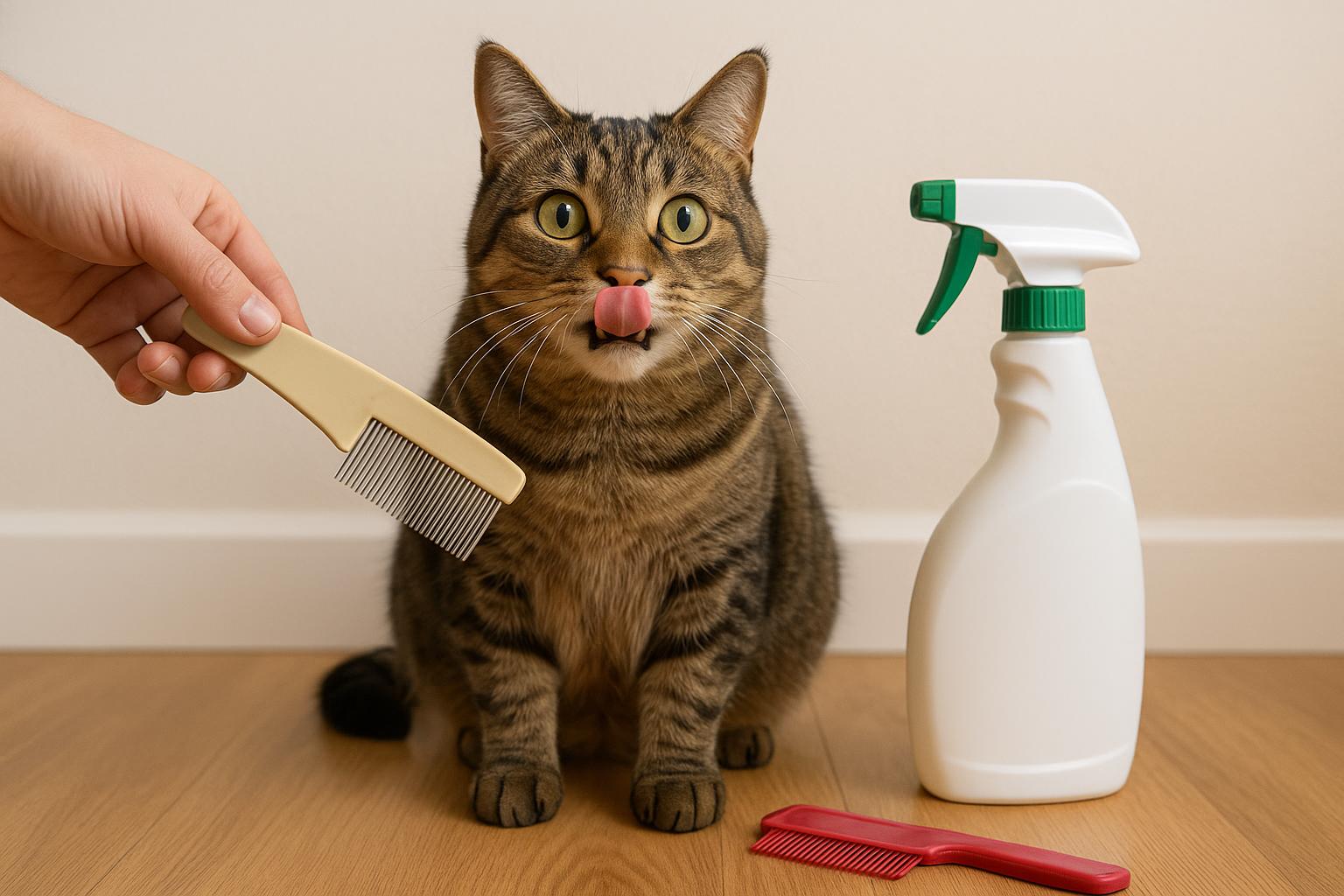
– Soft brush or flea comb for the cat.
– Gloves and dust mask for the person applying the powder.
– Vacuum cleaner with a HEPA or high-efficiency filter.
– Damp cloths for spot-cleaning delicate surfaces.
Creation And Preparation
1. Verify Product: Confirm the product is labeled “food-grade diatomaceous earth.” Check the silica content and manufacturer instructions. Store the DE in its original container in a dry place.
2. Prepare Work Area: Vacuum surfaces thoroughly to remove adult fleas, eggs, and larval stages. Wash pet bedding in hot water and dry on high heat if fabric allows. Dry environments improve DE effectiveness.
3. Personal Protection: Don a dust mask and gloves. Keep the area well-ventilated to reduce airborne dust.
Application Steps (Topical Application On Cats — Formal Procedure)
1. Restraint And Comfort: Have a partner gently hold the cat, or place the cat on a non-slip surface. Offer calm, reassuring petting. Avoid forcing the cat into position; stress can cause sudden movements.
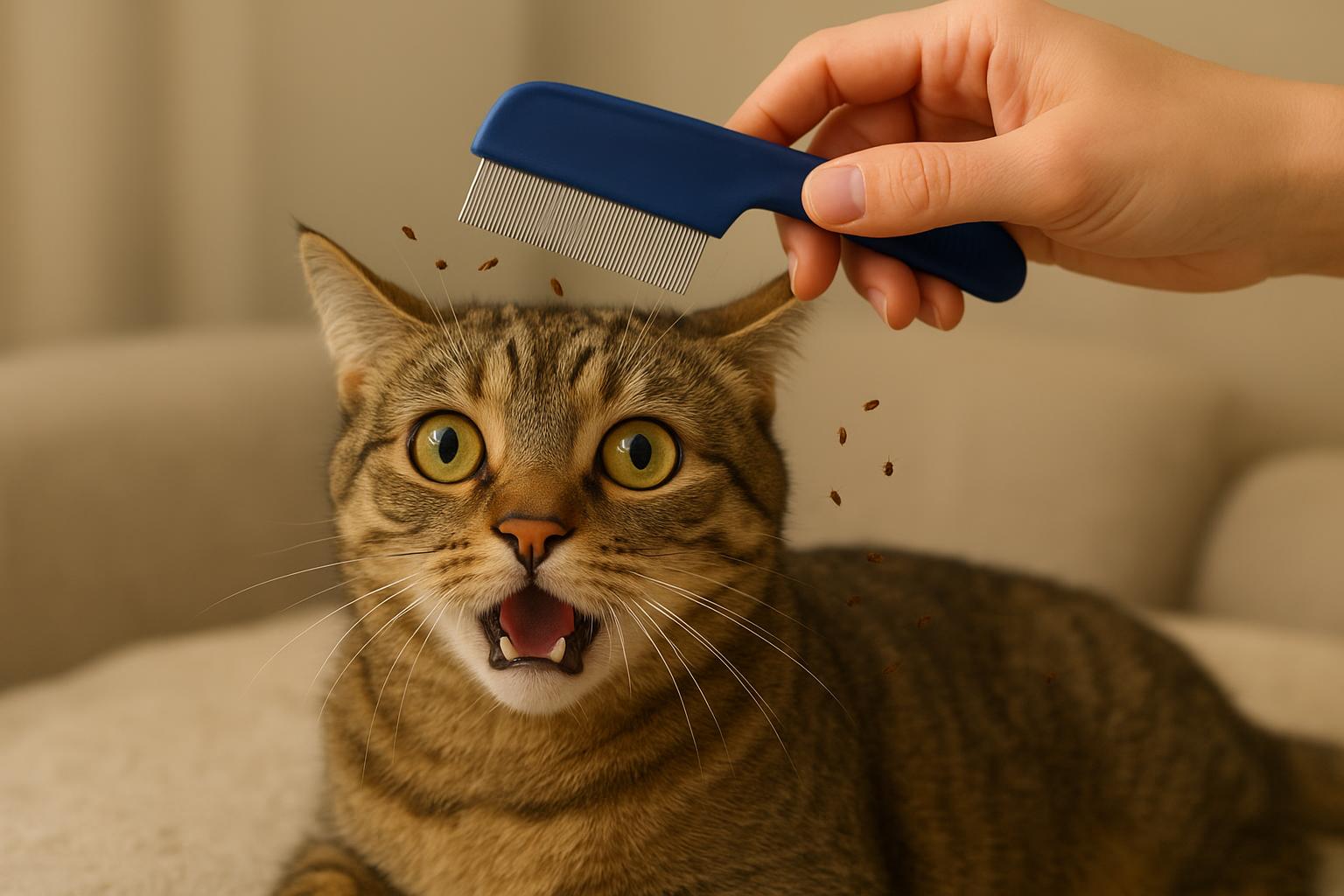
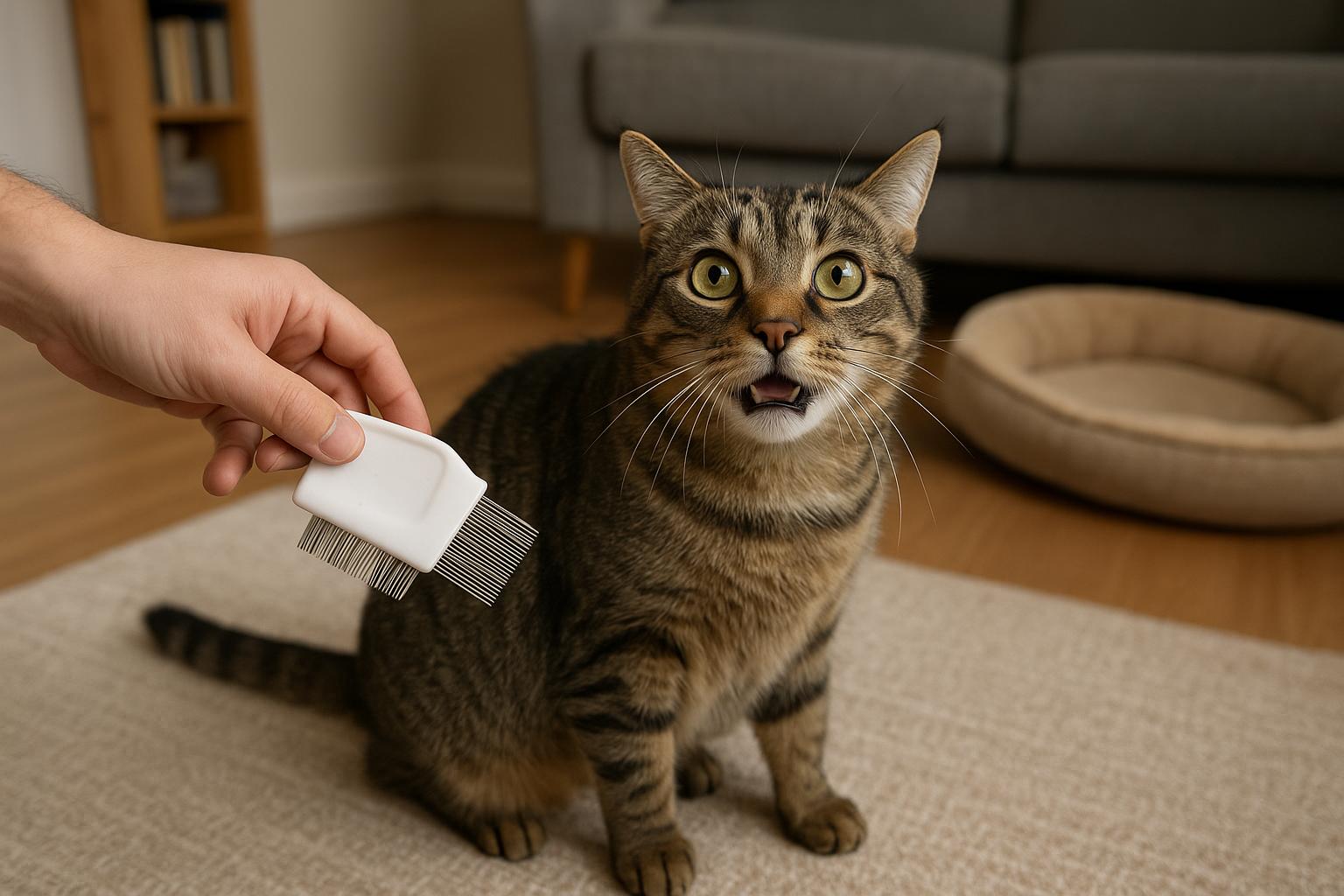
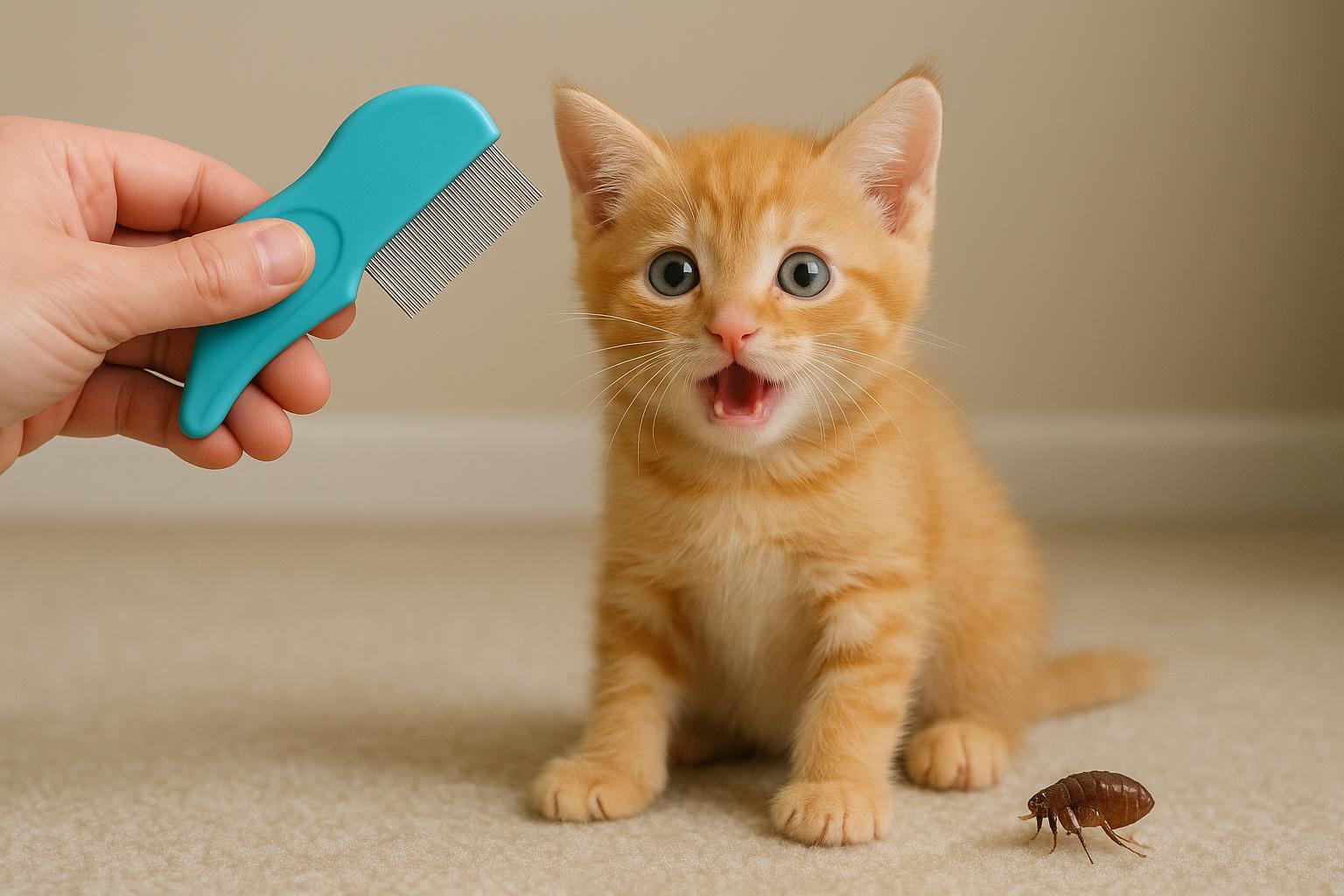
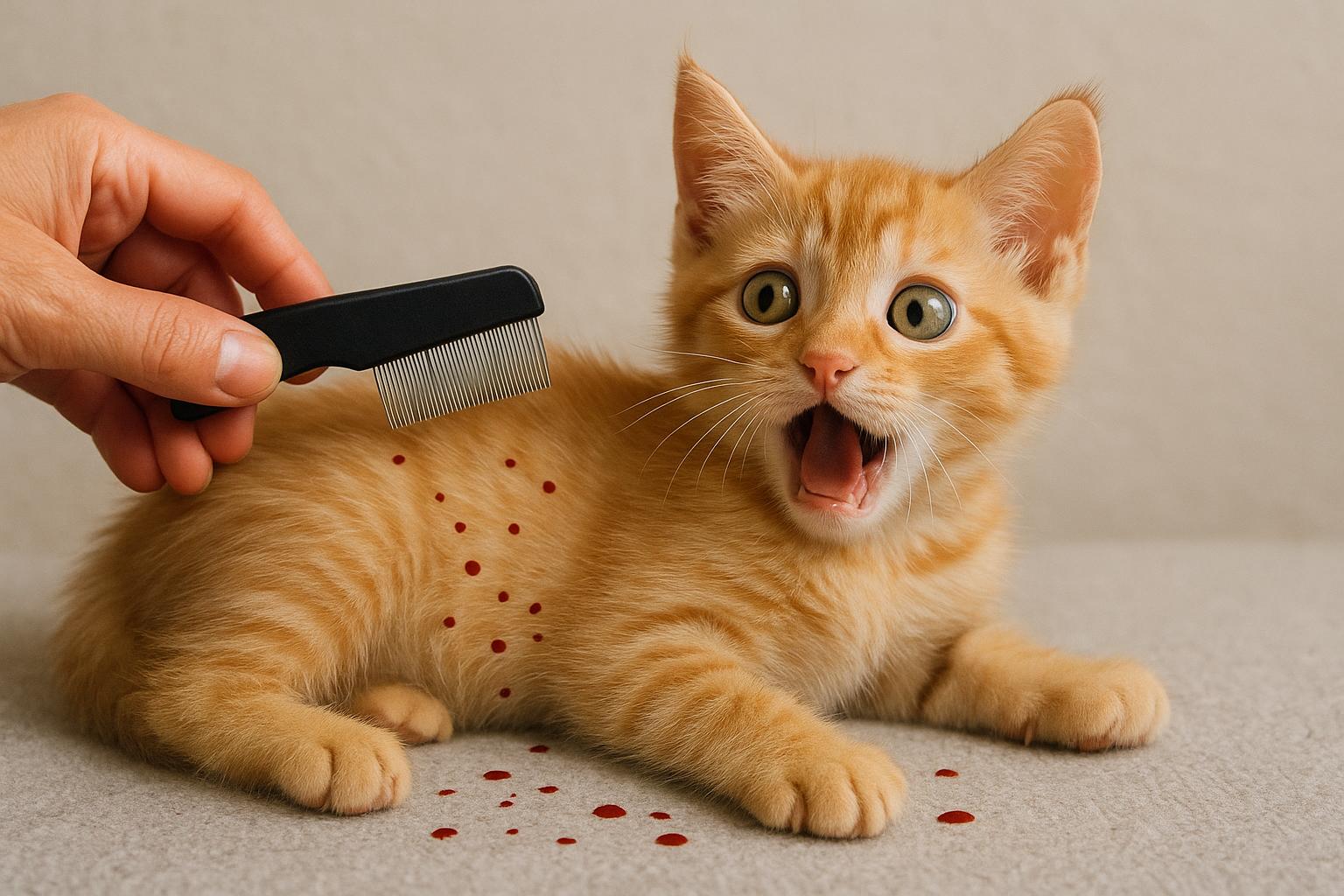
2. Initial Brush: Use a flea comb to remove visible fleas and flea dirt. Dispose of any live fleas by submerging them in soapy water.
3. Small Test Patch: Apply a very small pinch of DE to a small section of fur (e.g., the back of the neck) and observe the cat for 15–30 minutes for any adverse reaction (sneezing, coughing, skin irritation).
4. Application Technique: If no reaction occurs, lightly apply a thin layer of DE to the cat’s coat with your fingers or a soft applicator. Focus on areas where fleas concentrate: along the spine, base of the tail, and behind the ears. Keep DE away from the cat’s face, eyes, mouth, and nose.
5. Work Into Fur: Gently rub the powder into the fur until the coat is barely dusted. Do not create a thick cake of powder; less is more.
6. Comb Out Excess: After 10–20 minutes, gently comb the fur to remove excess powder and any immobilized fleas. Collect and dispose of the combings in a sealed bag.
7. Clean Hands And Area: Wash hands thoroughly and vacuum the treatment area to remove residue.
Application Steps (Home And Bedding)
1. Apply DE sparingly to carpets, baseboards, pet bedding (outside the dryer only), and cracks where fleas hide. Use a duster to distribute an even, thin layer—enough to contact moving insects but not so much as to create airborne clouds.
2. Leave DE in place for 48–72 hours. During this period, avoid heavy foot traffic and keep pets off treated areas if possible.
3. Vacuum treated areas thoroughly after 72 hours. Empty the vacuum into an outside trash receptacle immediately.
4. Repeat application after 7–10 days to capture hatched fleas from any surviving eggs. Maintain environmental cleanliness to interrupt the flea life cycle.
### When To Repeat And Safety Tips
– Reapplication Frequency: For moderate infestations, repeat home applications every 7–10 days for three cycles to address newly hatched fleas. For heavy infestations, combine DE treatment with veterinarian-recommended adulticidal products.
– Avoid Overexposure: Never dust cats with large quantities of DE. Excessive inhalation by either pets or humans can cause respiratory irritation.
– Monitor The Cat: Observe for skin dryness or irritation. If the cat shows signs of distress—sneezing, coughing, pawing at the face—or develops a rash, discontinue topical use and seek veterinary guidance.
– Combination With Other Methods: Diatomaceous earth fleas control is most effective as part of an integrated pest management plan. Use periodic vacuuming, bedding hygiene, and veterinarian-approved systemic or topical flea preventatives as needed.
– Environmental Limits: DE works best in dry conditions. It is not effective when wet and will lose potency if damp.
#### Applying On Fur: Tips For Finicky Cats
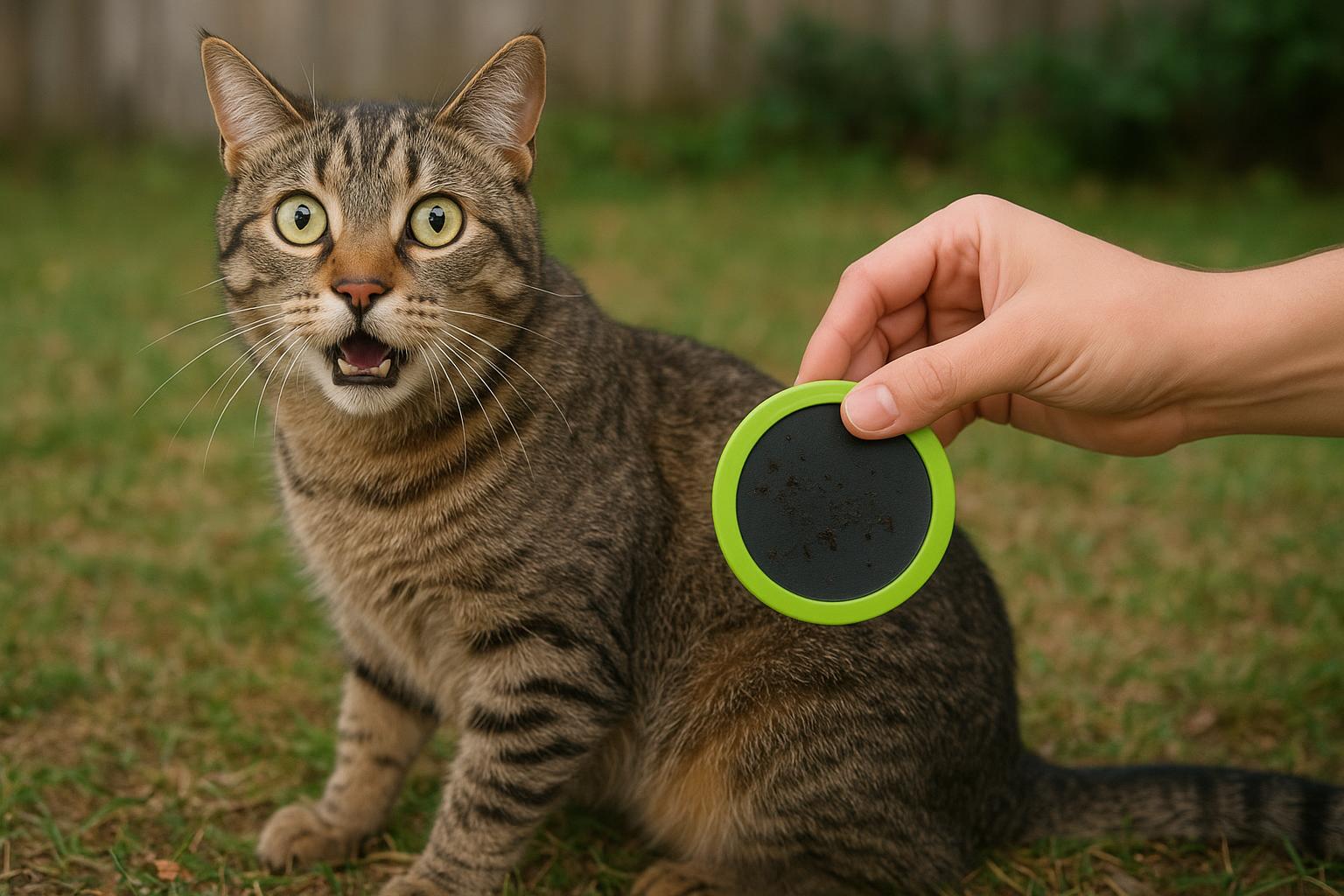
For cats that dislike being powdered, try applying DE to a soft brush and gently brushing the coat. Alternatively, sprinkle a small amount on a towel and lightly rub the towel over the cat’s back. Keep sessions short and reward with treats. Always prioritize the animal’s comfort.
#### Treating The Home Without Drama
Treat only areas where your cat spends time: under beds, behind couches, and along baseboards. Use a thin, invisible layer of DE. If you have children, ensure treated areas are temporarily inaccessible. Vacuum daily during treatment cycles to physically remove eggs and larvae.
#### Outdoor Use And Yard Care
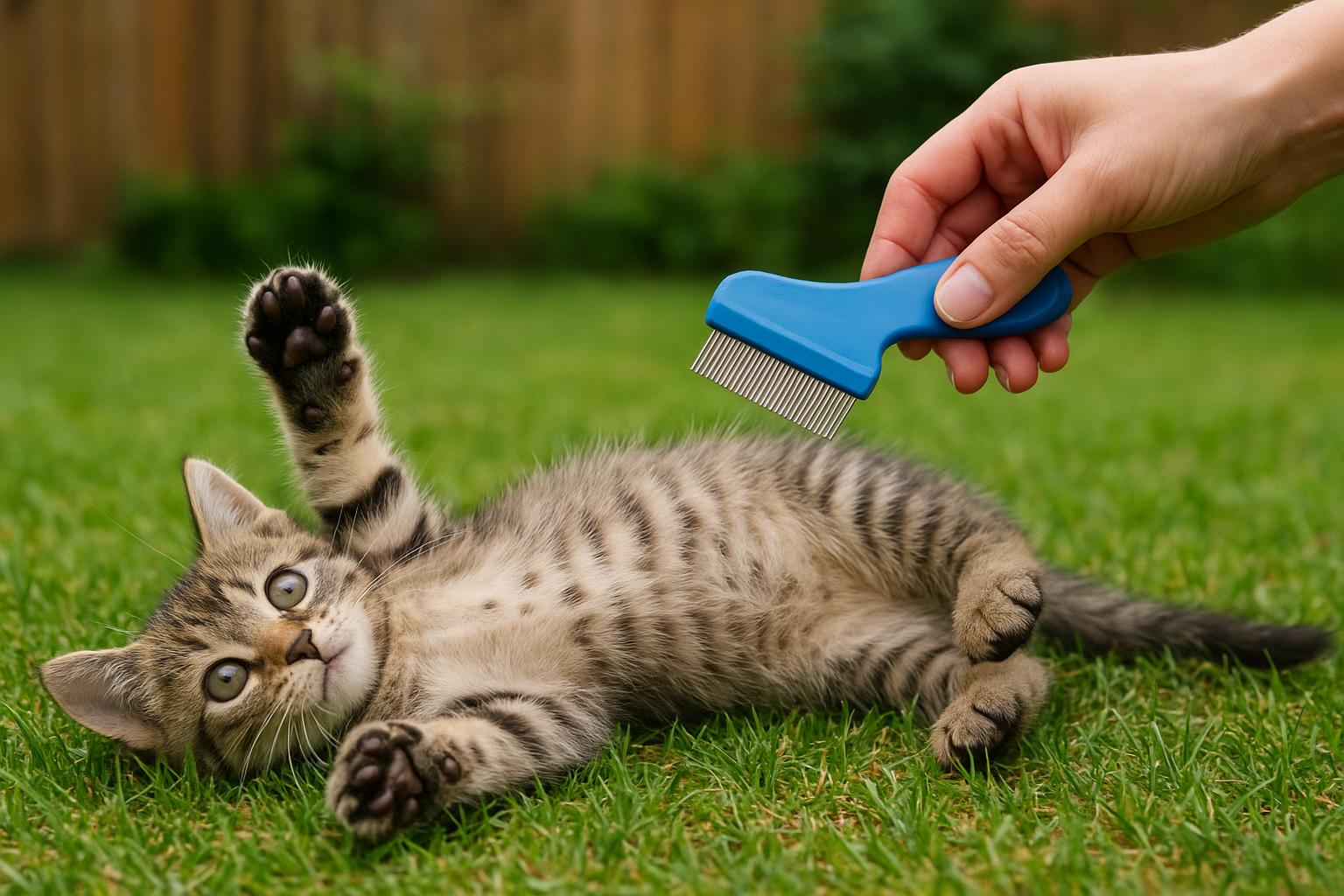
Outdoors, apply diatomaceous earth fleas treatment to shaded, dry areas where pets rest—not to plants intended for consumption. Reapply after rain. If you have a heavily infested yard, consider combining DE with environmental measures like mowing, removing debris, and discouraging wildlife hosts.
## Additional Considerations
Diatomaceous earth fleas control is a practical, low-toxicity option for many households, but it’s not a universal fix. It excels at reducing flea numbers in dry, clean environments but is slower than chemical agents. Keep open communication with your veterinarian, especially if the cat is very young, elderly, pregnant, nursing, or has respiratory or skin conditions. If you’re ever in doubt, professional guidance is the right next step.




Leave a Reply