
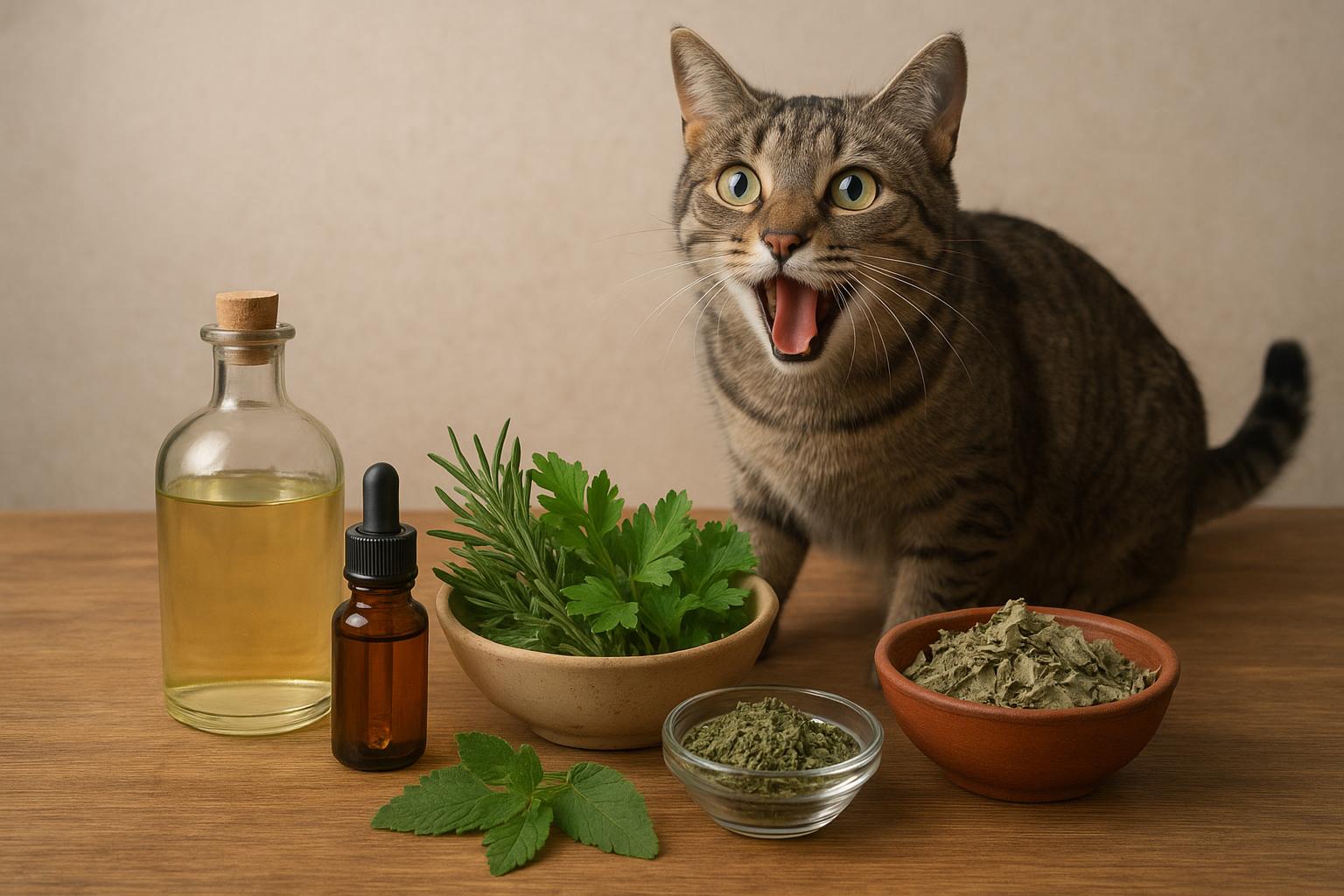
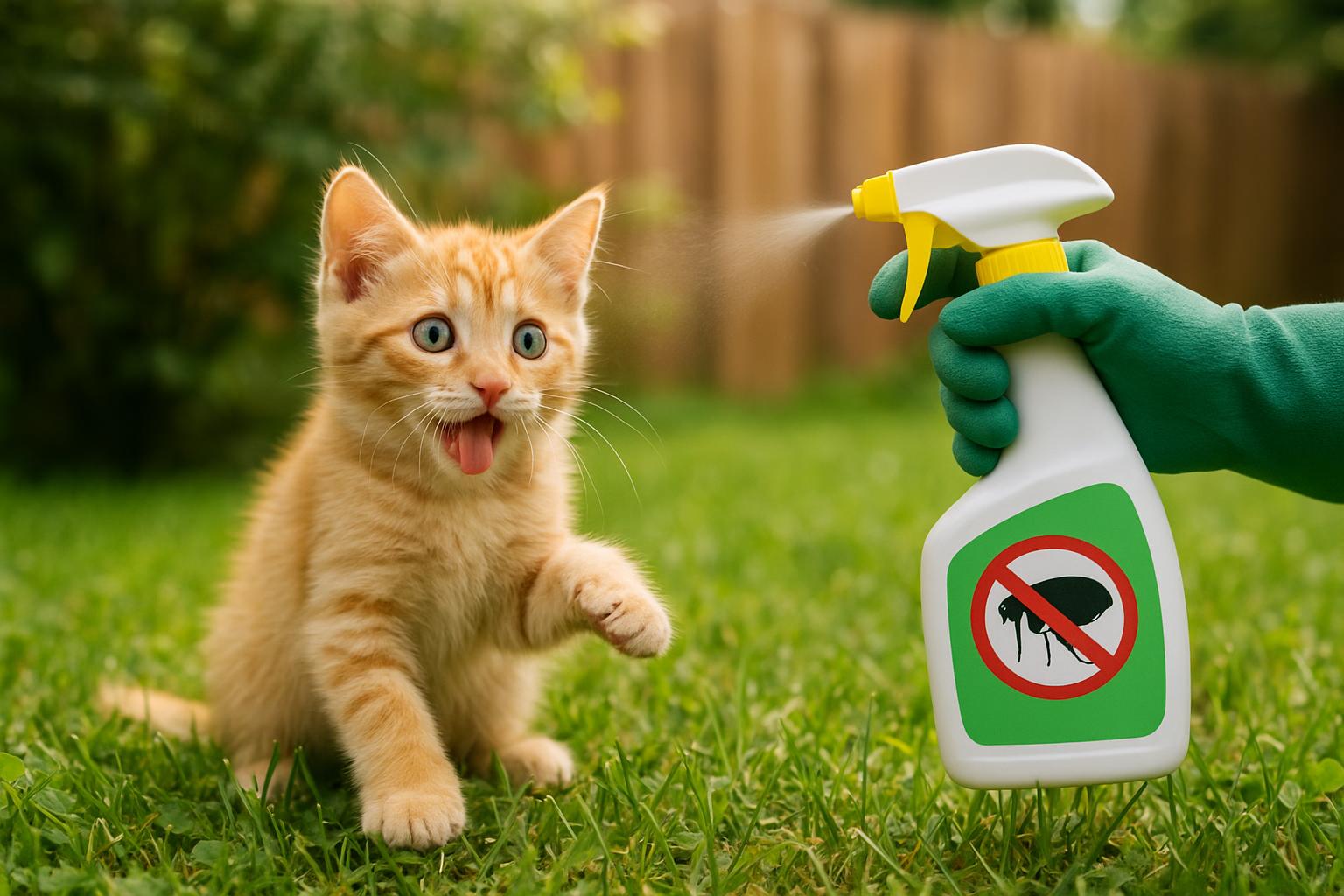
If your cat could write a Yelp review, it would probably give your lap five stars and your flea-control skills a one-star “what were you thinking?” That’s where gentle, plant-powered options come in. Below you’ll find practical, cat-safe approaches to repelling fleas naturally — helpful for sensitive kitties, those who dislike strong chemicals, or anyone who wants a greener routine. Read on for three numbered, fully detailed herbal remedies and practical guidance.
## 1. Herbal Flea Repellent Spray For Cats
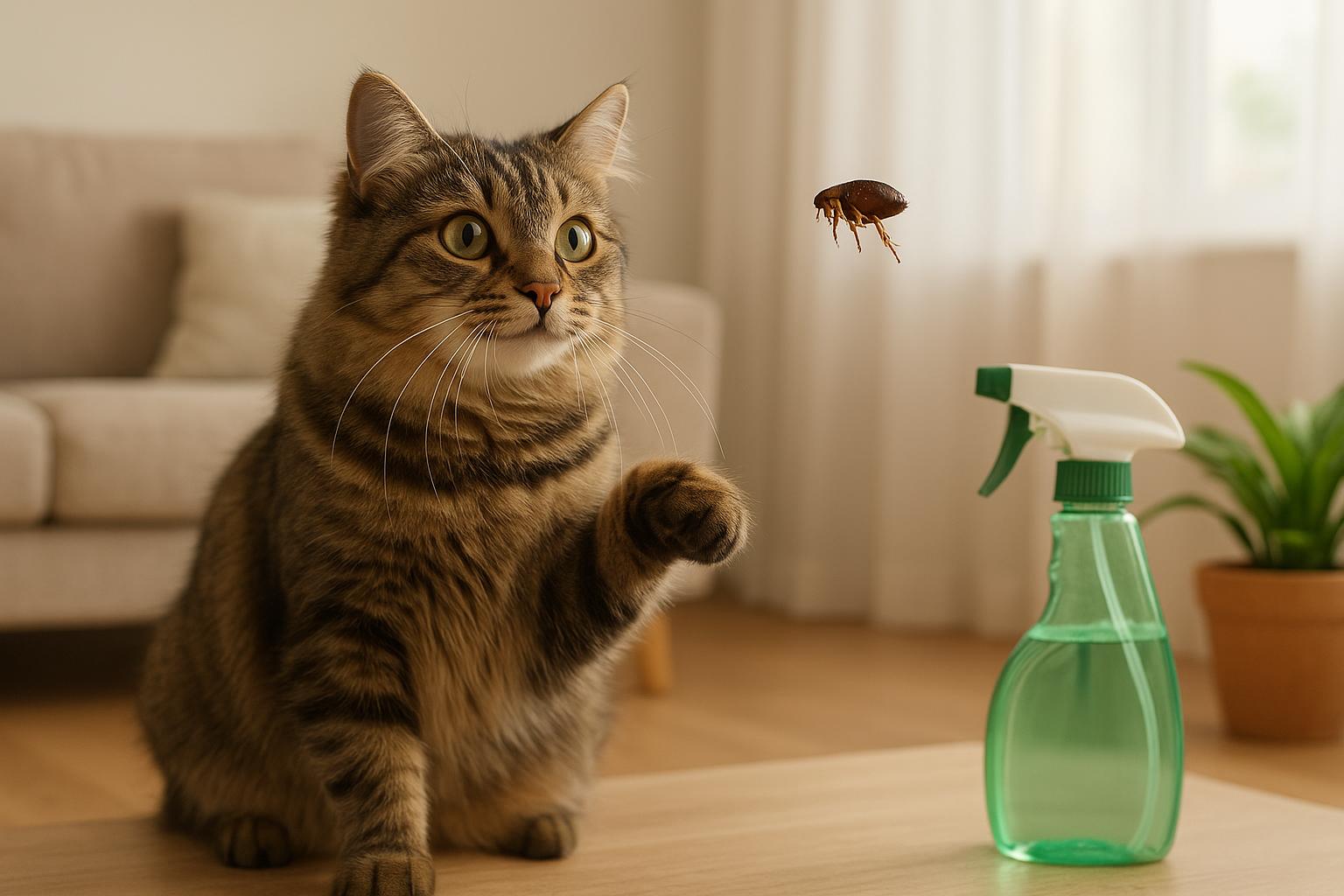
This herbal flea repellent spray is a light, rinse-free option for regular maintenance. It’s designed to be diluted, non-greasy, and safe for most healthy adult cats when used properly. When in doubt, patch-test and check with your veterinarian — especially for kittens, pregnant cats, nursing moms, or cats with health issues.
### Ingredients
– 1 cup distilled water
– 1/4 cup organic apple cider vinegar (diluted to reduce skin irritation)
– 1 tablespoon witch hazel (alcohol-free if possible)
– 10 drops lavender essential oil (use high-quality lavender only)
– 5 drops cedarwood essential oil
– 1 teaspoon vegetable glycerin (optional, helps oils mix)
### Step-By-Step Creation And Application
1. Sterilize a clean 8 oz spray bottle with boiling water or running hot water and let it cool.
2. Combine the distilled water and apple cider vinegar in a clean measuring cup.
3. Add witch hazel and vegetable glycerin, stirring gently.
4. Add the essential oils drop by drop, stirring to disperse. Essential oils must be used sparingly and at low concentrations for cats; follow the quantities above.
5. Pour the mixture into the spray bottle and shake gently before each use. Label the bottle with the date (use within 2–3 weeks).
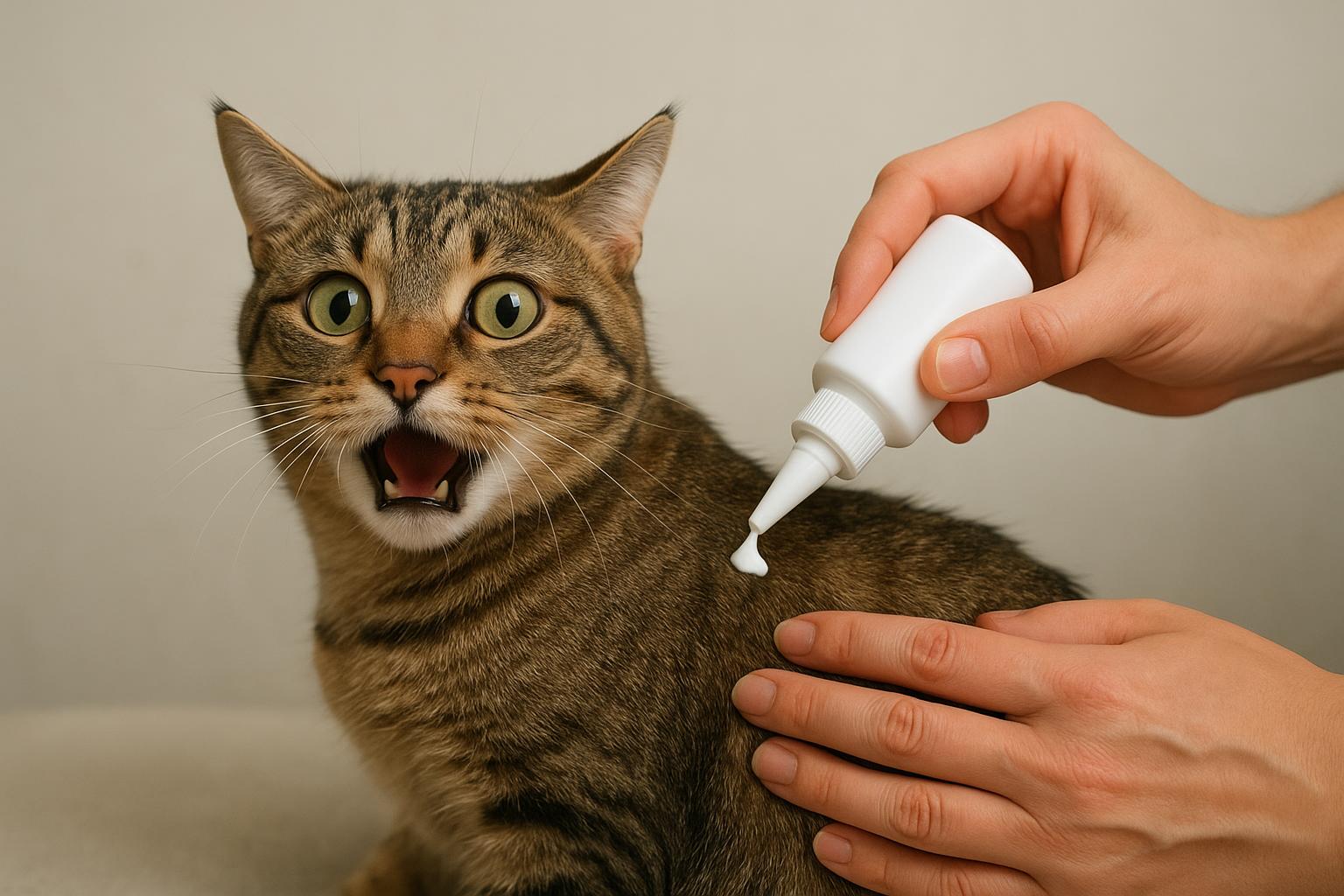
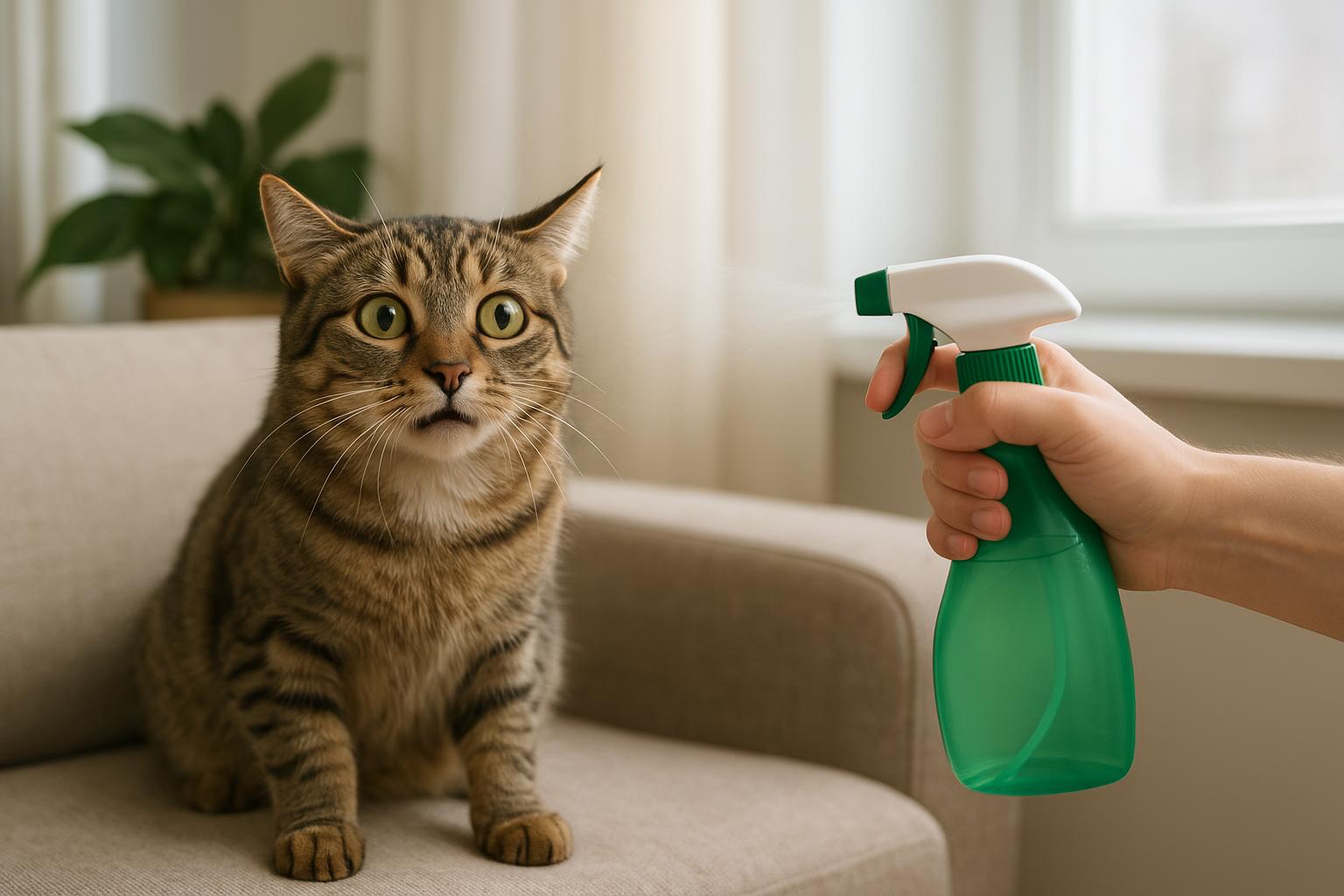
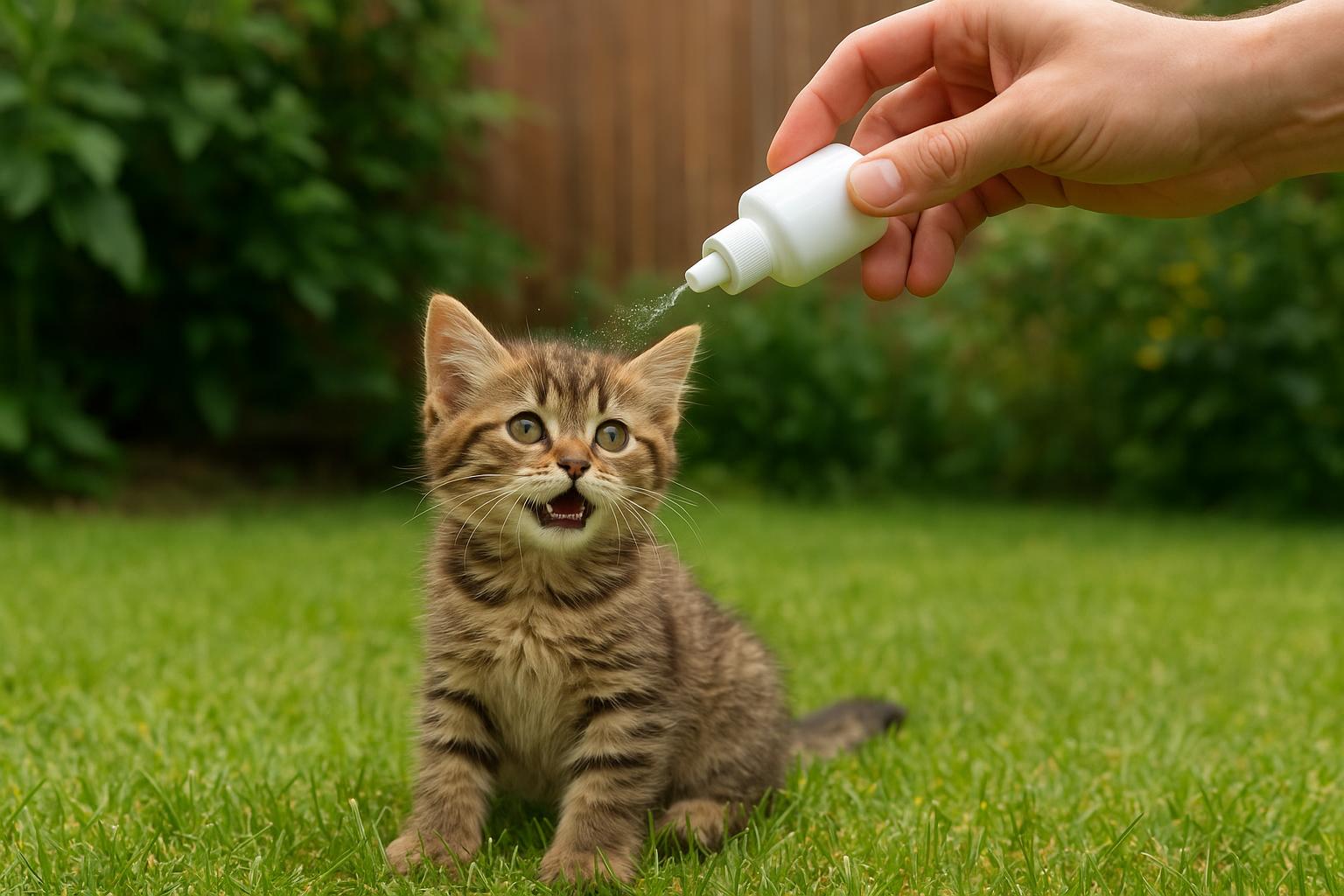
6. To apply: Spray lightly onto your hands first, rub between palms, then stroke along your cat’s back and sides — avoiding the face, eyes, nose, mouth, and any broken skin. Do not spray directly onto the cat. For hard-to-reach areas, dampen a cloth and wipe gently.
7. Frequency: Use 2–3 times weekly for maintenance, or after outdoor exposure. If your cat shows any sign of irritation (redness, itching, unusual behavior), stop use immediately and rinse the area with water.
#### Safety Notes And Concentration
– Cats are sensitive to many essential oils. Lavender and cedarwood are among the more commonly tolerated ones in low concentrations, but individual sensitivity varies.
– Never use tea tree, peppermint, citrus, eucalyptus, or wintergreen oils on cats — they can be toxic.
– Keep spray out of eyes and face. Do not apply to kittens under 12 weeks without veterinary approval.
## 2. Herbal Flea Repellent Collar Soak (Longer-Lasting)
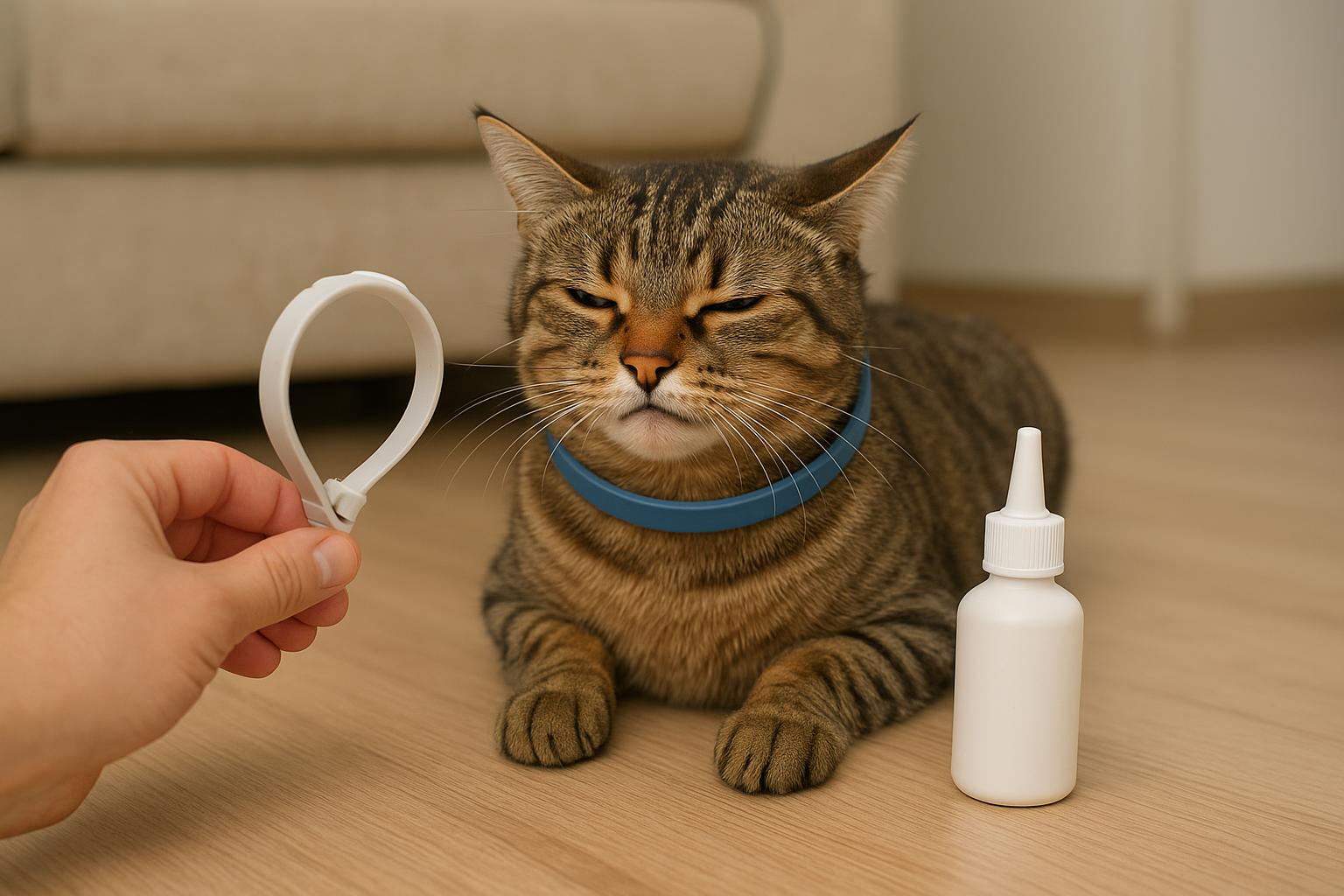
This is a method to refresh or make a temporary herbal collar that provides a gentle barrier. It’s practical for cat carriers, bedding corners, or as a mild scent deterrent on a breakaway collar. Formal and exact preparation is important because prolonged contact with concentrated oils can irritate skin.
### Ingredients
– Cotton breakaway collar or a natural fiber ribbon (for testing only)
– 1/2 cup distilled water
– 1 tablespoon vodka or isopropyl alcohol (helps disperse oils and preserves mixture)
– 8 drops geranium essential oil (cat-safe in small amounts)
– 4 drops lavender essential oil
### Step-By-Step Creation And Application
1. Place the collar or ribbon on a clean surface.
2. In a small glass bowl, combine distilled water and alcohol. Add essential oils and mix thoroughly.
3. Using a dropper, apply 4–6 drops evenly along the collar surface. Let collar sit flat and absorb for 1–2 hours in a ventilated area away from pets and children.
4. After absorption, air the collar outdoors for another hour to allow volatile components to dissipate and avoid a strong initial scent.
5. Fit the collar to your cat ensuring two-finger space for comfort; always use a breakaway collar for safety. Replace or re-soak the collar every 7–10 days or sooner if scent fades.
6. Monitor skin under collar during first 24–48 hours for any irritation. Remove immediately if redness, hair loss, or scratching appears.
#### Notes On Efficacy
– This approach is more of a repellent barrier than a kill method; it helps discourage flea landings but will not eradicate an infestation alone.
– Do not leave concentrated oil-soaked fabrics in direct contact with the cat for prolonged periods without airing.
## 3. Herbal Flea Repellent Sachets For Bedding And Carrier Areas
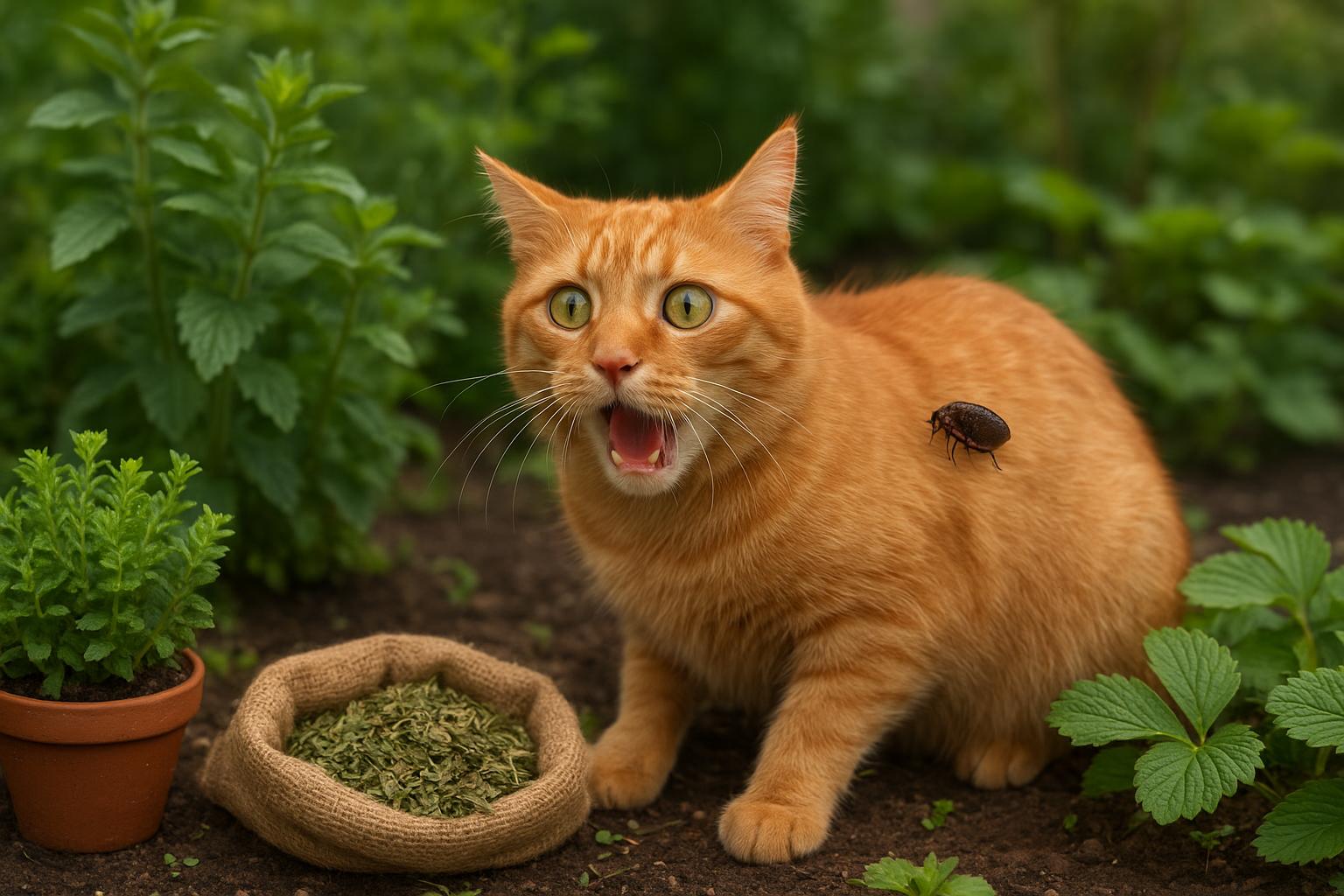
Placing herbal flea repellent sachets near sleeping or resting areas helps create an environment fleas find less attractive. Sachets are an excellent complement to topical or environmental control measures.
### Ingredients
– Dried lavender buds (1/2 cup)
– Dried rosemary (1/4 cup)
– Dried cedar chips (1/4 cup)
– Small muslin bags or breathable fabric squares and twine (4–6 bags)
### Step-By-Step Creation And Application
1. Mix the dried lavender, rosemary, and cedar chips in a clean bowl until evenly combined.
2. Spoon the mixture into muslin bags and tie securely with twine; leave no open seams that release contents.
3. Place sachets in cat beds, under carrier cushions, in laundry bins, or near baseboards where cats rest. Keep sachets out of reach for curious chewers.
4. Refresh sachets every 4–6 weeks by replacing dried herbs; discard any sachet that becomes damp or moldy.
5. For a mild boost, add a single drop of a very low-concentration cat-safe essential oil to the sachet fabric (optional, and only under veterinary guidance).
#### Precautions
– Do not place sachets where cats can ingest the herb mix. Eating cedar or large quantities of certain dried herbs can upset digestion.
– If your cat sniffs intensely then sneezes or has watery eyes near a sachet, move it farther away or discontinue use.
## How Herbal Flea Repellent Fits Into A Complete Plan
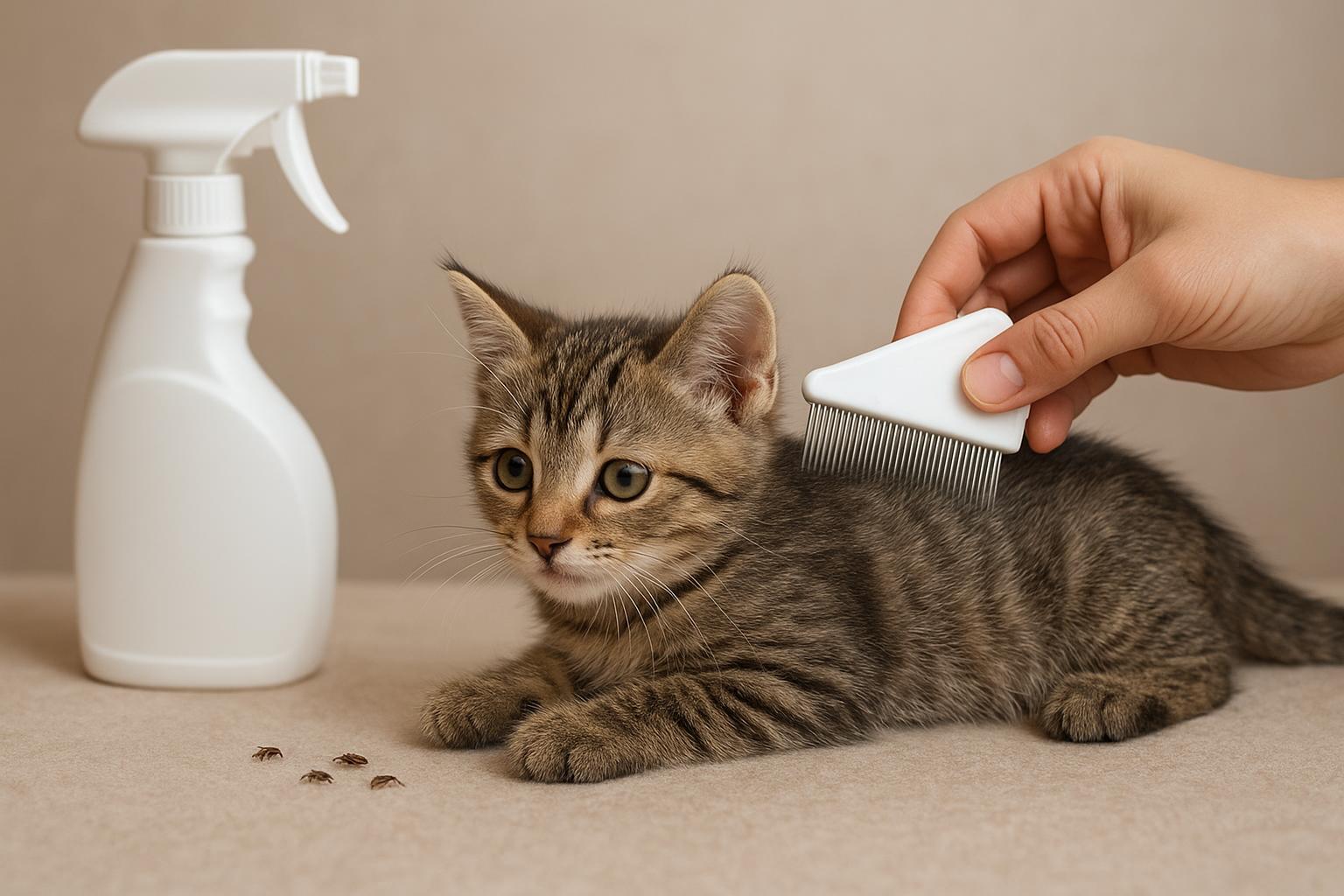
Herbal methods are best used as part of a layered strategy. While an herbal flea repellent can reduce flea landings and make environments less hospitable, it rarely replaces veterinary-approved adulticide or insect growth regulator treatments in moderate to heavy infestations.
### When To Contact A Veterinarian
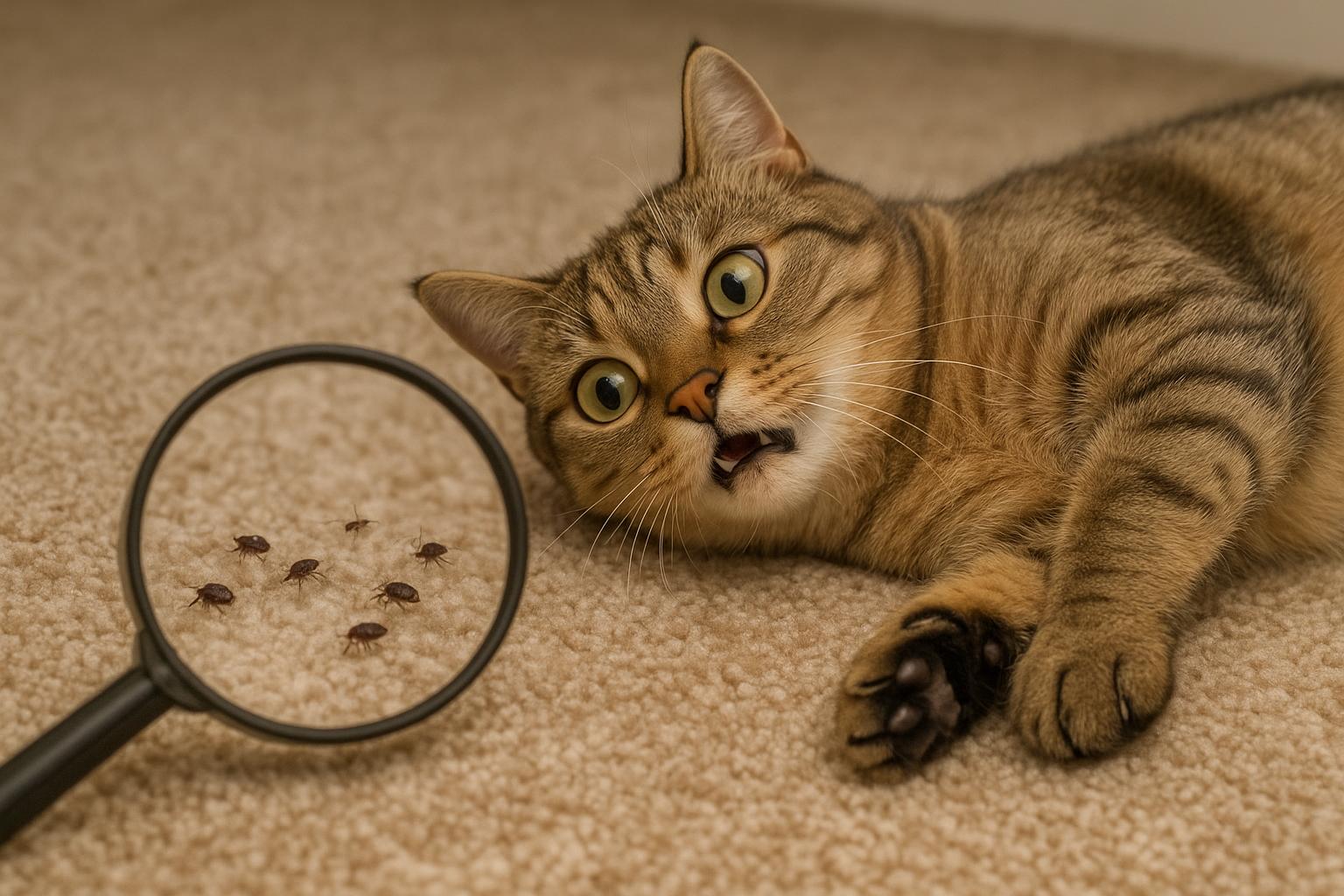
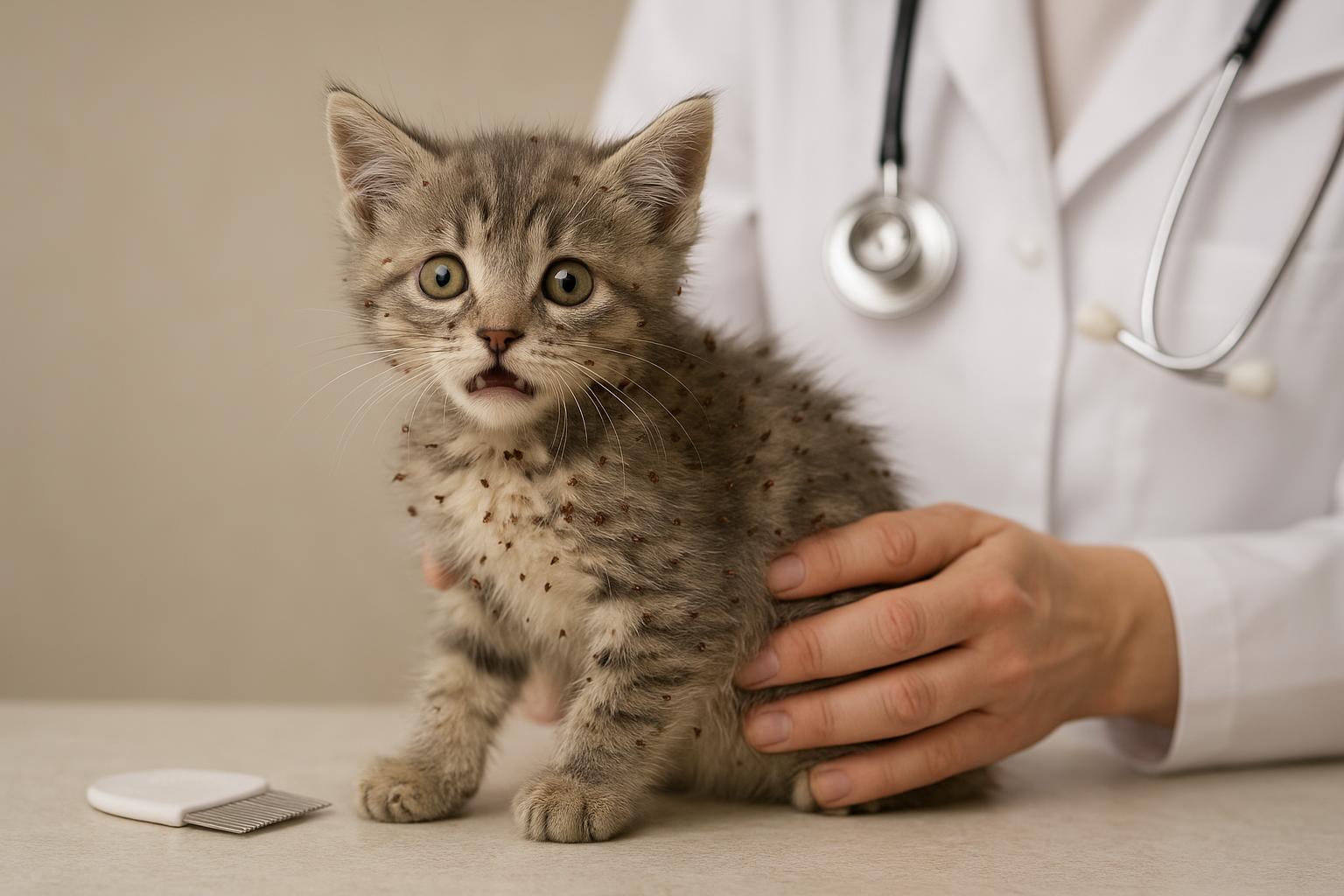
– If you find live fleas on your cat consistently, see your veterinarian for a diagnosis and a treatment plan. Fleas can transmit tapeworms and cause anemia in kittens and elderly cats.
– If your cat has a skin allergy (flea allergy dermatitis), professional treatment is usually necessary; herbal flea repellent measures can support comfort but will not be sufficient alone.
### Practical Tips For Best Results
– Treat the home environment: vacuum carpets and upholstery, wash bedding in hot water, and consider diatomaceous earth (food-grade) in areas vacuums can reach — used carefully and per instructions.
– Rotate strategies: use sprays, sachets, and collar refreshes interchangeably rather than relying on a single method.
– Patch-test any topical application: apply a small dampened cloth to a short area of fur and watch for 24–48 hours.
– Keep expectations realistic: an herbal flea repellent reduces risk and discomfort but is not a guaranteed flea exterminator in an established infestation.
Use these herbal approaches as friendly, practical tools in your cat-care toolkit. They’re approachable, often pleasant-smelling, and gentle when used responsibly — and who doesn’t prefer their kitty smelling like lavender instead of insecticide?





Leave a Reply