
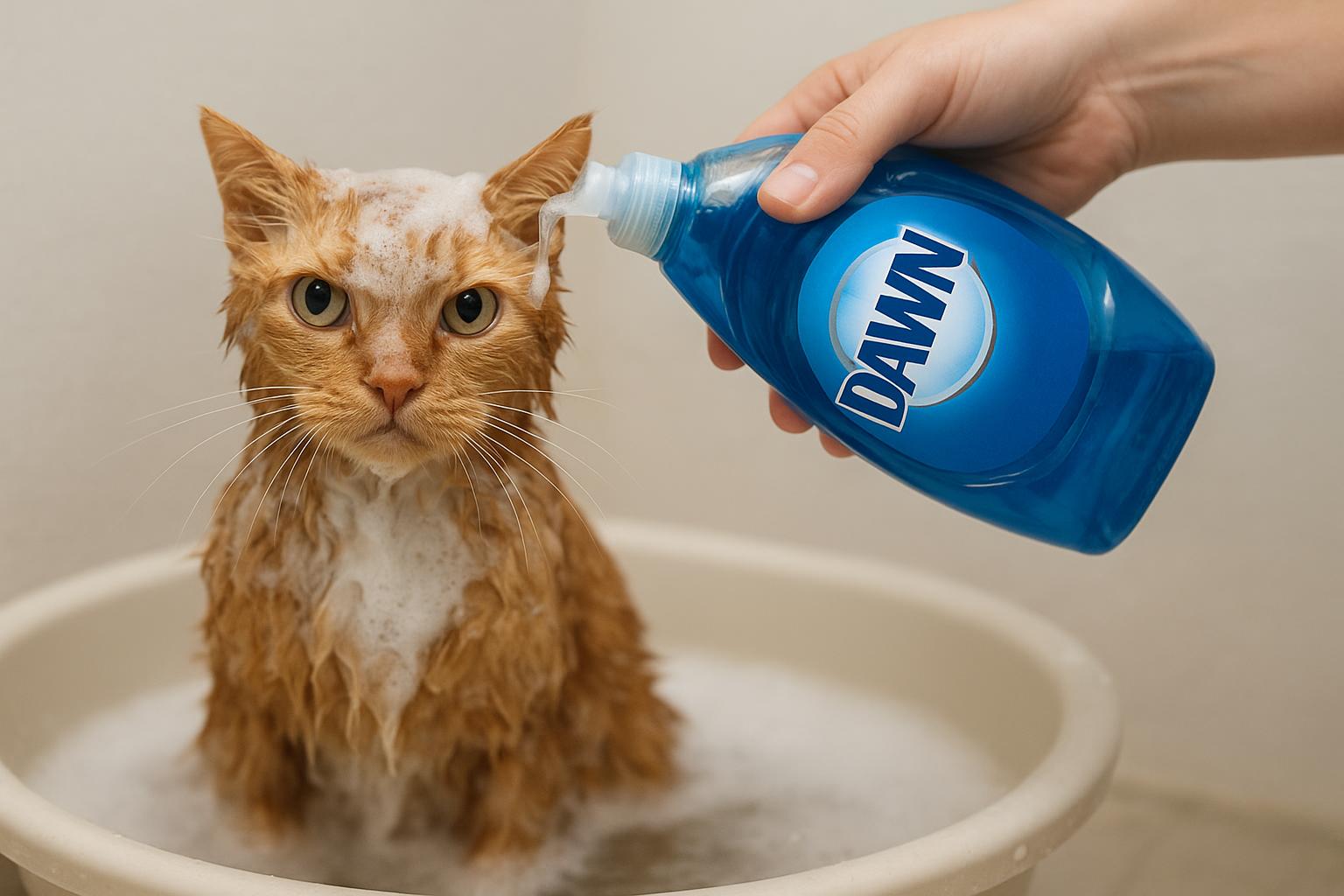
If you’ve ever watched a scruffy raccoon or a bedraggled songbird roll in the grass and then scratch like it’s a personal hobby, you know fleas don’t care who they annoy. Backyard wildlife encounters can be heartwarming, a tiny bit messy, and sometimes turn into impromptu rescue opportunities. If you’re faced with a small animal that needs help, a simple, effective approach is a Dawn dish soap bath as a flea wash — gentle, practical, and widely recommended by many wildlife rehabilitators when used correctly.
## Flea Wash With Dawn: A Gentle Bath For Wildlife
Dawn dish soap gained attention decades ago for removing grease from wildlife in oil spills, but its ability to disrupt insect exoskeletons makes it useful as a flea wash in targeted, short-term treatments. When applied properly, Dawn breaks the surface tension of water and strips the waxy coating off fleas and their eggs, making it possible to remove pests with a controlled wash and rinse. That said, this is not a one-size-fits-all cure and should be used only for small mammals and birds that can tolerate a brief bath and are not suffering from critical injury or shock.
### How This Flea Wash Works
Fleas rely on a protective oily layer to remain buoyant and retain moisture. Dish soaps like Dawn contain surfactants that dissolve oils and reduce surface tension, which causes fleas to sink and become susceptible to mechanical removal. For wildlife, the goal is to remove the pests while minimizing stress and avoiding hypothermia or water inhalation. Use the flea wash as a first-aid measure — if you suspect disease, significant blood loss, internal injury, or if the animal is extremely weak, contact a licensed wildlife rehabilitator or veterinarian immediately.
### When To Use A Dawn Flea Wash
Use this flea wash method only when:
– The animal is alert enough to hold its head above water.
– There are visible, heavy infestations causing discomfort or anemia risk (especially in small animals or nestlings).
– You cannot access veterinary or rehabilitator help quickly and have to stabilize.
– The animal is not heavily soiled with toxic substances (like oil); that requires specialized care.
Avoid bathing neonates and very young nestlings unless instructed by a professional — they are particularly susceptible to chilling and stress.
#### Materials Needed For The Flea Wash
– Dawn dish soap (original blue variety is commonly recommended)
– Lukewarm water (not hot — around 90–100°F / 32–38°C for mammals; slightly cooler for birds)
– A shallow basin or sink lined with a towel for traction
– Soft washcloth or sponge
– A cup or small container for pouring water
– Dry towels and a warm, quiet recovery box (cardboard box with towels and a heating pad set low, or a hot water bottle wrapped in a towel)
– Rubber gloves (optional, for handler comfort)
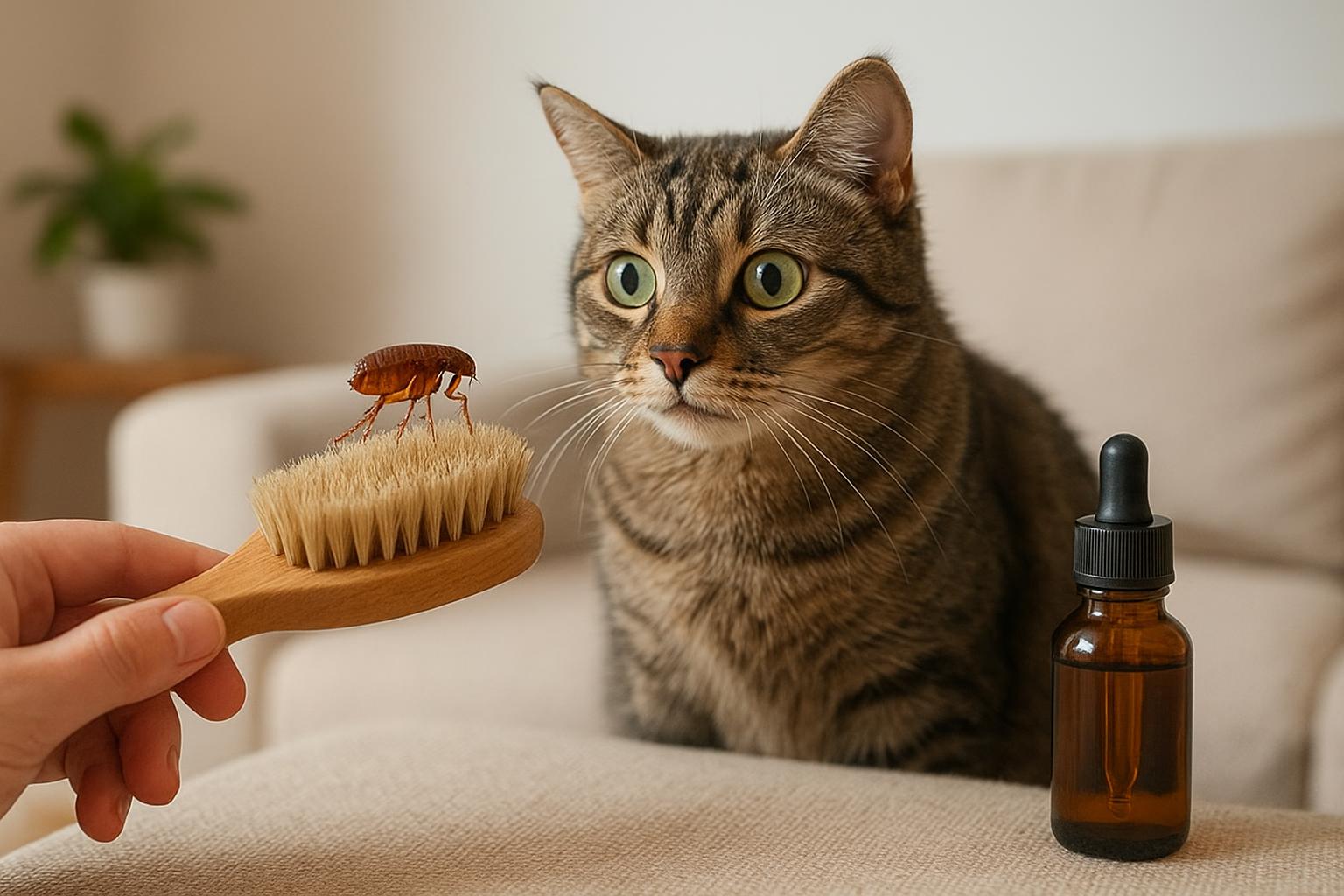
– Tweezers or a soft-bristle brush (if needed to remove stubborn fleas)
– A thermometer for checking water and ambient temperatures (recommended)
#### Step-By-Step Creation And Application Of The Flea Wash
1. Prepare The Space: Choose a warm, draught-free area. Lay towels under and around the basin. Pre-warm the recovery box so the animal won’t cool down after bathing.
2. Mix The Wash: Fill the basin with a few inches of lukewarm water. Add 1–2 teaspoons of Dawn to a gallon of water — you want a light, sudsy solution, not a bubble bath. Stir gently.
3. Secure The Animal: Gently but firmly hold the animal, supporting the head and body. If you’re unsure how to restrain a specific species safely, seek guidance from a rehabilitator. Minimize handling time.
4. Apply The Soap: Wet the animal with lukewarm water. Apply a small amount of the diluted Dawn to a washcloth or directly to the soiled areas, focusing on flea-dense zones (neck, underarms, groin for mammals; vent and underwings for birds). Avoid the eyes, nose, mouth, and ears.
5. Let It Sit Briefly: Allow the soap to work for 30–60 seconds — just long enough to break down oils and loosen fleas, but not so long that the animal becomes chilled or stressed.
6. Rinse Thoroughly: Use the cup to pour lukewarm water over the animal to rinse away soap and dislodged fleas. Ensure all soap is removed; residual soap can irritate skin and feathers.
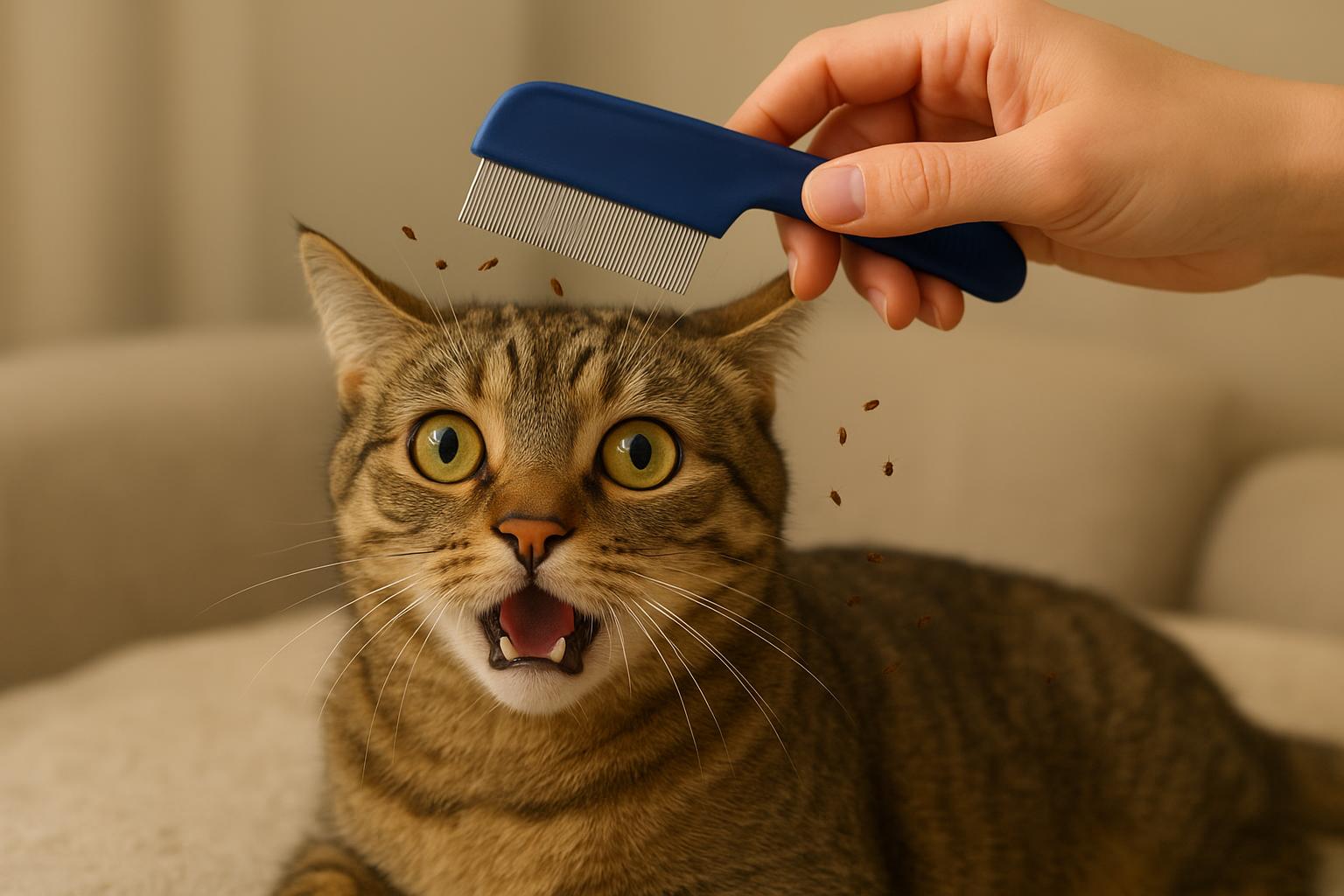
7. Remove Remaining Fleas: Use tweezers or a soft brush to remove any remaining fleas you can safely access. Be gentle to avoid skin damage.
8. Dry And Warm: Quickly but gently towel-dry the animal. Place it in the pre-warmed recovery box. Monitor continuously until it regains normal posture and warmth. Do not release until fully dry and alert.
9. Dispose Of Water Responsibly: Flea-infested wash water should be sealed in a container and disposed of in the trash or poured down a drain; do not leave it standing where other animals could contact it.
### Safety Precautions And Legal Notes
– Use Dawn as a temporary, emergency flea wash only. Many commercial veterinary flea treatments are toxic to wildlife. Always consult a licensed wildlife rehabilitator or veterinarian for follow-up.
– Never attempt to treat a wild animal as you would a pet. Wildlife often requires species-specific handling and medical oversight. Improper treatment can do more harm than good.
– In many jurisdictions, it is illegal to rehabilitate wildlife without permits. If you find an injured or infested animal, contact local wildlife authorities or a wildlife rescue organization for guidance before taking long-term measures.
– If the animal shows signs of respiratory distress, bleeding, or open fractures, do not bathe — transport to a rehabilitator or veterinarian immediately.
### Aftercare And Monitoring Post-Flea Wash
Once the initial flea wash is done, monitor for:
– Signs of hypothermia (lethargy, slow breathing, coordination loss)
– Continued irritation or heavy flea loads (which may indicate the need for professional intervention)
– Weight loss or anemia in small animals — fleas can cause significant blood loss in tiny bodies
– Behavioral indicators of stress or shock
If fleas return quickly, the animal might be harboring fleas in nests, bedding, or dens. In such cases, clean and treat the environment (safely and humanely) or involve professionals who can manage nests without harming young.
#### Handling Nestlings And Young Wildlife
Young birds and mammals are delicate. If you find nestlings with fleas:
– Contact a rehabilitator before bathing. Often the best course is to clean the nest or surrounding area rather than bath the young.
– If a wash is absolutely necessary, a minimal, swift rinse and gentle towel dab-off while keeping the bird warm may be preferable to full soaping. Follow rehabilitator instructions closely.
### Common Mistakes To Avoid When Using A Flea Wash
– Over-Soaping: Too much soap or prolonged exposure can remove natural oils that provide insulation, especially in birds.
– Using Hot Or Cold Water: Extremes in temperature stress animals and can be fatal for small wildlife.
– DIY Meds Meant For Pets: Many flea medications labeled for dogs or cats are concentrated and toxic to wildlife; avoid using them.
– Delaying Professional Help: If recovery is not rapid, seek expert assistance rather than repeating home treatments.
### Alternative Or Supplemental Measures
If a bath is not appropriate, consider:
– Spot-cleaning with a damp cloth and Dawn in tiny amounts, then immediate drying and warming.
– Vacuuming nests (wear gloves and a mask) from a safe distance, sealing the bag, and disposing of it — but only when it’s safe and legal to do so.
– Calling a rehabilitator who may provide insecticidal dusts or treatments appropriate for the species and situation.
### When To Call In The Experts
If the animal is very young, severely infested, weak, or exhibits abnormal breathing, neurological signs, or severe wounds, contact a licensed wildlife rehabilitator or veterinarian immediately. A professional can assess for anemia, secondary infections, or internal parasites that a simple flea wash won’t address.
Using Dawn as a flea wash can be a lifesaving, low-cost tool in emergency situations when professional help is temporarily unavailable. It’s effective at removing obvious fleas from fur and feathers when used correctly, but it’s just a first step. Handle all wild animals with care, prioritize warmth and minimal stress, and follow up with trained professionals whenever possible — wildlife recovery is a team sport, and you’re a very important part of the roster when you act thoughtfully.





Leave a Reply