
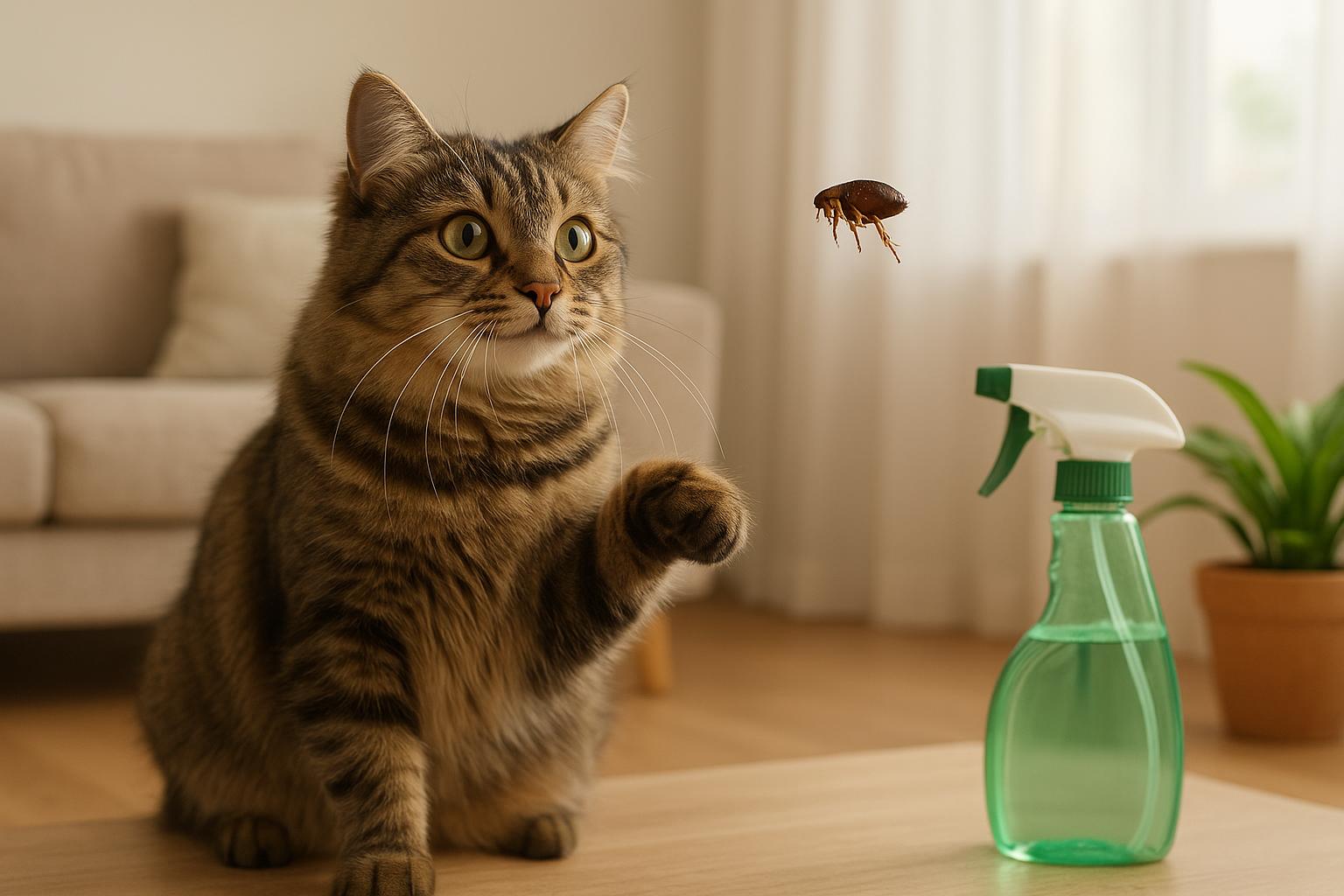
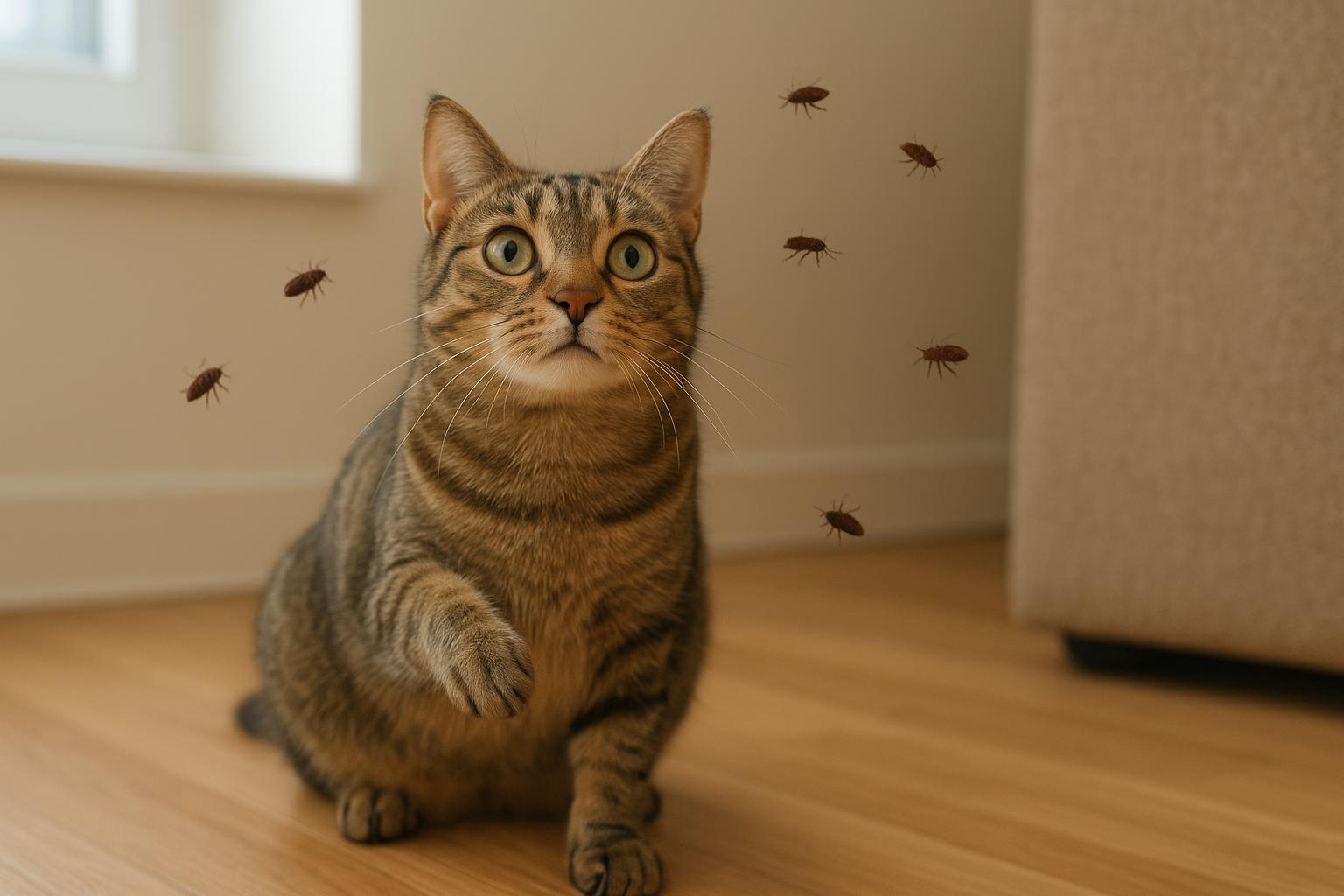
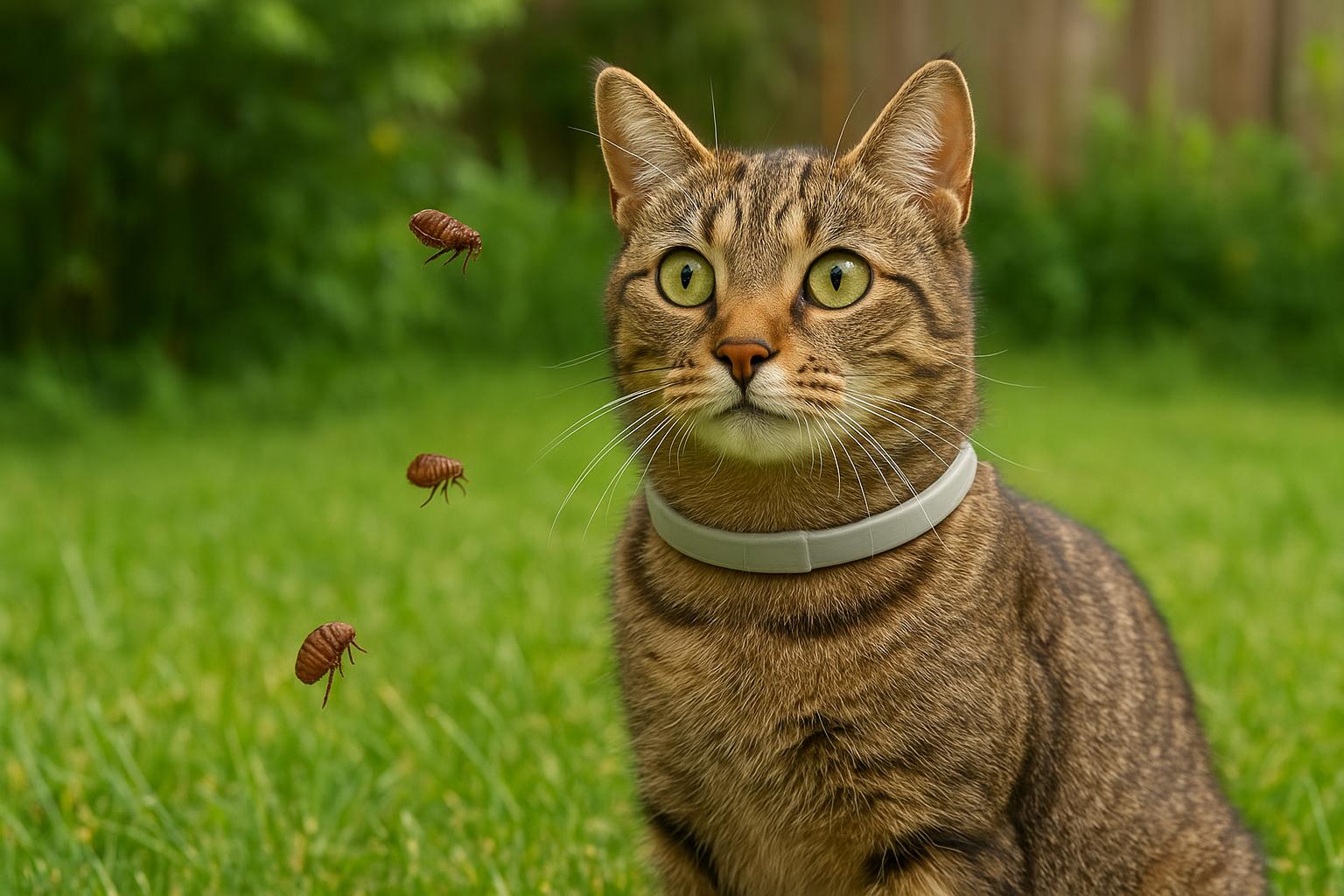
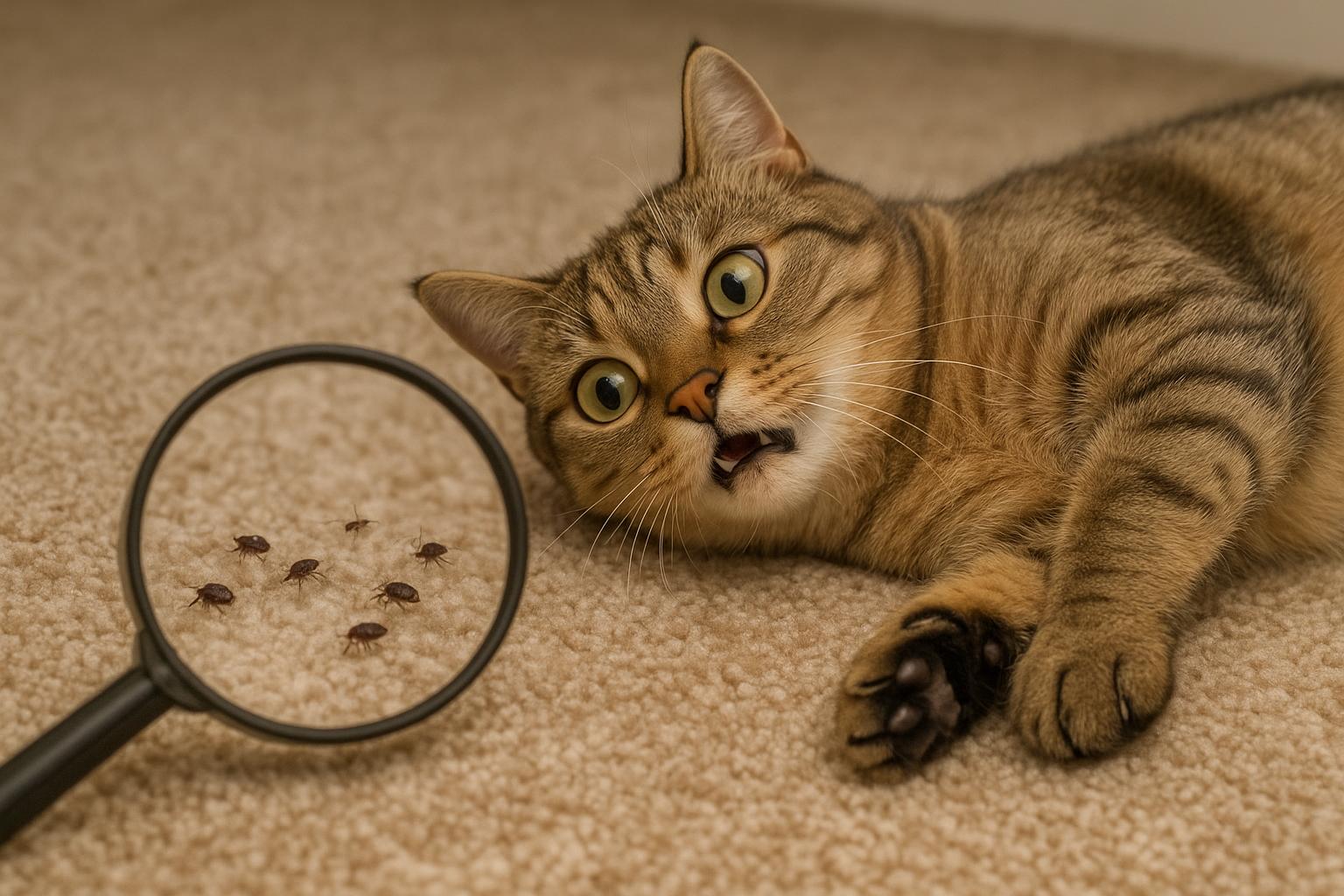
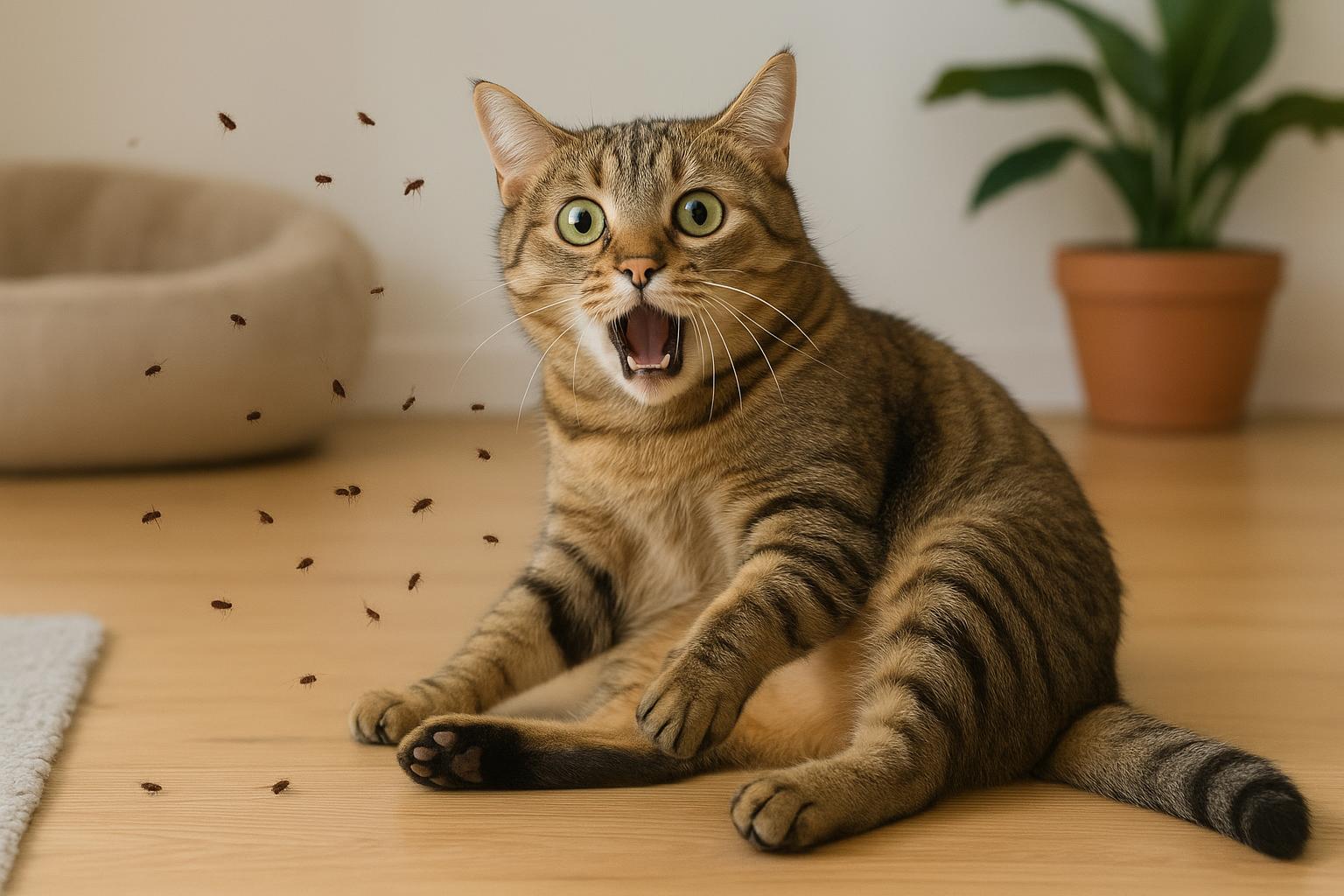
Living with pets is a joy — and occasionally a tiny, hopping menace. If you’ve ever heard the telltale scratching or noticed tiny black specks in your pet’s fur, you’re probably wondering how to keep your home comfortable and pest-free without resorting to harsh chemicals. This guide will walk you through effective, pet-safe, natural strategies to prevent and control flea indoors trouble, with clear how-to steps and materials lists for remedies you can make at home.
## 1 Natural Spray For Flea Indoors
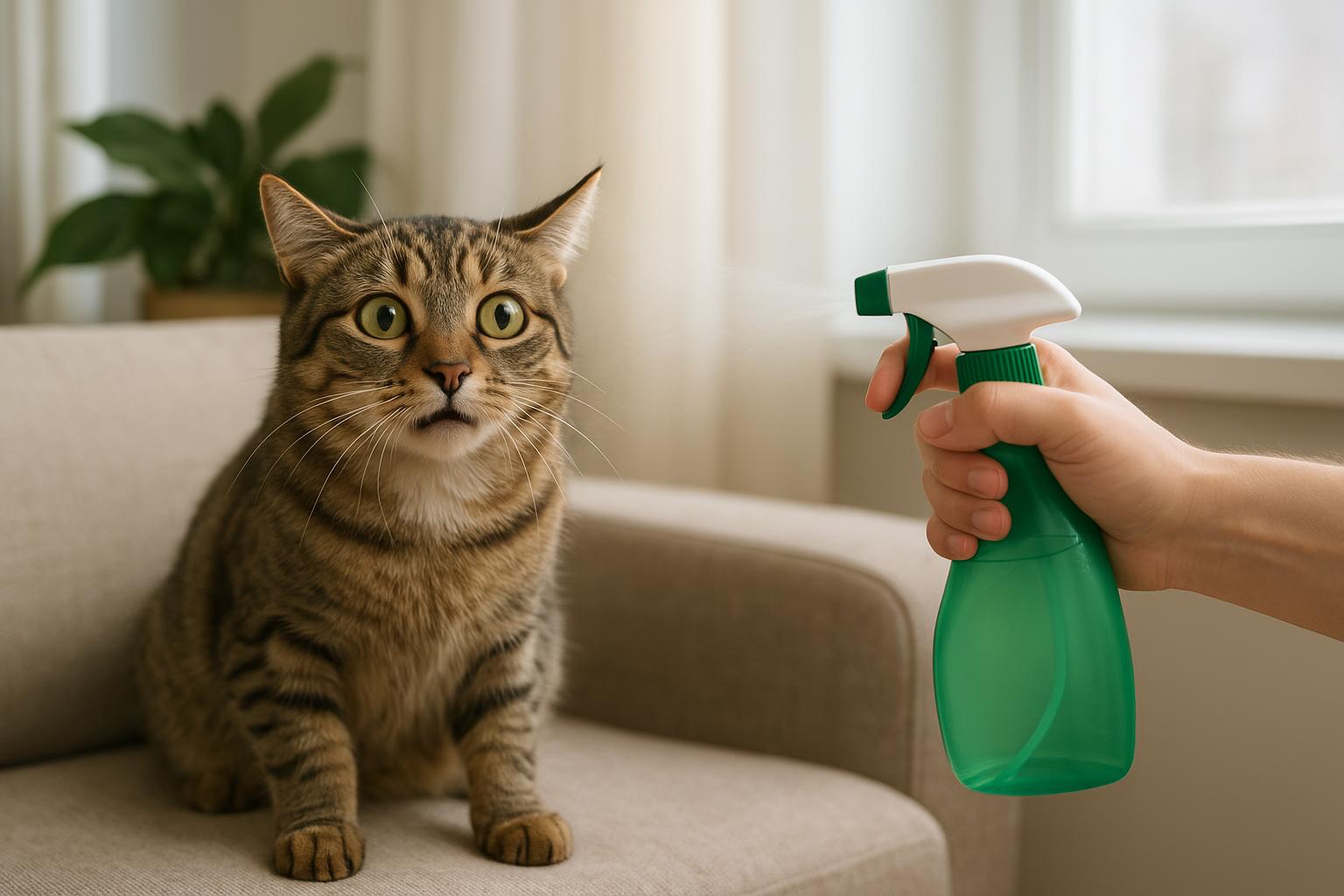
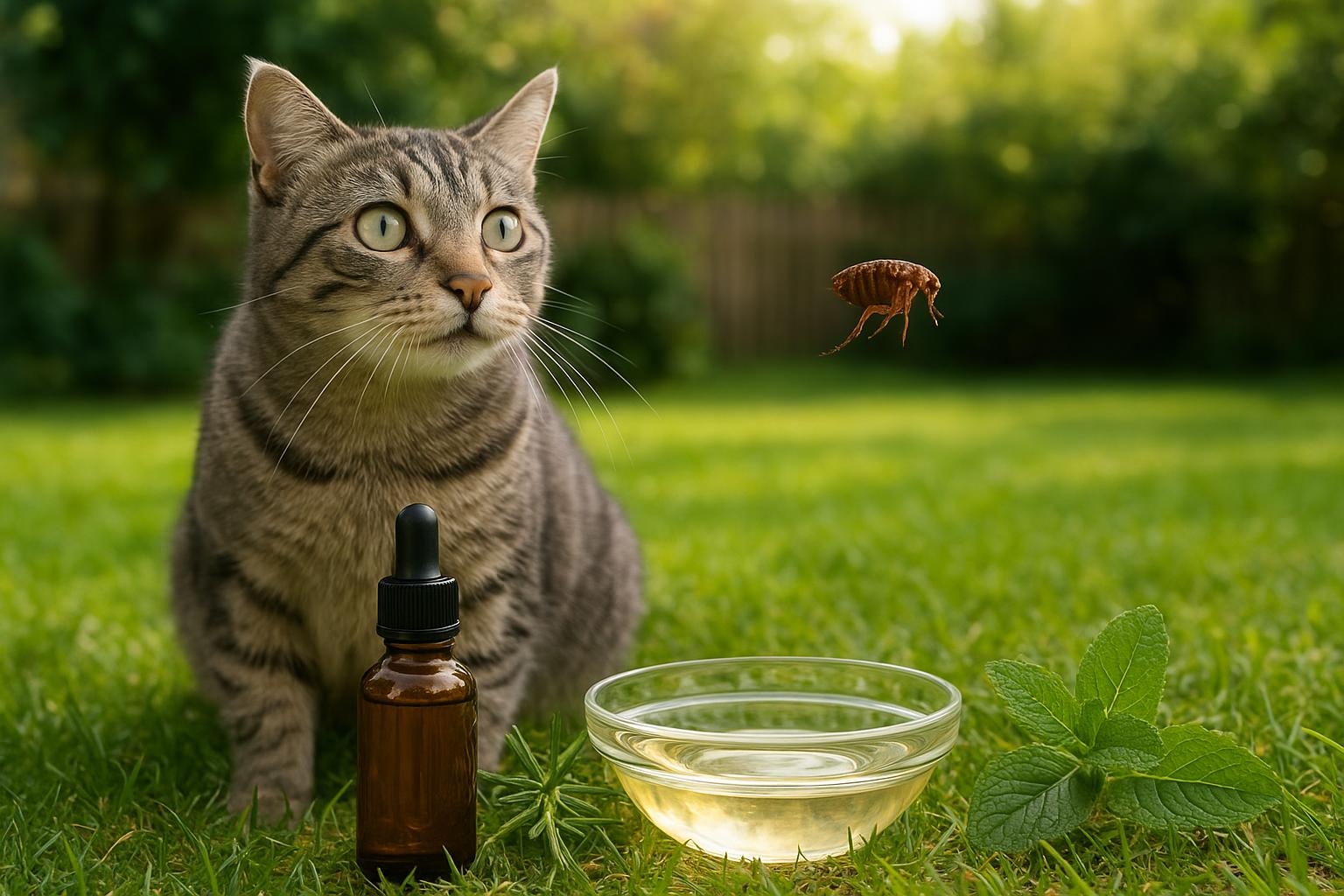
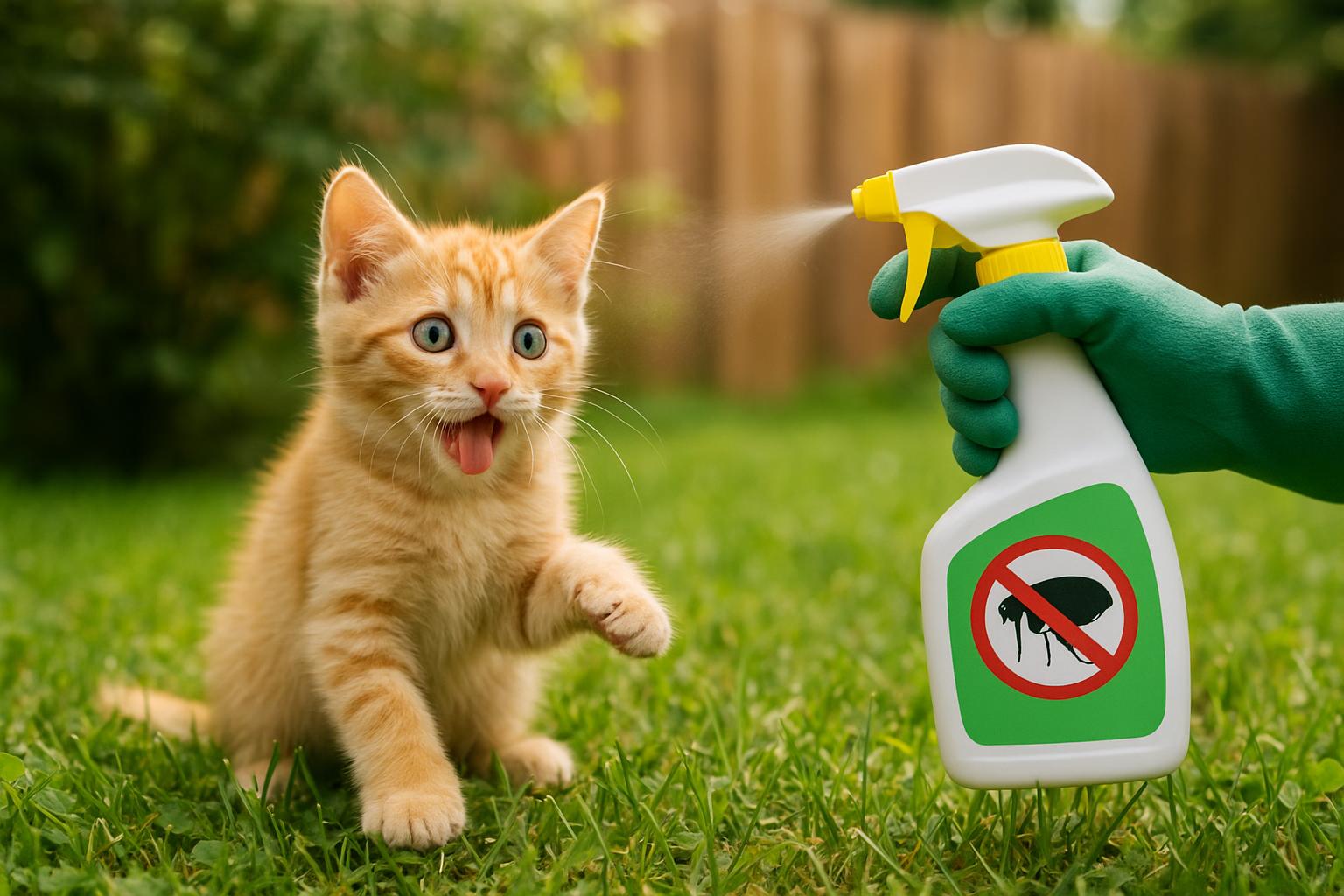
This is a gentle, broad-use spray that targets adult fleas on surfaces where pets rest and – when used carefully – on pet bedding. It won’t replace veterinary flea treatment on animals, but it reduces the adult flea population inside the house so other measures become more effective.
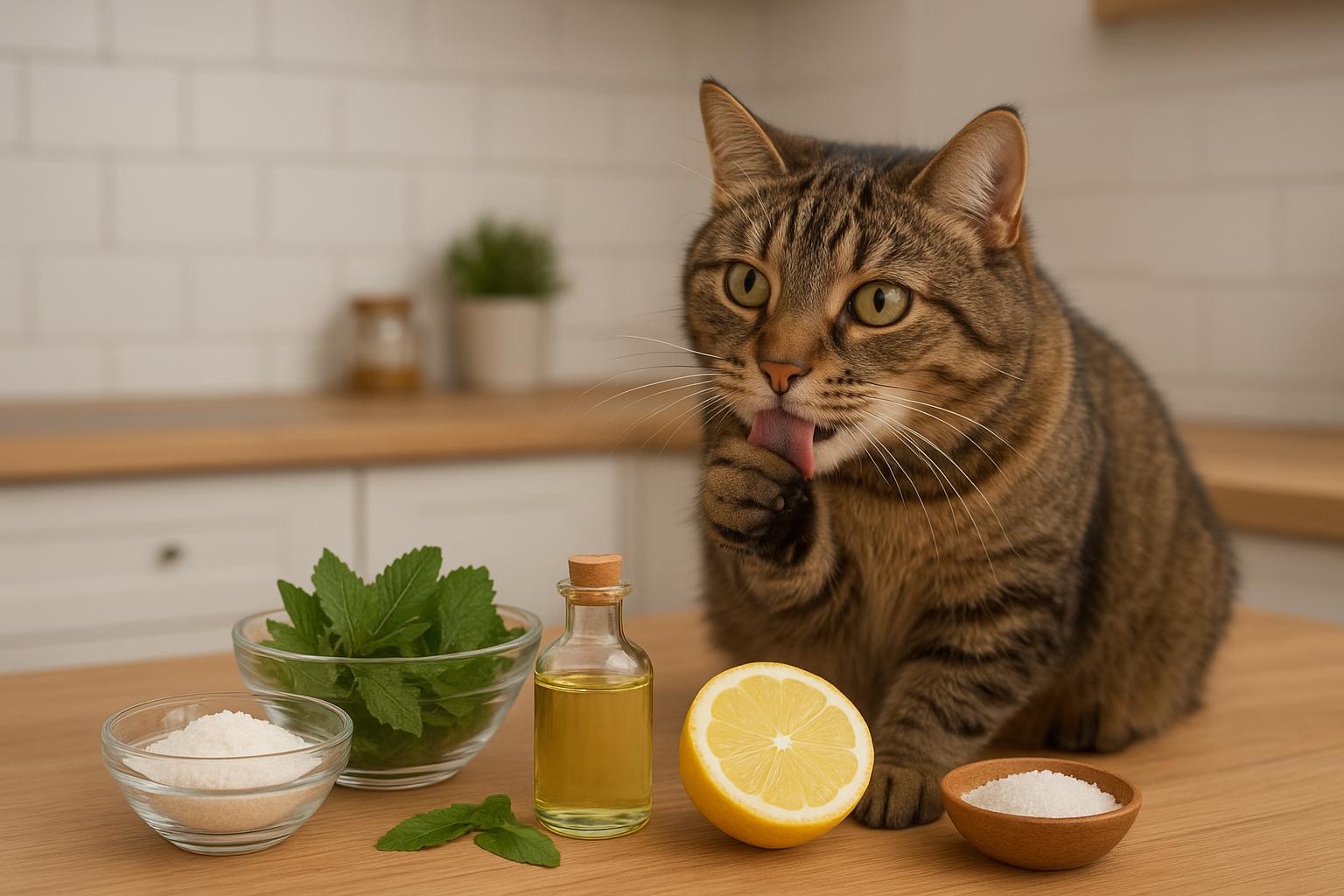
### Ingredients And Materials
– 16 oz (500 ml) spray bottle (glass or PET plastic)
– 2 cups distilled or boiled-and-cooled water
– 1/4 cup apple cider vinegar
– 10 drops lavender essential oil (lavender is generally safer for pets than some other oils; always test)
– 10 drops cedarwood essential oil
– 1 teaspoon mild liquid castile soap (acts as a wetting agent)
– Optional: 1 tablespoon witch hazel (helps mix oil and water)
Note: Do not use essential oils directly on pets without consulting your veterinarian. Some animals (especially cats) are sensitive to certain oils. Use the spray on furniture, bedding, and around baseboards rather than directly misting pets.
#### Creation And Application
1. Sanitize the spray bottle by rinsing with hot water. Allow to dry.
2. Combine distilled water and apple cider vinegar in the bottle.
3. Add witch hazel if using, then castile soap. Cap and shake gently to mix.
4. Add essential oils last, cap, and shake vigorously to emulsify.
5. To apply: test a small, inconspicuous fabric area to check for staining. Wait 15 minutes and inspect.
6. Lightly mist pet bedding, carpets, rugs, upholstered furniture, and baseboards. Do not drench fabrics — a light coating is enough to make environments less hospitable to adult fleas.
7. Reapply every 3–7 days for high-traffic pet areas during flea season, and after vacuuming. Store in a cool, dark place and shake before each use.
Safety Notes: Avoid direct contact with pet eyes and broken skin. If your pet has respiratory issues or is very young, consult your vet before use. Keep the bottle labeled and out of reach of children and pets.
## 2 Diatomaceous Earth Treatment For Carpets And Cracks
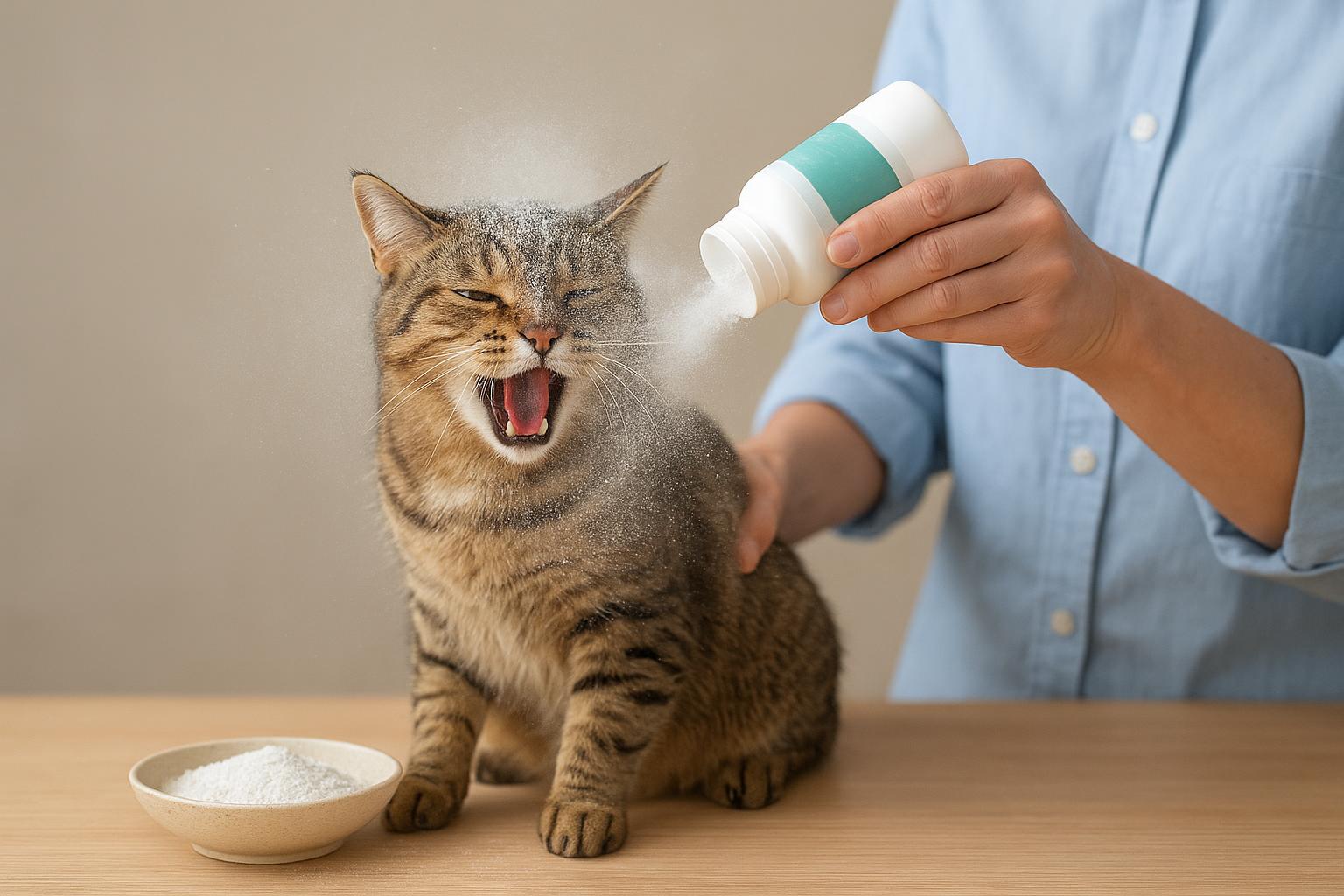
Diatomaceous earth (DE) is a naturally occurring, fossilized silica that dehydrates and kills insects physically. Food-grade DE is safe to use around pets when applied and handled properly. This method targets larval and adult flea stages hiding in carpets, under furniture, and in baseboards.
### Ingredients And Materials
– Food-grade diatomaceous earth (1–5 lbs depending on home size)
– A fine dust applicator or duster
– Vacuum cleaner with a strong suction and disposable bag or canister that can be emptied outdoors
– Mask and gloves for personal protection
#### Creation And Application
1. Choose a dry day; DE works only when dry.
2. Wear a mask and gloves to avoid inhaling the dust and to protect skin.
3. Lightly dust carpets, rugs, pet bedding (only fabrics and always remove pets first), along baseboards, and inside furniture crevices. Apply a thin, even layer — you don’t want piles, just a light coating.
4. Leave the DE in place for 48–72 hours. The longer it remains dry on the treated surfaces, the more contact time for fleas.
5. Vacuum thoroughly after the contact period. Remove the vacuum bag or empty the canister outdoors to prevent recontamination.
6. Repeat monthly during peak flea seasons or until flea indoors numbers decline significantly.
Important: DE is effective for flea indoors populations because it attacks the physical integrity of fleas’ exoskeletons. However, it does not discriminate; avoid areas where pets may inhale dust heavily. Use food-grade only; filter-grade DE is hazardous.
## 3 Preventive Home Habits To Keep Flea Indoors At Bay
Long-term prevention is mostly behavioral and routine. Make your home an inhospitable place for the flea life cycle and you’ll dramatically reduce infestations without harsh chemicals.
### Routine Cleaning Checklist
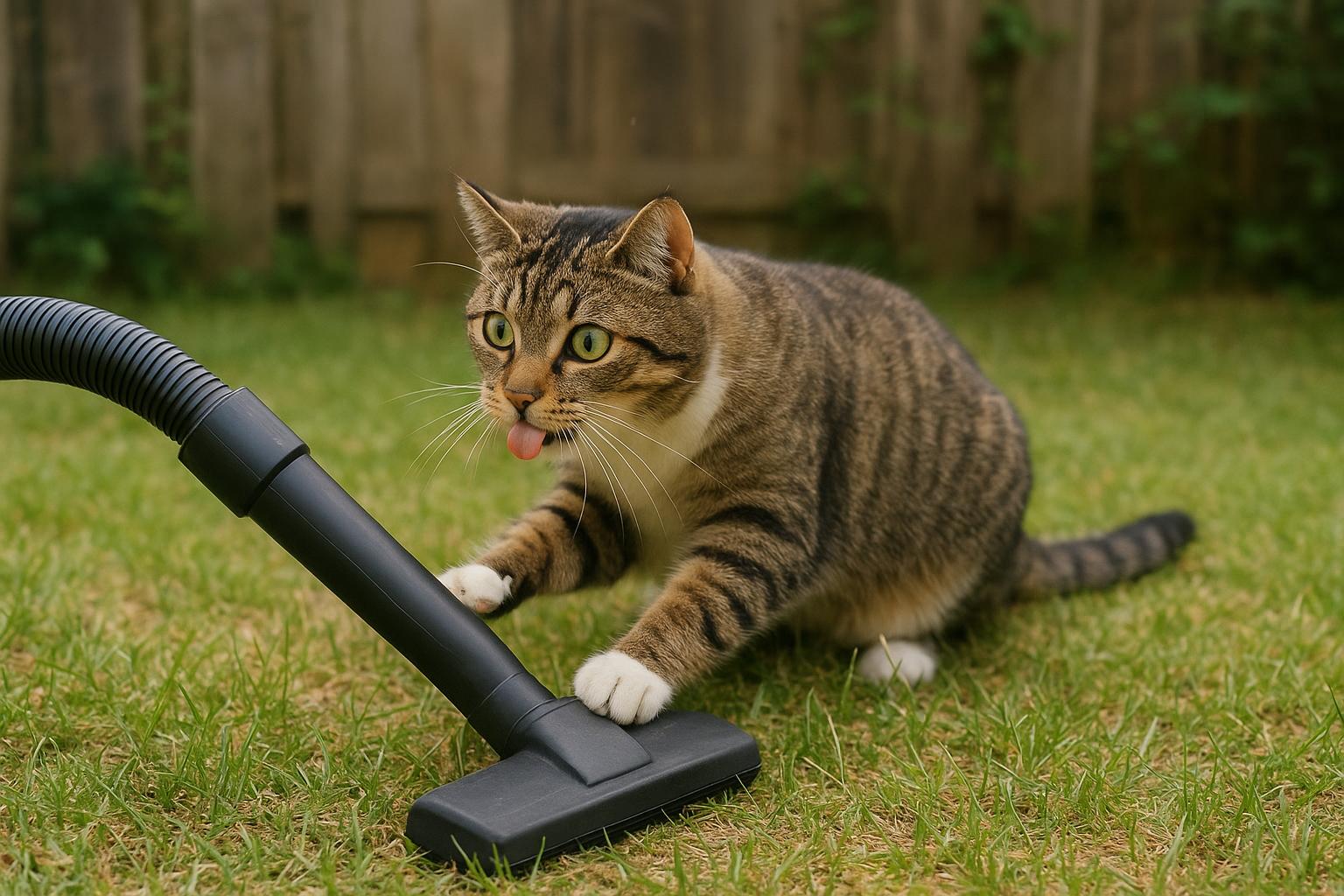
– Vacuum High Traffic Areas: Vacuum daily where pets spend most of their time for a few weeks when breaking an infestation. Vacuuming lifts eggs, larvae, and adults from carpet and upholstery. Dispose of vacuum contents promptly outside the home.
– Wash Bedding Weekly: Wash pet bedding, blankets, and removable cushion covers in hot water and dry on high heat. Flea eggs and larvae are heat-sensitive.
– Steam Clean Rugs And Upholstery: Steam cleaning kills multiple flea life stages. Use a professional service or rent a steam cleaner during an outbreak.
– Declutter Floors: Less clutter means fewer hidden pockets for flea larvae. Store items off the floor when possible.
### Pet Care Practices
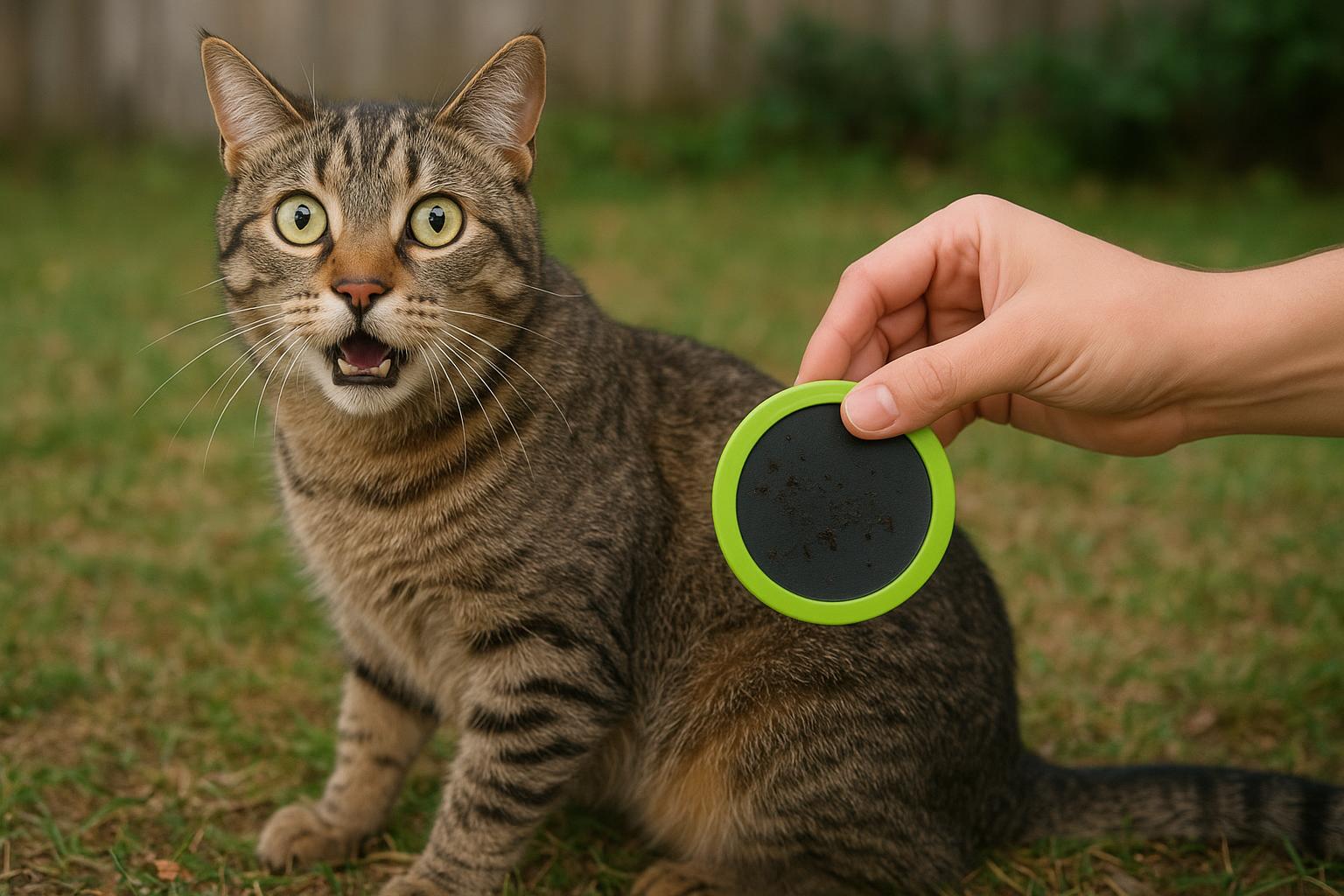
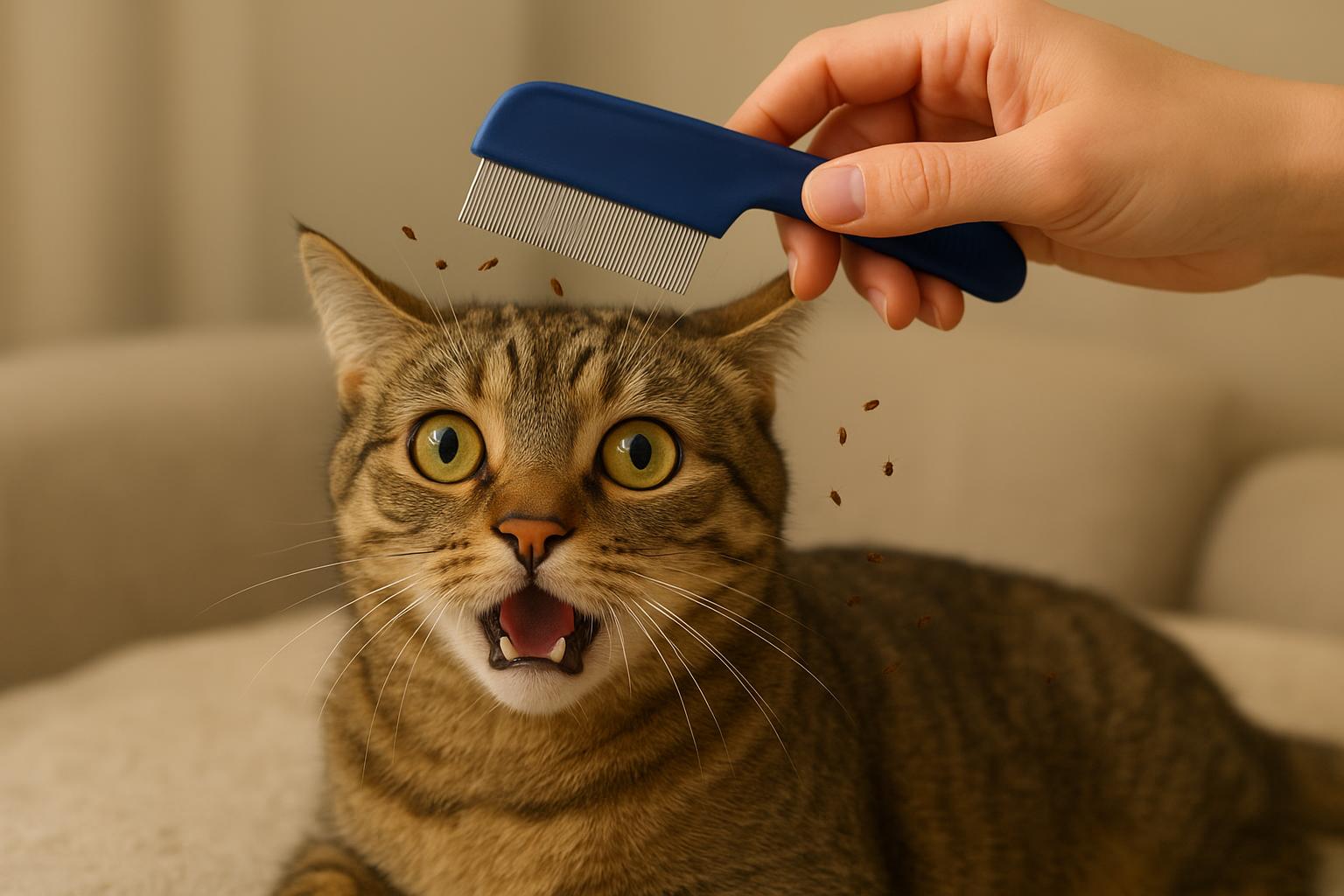
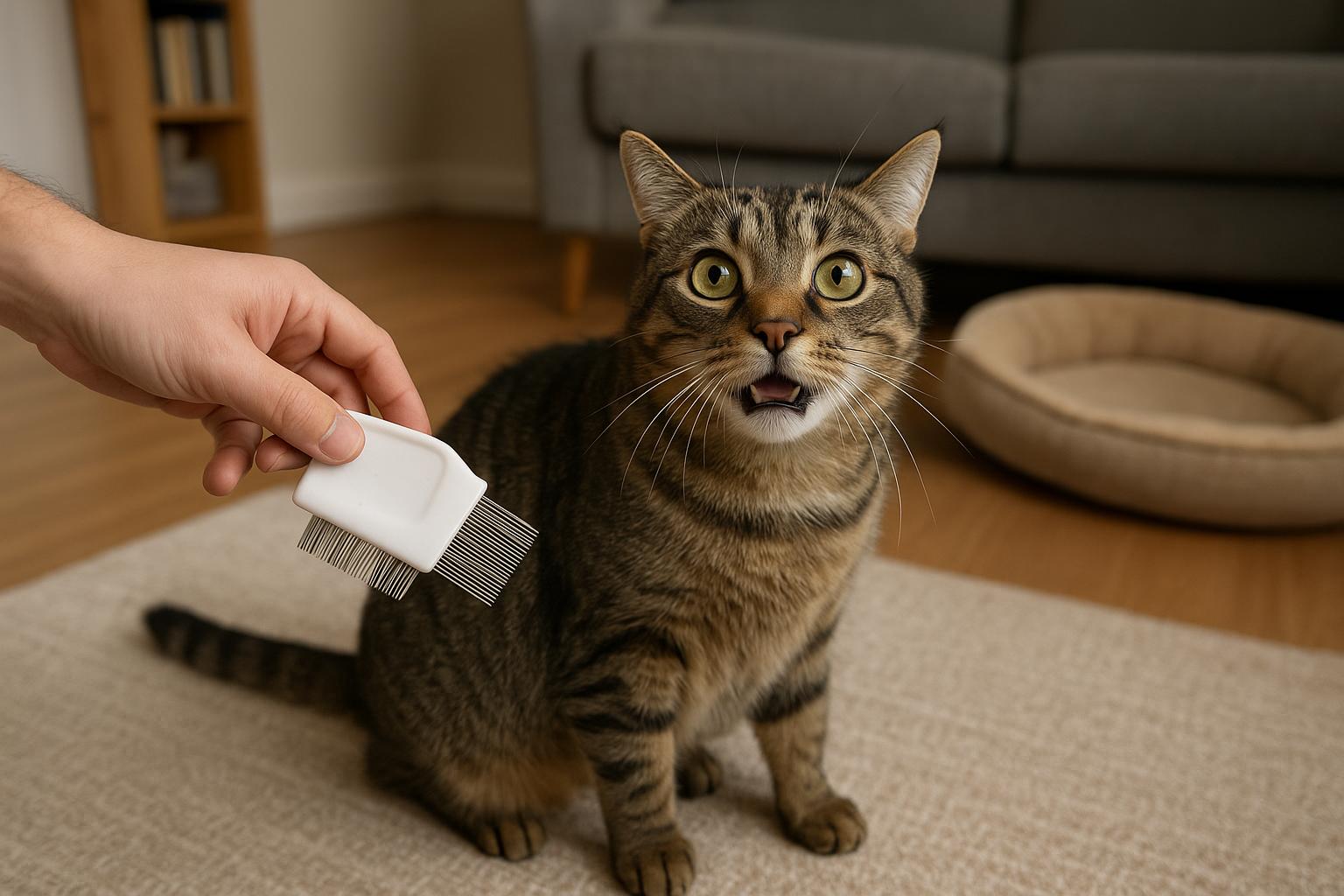
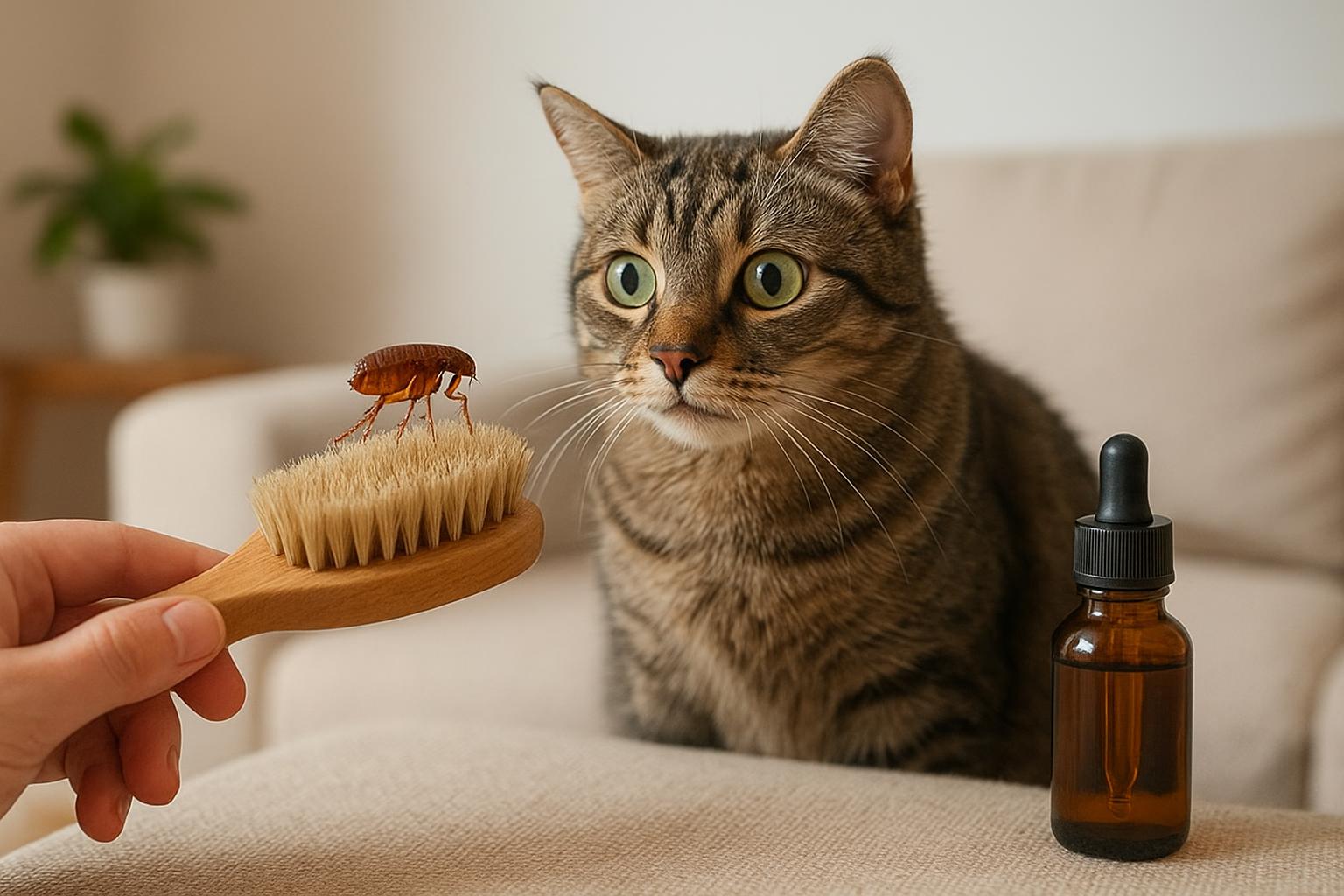
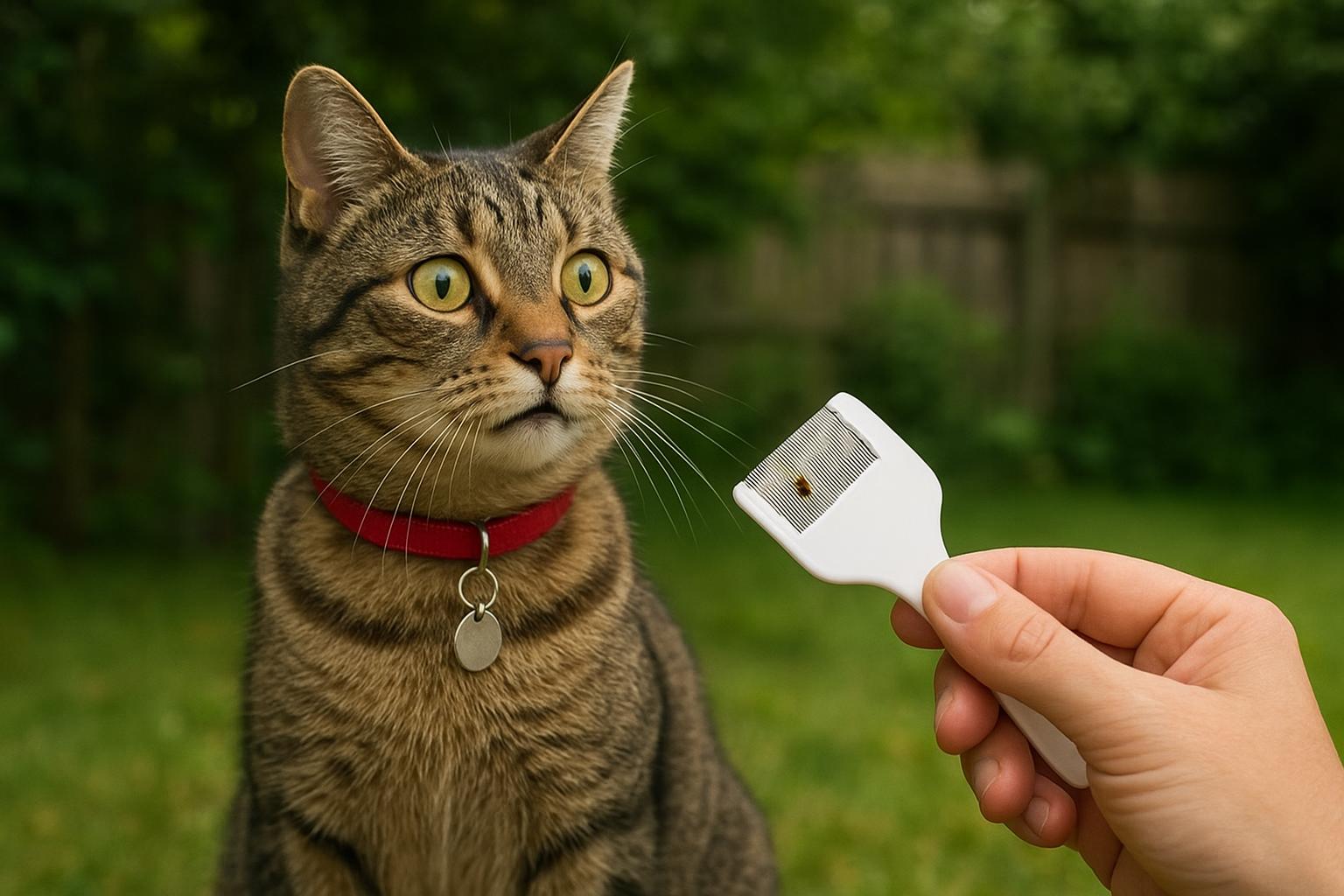
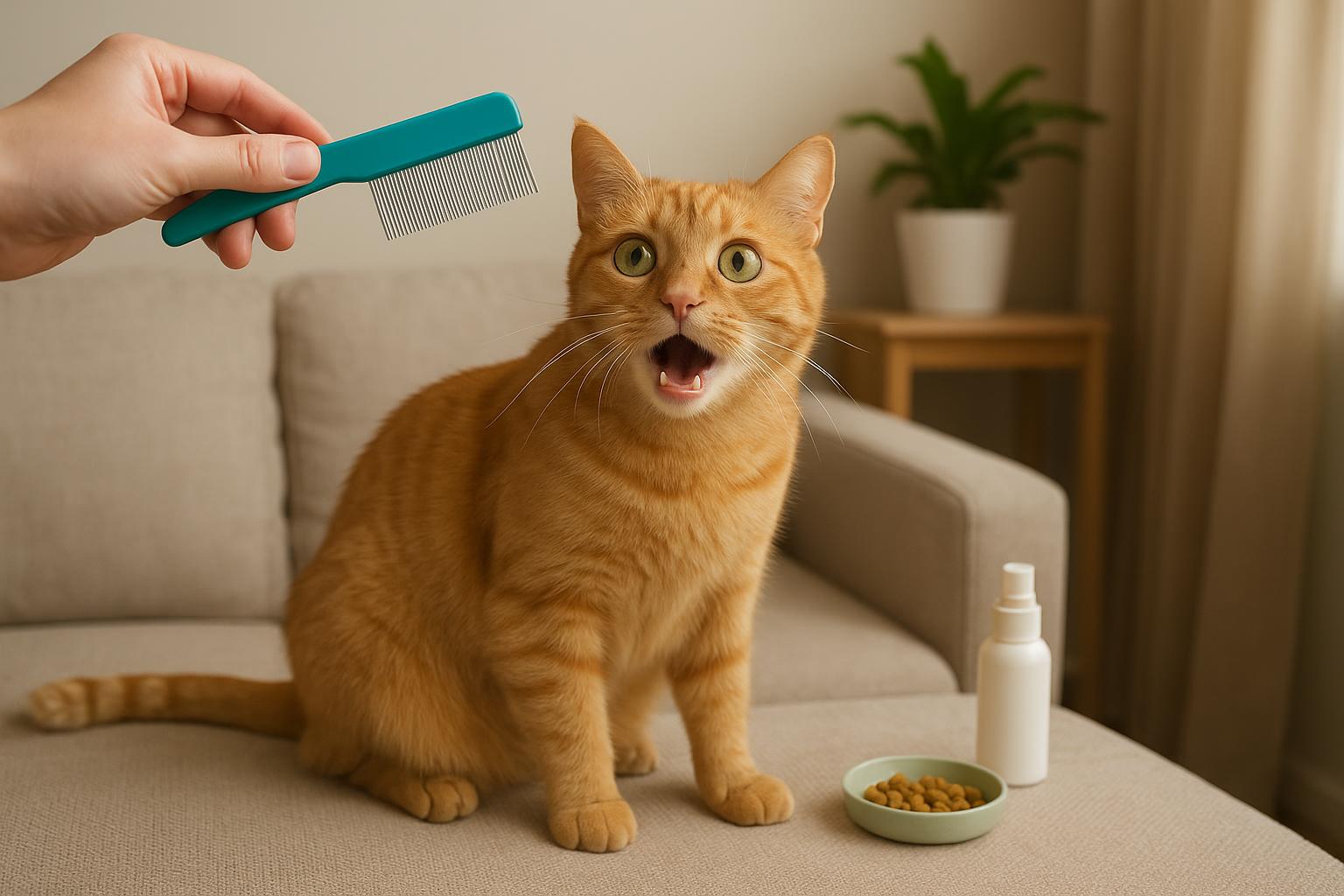
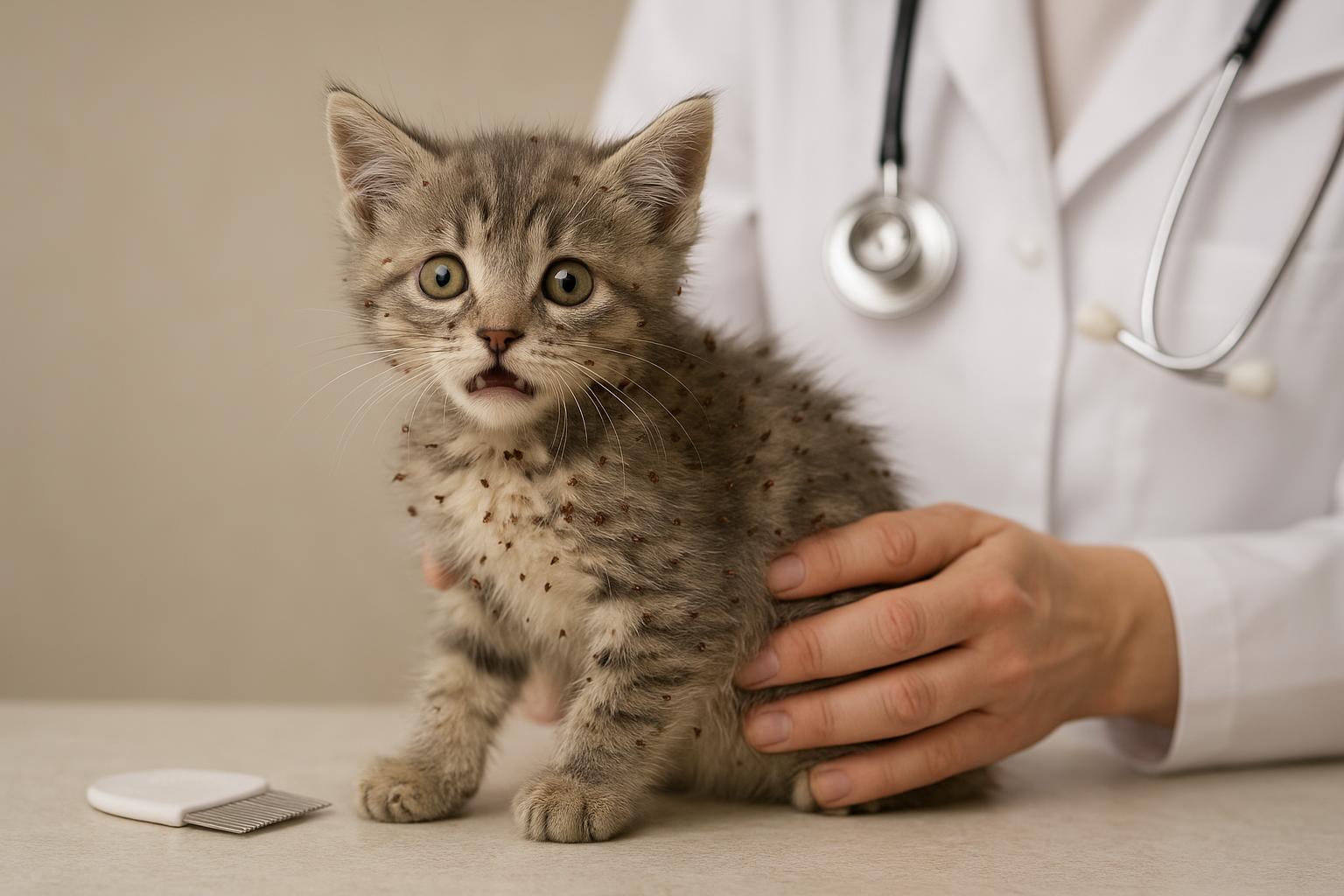
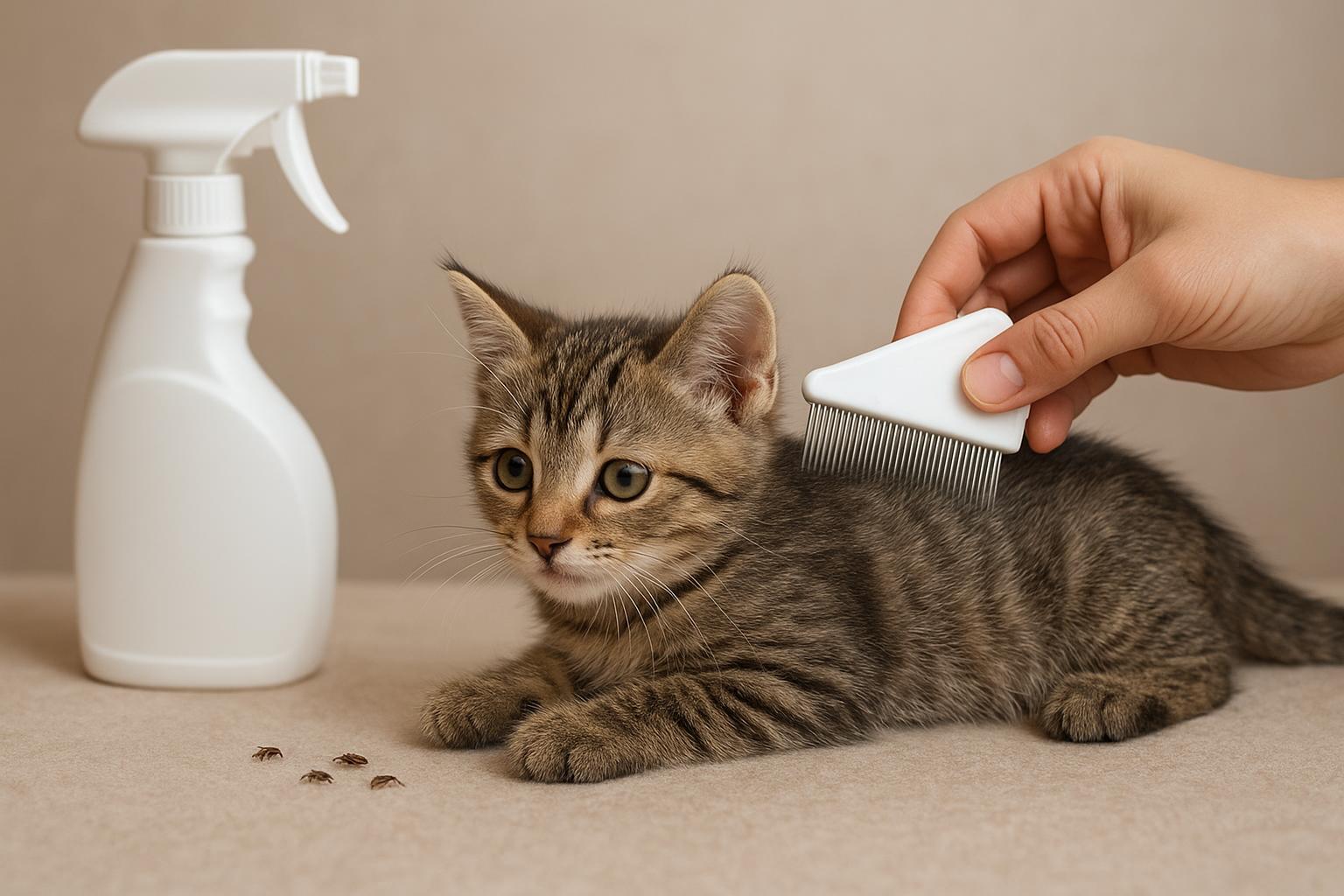
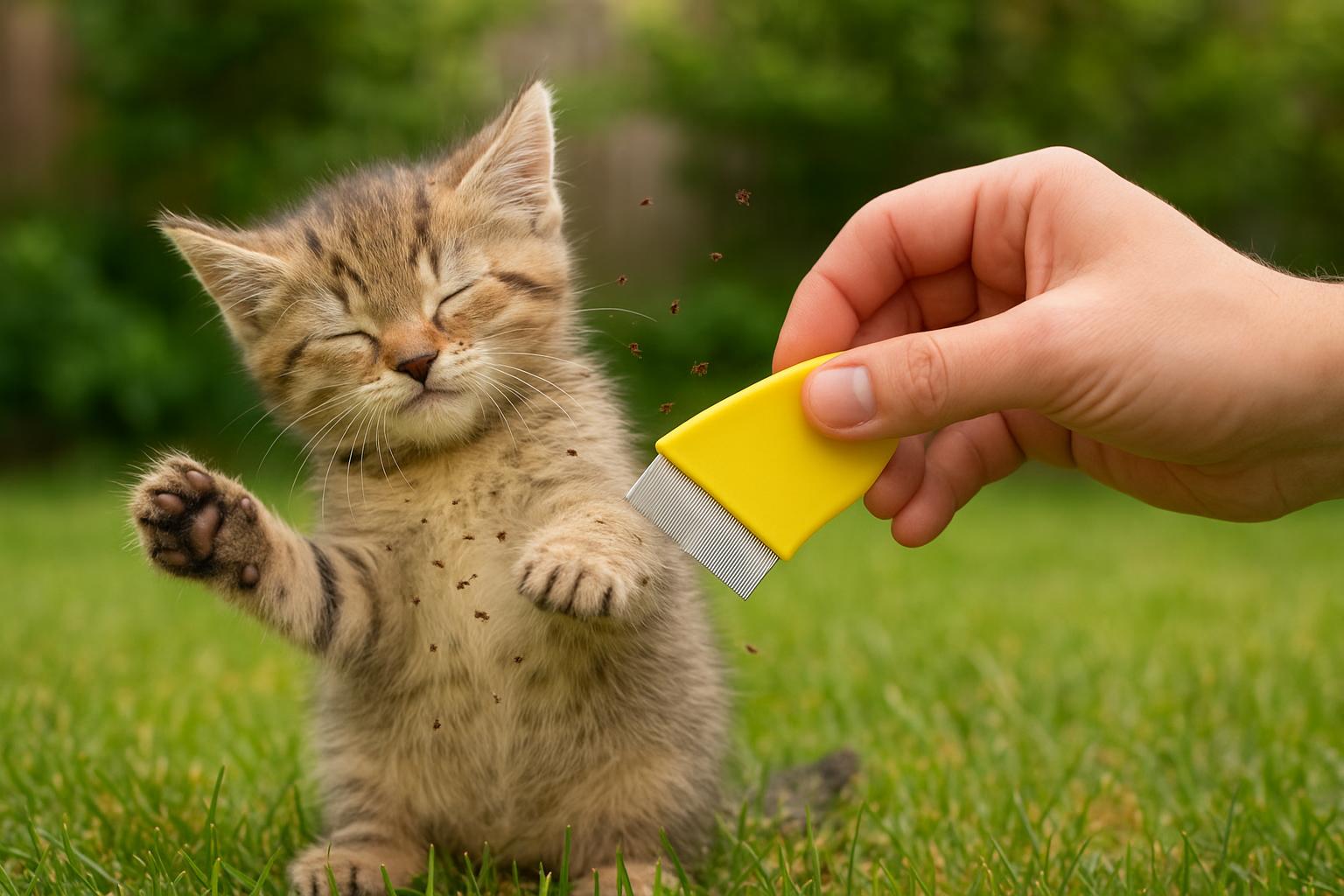
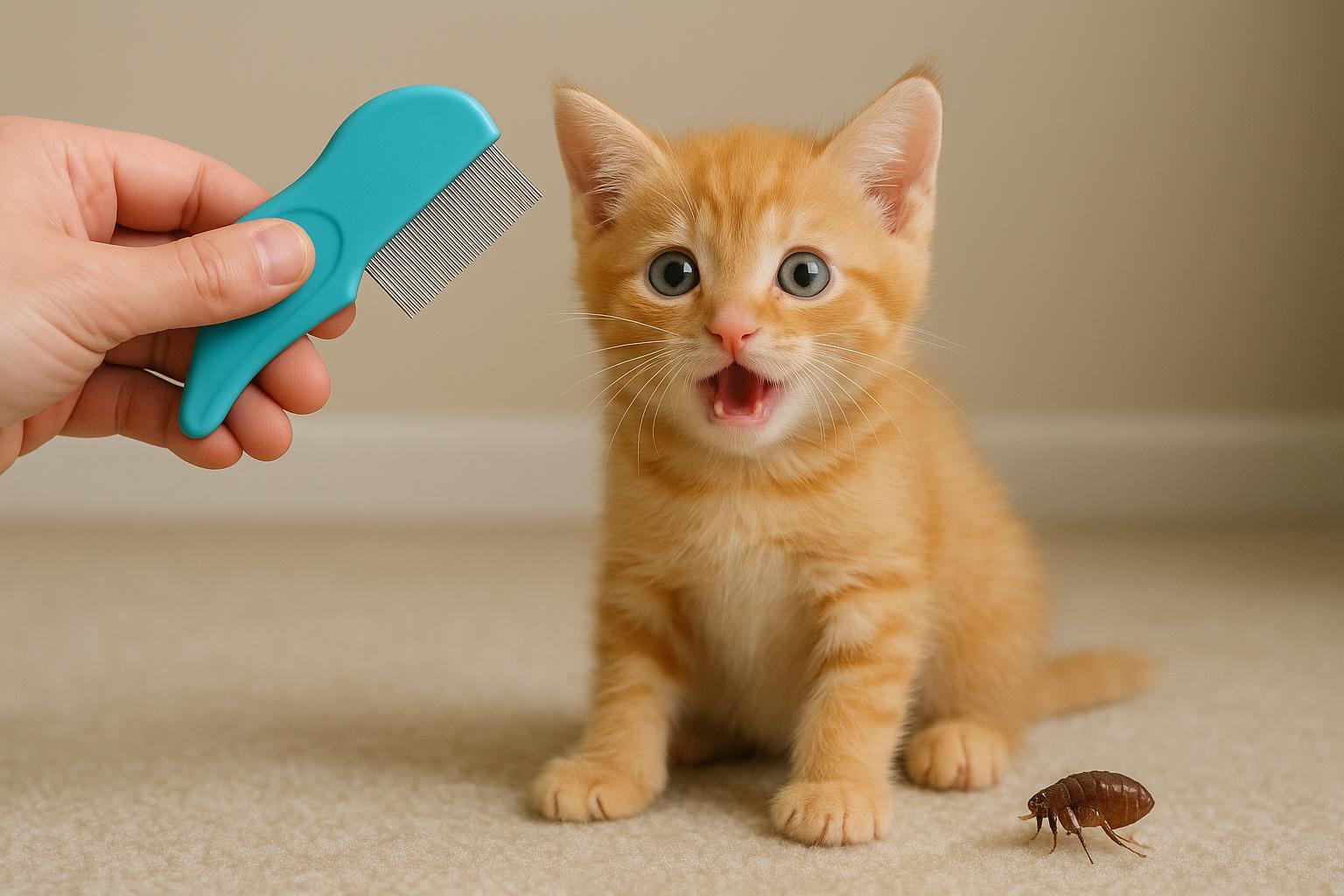
– Regular Grooming: Brush pets frequently with a fine-toothed flea comb. Comb over a white towel or bowl of soapy water to remove and kill fleas. This simple action is surprisingly effective at detecting and removing adult fleas before populations balloon.
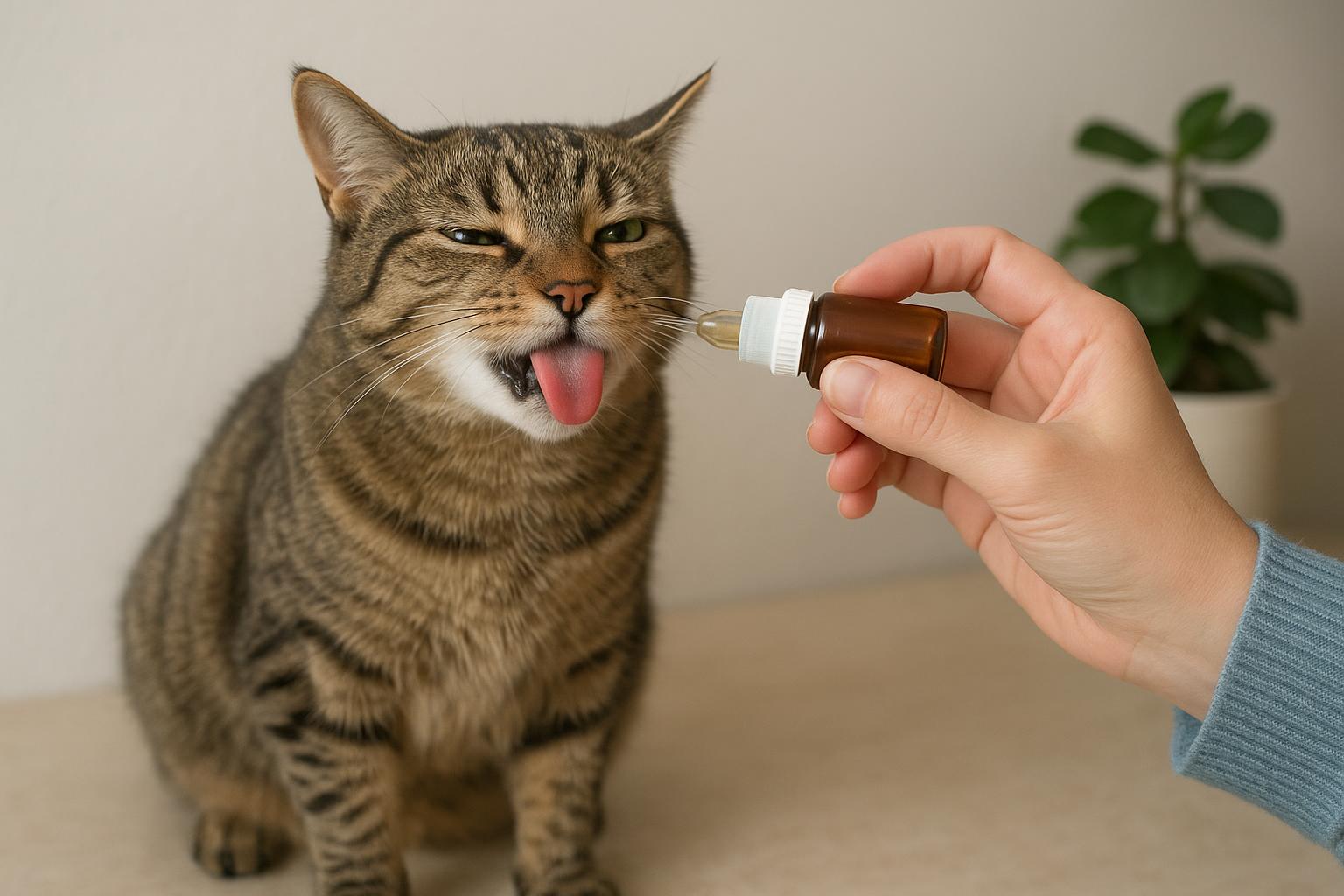
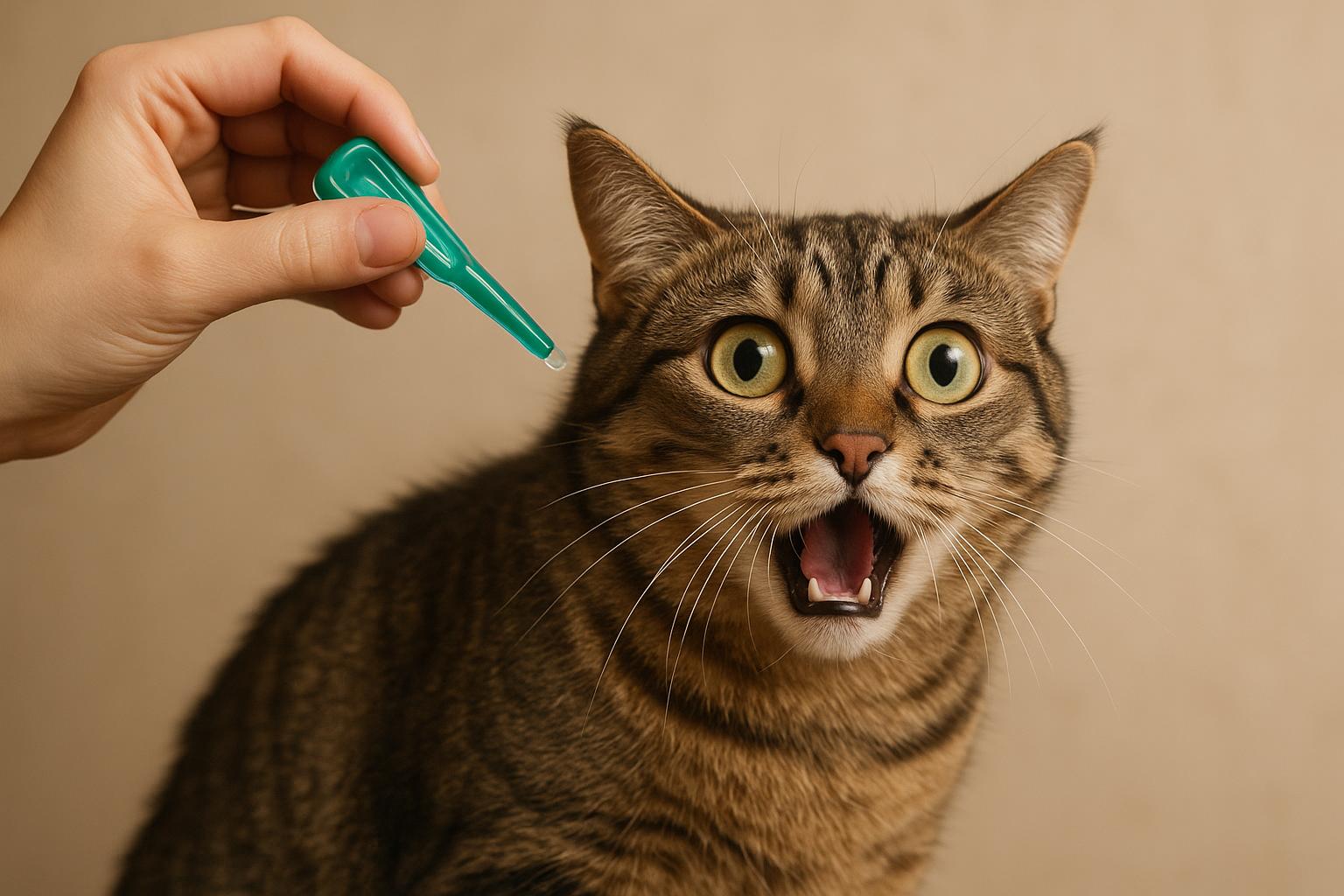
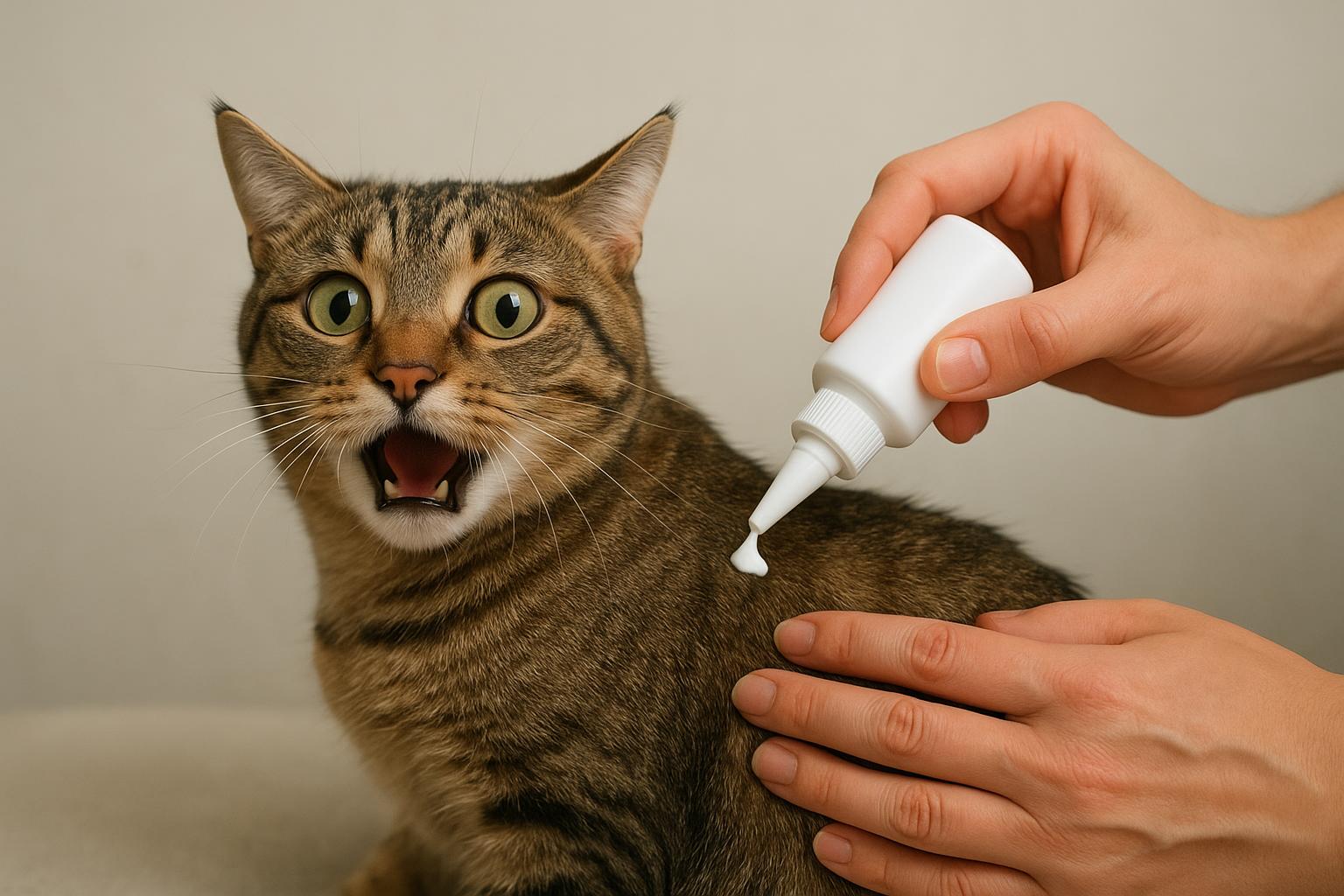
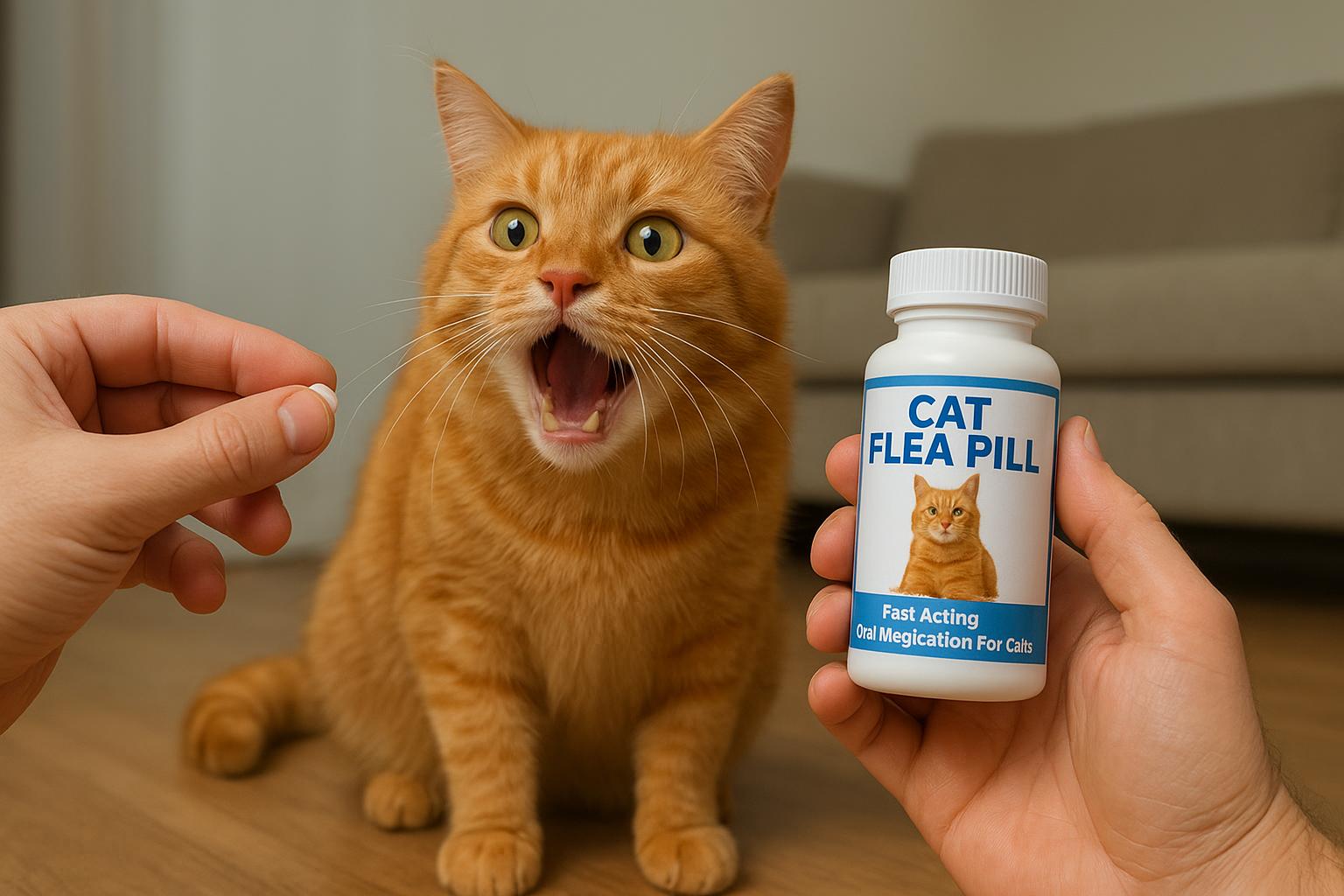
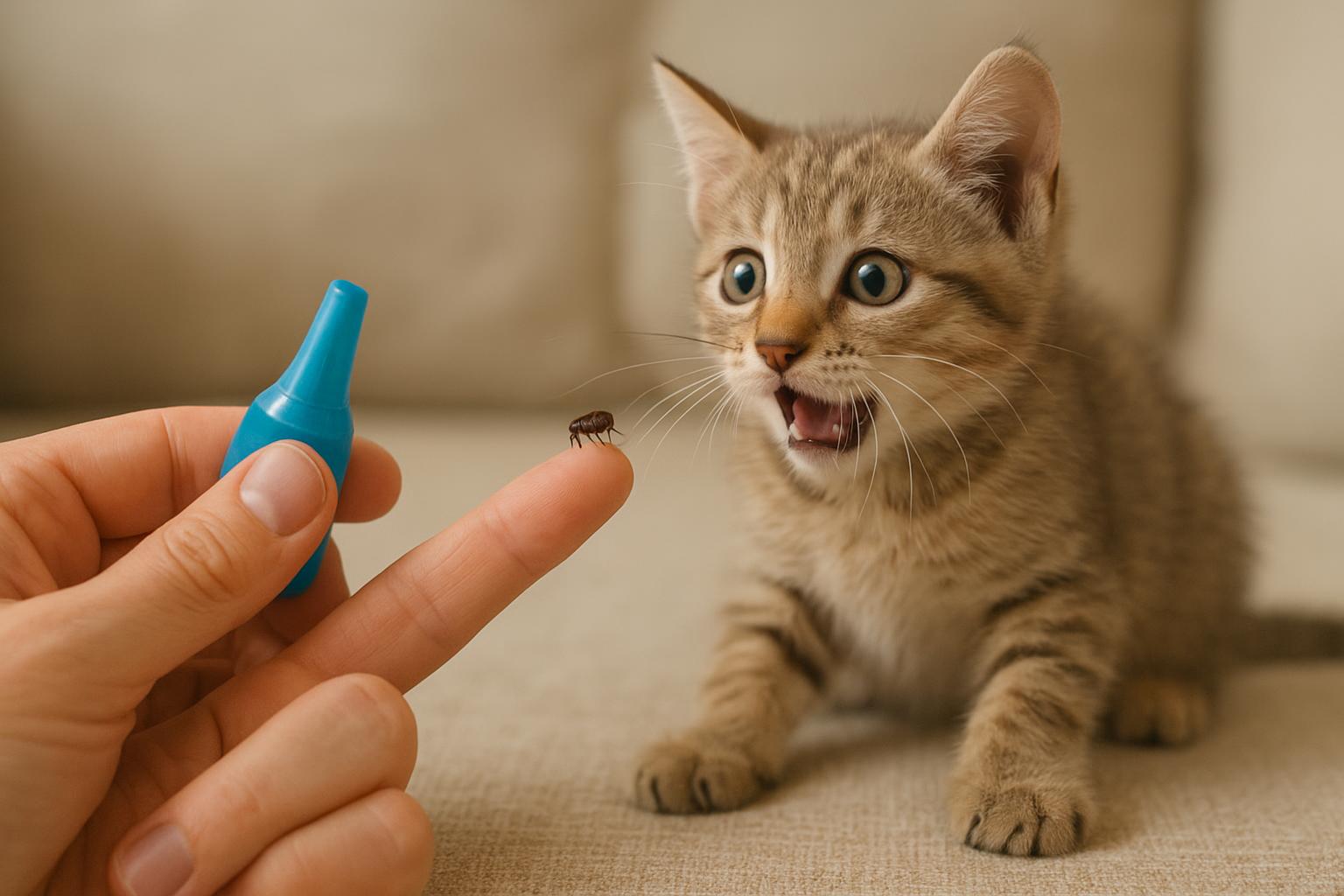
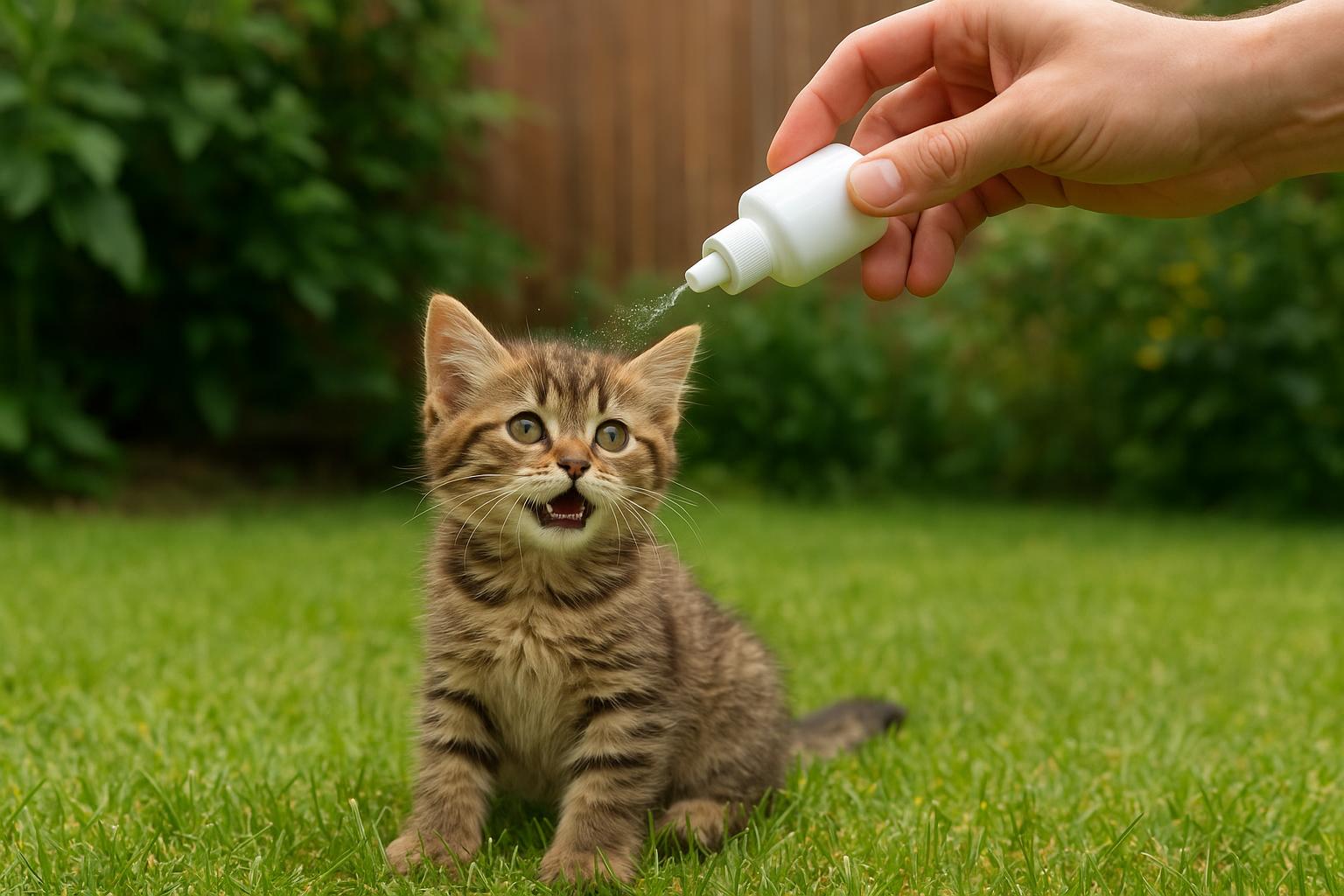
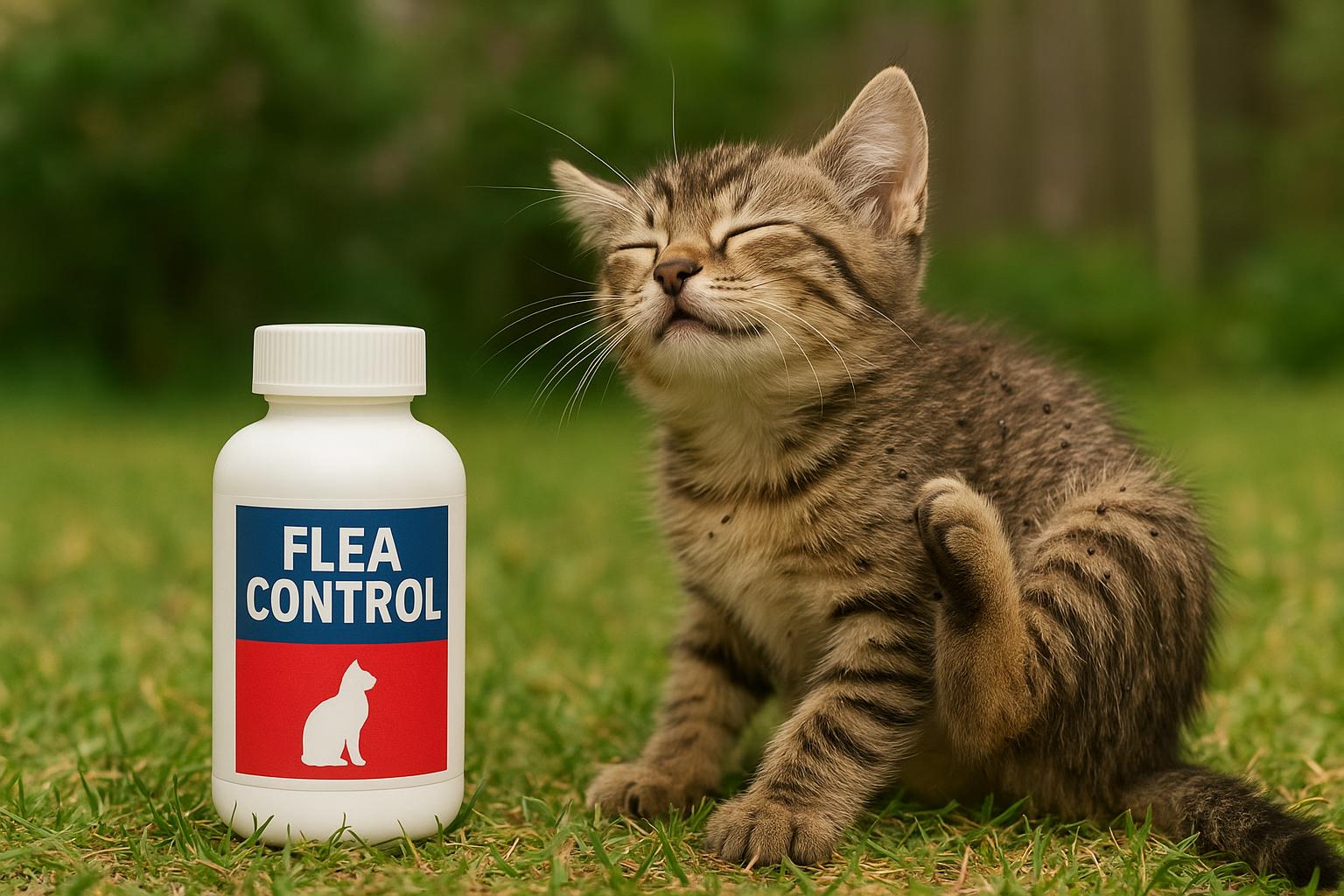
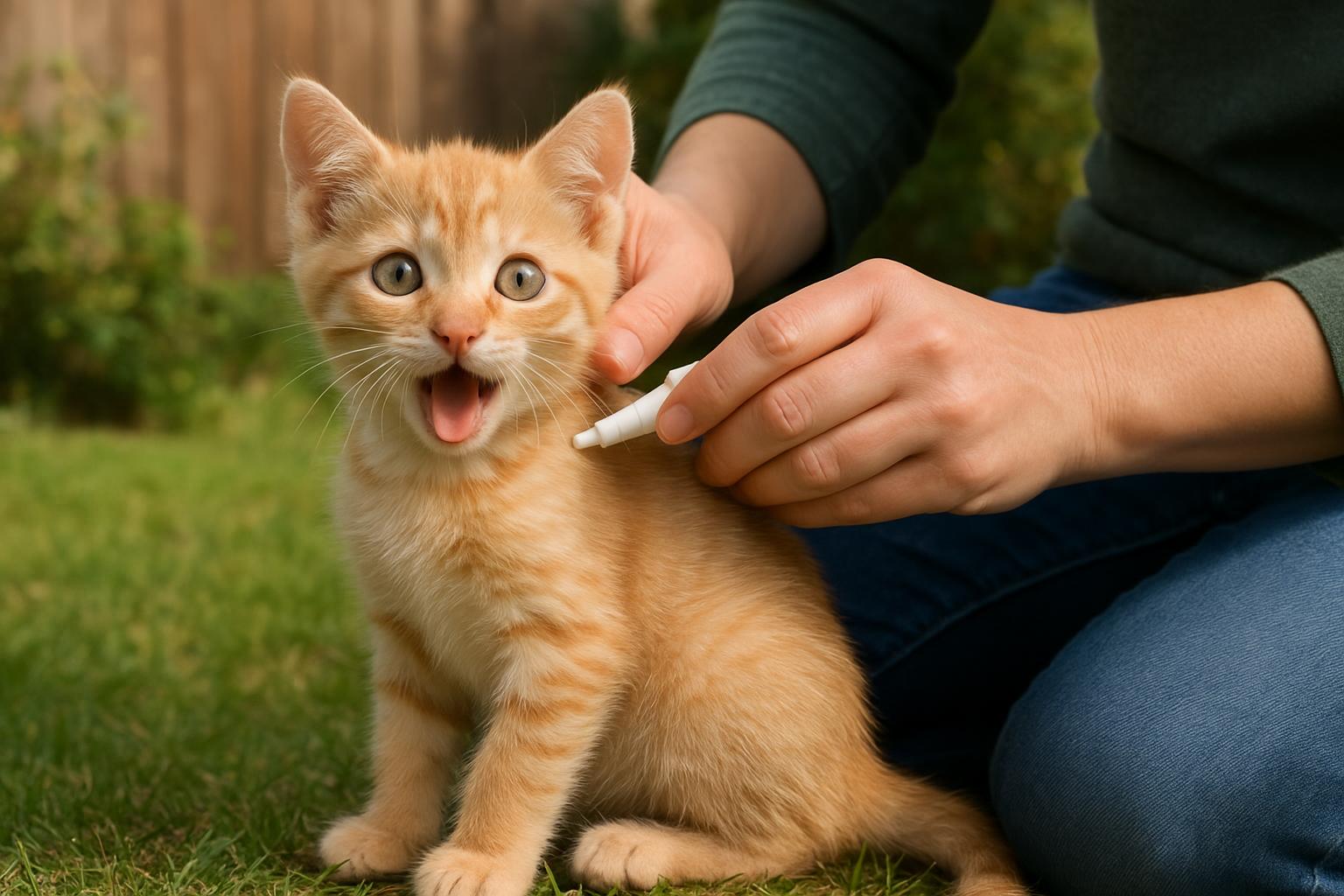
– Vet-Approved Preventatives: For resident pets, use veterinarian-recommended topical or oral preventives. These protect pets directly and are a cornerstone of keeping flea indoors problems under control.
– Check New Guests: Inspect new or visiting animals for fleas before allowing them onto furniture or beds. Even a short visit from a neighborhood cat can introduce flea indoors problems.
– Yard Maintenance: Keep grass short and remove leaf litter. Reducing outdoor habitat for wildlife reduces the chance of fleas hitching a ride inside.
### When To Act
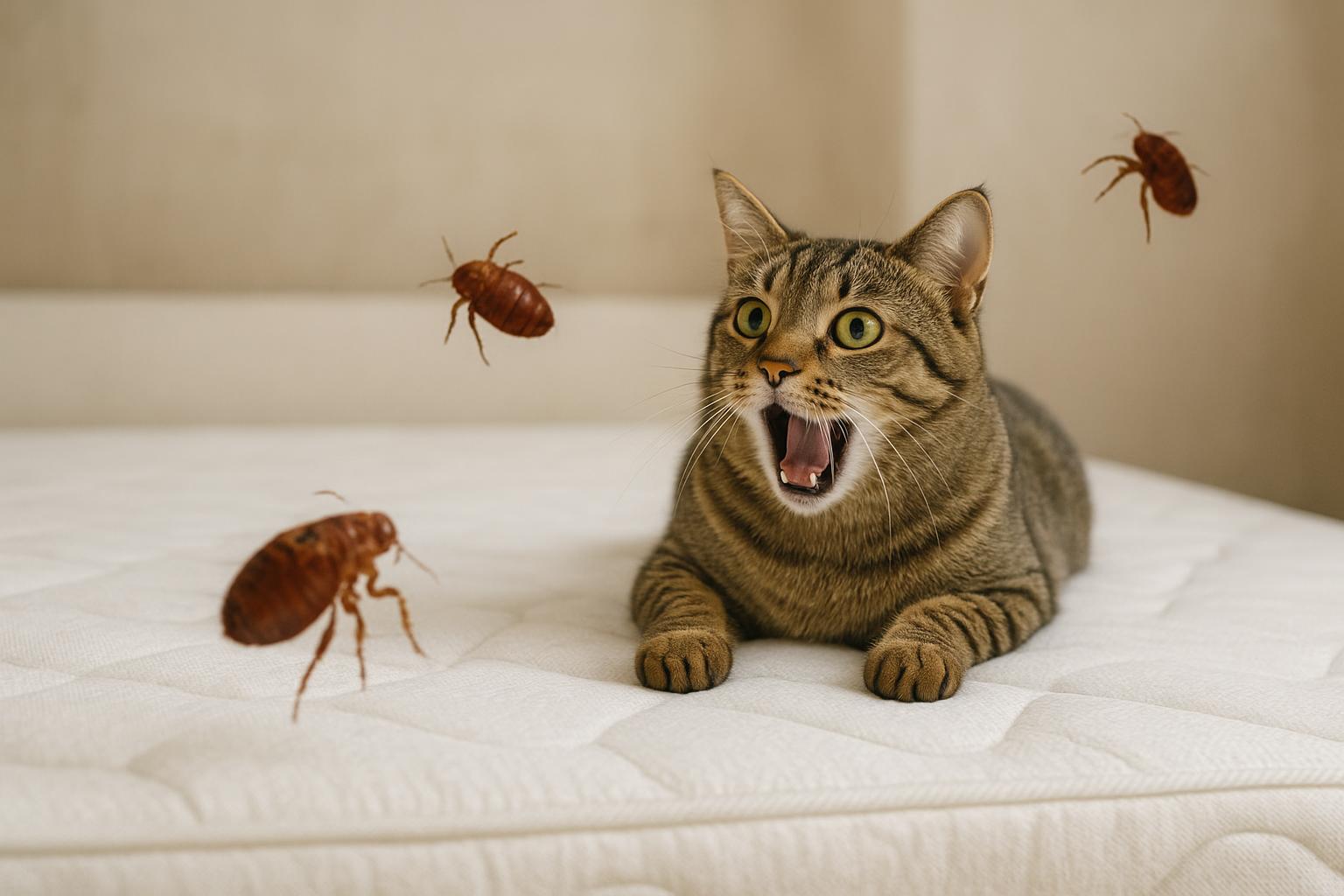
Act immediately at the first sign of fleas. Flea indoors populations grow quickly because of eggs laid on pets that fall into carpets and bedding. Early intervention with the spray, DE, and rigorous cleaning cuts the reproductive cycle and prevents a minor nuisance from becoming a major problem.
### Managing High-Risk Areas
– Doorways And Entry Points: Place doormats and clean them regularly. Limit access to furniture for pets immediately after outdoor excursions — wipe paws and fur where feasible.
– Basements And Crawlspaces: These cool, humid places are prime real estate for flea larvae. Keep them dry and well-ventilated, and inspect storage items before bringing them into living areas.
– Wildlife Access: Seal gaps under porches and repair screens to prevent rodents and wild animals from creating a flea reservoir adjacent to your home. Wildlife often brings fleas that will migrate indoors where pets live.
## Additional Tips And Warnings
– Avoid Overusing Essential Oils: Some household essential oils can be toxic to pets, especially cats. Use oils sparingly and never apply undiluted oils directly to pets.
– Combine Methods For Best Results: Using one approach alone rarely solves a flea indoors problem. Combine targeted sprays, DE treatments, vacuuming, and pet preventives for a comprehensive response.
– When To Call Professionals: If infestation persists despite consistent natural measures, a licensed pest control professional experienced with pet-safe options can evaluate and treat structural hot spots.
With a little routine, patience, and a few safe, well-applied remedies, you can keep flea indoors concerns small and manageable — leaving you more time for the cuddles and less time for the itch-scratch dance.









Leave a Reply