
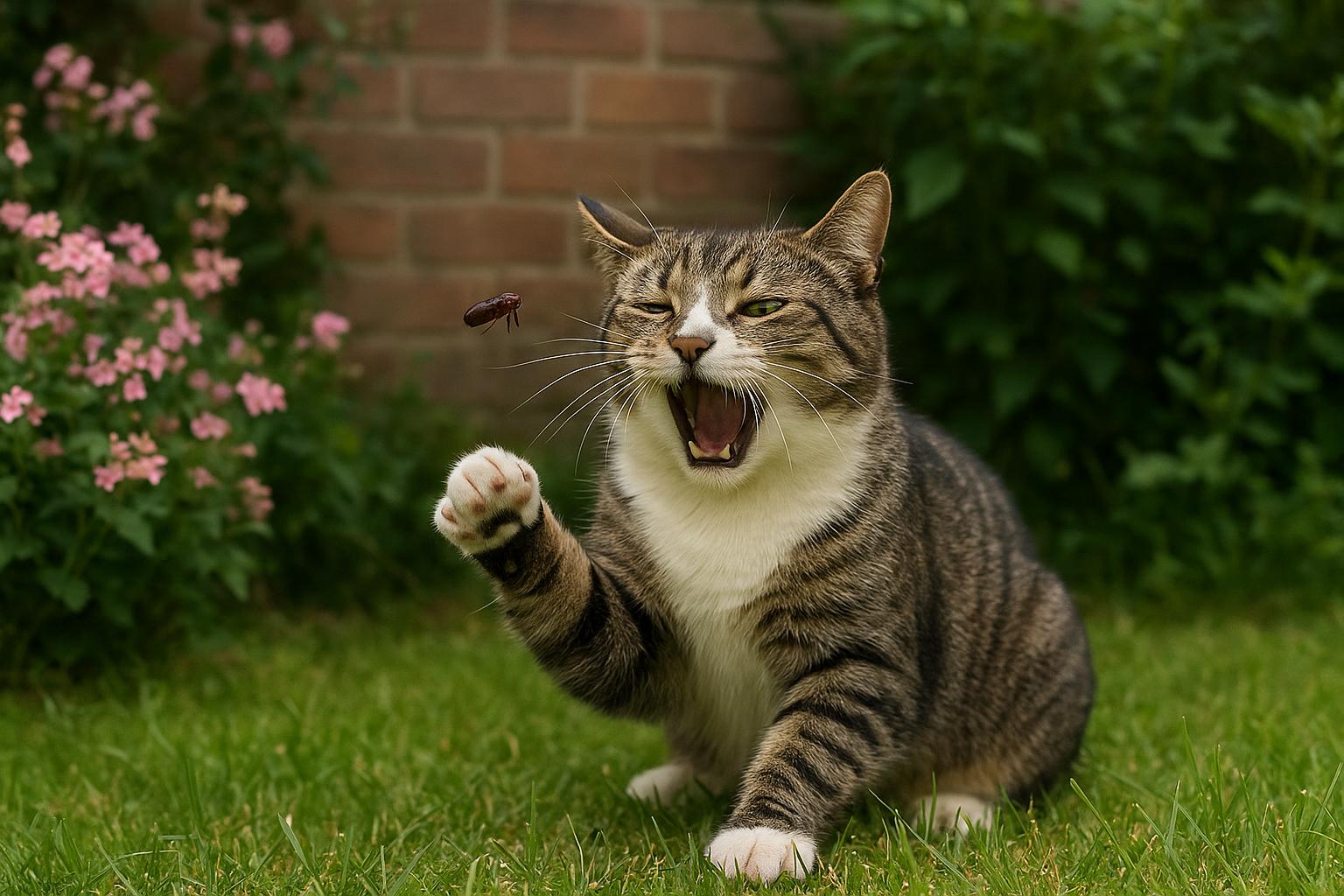
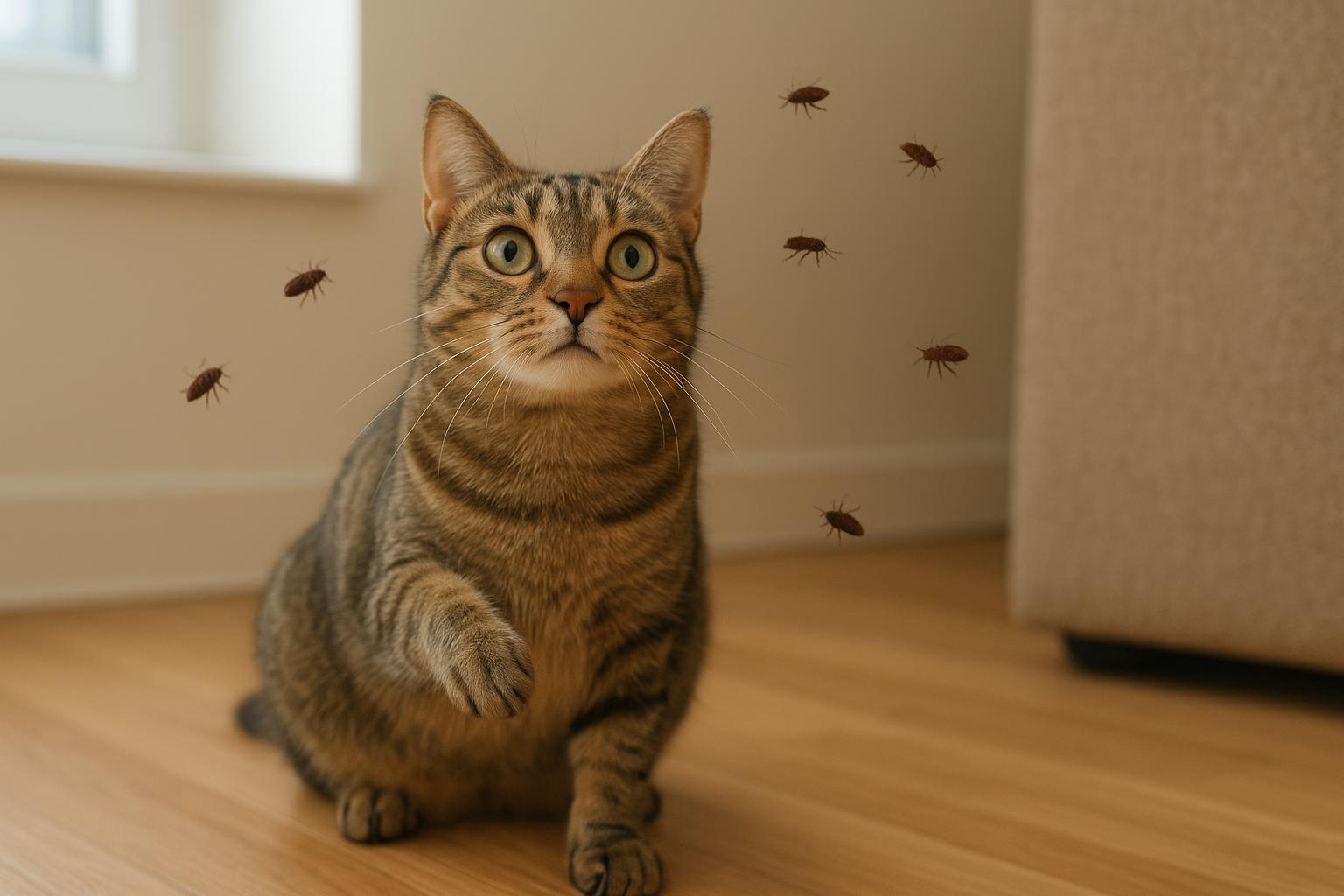
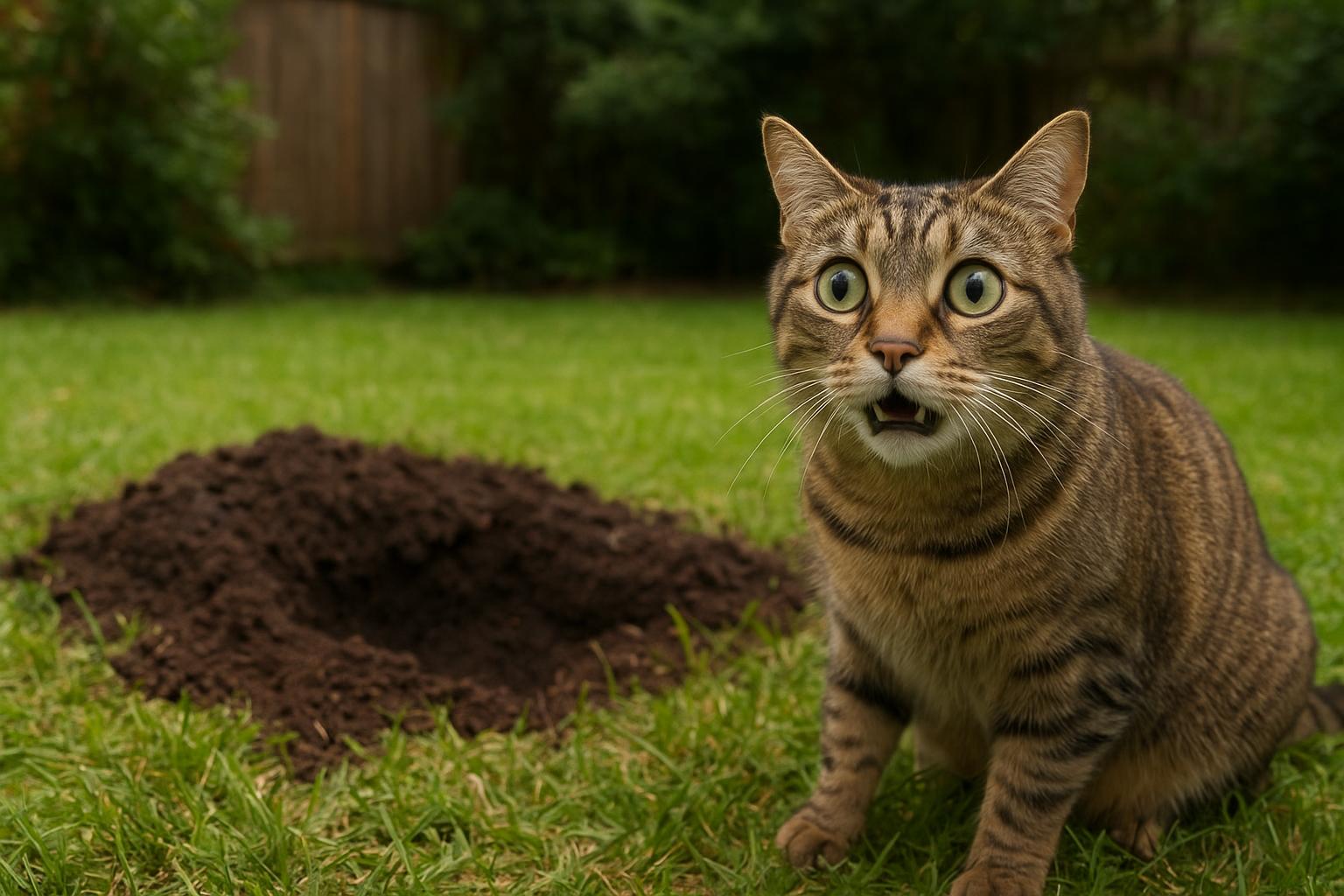
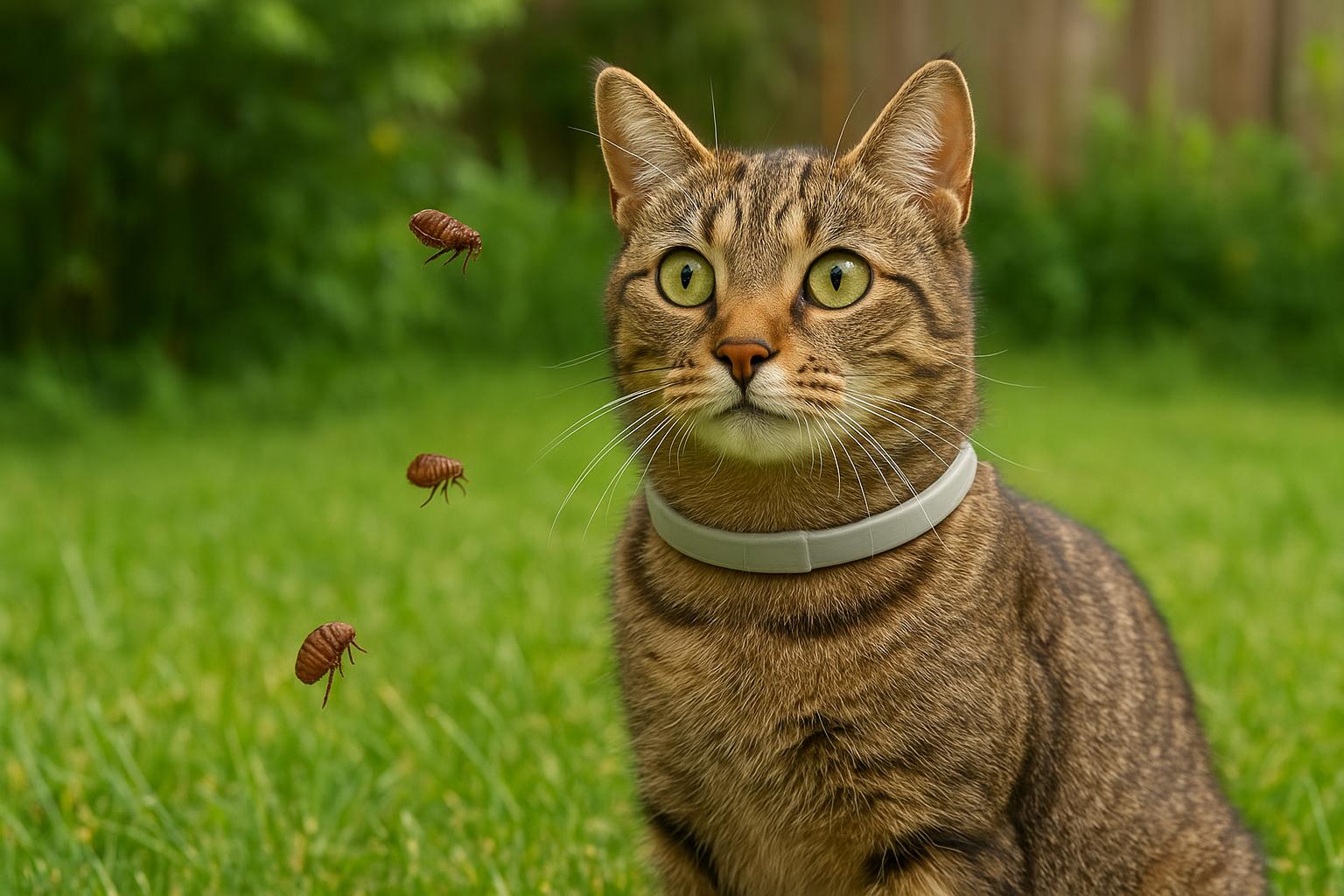
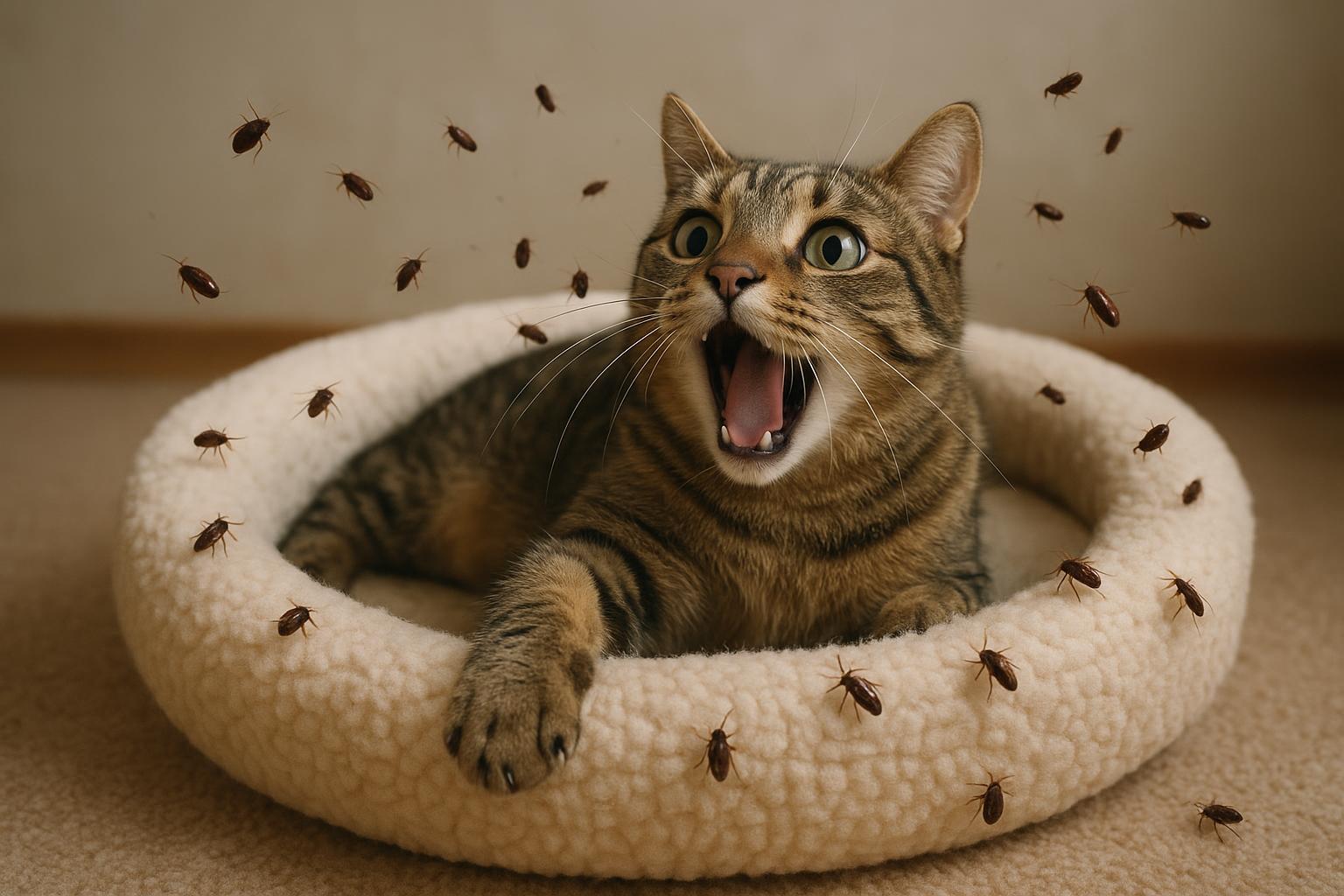
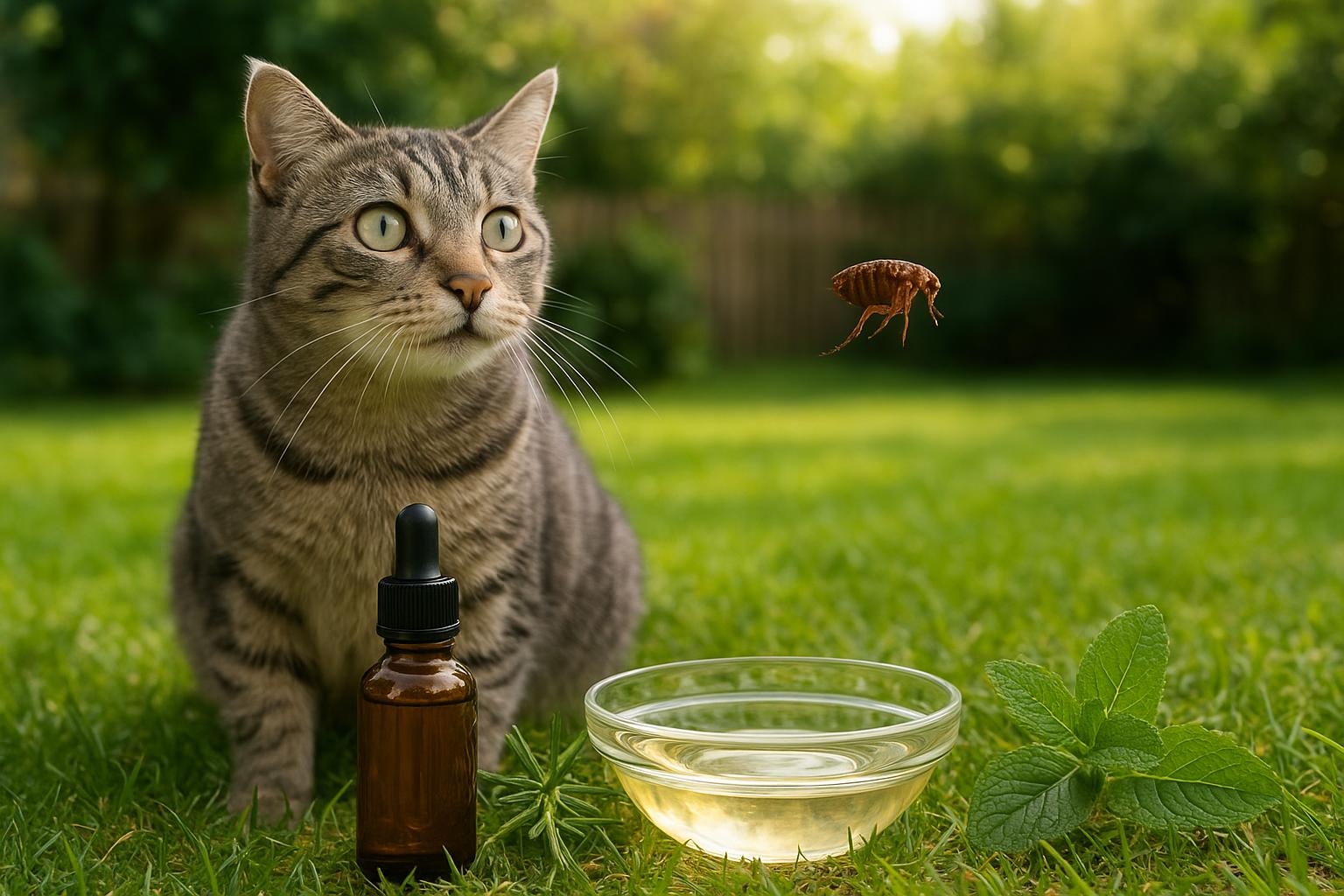
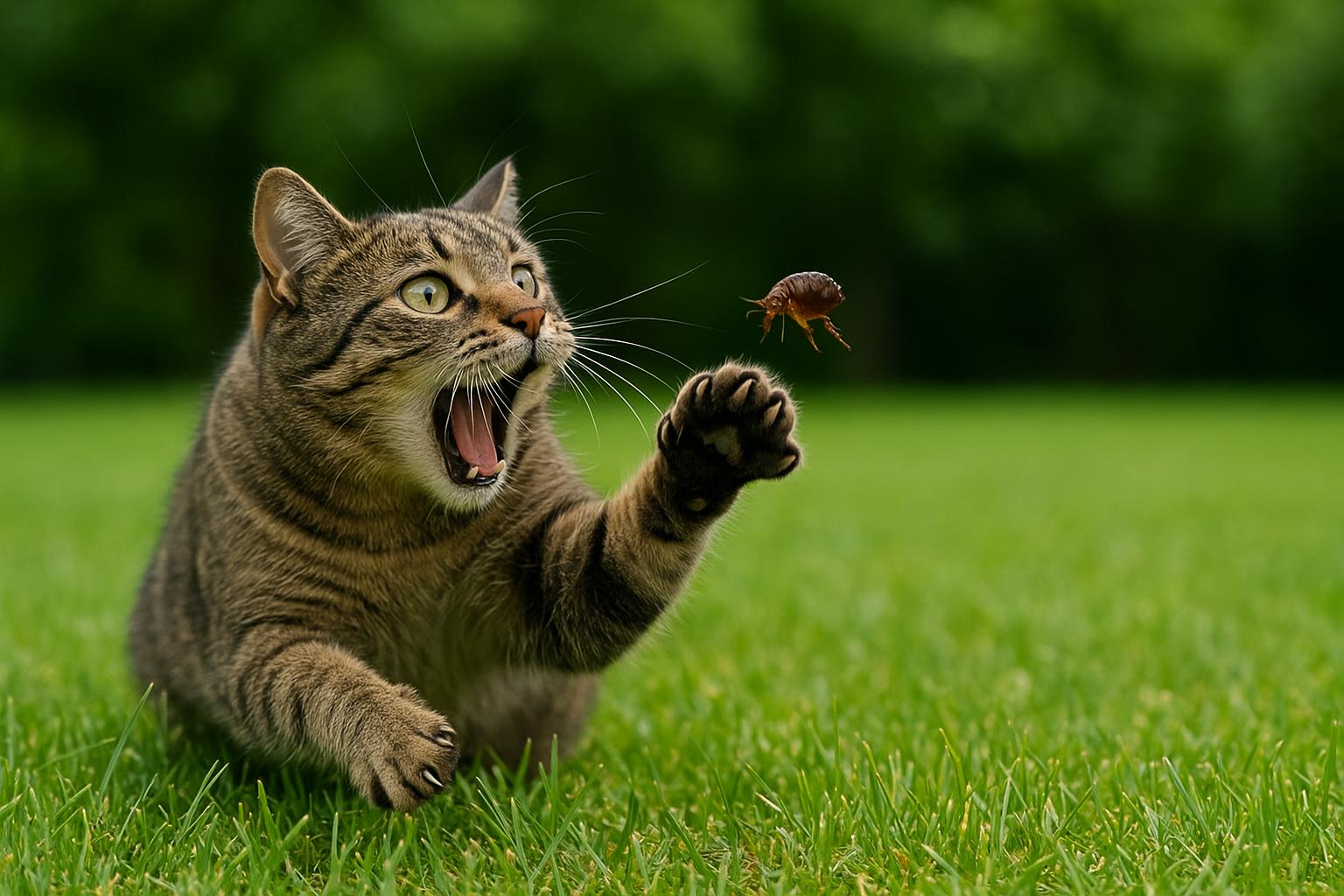
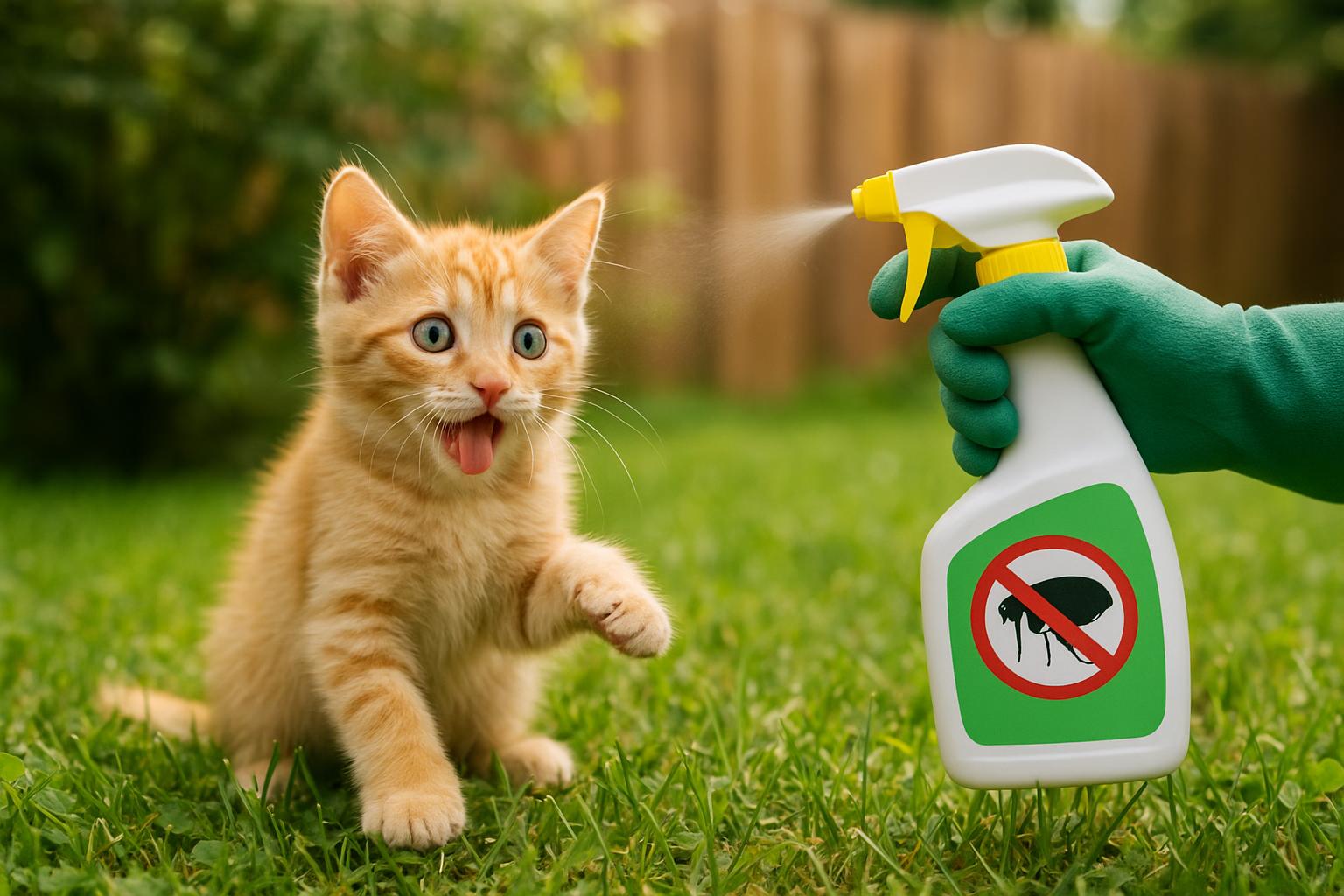
If your backyard doubles as your cat’s favorite roam-and-sniff zone, you’re sharing habitat with more than songbirds and dandelions. Fleas love that mix too. The good news: thoughtful yard care, regular cat checks, and a few natural remedies can keep those tiny vampires off your pet without turning your outdoor space into a chemical battlefield.
## Cat Flea Prevention In A Natural Backyard
Keeping fleas off outdoor cats is less about one magic trick and more about stacking low-impact practices. Cat flea prevention in a natural backyard focuses on breaking the flea life cycle, reducing favorable microhabitats, and equipping your cat with sensible defenses. You’ll handle eggs and larvae in the soil and shade, manage hosts (think neighborhood wildlife), and keep your cat less attractive to hitchhikers.
### Understanding Fleas And Their Life Cycle
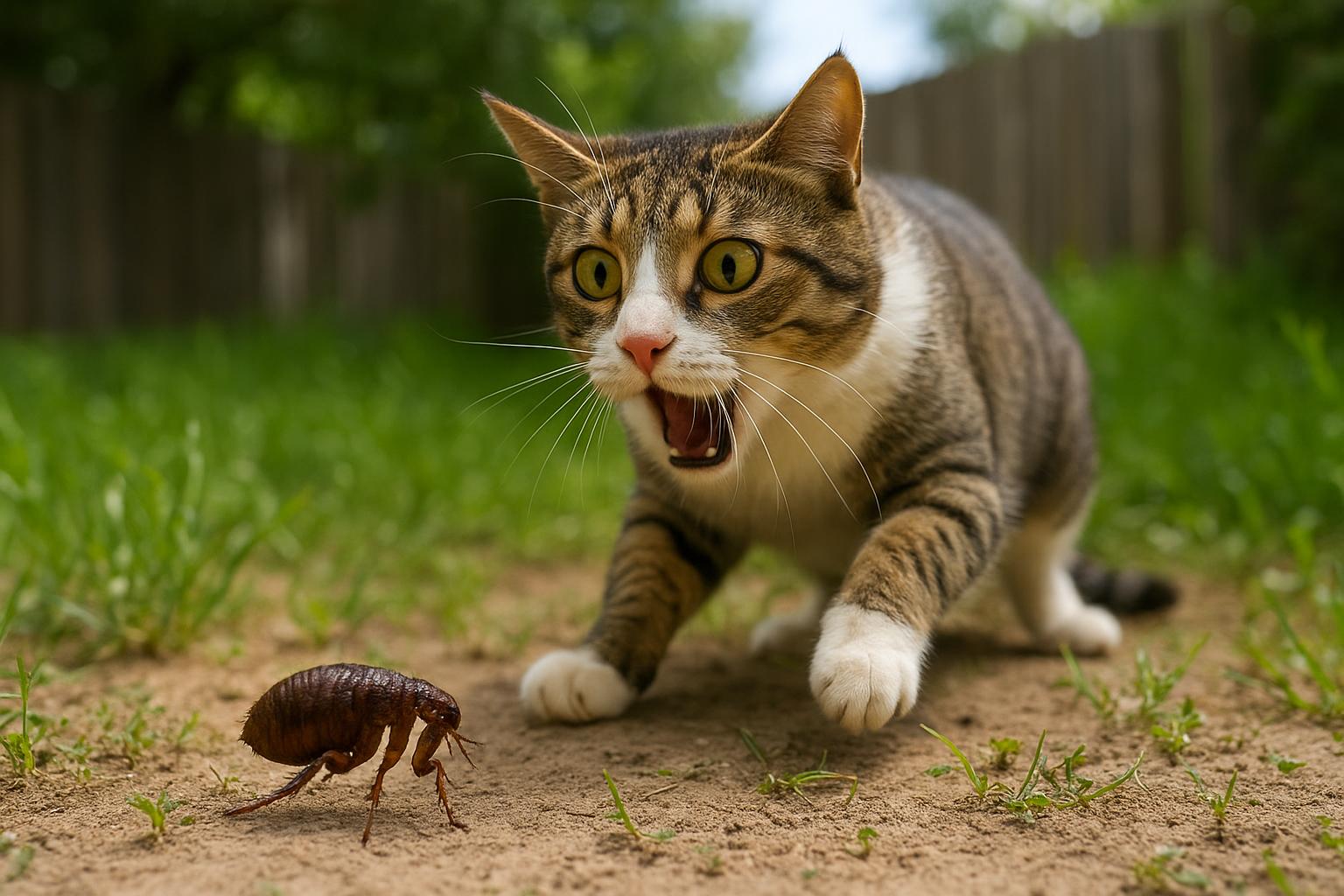
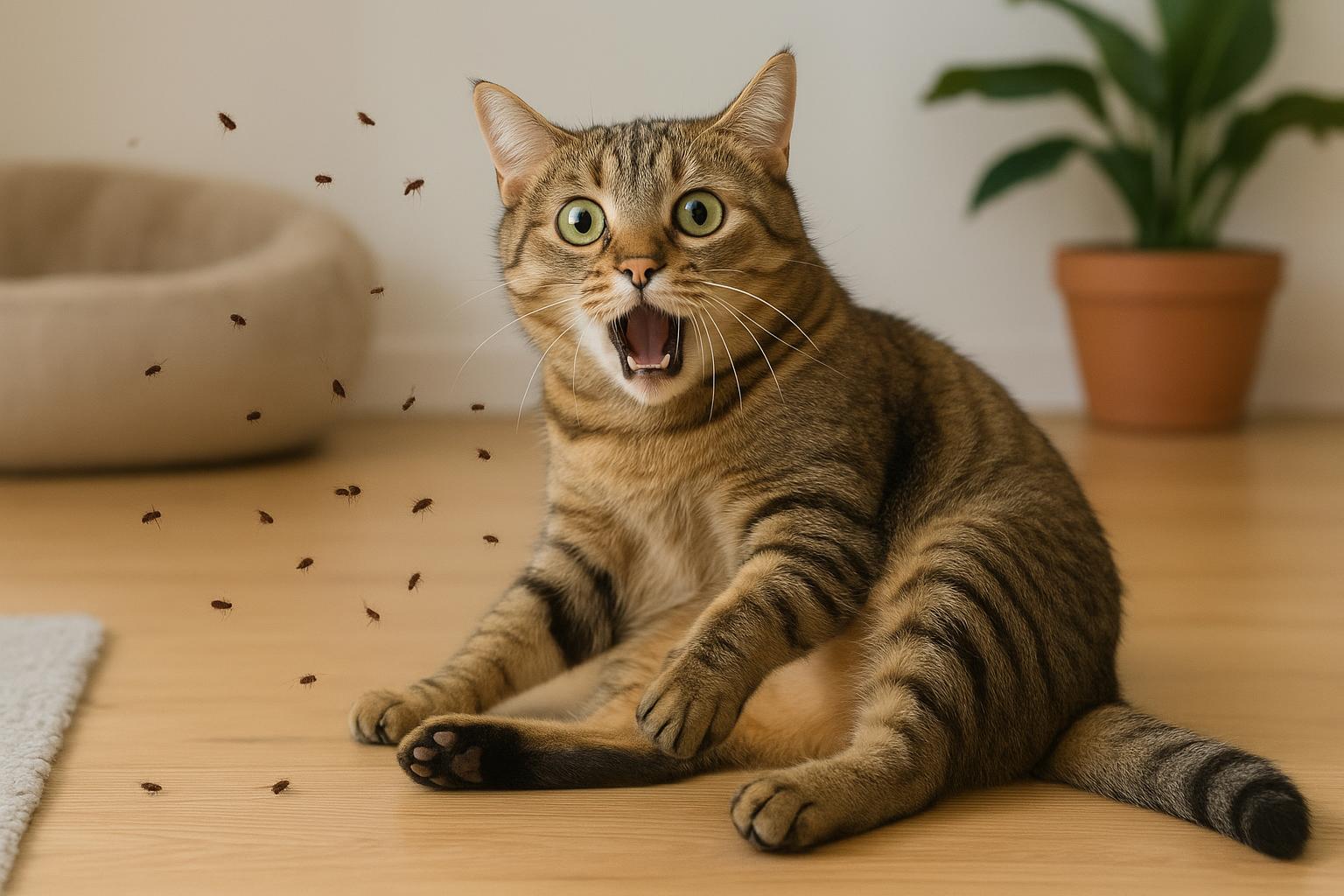
Fleas spend most of their lives off the host: eggs, larvae, and pupae live in the environment. Adults jump onto a host to feed and reproduce. Warm, shaded, humid spots—under decks, in tall grass, and in leaf litter—are flea nurseries. Interrupting that environmental stage is the most effective form of cat flea prevention: remove or alter those nursery sites and fewer adults will be available to infest your cat.
### Yard Management Strategies
The backyard is an ecosystem. Small tweaks make a big difference.
– Keep grass trimmed and avoid tall, dense groundcover where fleas flourish.
– Clear leaf piles and tidy underbrush; compost bins should be secured and away from cat paths.
– Create one or two sunlit “feline corridors” with stones or mulch that dry quickly—fleas dislike sun-baked, dry surfaces.
– Discourage wild mammal traffic (raccoons, opossums, rodents) with secure trash, closed sheds, and motion-activated lights; these animals can seed flea populations.
– Introduce beneficial organisms: certain predatory insects and birds help keep small arthropod numbers lower, and properly applied beneficial nematodes (see Remedy 2) can reduce larval populations.
A natural backyard that’s tidy, diverse, and dry is a fortress against flea reinforcements.
### Inspecting And Grooming Your Cat Regularly
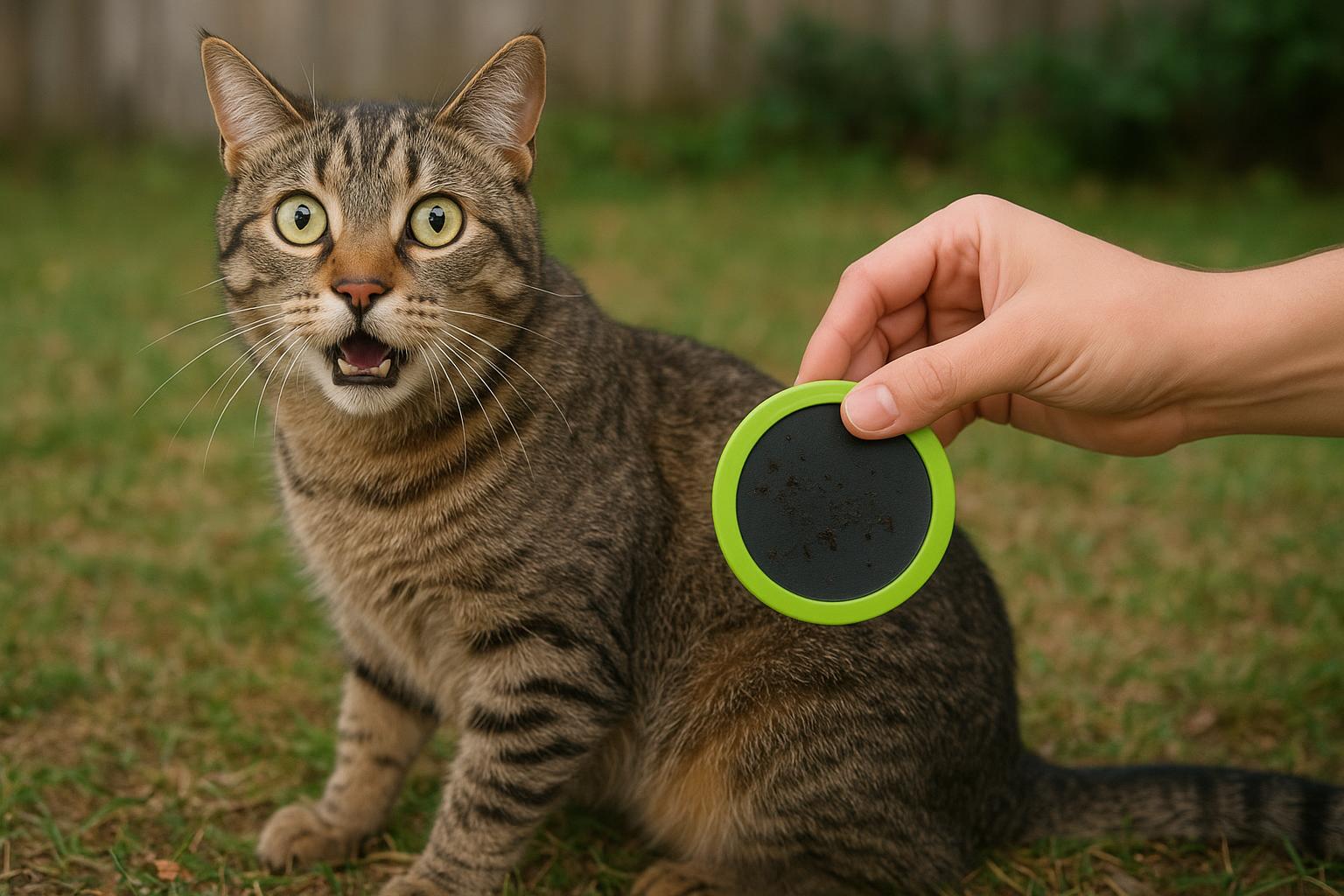
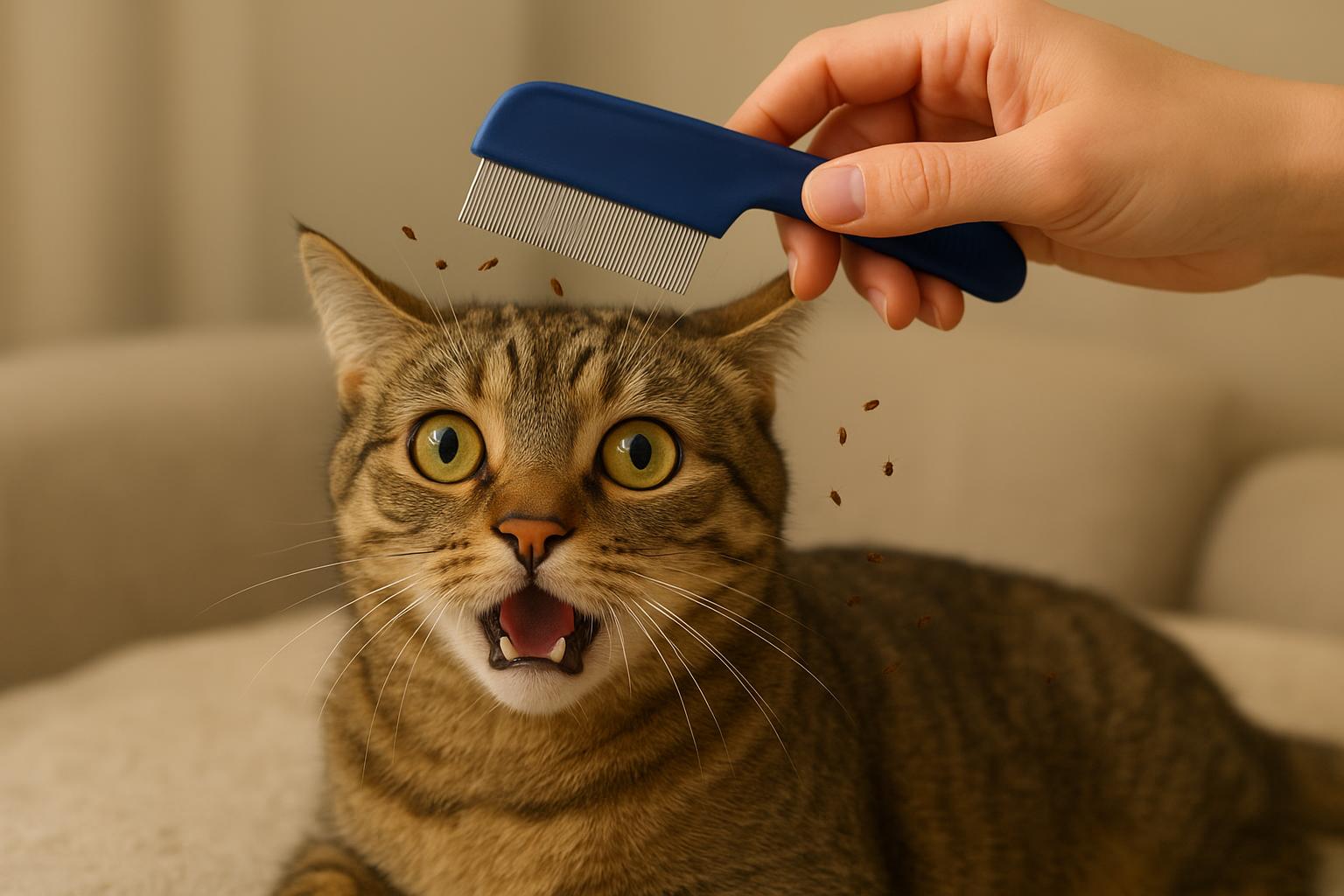
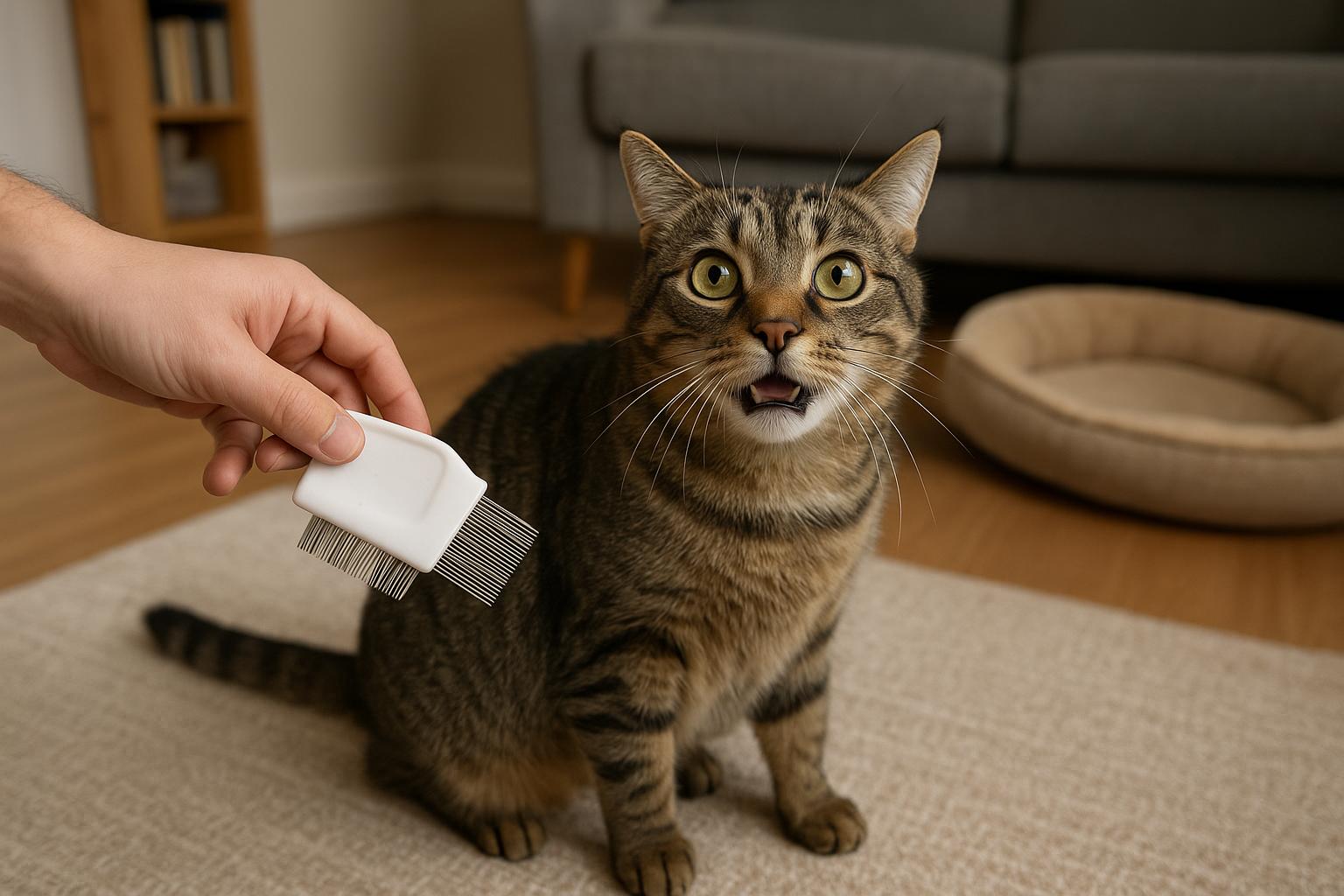
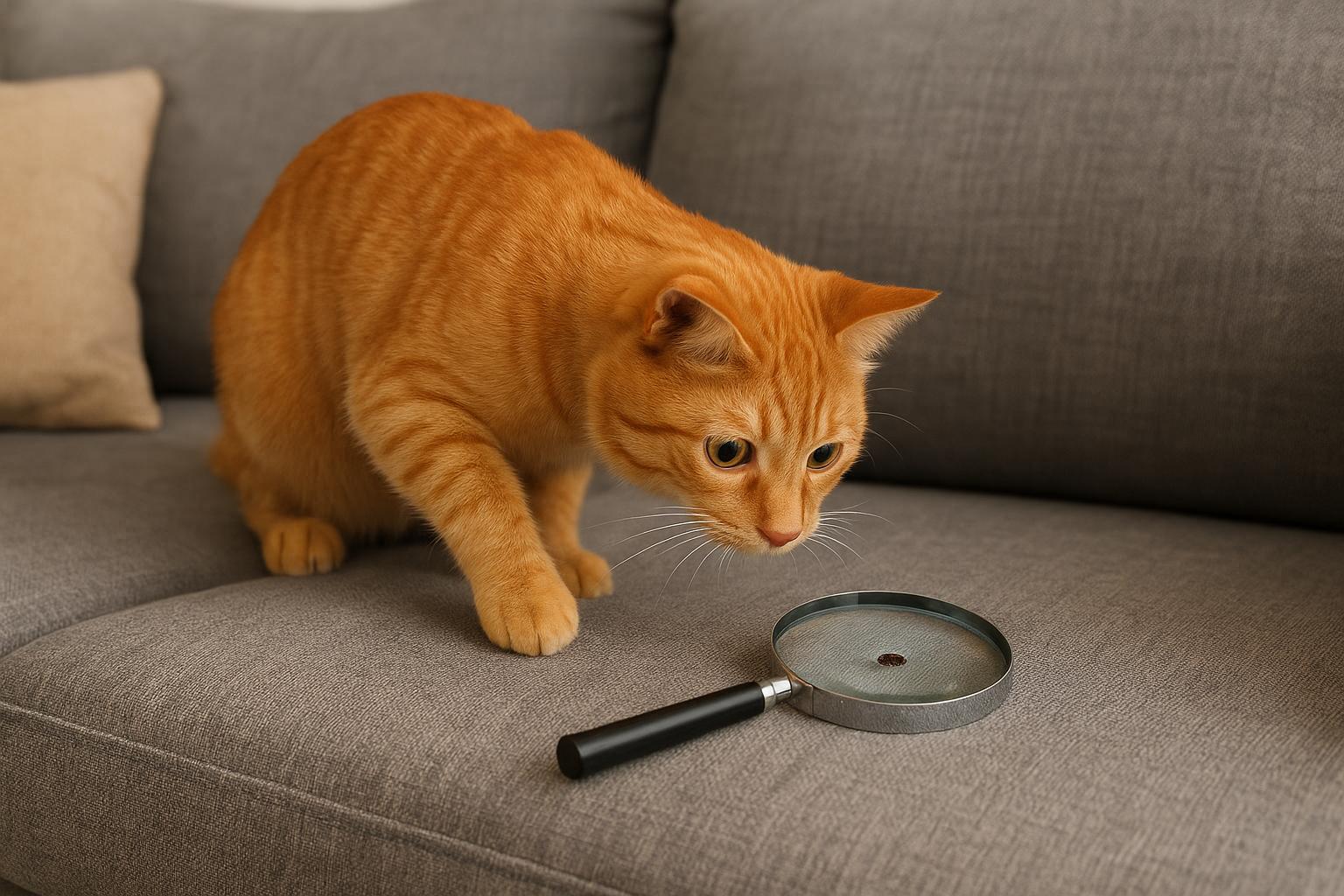
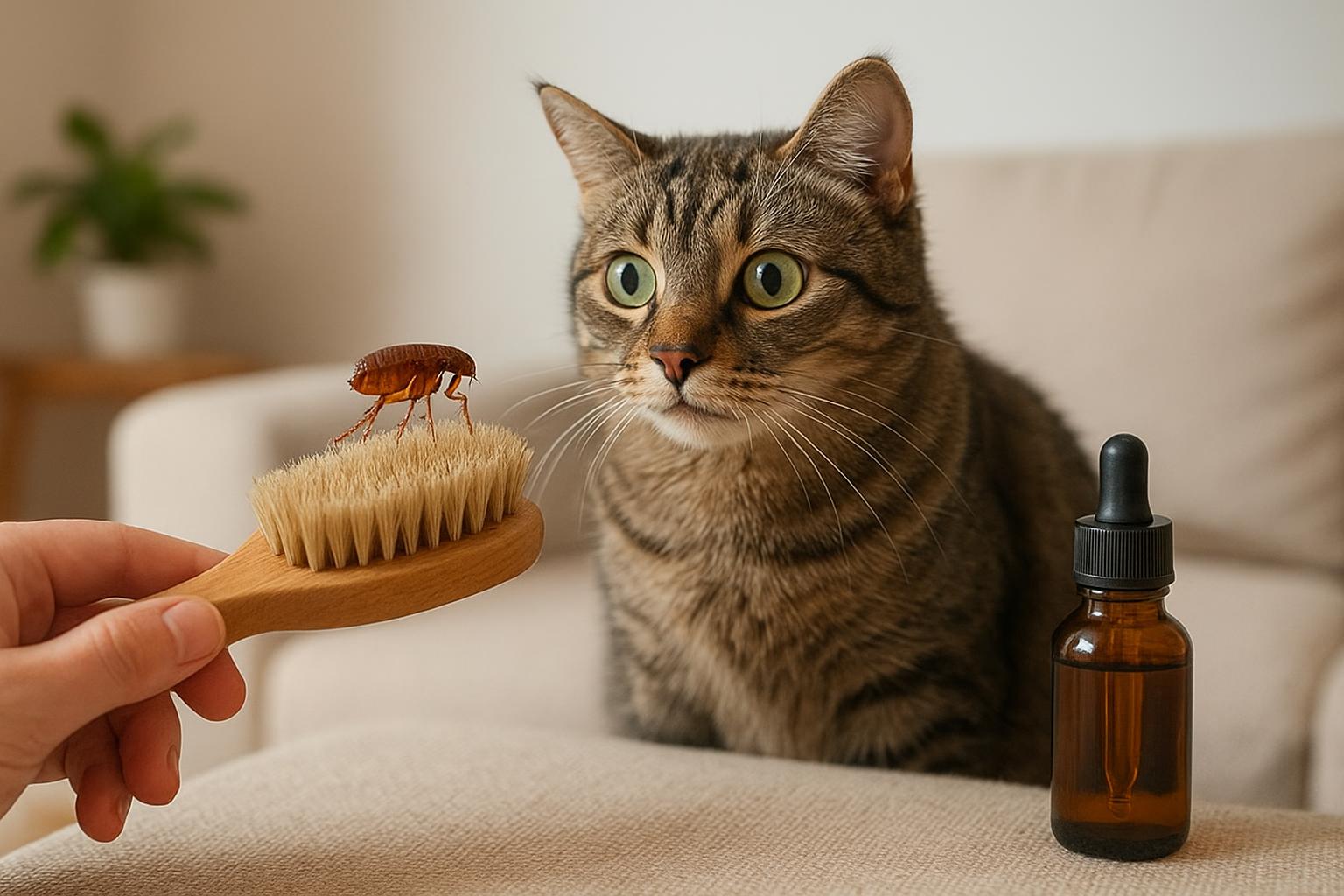
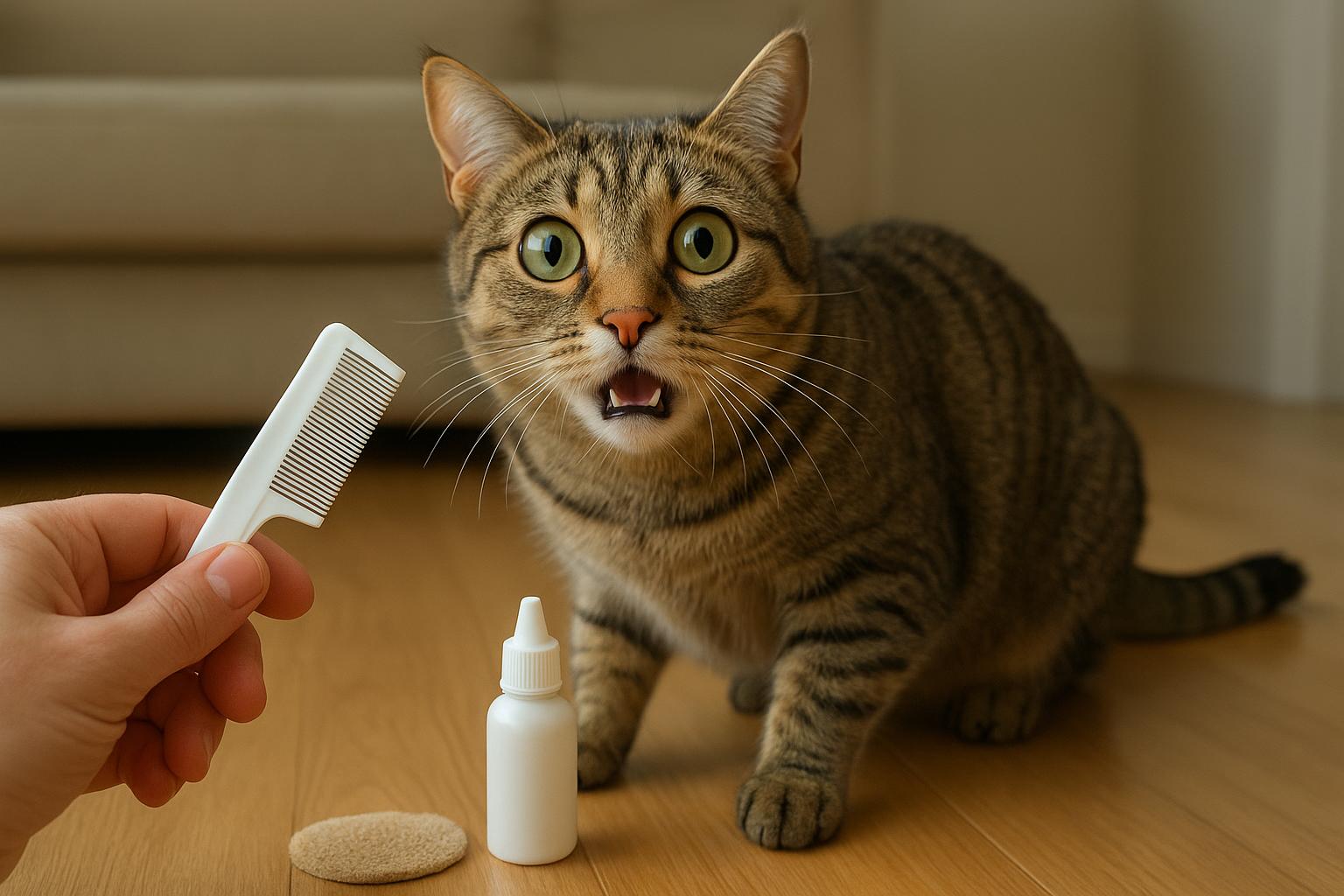
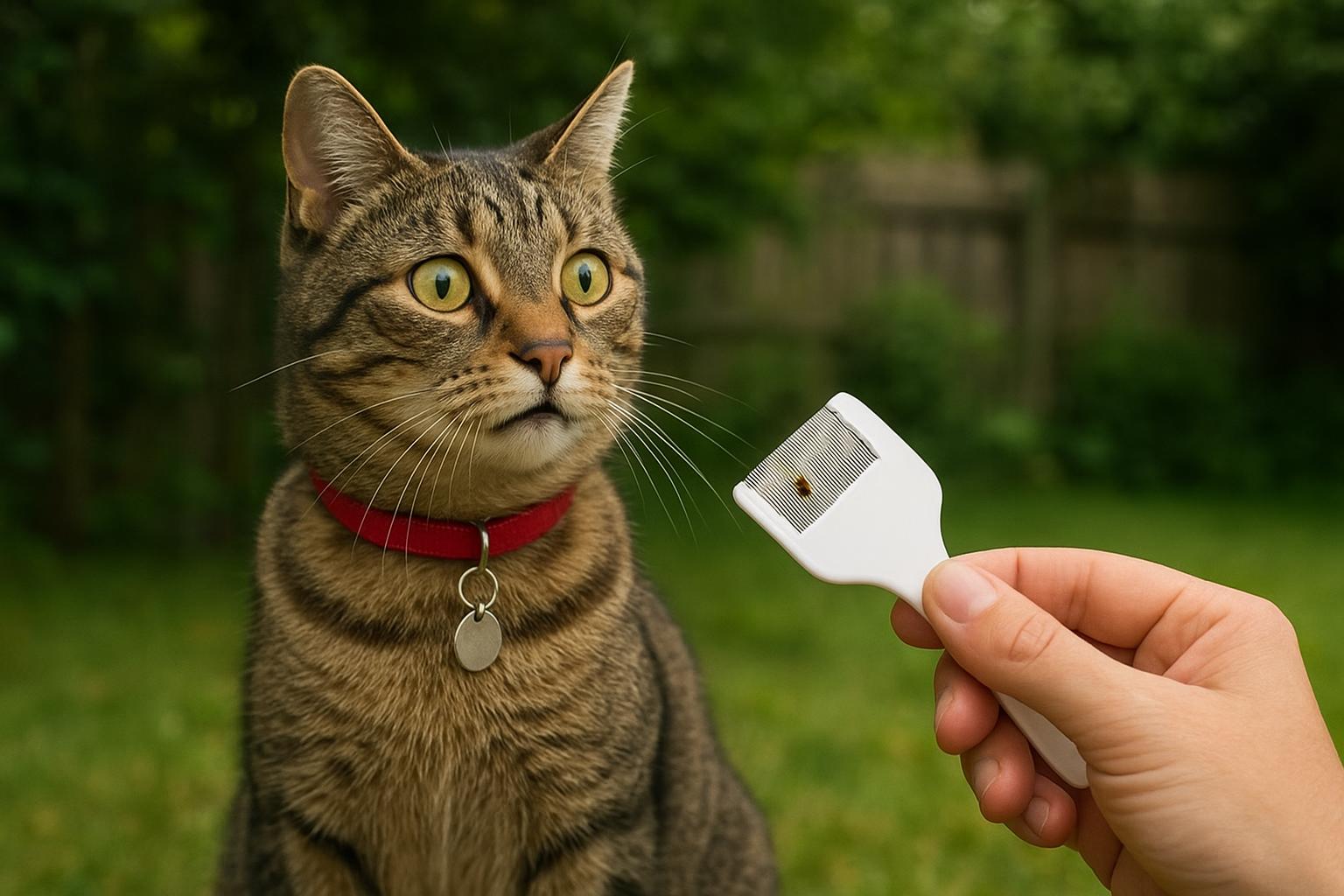
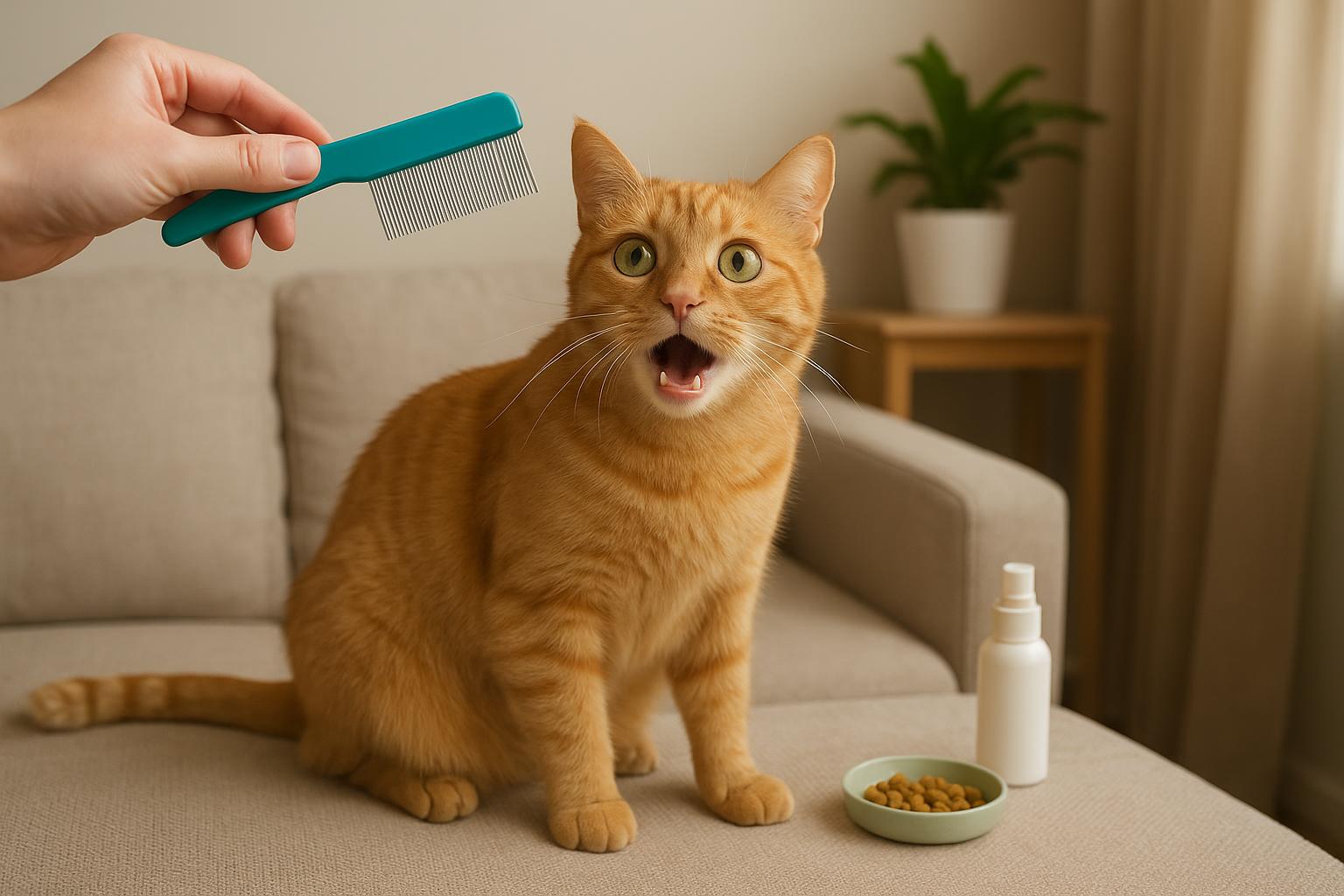
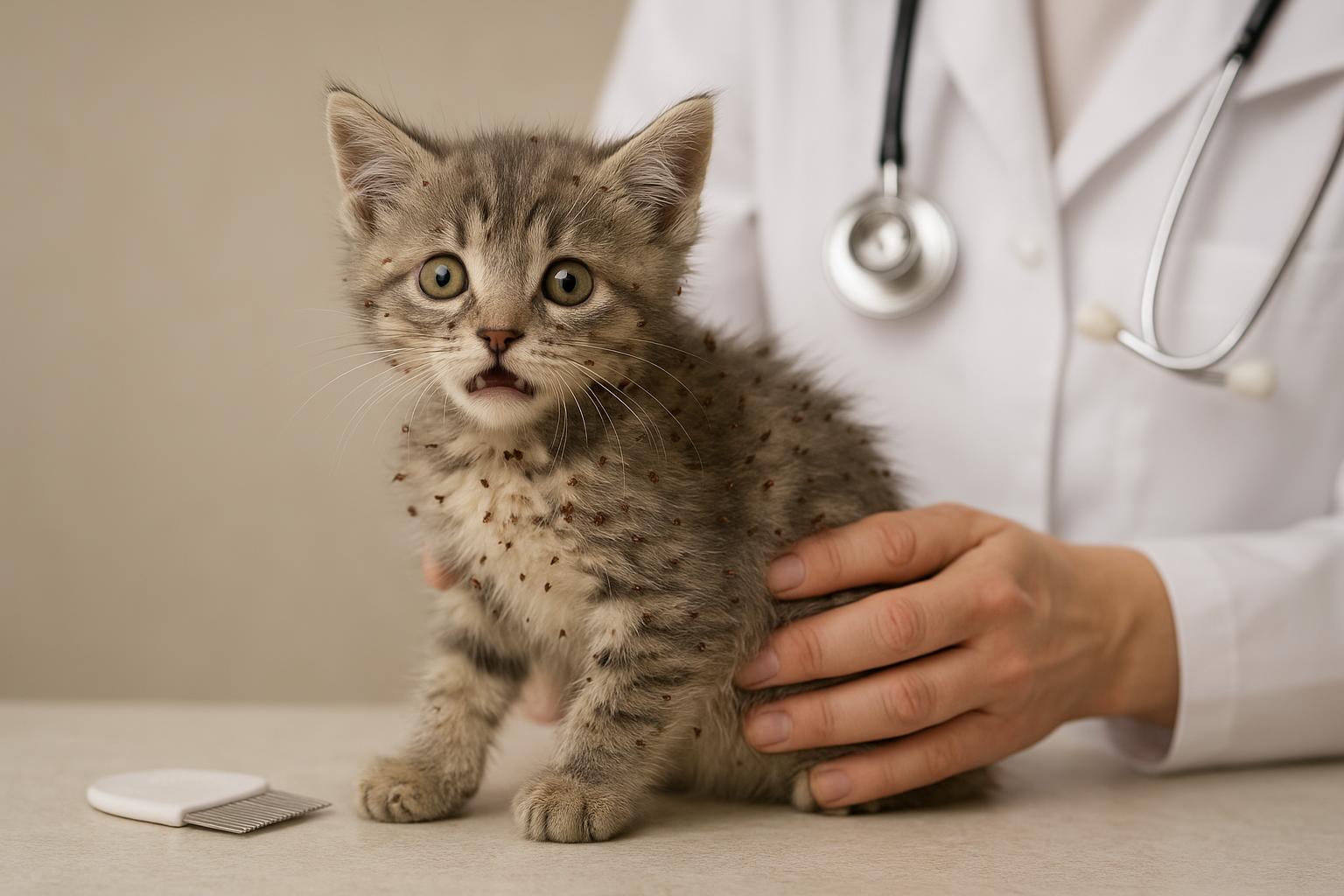
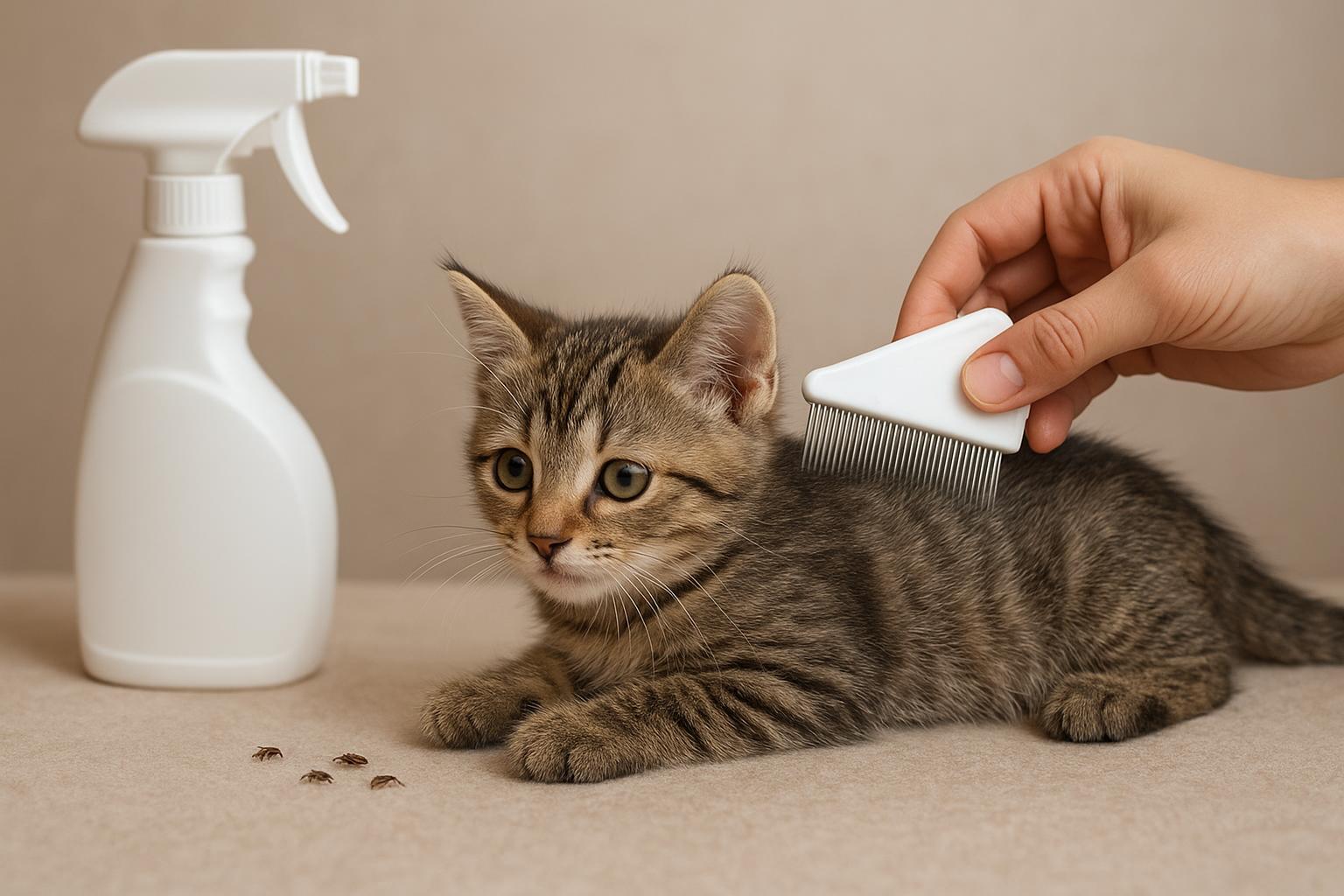
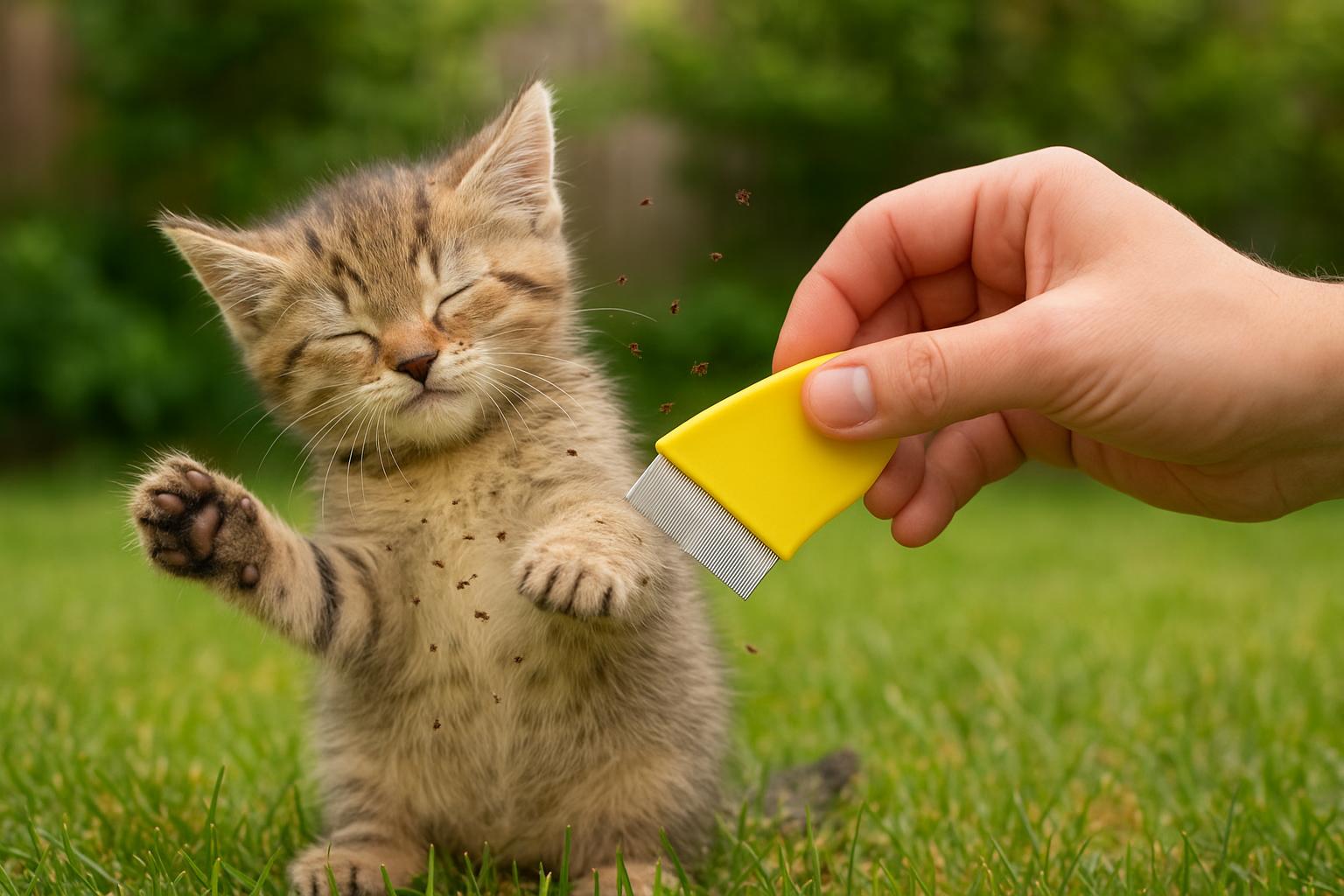
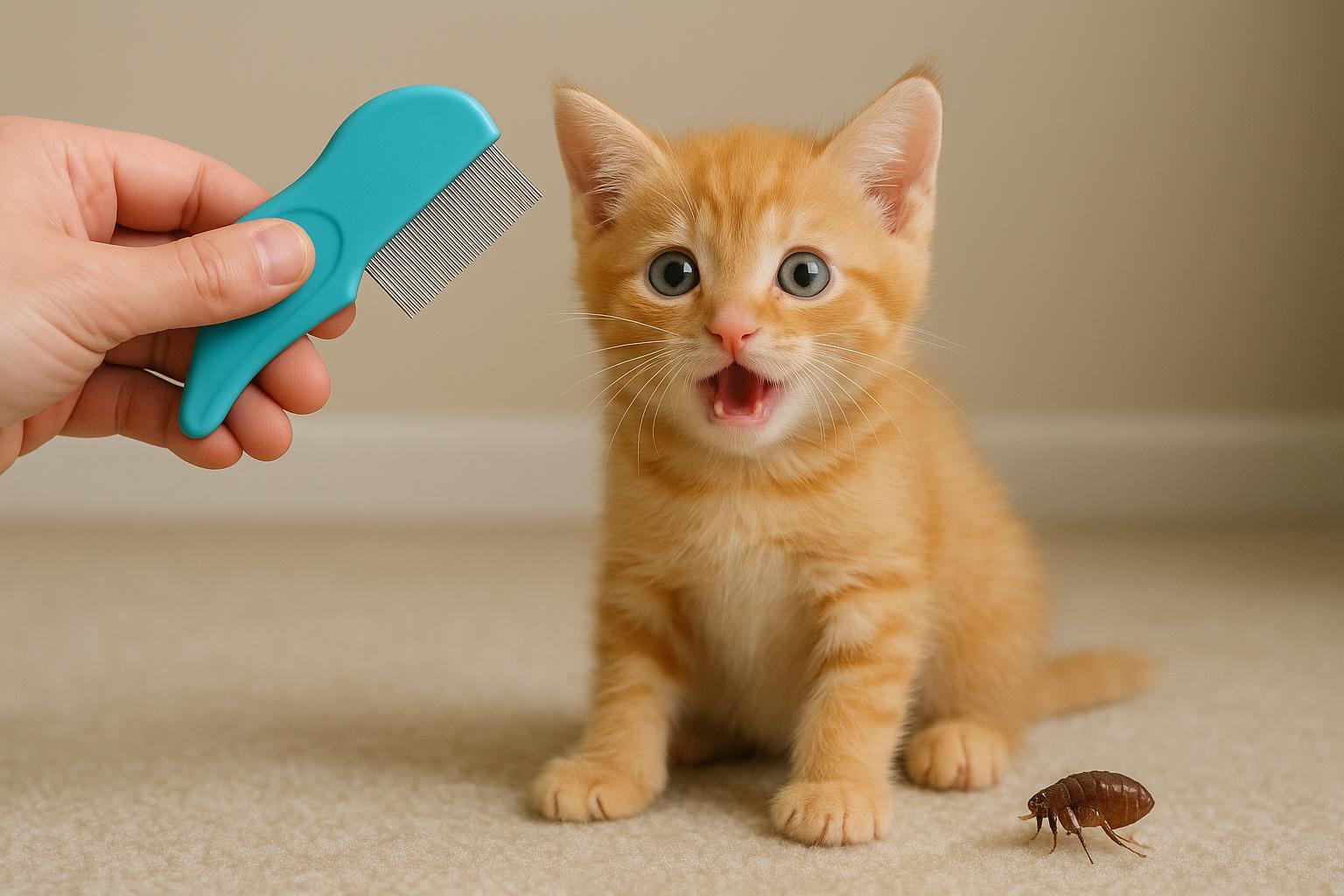
Routine checks and grooming are central to good cat flea prevention. Comb your cat with a fine-tooth flea comb at least weekly—more often if they spend long hours outside. Look for dark debris (flea dirt) or tiny moving points.
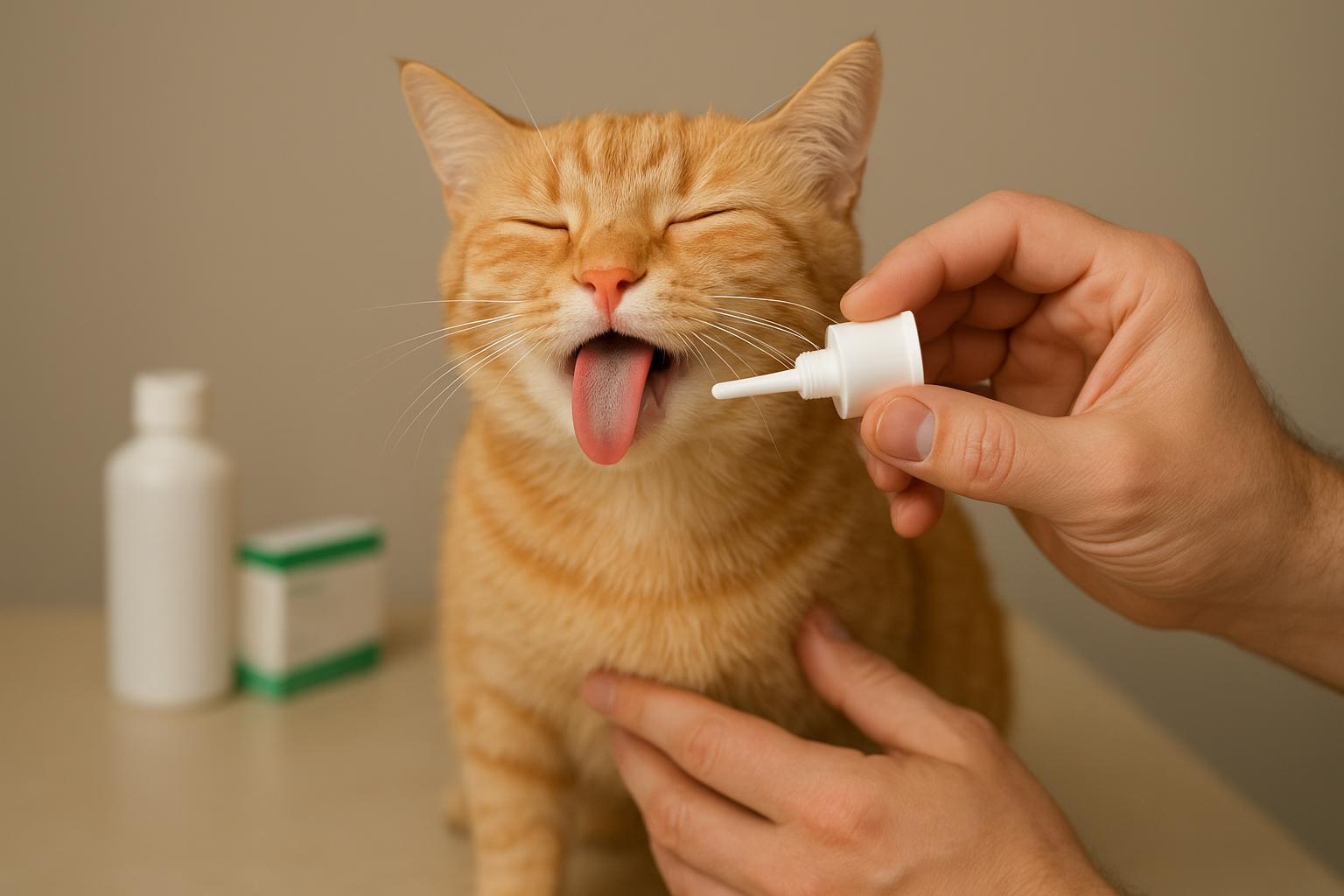
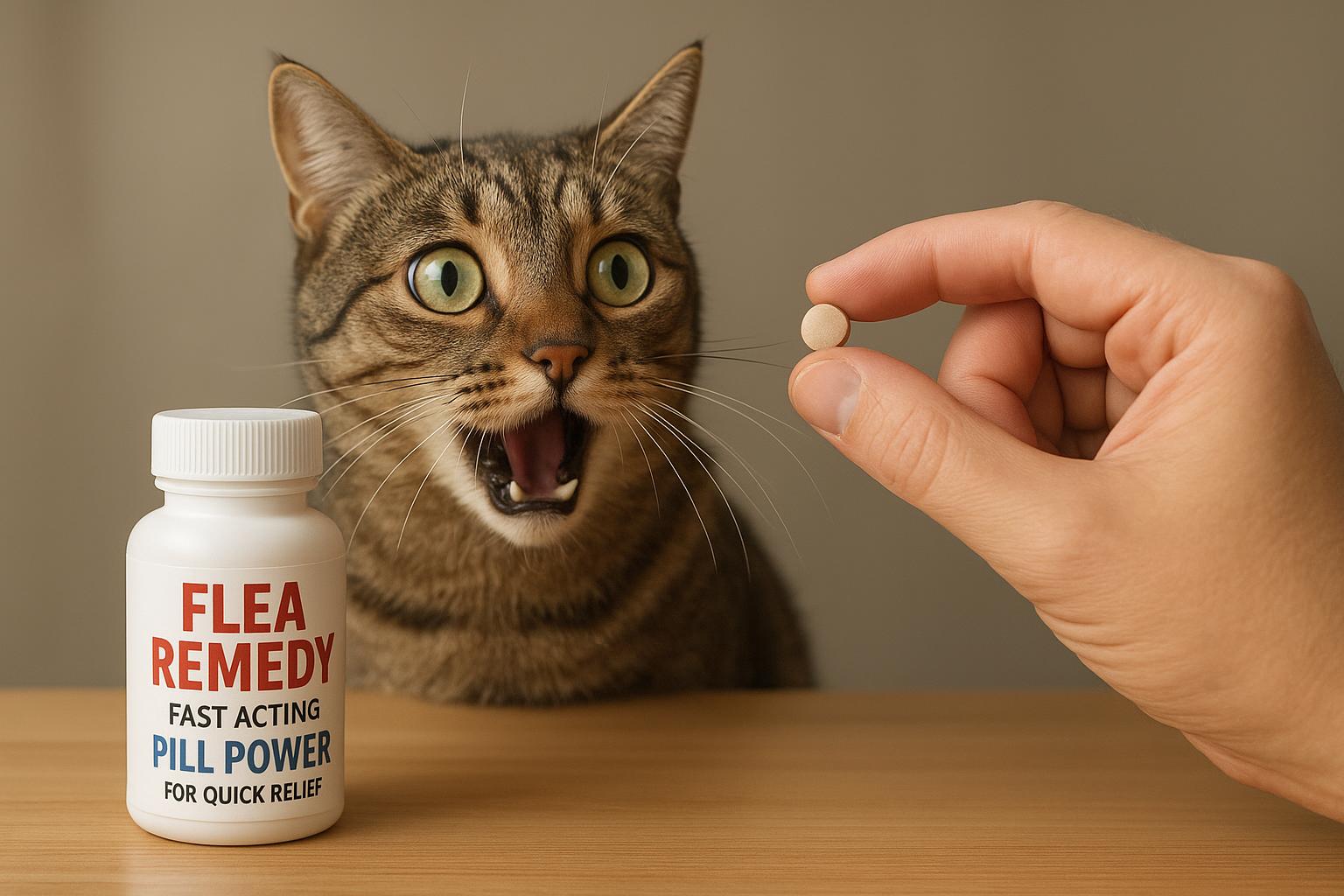
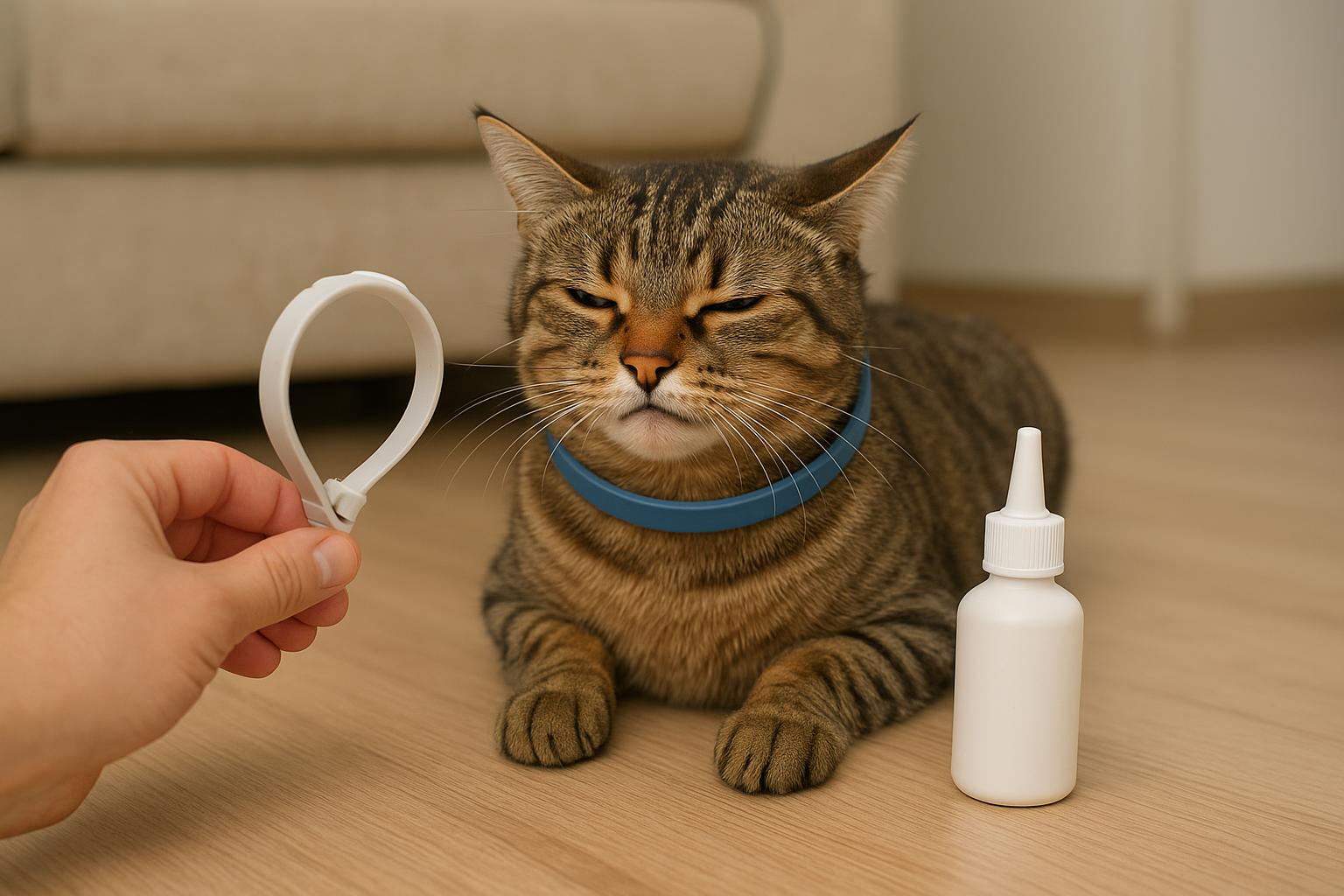
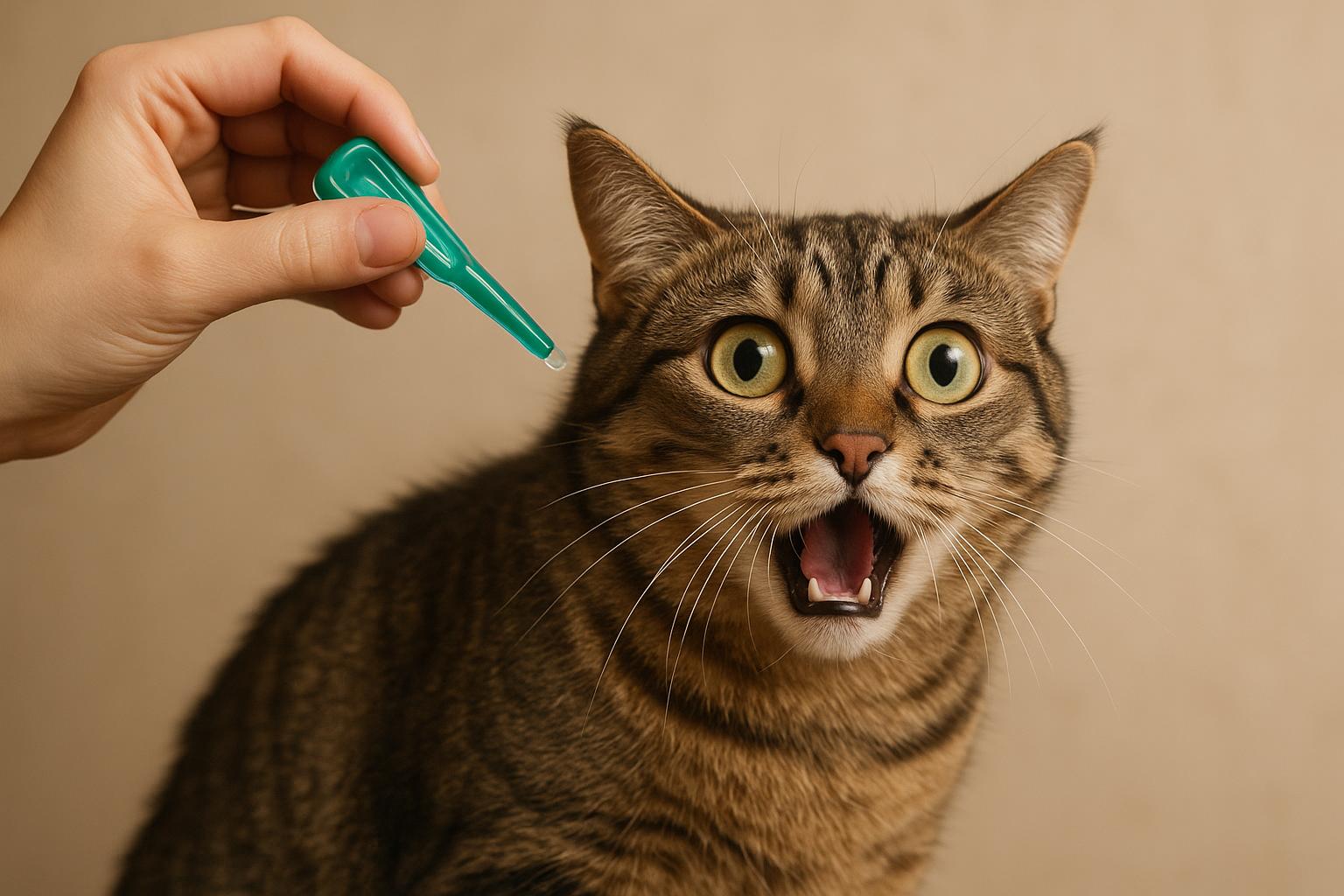
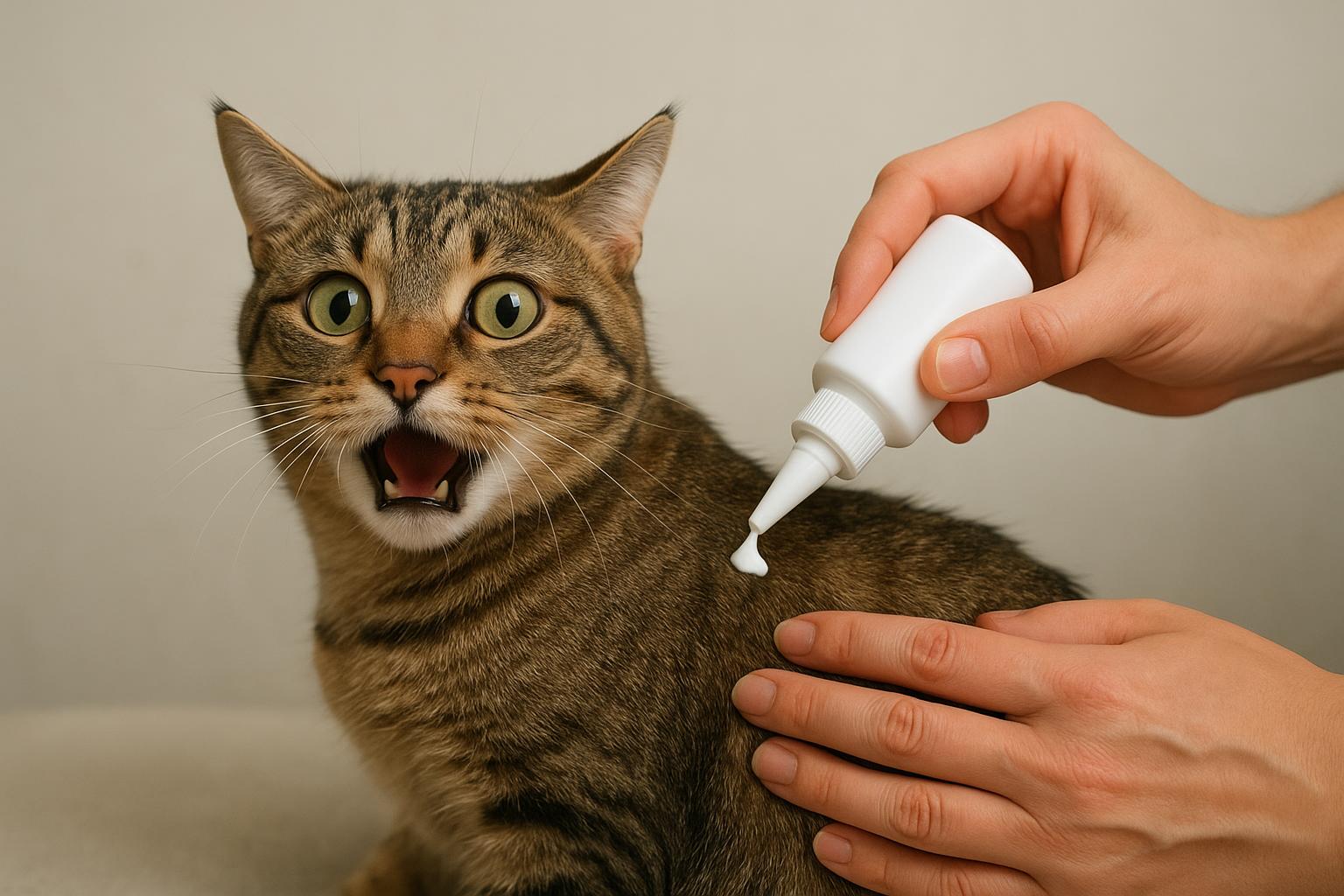
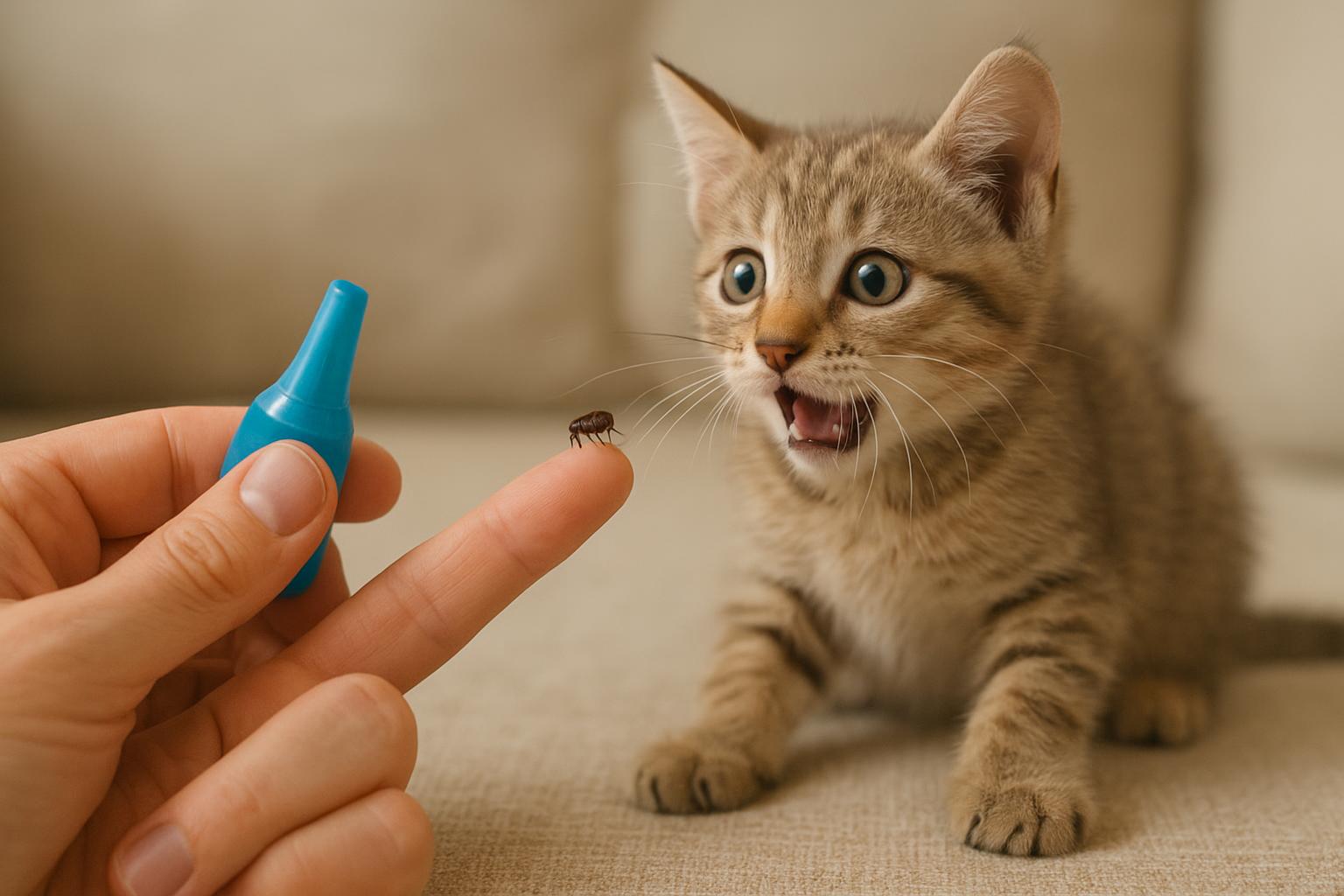
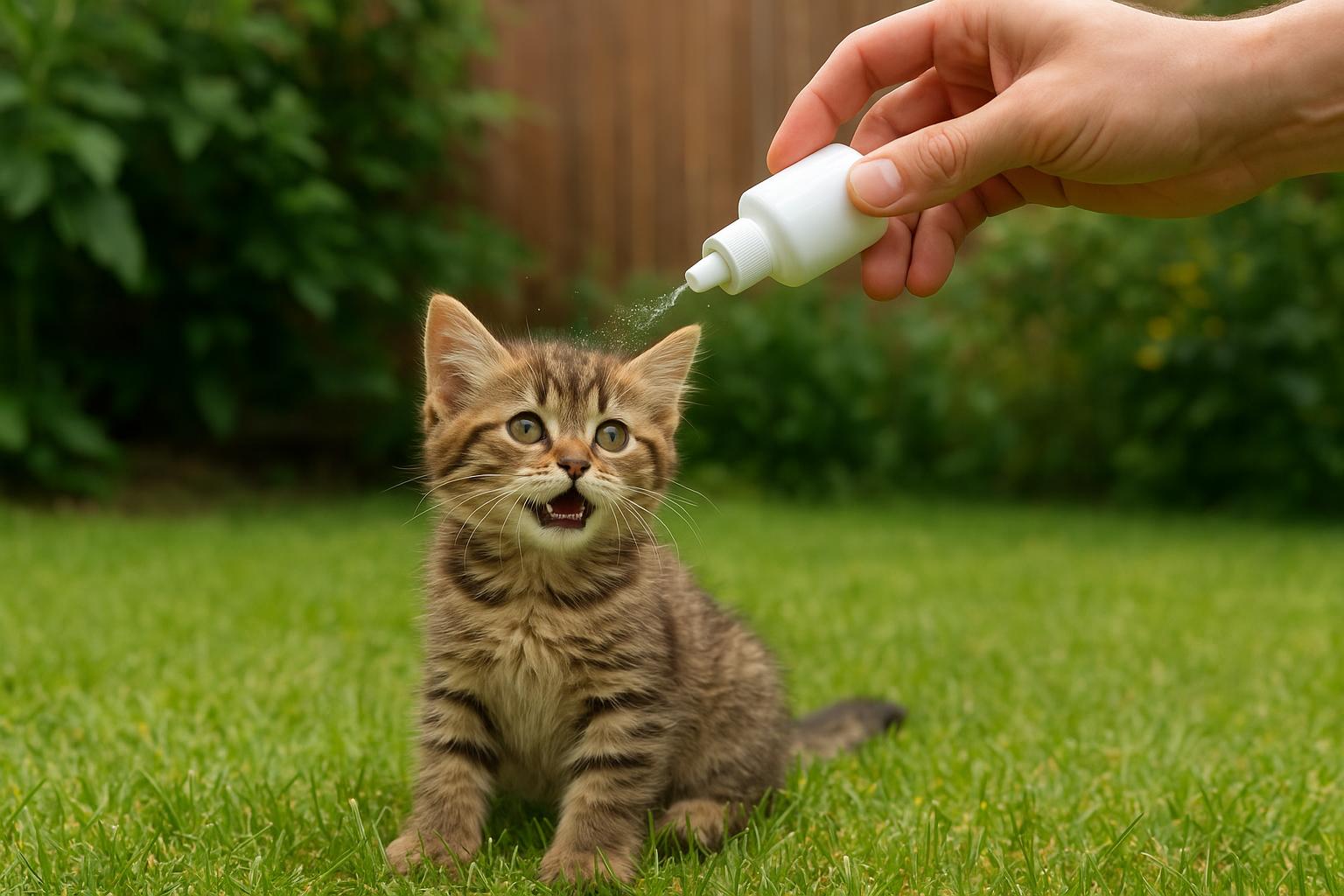
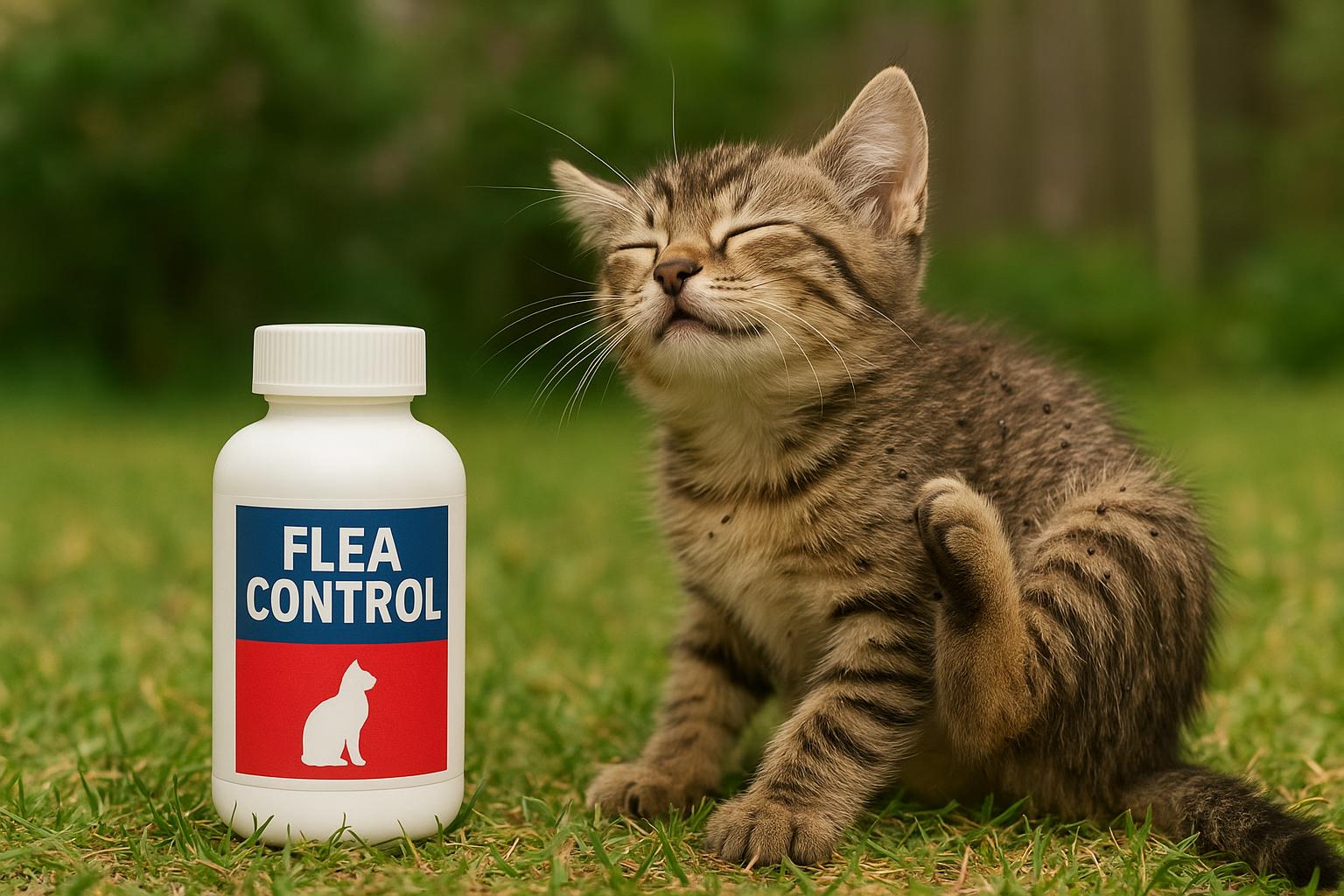
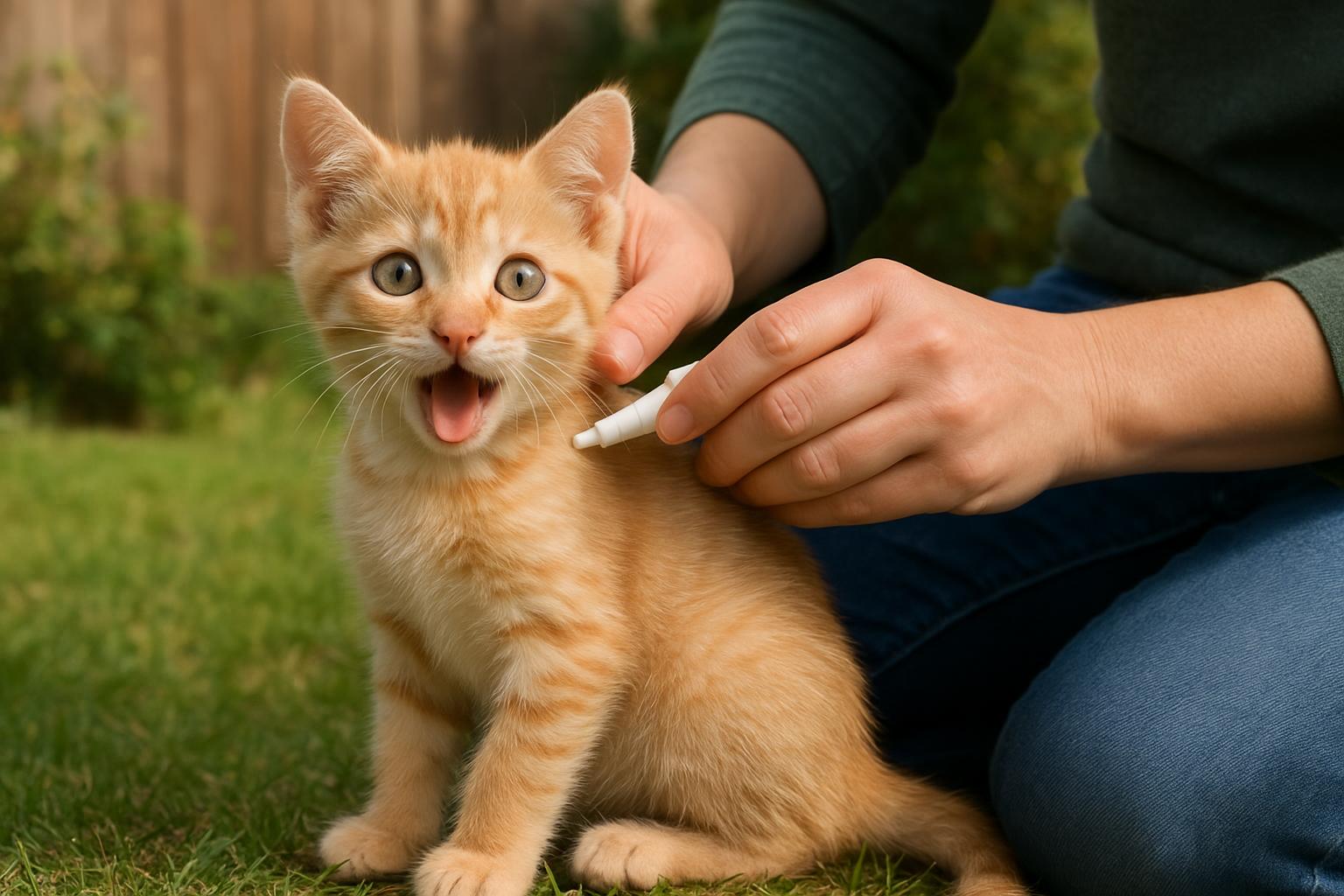
When discussing products for on-pet protection (topical treatments, oral medications, collars), be formal and consult your veterinarian. Many veterinarian-recommended treatments are highly effective and safe when used correctly; they often form the backbone of a prevention plan. Natural remedies can supplement these approaches, particularly for environmental control, but should not replace vet-prescribed treatments for cats already infested or with flea-borne illness risk.
### Remedy 1: Diatomaceous Earth Dusting
#### Ingredients And Required Materials
– Food-grade diatomaceous earth (DE), not pool-grade.
– Stiff brush or broom.
– Garden duster or hand spreader.
– Dust mask and gloves for safe handling.
– Optional: tarp or sheet to collect excess DE for reuse.
#### Step-By-Step Creation And Application
1. Choose dry weather and a calm day; DE is less effective when wet and can become airborne in wind.
2. Put on your dust mask and gloves. Food-grade DE is safe to handle but inhalation should be avoided.
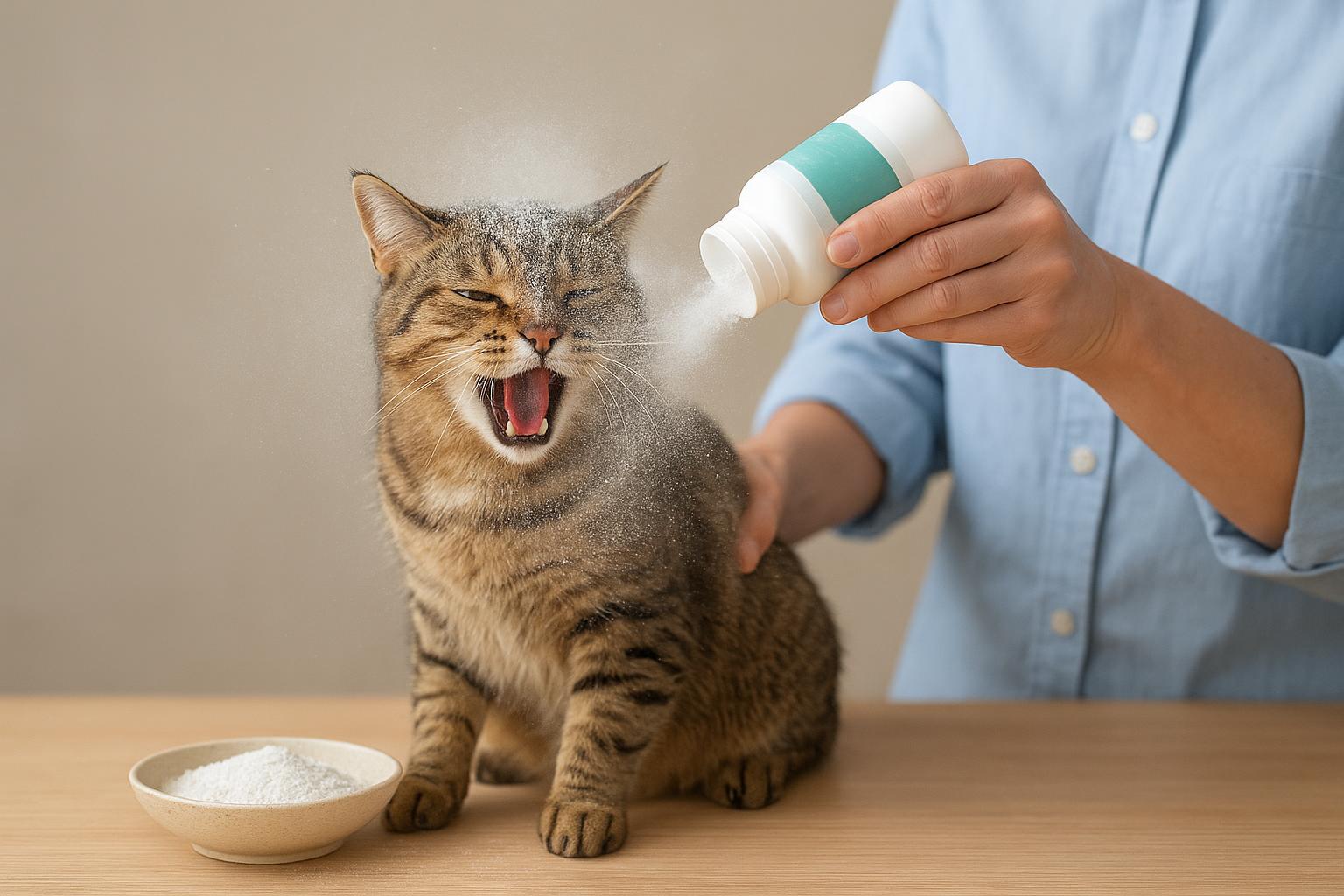
3. Use the duster to apply a thin, even layer of DE to shaded areas where your cat rests, along baseboards of outdoor structures, and under decks. Avoid areas frequently used by children or near vegetable beds.
4. Gently work DE into leaf litter or topsoil with the broom; a light integration helps contact with flea larvae.
5. Leave DE in place for several days to a week, then sweep and reapply if needed after rain or heavy dew.
6. Monitor your cat for any signs of irritation; avoid applying DE directly onto the animal. DE is best used in the environment rather than on the pet.
Formally, diatomaceous earth works by abrading the protective outer layer of insects, causing dehydration. It’s most effective against immature flea stages in dry environments and is a low-toxicity option for integrated cat flea prevention plans when used responsibly.
### Remedy 2: Beneficial Nematode Soil Treatment
#### Ingredients And Required Materials
– Beneficial nematodes (Steinernema feltiae or Heterorhabditis species) obtained from a reputable supplier.
– Garden sprayer or watering can with a fine rose (nozzles that will crush nematodes).
– Hose-end sprayer attachment (optional, if rated safe).
– Measuring cup and bucket for mixing.
– Shade to apply and cool temperatures in the morning or evening.
#### Step-By-Step Creation And Application
1. Store nematodes in refrigeration until application and follow supplier storage instructions.
2. Mix the nematodes into water according to the supplier’s concentration guidelines; use the mixture immediately—nematodes are alive and time-sensitive.
3. Apply evenly to soil surfaces in shaded, moist areas where flea larvae are likely (under shrubs, along foundations, compost margins).
4. Water the treated areas lightly after application to move nematodes into the soil, keeping the ground moist for at least a week to support nematode activity.
5. Repeat treatment every 4–6 weeks during peak flea season or according to product recommendations.
6. Record dates and areas treated to evaluate efficacy over the season.
Beneficial nematodes actively hunt and infect flea larvae in soil. This biological control is environmentally friendly and integrates well into a natural backyard plan for cat flea prevention.
### Remedy 3: Homemade Flea-Repellent Rinse For Bedding Areas
#### Ingredients And Required Materials
– 1 cup apple cider vinegar.
– 3 cups water (filtered or dechlorinated).
– 2 tablespoons neem oil (cold-pressed).
– Mild unscented liquid castile soap (1 teaspoon) as an emulsifier.
– Spray bottle or a basin for rinsing.
– Gloves and mixing container.
#### Step-By-Step Creation And Application
1. In a mixing container, combine the water and apple cider vinegar.
2. Add the castile soap and whisk to create a mild emulsion.
3. Slowly add neem oil while stirring continuously to distribute the oil evenly.
4. Pour the mixture into a spray bottle for light applications or use a basin if you plan to rinse bedding.
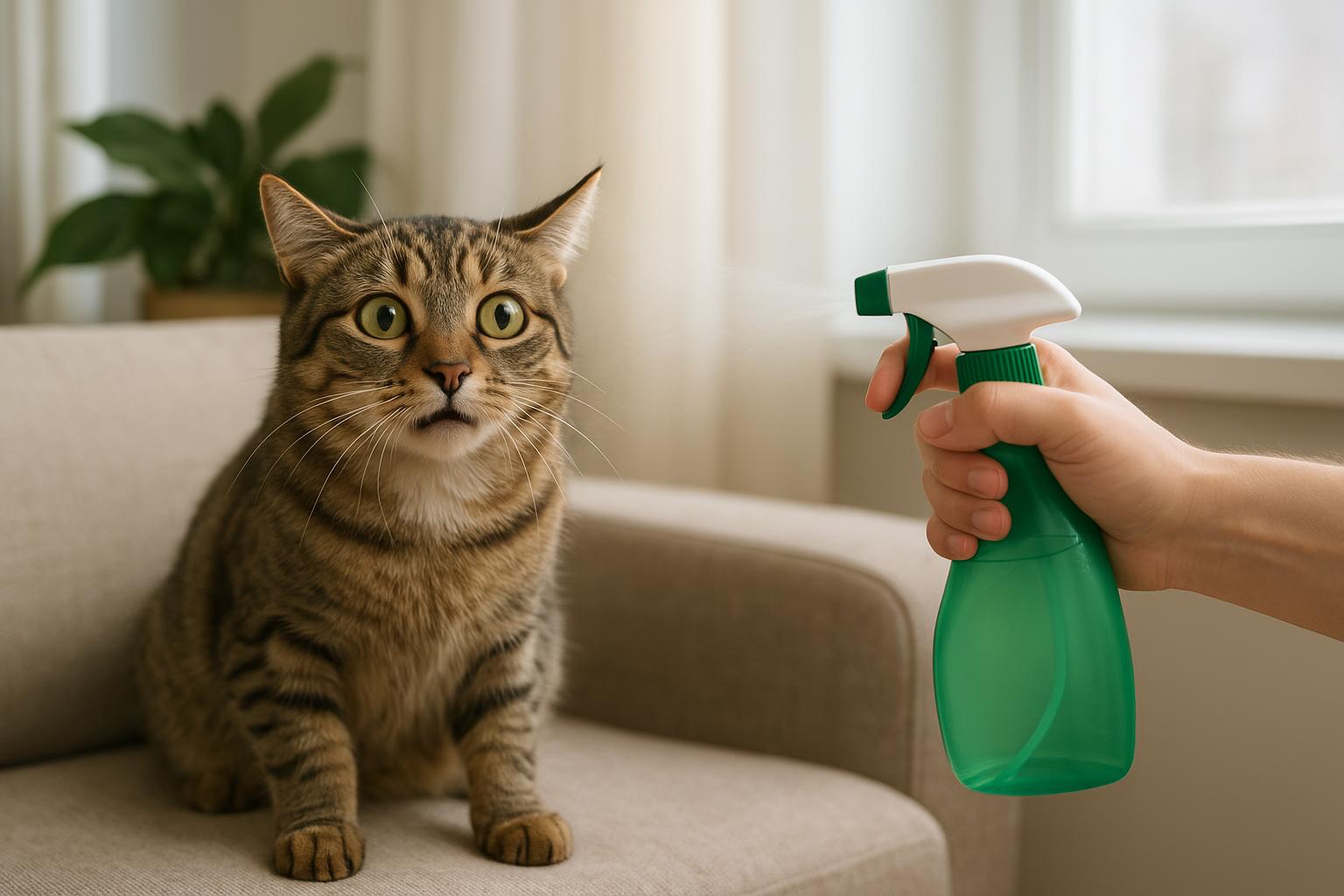
5. Spray lightly on outdoor cat beds, sheltered resting mats, and porch lounging spots—avoid direct contact with the cat’s fur and eyes.
6. For washable bedding, soak in the mixture for 10–15 minutes, then rinse with clear water and dry in sunlight. For non-washables, spray lightly and allow to dry in sun.
7. Reapply weekly during high flea pressure or after heavy rain.
Neem-based solutions have insect-repellent properties and can reduce flea attraction. Be formal: while generally considered safe when used externally and diluted properly, always monitor your cat for skin sensitivities and consult your veterinarian before applying any new substance near your pet.
### Integrating Methods For Best Results
Combine environmental tactics (yard management, DE, nematodes) with regular cat checks and vet-approved on-pet products. Use the homemade rinse and similar repellents as supplementary controls for bedding and high-use areas. For multi-cat households or locations with heavy wildlife presence, increase monitoring frequency and consider professional pest control consultation that uses pet-friendly options.
Small, consistent steps in your natural backyard will reduce flea habitat and exposure. When you pair practical yard care with informed application of remedies, cat flea prevention becomes an achievable, mostly hands-off routine that keeps your feline friend happy and itch-free—without turning the garden into a chemistry lab.





Leave a Reply