
## How To Prevent Fleas In Kittens: The Shocking Truth You Didn’t Know
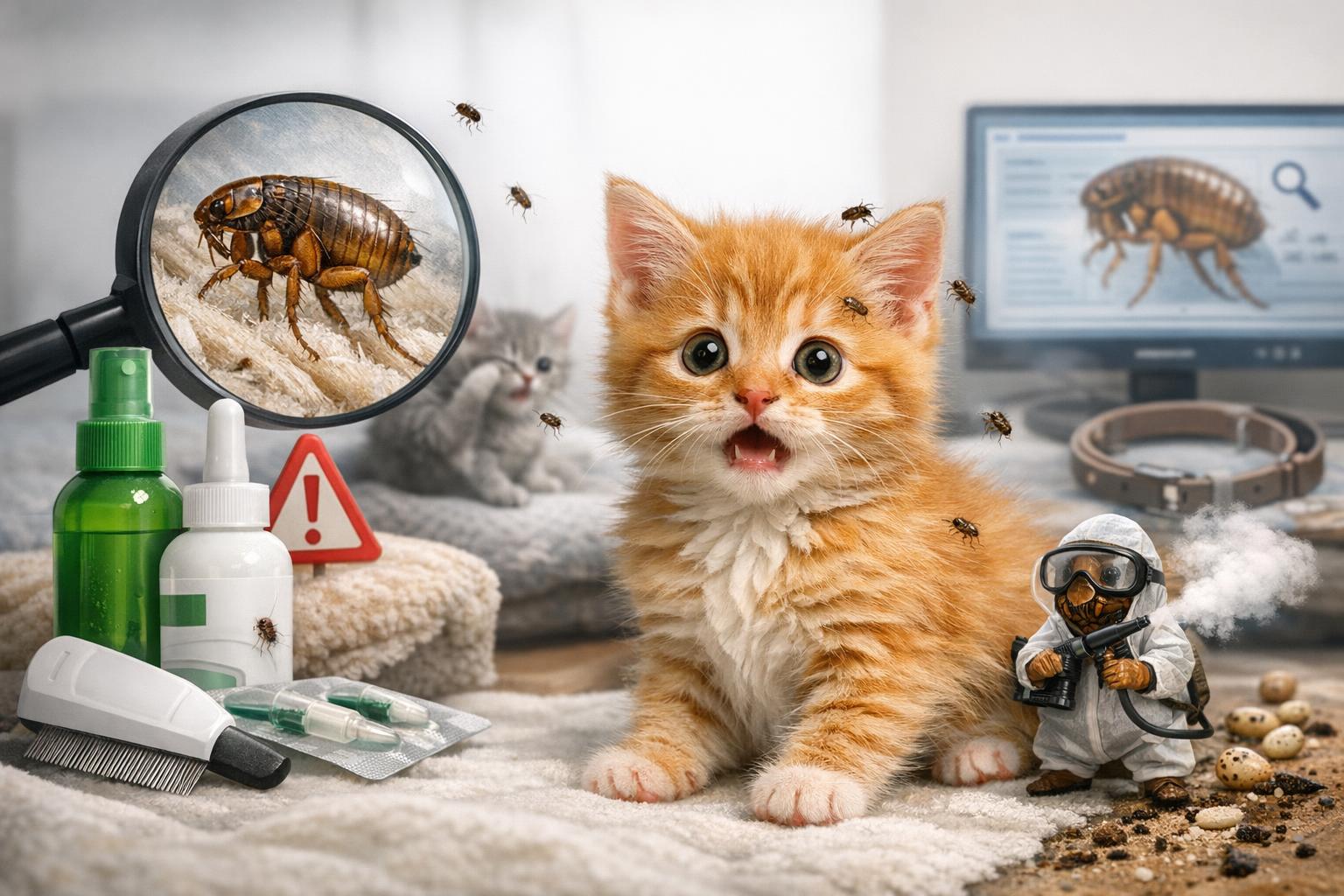
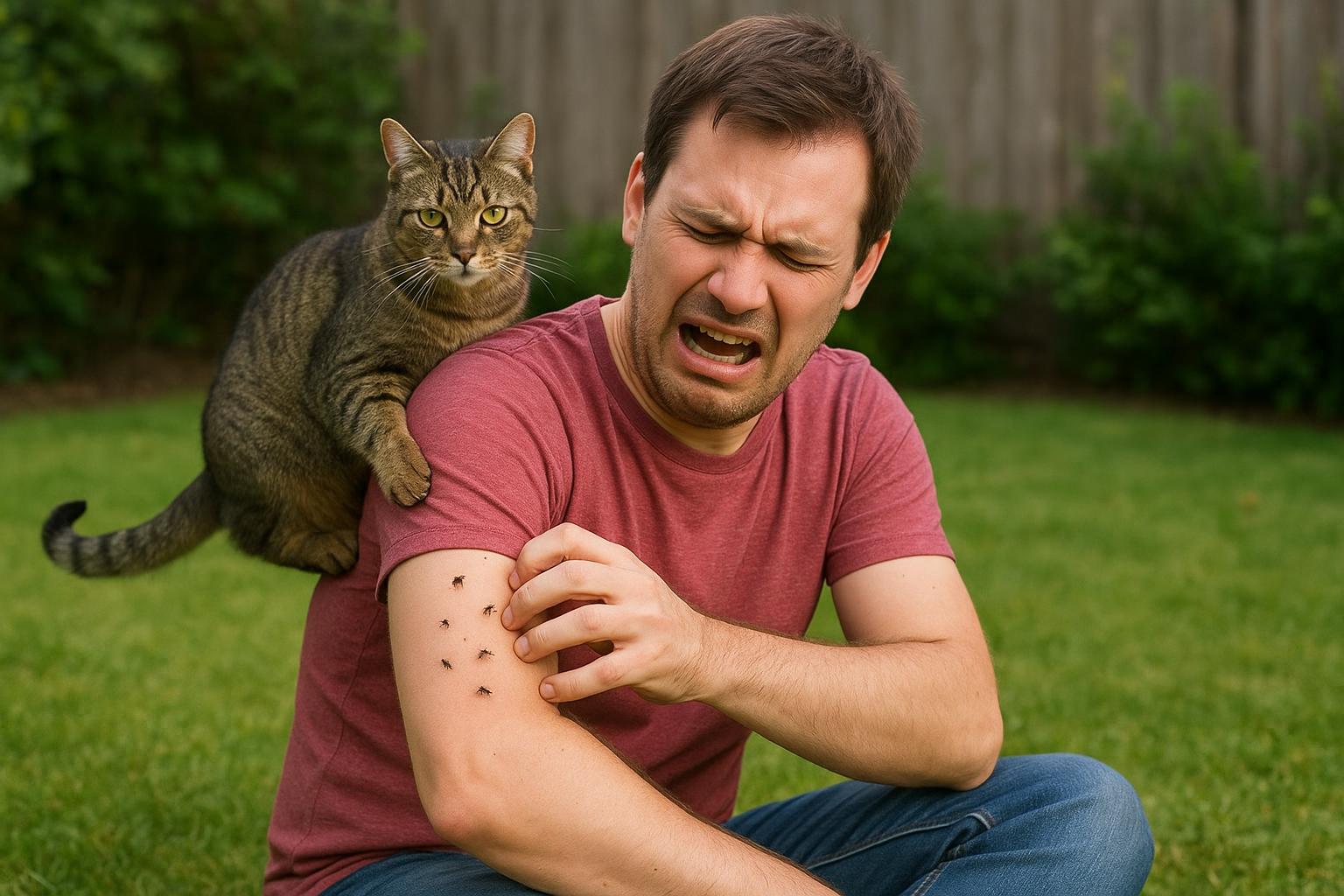
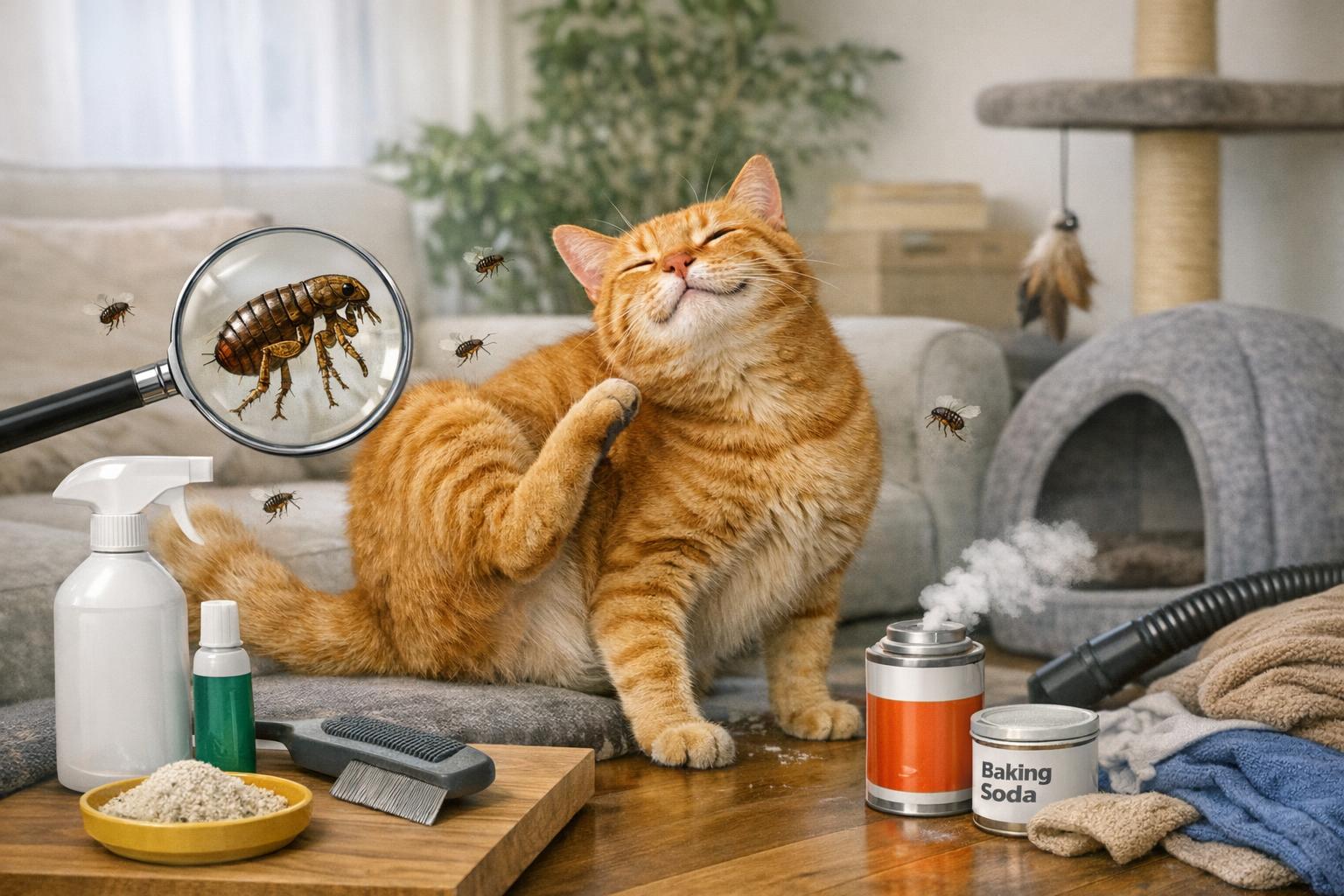
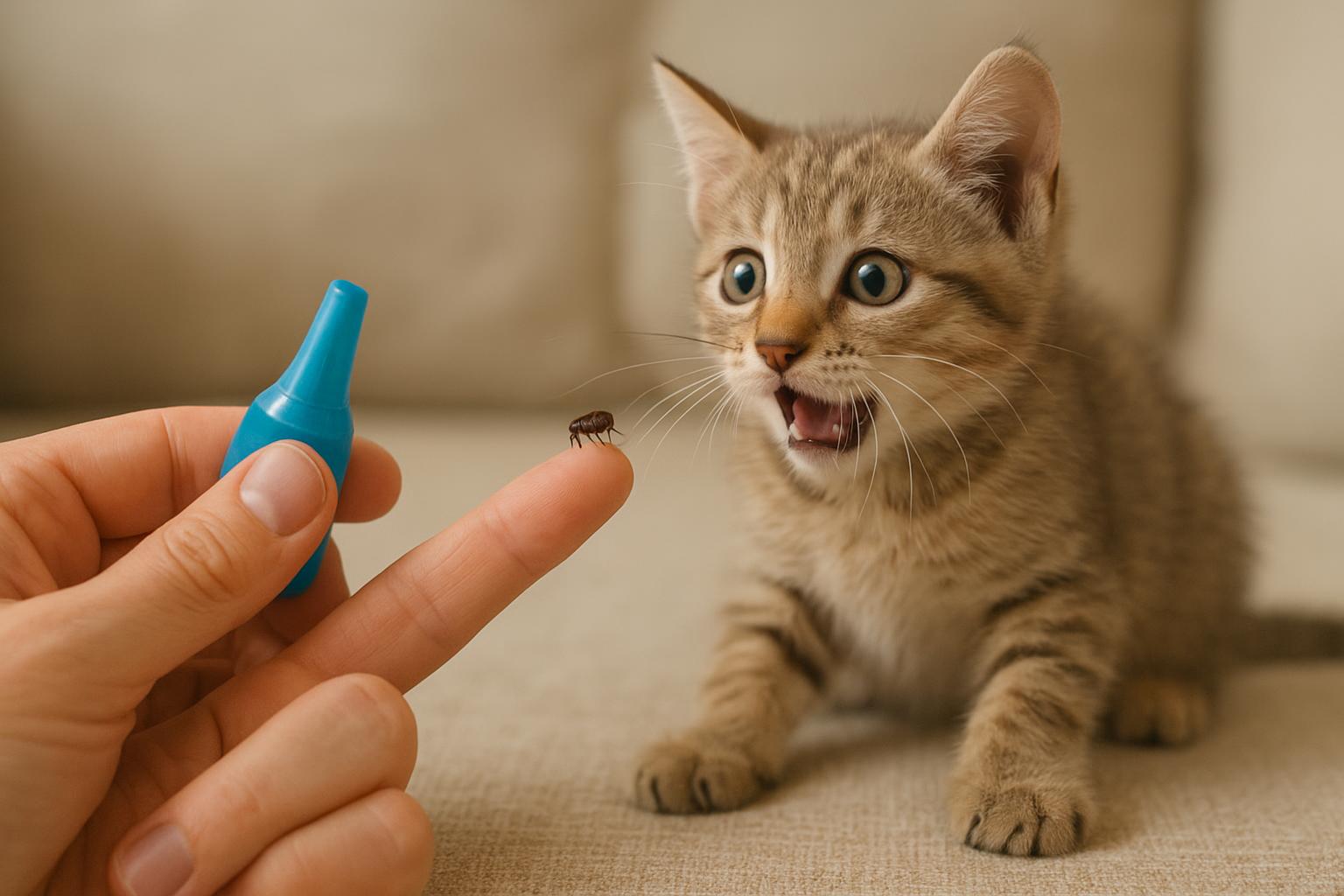
A tiny black speck, a frantic scratch, a trembling little body — the horror of kitten fleas can crash into your life like a midnight tornado. If you’ve ever wondered how to prevent fleas in kittens before the invasion, brace yourself: these parasites are faster, sneakier, and more prolific than most pet owners realize. This guide blasts open the curtain on the darkest corners of flea infestations and delivers scientifically grounded, home-friendly remedies that actually work.
### Why Kittens Are A Magnet For Fleas
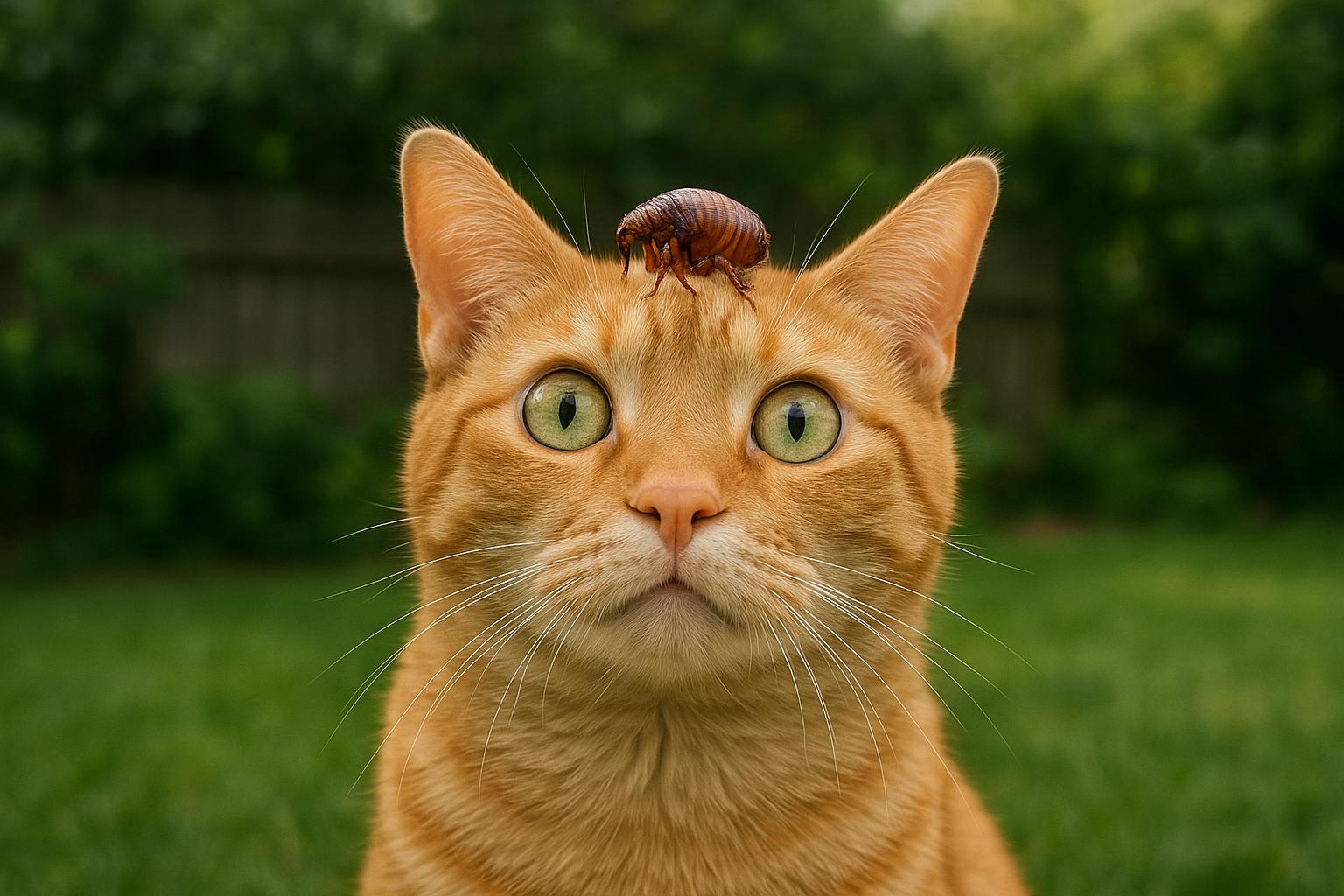
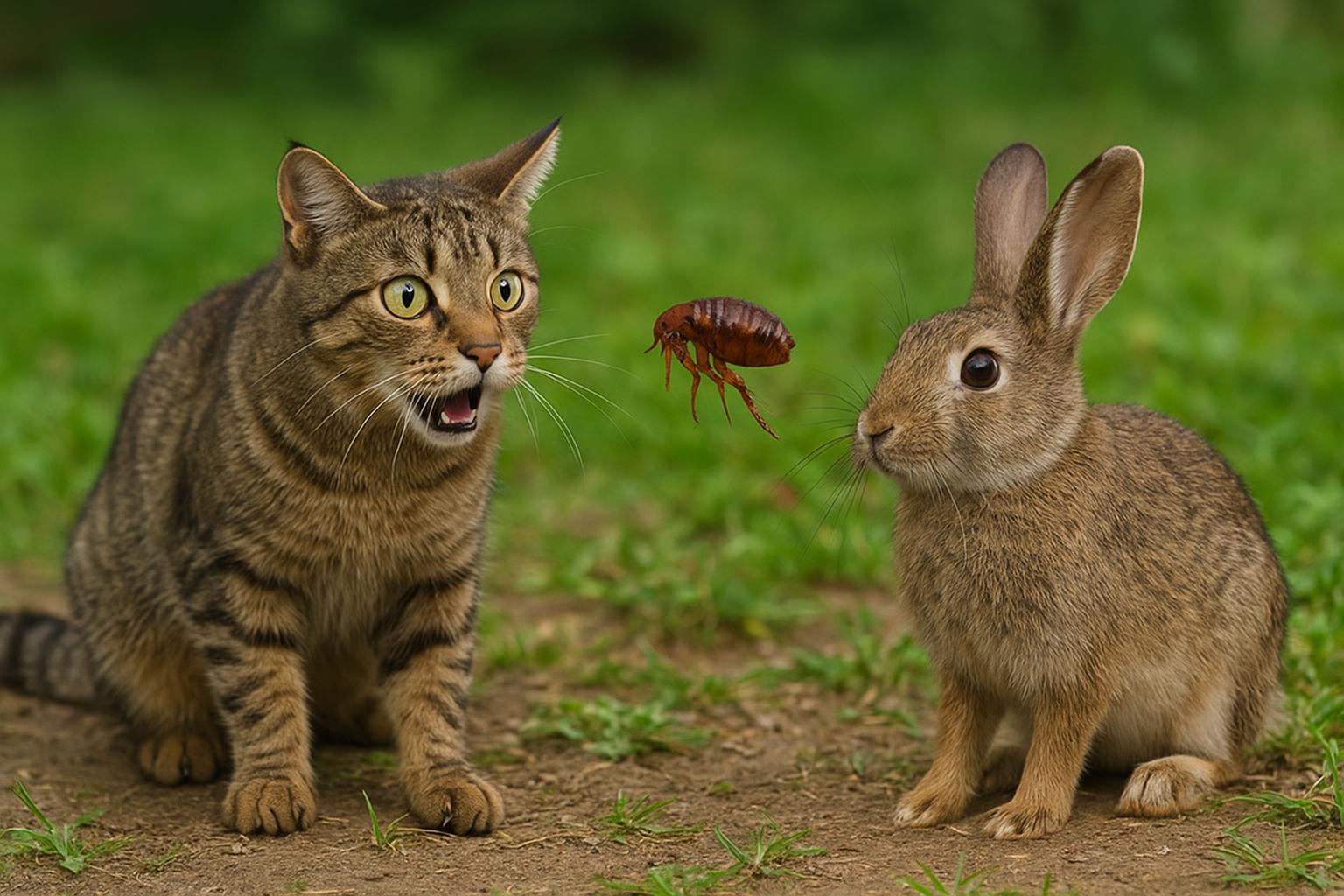
Kittens are irresistible targets. Their soft fur, warm bodies, and frequent cuddling make them perfect hosts. Mother cats can bring fleas into a litter, or a single adult flea in your home can produce dozens of offspring in a matter of weeks. Understanding how to prevent fleas in kittens is the single most important step to protect their fragile immune systems and avoid severe anemia or tapeworm transmission.
### The Hidden Lifecycle That Makes Prevention Urgent
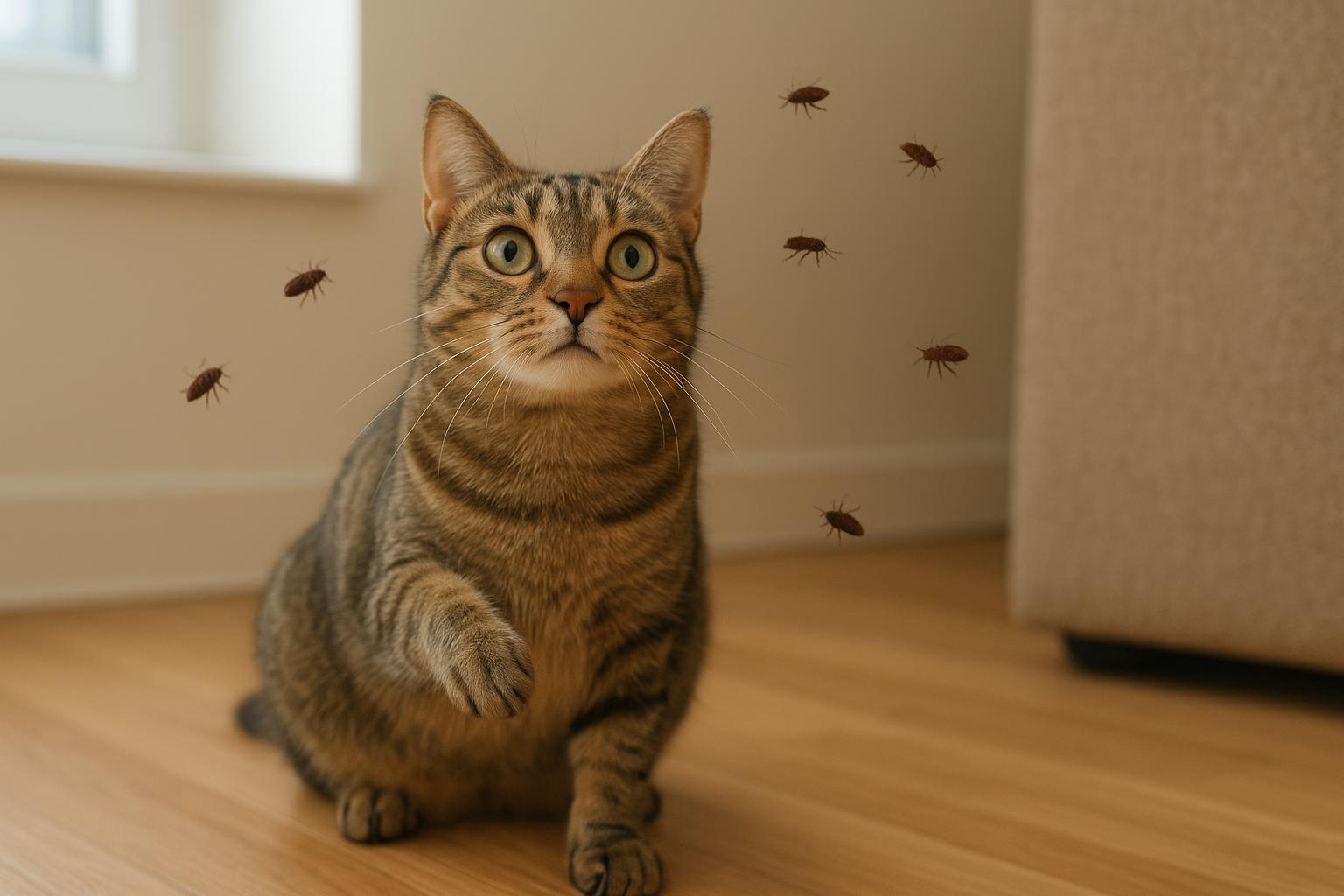
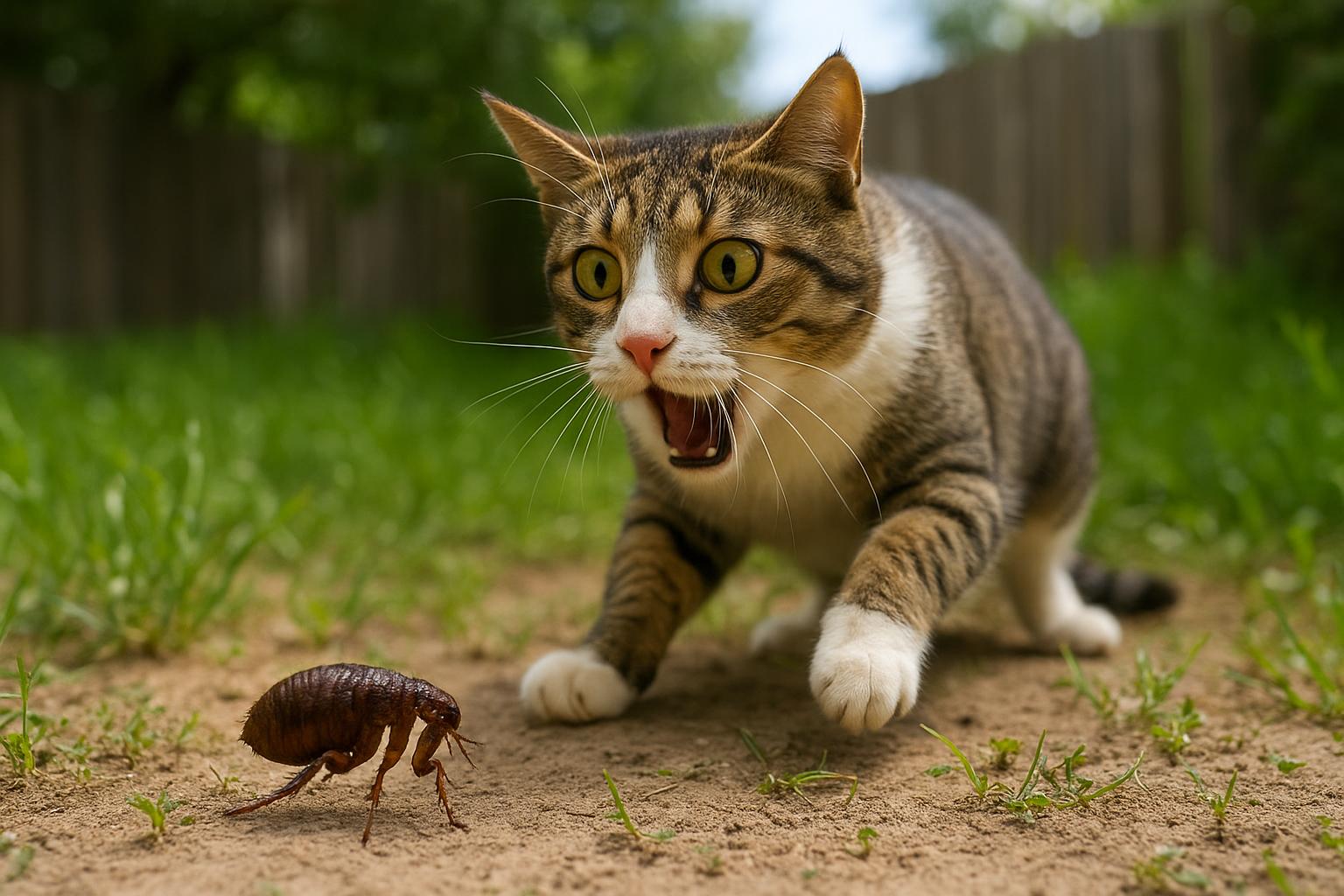
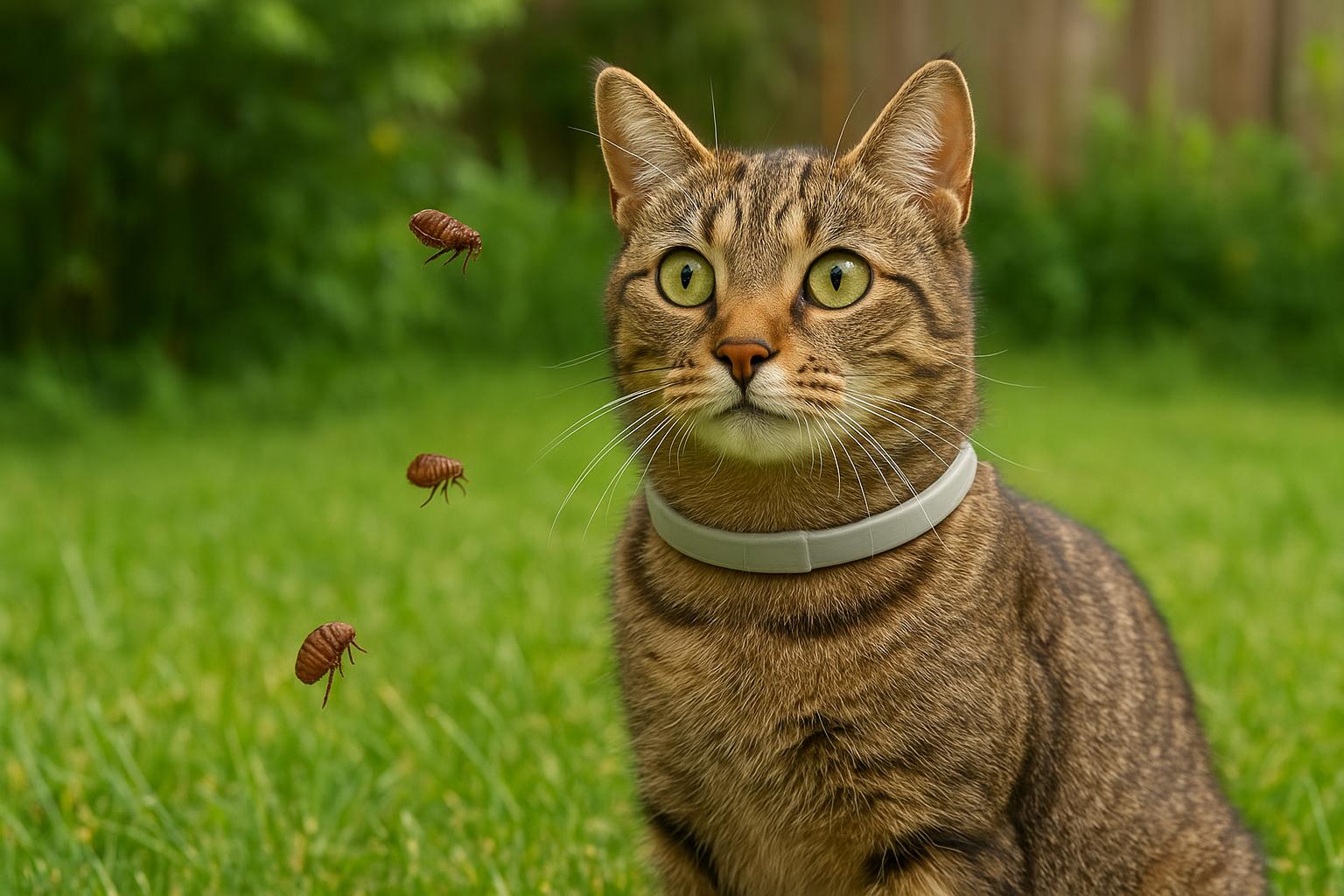
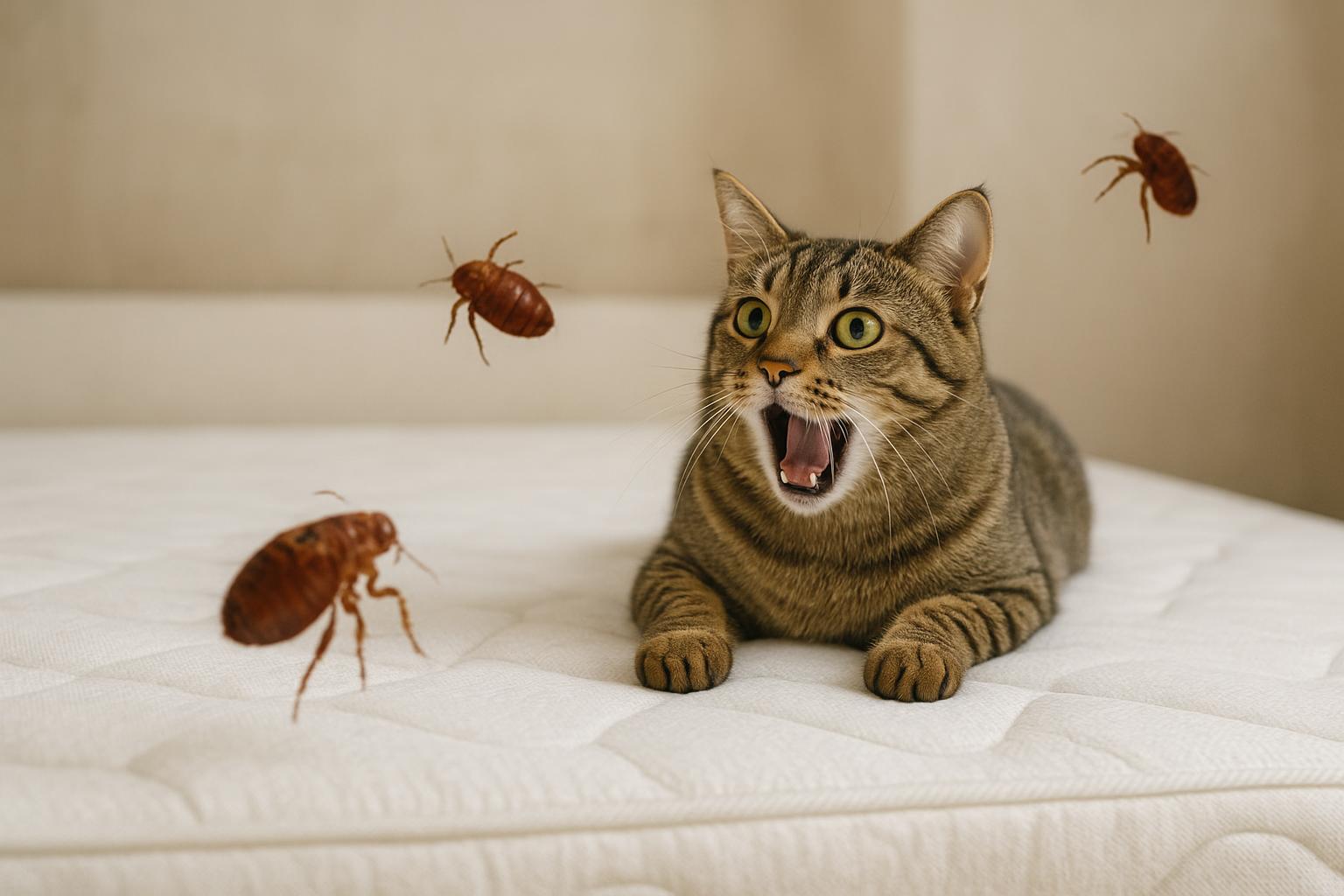
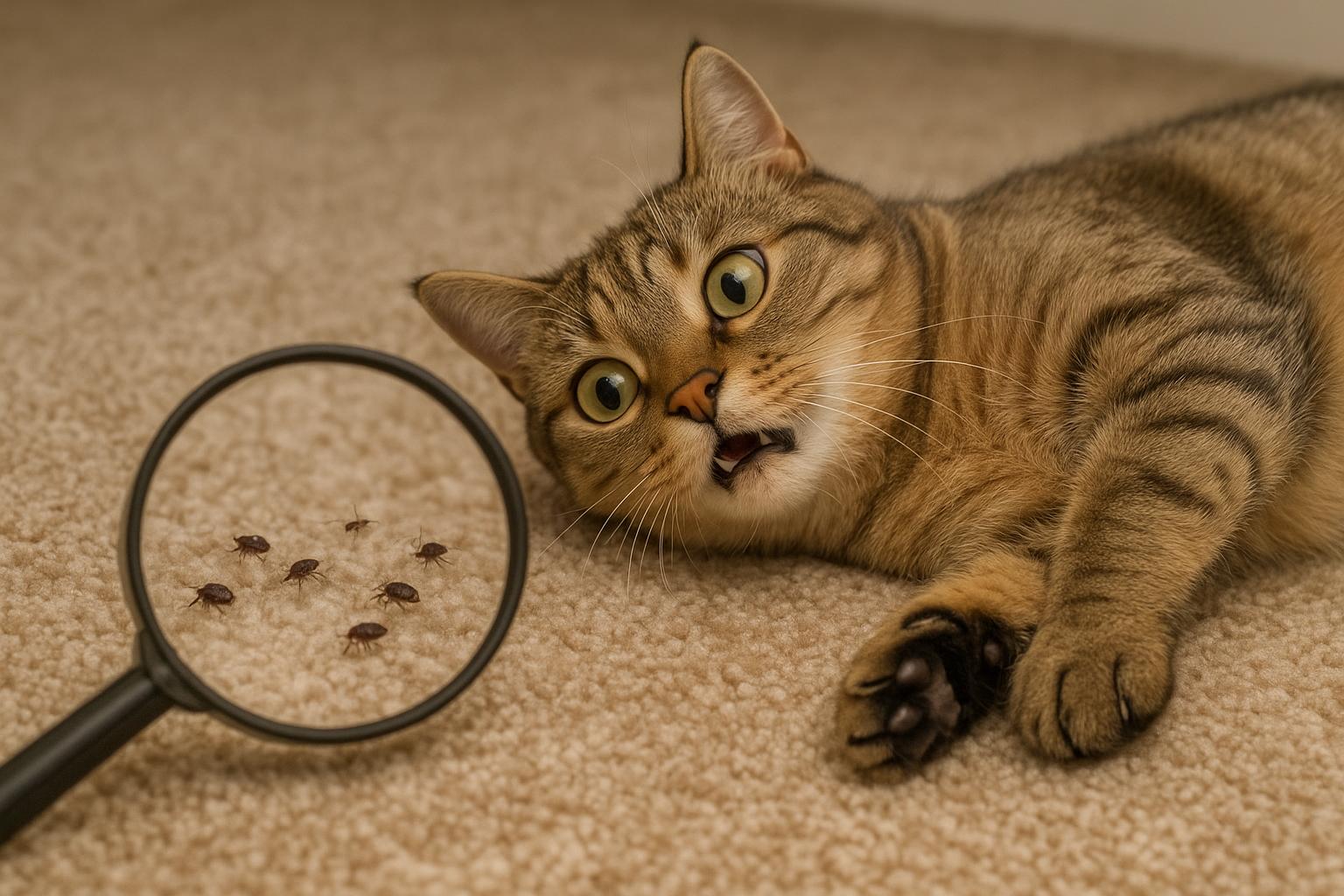
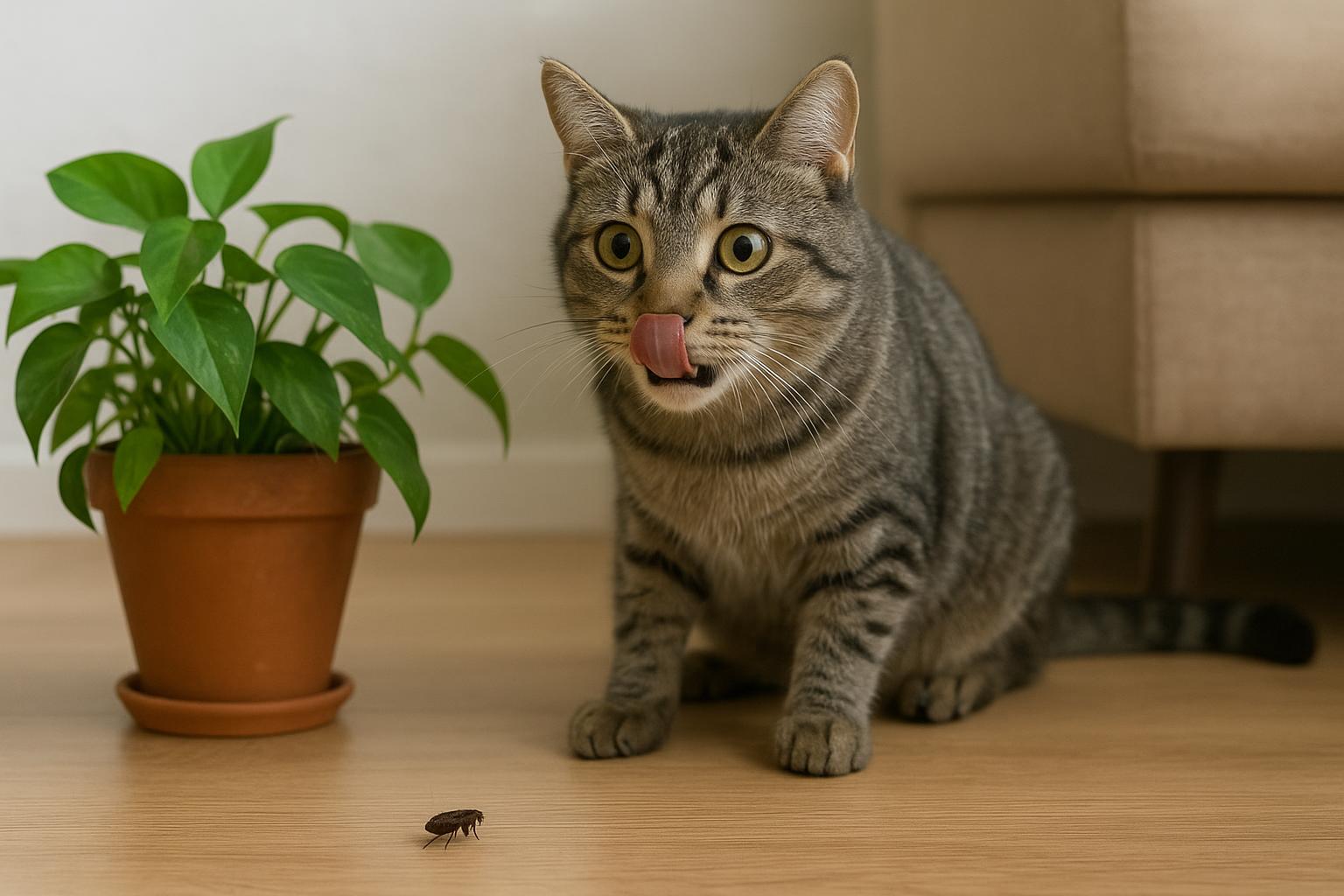
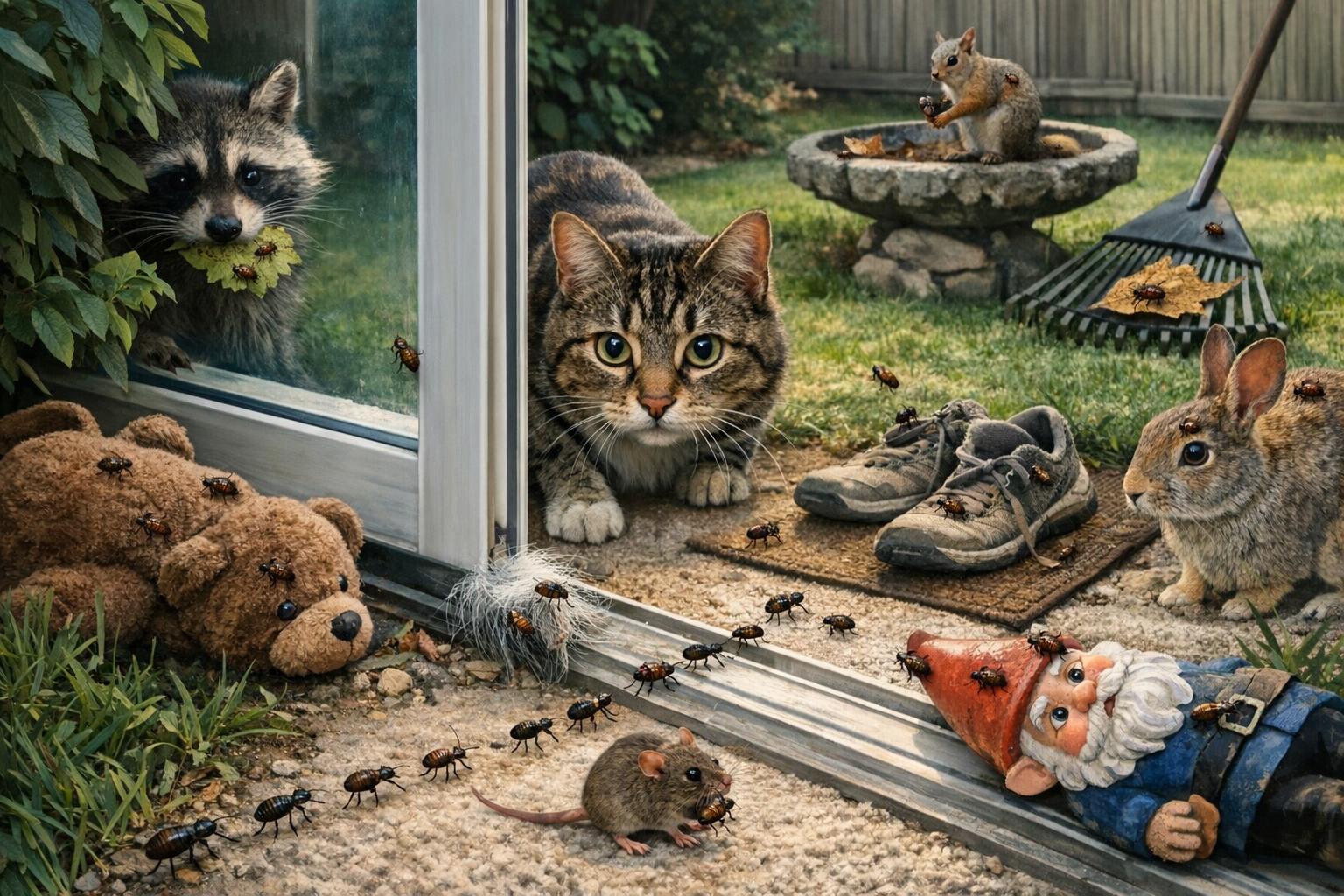
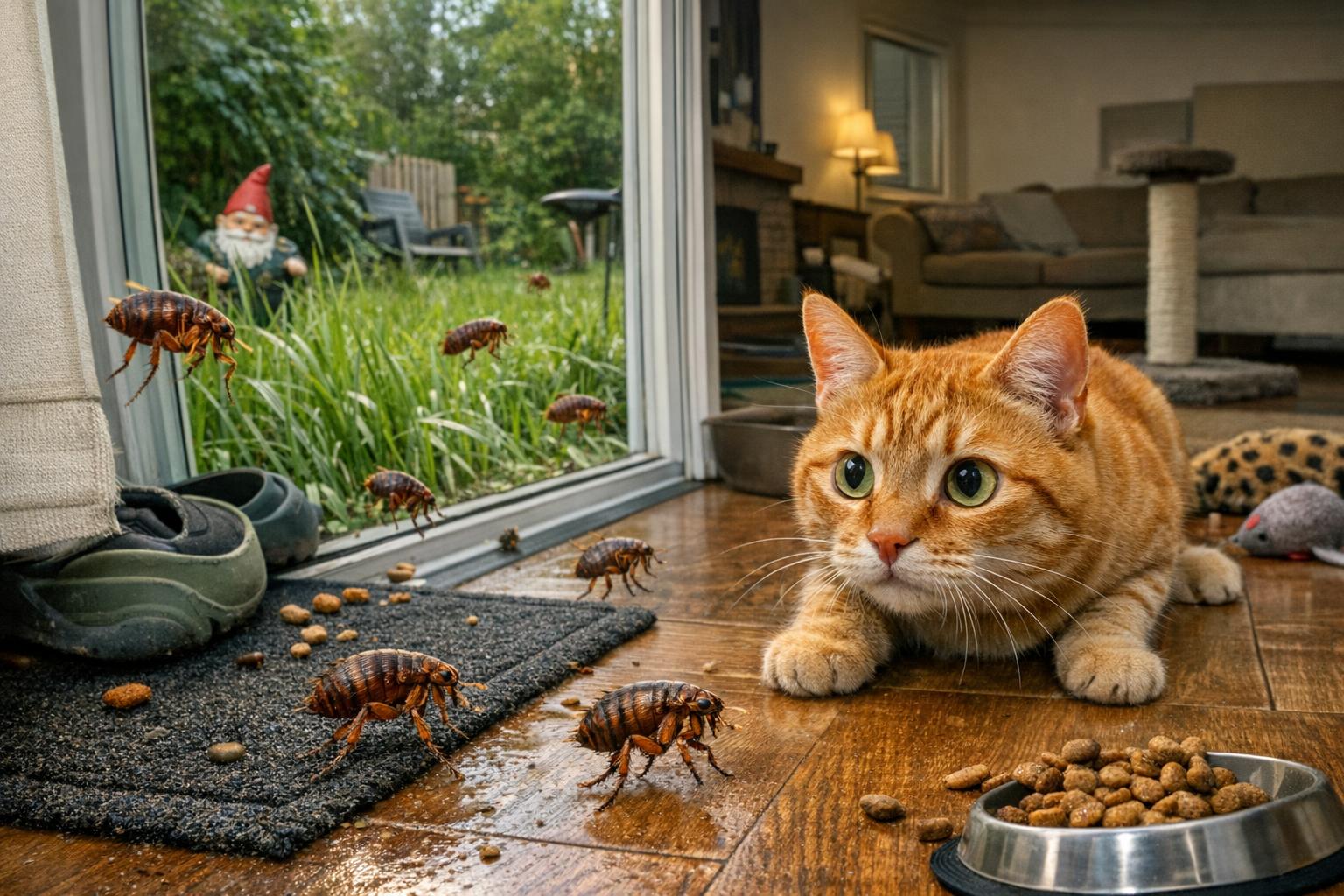
Fleas don’t just sit on your kitten; they stage a silent takeover. Eggs fall into bedding and carpets, larvae develop in dark fibers, and pupae can lie dormant for months. When conditions are right, a hatching flea leaps onto the nearest warm body. This lifecycle explains why treating only the kitten without addressing the environment often fails — you must attack both host and home.
### Shocking Early Signs Most People Miss
You might not notice flea issues until it’s severe. Watch for:
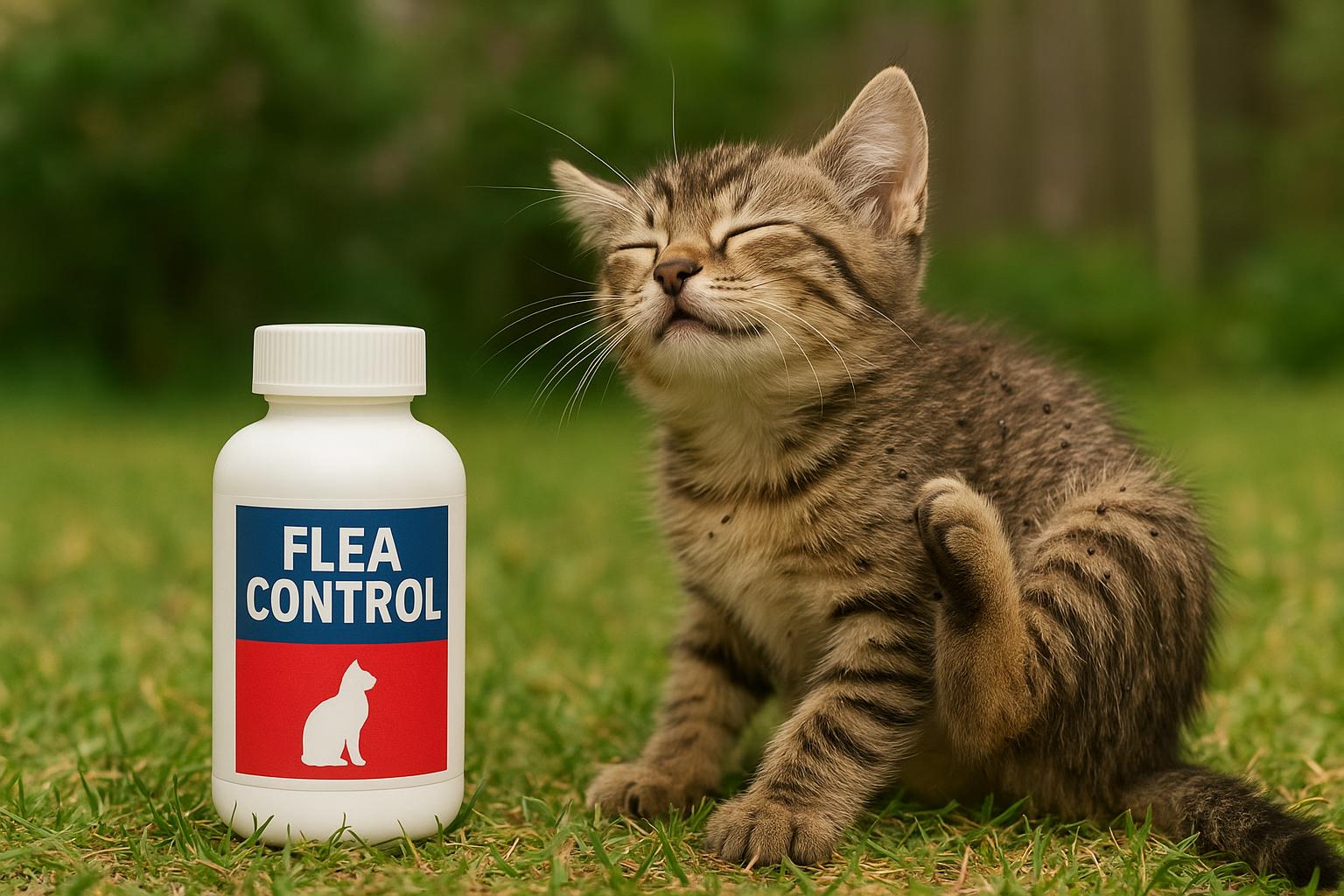
– Intense scratching or chewing
– Small red bumps or crusty spots (especially at the base of the tail)
– Dull coat or unexplained lethargy
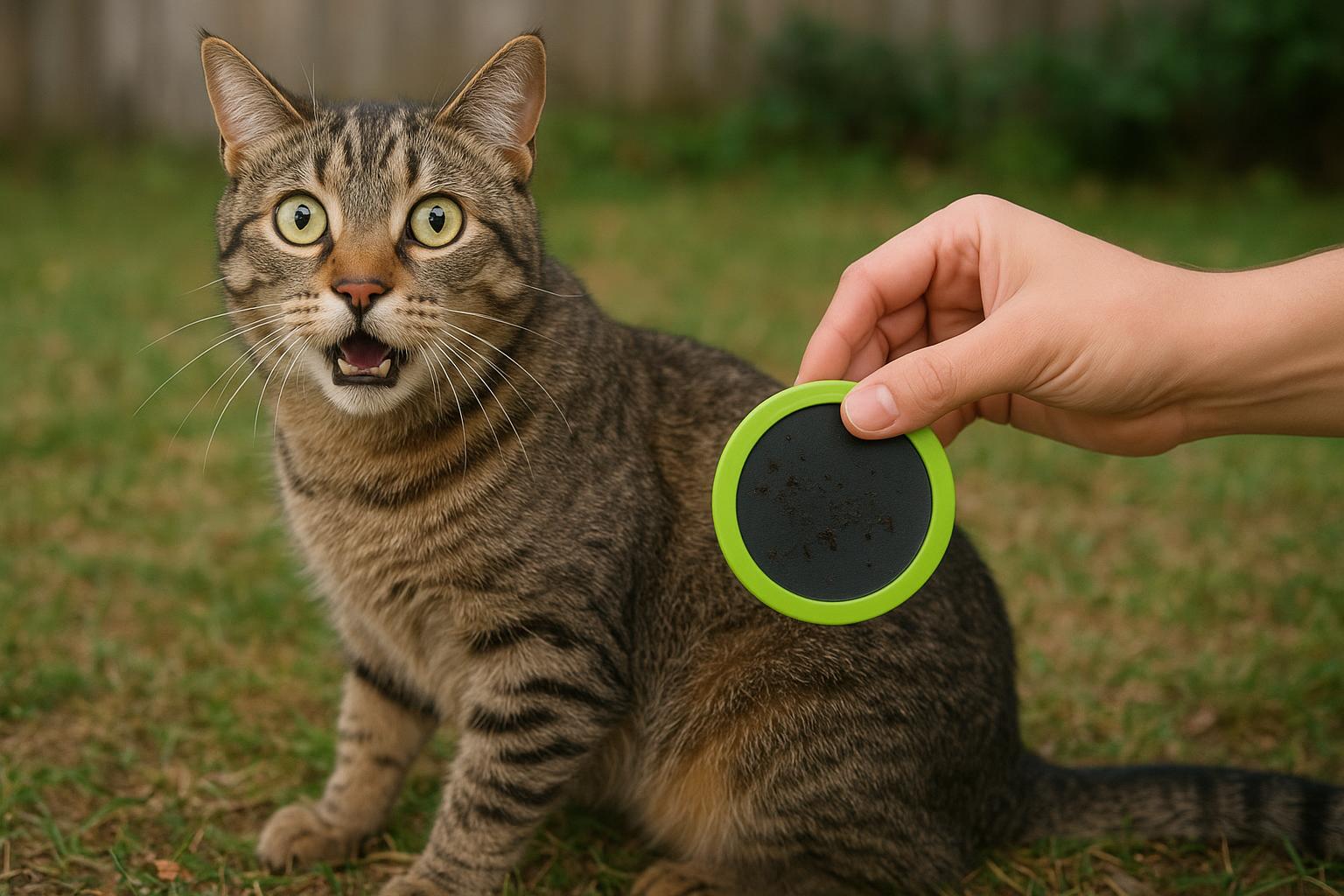
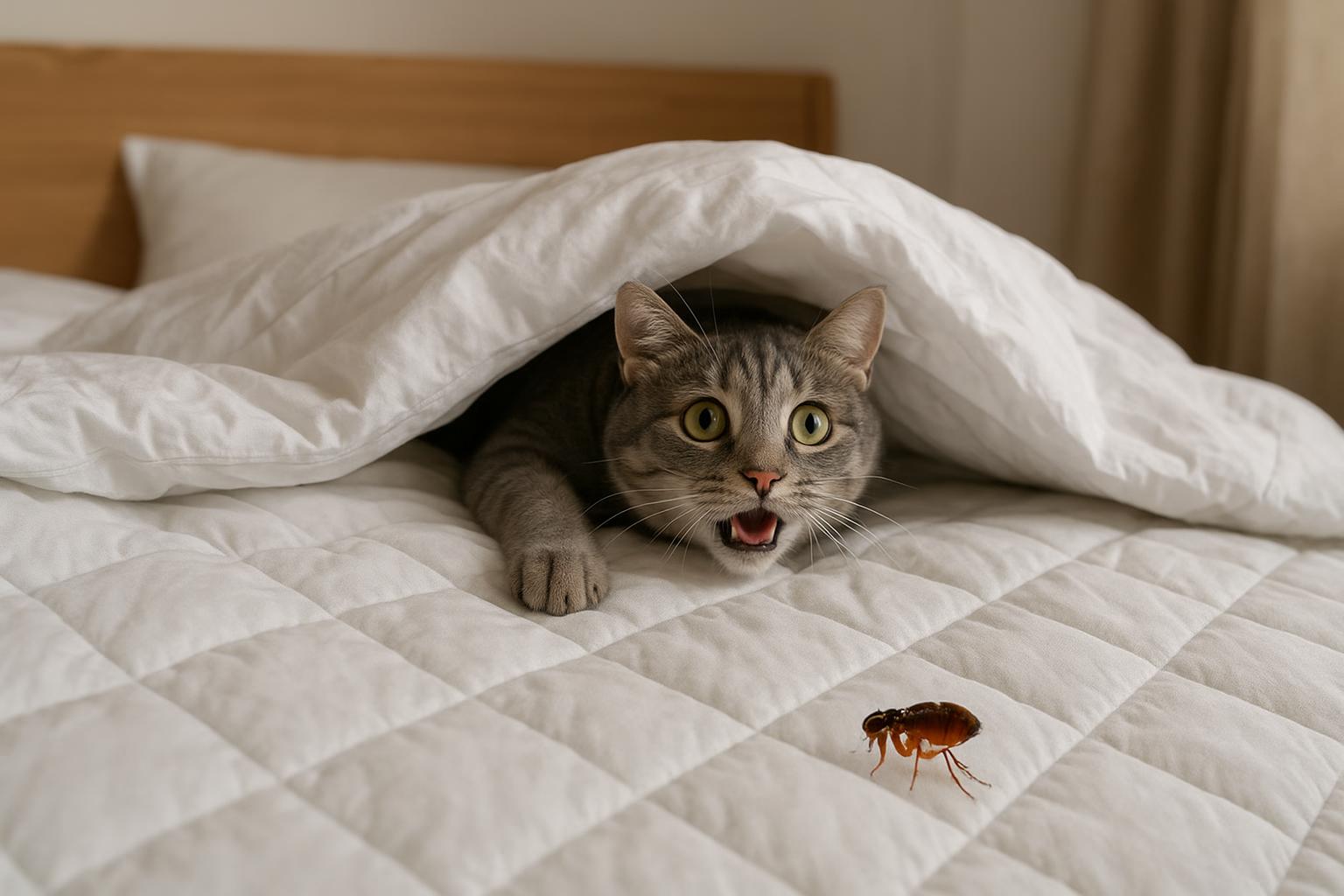
If you find little black grains (flea dirt), you’re already in the early stages of infestation.
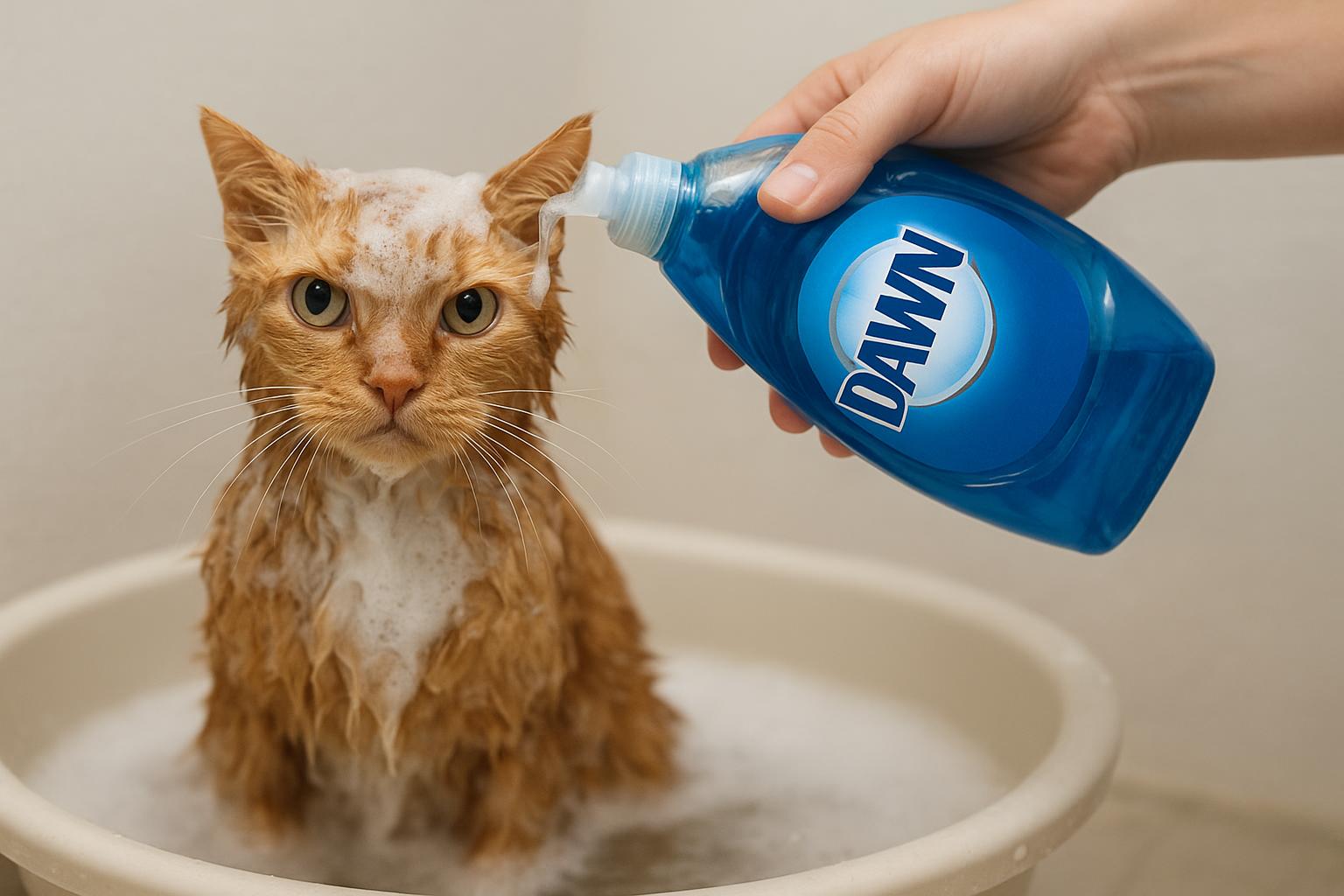
## 1. Natural Flea Bath (Remedy)
### Ingredients And Materials Needed
#### Supplies
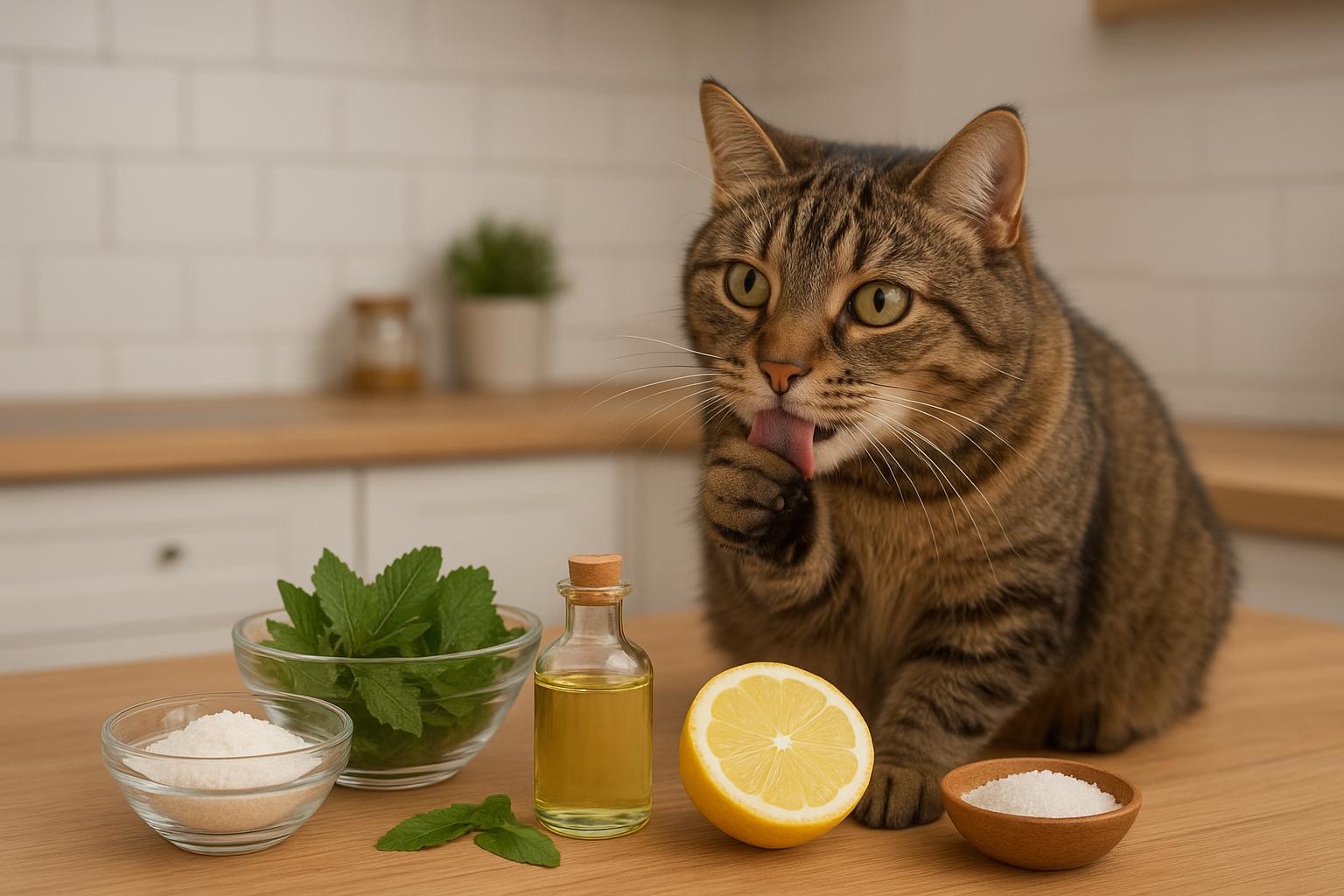
1. Mild kitten-specific shampoo (formulated for young kittens)
2. 1 tablespoon of apple cider vinegar (ACV)
3. 1 teaspoon of olive oil
4. Warm water in a shallow basin
5. Soft towel
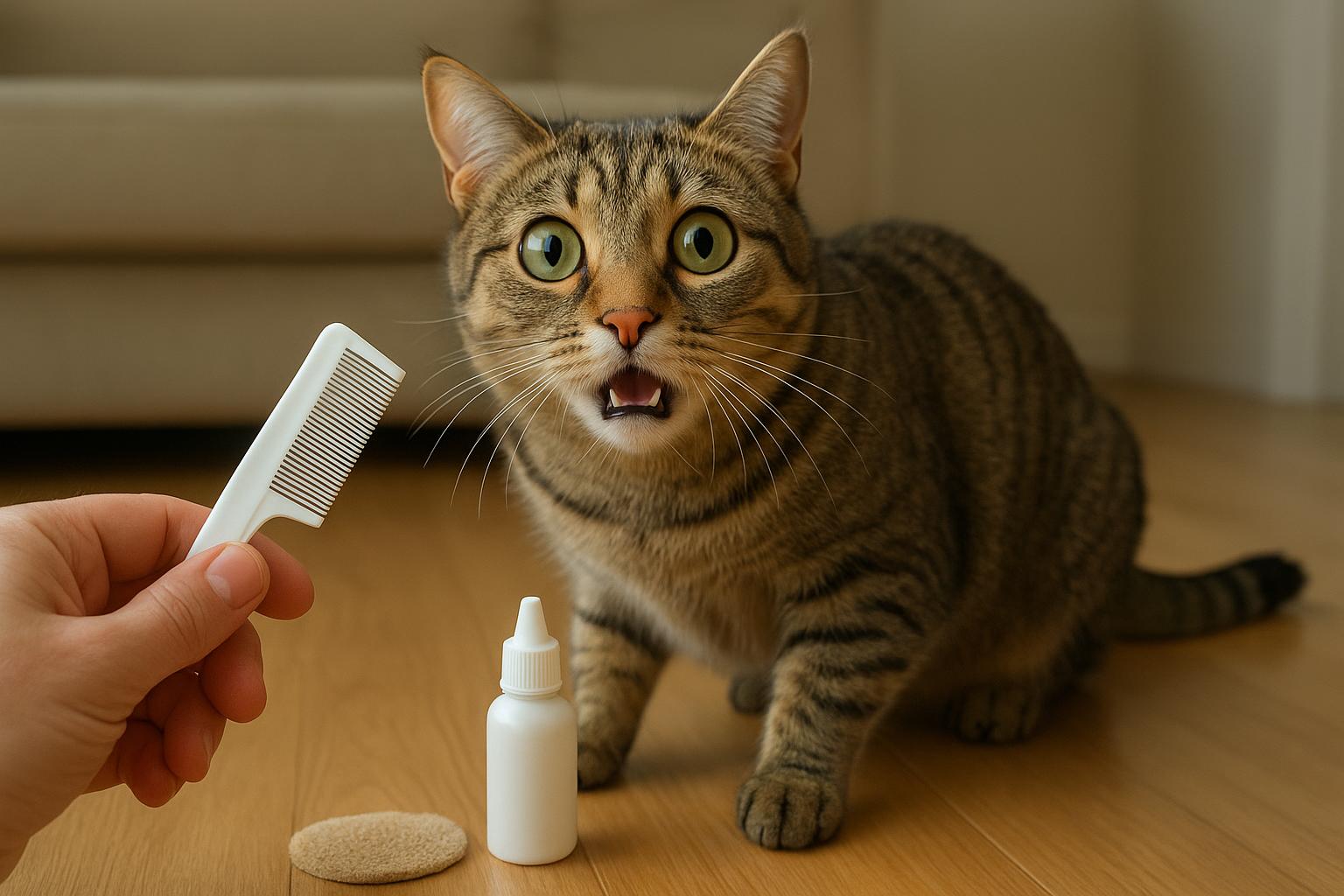
6. Fine-toothed flea comb
#### Safety Notes
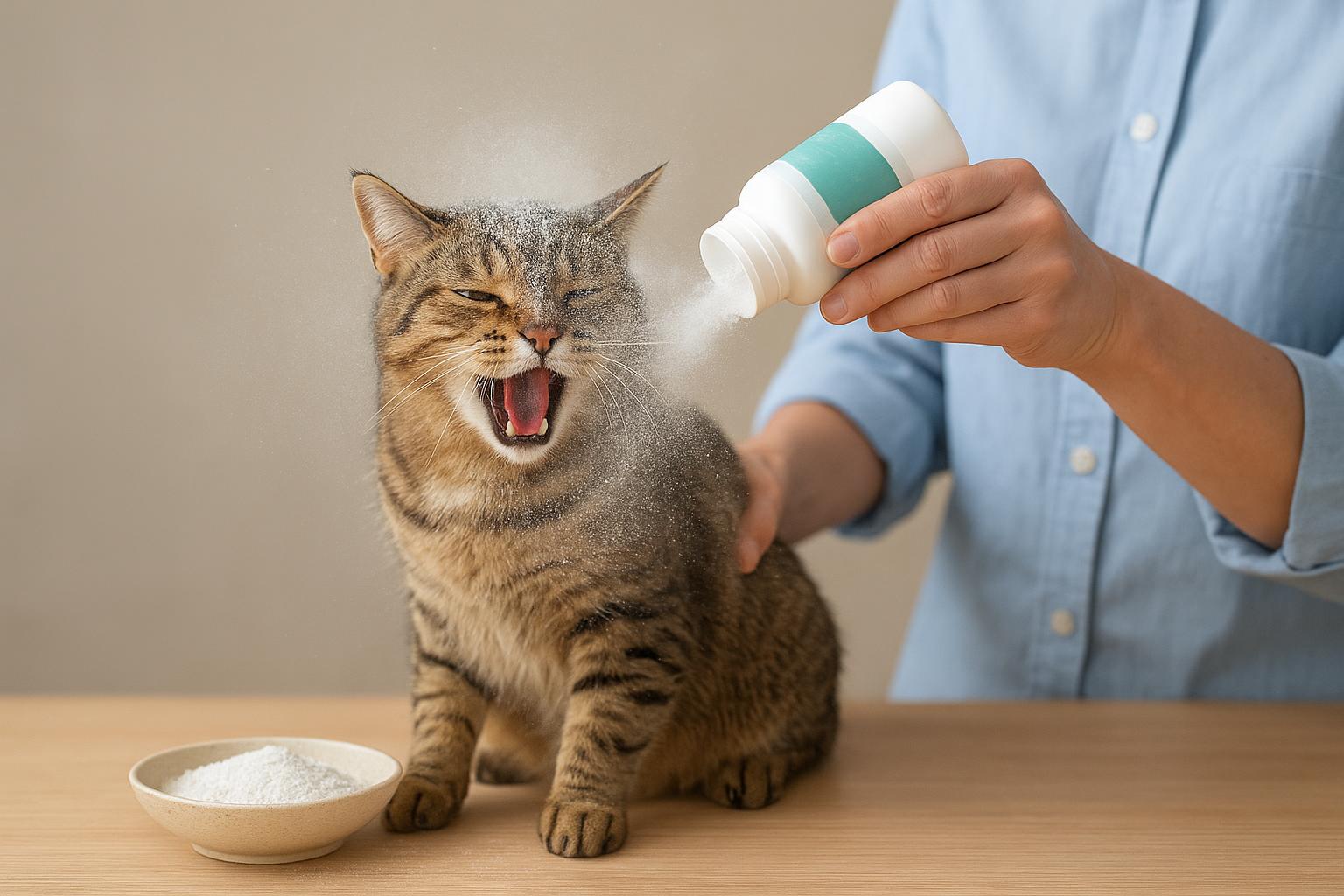
Kittens under 8 weeks or under 2 pounds may be fragile; consult your vet before bathing. Never use essential oils, dog flea shampoos, or products not labeled for kittens.
### Step-By-Step Bath Creation And Application
1. Prepare the basin with warm water (about body temperature).
2. Add kitten shampoo according to label instructions; mix gently.
3. Stir in 1 tablespoon of apple cider vinegar and 1 teaspoon of olive oil—ACV helps repel fleas; olive oil immobilizes them and eases combing.
4. Place the kitten gently in the basin, keeping their head above water at all times.
5. Wet the kitten thoroughly with the soapy water, avoiding eyes and ears.
6. Massage the lather gently into the fur for at least 5 minutes, paying close attention to the neck, underarms, and base of the tail.
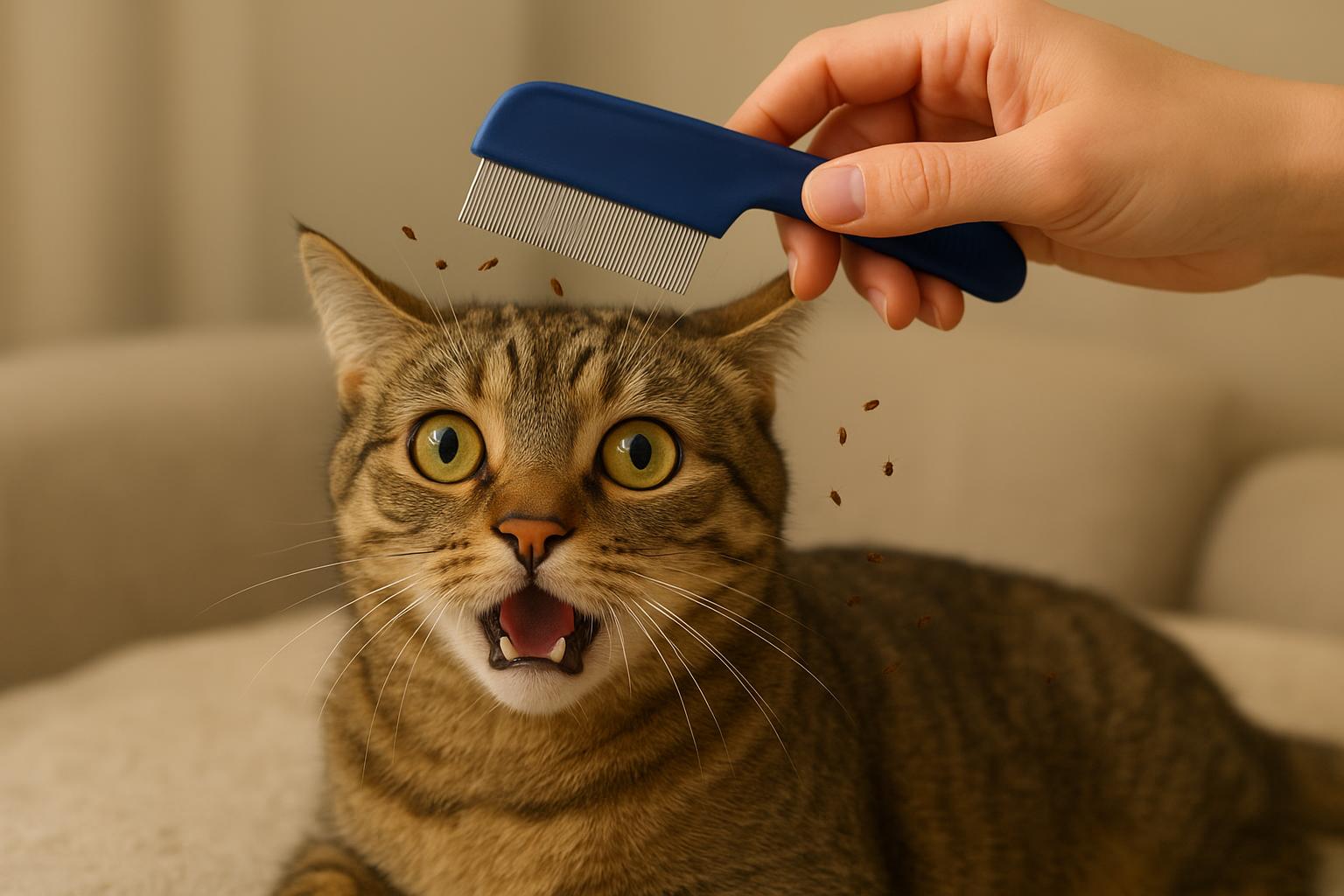
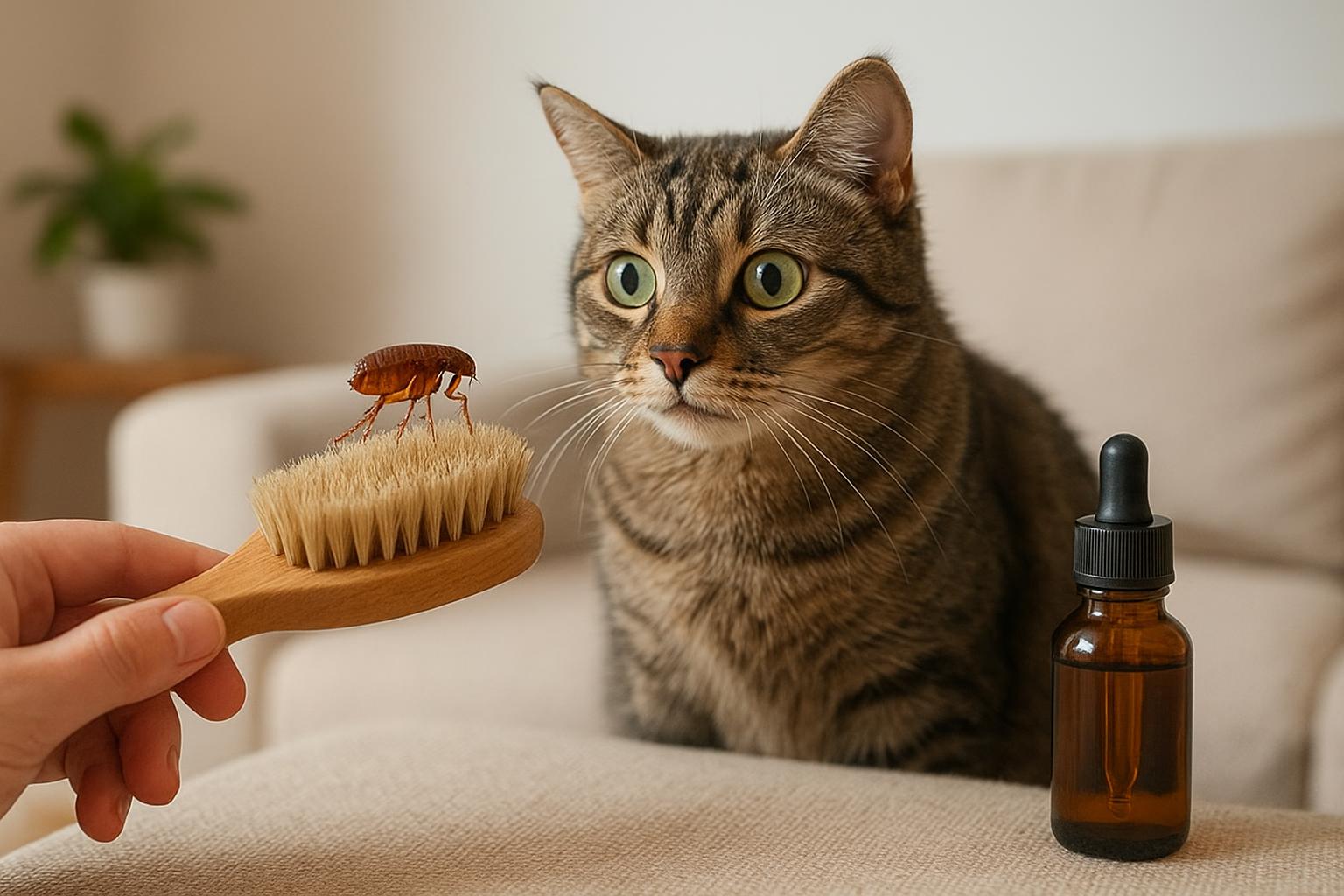
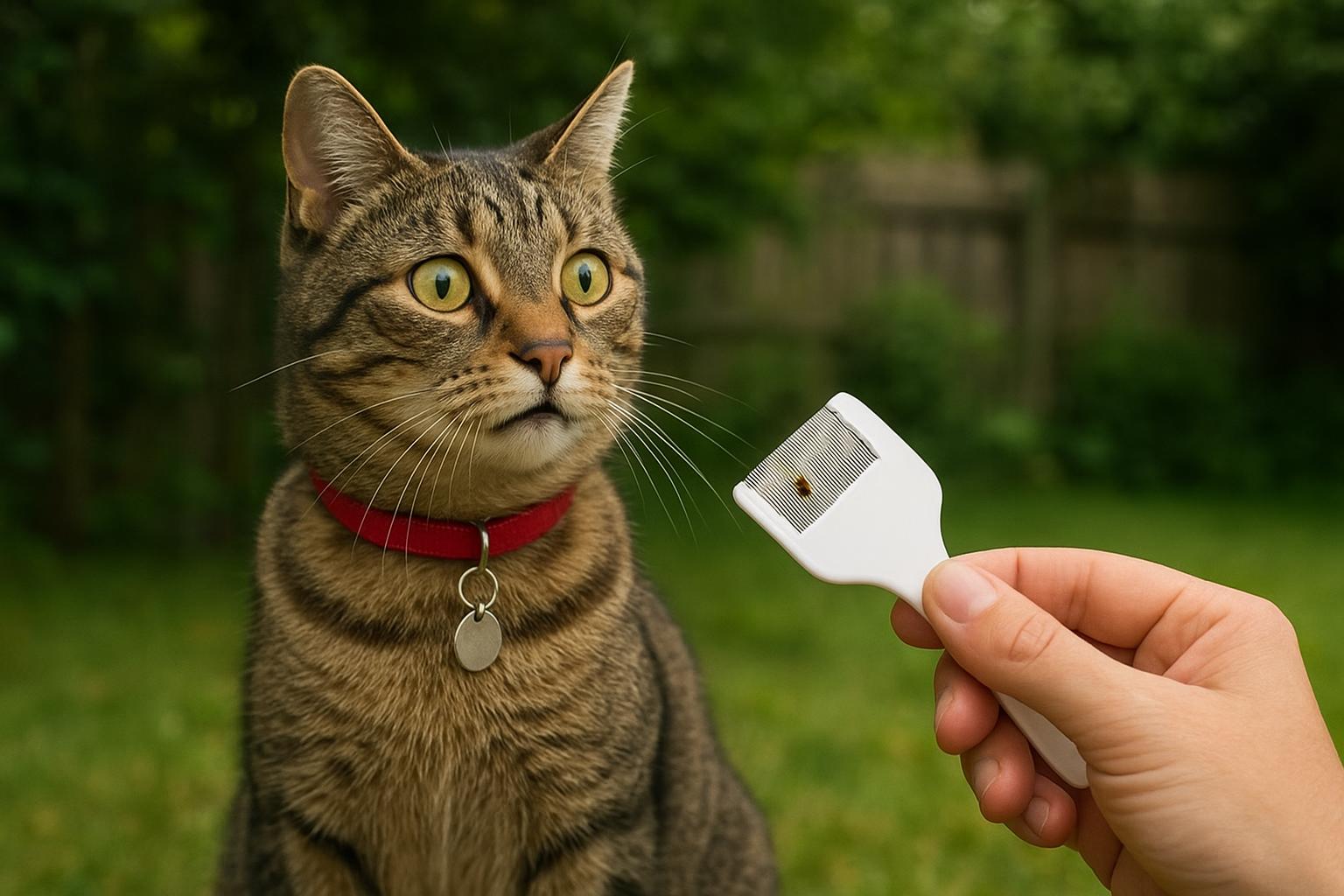
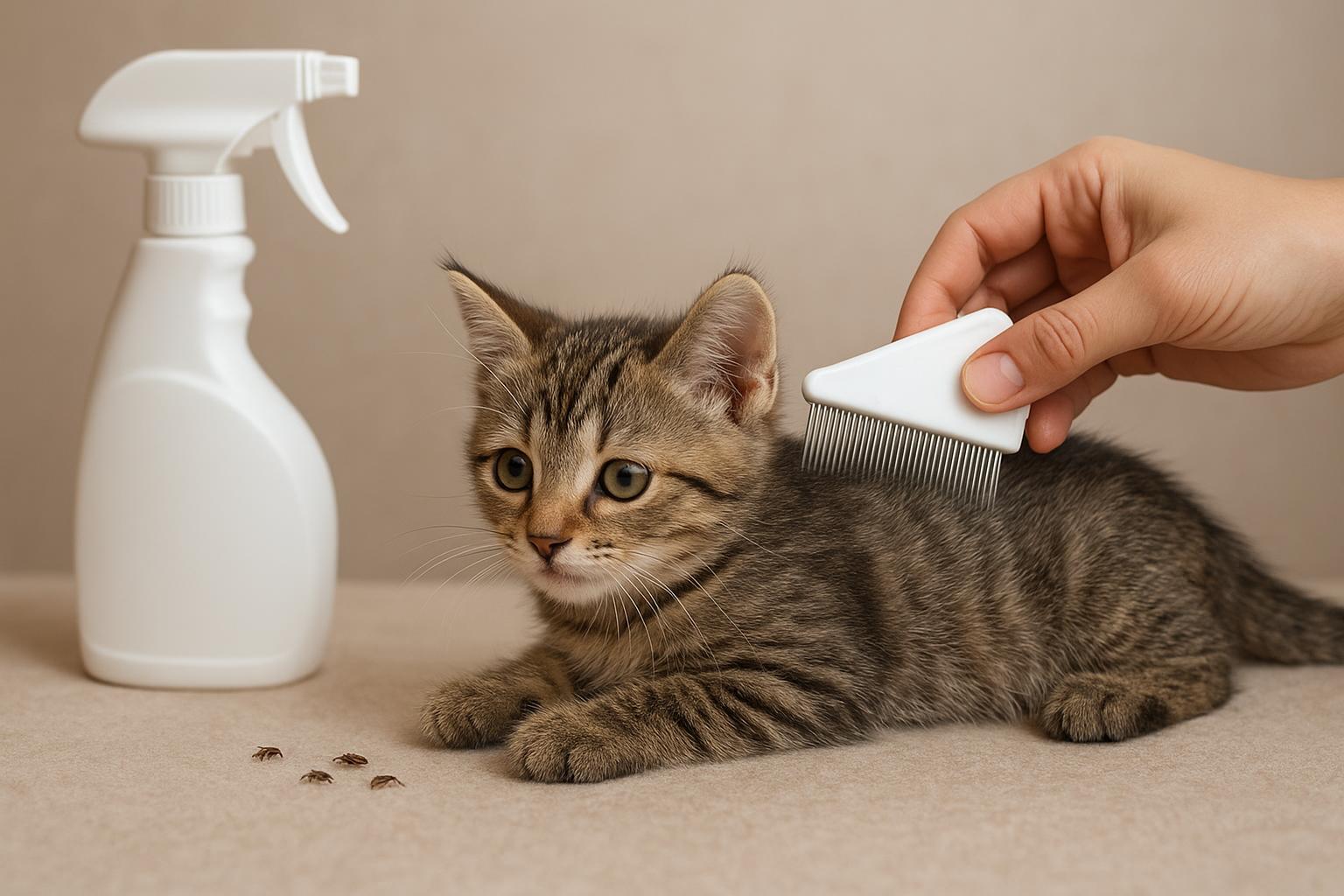
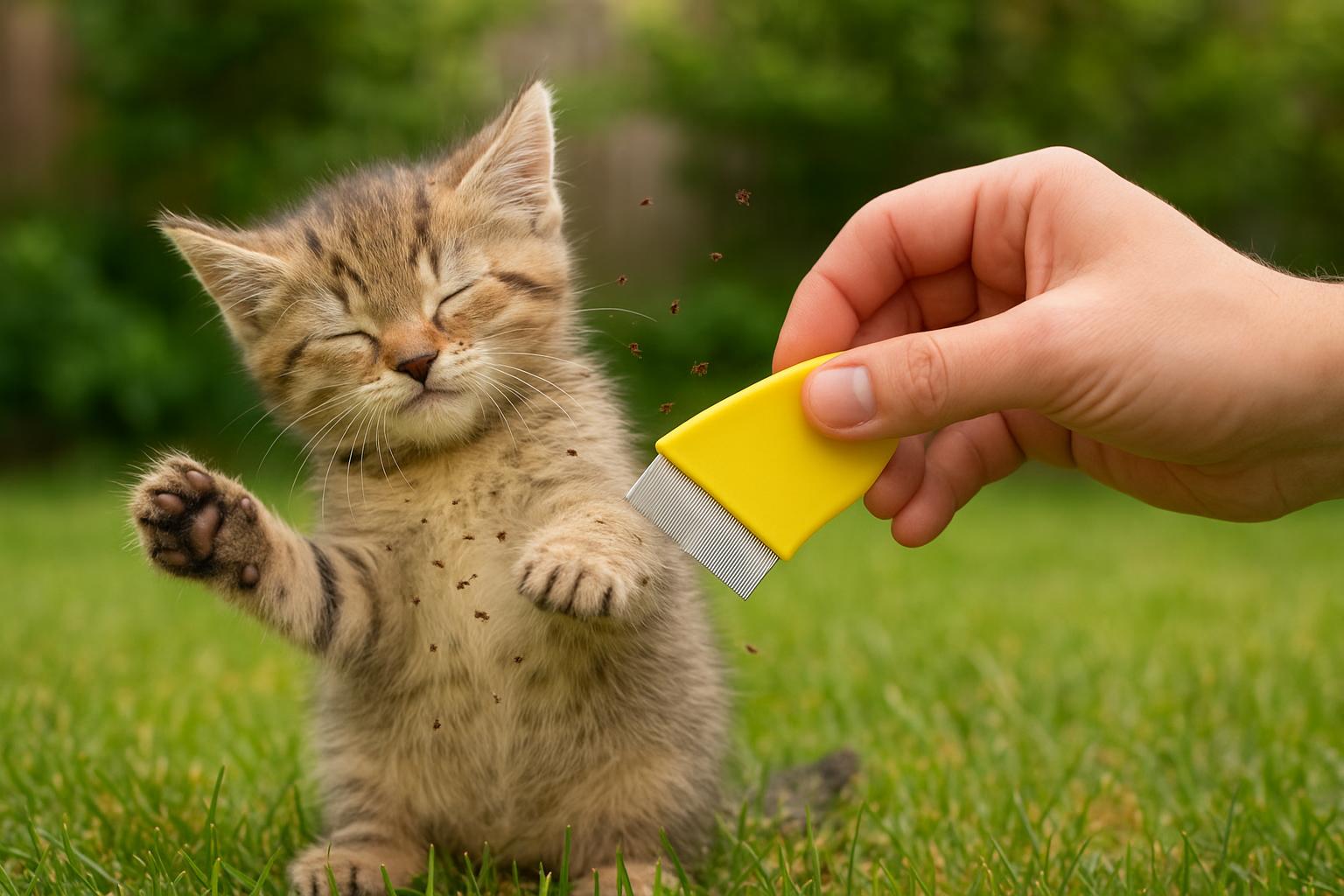
7. Use a fine-toothed flea comb through wet fur to remove fleas and eggs; wipe the comb on a paper towel to confirm removal.
8. Rinse completely with warm water until no suds remain.
9. Towel-dry promptly and keep the kitten warm until fully dry.
This treatment is formal, safe, and effective for immediate removal of adult fleas when used properly and paired with environmental control.
## 2. Home Environment Spray (Remedy)
### Ingredients And Materials Needed
#### Supplies
1. 2 cups of distilled water
2. 1 cup of white vinegar
3. 2 tablespoons of dish soap (mild, fragrance-free)
4. Spray bottle (clean)
5. Vacuum cleaner with attachments
6. Washable bedding or hot-water washer access
#### Safety Notes
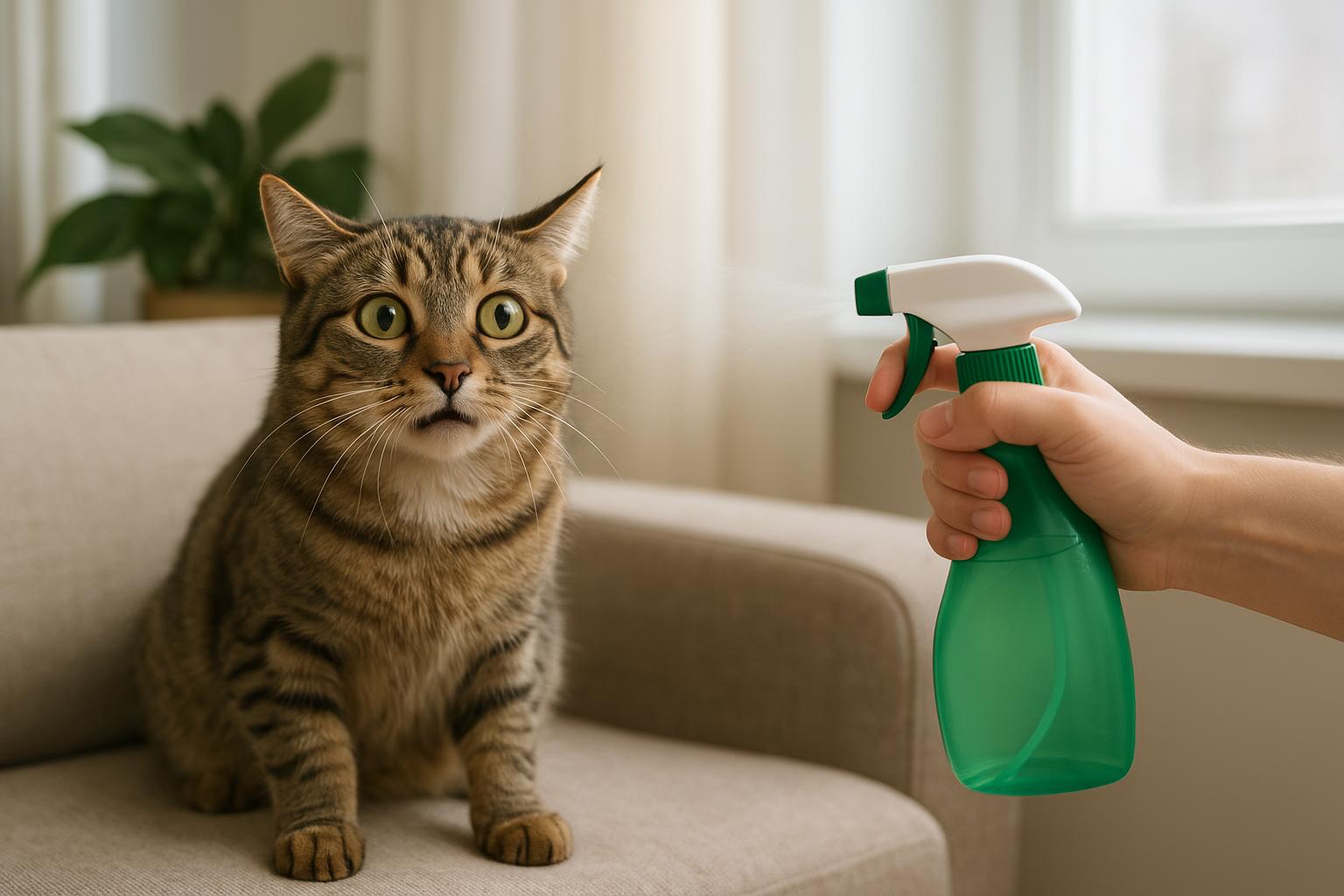
This spray is for household use only. Avoid spraying directly on the kitten. Test on a hidden area of fabric before wide use.
### Step-By-Step Creation And Application
1. Combine distilled water and white vinegar in the spray bottle.
2. Add dish soap gently; shake to mix (do not create heavy suds).
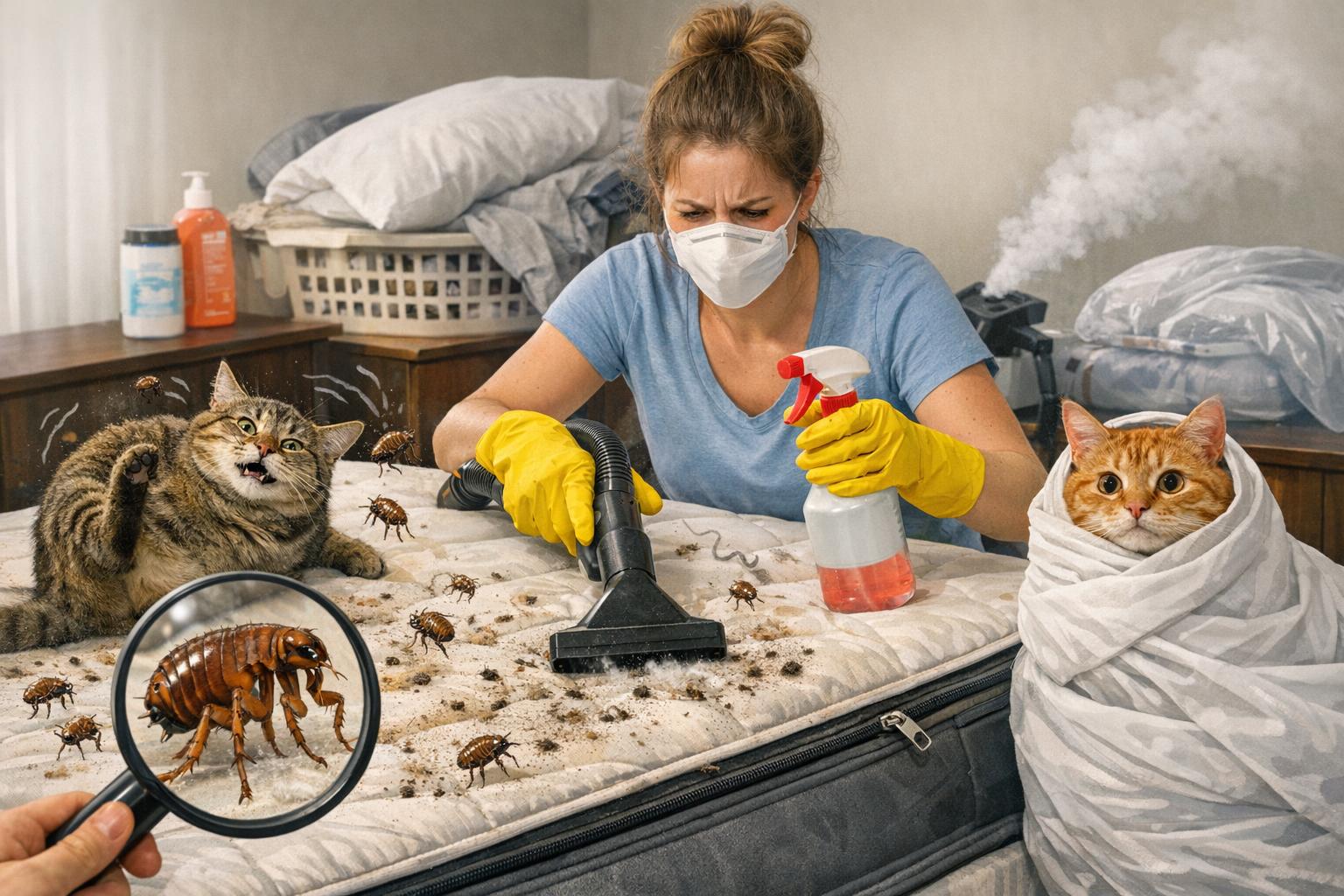
3. Vacuum carpets, upholstery, and under furniture thoroughly to remove eggs and larvae. Dispose of vacuum bag or empty canister immediately outdoors.
4. Wash all bedding, blankets, and soft toys in hot water and dry on high heat for at least 30 minutes.
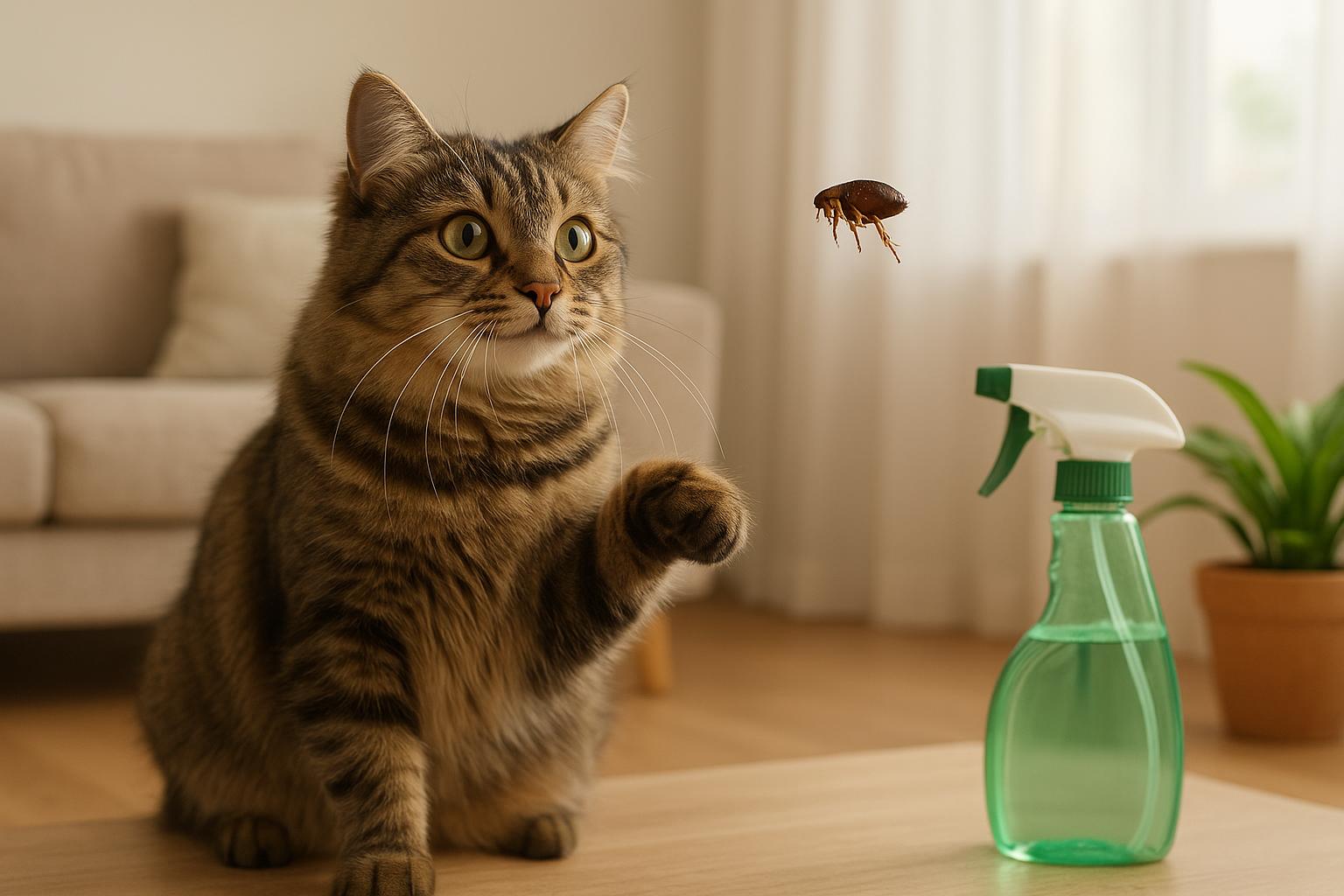
5. Lightly mist carpets, curtains, and pet resting areas with the spray. Allow to air dry; the vinegar scent fades quickly.
6. Repeat weekly for 4–6 weeks to break the flea lifecycle.
For comprehensive flea care, environmental control must be repeated and combined with kitten treatments.
### Vet-Approved Preventatives For Young Kittens
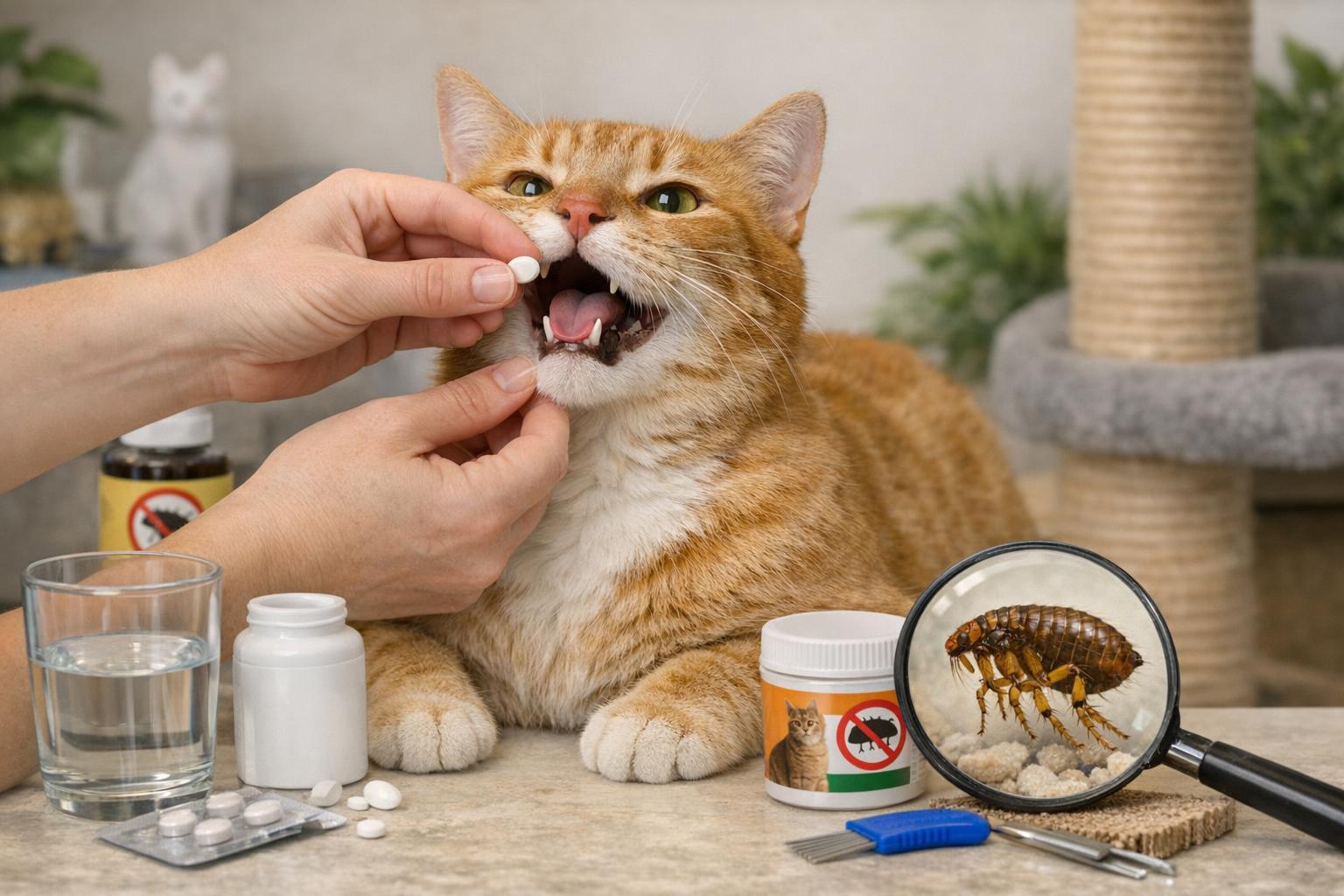
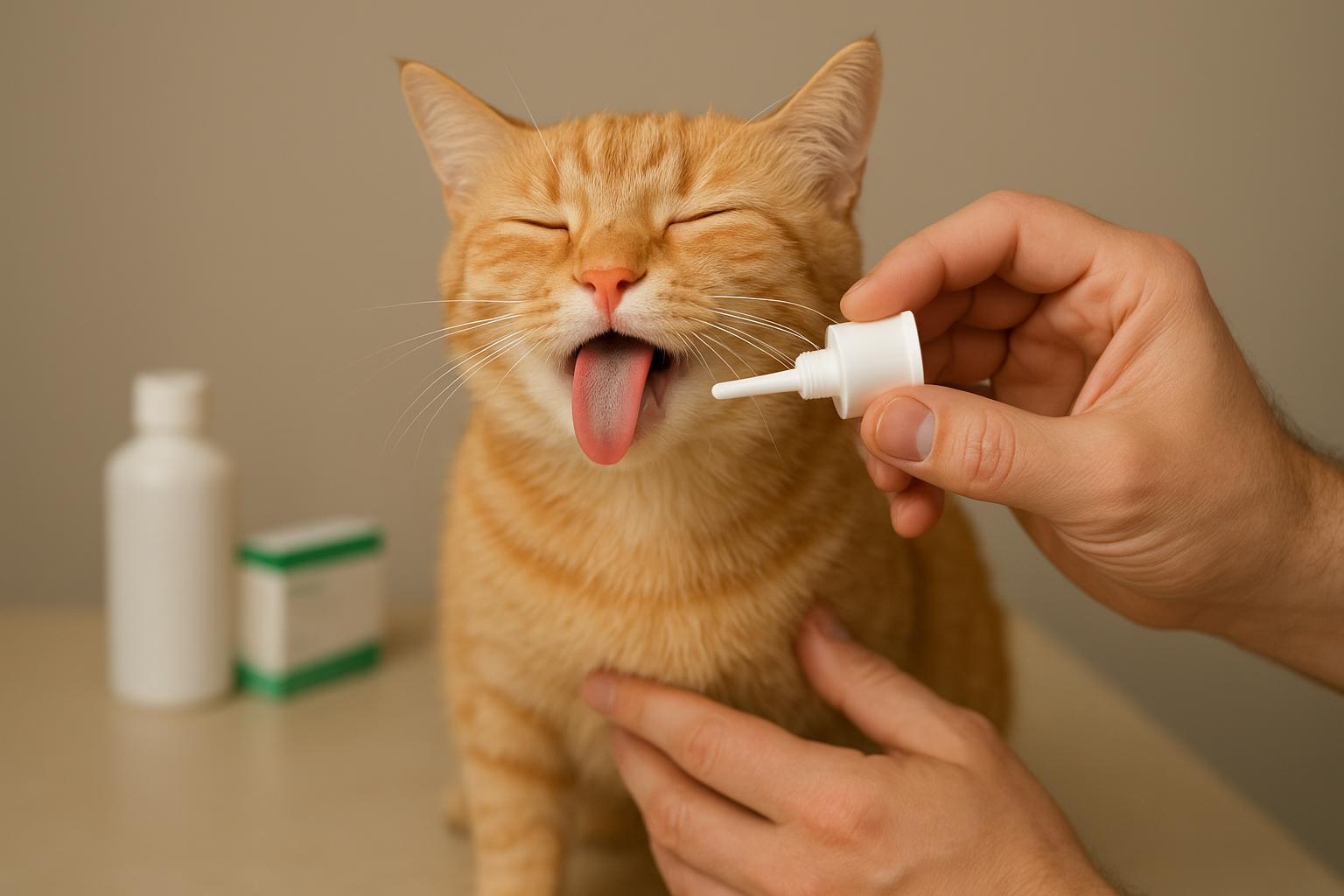
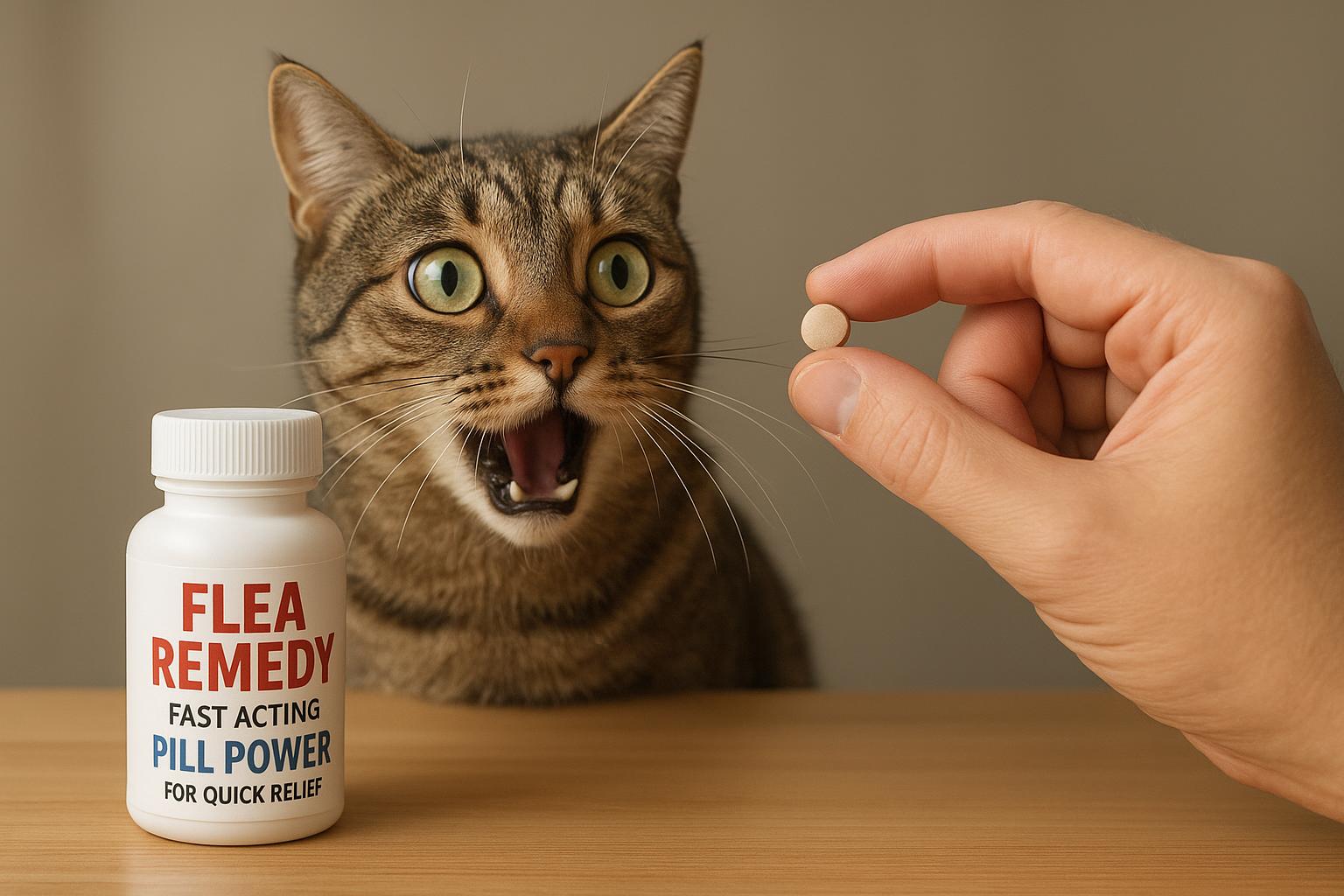
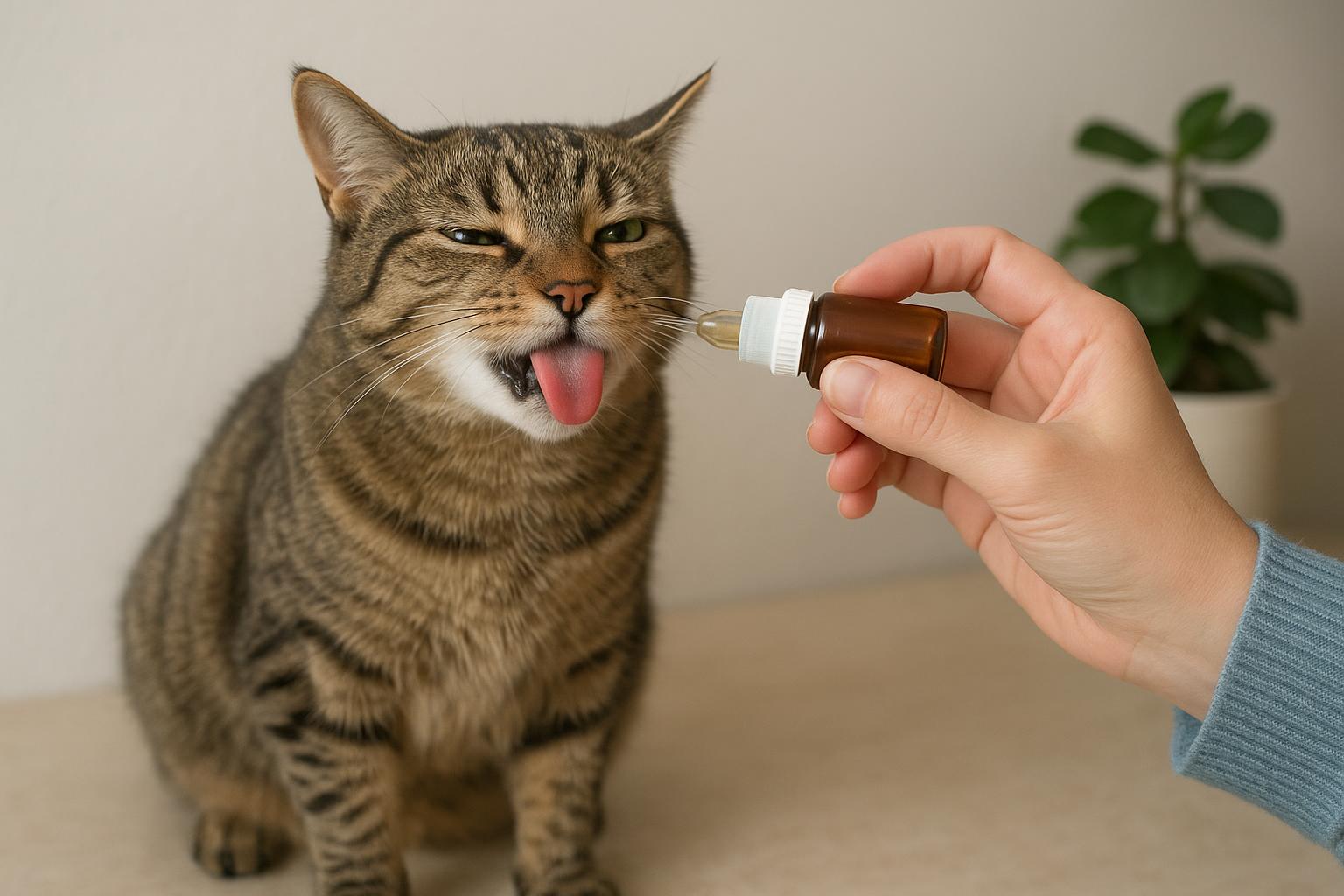
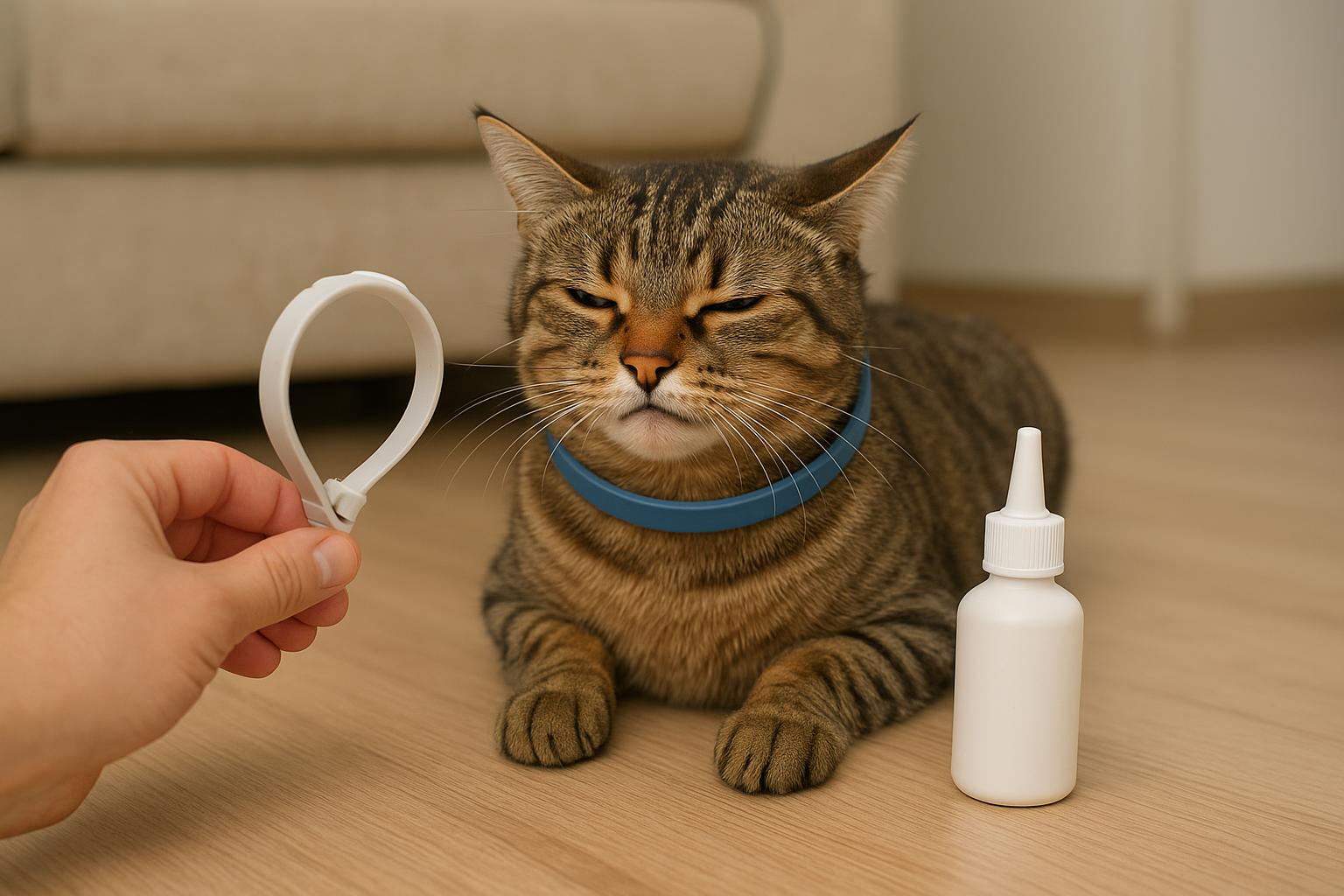
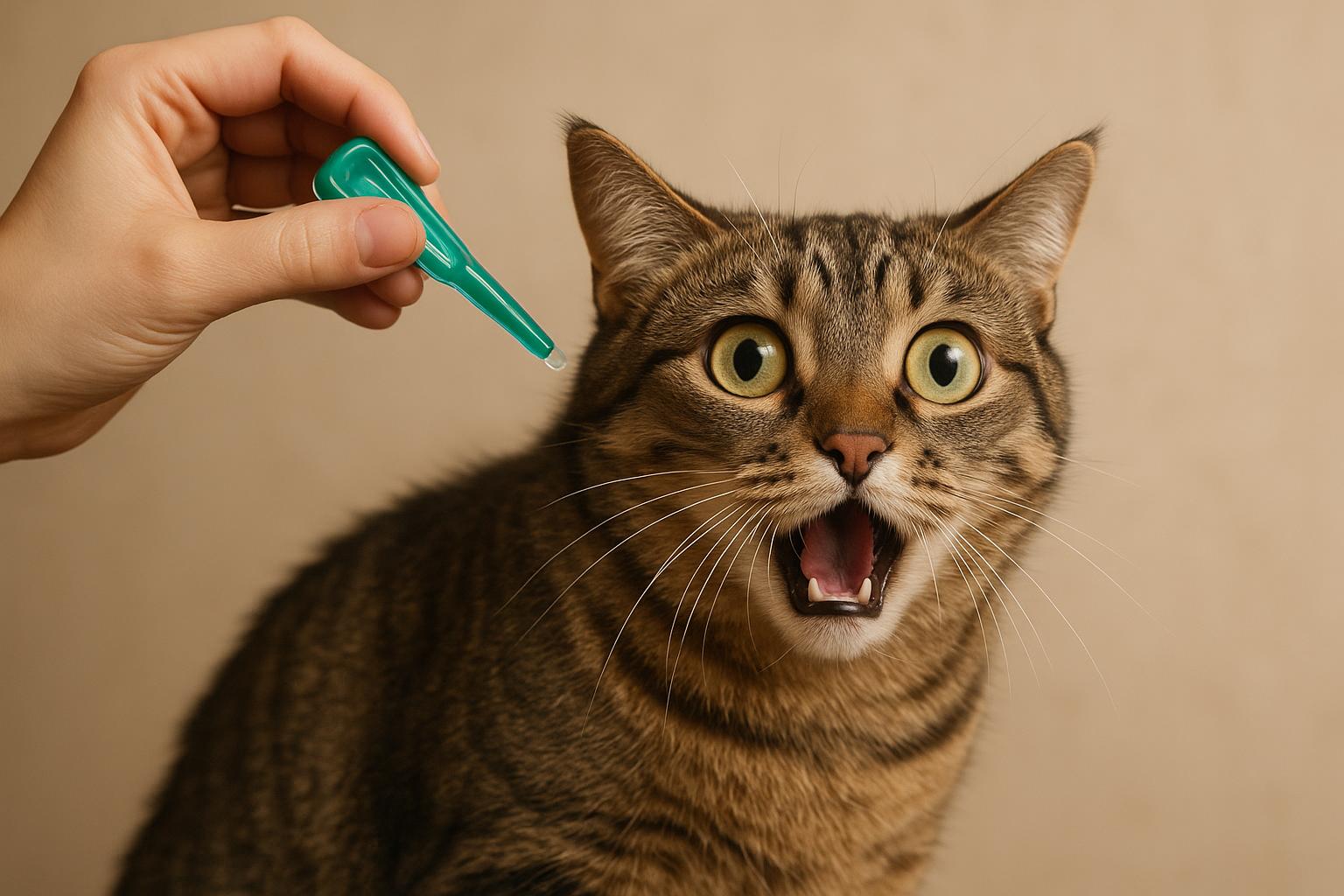
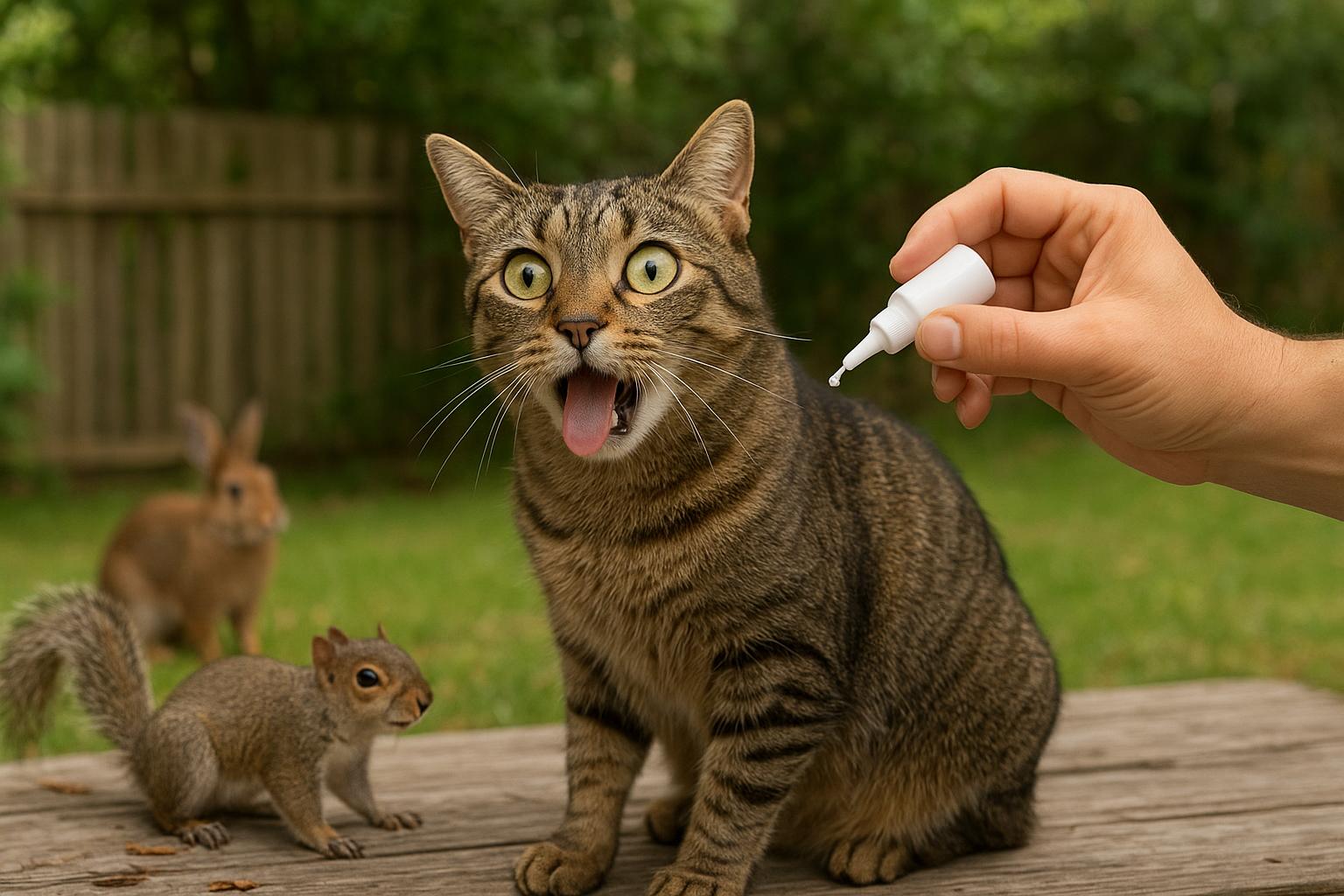
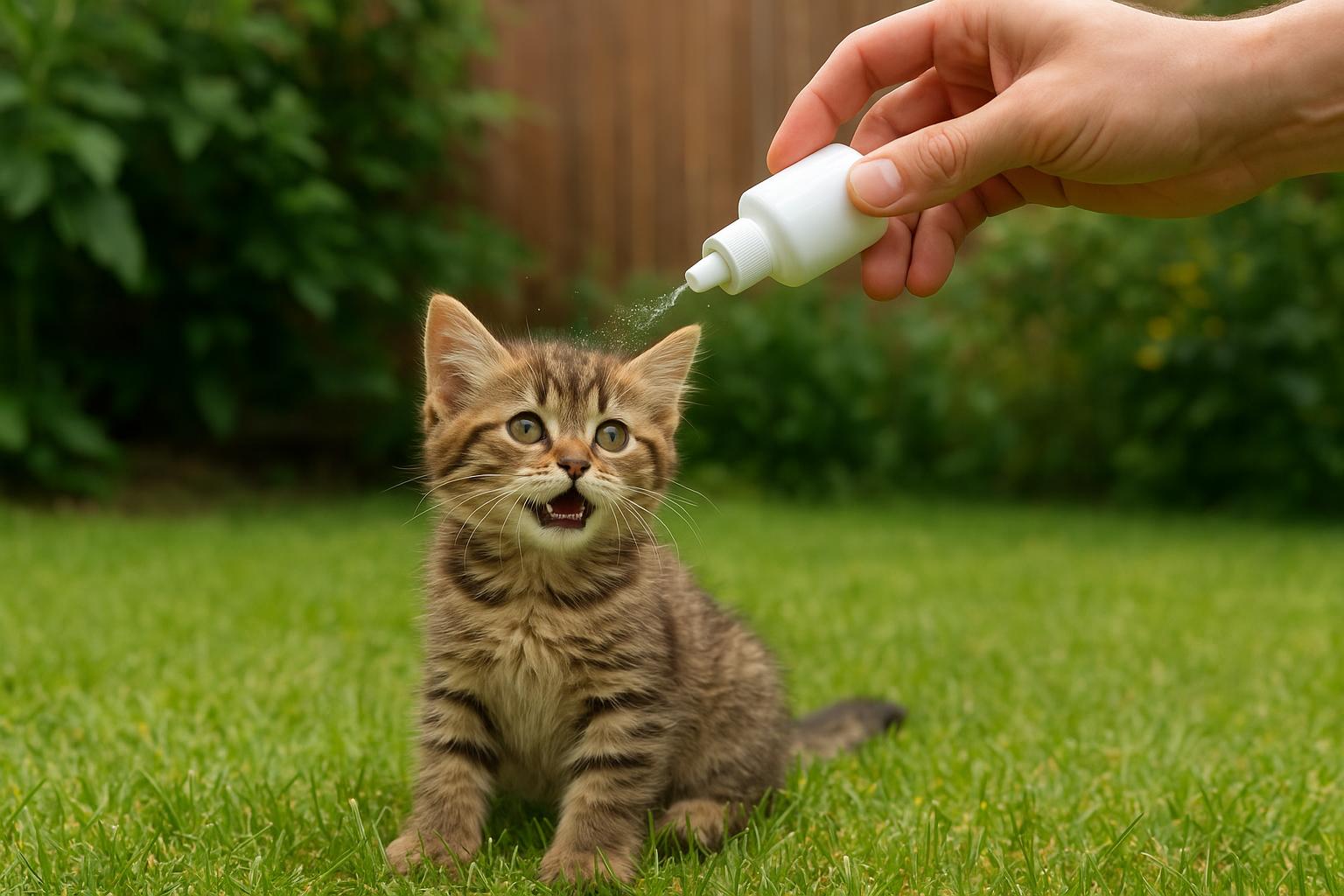
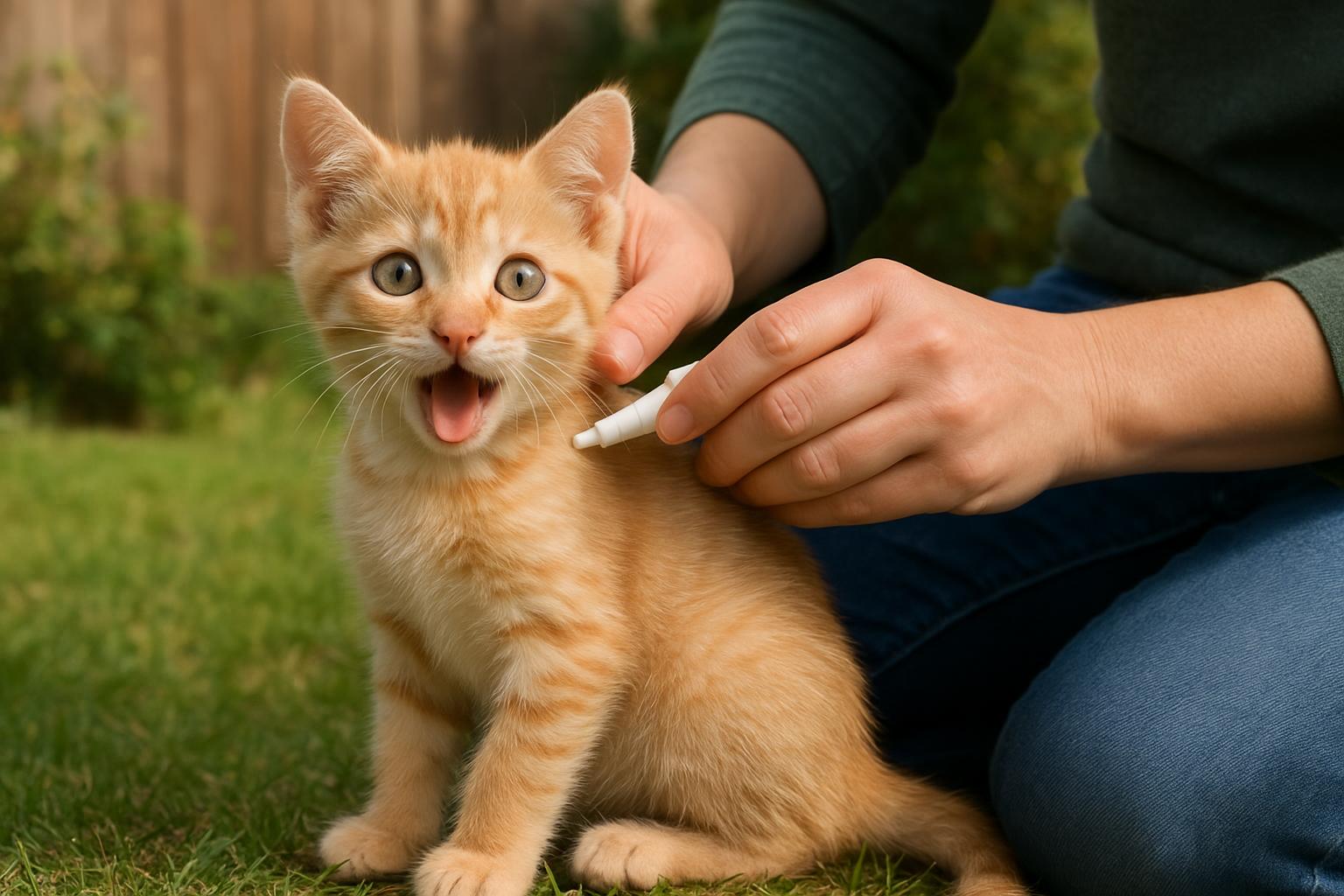
Some topical or oral preventatives are safe for kittens over certain ages/weights; always follow your veterinarian. Products labeled for kittens can interrupt the lifecycle and are often the quickest path to relief. This is flea care you should coordinate with a professional to select age-appropriate, weight-based doses.
### Quick Tactics That Save Lives (And Sanity)
– Isolate new kittens for a brief period and inspect for fleas before socializing.
– Keep outdoor exposure limited until you’re certain their flea prevention plan is established.
– Use a monthly kitten-safe topical (after vet consultation) to prevent re-infestation.
These sensational-sounding steps are actually common-sense flea care: prevent contact, treat immediately, and control the environment.
## 3. Natural Yard And Outdoor Control (Remedy)
### Ingredients And Materials Needed
#### Supplies
1. Diatomaceous earth (food grade)
2. Garden rake or broom
3. Protective gloves and mask
4. Outdoor gloves
5. Hose
#### Safety Notes
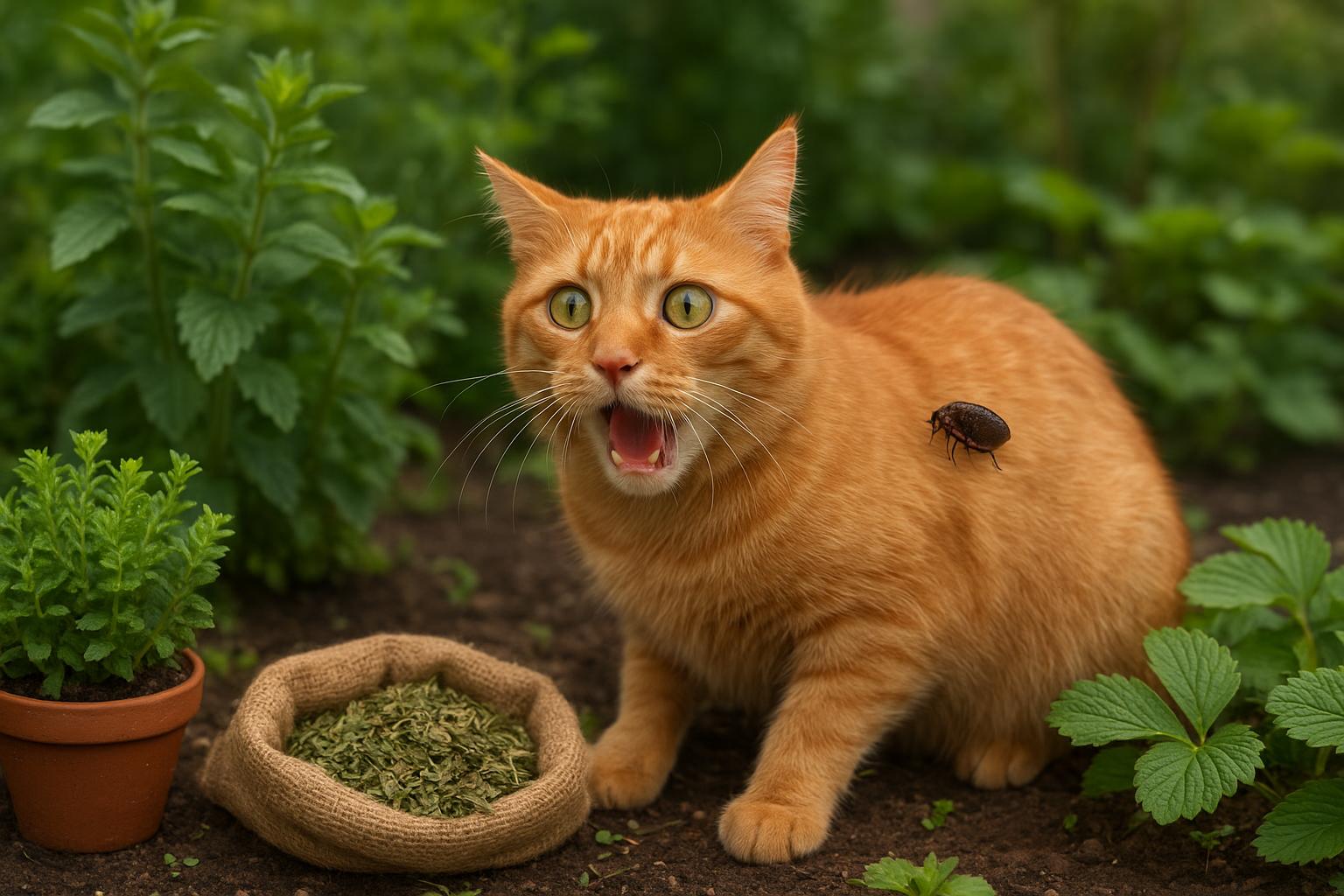
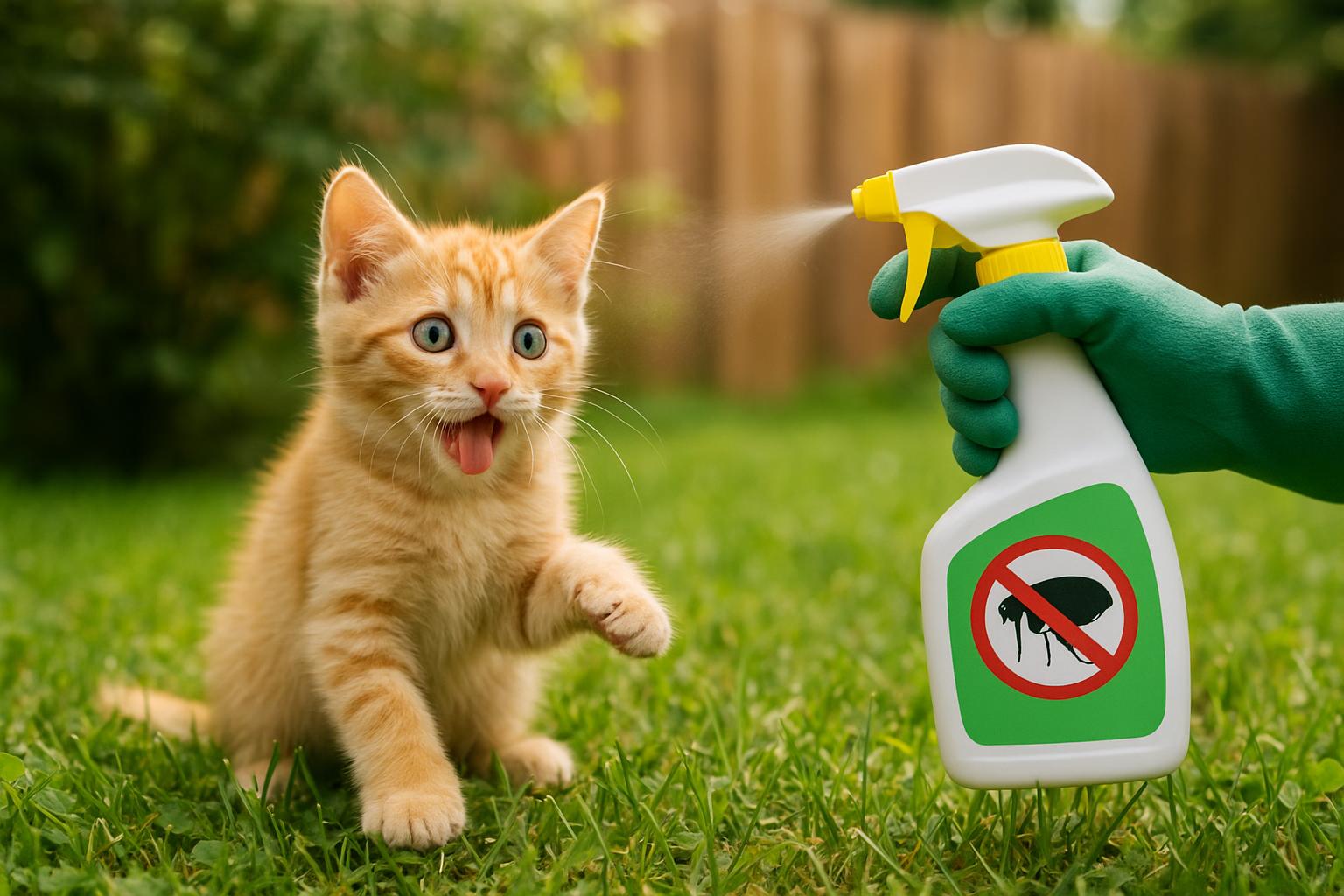
Diatomaceous earth can be abrasive to lungs; use a mask when applying. Keep kittens away during application.
### Step-By-Step Application
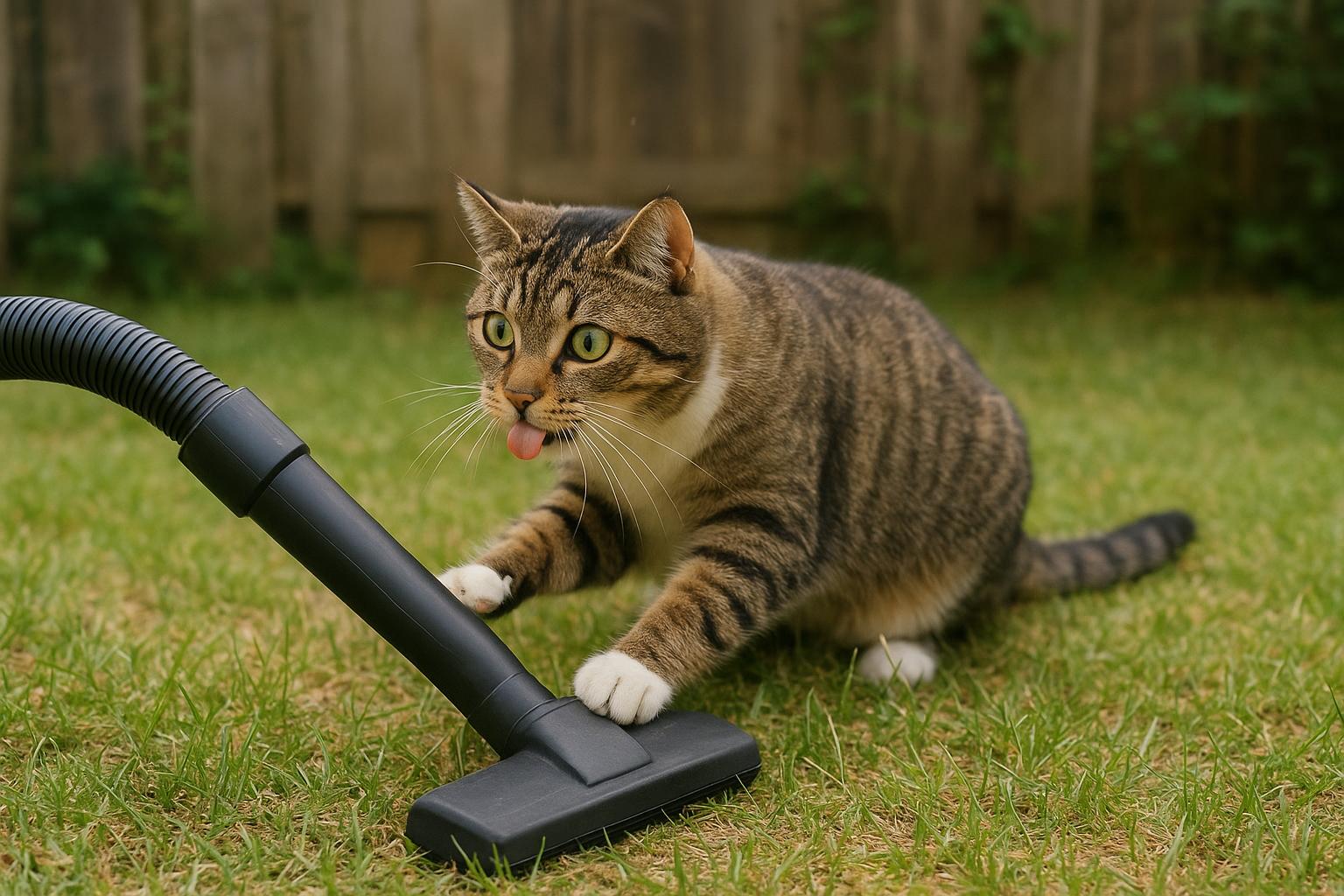
1. Rake yards and remove debris where fleas hide (leaf litter, tall grass).
2. Lightly sprinkle food-grade diatomaceous earth across shaded areas, under decks, and near foundations where pets rest.
3. Allow the powder to sit for 48 hours, then lightly hose to reduce dust.
4. Reapply every 2–3 weeks during peak flea season.
This outdoor flea care reduces emergent adult populations and complements indoor measures.
### When To Call The Vet Immediately
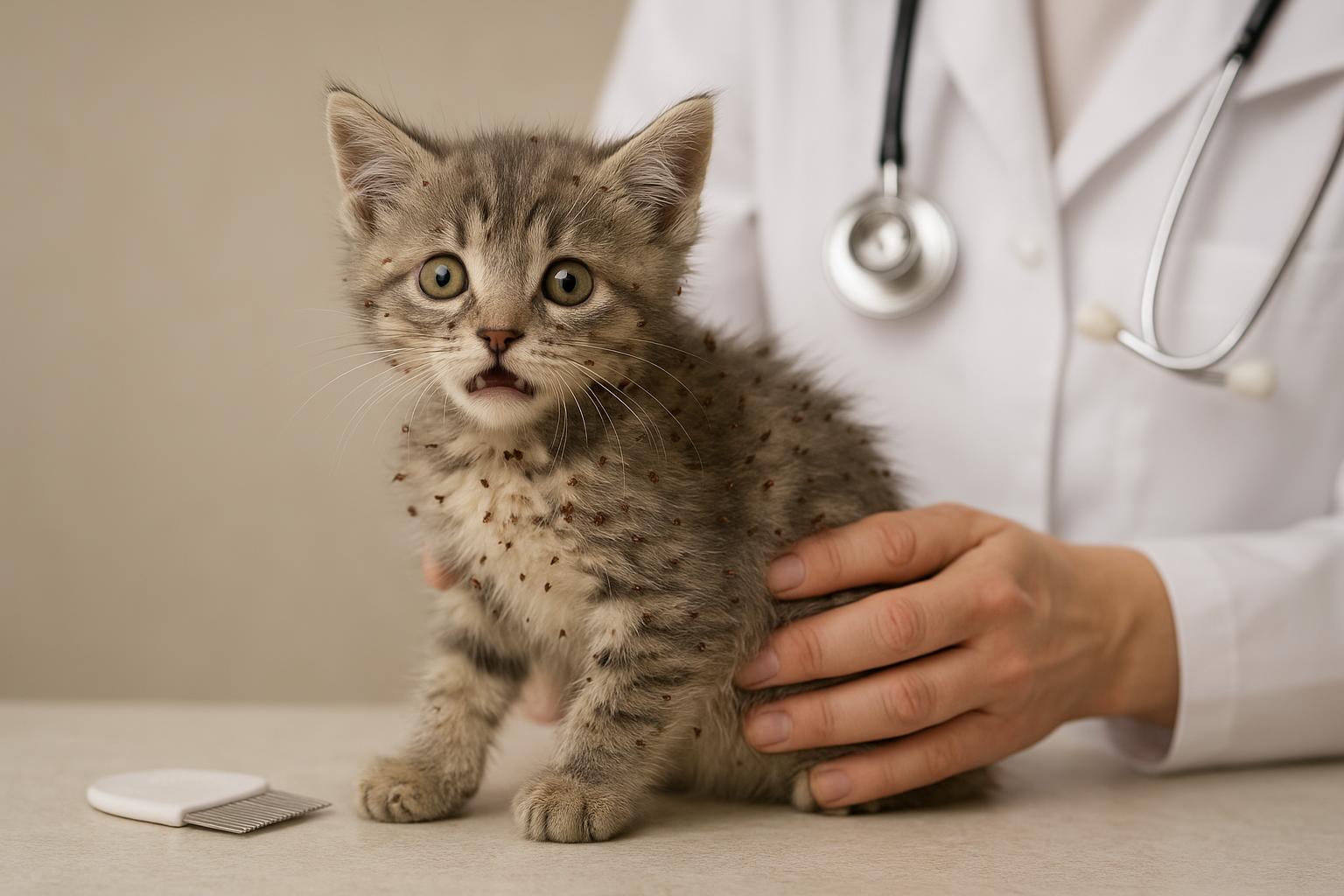
If a kitten becomes pale, lethargic, or shows rapid breathing, these may be signs of flea-induced anemia. Severe infestations require professional treatment that may include blood work, iron supplementation, or prescription flea medications. Knowing how to prevent fleas in kittens includes recognizing emergencies and acting fast.
### Long-Term Behavioral Changes That Protect Kittens
Train family members to check kittens daily, especially after outdoor exposure. Routine combing and spot-checks become a ritual that prevents catastrophes. Flea care is not a single action but a lifestyle shift: frequent cleaning, scheduled vet checks, and early intervention.
### Common Mistakes That Make Infestations Worse
– Treating only the pet and ignoring carpets and bedding.
– Using human flea remedies or essential oils on kittens.
– Waiting until you spot adult fleas; by then, eggs and larvae are well-established.
If you want to truly master how to prevent fleas in kittens, eliminate these dangerous habits now.
## Rapid Response Checklist For A Flea Emergency
1. Isolate the kitten and assess for signs of anemia.
2. Perform a gentle combing and bathing routine if vet-approved.
3. Clean and launder all bedding.
4. Treat the environment with safe sprays and vacuum thoroughly.
5. Contact your veterinarian for age-appropriate preventive medication and follow-up.
By following these steps, you turn chaos into control and give your kitten the protection it desperately needs. Remember, learning how to prevent fleas in kittens is the difference between a cozy home and a parasitic nightmare.



Leave a Reply