
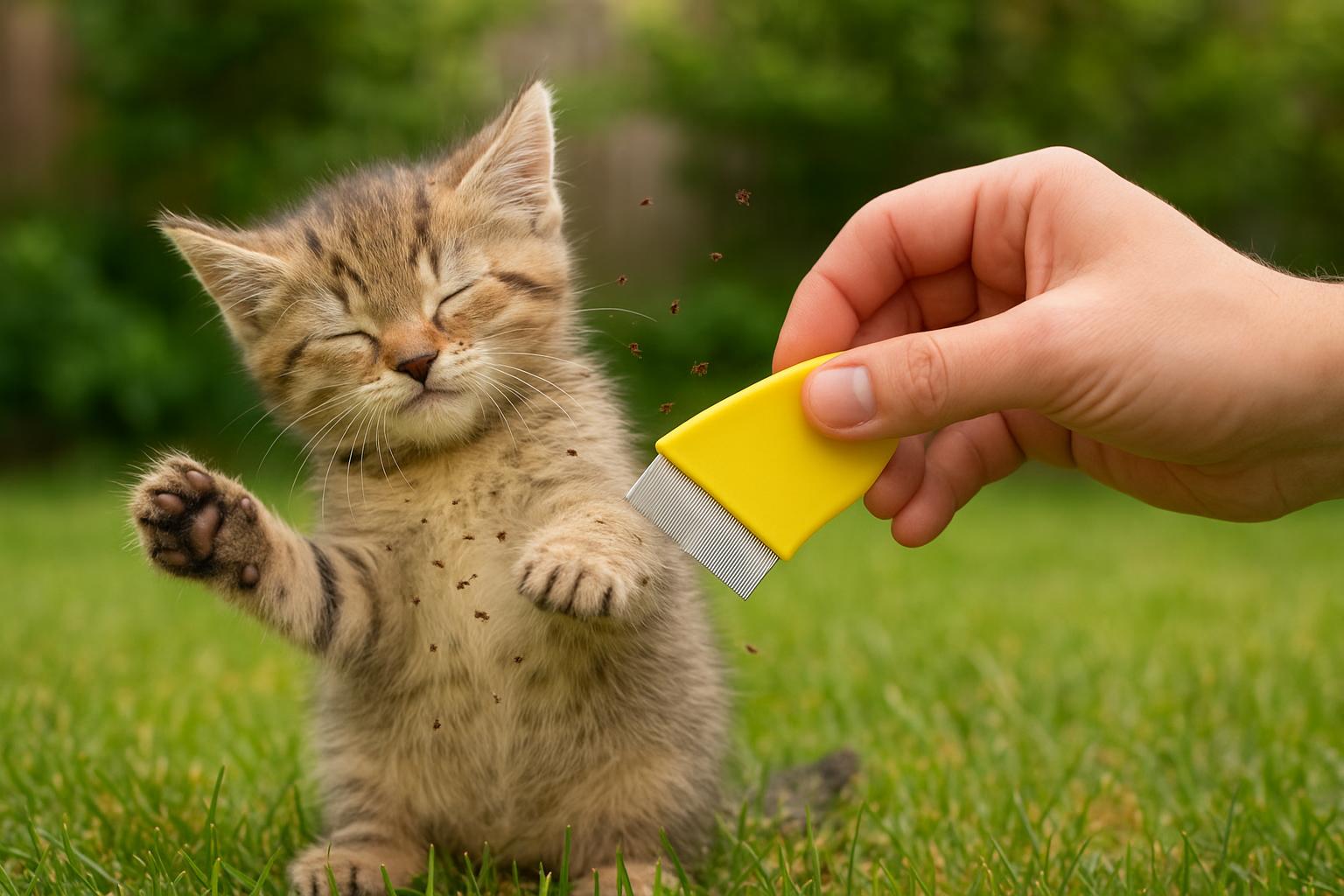
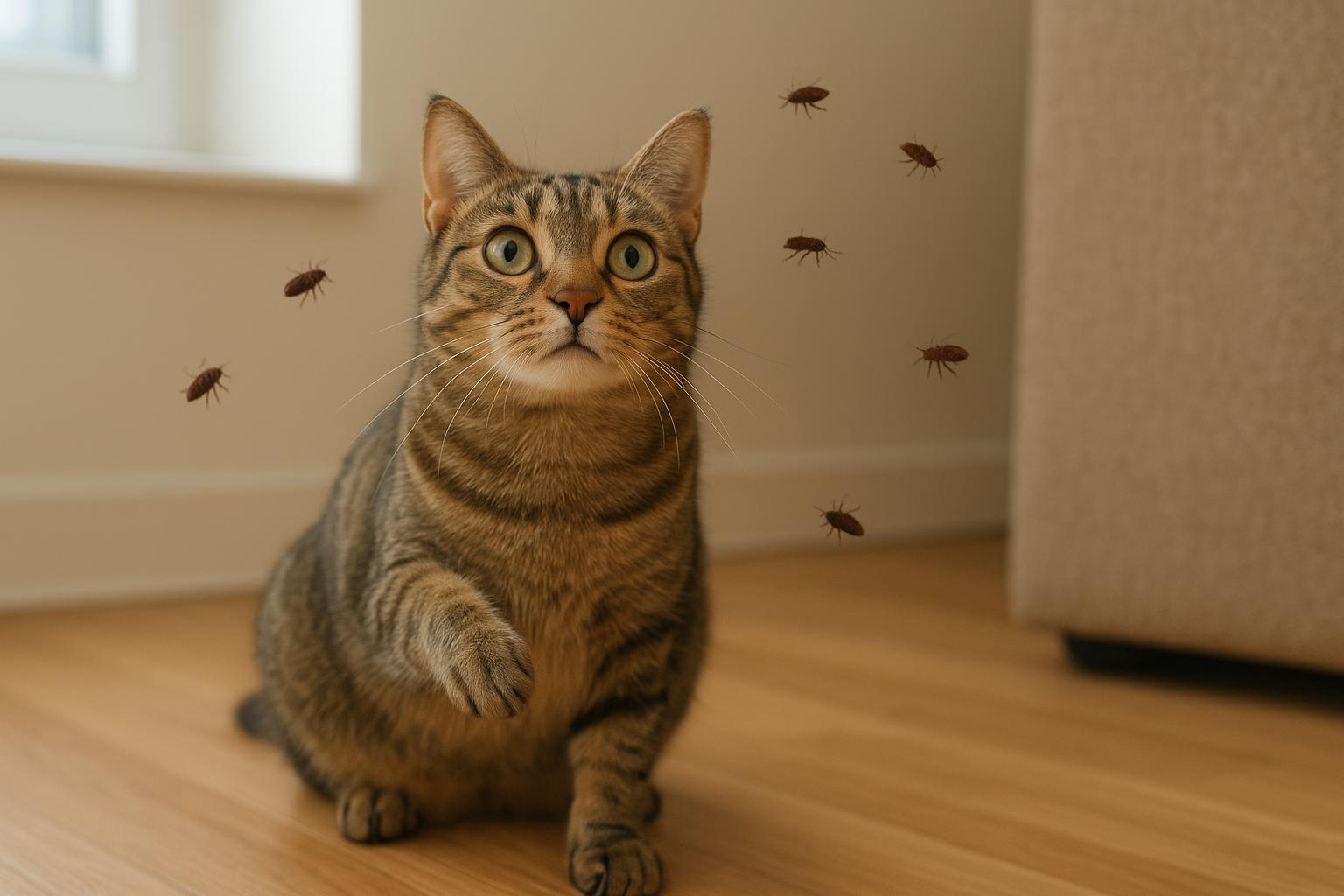
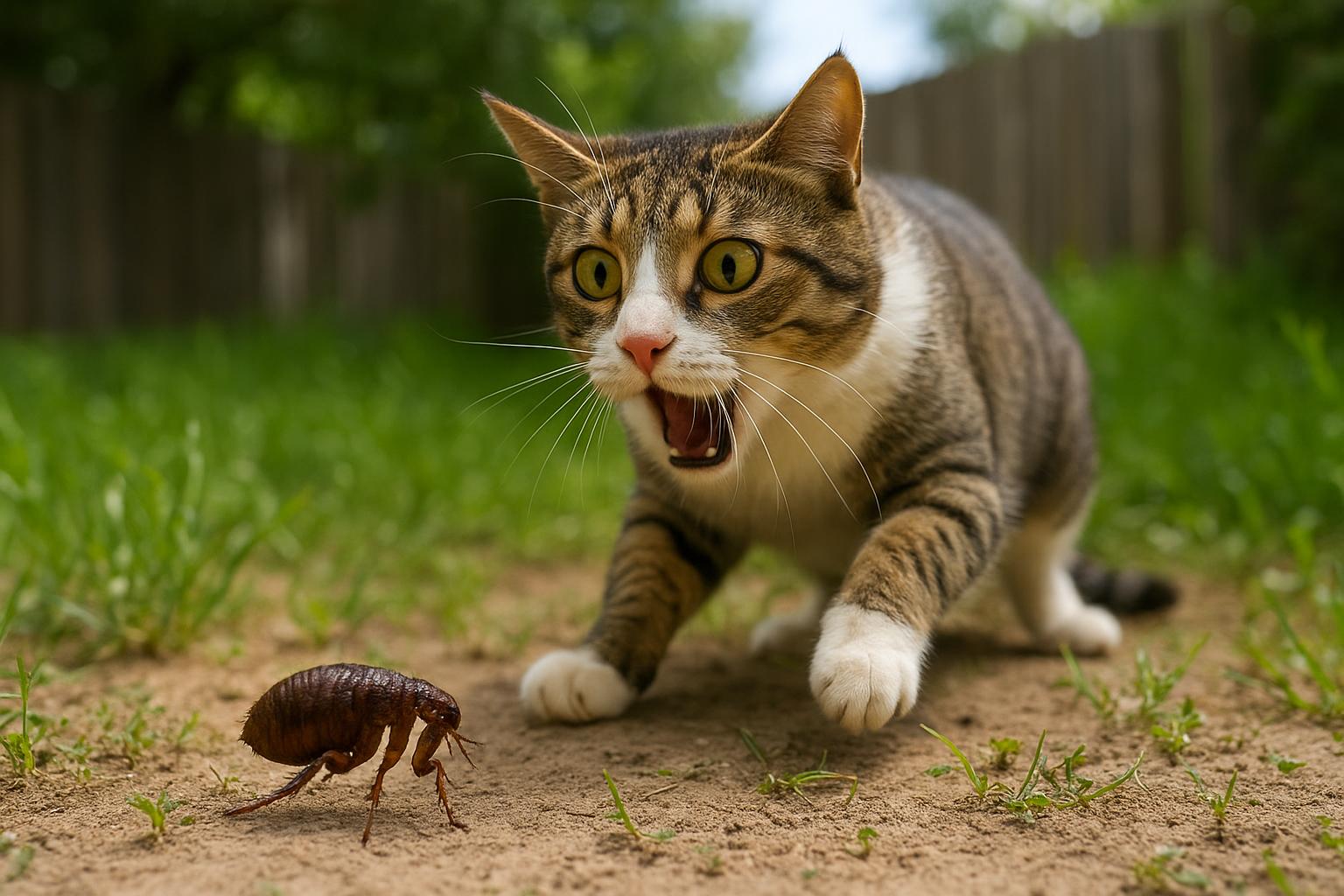
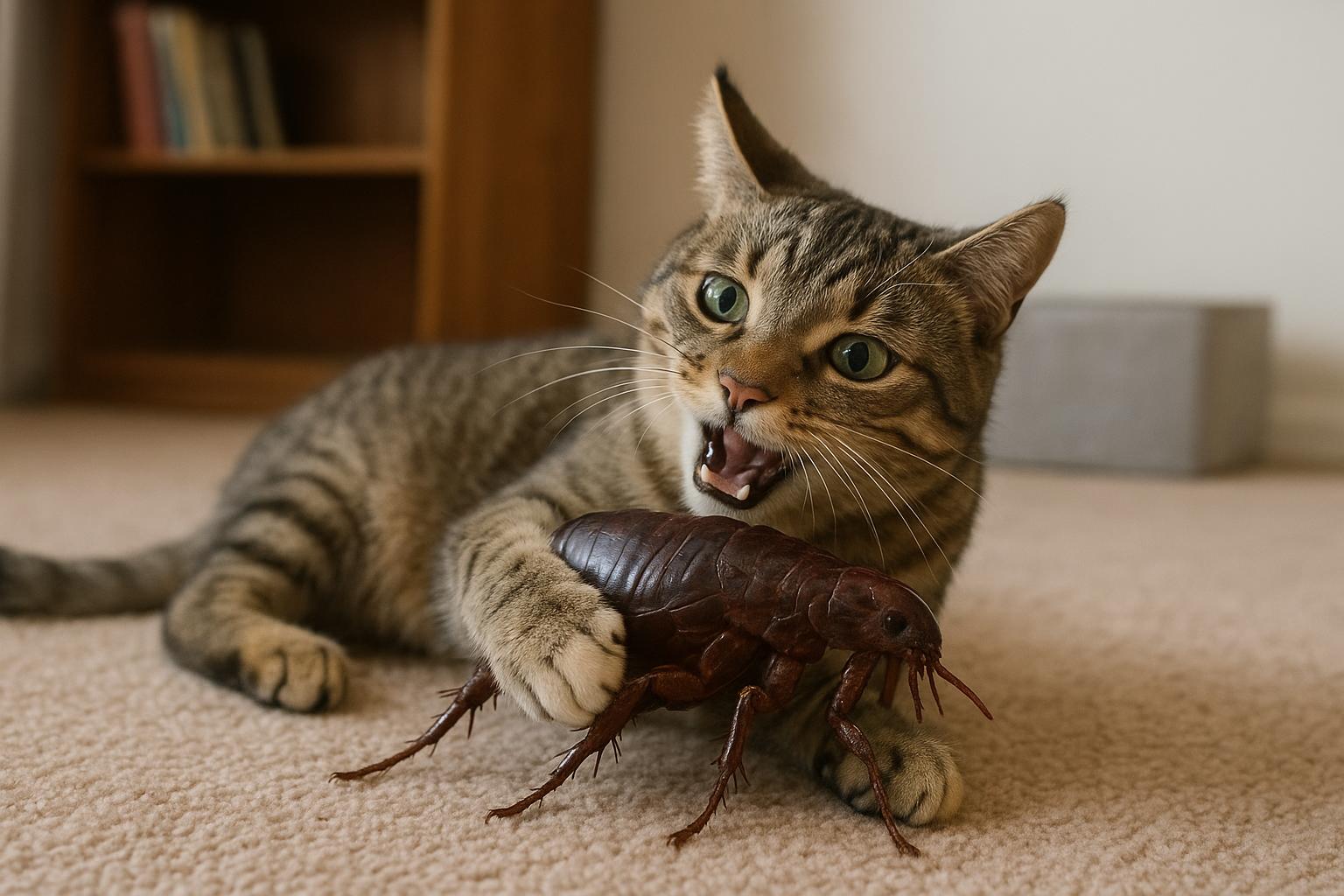
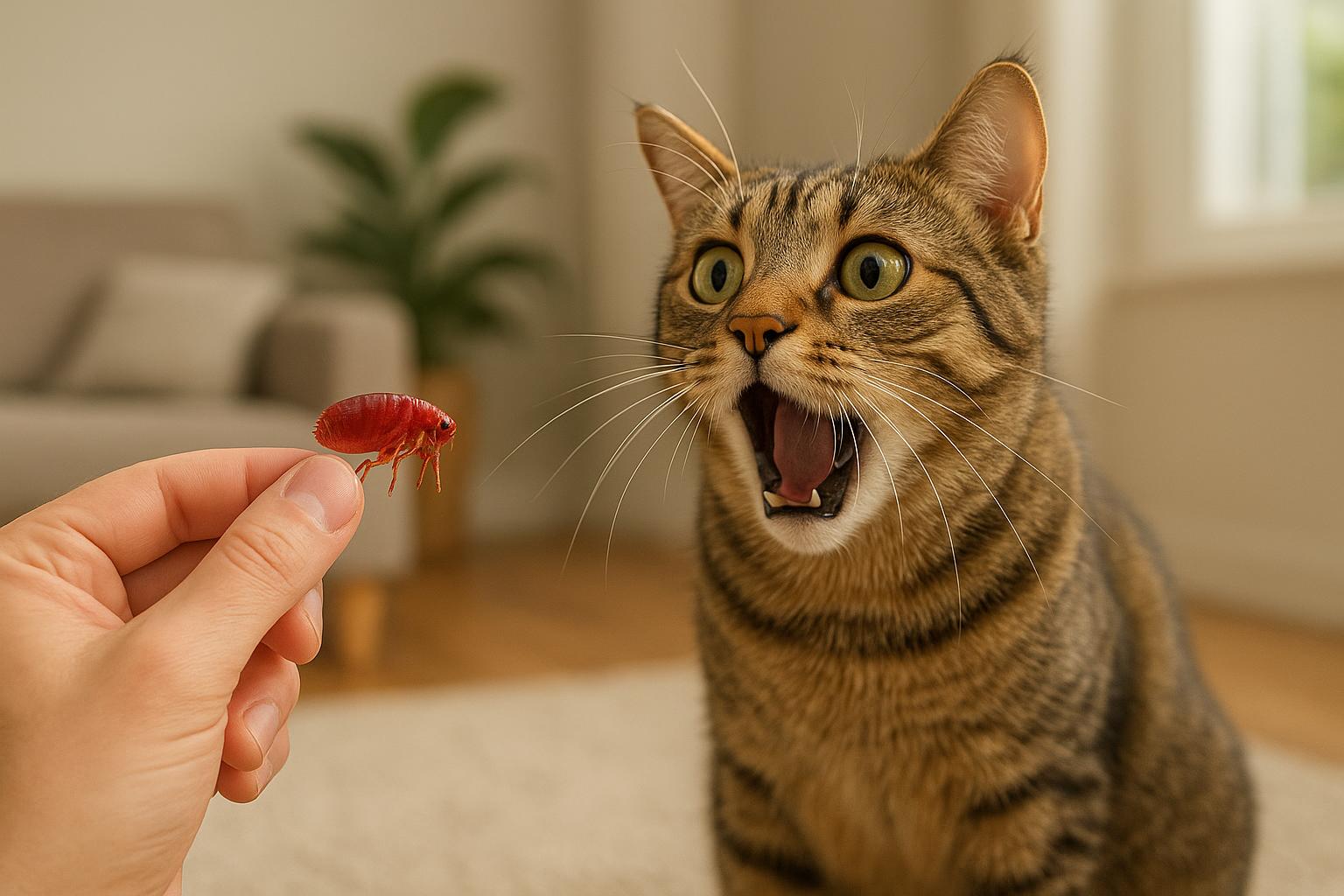
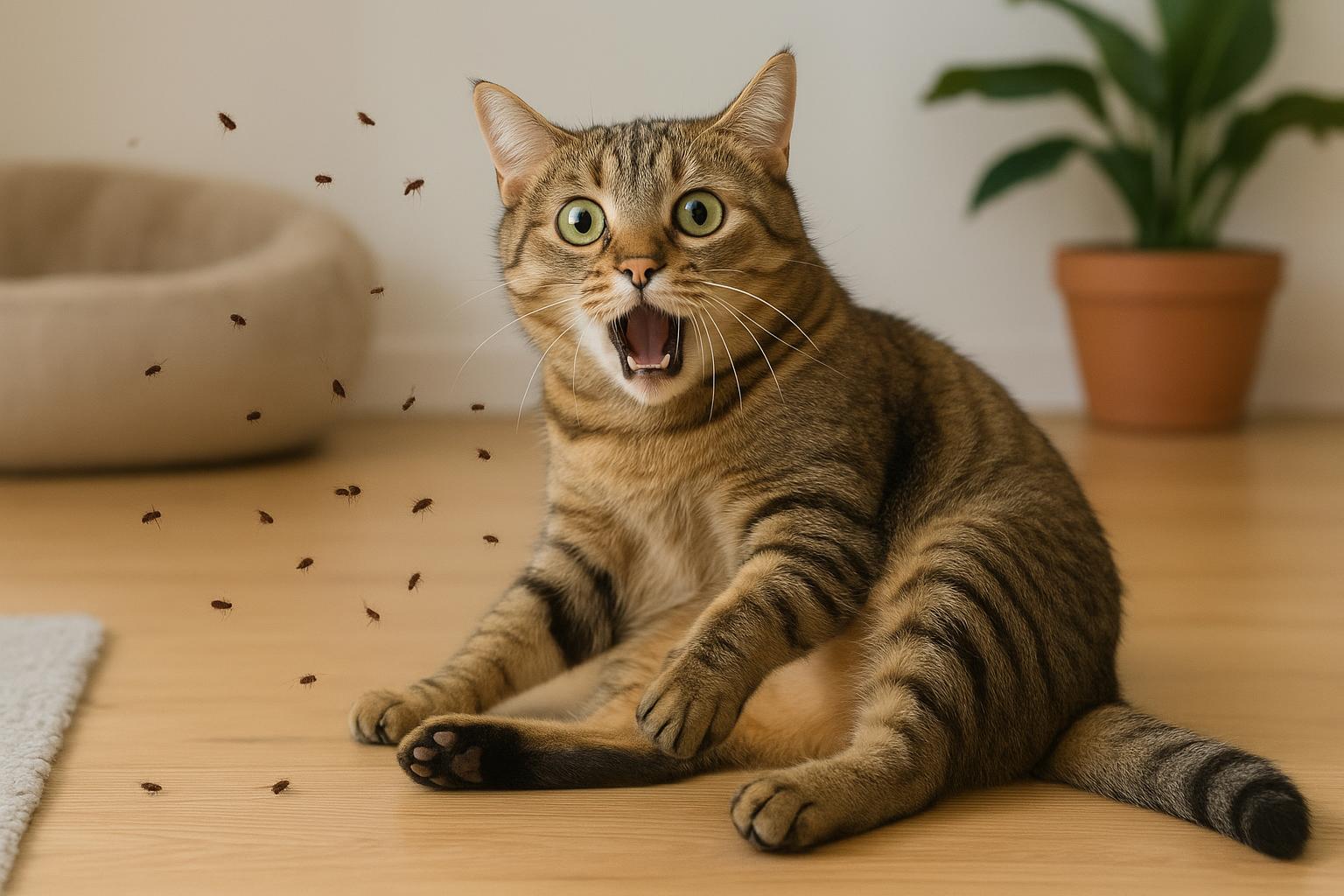
You’ve found a flea-riddled kitten romping in the backyard, and your heart did a little skip—cute, but oh no. Fleas on kittens are common in outdoor and semi-outdoor colonies, especially where wildlife and neighborhood pets pass through. This guide walks you through recognizing the problem, humane backyard-minded prevention, and two careful remedies you can use at home. Keep reading with a cup of tea (or a laundry-basket full of kitten towels) nearby.
## Understanding Fleas On Kittens
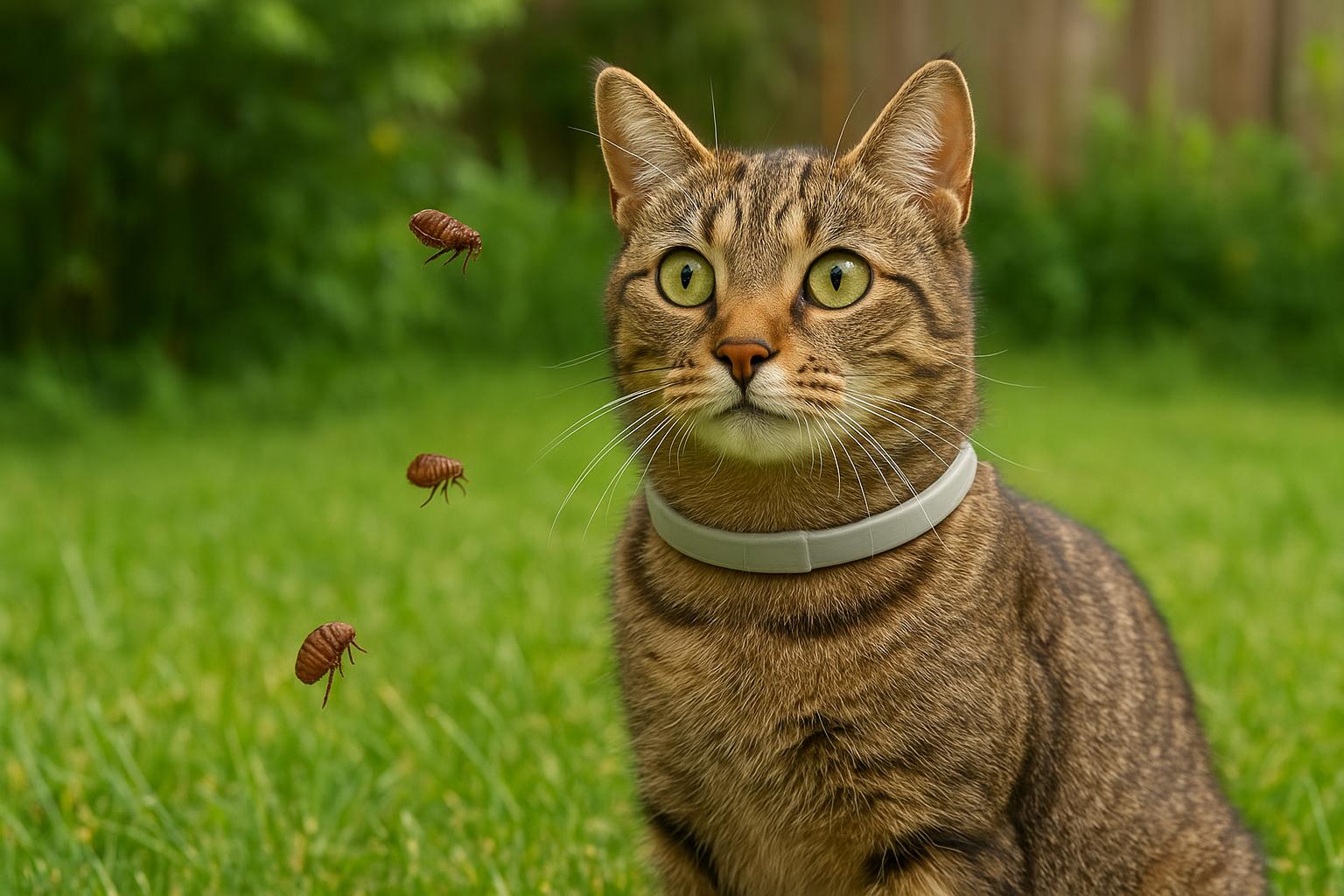
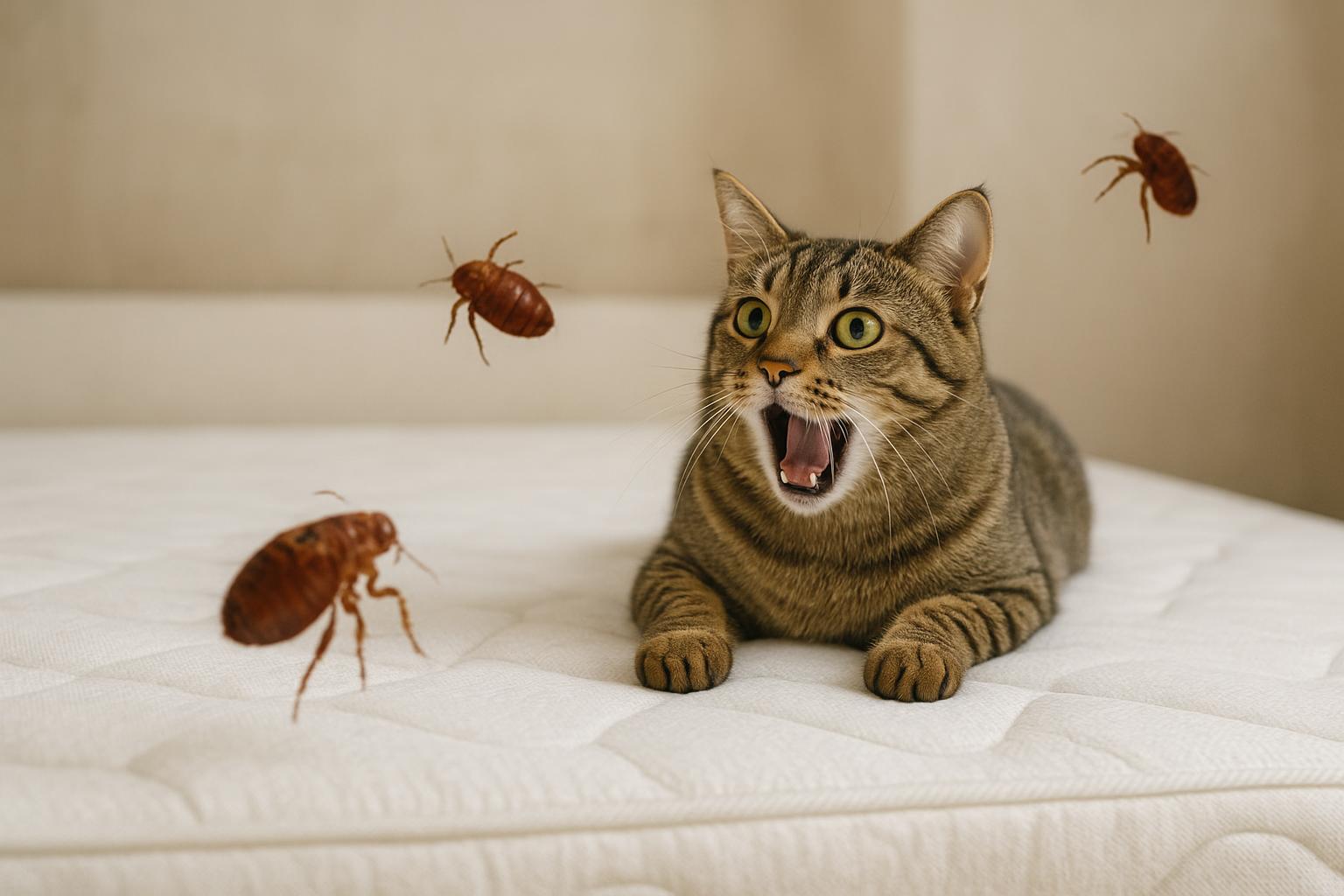
Kittens are tiny targets for fleas. A single flea can bite many times a day, and in a small kitten that blood loss can quickly become serious. Knowing what fleas are and how they behave helps you choose a solution that’s gentle, effective, and safe for both the kitten and the other backyard critters.
### Why Backyard Kittens Are Vulnerable
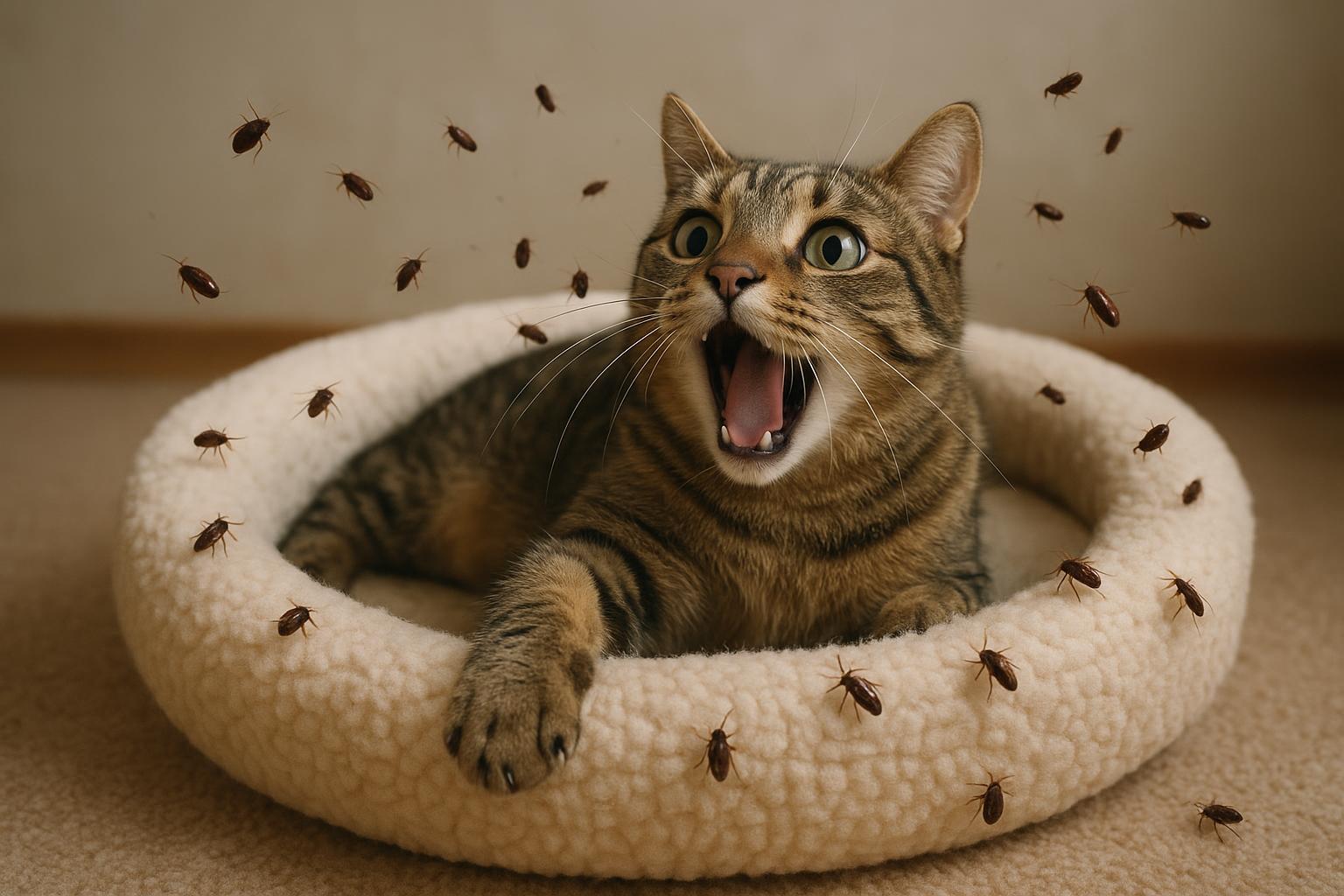
Backyards often offer shade, tall grass, leaf litter, and easy access to neighborhood cats and wildlife—perfect flea habitat. Fleas don’t just live on the animal; they spend a lot of their life cycle in the environment. That means treating the kitten without addressing the yard can lead to quick reinfestation.
### Flea Life Cycle Brief
#### Eggs, Larvae, Pupae, Adults
Flea eggs fall off the host into bedding, soil, and cracks. Larvae feed on organic debris (including adult flea feces). Pupae can stay dormant until conditions are right. Adult fleas jump on a host to feed and reproduce. Interrupting this cycle in both the kitten and the environment is key.
## Recognizing Signs Of Fleas In Backyard Kittens
Kittens are stoic little things, but they’ll tell you something’s wrong if you look for the clues.
### Physical Signs
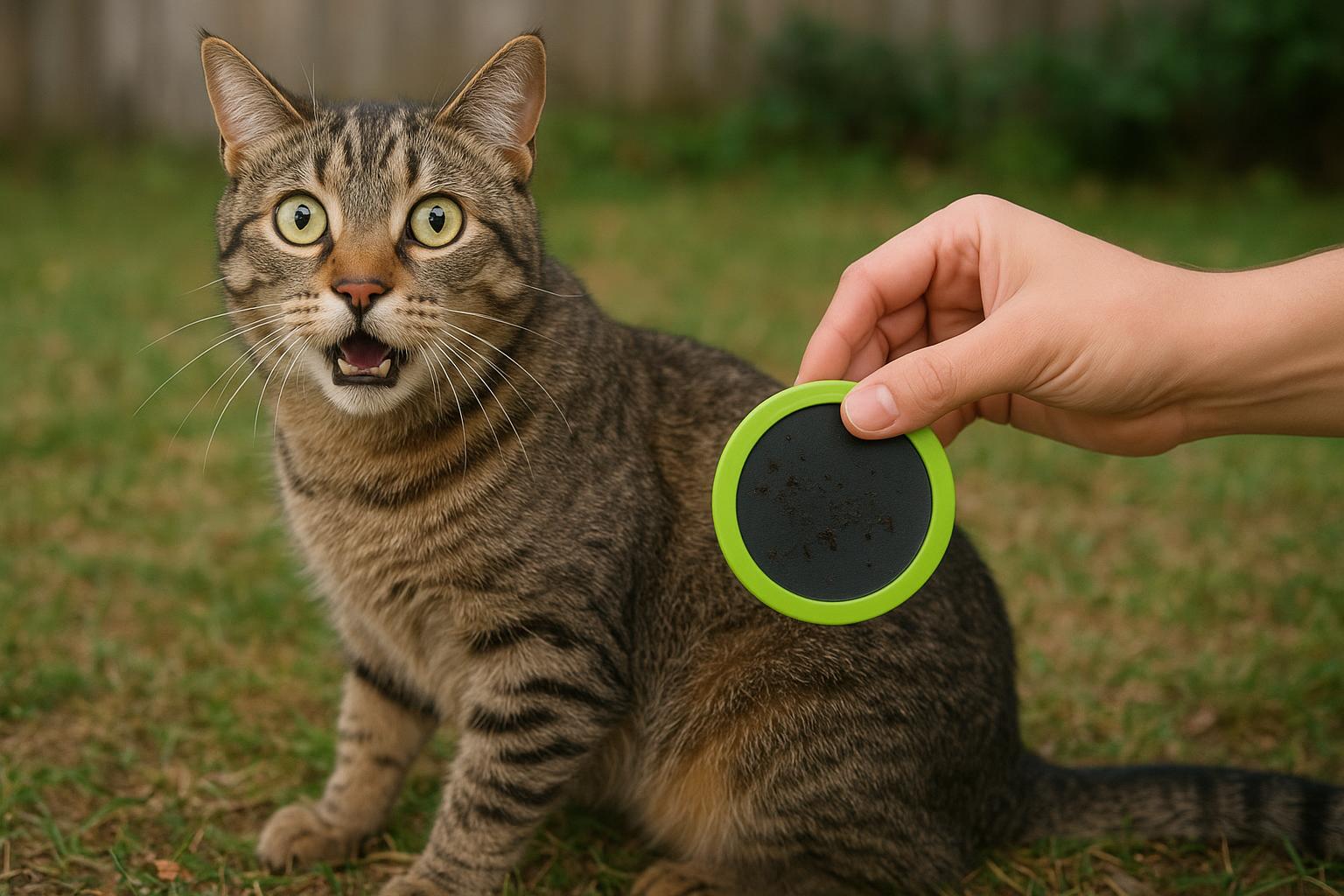
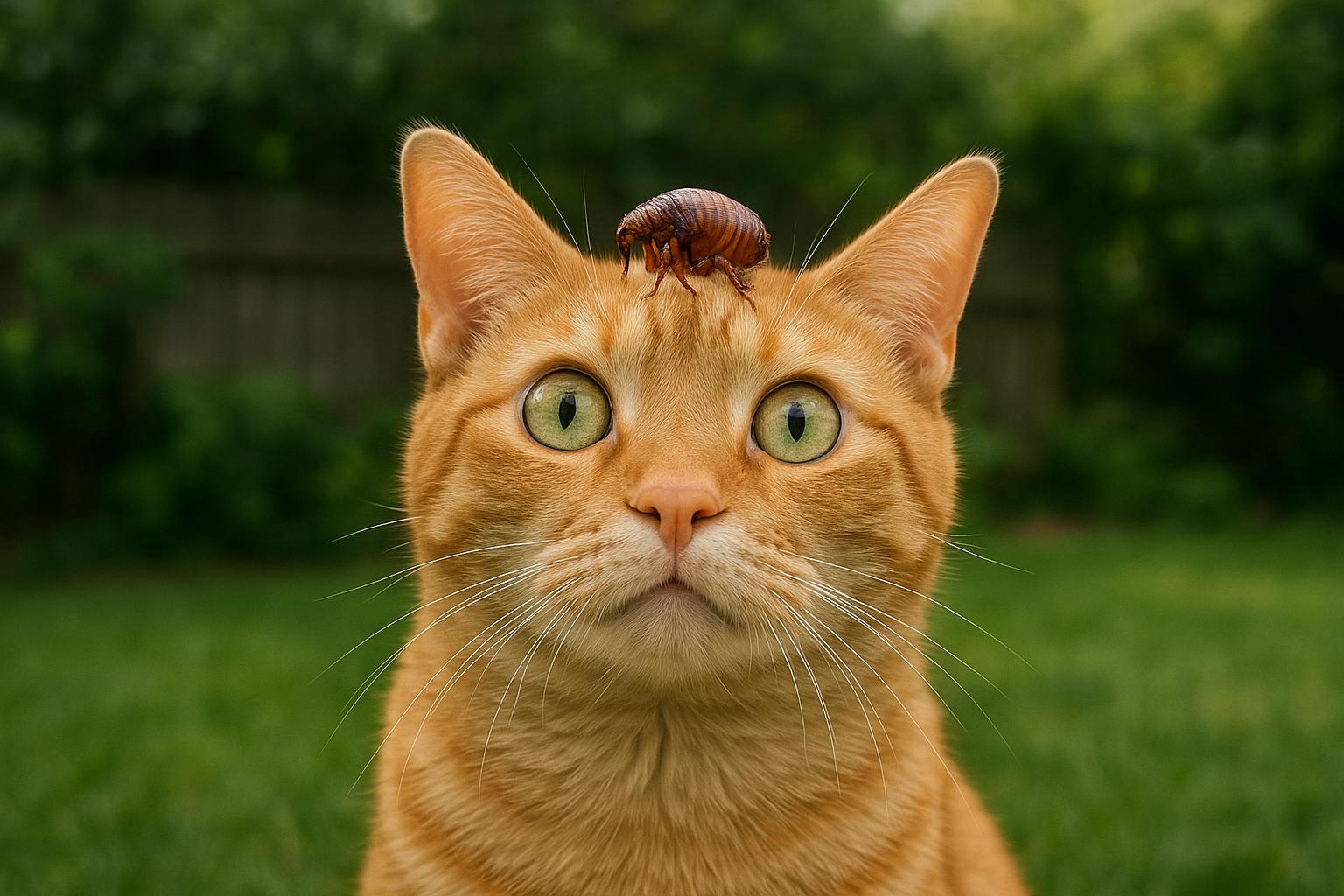
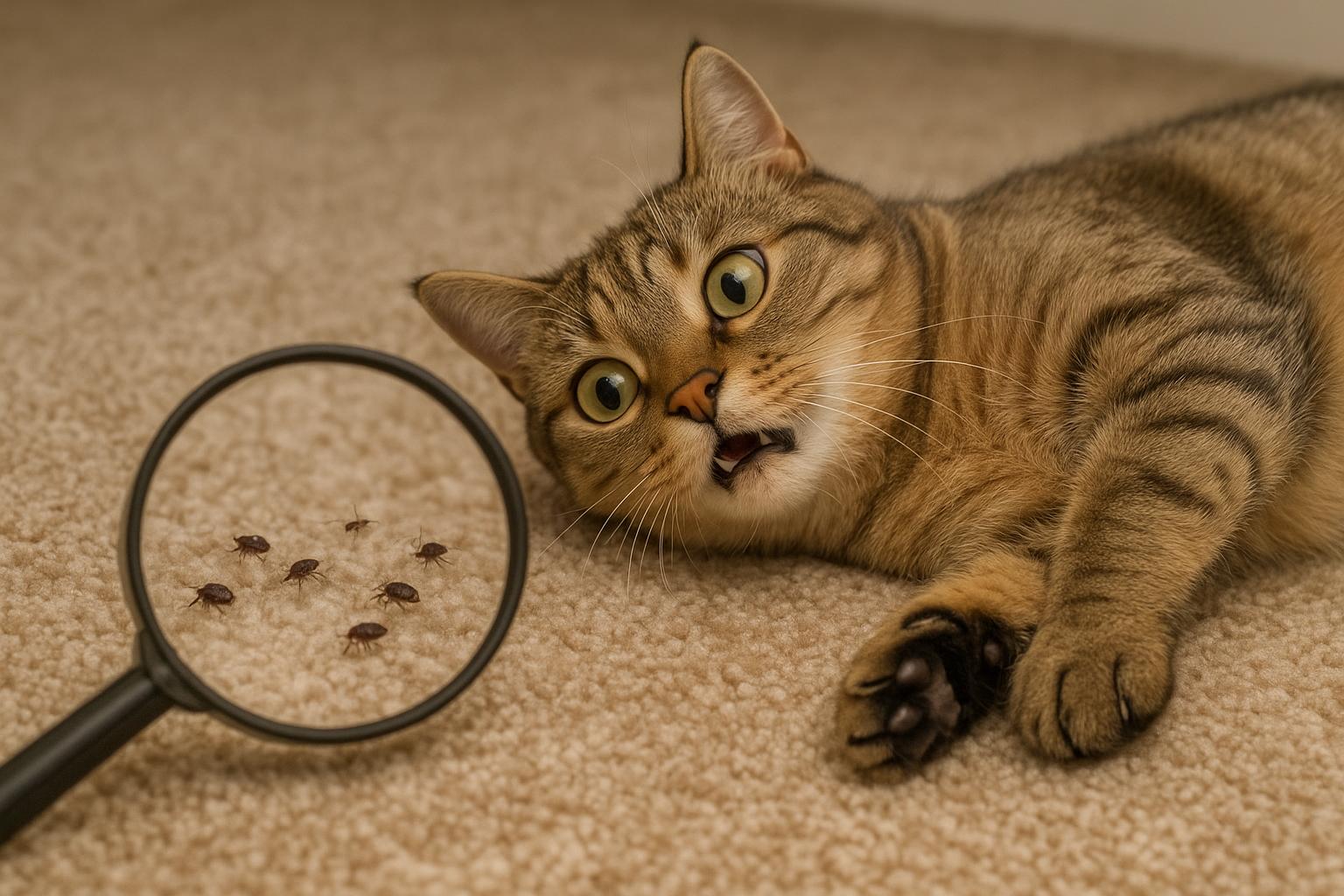
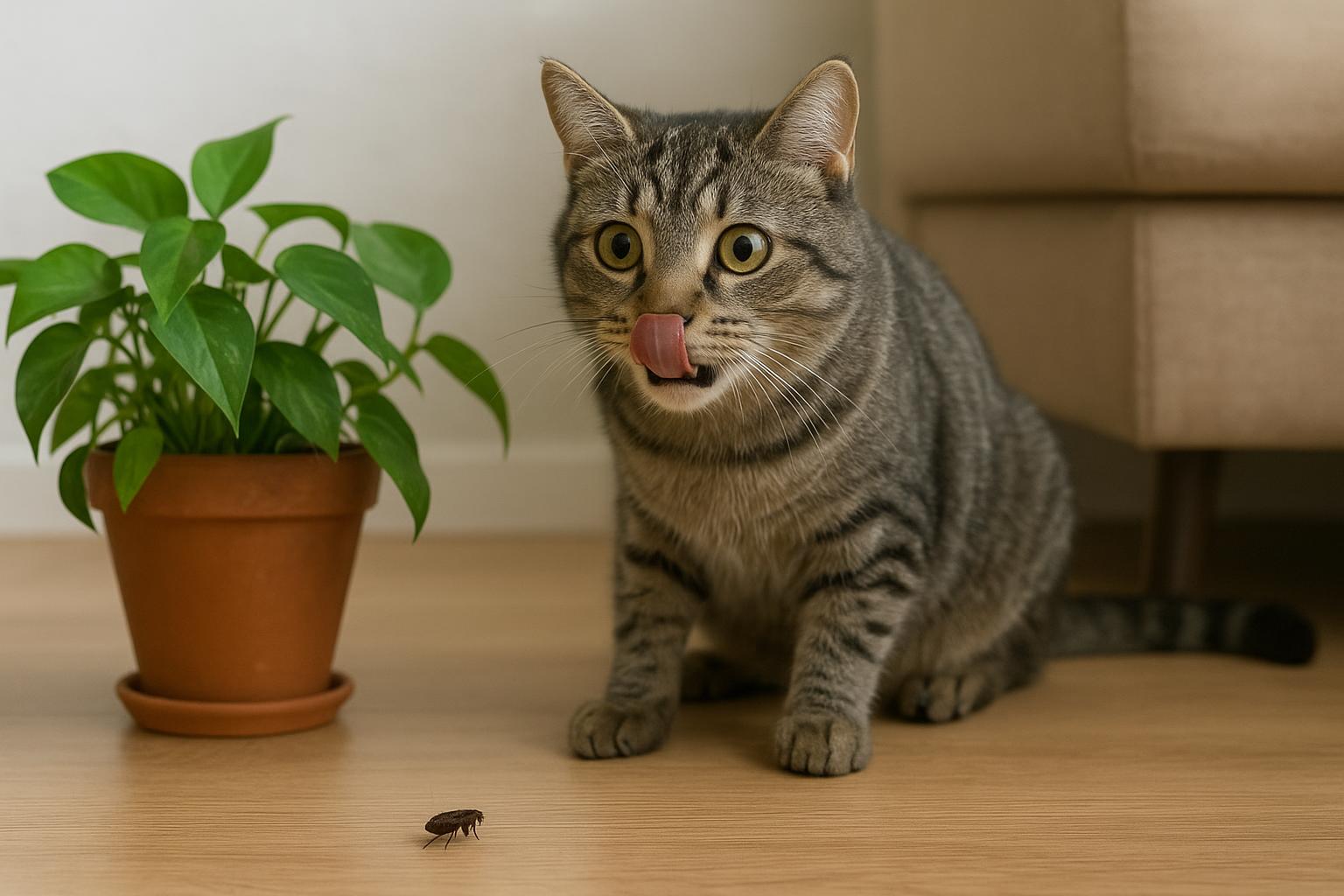
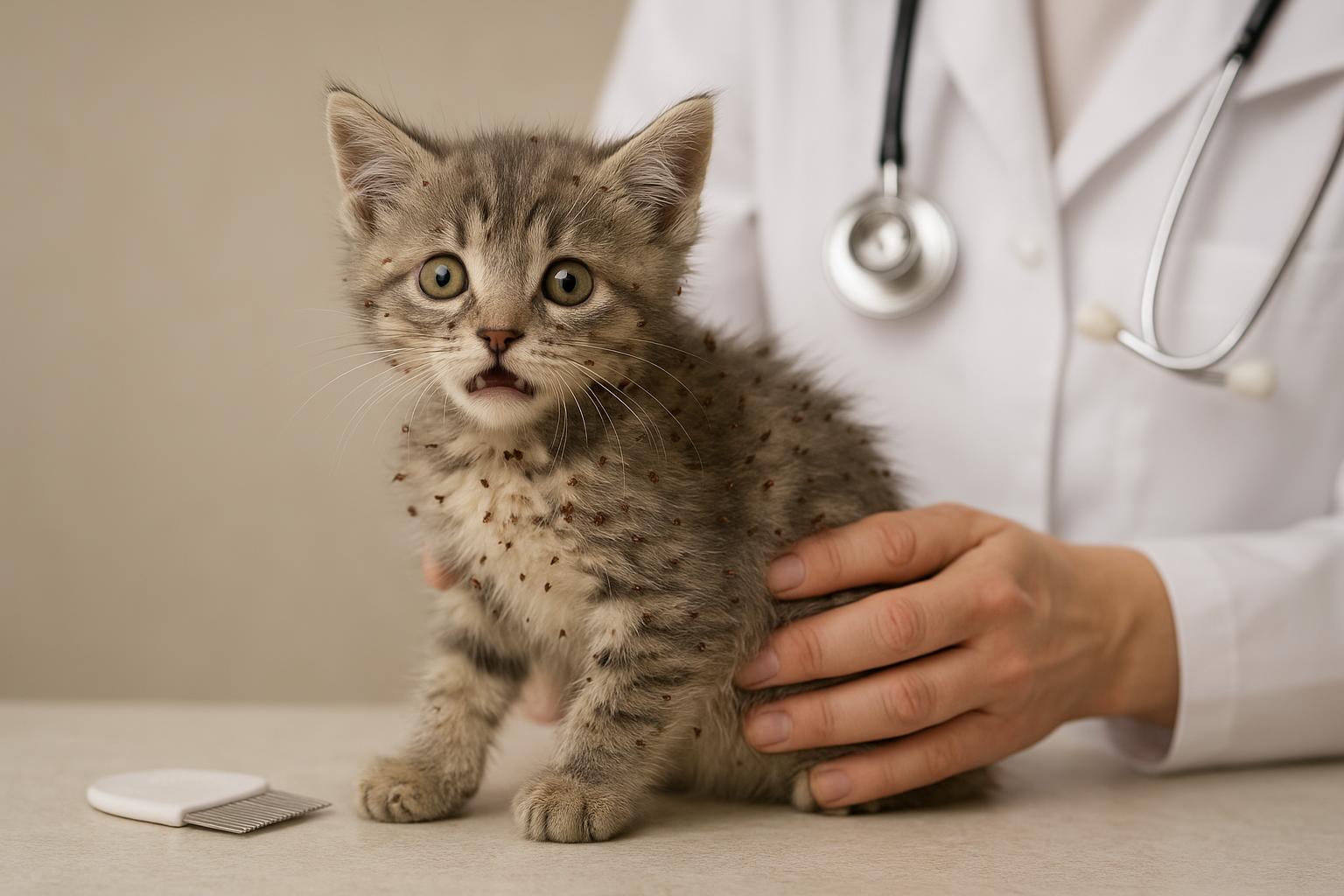
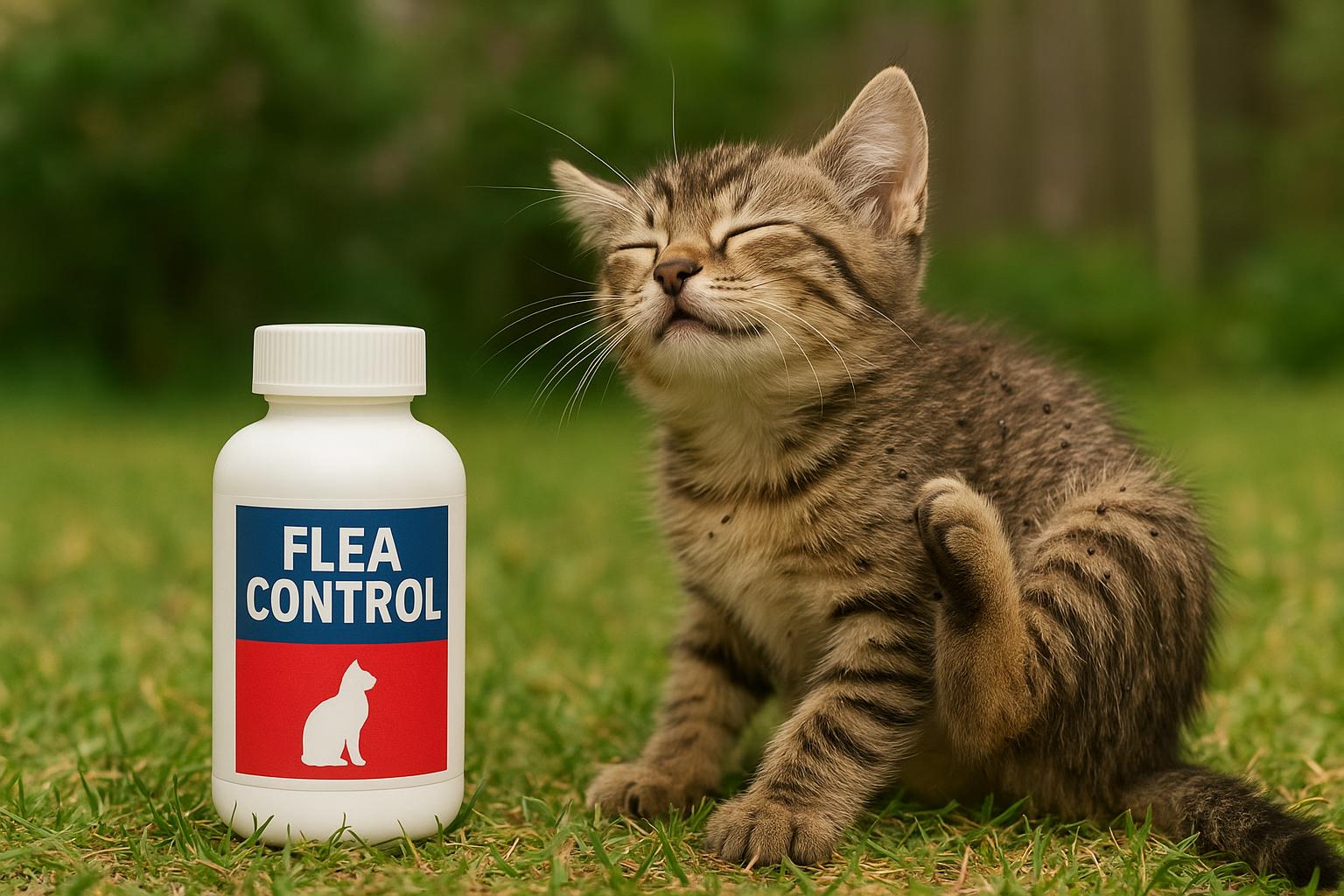
Look for visible fleas or the telltale black pepper-like specks (flea dirt). Red, irritated skin, hair loss, or scabs, especially around the neck and base of the tail, are common. In very young kittens, check for pale gums—this can signal anemia.
### Behavioral Signs
Excessive scratching, restlessness, and grooming that becomes frantic are behavioral flags. Kittens may also seem lethargic if their energy is being drained.
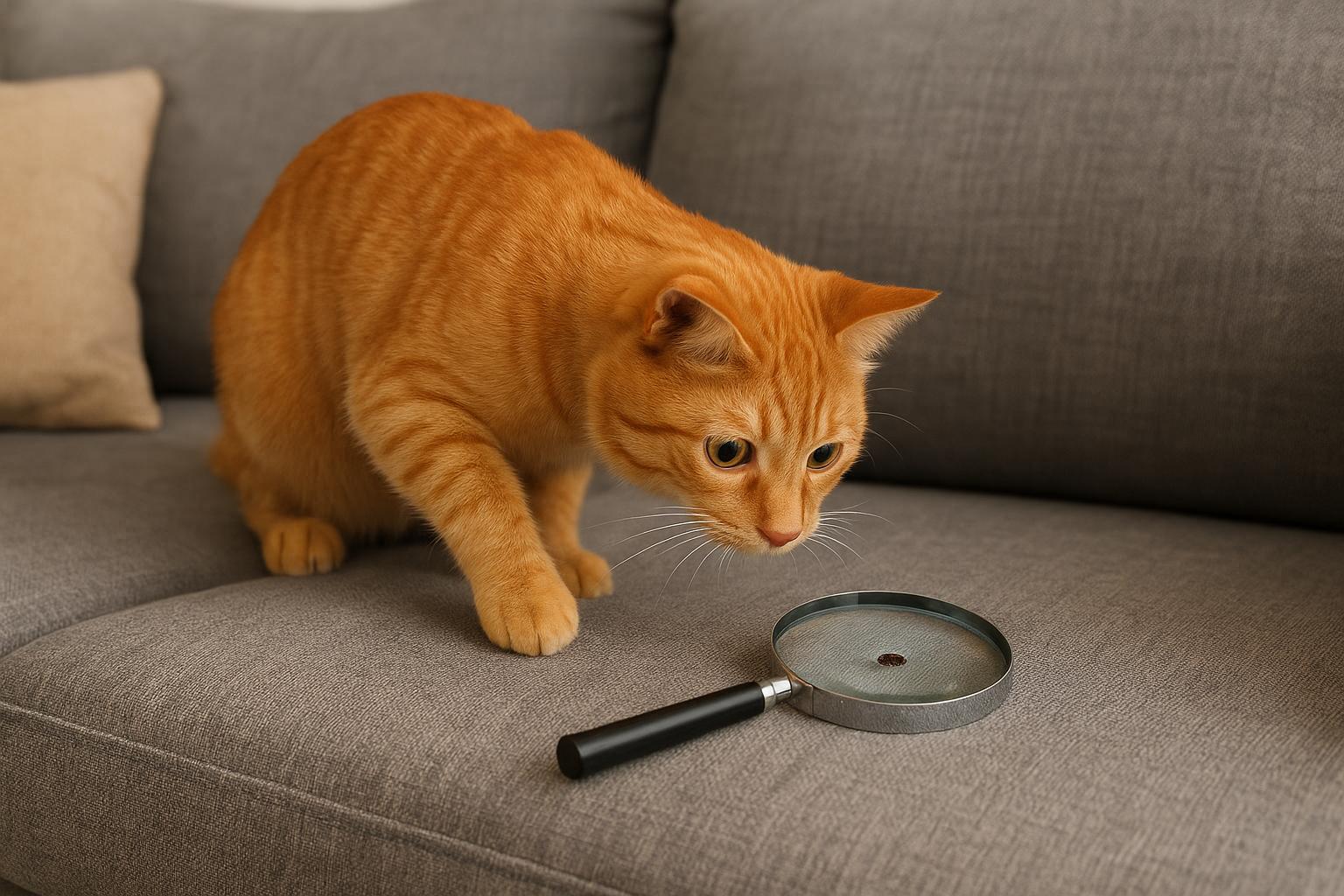
#### Flea Dirt Test
Wet a little of the black specks on white paper—if it turns reddish-brown, that’s digested blood: flea dirt. It’s a quick, low-tech confirmation you have genuine fleas on kittens, not just dirt.
## When To Call The Vet
If the kitten is under 6 weeks old, under 2 pounds, appears weak, or has pale gums, contact a vet immediately. Fleas on kittens can cause life-threatening anemia fast; professional care and possibly blood work or fluid support may be needed.
### Age And Weight Considerations
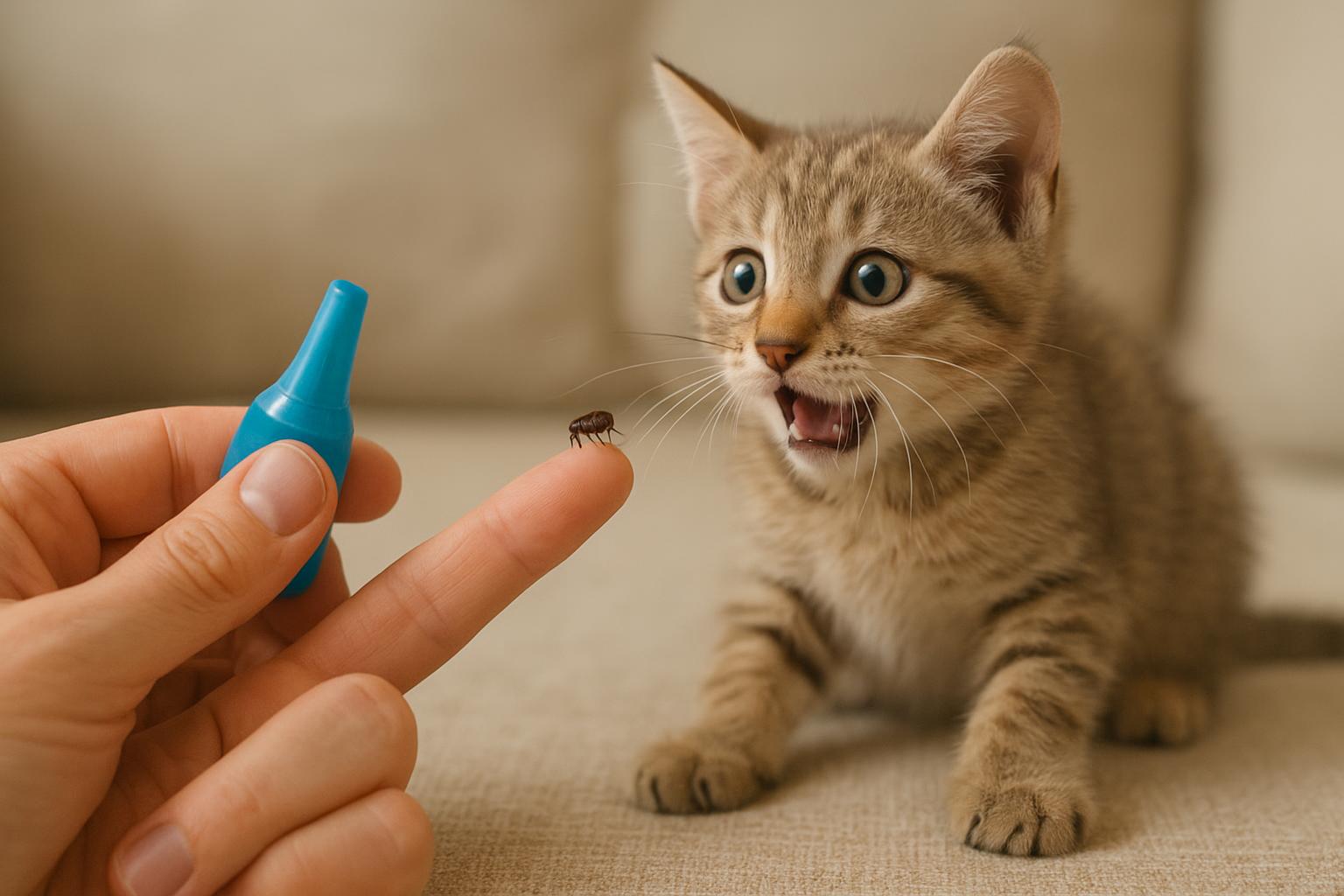
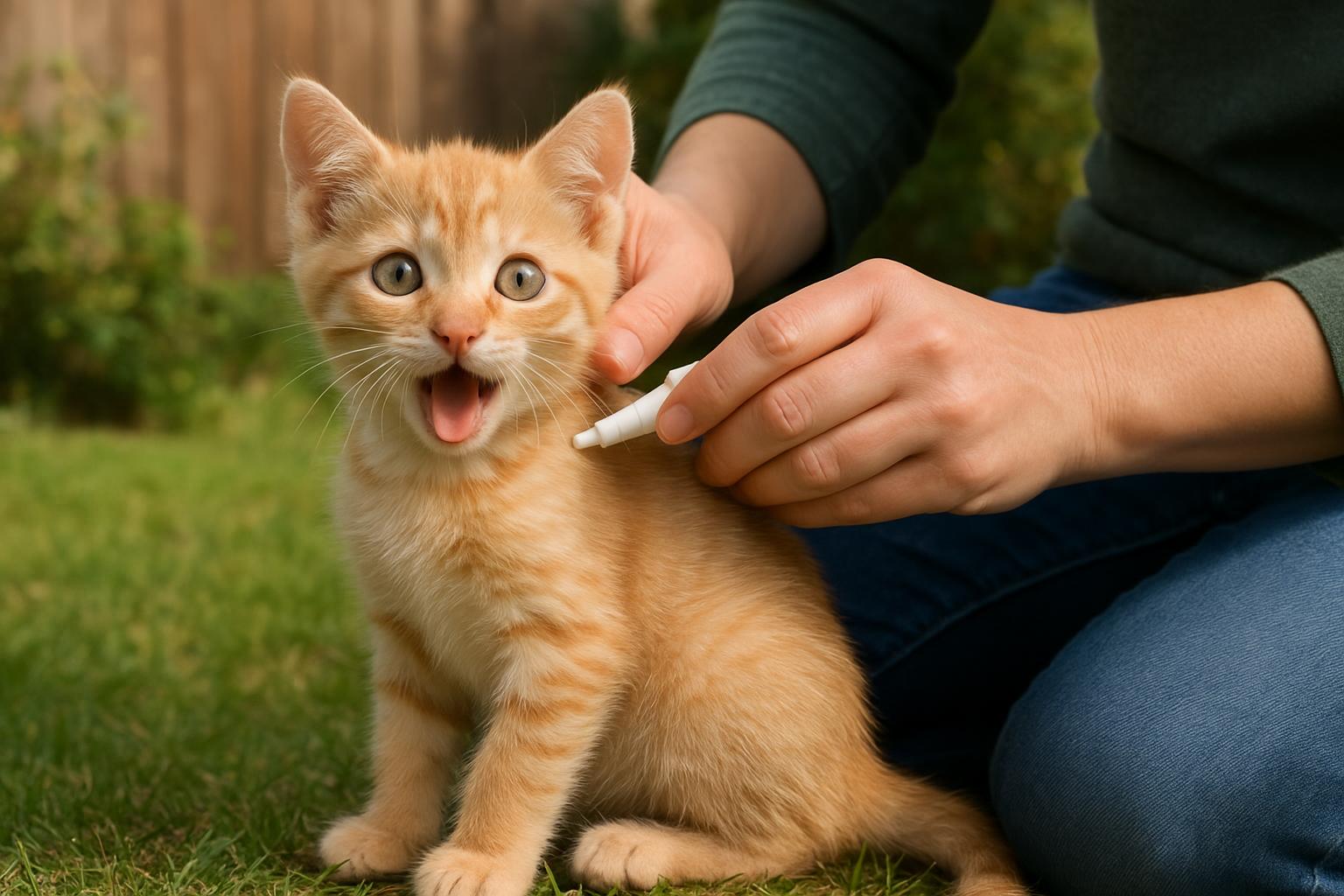
Many over-the-counter flea products are unsafe for very young or small kittens. A vet can recommend age-appropriate treatments (some topical medications are trusted in kittens 6–8 weeks and older, and only at certain weights).
### Anemia And Secondary Issues
Heavy infestations can lead to anemia, tapeworms (fleas can carry tapeworm larvae), and skin infections. These complications need targeted veterinary treatments.
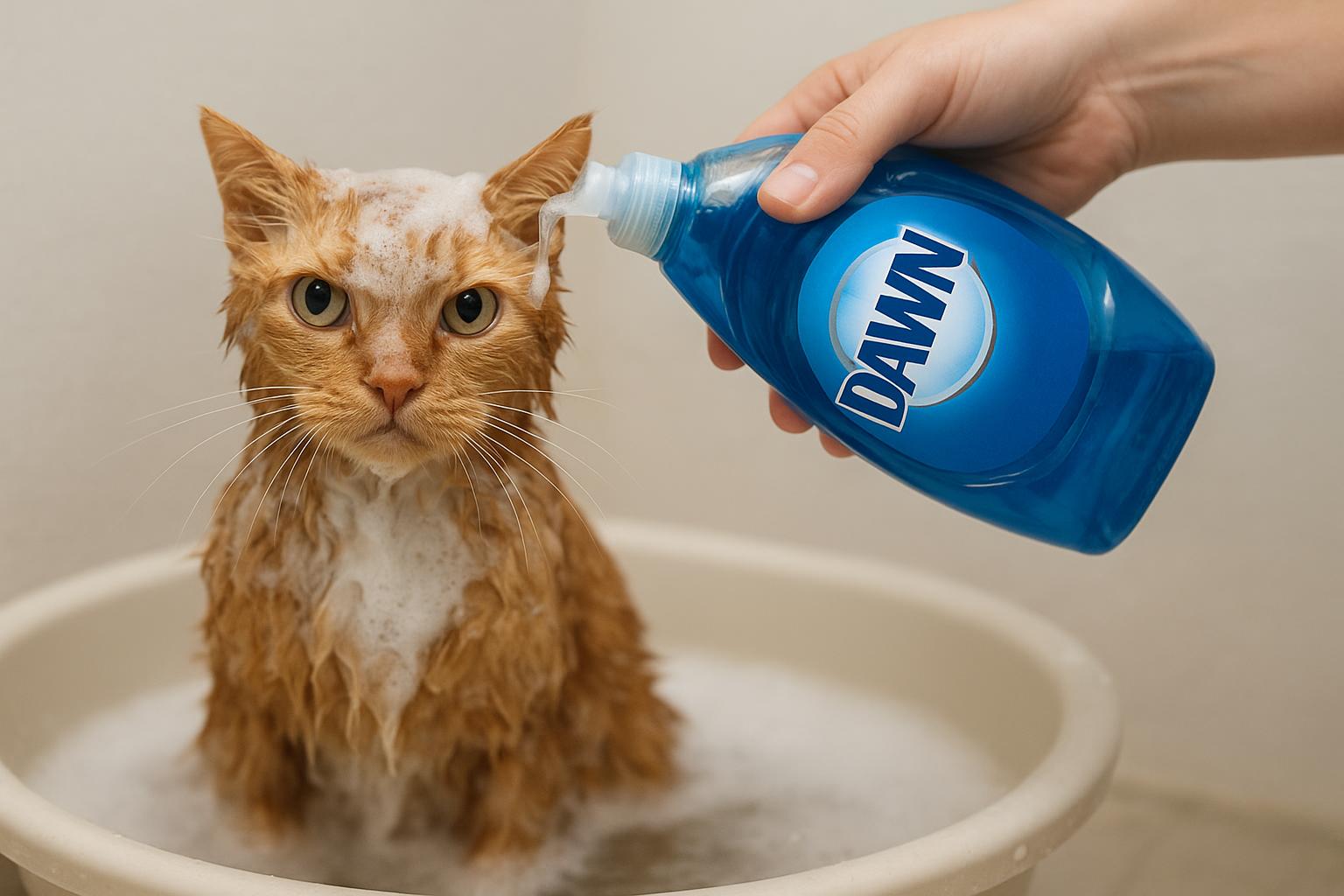
## Remedy 1: Gentle Flea Bath (For Kittens Older Than 4 Weeks)
When you’re dealing with fleas on kittens and the animal is old enough and stable, a careful flea bath can remove live fleas immediately. This is Remedy 1.
Materials/Ingredients
– Mild kitten-safe soap (a veterinary-formulated kitten shampoo or a dish soap like Dawn in a pinch—use vet guidance)
– Lukewarm water (not hot)
– Soft washcloth or sponge
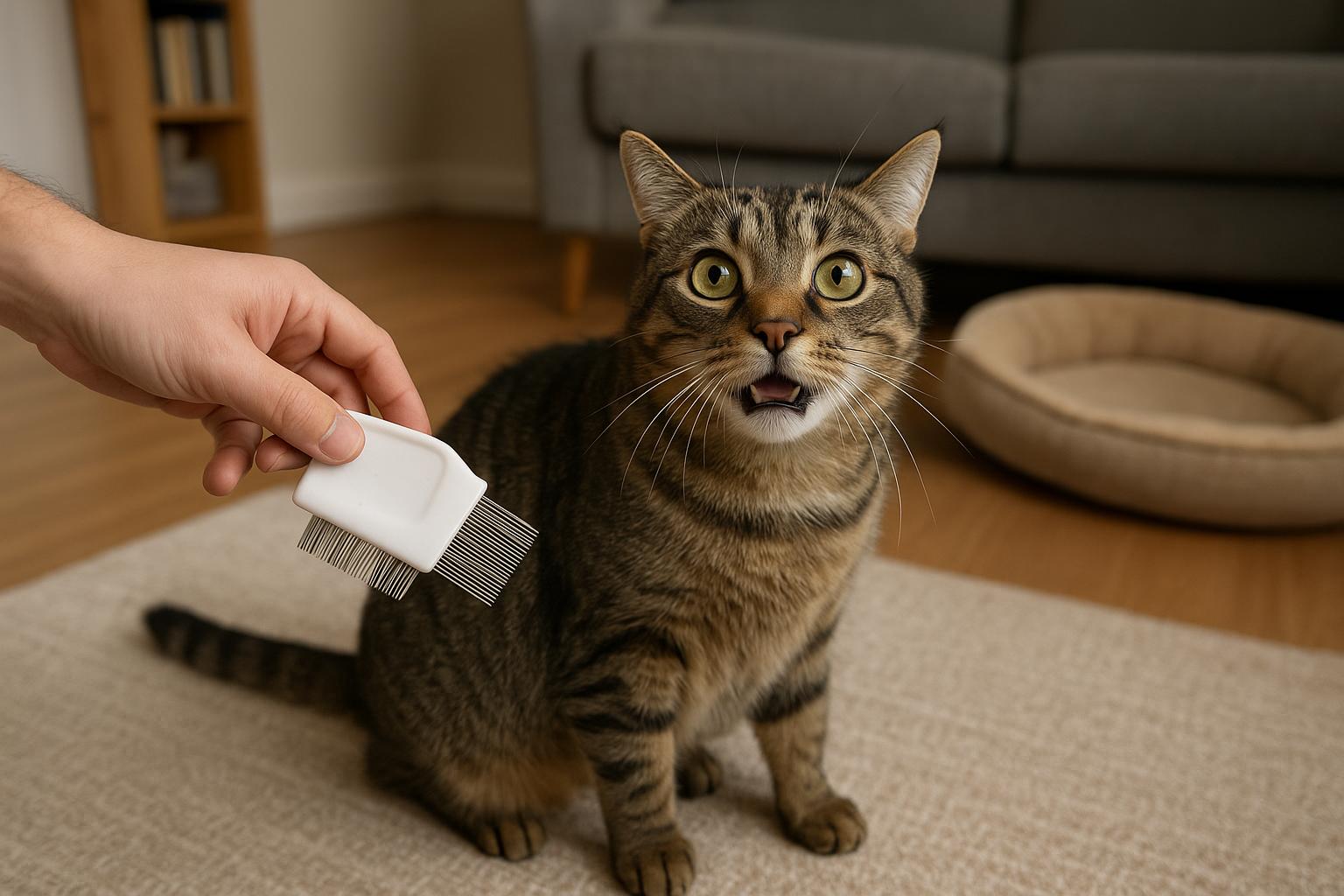
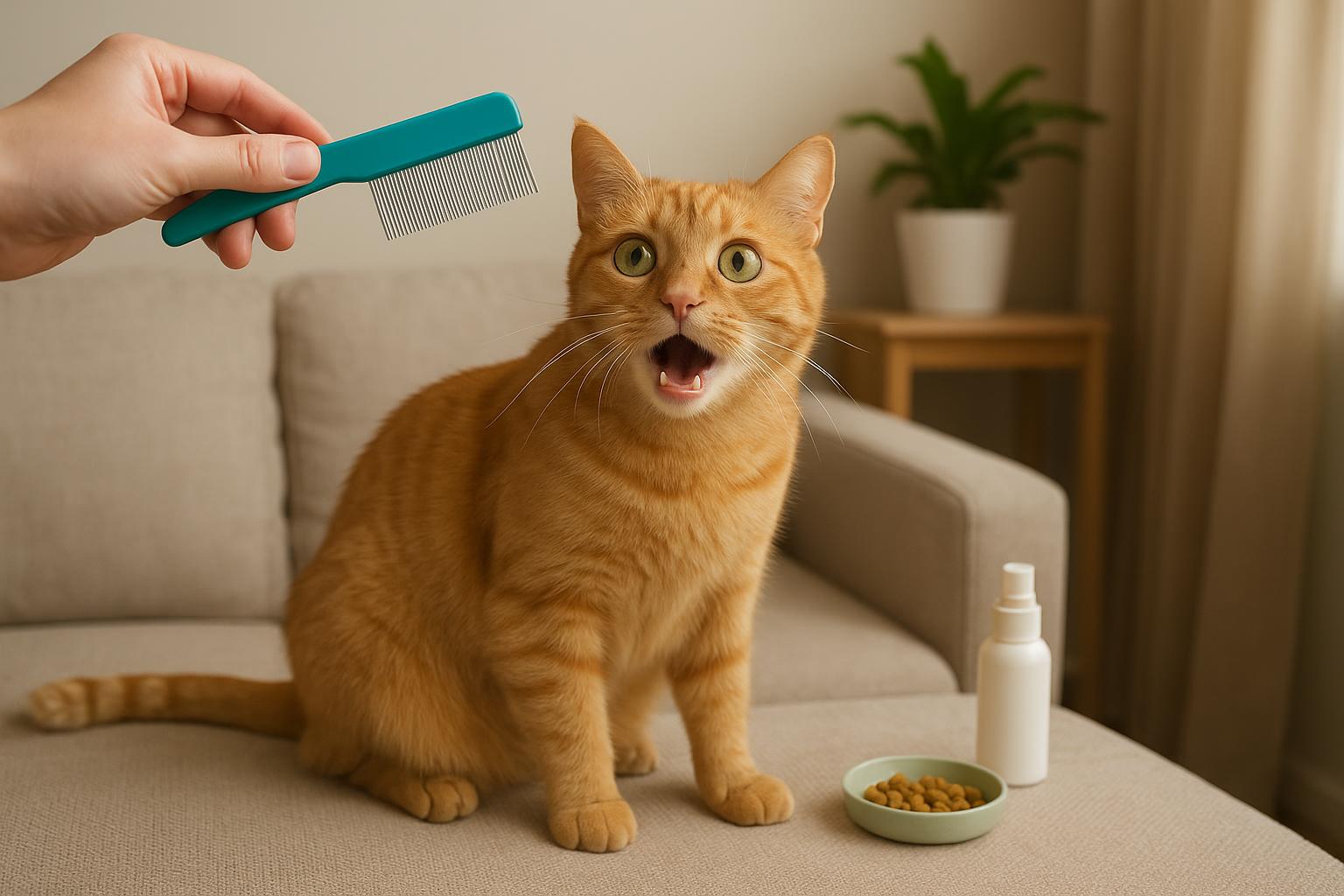
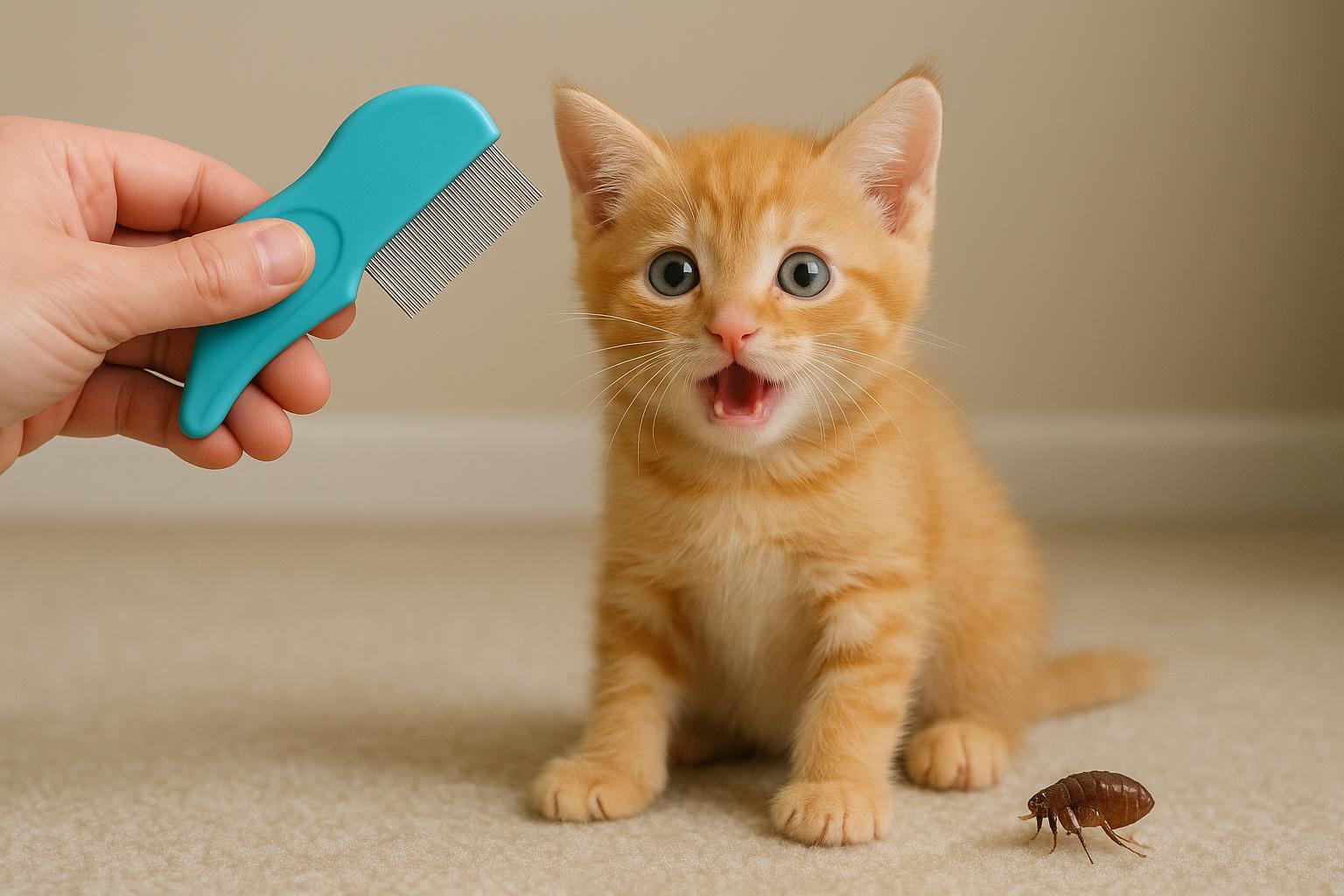
– Fine-toothed metal flea comb
– Towels and a warm, draft-free area for drying
– A bowl or sink with a shallow plug (or a small kitten-safe tub)
– Drying towels and a heat source if needed (warm room or gentle warming pad at low setting)
Step-By-Step Instructions (Formal)
1. Confirm Age/Safety: Ensure the kitten is at least 4 weeks old, strong, and not hypothermic. If unsure, consult your veterinarian before bathing.
2. Prepare Area: Fill the sink or tub with 2–3 inches of lukewarm water. Have everything within reach; you’ll need to keep one hand on the kitten at all times.
3. Wet the Kitten: Gently lower the kitten into the water, keeping the head dry. Use a cup to pour water over the body if the sink method stresses the kitten.
4. Apply Soap: Work a small amount of kitten-safe shampoo into a lather, avoiding the face and ears. If using mild dish soap per vet advice, use sparingly. Maintain a calm voice to keep the kitten relaxed.
5. Lather and Wait: Lather the fur and leave the soap on for the time recommended by the product label (usually 3–5 minutes). This contact time is important to kill many live fleas.
6. Rinse Thoroughly: Rinse completely to prevent skin irritation. Trapped soap can cause dryness or dermatitis.
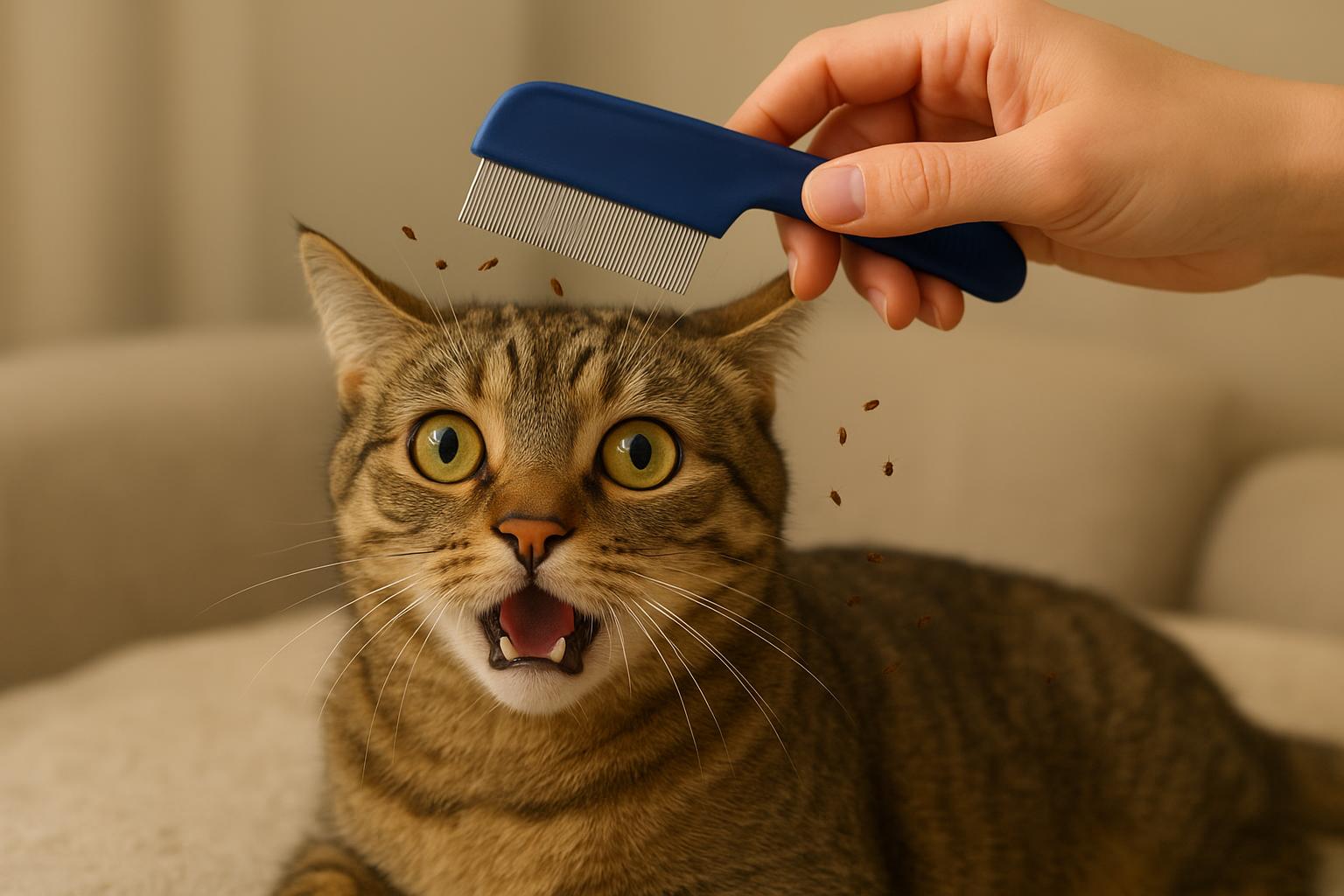
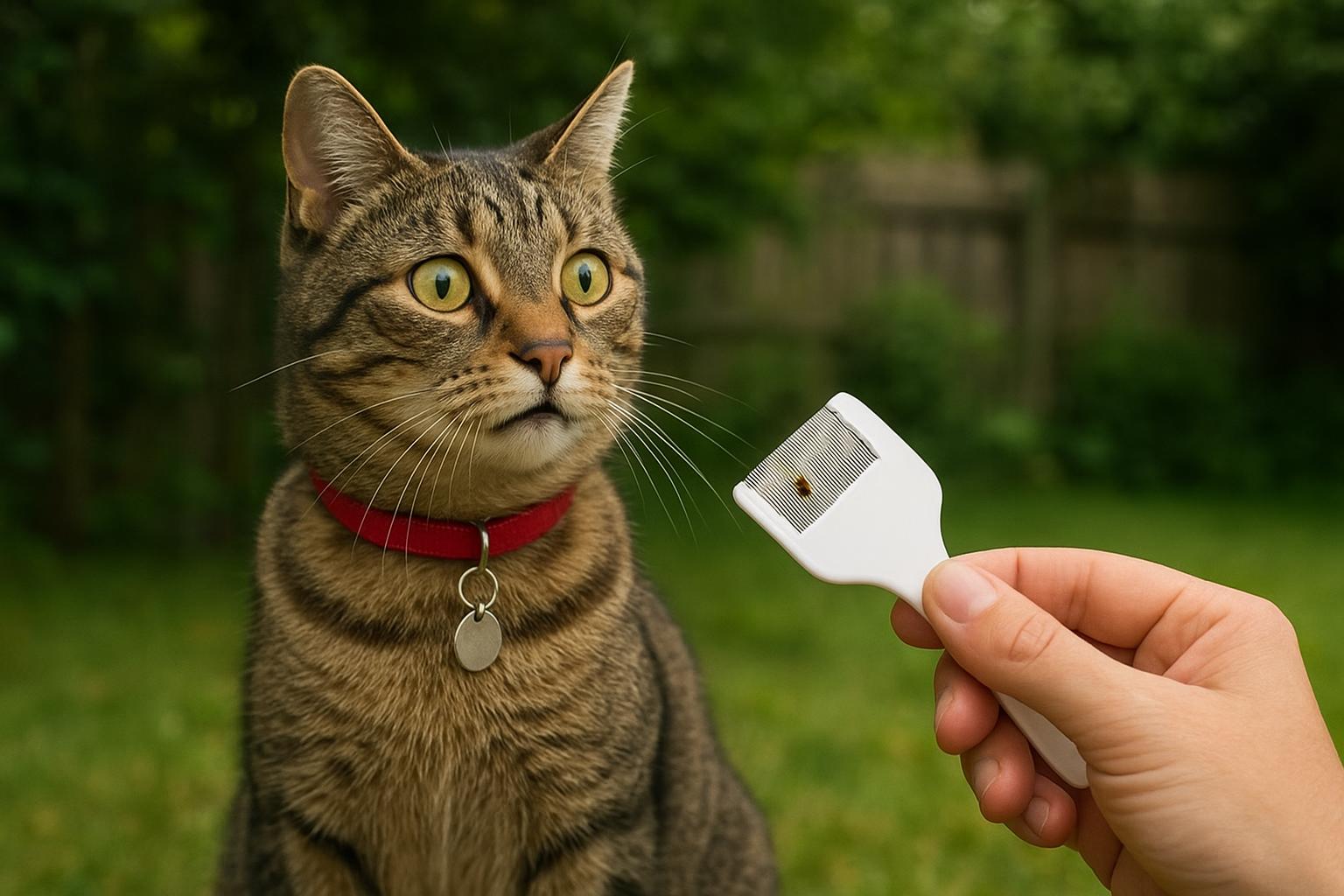
7. Comb While Damp: After rinsing, use a fine-toothed flea comb to remove dead fleas and flea dirt. Comb from head to tail, wiping the comb on white paper to check results.
8. Dry and Warm: Wrap the kitten in towels and dry gently. Keep the kitten warm until fully dry; young kittens can’t regulate body temperature well.
9. Dispose Safely: Any fleas that fell into the sink should be flushed or disposed of; do not release live fleas back into the yard.
Safety Notes (Formal)
– Do not bathe kittens less than 4 weeks old unless directed by a vet.
– Avoid harsh chemicals, pyrethroids, or household flea shampoos not labeled for kittens.
– If the kitten shows signs of distress, stop and seek veterinary help.
## Remedy 2: Flea Combing And Environmental Control
This remedy pairs targeted combing with backyard-focused measures to address the life cycle and reduce reinfestation risk.
Materials/Ingredients
– Fine-toothed metal flea comb
– White paper or dish for combed debris
– Vacuum cleaner with attachments
– Hot laundry facilities or a plastic bin for bedding
– Diatomaceous earth (food-grade) or nematode products for yards (optional, see safety)
– Plastic trash bags or sealable containers
Step-By-Step Instructions (Formal)
1. Initial Assessment: Confirm the kitten is stable and of an age suitable for combing and handling.
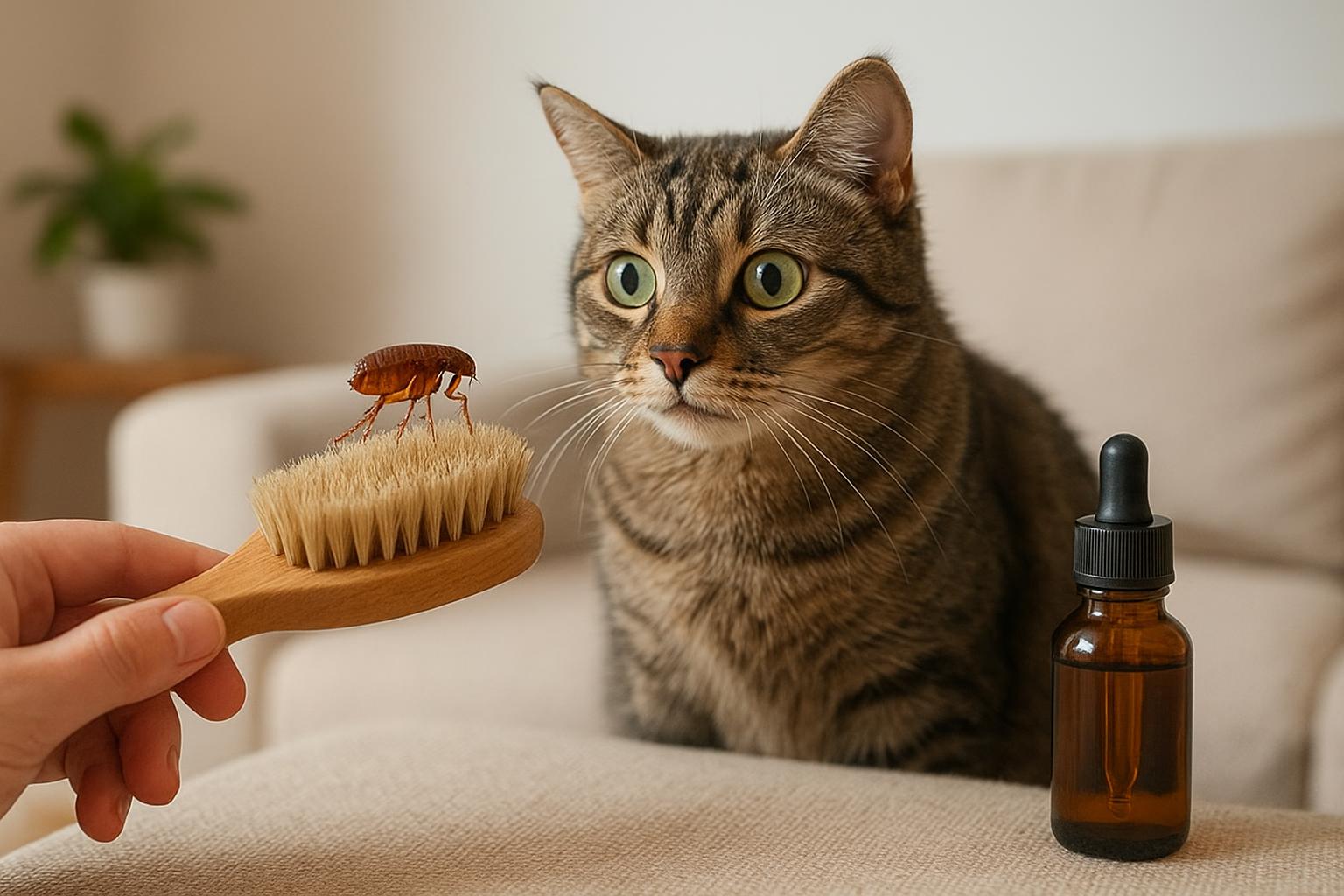
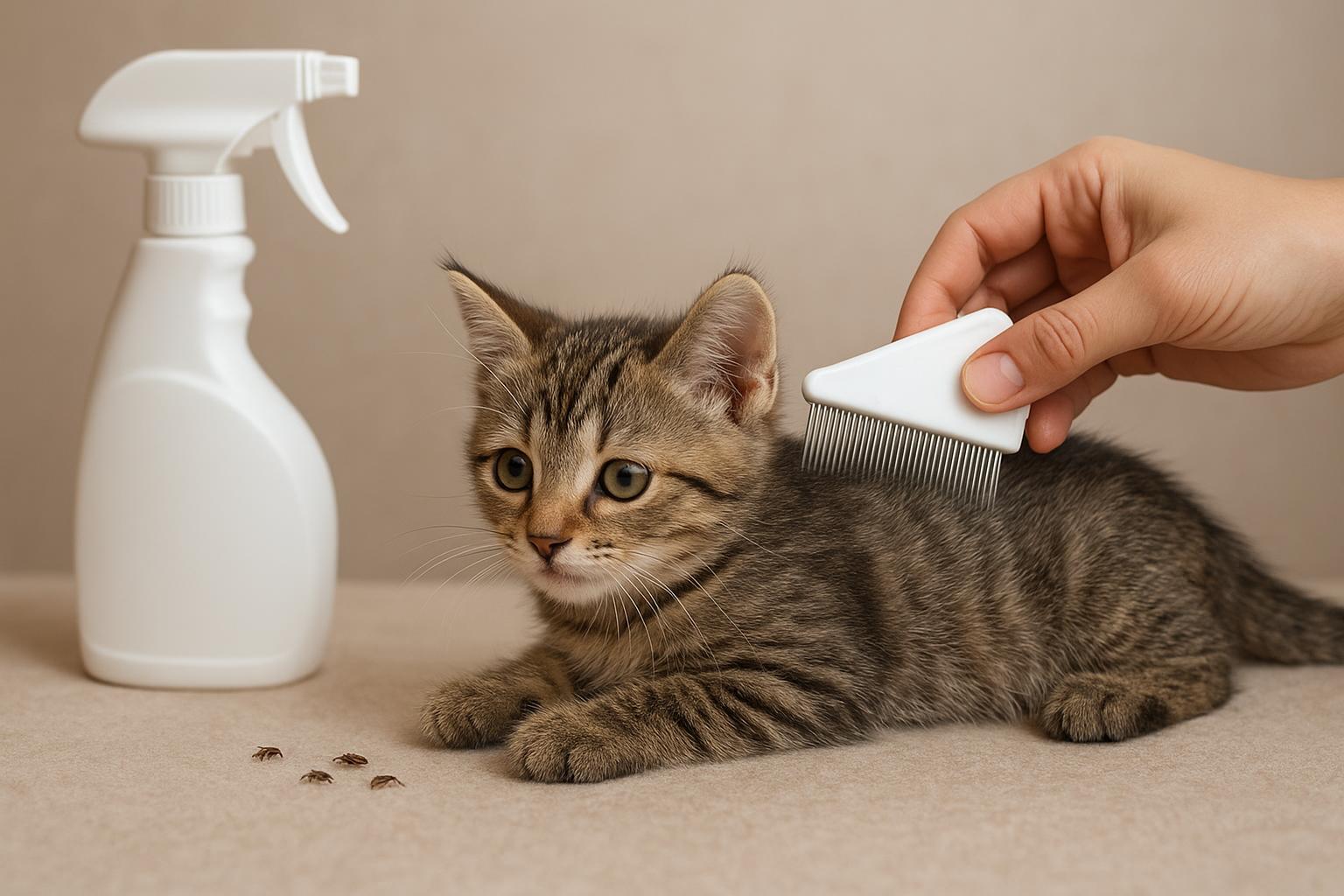
2. Comb the Kitten: In a well-lit area, comb the kitten thoroughly, especially along the neck, armpits, and base of the tail. After each pass, wipe the comb on white paper to inspect for fleas and flea dirt.
3. Remove Debris: Dunk the comb in soapy water or wipe onto paper, then dispose of contents in sealed bag. This prevents escape.
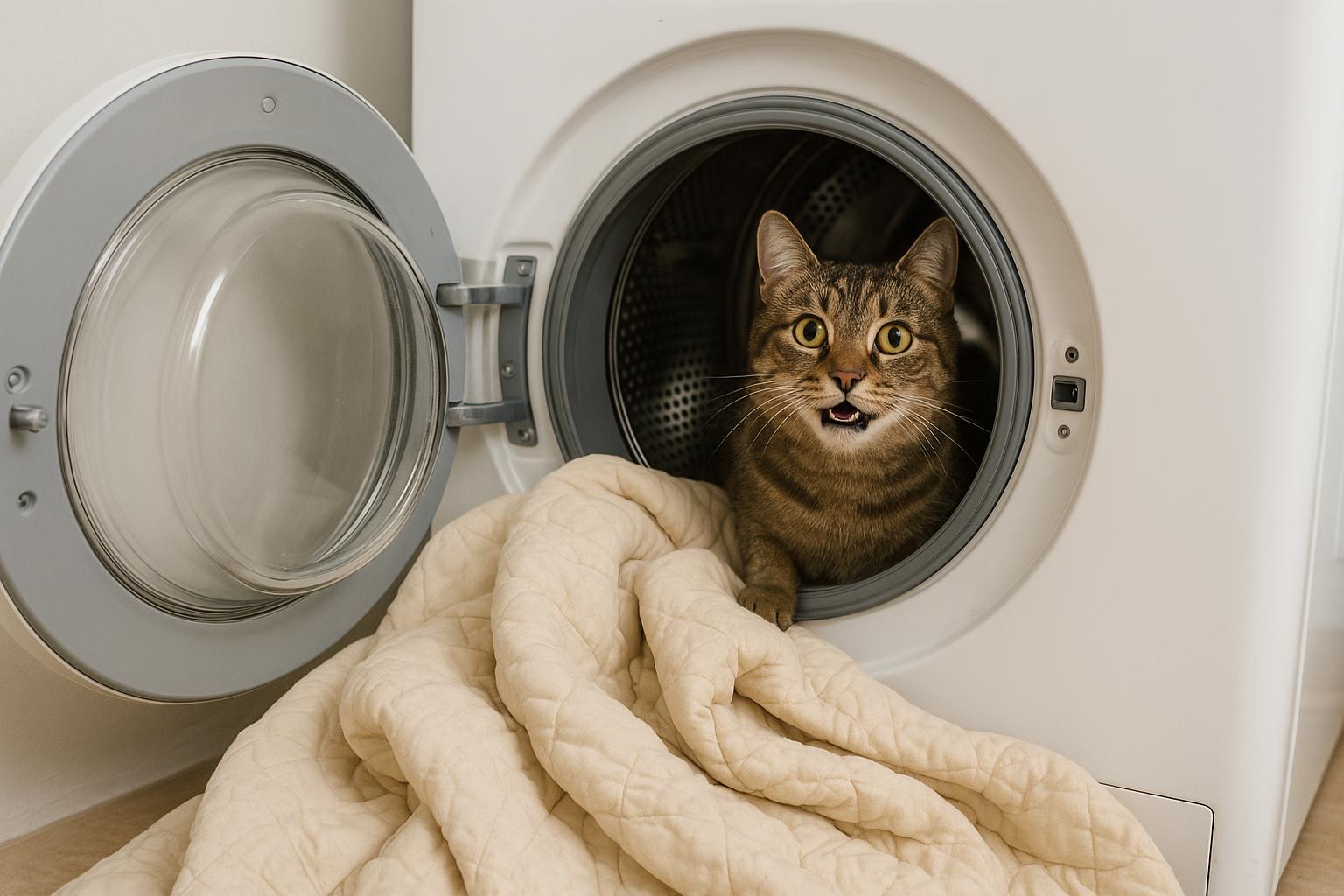
4. Treat Bedding: Collect all bedding, blankets, and soft toys. Wash in hot water and dry on high heat. For items that can’t be washed, place in a sealed bag for 2 weeks to starve remaining fleas and eggs.
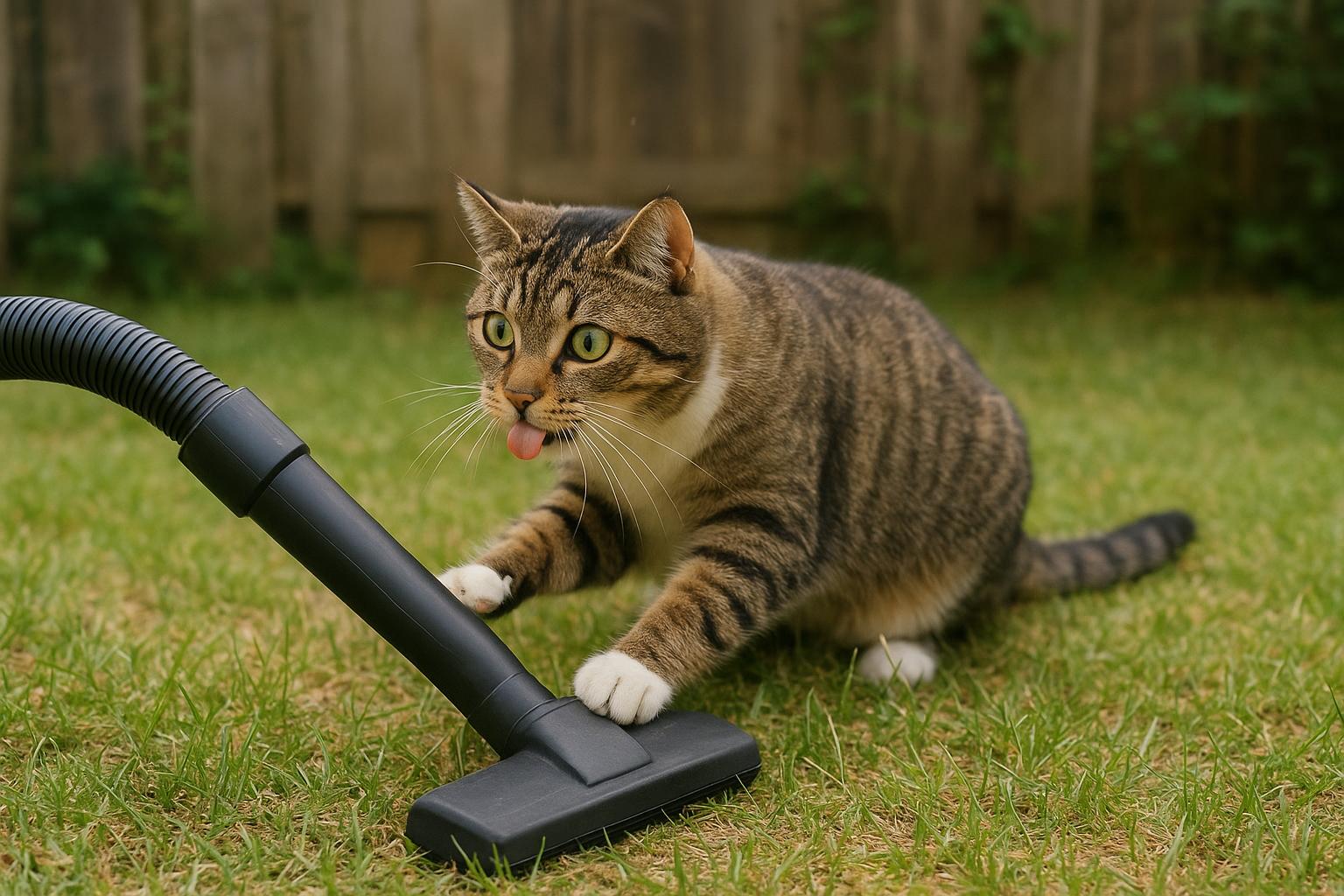
5. Vacuum Thoroughly: Vacuum carpets, rugs, upholstery, and crevices. Empty the vacuum into a sealed bag and dispose outdoors immediately.
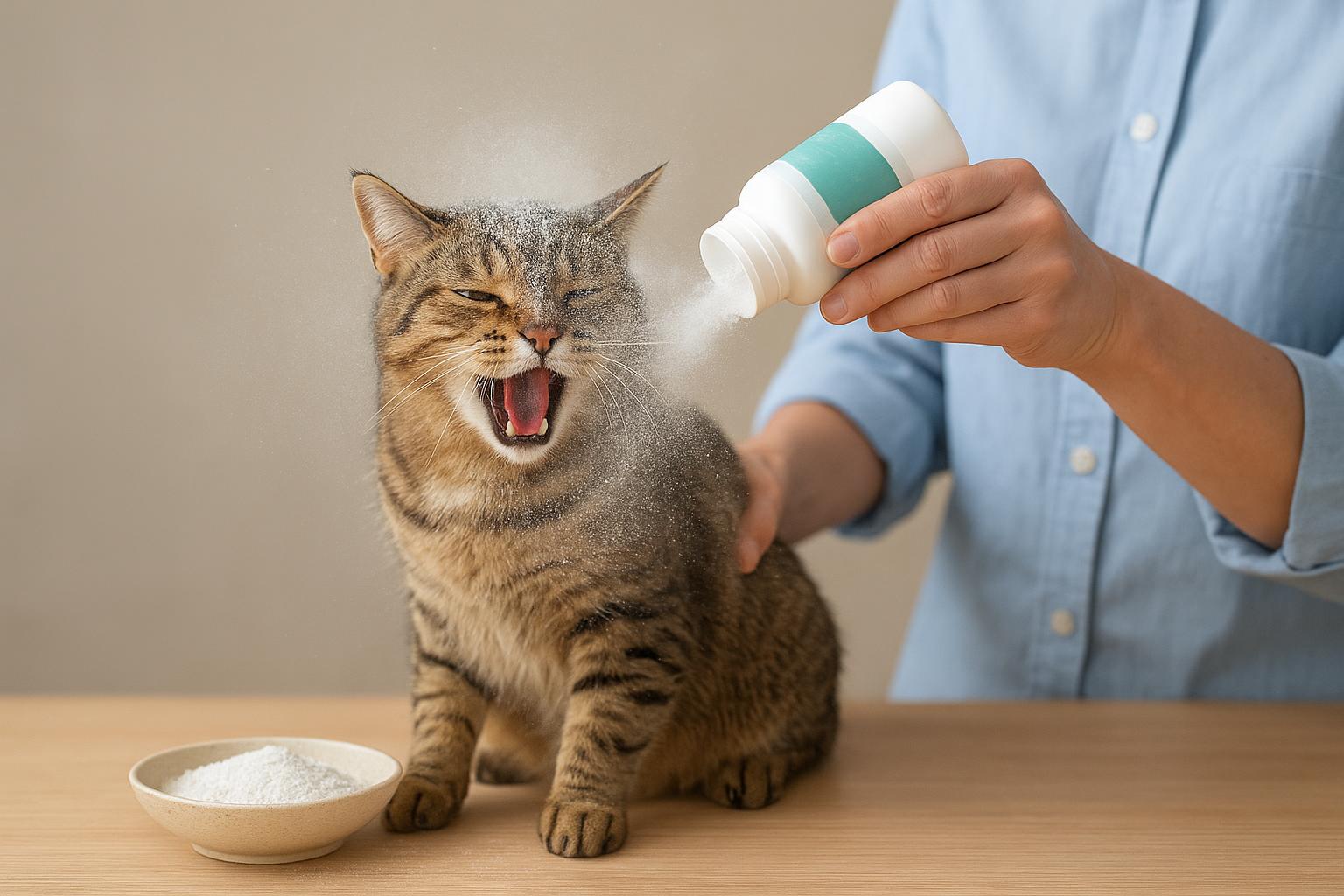
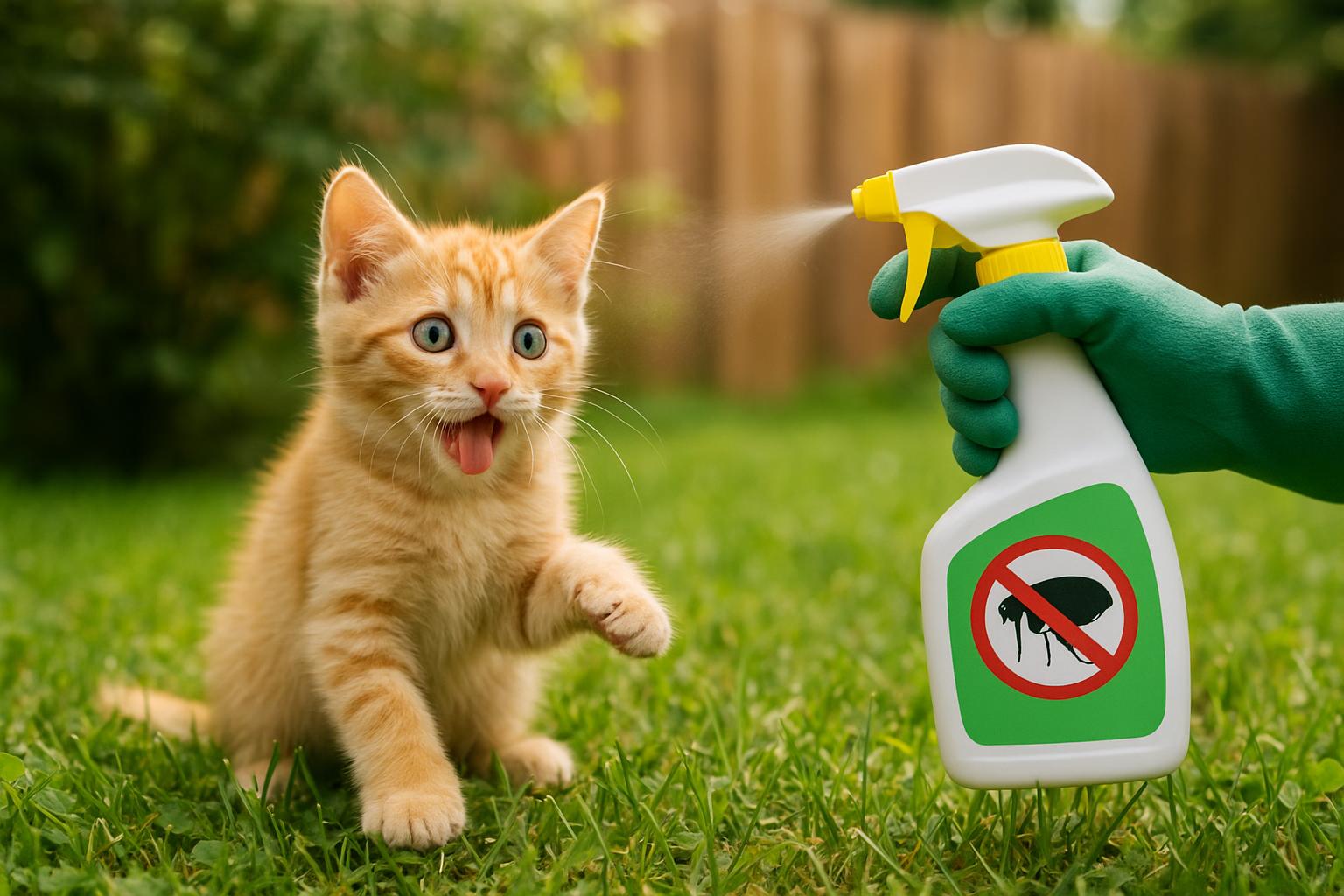
6. Yard Management: Reduce shaded, humid microhabitats—keep grass short, remove leaf litter, and move woodpiles away from frequented cat areas. Consider applying food-grade diatomaceous earth to high-traffic, dry areas according to label instructions or introduce beneficial nematodes for biological control; avoid broad-spectrum pesticides that can harm wildlife.
7. Repeat Routine: Comb daily until no fleas are found for at least two weeks. Vacuum and wash bedding weekly during treatment.
Safety Notes (Formal)
– Do not use diatomaceous earth near eyes or wet surfaces; use food-grade products and follow directions.
– Avoid indiscriminate pesticide use in the backyard; consult local extension services or a vet about safe, targeted yard treatments.
## Safe Products And Age Guidelines
Choosing products for fleas on kittens requires matching the kitten’s age and weight to the product label and veterinary guidance.
### Topical Versus Oral
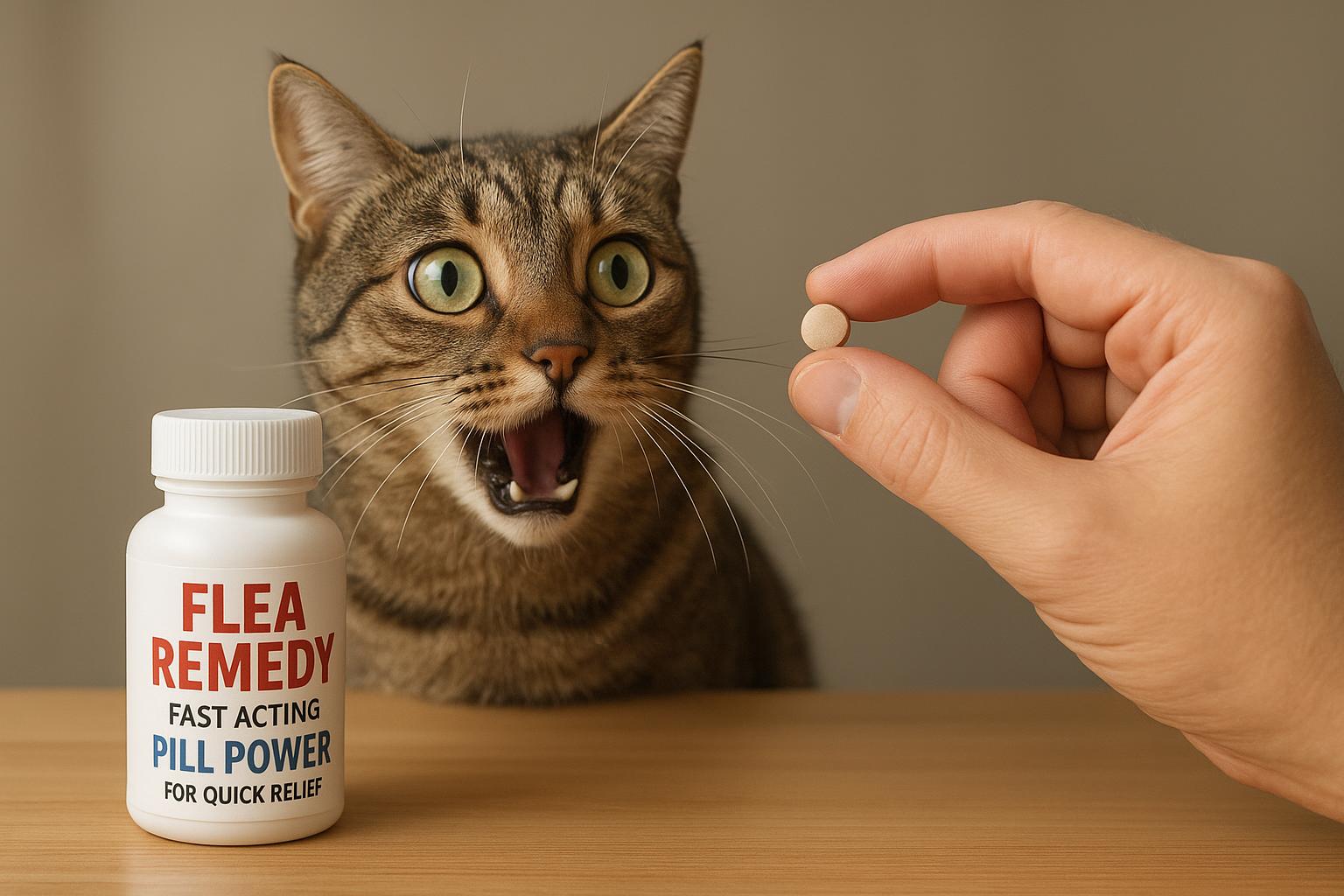
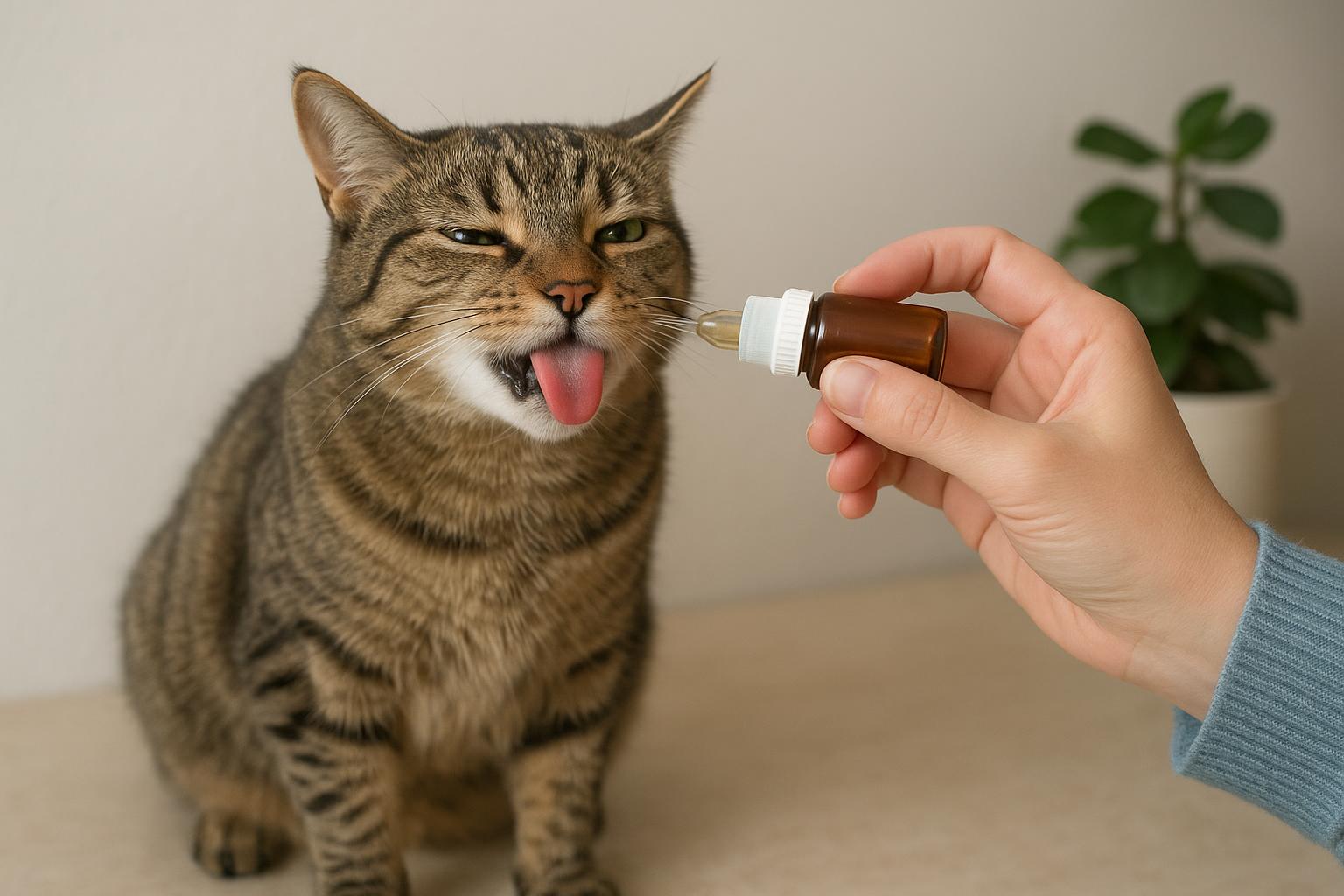
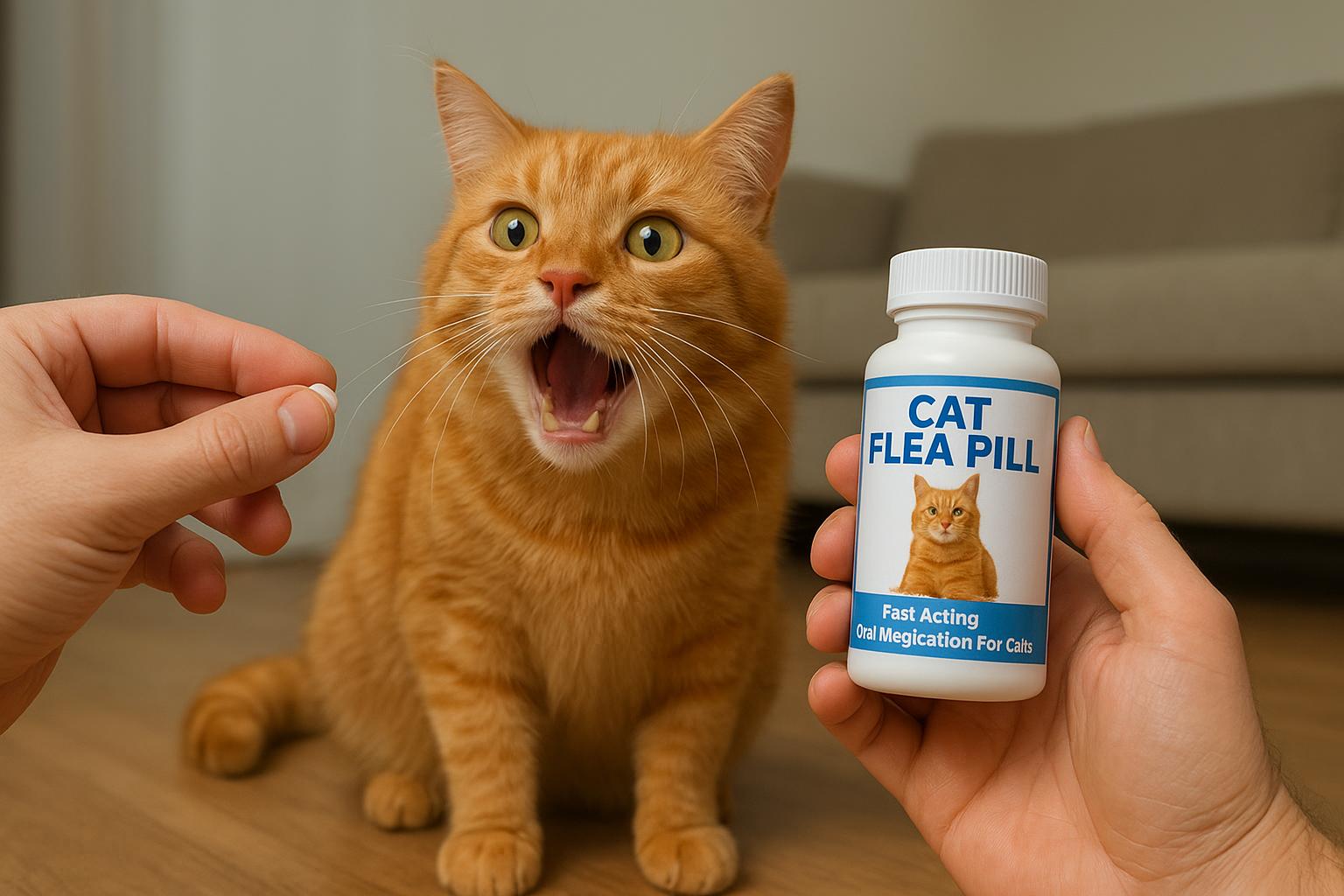
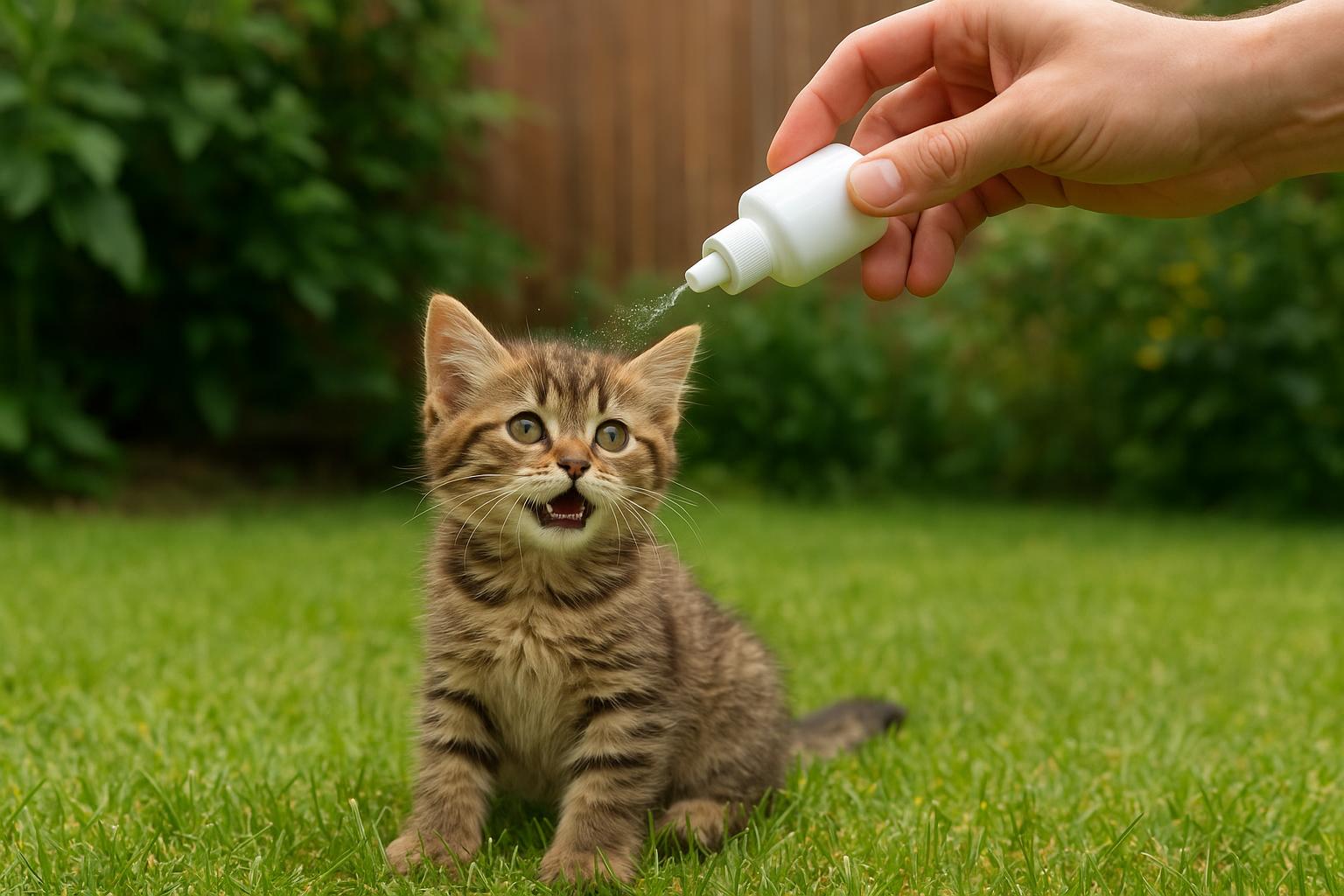
Topical spot-on products (e.g., selamectin-based products) can be safe for kittens at specified ages and weights; oral products are less commonly used in young kittens. Always verify label instructions and consult a veterinarian before administration.
### Products To Avoid
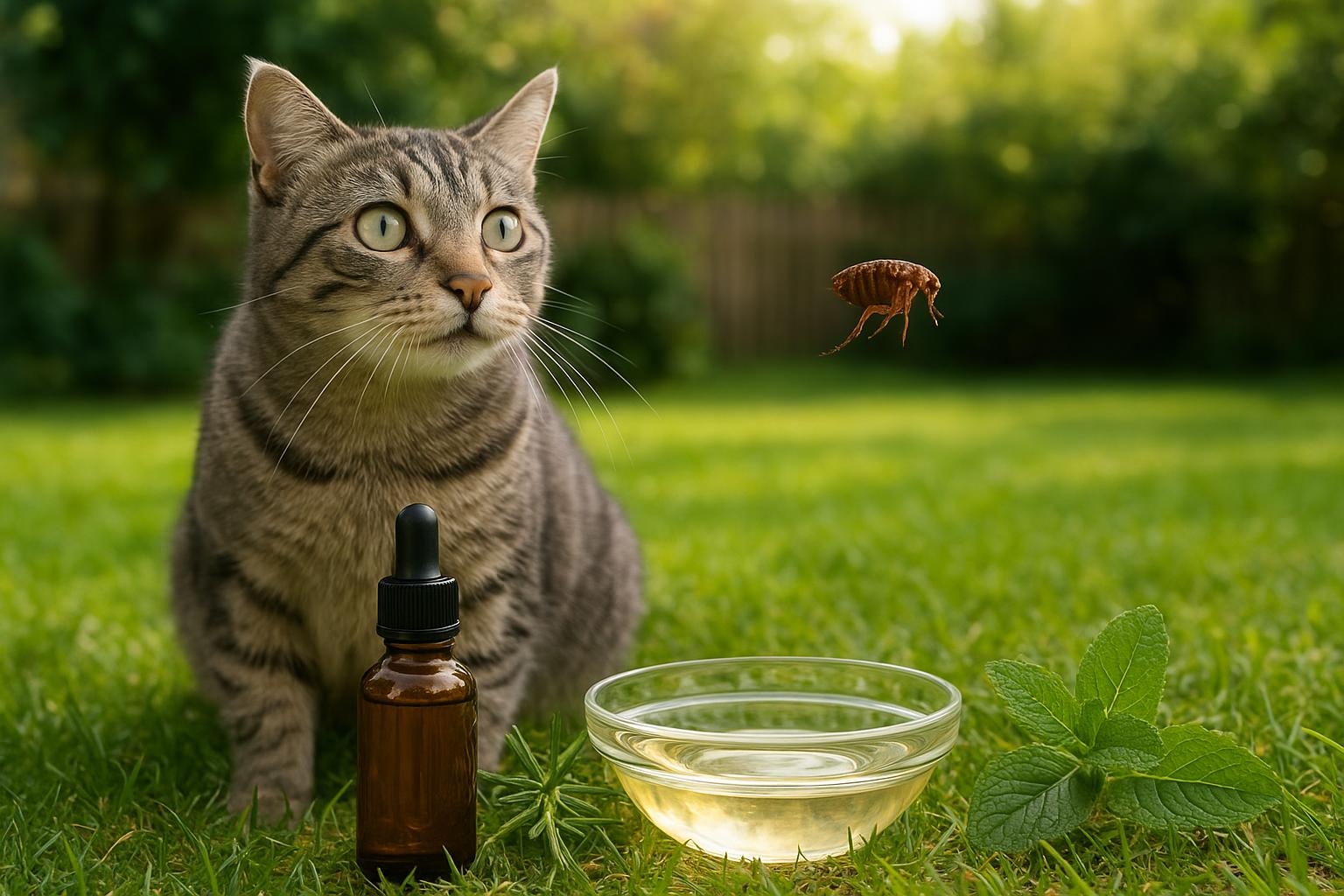
Do not use permethrin-based dog products on cats or kittens; they can be toxic. Avoid homemade essential oil mixtures unless prescribed by a vet—many oils are dangerous to cats.
## Preventing Recurrence In The Backyard
A kitten-safe yard plan reduces pressure from the environment and keeps local wildlife healthy.
### Habitat Management
Create dry, sunny pathways and move favorite hangouts to elevated surfaces where fleas are less likely to thrive. Regular mowing and removing leaf litter cut the places fleas like to hide.
### Friendly Wildlife Considerations
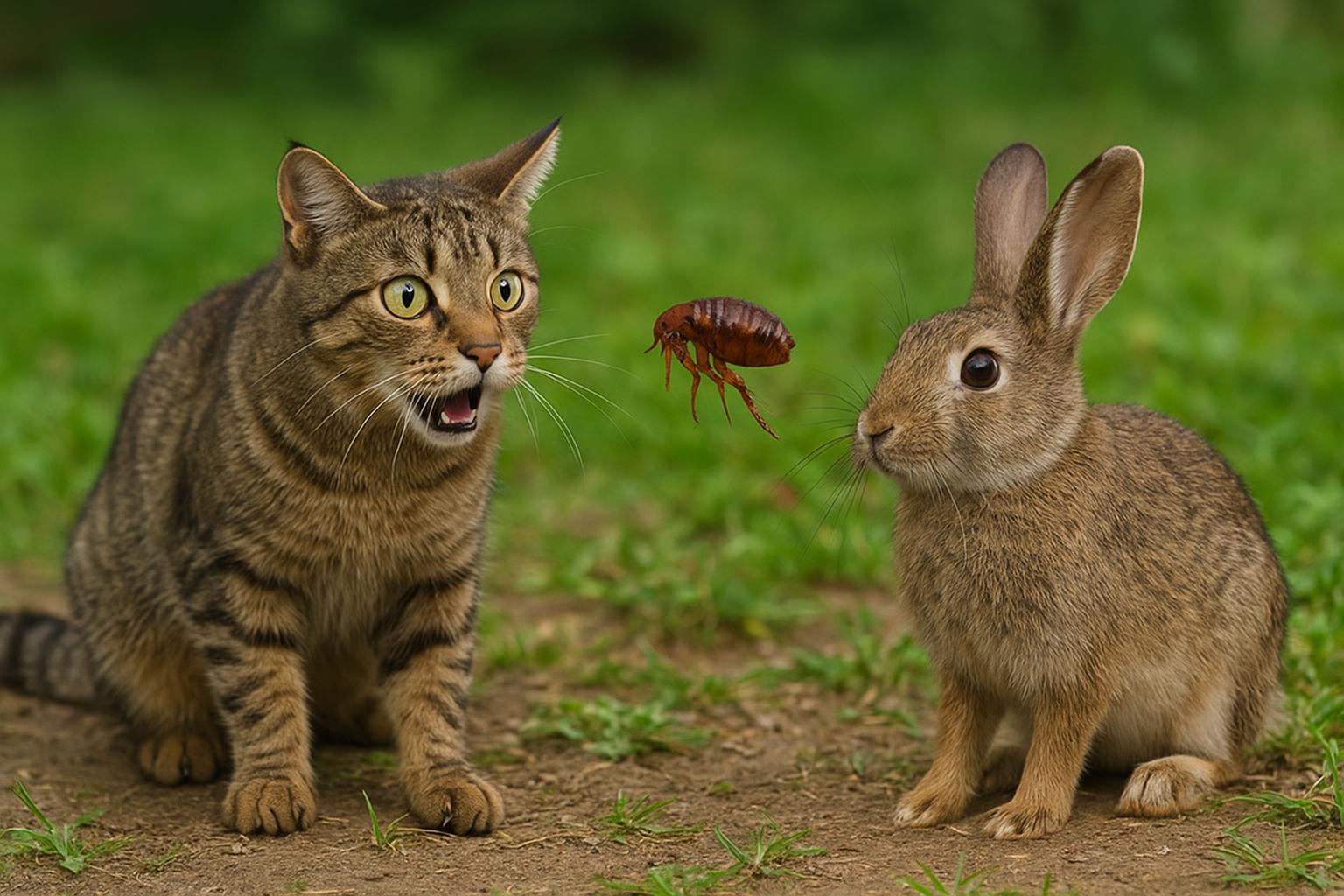
Respect local wildlife—don’t use poisons that could harm birds, hedgehogs, or beneficial insects. If wildlife contributes fleas, consider humane exclusion methods, such as securing compost and food sources, and sealing shelter gaps under porches. If the backyard is a flea hotspot because of persistent wildlife traffic, consult local wildlife control for nonlethal options.
Remember: when dealing with fleas on kittens, the goals are immediate relief for the kitten, safe interruption of the flea life cycle, and thoughtful yard management that keeps your entire backyard community safer.





Leave a Reply